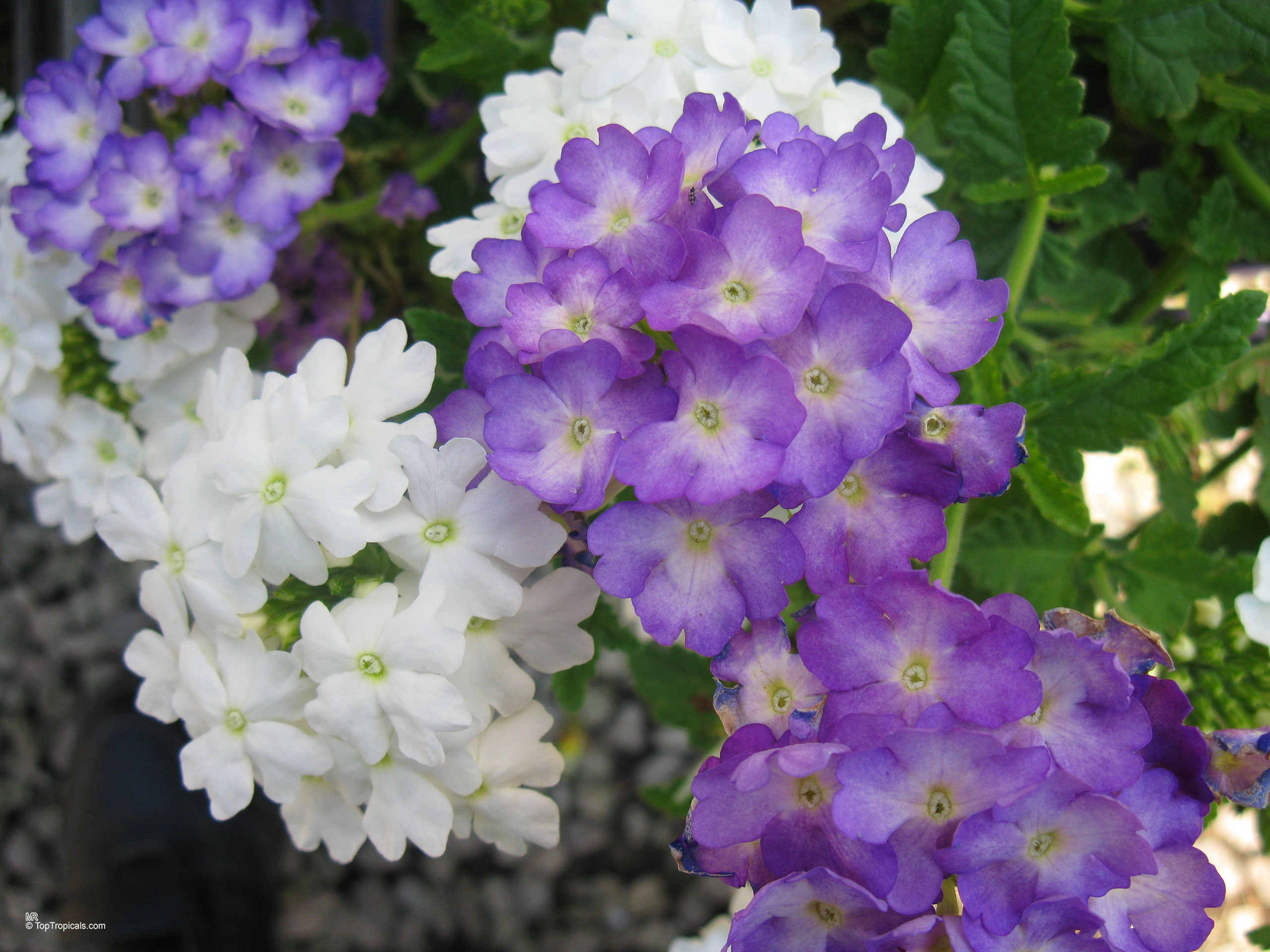
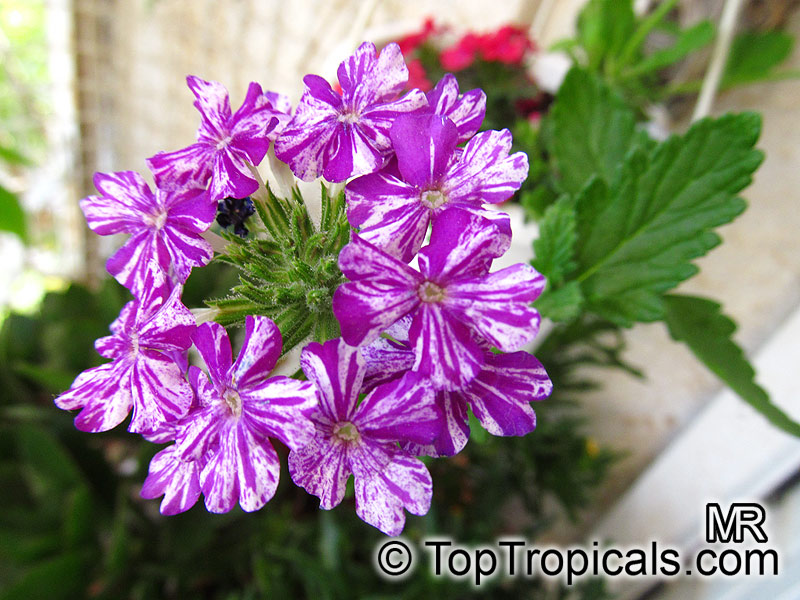
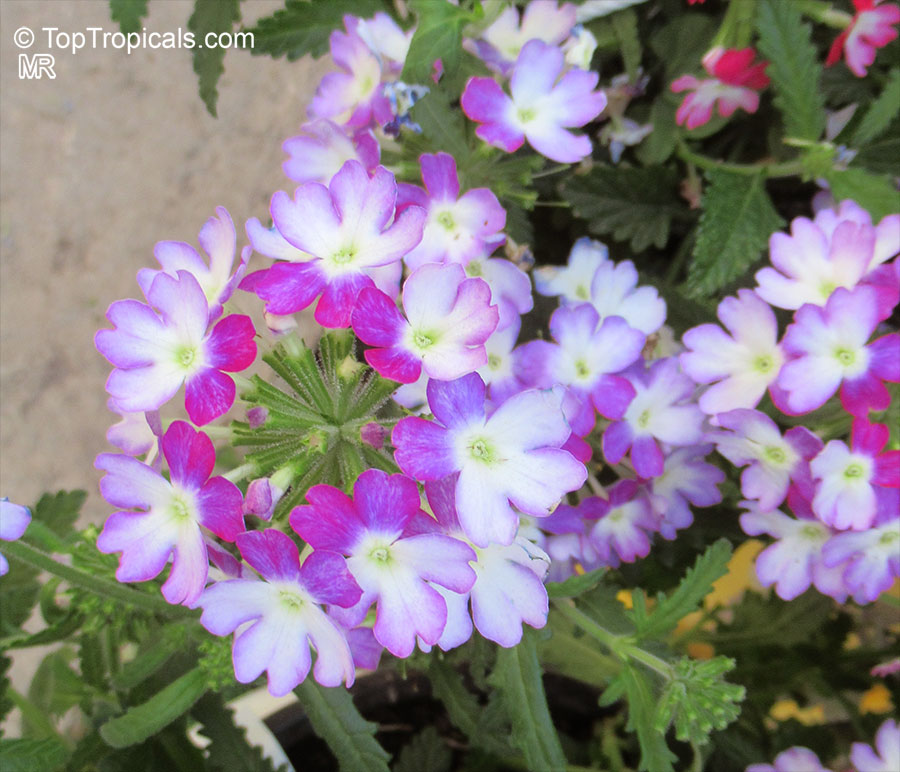
Verbena sp. (Verbena)
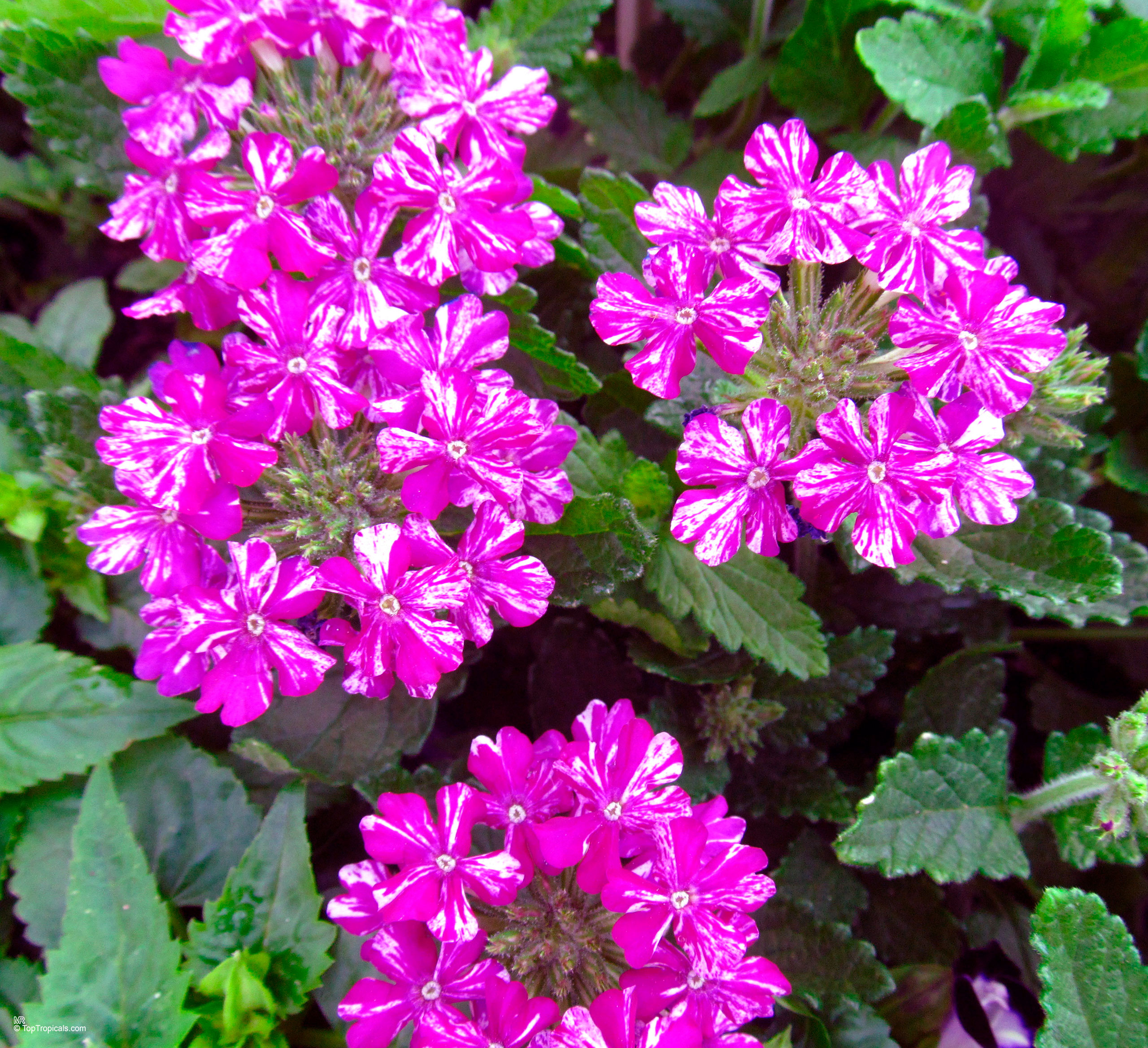
Botanical name: Verbena sp.
Common name: Verbena
Family: Verbenaceae
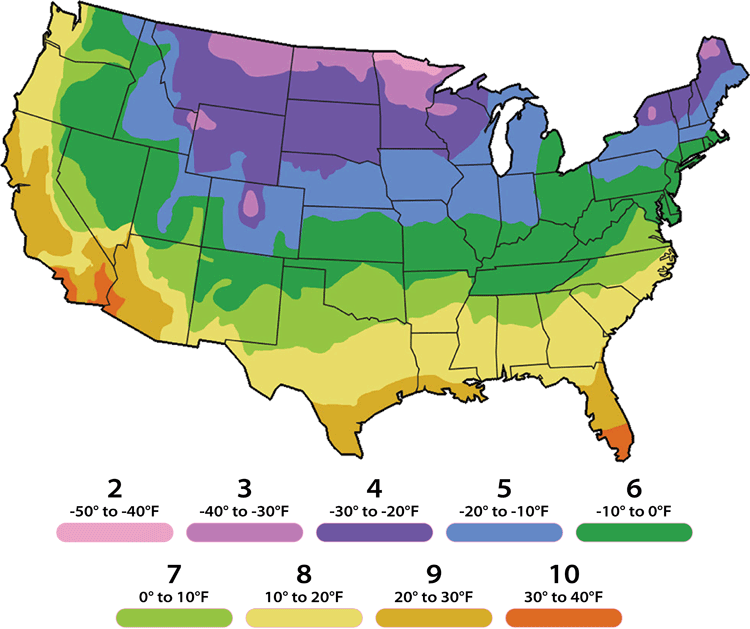
USDA Zone: 7-11


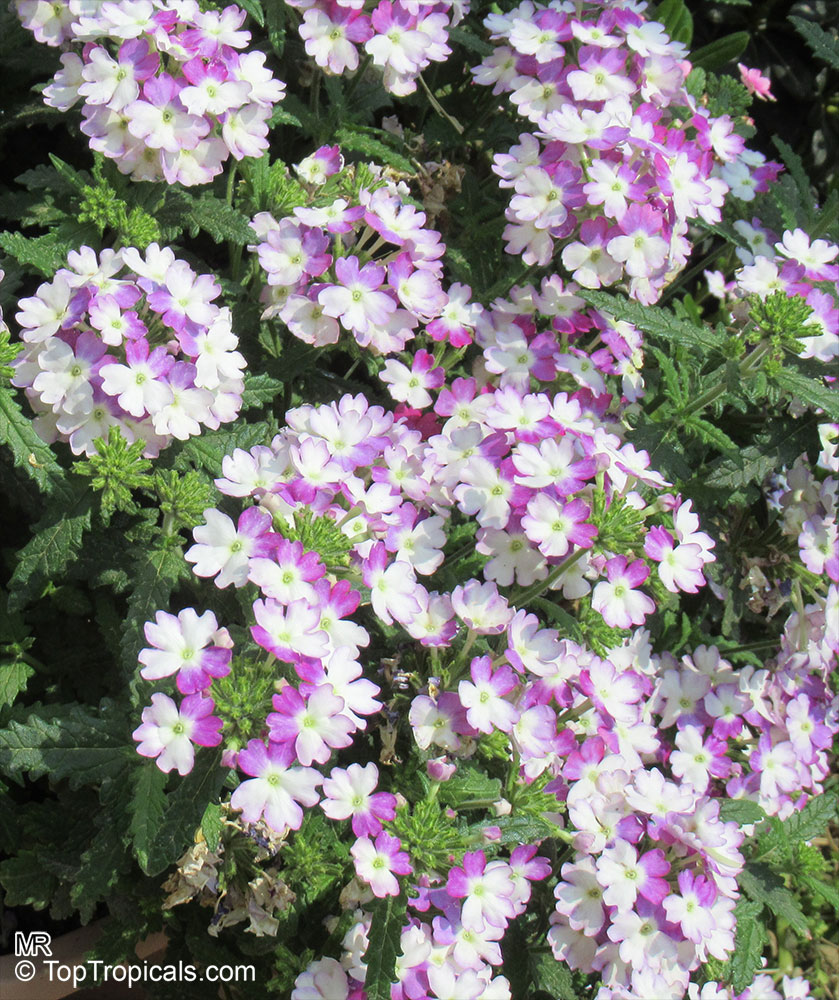
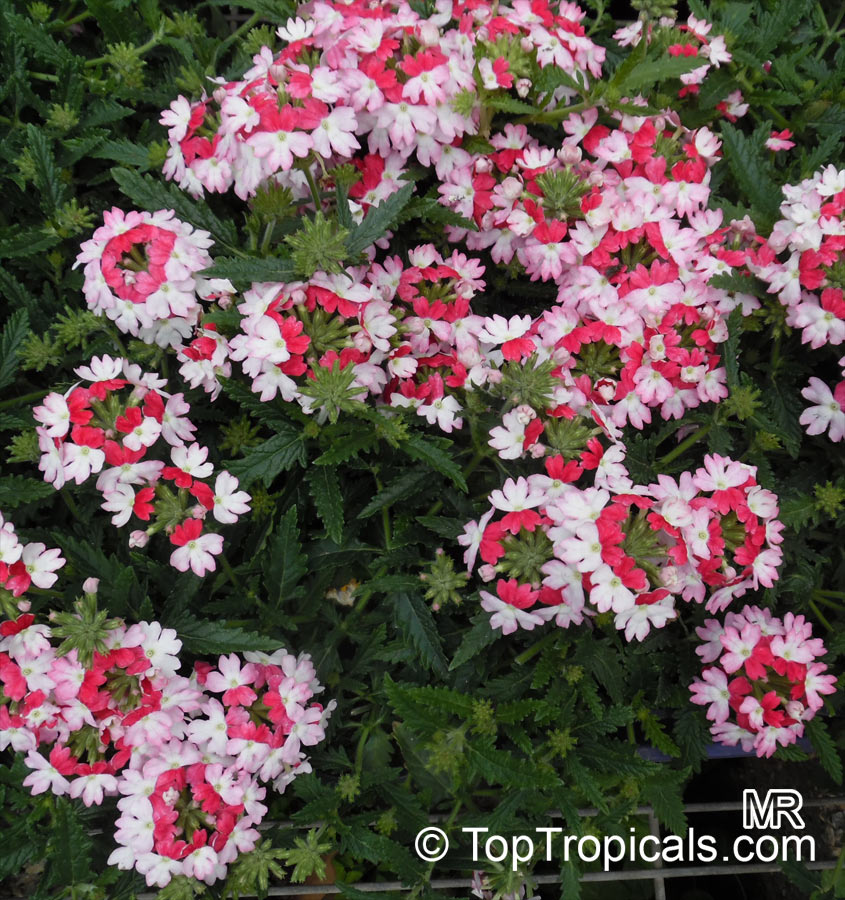
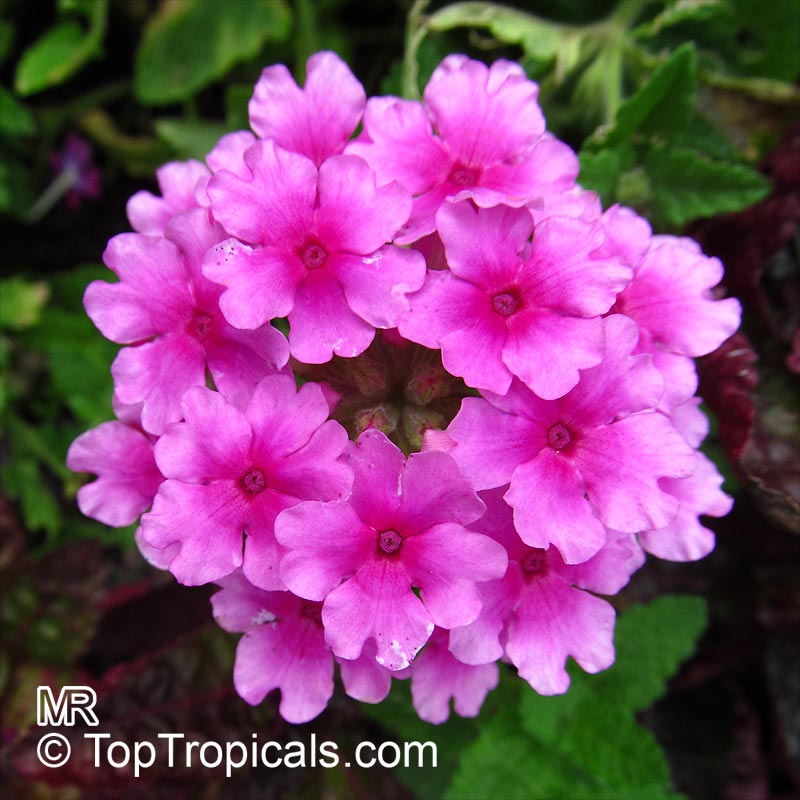
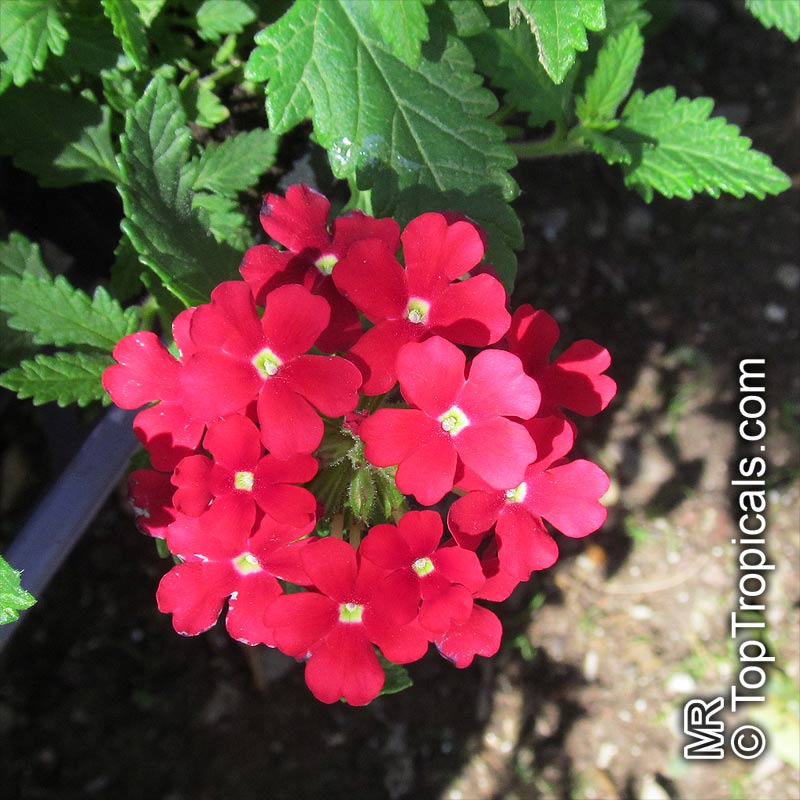
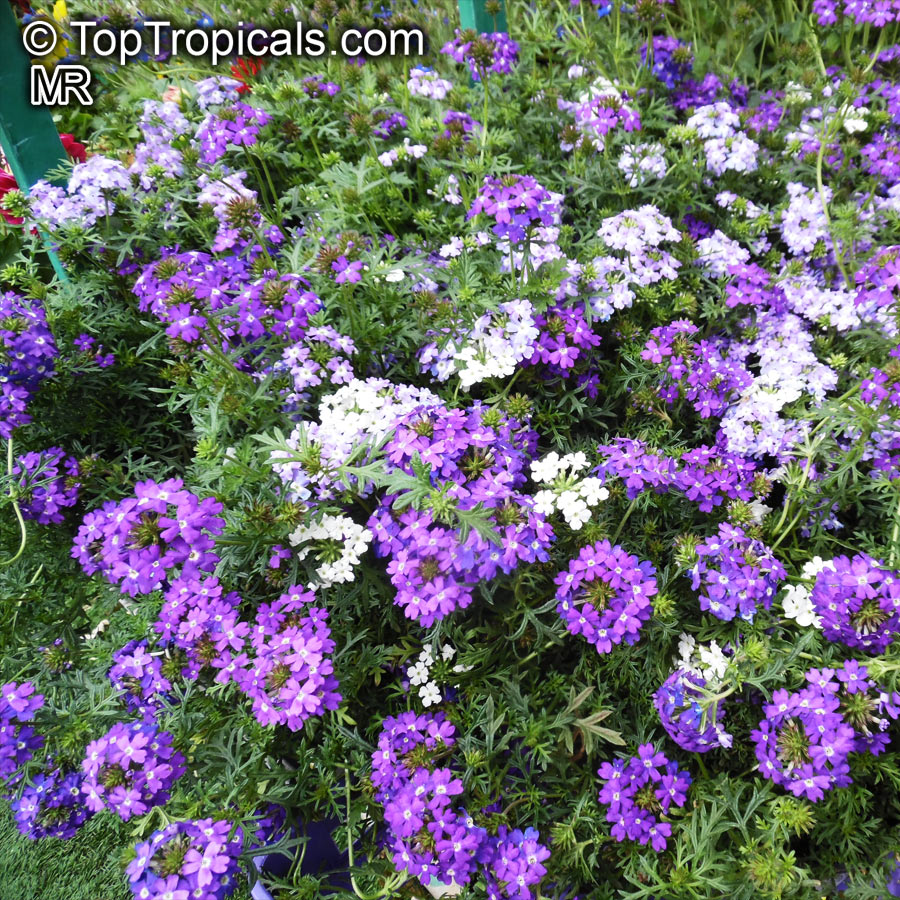
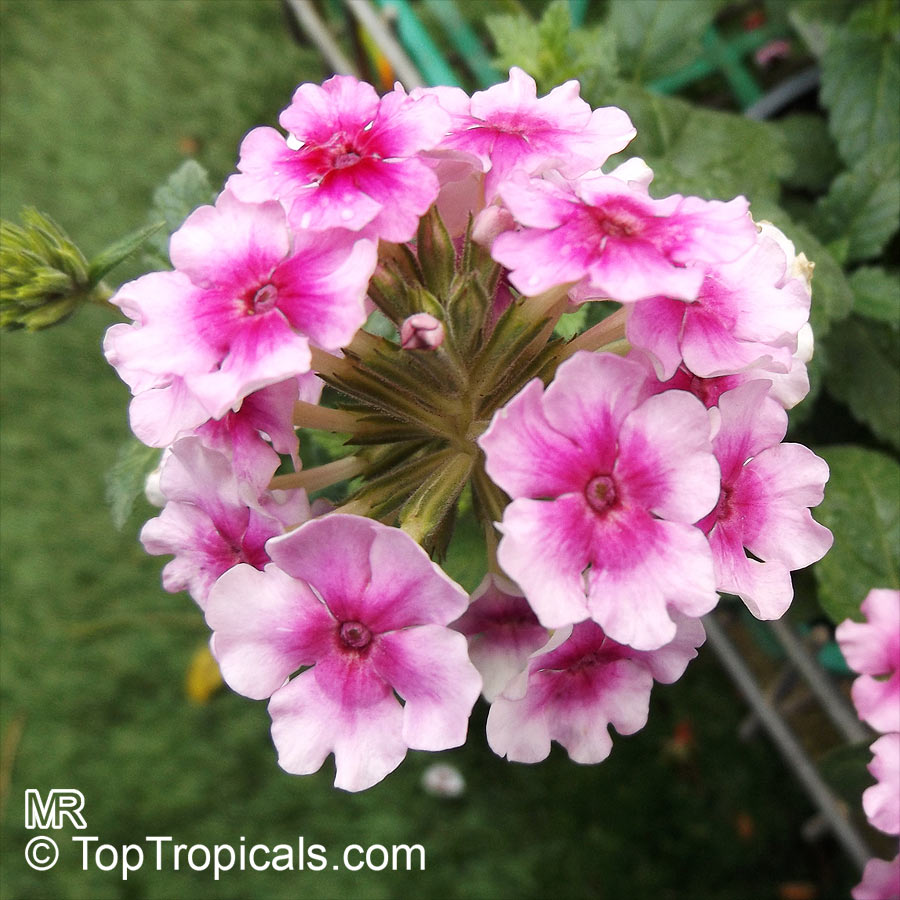
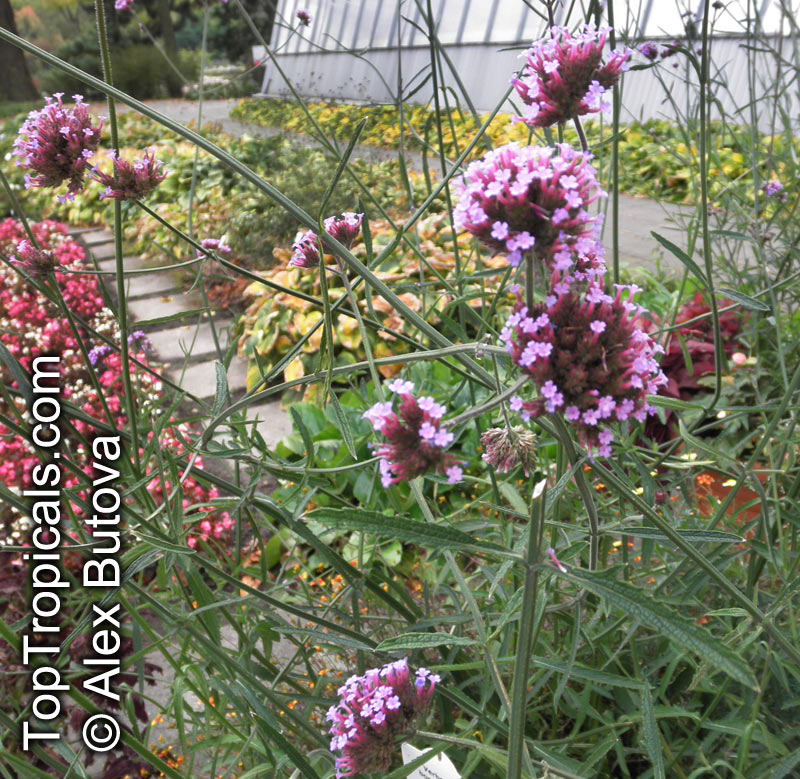
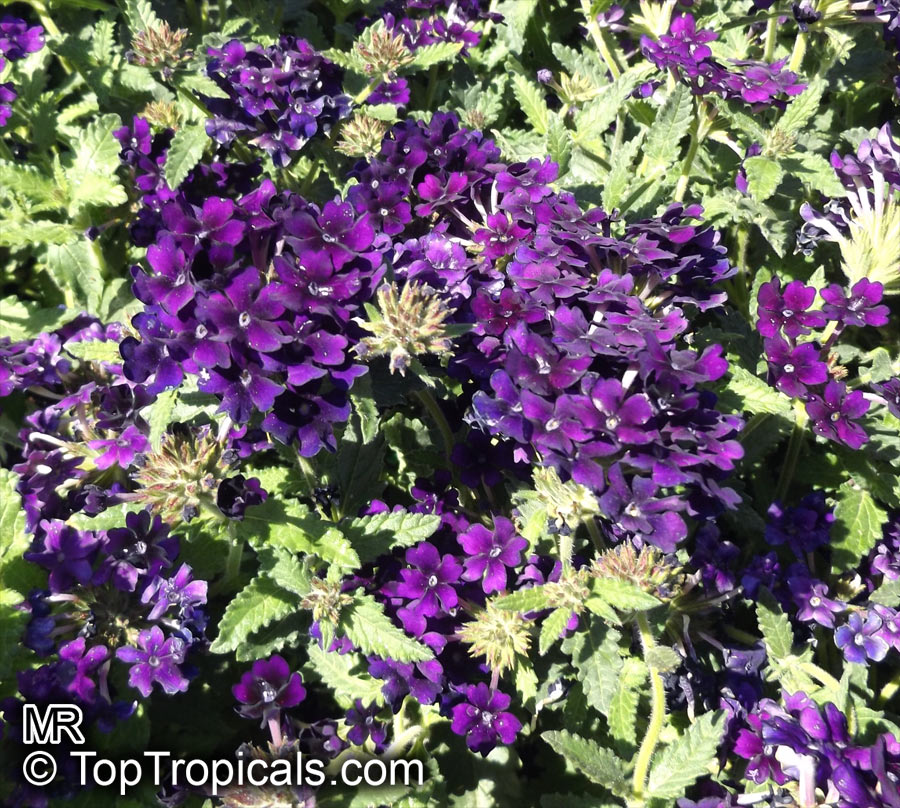
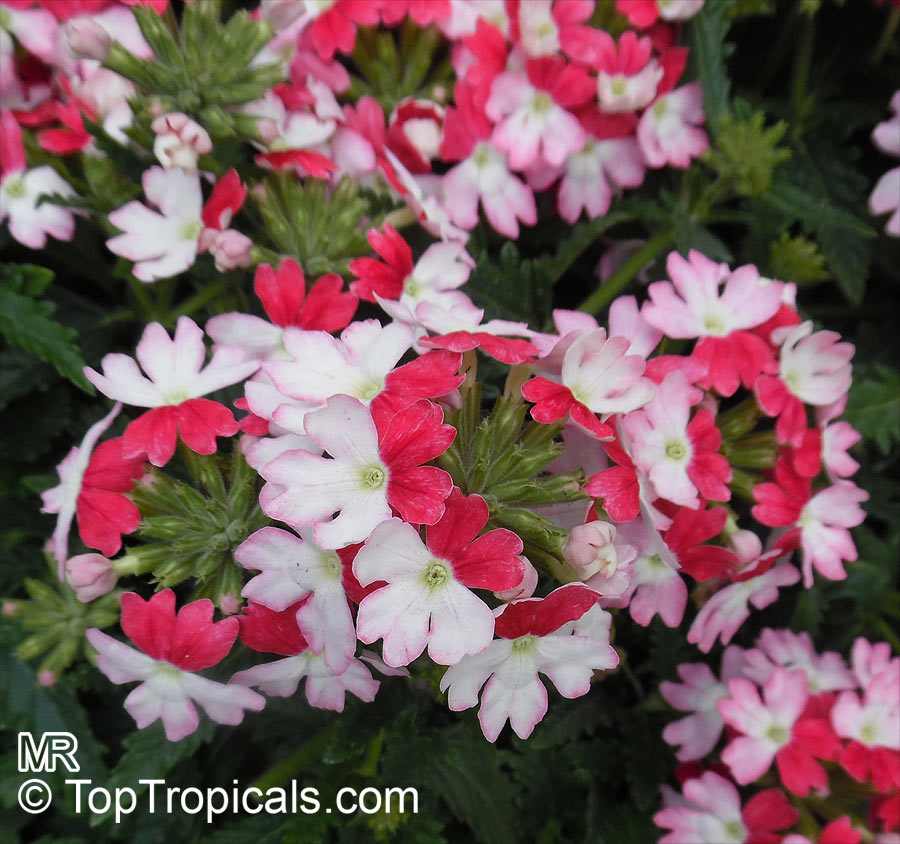
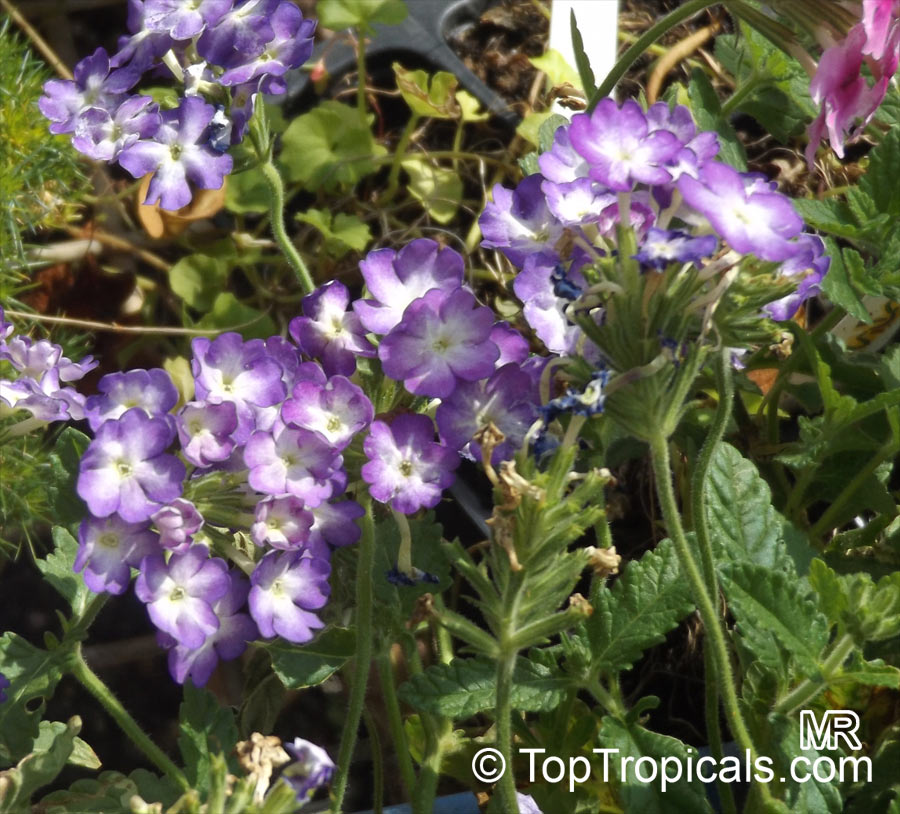
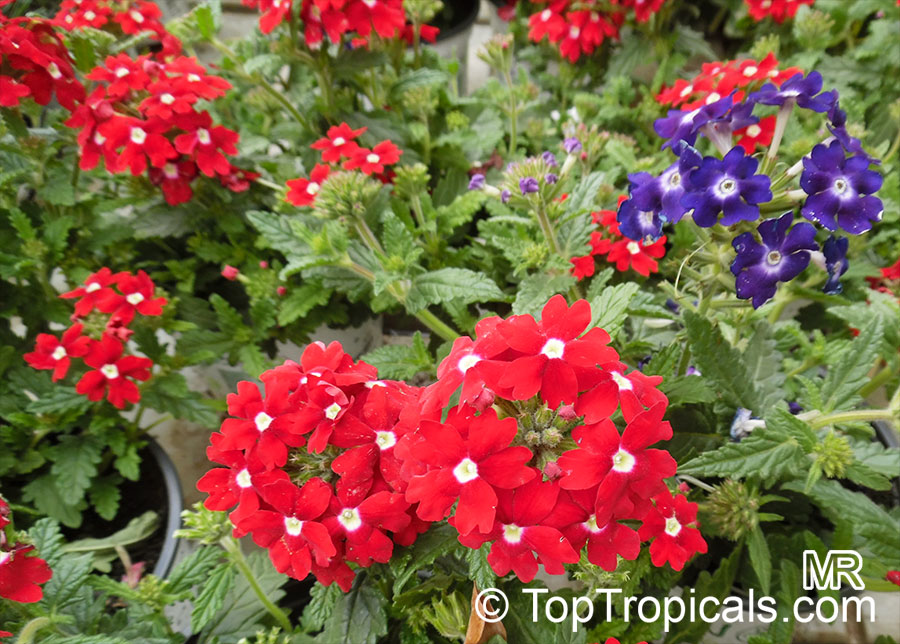
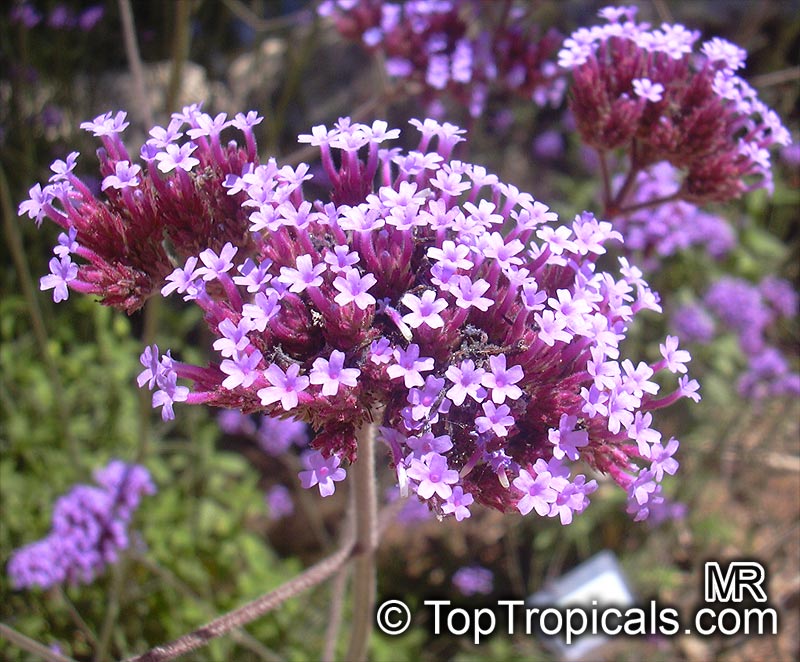
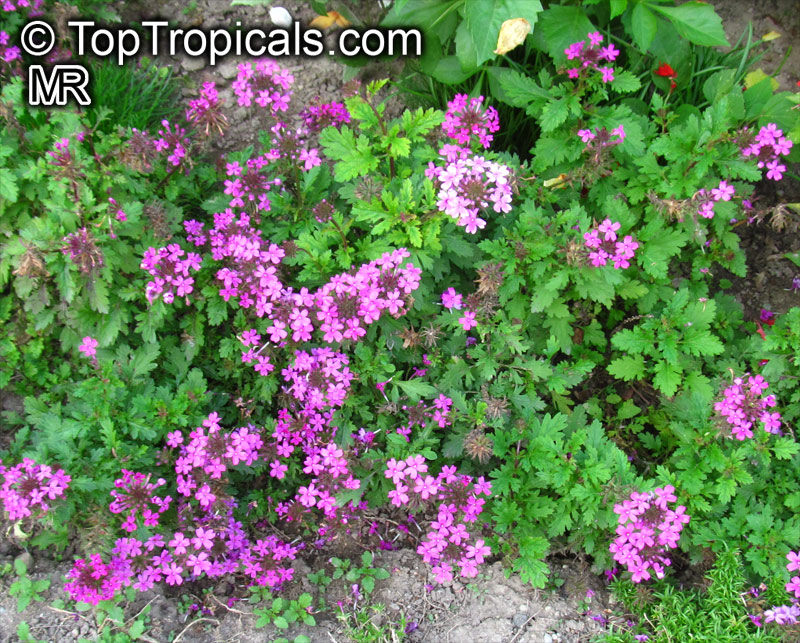
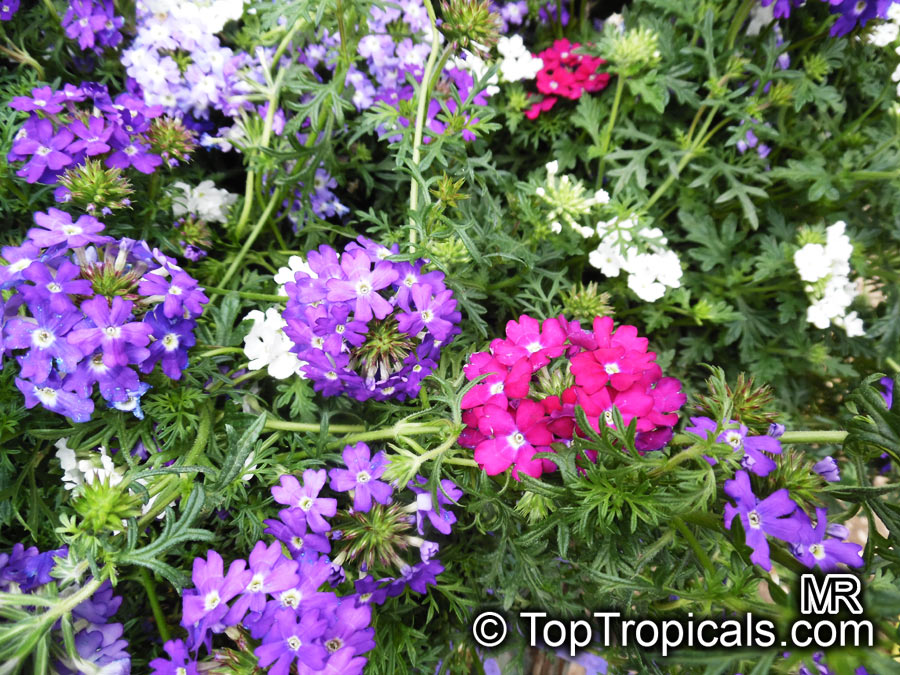
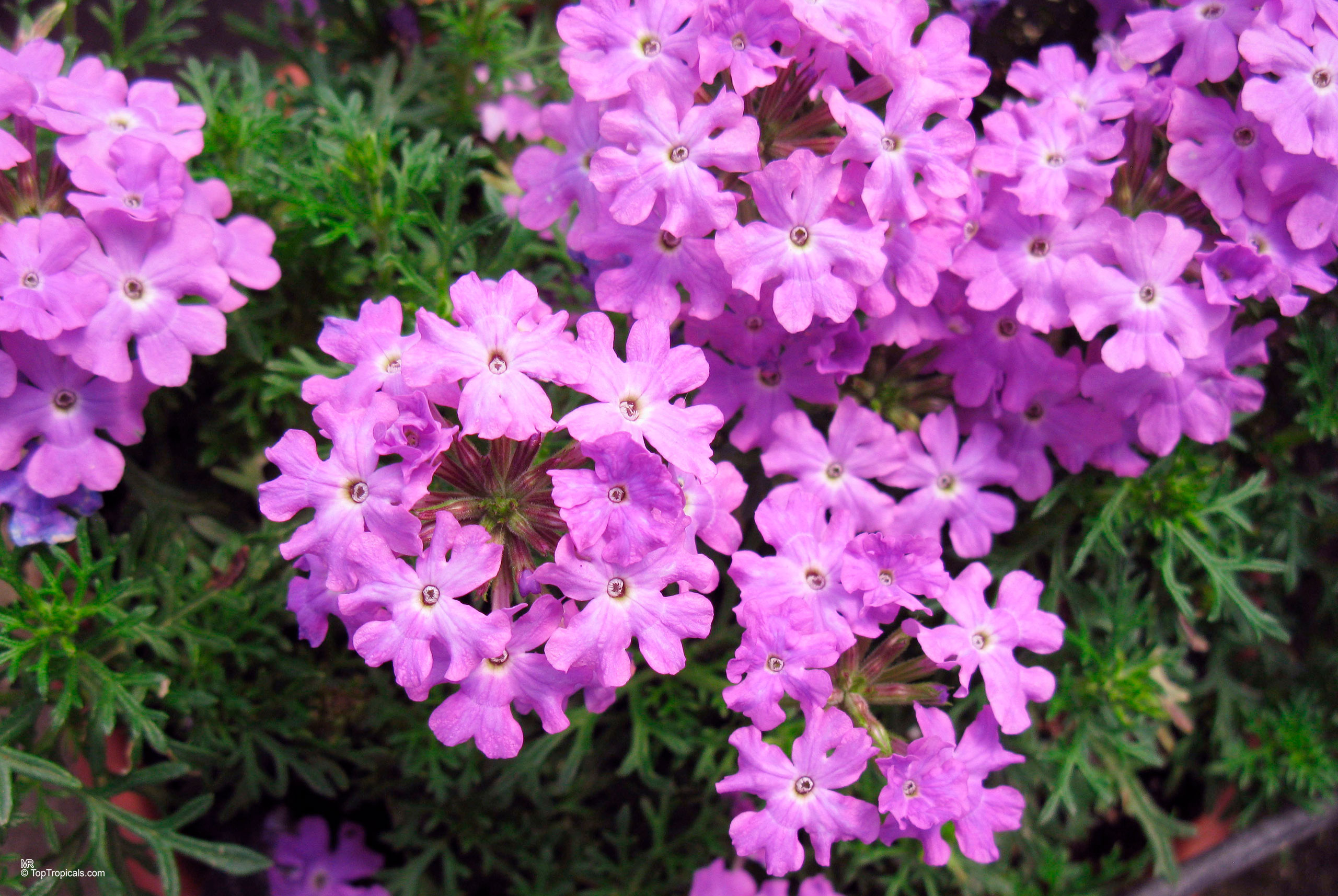
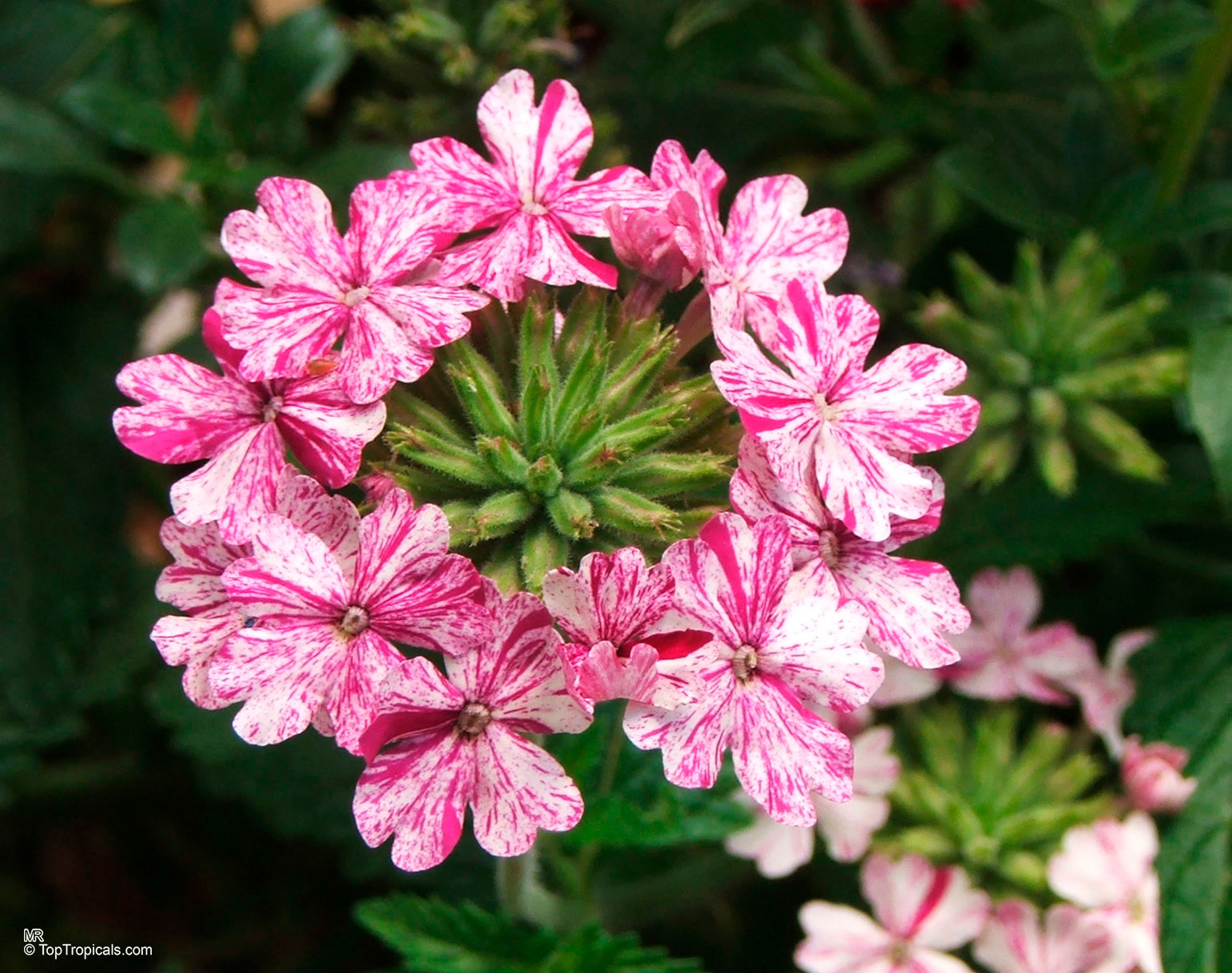
Verbena is a diverse genus of flowering plants in the Verbenaceae family, comprising about 150 species native primarily to the Americas, with a few species occurring naturally in Europe. Depending on the species, verbenas may be annuals, perennials, or small subshrubs, ranging from compact bedding plants to upright, airy forms several feet tall. They are valued for their long-lasting clusters of small, five-petaled flowers in shades of purple, violet, pink, red, white, and lavender, often blooming continuously from spring until frost. Their extended flowering season and nectar-rich blooms make them especially attractive to butterflies, bees, and other pollinators.
Most verbenas grow best in full sun and well-drained soil, tolerating heat, humidity, and short periods of drought once established. They benefit from regular deadheading or light trimming to encourage continued flowering and compact growth. Depending on the species, they are suitable for USDA Zones 7-11, while many are also grown as annuals in cooler climates. Their versatility makes them excellent choices for borders, containers, hanging baskets, rock gardens, pollinator gardens, and naturalistic plantings.
Similar plants: Verbena sp. (Verbena)