Tabernanthe iboga (Iboga)

Tabernanthe iboga (Iboga) dark brown fruit collected together on a white background.
Botanical name: Tabernanthe iboga
Common name: Iboga
Family: Apocynaceae
Origin: Central Africa
USDA Plant Hardiness Zone Map
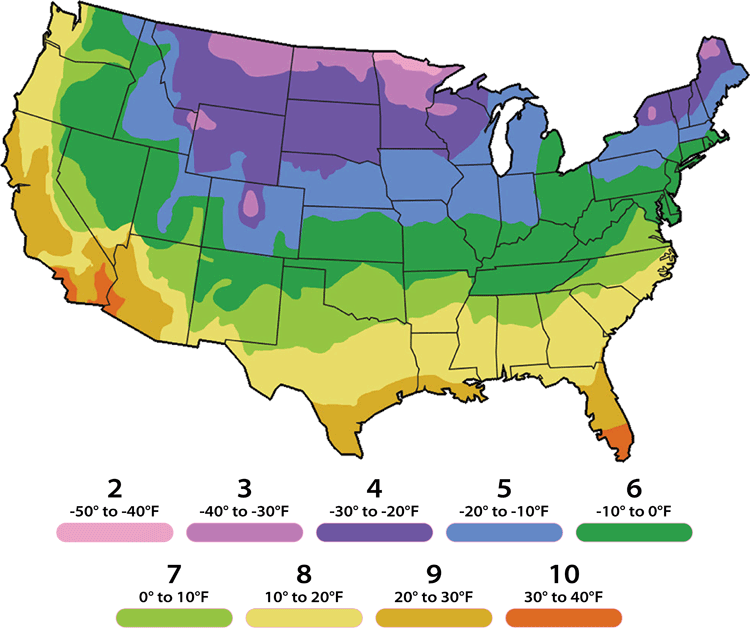
USDA Zone: 9-10
 Plant form: Large bush
 Mature height: 5-10 ft

 Sun exposure: Full sun or bright light indoor; semi-shade
 Cold tolerance: Frost sensitive. Protect from freezing.
 Watering: Moderate
 Flower color: White and off-white
 Suitable for: Outdoors in the suitable USDA zone; small gardens, containers, and indoor growing
 Irritating or toxic: Toxic plant/plant part
 Ethnomedical: Ethnomedical plant, traditionally used in folk or indigenous medicine
Tabernanthe iboga has small green leaves. Its flowers are white and pink, while the fruit can be either an elongated oval shape, or a round spherical shape, both having an orange color.
Iboga root has hallucinogenic properties and is very important in the initiation rituals of some African tribes. Ibogaine is classified as a schedule 1 controlled substance in the United States, and is not approved there for addiction treatment (or any other therapeutic use) because of its hallucinogenic and cardiovascular side effects, as well as the absence of safety and efficacy data in human subjects.
Link to this plant:
https://toptropicals.com/catalog/uid/tabernanthe_iboga.htm