Quassia amara (Amargo)

Botanical name: Quassia amara
Common names: Amargo, Bitter Ash, Bitterwood
Family: Simaroubaceae
Origin: South America
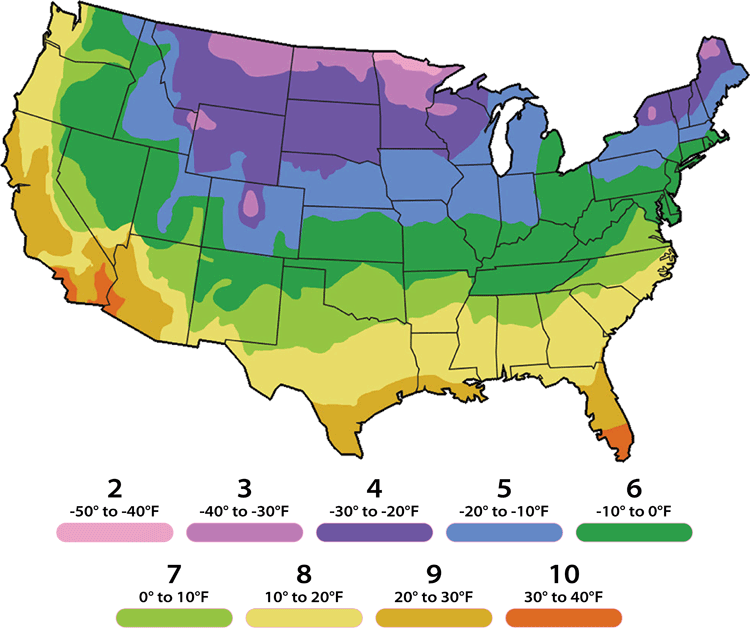
USDA Zone: 9b-11

 Plant form: Large bush or small tree
 Mature height: 10-20 ft

 Sun exposure: Full sun or bright light indoor; semi-shade
 Cold tolerance: Frost sensitive. Protect from freezing.
 Watering: Regular
 Flower color: Red, crimson, vinous
 Suitable for: Outdoors in the suitable USDA zone; small gardens, containers, and indoor growing
 Ethnomedical: Ethnomedical plant, traditionally used in folk or indigenous medicine
Amargo is a small tropical tree, growing only 2-6m in height. It is indigenous to Brazil, Peru, Venezuela, Suriname, Colombia, Argentina, and Guyana. It has beautiful red flowers and fruits that turn red as they mature.
Throughout South America, amargo is a tribal remedy for debility, digestion problems, fever, liver problems, parasites, malaria, snakebite, and back spasms, it are used to stimulate the appetite and secretion of digestive juices, as well as to expel worms and intestinal parasites. In herbal medicine in the United States and Europe, amargo is employed as a bitter tonic for stomach, gallbladder, and other digestive problems (by increasing the flow of bile, digestive juices, and saliva); as a laxative, amebicide, and insecticide; and to expel intestinal worms.


