Pyrus sp. (Southern Pear)
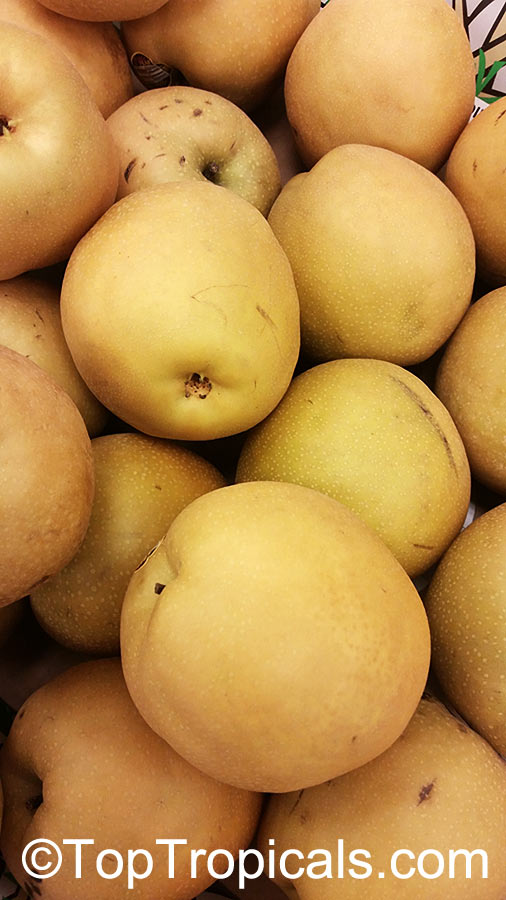
Botanical name: Pyrus sp.
Common name: Southern Pear
Family: Rosaceae
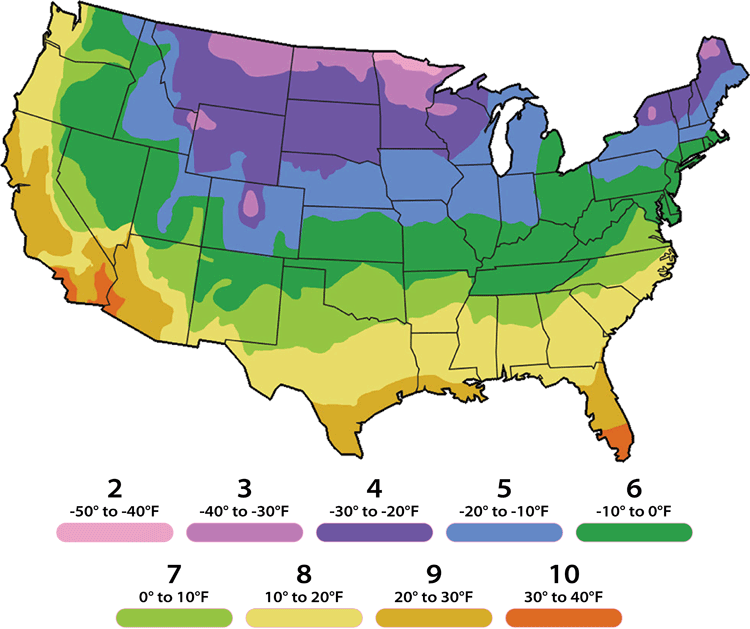
USDA Zone: 5-9
Cold tolerance: -15°F
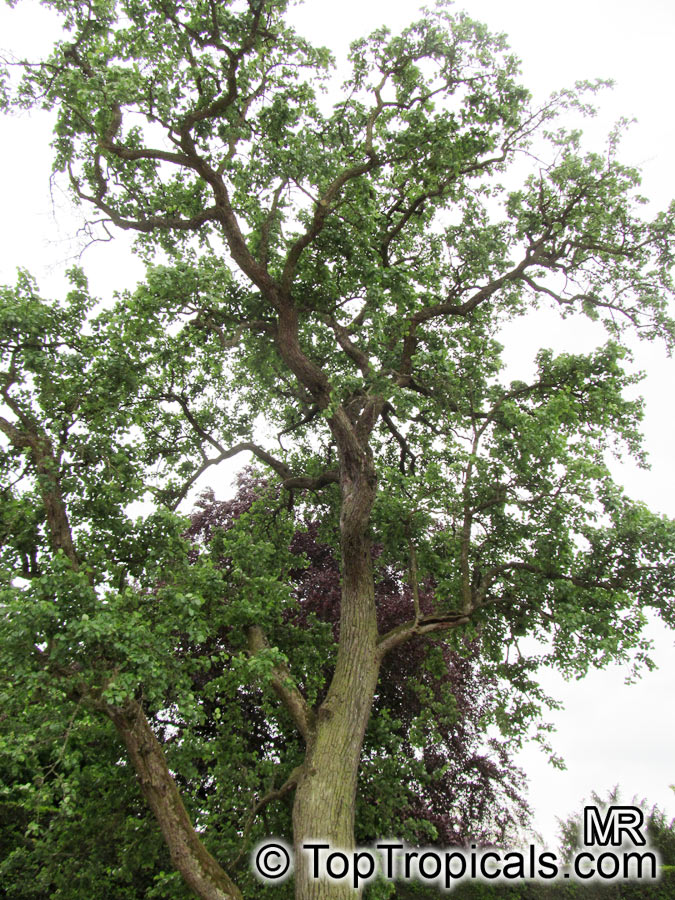
 Plant form: Small tree
 Mature height: 10-20 ft
 Sun exposure: Full sun or bright light indoor; semi-shade
 Cold tolerance: Tolerates light freezing to about 30°F for short periods (mature plants). Young plants must be protected.
 Watering: Regular
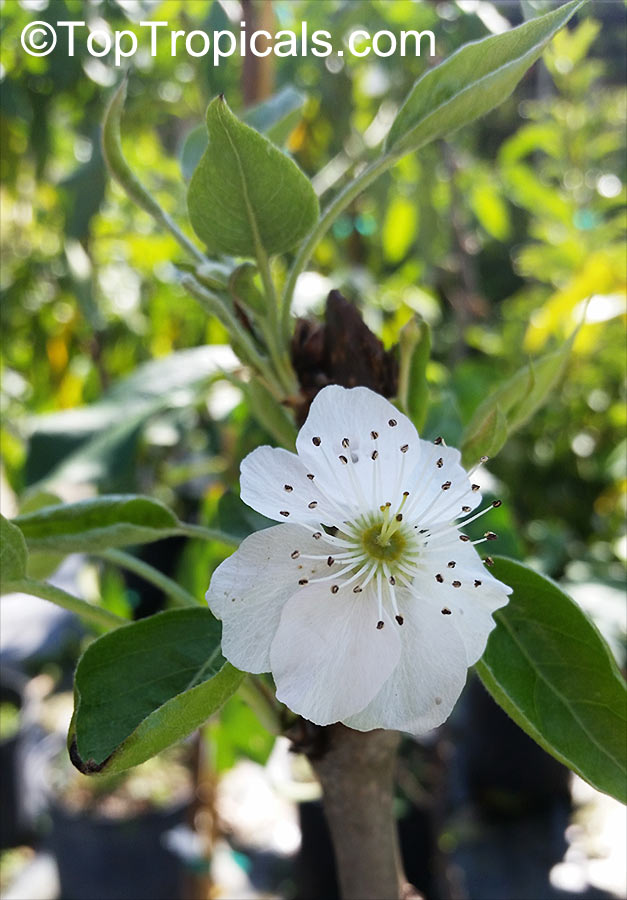
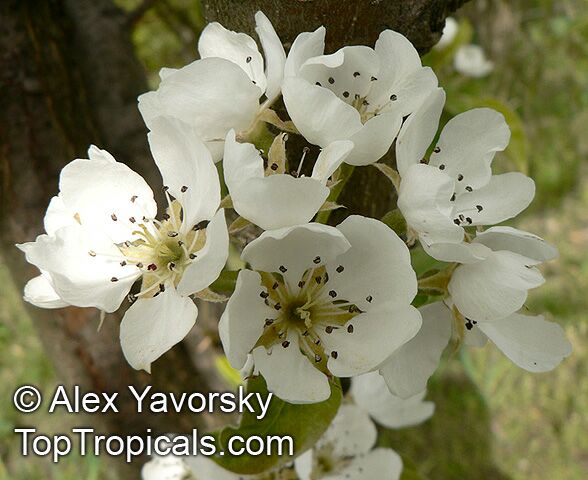
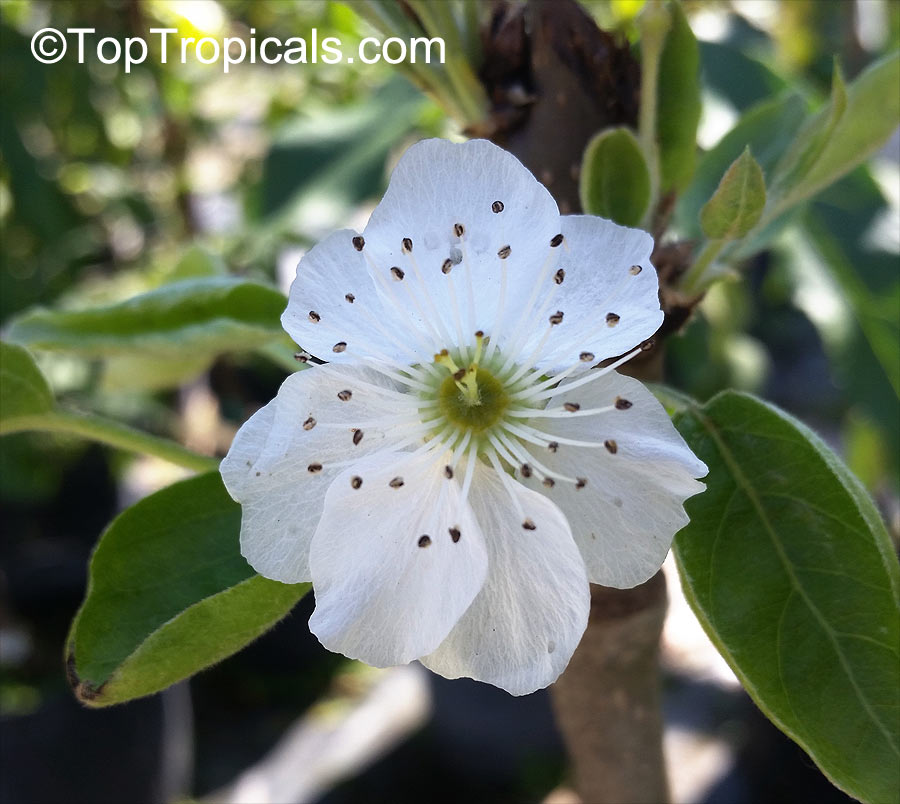
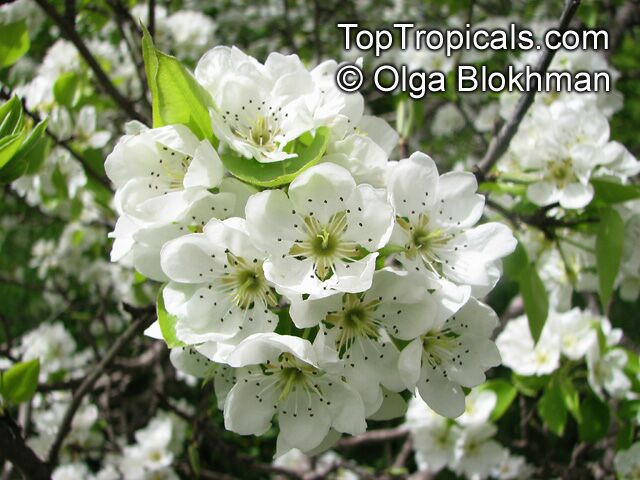
 Flower color: White and off-white
 Suitable for: Outdoors in the suitable USDA zone; small gardens, containers, and indoor growing
 Foliage: Deciduous
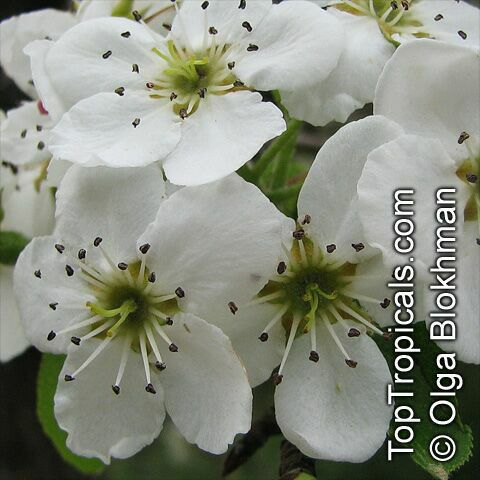
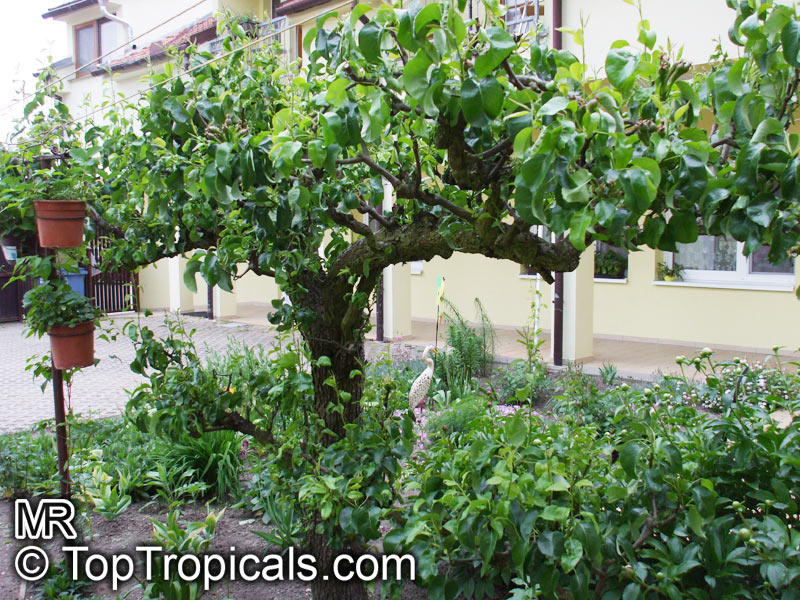
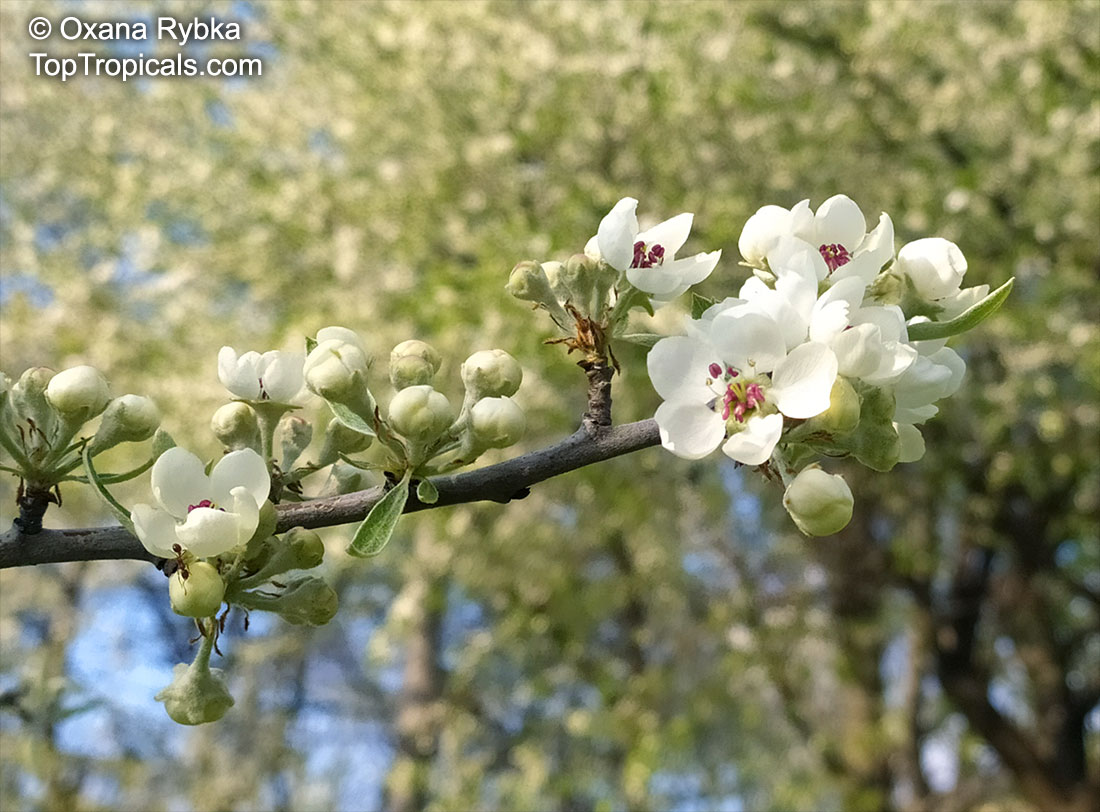
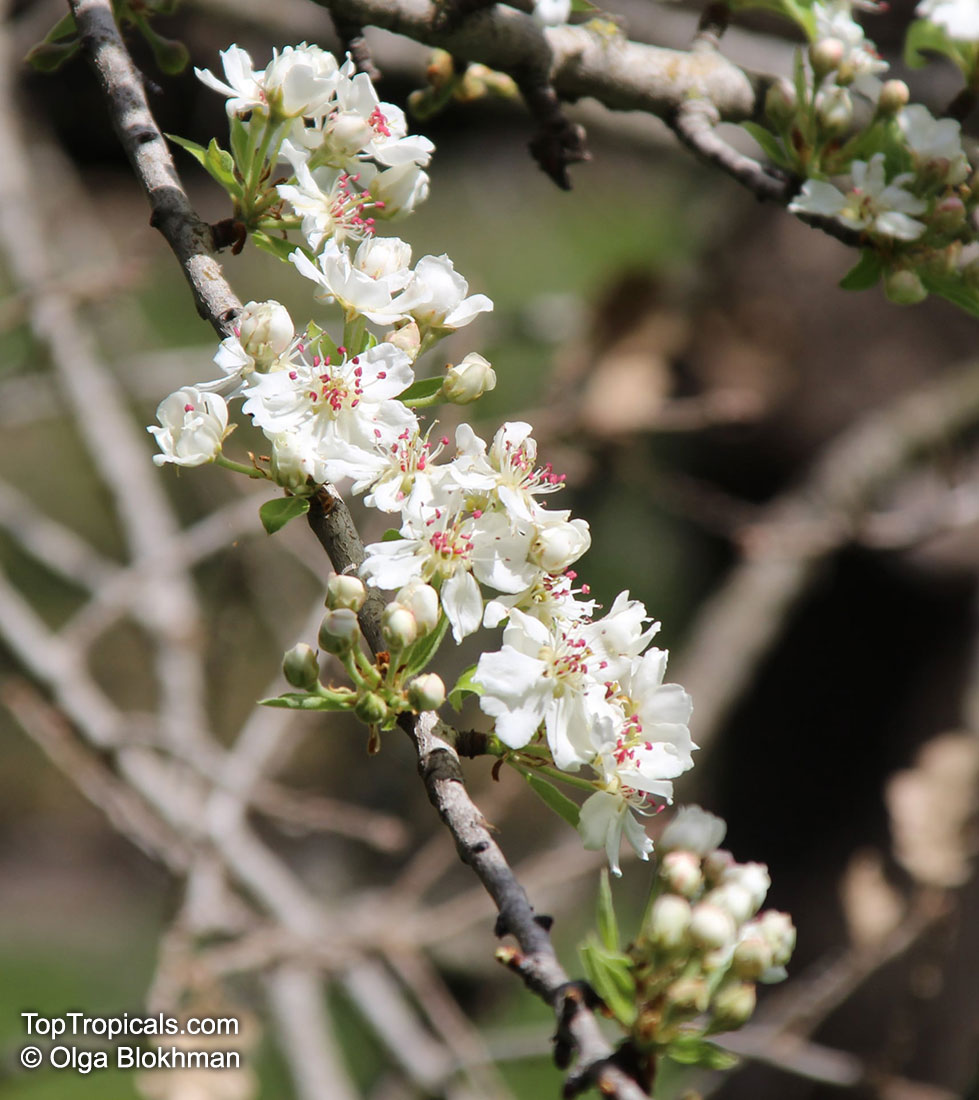
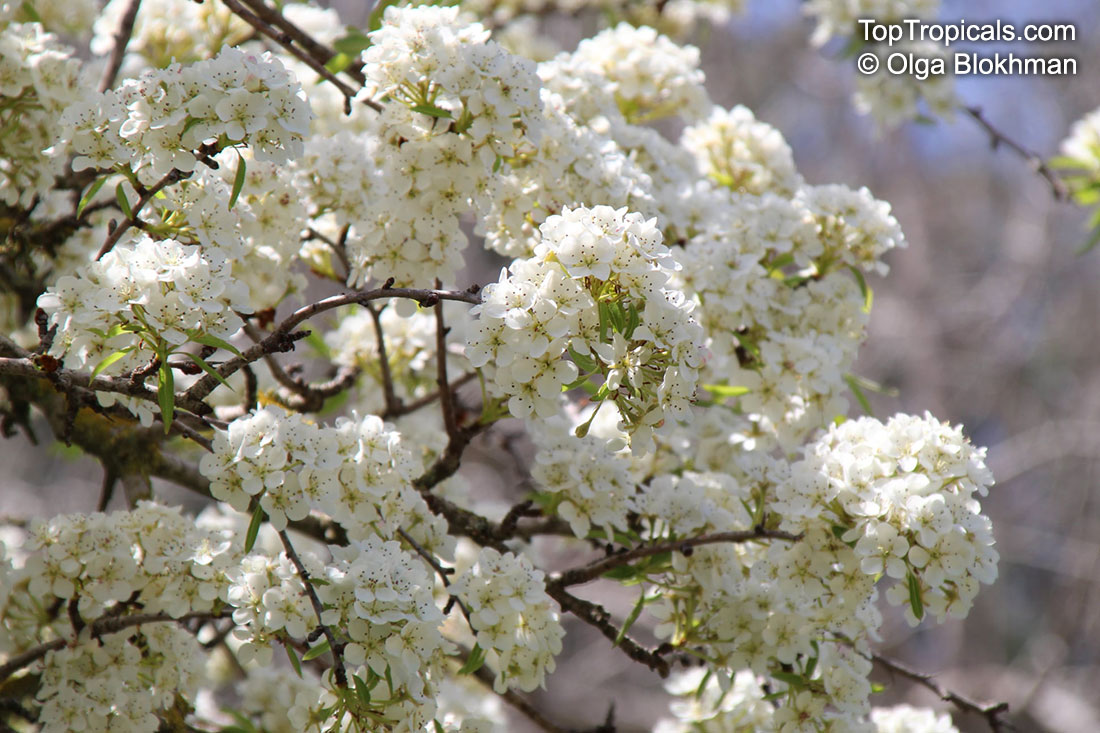
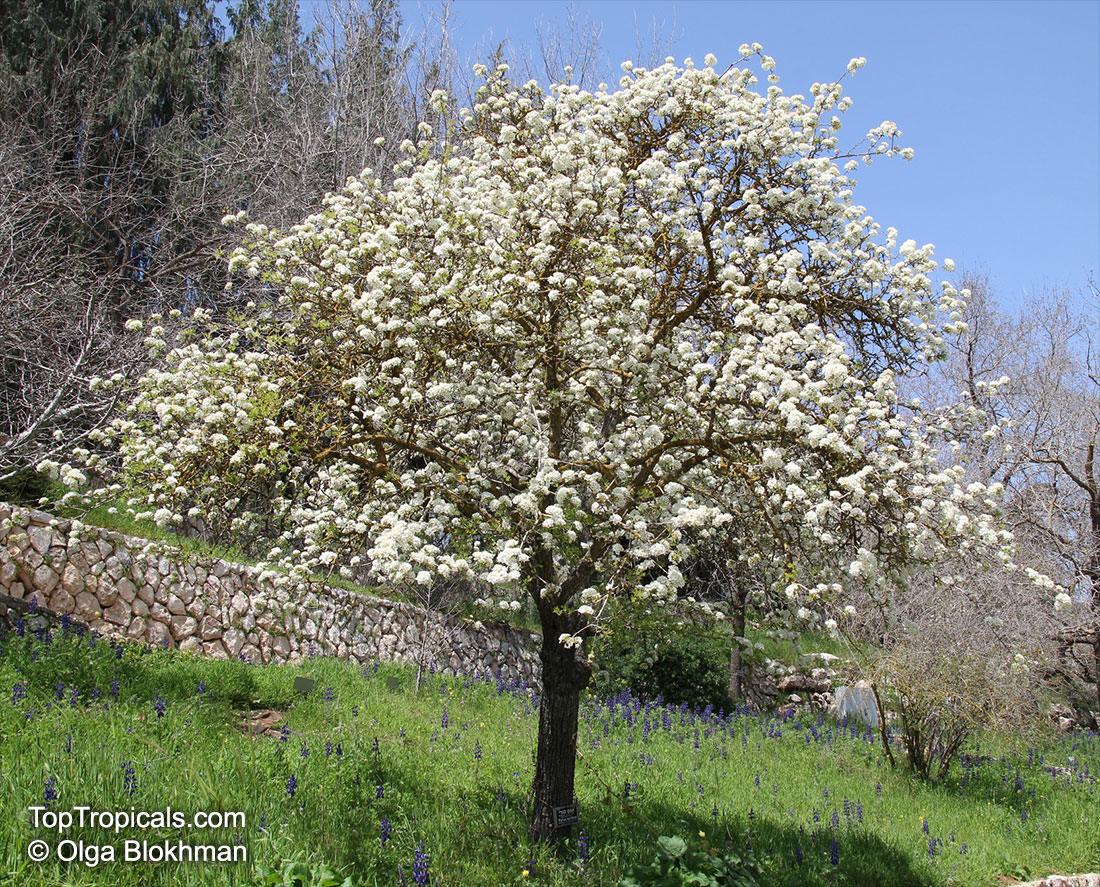
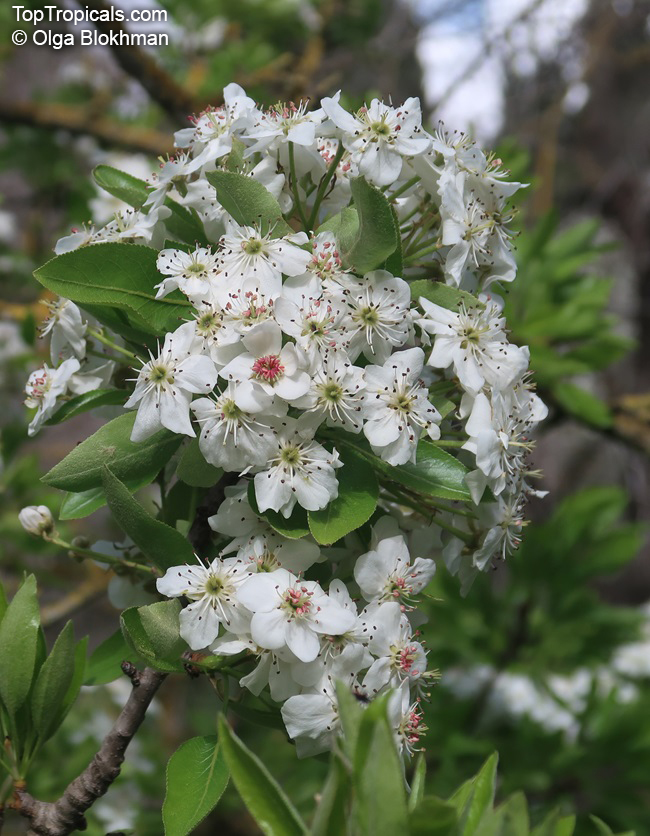
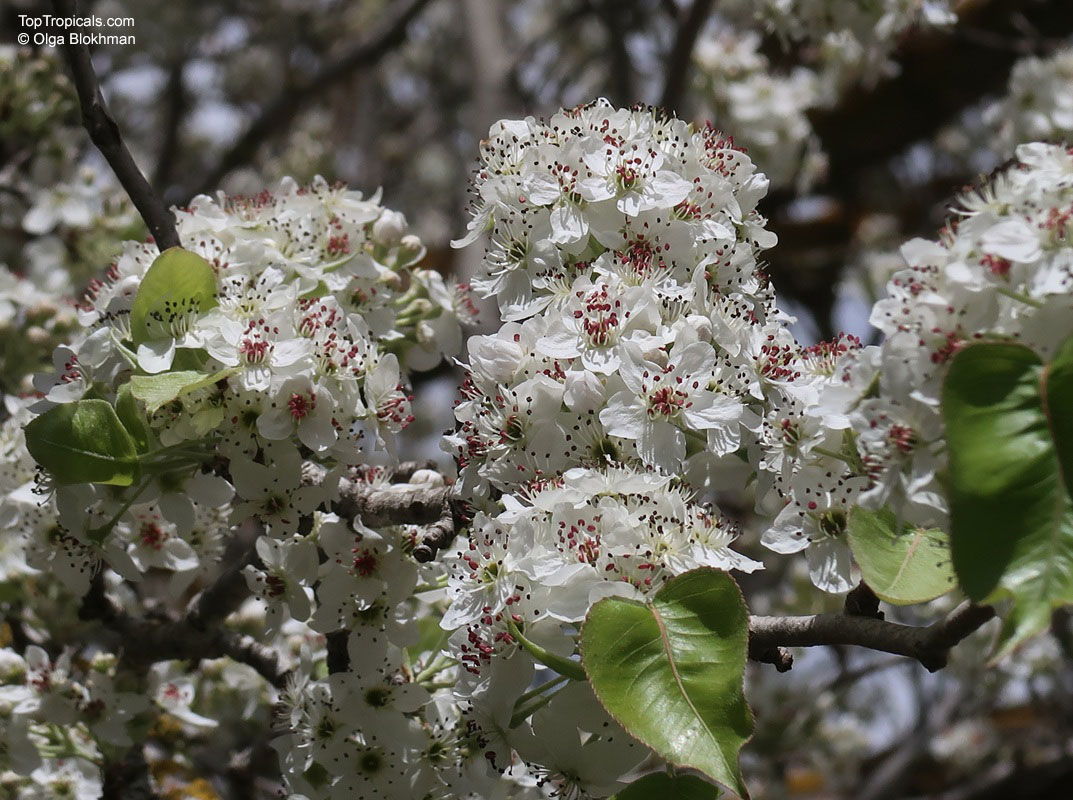
The genus Pyrus originates from temperate regions of Europe, North Africa, and Asia.Pyrus sp., commonly known as Southern Pear, is a deciduous tree that typically grows between 10 to 20 feet in height. This tree is known for its vigorous growth and produces white to off-white colored flowers. It can be grown in USDA Zone 5-9 and requires regular watering to thrive.
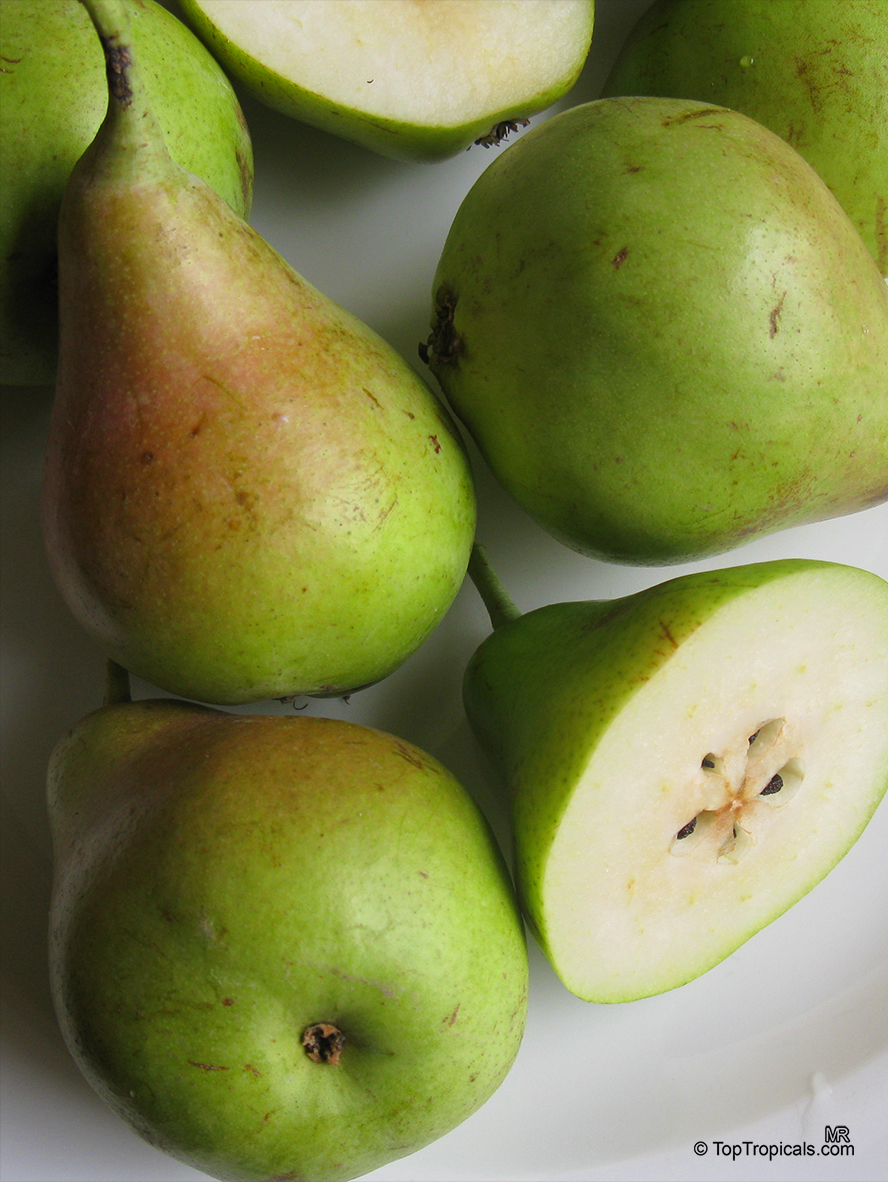
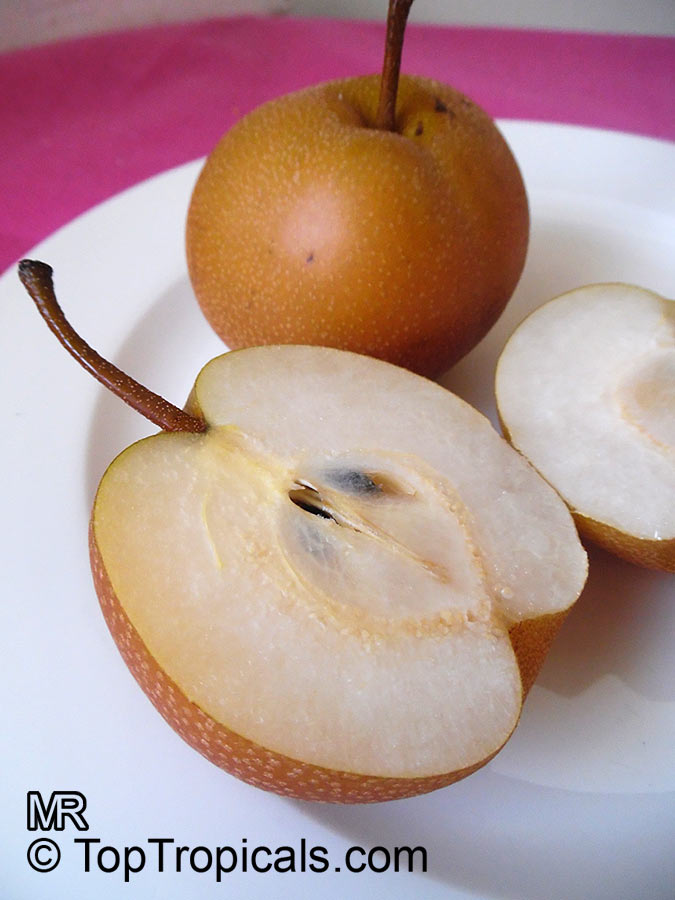
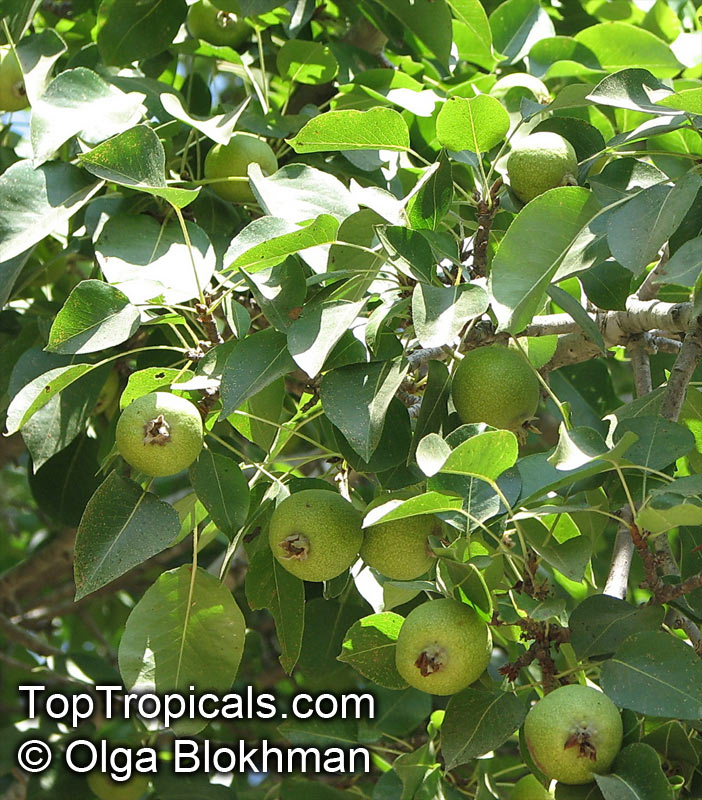
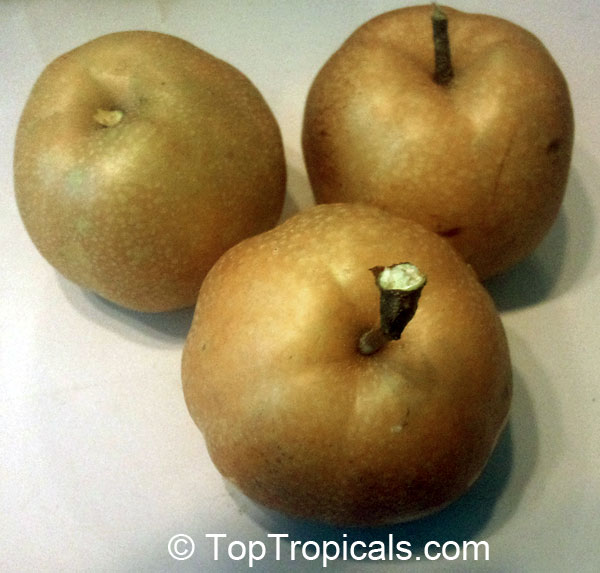
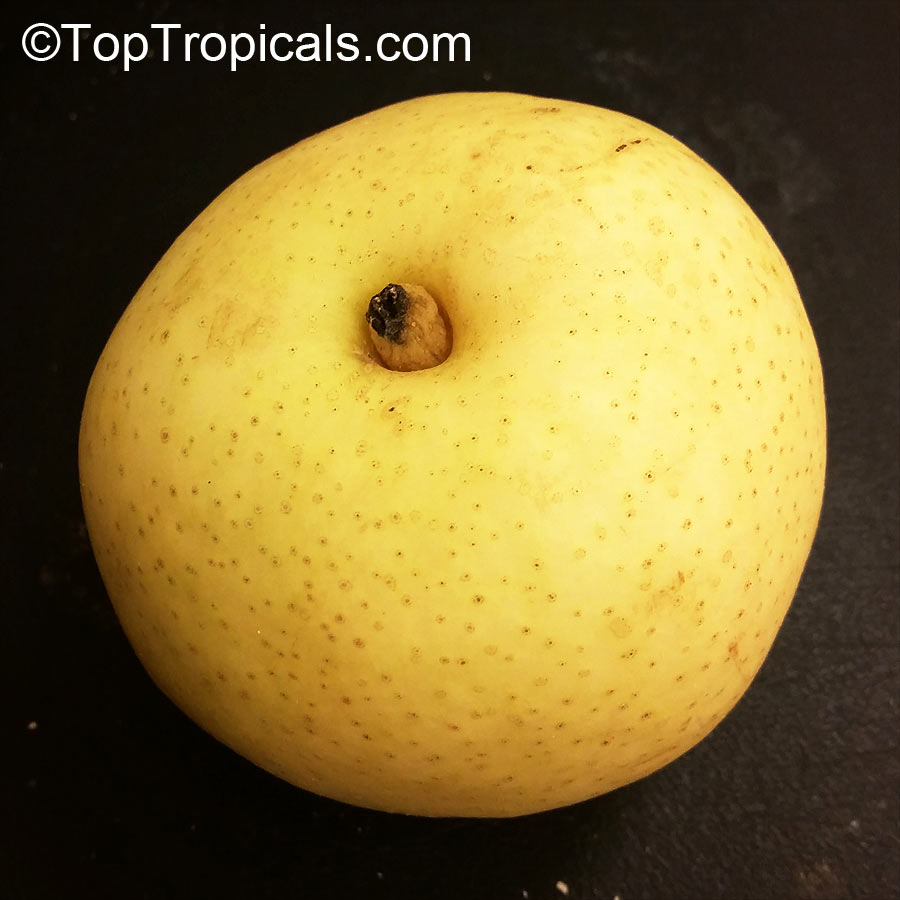
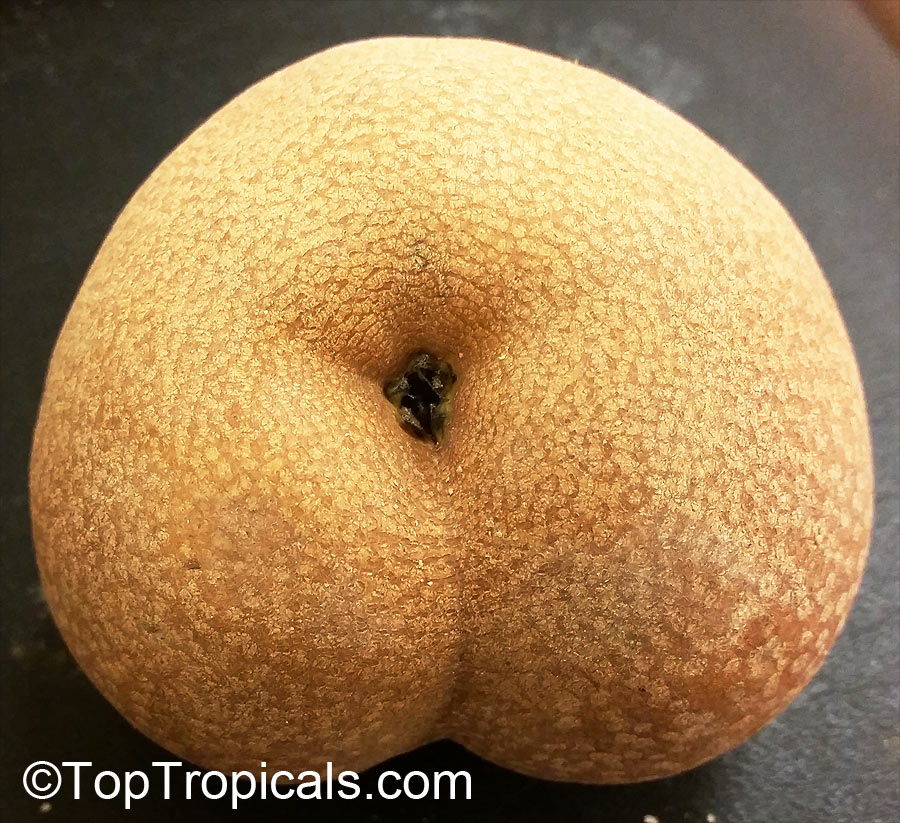
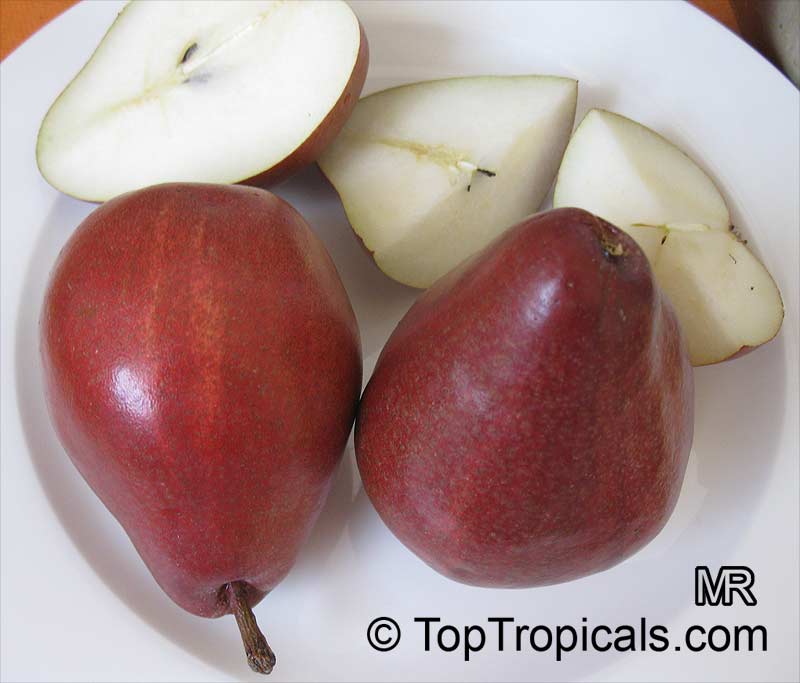
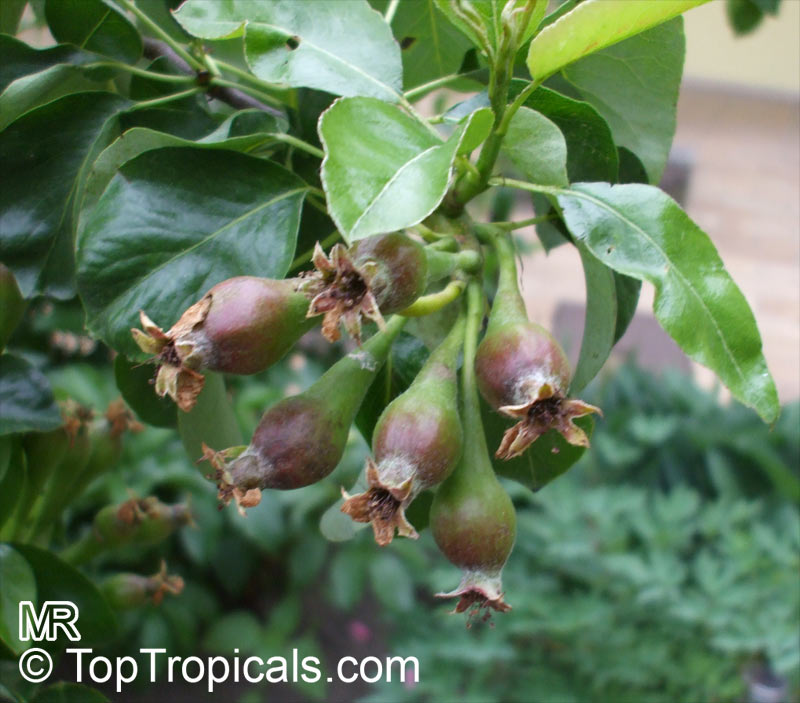
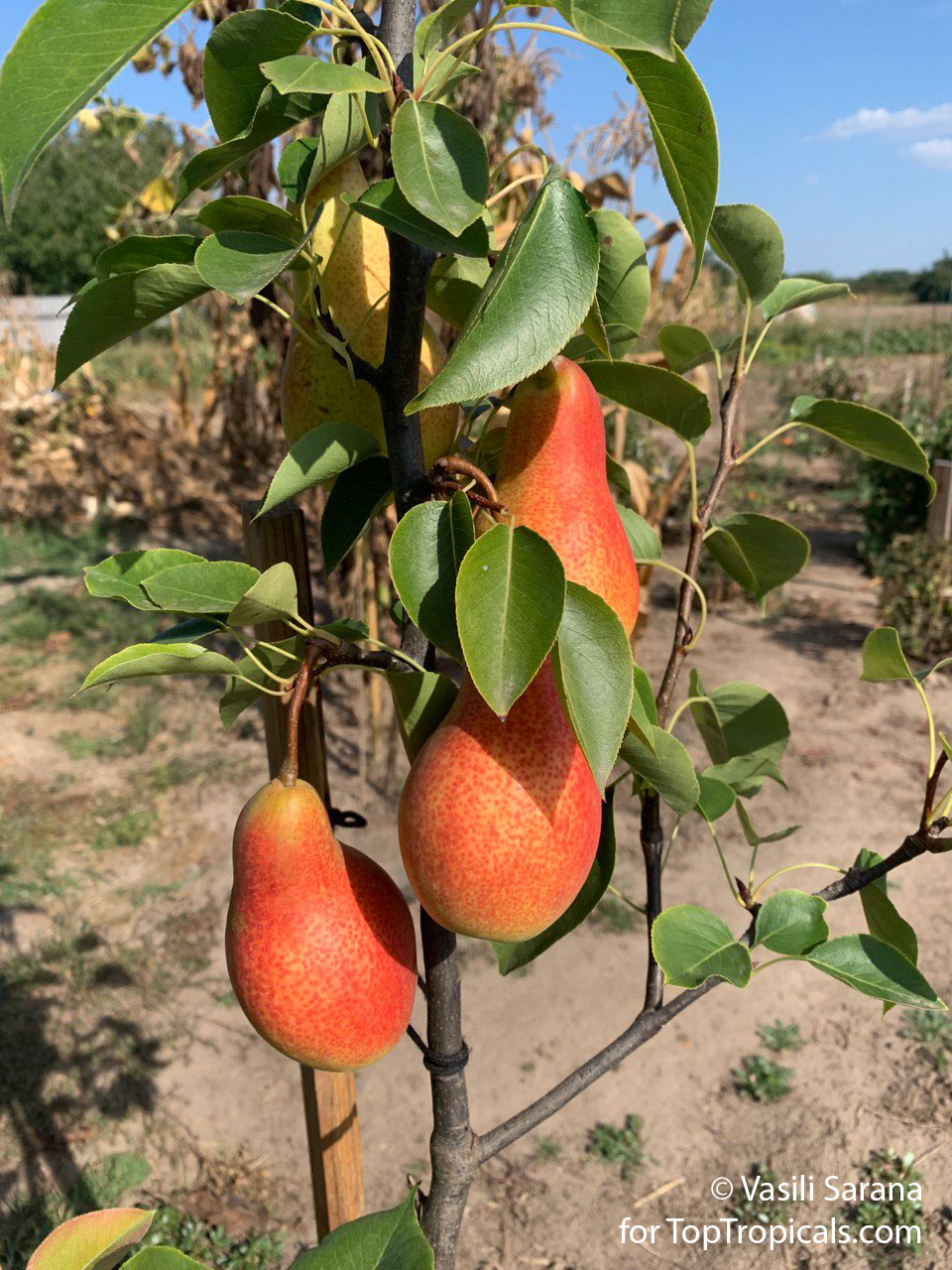
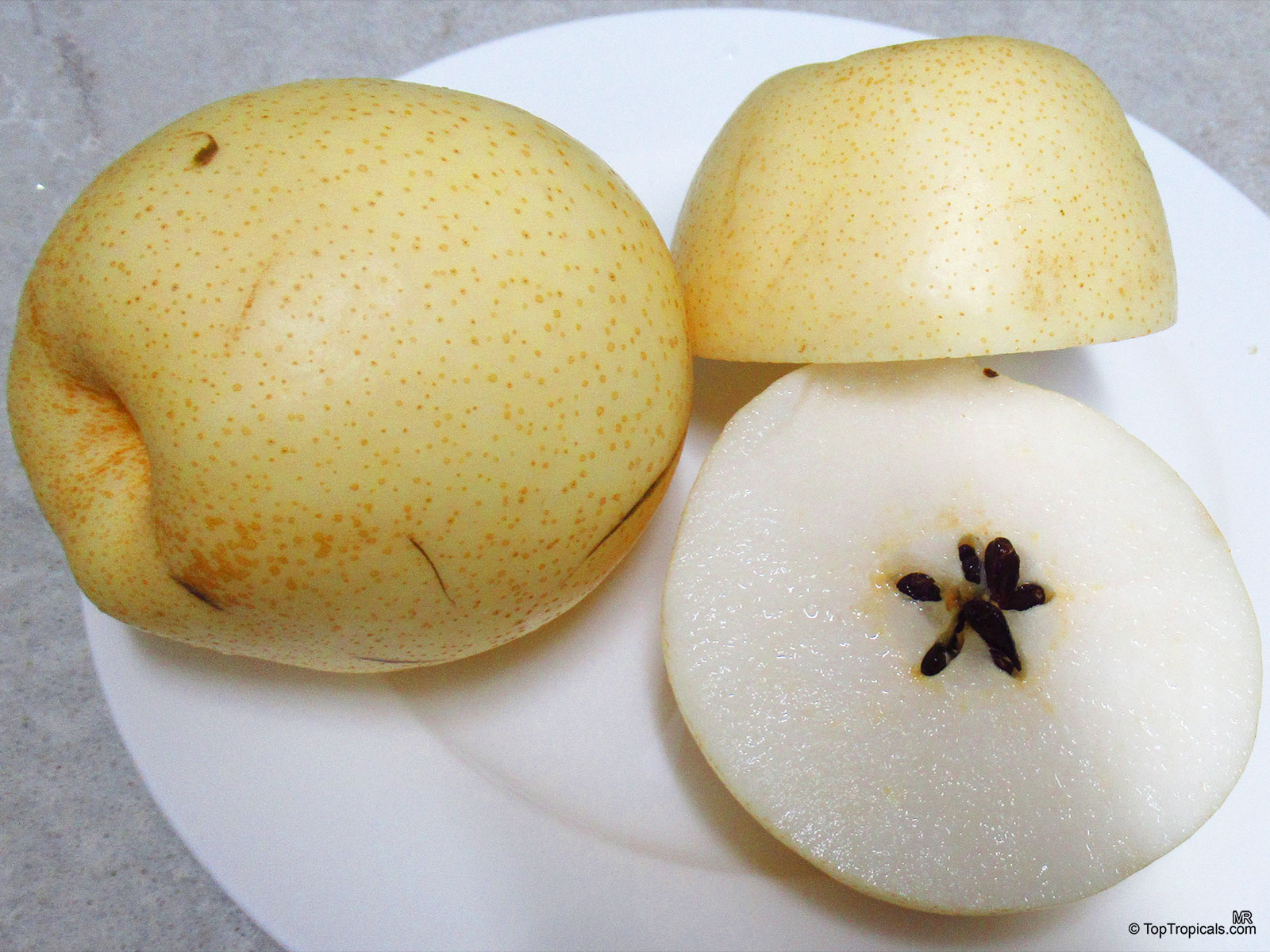
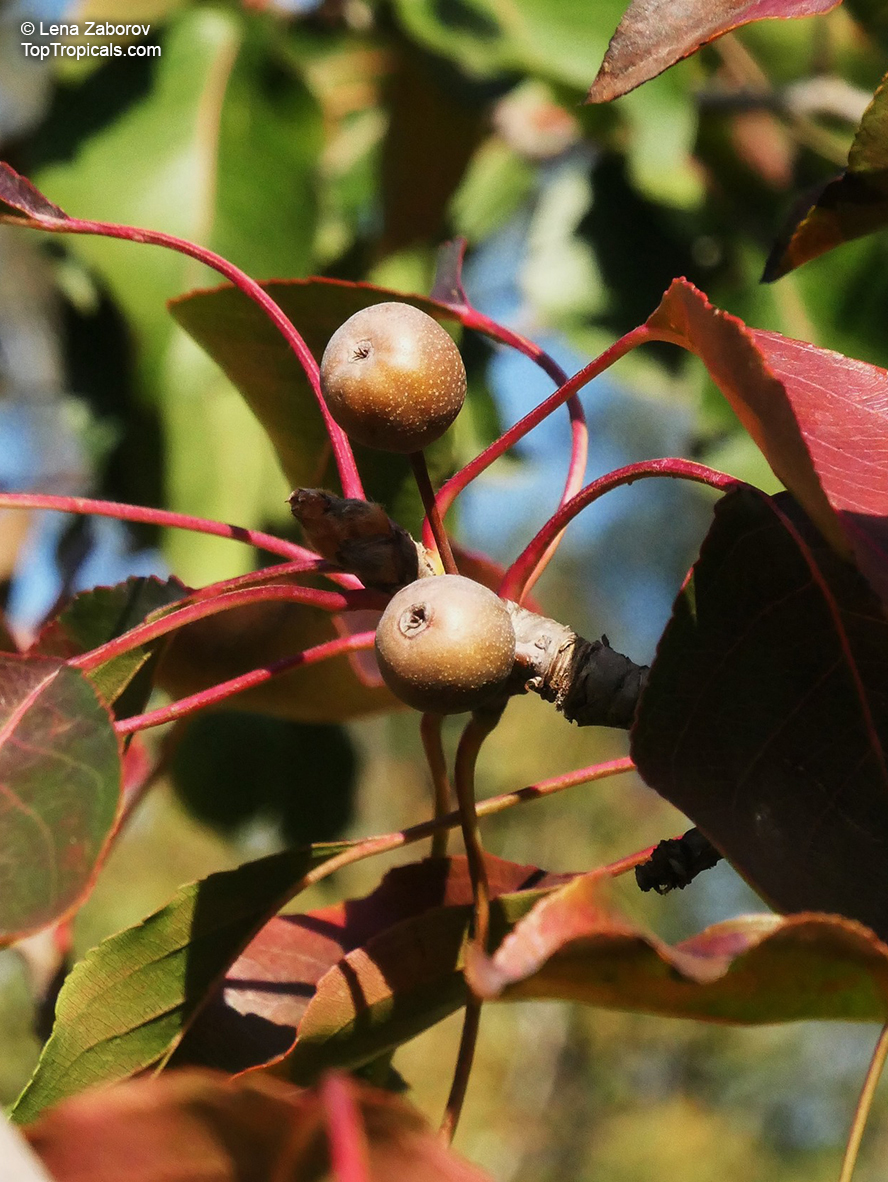
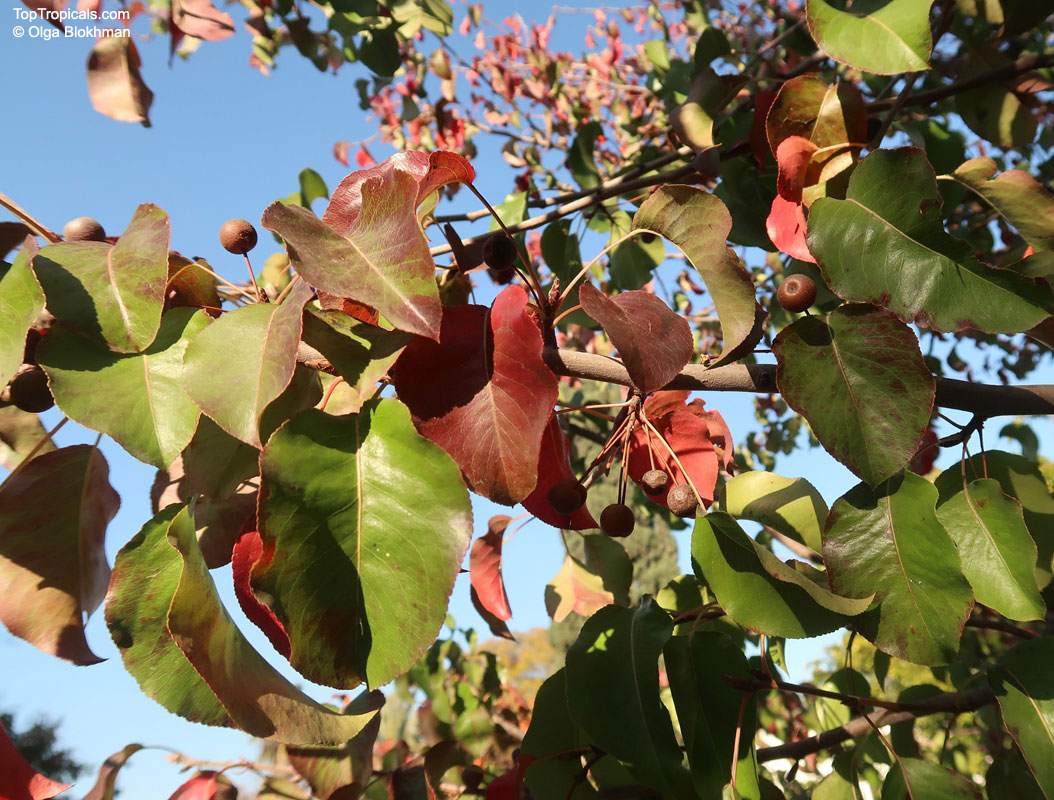
The pear fruit produced by this tree is juicy, crisp-fleshed and contains creamy white flesh that is sweet and flavorful with a hint of tartness. Some cultivars can improve in quality when stored in a cool, dark place. They can be eaten as-is, canned, or used for preserves. The fruit is low in calories, free of cholesterol, and is a good source of dietary fiber and vitamin C. A mature Southern Pear tree can produce between 15 to 20 pounds of fruit annually.
When planting a pear tree, it is recommended to plant two different varieties for cross-pollination in order to achieve a successful and abundant harvest. The tree should be planted in a sunny location with fertile, well-drained soil, and regular watering is necessary. In colder regions, growing the tree in a pot can provide extra protection and insulation from severe temperatures.