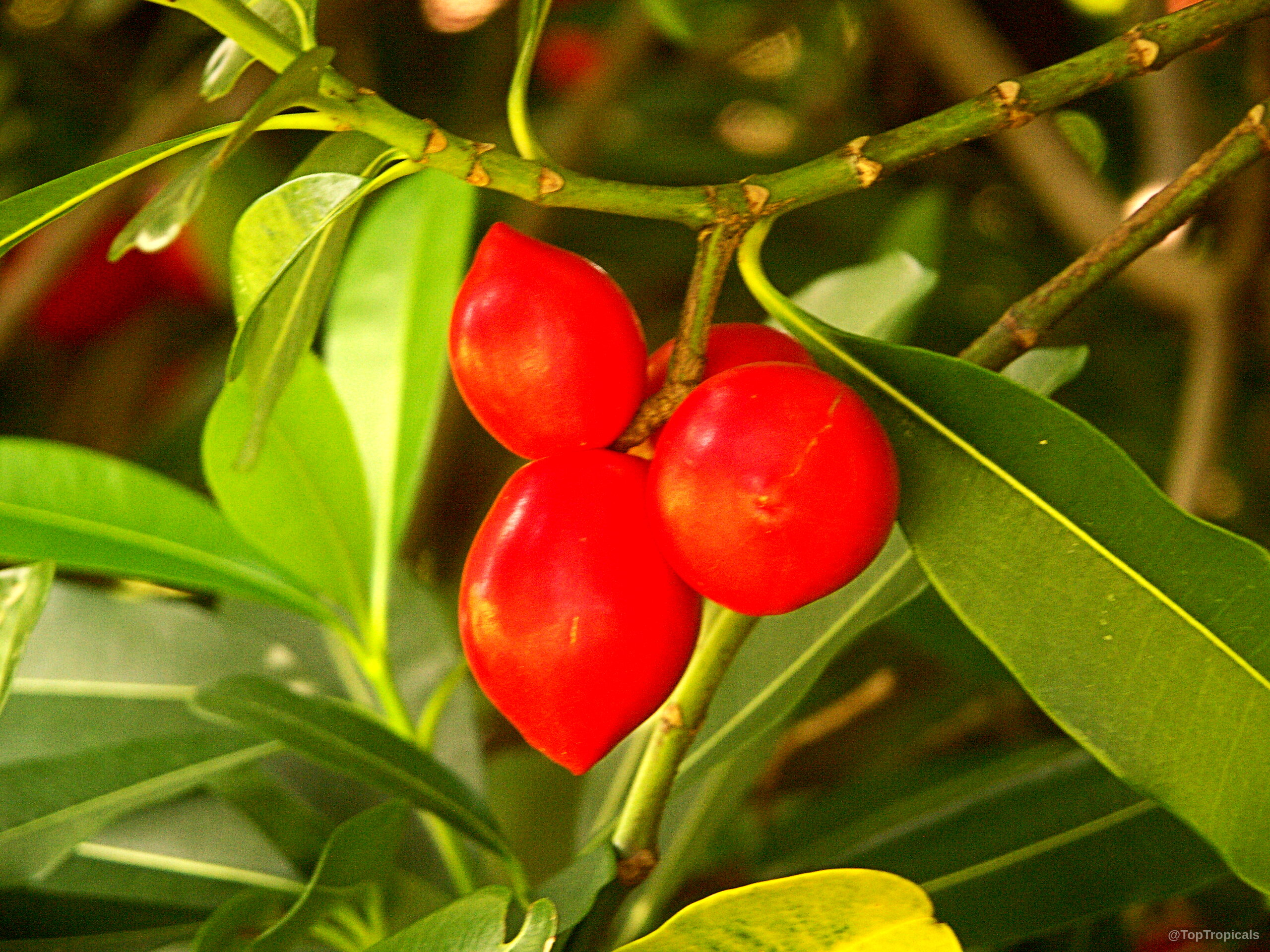
Ochrosia elliptica (Bloodhorn)
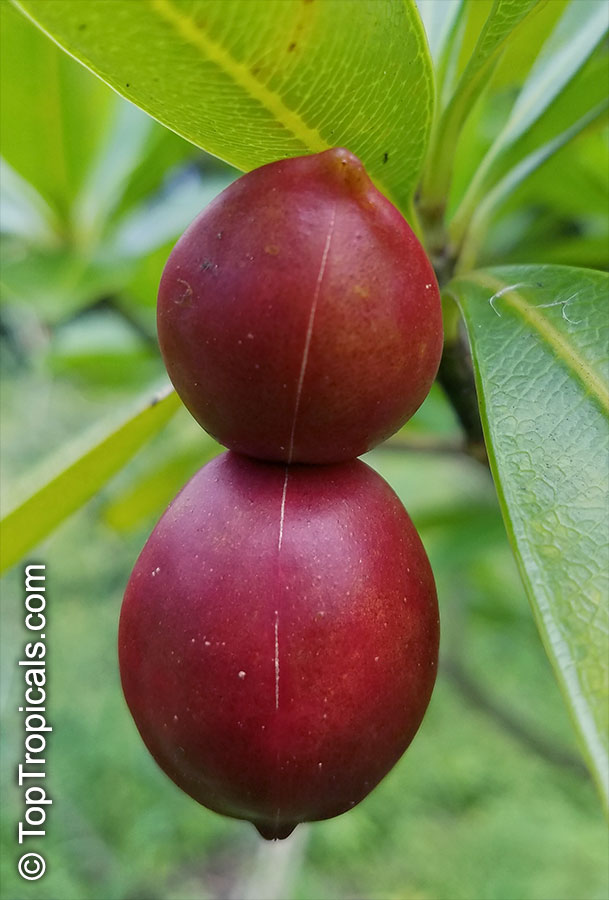
Botanical name: Ochrosia elliptica
Common names: Bloodhorn, Mangrove Ochrosia
Family: Apocynaceae
Origin: Australia
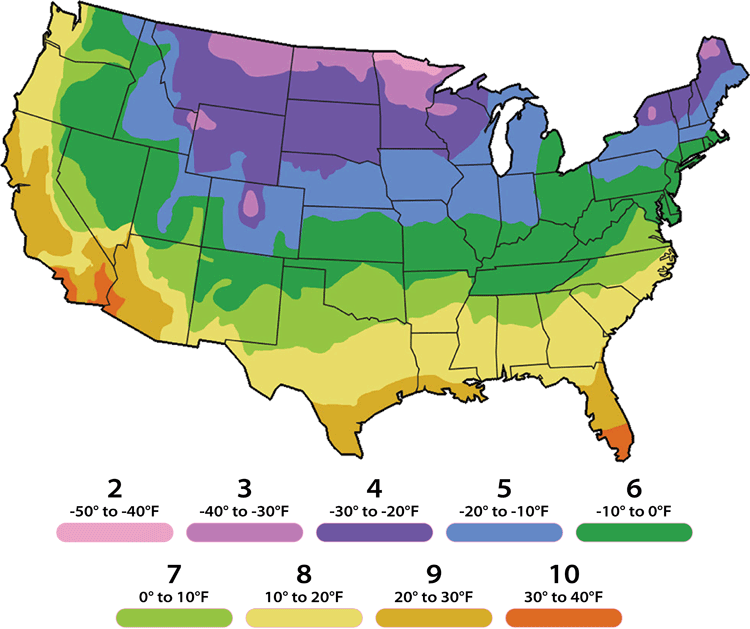
USDA Zone: 9-10
 Plant form: Small tree
 Mature height: 10-20 ft
 Sun exposure: Full sun or bright light indoor; semi-shade
 Cold tolerance: Frost sensitive. Protect from freezing.
 Watering: Regular
 Flower color: White and off-white
 Suitable for: Outdoors in the suitable USDA zone; small gardens, containers, and indoor growing
 Foliage color: Ornamental foliage
 Irritating or toxic: Toxic plant/plant part
 Ethnomedical: Ethnomedical plant, traditionally used in folk or indigenous medicine
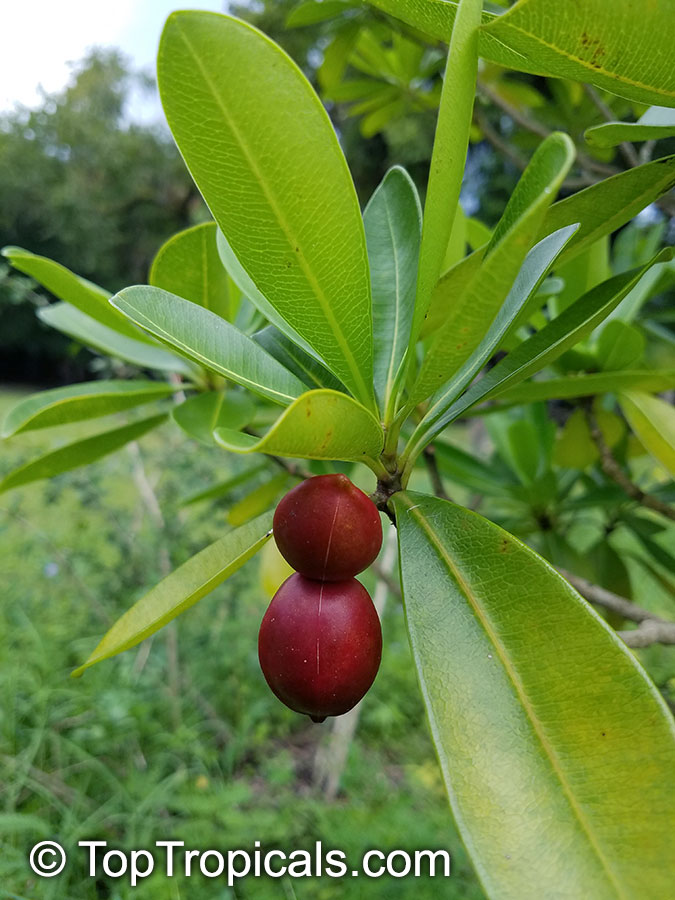
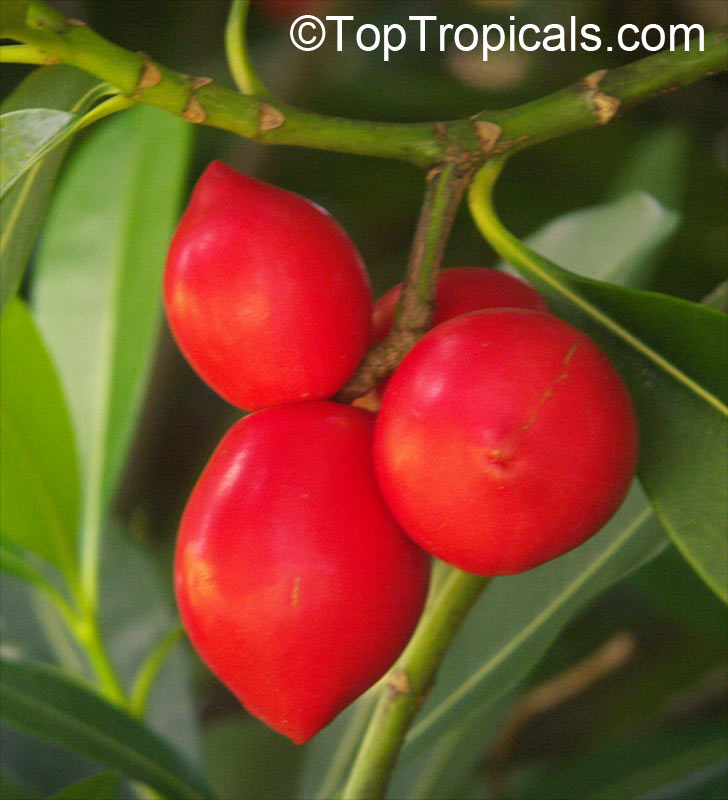
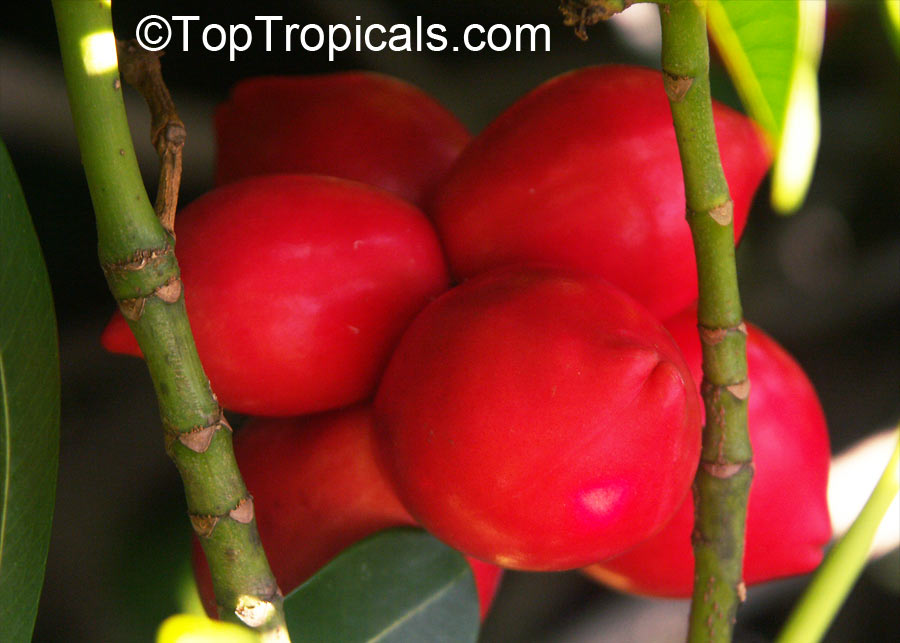
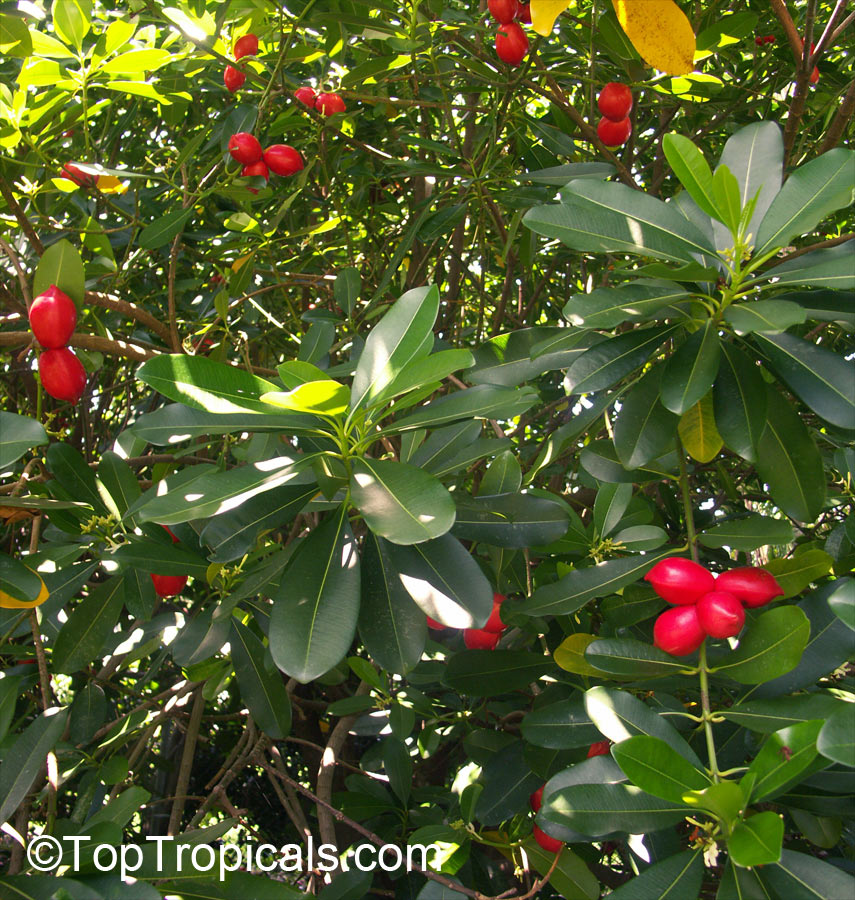
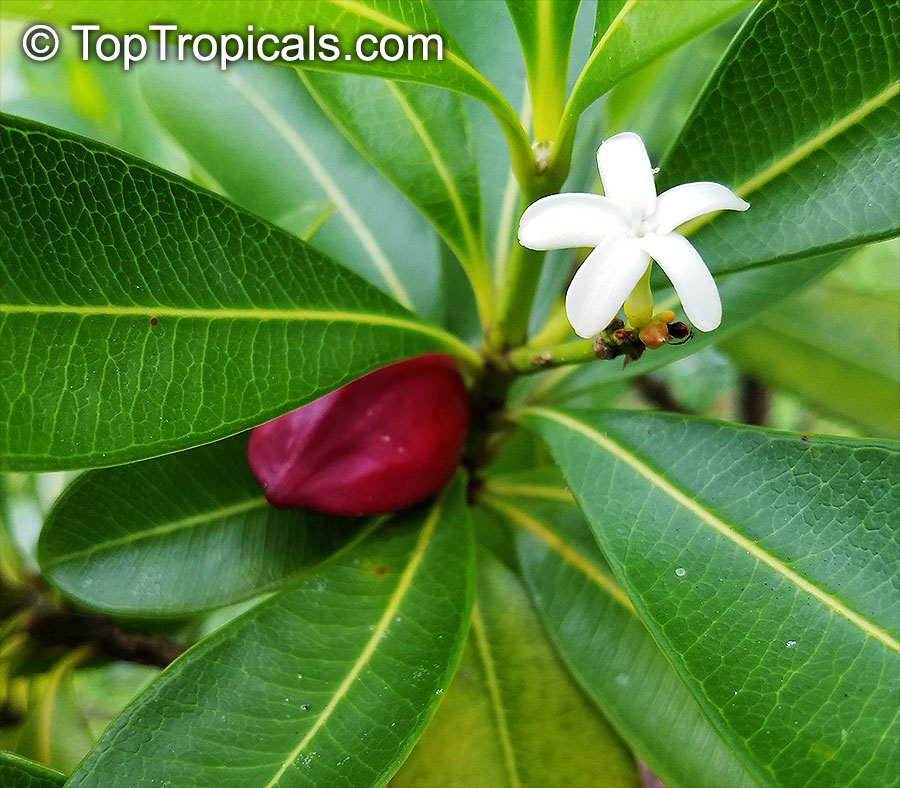
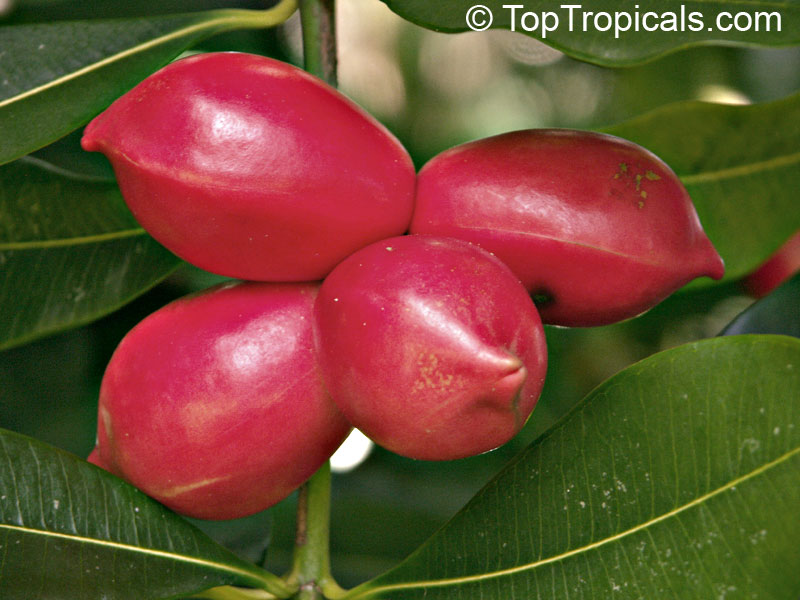
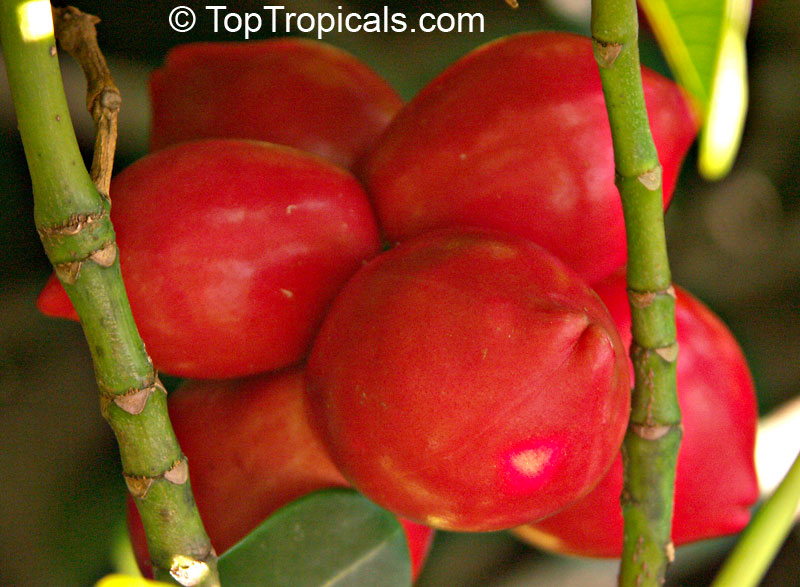
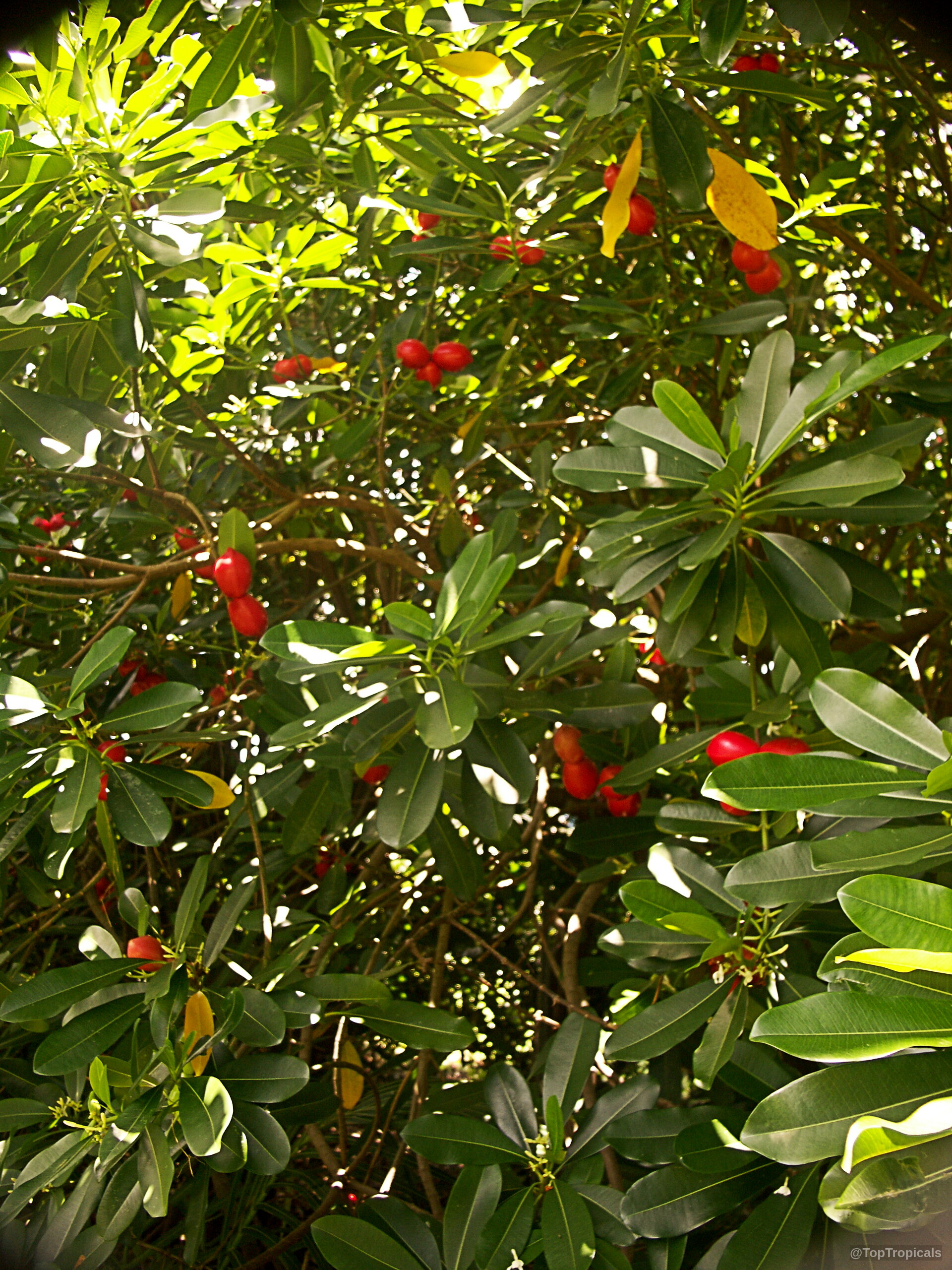
Ochrosia elliptica, commonly known as Kopsia or Elliptic Ochrosia, is a tropical evergreen shrub or small tree in the Apocynaceae family native to Southeast Asia and northern Australia. It typically grows 10 to 20 ft tall, forming a dense, rounded crown with smooth gray bark and glossy, elliptic dark green leaves arranged in clusters near the ends of branches. Fragrant, white, star-shaped flowers appear in clusters, followed by paired, elongated fruits that ripen to bright red, adding ornamental contrast to the foliage.
This species prefers full sun to partial shade and well-drained soil, with moderate watering once established. Growth rate is moderate in warm climates. Cold tolerance is limited, with damage likely below 40F; best suited to USDA Zones 10 to 11. Ochrosia elliptica performs well in coastal and tropical landscapes and can be maintained in large containers while young. All parts of the plant are considered toxic if ingested.
Similar plants: Ochrosia elliptica (Bloodhorn)