Manihot esculenta (Cassava)
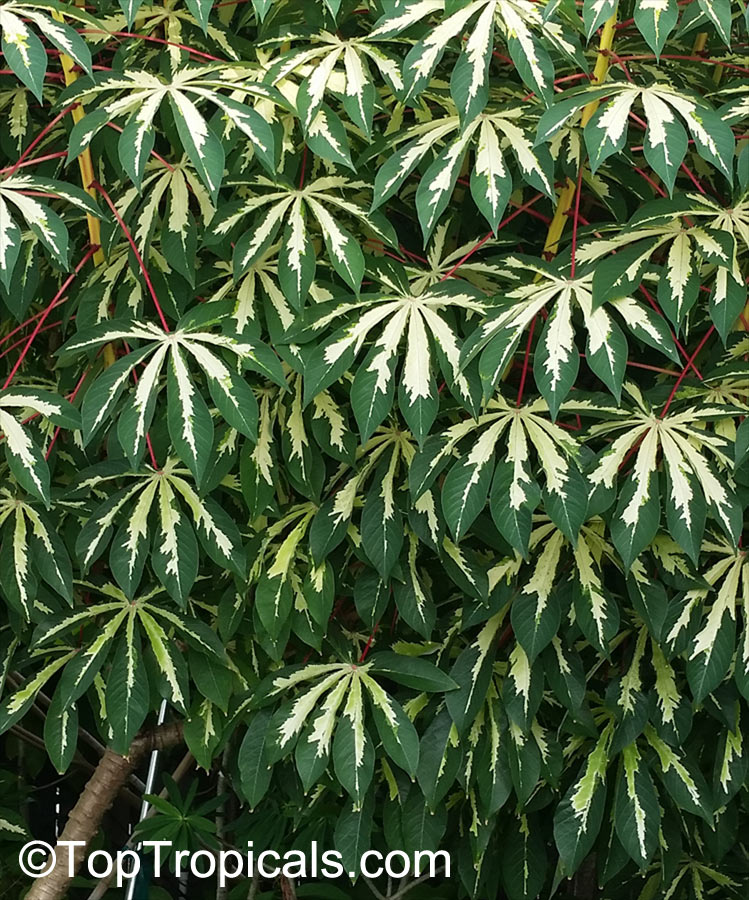
Botanical name: Manihot esculenta
Common names: Cassava, Manihot, Tapioca, Manioc
Family: Euphorbiaceae
Origin: South America
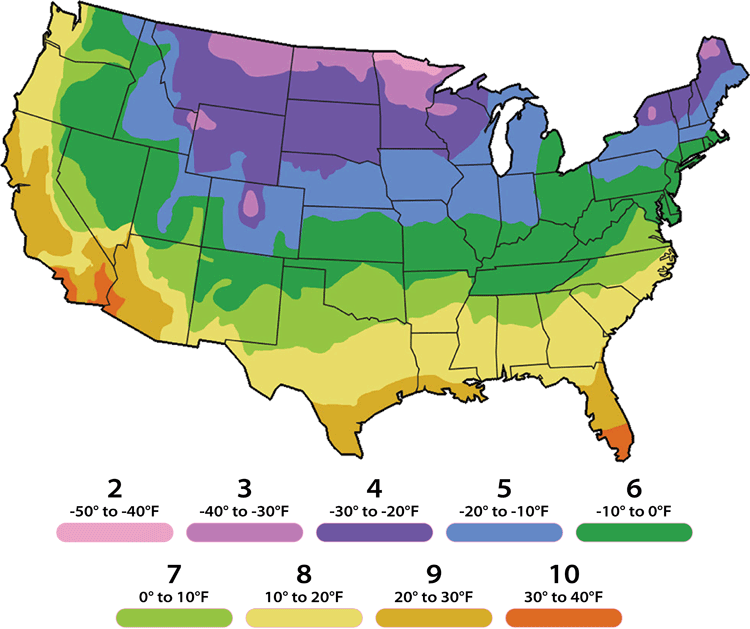
USDA Zone: 8-11
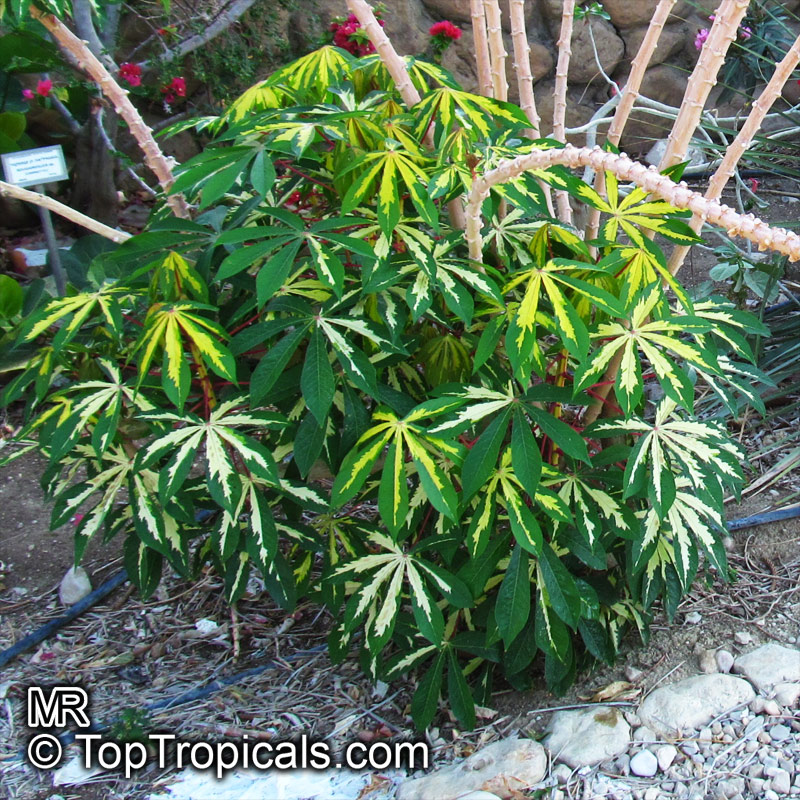
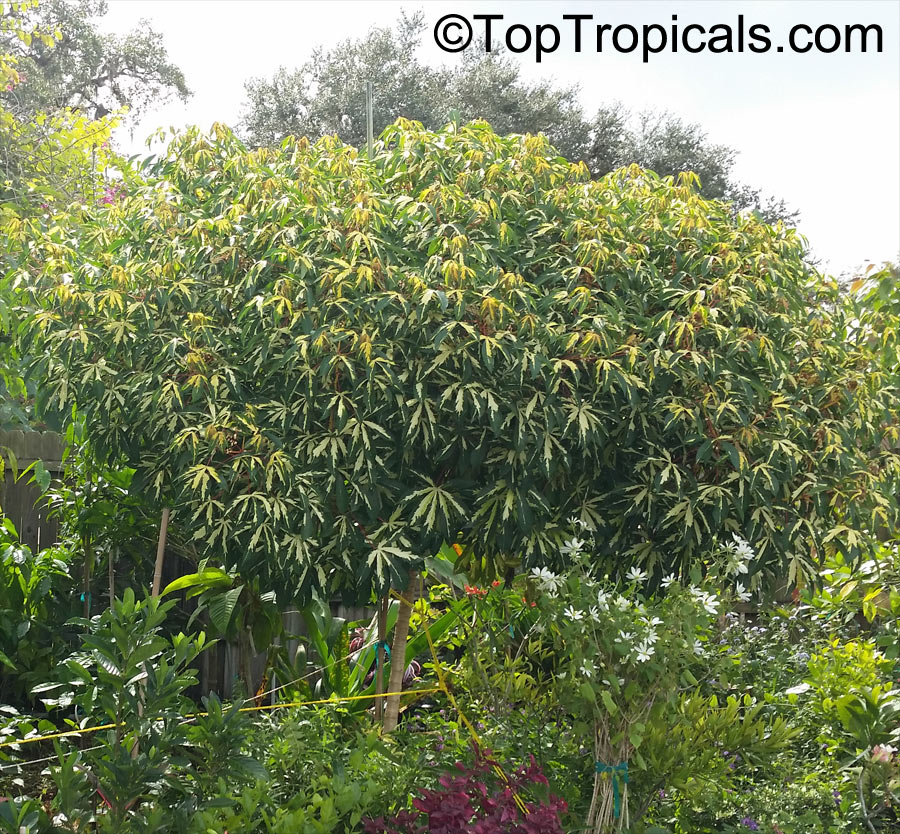
 Plant form: Large bush
 Mature height: 5-10 ft
 Sun exposure: Full sun or bright light indoor; semi-shade
 Cold tolerance: Tolerates light freezing to about 30°F for short periods (mature plants). Young plants must be protected.
 Watering: Moderate
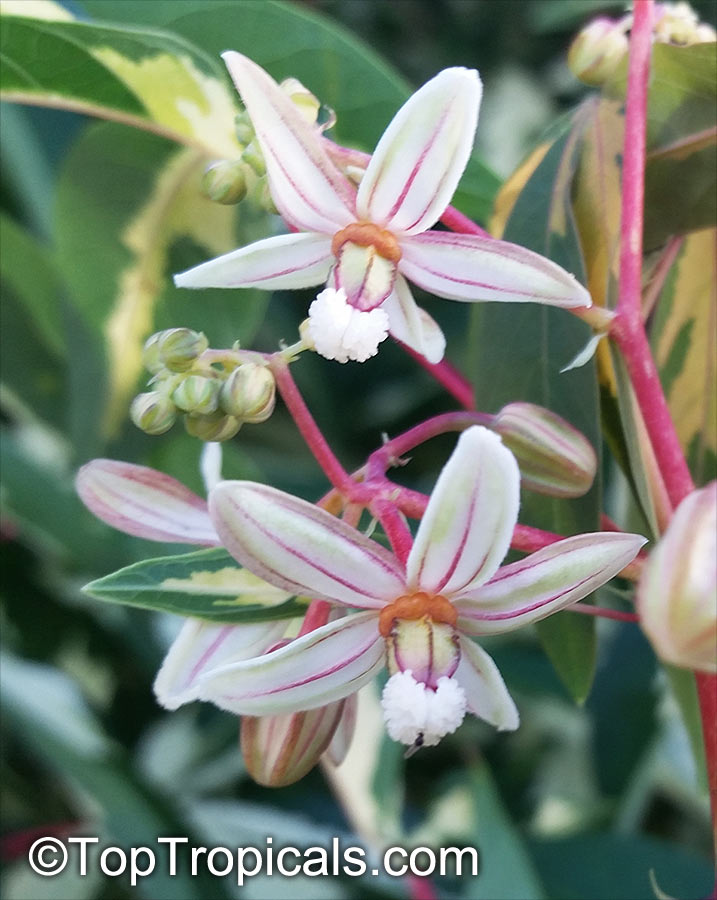
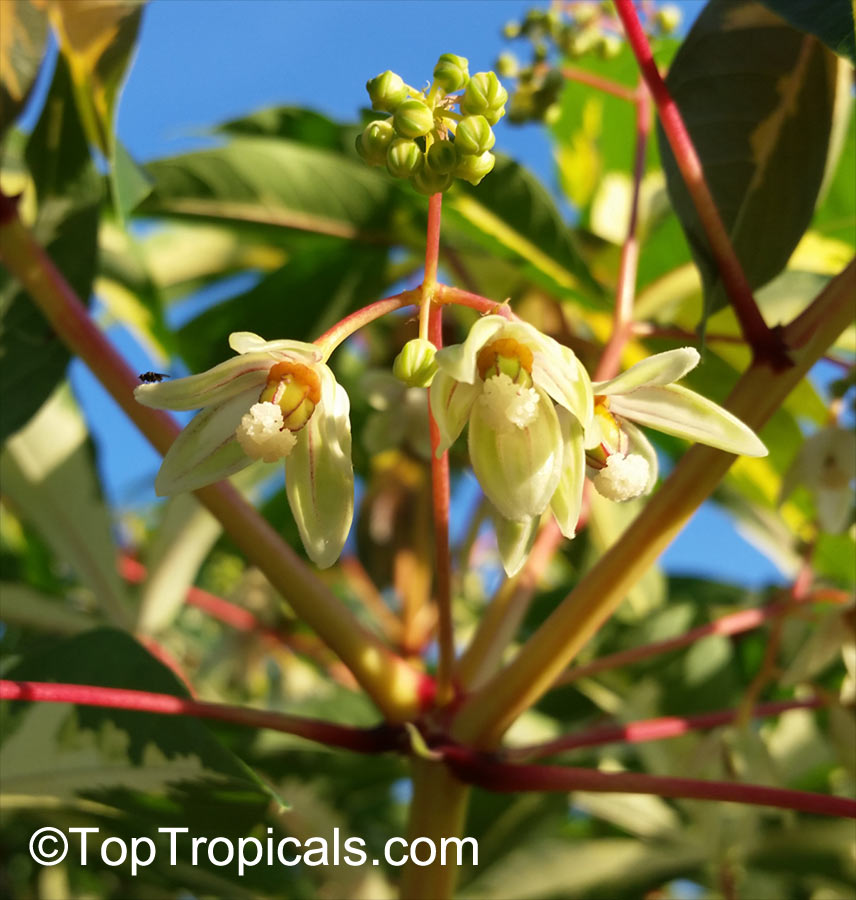
 Flower color: Pink; white and off-white
 Suitable for: Outdoors in the suitable USDA zone; small gardens, containers, and indoor growing
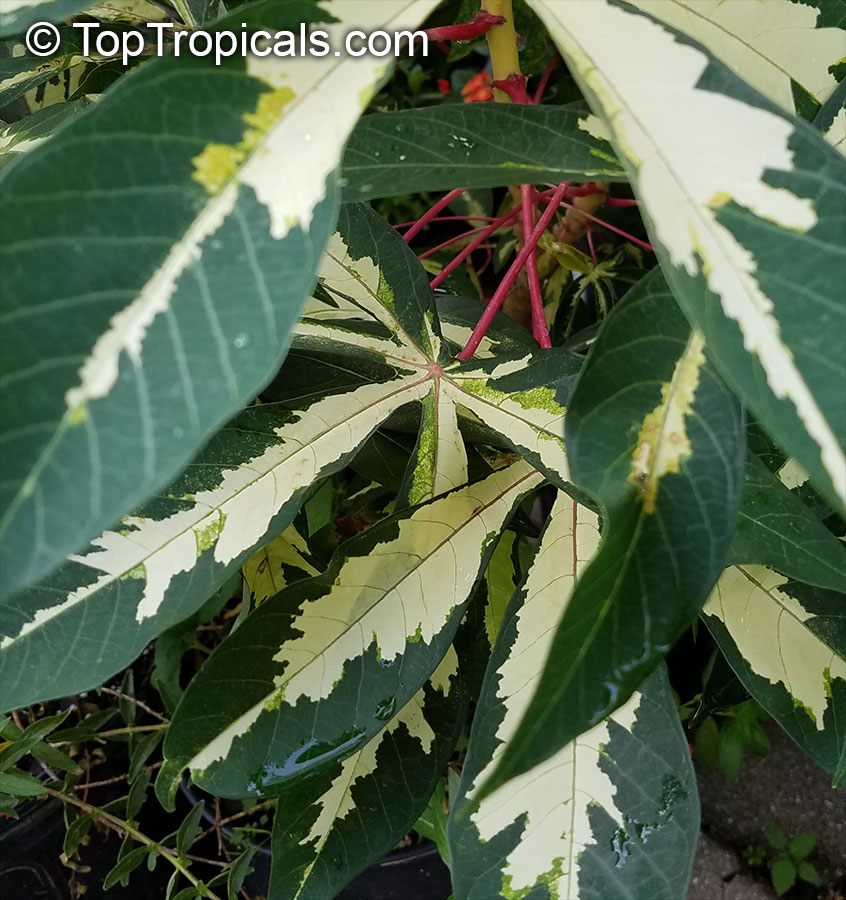
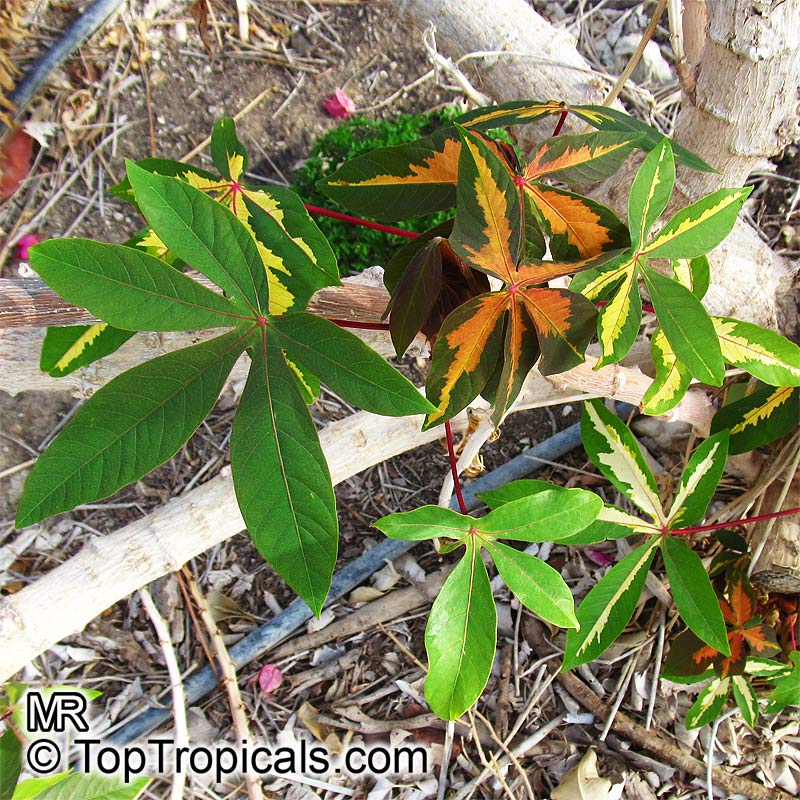
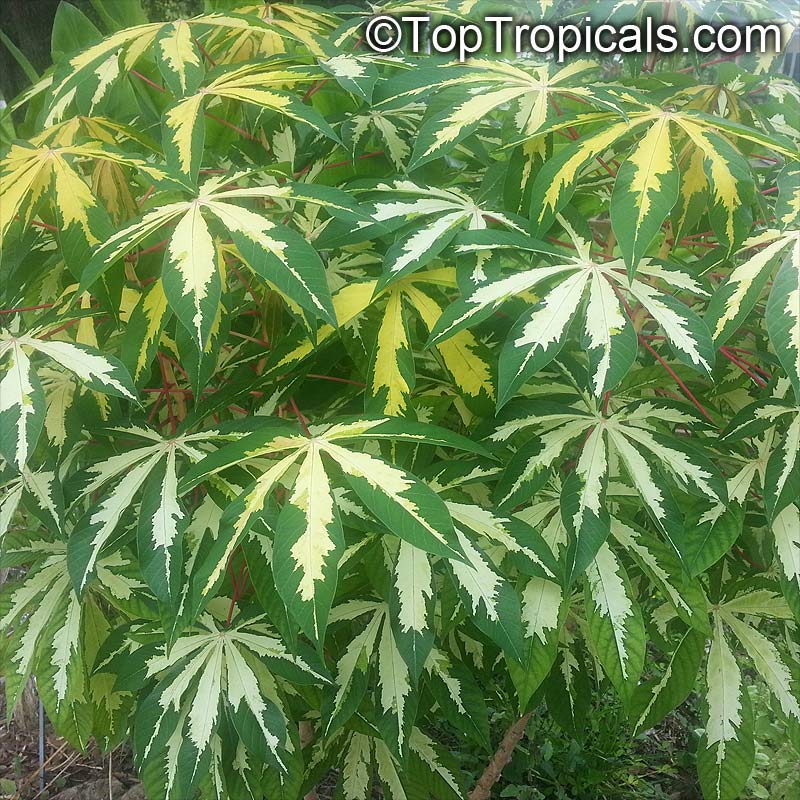
 Foliage color: Ornamental foliage
 Irritating or toxic: Toxic plant/plant part
 Ethnomedical: Ethnomedical plant, traditionally used in folk or indigenous medicine
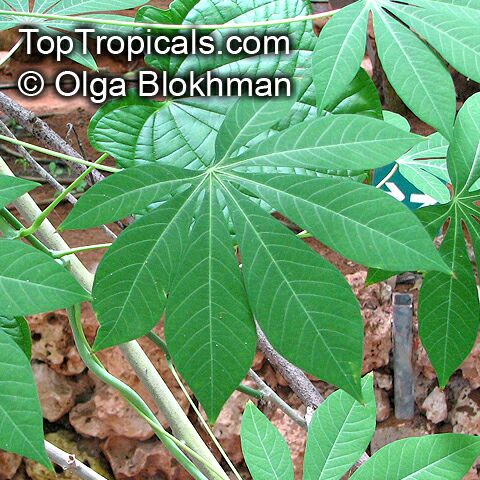
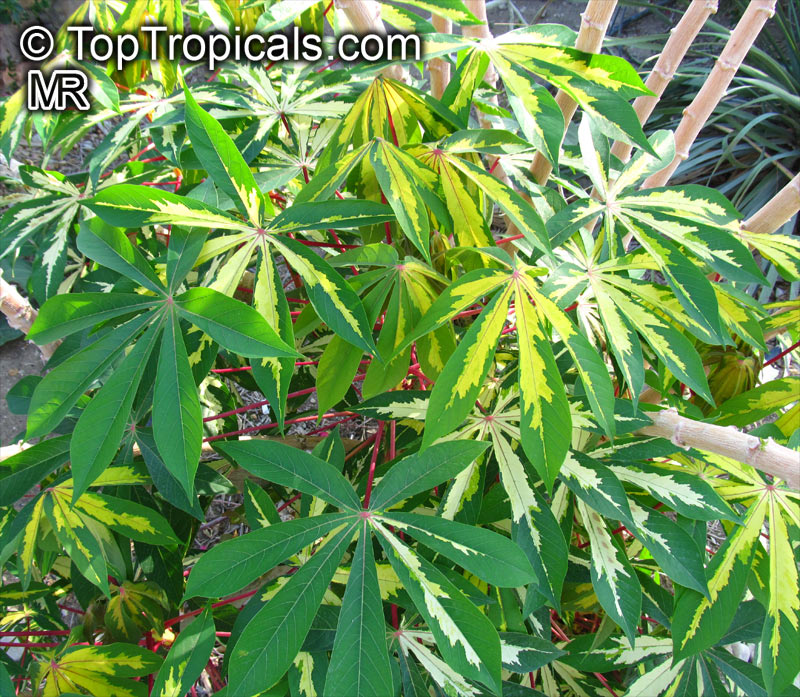
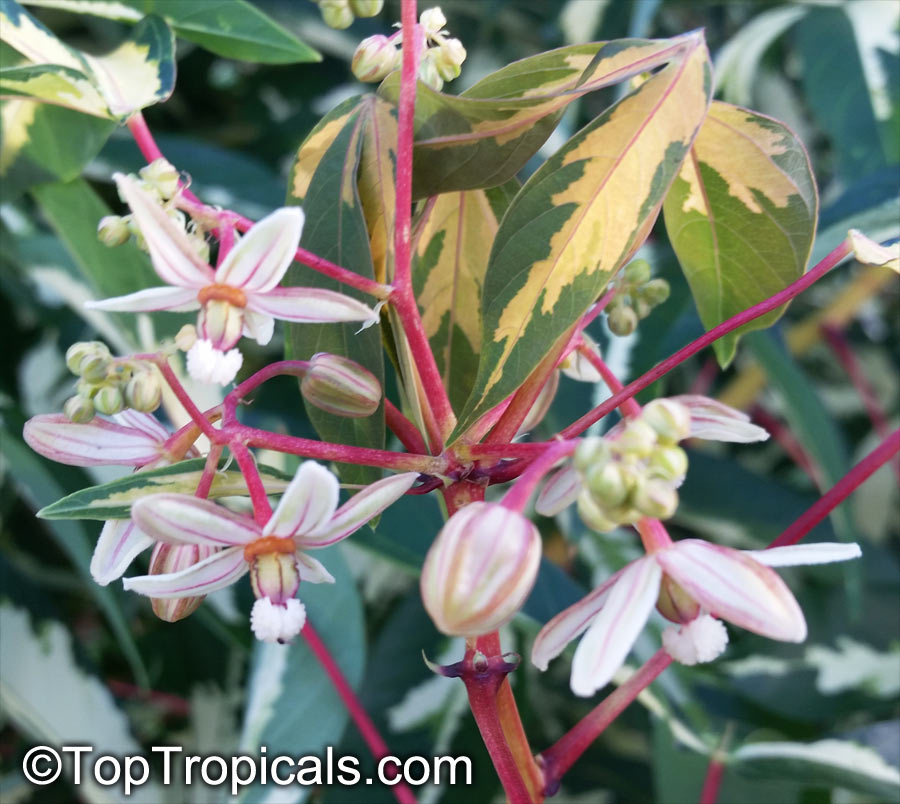
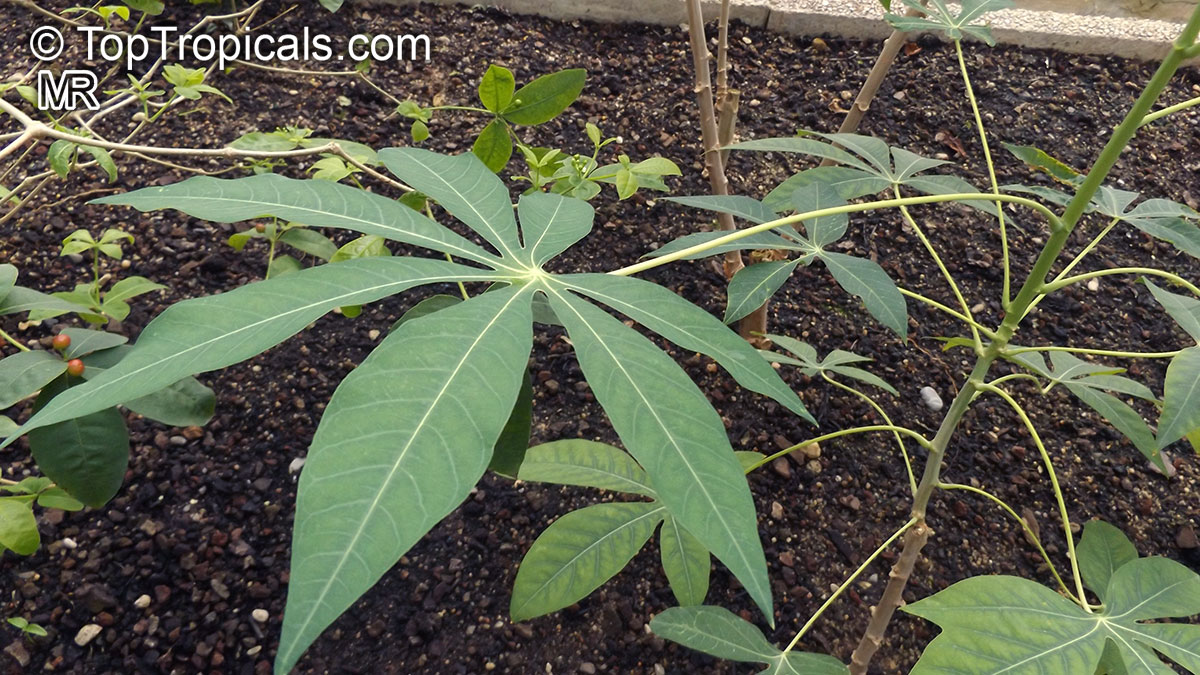
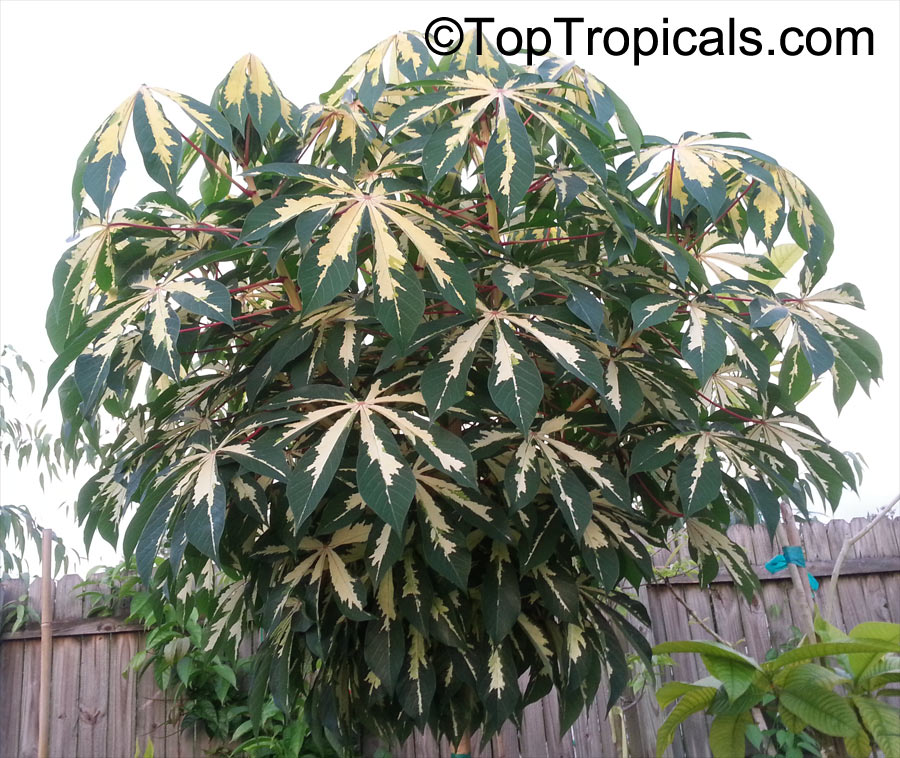
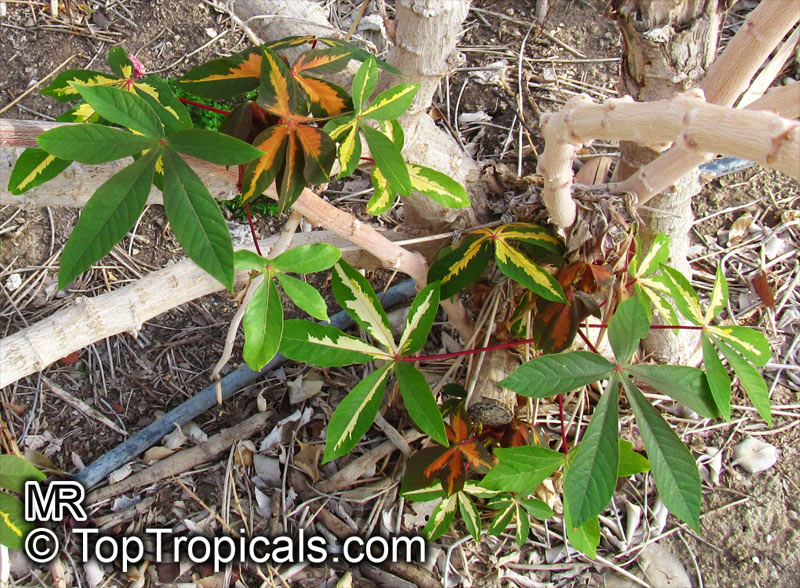
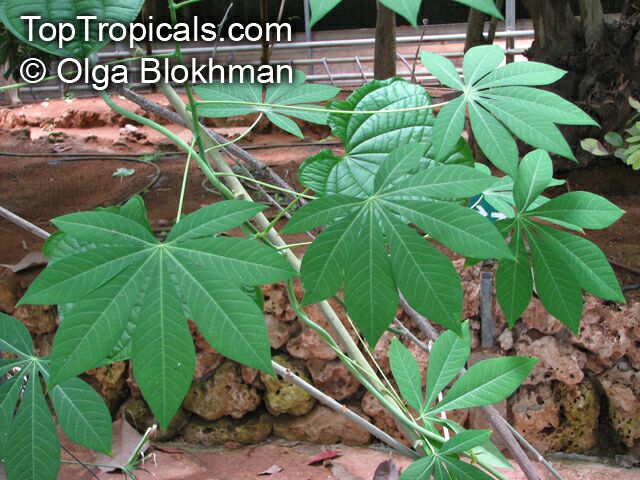
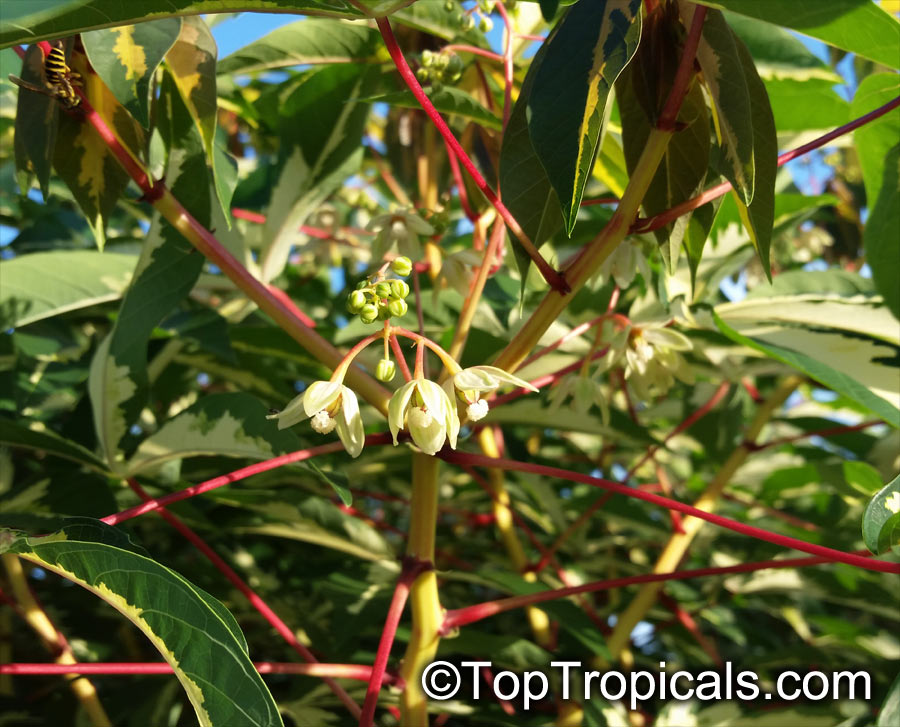
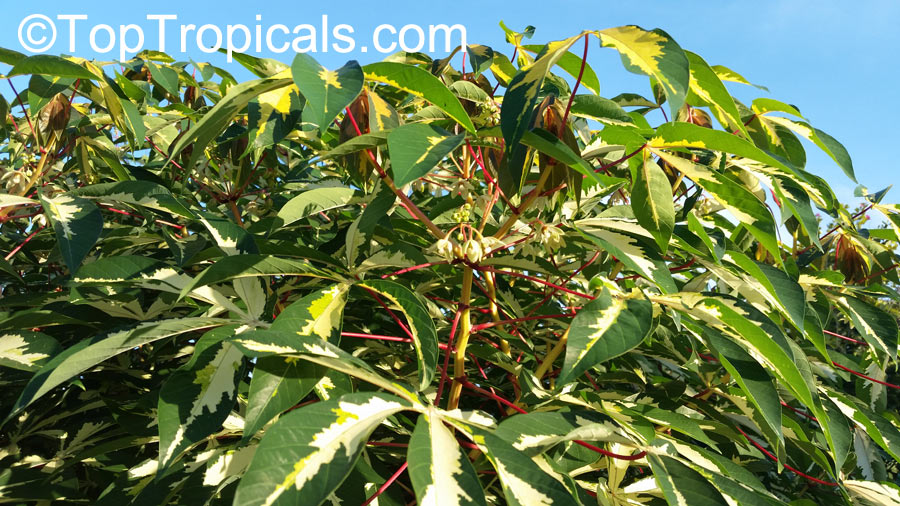
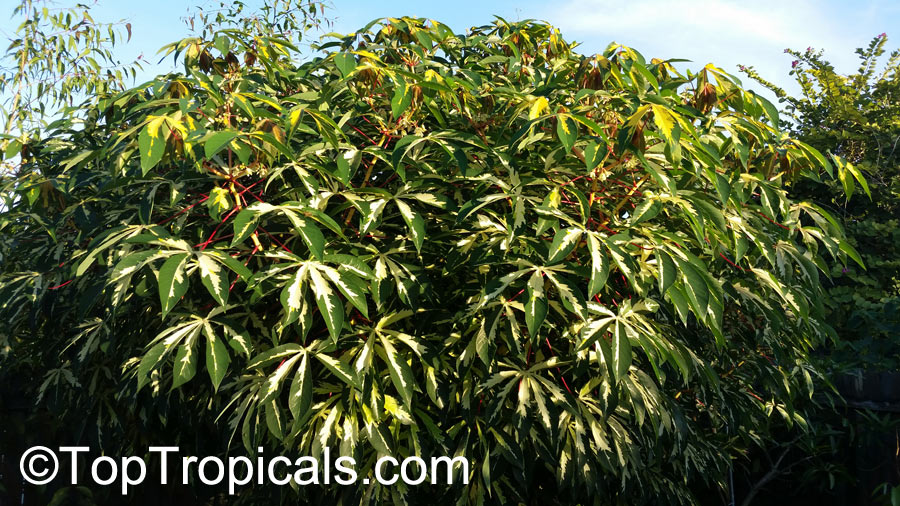
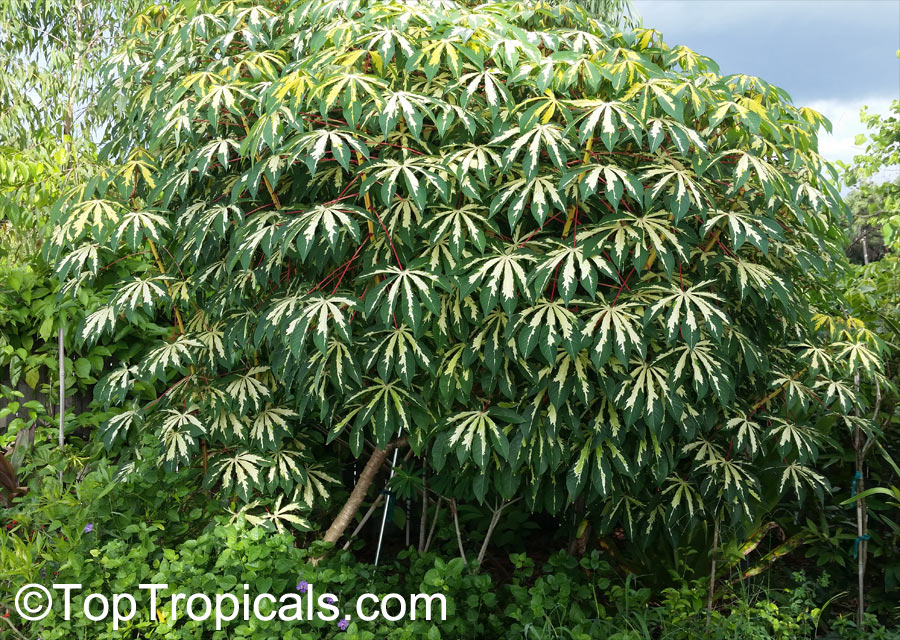
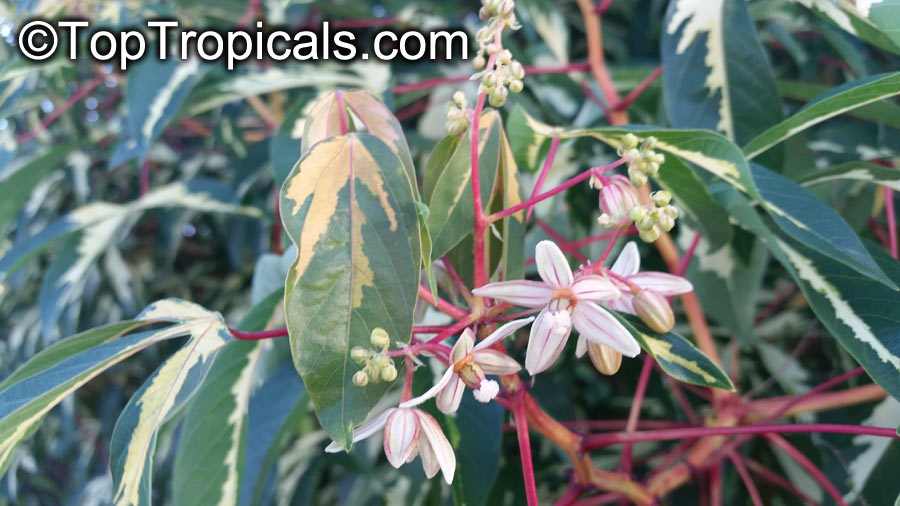
The Manihot esculenta, commonly known as Cassava, is a large shrub that can grow 5-10 feet tall when fully mature. It is a hardy plant and can tolerate full sun or semi-shade, and only needs a moderate amount of water. It is known for its beautiful pink and white flowers, as well as its ornamental foliage. This plant is native to South America, and is grown in USDA Zones 9-11.
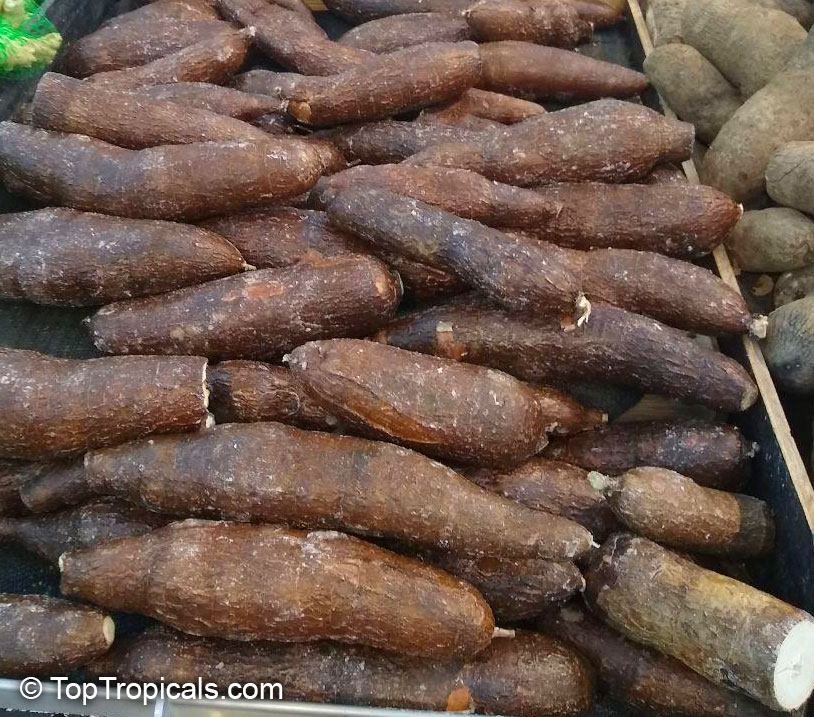
This plant has both ethnomedical and edible properties. Cassava roots, peels and leaves should not be consumed raw The tuberous root is edible. It is processed by first peeling the root, being sure to remove all of the purple outer layer, and then boiling in at least one change of water. The processed edible root can be used in a variety of dishes. It is also high in essential vitamins and minerals. The plant itself is poisonous and should be handled with caution.
In regions with cold climates, Cassava can be grown in a pot. It needs to be planted in a well-drained, sandy soil mix and should be watered regularly. The pot should also be placed in a warm and sunny area, in order to ensure proper growth.
Read more:
Similar plants: Manihot esculenta (Cassava)




Read more:
Yuca root, Cassava, Manihot, Tapioca... Food and Beauty
Yuca Fries Recipe: Food from your garden
Recommended Fertilizer: SUNSHINE Megaflor - Bloom Nutrition Booster