Gelsemium sempervirens (Yellow Jessamine)

Botanical name: Gelsemium sempervirens
Common names: Yellow Jessamine, Carolina Jasmine, Trumpet Flower
Family: Loganiaceae
Origin: Southeastern United States
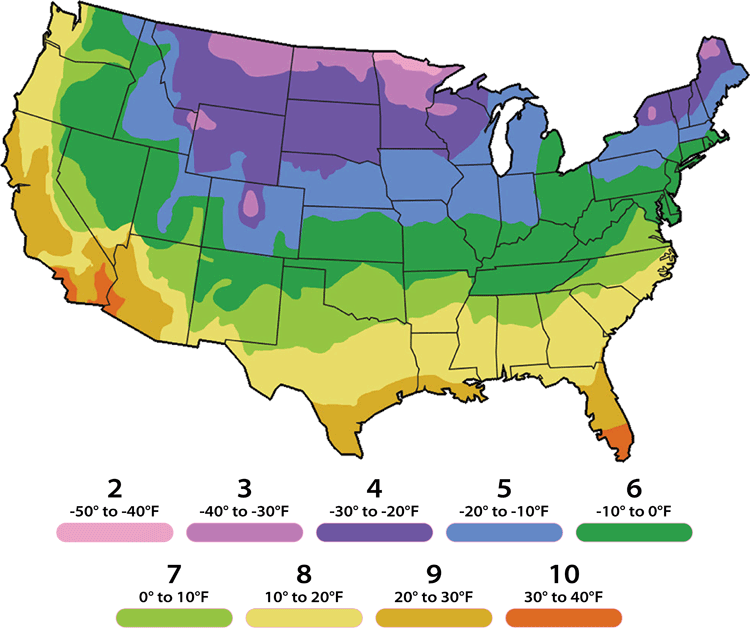
USDA Zone: 7a-11
 Plant form: Climbing or creeping vine

 Sun exposure: Full sun or bright light indoor; semi-shade
 Cold tolerance: Tolerates light freezing to about 30°F for short periods (mature plants). Young plants must be protected.
 Watering: Moderate
 Flower color: Yellow, orange
 Suitable for: Outdoors in the suitable USDA zone; small gardens, containers, and indoor growing
 Irritating or toxic: Toxic plant/plant part
 Fragrance: Fragrant; perfume plant
 Wildlife: Attracts butterflies and hummingbirds
 Ethnomedical: Ethnomedical plant, traditionally used in folk or indigenous medicine
Gelsemium sempervirens (Carolina jasmine) is native to the Southeastern United States and will thrive in full sun, semi-shade and requires moderate water to keep it looking its best. The blooms appear in yellow or orange clusters of fragrant flowers and typically appear in late winter or early spring and attracts butterflies and hummingbirds to the garden. Variety 'Plena' has double-flowers.
Carolina jasmine is suitable for growing in USDA zones 7 to 11. Hardy to 15 degrees F. If you are living in a colder region, you will need to provide it with extra protection by planting it in pots and bringing it indoors. In addition, ensure that you water the plant regularly, especially during periods of drought. Other than that, you will need to prune the plant after it has finished blooming for the season.
When it comes to caring for Gelsemium sempervirens it is important to remember that all parts of the plant are considered poisonous and should never be ingested. If any sap of the plant were to come in contact with the skin, it may cause irritation in sensitive individuals. As a result, extra care should be taken when growing this plant in areas with small children and pets.


