Cymbopogon citratus (Lemon Grass)
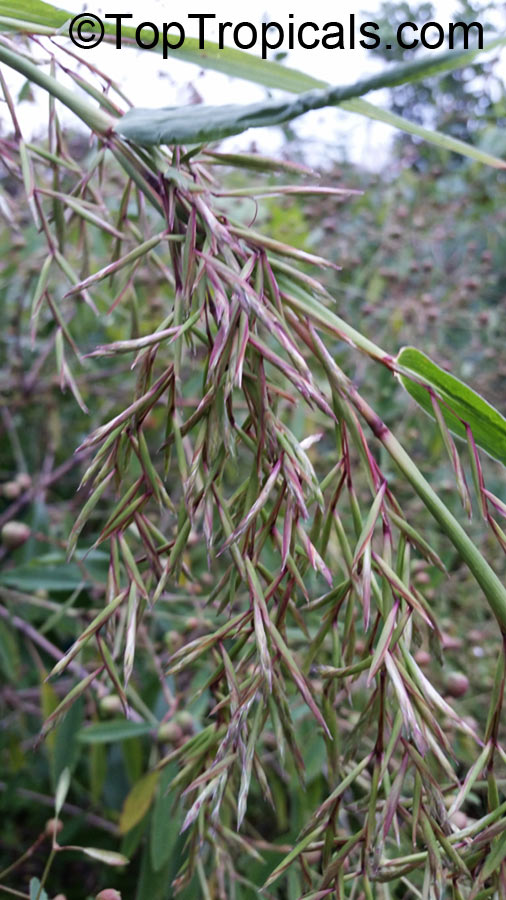
Botanical name: Cymbopogon citratus
Common names: Lemon Grass, Oil Grass
Family: Poaceae (Formerly:Poaceae / Gramineae)
Subfamily: Panicoideae
Origin: India
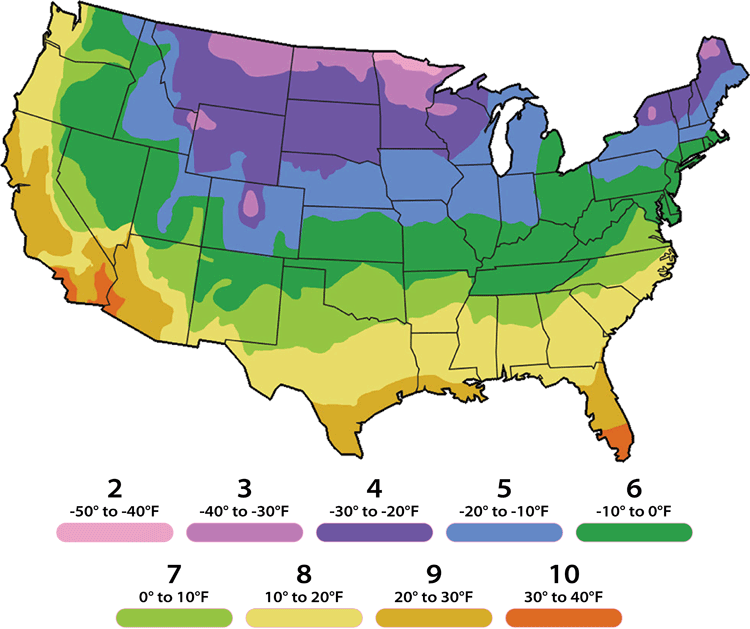
USDA Zone: 9-11
 Plant form: Small
 Mature height: 2-5 ft
 Sun exposure: Full sun or bright light indoor
 Cold tolerance: Tolerates light freezing to about 30°F for short periods (mature plants). Young plants must be protected.
 Watering: Regular
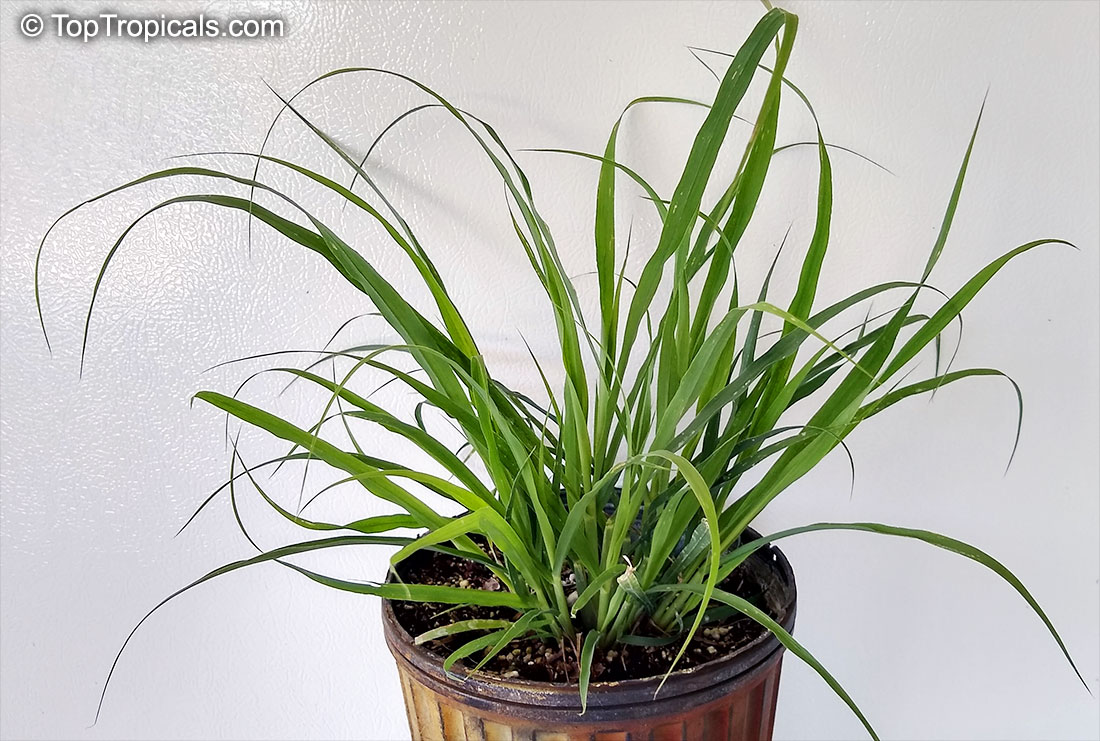
 Suitable for: Outdoors in the suitable USDA zone; small gardens, containers, and indoor growing
 Foliage color: Ornamental foliage
 Foliage: Deciduous
 Fragrance: Fragrant; perfume plant
 Ethnomedical: Ethnomedical plant, traditionally used in folk or indigenous medicine
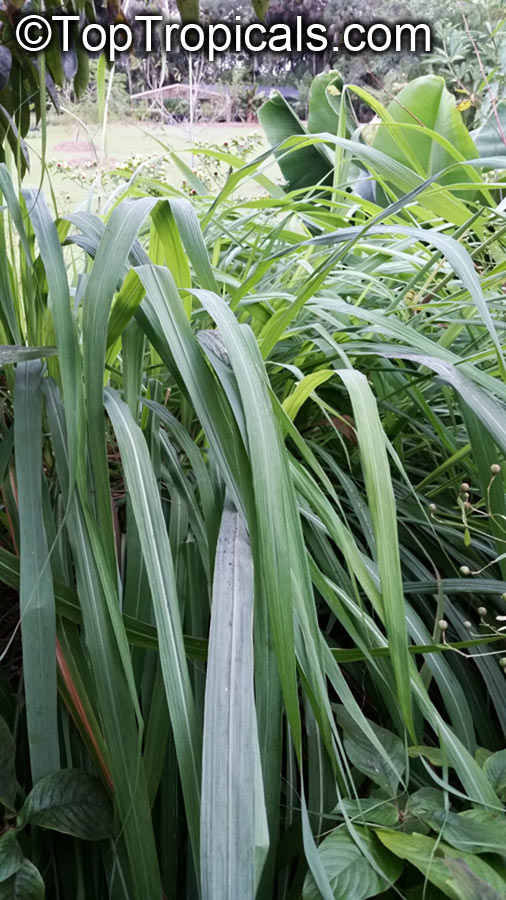
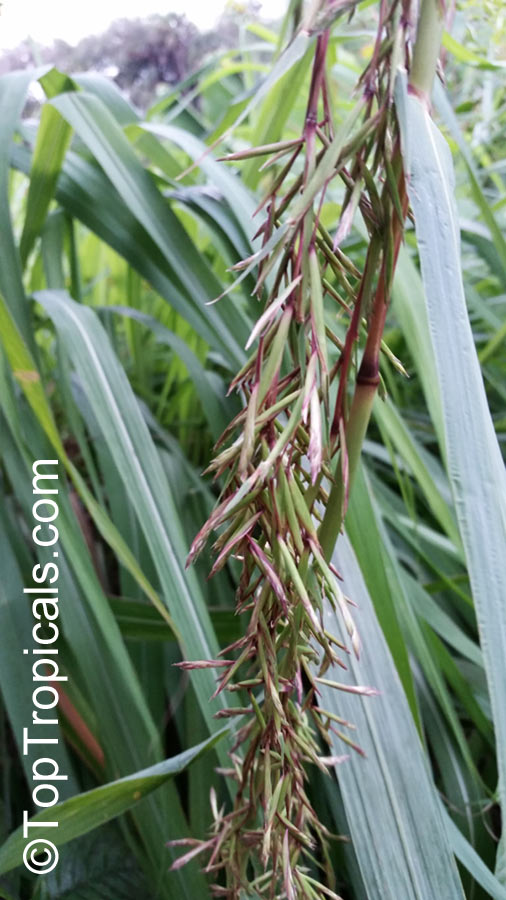
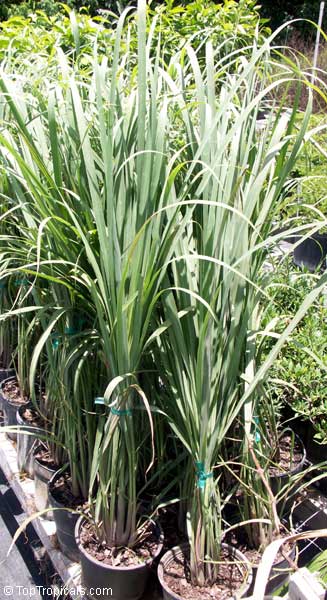
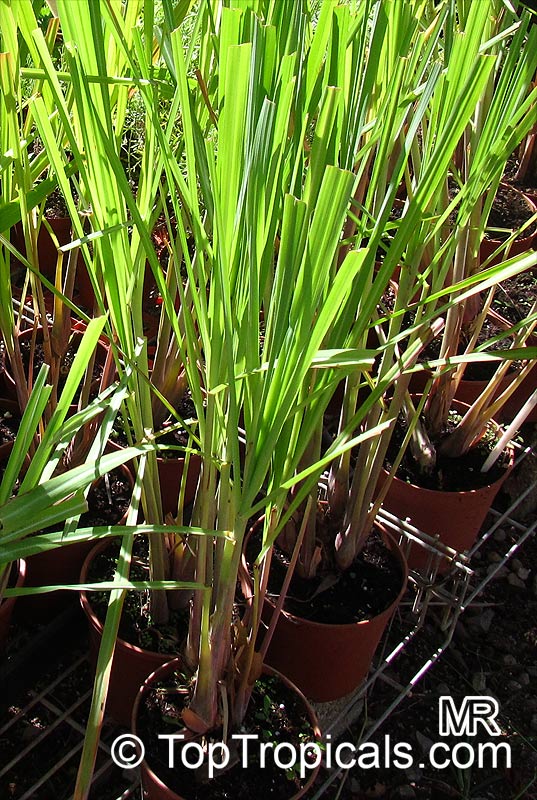
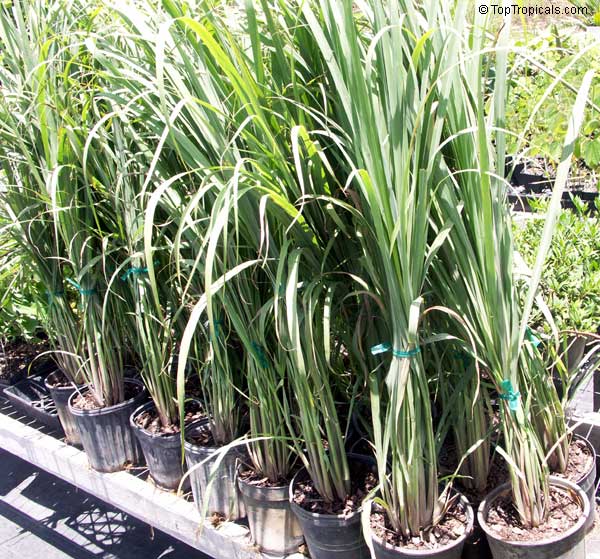
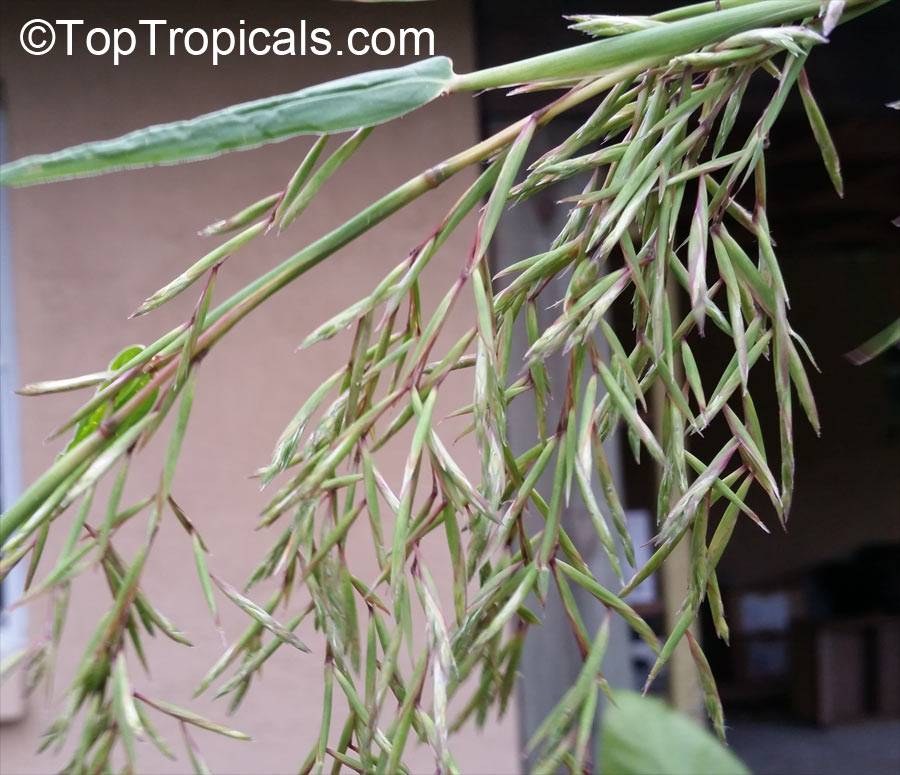
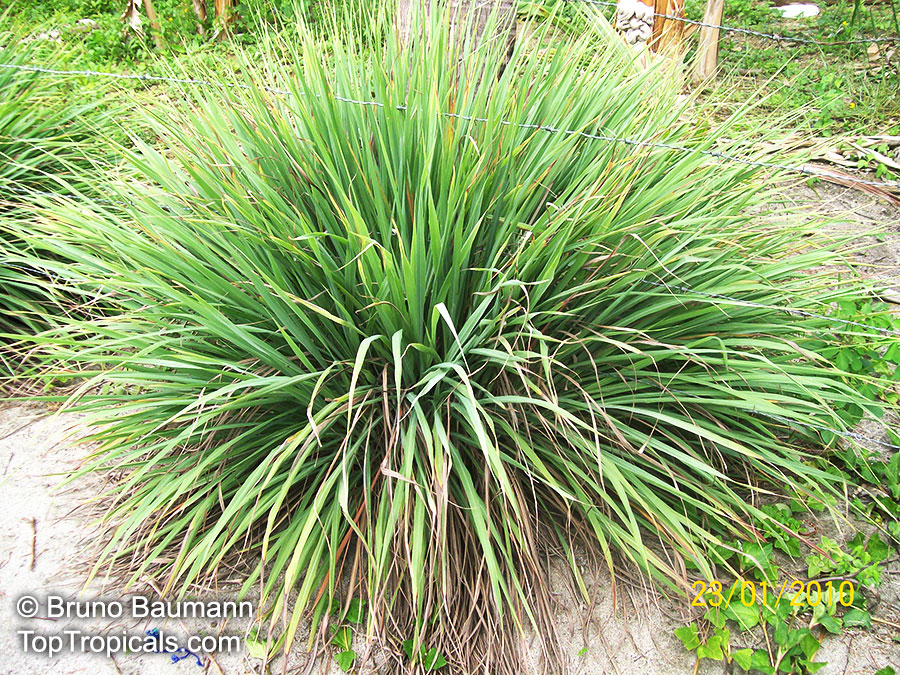
Lemon grass, also known as Cymbopogon citratus, is a small plant native to India. It grows to be 2-5 ft tall and requires full sun and regular watering. It is hardy in USDA zones 9-11 and can be grown in containers. The leaves are bluish-green, 0.5-1 inch wide, and approximately 3 ft long, with gracefully drooping tips. They release strong citrus aroma when crushed and the plant rarely produces flowers. Lemon grass is valued for its flavor and health benefits, including its rich nutrient content, antibacterial and antifungal properties, and ability to produce fruit that can be eaten or juiced.
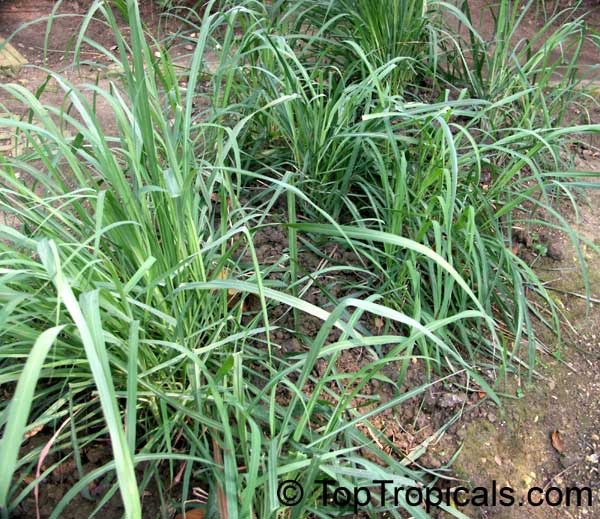
In gardens, lemon grass can be used as an ornamental plant, releasing a pleasant citrus aroma when brushed against to repel mosquitoes and other pests. It is also an excellent tonic for dogs. Lemon grass is widely used in Thai and Vietnamese cooking, giving Tom Yum soup its famous taste, and has become popular in the United States, with most commercial crops grown in California and Florida.
In addition to its culinary uses, lemon grass is also used medicinally. The leaves are steam distilled to extract lemongrass oil, which is commonly used in perfumery and flavorings.
It is a perennial plant that may go dormant in the winter, depending on the climate. Also, it can be enjoyed as an annual in frosty areas or potted and brought inside during the winter. Lemon grass is a versatile plant that can be used in the kitchen to flavor teas, soups, and other dishes, as well as in the garden as an ornamental plant and natural pest repellent.
Similar plants: Cymbopogon citratus (Lemon Grass)
Recommended Fertilizer: SUNSHINE Robusta - Rapid Growth Booster