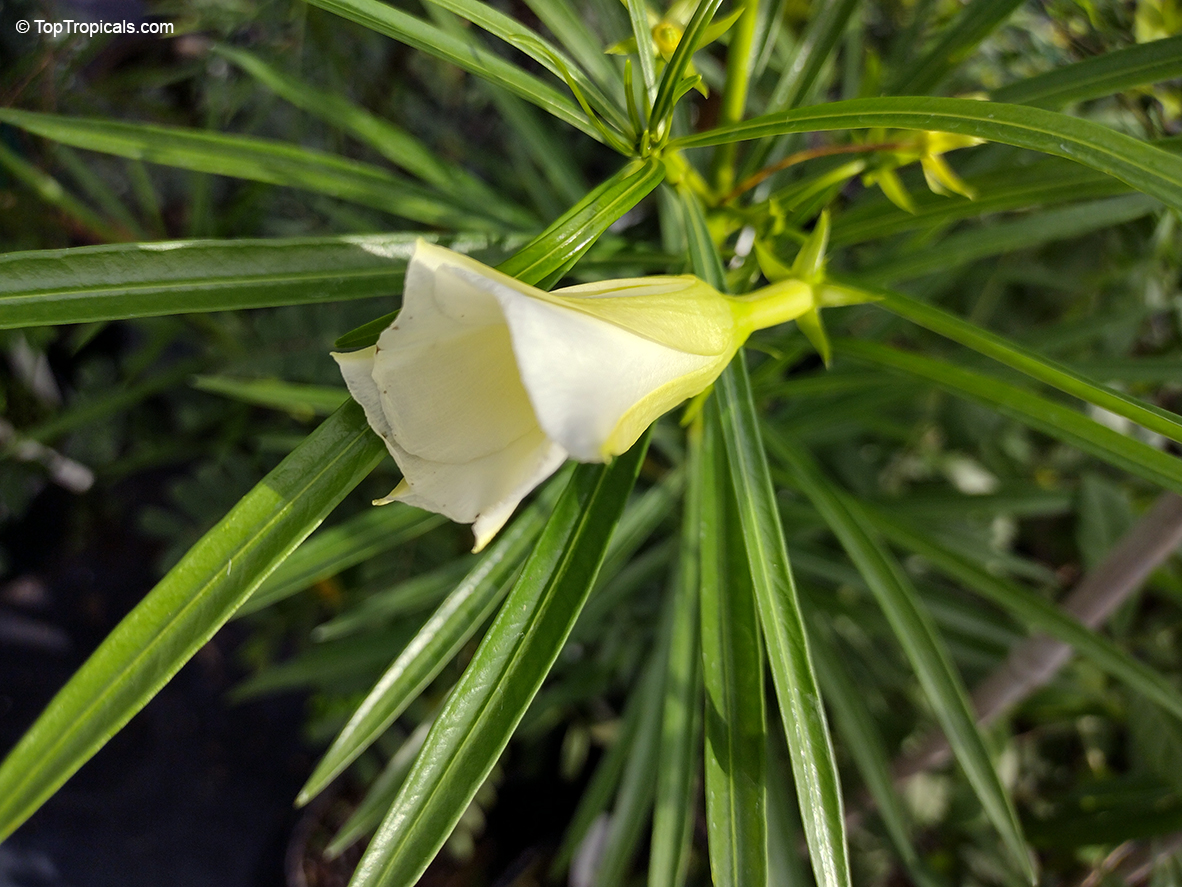
Cascabela thevetia (Yellow Oleander)
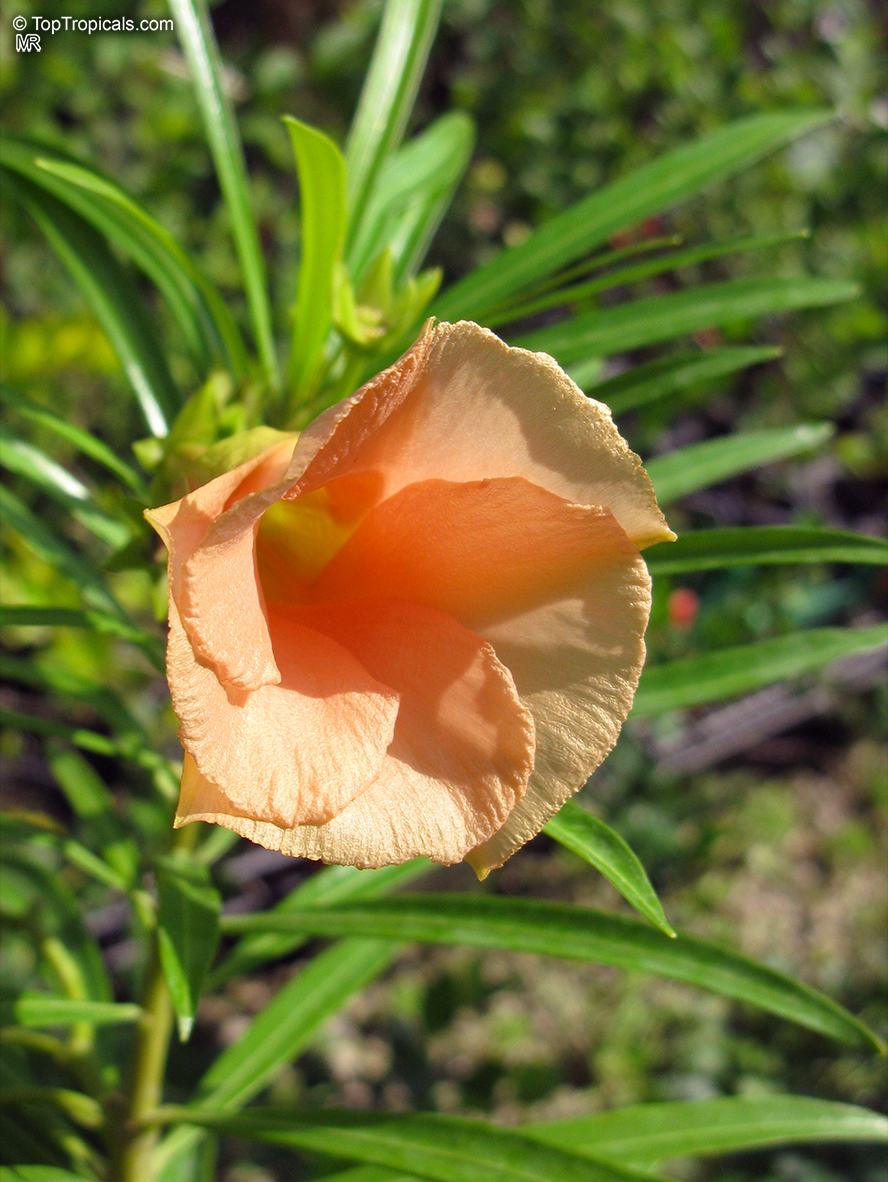
Botanical names: Cascabela thevetia, Thevetia neriifolia, Thevetia peruviana
Common names: Yellow Oleander, Still Tree, Lucky Nut
Family: Apocynaceae
Origin: Central America
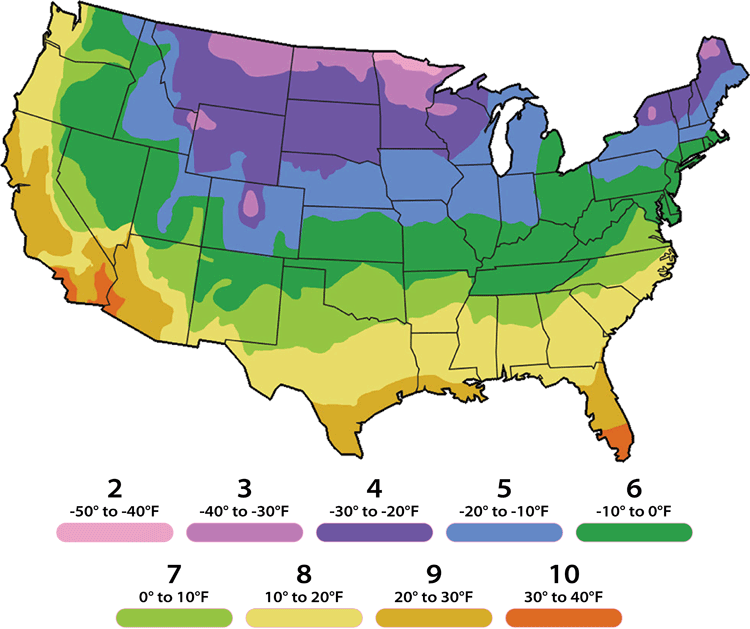
USDA Zone: 8-10

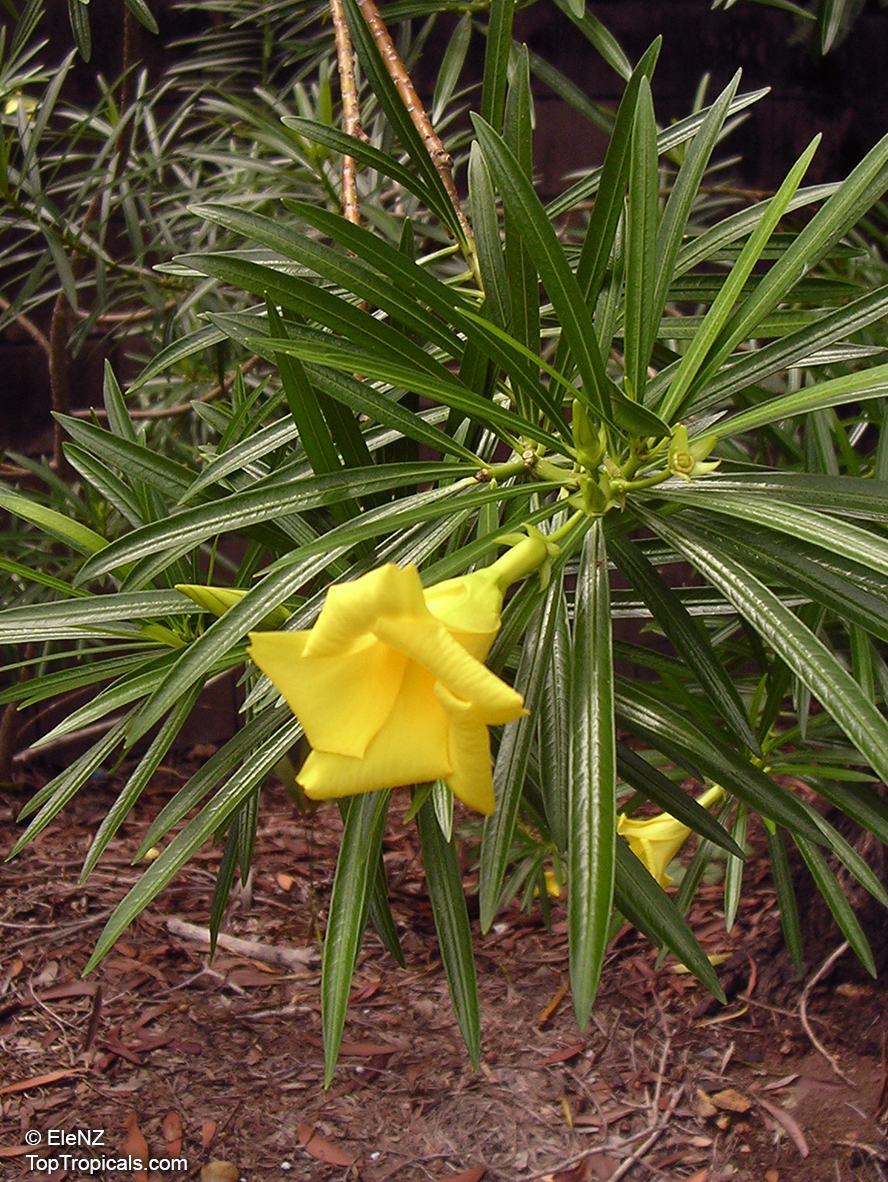
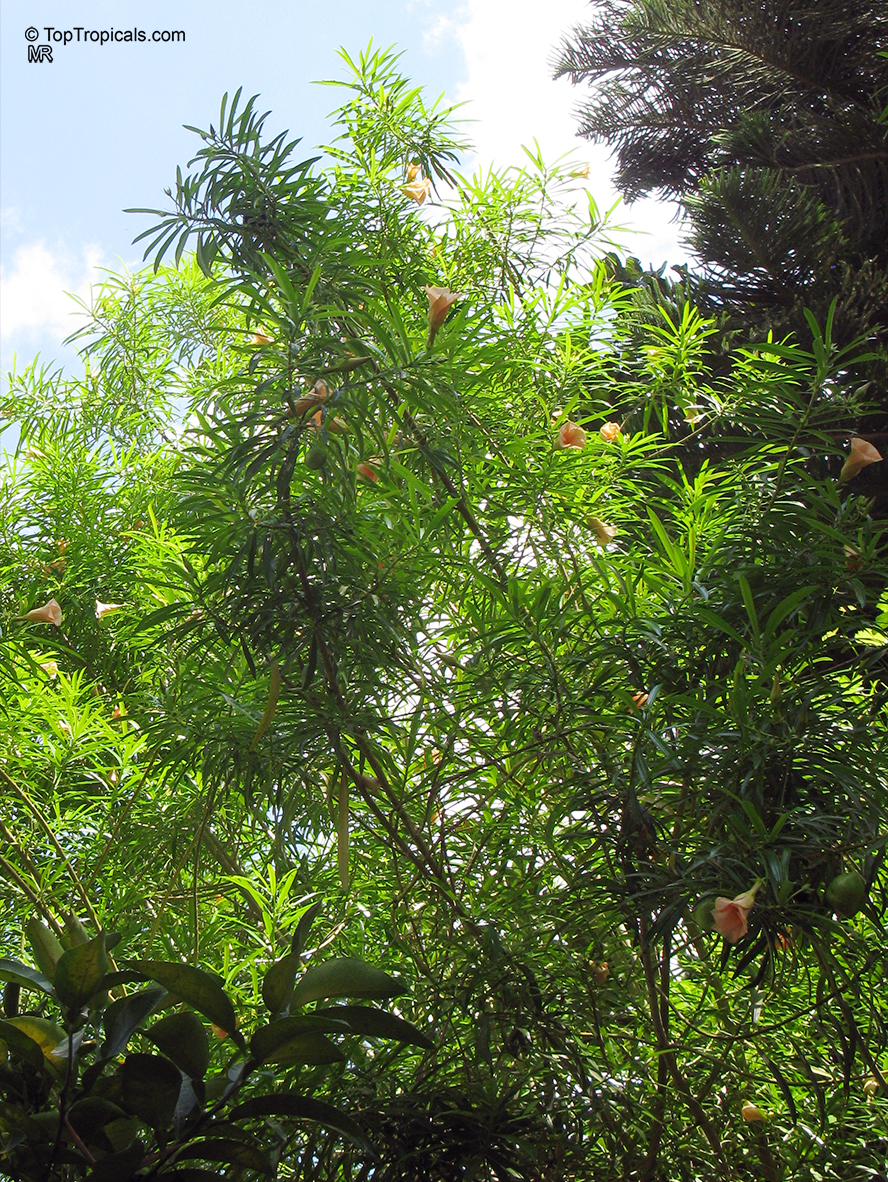
 Plant form: Large bush or small tree
 Mature height: 10-20 ft
 Sun exposure: Full sun or bright light indoor; semi-shade
 Cold tolerance: Tolerates light freezing to about 30°F for short periods (mature plants). Young plants must be protected.
 Watering: Moderate
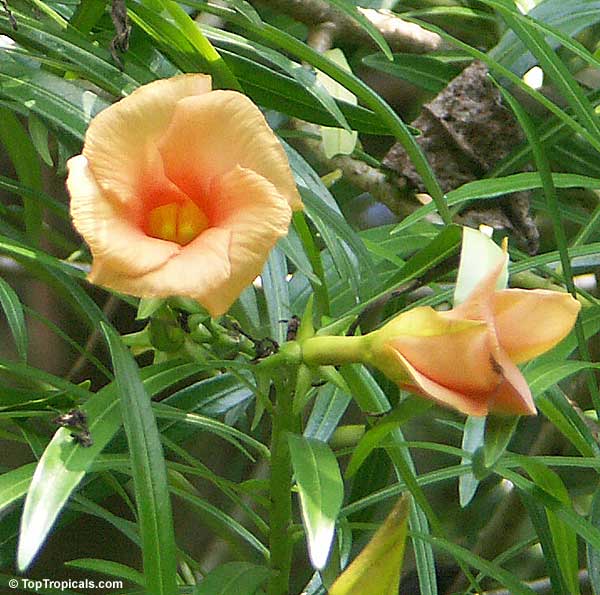
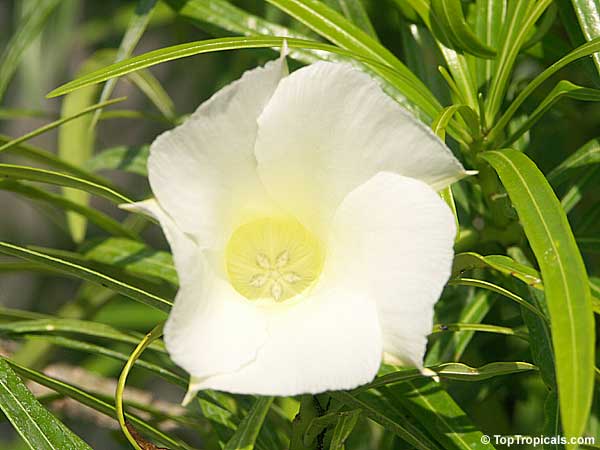
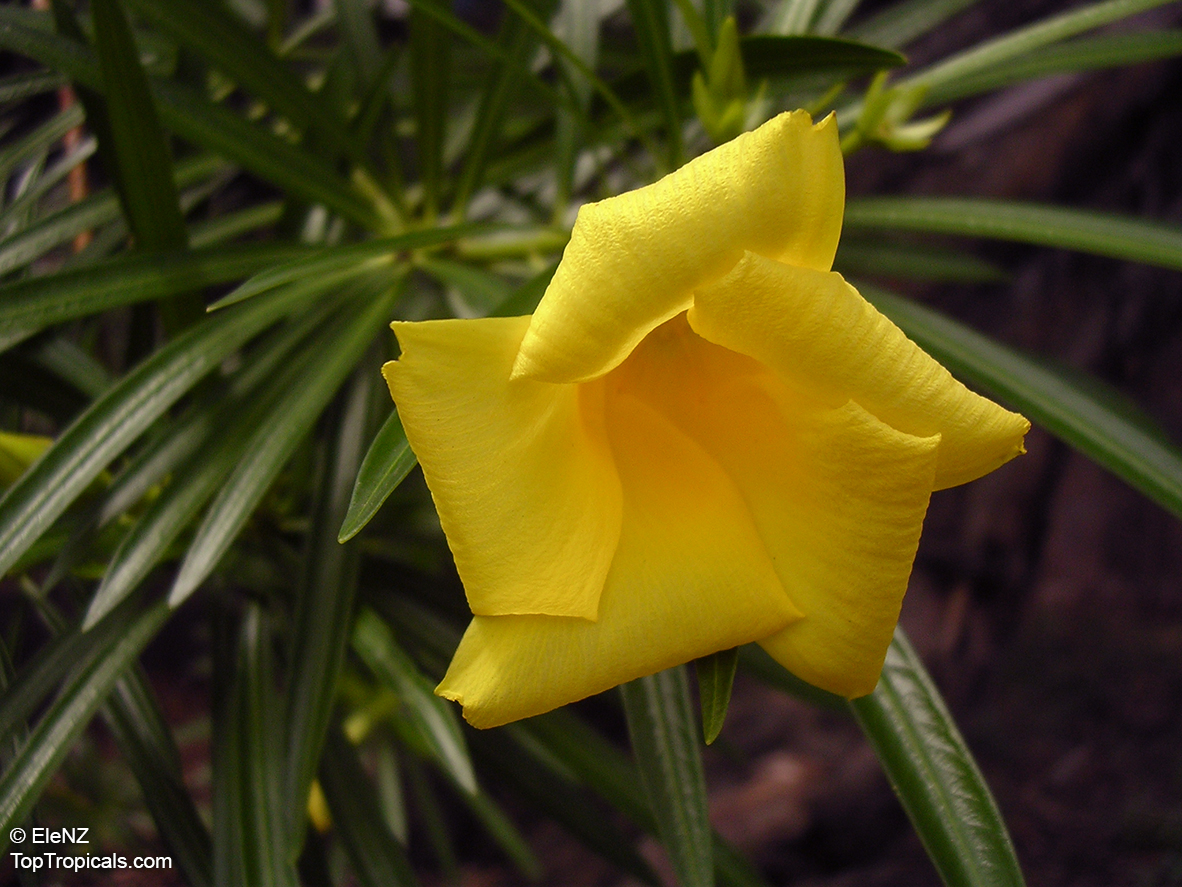
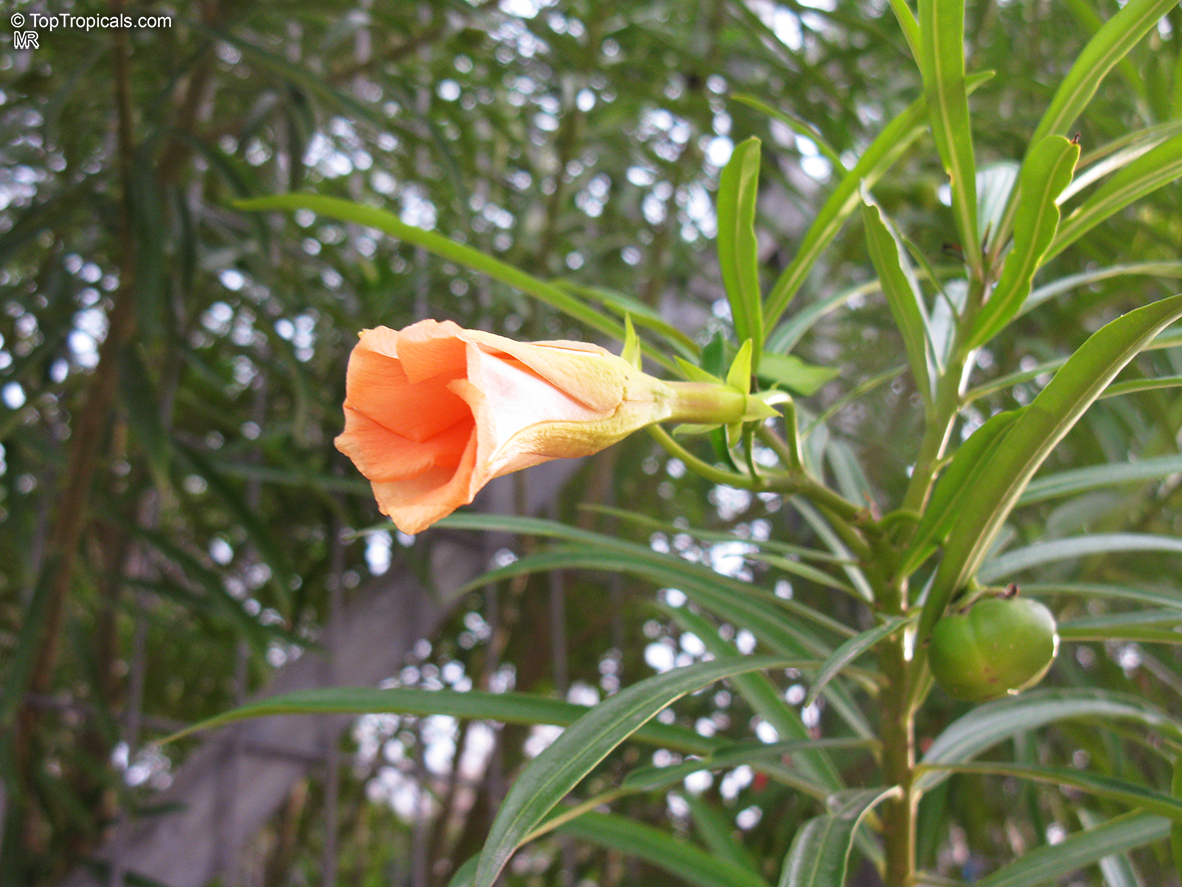
 Flower color: Yellow, orange
 Suitable for: Outdoors in the suitable USDA zone; small gardens, containers, and indoor growing
 Irritating or toxic: Toxic plant/plant part
 Ethnomedical: Ethnomedical plant, traditionally used in folk or indigenous medicine
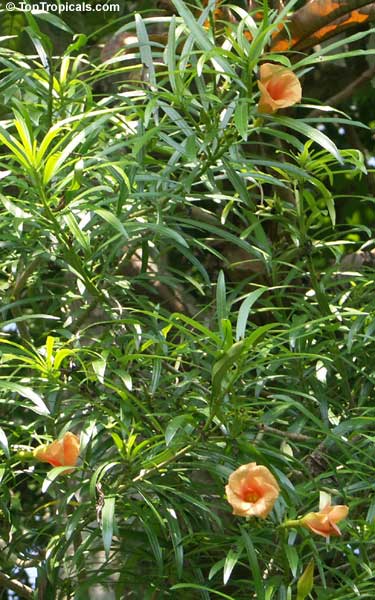
Cascabela thevetia, or Yellow Oleander, is a large shrub or small tree native to Central America. It may reach 10-20 ft in height. This attractive and ethnobotanical plant is great for those who want to add an interesting and useful tree to the yard.
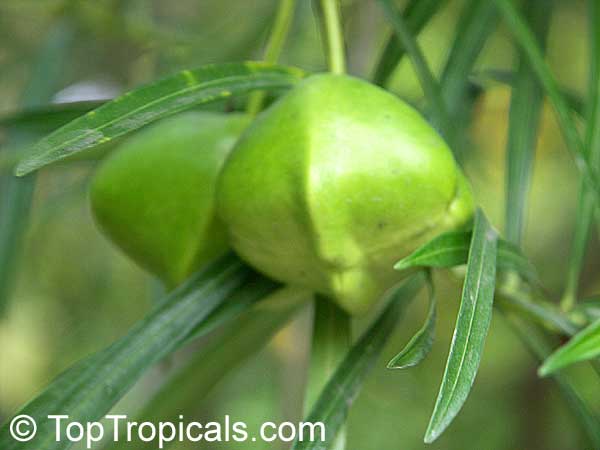
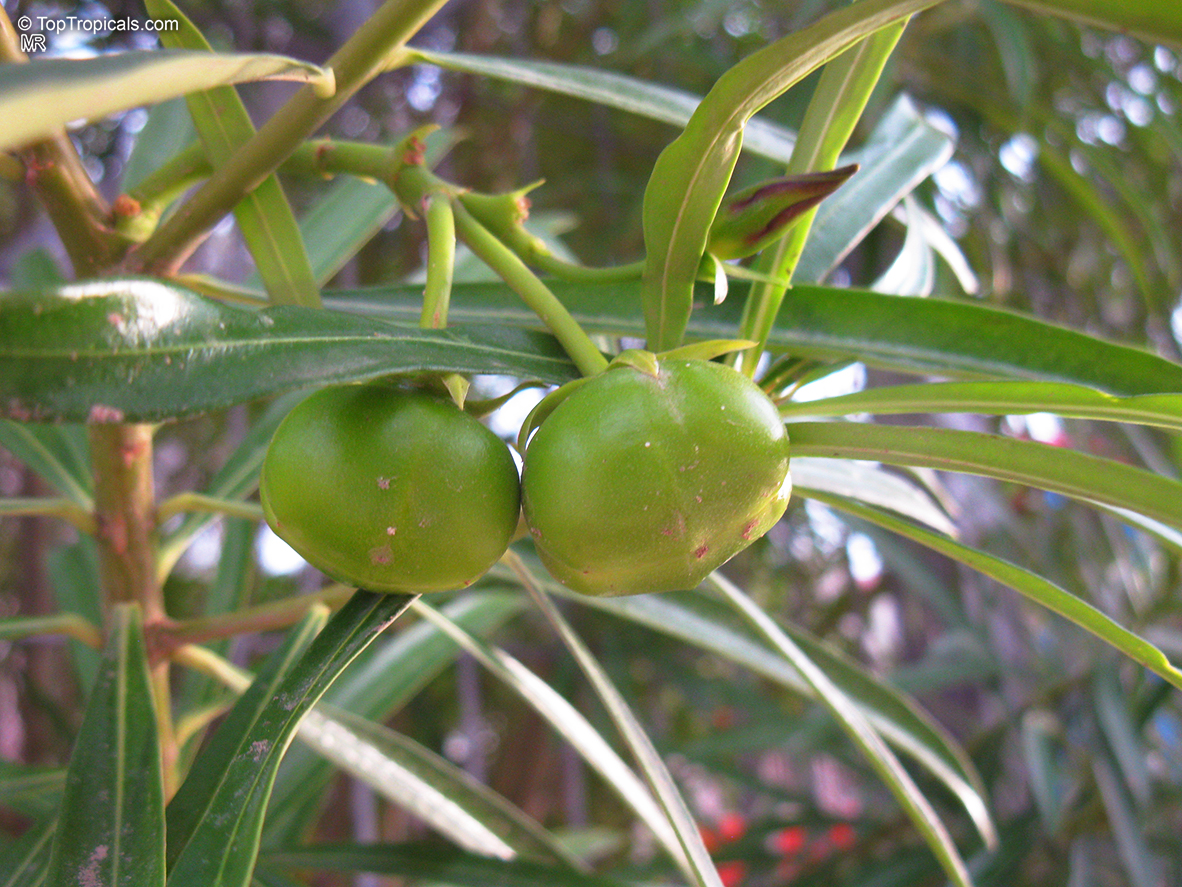
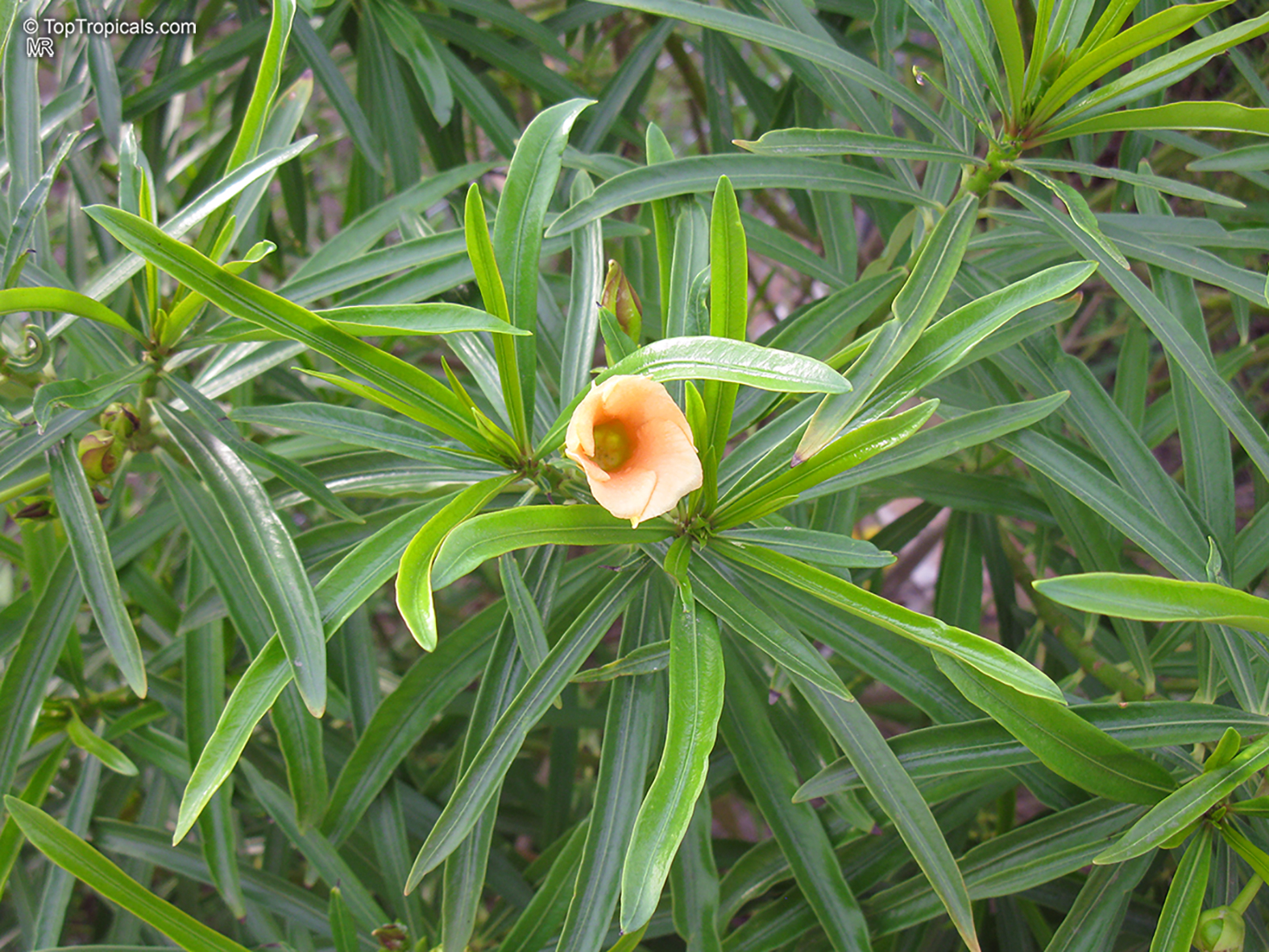
Cascabela thevetia prefers full sun or semi-shade and moderate water, although it is drought tolerant. Its glossy, dark green leaves form a pleasing backdrop for the yellow, orange flowers that appear in late summer. The fruit of the tree is angular, smooth, and contains two large, oily seeds. All parts of the plant are very poisonous so it is important to take care when using it for any traditional uses.
Cascabela thevetia will tolerate a small amount of salt in the soil, which makes it great for seaside gardens. It is also cold hardy to the mid-20s F for a short period of time, making it suitable for growing in USDA Zone 8-10. For regions with colder temperatures, Cascabela thevetia can be grown in a pot and brought indoors during the winter.
In order to keep Cascabela thevetia healthy and growing, it is important to provide plenty of sunlight, and water regularly. Make sure to fertilize the plant to give it a good boost of nutrients. Pruning can help to maintain its shape and size, as well as prevent damage from winter temperatures. Finally, be sure to watch for any signs of pests or disease in order to address it promptly. With some care, Cascabela thevetia will bring years of beauty and interest to your garden.
Similar plants: Cascabela thevetia (Yellow Oleander)
Ordering seeds info
RECOMMENDED SUPPLIES:
Seed Germination Mix #3, professional grade
SUNSHINE-Epi - Seeds and cuttings booster
SUNSHINE Bombino - Young Plant Booster