Caryota sp. (Solitary Fishtail Palm)
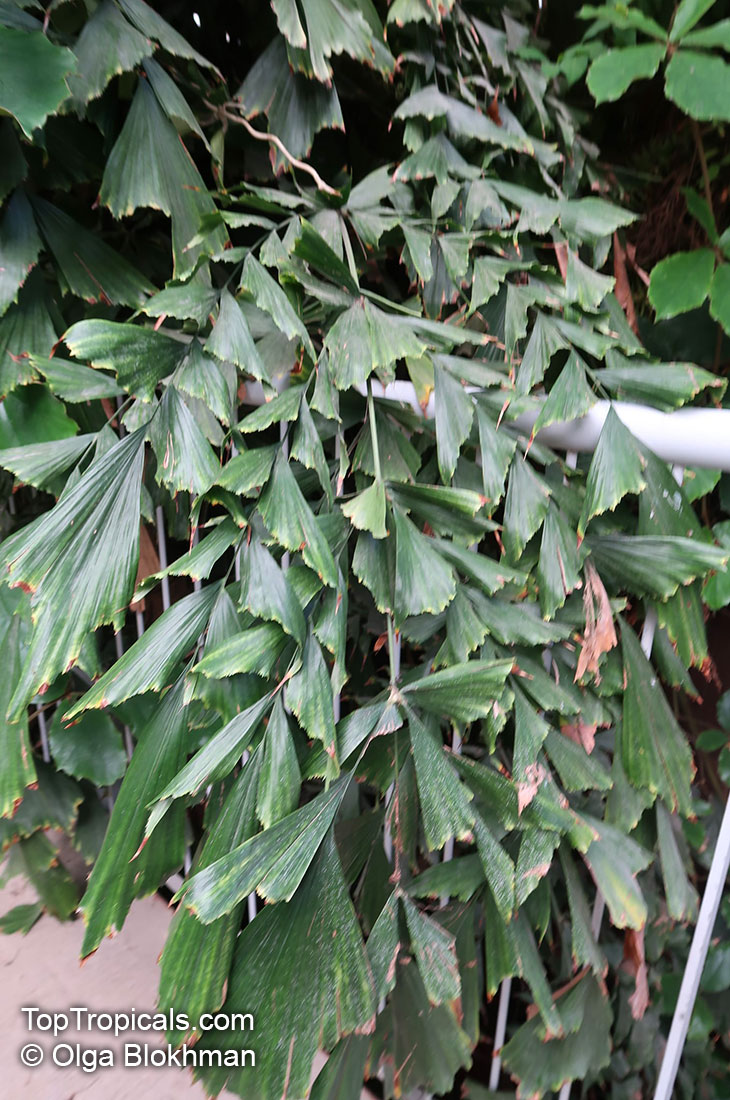
Botanical name: Caryota sp.
Common names: Solitary Fishtail Palm, Toddy Palm, Jaggery Palm, Wine Palm, Kitul
Family: Arecaceae / Palmae
Origin: India, Myanmar (Burma), Sri Lanka
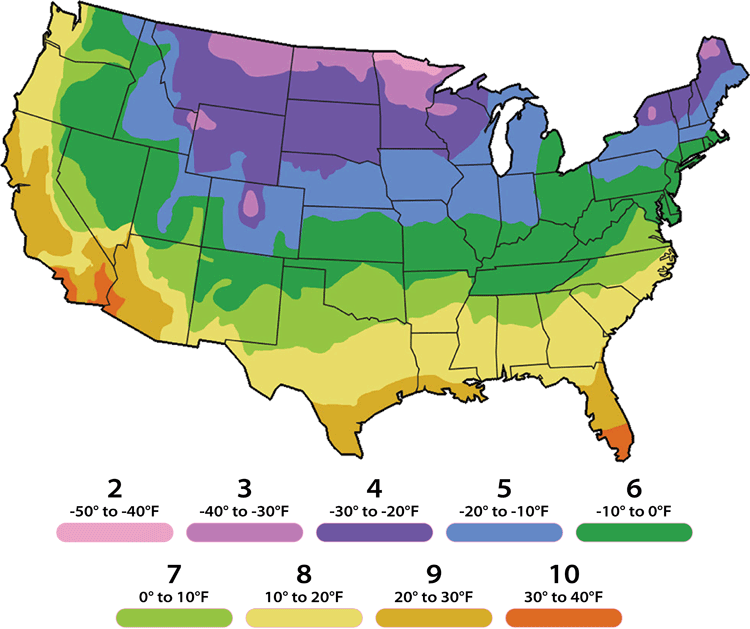
USDA Zone: 9-11
 Plant form: Large tree
 Mature height: 20 ft or more
 Sun exposure: Full sun or bright light indoor; semi-shade
 Cold tolerance: Frost sensitive. Protect from freezing.
 Watering: Regular; moderate
 Suitable for: Outdoors in the suitable USDA zone; large gardens
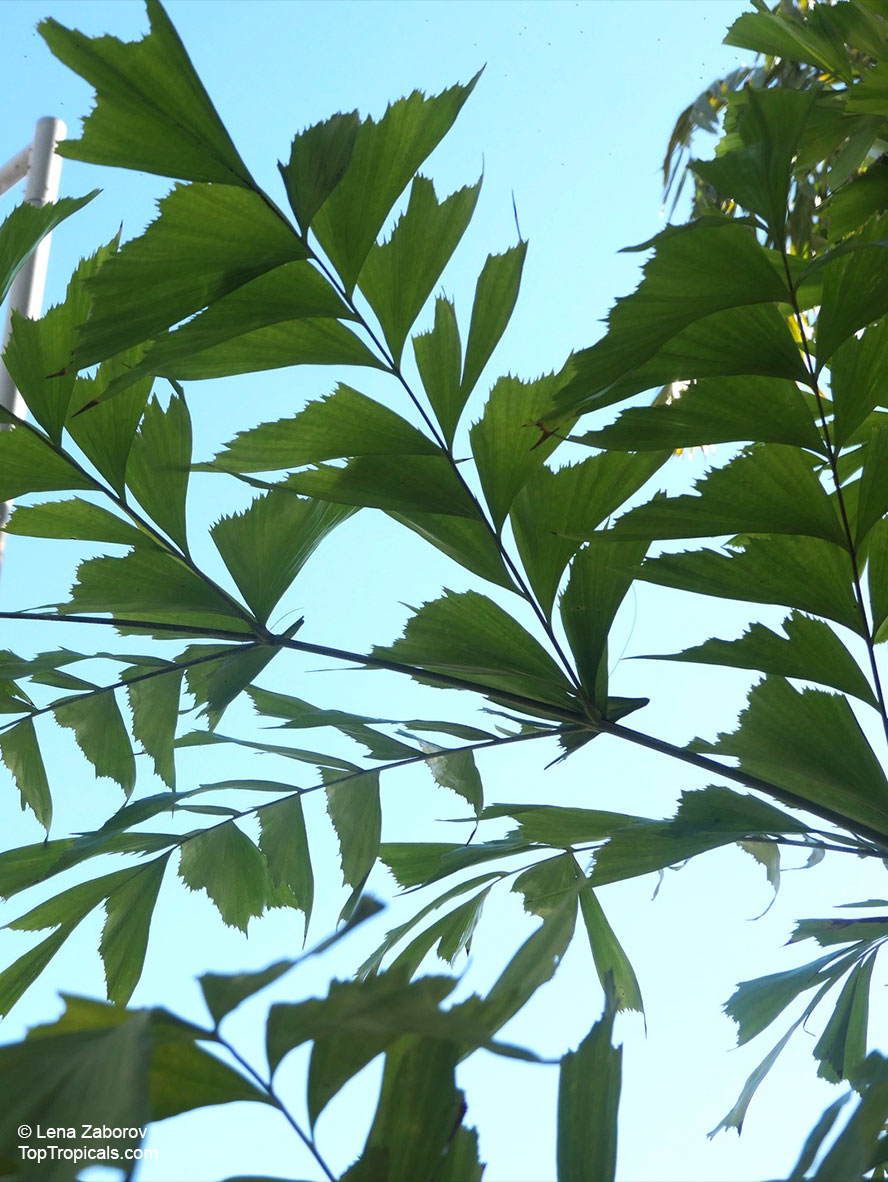
Monocarpic palm exhibiting an erect single trunk, up to 98 ft tall, bearing ringed scars left by fallen leaves. The trunk reaches its maximum height before bloom. Leaves are 9 to 20 ft long. Flowers are unisexual on monoecious plants, alternating on apical, branched inflorescences, enveloped by 2 carinate, marginally fibrous spathes. Fruits, as large as cherries, are globose and reddish. Blooms appear from top to lower branches, and after the last bloom on the lowest level the palm dies. The sap of this palm is very high in simple sugars. In India and other Asian countries, the palm is tapped for its syrup which is often fermented into an alcoholic beverage called toddy. The syrup is also processed into a granular sugar called jaggery.
Similar plants: Caryota sp. (Solitary Fishtail Palm)
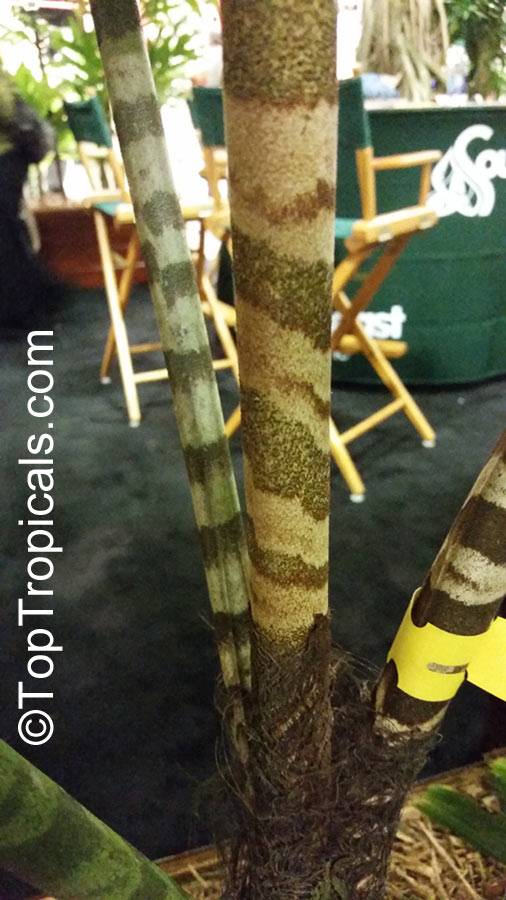
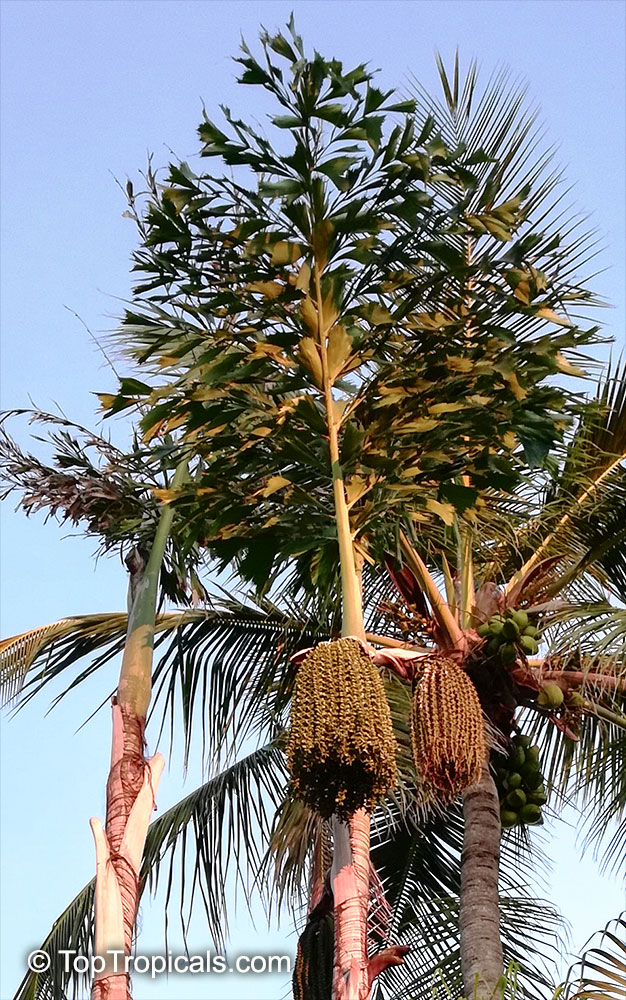
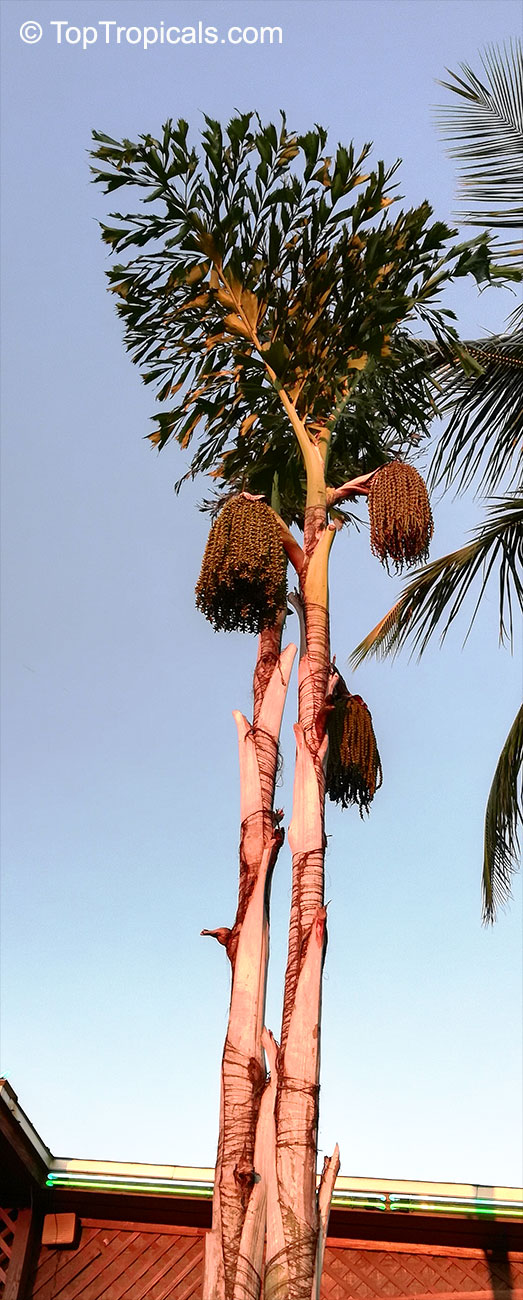
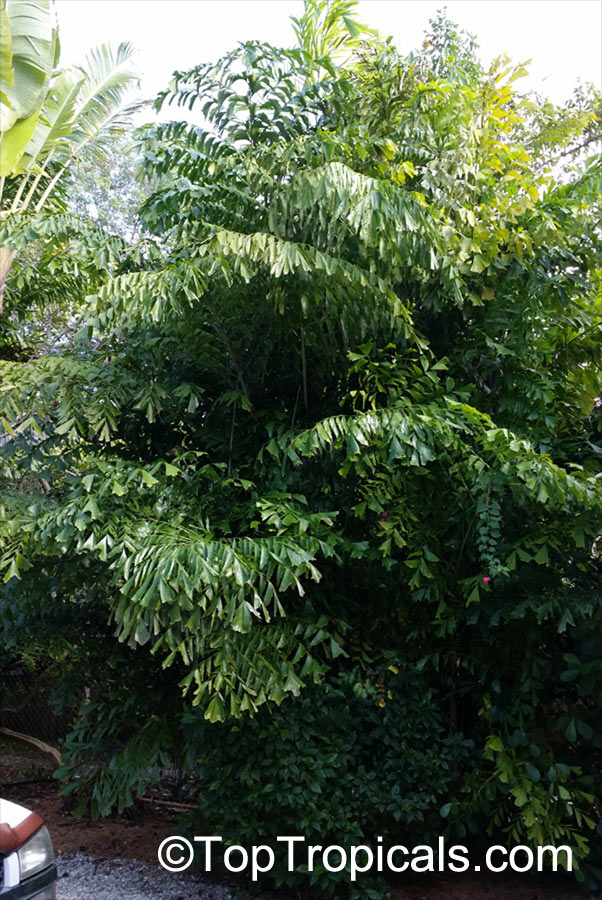
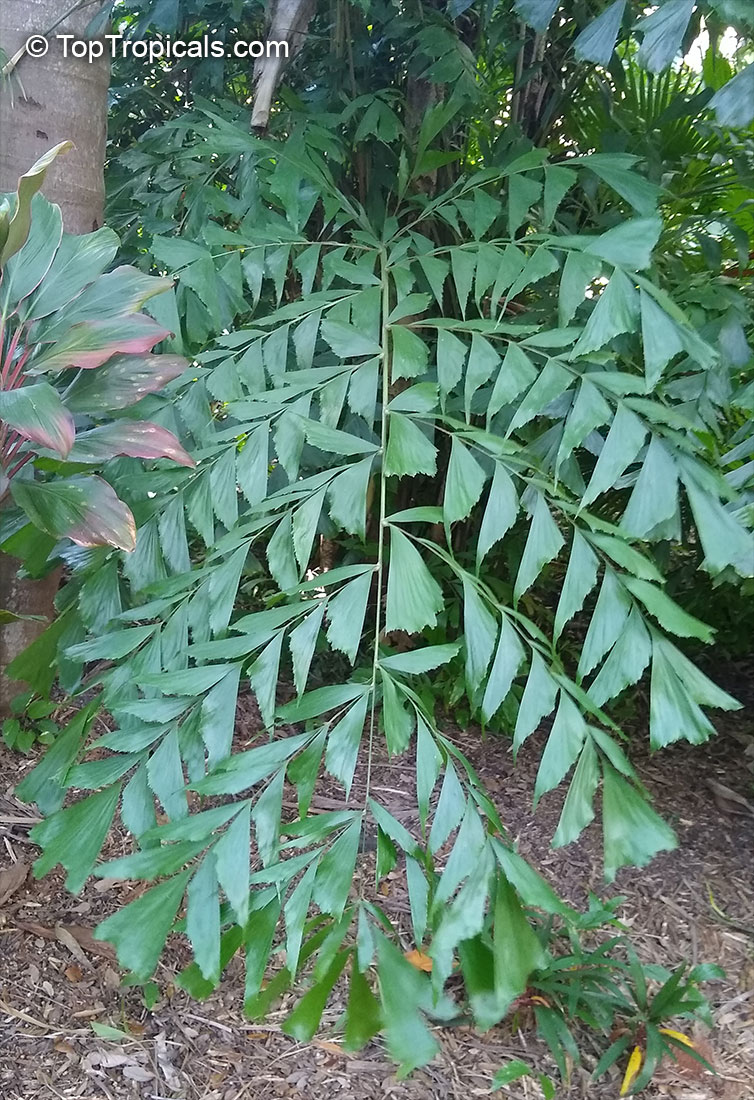
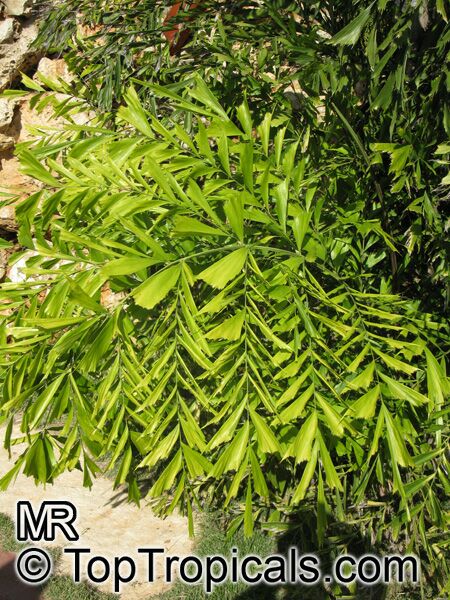
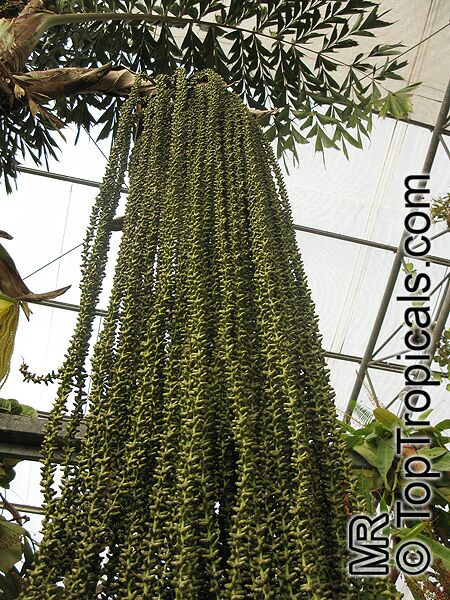
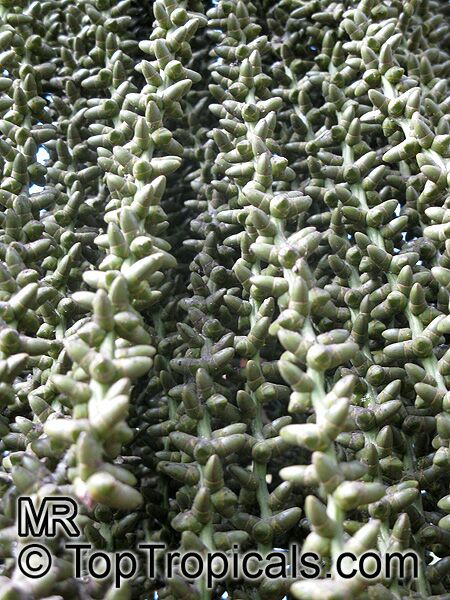
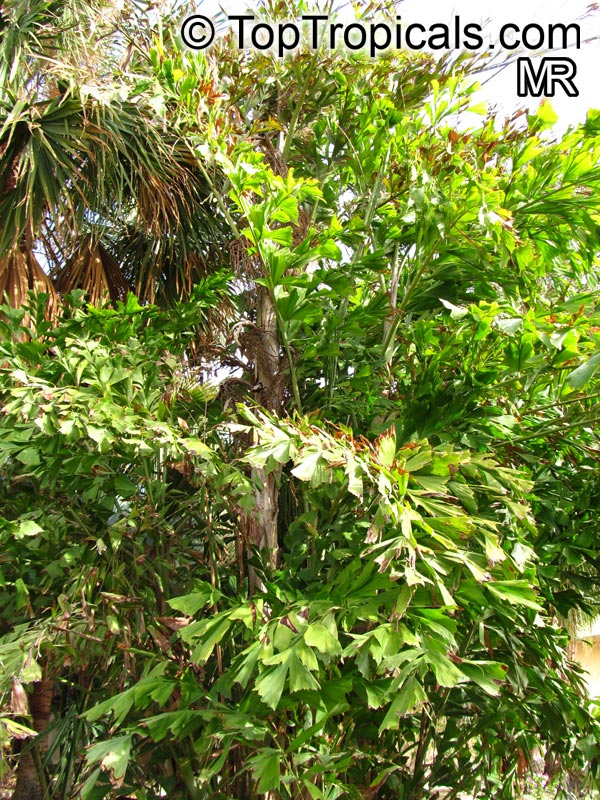
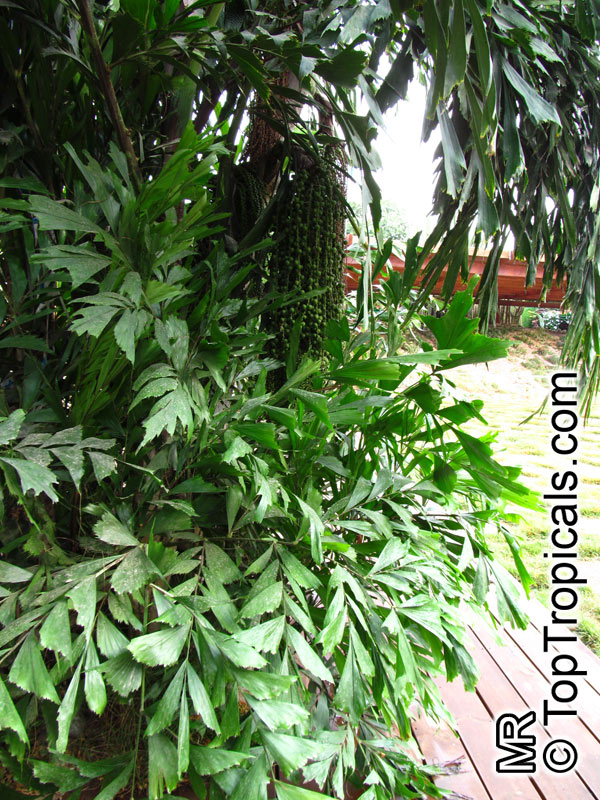
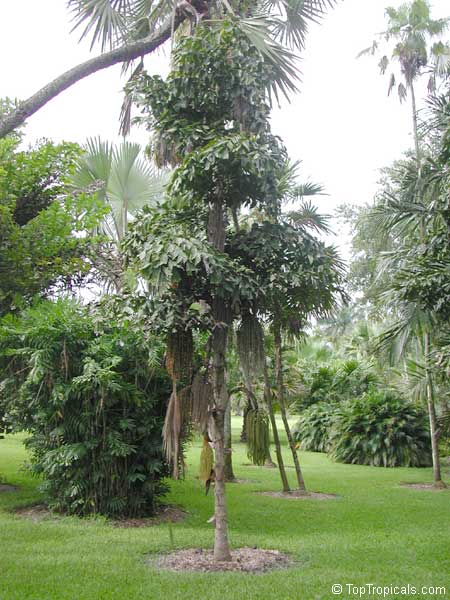
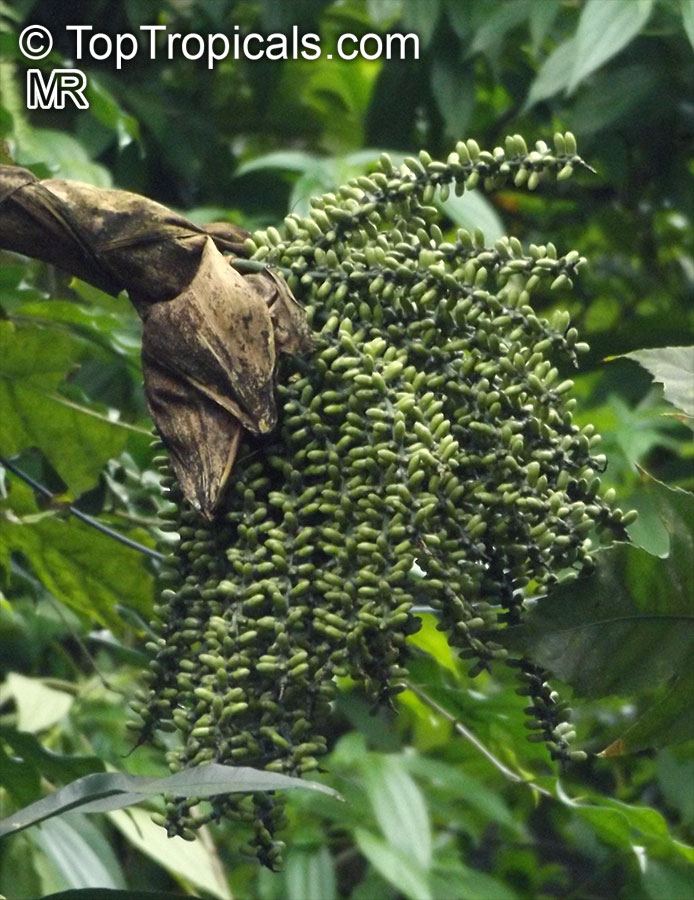
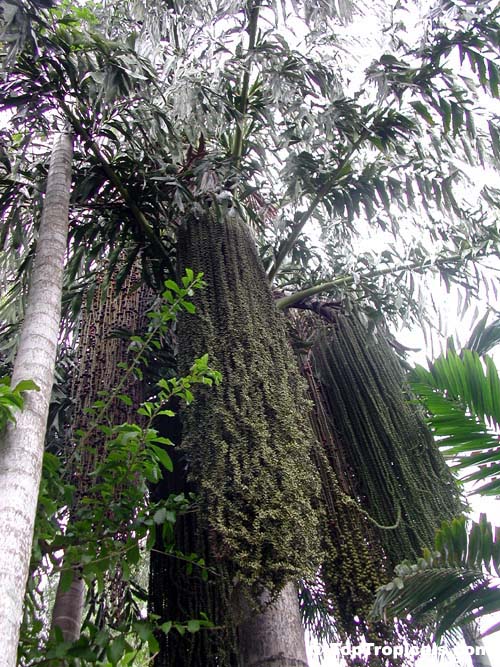
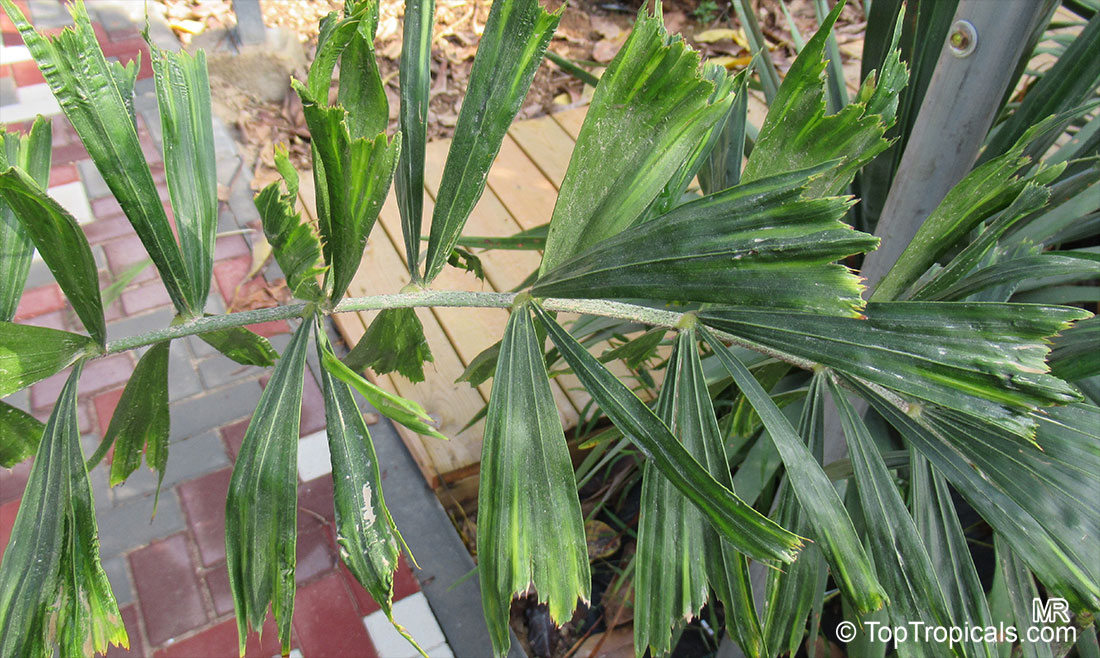
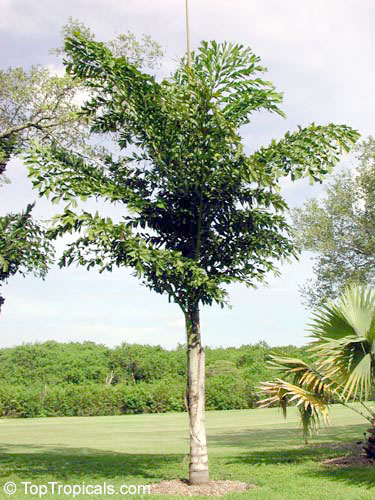
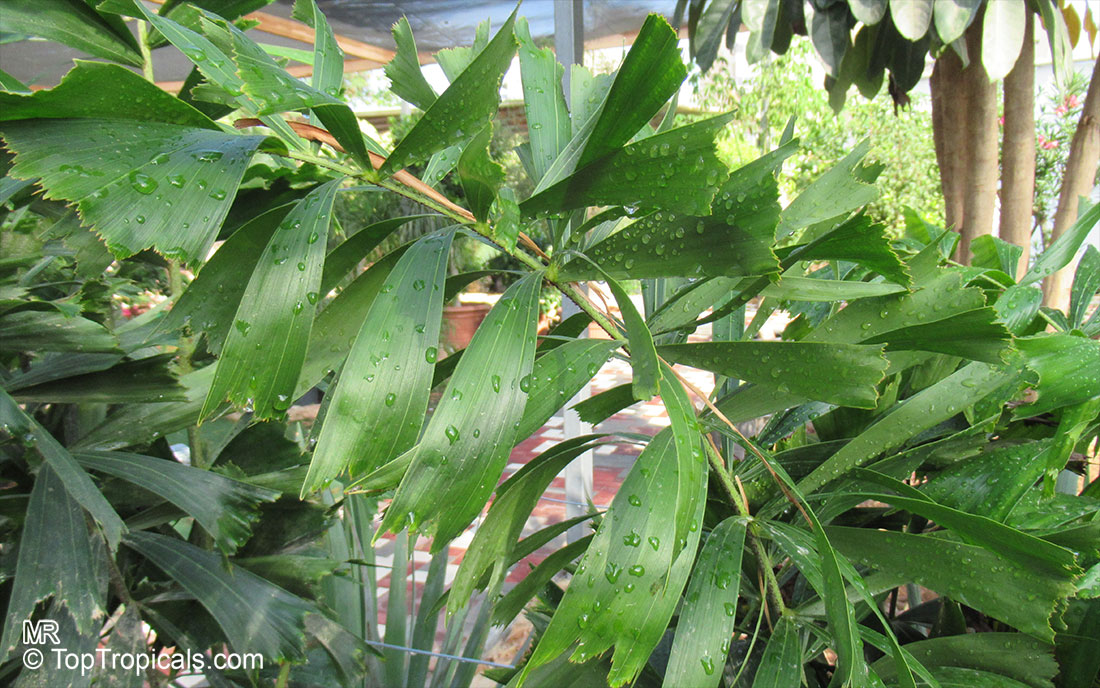
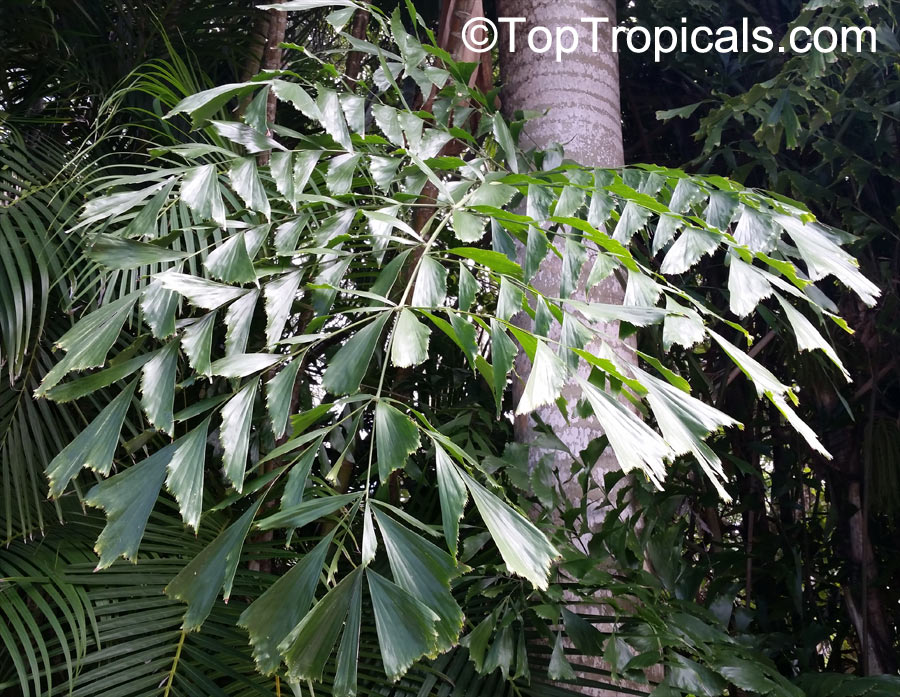
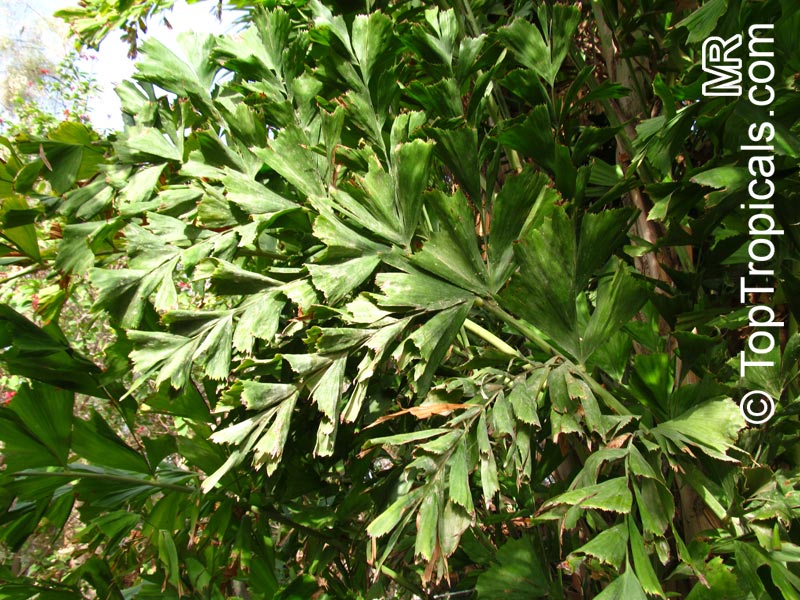
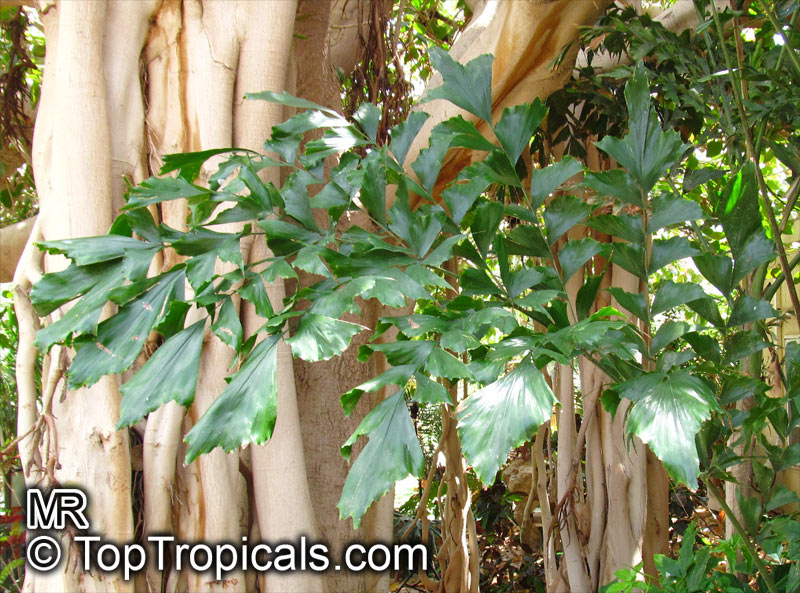
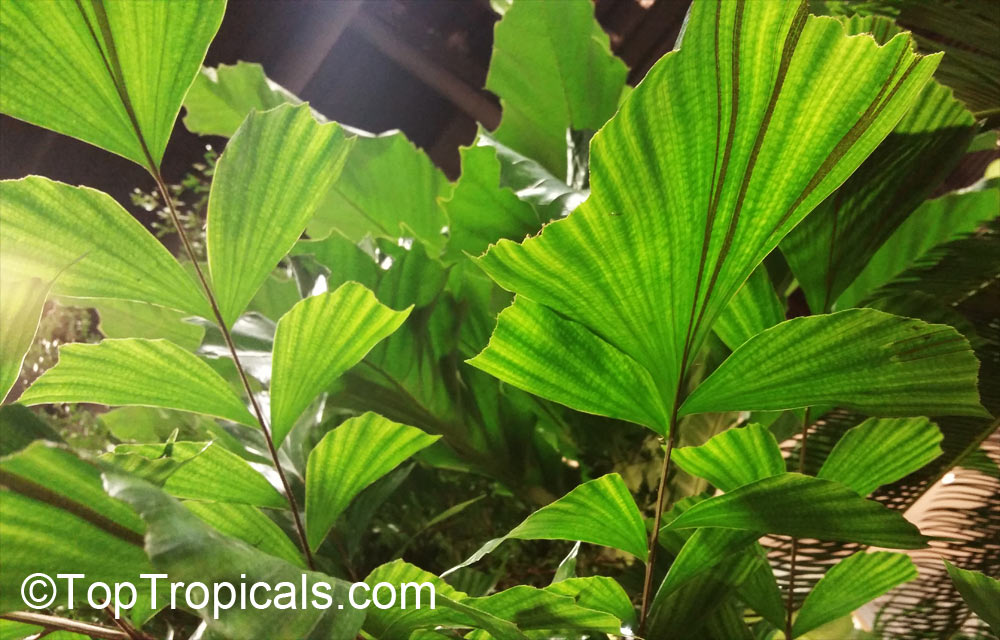
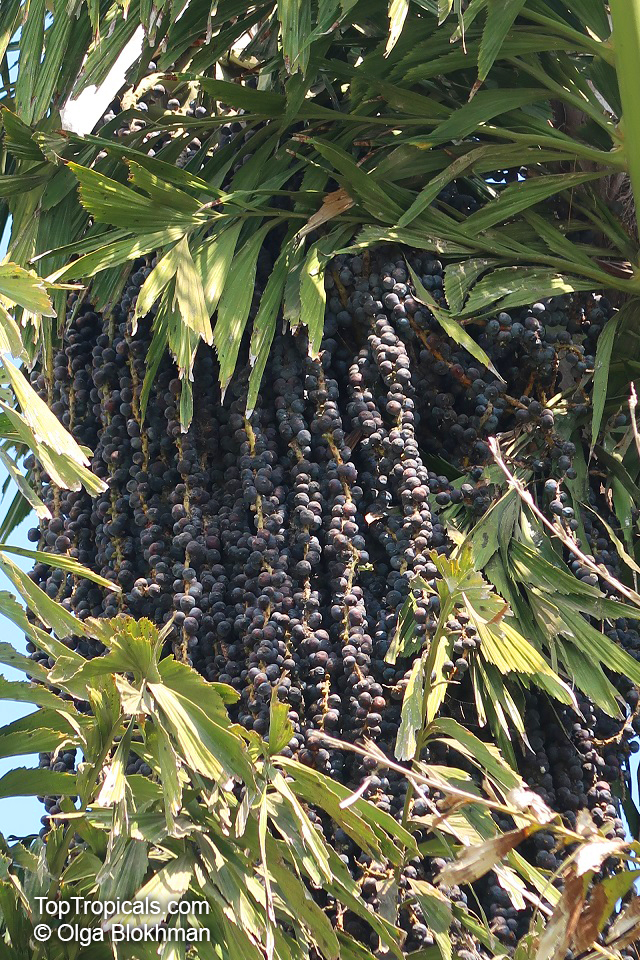
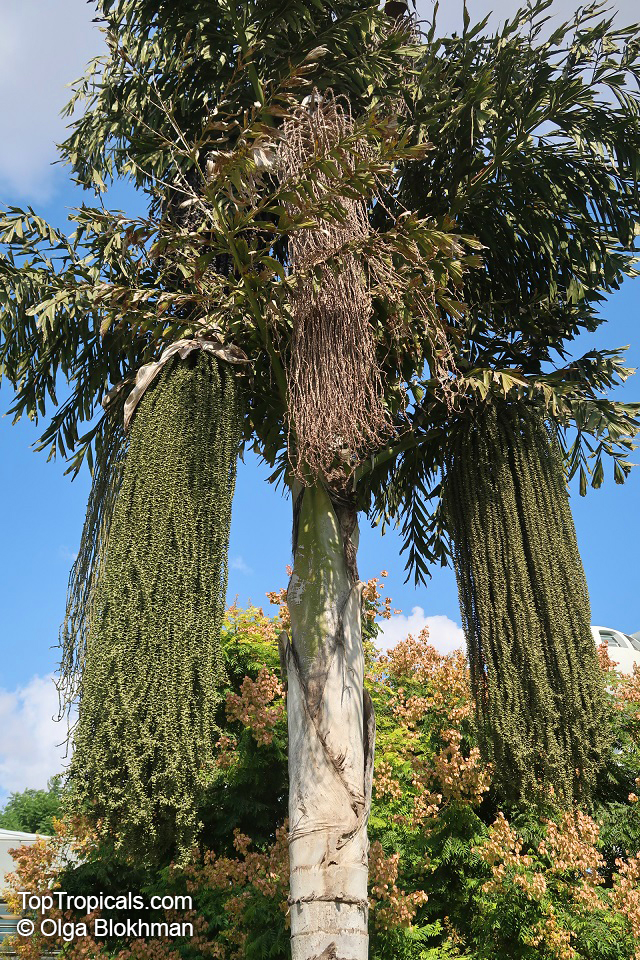
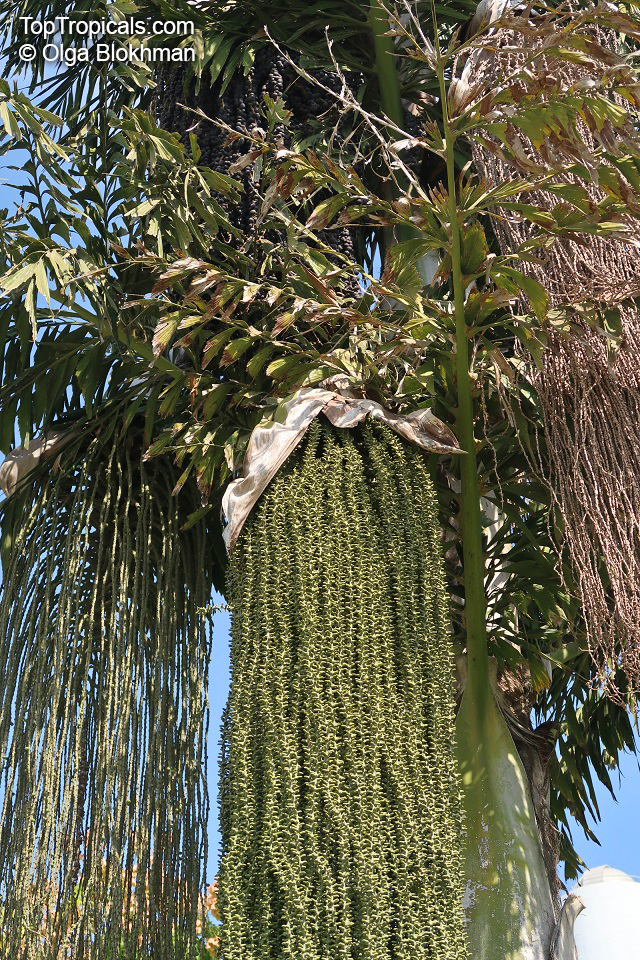
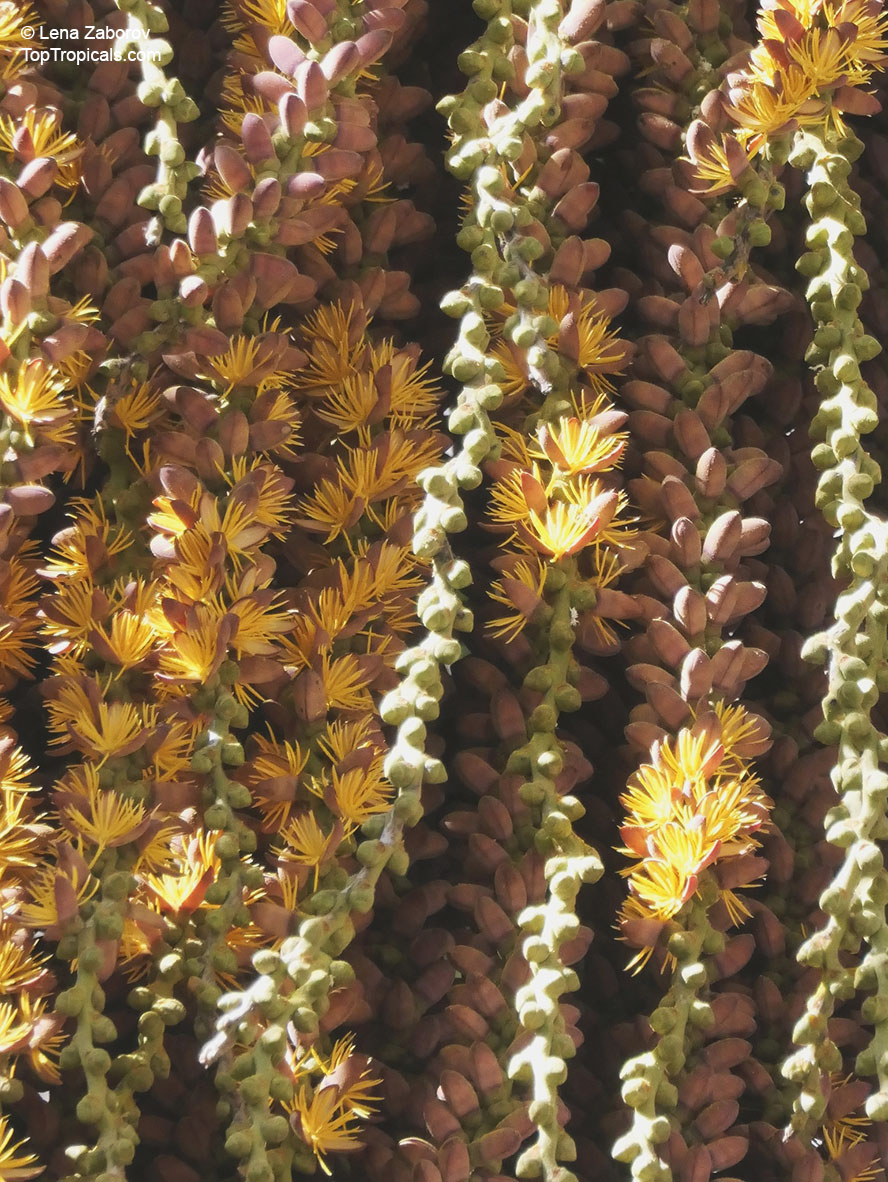
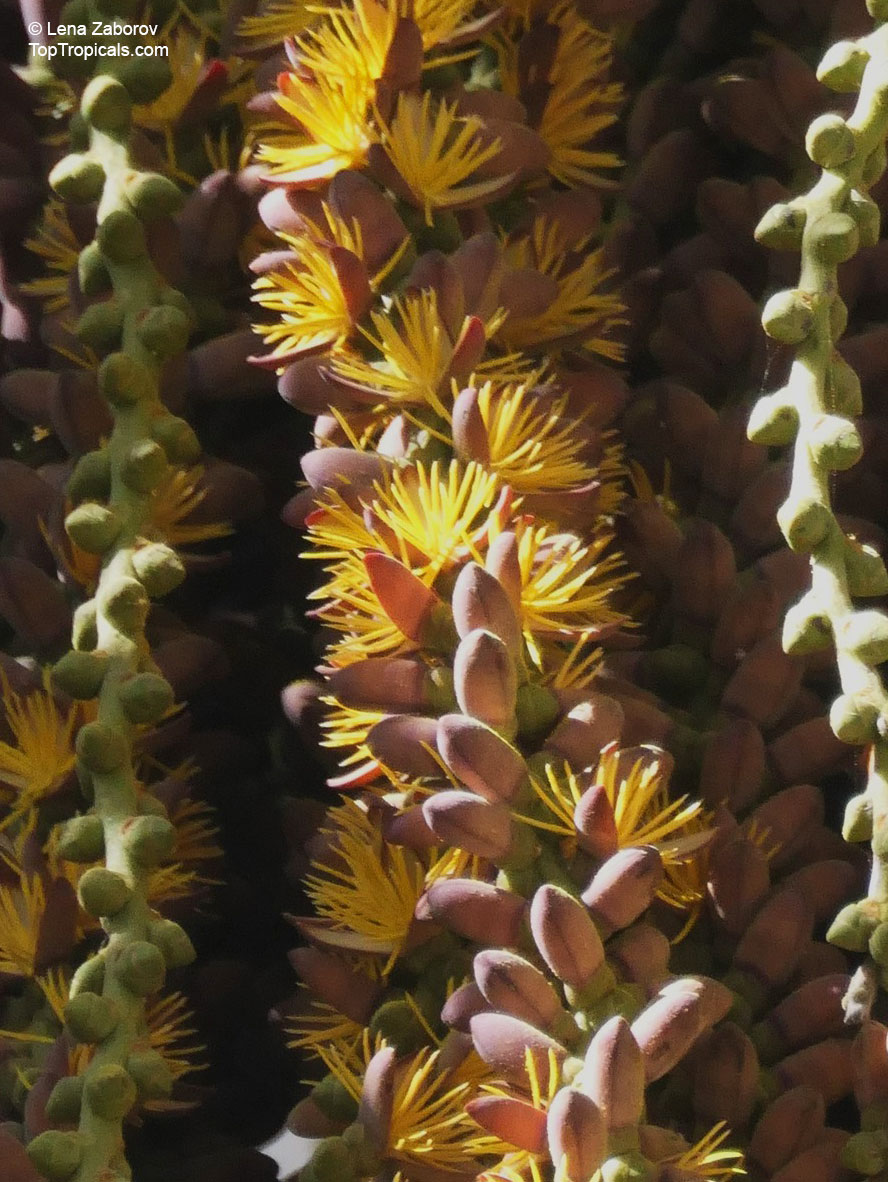
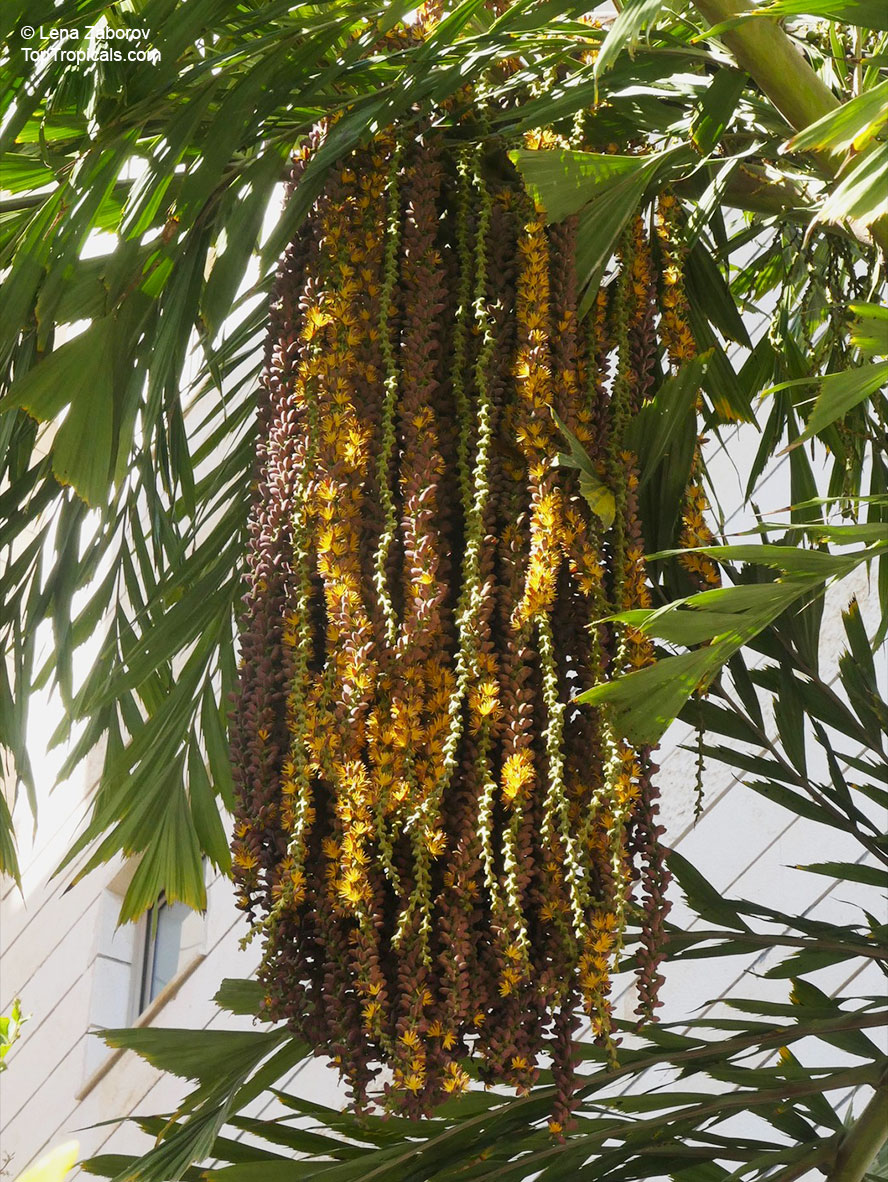
Caryota ophiopellis is a monoecious, monocarpic species (it does fructify only once then dies). Quite rare in cultivation, it arouses an increasing interest due to the unusual and showy coloration, in particular in the young plants. It requires a tropical or humid subtropical climate, a shady position during the young stage, slightly shaded when adult, and draining soils, slightly acidic to neutral, maintained humid. The starch contained in the stem, extracted with a special procedure and cooked to prepare a sort of bread, is still now utilized by the local populations.
Recommended Fertilizer: SUNSHINE Robusta - Rapid Growth Booster
Local pickup only. This item is not available for shipping. Local delivery may be available in Ft. Myers or Sebring, Florida. Contact us for an estimate. Non-pickup orders are subject to restocking fees.
Last one