Tagetes sp. (Marigold)
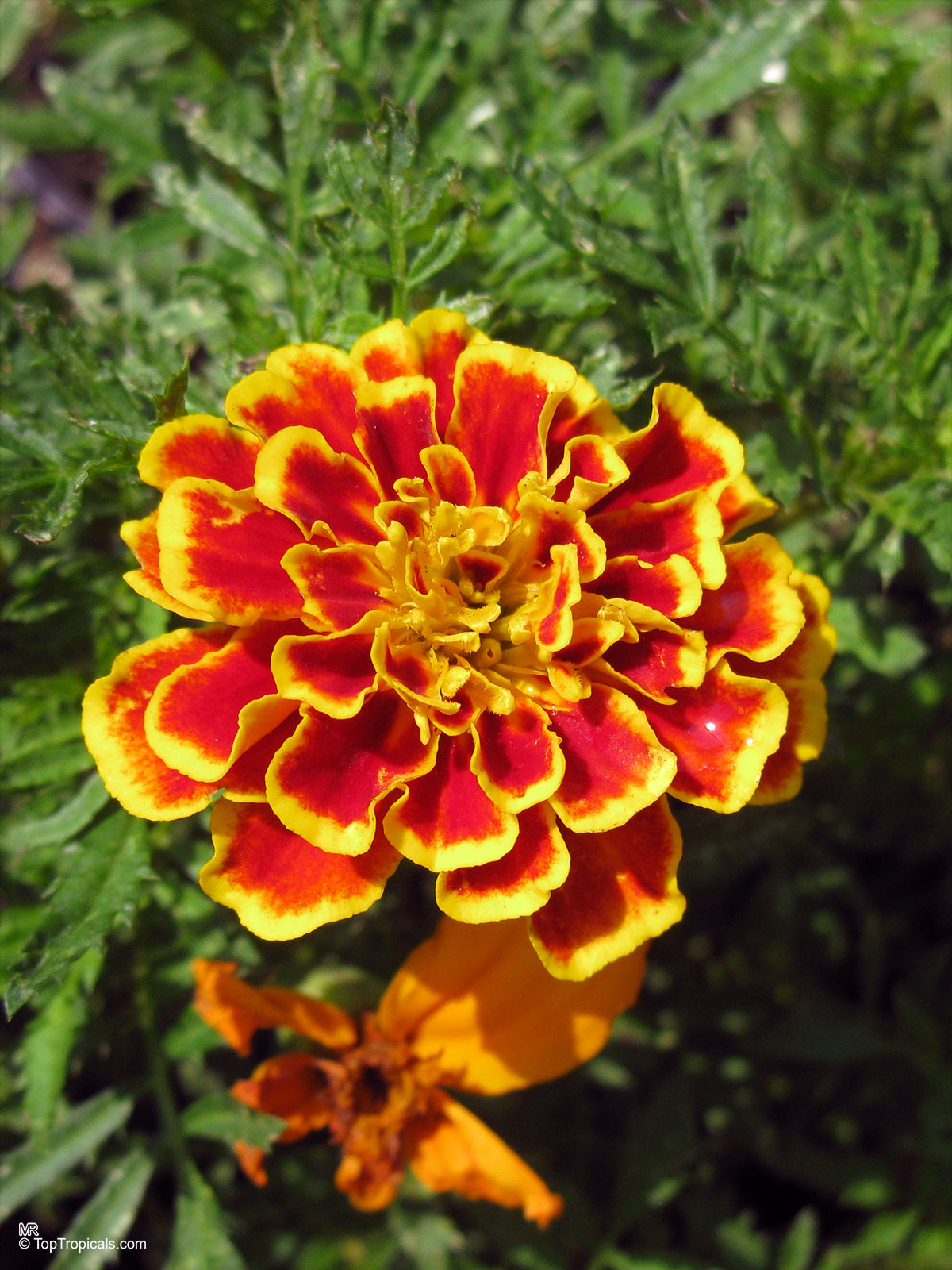
Botanical name: Tagetes sp.
Common name: Marigold
Family: Asteraceae
Origin: Mexico, South America
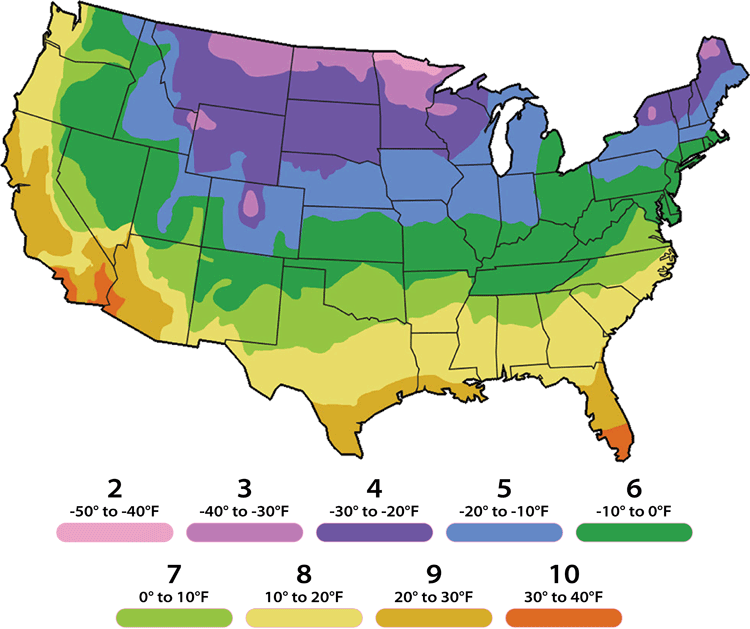
USDA Zone: 2-11
 Plant form: Small
 Mature height: 2-5 ft
 Sun exposure: Full sun or bright light indoor; semi-shade
 Cold tolerance: Tolerates light freezing to about 30°F for short periods (mature plants). Young plants must be protected.
 Watering: Regular; moderate

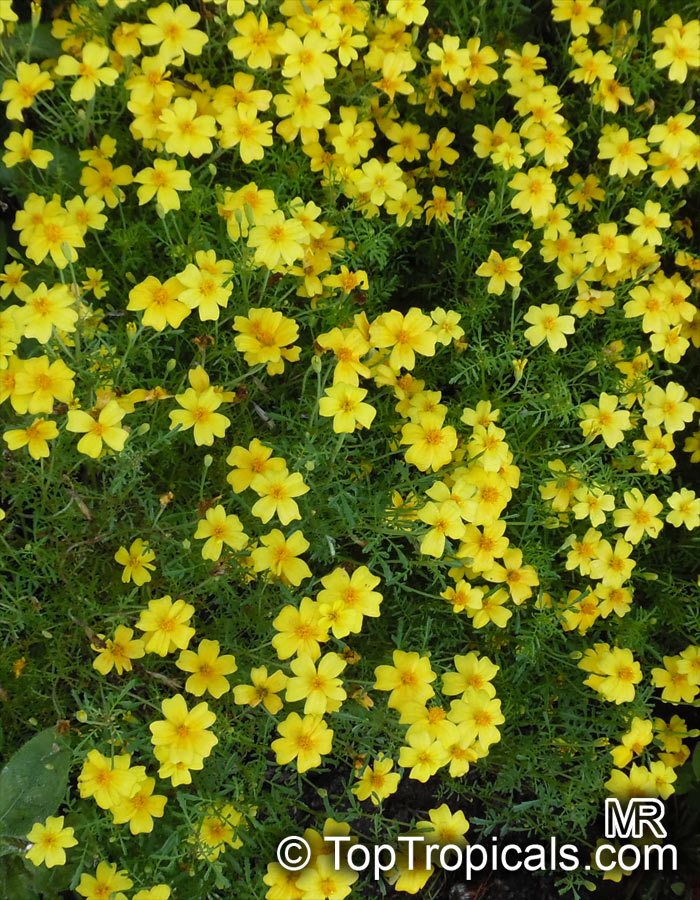
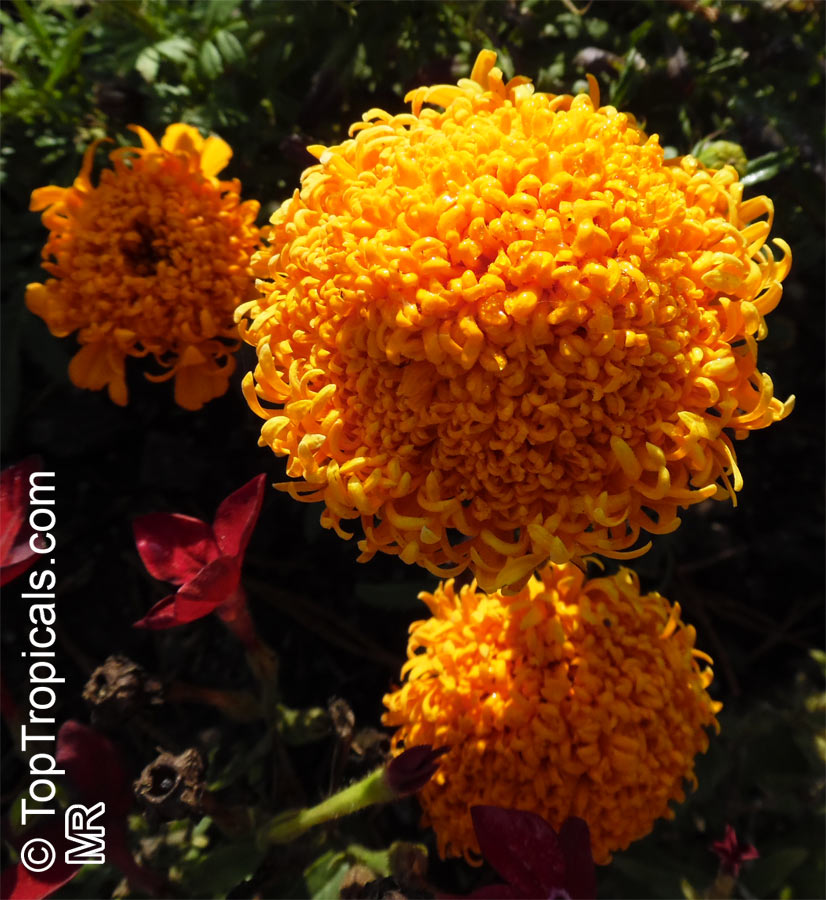
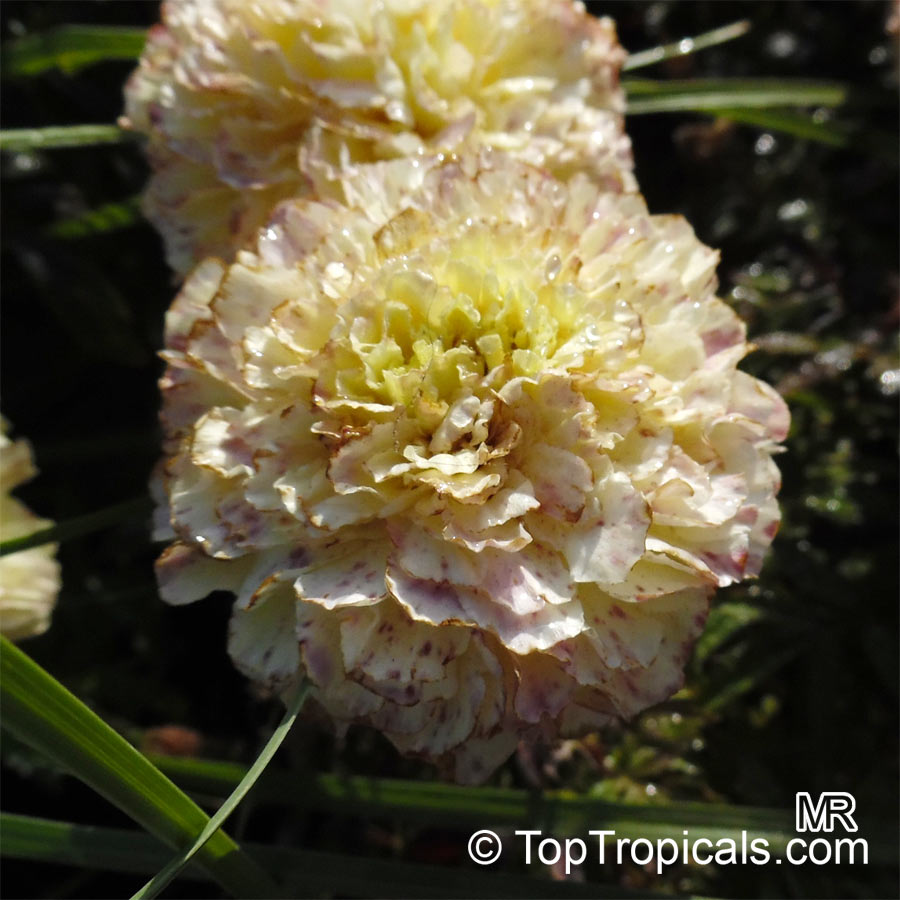
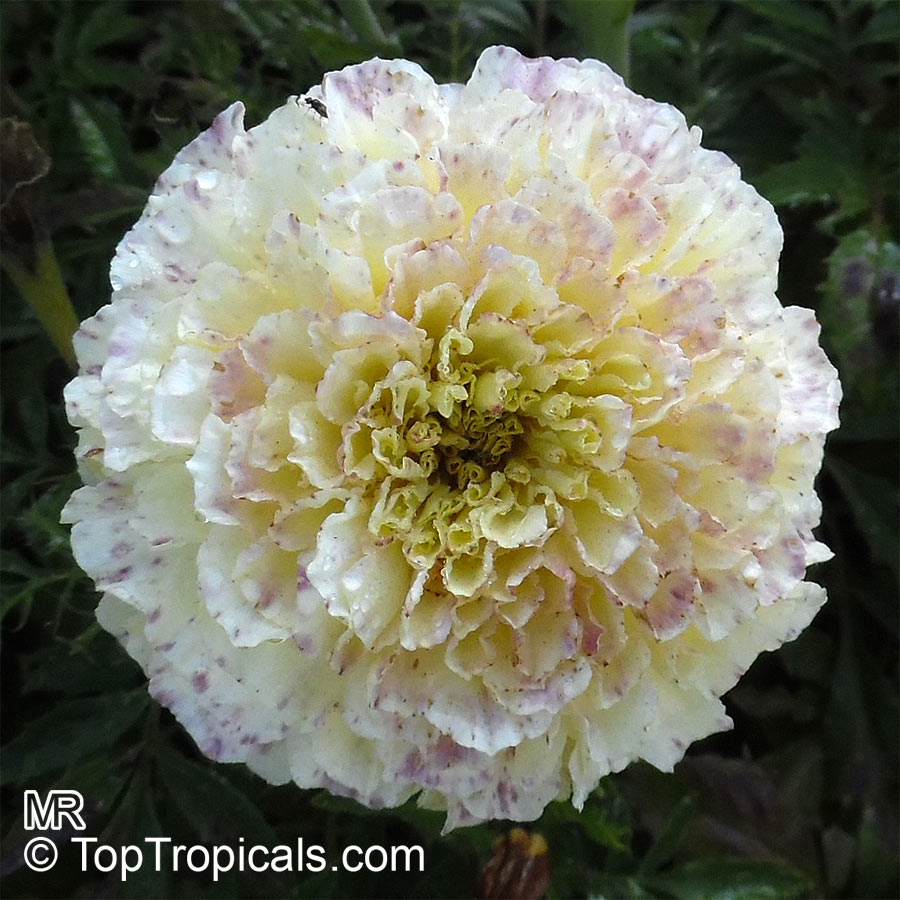
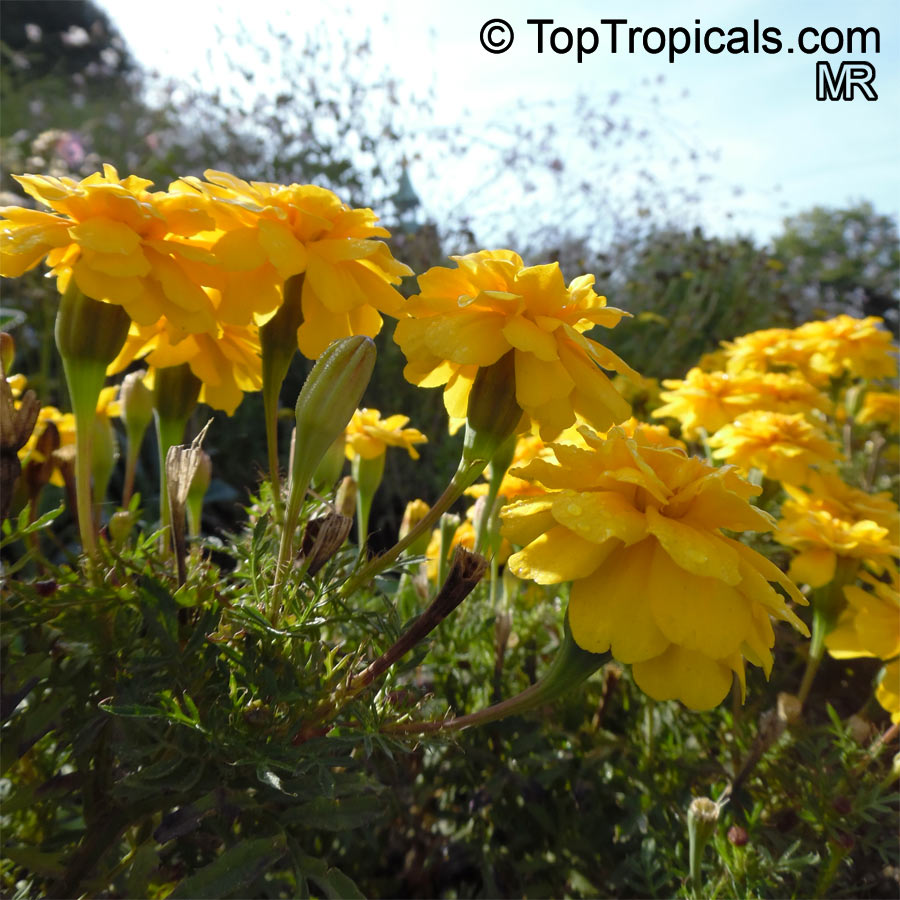
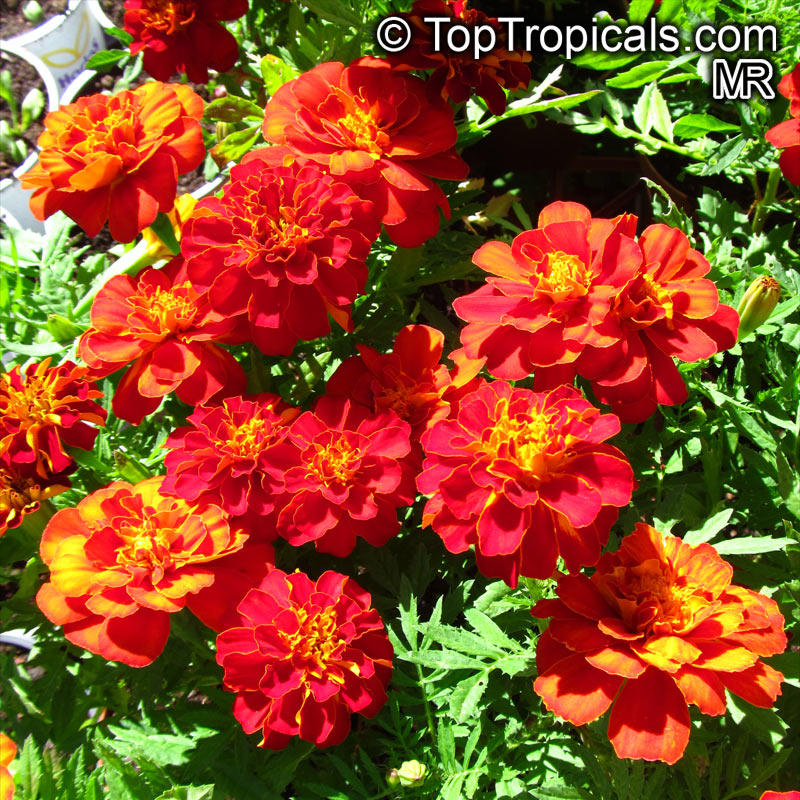
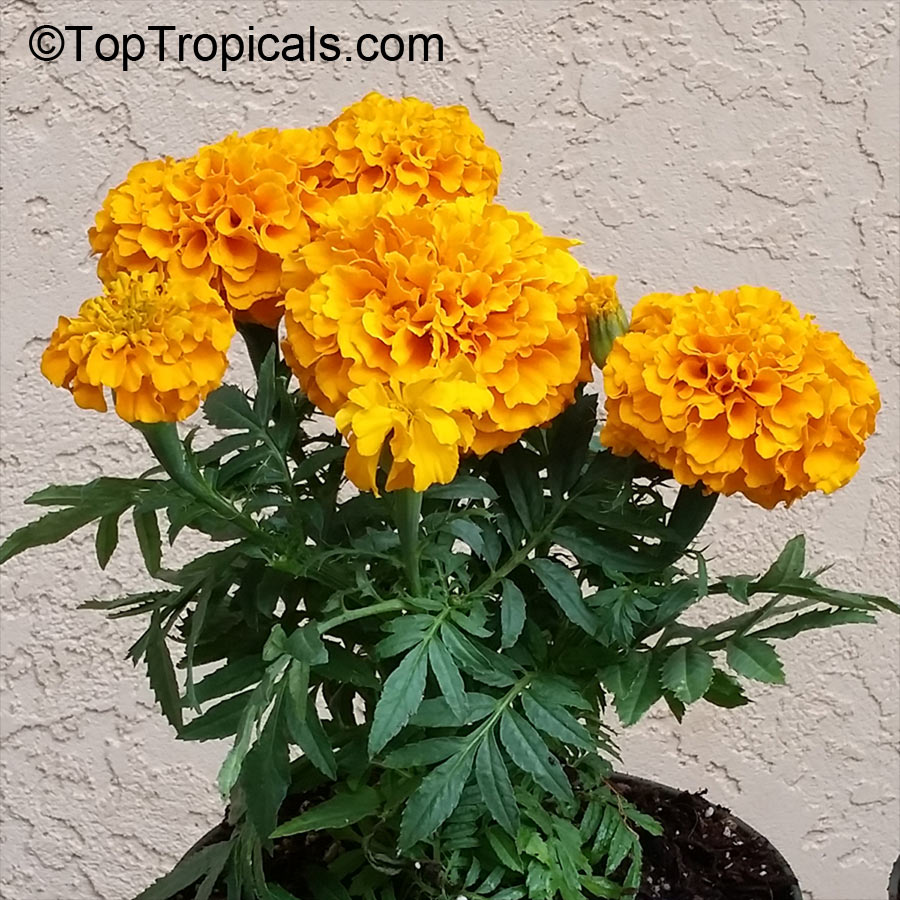
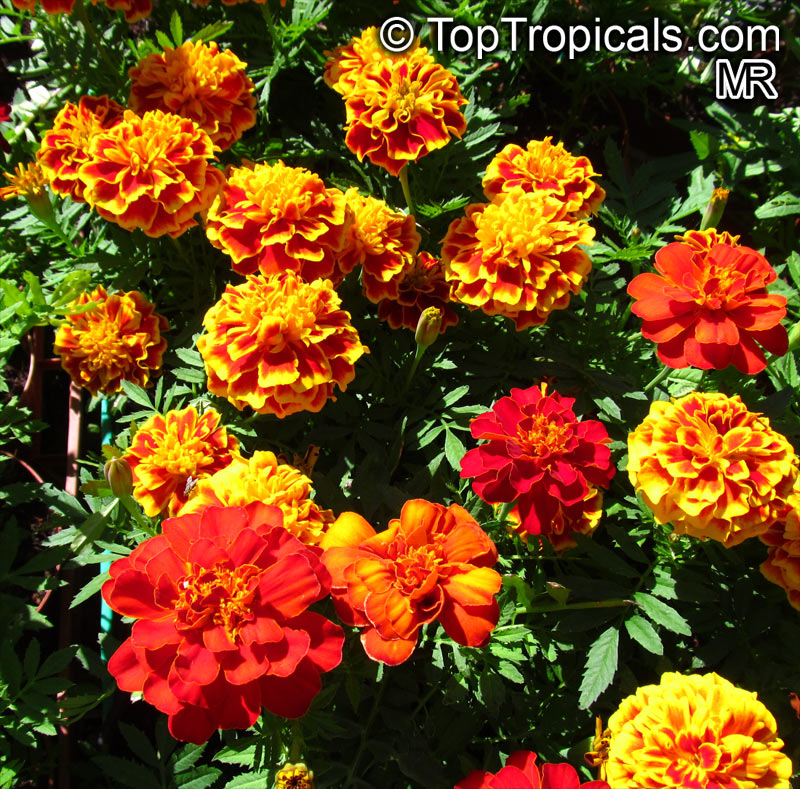
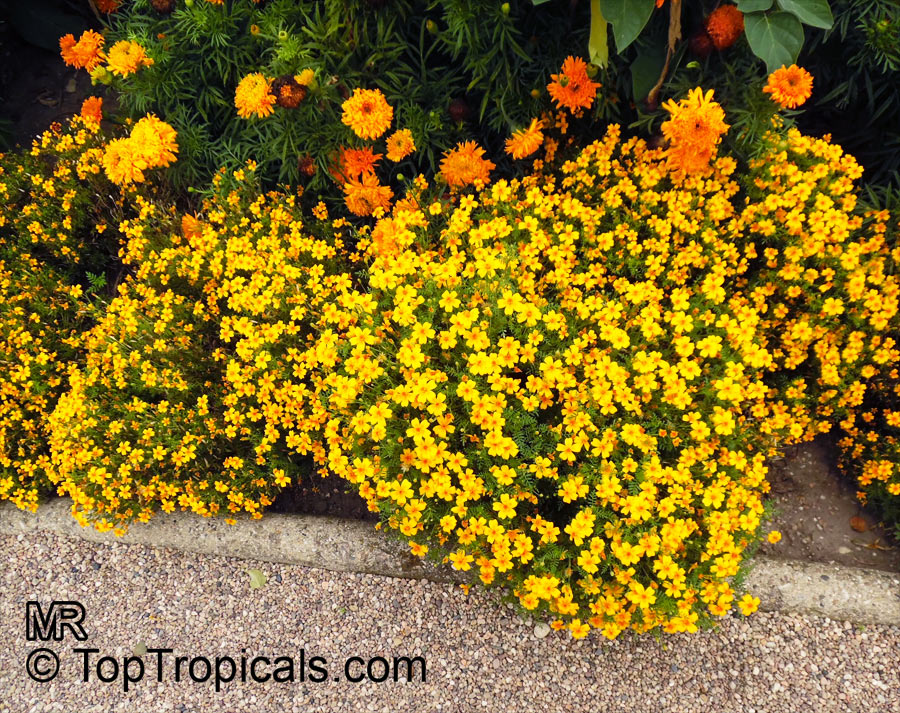
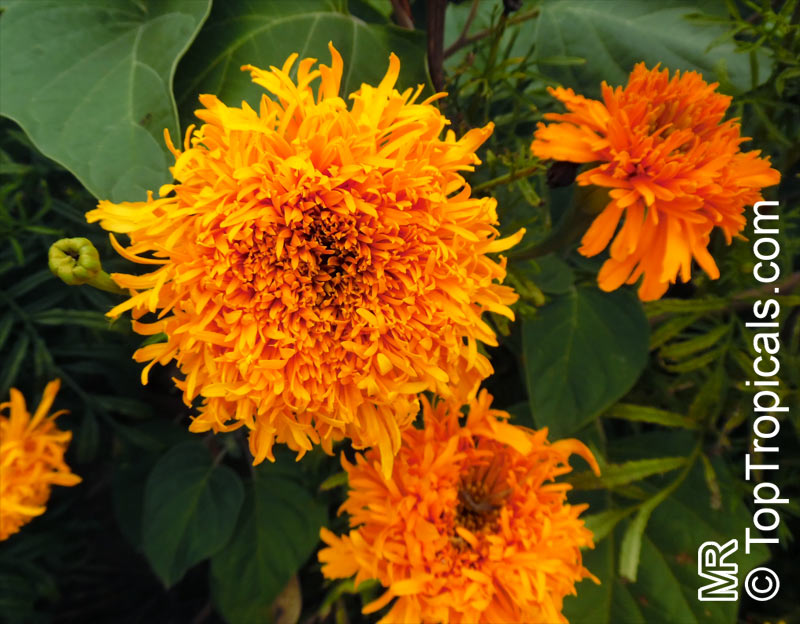
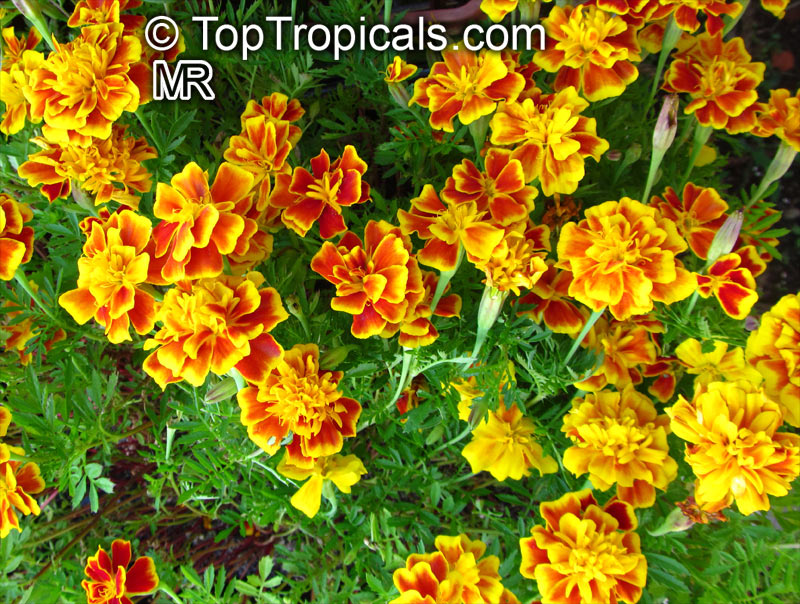
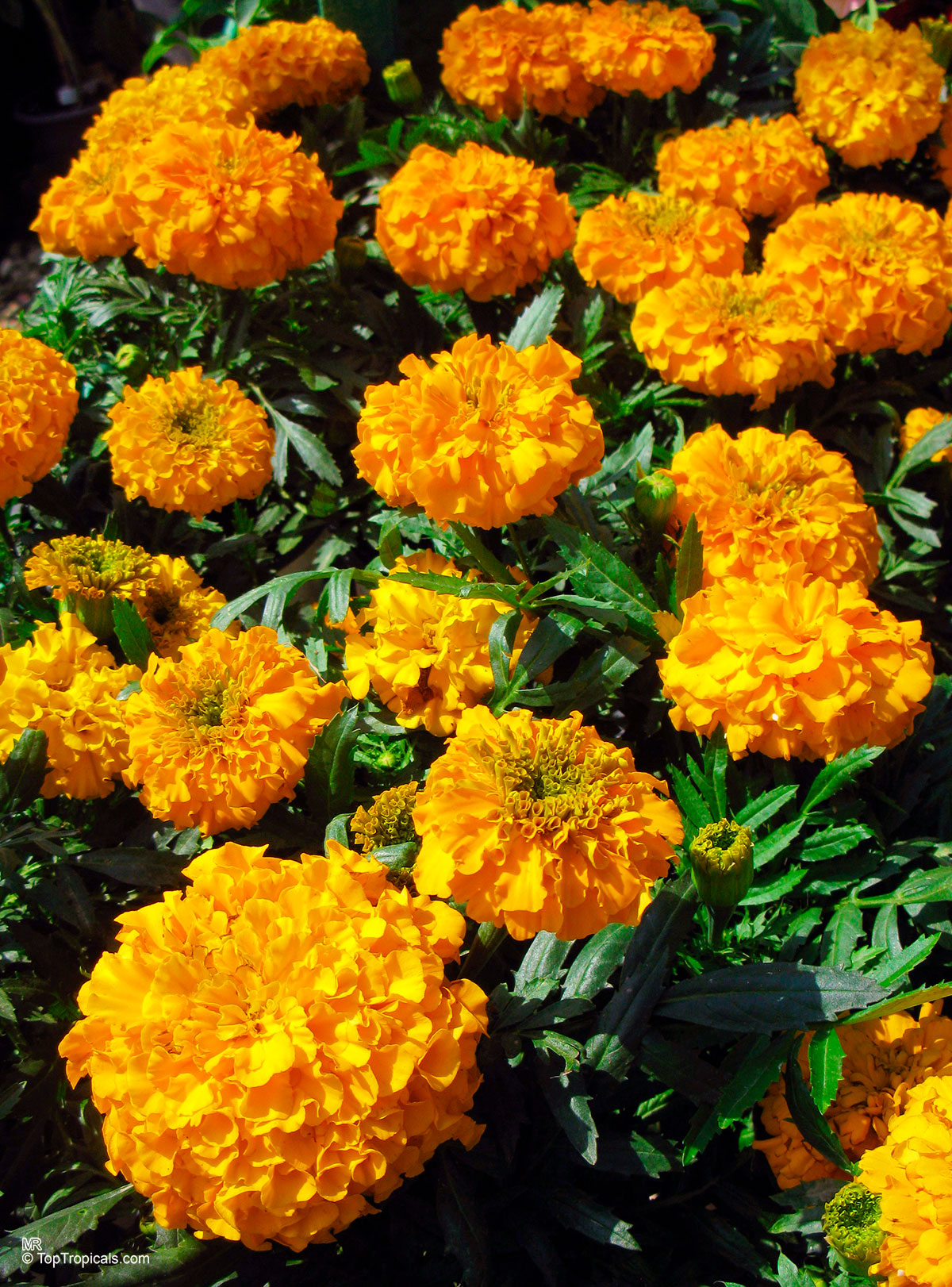
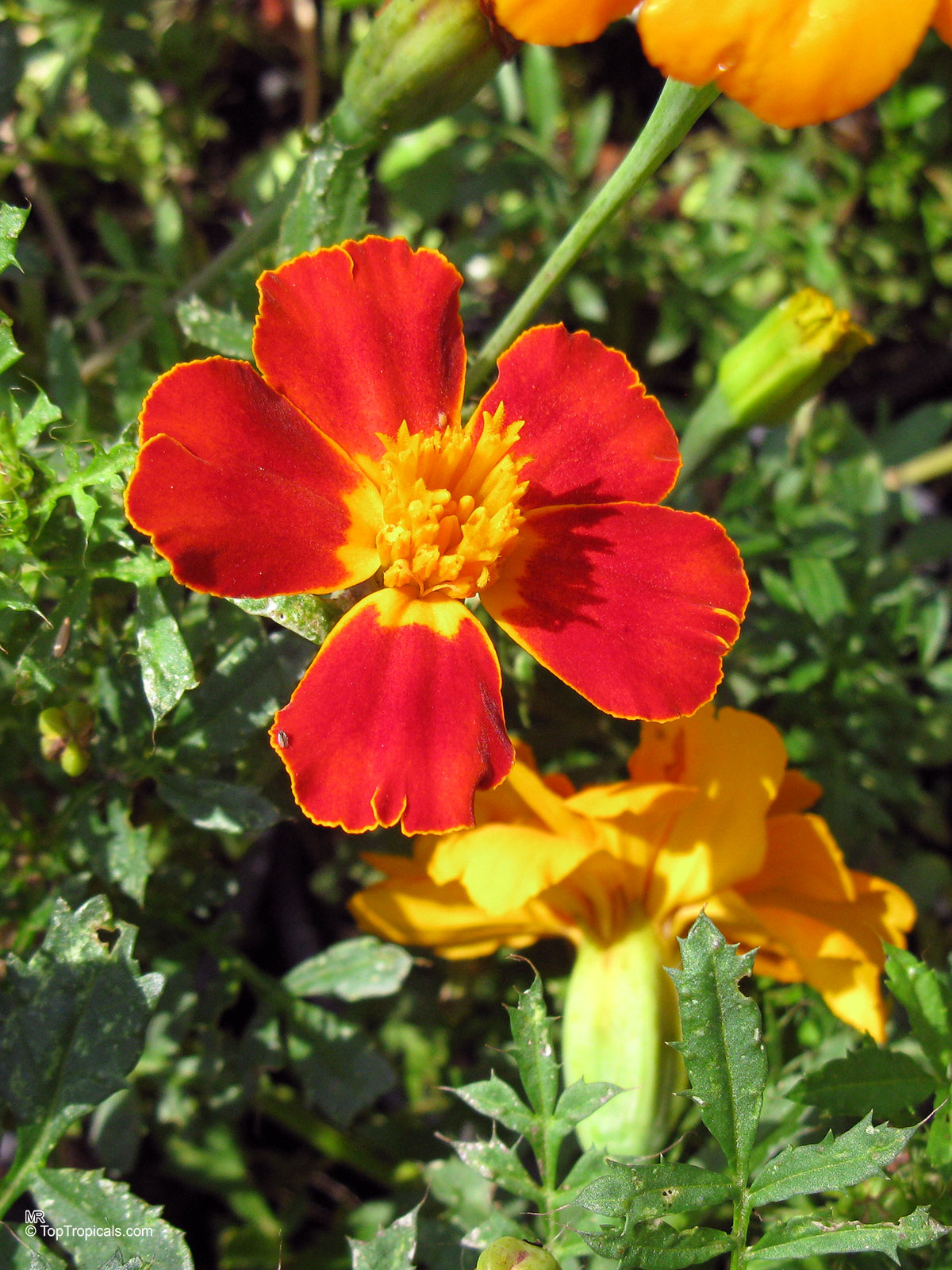
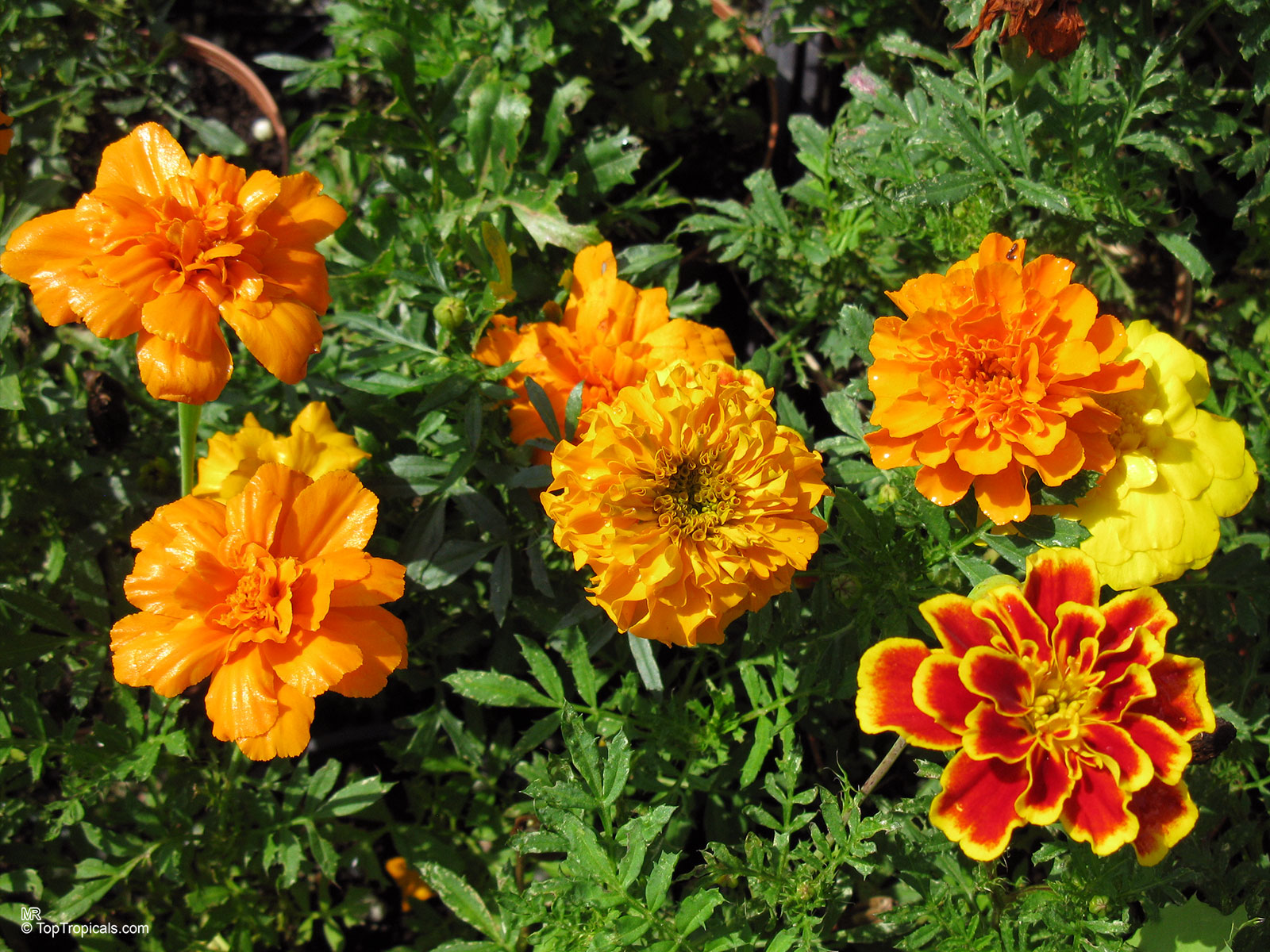
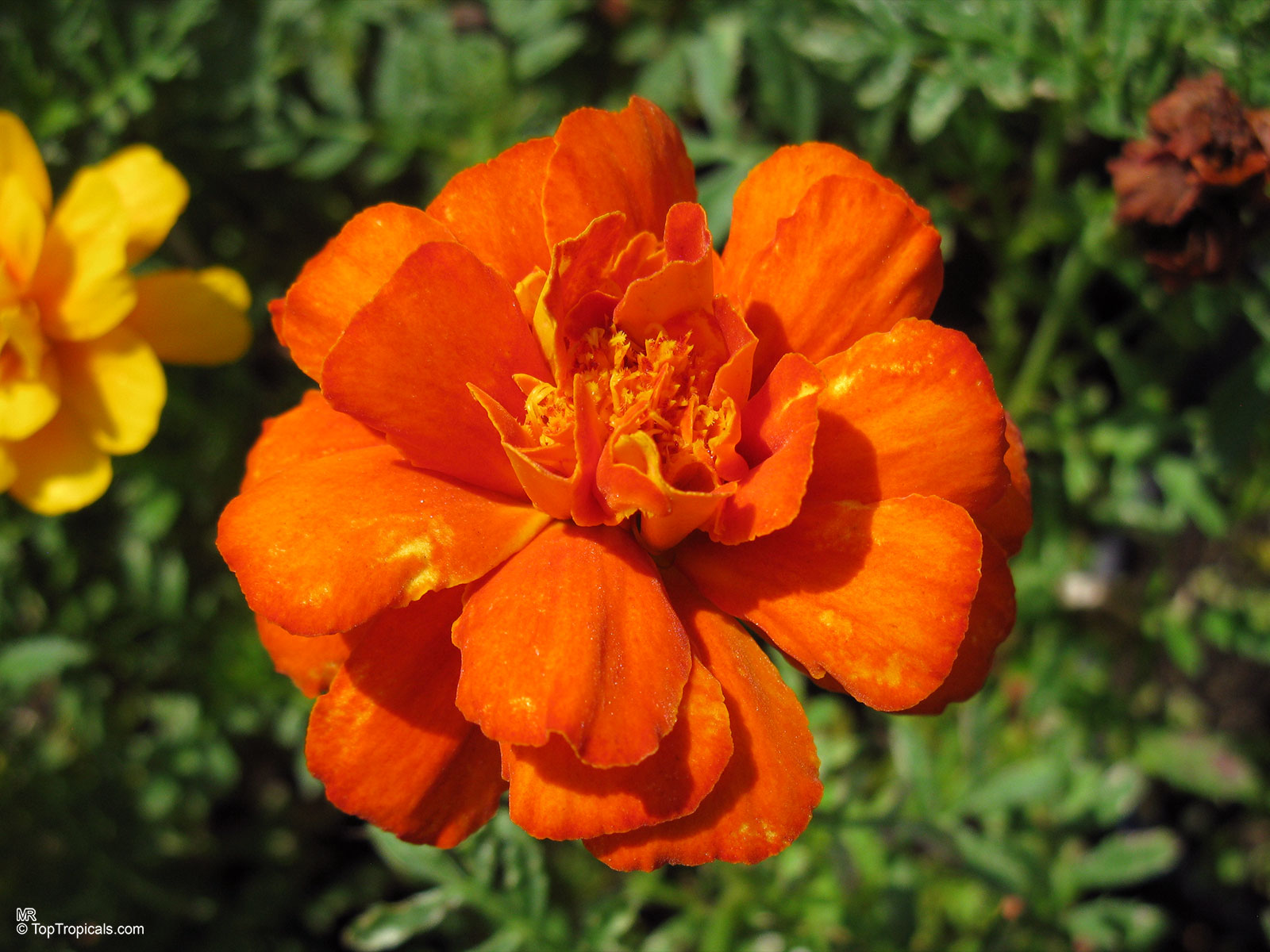
 Flower color: White and off-white; red, crimson, vinous; yellow, orange
 Suitable for: Outdoors in the suitable USDA zone; small gardens, containers, and indoor growing
 Fragrance: Fragrant; perfume plant
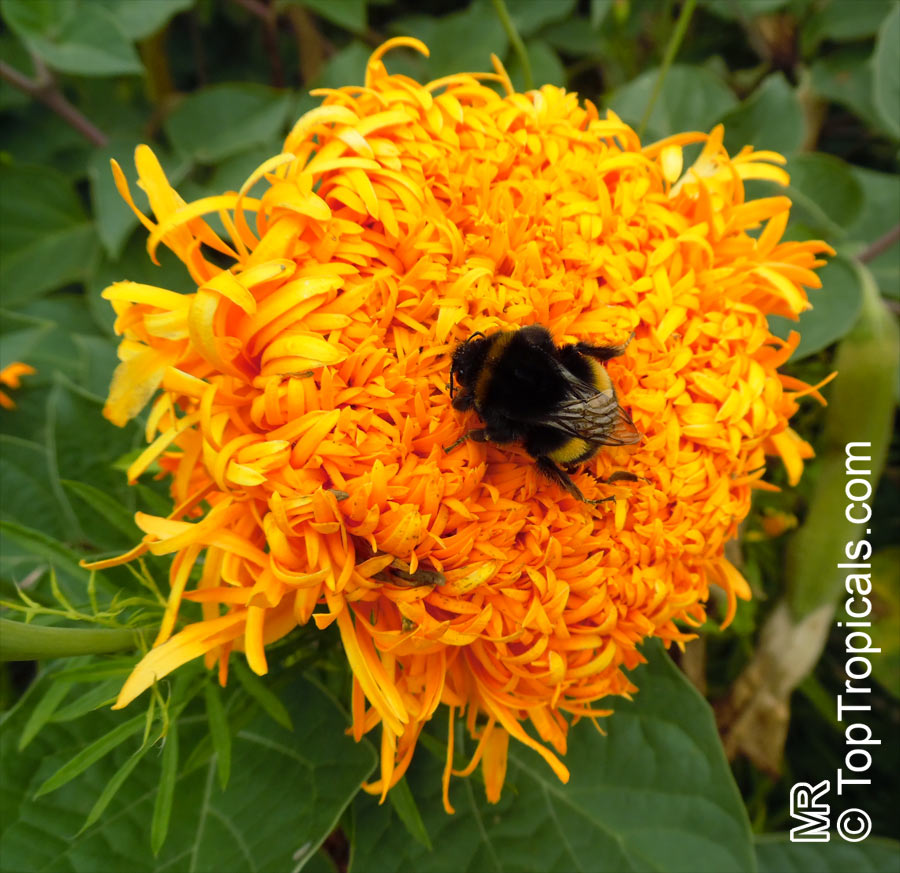
 Wildlife: Attracts butterflies and hummingbirds
 Ethnomedical: Ethnomedical plant, traditionally used in folk or indigenous medicine
Tagetes sp. is a genus of annual and perennial herbs native to the Americas, recognized for their aromatic foliage and bright composite flower heads in yellow, orange, and red shades.
What defines the genus Tagetes?
Species within Tagetes form upright, branching plants with finely divided leaves and strong scent, adapting well to warm seasons and open sunny sites. They show broad variation in size, from compact bedding forms to taller ornamental types, and are widely used for borders, pollinator gardens, and seasonal displays.
They prefer full sun, well drained soil, and regular moisture without waterlogging. Flowering is abundant in warm weather with consistent deadheading. Although heat tolerant, they are sensitive to frost and should be treated as warm season annuals in most climates. Suitable for USDA Zones 9-11 as tender perennials and commonly grown as annuals elsewhere.
Similar plants: Tagetes sp. (Marigold)