Salacca wallichiana (Rakum Palm)

Botanical names: Salacca wallichiana, Zalacca rumphii
Common names: Rakum Palm, Sala, Kumbar
Family: Arecaceae / Palmae
Origin: Southeast Asia
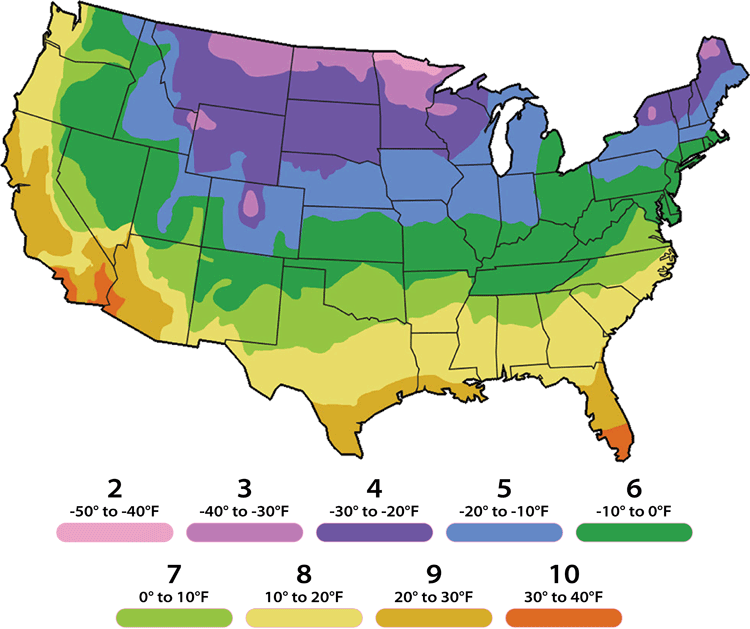
USDA Zone: 10-11

 Plant form: Large bush or small tree
 Mature height: 10-20 ft
 Sun exposure: Semi-shade
 Cold tolerance: Frost sensitive. Protect from freezing.
 Watering: Regular
 Suitable for: Outdoors in the suitable USDA zone; small gardens, containers, and indoor growing
 Thorns: Thorny or spiny
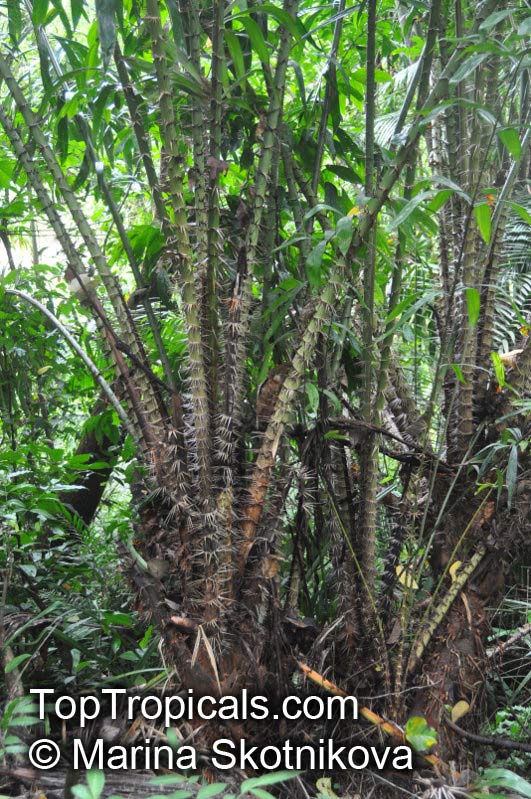
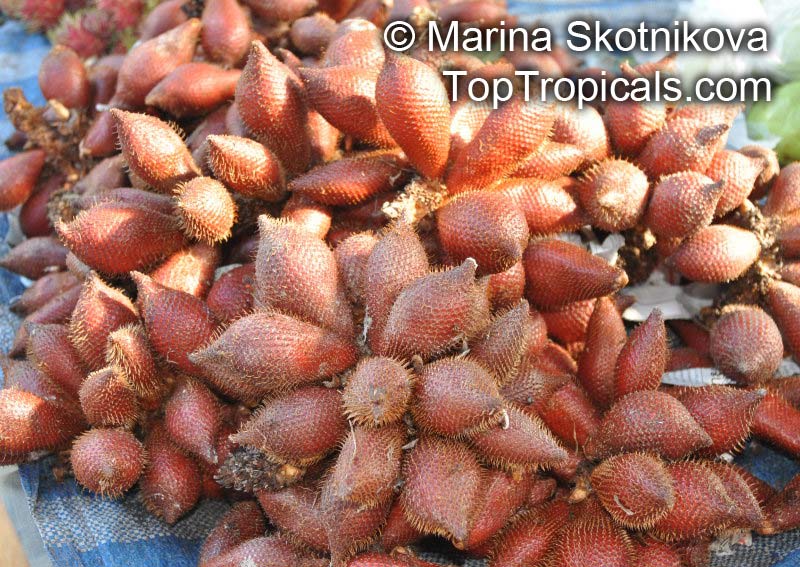
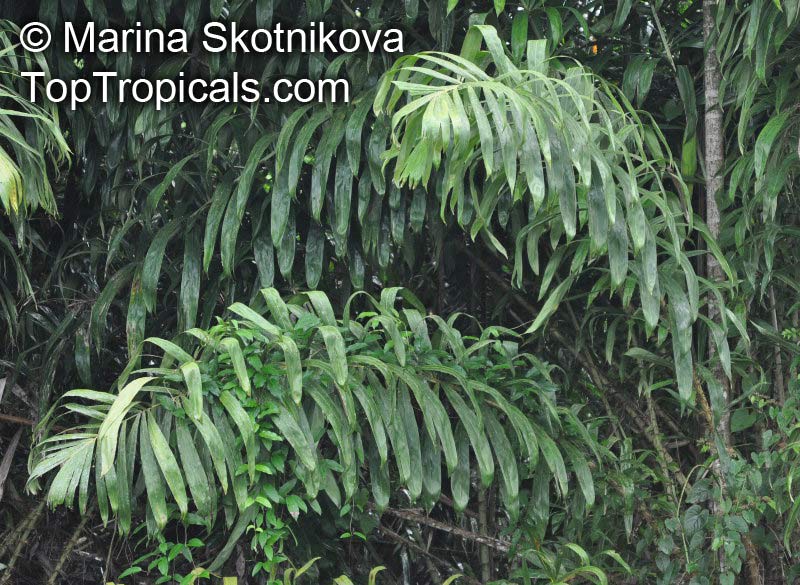
Salacca wallichiana, commonly known as Rakum or Sala, is a clustering, spiny palm in the Arecaceae family, native to Southeast Asia and especially associated with Thailand and neighboring countries. Its short stems are often hidden by persistent leaf bases, while long pinnate leaves and their petioles bear numerous sharp spines. The palm is dioecious, with male and female flowers normally produced on separate plants. Female plants develop clusters of oval to somewhat elongated fruits covered by distinctive overlapping reddish-brown to brown scales. The edible flesh is divided into segments around one or more seeds and may be juicy, aromatic, sweet, and pleasantly acidic. Selected Thai cultivars are grown commercially for improved fruit quality.
Salacca wallichiana thrives in warm, humid tropical conditions and prefers fertile, organic-rich soil with abundant moisture and good drainage. Unlike many palms, it performs well in partial shade, particularly when young, and naturally favors moist lowland conditions. It is best suited to USDA Zones 10b-11 and has little tolerance of frost or prolonged cold. Regular irrigation is important, although permanently stagnant soil should be avoided. Because plants are dioecious, both sexes are normally required for fruit production, and hand pollination may be used in commercial plantings. Its formidable spines make careful placement and handling essential in home gardens.
Similar plants: Salacca wallichiana (Rakum Palm)