Pongamia pinnata (Pongam)
Botanical names: Pongamia pinnata, Millettia pinnata
Common names: Pongam, Indian Beech
Family: Fabaceae
Subfamily: Faboideae
Origin: Southeast Asia, India
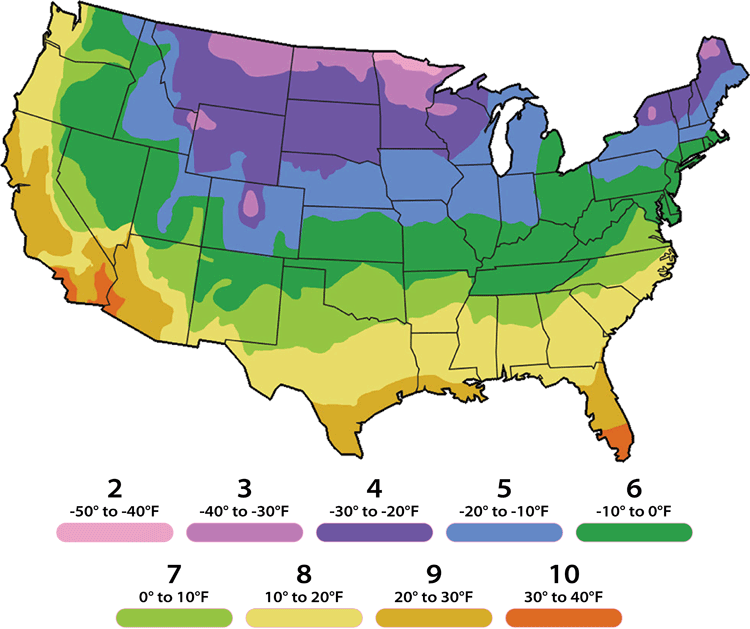
USDA Zone: 9-11
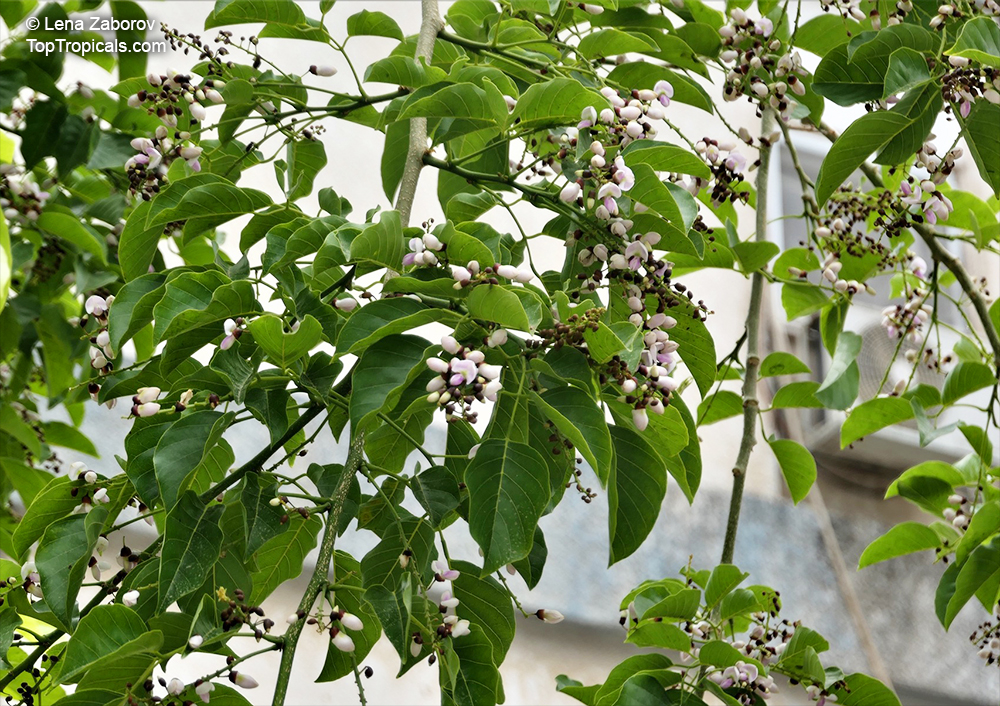
 Plant form: Small tree
 Mature height: 10-20 ft
 Sun exposure: Full sun or bright light indoor
 Cold tolerance: Frost sensitive. Protect from freezing.
 Watering: Moderate

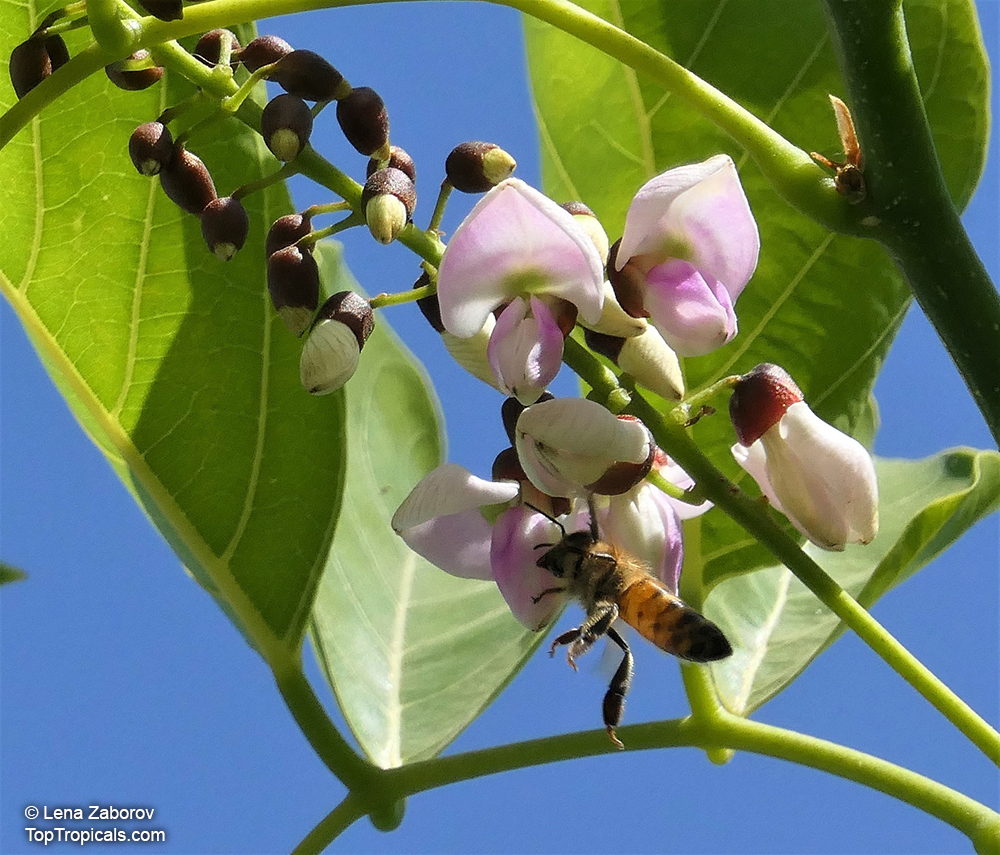
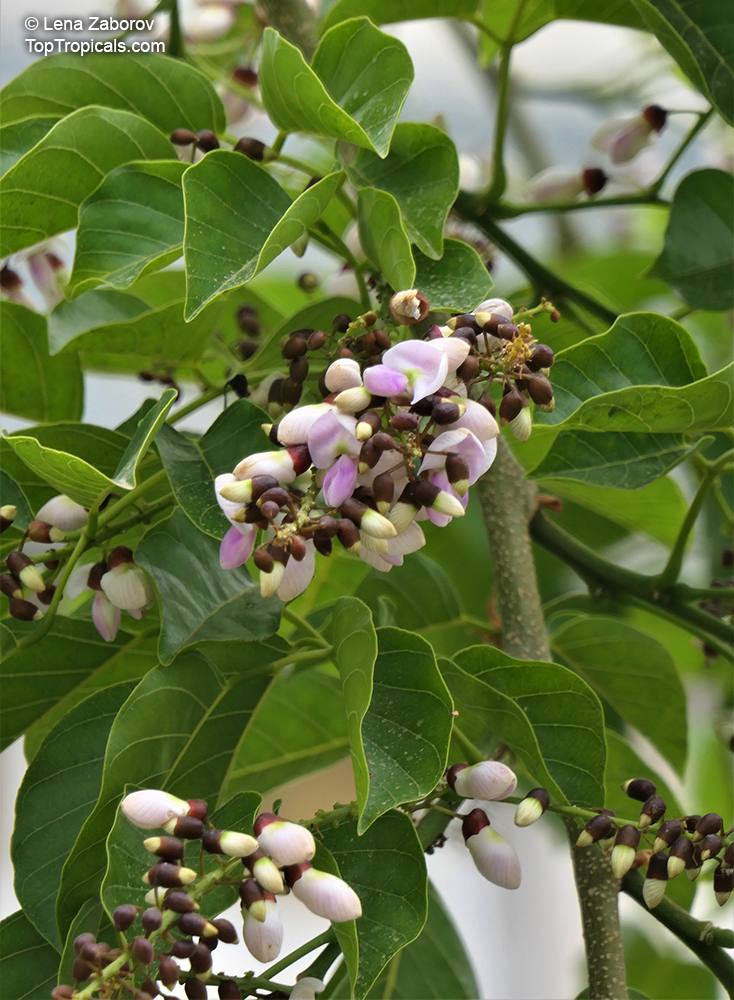
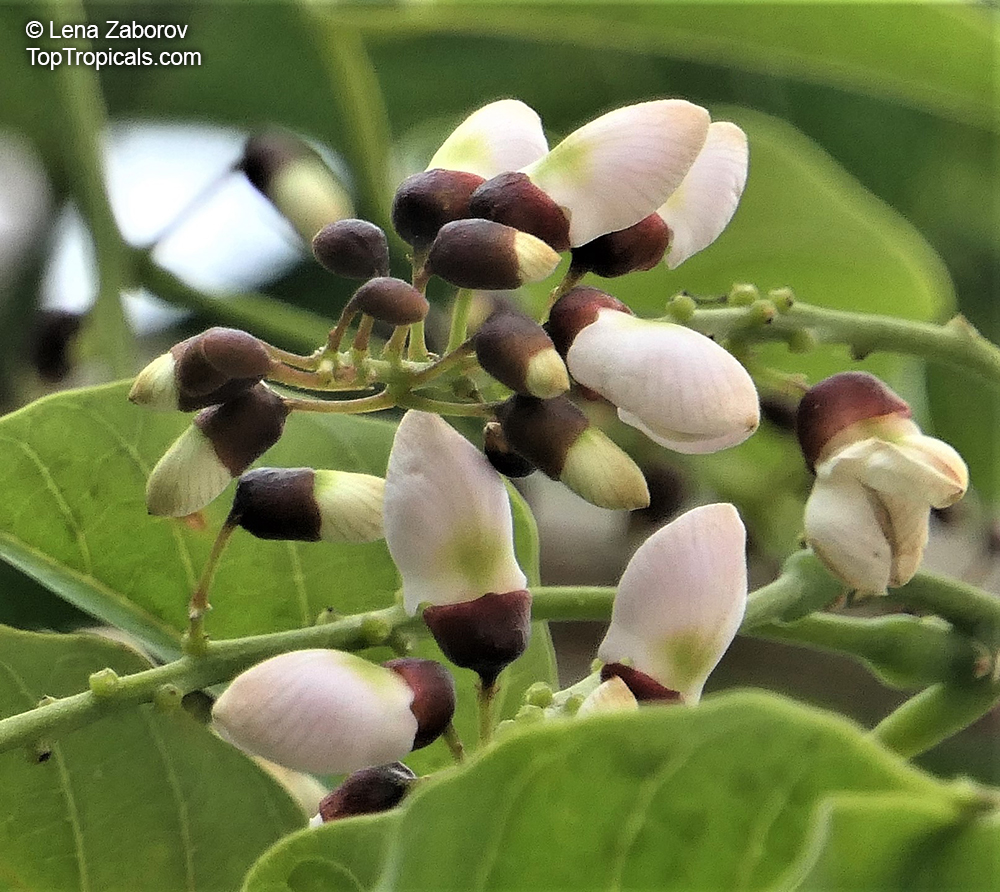
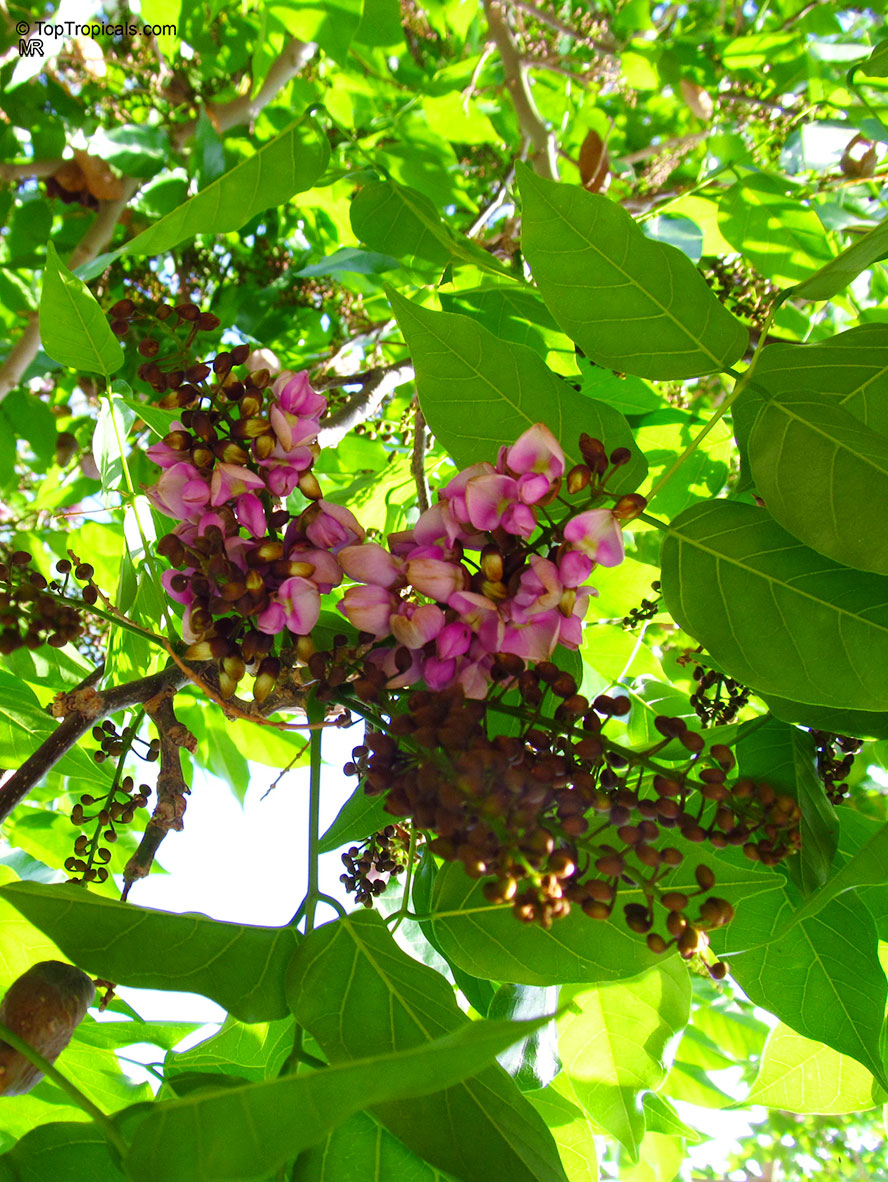
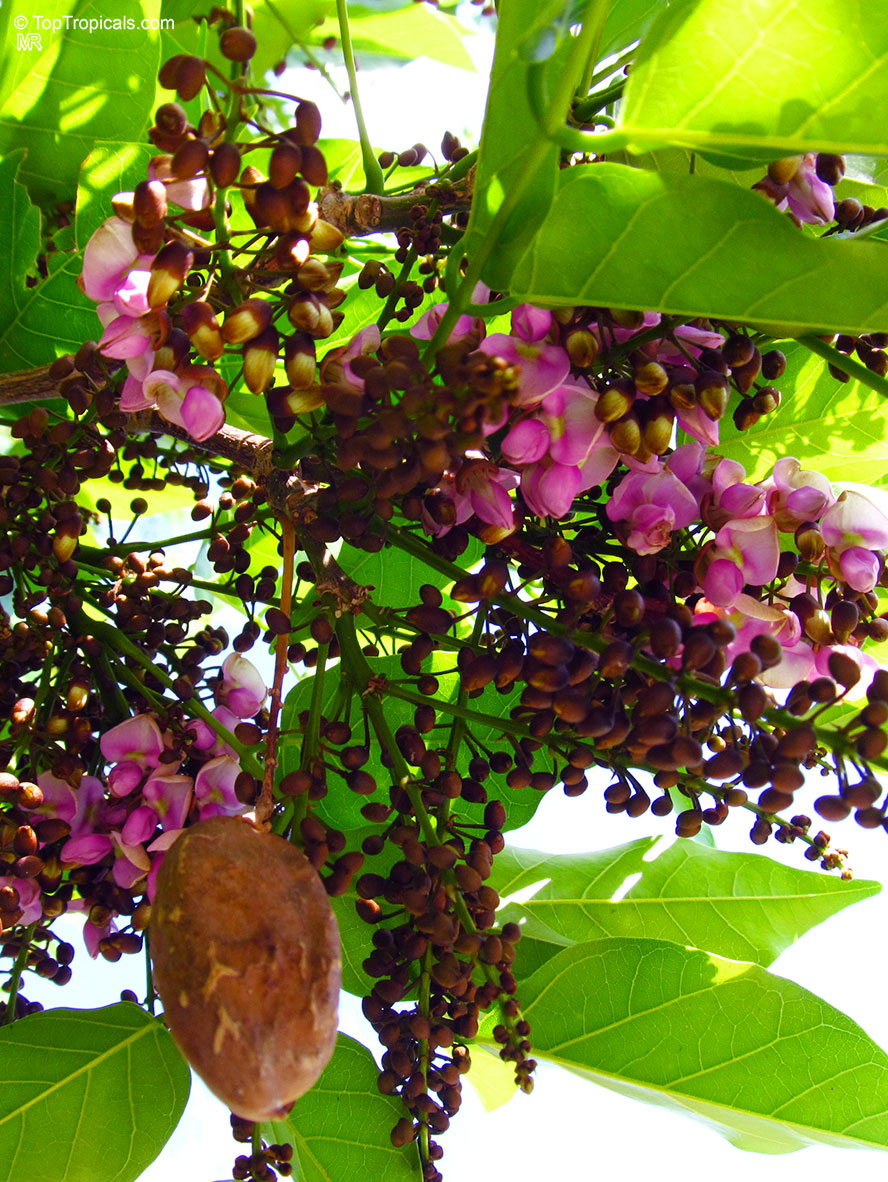
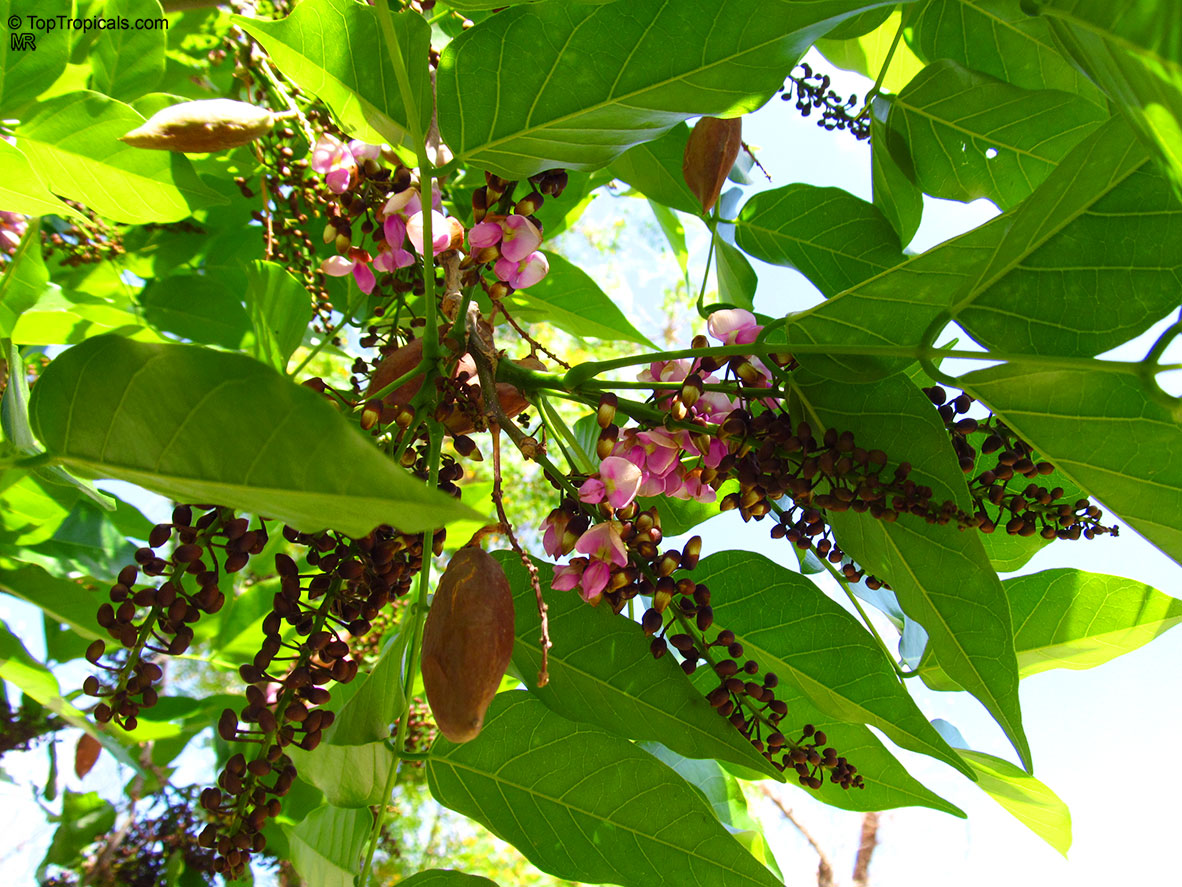
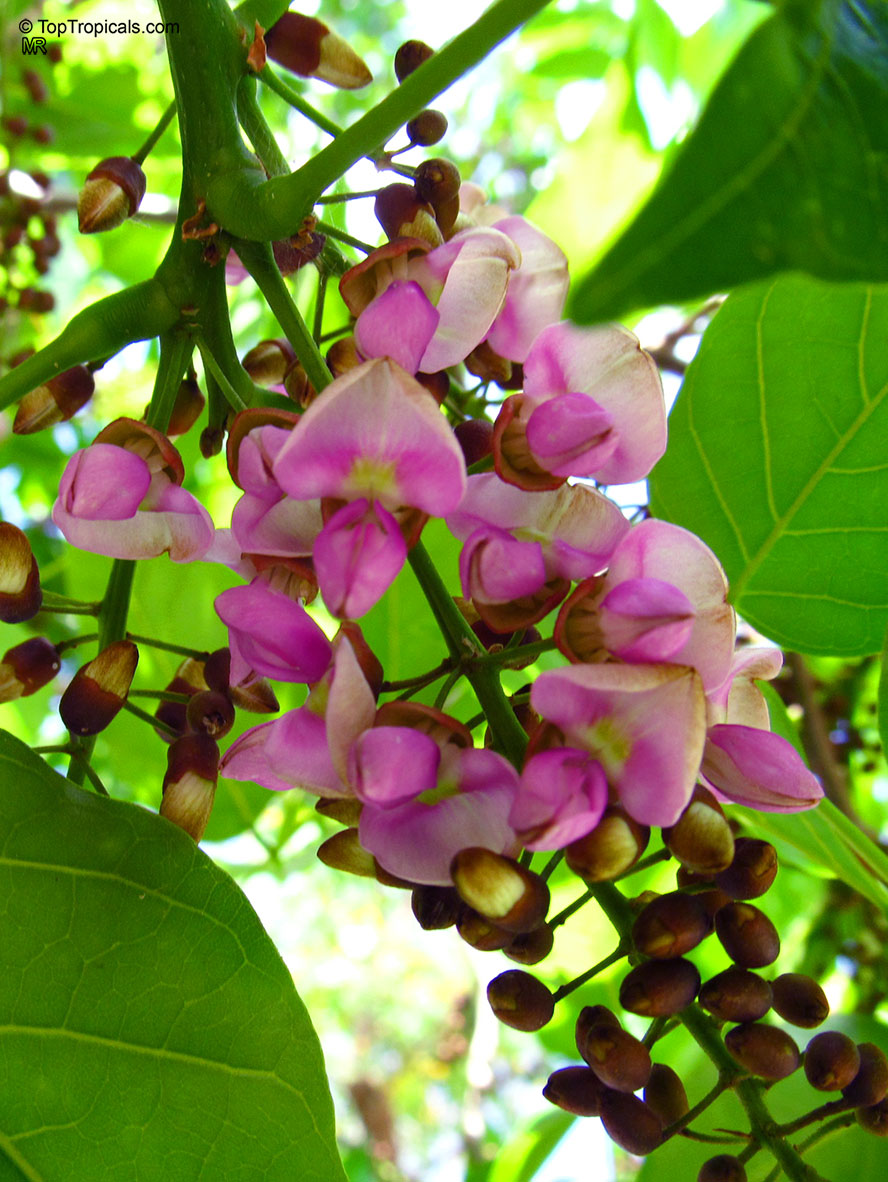
 Flower color: Pink; white and off-white; blue, lavender, purple
 Suitable for: Outdoors in the suitable USDA zone; small gardens, containers, and indoor growing
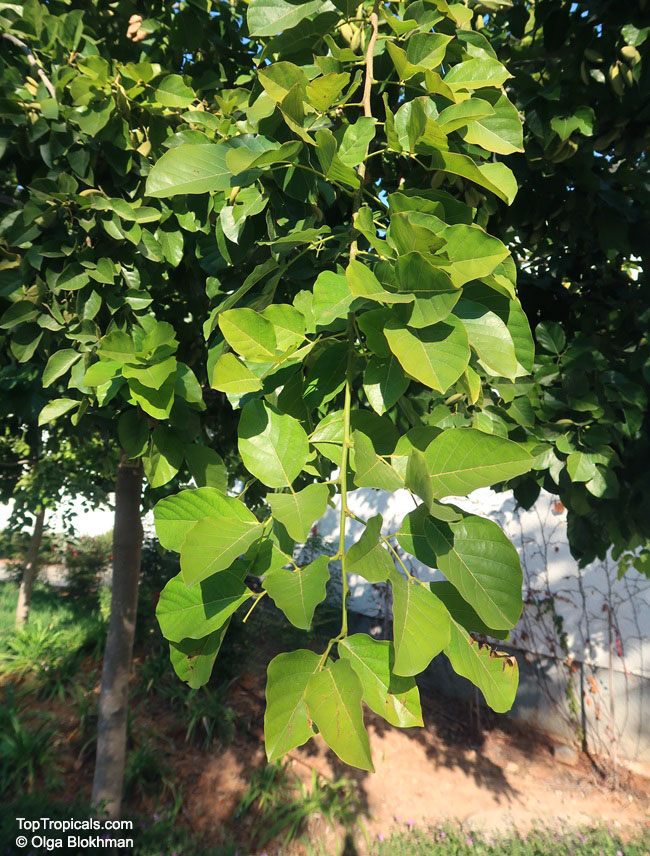
 Foliage: Deciduous
 Irritating or toxic: Toxic plant/plant part
 Fragrance: Fragrant; perfume plant
 Wildlife: Attracts butterflies and hummingbirds
 Ethnomedical: Ethnomedical plant, traditionally used in folk or indigenous medicine
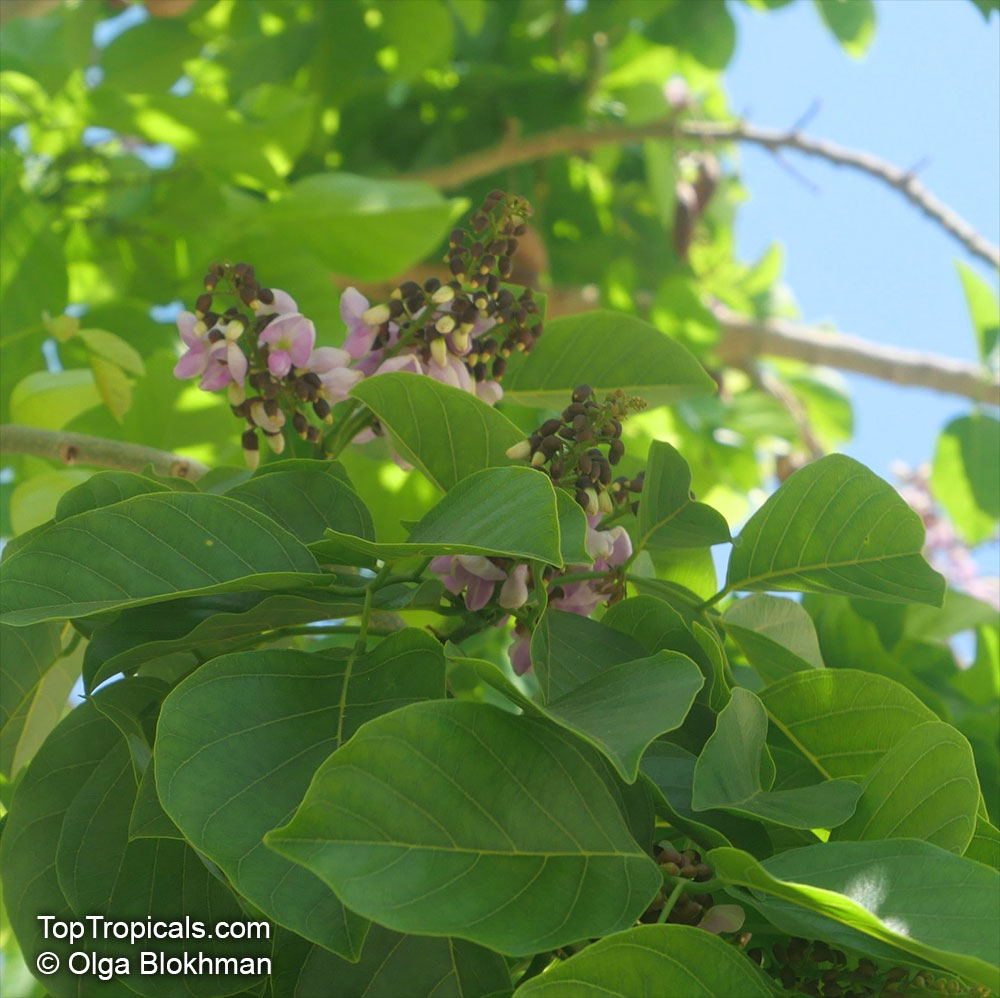
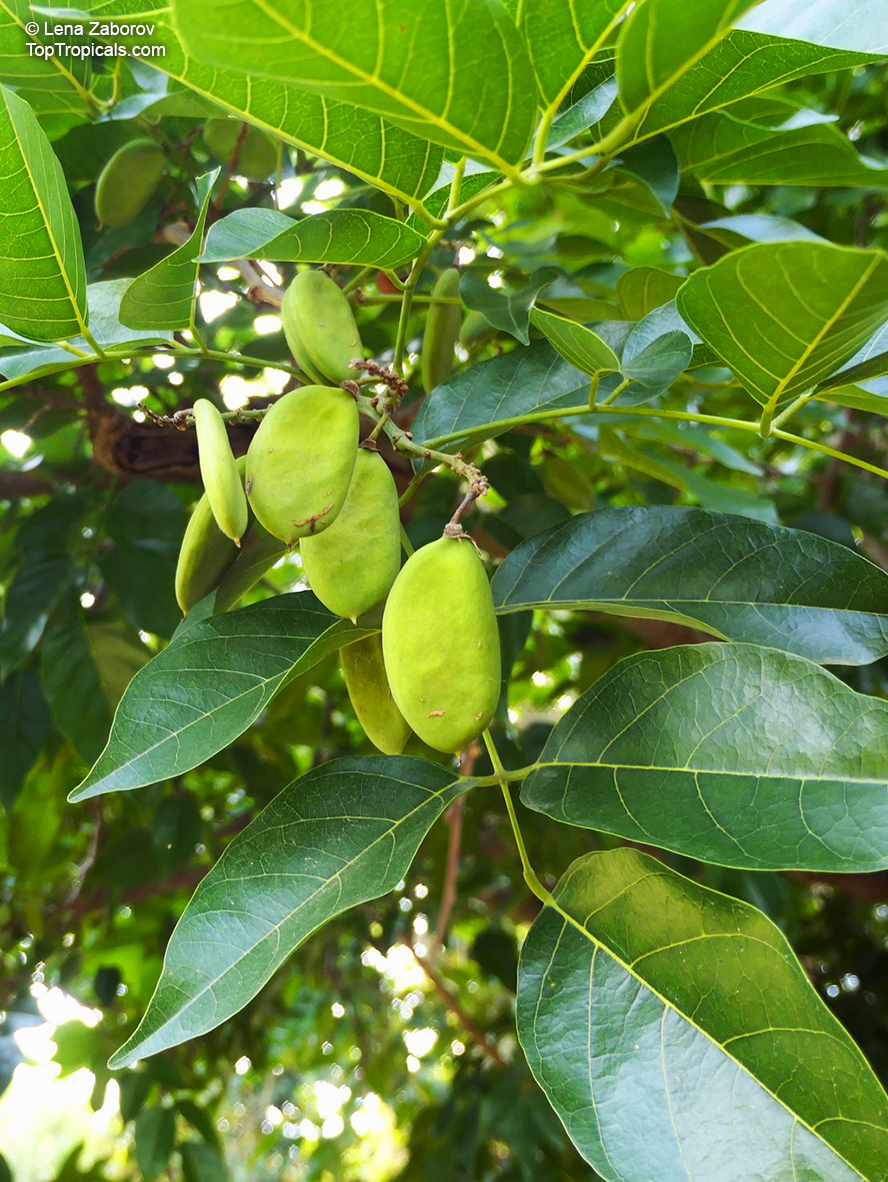
Millettia pinnata is native to Southeast Asia, India, and can grow as a small tree between 10-20 feet tall. It should be planted in a location that receives full sun and moderate water, such as in an open field or a sunny garden bed. This species is perfect for attracting butterflies, hummingbirds, and other pollinators. The fragrant white, off-white, blue, lavender and purple flowers are incredibly showy and bloom from Spring to Fall, while the foliage turns yellow in late Fall when the deciduous plant drops its leaves.
Millettia pinnata is not only a showy ornamental but is also noted for its ethnomedical uses. As with any plant, however, care should be taken when handling certain parts of the plant, as they can be poisonous (or toxic) when ingested. This species is considered an extremely hardy plant with mature specimens capable of withstanding temperatures in the 30s F, though in cold regions it is best to grow it as a potted plant and bring indoors in the winter. Additionally, this is a salt tolerant and seaside species, which makes it a great option for seaside gardens. As with all plants, growing Millettia pinnata successfully will depend on the careful selection of a suitable, sunny location and the soil moisture that is best suited to the plant.
Similar plants: Pongamia pinnata (Pongam)