Amomum dealbatum (Amomum)
Botanical name: Amomum dealbatum
Common name: Amomum
Family: Zingiberaceae
Origin: Southeast Asia
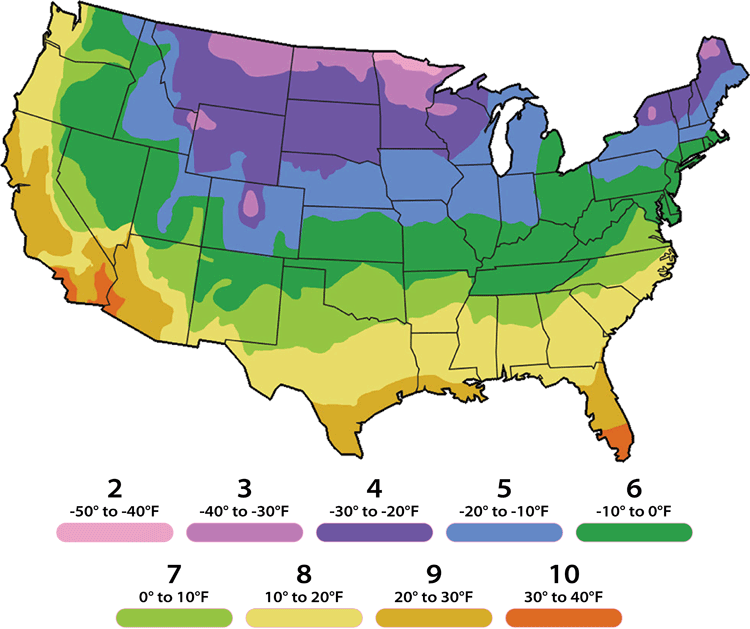
USDA Zone: 10-11
 Plant form: Small
 Mature height: 2-5 ft
 Sun exposure: Semi-shade
 Cold tolerance: Frost sensitive. Protect from freezing.
 Watering: Regular; moderate
 Flower color: White and off-white
 Suitable for: Outdoors in the suitable USDA zone; small gardens, containers, and indoor growing
 Fragrance: Fragrant; perfume plant
 Ethnomedical: Ethnomedical plant, traditionally used in folk or indigenous medicine
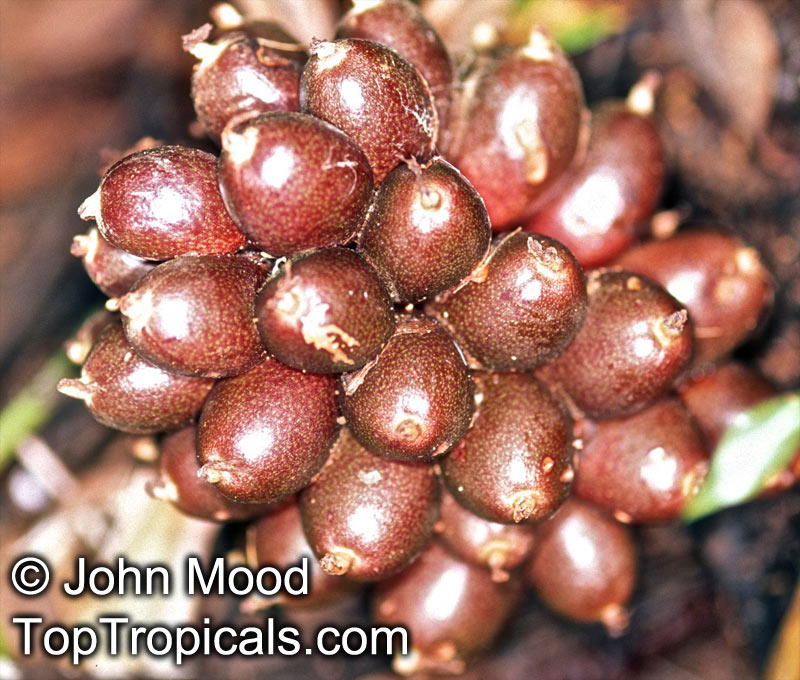
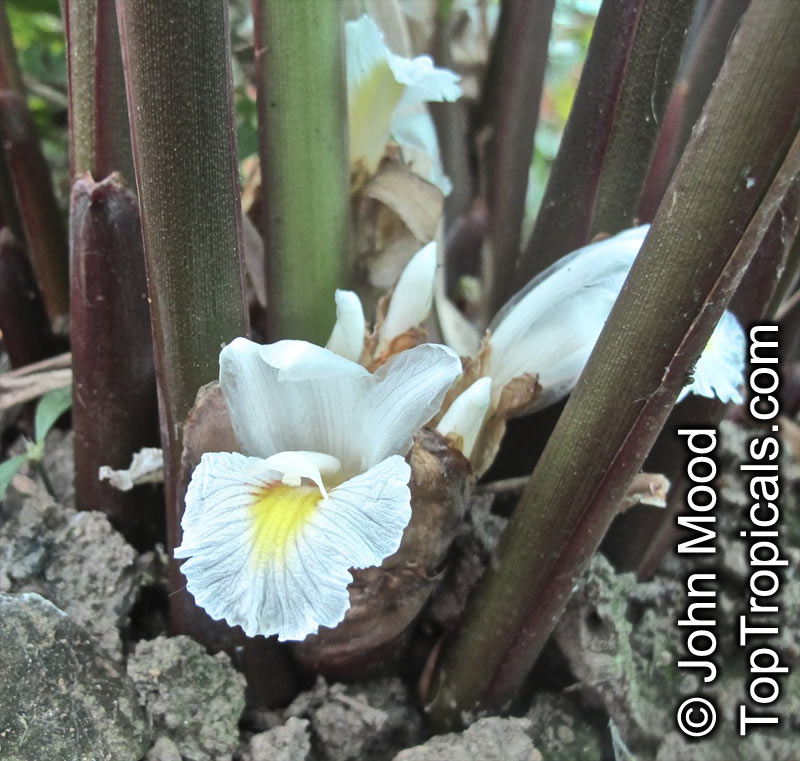
Amomum dealbatum is a large rhizomatous herbaceous perennial in the Zingiberaceae family native to tropical Southeast Asia, from Indochina and southern China through the Malay Peninsula to Sumatra and Java. It forms dense clumps of tall leafy pseudostems arising from spreading underground rhizomes and can reach about 6-10 feet (1.8-3 m) tall. The long, lance-shaped leaves create lush tropical foliage, while the inflorescences arise separately from the rhizomes close to ground level. Pale flowers with yellow and reddish markings are followed by conspicuous rounded to ovoid fruits that mature to bright red, standing out beneath the foliage.
Amomum dealbatum grows best in warm, humid conditions, partial shade to bright filtered light, and fertile, well-drained soil with regular moisture. Its vigorous rhizomes require adequate space and can gradually form substantial colonies in favorable climates. The aromatic fruits and seeds have been used locally as a spice and in traditional medicine, although this species should not be confused with the several other members of the ginger family sold commercially as cardamom. Best suited to USDA Zones 10-11, it should be protected from frost and prolonged cold. Its tall foliage, unusual ground-level flowers, and colorful fruits make it an attractive specimen for tropical and subtropical gardens.
Similar plants: Amomum dealbatum (Amomum)