Lonchocarpus violaceus (Lilac Tree)

Botanical name: Lonchocarpus violaceus
Common names: Lilac Tree, Dotted Lancepod, Chaperno
Family: Fabaceae
Subfamily: Faboideae
Origin: Africa
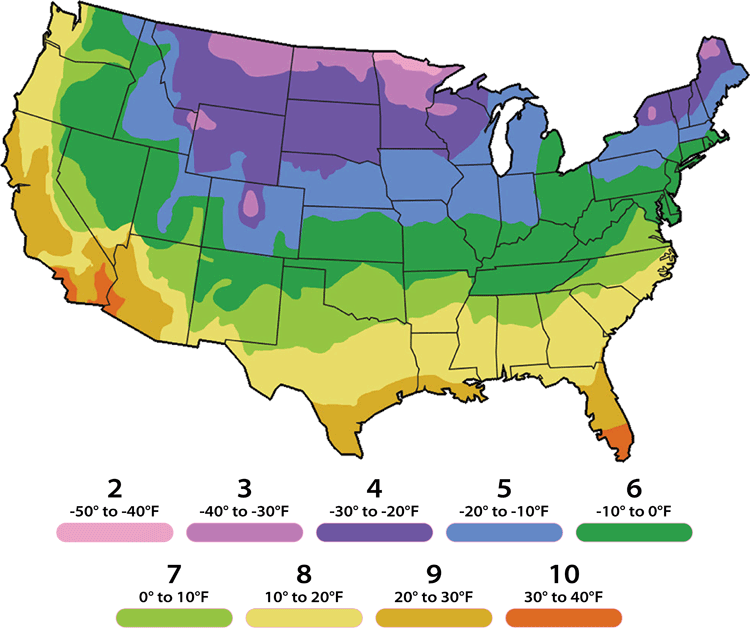
USDA Zone: 9-11
 Plant form: Large tree
 Mature height: 20 ft or more
 Sun exposure: Full sun or bright light indoor
 Cold tolerance: Tolerates light freezing to about 30°F for short periods (mature plants). Young plants must be protected.
 Watering: Regular
 Flower color: Blue, lavender, purple
 Suitable for: Outdoors in the suitable USDA zone; large gardens
 Fragrance: Fragrant; perfume plant
 Wildlife: Attracts butterflies and hummingbirds
Lonchocarpus violaceus (also known as the Lilac Tree) is a fast growing, evergreen tree native to Africa. Growing to an impressive height of 25-35 feet, the tree features a dense canopy and fragrant, lavender to purple-blue flowers in late summer and fall. The blooms are notably attractive to butterflies and hummingbirds, adding even more beauty to the tree. It also produces long, slender seed pods.
Caring for your Lonchocarpus violaceus is relatively easy. Plant your tree in full sun and remember to keep it at least 30 feet away from power lines and your house. Water it during planting and for one year after, and keep the soil moist throughout the season. The tree is usually cold hardy down to at least the 30s F for a short time and should do well in USDA Hardiness Zones 9-11.
Growing Lonchocarpus violaceus in a pot in cooler climates is possible. Plant it in a premium quality container soil and make sure to give it plenty of light and water. During the winter, move the pot in your garage or a protected area, as the tree may not be able to survive extreme cold temperatures.
Similar plants: Lonchocarpus violaceus (Lilac Tree)


