Cinnamomum iners (Cinnamon)
Botanical name: Cinnamomum iners
Common name: Cinnamon
Family: Lauraceae
Origin: Thailand
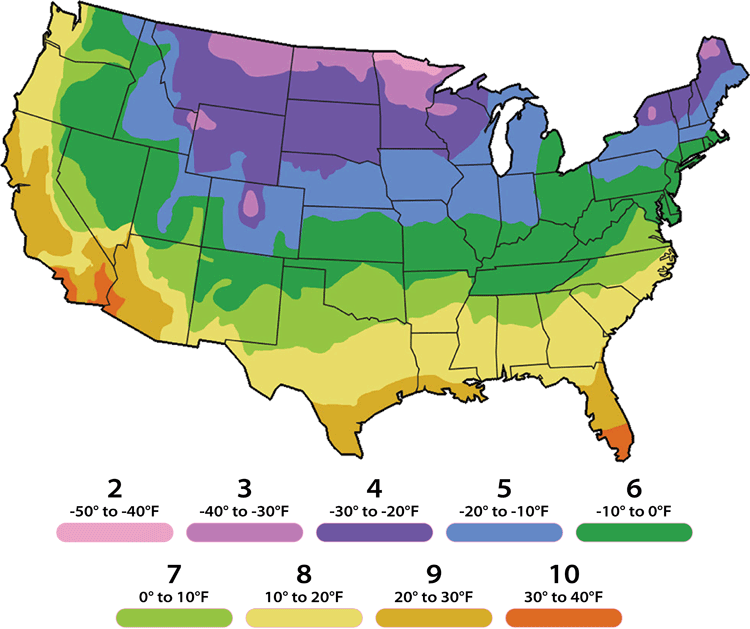
USDA Zone: 9-10

 Plant form: Large bush or small tree
 Mature height: 10-20 ft
 Sun exposure: Full sun or bright light indoor
 Cold tolerance: Frost sensitive. Protect from freezing.
 Watering: Regular
 Suitable for: Outdoors in the suitable USDA zone; small gardens, containers, and indoor growing
 Foliage color: Ornamental foliage
 Fragrance: Fragrant; perfume plant
 Ethnomedical: Ethnomedical plant, traditionally used in folk or indigenous medicine
Cinnamomum iners, also known as Cinnamon, is an evergreen plant native to Thailand and other parts of Southeast Asia. This large shrub or small tree grows 5-10 feet tall in ideal conditions and prefers full sun and regular watering, making it an ideal choice for warmer climates or temperate climates with enough consistently warm weather. In the US, it grows best in USDA hardiness zones 9-11, producing best when it receives ample sunlight and water.
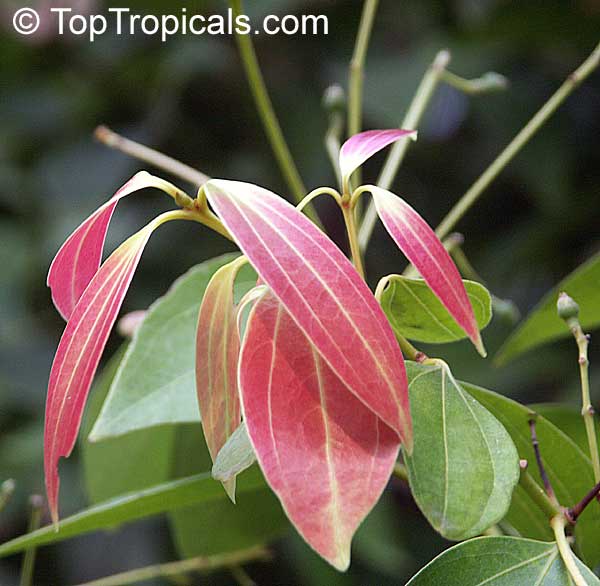
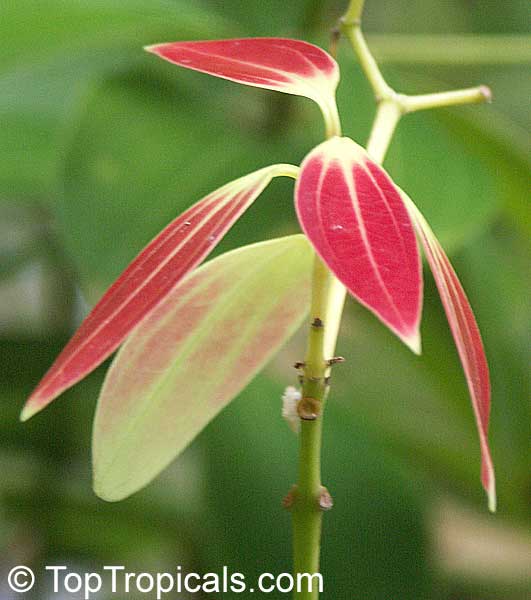
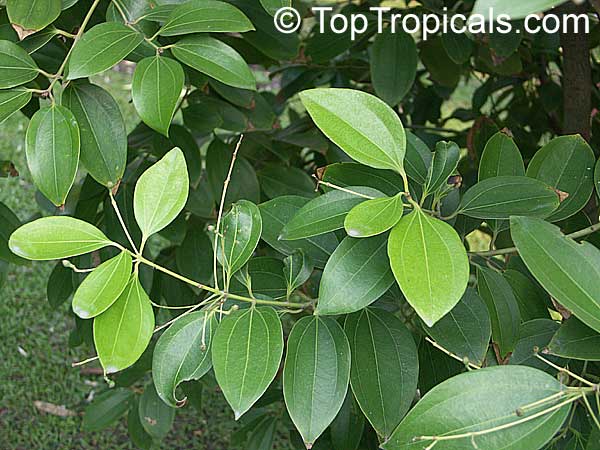
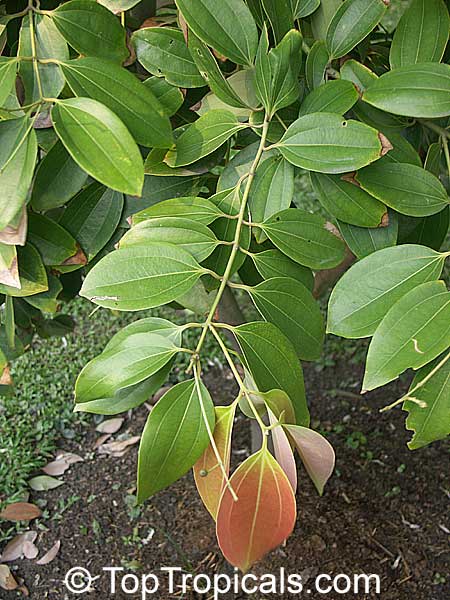
The ornamental foliage of this plant is highly fragrant, making it a common choice as an ornamental and a popular choice for residential gardens and landscapes where its unique scent can be enjoyed. The cinnamon sweet aroma and delicate leaflets provide a beautiful texture to any garden.
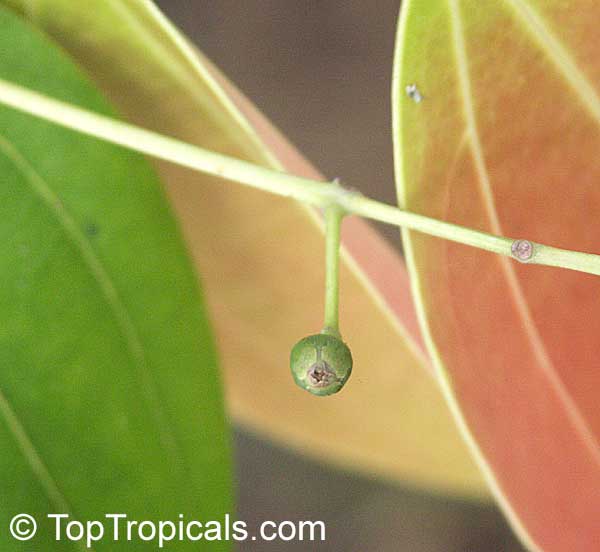
Cinnamomum iners has ethnomedicinal uses and the inner bark of the tree is used to make teas for treating nausea, relieving fatigue, and for cardiotonic purposes. Not only is this not toxic, Cinnamomum iners is actually edible and the flowers, leaves, and fruits can be eaten. The berries that grow on this plant come in white and light violet, and are about 1-2 inches in diameter. While not renowned for being particularly flavor-packed, fruits of this plant are used as a source of vitamins and minerals and even as a flavorful additive to steamed rice.
Grown in containers, Cinnamomum iners is somewhat hardy and tolerant of moderate frosts. To bring the plant into bloom, however, plants growing in containers will need to be brought indoors and put in a warm, bright area when cold winter temperatures move in. When grown in the ground it can withstand temperatures of 30°F. In colder climates, taking plants indoors during active season and then re-planting them in spring is a good choice. This will protect them from low freezing temperatures while they are in active growth.
Cinnamomum iners is a beautiful, aromatic and versatile tree with a range of ethnomedicinal uses, edible fruits, and fragrant leaves. It is easy to care for and will bring its beauty to any garden or landscape.
Similar plants: Cinnamomum iners (Cinnamon)