Large tree taller than 20 ft - Plant Encyclopedia Results
| Number of plants found: 440 | Next | 
|
Go to page: | 1 | 2 | 3 | 4 | 5 | Last |
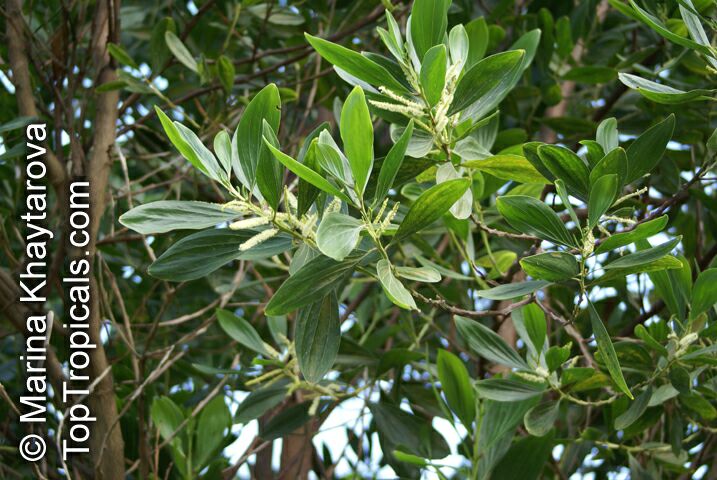
Botanical name: Acacia mangium
Common names: Mangium Wattle, Black Wattle, Hickory Wattle
Family: Fabaceae
Subfamily: Mimosoideae
Origin: Australia, Papua New Guinea, Indonesia


Acacia mangium grows up to 30m tall, often with a straight trunk.
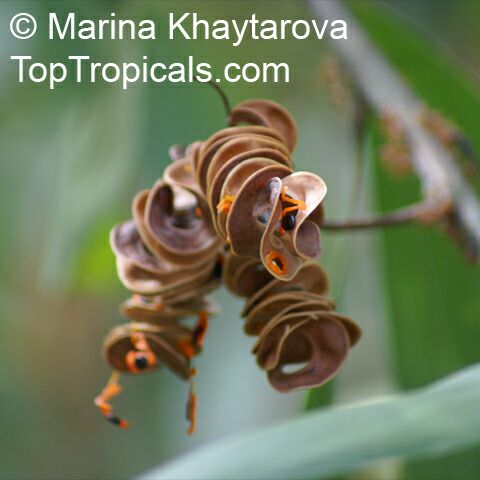
Phyllodes lanceolate or ovate, conspicuously veined, light or dark green; flower-heads rod-like, white, sparse, on hairy peduncles about 1 cm long; pods long, slender, coiled or twisted and contorted. Its uses include environmental management and wood.
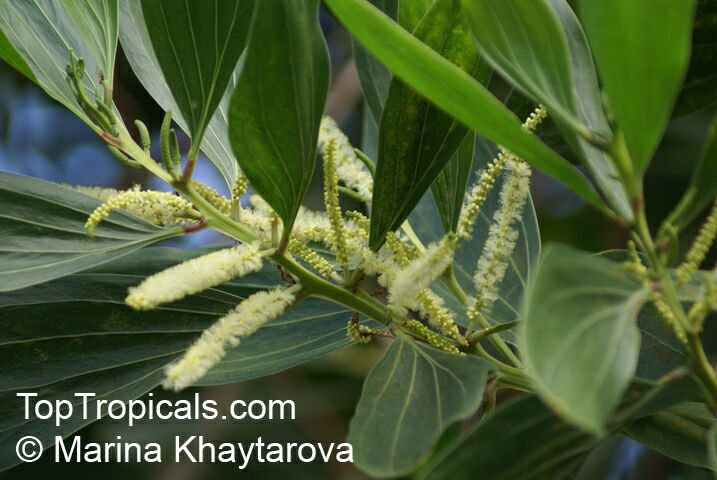

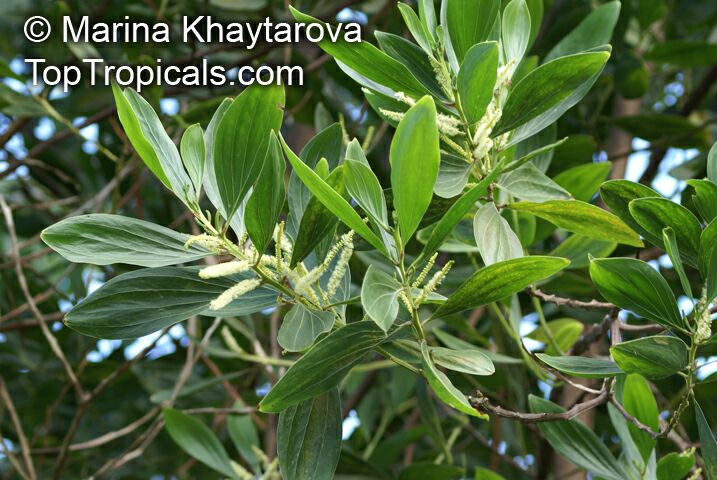
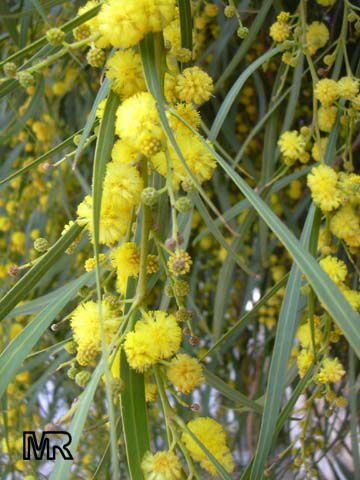
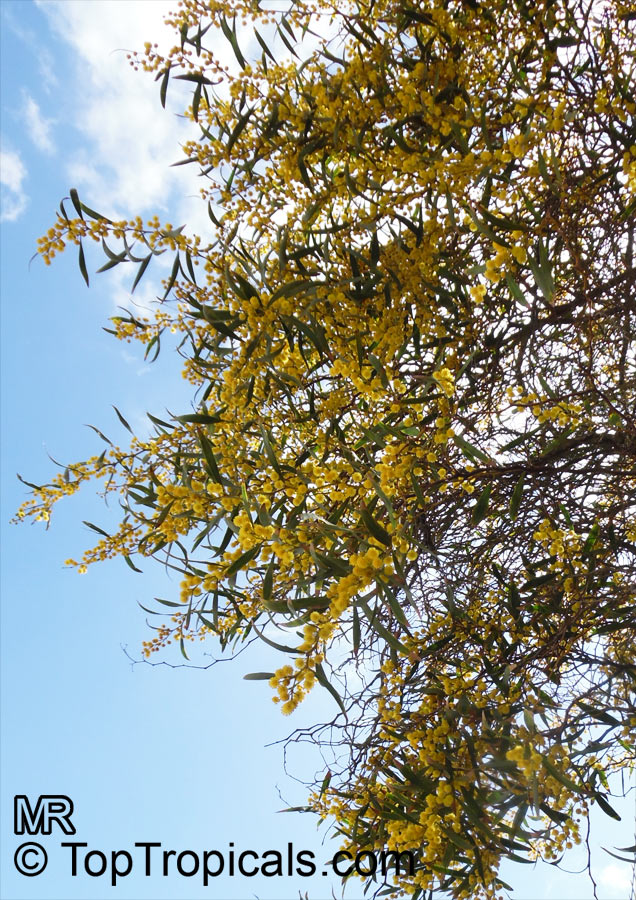
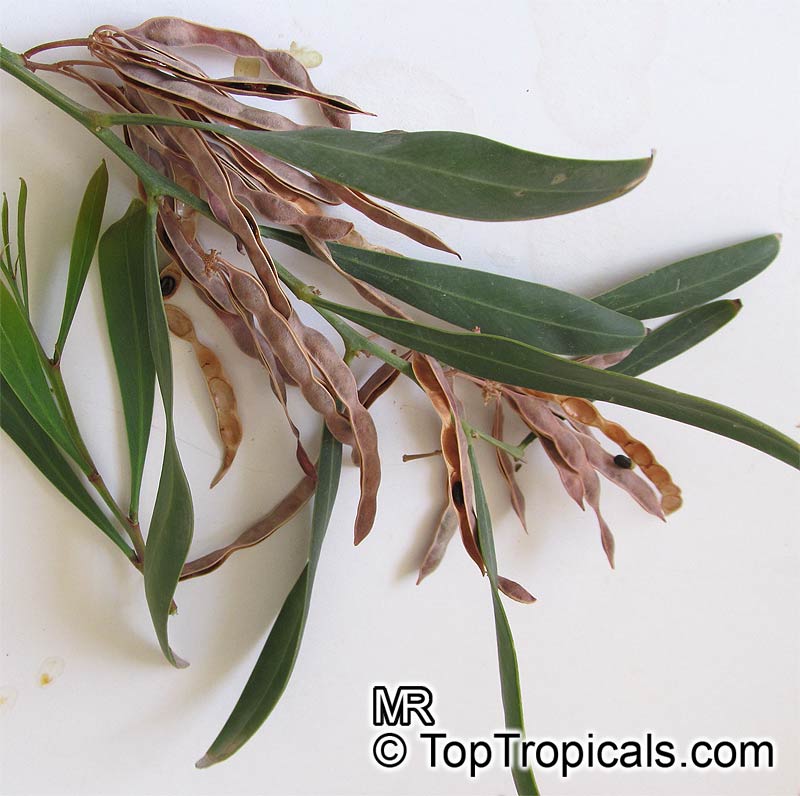
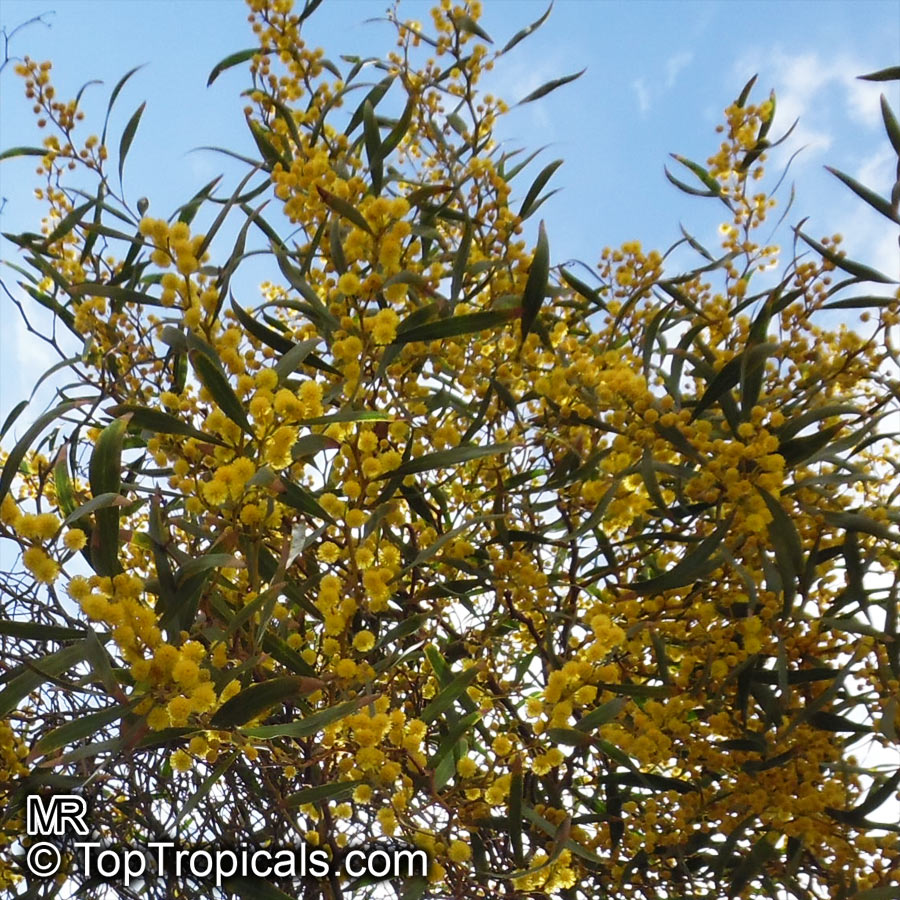
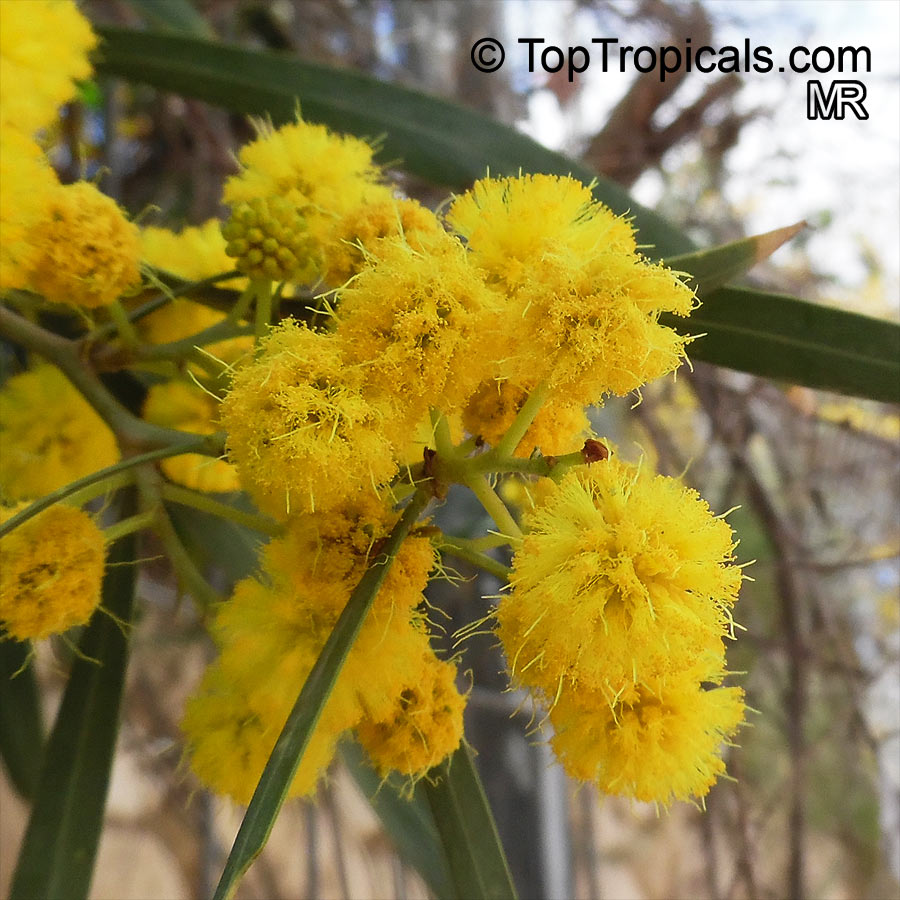
Botanical name: Acacia saligna
Common names: Golden Wattle, Long-leaved Wattle, Long-leaved Acacia, Sallow Wattle, Coast Wattle, Golden Rods
Family: Fabaceae
Subfamily: Mimosoideae
Origin: Eastern Australia

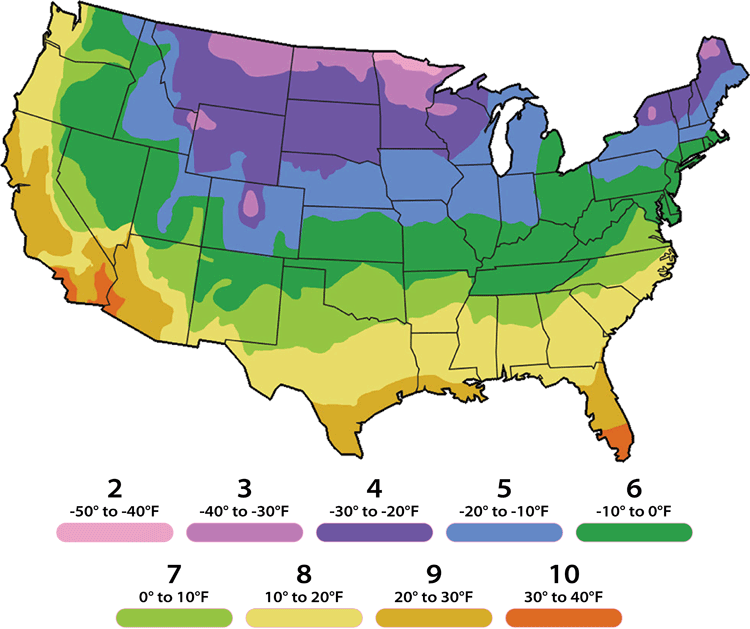
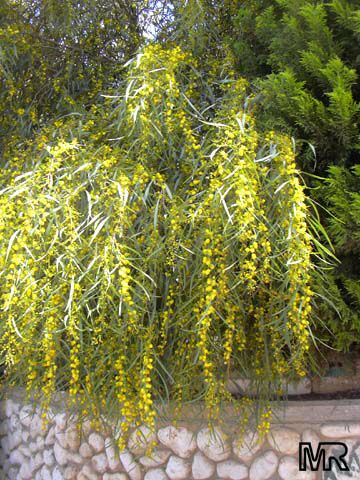
Grows to a height of more than 20 feet, making it a good choice for providing shade and background to many other plants. It is native to Eastern Australia, however, it has been successfully grown in many other regions that have USDA hardiness zones of 9 to 11. When grown outdoors it needs to be in full sun, however it can tolerate partial shade, making it a great choice for any garden.
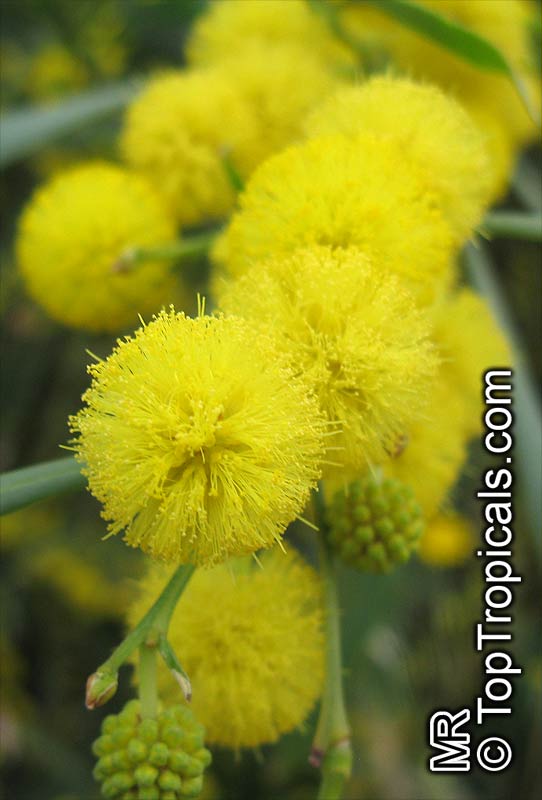
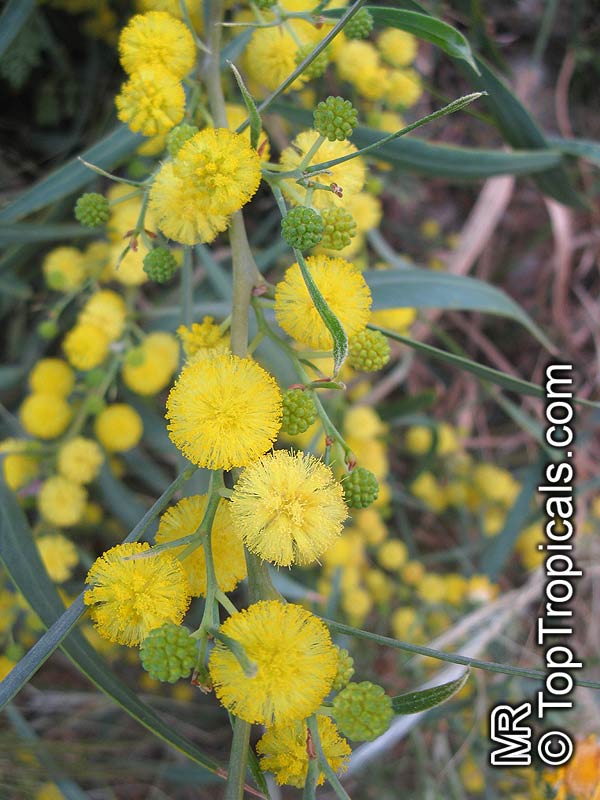
Acacia saligna requires moderate watering; allowing the soil to dry out slightly before watering it again. The blooms are made of multiple, yellow to orange-colored flowers that bloom for an extended period. These flowers not only look beautiful, but also serve to attract many species of butterflies and hummingbirds to the garden.
In cold regions, where temperatures often drop below below freezing, Acacia saligna can be successfully grown in larger pots. Recommended potting soil for container-grown Golden Wattle should include a combination of peat moss, compost, and perlite or vermiculite. To ensure healthy growth, it is important to make sure that the soil is kept moist, but not soggy. During the winter months, it is recommended to position the pot in an area of the garden that will receive some protection from the elements. Also, remember to wrap the pot in bubble wrap or other insulating material to protect it from frost.


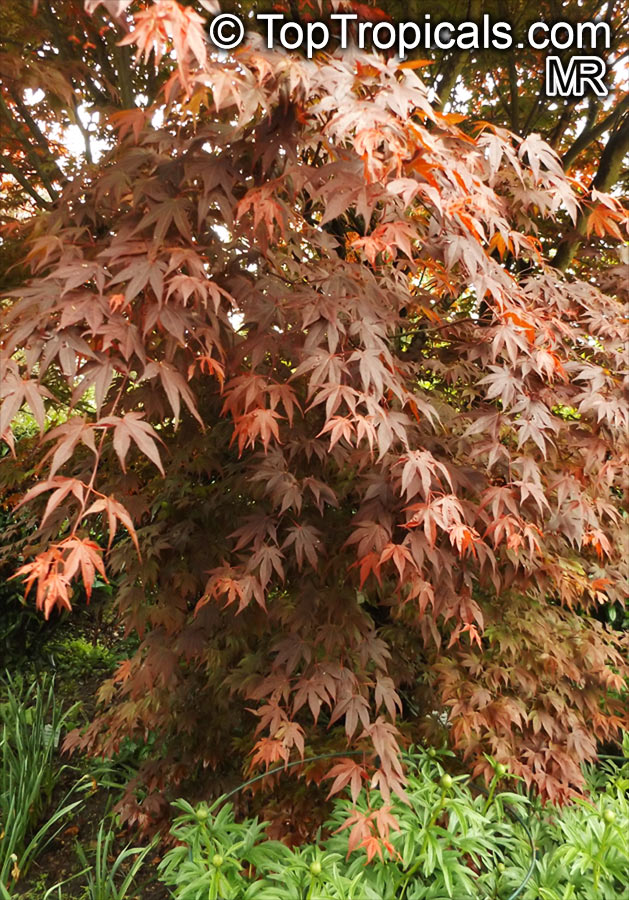
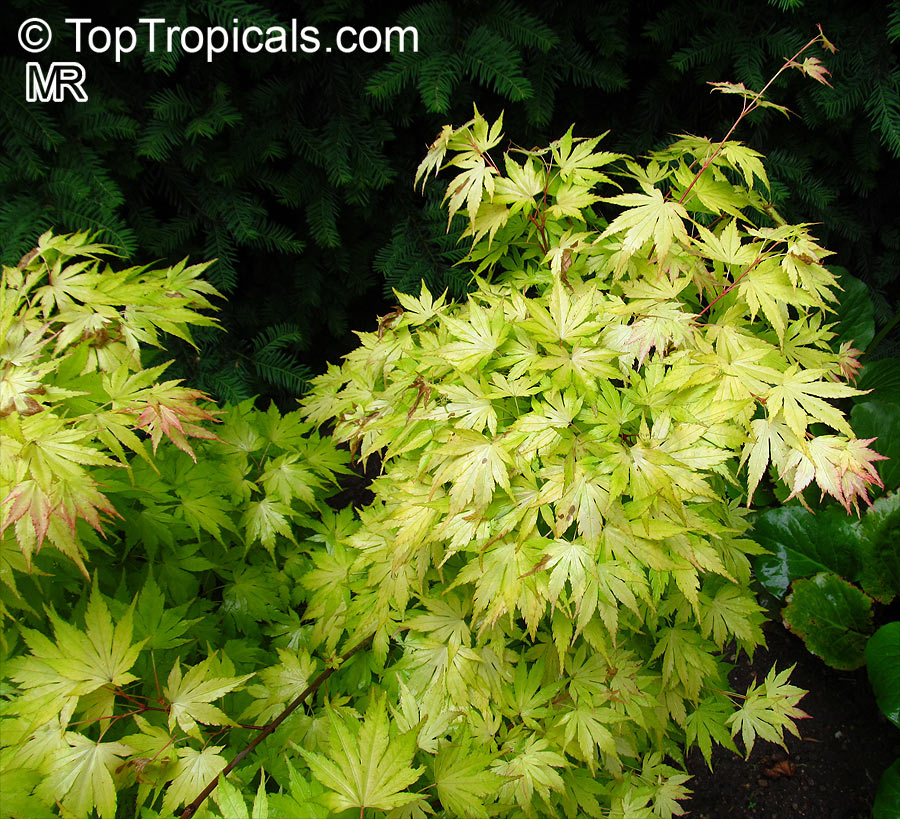
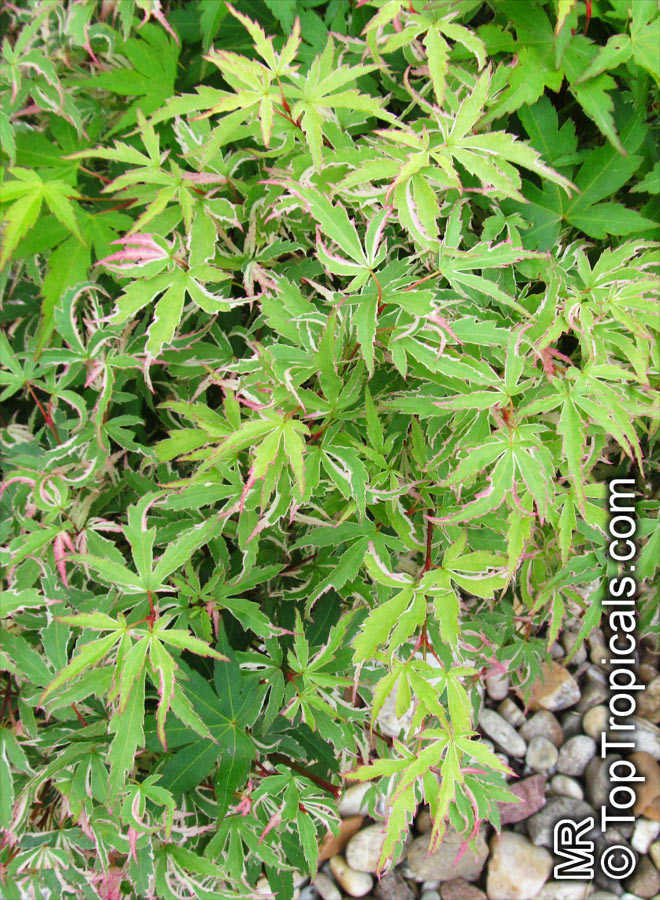
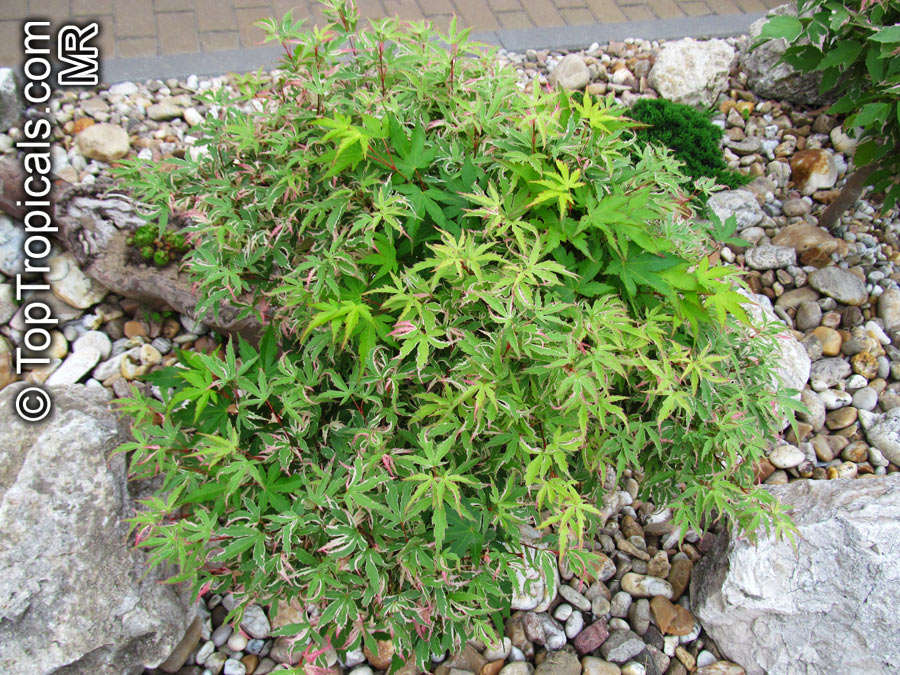
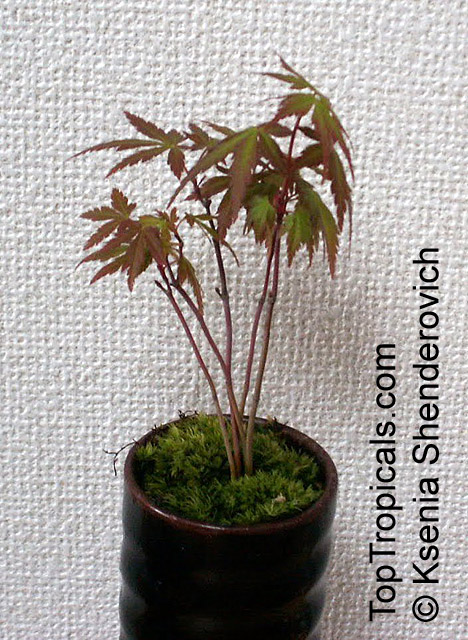
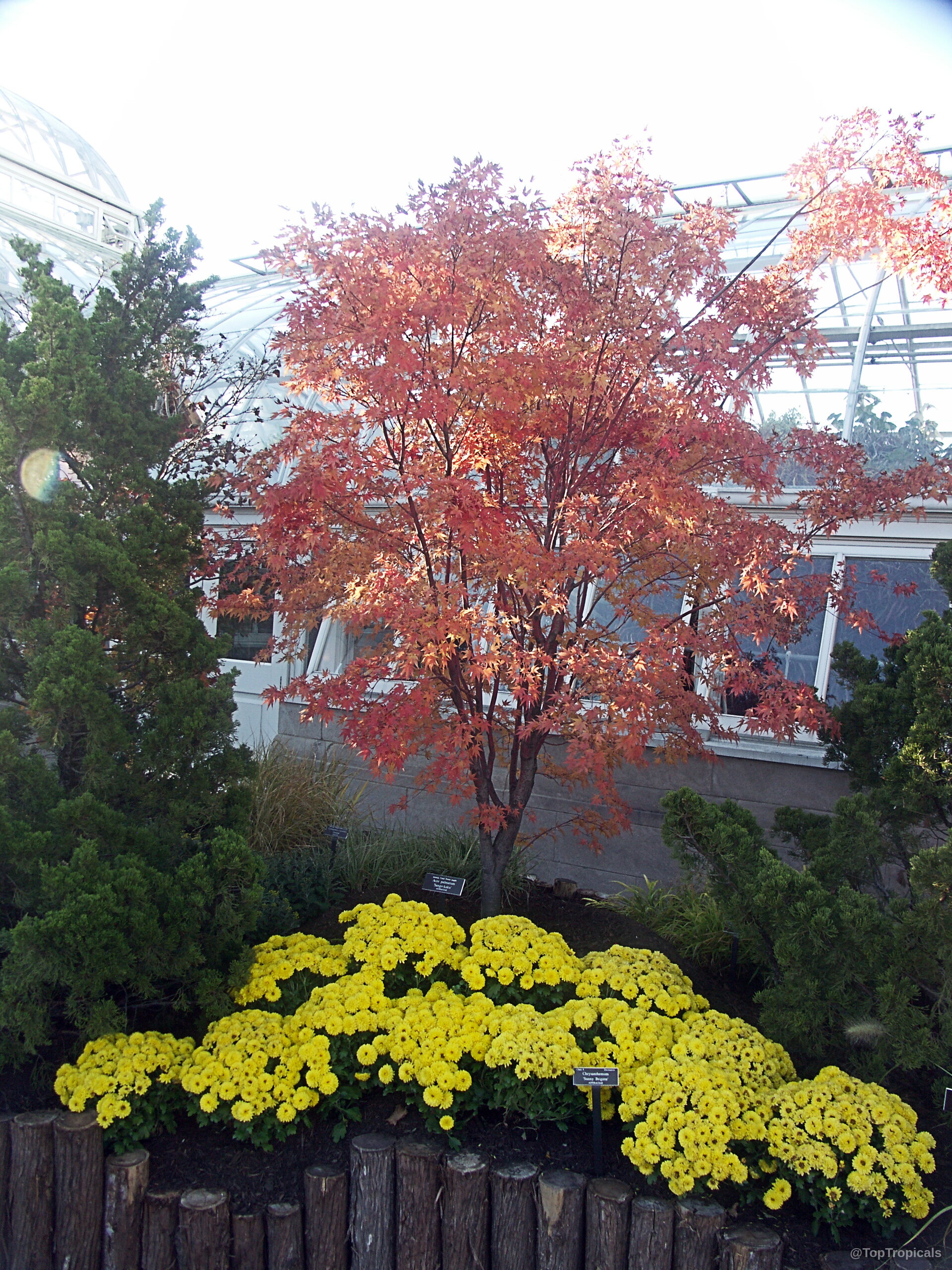
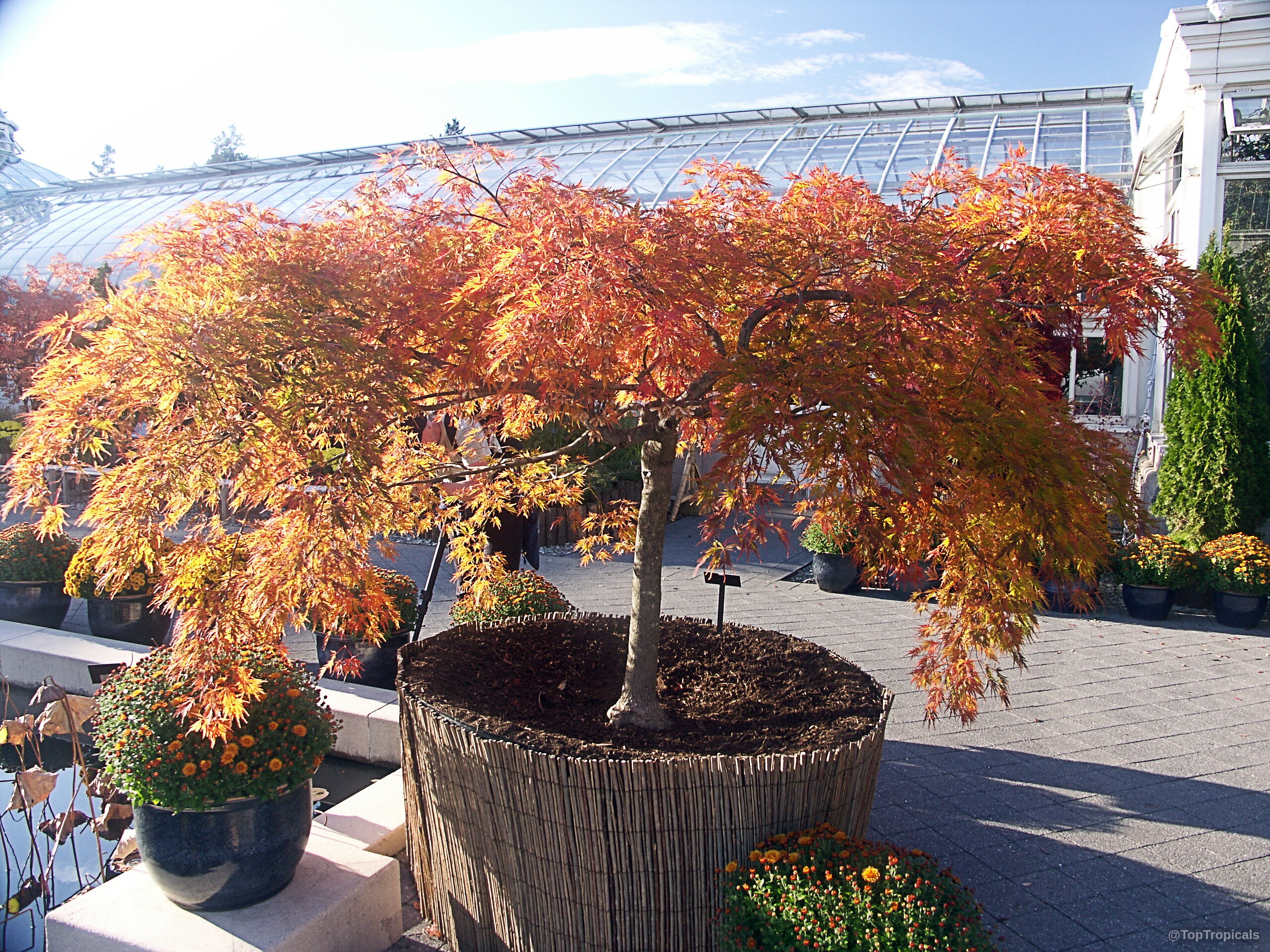
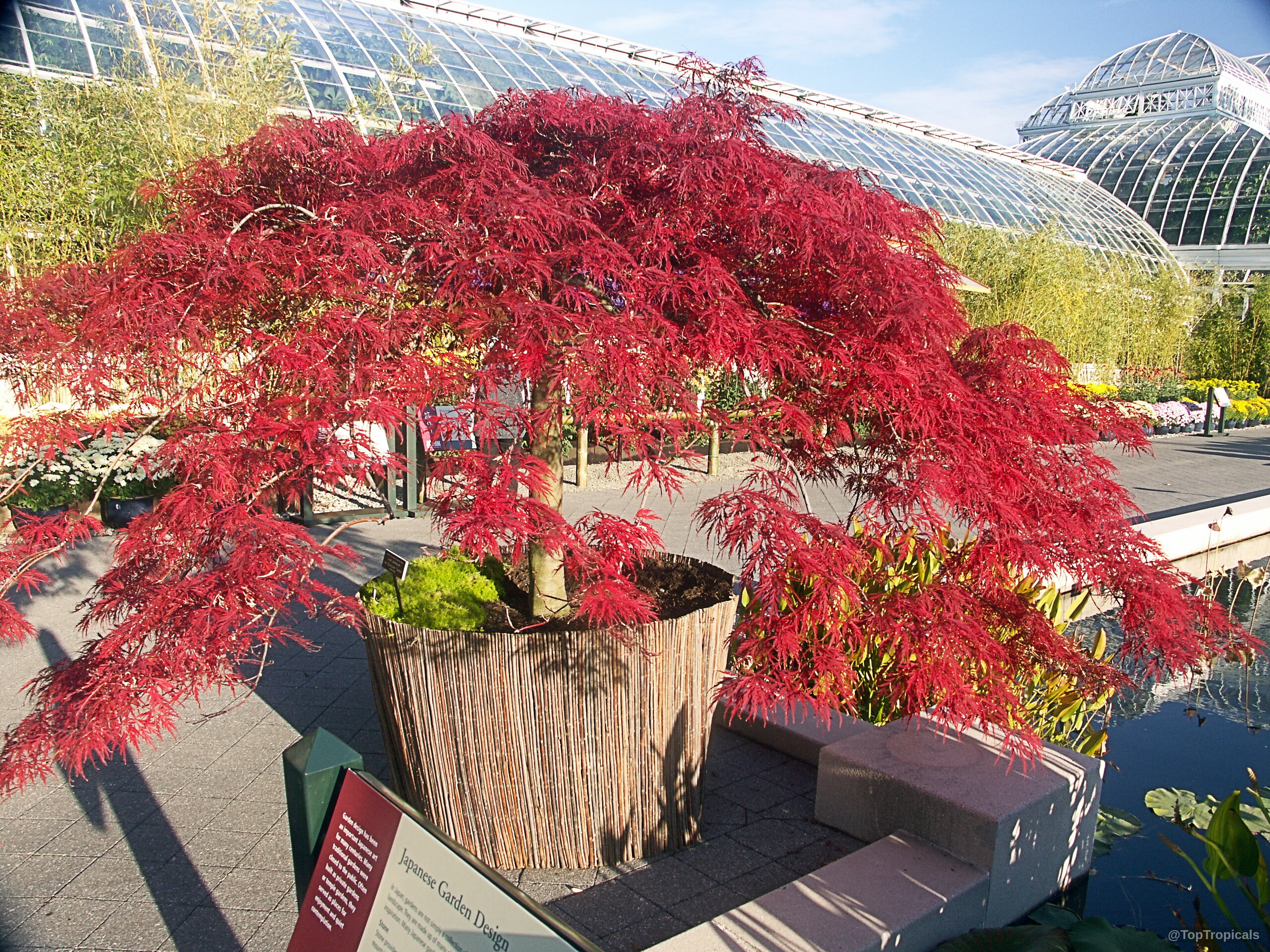
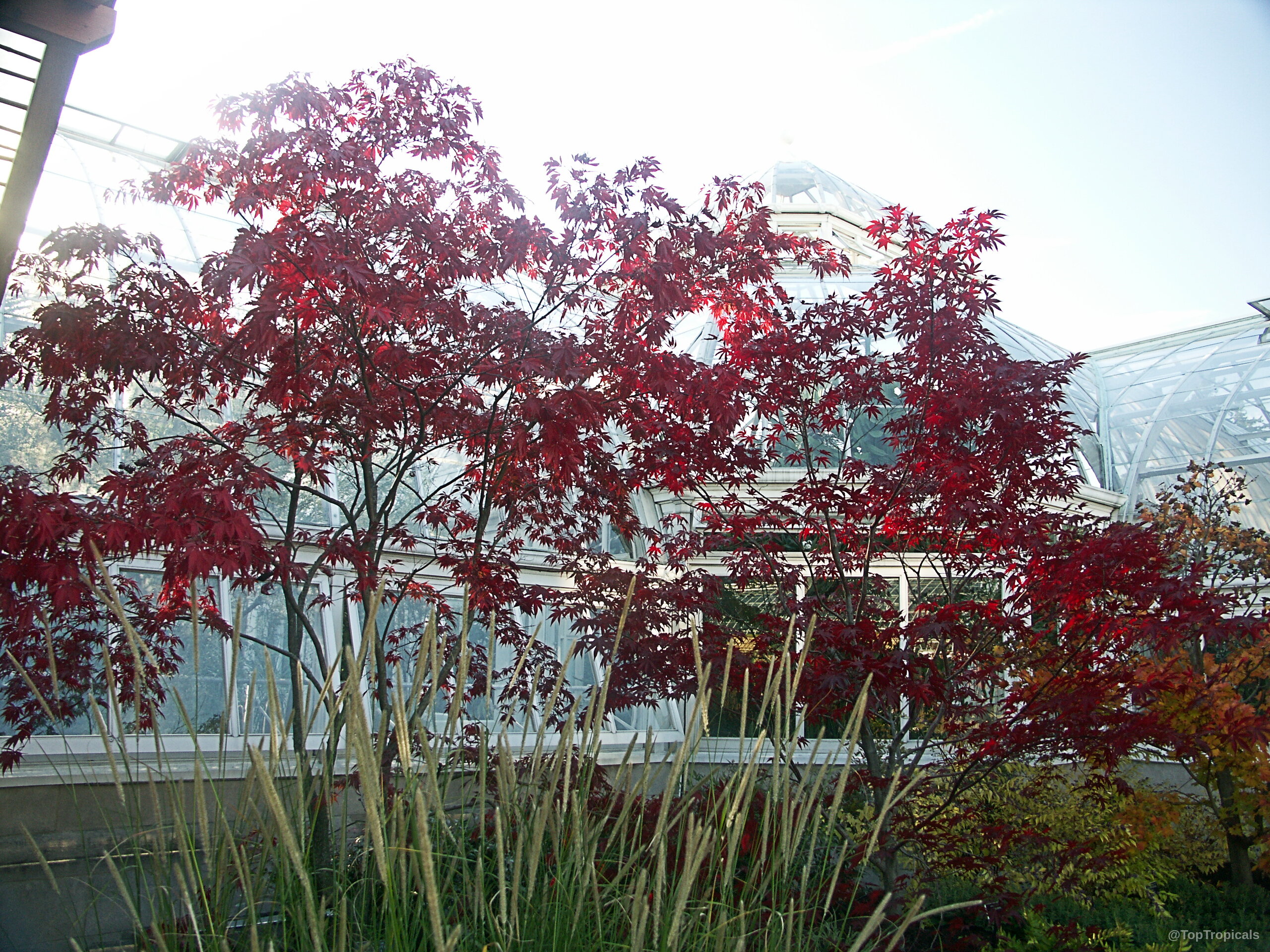
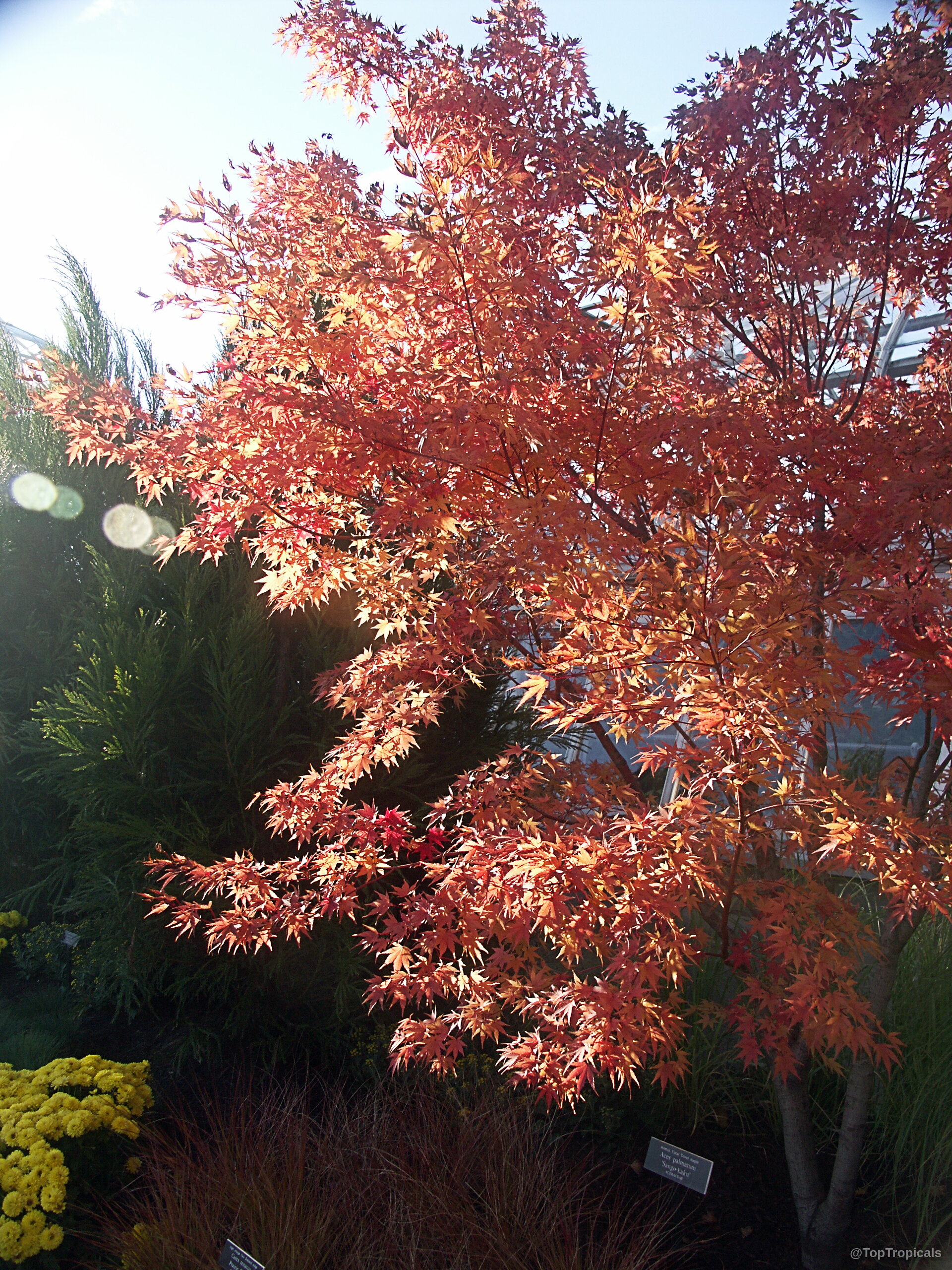
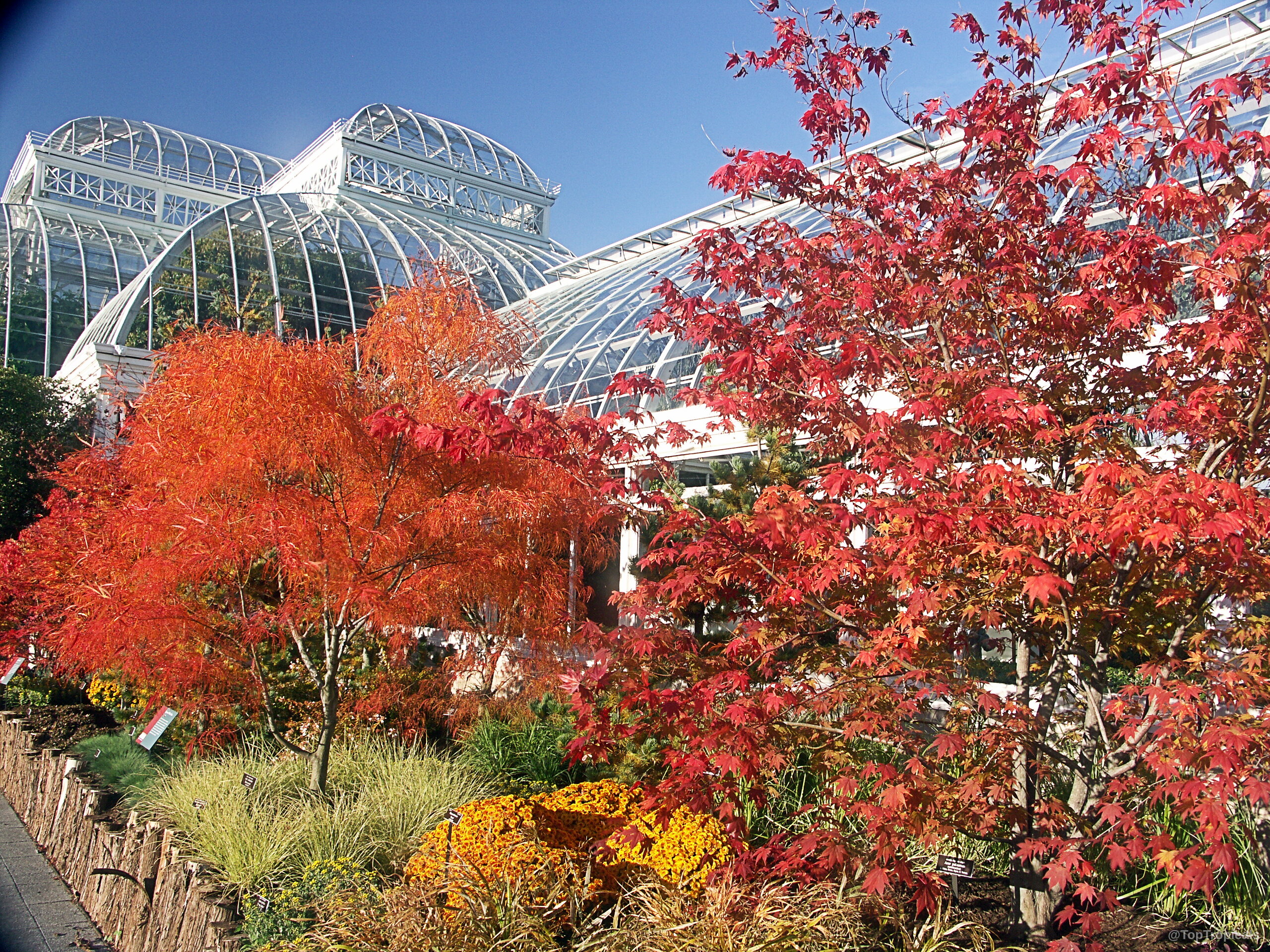
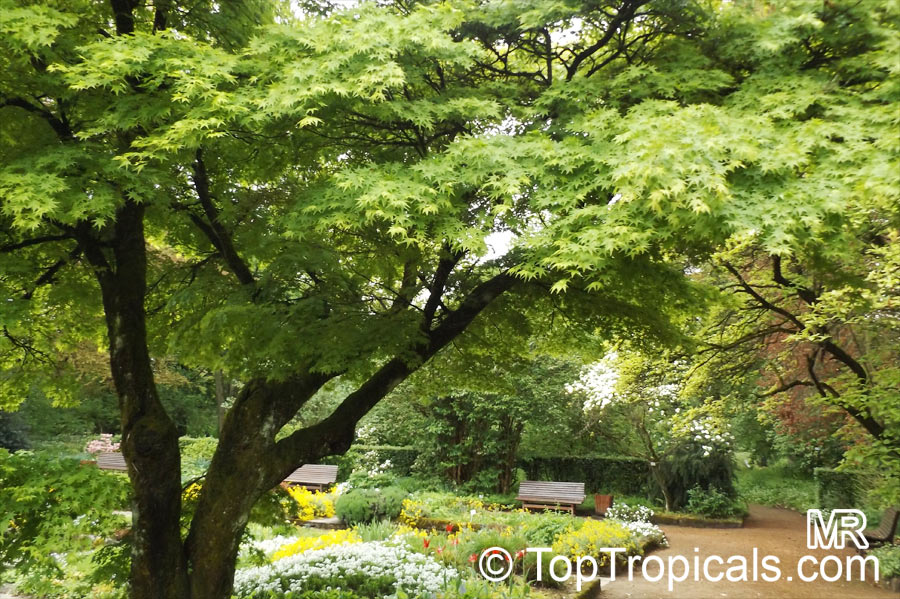
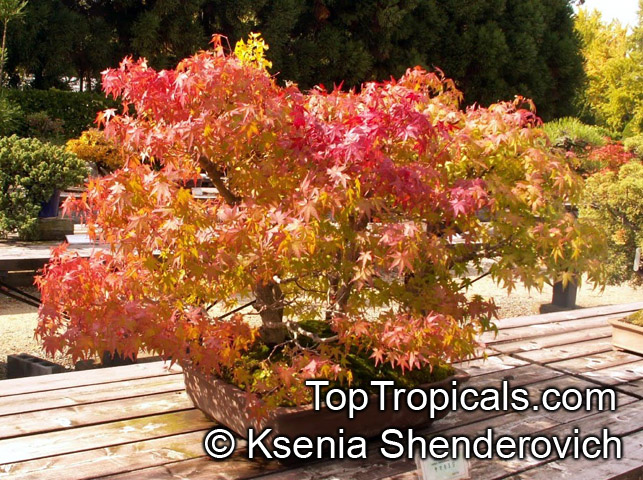
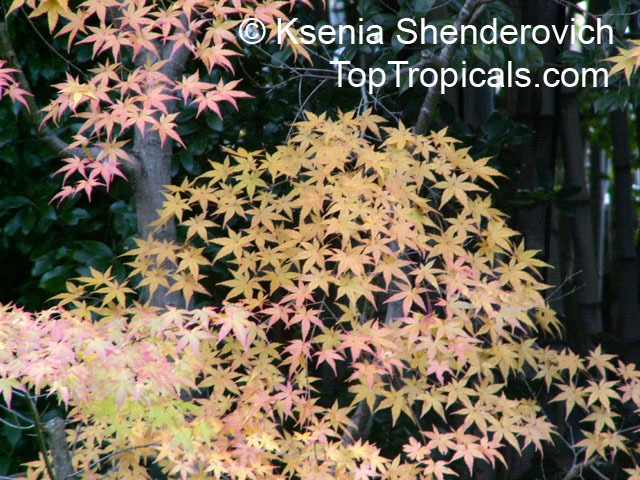
Botanical name: Acer palmatum
Common names: Japanese maple, Palmate maple, Smooth Japanese maple
Family: Sapindaceae
Origin: Japan


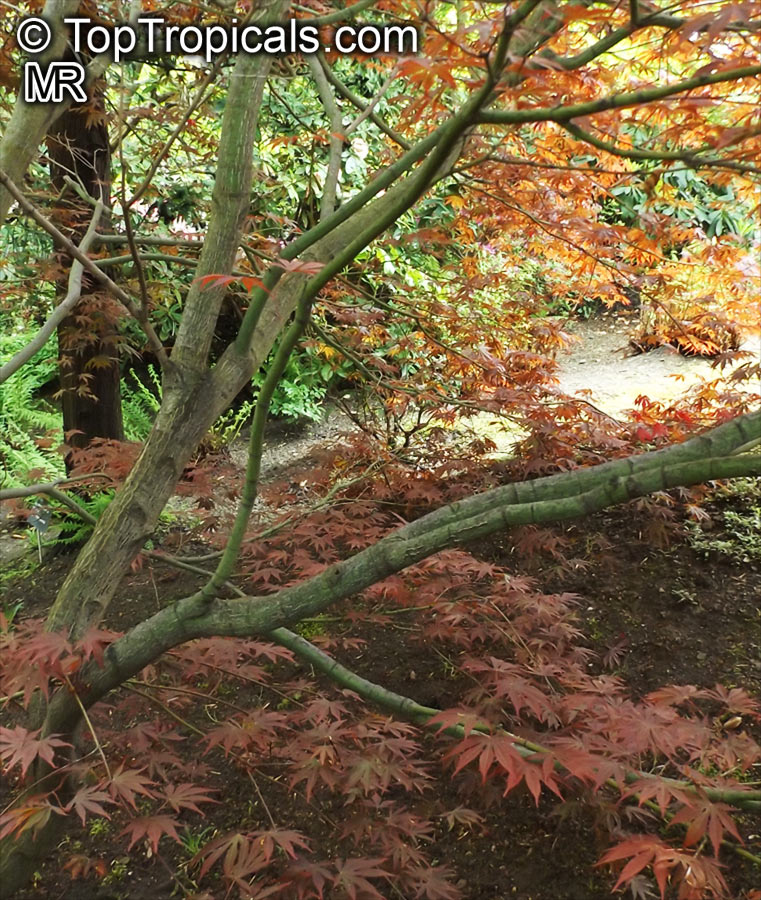
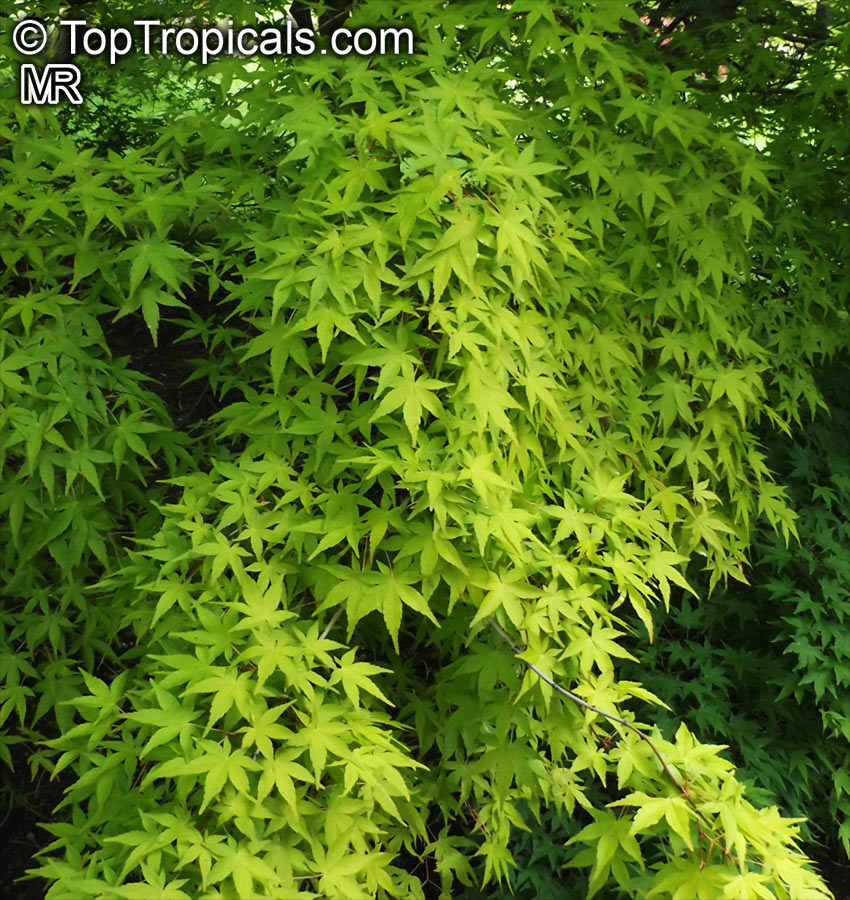
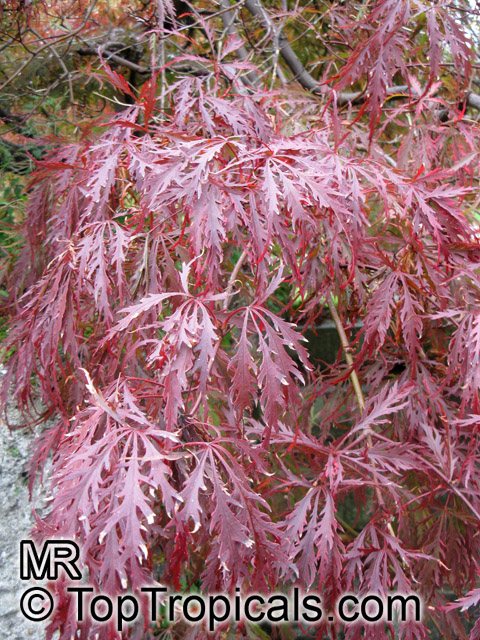
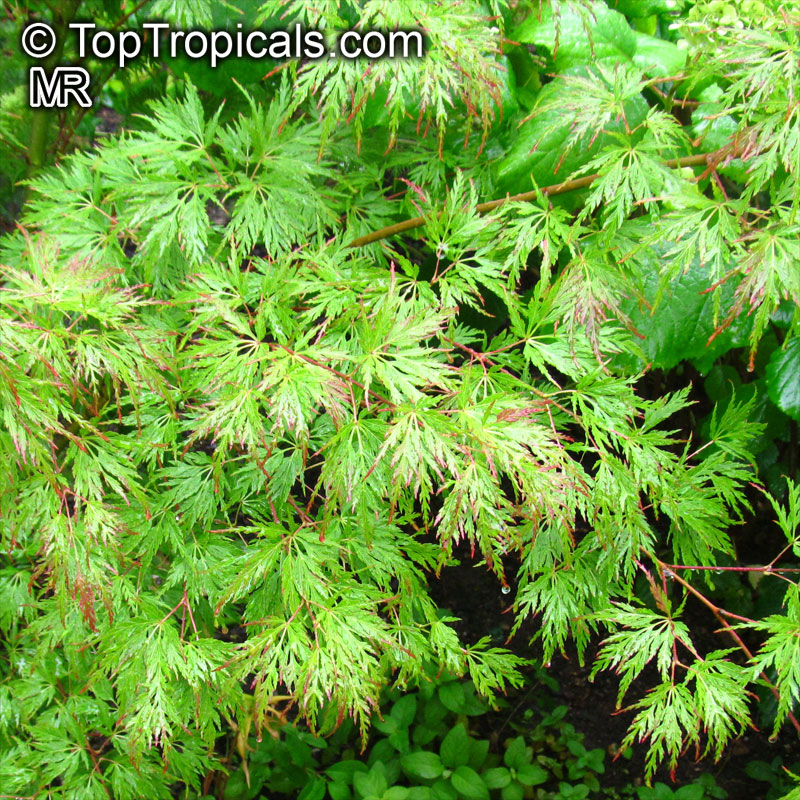
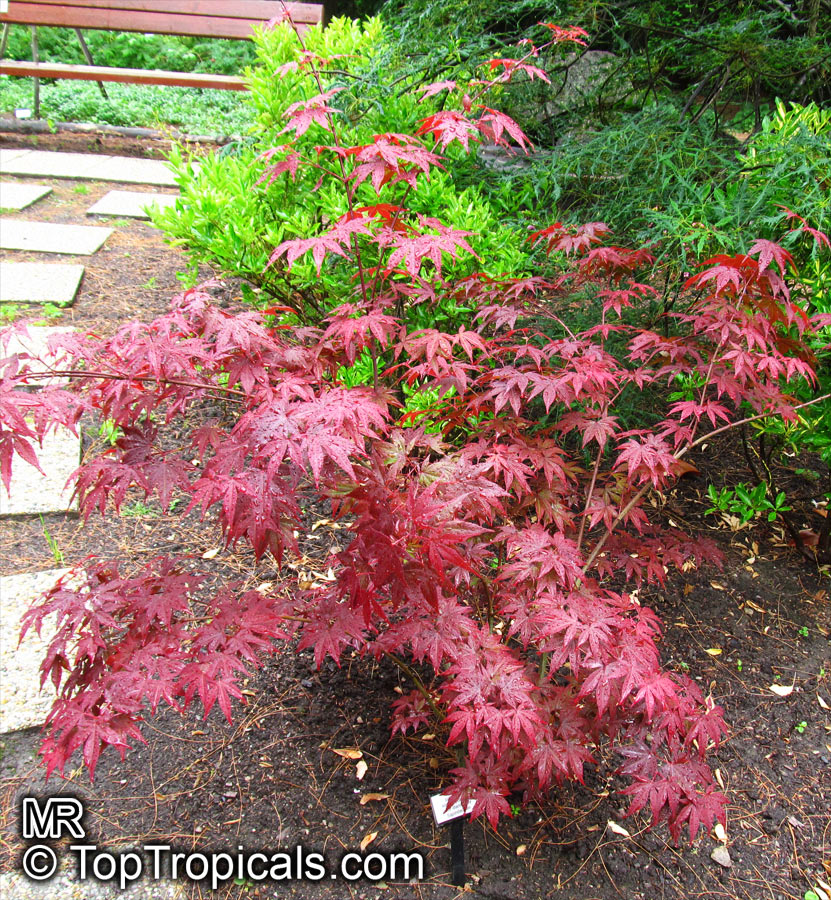
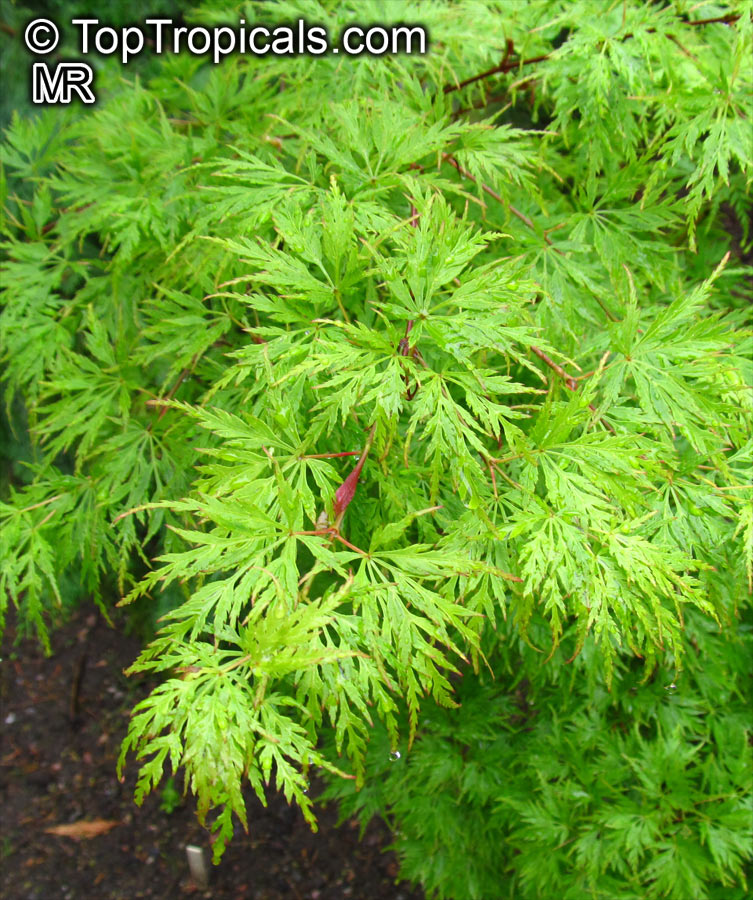
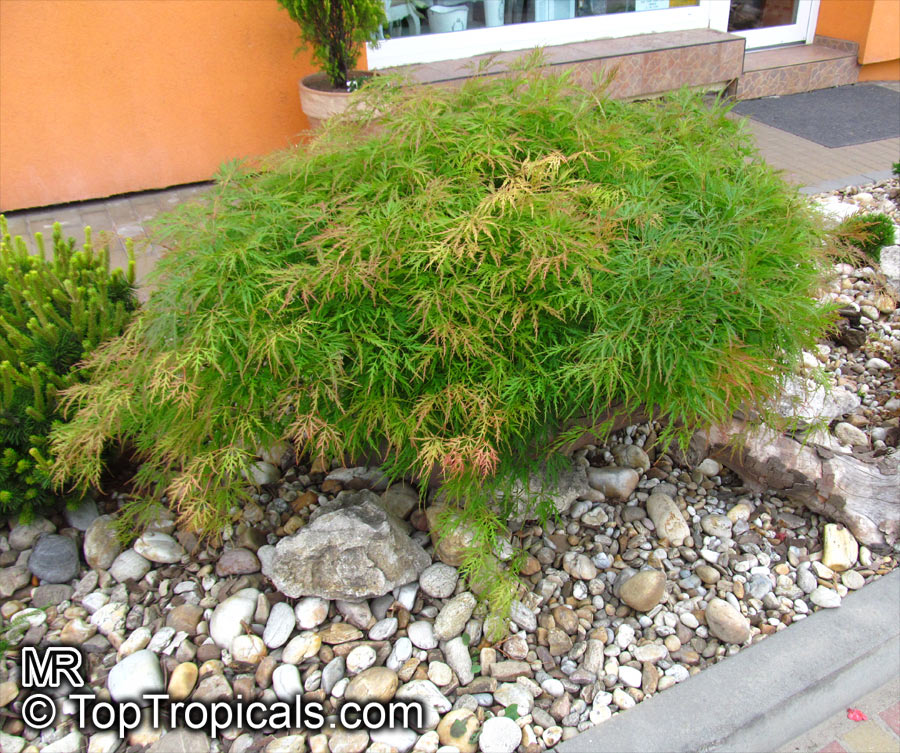
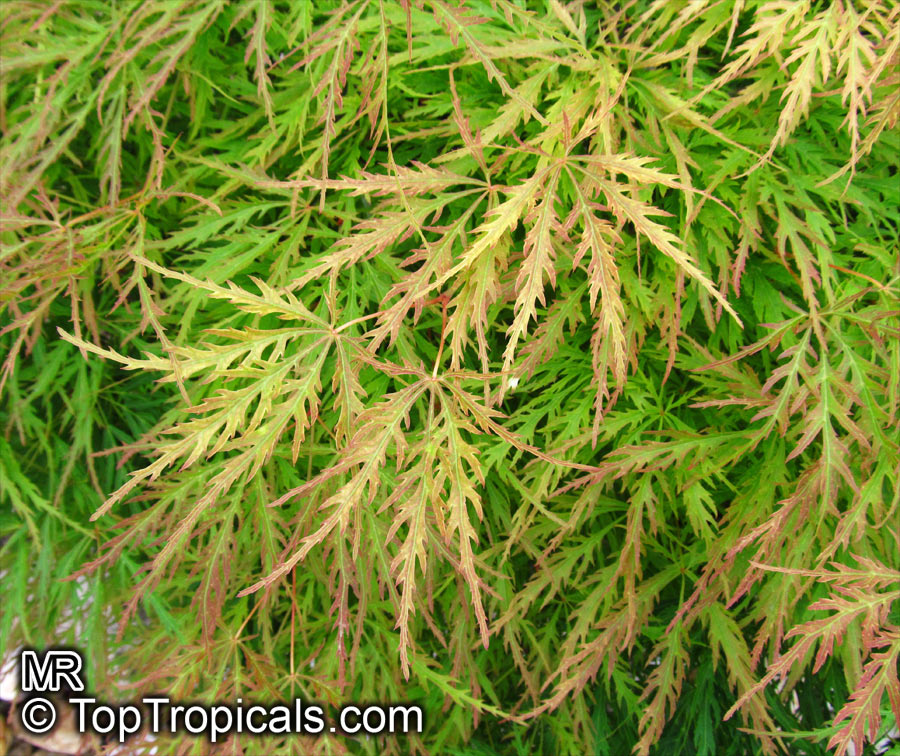
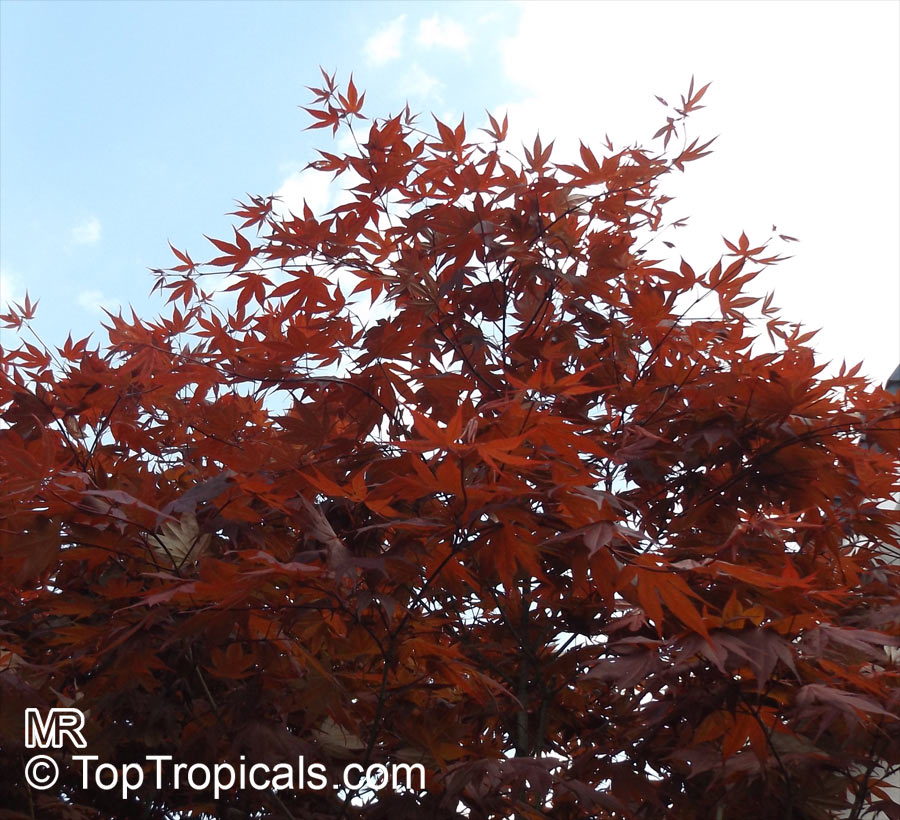
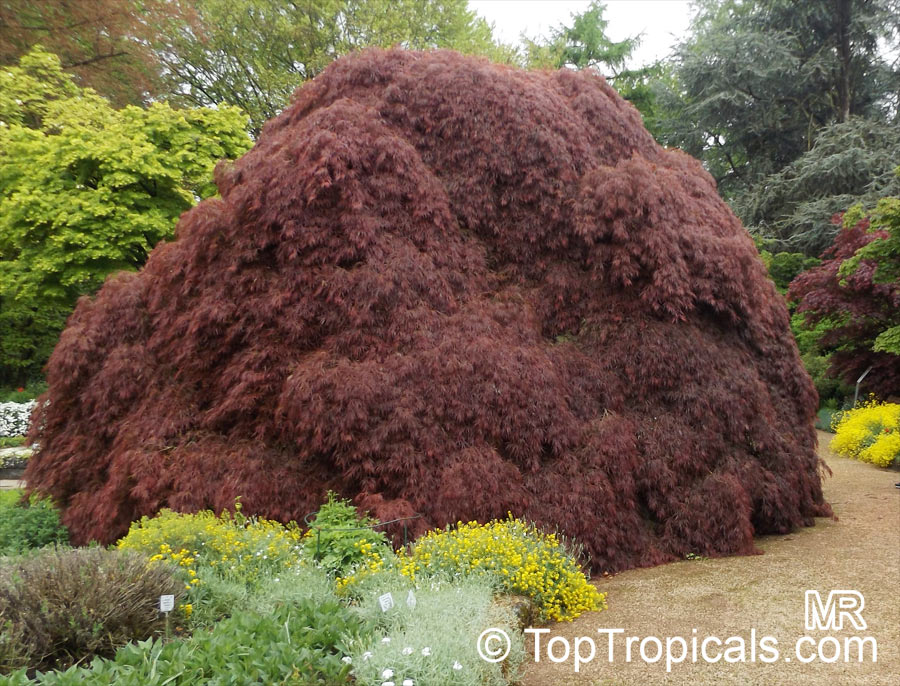
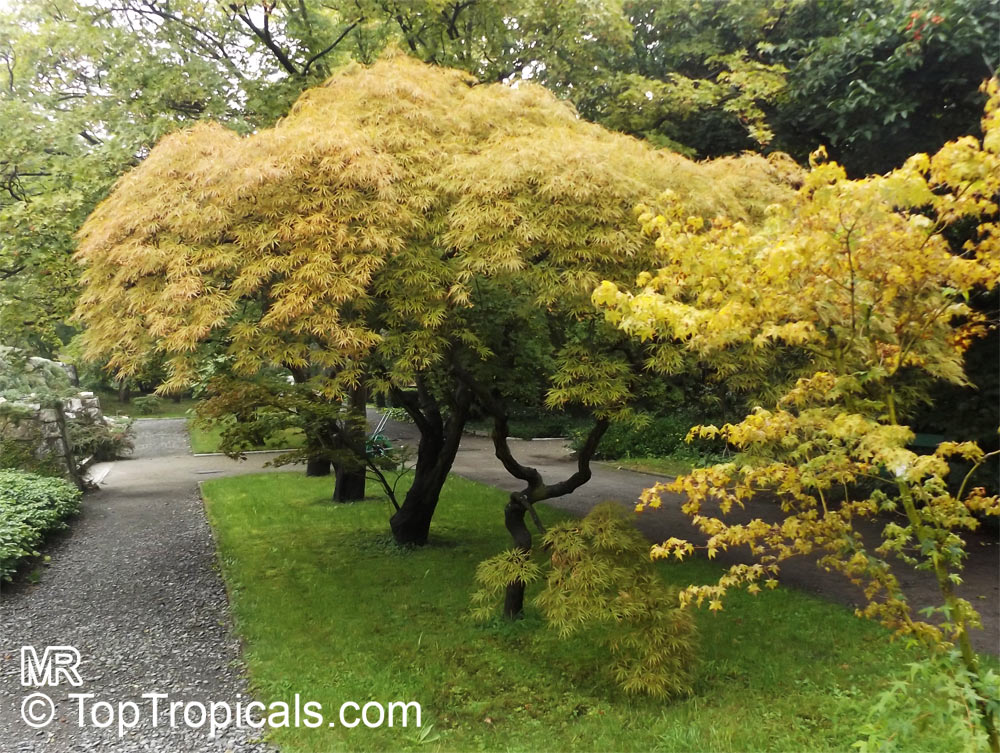
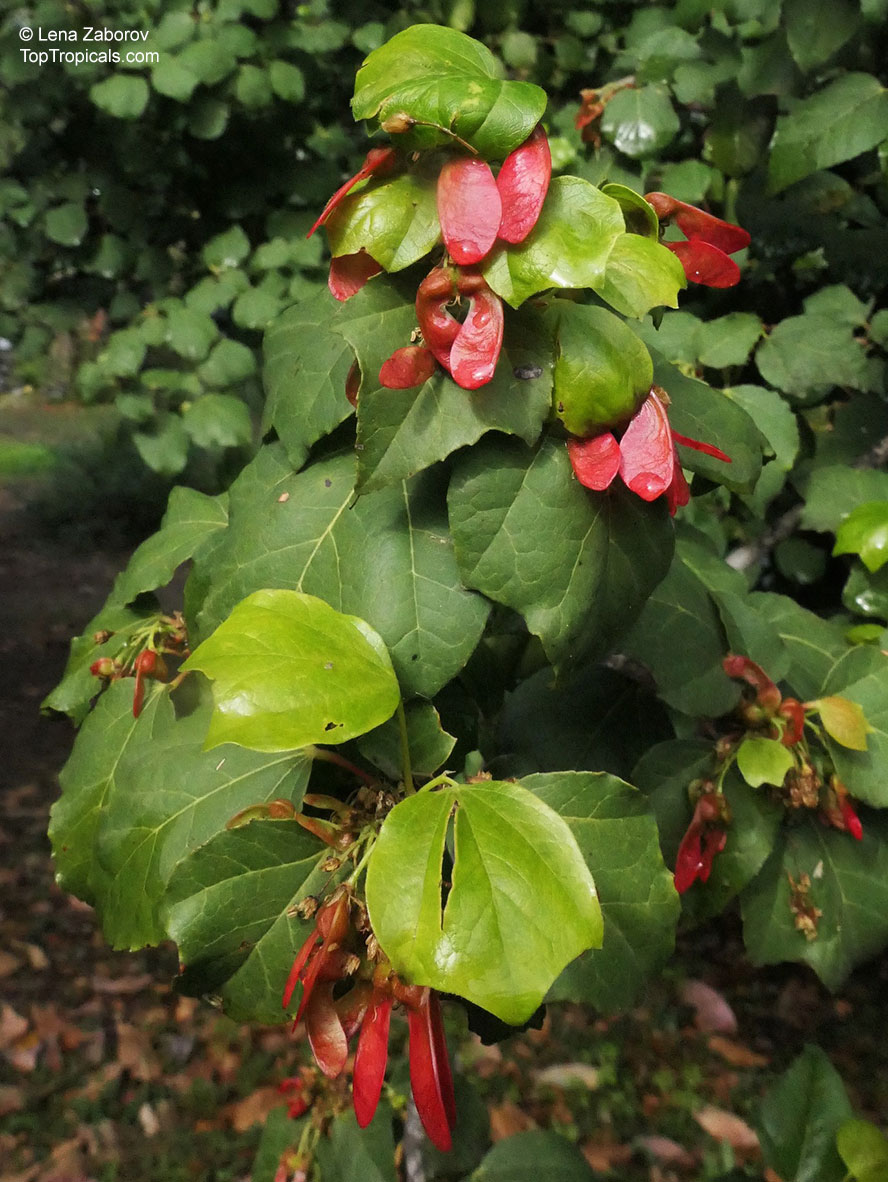
Acer palmatum includes thousands of named cultivars with a variety of forms, colors, leaf types, sizes, and preferred growing conditions. Heights of mature specimens range from 0.5 to 25 m (1.5 to 82 ft), depending on type.
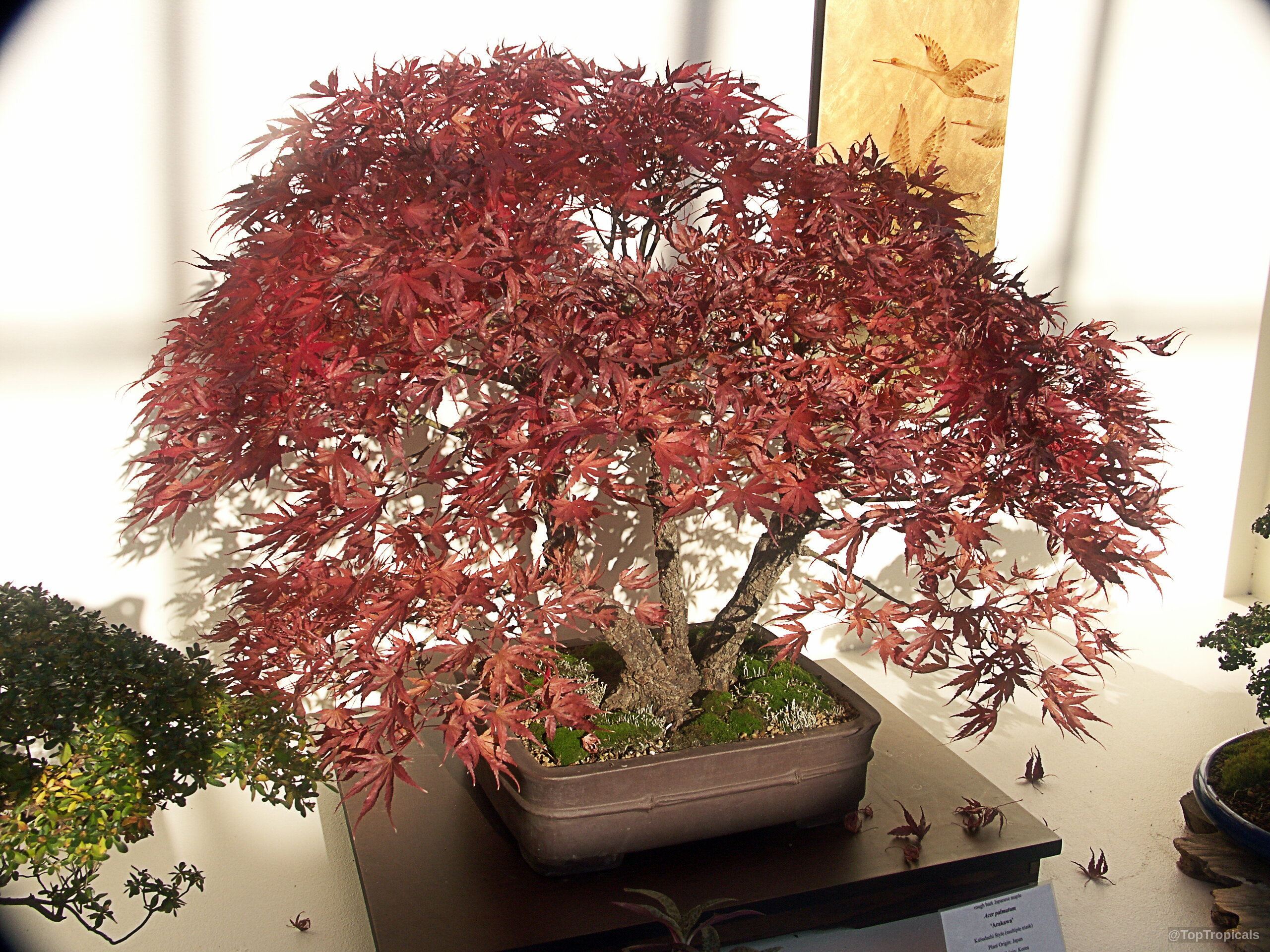
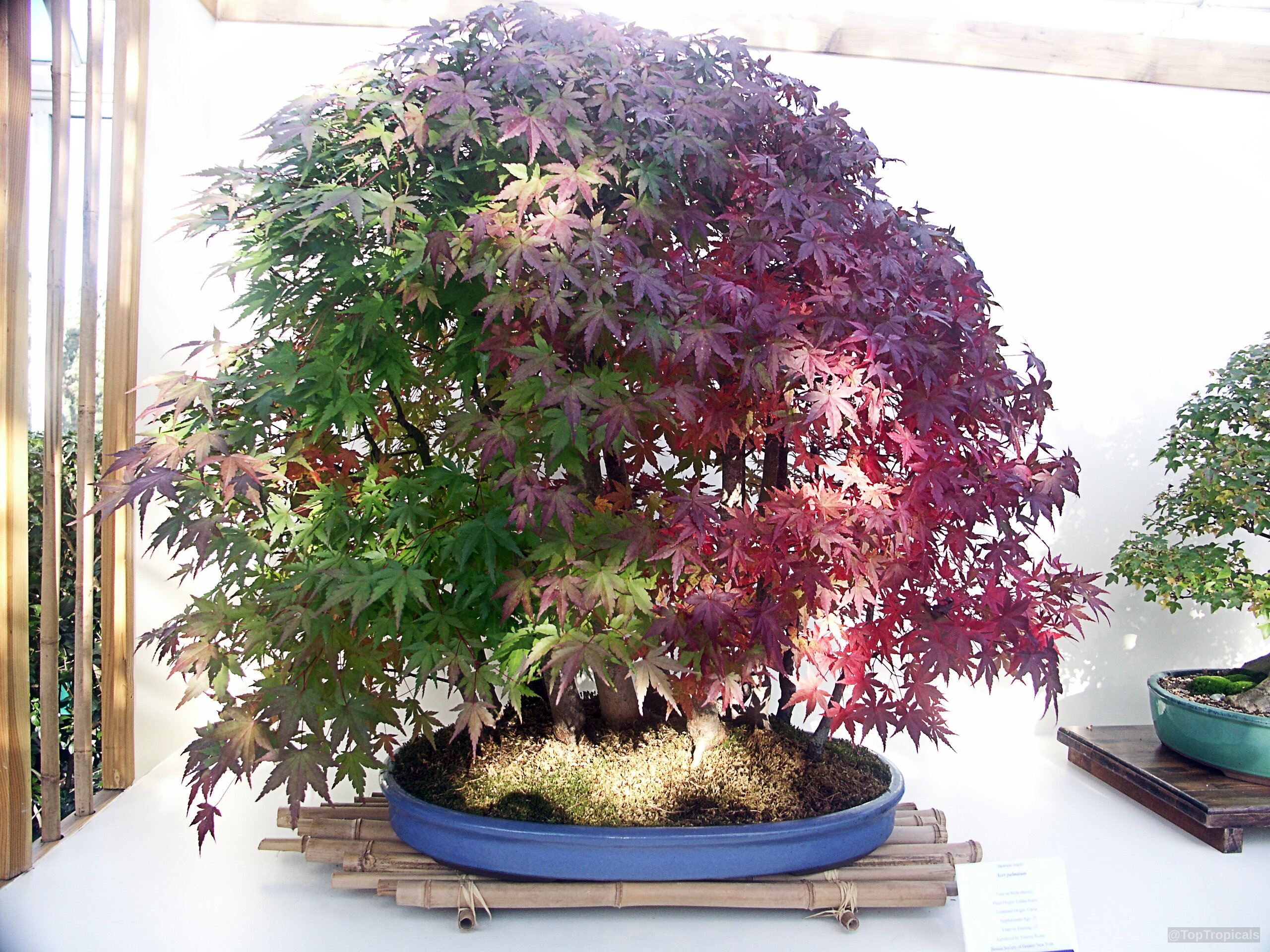
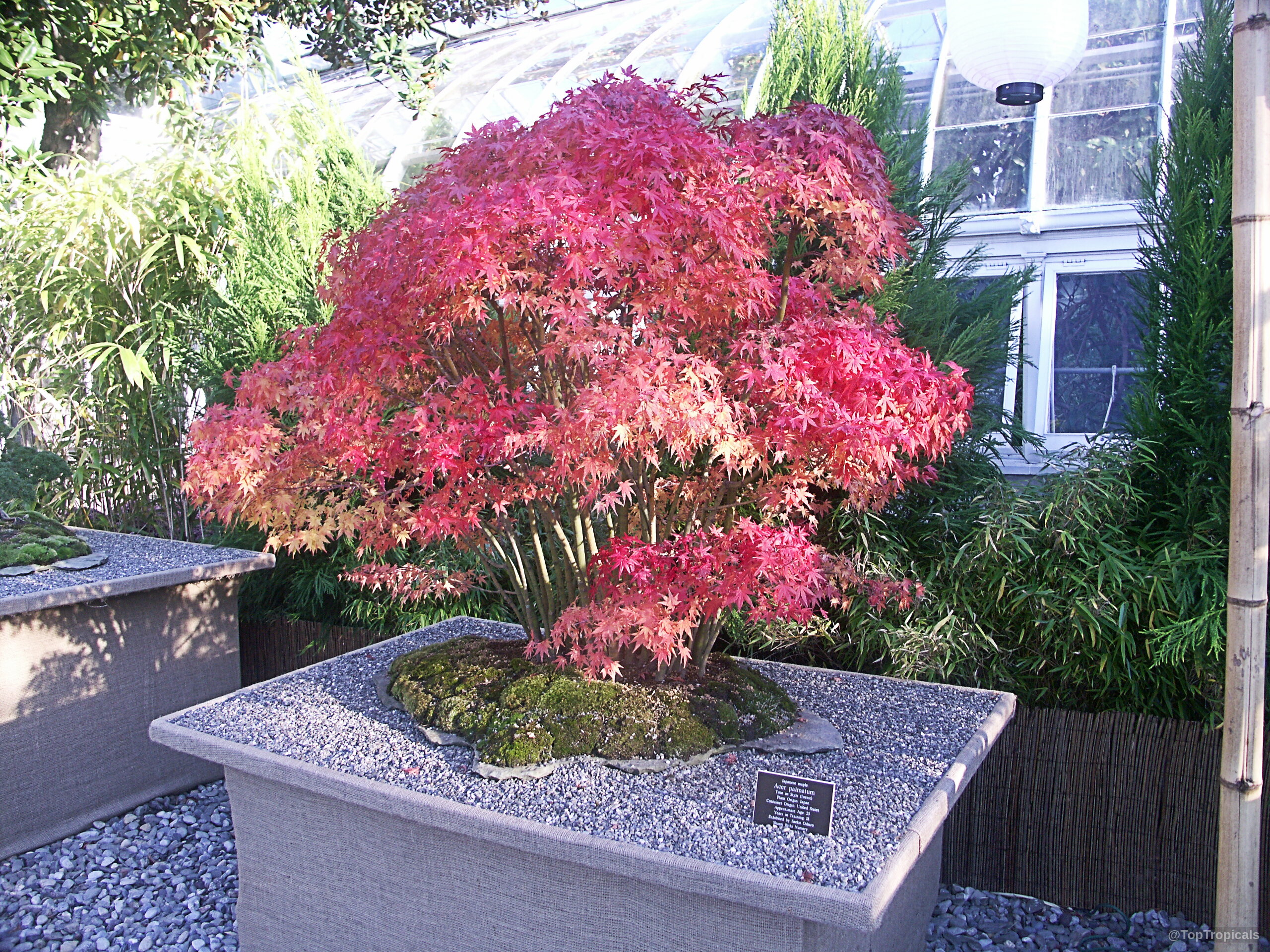
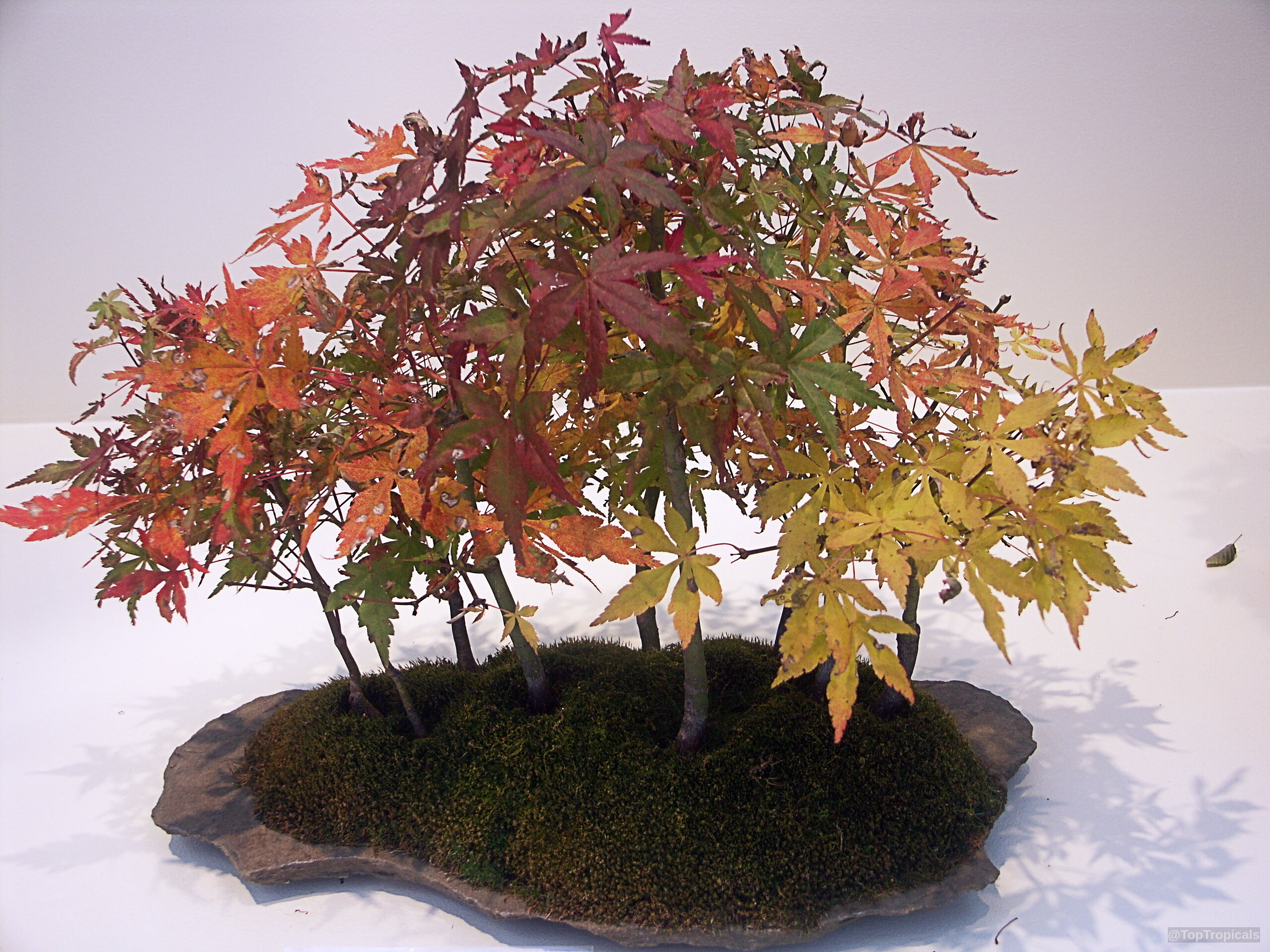
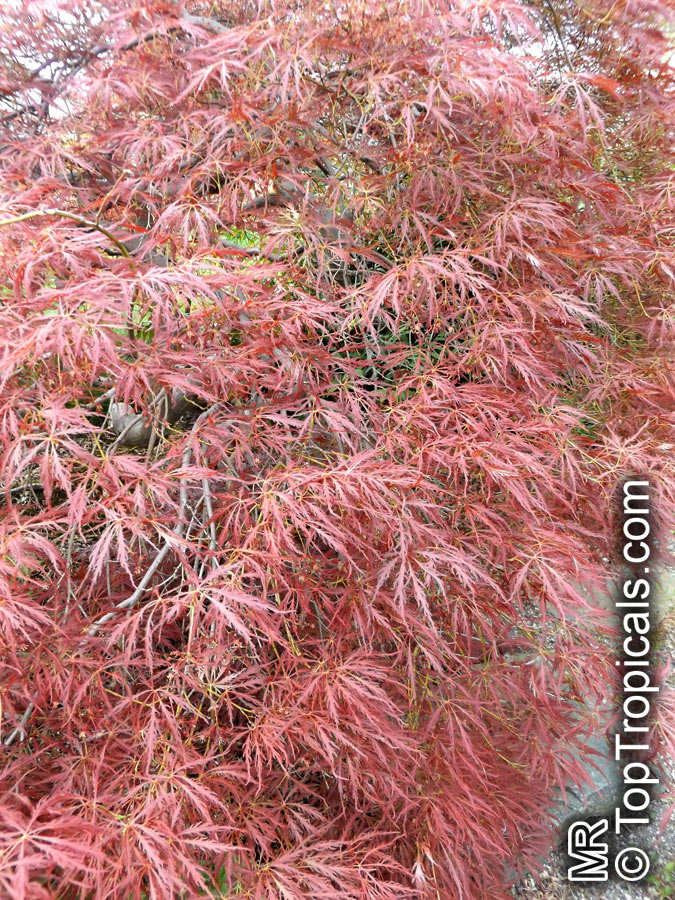
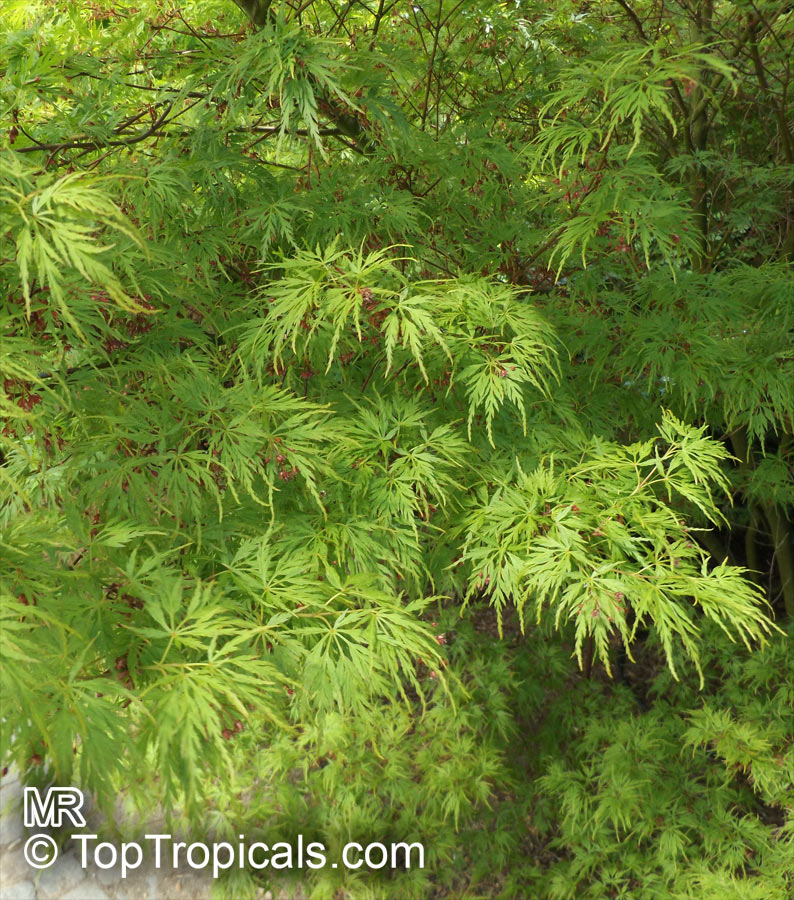
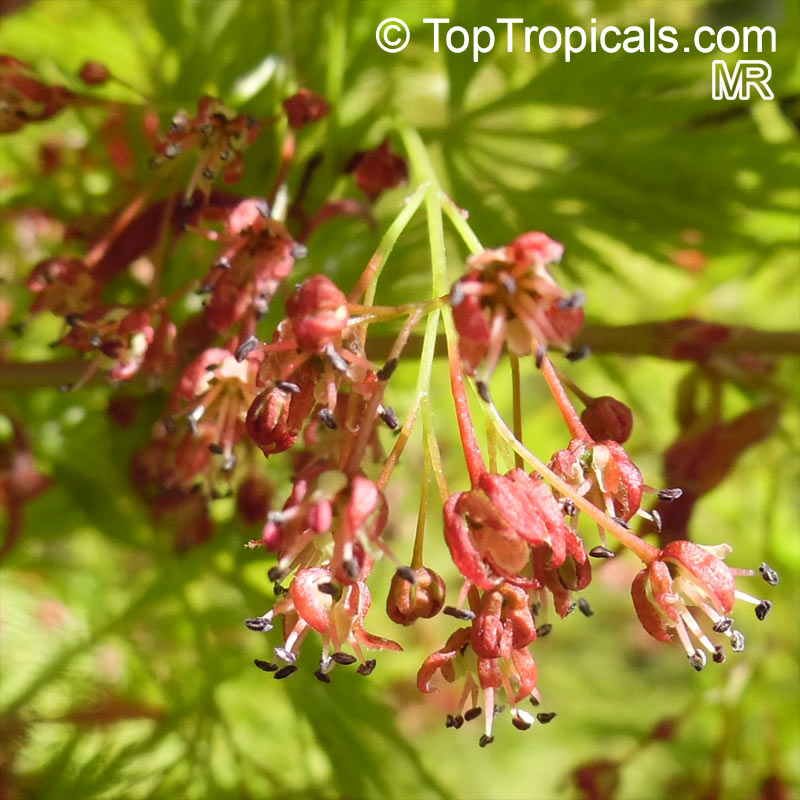
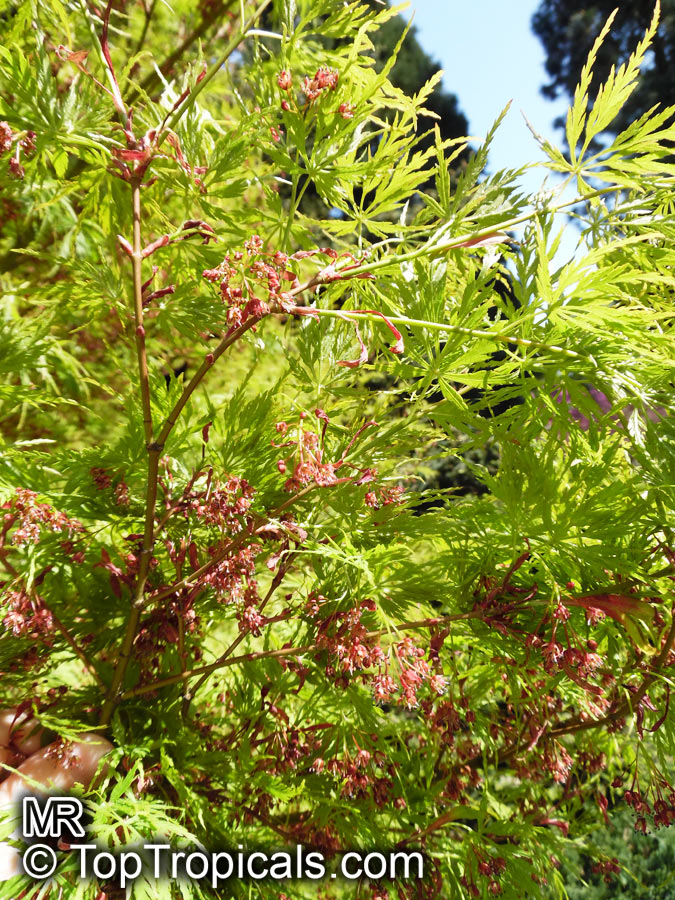
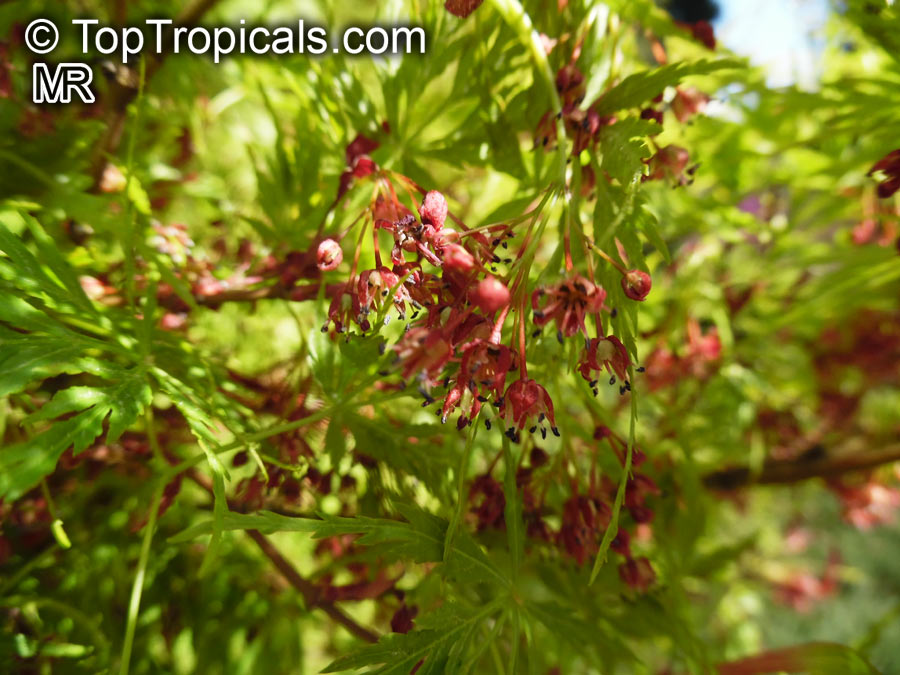
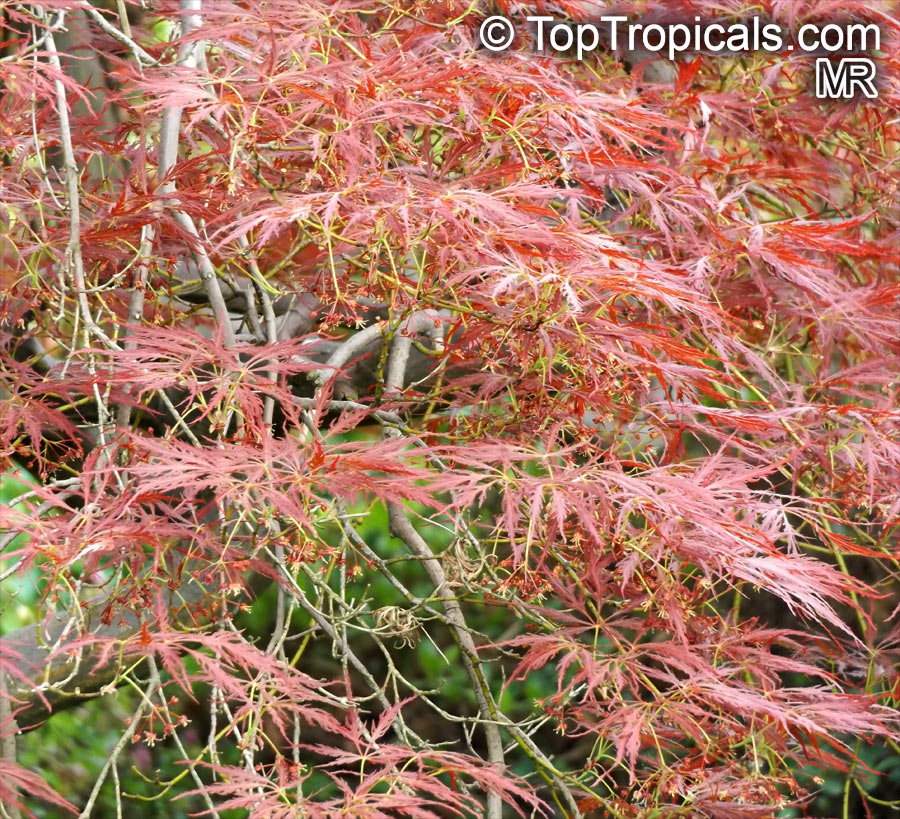
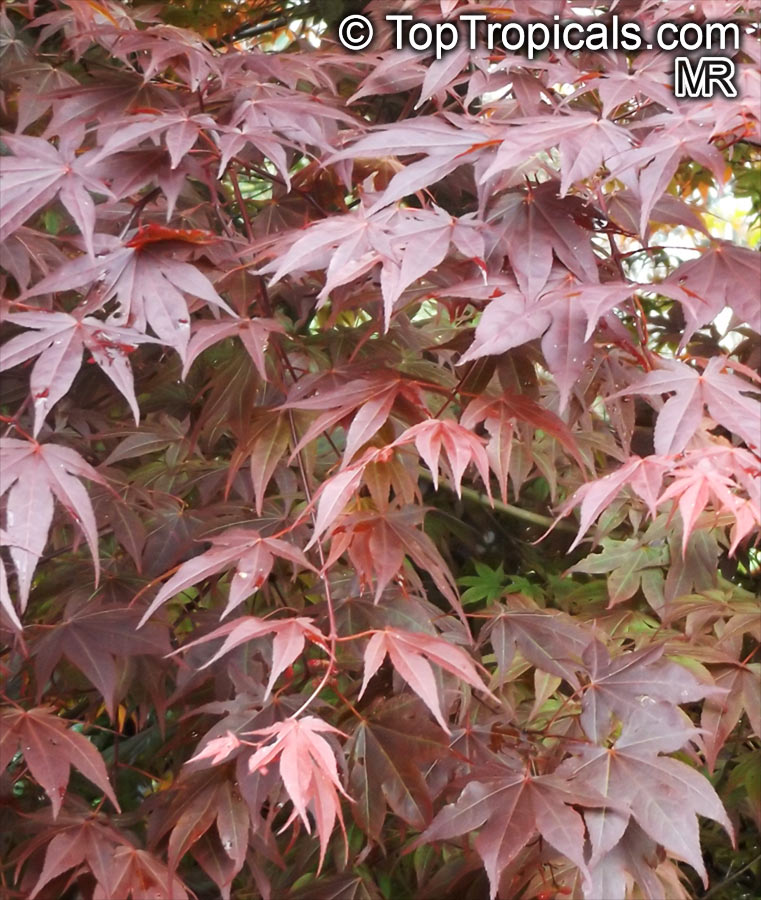

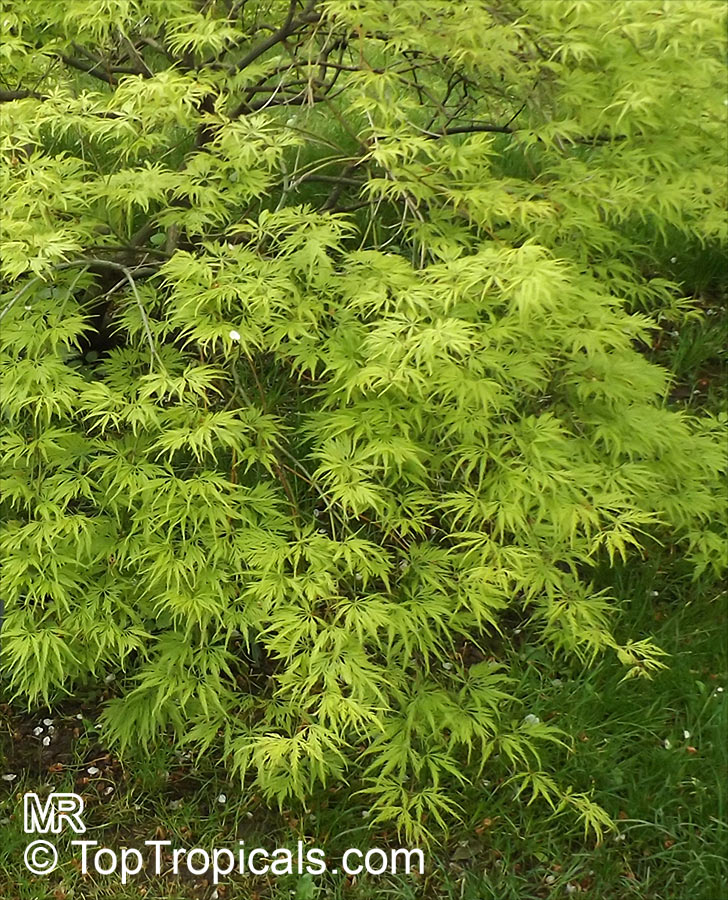
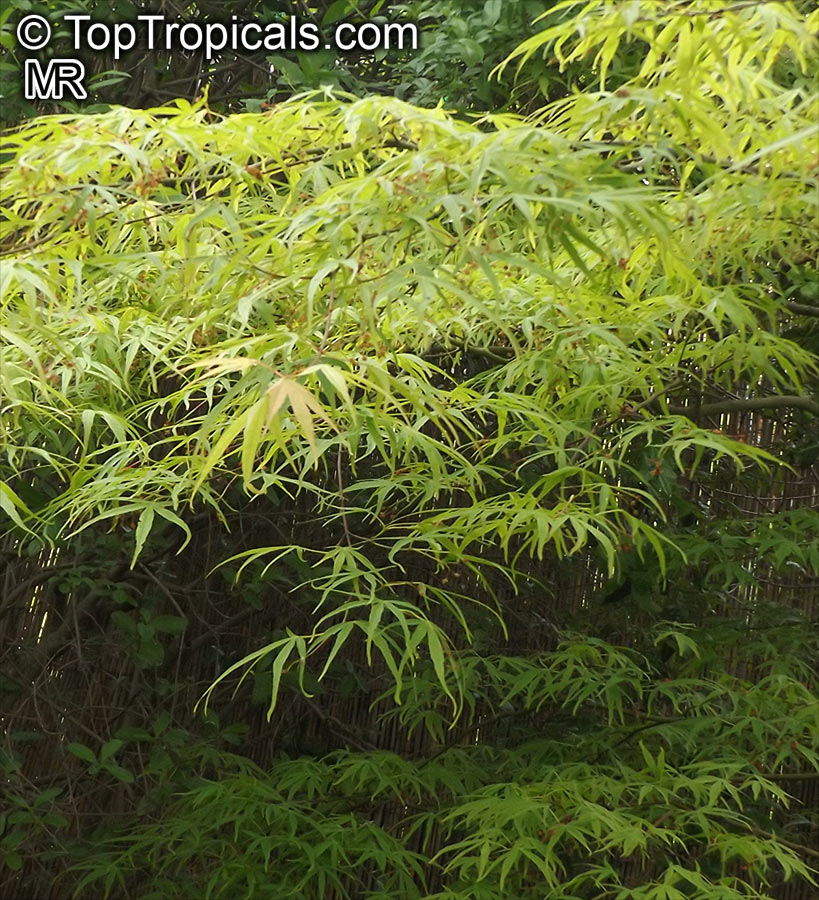
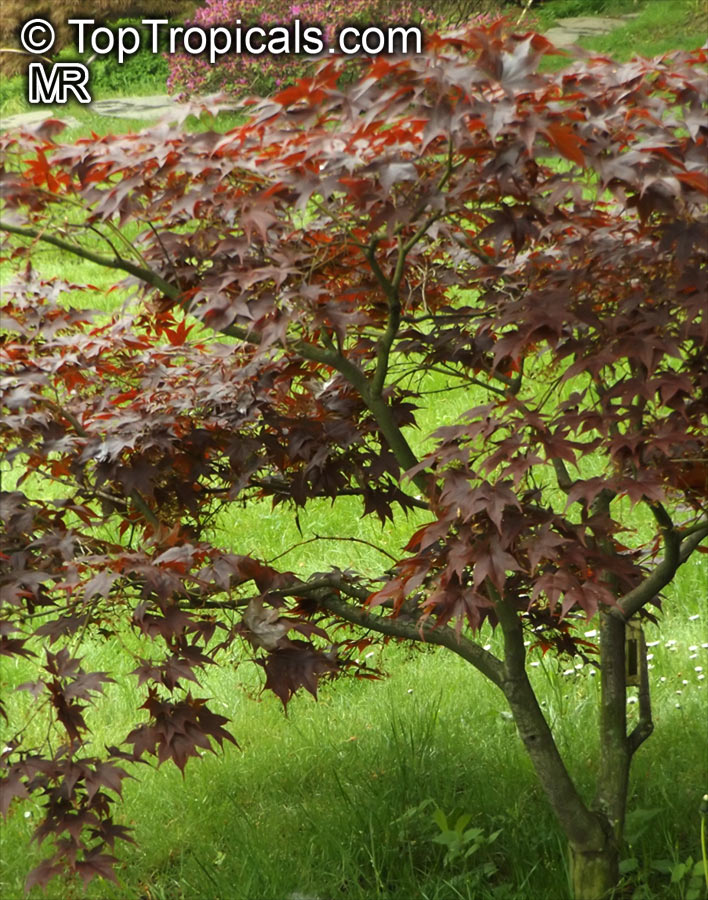

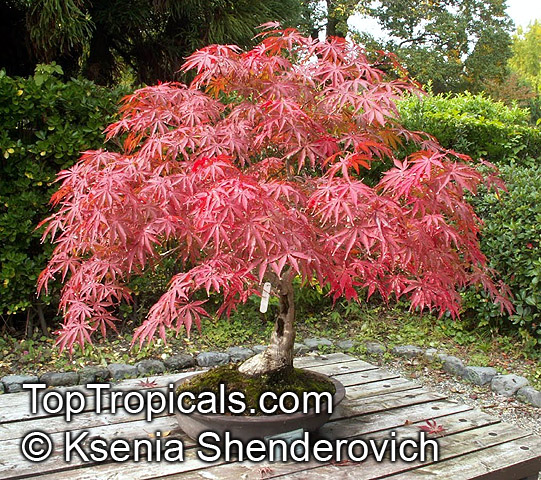
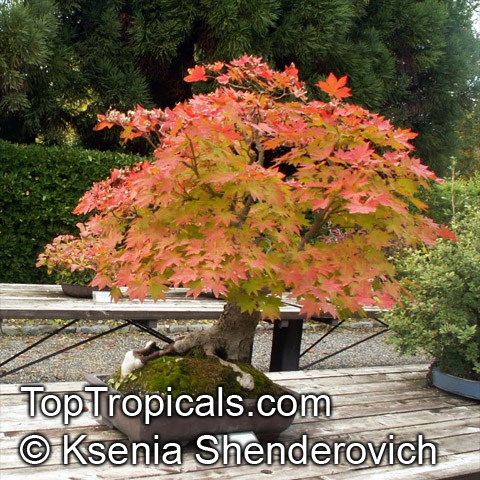
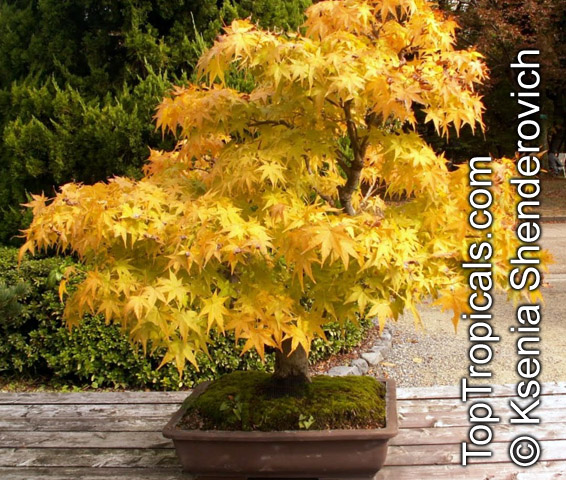
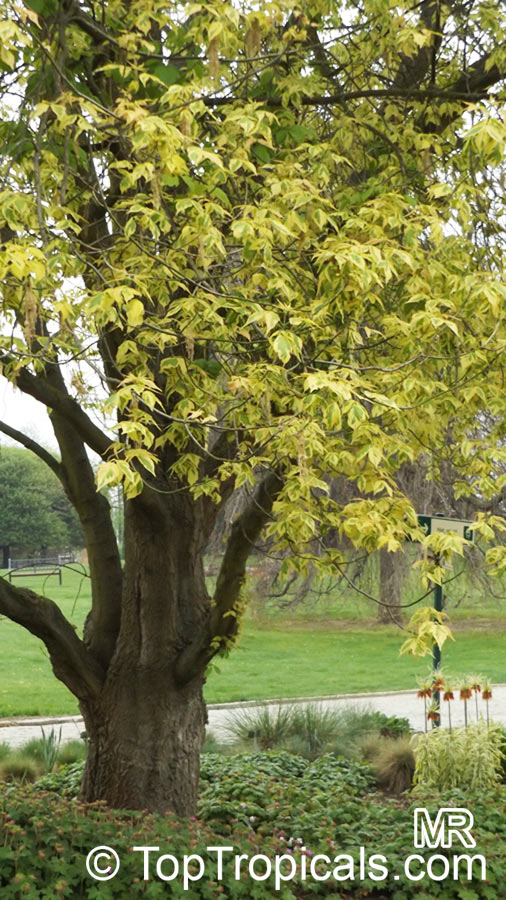
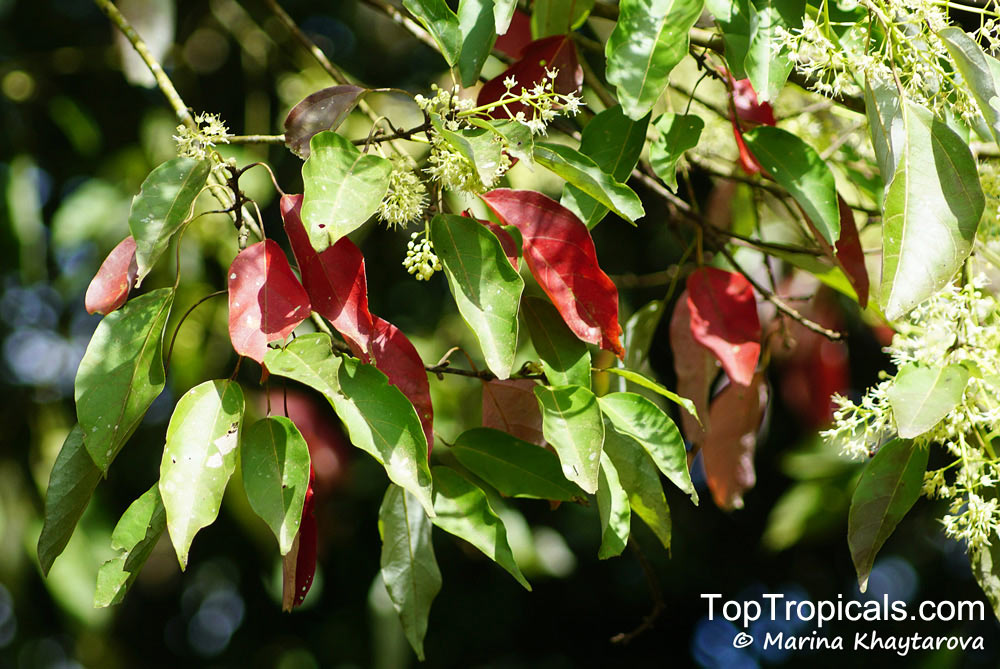
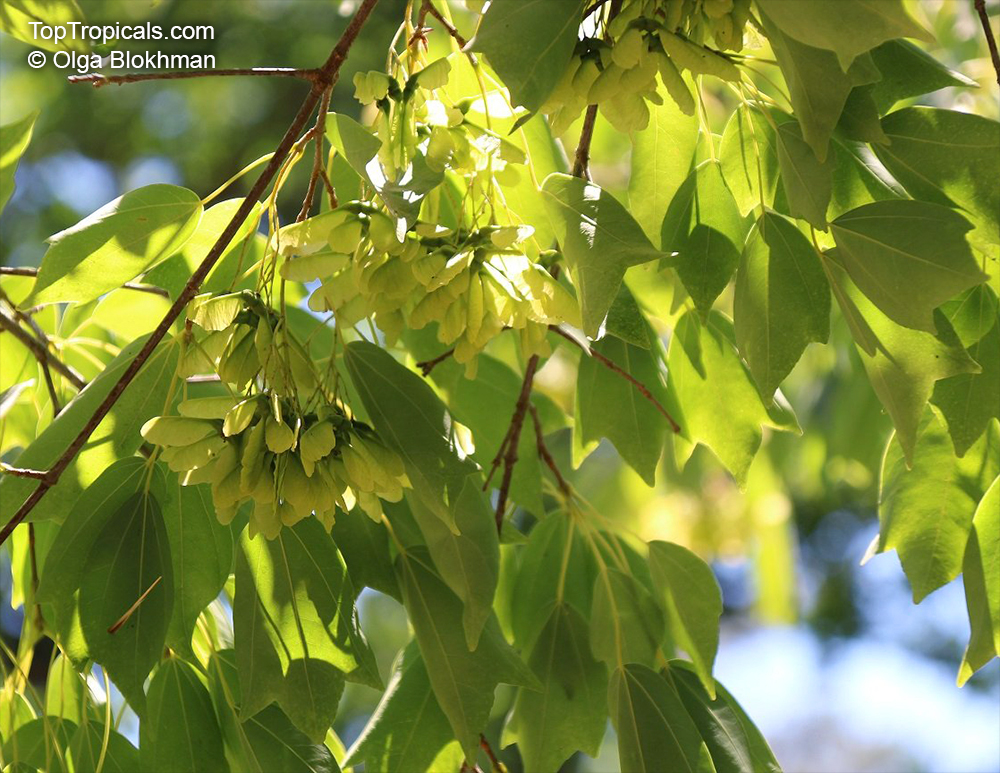
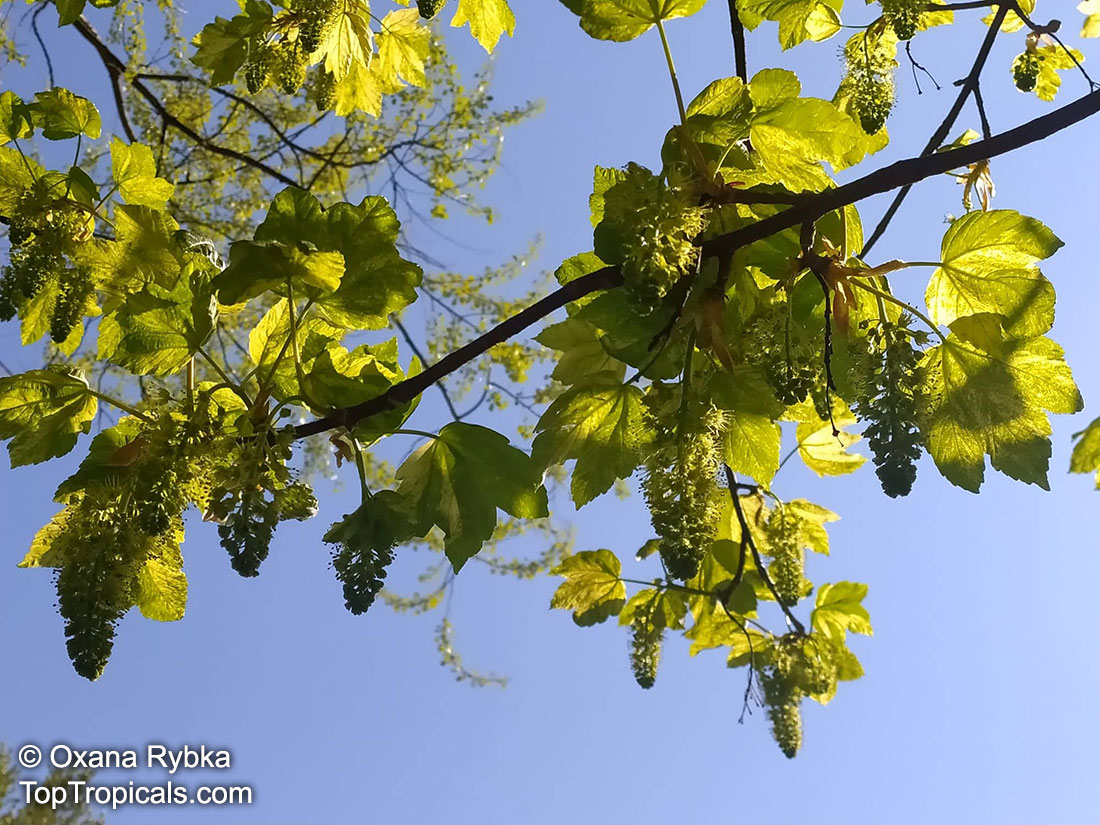
Botanical name: Acer sp.
Common names: Red Maple, Soft Maple
Family: Sapindaceae

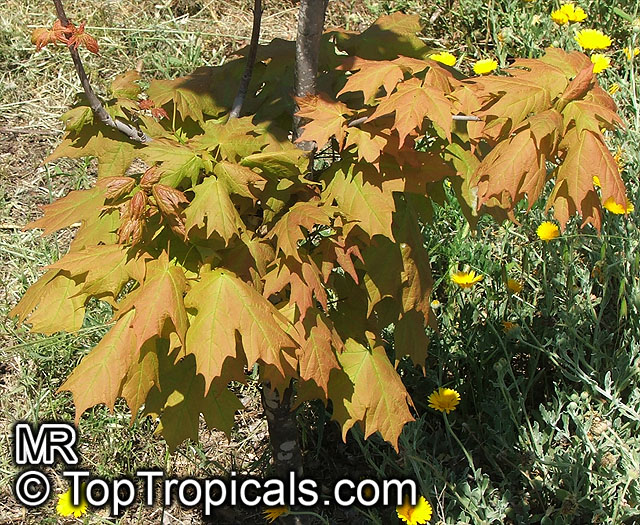
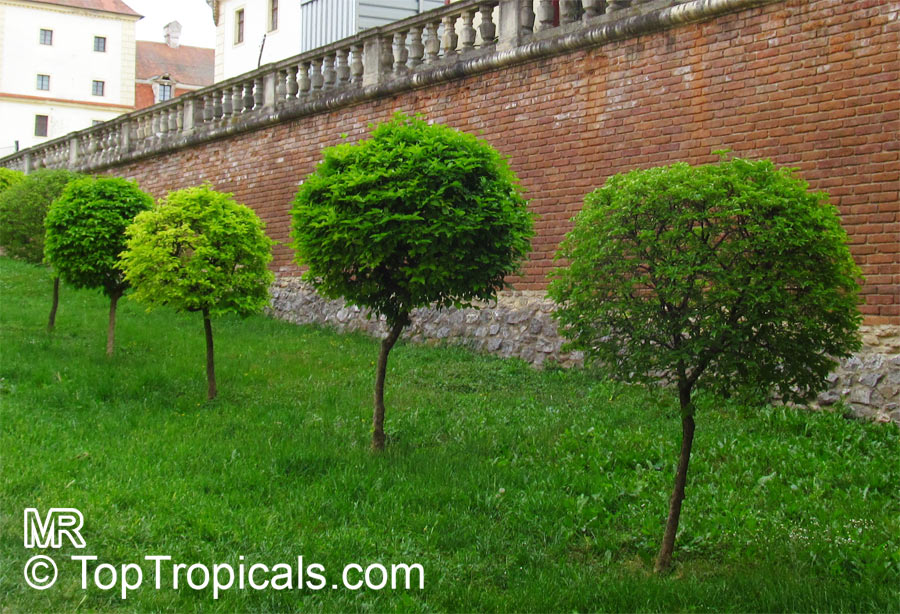
Maple is a widespread deciduous tree popular in eastern North America.
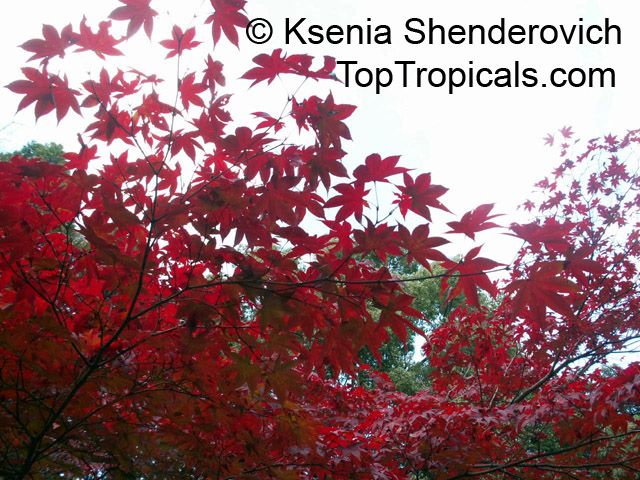
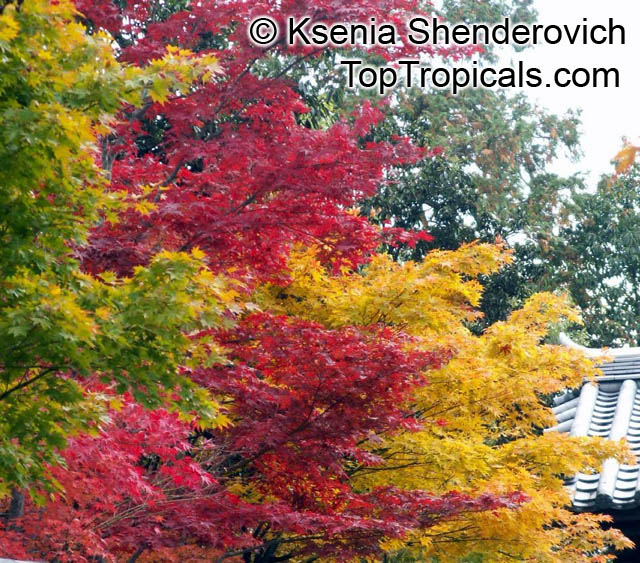
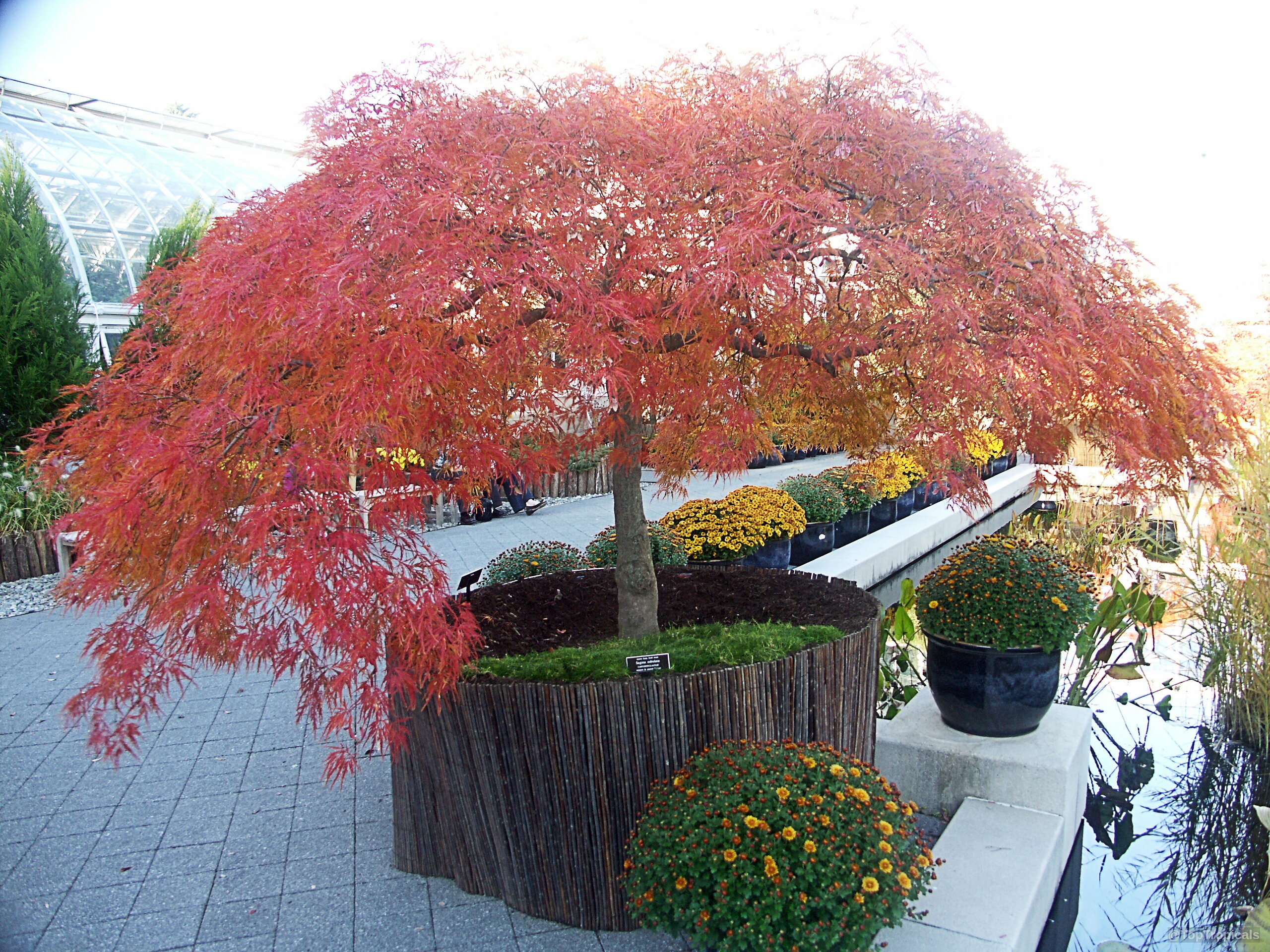
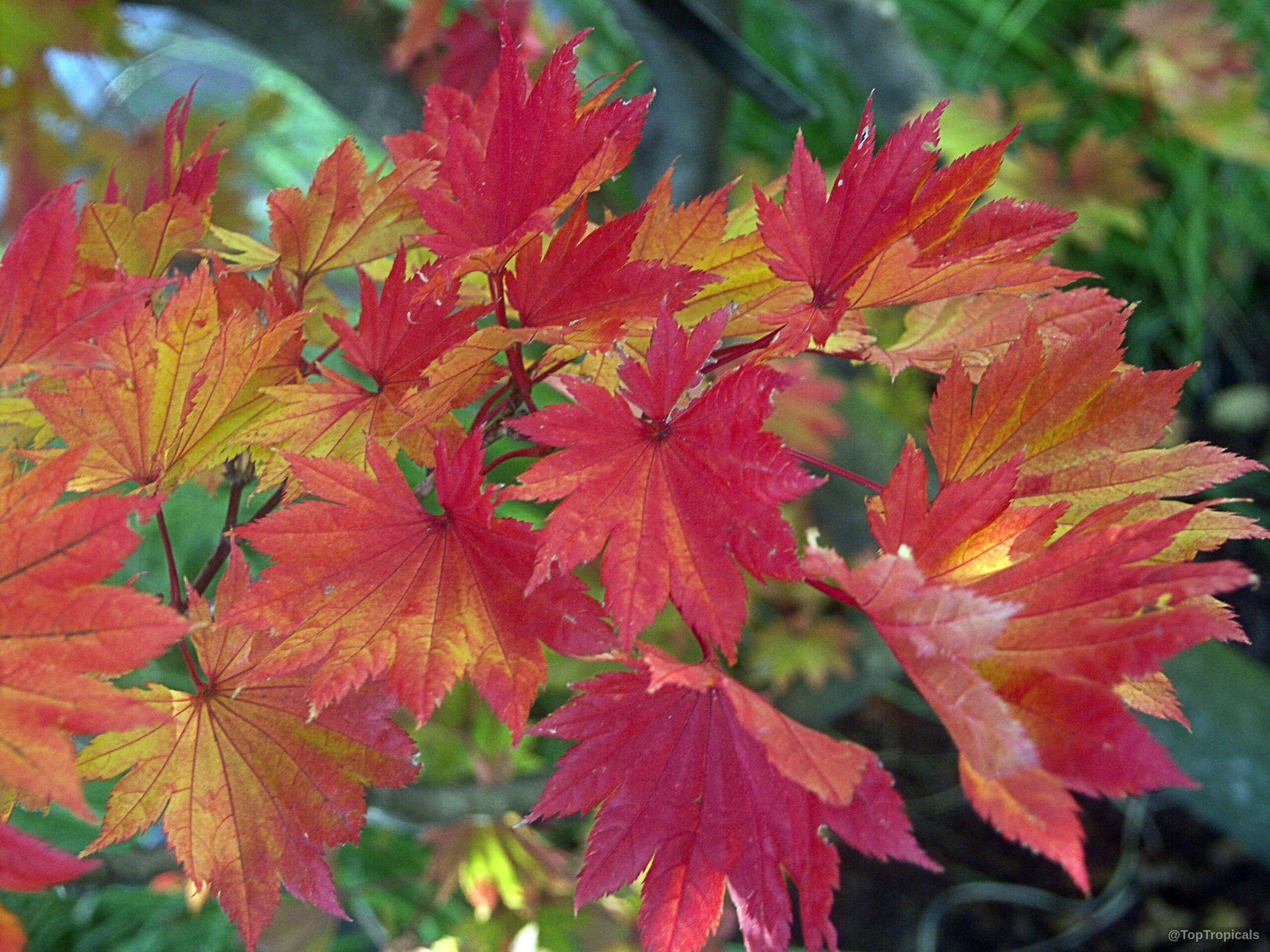
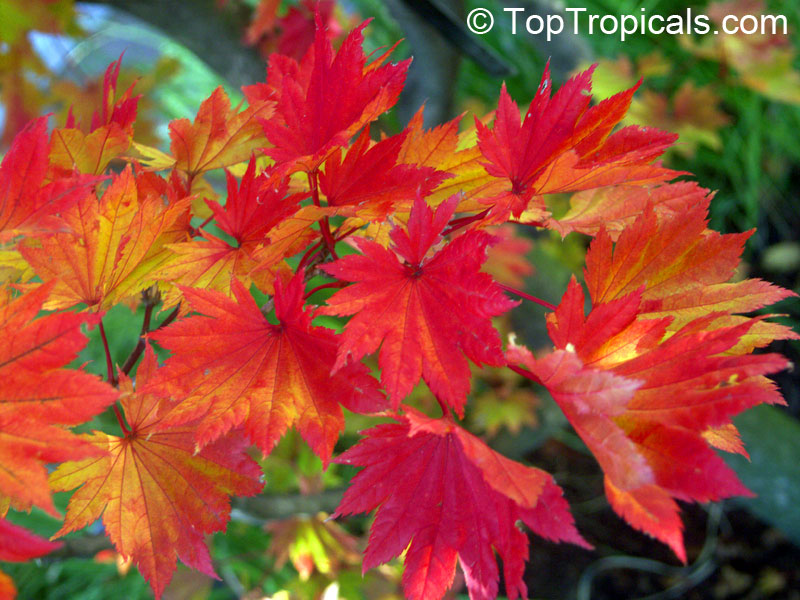
Many of its features, especially its leaves, are quite variable in form. Among these features it is best known for its brilliant deep scarlet foliage in autumn. Red Maple is adaptable to a very wide range of site conditions. It can be found growing in swamps, on poor dry soils, and most anywhere in between. Elevation is also not a limiting factor in its range. Due to its attractive fall foliage and pleasing form, it is often used as a shade tree for landscapes. It is used commercially on a small scale for maple syrup production as well as for its medium to high quality lumber. It is the State Tree of Rhode Island. It is very cold hardy.
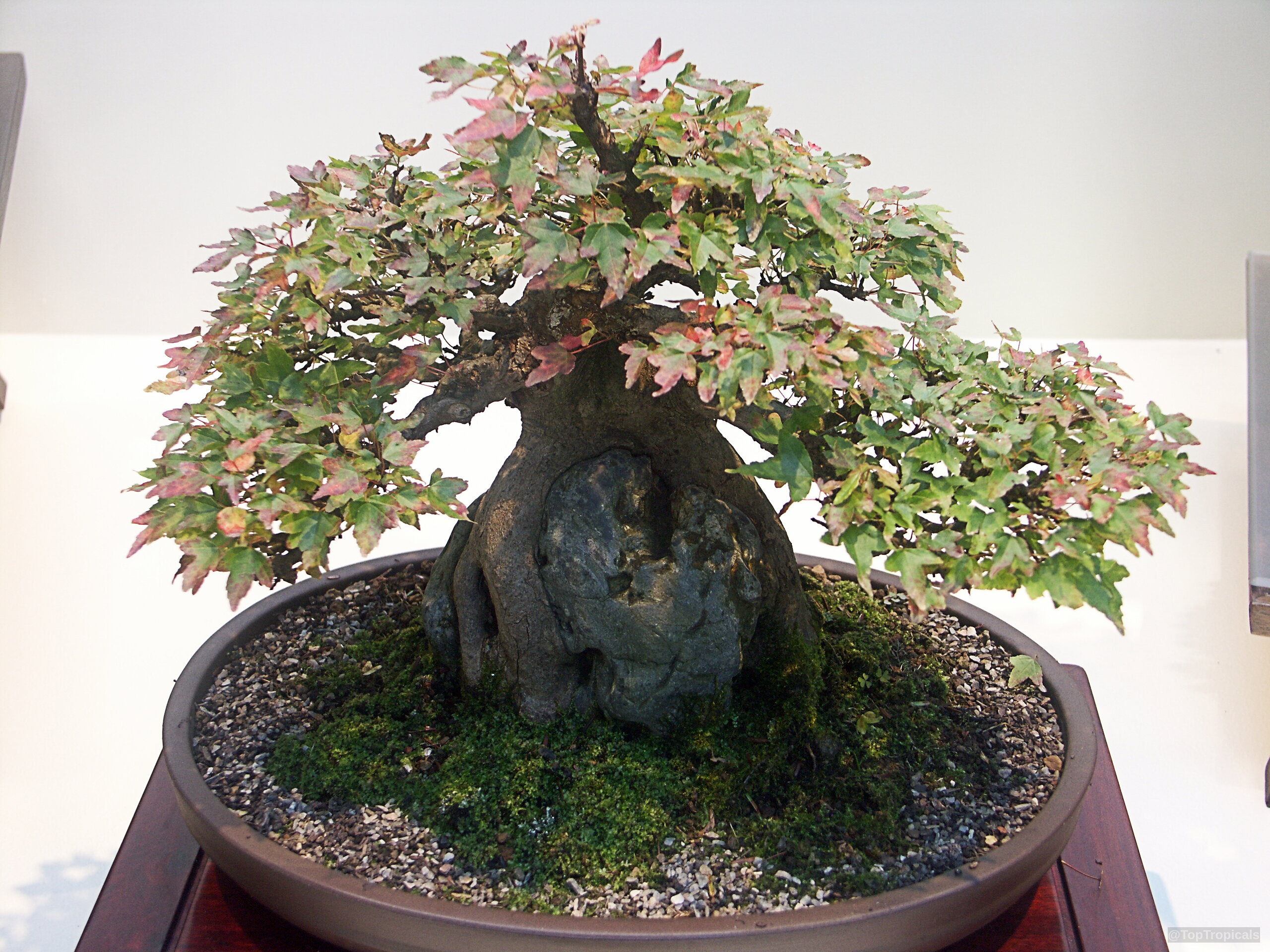
Maple is a very popular plant in Japan and a subject for bonsai. Autumn in Japan is celebrated with colorful autumn leaves known as momijigari. The foliage of trees light up the Japanese landscape. Scarlet Japanese maples flash against emerald conifers, this is the beauty of momijigari as you view the spectacular colors of changing leaves.
The maples have long been known to be closely related to the family Sapindaceae.
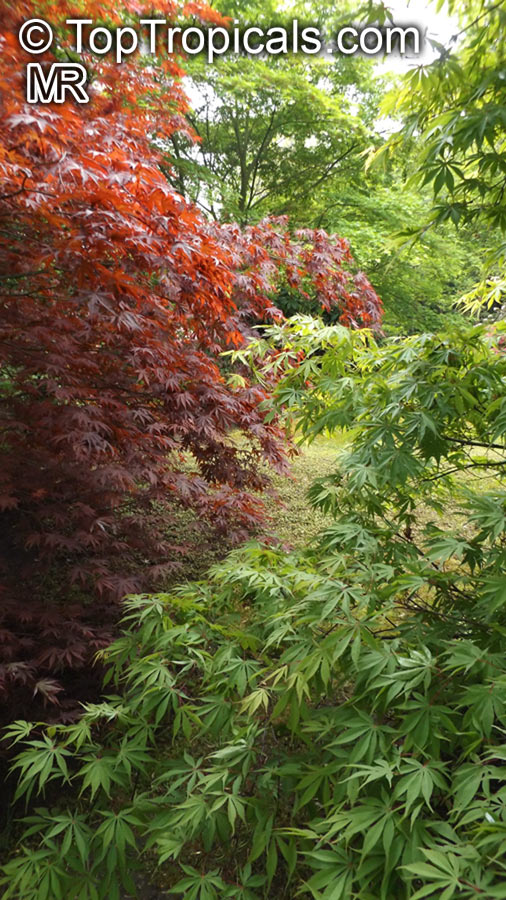
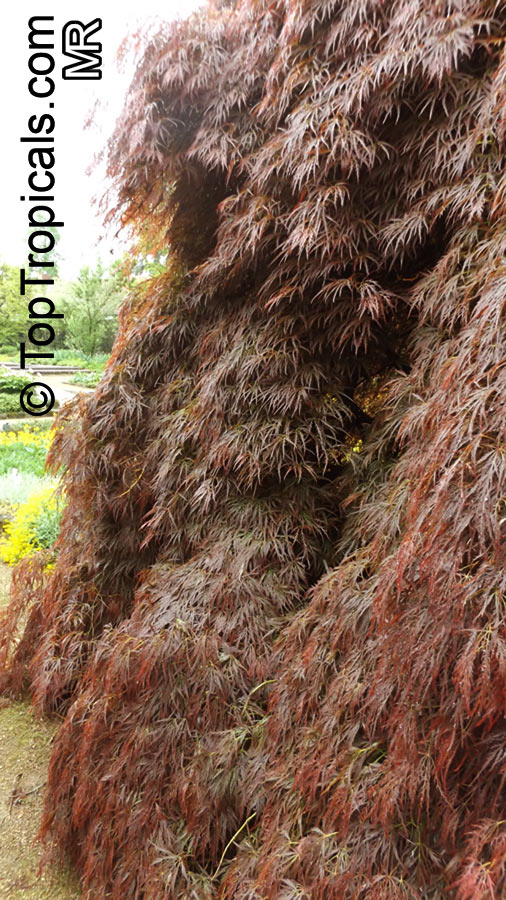
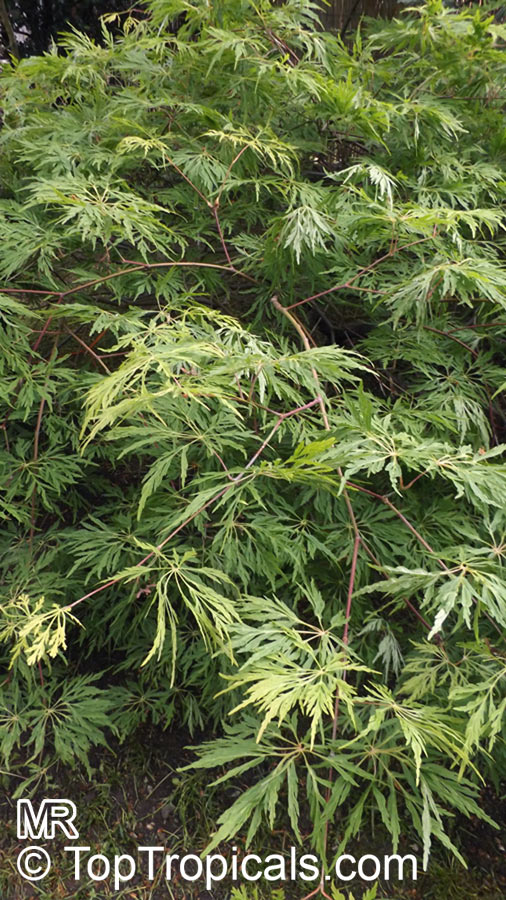
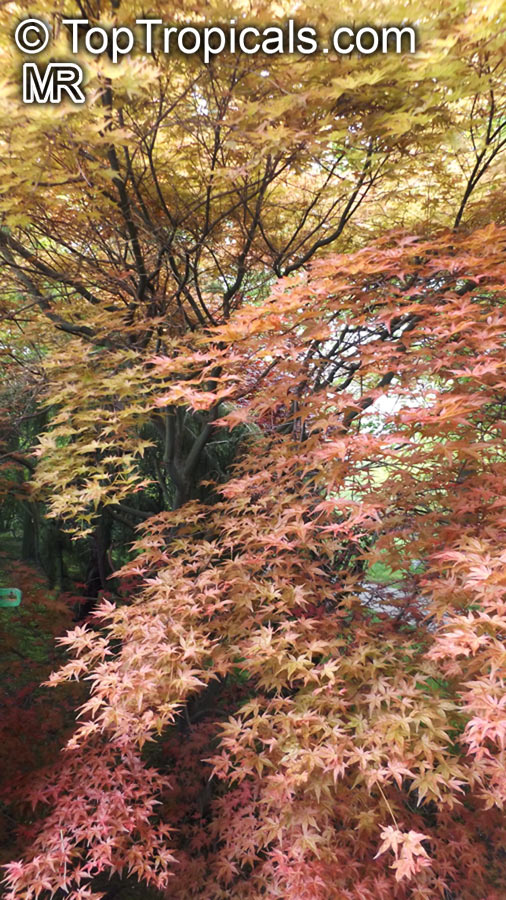
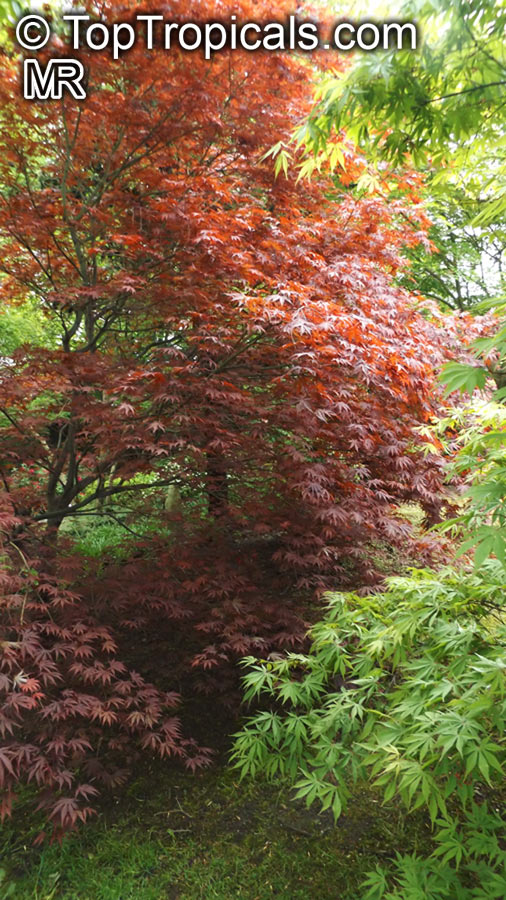
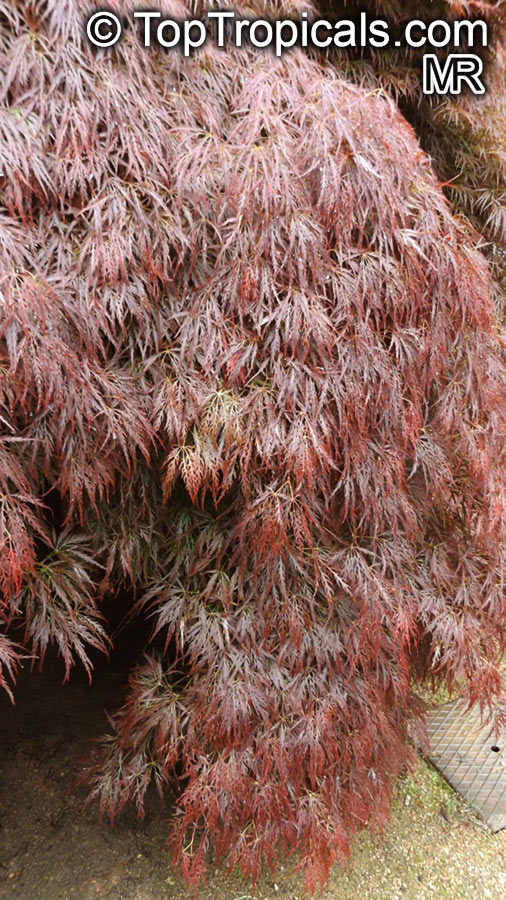
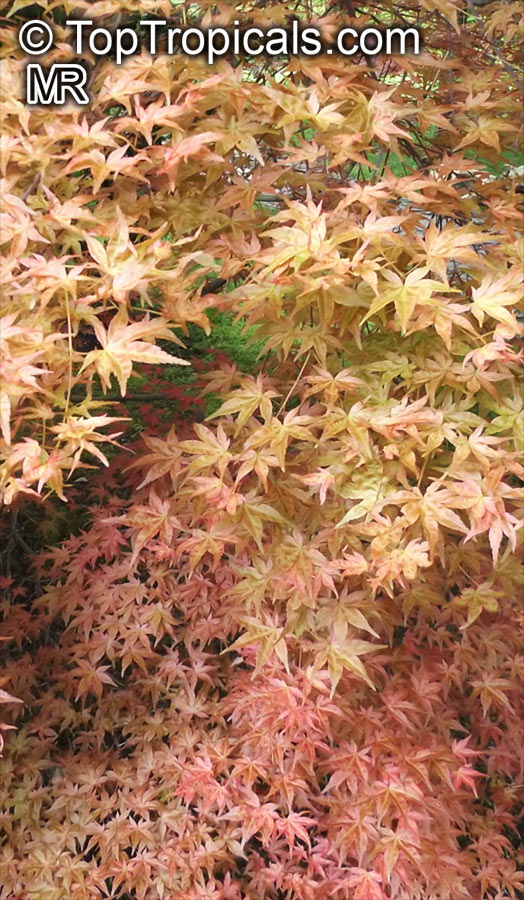
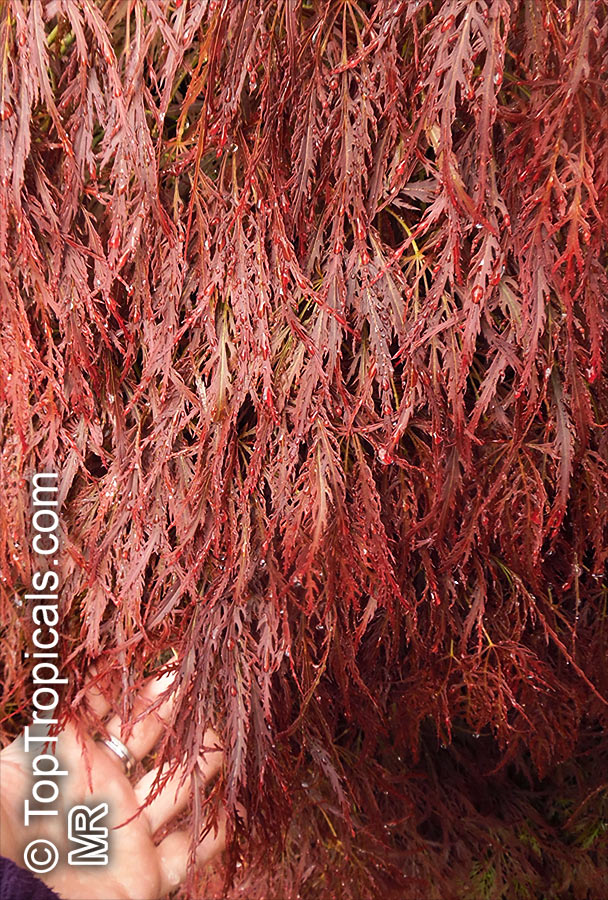
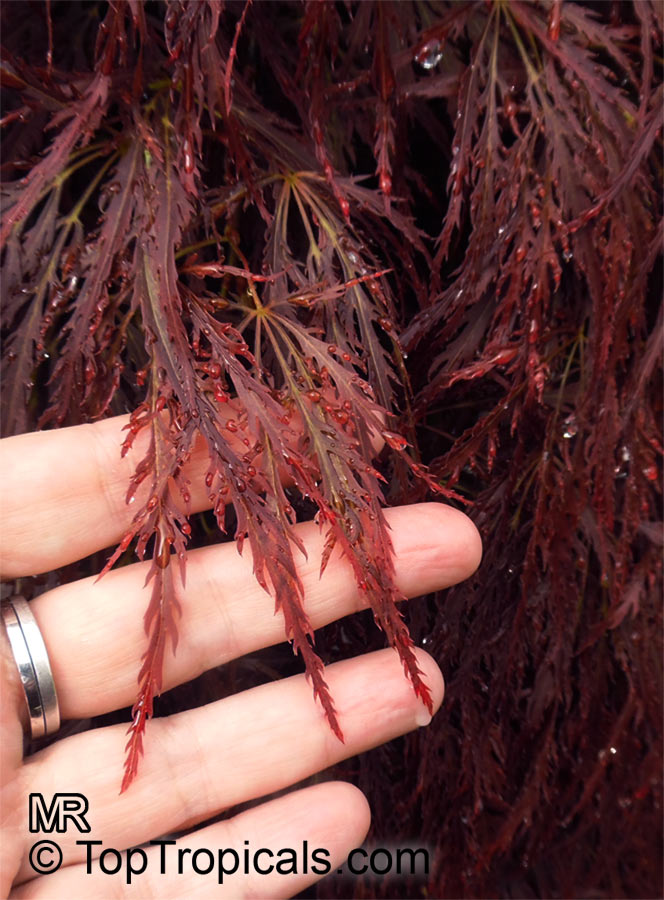
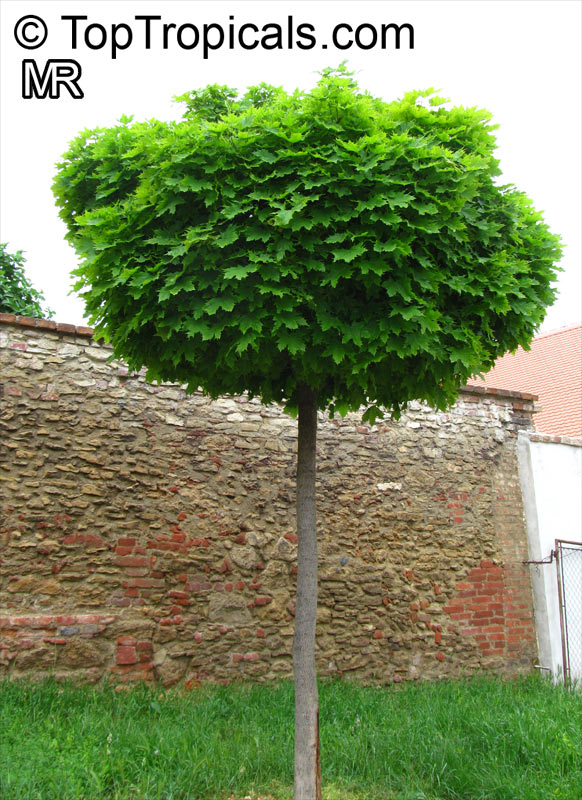
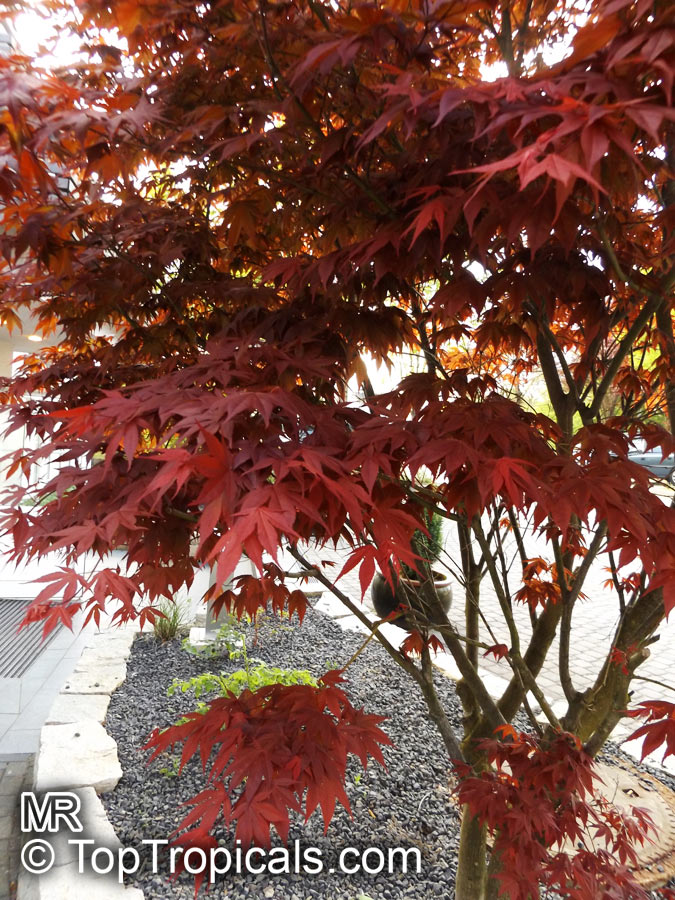
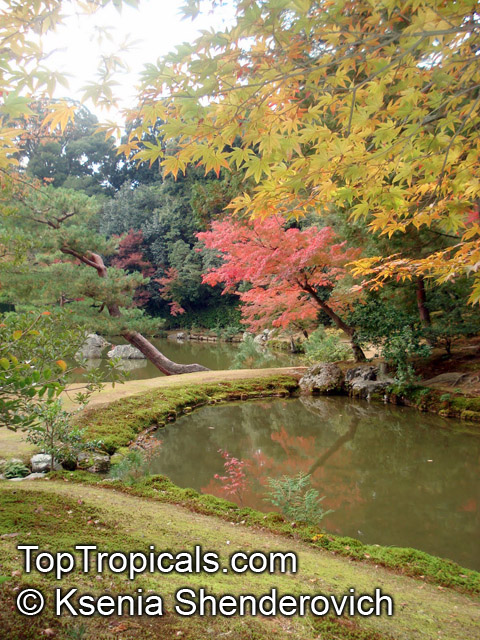
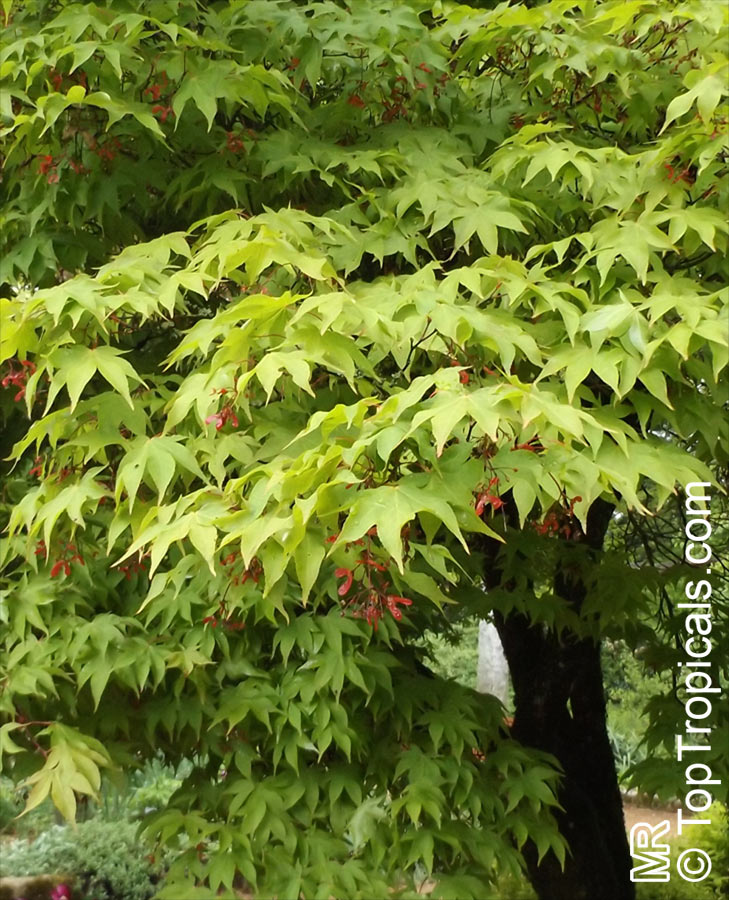
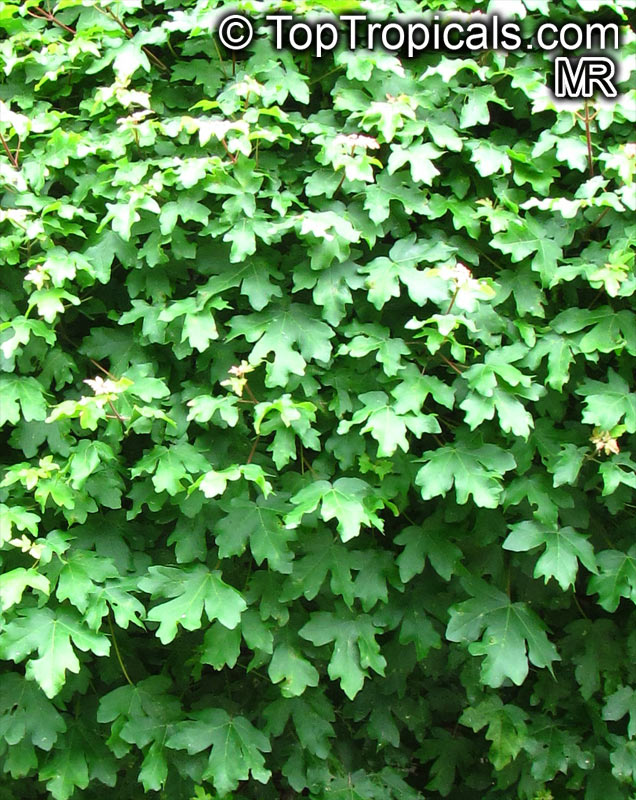
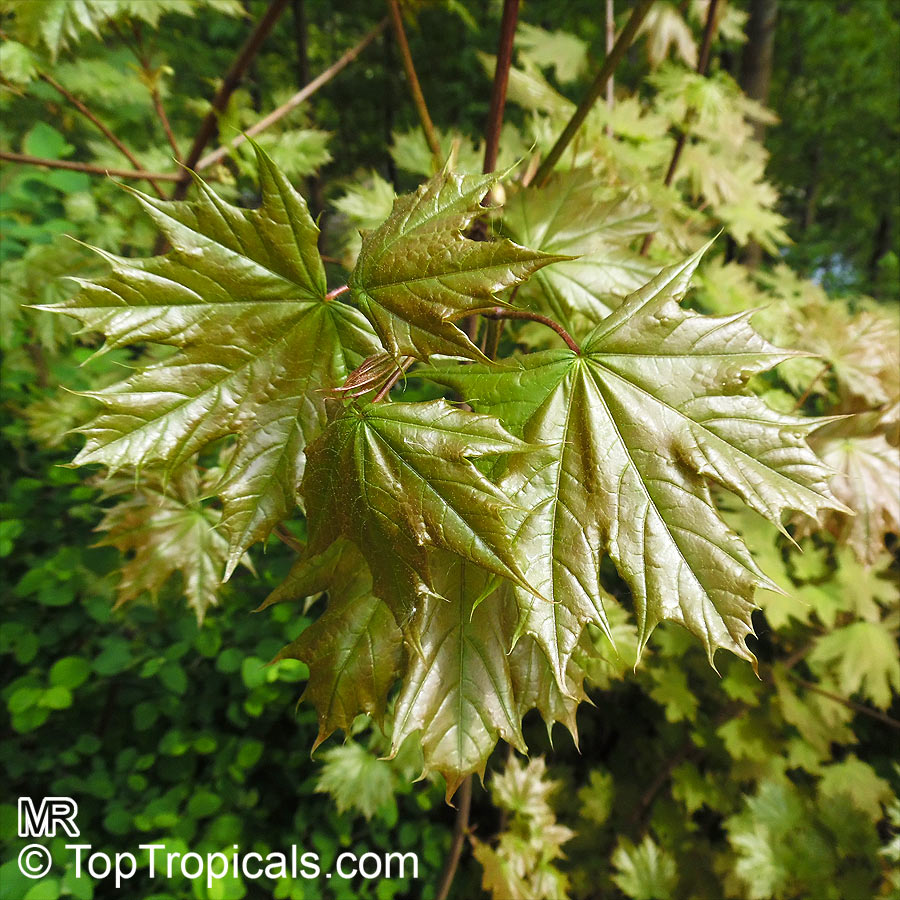
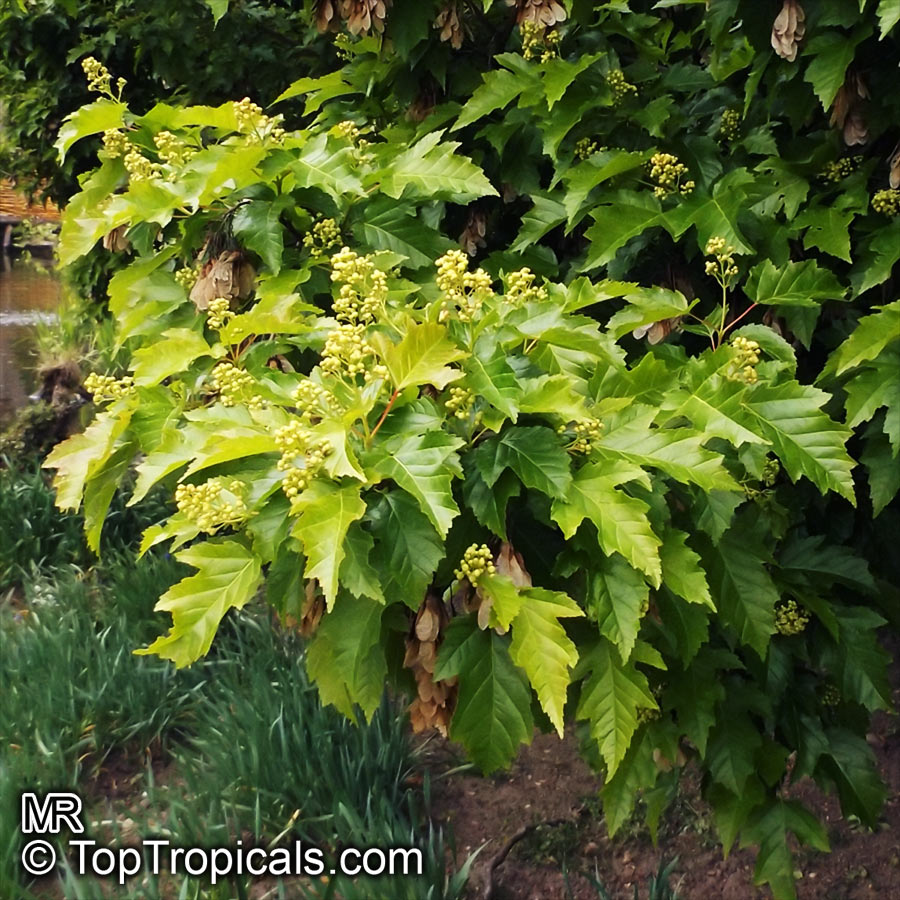
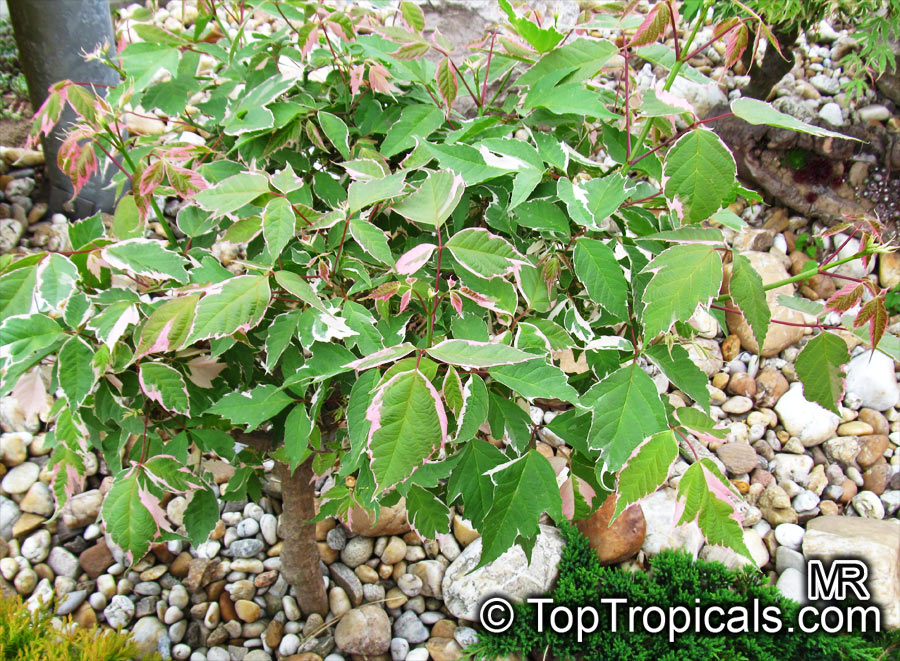
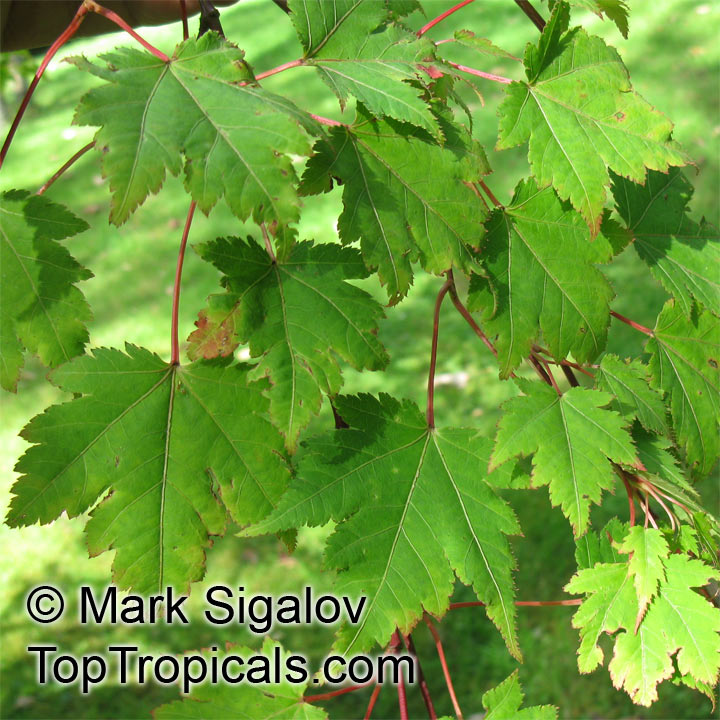
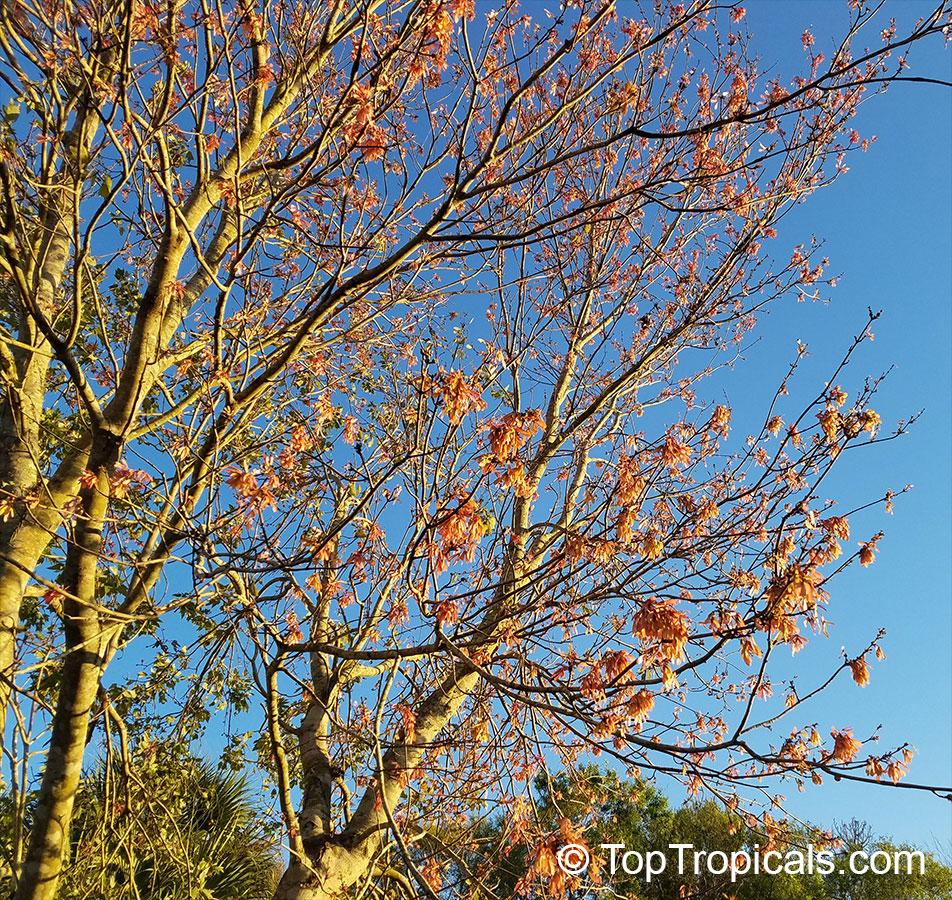
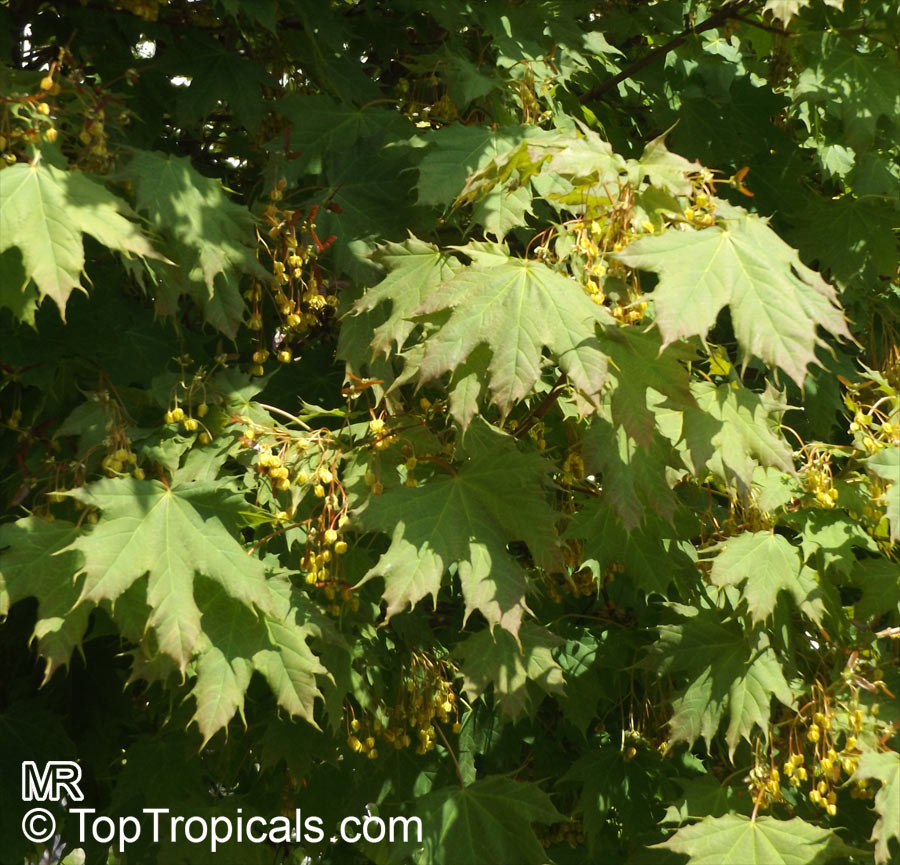
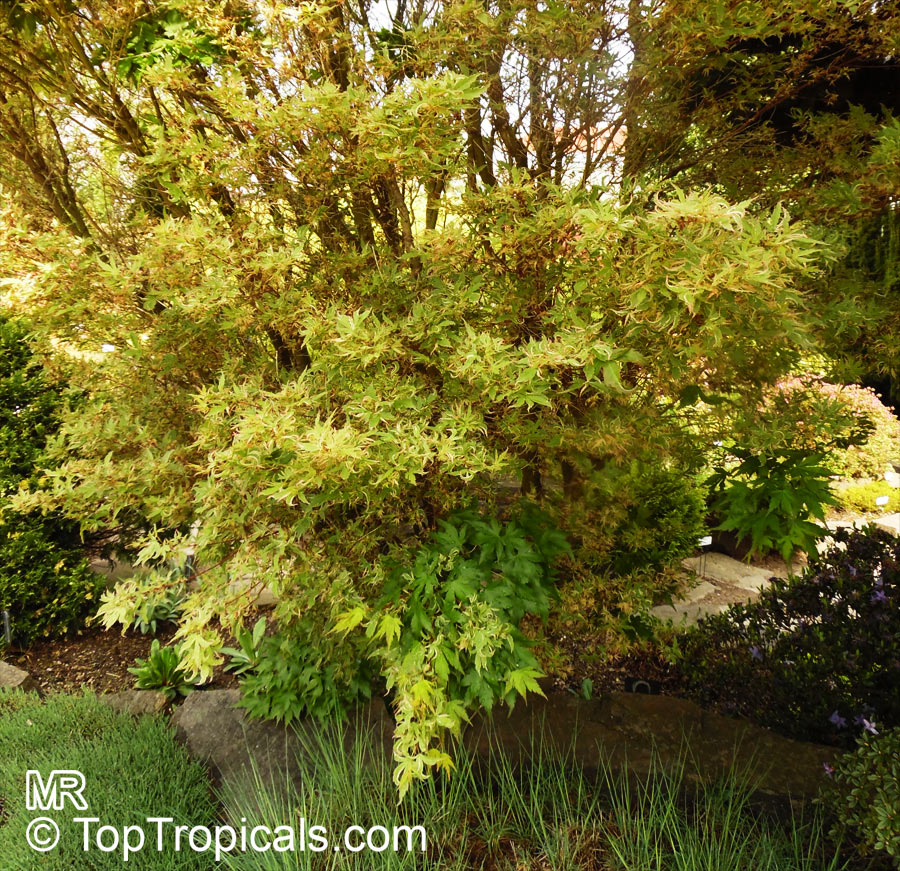
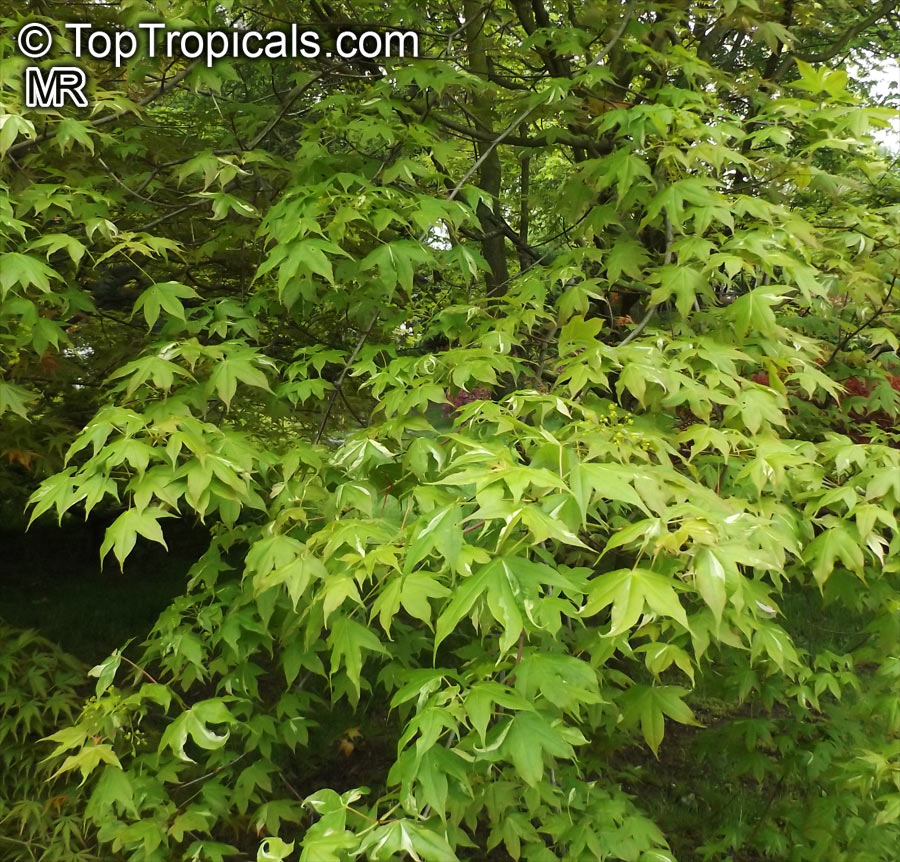
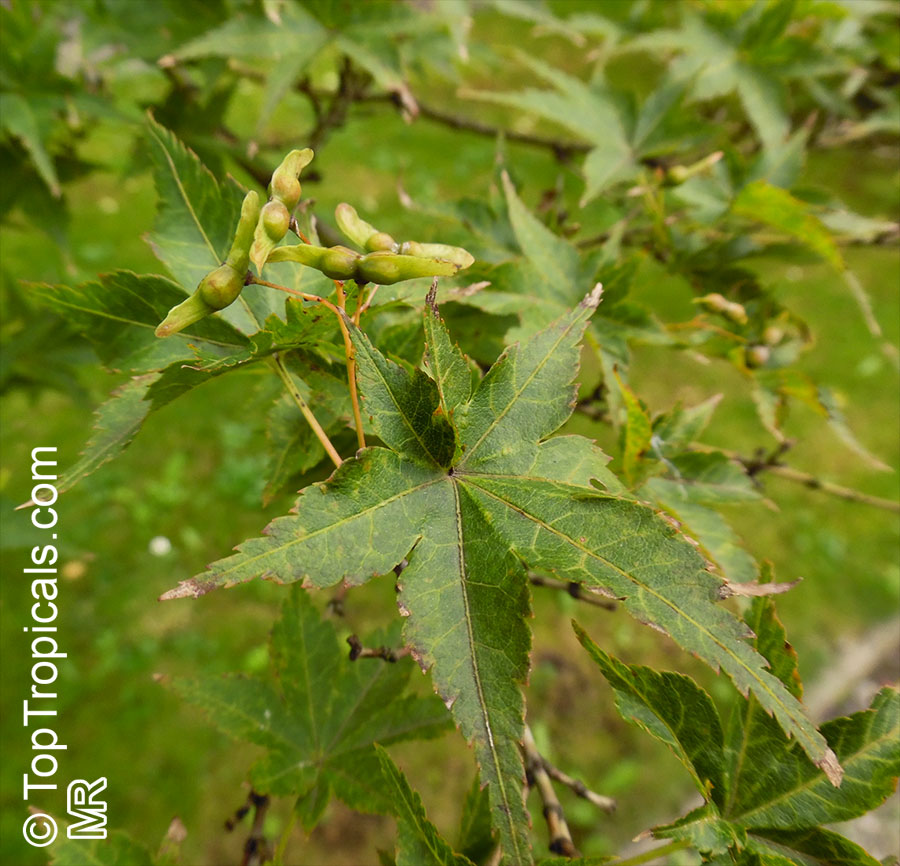
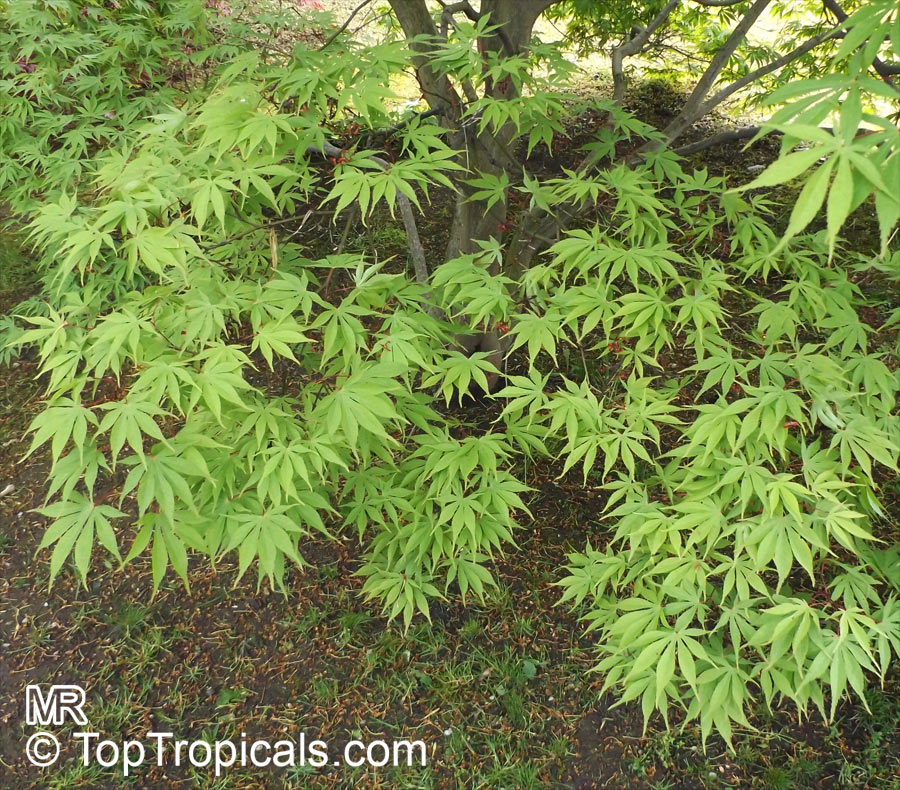
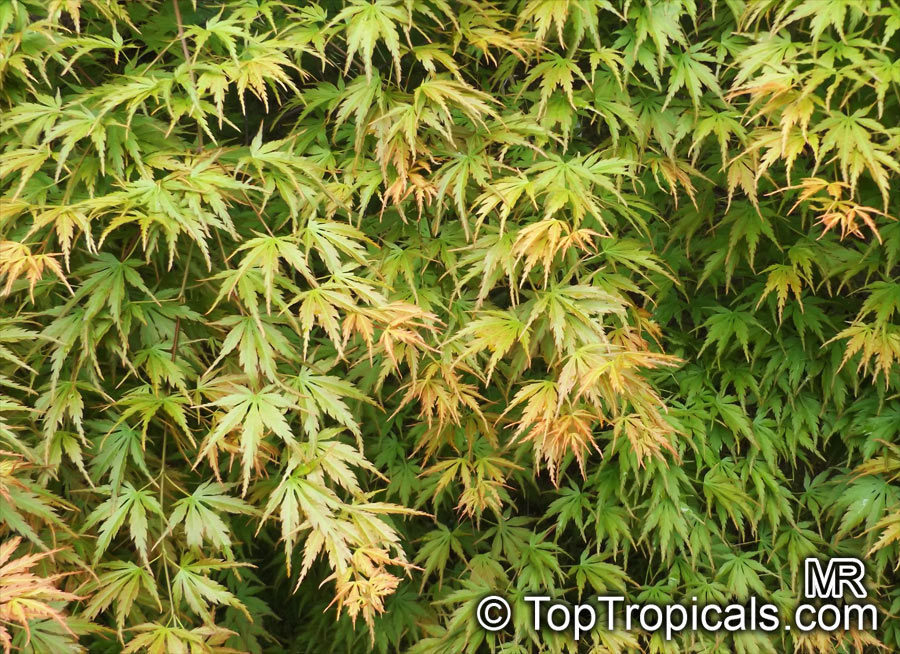
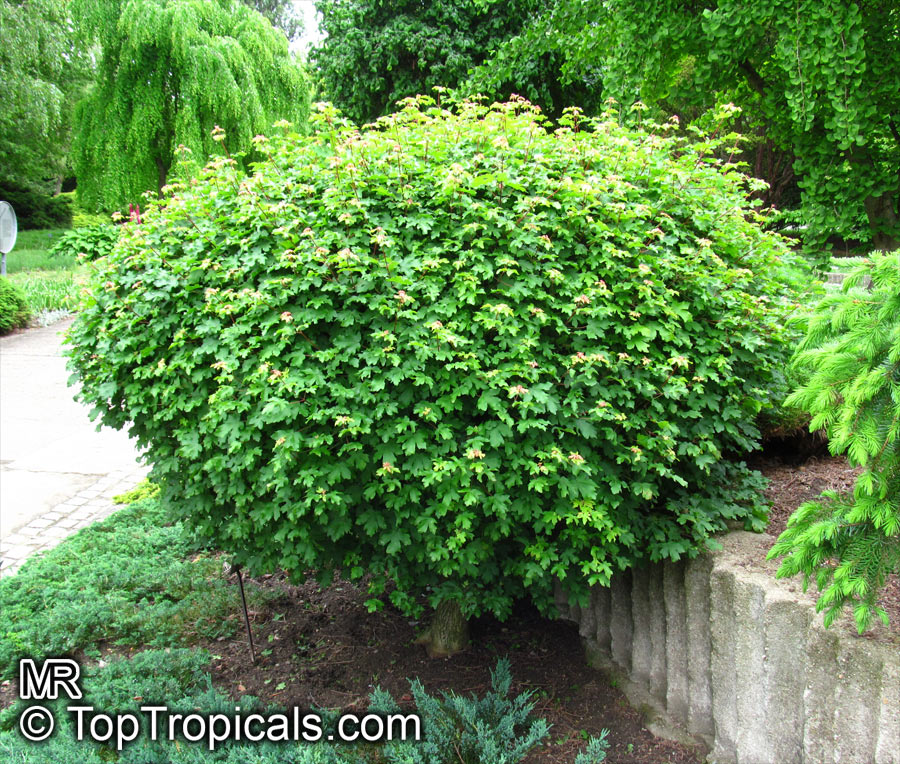


This plant is grown from seed collected in Florida, so it is suited for planting in Florida. It may perform worse up North.
Recommended Fertilizer: SUNSHINE Robusta - Rapid Growth Booster
Last one
Botanical name: Acrocarpus fraxinifolius
Common names: Pink Cedar, Balangi, Kurungatti
Family: Fabaceae
Subfamily: Caesalpinioideae
Origin: South Asia


It has a relatively wide range of soil tolerances, but appreciate a fertile, organic-rich soil with regular water, but can tolerate some drought. It is best grown in USDA Zones 9-11 and is quite adaptable to most soil types and climates. For gardens in cold regions, it can be grown in a large container, brought indoors or planted in a protected location in winter. In general, it will require very little care and should be free from pests and diseases. Prune as needed to shape or remove dead or damaged branches, otherwise it does not require regular pruning.
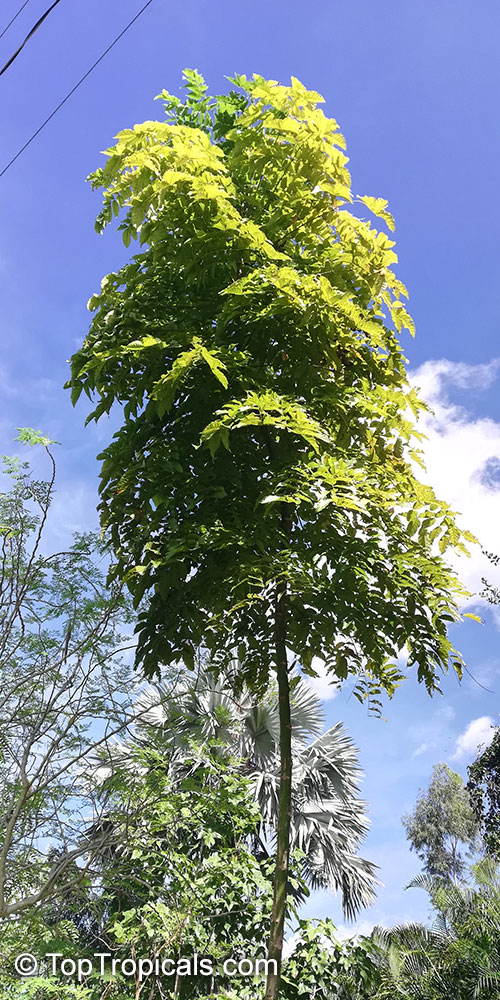
Acrocarpus fraxinifolius (Pink Cedar) is a big tree that can grow taller than 20 feet, but can also be pruned to create a small tree of up to 10-20 feet. It is native to South Asia, including countries such as Bangladesh, Bhutan, China, India, Indonesia, Laos, Myanmar, Nepal, and Thailand. It thrives when planted in full sun and given regular water, and its soil requirements are relatively tolerant, but it enjoys being grown in a fertile, organic-rich soil. It is adorned with ornamental foliage in various shades from deep pink to a bright lime green, and in the early spring brings forth red, crimson, and vinous flowers in small racemes.
This plant is cold hardy up to a minimum of 28°F for short periods of time, so it can be grown in USDA Zones 9-11 with minimal care and protection from pests and diseases. Pruning should be done as needed only, to remove dead or damaged branches or to shape. For gardens in colder regions, it can be grown in a large container and brought indoors in winter, or planted in a sheltered location. In terms of plant care, it is important to water deeply and occasionally and to provide adequate protection from frost.
| Next | |
Use link to repeat this search:
https://toptropicals.com/cgi-bin/garden_catalog/cat.cgi?search_op=and&keyword_op=and&language=e&number=5&no_change_lang=1
&v1=btr&user=tt&sale=1&first=0