Deciduous plant - Plant Encyclopedia Results
| Number of plants found: 419 | Next | 
|
Go to page: | 1 | 2 | 3 | 4 | 5 | Last |
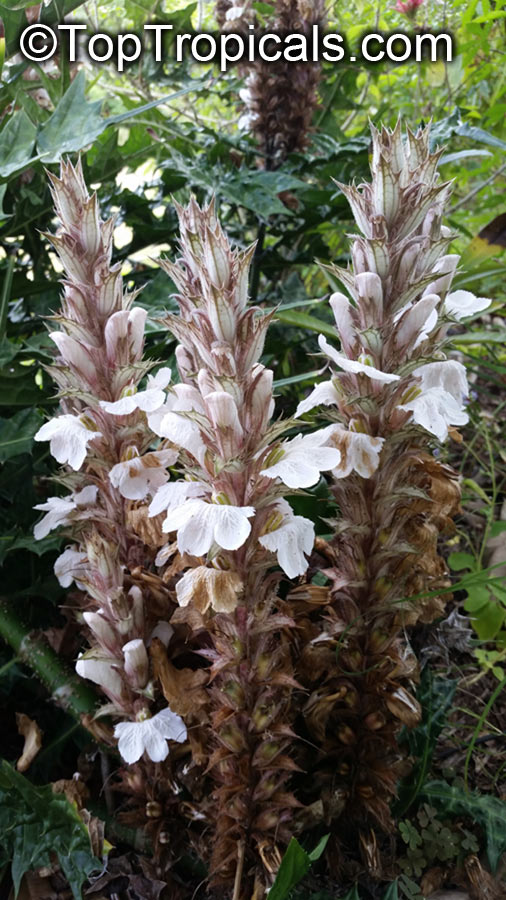
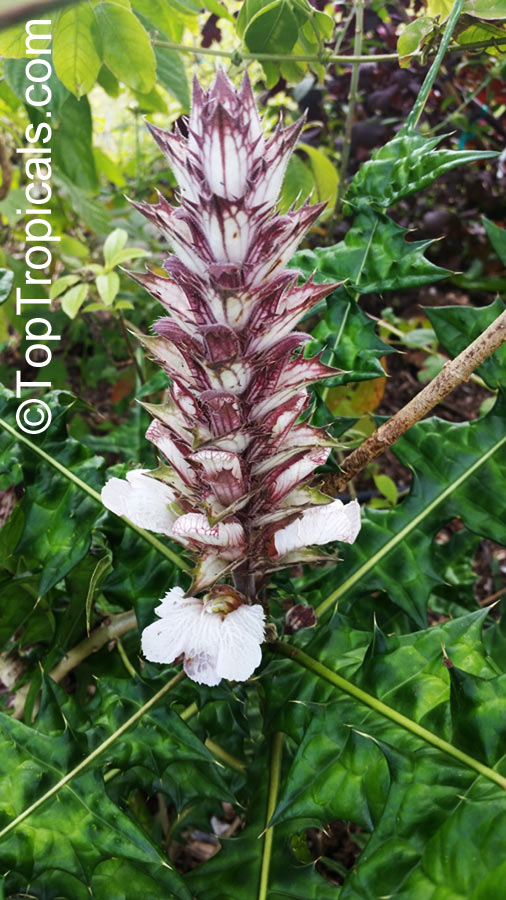
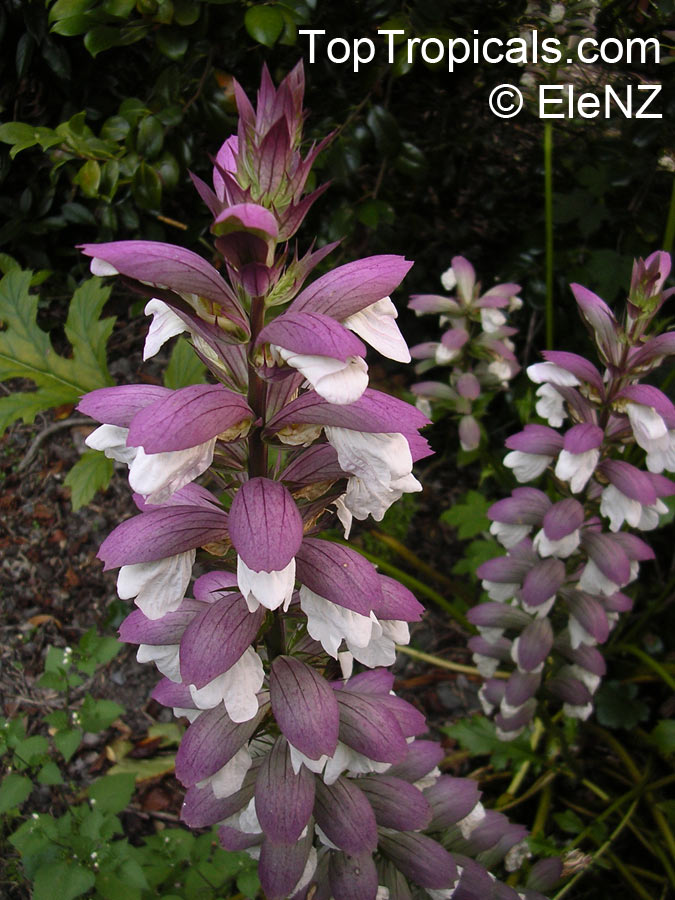
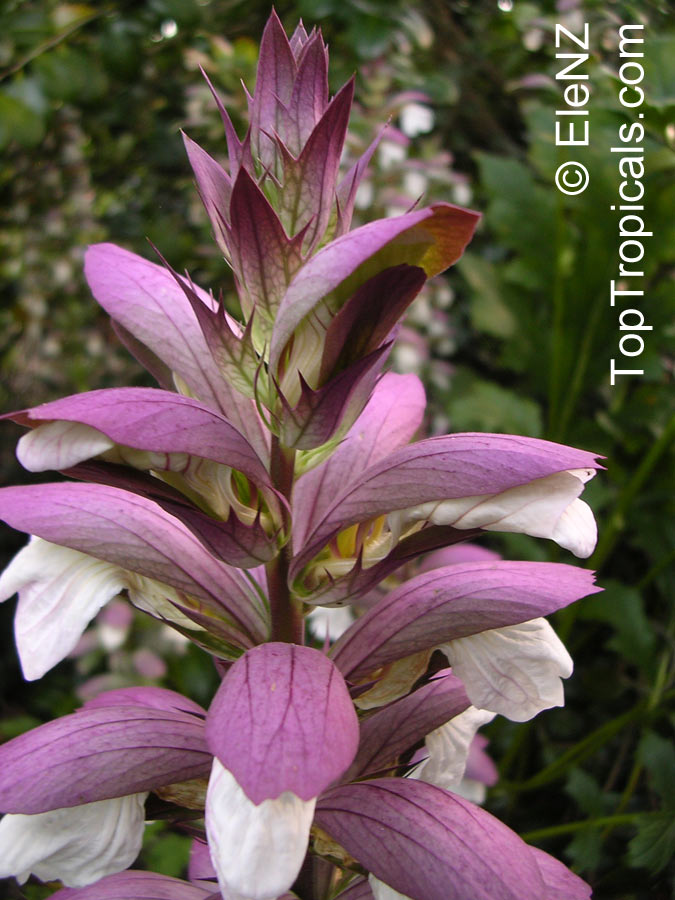
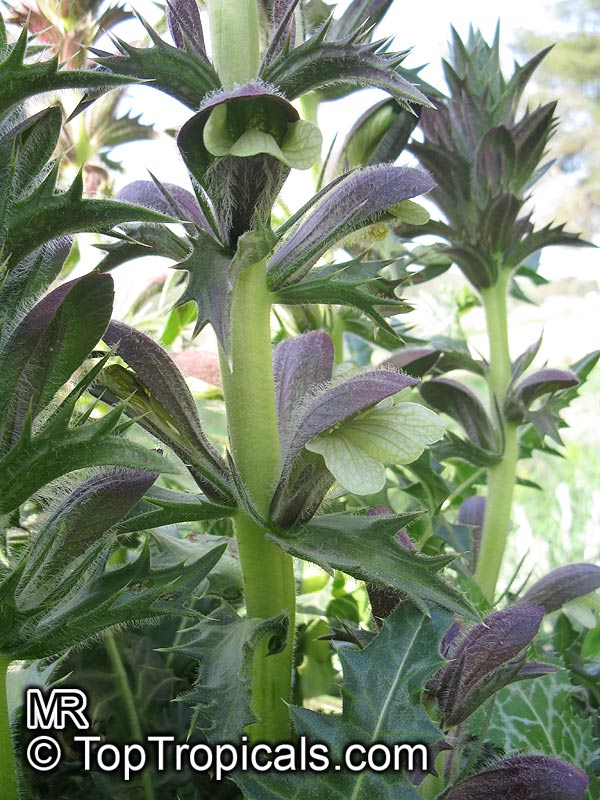
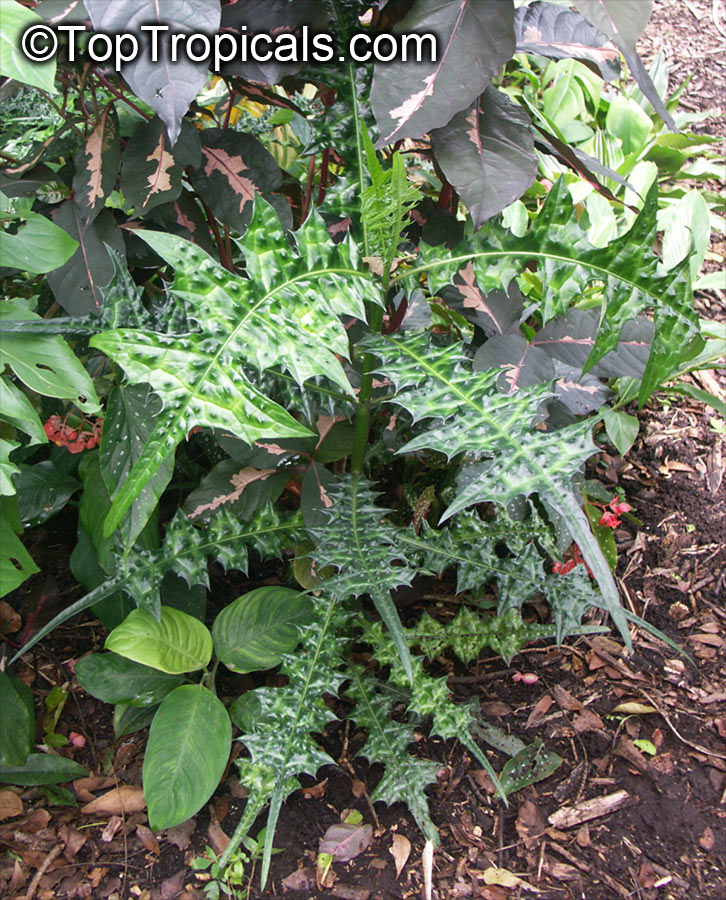
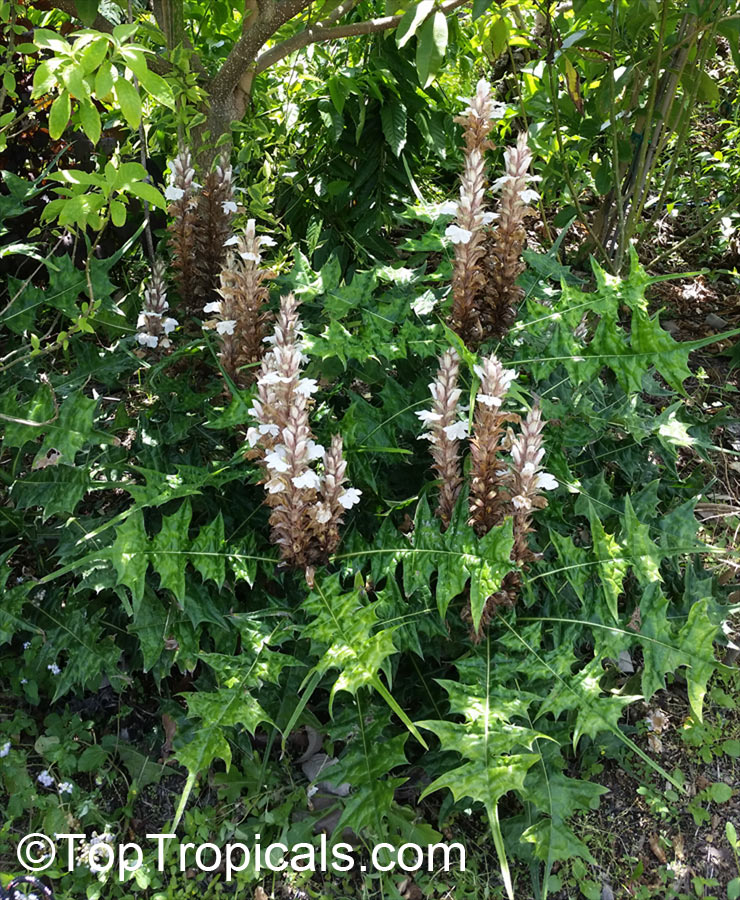
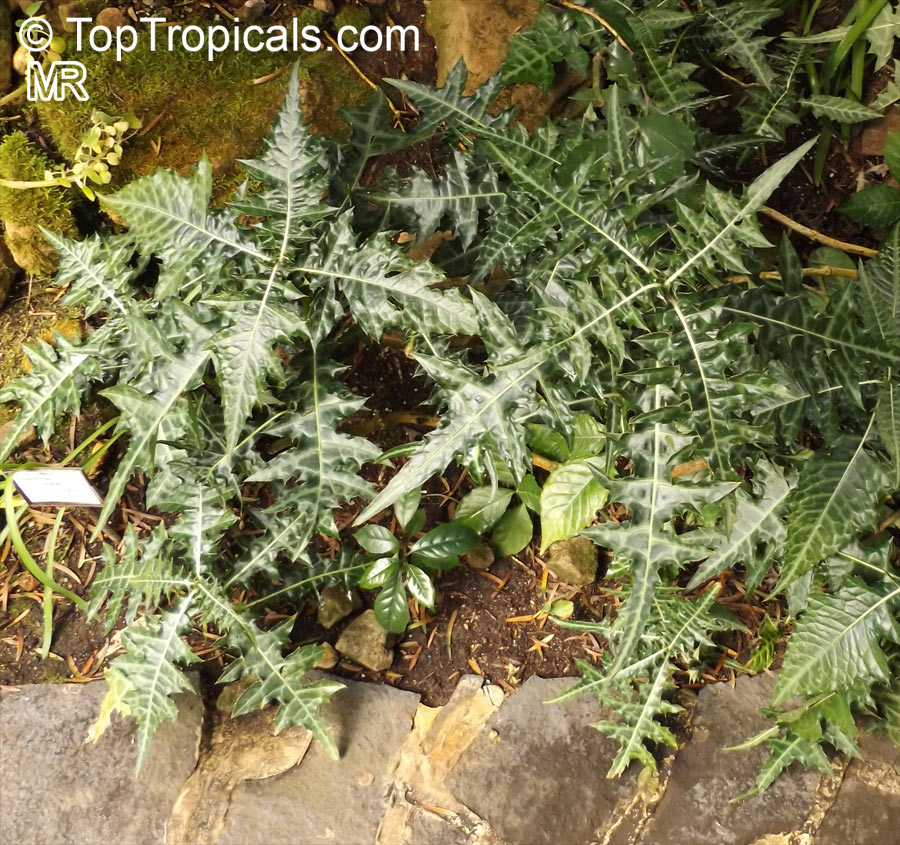
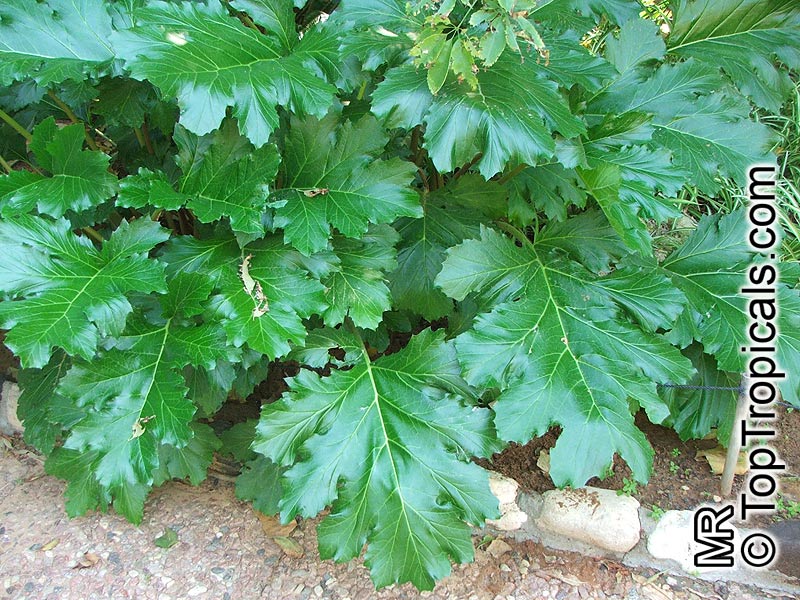
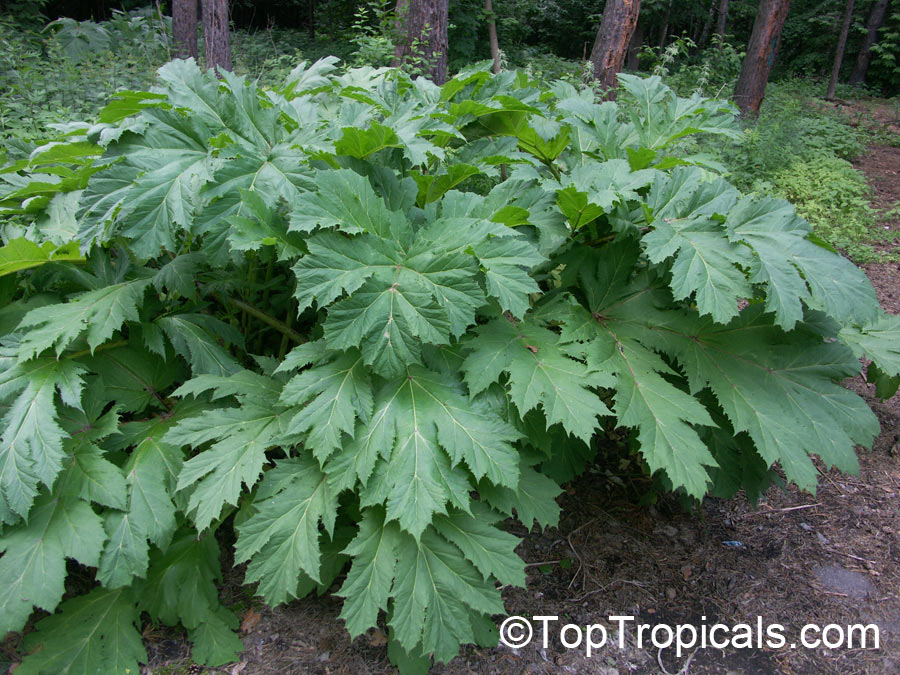
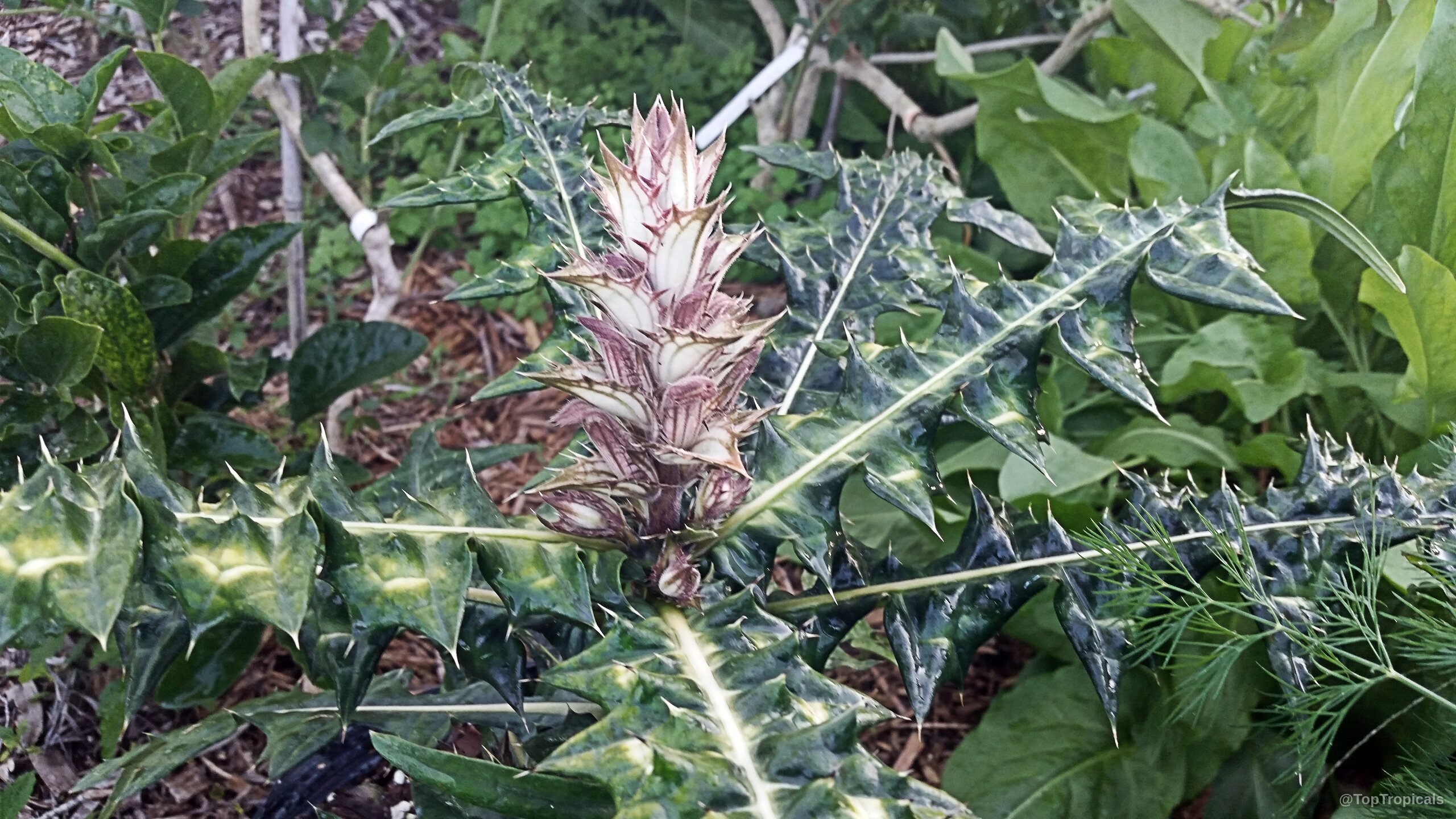
Botanical name: Acanthus sp.
Common names: Acanthus, Bear's Breeches, Mountain Thistle, Alligator Plant
Family: Acanthaceae
Origin: Mediterranean Basin, Asia


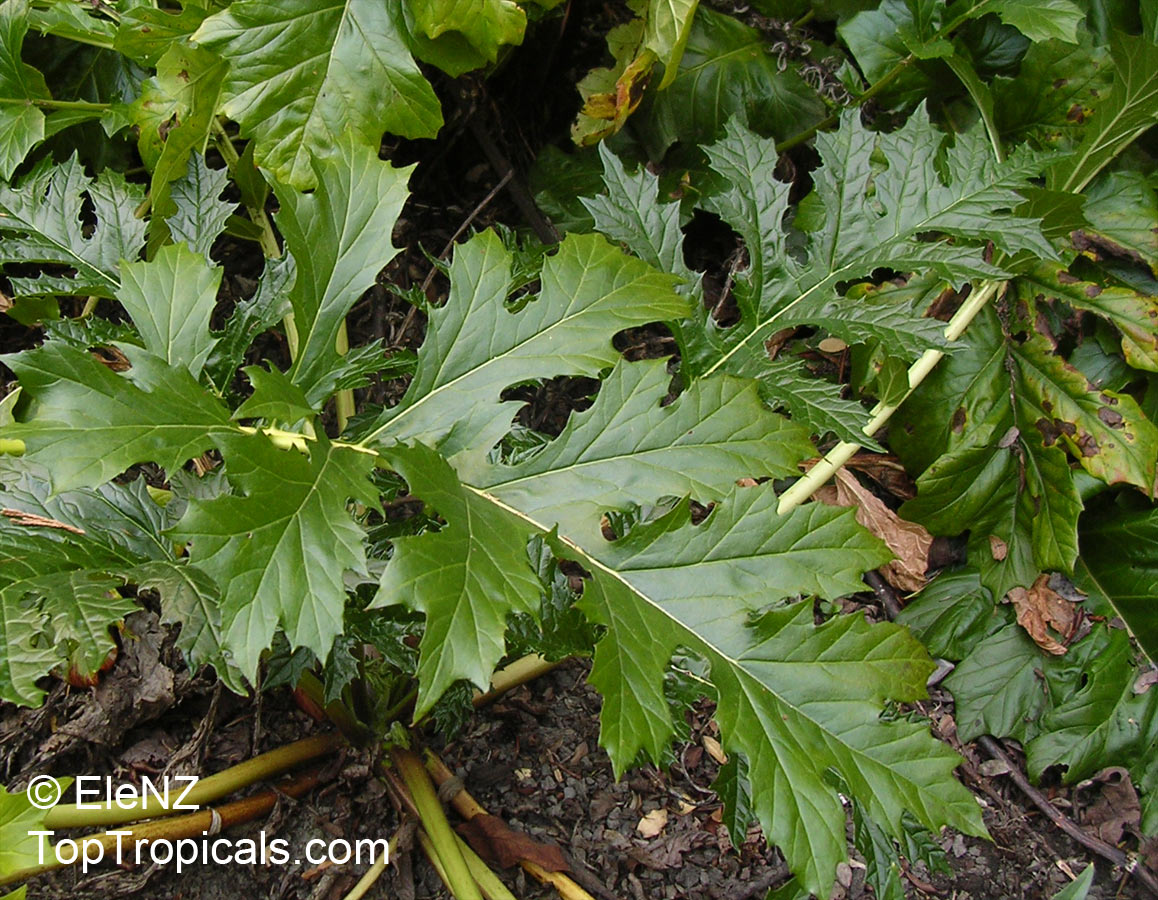
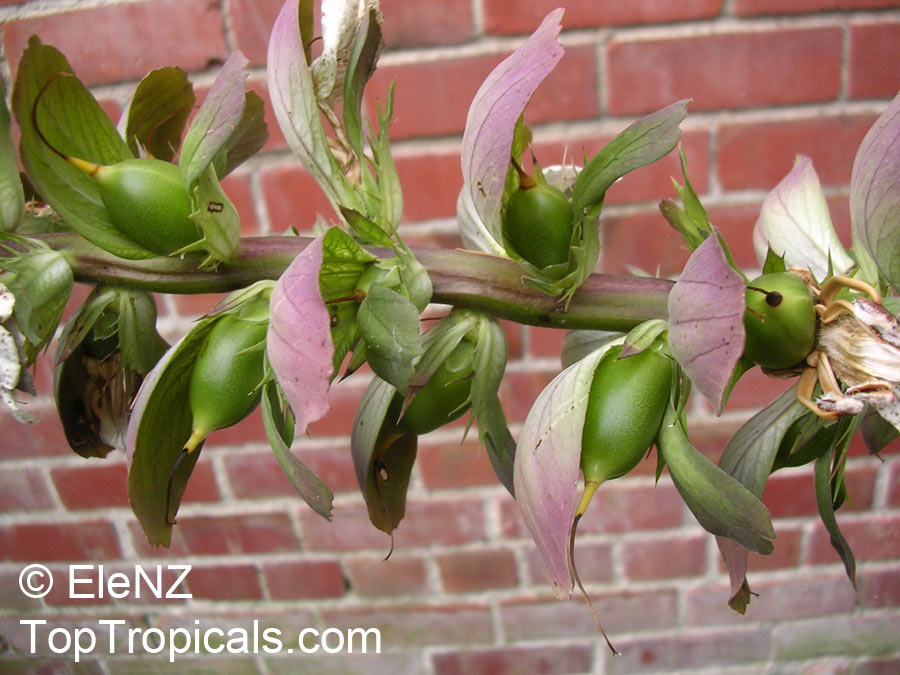
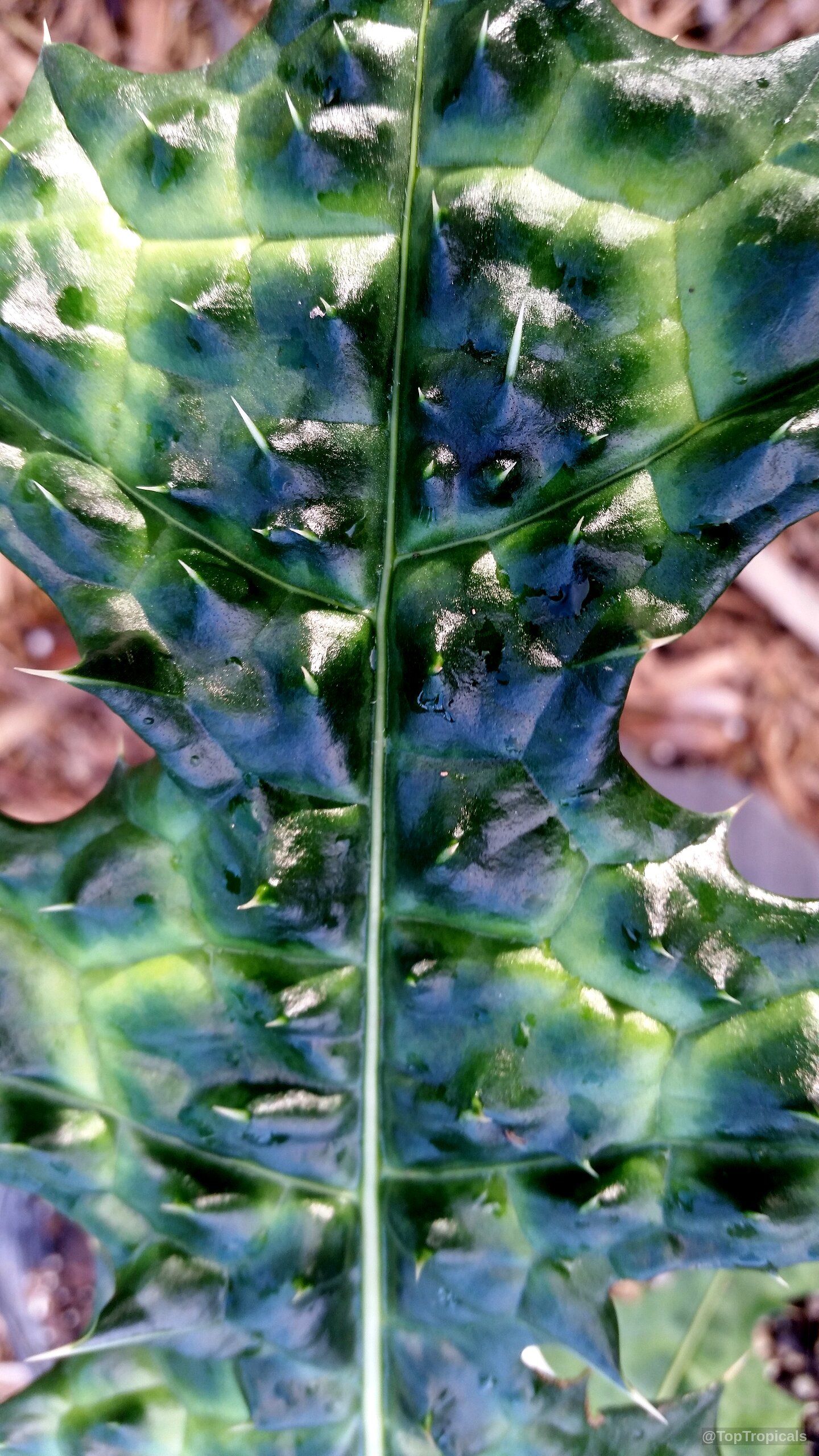
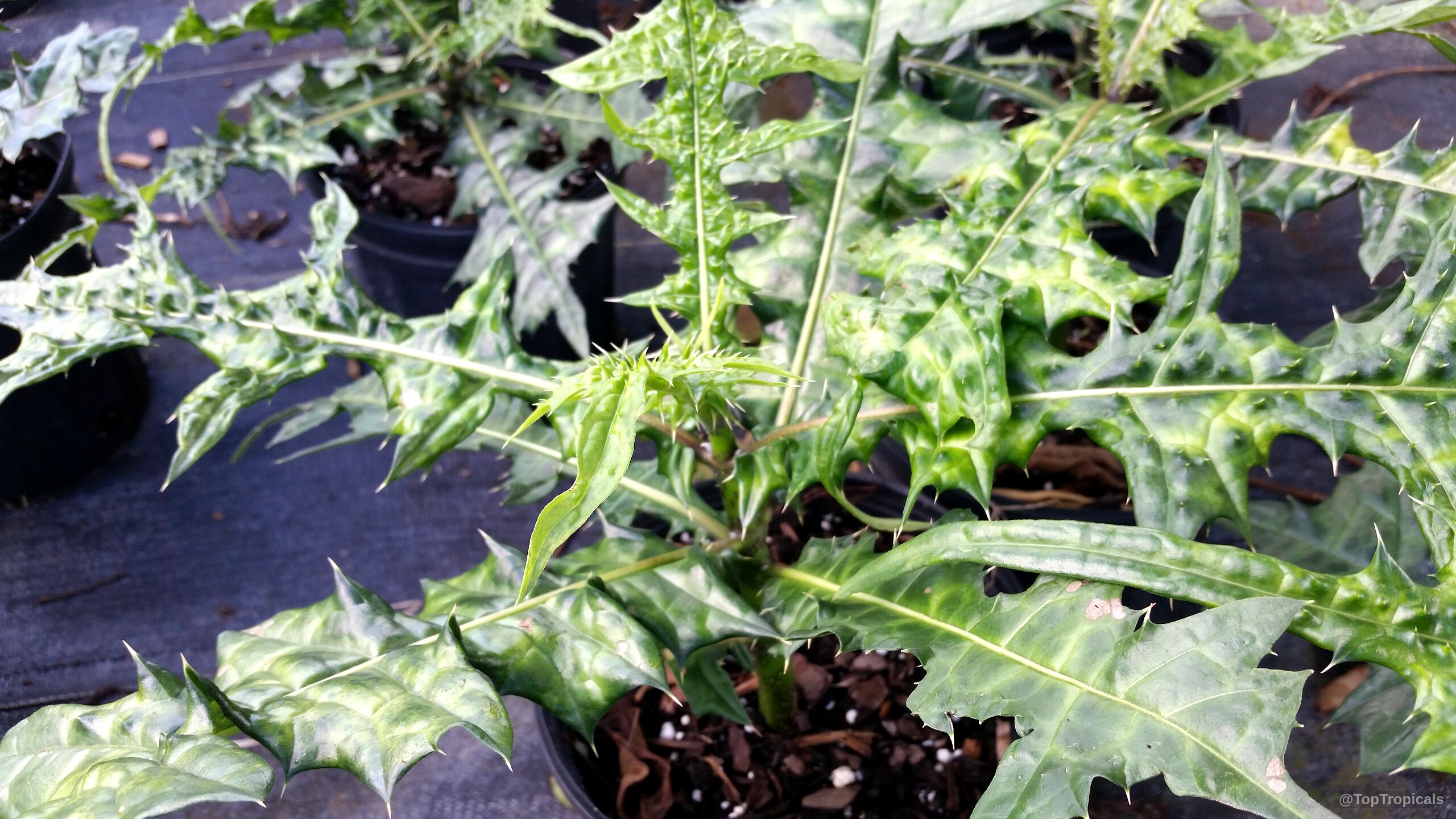
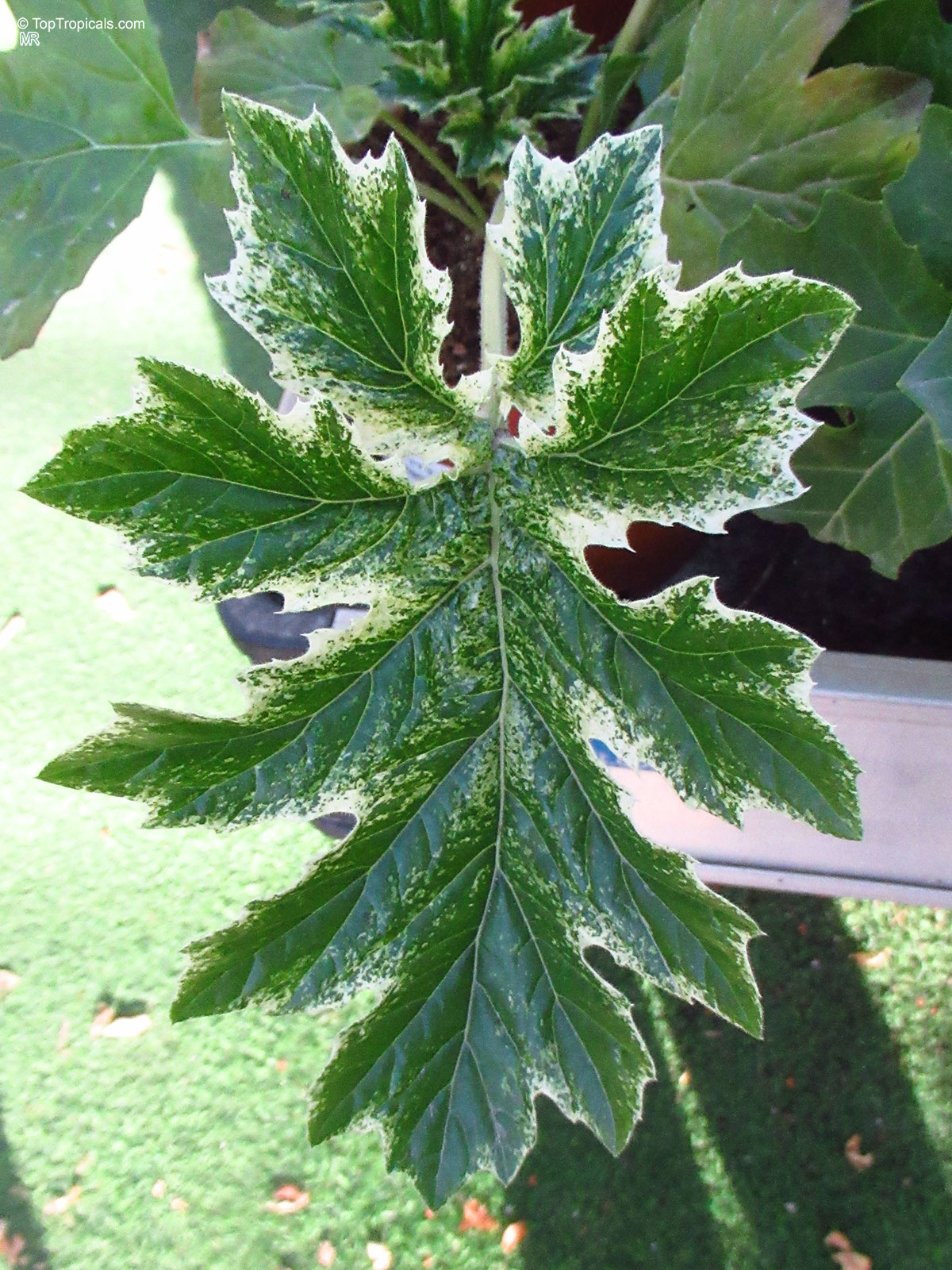
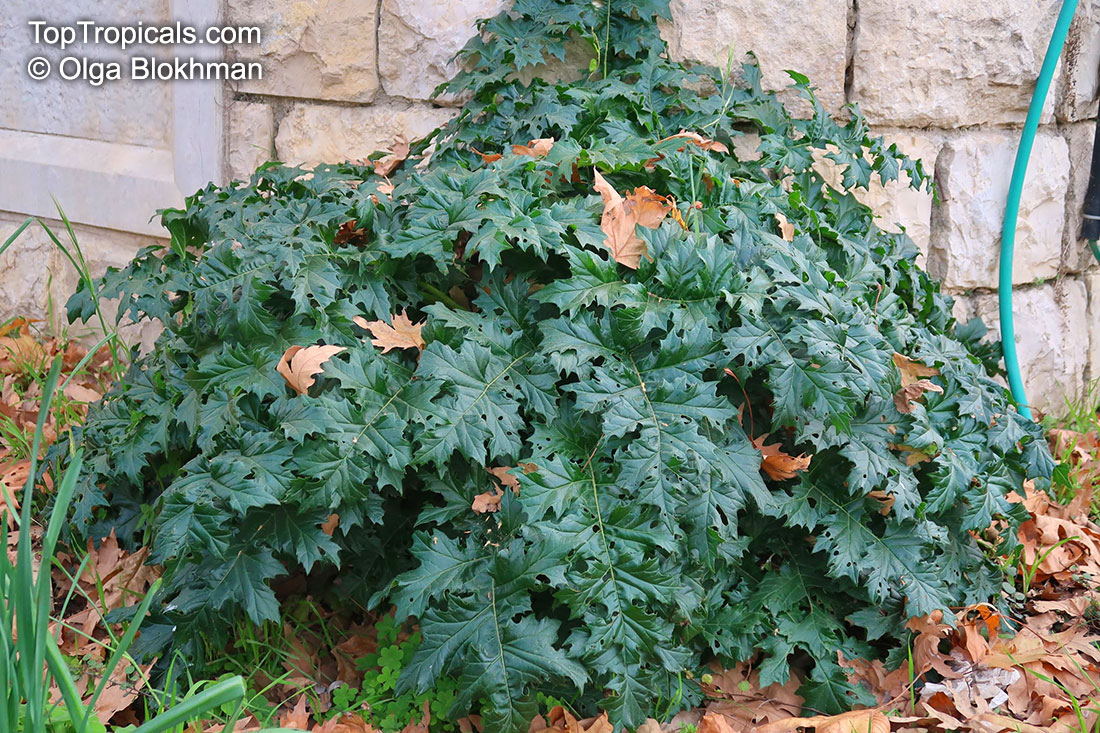
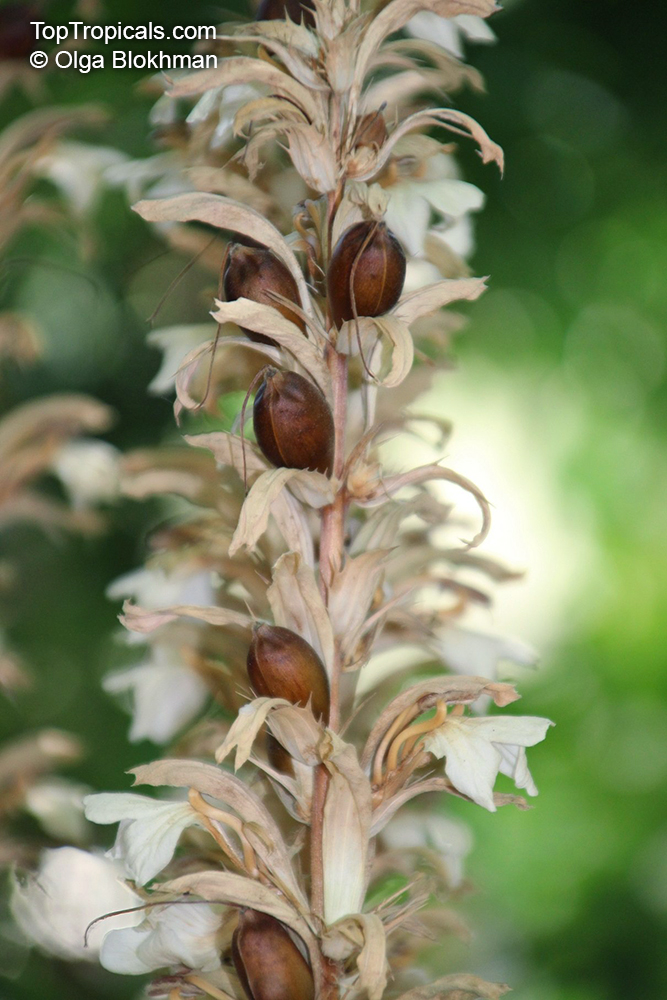
Acanthus sp., also known as Acanthus, Bear's Breeches, grows in full sun to partial shade and will thrive in most soils, provided they are well-drained. It is a thinly branched unusual perennial with interesting foliage, basal clusters of oblong to lance-shaped glossy, dark green leaves reaching up to 12 inches long. The leaves have silver marks and wavy margins. It produces showy pink flowers in the summer to fall.
The plant needs regular watering, but should not be over watered, as this can lead to root rot. It is a deciduous plant so it will lose its leaves during the winter months. It is a somewhat spiny, but attractive plant. For colder regions, it is recommended to grow Acanthus in a pot and move them indoors once it gets too cold to leave the plant outside. In these cases the plant should be placed in a south-facing window and watered regularly.
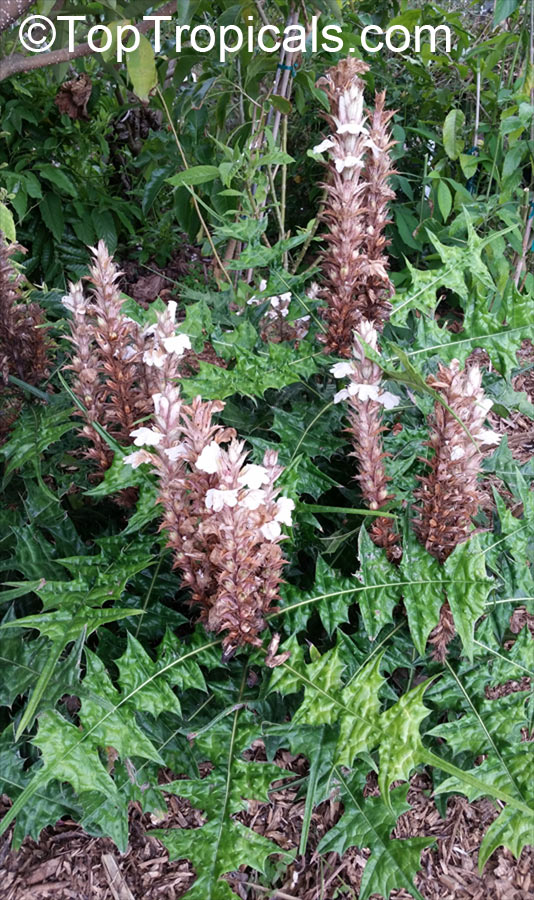
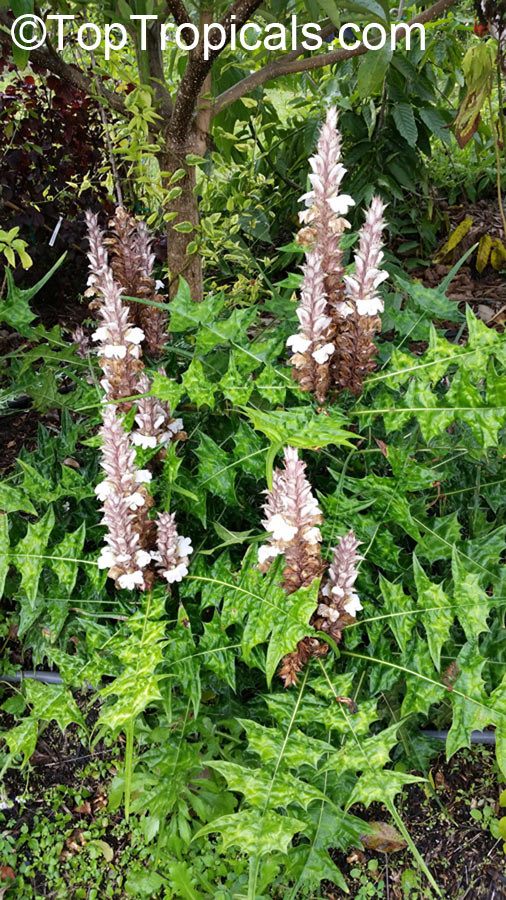
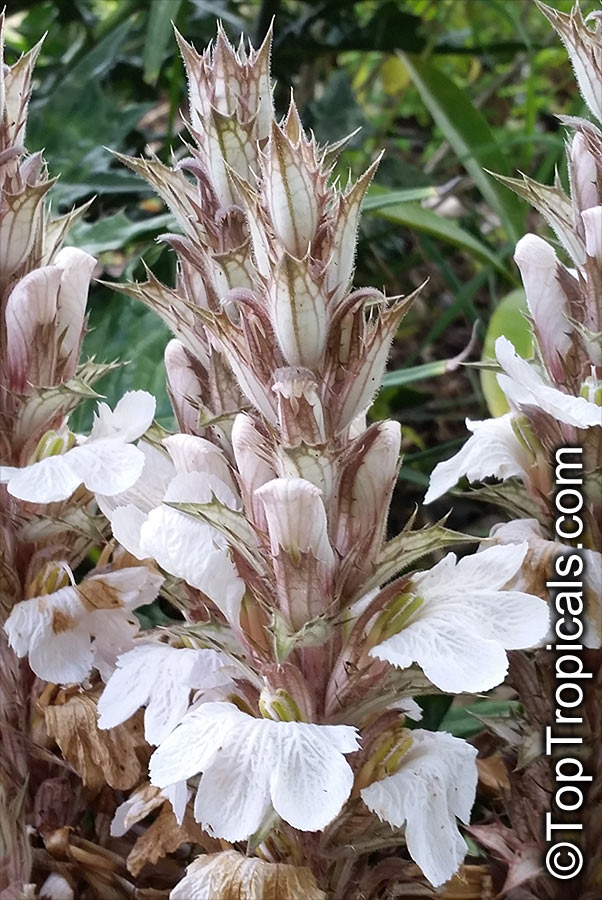
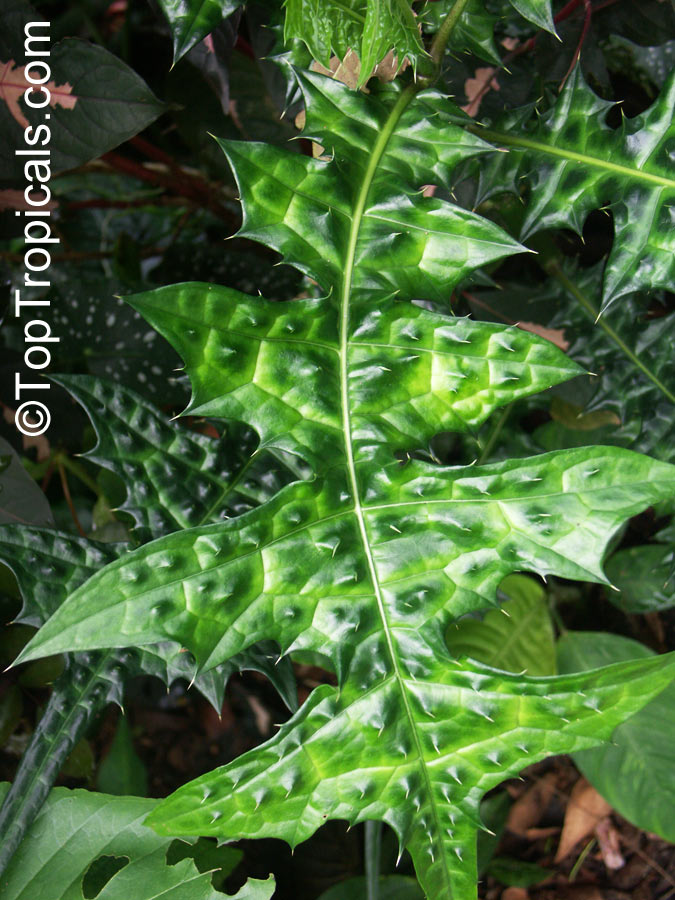

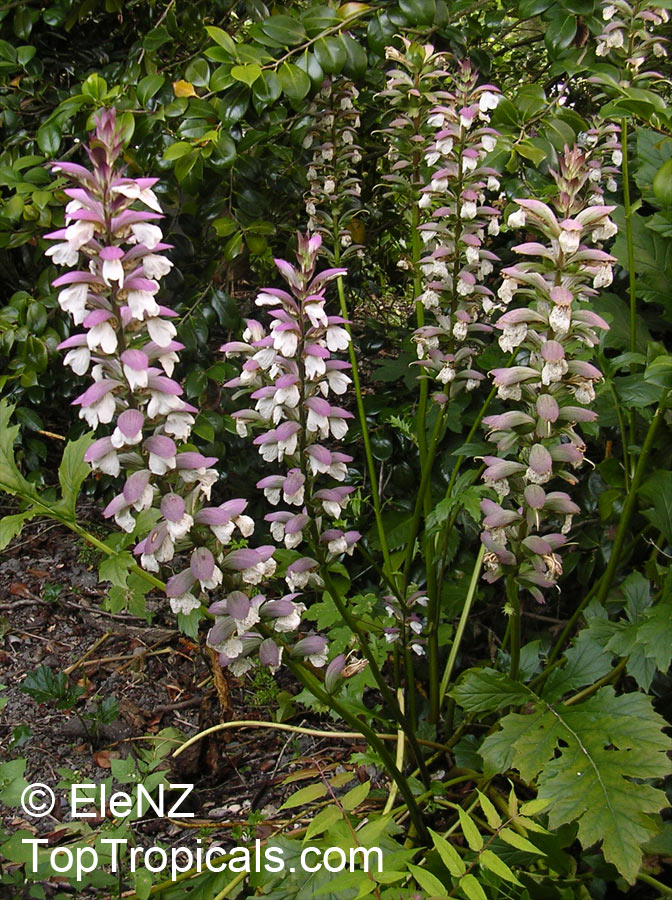




See picture of alligator skin.
Recommended Fertilizer: SUNSHINE Megaflor - Bloom Nutrition Booster
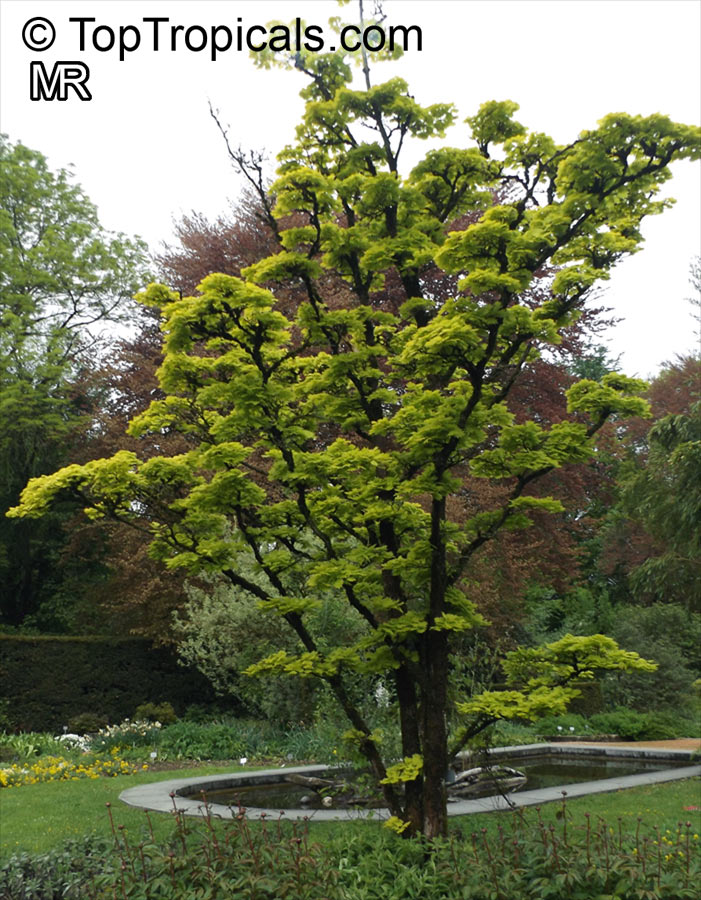
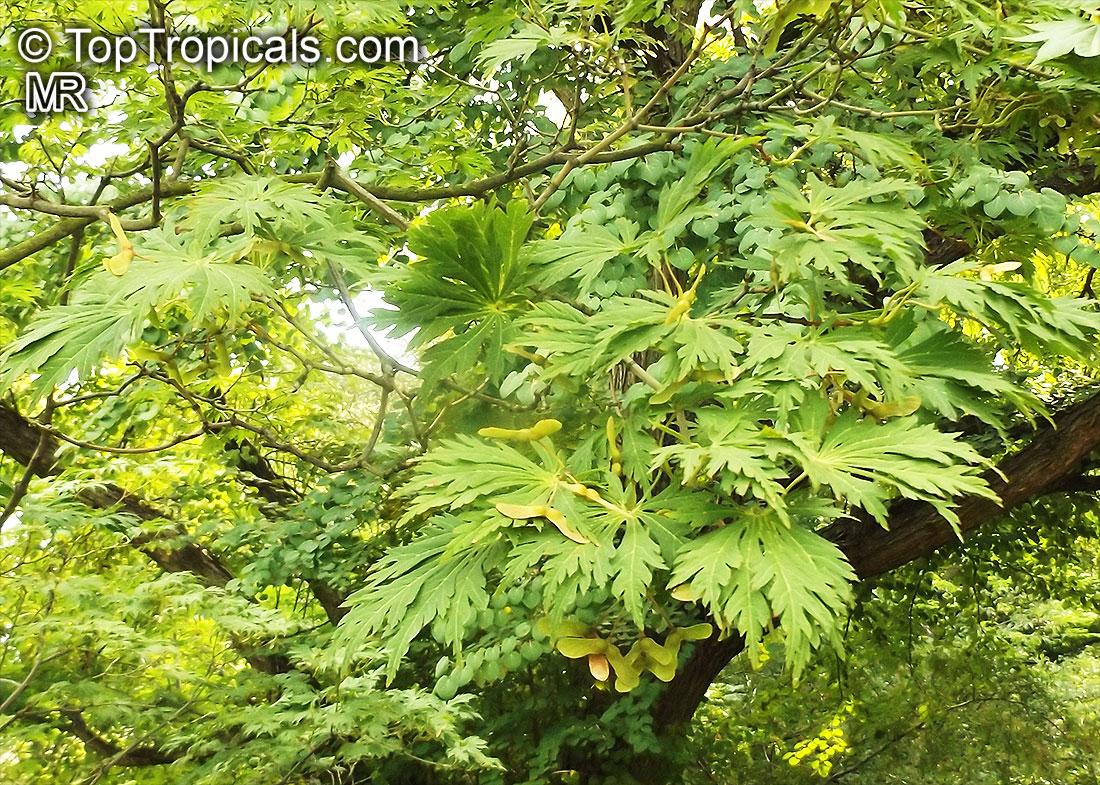
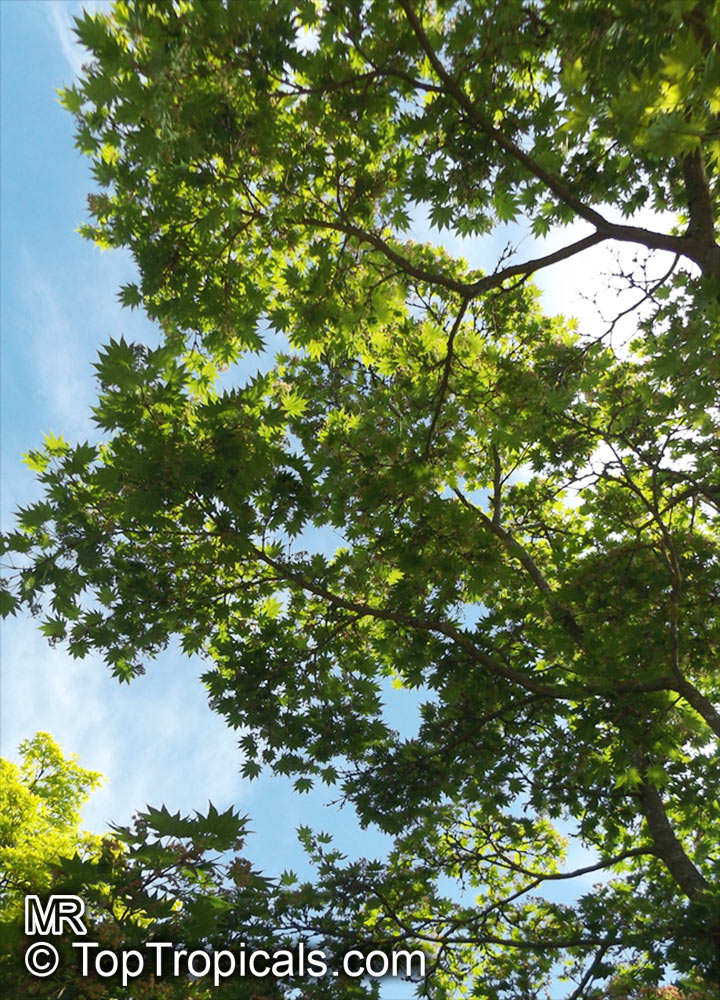
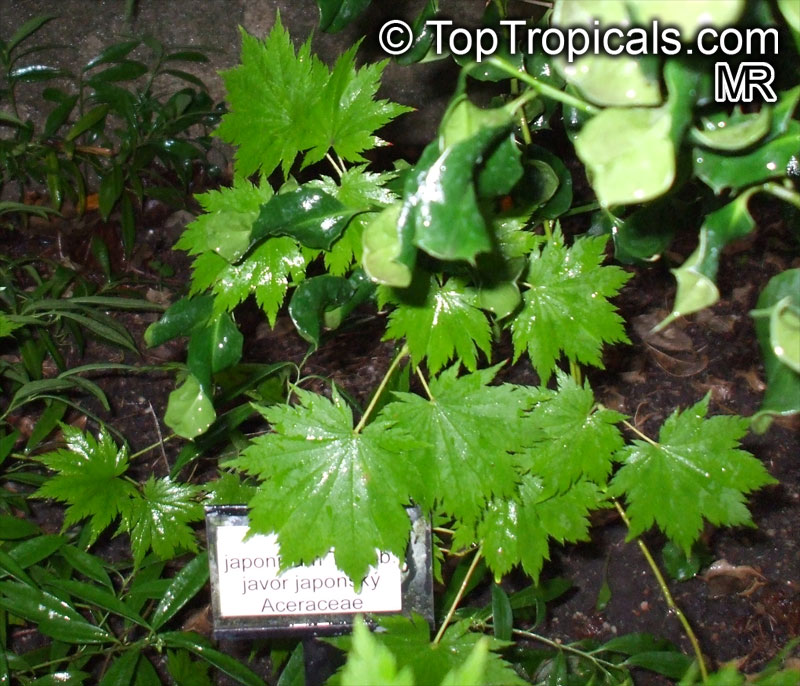
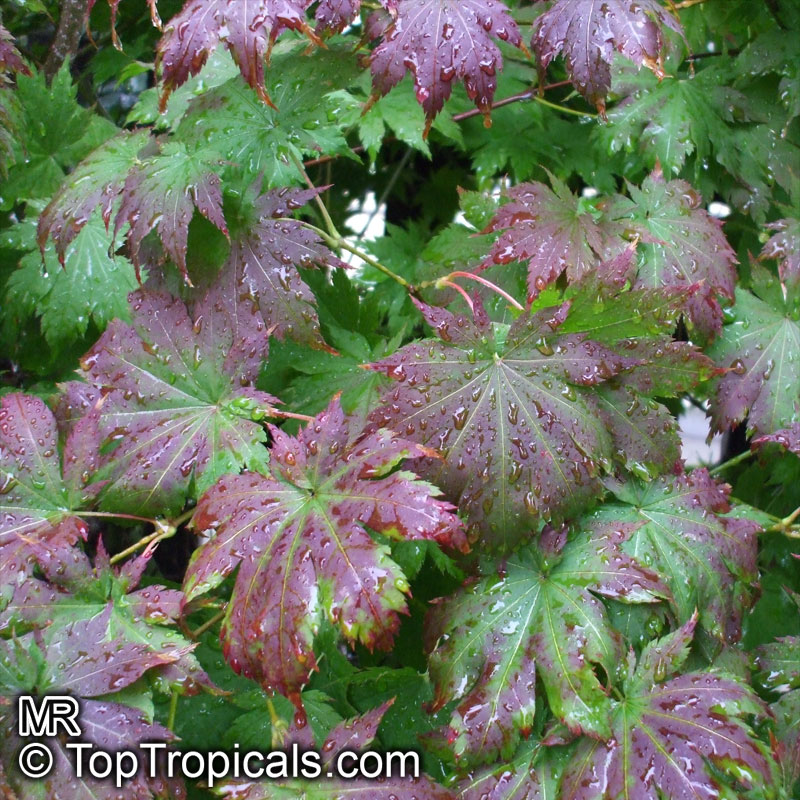
Botanical name: Acer japonicum
Common names: Amur maple, Downy Japanese maple, Fullmoon maple
Family: Sapindaceae
Origin: Japan


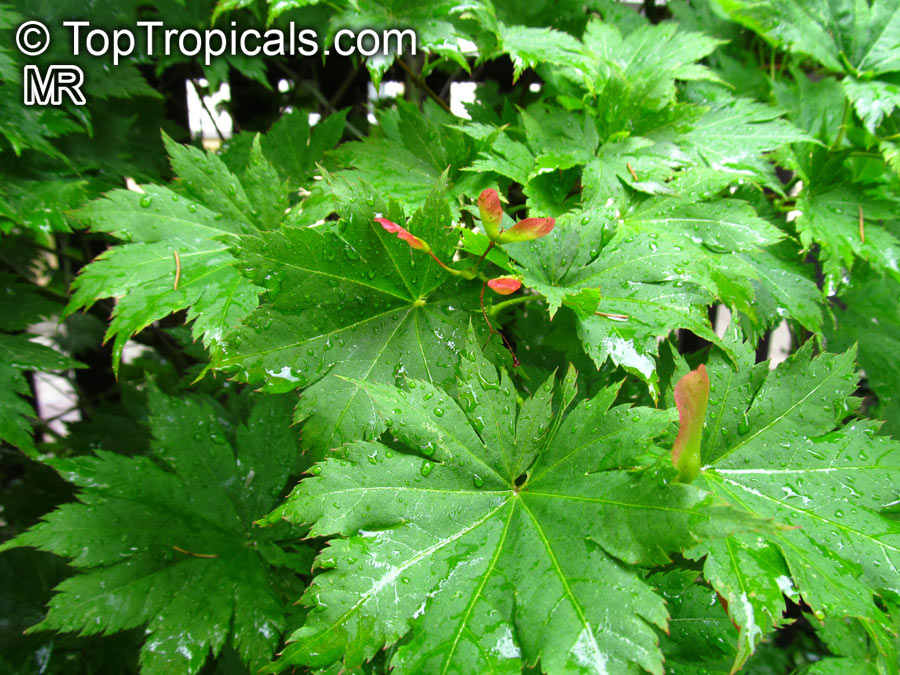
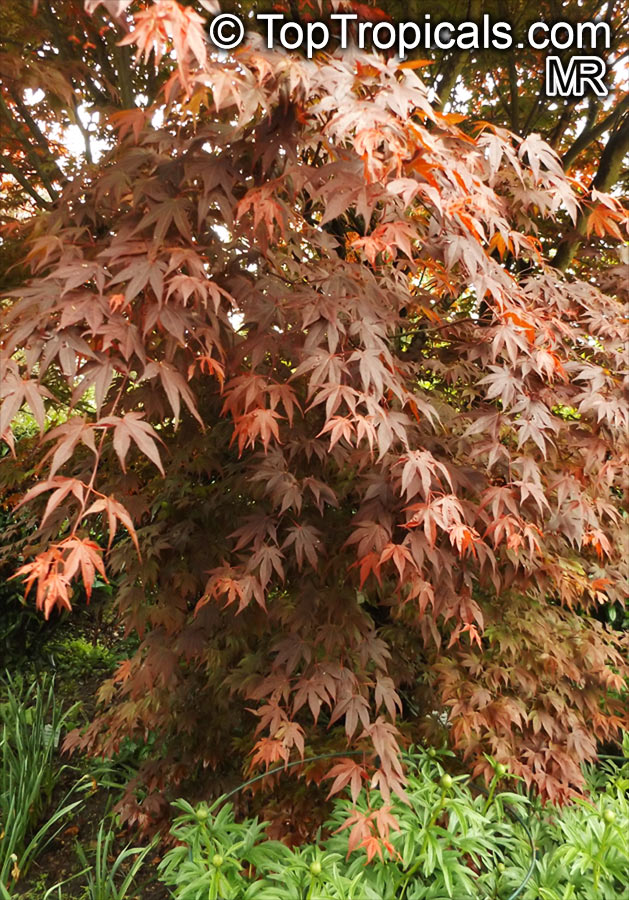
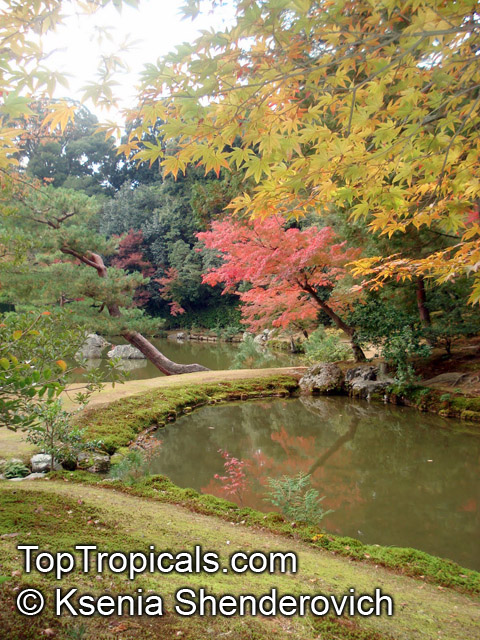
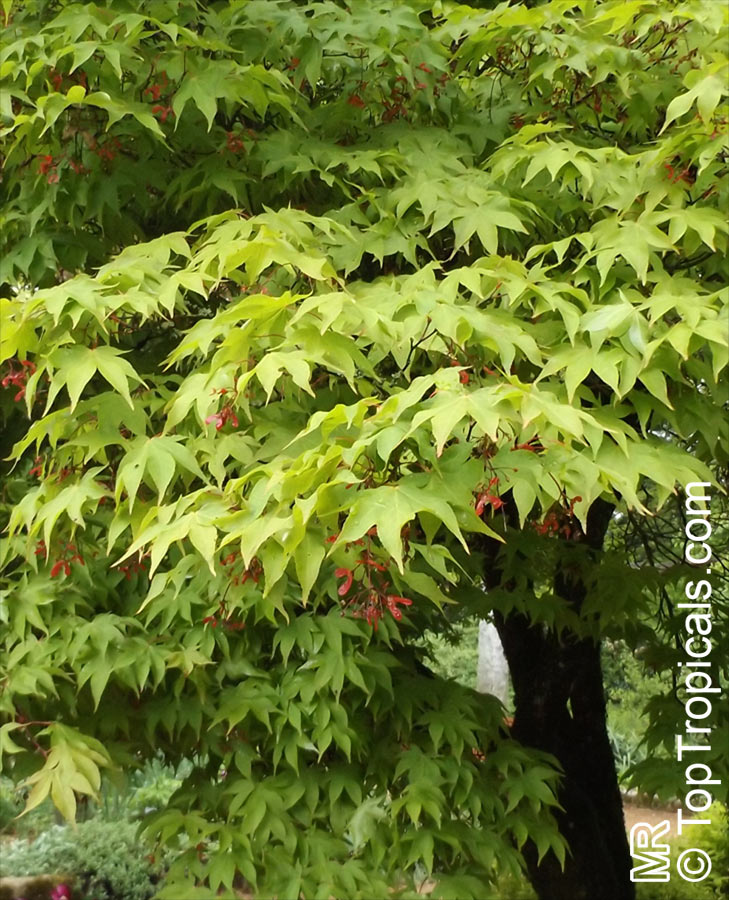
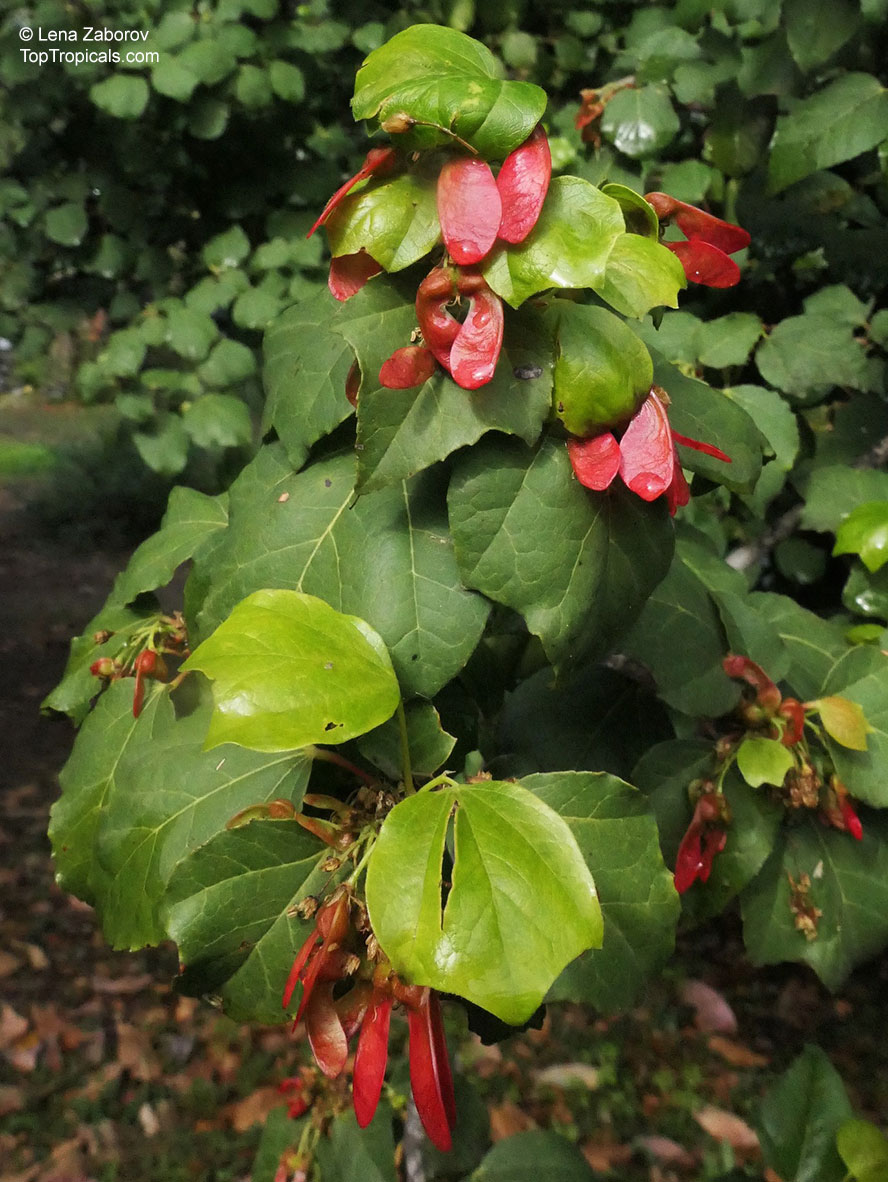
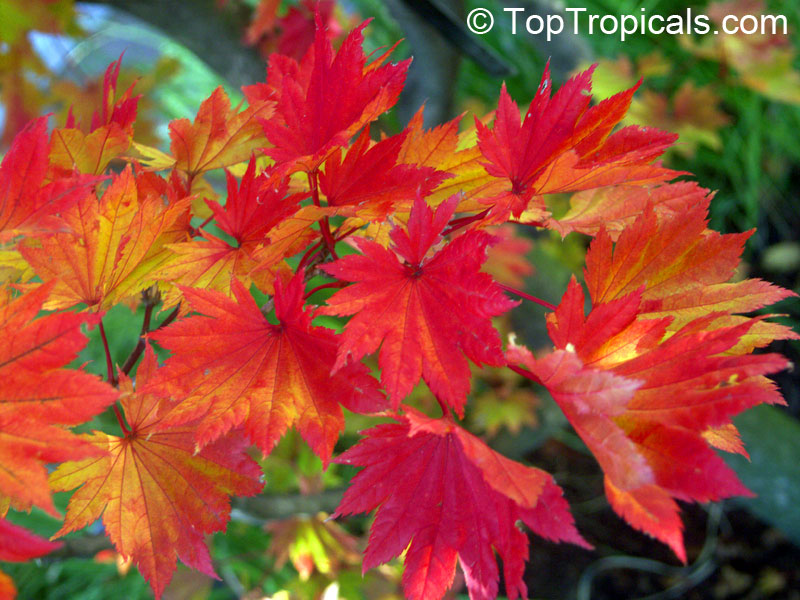
Acer japonicum is a small deciduous tree growing to 5-10 m (rarely 15 m) tall, with a trunk up to 40 cm in diameter. In cultivation, it is often only a shrubby tree with multiple trunks joining at ground-level. In autumn, the leaves turn bright orange to dark red.
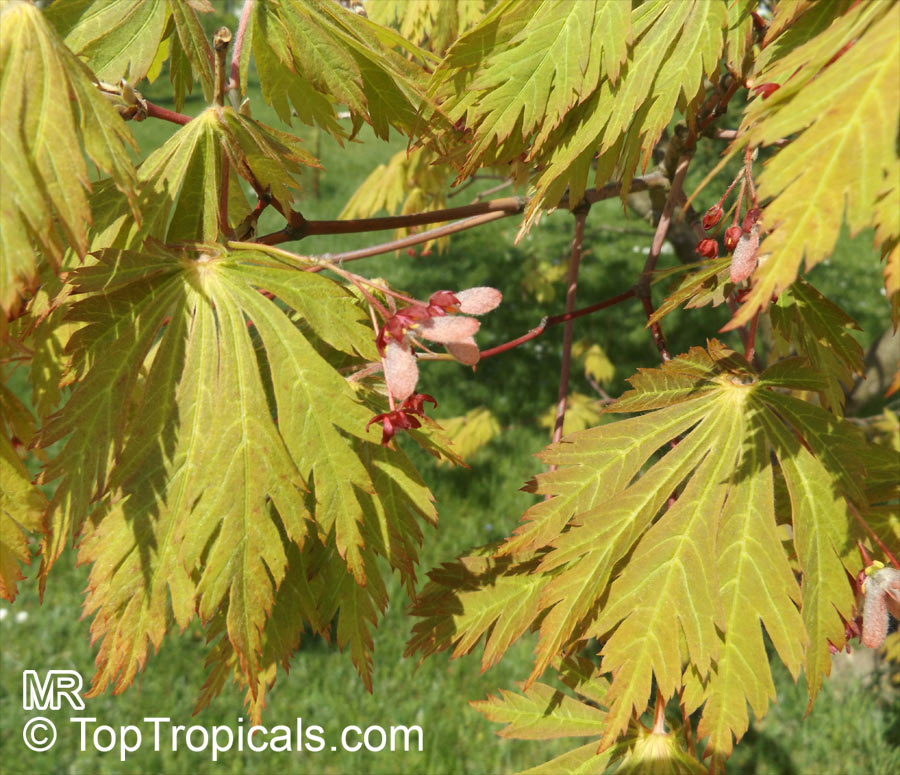
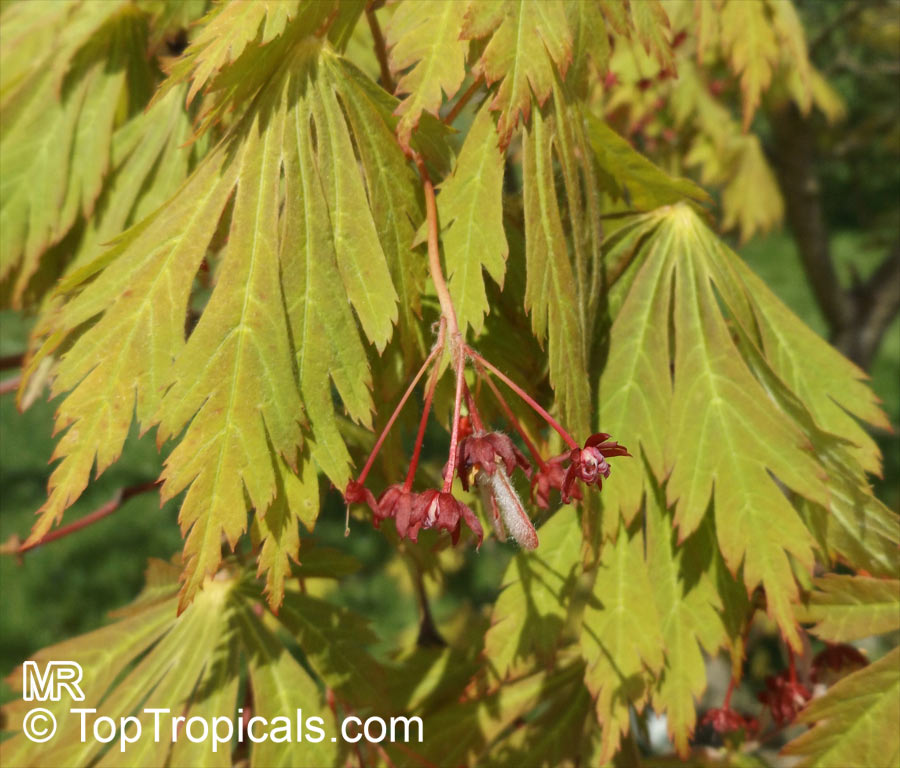
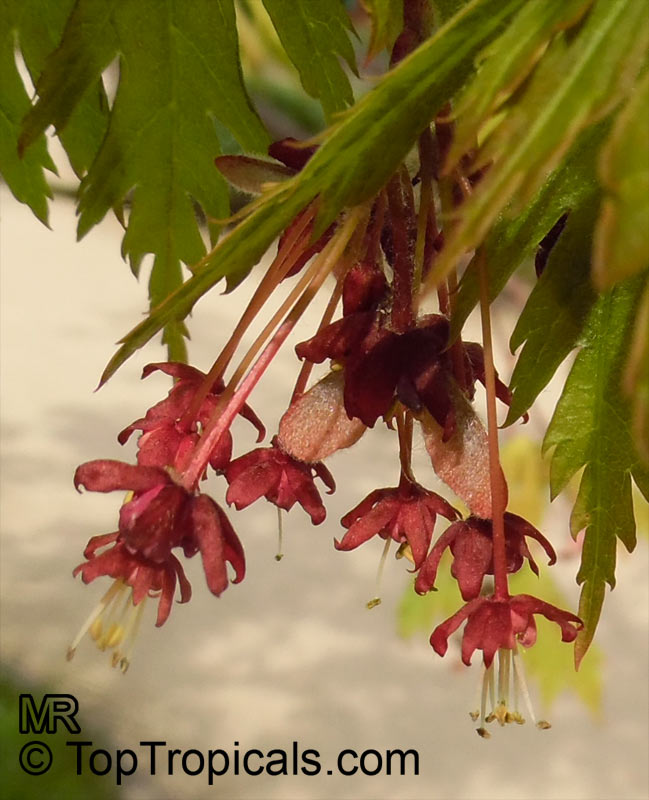
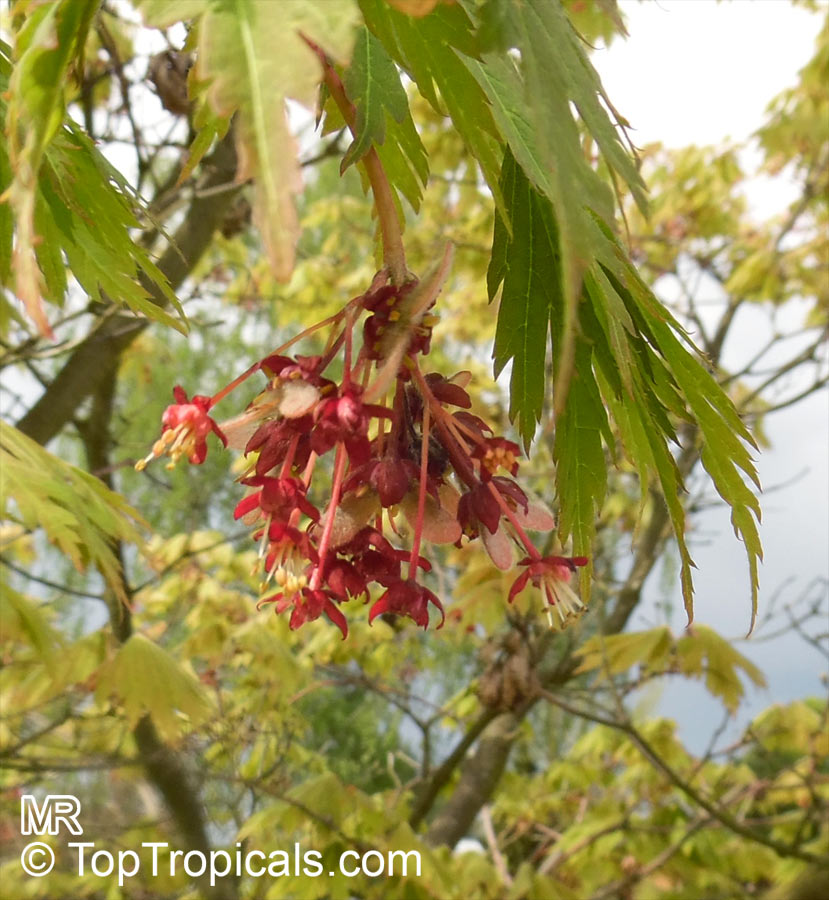
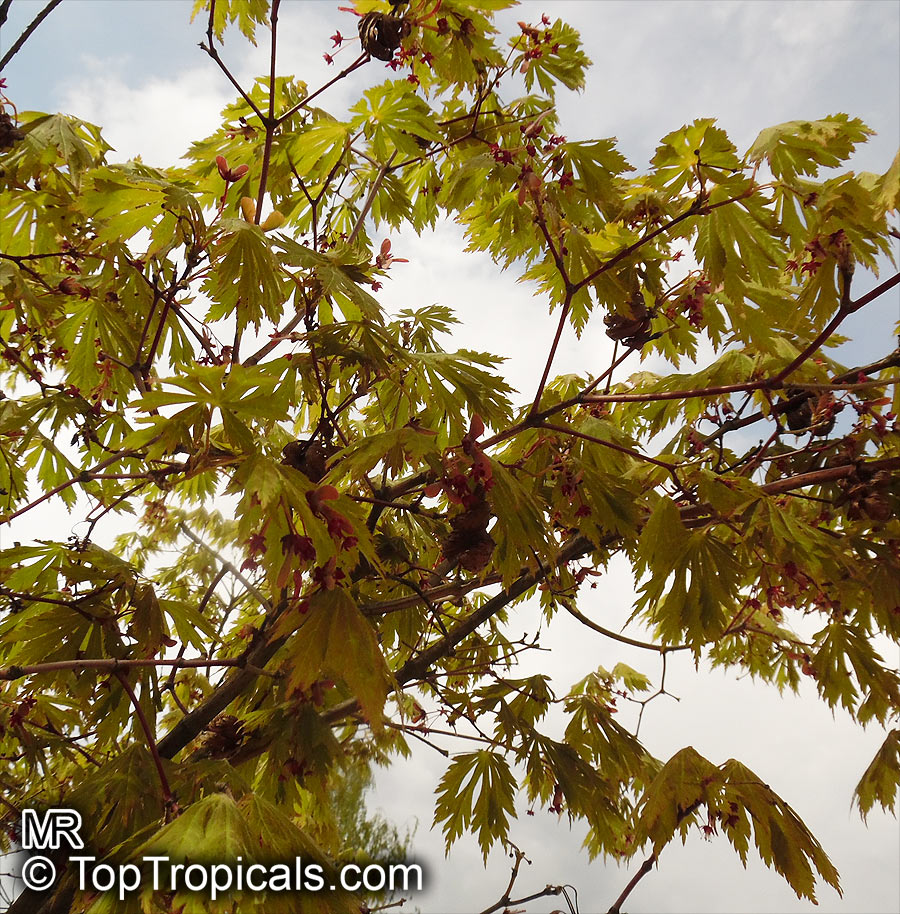
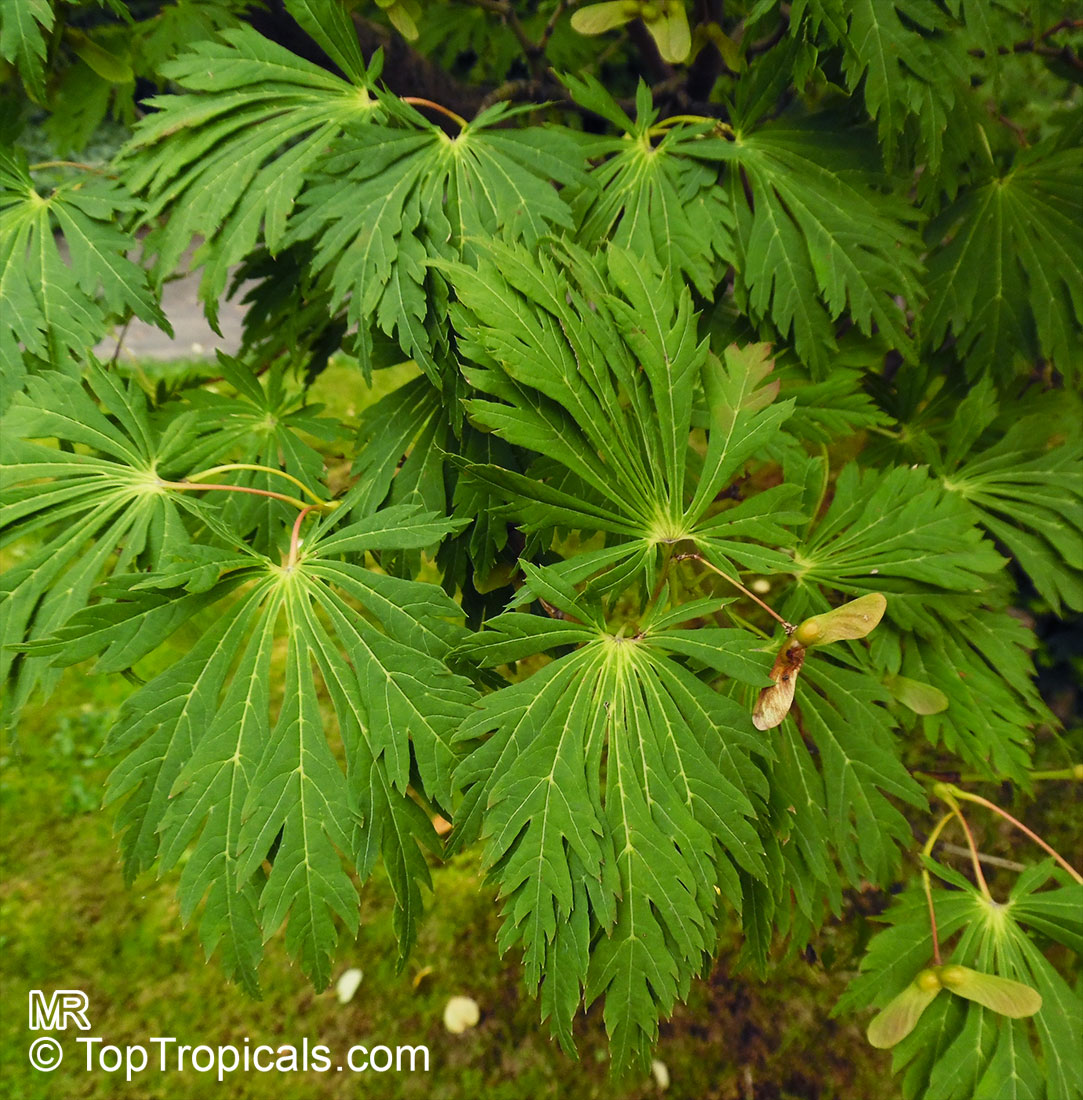
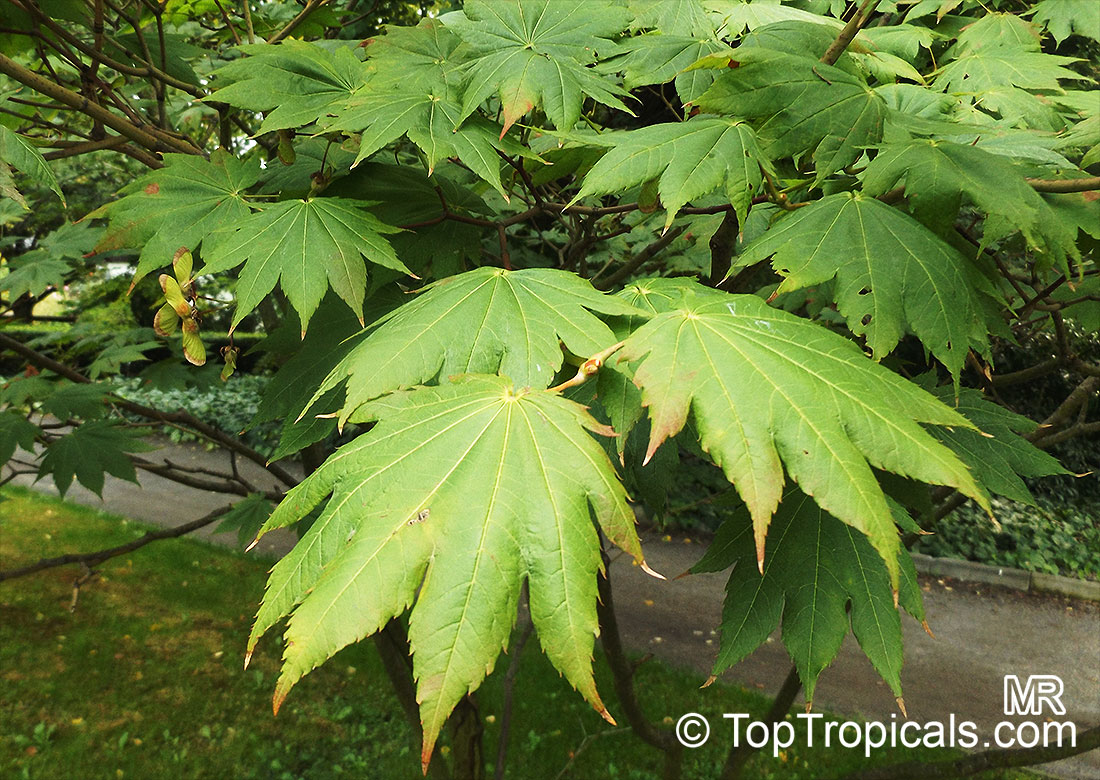
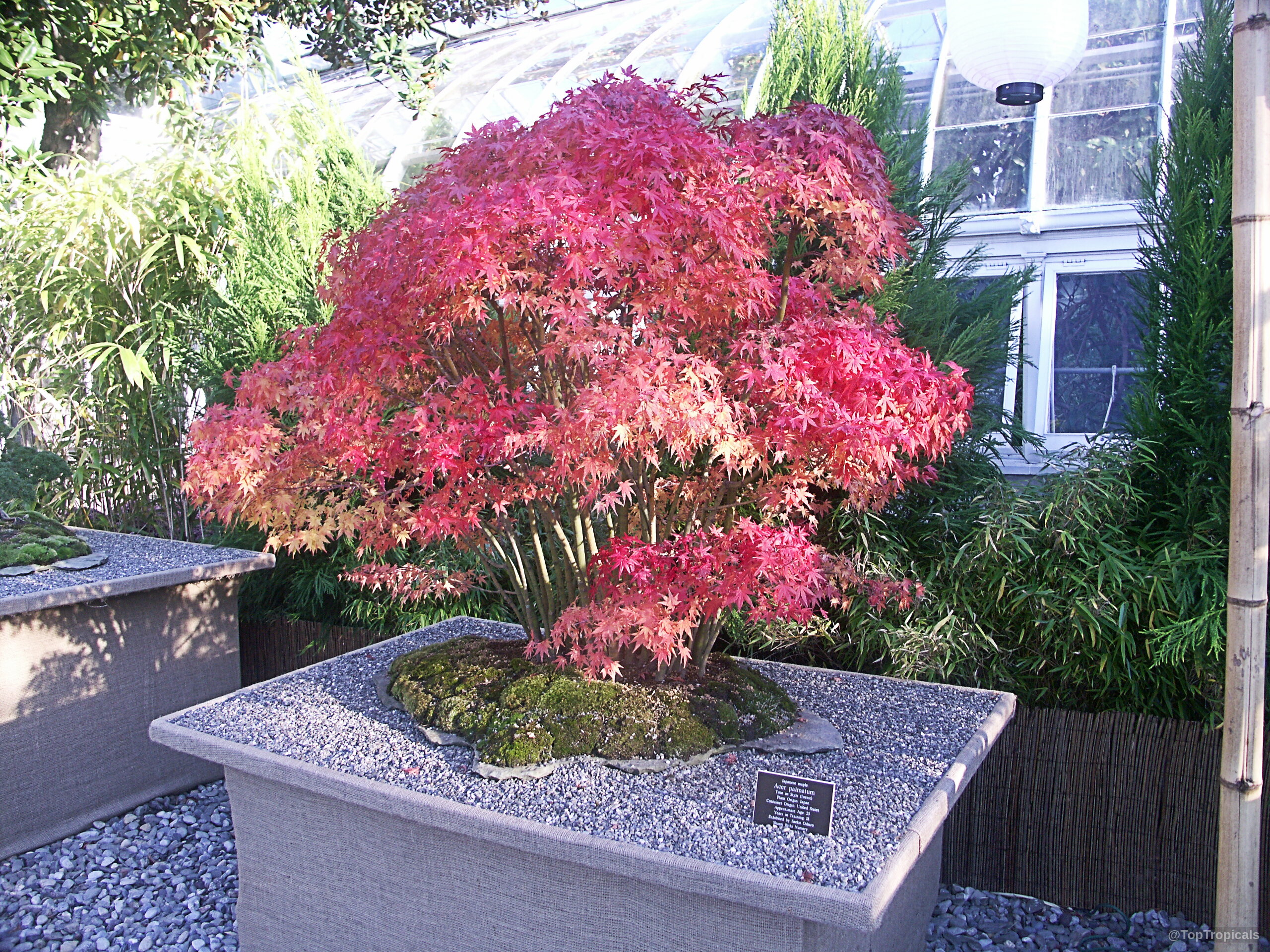
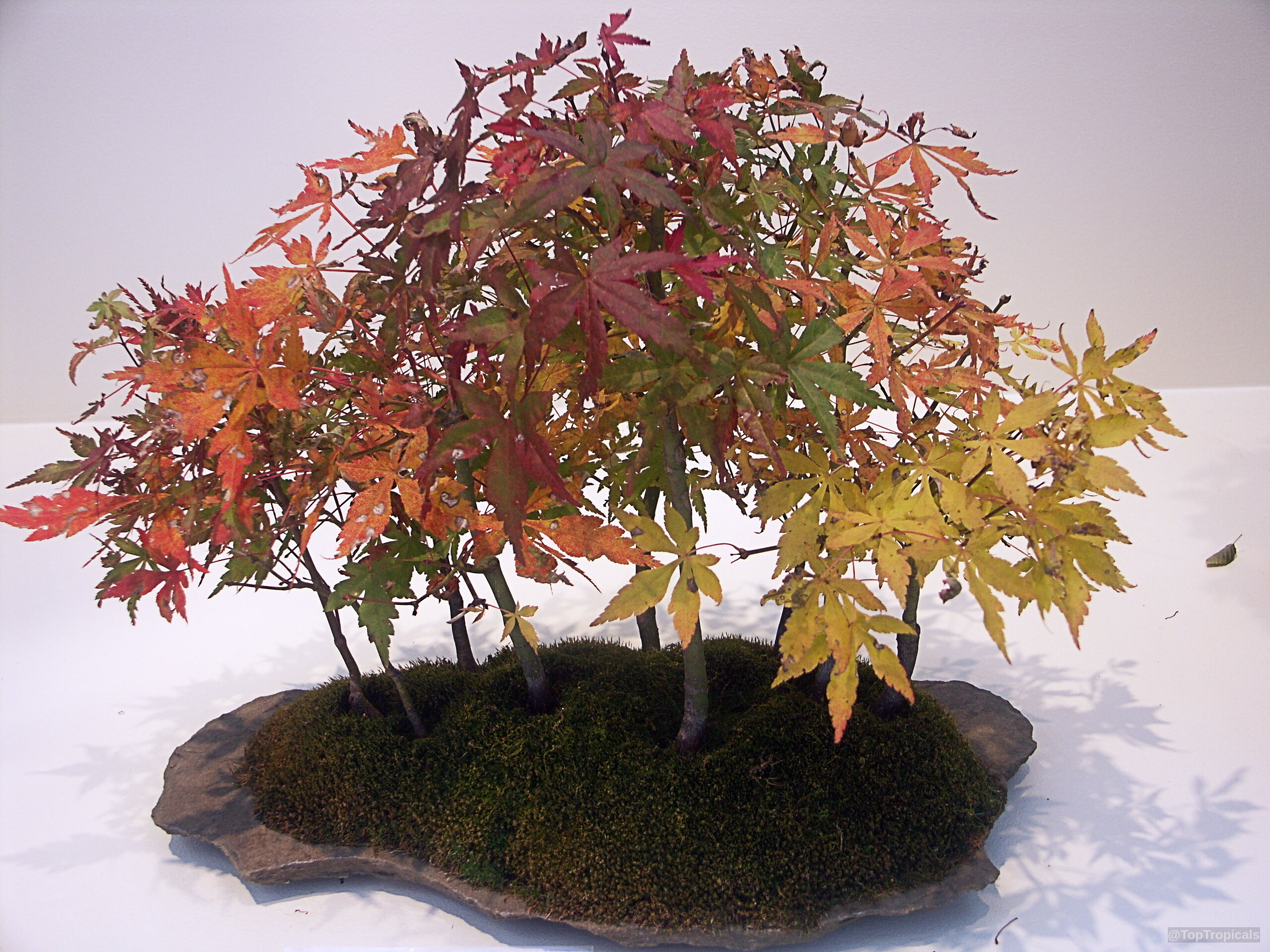
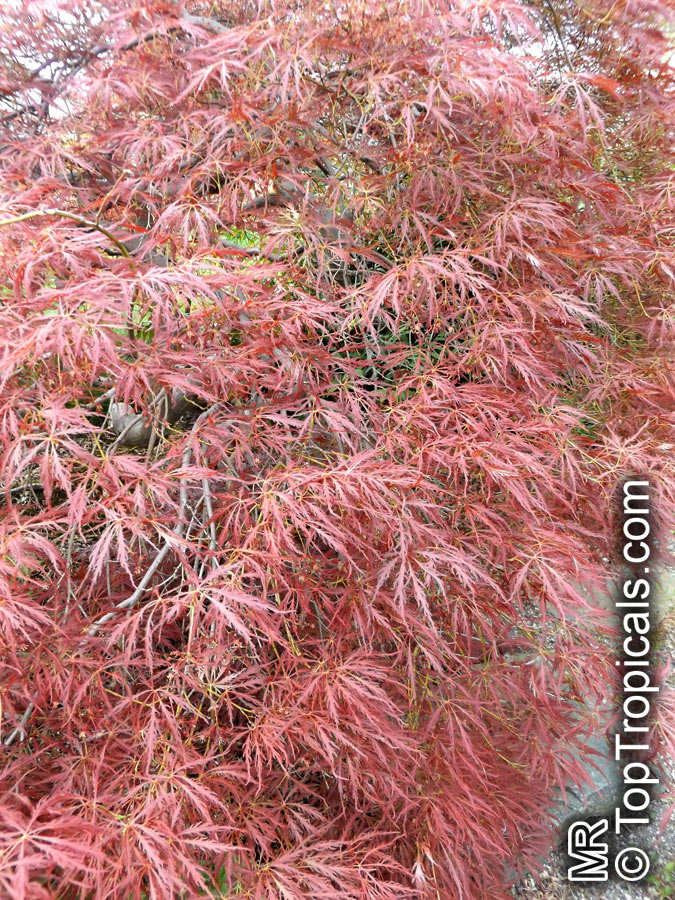
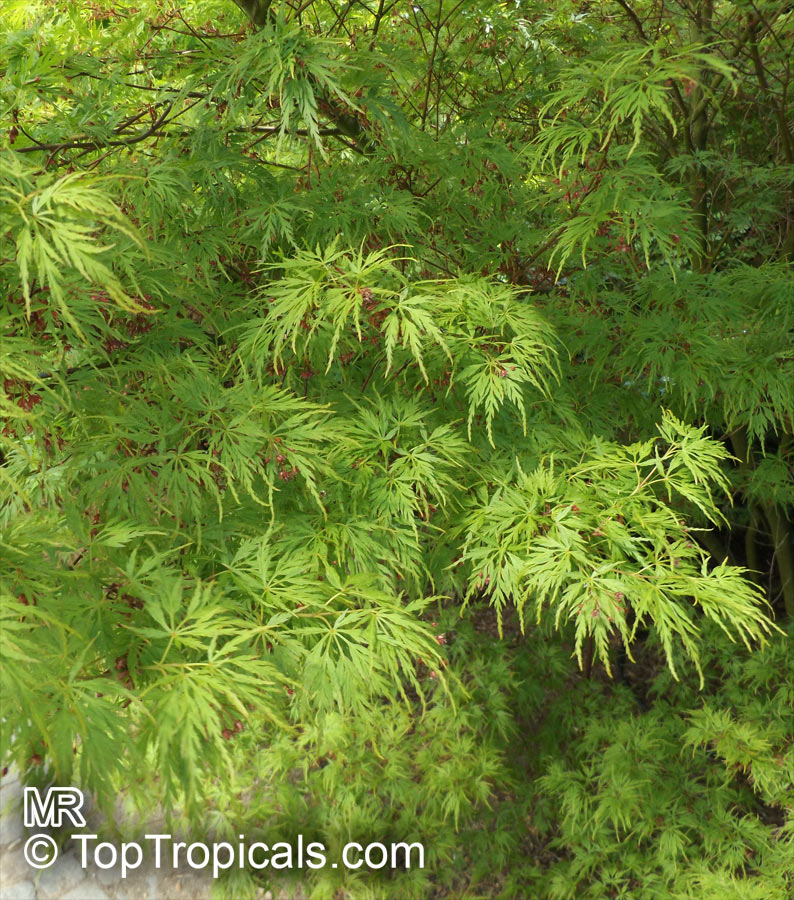
Botanical name: Acer palmatum
Common names: Japanese maple, Palmate maple, Smooth Japanese maple
Family: Sapindaceae
Origin: Japan

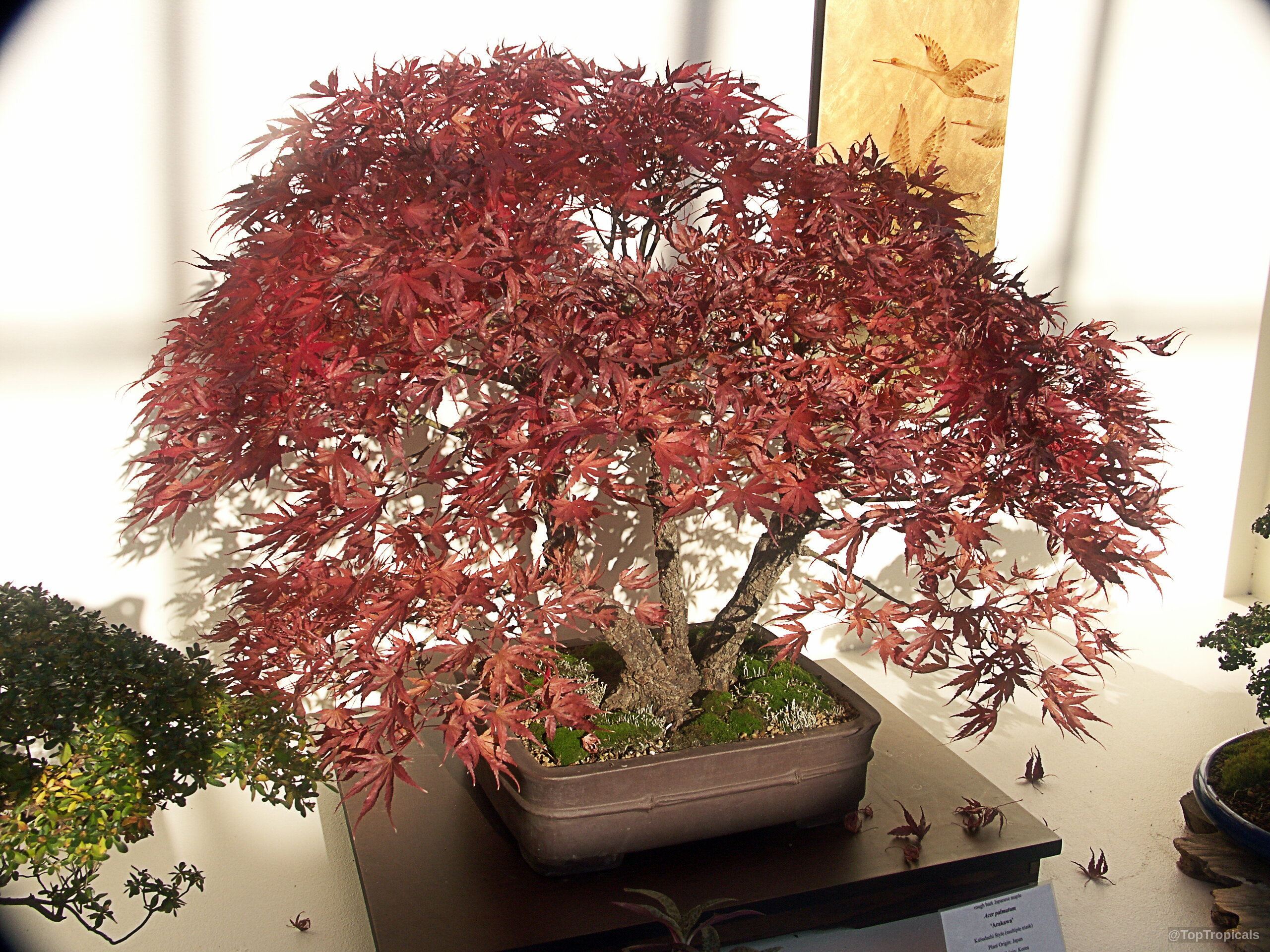
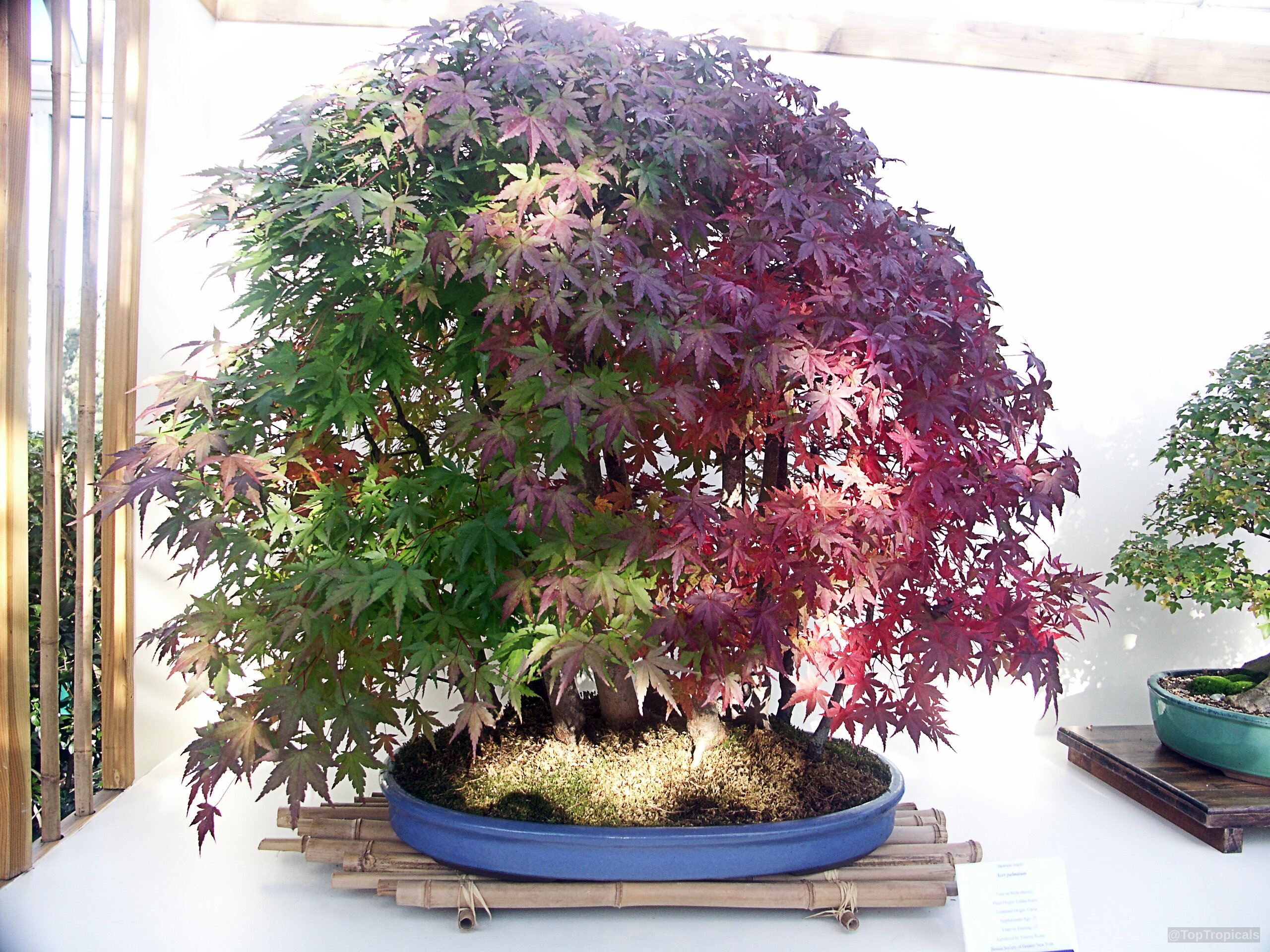
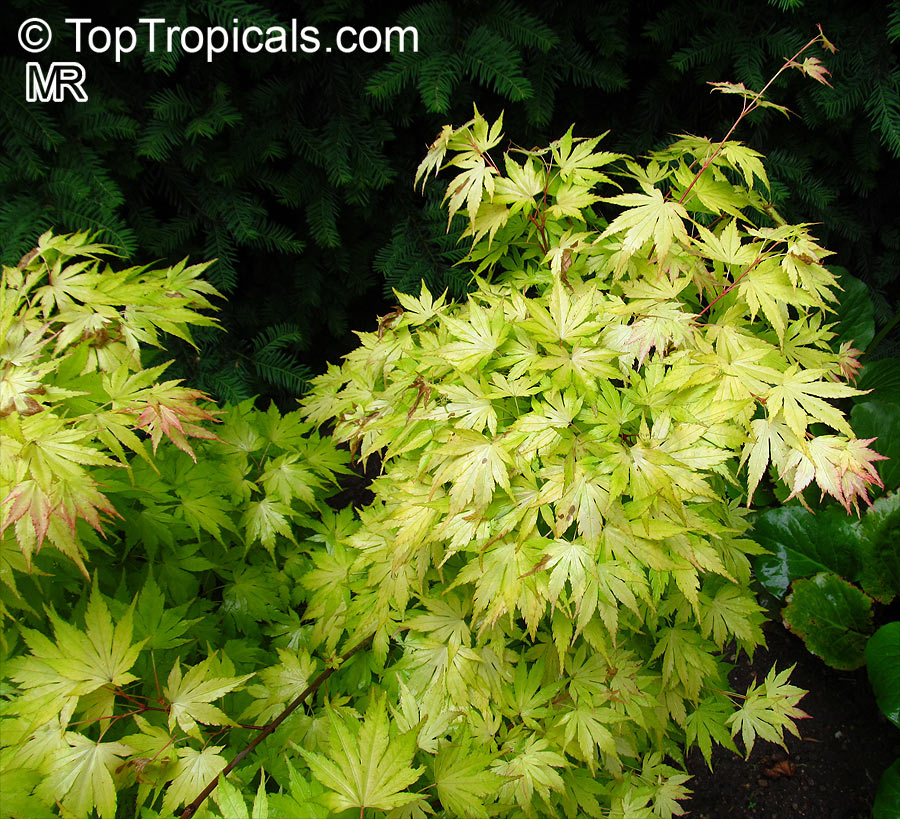
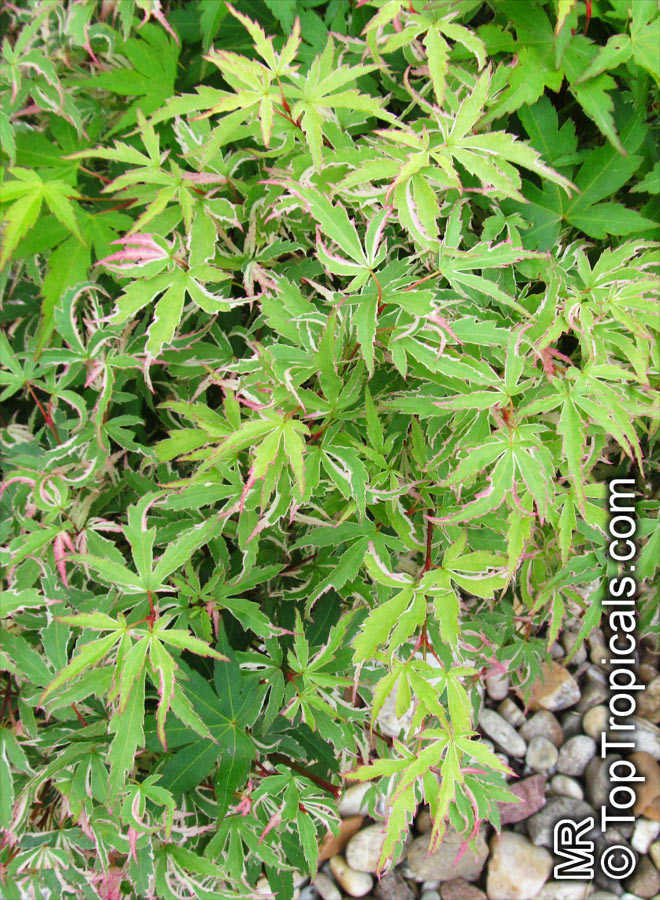
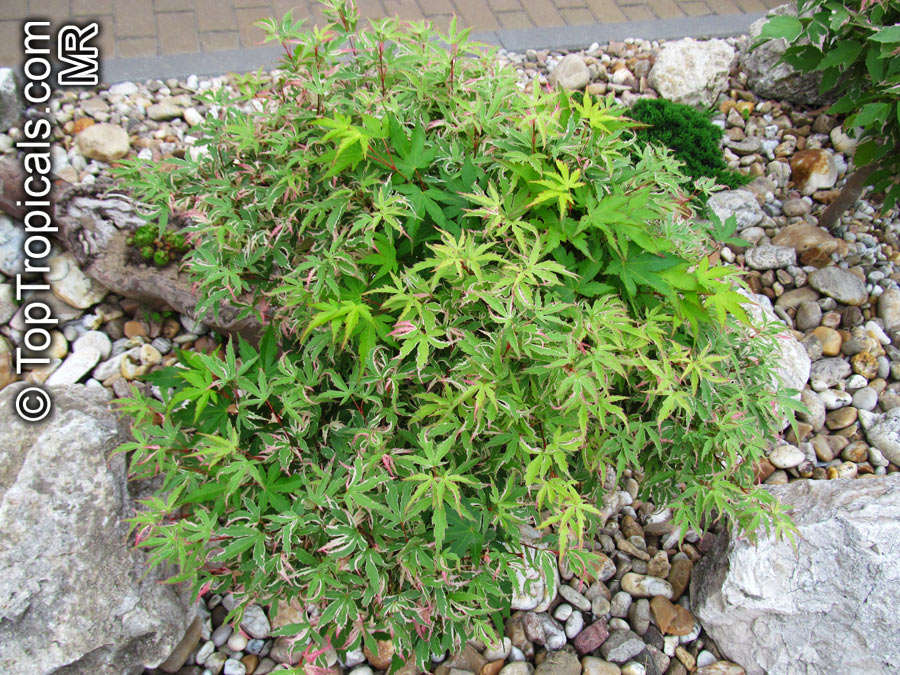
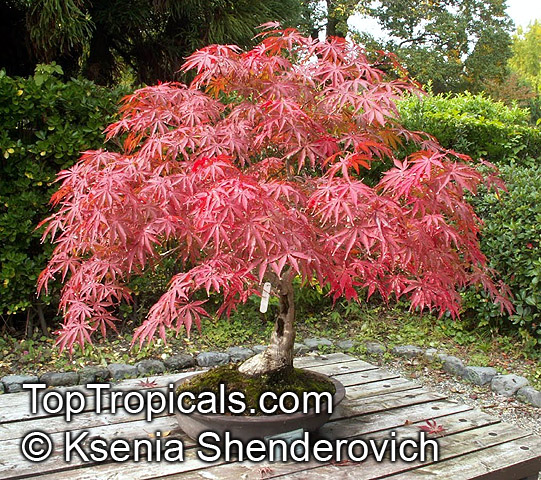
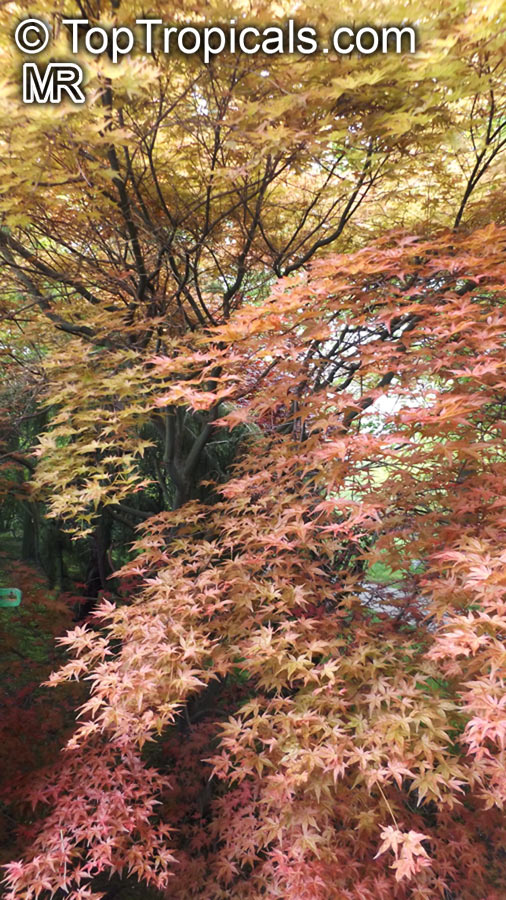
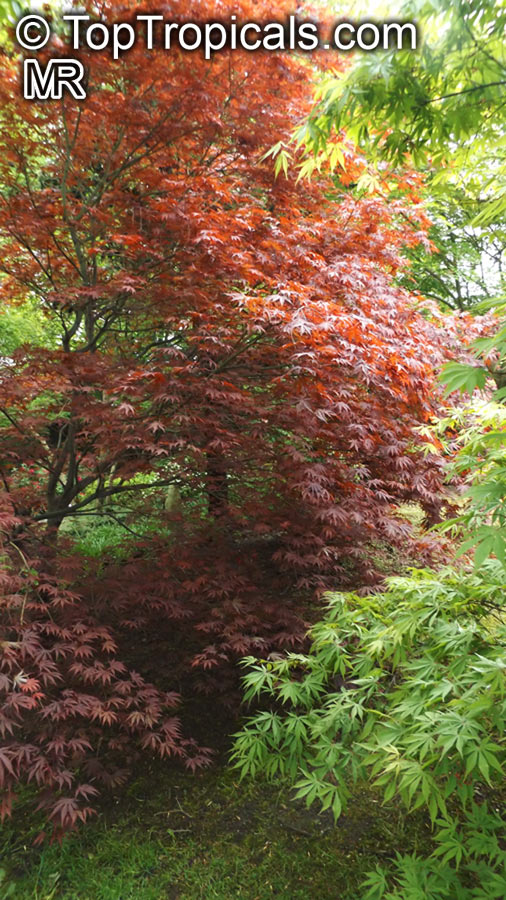
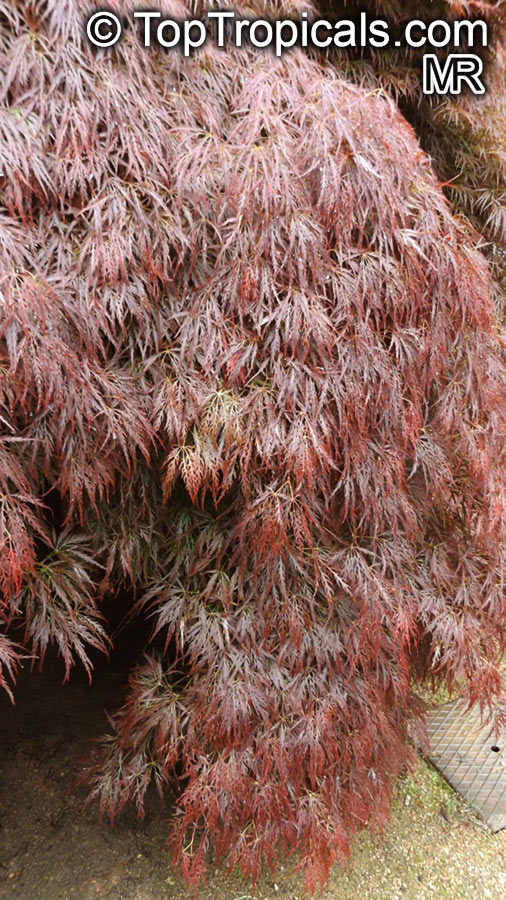
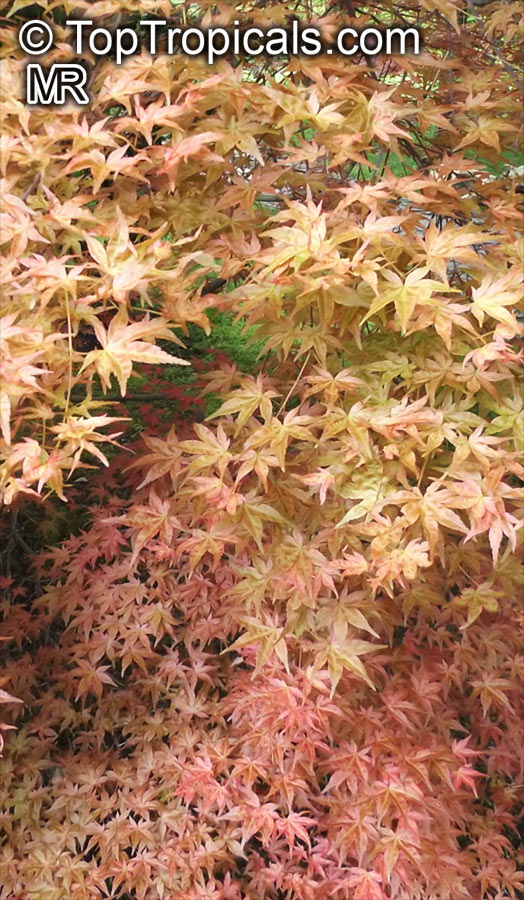
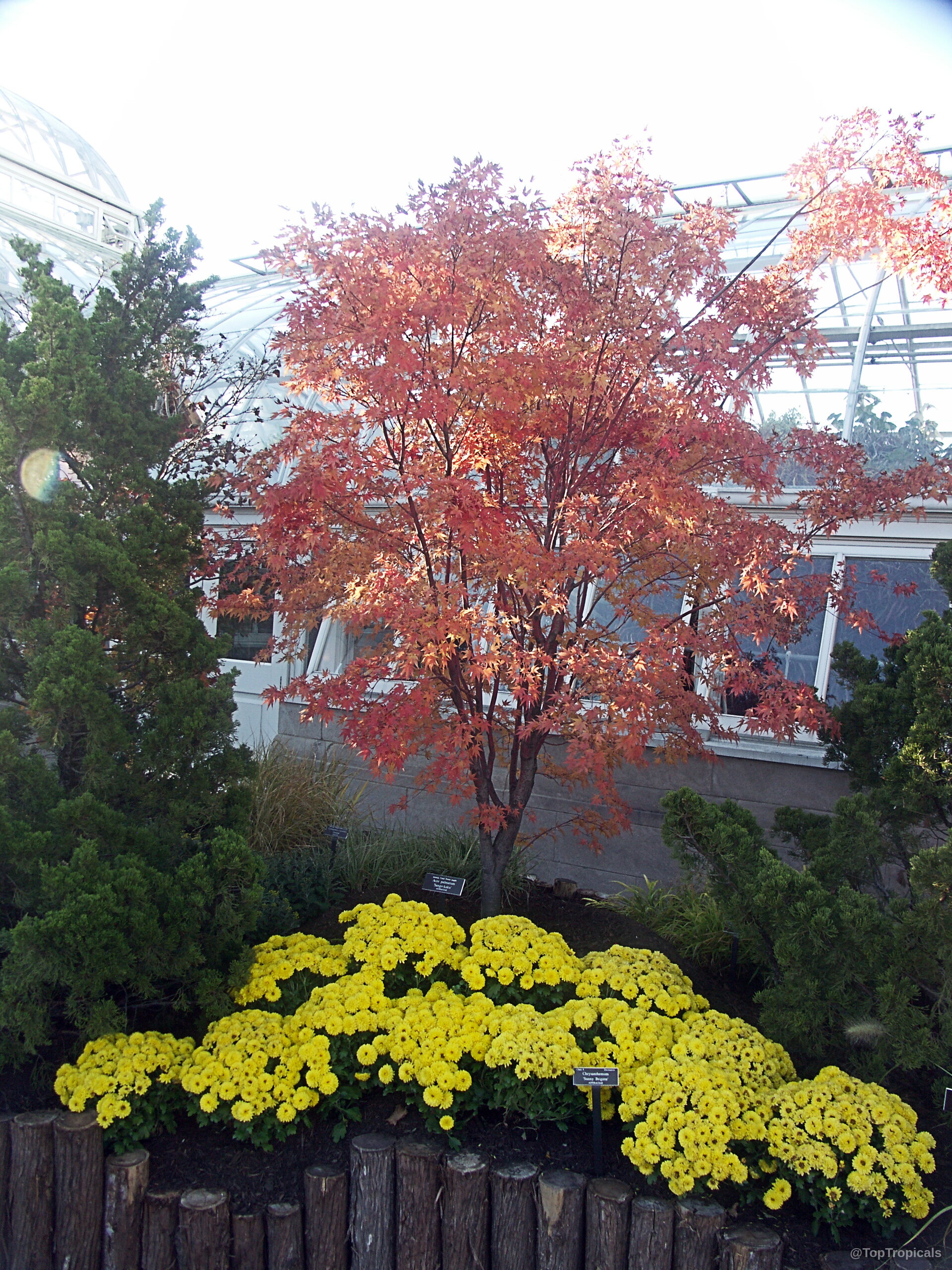
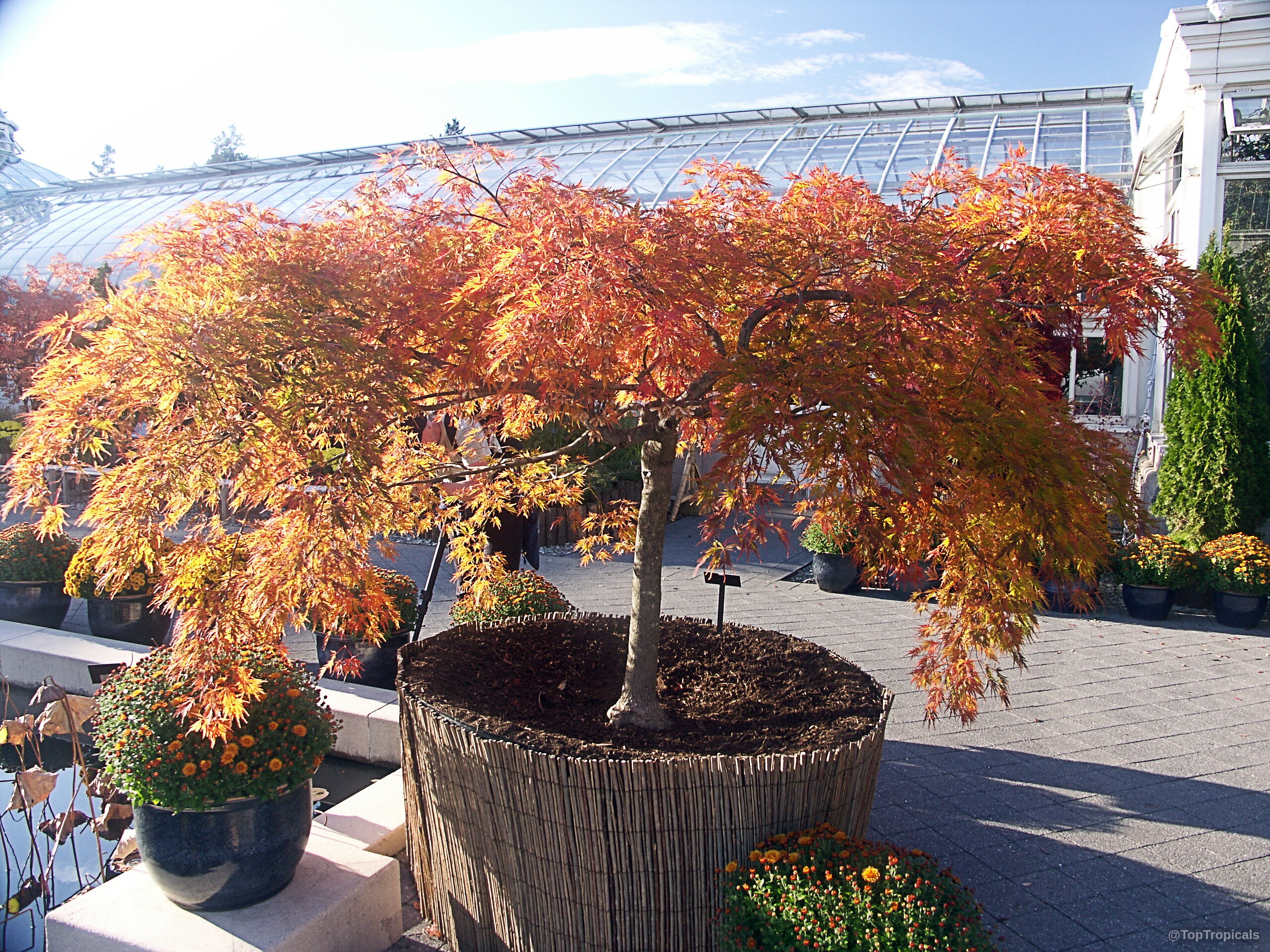
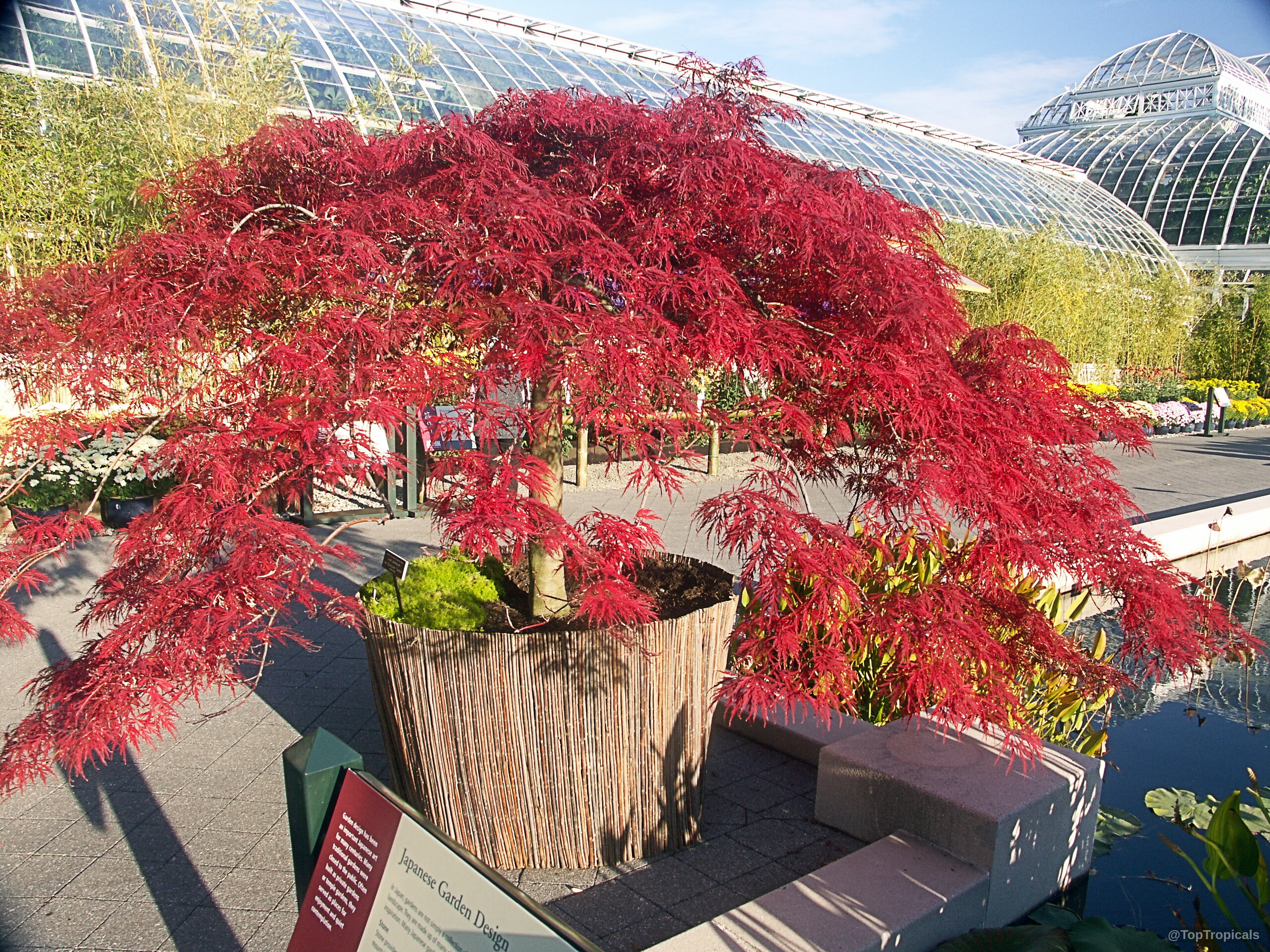
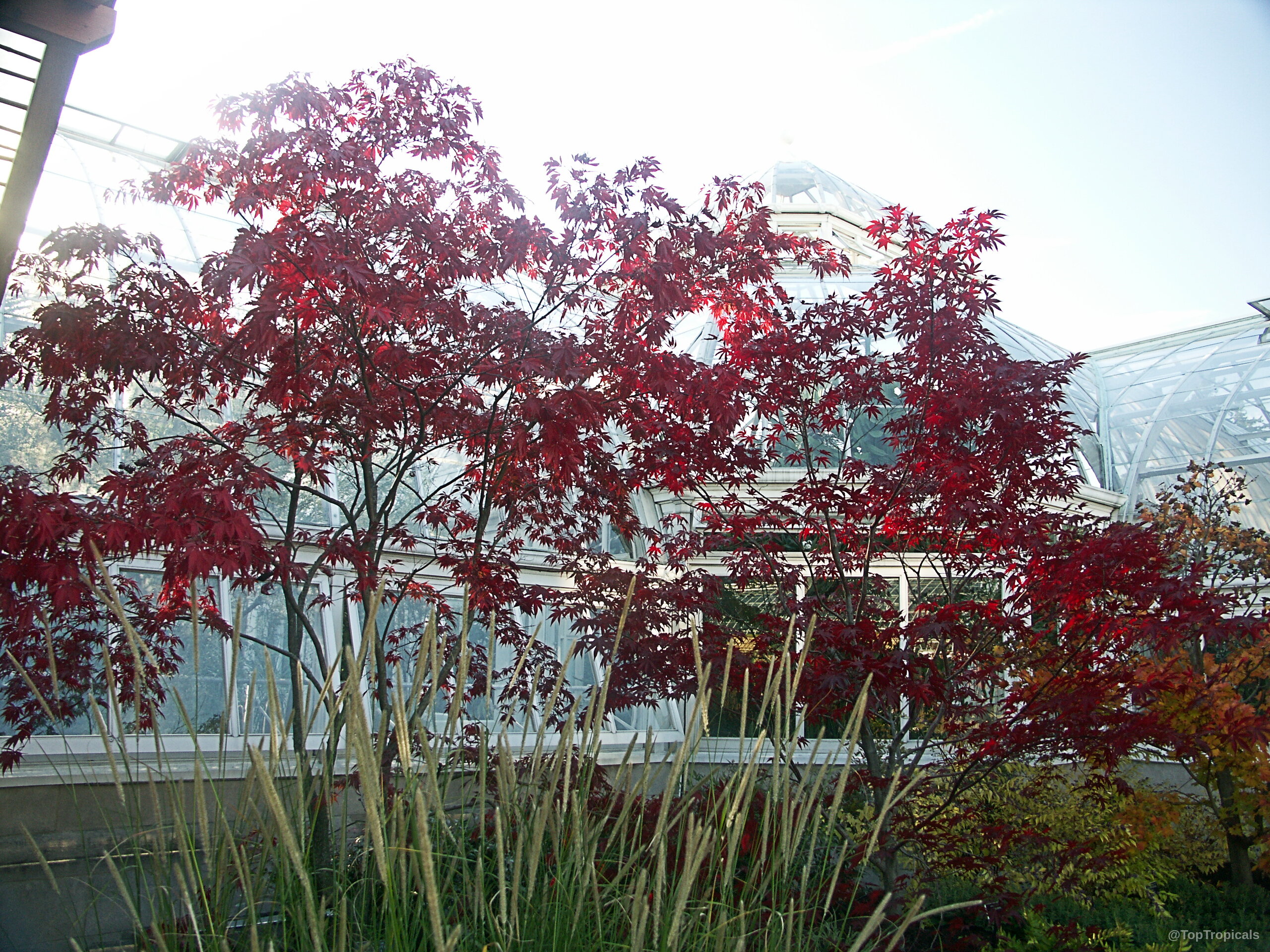
Acer palmatum includes thousands of named cultivars with a variety of forms, colors, leaf types, sizes, and preferred growing conditions. Heights of mature specimens range from 0.5 to 25 m (1.5 to 82 ft), depending on type.
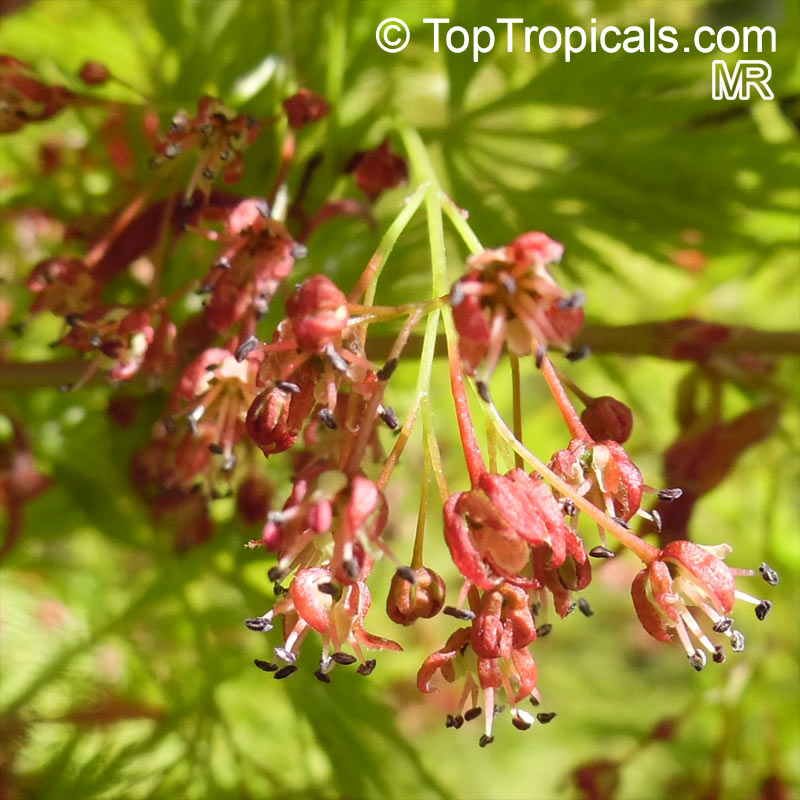
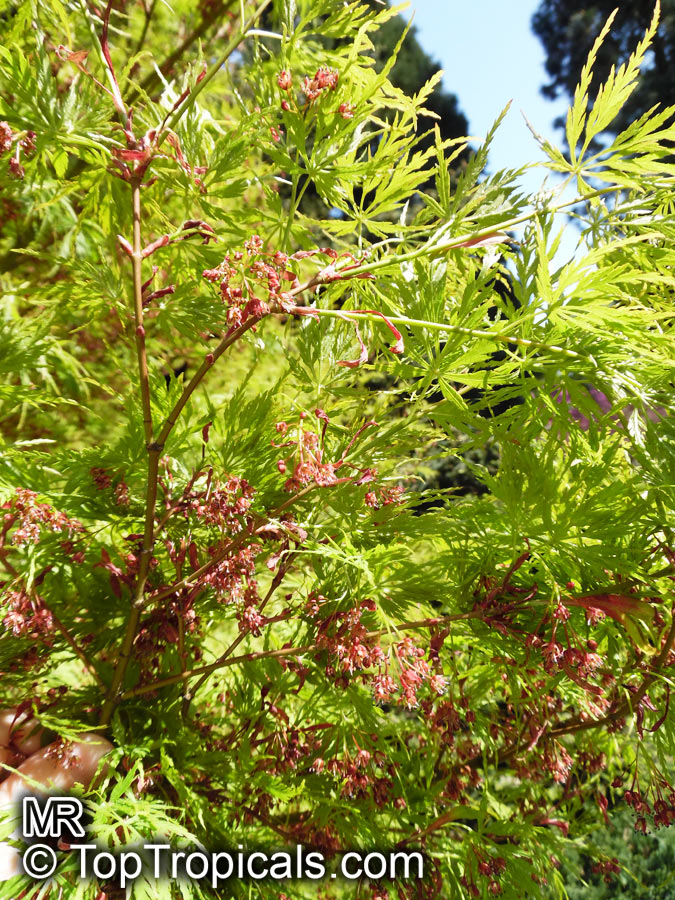
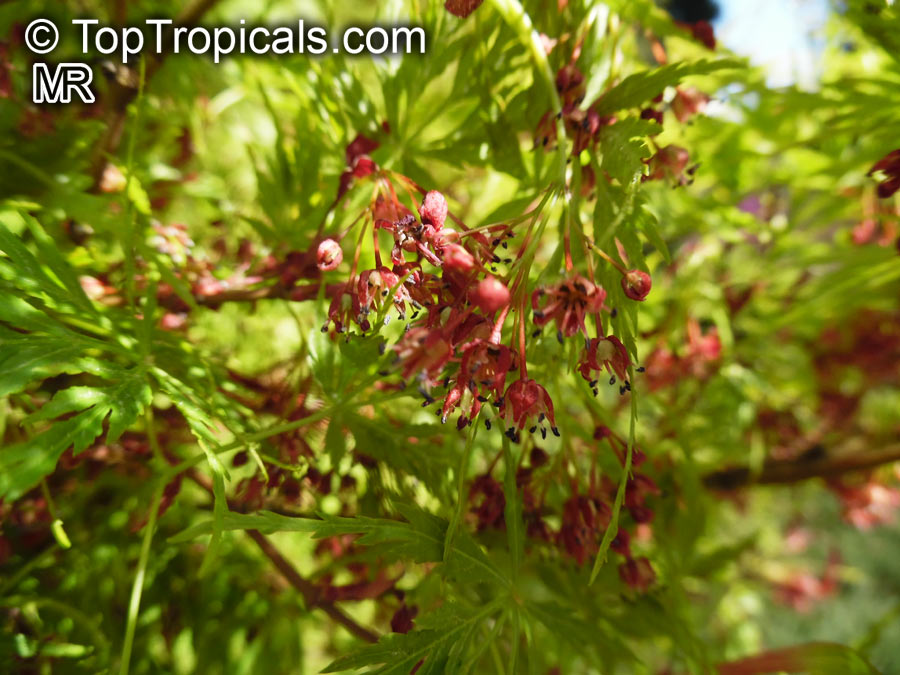
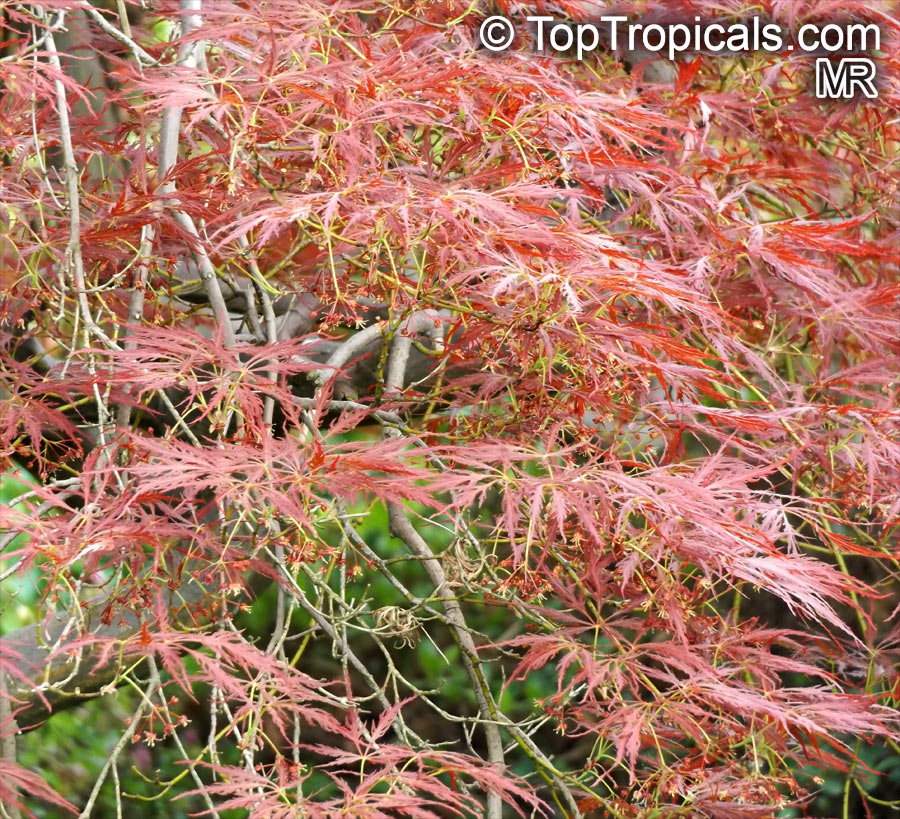
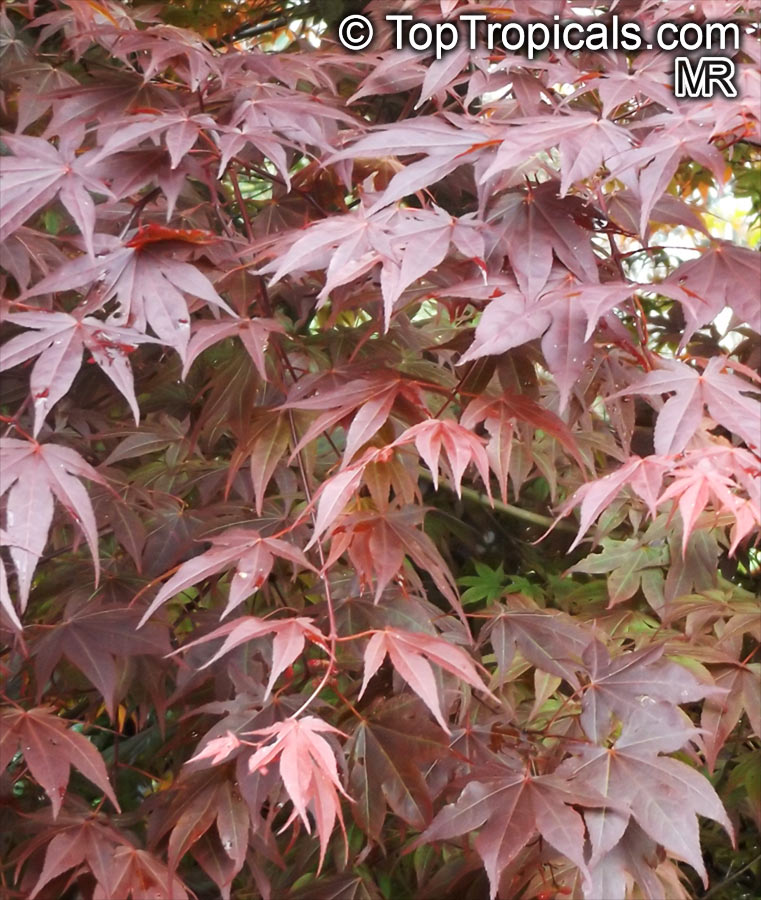

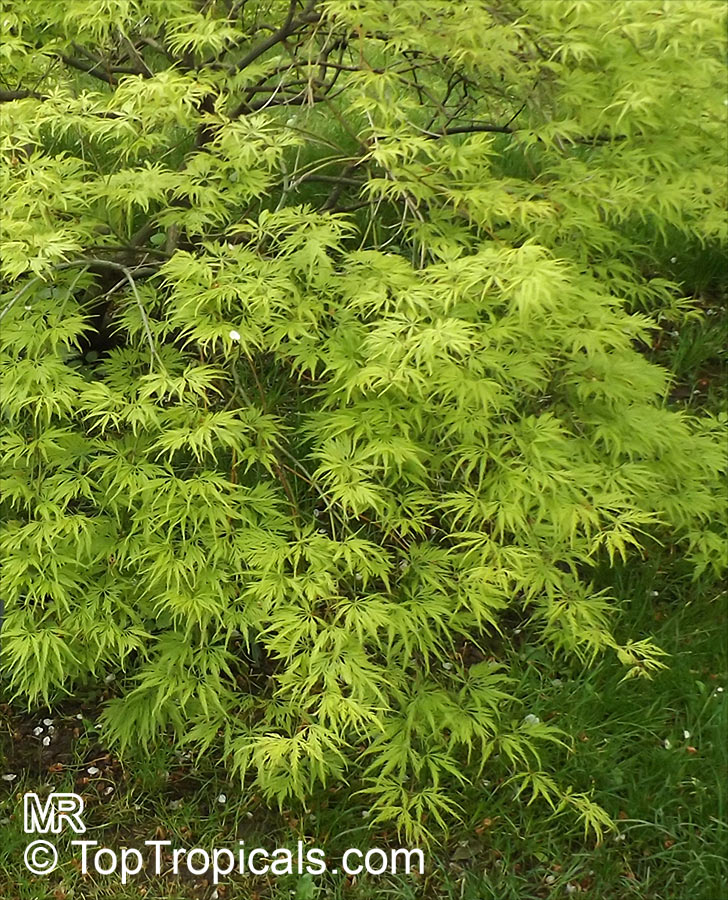
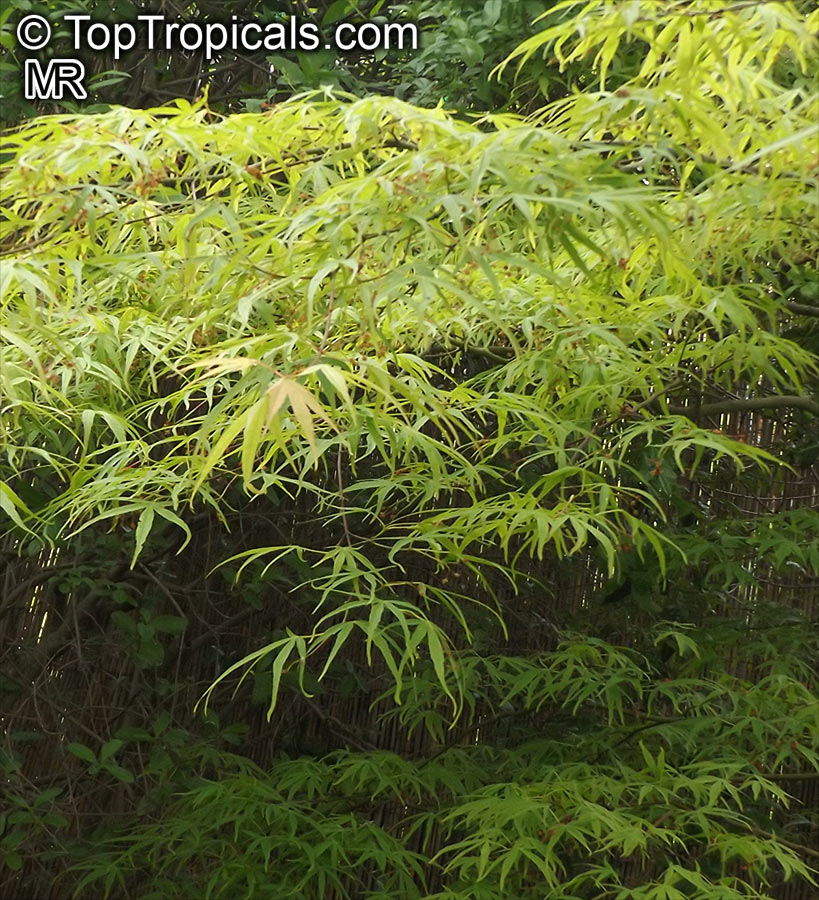
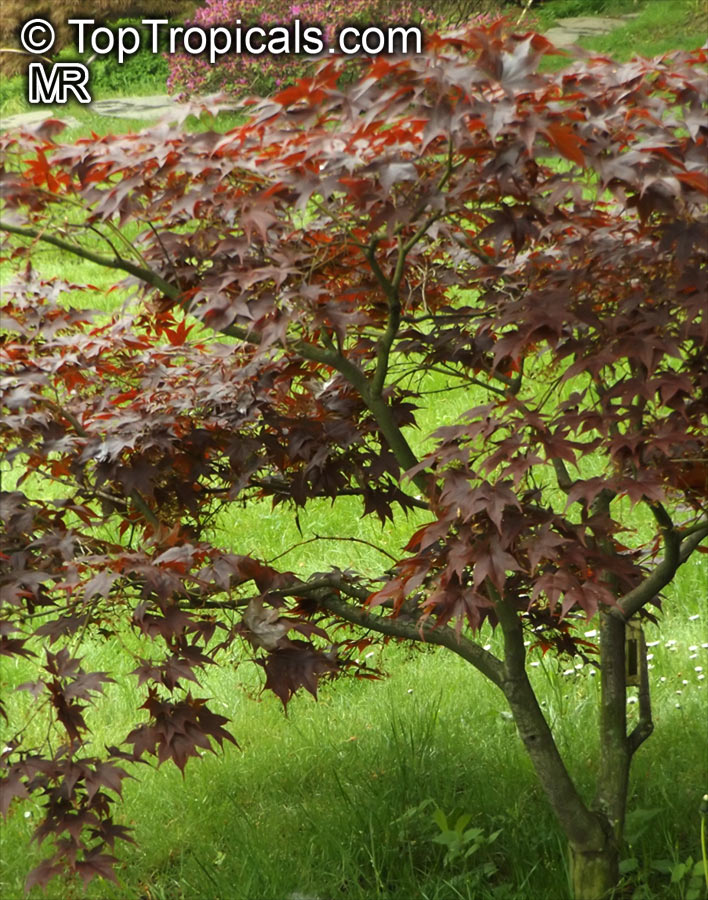
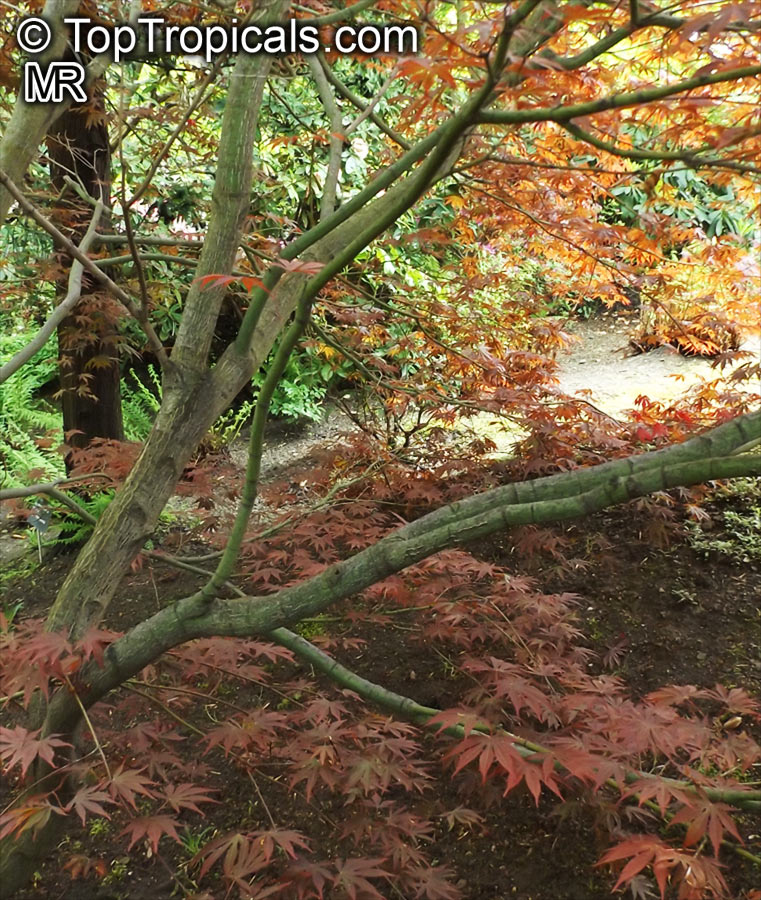
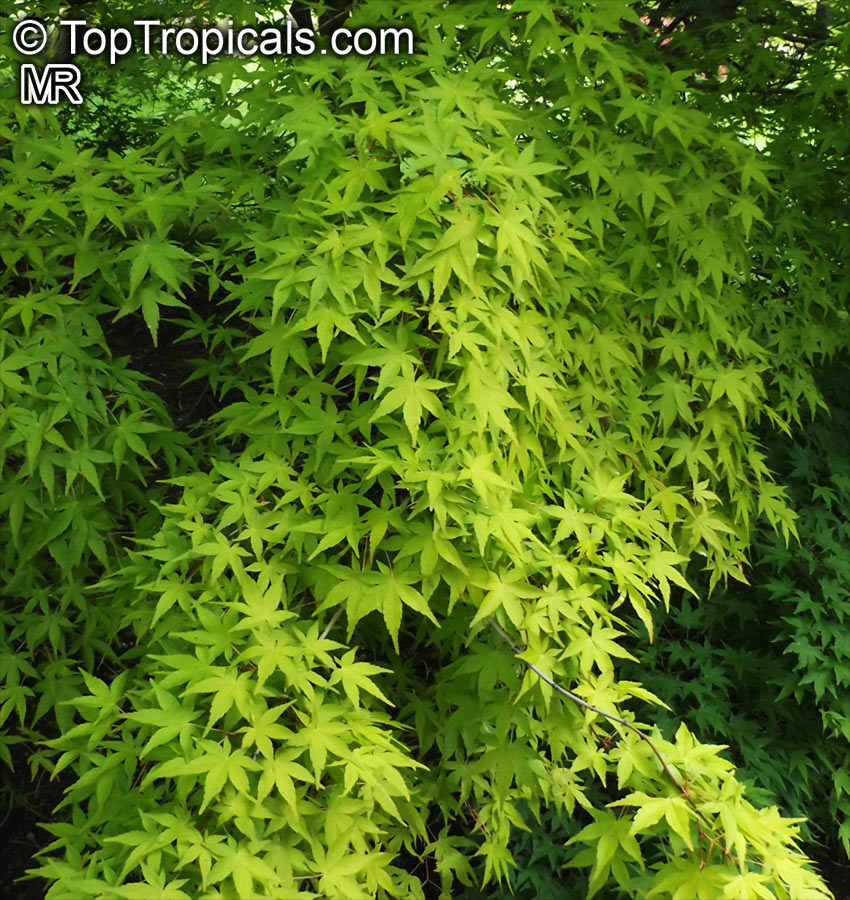
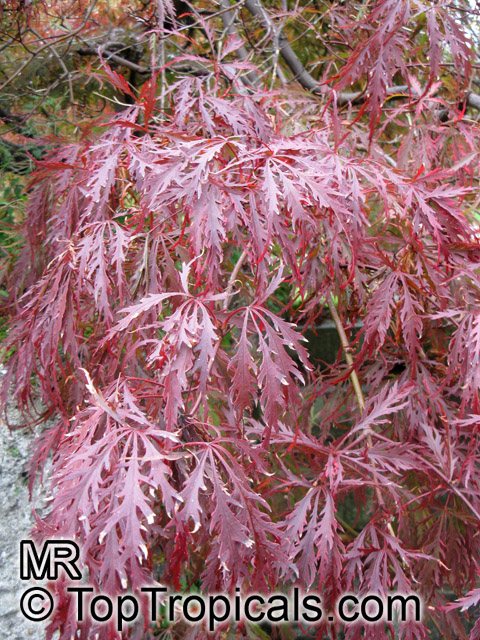
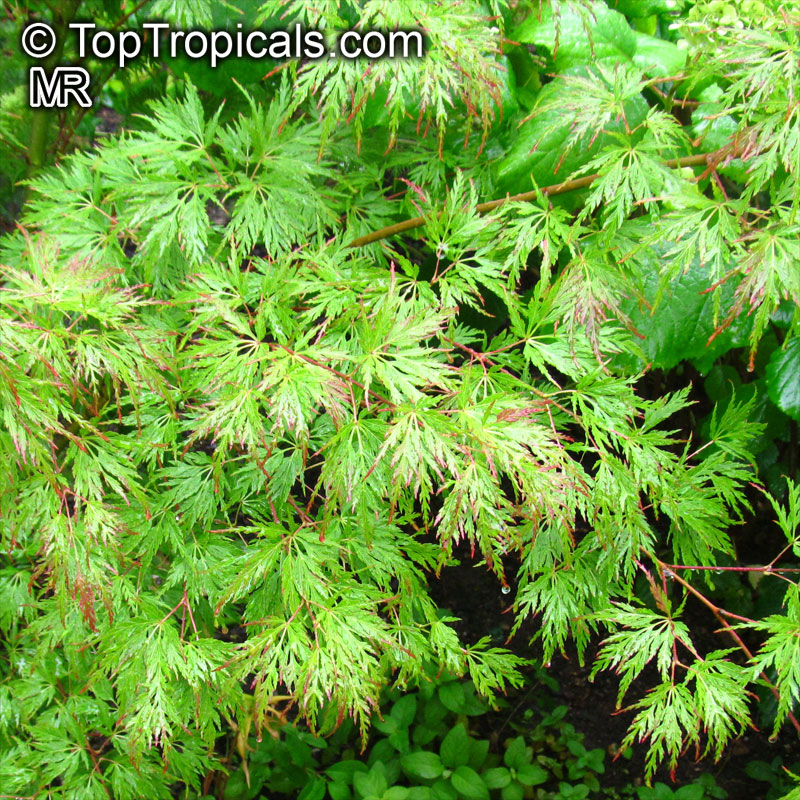
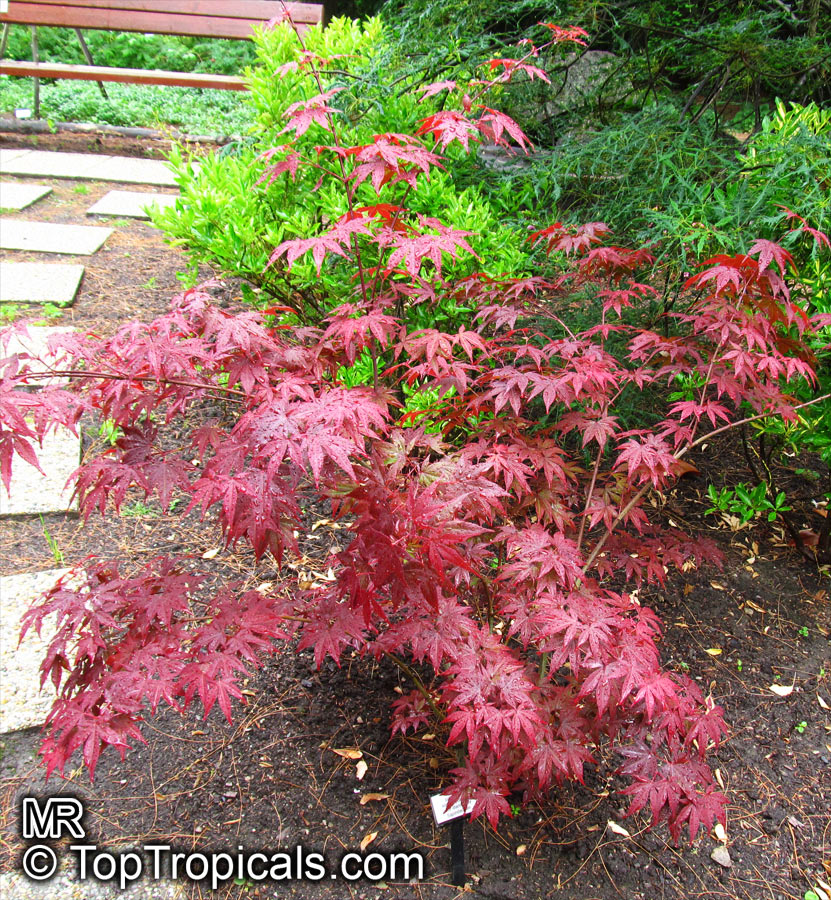
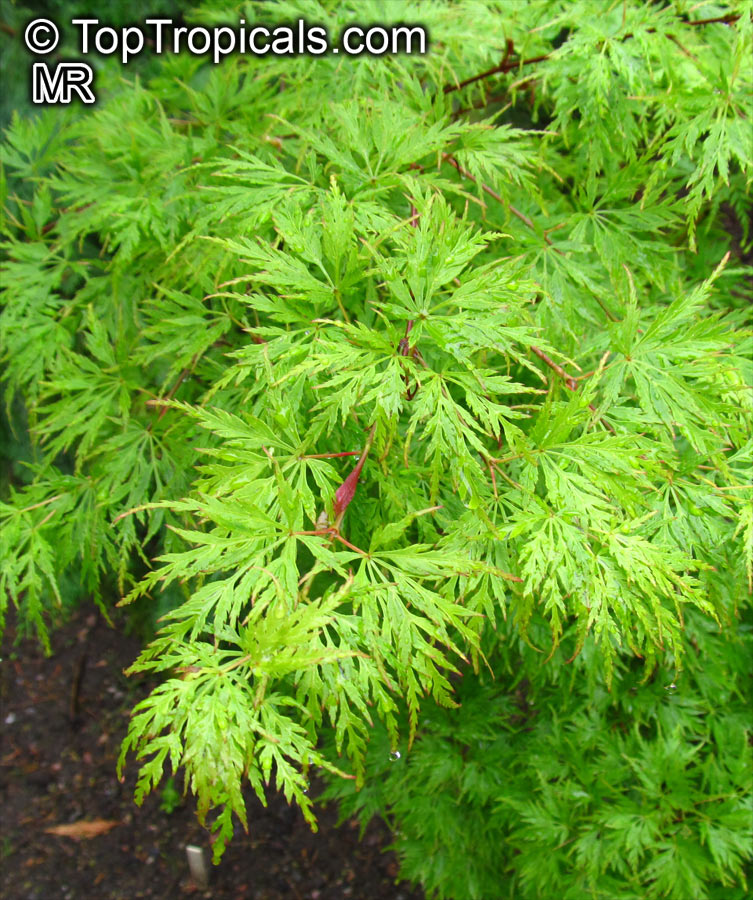
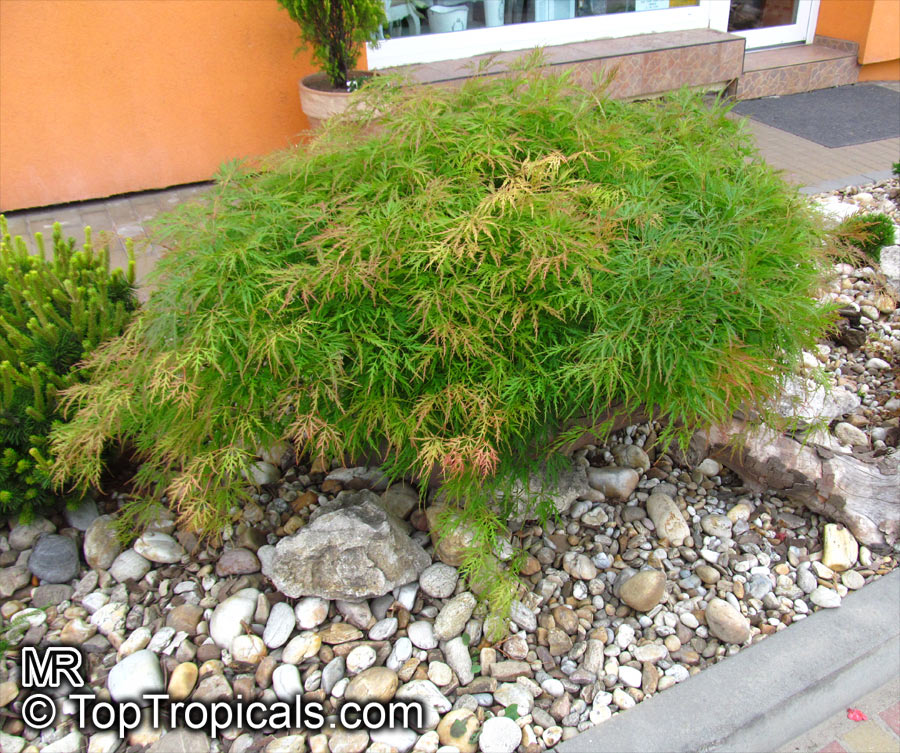
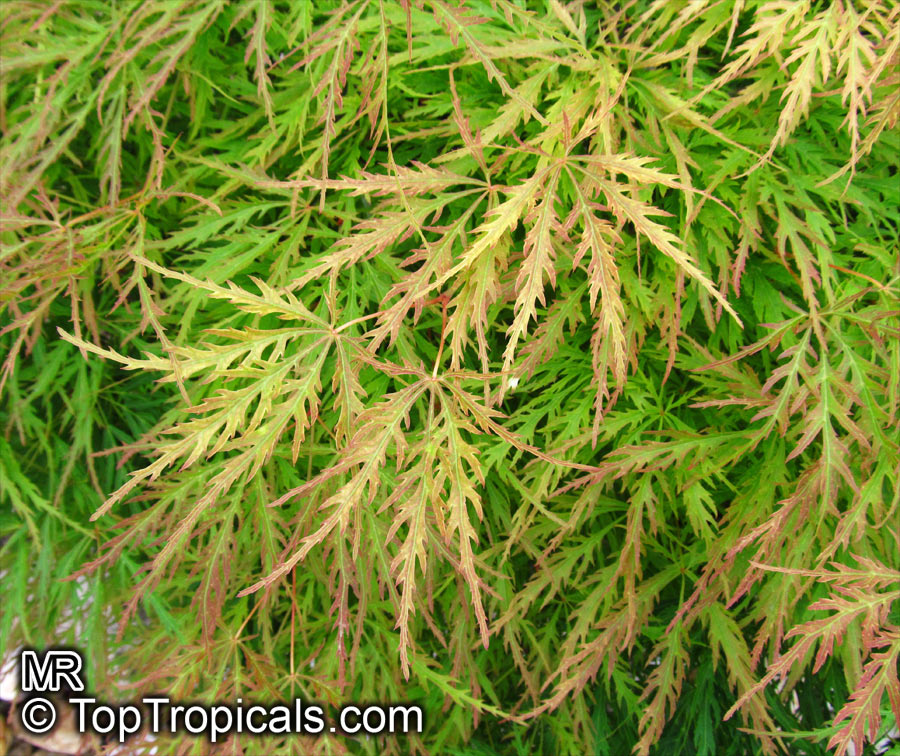

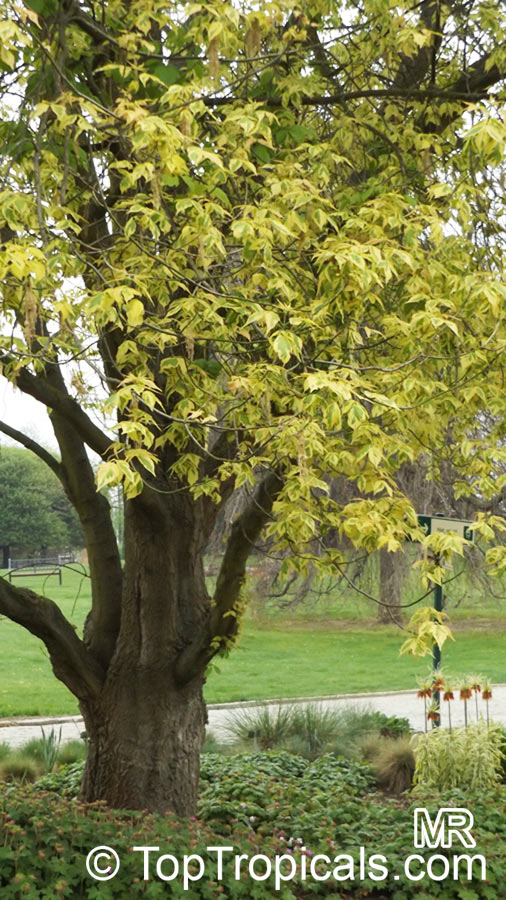
Botanical name: Acer sp.
Common names: Red Maple, Soft Maple
Family: Sapindaceae

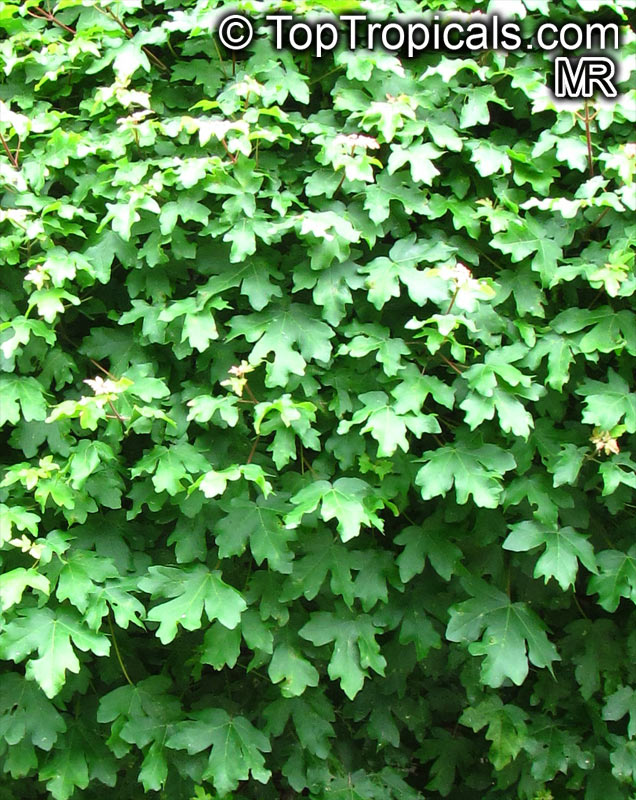
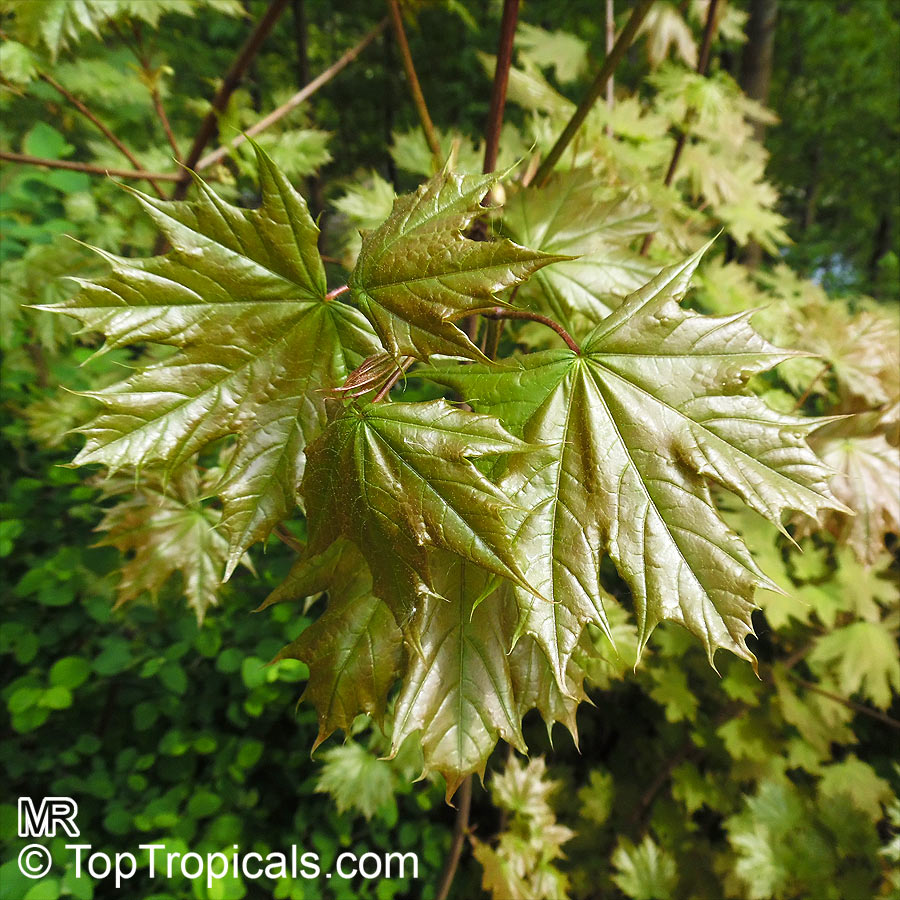
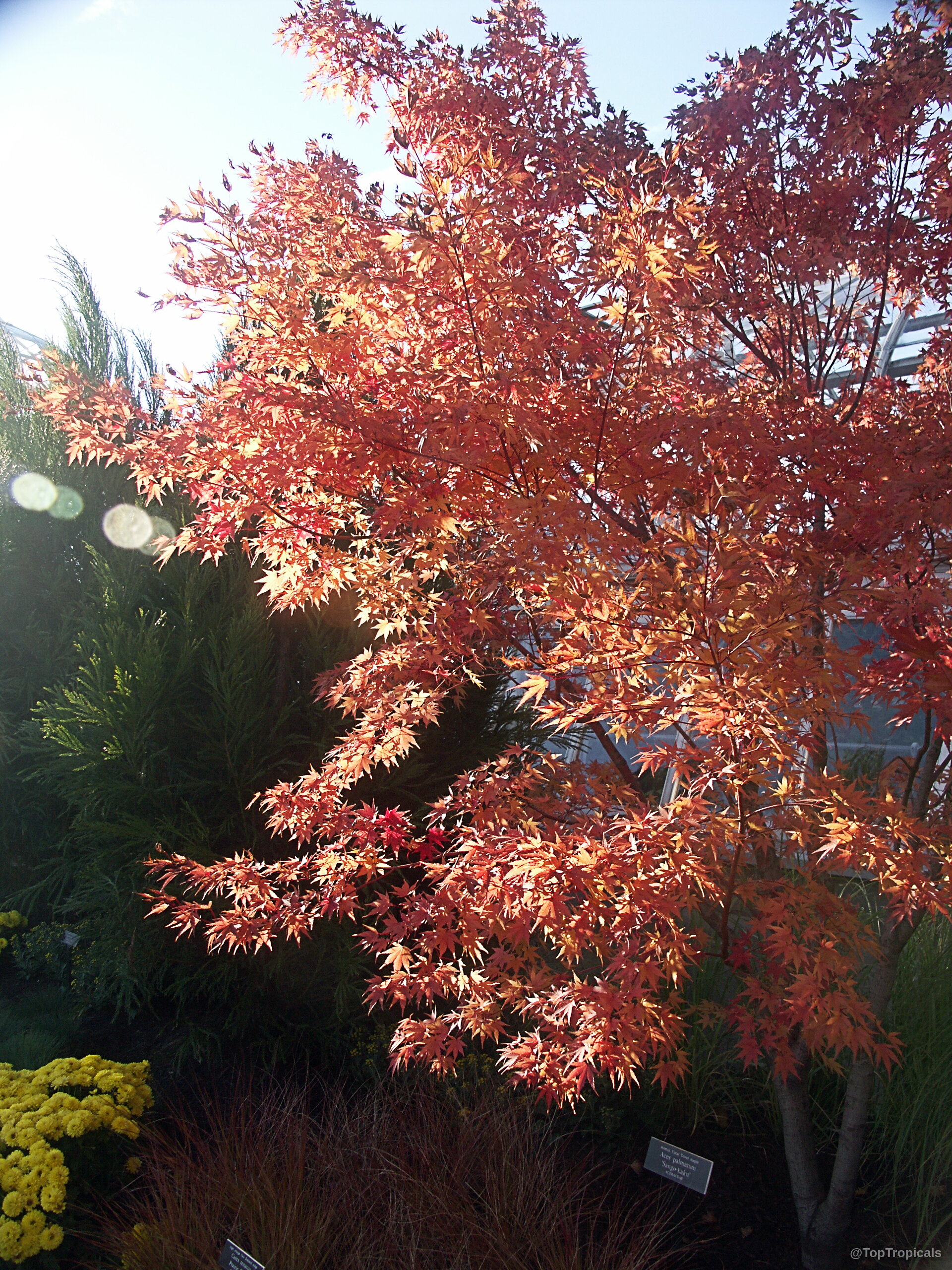
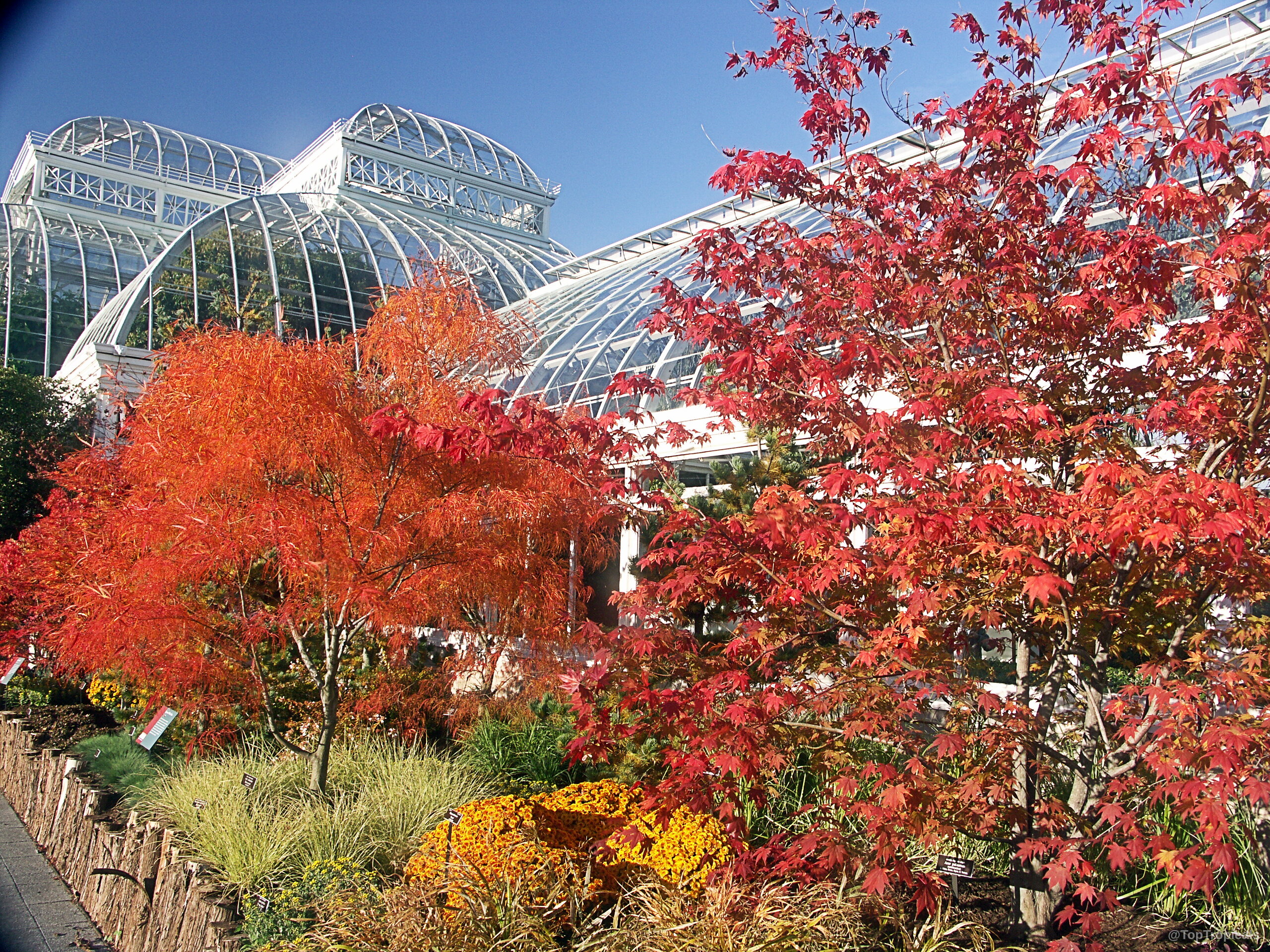
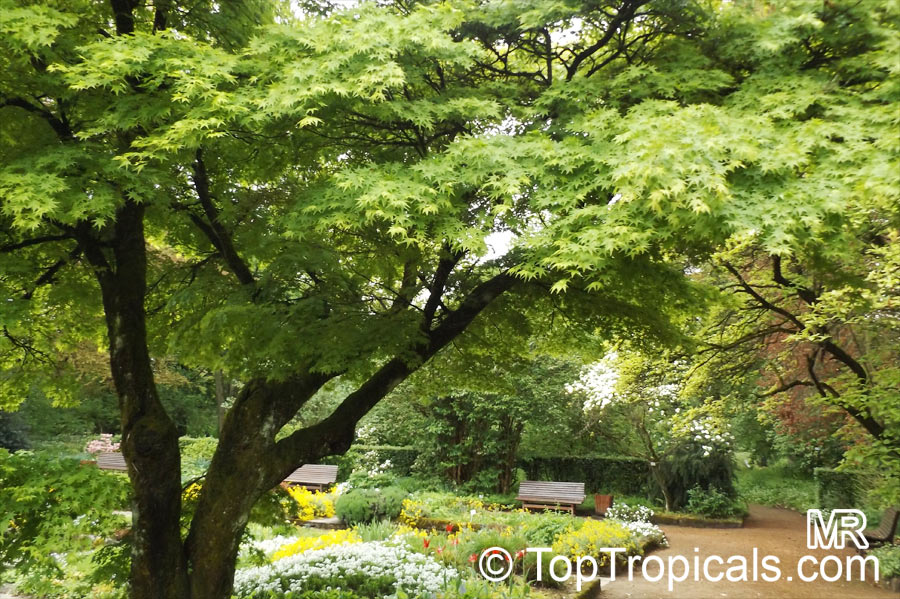
Maple is a widespread deciduous tree popular in eastern North America.
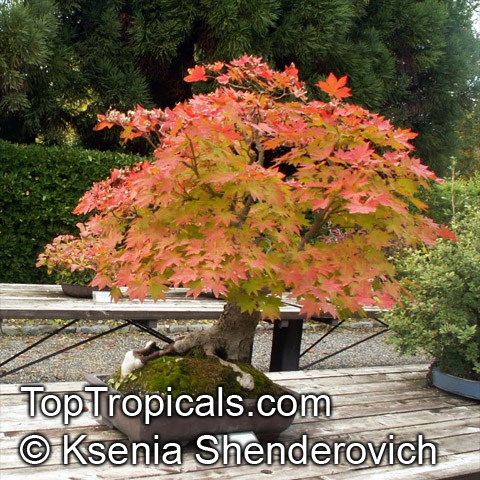
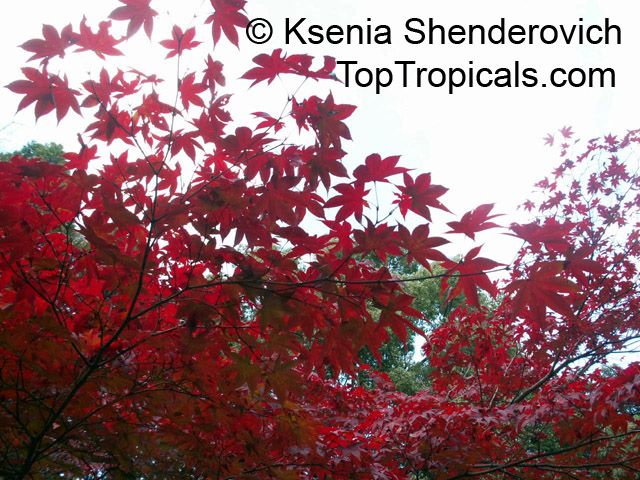
Many of its features, especially its leaves, are quite variable in form. Among these features it is best known for its brilliant deep scarlet foliage in autumn. Red Maple is adaptable to a very wide range of site conditions. It can be found growing in swamps, on poor dry soils, and most anywhere in between. Elevation is also not a limiting factor in its range. Due to its attractive fall foliage and pleasing form, it is often used as a shade tree for landscapes. It is used commercially on a small scale for maple syrup production as well as for its medium to high quality lumber. It is the State Tree of Rhode Island. It is very cold hardy.
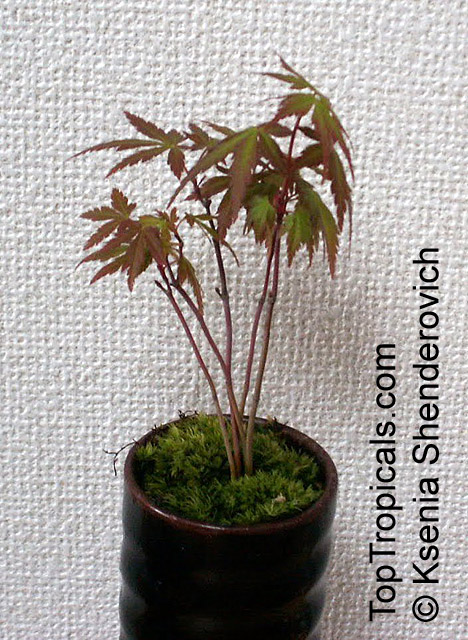
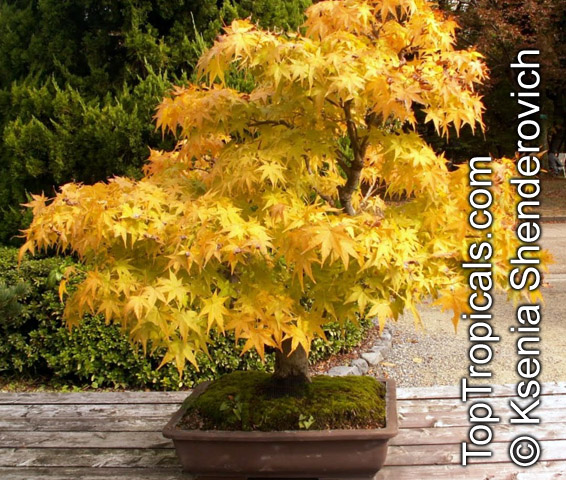
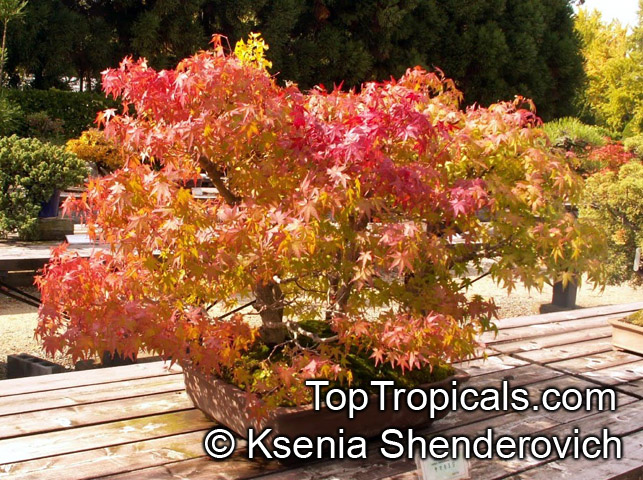
Maple is a very popular plant in Japan and a subject for bonsai. Autumn in Japan is celebrated with colorful autumn leaves known as momijigari. The foliage of trees light up the Japanese landscape. Scarlet Japanese maples flash against emerald conifers, this is the beauty of momijigari as you view the spectacular colors of changing leaves.
The maples have long been known to be closely related to the family Sapindaceae.
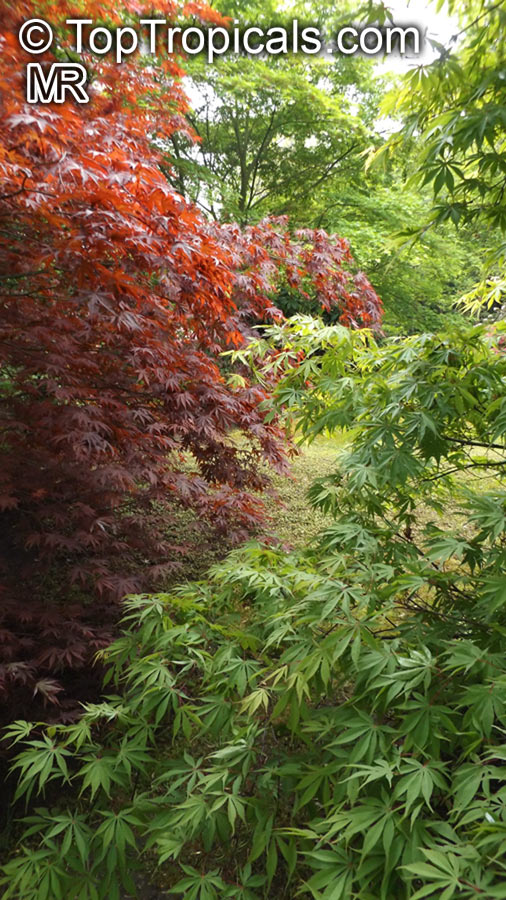
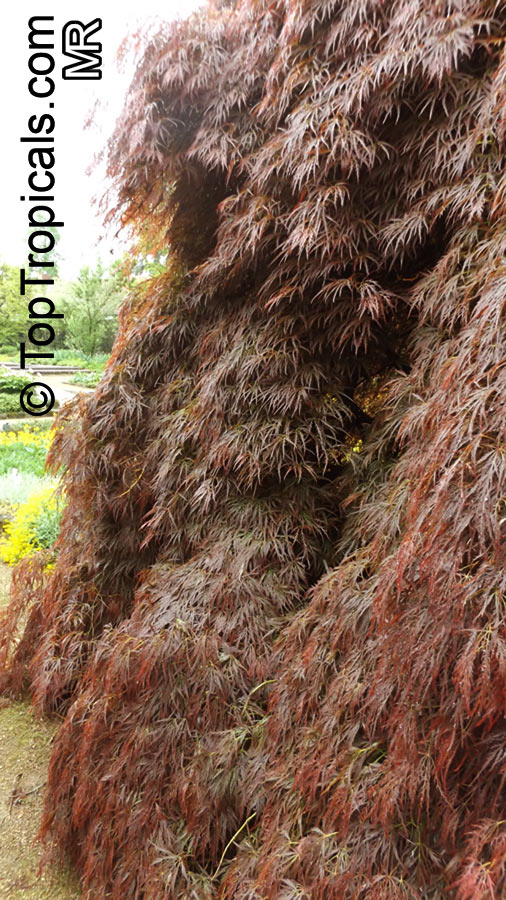
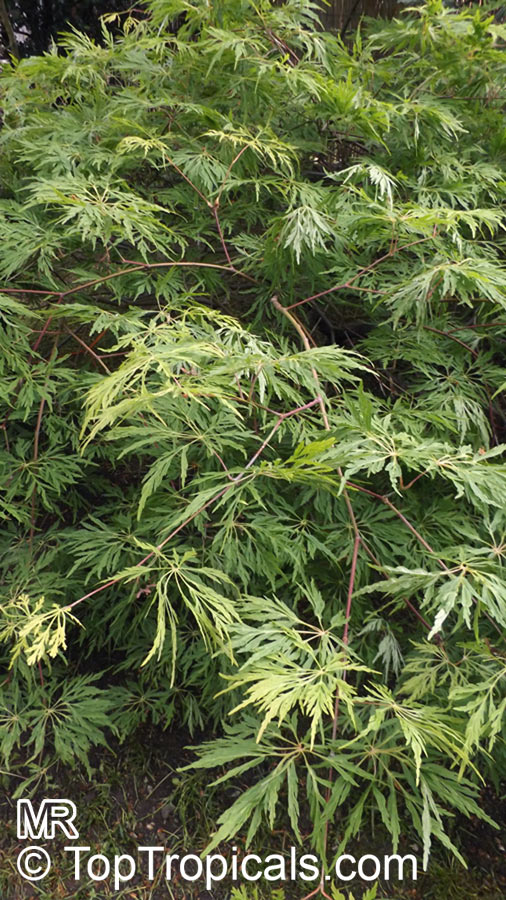
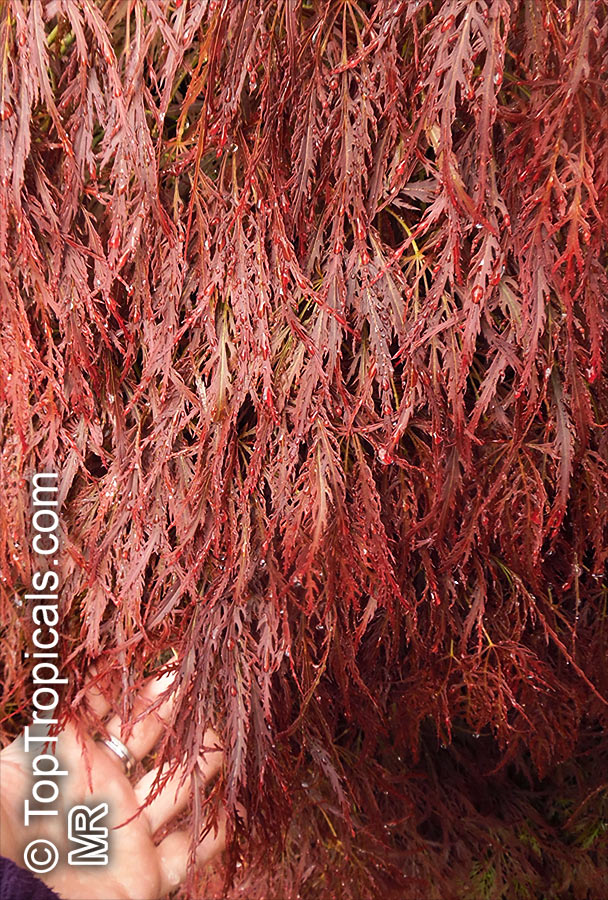
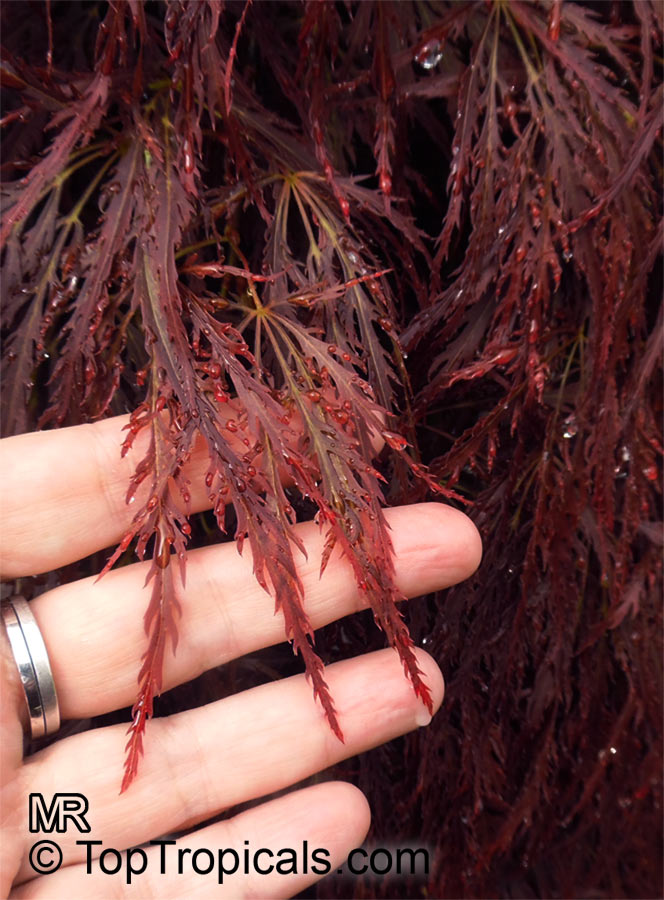
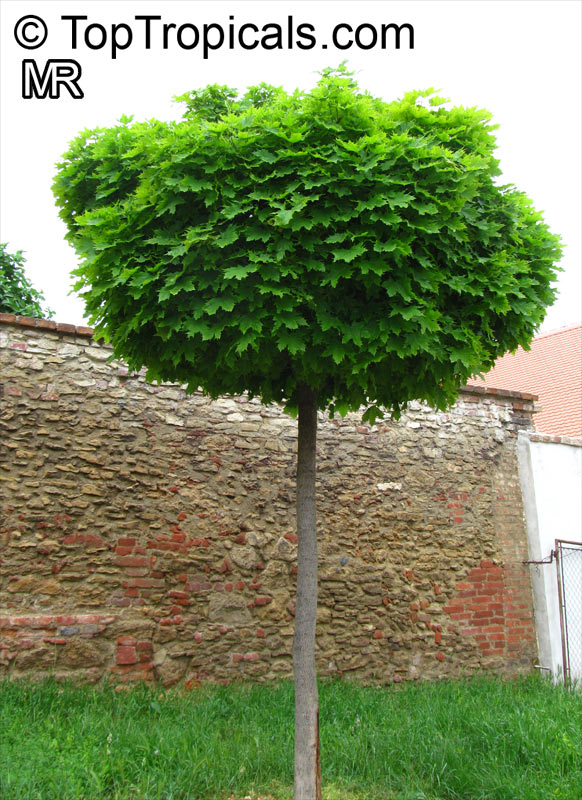
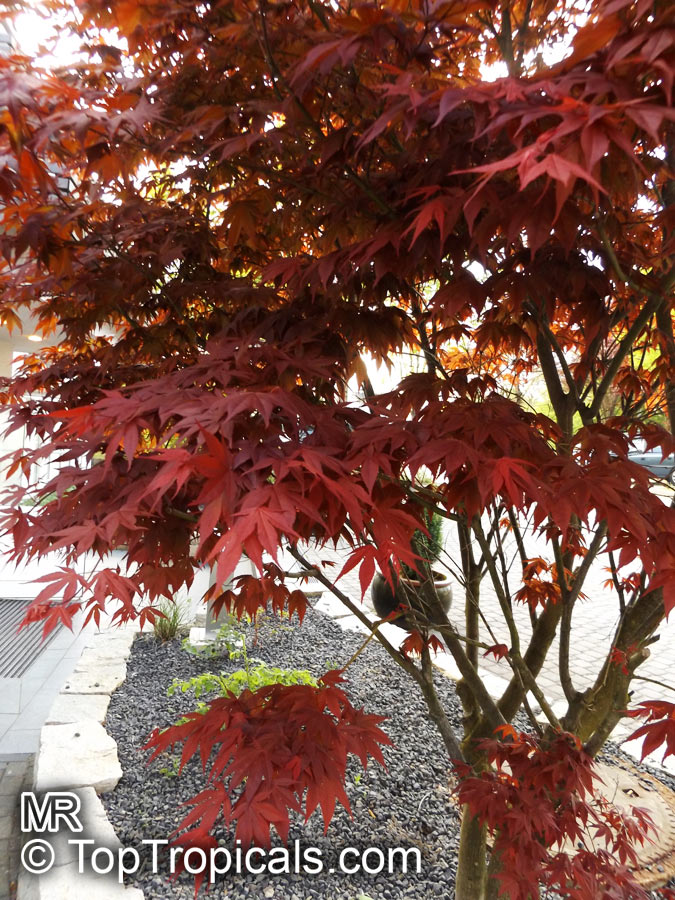
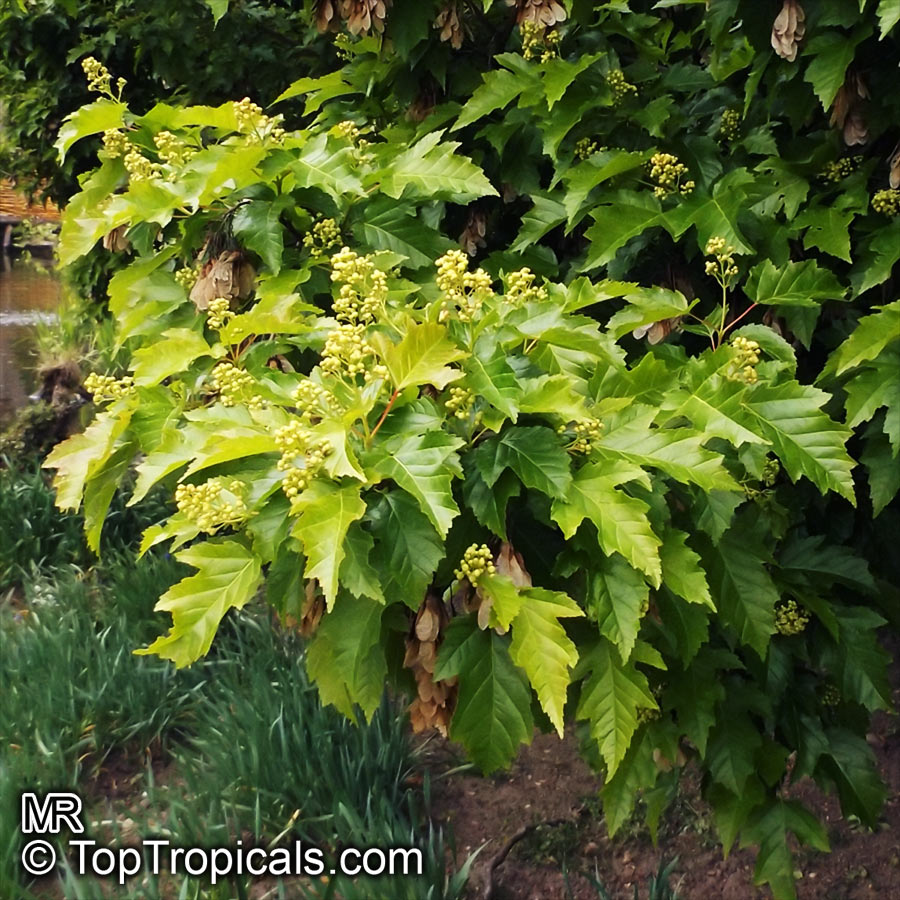
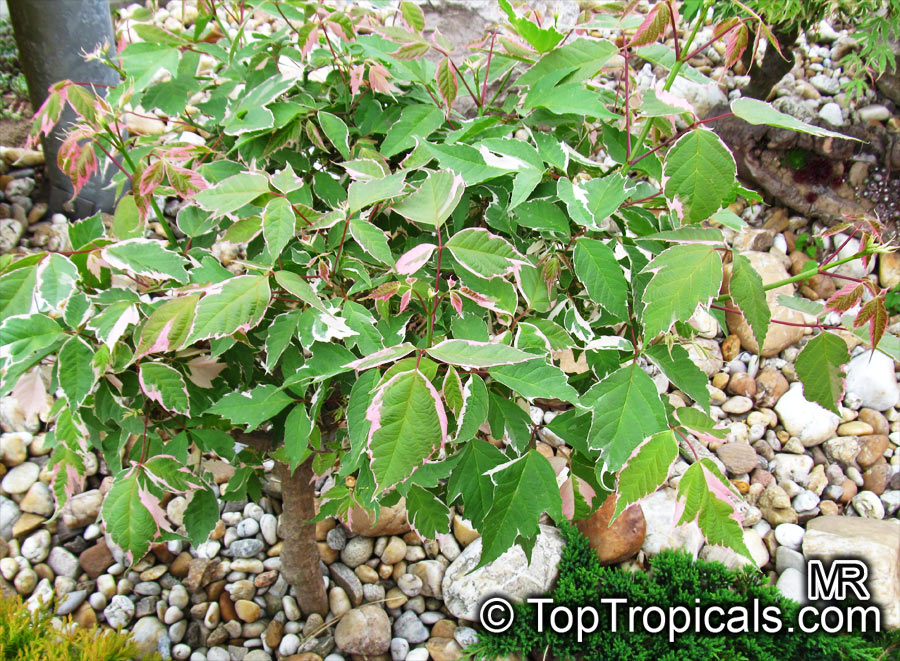
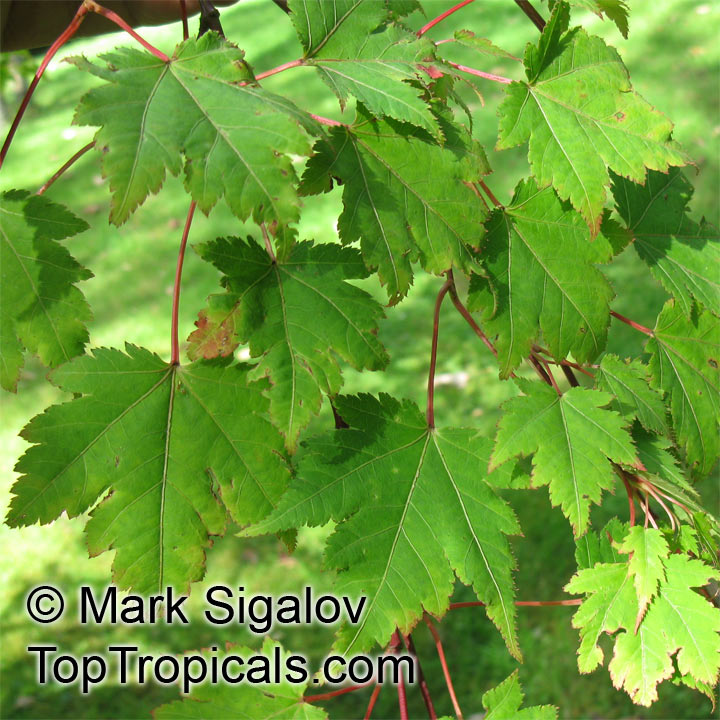
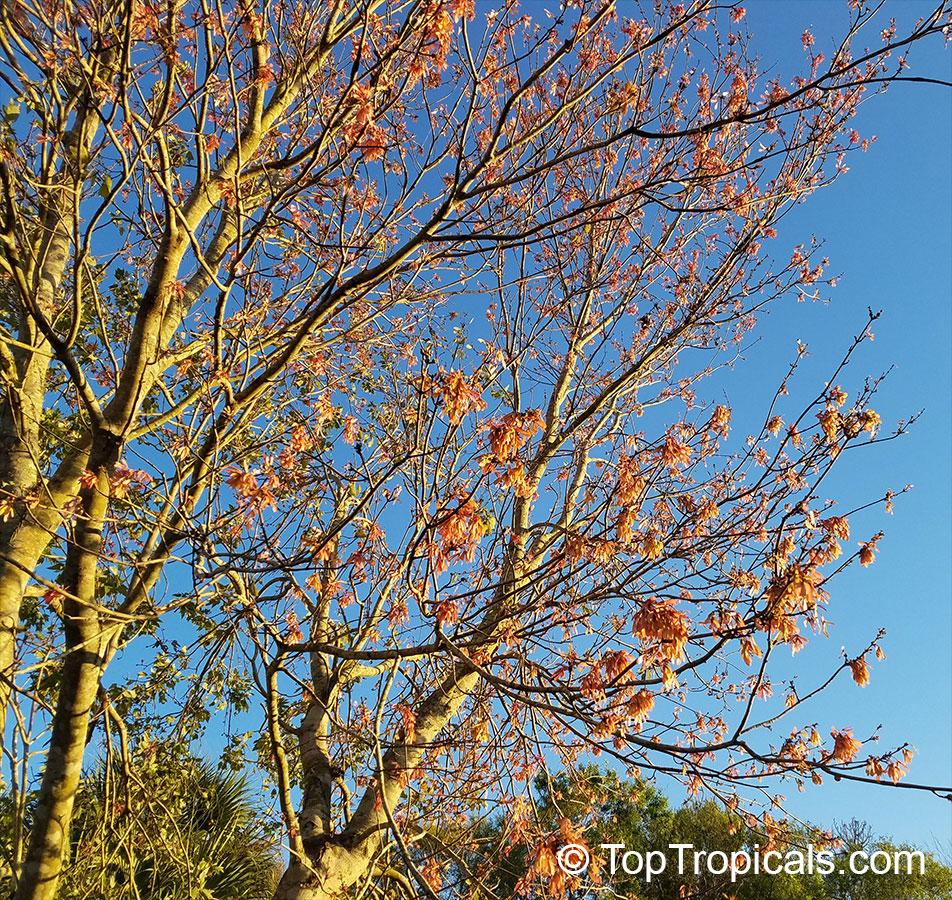
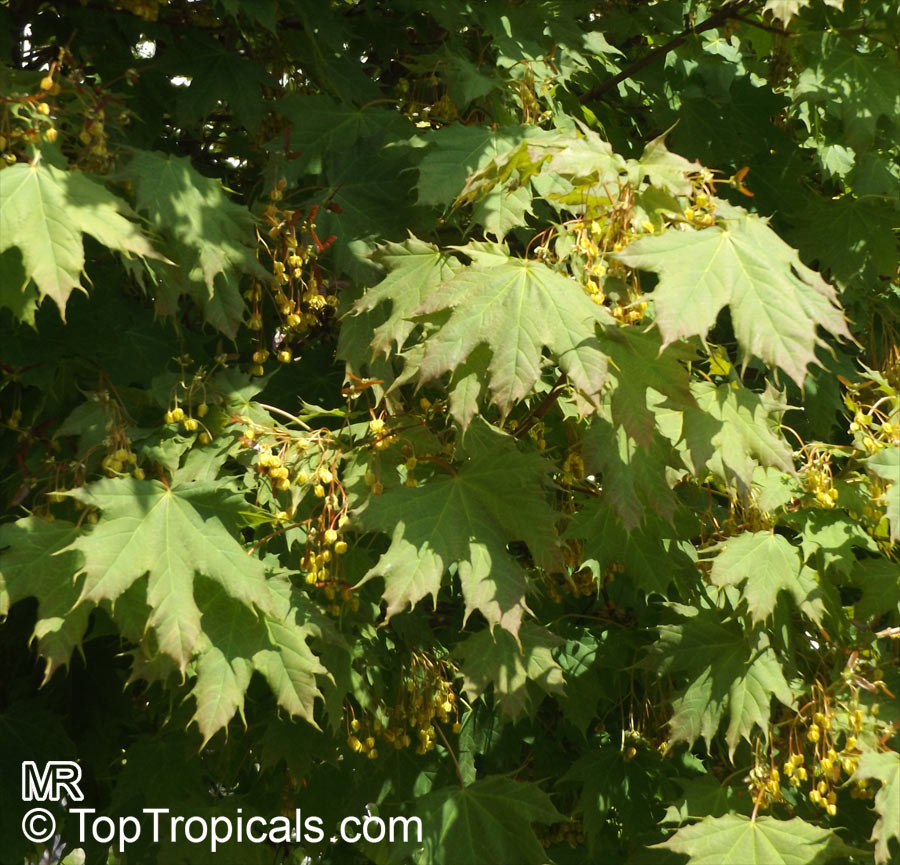
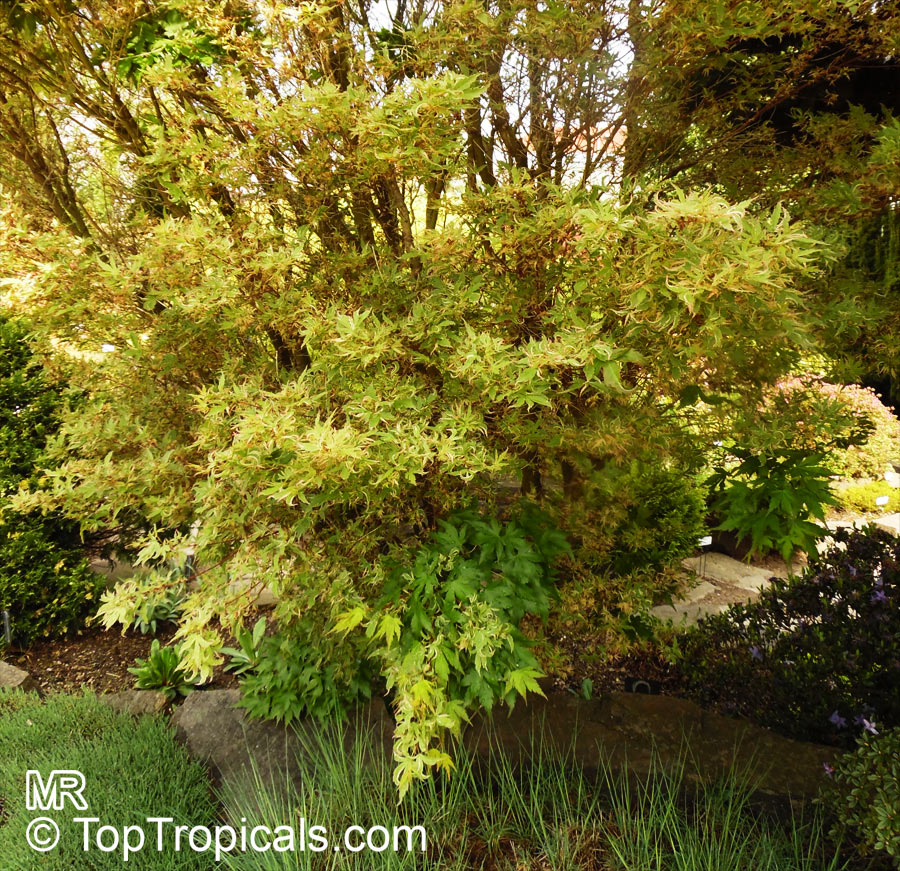
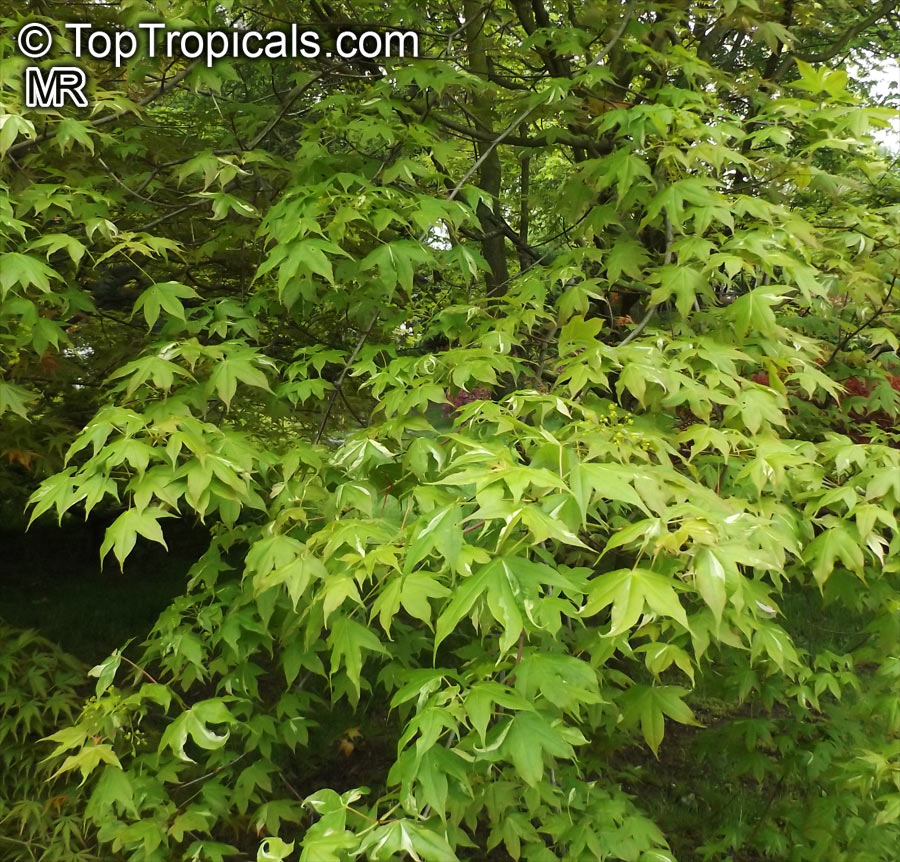
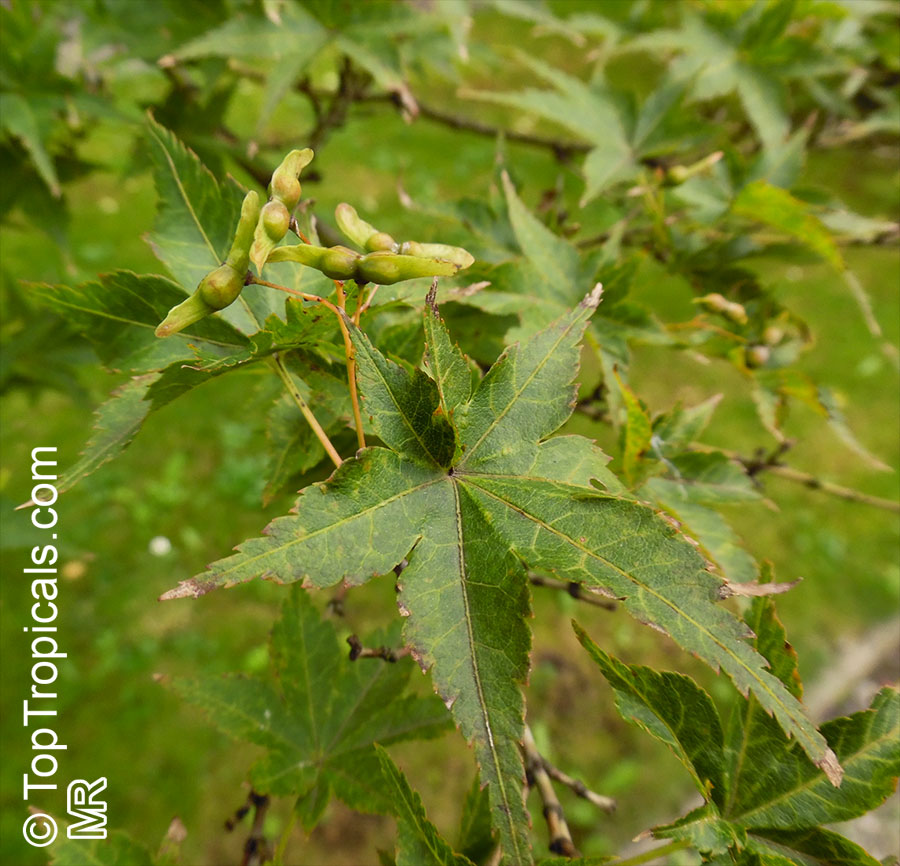
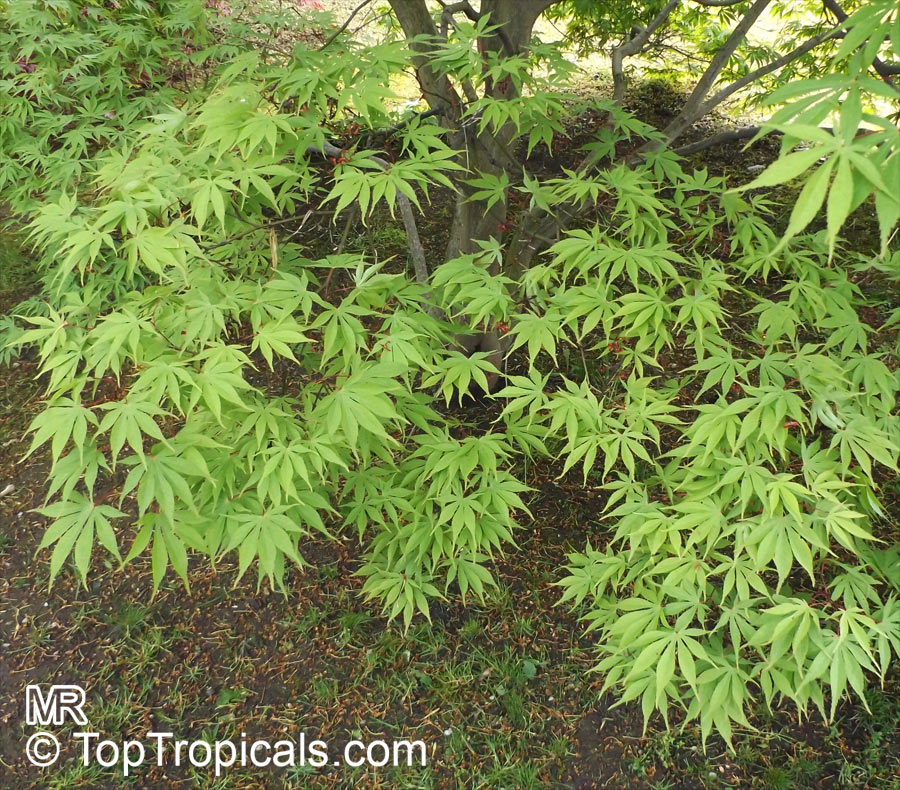
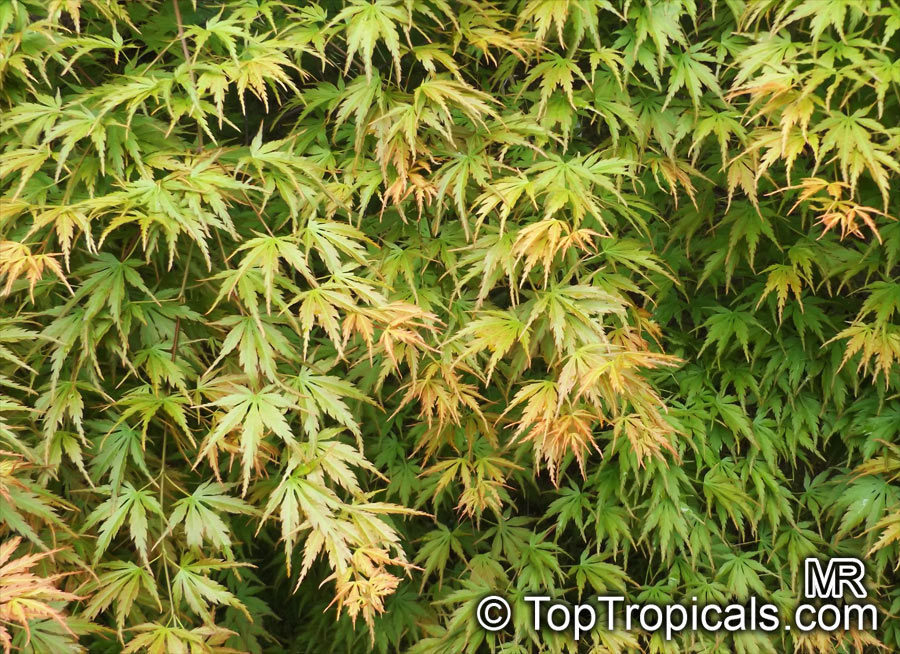
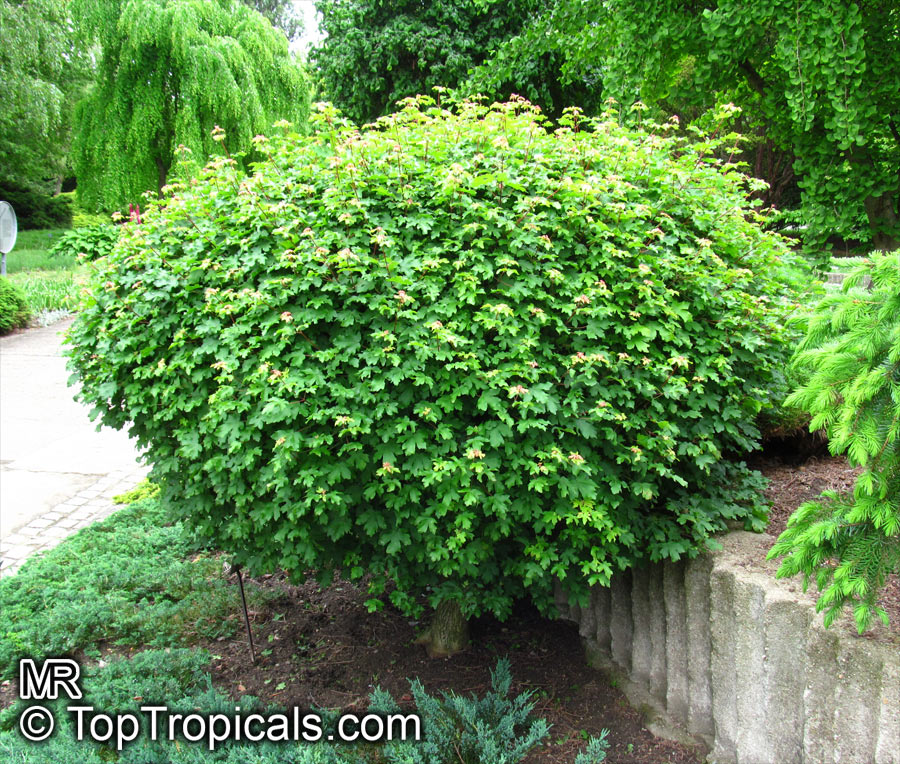
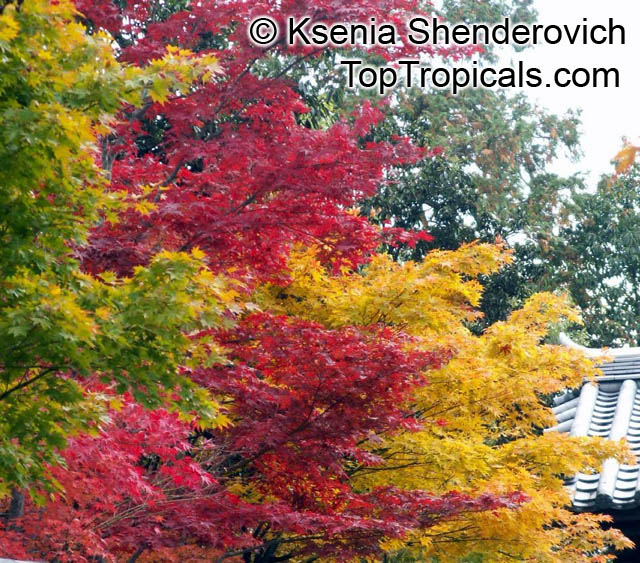
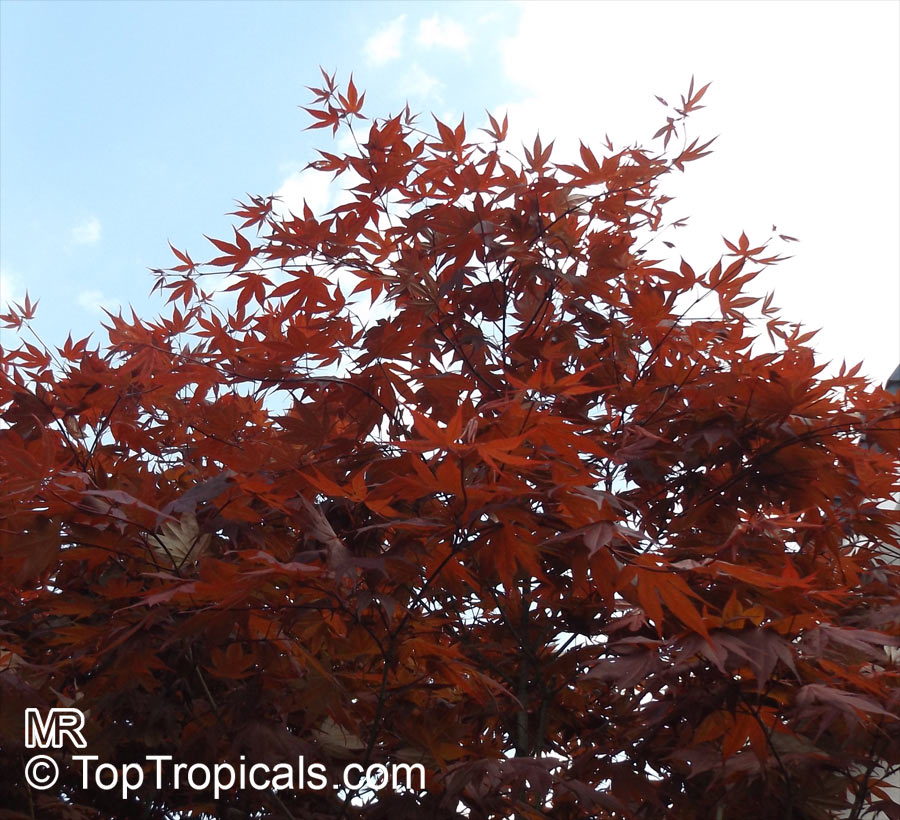
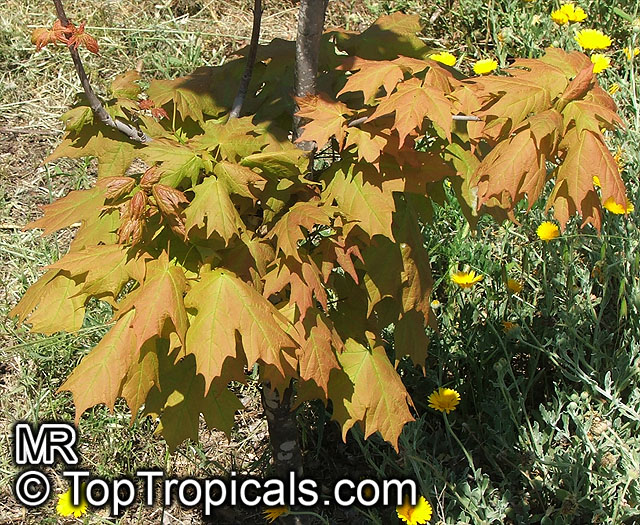
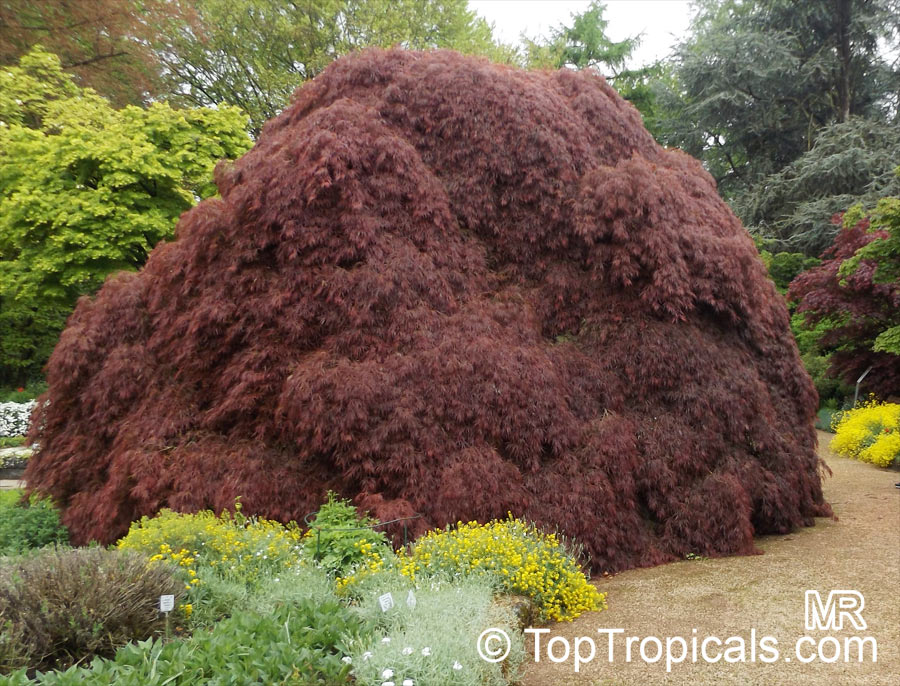
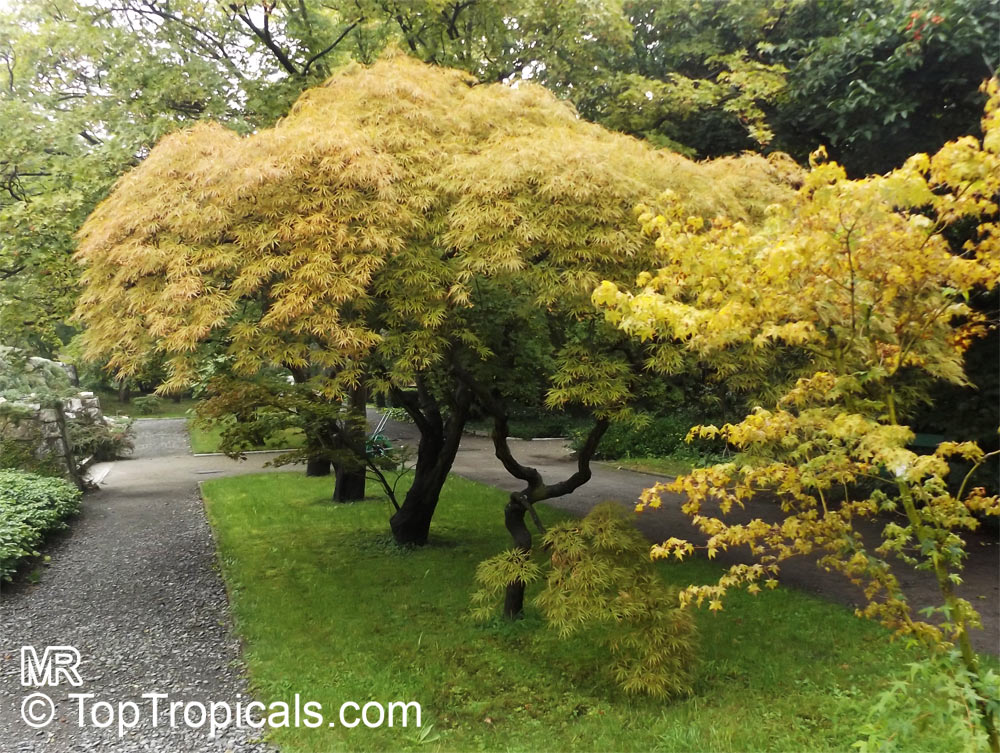
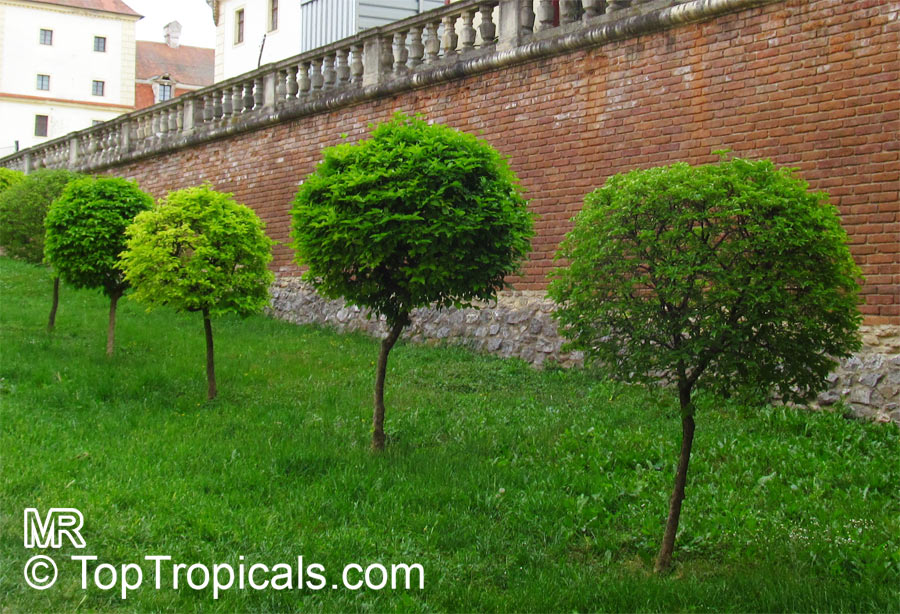
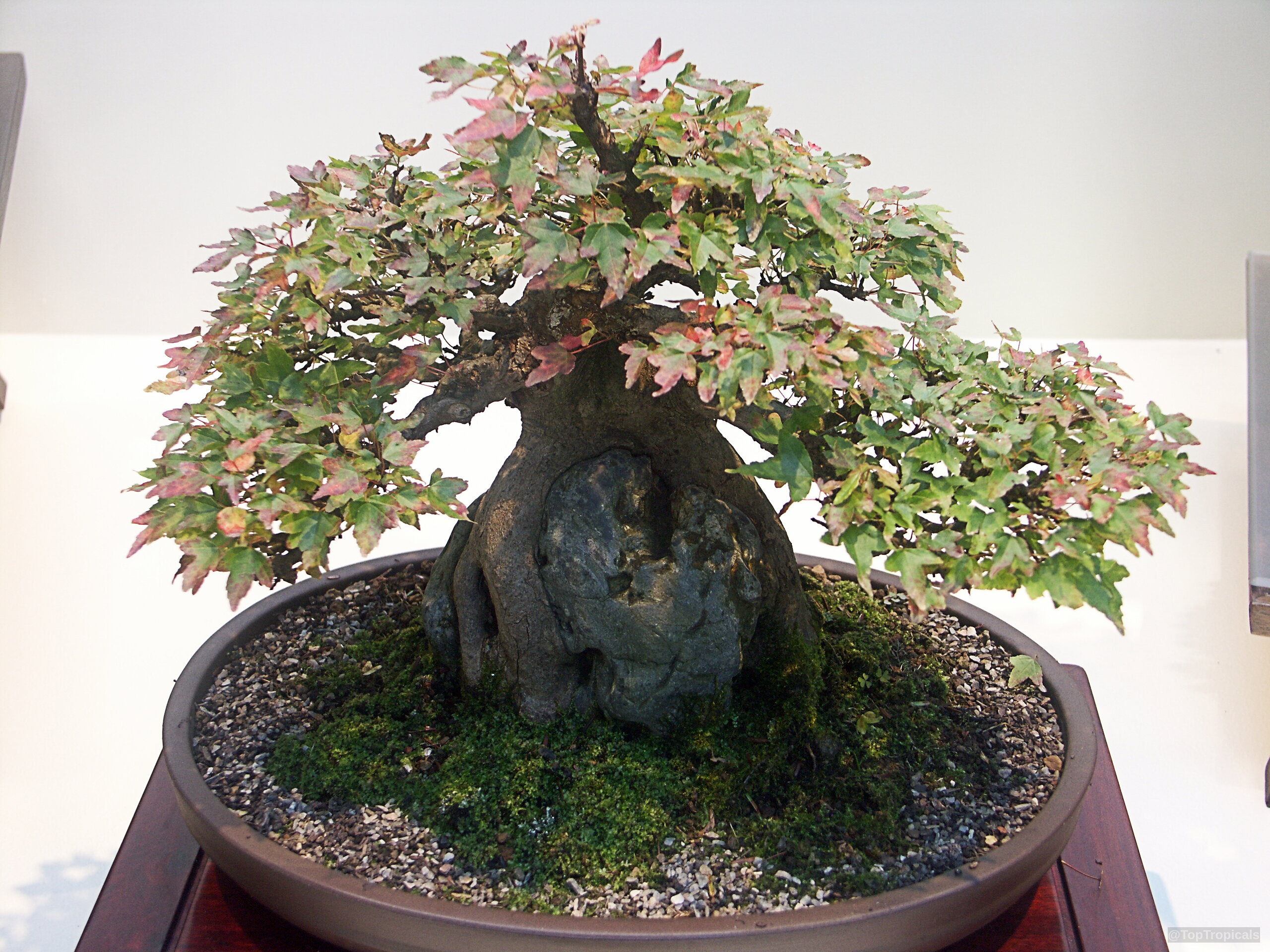
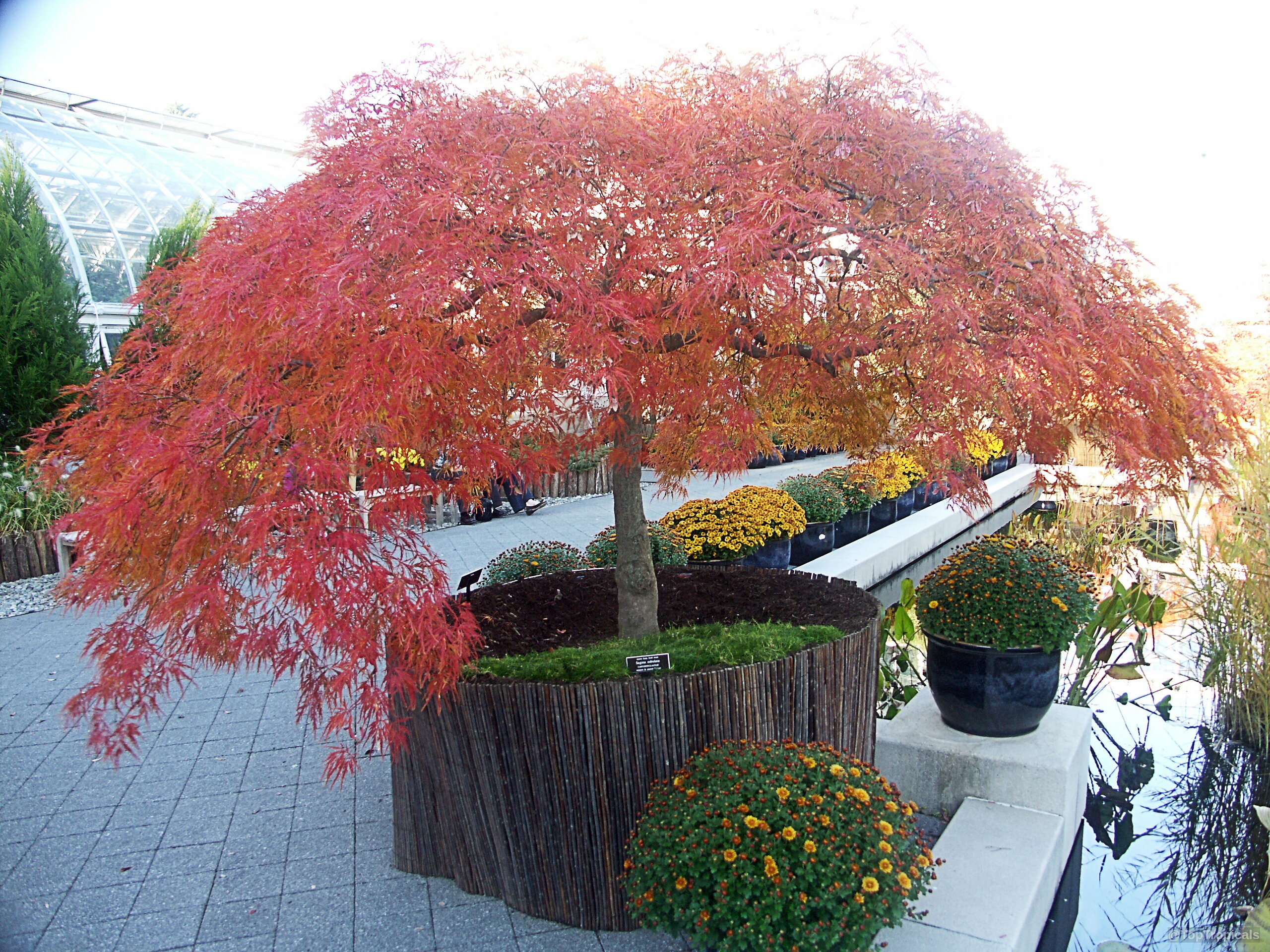
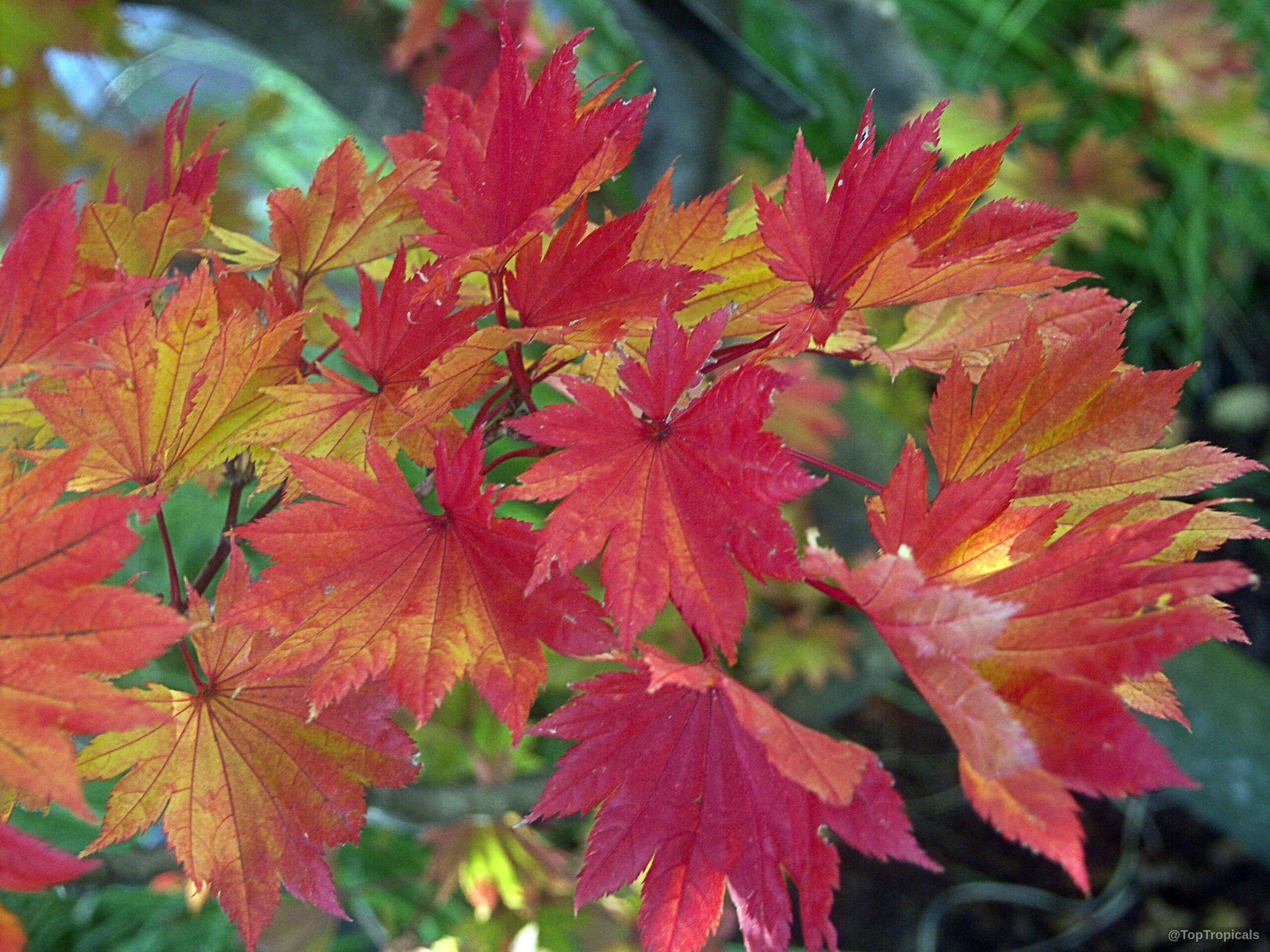

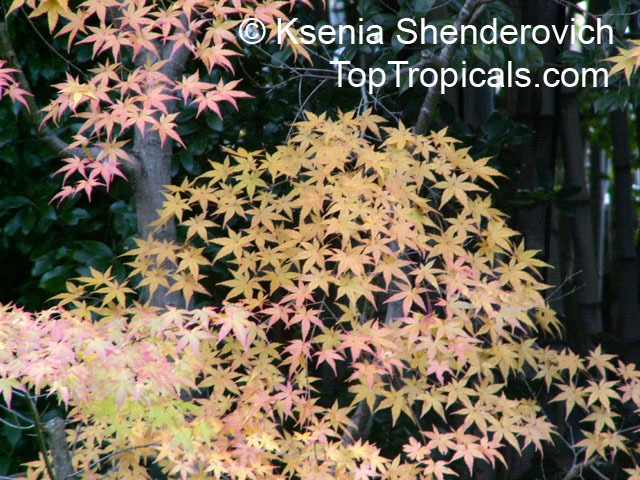
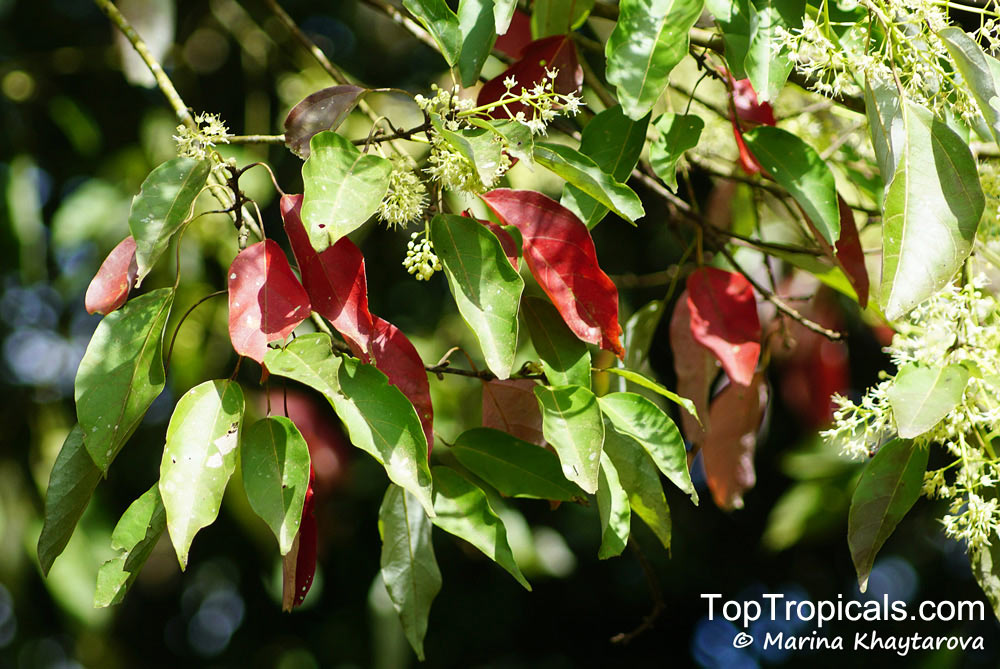
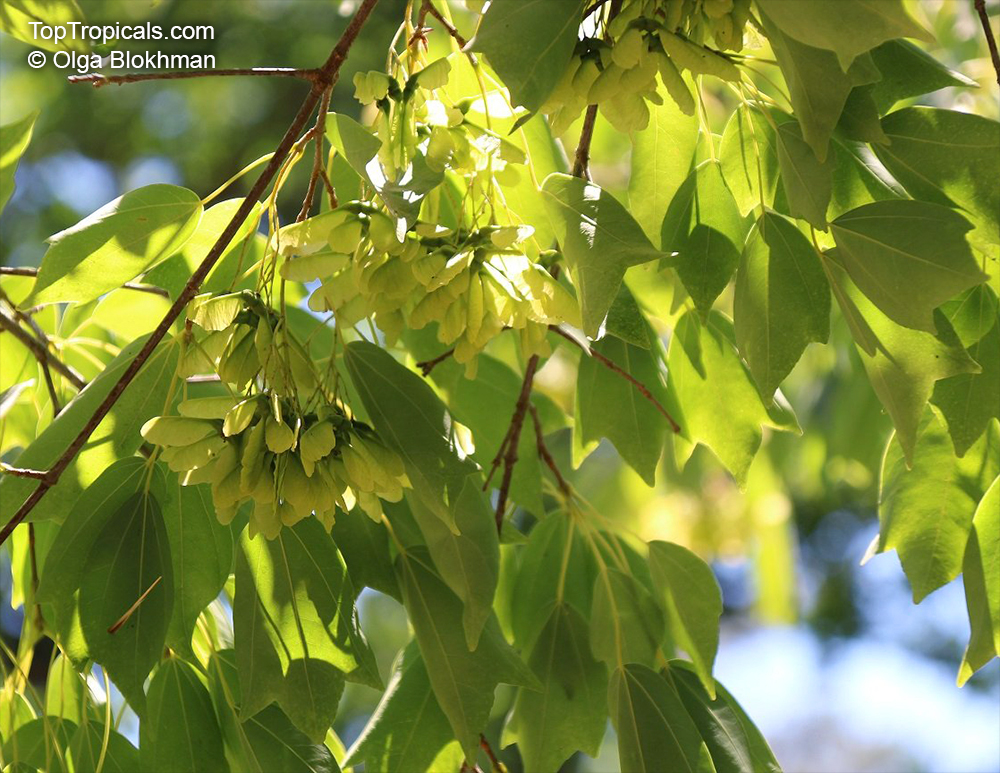
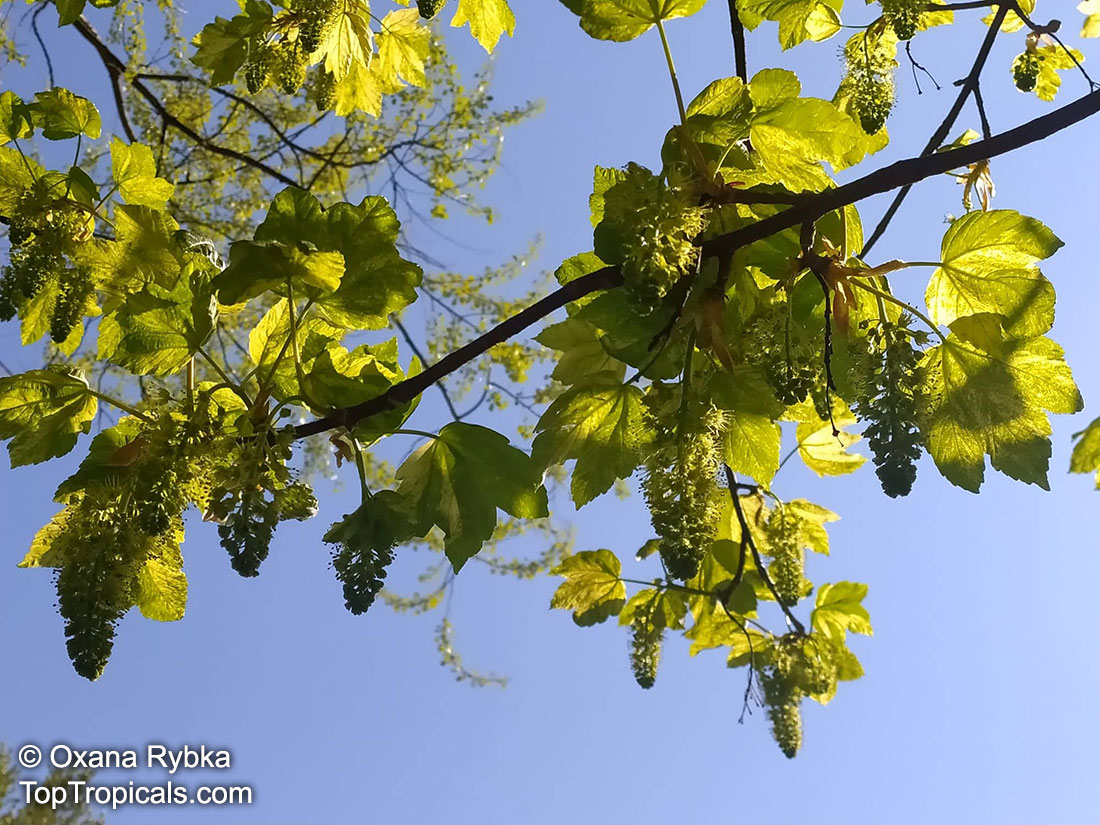

This plant is grown from seed collected in Florida, so it is suited for planting in Florida. It may perform worse up North.
Recommended Fertilizer: SUNSHINE Robusta - Rapid Growth Booster
Last one
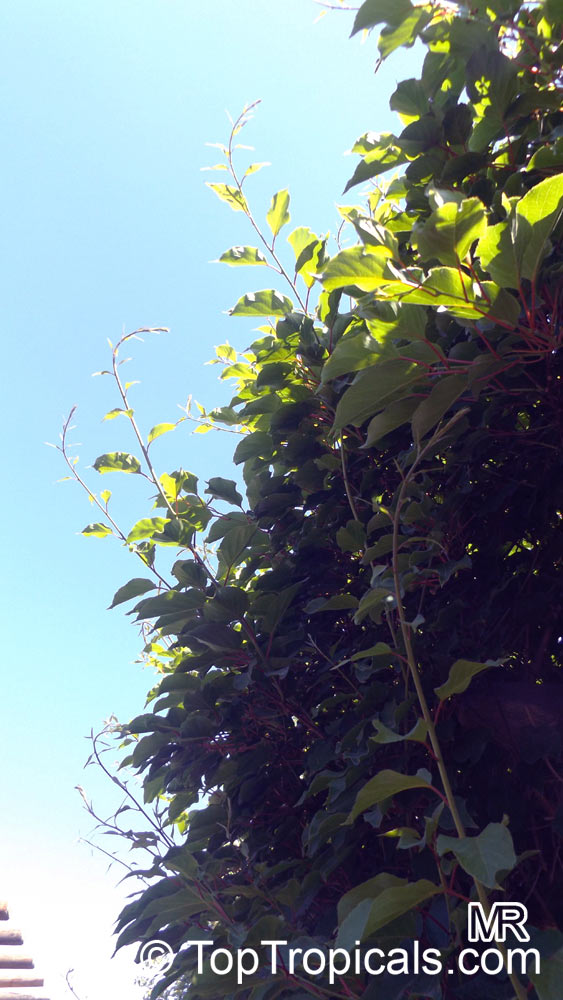
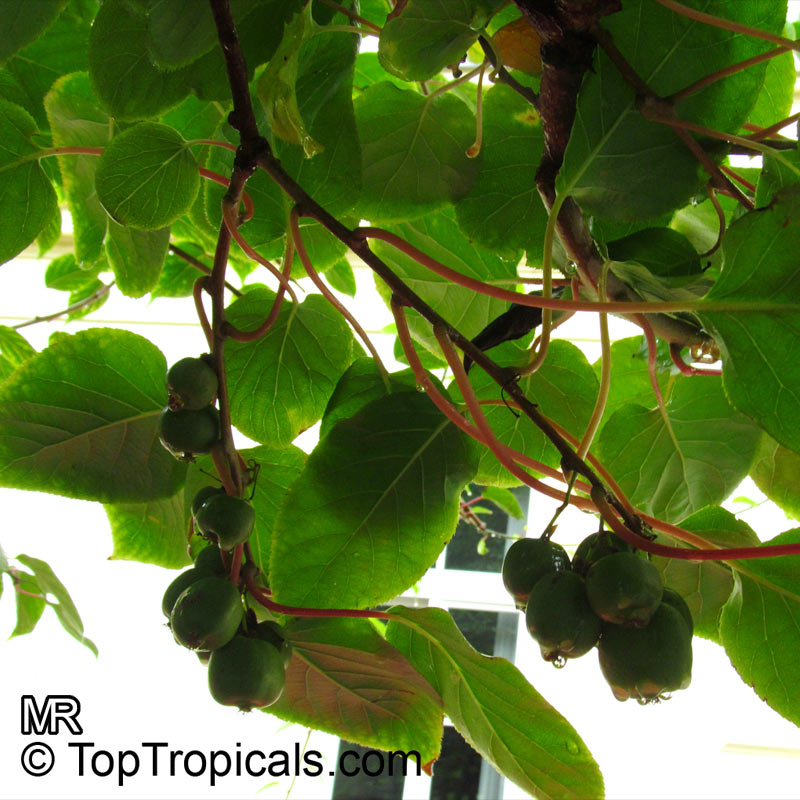
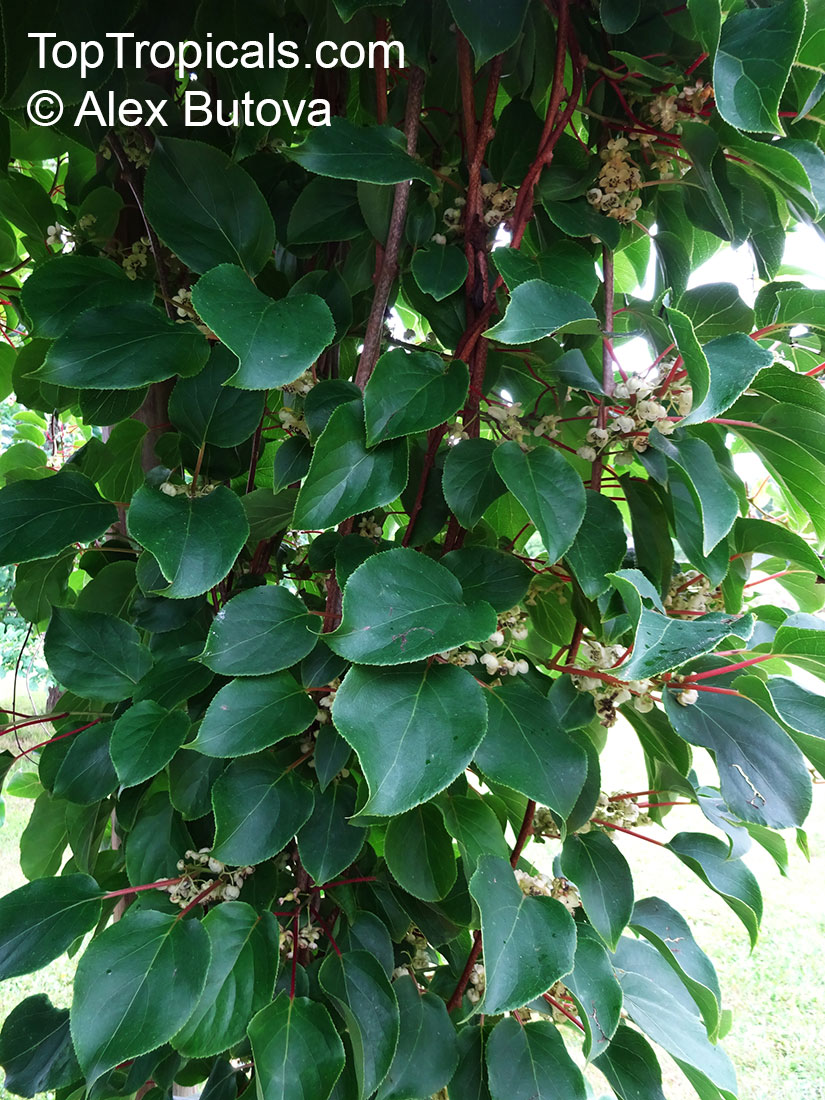
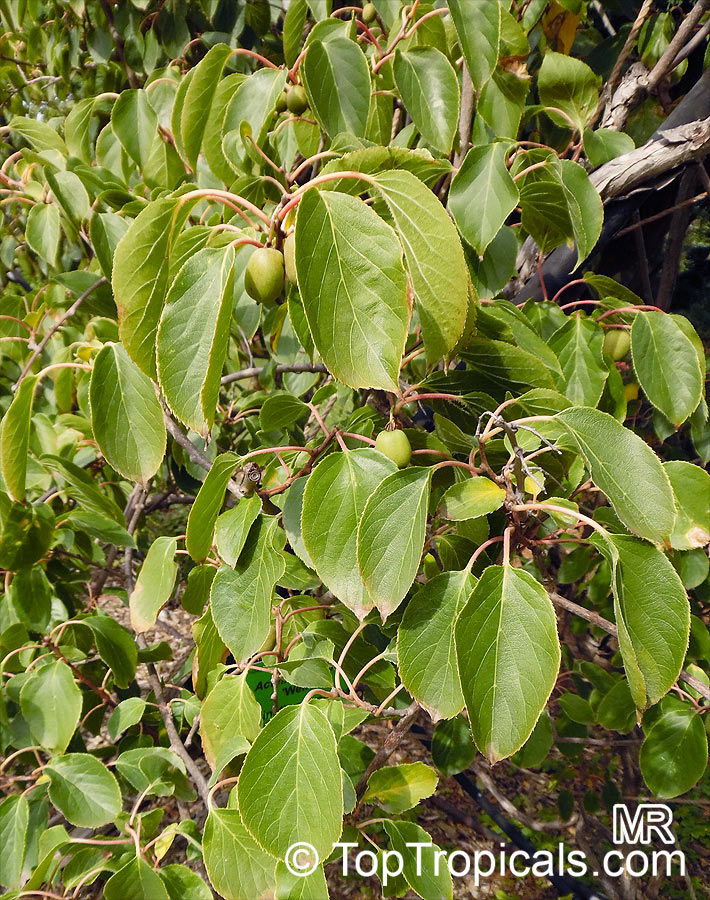
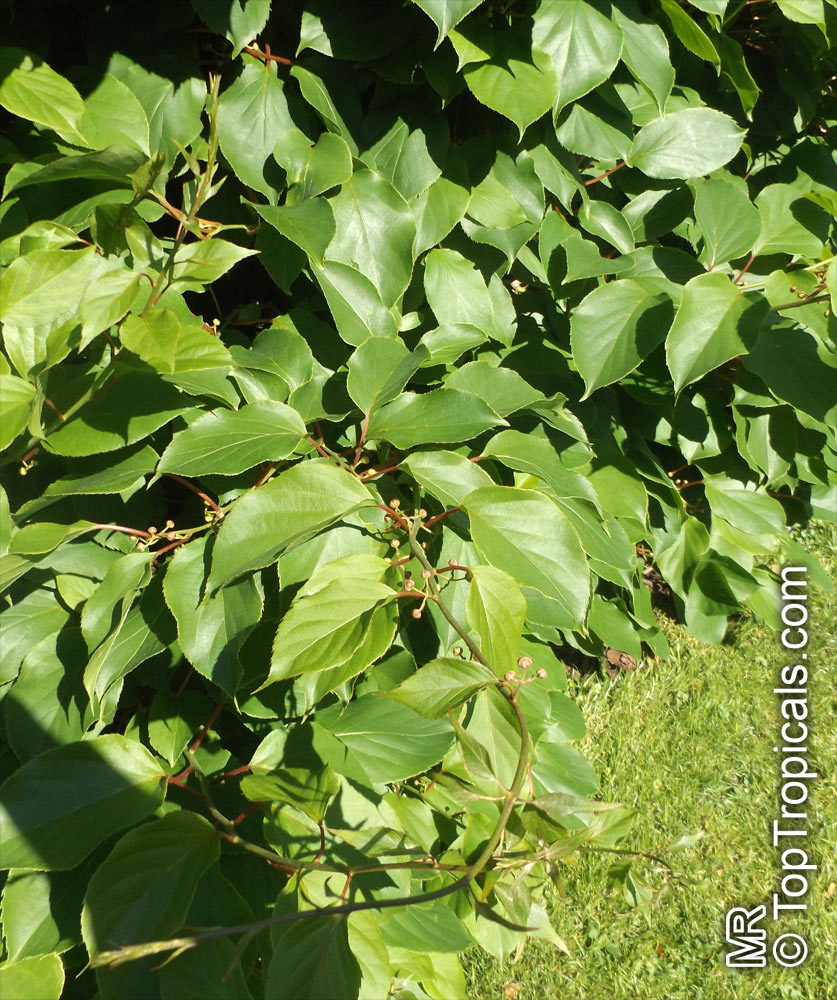
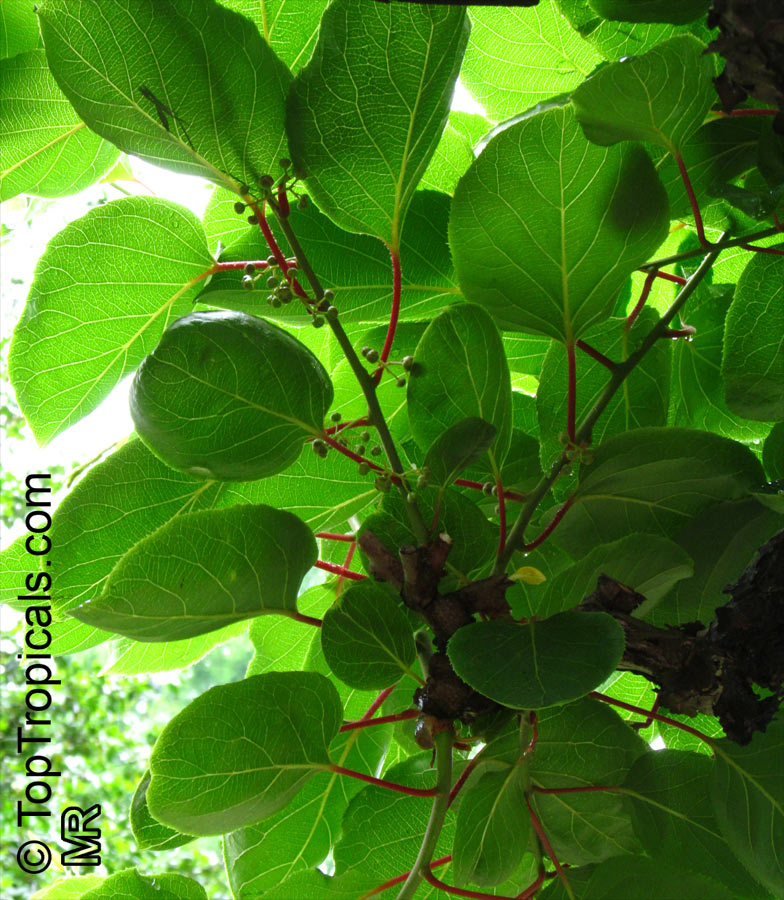
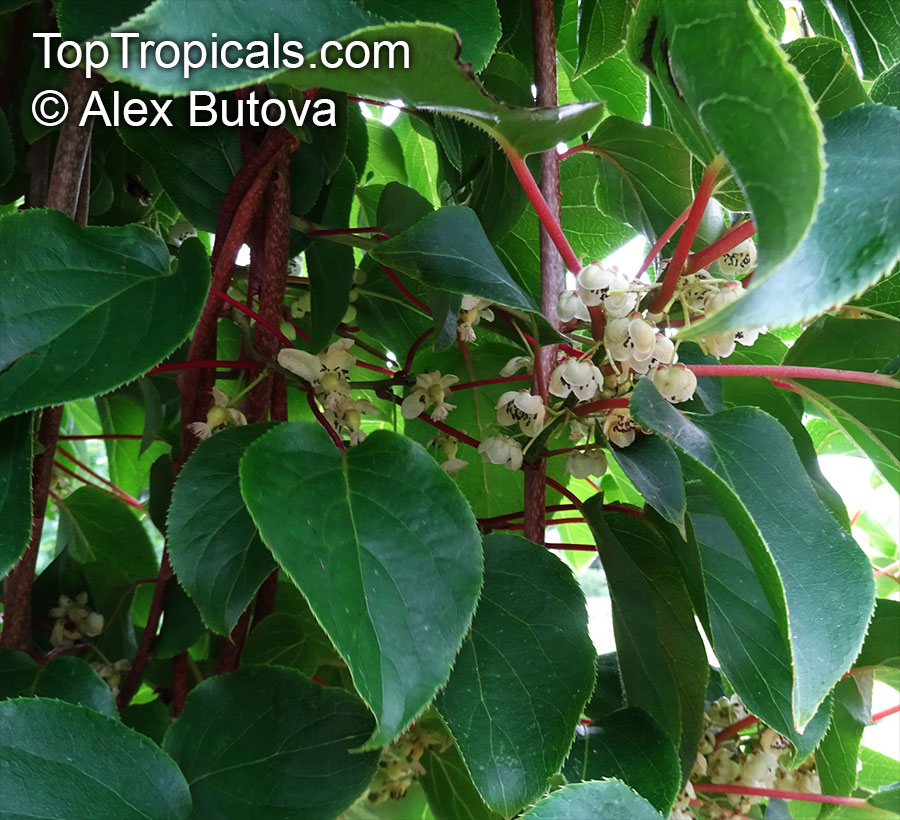
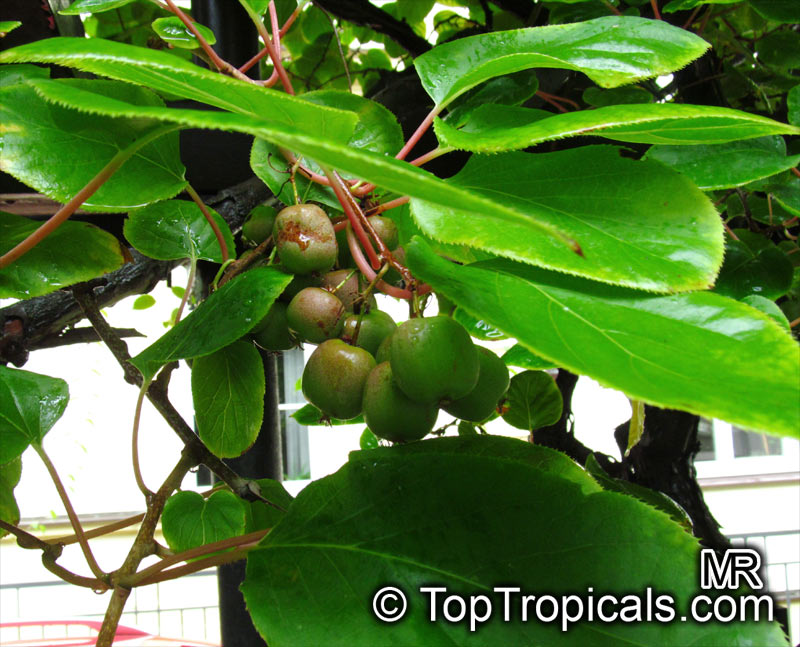
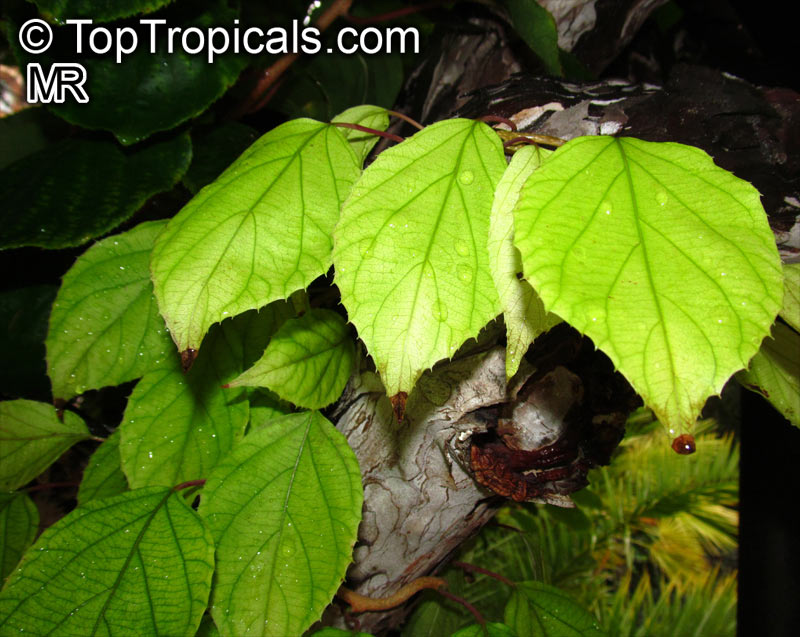
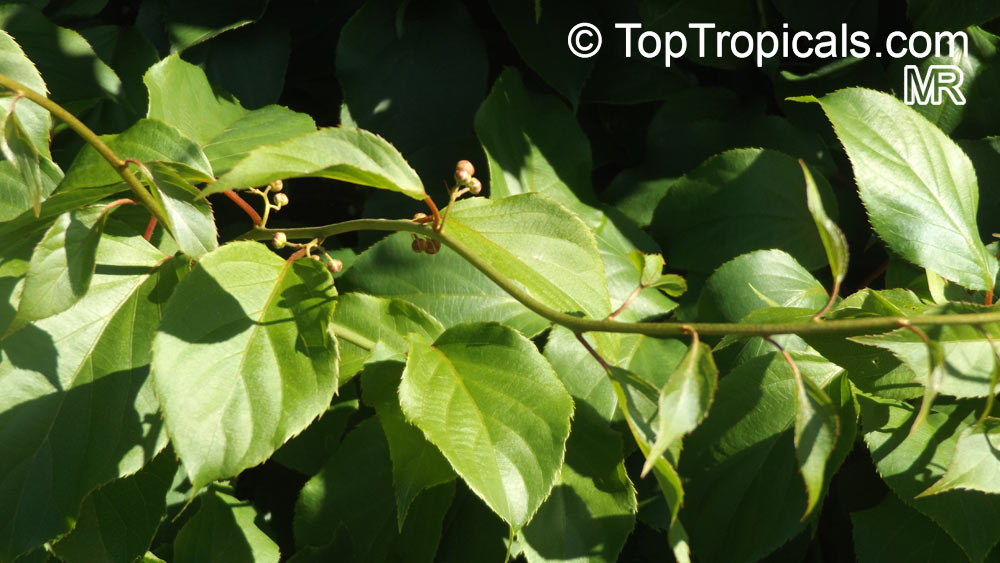
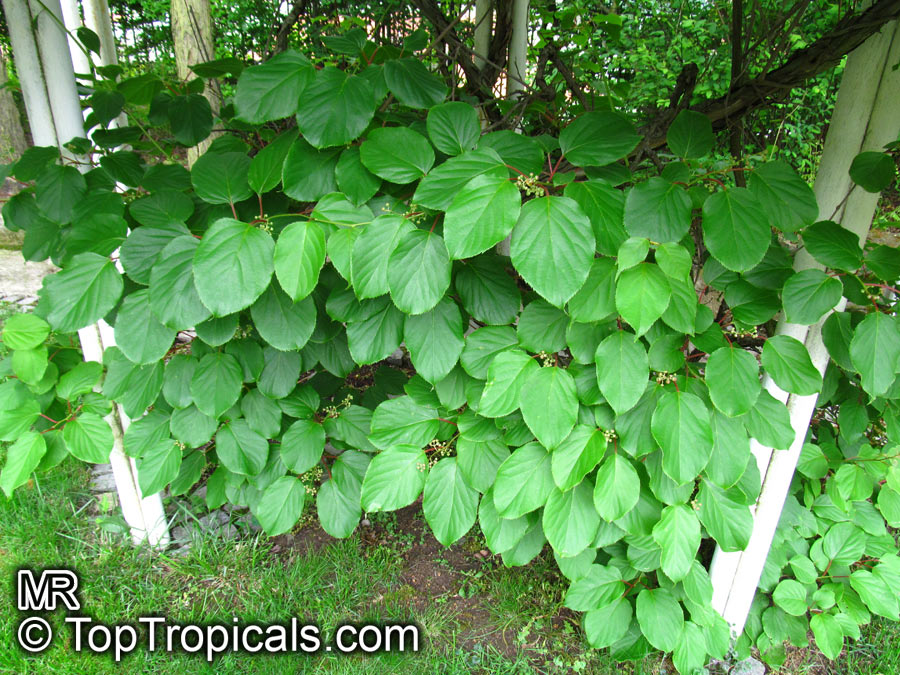
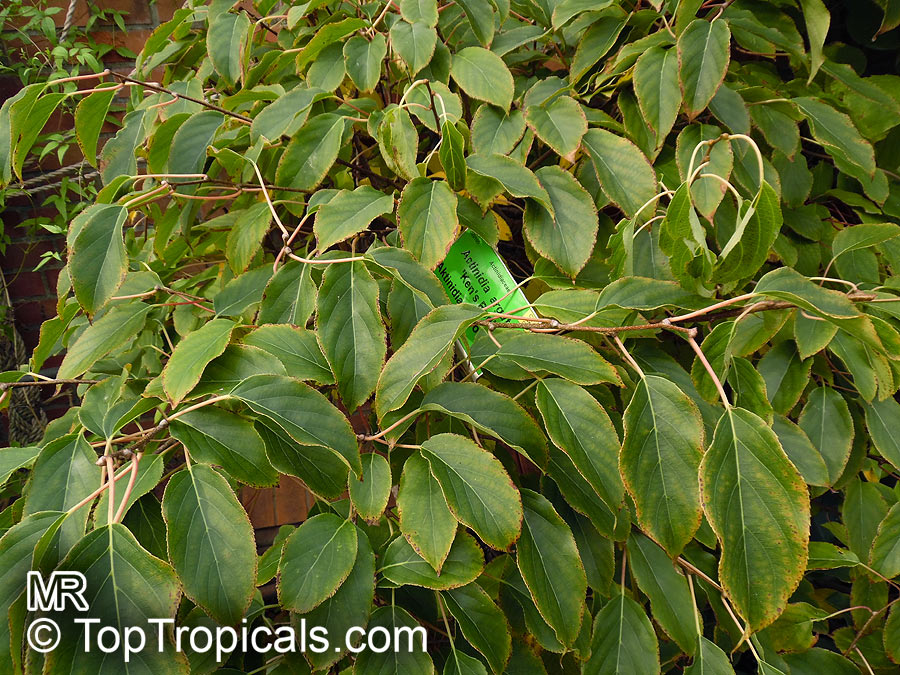
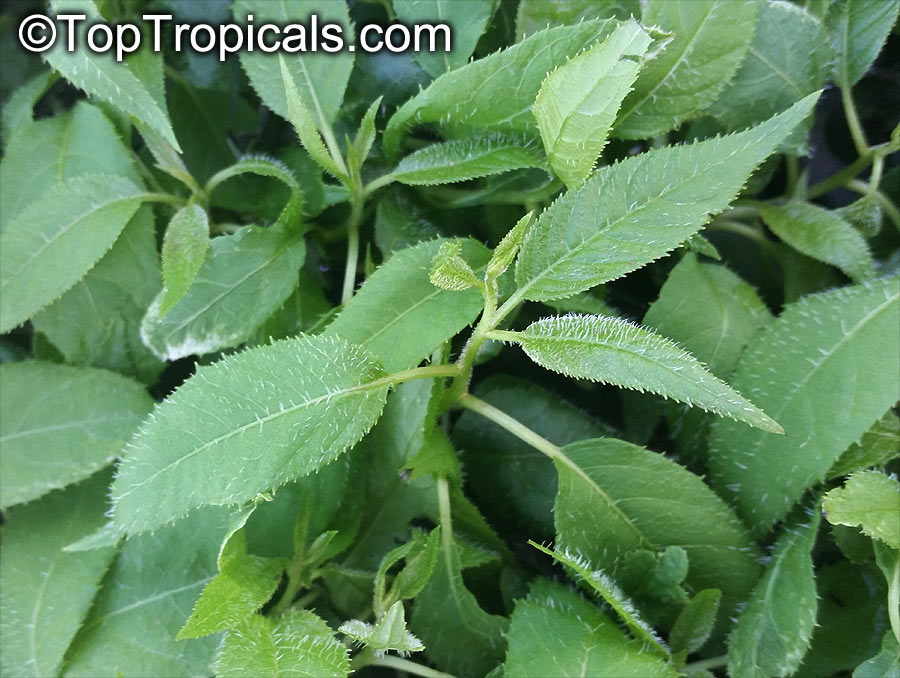
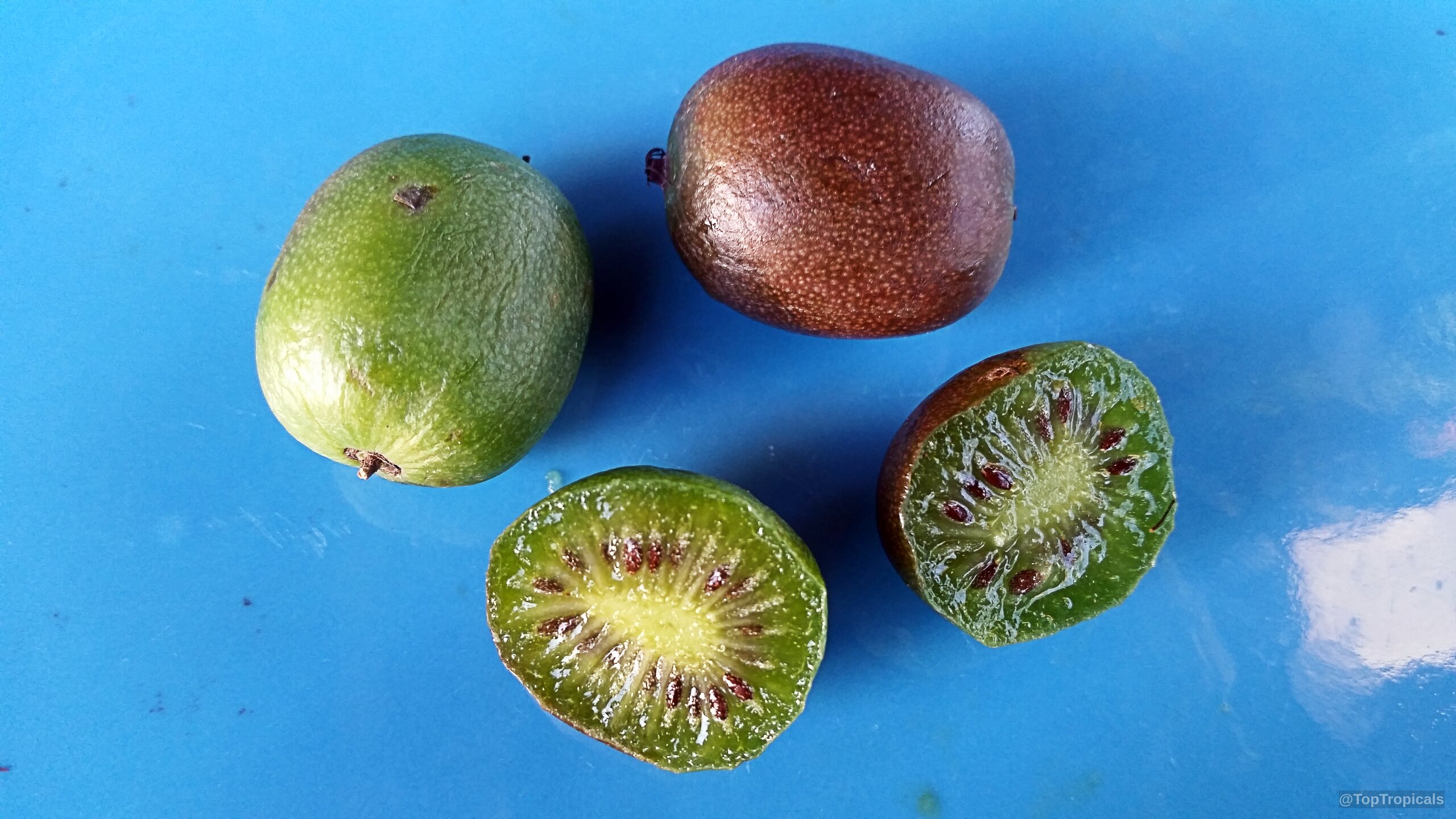
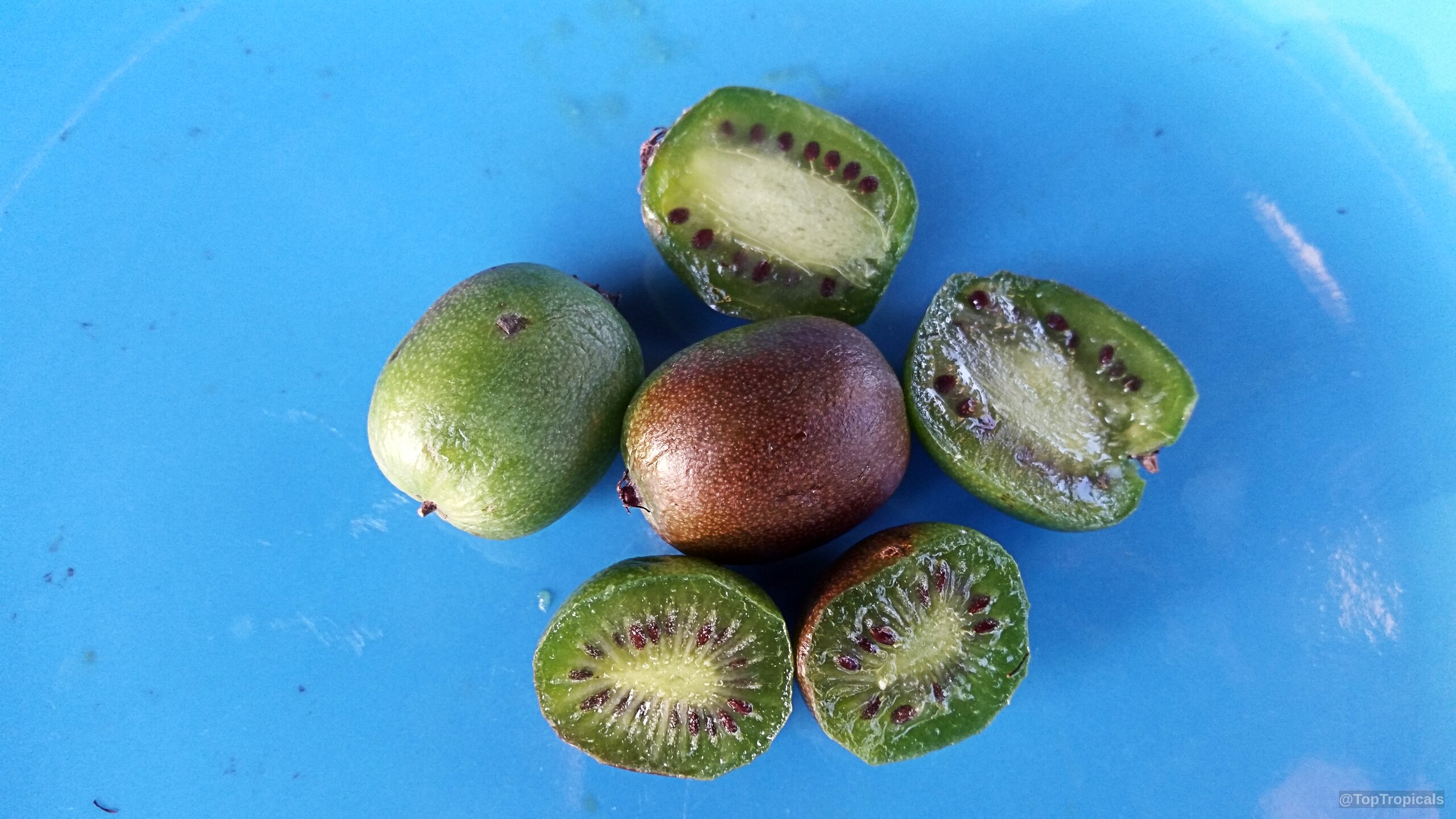
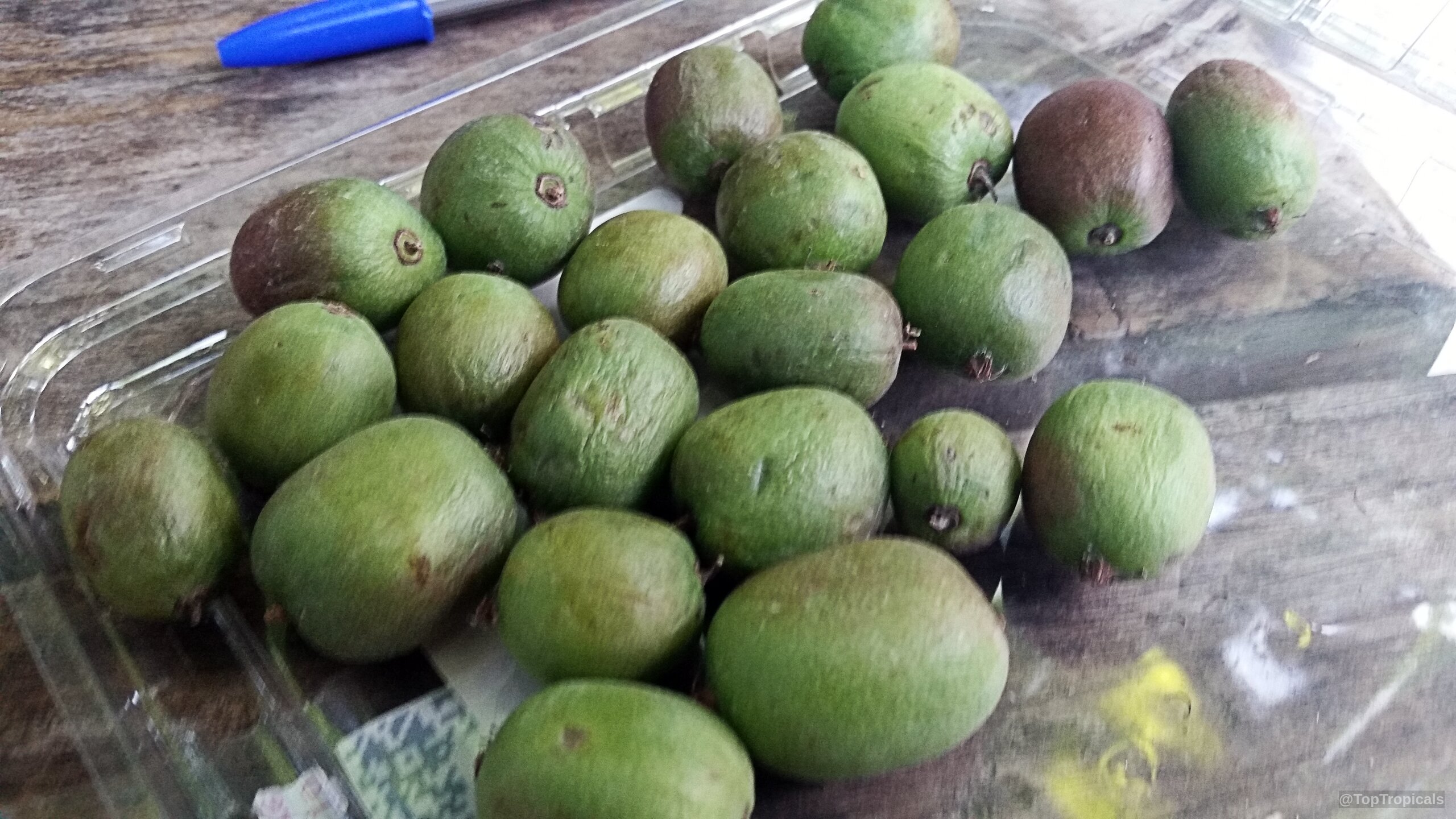
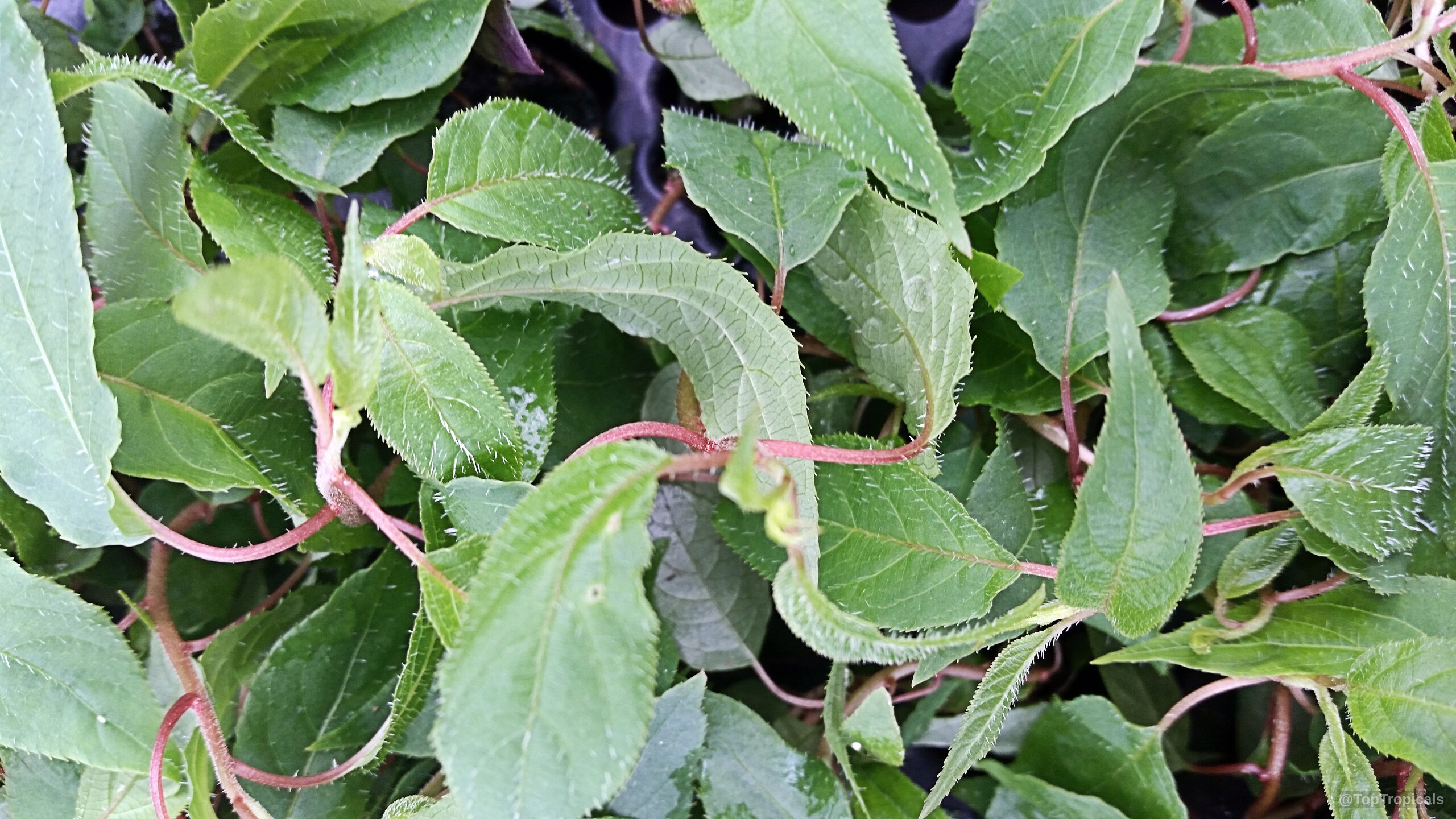
Botanical name: Actinidia arguta
Common names: Hardy Kiwifruit, Kiwi Berry, Arctic Kiwi, Baby Kiwi, Dessert Kiwi, Grape Kiwi, Northern Kiwi
Family: Actinidiaceae
Origin: Japan, Korea, Northern China


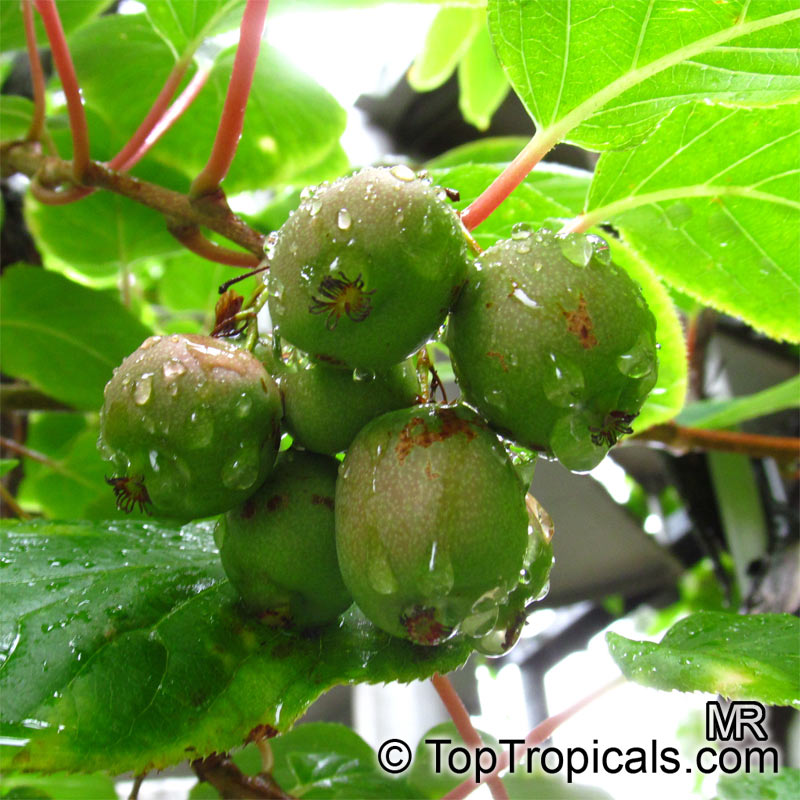
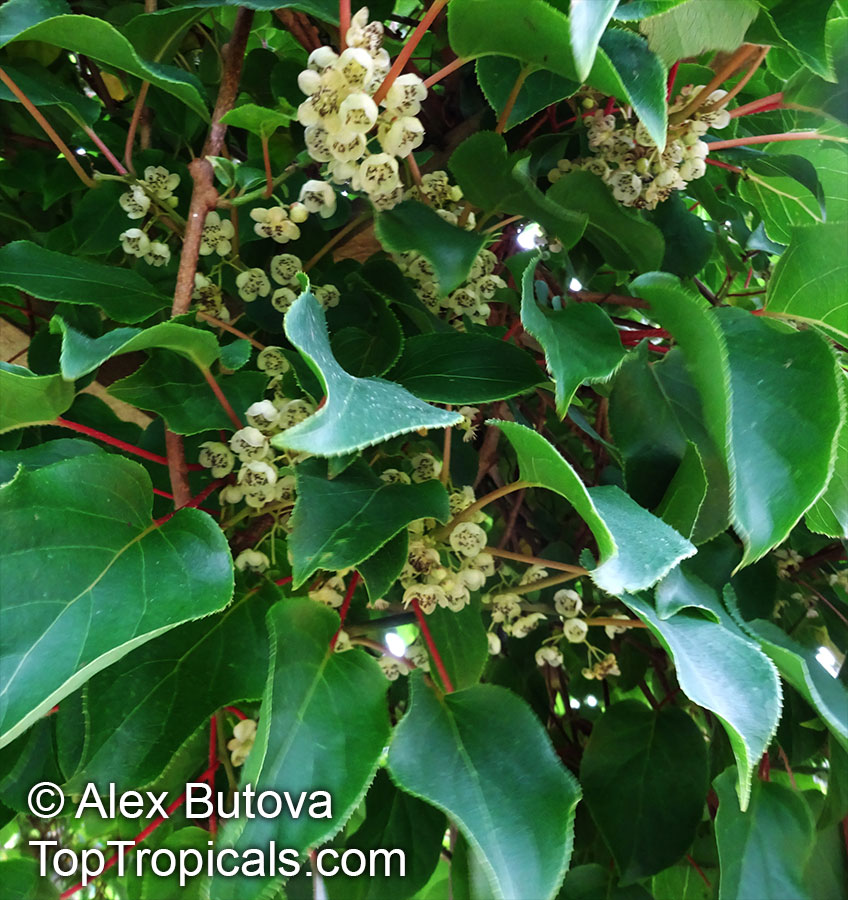
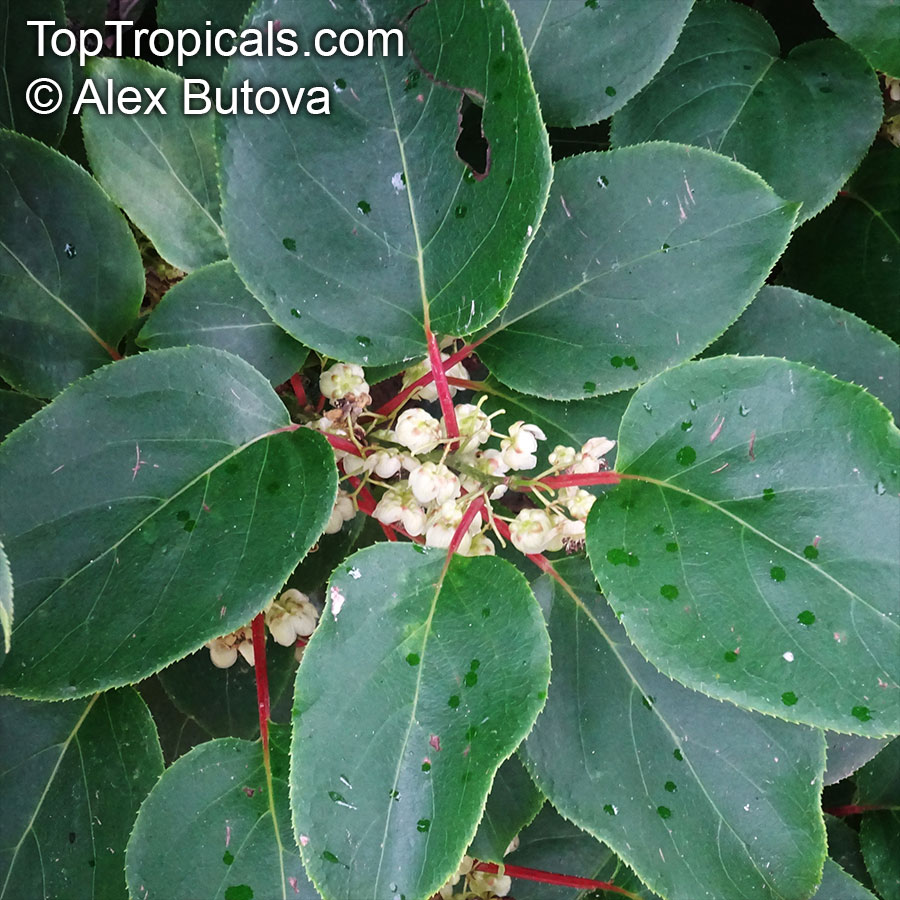
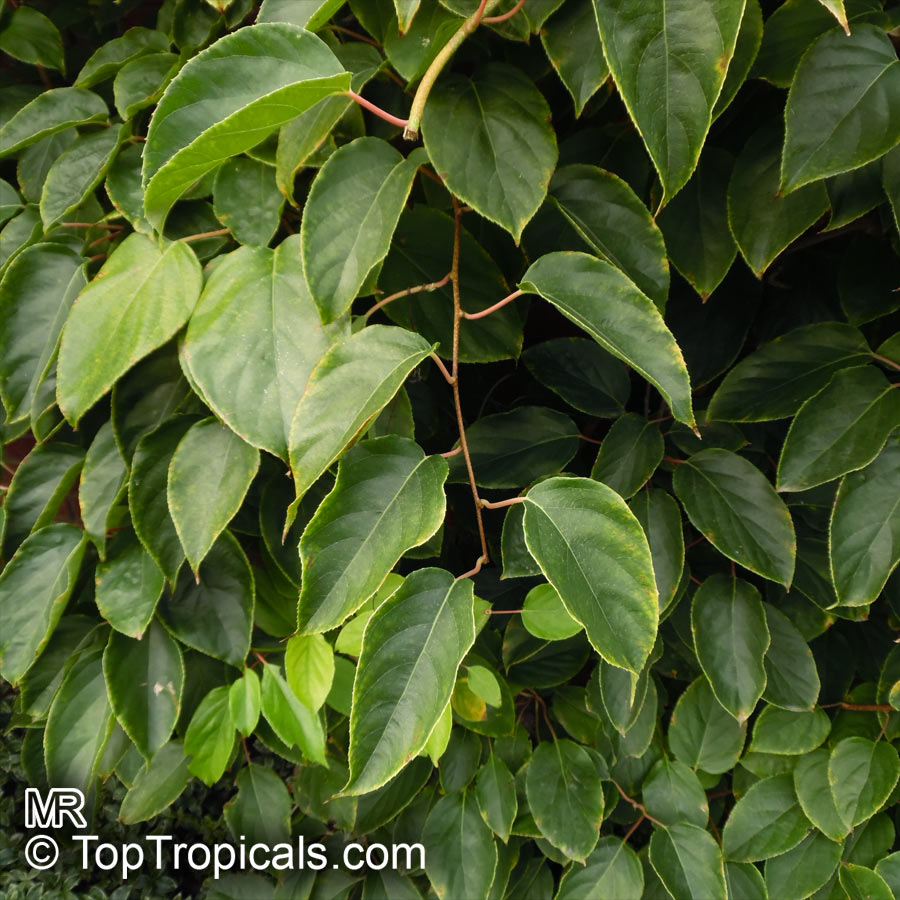
The fast-growing, climbing vine is very hardy, and is capable of surviving slow temperature drops to -34 C (-30 F), although young shoots can be vulnerable to frost in the spring. This vine needs a strong (vines are heavy) support structure on which to grow such as a trellis, arbor, patio overhead, fence or wall.
| Next | |
Use link to repeat this search:
https://toptropicals.com/cgi-bin/garden_catalog/cat.cgi?search_op=and&keyword_op=and&language=e&number=5&no_change_lang=1
&v1=dds&user=tt&sale=1&first=0