Psychotria - Plant Encyclopedia Results
| Number of plants found: 13 | Next | 
|
Go to page: | 1 | 2 |
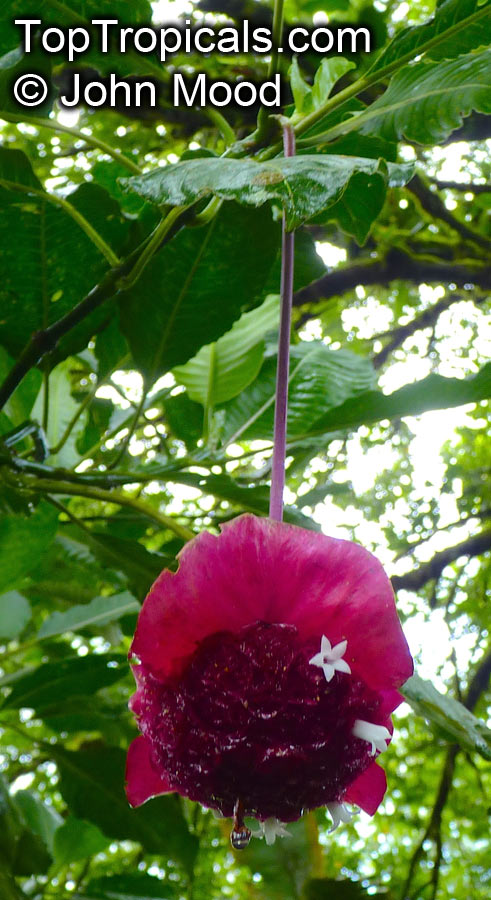
Botanical name: Psychotria sp.
Common name: Psychotria
Family: Rubiaceae
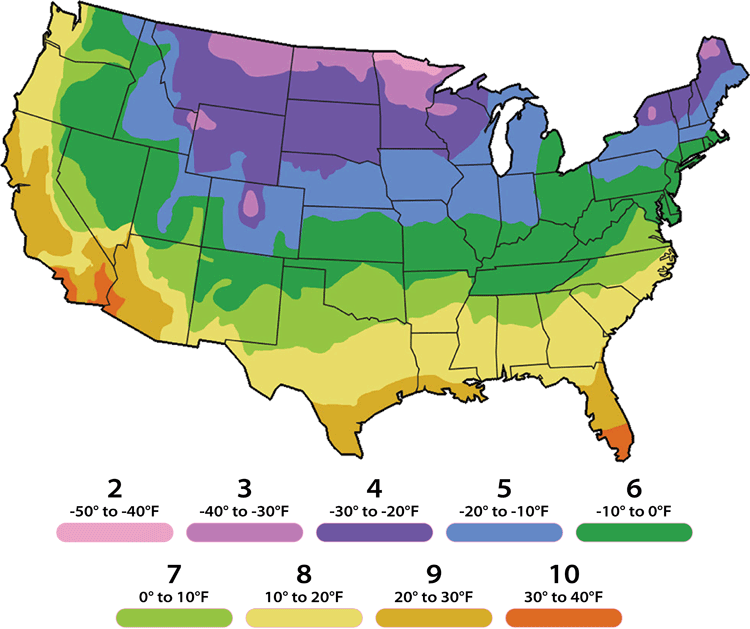
Hardiness: 50°F


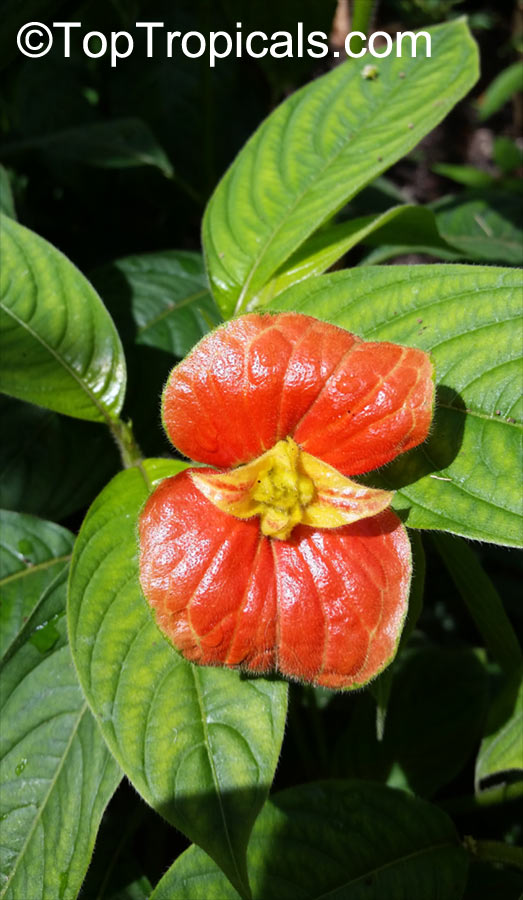
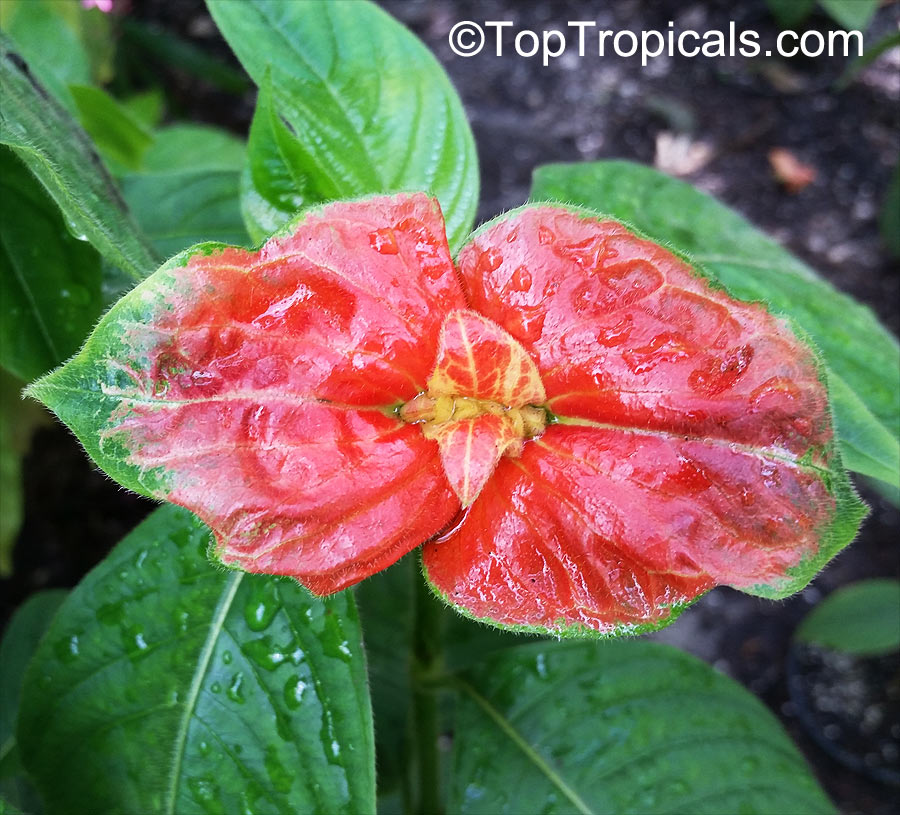
Psychotria sp. refers to a diverse group of tropical shrubs and small trees in the Rubiaceae family, widely distributed in Central and South America, Africa, and Southeast Asia. Plants typically form a dense, branching habit with glossy, opposite leaves that vary in size and shape depending on species. Many members of this genus are noted for their distinctive inflorescences, including brightly colored bracts in red, orange, or pink that surround small tubular flowers. Fruits are usually small, berry-like, and may add seasonal ornamental interest.
This group prefers partial shade to filtered light and consistently moist, well-drained soil rich in organic matter. Growth rate is moderate in warm, humid conditions. Cold tolerance is limited, with damage likely below 50F; best suited to USDA Zones 10 to 11. Psychotria species are suitable for tropical landscapes and container growing in protected environments where humidity and warmth can be maintained.
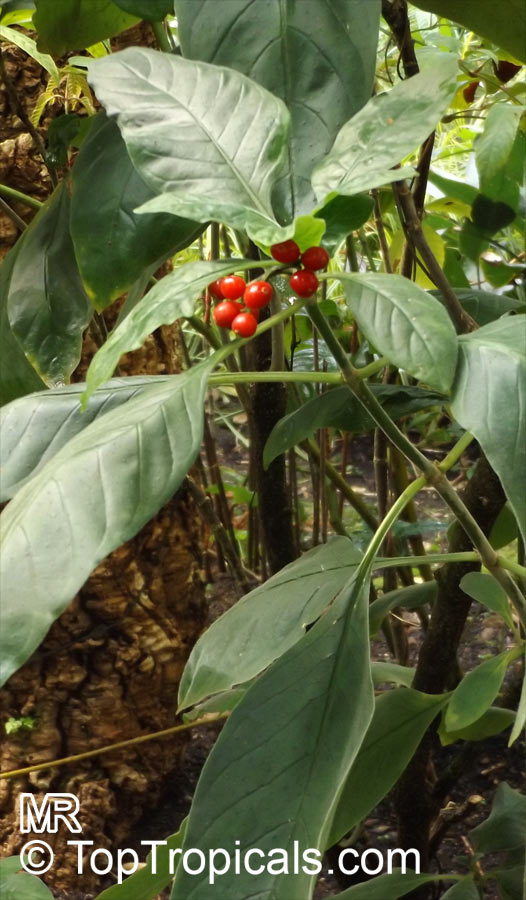
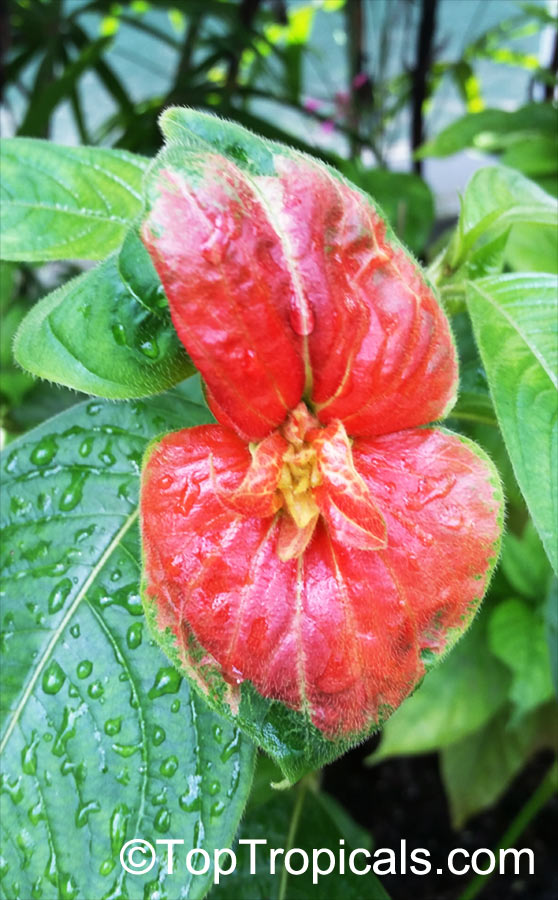
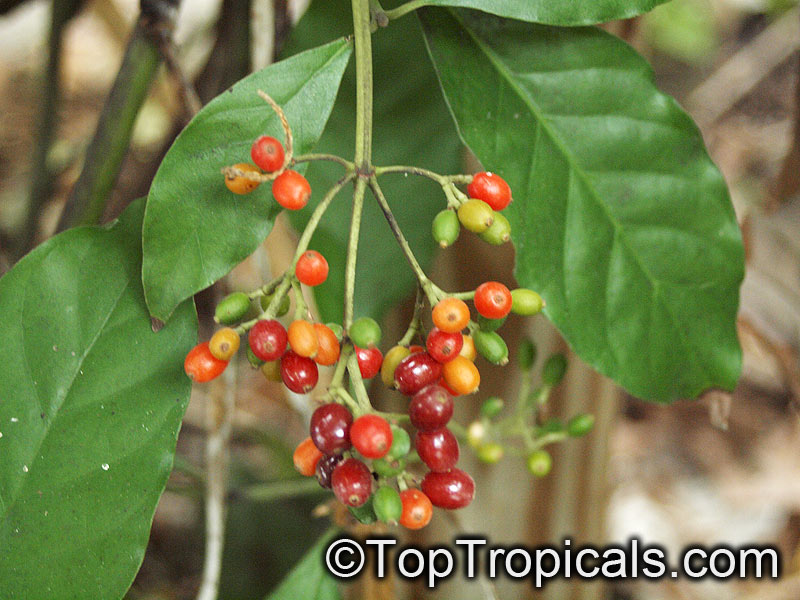
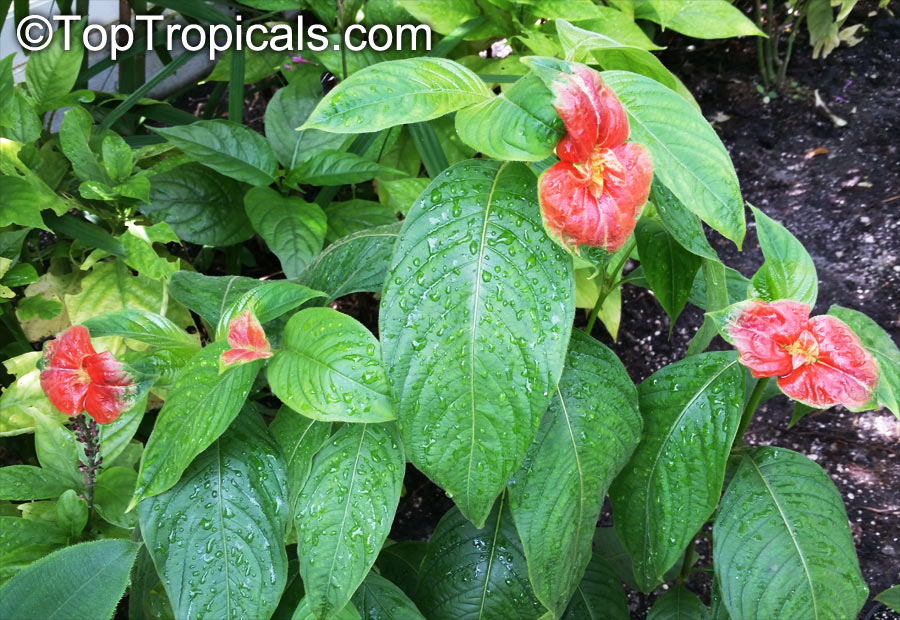

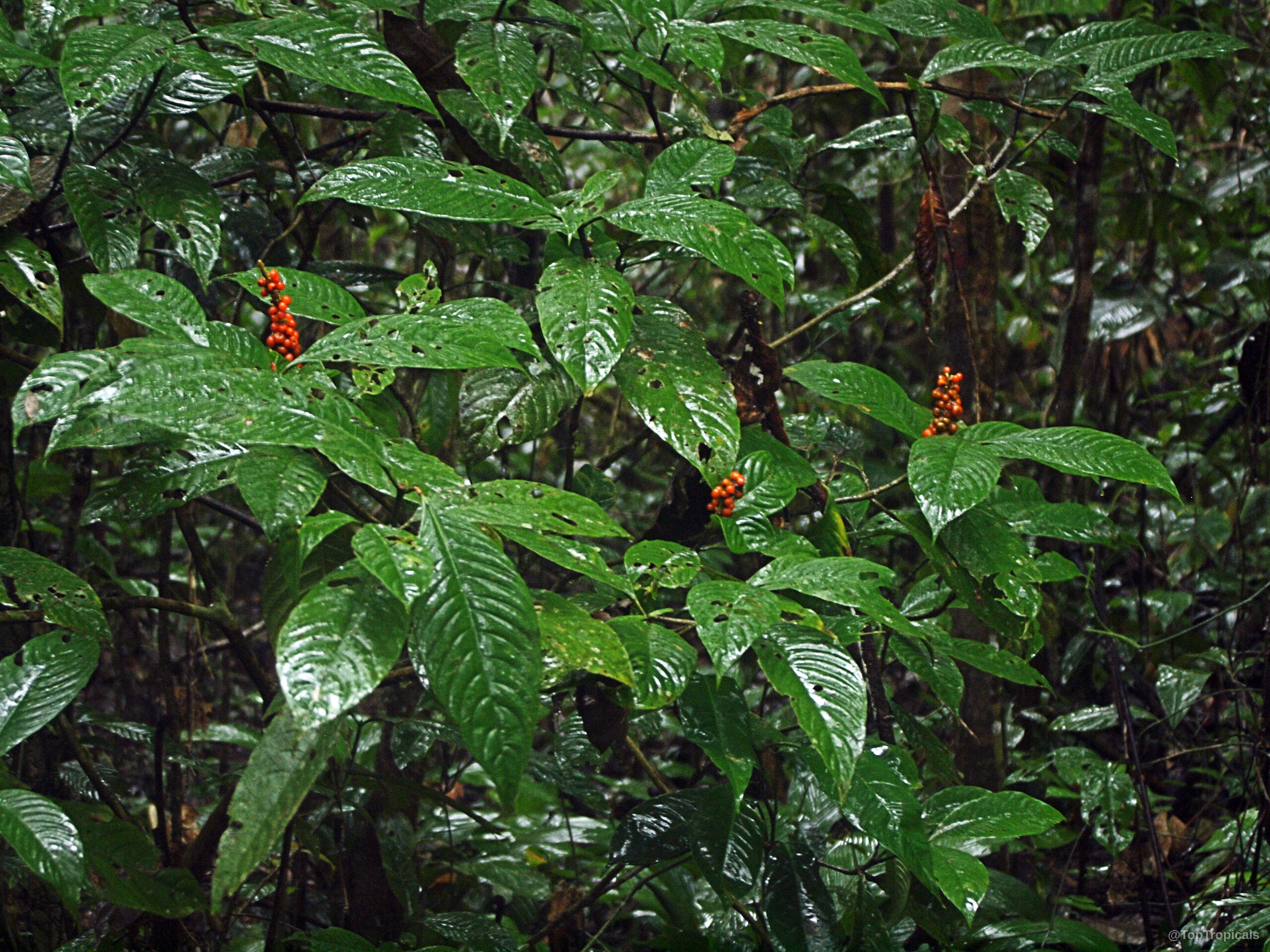
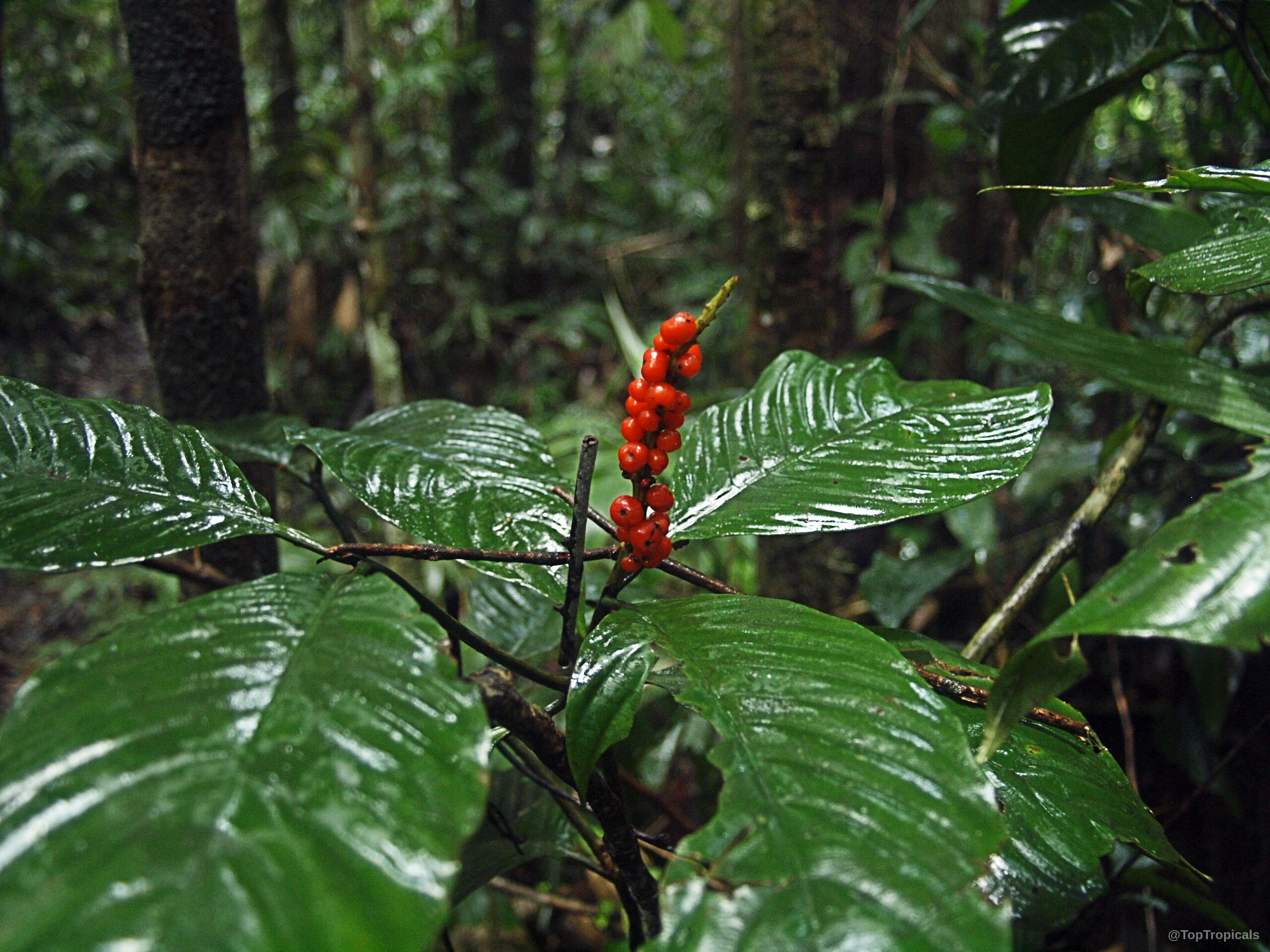
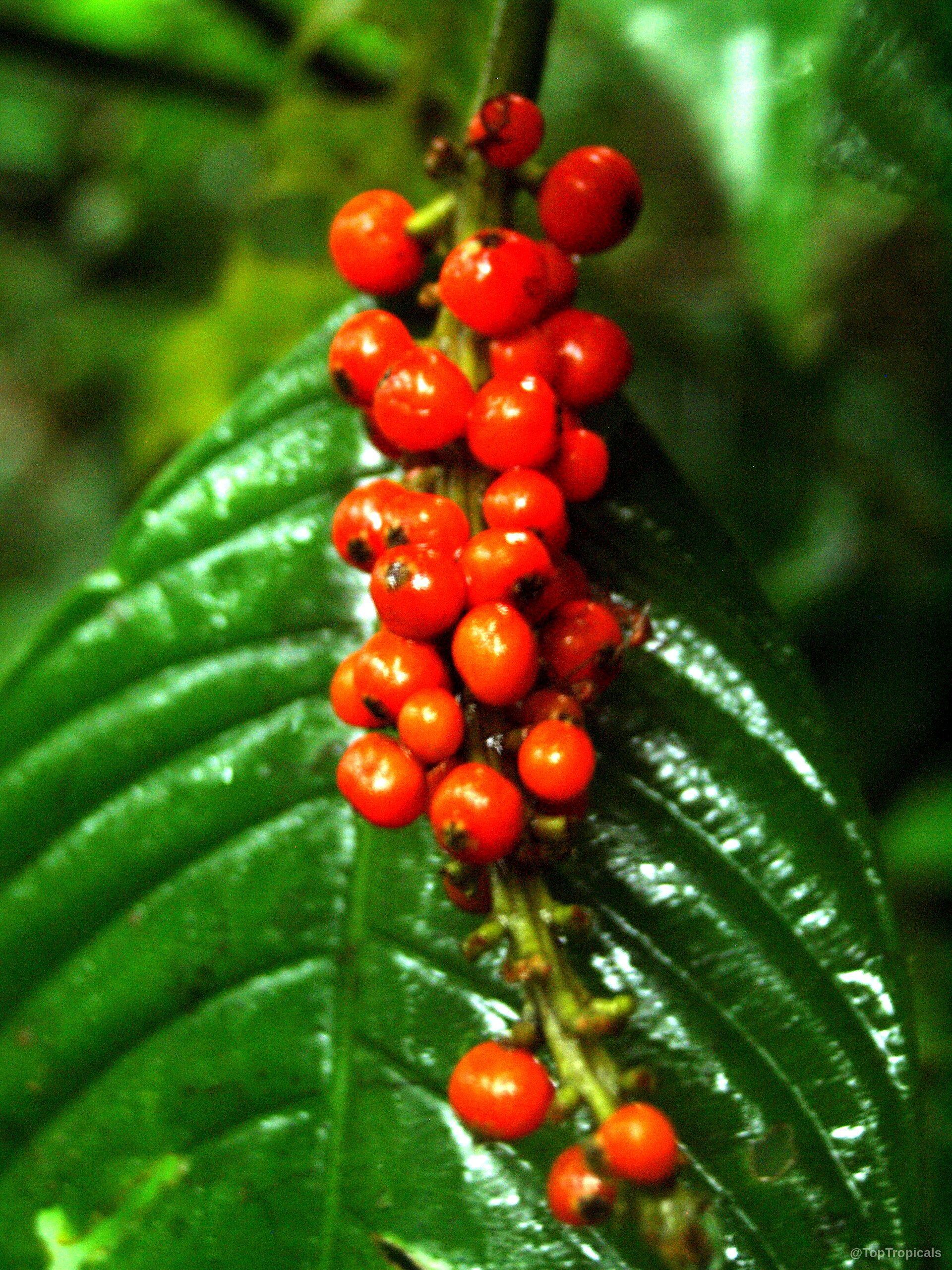


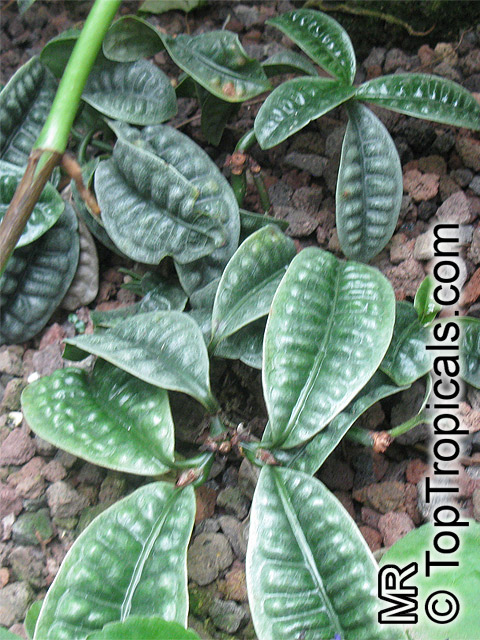
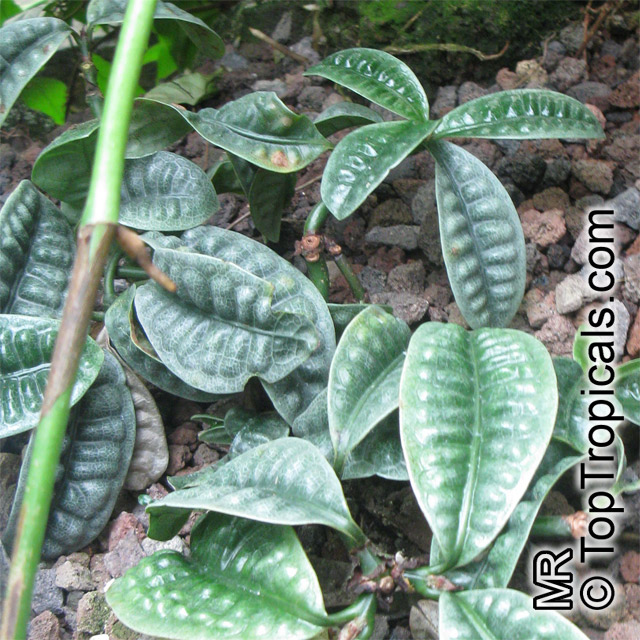
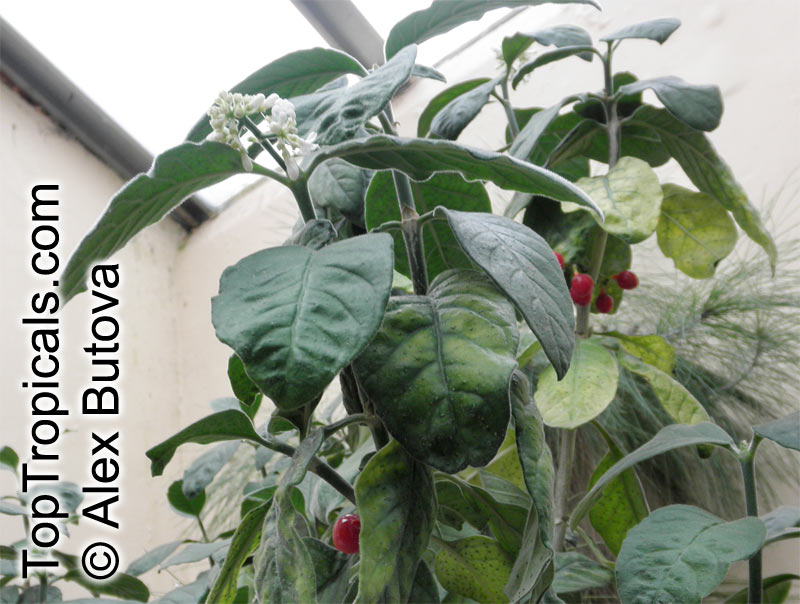
Botanical name: Psychotria capensis
Common names: Black Bird-Berry, Bird-Berry, Bastard Lemonwood, Lemon Bush
Family: Rubiaceae
Origin: South Africa


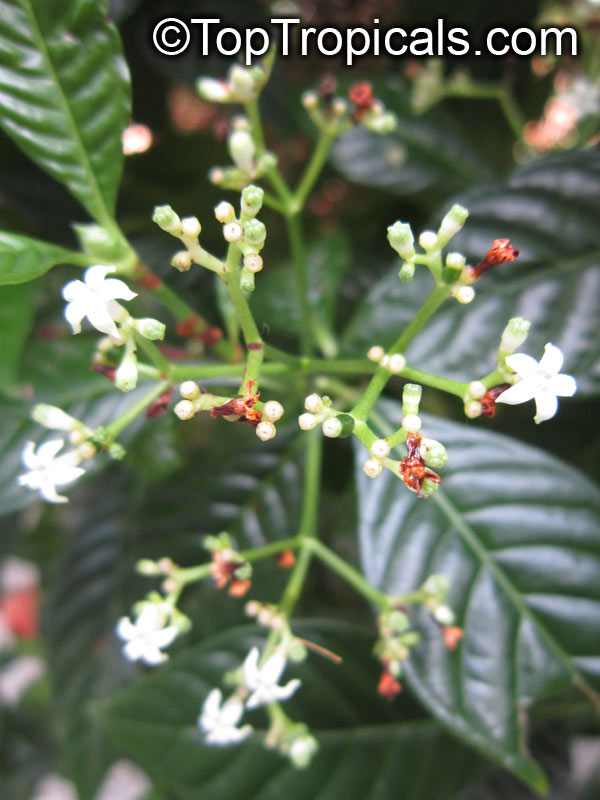
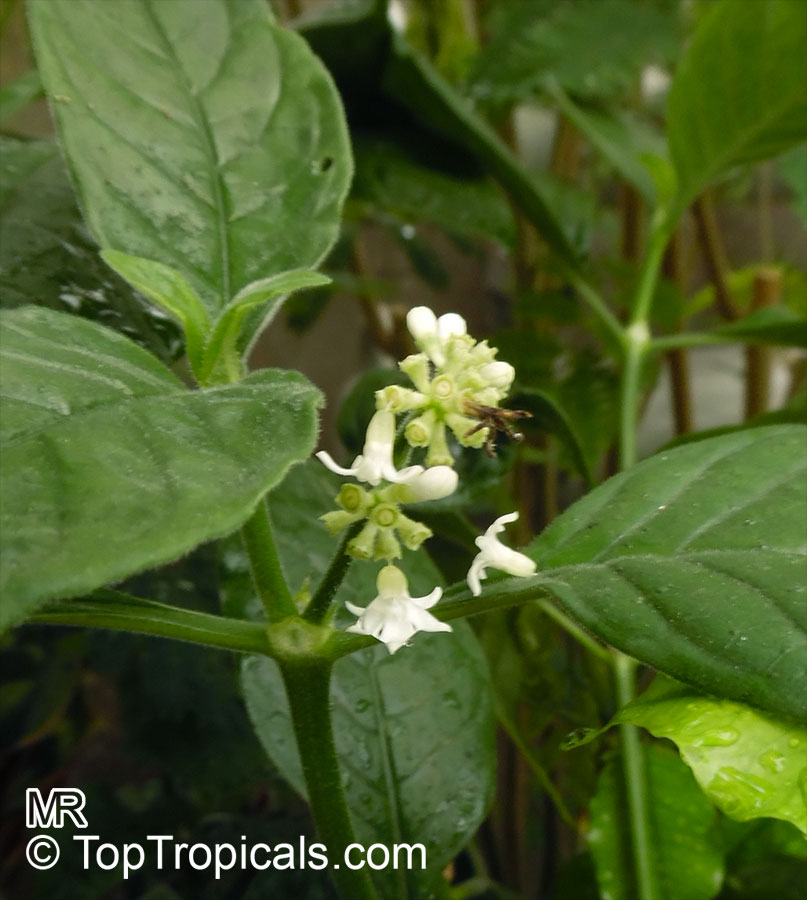
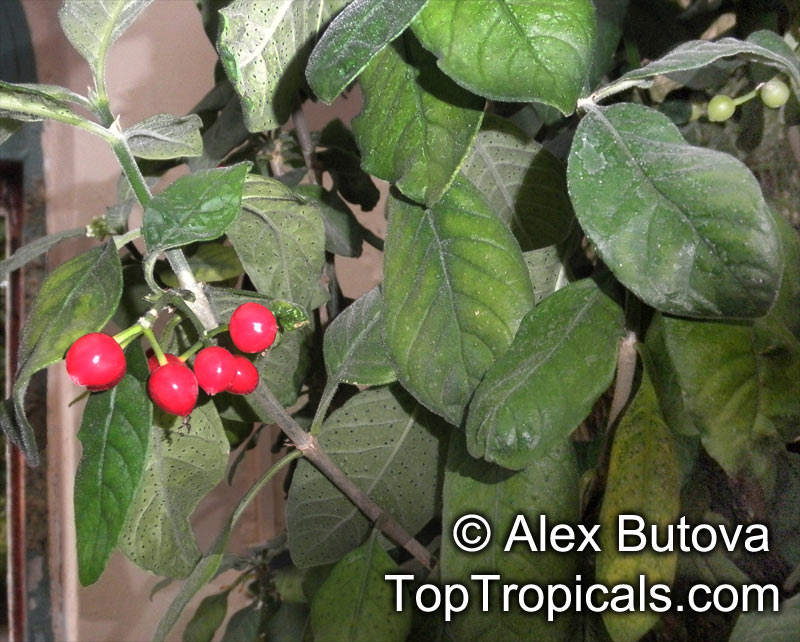
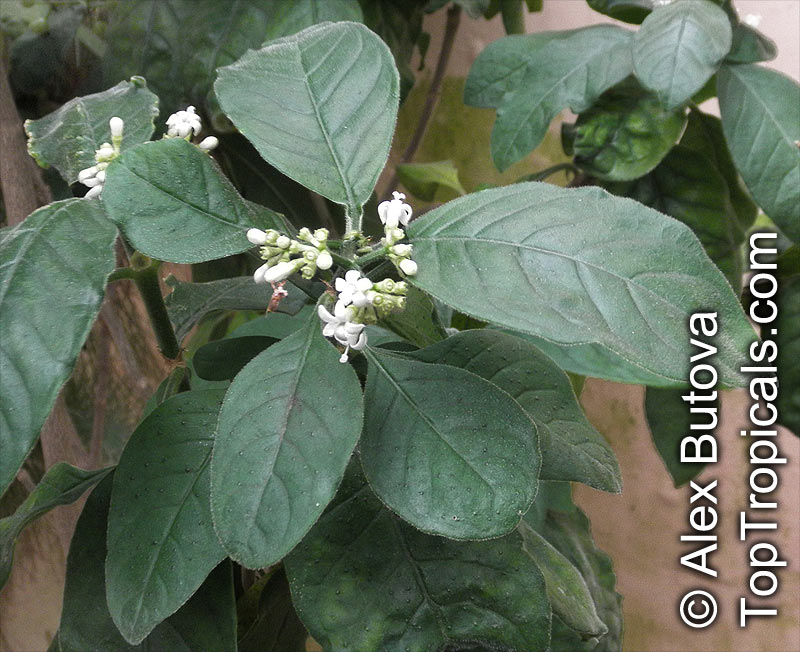
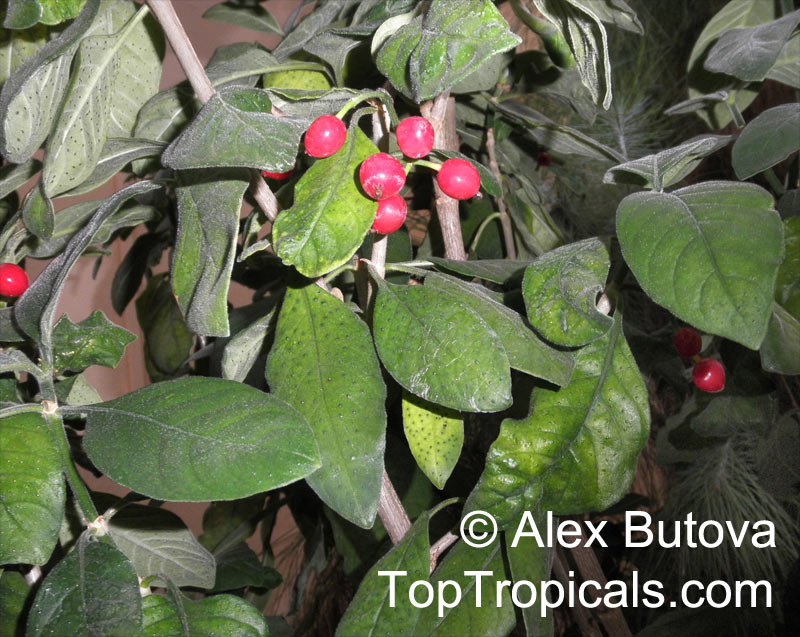
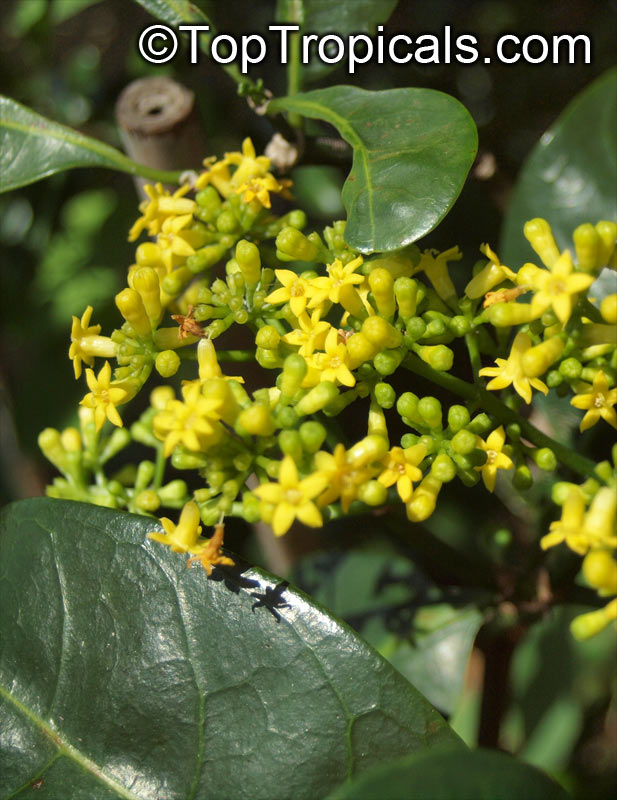
Psychotria capensis is an ethnomedical plant native to South Africa, giving it the common name - Black Bird-Berry. It is a large shrub growing 5-10 ft tall or can reach beyond 10-20 ft if left to grow as a small tree. It is best suited to full sun and requires moderate water - not too little and not too much. The white or off-white flowers of Psychotria capensis make it an eye-catching addition to any garden and these flowers can often attract butterflies and hummingbirds. Occasionally, the flowers can also produce small yellow or orange fruits.
For those attempting to grow Psychotria capensis in cooler regions with potentially harsh winter temperatures, it is best to plant it in a container and be sure to bring it in before the frost. When bringing it in it is best to trim it back to prevent the plant from becoming root-bound in the winter. During the winter months, keep it in a bright spot, ideally near an east-facing window, to allow for enough light. In these cold months, the amount of water required is reduced, so making sure not to overwater is important.
Overall, Psychotria capensis is an easily maintained shrub or small tree with delightful white and yellow flowers. It makes a wonderful addition to any garden and is especially attractive to butterflies and hummingbirds. With the right growing conditions, it can thrive in USDA Zones 9-11, or with protection can be grown even in cooler climates.

Botanical names: Psychotria carthagenensis, Psychotria alba
Common name: Amyruca
Family: Rubiaceae
Origin: South America, Mexico

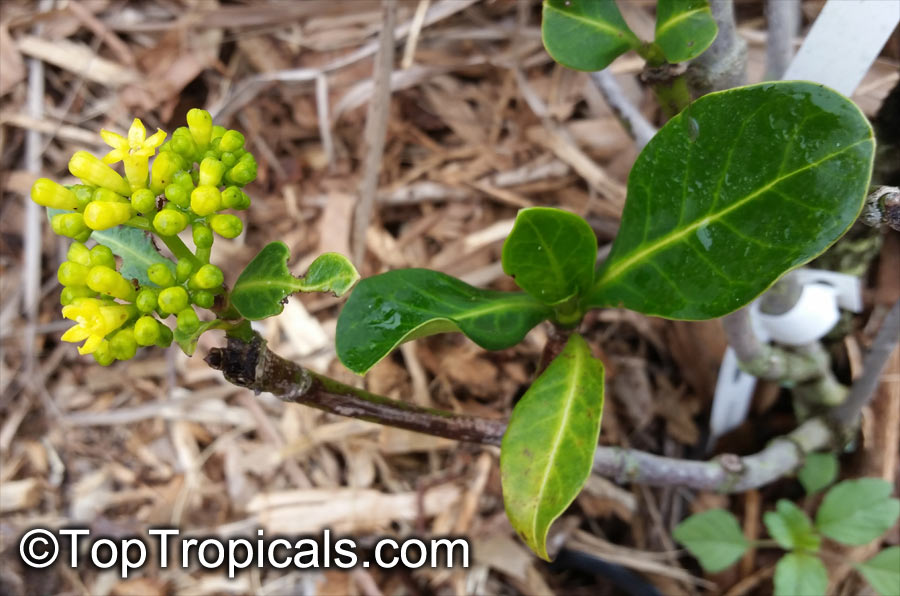
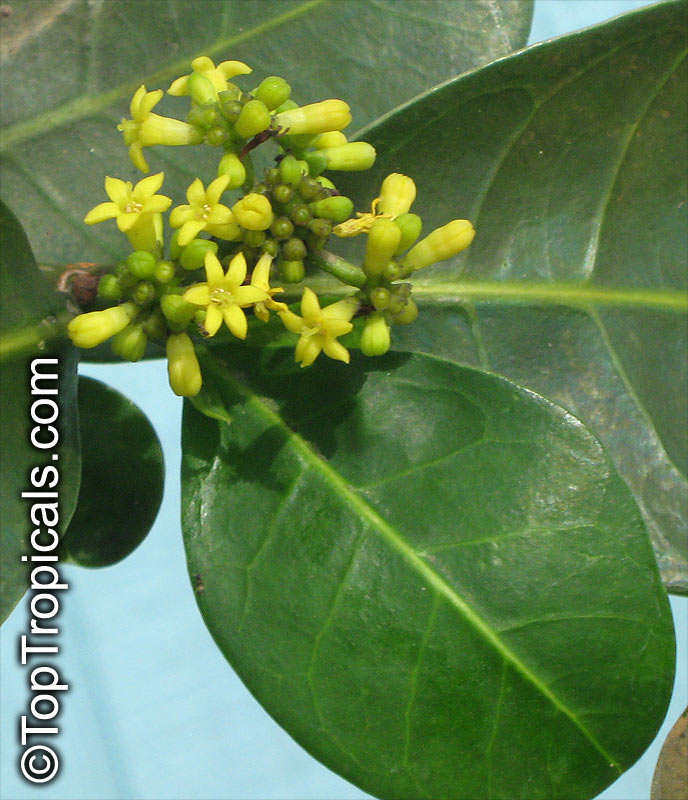
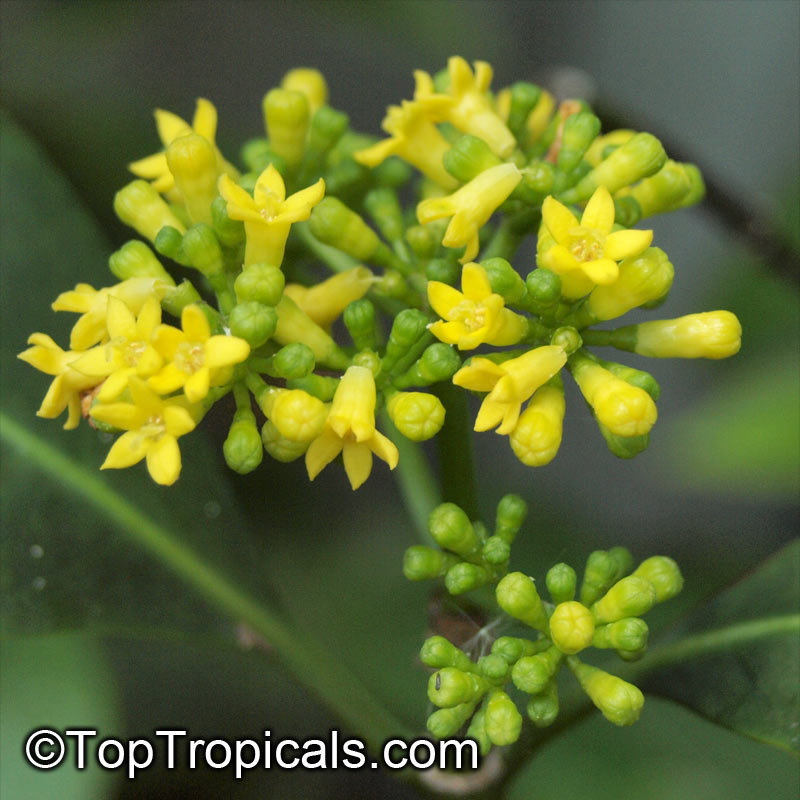
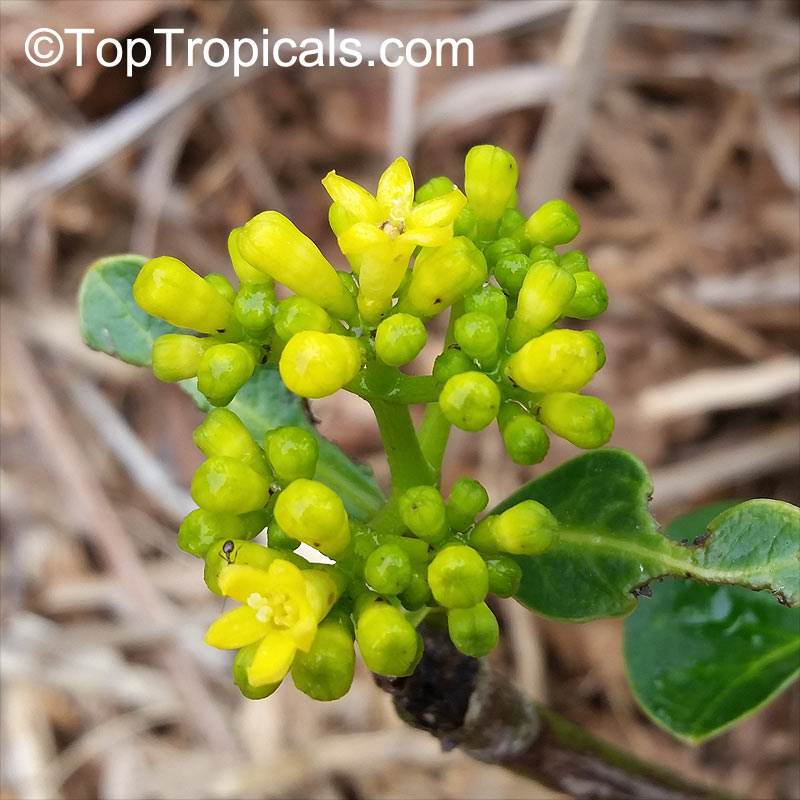
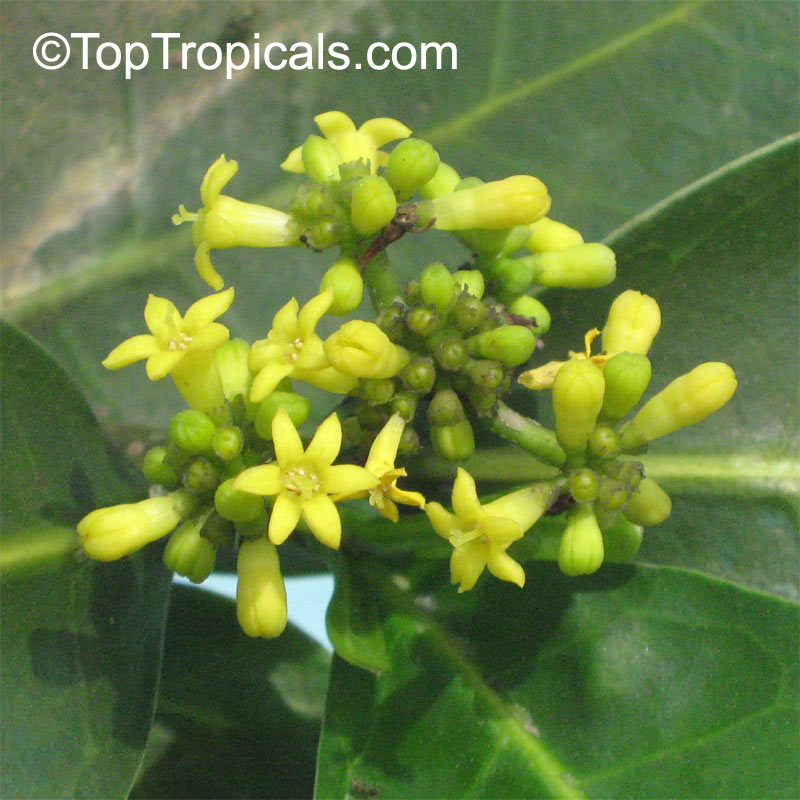
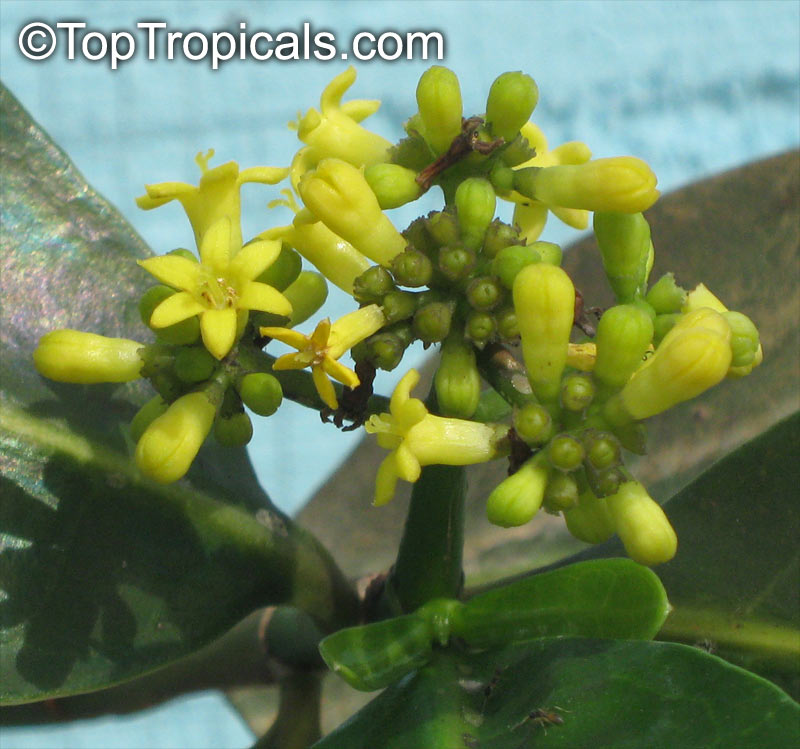
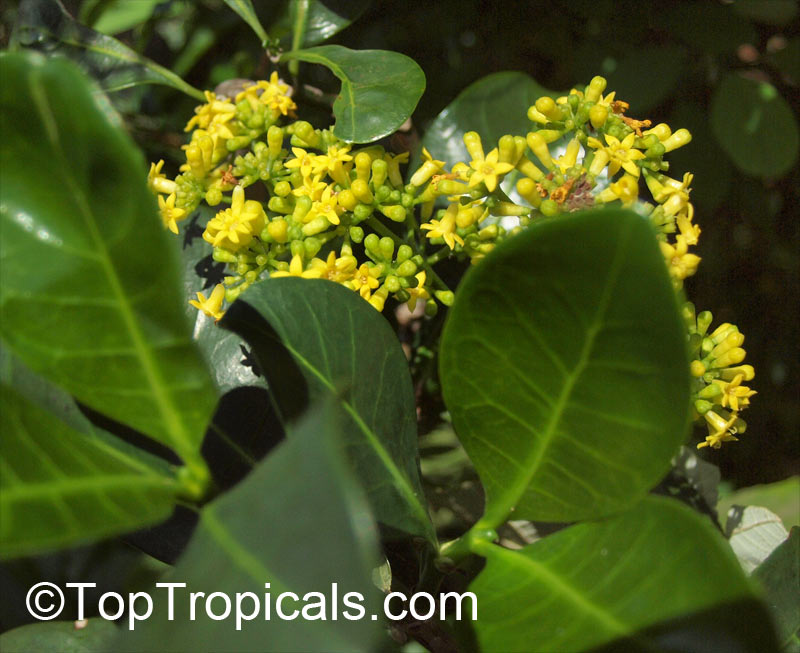
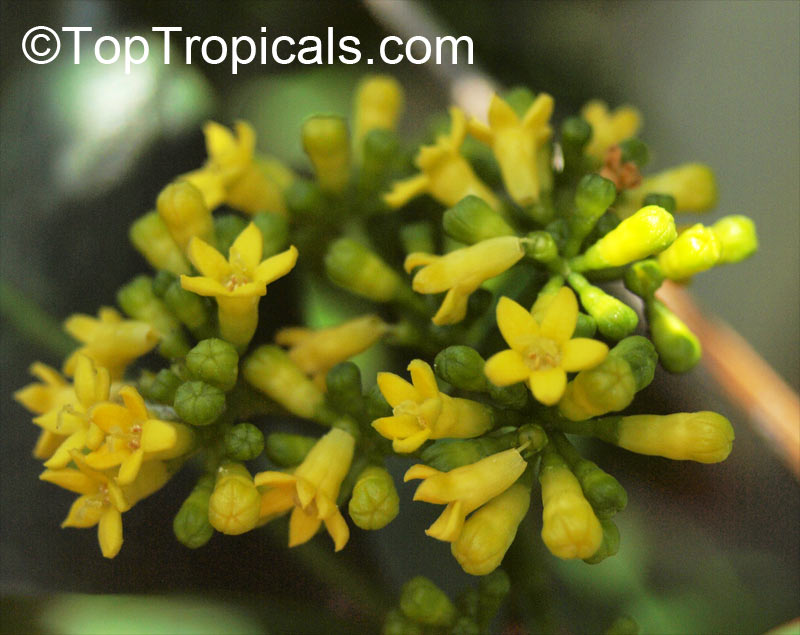
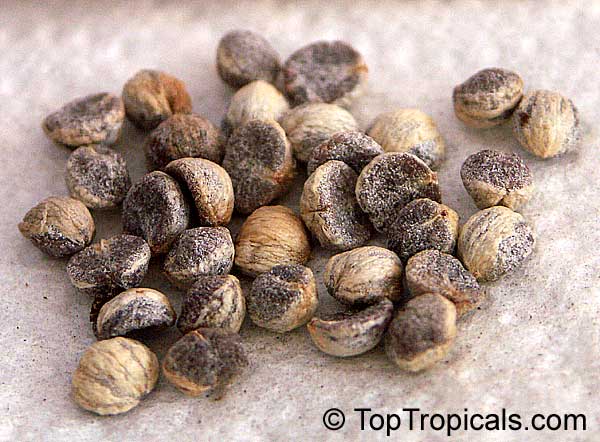
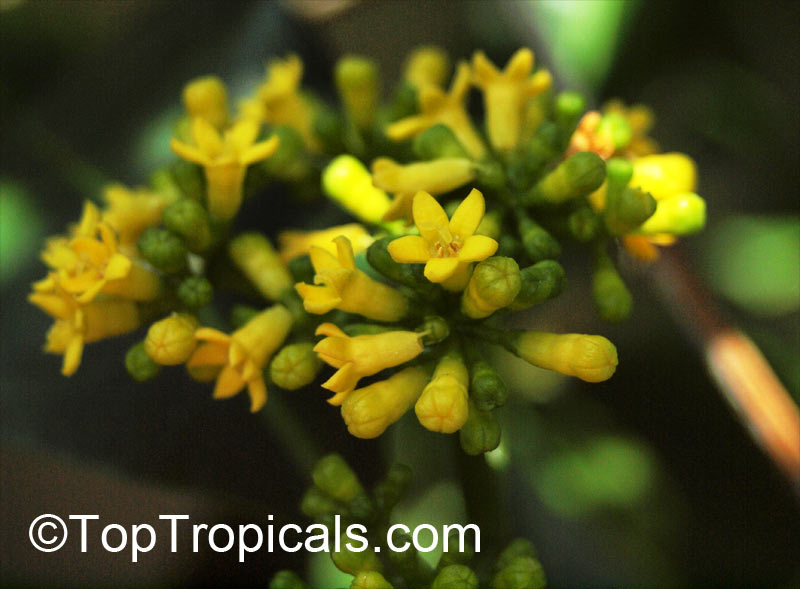
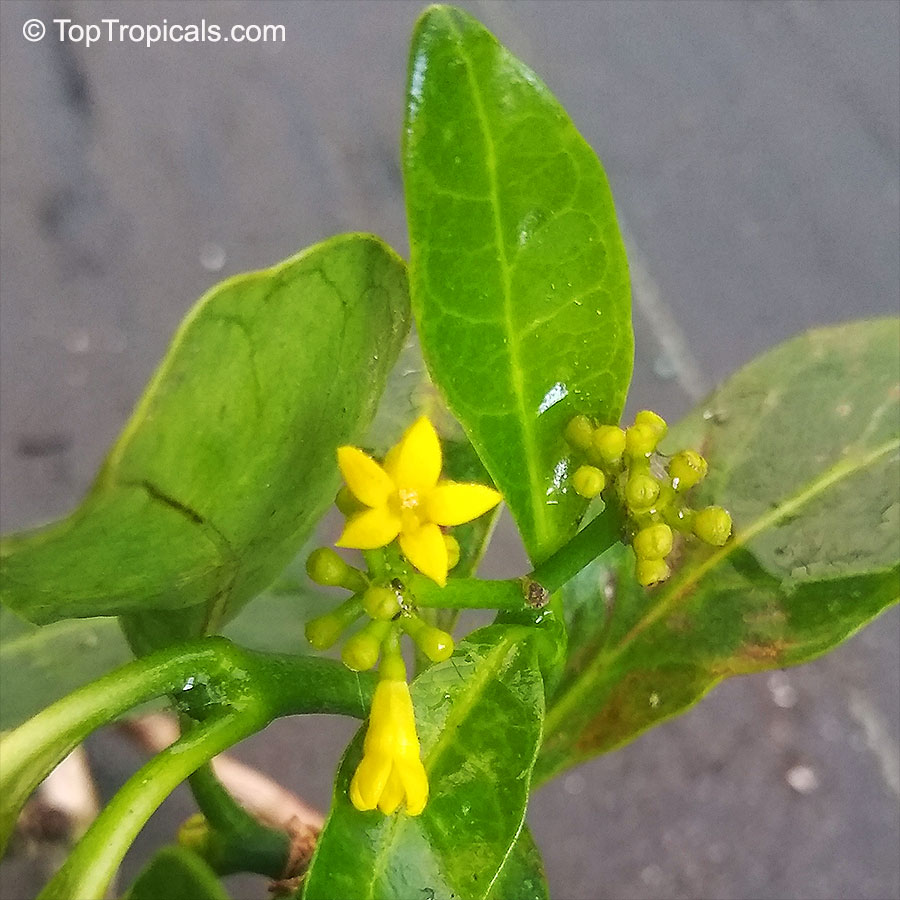
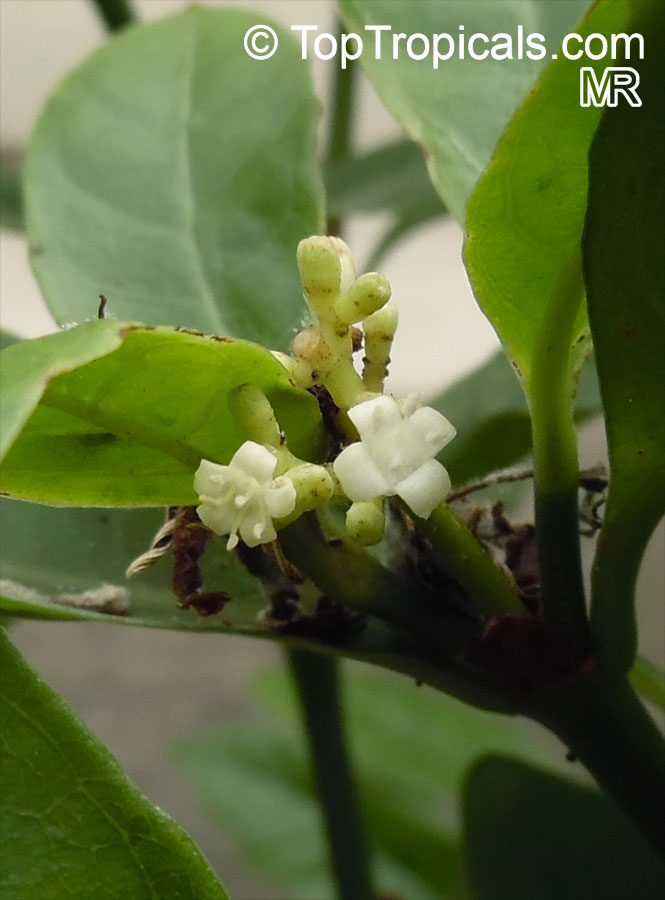
Native to South America and Mexico, Psychotria carthagenensis (Amyruca) is usually seen as a large shrub 5-10 ft tall and wide with big, bold, glossy leaves. Psychotria carthagenensis is known for its masses of fragrant, white to off-white flowers that will appear in summer.
Psychotria carthagenensis prefers full sun or partial shade, though it will tolerate a wider range of light conditions if given enough water and fertilizer. While it can be cultivated in USDA Zones 9-11, it will require extra attention in colder regions as it may be prone to cold-related damage.
This plant loves regular watering during growth and dry spells, but too much water can quickly cause rot, so watch carefully. It grows best with light to moderate applications of all-purpose fertilizer throughout the growing season.
In terms of cold protection, be sure to keep the roots warm, water lightly and add a layer of mulch for insulation. Choose a potting mixture that is well-draining, and be sure to avoid over-watering as this can cause root rot and other issues.
When it comes to regular maintenance, Psychotria carthagenensis has few needs aside from routine pruning after flowering to keep the plant neat and compact. With the right care and attention, this plant can easily become a long-lasting addition to your landscape.
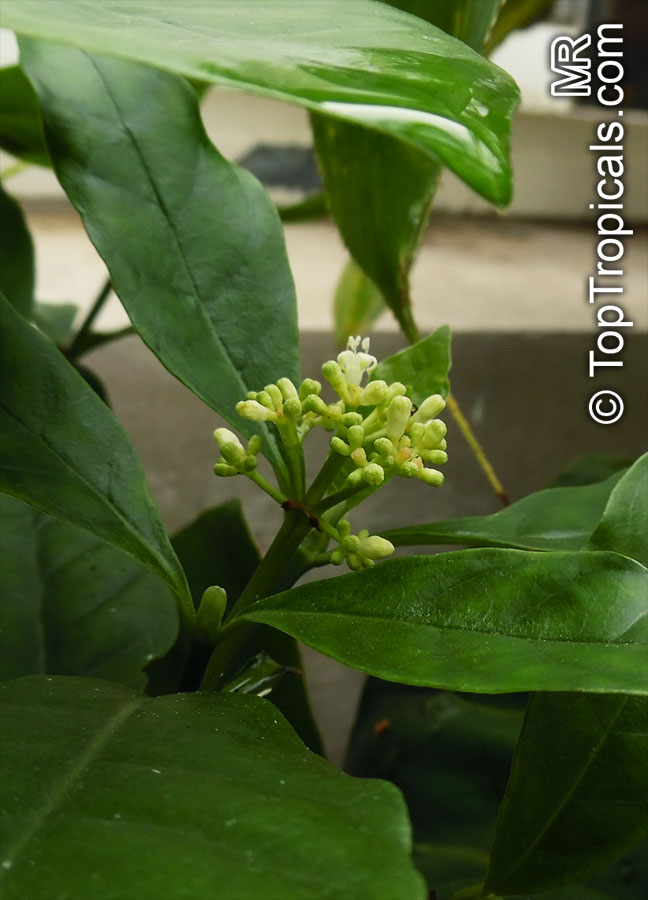
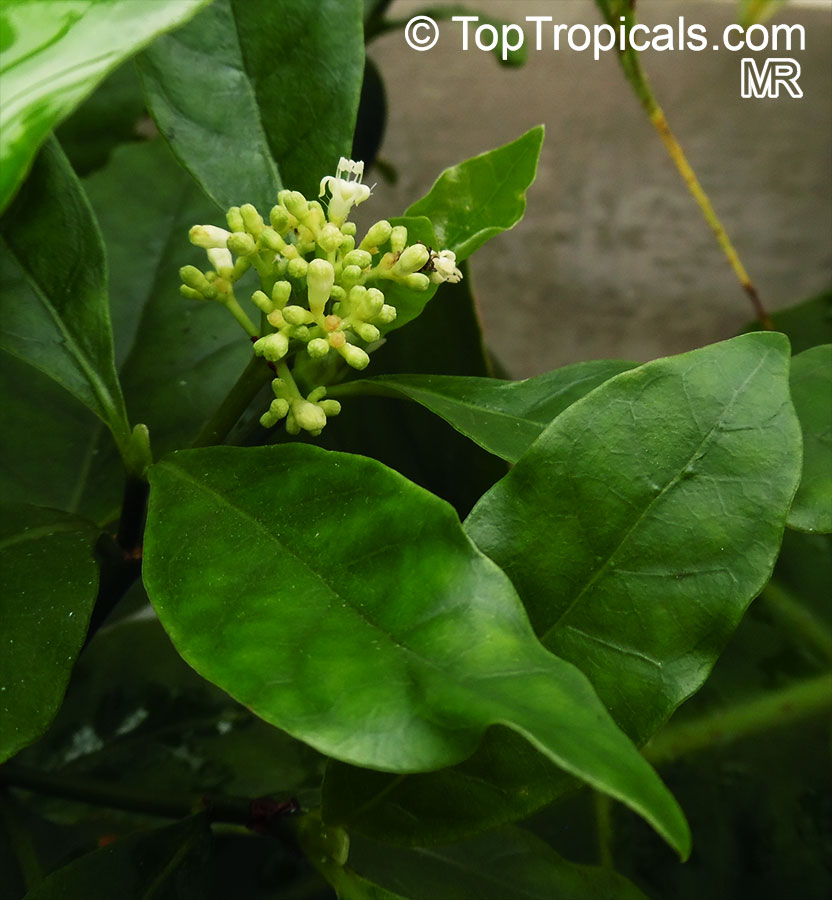
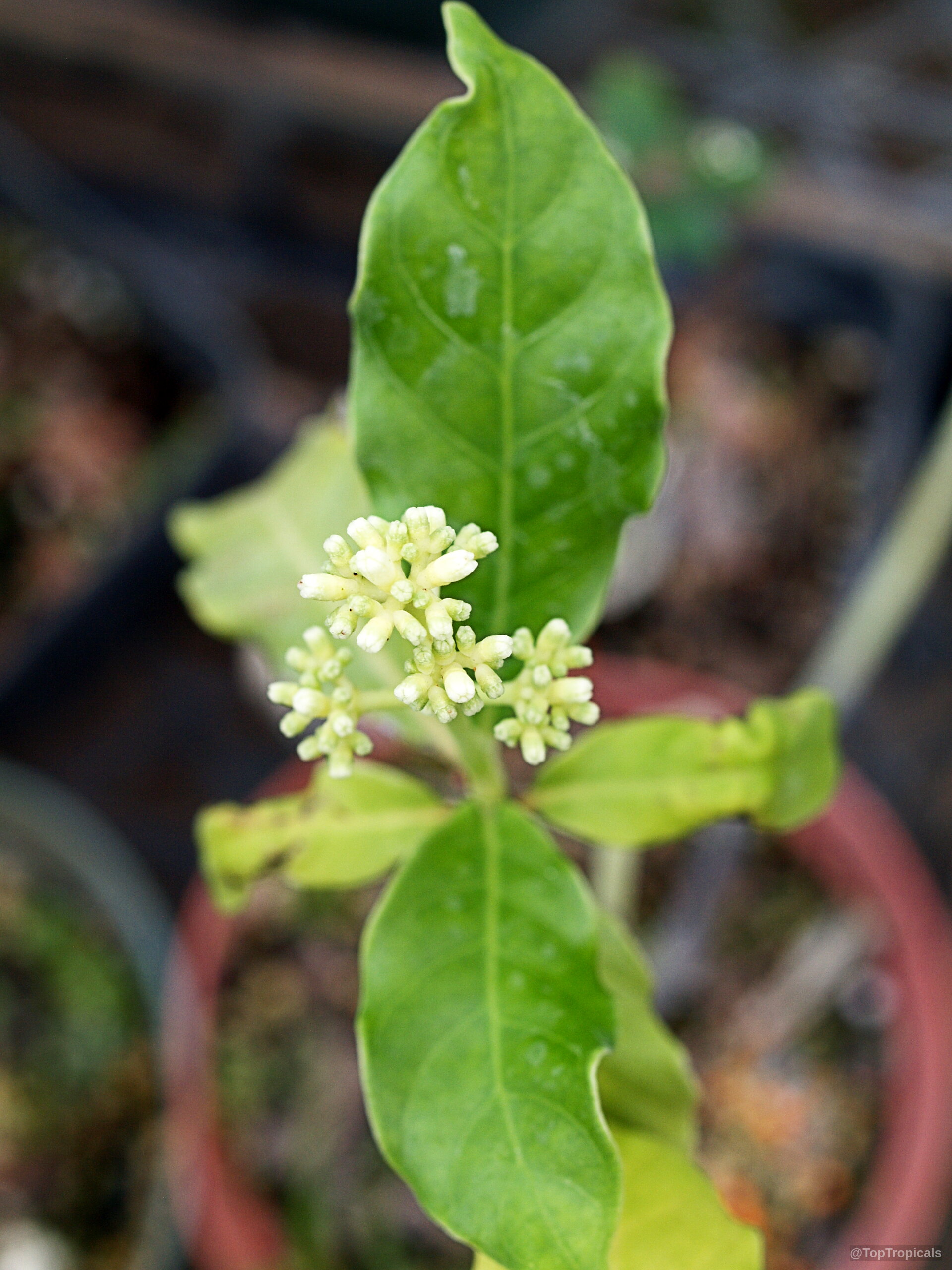
Botanical names: Psychotria ipecacuanha, Cephaelis ipecacuanha
Common name: Ipecacuanha
Family: Rubiaceae
Origin: Brazil

Psychotria ipecacuanha is a perennial, medicinal herb that grows in clusters in the understory of humid, shady
areas of the Atlantic Rain Forest of southeastern Brazil.
In large doses, Ipecacuanha root is emetic; in smaller doses, diaphoretic and expectorant, and in still smaller, stimulating to the stomach, intestines and liver, exciting appetite and facilitating digestion.

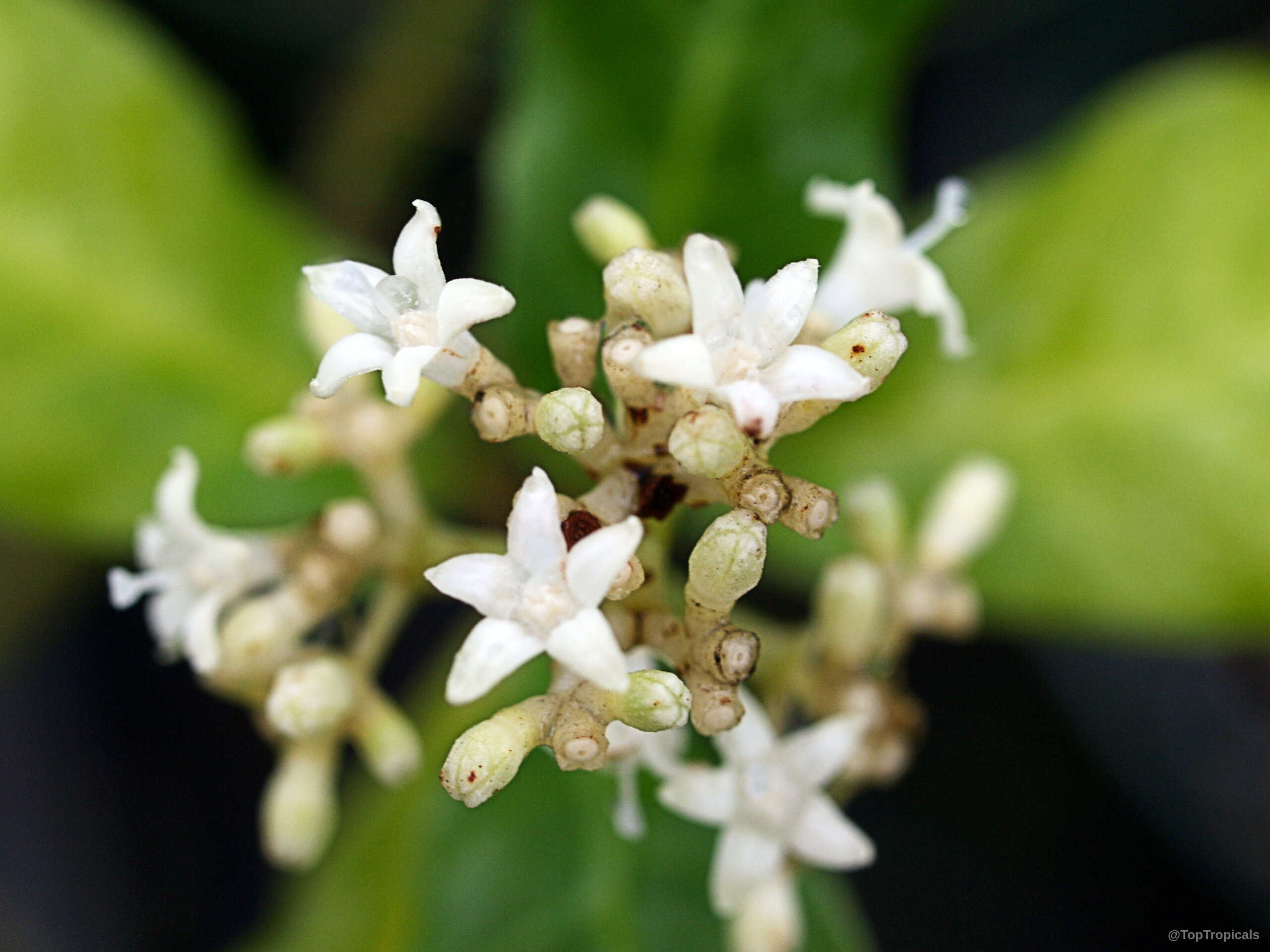
Botanical names: Psychotria sulzneri, Psychotria tenuifolia
Common names: Dull Wild Coffee, Velvet-leaved Wild Coffee
Family: Rubiaceae
Origin: West Indies

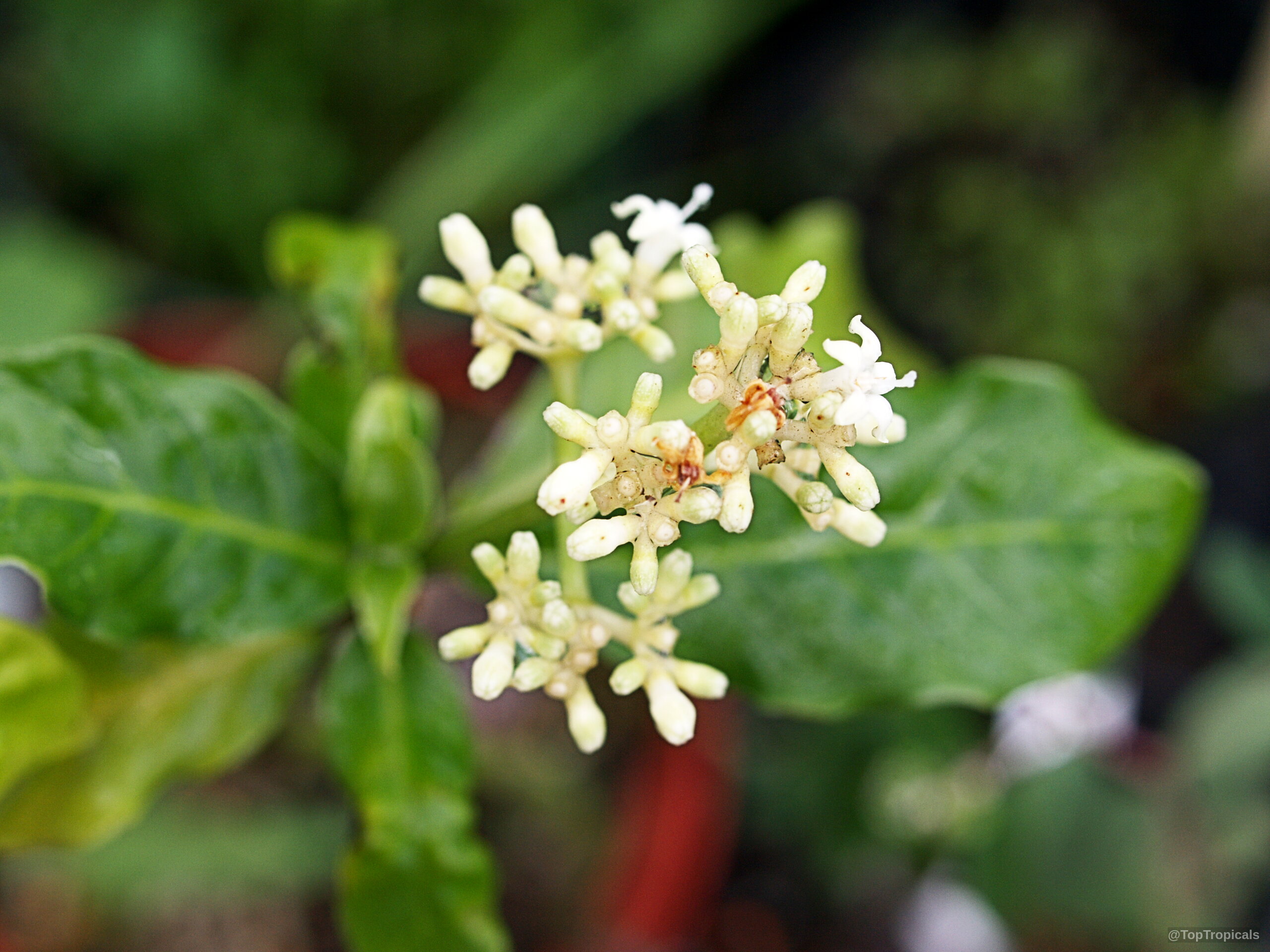
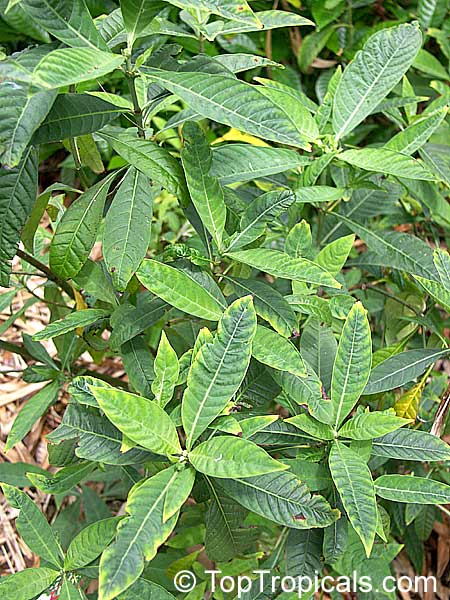
Psychotria sulzneri (Dull Wild Coffee) grows 5-10 feet tall and has green and glossy oval leaves that are lightly toothed at their edges.
In spring, the flowers are white and many of them form in clusters at the tips of the branches. The flowers are followed by small, attractively-colored, red fruit that make this plant a wildlife favorite, especially among birds.
This plant is especially appreciated for its eye-catching foliage that looks great in pots or as ornamental edging along pathways or flower beds in USDA Zones 9 to 11, as long as it is provided with plenty of semi-shade or full sun and regular to moderate water. The Psychotria sulzneri should be grown in well-drained soil, enriched with organic matter to which sand has been added, to ensure that it thrives in a pot or directly in the ground.
In colder regions, you can still grow the Psychotria sulzneri in a pot. Just move the pot to a sheltered area of the garden for the winter, where it will not be subjected to freezing temperatures. During the growing season, water the plant regularly, but moderate the amount as much as possible to avoid leaving the roots soggy. Fertilize the shrub once or twice a year.
Psychotria sulzneri is a beautiful and versatile plant that will bring a touch of exotic beauty to any garden setting. Thanks to its attractive foliage and ornamental flowers and fruit, it is an excellent choice to add beauty, lushness and a sense of the wild to your garden.
Botanical name: Psychotria viridiflora
Family: Rubiaceae
Origin: Malaysia
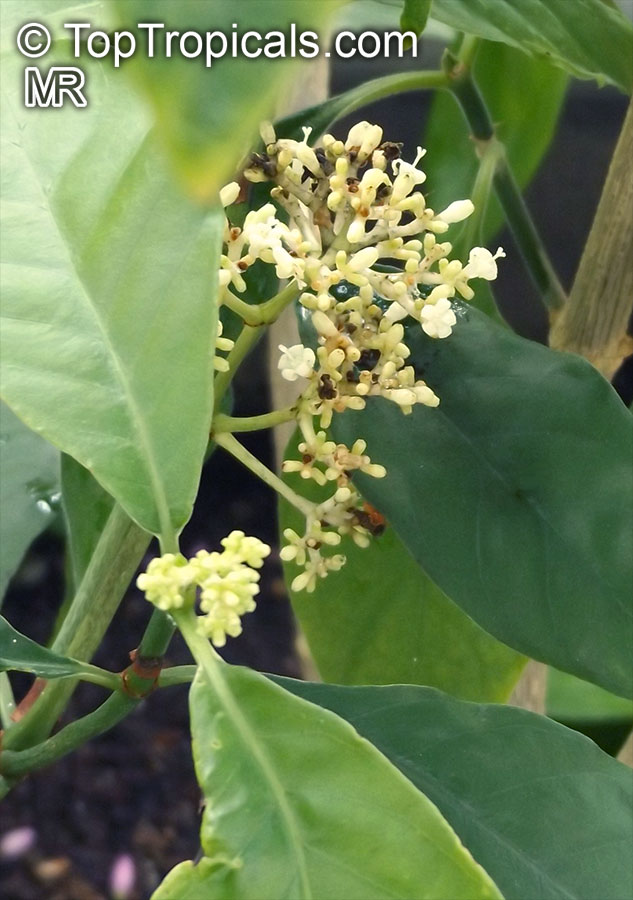
Psychotria viridiflora is a large shrub native to the tropical forests of Malaysia, reaching an impressive height of 5-10 feet. It is highly valued for its ethnomedical properties, making it sought after in many parts of the world. The shrub has smooth, glossy leaves which are arranged in opposing pairs and have a defined central vein. Both the leaves and stems give off a pleasant smell when touched.
It produces delicate, off-white to yellow-pinkish flowers with a corolla tube. These flowers are very small, measuring only 1/4 inches in diameter, and they cluster together in panicles. These blooms bring a special beauty to this shrub and they attract bees, butterflies and other pollinators.
Psychotria viridiflora can be grown in semi-shade, where it is sheltered from the sun and can receive indirect light. This ensures it can thrive without drying out, as it does not have a high tolerance for drought-like conditions. However, it does need regular watering and it is suited to USDA Growing Zones 9-11.
If you live in a region with lower temperatures, you can still enjoy growing Psychotria viridiflora by growing it as a container-grown plant. The shrub can be kept in a pot and placed in a position that receives sun for a few hours a day. It is important to make sure the plant is grown in well-drained, organic soil and watered regularly. To create a humidity-rich environment, mist the leaves with water on a daily basis and avoid placing the container in an area that is heavily exposed to the wind.
Overall, Psychotria viridiflora is a perfect addition to any garden, as it is both beautiful and versatile. With its ethnomedical properties, as well as its delicate flowers, this large shrub is sure to bring joy and beauty to your garden for many years to come.
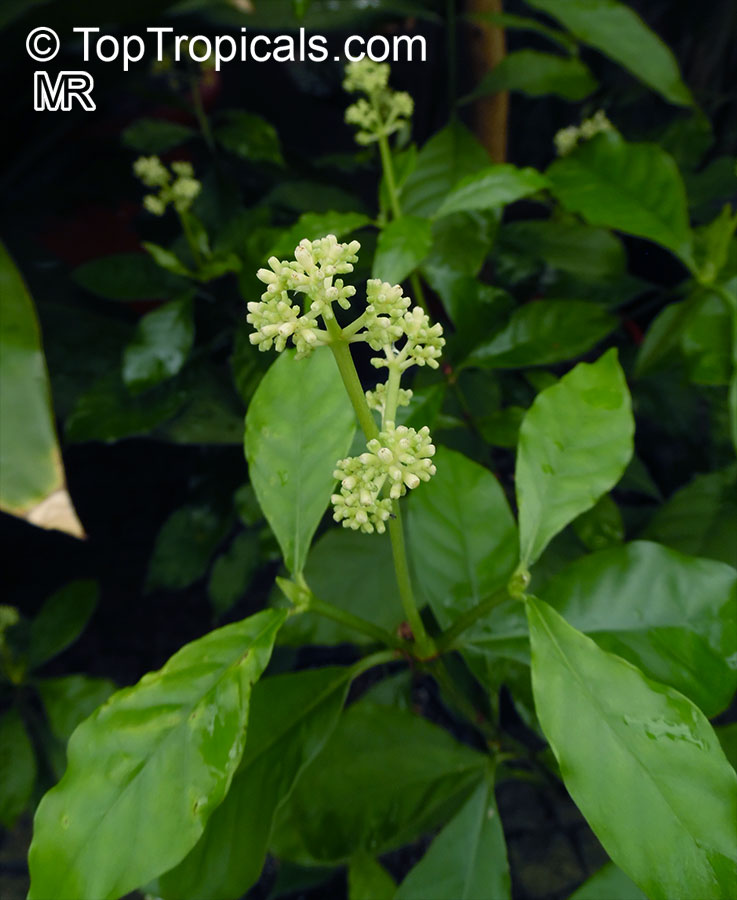
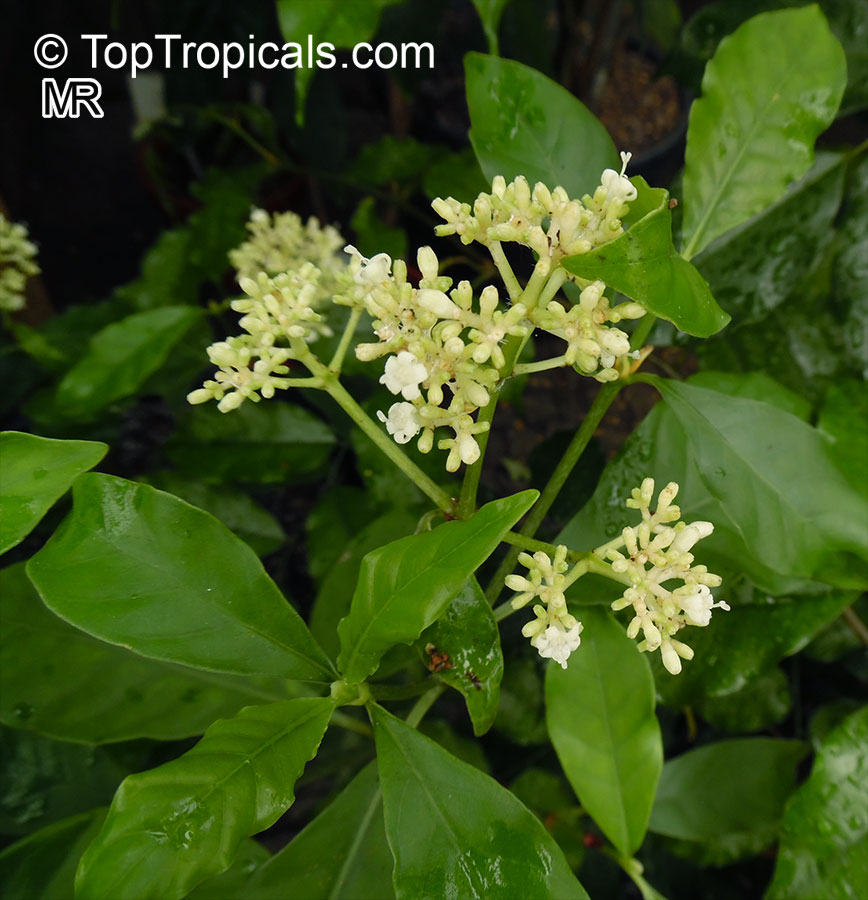
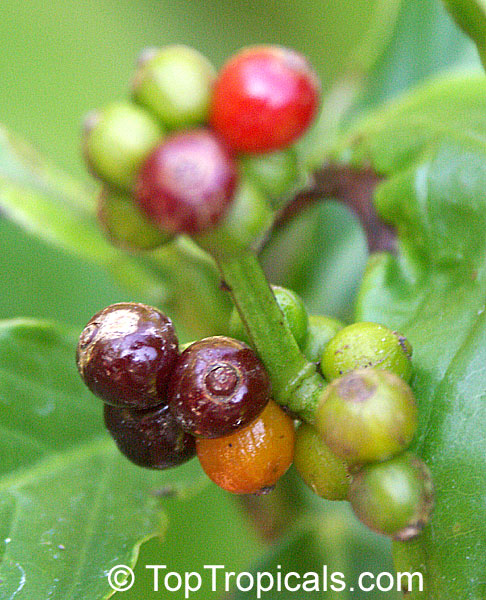
Botanical name: Psychotria viridis
Common names: Chacruna, Amiruca Panga, Sami Ruca, Reinha, Folha, Chacrona
Family: Rubiaceae
Origin: Central and South America

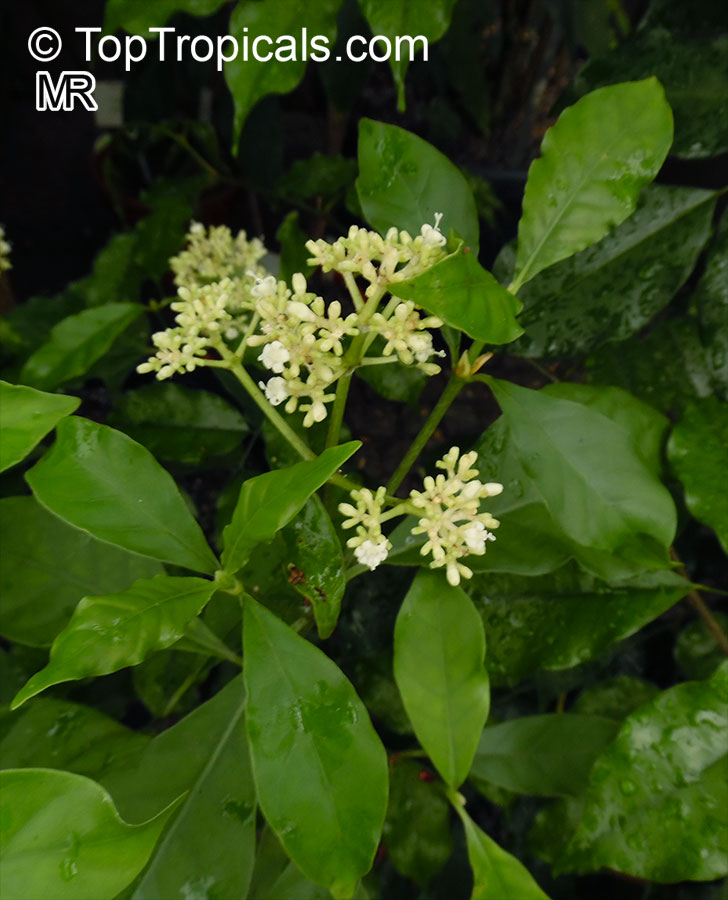
It thrives in full sun or semi-shade, although some shade is necessary in hot climates. It also requires regular watering, as it is a large shrub 5-10 ft tall. For best results in cold climates, it is best to grow the Psychotria viridis in a pot so that it can be brought indoors during the cold winter months. During the growing season, fertilize it every six weeks with a balanced liquid fertilizer. This will help the plant grow more lush and thrive under the best conditions. In cold climates, keeping the soil moist is especially important, as the roots are not able to withstand extreme temperatures and can be damaged if not properly cared for.
When caring for a P. viridis, it is important to monitor the watering and temperature of the soil. During the summer months, it should be watered once or twice a week depending on the climate. In areas with little rainfall, the plant may require daily watering. When the temperatures go below 10°C, it is important to reduce the amount of water, as the plant will go dormant during this period. If kept in a pot, it should be kept near a window to ensure that it receives plenty of light.
Overall, P. viridis is a rare yet rewarding species that is perfect for those who are looking for an ethnomedical plant for their garden. It requires careful attention to water and temperature, but if properly cared for, it can thrive for many years.
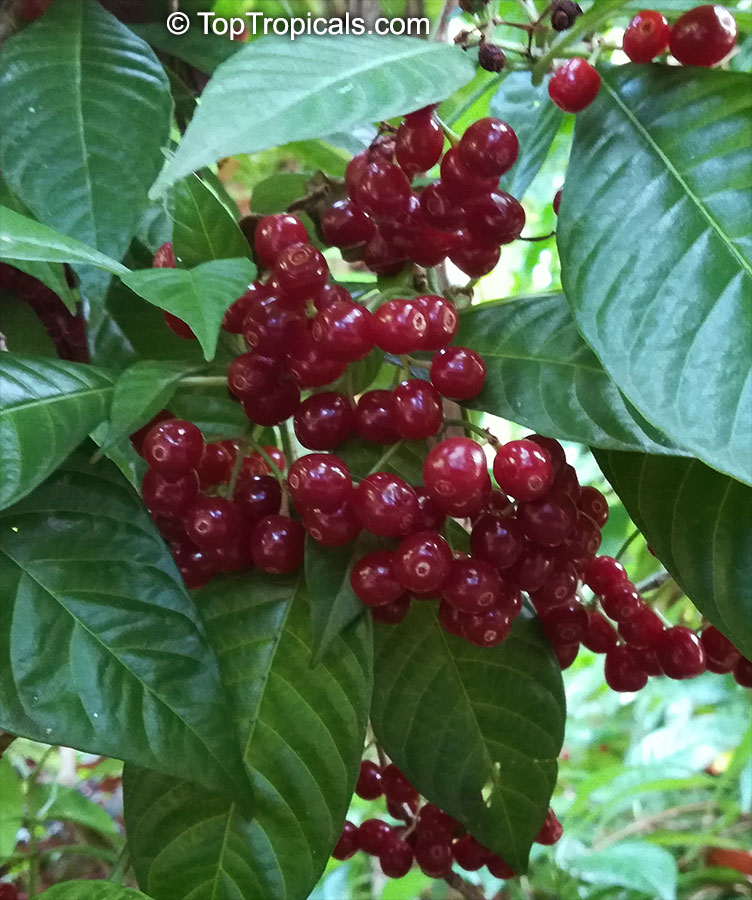
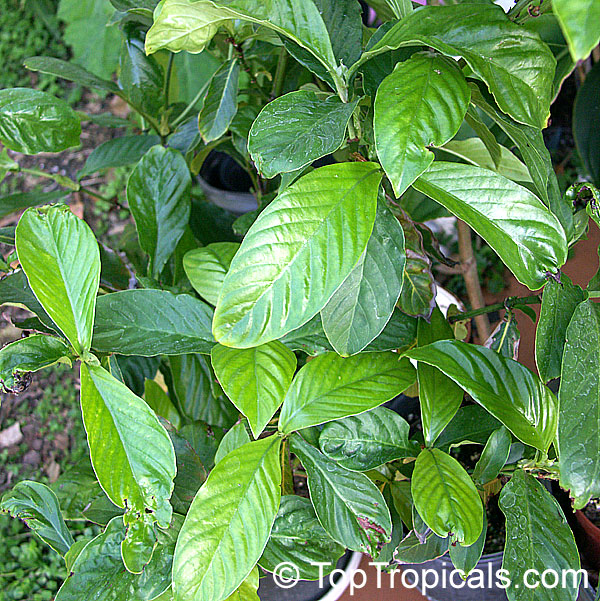
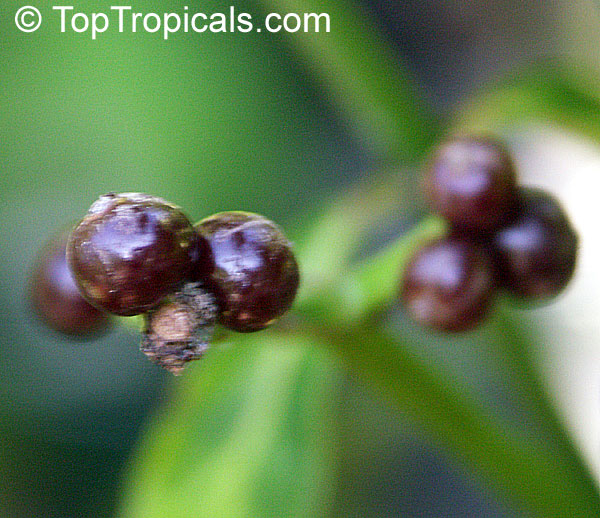
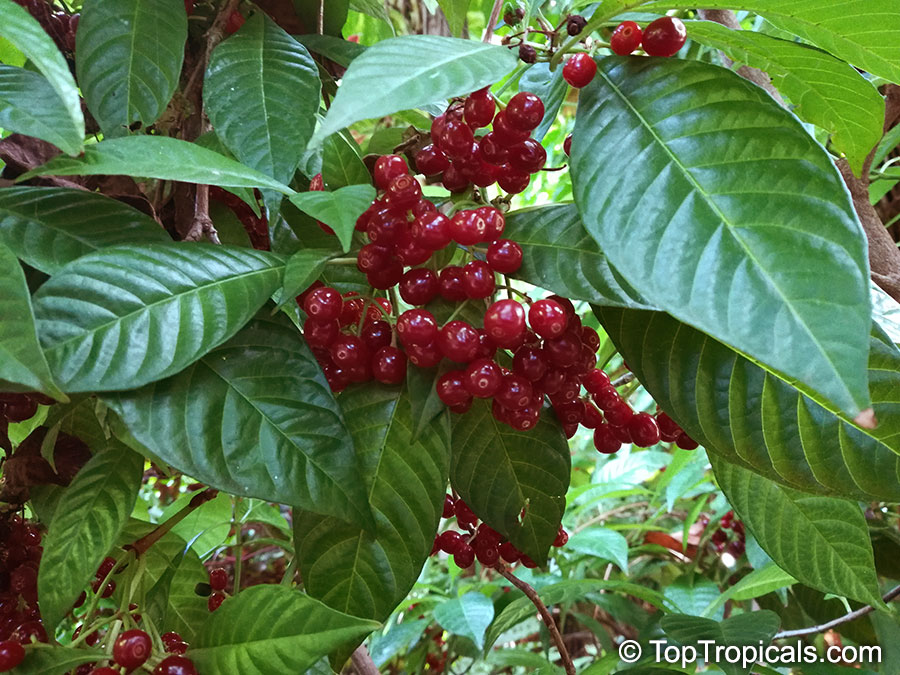
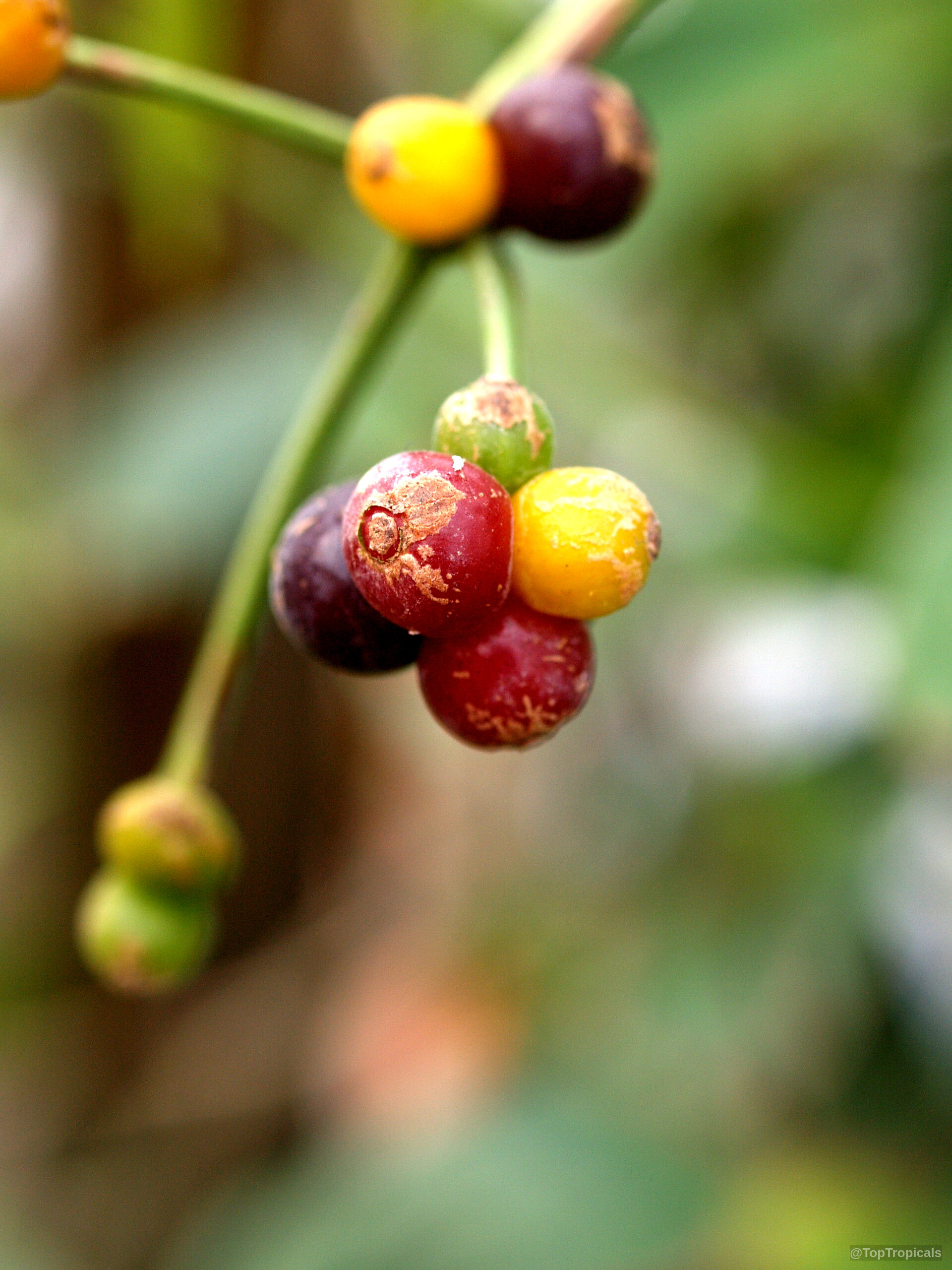
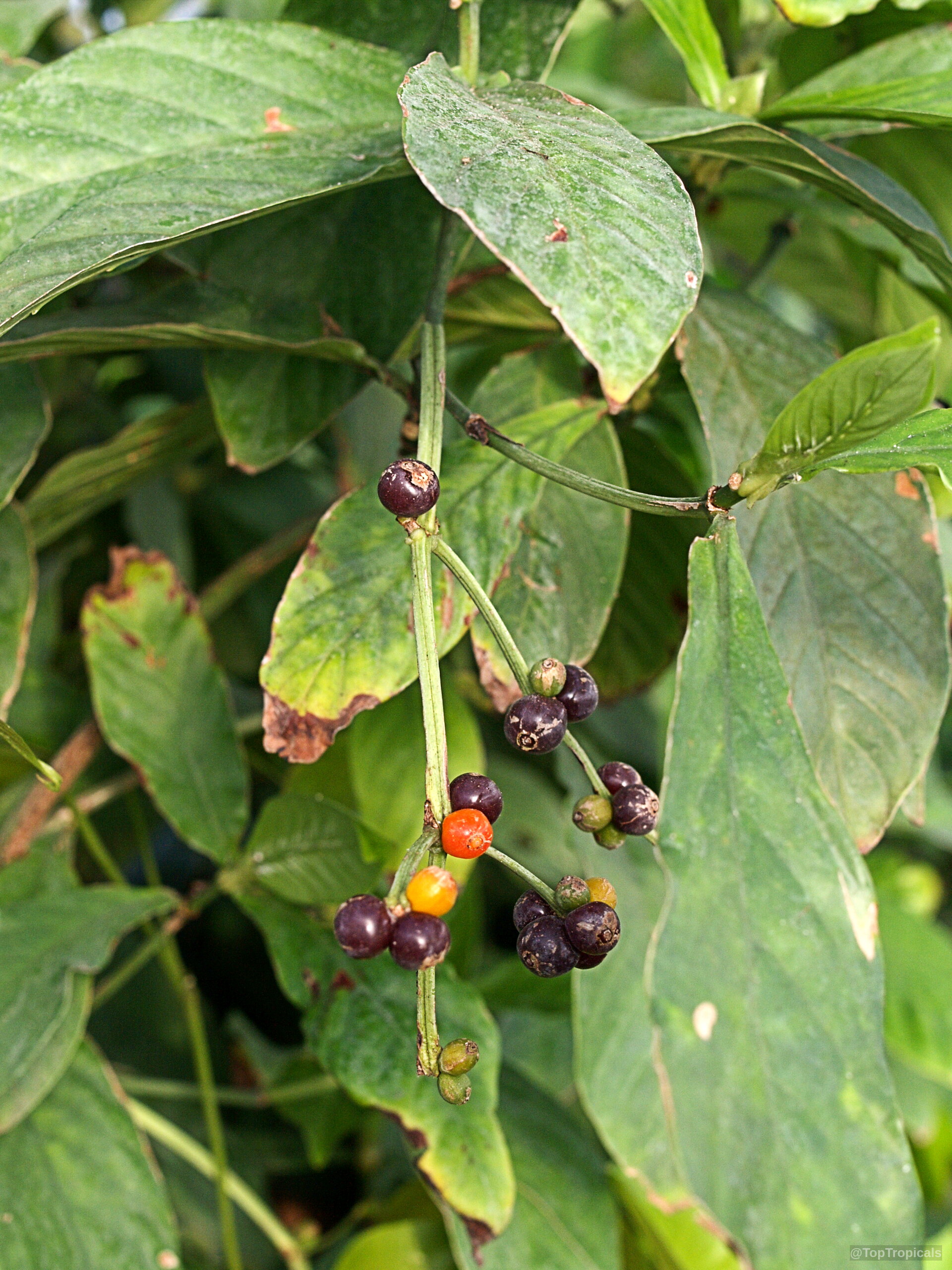
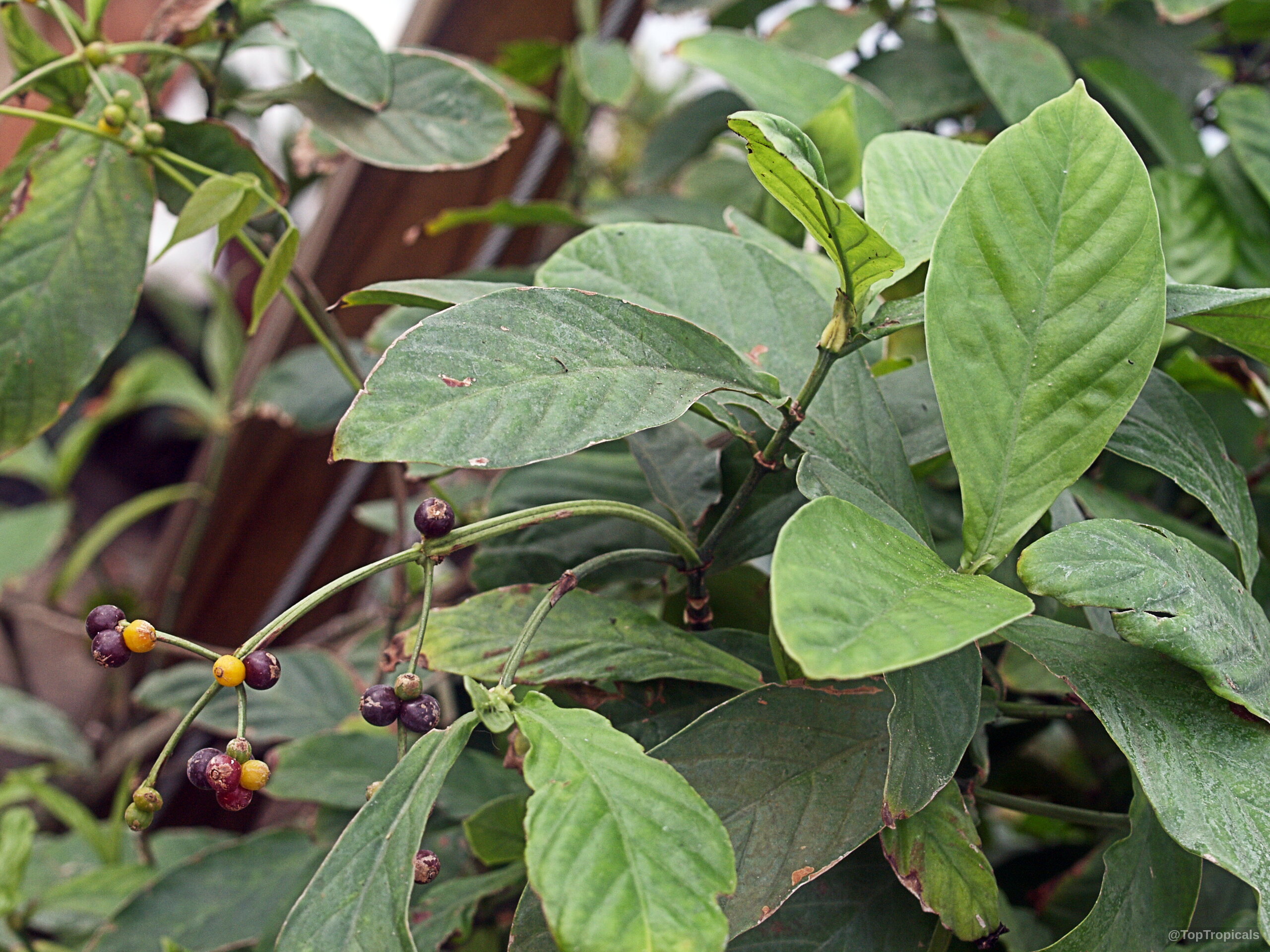
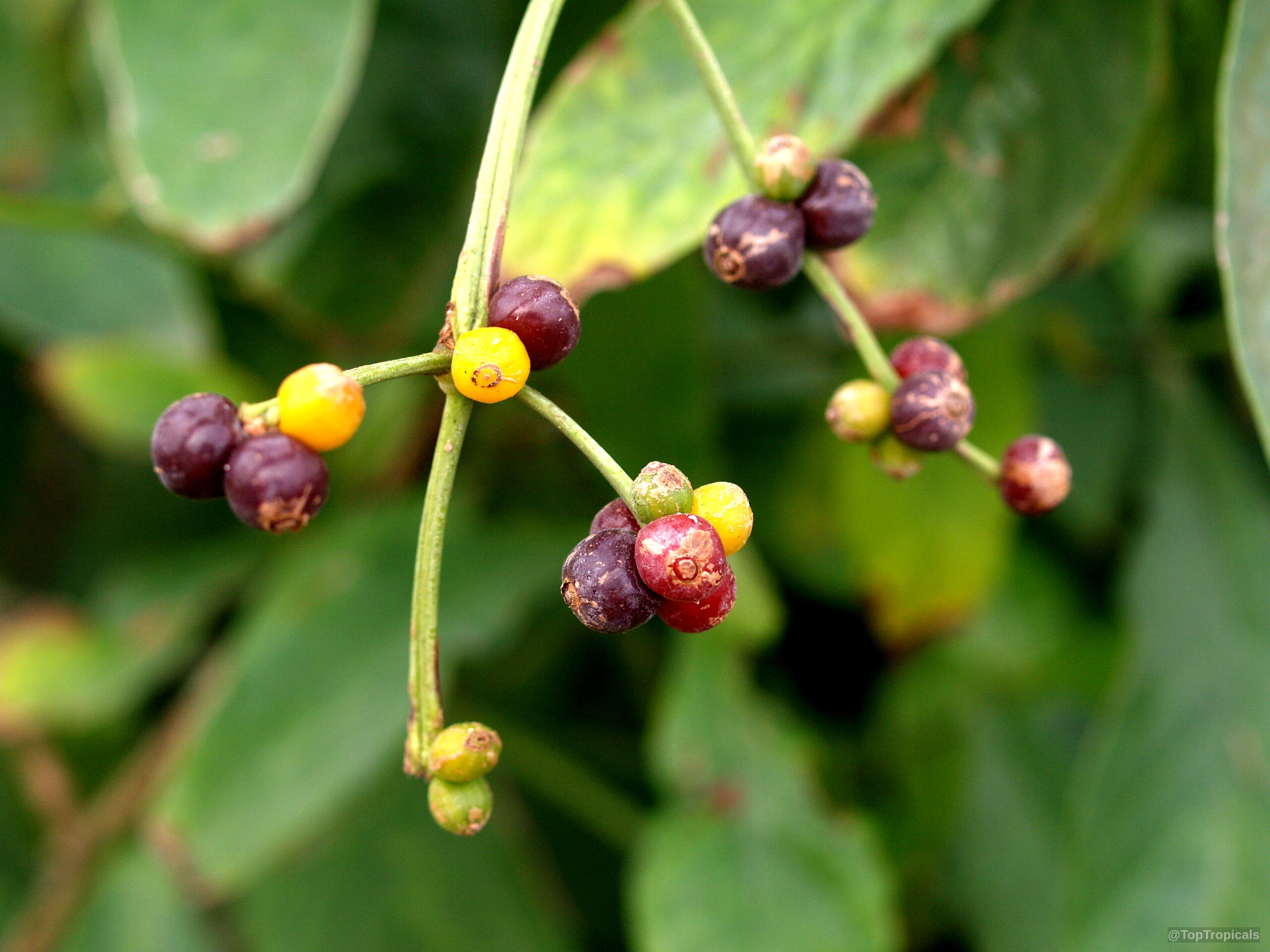
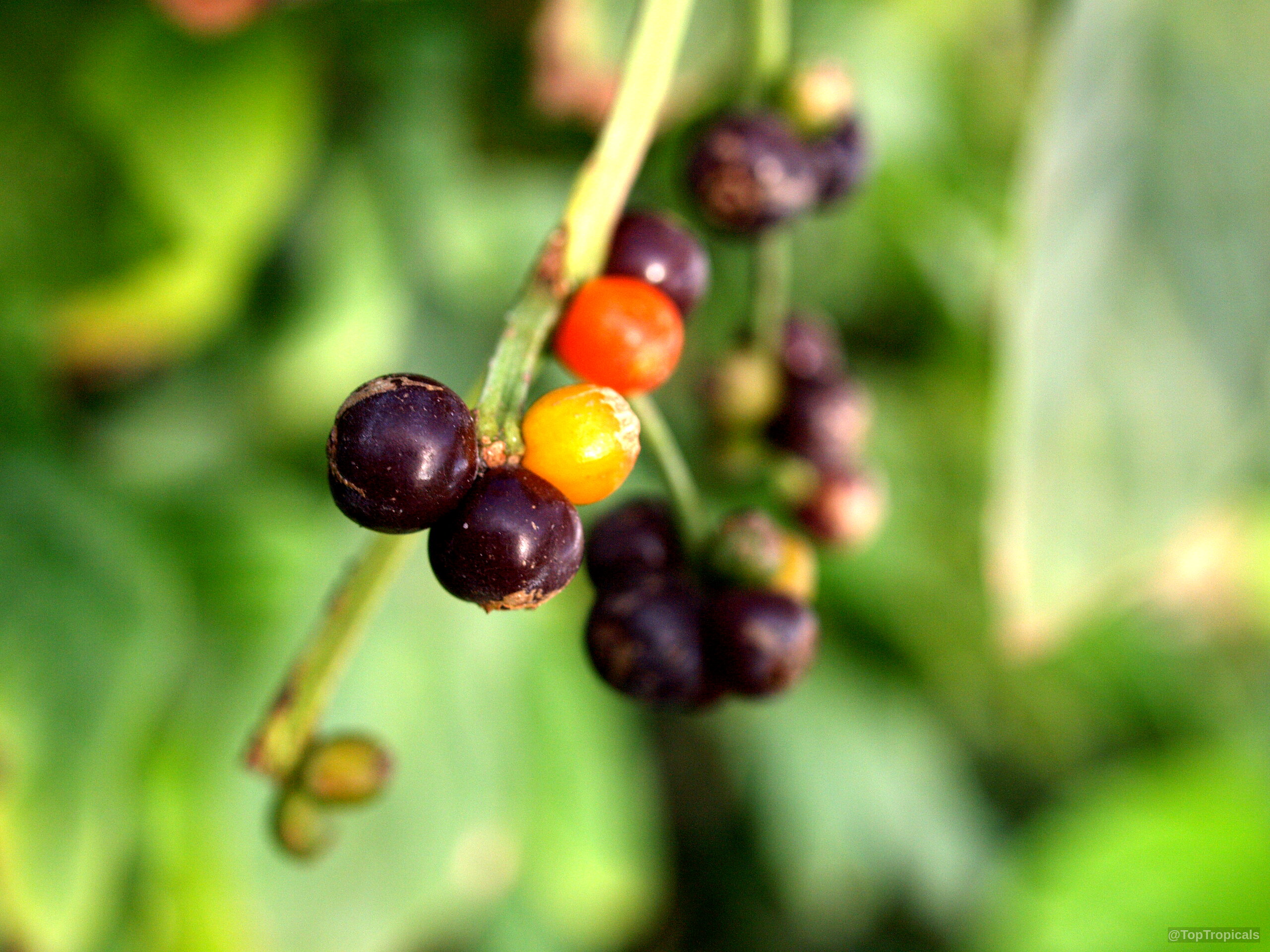
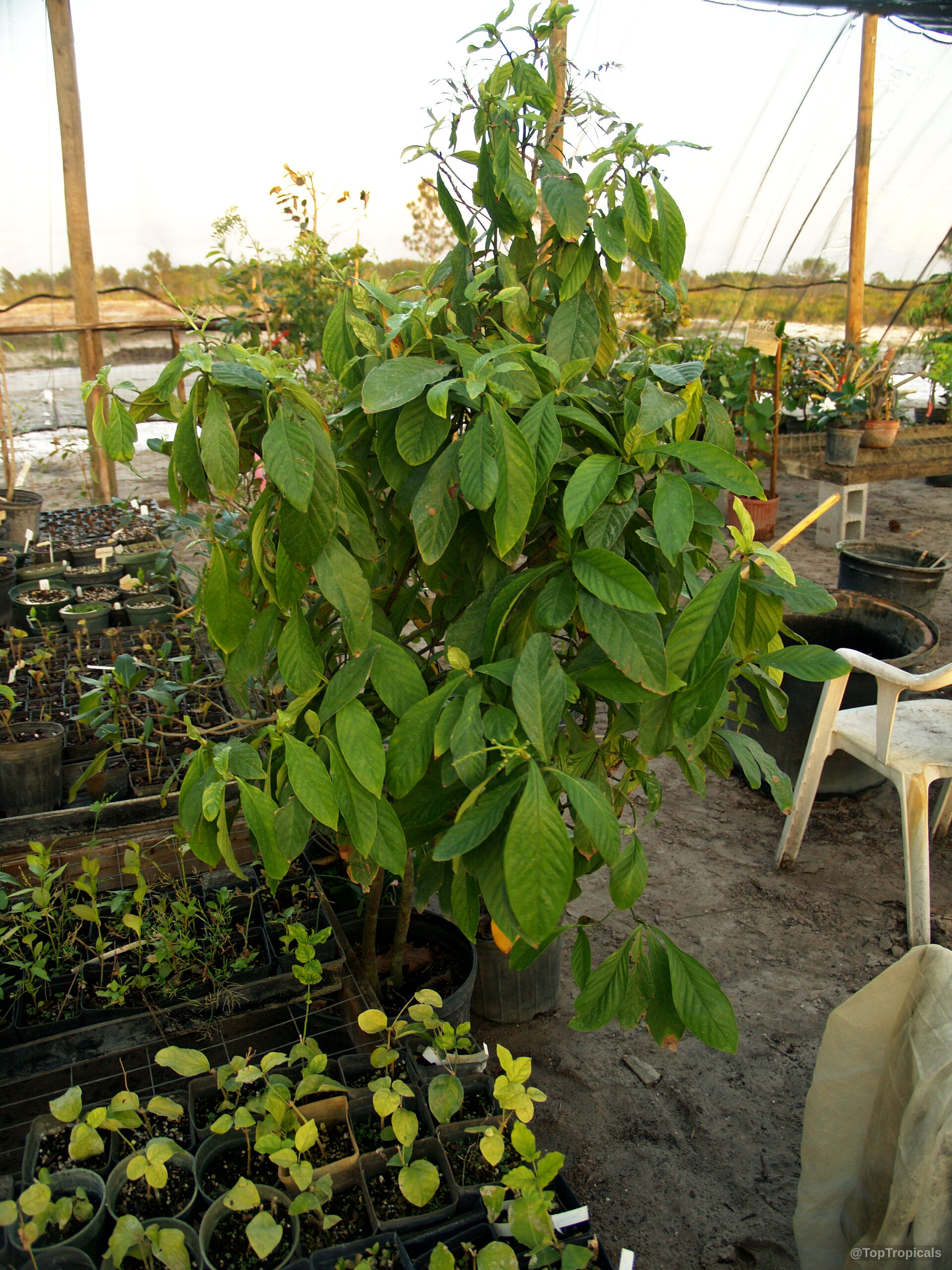
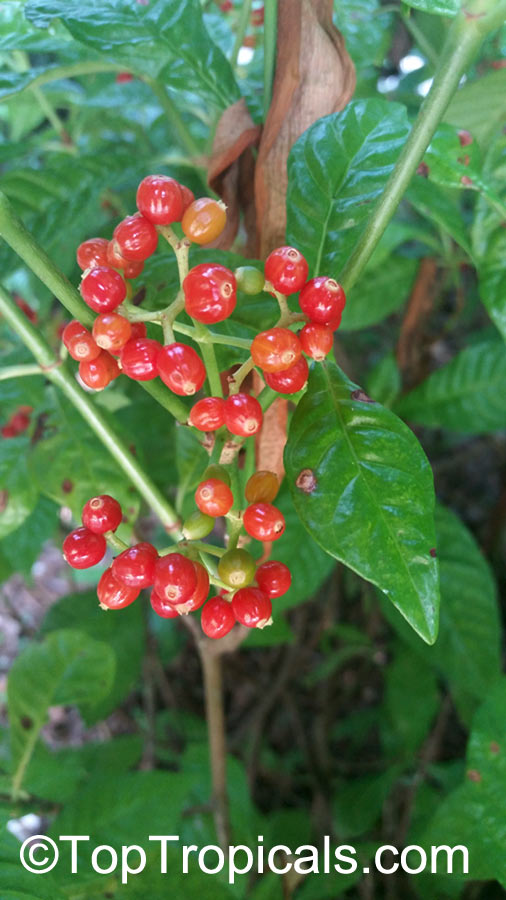
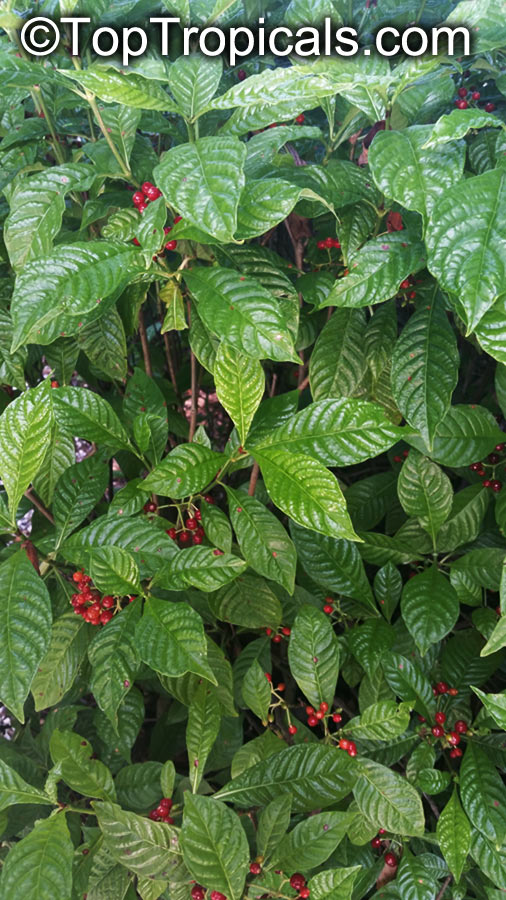
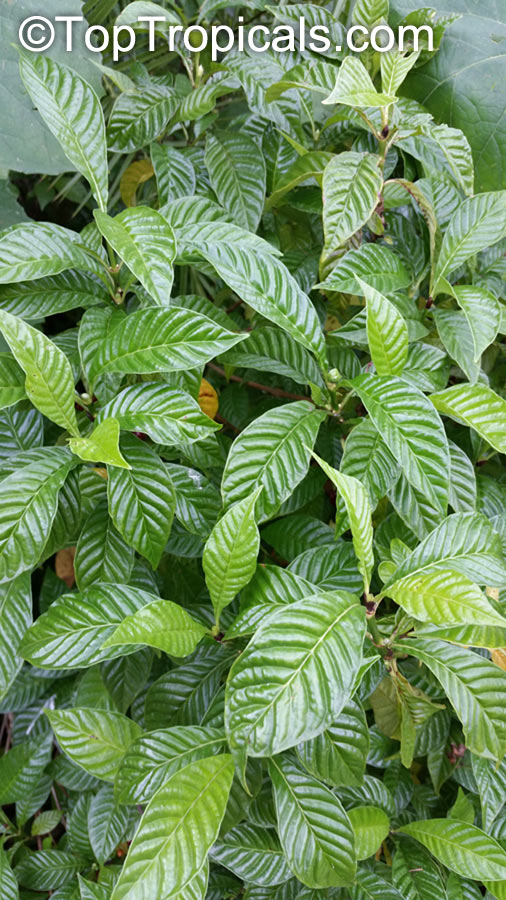
Botanical names: Psychotria nervosa, Psychotria ligustrifolia, Psychotria lanceolata, Psychotria nervosa var. lanceolata, Psychotria portoricensis, Psychotria undata
Common names: Wild Coffee, Bahama Coffee, Seminole Balsamo
Family: Rubiaceae
Origin: Caribbean
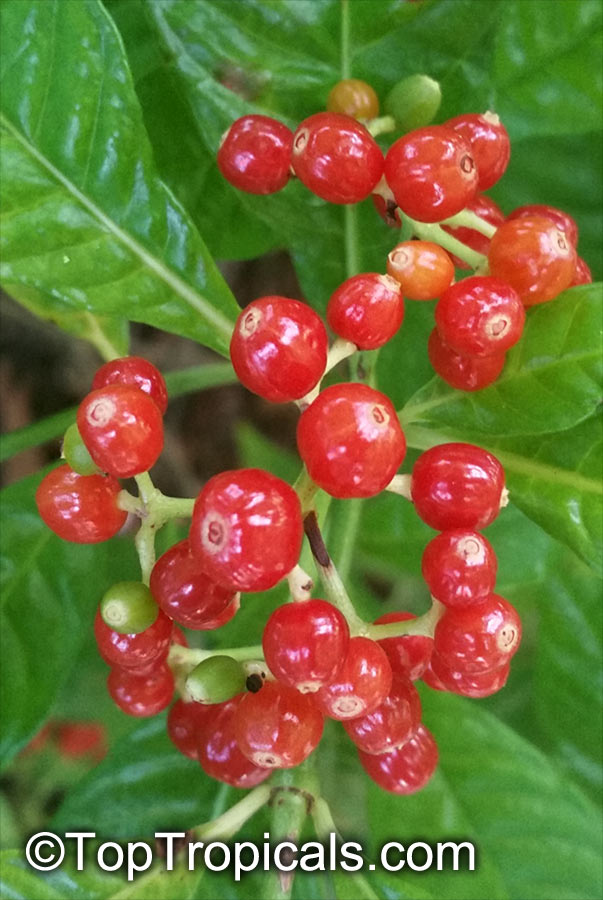
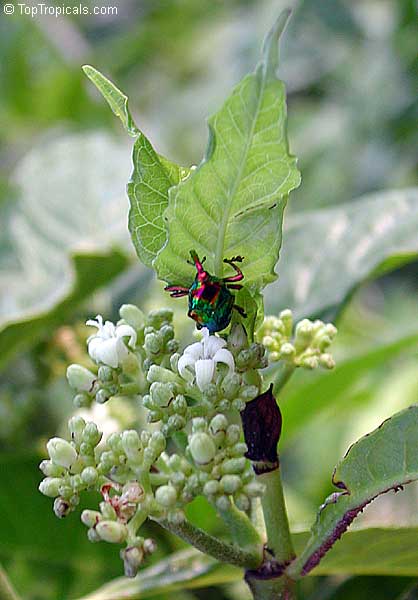
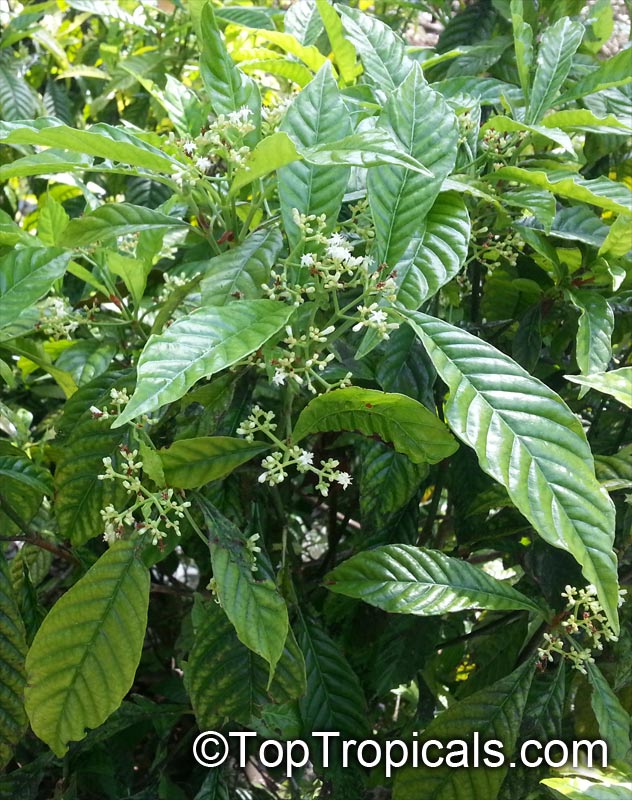
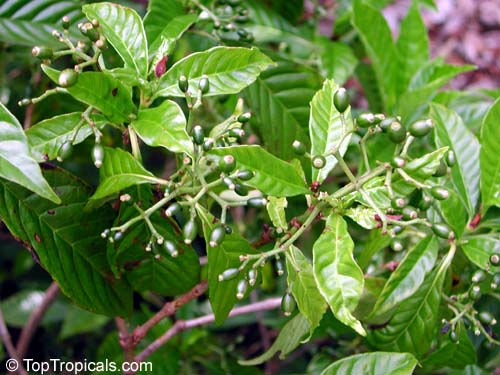
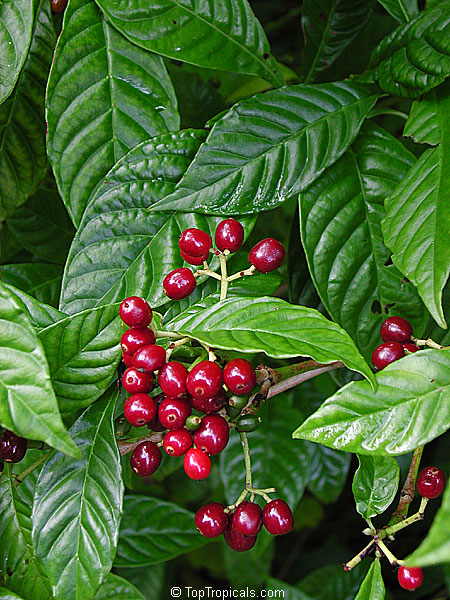
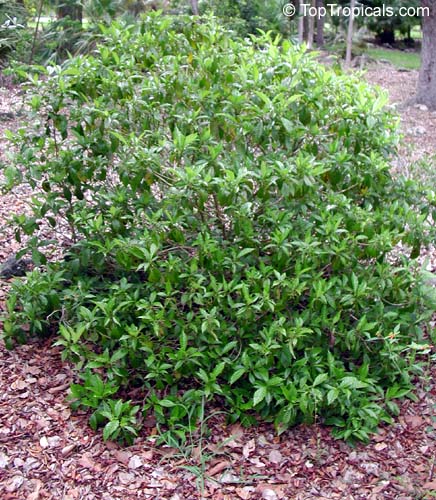
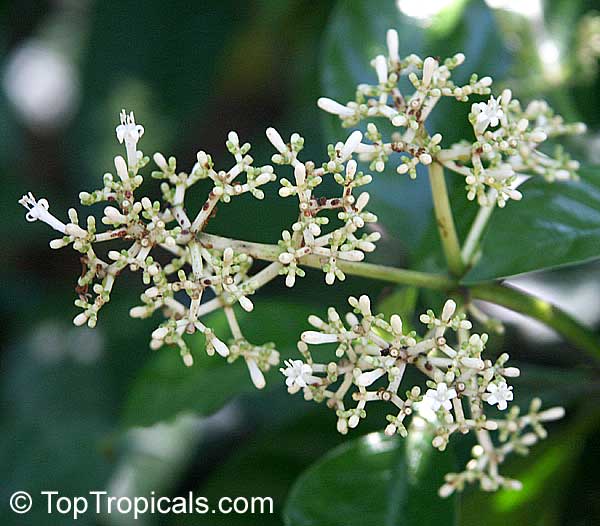
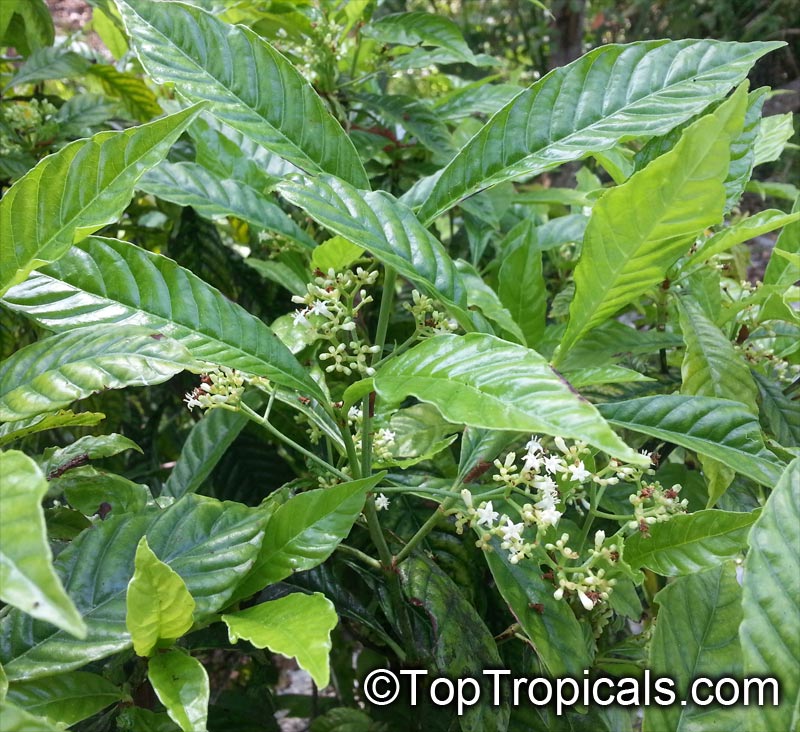
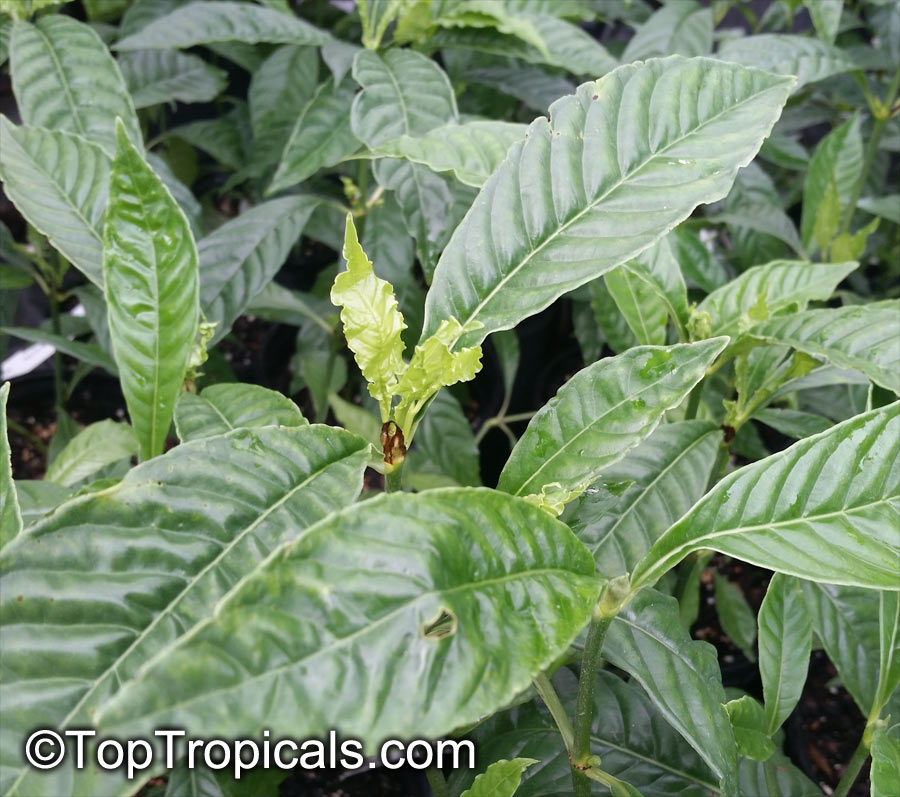
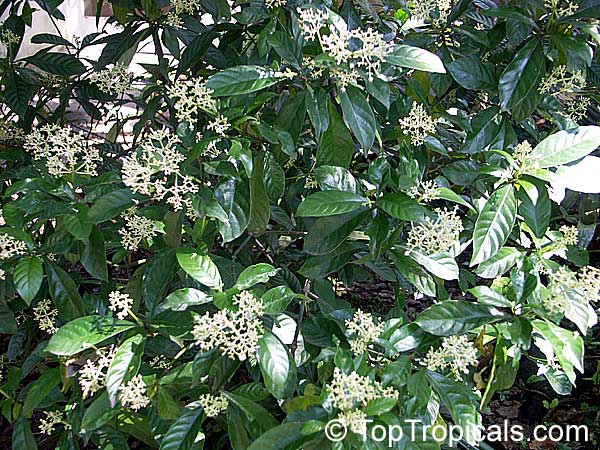
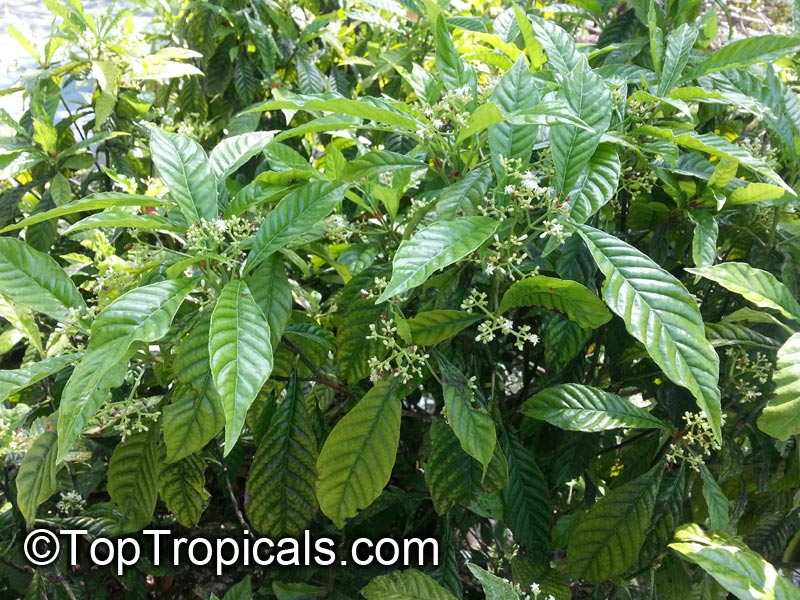
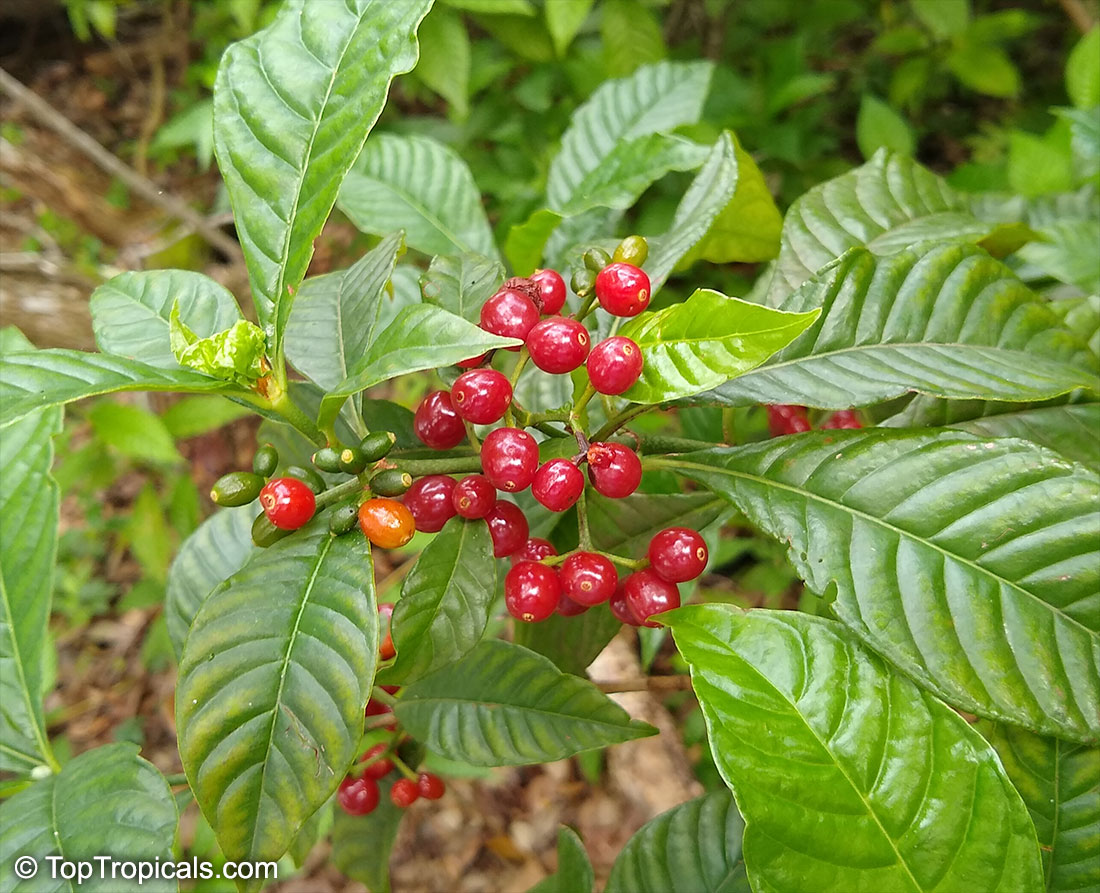
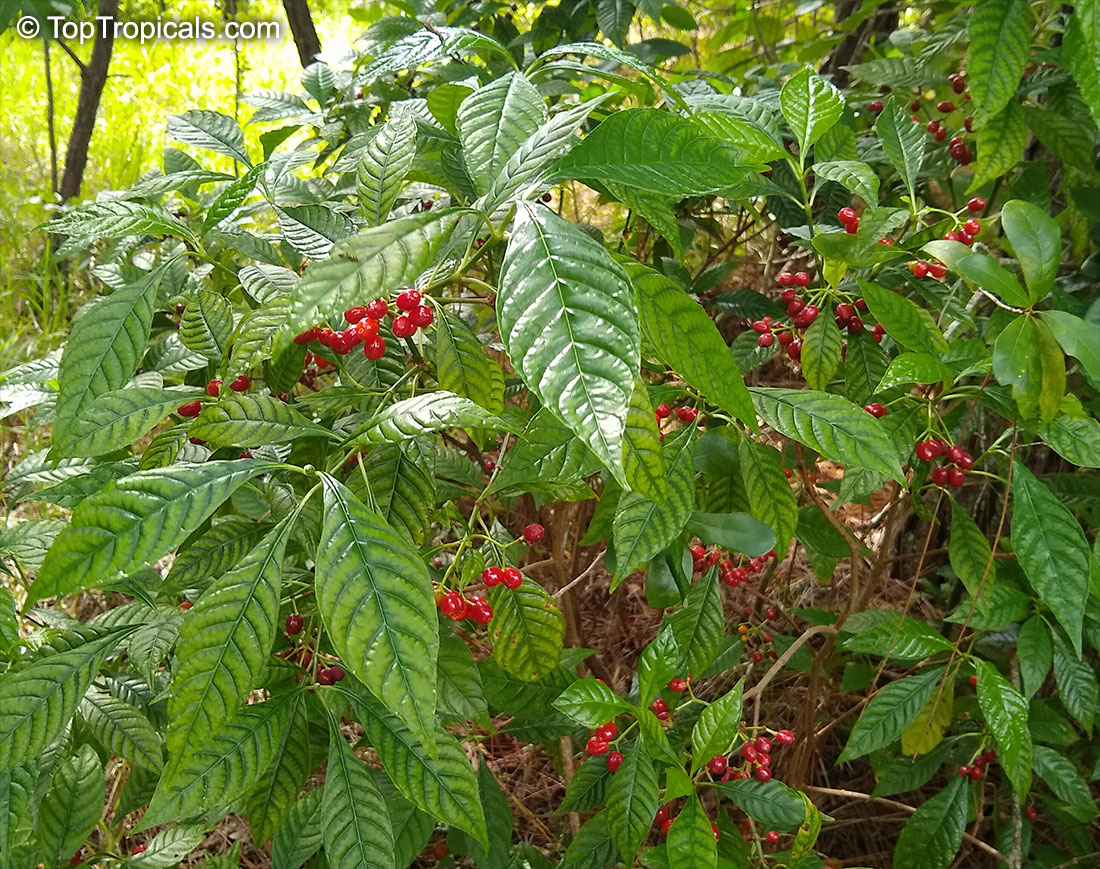
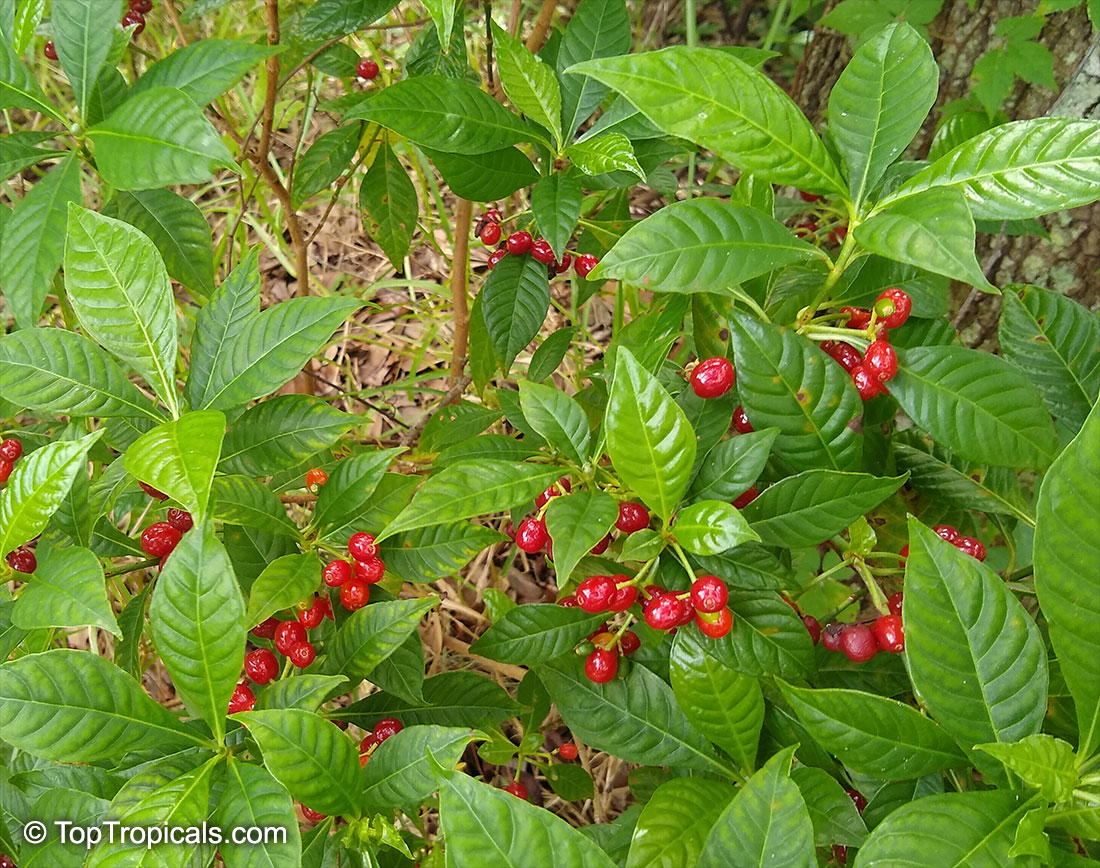
A very showy ornamental shrub with glossy leaves and bright berries. Somewhat drought-tolerant, takes both sun and shade. Very easy to grow. Florida native kin to chacruna. Shiny leaves markedly veined, white flowers and red fruit. Zone 10. Great container plant. Once used as a coffee substitute.

| Next | |
Use link to repeat this search:
https://toptropicals.com/cgi-bin/garden_catalog/cat.cgi?find=Psychotria&search_op=and&keyword_op=and&language=e&number=10
&no_change_lang=1&user=tt&sale=1&first=0