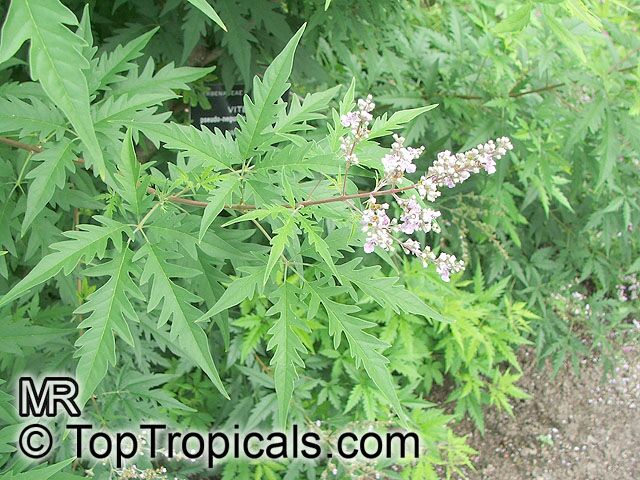
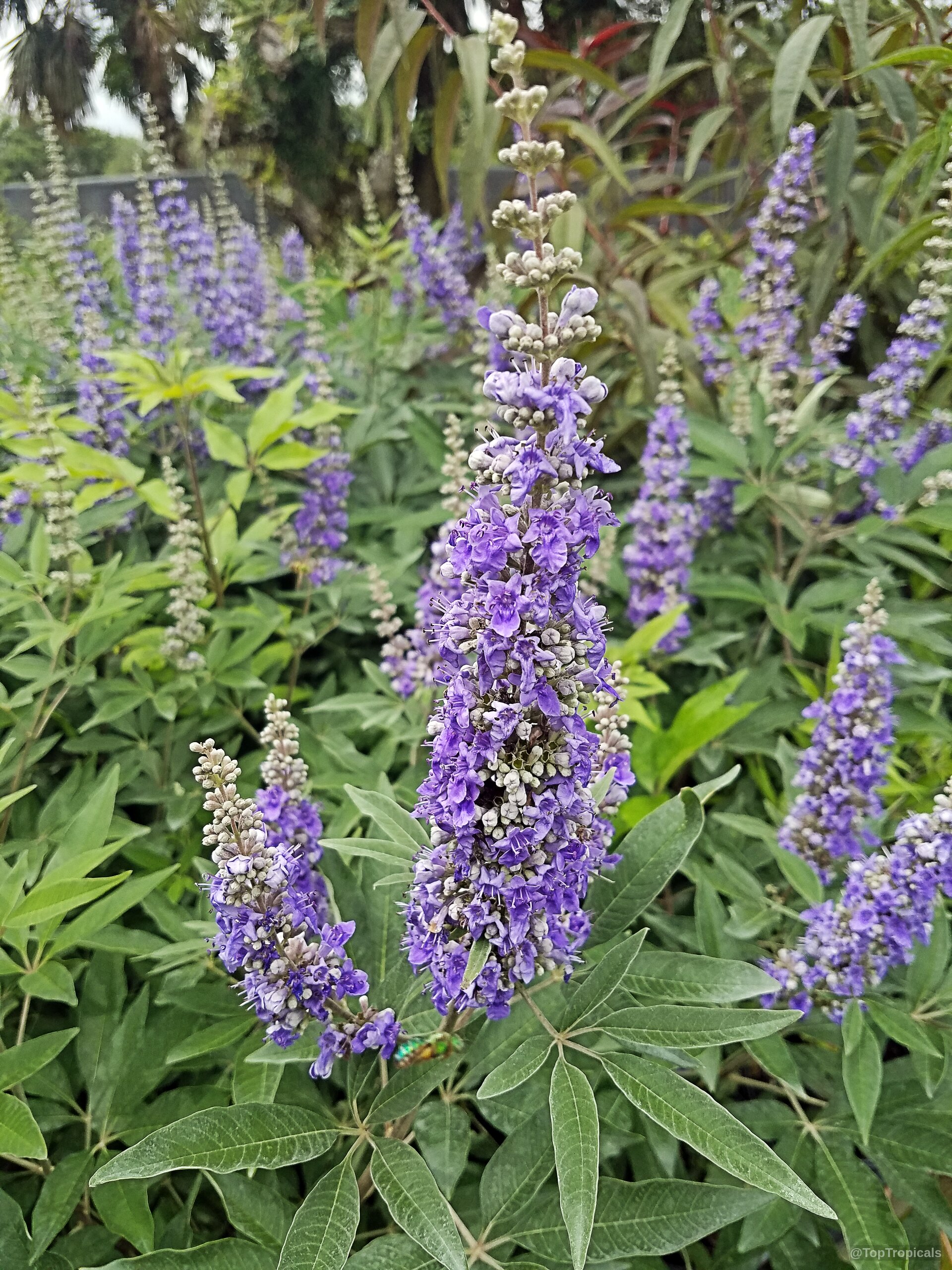
Vitex agnus-castus (Chaste Berry)
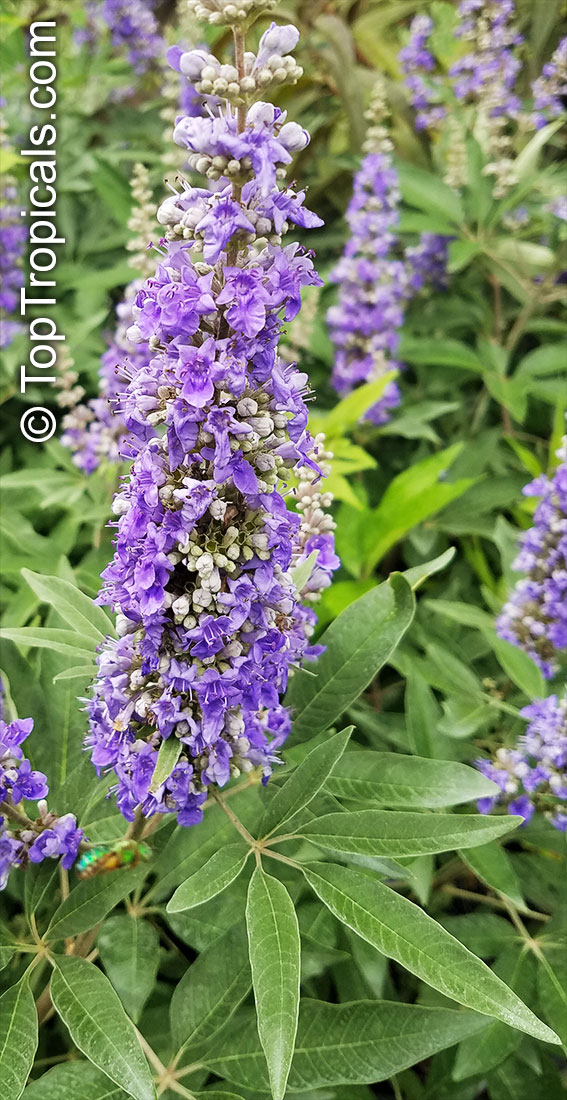
Botanical name: Vitex agnus-castus
Common names: Chaste Berry, Chasteberry, Hemptree, Agnus castus, Abraham's balm
Family: Lamiaceae (Formerly:Verbenaceae)
Origin: Europe and Western Asia
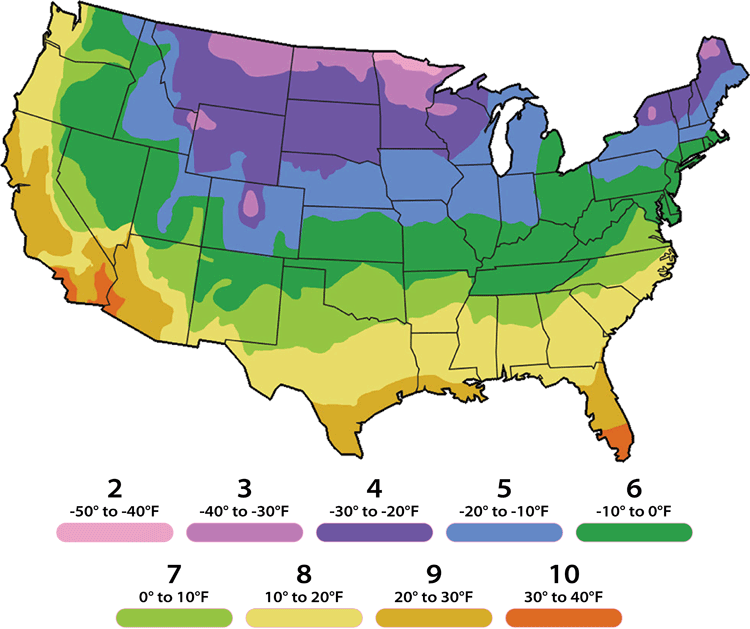
USDA Zone: 6-9

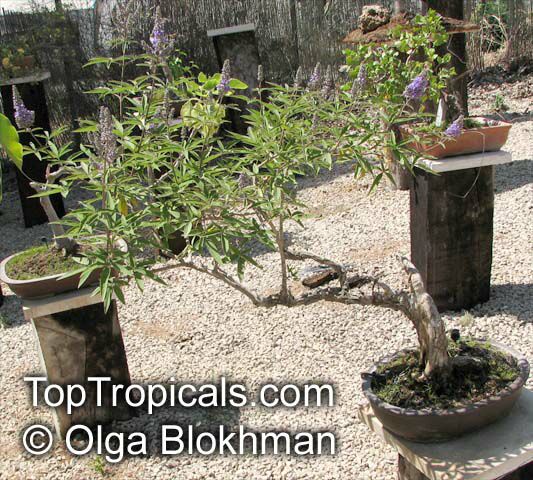
 Plant form: Large bush; suitable for bonsai
 Mature height: 5-10 ft
 Sun exposure: Full sun or bright light indoor; semi-shade
 Cold tolerance: Tolerates light freezing to about 30°F for short periods (mature plants). Young plants must be protected.
 Watering: Regular; moderate
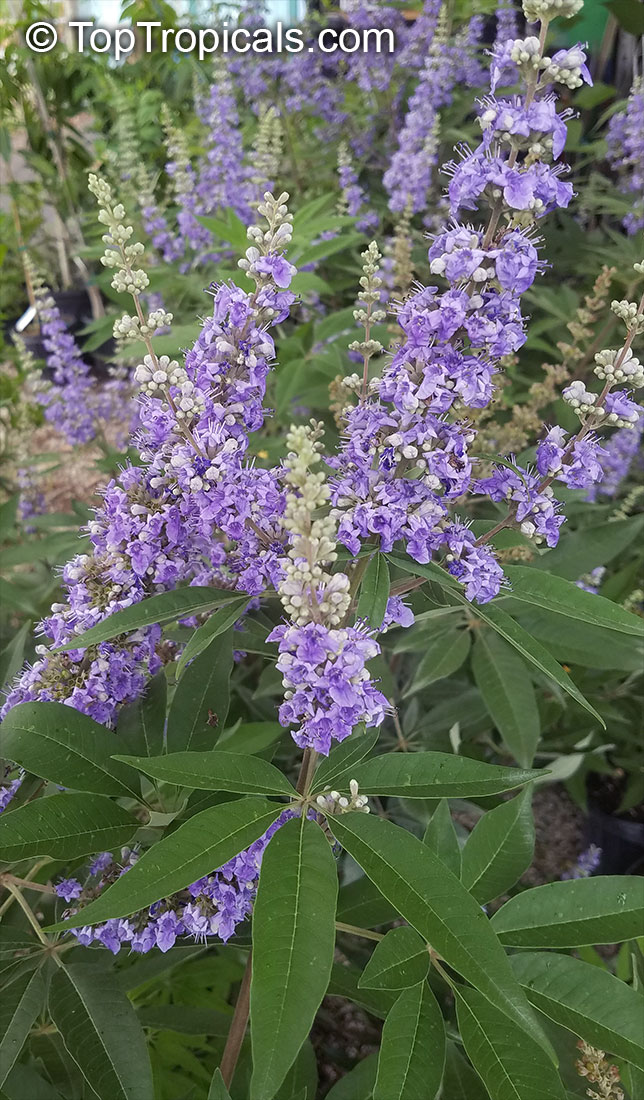
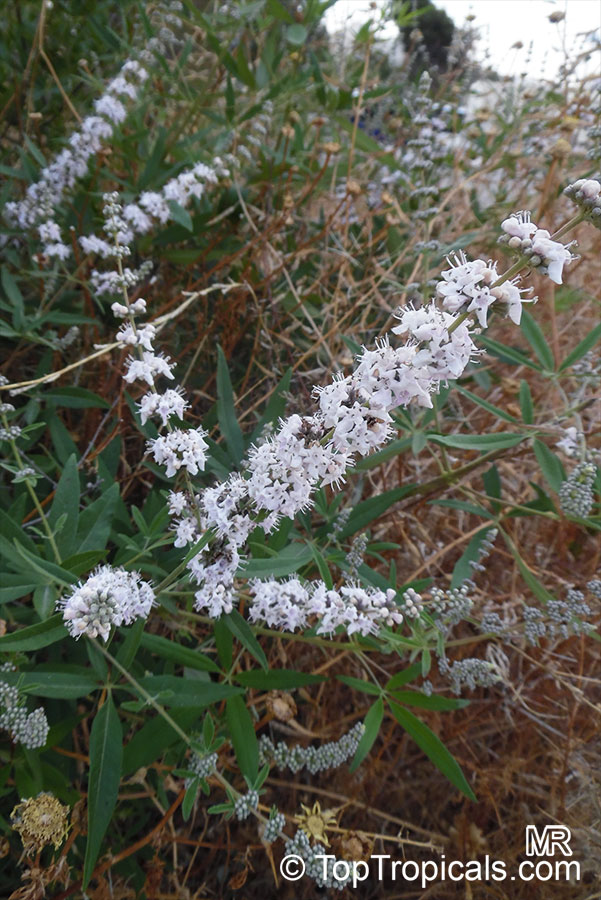
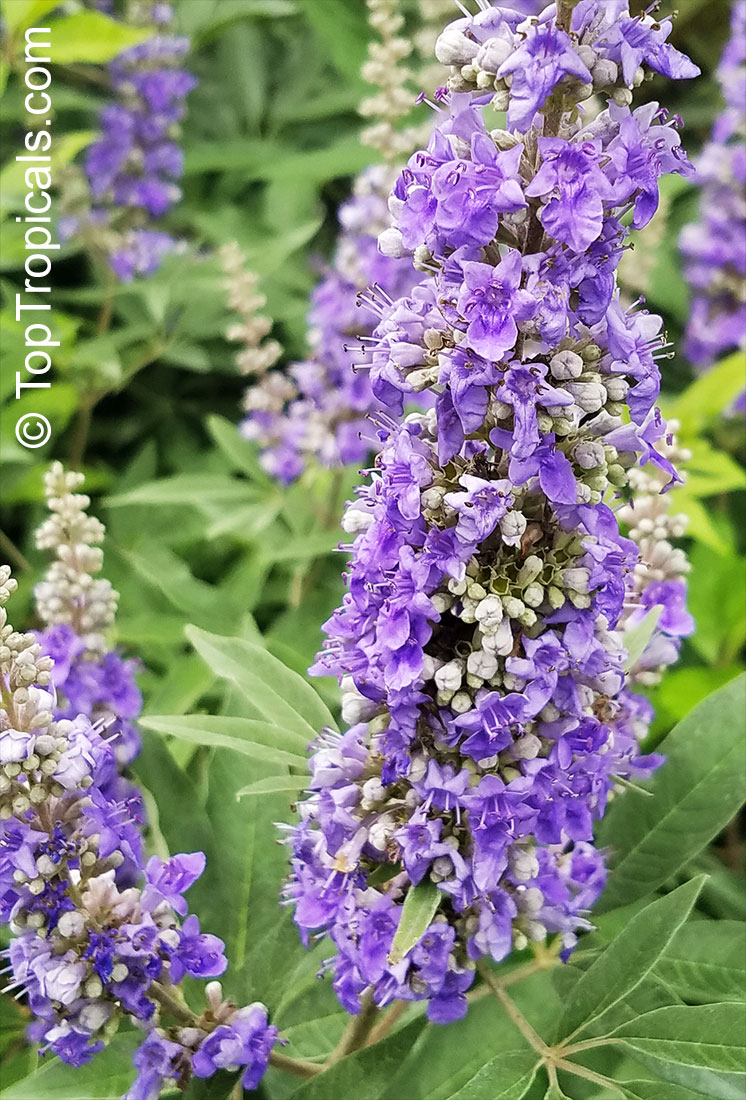
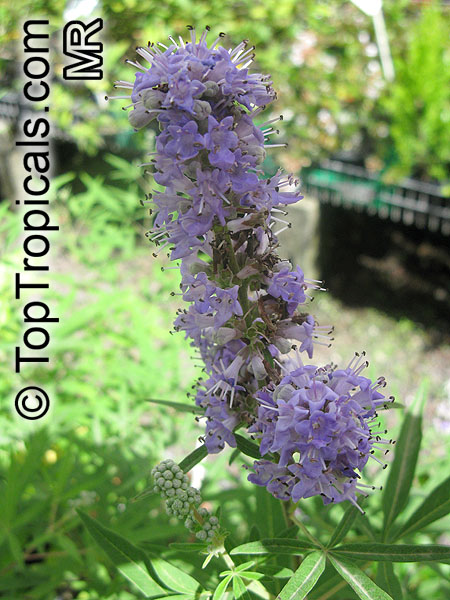
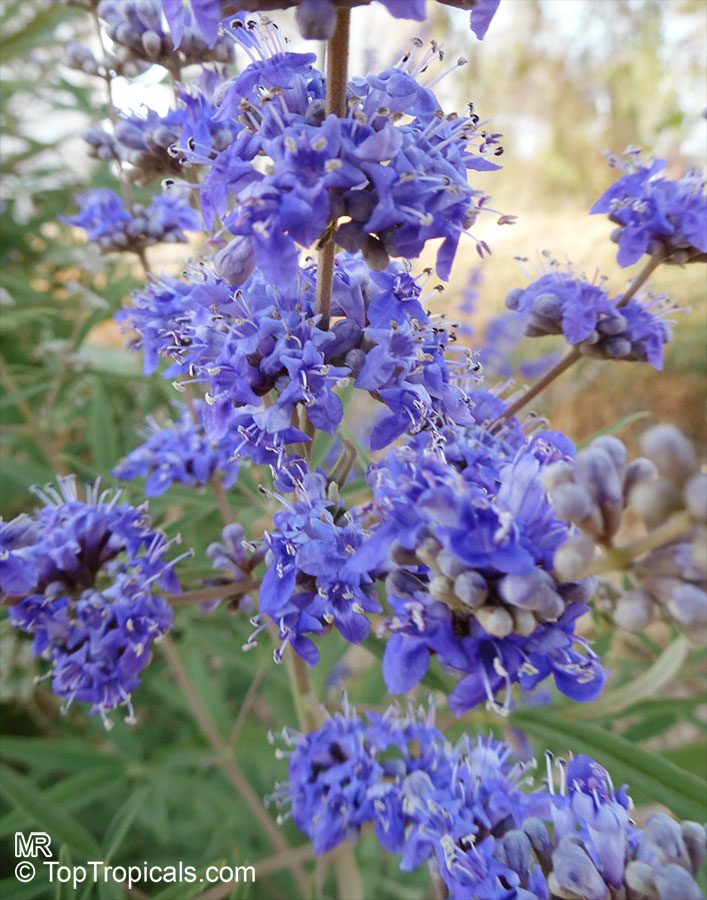
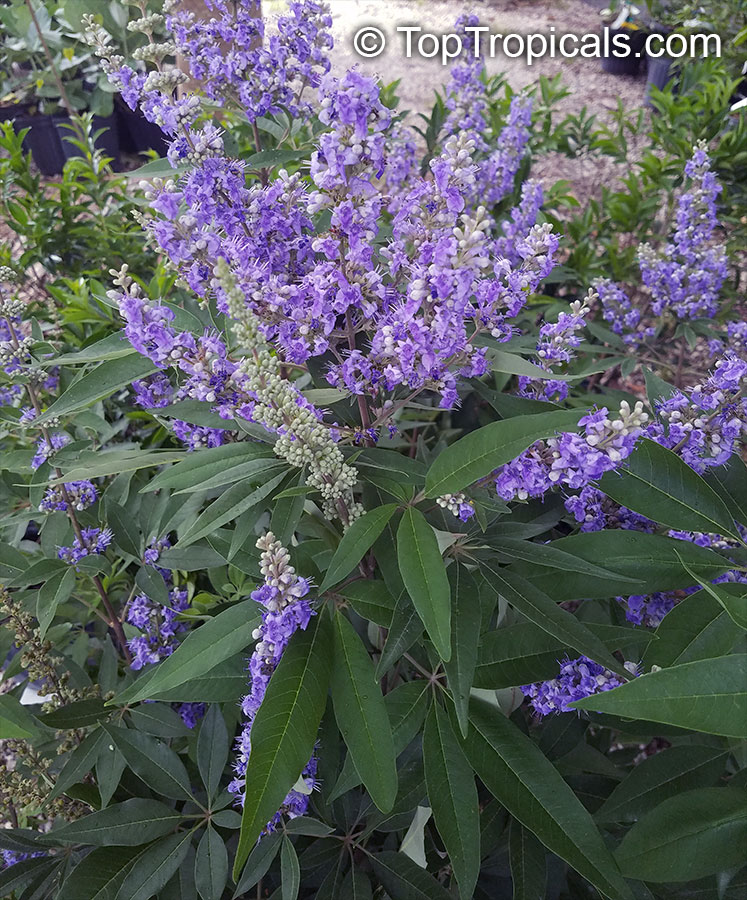
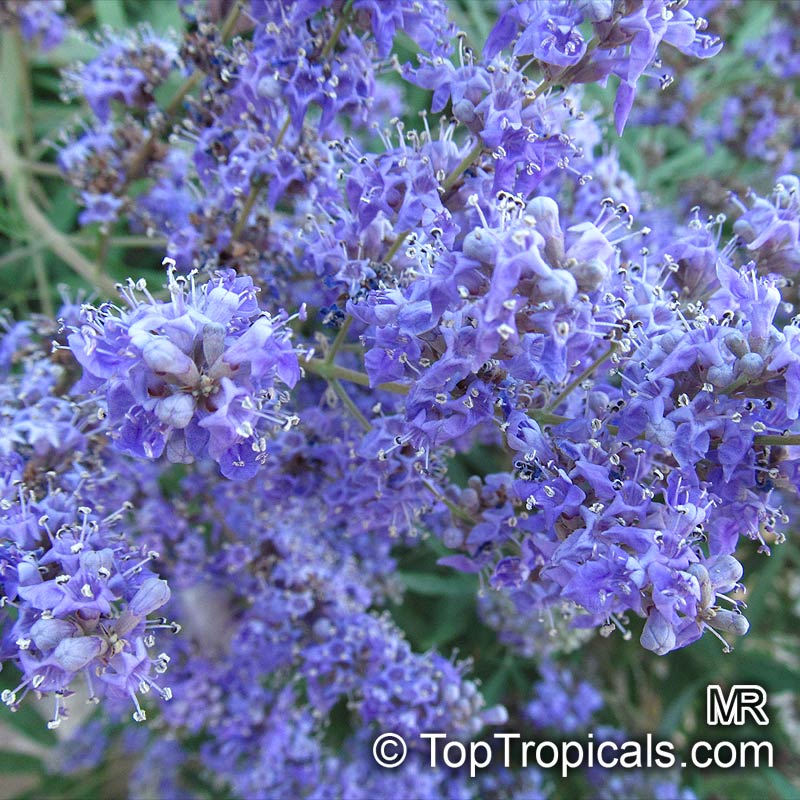
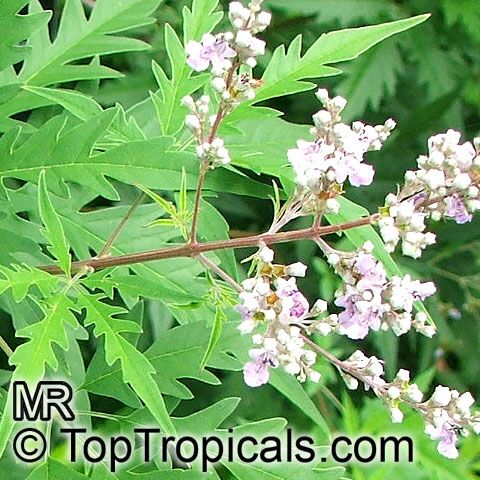
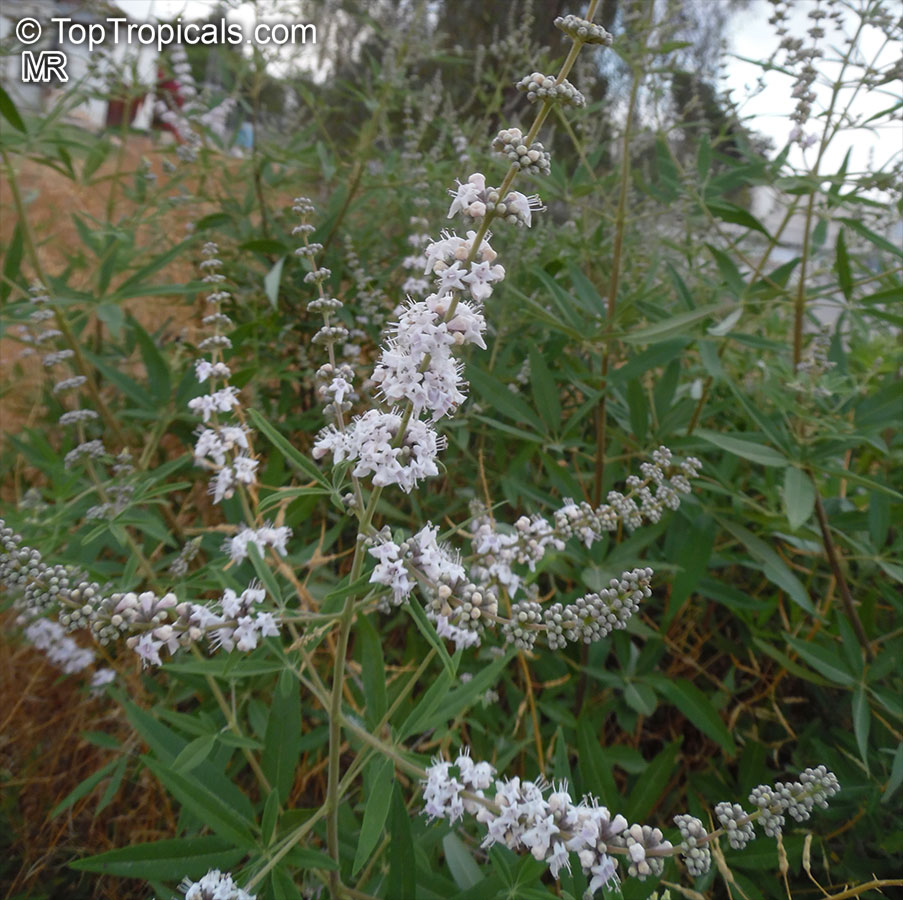
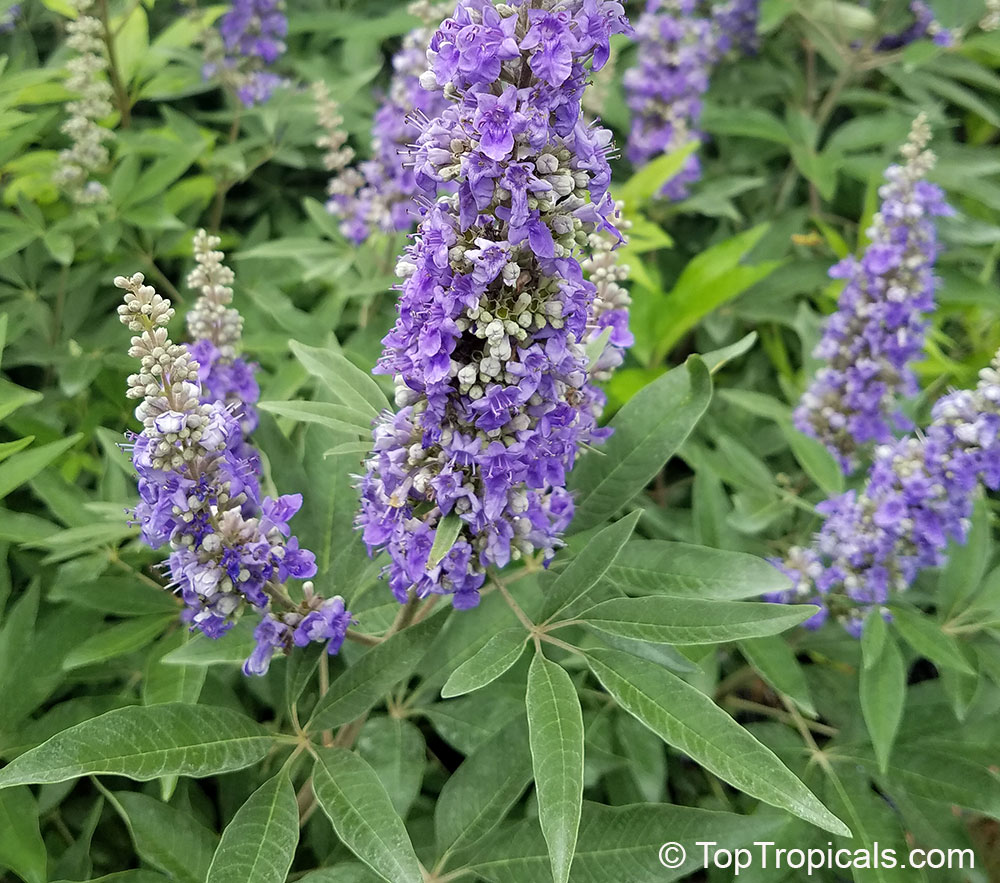
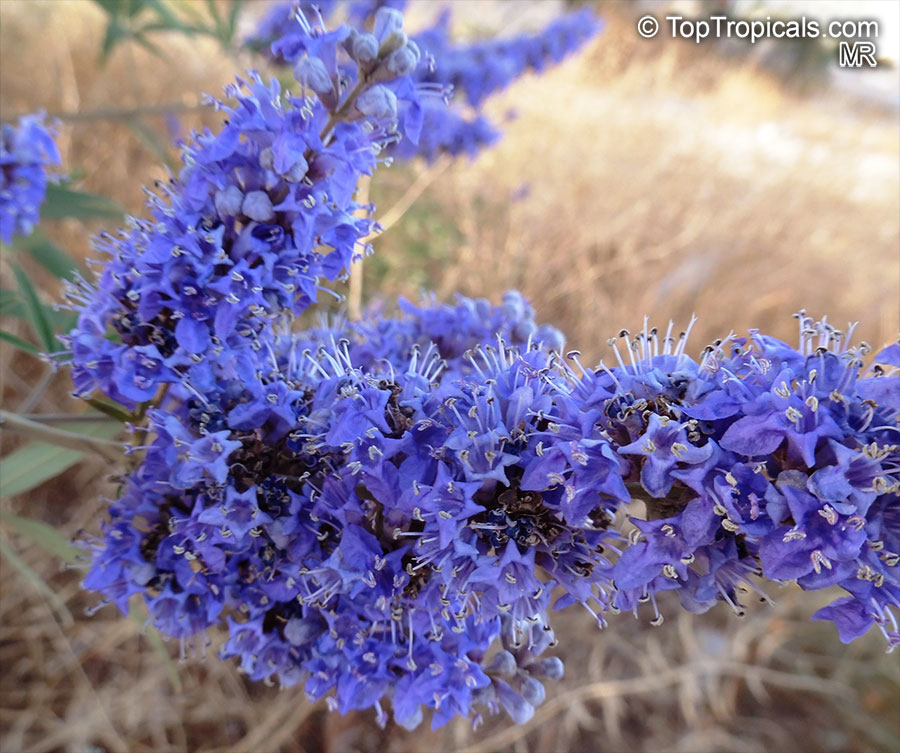
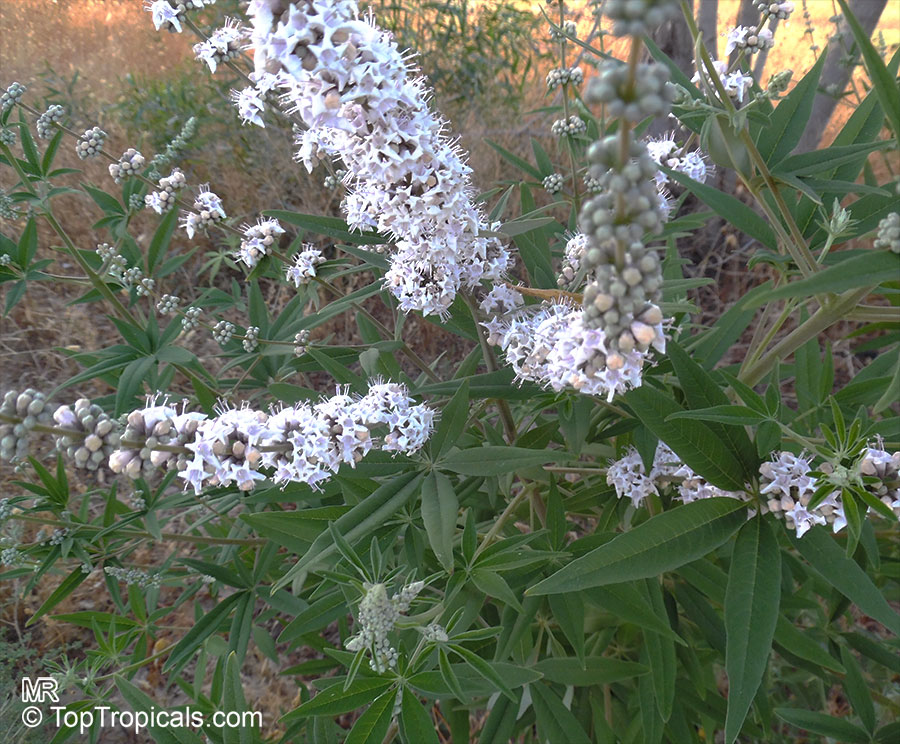
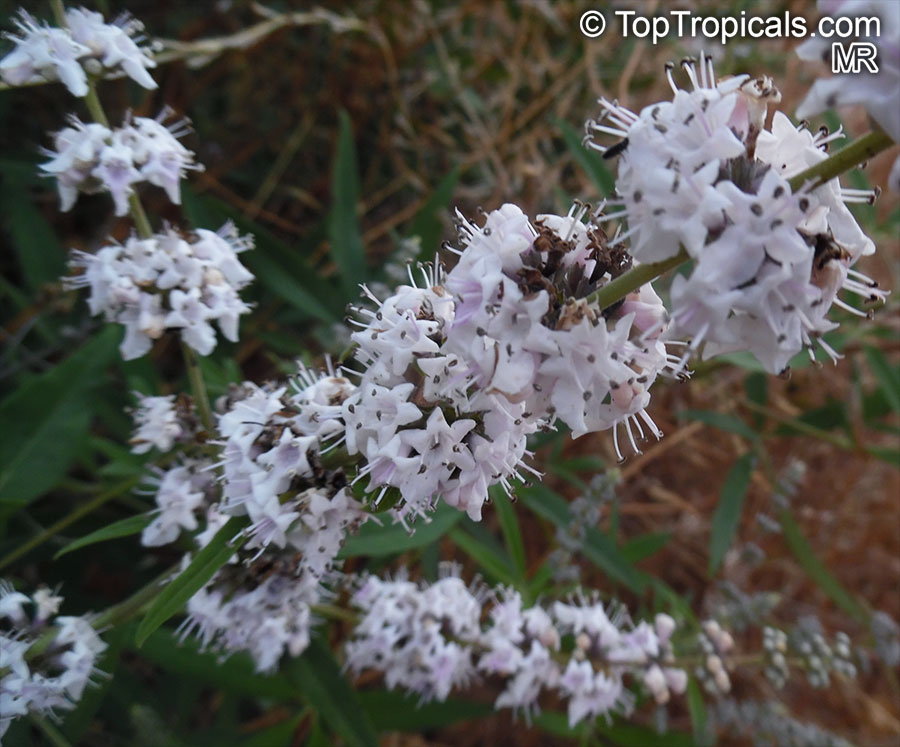
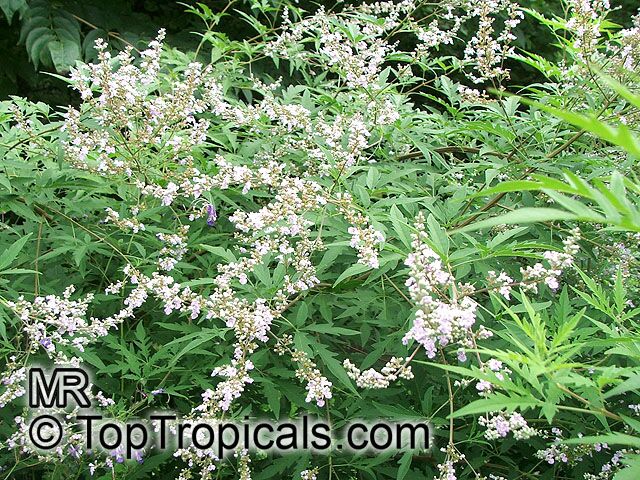
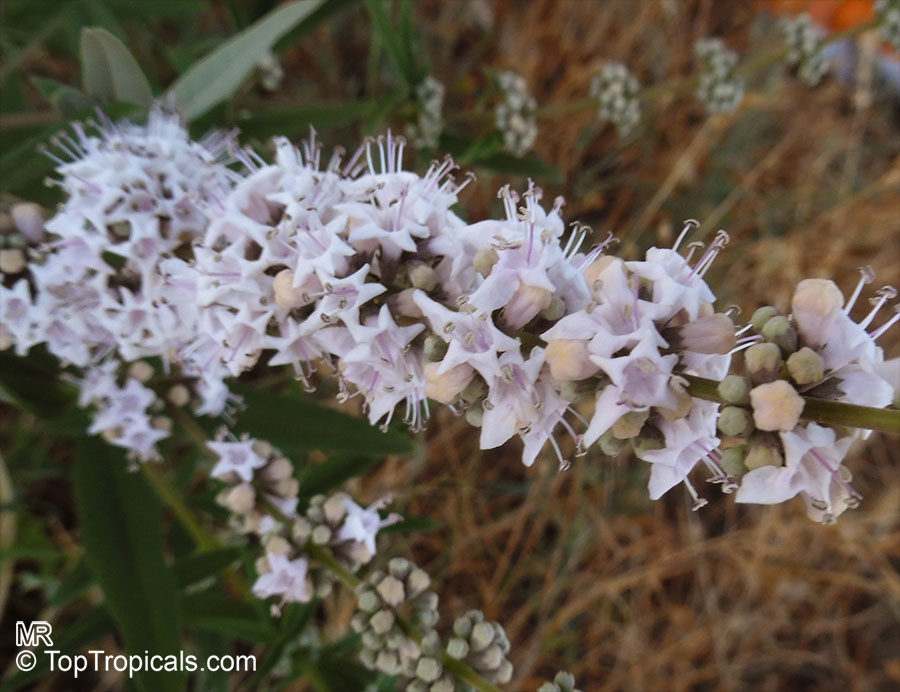
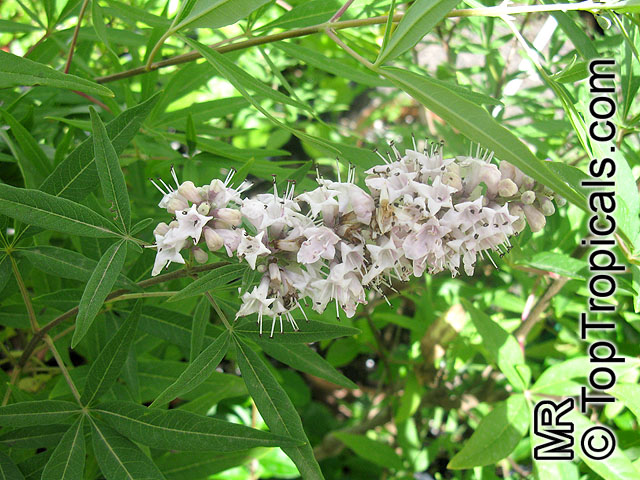
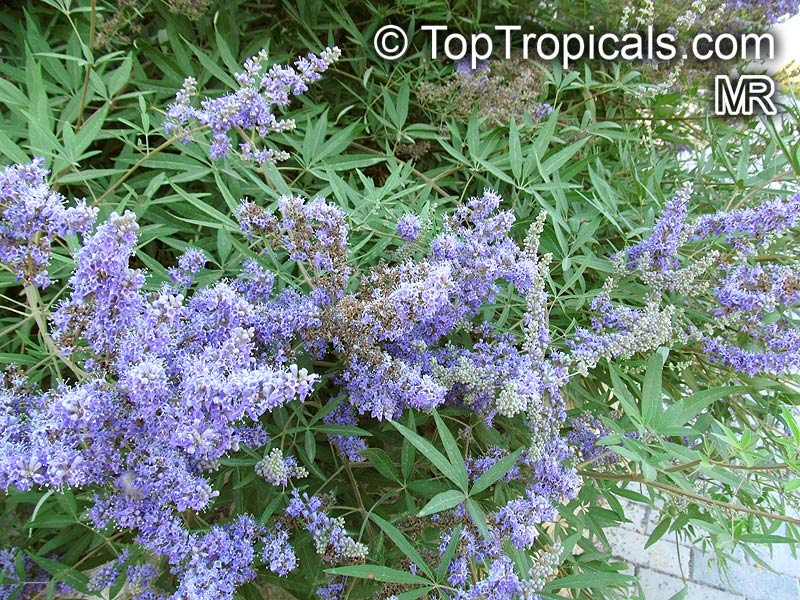
 Flower color: White and off-white; blue, lavender, purple
 Suitable for: Outdoors in the suitable USDA zone; small gardens, containers, and indoor growing
 Fragrance: Fragrant; perfume plant
 Wildlife: Attracts butterflies and hummingbirds
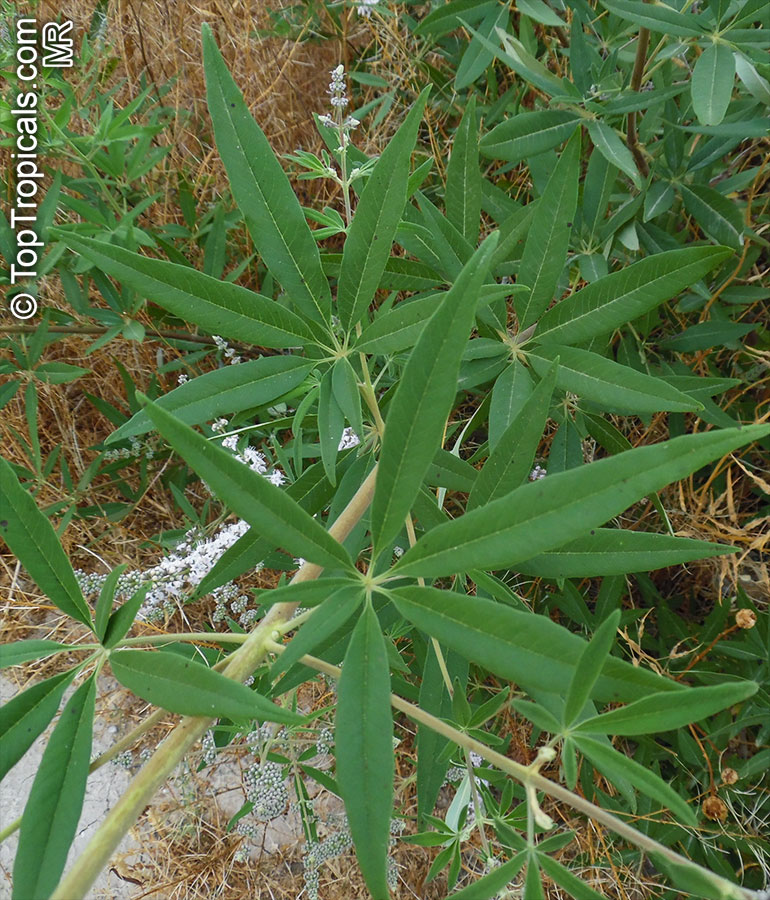
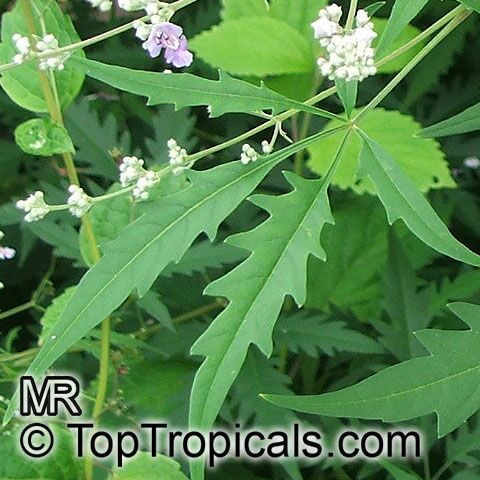
Chaste tree carries several 'sacred' names, which more or less directly refer to its reputation as an anaphrodisiac. In ancient Greece, the tree was called hagnos 'chaste', which apparently the early Christians confused with Latin agnus 'lamb', the Christian symbol of purity. Under the name agnus castus 'chaste lamb', the plants was often used among Christian monks as a help against the evils of the more fleshy desires. The chaste tree is a beautiful little deciduous tree or large shrub with a showy summertime flower display. When it's blooming, due to the similarity of the flowers, the chaste tree is sometimes mistaken for Butterfly Bush (Buddleja). The chaste tree is a sprawling plant that grows 10-20 ft and about as wide. Branched flower clusters are produced on new wood in late spring and early summer in a great flush that makes the tree look like a hazy purple cloud. Flowers are followed by a fleshy fruit that contains four seeds that are sometimes used as seasoning, similar to black pepper. Easy to grow in almost any soil that has good drainage! Even tolerant of salt drift. The chaste tree can take care of itself, but can be pushed to faster growth with light applications of fertilizer in spring and early summer and by mulching around the plant. If pruning is desired to control the size, it should be done in winter, since blooms form on new wood. It is hardly ever disturbed by pests or disease but is susceptible to mushroom root, rot and nematodes.
Similar plants: Vitex agnus-castus (Chaste Berry)
- Gmelina macrophylla (Grey Teak)
- Vitex glabrata (Black Currant Tree)
- Vitex lucens (Puriri)
- Vitex megapotamica (Taruma)
- Vitex negundo (Five-leaved Chaste Tree)
- Vitex rotundifolia (Beach Vitex)
- Vitex sp. 'Variegata' (Variegated Arabian Lilac)
- Vitex trifolia 'Purpurea' (Arabian Lilac)
- Vitex trifolia 'Variegata' (Variegated Arabian Lilac)