Cordia subcordata (Mareer)
Botanical name: Cordia subcordata
Common names: Mareer, Manjak, Kerosene Tree, Snottygobbles, Glueberry, Kou Wood
Family: Boraginaceae
Origin: Eastern Africa, South Asia, Southeast Asia, Northern Australia, Pacific Islands
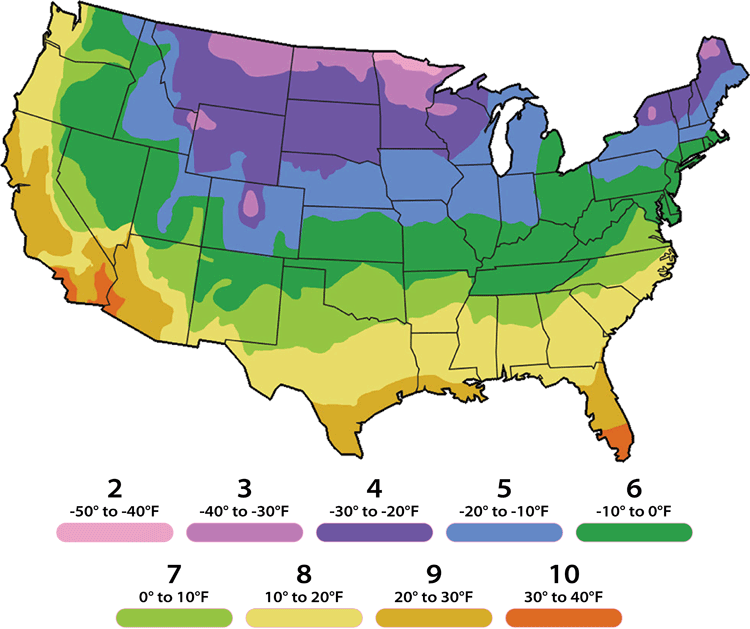
USDA Zone: 10-11

 Plant form: Large bush or small tree
 Mature height: 10-20 ft
 Sun exposure: Full sun or bright light indoor
 Cold tolerance: Frost sensitive. Protect from freezing.
 Watering: Regular; moderate
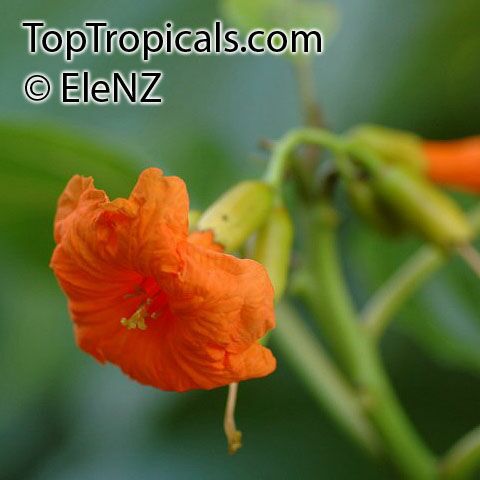
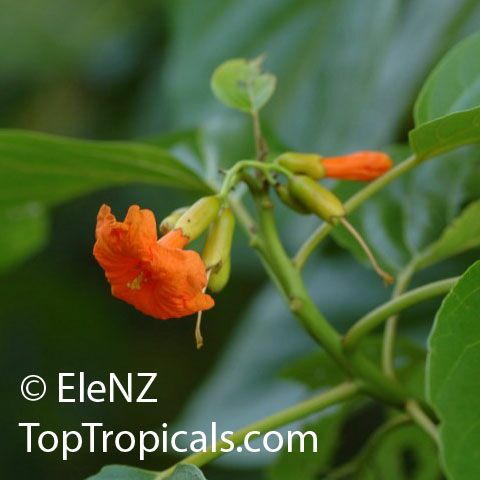
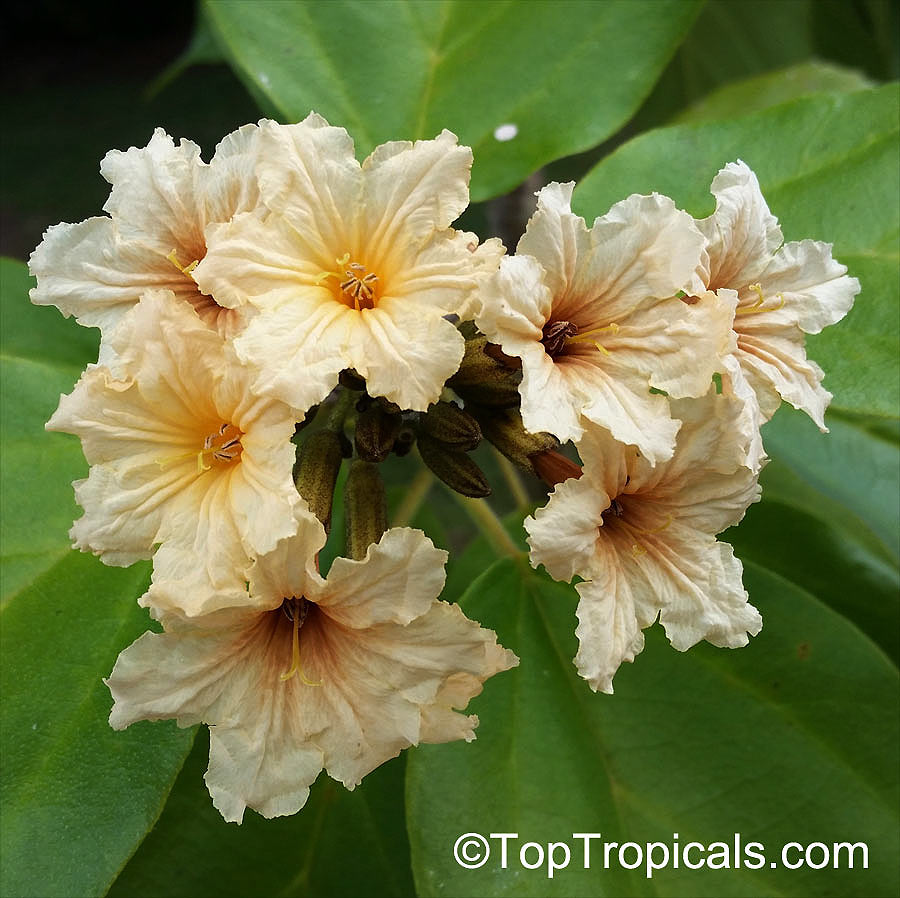
 Flower color: Red, crimson, vinous; yellow, orange
 Suitable for: Outdoors in the suitable USDA zone; small gardens, containers, and indoor growing
 Wildlife: Attracts butterflies and hummingbirds
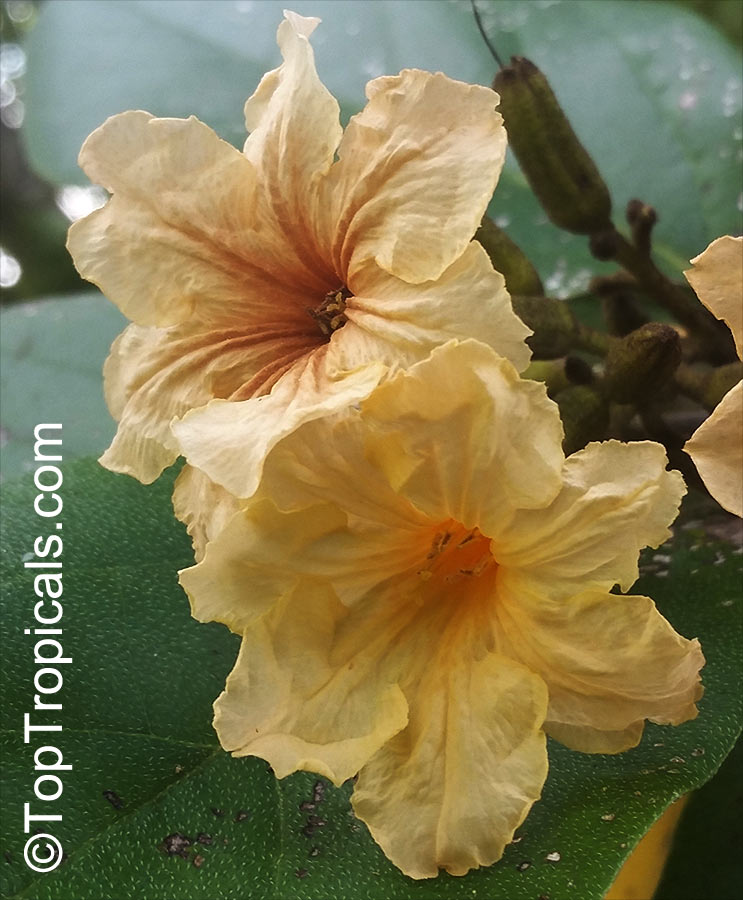
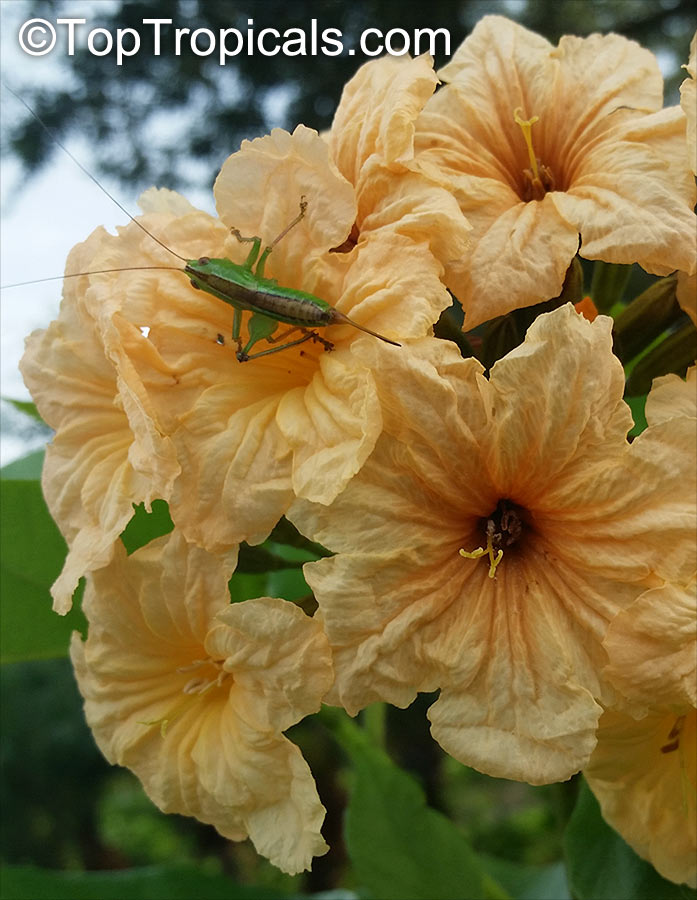
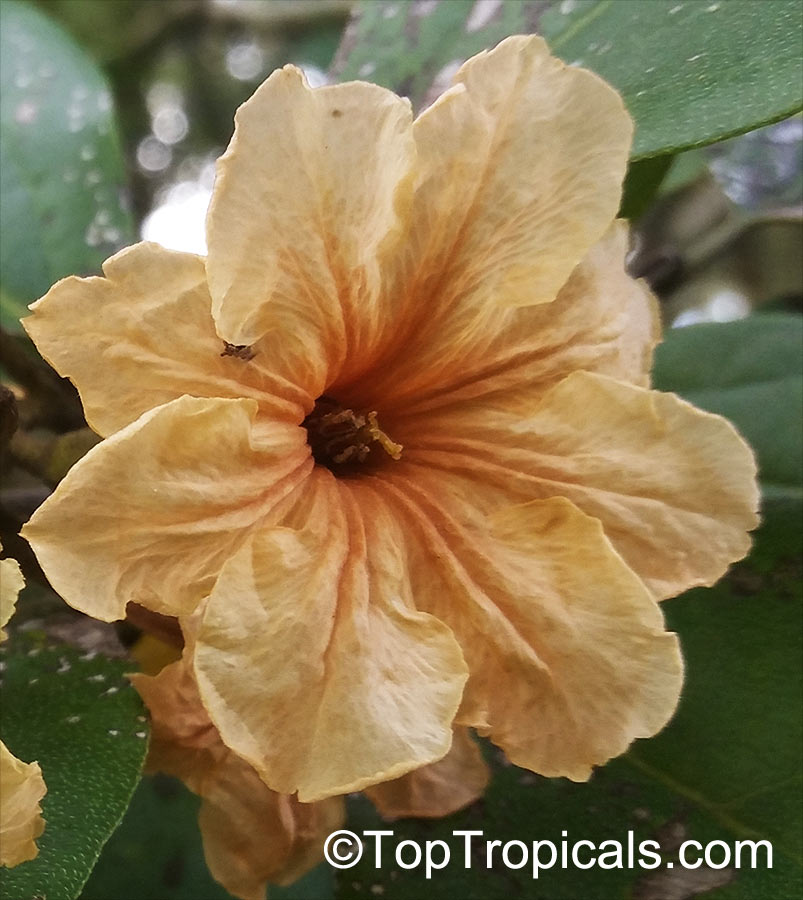
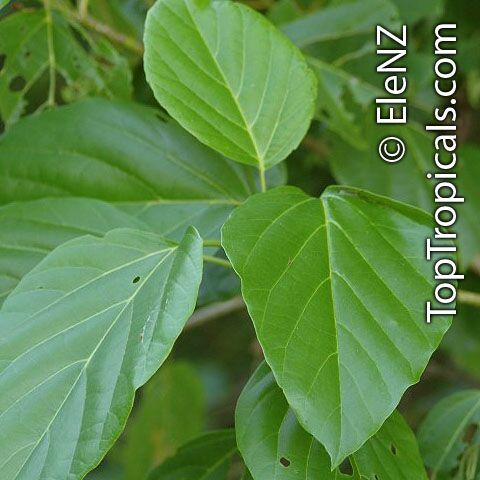
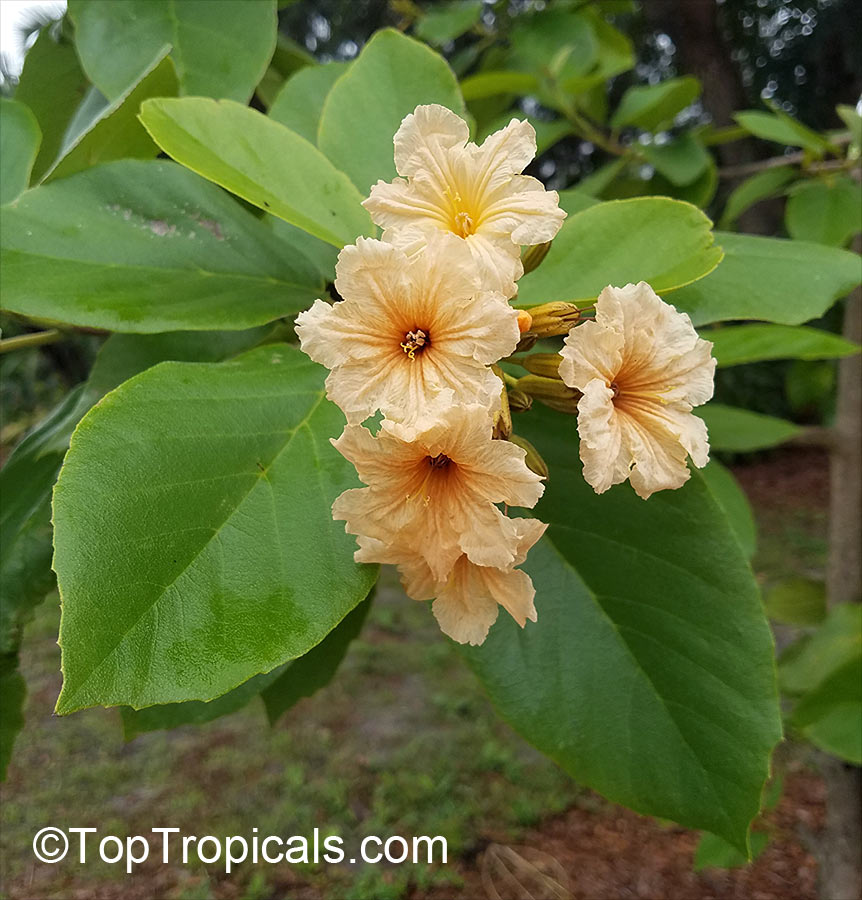
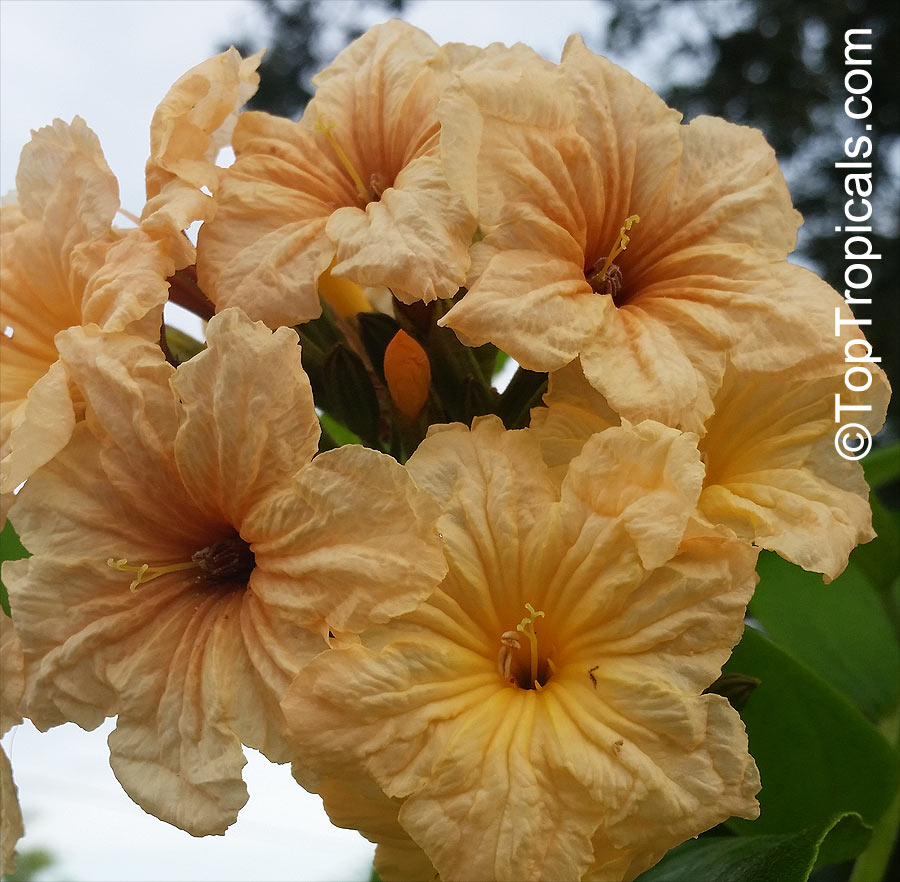
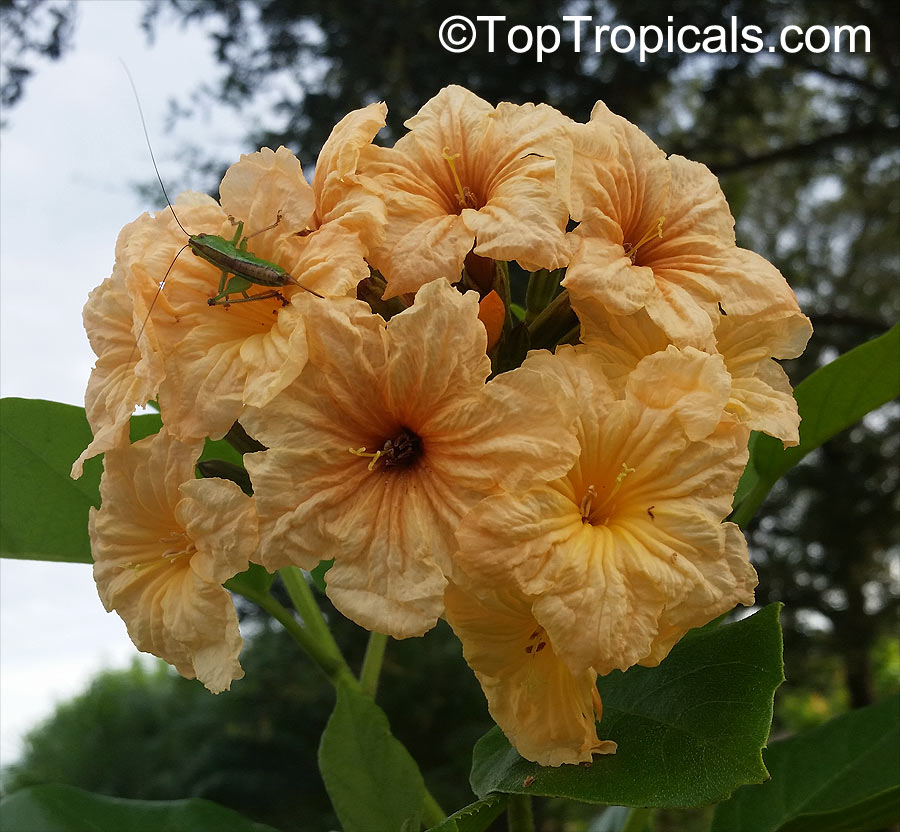
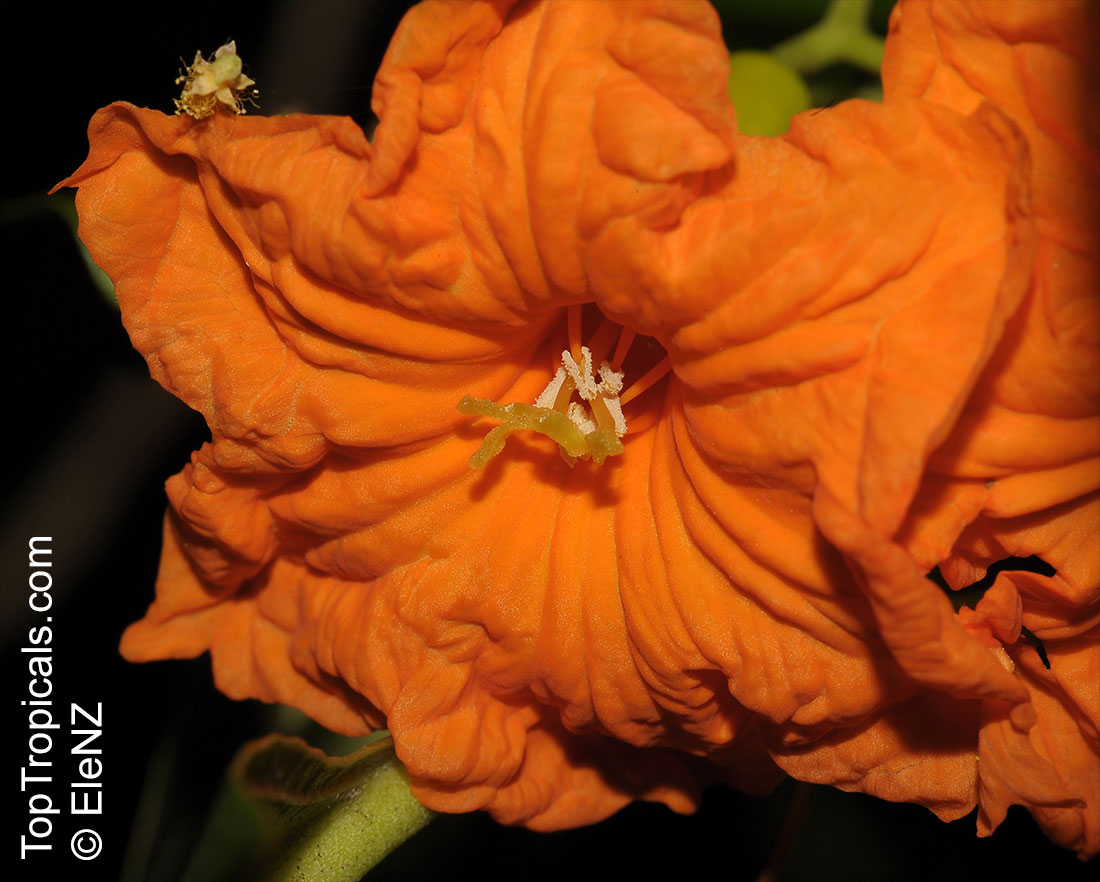
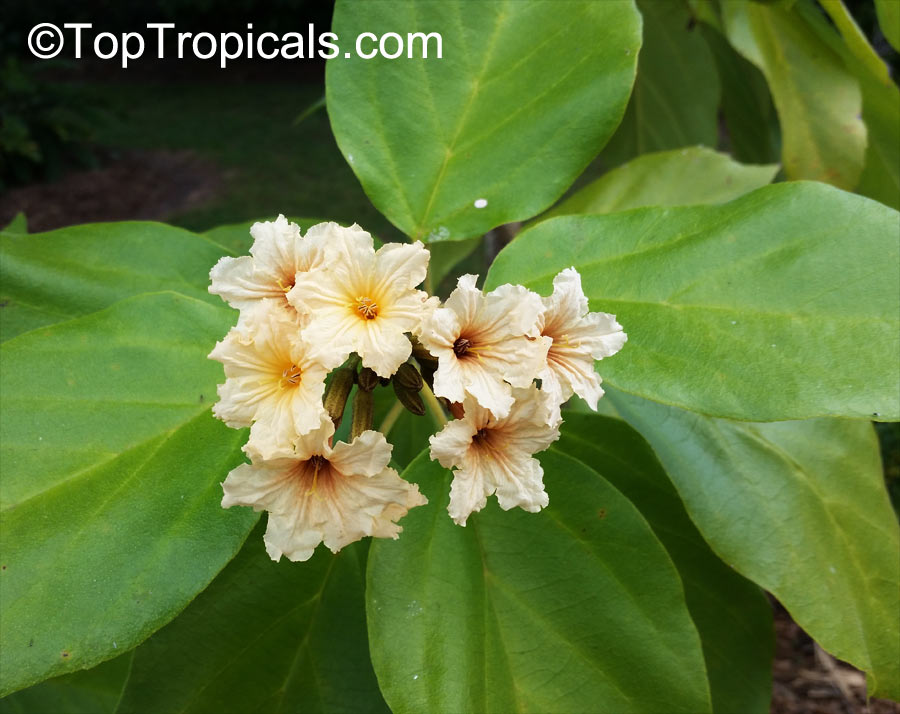
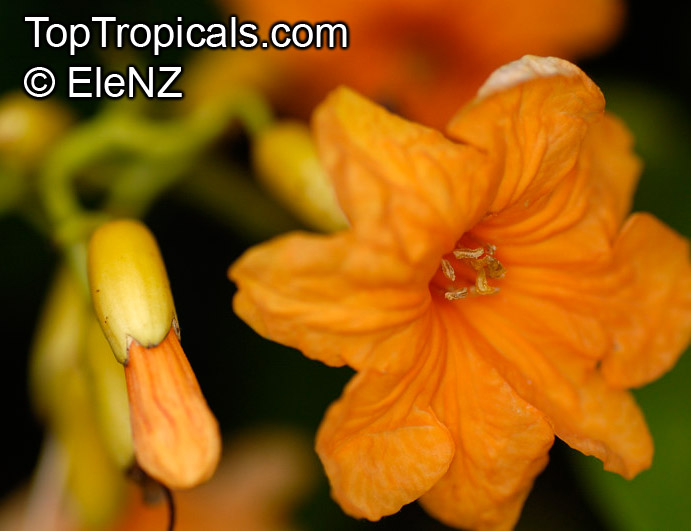
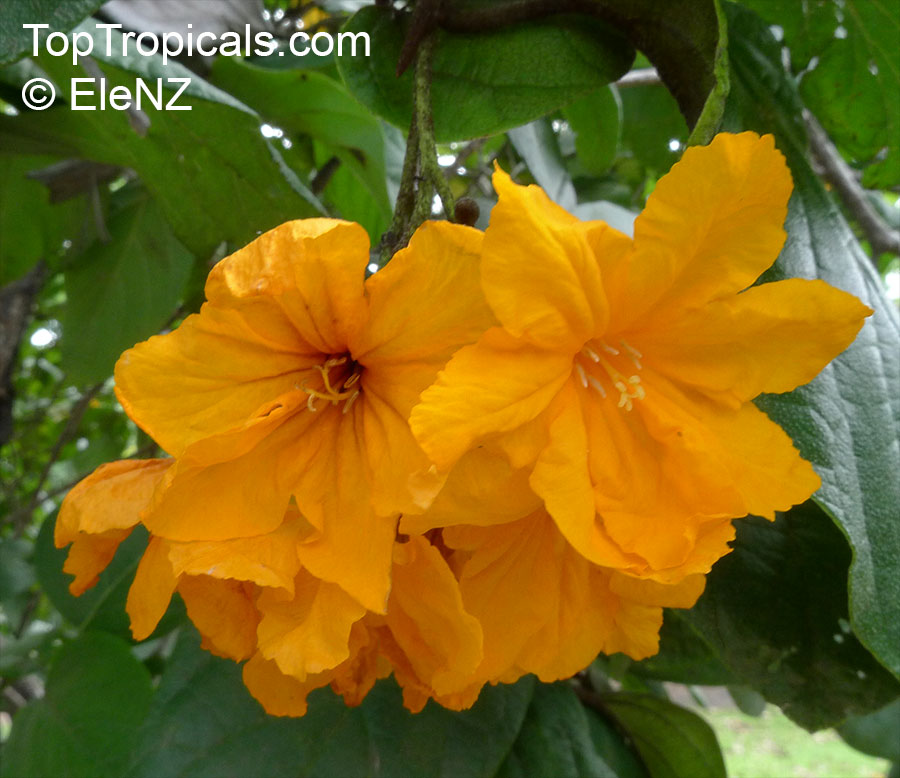
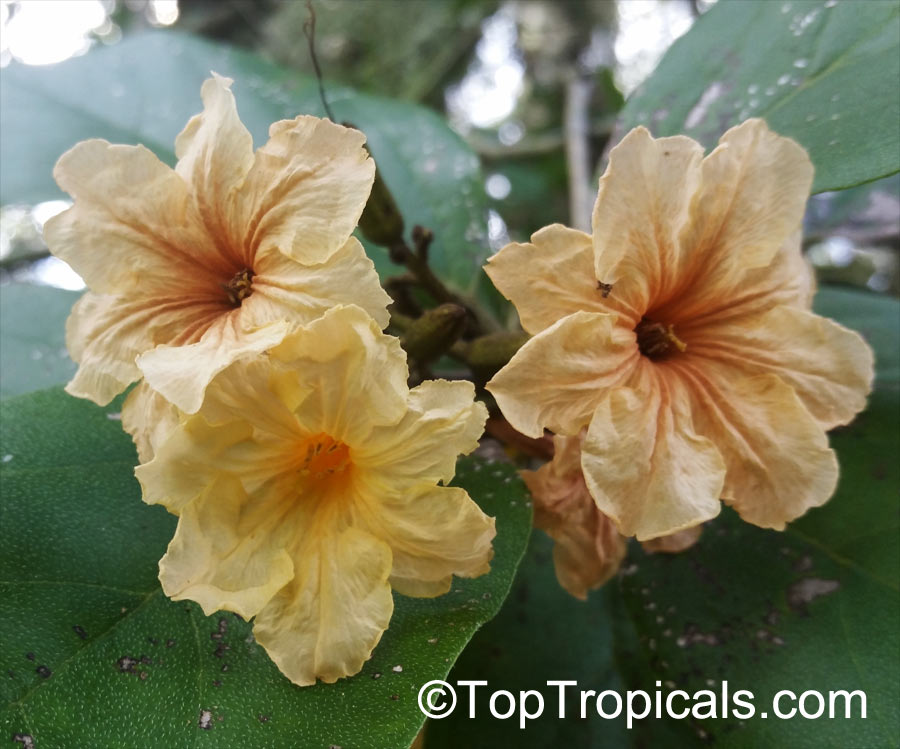
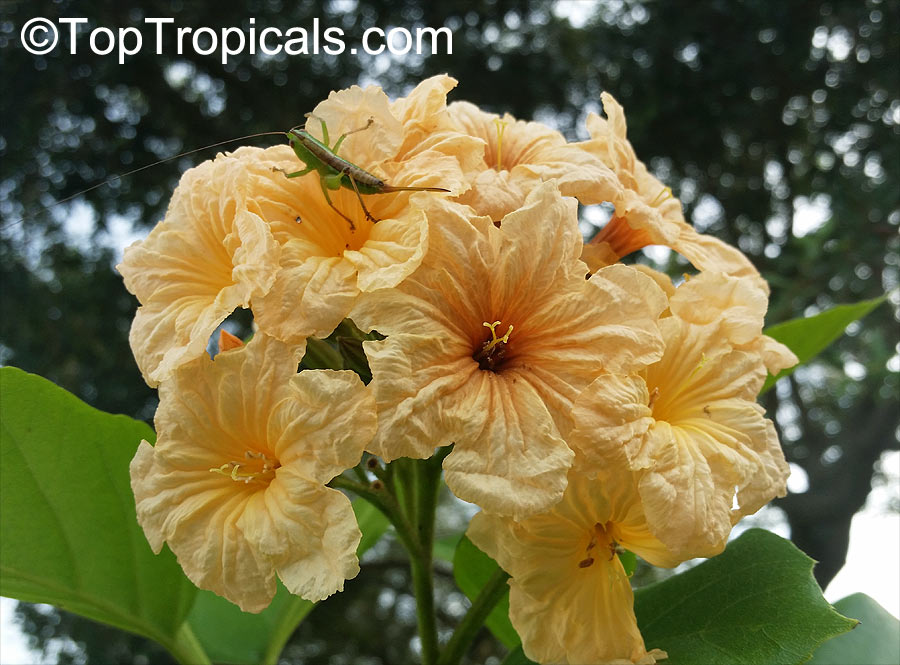
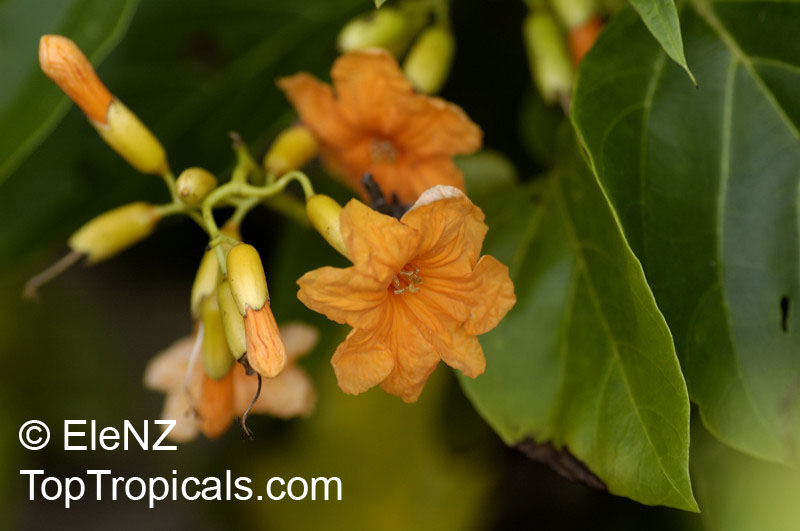
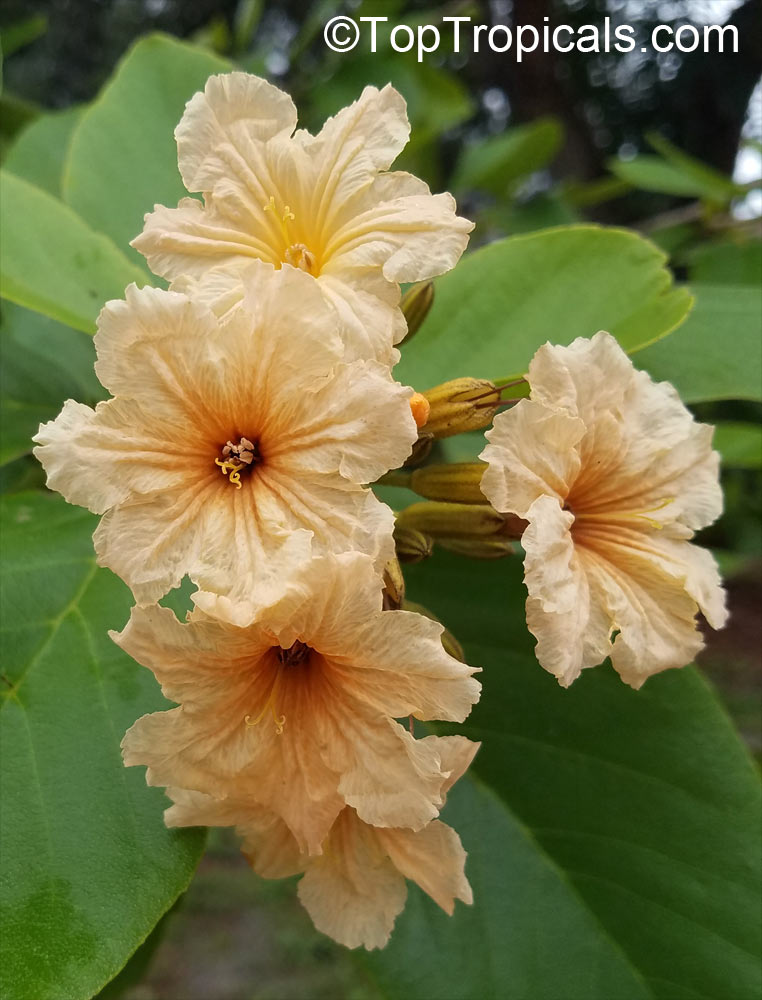
Cordia subcordata is a large shrub or small tree, growing from 5-10 ft tall as a shrub and between 10-20 ft as a tree. It thrives in full sun and generally prefers regular water. Moderate water during the dry season is often sufficient. It produces a profusion of 2 inch wide red, crimson, or vinous flowers that are very attractive to butterflies and hummingbirds. The flowers may also be yellow or orange. It is rated for USDA Zones 10-11.
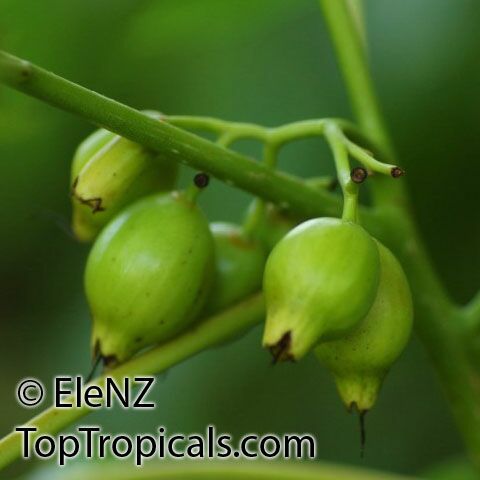
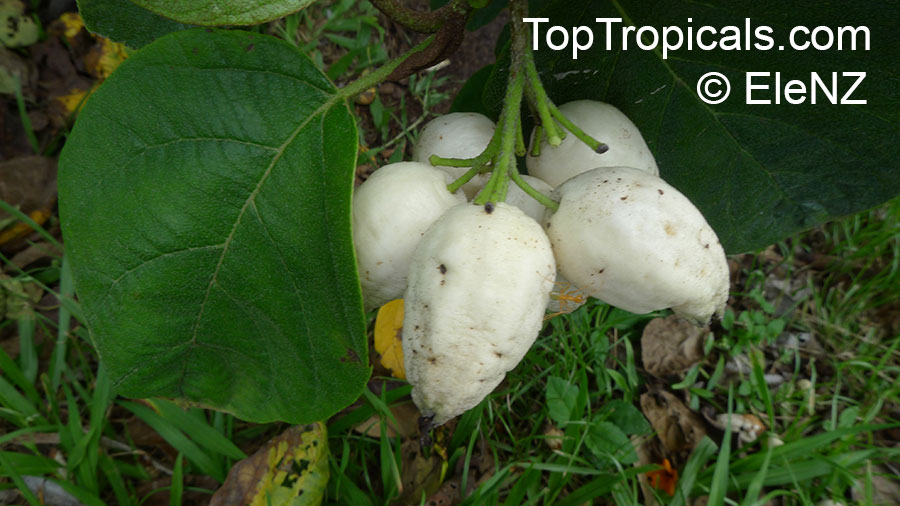
The fruits of Cordia subcordata are ovoid and edible, usually yellow or orange when ripe. The fruits are often eaten fresh as they contain high amounts of Vitamin C, dietary fiber and other antioxidants. When ripe, the fruits are sweet and juicy. Each of the trees can produce up to 500 fruits in a season, providing a substantial harvest. The fruits can also be used to make jams and jellies. In addition, the bark, leaves and fruits of the tree are used to make traditional medicines in many cultures for various ailments and for health promotion.
The seeds are edible and have been eaten during famine. The wood of the tree is soft, durable, easily worked, and resistant to termites. It burns readily, and this led to the nickname of Kerosene Tree in Papua New Guinea. In ancient Hawaii Kou wood was used to make umeke (bowls), utensils, and umeke laau (large calabashes) because it did not change taste to food. The flowers were used to make lei, while a dye for kapa cloth and aho (fishing lines) was derived from the leaves.
Similar plants: Cordia subcordata (Mareer)
- Cordia boissieri (Texas Olive)
- Cordia caffra (Septee)
- Cordia dentata (Cordia Suwana-Pruek)
- Cordia goeldiana (Freijo)
- Cordia lutea (Yellow Geiger)
- Cordia myxa (Assyrian Plum)
- Cordia parvifolia (Little Leaf Cordia)
- Cordia rupicola (Puerto Rico Manjack)
- Cordia salvifolia (Islandloving Cordia)
- Cordia scabra (Geiger Tree)