Bauhinia sp. (Bauhinia)
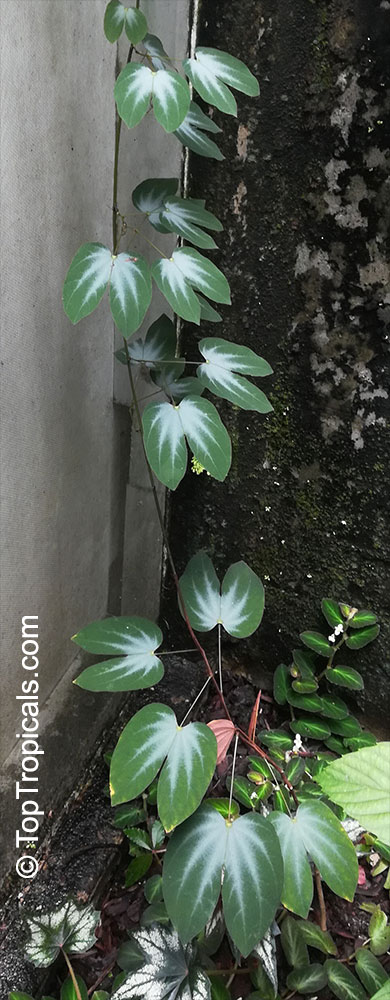
Botanical name: Bauhinia sp.
Common name: Bauhinia
Family: Fabaceae
Subfamily: Caesalpinioideae
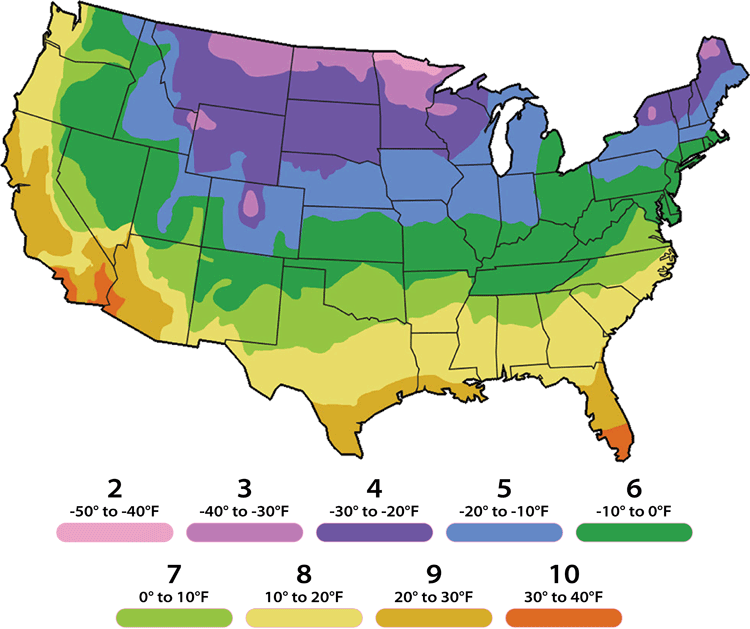
USDA Plant Hardiness Zone Map


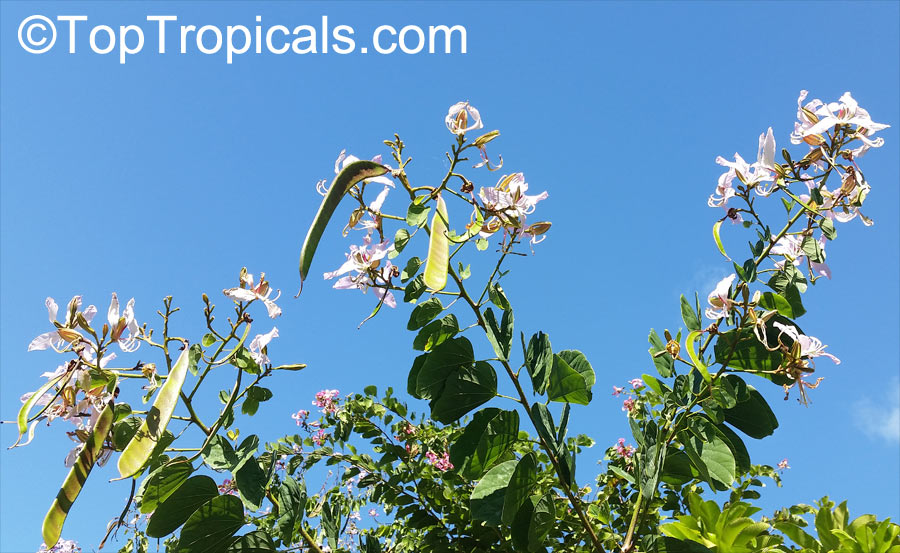
Bauhinia is a large genus of flowering plants. Many species are widely planted in the tropics as orchid trees, particularly in India, Sri Lanka, Vietnam, Nepal and southeastern China.
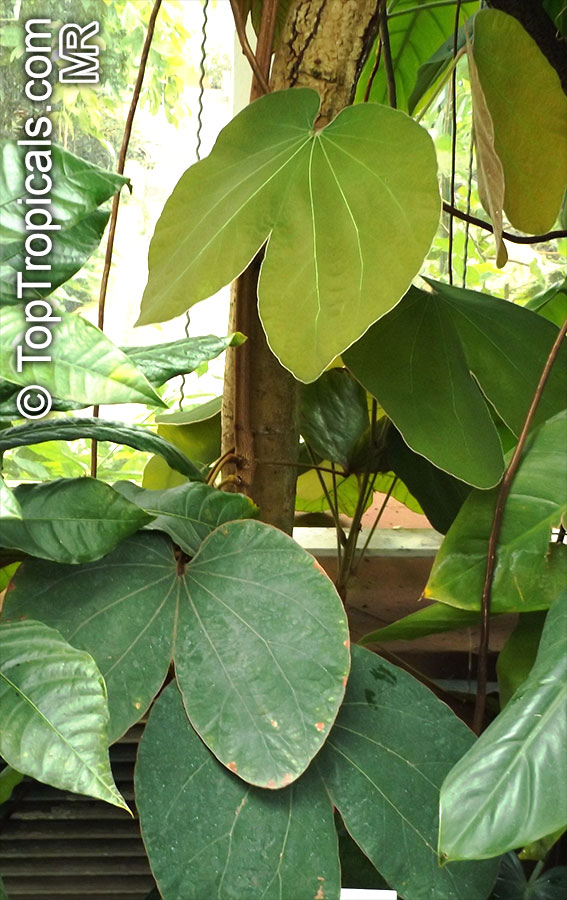
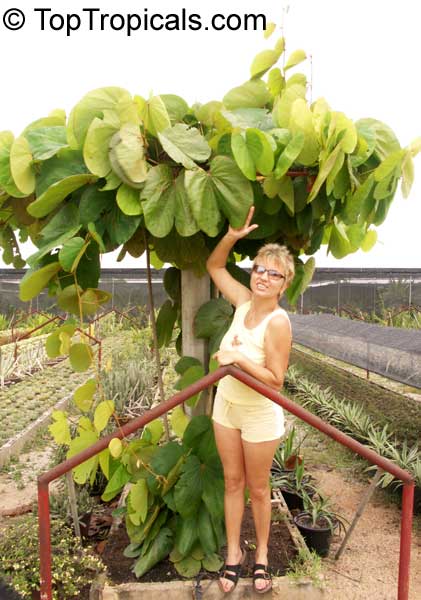
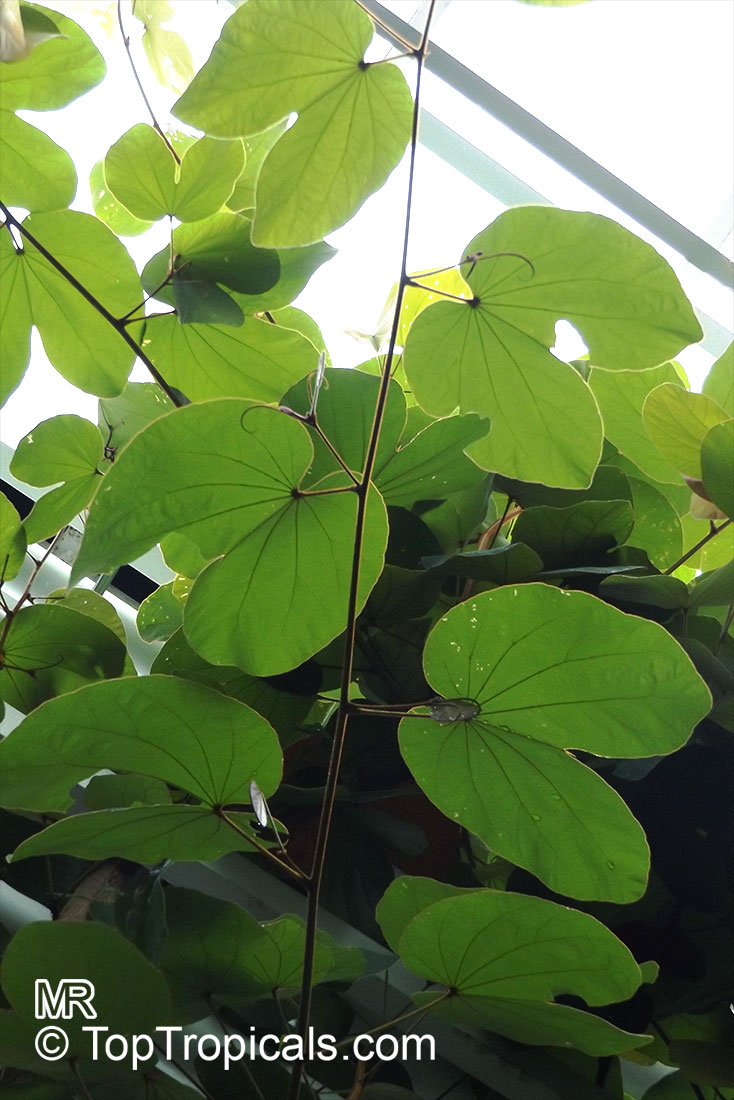
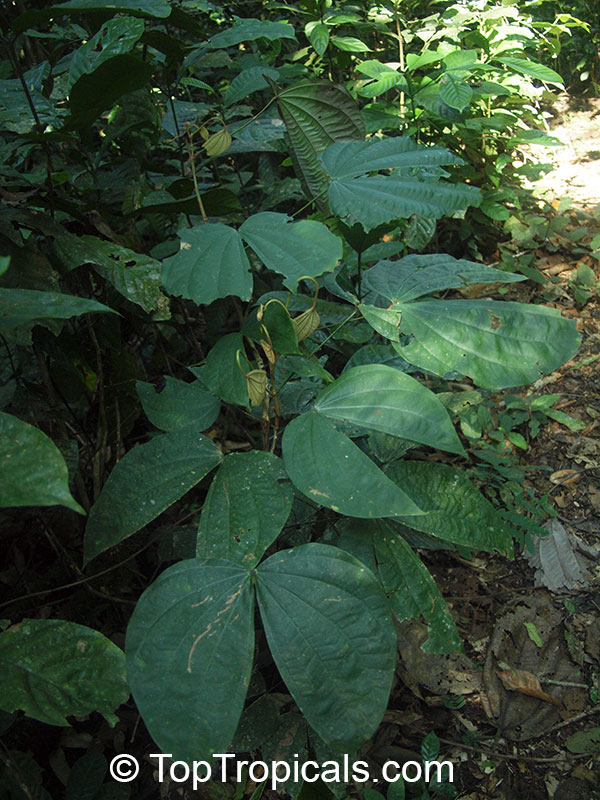
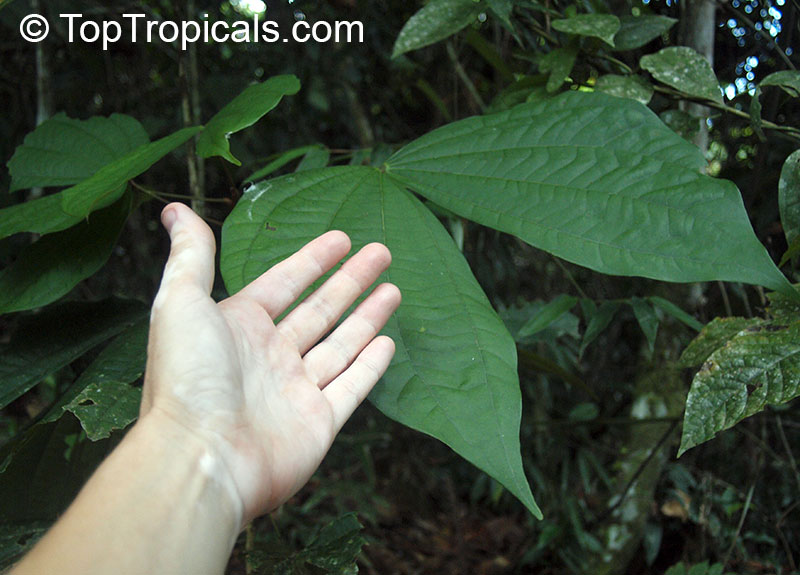
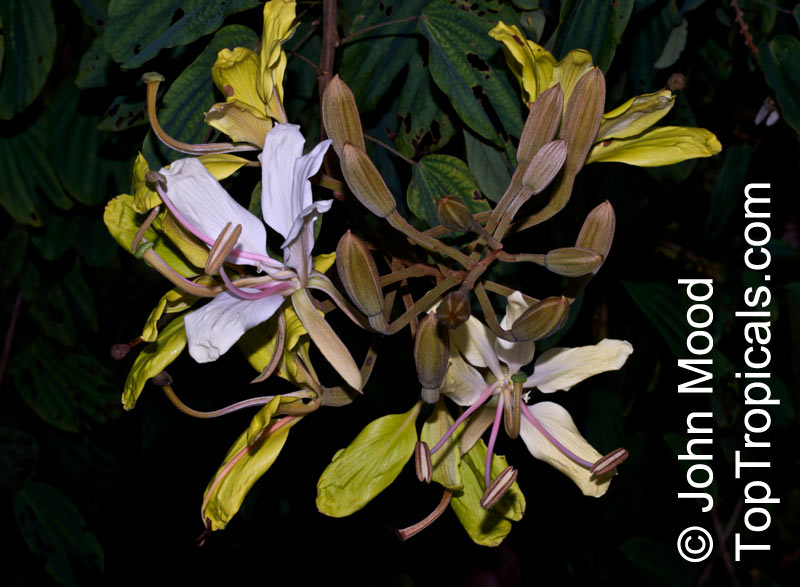
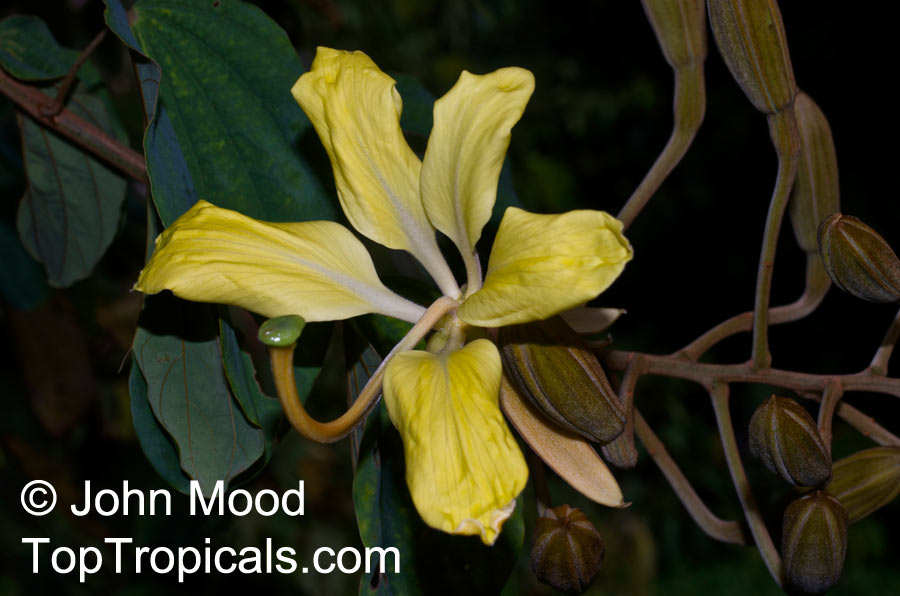
Giant-leaved Bauhinia - this stunning woody vine has huge 8-12" velvety leaves, double as all bauhinias. Very rare species.
Similar plants: Bauhinia sp. (Bauhinia)
- Bauhinia acuminata (Dwarf White Orchid Tree)
- Bauhinia aureifolia (Gold Leaf Bauhinia)
- Bauhinia bassacensis (Bauhinia)
- Bauhinia bidentata (Orange Bauhinia)
- Bauhinia blakeana (Hong Kong Orchid Tree)
- Bauhinia bowkeri (Kei White Bauhinia)
- Bauhinia corymbosa (Vining bauhinia)
- Bauhinia cunninghamii (Jigal Tree)
- Bauhinia divaricata (Butterfly Orchid Tree)
- Bauhinia forficata (Pata de Vaca)
Link to this plant:
https://toptropicals.com/catalog/uid/bauhinia_sp.htm