Ptaeroxylon obliquum (Sneezewood)

Botanical name: Ptaeroxylon obliquum
Common names: Sneezewood, Nieshout
Family: Rutaceae
Origin: South Africa
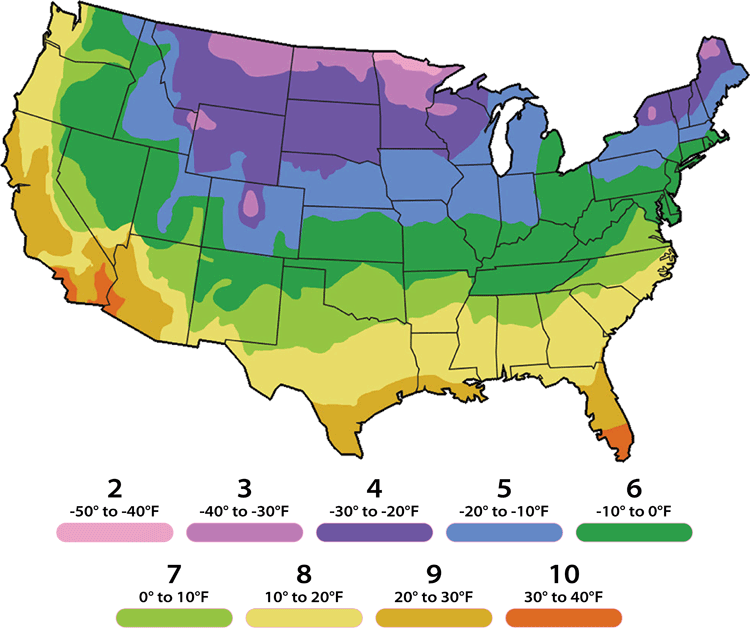
USDA Zone: 9-10

 Plant form: Large or medium tree
 Mature height: 20 ft or more

 Sun exposure: Full sun or bright light indoor; semi-shade
 Cold tolerance: Frost sensitive. Protect from freezing.
 Watering: Moderate
 Flower color: Yellow, orange
 Suitable for: Outdoors in the suitable USDA zone; large gardens
 Ethnomedical: Ethnomedical plant, traditionally used in folk or indigenous medicine
Ptaeroxylon obliquum (Sneezewood) is a native to South Africa that varies in form from a large shrub 5-10 ft in height to a big tree taller than 20 ft, or a small tree 10-20 ft in height. It prefers full sun to semi-shade, and requires moderate water. Its yellow or orange flowers are borne in panicles and attract numerous birds and insects. It is grown in USDA Zones 9-11.
For best results in cold regions, this plant should be grown in a pot. To do so, choose a pot with drainage holes and a wide volume. Potting soil should be selected that drains well and is designed to promote good root development. The pot should be placed in an area that receives full or semi-sun and is protected from harsh winds. Water when the surface of the soil feels dry. In cold regions, it is important to provide protection for the roots if the average temperature falls below freezing. An easy way to do this is to apply a layer of mulch around the plant in the winter months. To ensure long-term health, feed the plant with a balanced fertilizer using instructions on the package.
It's widely used in its native area. The strong and durable wood contains an aromatic resin that causes violent sneezing. It is used to relieve headaches and use it as a moth repellent. The resin is also applied to warts and is added to a wash to kill ticks on cattle.