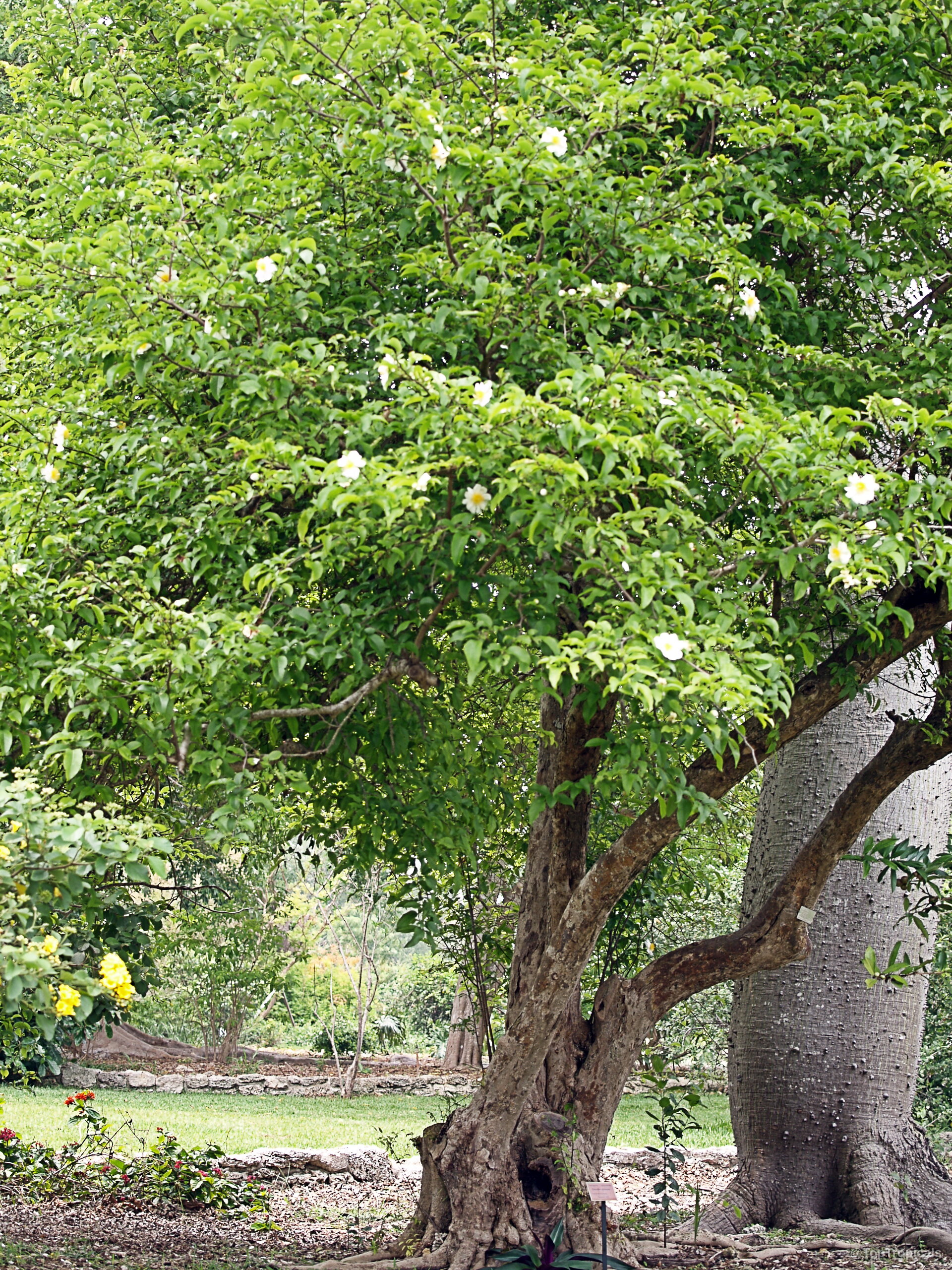
Oncoba spinosa (Fried Egg Tree)
Botanical name: Oncoba spinosa
Common names: Fried Egg Tree, Snuff-box Tree
Family: Salicaceae (Formerly:Flacourtiaceae)
Origin: South Africa, Arabia
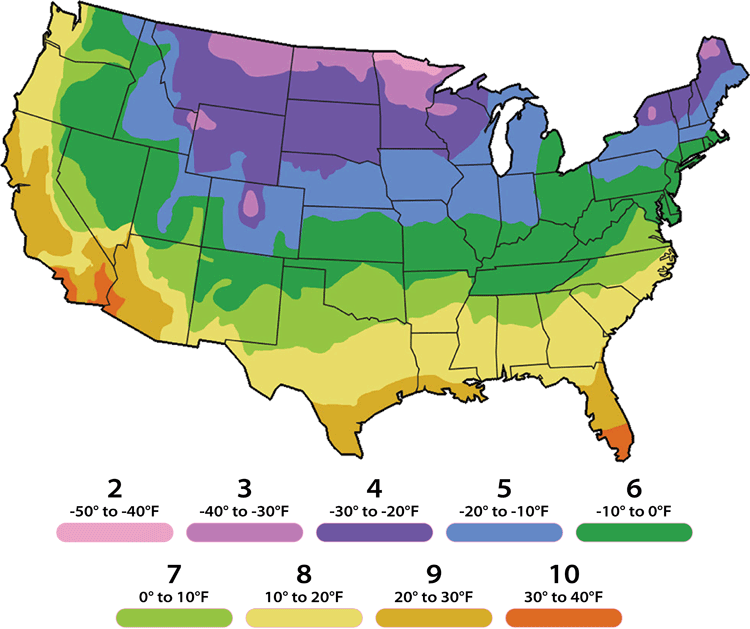
USDA Zone: 9-11

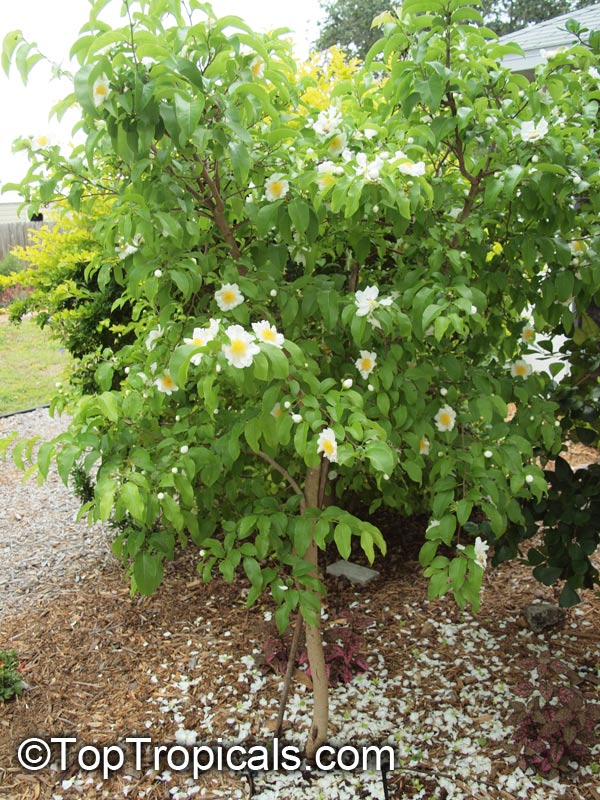
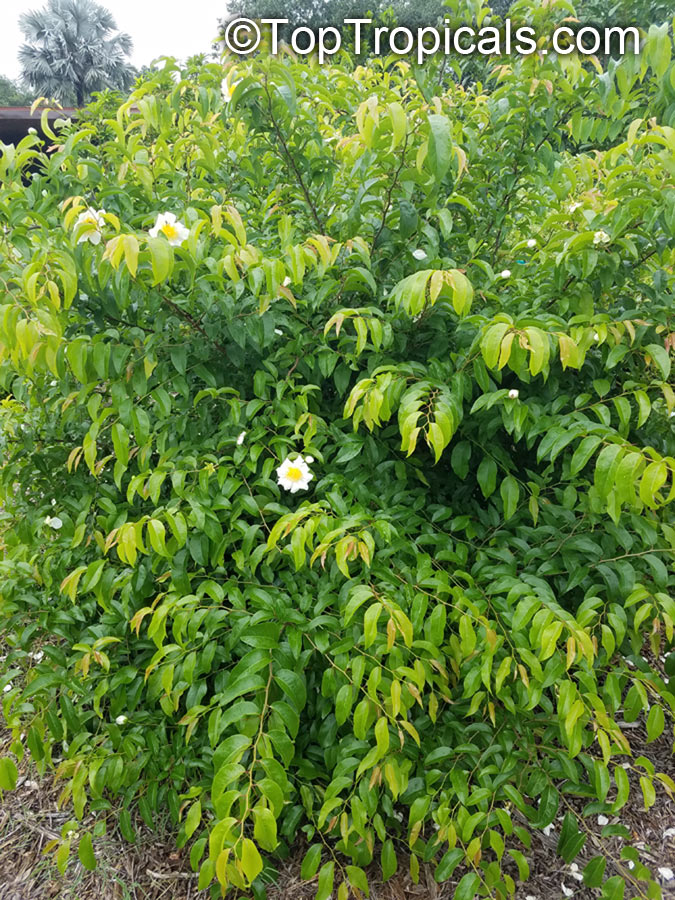
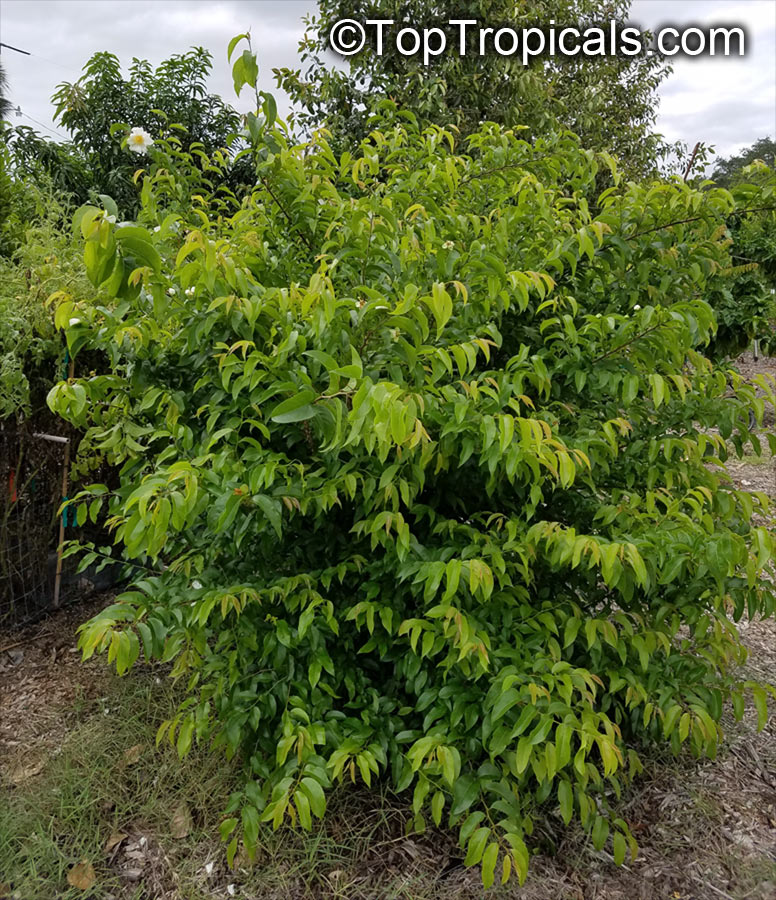
 Plant form: Large bush or small tree
 Mature height: 10-20 ft
 Sun exposure: Full sun or bright light indoor; semi-shade
 Cold tolerance: Frost sensitive. Protect from freezing.
 Watering: Moderate
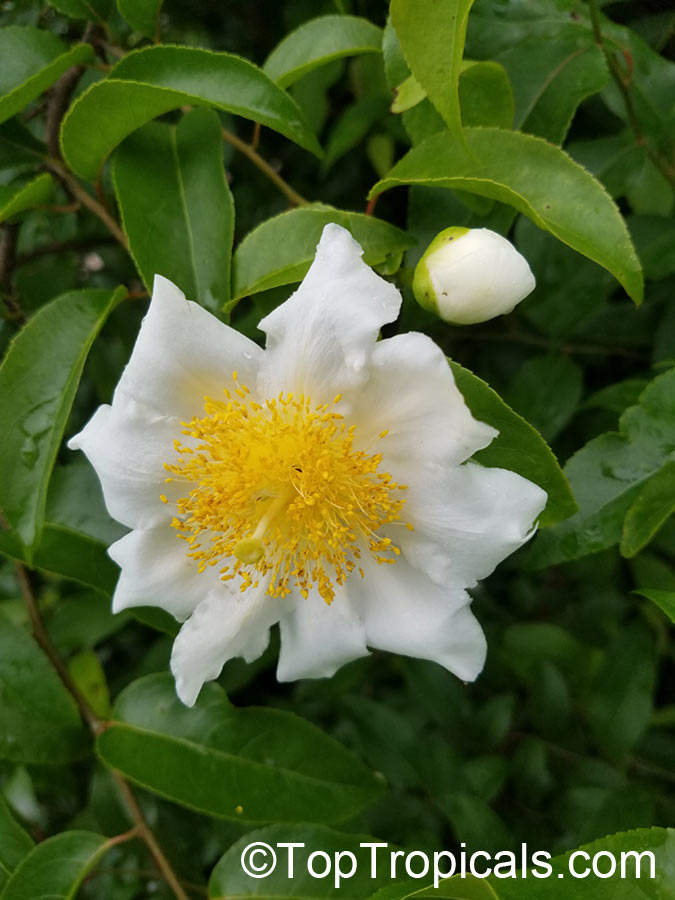
 Flower color: White and off-white; yellow, orange
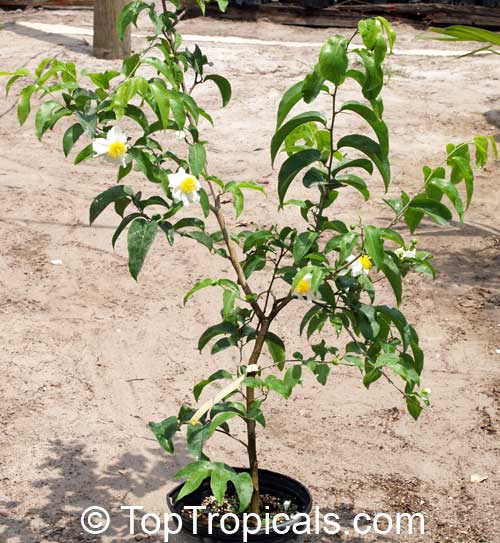
 Suitable for: Outdoors in the suitable USDA zone; small gardens, containers, and indoor growing
 Thorns: Thorny or spiny
 Fragrance: Fragrant; perfume plant
 Wildlife: Attracts butterflies and hummingbirds
 Ethnomedical: Ethnomedical plant, traditionally used in folk or indigenous medicine
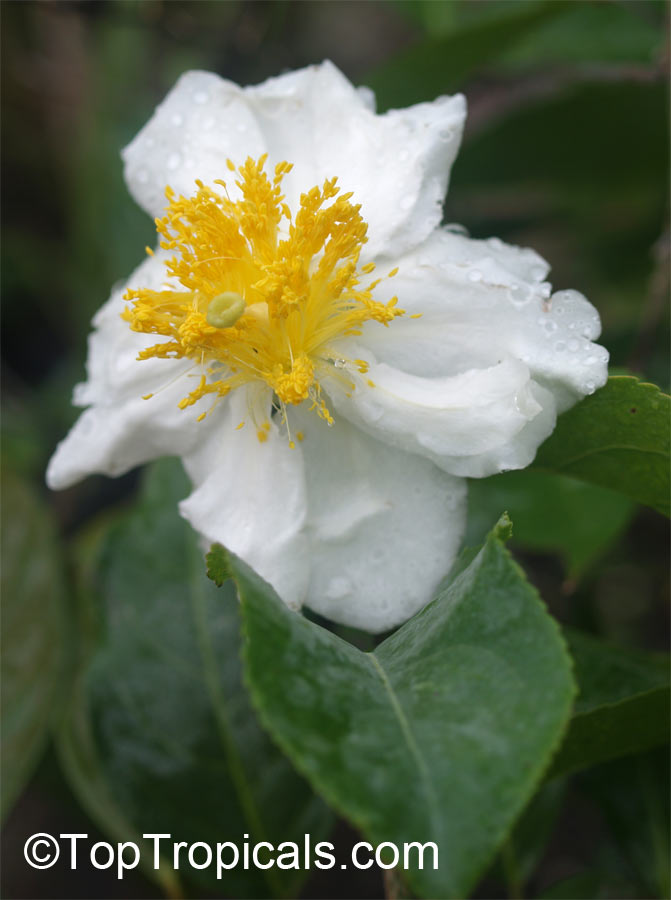
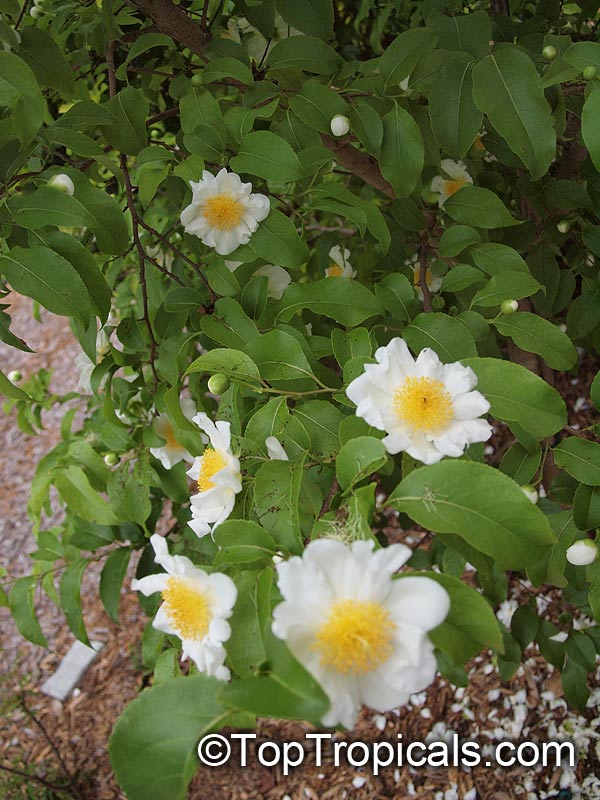
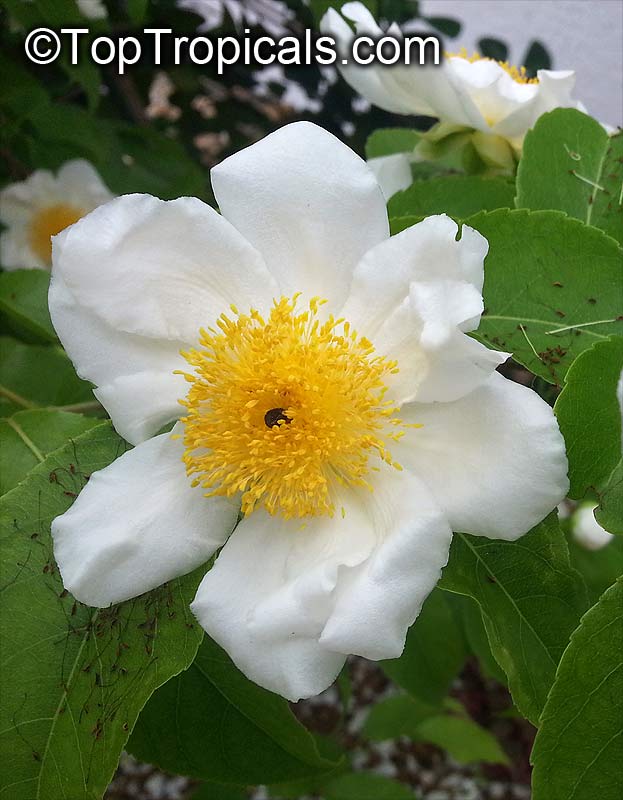
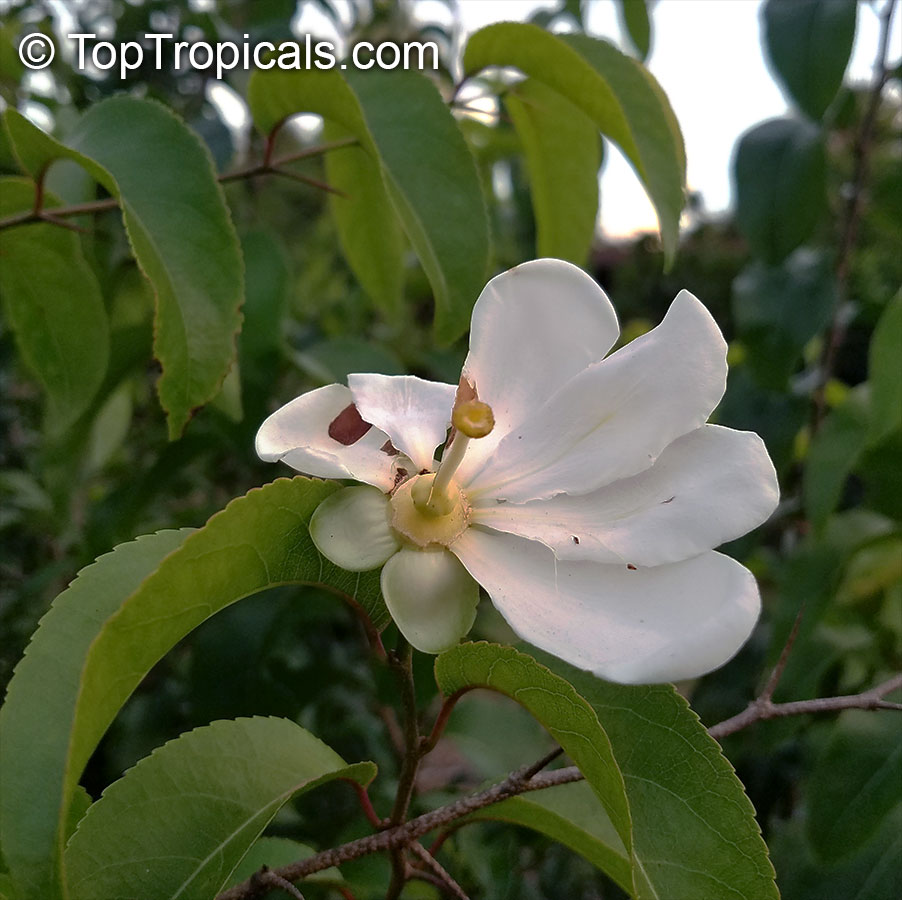
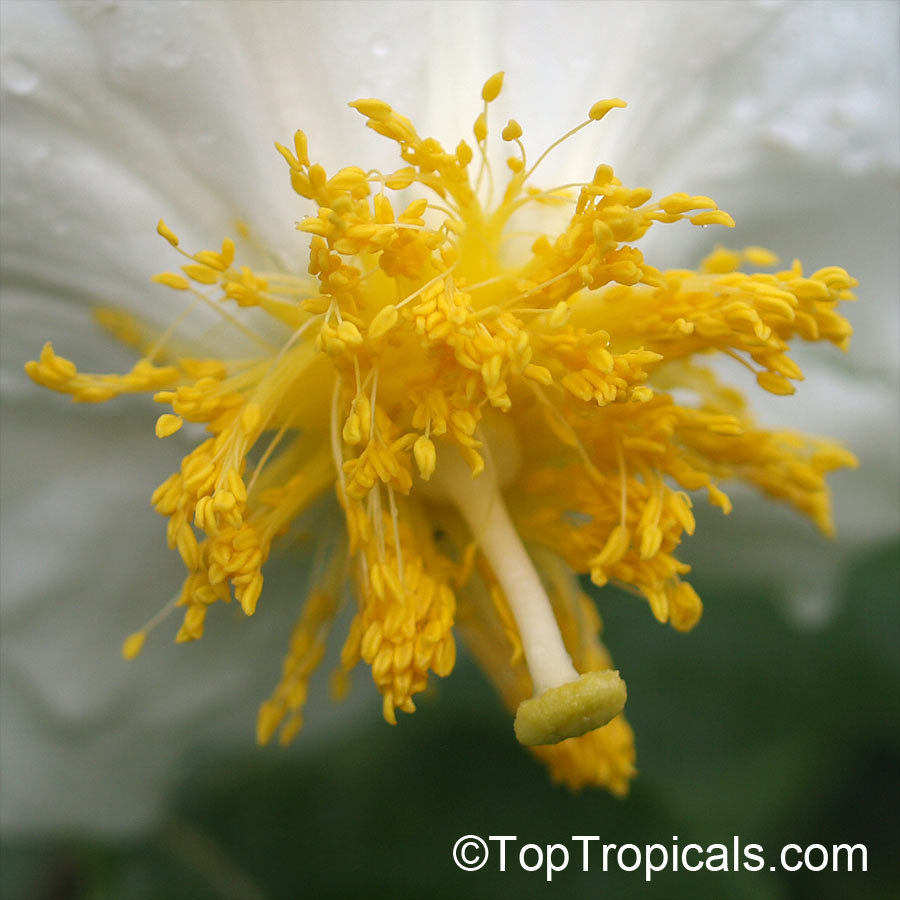
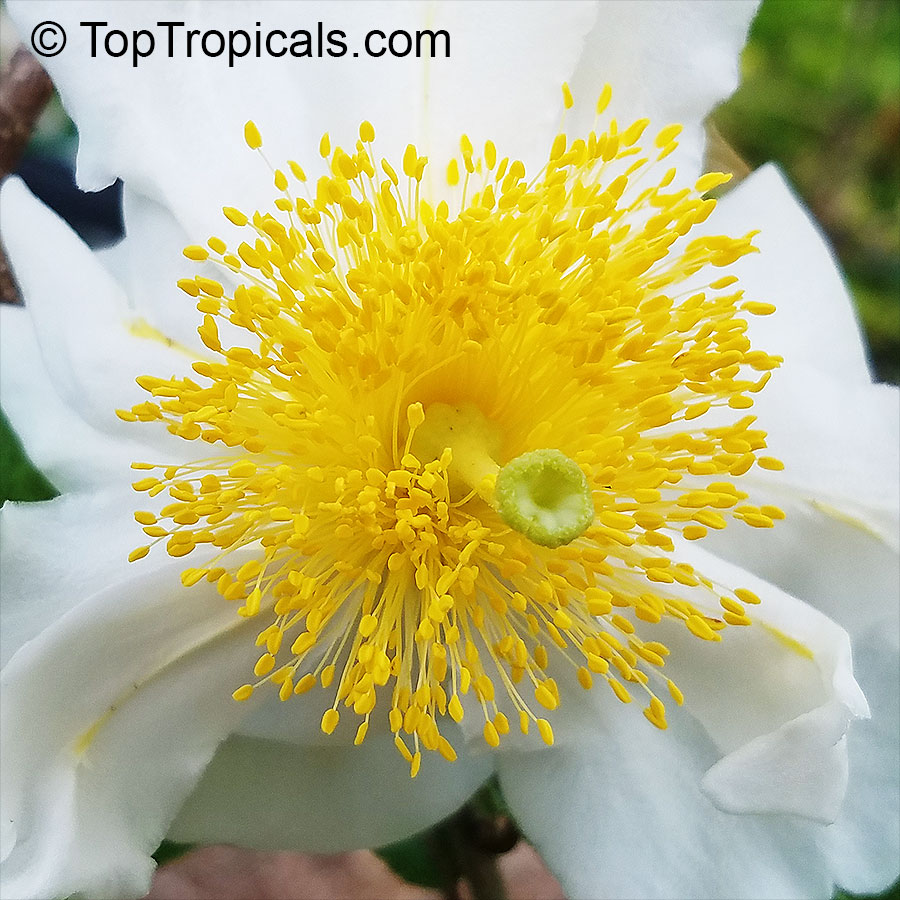
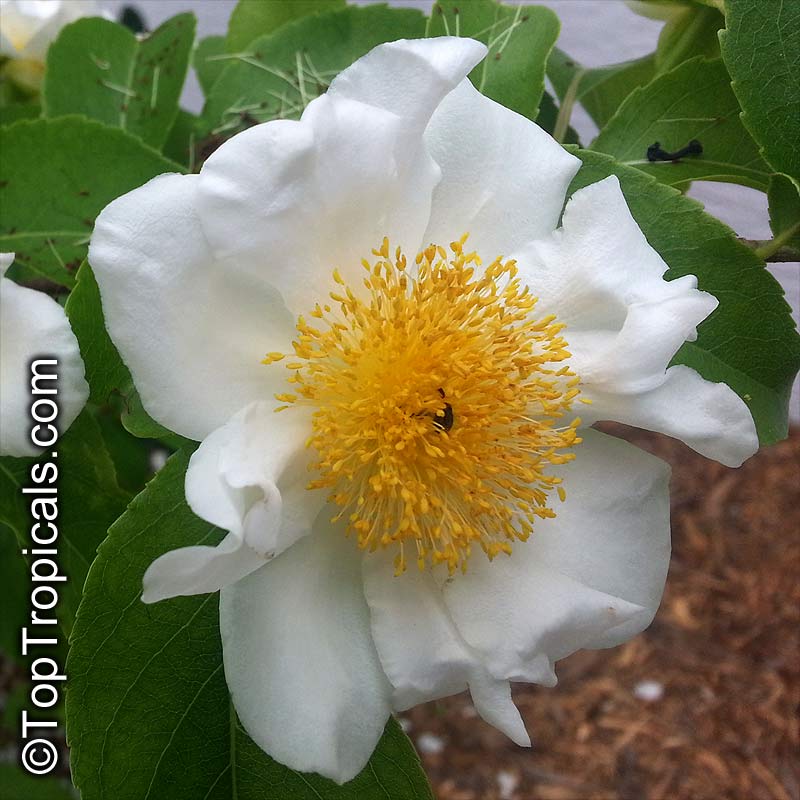
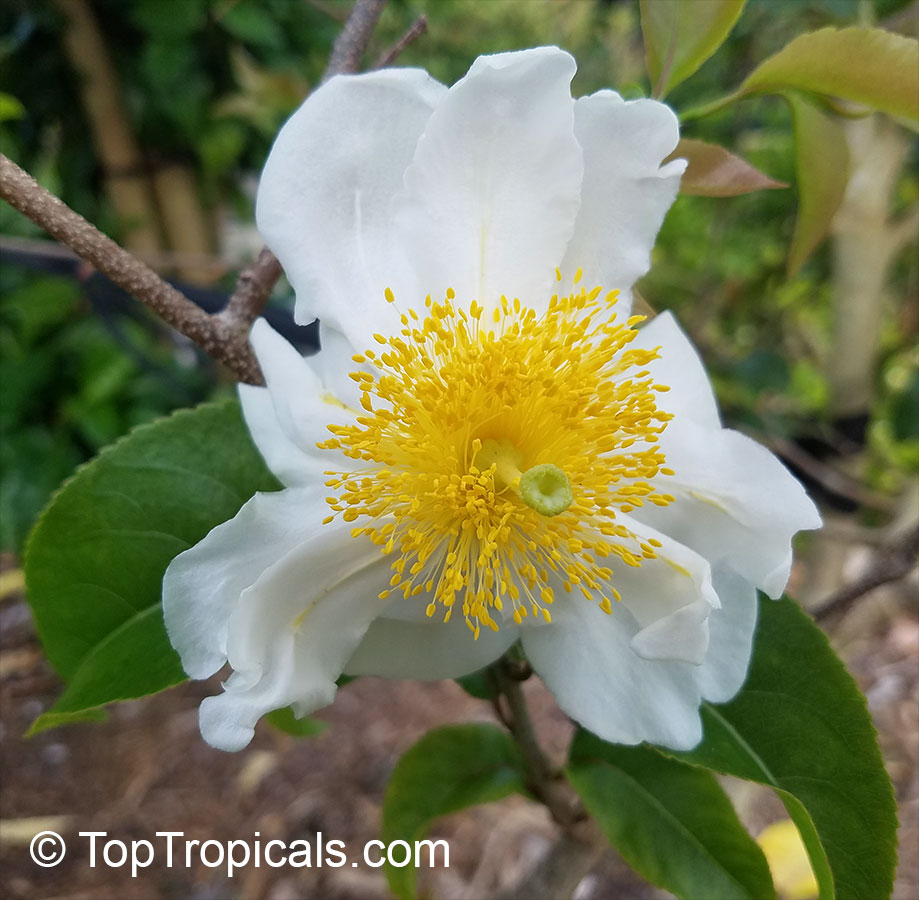
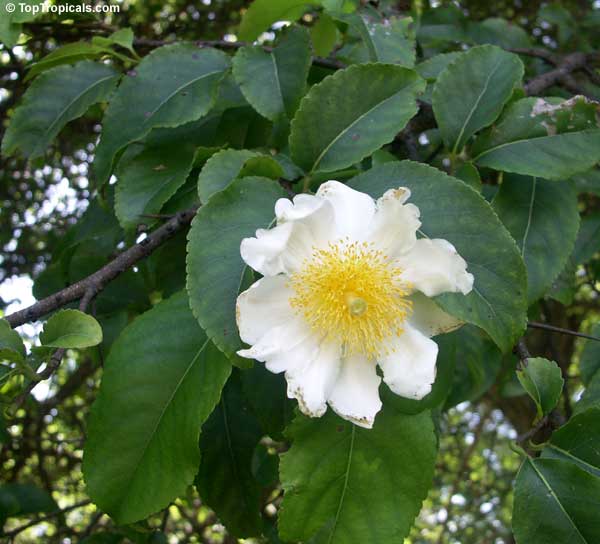
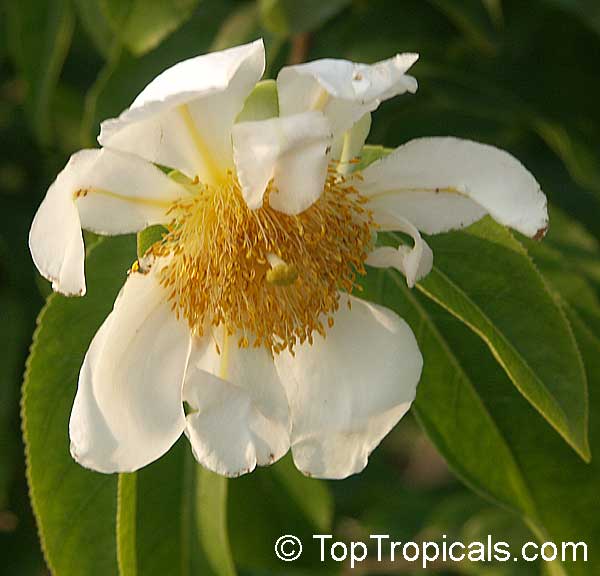
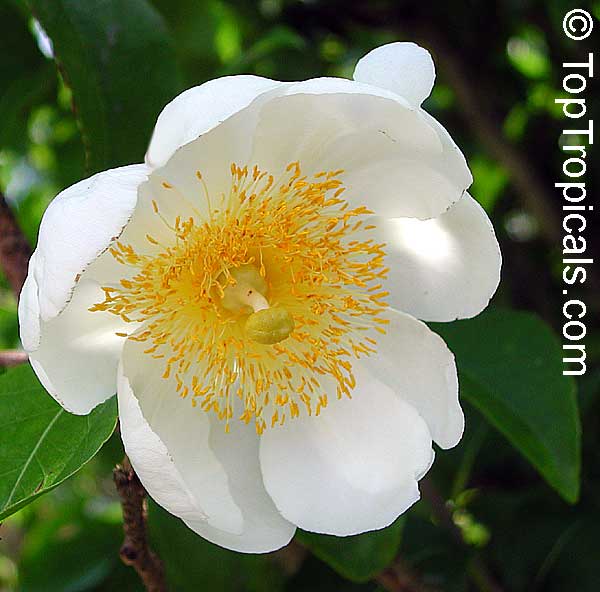
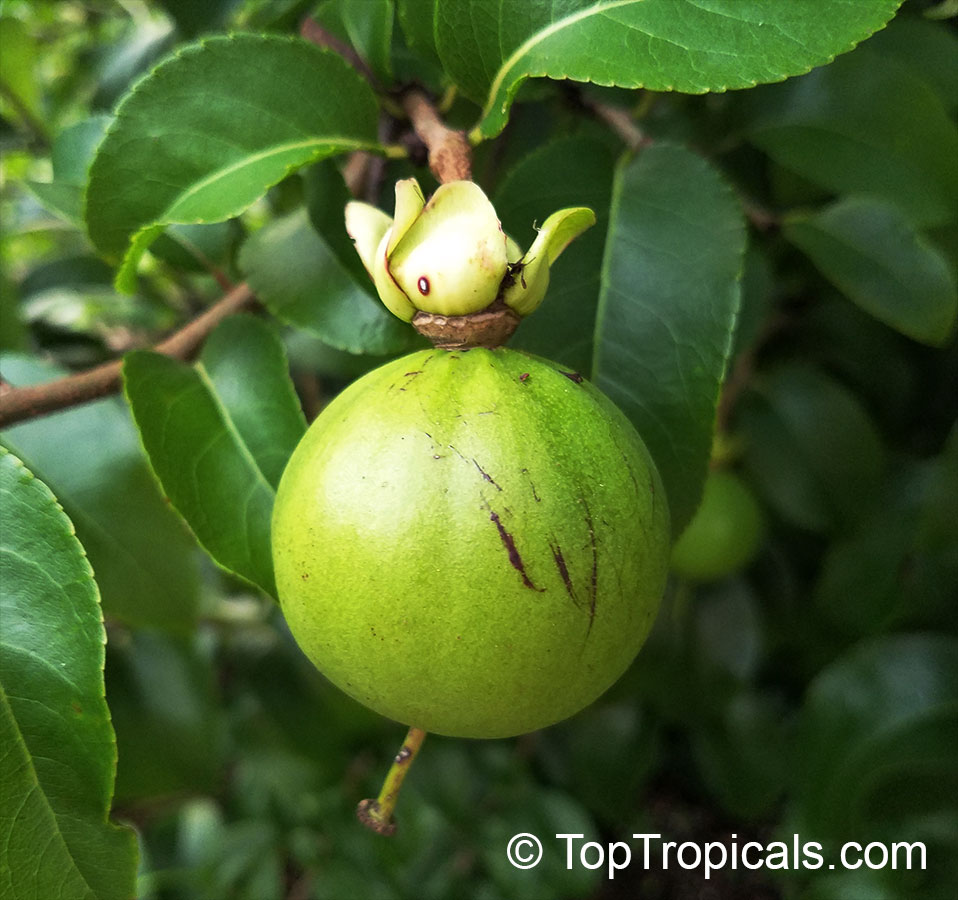
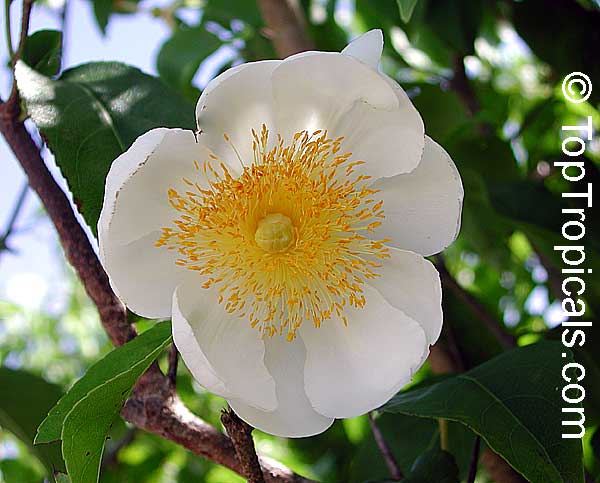
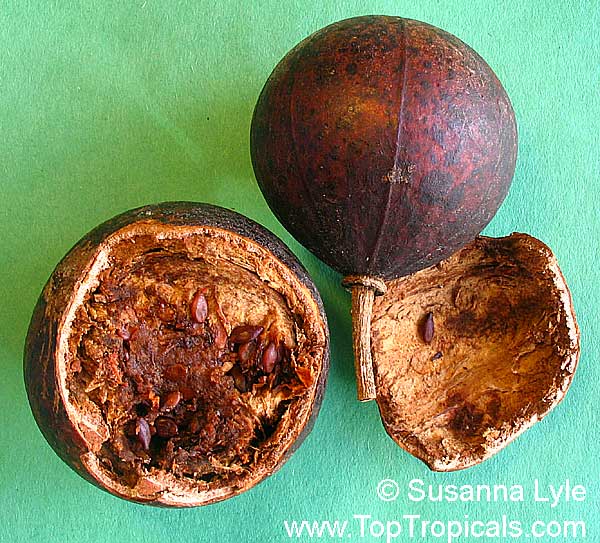
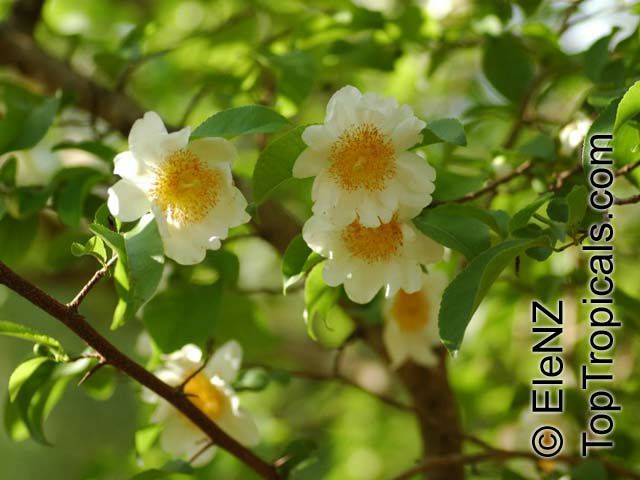
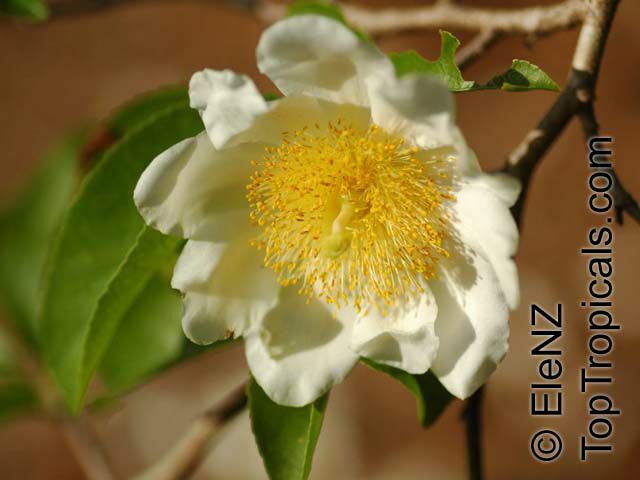
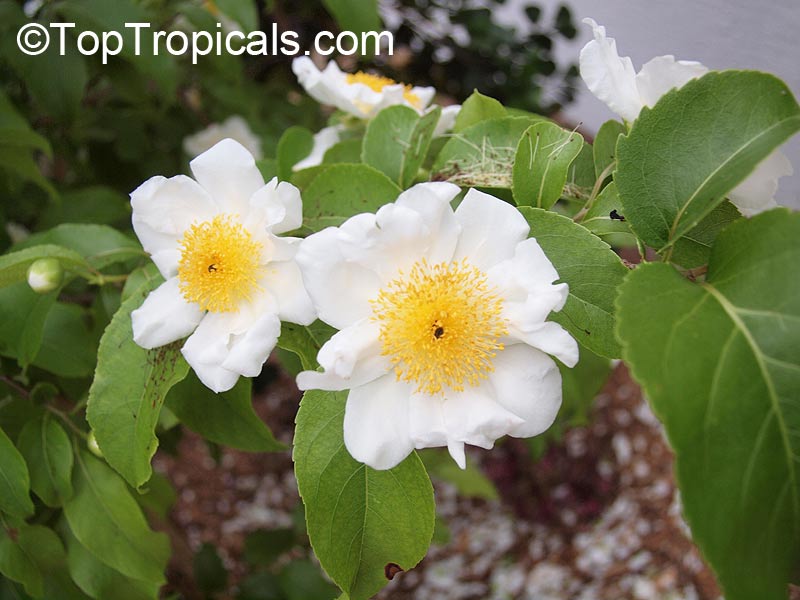
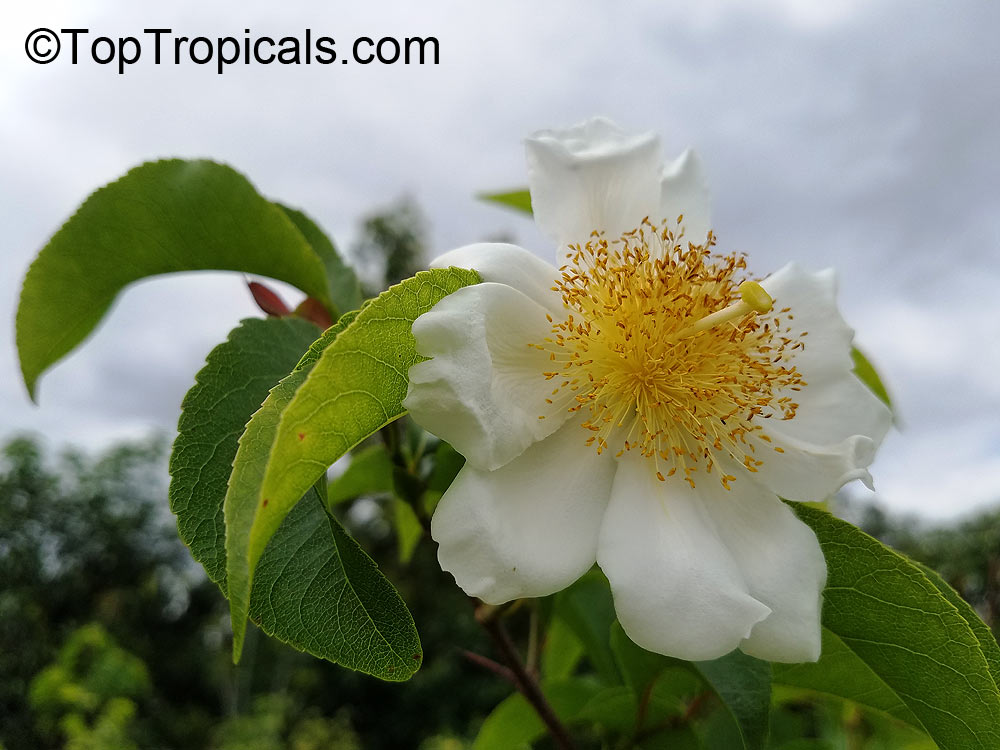
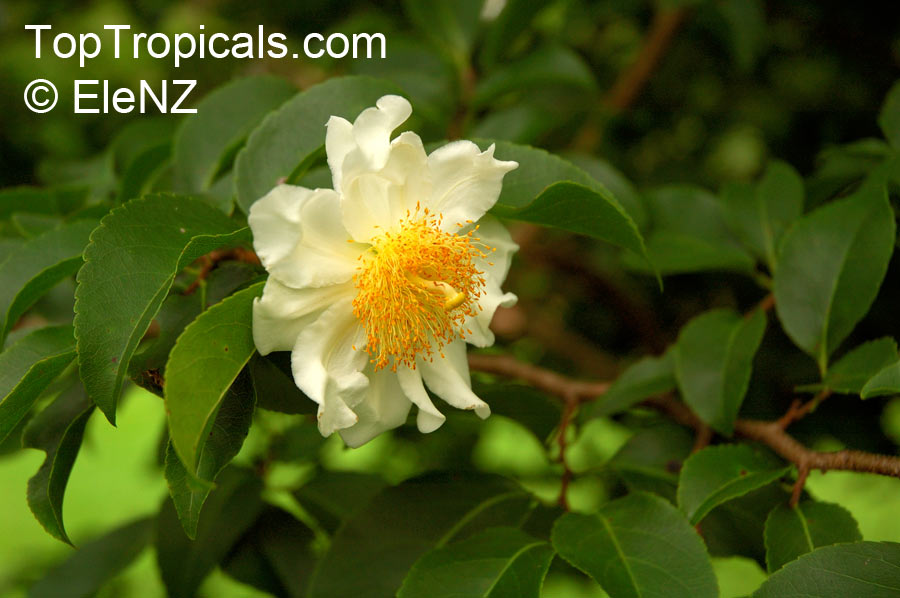
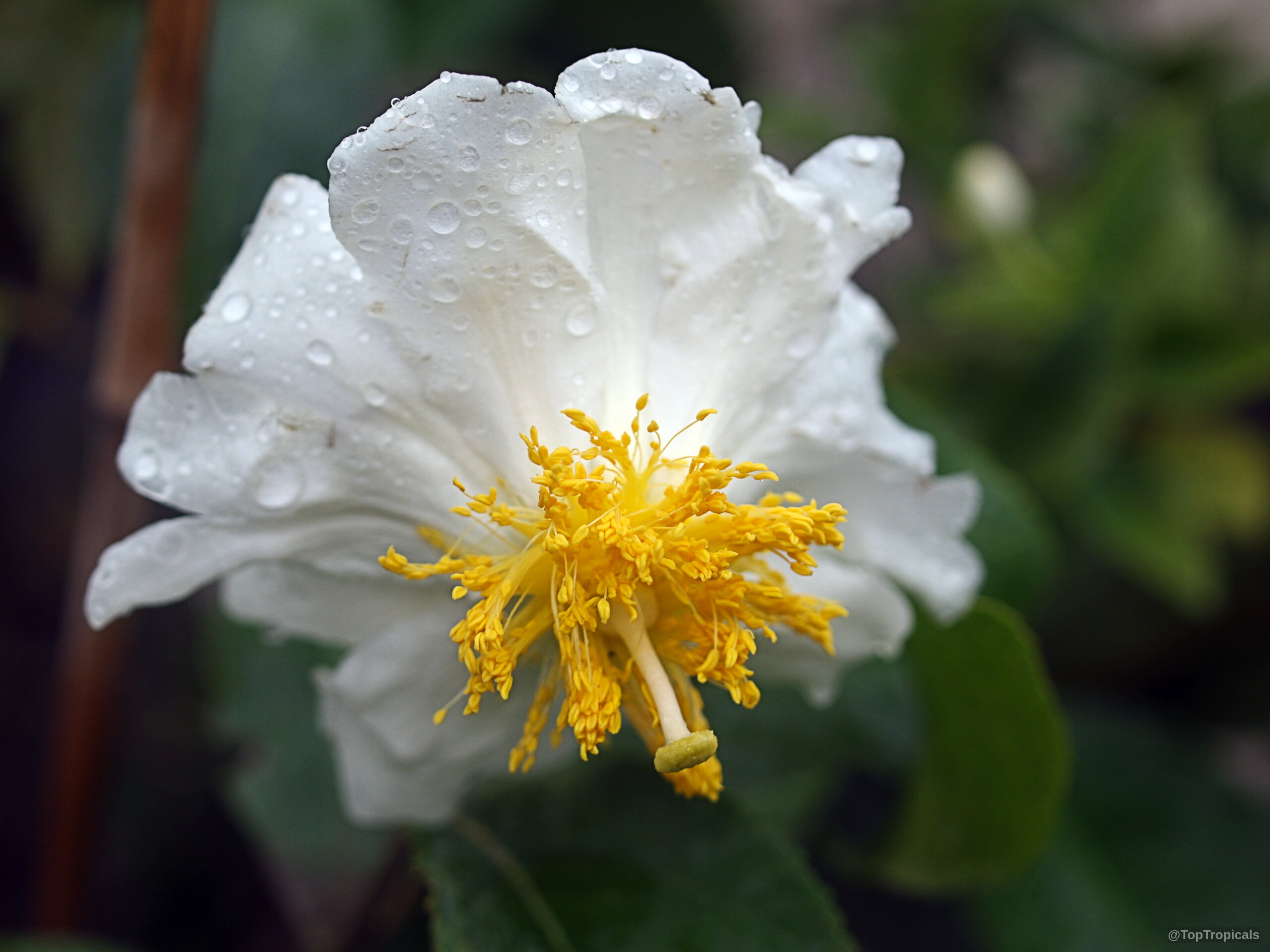
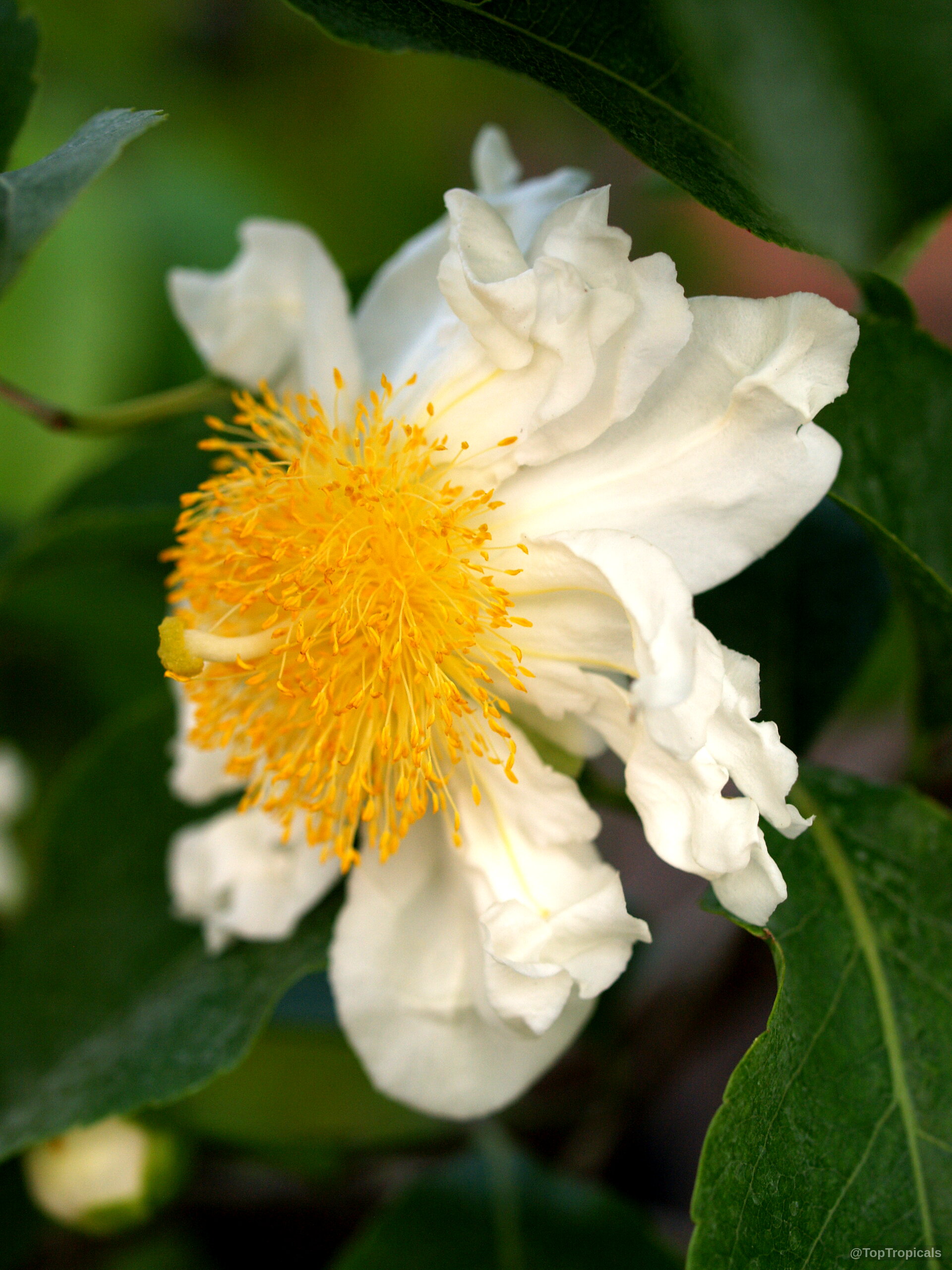
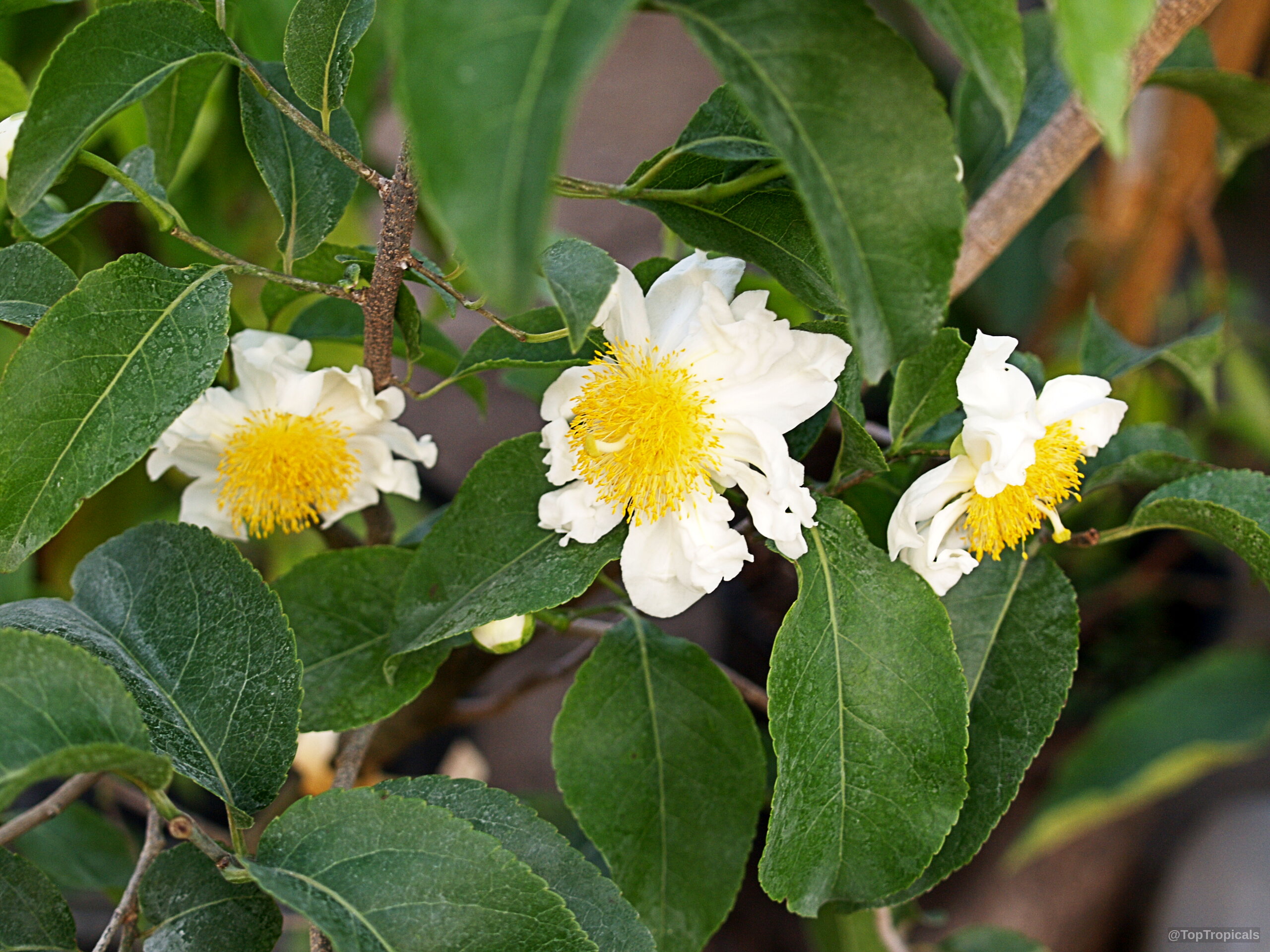
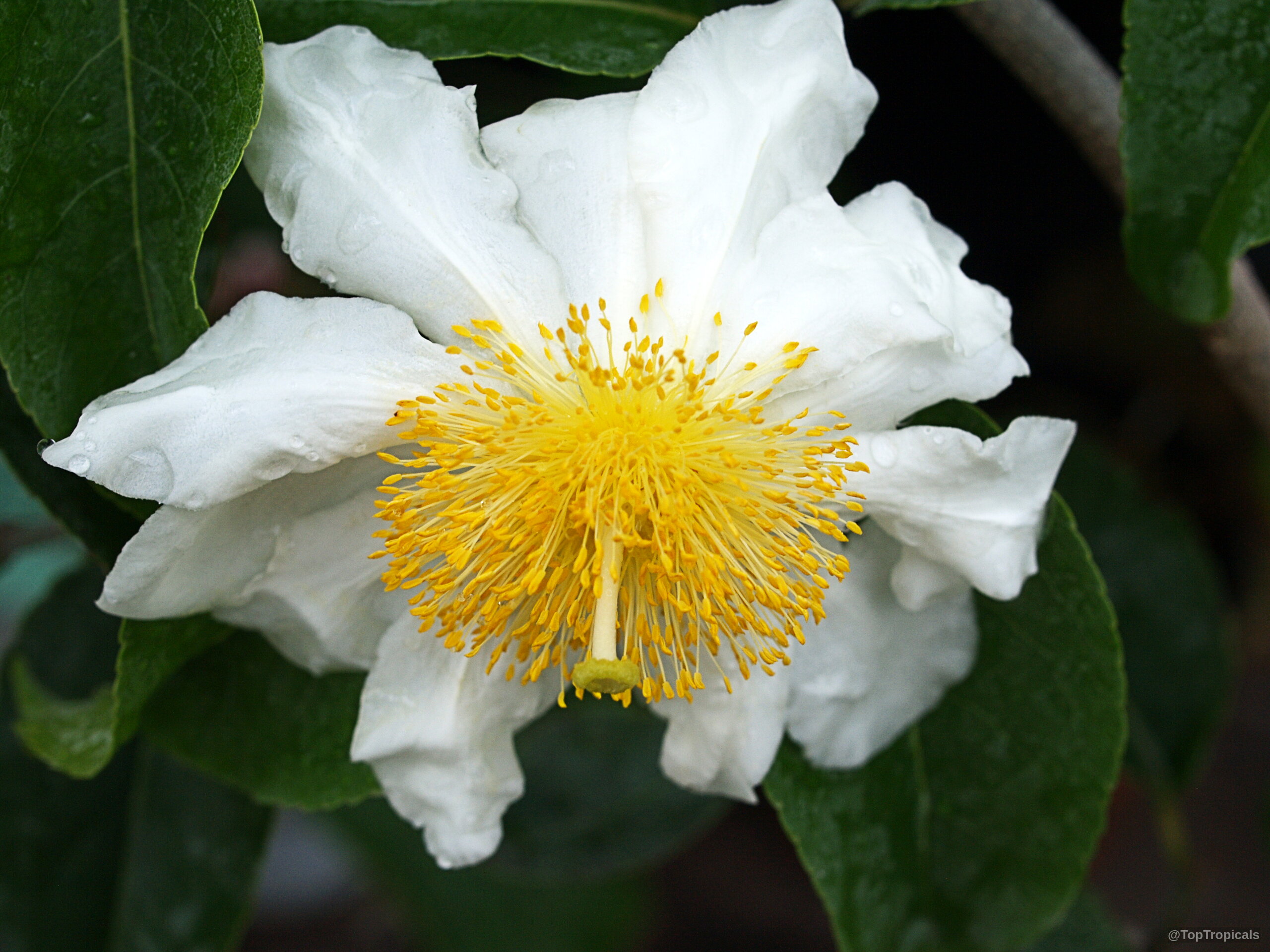
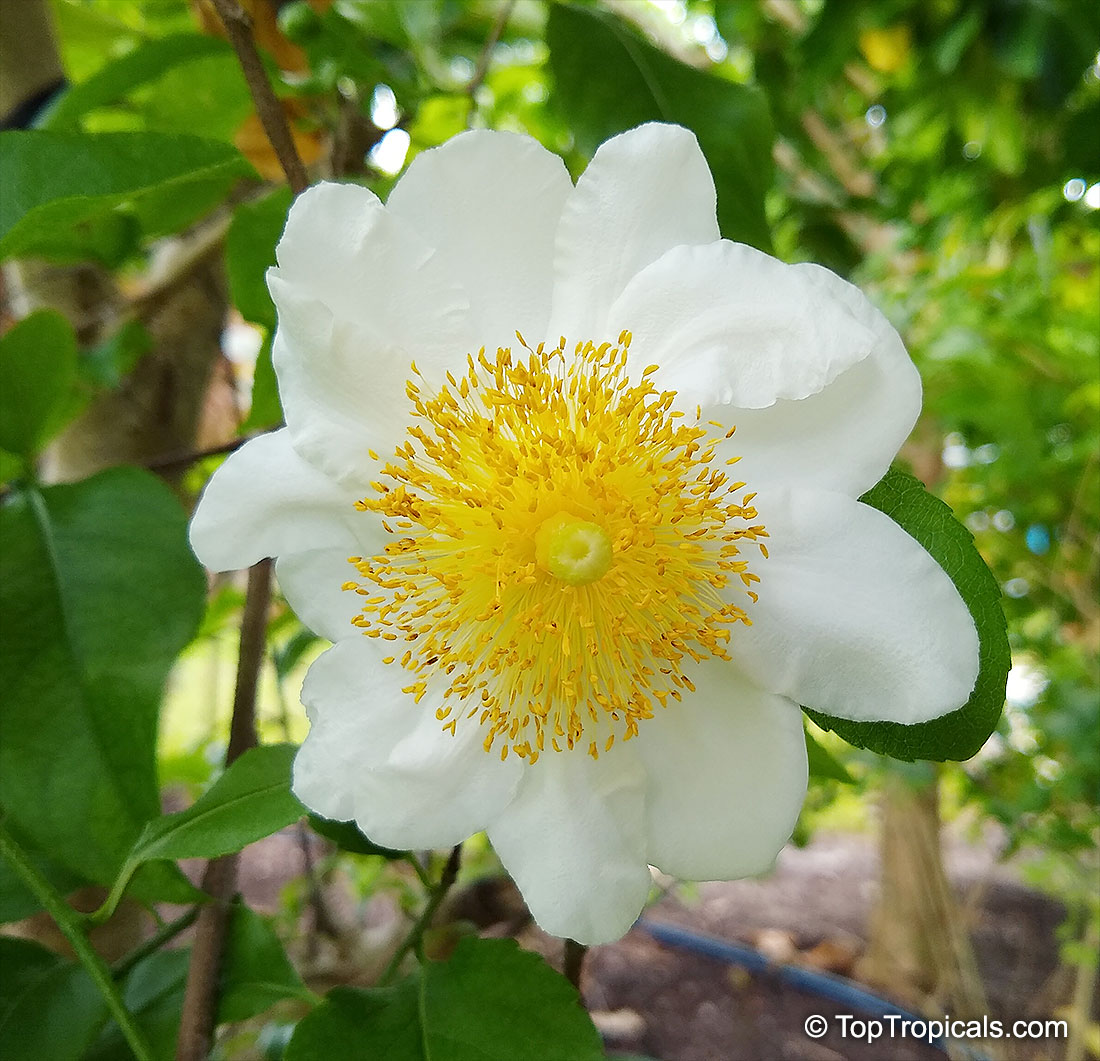
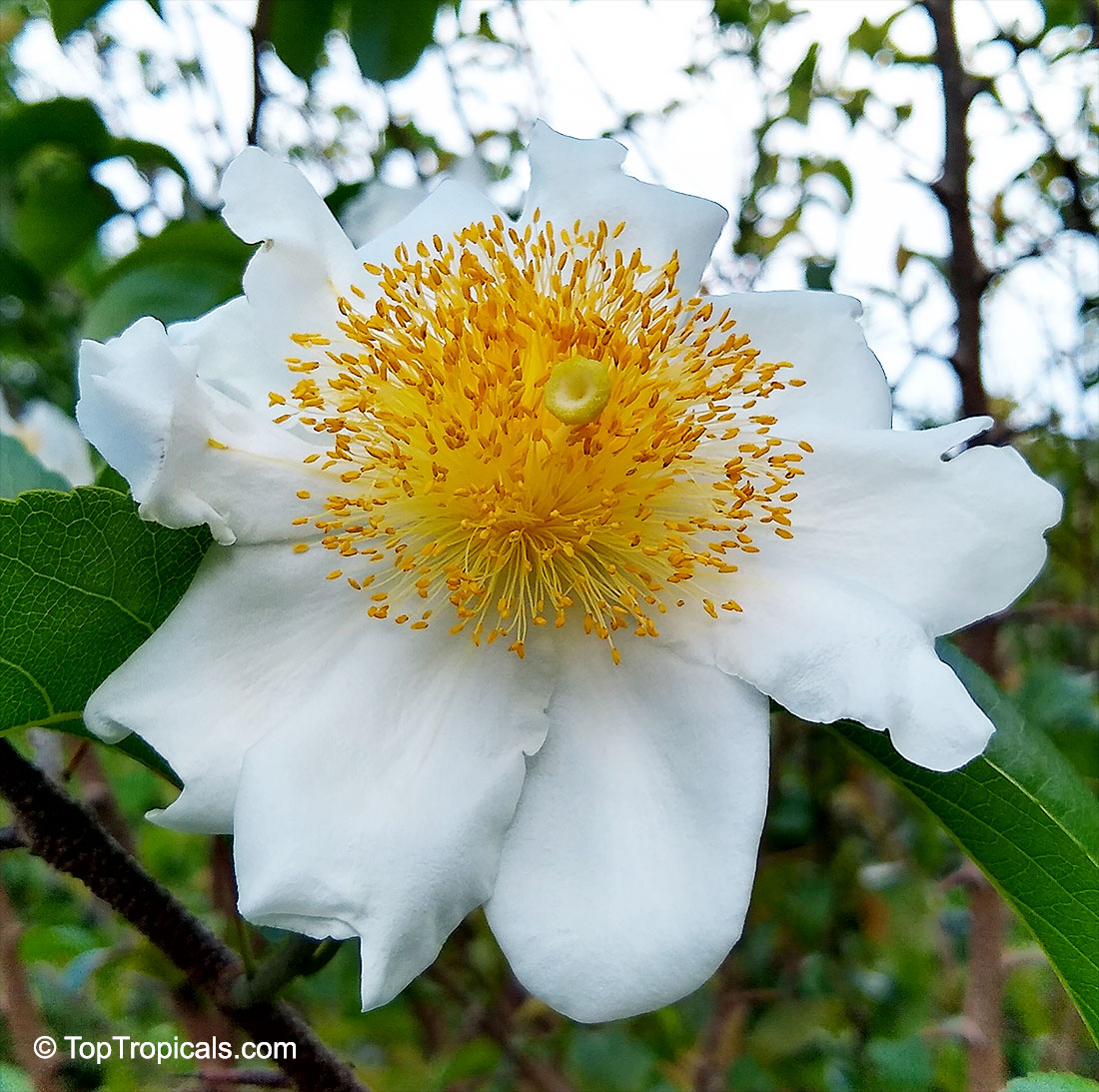
A spiny shrub or small tree. The flowers are white, honey-fragrant and solitary (3" across). The fruits have a sour, edible pulp. Beautiful white and yellow camellia-like flowers look like 'fried eggs' when they drop off and fall on the ground with their yellow stamens facing upwards. Light tip pruning promotes bushy growth. Flowers attract butterflies. Blooms late spring to summer. The hard-shelled fruits are used as snuff boxes. If the fruit are left to dry with the seeds inside they it make amusing rattles for children and are also used as anklets and armlets for dancers to add rhythm when performing. The pulp of the fruit is edible, but is seldom used for that purpose. In African medicine the roots are used in the treatment of dysentery and bladder complaints. It is said that the seeds contain a drying oil that is suitable for varnish, but it is too difficult to extract to be of any commercial significance. The wood is light brown in color and can take a good polish, but the pieces are seldom large enough to be of any commercial value.