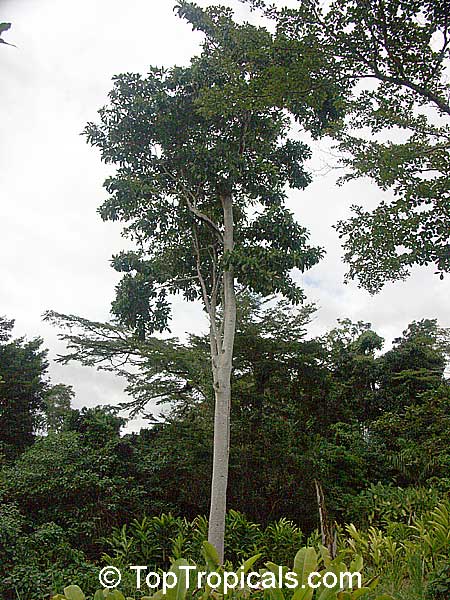
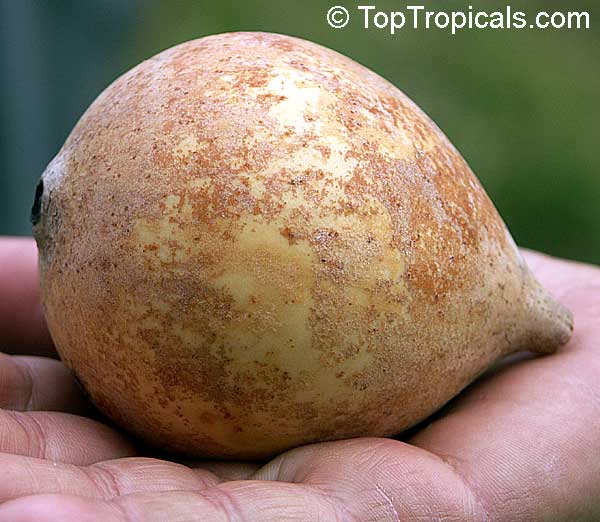
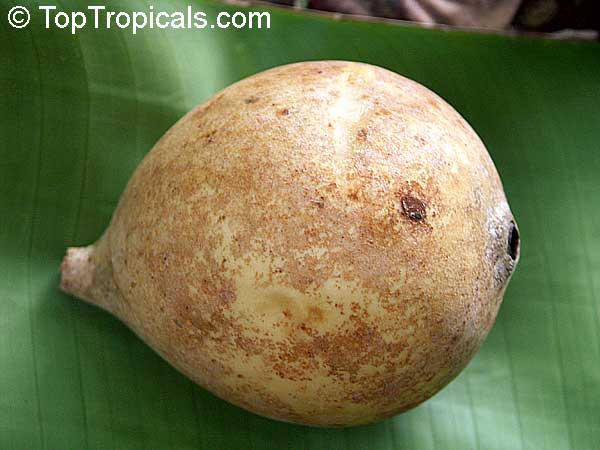
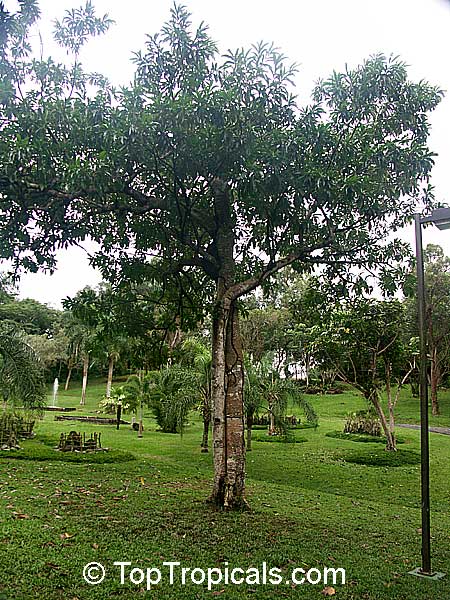
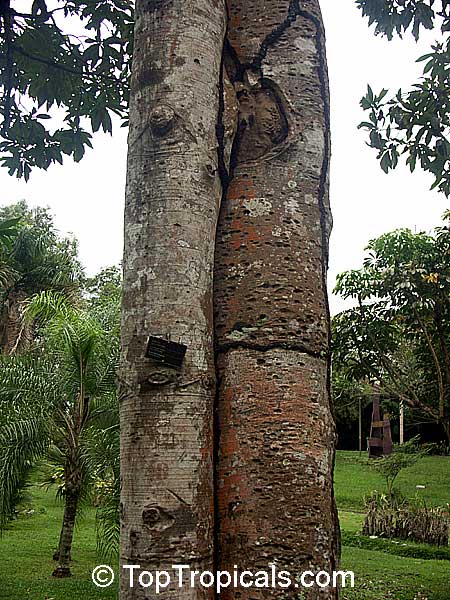
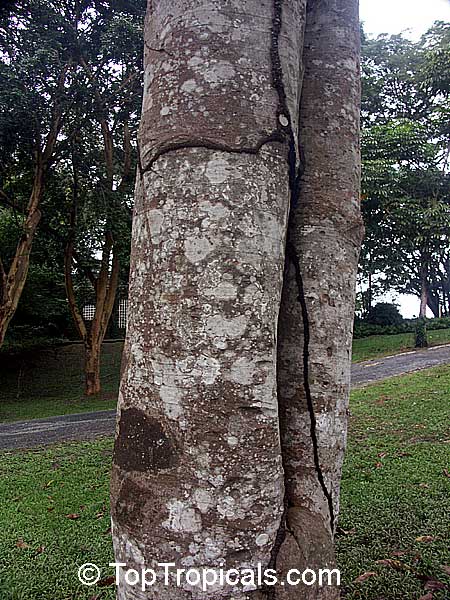
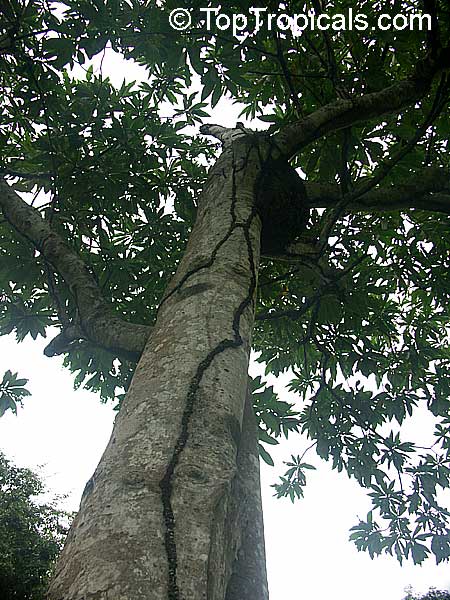
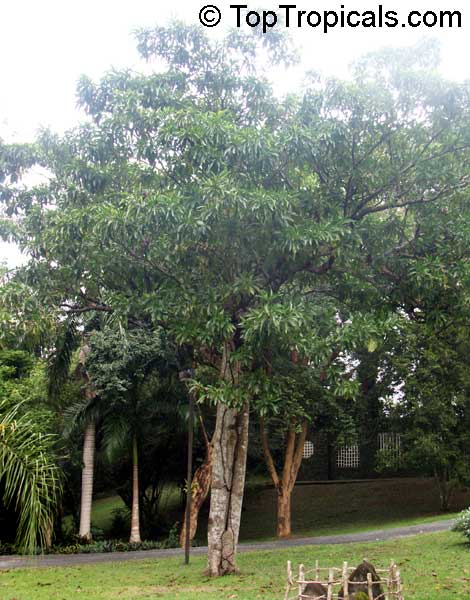
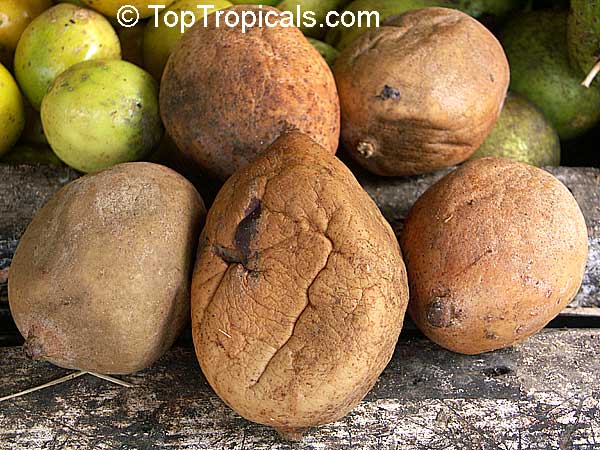
Genipa americana (Genipa)
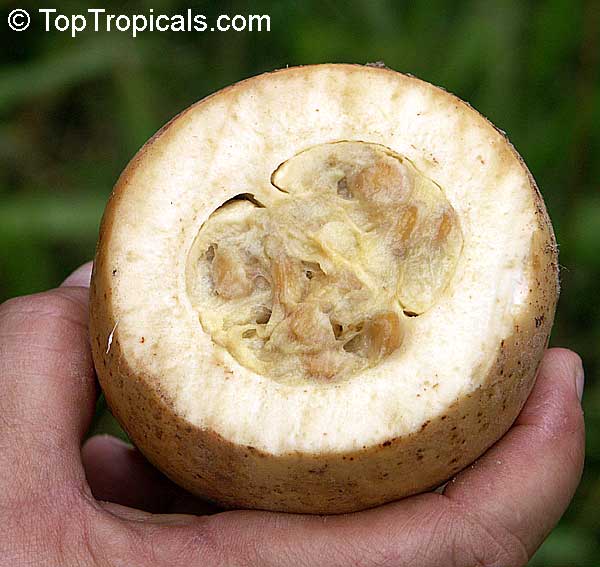
Botanical name: Genipa americana
Common names: Genipa, Huito, Marmelade Box
Family: Rubiaceae
Origin: Amazonia
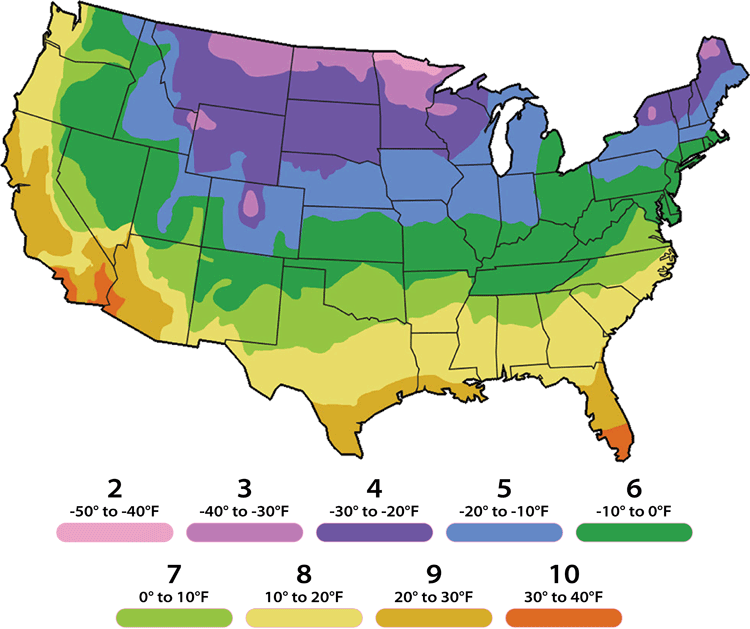
USDA Zone: 9-10

 Plant form: Large bush or small tree
 Mature height: 10-20 ft
 Sun exposure: Full sun or bright light indoor; semi-shade
 Cold tolerance: Frost sensitive. Protect from freezing.
 Watering: Regular
 Suitable for: Outdoors in the suitable USDA zone; small gardens, containers, and indoor growing
 Ethnomedical: Ethnomedical plant, traditionally used in folk or indigenous medicine
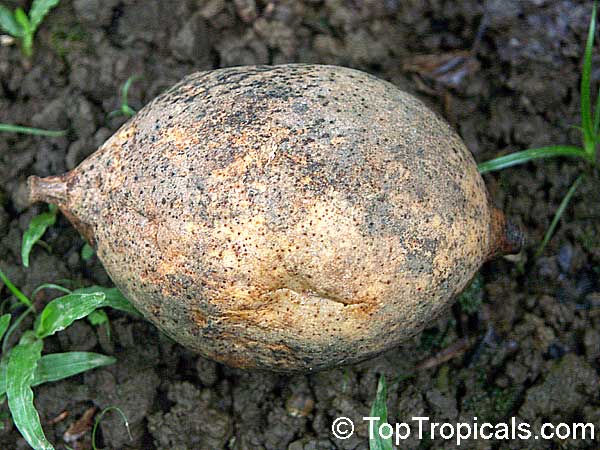
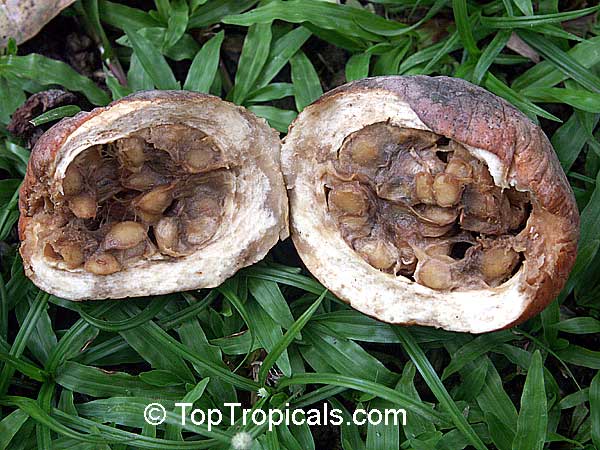
Genipa americana is cultivated for its edible fruit, which are made into drinks, jelly, sherbet and used in ice cream.
It is also useful for treatment of candiru (The vampire fish of Brazil -Vandellia cirrhosa) attacks. South American Indians bathe their legs in the clear liquid obtained from the fruit. The liquid has a stringent effect. Furthermore it stains the skin black. These stains disappear after about a fortnight. As South Americans Indians went into battle, they used to paint themselves with Genipa juice and anatto.
The fruit is brewed into a tea and taken as a remedy for bronchitis.
Common Names in Amazonia:
Huitol; Witu (Shuti); Acuisho (Huayraya); Caruto; Chibará; Chipará; Genipa; Genipapo; Granado; Ana (Machiguenga, Ashaninka, Nomachiguenga); Guayapay; Huitoc, Huitu, Huito sua, Huito de agua; Isso (Piro); Jagua; Janipa (Cocama); Jave (Yagua); Jigua, Juaraavuro (Ocaina); Jidoro (Huitoto); Lana, Launa, Totumillo, Bilito; Cafecillo denta, Xagua; Mayagua; Guaricha (Venezuela); Guayatil colorado; Nané; Guayatil; Carcarutoto; Caruto revalsero; Mandipa (Portuguese); Nandipa (Guyana and Argentina); Guaitil (Bolivia); Nanu (Amahuaca); Nandi y Nane (Shipibo-Conibo); Palo colorado; Pigio; Piginio; Sua (Aguaruna); Vitoc; Vito; Yacohuito; ZXaguo; Yayuhuito; Zapote de monte; Nandé (Amahuaca); Akui sho y Kuikuisho (Ese Eja); Nso (Piro-Yine); Tapuripa (Surinam)
Similar plants: Genipa americana (Genipa)