Catesbaea spinosa (Lily Thorn)
Botanical name: Catesbaea spinosa
Common name: Lily Thorn
Family: Rubiaceae
Origin: Antilles
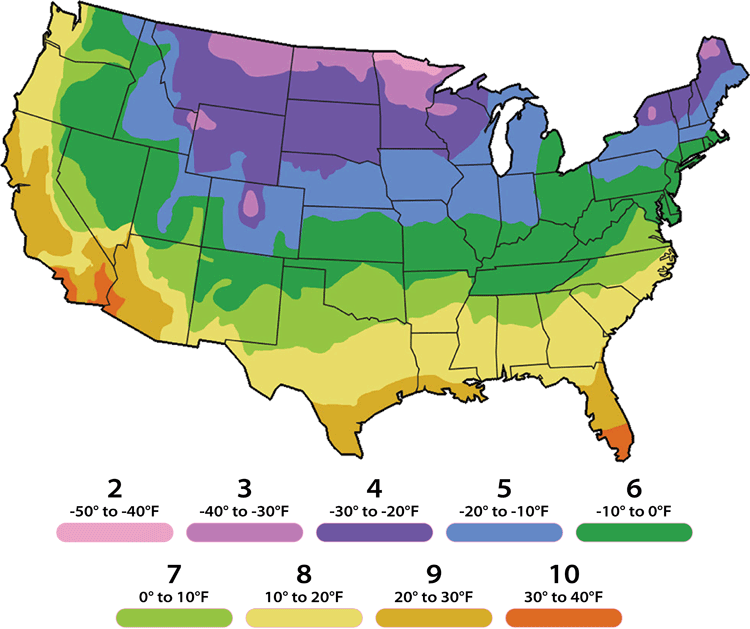
USDA Zone: 9-10

 Plant form: Large bush or small tree
 Mature height: 10-20 ft
 Sun exposure: Full sun or bright light indoor; semi-shade
 Cold tolerance: Frost sensitive. Protect from freezing.
 Watering: Regular
 Flower color: White and off-white; yellow, orange
 Suitable for: Outdoors in the suitable USDA zone; small gardens, containers, and indoor growing
 Thorns: Thorny or spiny
 Fragrance: Fragrant; perfume plant
 Wildlife: Attracts butterflies and hummingbirds
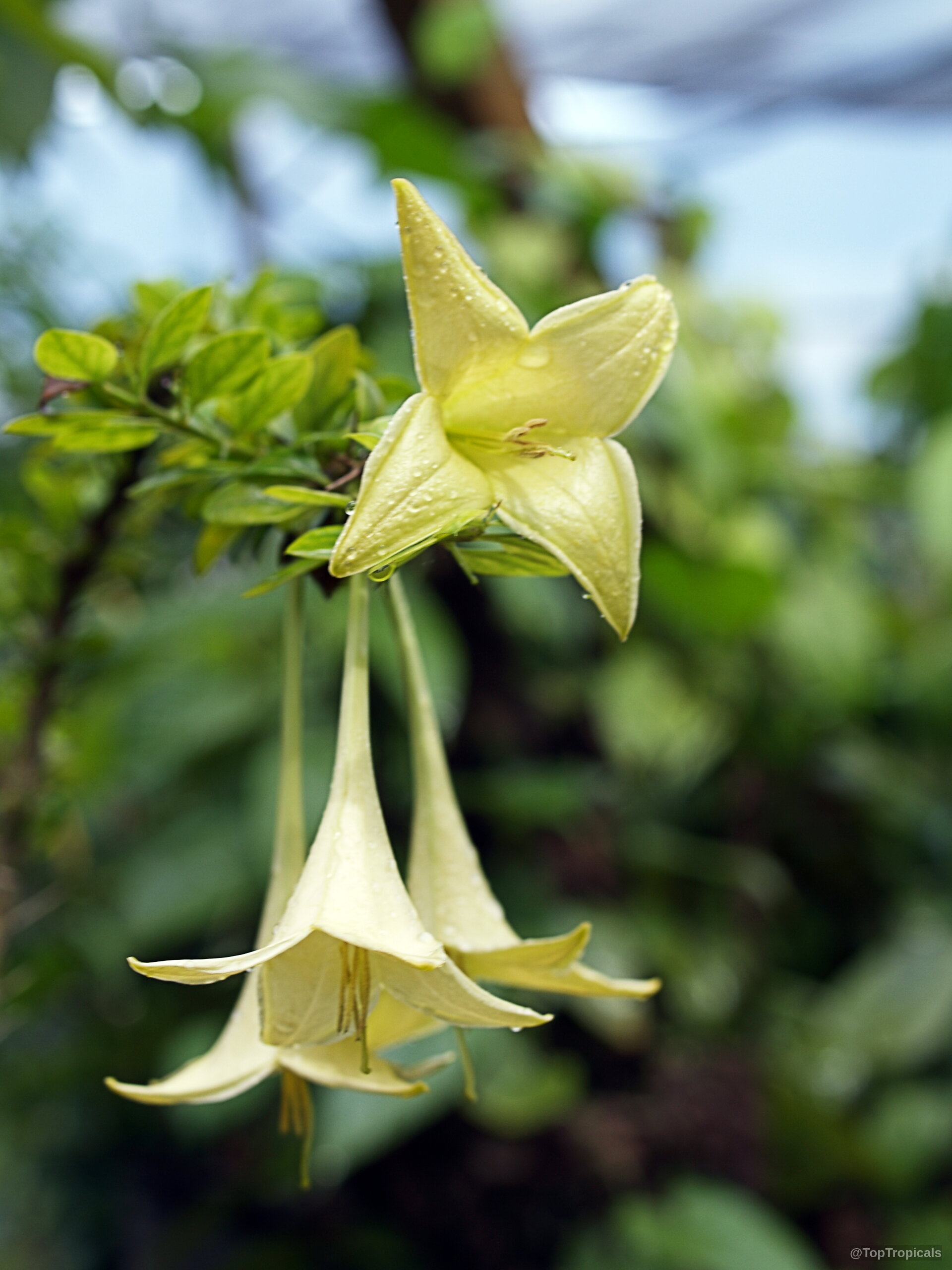
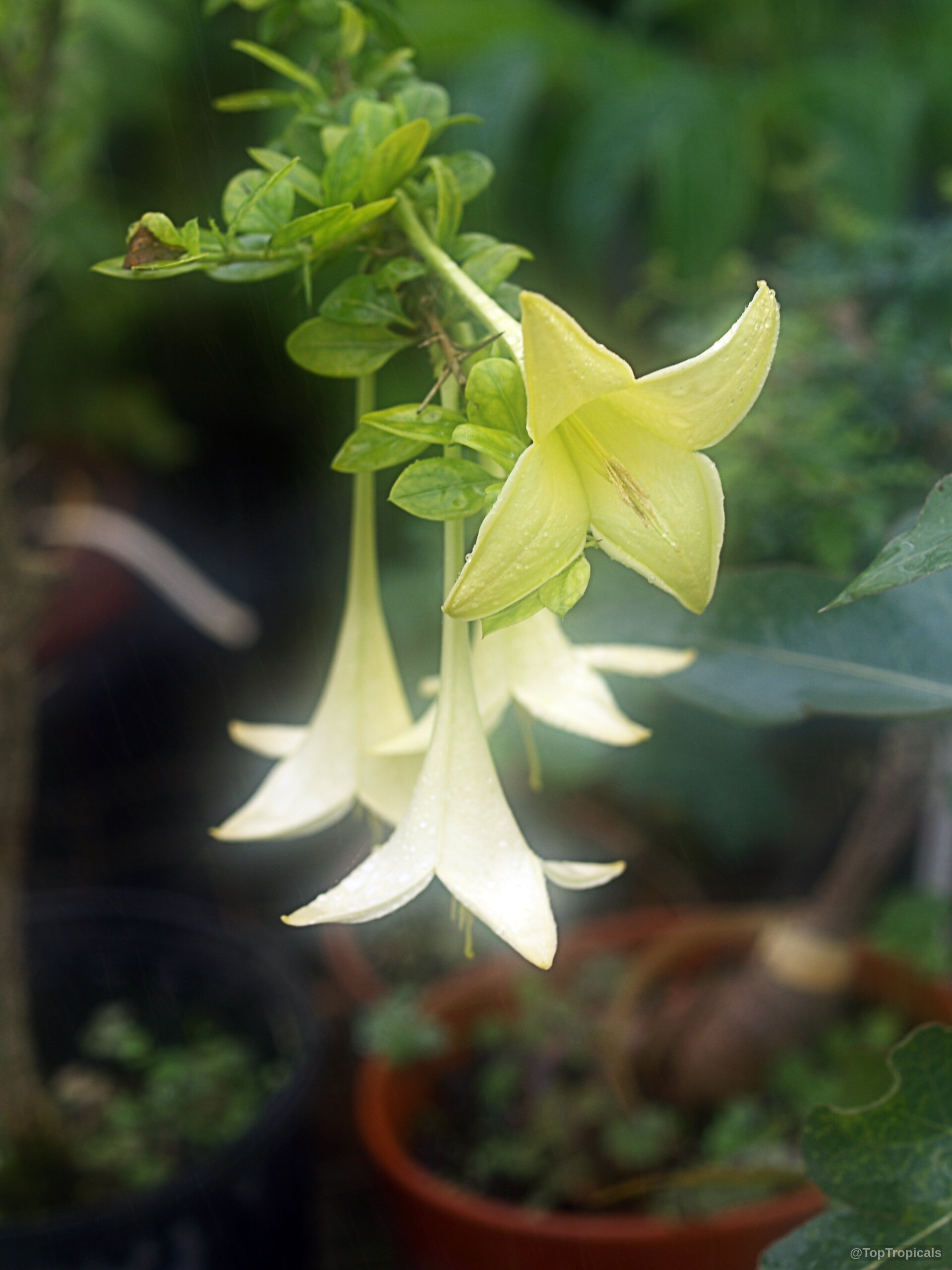
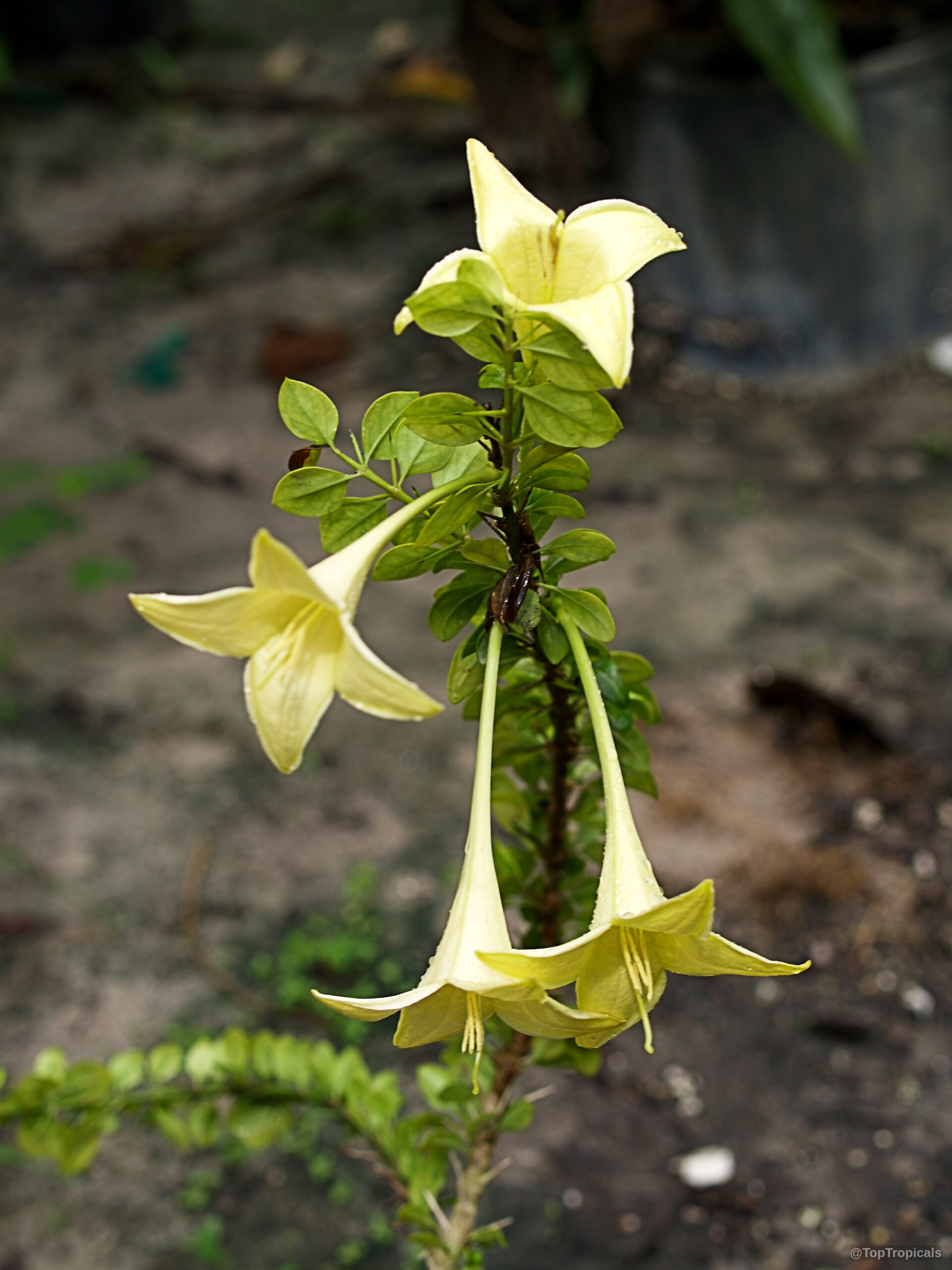
Catesbaea spinosa (Lily Thorn) is a large shrub or small tree that can reach heights of 5 to 20 feet. It prefers full sun or semi-shade and requires regular watering. The plant produces white or off-white fragrant flowers that attract butterflies and hummingbirds. The flowers have four deep segments at their edges which are usually reflected back.
The plant thrives in USDA Zones 9 through 11. Catesbaea spinosa grows well in pots in colder as long as the soil is well-drained and receives regular water. Fertilizing should be done on regular basis the growing months. Pruning should be done with care in late winter or early spring because the plant has thorns or spines.
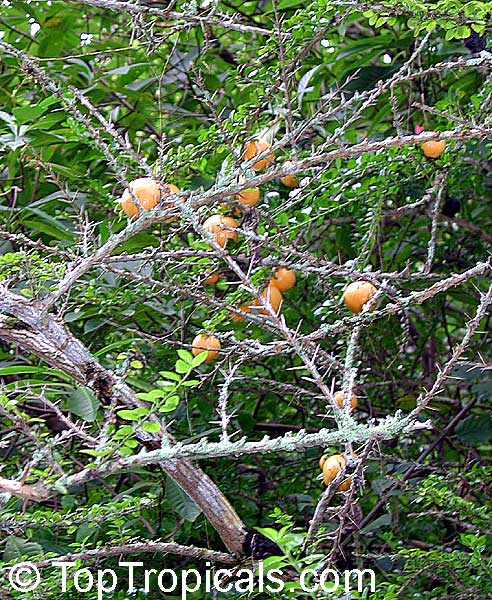
The plant also bears oval-shaped fruits slightly larger than a pullet's egg. The skin is yellow, and the flesh is similar to a ripe apple with an agreeable tartness and flavor. The fruit is edible and rich in various health benefits. It can be cultivated to enhance its flavor. The fruit of Catesbaea spinosa is rich in antioxidants, dietary fiber, and Vitamin C. It also contains other dietary minerals such as calcium, phosphorus, iron, and sodium. Fruits can be used in various recipes or enjoyed as is.