Spice or herb plant - Plant Encyclopedia Results
| Number of plants found: 169 | Next | 
|
Go to page: | 1 | 2 | 3 | 4 | 5 | Last |
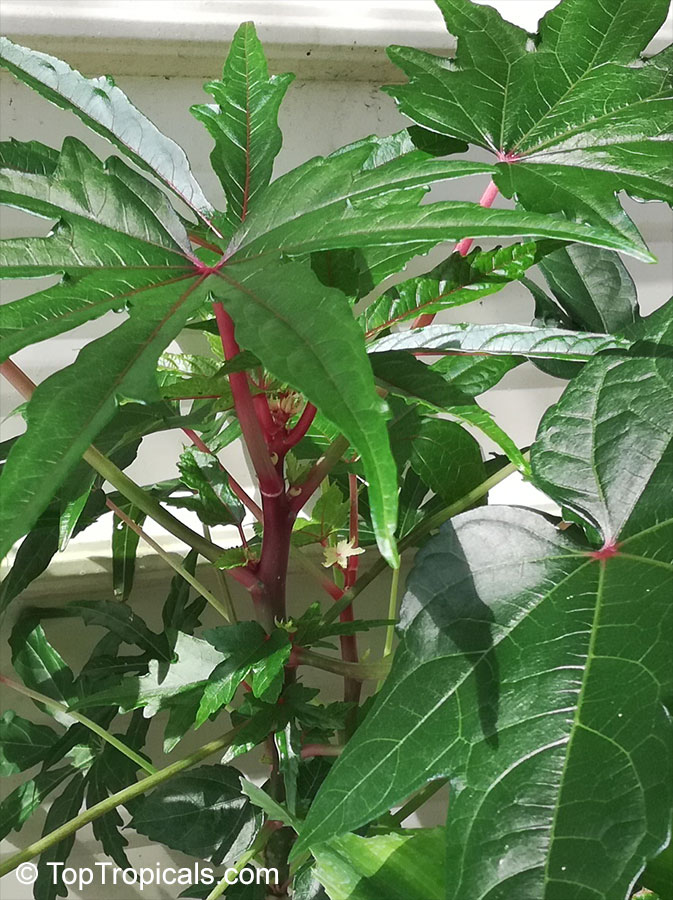
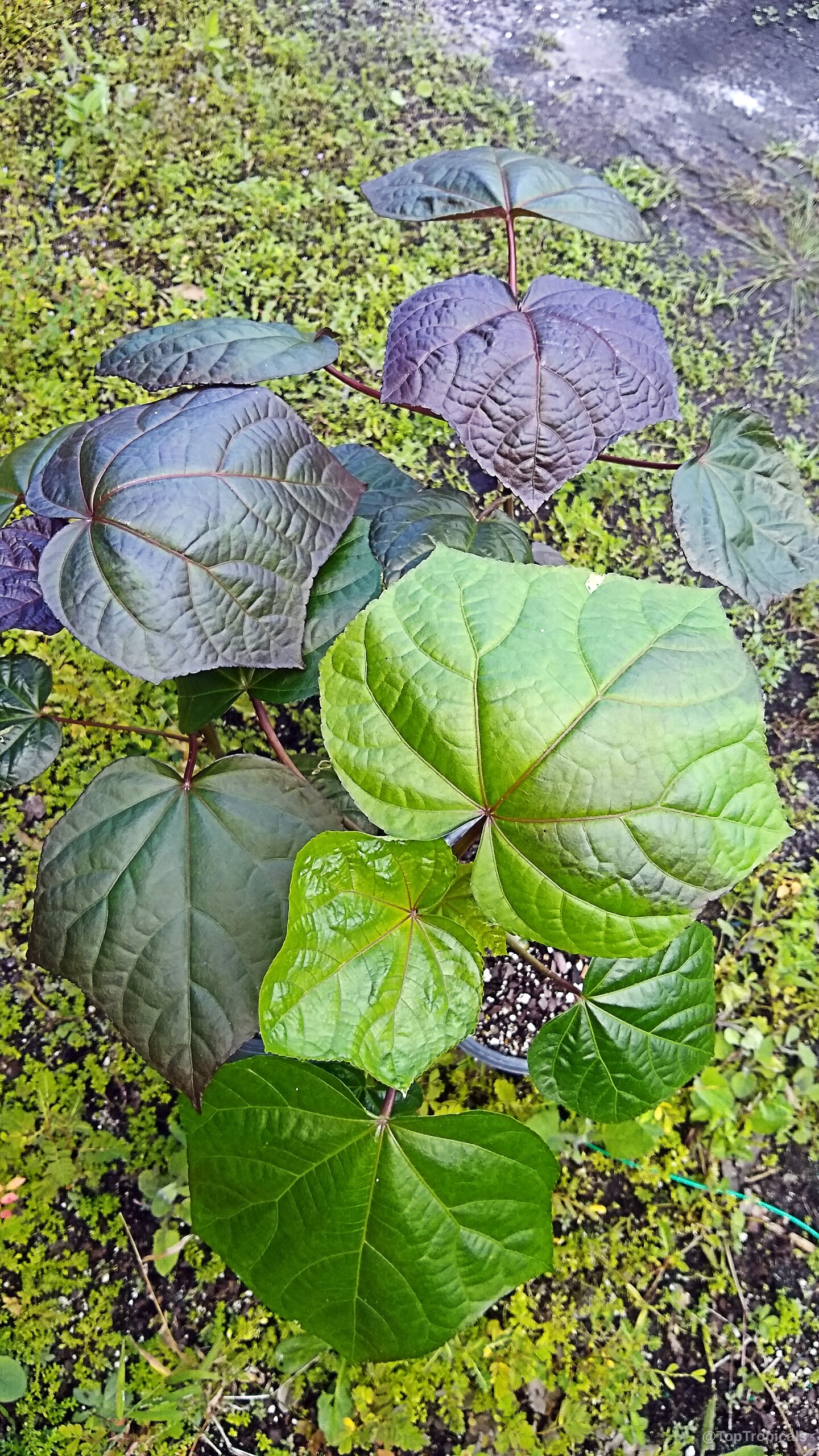
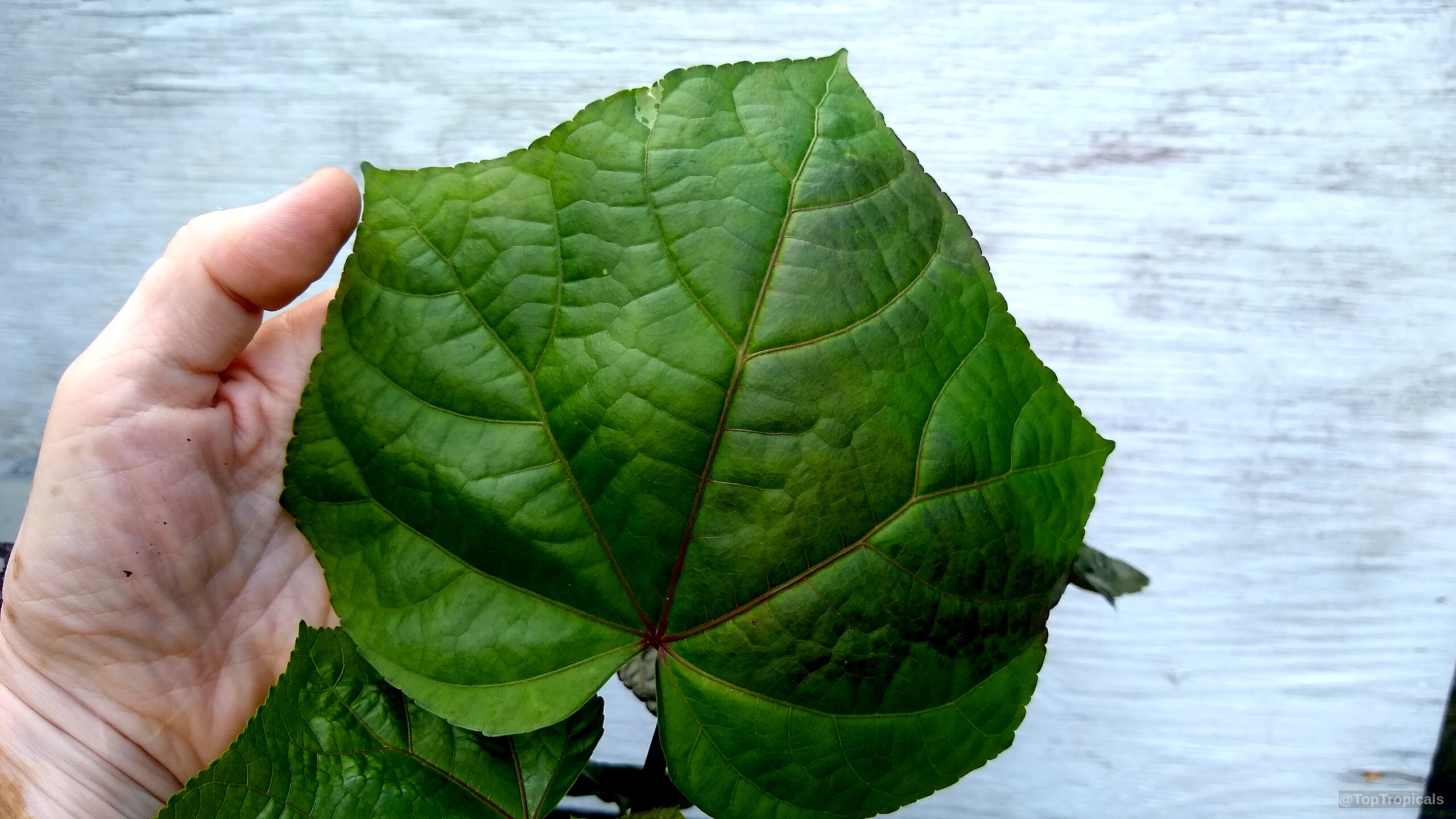
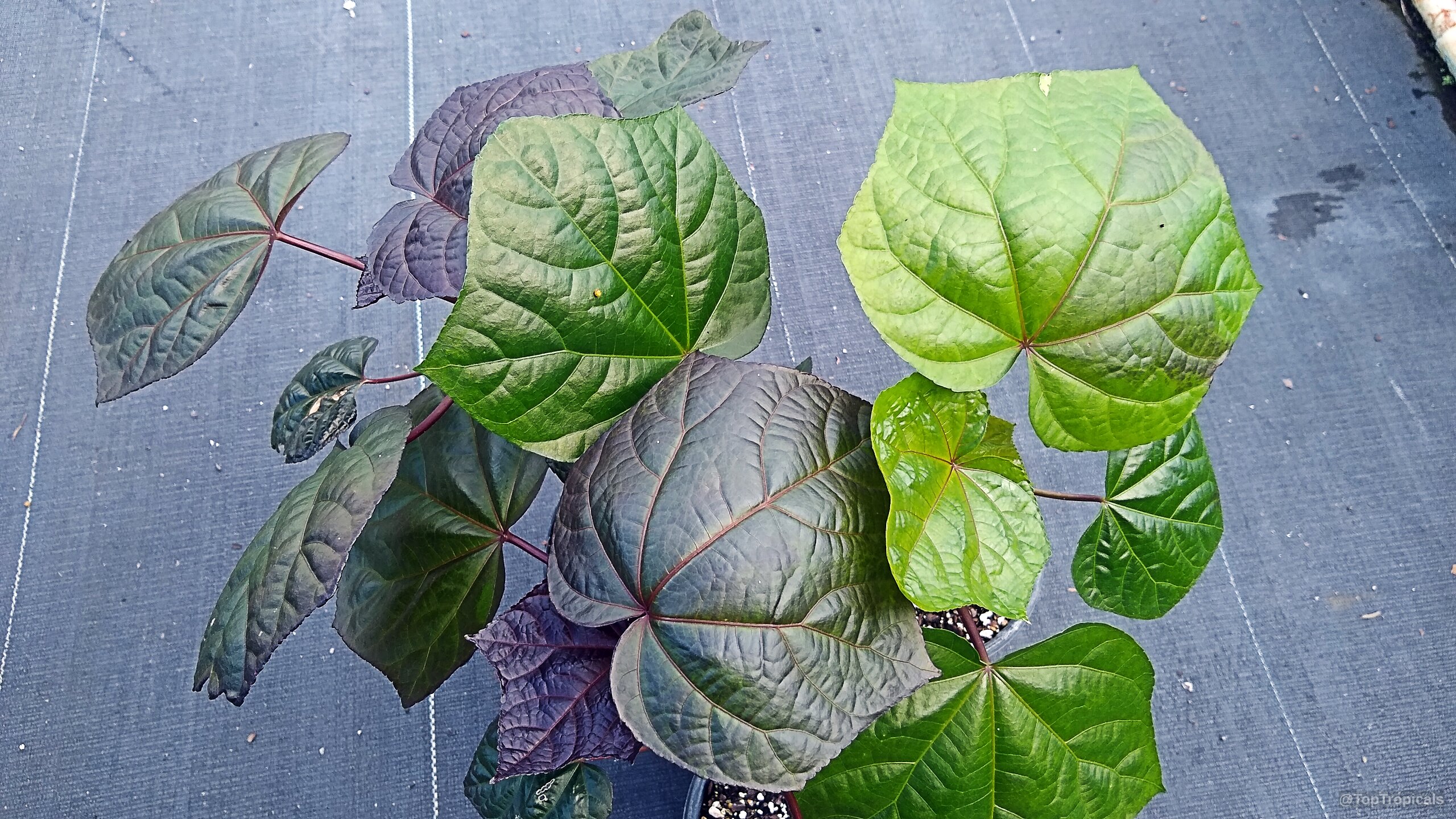
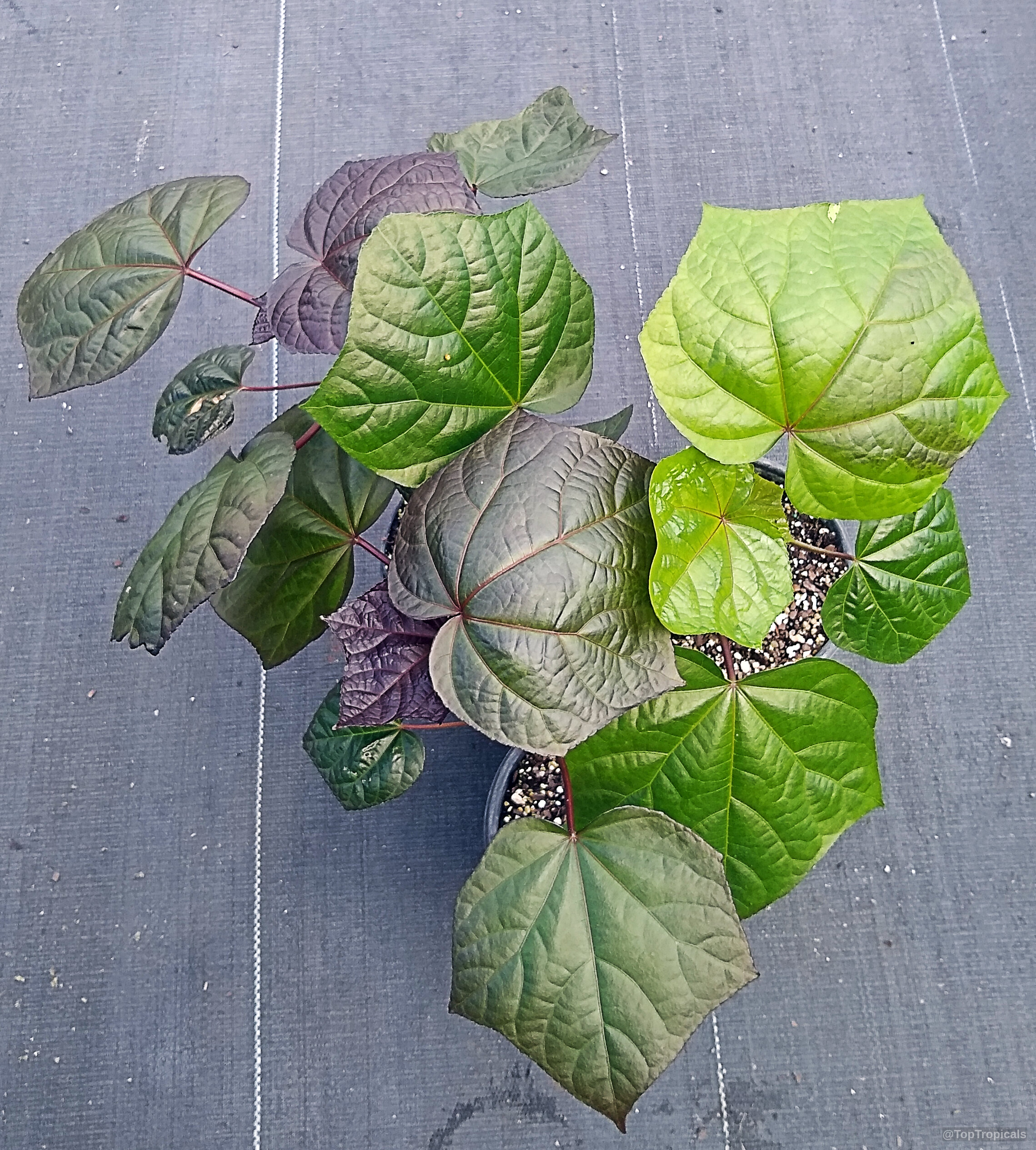
Botanical name: Abelmoschus manihot
Common names: South Sea Salad Tree, Bele tree, Sunset Muskmallow, Sunset Hibiscus, Hibiscus Manihot
Family: Malvaceae
Origin: Southeast Asia
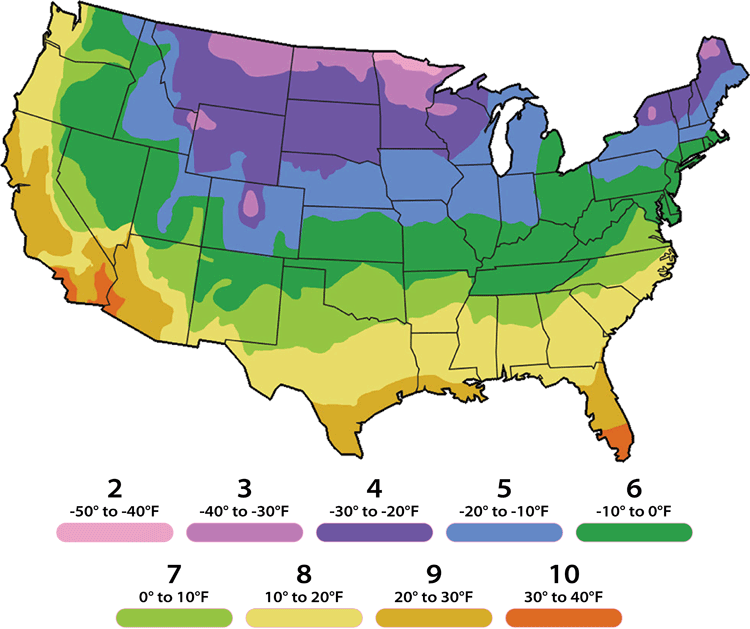
Hardiness: 20°F


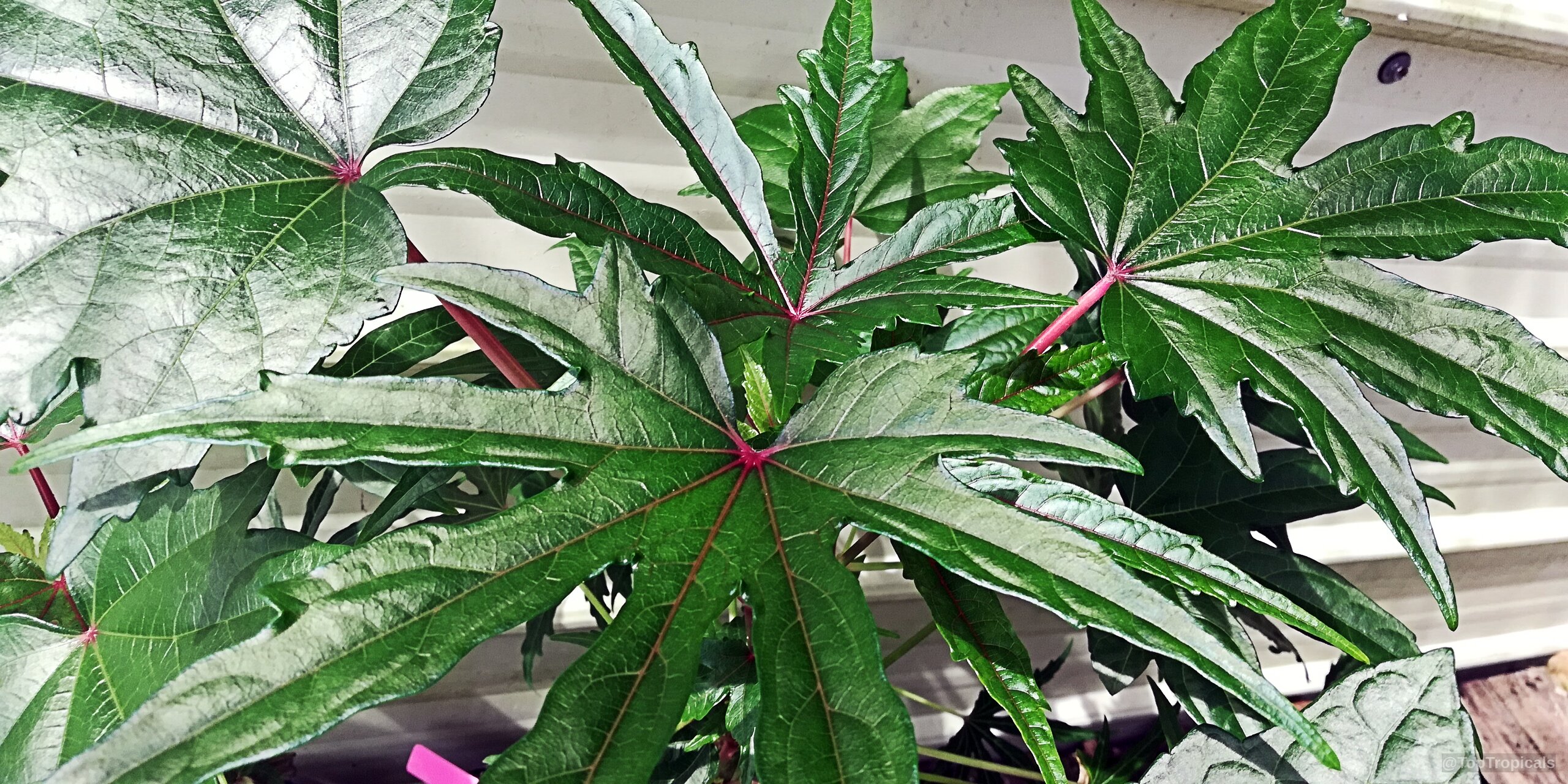
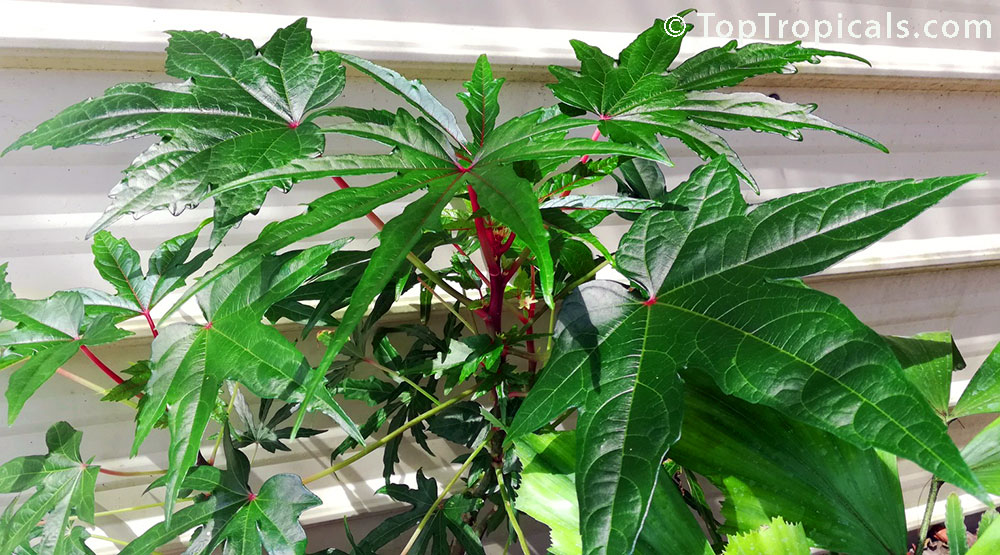
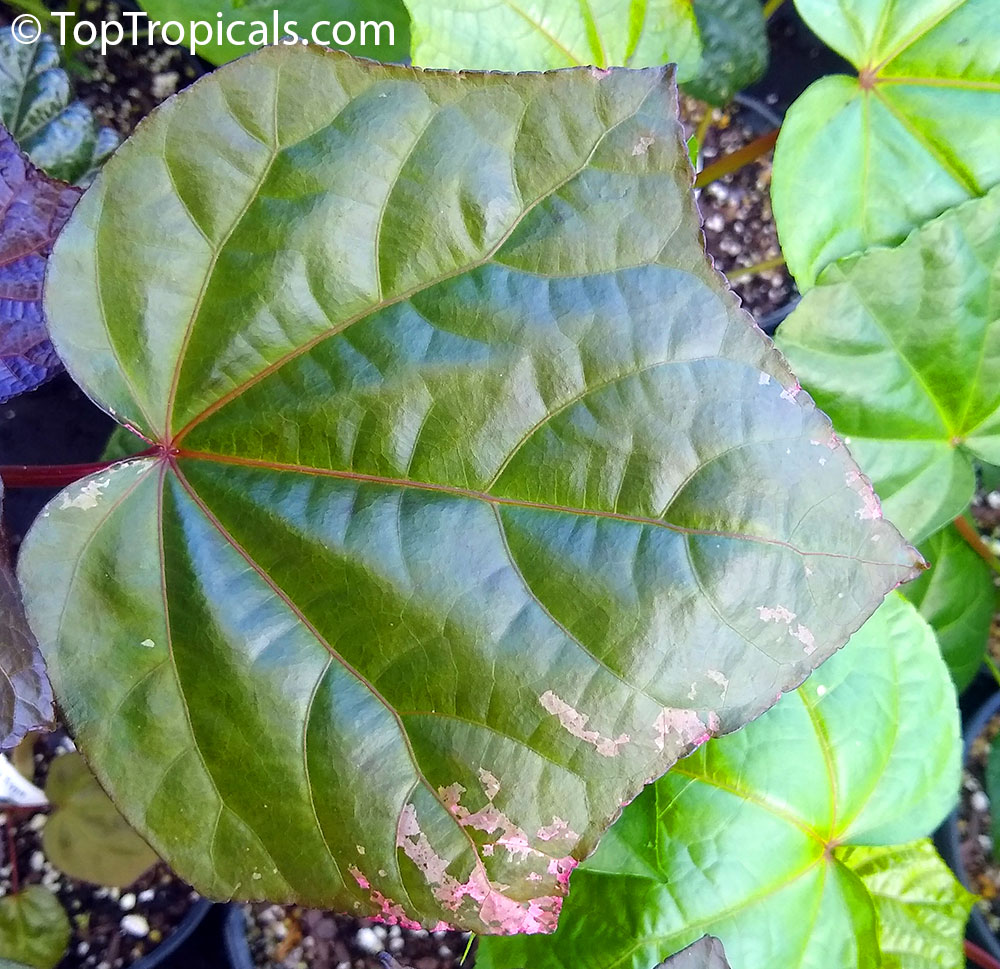
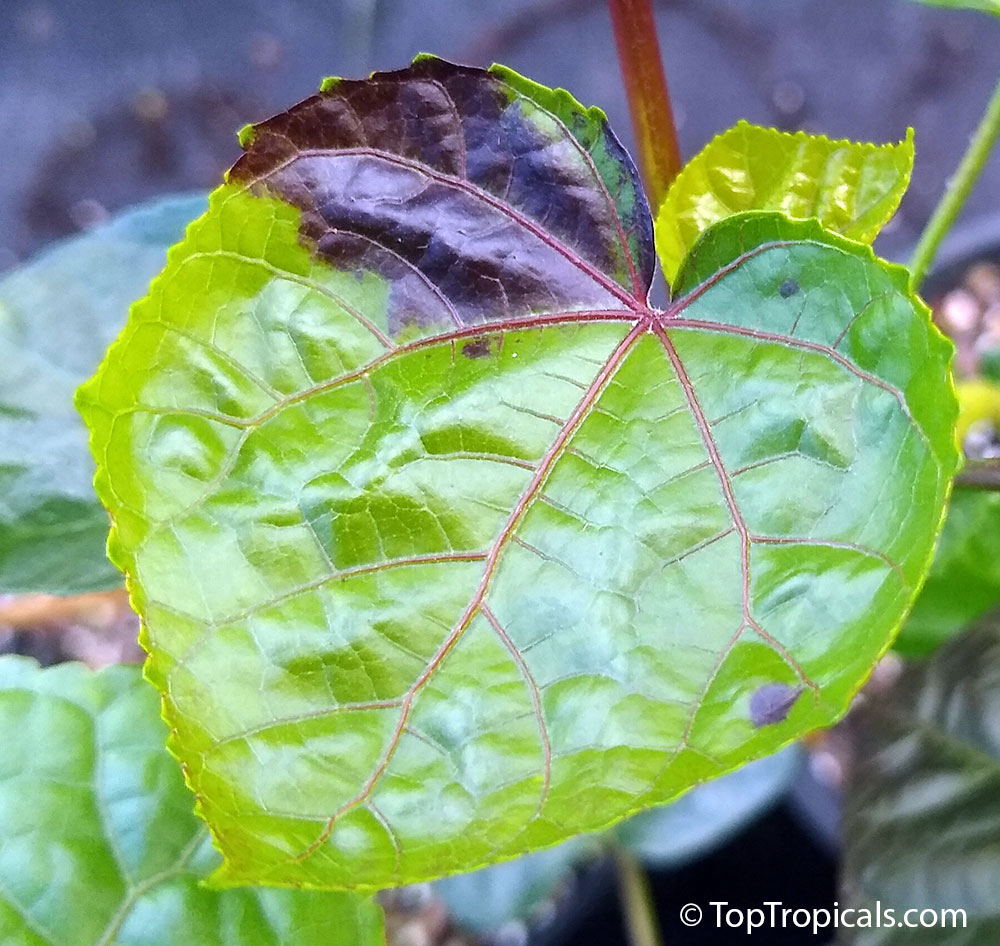
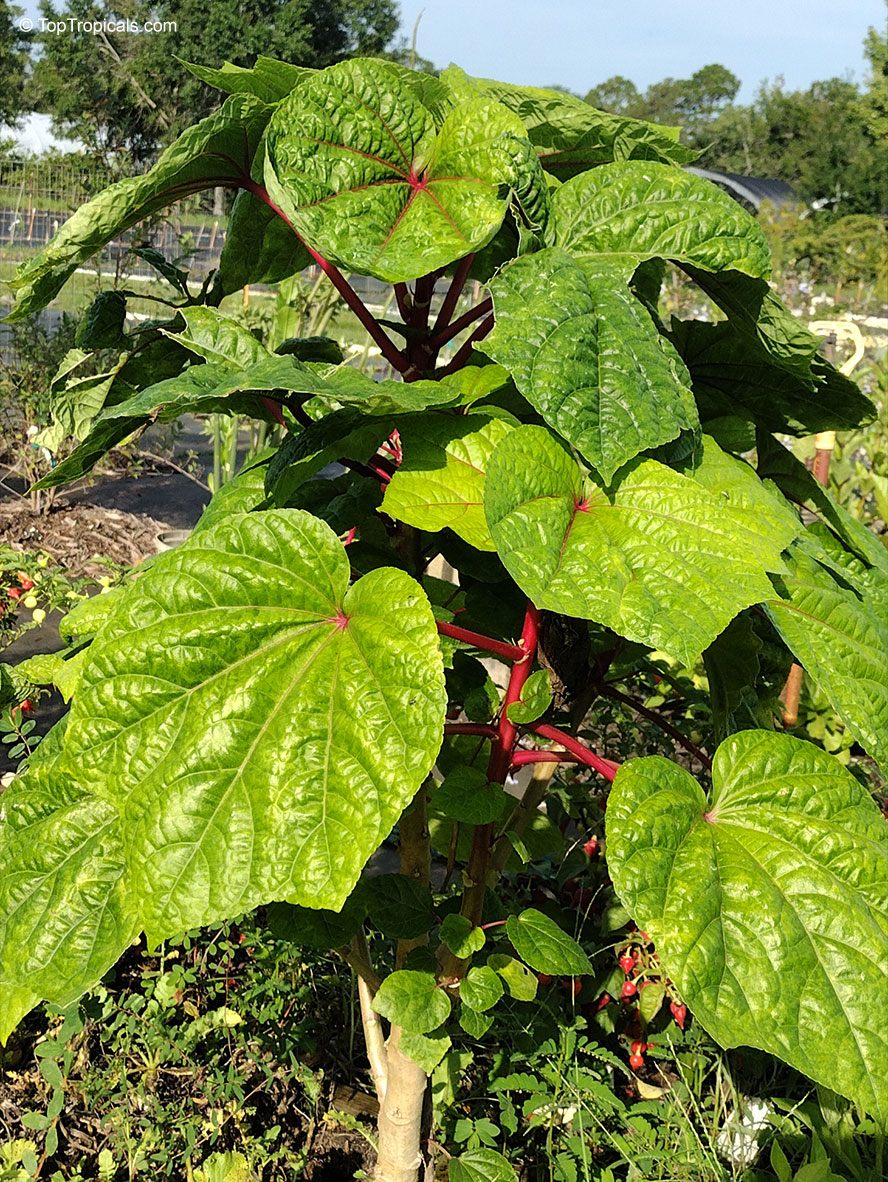
Its palmate leaves are highly dissected with five to nine deep lobes. The largest, widest leaves form at the base of the plant, where there may be some small side branches. The blooms (4-5" in diameter) are pale yellow with a dark maroon to purple center eye, and emerge from the terminal end of a central flowering stalk.It is easily propagated from cuttings, easy to cultivate, relatively disease-resistant and even is considered to be of medicinal value. It is widely planted either along borders of gardens or as an intercrop throughout many traditional gardens in the tropics. A nice flowering addition to the vegetable garden.


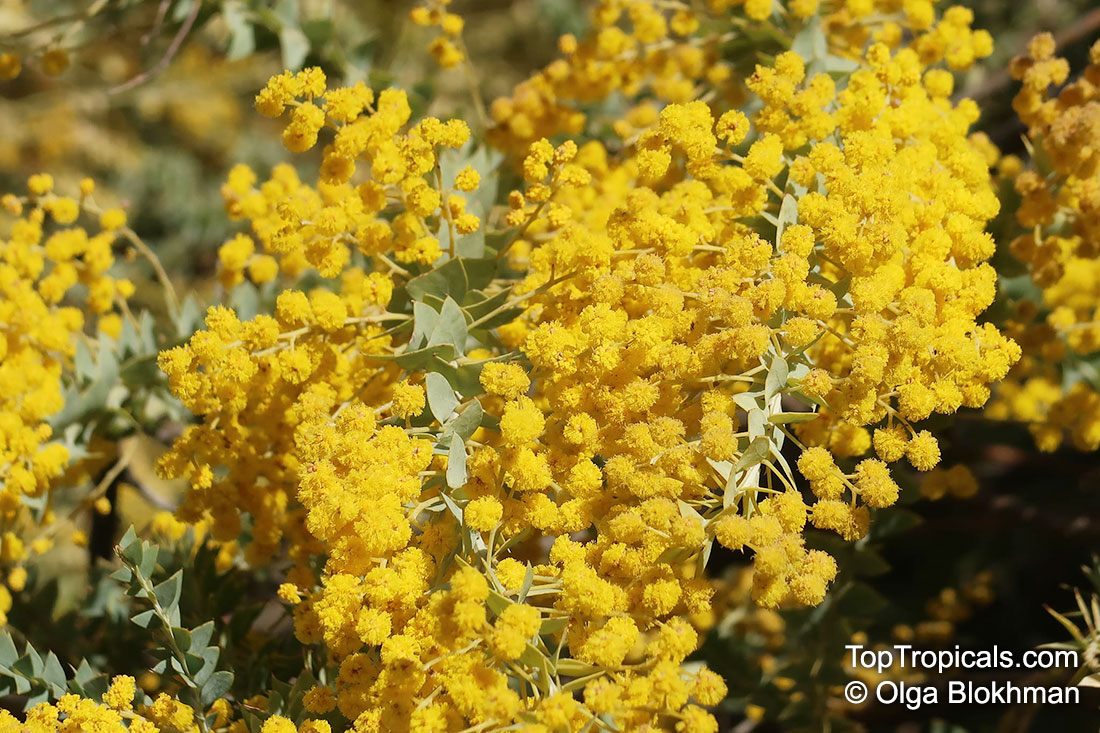
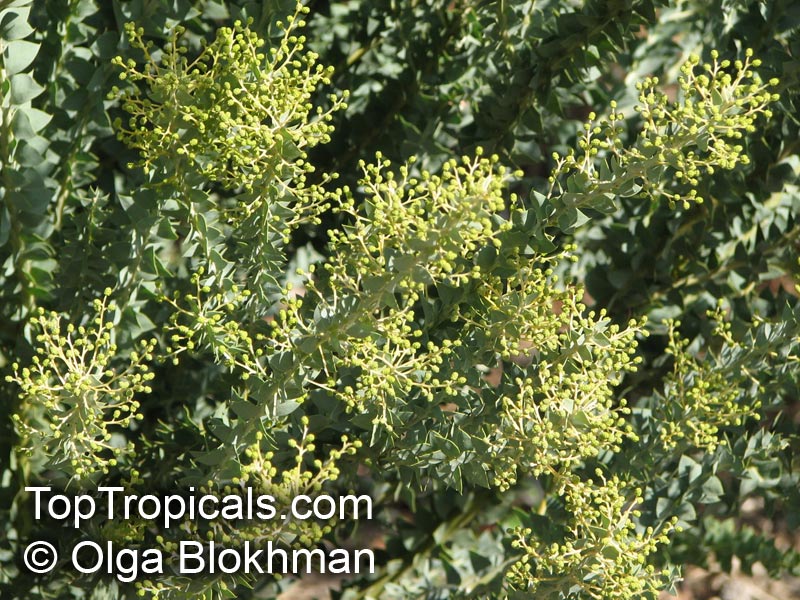
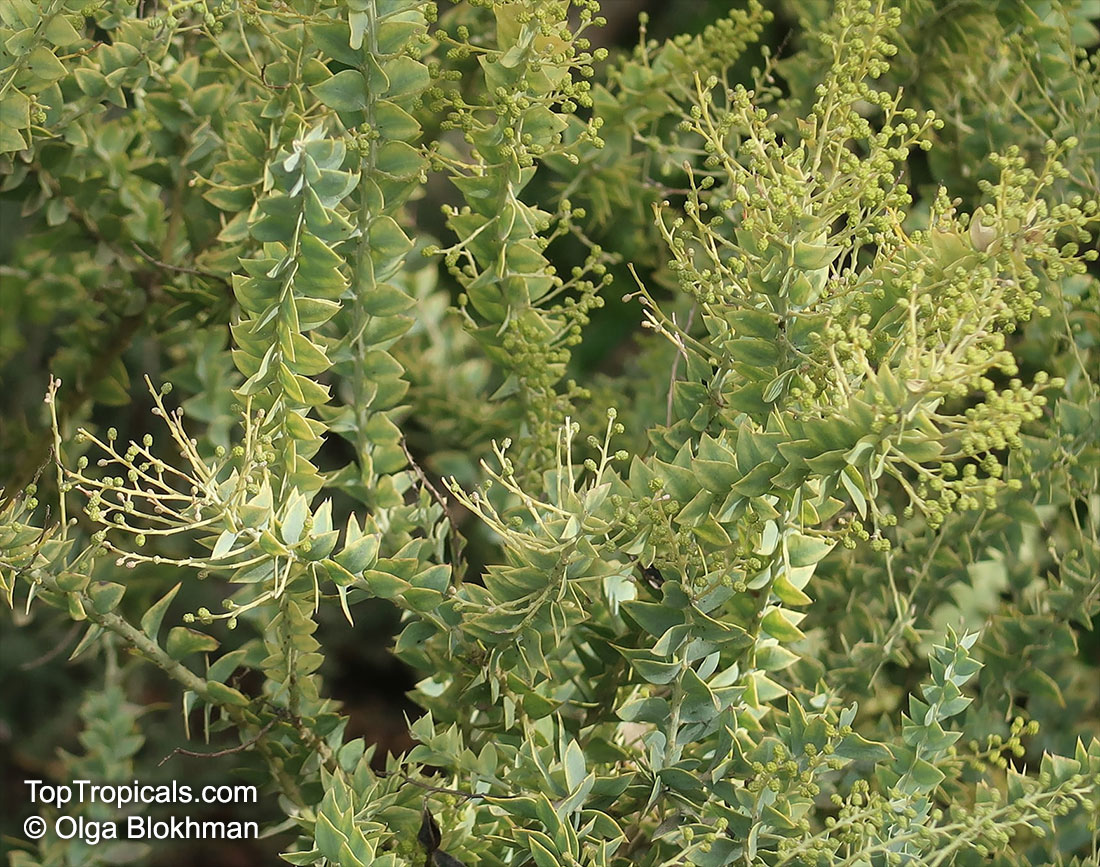
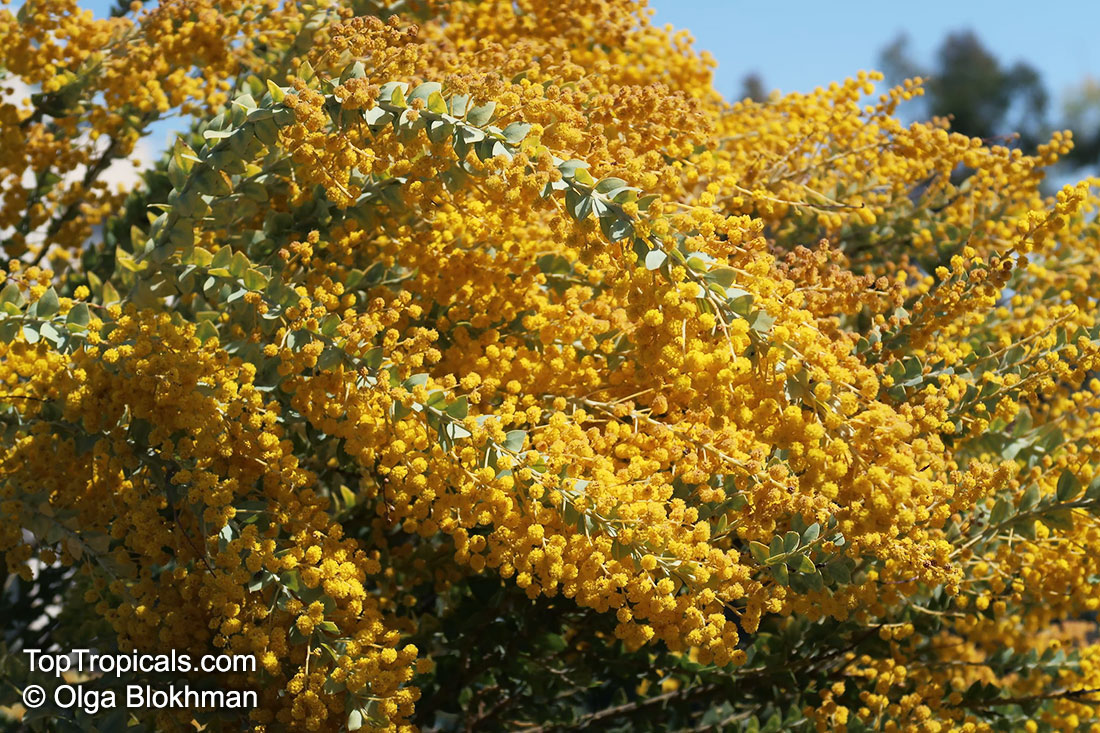
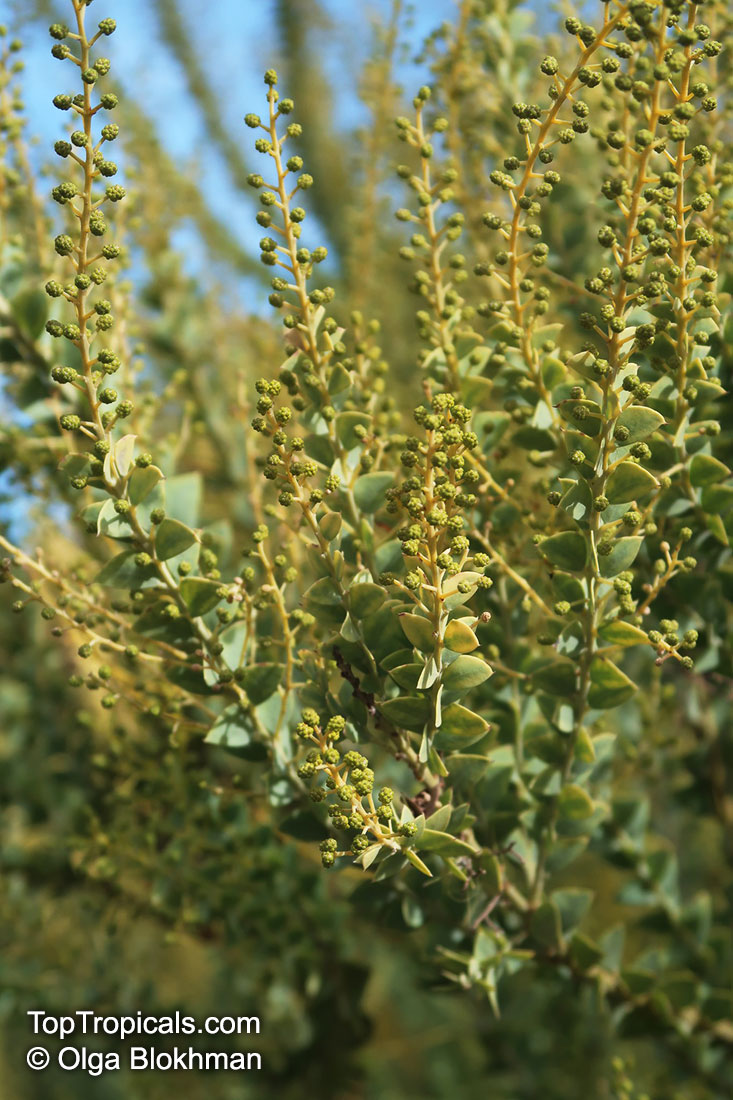
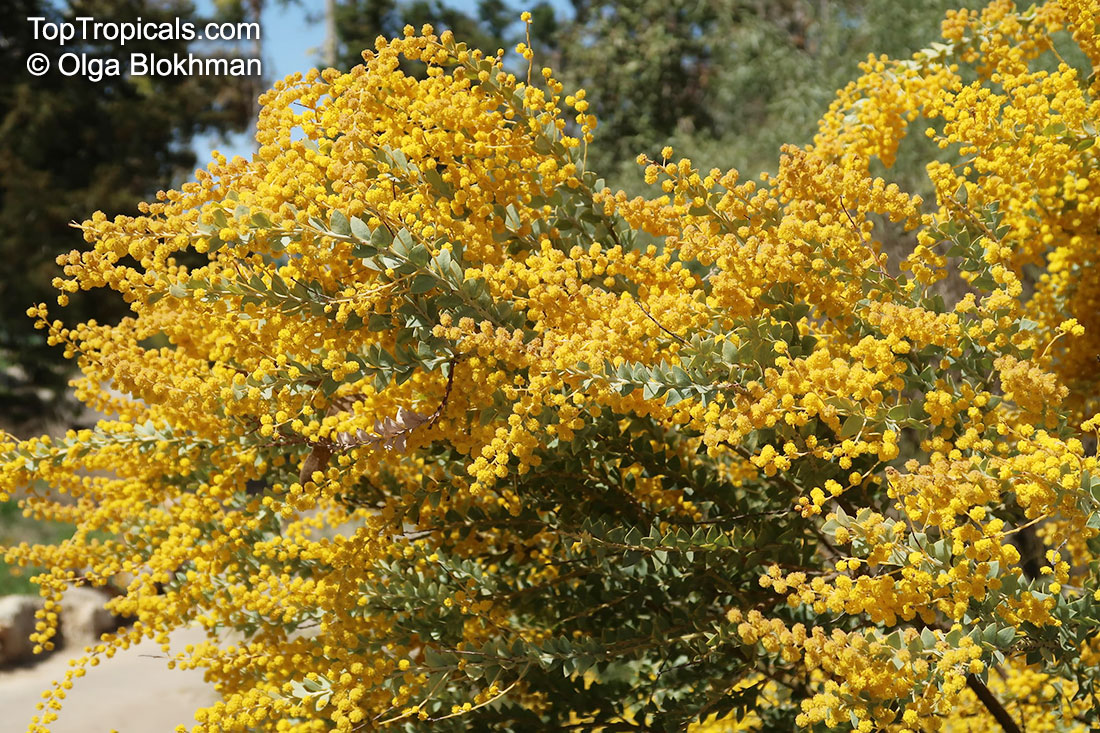
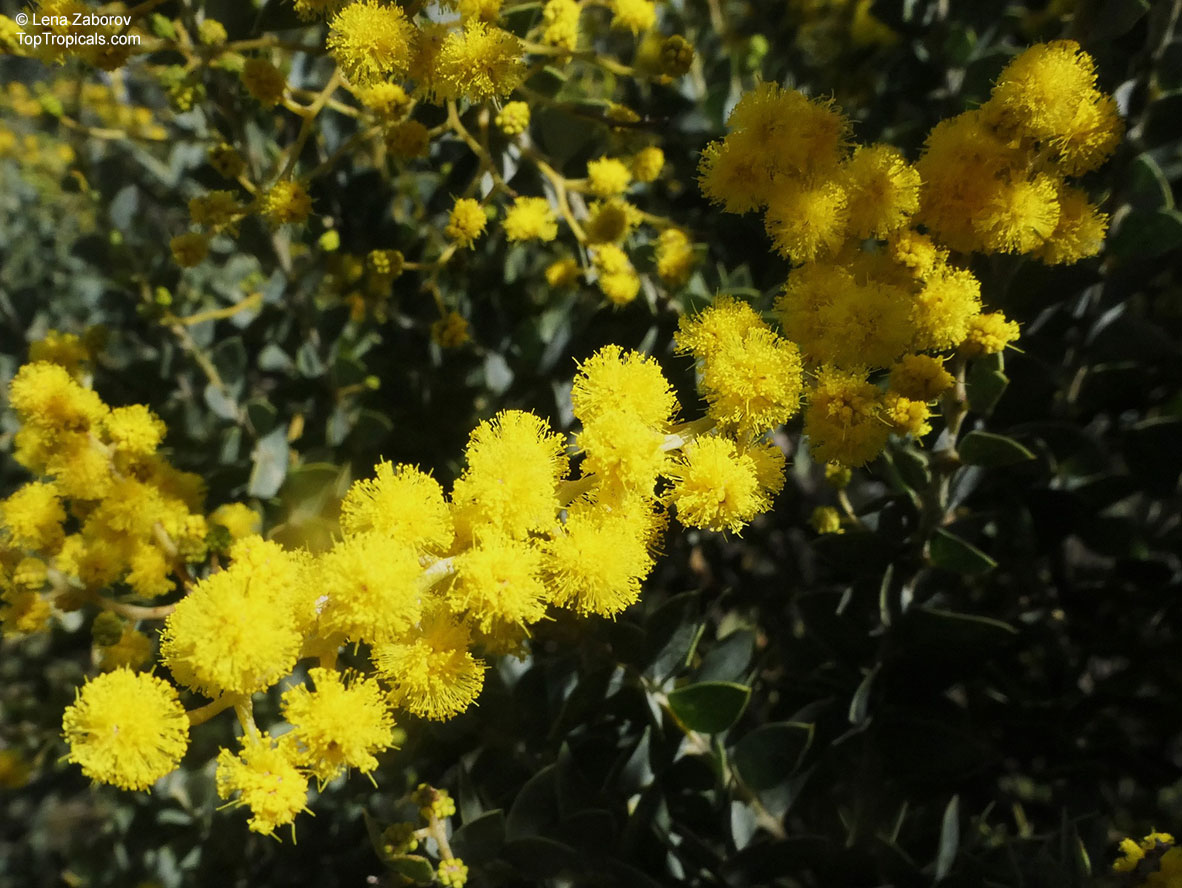
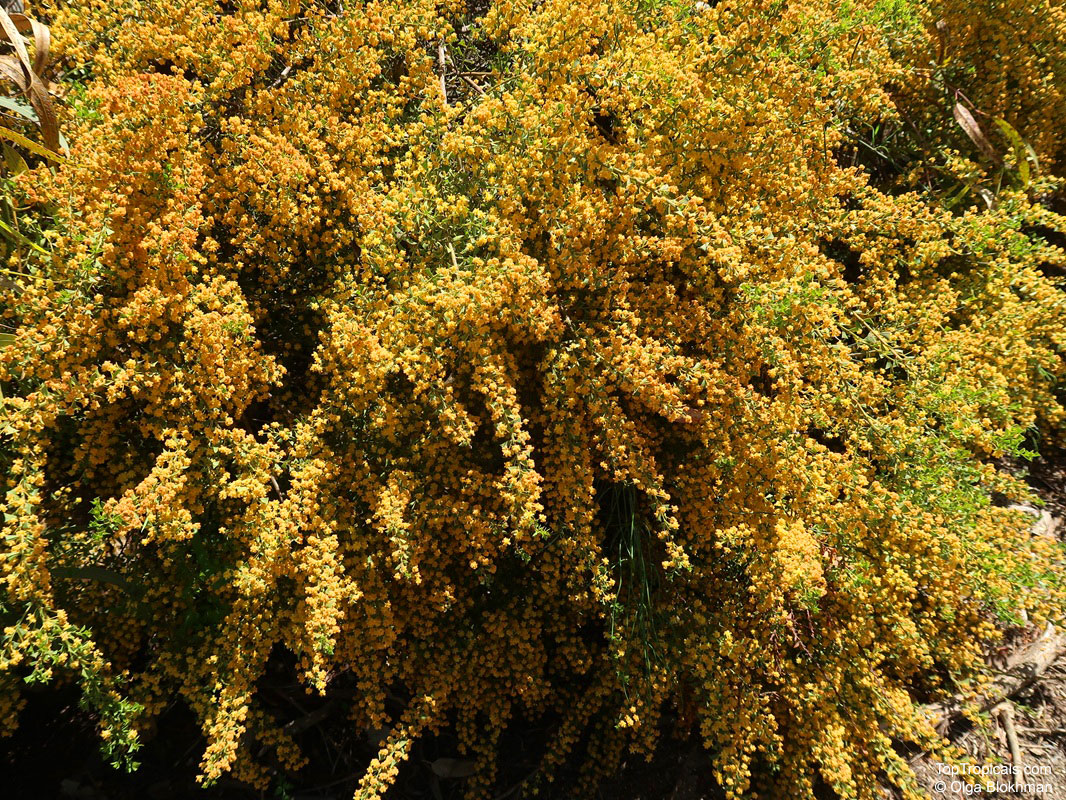
Botanical name: Acacia cultriformis
Common names: Knife-leaf Wattle, Dogtooth Wattle, Half-moon Wattle, Golden-glow Wattle
Family: Fabaceae
Subfamily: Mimosoideae
Origin: Australia
Hardiness: 25°F


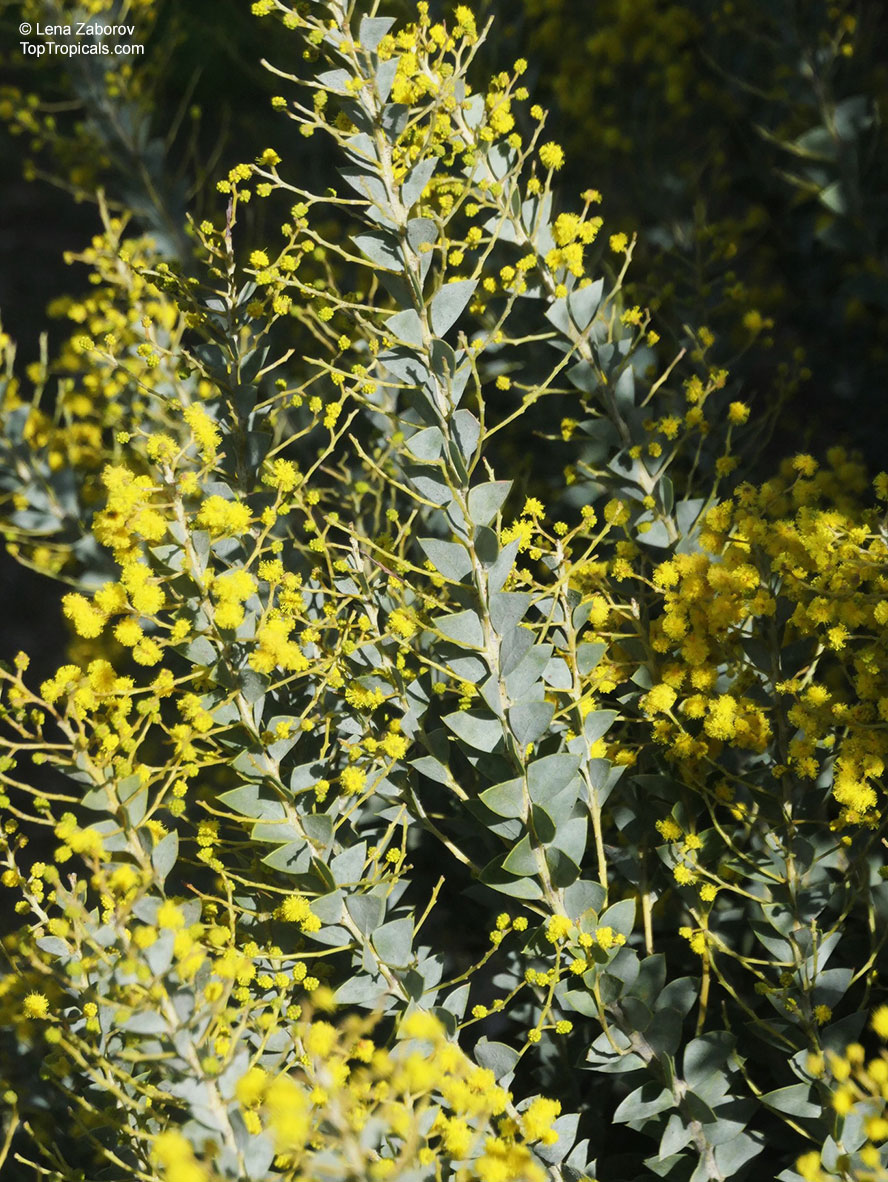
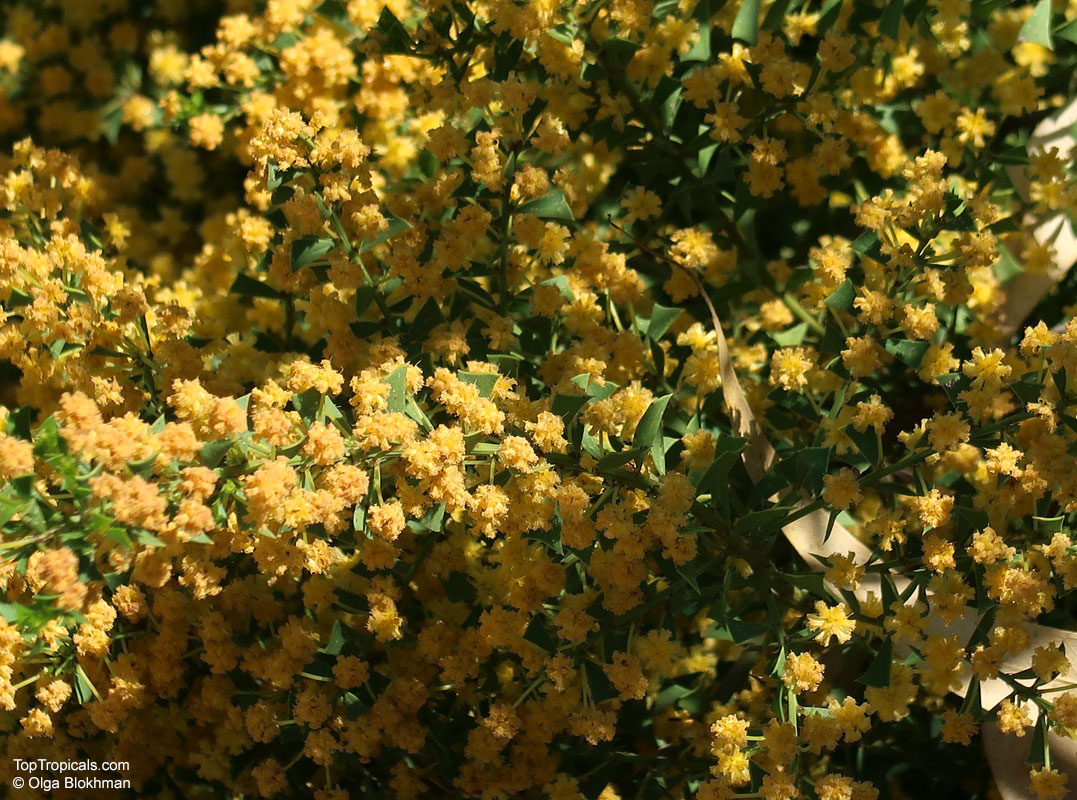
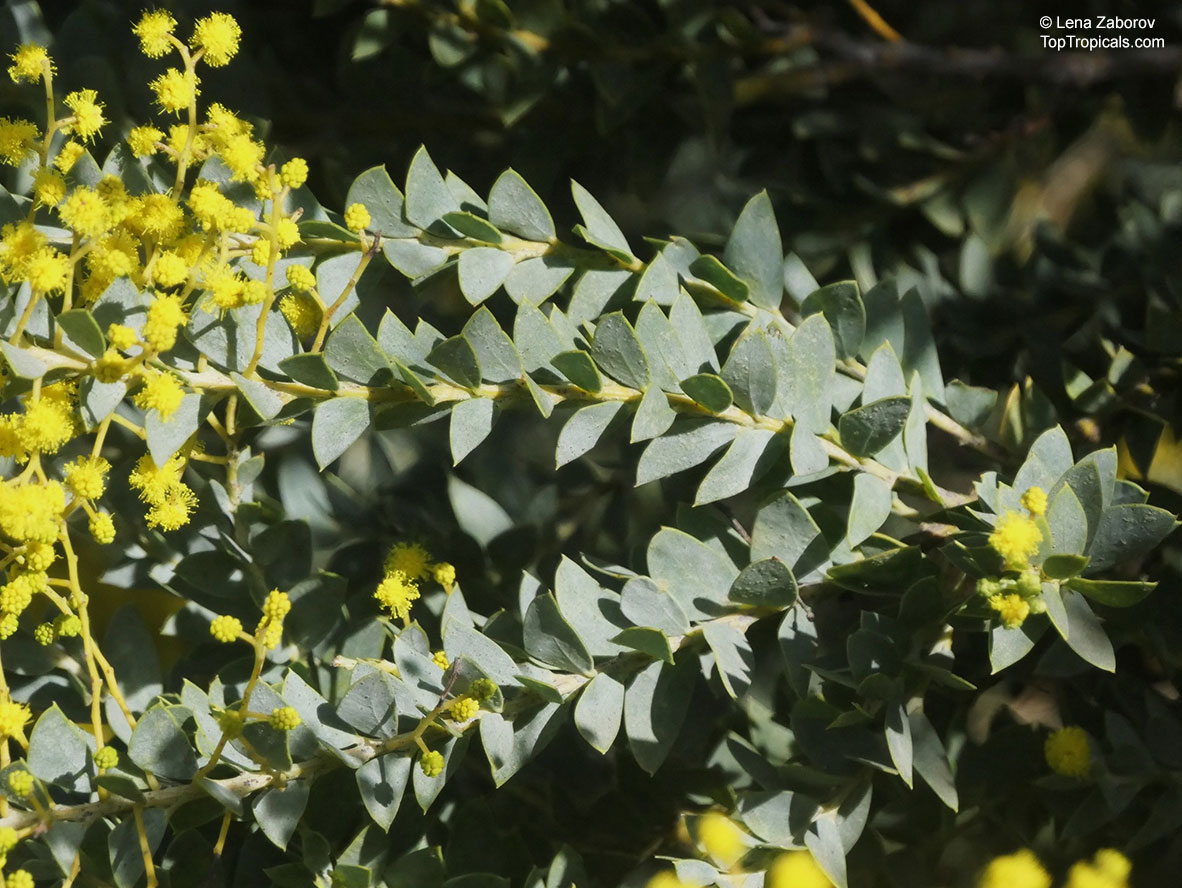
Acacia cultriformis is a woody shrub with an upright or spreading habit that grows to 4 m (13 ft) in height.
Its bright flowers and attractive leaves make Acacia cultriformis one of the most popular wattles in cultivation. Drought tolerant, it can be used to combat soil erosion.
The flowers are edible and they are an ingredient used in some fritters. Yellow dye is extracted from the flowers and green dye is extracted from the seed pods
Botanical name: Aframomum sp.
Common names: Aframomum, Melegueta pepper, Guinea grain, Guinea pepper, Alligator Pepper, Grains of Paradise
Family: Zingiberaceae
Origin: Tropical Africa


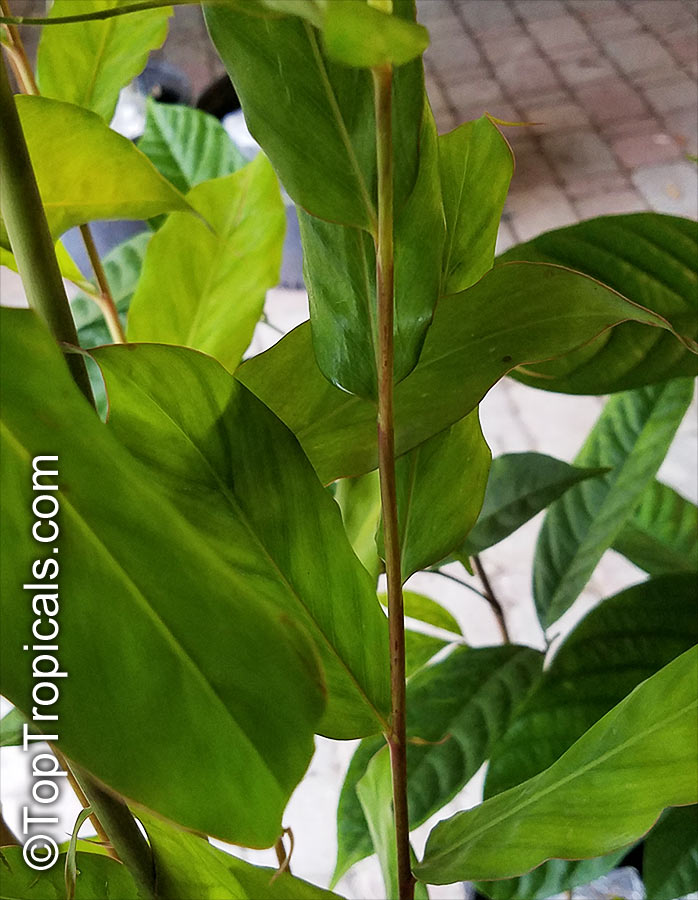
The genus Aframomum is well known in African forests because the bright red, fleshy fruit of several species contain a sweet juicy pulp and is eaten widely by primates and other mammals.
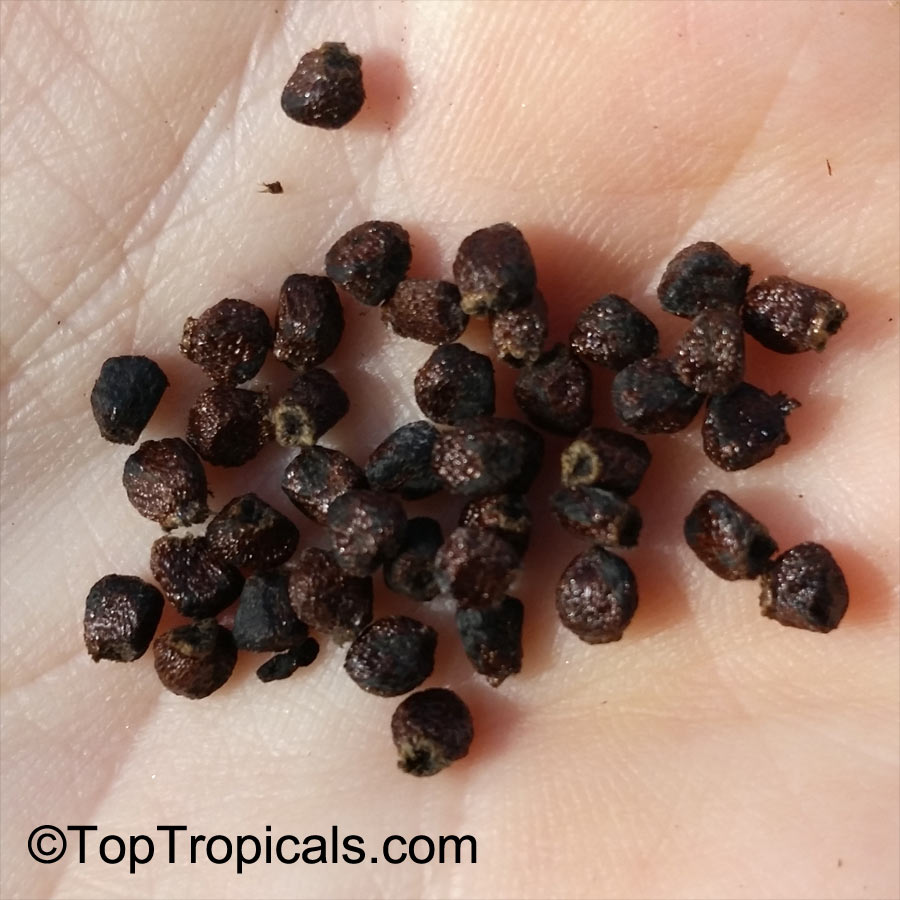
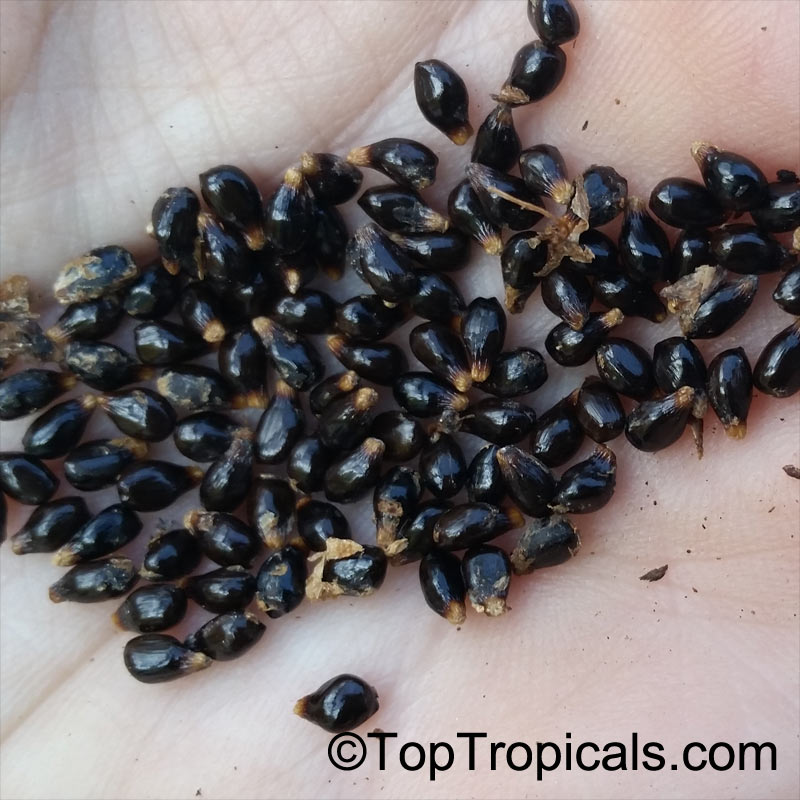
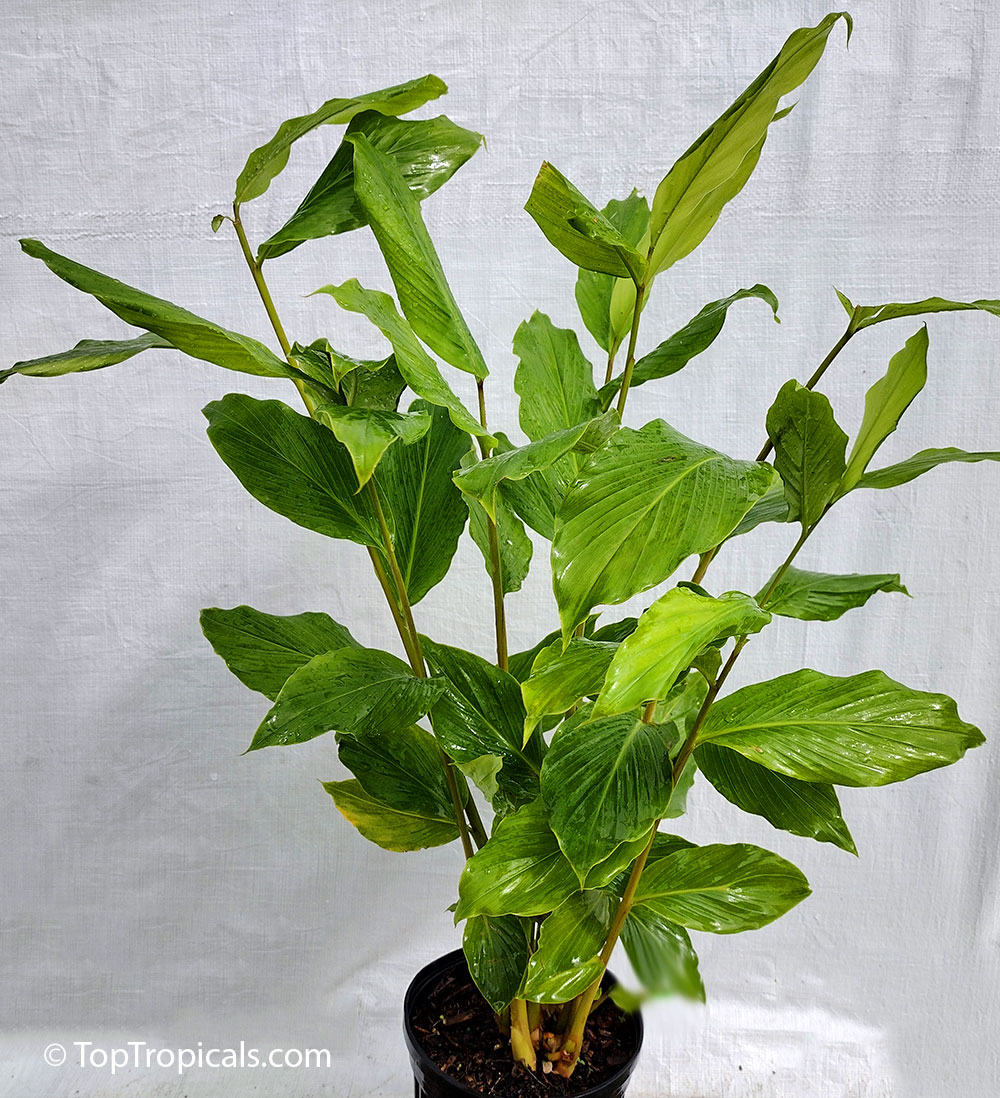
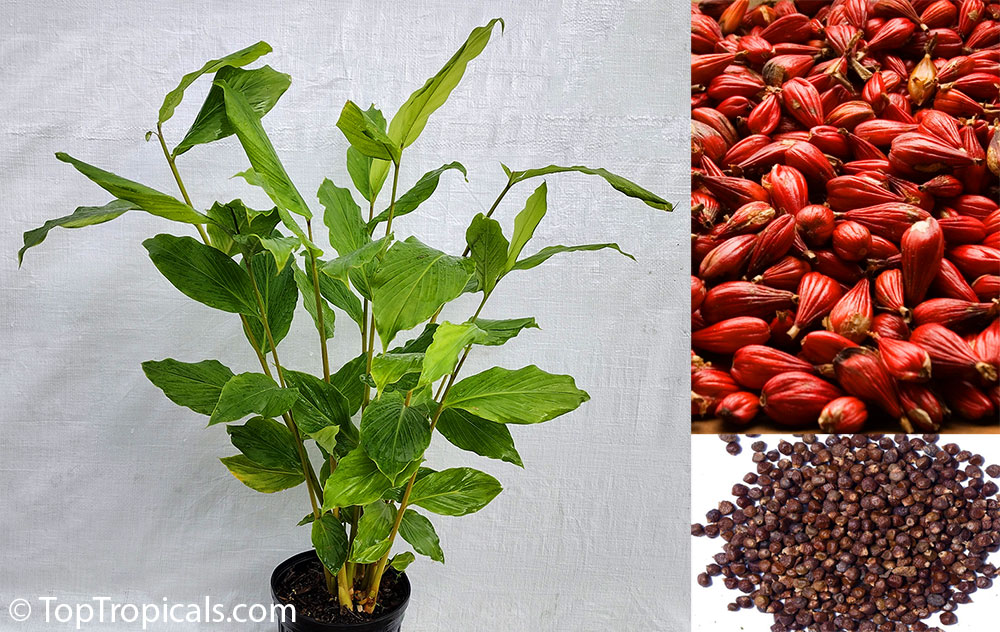
Aframomum melegueta is a herbaceous perennial plant native to swampy habitats along the West African coast. Its trumpet-shaped, purple flowers develop into 5- to 7-cm long pods containing numerous small, reddish-brown seeds.
Seeds of this rare Ginger are similar in flavor to cardamom and used as a pungent spice. This Ginger has many bioactives, great for digestive and intestinal health. The plant has many other medicinal values: anti-diabetic and anti-obese mechanisms, aphrodisiac and testosterone boosting properties. Aframomum melegueta may be promising for a spice to add to a diet in hopes of body recomposition. Studies show this spice increases sexual behavior.
Recommended Fertilizer: SUNSHINE Robusta - Rapid Growth Booster
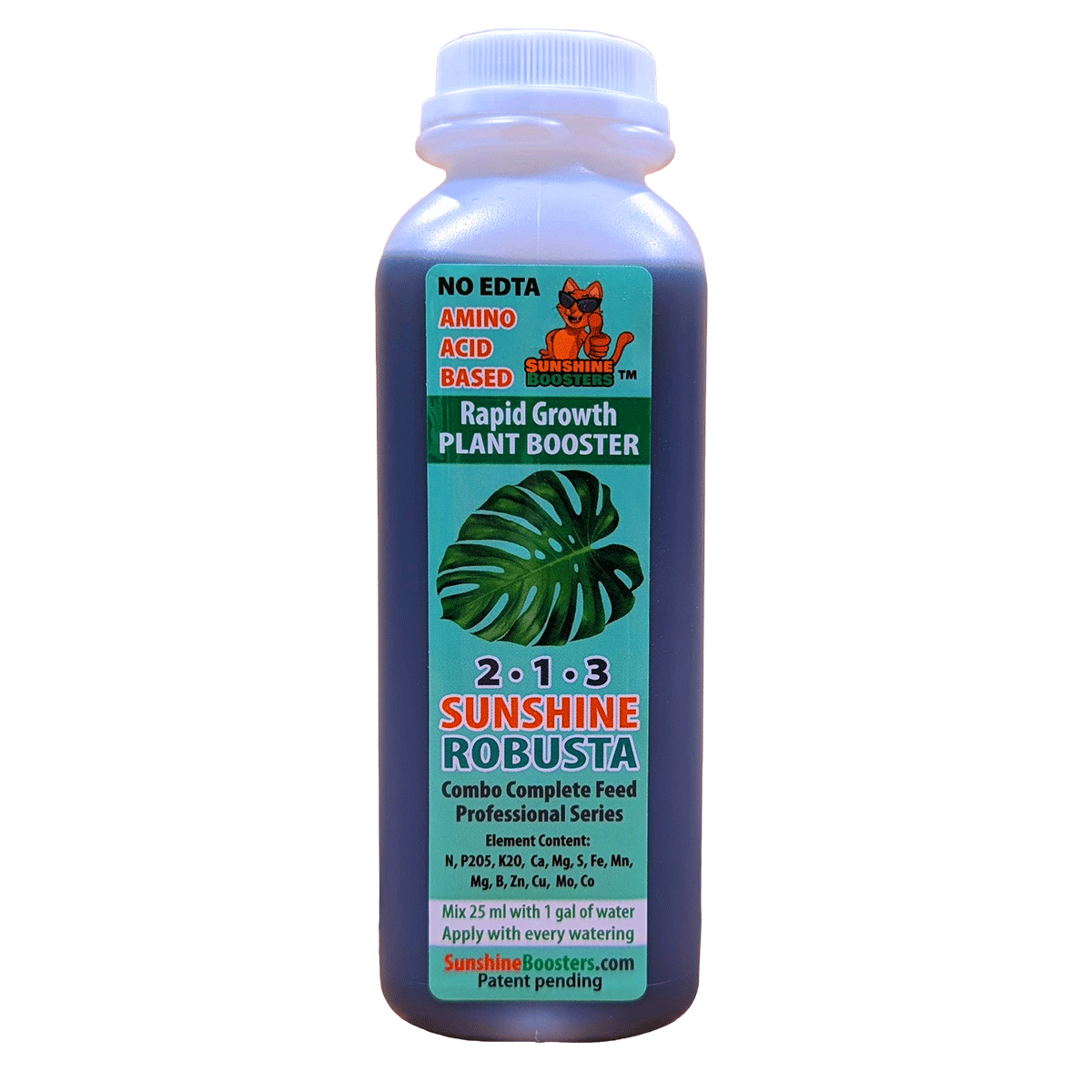 SUNSHINE Robusta (NPK 2-1-3) - Vegetative Vigor Booster for every watering. Formulated especially for vegetative stage of plant development. Can be used for a quick build-up of vegetative growth, for establishing and recovering damaged plants that lost many leaves. This is an eco-friendly nutrition booster that can be used for edibles and organic gardens. Can be used for daily feeding with every watering. Scientifically-balanced stable formula is organic Amino-acid based and has NO EDTA chelators to eliminate nutrients lockup; it does not affect crop taste. Organic Amino acids greatly enhance stability of all Sunshine boosters and provide excellent absorption of trace elements. Pollinating insects friendly.
 SUNSHINE Robusta (NPK 2-1-3) - Vegetative Vigor Booster for every watering. Formulated especially for vegetative stage of plant development. Can be used for a quick build-up of vegetative growth, for establishing and recovering damaged plants that lost many leaves. This is an eco-friendly nutrition booster that can be used for edibles and organic gardens. Can be used for daily feeding with every watering. Scientifically-balanced stable formula is organic Amino-acid based and has NO EDTA chelators to eliminate nutrients lockup; it does not affect crop taste. Organic Amino acids greatly enhance stability of all Sunshine boosters and provide excellent absorption of trace elements. Pollinating insects friendly.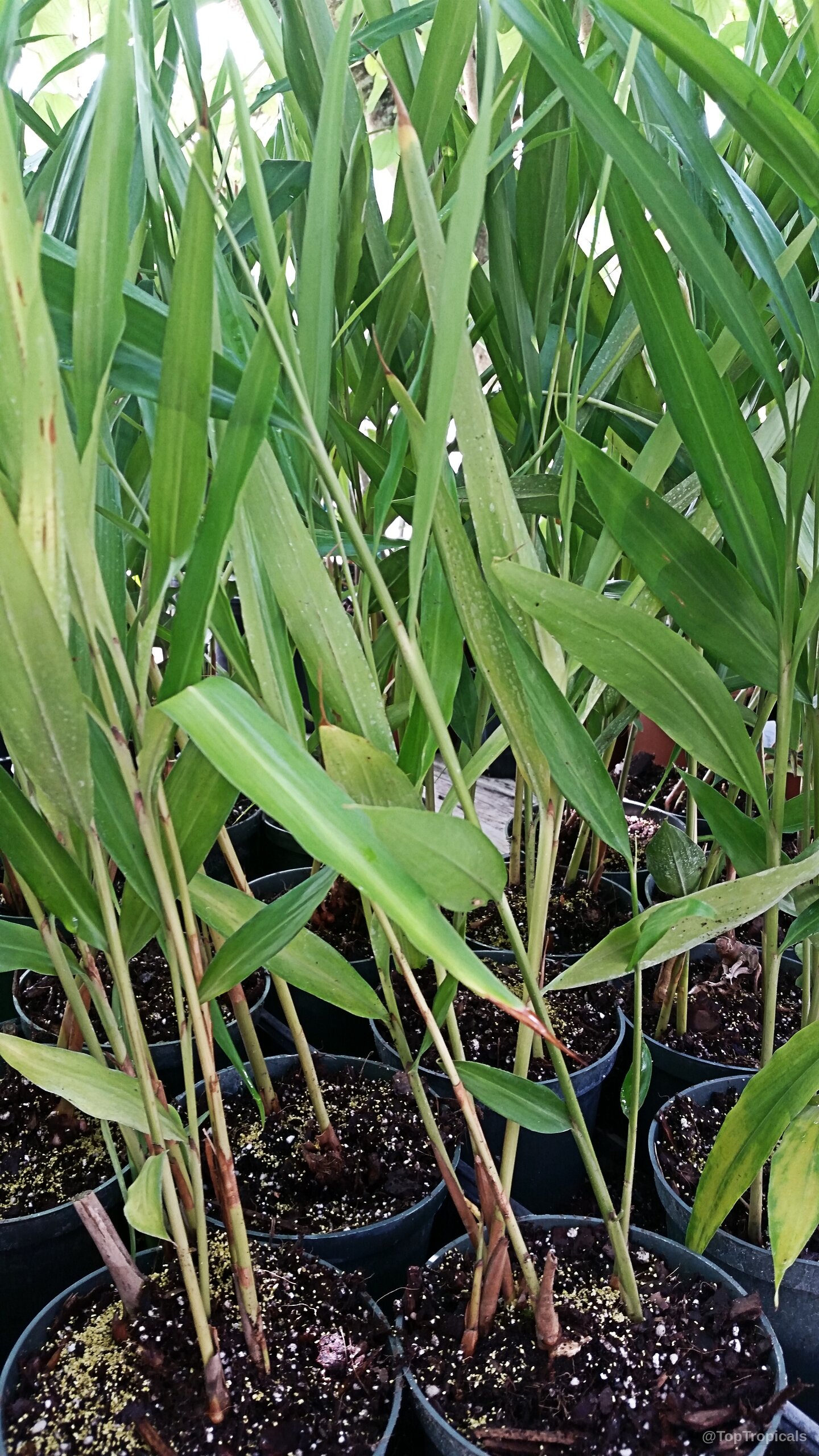
Botanical names: Alpinia galanga, Languas galanga
Common names: Galanga Root, Galangal, Thai Ginger, Laos
Family: Zingiberaceae
Origin: SE Asia


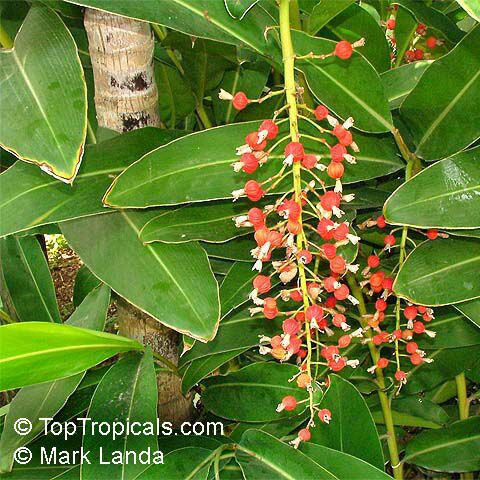
Galanga is an herb used in cooking, especially in Indonesian and Thai cuisines. It is one of four plants known as galangal, and is differentiated from the others with the common name greater galangal (or simply Thai galangal). The galangals are also called blue ginger or Thai ginger.
A. galanga is called laos in Indonesian and is the most common form of galangal used in cooking. It is also known as lengkuas and galanga root.
Botanical names: Alpinia nutans, Alpinia speciosa
Common names: Shell ginger, Pink porcelain lily, Narrow-Leaf Cinnamon Ginger, Shellflower, Dwarf cardamom, False cardamom
Family: Zingiberaceae
Origin: China and Japan
Hardiness: 20°F

The plant is quite versatile and makes for an excellent garden plant in USDA growing zones 7-9. It can either be grown as a large shrub of 5-10 feet in height or as a small shrub of 2-5 feet. Alpinia nutans requires full sun or partial shade, but prefers humid conditions and regular watering. Its stunning hot pink flowers, borne atop long flowering stems, bloom beginning in June and continue until the Fall.
It is a fairly salt tolerant plant, making it suitable for seaside areas. In cold climates, the mature plant is hardy at least to the low 30s Fahrenheit for a short time, although for best results it should be grown in a pot and stored in an area that does not freeze in the winter, such as a greenhouse or garage. Watering should be reduced in cold conditions and kept to a minimum until warm weather resumes. During the spring, the rhizome should be restrained or it will overthrow its container. Plants should be repotted in the spring if they outgrow their original container. Fertilize annually with compost or an appropriate plant food to encourage growth, and do regular pest and disease checks.
Alpinia nutans is similar to Alpinia malaccensis and Alpinia zerumbet. Alpinia nutans var. longiramosa is a synonym of Alpinia zerumbet.
| Next | |
Use link to repeat this search:
https://toptropicals.com/cgi-bin/garden_catalog/cat.cgi?search_op=and&keyword_op=and&language=e&number=5&no_change_lang=1
&v1=spc&user=tt&sale=1&first=0