Fragrant plant - Plant Encyclopedia Results
| Number of plants found: 918 | Next | 
|
Go to page: | 1 | 2 | 3 | 4 | 5 | Last |
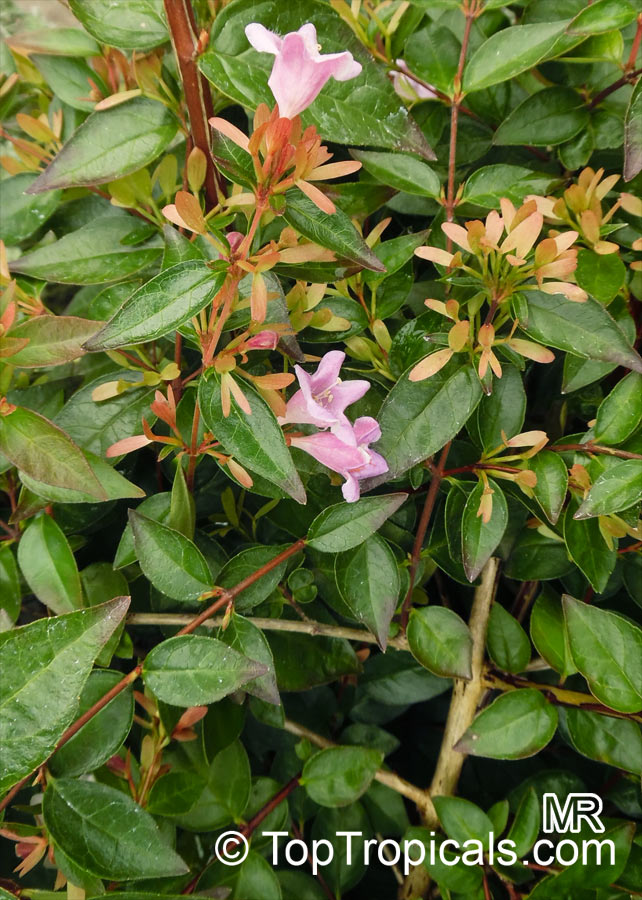
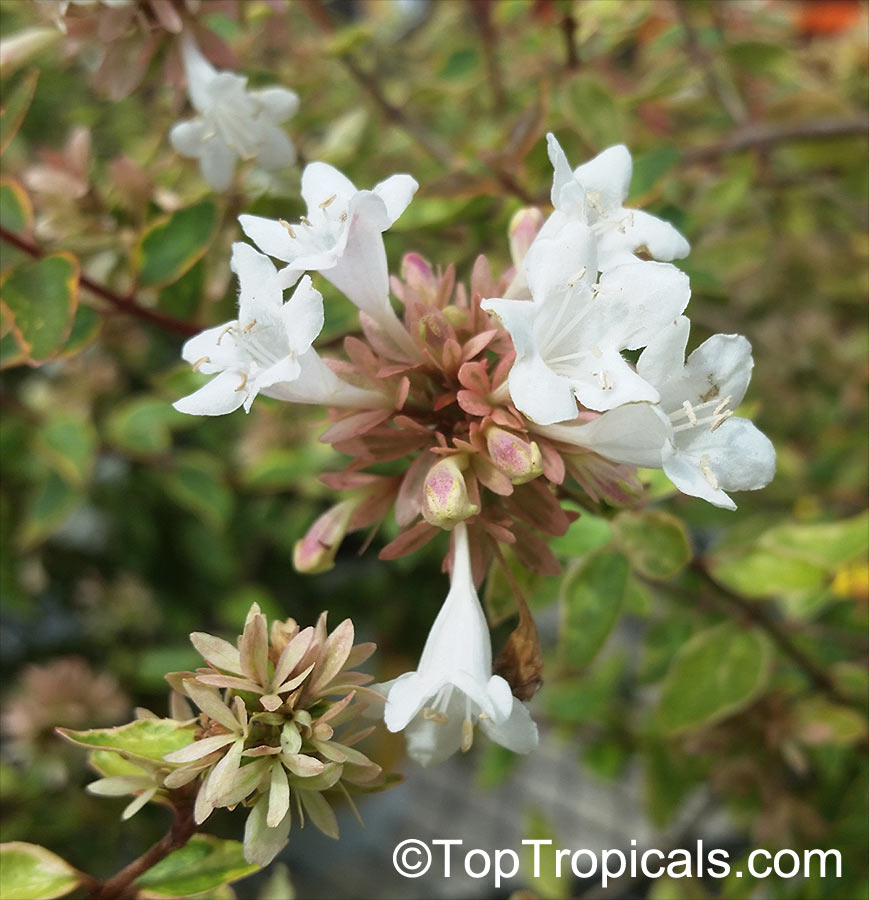
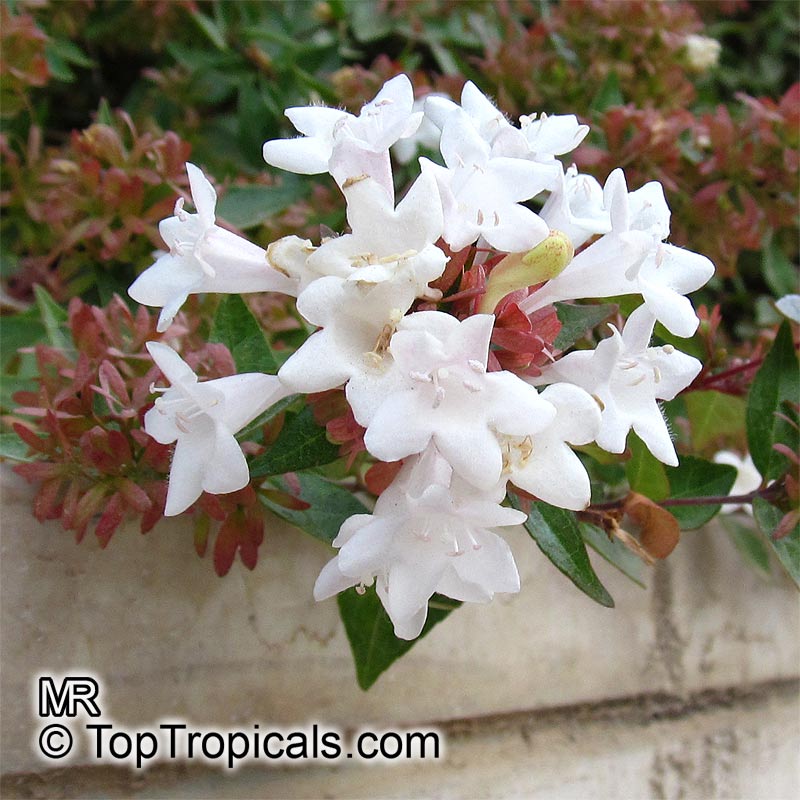
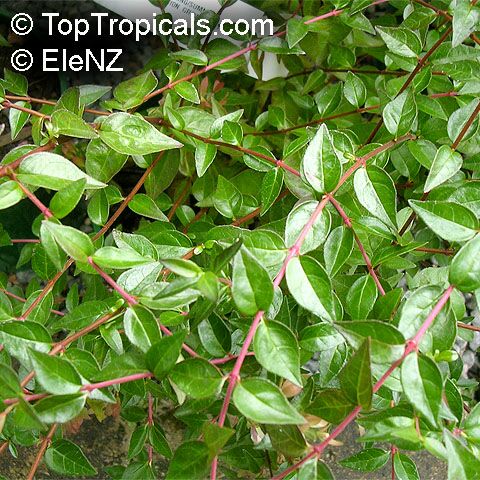
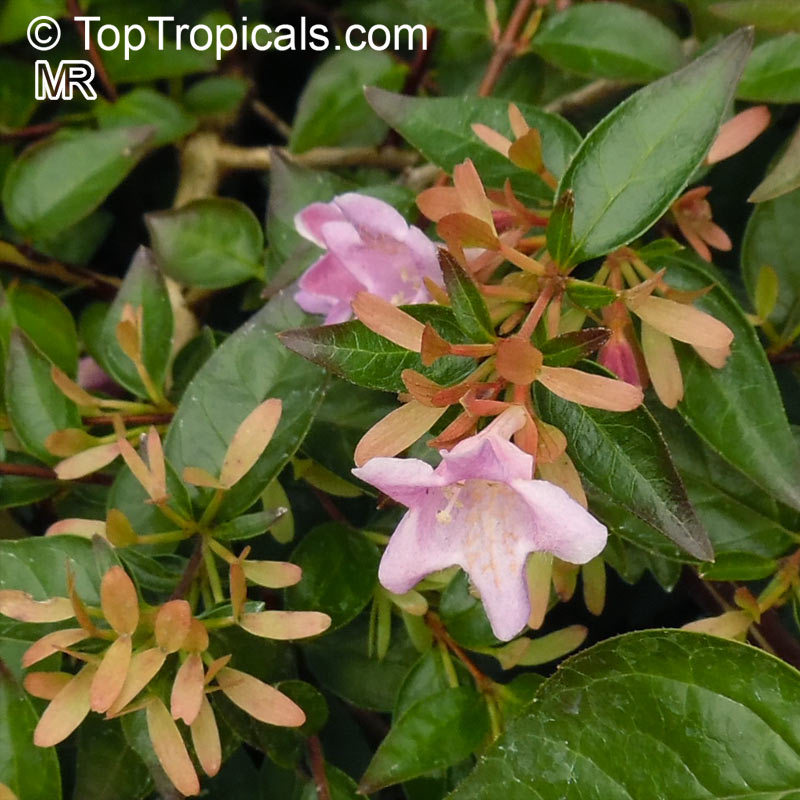
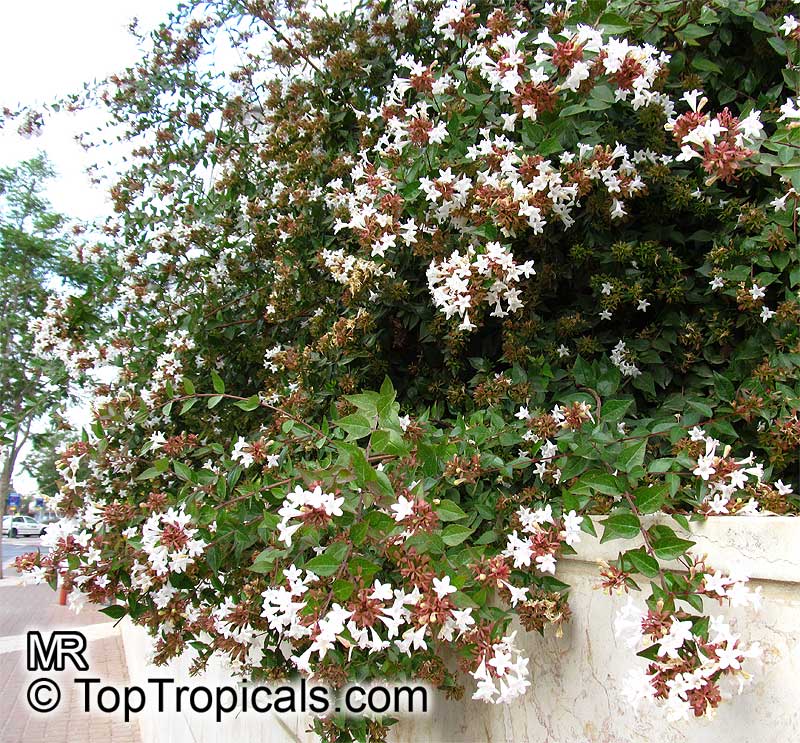
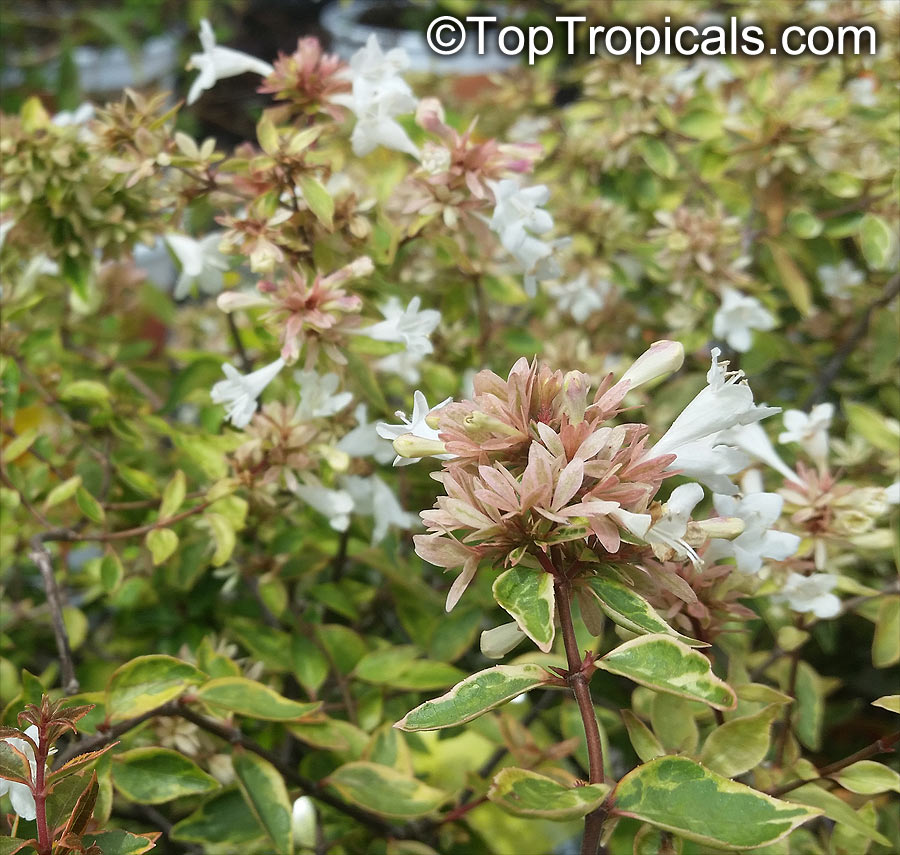
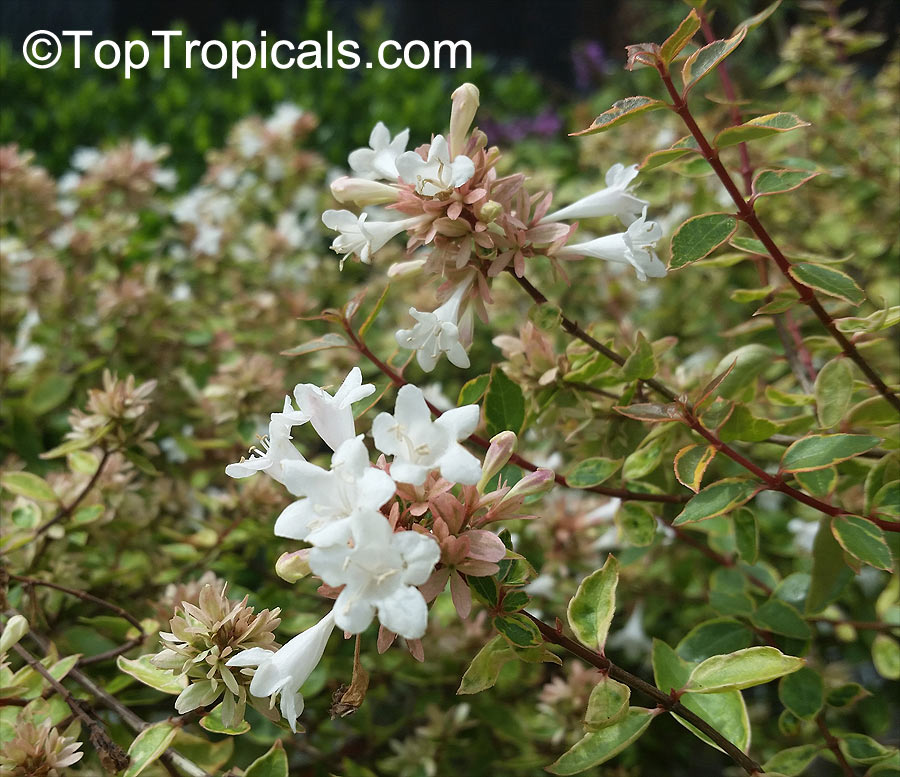
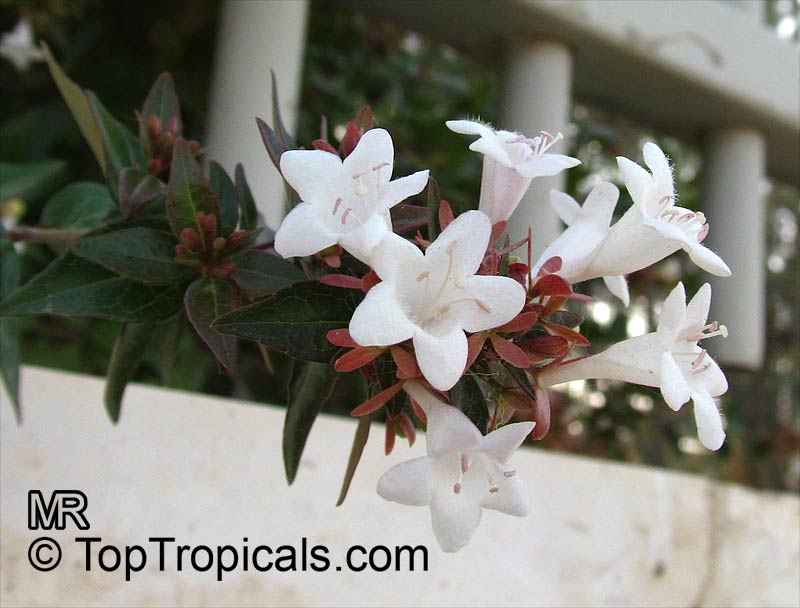
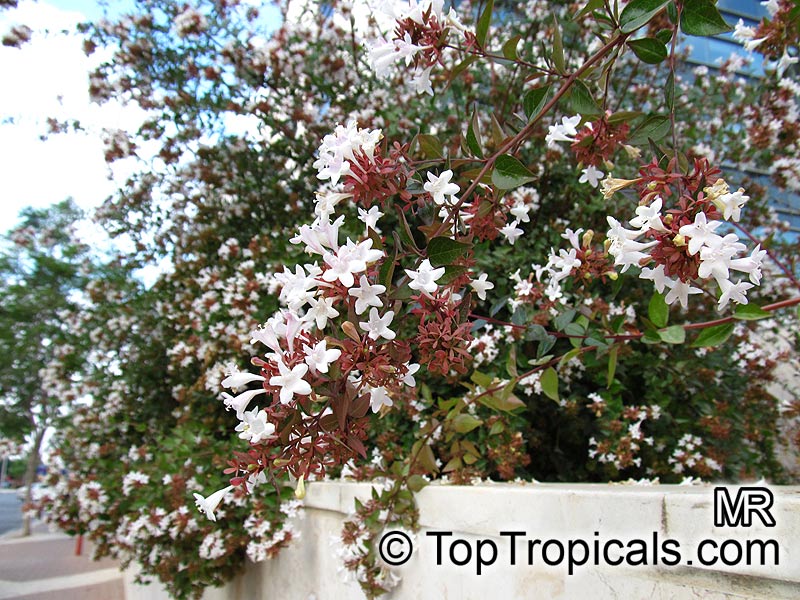
Botanical name: Abelia grandiflora
Common name: Glossy Abelia
Family: Caprifoliaceae
Origin: China


Abelia is a popular evergreen or semi-evergreen shrub with a rounded, fountain-like growth habit. It is fast-growing, growing up to 4-8 feet tall and 4-6 feet wide. Its leaves are fine-textured, glossy, oval, and dark green, usually 2 inches long, and the new growth has a bronze color. Abelia produces small, white and pink tubular flowers in clusters at the end of its stems, from summer to fall. The flowers are barely one inch long, but they are slightly fragrant - which attracts hummingbirds and butterflies.
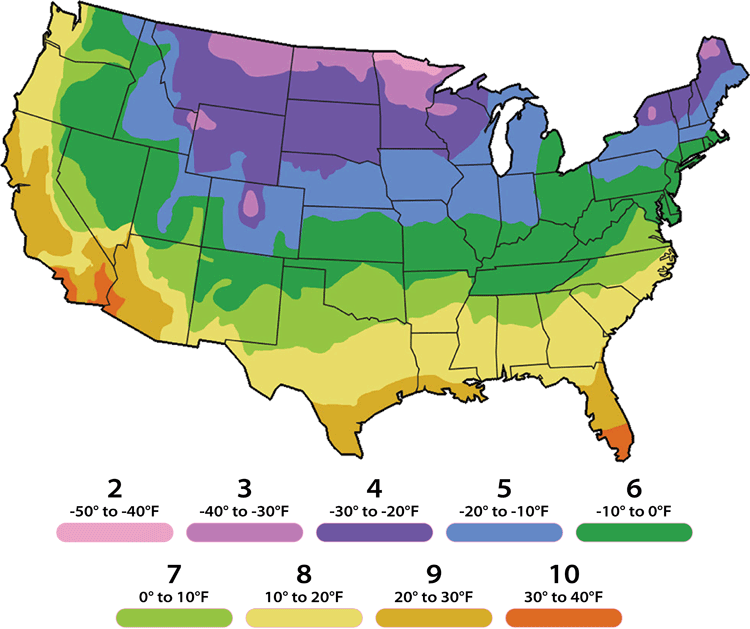
This shrub is a great choice for planting near a pool, as it loves both full sun and semi-shade exposure. When watering it, allow the soil to dry out between waterings. It is mostly pest- and disease-free. Mature Abelias can withstand temperatures as low as 30 degrees Fahrenheit for a limited time.
Hyperacanthus amoenus is another popular evergreen shrub. It has pinkish red flowers with off-white petals that are fragrant, followed by green fruits that turn brown when ripe. This shrub is easy to grow, needing only full sun and regular watering - though it should be in USDA Zones 8 -9 for full protection from cold weather. For areas with colder climates, it is recommended to keep the plant in a pot and move it indoors in winter. In such a case, extra care should be taken to make sure it has enough water, light and fertilizer. Pruning may also be necessary to ensure the plant remains within the size desired.
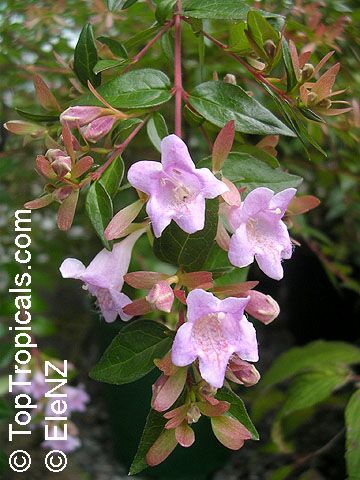
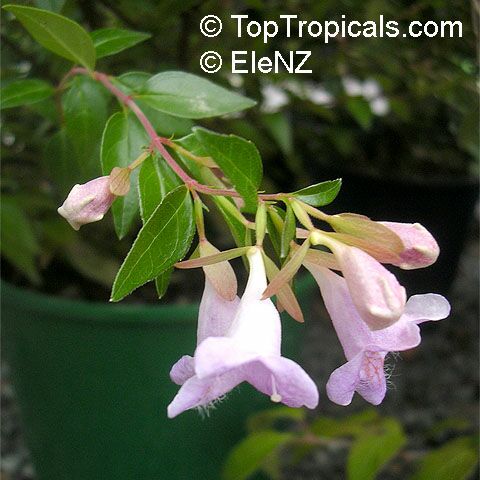
Botanical name: Acacia auriculiformis
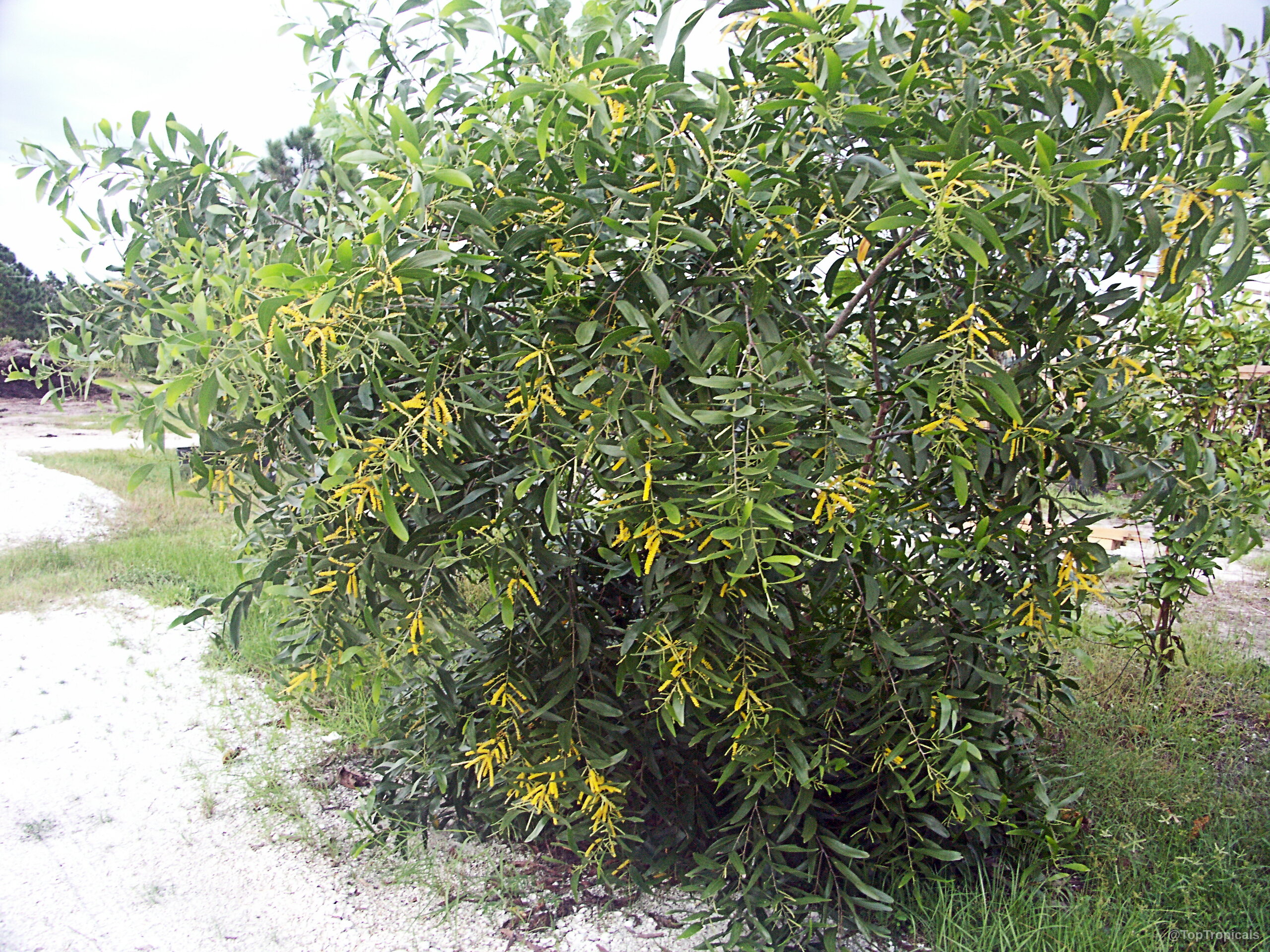
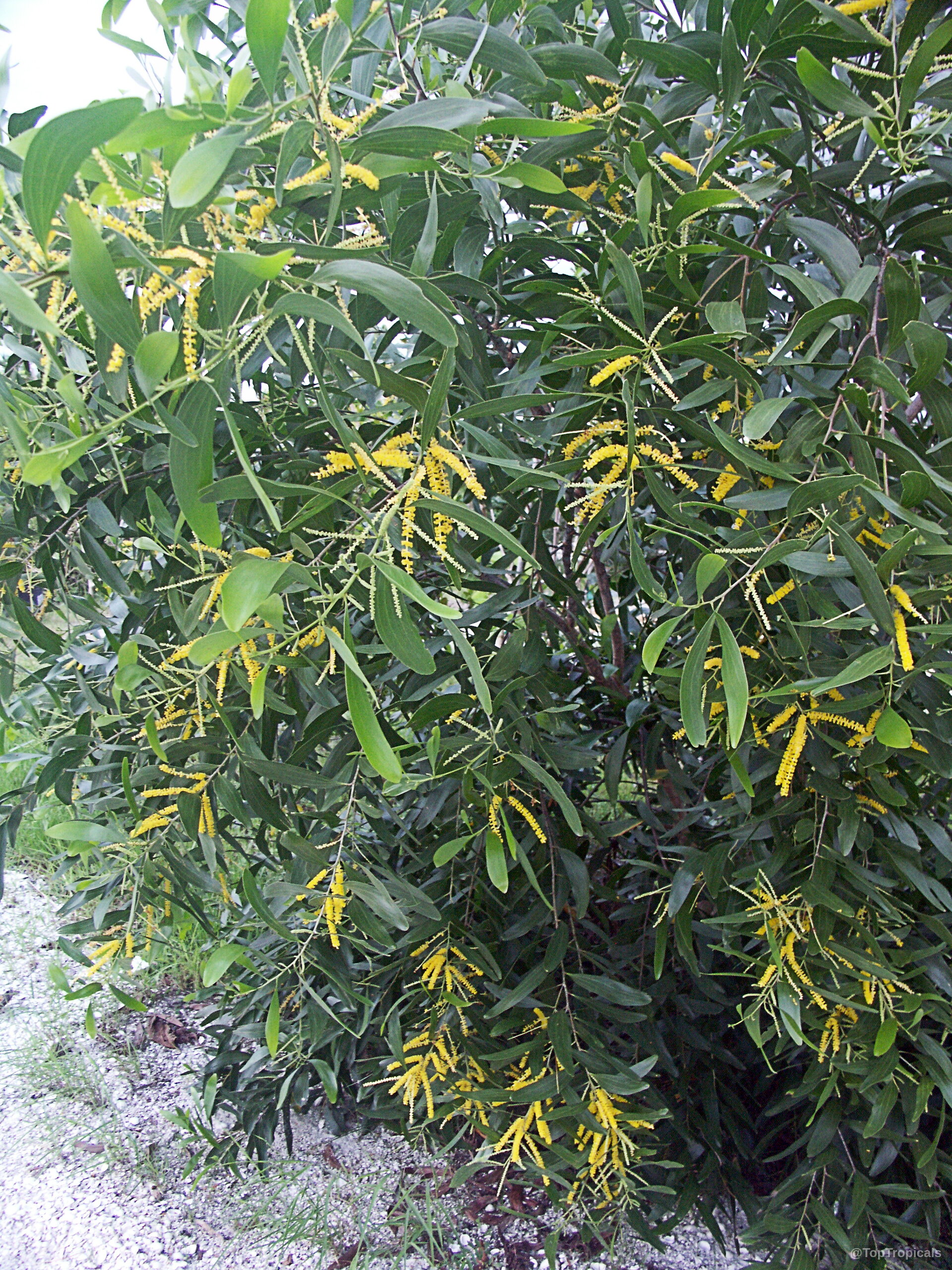
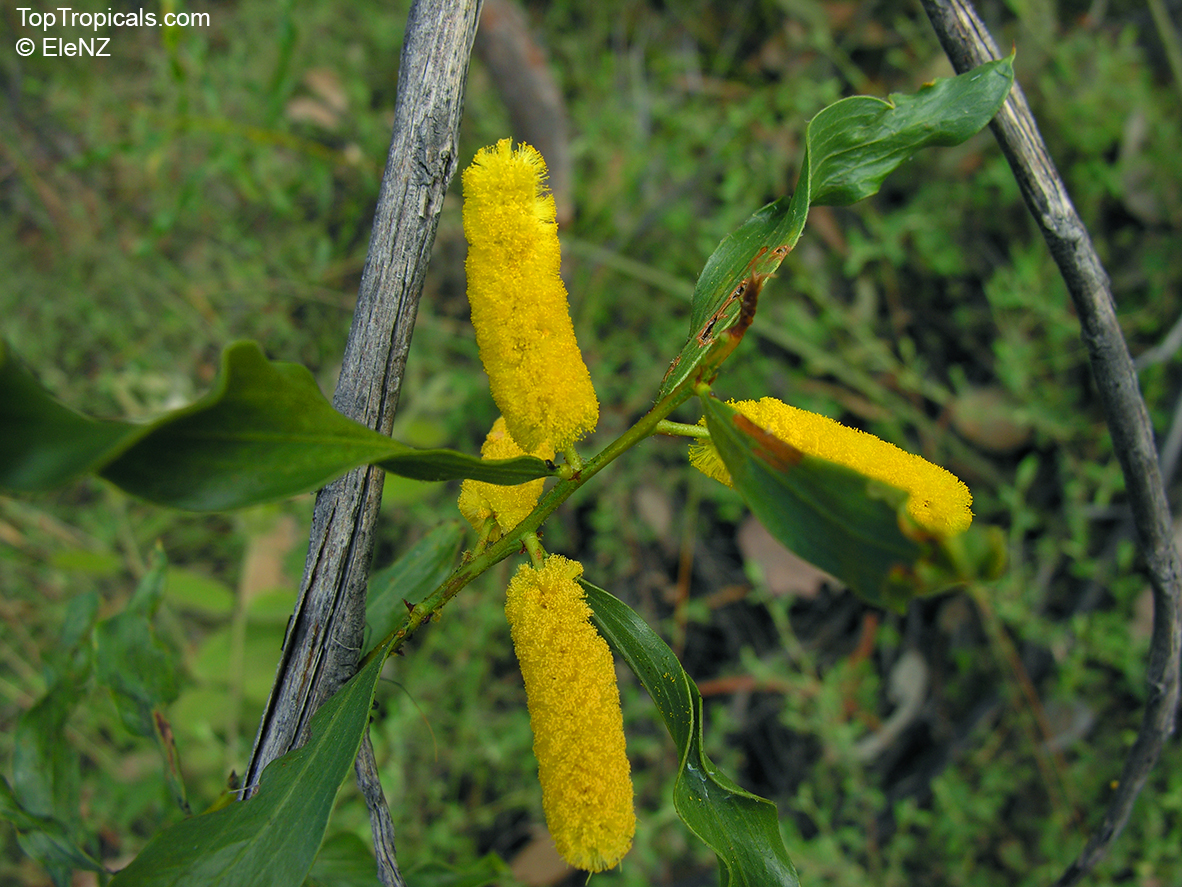
Common names: Darwin Black Wattle, Ear Pod Wattle
Family: Fabaceae
Subfamily: Mimosoideae
Origin: Australia, New Guinea


Very fast growing, undemanding ornamental and shade tree. Honey-sweet, showy yellow flowers attract bees and butterflies. The plant is amazing in its ability to recolonize waste. Hard to kill. Can grow as much as 6-8 ft per season. Mature trees are medium sized. If you are looking for a fast result, this shade tree is for you. The plant is amazing in its ability to recolonize waste, paper mill sludge; even uranium spoils. This is the only tree found on a 20-year old uranium spoil. Cold hardy to some freeze.



Botanical name: Acacia baileyana
Common name: Purple Fernleaf Acacia
Cultivar: Purpurea
Family: Fabaceae
Subfamily: Mimosoideae

Acacia baileyana 'Purpurea' (Purple Fernleaf Acacia) is a small, drought tolerant tree that can reach 10-20 feet in height in the right conditions. It thrives in full sun, and requires moderate water, which decreases once established. It has ornamental foliage, and produces beautiful yellow, orange flowers. These fragrant blooms attract butterflies and hummingbirds to your garden. It grows best in USDA hardiness zones 9-11.
When planting Acacia baileyana 'Purpurea', dig a hole that is twice as wide as the root ball and around the same depth. This will ensure the roots have plenty of space to spread out. Once planted, water deeply to help the roots establish.
For cold regions, it is best to plant Acacia baileyana 'Purpurea' in a pot and move it indoors in cold winter months. Make sure the pot is well drained and replant every few years for optimal growth. Feeding with a fertilizer in the spring and summer will help promote growth. If you see any signs of disease or pests, treat them as early as possible with an appropriate product.
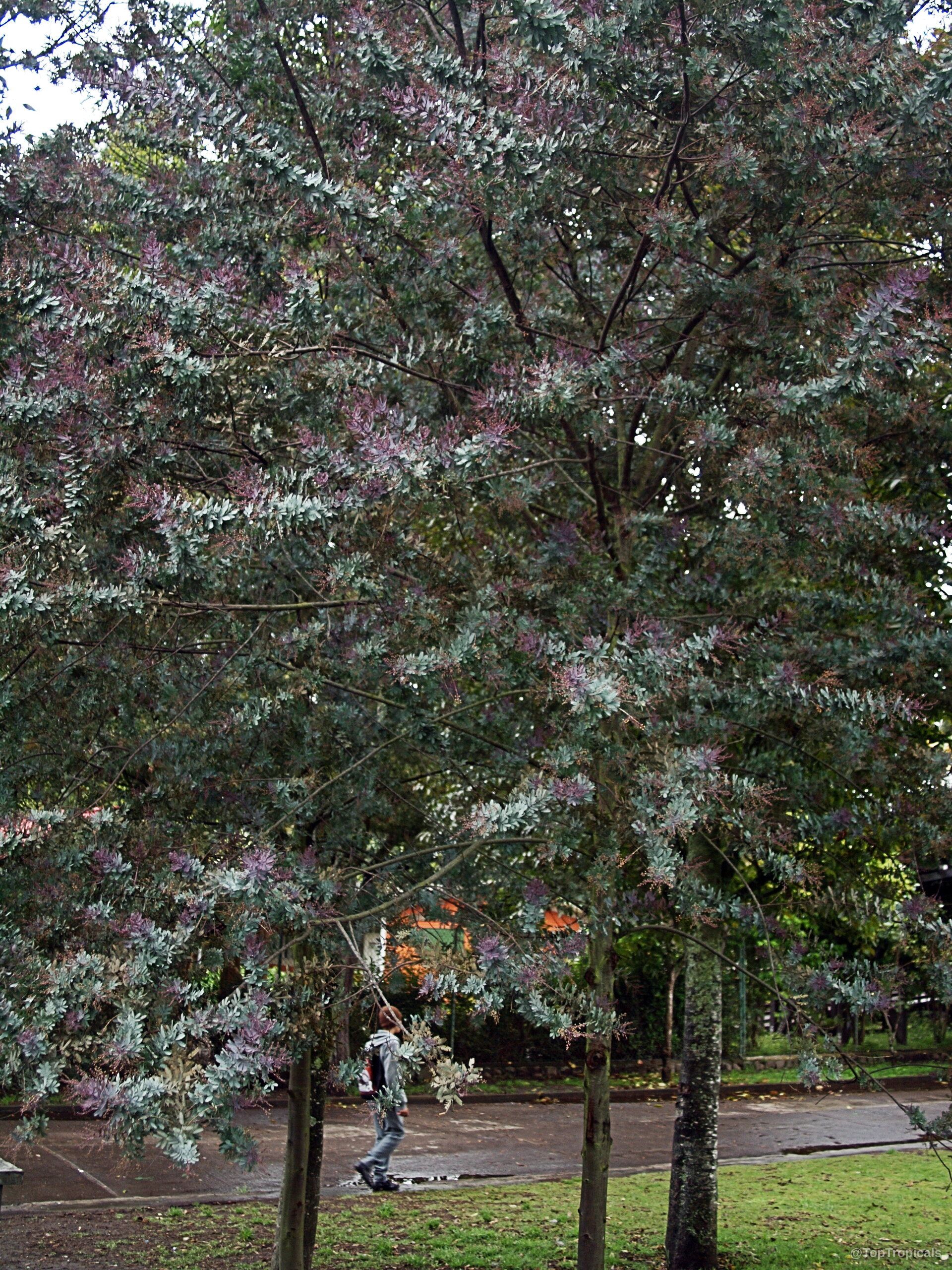
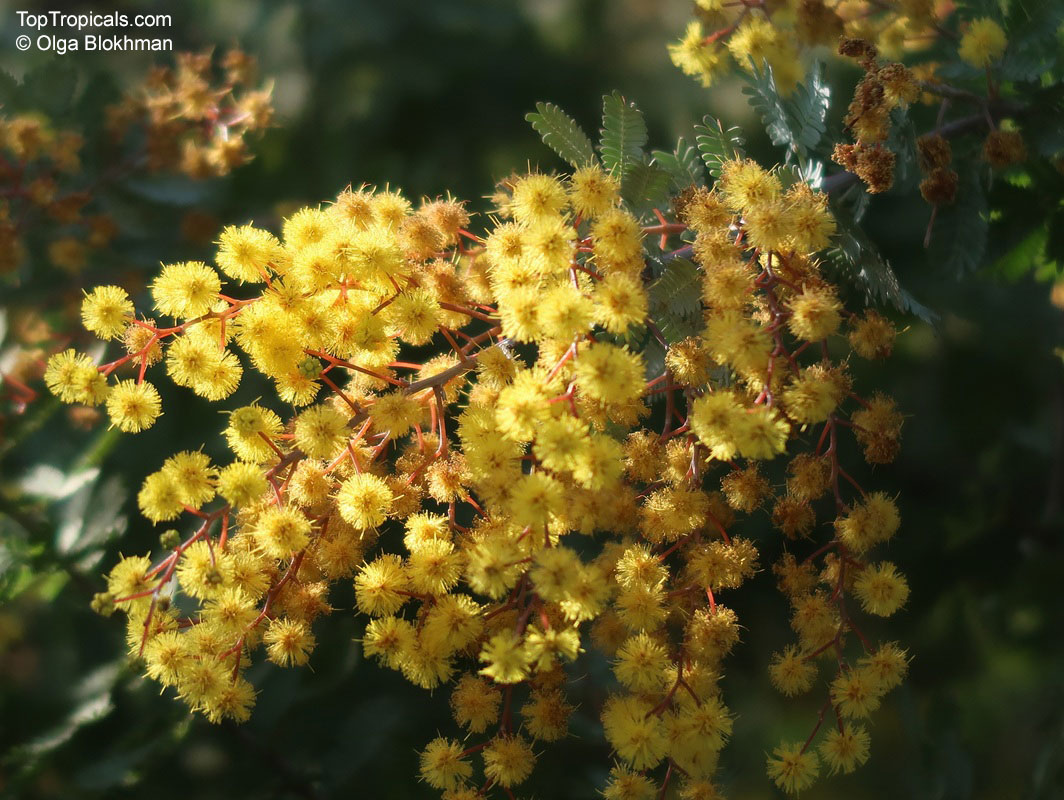
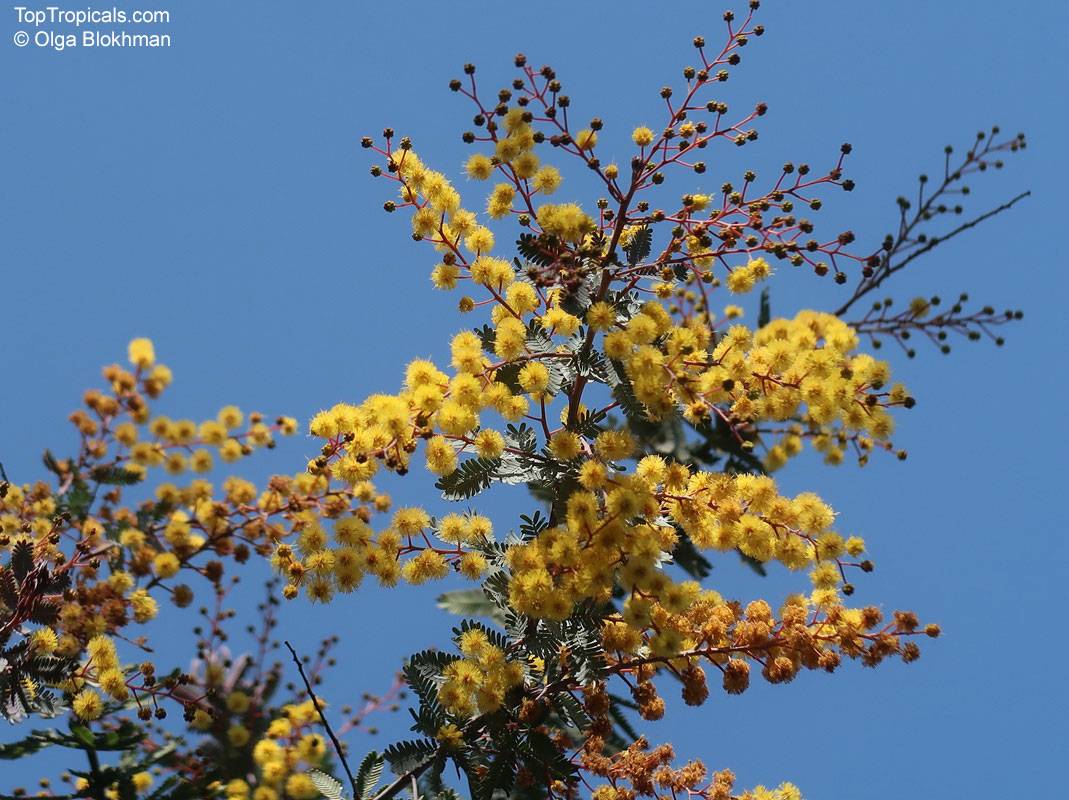
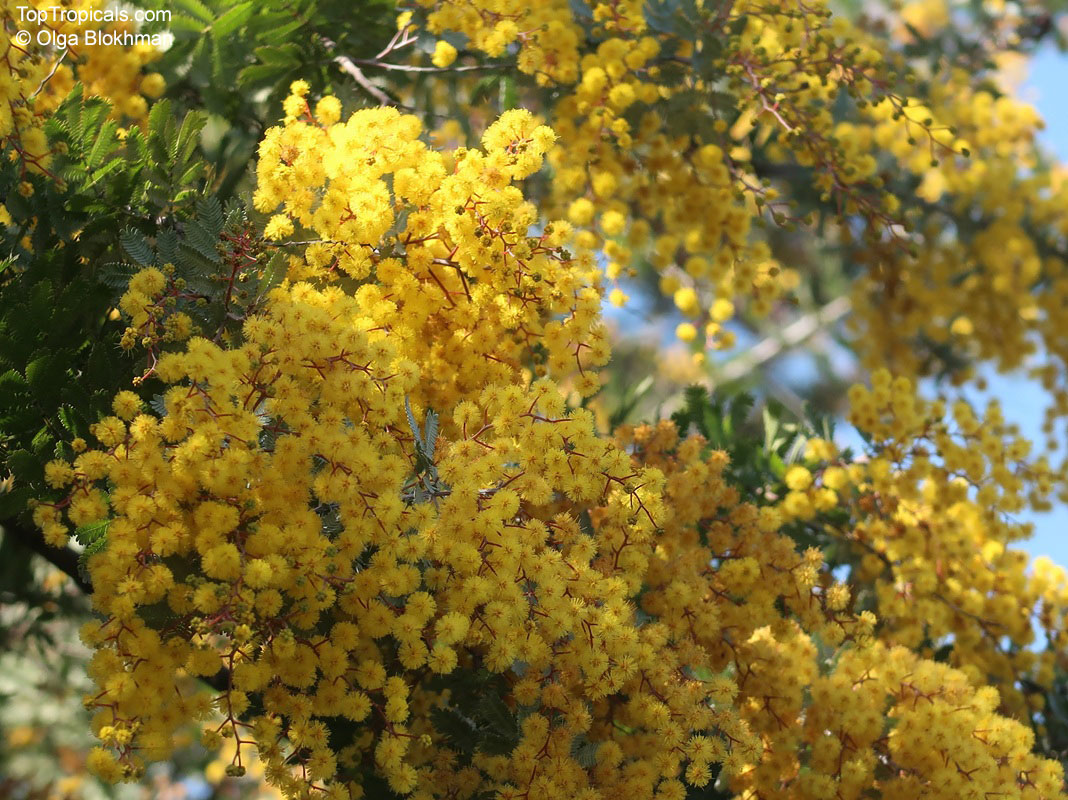
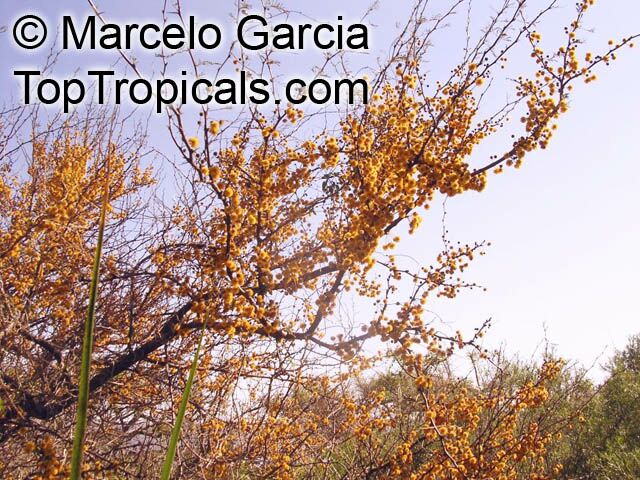
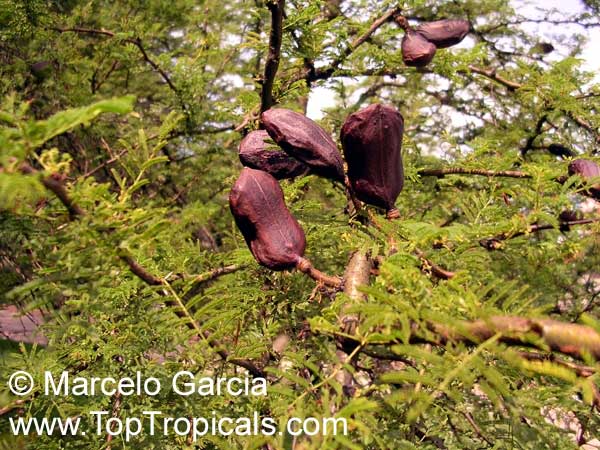
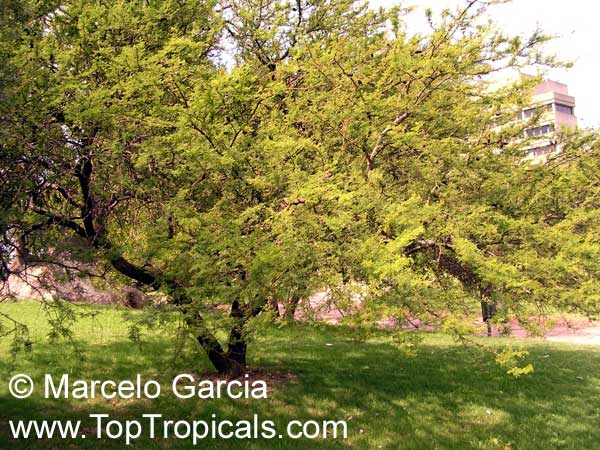
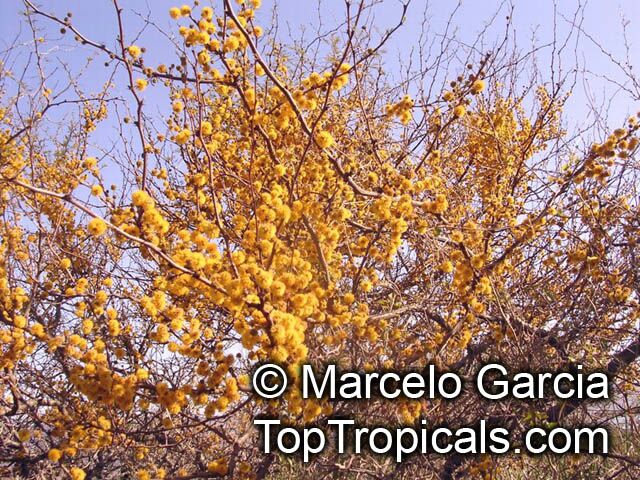
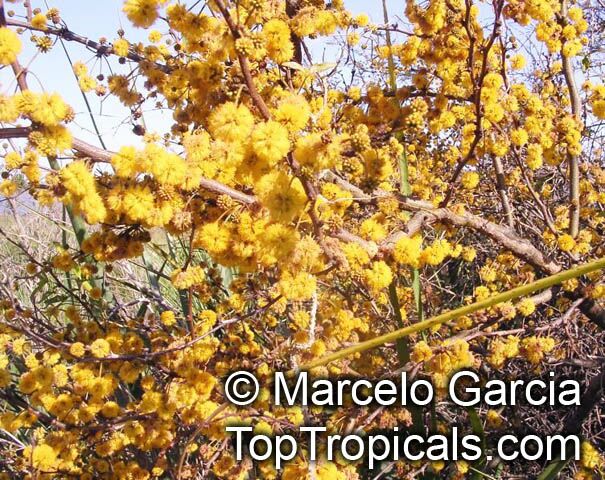
Botanical names: Acacia cavenia, Mimosa caven
Common names: Espino Cavan, Roman Cassie
Family: Fabaceae
Subfamily: Mimosoideae
Origin: Chile and Argentina
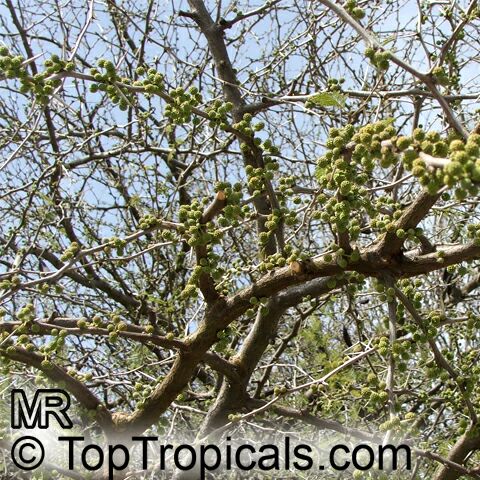
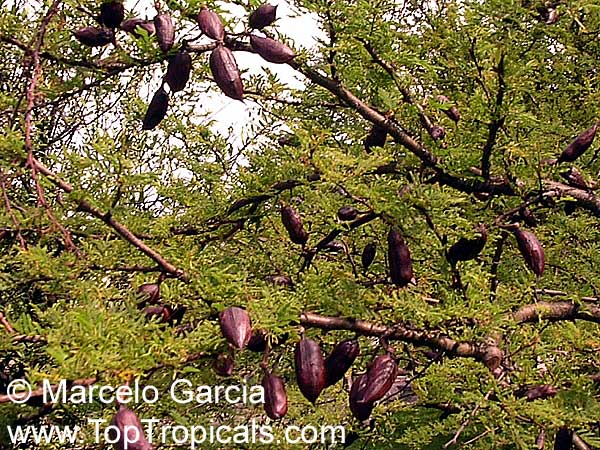
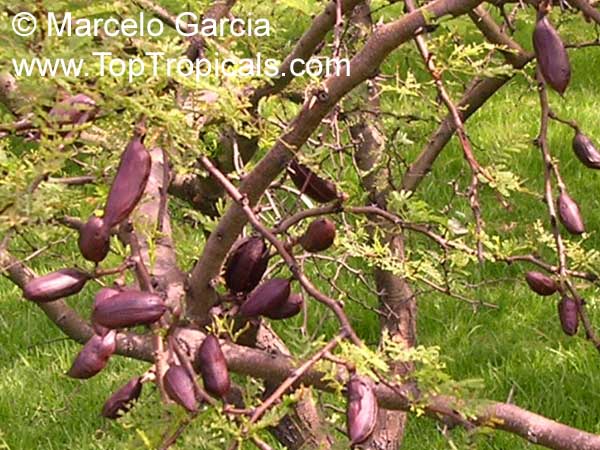
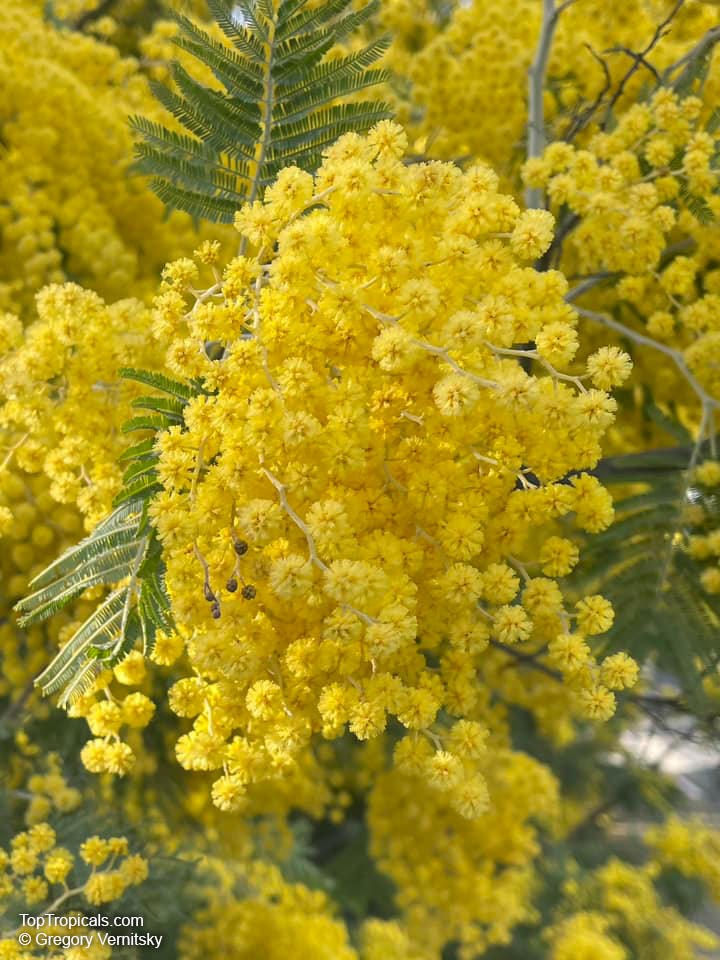
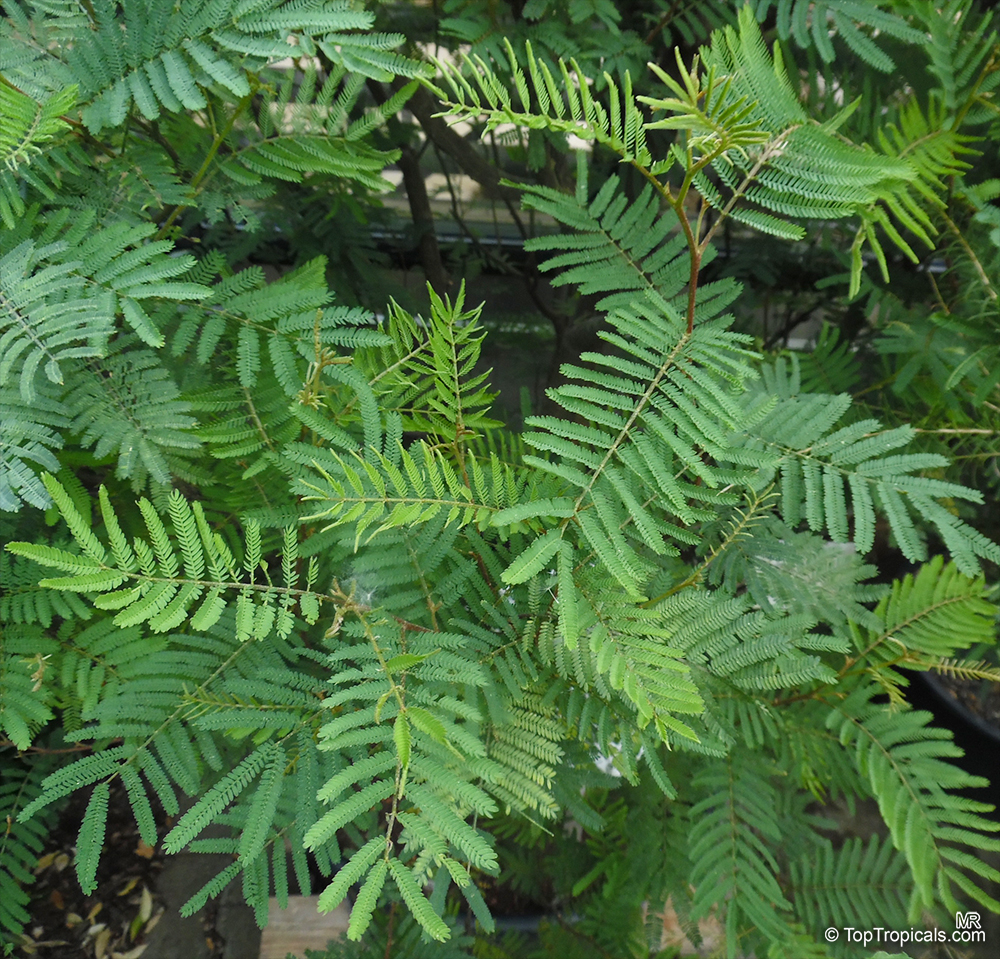
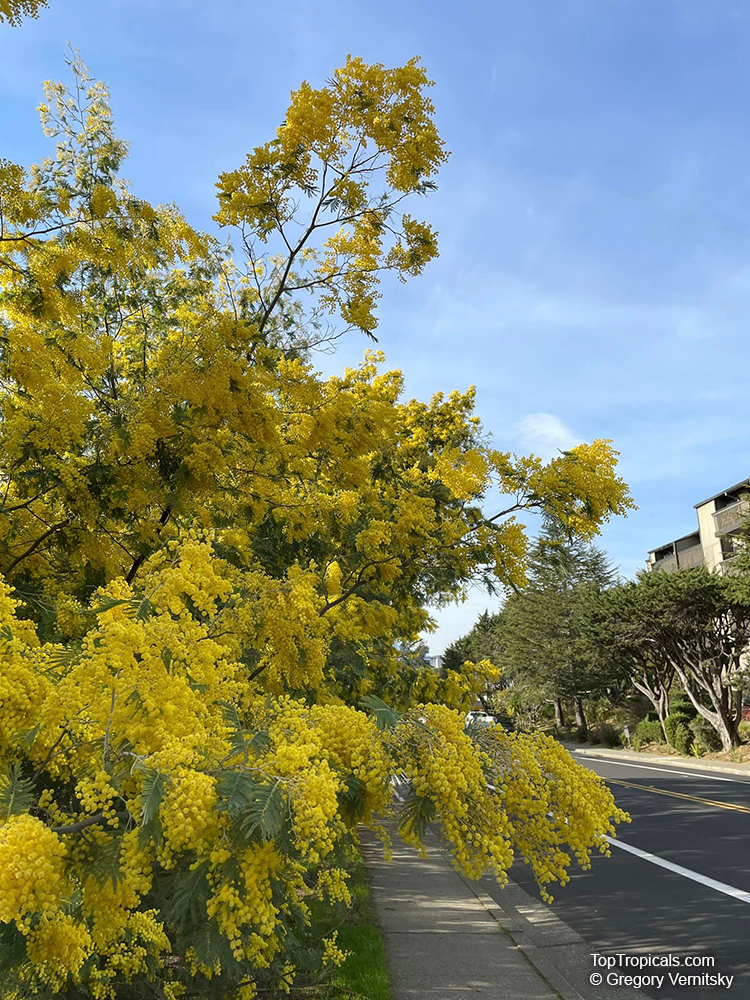
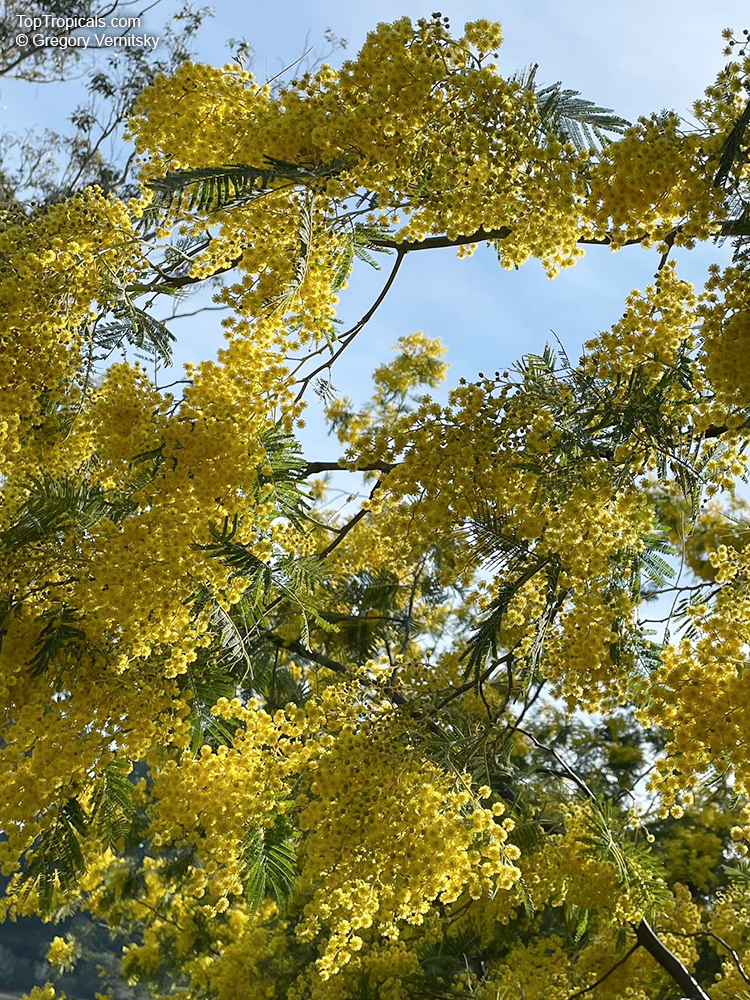
Botanical name: Acacia dealbata
Common names: Silver Wattle, Winter Mimosa tree
Family: Fabaceae
Subfamily: Mimosoideae
Origin: Australia
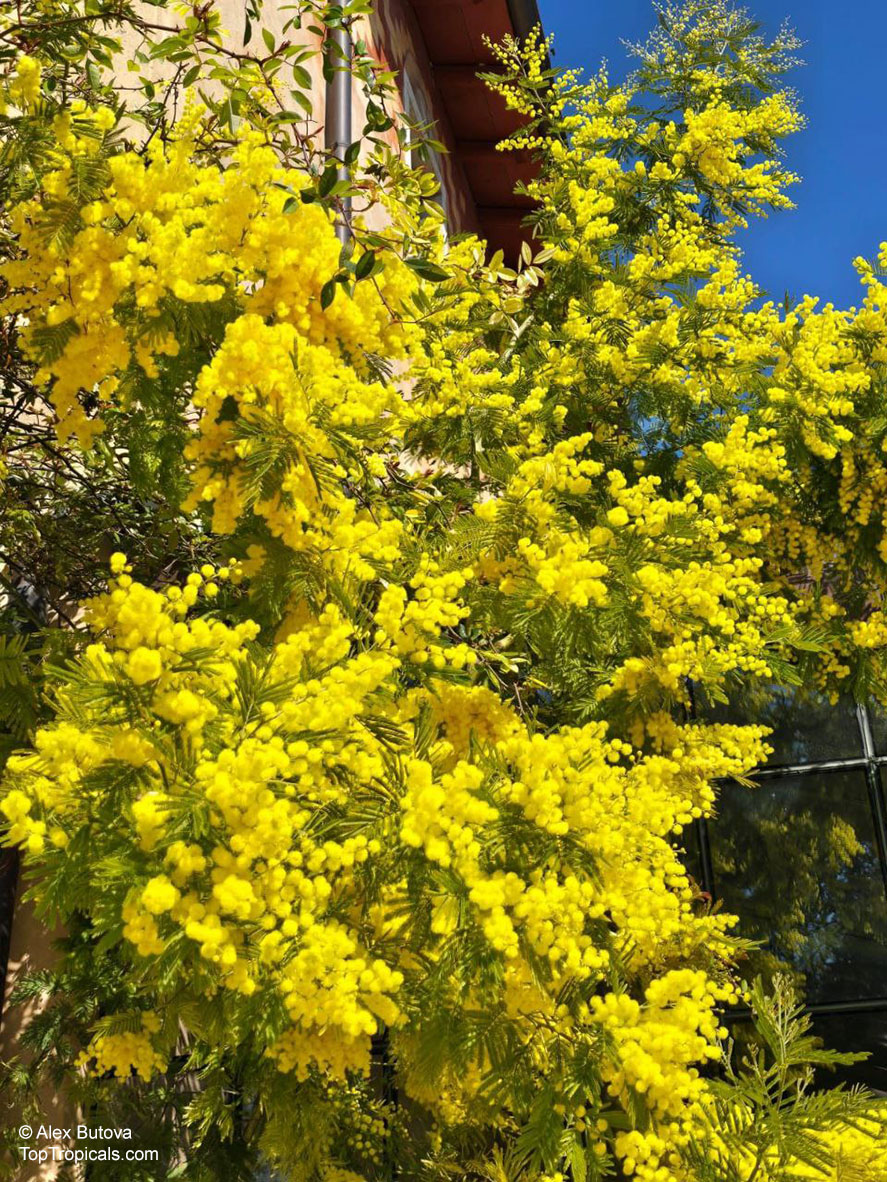
Acacia dealbata (Silver Wattle) is usually found growing in full sun and can tolerate a range of soils as long as it is well drained. It appreciates moderate water and should be kept evenly moist; it is also moderately drought tolerant once established. This small tree is native to Australia and grows to a height of 10-20 feet, with a spread of 8-15 feet. This tree is invaluable in the landscape due to the profusion of fragrant, yellow or orange flowers that are produced in early spring. Not only do they add much beauty and fragrance to the garden, but they attract both butterflies and hummingbirds.
It thrives in USDA zones 9-11. When planting Acacia dealbata, choose a spot where it can be in full sun and keep the soil evenly moist. In cold regions, the Silver Wattle does best in a container rather than planted directly in the ground. Be sure the container is large enough for the tree to reach its full height, with plenty of drainage. During the colder months, mulch heavily around the container to protect the roots. Water when the soil is dry to a depth of an inch or so, and avoid over-watering as this can lead to root rot. Fertilizer should be applied occasionally during the growing season.
Overall, Acacia dealbata is a unique and beautiful addition to the garden, with its fragrant blooms and stunning foliage.
| Next | |
Use link to repeat this search:
https://toptropicals.com/cgi-bin/garden_catalog/cat.cgi?search_op=and&keyword_op=and&language=e&number=5&no_change_lang=1
&v1=fgt&user=tt&sale=1&first=0