Senna - Plant Encyclopedia Results
| Number of plants found: 23 | Next | 
|
Go to page: | 1 | 2 | 3 |
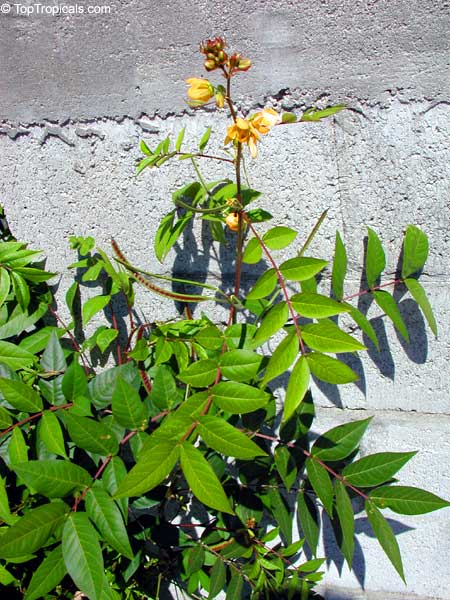
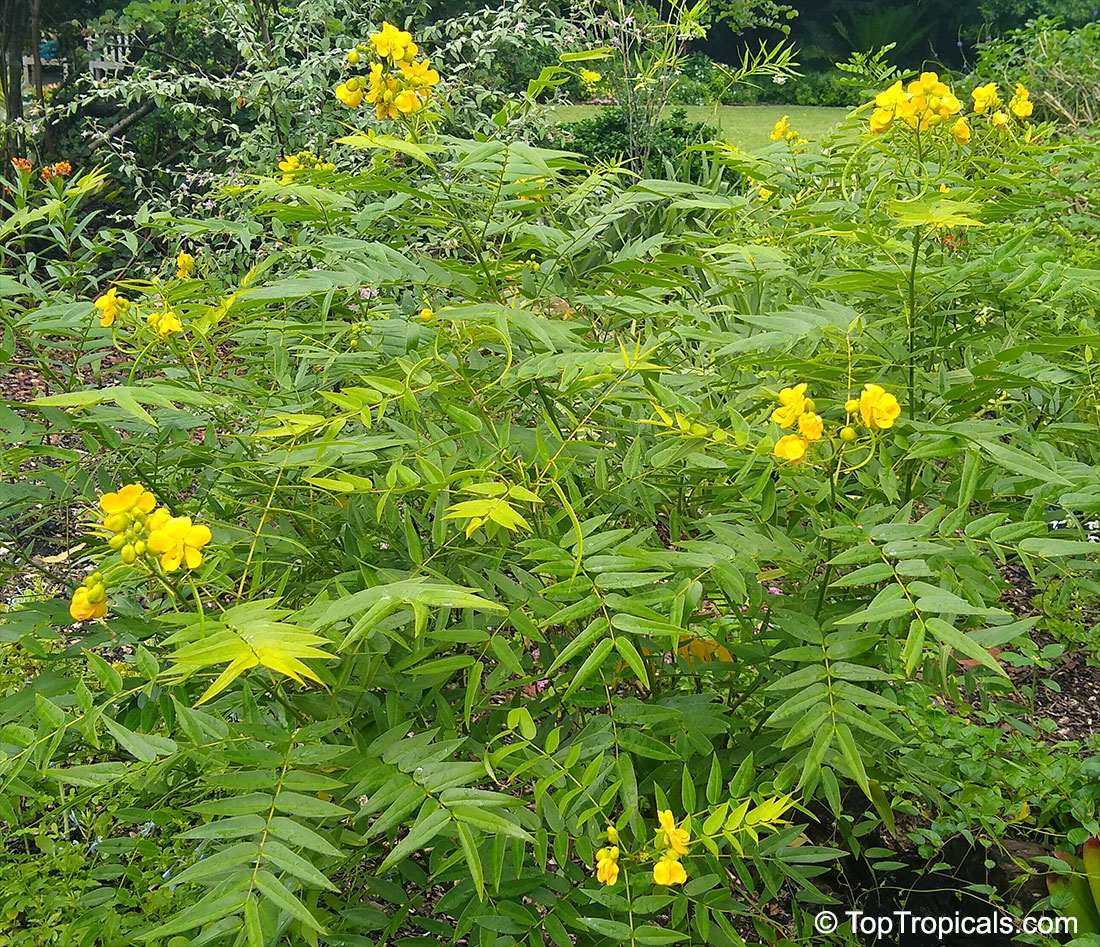
Botanical names: Cassia occidentalis, Senna occidentalis, Cassia ligustrina
Common names: Coffee Senna, Fedegoso, Privet Cassia
Family: Fabaceae
Subfamily: Caesalpinioideae
Origin: South America


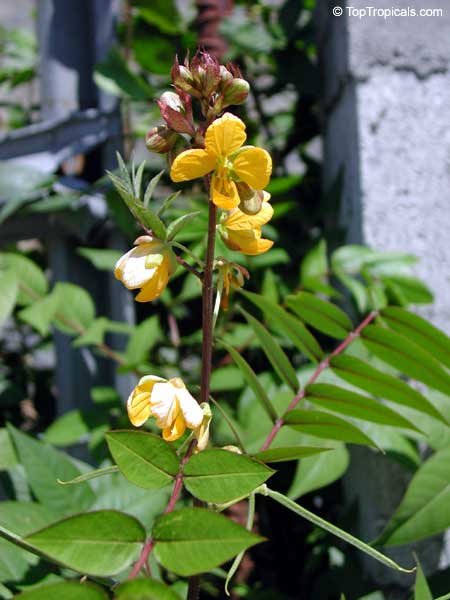
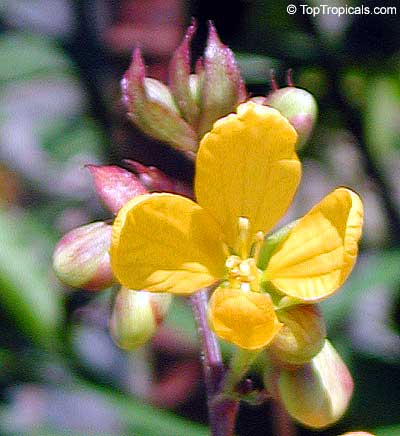
Medium size shrub or small tree with orange-yellow flowers from spring to fall. From distance, flowers look like little yellow hummingbirds and attract butterflies and bees. The plant is very ornamental not only due to its bloom but also to large, red-veined leaves.
Cassia occidentalis is a low-maintenance, medium-sized shrub that adds vibrant beauty and practical benefits to your landscape. From spring to fall, it produces clusters of orange-yellow flowers that attract butterflies and bees, while its large, red-veined leaves provide ornamental appeal year-round. Thriving in full sun to partial shade, this drought- and cold-tolerant plant is perfect for gardeners seeking beauty with minimal care. Its spreading habit also makes it ideal for creating natural hedges or privacy screens. Named for its coffee bean-like seeds, Coffee Senna is part of the Senna genus, known for its medicinal uses. Beyond aesthetics, it offers health benefits, including digestive aid, respiratory support, skin health, and a rich source of iron and minerals.
Ordering seeds info
RECOMMENDED SUPPLIES:
Seed Germination Mix #3, professional grade
SUNSHINE-Epi - Seeds and cuttings booster
SUNSHINE Bombino - Young Plant Booster
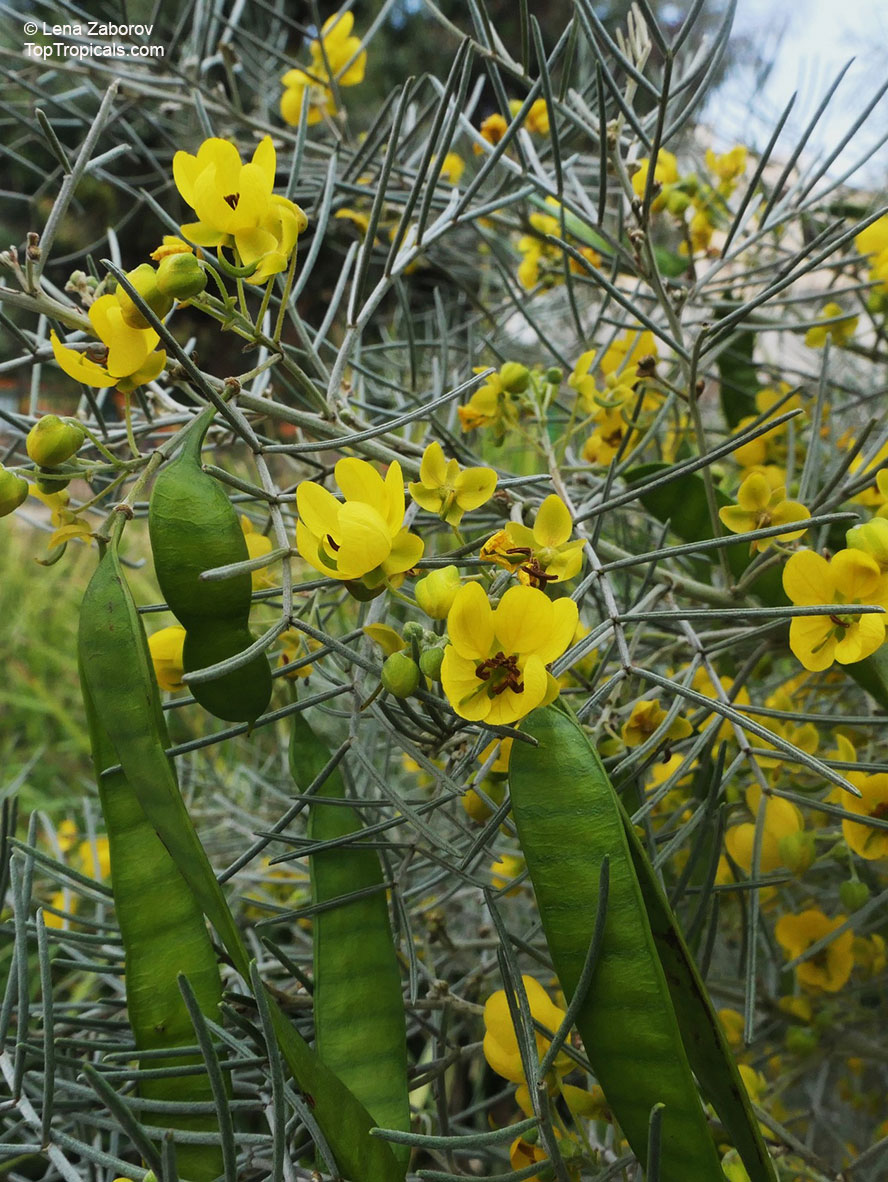
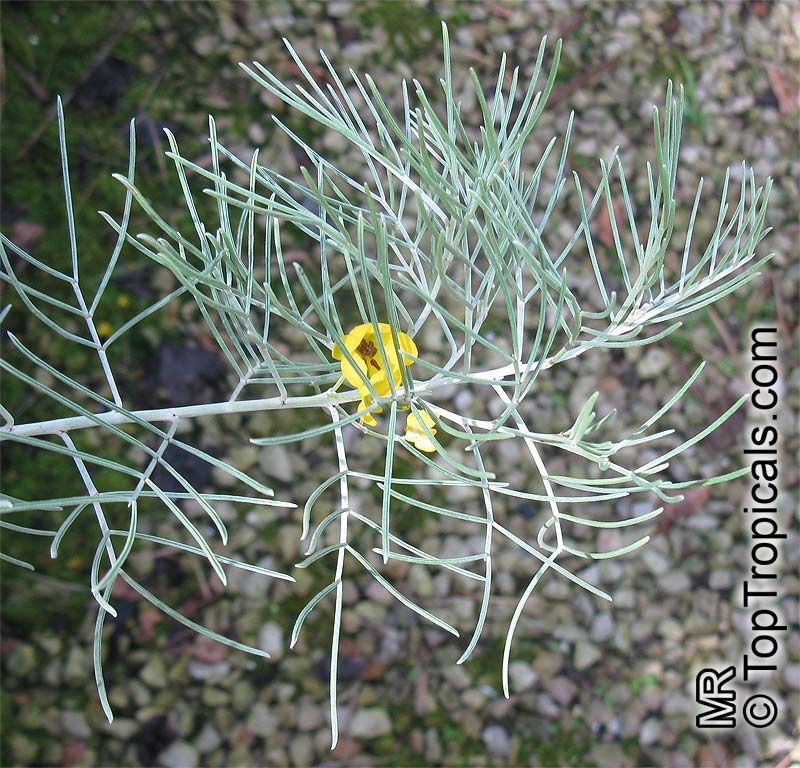
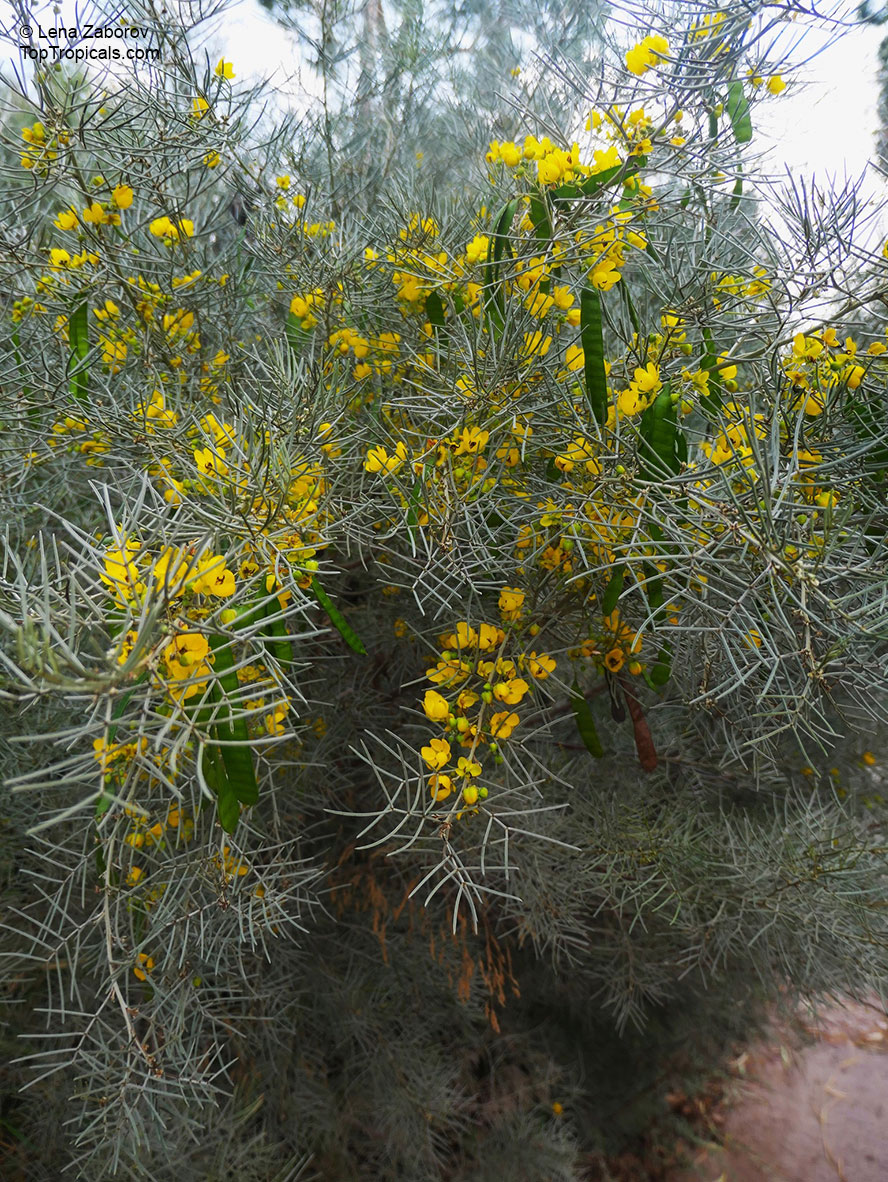
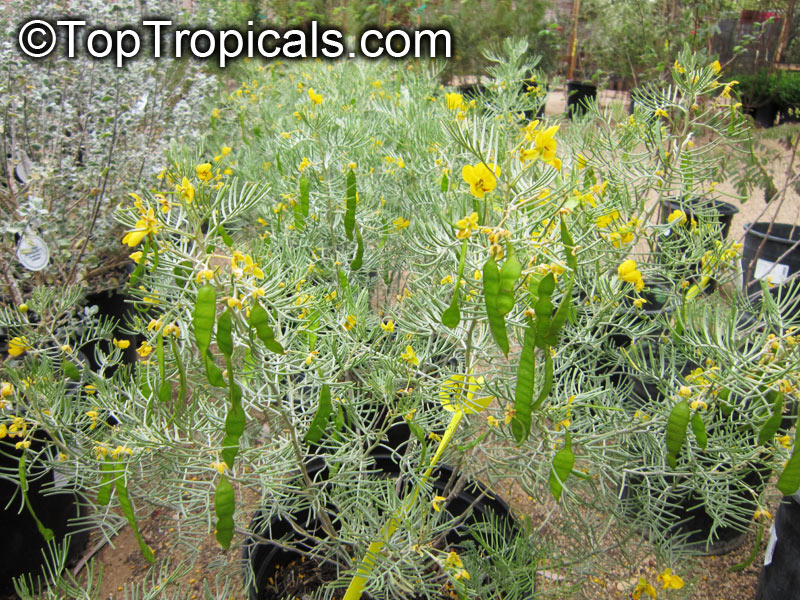
Botanical name: Senna artemisioides subsp. artemisioides
Common names: Dense senna, Grey Desert Senna
Family: Fabaceae
Subfamily: Caesalpinioideae
Origin: Central Australia

Silvery-grey quick-growing shrub with scented golden-yellow flowers in winter. Propagation: Seeds
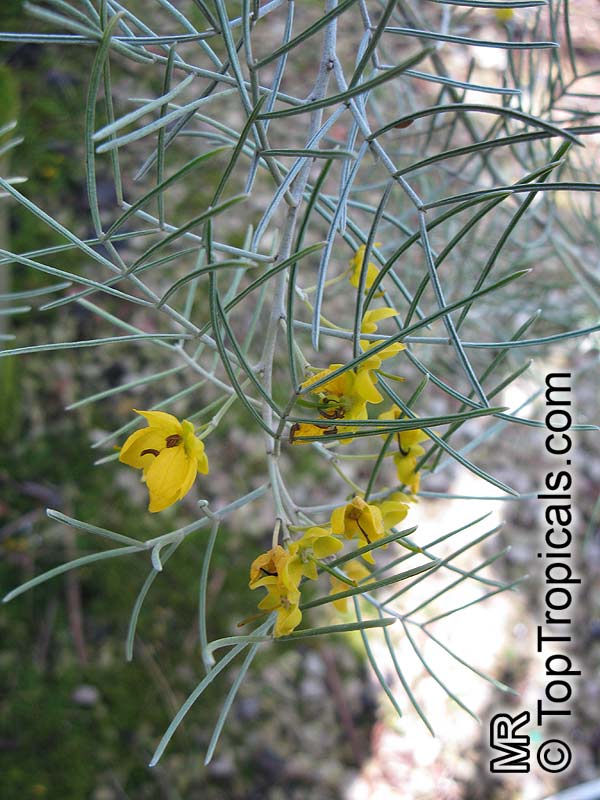
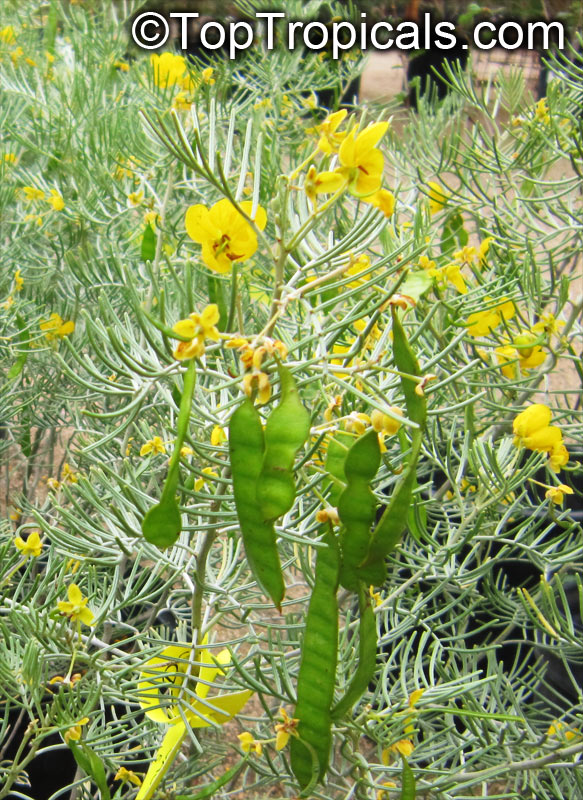

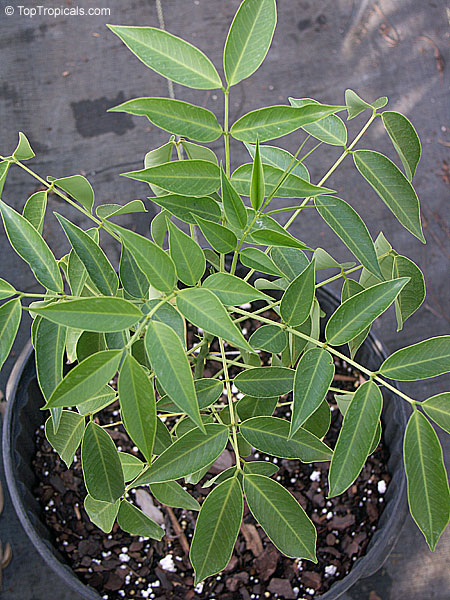
Botanical names: Senna corymbosa, Cassia falcata
Common names: Southern Cassia, Flowery Senna, Argentina Senna
Family: Fabaceae
Subfamily: Caesalpinioideae
Origin: Argentina, Brazil and Uruguay

Senna corymbosa is one of a family of over 500 species of trees, shrubs, perennial herbs and annuals that make up the family of Cassias/Sennas, most of which come from the Tropics. Senna corymbosa is from sub-tropical South America and is designated Zone 8. It is a shrub or small tree growing in nature to around 12 ft producing racemes of golden-yellow flowers through the Summer months. It is suitable for pot cultivation for the patio or conservatory. Perfectly grows and blooms in containers due to its slow growth habit and won't overgrow the pot. Perfect for a sunny patio.
This plant was previously misnamed as Cassia odorata.
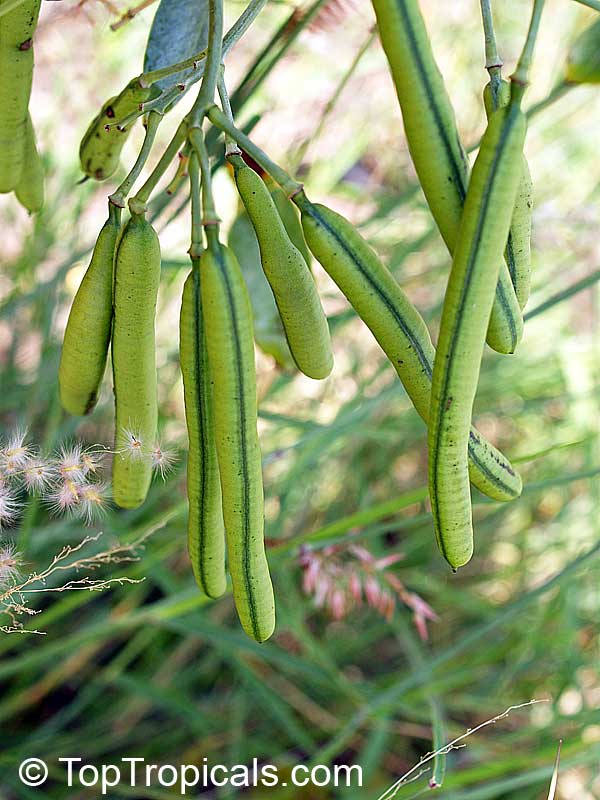
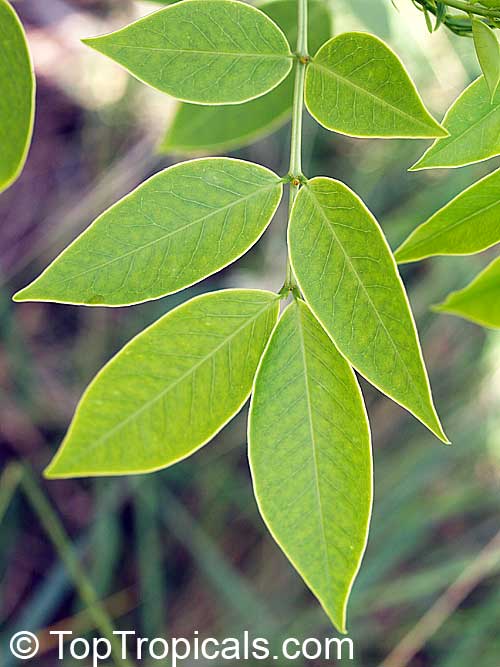
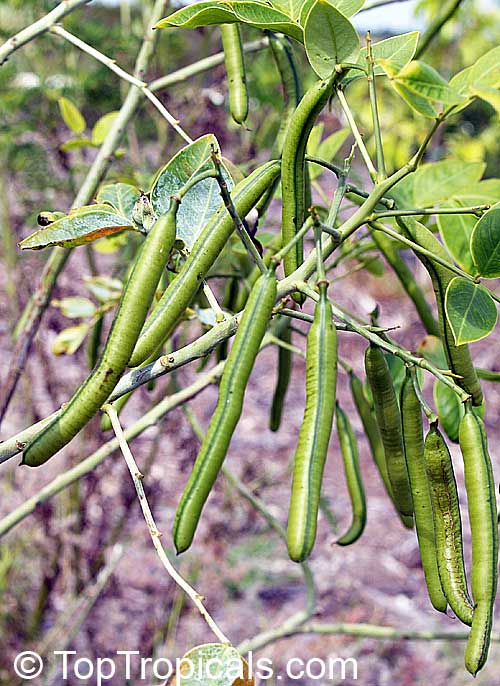
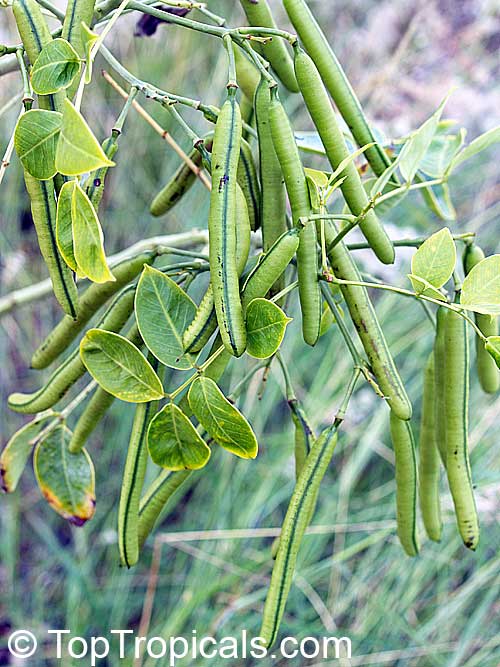
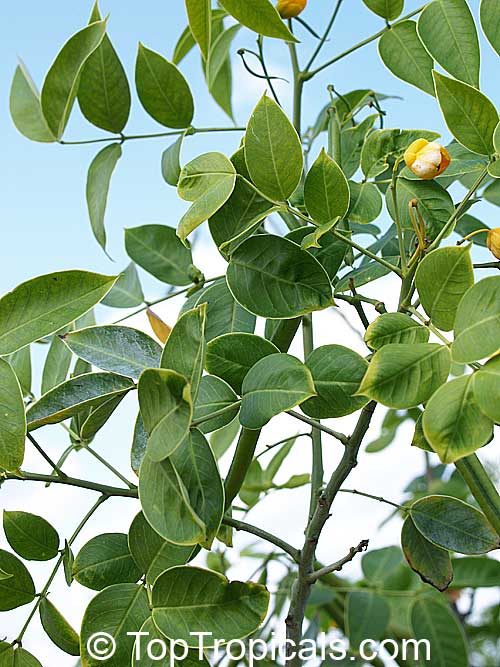
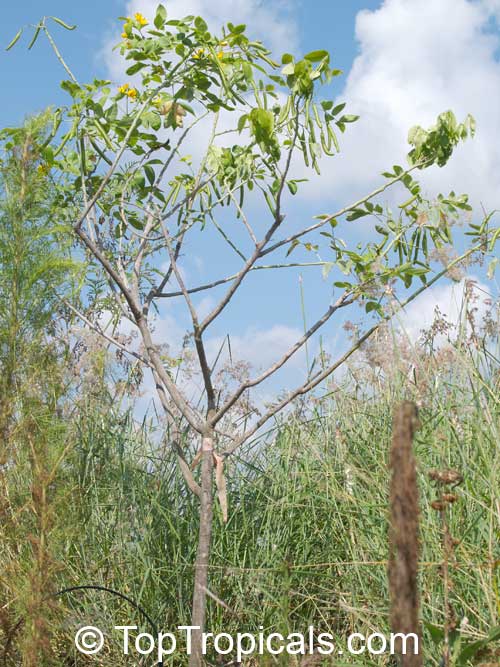
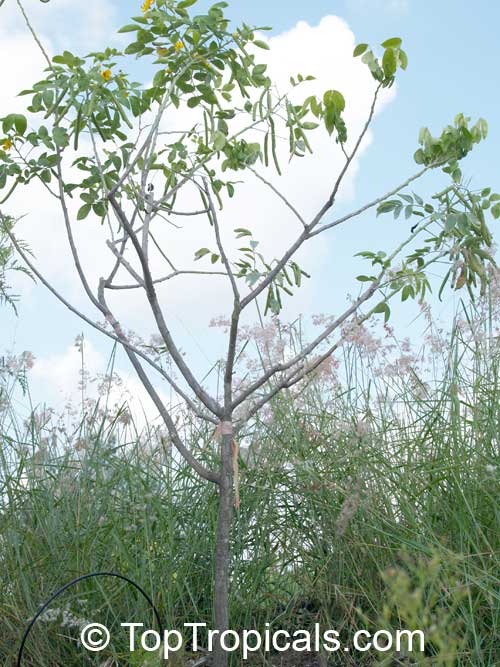
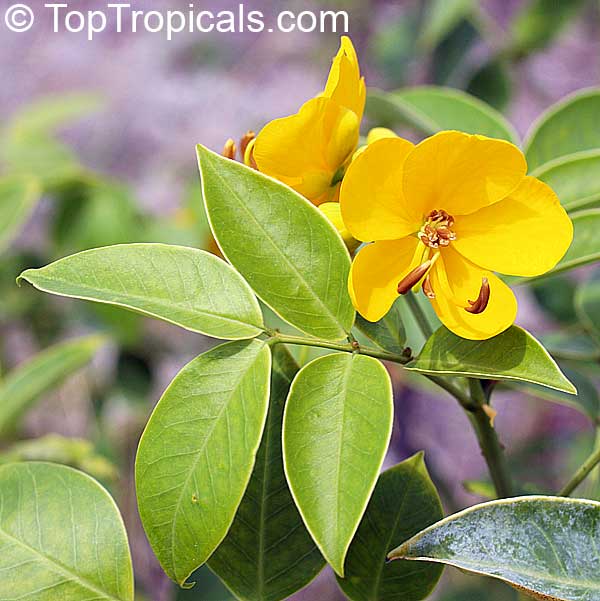
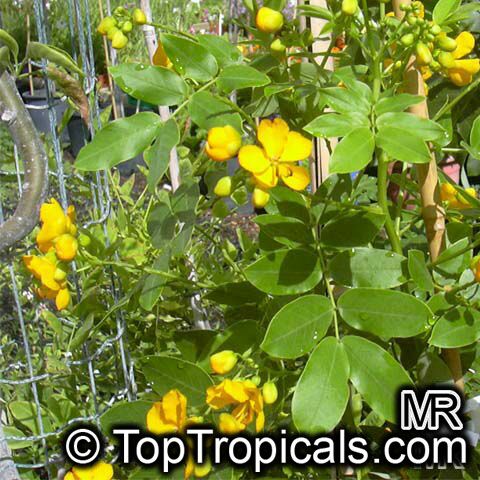
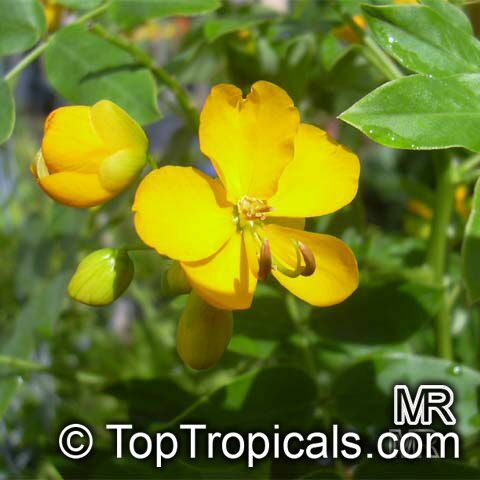
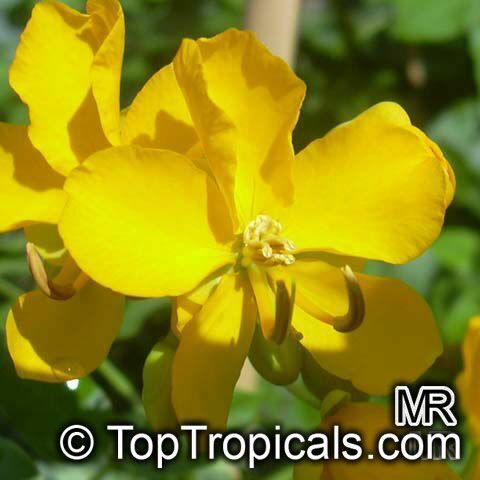
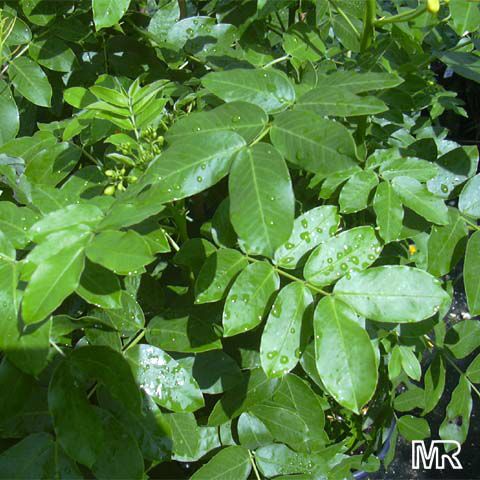
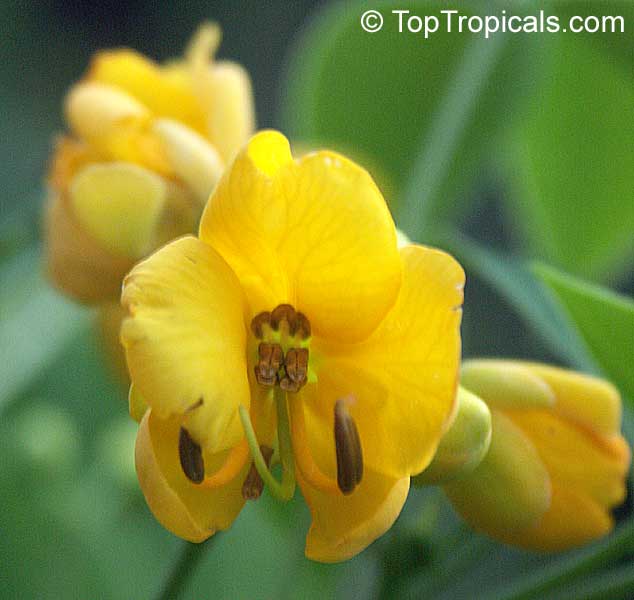
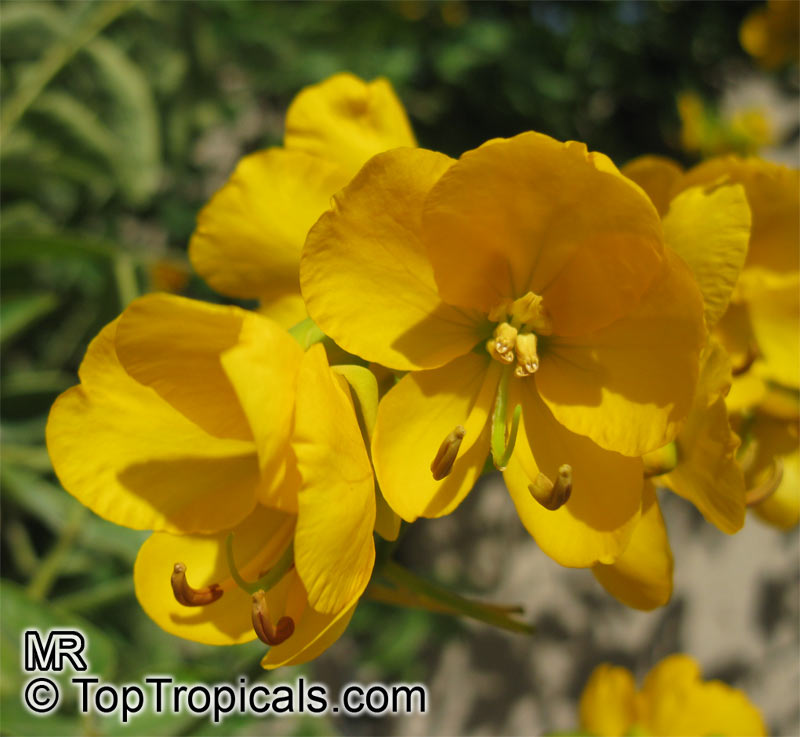
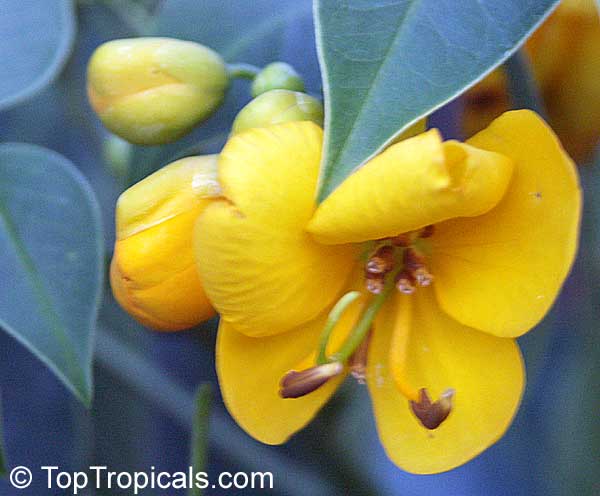
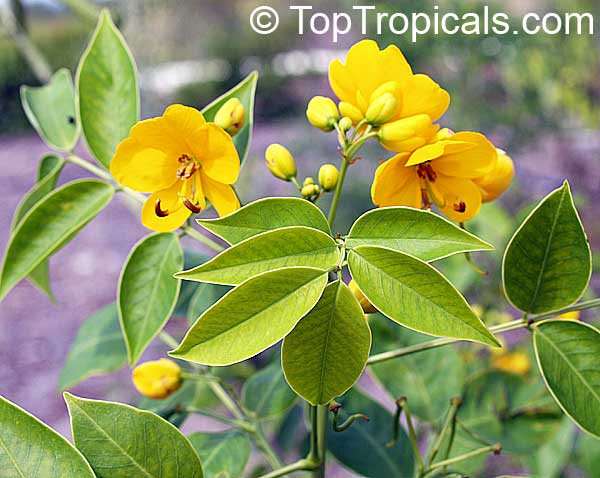
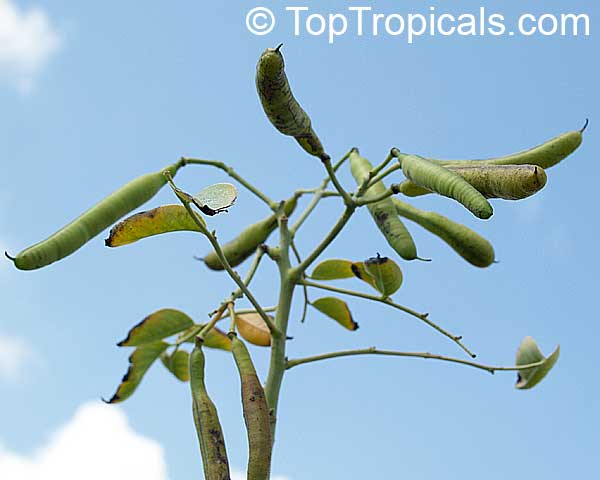
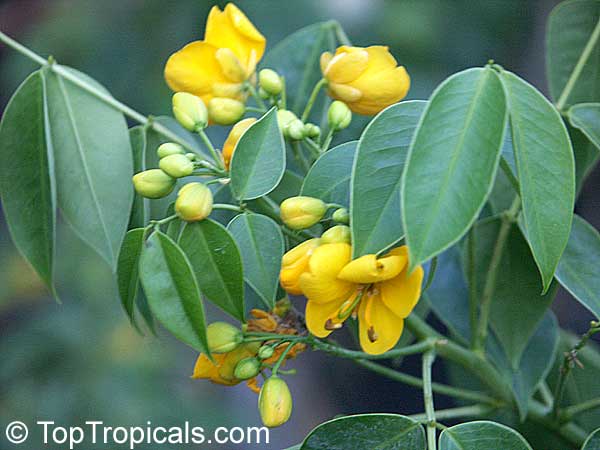
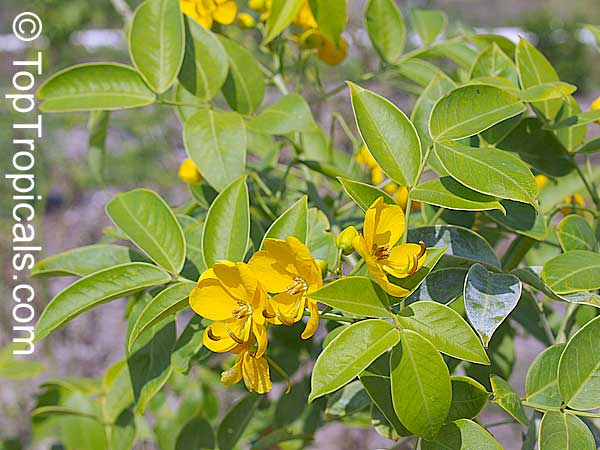
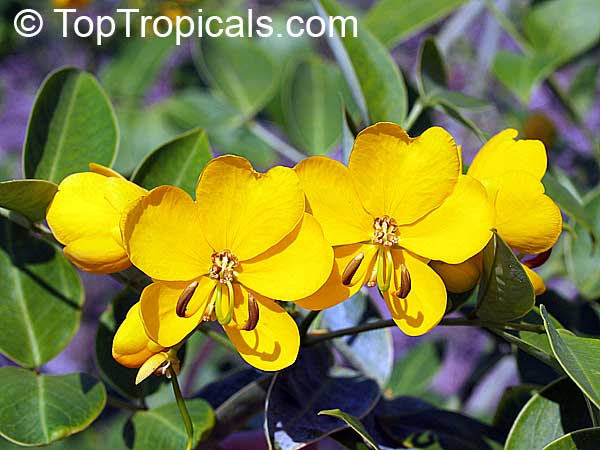
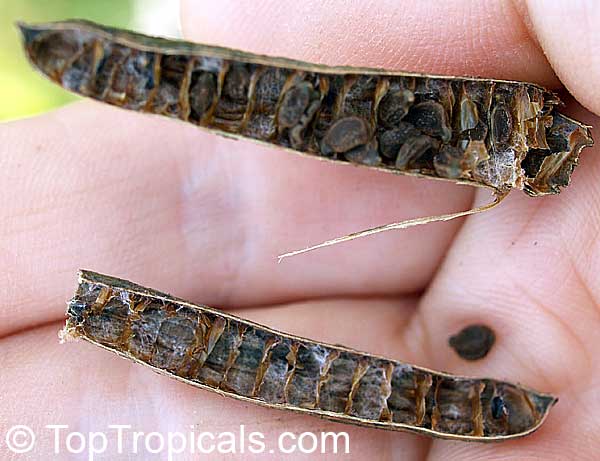
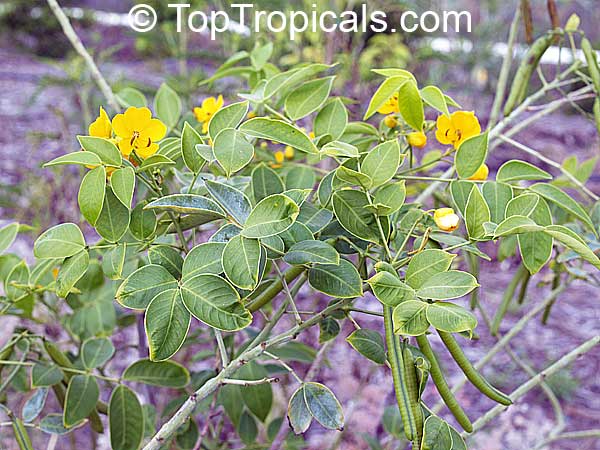
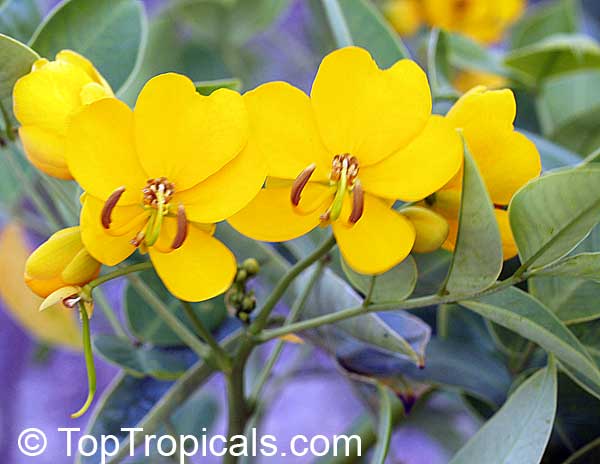
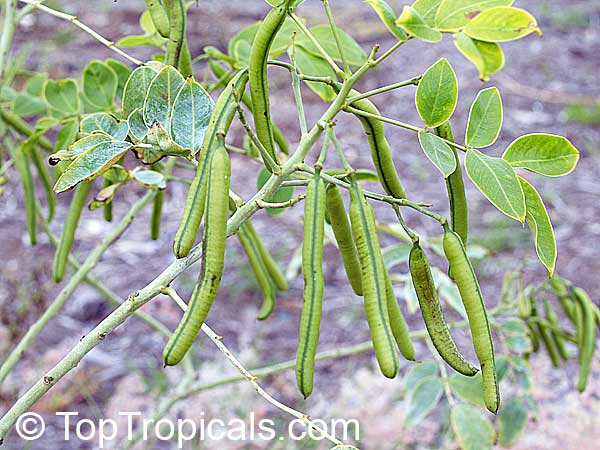
Botanical name: Senna pendula
Common name: Christmas senna
Family: Fabaceae
Subfamily: Caesalpinioideae
Origin: Tropical America


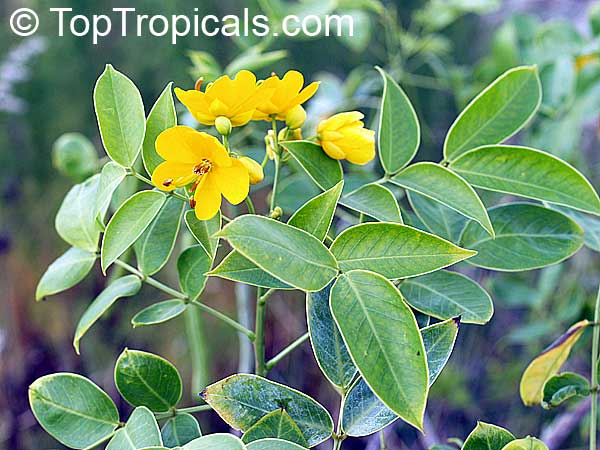
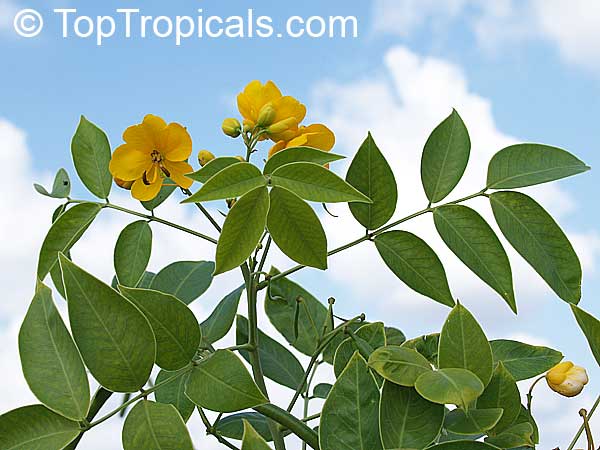
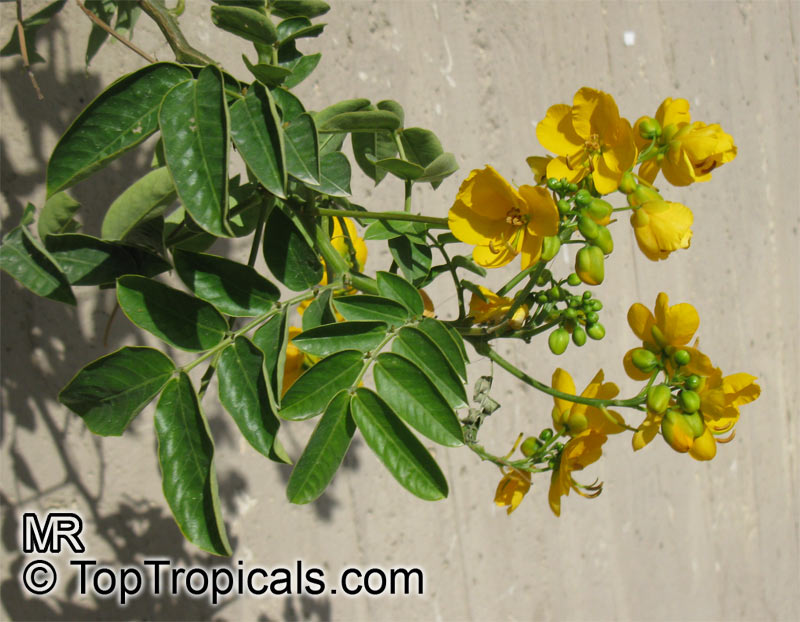
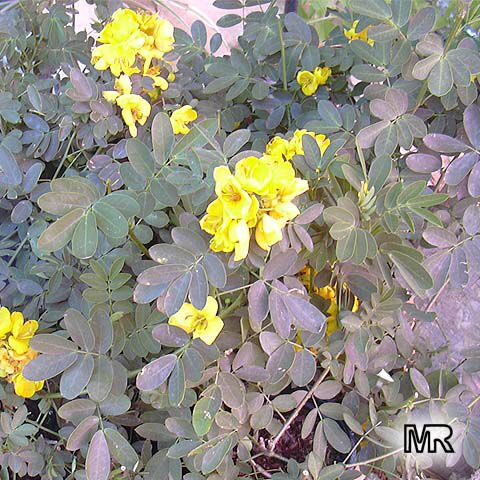
Christmas senna is a small shrub native to Tropical America. Demonstrating one of its hardiest characteristics, the plant typically grows 2-5 feet tall, with evergreen foliage and an abundance of yellow, orange flowers. Though Christmas senna can tolerate full sun, it prefers semi-shade, and will most likely experience full flowering potential when planted in dappled to full shade, with regular to moderate water. Though the plant can not tolerate cold, it does still perform in colder climates as long as it is kept in a pot, providing the roots are kept warm.
Christmas senna is often referred to as one of the most beautiful flowering plants. As such, it's an ideal choice for attracting hummingbirds and butterflies as they flock towards the bright and vibrant colors of its blooms. But, if you want to enjoy the beauty of this species, frequent pruning and pinching of the young shoots are necessary during the growing season to encourage branching and ensure a successful bloom. And, while larger specimens may require staking to keep them upright, the effort put into tending to Christmas senna is truly worth it. The tall and brightly colored blooms of this delicate flower will transform any outdoor space into one of tranquility and beauty.
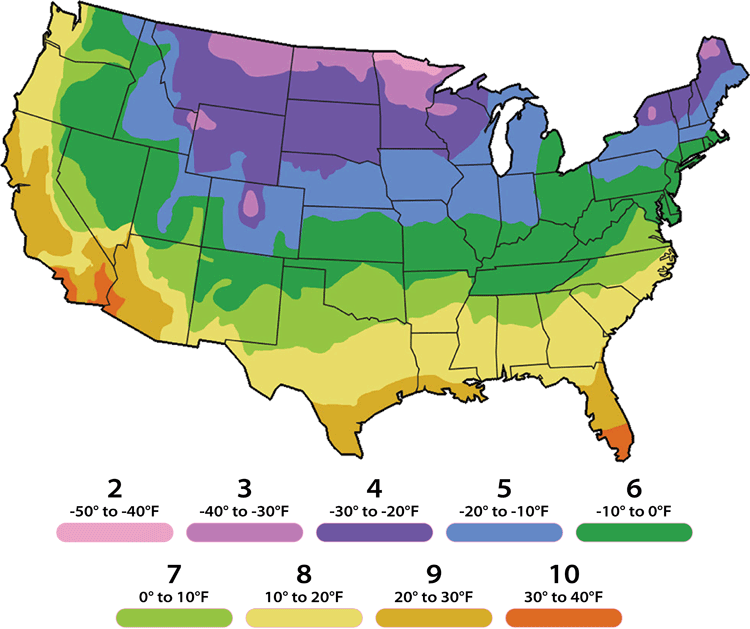
Christmas senna is best grown in USDA Zones 9-11, and as long as you satisfy its needs for semi-shade, regular to moderate water, and warmth in colder climates, you can enjoy its beautiful, yellow and orange blooms for years to come.
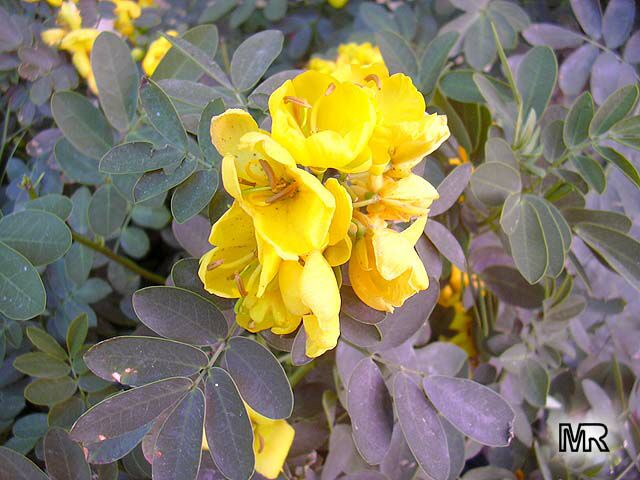
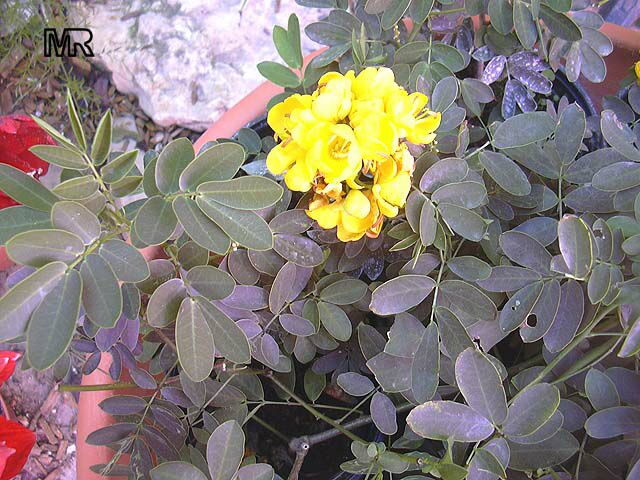
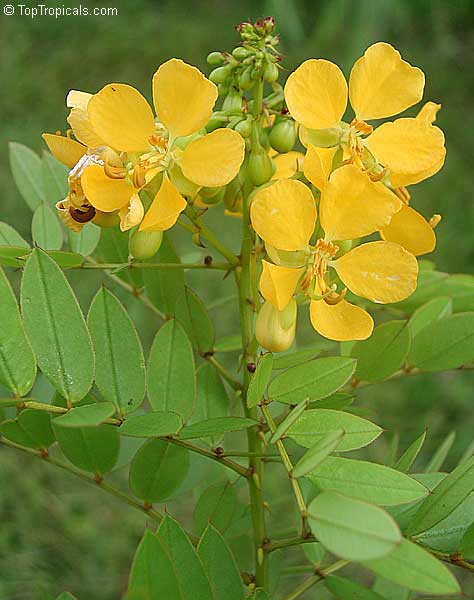
Botanical names: Cassia bahamensis, Senna mexicana chapmanii
Common names: Bahama Senna, Bahama Cassia
Family: Fabaceae
Subfamily: Caesalpinioideae
Origin: Florida, Bahamas and Cuba
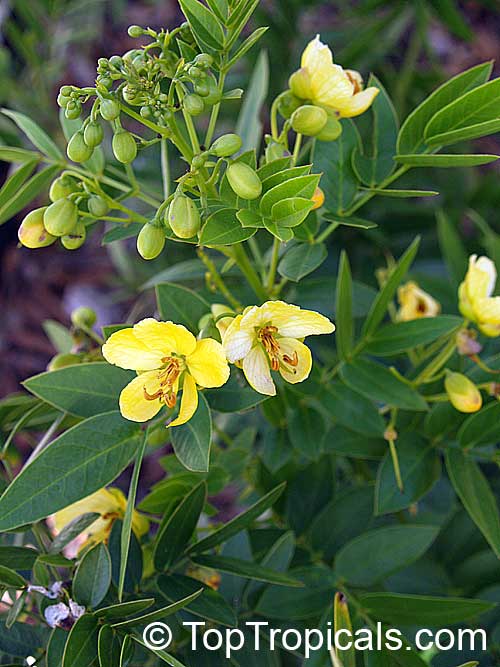
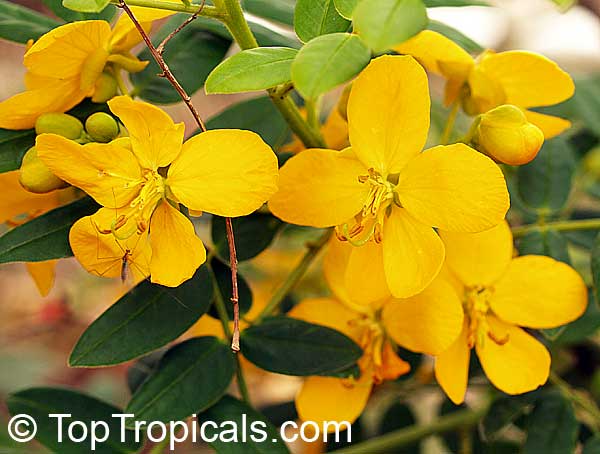
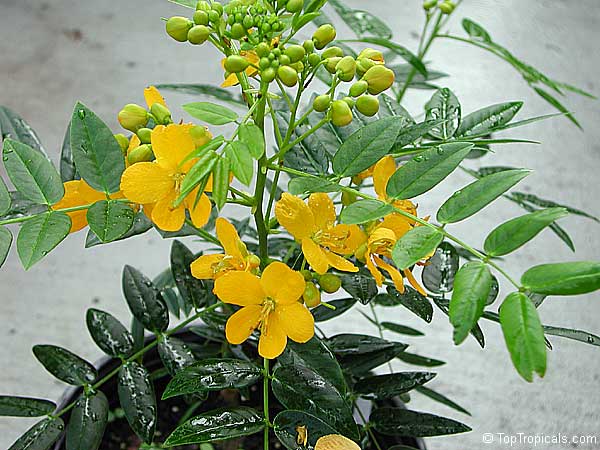
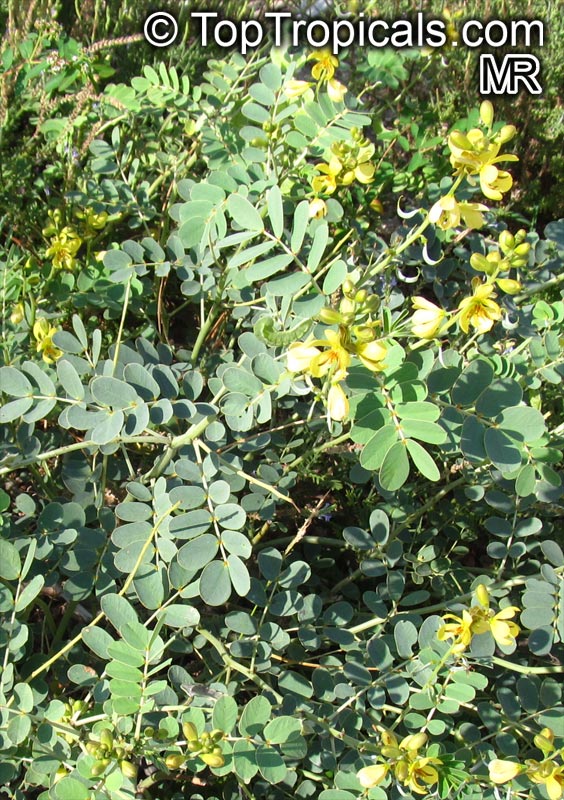
Cassia is a large genus with some 500 species. Cassia likes full sun and well-drained soil and to bloom profusely require a dry season.
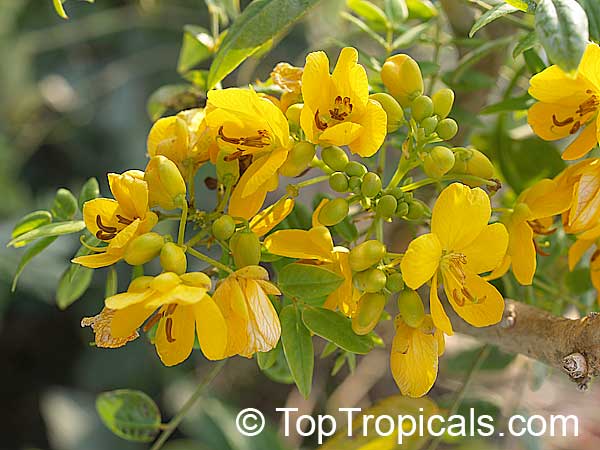
Botanical name: Senna italica
Common names: Senegal Senna, Italian Senna, Port Royal Senna
Family: Fabaceae
Subfamily: Caesalpinioideae
Origin: Africa
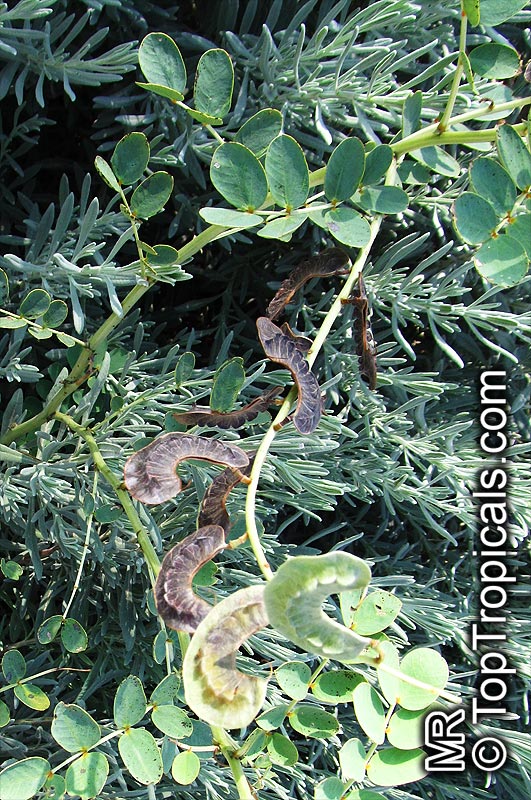
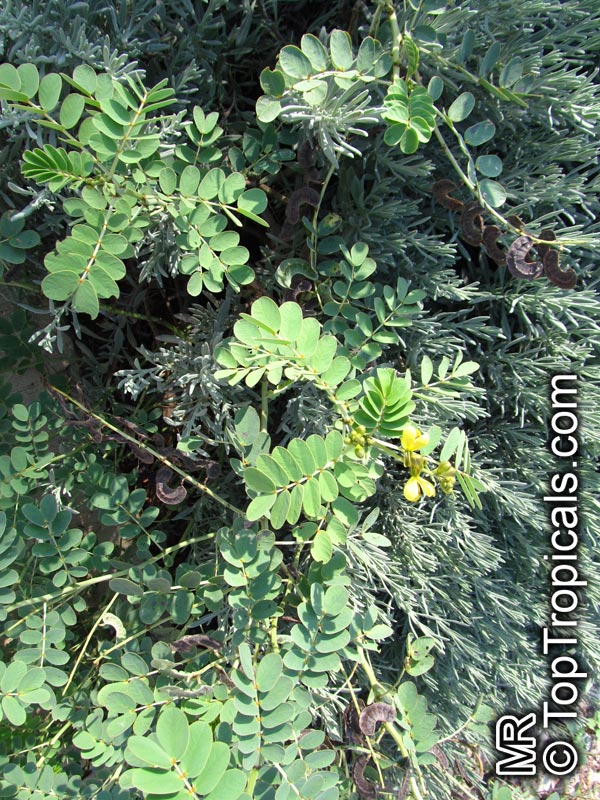
A low branched herb producing characteristic caterpiller-shaped pods.
In India, it is used to produce a dye known as 'neutral henna'.

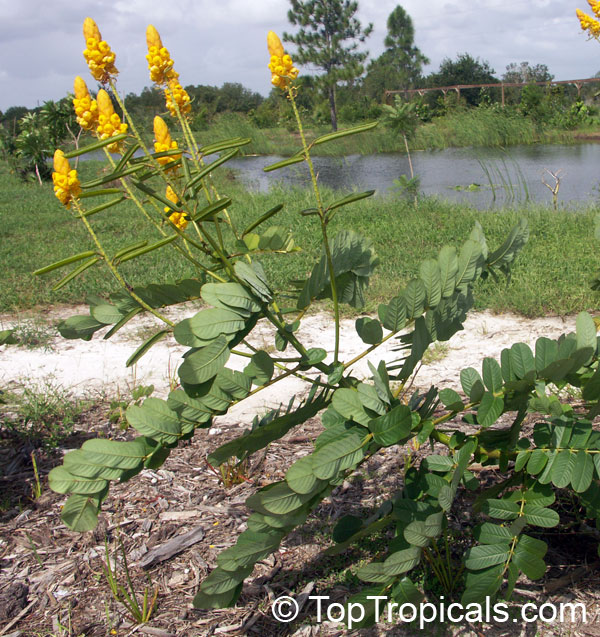
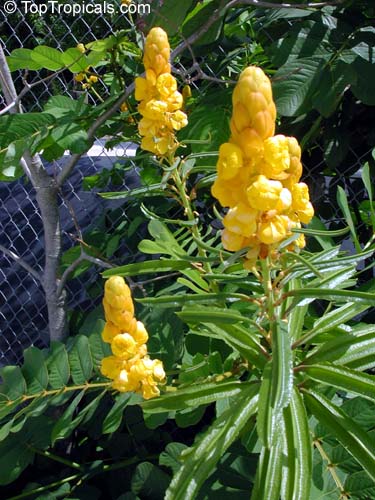
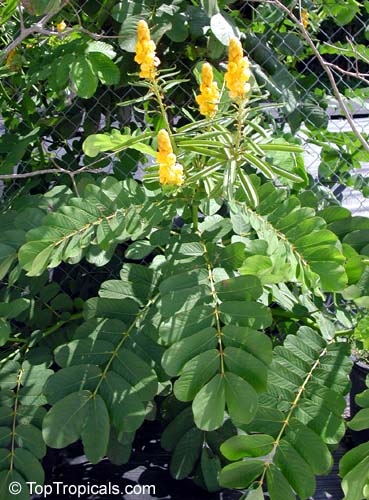
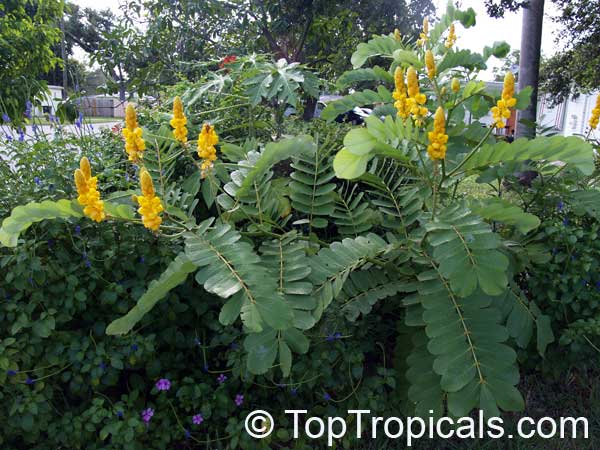
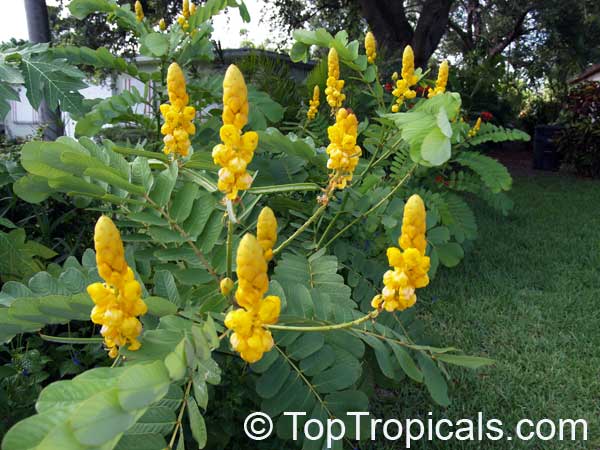
Botanical names: Senna alata, Cassia alata
Common names: Empress candle plant, Candle Bush, Carrion Crow Bush, Candlesticks, Candelabra Plant
Family: Fabaceae
Subfamily: Caesalpinioideae
Origin: South America


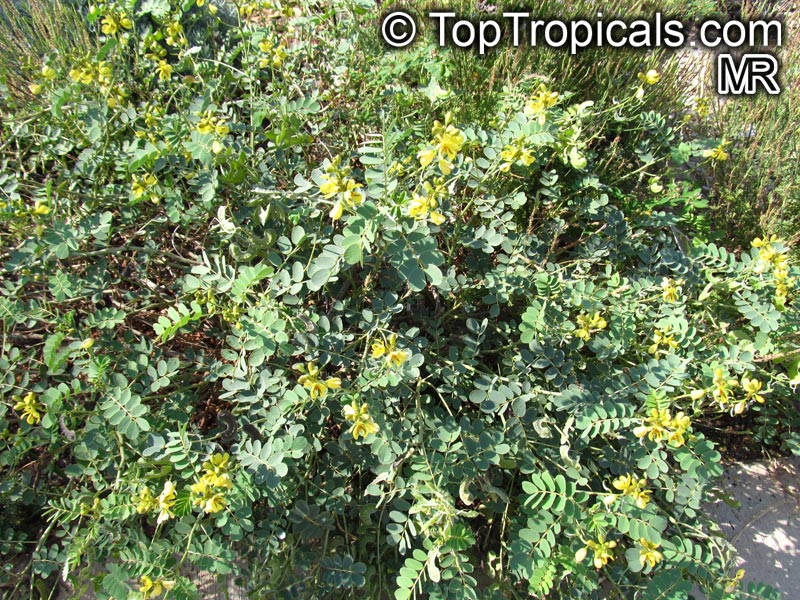
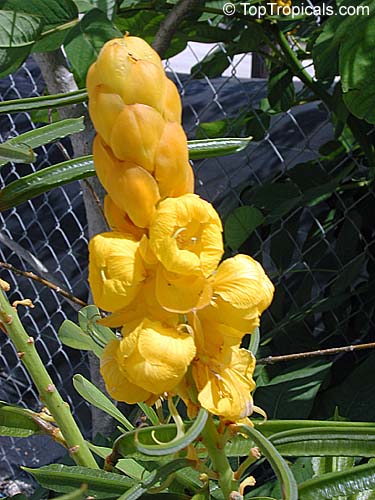
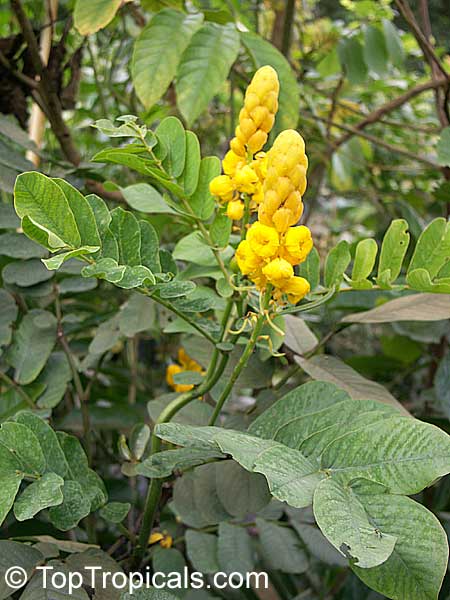
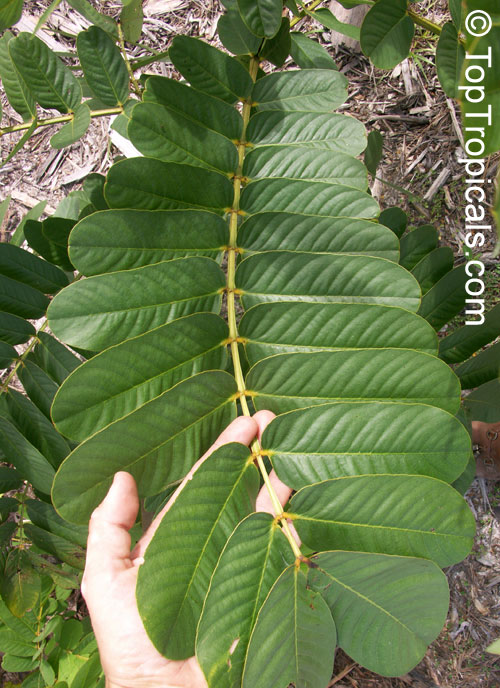
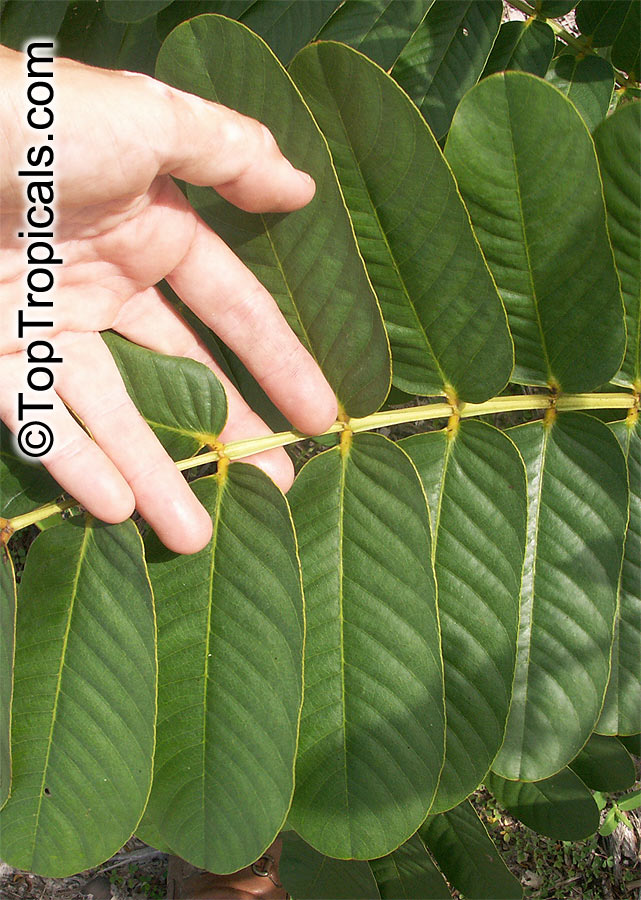
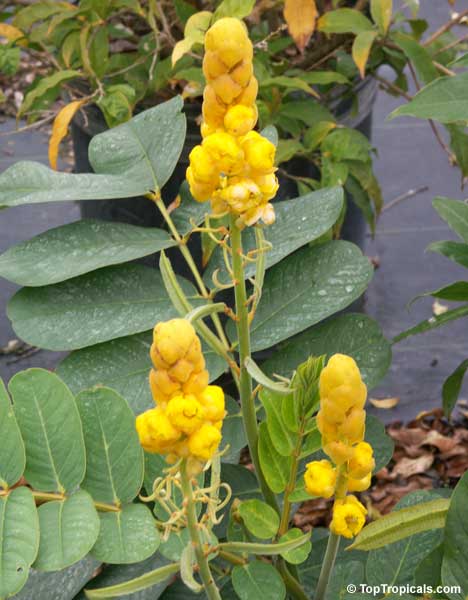
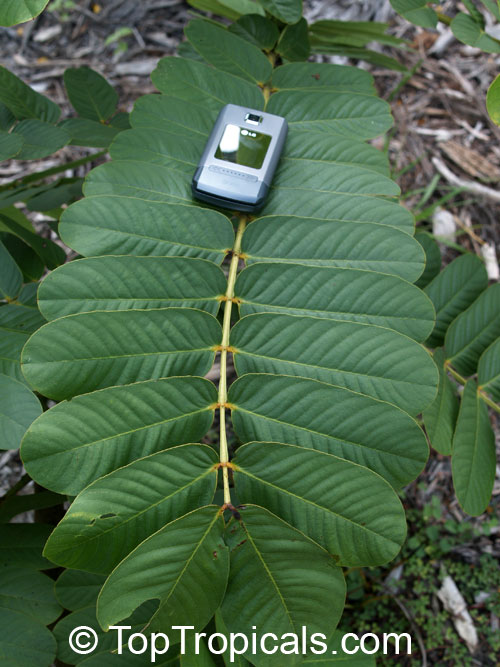
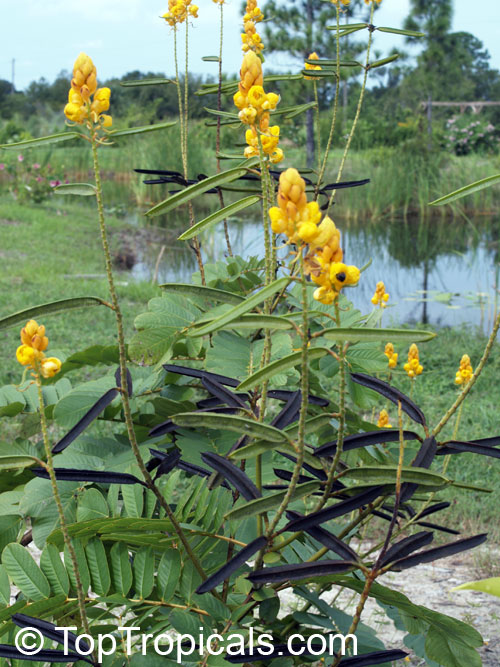
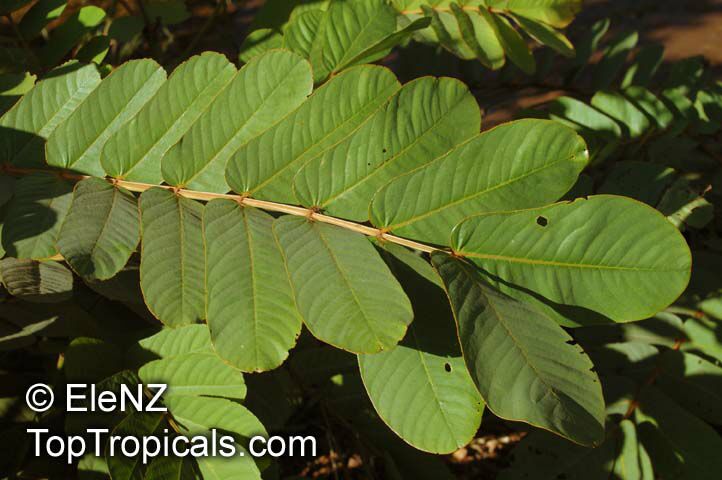
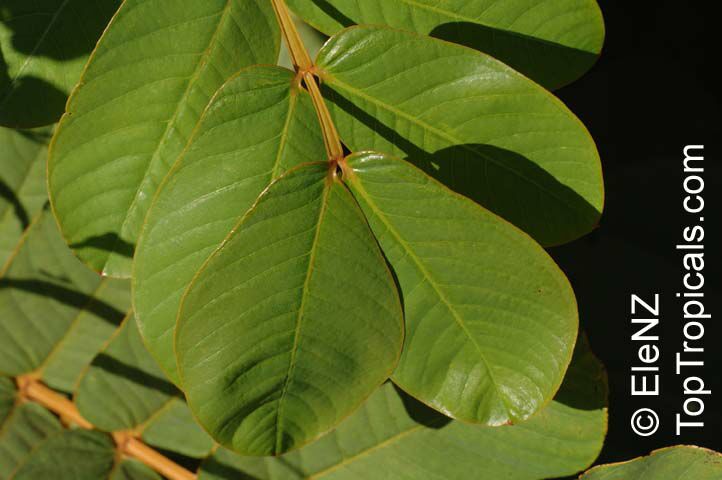
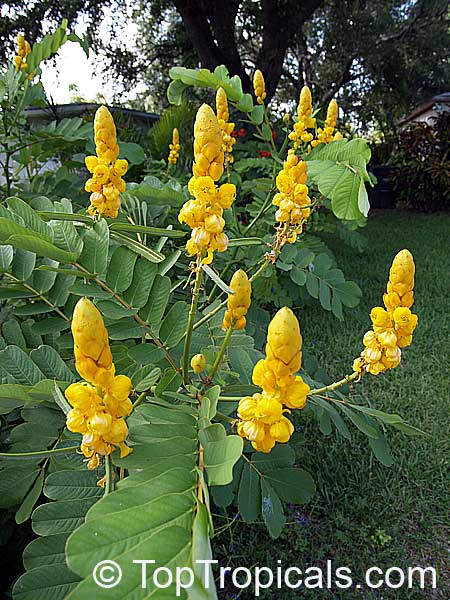
Empress Candle is a true garden wonder. Imagine a plant that grows fast, almost always has flowers, and covers large spaces with its lush leaves and beautiful blooms. Its huge leaves create nice cool shade for many feet around it which keeps weeds away. The plant grows up to 10 ft wide and 6-8 feet tall just in 1-2 seasons providing full sun and regular water.
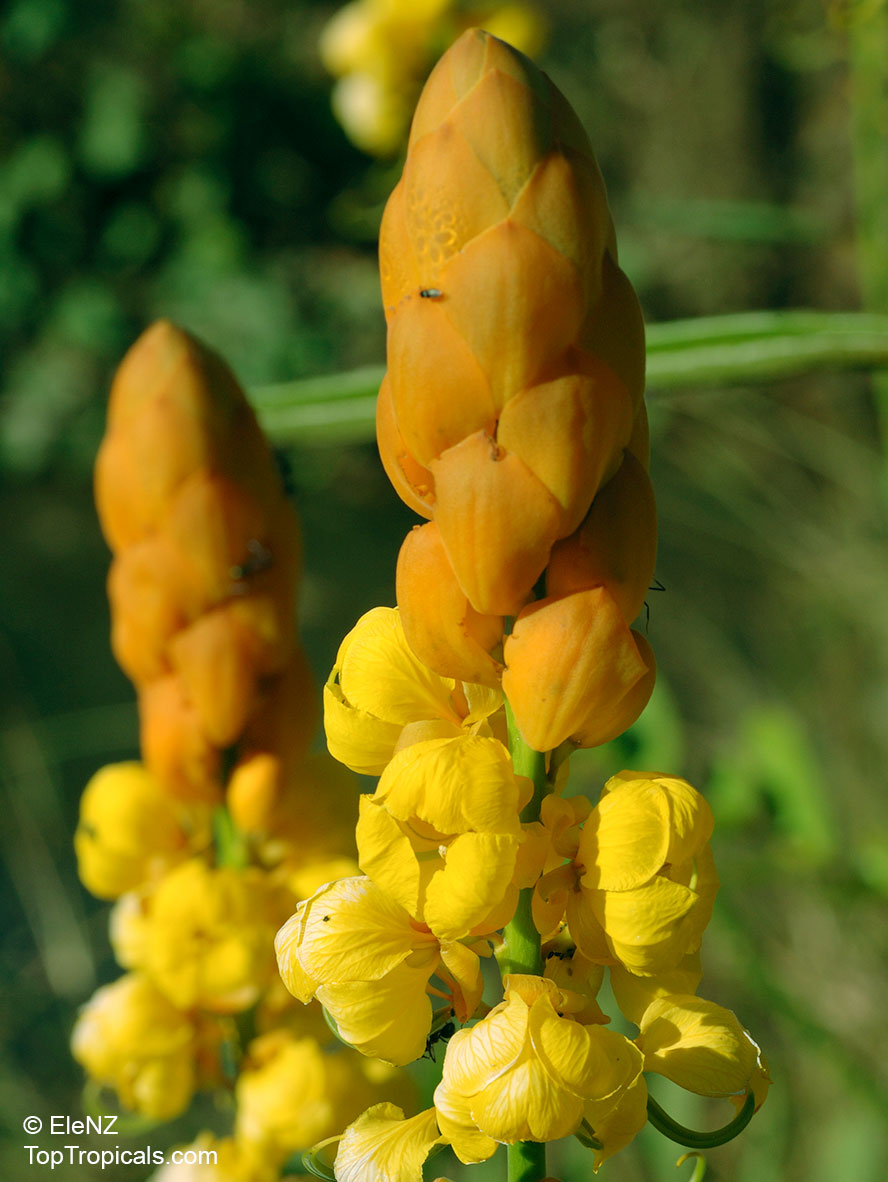
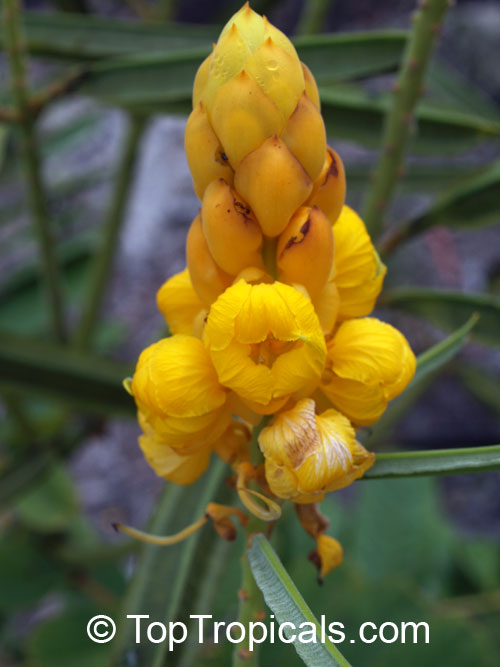
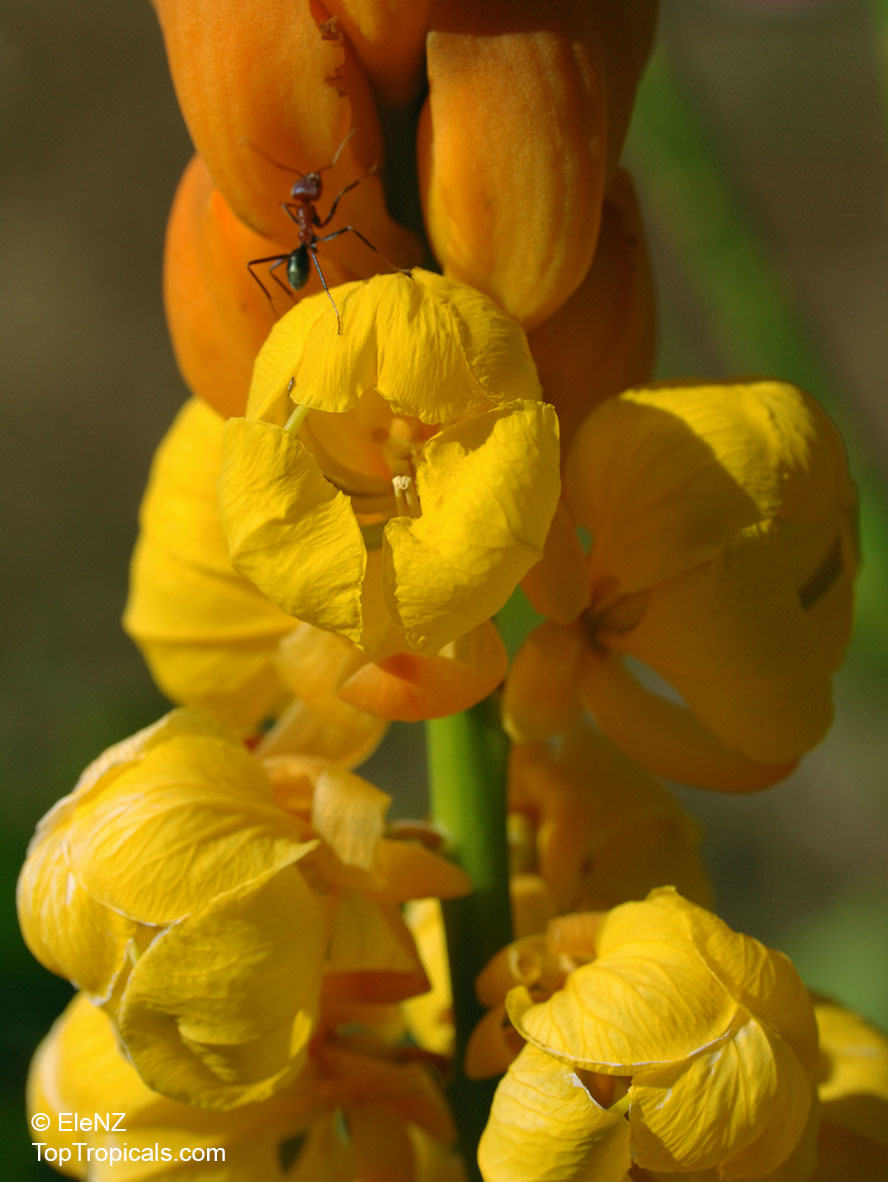
The Empress Candle stands out for its rapid growth and non-stop blooming. Its green leaves shine in the sun, and its candle-like flowers add bursts of color and a sweet scent that bees and butterflies can't resist. The beauty of this plant also attracts hummingbirds and other pollinators.
What's truly special is how it turns your garden into a living masterpiece. It quickly spreads across the space, creating a vibrant picture of nature's beauty.
For any gardener, Senna alata is a must. It's like having a piece of nature's art that keeps shining and blooming, making your garden a breathtaking sight.
Senna alata is an ethnomedical plant, meaning it has many medicinal uses. In particular, the antibacterial and antifungal activities of the flowers have been used to treat tinea versicolor and ringworm infections.
Watch video about Empress Candle.
Ordering seeds info
RECOMMENDED SUPPLIES:
Seed Germination Mix #3, professional grade
SUNSHINE-Epi - Seeds and cuttings booster
SUNSHINE Bombino - Young Plant Booster
Recommended Fertilizer: SUNSHINE Megaflor - Bloom Nutrition Booster
Botanical name: Senna artemisioides subsp. oligophylla
Common name: Outback Cassia
Cultivar: Oligophylla
Family: Fabaceae
Subfamily: Caesalpinioideae
Origin: Australia
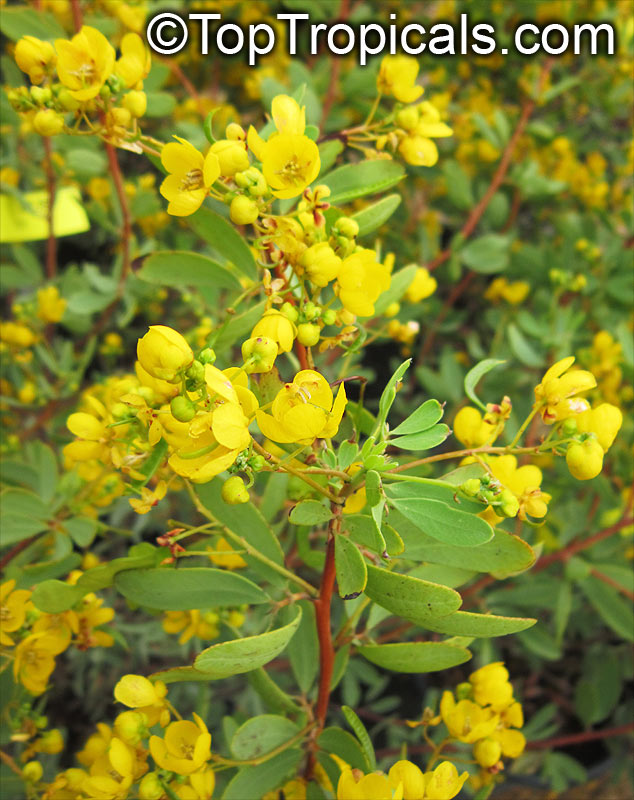
Senna artemisioides subsp. oligophylla, also known as Outback Cassia, is a small shrub native to Australia. It has glossy green leaves and reddish stems, and boasts bright yellow flowers in the spring. After a few weeks, the orange-red seedpods are left behind, providing an attractive ornament to your garden. It can grow to be a couple of feet tall, making it suitable for those who have limited space.
This perennial flower is easy to care for and can tolerate a range of conditions. It prefers full sun to semi-shaded spots, and prefers moderate watering to keep its soil damp but not waterlogged. It can be grown in USDA zones 9-11, and it will flaunt its bright flowers from late April to June.
If you happen to live in a cooler place, Outback Cassia can still be enjoyed from the comfort of your home. You can make it grow indoors in a pot, however you'll need to provide it with some extra attention. Place your pot in a location that will receive between 2-4 hours of sunlight a day to replicate the conditions of its native environment. Keep the soil damp but not waterlogged, and feed it with a balanced fertilizer every few months.
Outback Cassia is a unique and versatile perennial flower, perfect for both experienced and novice gardeners. Its hardy nature, colorful bloom, and interesting seedpods make it a delightful addition to any garden.
Botanical name: Senna artemisioides subsp. sturtii
Common name: Grey Cassia
Family: Fabaceae
Subfamily: Caesalpinioideae
Origin: Australia

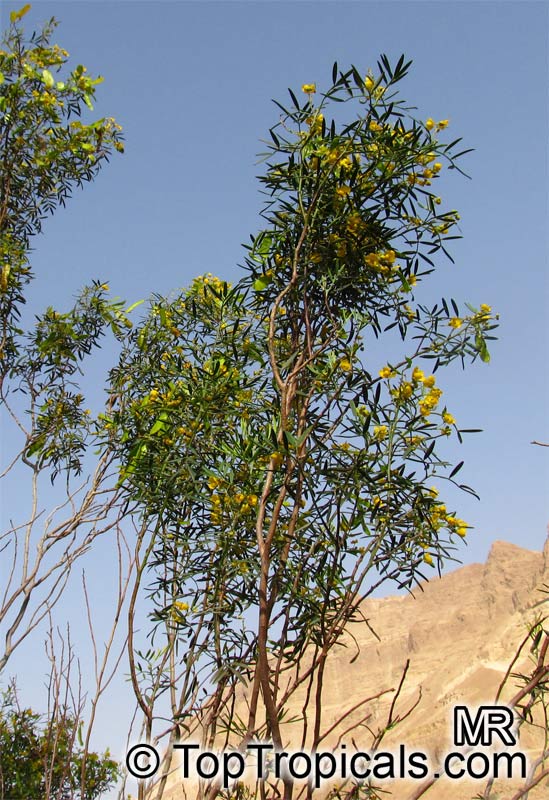
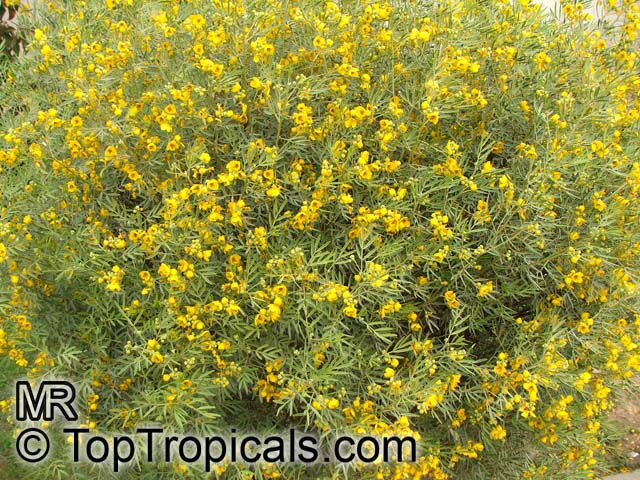
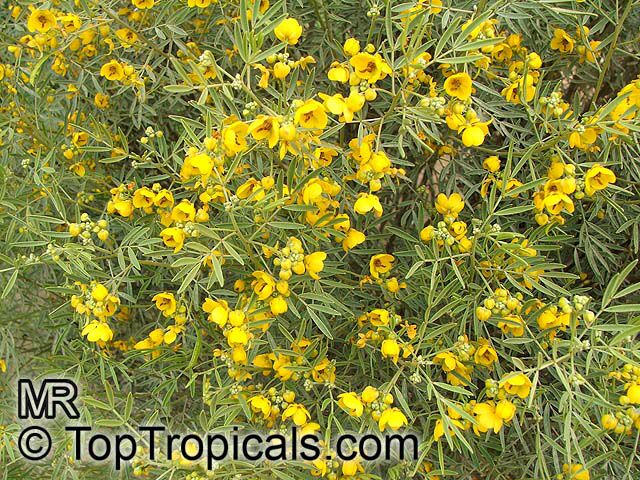
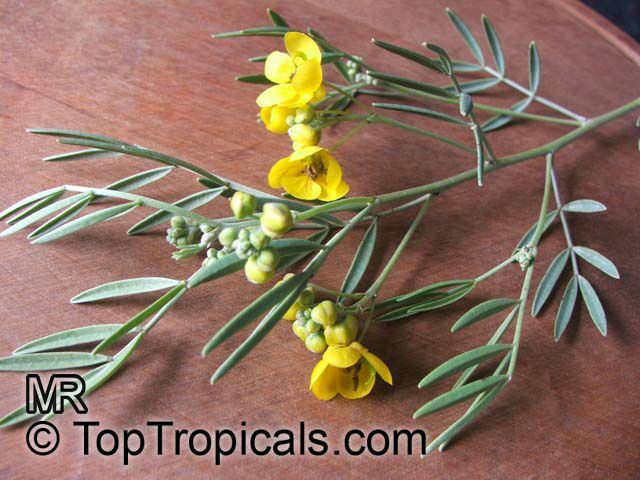
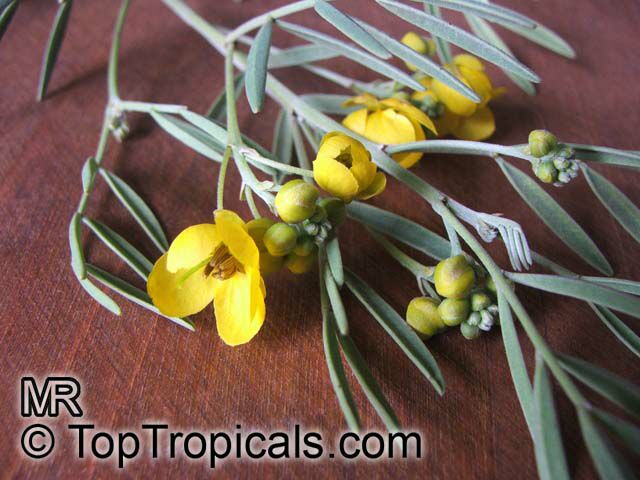
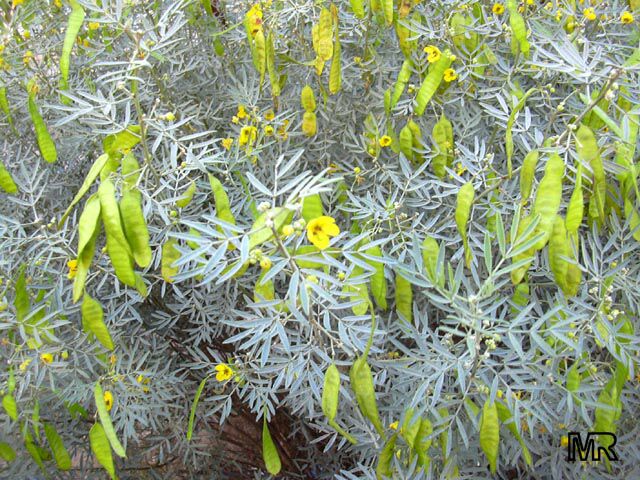
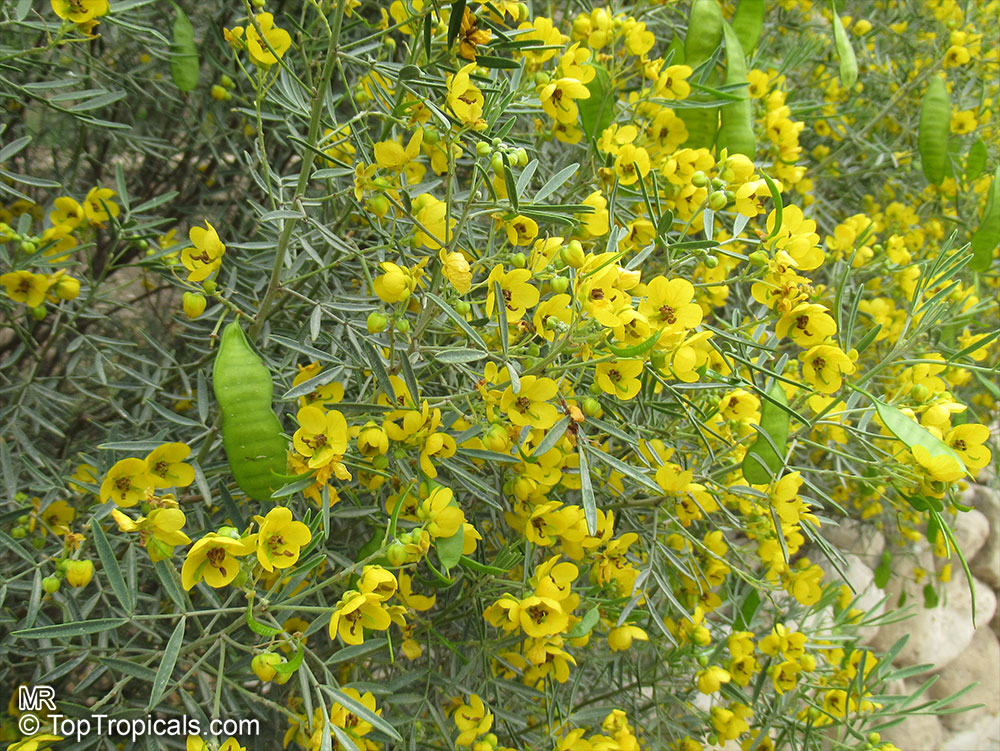
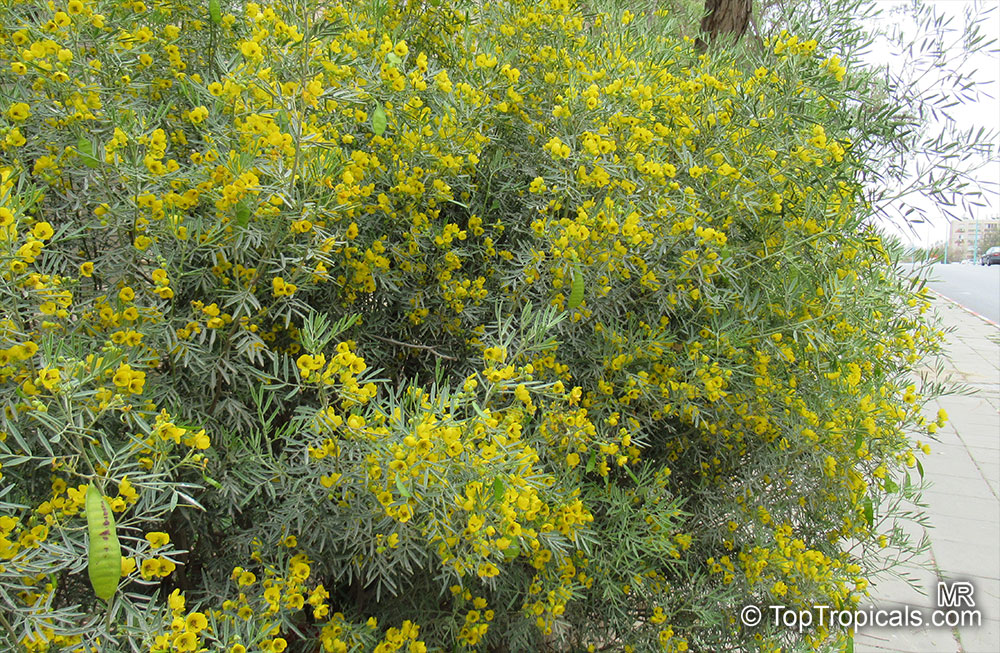
Small shrub to 1.5m with grey foliage. Grows scattered on red sandy soils and stony ridges. Good garden shrub.

Botanical names: Senna multijuga, Cassia multijuga
Common name: False Sicklepod
Family: Fabaceae
Subfamily: Caesalpinioideae
Origin: Brazil, Guyana
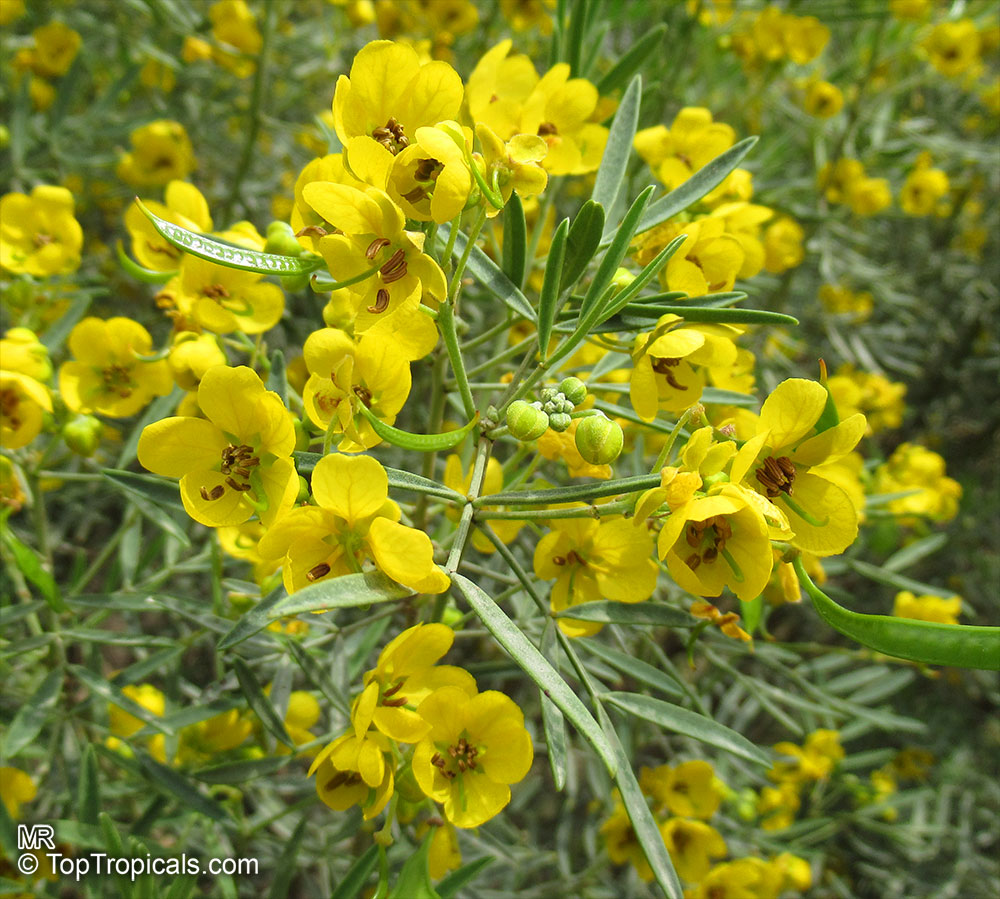
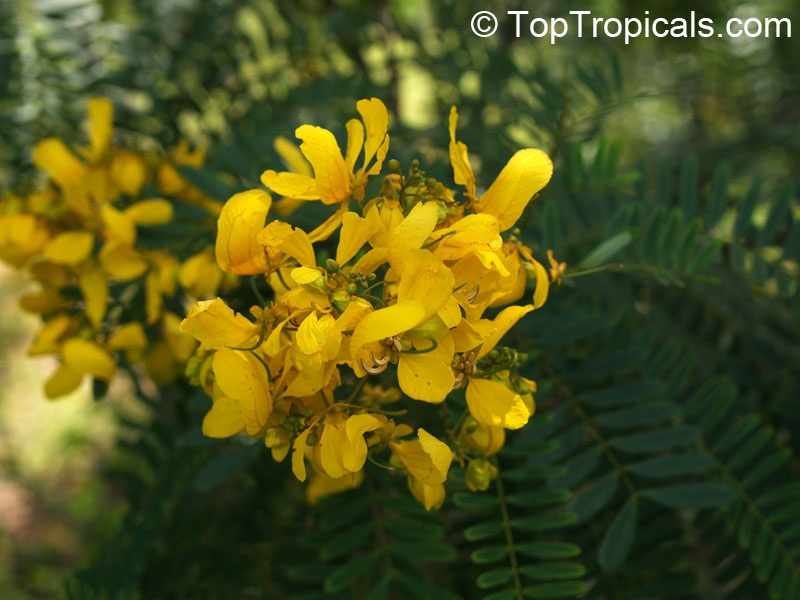
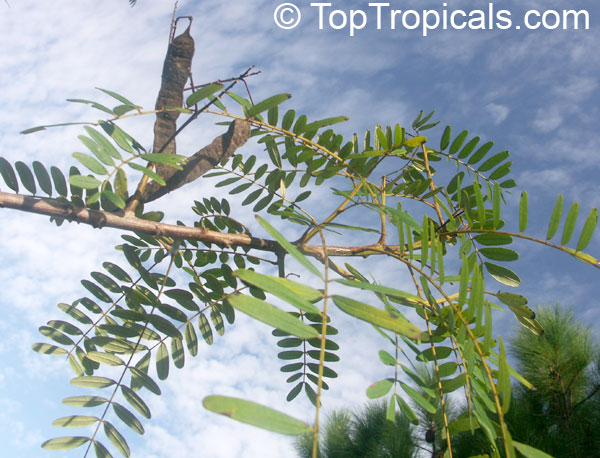
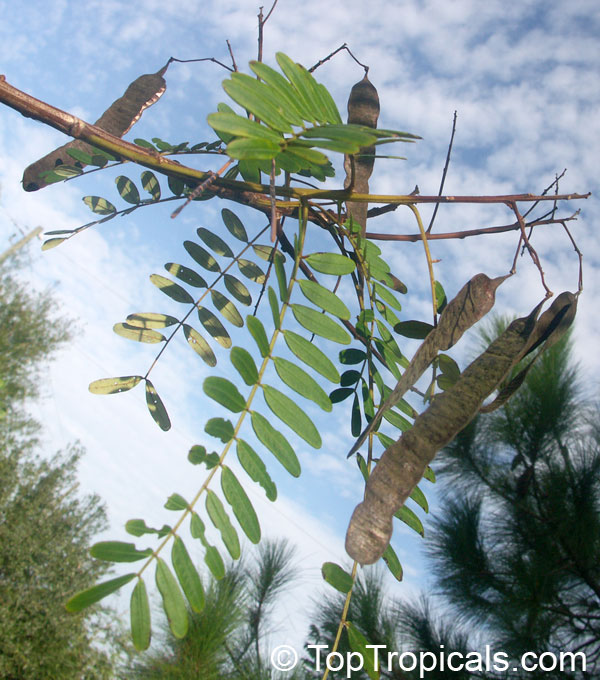
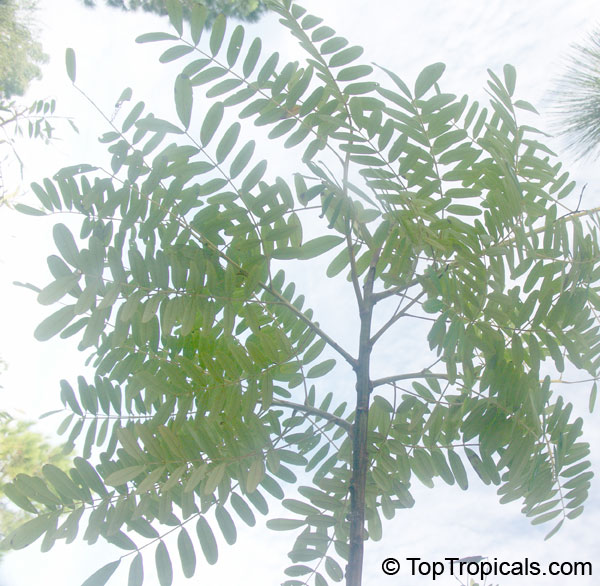
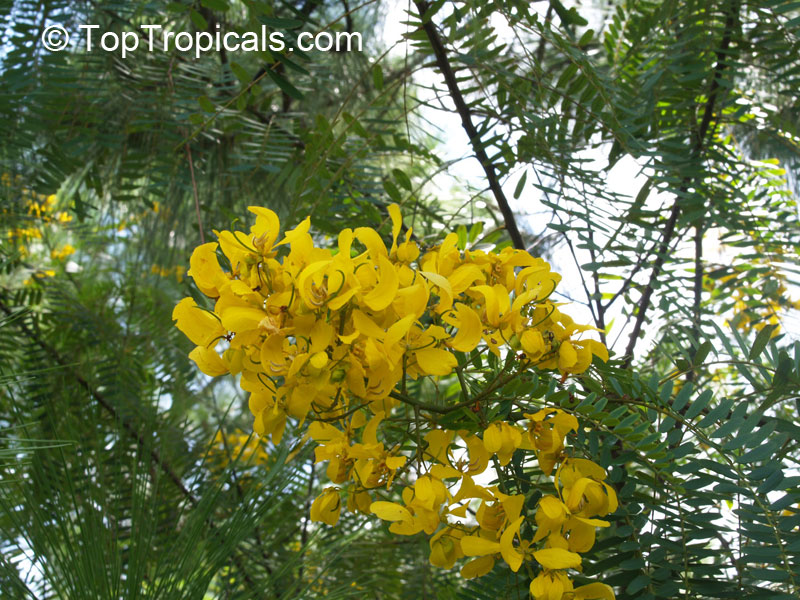
Senna multijuga, also known as False Sicklepod, is a small to medium-sized tree native to Brazil and Guyana. The tree can reach a height of 10 to 20 feet and has a rounded, wide crown. It is characterized by pinnate leaves composed of 5-15 pairs of leaflets and yellow or orange showy flowers. It attracts both butterflies and hummingbirds and blooms in spring and summer throughout the year.
Senna multijuga is relatively easy to care for and does not require much water. It is moderately drought-tolerant and needs well-drained soil. This type of shrub can withstand extreme temperatures, is cold hardy, and can tolerate temperatures reaching 30s degrees Fahrenheit for a short period of time and also freezes for a few hours. Those living in USDA Zones 10-12 will find it easy to grow and maintain this small tree. In colder regions it can be grown in pot.
| Next | |
Use link to repeat this search:
https://toptropicals.com/cgi-bin/garden_catalog/cat.cgi?find=senna&search_op=and&keyword_op=and&language=e&number=10
&no_change_lang=1&user=tt&sale=1&first=0