Myoporaceae - Plant Encyclopedia Results
| Number of plants found: 2 |
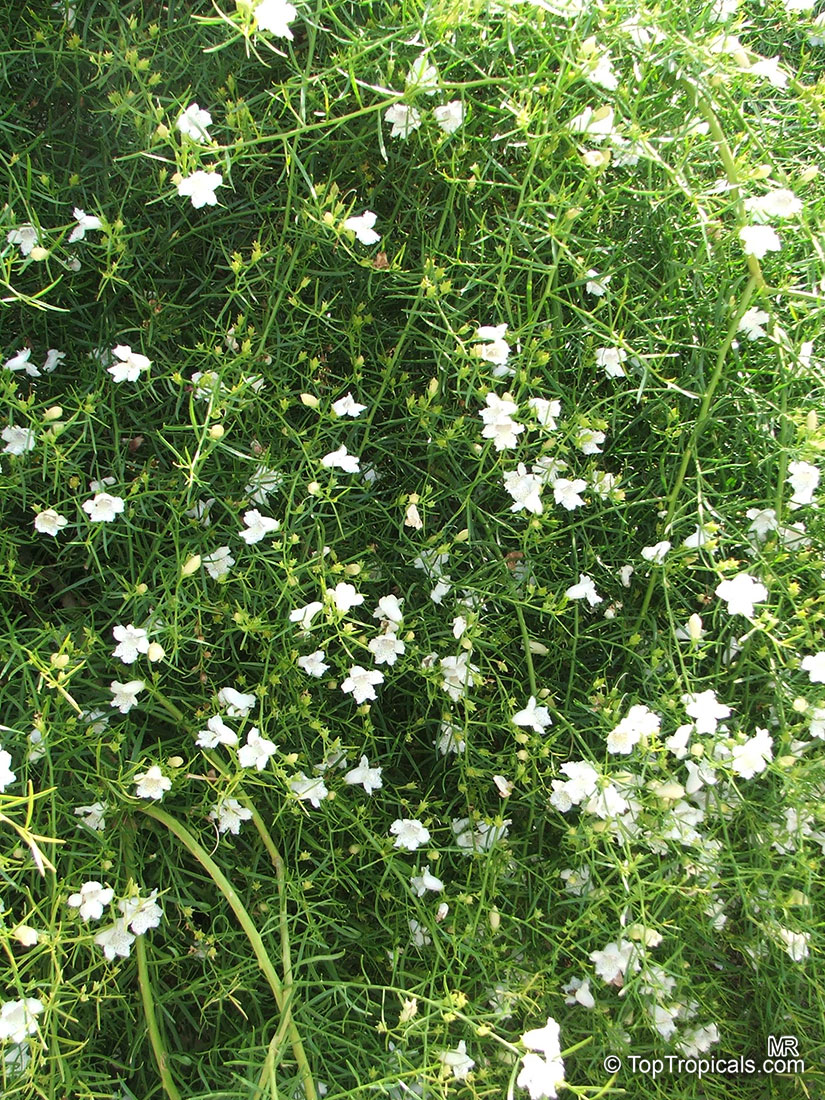
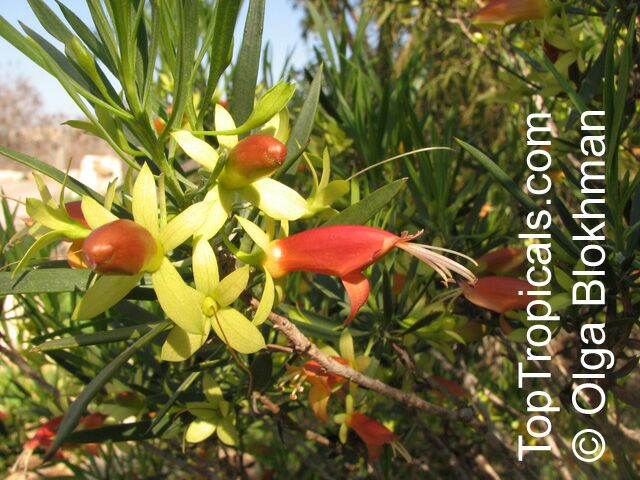
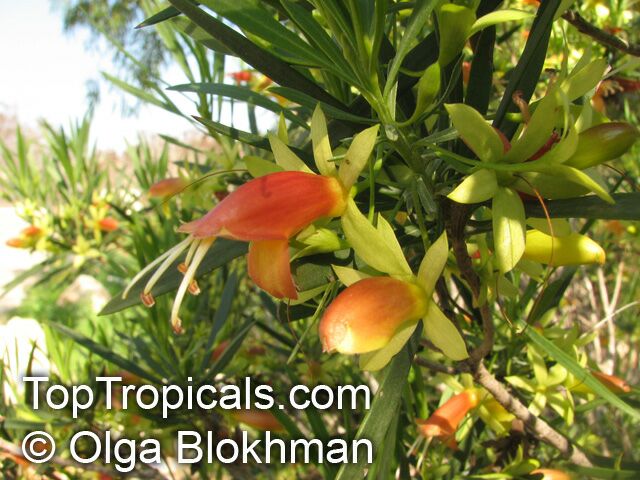
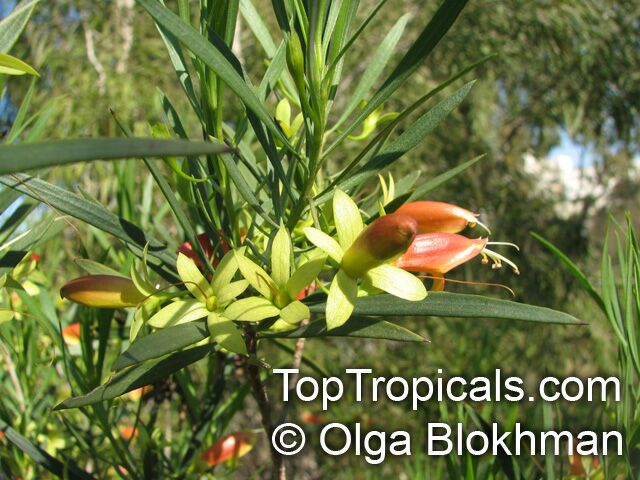
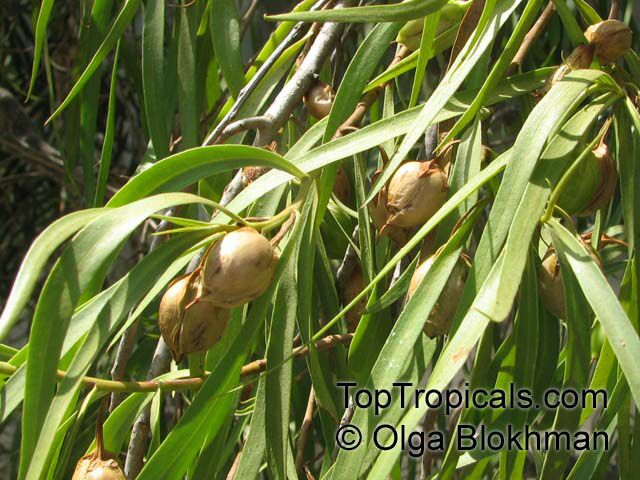
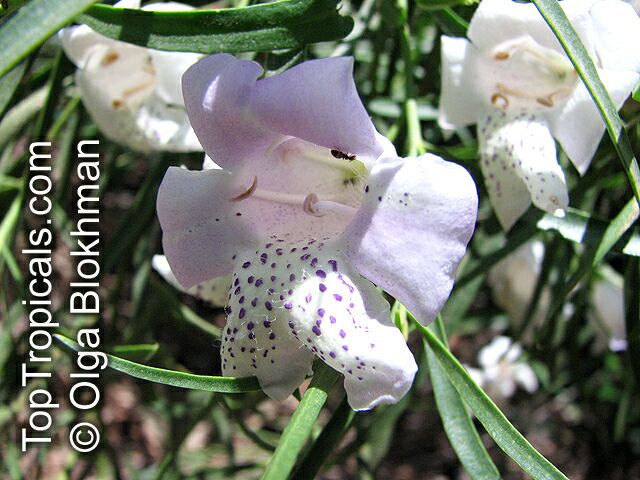
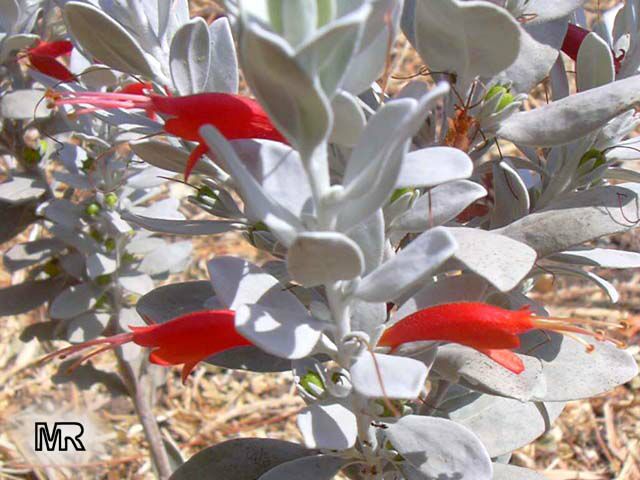
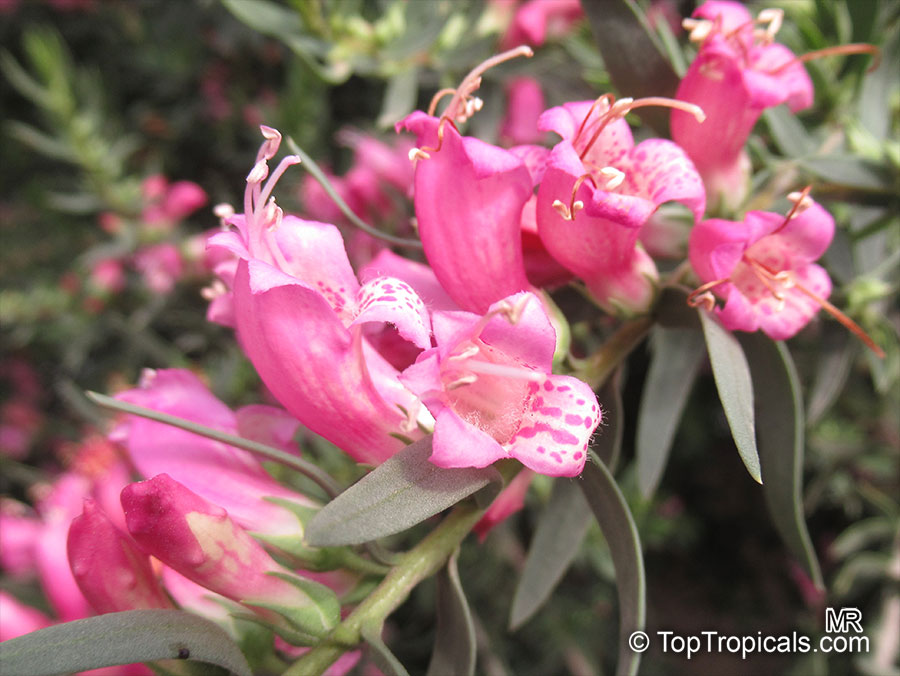
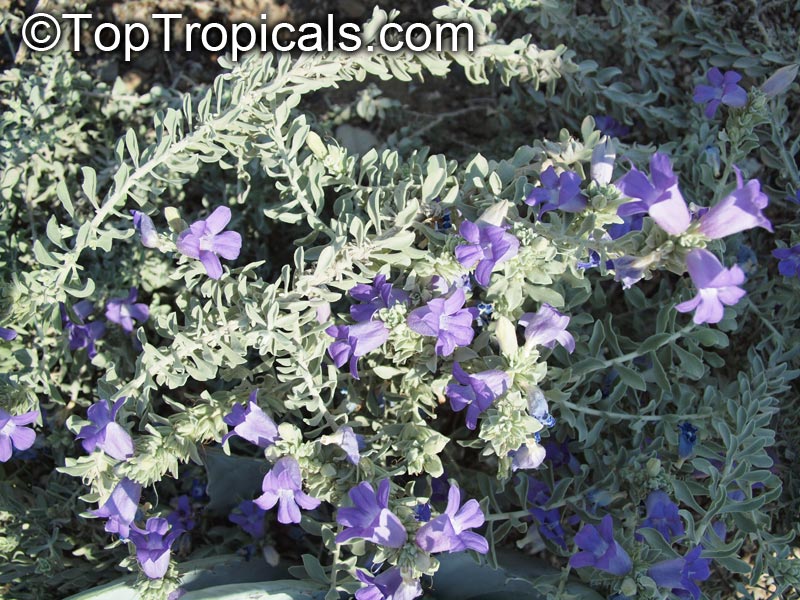
Botanical name: Eremophila sp.
Common name: Emu bush
Family: Scrophulariaceae (Formerly:Myoporaceae)
Origin: Australia


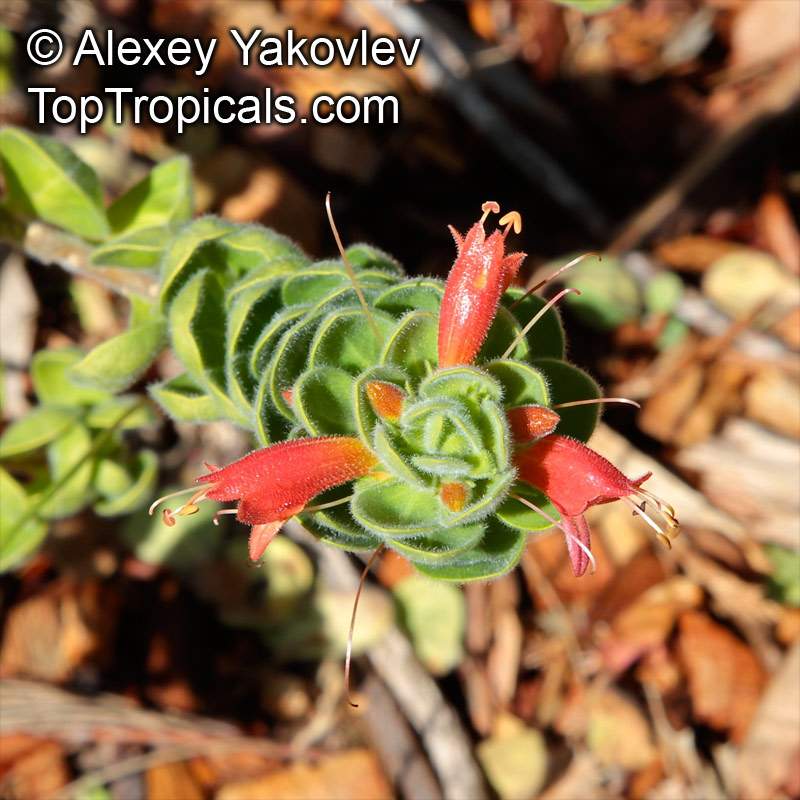
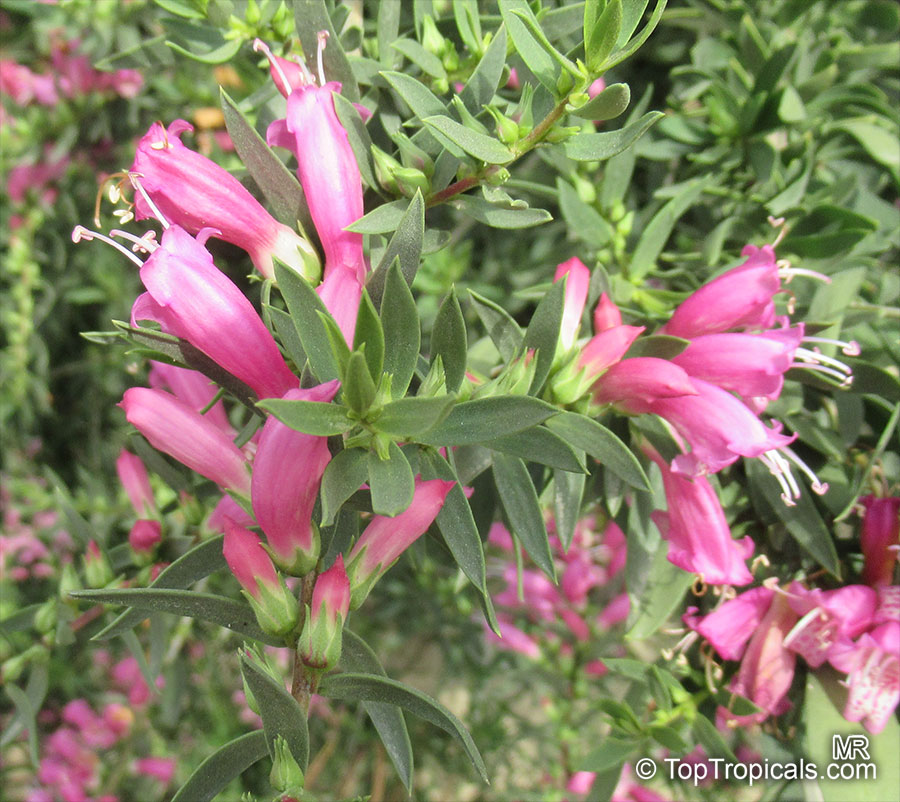
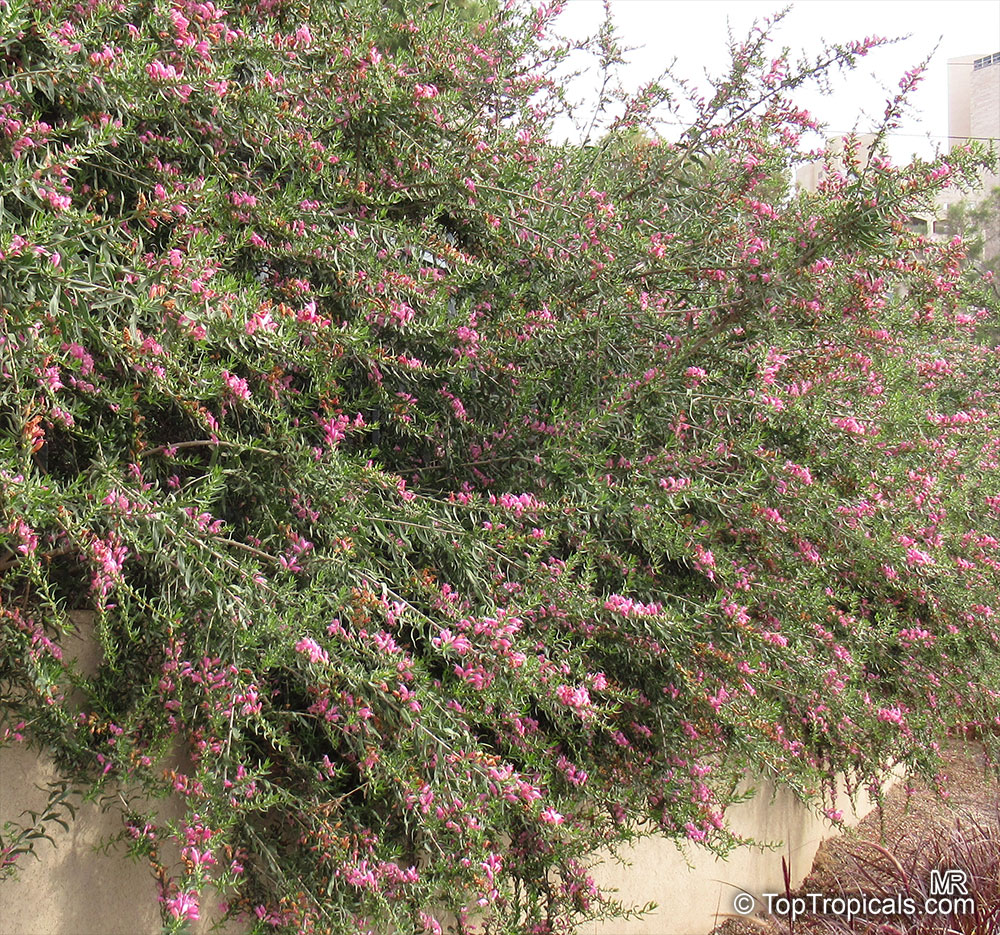
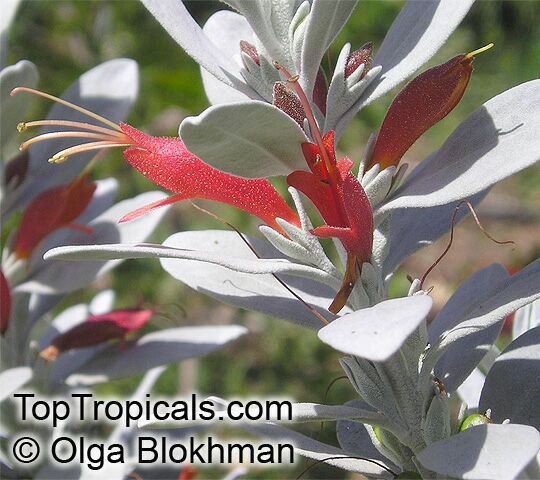
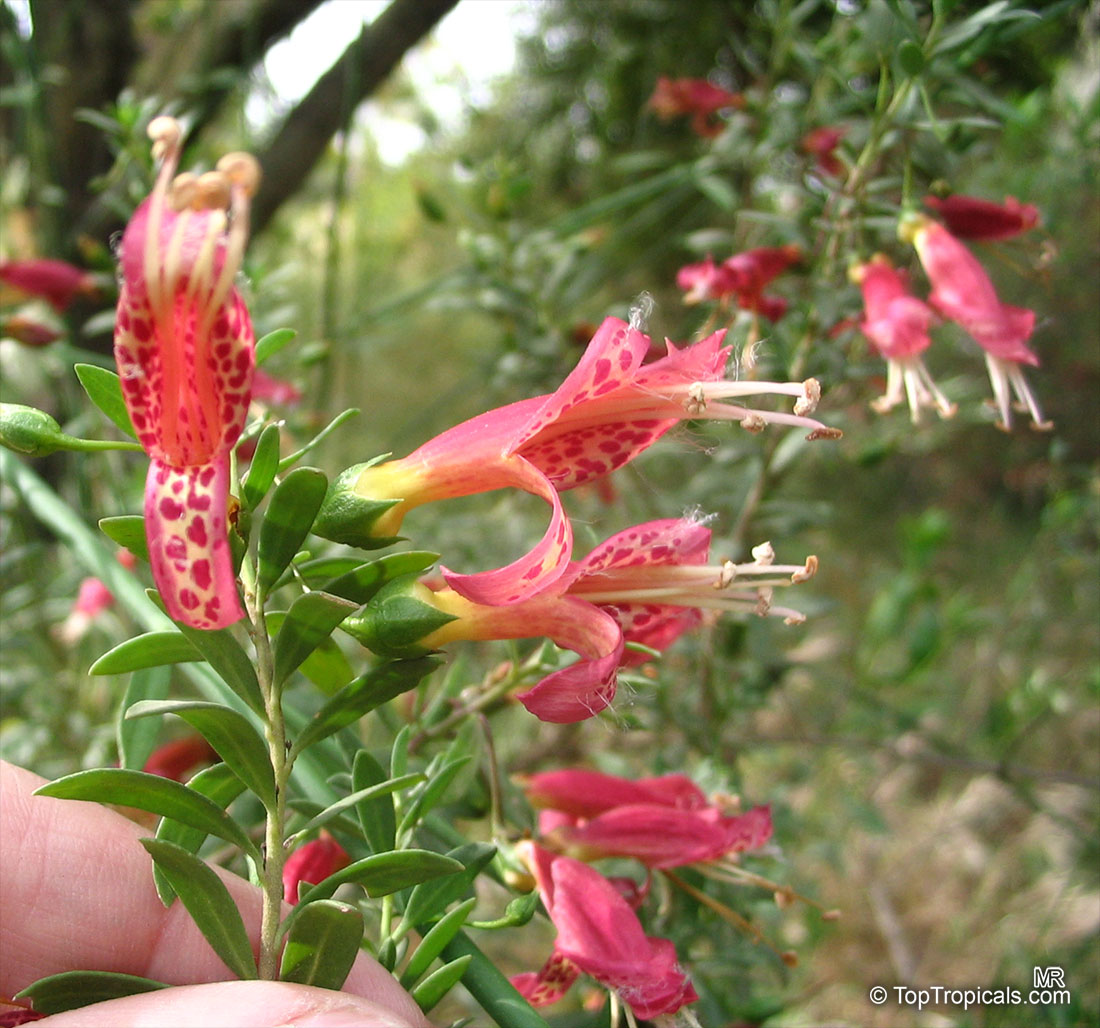
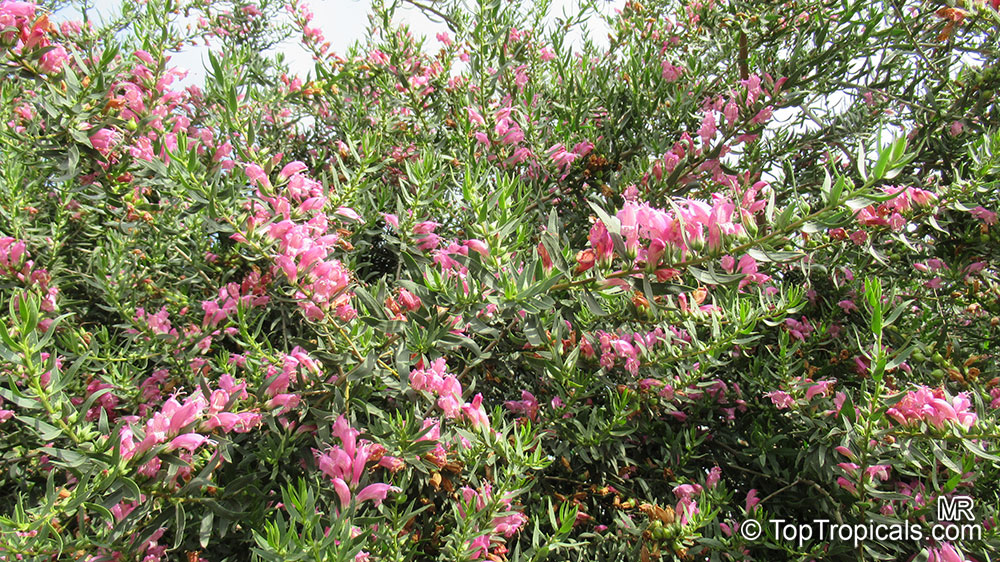
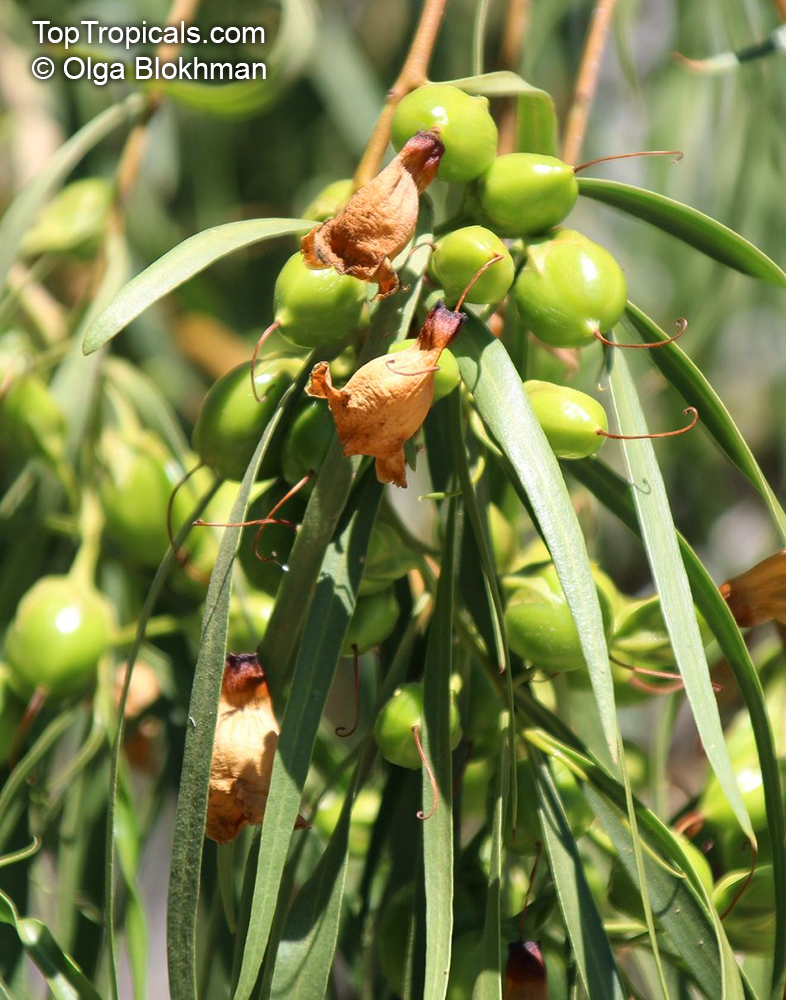
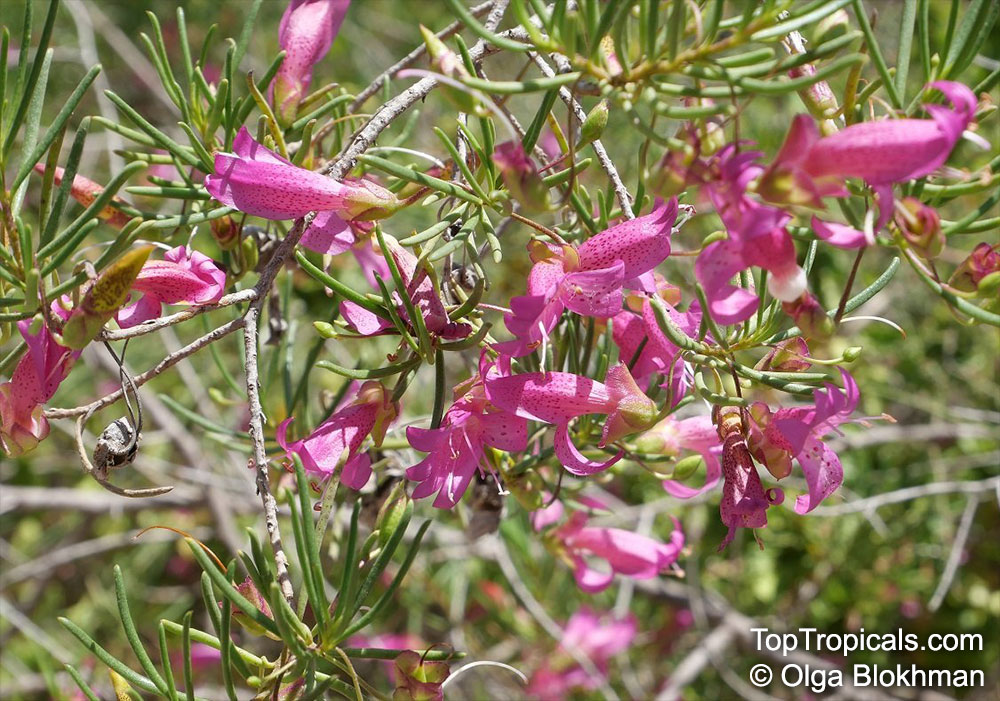
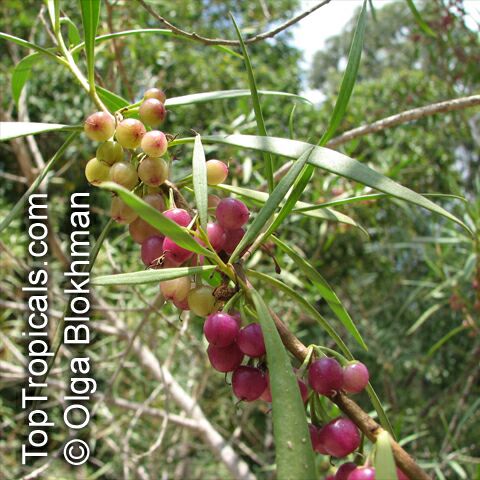
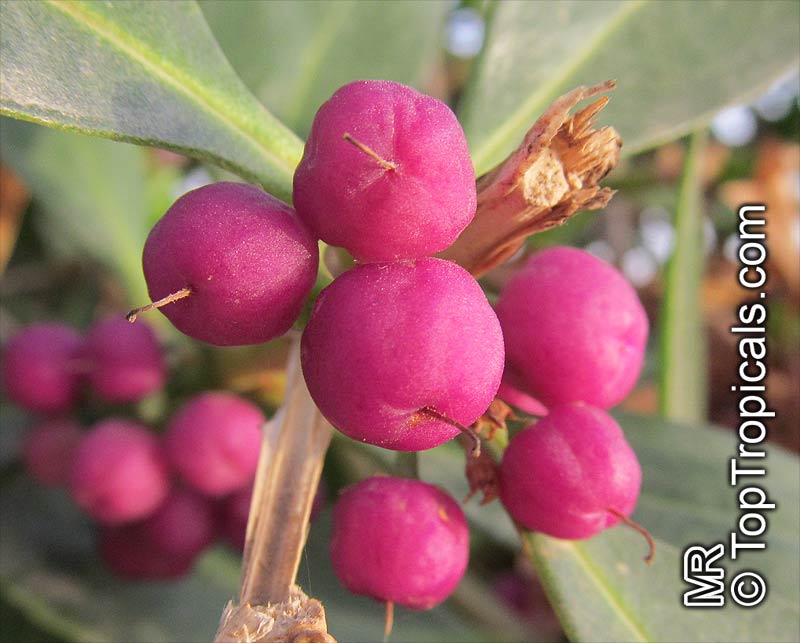
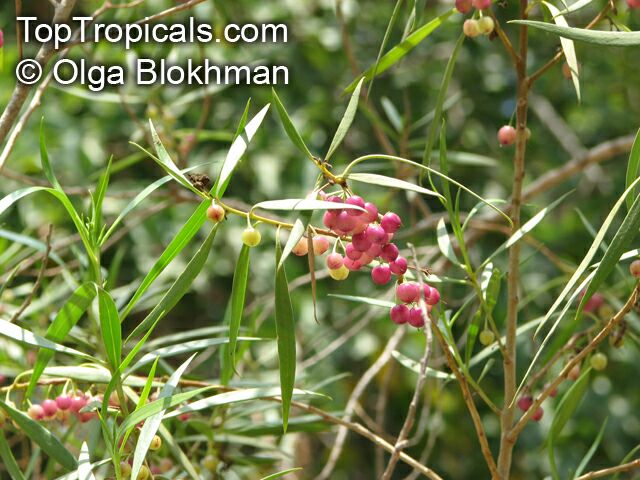
Eremophila sp. or Emu bush are Australian natives. They are generally medium to large shrubs, growing up to five to ten feet tall. The plants produce fleshy fruits which are often eaten by birds and animals. The plants are also known as "poverty bushes" because of the ability of many of them to survive in very dry, inhospitable environments.
To ensure the best growth, Emu bushes should be planted in full sun and given moderate water during the summer months. During the winter, they should be watered less often to avoid root rot.
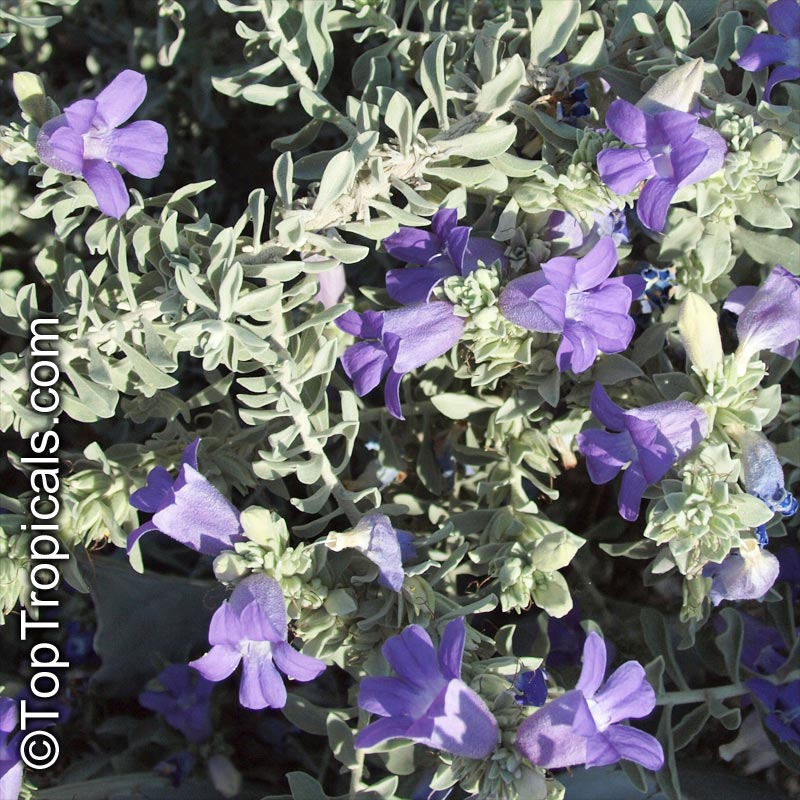
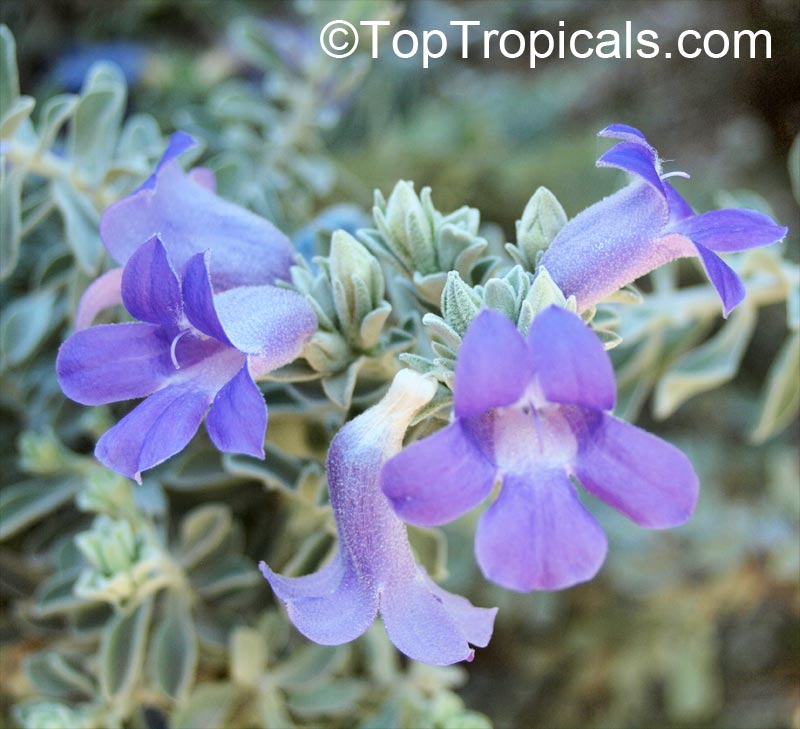
The plants produce attractive flowers in various shades of colors including pink, white, off-white, red, crimson and vinous, as well as yellow and orange. The blooms are often clustered and the plants are attractive to butterflies and hummingbirds.
In cool climates, Emu bushes can be grown in large pots which should be kept in a sheltered spot and given plenty of sunlight. During the winter months, it is important to protect the roots of the plant by providing extra winter mulch. To ensure that the plant remains healthy, water regularly in the summer but let the soil dry out slightly between waterings.
In USDA zones 9-11, these large shrubs are easy to care for and will thrive with the right amount of sunlight and water. Not only that, their colorful flowers and attractive foliage make them a great addition to any garden. With the proper care, Emu bushes can turn an ordinary outdoor space into something truly spectacular.
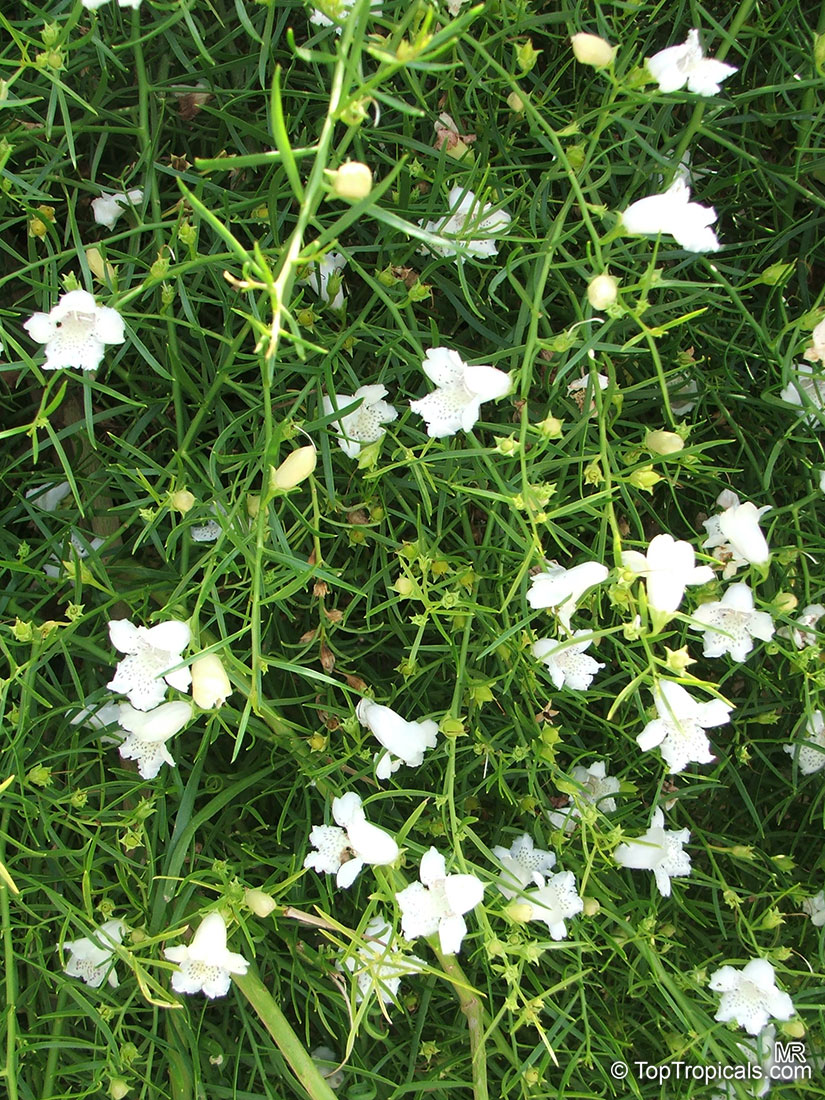
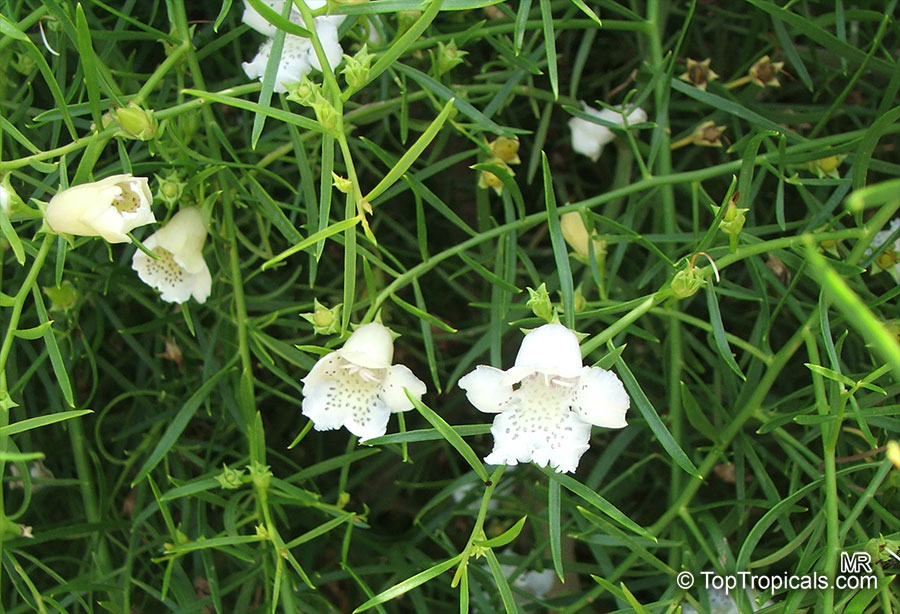
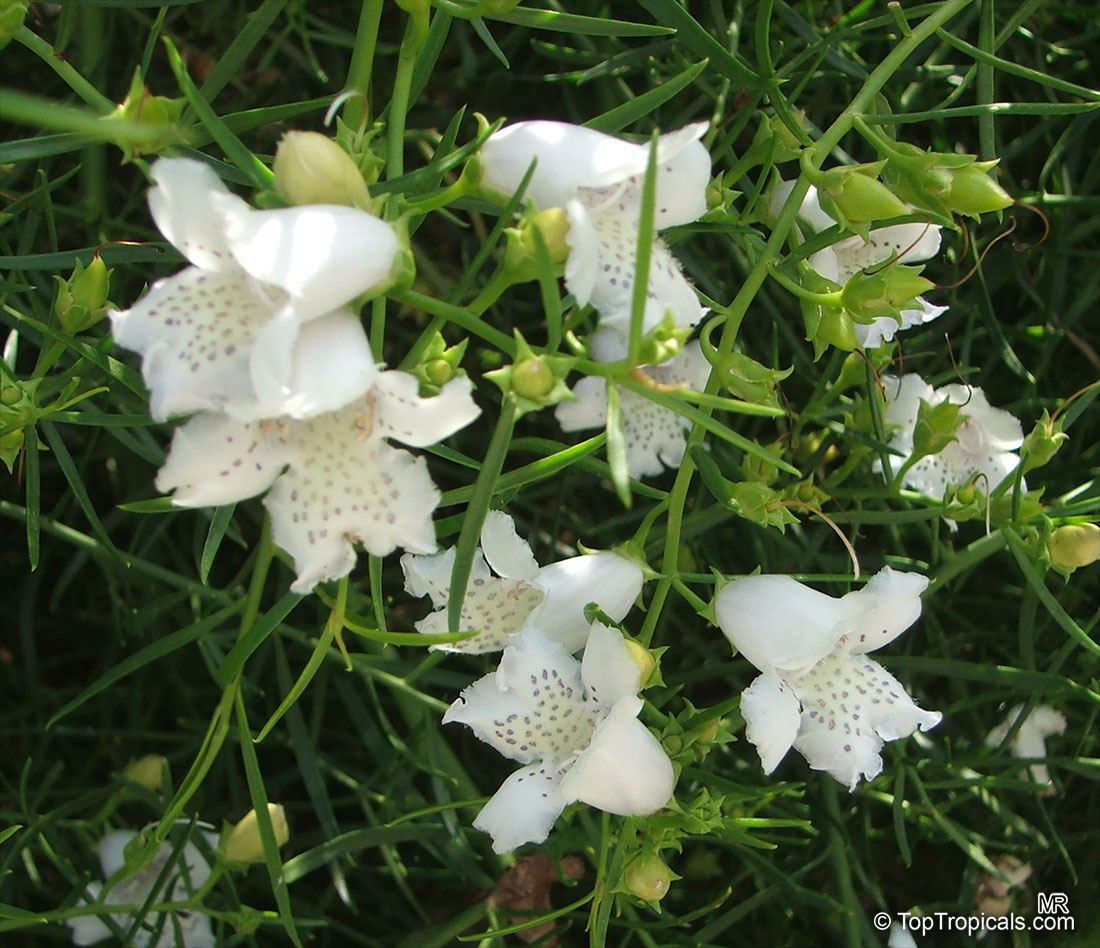
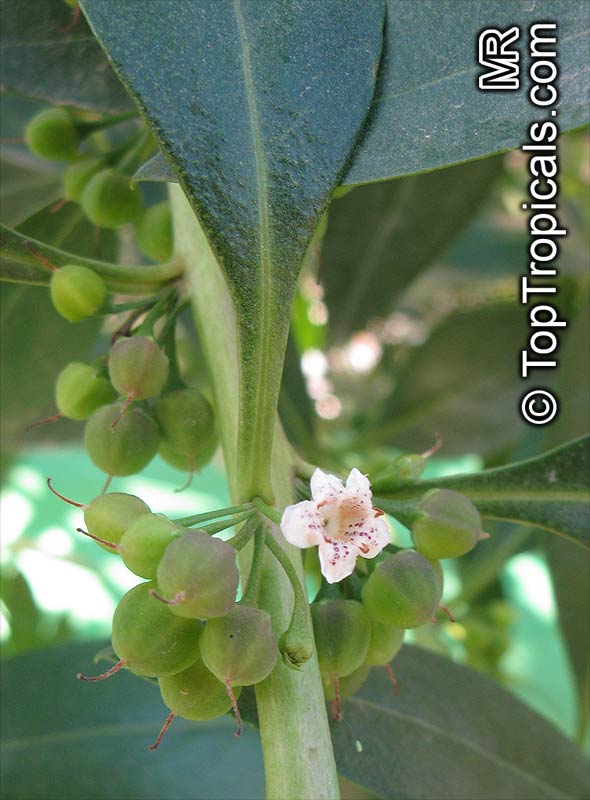
Botanical name: Myoporum sp.
Common name: Ngaio
Family: Scrophulariaceae (Formerly:Myoporaceae)
Origin: New Zealand
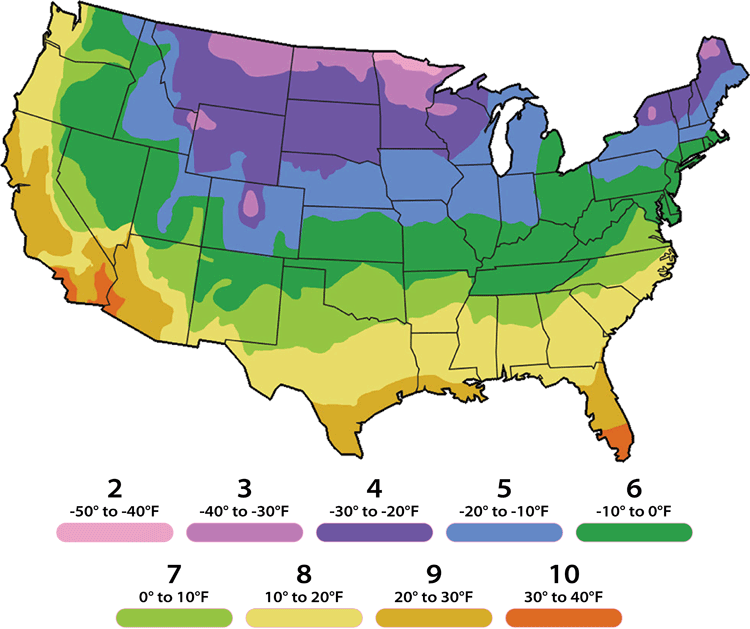


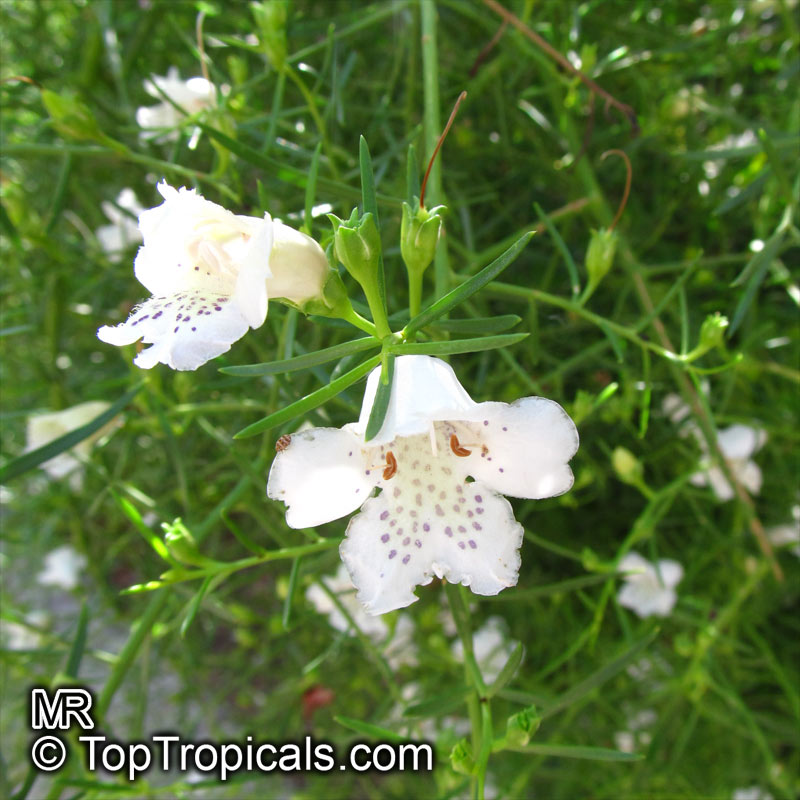
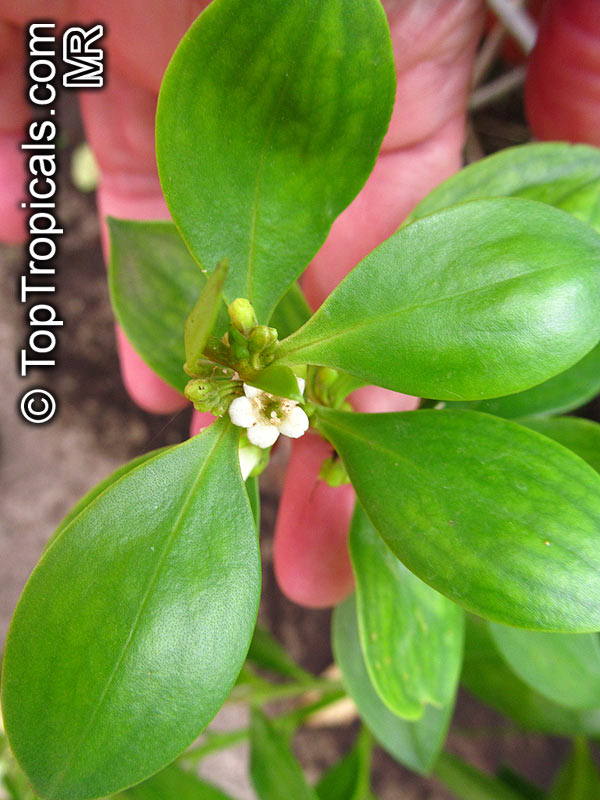
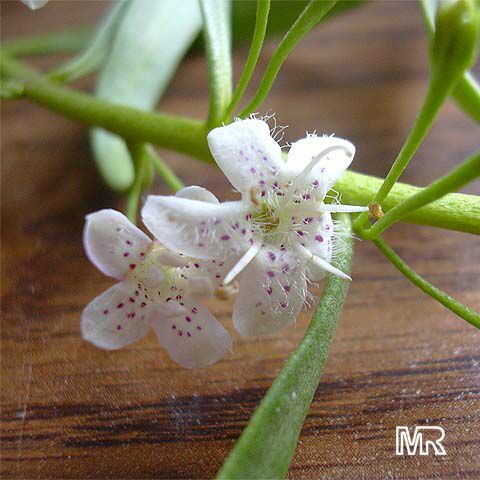
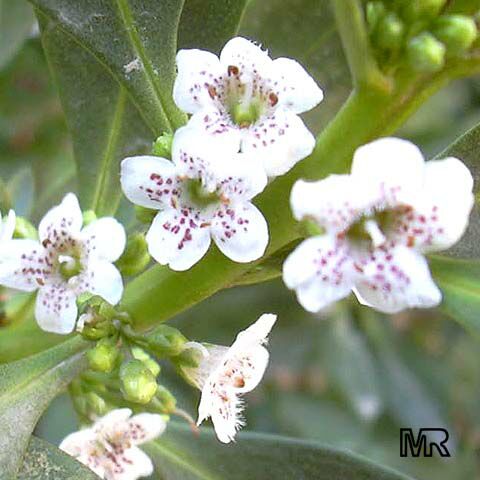
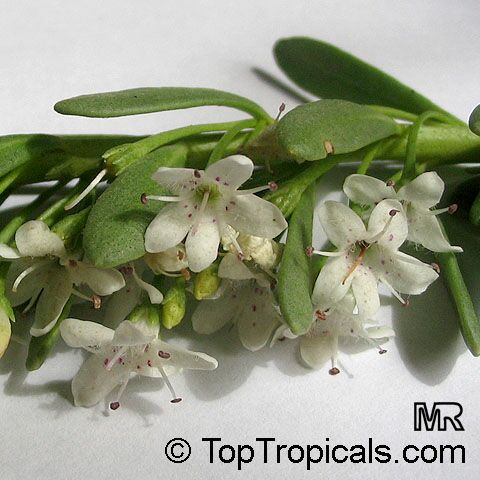
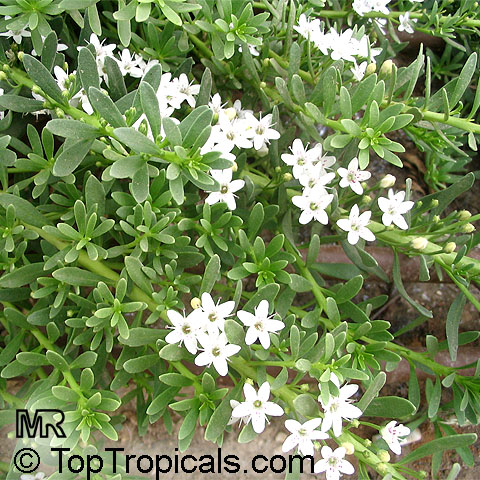
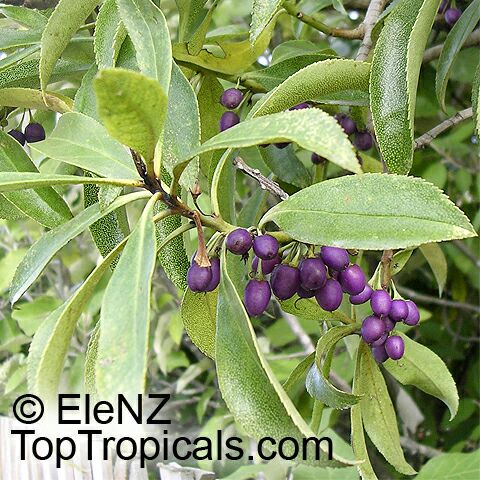
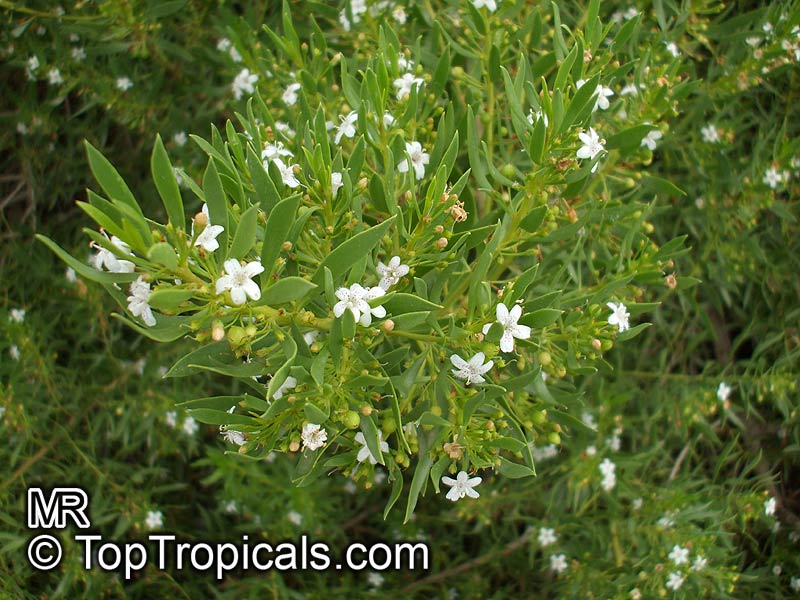
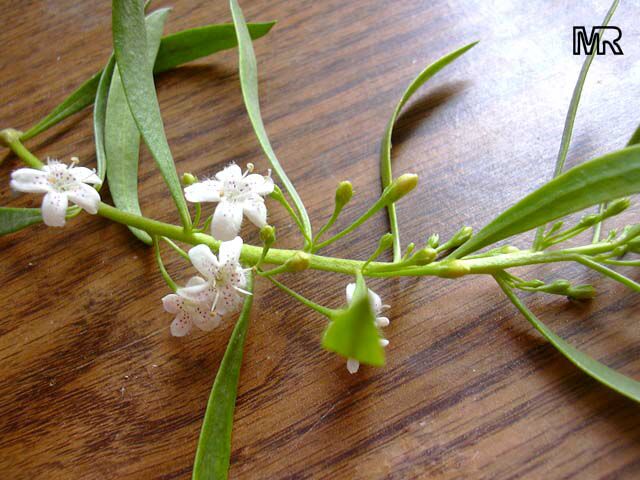
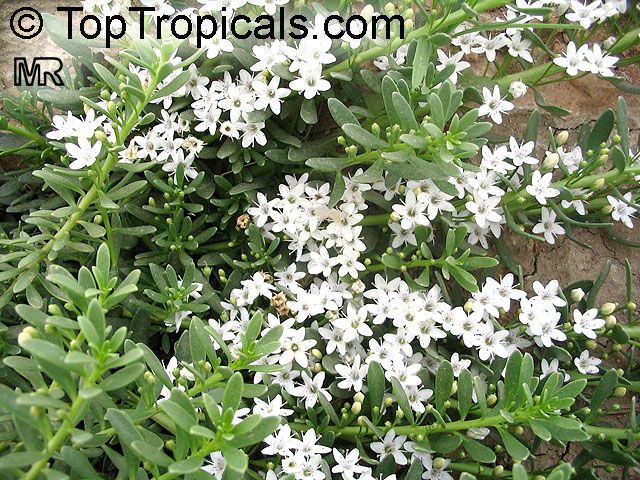
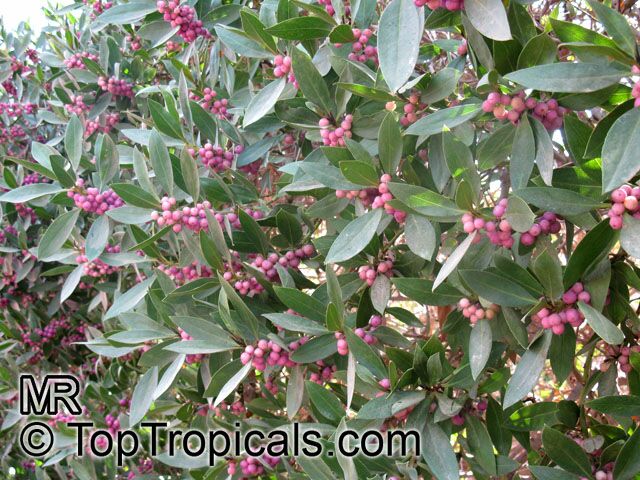
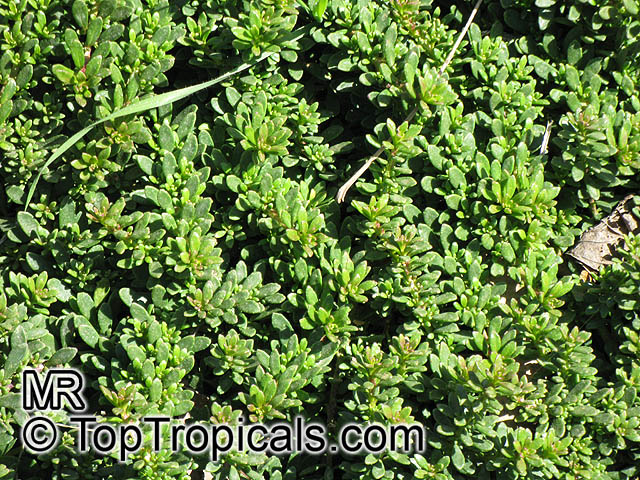
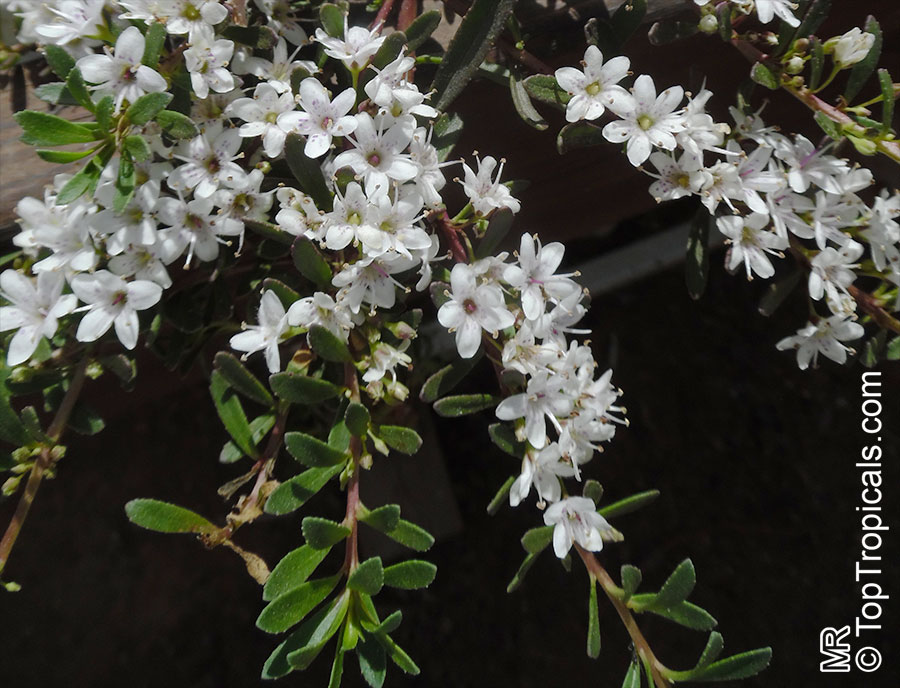
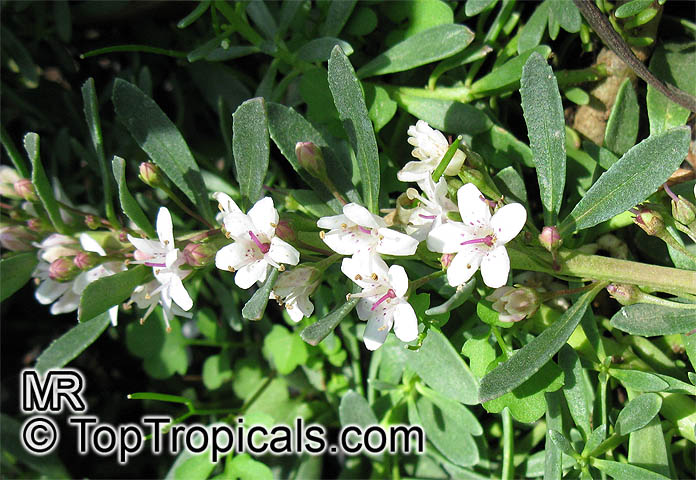
Myoporum sp. (Ngaio) is a large shrub, usually 5-10 ft tall, native to New Zealand and Southeast Australia. With its glossy foliage and profusion of white, off-white flowers that are slightly fragrant, it's sure to bring life and beauty to any garden. Myoporum prefers to grow in full sun or semi-shade and requires moderate water in dry conditions. It's hardy in USDA Zones 9-11, and those living in colder climates can still enjoy it by growing it in a container and moving it indoors during the winter.
When planting Myoporum sp., it's best to cut back any long shoots to encourage a denser and more compact plant. Be sure not to over-water it as it will not tolerate a wet root zone, and water as soon as the soil in the pot begins to dry out. Ideally, it needs to be fertilized once every two weeks with a balanced fertilizer.
For those living in colder regions, this plant can be moved indoors in winter and kept in a bright location, with temperatures between 45-50°F. Indoor watering must be done with caution; the soil should dry out between waterings and care must be taken to avoid over-watering. Feed the plant every month with a balanced fertilizer and mist regularly to increase humidity. Pruning should also be done in winter, especially for those growing in pots, and any unhealthy shoots should be removed.
With proper planting, watering, and pruning, this plant promises to add beauty and life to any garden.

Use link to repeat this search:
https://toptropicals.com/cgi-bin/garden_catalog/cat.cgi?find=myoporaceae&search_op=and&keyword_op=and&language=e&number=10
&no_change_lang=1&user=tt&sale=1&first=0