Bombacaceae - Plant Encyclopedia Results
| Number of plants found: 25 | Next | 
|
Go to page: | 1 | 2 | 3 |
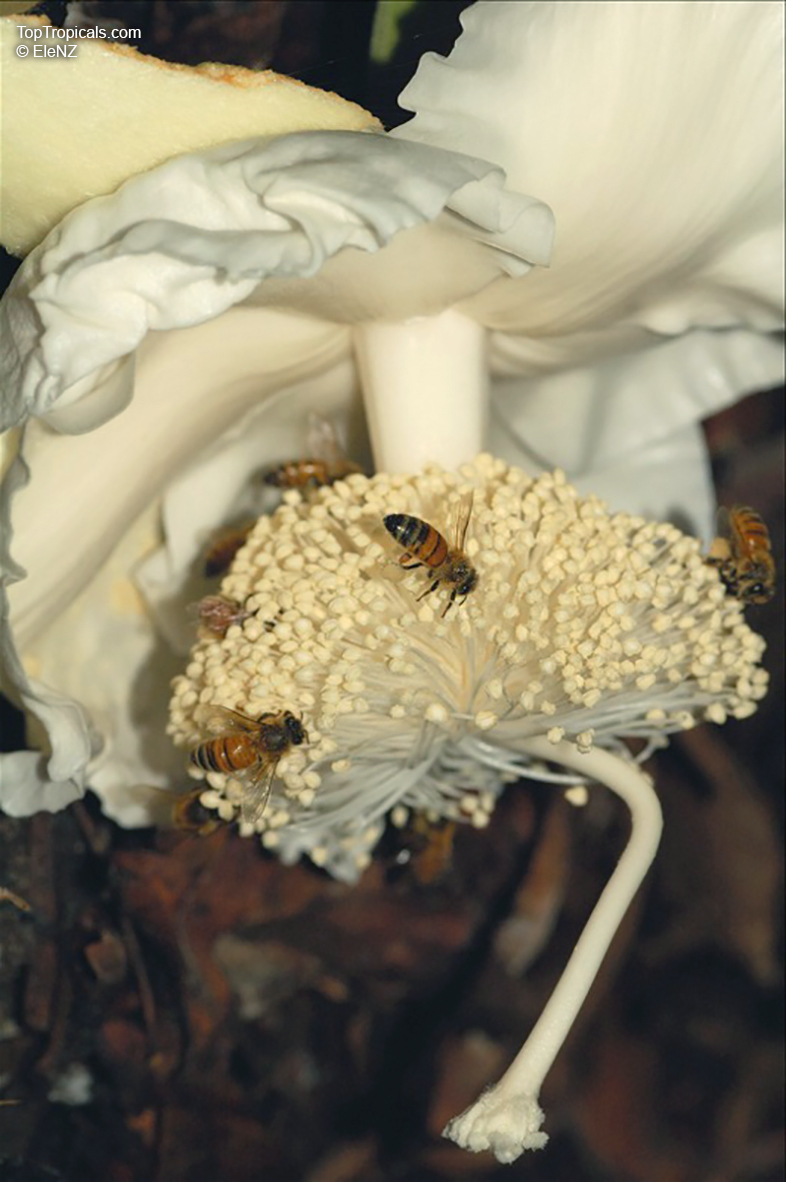
Botanical name: Adansonia digitata
Common names: Baobab, Cream of Tartar tree, Monkey-bread tree, Lemonade tree, Upside-down Tree
Family: Malvaceae (Formerly:Bombacaceae)
Subfamily: Bombacoideae
Origin: South Africa
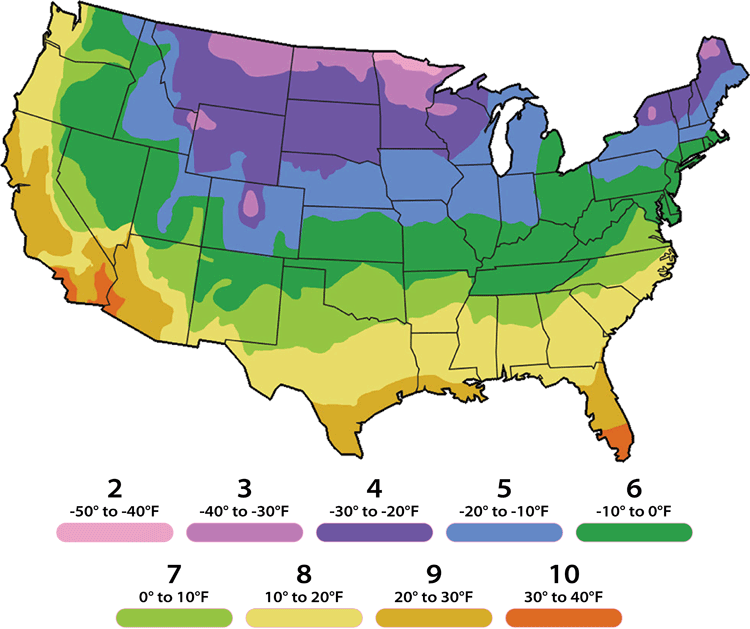
USDA Zone: 10-12


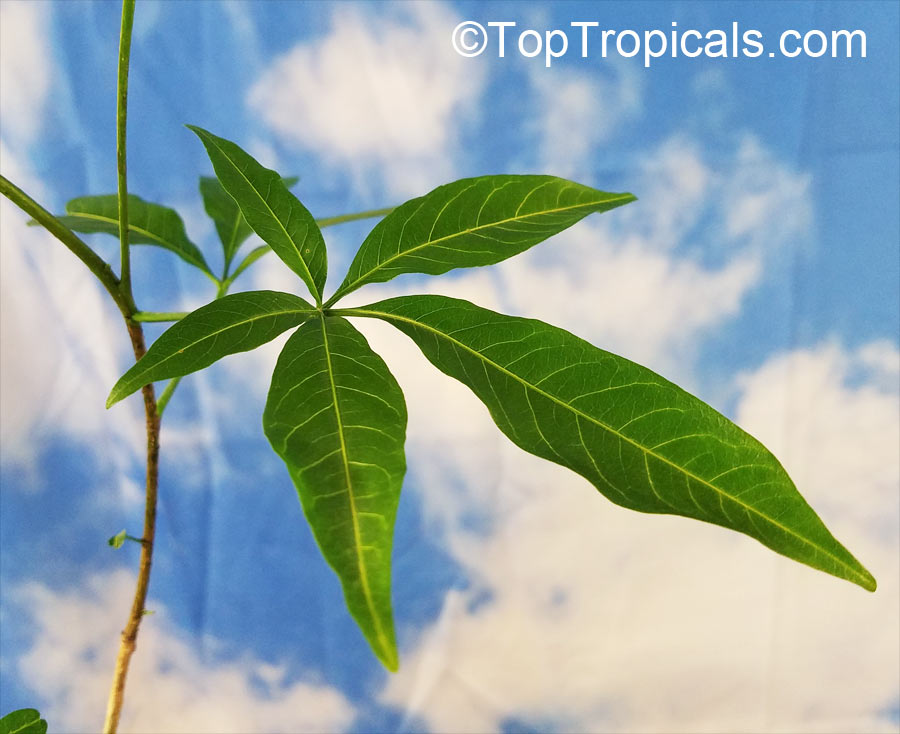
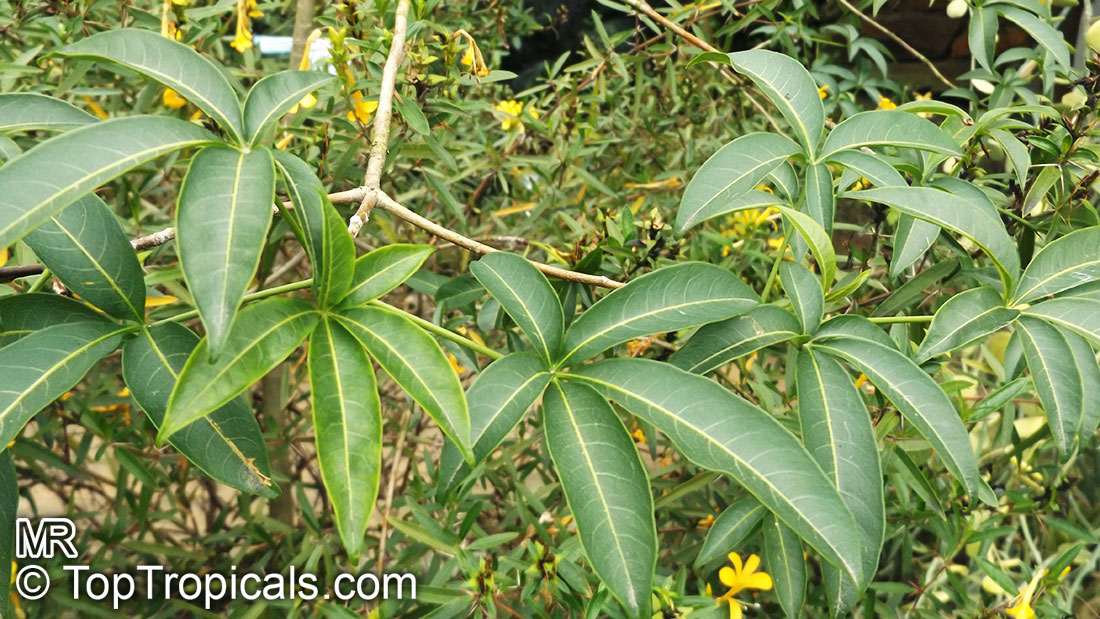
Regarded as the largest succulent in the world, the baobab tree is steeped in a wealth of mystique, legend and superstition wherever it occurs in Africa. It is a tree that can provide food, water, shelter, and relief from sickness. During drought, elephants obtain moisture by chewing on the wood. The stem is covered with a bark layer, which may be 50-100 mm thick. The leaves are hand-sized and divided into 5-7 finger-like leaflets. The baobab is a deciduous, meaning that in winter, it sheds all of its leaves and grows new ones in spring. The large, pendulous flowers (up to 200 mm in diameter) are white and sweetly scented ,that are pollinated by bats. They are followed by velvety fruits full of edible acidic pulp sought by both monkeys and people. In the dryer, temperate regions of Africa, Baobabs are a tree of myth and legend. Baobabs are carefully tended by rural peoples and are particularly useful: the hollow trunks of baobabs are used as dwellings and storehouses, traditional medicines are obtained from its bark, leaves, and fruit. Its bark can be pounded to produce fibers that are used to make baskets, cloth, hats, mats, nets, rope, and strings (interestingly, after the bark is stripped away, the baobab grows new bark). Its leaves are cooked and eaten as greens, and are dried for use as a seasoning and a sauce and stew thickener. Its fruit is rich in vitamin C, calcium, and iron, and is called pain de singe or monkey bread. It can be roasted, ground, and boiled to make a coffee-substitute; it is also soaked in water to make a refreshing drink, and is used as a flavoring. They will make a handsome addition to a large garden, estate, or large parkland providing the soil is not waterlogged. Baobabs cannot tolerate even mild frost. When they are young, baobabs do not resemble their adult counterparts, the stems are thin and inconspicuous, and their leaves are simple and not divided into the five to seven lobes of the adult trees. Saplings can be effectively grown in containers or tubs for many years before becoming too large and requiring to be planted into the ground.
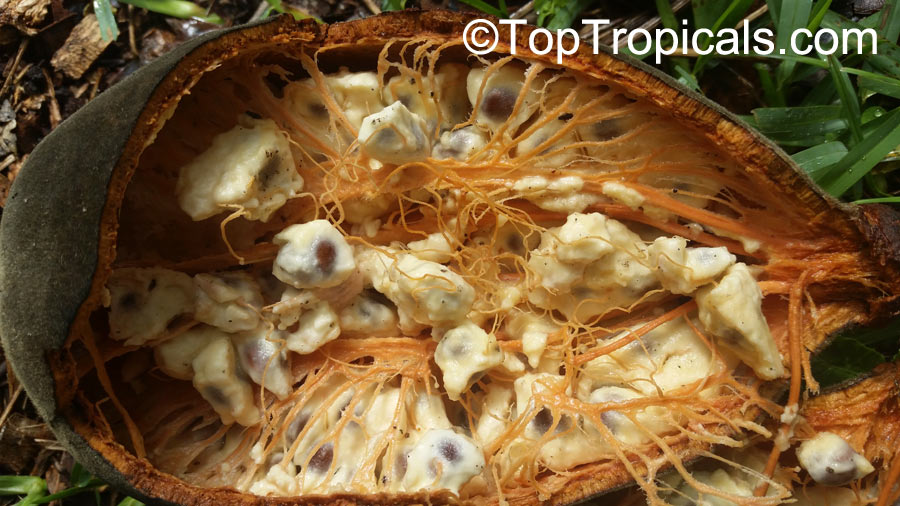
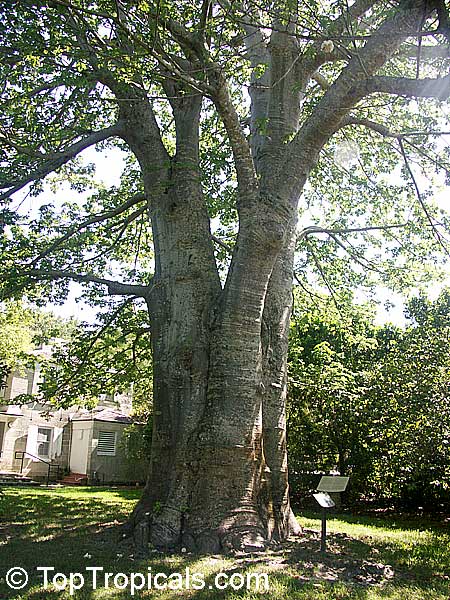
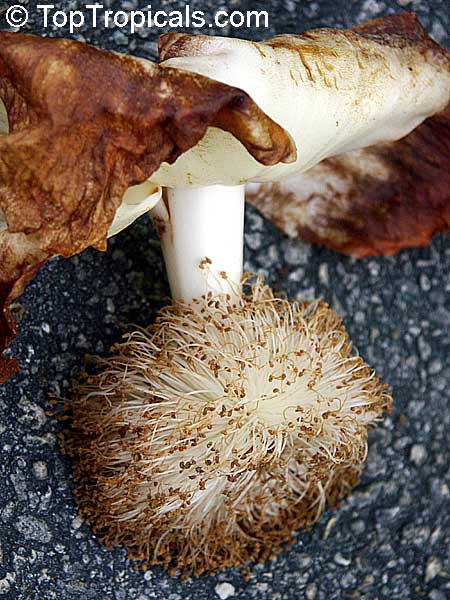
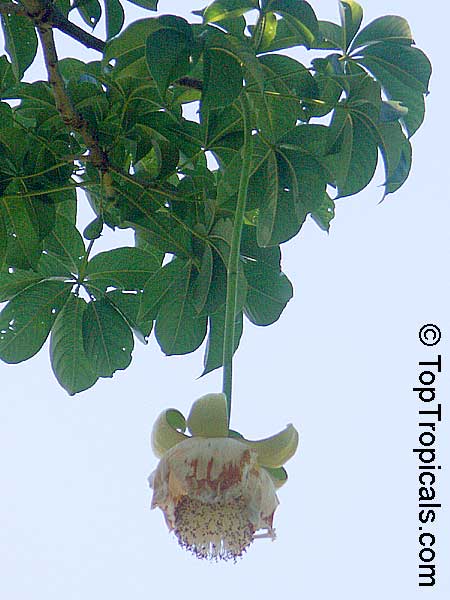
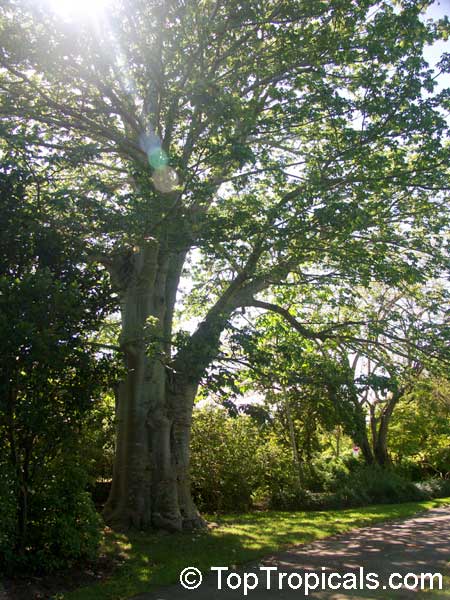
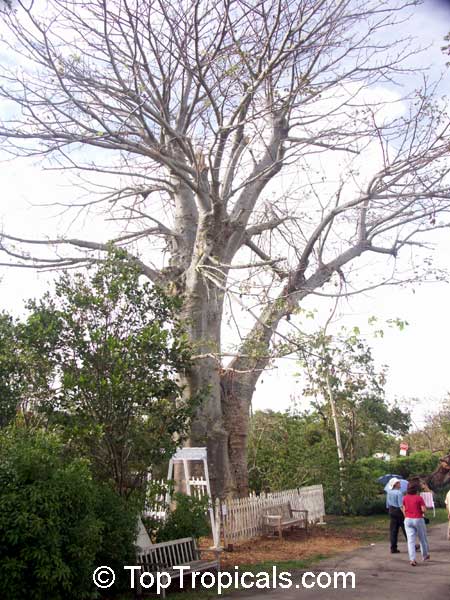
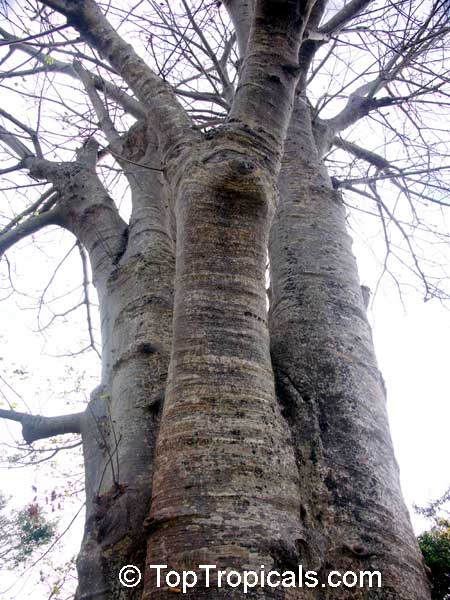
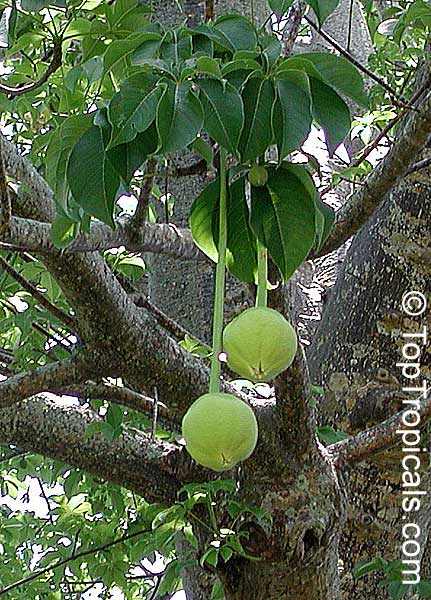
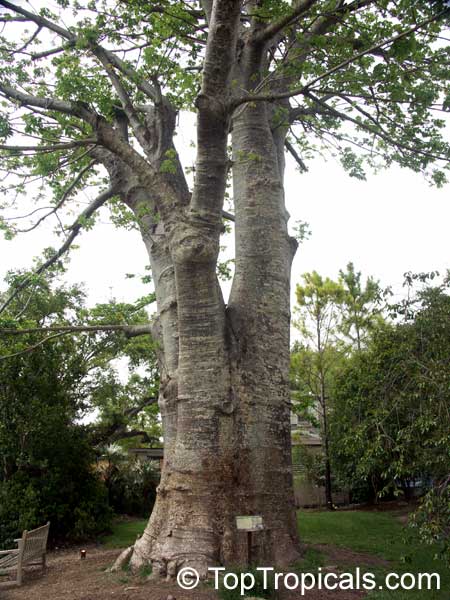
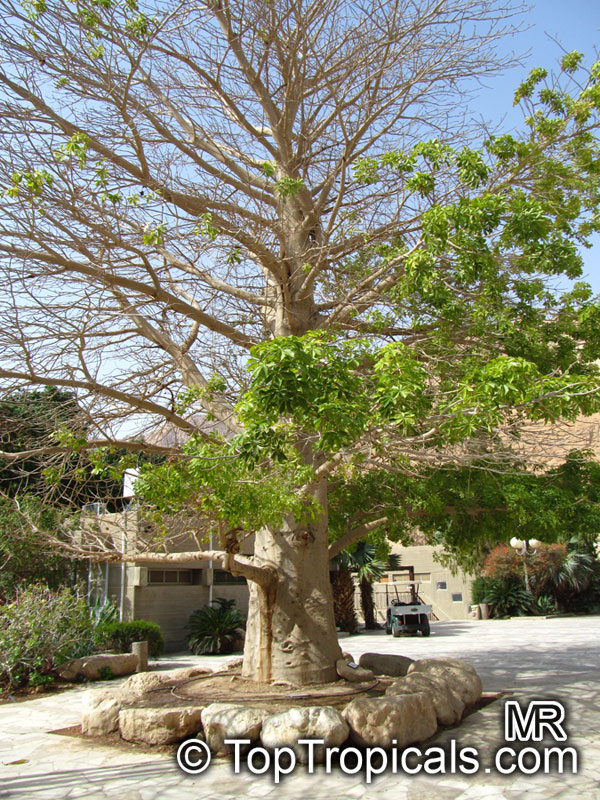
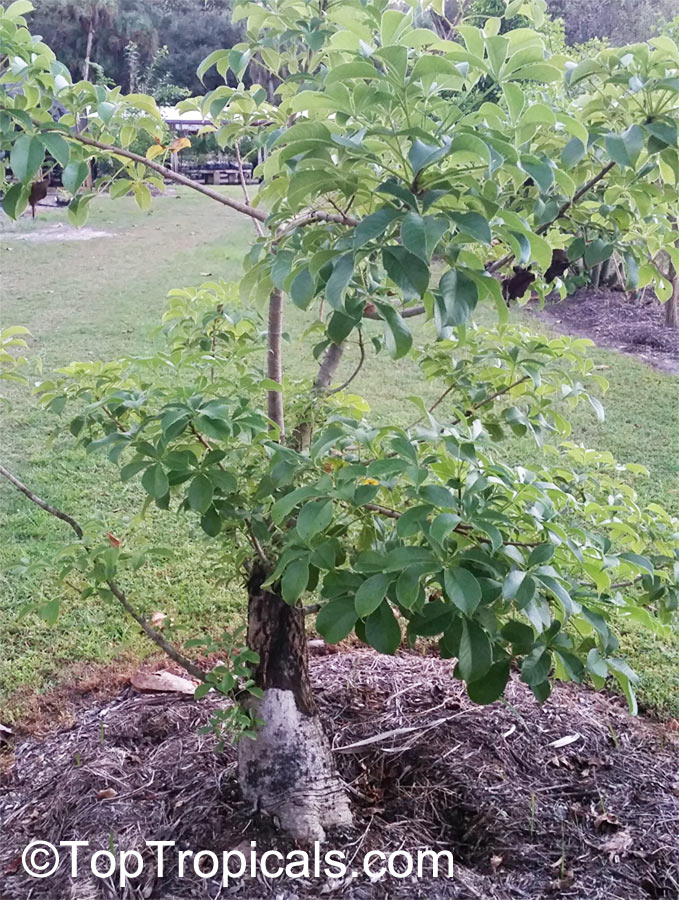
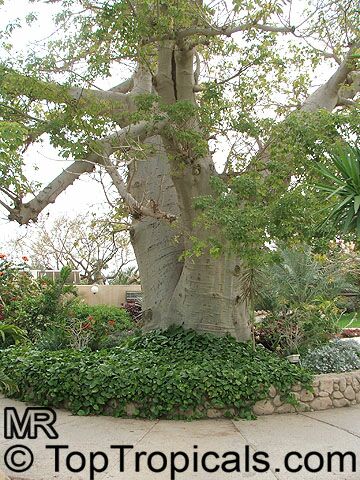
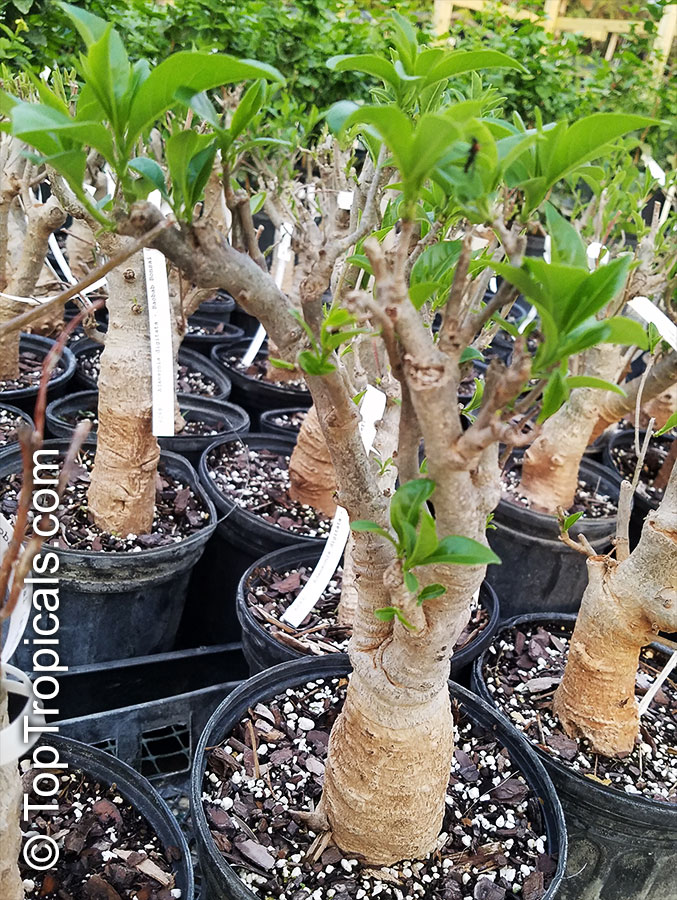
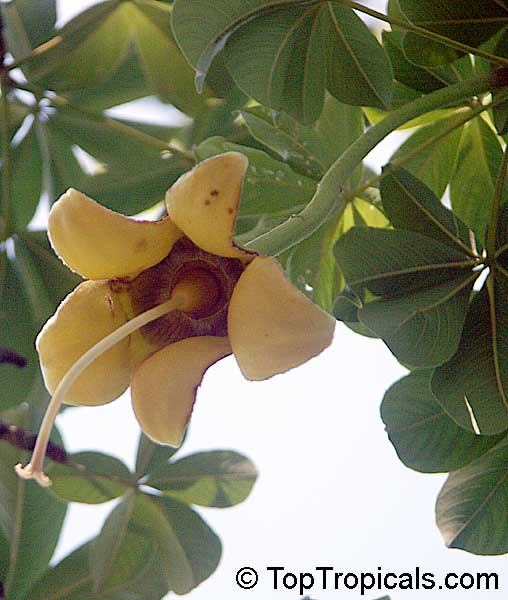
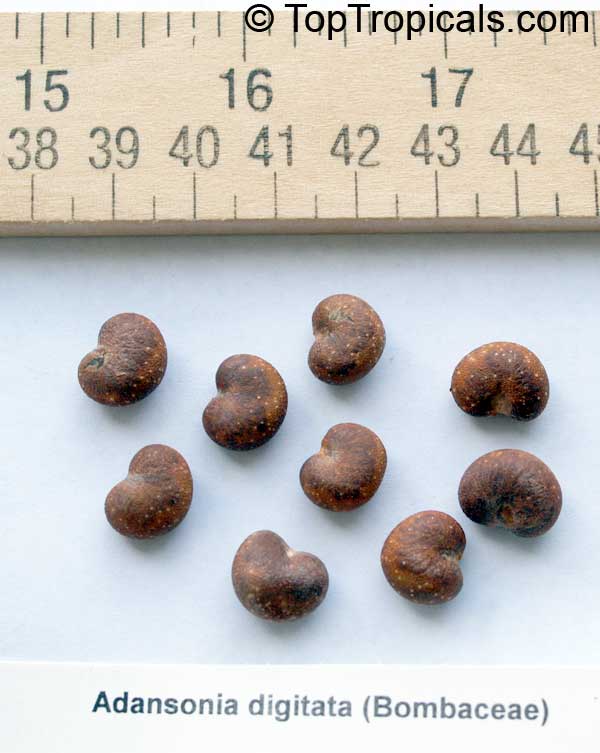
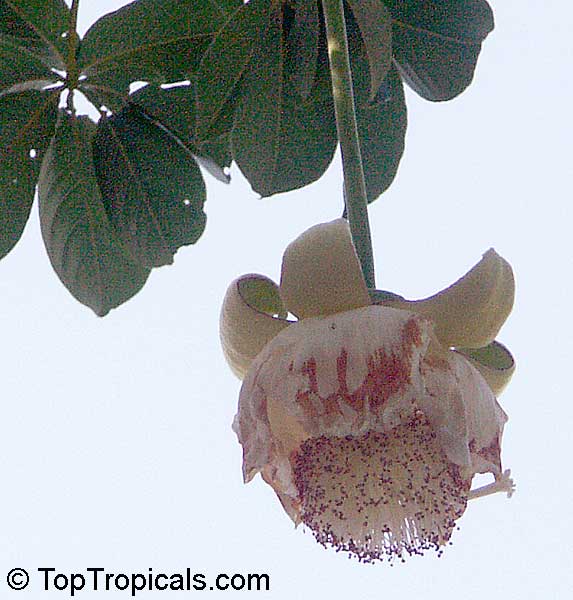
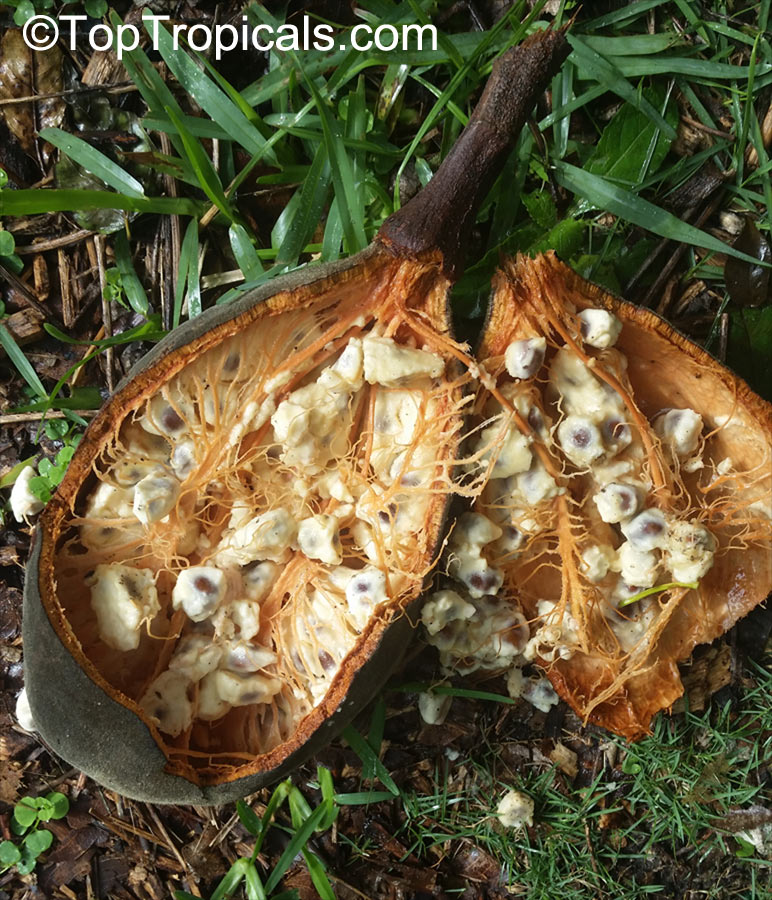
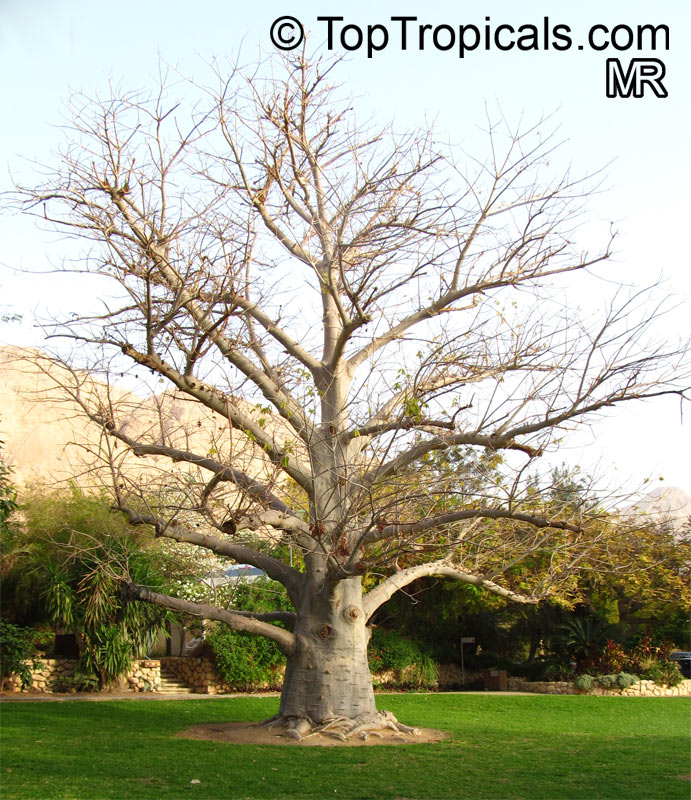
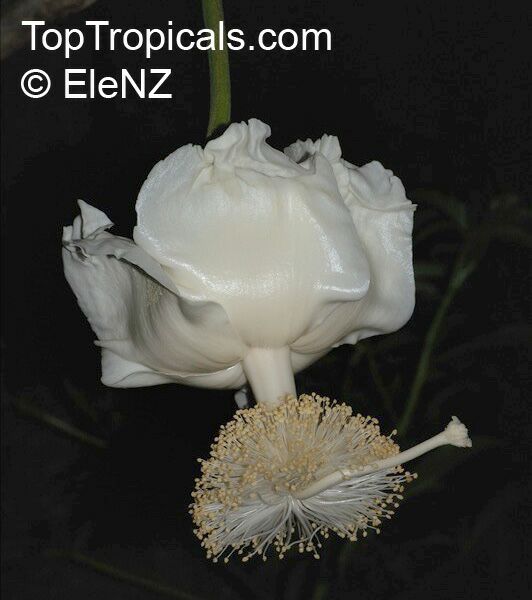
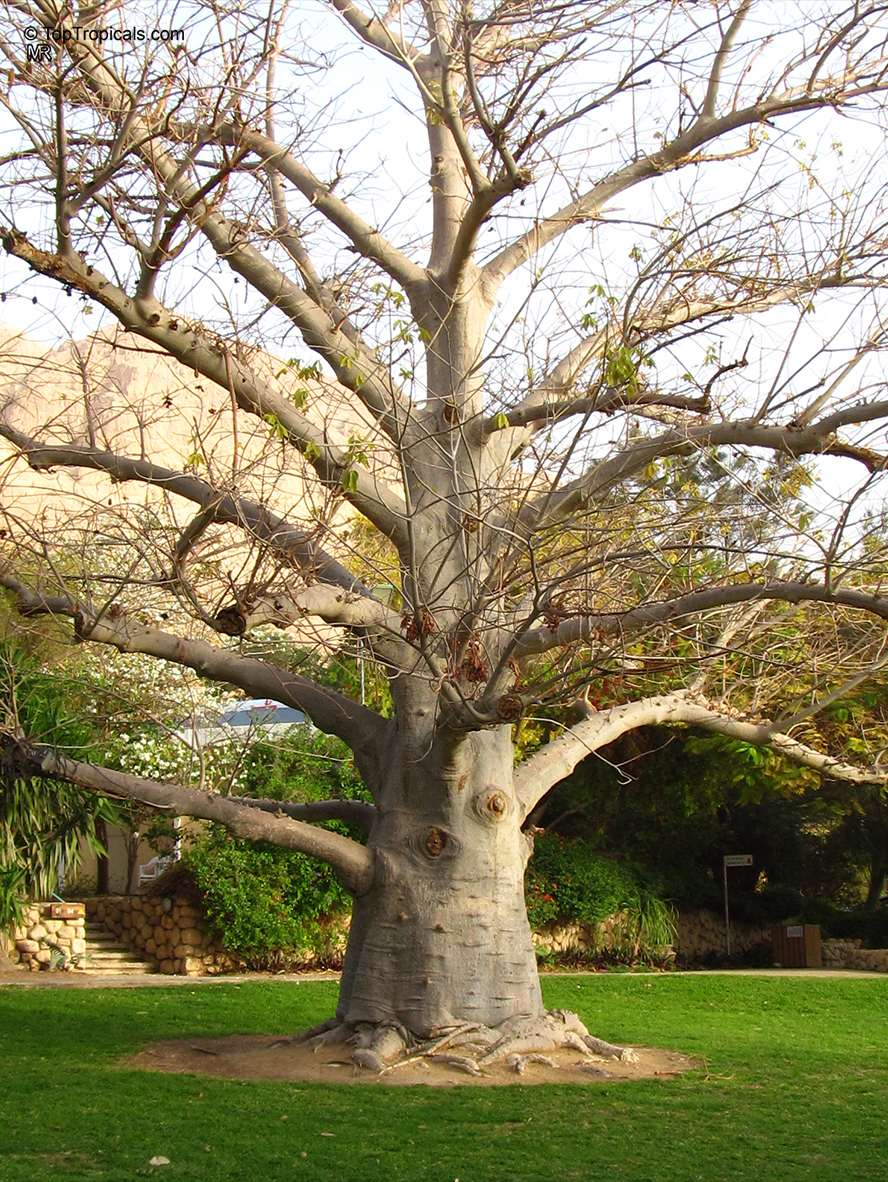
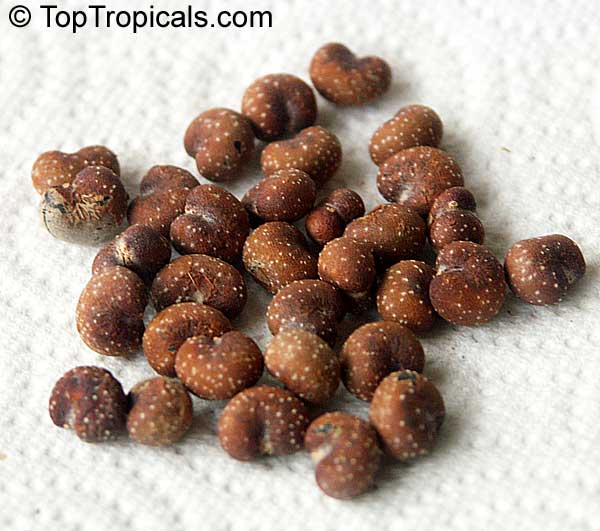
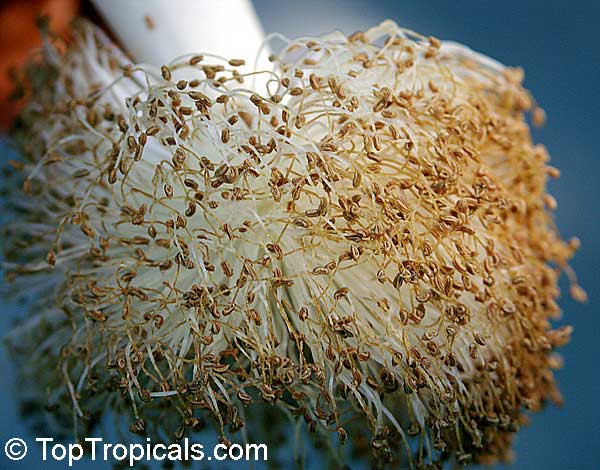
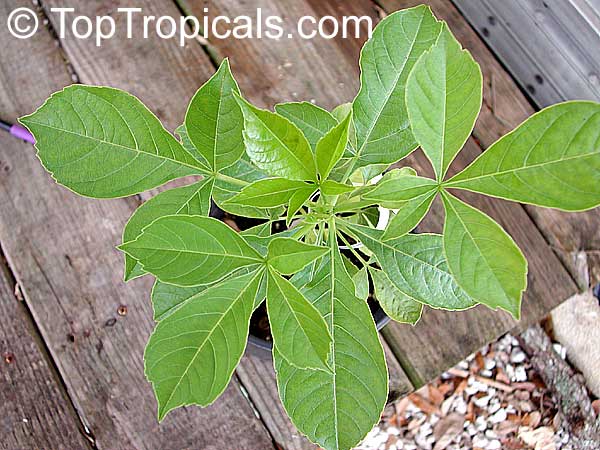
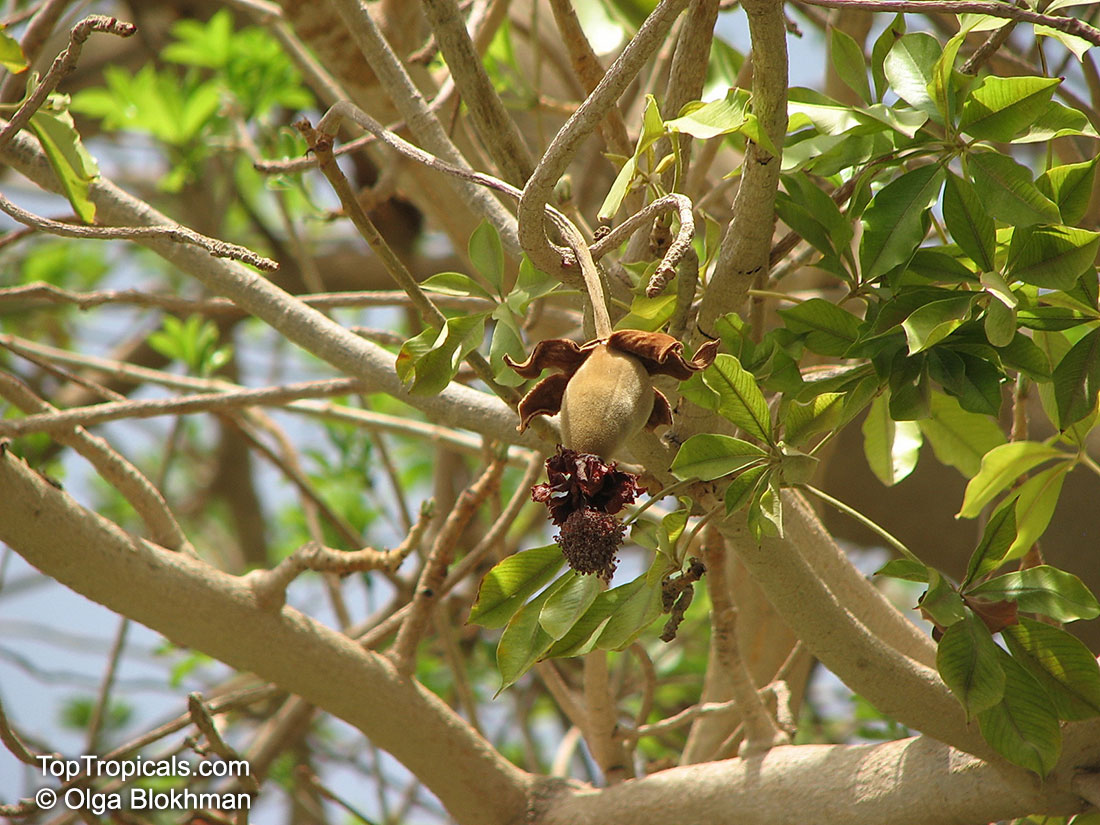
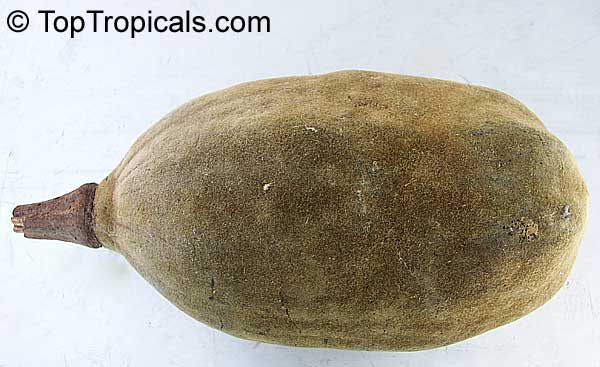
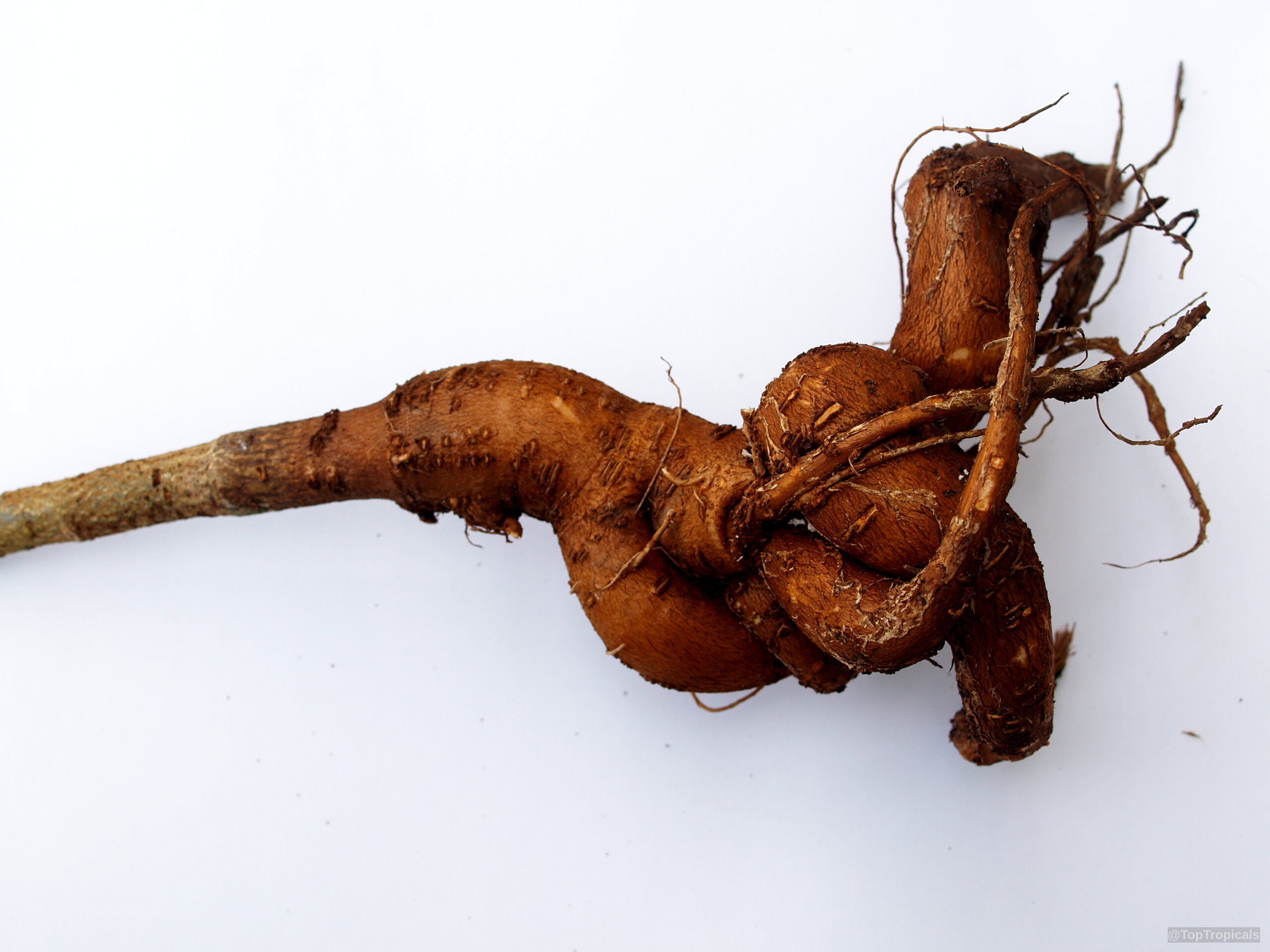
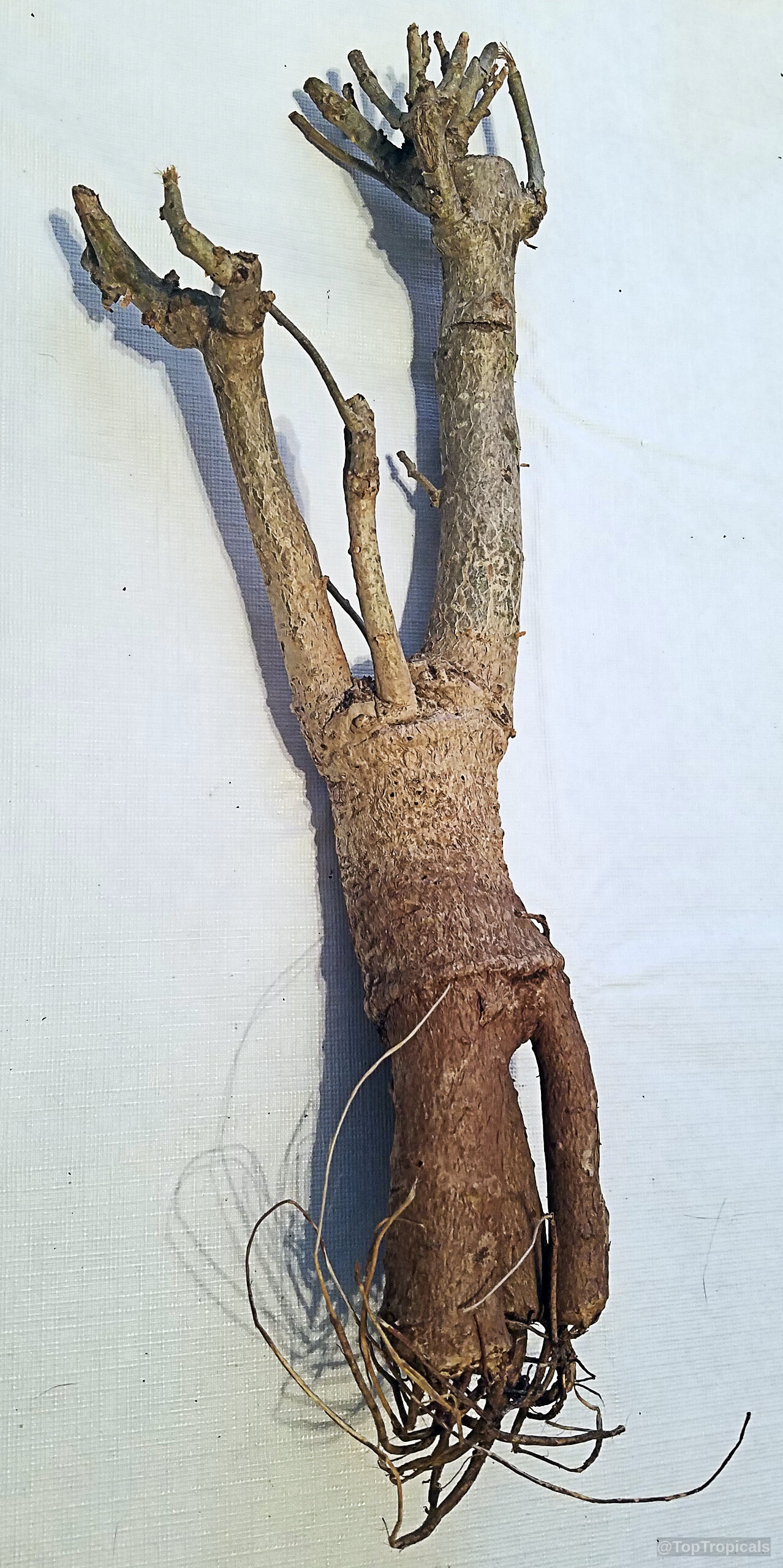
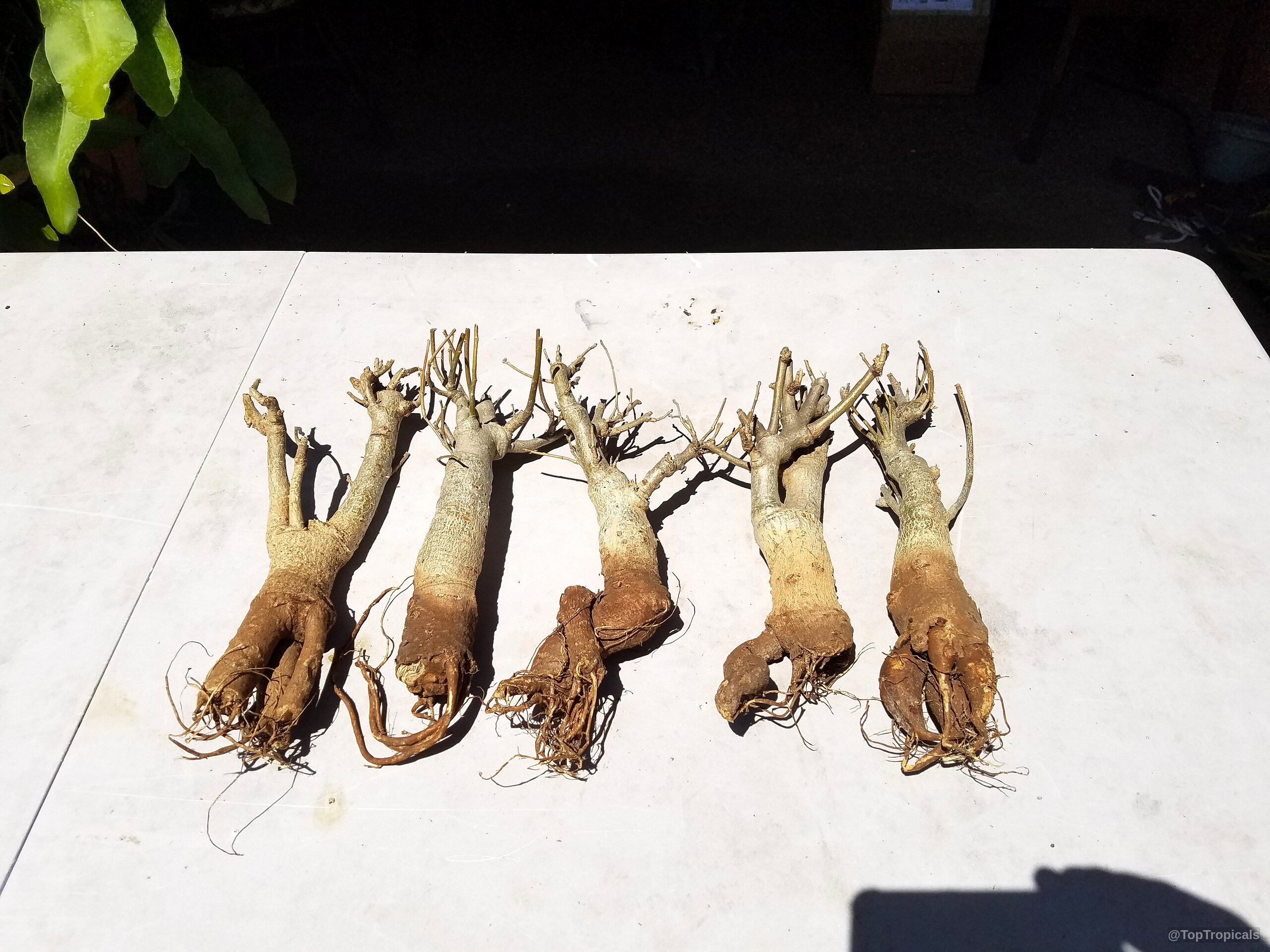

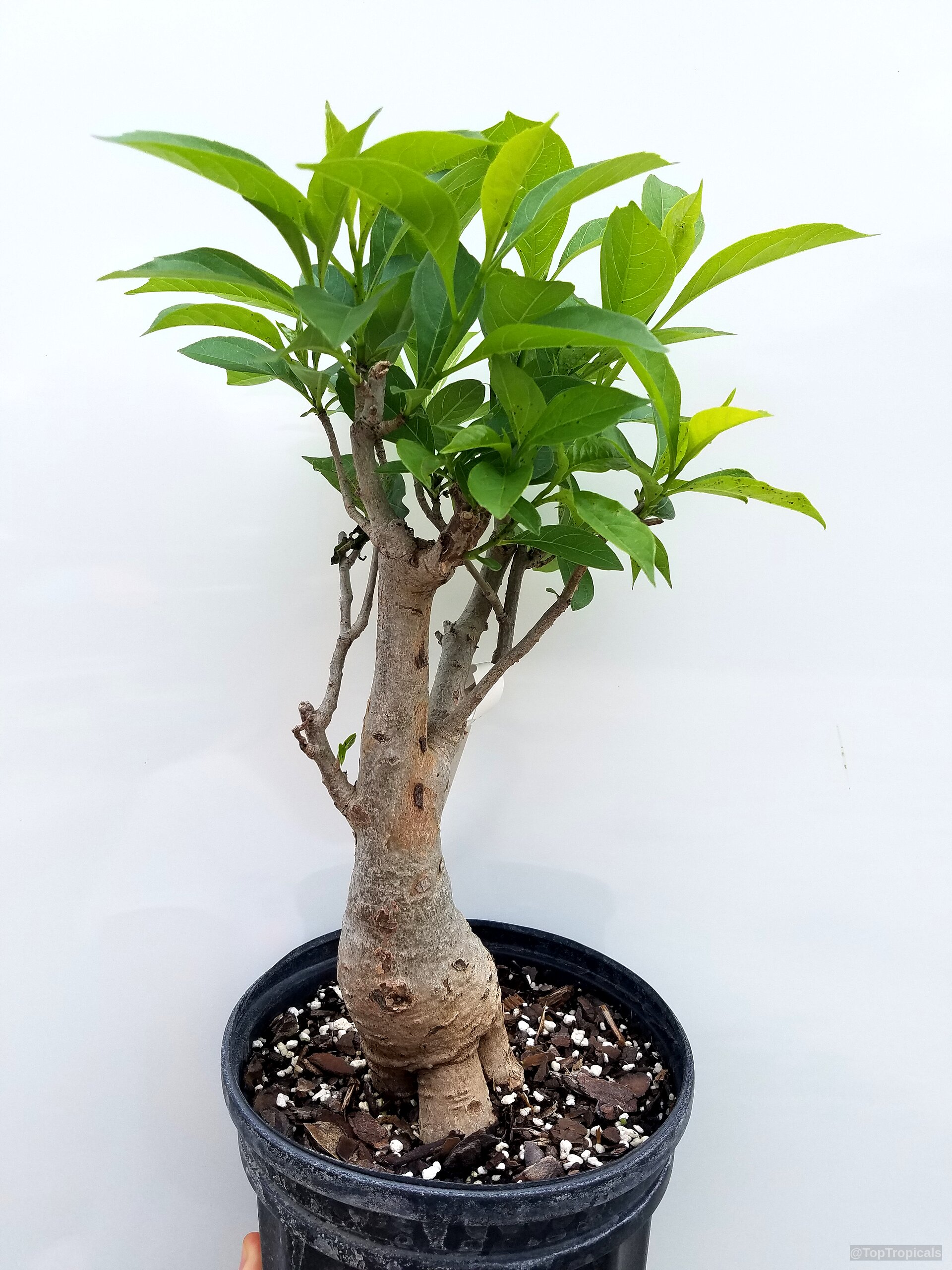
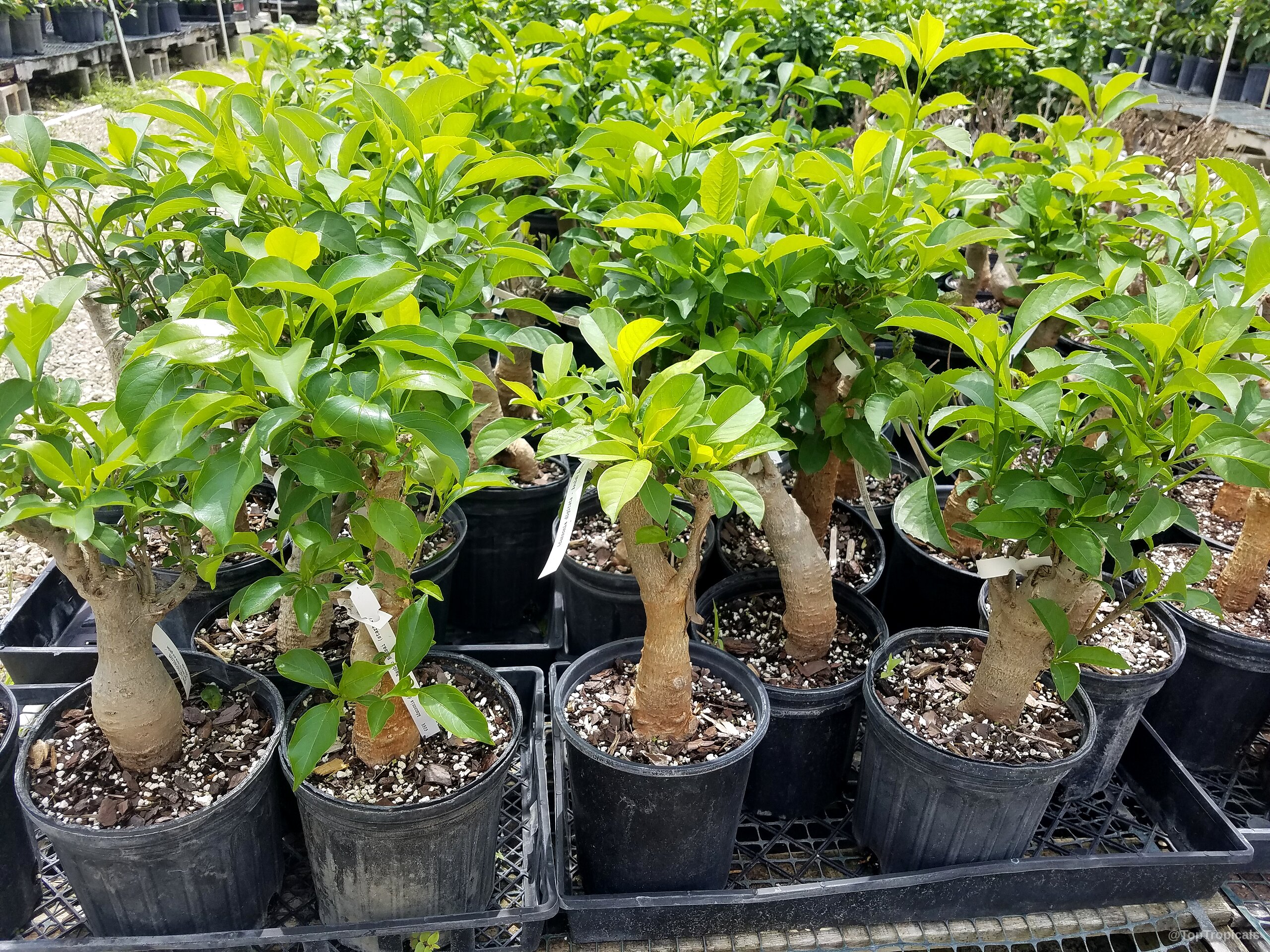
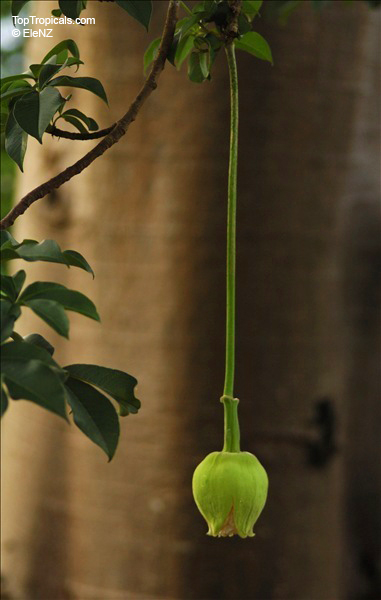
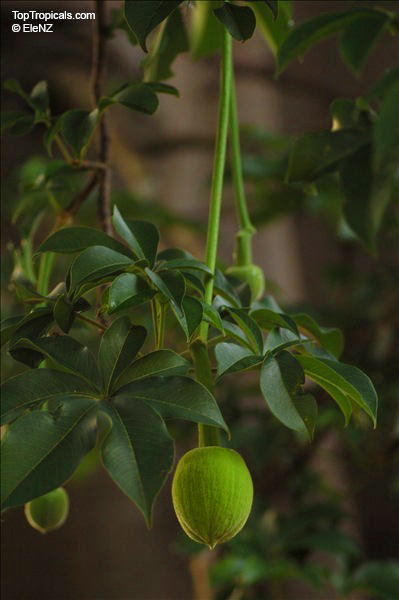
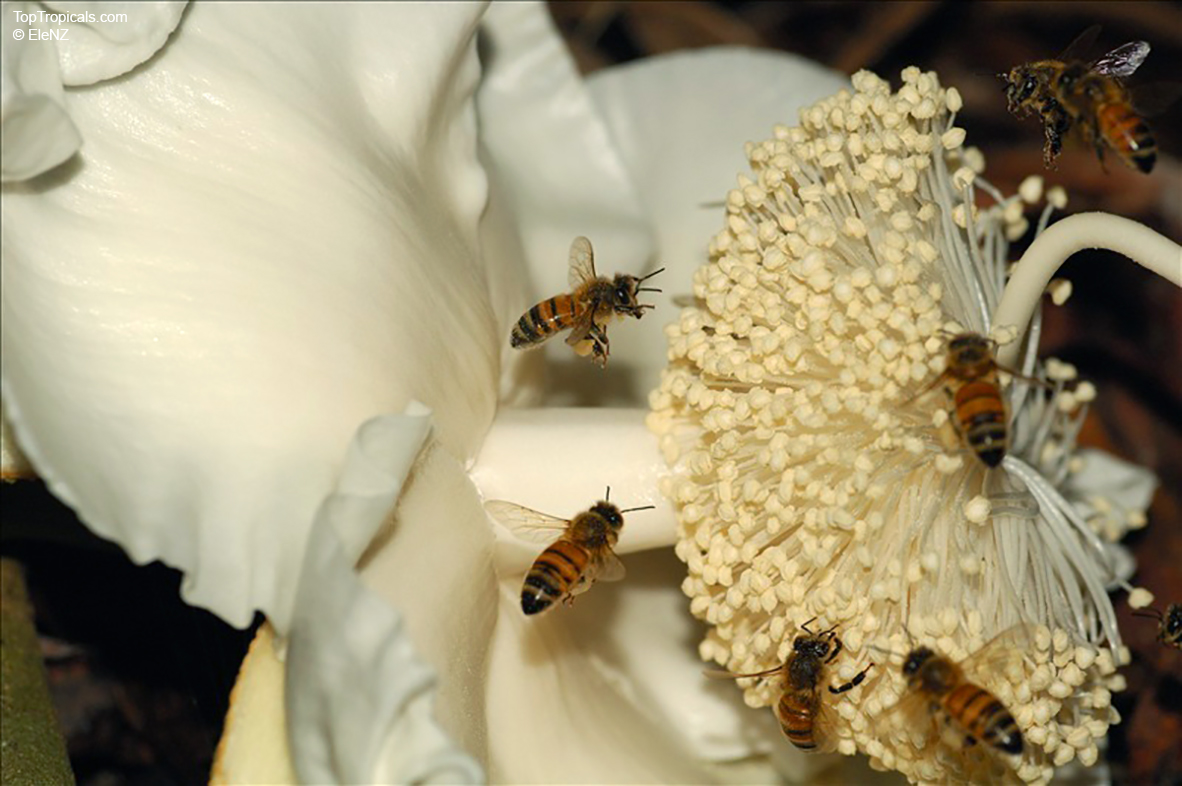
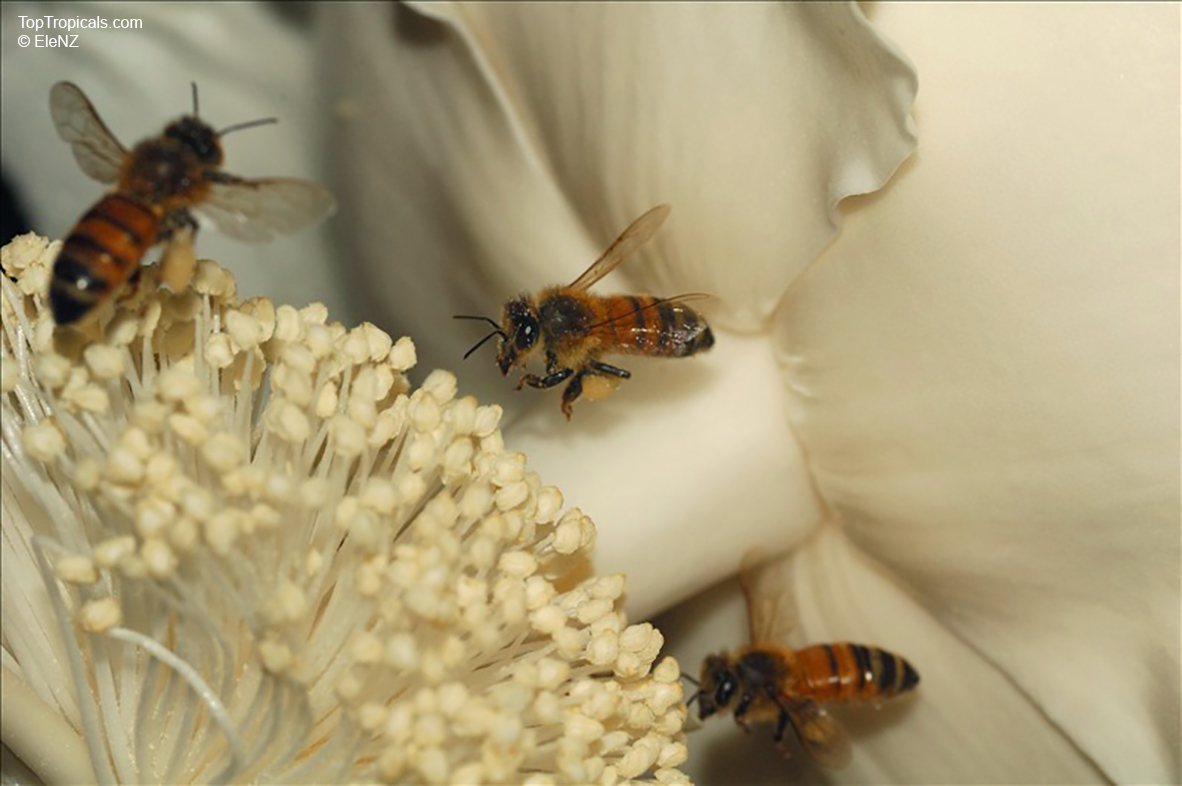
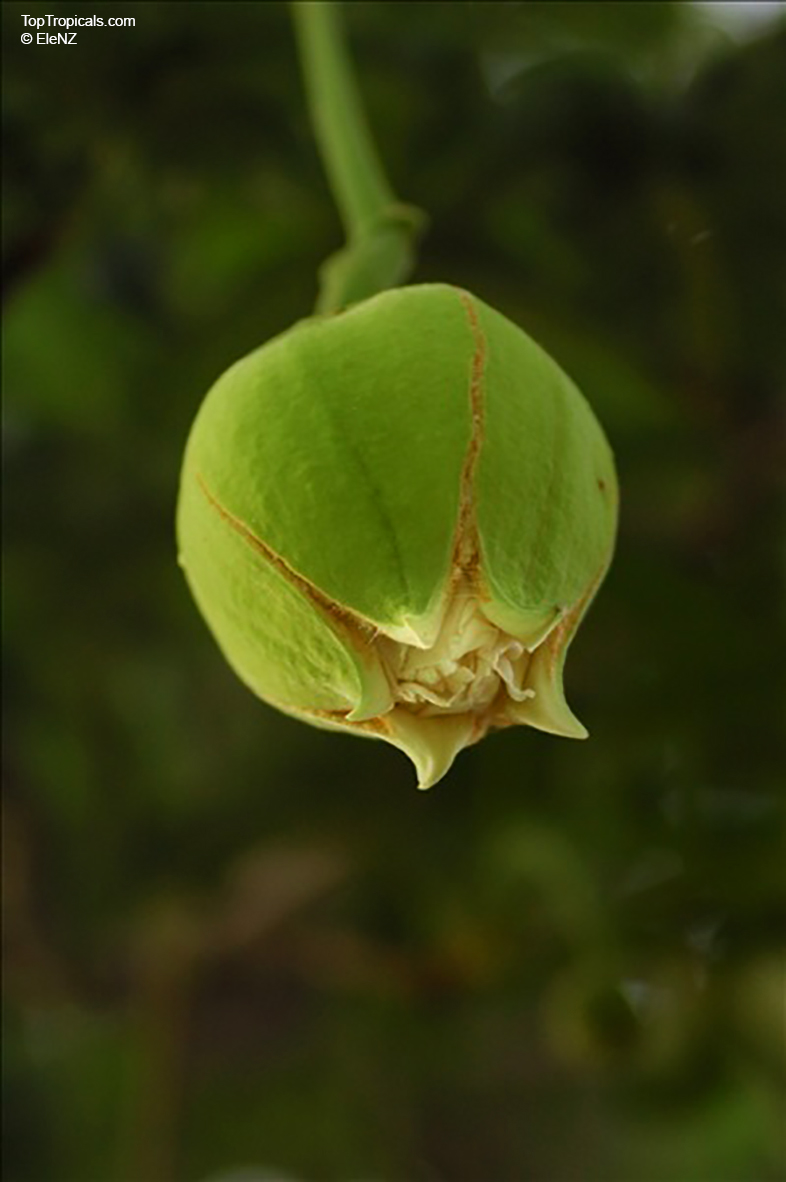
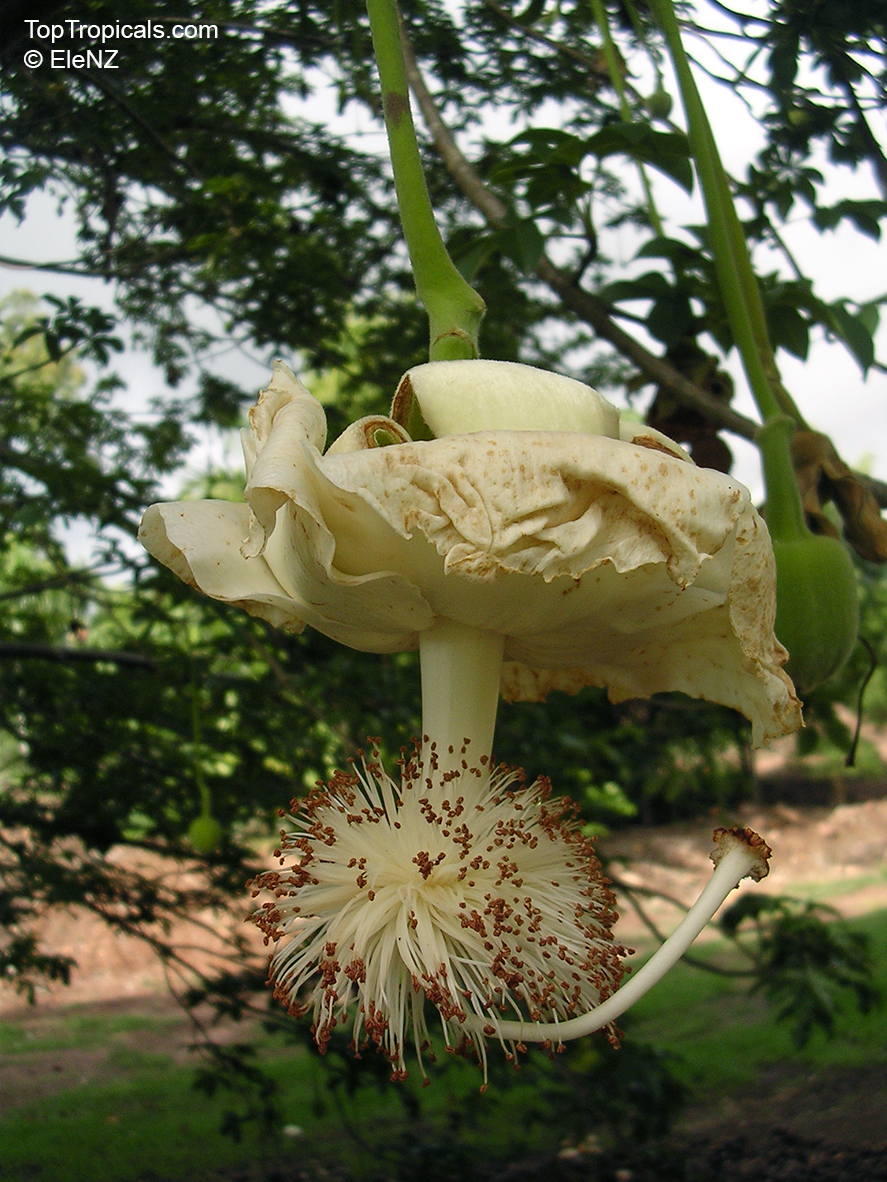
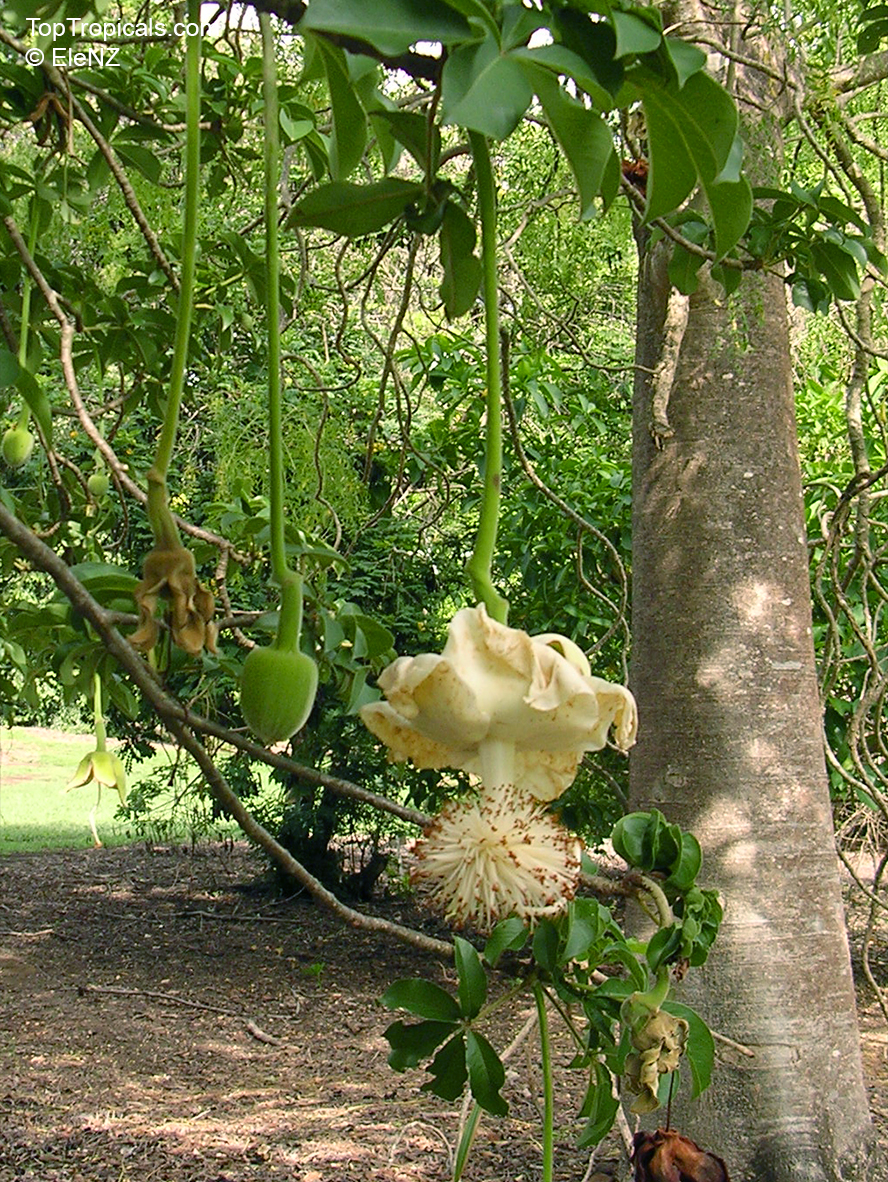
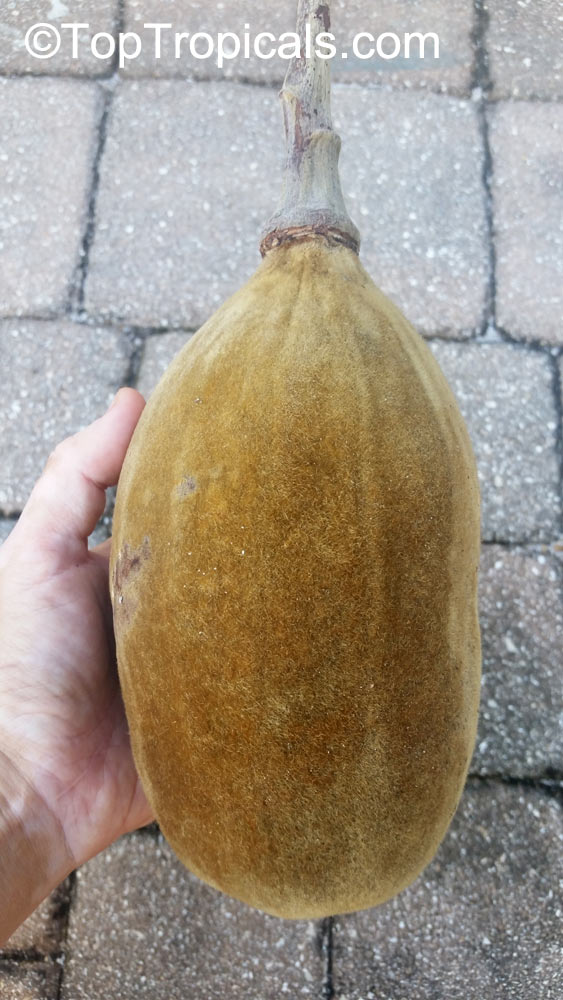
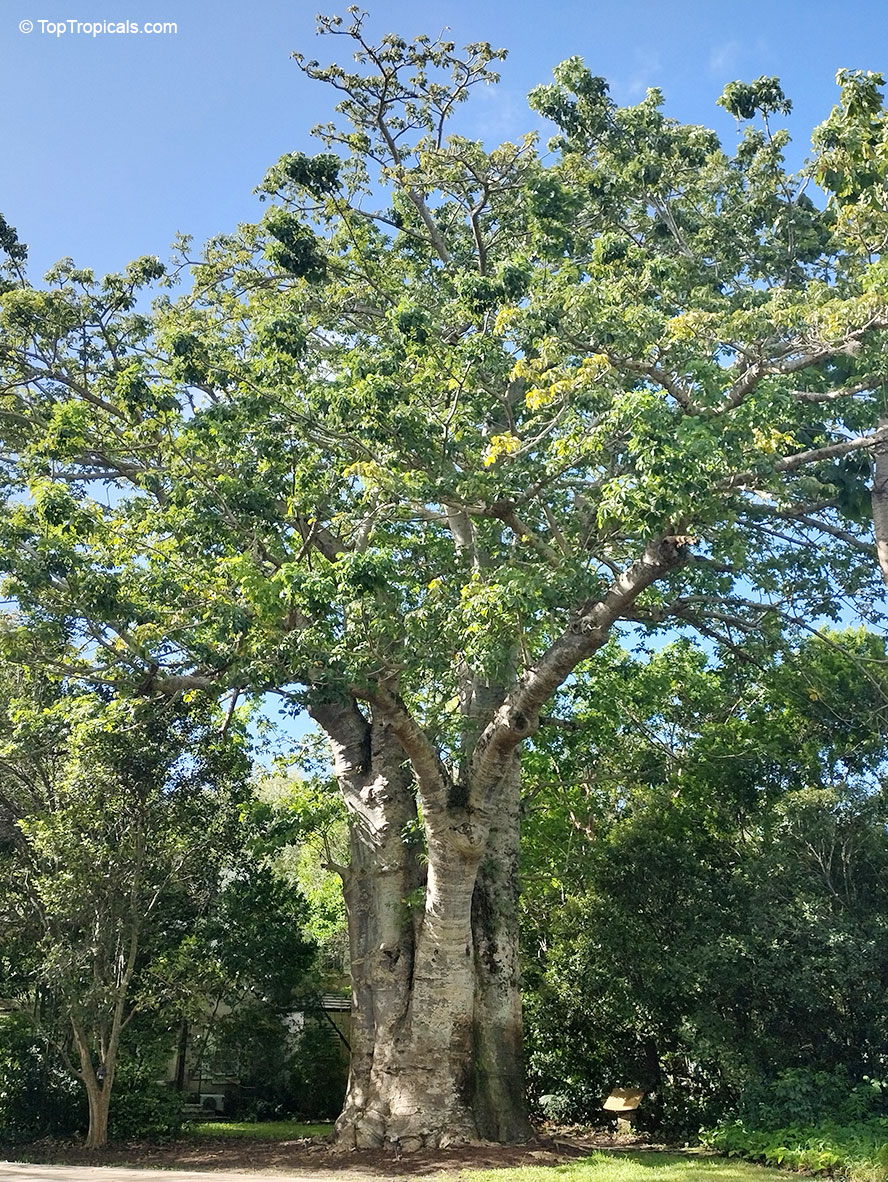
Baobab, also called the Tree of Longivity, can live for 5000 years. Pass this remarkable plant in your family from generation to generation! Regarded as the largest succulent plant in the world, the Baobab tree is steeped in a wealth of mystique, legend and superstition wherever it occurs in Africa, being a tree that can provide food, water, shelter and relief from sickness. In the nature the massive, usually squat cylindrical trunk gives rise to thick tapering branches resembling a root-system, which is why it has often been referred to as the Upside-down Tree.
Planting directions: pot into 6" container or shallow bonsai dish using well drained bonsai mix, like Adenium soilless mix. Water well and put in bright light, full sun is preferable. Let soil dry between waterings. Fertilize once a month during warm season, with a balanced granulated fertilizer and Sunshine boosters: SUNSHINE-BC for fast growing thick trunk, and SUNSHINE SuperFood. As the plant grows, step up into bigger container after proper trimming of roots and branches.
Thanks to its internal water supply, the Baobab Tree can take several months without soil. The plants are shipped bare-rooted to save your shipping costs.
See picture of a potted Baobab bonsai starter
See picture of potted Baobab bonsai. Plants are deciduous, will lose leaves in winter.
Recommended Fertilizer: SUNSHINE Robusta - Rapid Growth Booster
Botanical name: Adansonia grandidieri
Common names: Grandidier's Baobab, Giant Baobab
Family: Malvaceae (Formerly:Bombacaceae)
Subfamily: Bombacoideae
Origin: Madagascar
USDA Zone: 9-10


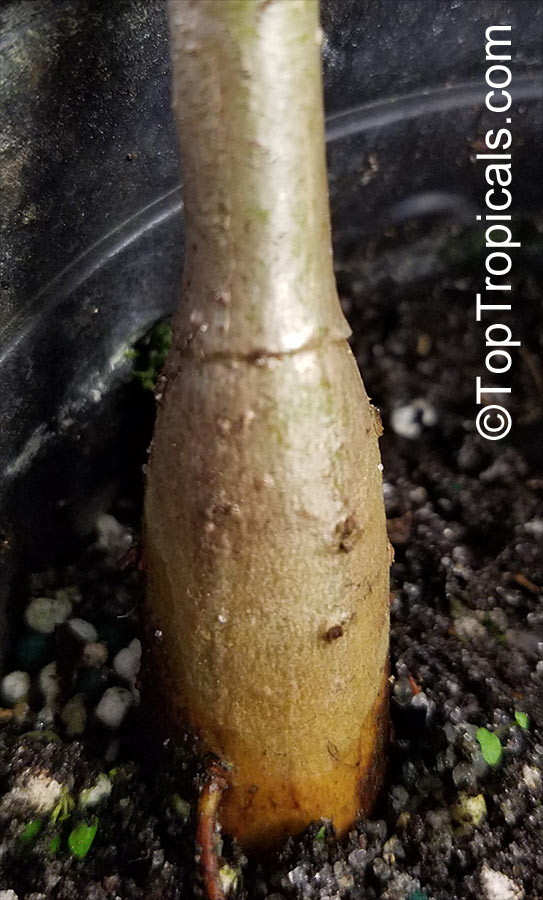
Native to Madagascar and growing with a massive, cylindrical bole, Grandidier's Baobab, Adansonia grandidieri, can be a large tree, reaching up to 80 ft tall. The tree is mostly found in a restricted area, threatening its survival due to habitat destruction and regeneration. Despite being threatened, Grandidier's Baobab remains very versatile and is popular among bonsai enthusiasts.
Grandidier's Baobab can prosper in full sun, or on rare occasions in partial shade, and needs moderate watering. If grown in cold regions, pots should be elevated to ensure better drainage and should be sheltered during winter. It has a flat-topped, light crown with few branches, and white to off-white flowers. It produces edible fruits, with oil-rich seeds, making it a valuable source of food and fiber for thatching.
Grandidier's Baobab can produce hundreds of fruits, depending on the age and weather conditions, each fruit weighing about 250g. The fruits are orange and oval-shaped with a pulp containing a few large seeds. It has a pleasant taste and can be used to make refreshing drinks, jams, salads, and other desserts. Grandidier's Baobab is also rich in vitamins, minerals and antioxidants such as vitamin C, phosphorus, and fiber, providing healthy benefits and being an important component of the Malagasy diet.
Botanical name: Adansonia gregorii
Common names: Boab, Baobab, Australian Bottle Tree
Family: Malvaceae (Formerly:Bombacaceae)
Subfamily: Bombacoideae
Origin: Northern Territory, West Australia
USDA Zone: 9-10
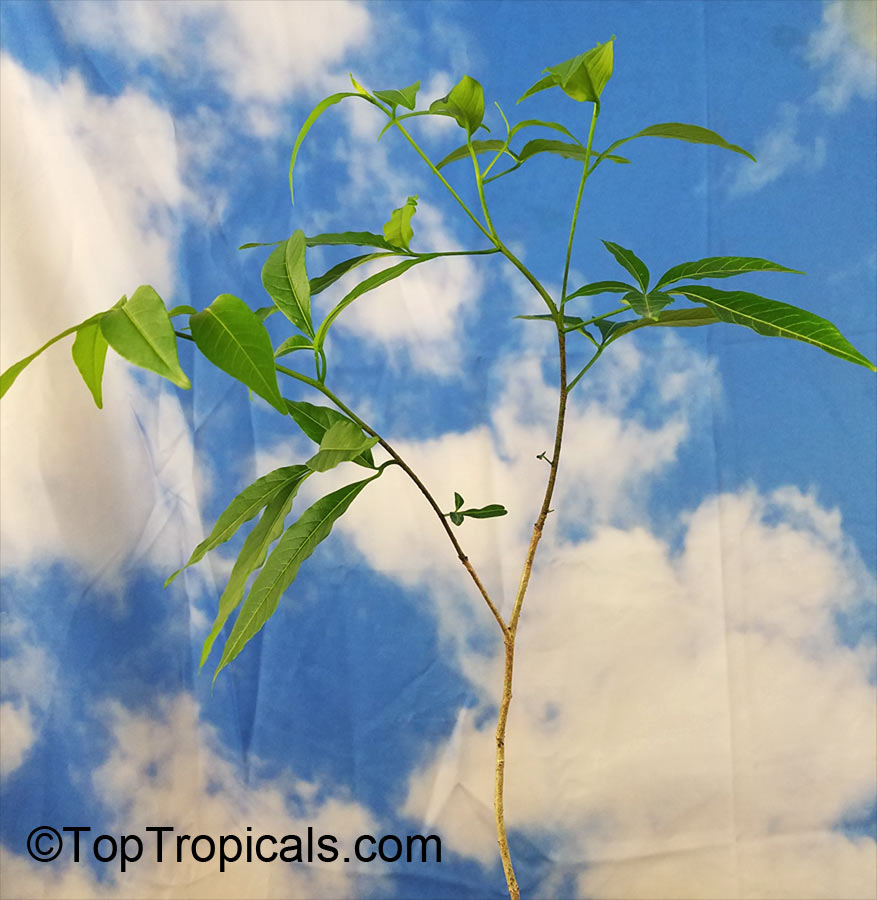
Adansonia gregorii is native to the northern parts of Western Australia and the Northern Territory. Once appropriate conditions are provided, it thrives in USDA zoning 9-11, and can reach up to 20 feet tall. It prefers a full sun location and regular watering, usually around 1-2 times a week. The swallow-shaped trunk, in combination with its light green leaves, gives the plant an interesting texture and an overall rounded-look.
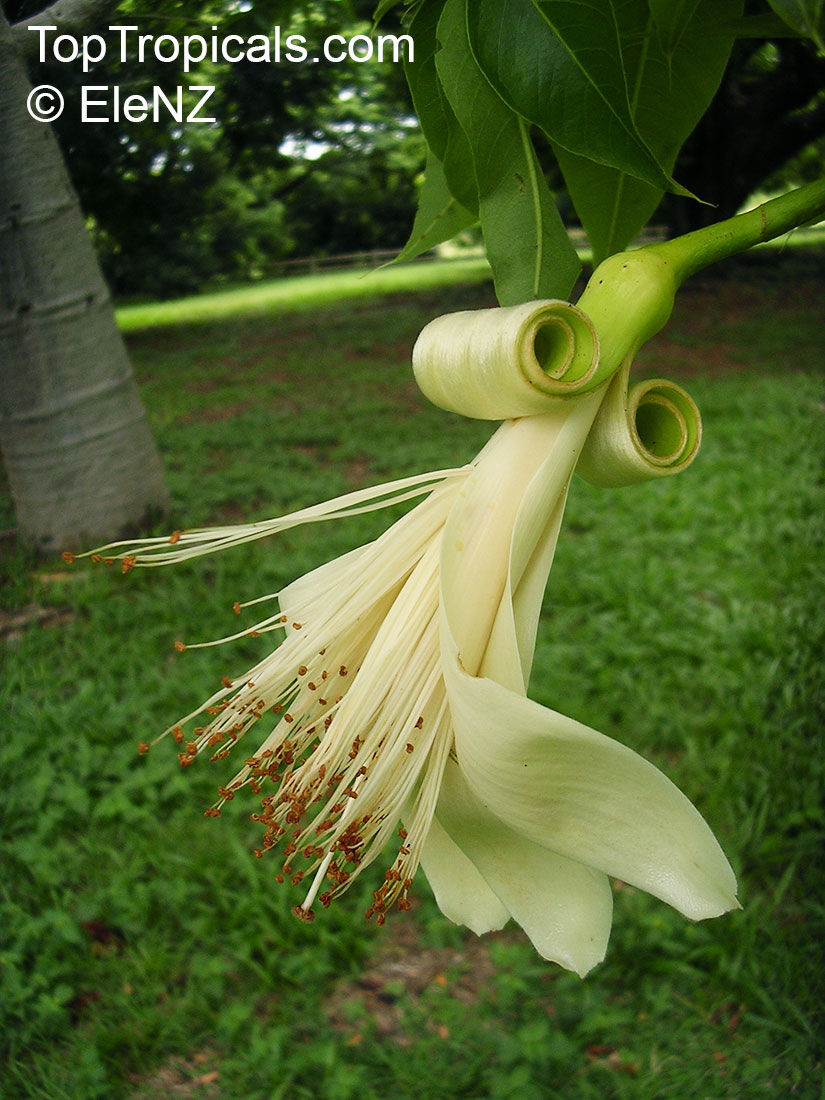
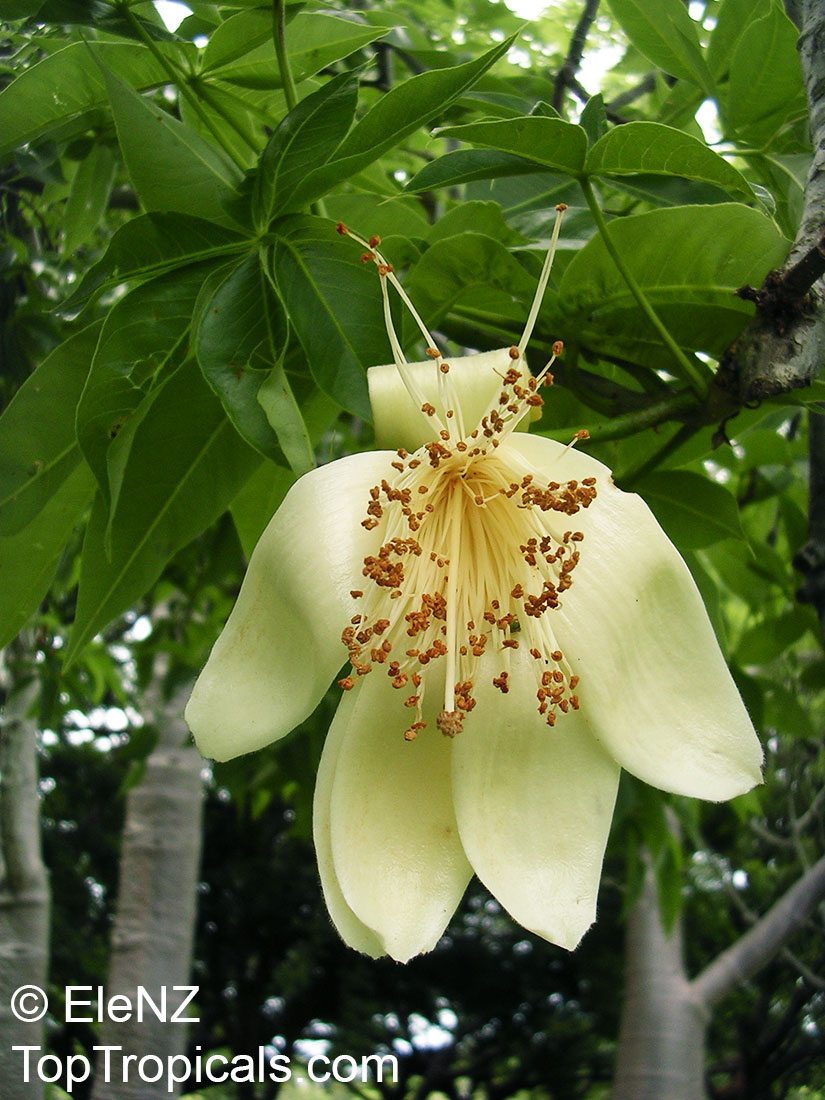
The flowers are the showpieces of the Adansonia gregorii, ranging from off-white to white in color and bell-like in shape. They are known to attract butterflies and hummingbirds which adds a whimsical, airy feel to the garden.
The Boab tree is deciduous and sheds its leaves during the winter and spring months. Once it goes dormant in the late summer or early autumn, it is best to preserve the existing moisture level.
Adansonia gregorii is best grown in pots in colder regions. Loamy soil is preferred and watering once a week is more than enough. Depending on the climate and indoor location and temperature, the Boab tree may benefit from careful pruning to reduce its growth so it can comfortably fit in its container. Keeping the moisture level during its dormant season is essential to prevent any damage to the plant.
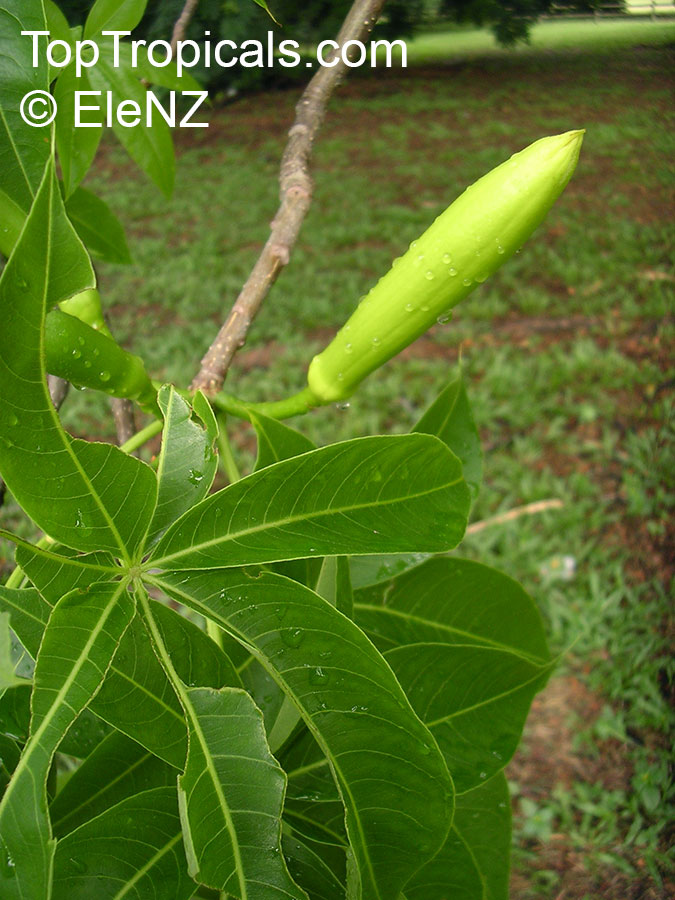
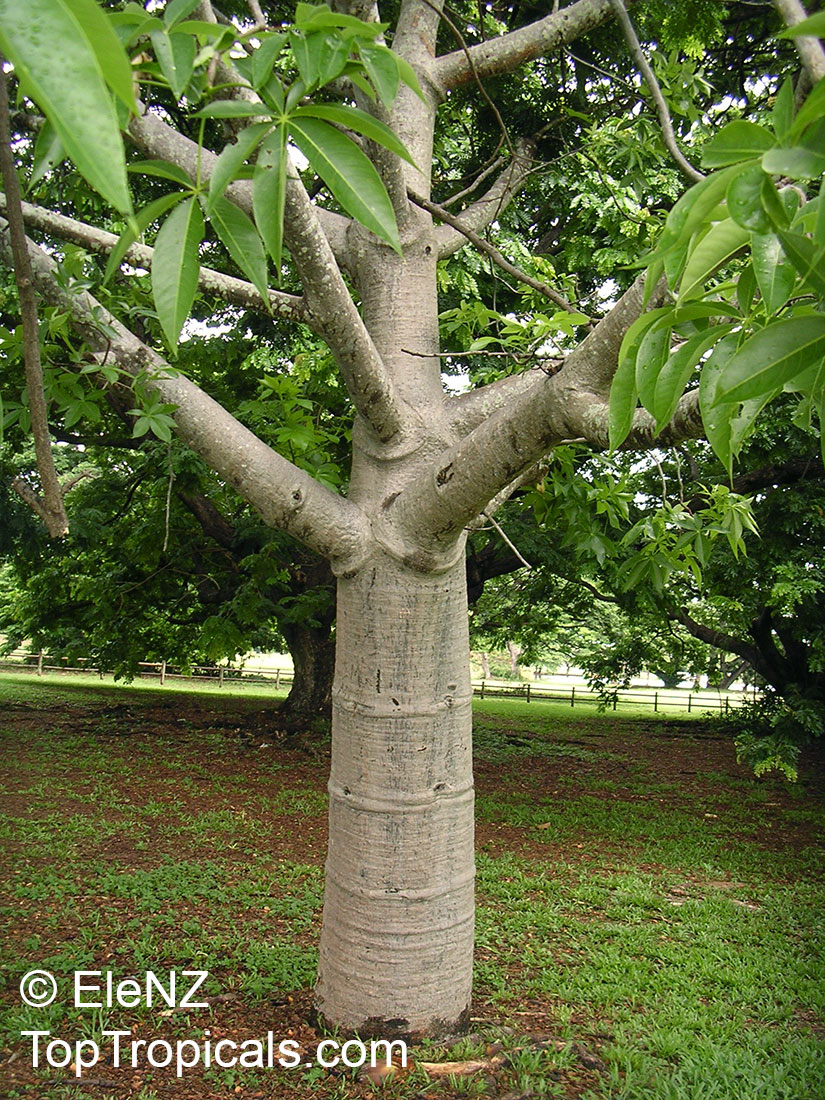
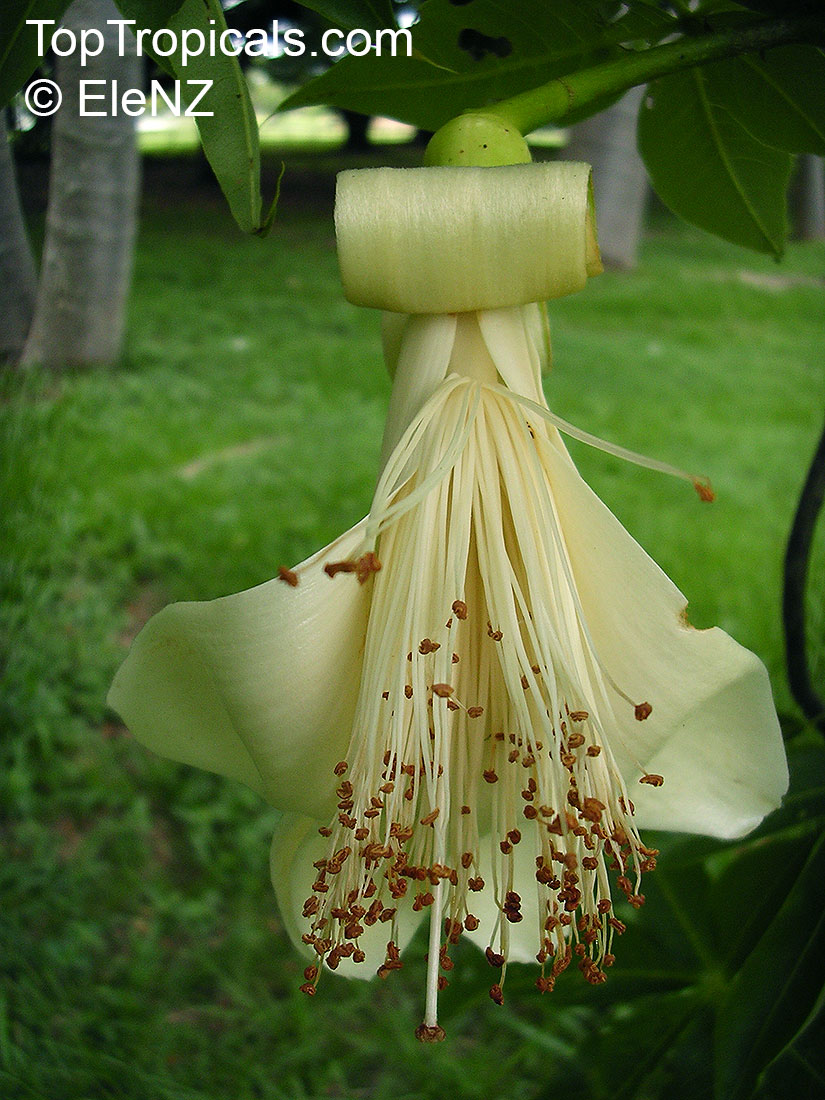
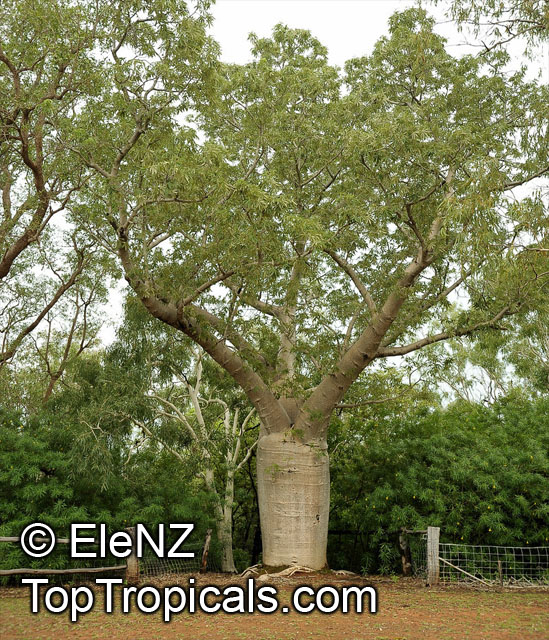
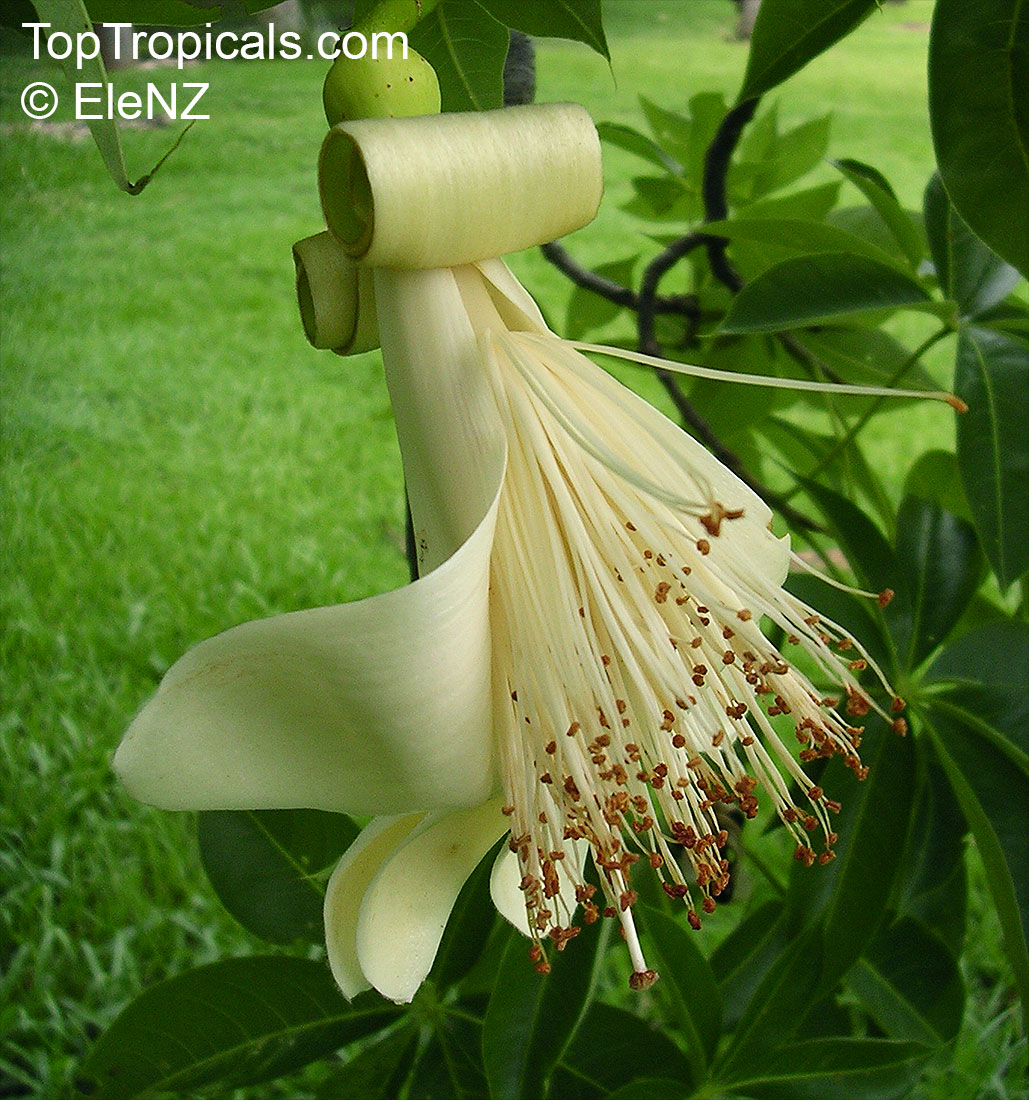
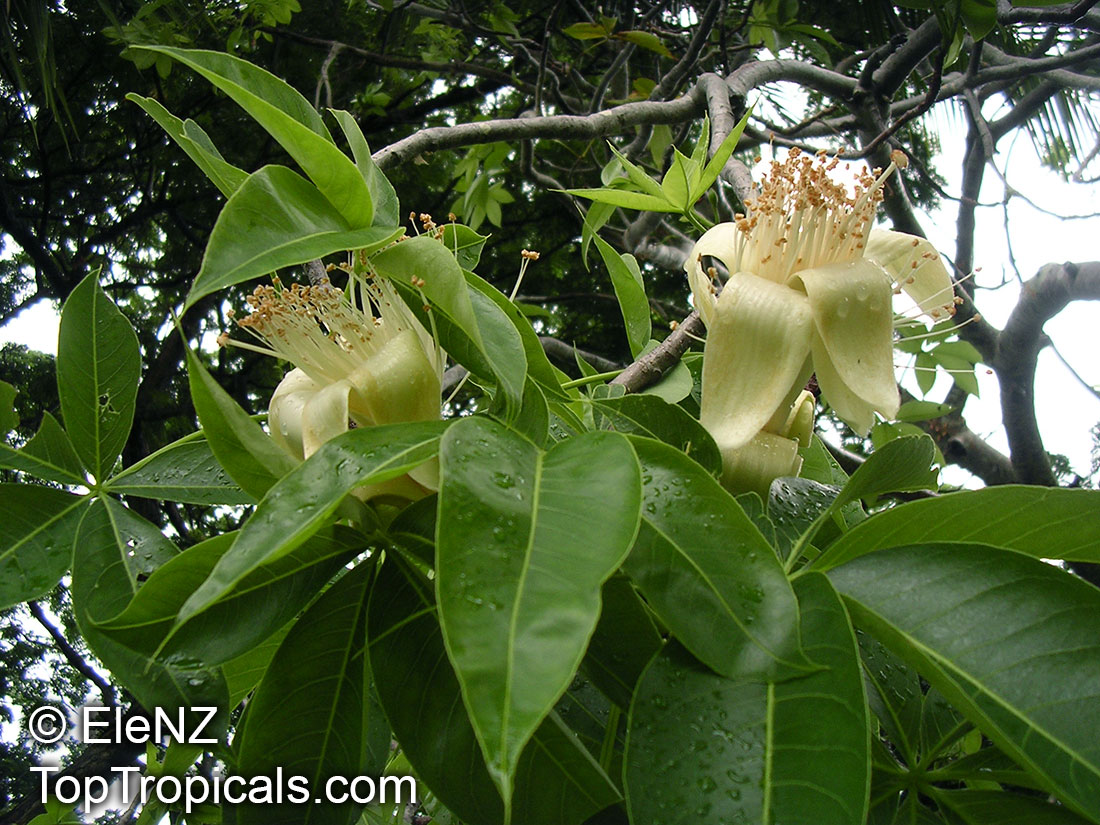
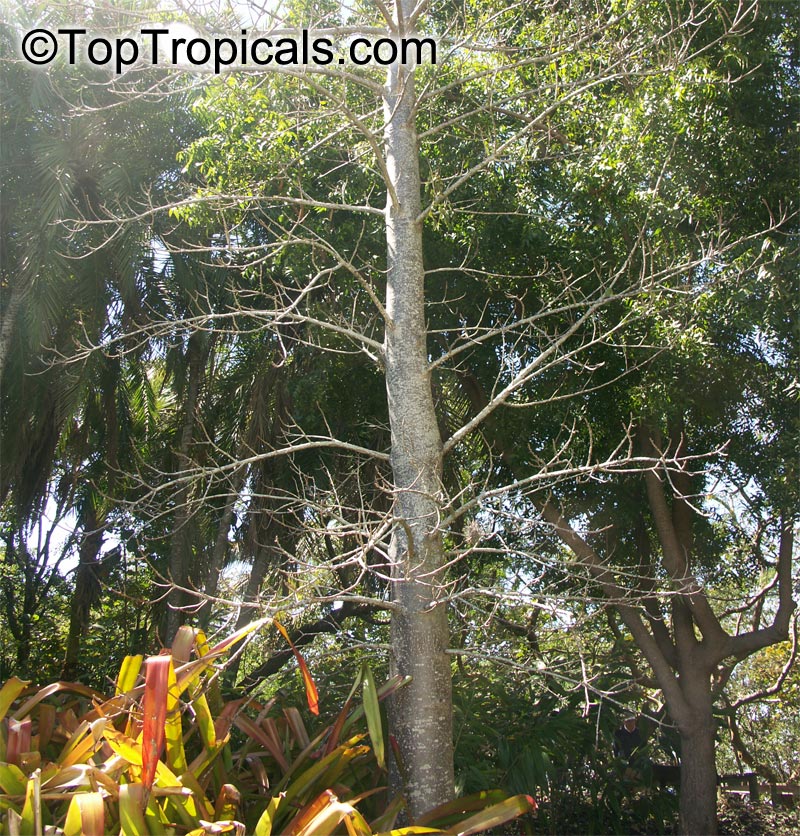
Botanical name: Adansonia madagascariensis
Common name: Madagascar Baobab
Family: Malvaceae (Formerly:Bombacaceae)
Subfamily: Bombacoideae
Origin: Madagascar
USDA Zone: 9-10

This tree has a unique, swollen bottle-like trunk. This deciduous tree bears large, red flowers and ball-like fruits.
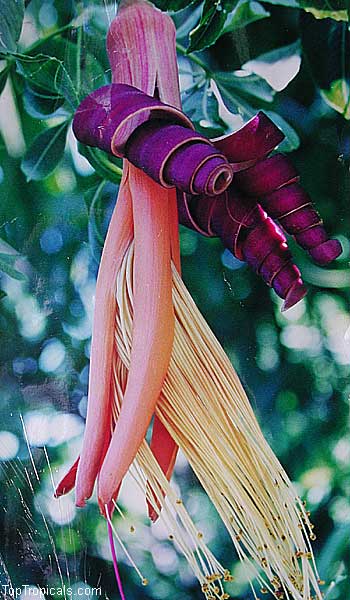
Botanical name: Adansonia rubrostipa
Common name: Baobab
Family: Malvaceae (Formerly:Bombacaceae)
Subfamily: Bombacoideae
Origin: West Coast of Madagascar
USDA Zone: 9-10


Medium to large trees in between 17-65 feet in height. This tree can either have; sphere-like, bottle-shaped, or rarely, tapering trunks. The irregular crown, has major branches most often horizontal, rarely conical spines on upper surfaces of branches. Bark is usually reddish brown and exfoliating. Leaves occur from November to April and the Flowers Usually from February to April, at the latest in June. The fruit ripens from October to November. It has edible fruits, seeds and roots.
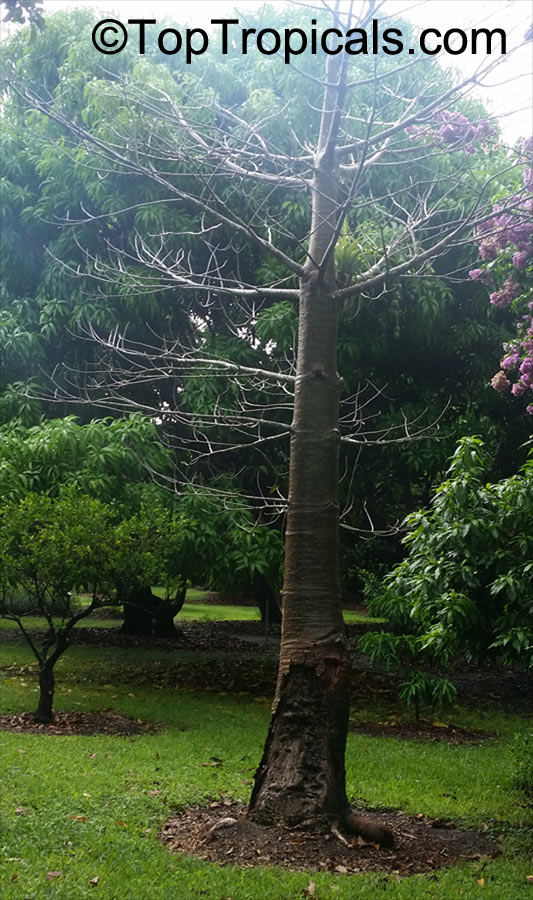
Botanical name: Adansonia za
Common name: Baobab
Family: Malvaceae (Formerly:Bombacaceae)
Subfamily: Bombacoideae
Origin: Madagascar
USDA Zone: 9-10

Adansonia za, or Baobab, is an imposing ethnomedical plant native to Madagascar with its full sun, moderate water requirements, and unusual color. This big tree can grow taller than 20 ft, producing deciduous foliage and stunning flowers that vary in color from crimson to vinous, and yellow to orange. It is a delightfully hardy plant that not only emits a unique beauty in the garden, but is also attractive to butterflies and hummingbirds.
The blooms can be followed by an edible fruit that tastes delicately sweet and acidic. The fruit also carries a wealth of health benefits, containing vitamins A, C, and E, thiamine, niacin, riboflavin, and folate. An average Baobab fruit tree can yield an estimated 150-200 fruits in a single year.
Baobab can be grown in USDA Zones 9-11, and since the tree is deciduous, it can withstand some cold temperatures, making it a great option for gardens in cooler climates. When growing a Baobab in a pot, it is important to use a well draining potting mix, as the tree does not like to stay wet. Keep the pot in a sheltered spot and bring it indoors during frosty winter nights. Water the tree regularly, especially during the hotter summer months. An occasional dose of fertilizer will also help promote healthy growth.
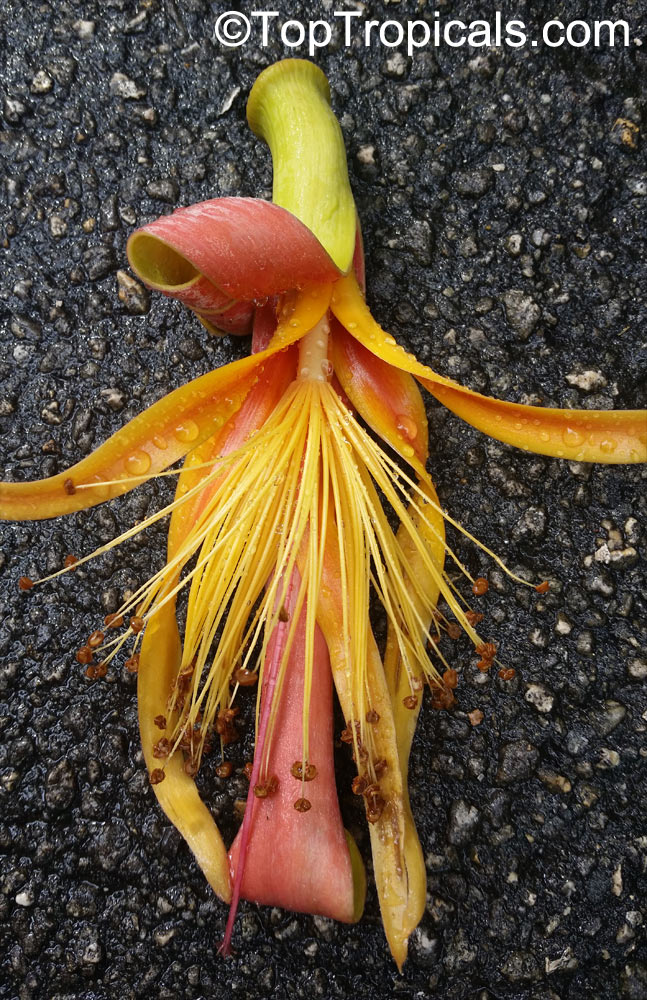
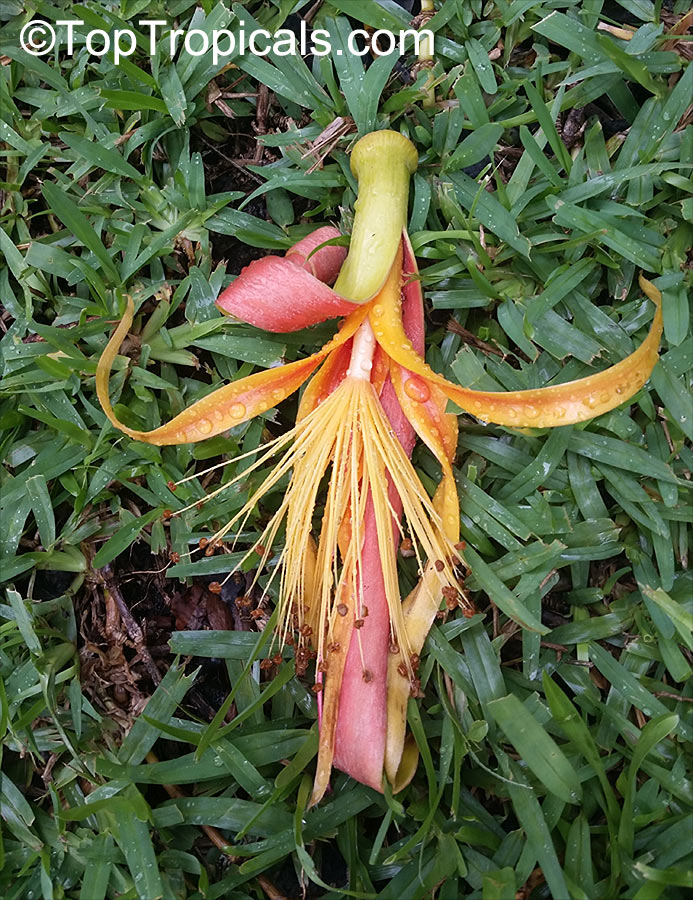
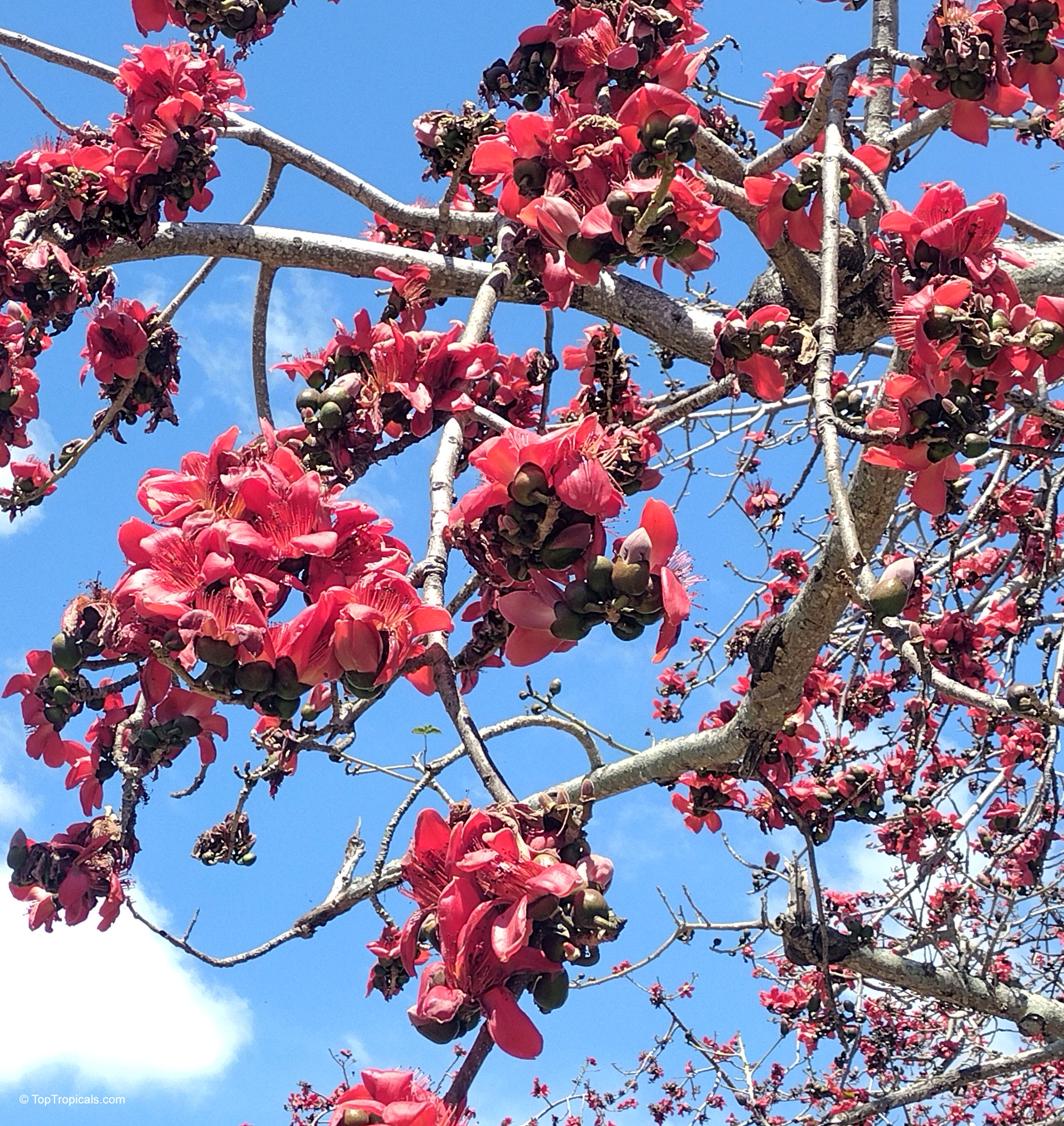
Botanical names: Bombax ceiba, Salmalia malabarica, Bombax malabaricum
Common names: Kapok tree, Silk Cotton Tree
Family: Malvaceae (Formerly:Bombacaceae)
Subfamily: Bombacoideae
Origin: Tropical Asia
USDA Zone: 9-11
Cold tolerance: 30°F

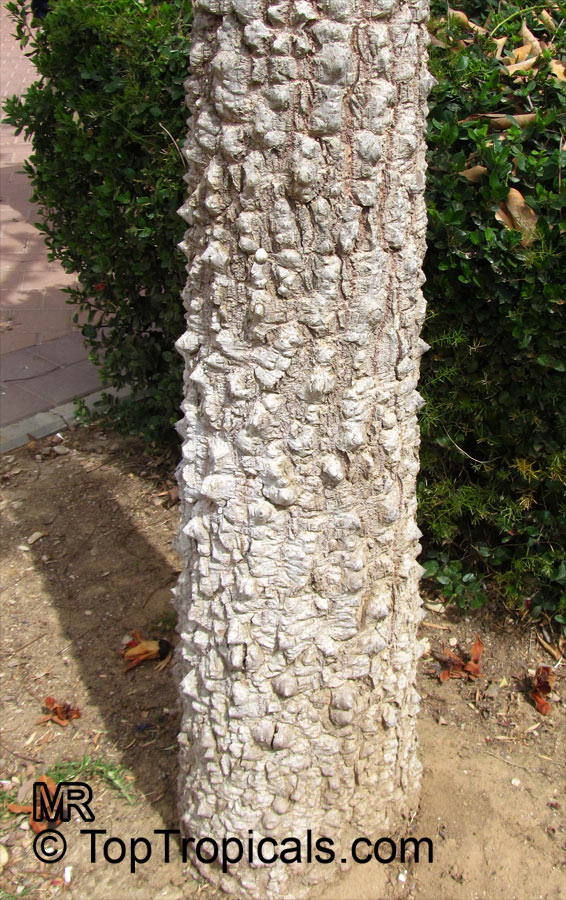
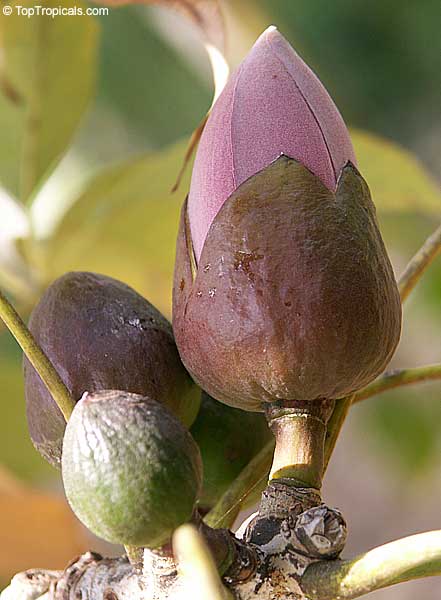
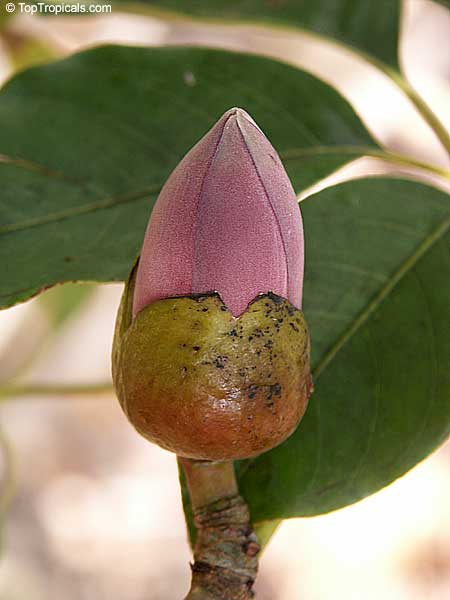
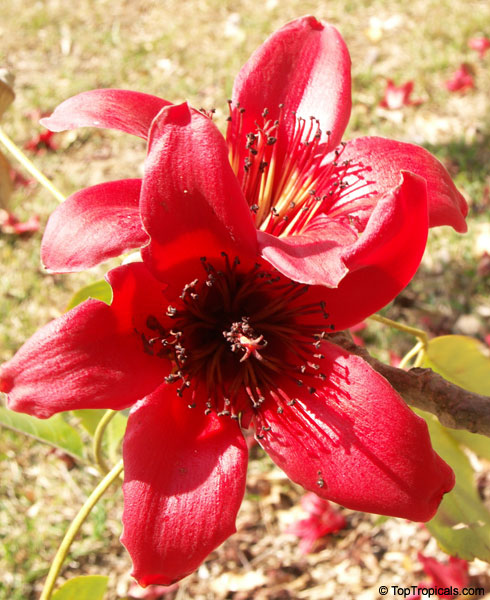
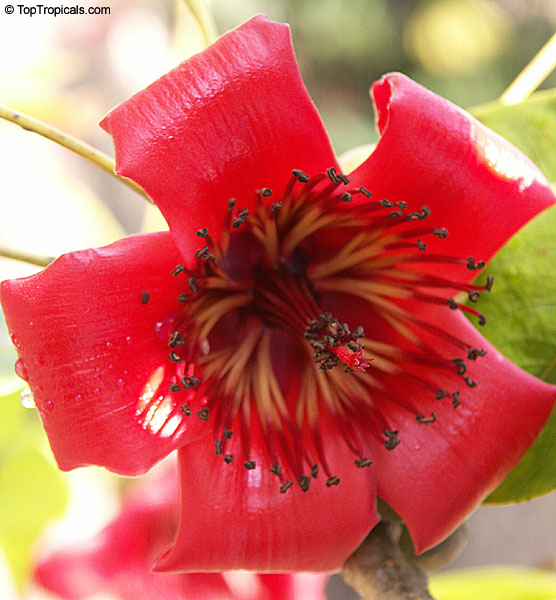
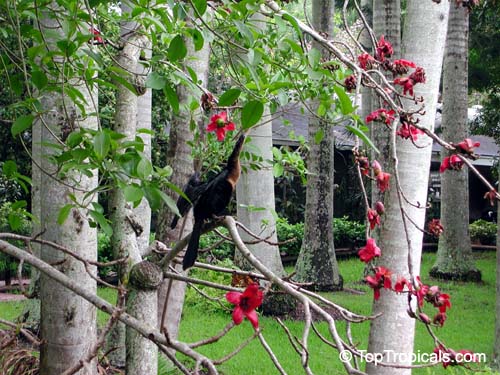
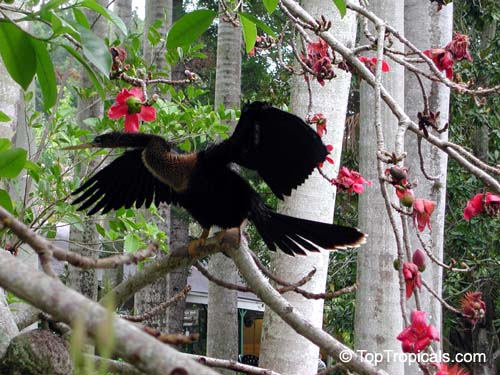
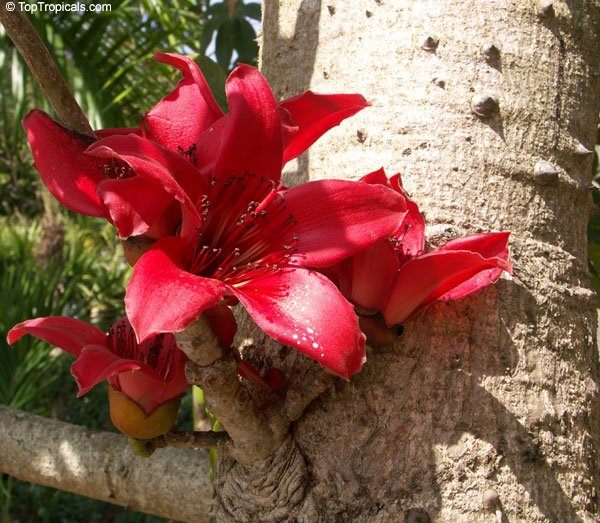
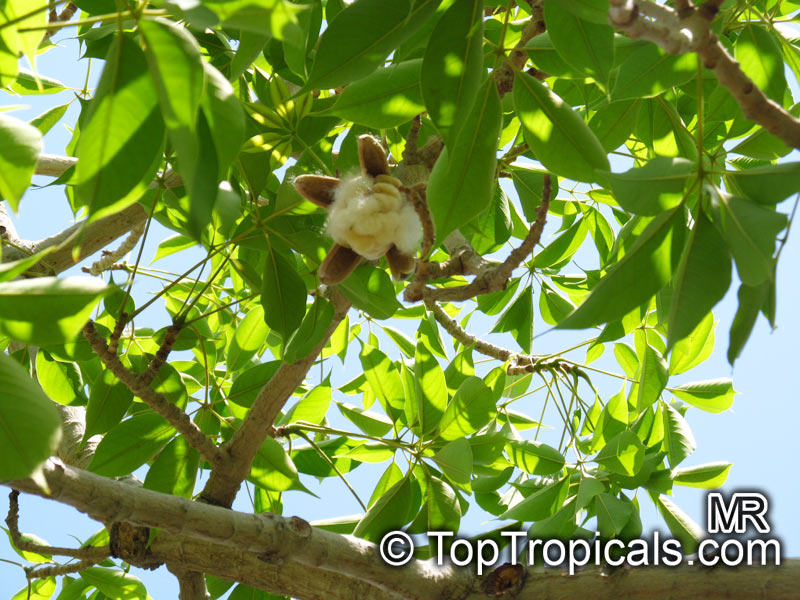
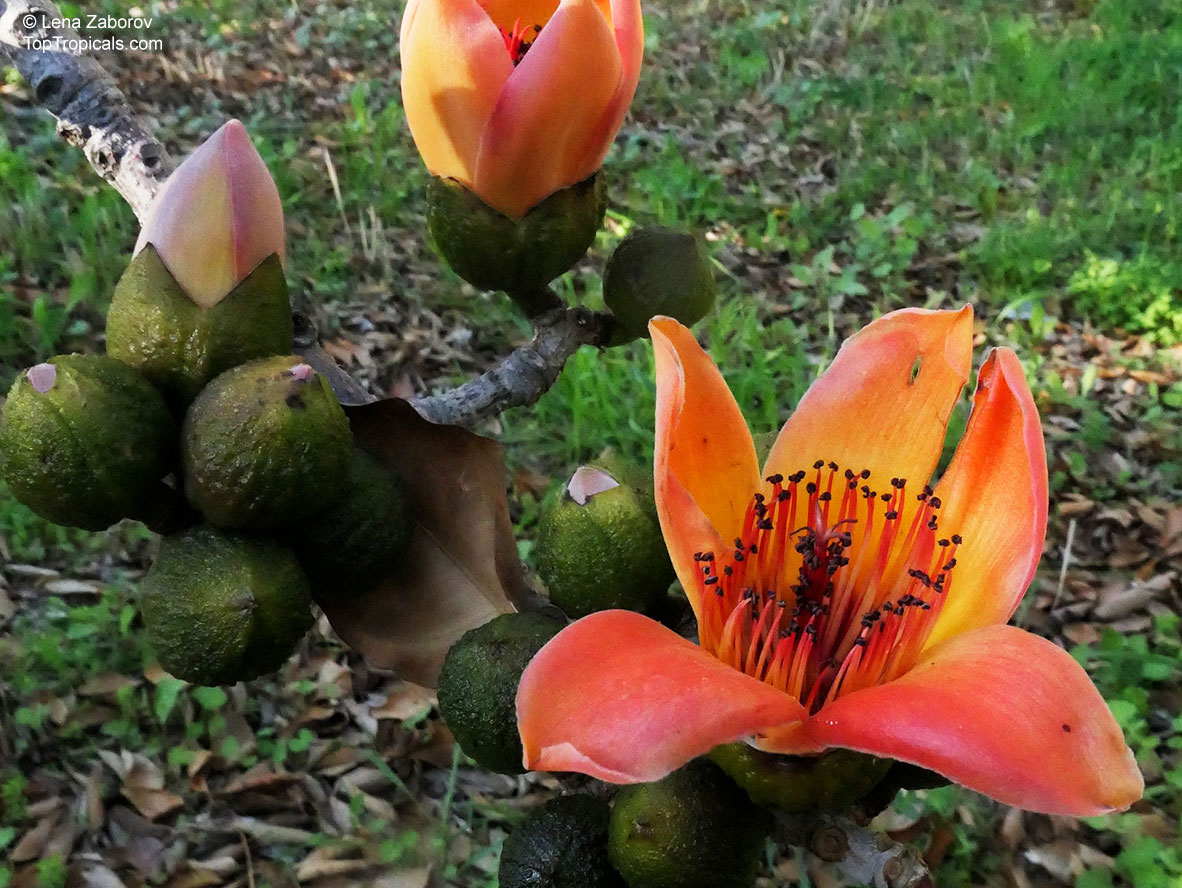
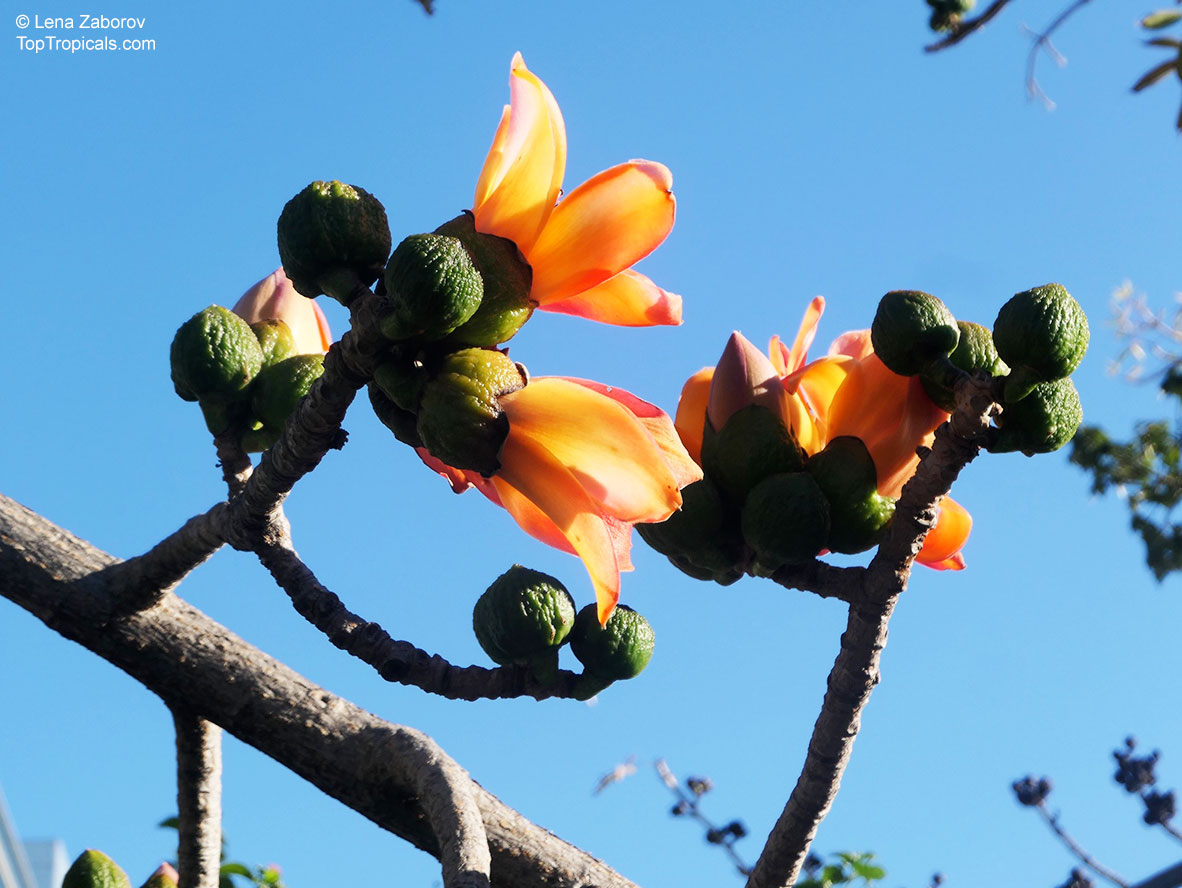
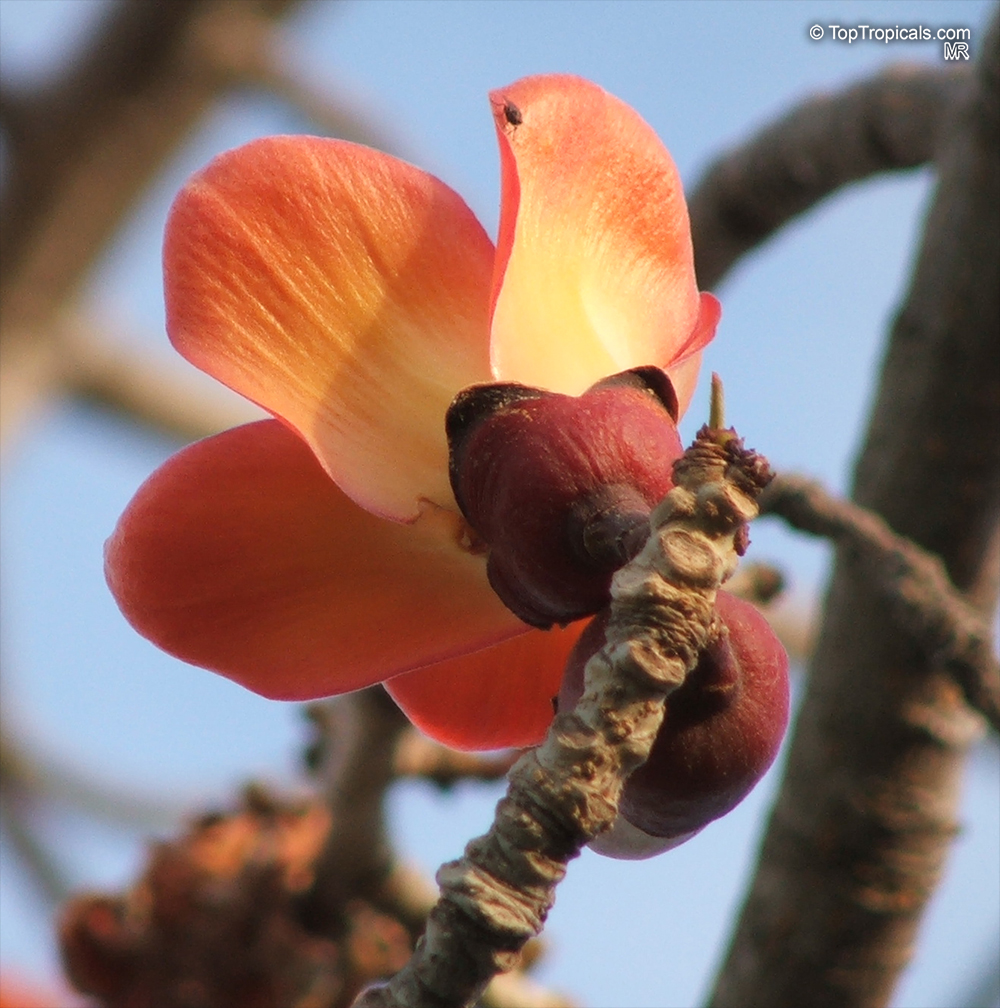
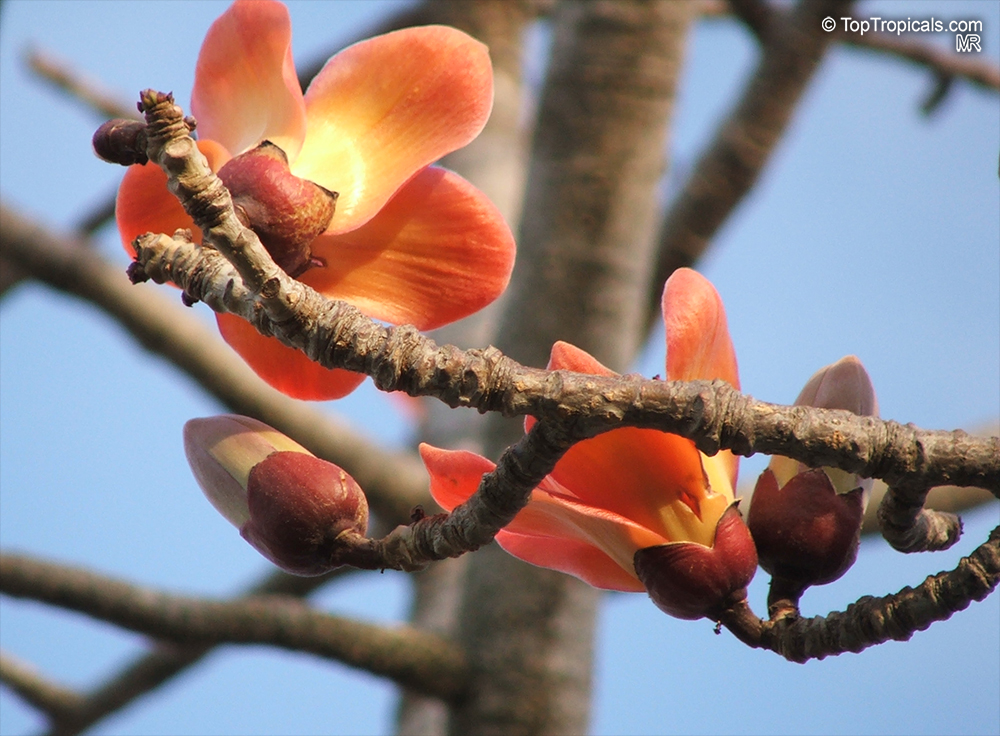
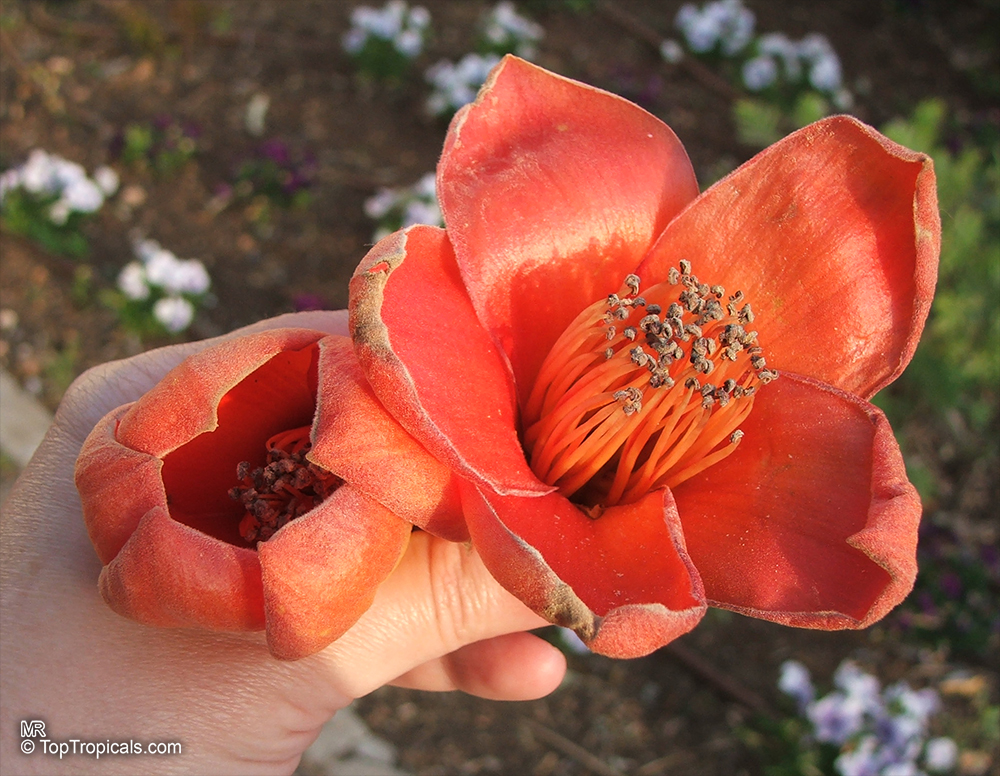
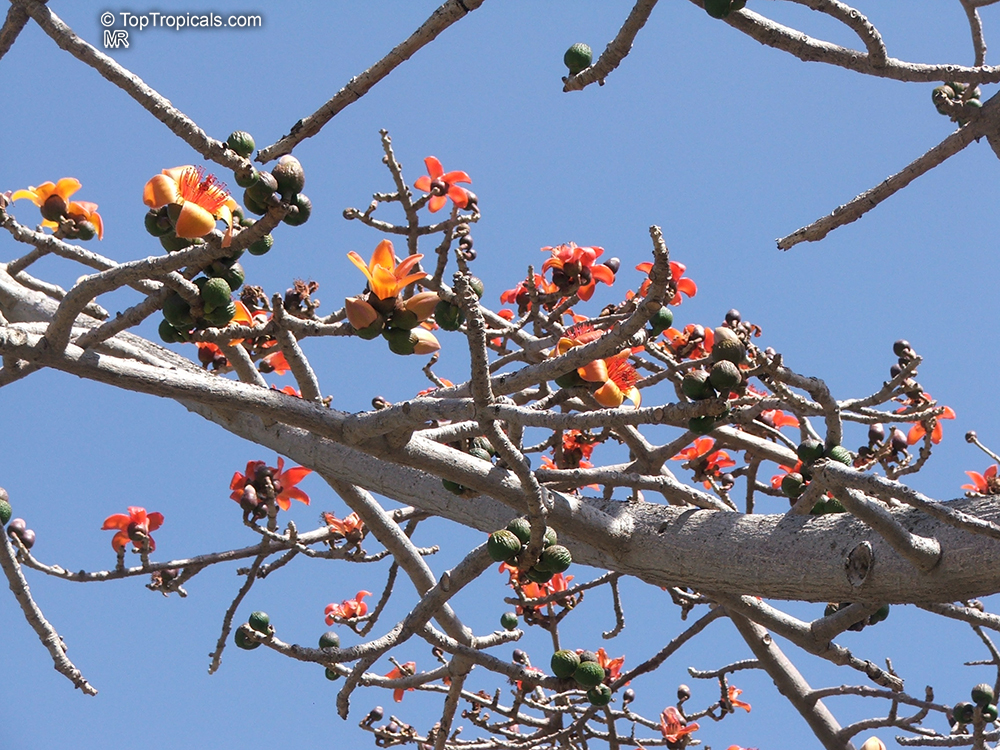
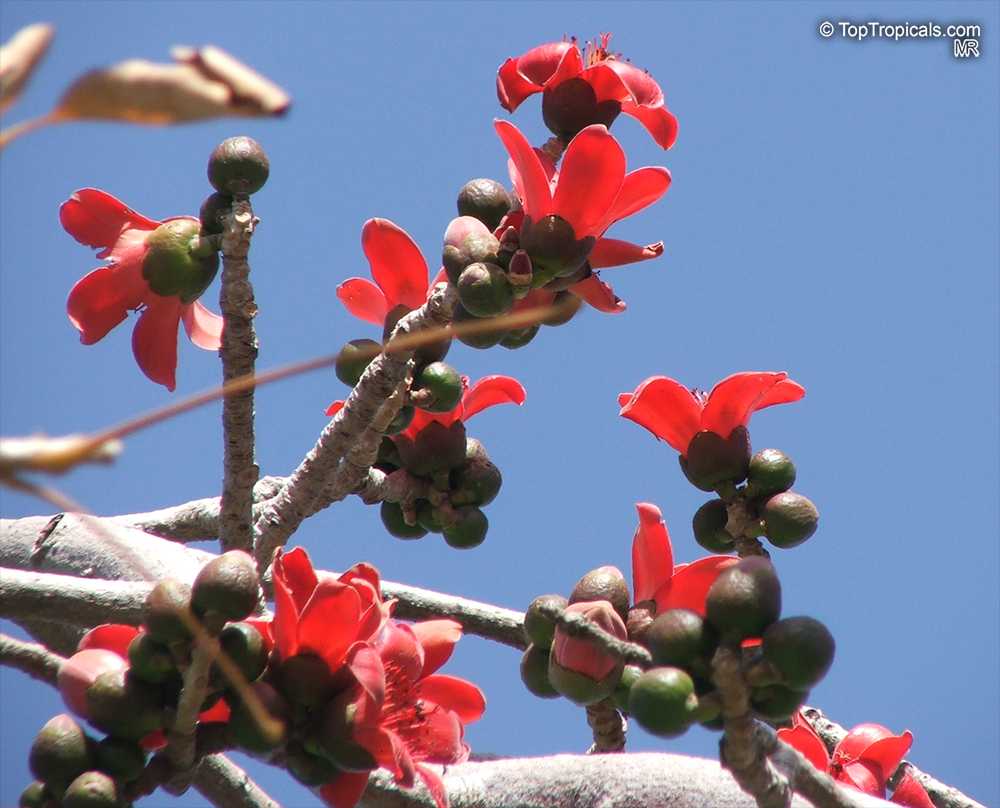
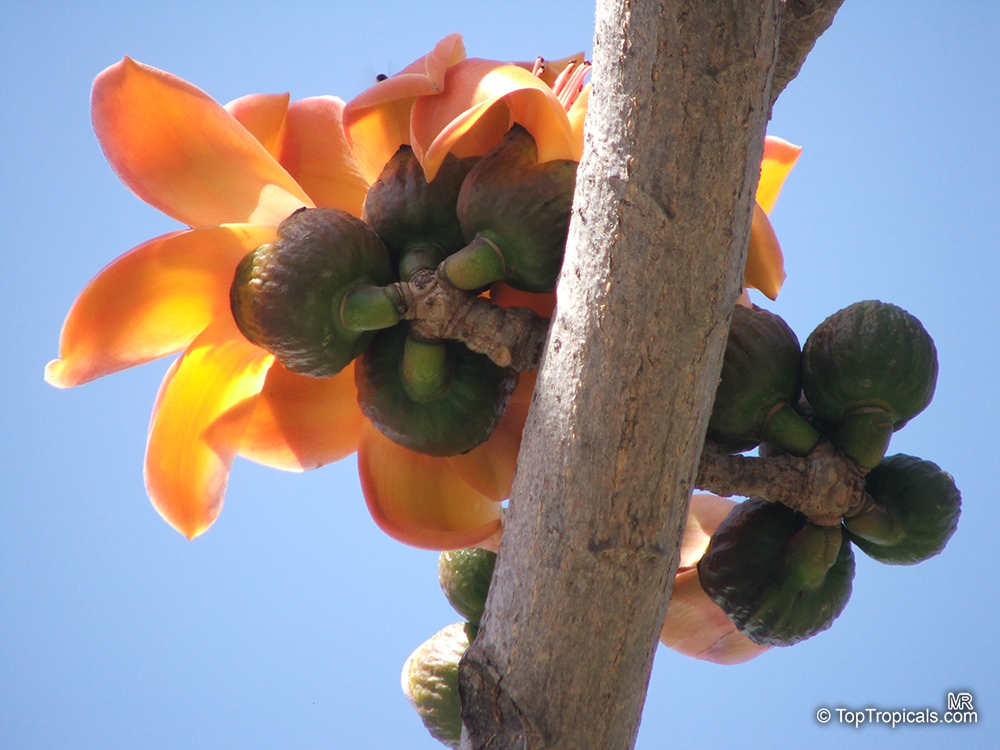
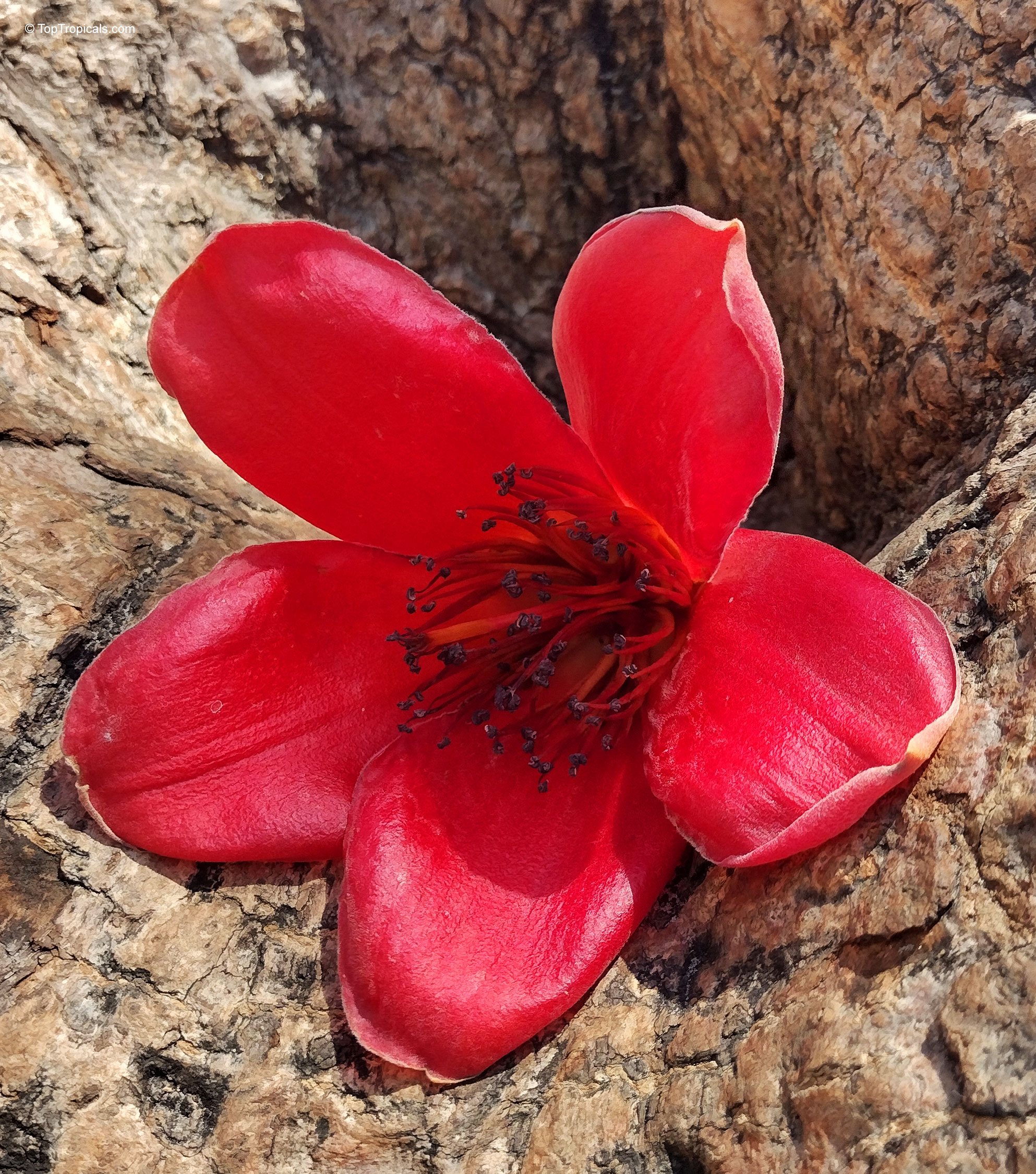
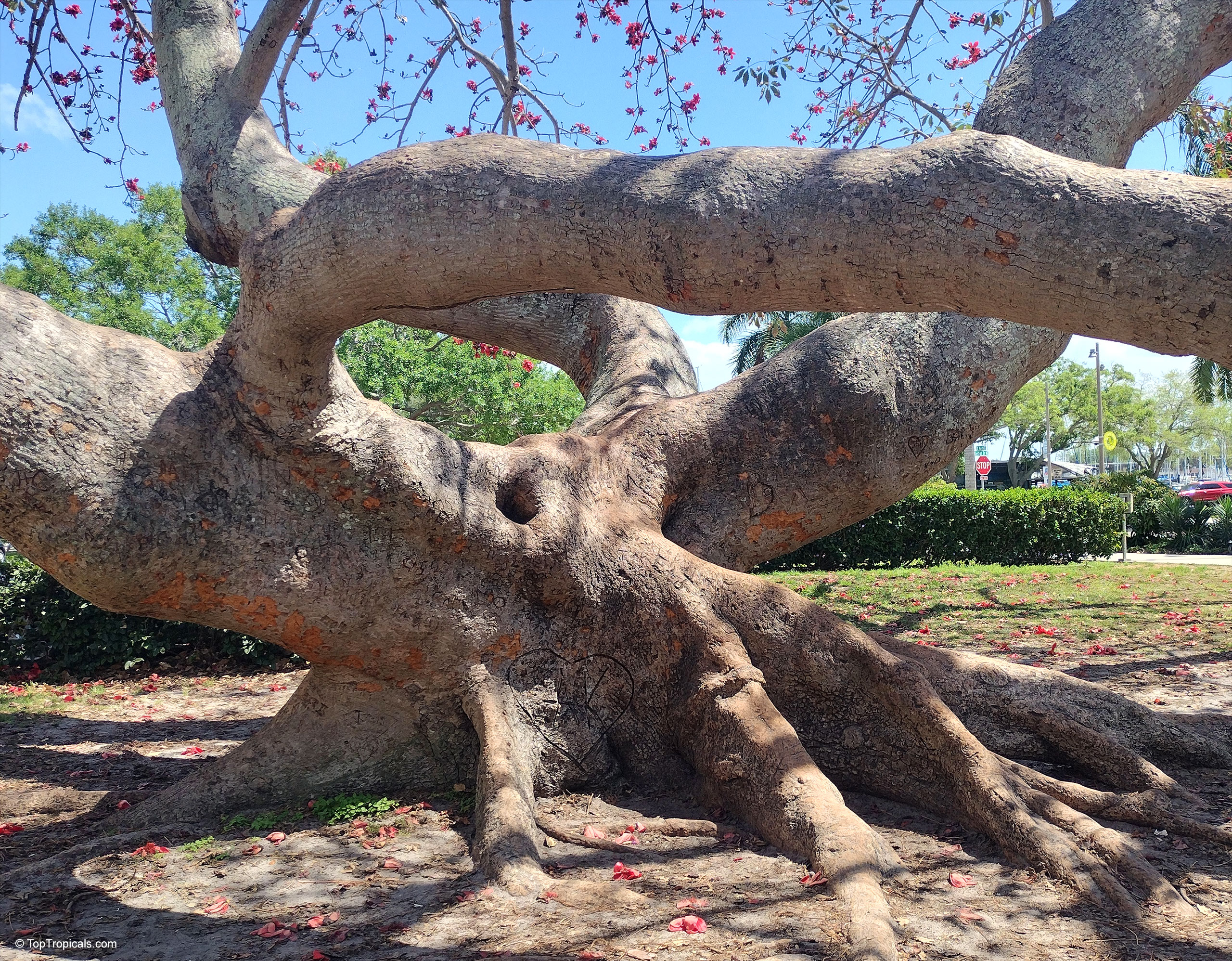
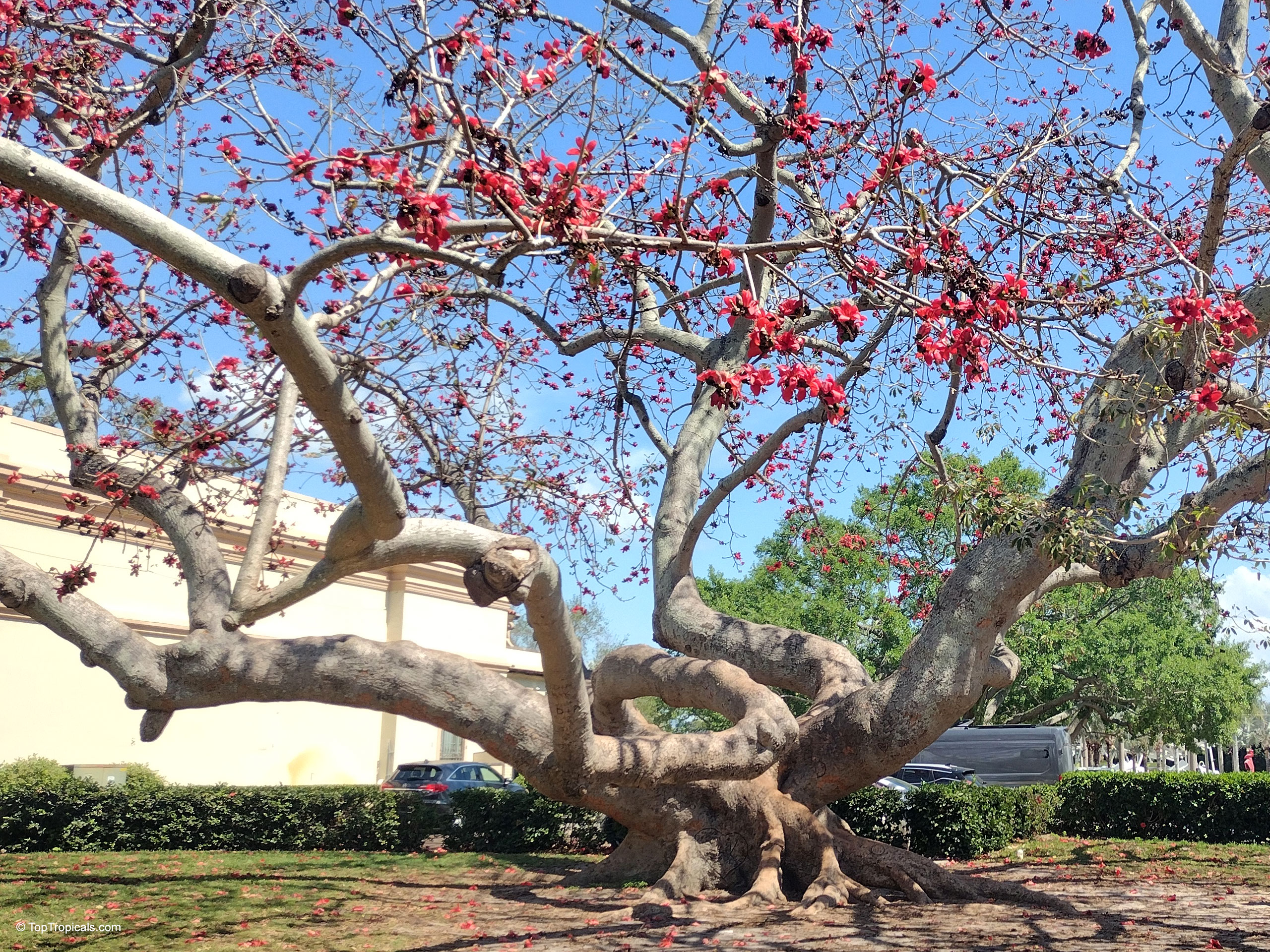
Bombax ceiba, commonly known as Red Silk Cotton Tree or Red Kapok Tree, is a spectacular deciduous tree in the Malvaceae family native to tropical and subtropical Asia, extending from India and southern China to Southeast Asia and northern Australia. It is one of the region's most iconic flowering trees, eventually reaching 60 to 130 feet (18 to 40 m) tall. Young trees usually have a straight trunk armed with large conical prickles, while mature specimens develop massive buttresses and broad, spreading branches. During the dry season, the tree sheds its leaves before producing a breathtaking display of large, fragrant scarlet to crimson flowers on otherwise bare branches.
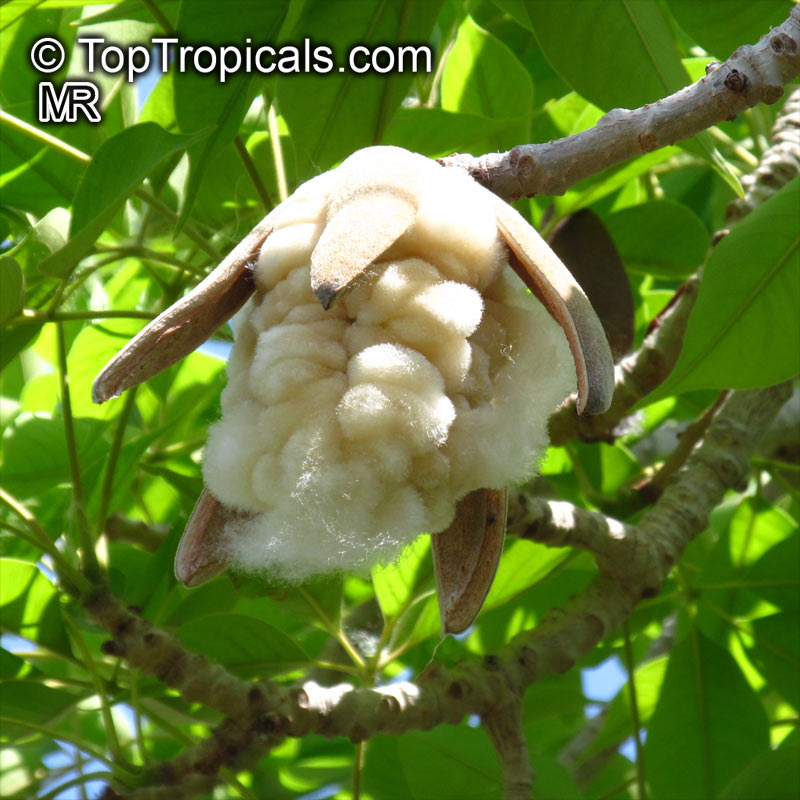
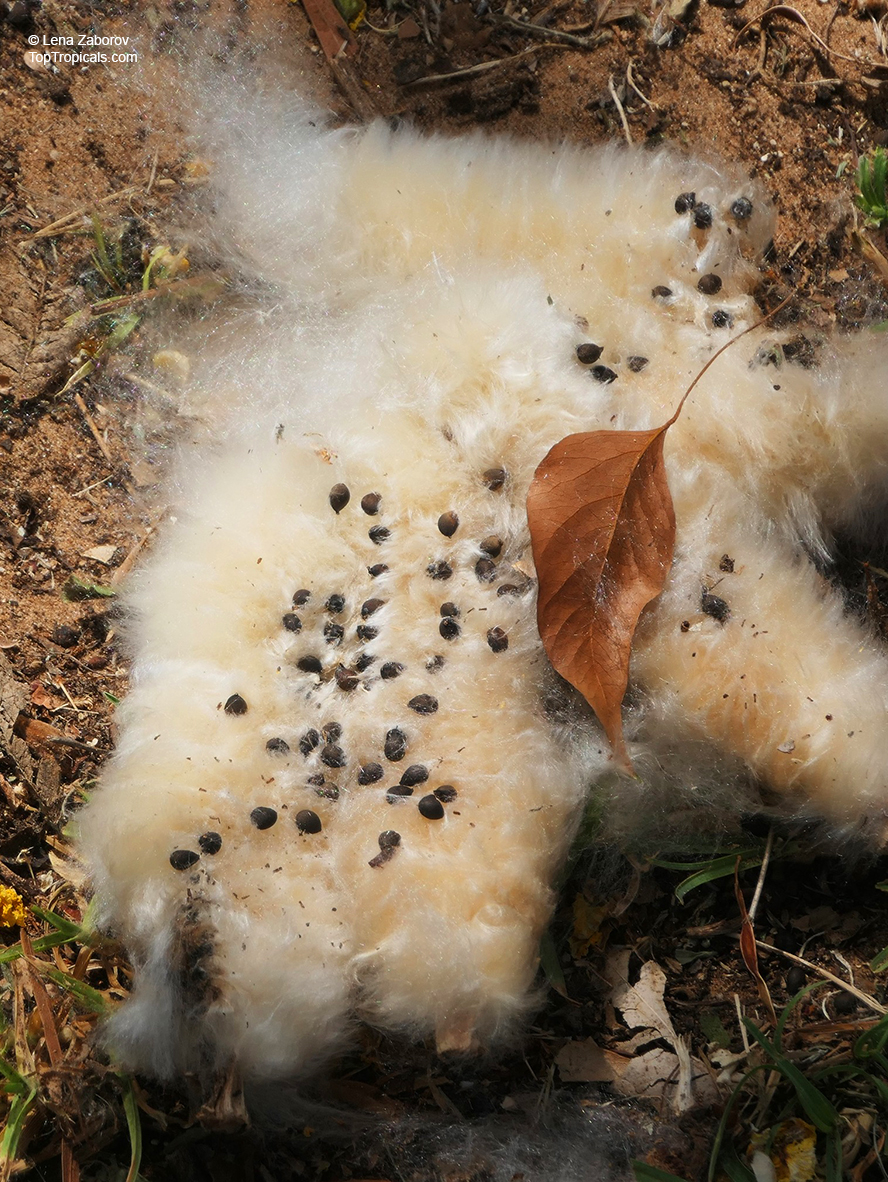
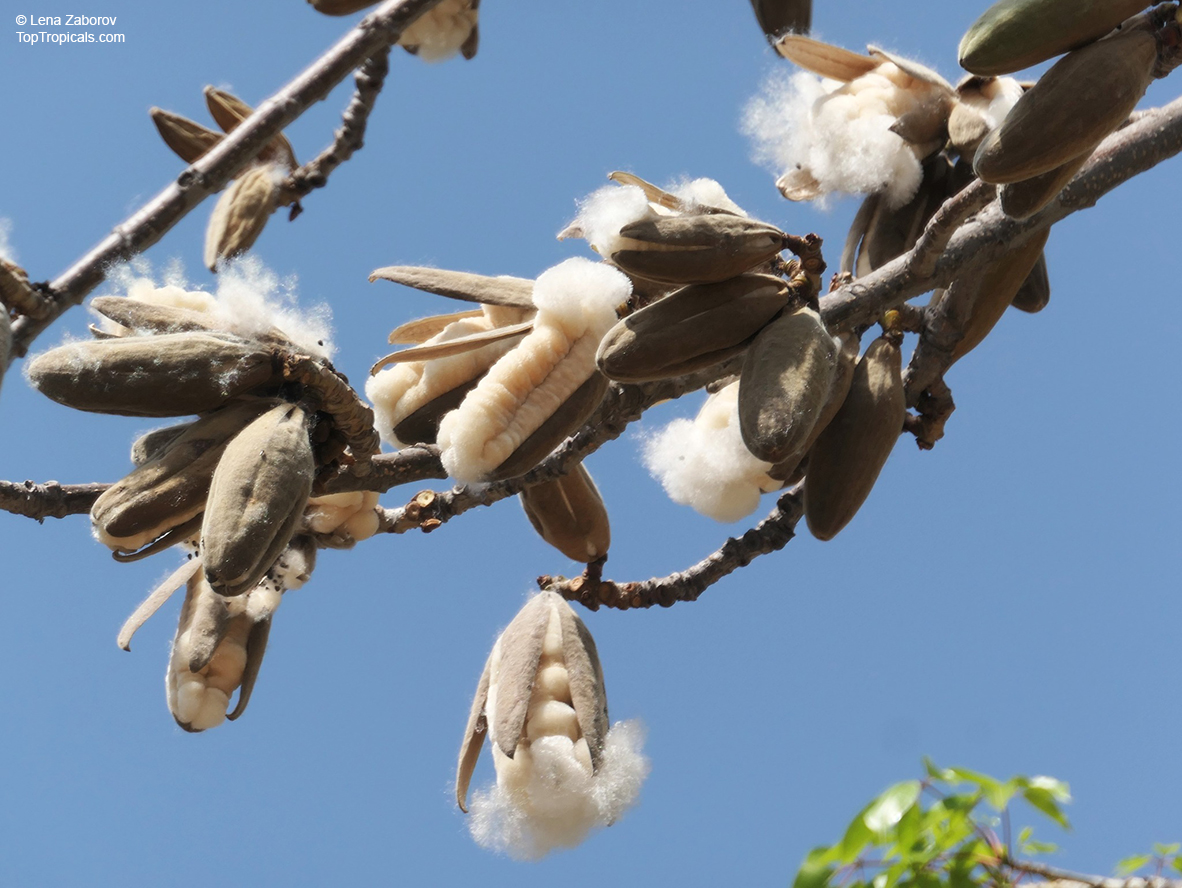
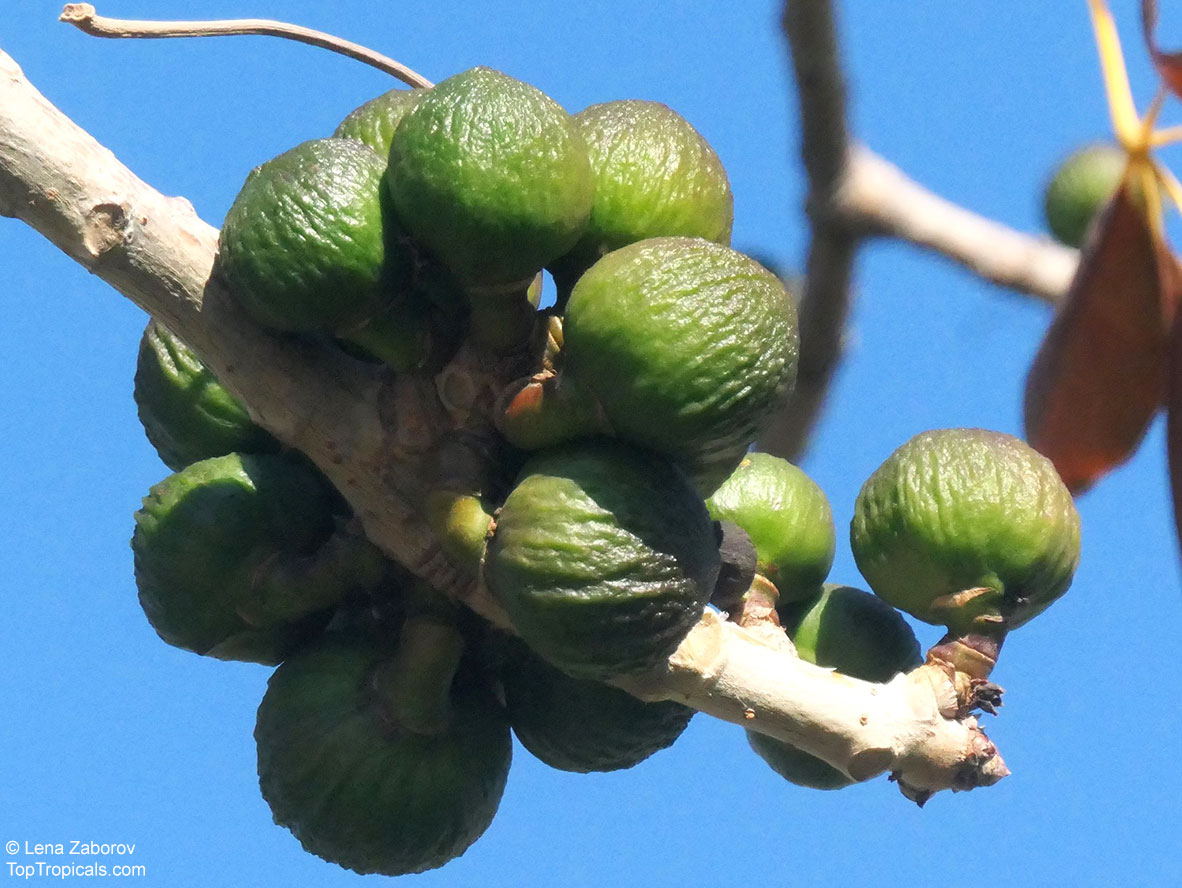
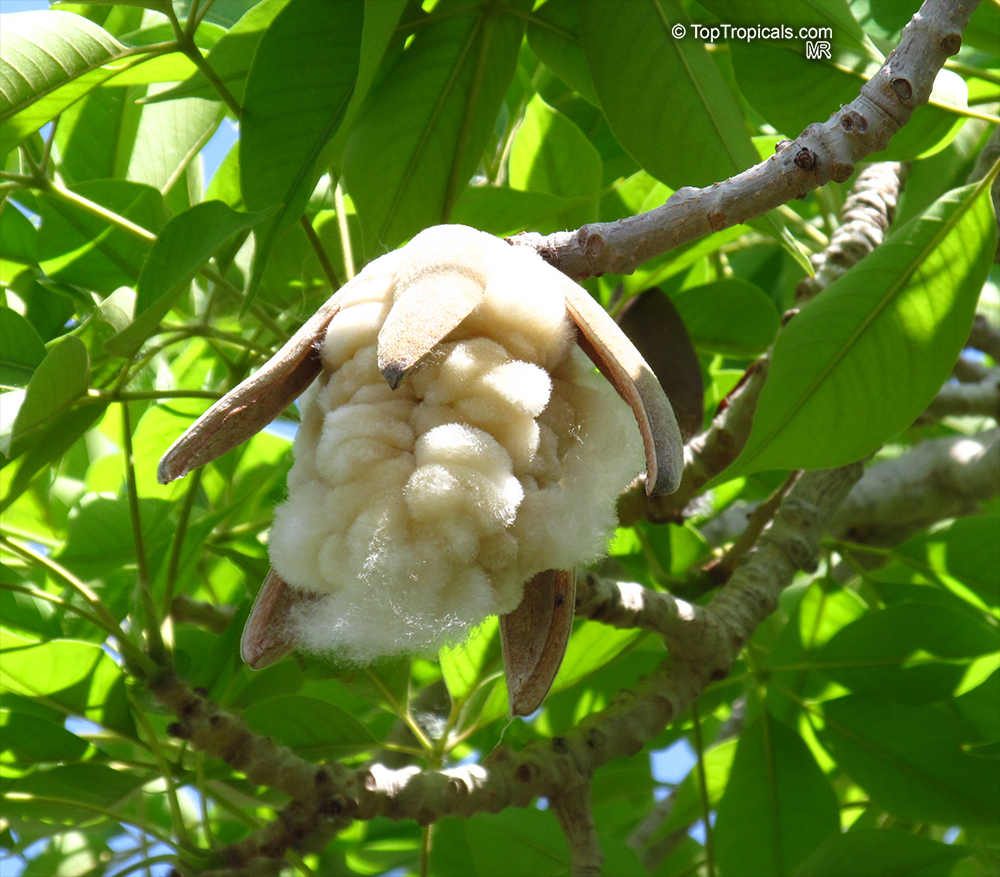
The nectar-rich blossoms attract birds, bees, and other pollinators and are followed by woody capsules filled with silky fibers surrounding the seeds, traditionally used for stuffing pillows and cushions. Its lightweight yet durable timber is widely used for furniture, canoes, and other wood products, while the tree also holds cultural significance in parts of South and Southeast Asia. Bombax ceiba grows best in full sun and well-drained soil with regular moisture while becoming drought tolerant after establishment. Hardy in USDA Zones 9b-11, it is widely planted as a specimen, shade, and avenue tree. Older literature often refers to this species as Bombax malabaricum or Salmalia malabarica, both of which are now regarded as synonyms of Bombax ceiba.
Recommended Fertilizer: SUNSHINE Megaflor - Bloom Nutrition Booster
Botanical names: Bombax costatum, Bombax andrieui
Common name: Red-Flowered Silk Cotton Tree
Family: Malvaceae (Formerly:Bombacaceae)
Subfamily: Bombacoideae
Origin: West Africa
USDA Zone: 9-10
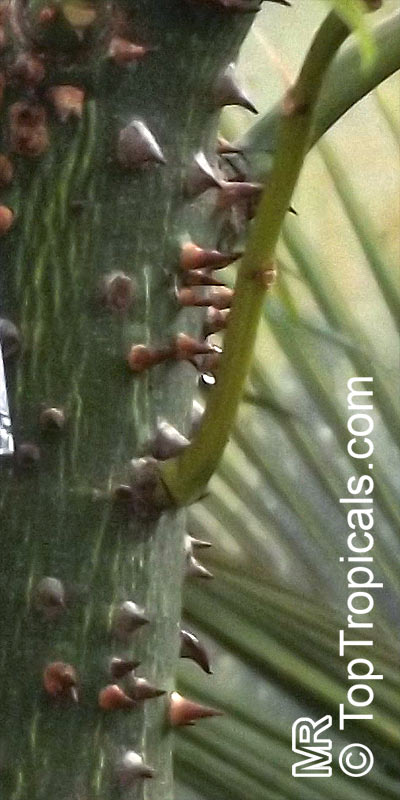
The straight bole is spiny, especially when young, and is covered in a thick, corky bark.
The tree is occasionally cultivated in west Africa for its edible calyx.

Botanical name: Cavanillesia platanifolia
Common names: Canoe Tree, Cuipo
Family: Malvaceae (Formerly:Bombacaceae)
Subfamily: Bombacoideae
Origin: Panama
USDA Zone: 9-10
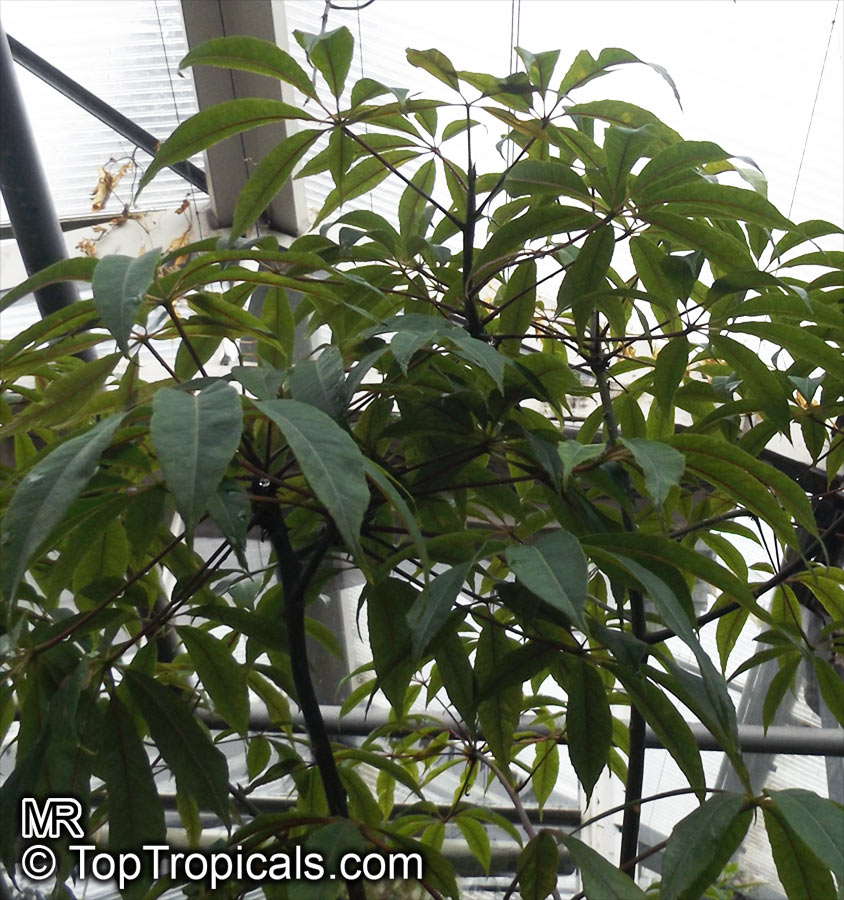
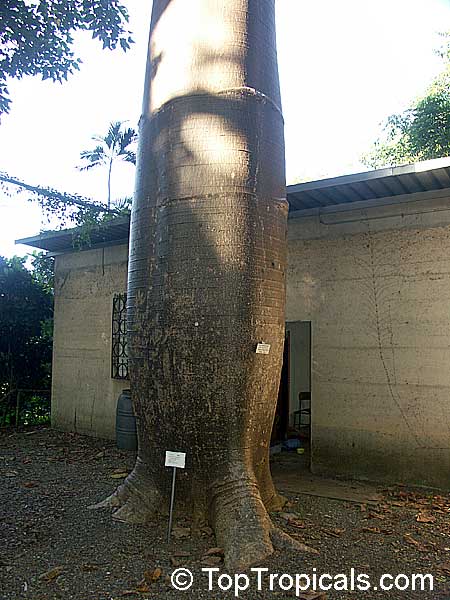
One of the giant trees of the area, with a bizarre trunk and conspicuous crown. Large individuals have straight trunks, without buttresses, but swollen at the base. The bark is very smooth, except for rings that wrap around the trunk every few meters. The trunk is unbranched for most of its length. The crown has a flat base and a round top. Leaves are large, almost round on adults, but on juveniles are palmate and almost square.
Blooms February-March with small red flowers developing large 5-winged seeds.

Botanical name: Ceiba boliviana
Common name: Ceiba
Family: Malvaceae (Formerly:Bombacaceae)
Subfamily: Bombacoideae
Origin: Bolivia
USDA Zone: 9-10

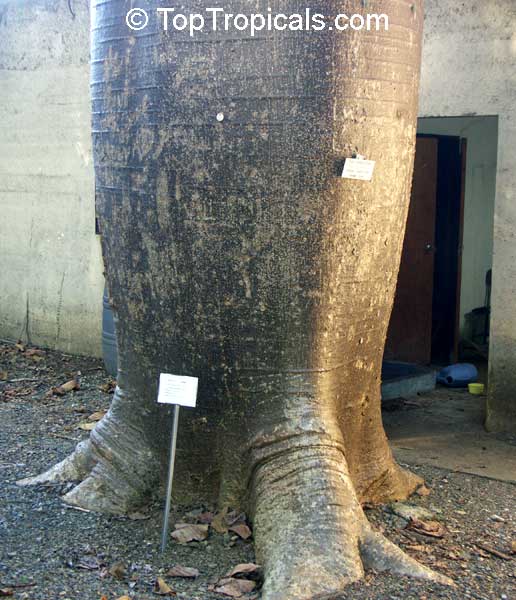
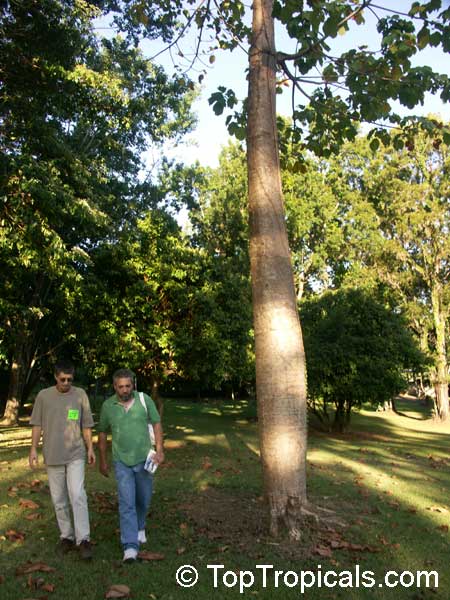
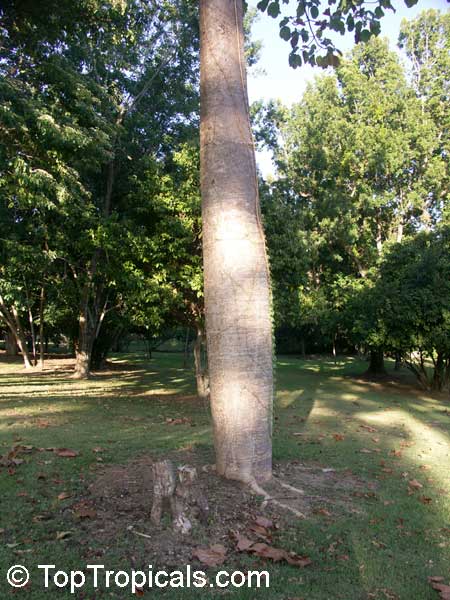
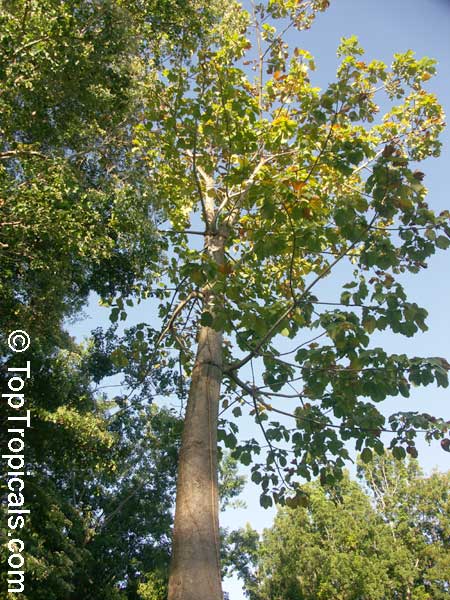
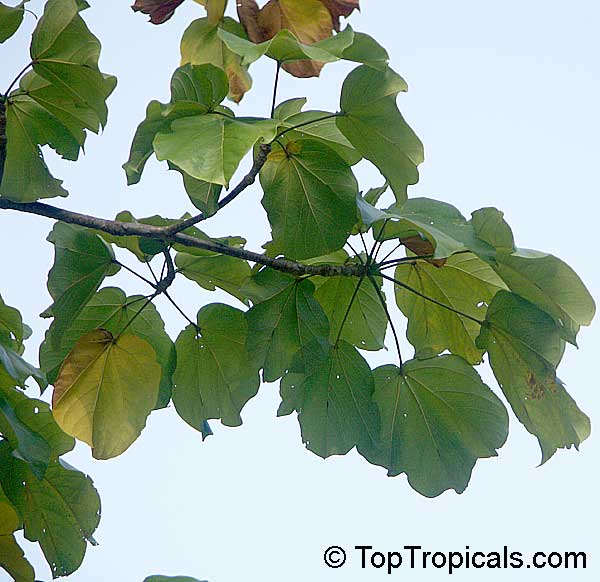
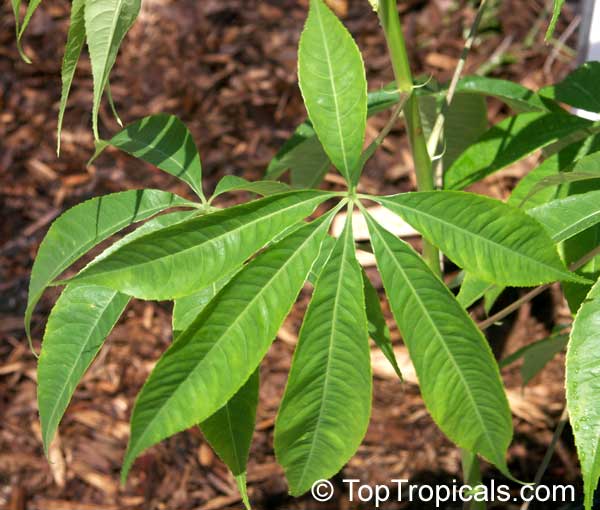
Native to Bolivia, Ceiba boliviana can reach over 50 feet tall. Ceiba boliviana requires full sun to partial shade, and moderate to low water use. It prefers well-drained soil and can tolerate drought conditions.
Ceiba is a beautiful ornamental tree. Its thorny branches are covered with large, leathery, dark green leaves and make a great accent to any landscape. Every summer, the tree produces pink flowers that attract hummingbirds and butterflies. The flowers turn into slender seedpods that are filled with downy seeds.
Ceiba can be grown in USDA Zone 9-11 and in colder regions it can be grown in a pot. When planting Ceiba in a pot, it is important to make sure that the pot is a large one and keep it well-drained with regular applications of fertilizer.
| Next | |
Use link to repeat this search:
https://toptropicals.com/cgi-bin/garden_catalog/cat.cgi?find=bombacaceae&search_op=and&keyword_op=and&language=e&number=10
&no_change_lang=1&user=tt&sale=1&first=0