Costaceae - Plant Encyclopedia Results
| Number of plants found: 15 | Next | 
|
Go to page: | 1 | 2 | 3 |
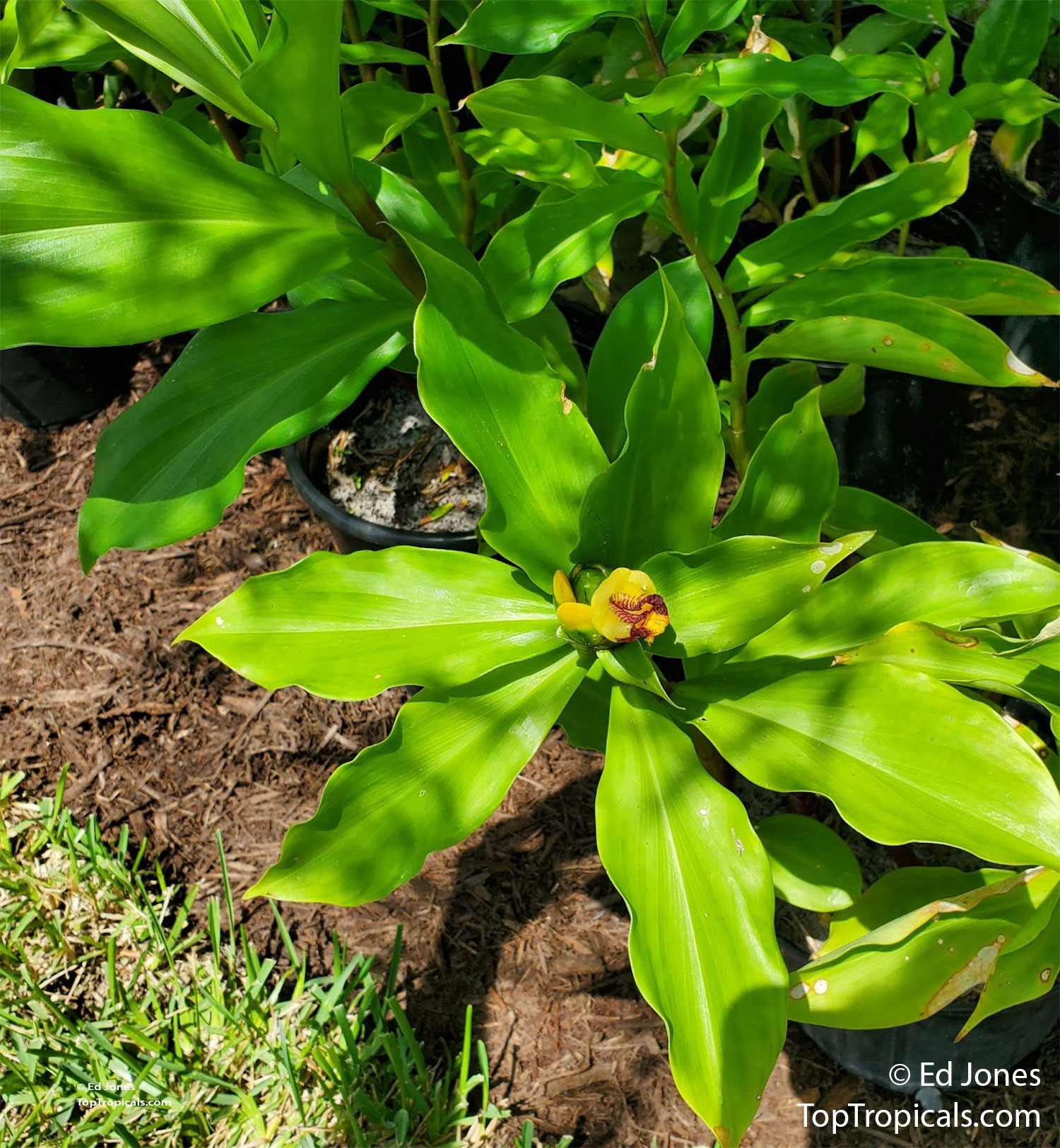
Botanical names: Costus igneus, Chamaecostus cuspidatus
Common names: Insulin Plant, Fiery Costus, Spiral Flag
Family: Costaceae
Origin: Eastern Brazil



Costus igneus (Chamaecostus cuspidatus) is known as the insulin plant because it may help lower glucose levels for some people with diabetes. Researchers believe it can help lower blood sugar level.
The plant has large, fleshy, smooth turmeric-like spiral leaves that are dark green on top with light purple undersides. The undersides of these large, smooth, dark green leaves have light purple shade. The leaves are spirally arranged around the stem, forming attractive, arching clumps arising from underground rootstocks. The maximum height of these plants is about two feet. The flowers are orange in color, appear to be cone-like heads at the tips of branches. Flowering occurs during the warm months.
Grow Costus igneus in either full sun or partial shade. Costus igneus needs fertile soil, with plenty of moisture. Due to these requirements, it is often planted near water. It makes a nice aesthetic accent in landscaped shrub borders, where the orange flowers will contrast the greens of the shrub border. Planted on two to three foot centers, Costus igneus can act as a tall ground cover, and can help brighten a partially shaded location. Propagation is by division of the clumps, cuttings, or by separating the offsets or plantlets that form below the flower heads.
The species reproduces vegetative by rhizome and birds disperse seeds when they feed on the fruits. Costus products are sometimes called Costus comosus and are edible in nature. The flower petals are edible! The flower petals are quite sweet and nutritious. It's a lower grower and makes a great ground cover. The plant grows very quickly. It is cultivated in India for its use in traditional medicine and elsewhere as an ornamental. It thrives in sunny areas with a little shade. It is a rapid growing plant, that spreads from rhizomes that form attractive foliage around the original root stock.
Costus igneus does well planted in the ground year round in USDA zones 9-11, but is also very suitable for a container garden or above-ground planter. The plant is moderately tolerant of drought. The Insulin Plant makes a beautiful indoor or house plant, perfect for cascading down a wall.
In Siddha medicine, it is known as kostum. It is being cultivated in Kashmir and the Himalayan regions for its root. It is related to the gingers and was originally part of the family Zingiberaceae. But now the Costus species and their kin have been reclassified into their own family, Costaceae.
Studies suggest that Insulin Plant has antimicrobial, antidiabetic, antiproliferative, hepatoprotective properties. The plant is also traditionally used in Ayurvedic medicine for the treatment of diabetes. Recent research indicates that compounds within the Insulin plant help regulate blood sugar levels, supporting these traditional uses and claims. The plant does not actually contain insulin, which is a misnomer, and can lead to confusion. The blood sugar regulating effects of the plant are it's prominent medicinal value, and are currently being assessed by pharmaceutical companies for use in over the counter and prescription based diabetes treatments.
10 benefits of insulin plant:
- Helps to reduce high blood glucose level
- Improves digestion
- Reduces cholesterol level
- Increases energy level
- Promotes weight loss
- Good for skin health
- Prevents heart diseases
- Relieves stress.
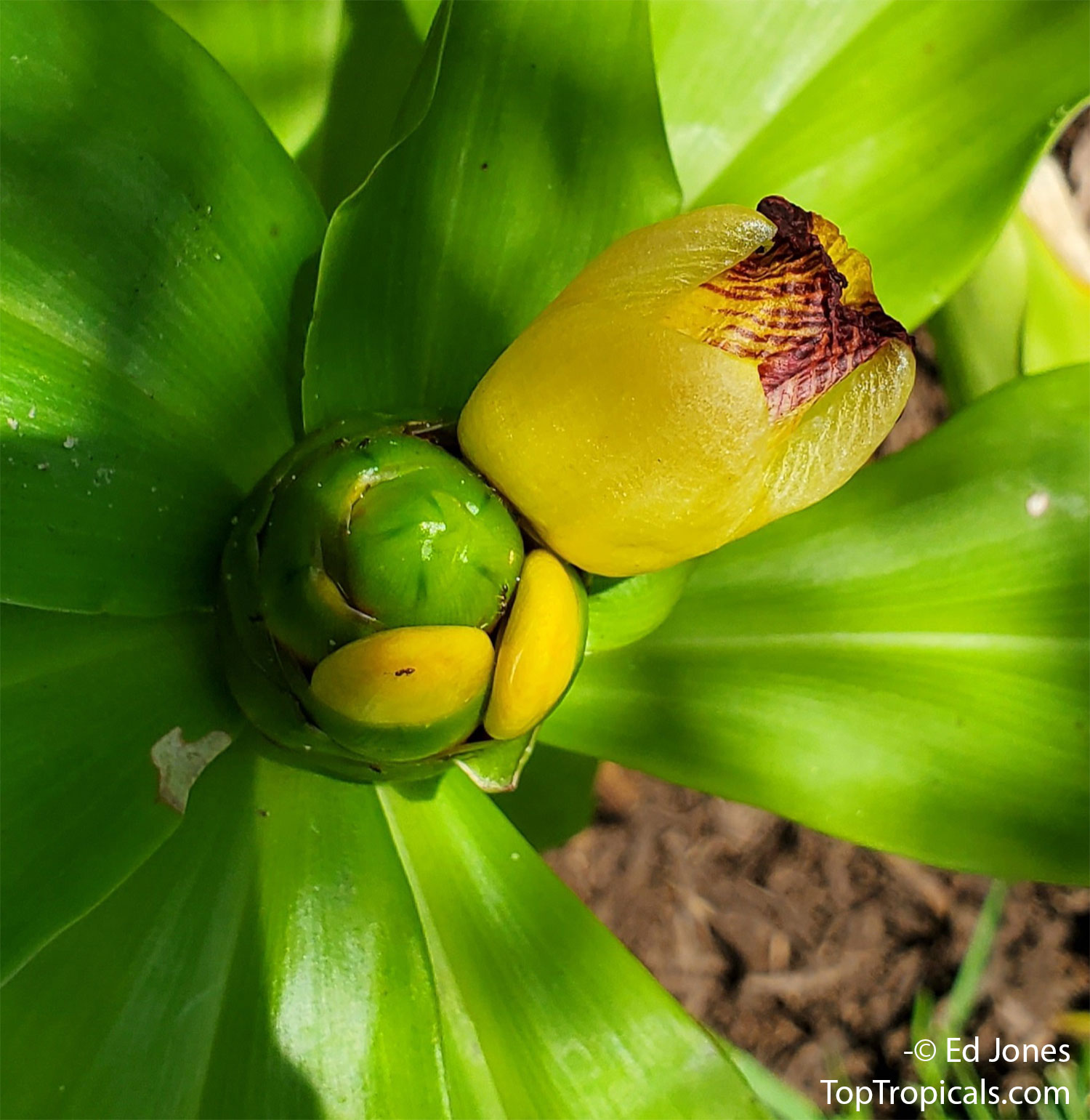
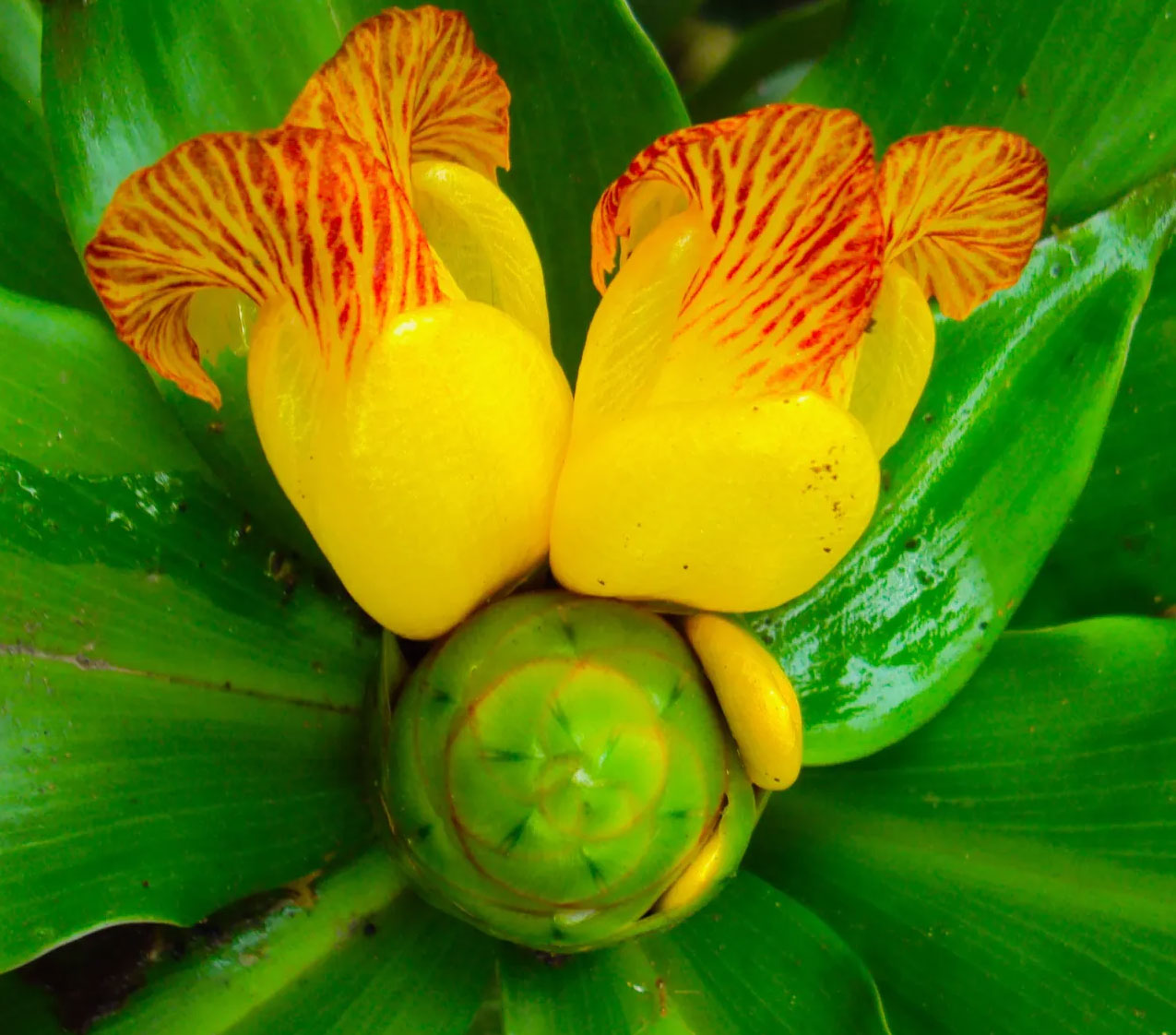
It is known as the insulin plant because it may help lower glucose levels for some people with diabetes. Researchers believe it can help lower blood sugar level. The plant has large, fleshy, smooth turmeric-like spiral leaves that are dark green on top with light purple undersides. The undersides of these large, smooth, dark green leaves have light purple shade. The leaves are spirally arranged around the stem, forming attractive, arching clumps arising from underground rootstocks. The maximum height of these plants is about two feet. The flowers are orange in color, appear to be cone-like heads at the tips of branches. Flowering occurs during the warm months.
10 benefits of insulin plant:
- Helps to reduce high blood glucose level
- Improves digestion
- Reduces cholesterol level
- Increases energy level
- Promotes weight loss
- Good for skin health
- Prevents heart diseases
- Relieves stress.
Recommended Fertilizer: SUNSHINE Robusta - Rapid Growth Booster
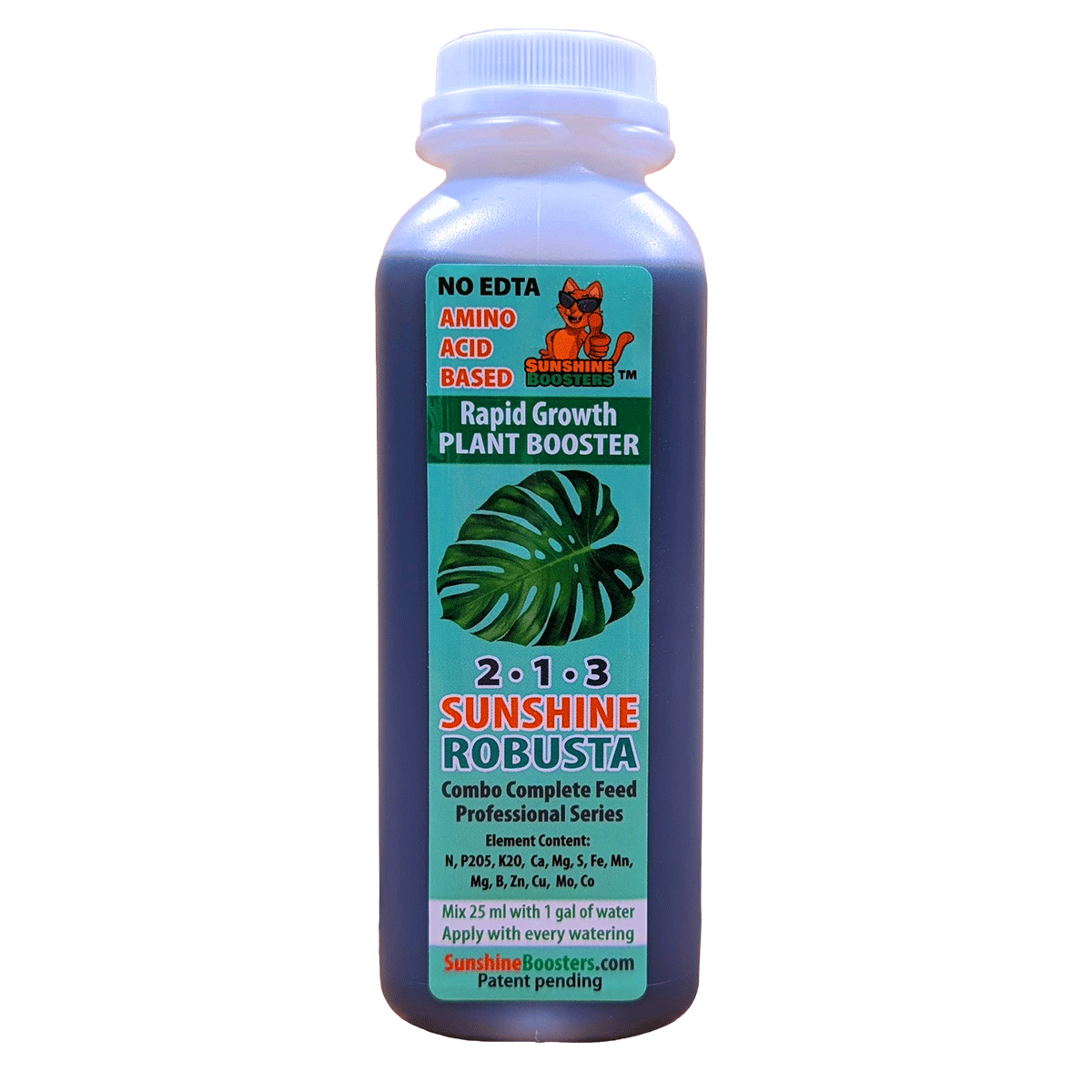 SUNSHINE Robusta (NPK 2-1-3) - Vegetative Vigor Booster for every watering. Formulated especially for vegetative stage of plant development. Can be used for a quick build-up of vegetative growth, for establishing and recovering damaged plants that lost many leaves. This is an eco-friendly nutrition booster that can be used for edibles and organic gardens. Can be used for daily feeding with every watering. Scientifically-balanced stable formula is organic Amino-acid based and has NO EDTA chelators to eliminate nutrients lockup; it does not affect crop taste. Organic Amino acids greatly enhance stability of all Sunshine boosters and provide excellent absorption of trace elements. Pollinating insects friendly.
 SUNSHINE Robusta (NPK 2-1-3) - Vegetative Vigor Booster for every watering. Formulated especially for vegetative stage of plant development. Can be used for a quick build-up of vegetative growth, for establishing and recovering damaged plants that lost many leaves. This is an eco-friendly nutrition booster that can be used for edibles and organic gardens. Can be used for daily feeding with every watering. Scientifically-balanced stable formula is organic Amino-acid based and has NO EDTA chelators to eliminate nutrients lockup; it does not affect crop taste. Organic Amino acids greatly enhance stability of all Sunshine boosters and provide excellent absorption of trace elements. Pollinating insects friendly.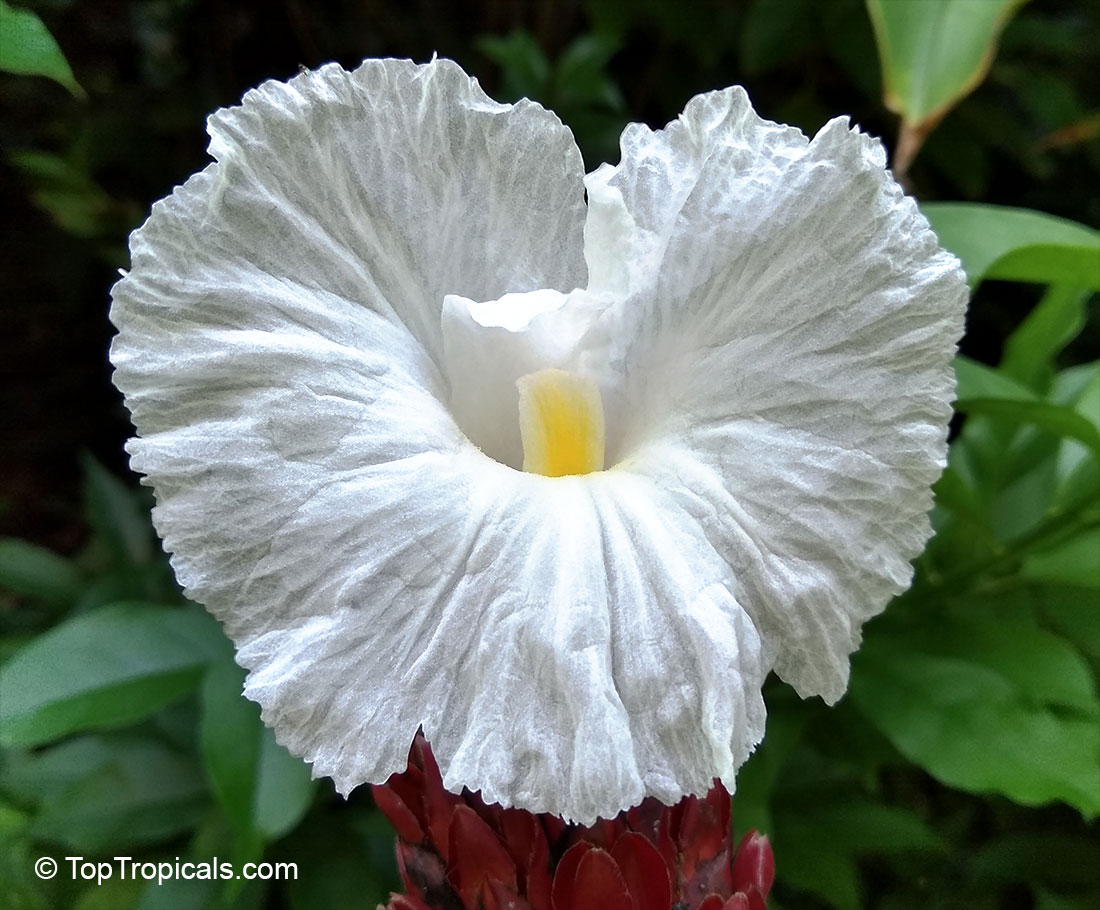
Botanical names: Costus speciosus, Cheilocostus speciosus
Common name: Crepe Ginger
Family: Costaceae
Origin: Malay Peninsula of Southeast Asia


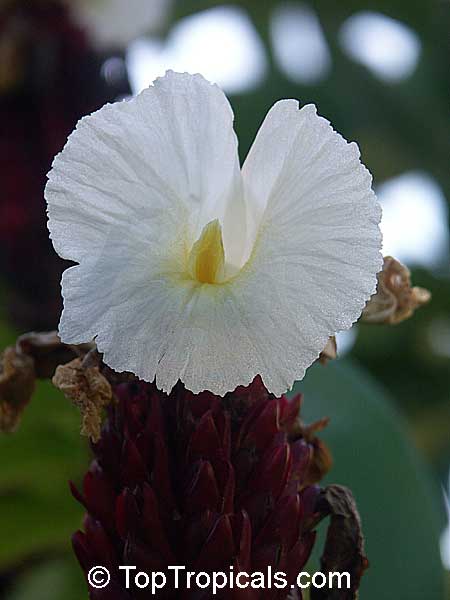
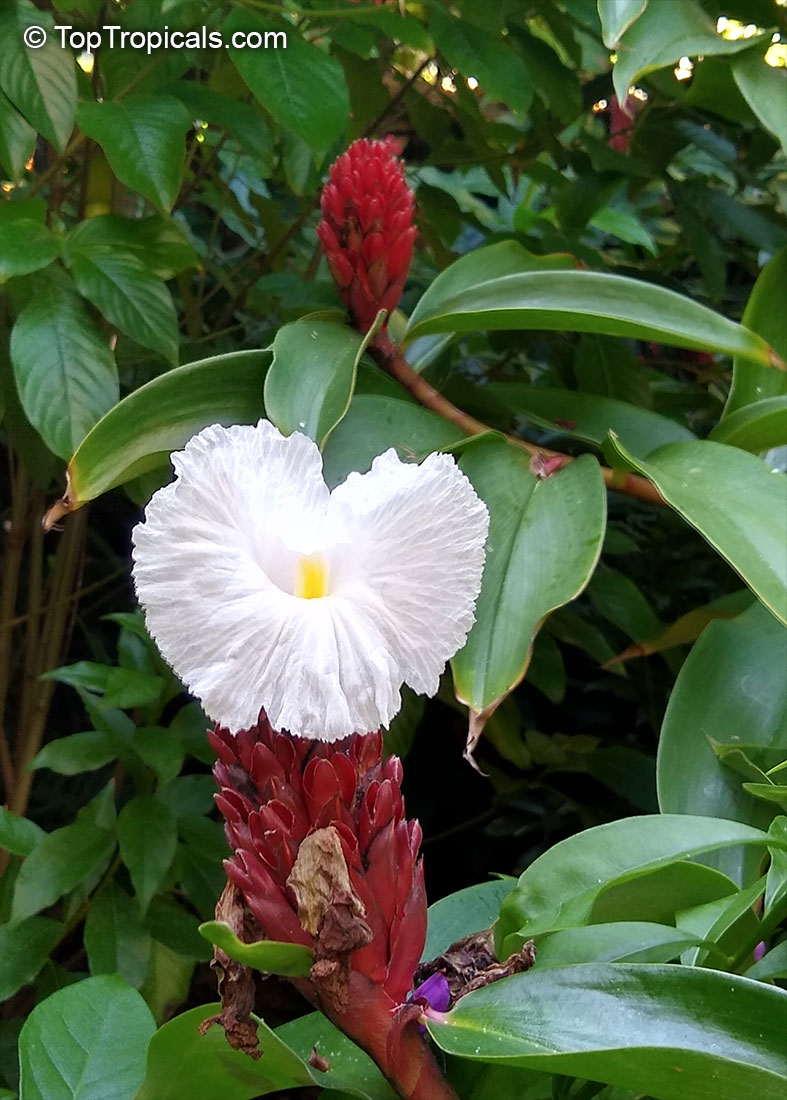
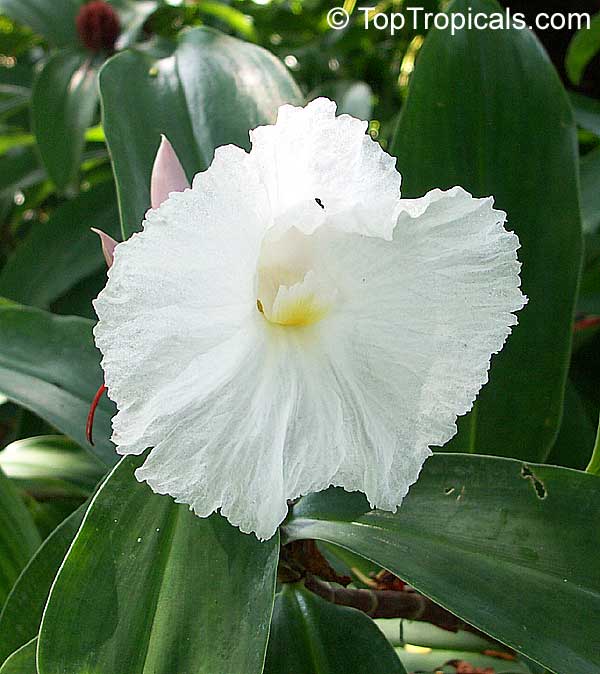
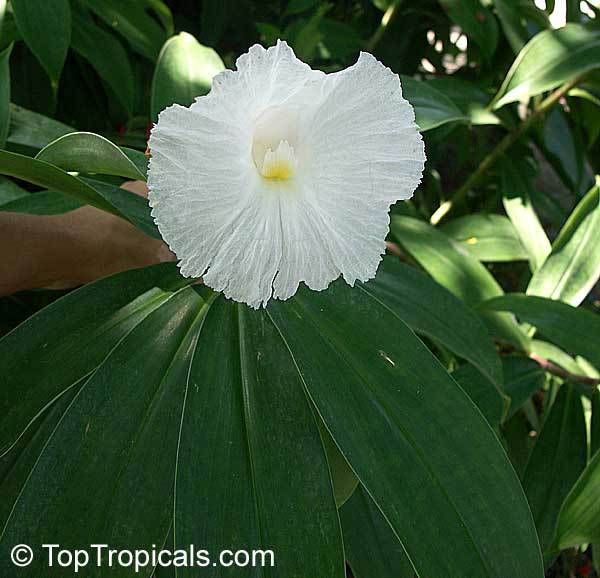
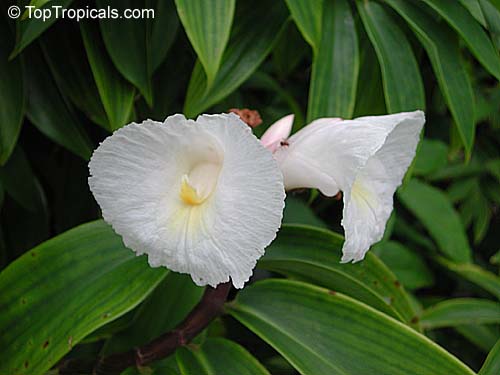
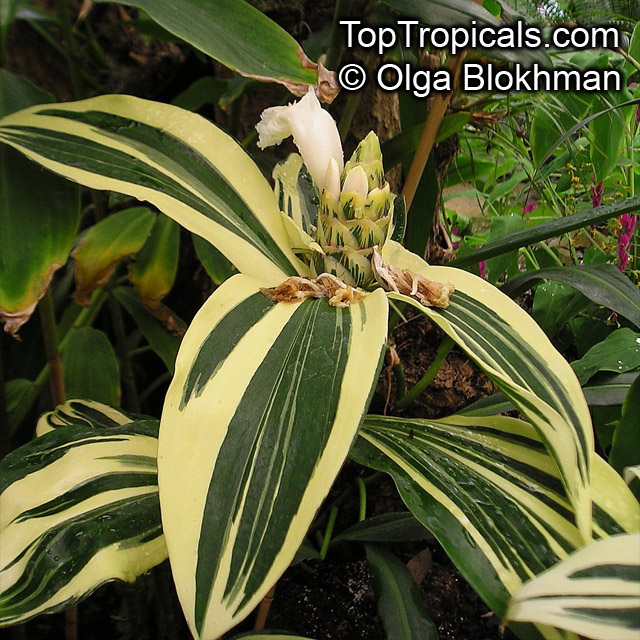
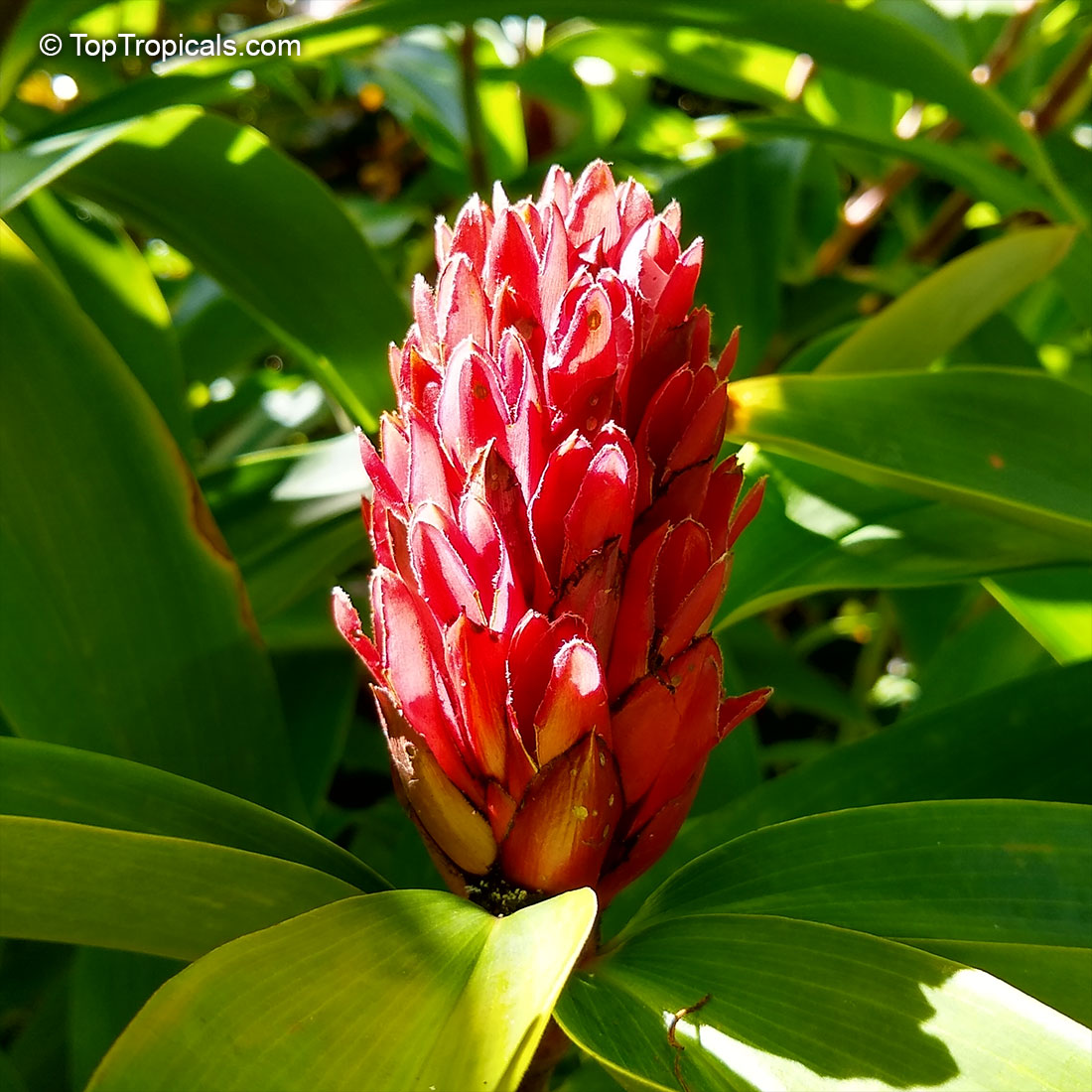
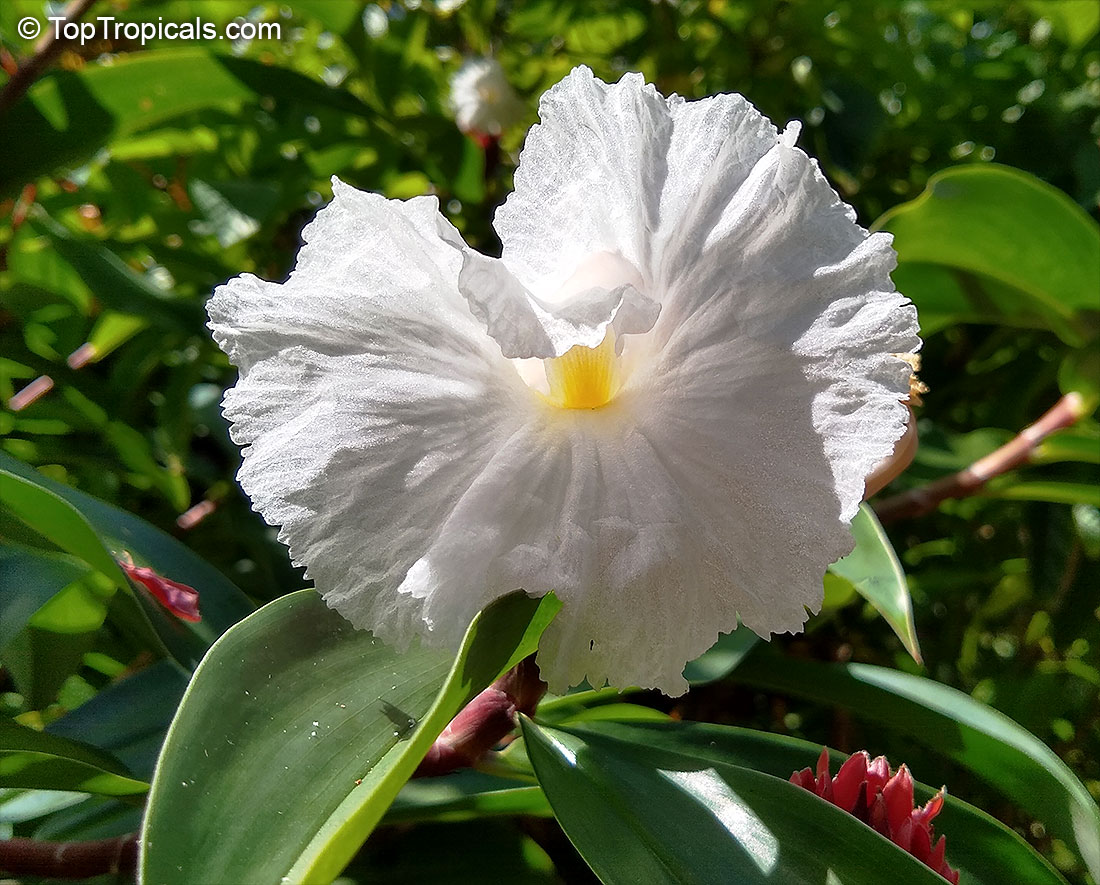
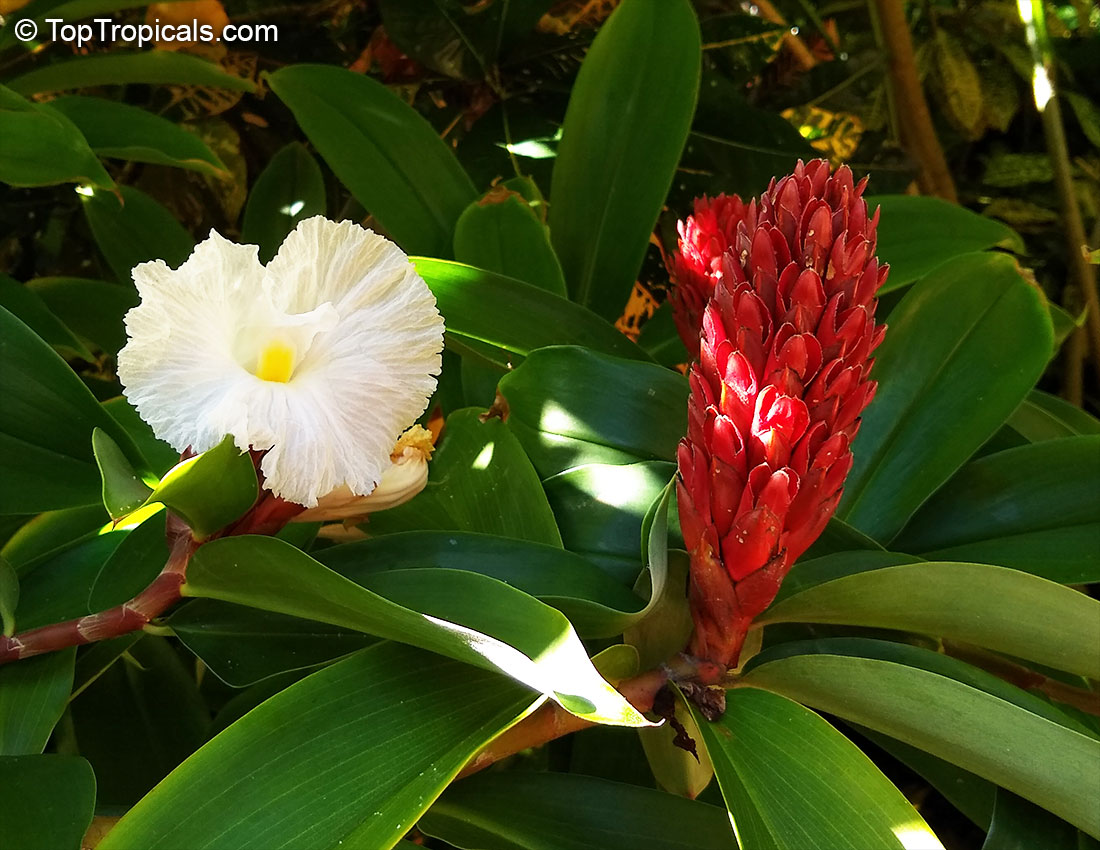
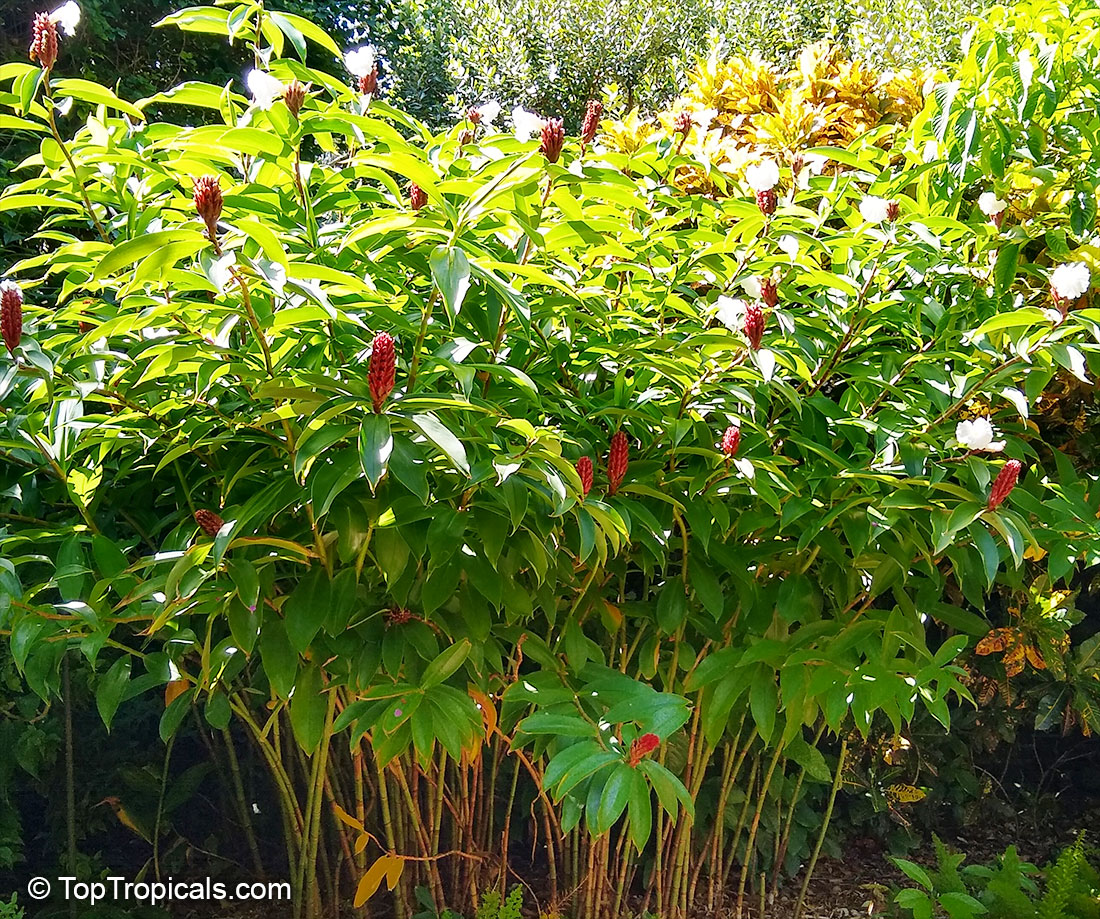
Growing Crepe Ginger (Costus speciosus) is a large 5-10 ft tall shrub that is native to the Malay Peninsula of Southeast Asia and is an ornamental foliage and ethnomedical plant. This plant has fragrant off-white to white flowers that open during the day and attract hummingbirds and butterflies. This plant should be grown in USDA Zones 9-11 and is cold hardy at least to 30s F for a short time.
This plant prefers part sun with at least 3-5 hours of direct sunlight and should be planted in a moist but well-drained, fertile, organic soil. For best growth, monthly applications of balanced fertilizer during the summer months should be added. Costaceae is the only ginger that can be propagated by stem cuttings, plant division, and Rhizome pieces.
In cold regions, Crepe Ginger is best planted in pots and kept in a sheltered area. During cold weather, the soil should be kept slightly moist and free of standing water. During extreme cold weather below 30s F, it is best to move the pot to an area sheltered from wind and cold temperatures. With the proper care, your Crepe Ginger will thrive and bring you years of beauty.

Botanical name: Costus afer
Common name: Spiral Ginger
Family: Costaceae
Origin: Africa
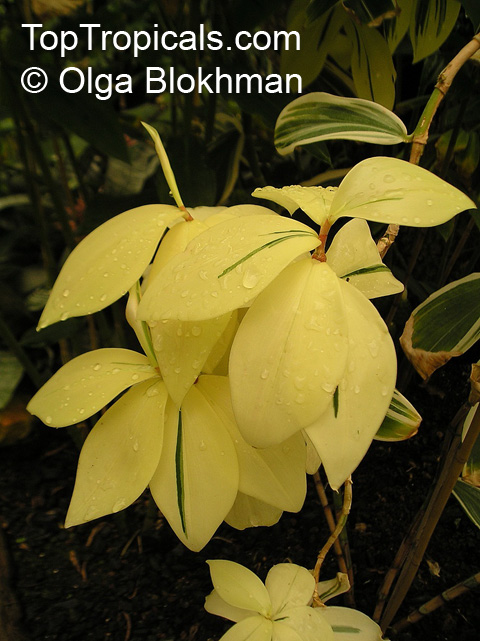
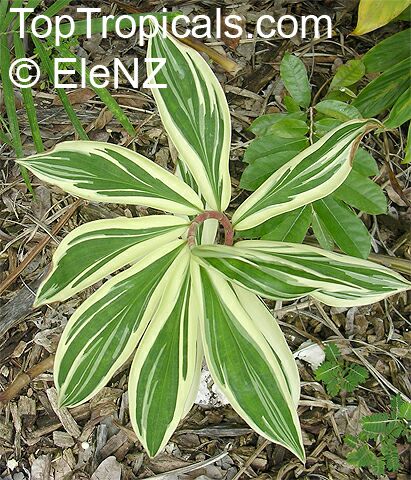
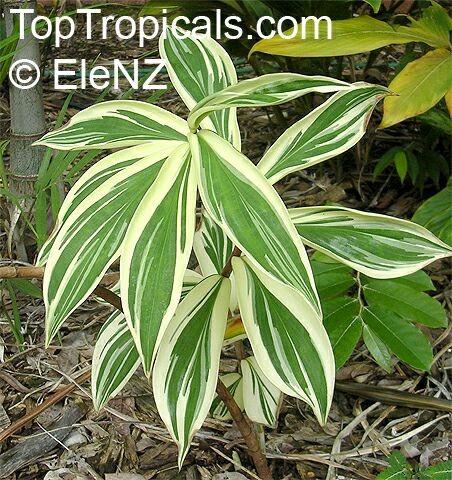
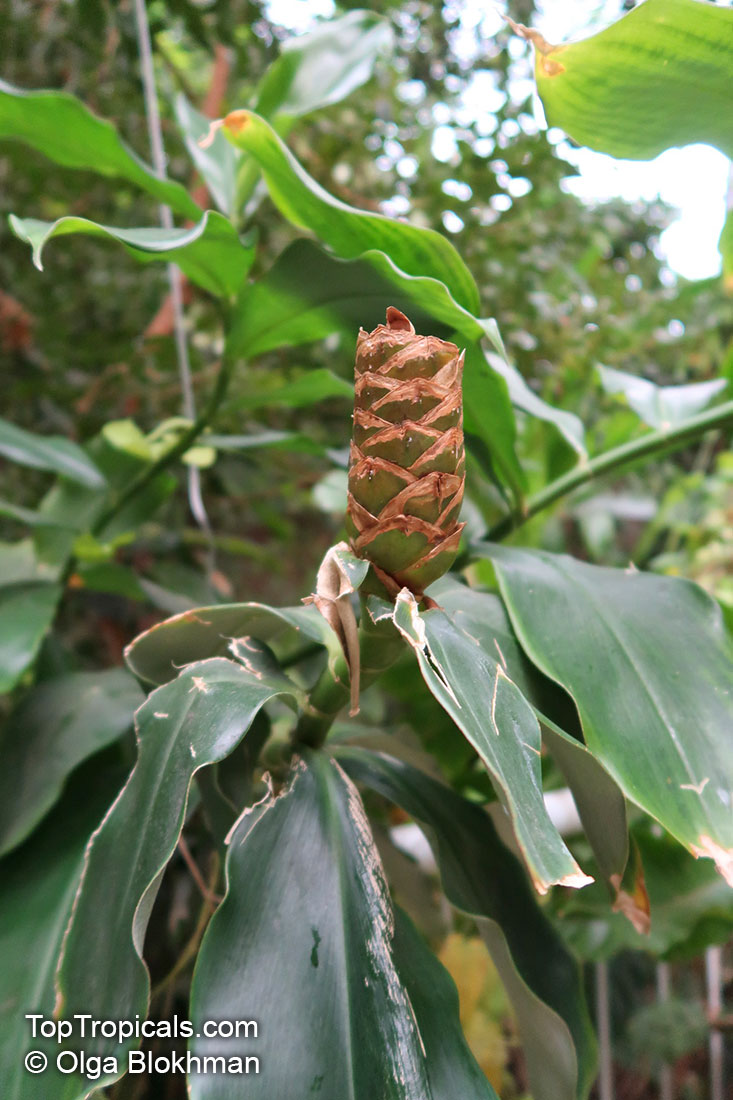
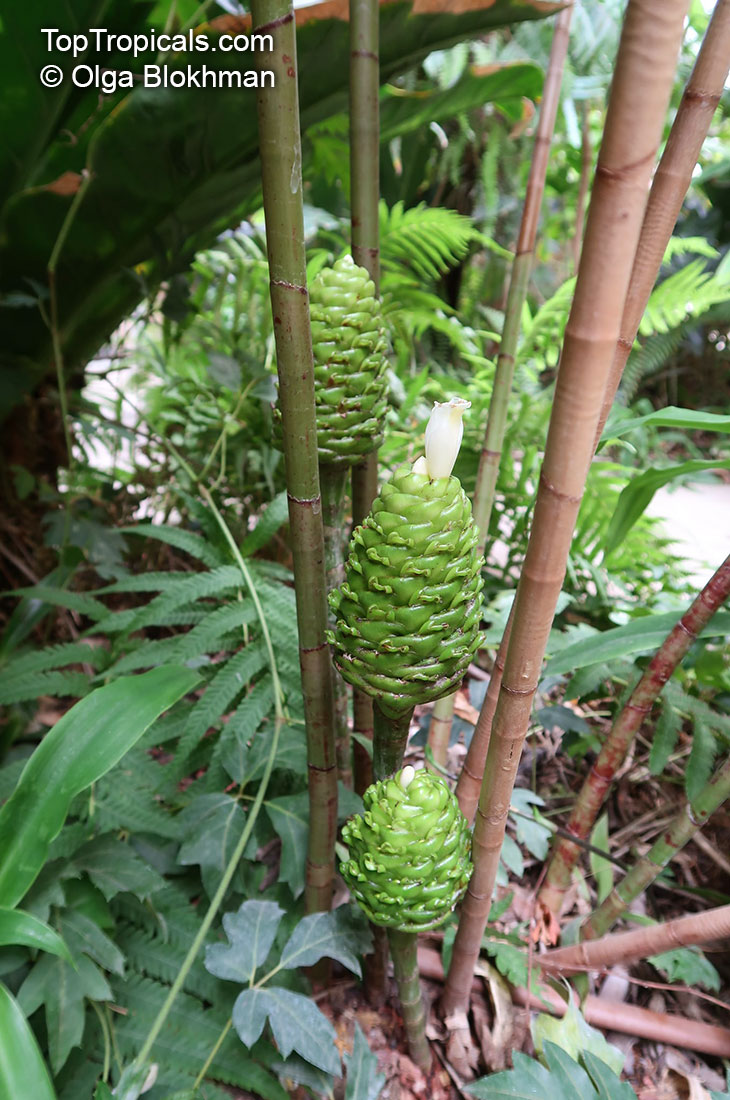
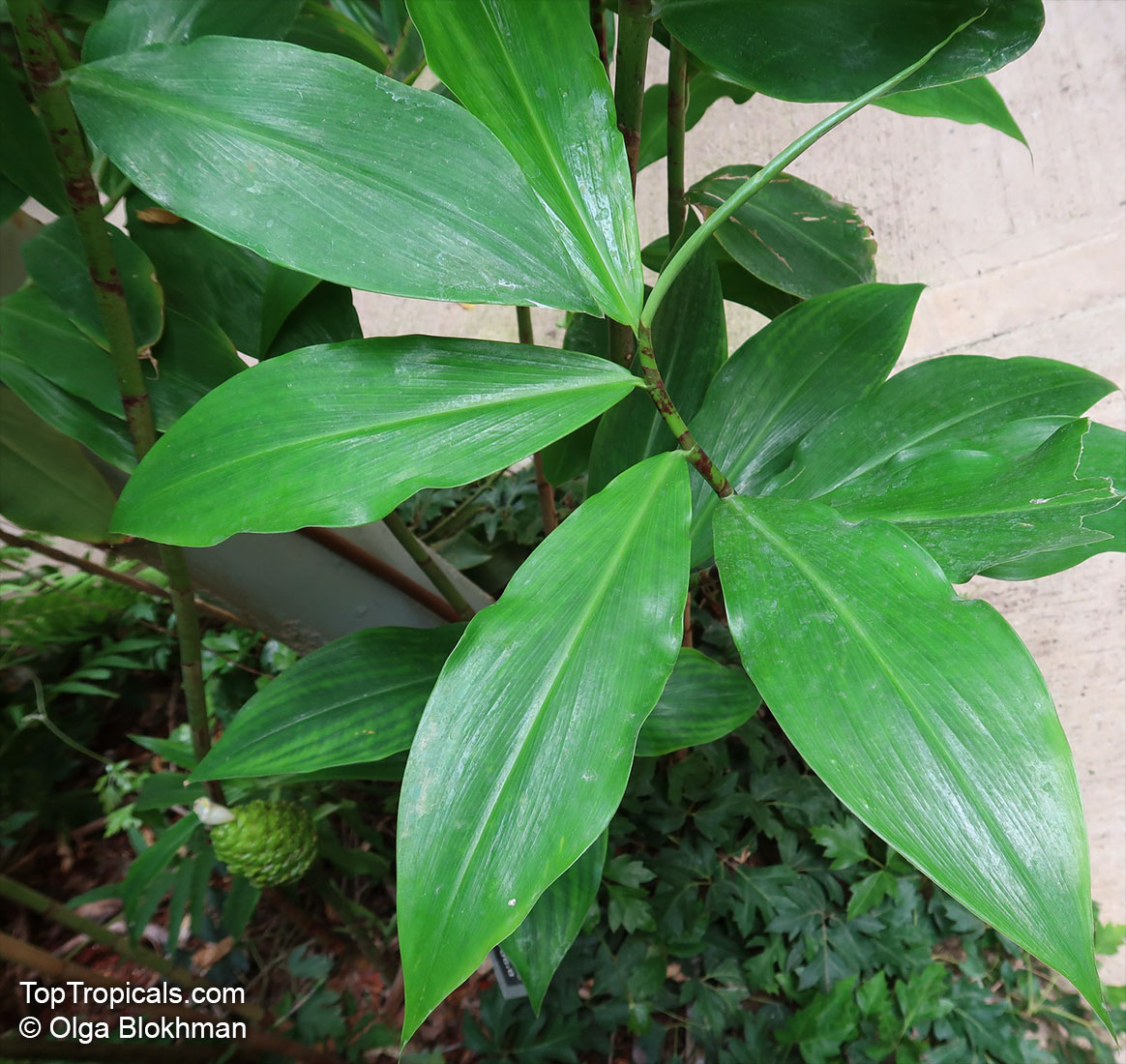
Costus afer are very easy to grow. They require a rich well drained soil (2 parts peat moss to 1 part loam to 1 part sharp sand), kept on the moist side. They do well in part shade to full sun. Spiral Ginger is a very vigorous grower, that requires frequent repotting to control its size.
Botanical name: Costus erythrophyllus
Common names: Ox Blood Costus, Red Wine Costus
Family: Costaceae


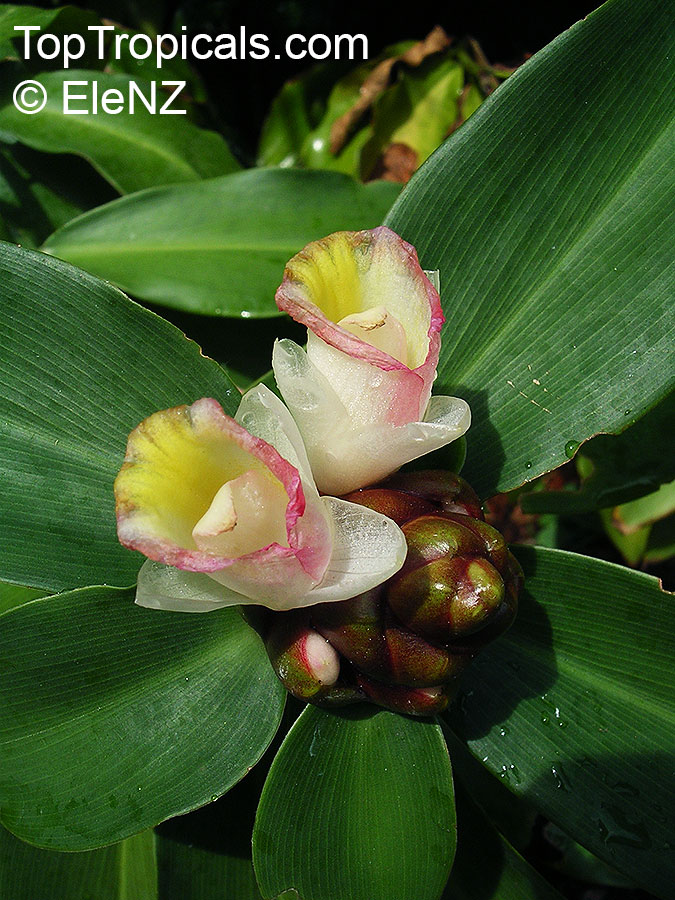
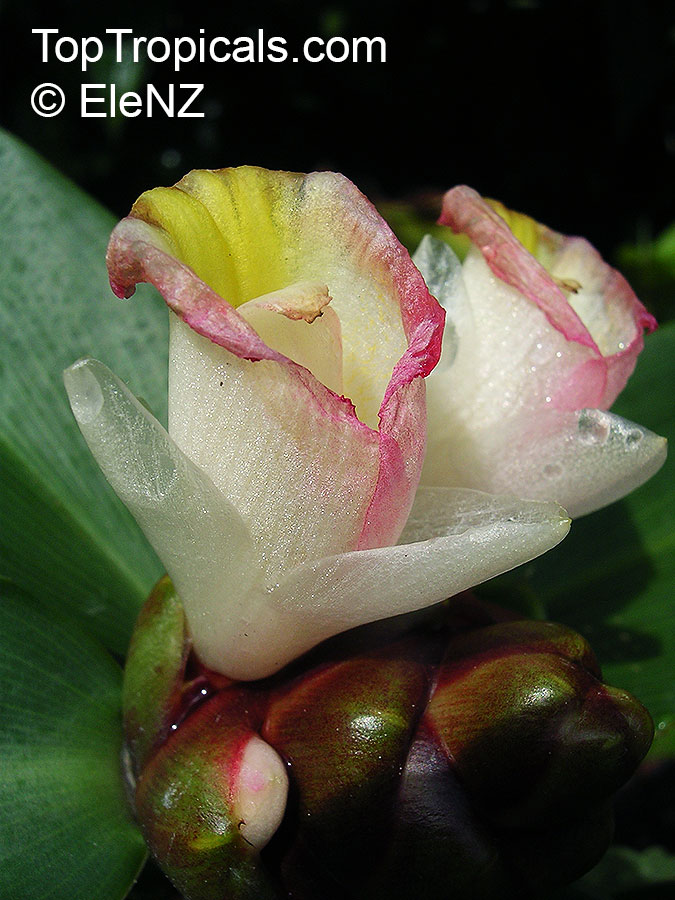
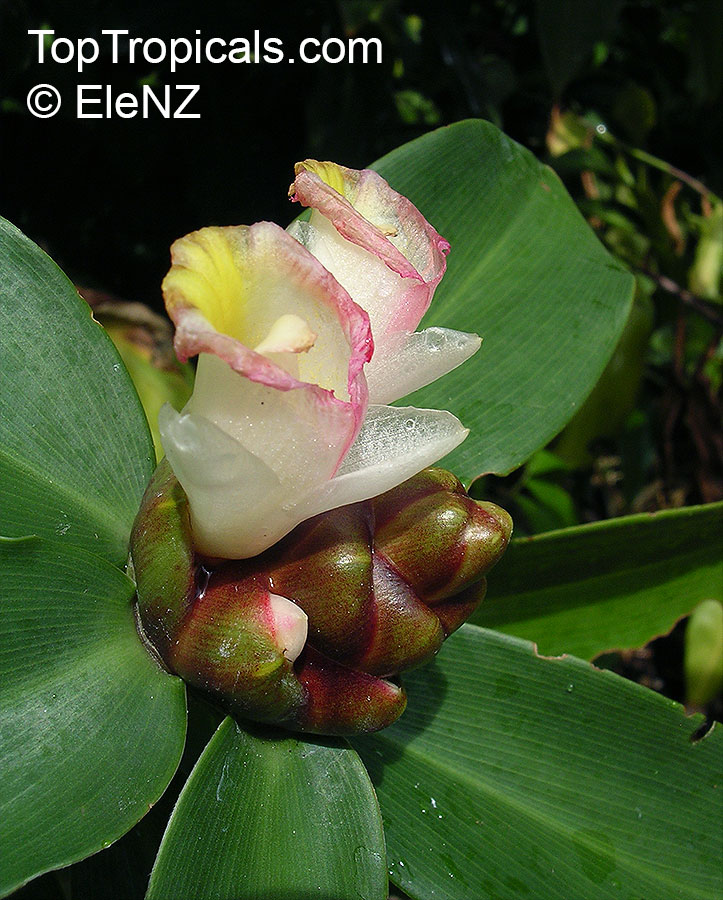
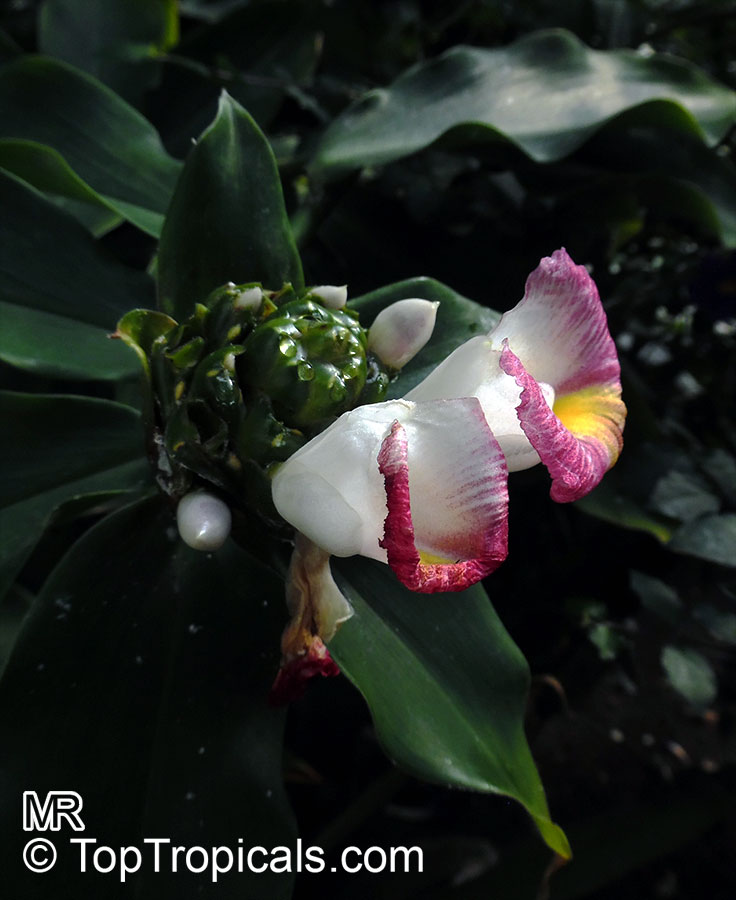
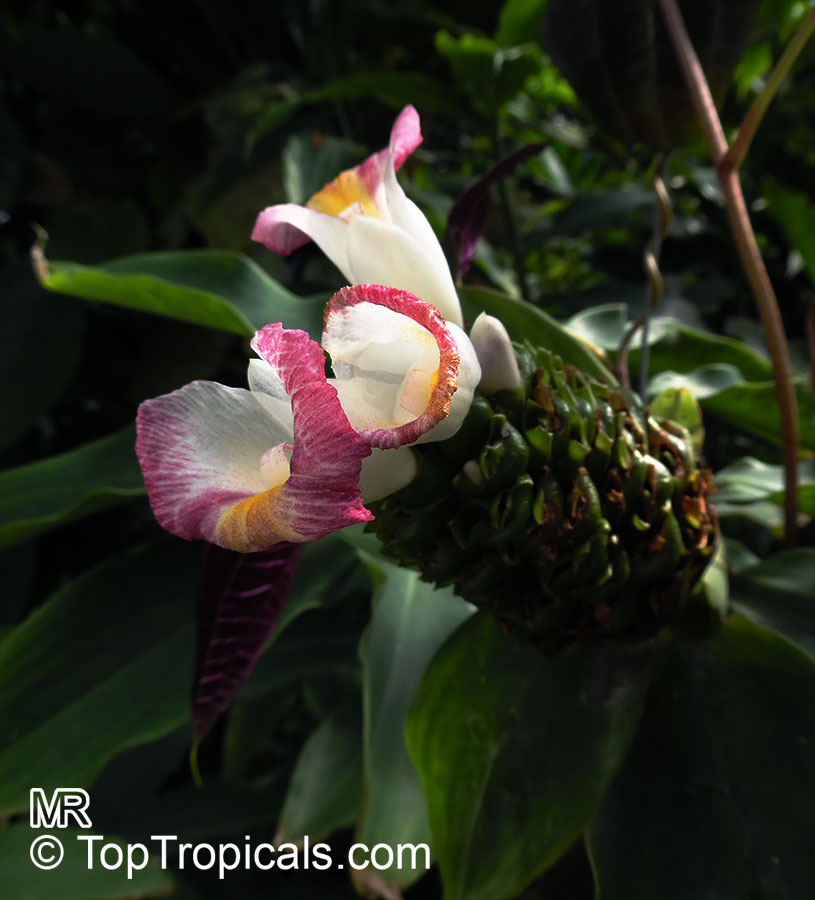
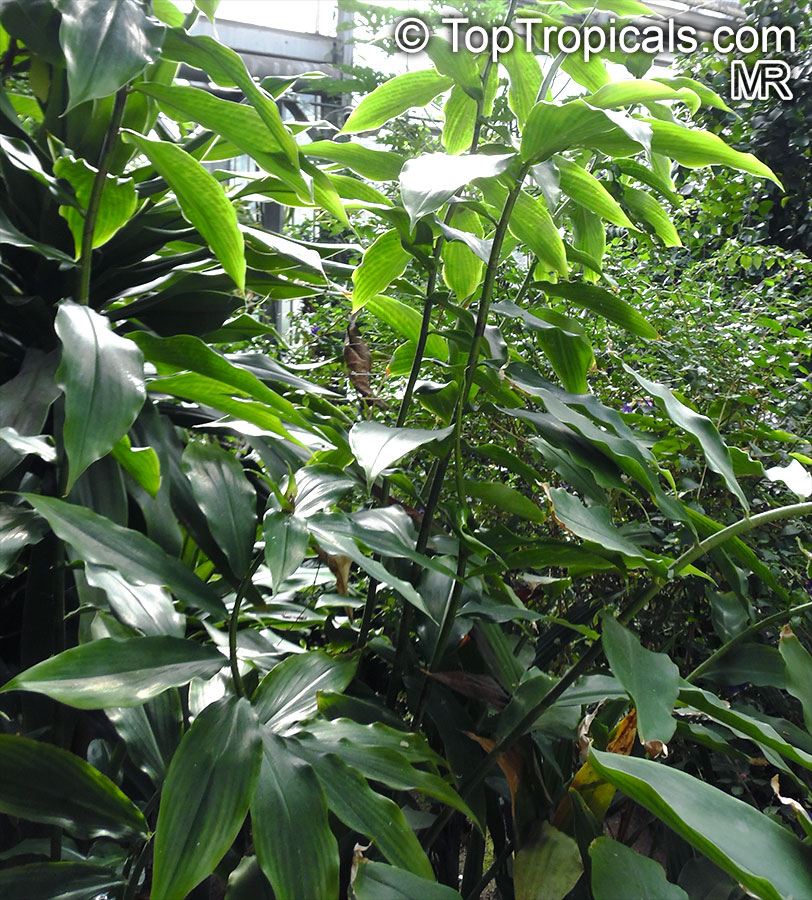
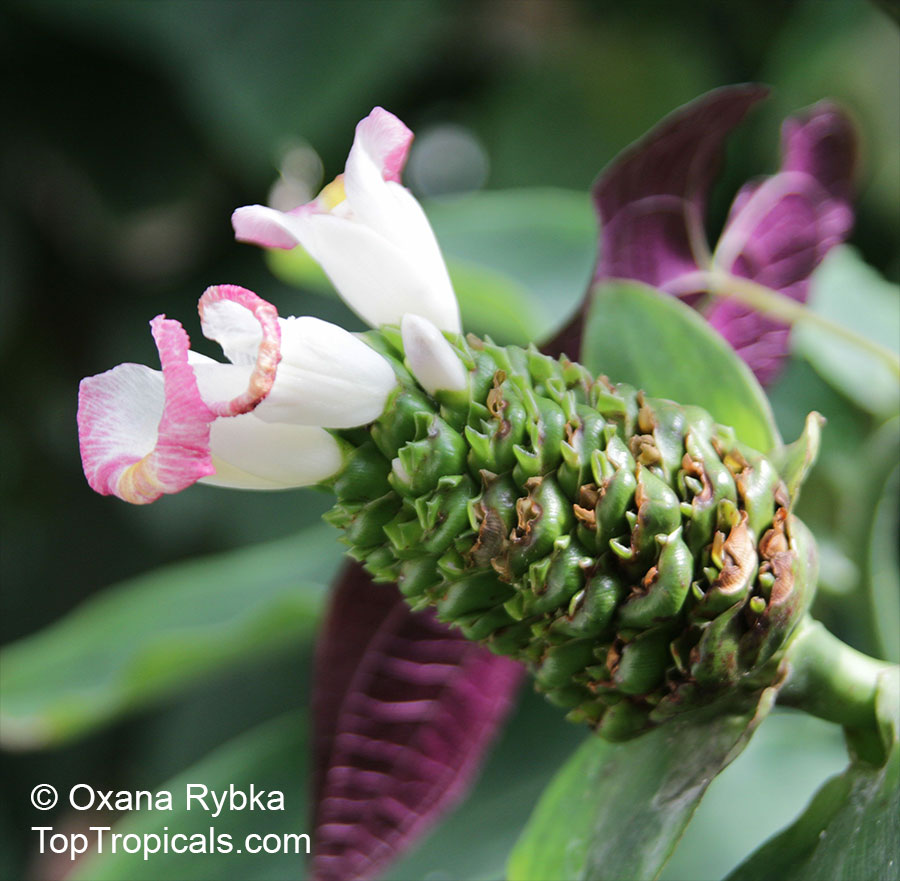
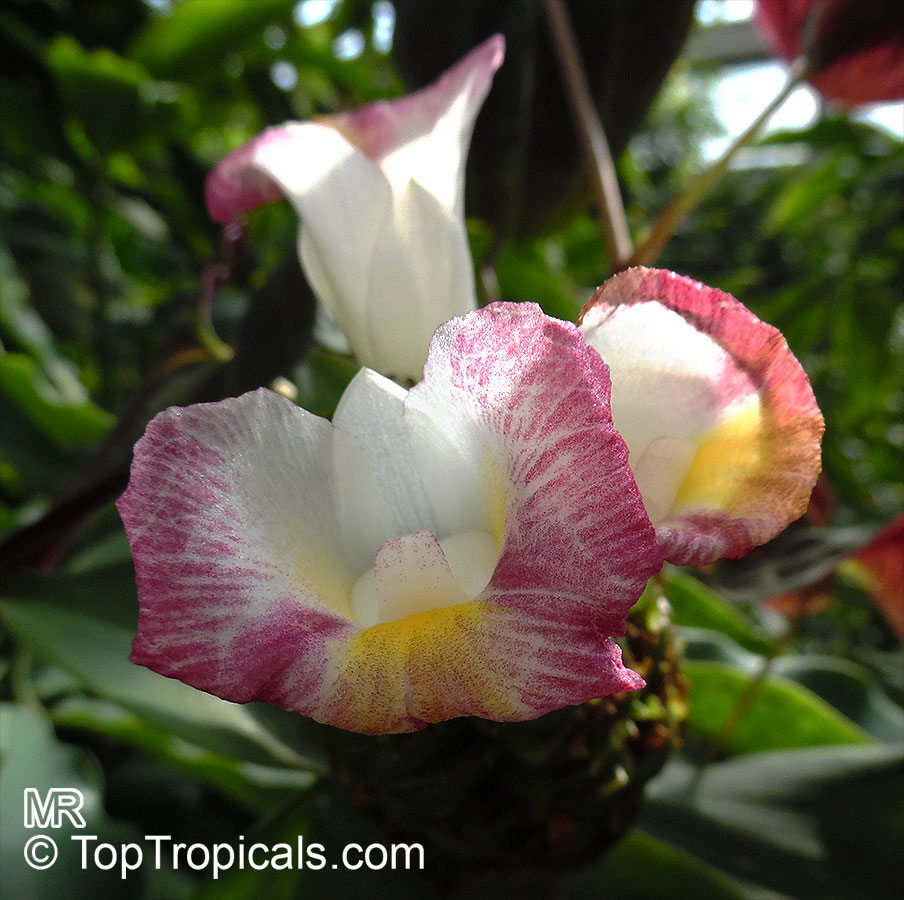
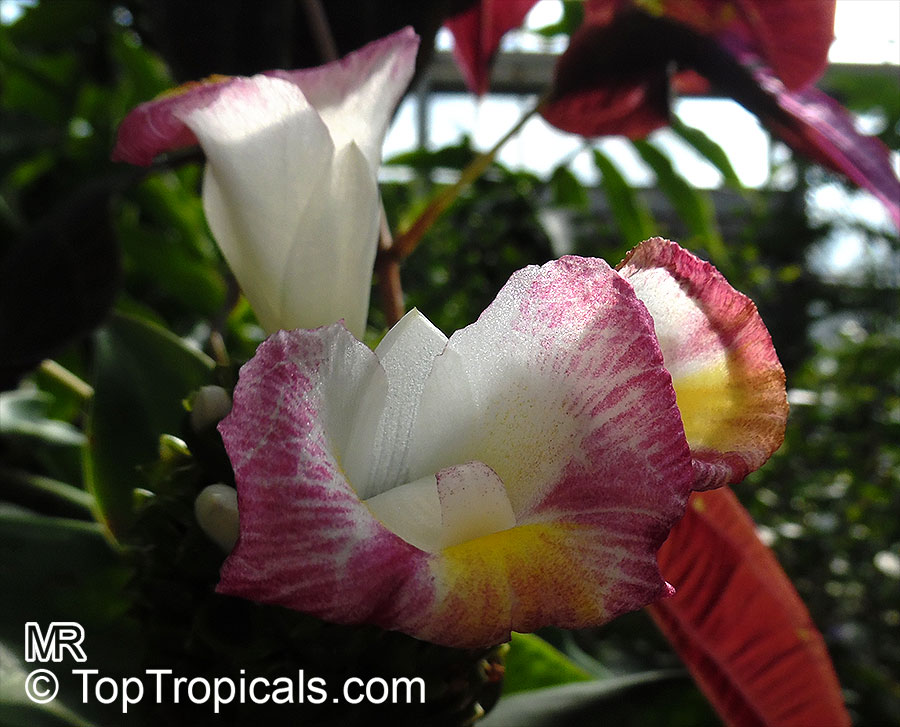
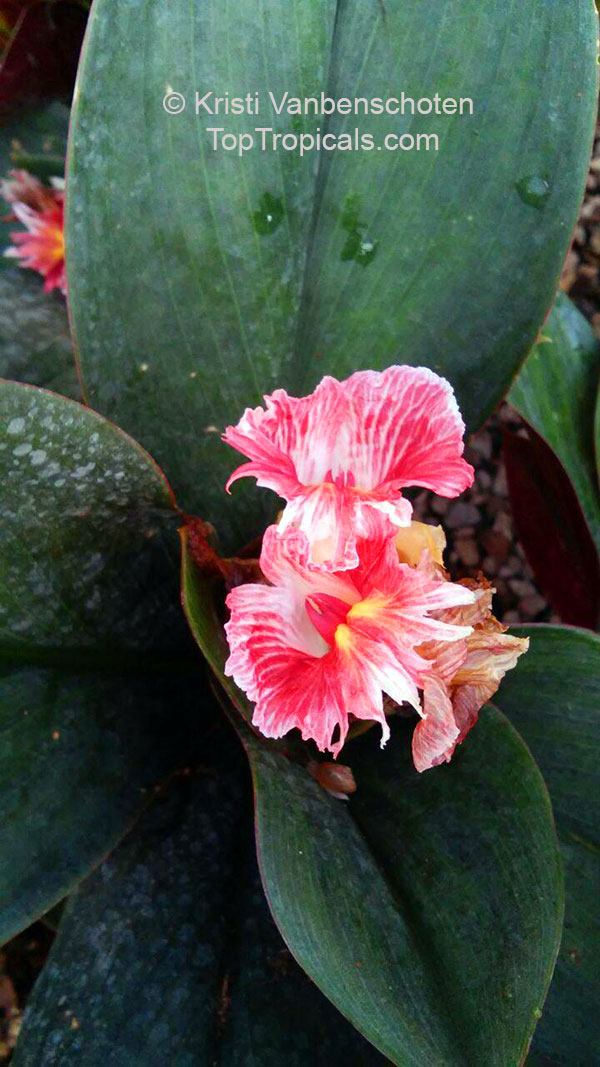
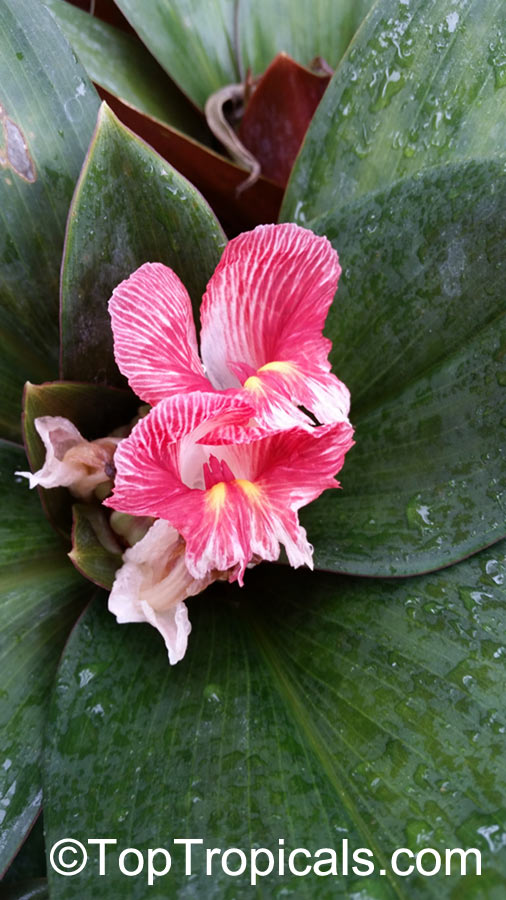
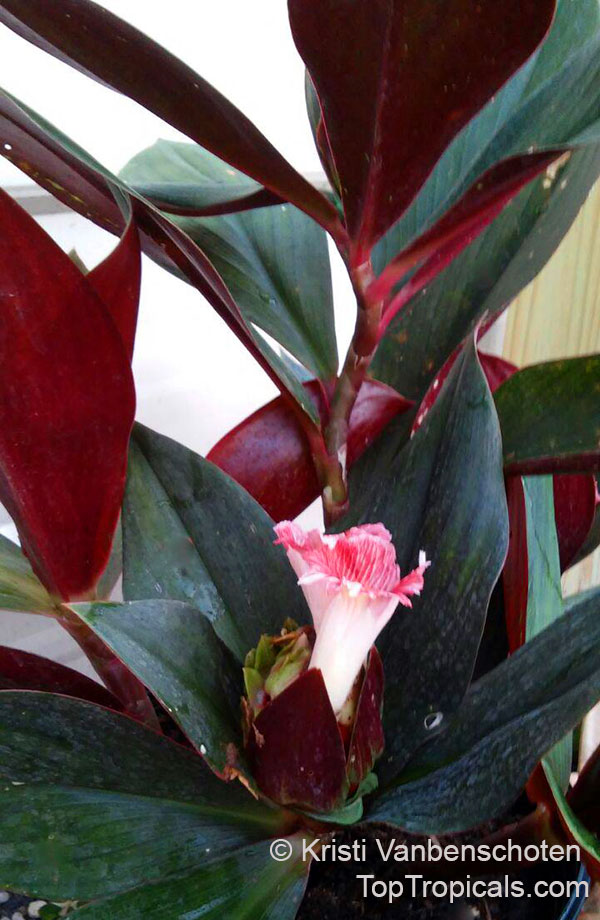
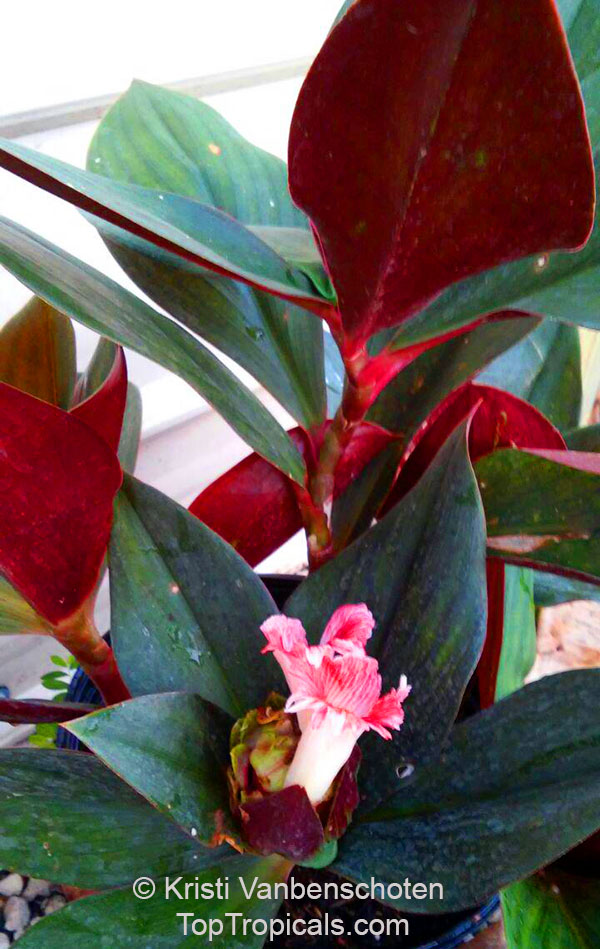
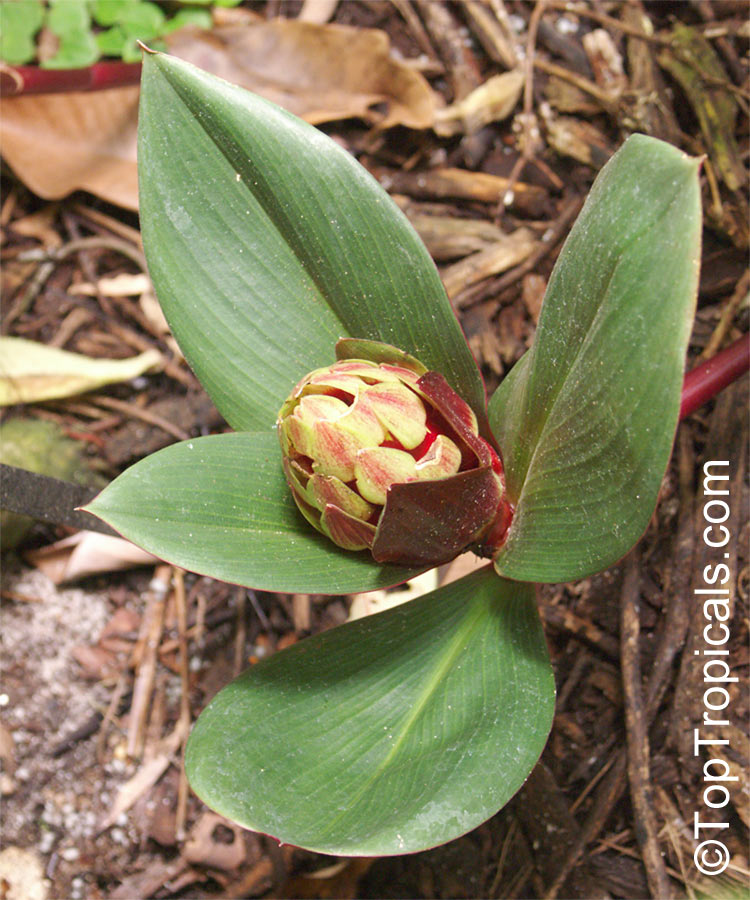
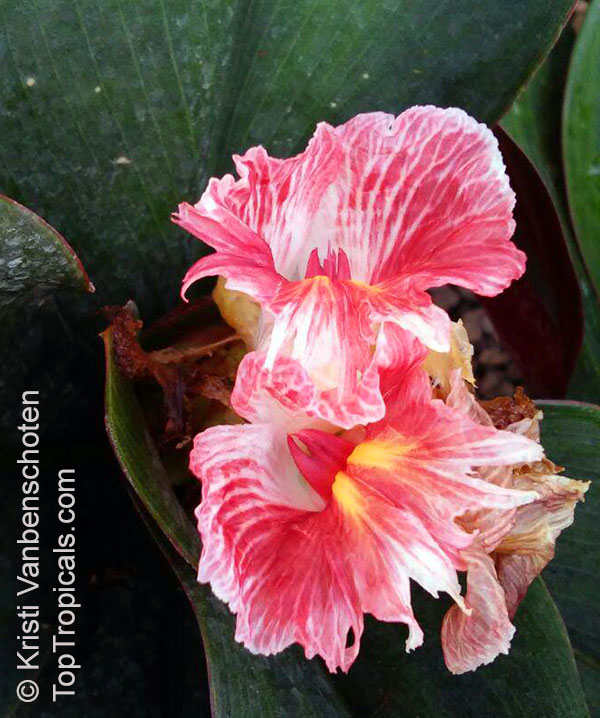
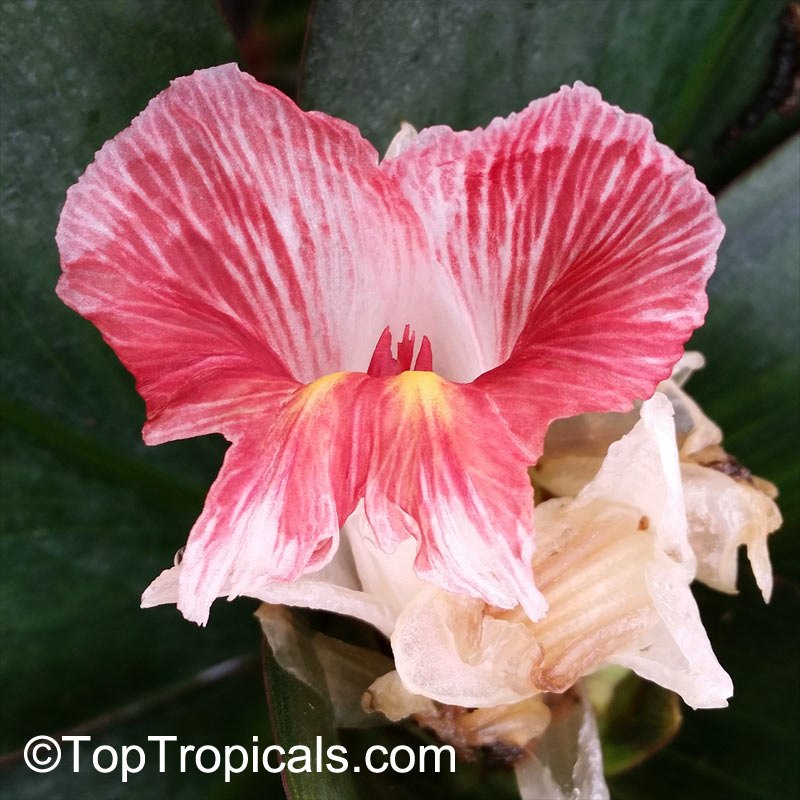
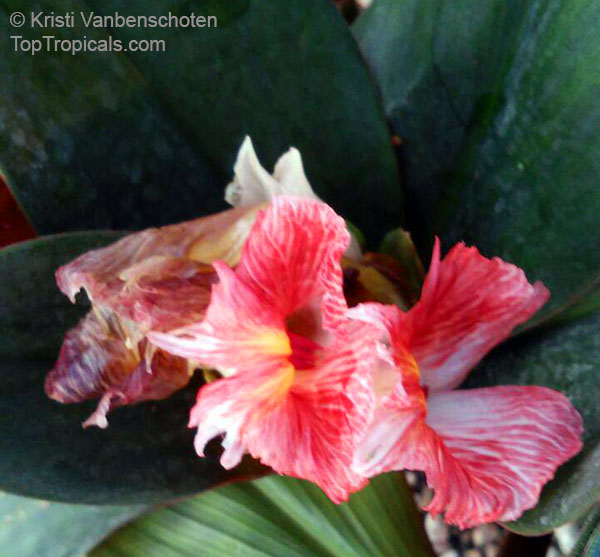
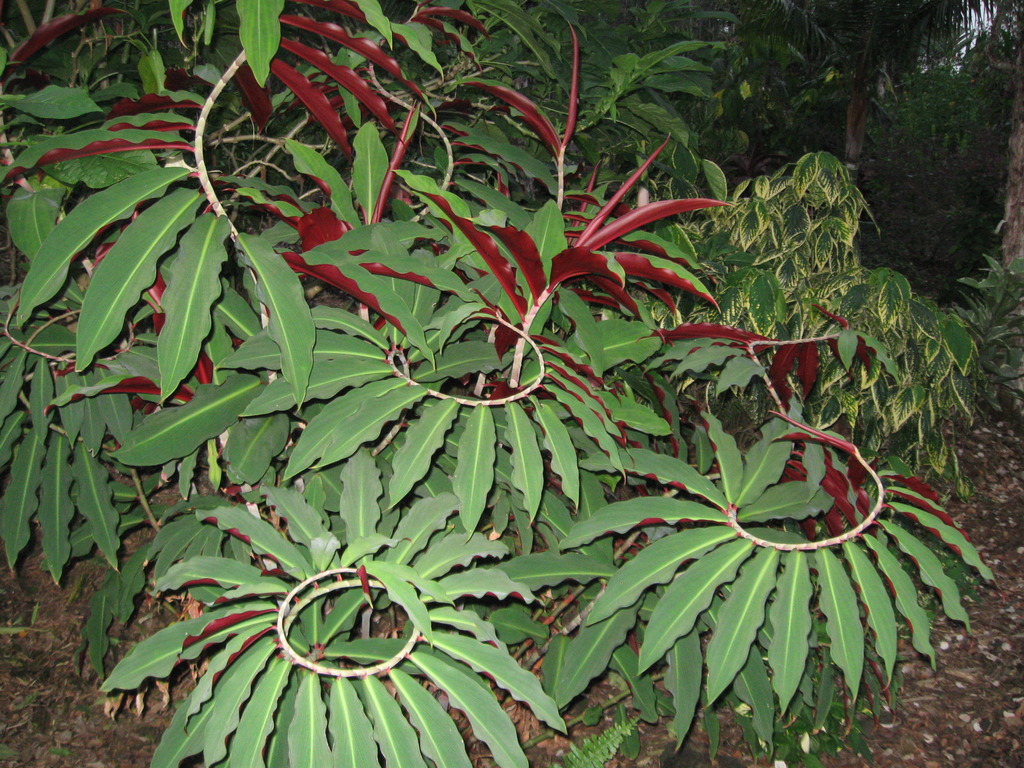
Costus erythrophyllus grows up to 1-2 feet when fully mature. Also known as Ox Blood Costus because of its striking foliage. When the wind shifts and you see the bright red underside that gives it its name. The flowers are relatively large, pale pink and grow prettily cradled in the midst of the leaves. All in all, this unusual looking plant really is a looker which will brighten any border. The attractive Costus will be a welcome addition to any garden, hothouse or windowsill. It is easy to grow providing light shade under a tree canopy. It is an attractive plant that gets a lot of attention form visitors. The wide velvety leaves are luxuriously red on the under side and richly blue green on top. You will be am amazed at its beauty.
As a group, Costus are known as Spiral Gingers because their leaves tend to grow in an outwards spiral away from the main stem. Native to subtropical environments, all members of the Costus family like to be kept warm and moist.
Close related plant, but with yellow flowers - Costus vinosus, that is often confused with Costus erythrophyllus. Costus vinosus is very rare. It was described by Paul Maas in 1976 from a single collection in 1973. It is a very distinctive species with waxy leaves that have deep wine-red undersides and unique cup-shaped ligules making it very easy to recognize whether in flower or not. This species is threatened and rare in the wild and is sensitive to habitat change. Since the last collection record was ten years ago, it is possible that this species is extinct in the wild or very nearly so.
Recommended Fertilizer: SUNSHINE Robusta - Rapid Growth Booster
Botanical name: Costus fissiligulatus
Common names: African Princess, Spiral Ginger, Cameroon Costus
Family: Costaceae
Origin: Tropical Africa
It is fairly shade tolerant, but will do well with filtered sun or semi shade. Costus fissiligulatus prefers regular watering and good soil drainage.
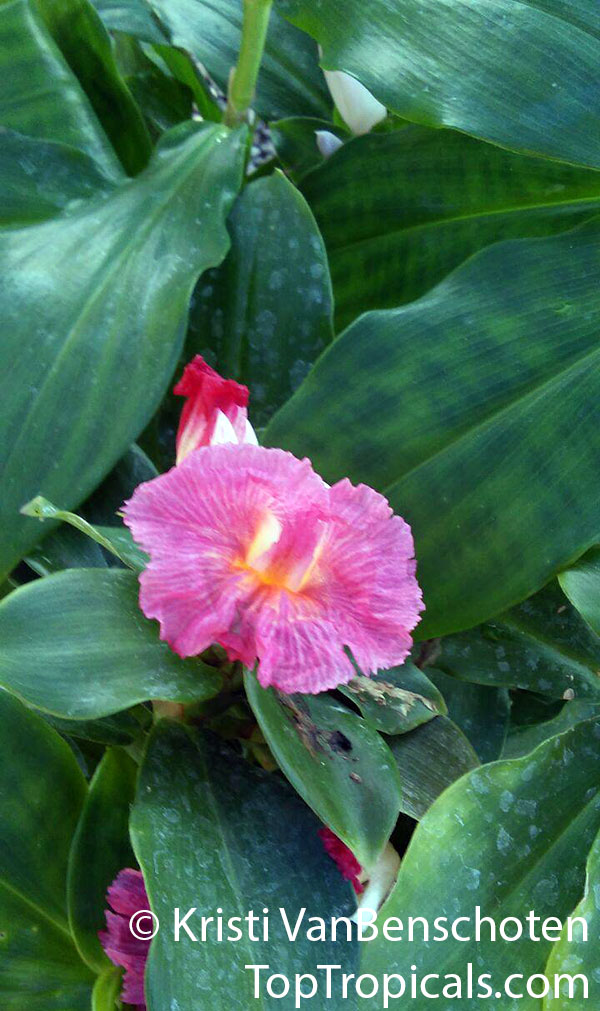
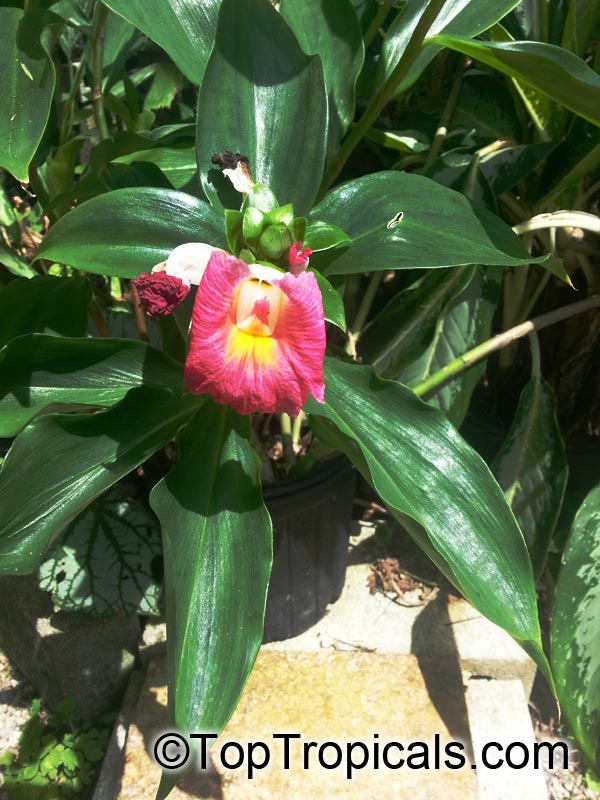
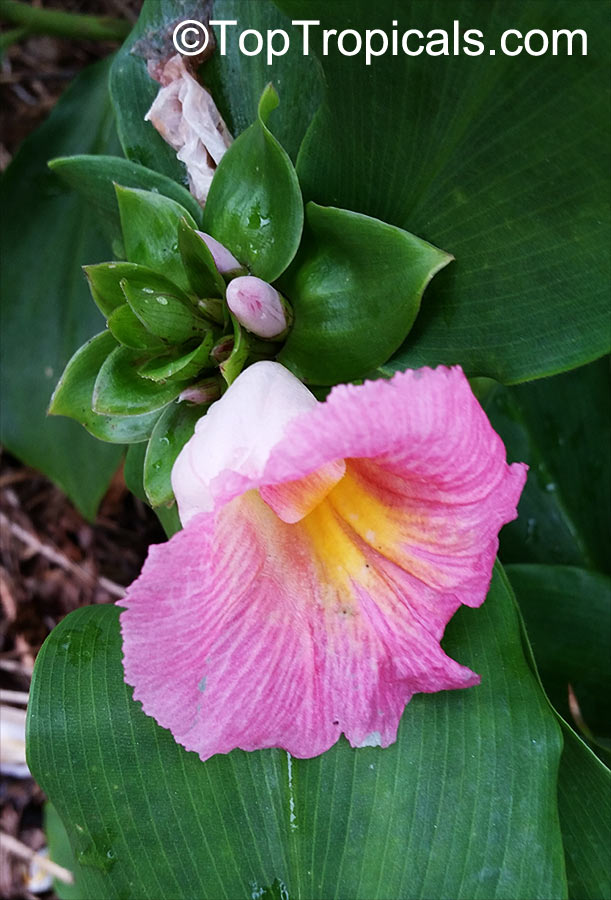
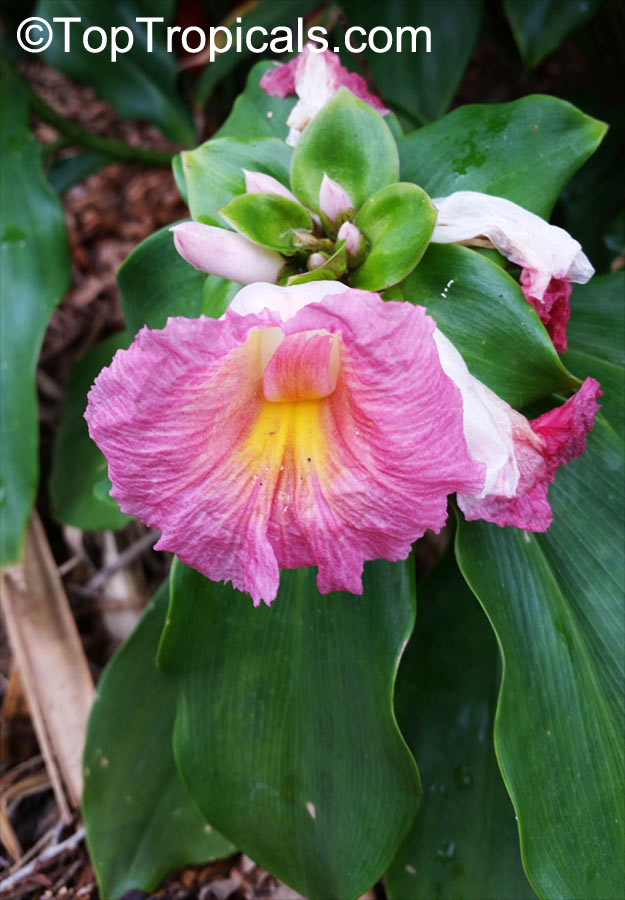
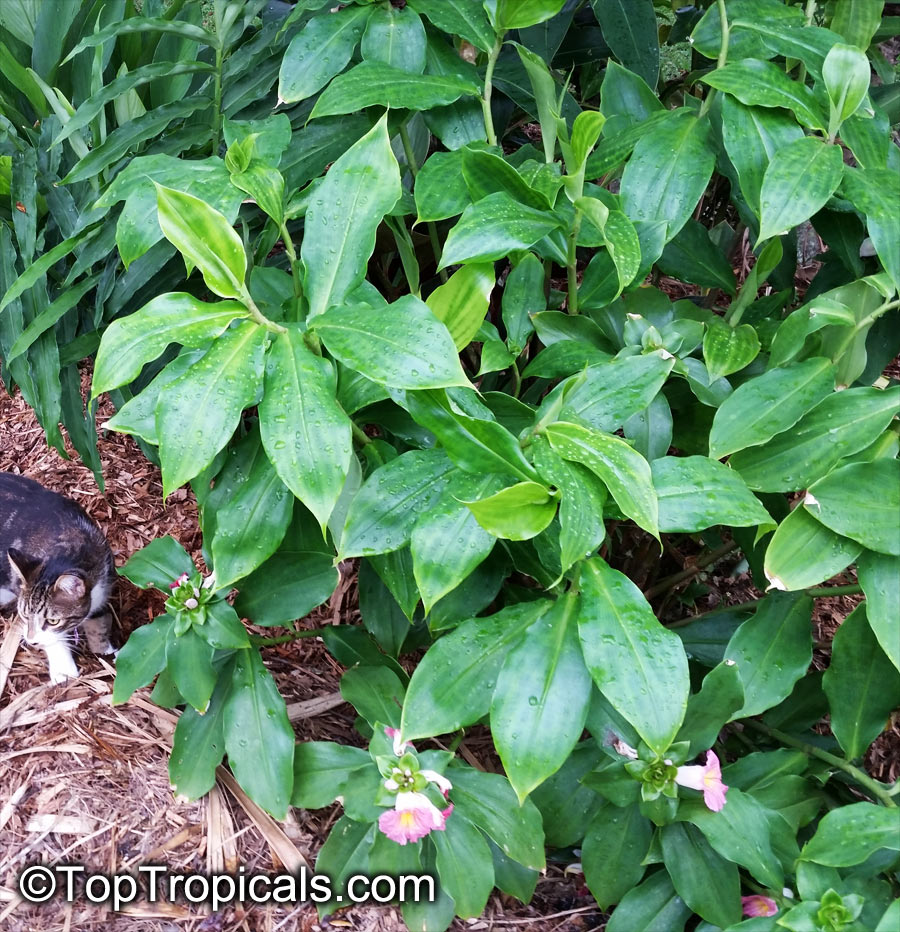
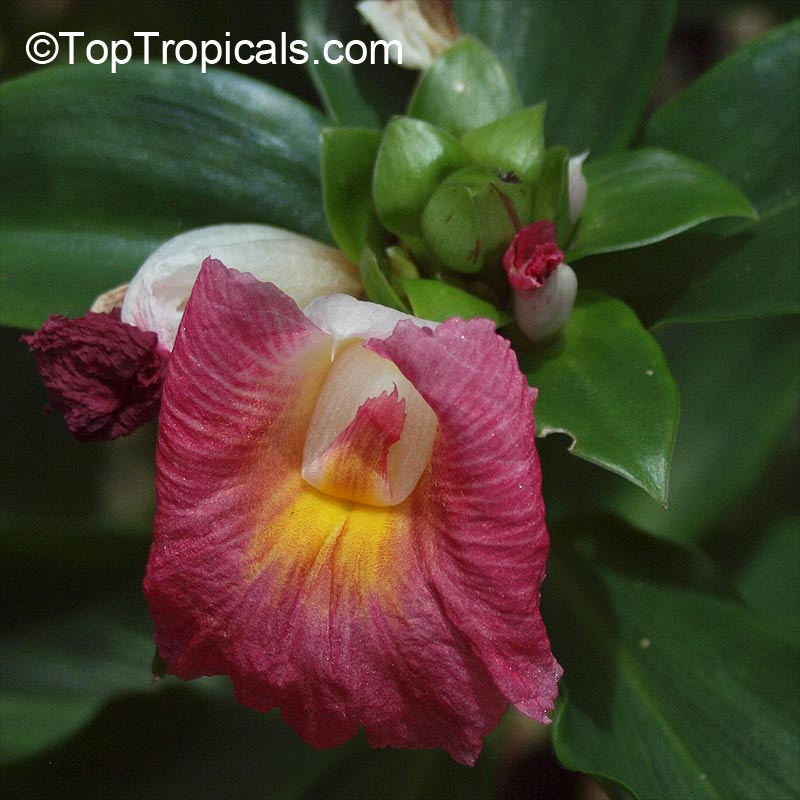
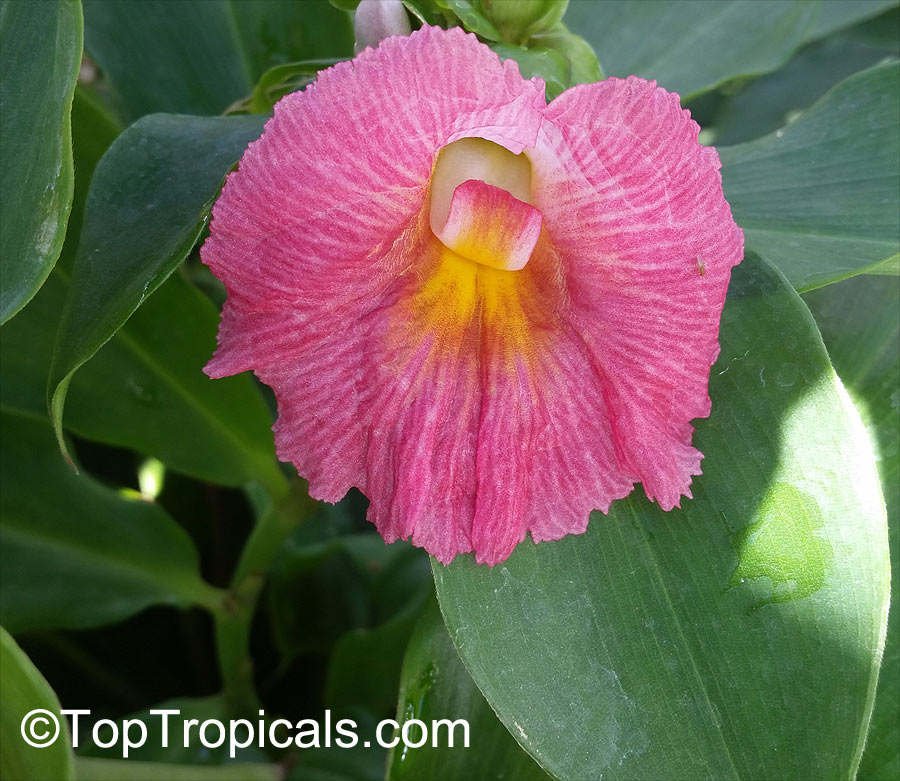
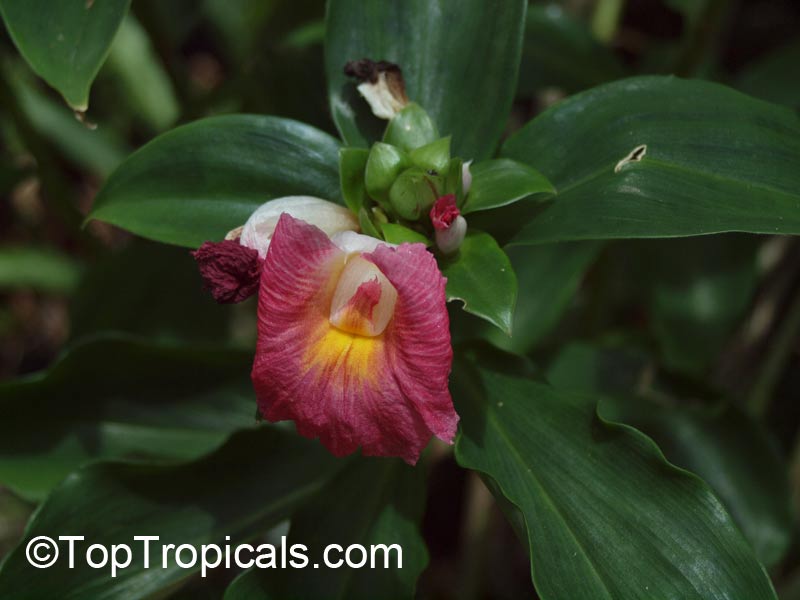
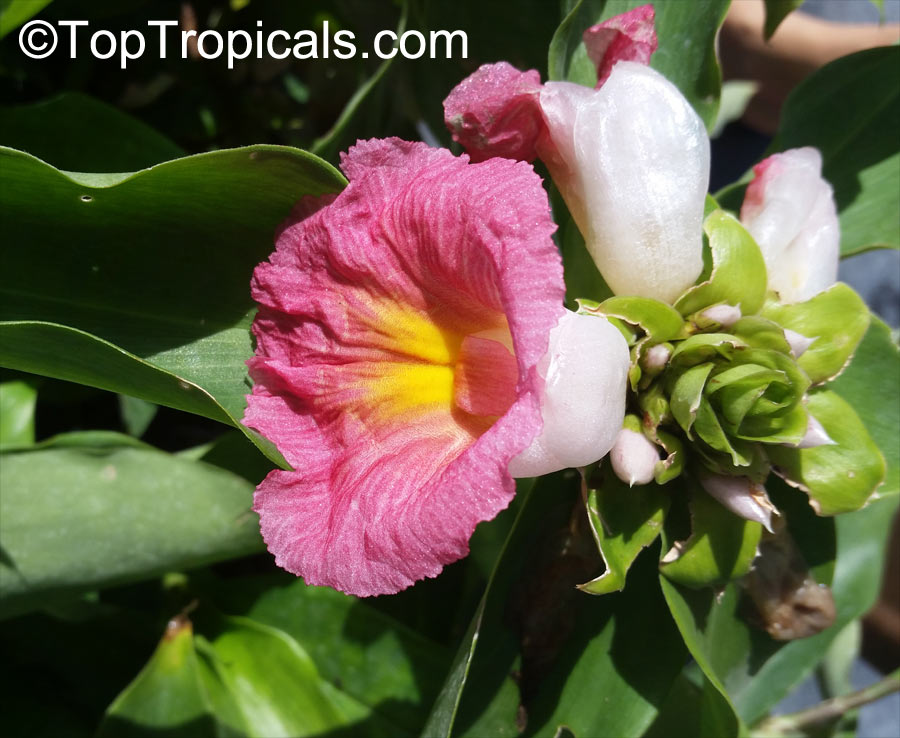
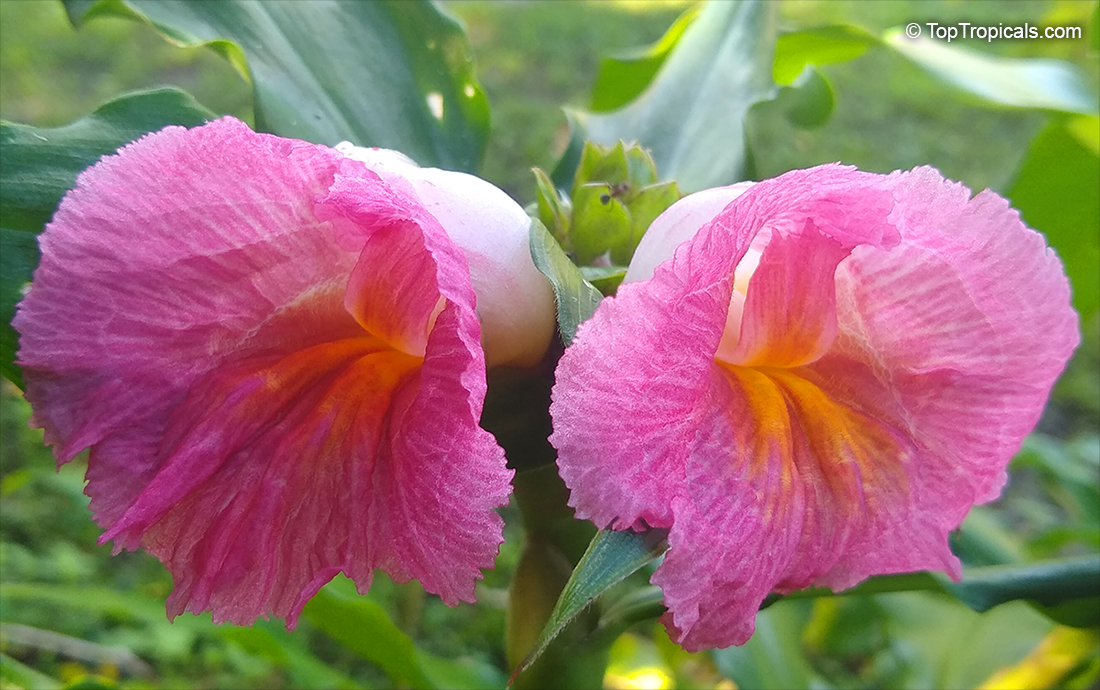
In the tropics where this plant is native it will reach a large shrub size of 5-10 ft tall, but in usually it will stay as a small shrub of 2-5 ft tall. The fluttery pink blooms are produced throughout the year and they are followed by yellow, orange, and cream colored fruits which have ethnomedical potential.
This plant is quite cold hardy. It is grown in USDA Zone 9-11 and can survive short periods at temperatures as low as 30s F.
Costus fissiligulatus makes for a beautiful and fairly easy care plant for any gardener. When grown in a pot, be sure to provide a rich, well-draining soil, water it regularly and provide adequate shade.

Recommended Fertilizer: SUNSHINE Robusta - Rapid Growth Booster
| Next | |
Use link to repeat this search:
https://toptropicals.com/cgi-bin/garden_catalog/cat.cgi?find=Costaceae&search_op=and&keyword_op=and&language=e&number=5
&no_change_lang=1&user=tt&sale=1&first=0