Ludisia discolor (Jeweled Ludisia)
Botanical names: Ludisia discolor, Haemaria discolor, Anoectochilus dawsonianus, Myoda rufescens
Common names: Jeweled Ludisia, Jewel Orchid, Goodyera
Family: Orchidaceae
Origin: India, Indonesia, South East Asia
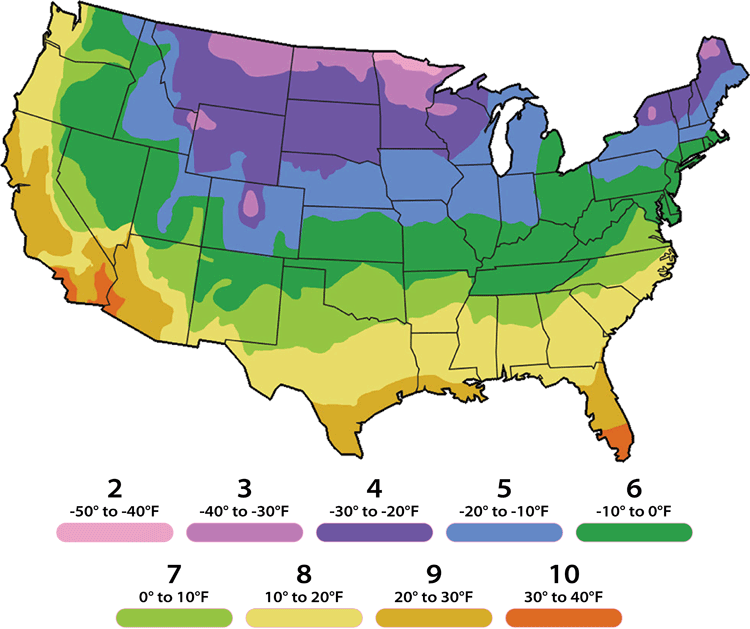
USDA Zone: 10-11
 Plant form: Small
 Mature height: 2-5 ft
 Sun exposure: Semi-shade; shade
 Cold tolerance: Frost sensitive. Protect from freezing.
 Watering: Moderate; epiphyte. Needs light, frequent misting or soaking to stay hydrated.
 Flower color: Pink; white and off-white
 Suitable for: Outdoors in the suitable USDA zone; small gardens, containers, and indoor growing
 Foliage color: Ornamental foliage
 Fragrance: Fragrant; perfume plant
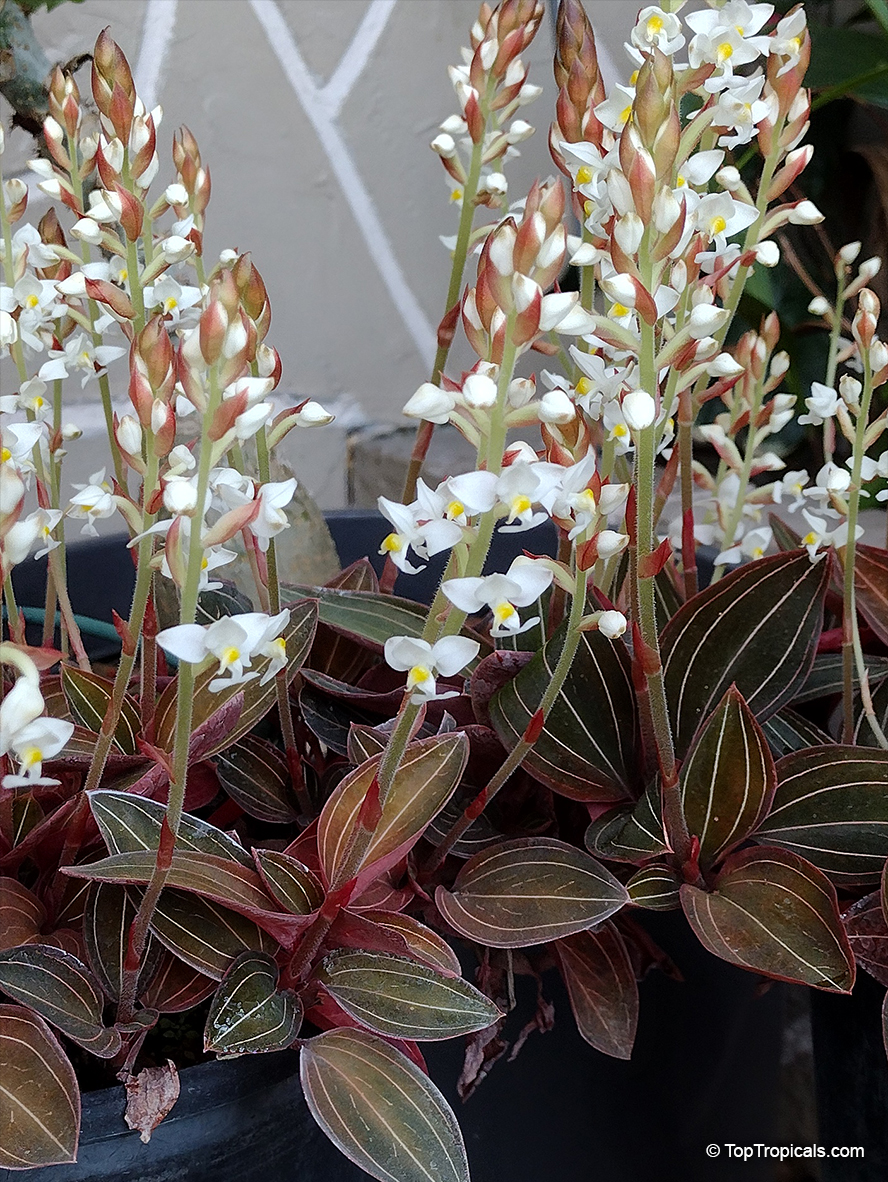
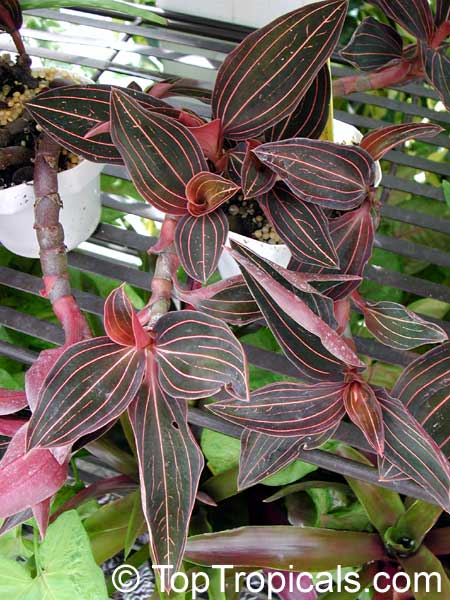
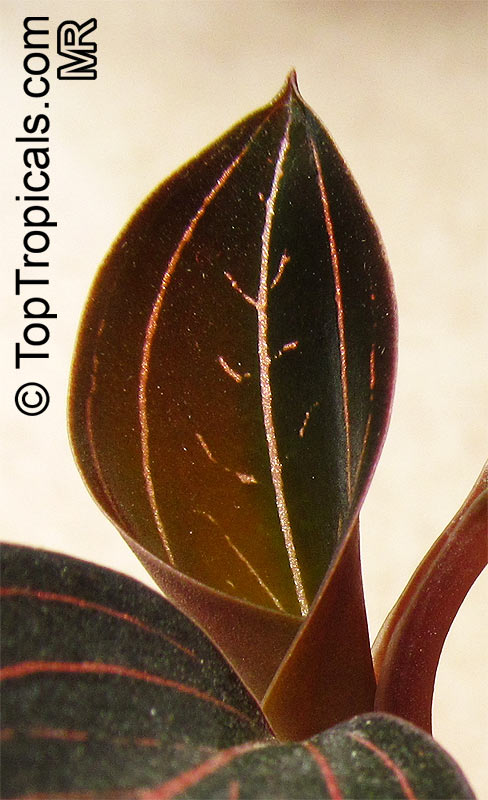
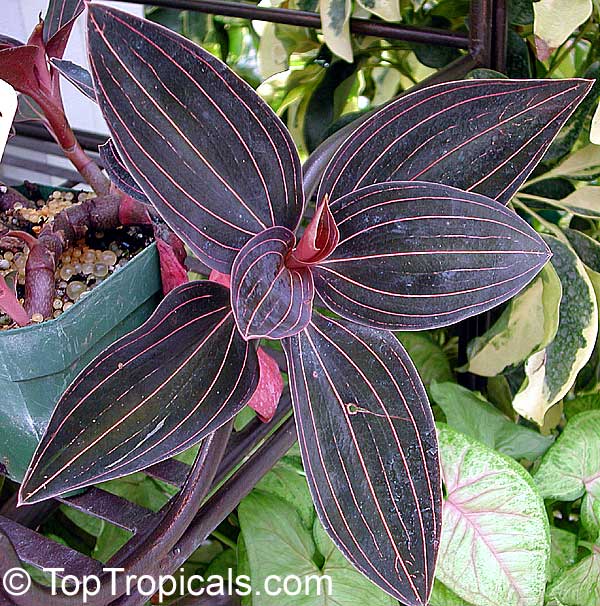
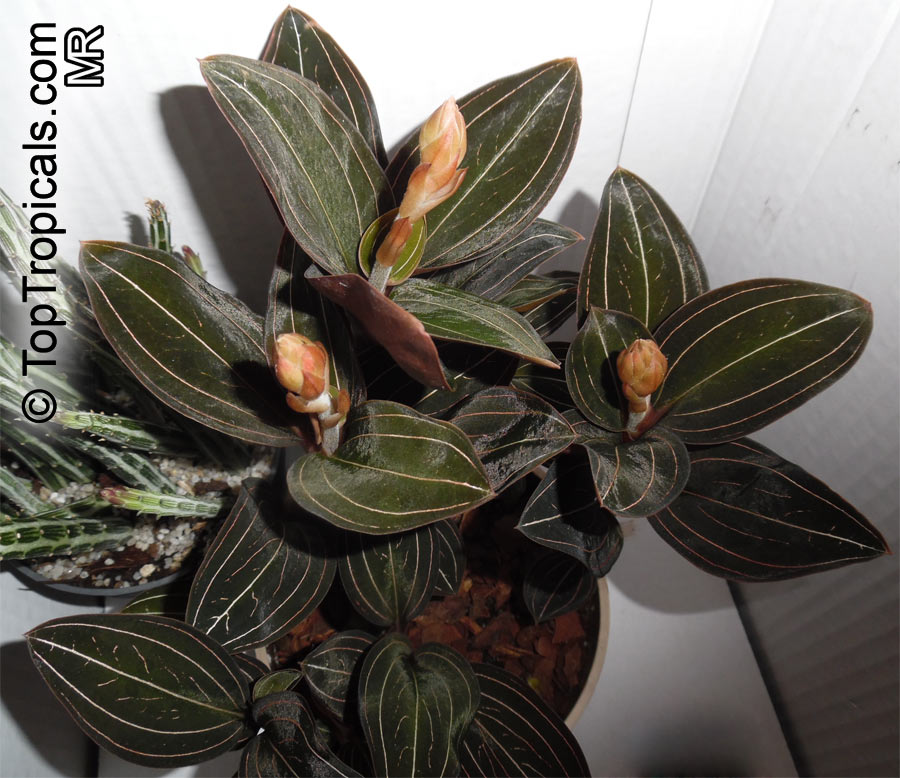
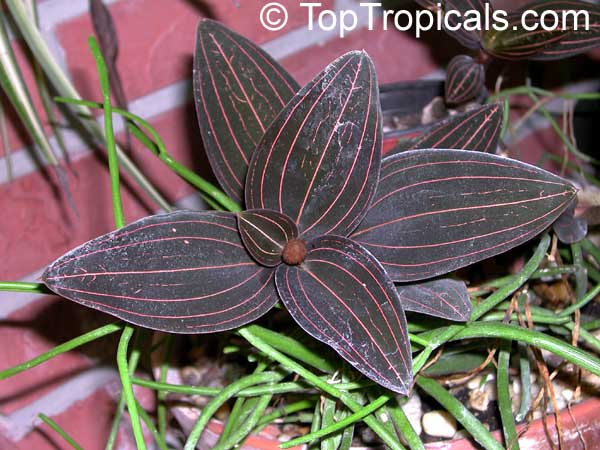
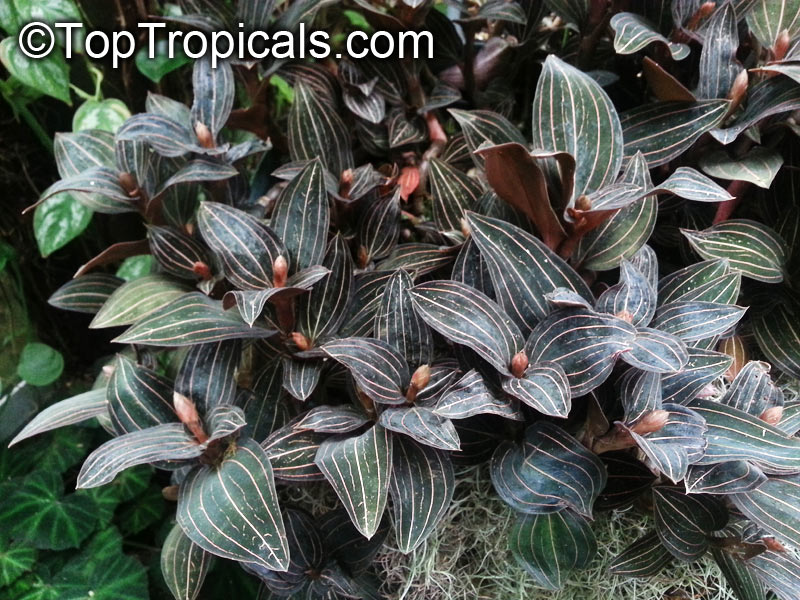
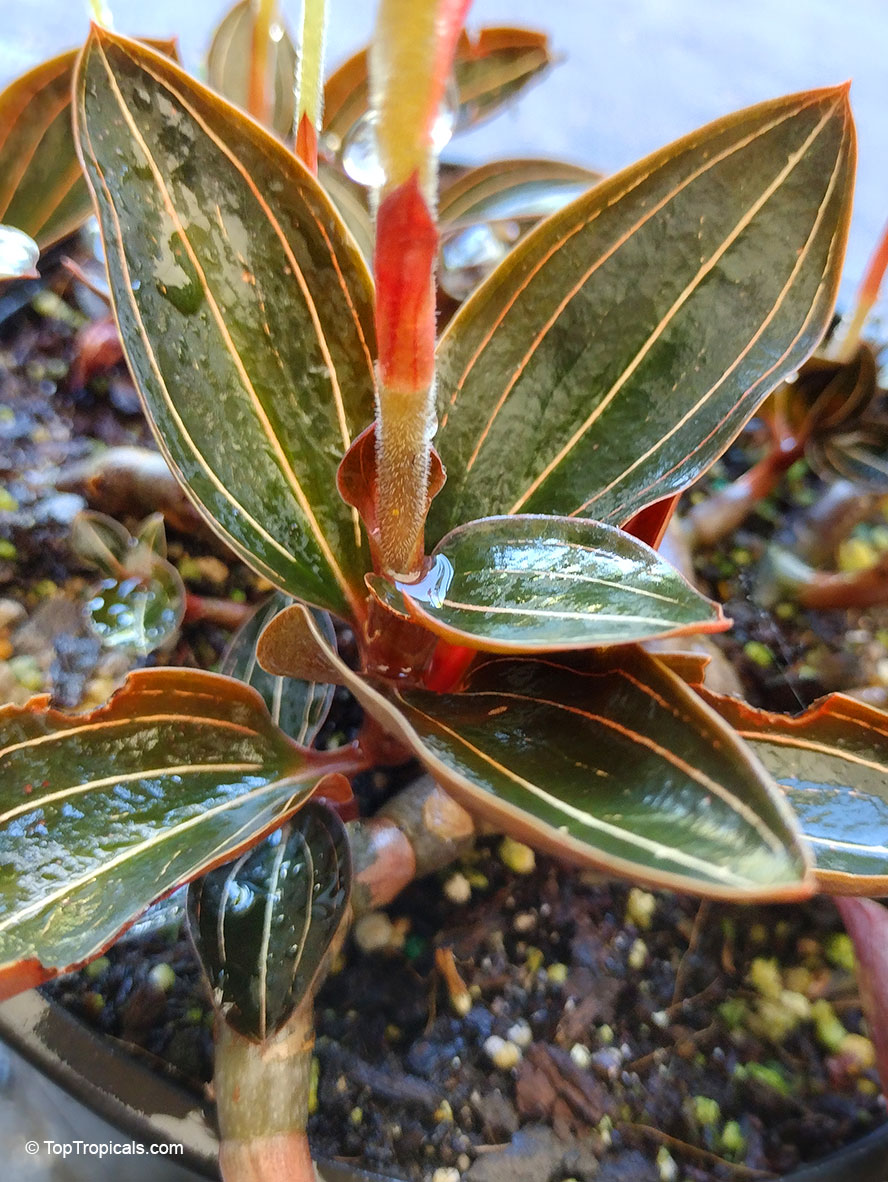
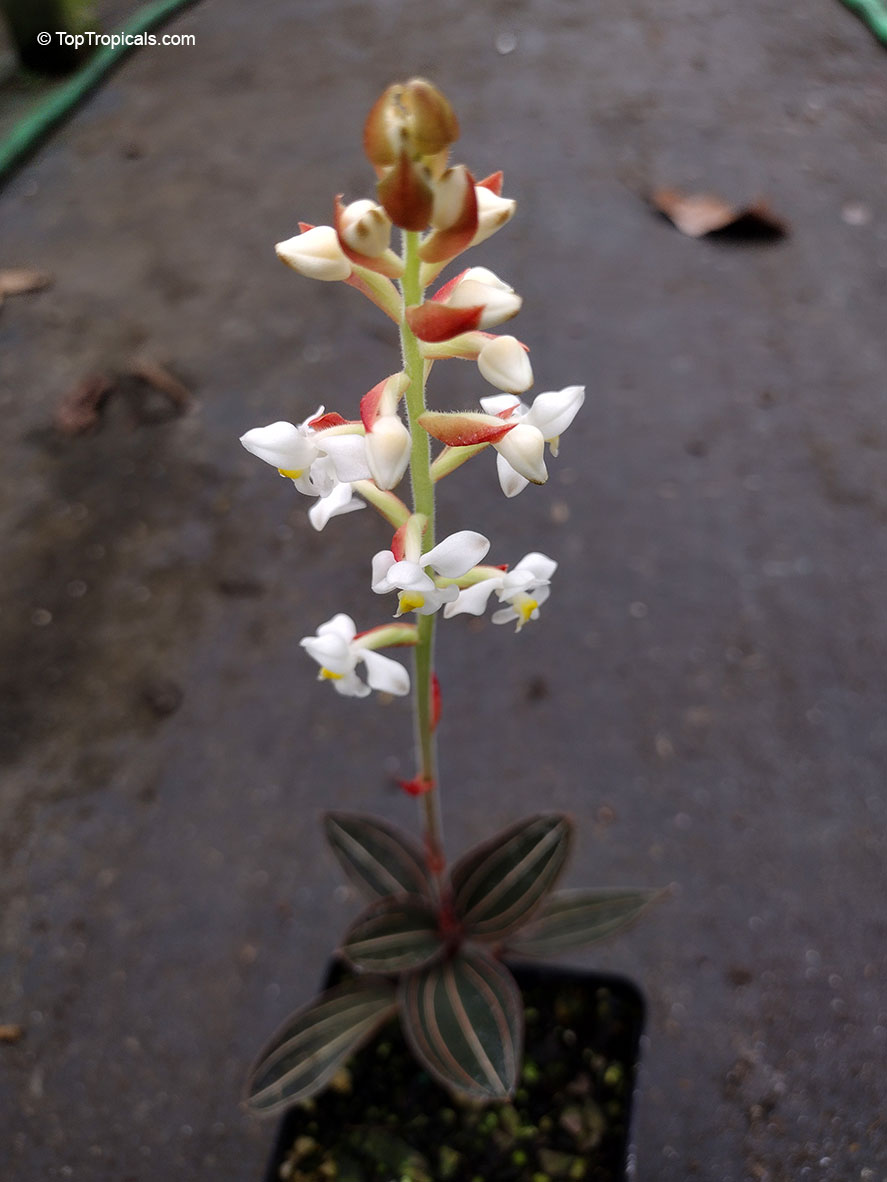
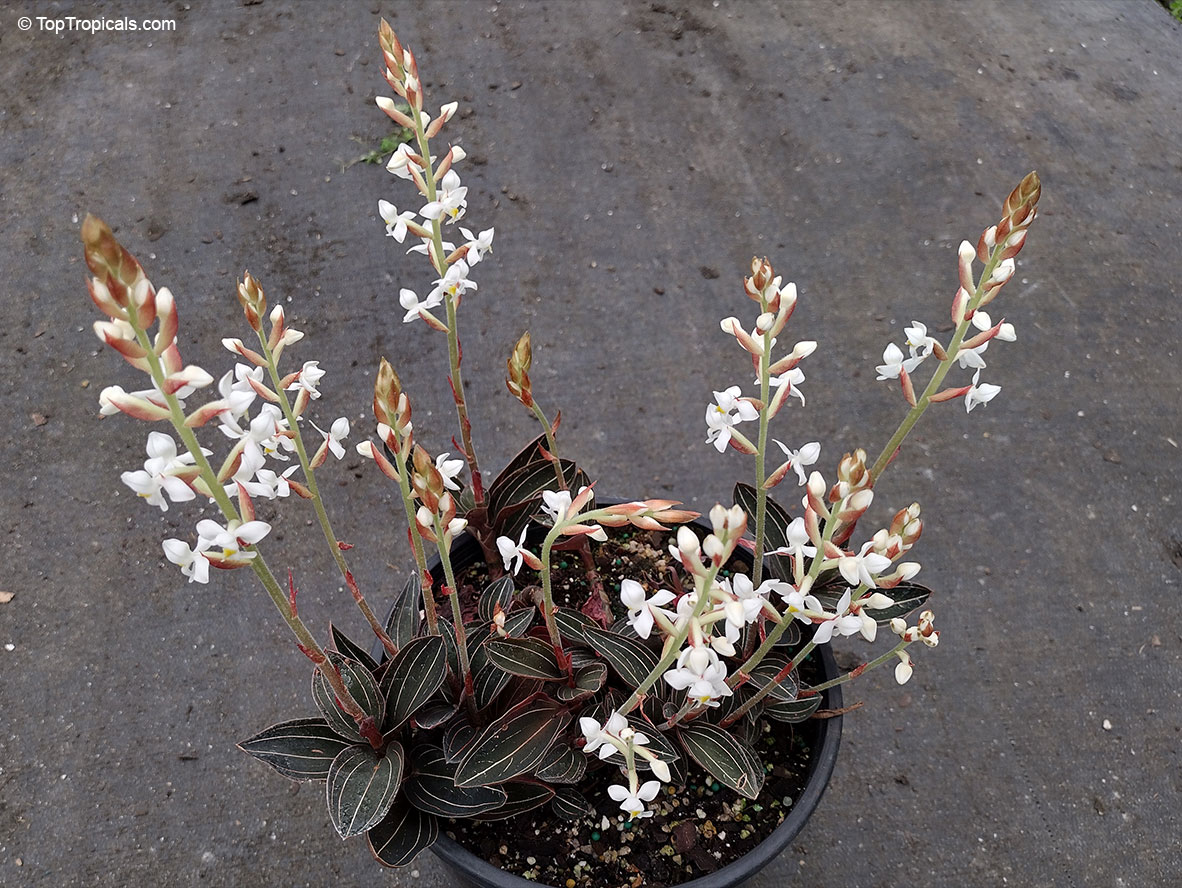
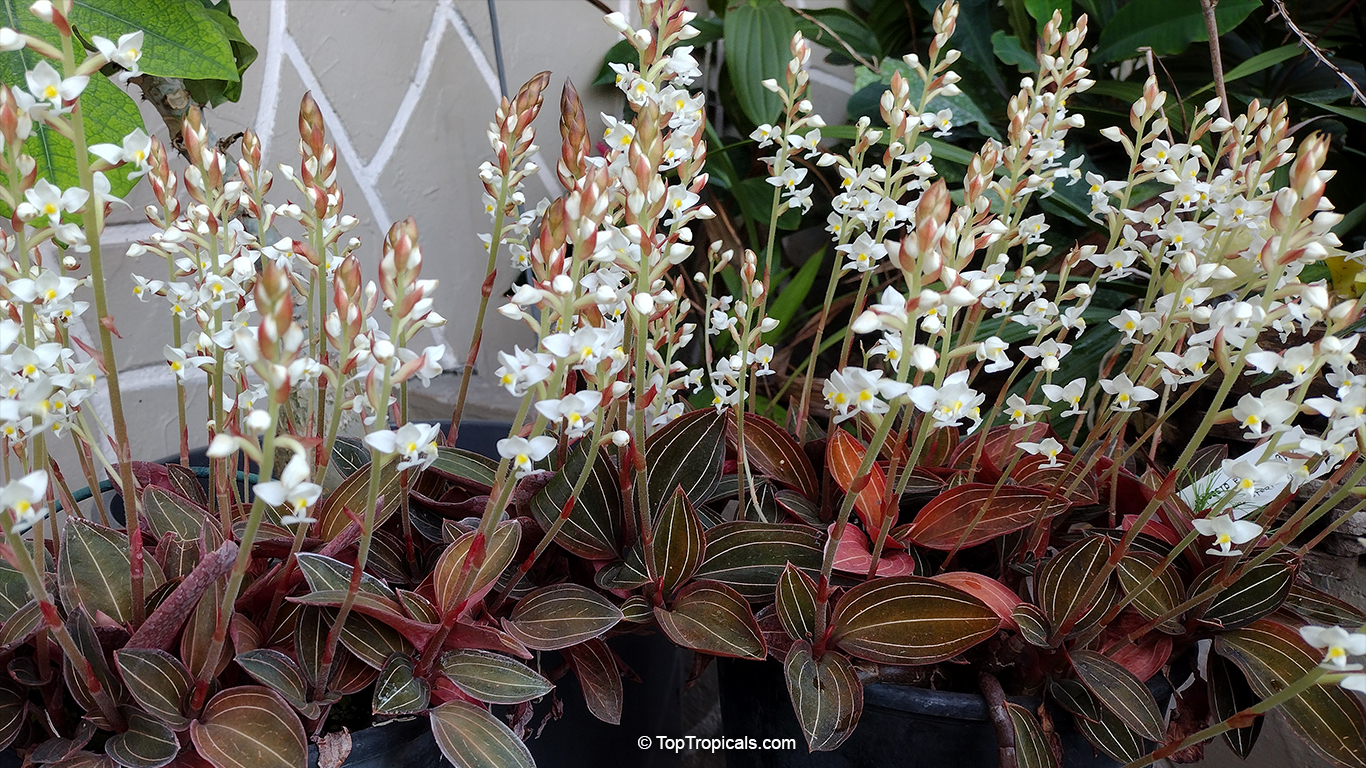
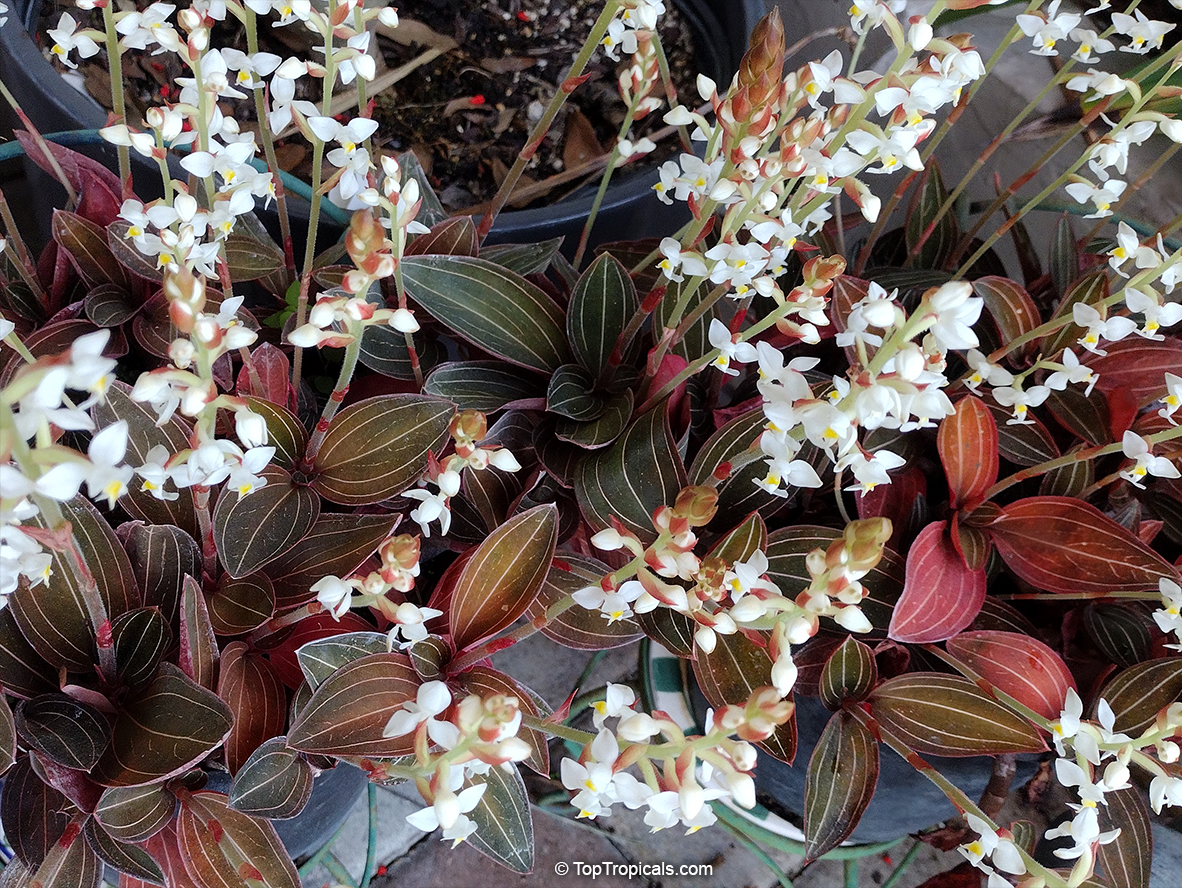
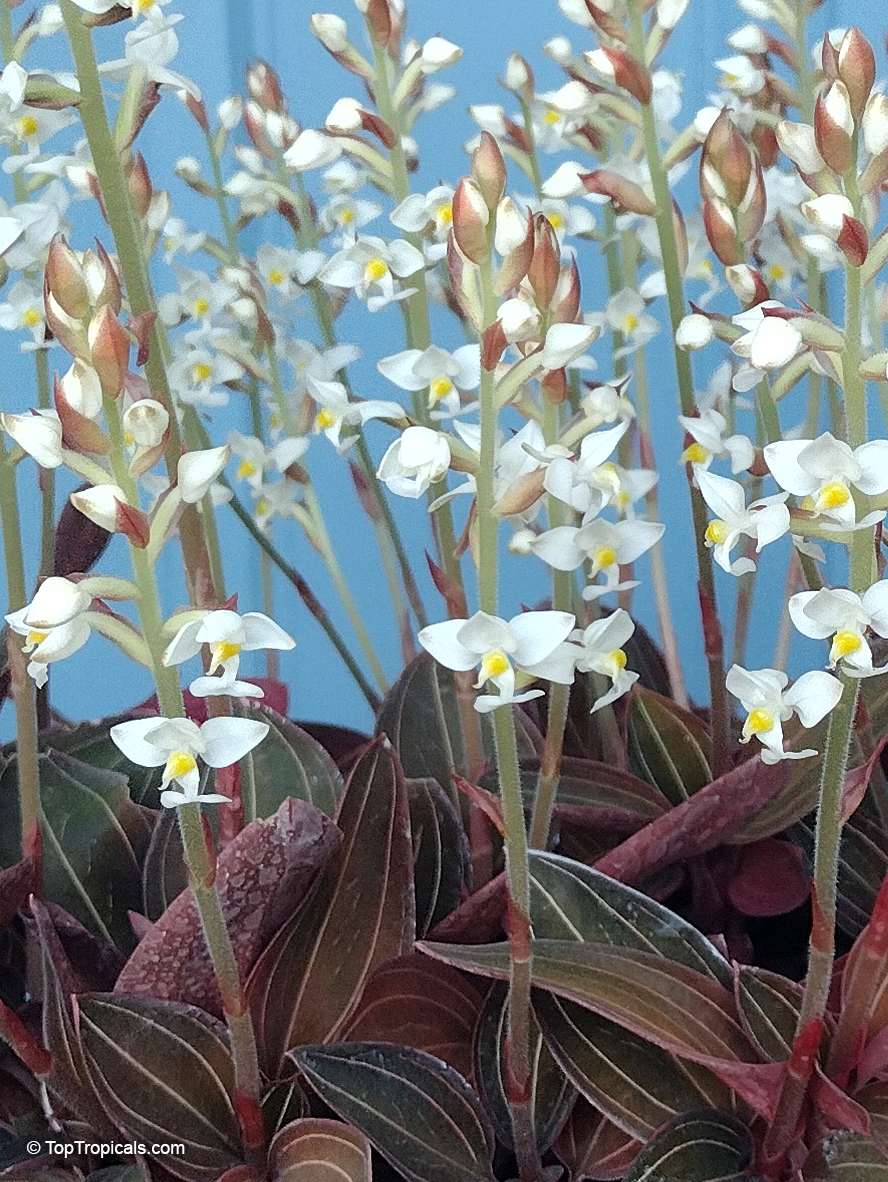
Ludisia discolor, commonly known as jewel orchid, is a terrestrial, rhizomatous orchid in the Orchidaceae family, native to humid tropical forests from southern China through Indochina and Malesia to Sumatra and the Philippines. Unlike many familiar tropical orchids, it grows on the forest floor and is cultivated primarily for its foliage rather than its flowers. The creeping fleshy stems bear velvety dark green to nearly black leaves, usually marked with contrasting reddish, pinkish, or silvery veins. Upright flower spikes carry numerous small white flowers that open successively; the lip and column are characteristically twisted in opposite directions. The flowers may be fragrant in some cultivated forms, while other plants have little or no noticeable scent. The species was originally described as Goodyera discolor but is now accepted as Ludisia discolor.
Ludisia discolor prefers strong shade or low to medium filtered light, warm temperatures, and humid air. As a terrestrial orchid, it should not be treated like a typical epiphytic orchid grown in coarse bark alone. Use a fertile, loose, well-drained substrate that retains some moisture, such as a mixture containing fine bark, coco coir, and other organic material. Keep it lightly and consistently moist but never waterlogged. Its creeping rhizomes root readily and make propagation by division or stem cuttings easy. Frost sensitive, it is suitable outdoors in USDA Zones 10-11 and is widely grown elsewhere as a compact indoor or terrarium plant.