Crinum sp. (River Lily)

Botanical name: Crinum sp.
Common name: River Lily
Family: Amaryllidaceae
Origin: Australia, tropical Asia, South Africa
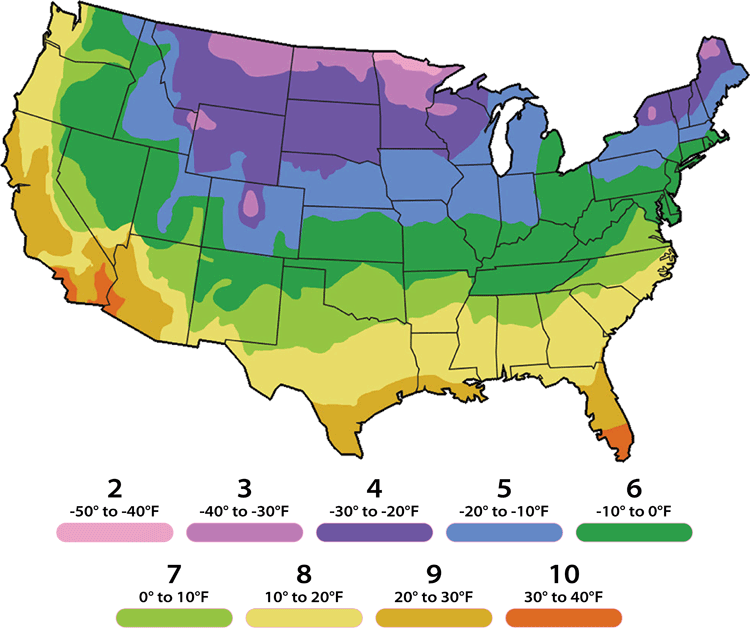
USDA Zone: 8-11
 Plant form: Small
 Mature height: 2-5 ft

 Sun exposure: Full sun or bright light indoor; semi-shade
 Cold tolerance: Tolerates light freezing to about 30°F for short periods (mature plants). Young plants must be protected.

 Watering: Regular; moderate


 Flower color: Pink; white and off-white; red, crimson, vinous
 Suitable for: Outdoors in the suitable USDA zone; small gardens, containers, and indoor growing
 Irritating or toxic: Toxic plant/plant part
 Fragrance: Fragrant; perfume plant
 Wildlife: Attracts butterflies and hummingbirds
 Ethnomedical: Ethnomedical plant, traditionally used in folk or indigenous medicine
Crinum is a fascinating genus of the large and equally captivating Amaryllidaceae family. Larger in stature than most other species of Amaryllidaceae, most crinums are suitable as landscape plants in or near water features while most of the smaller species can be successfully cultivated even in a small garden.
Throughout the world Crinum species have been used traditionally to cure ailments and diseases. Phytochemical analysis yielded more than 150 different isoquinoline or Amaryllidaceae alkaloids and some of the most noted effects are analgesic, anticholinergic, antitumour and antiviral. Recently, galanthamine has been registered as an acetylcholinesterase inhibitor, which is an important approach in treating Alzheimer's disease. Since the alkaloids are highly toxic, use of Crinum species is not recommended for the novice, as a large dose could easily be fatal.
Most species will grow well in any soil to which plenty of compost has been added. Plants grow best in full sun but will tolerate light shade and will thrive in a wet part of the garden.
Similar plants: Crinum sp. (River Lily)


