Crataegus sp. (Blackthorn)
Botanical name: Crataegus sp.
Common names: Blackthorn, Cockspur, Hawthorn, Washington Thorn
Family: Rosaceae
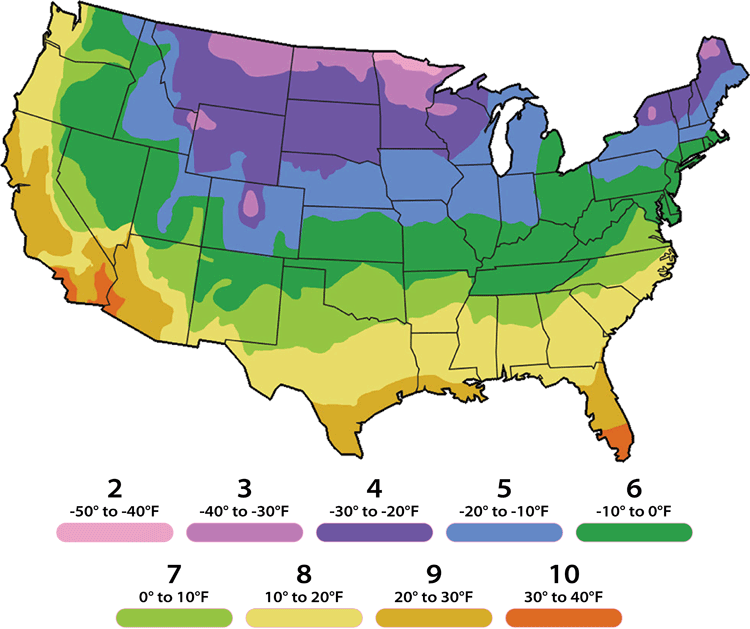
USDA Zone: 4-8

 Plant form: Small tree; suitable for bonsai
 Mature height: 10-20 ft
 Sun exposure: Full sun or bright light indoor
 Cold tolerance: Tolerates light freezing to about 30°F for short periods (mature plants). Young plants must be protected.
 Watering: Regular; moderate

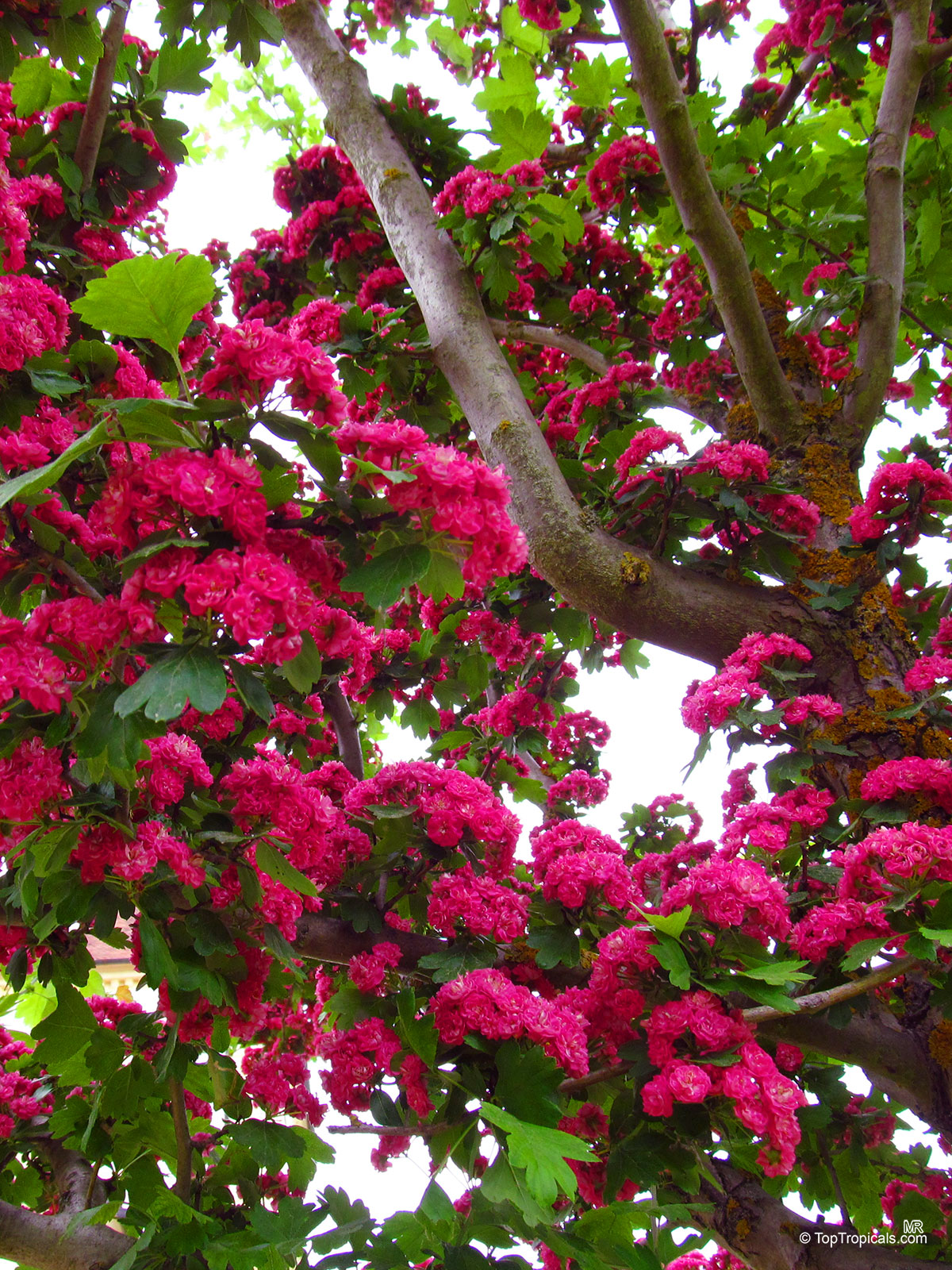
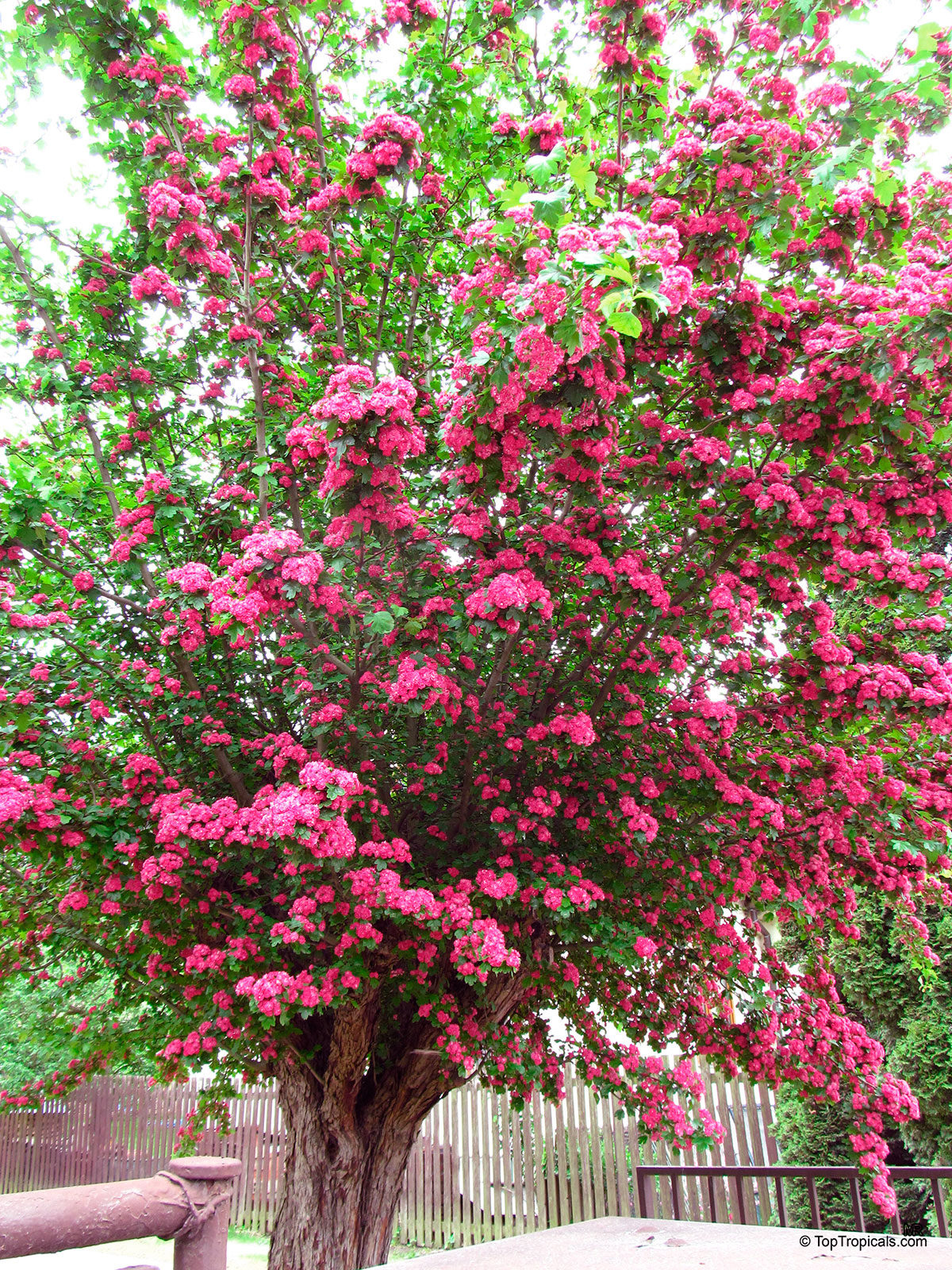
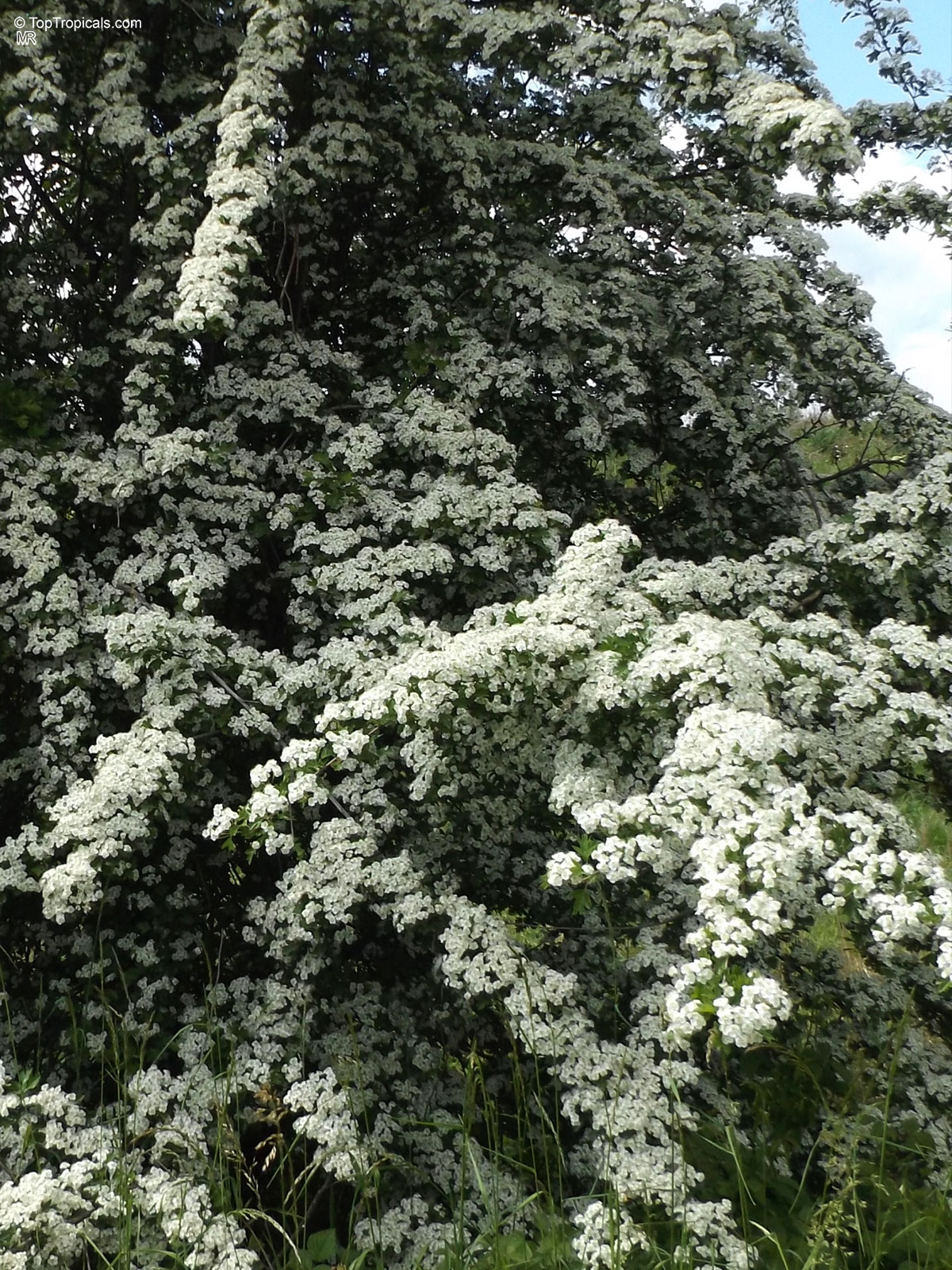
 Flower color: Pink; white and off-white; red, crimson, vinous
 Suitable for: Outdoors in the suitable USDA zone; small gardens, containers, and indoor growing
 Foliage color: Ornamental foliage
 Thorns: Thorny or spiny
 Wildlife: Attracts butterflies and hummingbirds
 Ethnomedical: Ethnomedical plant, traditionally used in folk or indigenous medicine
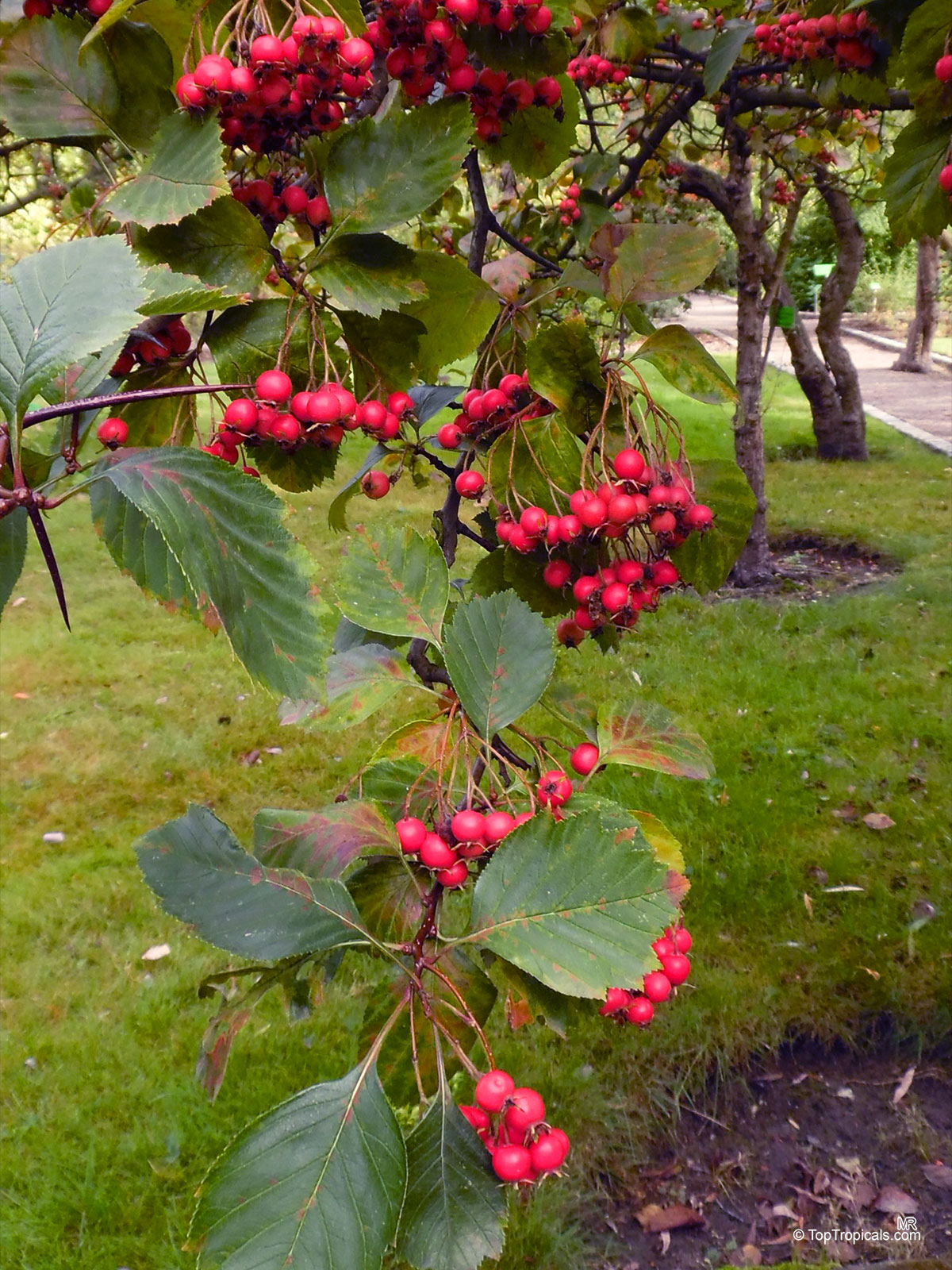
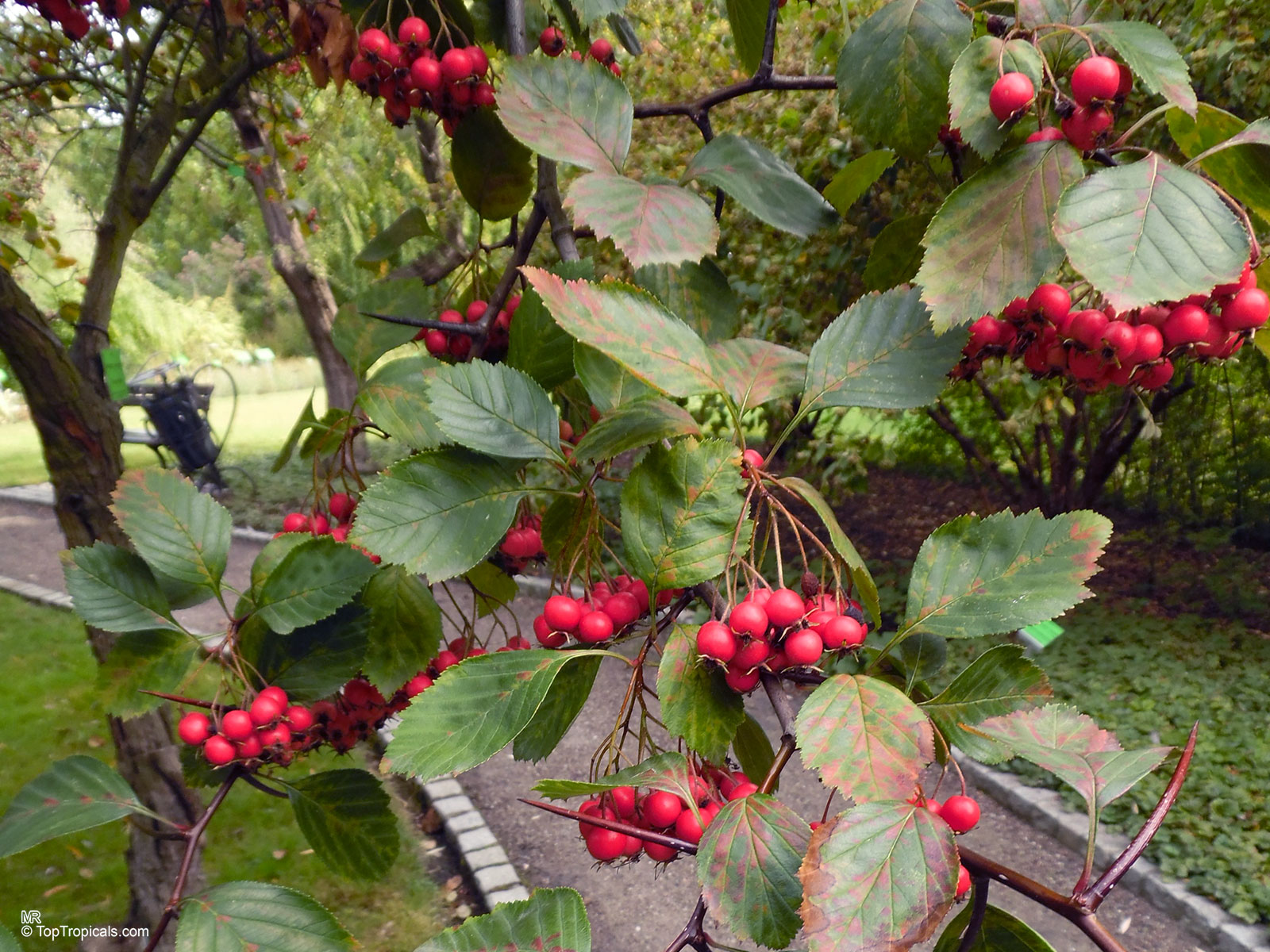
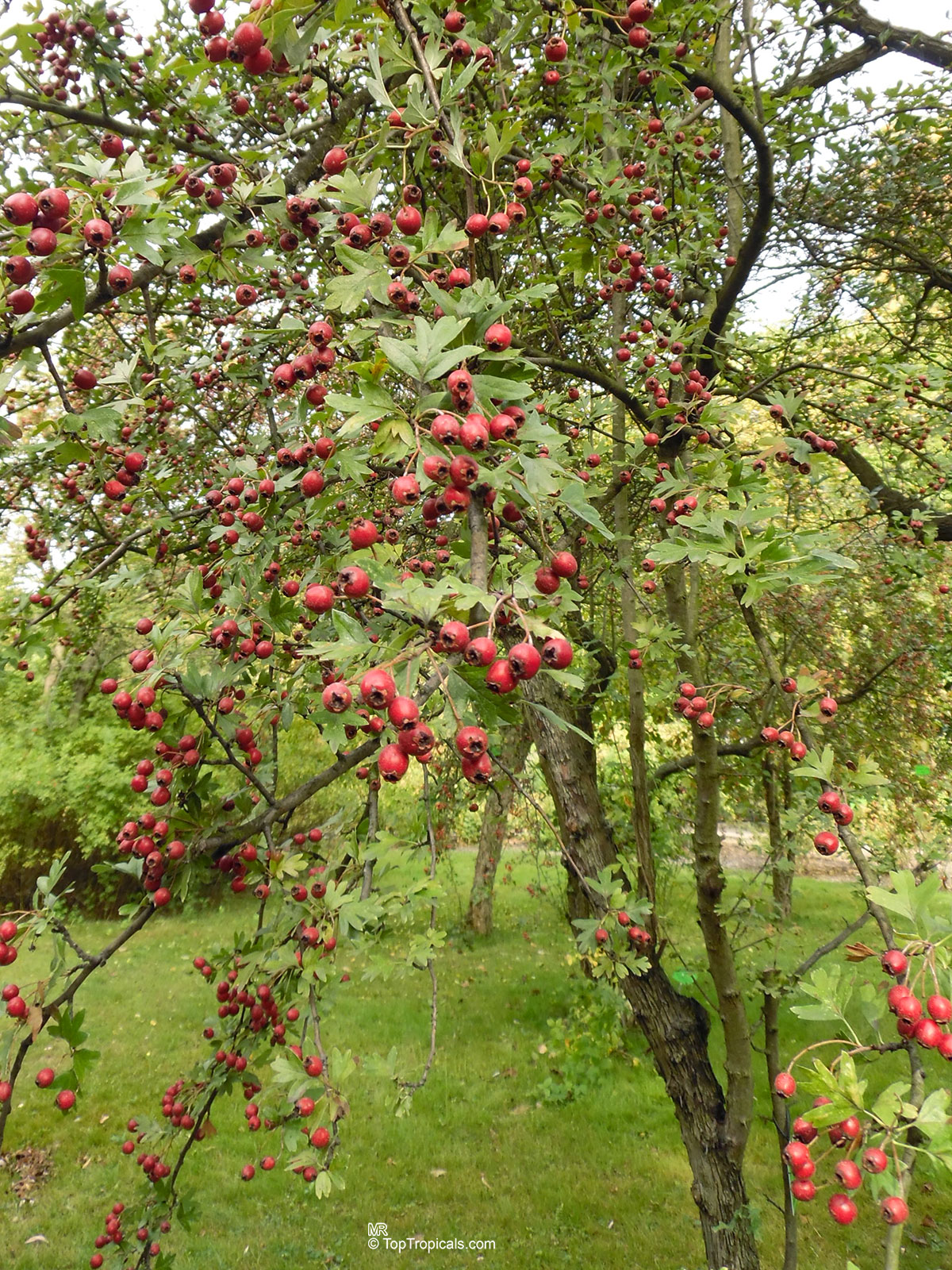
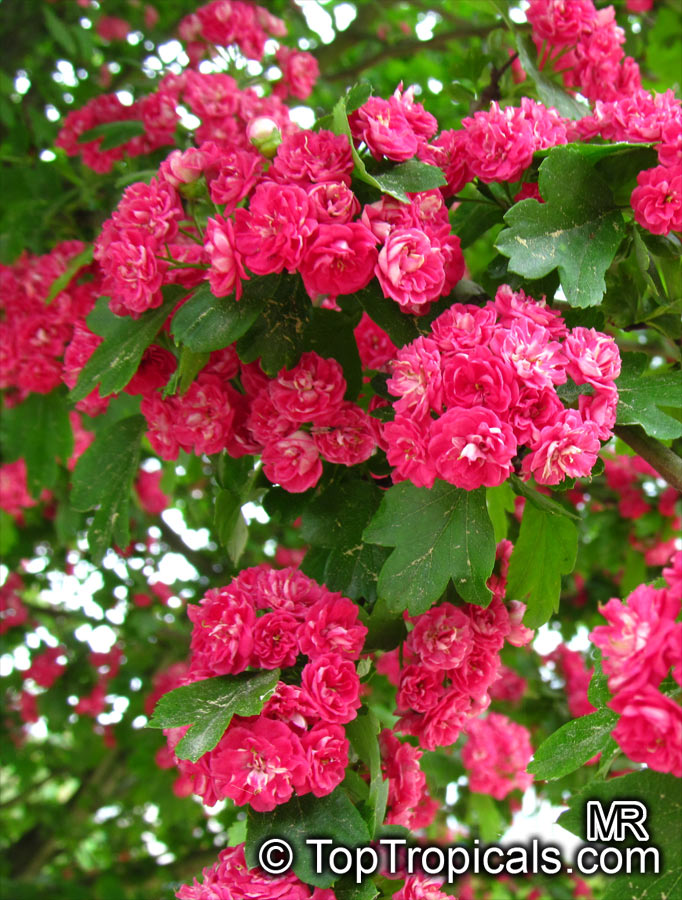
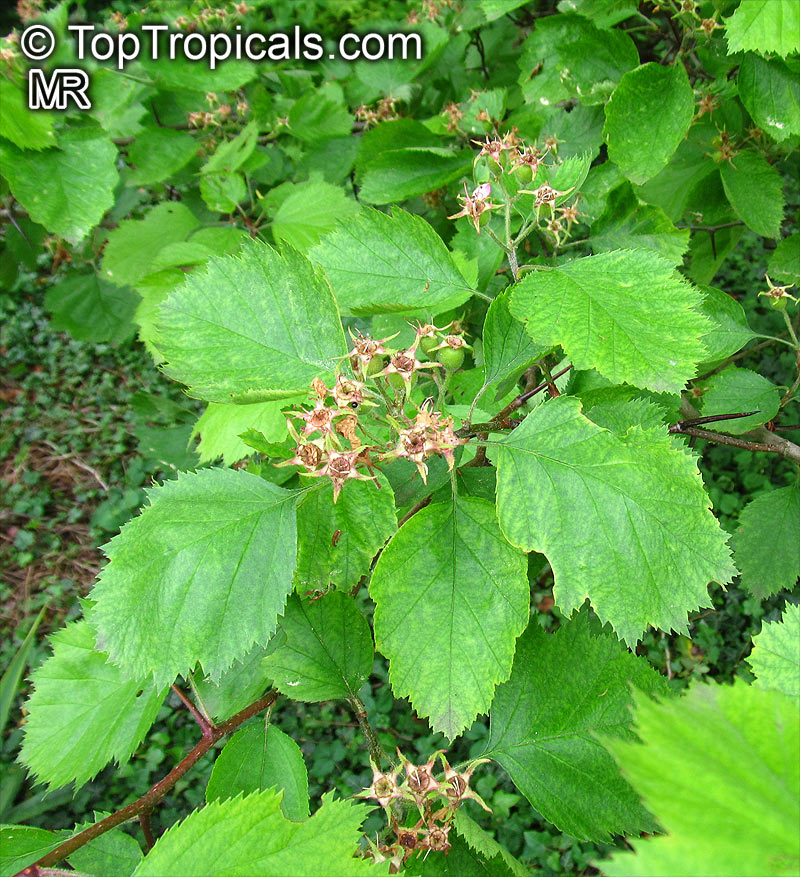
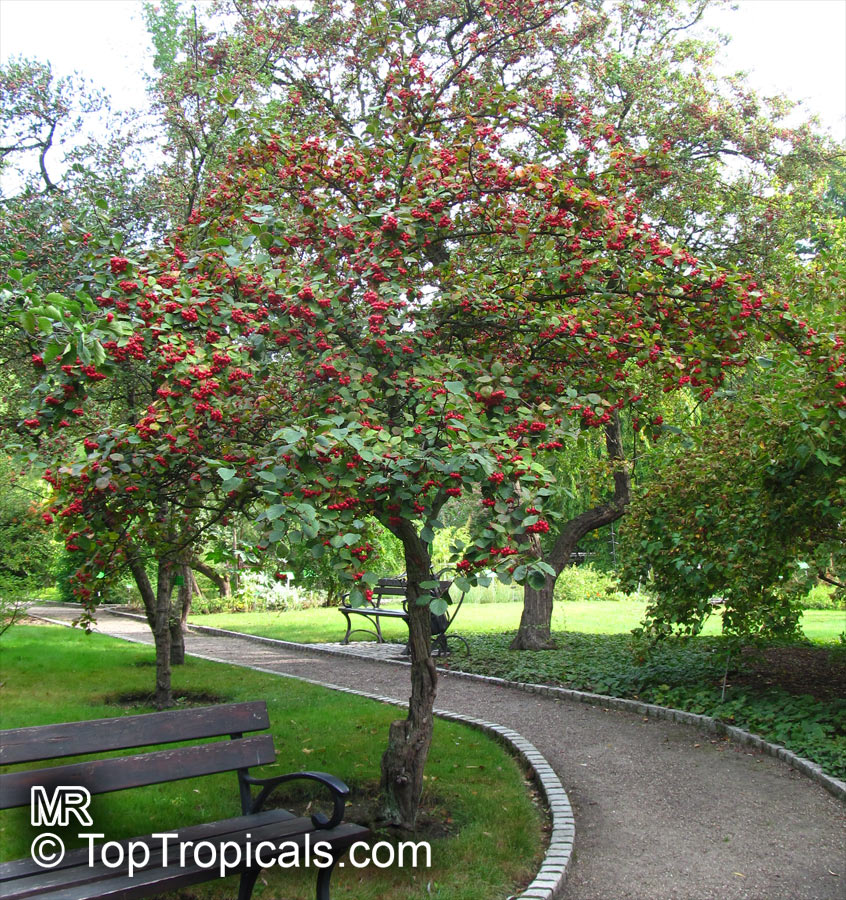
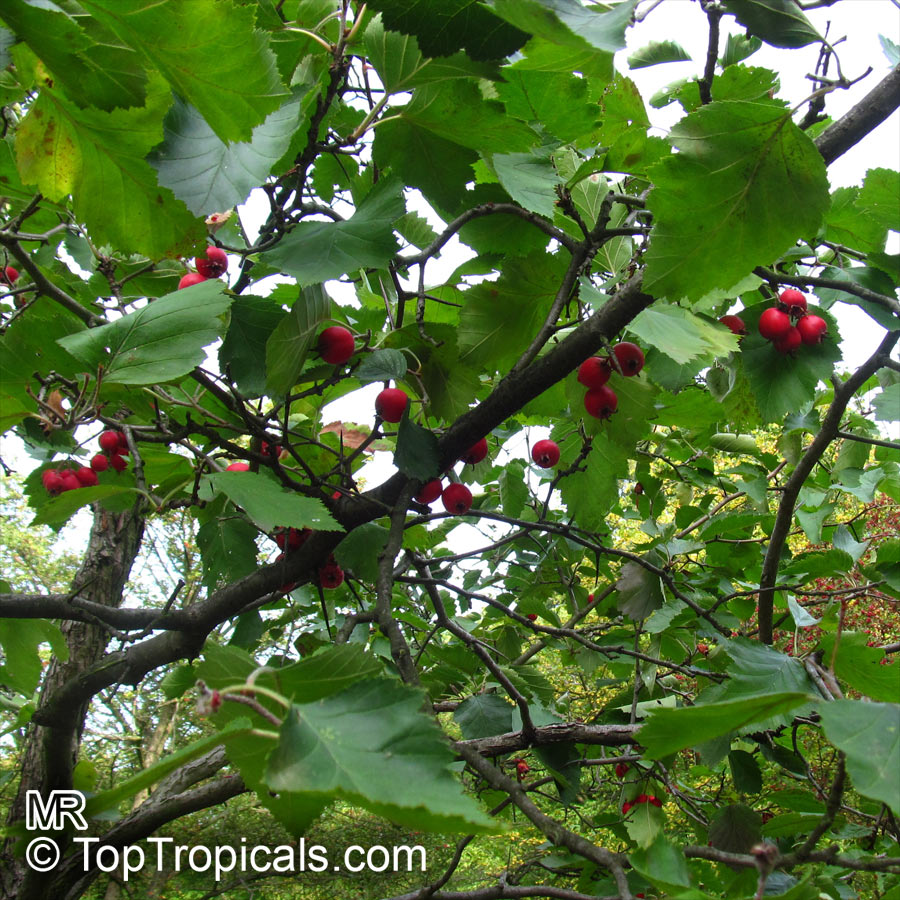
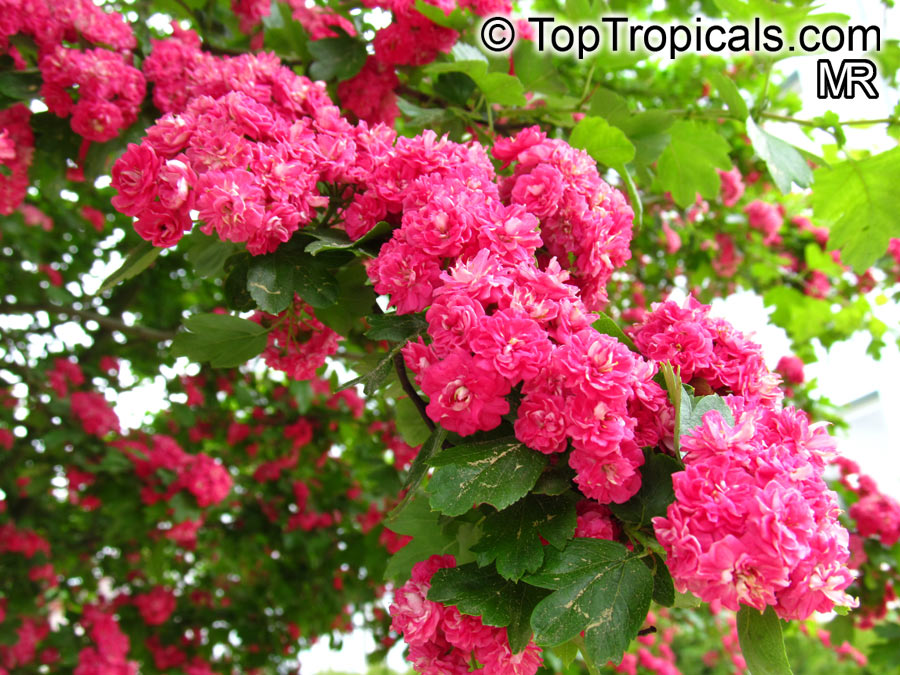
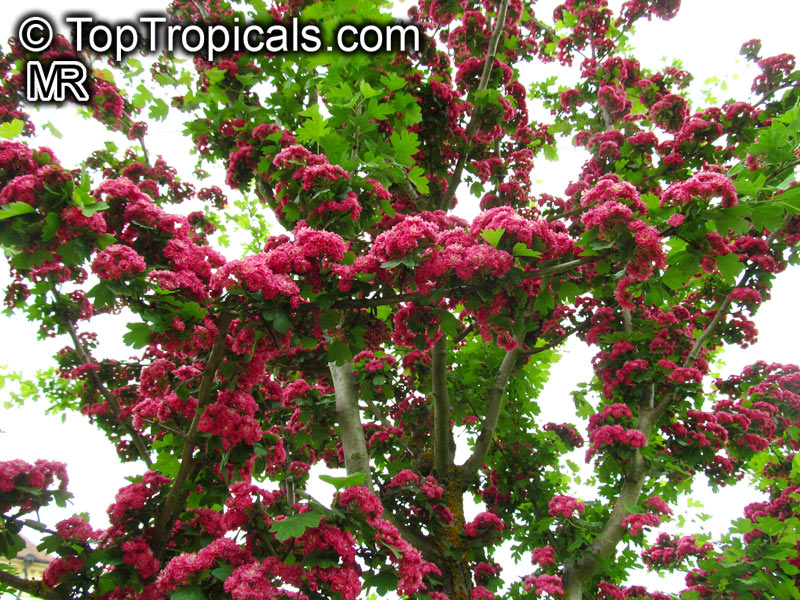
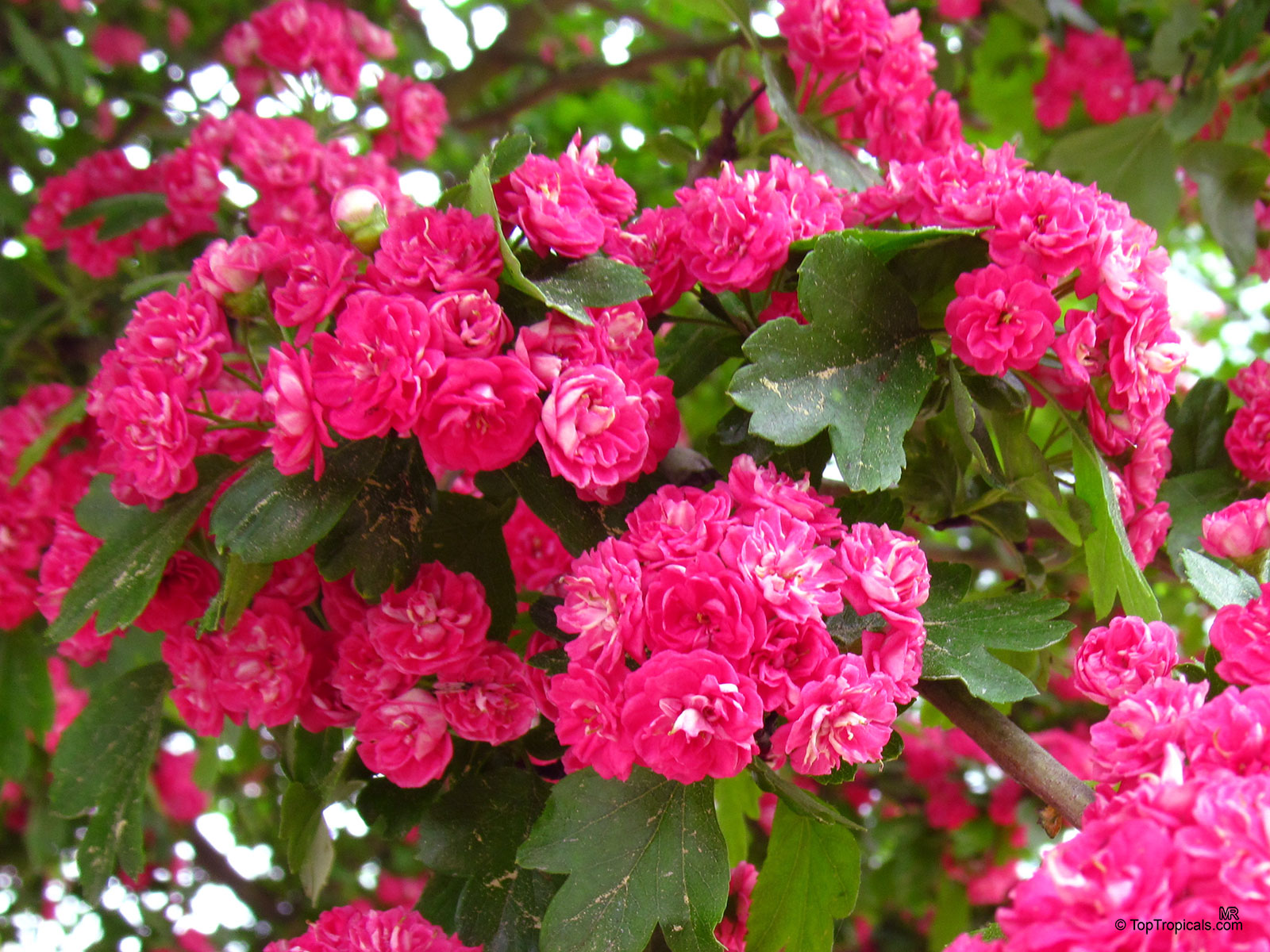
Crataegus, commonly known as Hawthorn, is a large genus of deciduous, occasionally semi-evergreen shrubs and small trees in the Rosaceae family, native mainly to temperate regions of the Northern Hemisphere. Depending on the species, plants typically reach 10-30 feet (3-9 m) tall, although some become considerably larger. Branches are often armed with sharp thorns, and the simple leaves vary from shallowly toothed to deeply lobed. In spring to early summer, clusters of small white, pink, or occasionally red flowers cover the branches, creating a conspicuous display and attracting bees and other pollinating insects.
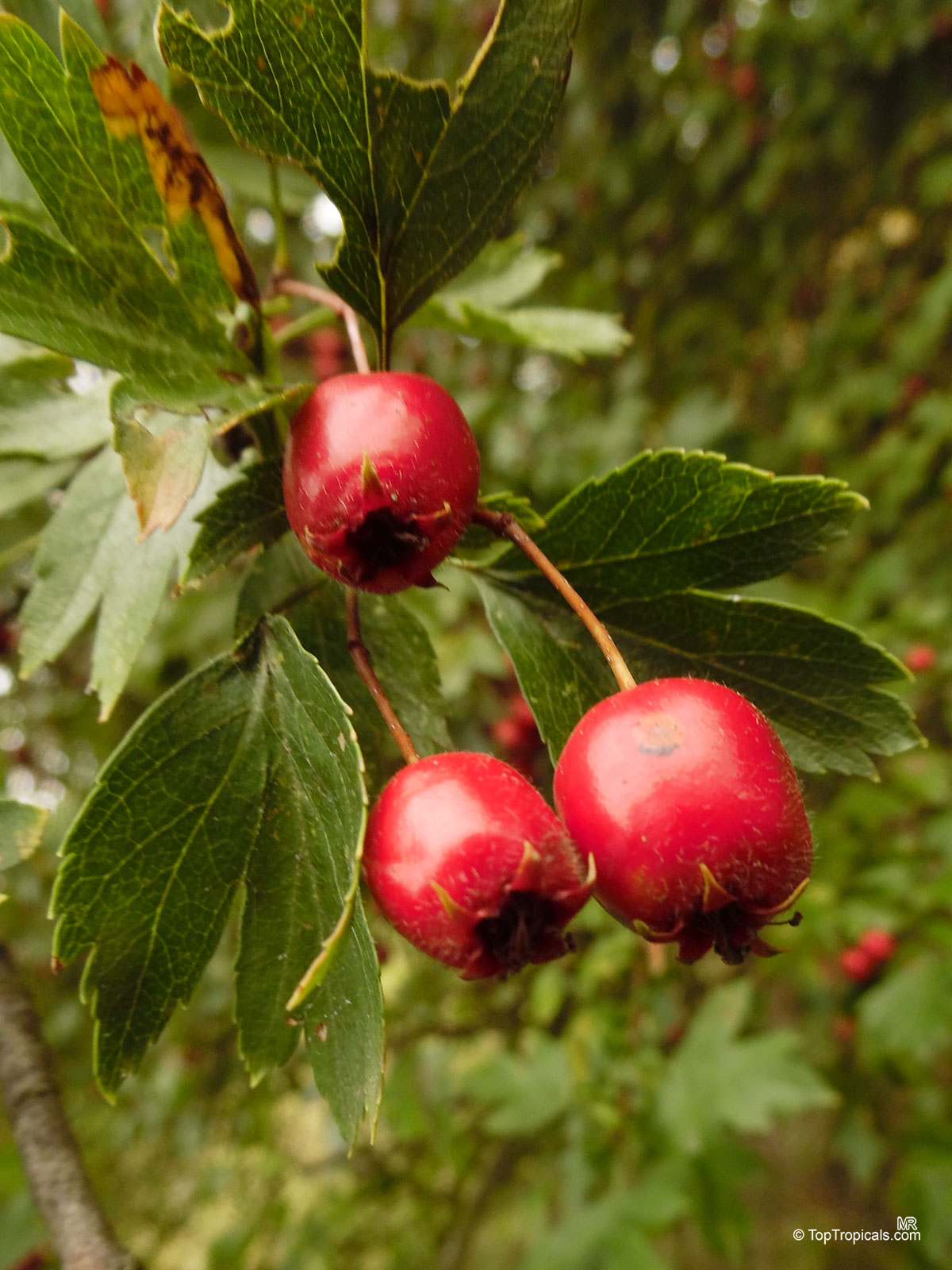
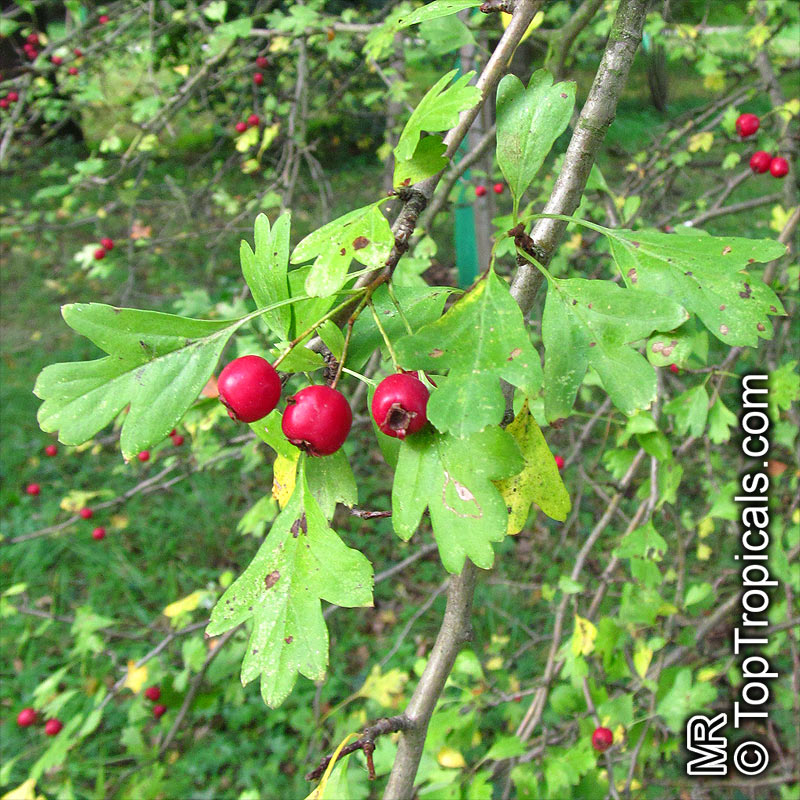
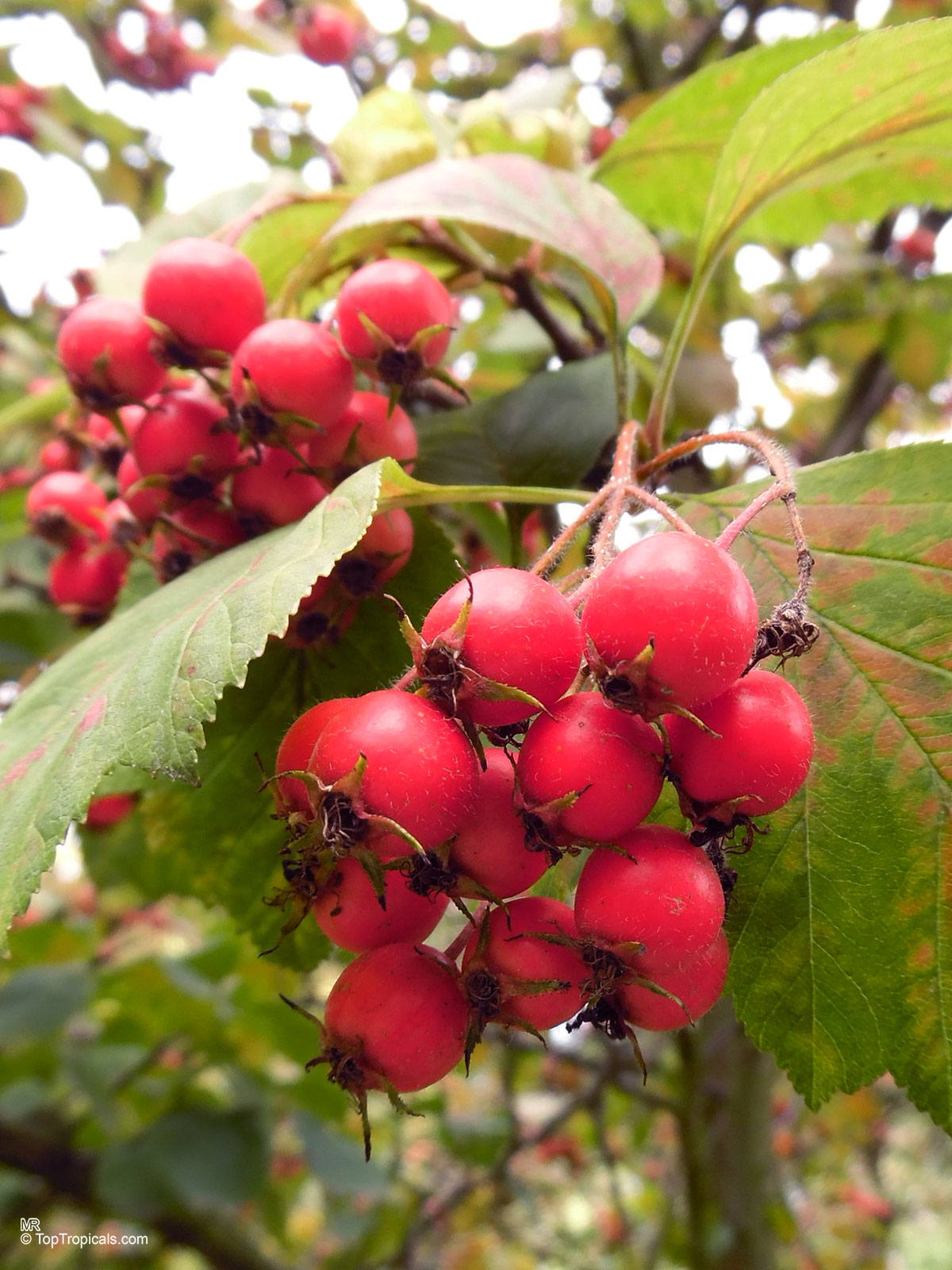
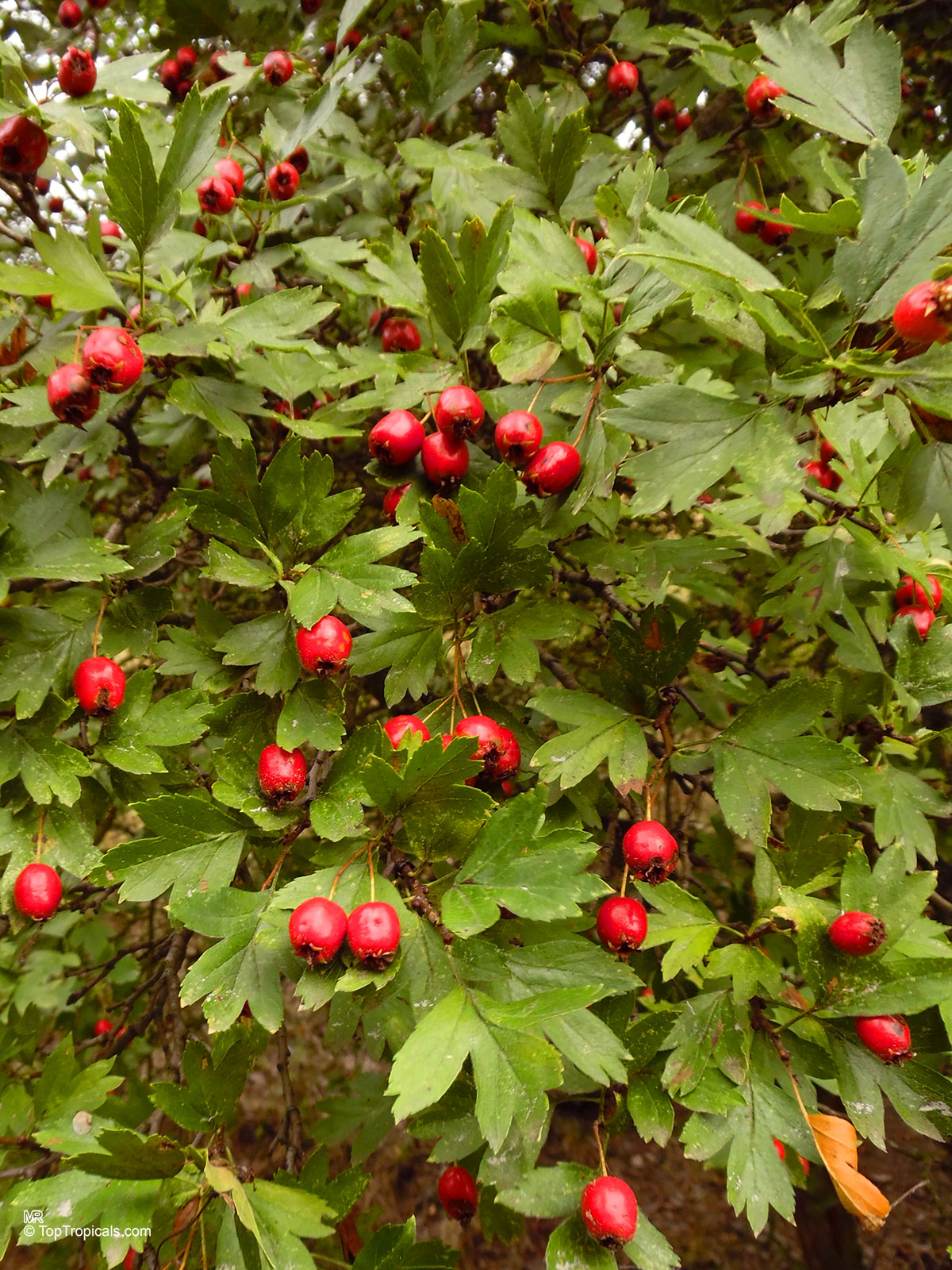
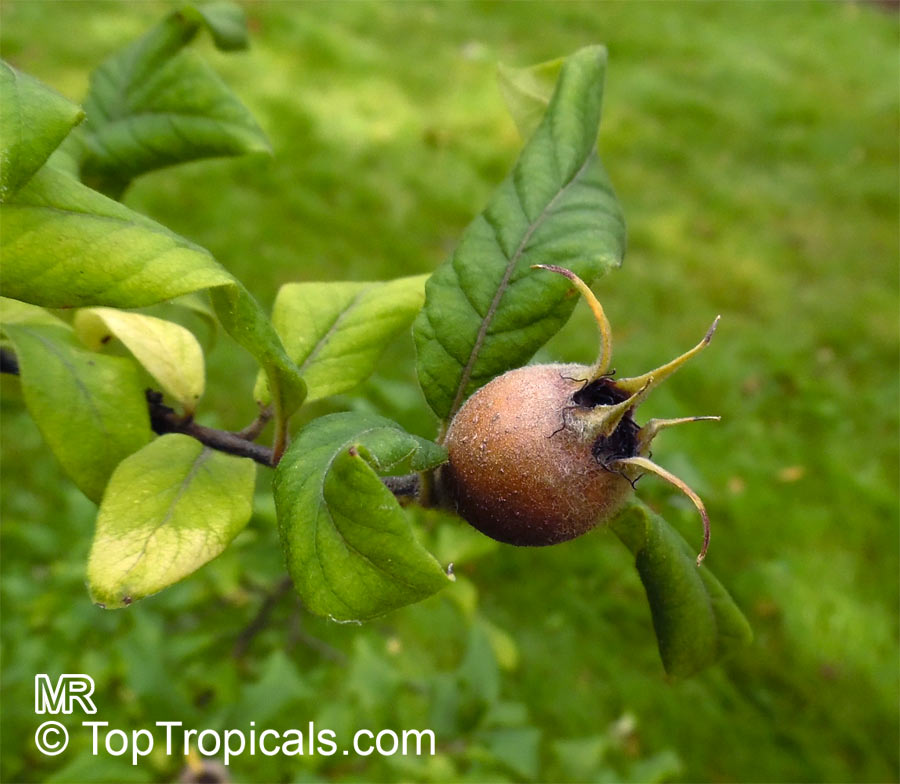
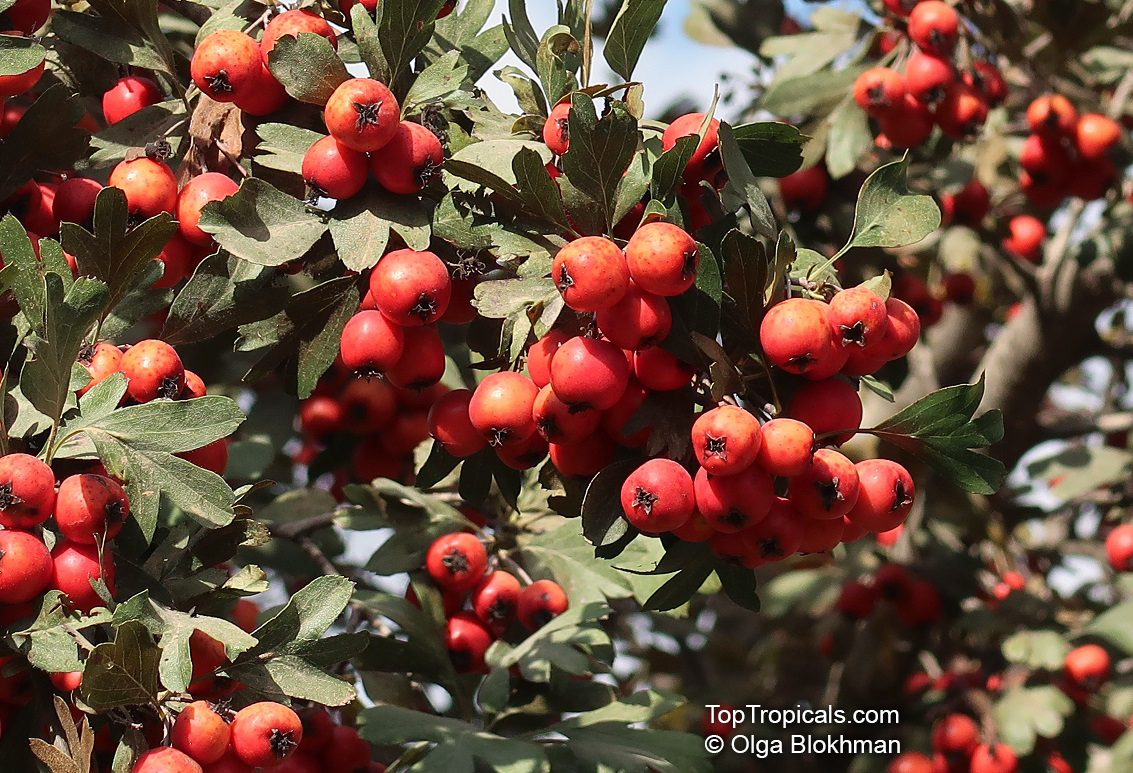
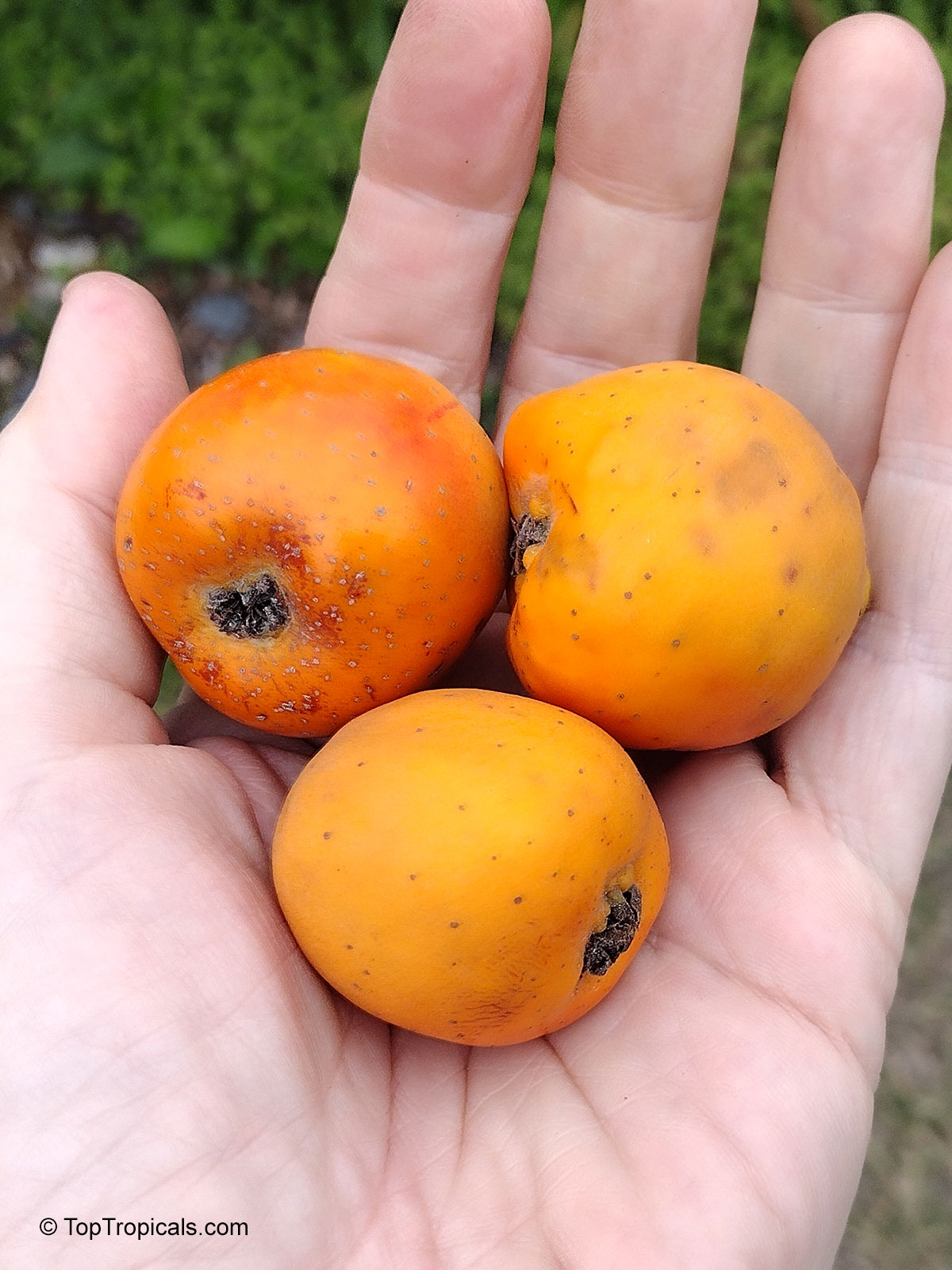
The flowers are followed by small apple-like fruits called haws, usually red, orange, yellow, or dark purple, which often persist into winter. Fruits of many species are edible when ripe and have traditionally been used for preserves, jellies, and beverages, although quality varies considerably among species. Hawthorns grow best in full sun to partial shade and well-drained soil and are generally tolerant of drought and a wide range of soil conditions once established. Cold hardiness varies greatly across the genus, with many commonly cultivated species suitable for USDA Zones 3-9. Their spring flowers, colorful fruits, compact tree form, and value to pollinators make Hawthorns useful for specimen planting, hedges, wildlife gardens, and naturalized landscapes.
+Crataegomespilus is the generic name applied to graft-chimeras between the genera Crataegus and Mespilus.