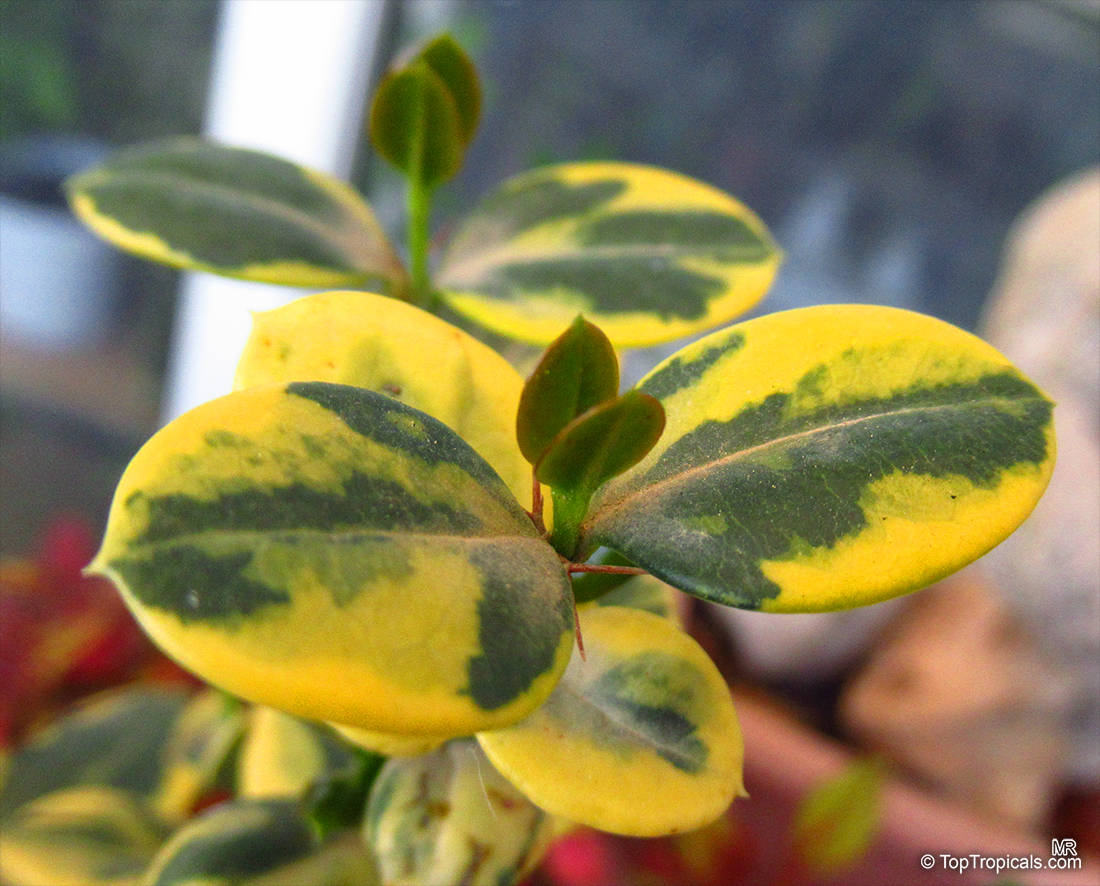
Carissa macrocarpa (Natal Plum)
Botanical names: Carissa macrocarpa, Carissa grandiflora
Common name: Natal Plum
Family: Apocynaceae
Origin: South Africa
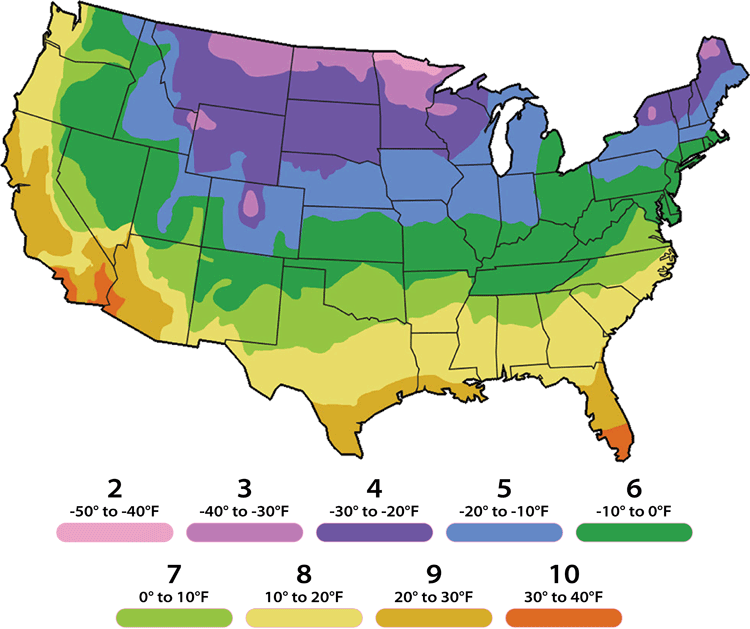
USDA Zone: 9-11

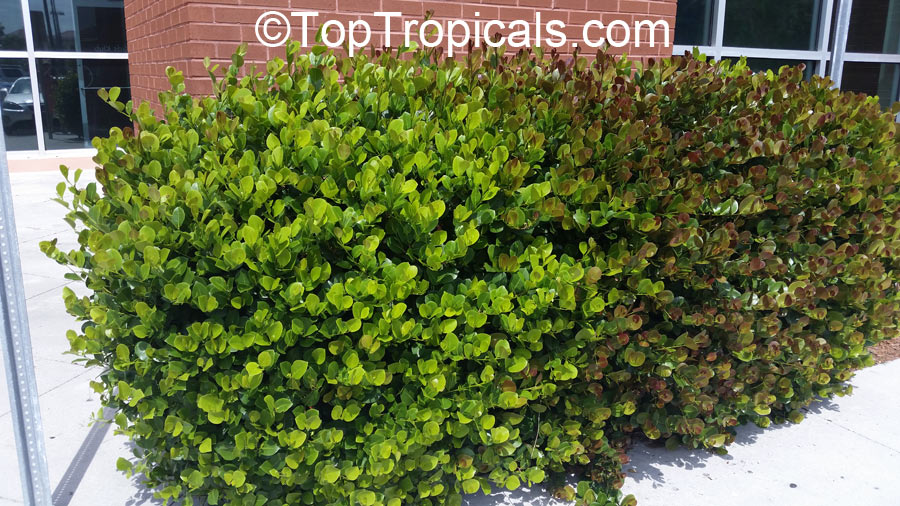
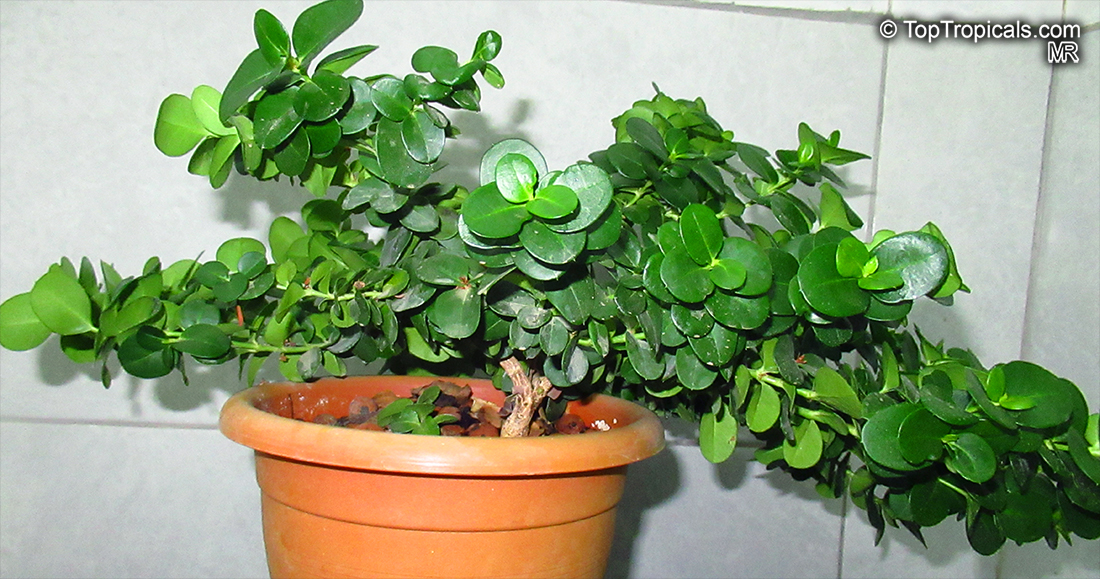
 Plant form: Large bush; suitable for bonsai
 Mature height: 5-10 ft
 Sun exposure: Full sun or bright light indoor
 Cold tolerance: Frost sensitive. Protect from freezing.
 Watering: Regular; moderate
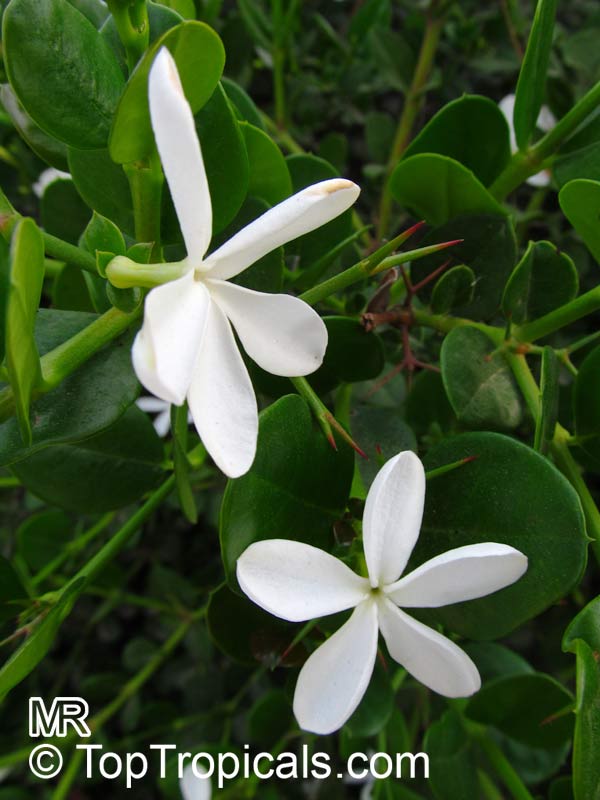
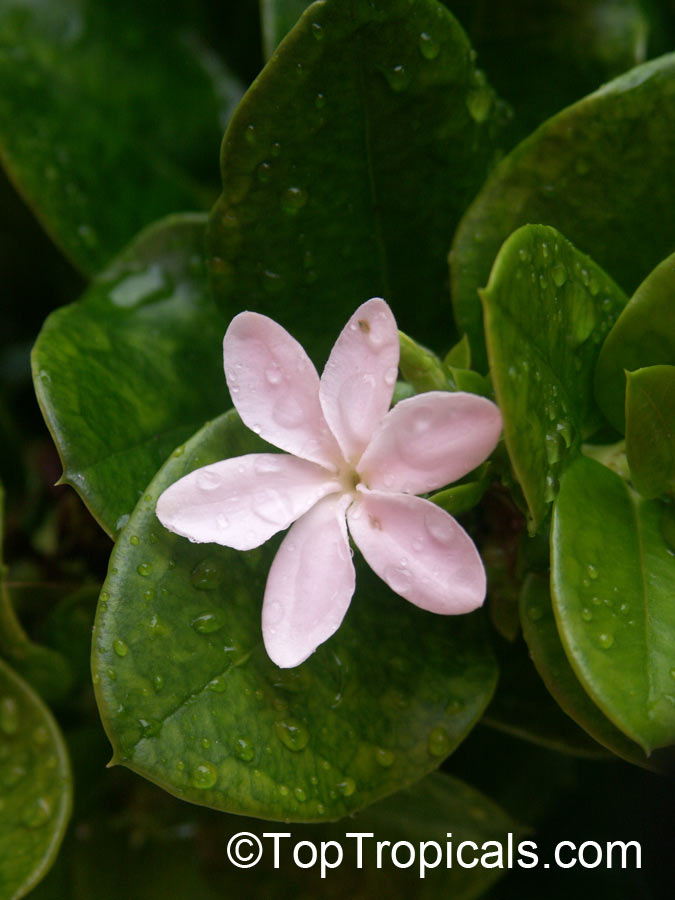
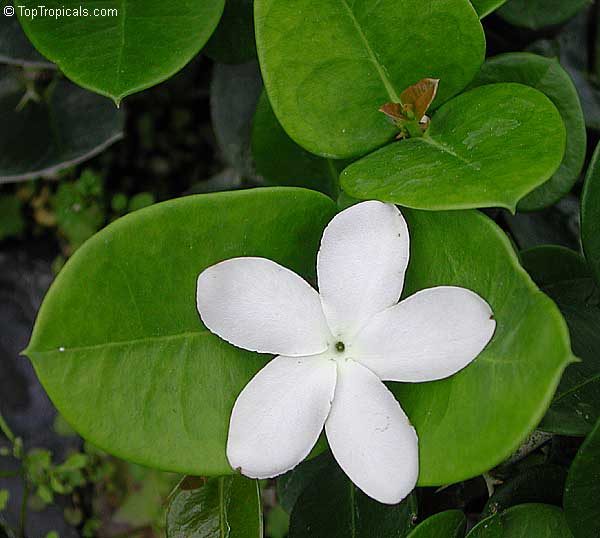
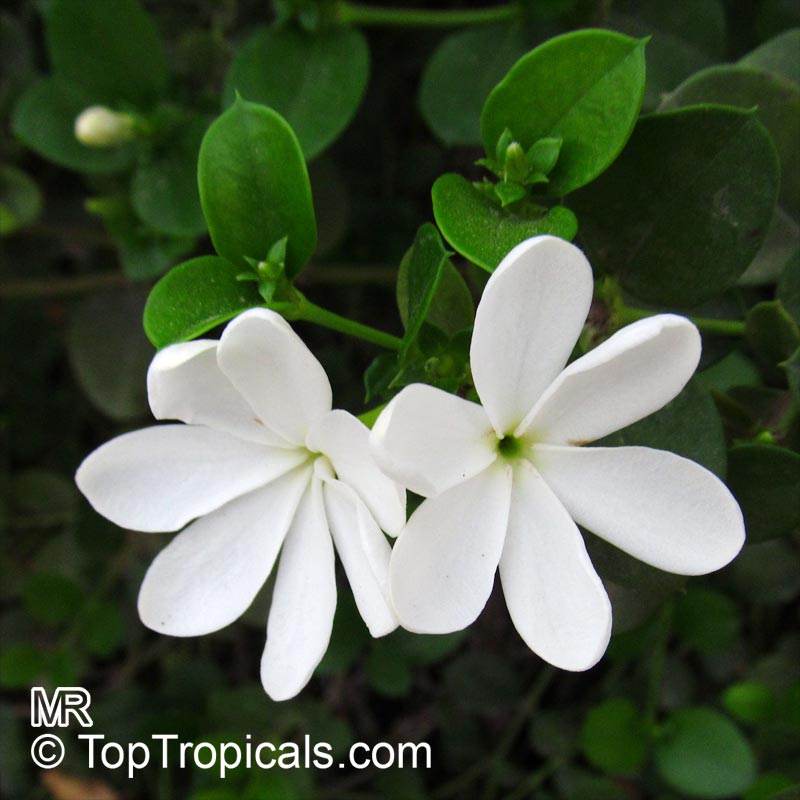
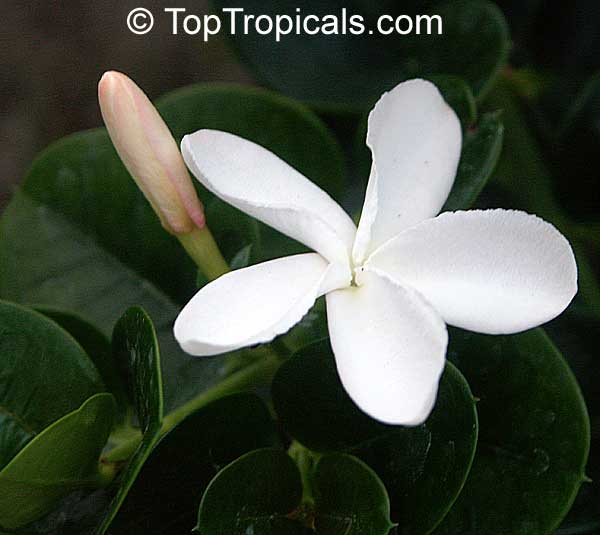
 Flower color: White and off-white
 Suitable for: Outdoors in the suitable USDA zone; small gardens, containers, and indoor growing
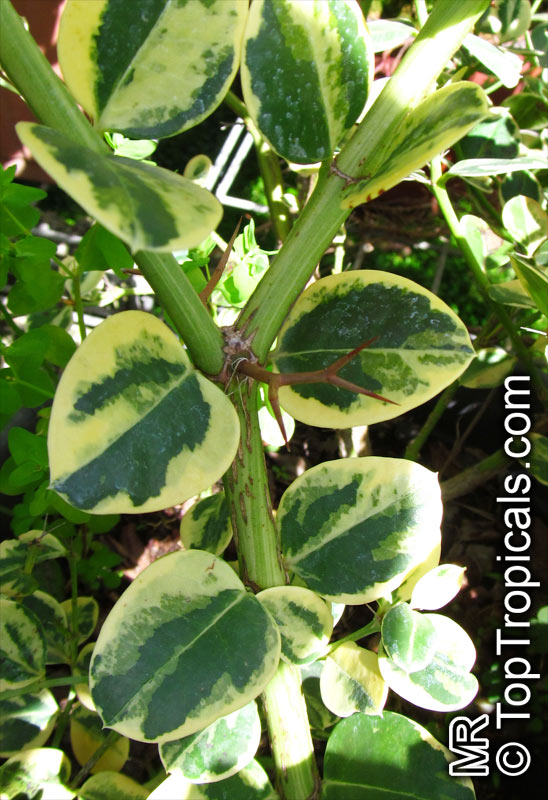
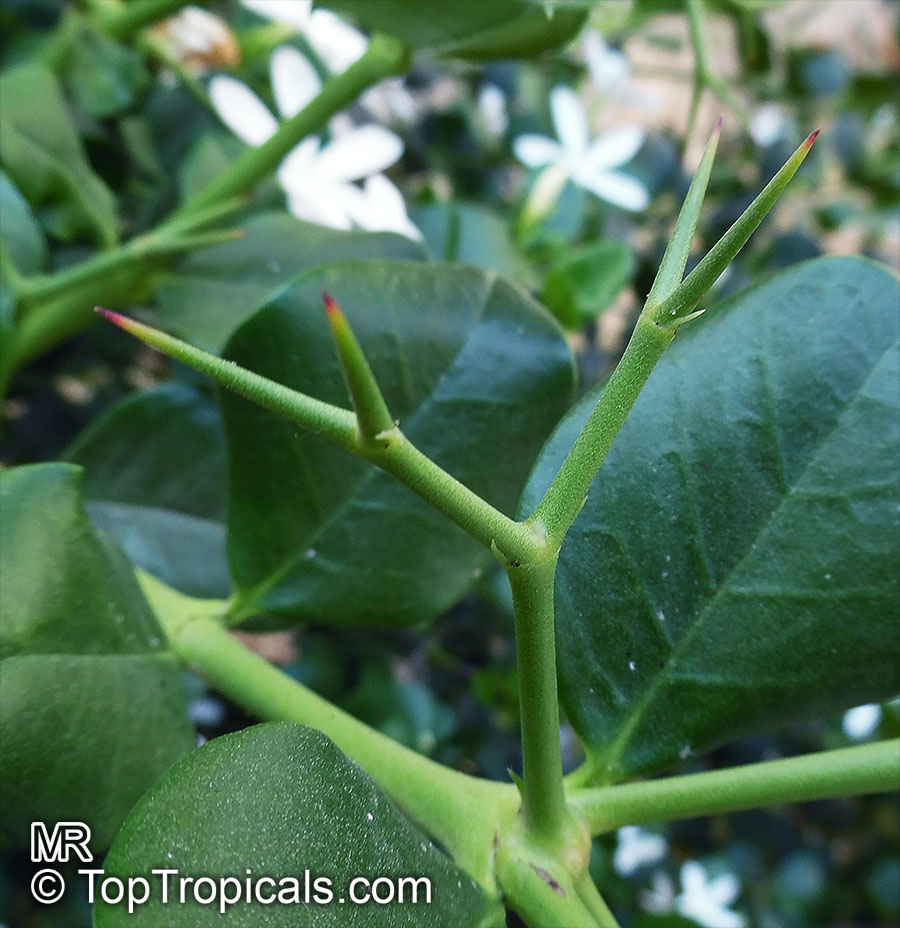
 Thorns: Thorny or spiny
 Fragrance: Fragrant; perfume plant
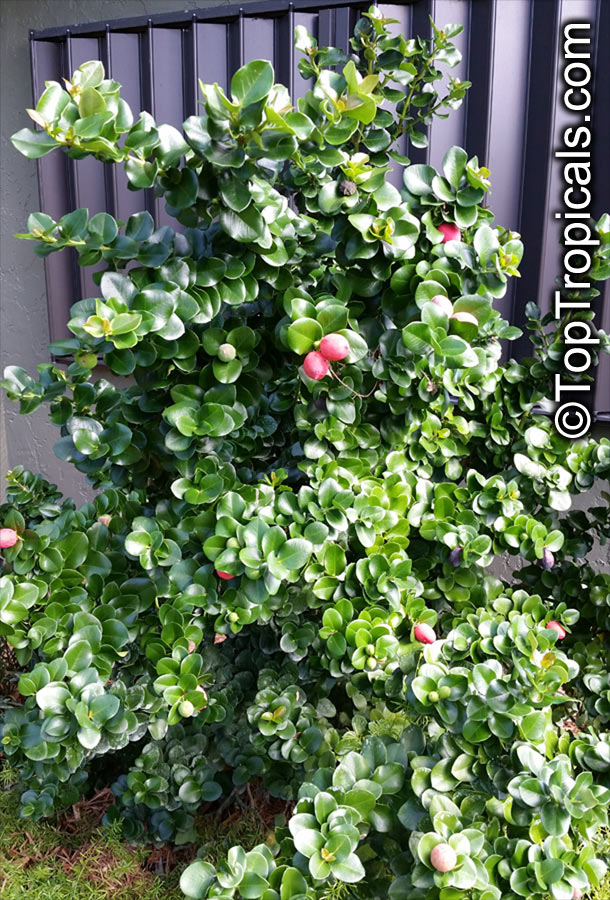
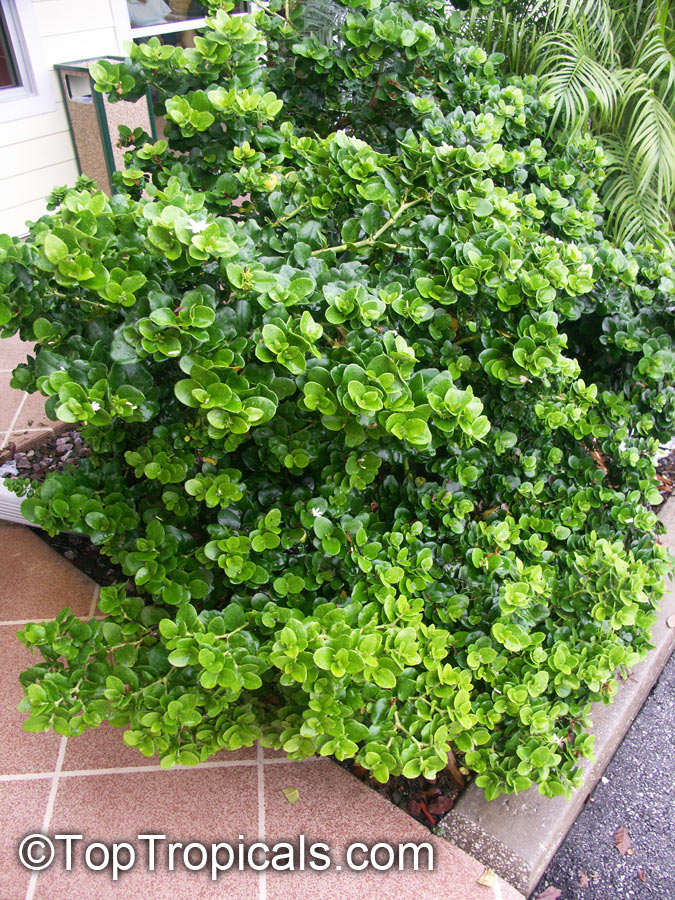
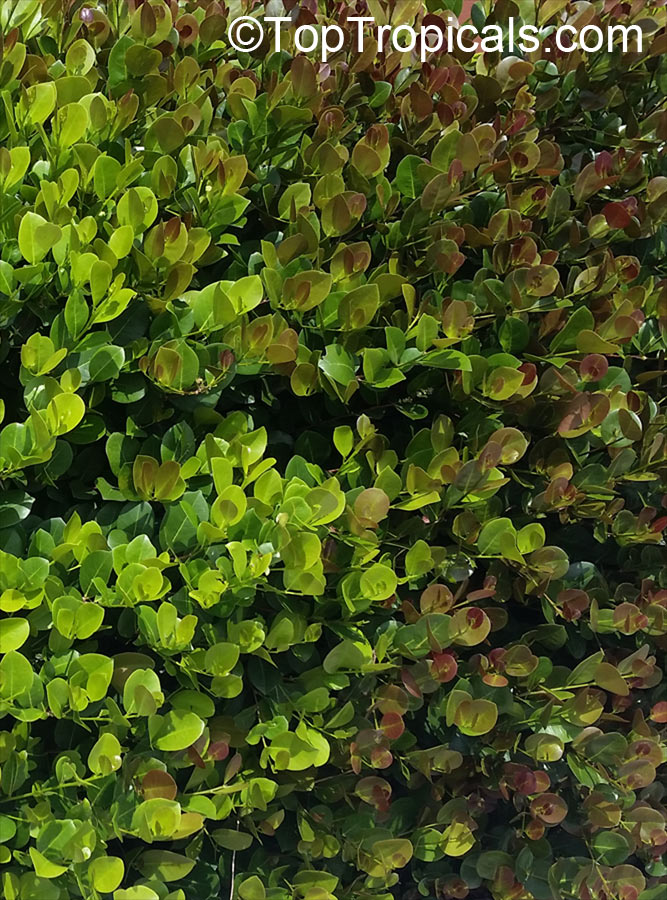
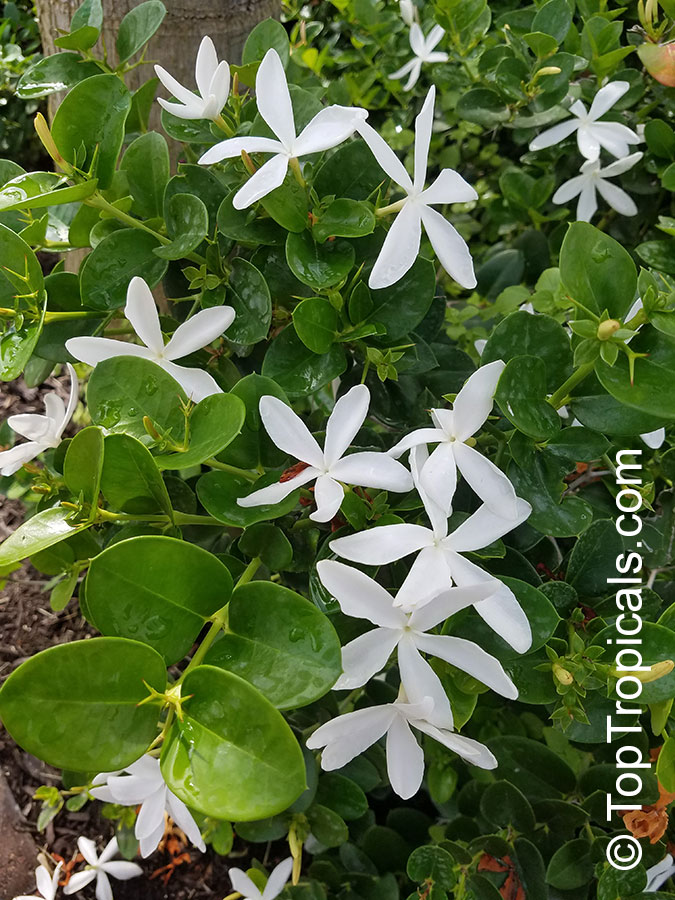
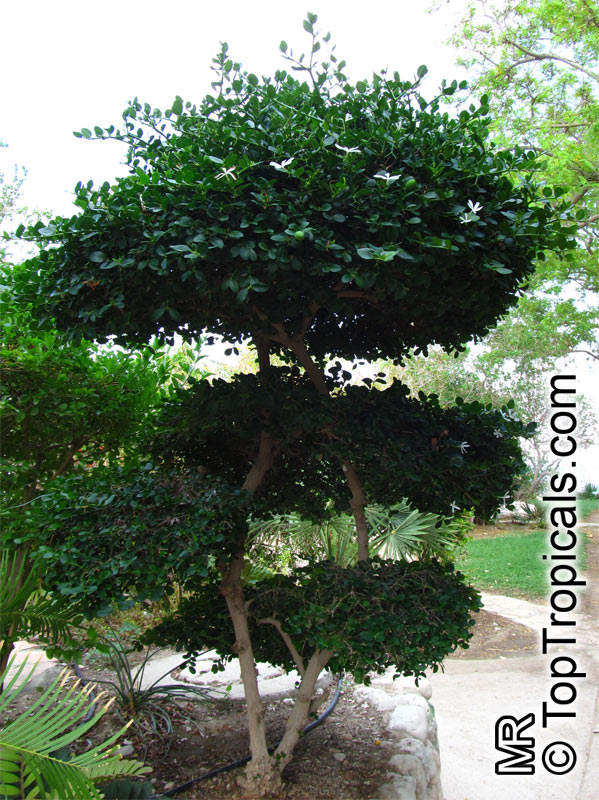
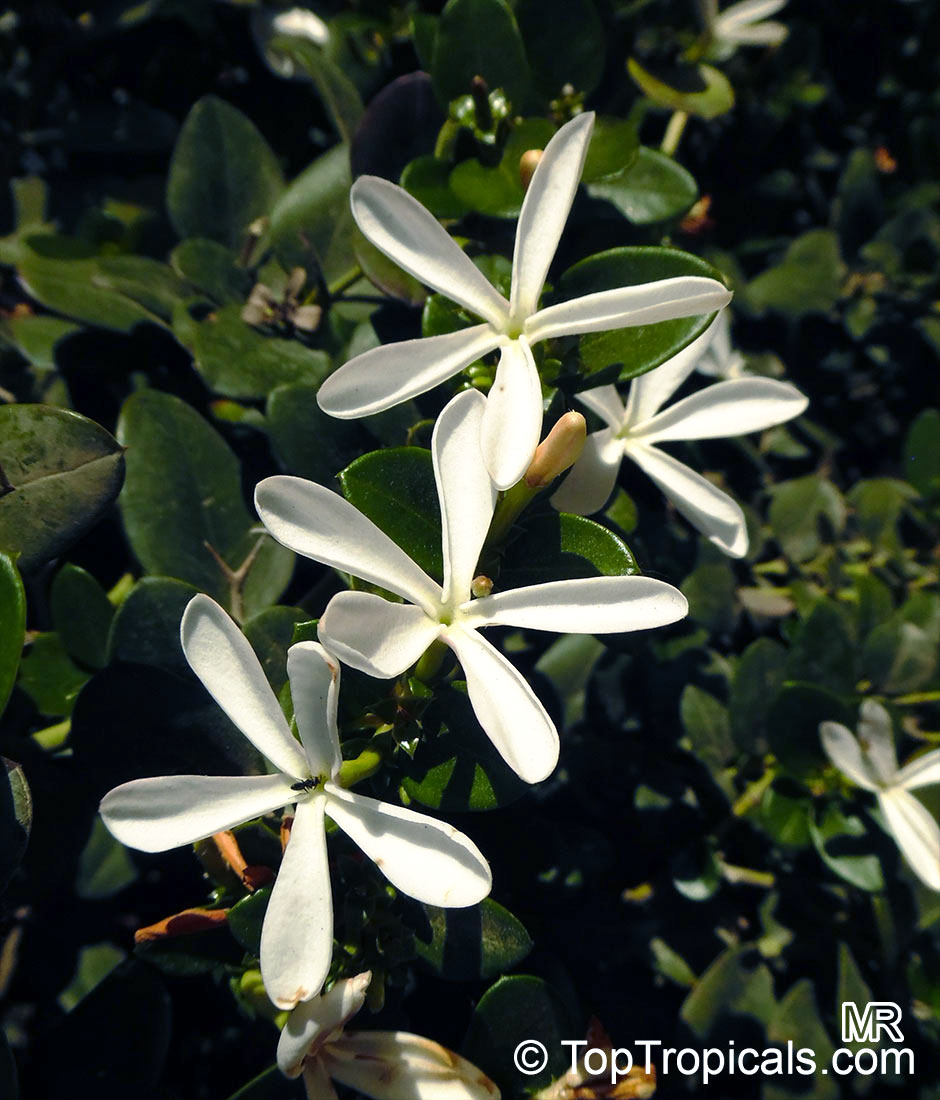
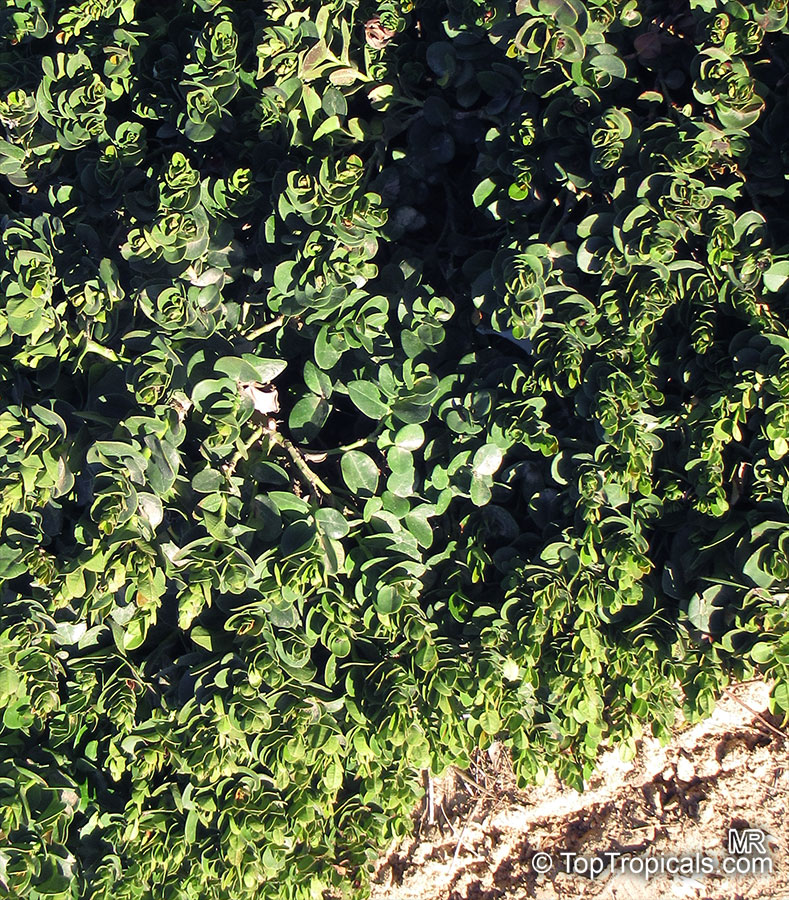
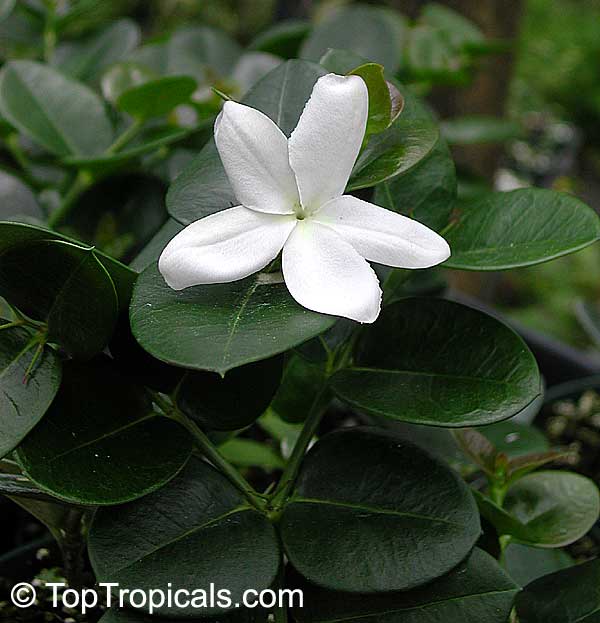
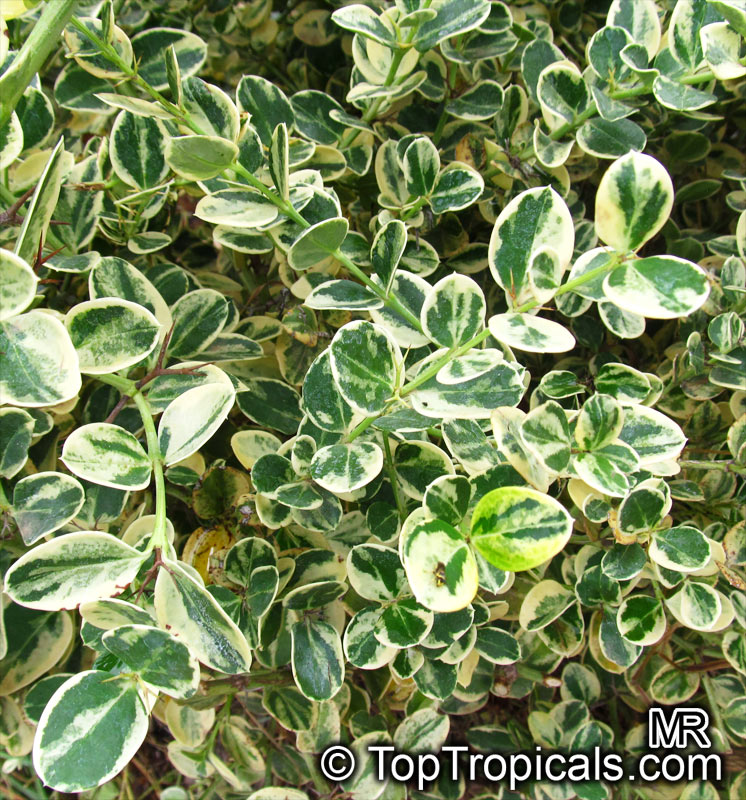
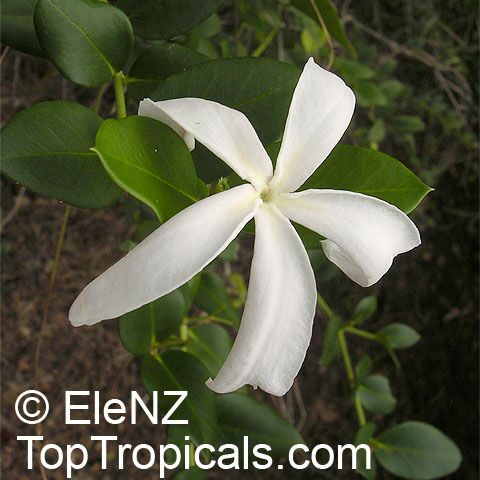
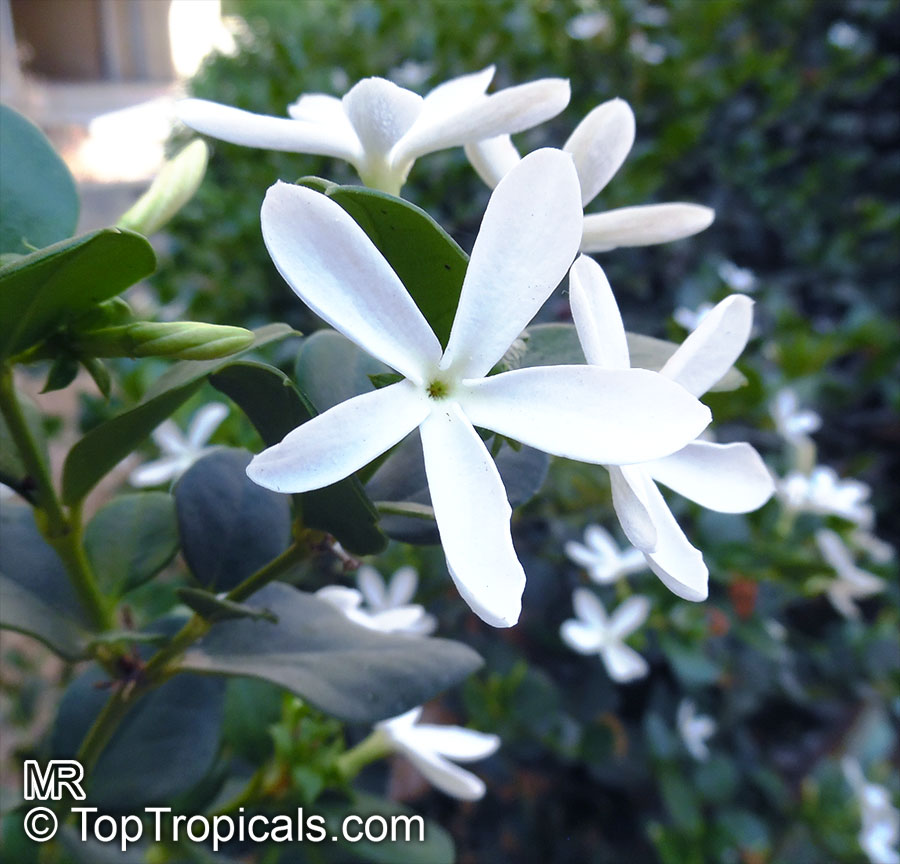
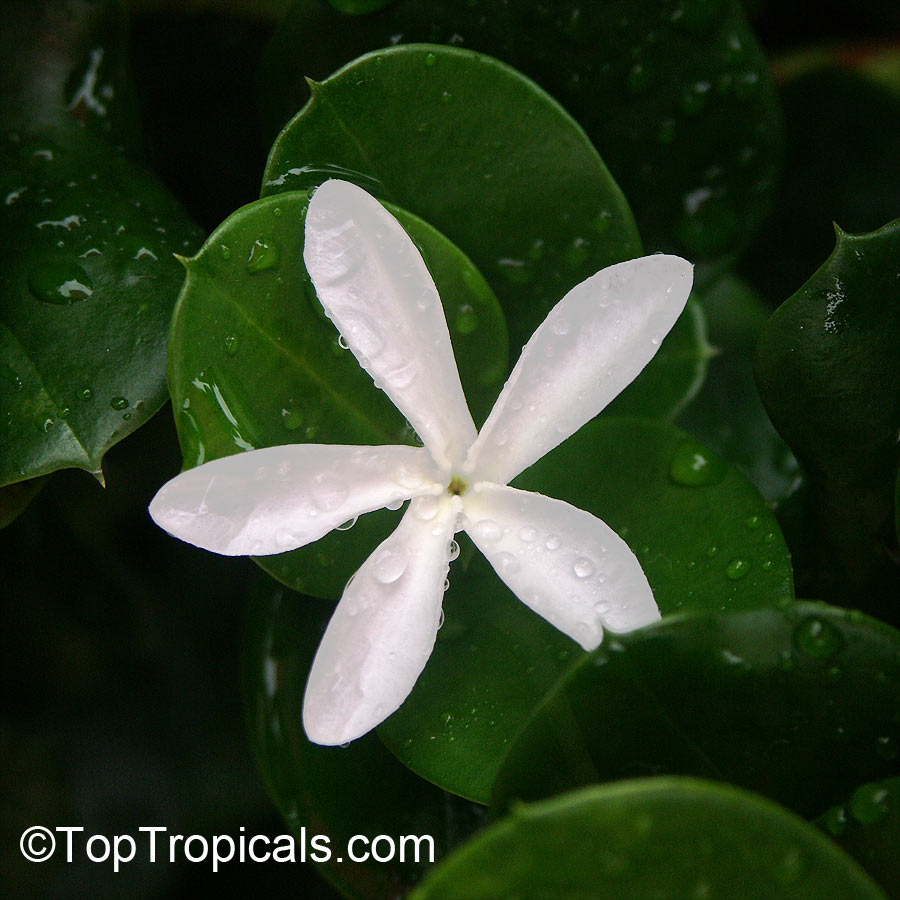
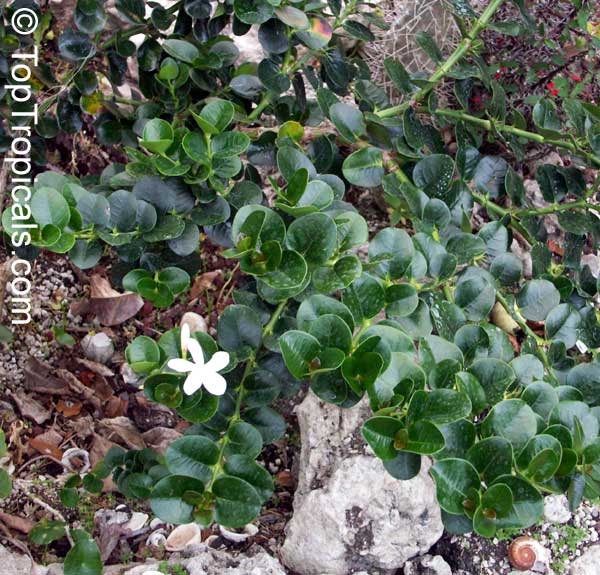
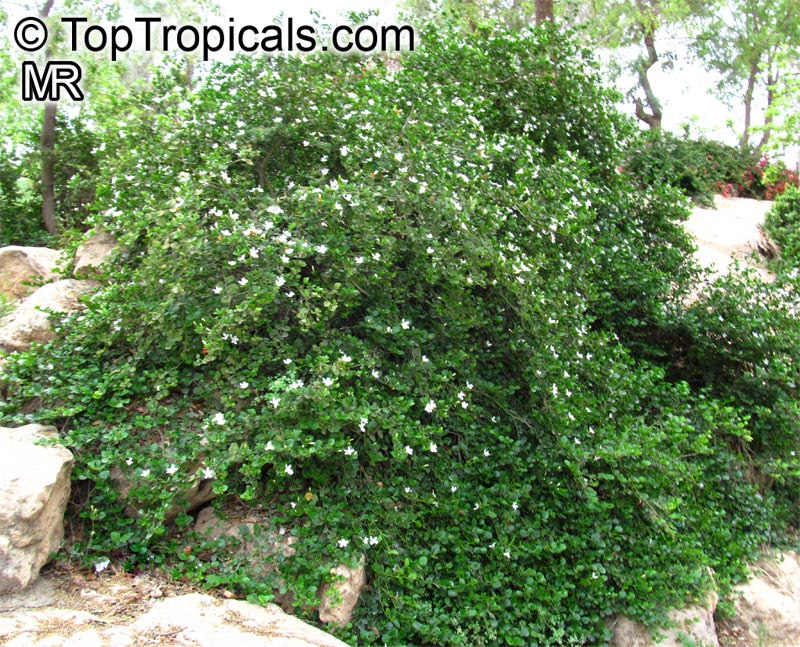
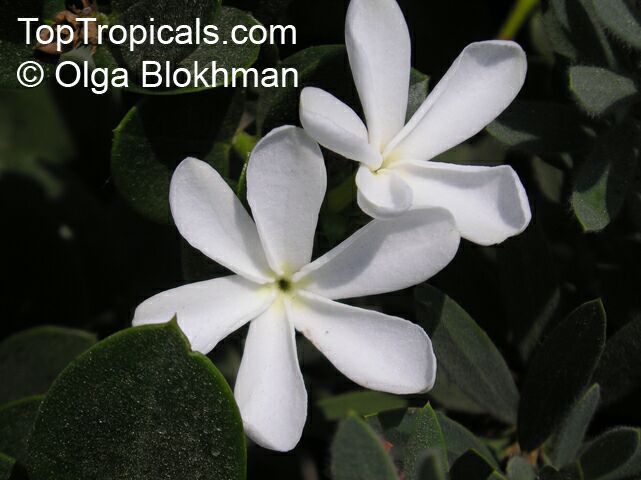
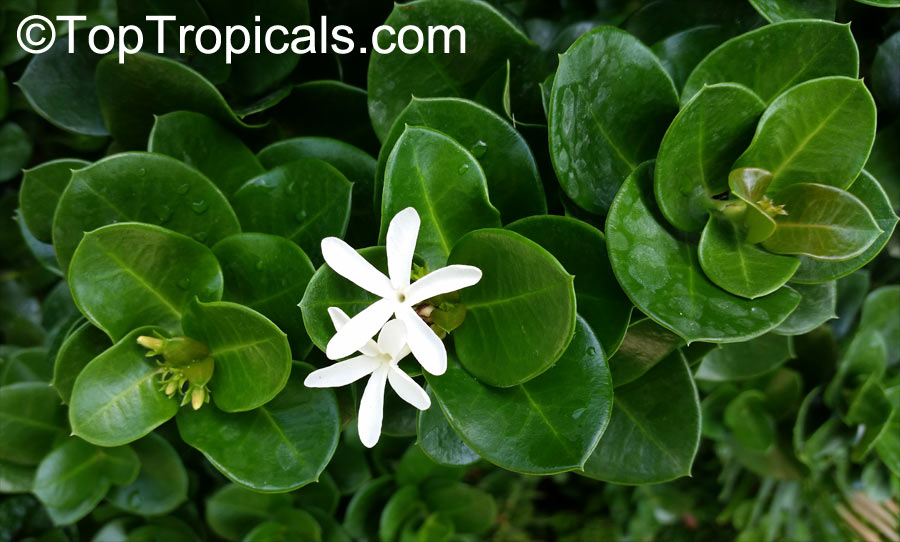
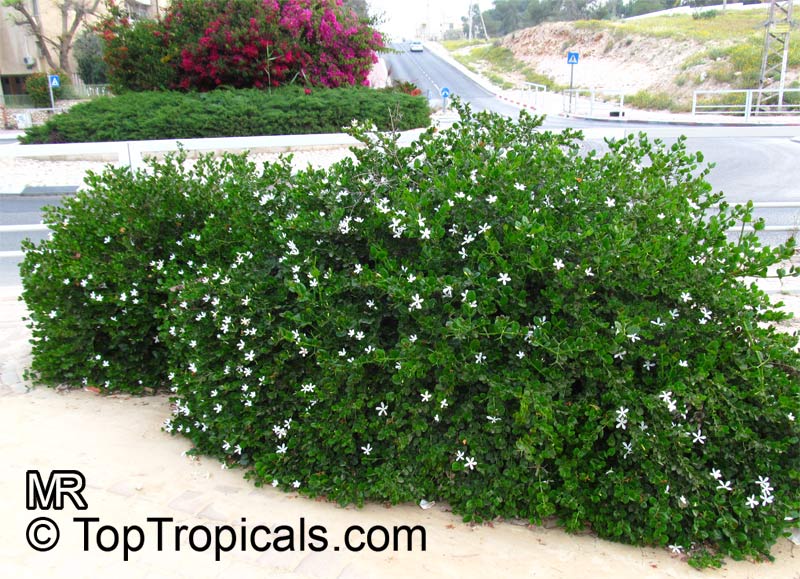
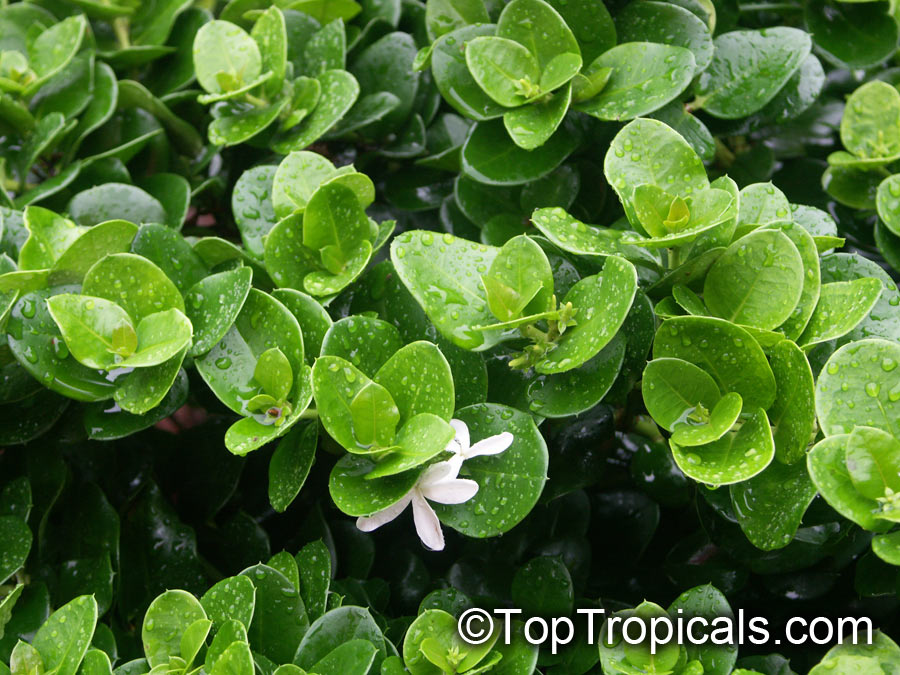
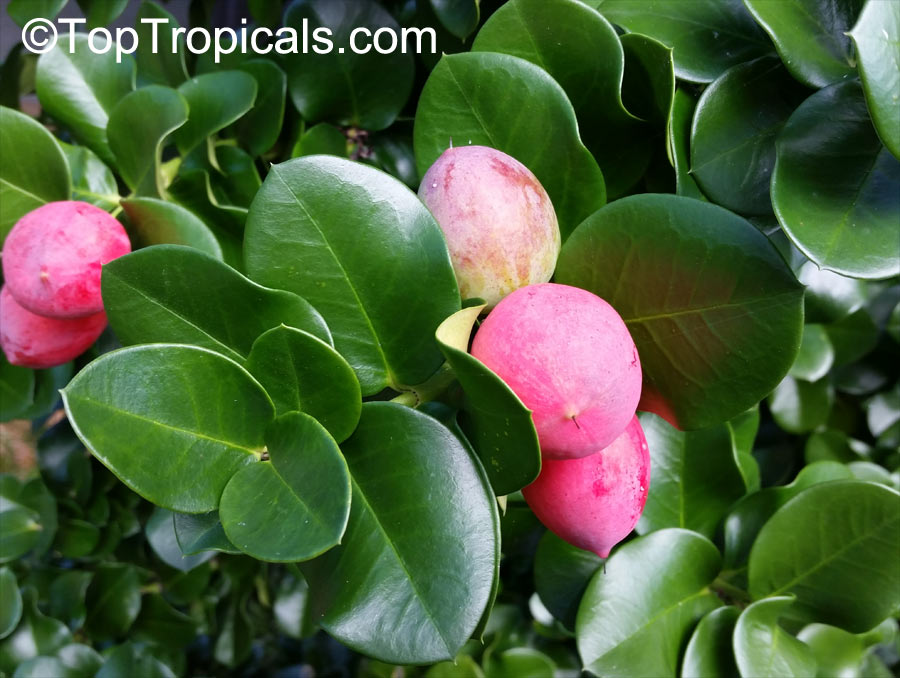
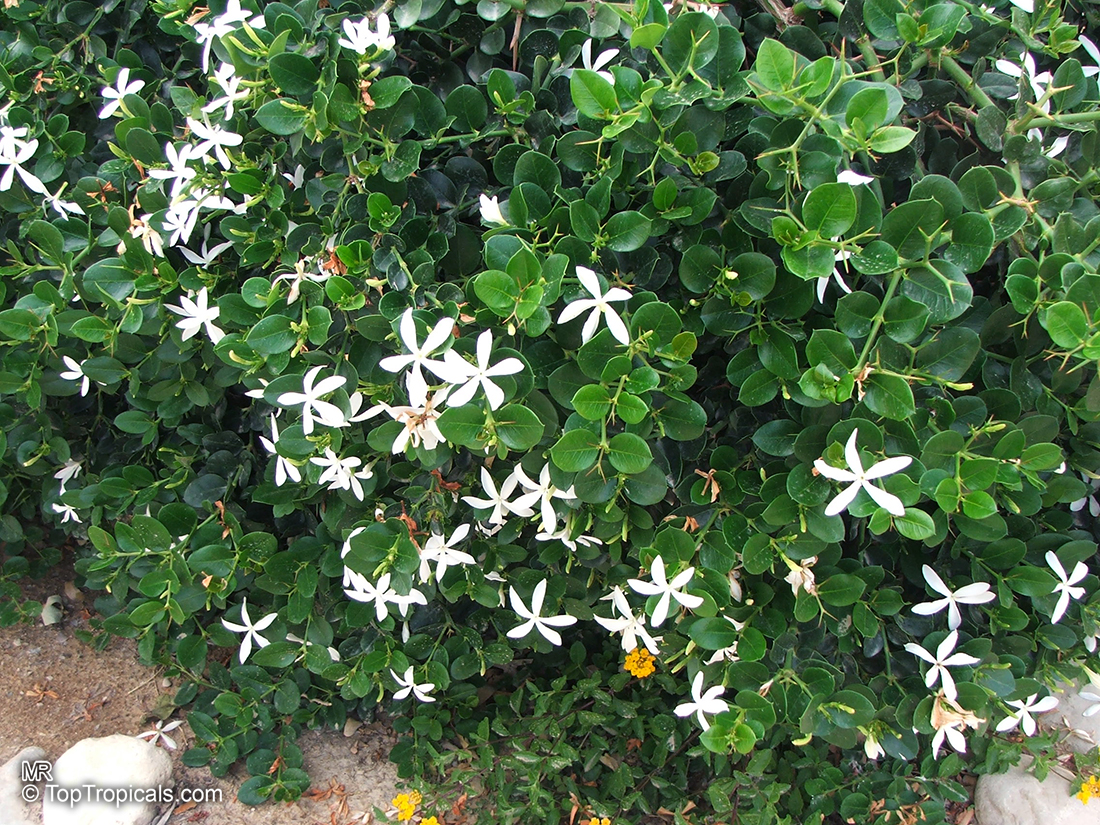
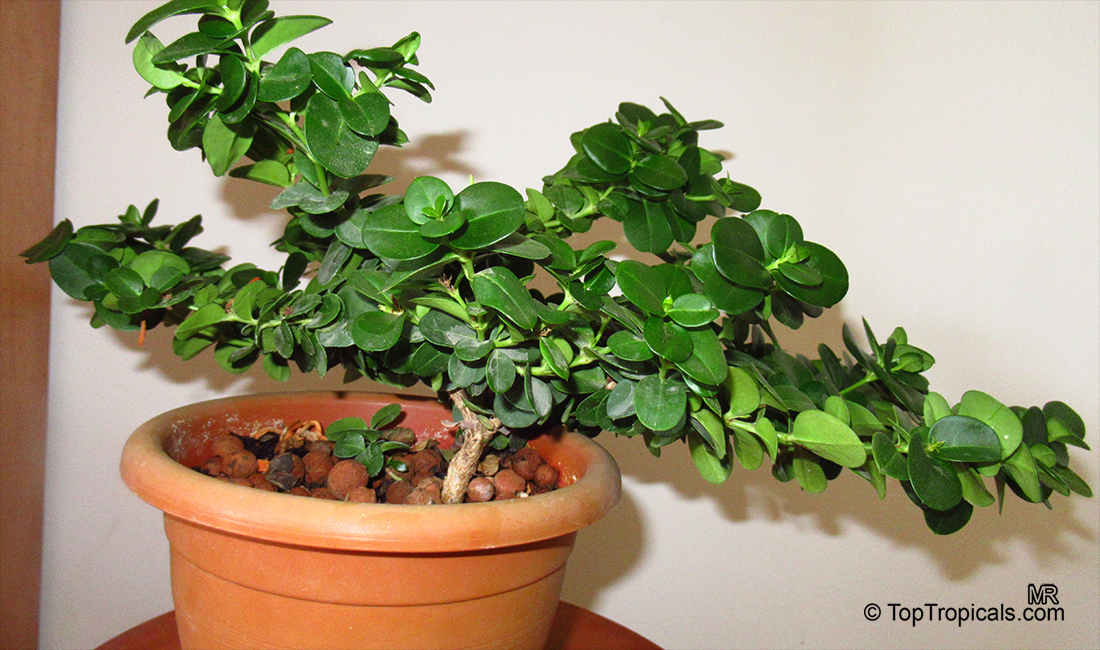
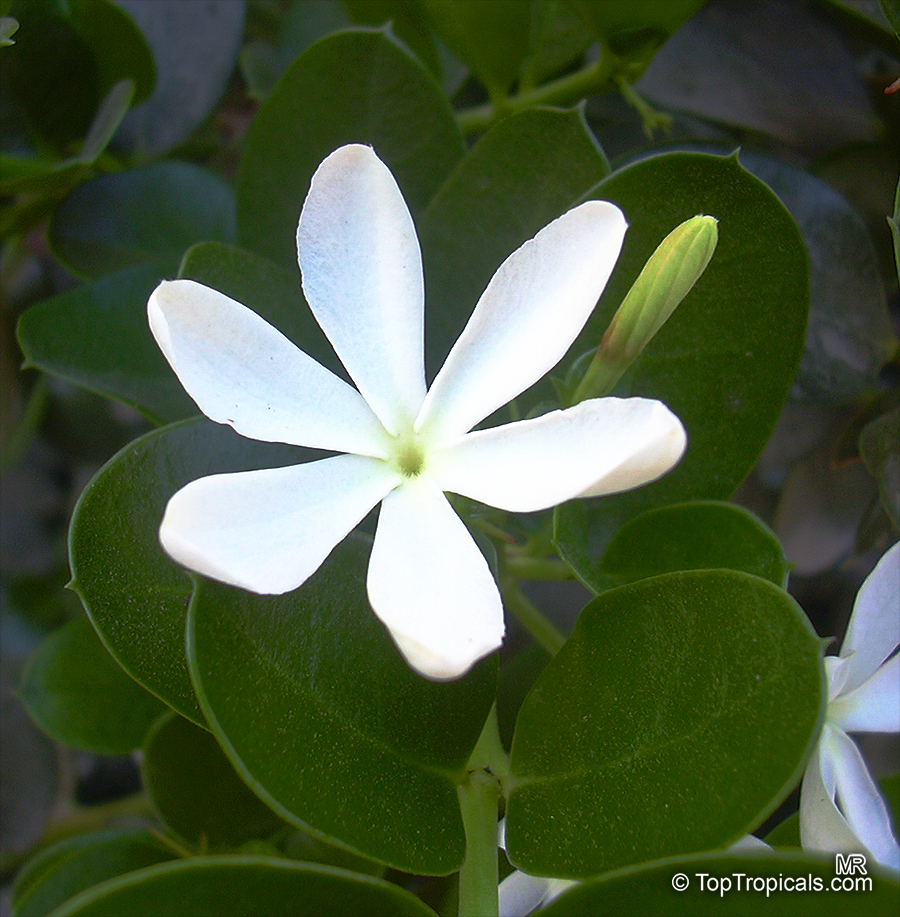
Carissa macrocarpa (Natal Plum) is a native to South Africa, It was first introduced into the United States in 1886 by the horticulturist Theodore L. Meade. Its fragrant star-like white or off-white flowers bear an edible fruit. This attractive, evergreen shrub can be used as a large bush, from 5-10 feet tall, as a small shrub from 2-5 ft, or a groundcover and low-growing, about 2 ft high. It can also be used for bonsai. It requires full sun, regular water, and moderate water for optimal growth.
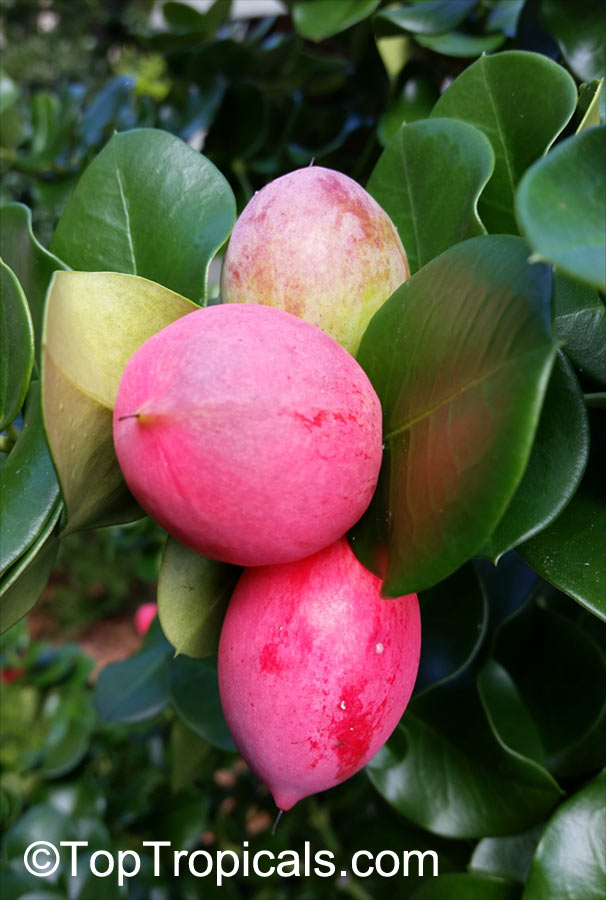
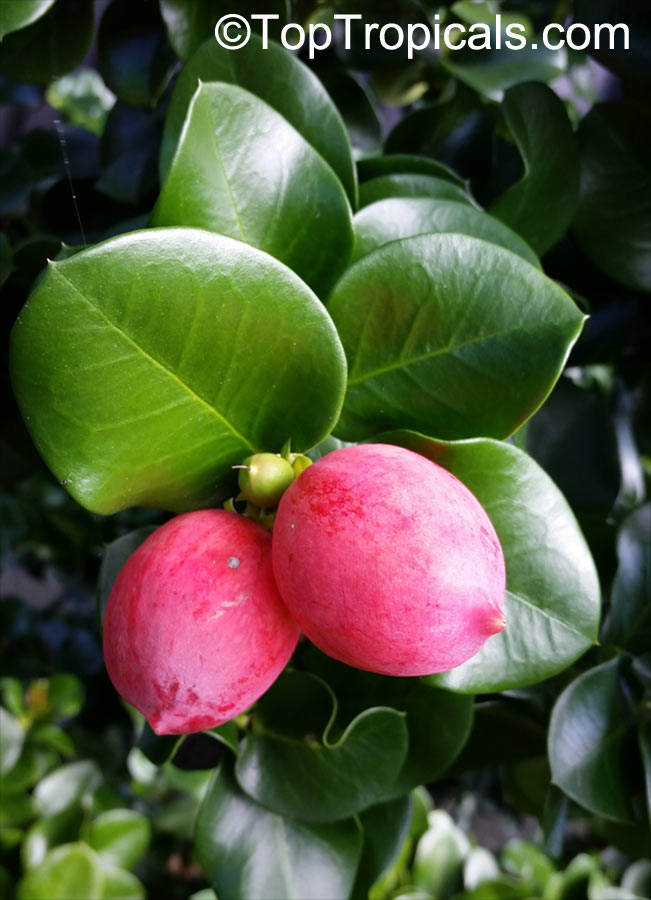
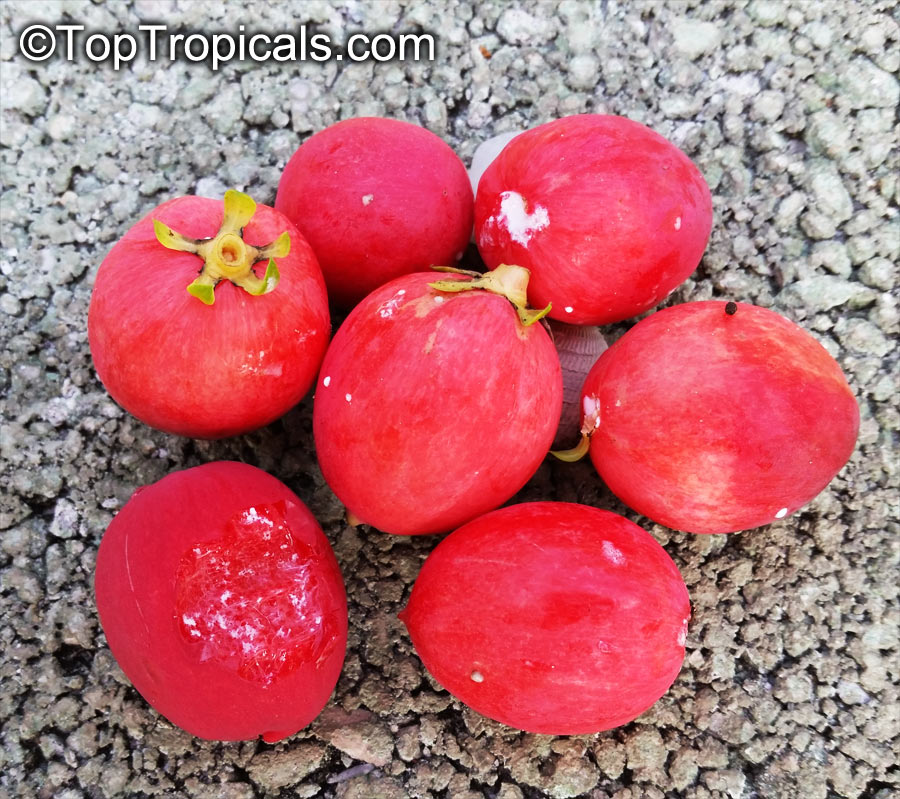
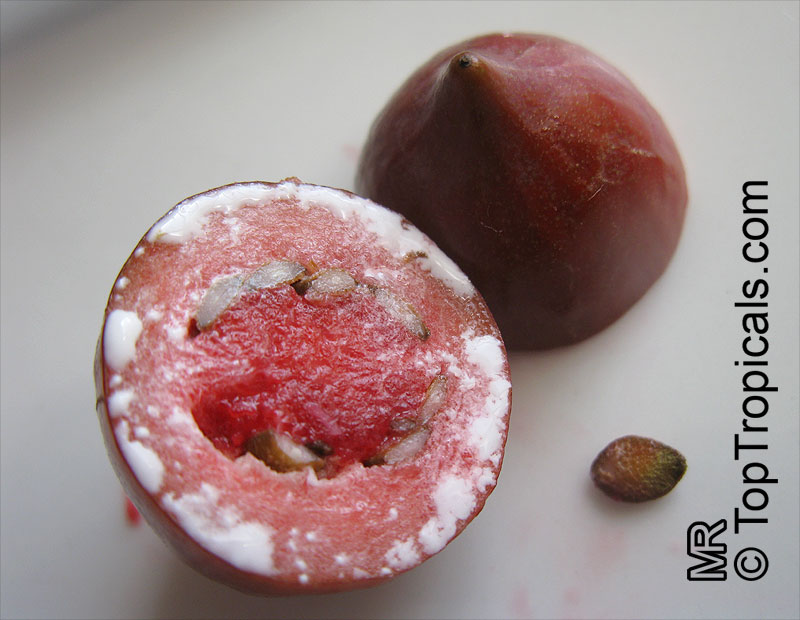
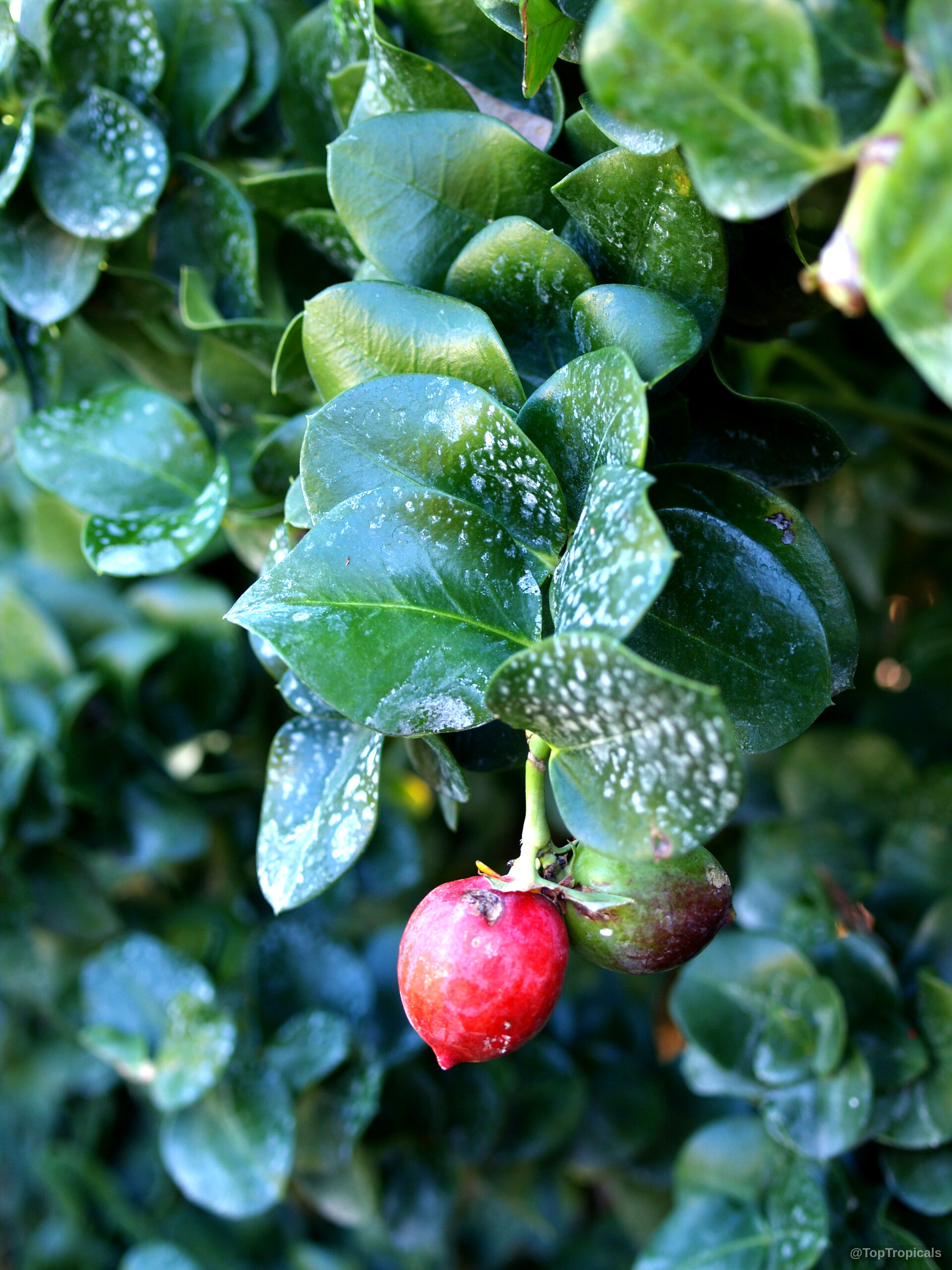
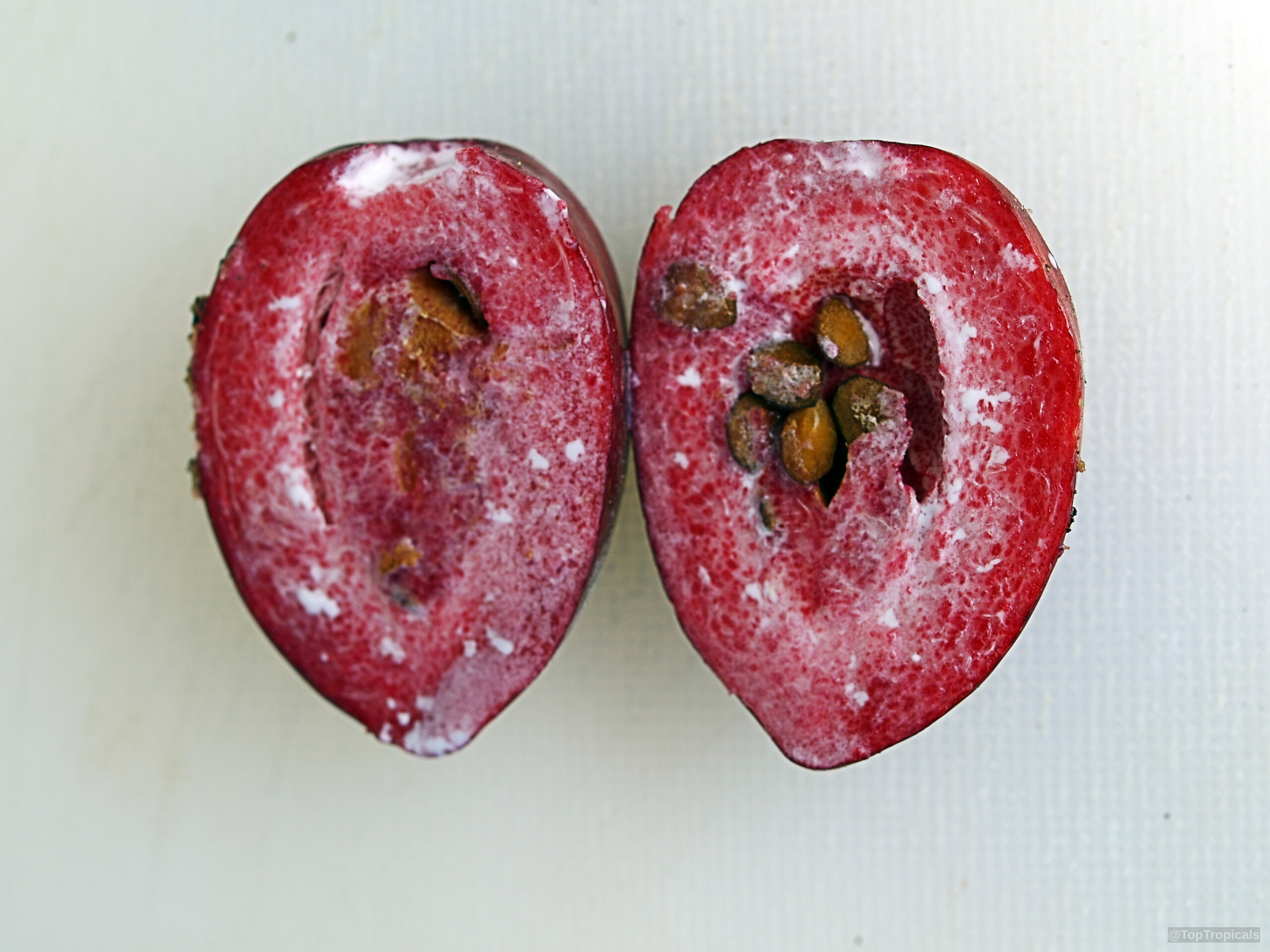
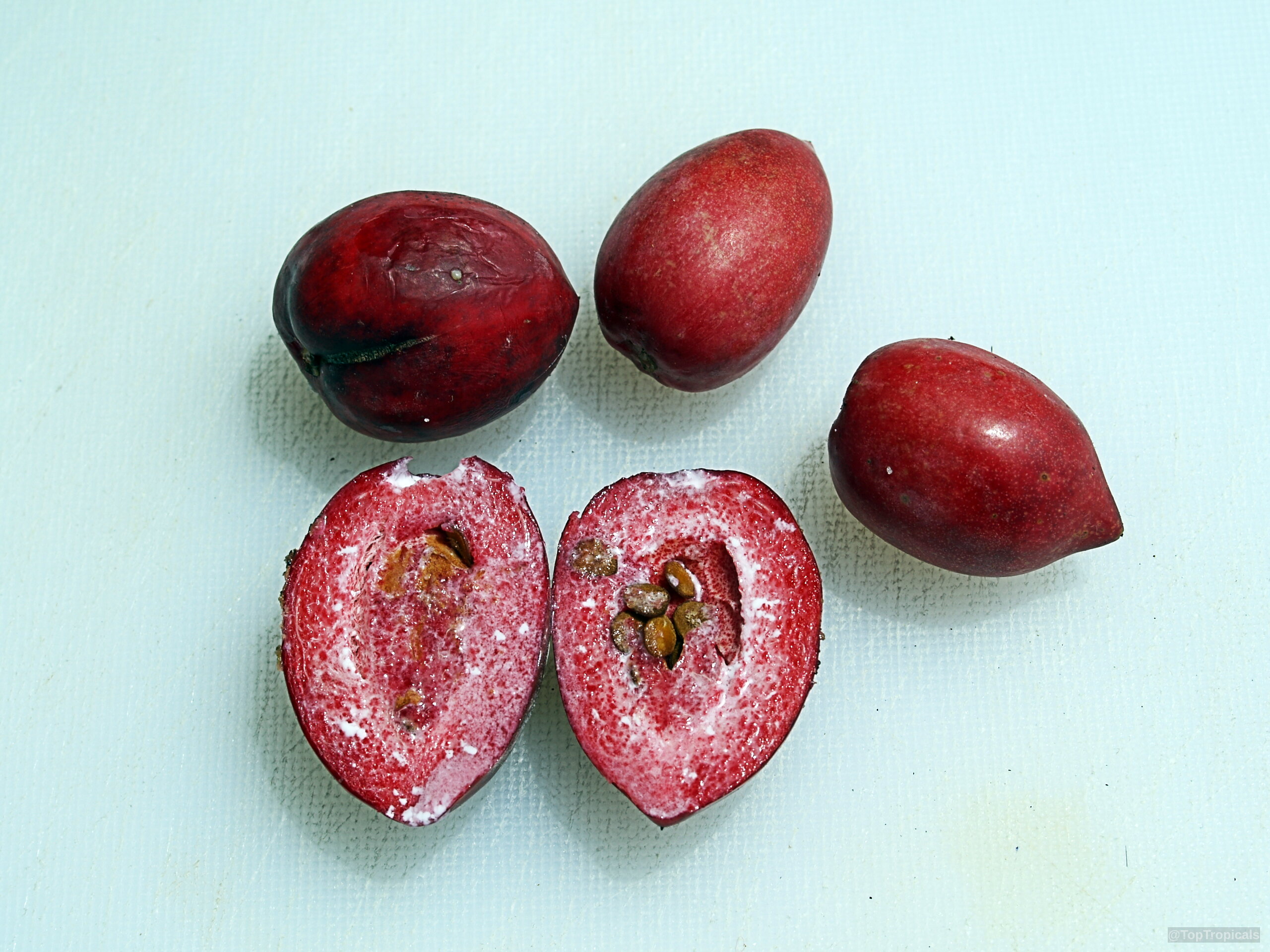
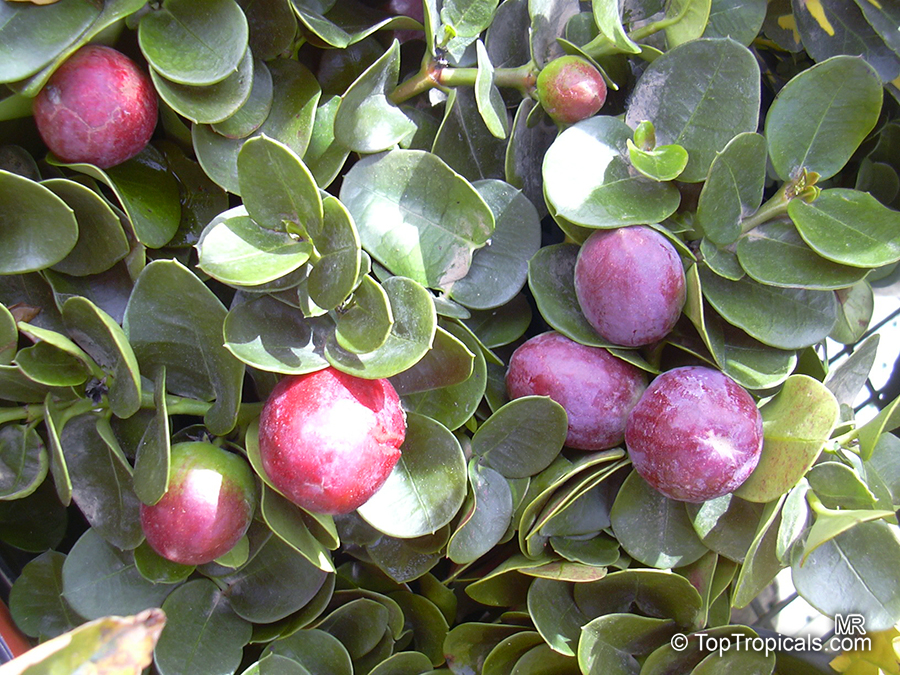
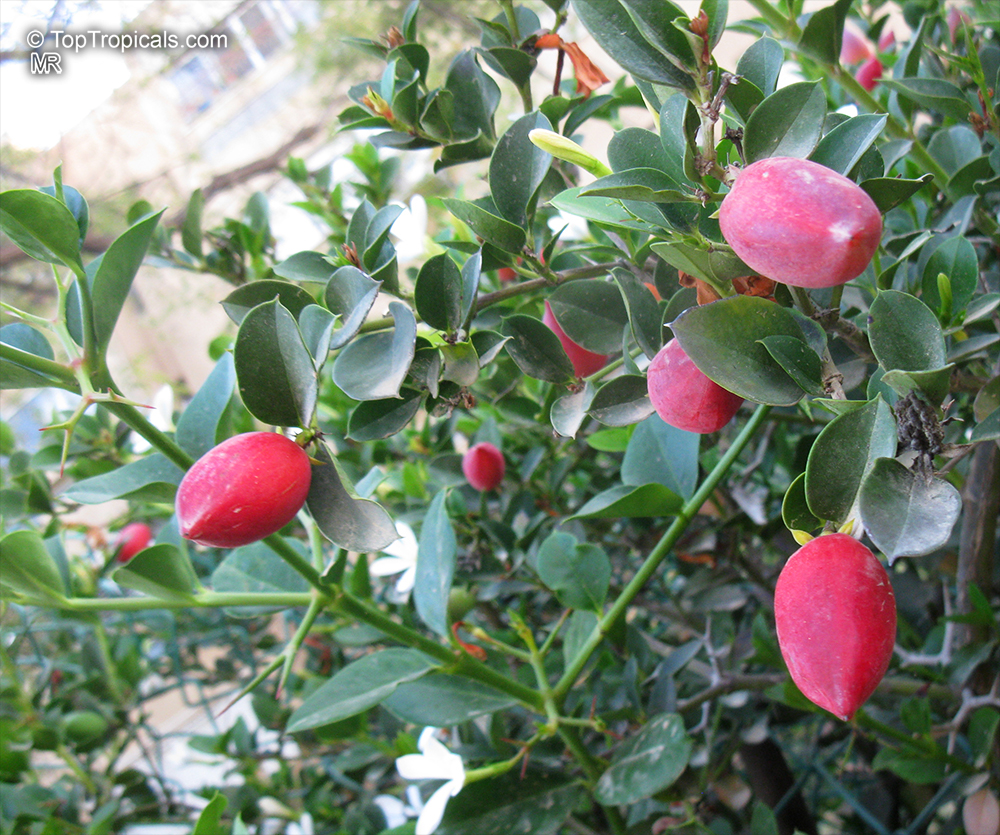
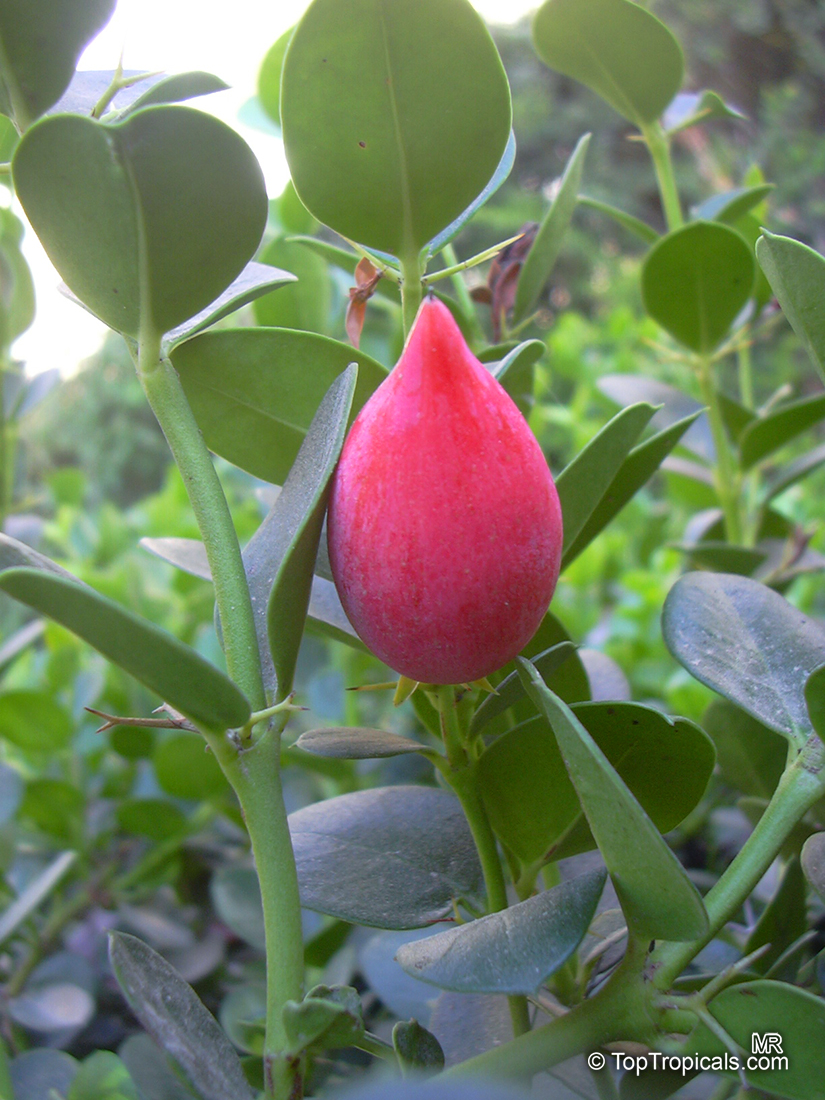
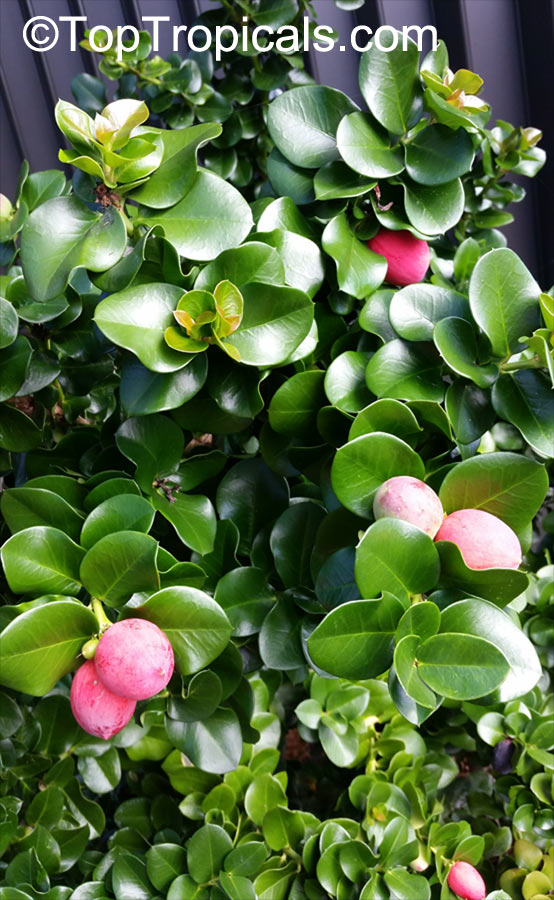
Carissa macrocarpa's flowers bloom from May to June. Its oval fruit, with tender, smooth skin turns bright magenta-red to dark-crimson when ripe and must be slightly soft to the touch to be eaten raw. It blooms an abundance of 1-2 inch fruits. As well as edible, the fruit has a host of health benefits, containing vitamins A, B1, and C, and minerals such as iron, calcium and phosphorus.
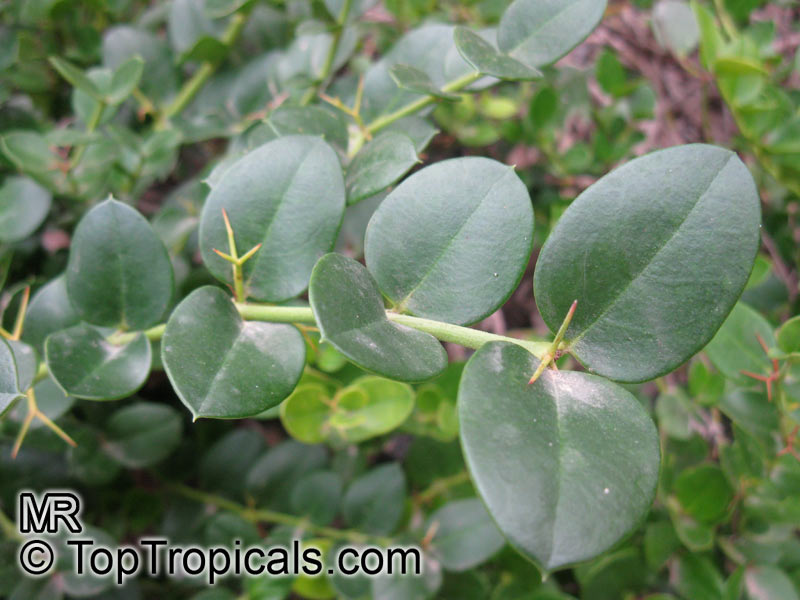
In addition to being an aesthetically pleasing shrub, Carissa macrocarpa makes a great plant for barriers, with it's thick thorny or spiny foliage. It also makes a good container specimen or bonsai, making it a great and versatile addition to any garden. The mature plant is cold hardy down to at least 30F for a short time and can tolerate the harsh conditions at the seaside, being a salt tolerant plant. Carissa macrocarpa is grown in USDA Zone: 9-11 and has moderate drought tolerance, making it a robust species.
Similar plants: Carissa macrocarpa (Natal Plum)