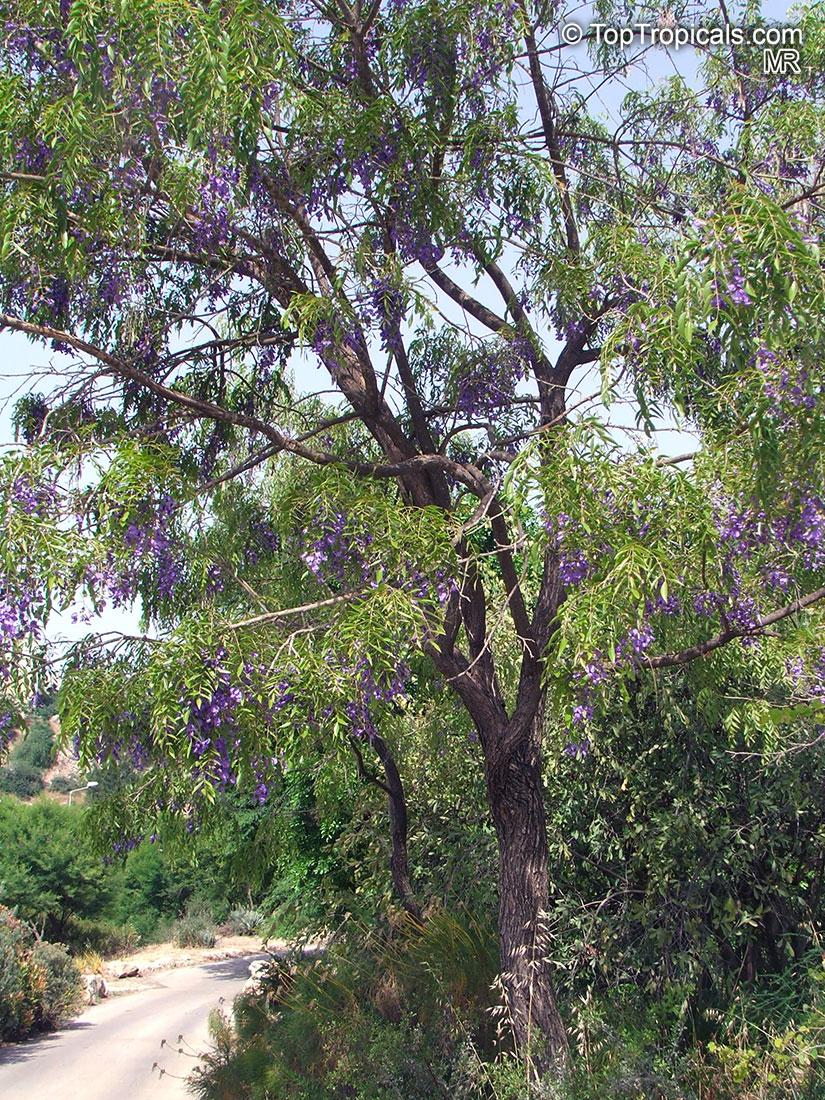
Bolusanthus speciosus (Tree Wisteria)
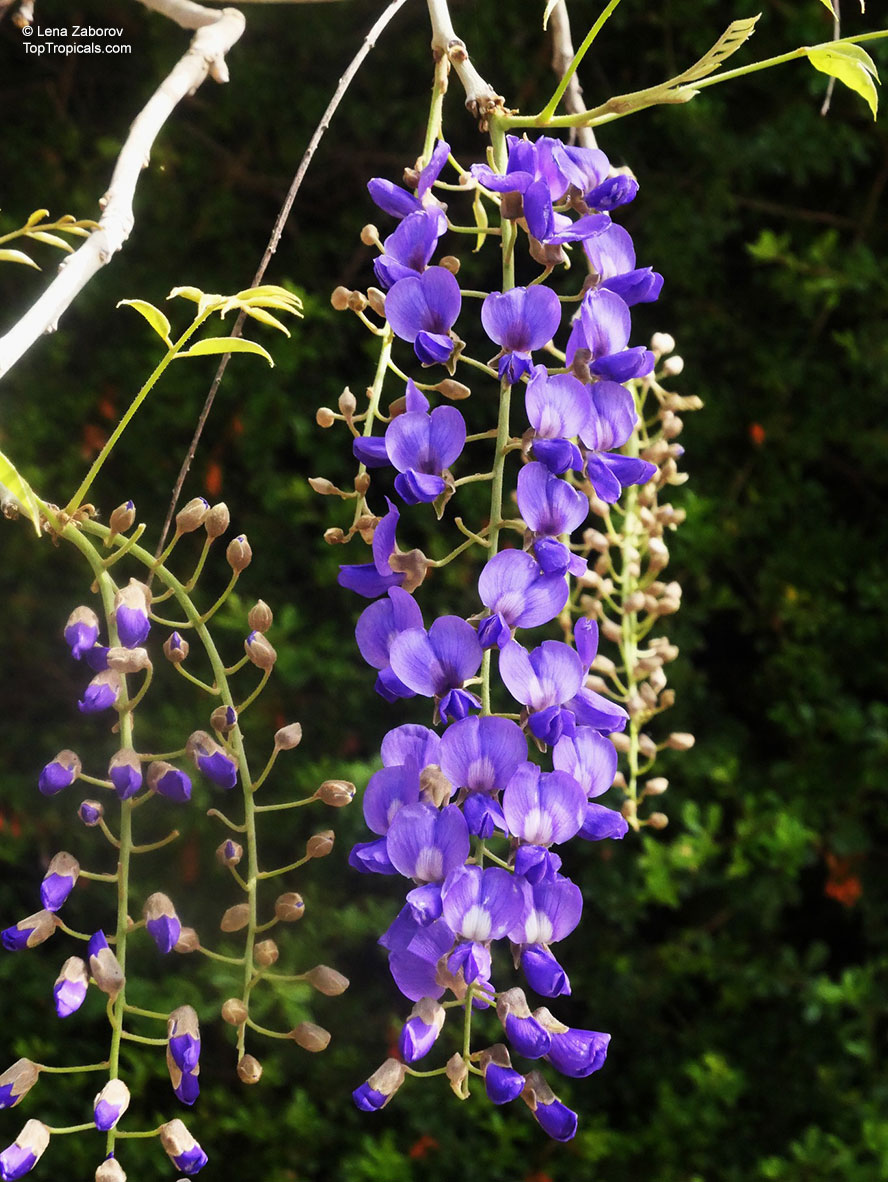
Botanical name: Bolusanthus speciosus
Common names: Tree Wisteria, Vanwykshout, Mogaba
Family: Fabaceae
Subfamily: Faboideae
Origin: South Africa
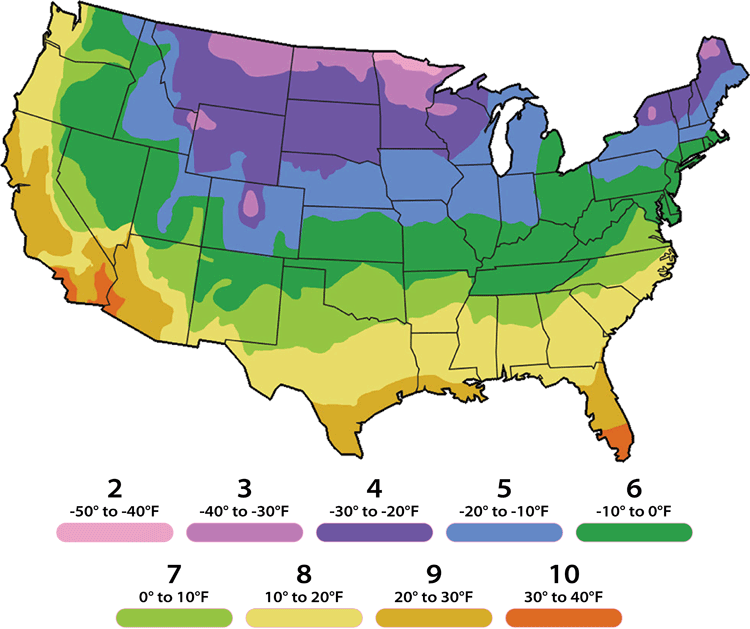
USDA Zone: 10-11
Cold tolerance: 30°F
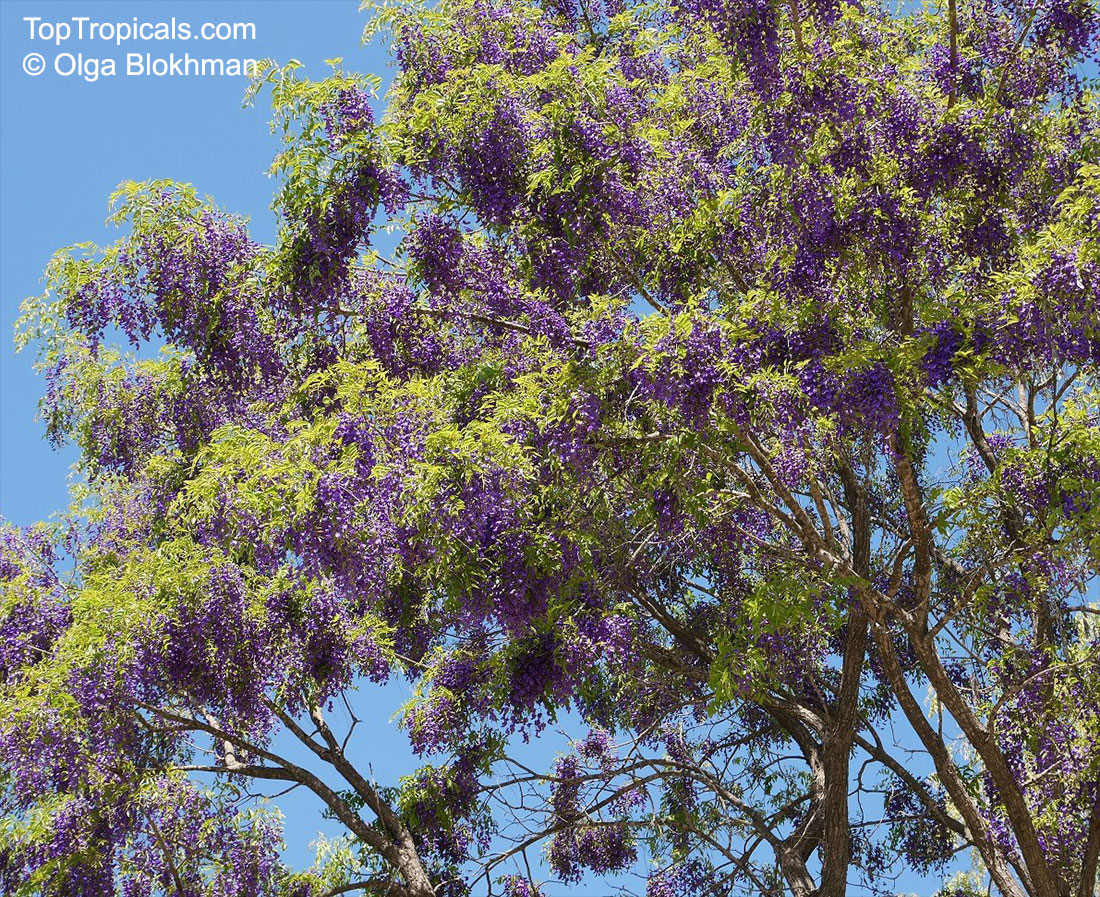
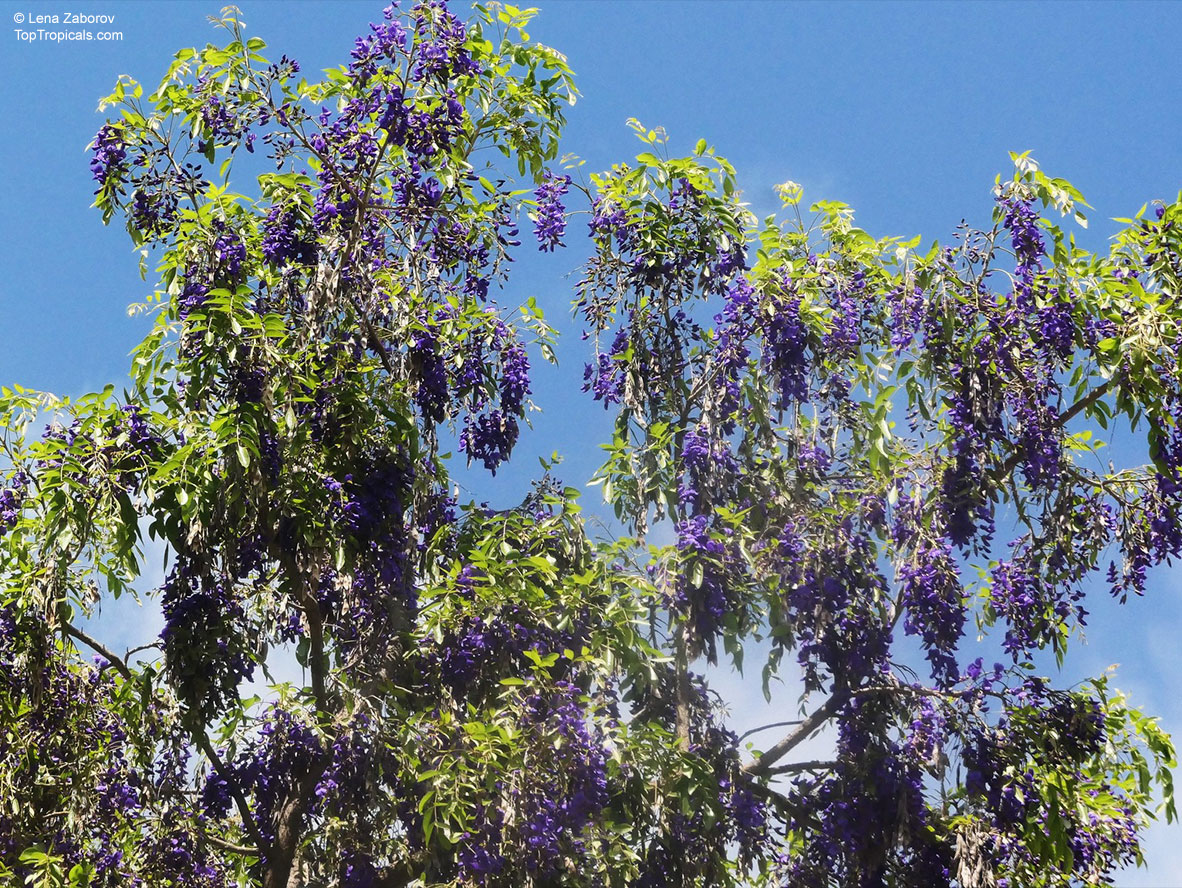
 Plant form: Small tree
 Mature height: 10-20 ft
 Sun exposure: Full sun or bright light indoor
 Cold tolerance: Frost sensitive. Protect from freezing.
 Watering: Moderate; tolerates dry conditions
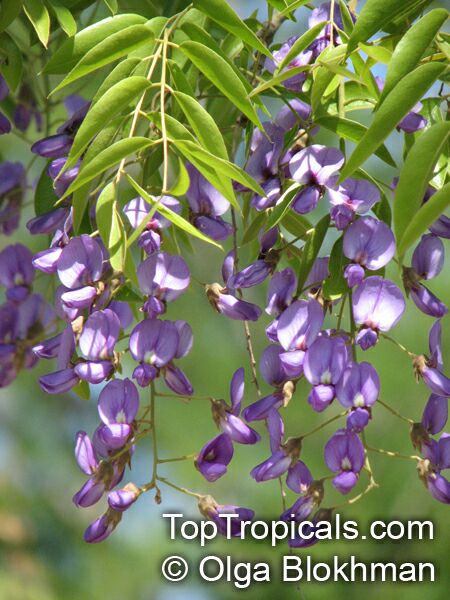
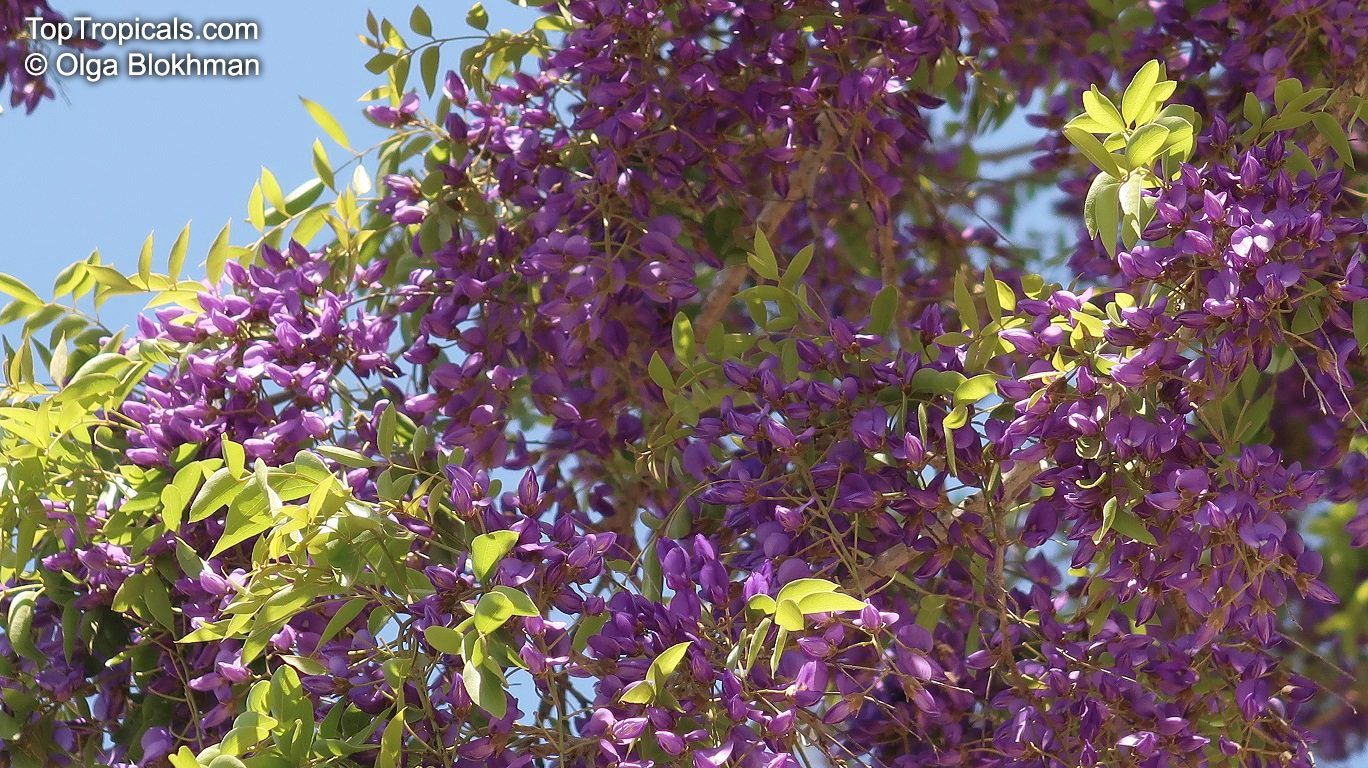
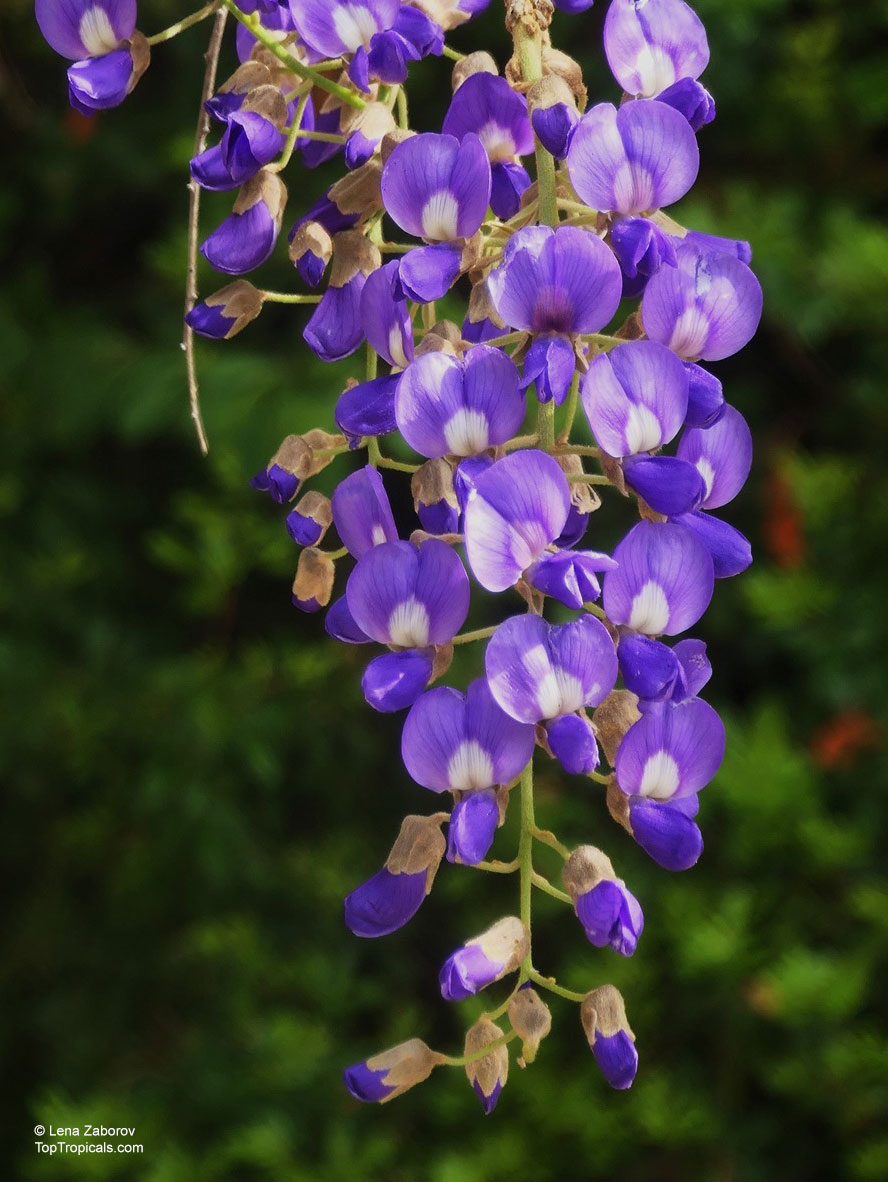
 Flower color: Blue, lavender, purple
 Suitable for: Outdoors in the suitable USDA zone; small gardens, containers, and indoor growing
 Ethnomedical: Ethnomedical plant, traditionally used in folk or indigenous medicine
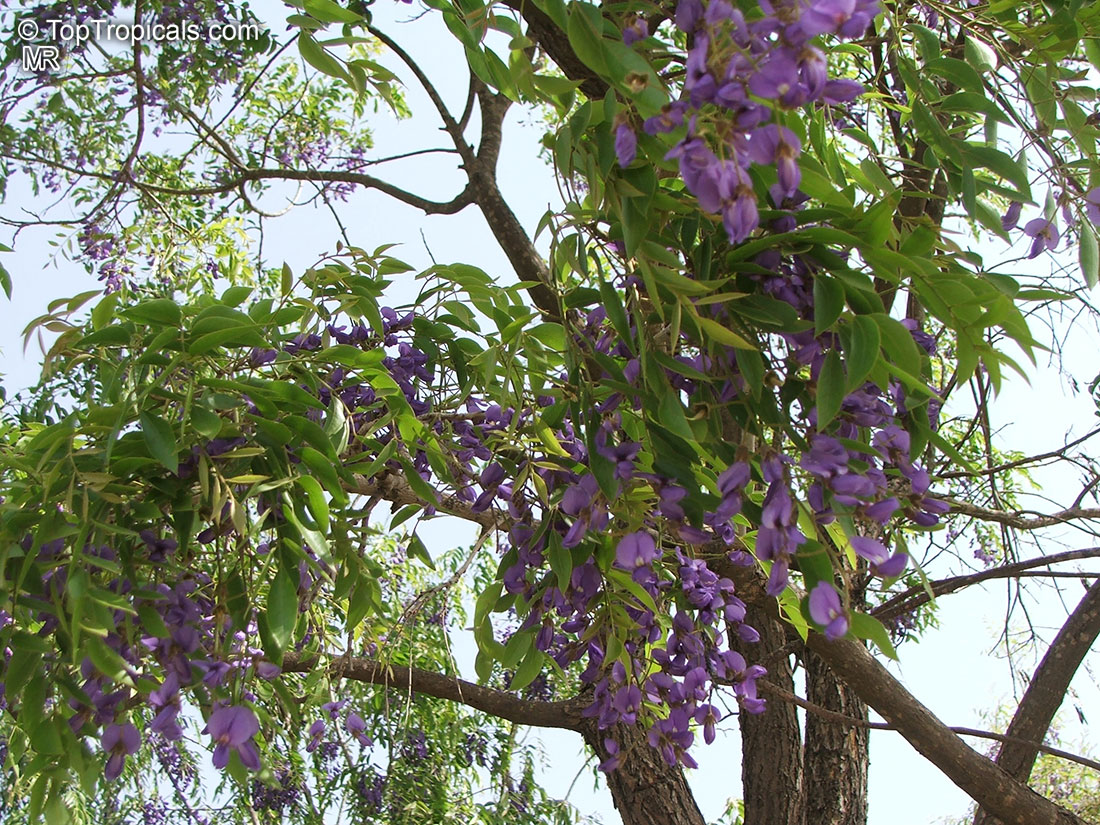
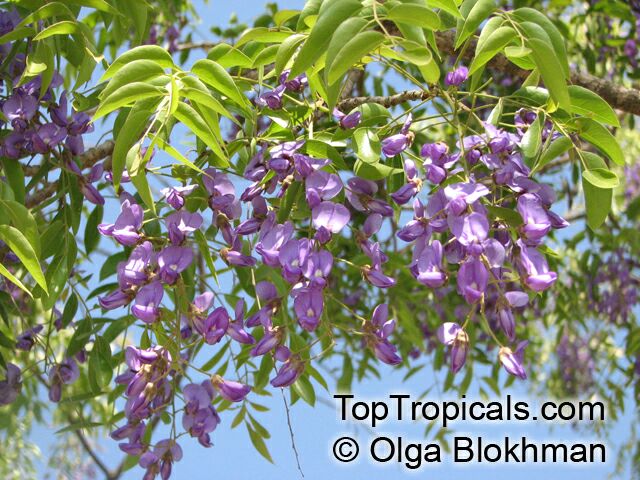
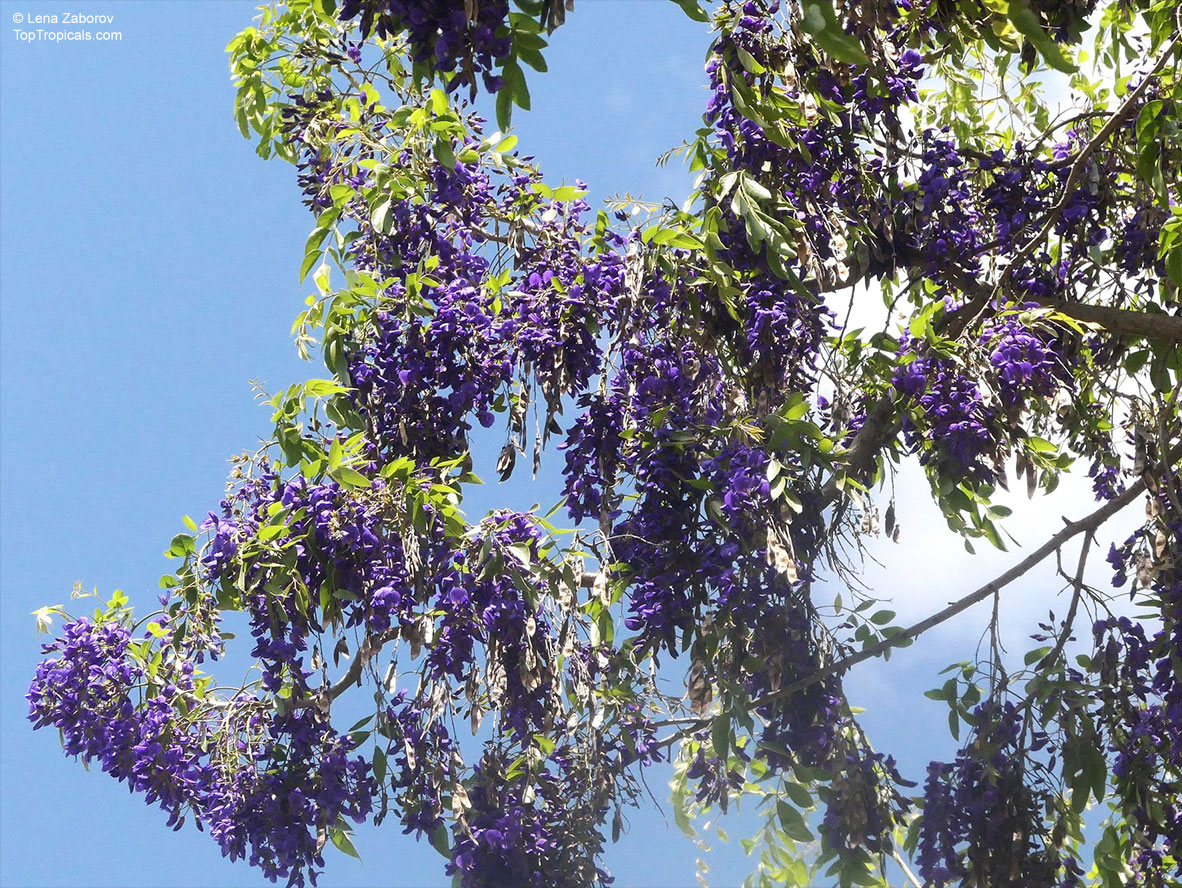
Bolusanthus speciosus, also known as the Tree Wisteria, is a small tree native to South Africa that is known for its beautiful blue, lavender, and purple flowers. It grows best in full sun and requires moderate amounts of water. This plant is easy to care for and is an ideal choice for any garden.
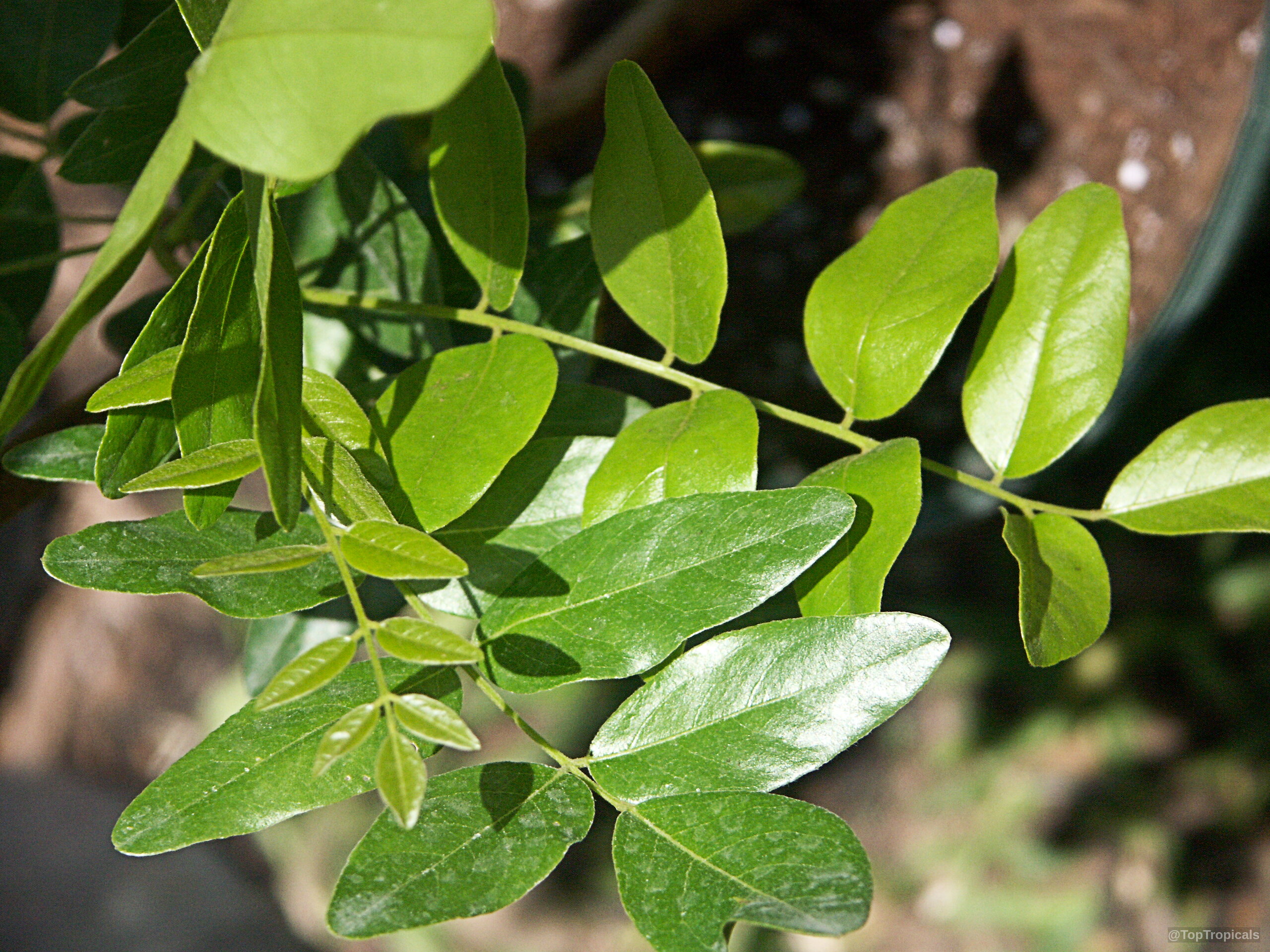
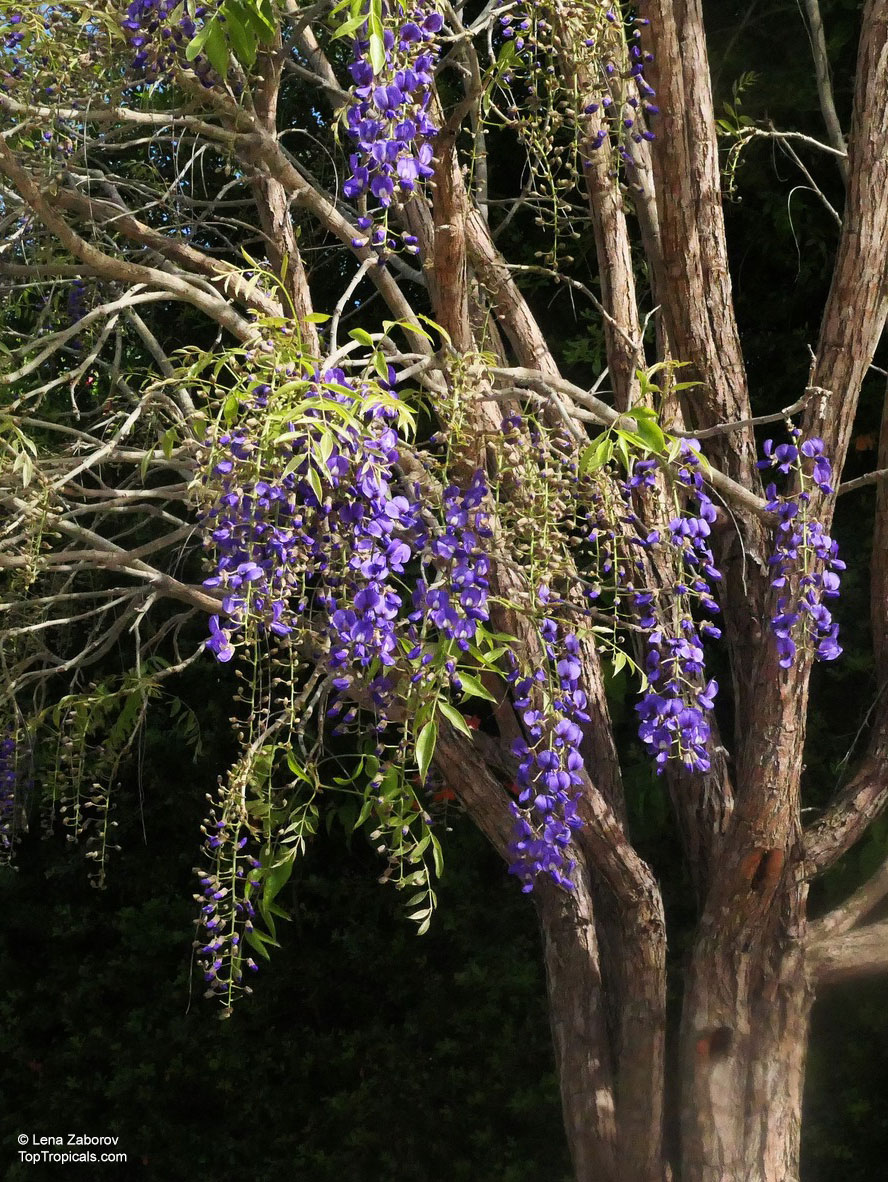
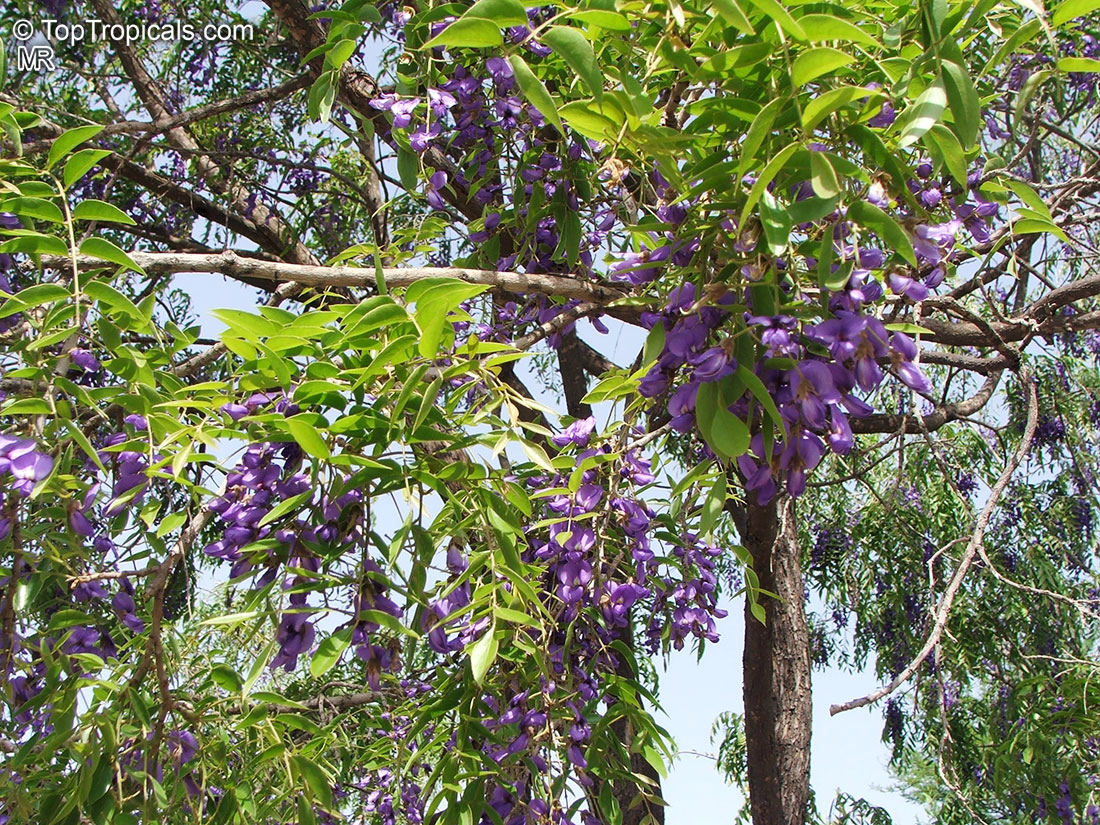
The Tree Wisteria is a deciduous tree that is normally multi-stemmed, but can be pruned to form a single stem. The bark is rough and deeply fissured, while the leaves are spirally arranged and hang from drooping branches. The tree's drooping, fragrant flowers bloom from August to January, followed by papery, brown fruit pods that hang in clusters.
The wood of the Tree Wisteria is highly sought after by carpenters and is used to make furniture and other decorative items such as lampshades. The tree's straight, hard stems are termite resistant and are used for fencing posts. The roots are used medicinally, while the inner bark is used to treat abdominal cramps.
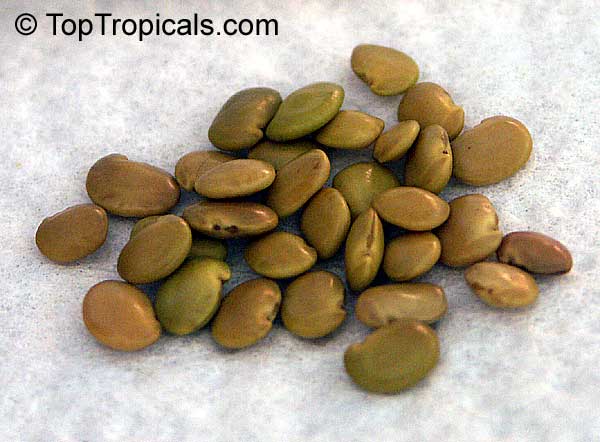
This tree is well-suited for small to medium-sized gardens and can be grown in a container. It can also be used as a street tree due to its non-invasive root system. To propagate, seeds should be soaked in hot water overnight before being sowed in a mixture of river sand, loam, and compost. The seeds will germinate quickly and can be transplanted after the second leaf has emerged.
While the Tree Wisteria can withstand frost and drought, it may need protection during the first few years of growth. Mature plants are cold hardy to at least the 30s F for short periods, but they need room to spread and accommodate their drooping branches. In colder regions, they should be grown in pots and brought indoors during the winter. With proper care, this tree fast and reaches a height of 10-20 feet in a short amount of time.
Bolusanthus honors Harry Bolus (1834-1911), who was a South African botanist and founder of the Cape Town Bolus Herbarium, speciosus means beautiful or showy in Latin.