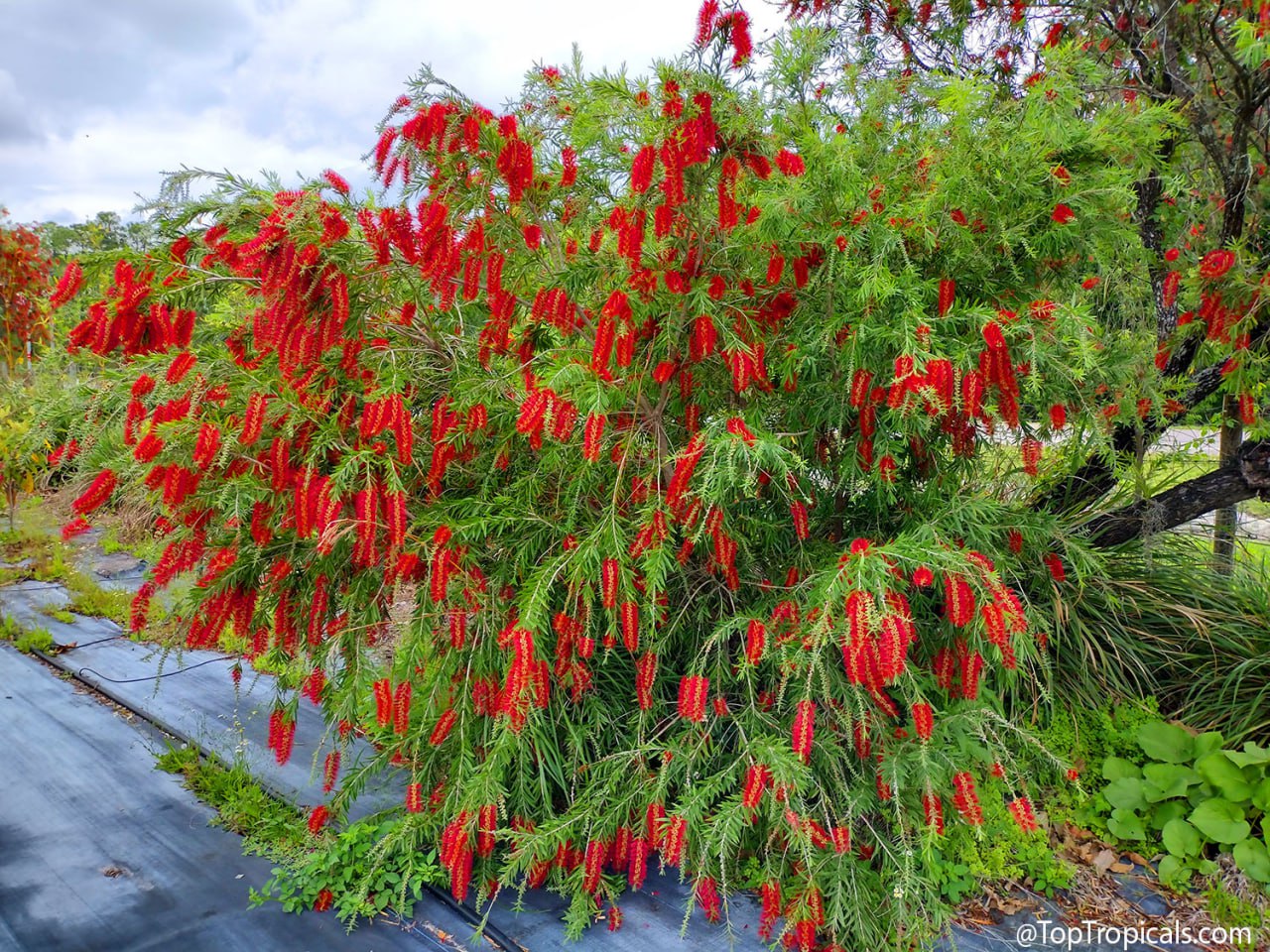
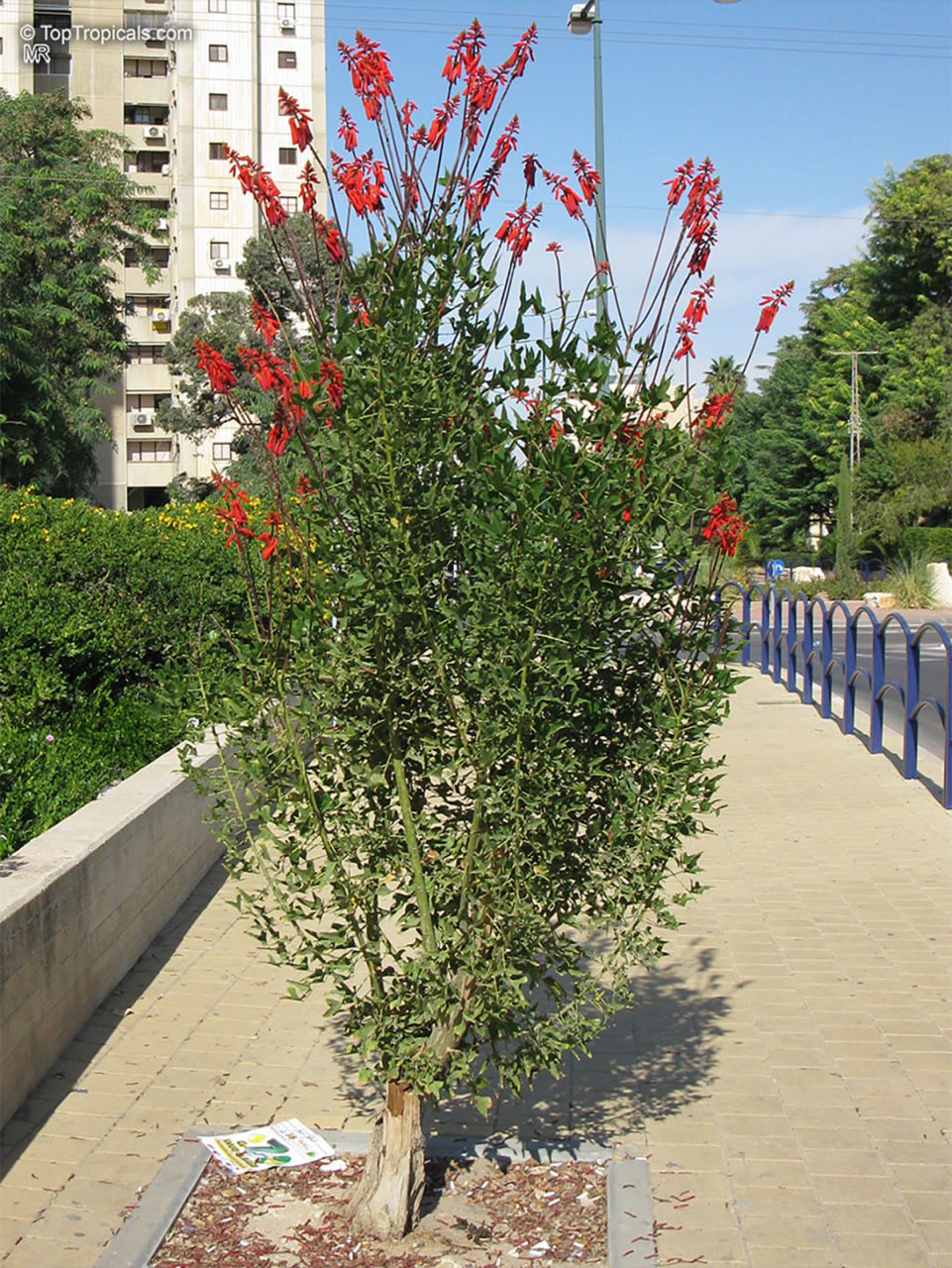
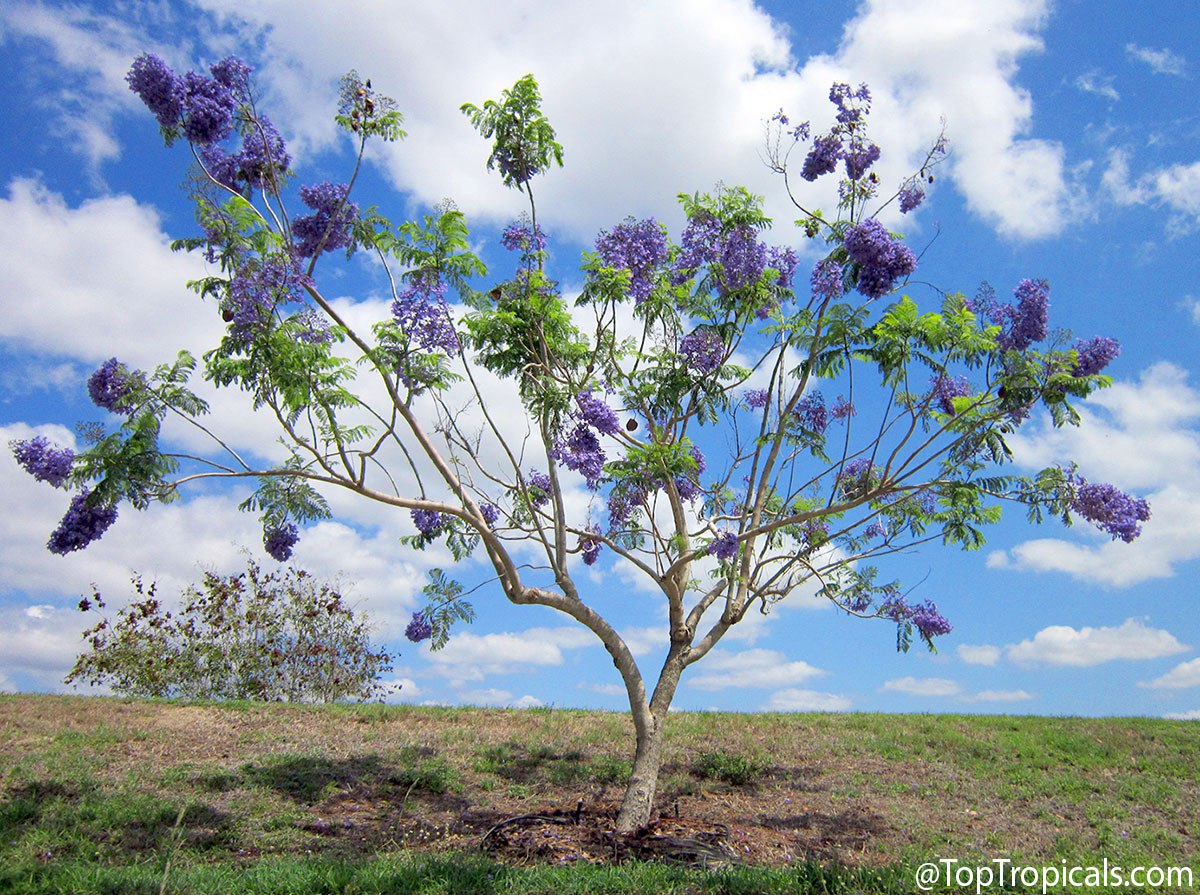
💕 Why is this shrub everywhere in Southern landscapes?
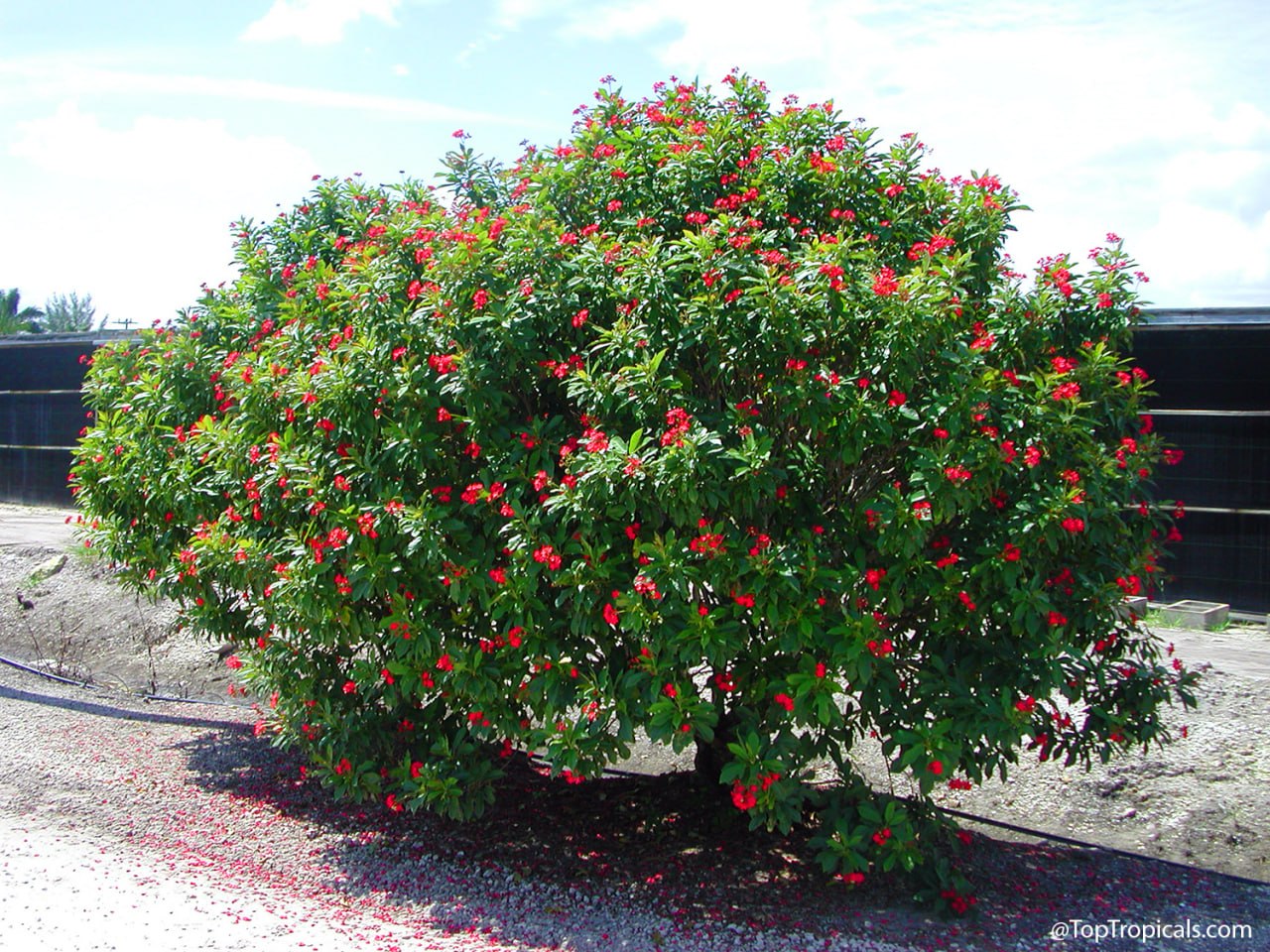
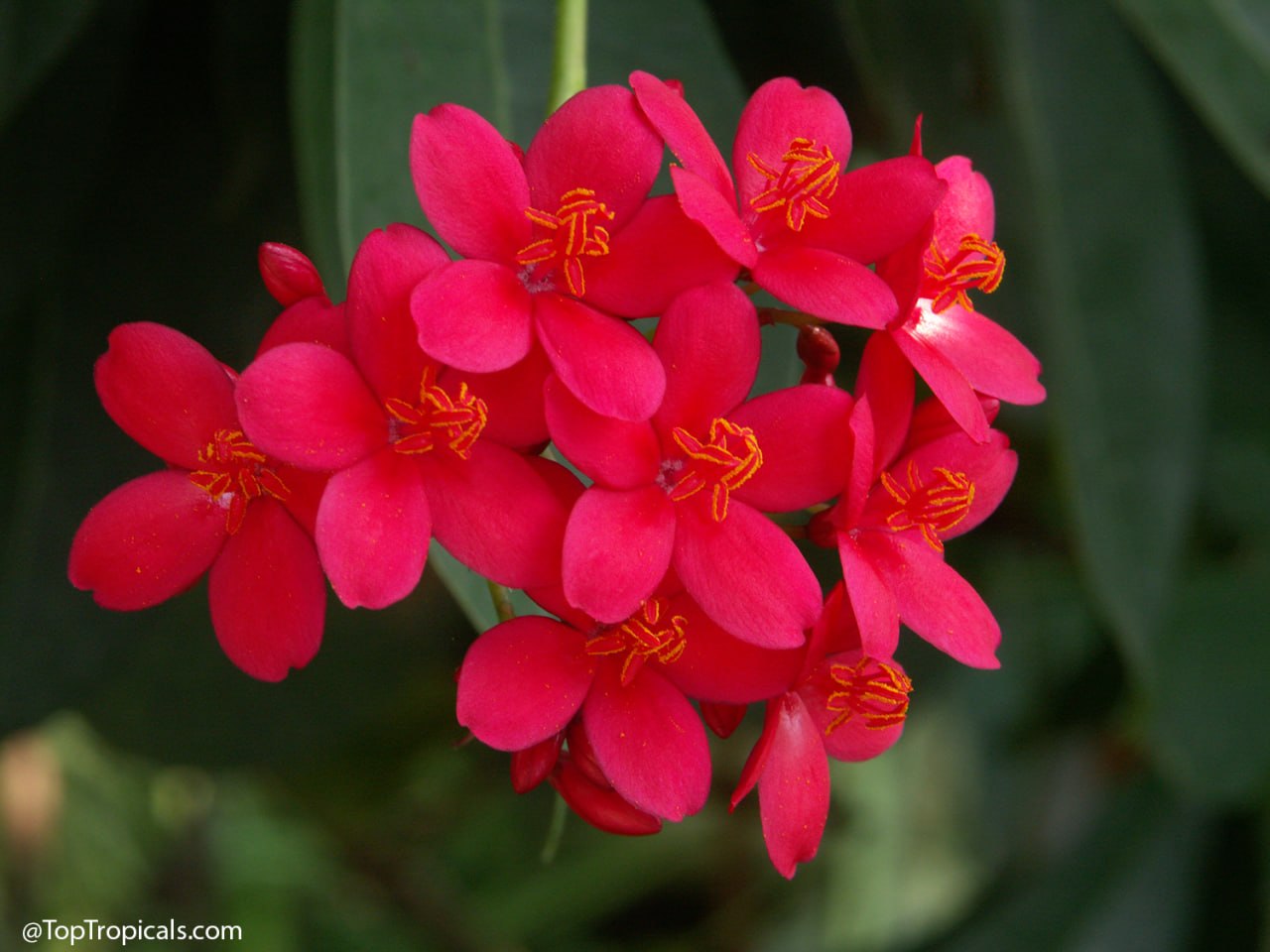
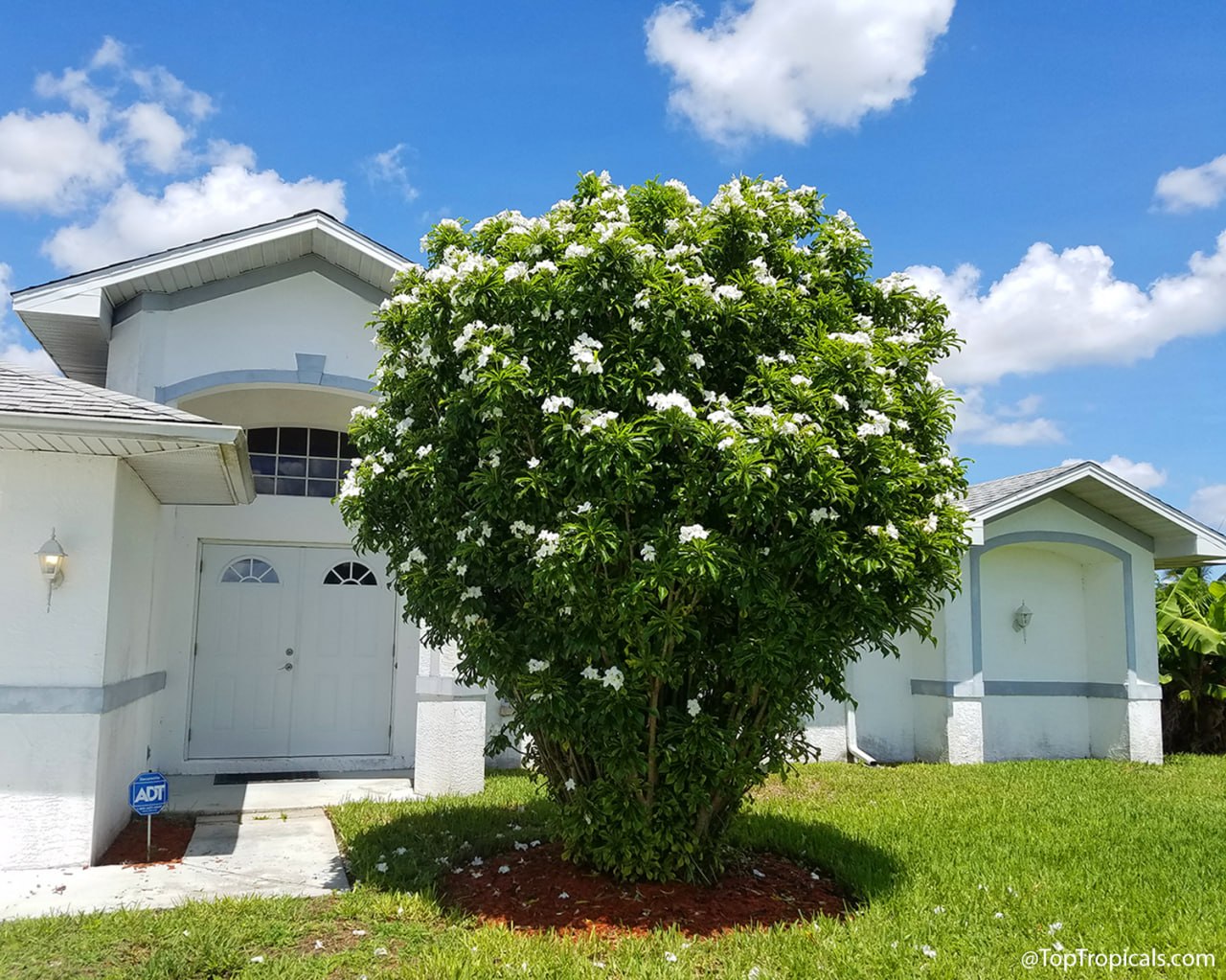
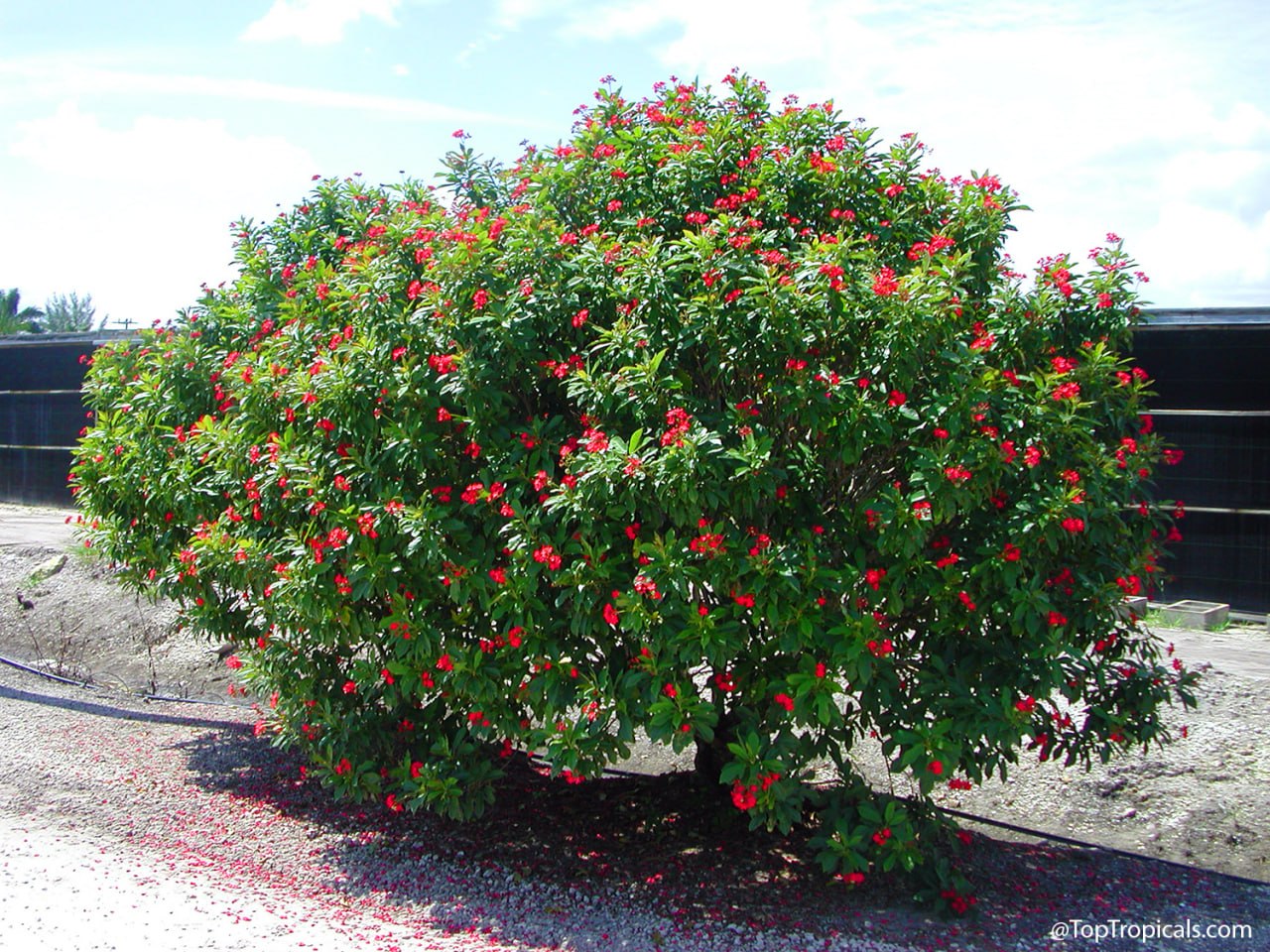
🌸 Nonstop blooms One look at Jatropha integerrima compacta - Peregrina and the answer becomes pretty obvious. This compact tropical shrub or a dwarf tree blooms almost nonstop with clusters of bright scarlet star-shaped flowers that butterflies can't seem to resist. In warm climates, it keeps adding color when many other plants take a break.
Peregrina Plant Facts
Botanical name: Jatropha integerrima, Jatropha pandurata Also known as: Peregrina, Spicy Jatropha, Coral Plant, Physic Nut
USDA Zone: 9 - 11
Highligths
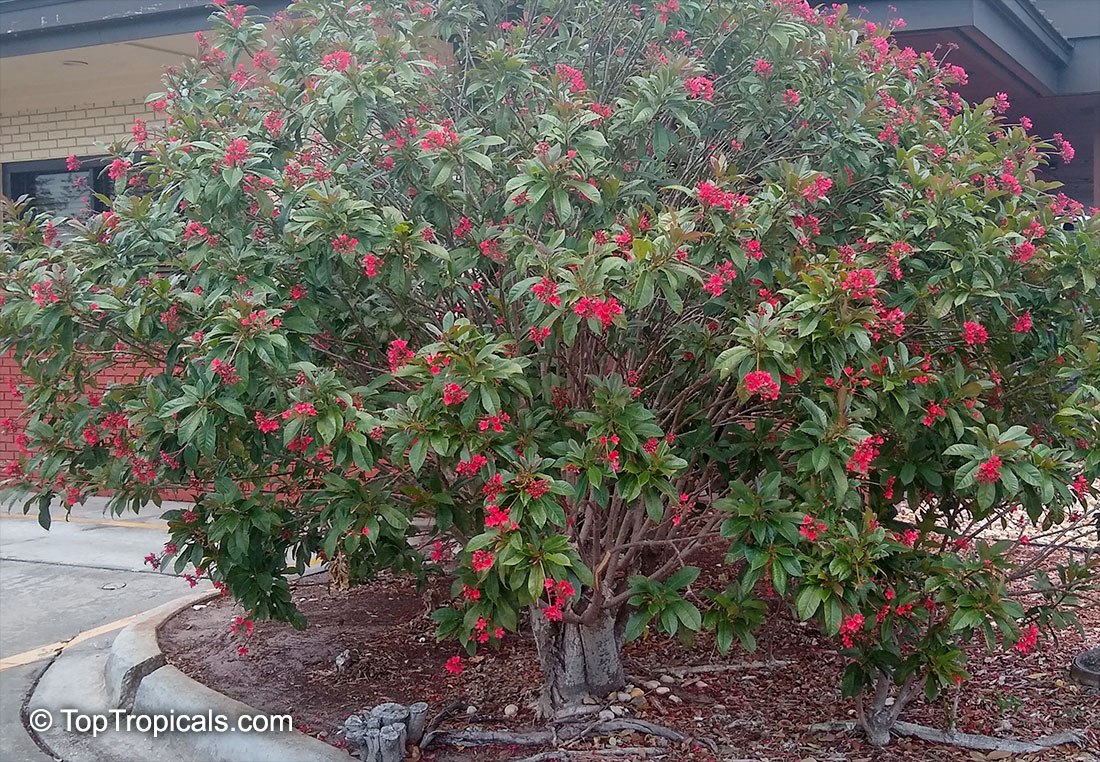
🌸 Compact size, big impact Compacta stays smaller and fuller than the regular Peregrina, which makes it especially popular for foundation plantings, pool areas, patios, and smaller gardens where oversized shrubs become a headache. The glossy green leaves stay attractive year round, giving it a clean, lush look even when it's between bloom cycles.
🌸 Surprisingly low maintenance Another reason gardeners love it - this plant is surprisingly easygoing. It tolerates many soil types as long as drainage is good, handles heat well, and can be pruned almost anytime because it flowers on new growth. Want a tidy shrub? Trim it. Want a small tropical tree shape? It can do that too.
🌸 A Southern landscape favorite For Southern gardeners looking for reliable color without constant fuss, Peregrina has quietly become one of those "plant it and enjoy it" landscape favorites.
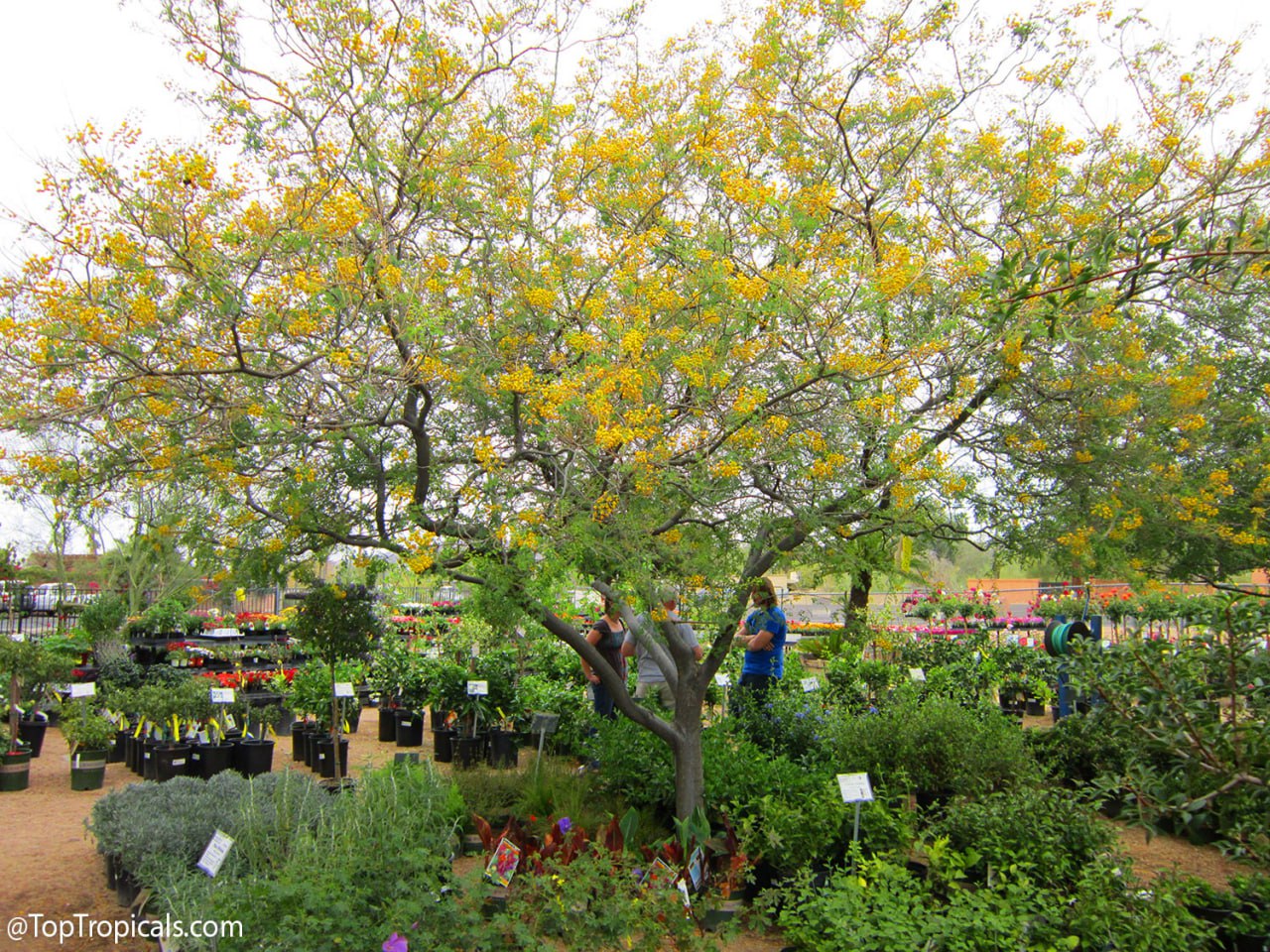
9 tough trees for hot, dry spots that actually thrive
☀️ 9 tough trees for hot, dry spots that actually thrive
Why that one brutal spot in your yard never works? There’s always that one place - blazing sun, sandy or rocky soil, dries out fast, and everything you plant there struggles. In Florida, Arizona, and California, this isn’t rare - it’s the norm. The good news? Some trees don’t just tolerate it - they prefer it. Once established, these picks handle heat, drought, and neglect far better than typical landscape plants. What makes these trees different? These are survivors. Many store water, have deep root systems, or evolved in dry climates. Translation - less watering, fewer losses, and a lot less frustration.
🔥 9 best trees for hot, dry spots
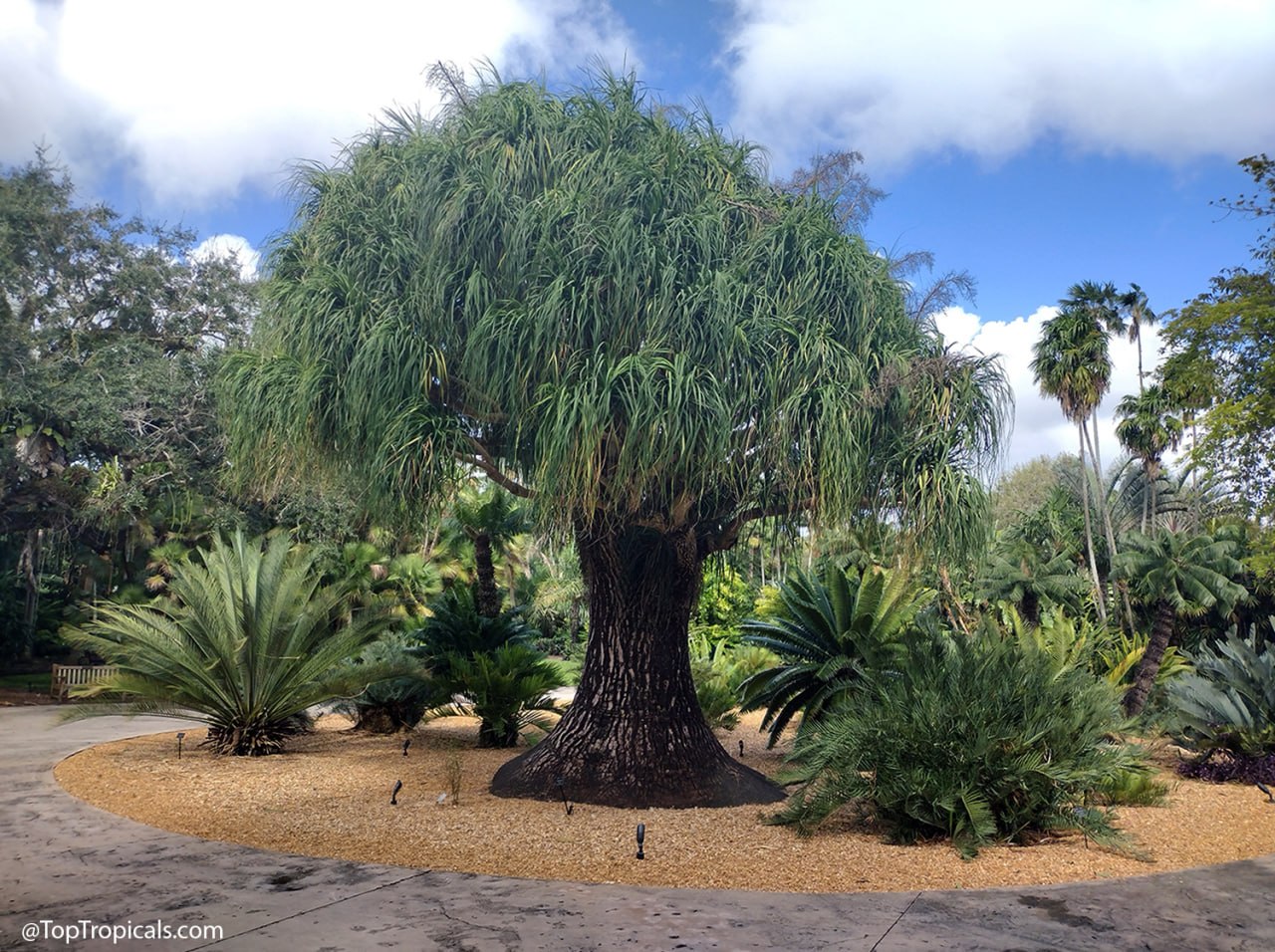
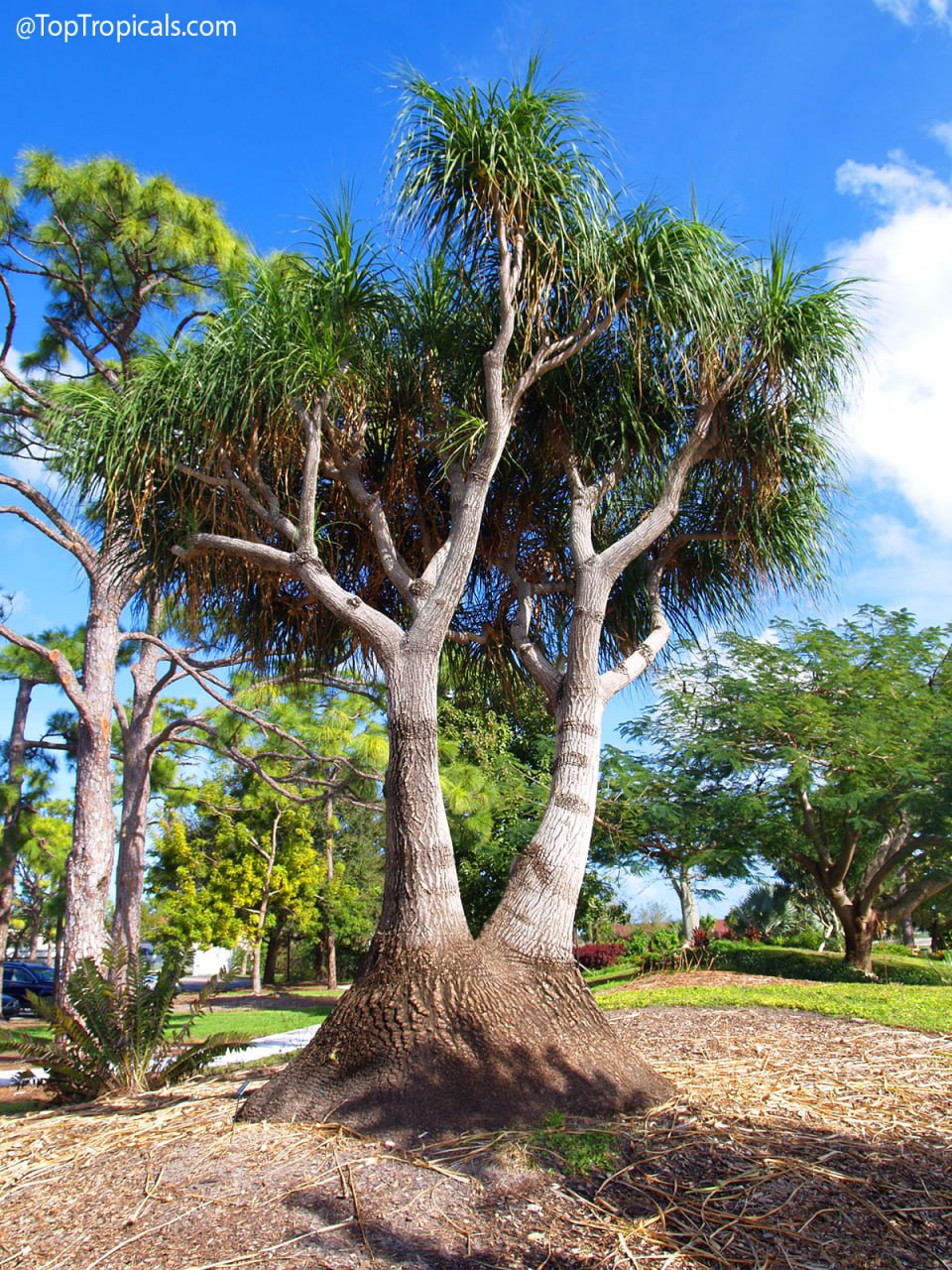
☀️ 1. Pony Tail Palm - Beaucarnea recurvata 📸 Not a true palm - it stores water in its showy, swollen trunk, making it incredibly drought tolerant and perfect for harsh, dry areas.
Ponytail Palm Plant Facts
Botanical name: Beaucarnea recurvata, Nolina recurvata Also known as: Ponytail Palm, Pony Tail, Bottle Palm, Nolina, Elephant-foot Tree
☀️ 2. Monkey Ear Tree - Enterolobium cyclocarpum A fast-growing shade tree with curious seed pods, surprisingly tough in heat and drought, with massive canopy benefits.
Monkey Ear Plant Facts
Botanical name: Enterolobium cyclocarpum Also known as: Monkey Ear, Ear Pod Tree, Elephant Ear Tree, Eartree, Guanacaste Tree, Arbol de Guanacaste
☀️ 3. Firebush - Hamelia patens Technically a large shrub/small tree - thrives in heat, blooms nonstop, attracts butterflies, and handles dry conditions once rooted in.
Fire Bush Plant Facts
Botanical name: Hamelia patens Also known as: Fire Bush, Firecracker Plant
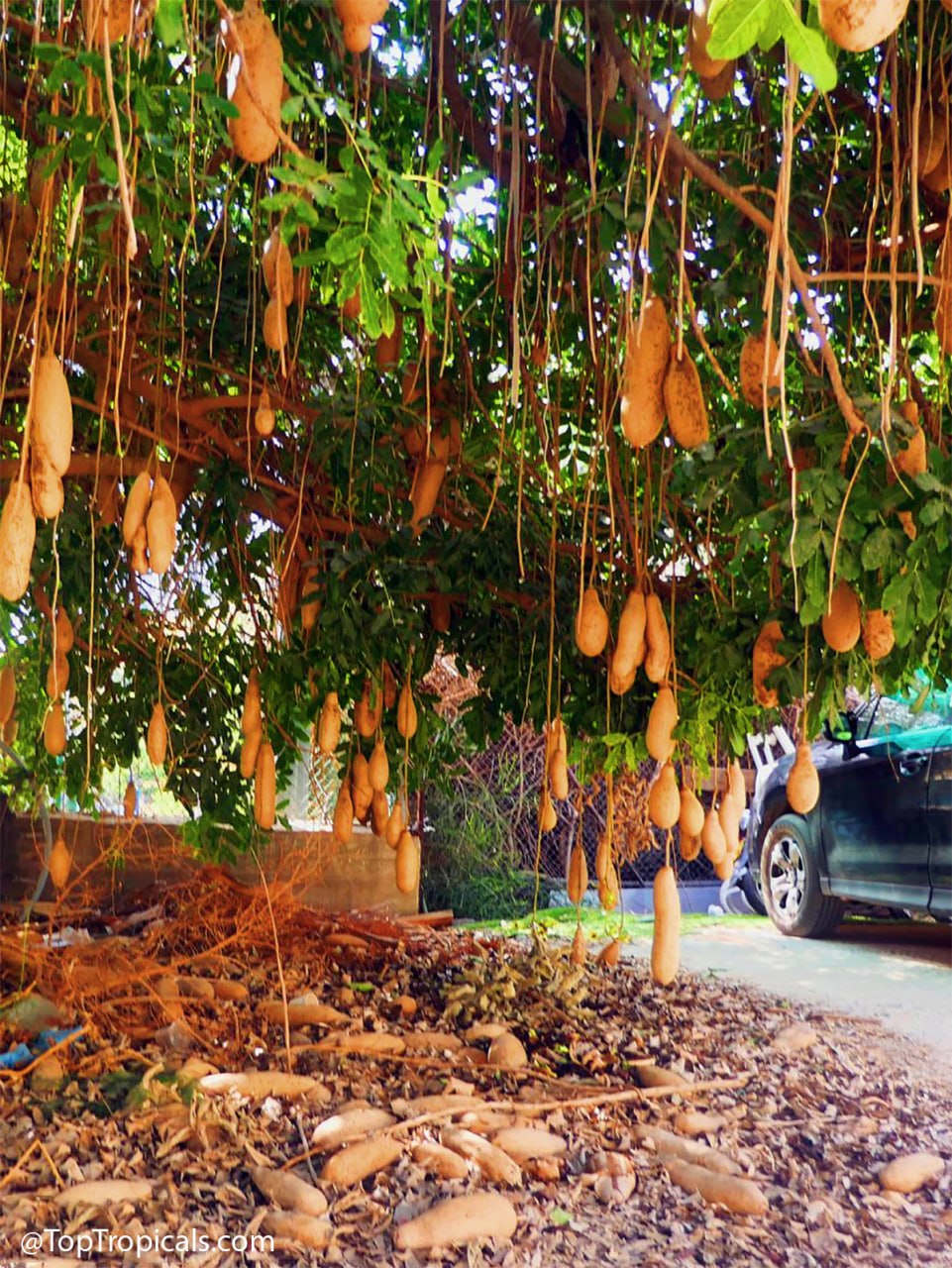
☀️ 5. Sausage Tree - Kigelia pinnata 📸 A bold tropical look with bizarre flowers and fruit, with serious heat tolerance; once established, it handles dry spells better than expected.
Sausage Tree Plant Facts
Botanical name: Kigelia pinnata, Kigelia africana Also known as: Sausage Tree
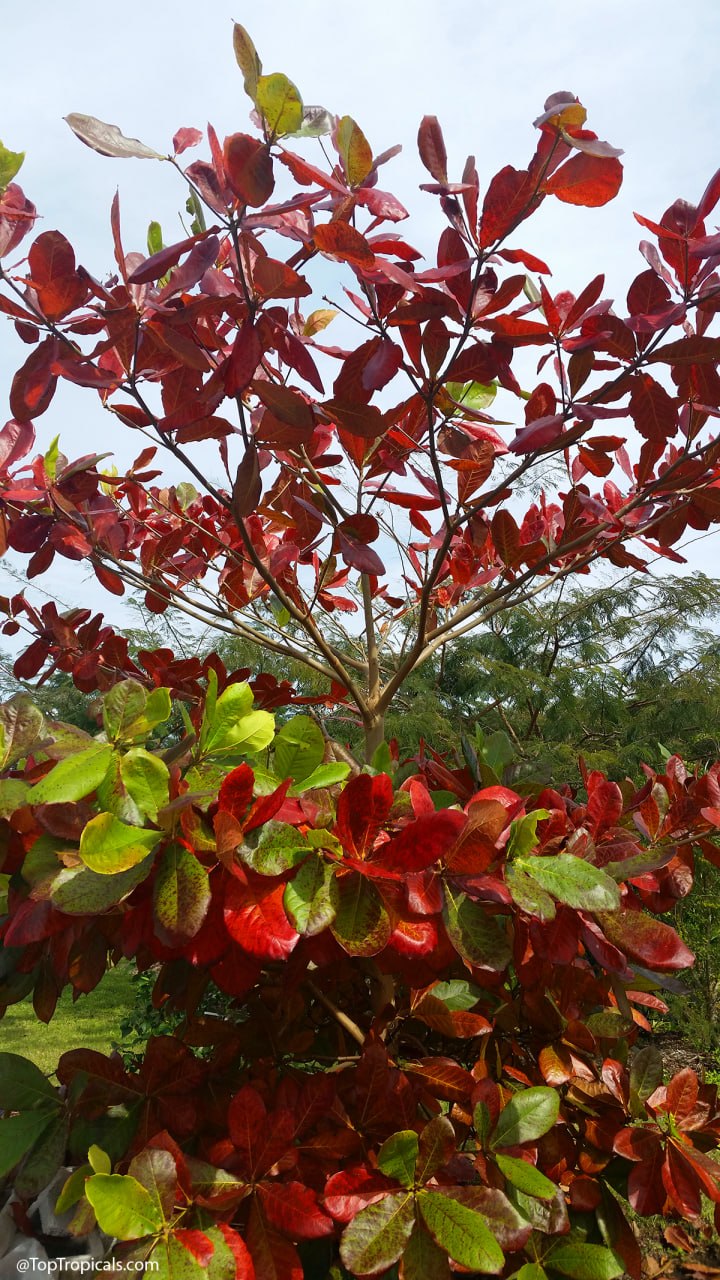
☀️ 9. Tropical Almond - Terminalia catappa 📸 A classic coastal shade tree that thrives in heat, wind, and dry sandy soil once established. Its broad, layered canopy provides excellent shade, and the large leaves turn striking shades of red and orange before dropping - a rare bonus color show for hot-climate landscapes. Plus almond nuts as extra bonus!
Tropical Almond Plant Facts
Botanical name: Terminalia catappa Also known as: Tropical Almond, Badamier, Java Almond, Indian Almond, Malabar Almond, Singapore Almond, Ketapang, Huu Kwang, Pacific Almond
7 best exotic dwarf trees for maximum impact in small tropical landscapes 🏡
For a yard that feels like a tropical escape but doesn't have the space for a massive jungle, these seven selections from TopTropicals are game-changers, chosen for their compact size, high "curb appeal," and unique tropical flair.
1. Dwarf Pink Princess Silk Floss Tree (Ceiba hybrid)
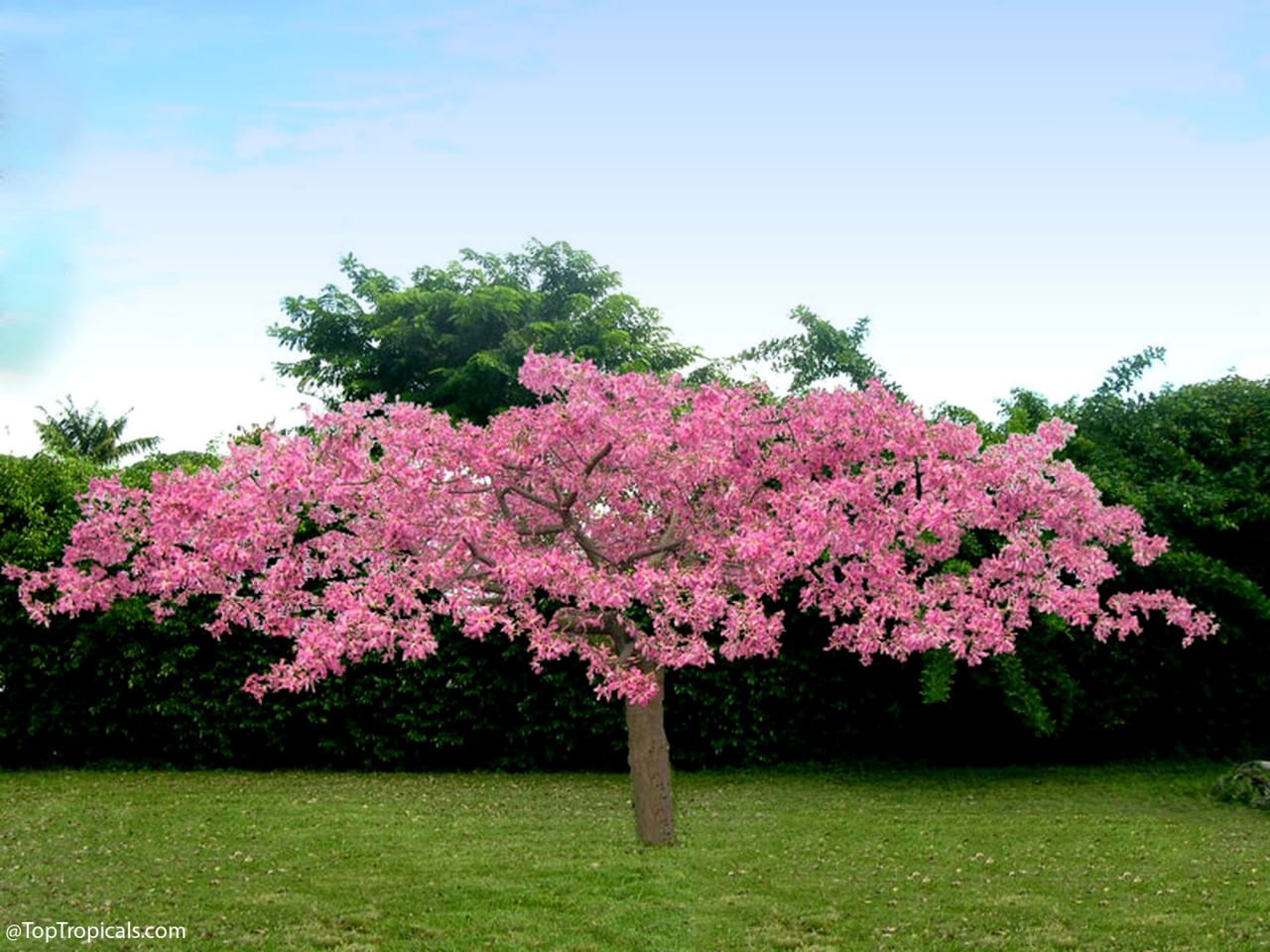
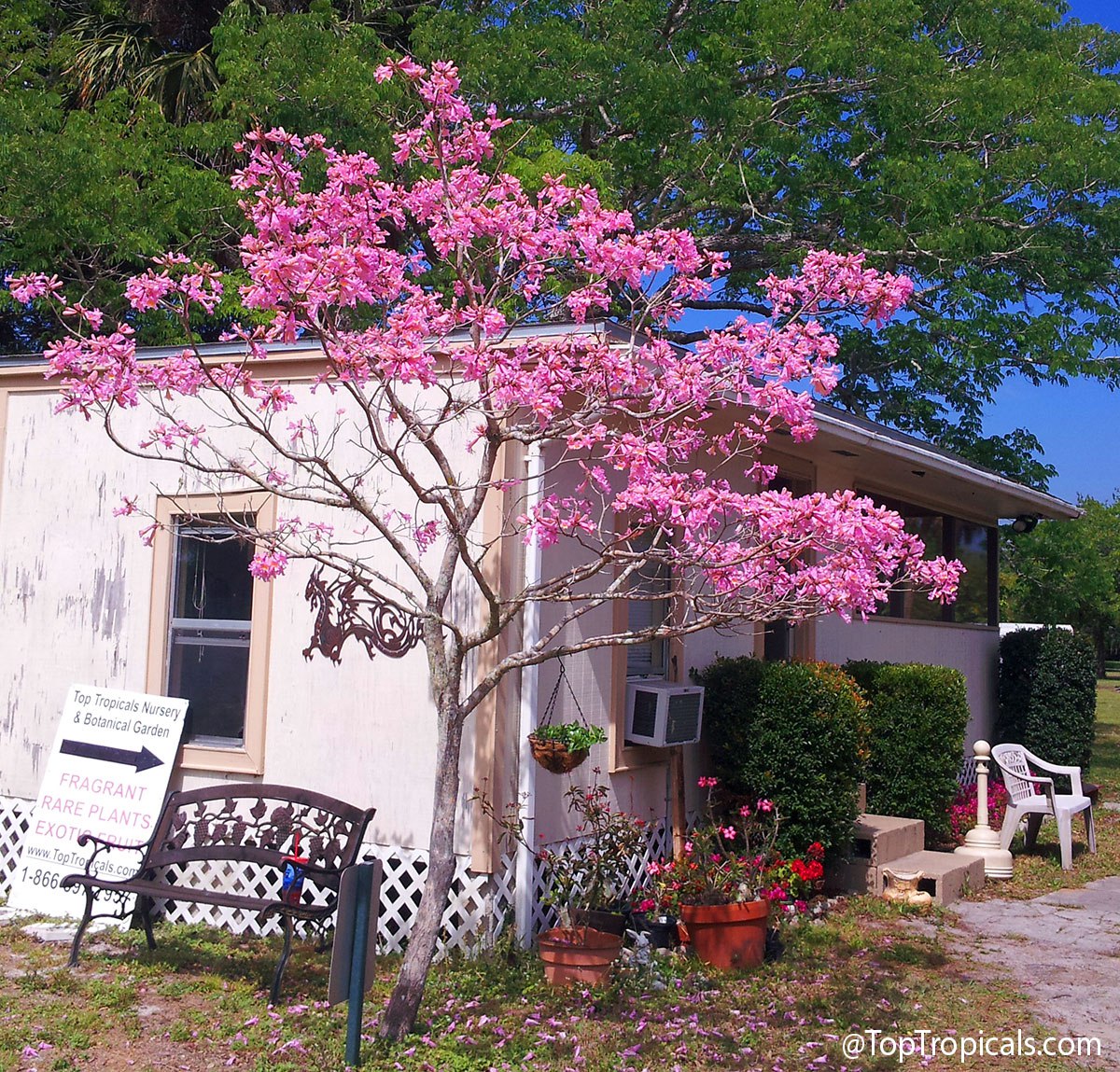
🌳 A spectacular grafted hybrid of the famous Silk Floss tree, but in a much smaller package: a unique, often "fat" or bottle-shaped trunk and large, showy pink flowers with white centers. 🏡 Unlike the standard Ceiba which can become a giant, the 'Pink Princess' is grafted to stay compact (usually under 10 - 12 feet), allowing you to enjoy those exotic, orchid-like blooms even in a tiny garden.
Ceiba Plant Facts
Botanical name: Ceiba sp. Also known as: Ceiba, Floss Silk Tree, Kapok Tree
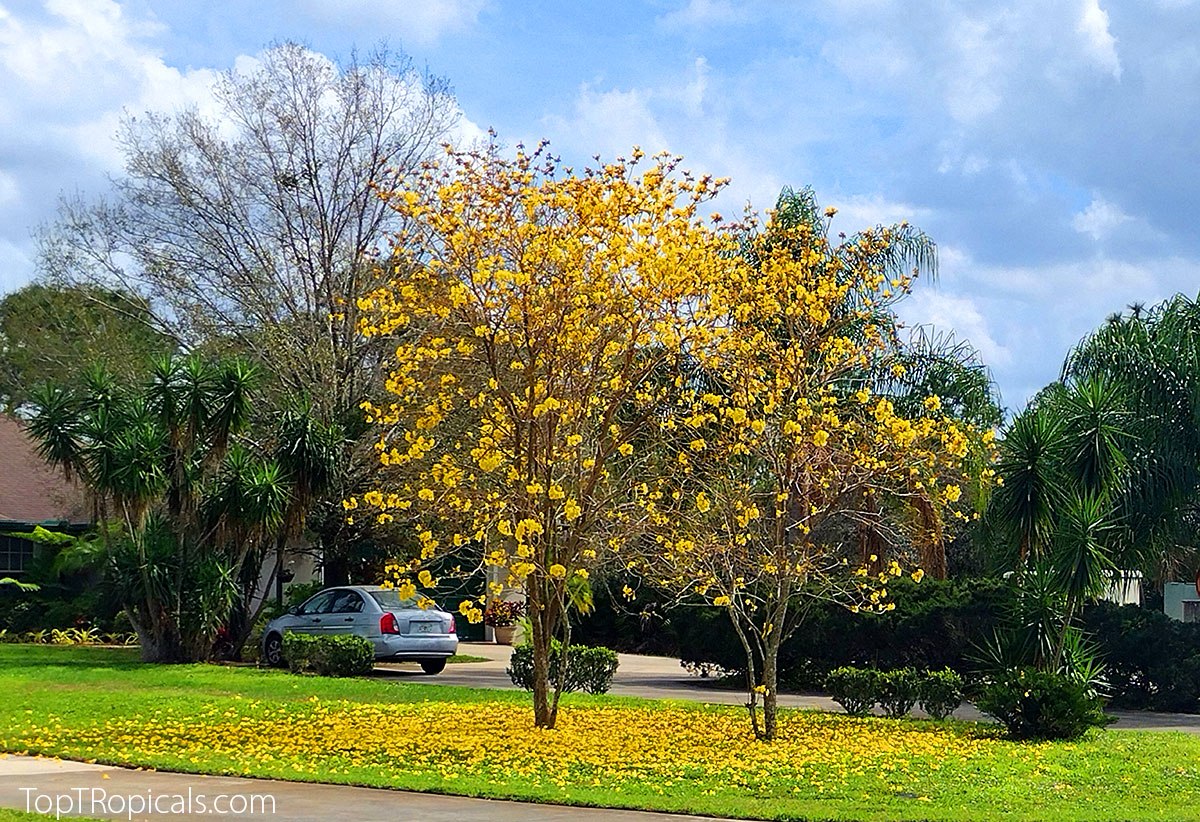
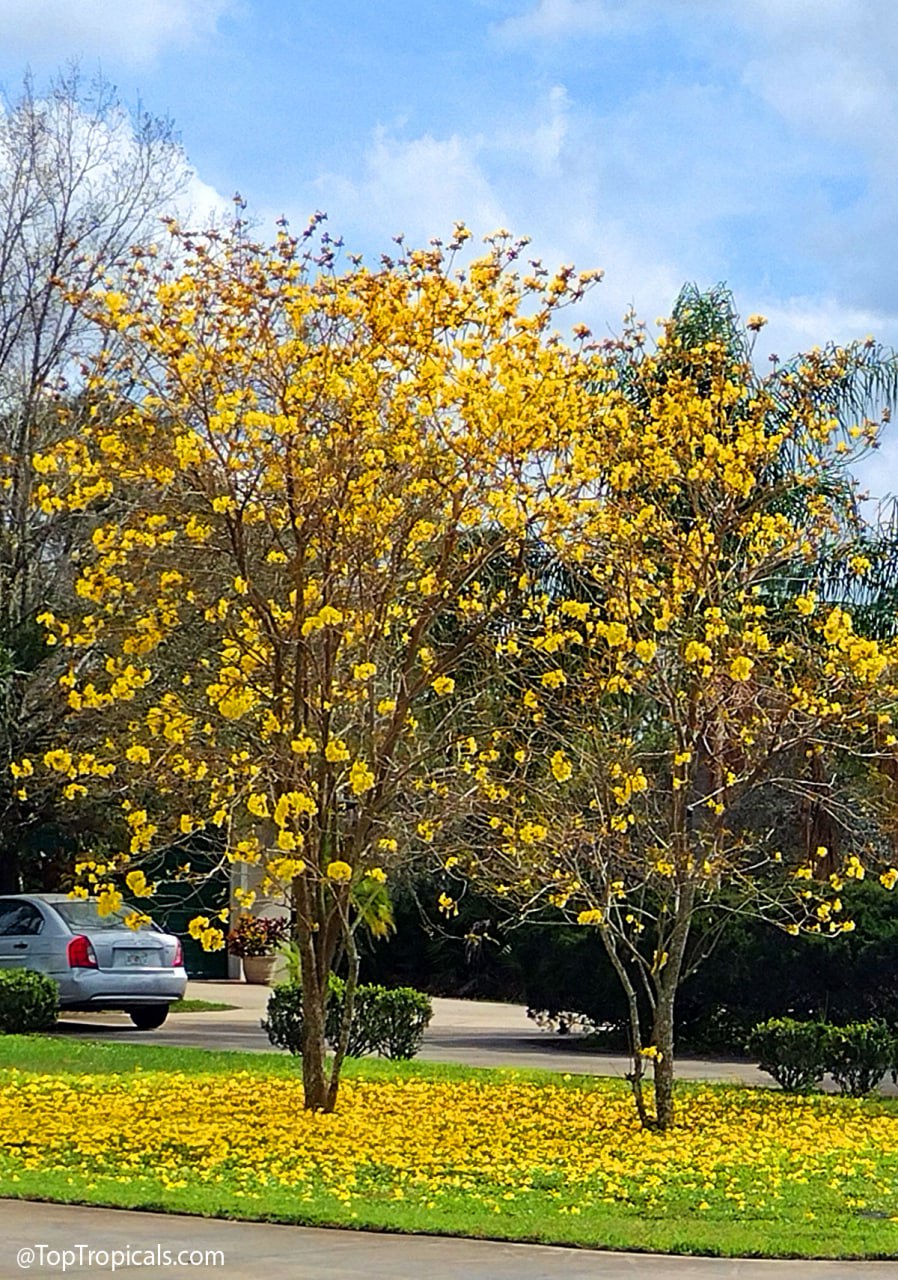
🌳 Known as the "Golden Trumpet Tree," this dwarf selection puts on one of the most brilliant displays in the plant kingdom. Before the leaves emerge in spring, the entire tree is covered in bright, trumpet-shaped yellow flowers. 🏡 This specific dwarf form stays much smaller and more manageable than the standard Tabebuias seen on city streets. Its silver-green foliage and rounded canopy make it an ideal "specimen" tree that acts as a focal point for your front yard.
Dwarf Golden Tabebuia Plant Facts
Botanical name: Handroanthus chrysotrichus, Tabebuia chrysotricha, Tabebuia chrysantha Also known as: Dwarf Golden Tabebuia
3. Little Gem Southern Magnolia (Magnolia grandiflora)
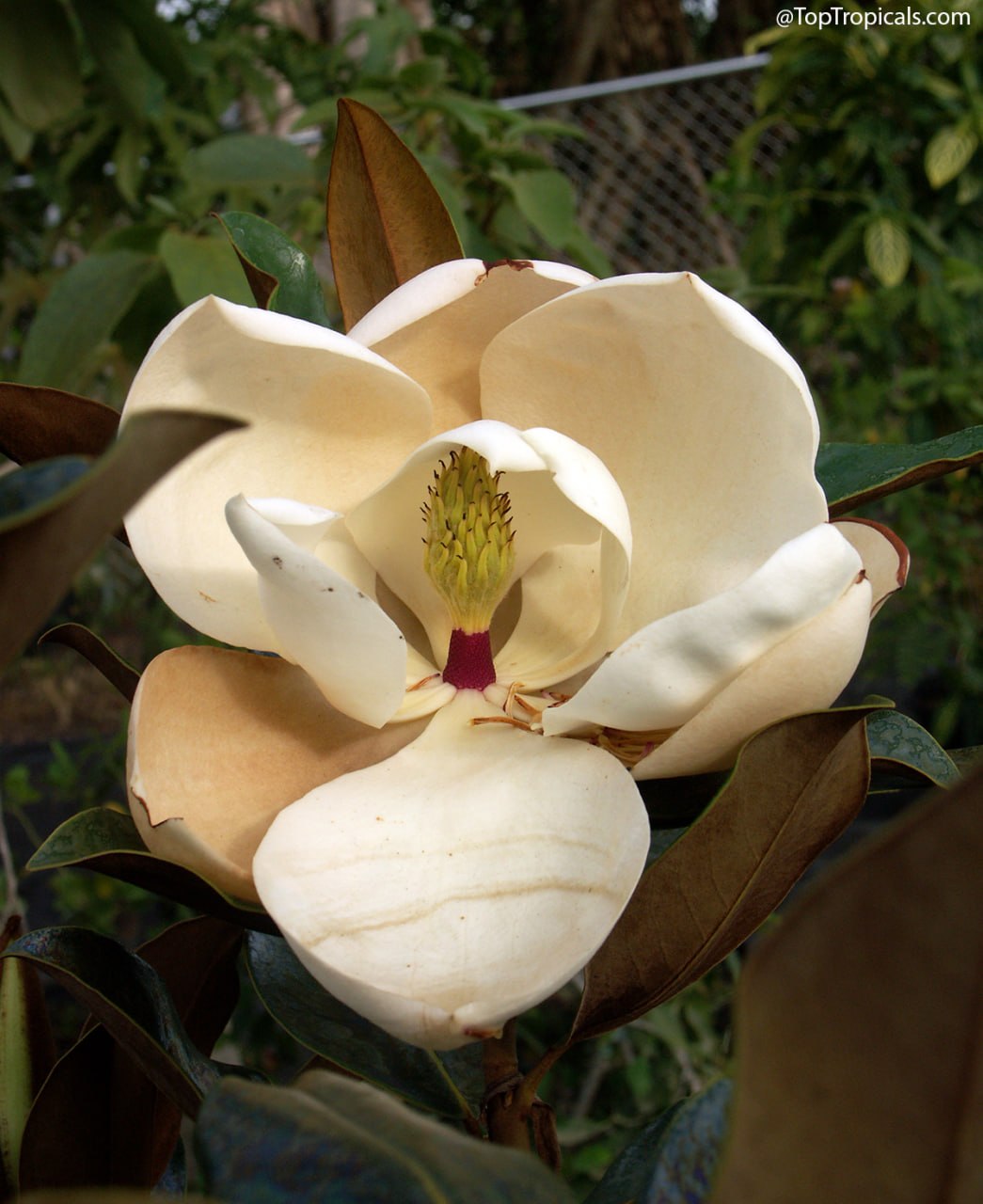
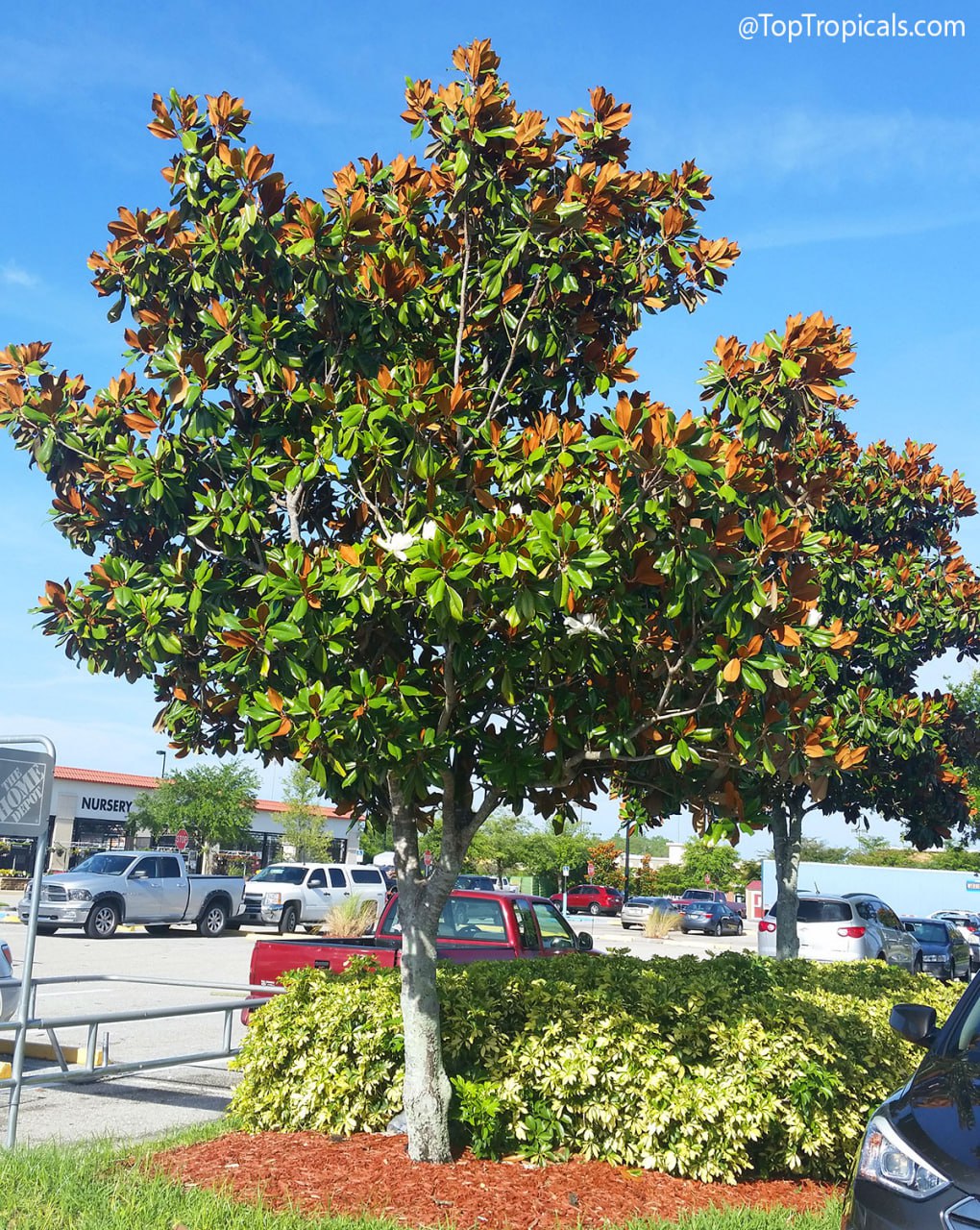
🌳 All the elegance of a classic Southern Magnolia but in a miniaturized version. It has the iconic waxy white, lemon-scented flowers and glossy leaves with fuzzy bronze undersides. 🏡 'Little Gem' is narrow and columnar, typically reaching only 15-20 feet (half the size of the standard species). It starts blooming at a very young age, so you don't have to wait years for those famous fragrant flowers.
Southern Magnolia Plant Facts
Botanical name: Magnolia grandiflora Also known as: Southern Magnolia, Bull Bay
🌳 This "ever-blooming" small tree is a butterfly magnet. It features clusters of bright, cherry-red star flowers against glossy, fiddle-shaped leaves. 🏡 The Compacta variety is specifically bred to stay bushy and small. It blooms almost 365 days a year in warm climates, providing a constant splash of red that draws in hummingbirds and pollinators.
Peregrina Plant Facts
Botanical name: Jatropha integerrima, Jatropha pandurata Also known as: Peregrina, Spicy Jatropha, Coral Plant, Physic Nut
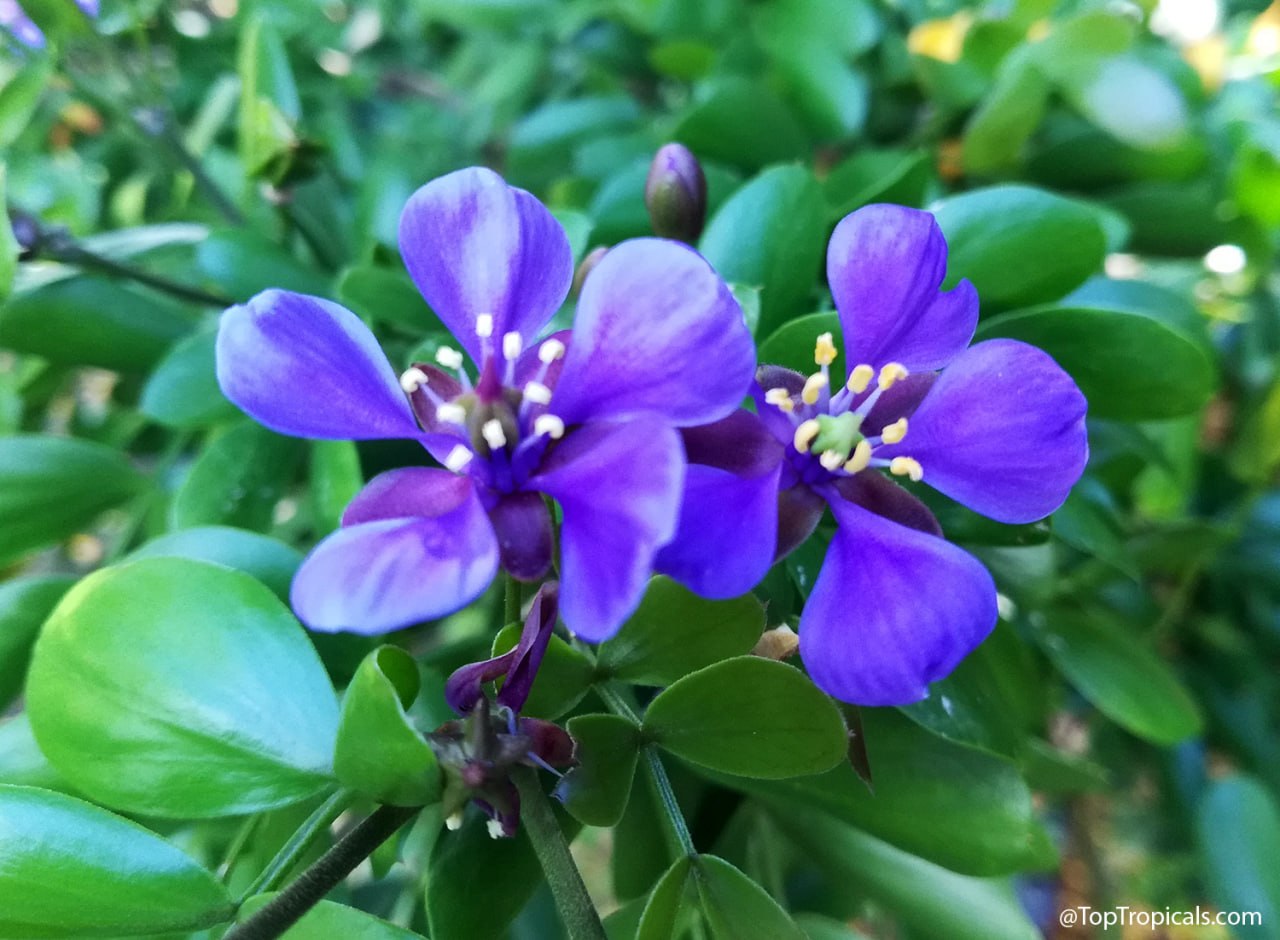
🌳 Known as the "Wood of Life," this is one of the slowest-growing trees in the world. It has fine-textured, dark green foliage and produce stunning, small blue flowers that fade to white, followed by bright orange seed pods. 🏡 Because it grows so slowly, it will never outgrow its space. It is extremely hardy, salt-tolerant, and hurricane-resistant, making it a "plant it and forget it" heirloom tree for coastal or small urban lots.
Lignum Vitae Plant Facts
Botanical name: Guaiacum sanctum Also known as: Lignum Vitae, Tree of Life, Gaiac tree
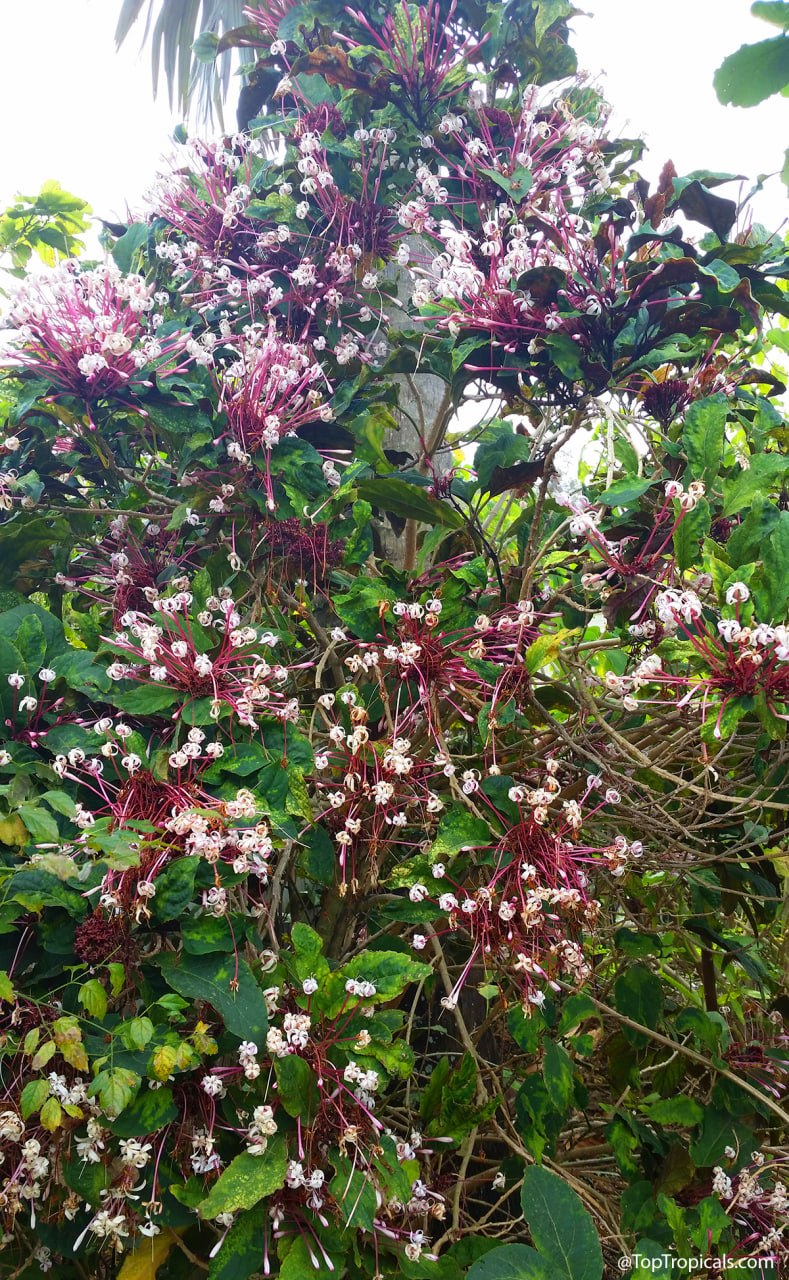
🌳 A visual firework display. The leaves are deep green on top and rich purple underneath. In late winter, it produces massive, 8-inch wide clusters of tubular pink-and-white flowers that look like an exploding star. 🏡 It is easily pruned to a single-trunk tree form. The purple foliage provides "curb appeal" year-round, while the winter blooms provide a much-needed pop of color when other plants are dormant.
Winter Starburst Plant Facts
Botanical name: Clerodendrum quadriloculare Also known as: Winter Starburst, Fireworks, Clerodendron
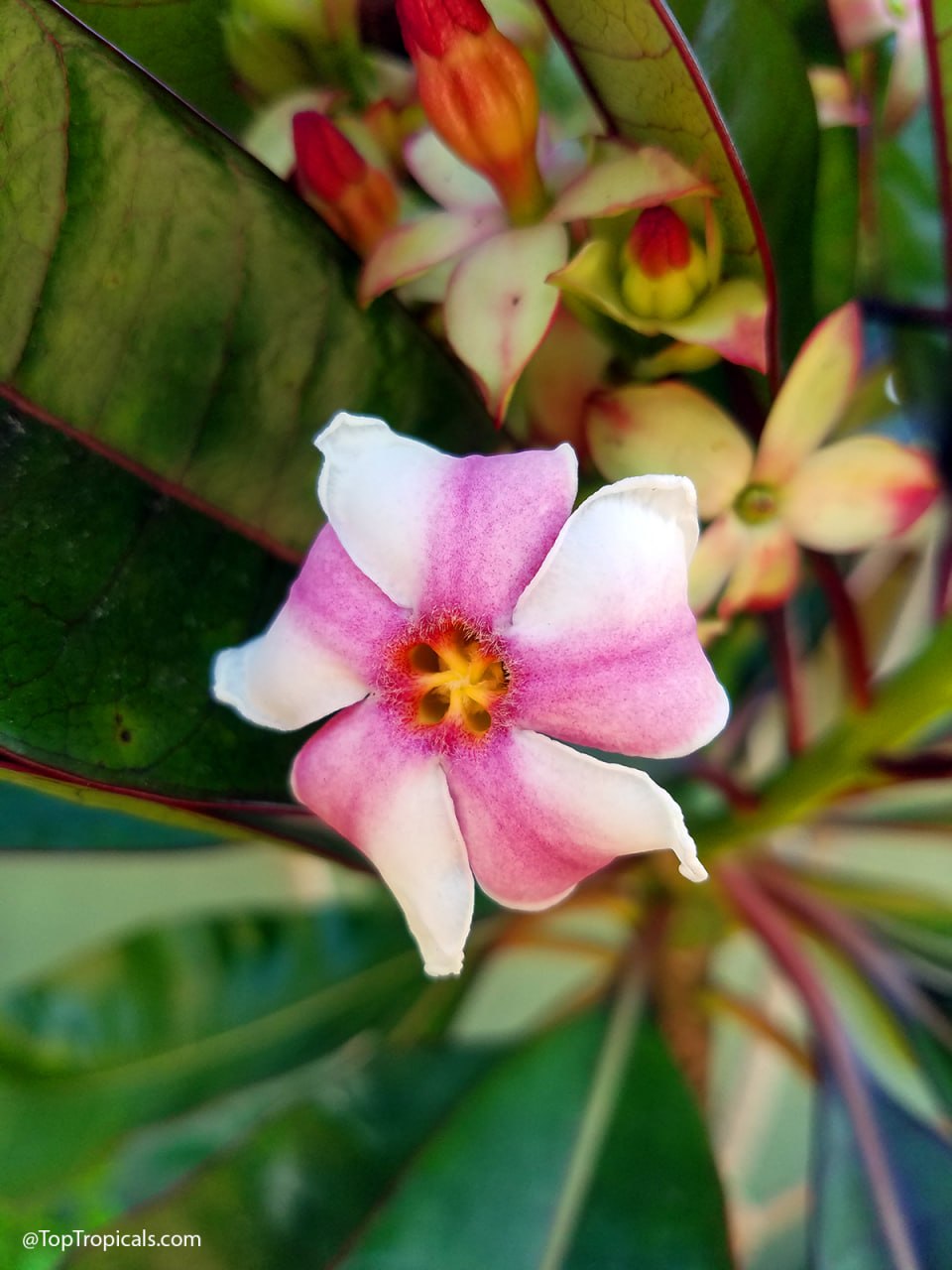
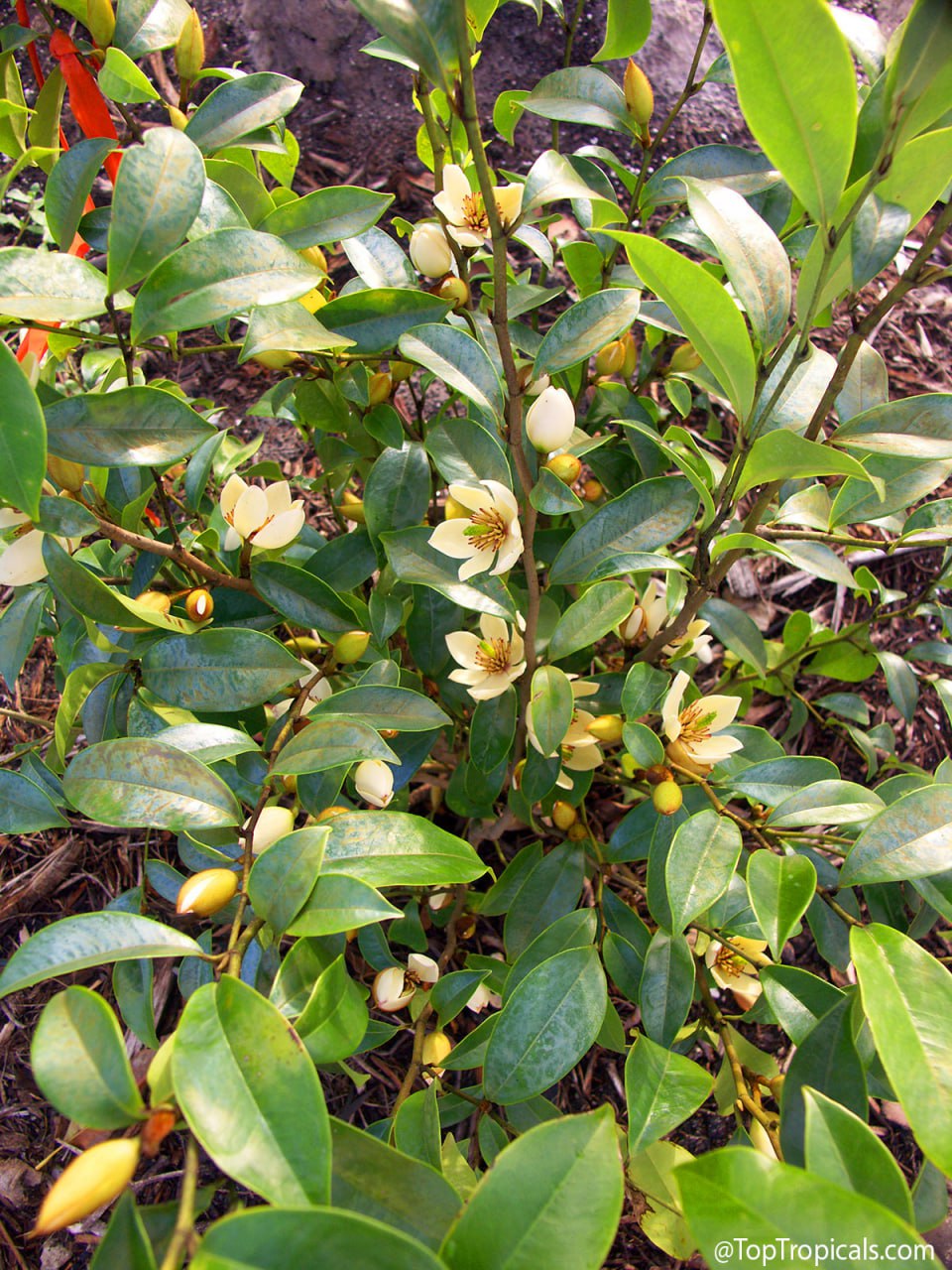
🌳 This is a rare, small evergreen tree with glossy, dark green leaves and clusters of highly fragrant, star-shaped white flowers with a red "eye." 🏡 It has an naturally architectural, upright habit. The fragrance is incredible - sweet and heavy - making it a perfect "sensory" tree to plant near a patio where you can enjoy the scent on summer evenings.
👉 more
A Miracle in the Garden: Watching a Tiger Swallowtail Rebuild Itself on a Magnolia Champaka - Joy Perfume Tree
Tiger Swallowtail Butterfly
A Miracle in the Garden: Watching a Tiger Swallowtail Rebuild Itself on a Magnolia Champaka - Joy Perfume Tree 🐯
Tiger Swallowtail Metamorphosis: From Cocoon to Joy
🏼 Nature’s most mind-blowing magic trick happened right here on a branch of our Magnolia champaka - the Joy Perfume Tree. Did you know that when a caterpillar enters its chrysalis (cocoon), it literally dissolves its body and rebuilds it from scratch?
🏼 This Tiger Swallowtail chose the legendary Joy Perfume Tree as its nursery. It’s a match made in heaven—the "flying tiger" of North America born on a tree famous for the world’s most expensive perfume scent. While most people know the Champaka for its intensely fragrant flowers, few realize that even the leaves release a soft, sweet aroma when brushed against.
🏼 In this video, you’ll see the rare moment of eclosion - where the butterfly emerges with soft, wrinkled wings and begins the slow process of pumping life into them before its first flight.
🏼 It is a real gem in your garden - not just for fragrance lovers, but for wildlife that clearly loves it too.
Watch this Tiger Swallowtail butterfly being born on a Champaka - Joy Perfume tree!