Garden Blog - Top Tropicals

Date: 15 Aug 2025

Climbing 10 feet for Vanilla Beans!

Vanilla Bean Orchid - Vanilla planifolia

⭐️ Climbing 10 feet… for Vanilla Beans!


⚡️ One of our Vanilla Bean Orchids at TopTropicals has big ambitions - it's already climbed 10 feet up a pine tree! We’re waiting (impatiently!) for those elegant yellow-green flowers, which will hopefully turn into vanilla beans.

⚡️ Vanilla Bean Orchid (Vanilla planifolia) is the plant behind that sweet, comforting vanilla flavor we all love. It starts off like any potted orchid, but soon sends out aerial roots and becomes a climber, wrapping itself around trees or trellises. In its natural habitat, it grows high into forest canopies, but in the garden it will happily scale any sturdy support you give it.

⚡️ Once established, it flowers and sets the long green pods we call vanilla beans. Growing your own is a lesson in patience - from flower to dried bean can take month - but nothing beats harvesting your own vanilla for the kitchen.

📚 Learn more:


How to properly plant Vanilla Orchid
How to grow your own vanilla orchid at home
The Secret of how to Make Vanilla Orchid bloom
The biggest in the world Vanilla dilloniana

📱How to produce your own vanilla: secrets of hand-pollination.

🛒 Climb toward your own beans

#Shade_Garden #Container_garden #Food_Forest

🟢 Join 👉 TopTropicals
Date: 13 Aug 2025

🌸 Orchid Tree - Bauhinia: Winter Blooms & Year-Round Beauty

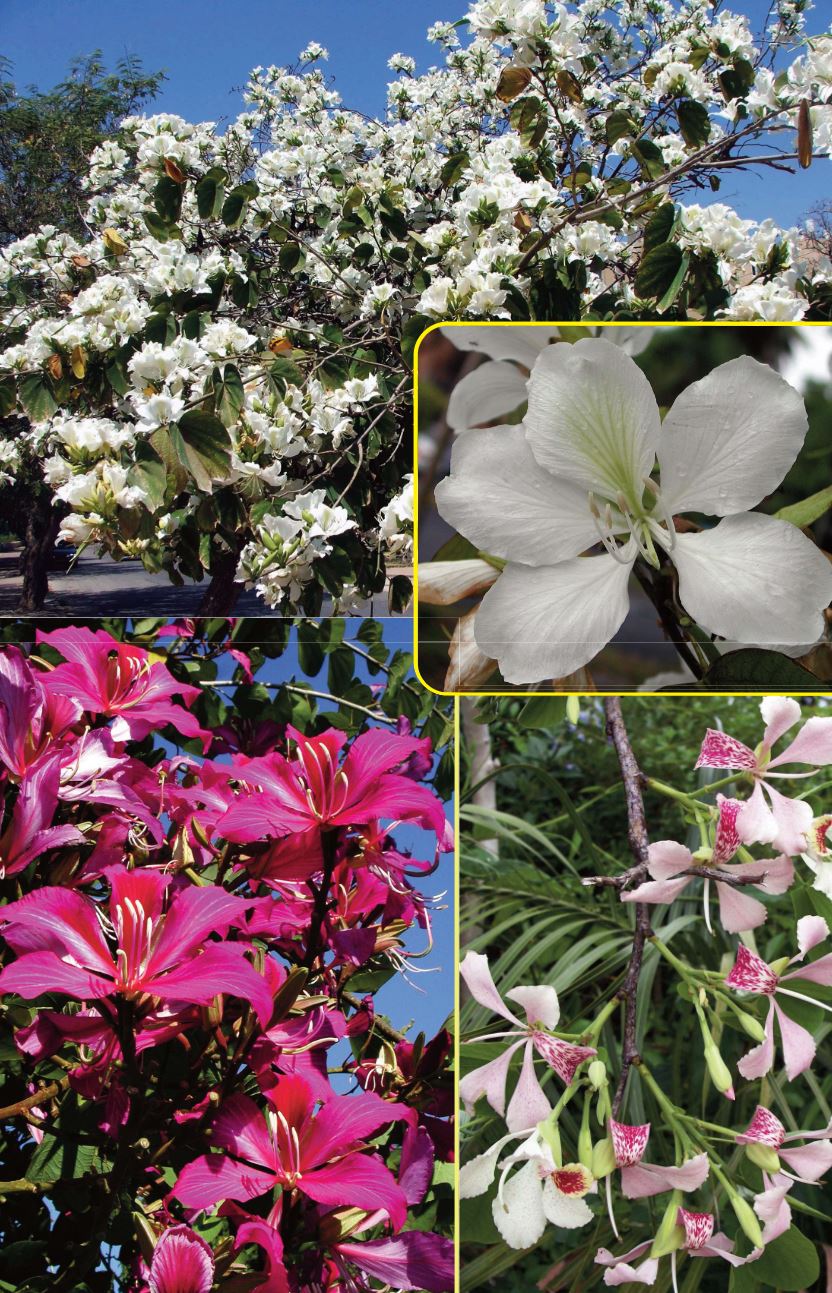
Collage  showing  Bauhinia  blakeana  with  magenta  flowers,  Bauhinia  variegata  var.  candida  with  white  blooms,  and  Bauhinia  monandra  with  pink  speckled  flowers;  all  suitable  for  gardens,  with  some  varieties  adapted  to  container  growing  if 
 trimmed.
Bauhinia blakeana, Bauhinia variegata var. candida, and Bauhinia monandra – Orchid Trees in Bloom

Sometimes a plant stops you midwalk. Flowers so bright they almost glow, leaves shaped like butterflies — that’s a Bauhinia, the Orchid Tree. These fast growers bring color when many gardens are quiet, with some blooming in the heart of winter.

🌟 Why Grow Bauhinia?

  • Exotic blooms in colors from white to deep magenta
  • Distinctive leaves — nature’s own butterfly design
  • Many varieties flower in the cooler season
  • Fast growth, easy shaping, more blooms after pruning
  • Varieties for large yards, small gardens, and sunny patios
  • Tolerant of heat, drought, and poor soils

Bauhinia Care Tips

🌞 Outdoor

Full sun for best flowering, well-draining soil, deep watering once established. Light pruning after bloom keeps shape and encourages more flowers. Protect young plants from frost. During the growing season (Spring - Fall), apply a balanced fertilizer - like top-dress slow release fertilizer or controlled-release Green Magic. Liquid fertilizer Sunshine Boosters Megaflor can be used year around - to promote vigorous growth and abundant blooms.

🏡 Indoor / Patio

Bright sun (south window or outdoors in warm months), large pot with drainage, even moisture during growth, and a bloom-booster feed in season. Feed regularly with a balanced fertilizer controlled-release Green Magic. Liquid fertilizer Sunshine Boosters Megaflor can be used year around - to promote vigorous growth and abundant blooms. Bring indoors before frost.

🍂 Seasonal Note – Bauhinias are Deciduous

Bauhinias drop their leaves in winter — even in warm climates. This is normal and part of their rest cycle. Bare branches in the cool season will leaf out again in spring, often just as flowers begin.

📝 Quick choice guide

Shop Bauhinas

Watch videos about flowering trees

Date: 13 Sep 2025

Ground Orchid FAQ – Your Questions Answered

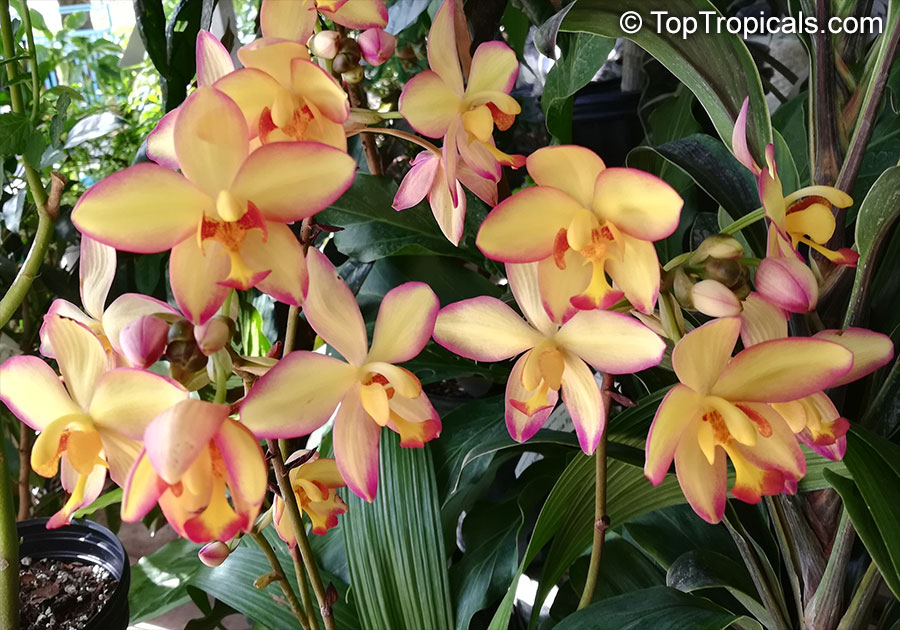
Spathoglottis  ground  orchid  growing  in  the  ground

Why should I buy them?

Because they give you more bloom for less effort. They flower on and off almost all year, they’re tough, and they come in colors you can actually plan a garden around.

Will they survive winter in my area?

In frost-free zones, yes, they come back bigger every year. If you’re farther north, just keep them in pots and bring them inside for the cold months.

Do they really bloom in shade?

They do. We’ve got a clump under a big oak and it still puts on a show. Not as heavy as full sun, but enough to brighten the spot.

How big do they get?

Depends which one. Spathoglottis stays neat, about knee-high. Nun Orchid shoots up tall spikes that can hit 4 ft. So you can go small or dramatic.

Are they hard to care for like other orchids?

Not at all. Forget the bark mix and misting bottles. Just plant them in soil, keep the water steady, and feed once in a while. That’s it.

Can I grow them in pots?

Absolutely. They do great in containers. Makes it easy if you’ve only got a patio or you want to move them in for winter. Use well-drained soilless mix like Abundance Potting Mix.

Do they attract pollinators?

Yep. Bees love them, butterflies too, and every so often a hummingbird will check them out.

What is the best fertilizer?

For extra blooms, we use Sunshine Orchidasm – Orchid TotalFeed Booster. Works like a charm!

Shop ground orchids

Date: 22 Oct 2025

Detailed Cassia and Bauhinia Care Guide

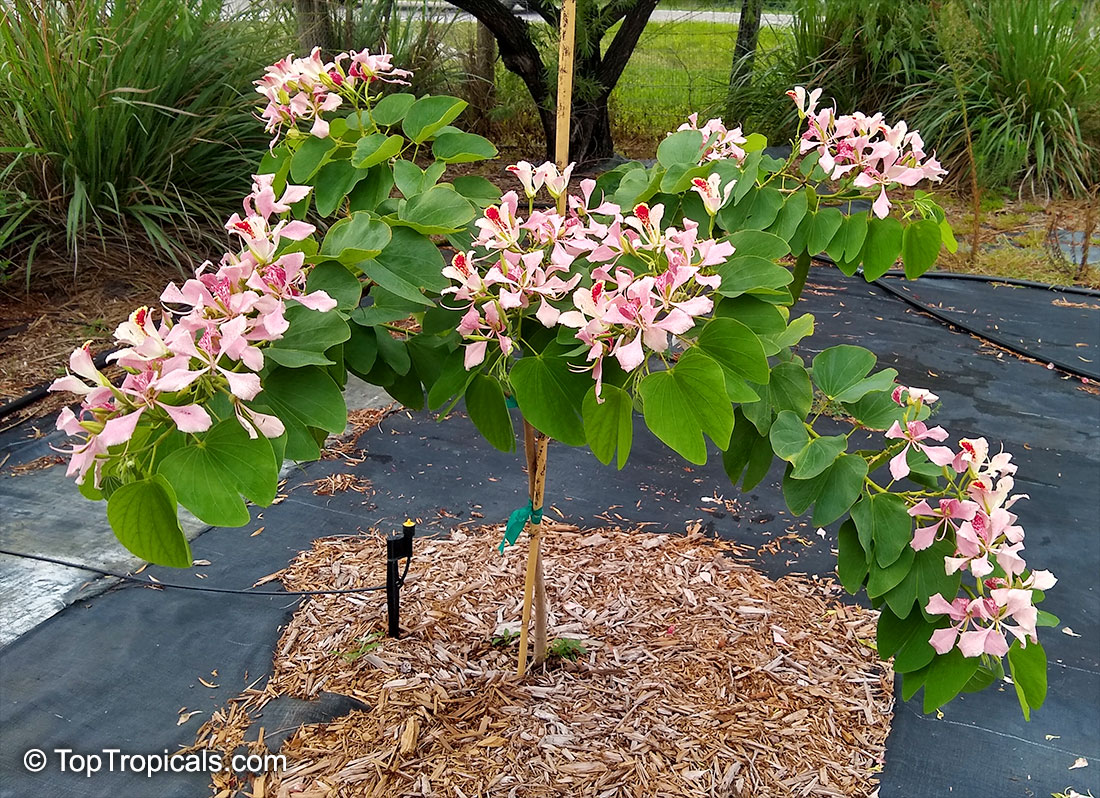
Young  Bauhinia  monandra  tree  blooming  with  clusters  of  pink  and  white 
 orchid-like  flowers,  growing  at  Top  Tropicals  nursery  with  fresh  mulch  and 
 drip  irrigation 
 setup

Outdoor Cassia and Bauhinia Care

  • Light: Both Cassia and Bauhinia need at least 6 hours of direct sunlight daily. Cassias handle intense heat; Bauhinias can take light afternoon shade.
  • Soil: Use loose, fast-draining soil. Mix equal parts garden soil, coarse sand, and compost.
  • Watering: Keep evenly moist but never soggy. Cassias tolerate dry spells once established; Bauhinias prefer steady moisture. Water when the top inch feels dry.
  • Feeding: For profuse flowering, feed with liquid Sunshine Boosters Megaflor that is safe to use with every watering, year around. You may also apply Green Magic controlled release fertilizer every 6 months. Bauhinias and Cassias respond quickly to feeding.
  • Pruning: After flowering, prune lightly to shape and remove dead tips. Cassias can be trimmed to shrub form; Bauhinias stay bushy with pinching.
  • Mulch: Add a 2-inch mulch layer around the base to conserve moisture and prevent weeds, but keep mulch off the trunk.
  • Cold protection: Most Cassias handle brief frost; some Bauhinias like B. acuminata and B. monandra must be sheltered below freezing. For cold nights, cover with frost cloth or move containers into shelter.
  • Dormancy: Outside of tropics, most Bauhinias drop leaves in winter for a short period of time, right before flowering and are called "semi-deciduous". Cassias stay evergreen.

Indoor or Porch Care (cool-climate growers)

  • Container: Choose a sturdy pot with several drainage holes, one size larger than the root ball. Unglazed clay or thick plastic pots work best for heat regulation. Use a light, well-drained mix such as professional soilless mix Abundance. Both Cassias and Bauhinias dislike soggy roots. Add a thin layer of coarse gravel at the bottom to improve drainage. Repot every 1–2 years in spring
  • Light: Brightest spot possible - south-facing window or heated sunroom. Supplement with a grow light if sunlight is weak.
  • Temperature: Keep potted trees in warm environment for best results. The optimum temperature for Cassias and Bauhinias is between 60–85 F, although many species can tolerate cooler temperatures. Avoid cold drafts and sudden drops.
  • Humidity: Average indoor humidity is fine; occasional misting keeps foliage glossy.
  • Watering: Water sparingly in winter when growth slows; allow the top inch to dry between waterings. Do not let roots sit in water.
  • Fertilizing: Feed with Sunshine Boosters Megaflor that is safe to use with every watering, year around, to maintain flowering indoors. You may also apply Green Magic controlled release fertilizer every 6 months.
  • Pest watch: Check undersides of leaves for aphids or whitefly. A light spray of neem oil or insecticidal soap clears them fast.

"Whether you crave golden summer fireworks or soft orchid blooms that last nearly all year, both Cassia and Bauhinia bring pure joy to the garden. 💖 Bring color that never quits."

Did you know: Fall is the best planting season — roots grow faster and you’ll have flowers by spring!

✔️ Fall Planting Guide

🛒 Shop Tropical Flowering trees

Date: 14 Feb 2026

🍧Vanilla does not come from a bottle

Tuxedo  cat  training  a  vanilla  vine  on  a  wooden  trellis  while  orange  cat
   drinks  coffee  beside  jar  labeled  Sunshine  Vanilla  Creamer.
Sunshine: What are you doing?
Smokey: Growing vanilla for your creamer. It needs support to climb.
Sunshine: I can provide moral support and donuts. Count on me, my friend.

🍨 The orchid behind the worlds favorite flavor

Vanilla does not come from a bottle. It comes from a climbing orchid. Vanilla planifolia is the plant that produces real vanilla beans - and yes, you can grow it at home. It starts simply. A potted orchid with glossy leaves. Then it begins to reach. Vanilla is a climber. It wants something solid to attach to. This is where most people go wrong. They keep it in a pot and wait. Vanilla needs support - a log, a trellis, a wooden board. Once its aerial roots attach firmly and the plant matures, flowering becomes possible.

Madagascar Bourbon Vanilla Bean Plant Facts

Botanical name: Vanilla planifolia, Vanilla fragrans
Also known as: Madagascar Bourbon Vanilla Bean, French Vanilla, Vanilla Orchid
USDA Zone: 9 - 11
Highligths Vine or creeper plantSemi-shadeWatering: Regular. Let topsoil dry slightlyYellow, orange flowersEdible plantSpice or herb plantFragrant plantSubtropical plant. Mature plant cold hardy at least to 30s F for a short time
Get personalized tips for your region

It is not instant. You need patience. The pods form green and only develop their aroma after curing. That slow process is part of what makes vanilla so valuable. For gardeners who enjoy growing something meaningful - something edible and beautiful - vanilla is worth it. Vanilla is not a novelty plant. It is a long conversation with your garden.

🎁 Shop Vanilla Orchids

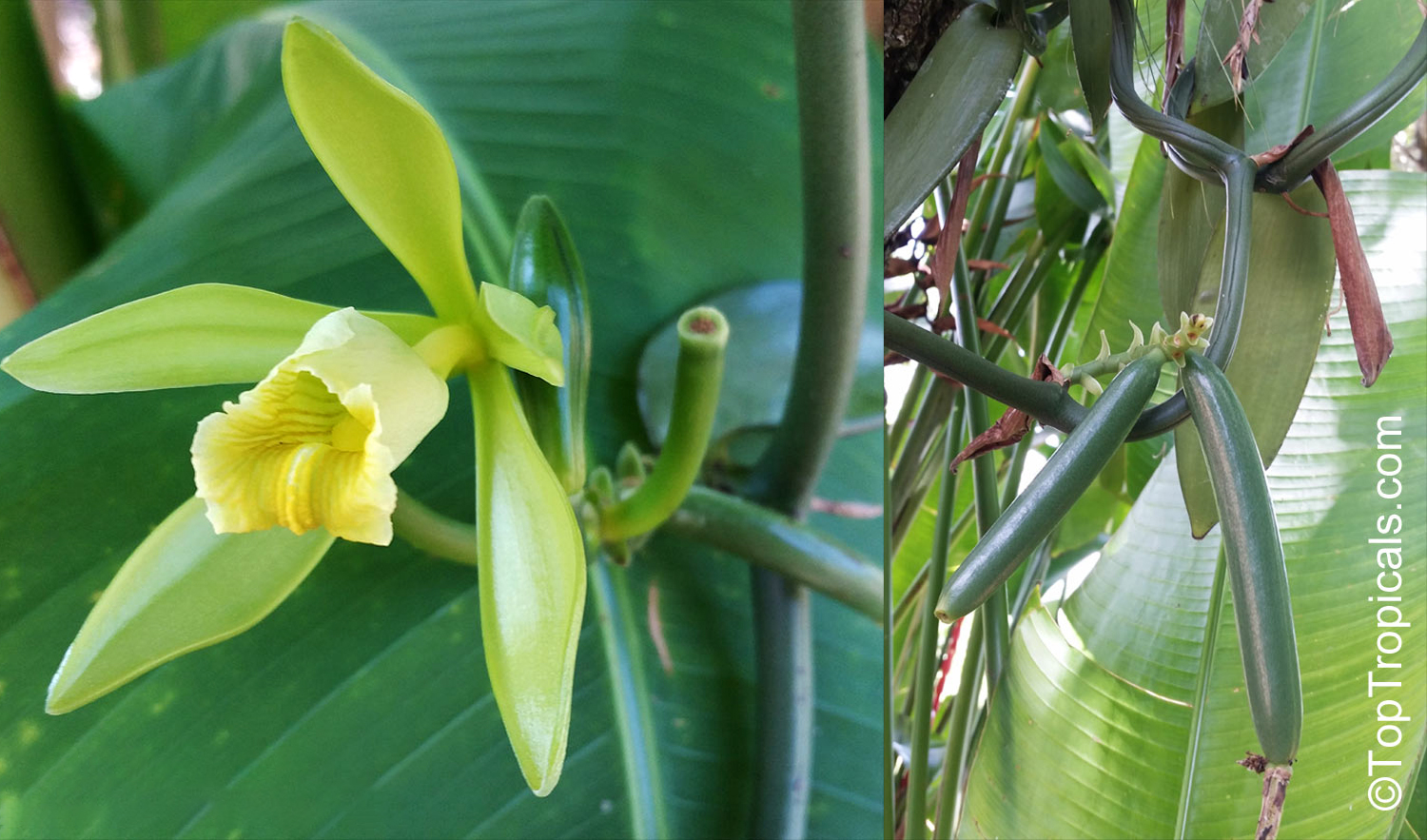
Close-up  of  Vanilla  planifolia  flower  with  yellow  throat  and  green 
 vanilla  bean  pods  developing  on  climbing  vine

Vanilla planifolia Flower and Developing Vanilla Pods