Garden Blog - Top Tropicals

Date: 21 Sep 2019

PeopleCats of TopTropicals: Shipping Department cat - Lady Bug

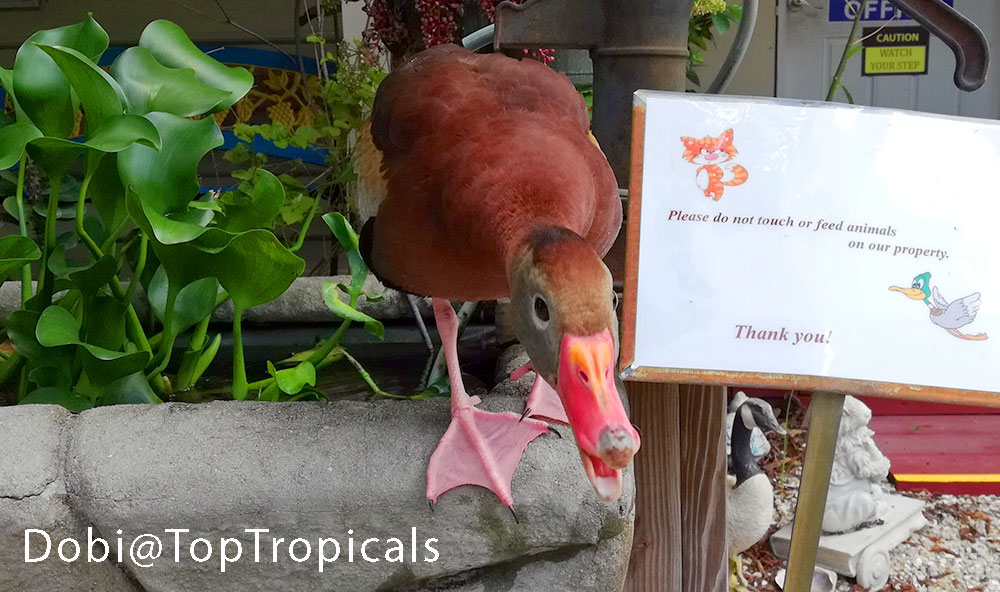
We have been getting many messages from customers saying they really love the postings of our Cats and Dobi Duck... and they want more updates. So we decided to open this new section for the animal fans.

As you well know, TopTropicals is not just a plant Nursery. Like most of the gardeners and all Cool Plant People, we love our pets and we have many of them here, enjoying the Garden. Our cats and the Duck are members of TopTropicals Team. They help customers, participate in packing plants, and of course keep the nursery mice-free. As employees of the marketing department, they get their paychecks, free lunches, and other company benefits like full healthcare coverage and stuff... They are taken care of by TopTropicals Shipping Crew every day: whether its a meal or taking a medicine, it's all scheduled in our daily task list!

This First Issue of PeopleCats Fan Club is dedicated to our Shipping Department cat - Lady Bug. Originally she came to our nursery 3 years ago in a box with her other 3 baby brother-sisters and they just opened their eyes. Someone dropped the box with the litter at our gate... guessing this is the Good Place! When Lady Bug grew up, she became a Shipping Department Supervisor, helping Chief the Cat to manage plant shipments.

Lady Bug went missing a few days ago and all our team is crying for her. We are praying she is OK. We miss you, Lady Bug! Please come back and bug us again!

As a friendly reminder to our local walk-in customers: you are welcome to visit TopTropicals ZOO, just please do not feed or pick up the animals! Some of them are of old age, have special needs or special diet. All our pets are friendly, however, we ask you to please do NOT pet them. They work hard all day long and may have their own rules and emotions.
Date: 14 May 2019

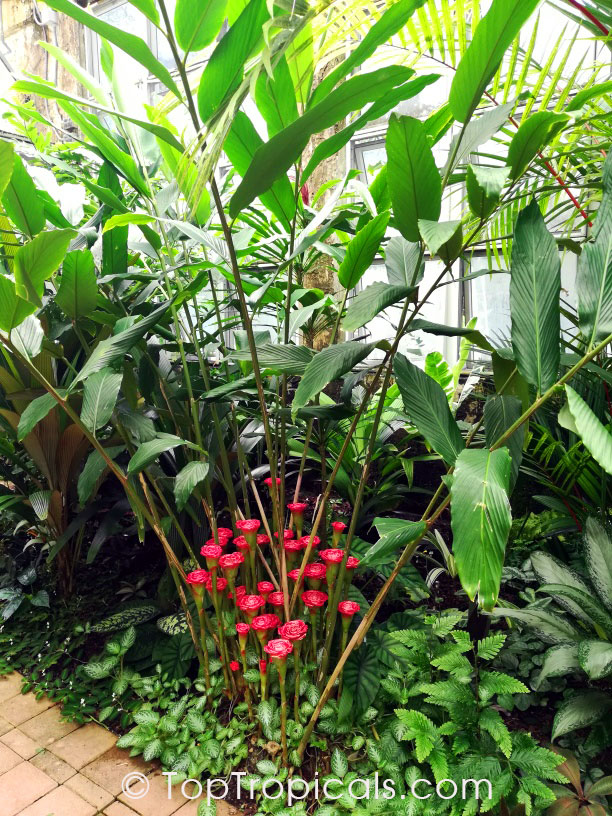
How to get gingers to bloom

TopTropicals.com

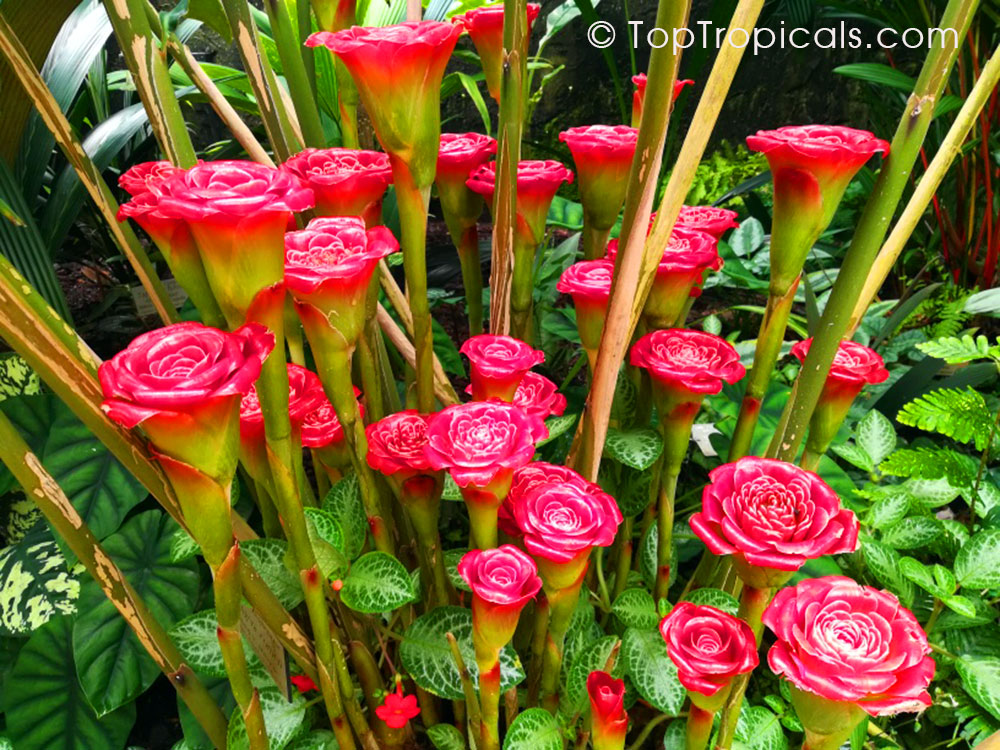
Q: I have several gingers in my yard, including Red Torch, Lobster Claw, and Red Bamboo Ginger, they grow beautifully but only produce large dark green leaves and no flowers. Is there anything I can do to make them bloom? Do they need any special fertilizer?

A: Gingers are easy to grow tropical plants with so many benefits, giving us unique spice, and showy flowers (including long-lasting cut flowers!) - where other plants fail, especially in deep shade. They are not fussy about soils and even water once established. To keep your gingers happy, follow these simple steps:

1. Bright light is essential for flowering, but planting gingers in semi-shade or filtered light will keep them stress-free from burning summer rays.
2. Water gingers regularly until they established and start producing new leaves and stems. Once they start clumping, you may reduce watering to a minimum 9once a week or so), or rely on your sprinkler system.
3. Once the plant is established, start using fertilizer to induce flowering and healthy growth.
- We recommend granulated "smart release" fertilizer for all tropical plants. For gingers, the best formula is Tropical Allure. It provides all macro- and microelements essential for the healthy growth of the plant.
- Apply balanced water-soluble plant food for Gingers, Heliconias and Bananas - Broad Leaf Plus - once a month.
- Additionally, you may also add to the menu flower booster Pink N Good Daly Plant Food - this fertilizer is used in very low concentration and can be used with every watering.
4. Remove old dry and yellowing leaves with sharp cutters to avoid pest problems and keep good air circulation around these clumping plants.
5. Keep soil covered with 1"mulch to protect from weeds and maintain the optimal amount of moisture for the rhizomes.

Check out our specialized fertilizers for different plants - for all your gardening needs!

TopTropicals.com

Date: 26 May 2024

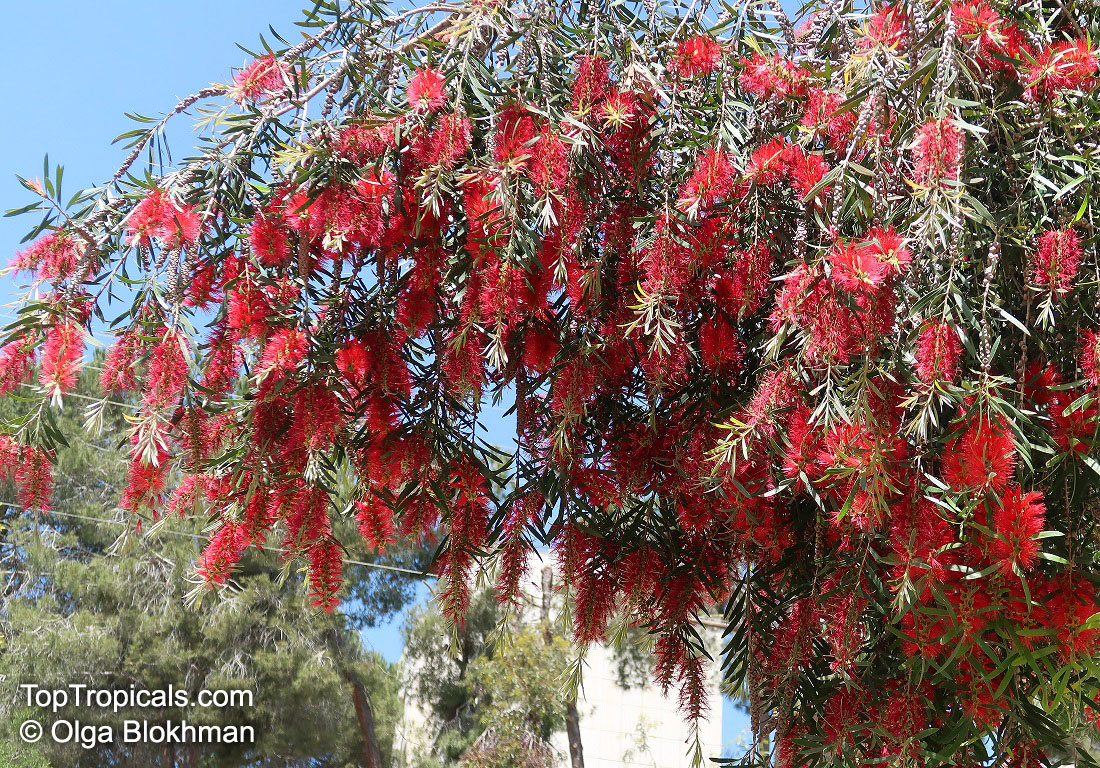
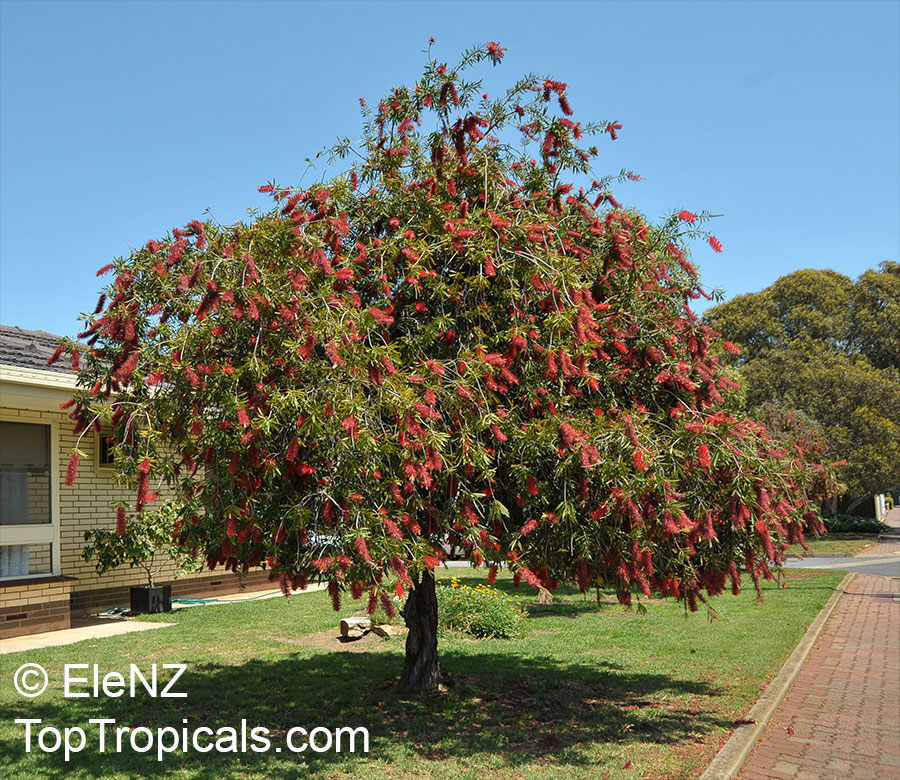
How to grow Bottle brush trees

Callistemon  -  Bottle  Brush  Tree

Q: Please recommend me a cold hardy flowering tree that doesn't need much care.

A: Growing bottle brush trees (Callistemon spp.) can be a rewarding experience, as they are known for their striking, brush-like flowers and ability to attract pollinators. Here are some detailed tips to help you successfully grow and maintain these trees.

Hardiness

Bottle brush trees are best suited for USDA hardiness zones 8-11. They thrive in warm climates and can tolerate some light frost, but severe cold can damage or kill the plant.

Planting Location

Sunlight: Bottle brush trees require full sun to thrive. Ensure they get at least 6-8 hours of direct sunlight per day.
Soil: They prefer well-draining soil. While they are relatively tolerant of poor soil conditions, a sandy or loamy
Space: Consider the mature size of the tree when planting. Some species can grow quite large, so provide enough space for them to spread without being crowded by other plants or structures.

Attracting Pollinators

Bottle brush trees are popular with pollinators. Their bright, nectar-rich flowers attract bees, butterflies, and birds, particularly hummingbirds. This makes them an excellent choice for a garden designed to support local wildlife.

Blooming and Fertilization

Bottle brush trees typically bloom in late spring to early summer. However, in mild climates, they may have sporadic blooms throughout the year.
Fertilization: While bottle brush trees do not require heavy fertilization, applying a balanced, slow-release fertilizer in spring can promote healthier growth and more abundant blooms. Be cautious not to over-fertilize, as this can lead to excessive foliage growth at the expense of flowers. During the year, use |find_name=Sunshine Boosters Megaflor(Sunshine Megaflor)| - it is safe to use with every watering, year around.

Watering

During the establishment period, keep the soil moist. Once established, they are quite drought-tolerant but will benefit from regular watering during dry spells.

Pruning

Prune after flowering to maintain shape and remove any dead or diseased branches. This also encourages bushier growth.

By following these guidelines, you can enjoy the beauty and benefits of bottle brush trees in your garden. Their vibrant flowers and attraction to pollinators make them a delightful addition to many landscapes.

Callistemon  -  Bottle  Brush  Tree

Date: 22 Jun 2024

Pineapple Season started!
The most luscious Hospitality Fruit

Pineapples

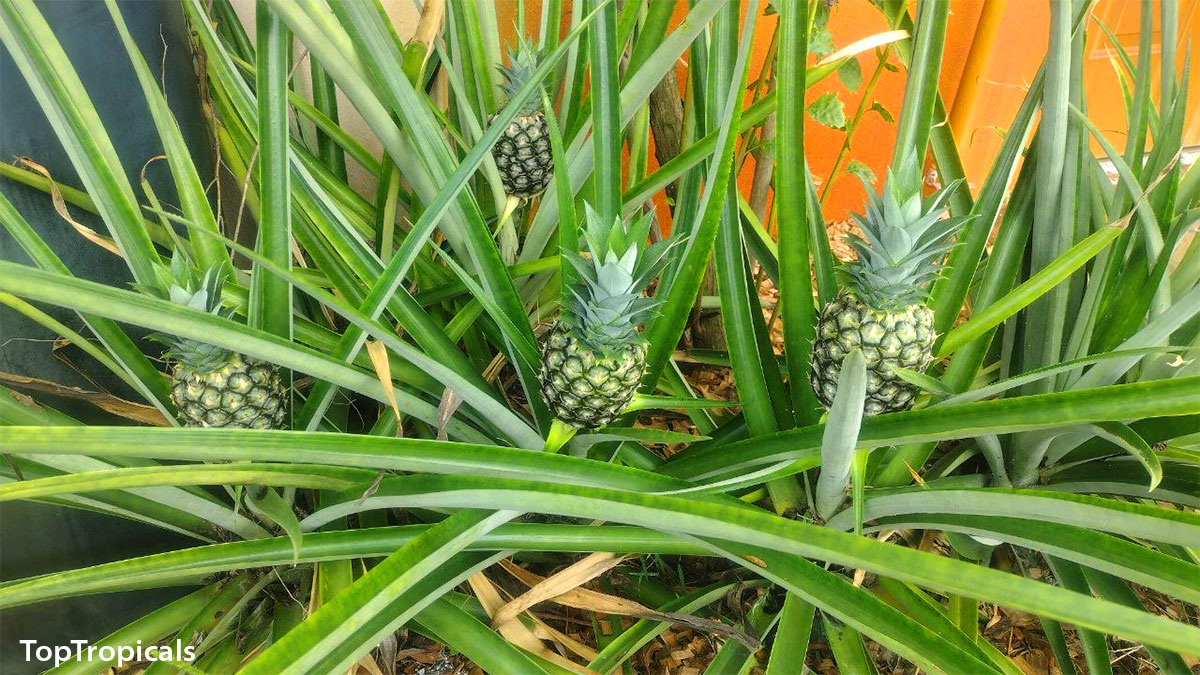
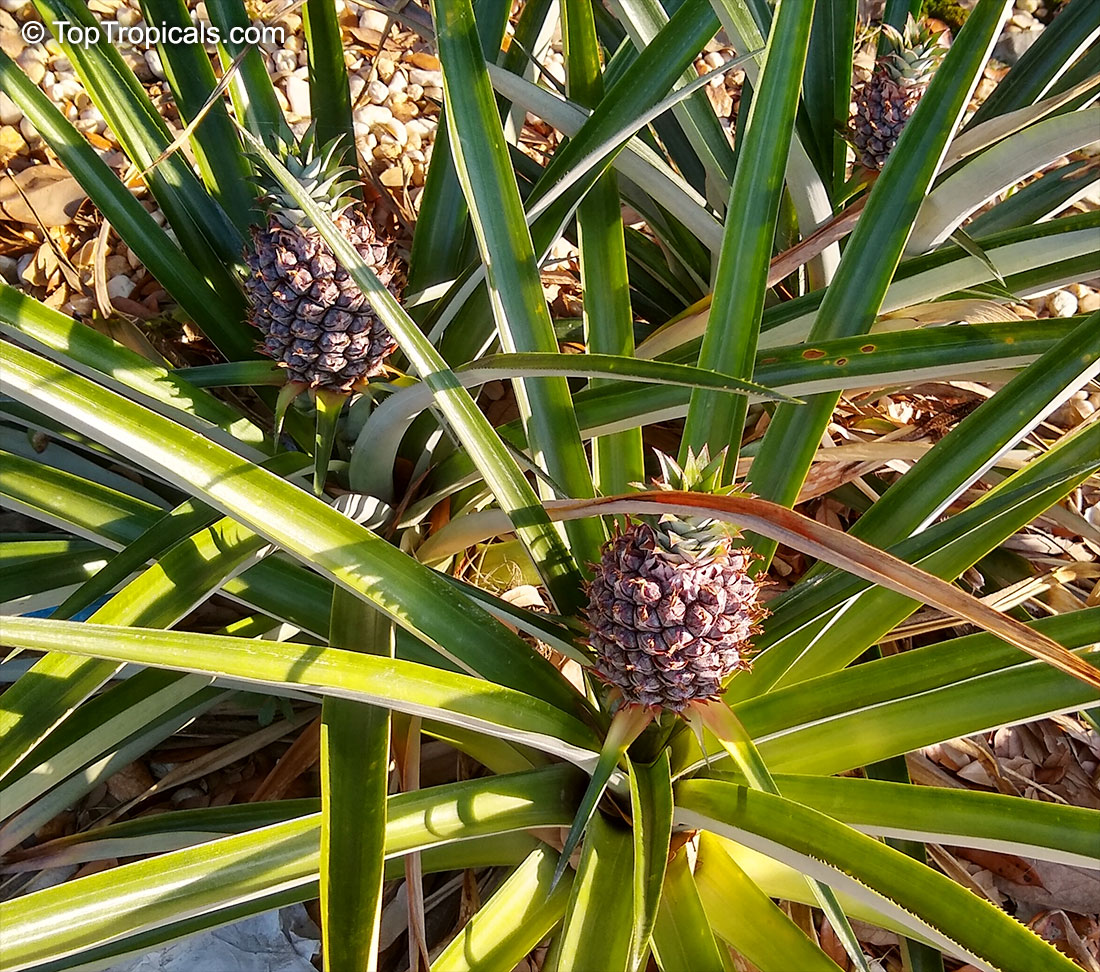
Pineapple plant (Ananas comosus) produces a delicious fruit treat and is a fascinating plant to grow.

King of fruits. Pineapple is often referred to as the "king of fruits" (along with Durian and Mango). It is cherished for its sweet and tangy taste, refreshing qualities, culinary uses, and health benefits, including high vitamin C content and digestive enzymes.

Bromelain for healthy guts: pineapples contain an enzyme called bromelain that can break down proteins and is often used as a meat tenderizer. It's great for digestion; eat 1 slice of pineapple after every meal to maintain healthy digestive system.

Single fruit per plant: each pineapple plant produces just one pineapple per year.

Growth time: It takes about 18-24 months for a pineapple to mature and be ready for harvest.

Symbol of Hospitality: in many cultures, pineapples are a symbol of hospitality and welcome.

Those are berries! A pineapple is formed from many individual single fruit (technically, berries), which fuse together around the core.

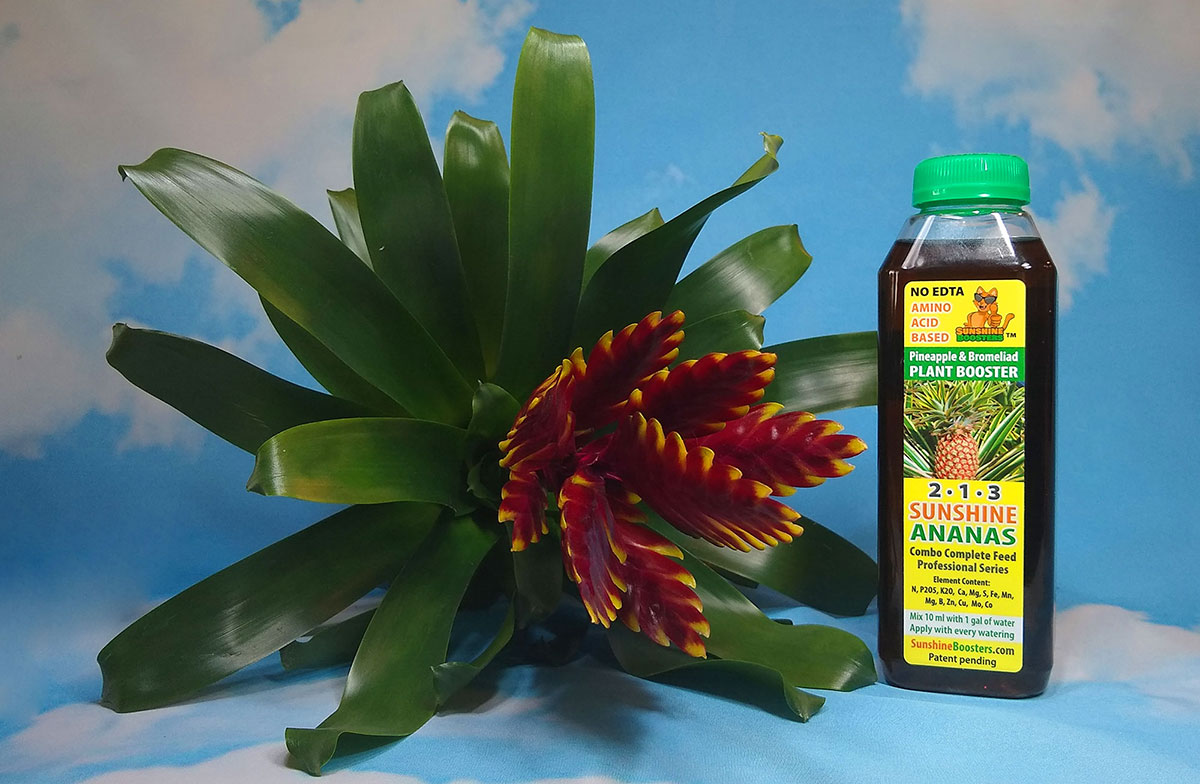
Cultivation. Pineapples are easy to grow. They need very little water to thrive, and take full sun, shade, semi-shade. For faster production, fertilize with SUNSHINE boosters Ananas - Pineapple and Bromeliad Booster. Perfect container plant, Pineapple can be grown indoors as a houseplant. Many superior varieties are available in selection.

Learn more: The most luscious Hospitality Fruit - Pineapple.

Sunshine  Boosters  Ananas

Pineapple

Date: 8 Jul 2024

What is lipstick made of?

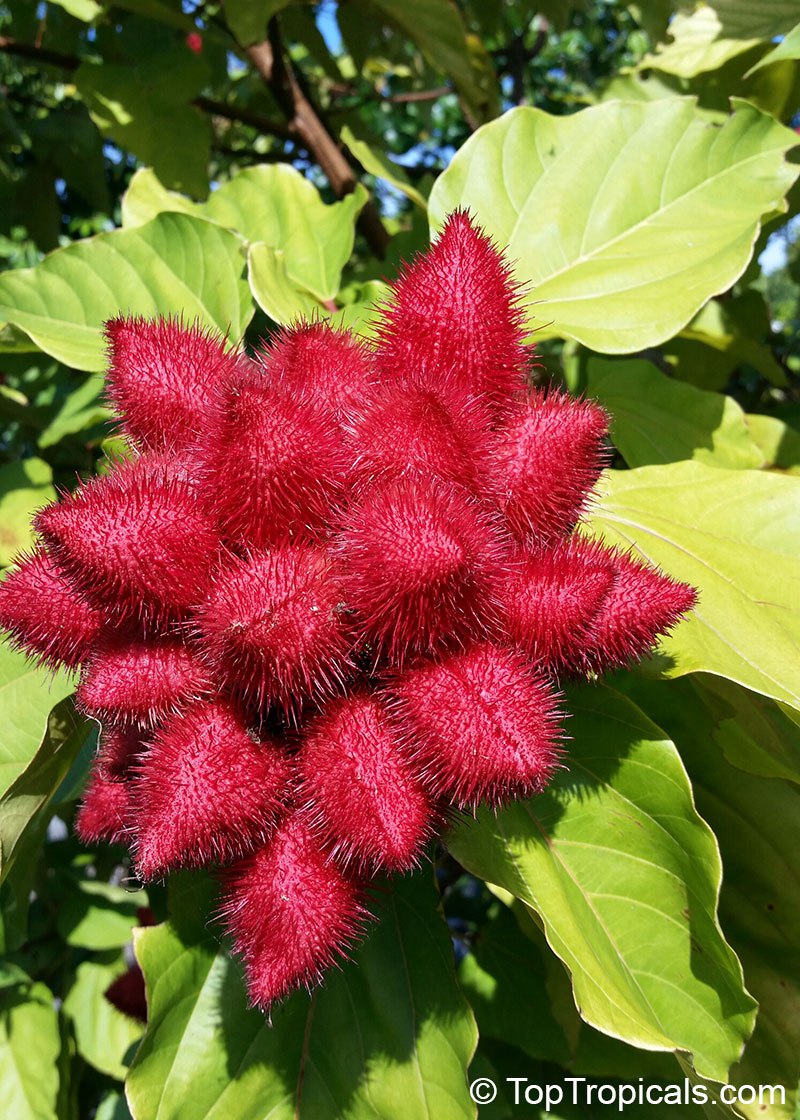
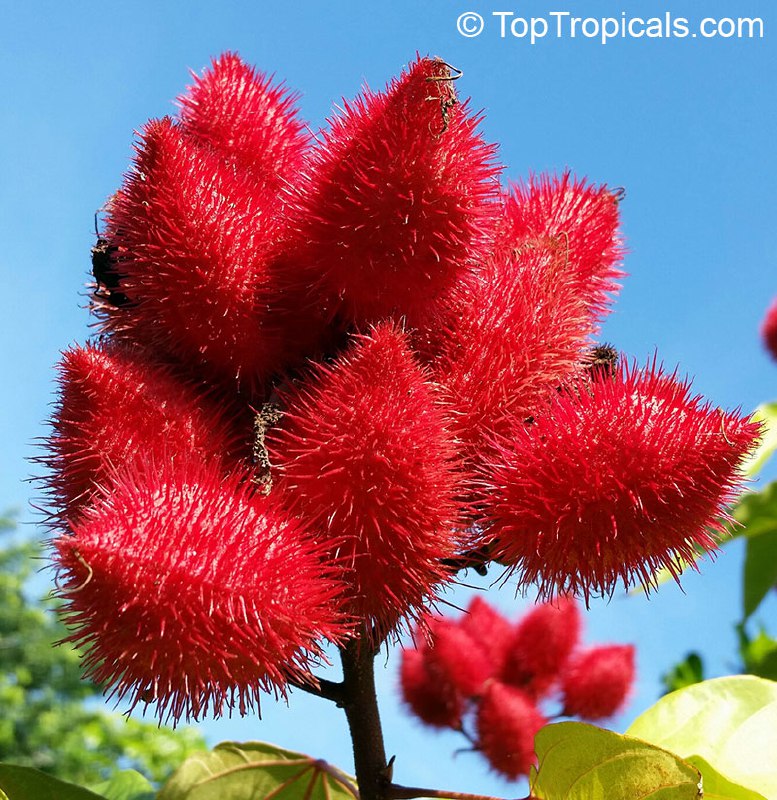
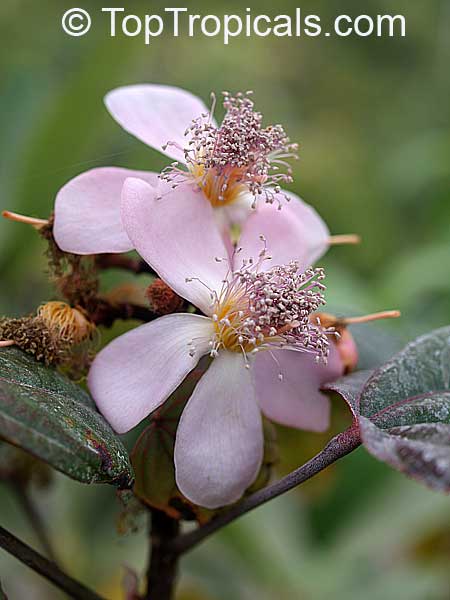
Bixa orellana - Lipstick Tree, Annatto, Achiote

Bixa orellana - Lipstick Tree, Annatto, Achiote

Bixa orellana - Lipstick Tree, Annatto, Achiote

Bixa orellana - Lipstick Tree, Annatto, Achiote

Bixa orellana - Lipstick Tree, Annatto, Achiote

Bixa orellana - Lipstick Tree, Annatto, Achiote

Bixa orellana - Lipstick Tree, Annatto, Achiote

Bixa orellana - Lipstick Tree, Annatto, Achiote

Bixa orellana - Lipstick Tree, Annatto, Achiote

Bixa orellana - Lipstick Tree, Annatto, Achiote

💋 What is lipstick made of? Lipstick plant!


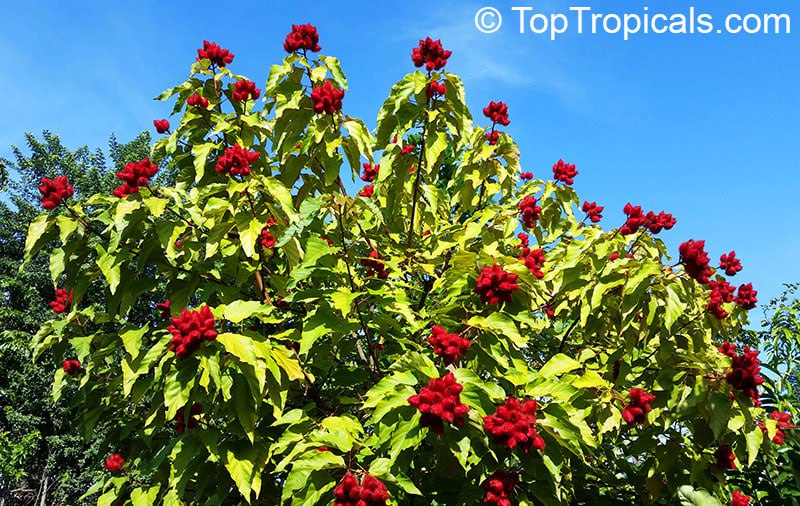
💄Bixa orellana - Lipstick Tree, Annatto or Achiote - is a bushy shrub or a small tree South America with large, impressive leaves, charming pink flowers and amazing... seeds! It is used in various industries, including cosmetics and culinary arts.

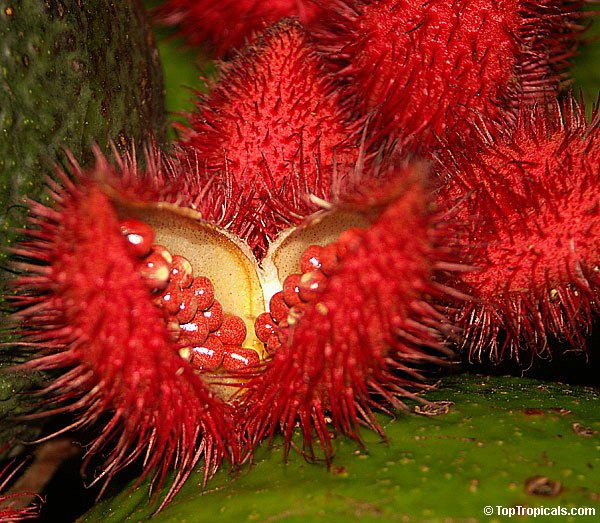
💄Natural Pigment: The seeds of the Bixa plant contain a natural pigment called annatto, which ranges in color from yellow to deep orange-red.

💄Cosmetic Use: Annatto is commonly used in cosmetics, including lipstick, due to its vibrant coloration. It adds shades of red and orange to cosmetic products. Extract derived from the Bixa seeds is mixed with other ingredients to achieve desired shades. It provides a natural alternative to synthetic dyes.

💄Famous spice Annatto is widely used as a spice in cooking, particularly in Latin American, Caribbean, and Filipino cuisines.

💄Flavor and color: It imparts a mild, slightly peppery flavor and is prized for its ability to add a rich, yellow-orange color to dishes such as rice, stews, and sauces.

💄Health benefits: Beyond its culinary use, annatto seeds have medicinal properties, including antioxidant and anti-inflammatory effects.

💄Flower arrangements: The dried seed pods add a unique touch to flower arrangements, enhancing their visual appeal.

💄Hedge or screen: Ideal for use as a hedge or screen, Bixa requires frequent pruning to encourage bushy growth at the base.

🛒 Grow your own Annatto

#Hedges_with_benefits #Food_Forest

🏵 TopTropicals