Garden Blog - Top Tropicals

Date: 7 Sep 2025

10 reasons to grow this Indian secret tree - the miracle Fruit of the Gods you never knew about: Syzygium cumini - Jambolan

Syzygium cumini - Jambolan, Java plum, Malabar plum, Black Plum, Jamun, Jaman, Jambul, Duhat, Lilly Pilly

🍆 10 reasons to grow this Indian secret tree - the miracle Fruit of the Gods you never knew about


Sacred and secret Indian divine Berry - Jambolan (Syzygium cumini) - goes by many names: Java plum, Malabar plum, Black Plum, Jamun, Jaman, Jambul, Duhat, even Lilly Pilly! Which one do you know it by?

Sweet-tart and healthy fruit. The tree is a heavy producer of juicy, sweet-tart black fruits that can be eaten fresh or turned into tarts, sauces, and jams. In Ayurveda and Chinese medicine, both the fruit and plant are valued for their powerful health benefits. The flavor is unique, with a mile herbal note (maybe Oregano?).

A tree steeped in tradition. According to Hindu belief, Rama survived on this fruit during his 14-year exile, which earned it the title Fruit of the Gods. Lord Krishna himself is often described as having skin the color of jambul. In India, its leaves are still used to decorate marriage pendals.

♥️ Jambolan health and life benefits


1. Fights diabetes - helps manage blood sugar naturally.
2. Weight loss - low in calories, high in fiber, keeps you full and curbs cravings.
3. Fiber-rich digestion aid - improves gut health, prevents constipation, and soothes indigestion.
4. Vitamin C boost - strengthens immunity, brightens skin, and supports healthy hair.
5. Controls heart rate and blood health - potassium regulates heart rate and blood pressure, while iron supports hemoglobin and circulation.
6. Slows aging - loaded with antioxidants, it protects cells and supports vitality.
7. Liver and kidney detox - traditionally used for cleansing and protection.
8. Skin and oral care - helps with acne, blemishes, mouth ulcers, and freshens breath.
9. Respiratory relief - eases coughs, asthma, and colds.
10. Quick privacy screen! Here's what most gardeners don't realize: Jambolan is the ultimate low-maintenance, fast-growing tree with dense glossy leaves. It thrives in any soil, stays pest free, and in just a couple of seasons can grow into a dense, bushy privacy screen - perfect if you want quick shade, an ornamental barrier, or a living fence with health benefits that practically takes care of itself!

🛒 Plant Jambolan: shade, fruit, beauty, and health - all in one tree!

📚 Learn more:
The Divine Berry - large, bushy, exotic fruit tree in no time

#Food_Forest #Remedies #Hedges_with_benefits

🟢 Join 👉 TopTropicals
Date: 21 Dec 2022

Noni, the Superfruit

Nature's Food and Pharmacy

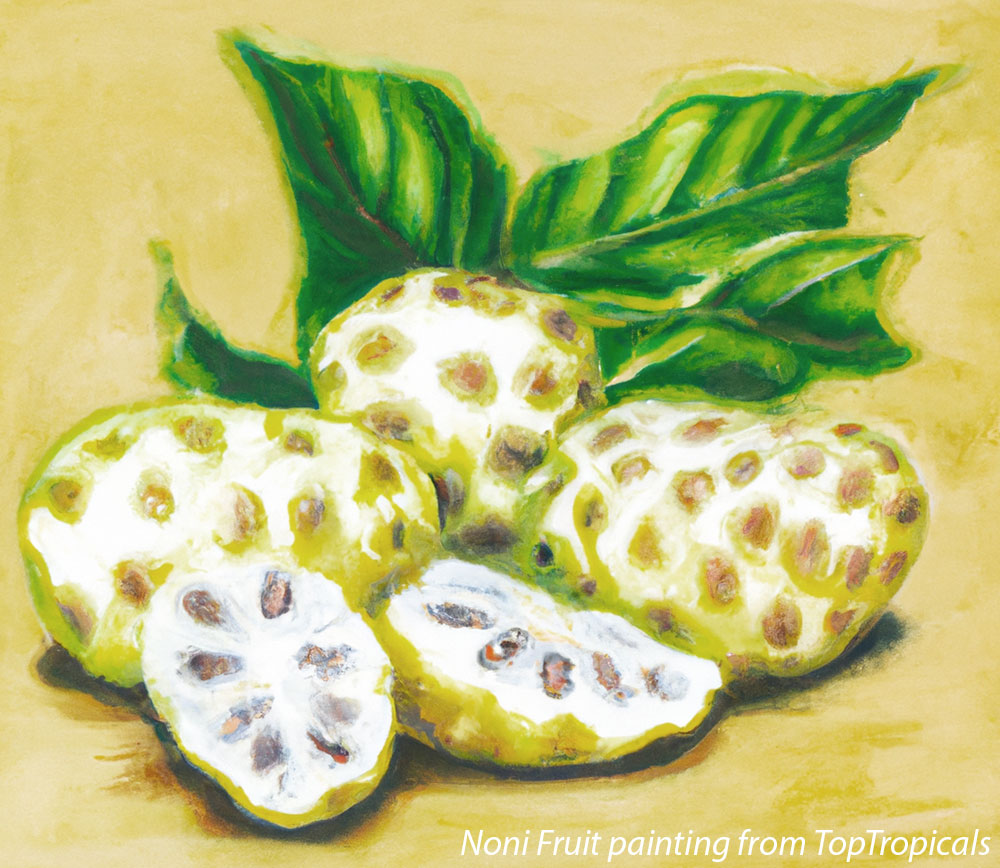
Noni  fruit  painting

At our Christmas Plant Market a few days ago, many guests purchased a Noni tree. Everybody loved its large, beautiful leathery leaves, and were buying Noni as a present. It was appreciated as ornamental, for example as a showy specimen tree with a tropical look for a pool area. But very few people actually knew that this tree was a source of a famous Noni Juice - a unique remedy from Mother Nature... Some were surprised the plant had so many health benefits! So we promised to tell more about Noni in our newsletter.

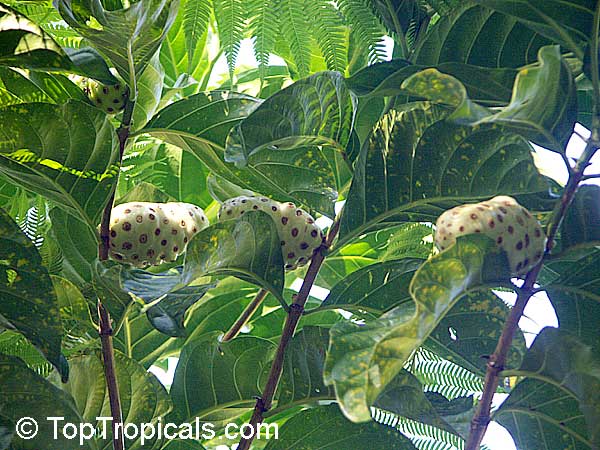
Noni  fruit  on  a  branch

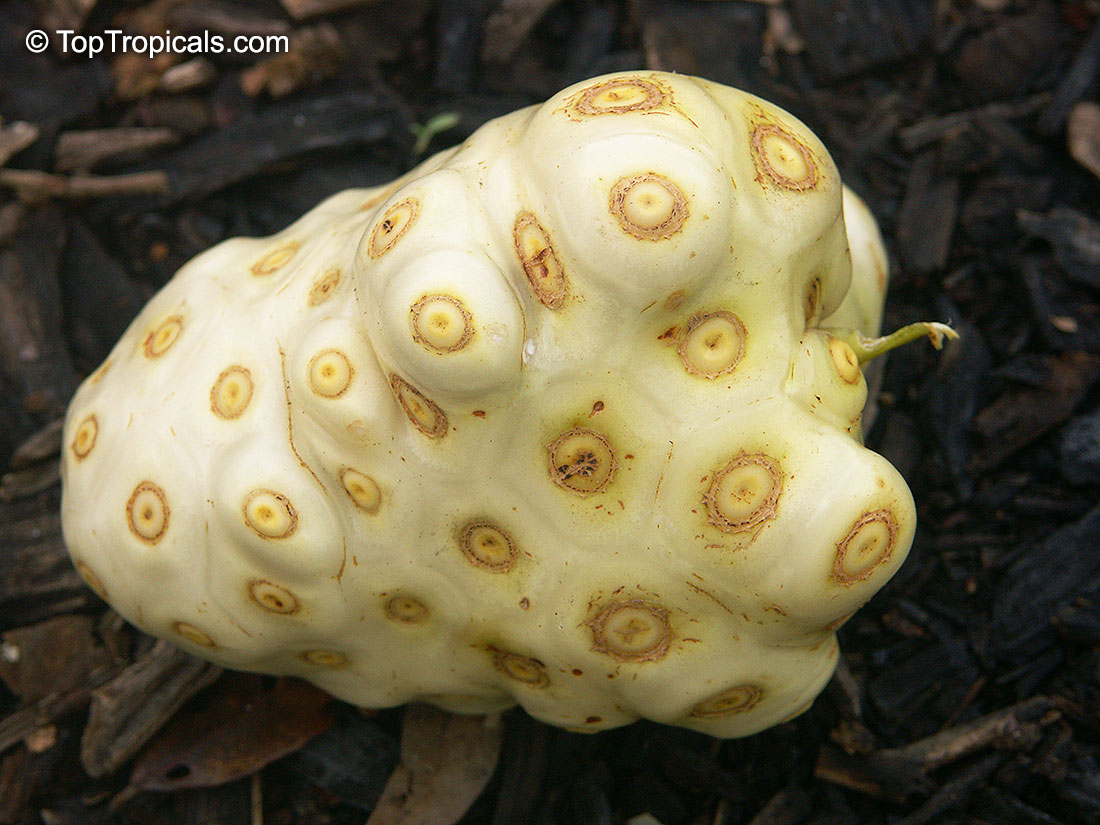
The Noni tree - Morinda citrifolia - is a beautiful ornamental tree because of its glossy green leaves and curious fruit. The tree is prized for its medicinal fruit.
The Noni is considered to be a "superfruit" because of its high levels of antioxidants, vitamins, and minerals. The fruit, leaves, and roots of the Noni tree are used in traditional medicine to treat a wide variety of ailments, including pain, inflammation, and infections. Some people also use Noni fruit and juice as a natural health supplement because of its potential health benefits.
Additionally, the Noni tree is easy to grow and care for, making it a popular choice for both gardens and houseplant collections.

Noni  fruit

For more information on health benefits of Noni, download pdf of Noni article (from our Magazine Tropical Treasures) and watch the video: Doctor Noni.

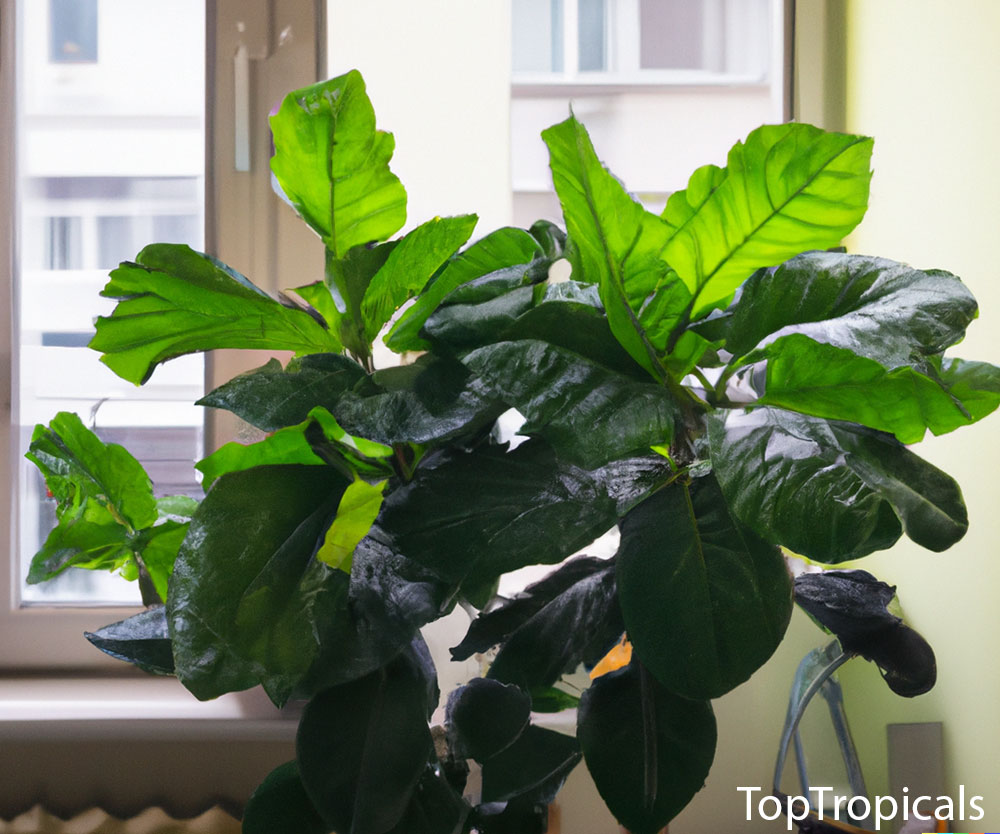
Noni  tree  houseplant  indoors

In the photo: Noni as a houseplant. So much better than a boring ficus!

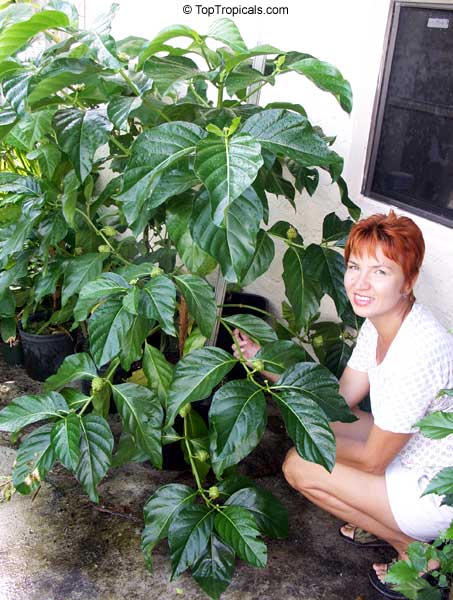
Noni  tree  producing  in  a  pot

In the photo: Noni is happily fruiting in 7 gal pot. It's a beautiful ornamental and a conversation piece.

Date: 28 Apr 2021

Macadamia Goodness

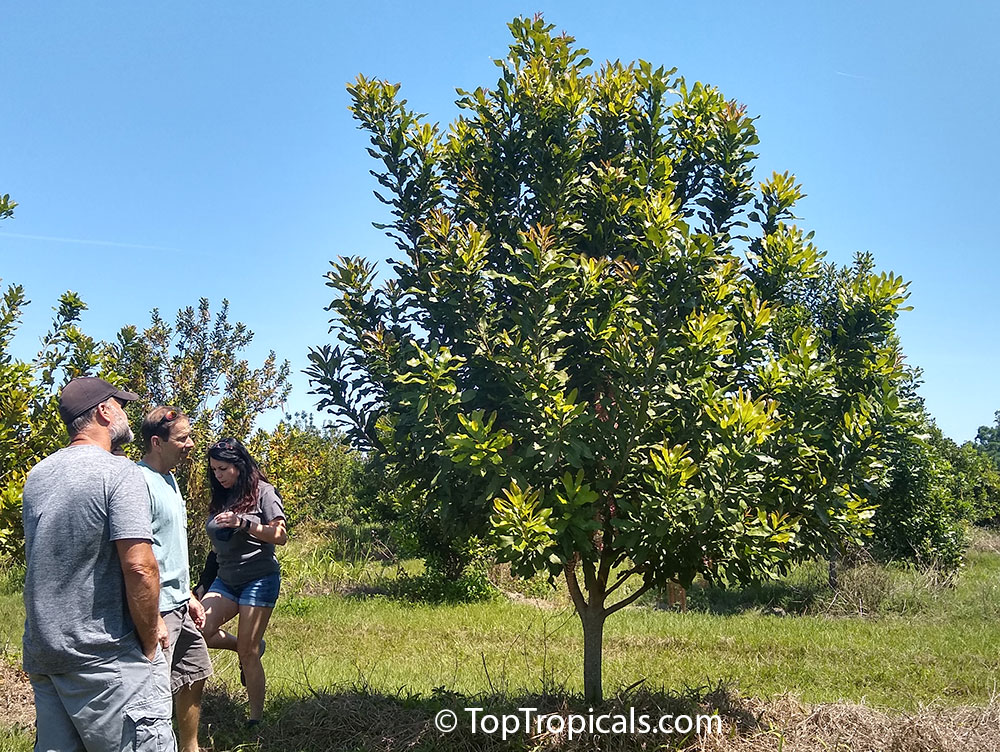
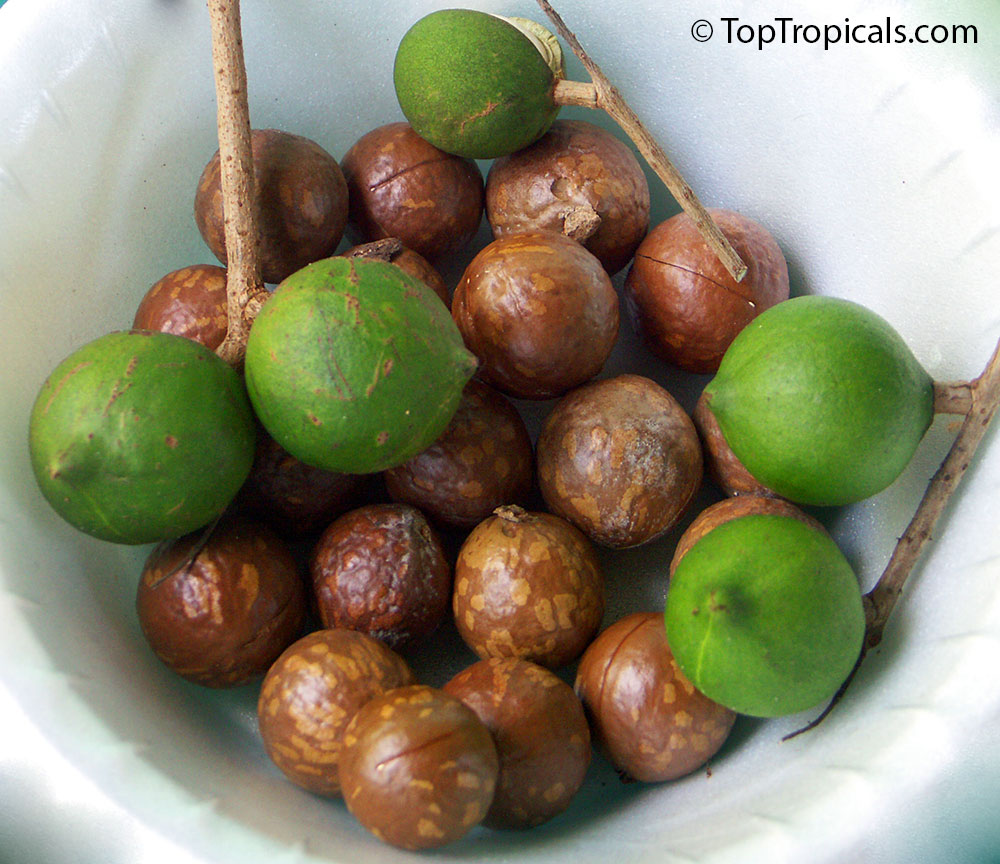
Macadamia nuts are rich in vitamins, minerals, fiber, antioxidants, and healthy fats. Their potential benefits include weight loss, improved gut health, and protection against diabetes, metabolic syndrome, and heart disease.
Native to Australia, Macadamia trees are now grown in various places around the world, such as Brazil, Costa Rica, Hawaii, and New Zealand.
Like most other nuts, Macadamia nuts are rich in nutrients and beneficial plant compounds. They are also linked to several benefits, including improved digestion, heart health, weight management, and blood sugar control.

10 health benefits of macadamia nuts

1. Rich in nutrients
2. Loaded with antioxidants
3. Boost heart health
4. Reduce risk of metabolic syndrome
5. May aid weight loss
6. Improve gut health
7. Providing anticancer properties
8. Boosting brain health
9. Bumping up your longevity
10. Easy to add to your diet
Learn more...

Delicious Macadamia nuts are loved by everyone, but they are so expensive from a grocery store... If you are excited about this nut, start saving: get your own tree and harvest your own goodness!

Macadamia are very handsome trees. They are easy to grow, require very little care and are relatively cold hardy. The are slow growing, compact bushy trees that start fruiting within 2-3 years from seed. Macadamias trees are reliable producers. The most important in Macadamia cultivation - do not over-fertilize this plant, it is very sensitive to regular fertilizer. Use only liquid plant food, and provide Micro-elements on regular basis.

Read more about this plant >>

Date: 13 Feb 2025

Tropical Seeds You Should Start Now for Spring Planting

Cat  planting  seeds

Eight fast-growing, rewarding tropical perennials
to start from seed

Q: What tropical seeds can I start now so the seedlings will be ready for spring planting and produce flowers or fruit this year?

A: Many tropical plants grow quickly from seed and can mature within the same year, rewarding you with flowers or even fruit. Some of these tropical perennials can even be grown as annuals in cooler climates! The key is to start them early indoors, then transplant them outdoors as soon as warm weather arrives. With just a little planning, you can enjoy vibrant blooms and a harvest in just weeks or a few months. Below are some of the fastest-growing tropicals to try for a lush, same-year garden.

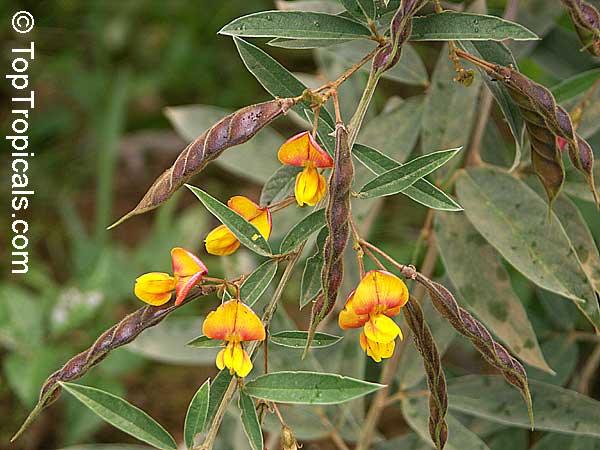
1. Pigeon Pea

Cajanus  cajan  Bicolor  Fuerte  -  Pigeon  Pea

Cajanus cajan Bicolor Fuerte - Pigeon Pea - is an ancient superfood cultivated for over 4,800 years, with roots in India and Ancient Egypt. This hardy, drought-tolerant perennial shrub produces nutritious, protein-rich beans used in rice dishes, soups, and even tofu. Easy to grow, it thrives in poor soils, improves soil quality, and offers medicinal benefits, making it a valuable plant for both gardens and kitchens. Seed to crop in just one season!

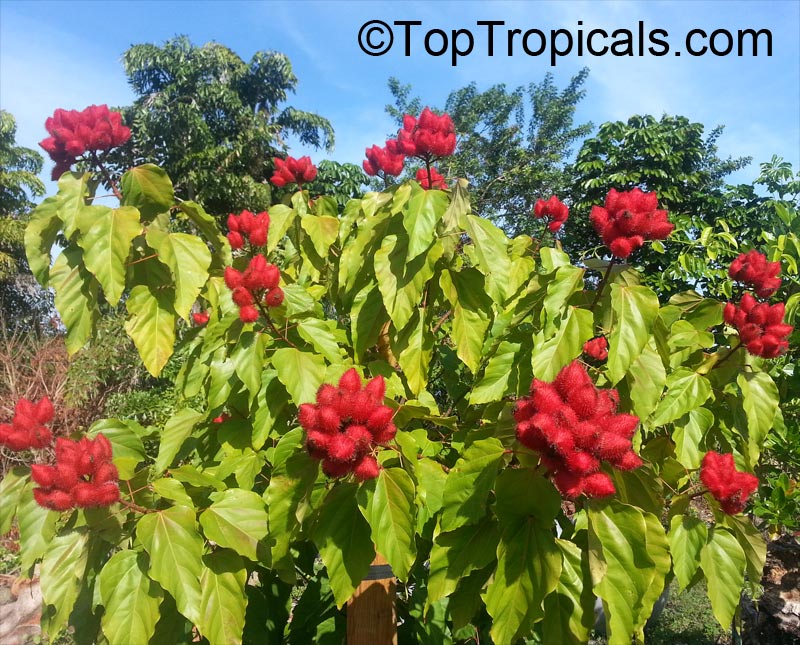
2. Lipstick Tree - Annatto

Bixa  orellana  -  The  Lipstick  Tree

Bixa orellana - The Lipstick Tree, native to South America, is a striking shrub with large leaves, pink flowers, and vibrant red seeds. Its seeds produce Annatto, a natural pigment used in cosmetics, especially lipstick, as well as in culinary applications for its color and mild, peppery flavor. Beyond its beauty and versatility, annatto offers antioxidant and anti-inflammatory benefits, while the plant itself makes an excellent hedge or ornamental feature.

3. Mexican Bird of Paradise

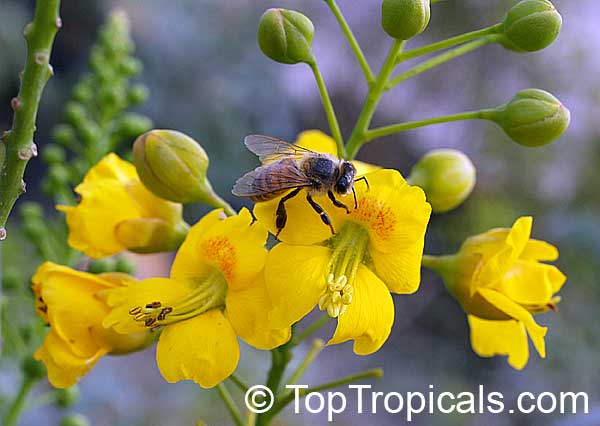
Caesalpinia  mexicana  -  Mexican  Bird  of  Paradise

Caesalpinia mexicana - Mexican Bird of Paradise - is a rare gem among tropical shrubs, offering fragrant butter-yellow blooms that stand out against its feathery green foliage. A heat-loving, drought-tolerant plant, it attracts hummingbirds and can be grown as a compact shrub or small tree. Native to northern Mexico, it thrives in full sun with minimal water, making it a low-maintenance yet striking addition to any garden or patio.

4. Tree Calliandra

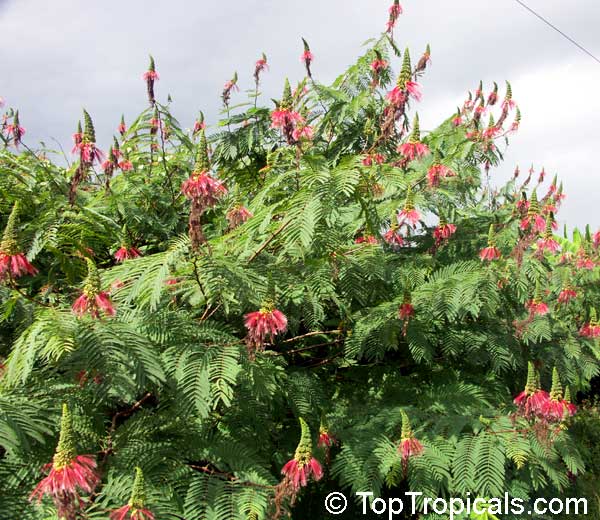
Calliandra  houstoniana  -  Tree  Calliandra

Calliandra houstoniana - Tree Calliandra is the only tree-form Powderpuff, growing into a lush, bushy tree in just one season. Its fluffy pink blooms appear year-round, drawing in hummingbirds and butterflies for a nonstop display of color and life. Super fast-growing and beautiful, it's a must-have for wildlife-friendly gardens!

5. Butterfly Pea - Clitoria

Clitoria  ternatea  -  Butterfly  Pea

Clitoria ternatea - Butterfly Pea - is a stunning vine with vibrant blue, white, or purple flowers that captivate both gardeners and pollinators. Beyond its beauty, it's prized for its herbal benefits, with its flowers used in teas for stress relief and cognitive support. The famous Blue Tea, a caffeine-free infusion, turns purple with a splash of lemon, making it both a visual delight and a health-boosting drink. Fast-growing and easy to manage, this delicate yet vigorous vine is perfect for fences, trellises, and containers. Seed to crop in just one season!

6. Cas Guava

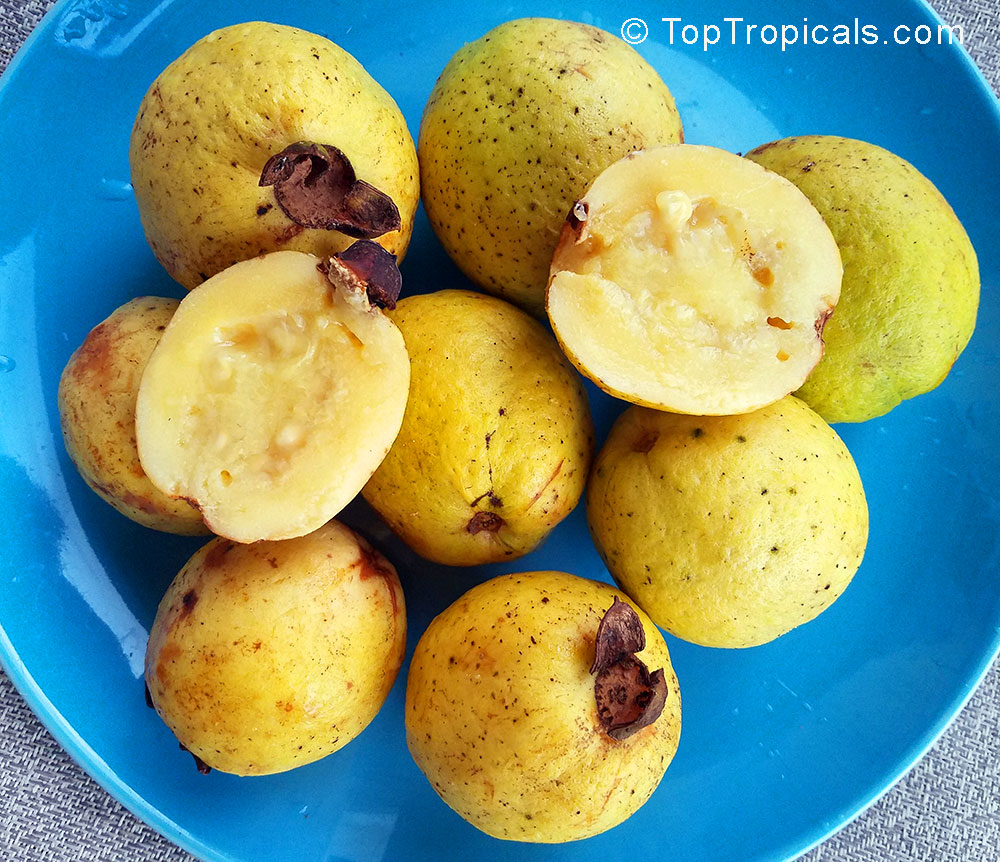
Guava  Cas,  Psidium  friedrichsthalianum

Psidium friedrichsthalianum - Costa Rican Guava, or Cas Guava, is a super sour fruit with four times more vitamin C than a lemon, making it a powerhouse for immune support. Popular in Costa Rica's "Agua de Cas", its tangy juice is perfect for refreshing drinks. Hardy and resilient, this low-maintenance tree thrives in poor soils while resisting pests and diseases. This is the fastest growing and the most productive guava tree with 2-3 crops per year! From seed to crop: 3 years.

7. Agua de Flor de Jamaica - Karkade Tea

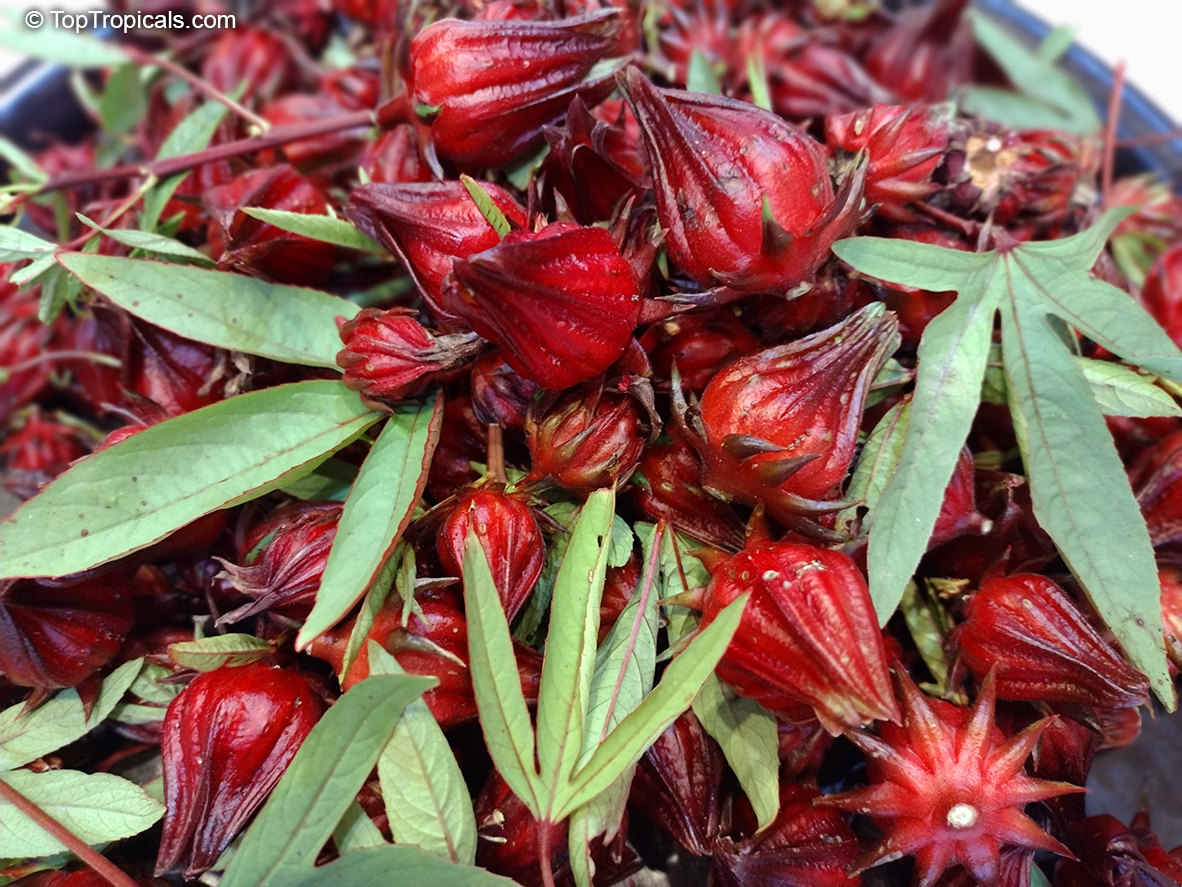
Hibiscus  sabdariffa,  Roselle),  Karkade  Tea

The most health-beneficial hibiscus is Hibiscus sabdariffa (Roselle), known for its deep red calyces used in Agua de Flor de Jamaica and Karkade Tea. This tart, refreshing tea is packed with antioxidants and supports heart health, digestion, and immune function. A fast-growing plant, it goes from seed to a lush, flower-filled bush in just one season! From seed to crop: in just 3 months!

8. Dwarf Papaya TR Hovey

Guava  Cas,  Psidium  friedrichsthalianum

Papaya Dwarf TR Hovey, Carica papaya - is a dwarf marvel, reaching only 4-5 feet tall while producing giant, melon-sized sweet papayas! This compact variety is perfect for small gardens and container growing, offering big fruit on a tiny tree - a true space-saving tropical treasure! Only 2 years from seed to fruit.

Date: 1 Dec 2025

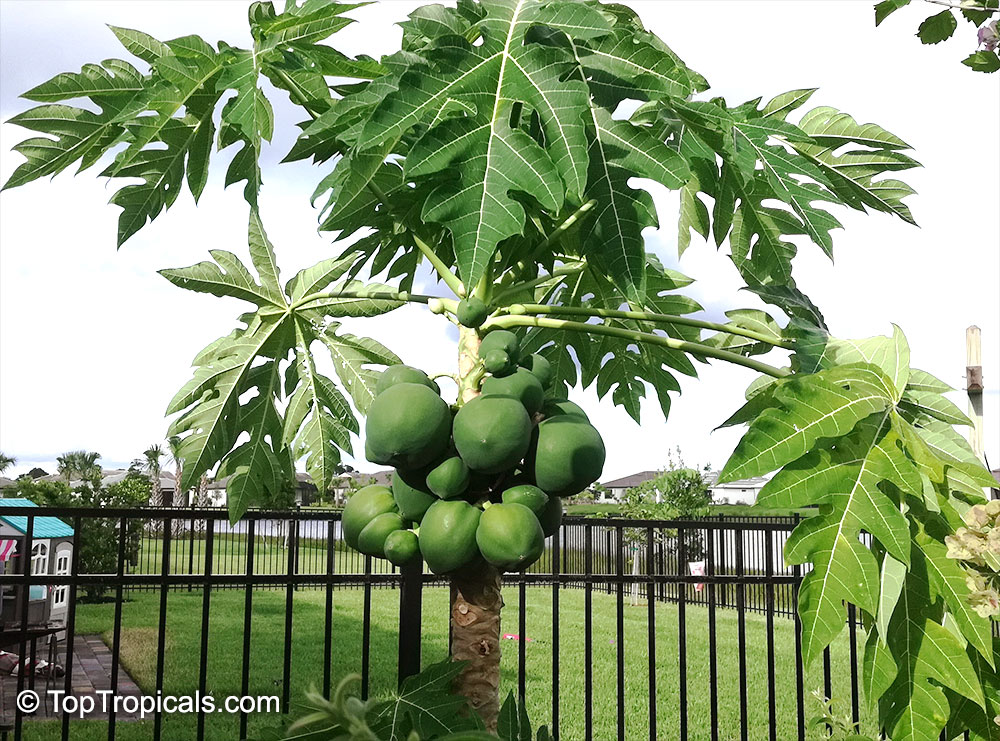
What happens when you eat it every day: a bowl of Papaya for breakfast

bowl of Papaya for breakfast

bowl of Papaya for breakfast

🍲 What happens when you eat it every day: a bowl of Papaya for breakfast


🍊 If you grow your own papayas or just enjoy picking one from your food forest in the morning, a small bowl (about 140-150 g) can quietly transform your day - and your long-term health. This tropical fruit is naturally low in calories, high in fiber, and loaded with vitamins A and C, making it a perfect morning starter for metabolism, digestion, and immunity.

🍊 Why papaya works so well in the morning


Papaya is famous for its natural enzyme, papain. It kick-starts digestion, eases bloating, helps break down proteins, and supports regular bowel movements. Ayurveda has praised ripe papaya for centuries as a cooling, Pitta- and Kapha-balancing fruit that clears toxins and improves gut function. Modern nutrition agrees: a fiber-rich, enzyme-rich fruit first thing in the day steadies appetite and helps prevent mid-morning cravings.

🍊 Daily benefits at a glance


Weight support: Low calorie, high fiber, and keeps you full longer.
Heart and blood pressure: Rich in potassium, vitamins, and antioxidants that support healthy cholesterol, smooth blood flow, and normal blood pressure.
Liver support: Antioxidants, choline, and beta-carotene help reduce inflammation, regulate fats, and protect liver cells from oxidative stress.
Skin health: Papain and vitamin C help remove damaged cells, improve collagen formation, and support a clearer, smoother complexion.
Immunity: One medium papaya gives more than double the daily vitamin C requirement and helps stimulate white blood cells while protecting them from oxidative stress.
Constipation relief: Papaya’s fiber and enzymes gently improve regularity and support a clean, efficient gut.

🍊 What research shows


According to the National Library of Medicine, papaya pulp and seeds contain vitamins A, C, and E; B vitamins; potassium; magnesium; carotenoids; glucosinolates; and unique phenolic compounds. Together, these show antioxidant, anti-inflammatory, hypoglycemic, and hypolipidemic actions. Studies link papaya extracts to reduced cholesterol and triglycerides, improved blood pressure regulation (ACE-inhibitory effects), and protection against oxidative stress.

Papaya seeds also demonstrate promising anti-cancer potential, including activity against colon, prostate, and liver cancer cells. Lycopene and other carotenoids further reduce oxidative damage linked to chronic diseases.

🍊 For home growers


A ripe papaya from your own garden isn’t just a sweet breakfast bowl. It’s a daily boost for digestion, immunity, skin, heart, and metabolic health. Growing papaya means you have a year-round supply of one of nature’s most complete morning foods - fresh, clean, and packed with bioactive compounds your body immediately puts to use.

✍️ Scientific reference


National Library of Medicine:
· Nutritional and bioactive profile of Carica papaya and its potential benefits for metabolic and inflammatory disorders.
· Anticancer potential of Carica papaya Linn black seed extract against human colon cancer cell line: in vitro study.

🛒 Grow your own medicine - Papaya

📚 Learn more:

Papaya Plant Facts

Botanical name: Carica papaya
Also known as: Papaya
USDA Zone: 9 - 11
Highligths Small tree 10-20 ftFull sunWater Requirement: Low. Allow soil to dry out between wateringsWatering: Moderate. Water when top soil feels dryYellow, orange flowersWhite, off-white flowersEdible plantEthnomedical plant.
Plants marked as ethnomedical and/or described as medicinal, are not offered as medicine but rather as ornamentals or plant collectibles.
Ethnomedical statements / products have not been evaluated by the FDA and are not intended to diagnose, treat, cure, or prevent any disease. We urge all customers to consult a physician before using any supplements, herbals or medicines advertised here or elsewhere.Subtropical plant. Mature plant cold hardy at least to 30s F for a short time
Get personalized tips for your region

🟡more posts about #Papaya
🟡Papaya tree - Carica papaya - in Plant Encyclopedia
🟡Which fruit helps you lose weight faster: Mango or Papaya?
🟡Ten best fruit trees to grow in Florida and Southern landscapes. Papaya Tree.
🟡Carefree Garden: How Easy Is It to Grow a Papaya Tree?
🟡The truth about Papaya
🟡Top 10 fruit you'll ever need for your health benefits. Papaya.

📱 Watch YouTube short videos:


Papaya as a meet tenderizer?
Why your gut is begging for papaya

#Food_Forest #Papaya #Remedies #Discover

🟢 Join 👉 TopTropicals