White, off-white flowers - Plant Encyclopedia Results (Page 10)
| Number of plants found: 1898 |  | Prev | Next | 
|
Go to page: | First | 5 | 6 | 7 | 8 | 9 | 10 | 11 | 12 | 13 | 14 | Last |

Botanical name: Allophylus sp.
Common name: False Currant
Family: Sapindaceae
Origin: Southeast Asia
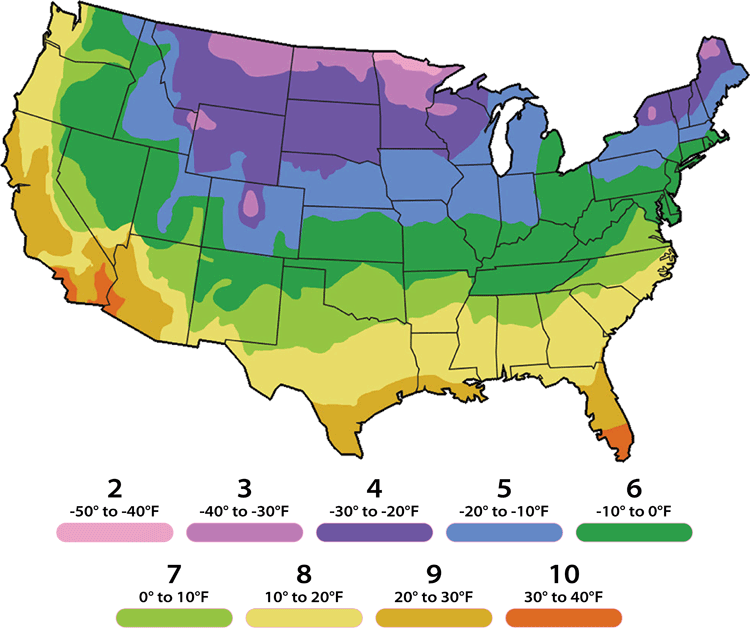
USDA Zone: 9-10


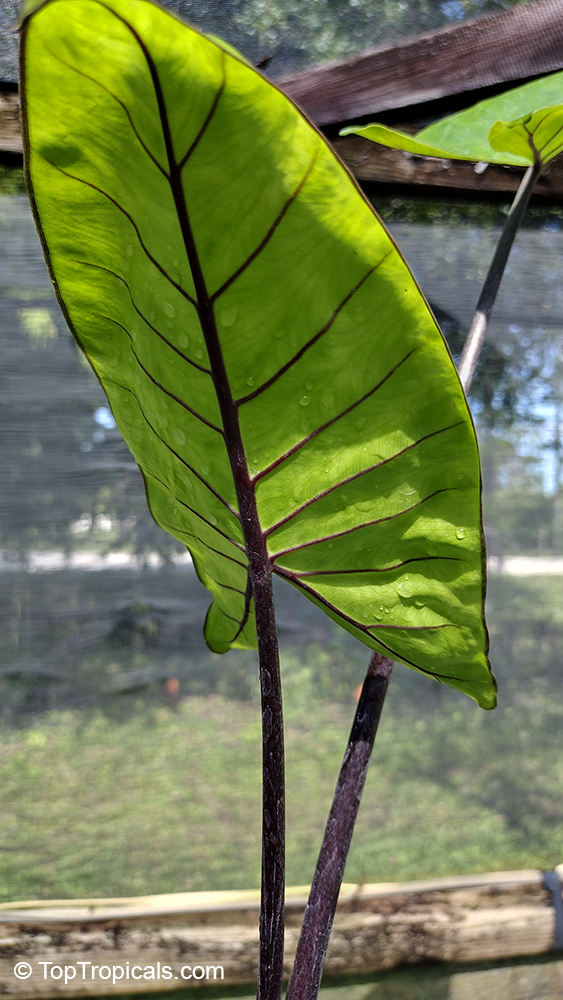
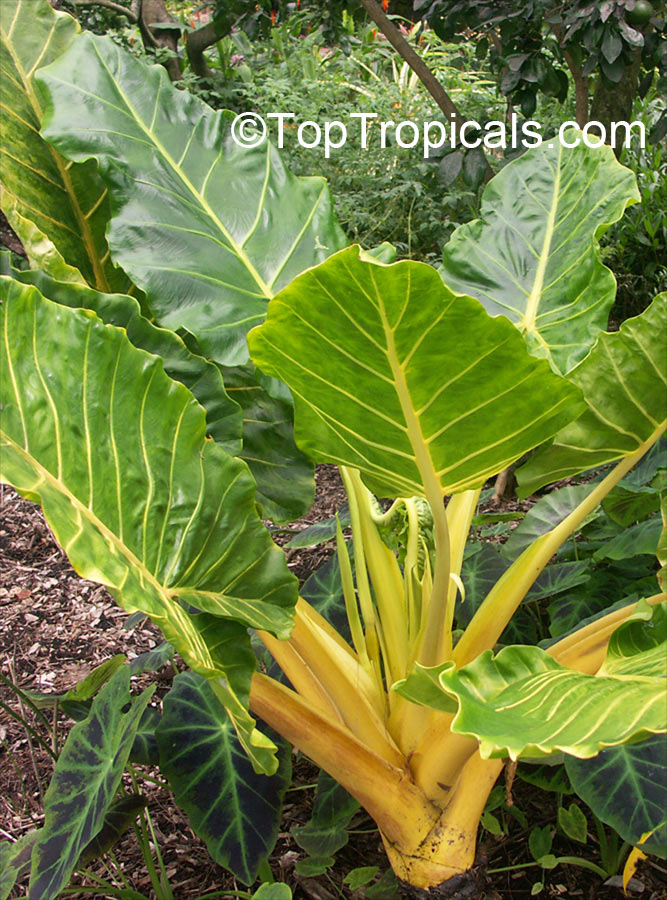
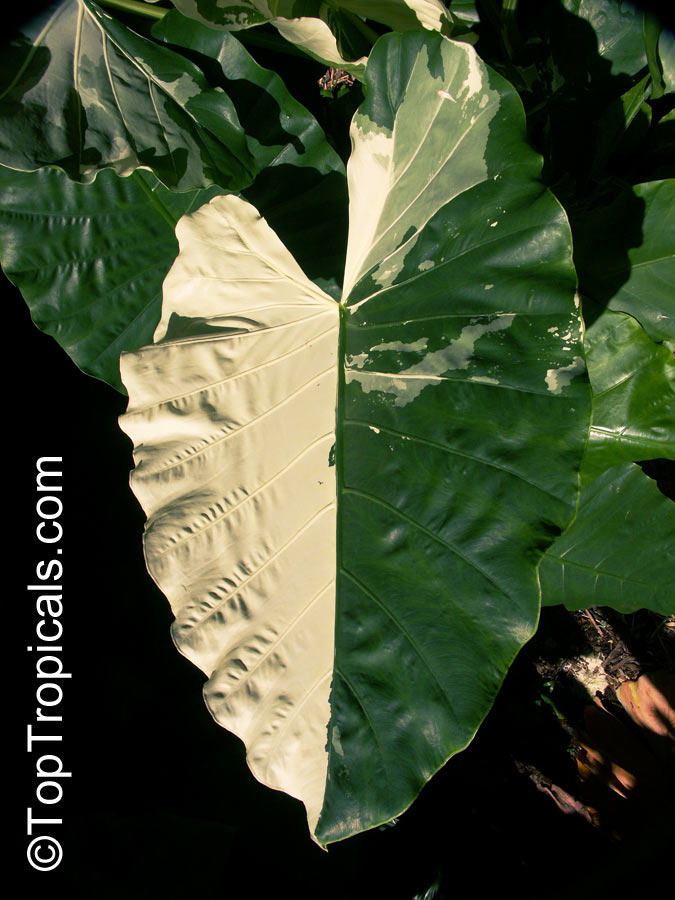
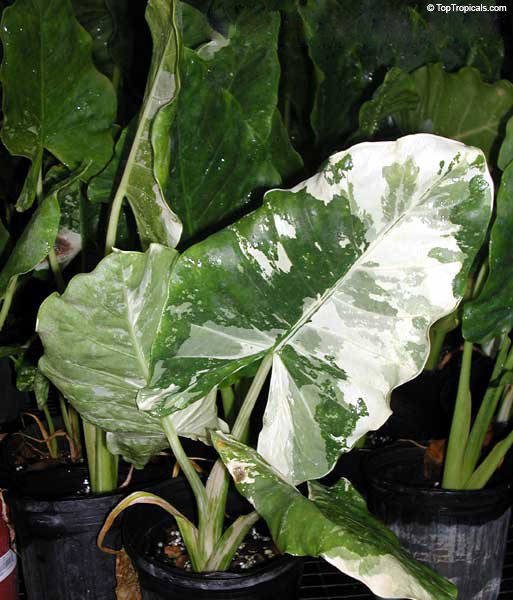
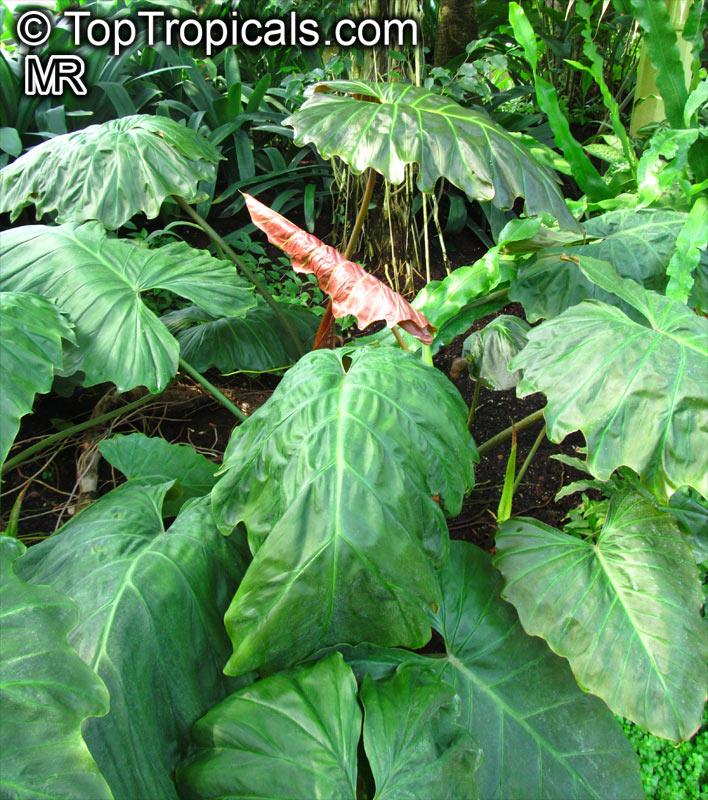
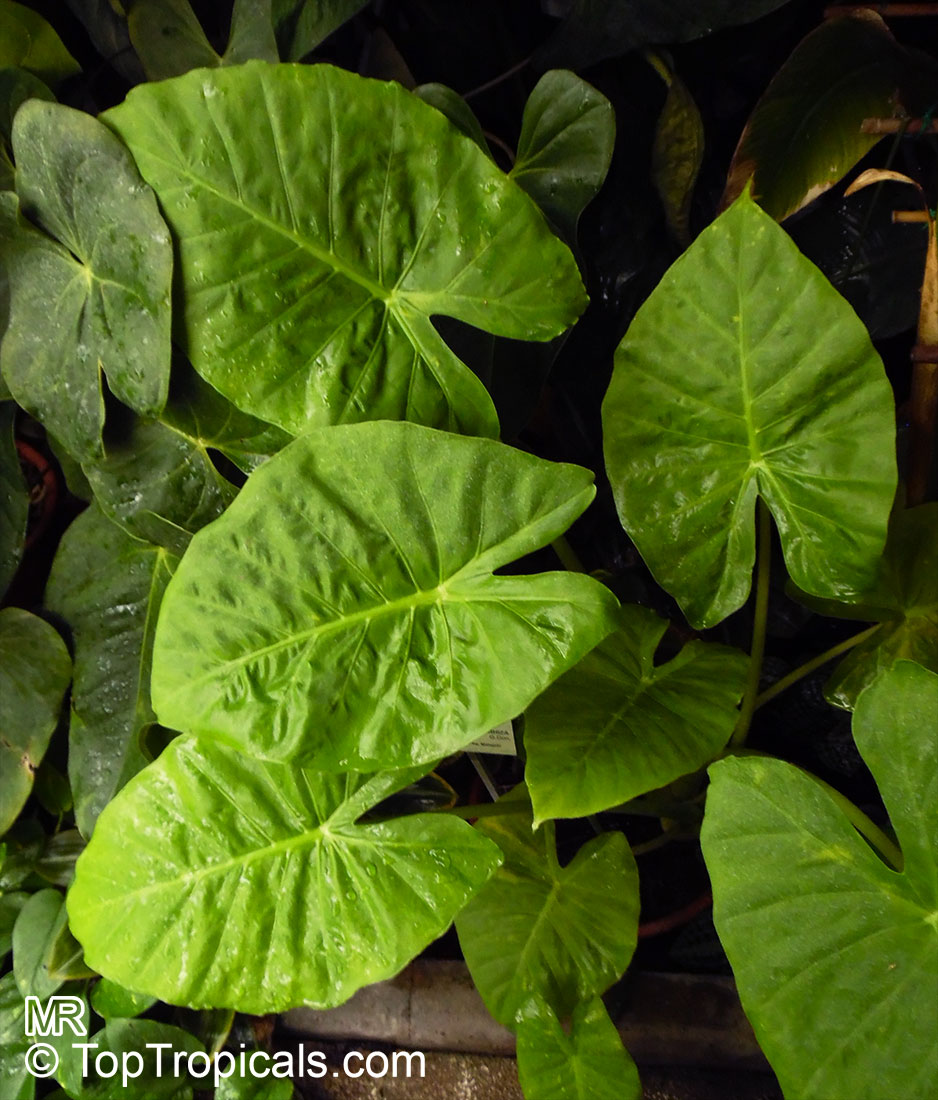
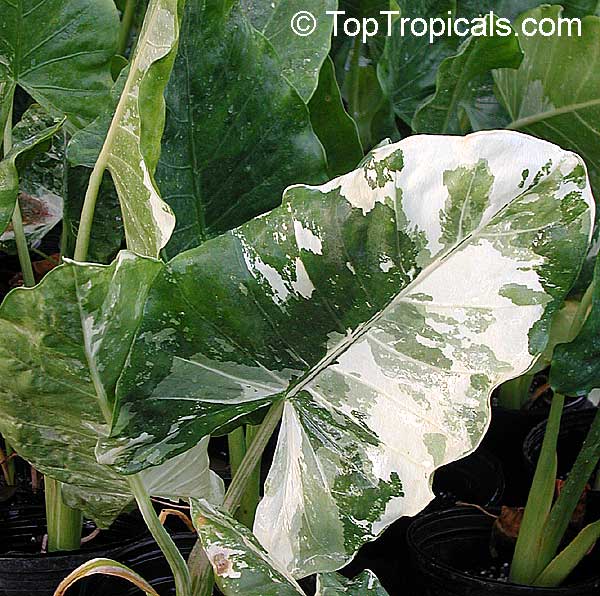
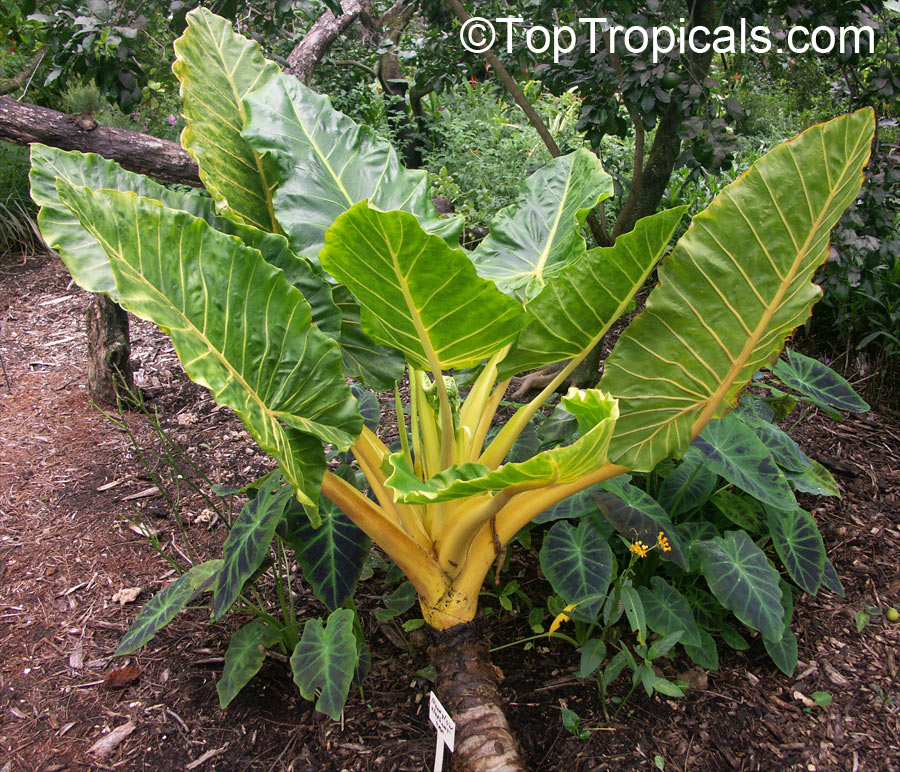
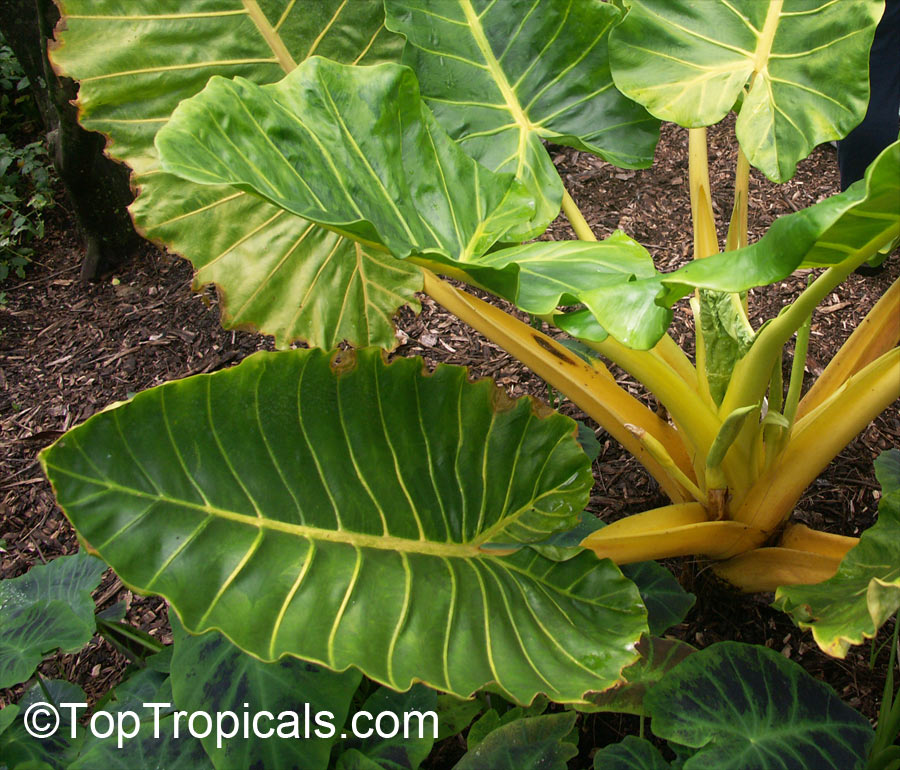
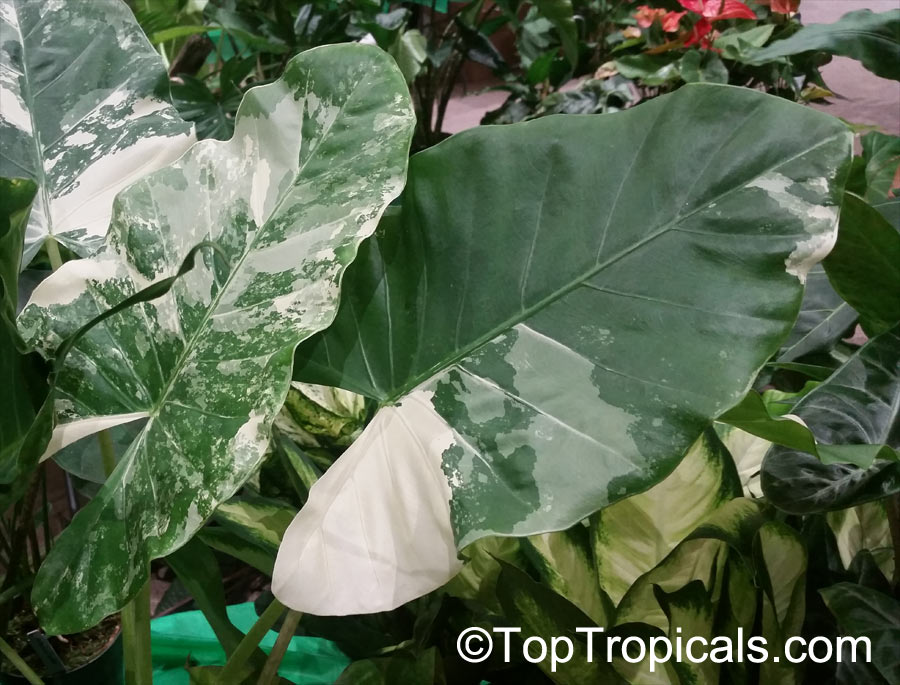
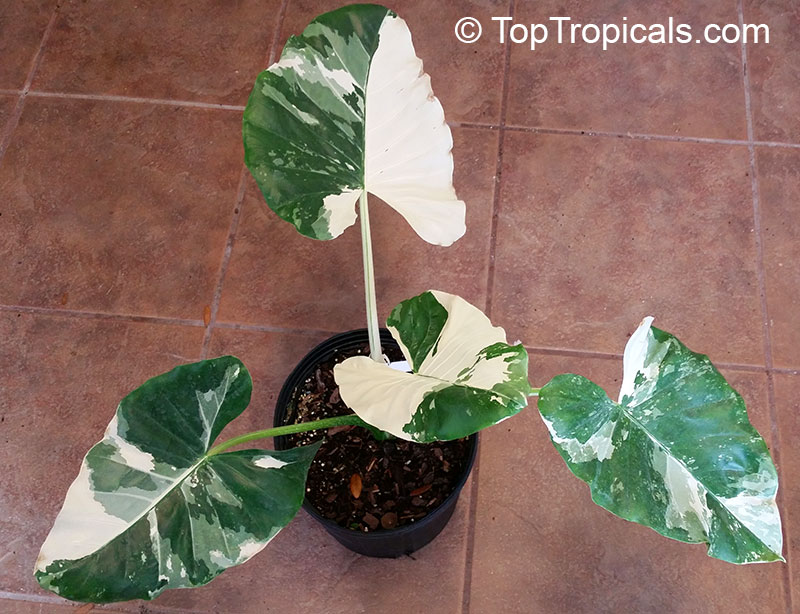
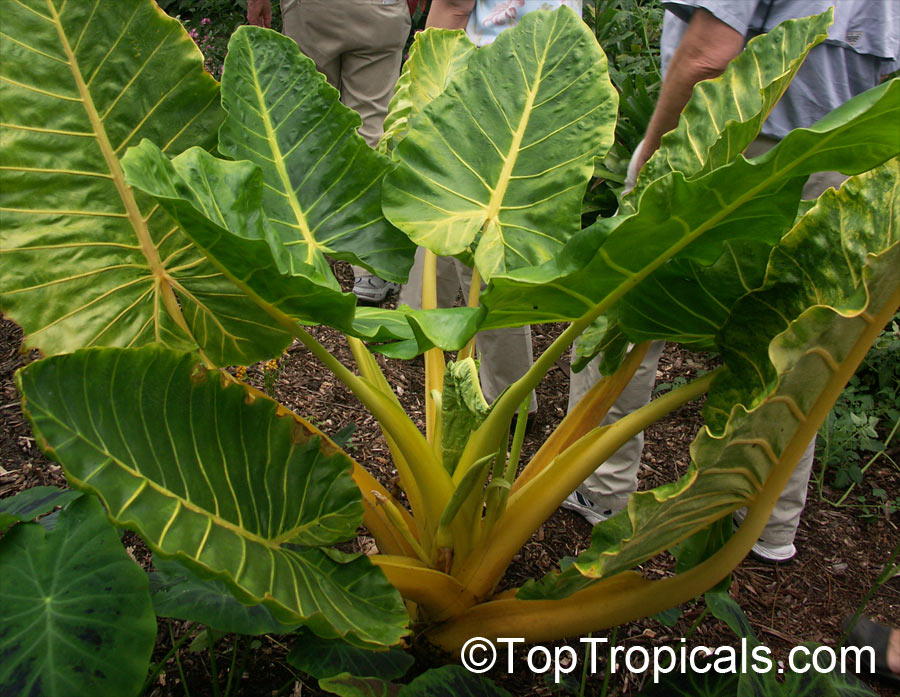
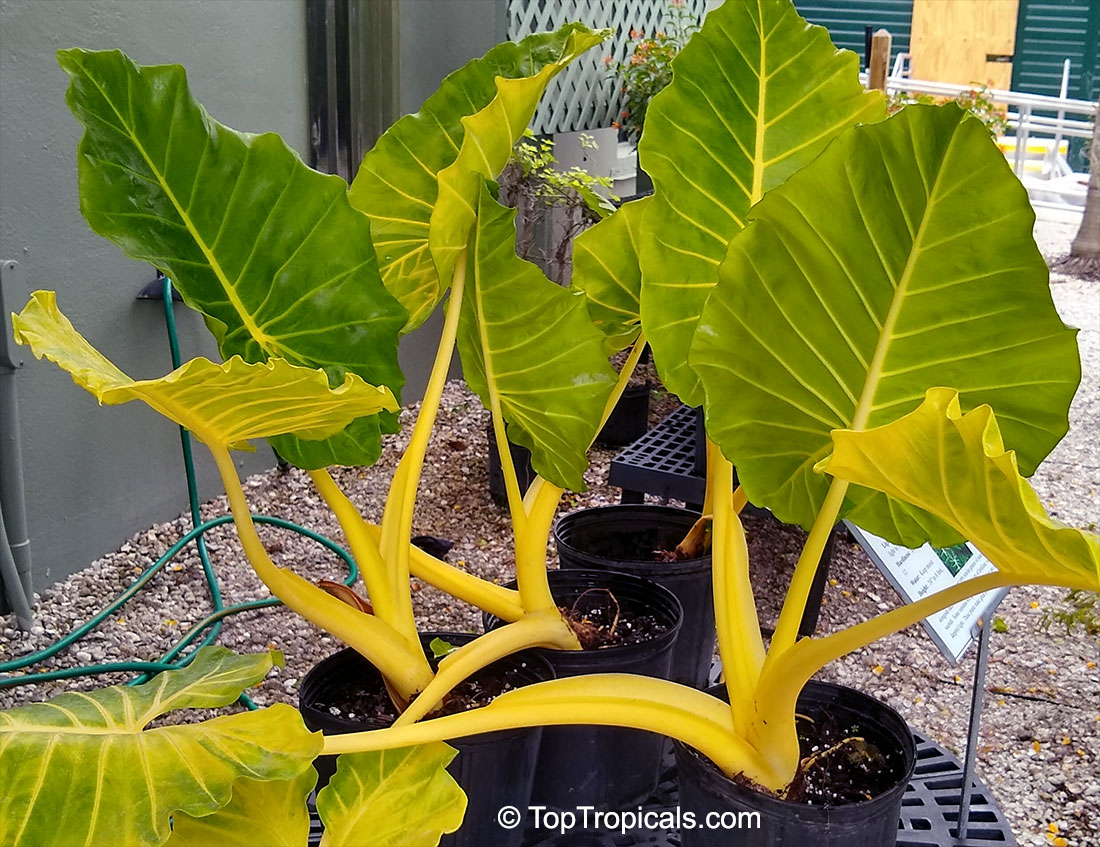
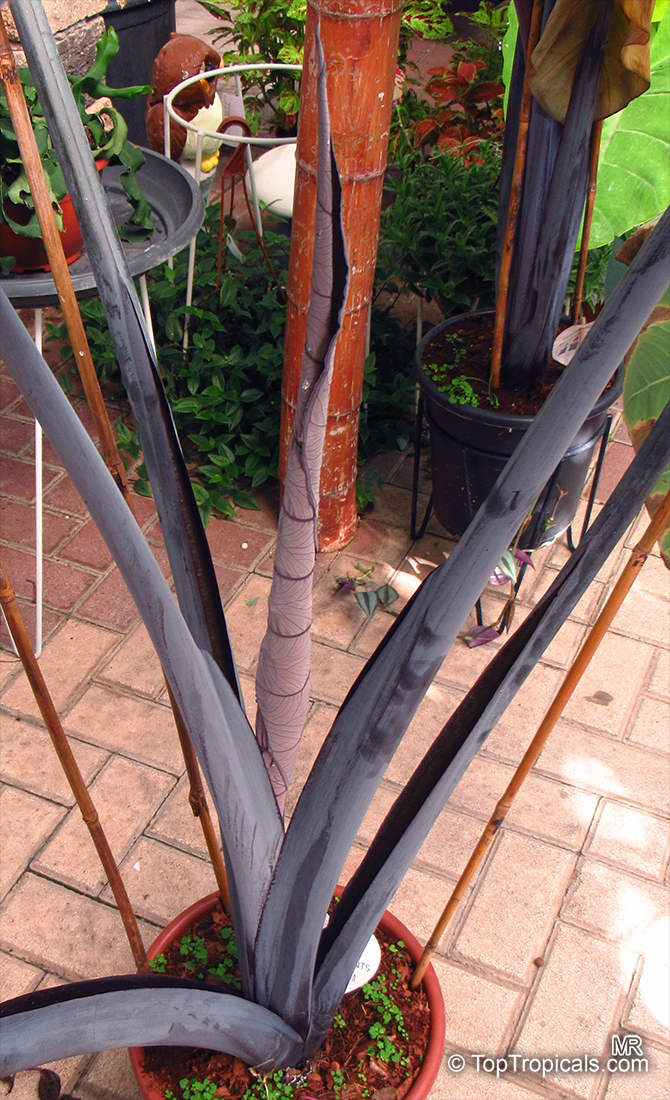
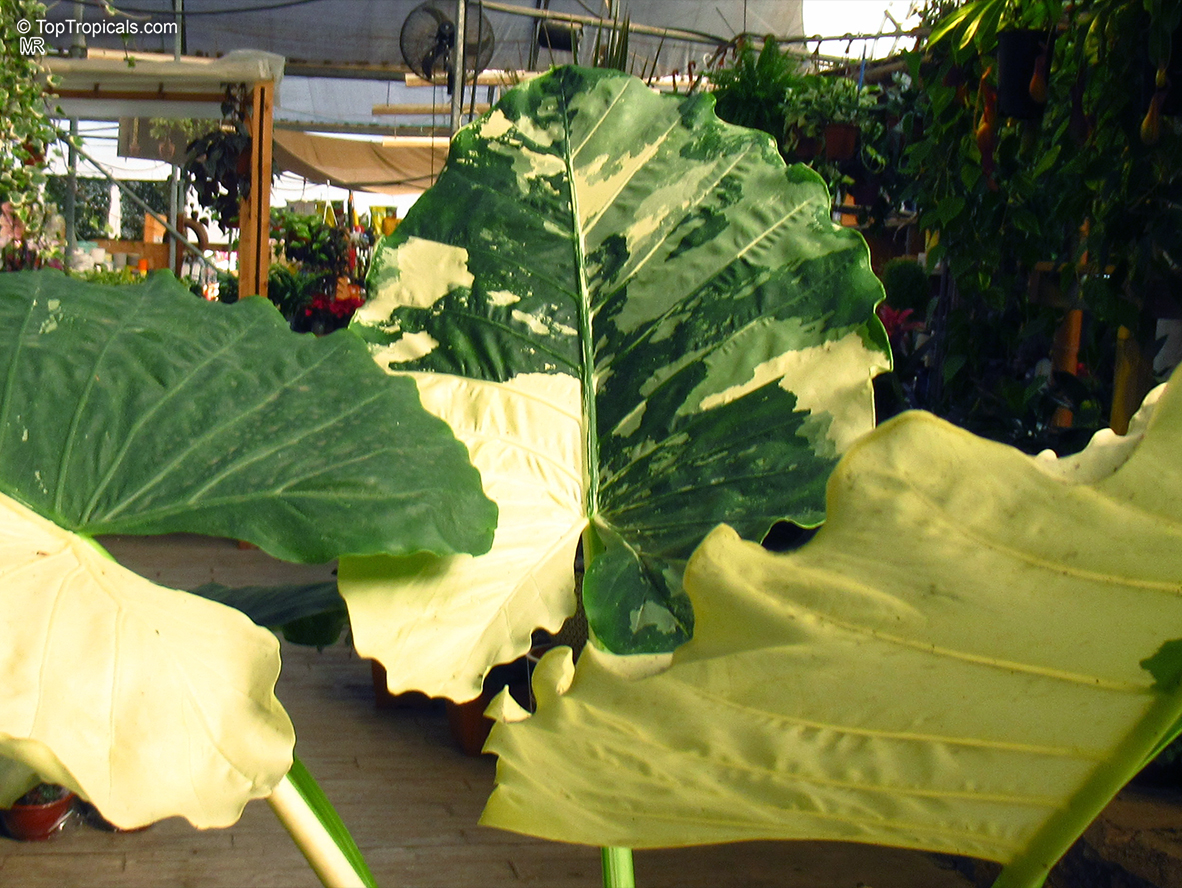
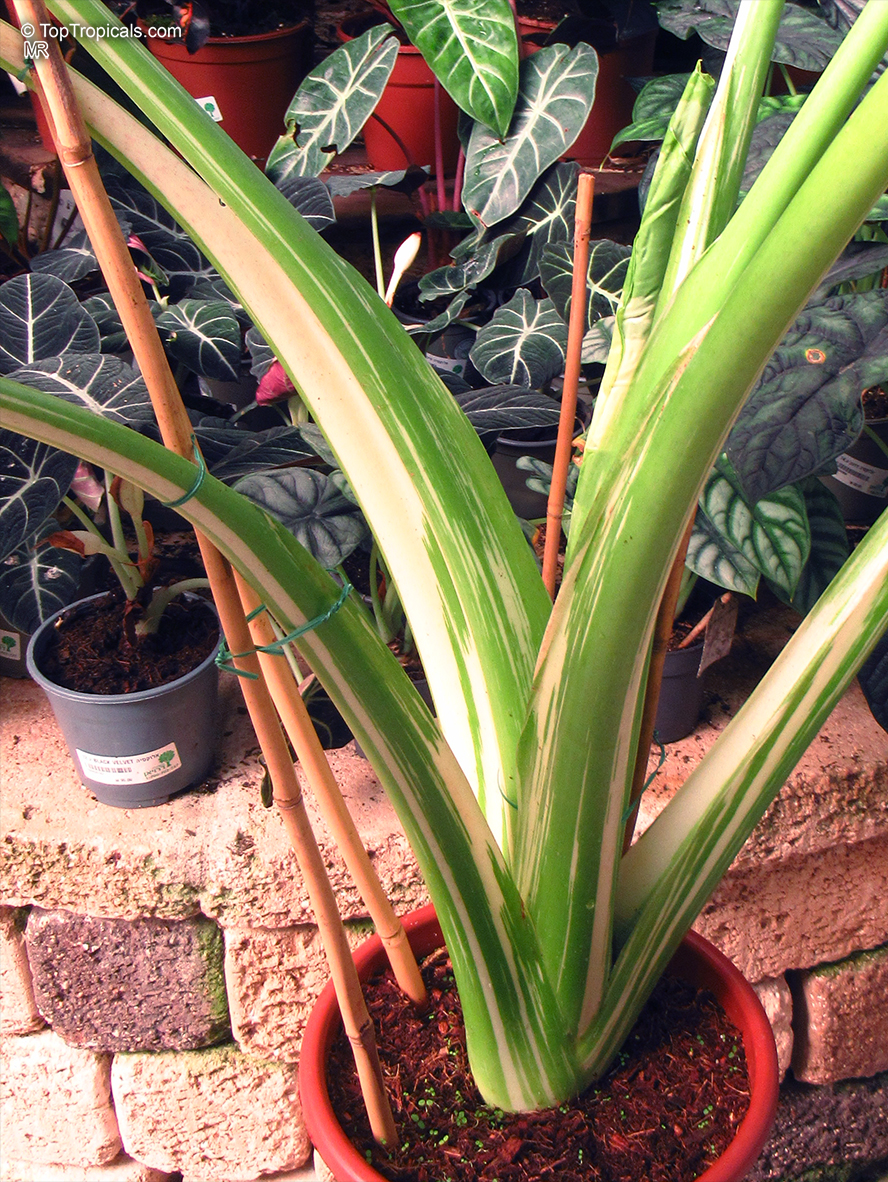
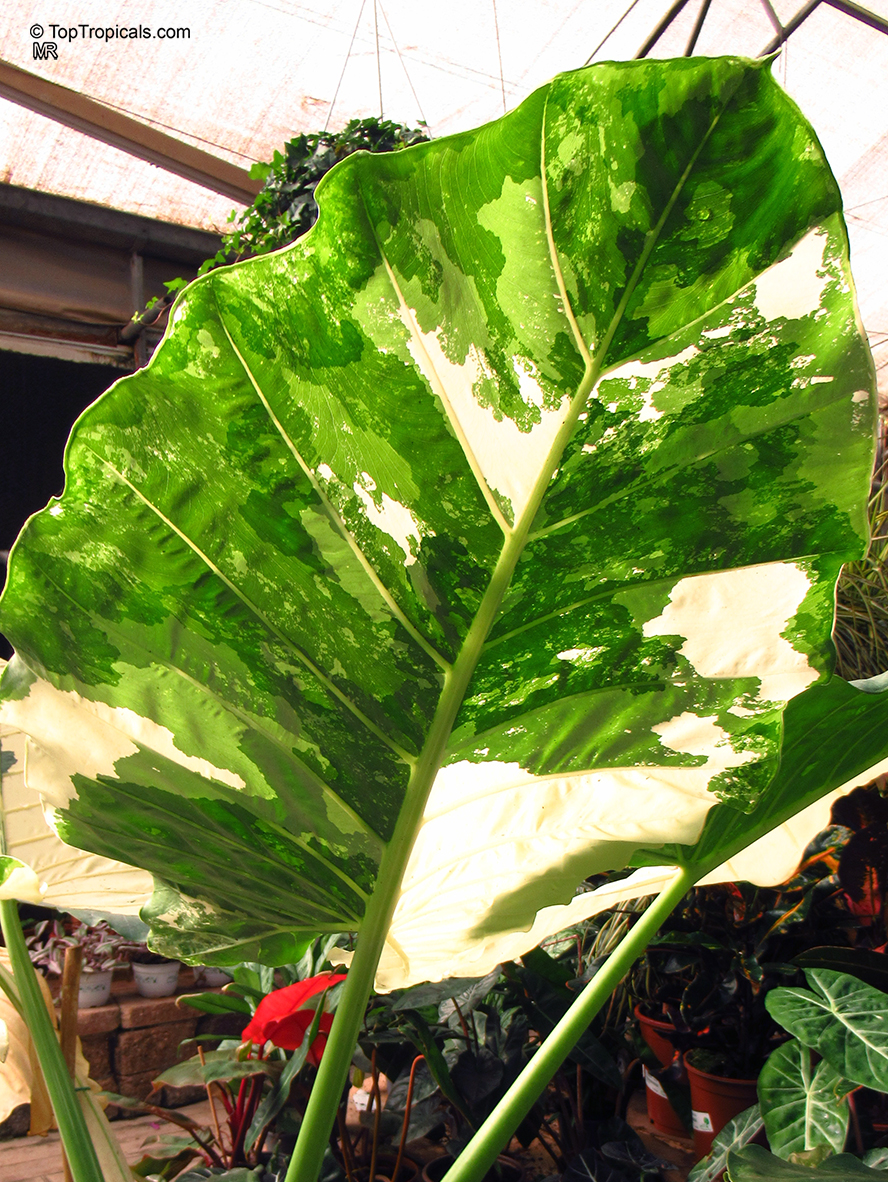
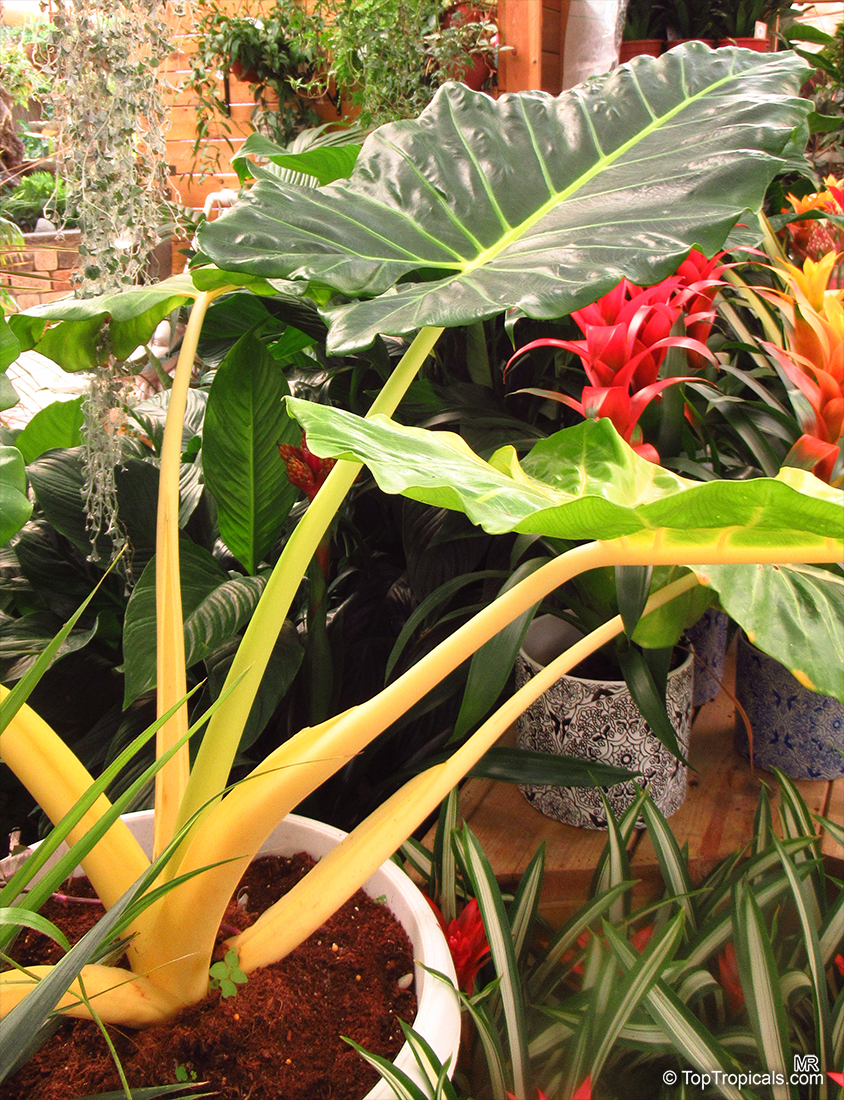
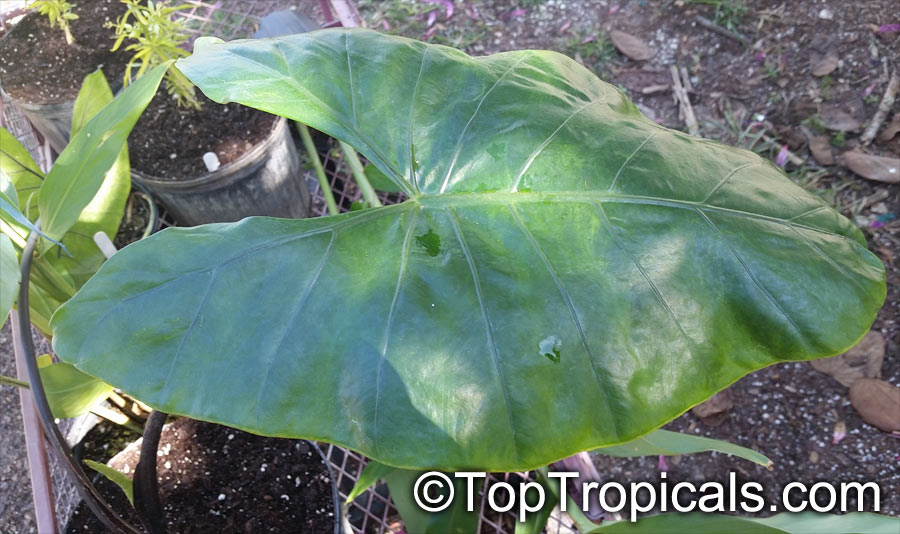
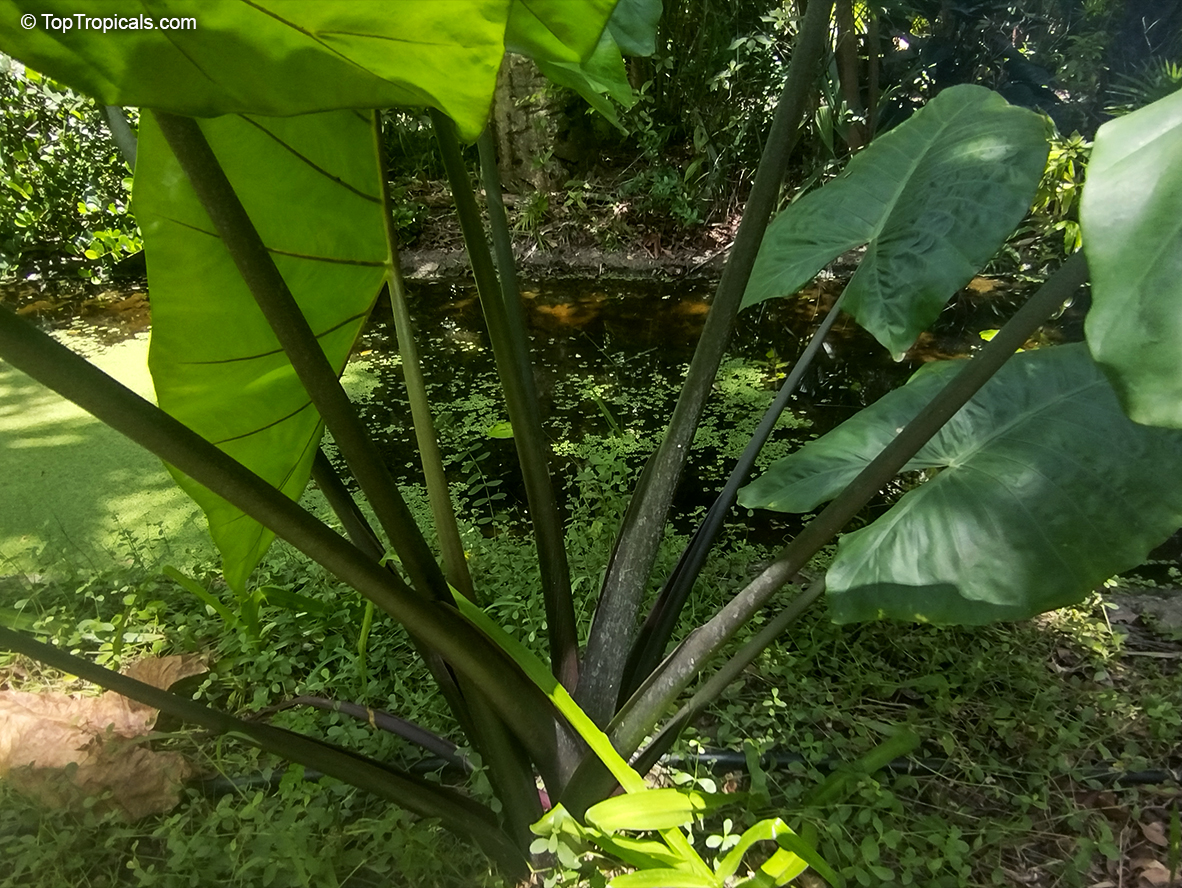
Botanical name: Alocasia macrorrhizos
Common names: Giant Taro, Giant Elephant Ear, Upright Elephant Ear
Family: Araceae
Origin: Tropical Asia
USDA Zone: 9-11


Alocasia macrorrhizos is similar to other large-leafed arums such as the Xanthosoma sagittifolium, Peltrandra spp., and Colocasia esculenta, often called Taro. Alocasia macrorrhiza differs from the others in having an upright stem and holding its leaves upright, and in several technical characteristics that mean a lot to the botanists. Numerous hybrids have been produced from among the various Elephant Ear species, and it's not always possible to identify particular specimens.
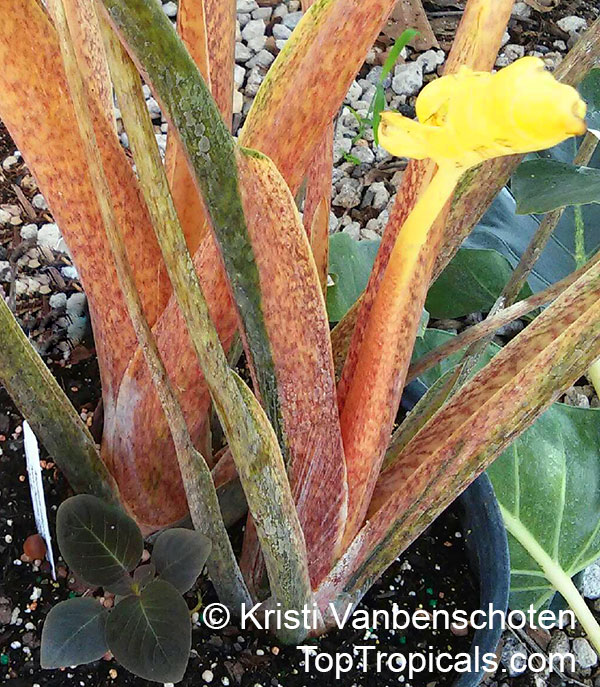
It produced insignificant but fragrant white flowers on a sradix enclosed in a leaf-like, yellow-green spathe.
Giant taro is cultivated throughout the tropics for its edible rhizomes and shoots.
Alocasias require continual warmth and humidity. The soil should be rich but well drained, and the plant appreciates frequent watering (daily in hot weather), especially as if grows larger. Note however, that when the plant is young and small, too much water (particularly if the weather is cold) will rot the tuber, so be careful not to overdo it.
Bright light is preferred, but it will do well in anything up to 80 percent shade. Leaves tend to grow larger in shadier positions. Full sun is usually not preferred and may discolor the leaves, although it will usually cope with a bit of full sun provided it can get enough water.



Recommended Fertilizer: SUNSHINE Robusta - Rapid Growth Booster
Recommended Fertilizer: SUNSHINE Robusta - Rapid Growth Booster
Last one
Recommended Fertilizer: SUNSHINE Robusta - Rapid Growth Booster
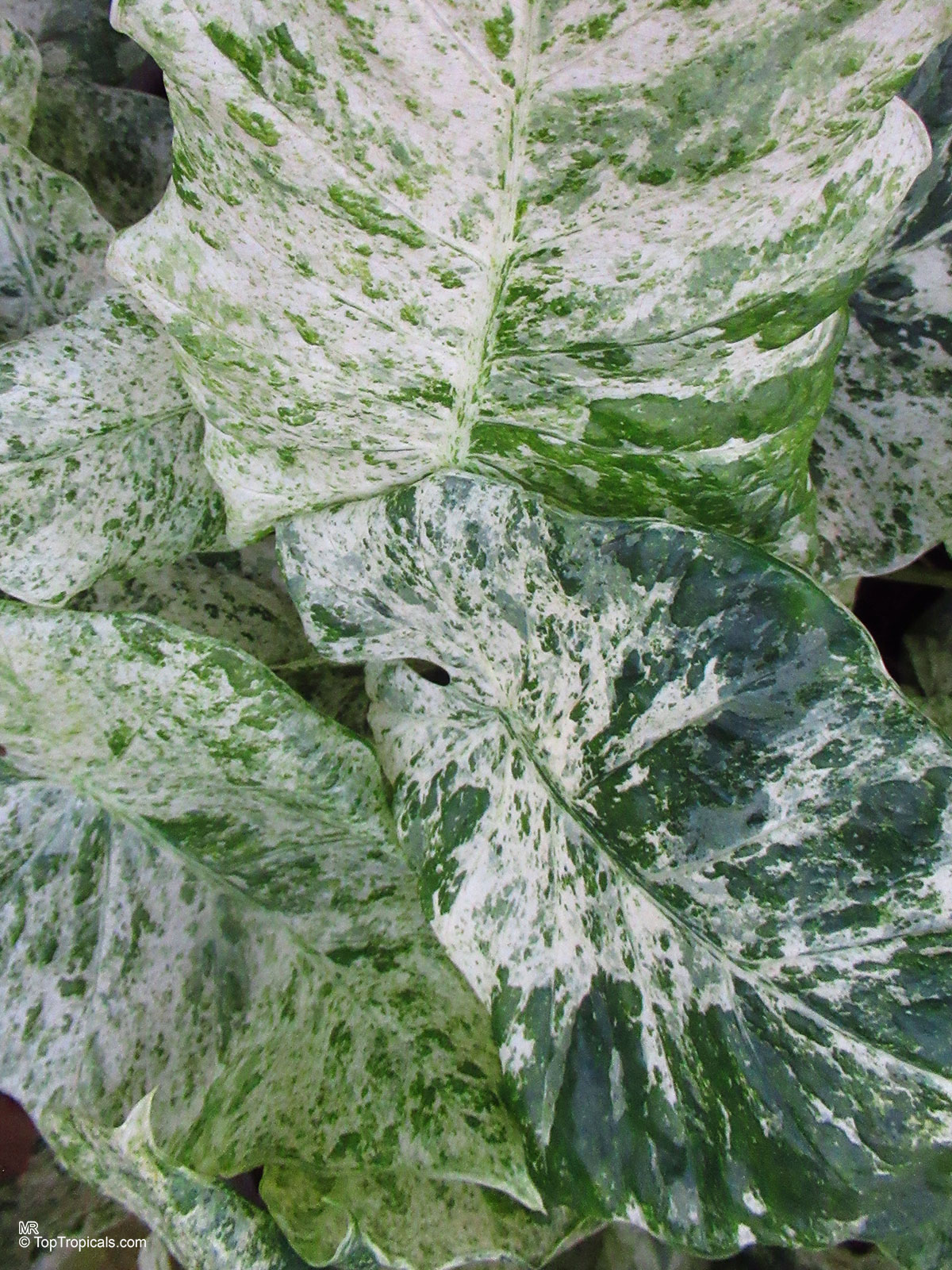
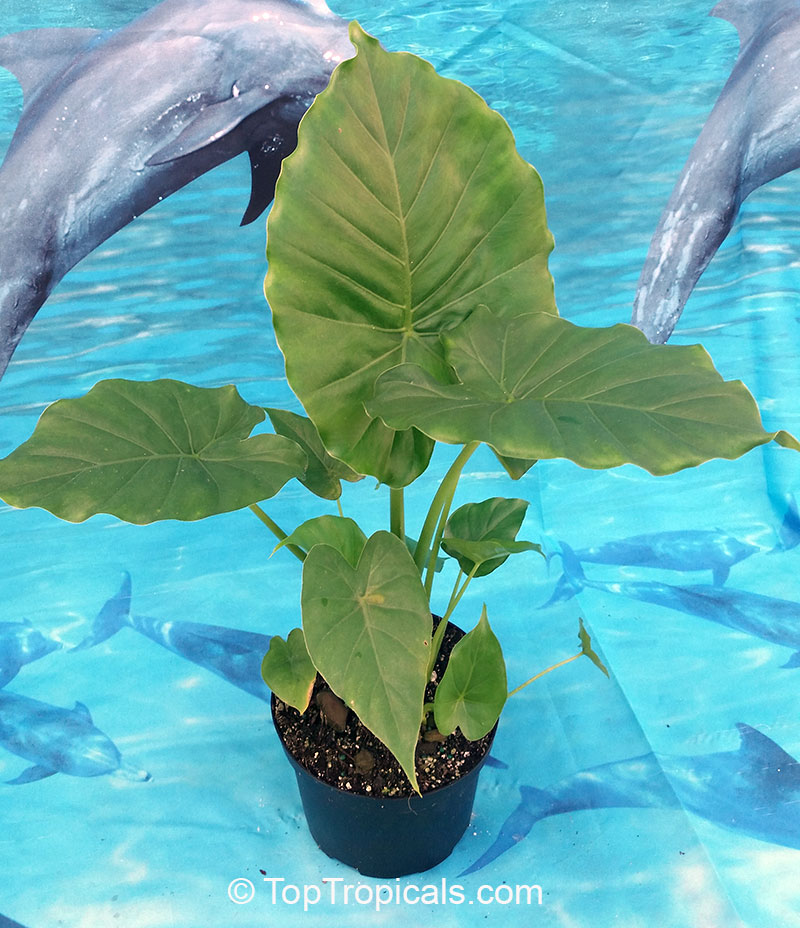
Botanical name: Alocasia odora
Common name: Giant Upright Elephant Ear
Family: Araceae
Origin: Tropical Asia
USDA Zone: 7-11


It grows in light shade to partial sun, in a well-drained, fuzzy soil. Where cold winter temperatures occur, it is best to plant these in a container that can be moved indoors; they are only cold-hardy to Zone 7-11, so Zone 8 and below should take extra caution, as this plant cannot tolerate frost.
A tall, woody perennial, Alocasia odora typically grows up to 5-10 feet tall in its native Tropical Asia. With its large, striking leaves and small, off-white/white fragrant flowers, it has become a popular ornamental choice for gardens. The foliage has an intense shine, and striking color contrast with the veining and patterning.
Alocasia odora prefers partial shade and regular water. It will tolerate bog or aquatic garden conditions and flood-like conditions. It requires a soupy soil or a soil that allows for good drainage.
In order to ensure a healthy, robust growth, it is important to evenly water the plant regularly, ideally using a moisture meter to determine the proper moisture level. It is also recommended to place the plant in spots where it will receive plenty of indirect sunlight and to fertilize it bi-weekly.
However, in cold regions, it is essential to be aware of the fact that Alocasia odora is only cold-hardy to temperatures at least as low as 30°F for a short time. To prevent any cold damage, it is best to move the plant indoors and it might be good to keep it in a pot rather than planting it in the ground.
Overall, Alocasia odora adds a unique texture and delicate beauty to any garden or home. With its large, architectural leaves and fragrant blooms, it is no wonder that this plant has become a much sought-after ornamental for any garden.
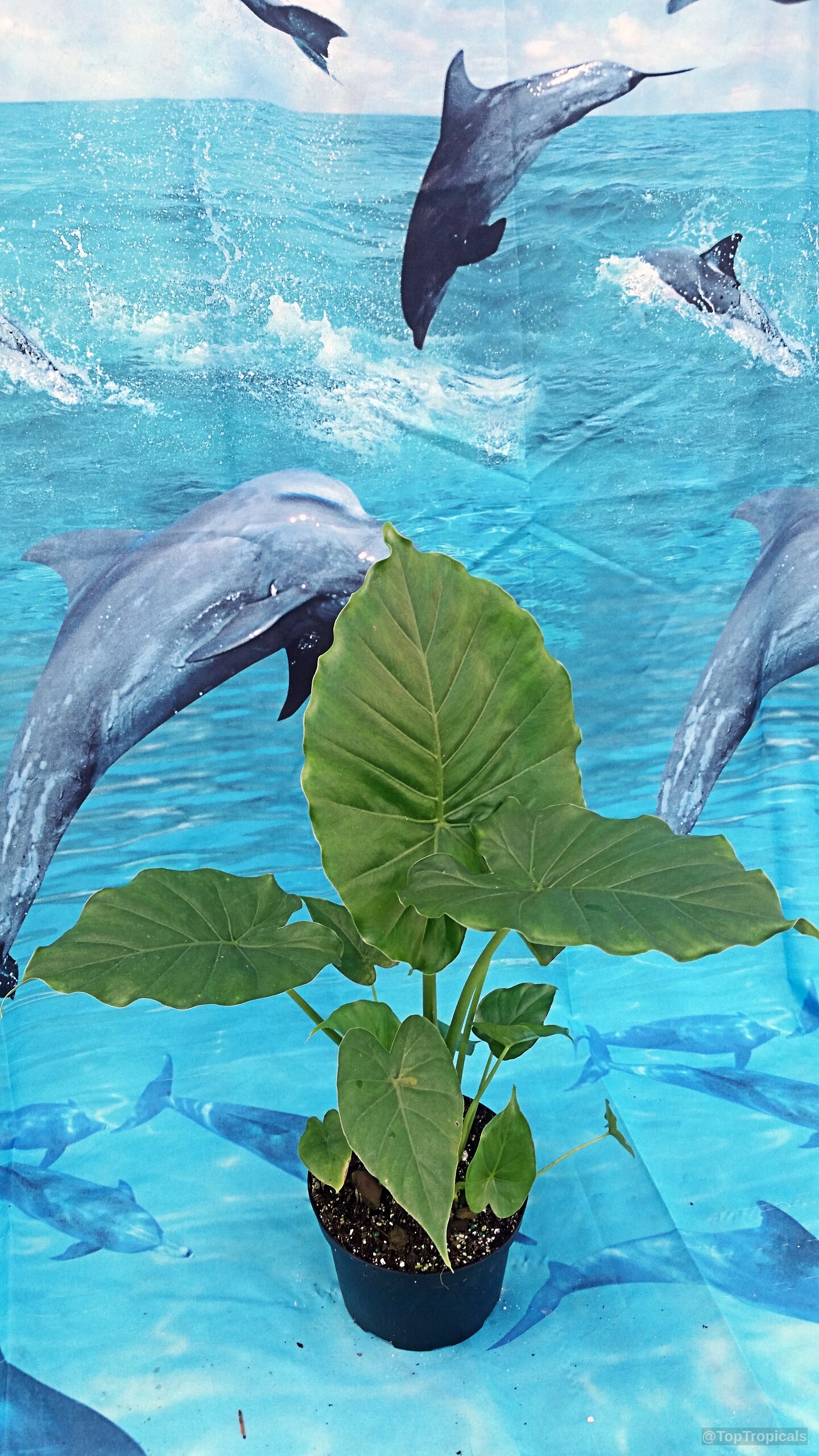
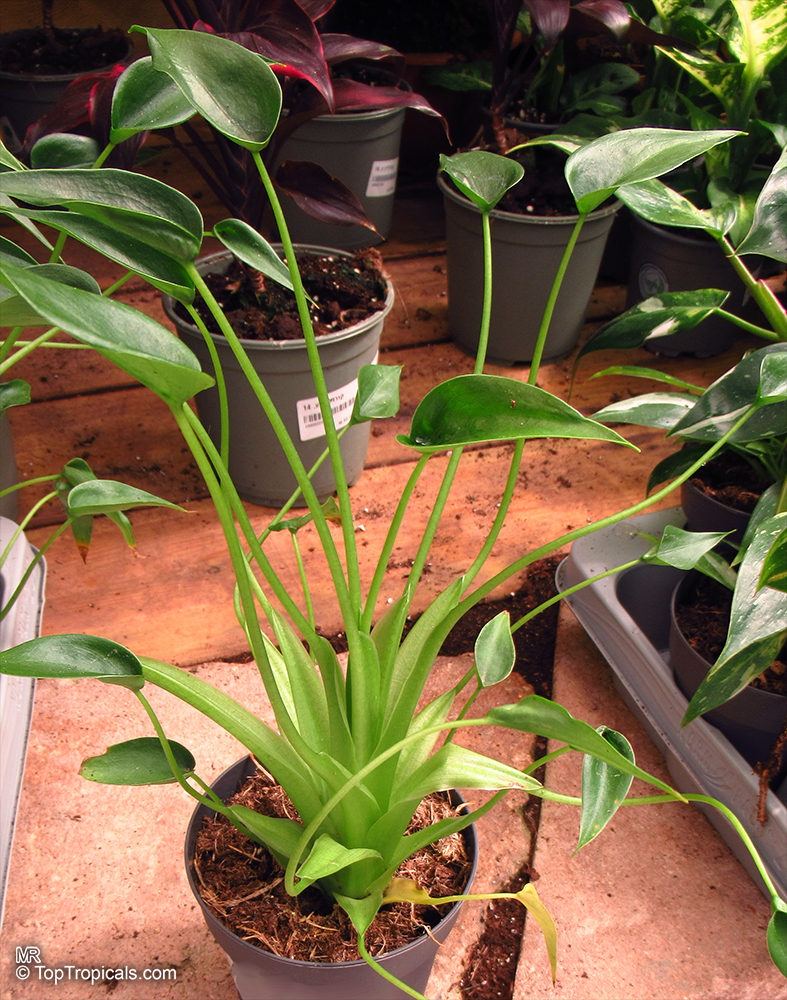
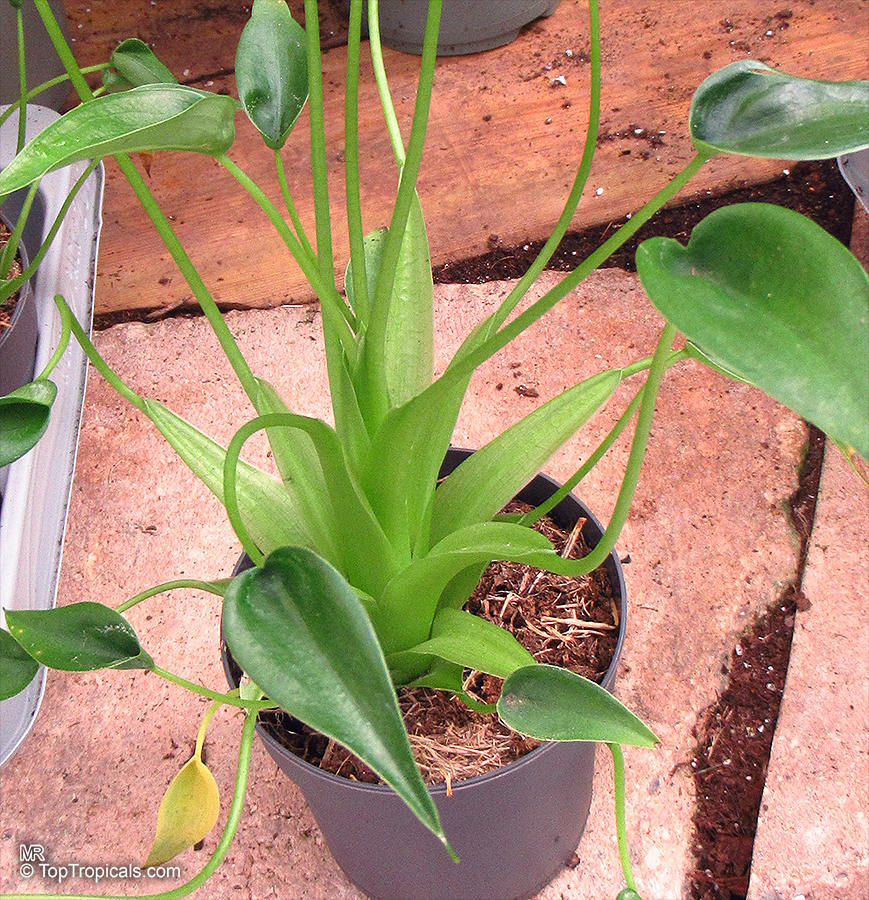
Alocasia 'Tiny Dancer' is unlike any other.This hybrid (scientific name: Alocasia brisbanensisxlocasia odora), created in 2013 is known for its long green petioles with small cupped leaves in a unique teardrop shape. While the plant grows upright, its petioles tend to fan out, curving in different directions like they are dancing.
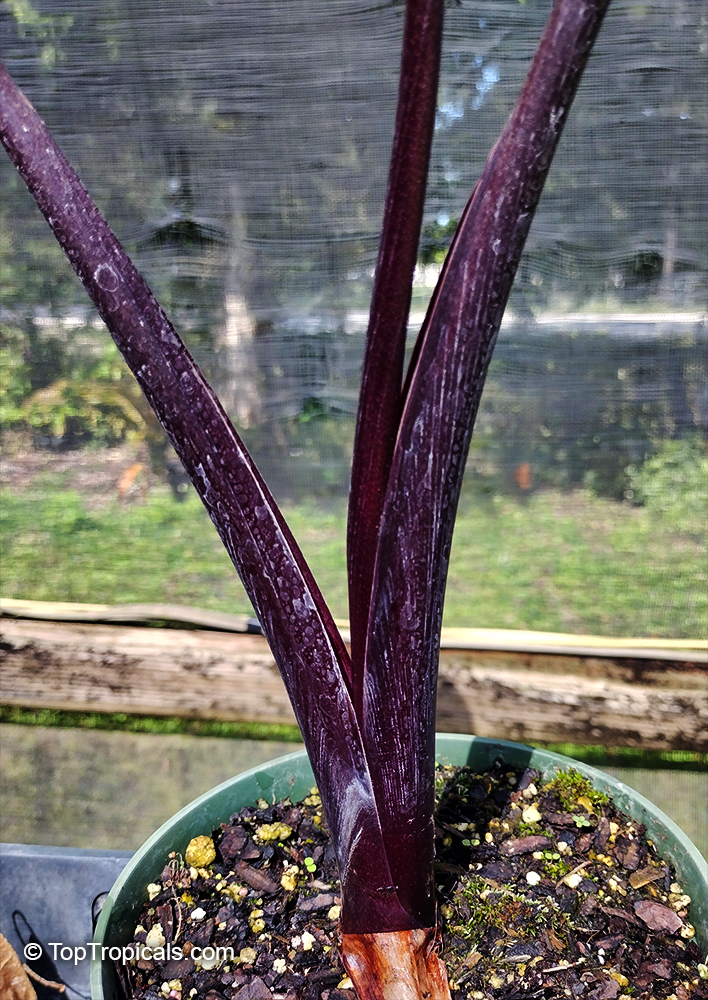
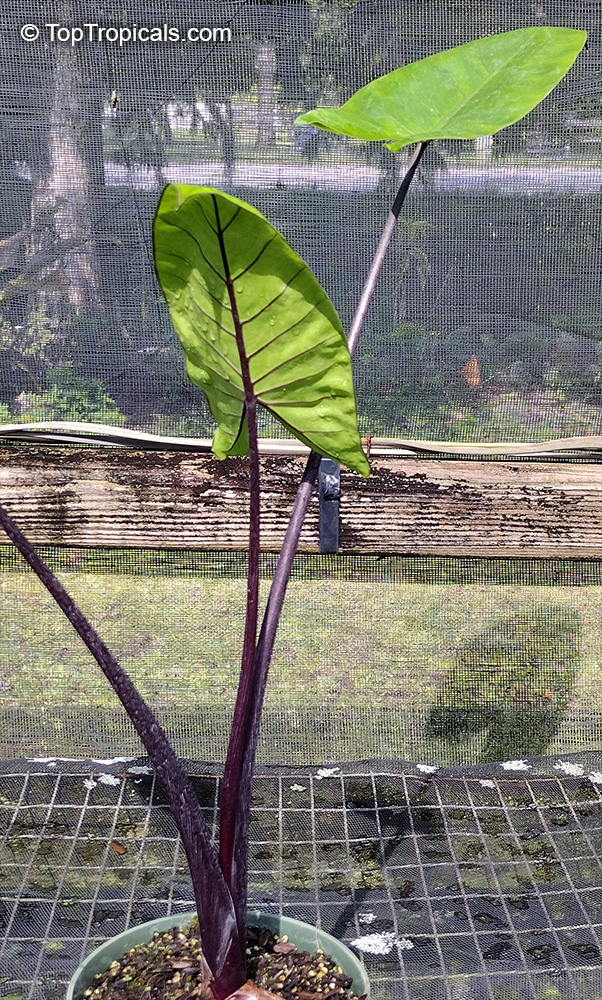
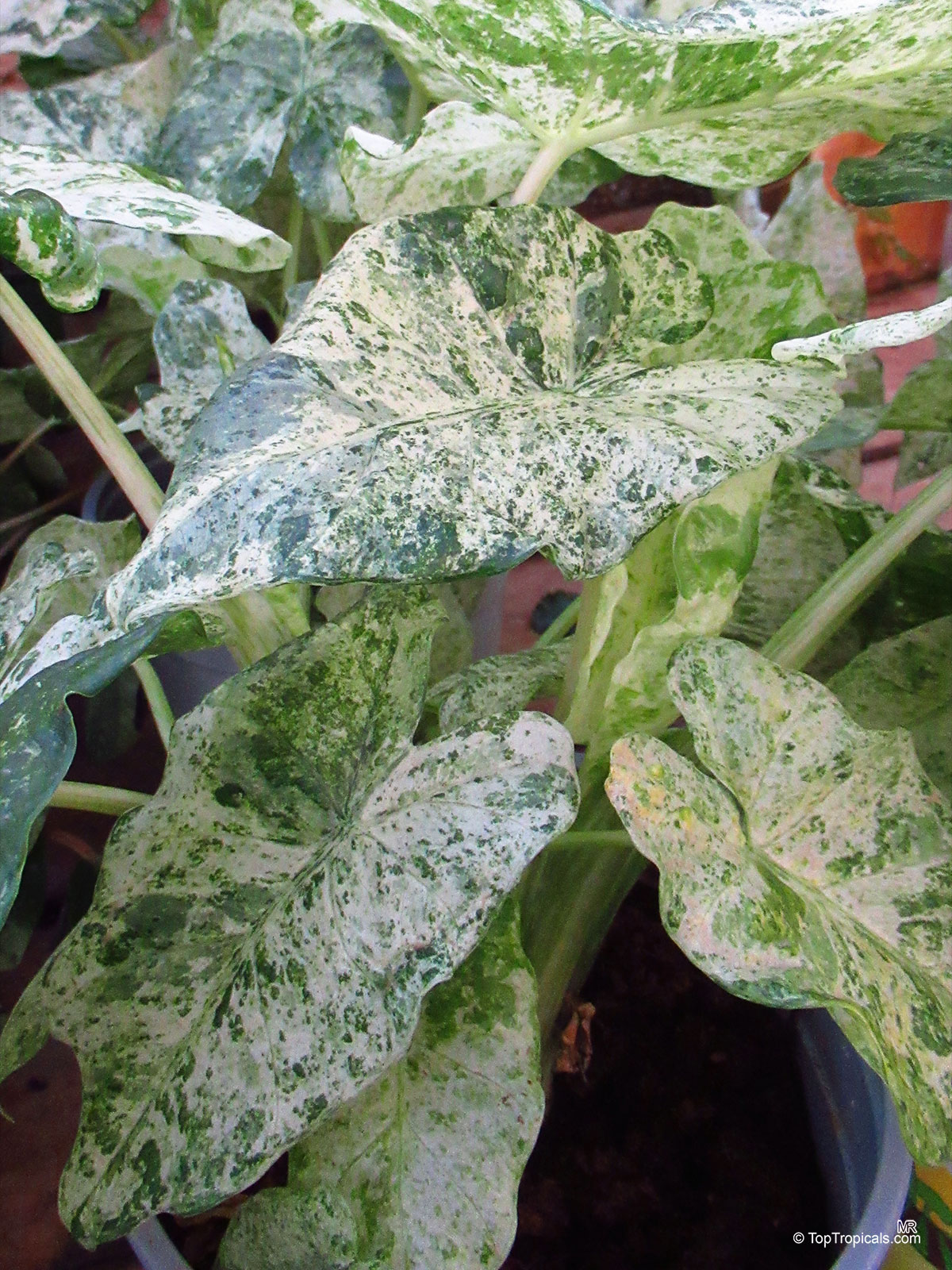
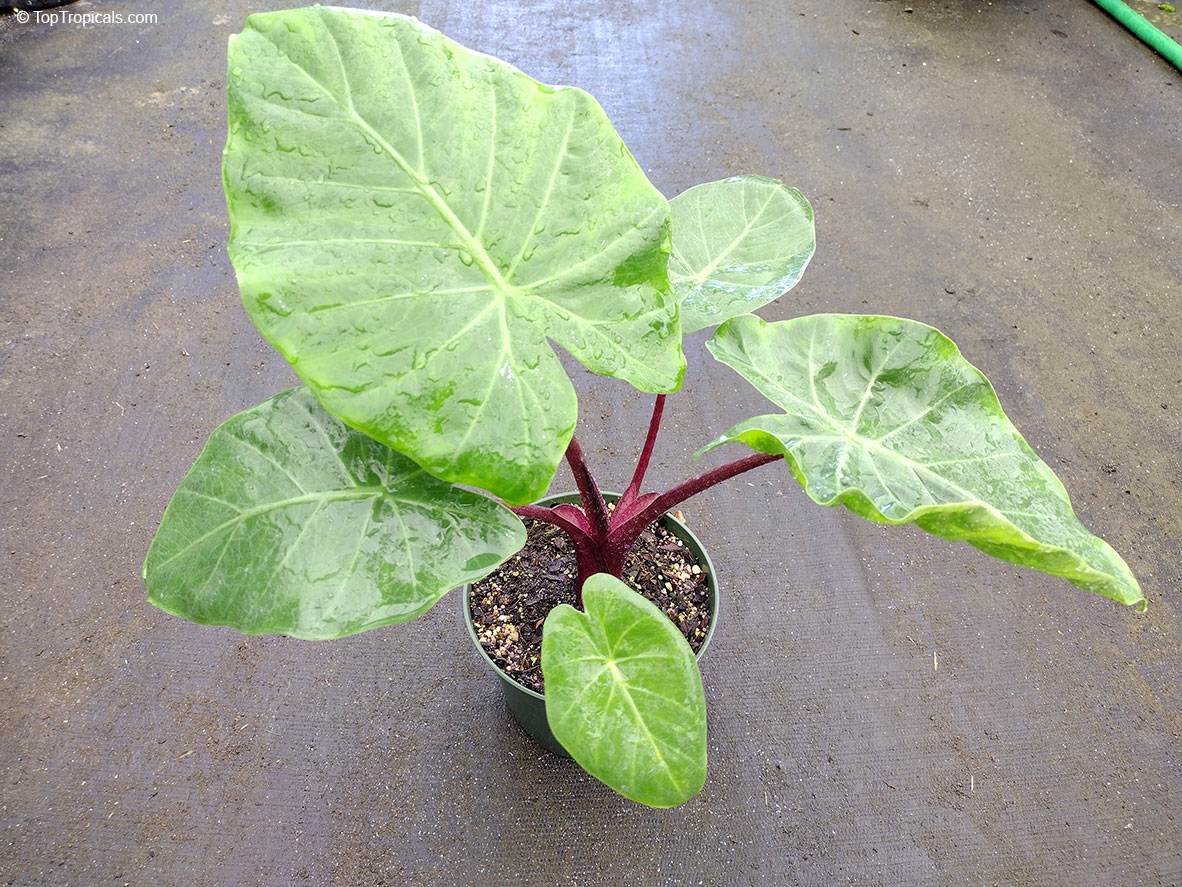
Alocasia 'Imperial Red' is a hybrid between Alocasia odora and a pink petioled (stem) clone of Alocasia Macrorrhiza.

Recommended Fertilizer: SUNSHINE Robusta - Rapid Growth Booster
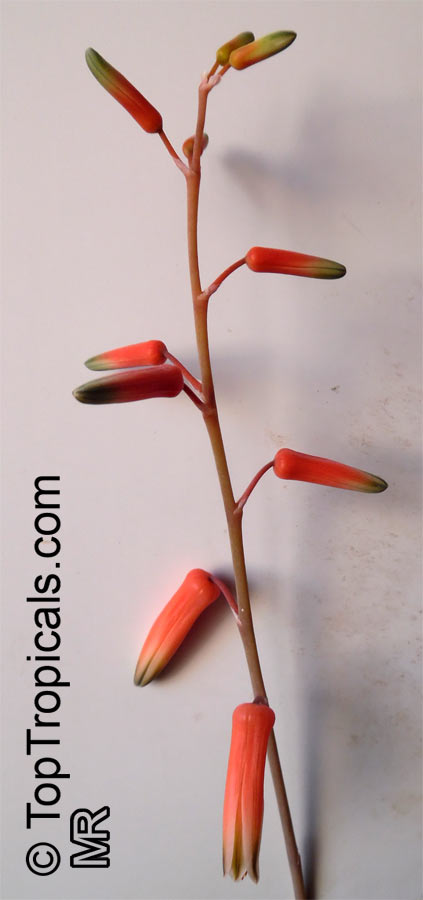
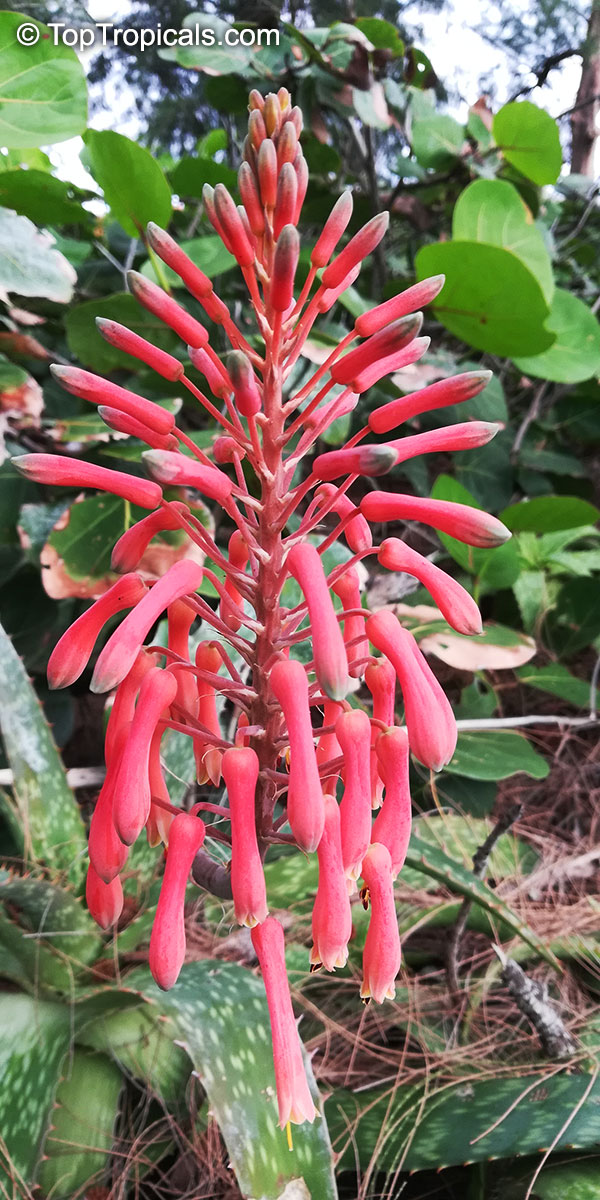
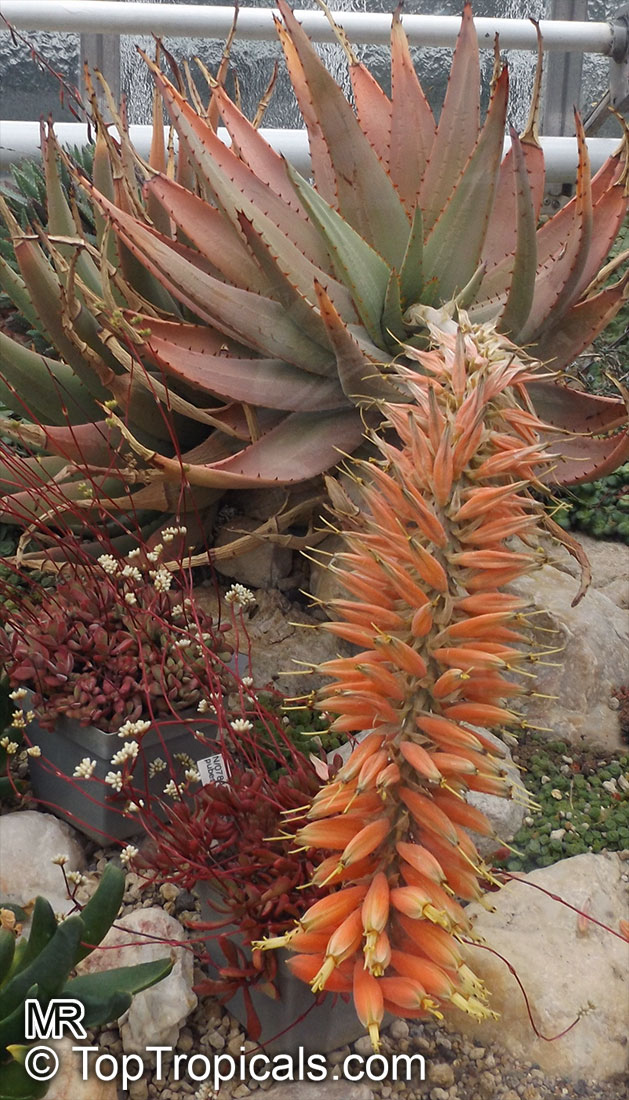
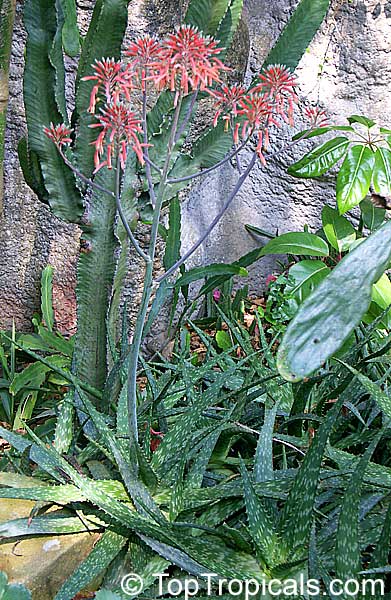
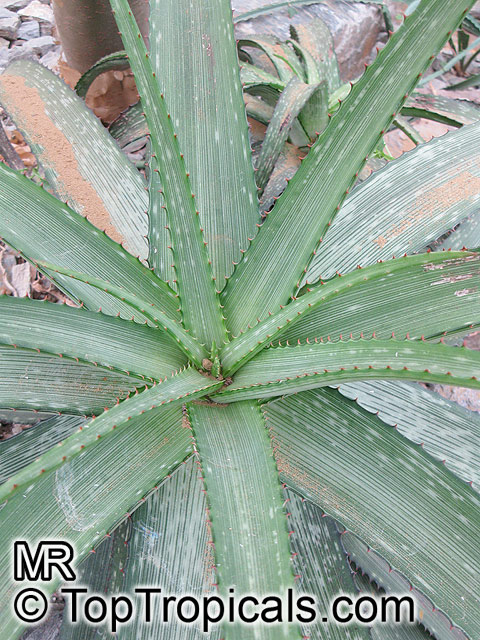
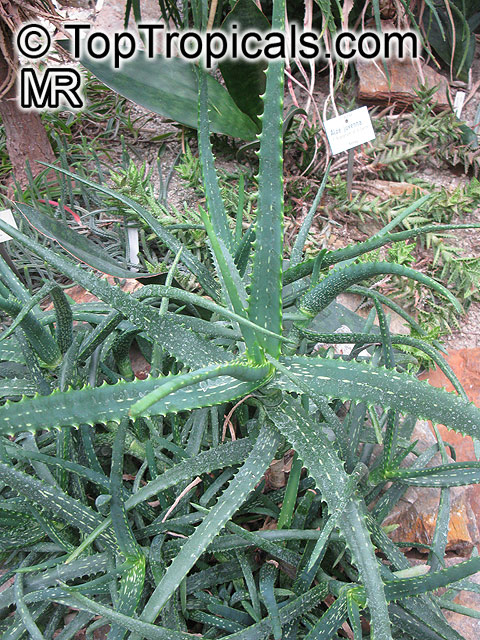
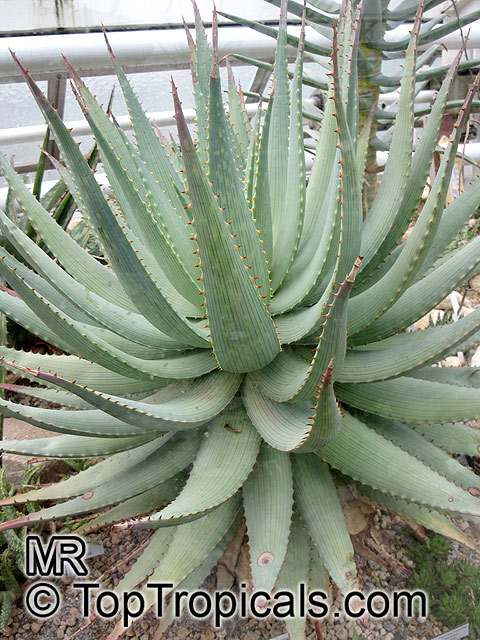
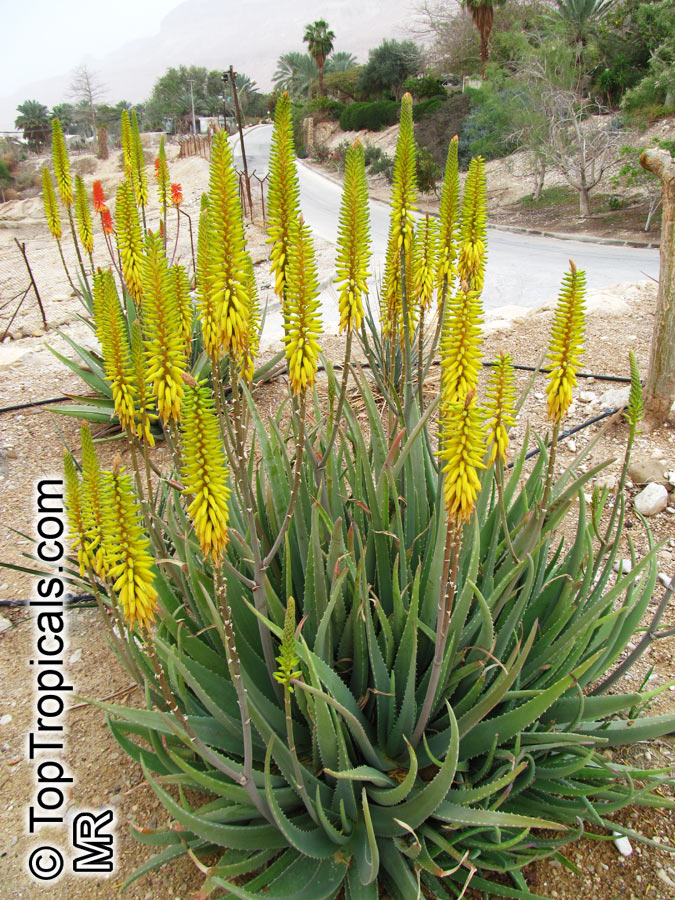
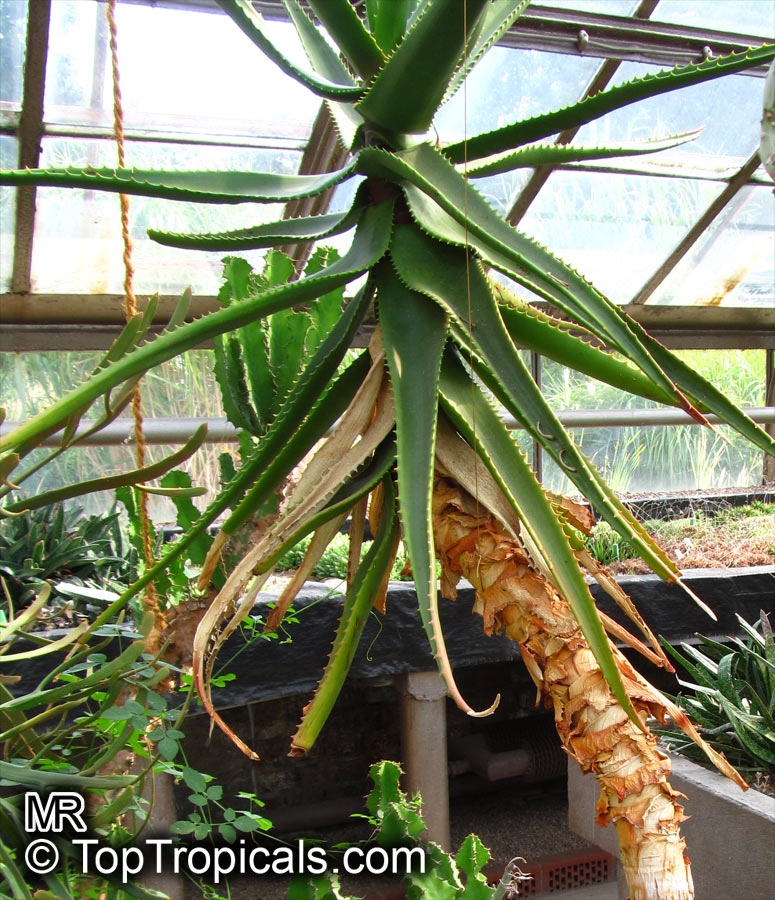
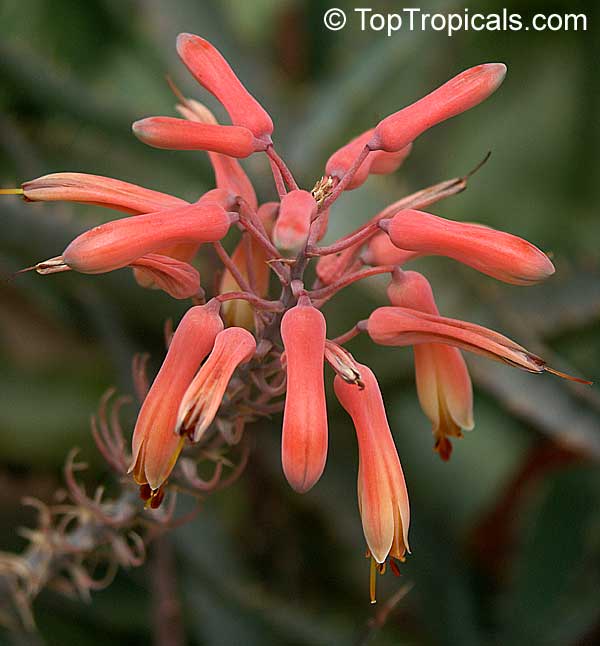
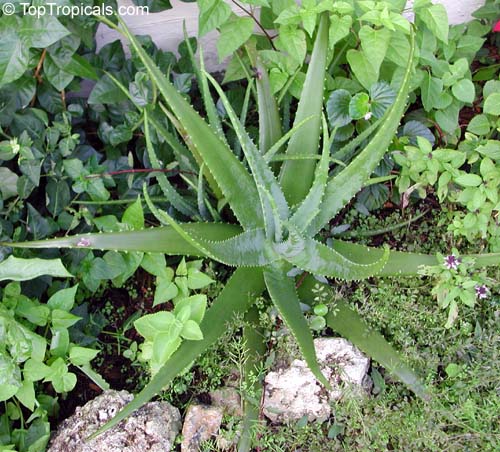
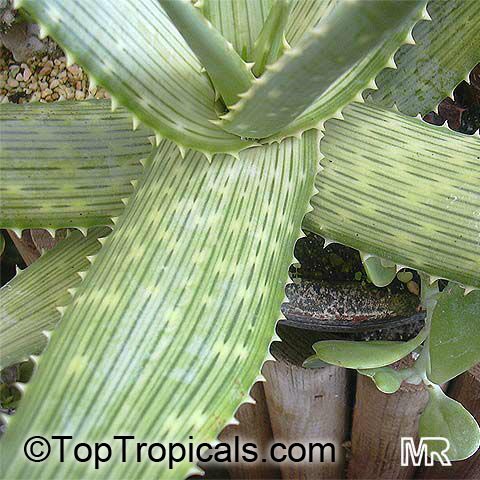
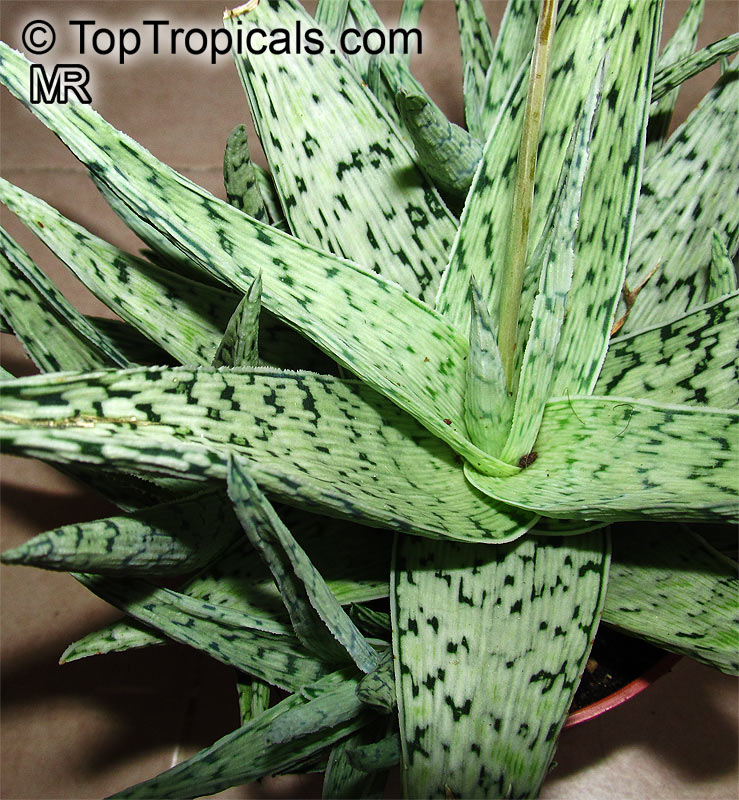
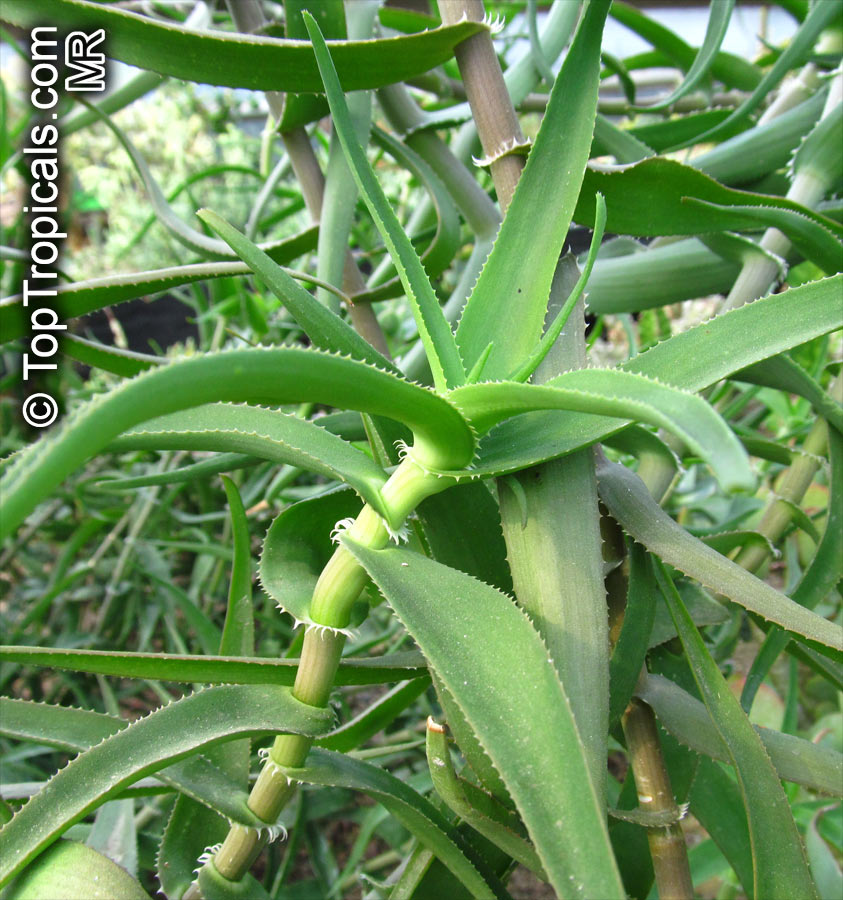
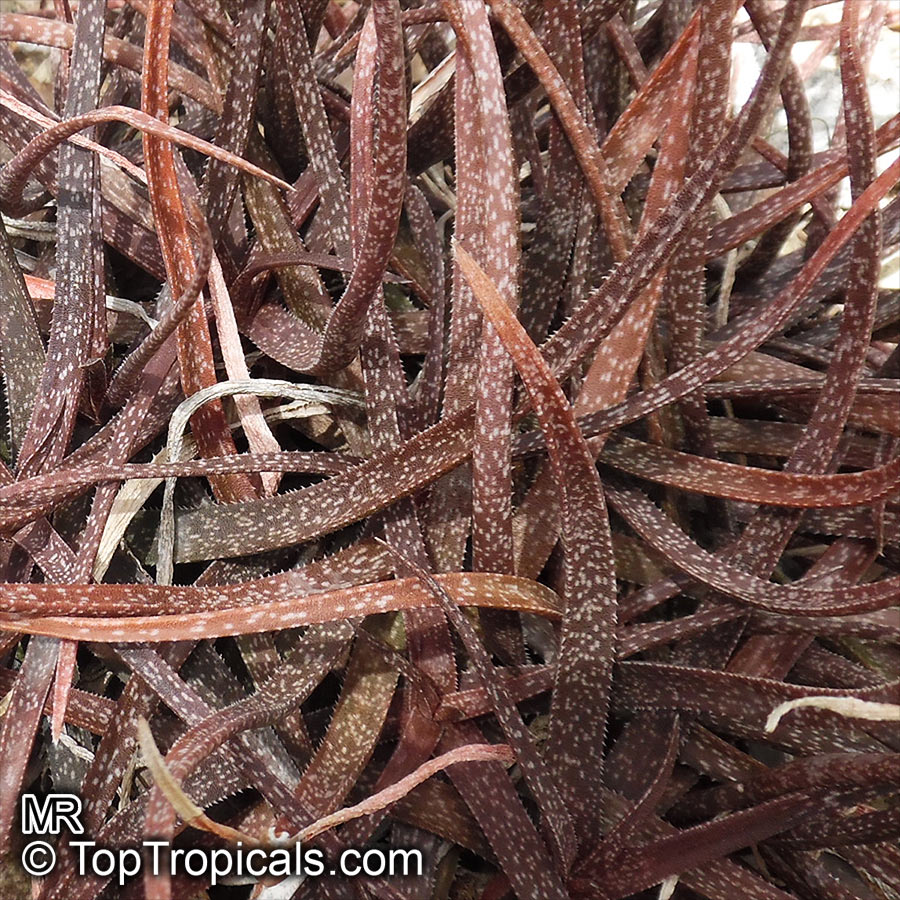
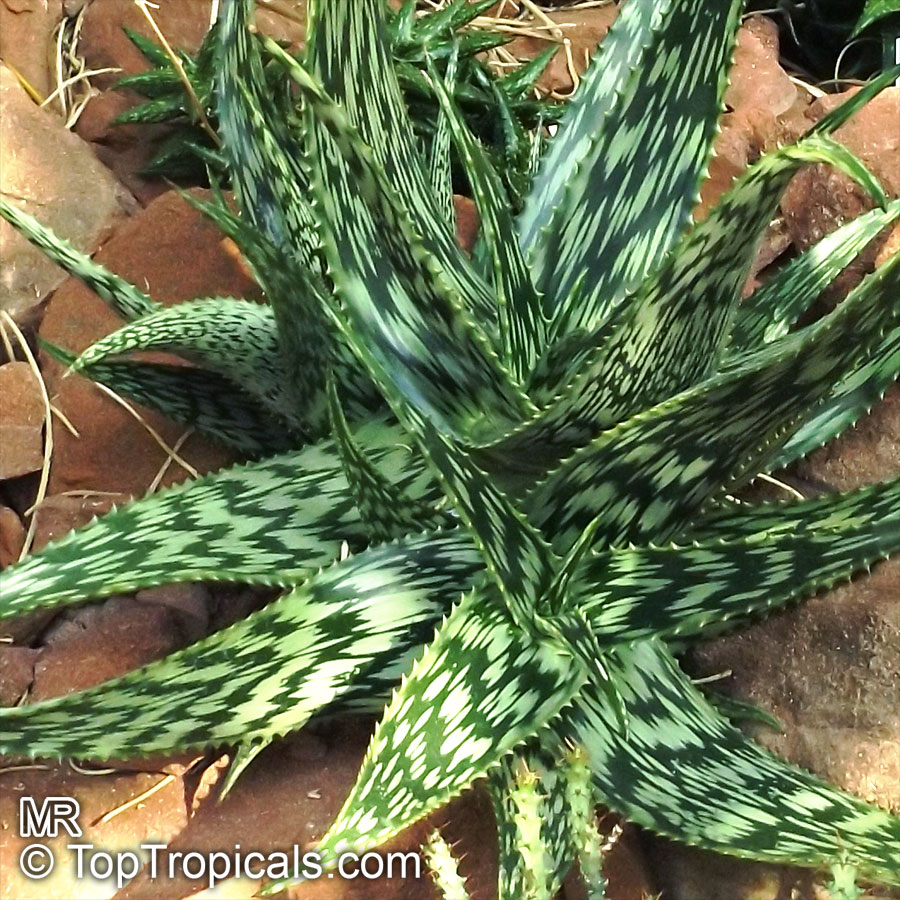
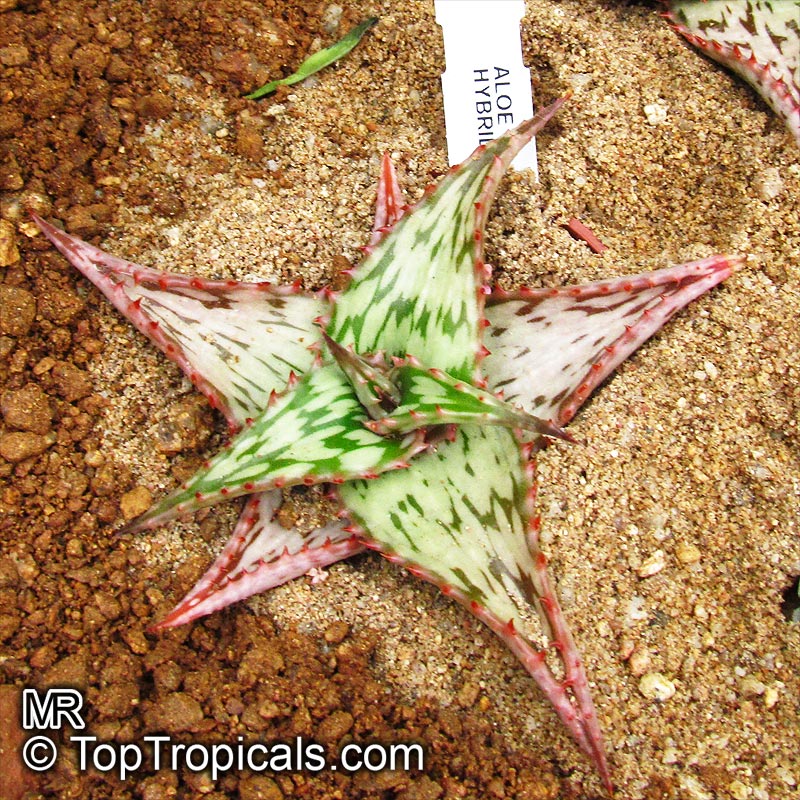
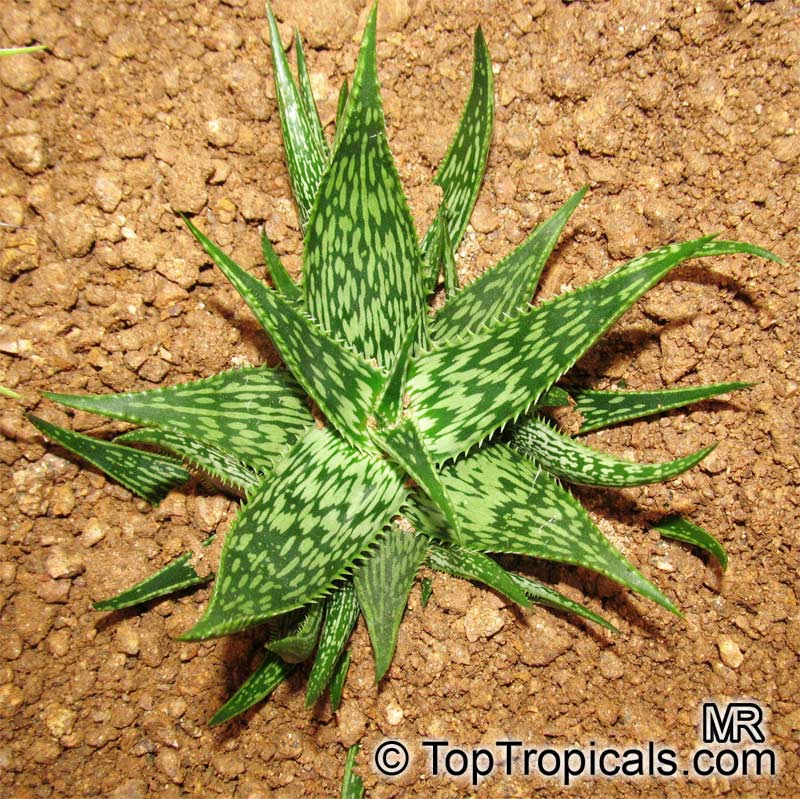
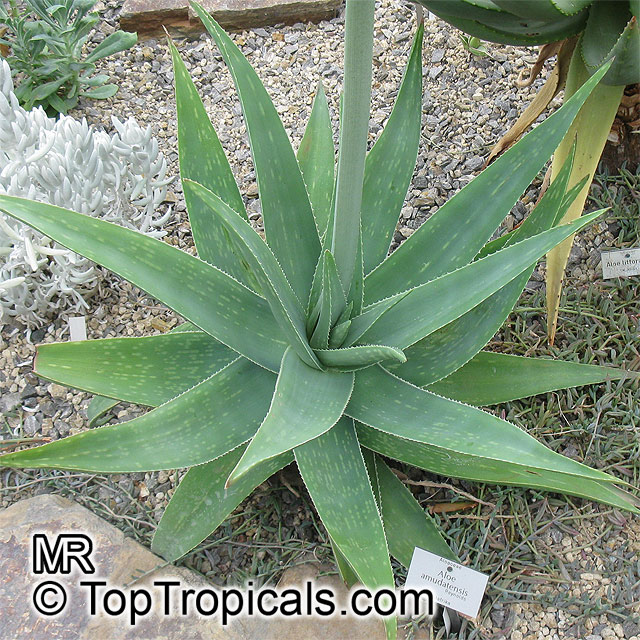
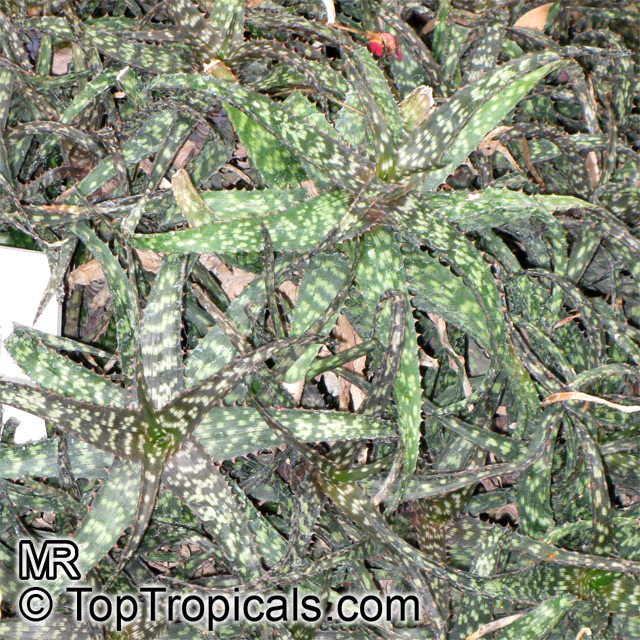
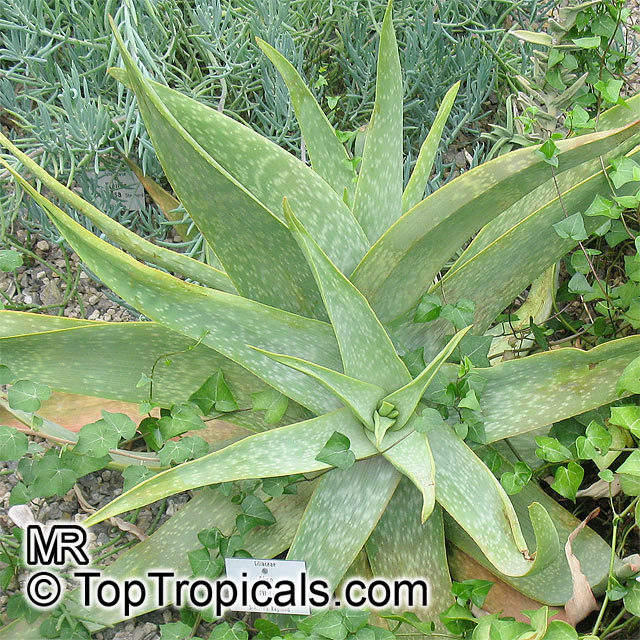
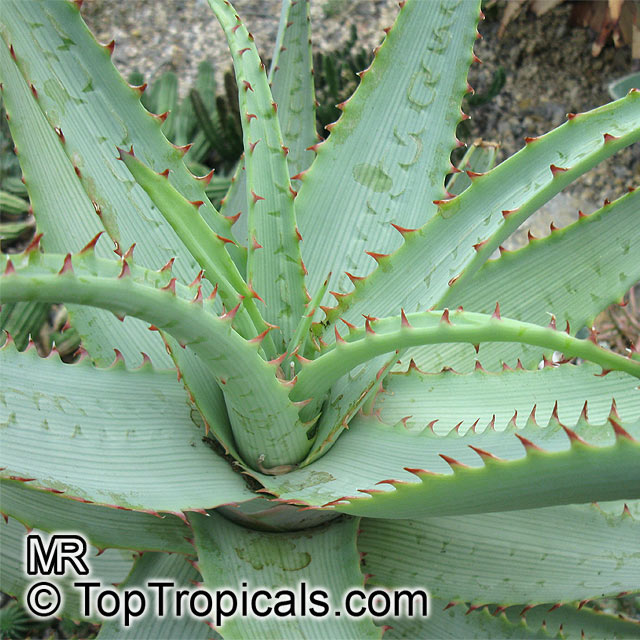
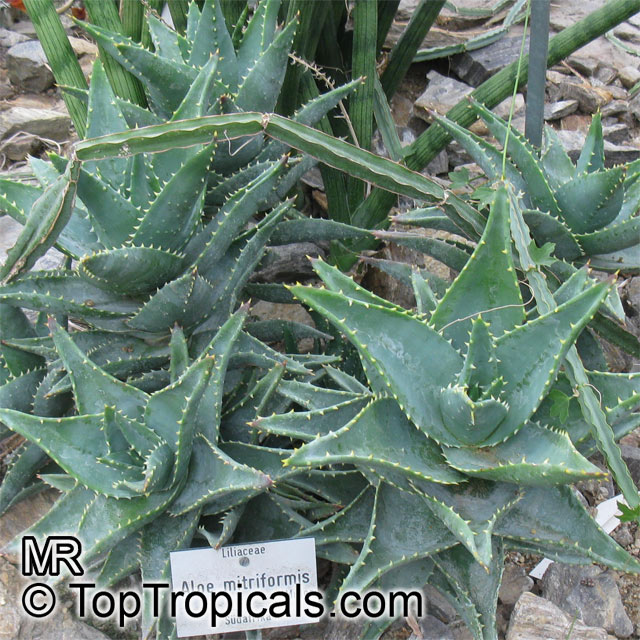
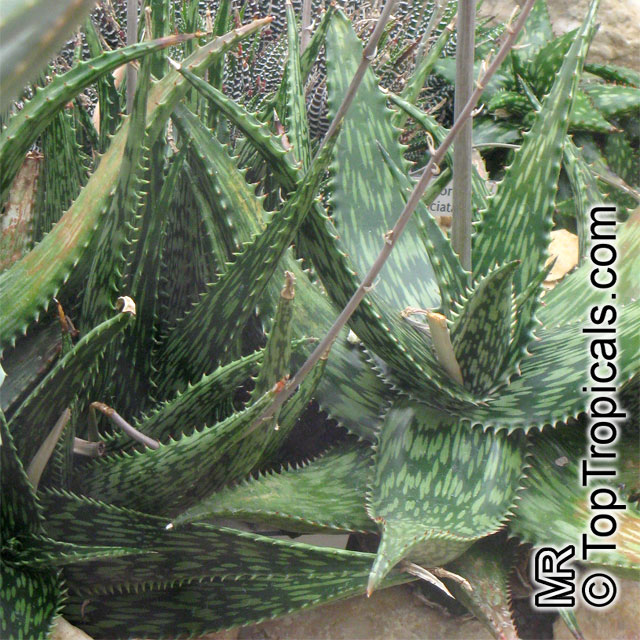
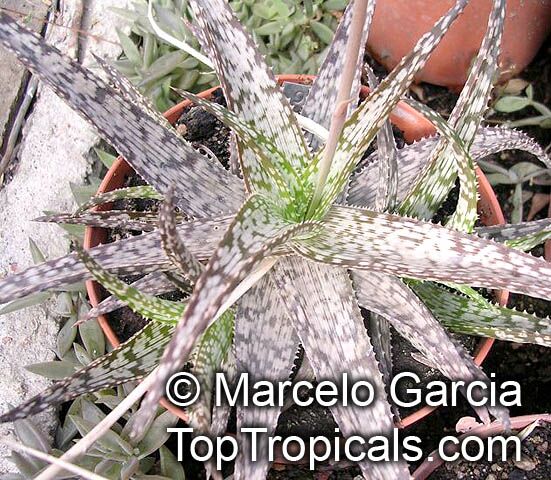
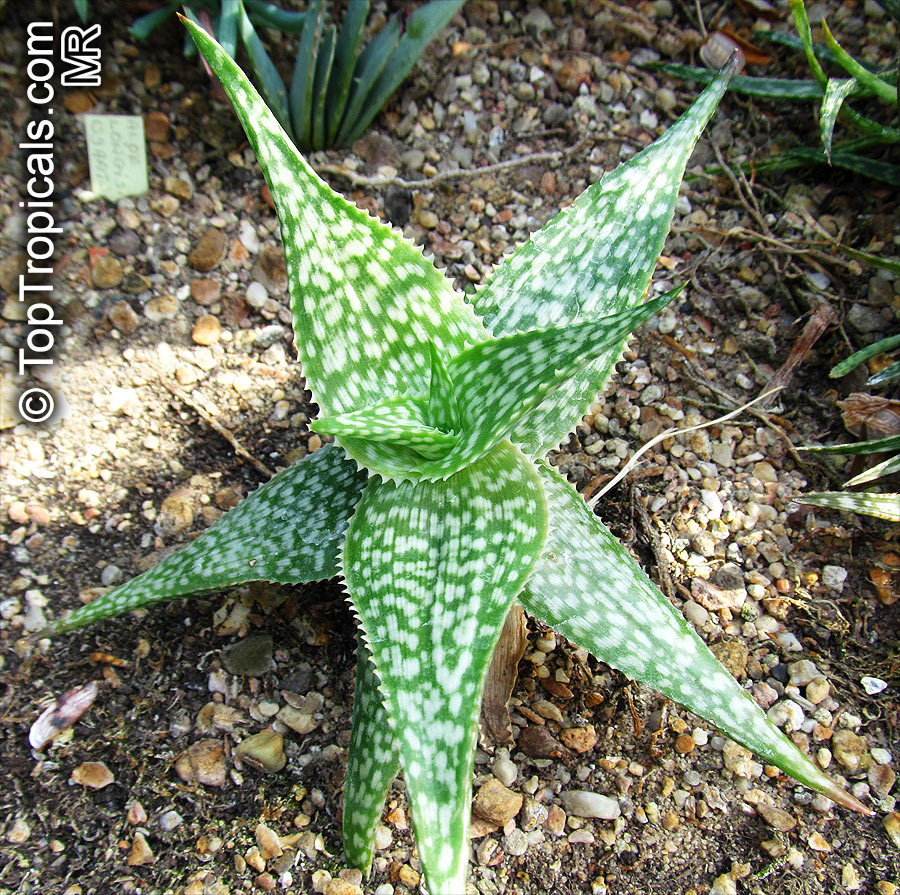
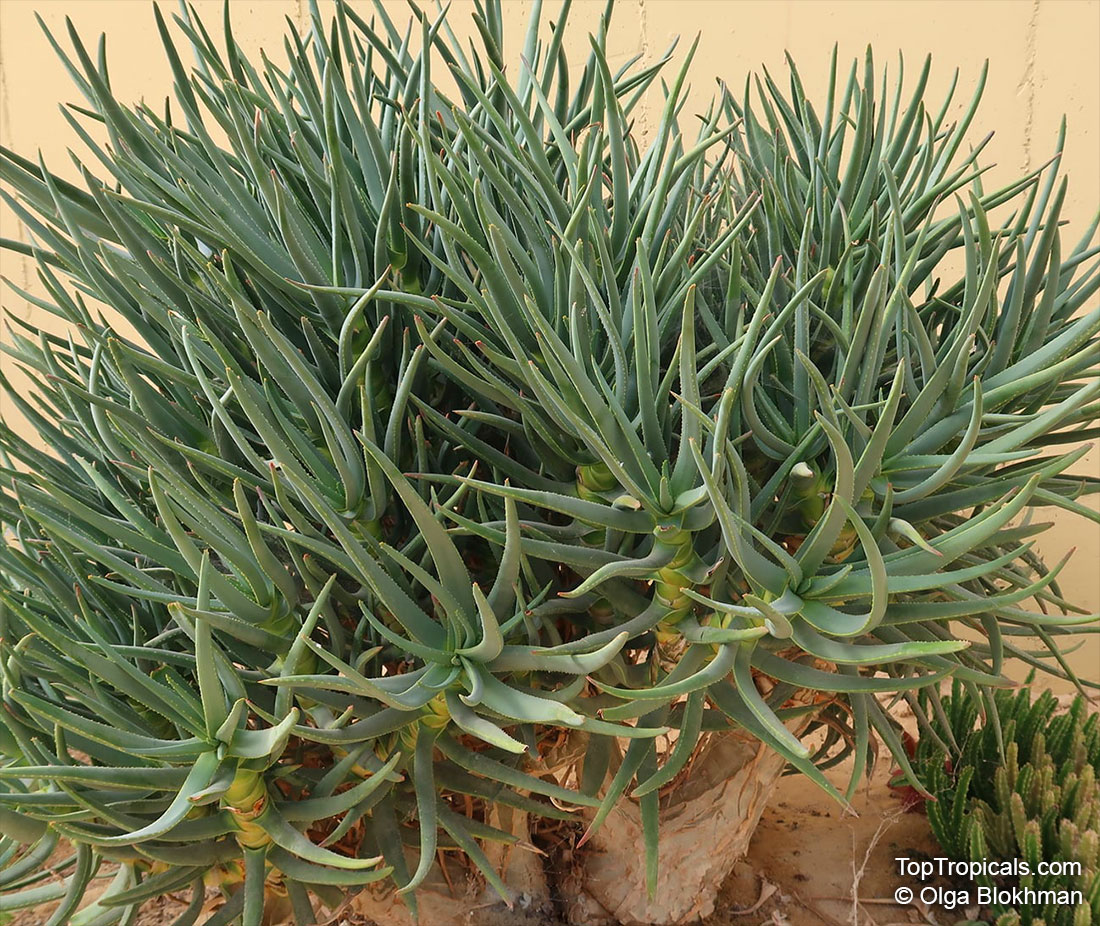
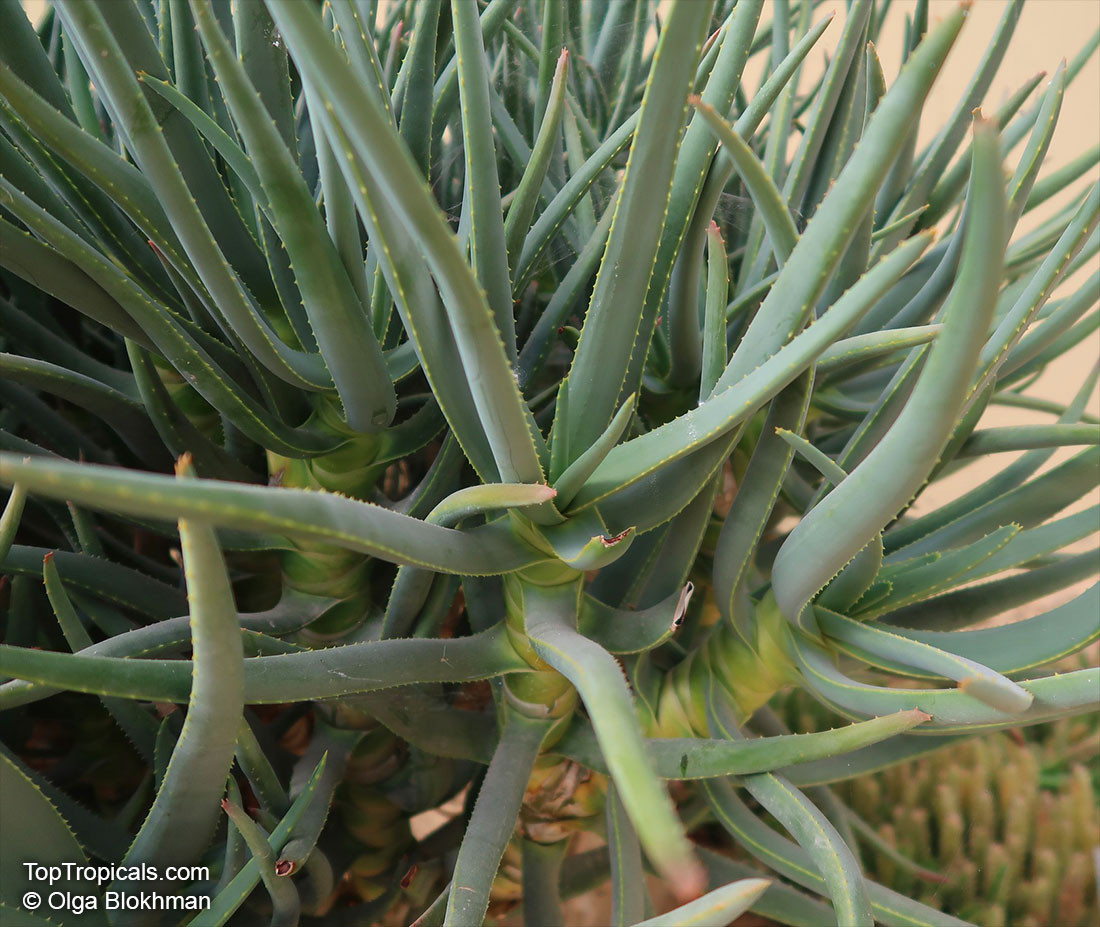
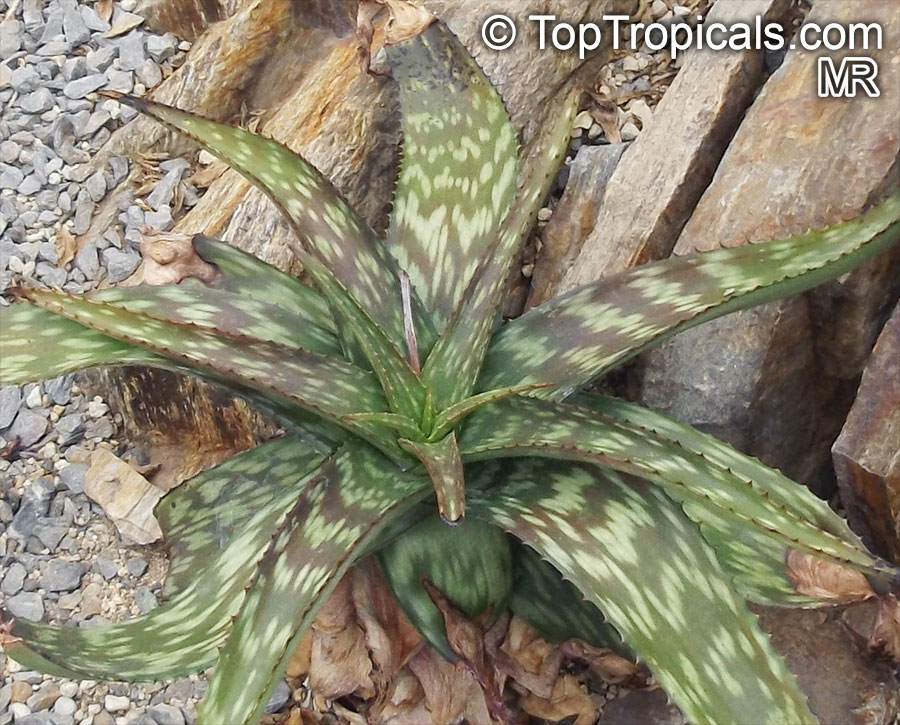
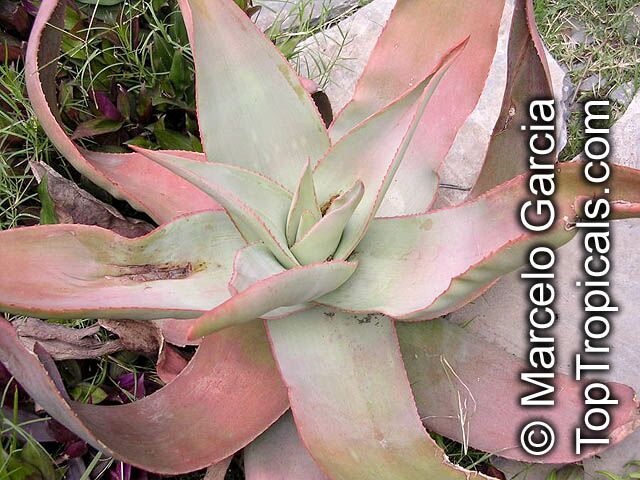
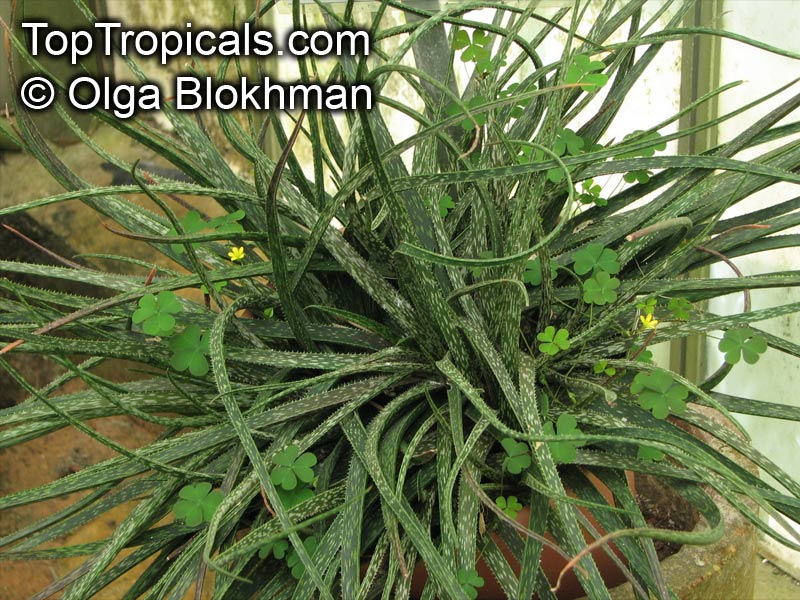
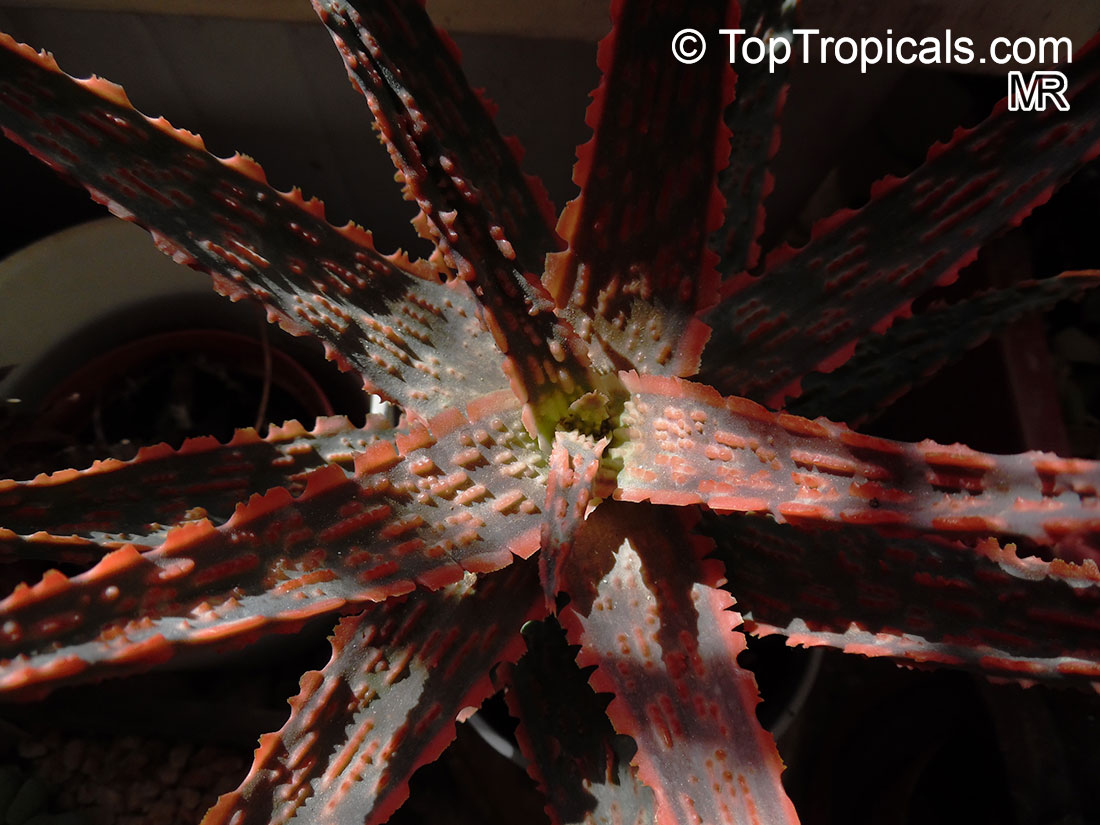
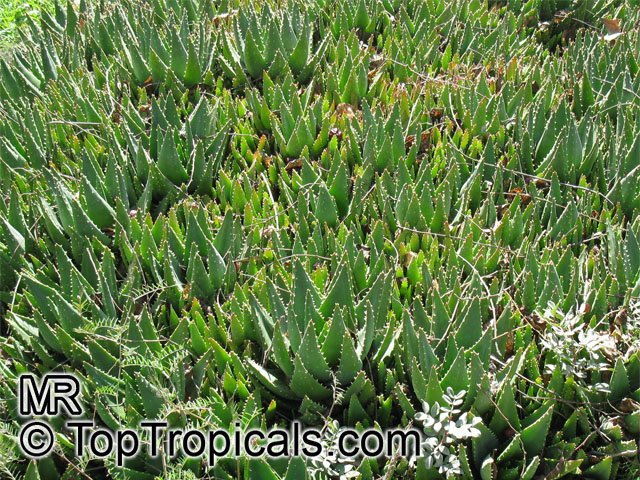
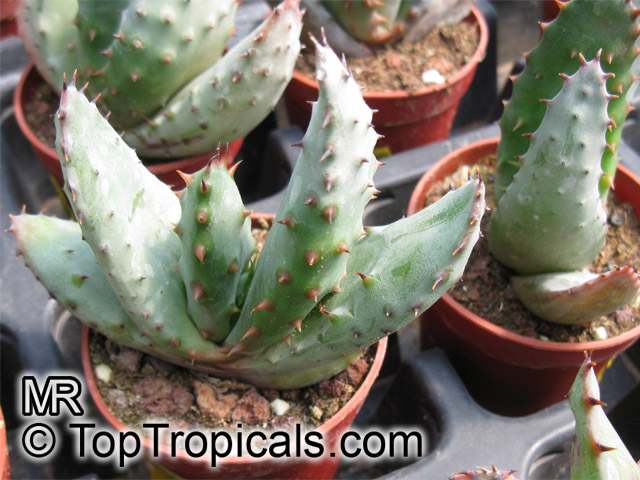
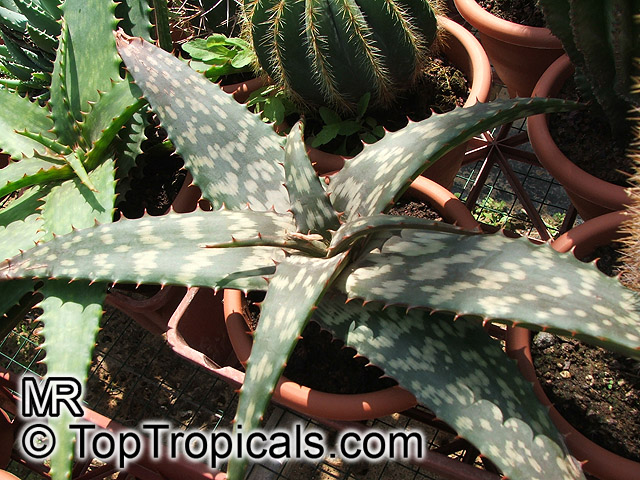
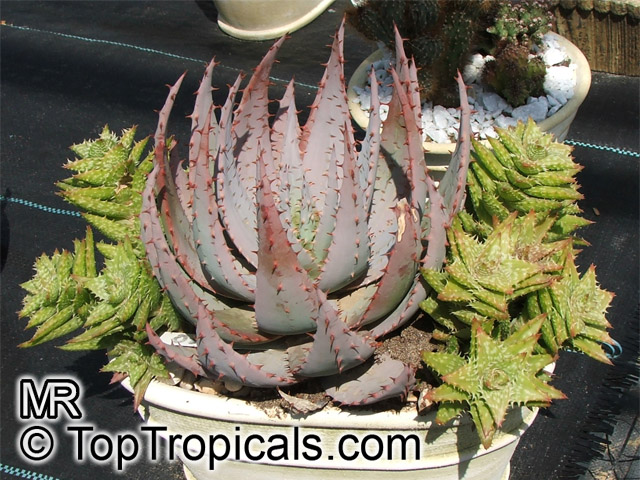
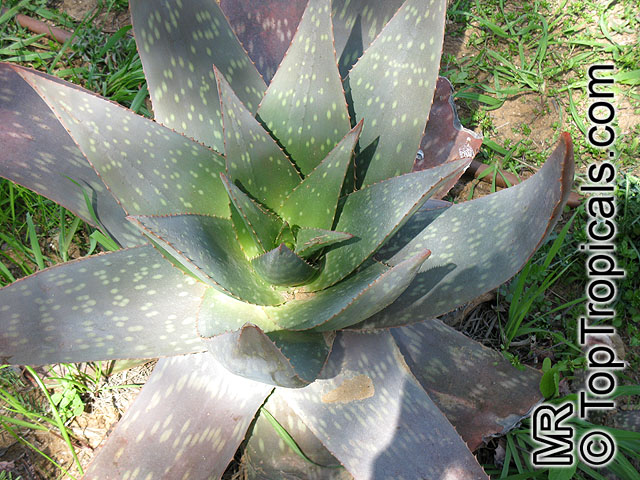
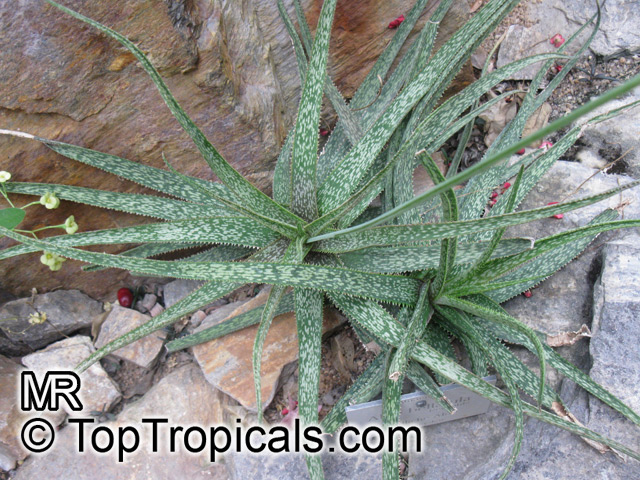
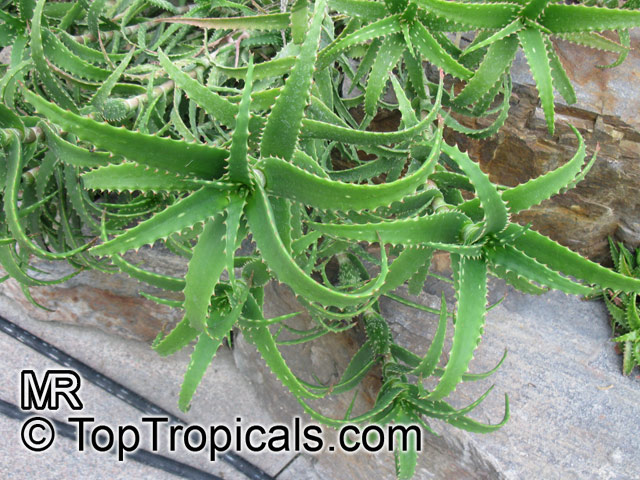
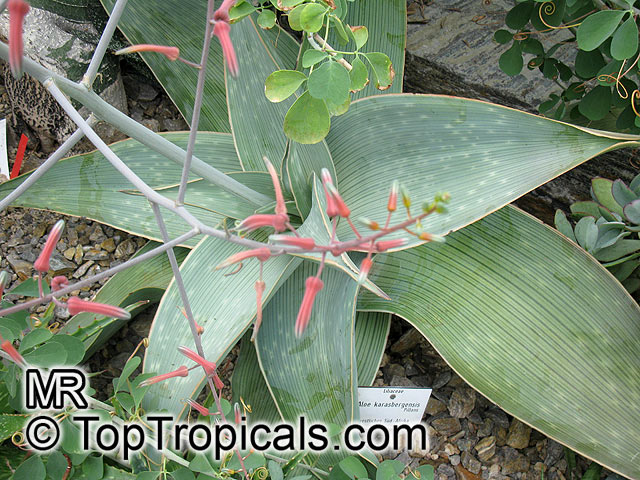
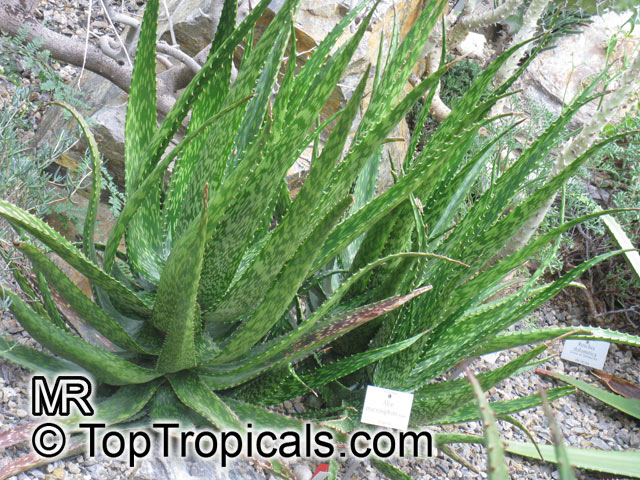
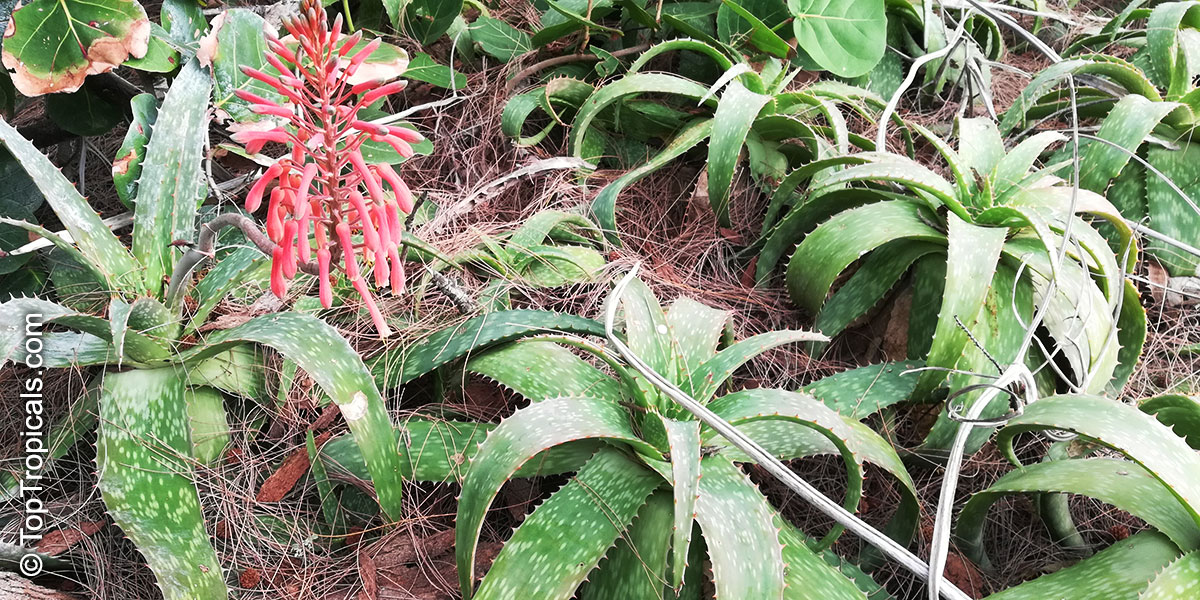
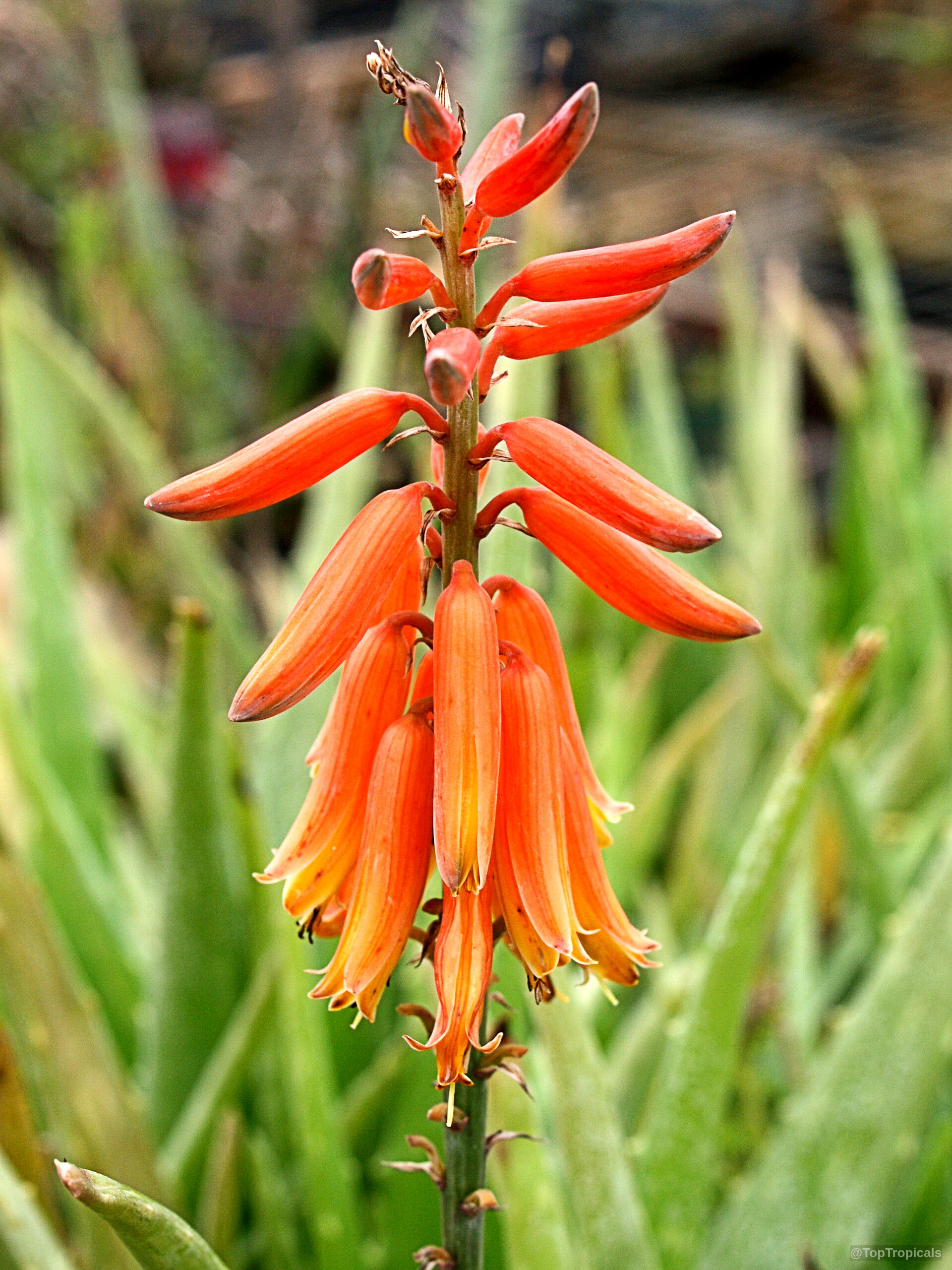
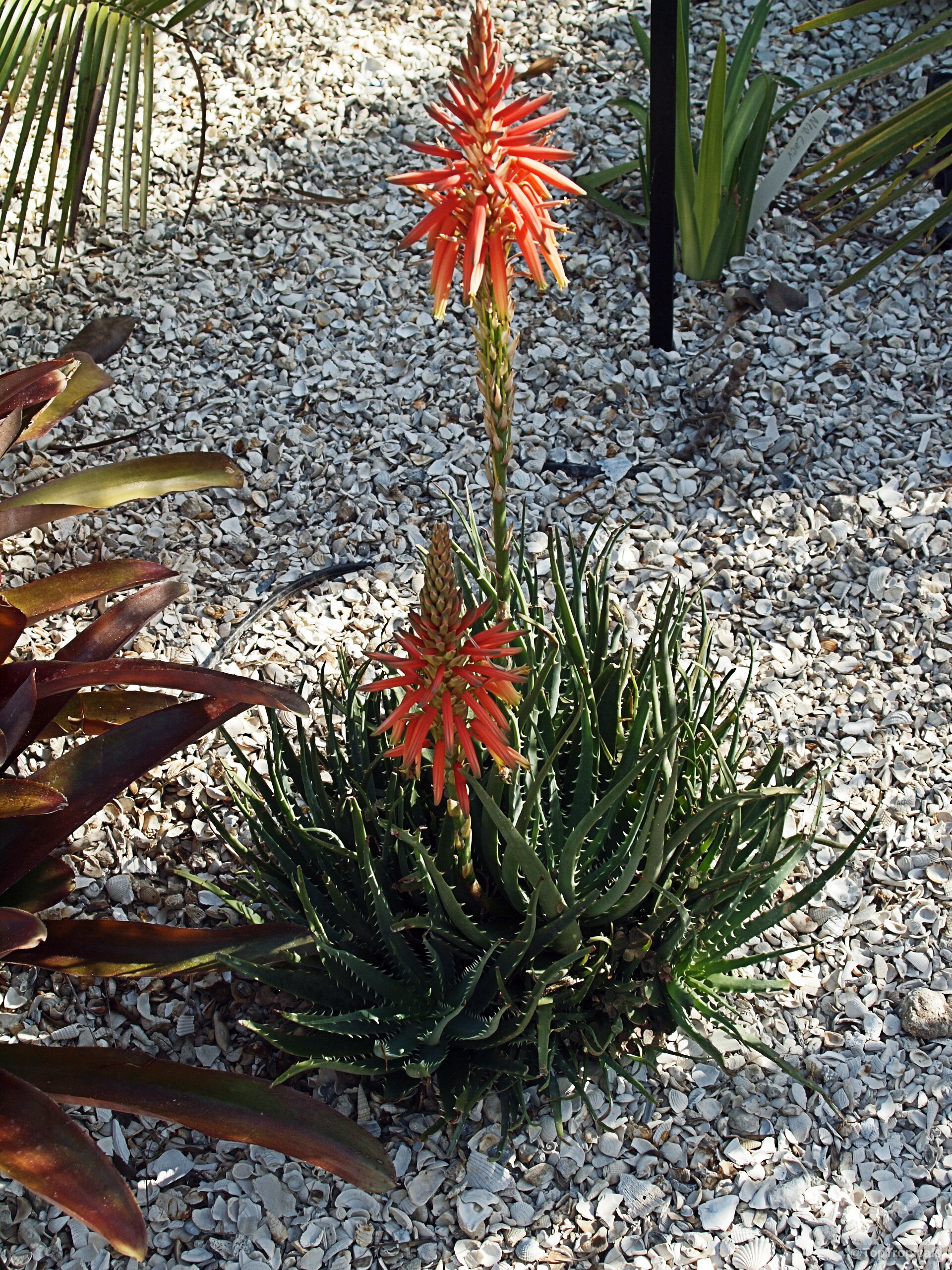
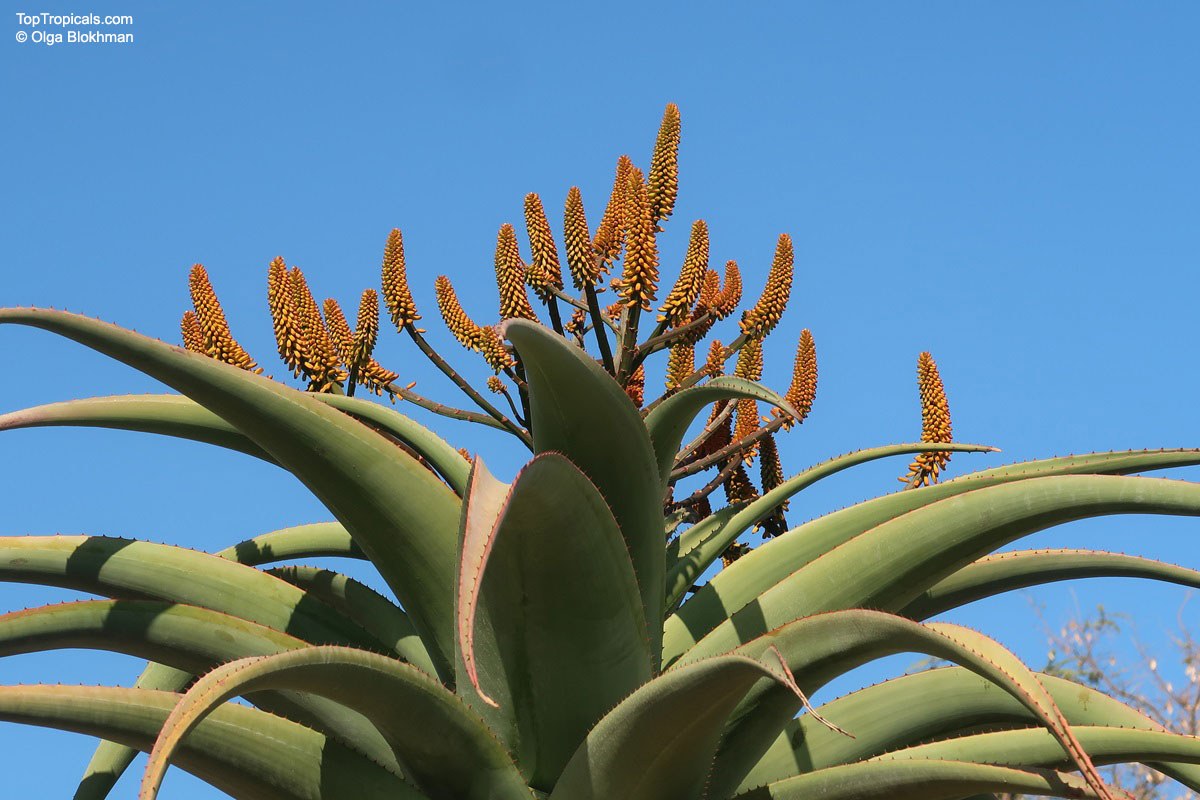
Botanical name: Aloe sp.
Common name: Aloe
Family: Asphodelaceae (Formerly:Xanthorrhoeaceae)
Subfamily: Asphodeloideae
Origin: Africa, Madagascar and The Arabian Peninsula
USDA Zone: 9-11
Cold tolerance: 30°F


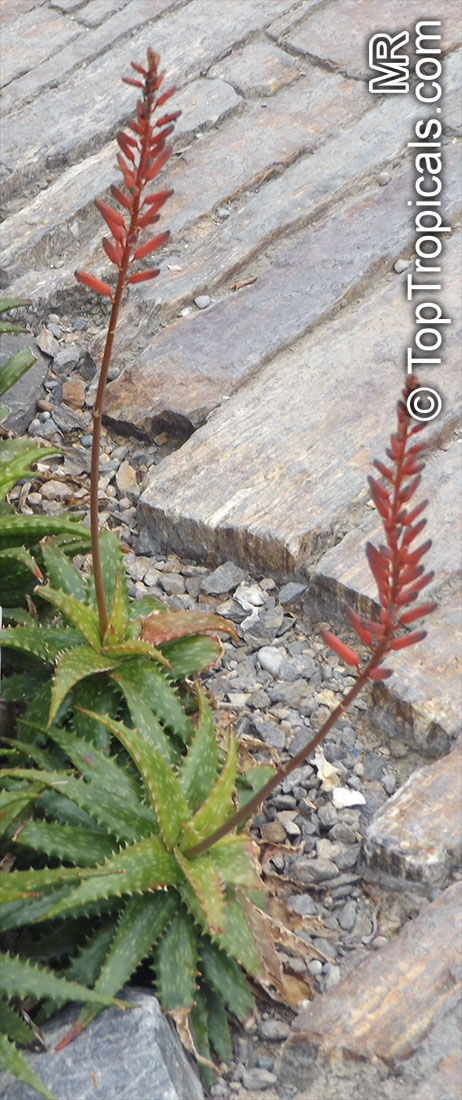
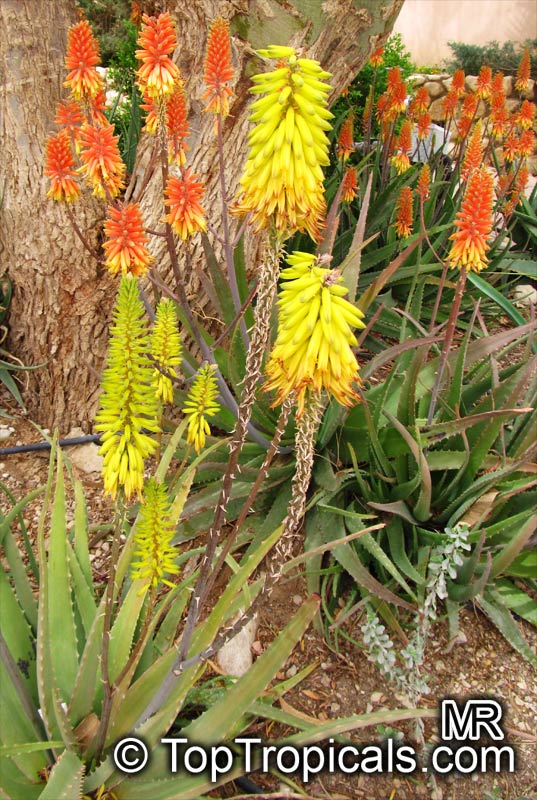
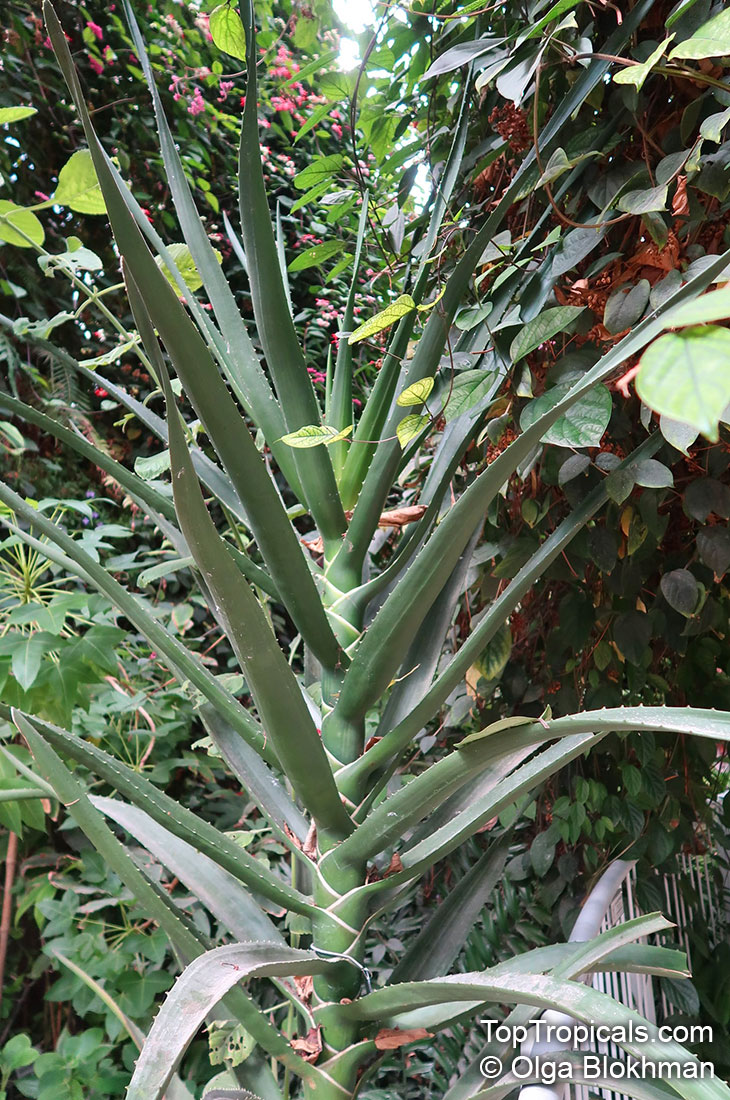
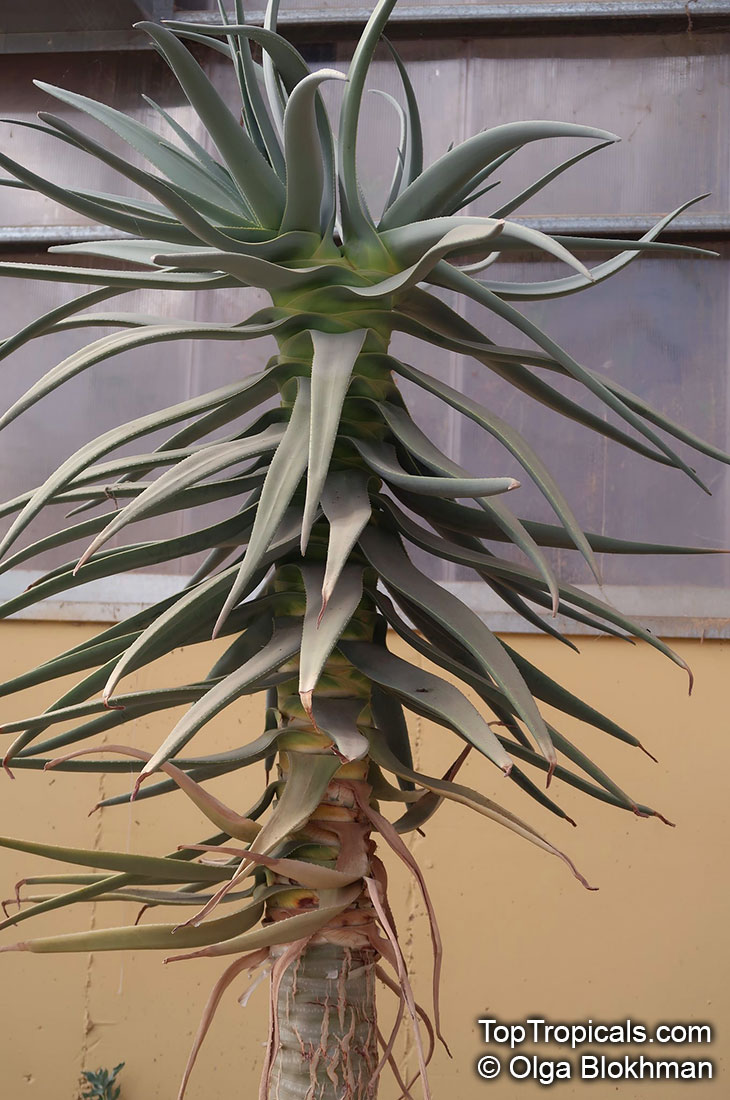
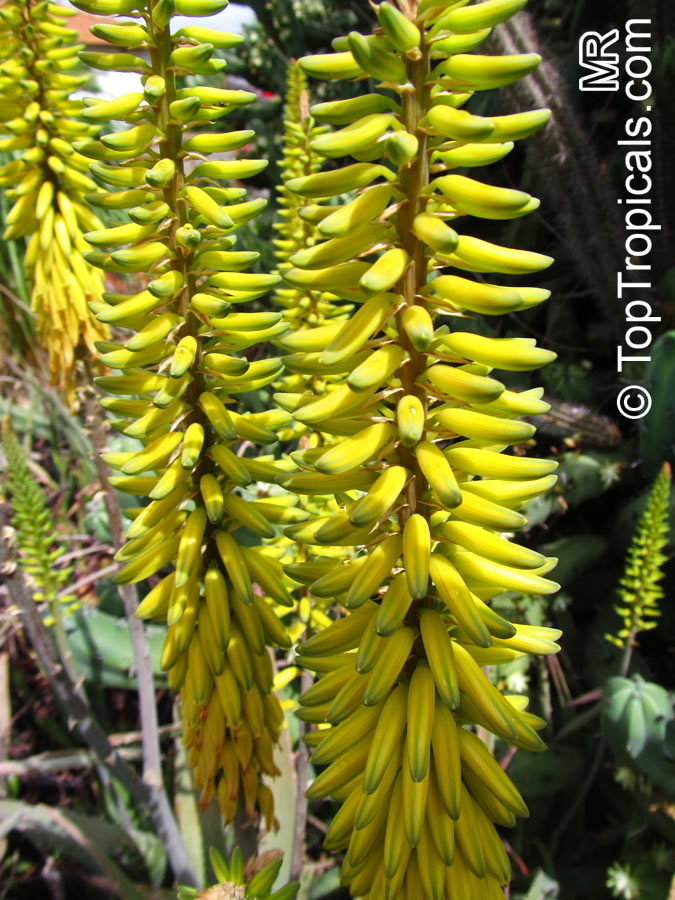
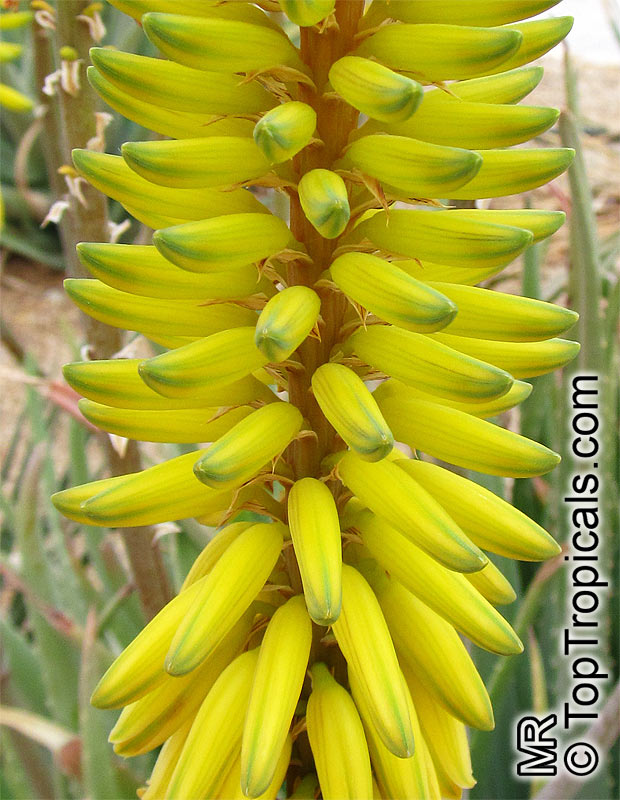
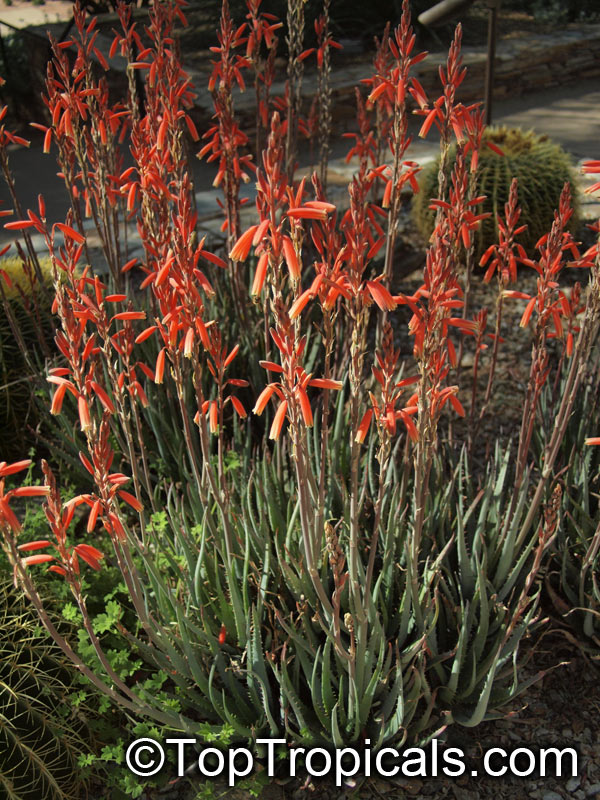
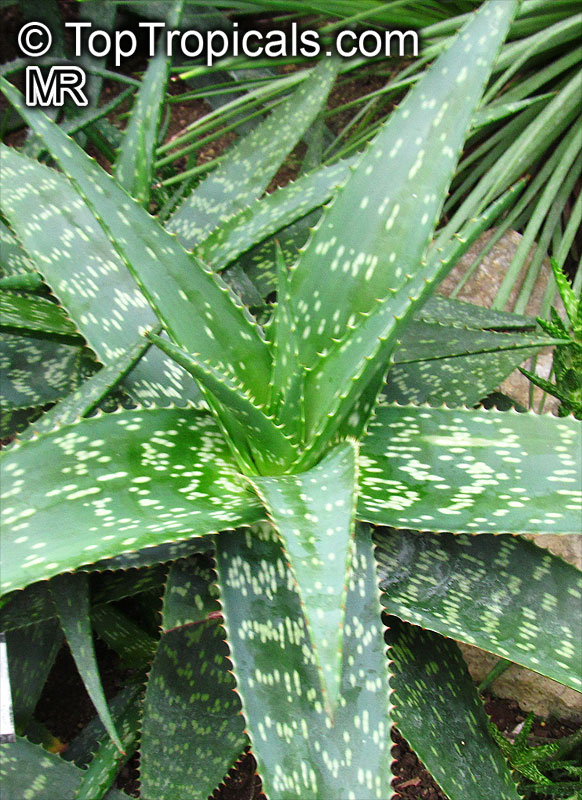
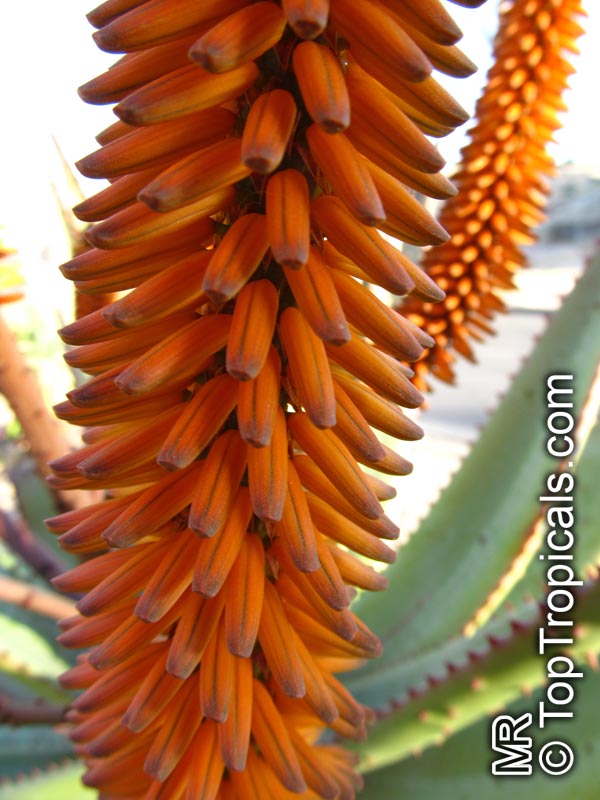
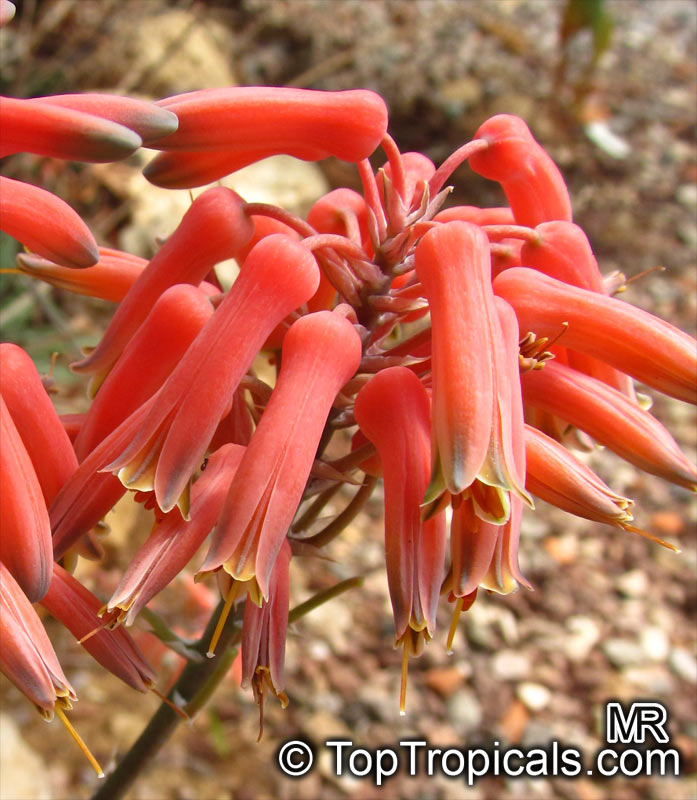
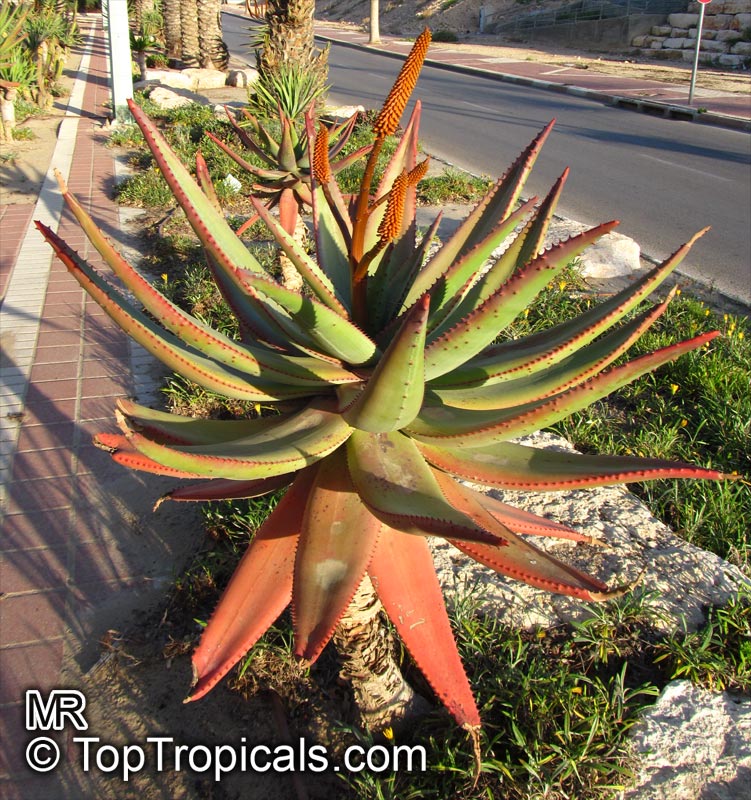
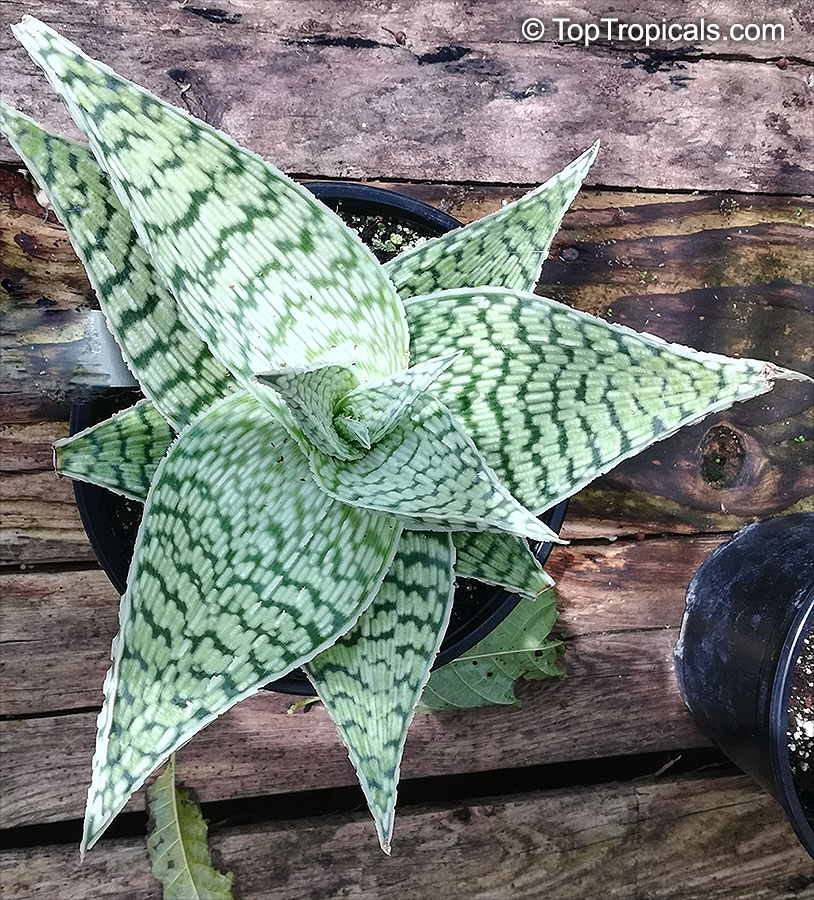
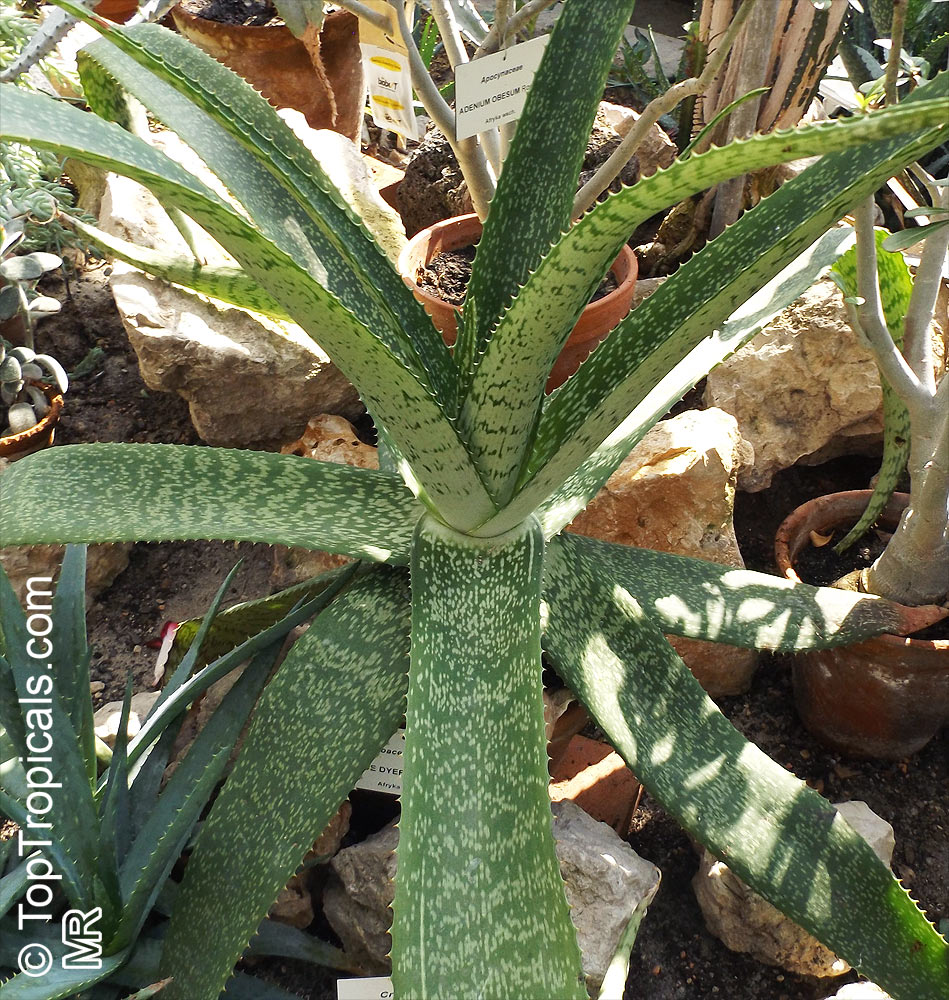
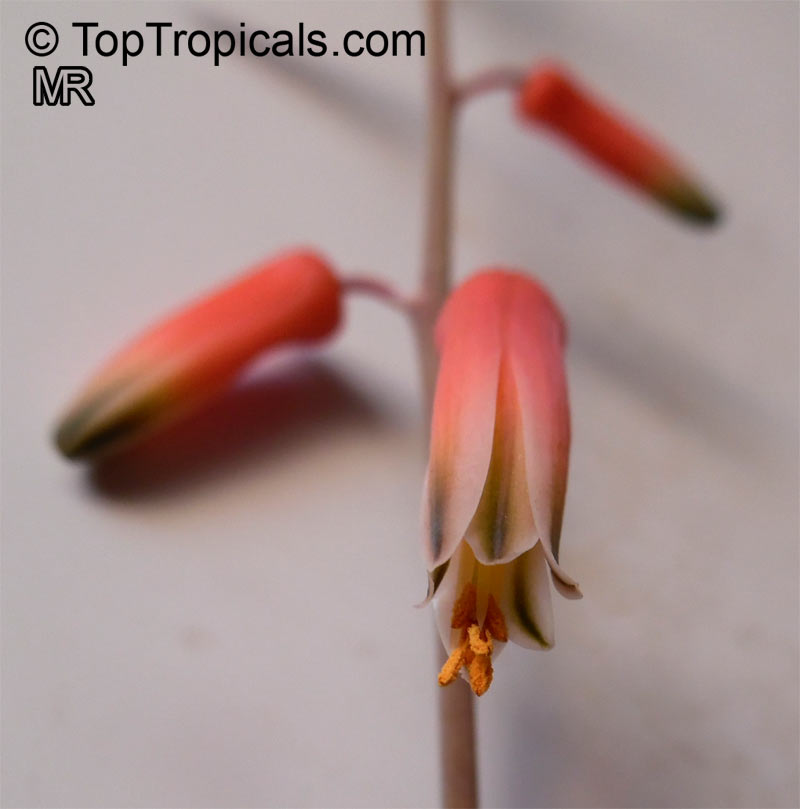
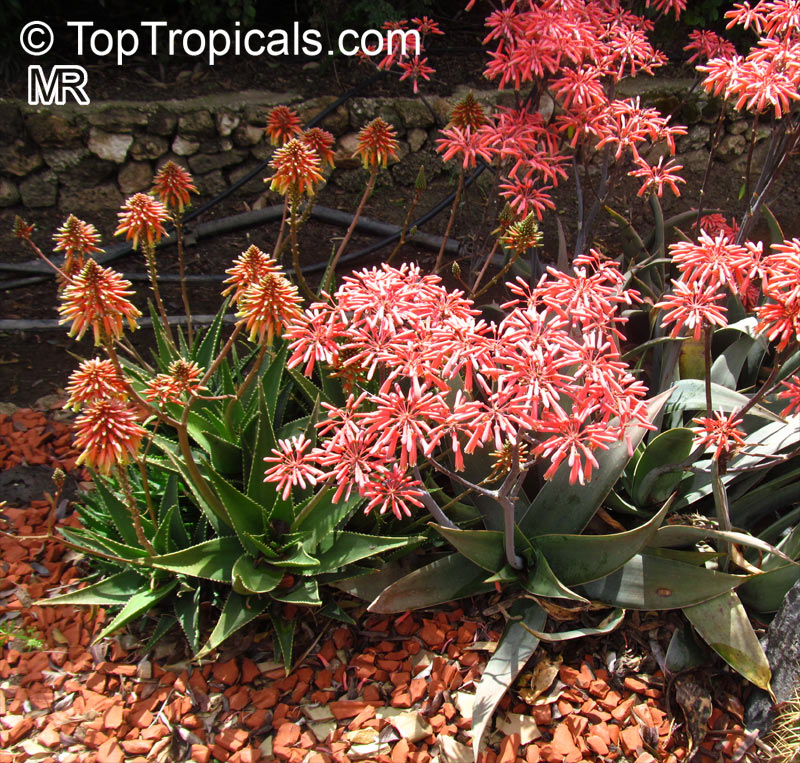
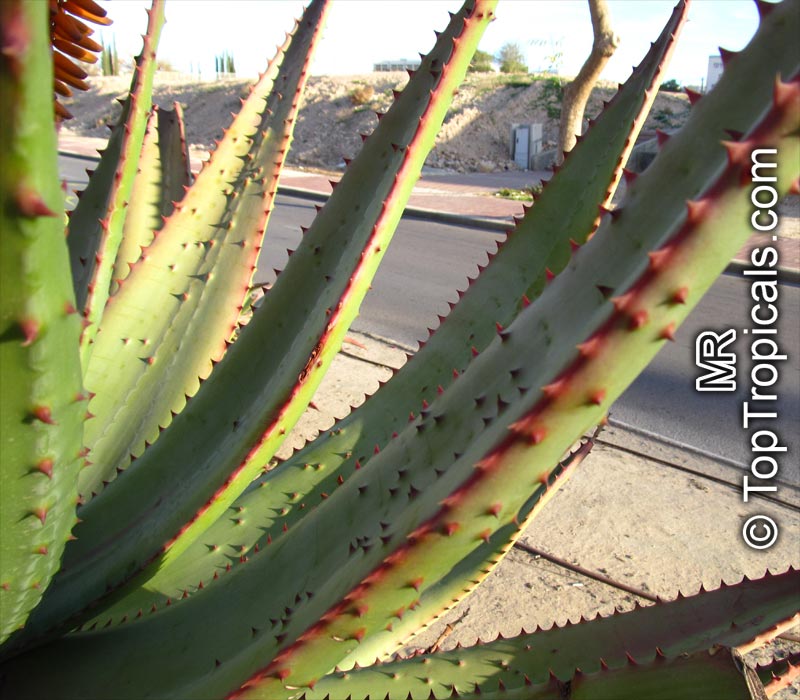
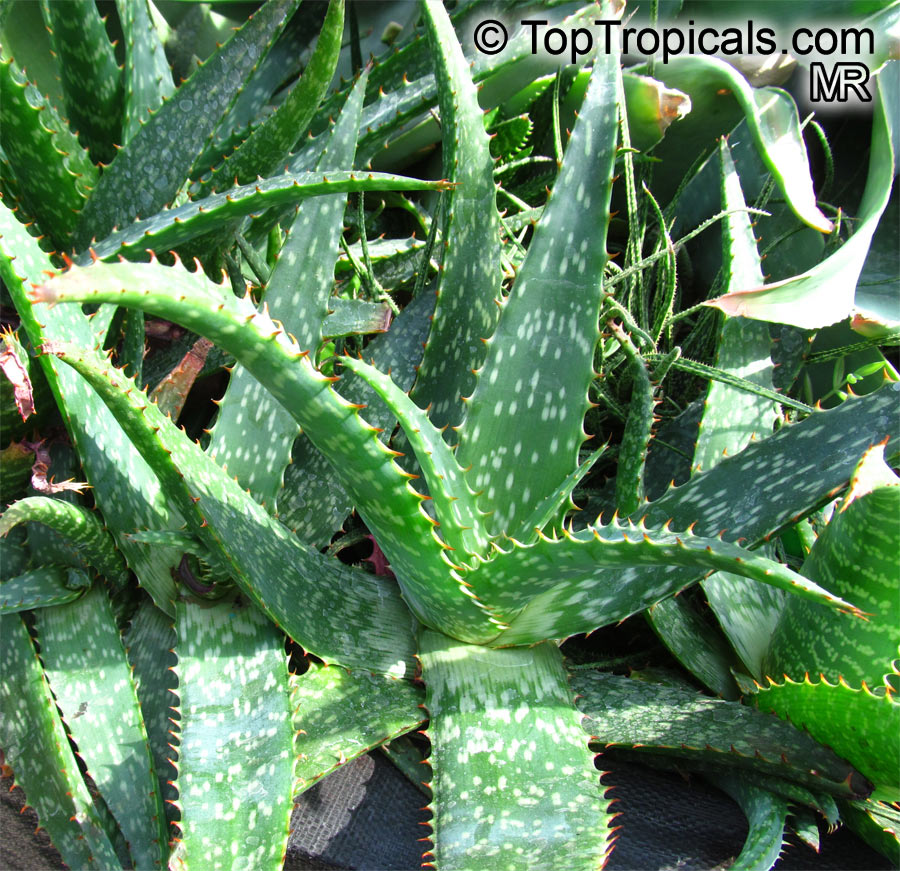
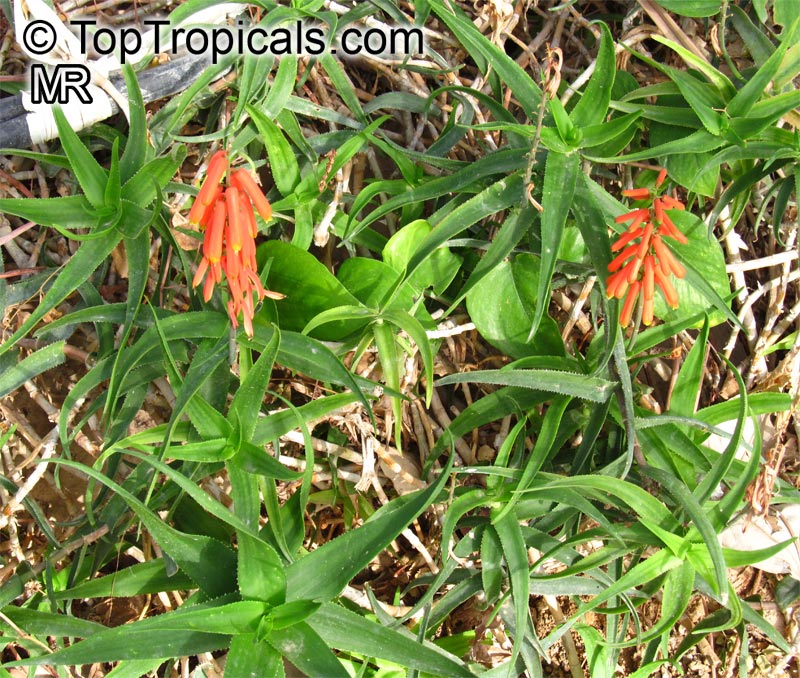
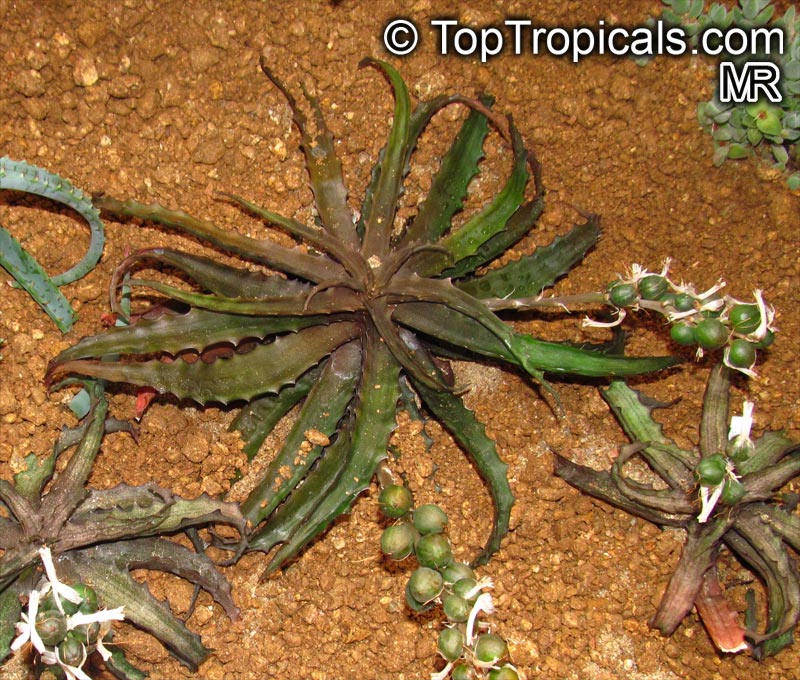
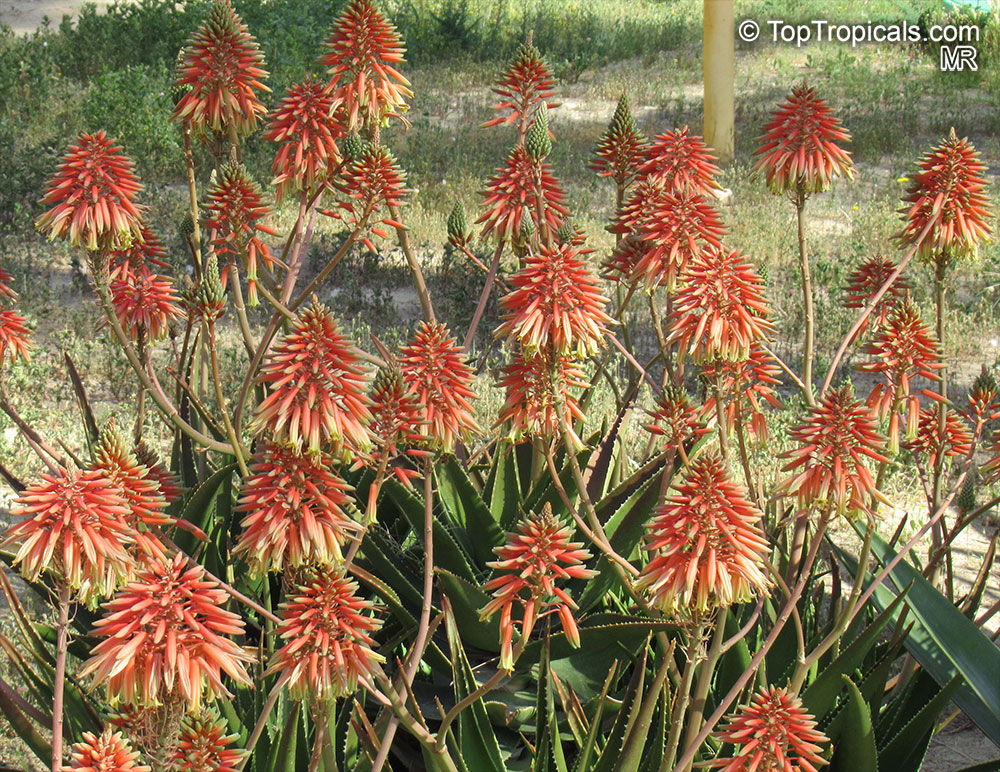
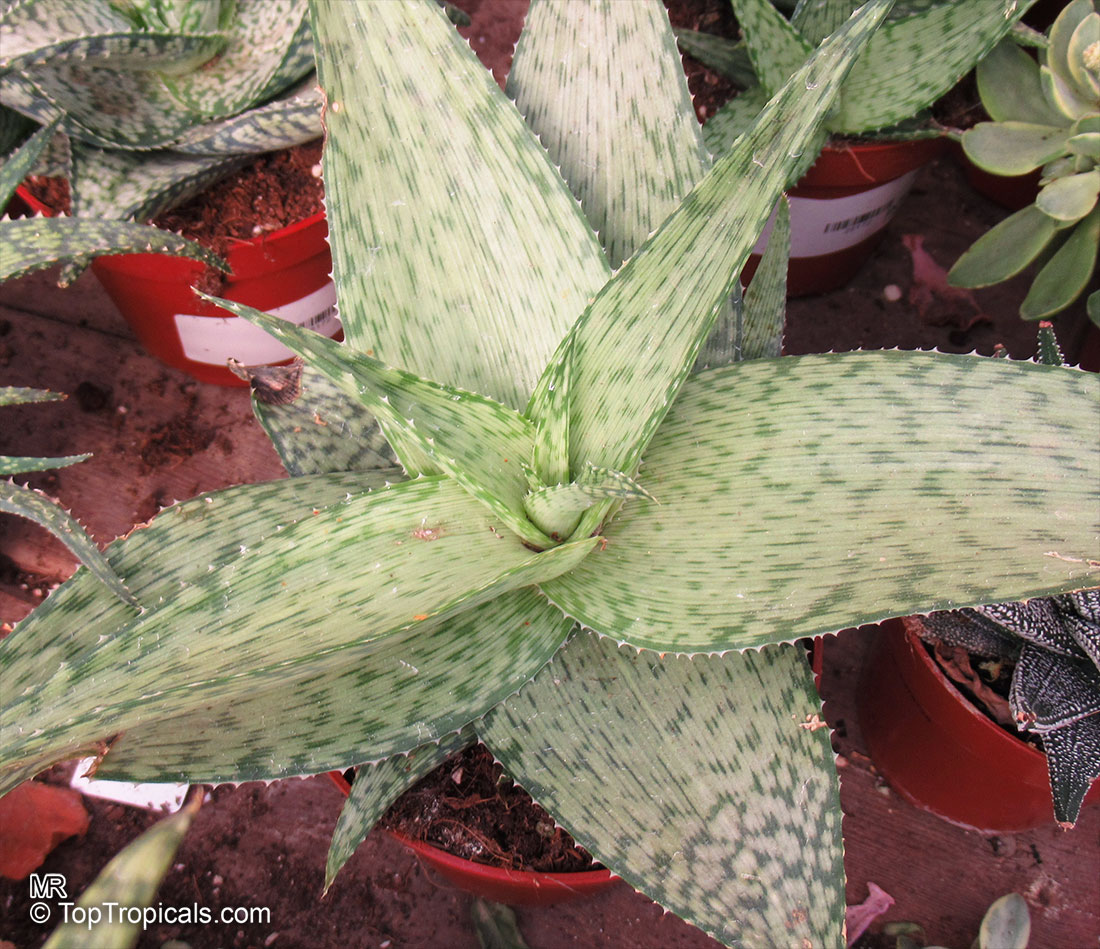
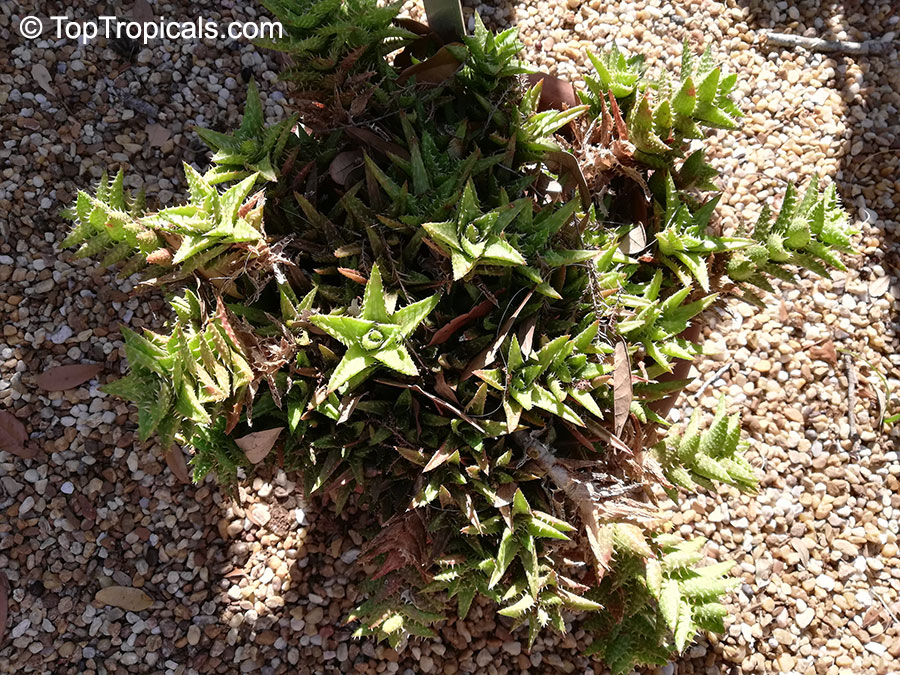
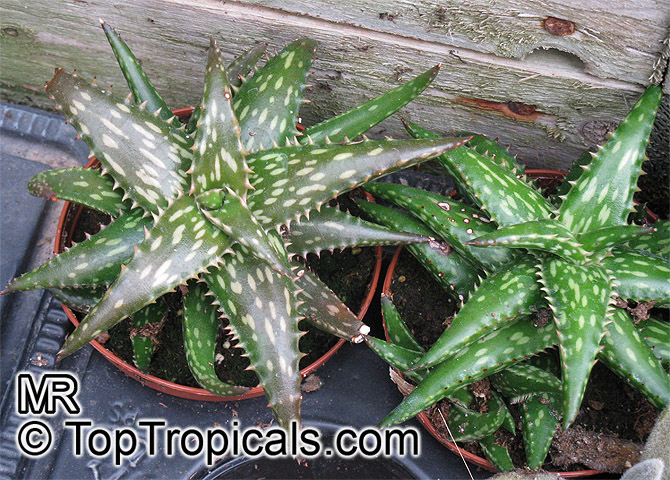
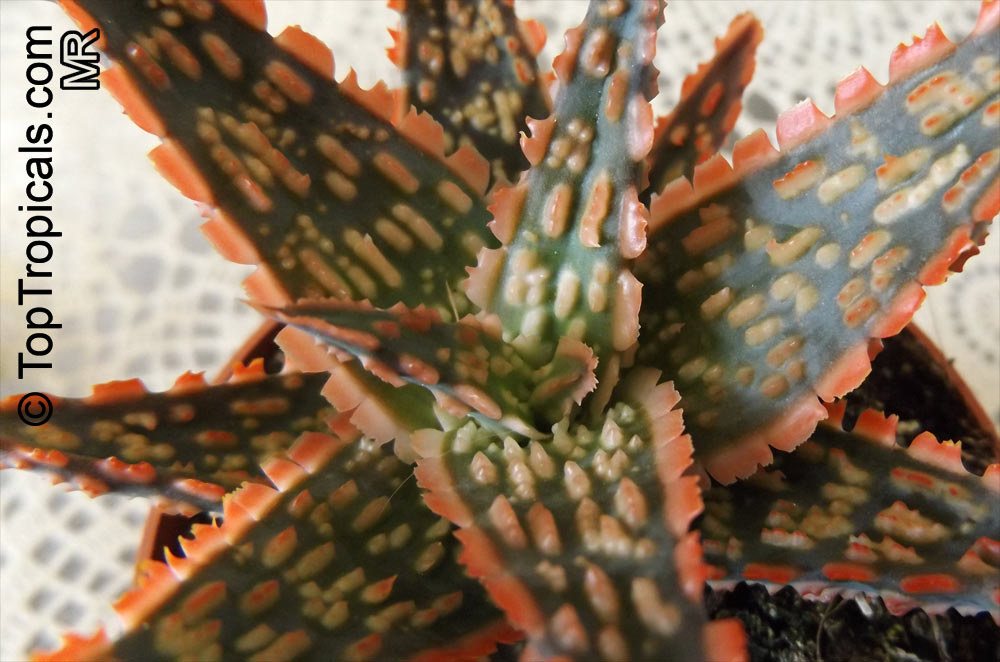
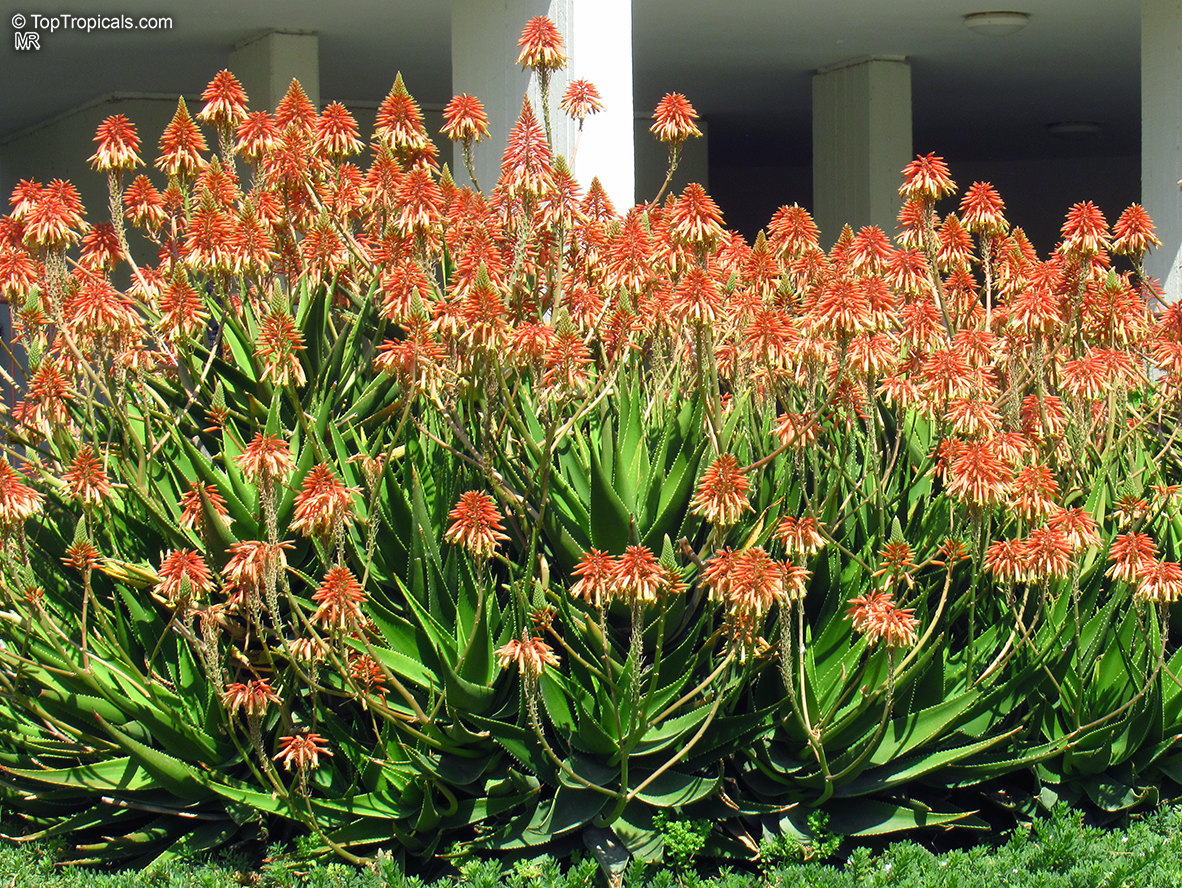
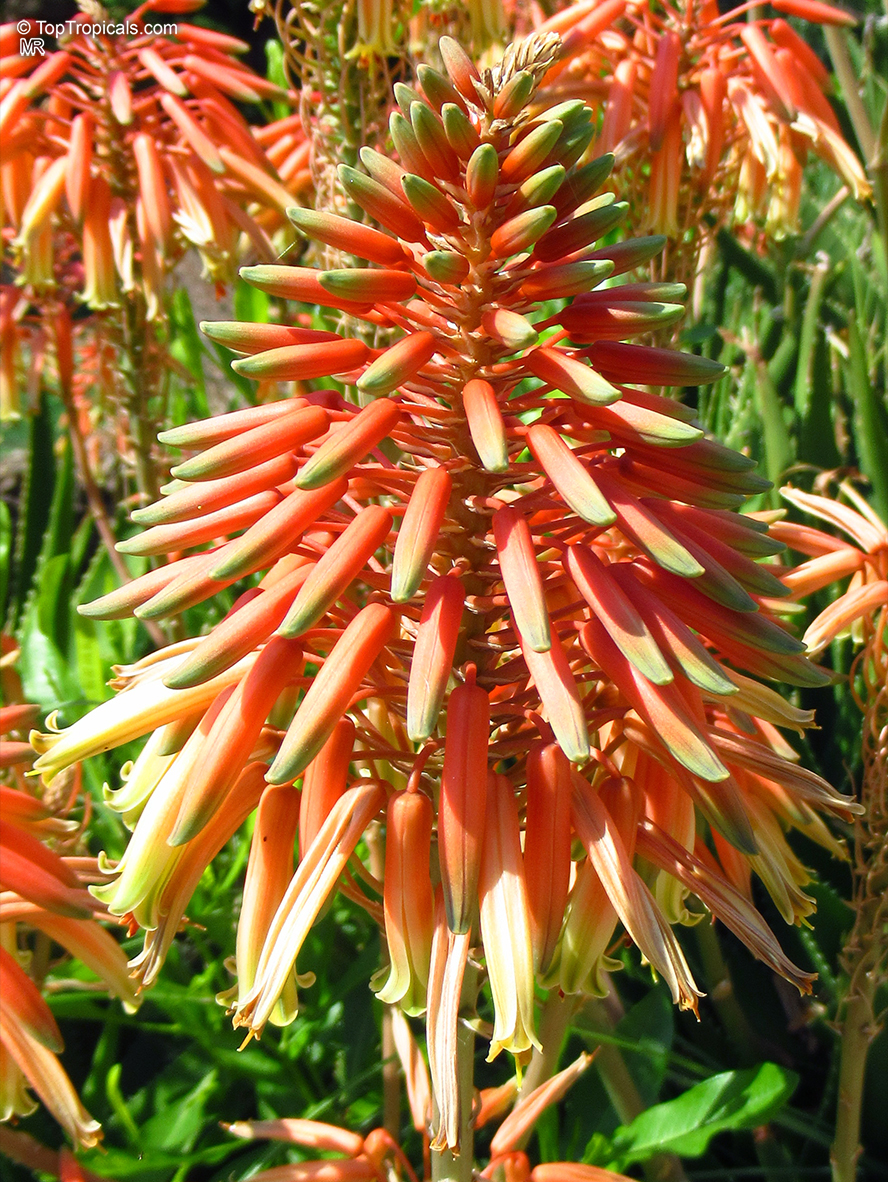
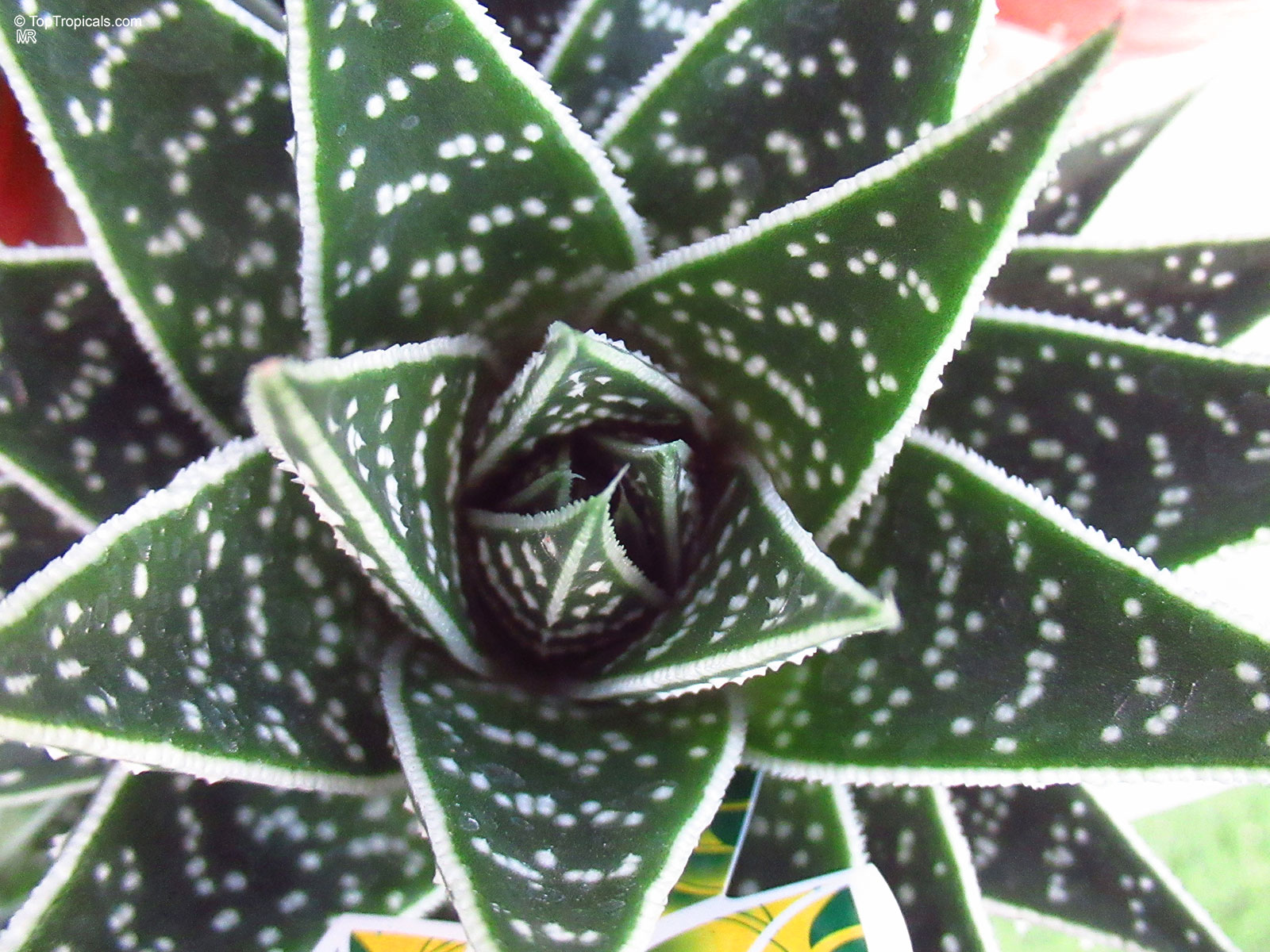
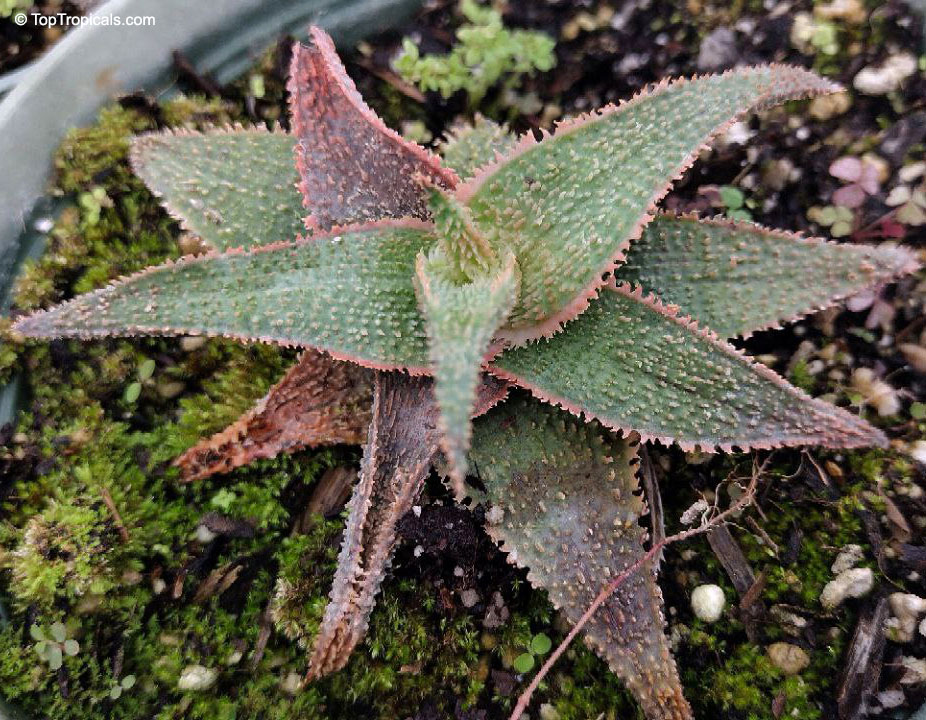
They range in size from little one inch miniatures to massive plant colonies consisting of hundreds of 2 foot diameter plants. Although most Aloes have some medicinal or commercial value, the most commonly known is the Aloe barbadensis... better known as Aloe vera. All Aloes are semitropical succulent plants, and may only be grown outdoors in areas where there is no chance of freezing (USDA zones 10-11). However, they make excellent house plants when they are given sufficient light. Potted Aloes benefit from spending the summer outdoors. Older specimens may even bloom, producing a tall stock covered with bright colored coral flowers. Aloe flower nectar is a favorite of hummingbirds! The medicinal properties of Aloe vera have been known, and recorded since biblical times. It has been used for a variety of ailments, and as an ointment for burns, cuts, and rashes, as well as an ingredient in various beauty preparations. The sap of the Aloe is a thick, mucilaginous gel. It is this gel which is used medicinally. Because Aloe plants consist of 95% water, they are extremely frost tender. If they are grown outdoors in warm climates, they should be planted in full sun, or light shade. The soil should be moderately fertile, and fast draining. Established plants will survive a drought quite well, but for the benefit of the plant, water should be provided. During the winter months, the plant will become somewhat dormant, and utilize very little moisture. During this period watering should be minimal. Allow the soil to become completely dry before giving the plant a cup or two of water. During the summer months, the soil should be completely soaked, but then be allowed to dry again before re-watering. Aloes have a shallow, spreading root system, so when it is time to repot choose a wide planter, rather than a deep one. You may also use a packaged 'cacti mix' soil. Aloes are propagated by removing the offsets which are produced around the base of mature plants, when they are a couple inches tall (or larger). They may also be grown from seed.




Botanical names: Aloysia gratissima, Lippia lycioides, Aloysia lycioides
Common names: Whitebrush, Beebrush
Family: Verbenaceae
Origin: Mexico, South America
USDA Zone: 8-11
Grown in full sun to partial shade, Aloysia gratissima is a large and moderately tolerant shrub native to Mexico and South America. It can grow up to 5-10 feet tall, producing fragrant white or off-white flowers with yellow and orange centers in the spring through fall. Attracting butterflies and hummingbirds, this ethnomedical plant is drought tolerant, low-water use, and tolerant of soils which are poorly drained.
It thrives in USDA Zones 8-11. In cold regions, Aloysia gratissima should be grown in a large enough pot to prevent it from freezing, and the pot should be brought inside during severe weather. Provide shade or mulch when temperatures dip too low, and be sure to water deeply after periods of extreme cold. Use a slow-release fertilizer to encourage healthy growth.
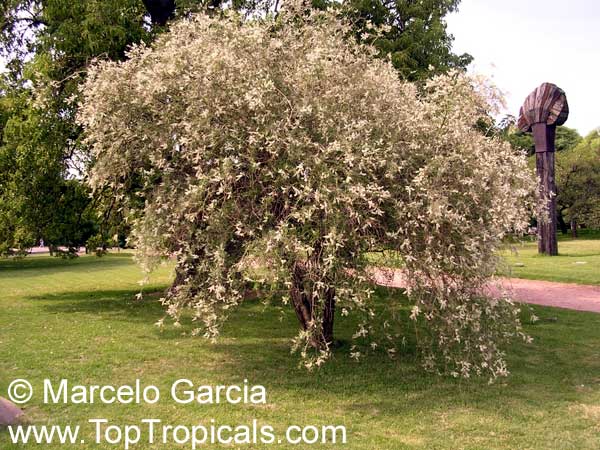
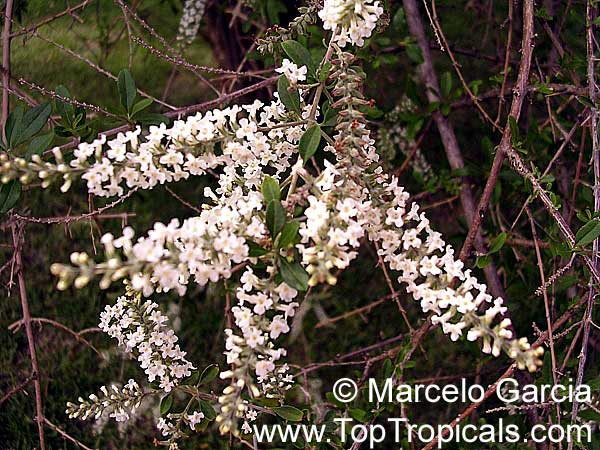
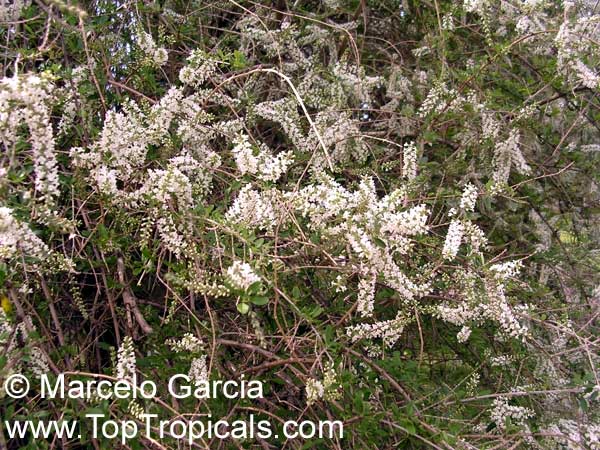
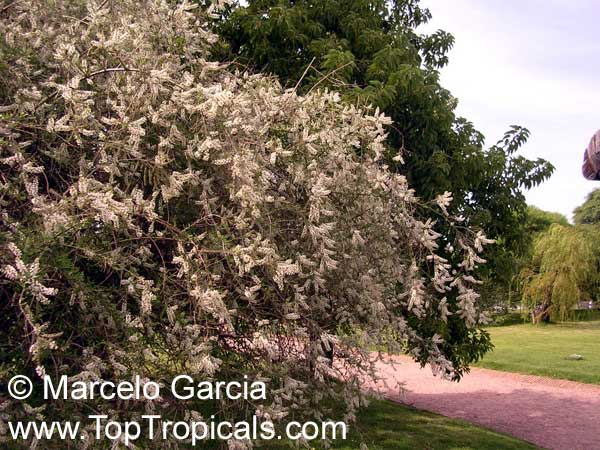
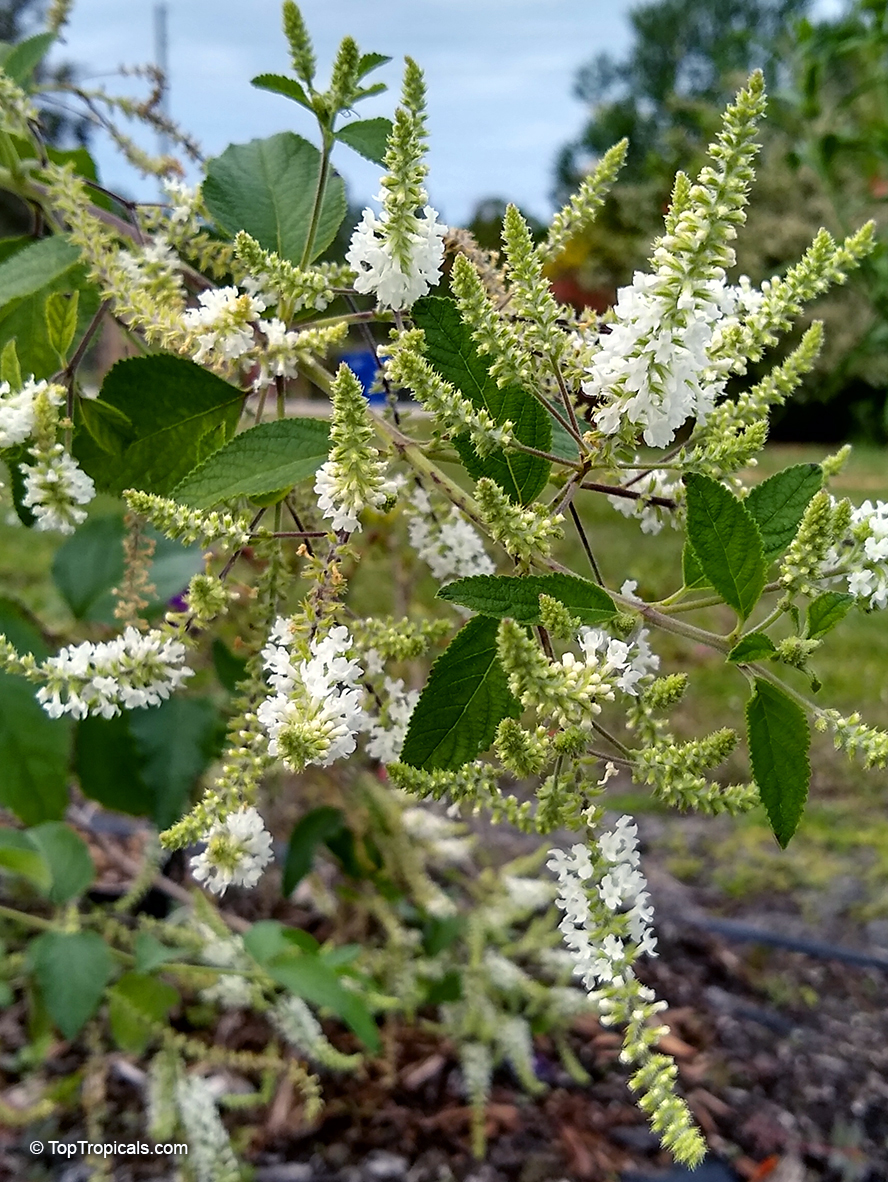
Botanical name: Aloysia virgata
Common names: Sweet Almond Bush, Incense Bush
Family: Verbenaceae
Origin: Mexico, South America
USDA Zone: 9-11
Aloysia virgata is very attractive to butterflies and hummingbirds. Native to Mexico and South America, Aloysia virgata (Sweet Almond Bush) is a large shrub that can reach heights of 5-10 feet tall. This plant prefers to be grown in full sun or semi-shade, with a moderate amount of water. Its fragrant, white to off-white flowers attract butterflies, hummingbirds, and other pollinators. It makes a great addition to any garden, with the bonus of a lovely scent.
Aloysia virgata is a fast-growing shrub, requiring very little care for best performance. In order to maintain its appearance and shape, it is important to prune it back periodically. It is also possible to grow it as a potted plant in cold regions, as long as the plant is given careful growing and care instructions.
For successfully growing Aloysia virgata in a pot in cold climates, the container must have good drainage to prevent waterlogging, and should be brought indoors when temperatures reach the mid 30s F. It is important to note that the pot should be large enough to accommodate the rate of growth of the plant. The soil must include compost or mulch for nutrients, and the soil should be kept consistently moist but not overly wet. During the winter, the soil needs to also be mulched to help ensure insulation from extreme cold temperatures.
Aloysia virgata is a beautiful and fragrant shrub that can provide near year-round beauty to any home garden. With proper care and maintenance, it can thrive in full sun or partial shade, and in a wide range of climates and soils.
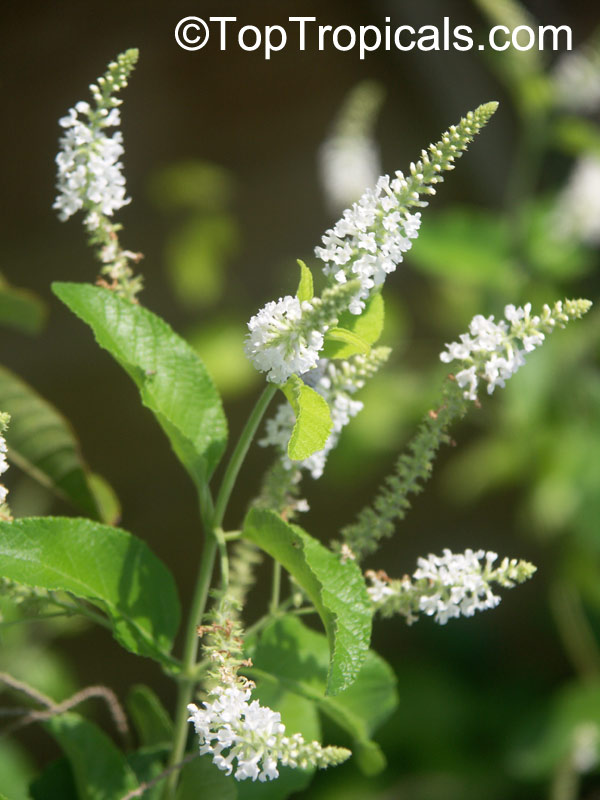
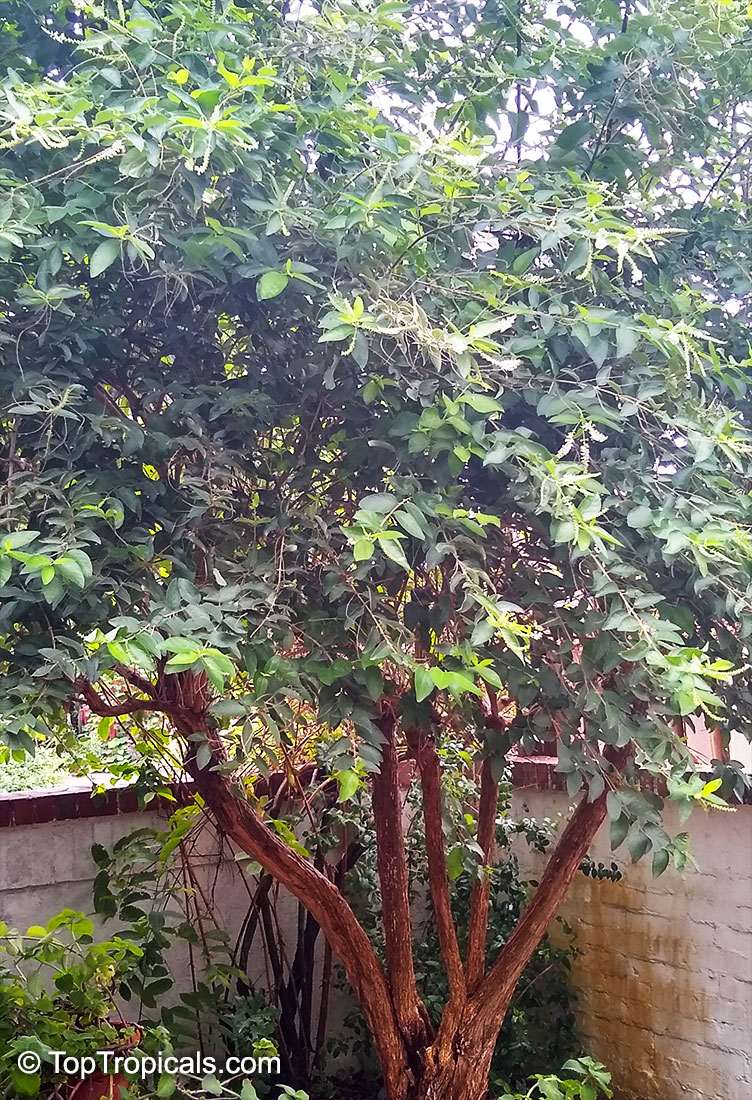
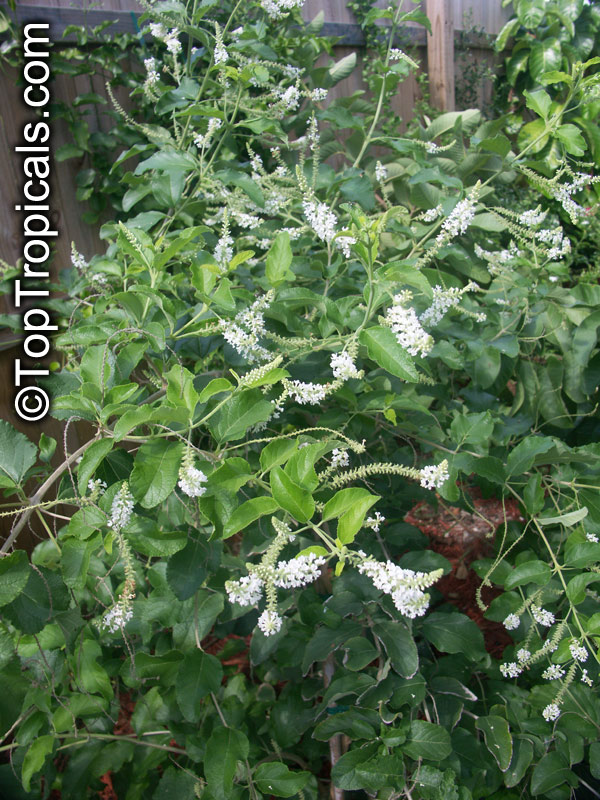
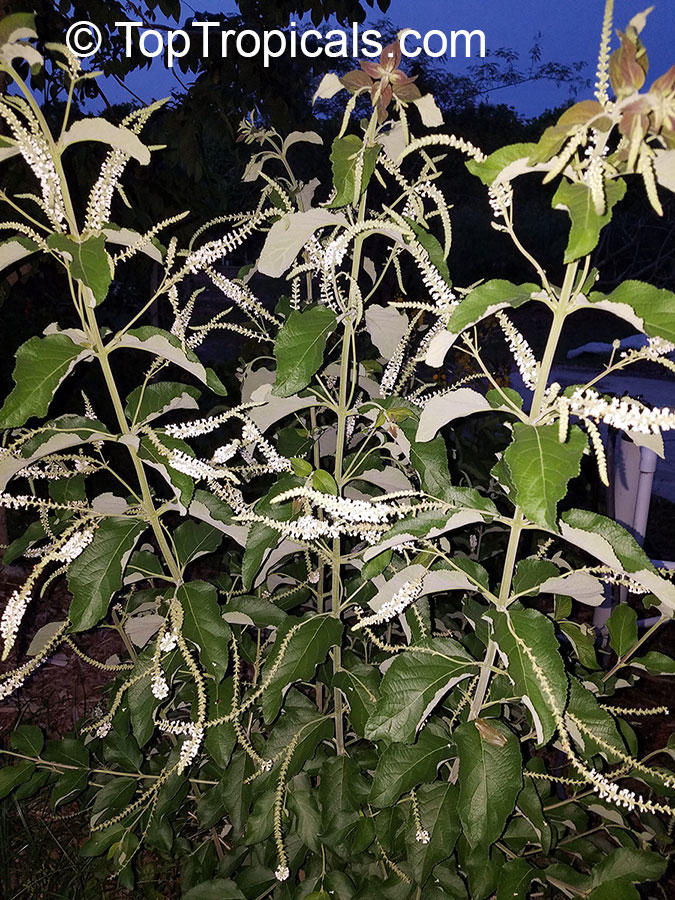
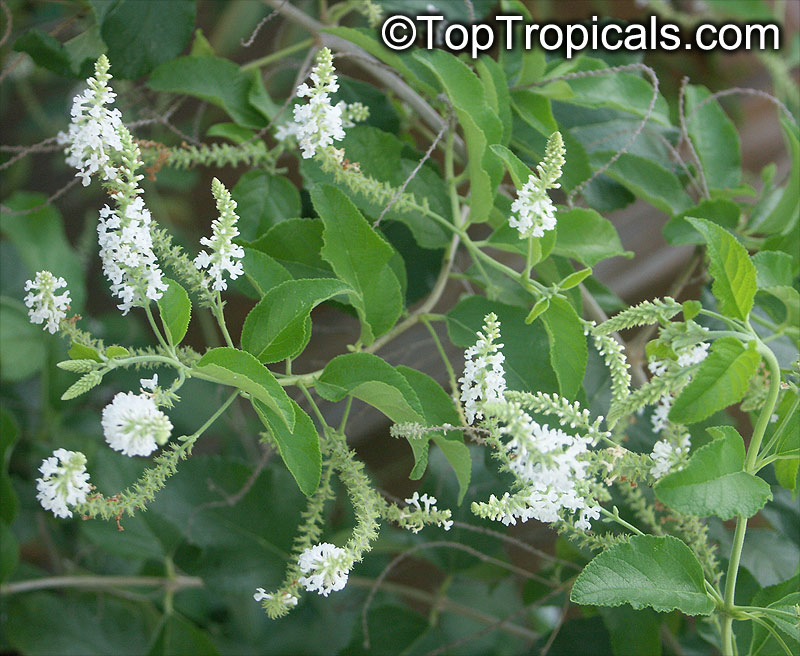
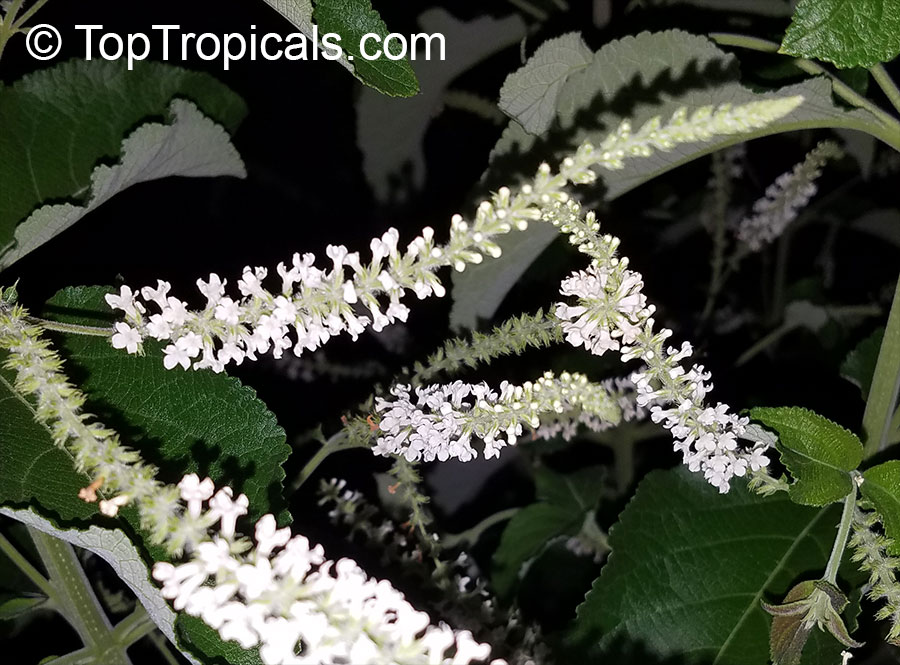

Slender, densely branched deciduous shrub, 3 to 10 feet tall, 8 feet in spread. Fragrant foliage. White to yellow flowers appear in spring to fall with strong almond scent. attractive to butterflies and bees. This is a honey plant. Low water use, drought tolerant.
Recommended Fertilizer: SUNSHINE Megaflor - Bloom Nutrition Booster
 SUNSHINE Pikake (NPK 2-2-4) - eco-friendly concentrated nutrition booster for fragrant flowers. Improves quantity and quality of flowers. Encourages profuse blooming. Increases flower fragrance intensity. Can be used with every watering. For best results, use in combination with
Last one

Botanical name: Alphitonia excelsa
Common names: Red Ash, Soap Tree, Silver Leaf
Family: Rhamnaceae
Origin: Australia
USDA Zone: 9-10
Flowers, although individually insignificant, cover the tree with clusters of small cream blossoms in late autumn and early winter.


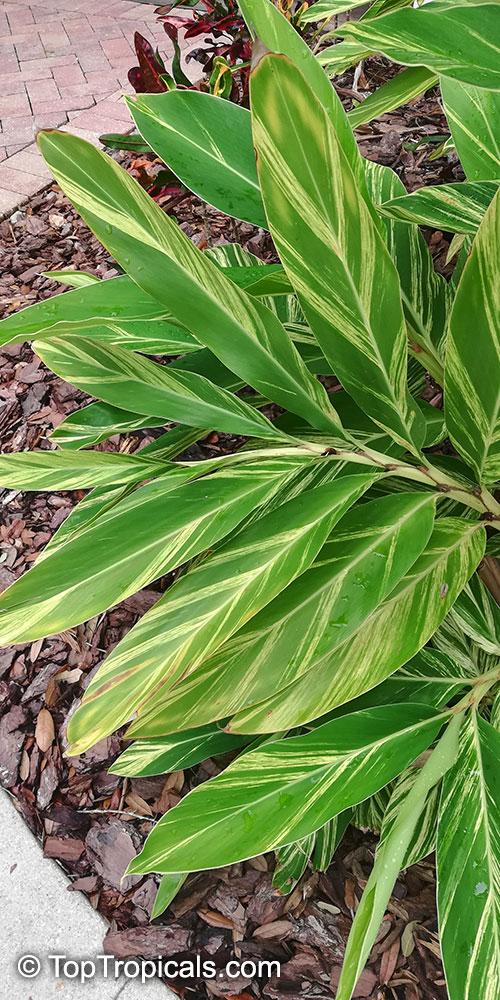
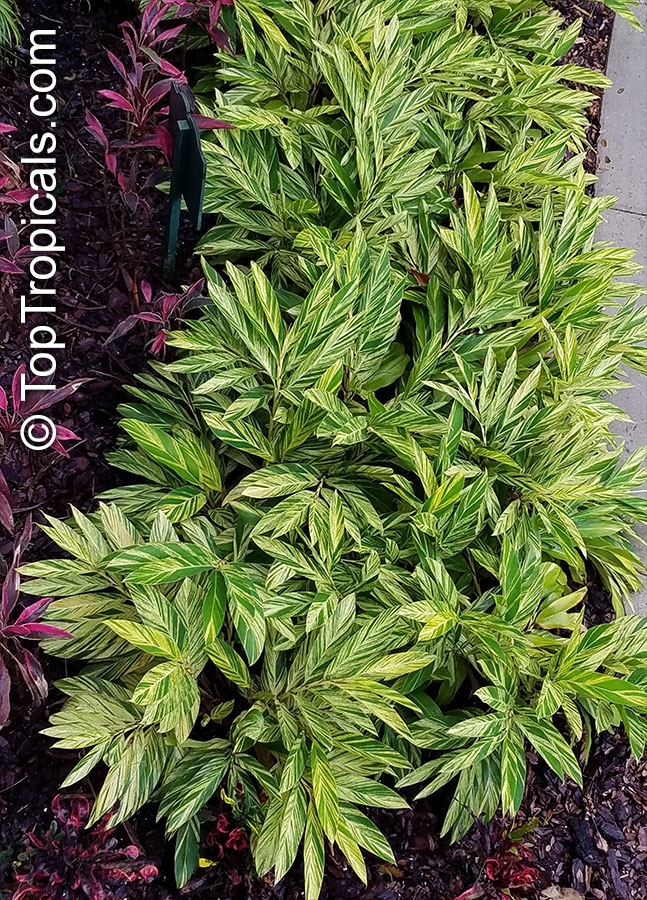
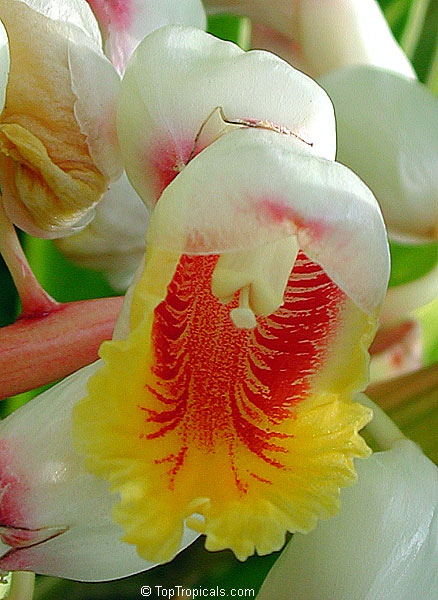
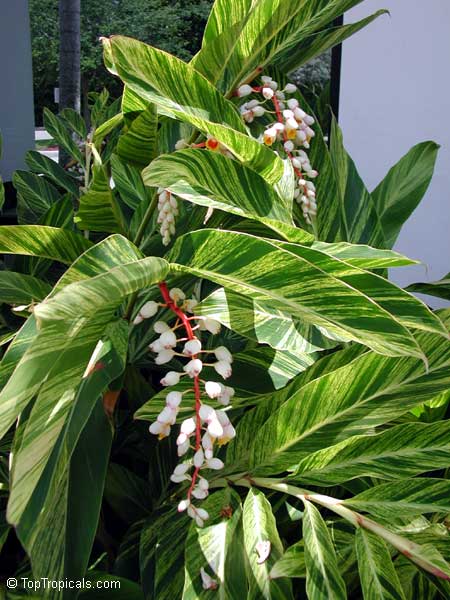
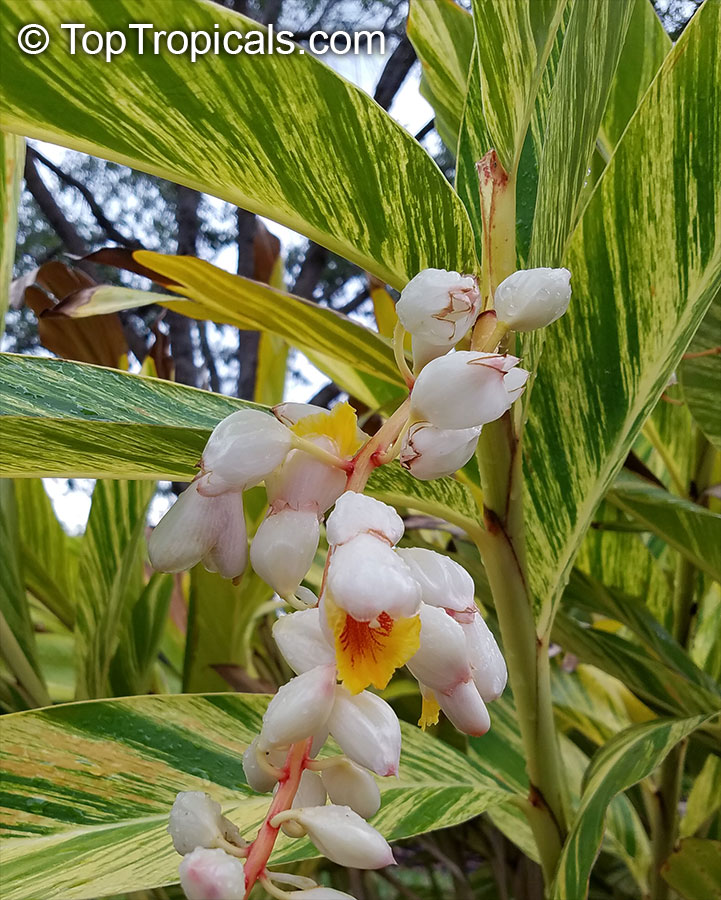
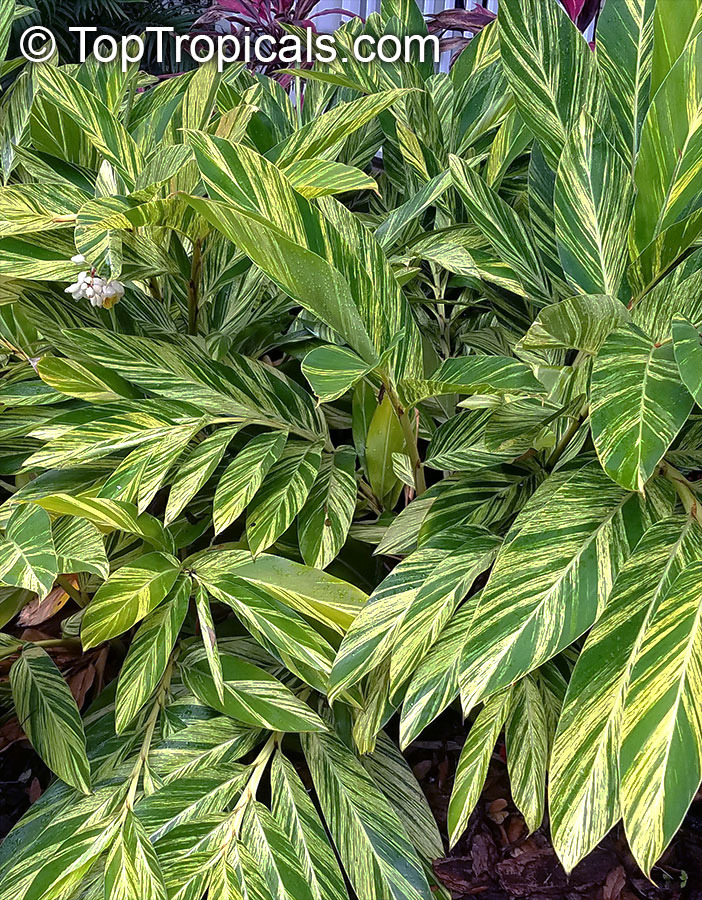
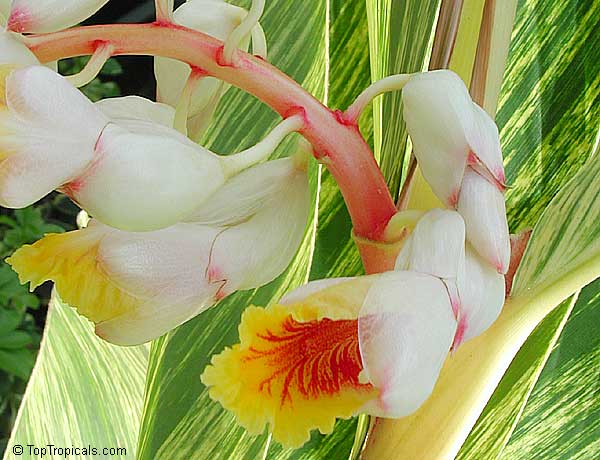
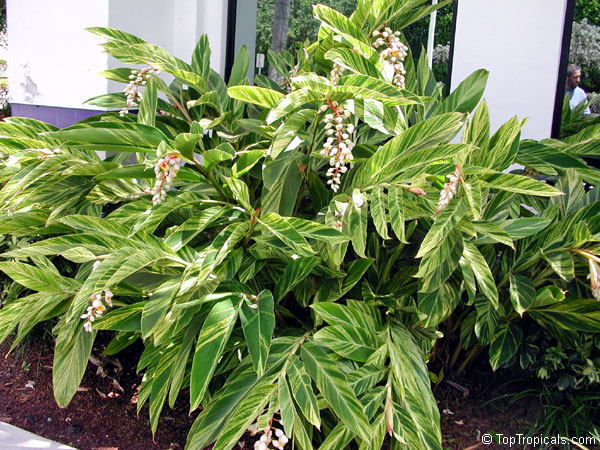
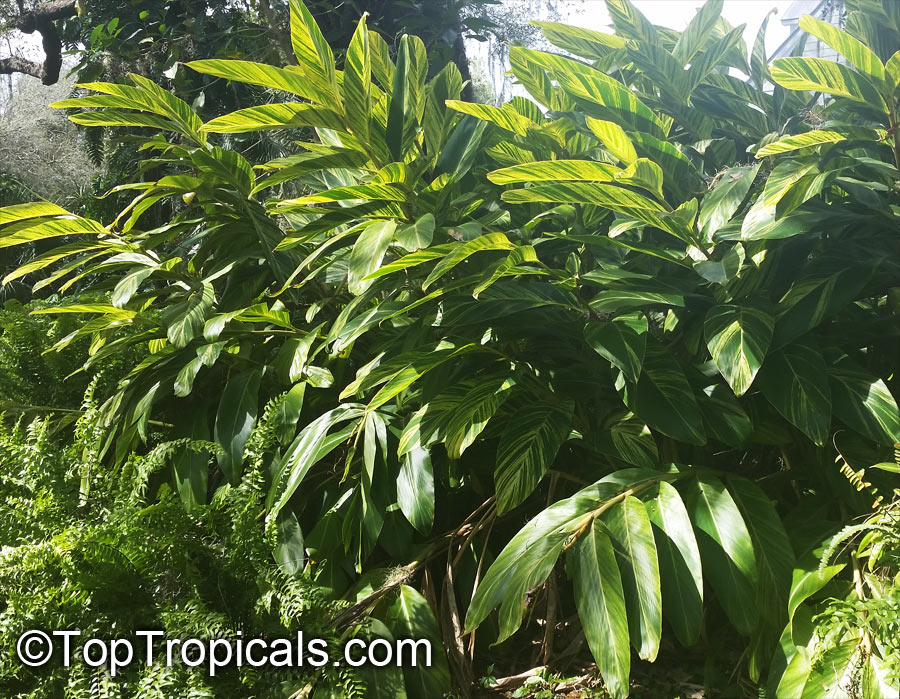
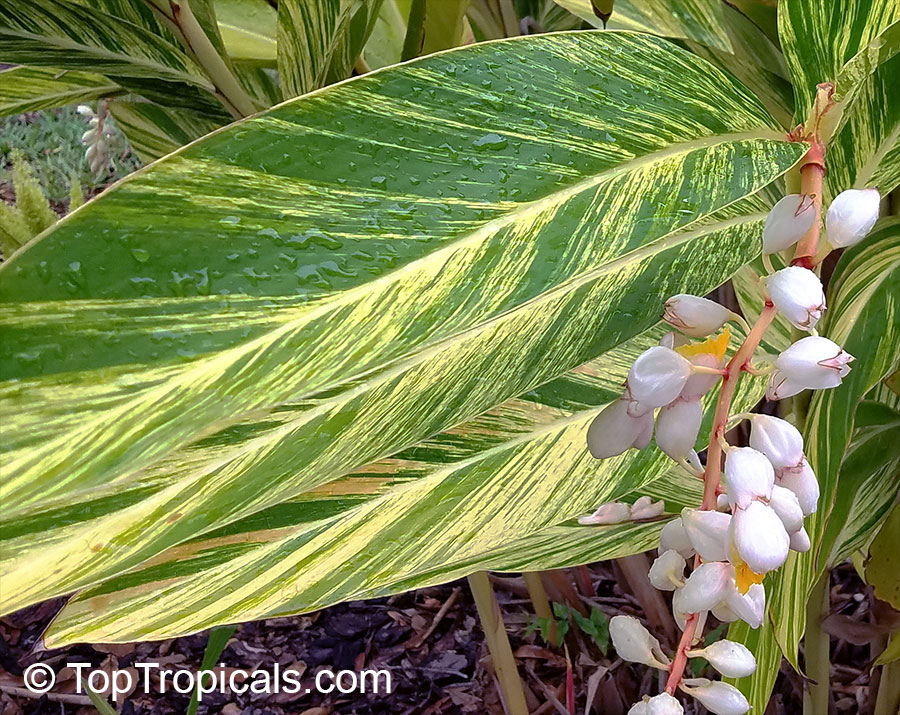
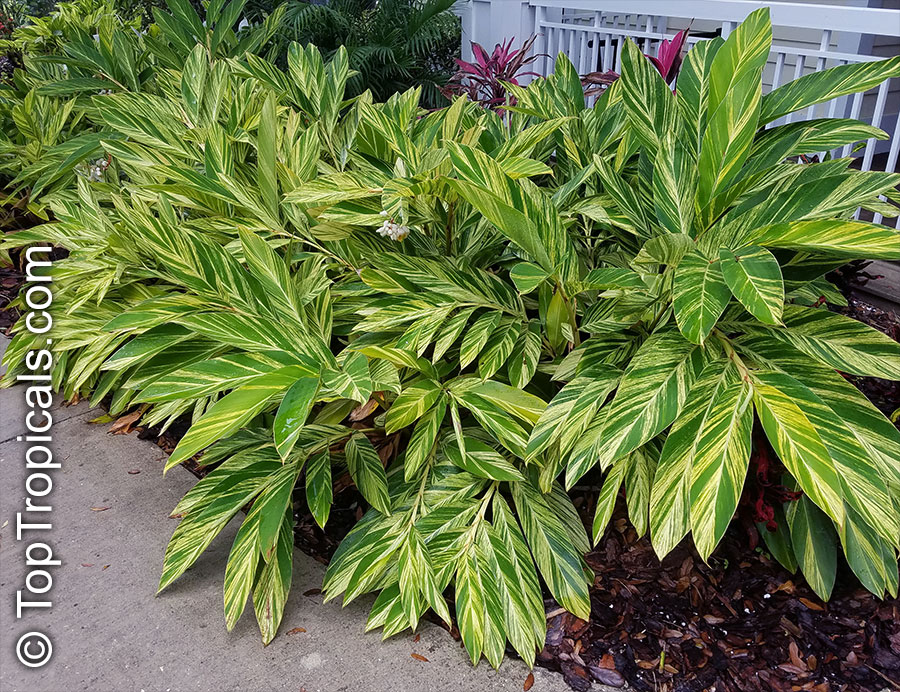
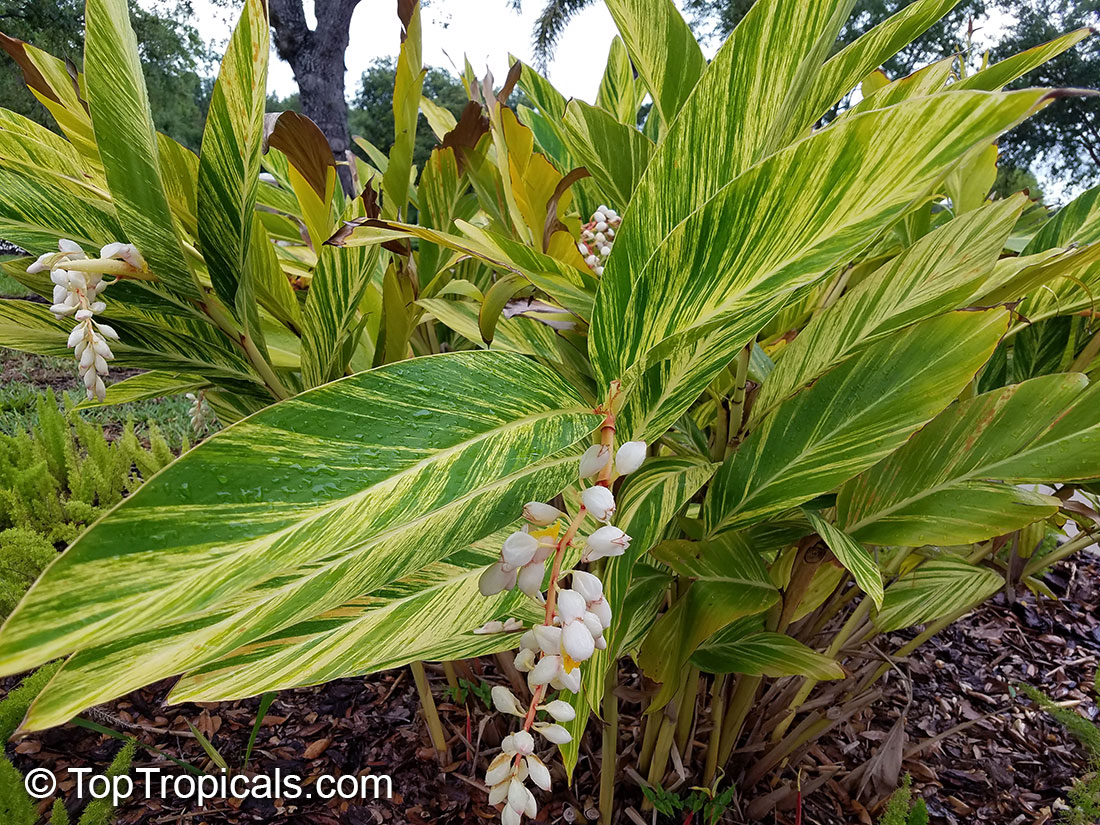
Botanical name: Alpinia formosana x zerumbet
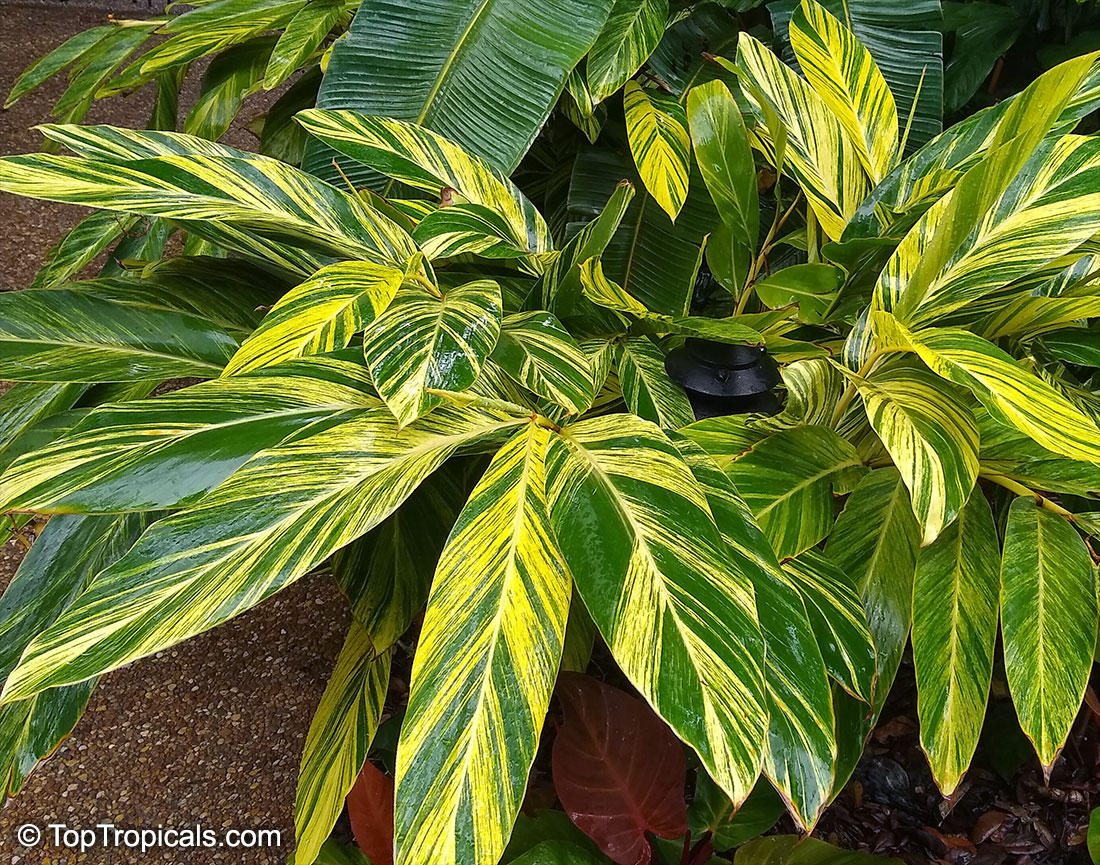
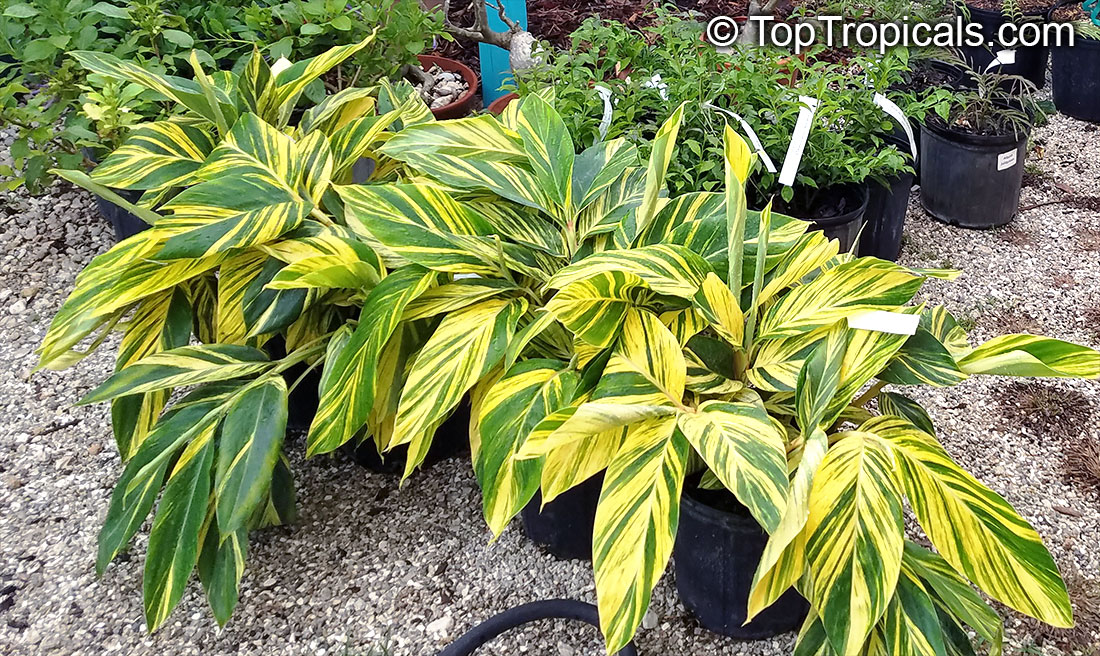
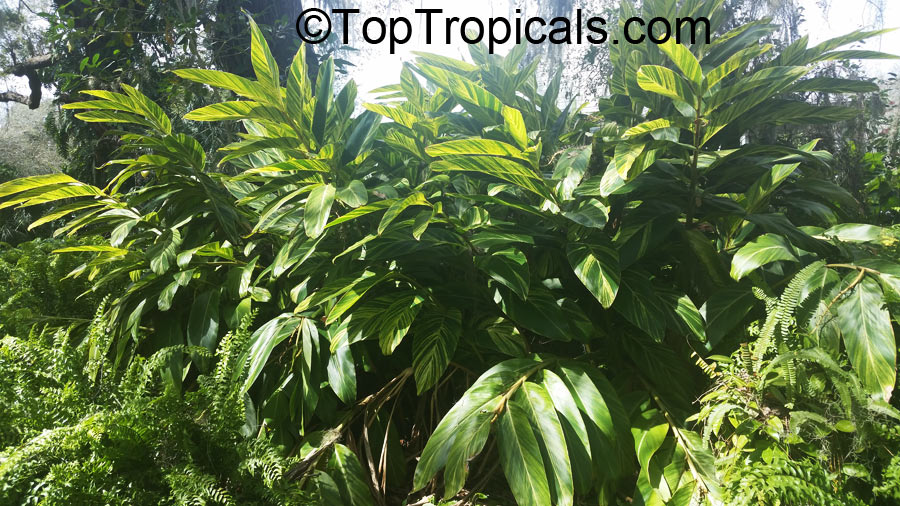
Common name: Variegated ginger
Cultivar: Variegata
Family: Zingiberaceae
Origin: South Africa
USDA Zone: 9-11

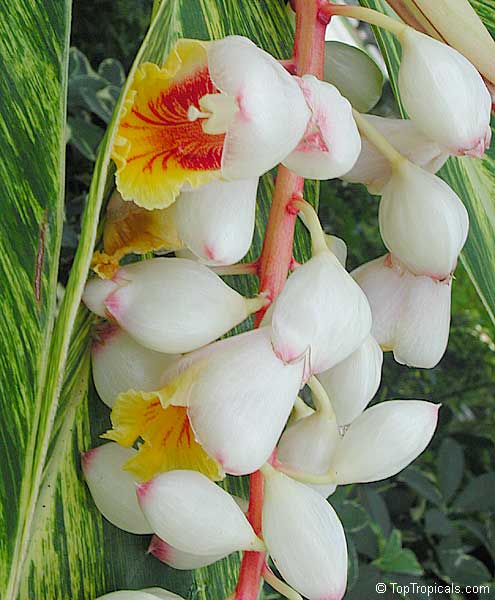
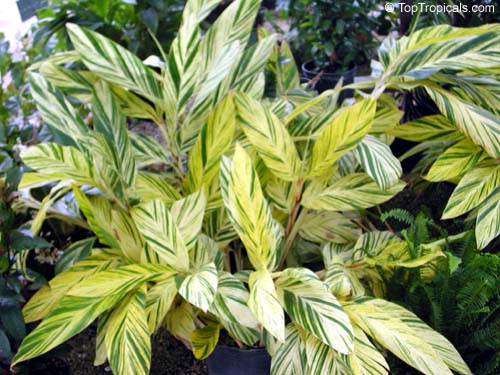
Alpinia zerumbet 'Variegata' (Variegated ginger) is a small shrub native to South Africa that grows to a height of 2 - 5 feet. The foliage is a glossy green with white and off-white striping, adding interest to the garden.
When planting, gingers prefer soils that are kept moist, so watering regularly is important. In cold regions, it is best planted in a pot as mature plants are cold hardy only to at least 30s F for a short period of time. In order to survive harsh winters, the pot can be brought indoors.
To promote healthy growth, the soil should be well drained with plenty of organic matter. Fertilize twice a year, once in the spring and again in the summer with a balanced organic fertilizer. To further ensure the health of the plant, remove any dead foliage and flowers.
Alpinia zerumbet 'Variegata' is a great choice for the home garden. The colorful foliage and variety of flowers make this species a great ornamental in any garden. With appropriate care and water, this plant is sure to provide pleasure in the garden for many years.

Recommended Fertilizer: SUNSHINE Robusta - Rapid Growth Booster
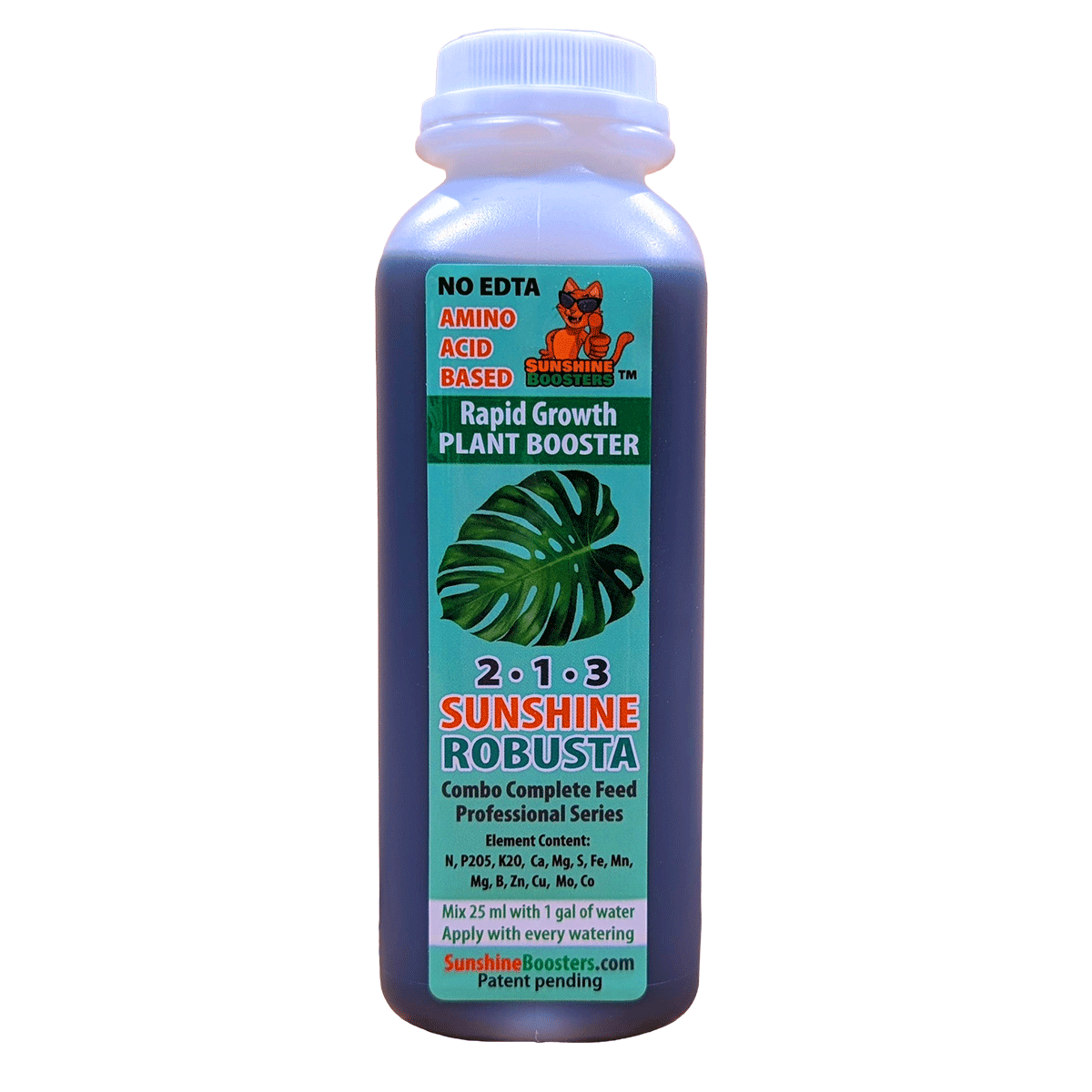 SUNSHINE Robusta (NPK 2-1-3) - Vegetative Vigor Booster for every watering. Formulated especially for vegetative stage of plant development. Can be used for a quick build-up of vegetative growth, for establishing and recovering damaged plants that lost many leaves. This is an eco-friendly nutrition booster that can be used for edibles and organic gardens. Can be used for daily feeding with every watering. Scientifically-balanced stable formula is organic Amino-acid based and has NO EDTA chelators to eliminate nutrients lockup; it does not affect crop taste. Organic Amino acids greatly enhance stability of all Sunshine boosters and provide excellent absorption of trace elements. Pollinating insects friendly.
 SUNSHINE Robusta (NPK 2-1-3) - Vegetative Vigor Booster for every watering. Formulated especially for vegetative stage of plant development. Can be used for a quick build-up of vegetative growth, for establishing and recovering damaged plants that lost many leaves. This is an eco-friendly nutrition booster that can be used for edibles and organic gardens. Can be used for daily feeding with every watering. Scientifically-balanced stable formula is organic Amino-acid based and has NO EDTA chelators to eliminate nutrients lockup; it does not affect crop taste. Organic Amino acids greatly enhance stability of all Sunshine boosters and provide excellent absorption of trace elements. Pollinating insects friendly.
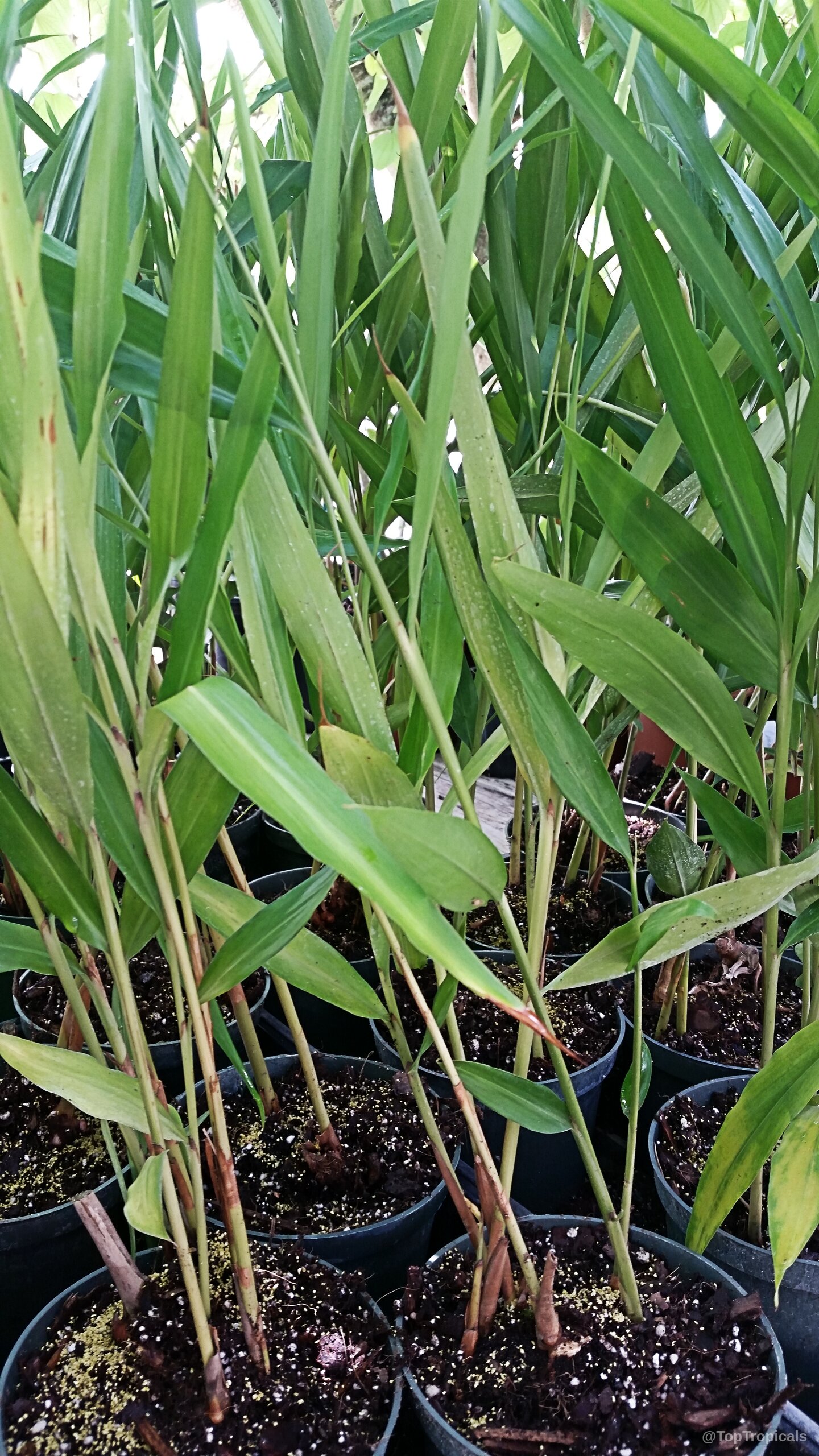
Botanical names: Alpinia galanga, Languas galanga
Common names: Galanga Root, Galangal, Thai Ginger, Laos
Family: Zingiberaceae
Origin: SE Asia
USDA Zone: 9-11

Galanga is an herb used in cooking, especially in Indonesian and Thai cuisines. It is one of four plants known as galangal, and is differentiated from the others with the common name greater galangal (or simply Thai galangal). The galangals are also called blue ginger or Thai ginger.
A. galanga is called laos in Indonesian and is the most common form of galangal used in cooking. It is also known as lengkuas and galanga root.

Botanical name: Alpinia malaccensis
Common name: Rathkihiriya
Family: Zingiberaceae
Origin: Indonesia
USDA Zone: 9-10
Alpinia malaccensis is cultivated for ornamental and medicinal purposes. It is a native of Indonesia and Malaysia. An oil is obtained from dried rhizome. The rhizomes are ginger-scented. Likes a slightly acid soil. Tubular flowers in droopy clusters. The flowers come mostly in summer.
Alpinia malaccensis is similar to Alpinia nutans


| Prev | Next | |
Use link to repeat this search:
https://toptropicals.com/cgi-bin/garden_catalog/cat.cgi?search_op=and&keyword_op=and&language=e&number=10&no_change_lang=1
&v1=wht&user=tt&sale=1&first=0