White, off-white flowers - Plant Encyclopedia Results (Page 9)
| Number of plants found: 1898 |  | Prev | Next | 
|
Go to page: | First | 4 | 5 | 6 | 7 | 8 | 9 | 10 | 11 | 12 | 13 | Last |
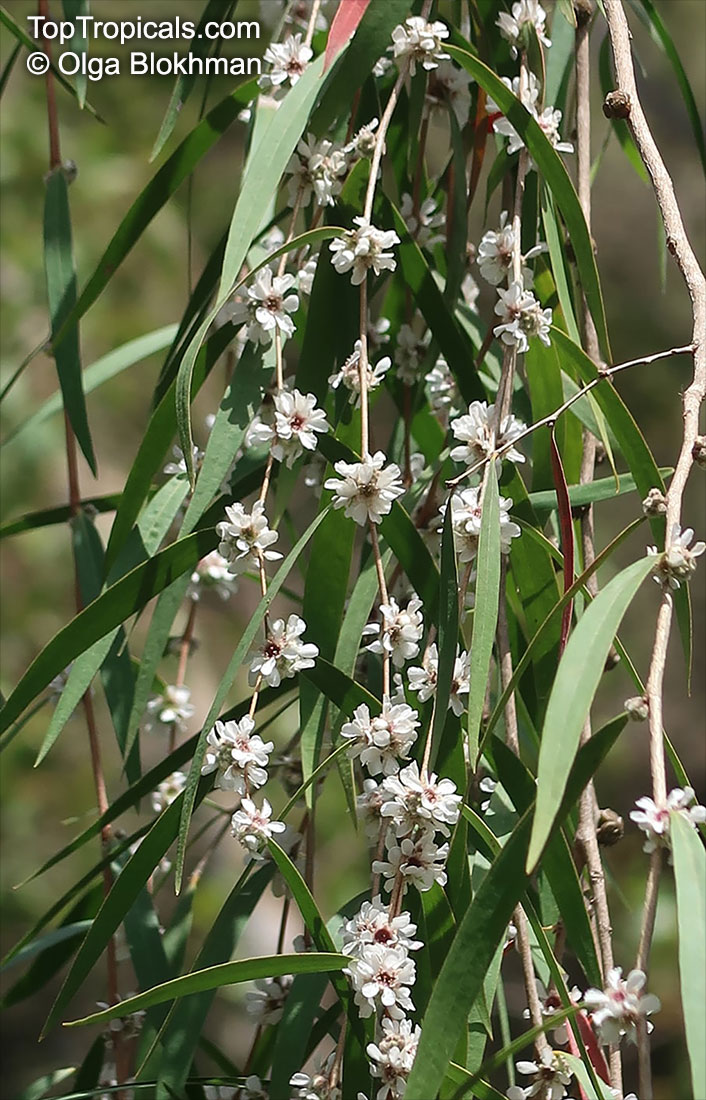
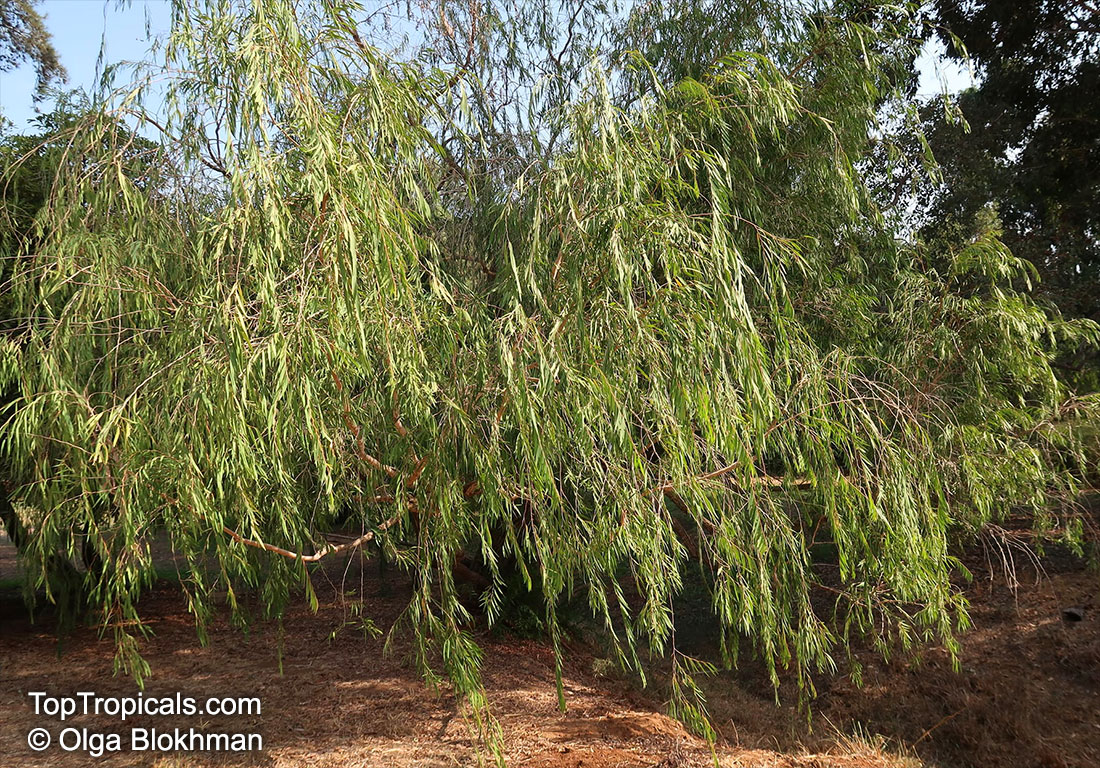
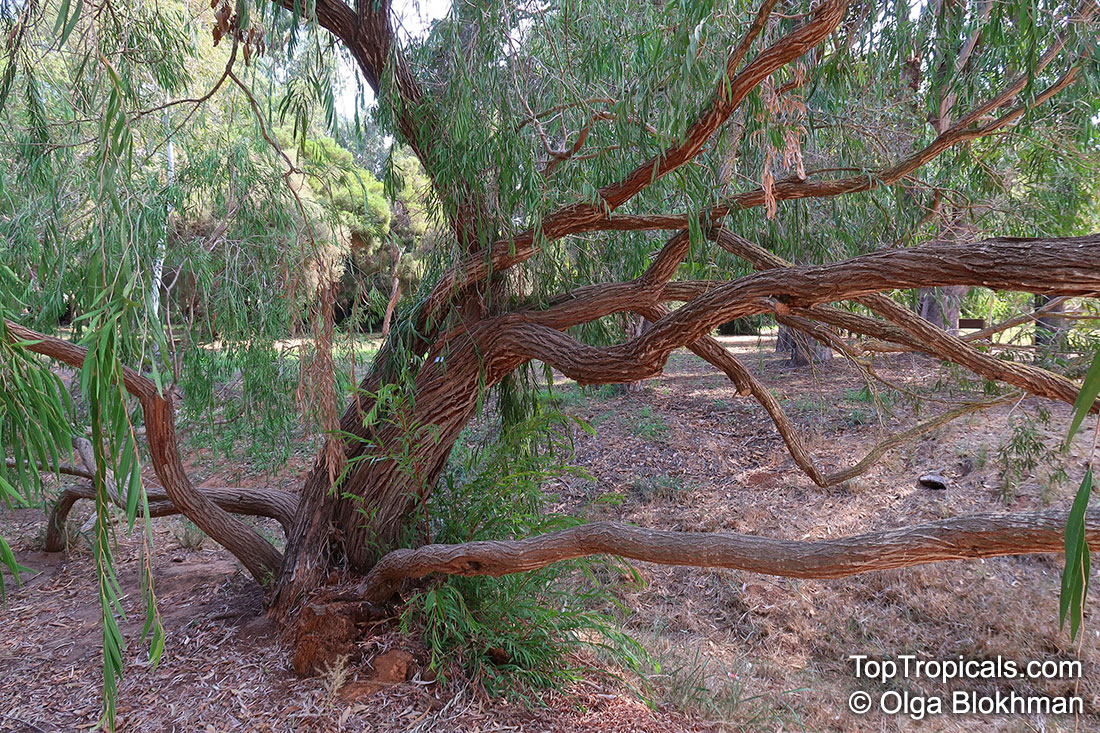
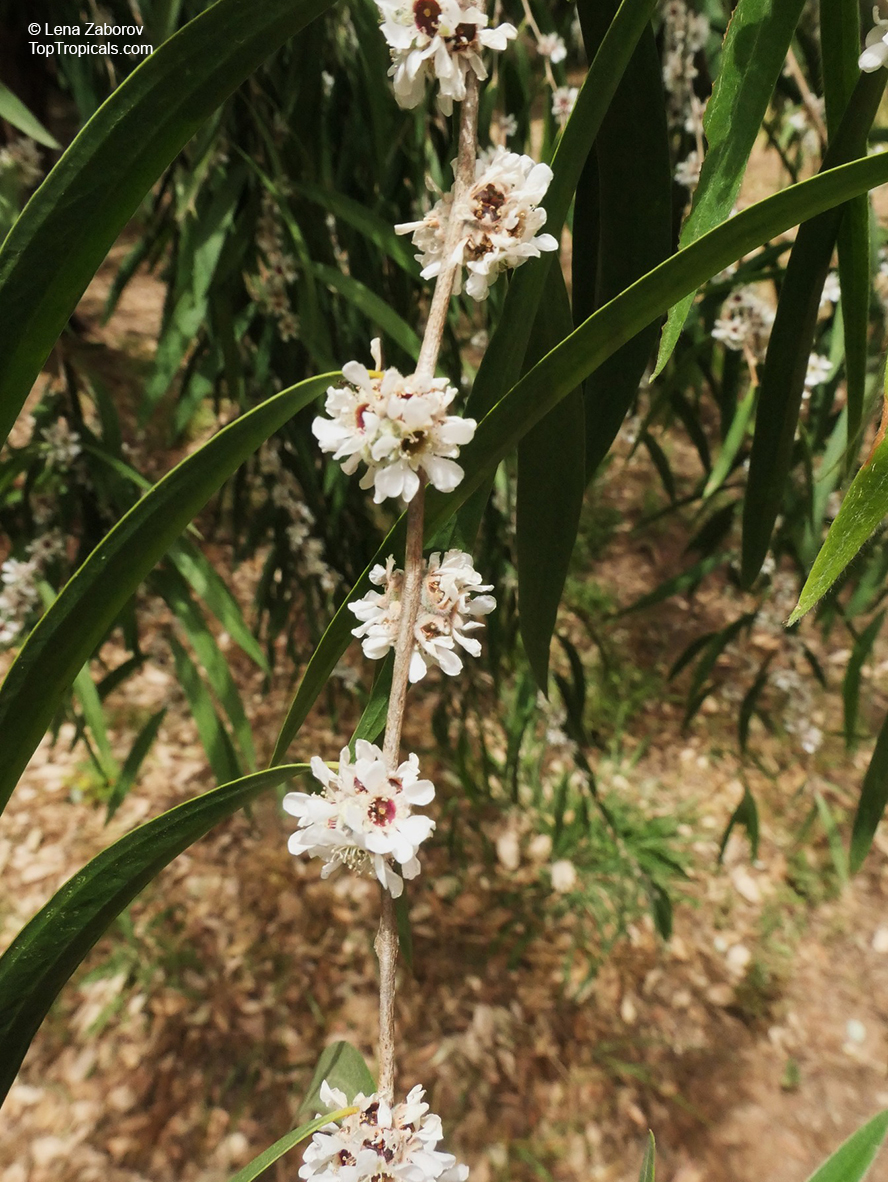
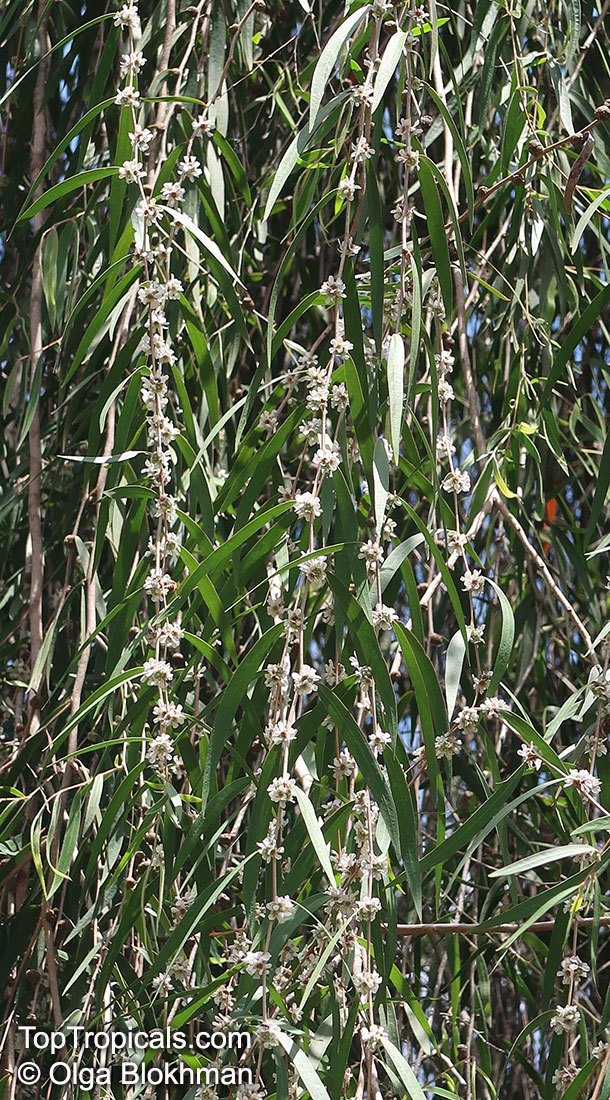
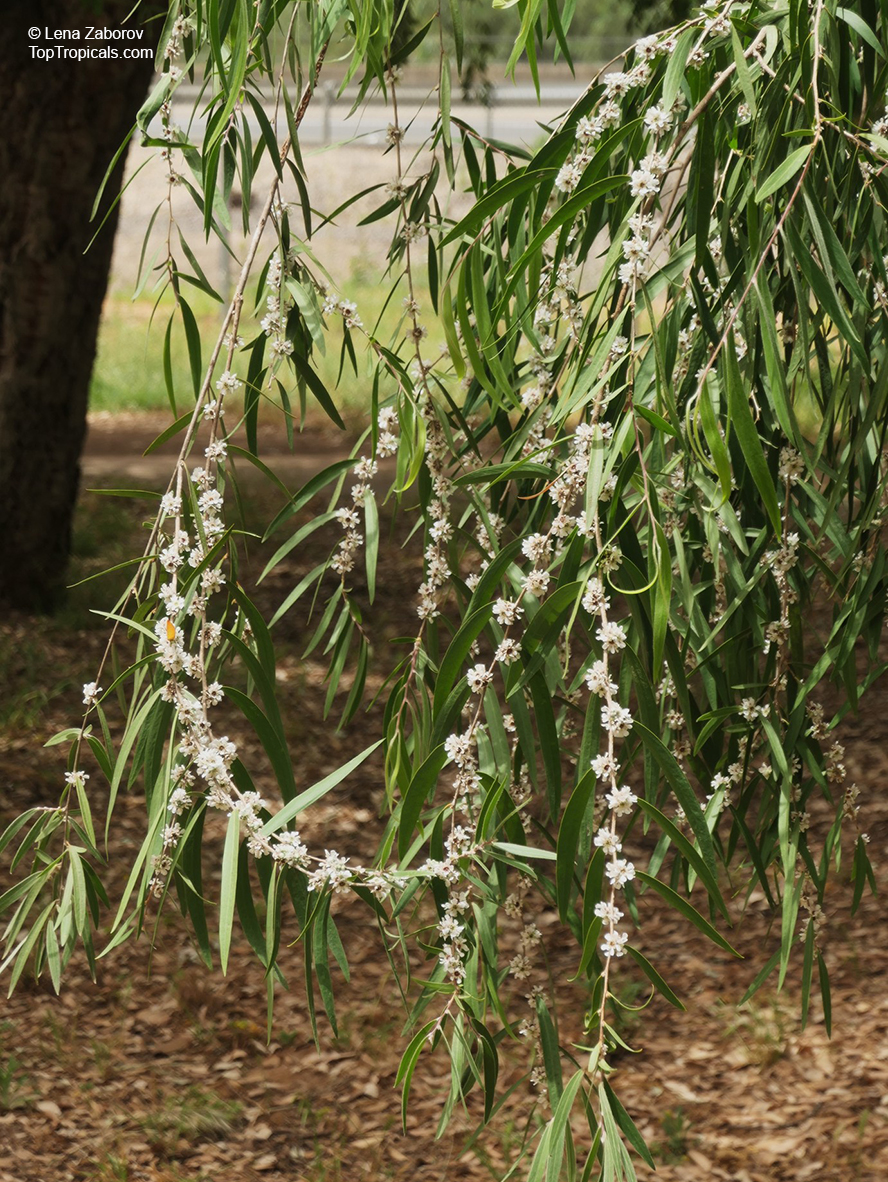
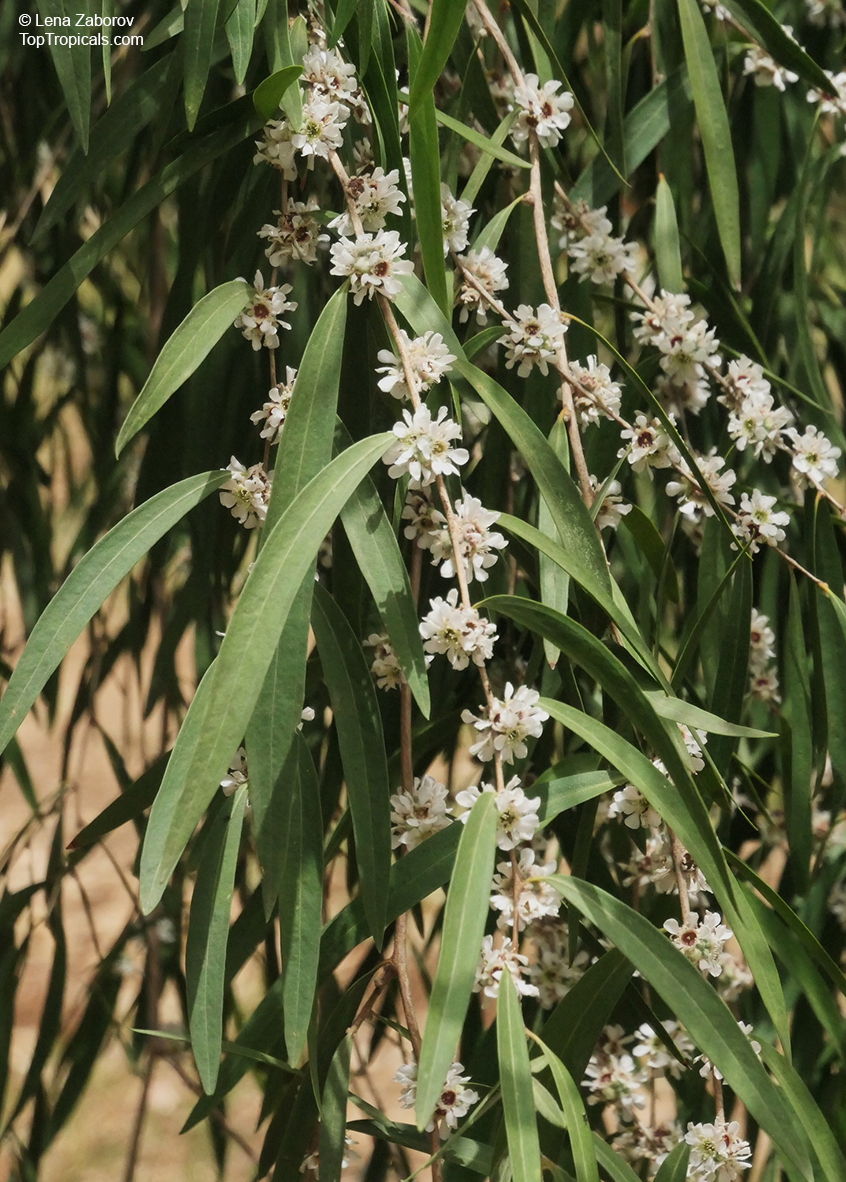
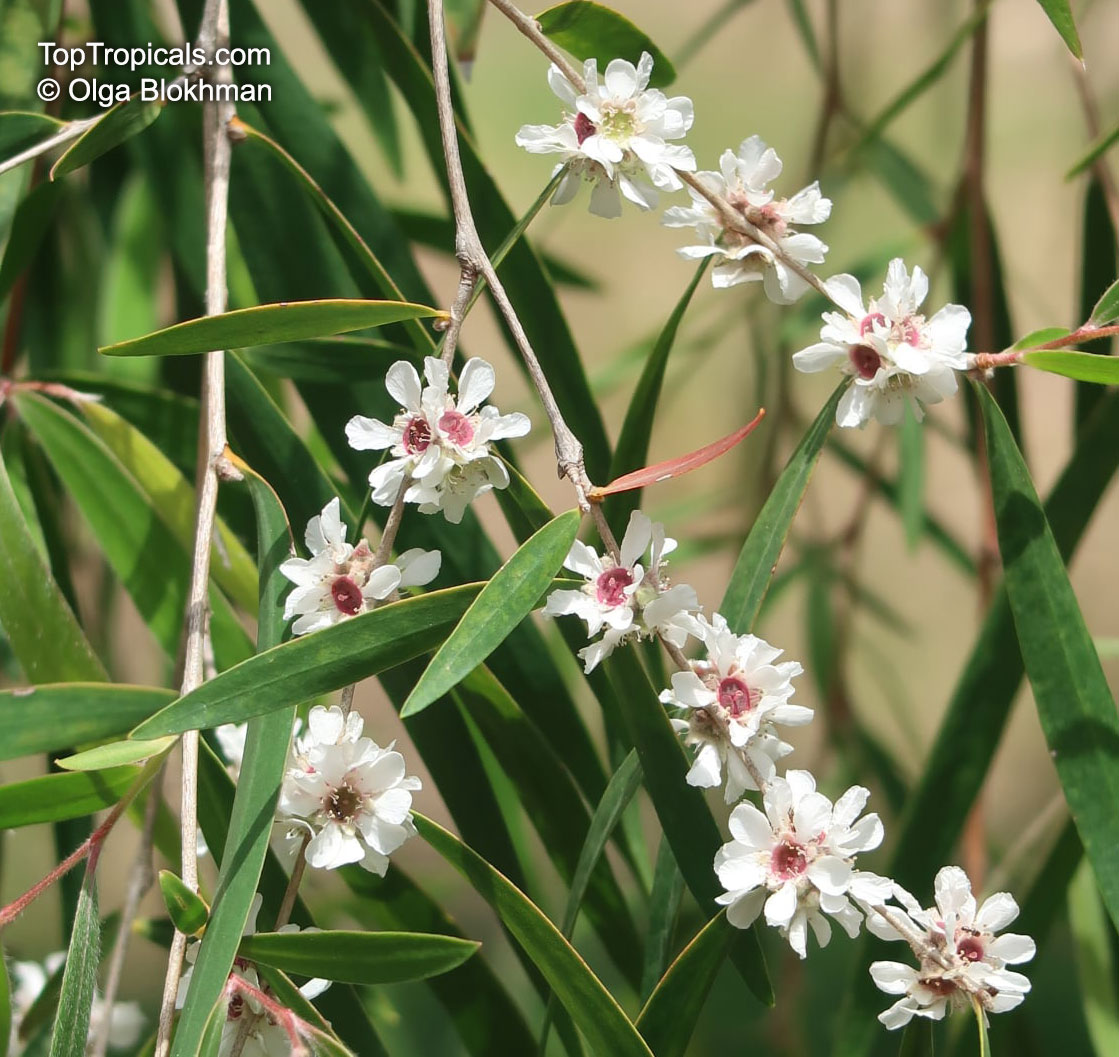
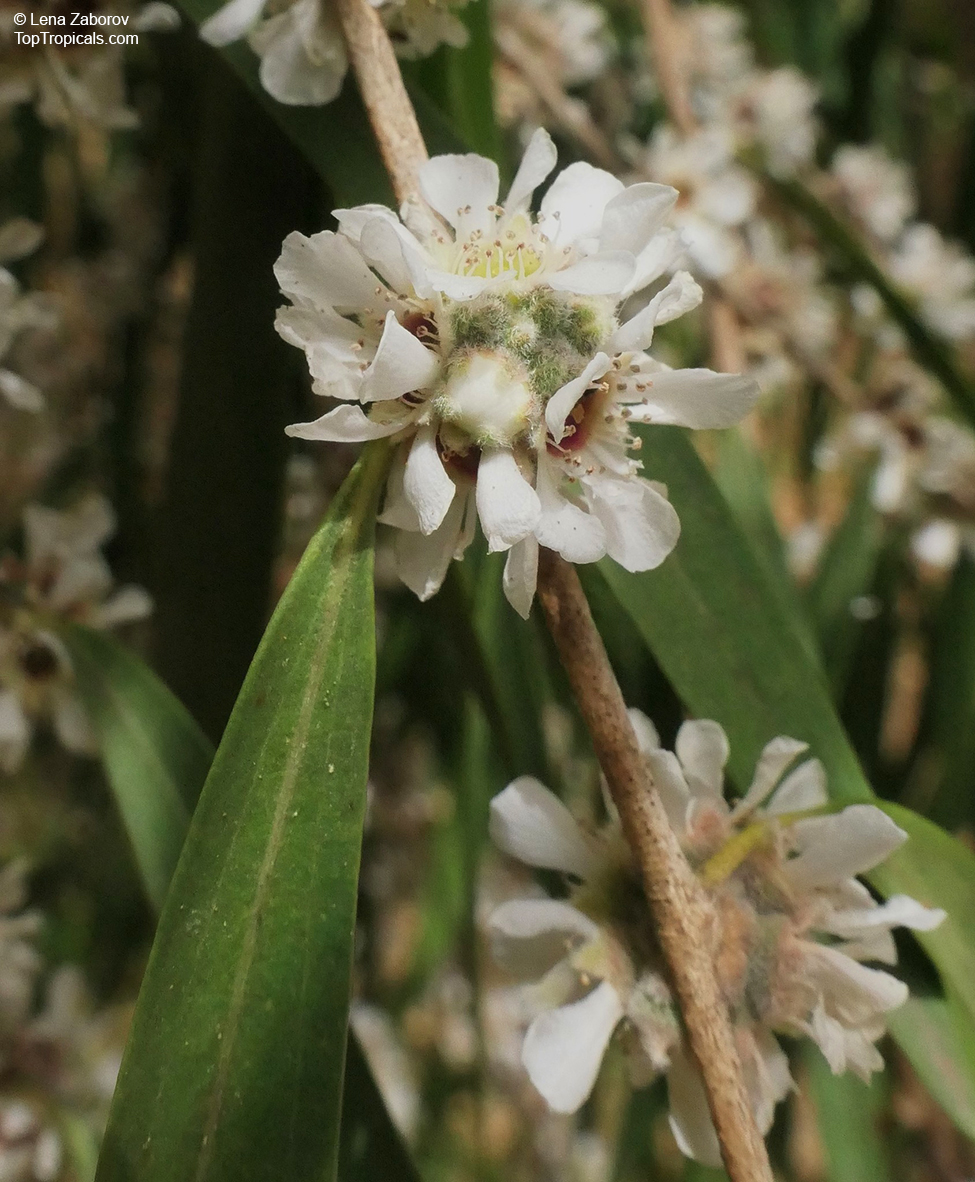
Botanical name: Agonis flexuosa
Common names: Willow Myrtle, Western Australian Peppermint
Family: Myrtaceae
Origin: Australia
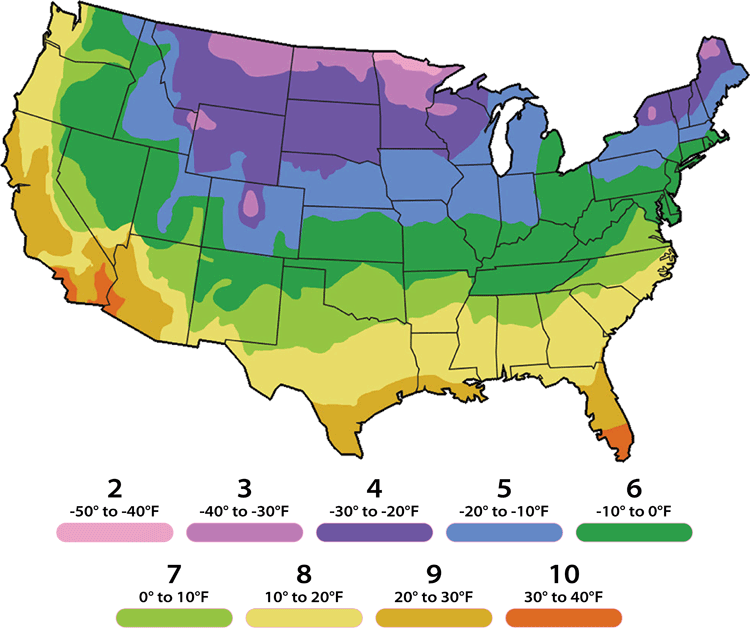
USDA Zone: 8b-11


Native to Western Australia, this small tree is excellent for small urban spaces, growing 10-20 ft in height and 6-15 ft in spread. It has an upright habit with an open, sparse crown. Agonis flexuosa (Willow Myrtle) has an attractive foliage of broad green leaves with a smooth texture. In summer, the tree is covered with white to off-white, fragrant flowers that attract bees and other beneficial insects. When blooming, its flowers give the tree a soft, romantic look.
This is a hardy drought-tolerant tree - once established, it only needs moderate amounts of water compared to other trees. Agonis flexuosa can tolerate salt, making it suitable for seaside gardens or areas exposed to salt spray. It performs best in full sun to semi-shade and is frost-hardy, growing well in USDA Zone 8-11.
When planting Agonis flexuosa, the soil should be well-drained, not too heavy and with a neutral pH. If you choose to grow it in a pot, you should use a well-draining potting mix, water frequently and add a layer of mulch as it helps to keep the roots cool and moist. In cold regions, it's best to keep the pot in a sheltered or sunny spot during the winter months to protect it from frost and cold winds.
Overall, Agonis flexuosa is a low-maintenance, versatile species that adds beauty and texture to any garden. Its fragrant flowers, attractive foliage and hardiness make it an ideal choice for temperate gardens that require a small, hardy tree.
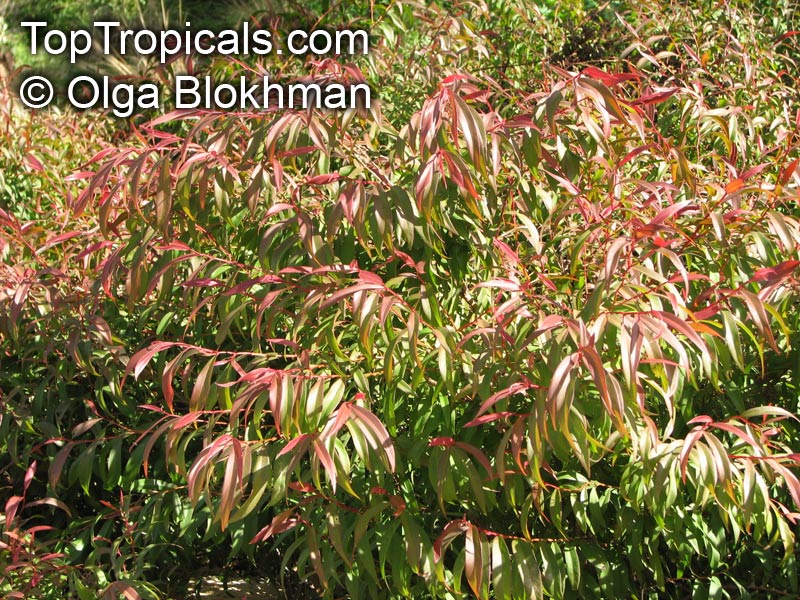
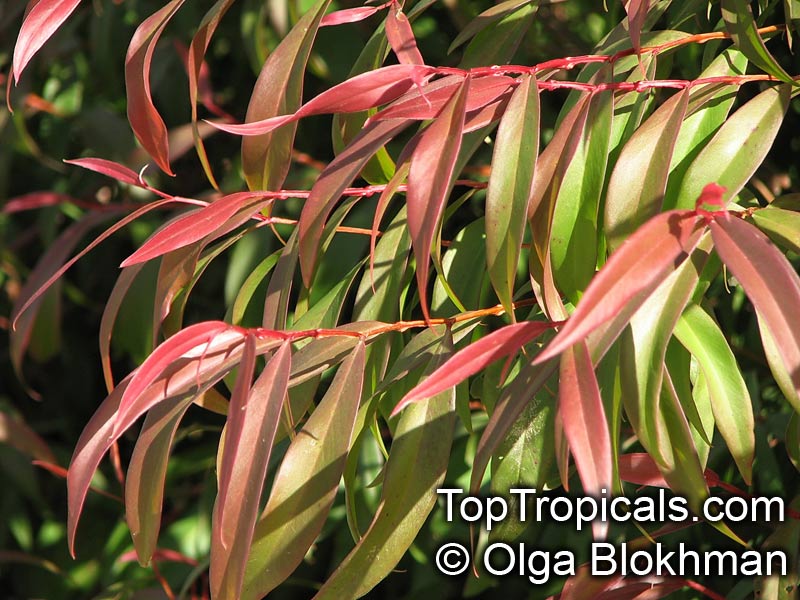

Botanical names: Ajania pacifica, Chrysanthemum pacificum
Common name: Pacific Chrysanthemum
Family: Asteraceae
Origin: Japan
USDA Zone: 5-9


Ajania pacifica forms a bushy mound of lobed green leaves, attractively edged with silver, remaining attractive all season long. Some gardeners grow this plant primarily for its foliage. Small yellow button flowers appear very late in the fall, sometimes lasting until Christmas. It is quite hardy in cold climates, going completely dormant in cold-winter regions, but in warmer climes it is more-or-less evergreen (though at its best in spring and summer).


Botanical name: Alangium salviifolium
Common name: Sage-leaf Alangium
Family: Alangiaceae
Origin: Tropical Asia
USDA Zone: 9-10

Native to tropical Asia, Alangium salviifolium is a small tree that grows to a modest height of 10 to 20 feet tall. The leaves are rough on top and smooth underneath. They have a mildly pleasing scent when crushed. This tree blooms in late spring and early summer with small, off-white or white flowers.
The Alangium salviifolium is an easy to grow in the right conditions. It thrives in full sun and warm temperatures. It prefers moist soil and regular watering, but it can tolerate some dryness. The plant is hardy to USDA zone 9-11.
When grown in pots in colder regions, the Alangium salviifolium will need to be taken indoors to protect it from extreme temperatures of winter. It is best to place the pot in a bright area and make sure to water regularly. The soil mix should be well draining and kept moist during the growing season. Fertilize occasionally with a balanced fertilizer to keep the plant healthy.
Alangium salviifolium is incredibly versatile and can be used in a variety of ways. It can be used as a specimen plant in small gardens, for landscaping in special areas, as a hedge or border, or even in planters. It also has ethnomedical uses, making it a great addition to your herb garden.


Botanical name: Albizia julibrissin
Common name: Silk Tree
Family: Fabaceae
Subfamily: Mimosoideae
Origin: Asia
USDA Zone: 6-9


This tree has attractive fragrant pom-pom- like flowers, and interesting fern-like foliage. In gardens this fast growing tree grows to 20-30 ft. It has a single trunk with smooth, gray bark. Each bi-pinnate leaf is made up of hundreds of tiny leaflets coated in white hairs, giving the foliage a silvery cast. In late winter or spring, the domed crown is decked in sprays of small, globular, off-white to baby-pink flower heads. Prefers a rich, light, well drained soil. The flowers are attractive to bees, butterflies, and birds.


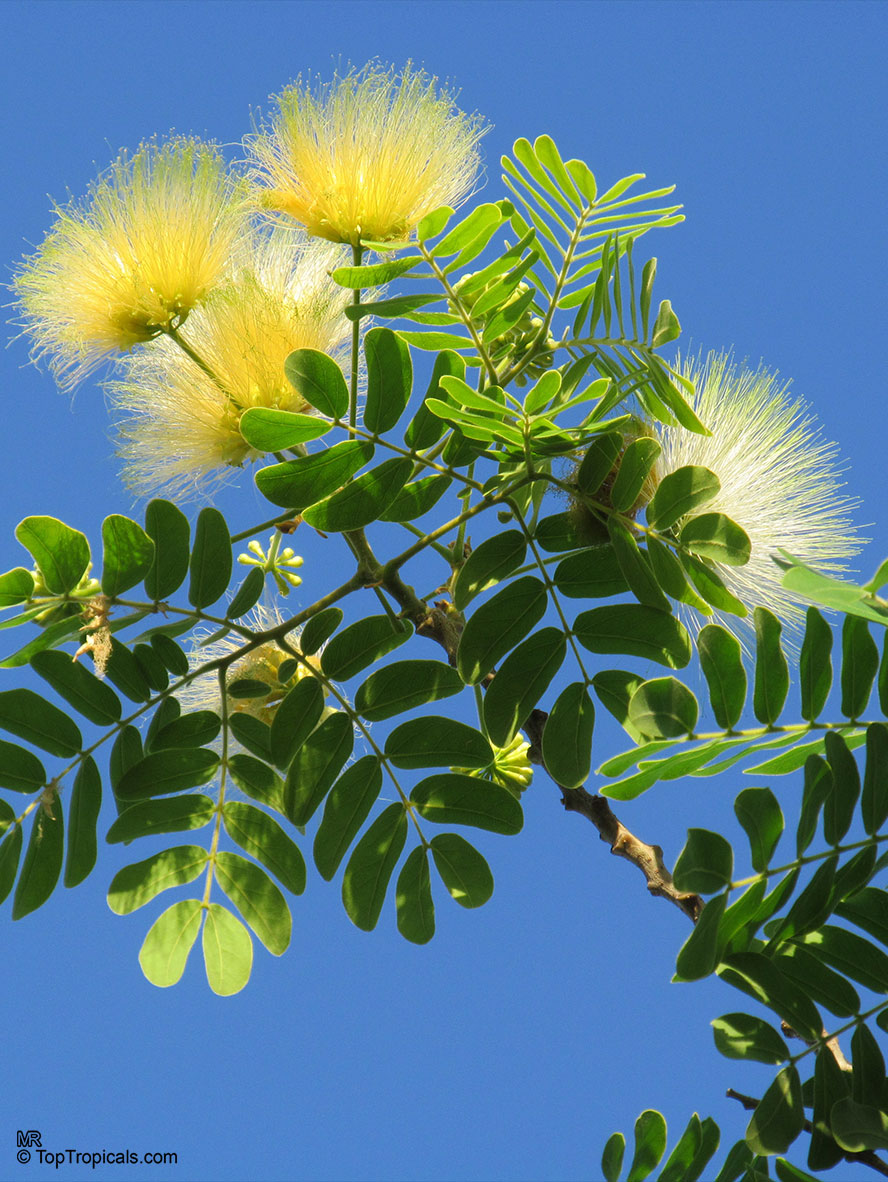
Botanical names: Albizia lebbeck, Mimosa lebbeck
Common names: Womans tongue, Siris-tree, Rain tree, East Indian walnut, Kokko, Soros-tree, Raom tree
Family: Fabaceae
Subfamily: Mimosoideae
Origin: India, Burma and the Andaman Island
USDA Zone: 9-11
Cold tolerance: 30°F

Albizia lebbeck, Mimosa lebbeck is a fast-growing tree, that is susceptible to wind damage. A moderate to large, deciduous tree can grow up to 100 feet high in rain forests. The tree develops a straight trunk when it is grown in dense forests, but is spreading and low branching in the open. Unless trimmed frequently, the trees will annually produce an abundance of seed from papery pods about 8" long and 1" wide (author). Common names such as "woman's tongue" and "rattle pod" derive from the noise of pods shaking in the wind. The foliage is pale green when young and gray-green at maturity. Flowers are cream colored, hemispheric pom-poms. Seeds germinate well without scarification.
The tree is used as a folk remedy for many ailments. Another common use is as an avenue tree, and sometimes it is used to shade coffee and tea. Saponins and tannins in the bark can be used for making soap and in tanning, respectively. Bee keepers like the species for the light-colored honey its nectar provides, and the tree hosts the lac insect.
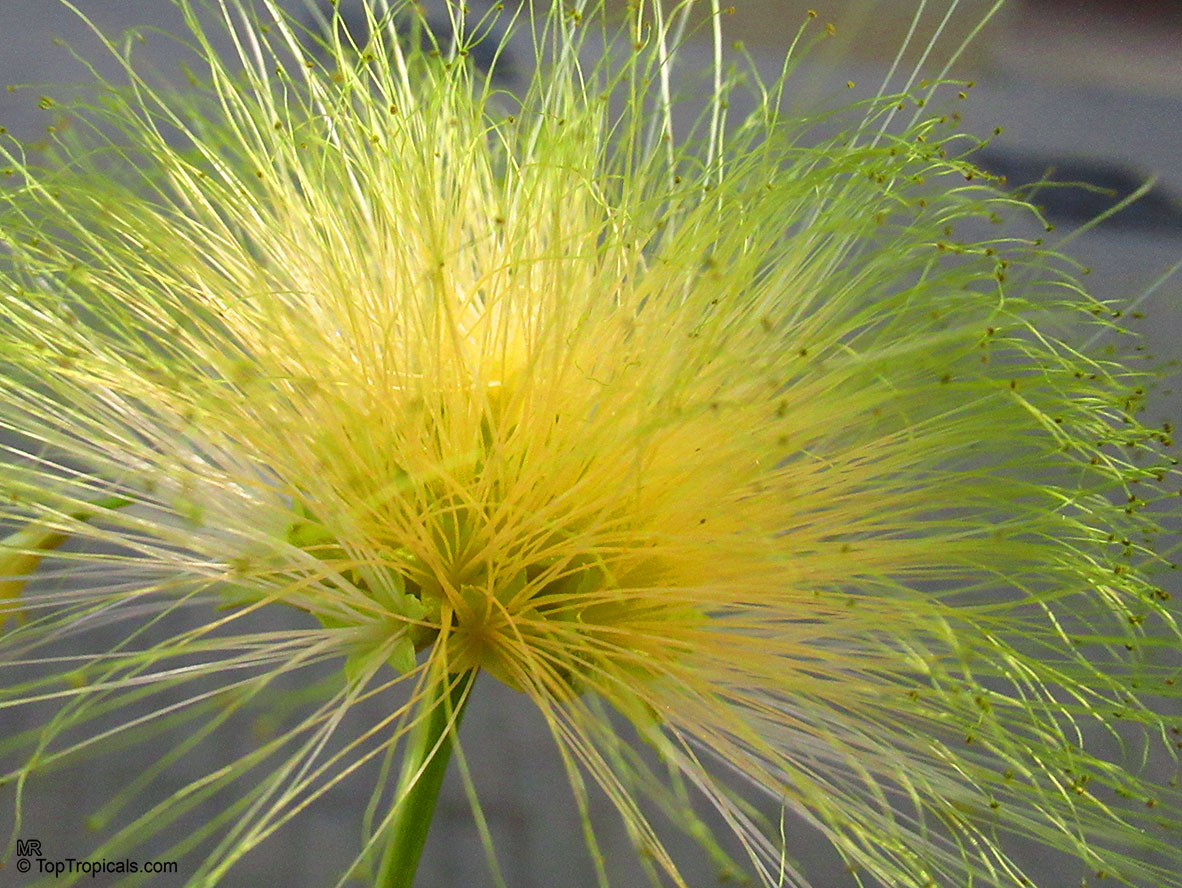
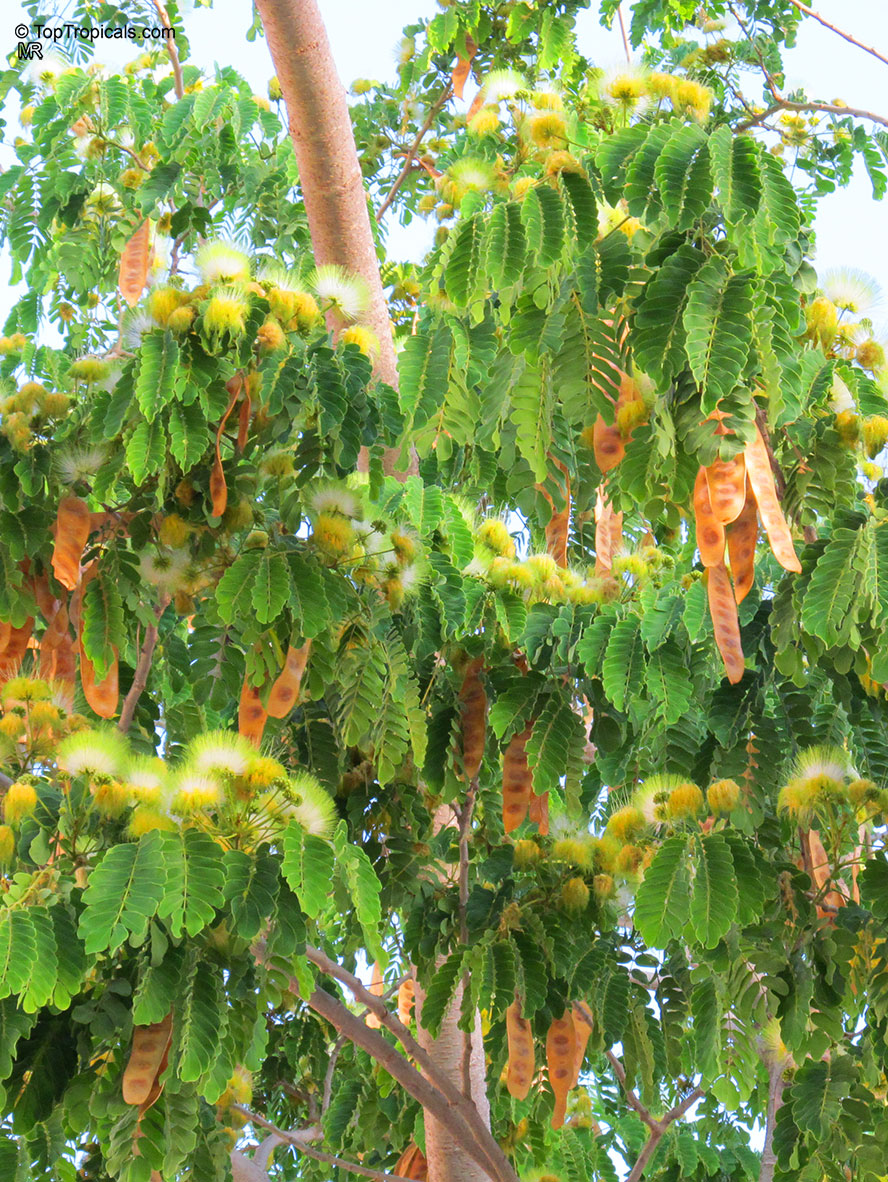
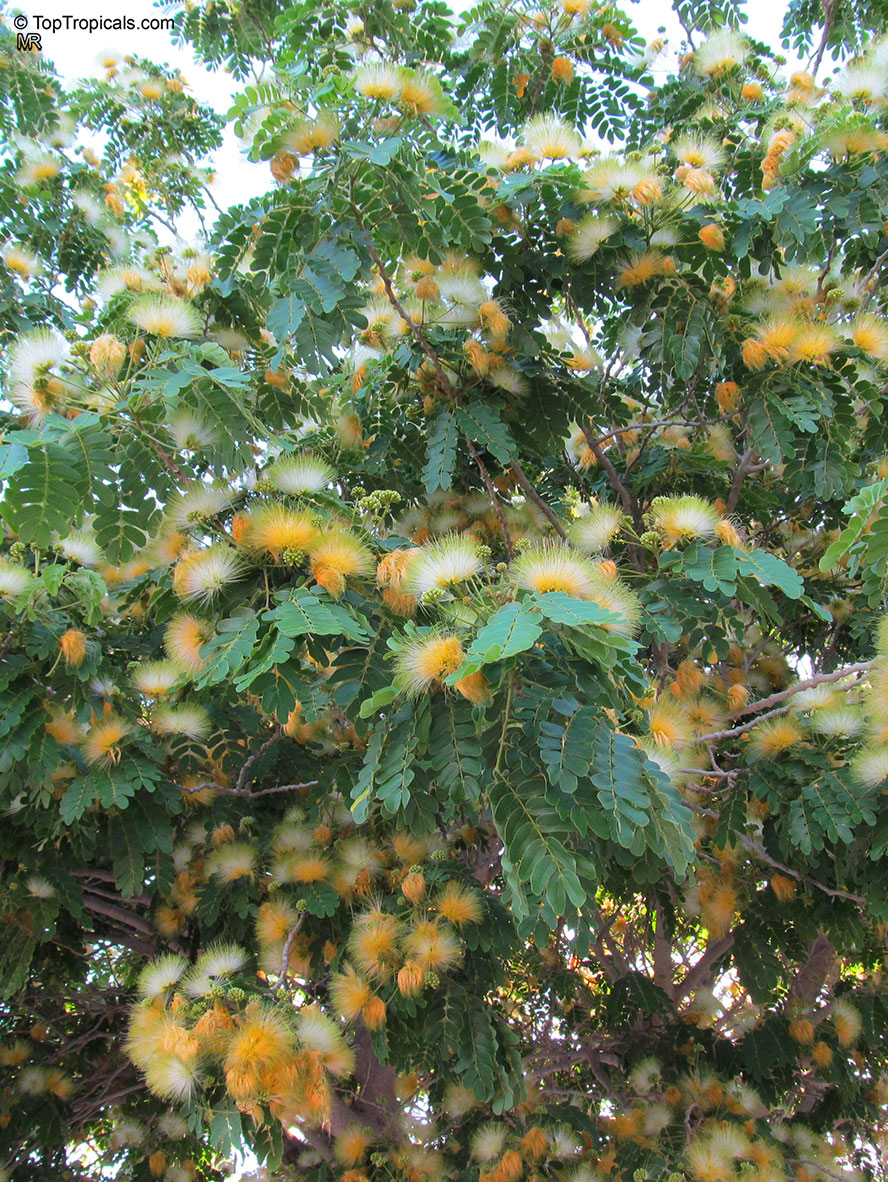
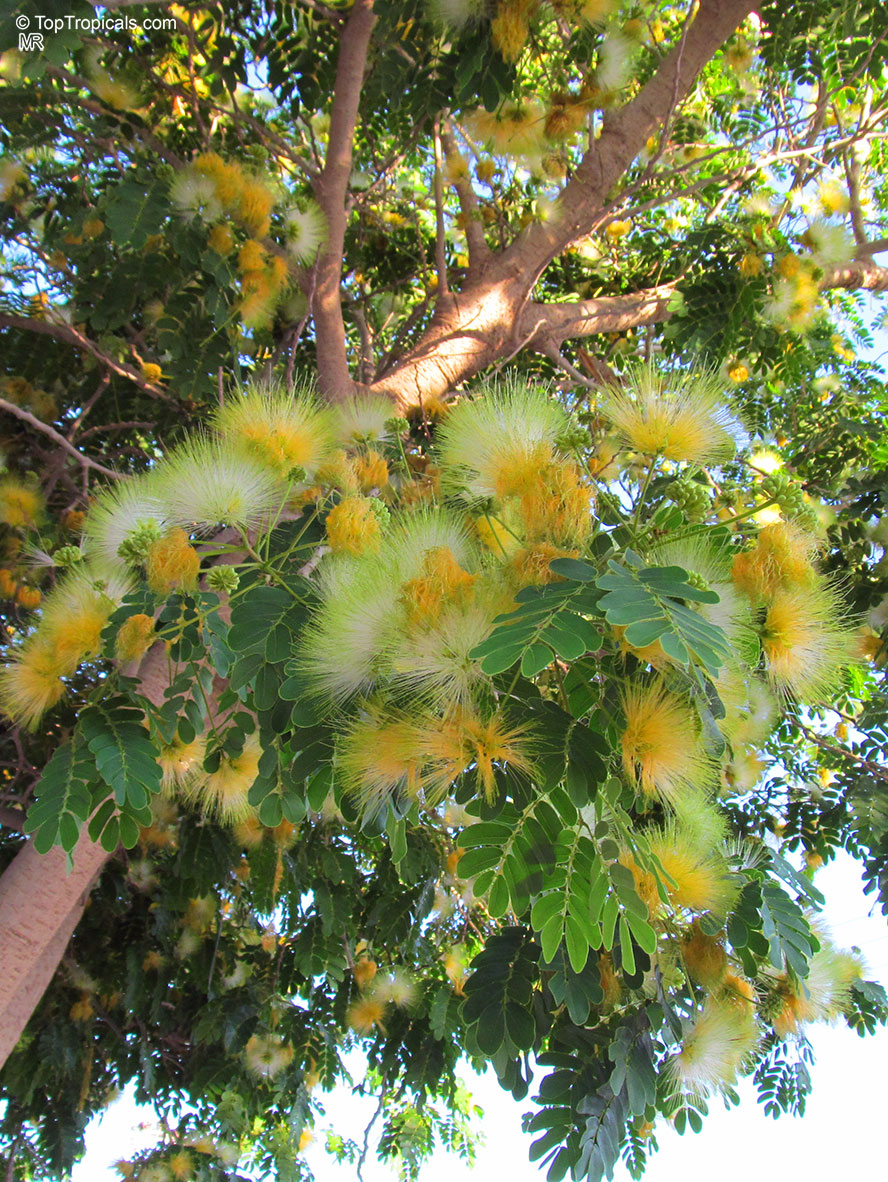
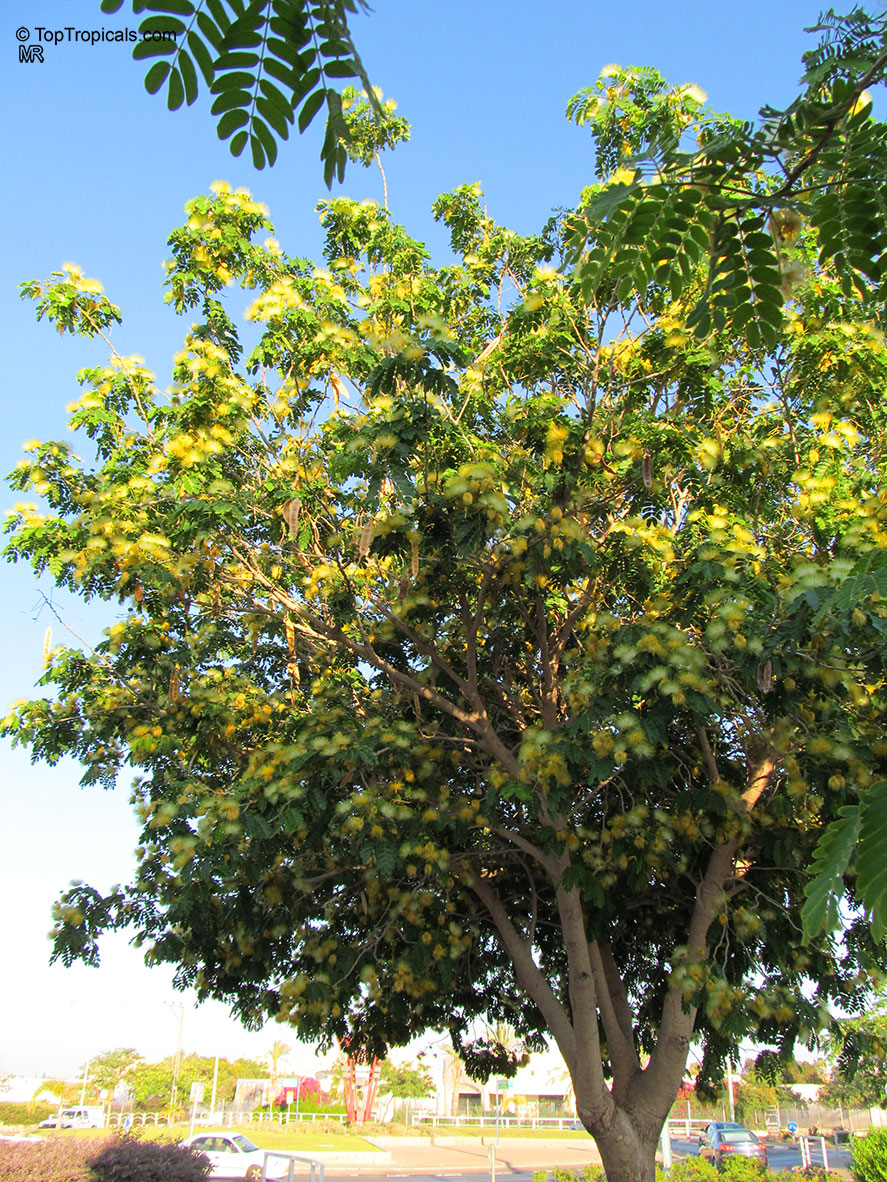
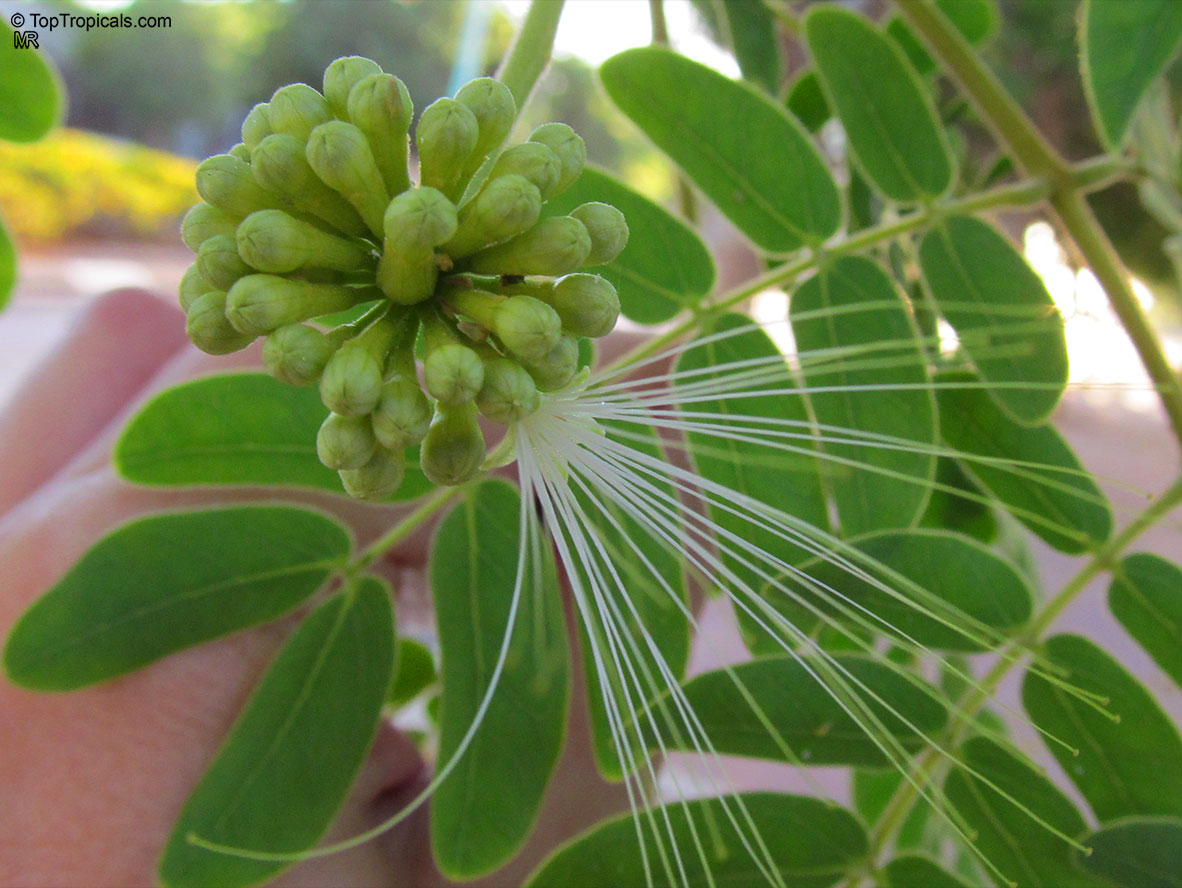
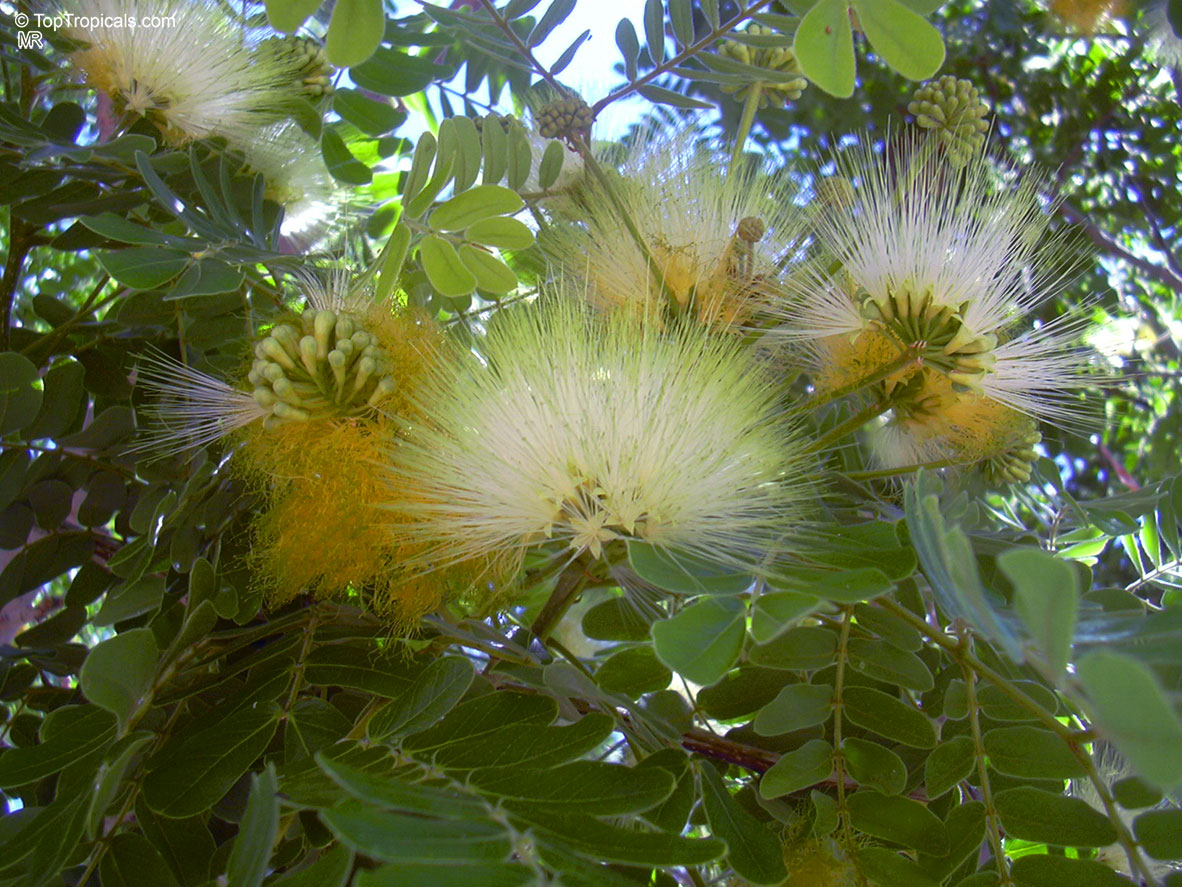
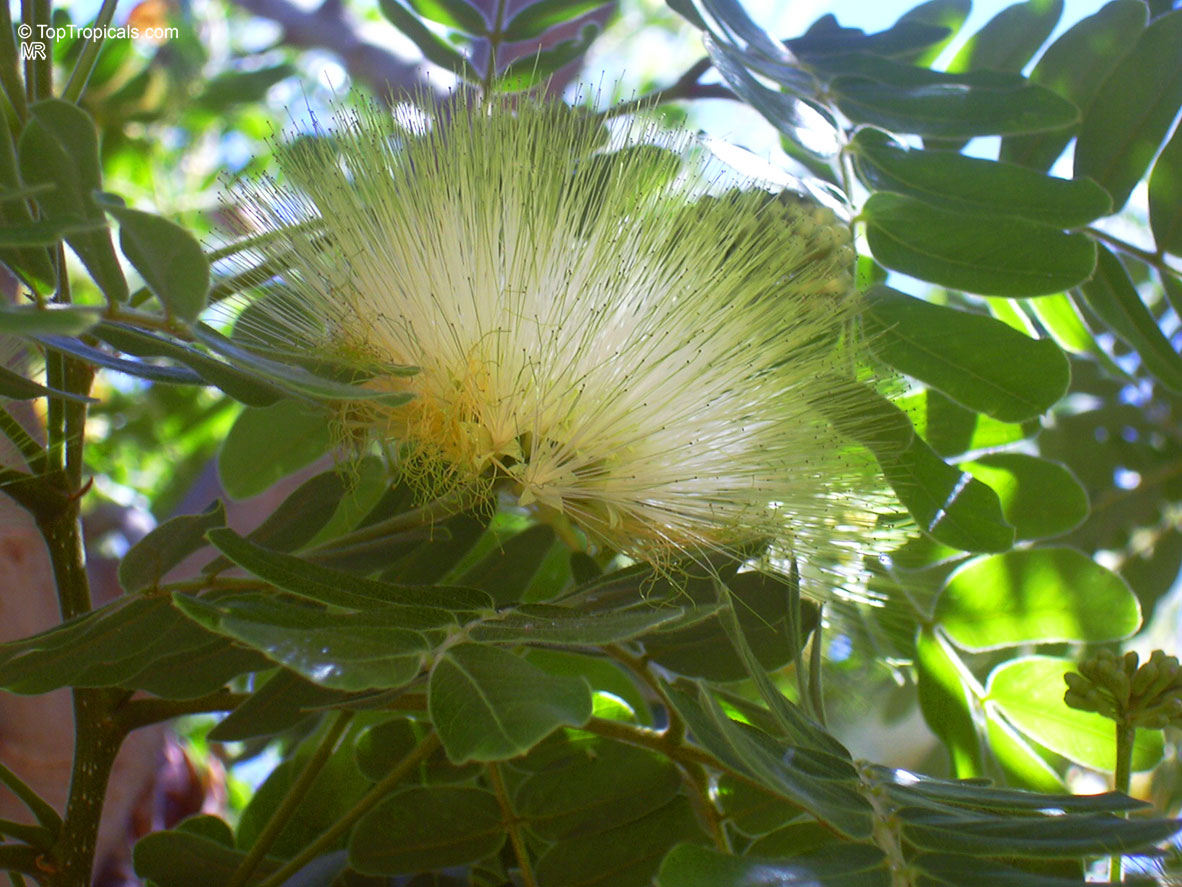
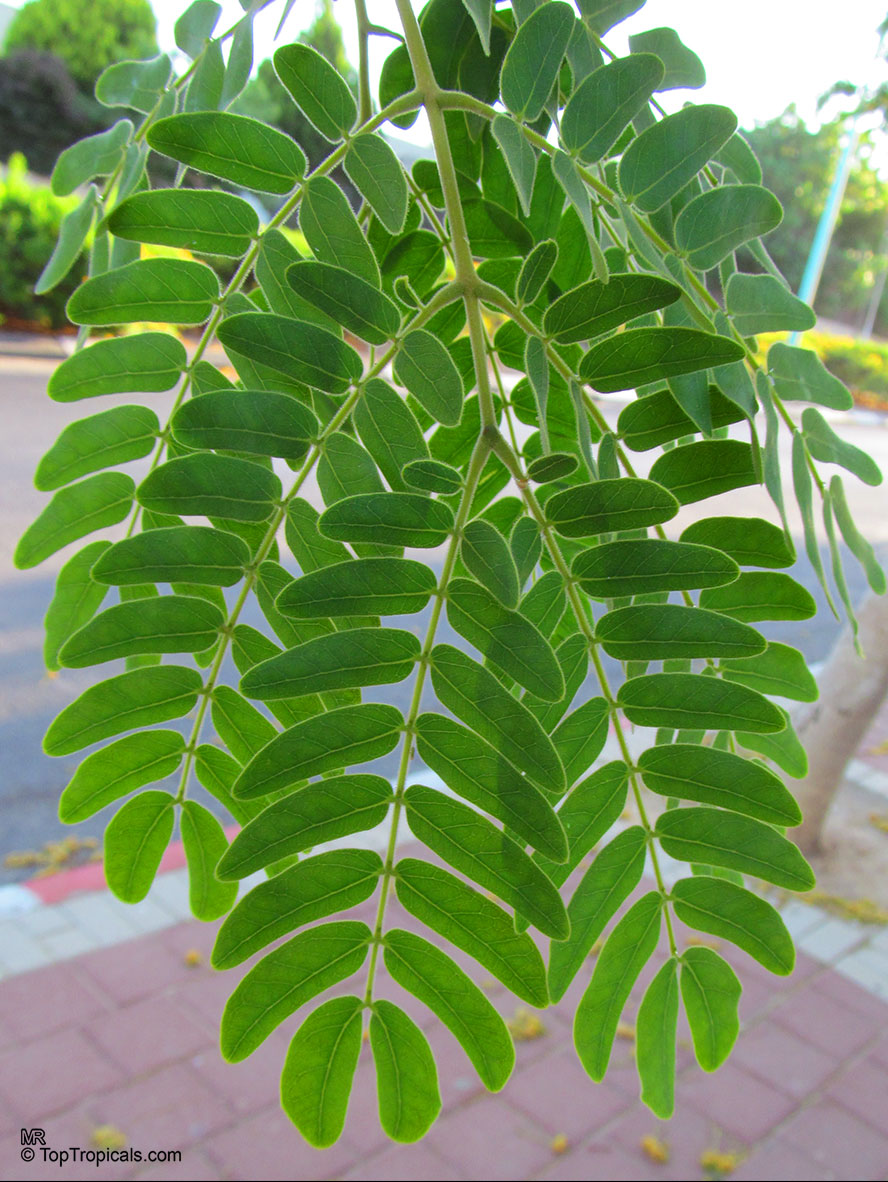
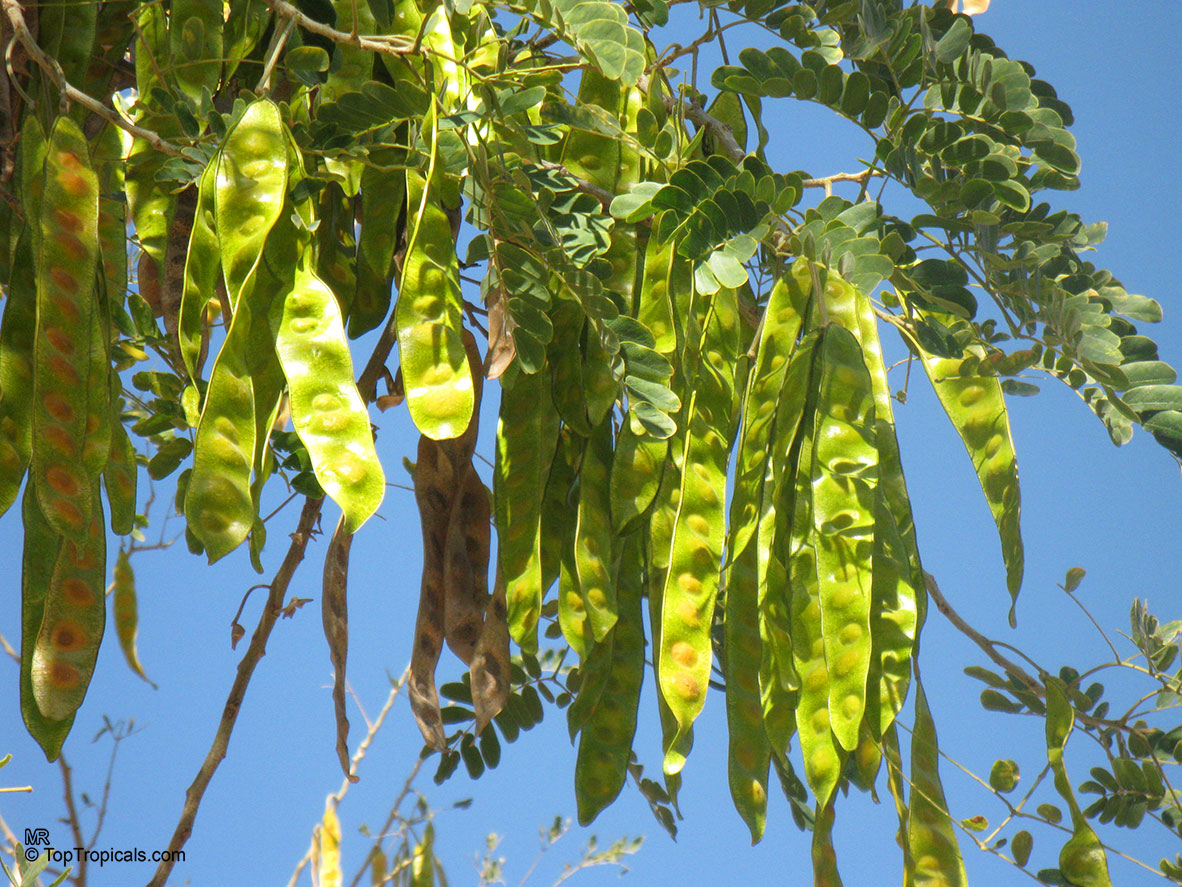
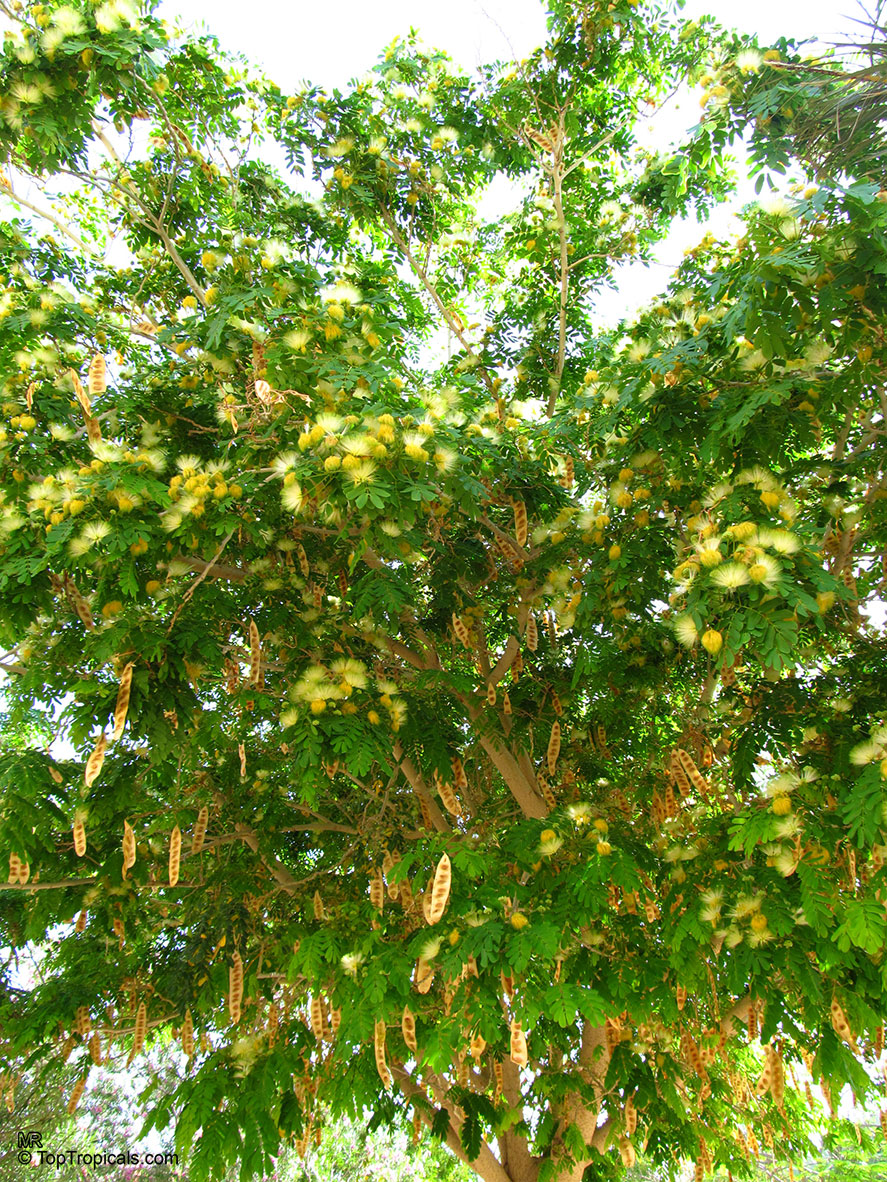

Botanical name: Albizia sp.
Common name: Albizia
Family: Fabaceae
Subfamily: Mimosoideae
USDA Zone: 9-10

Albizia is a genus of about 150 species of mostly fast-growing subtropical and tropical trees and shrubs. The genus is pantropical, occurring in Asia, Africa, Madagascar, America and Australia, but mostly in the Old World tropics.
Species:


Botanical names: Aleurites moluccana, Aleurites triloba, Croton moluccanus
Common names: Candlenut oil tree, Candleberry, Varnish tree, Indian or Belgaum Walnut, Kemiri, Kukui nut tree
Family: Euphorbiaceae
Origin: Malaysia, Polynesia, Malay Peninsula, Philippines and South Seas Islands
USDA Zone: 10-12

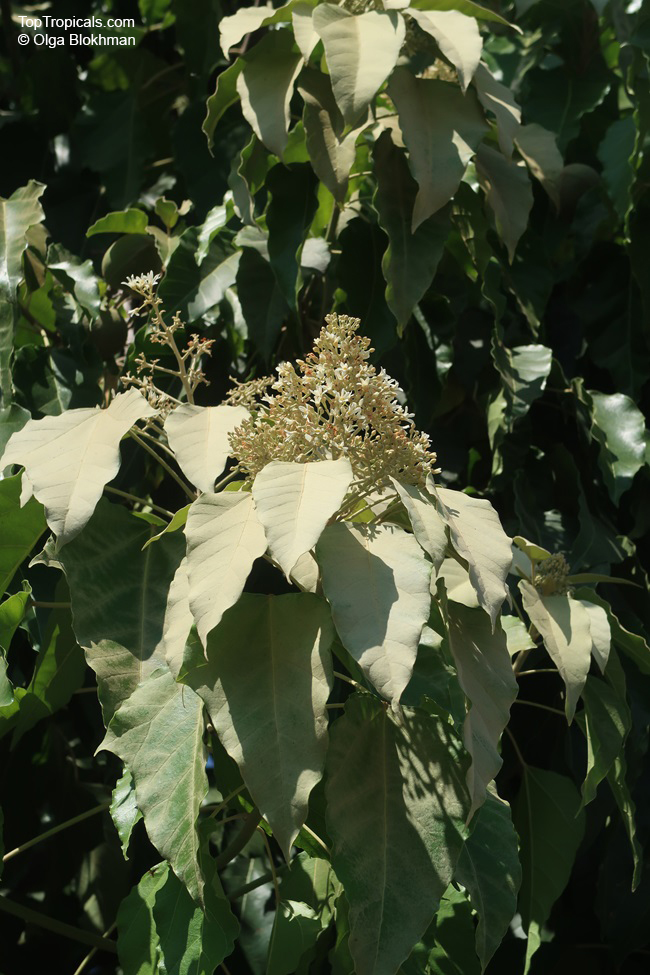
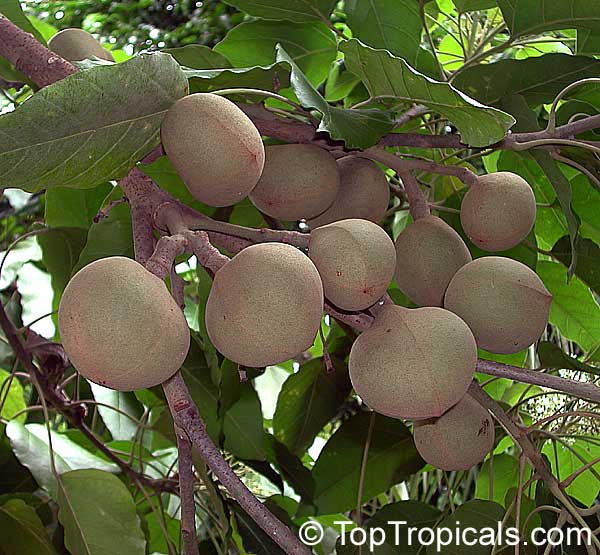
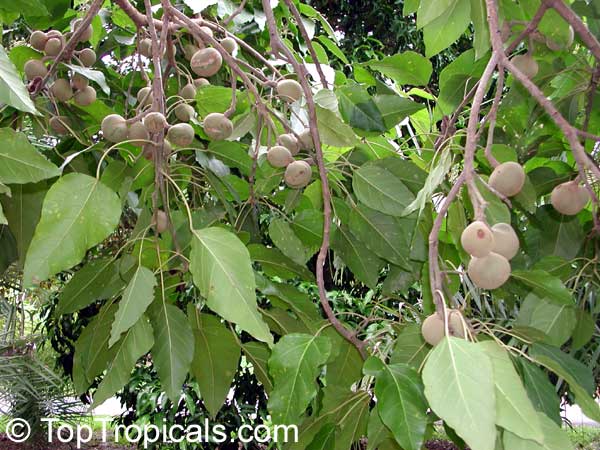
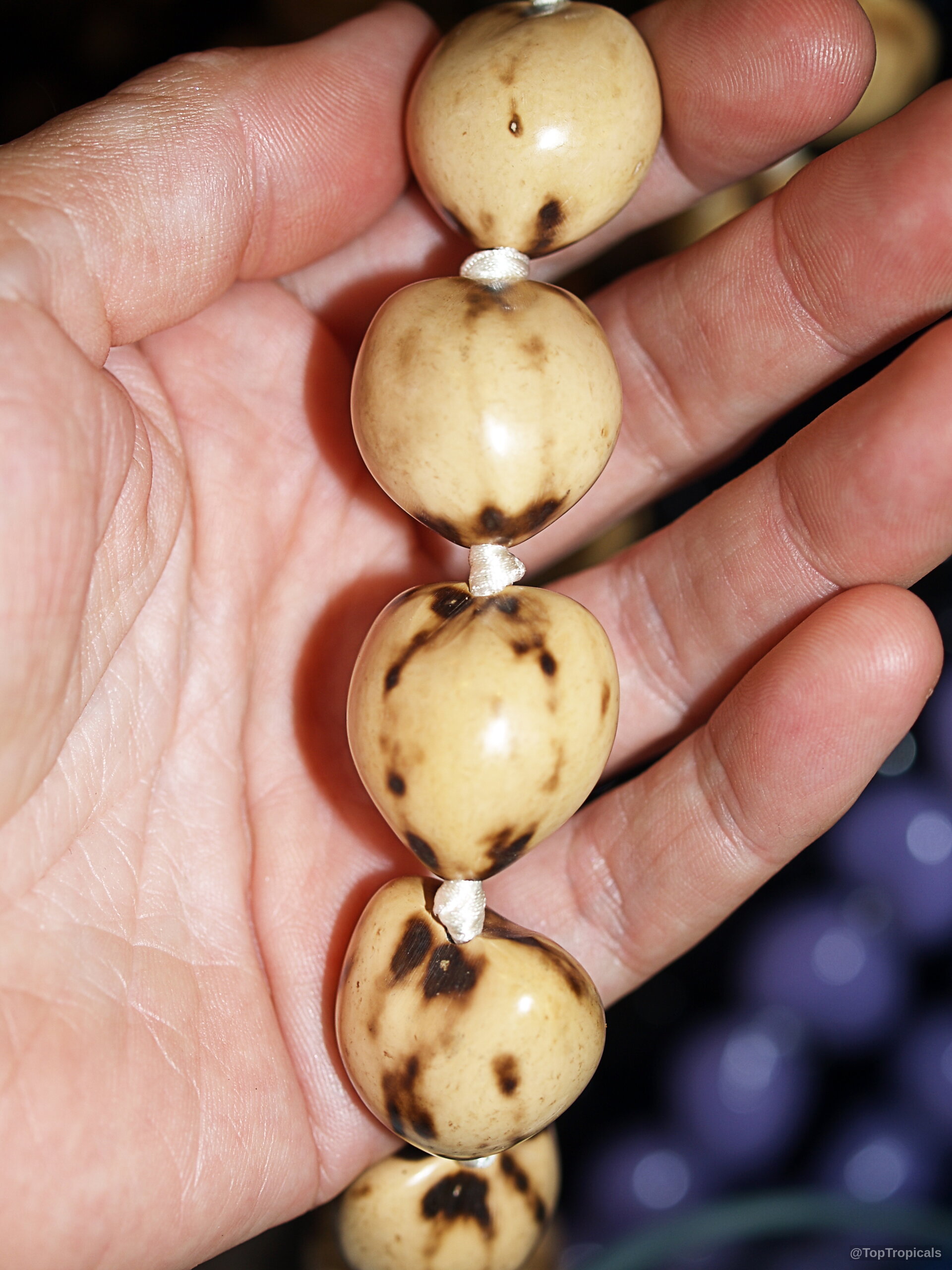
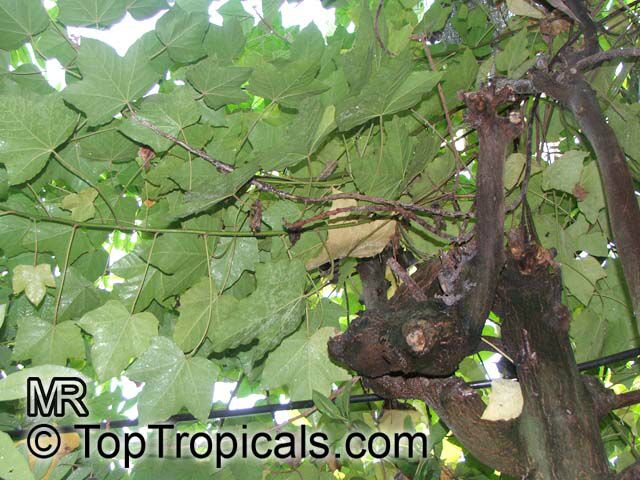
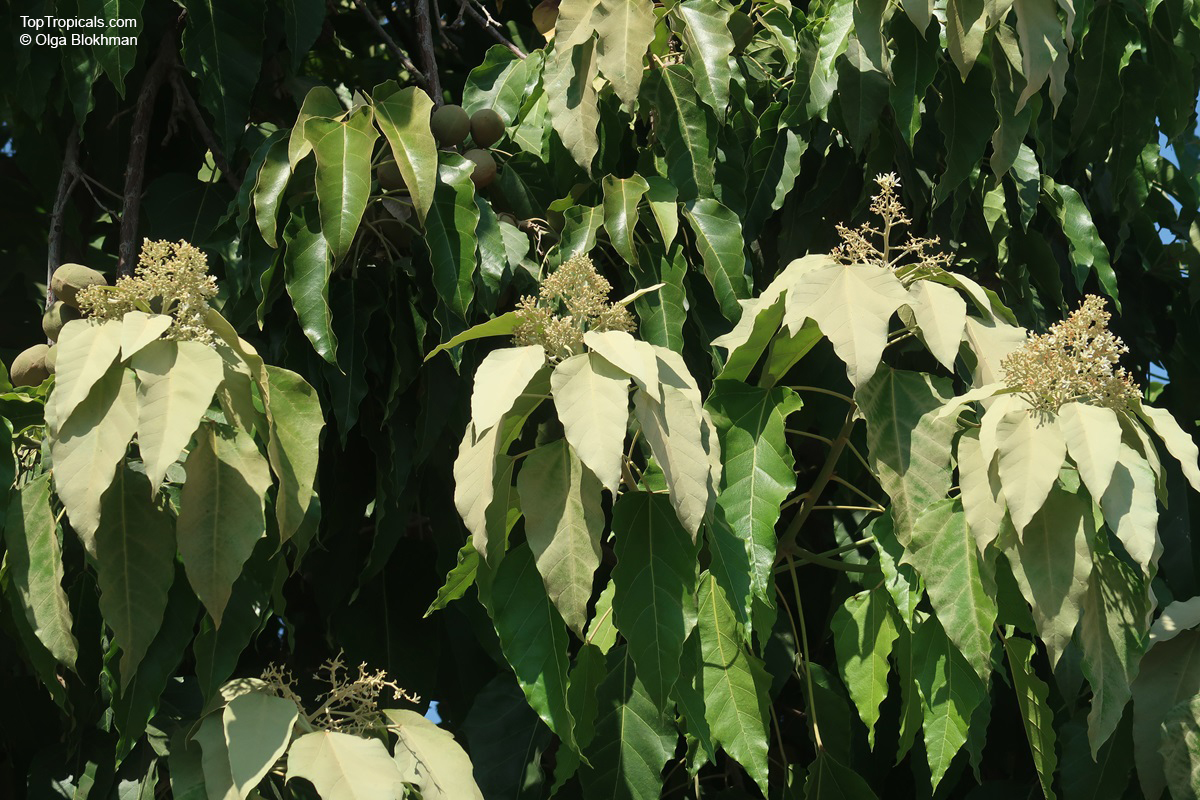
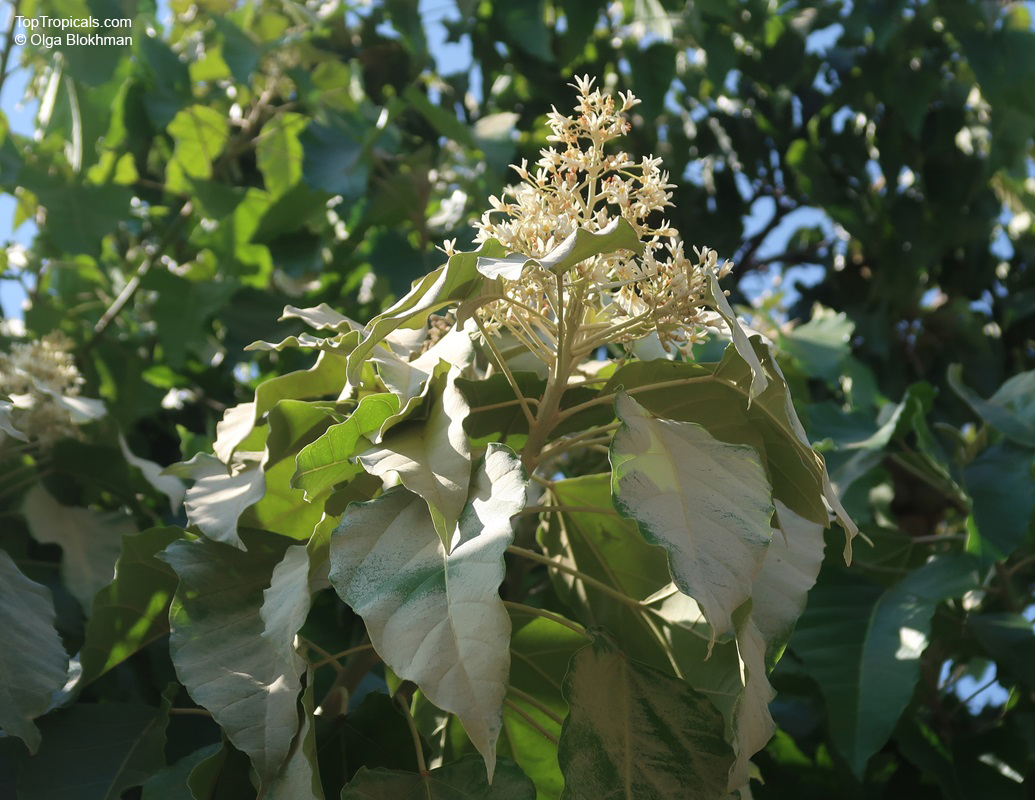
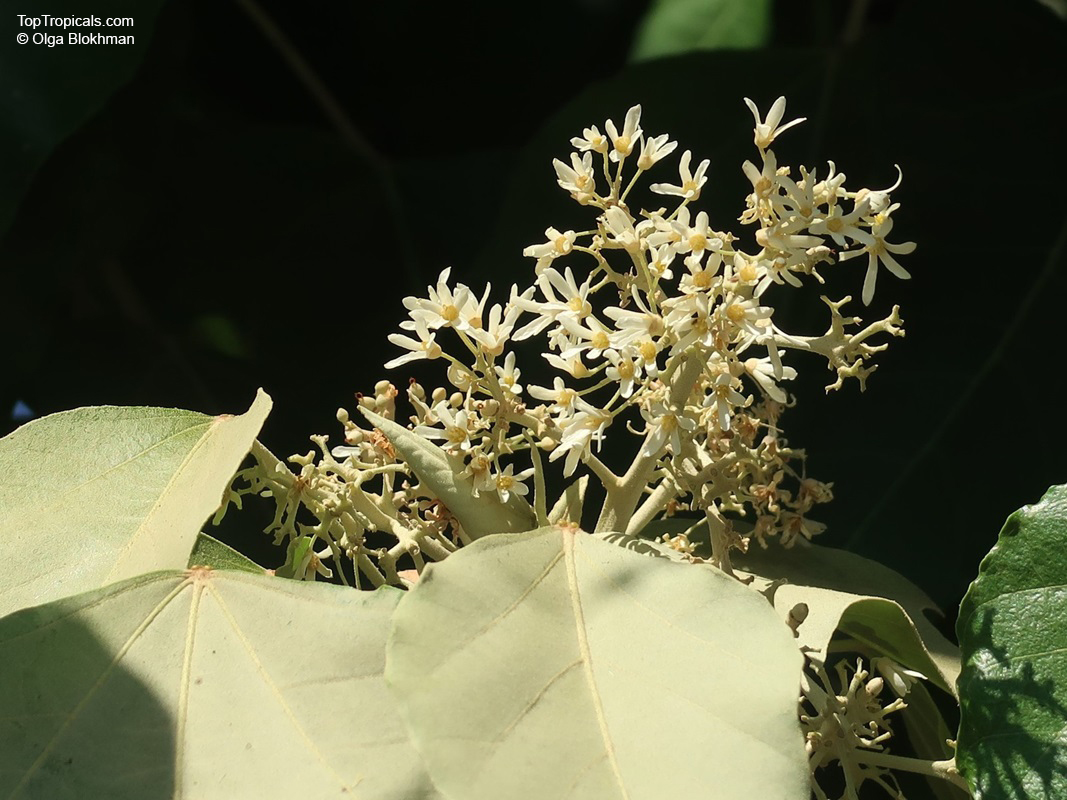
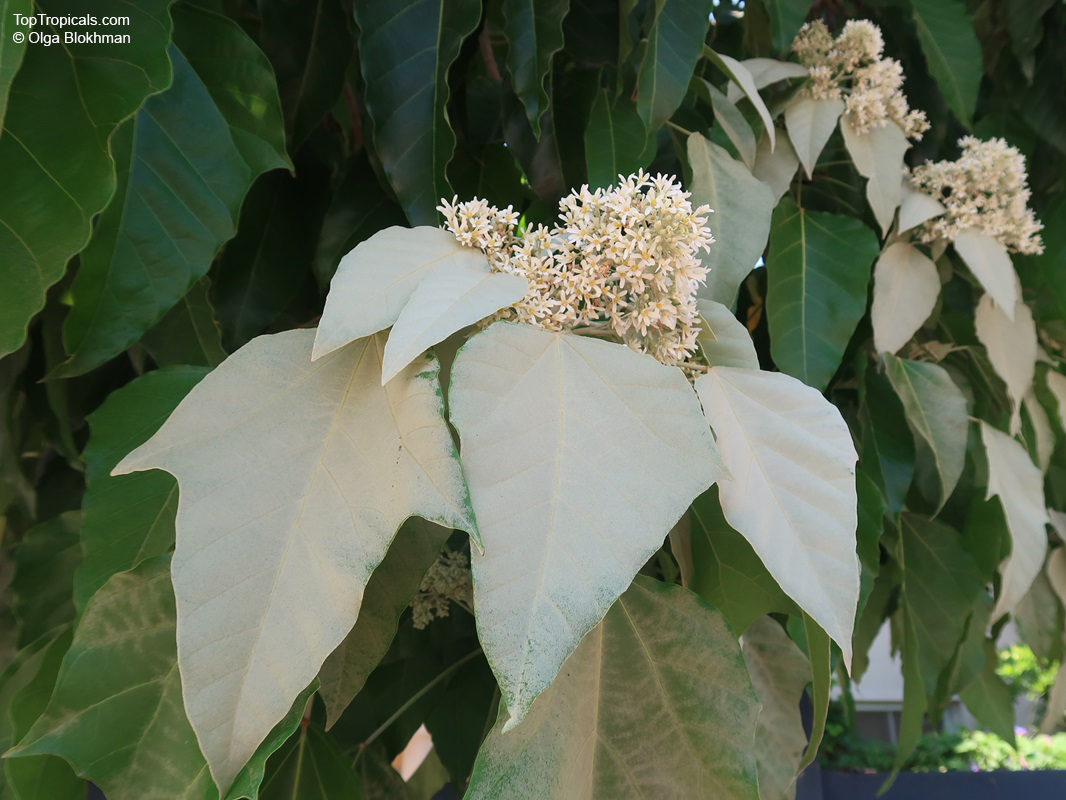
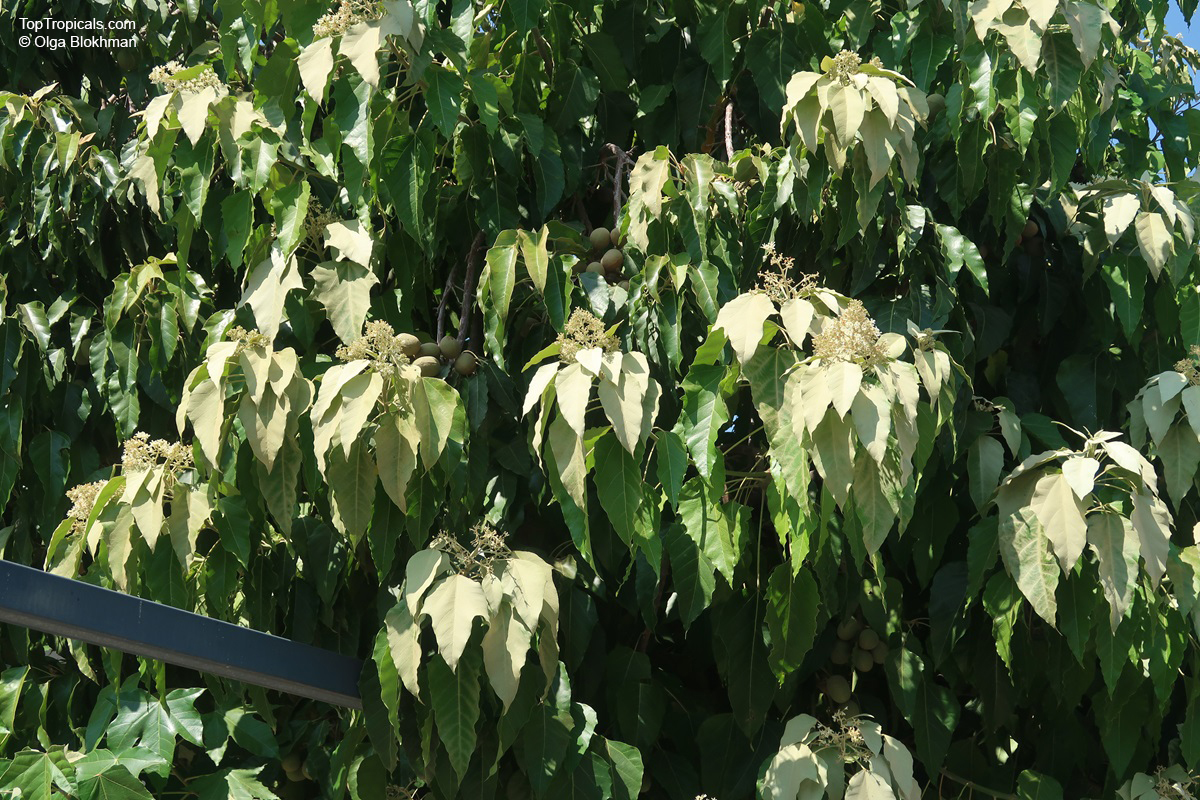
Kukui Nut is a medium to large sized tree with widespreading or pendulous branches. Young leaves are large, up to 12" long. Palmate, shiny leaves on mature trees are ovate, entire, and acuminate. There is a whitish substance above them when young, that becomes green with age, with rusty stellate pubescence beneath when young, and perisiting on veins. Small flowers in rusty-pubescent panicled cymes, dingy white or creamy. Fruit an indehiscent drupe, roundish, 2" or more in diameter. Bears two heavy crops each year, harvested when mature.
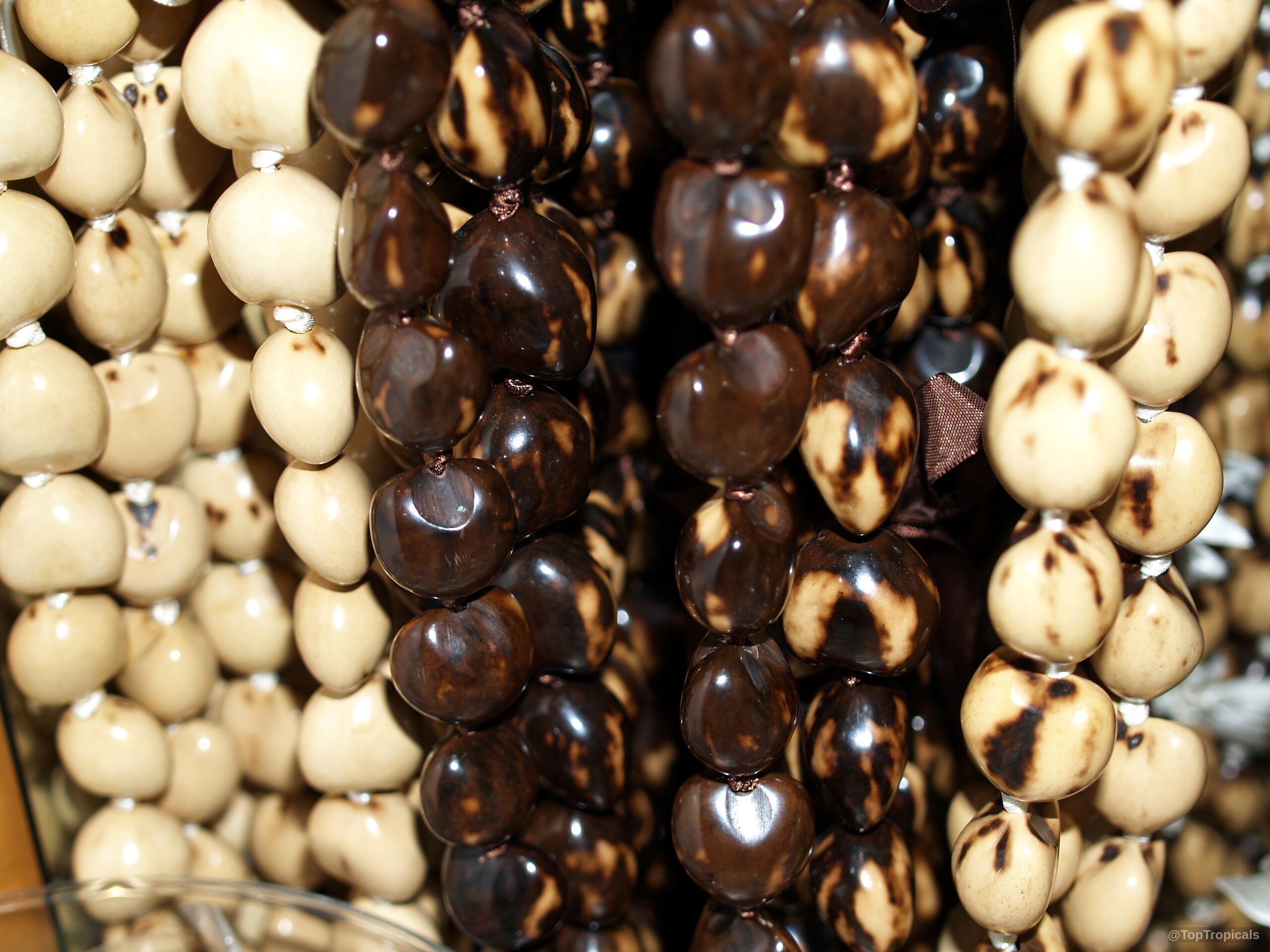
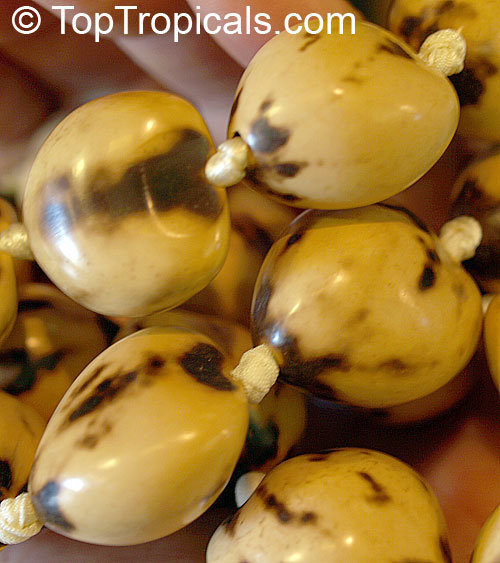
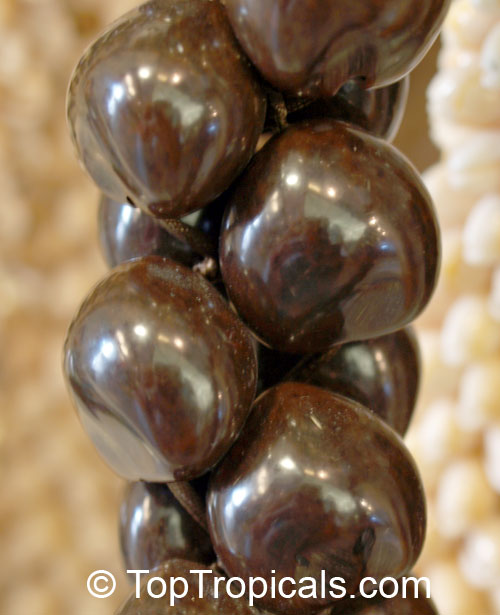
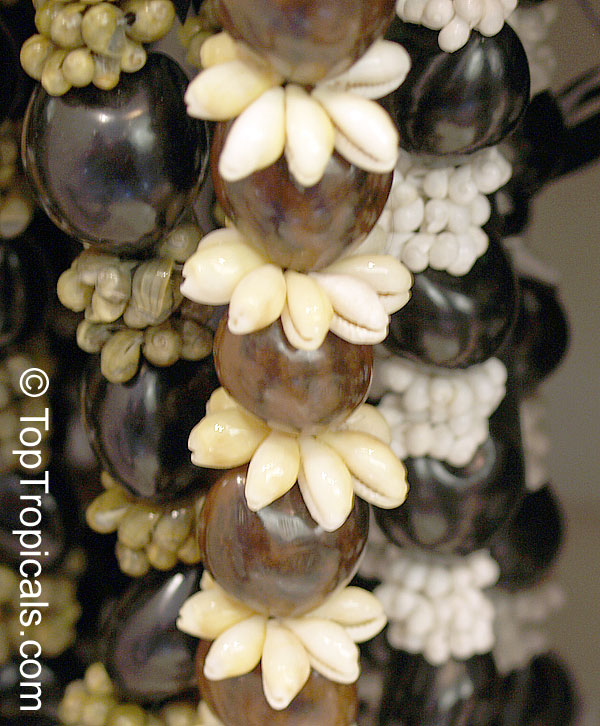
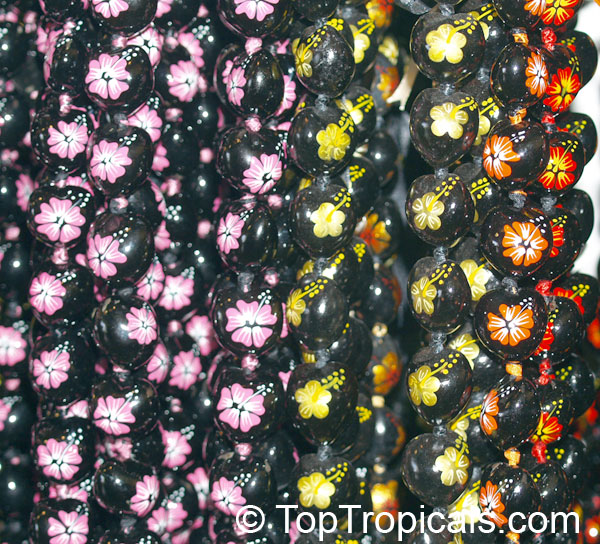
The kukui nut has many uses. Originally it was most valued for its light, the oil of the white kernels being extracted for its use in stone lamps and in ti leaf sheath torches. The tree is sometimes called the Candlenut Tree. The nuts are widely used as a traditional lei, both the hard shells of the polished black, tan or brown, and immature white, which are more rare. The Kukui Nut lei were worn by royalty back in the days of the Hawaiian monarchy (Alii). The kukui nut leis are finished and polished and will last for years. The bark, flowers and nuts are all used for medicine. As food, a small amount of the pounded roasted nuts, plus salt and sometimes chili peppers, is used as a relish and is called inamona. Pure Kukui Nut Oil has been used by Hawaiians for centuries to protect and heal skin exposed to harsh sun, drying winds, and salt water. Kukui Nut Oil penetrates the skin well and is said to be excellent in treating many skin conditions including psoriasis, eczema, aging skin, and acne. Bark used on tumors in Japan. The oil is purgative and sometimes used like castor oil. Kernels are laxative stimulant, and sudorific. The irritant oil is rubbed on scalp as a hair stimulant. In Malaya, the pulped kernel enters poultices for headache, fevers, ulcers, and swollen joints. In Java, the bark is used for bloody diarrhea or dysentery. Bark juice with coconut milk is used for sprue. Malayans apply boiled leaves to the temples for headache.


Botanical name: Allamanda sp.
Common name: Allamanda Blanca
Cultivar: Alba
Family: Apocynaceae
Origin: Thailand
USDA Zone: 9-10


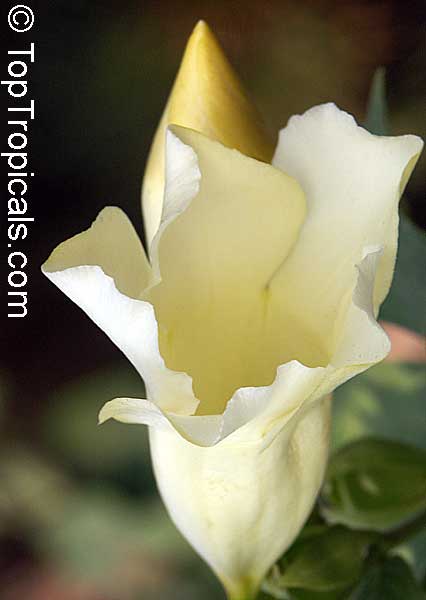
Allamanda sp. Alba (Allamanda Blanca) is a beautiful and large shrub, measuring 5-10 ft tall, and is native to Thailand. Although usually seen as a vine or creeper, it can also be grown in a pot, hence making it suitable even in colder regions. It needs full sun and regular water, but not too much. It produces gorgeous, white, off-white flowers which have an almost too sweet, but pleasant odor. The downside? These flowers are also a bit irritating, so it's best to enjoy their sight from a safe distance.
These flowers attract butterflies, moths, and hummingbirds and thus have become a favored nectar source for them. It is hardy in USDA zones 9-11 but should not be exposed to below 20 Fahrenheit. It's also easy to manage, as it requires regular pruning to keep in shape and create a shapely look. Allamanda sp. Alba (Allamanda Blanca) is a great addition to any garden. Its attractive flowers and low maintenance means any gardener is sure to enjoy this plant!
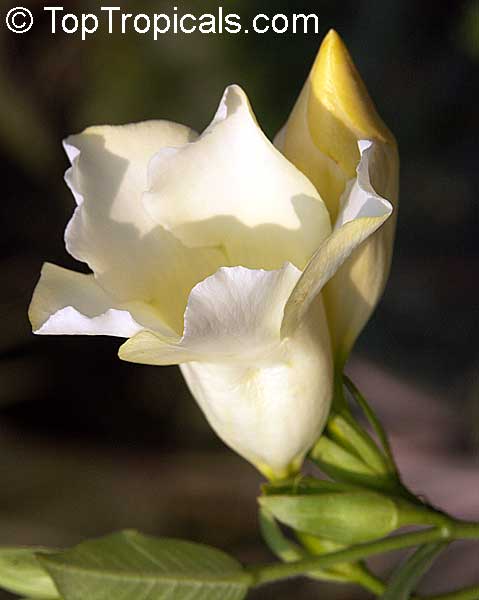
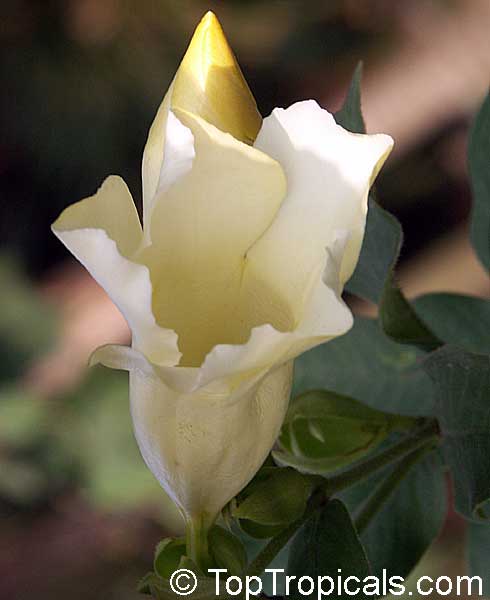
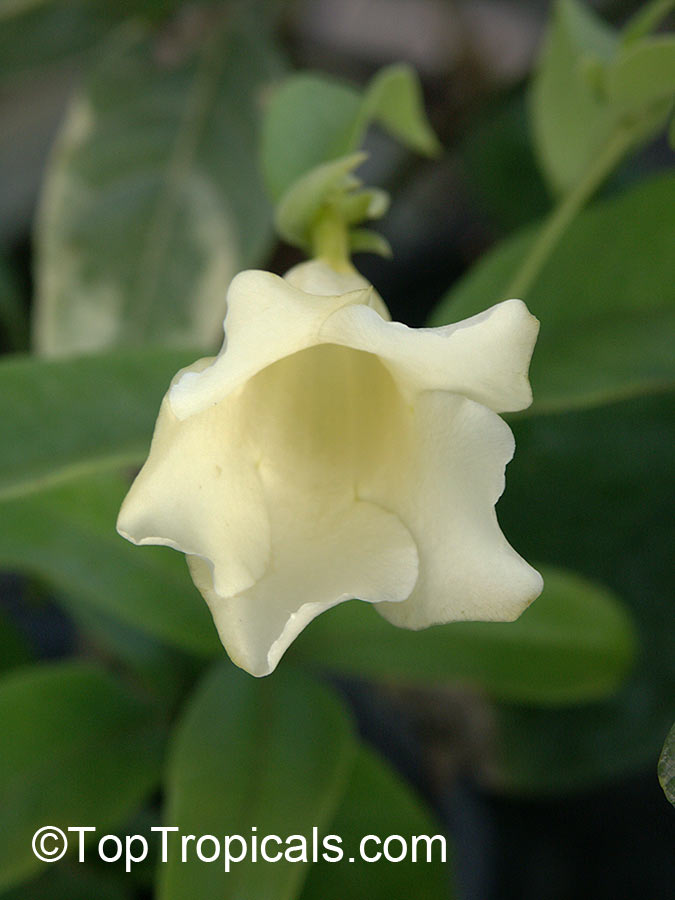
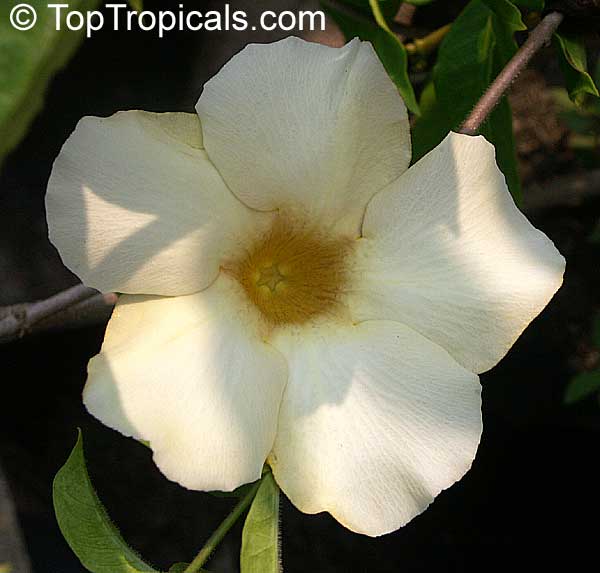
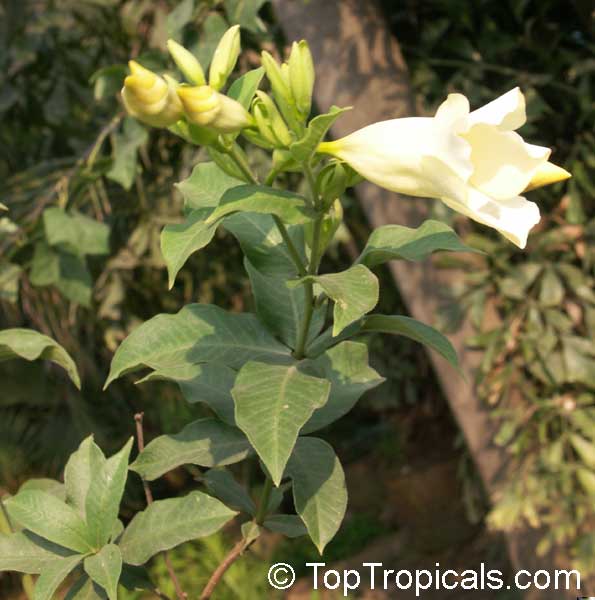
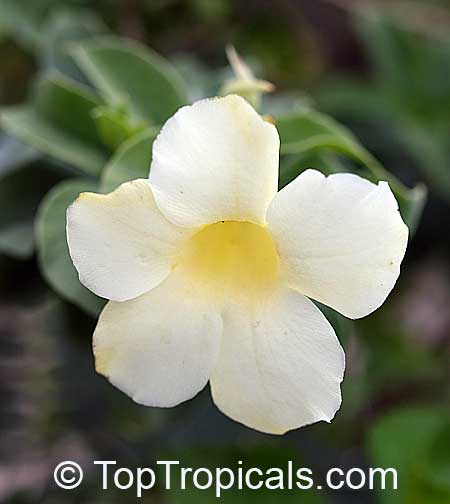
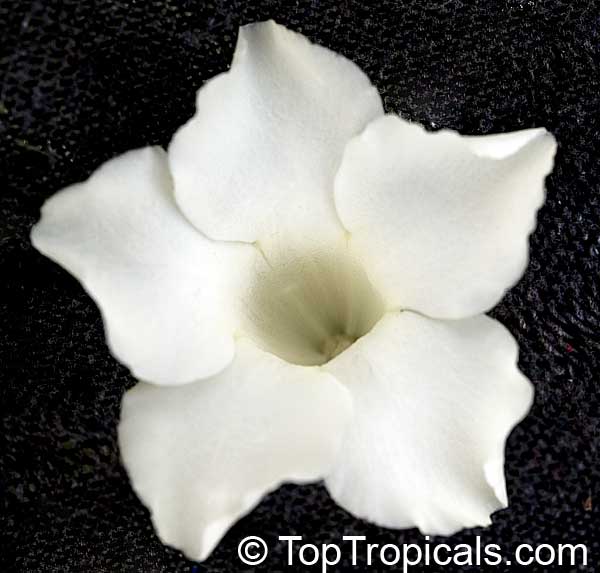
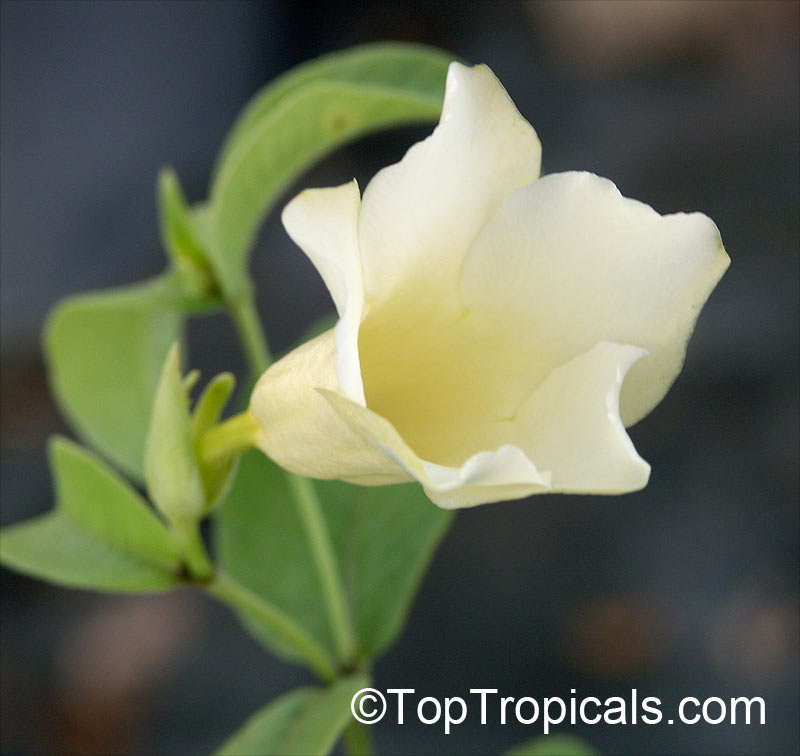


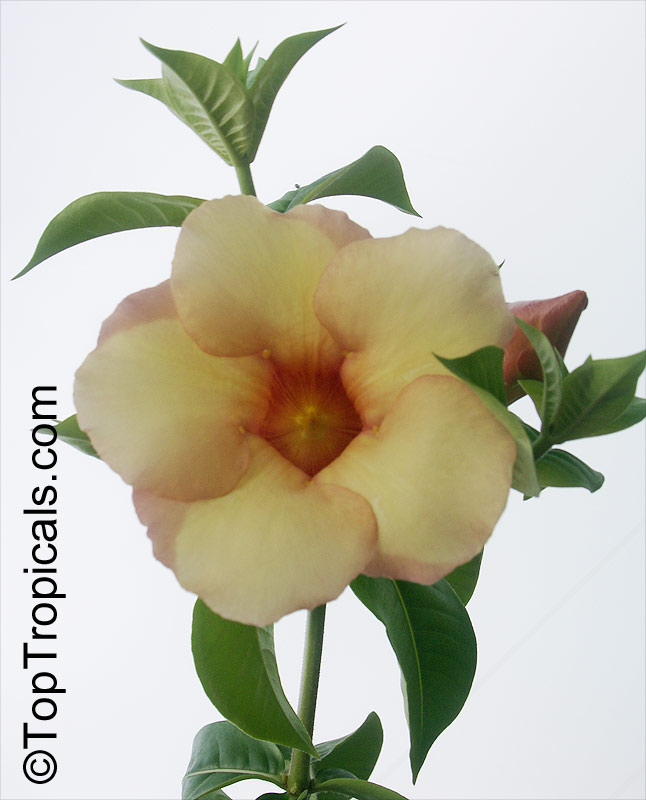
Botanical name: Allamanda violacea
Common name: Allamanda
Family: Apocynaceae
Origin: Tropical America
USDA Zone: 9b-11
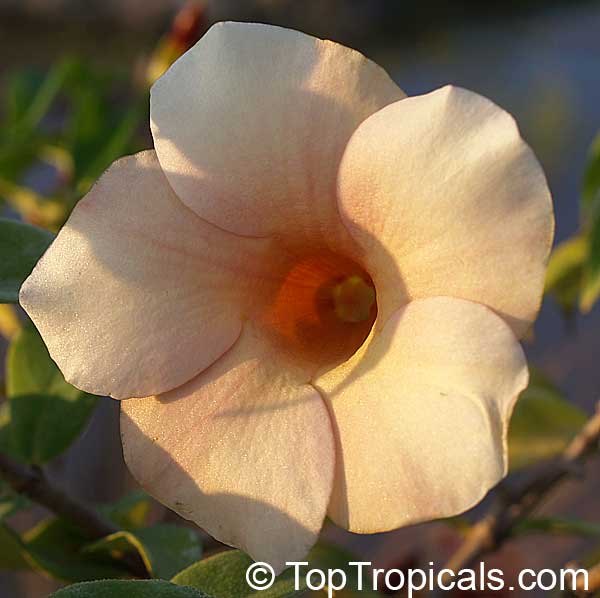
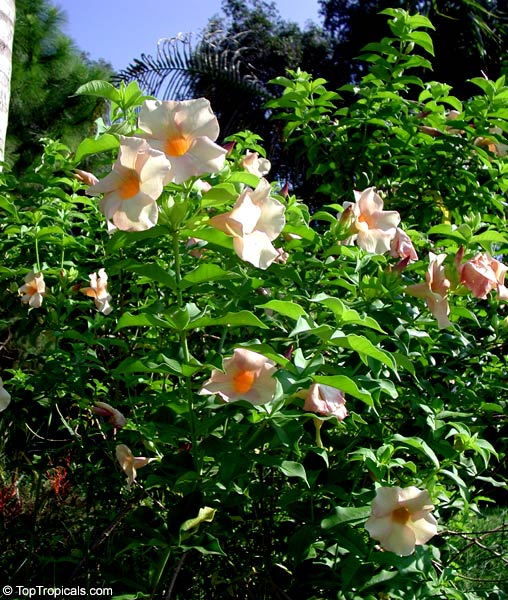
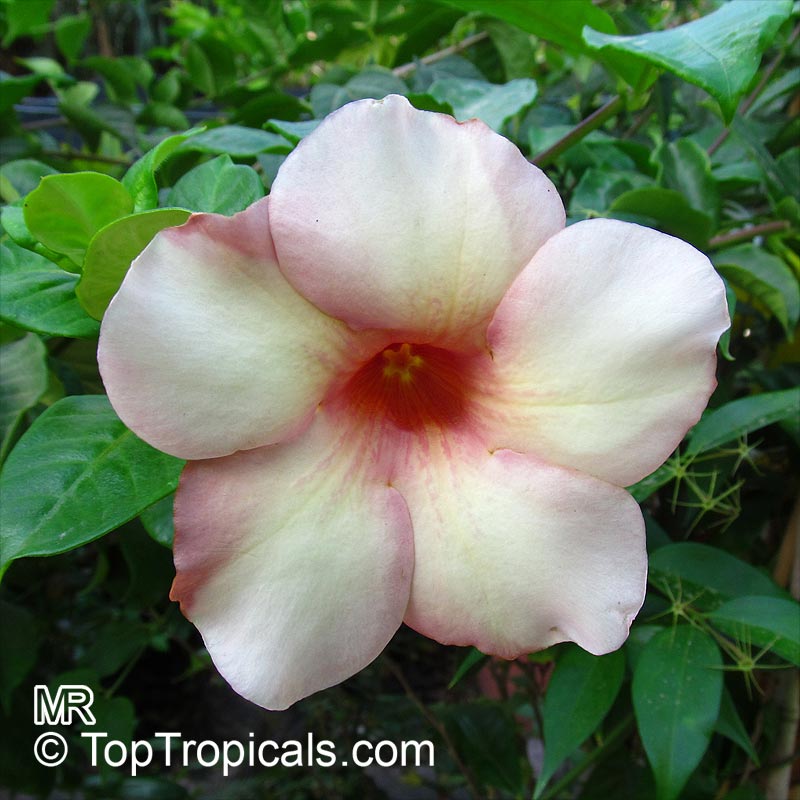
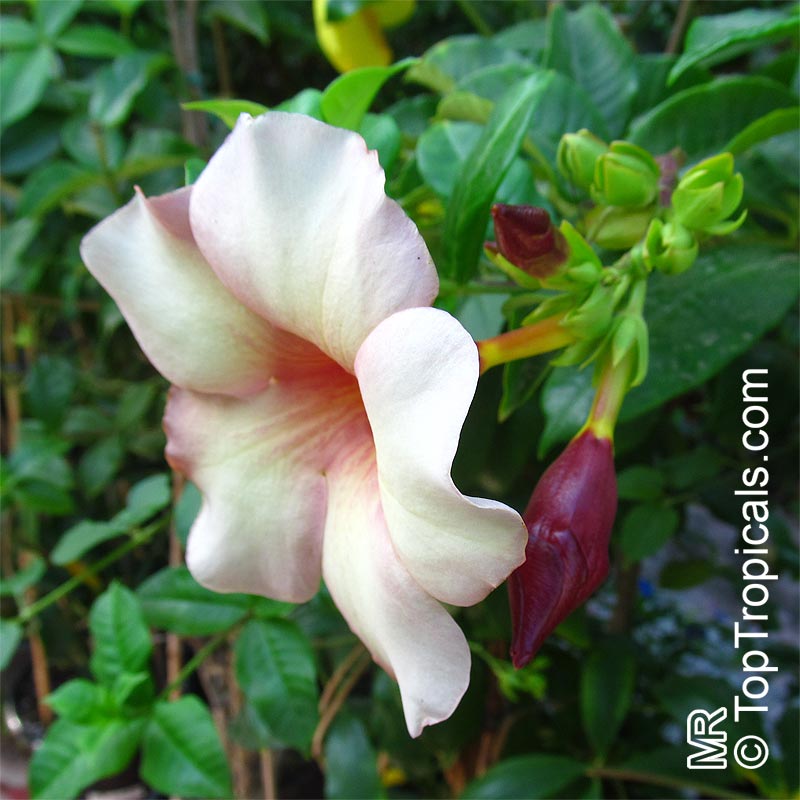
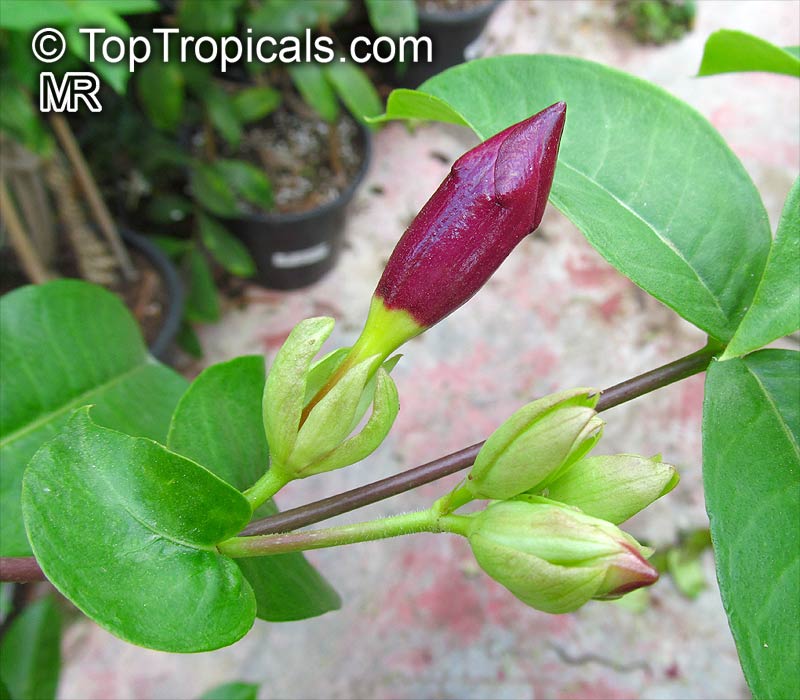
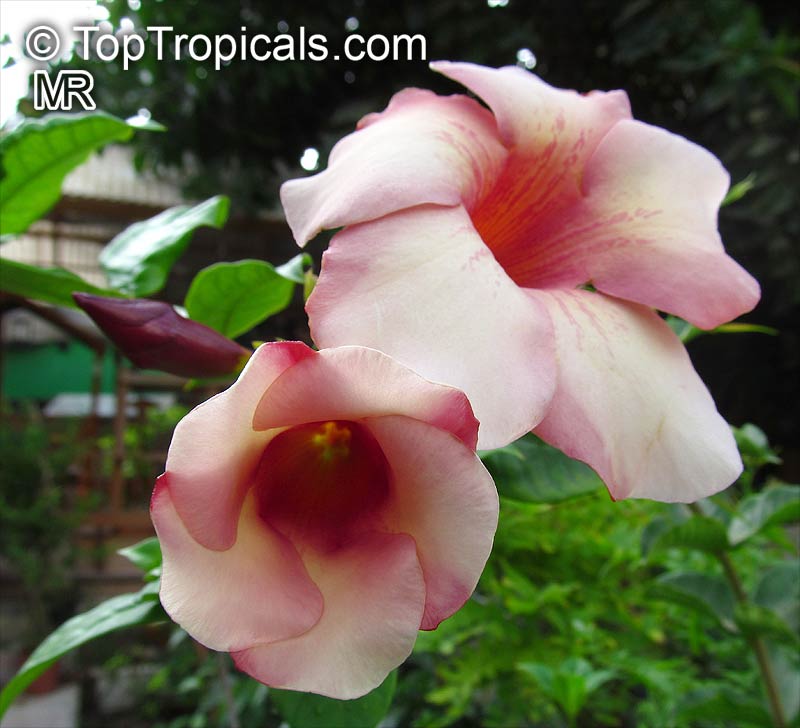
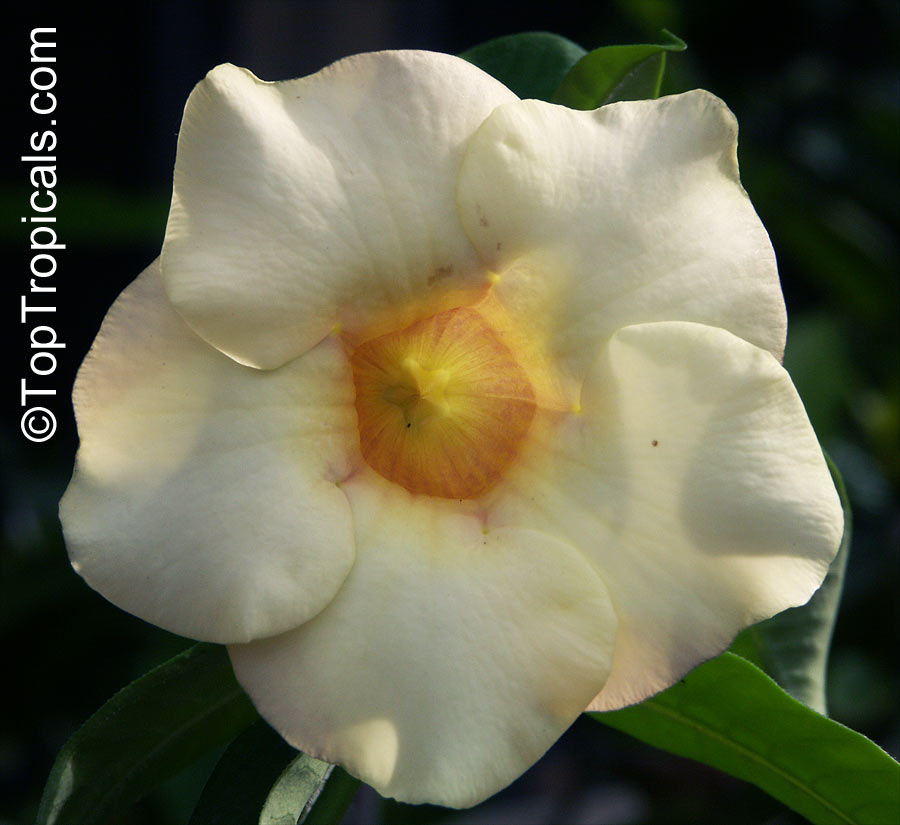
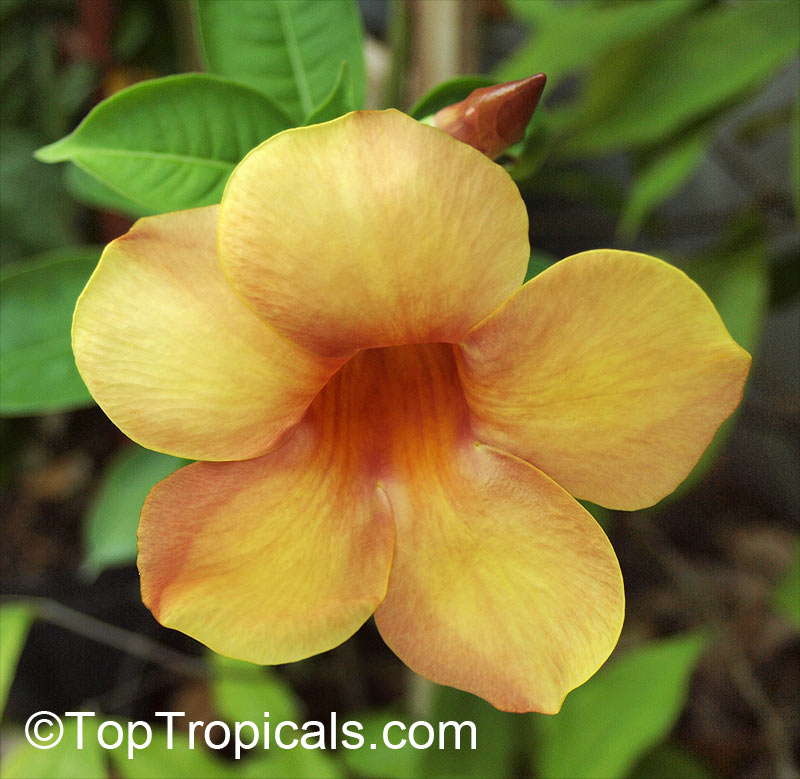
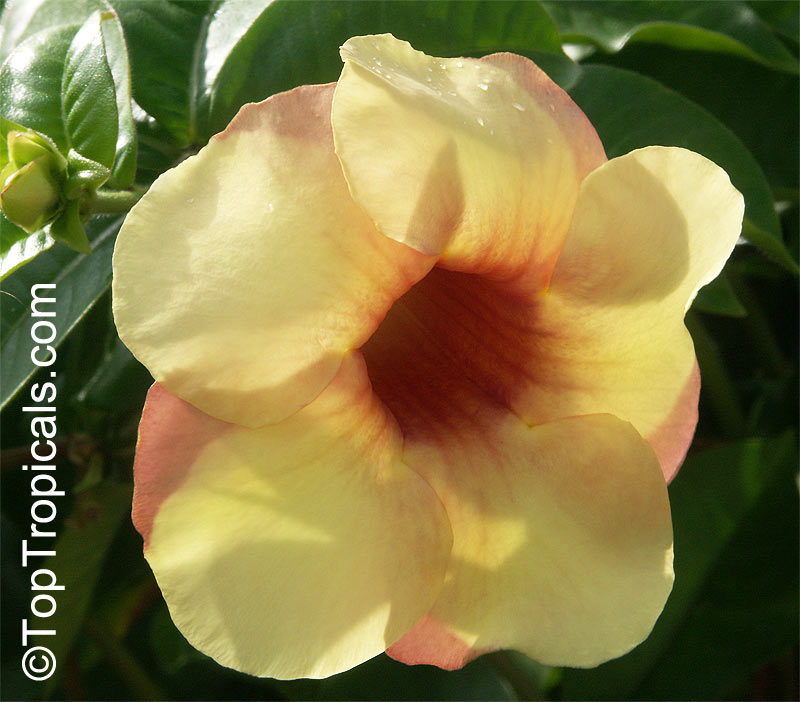
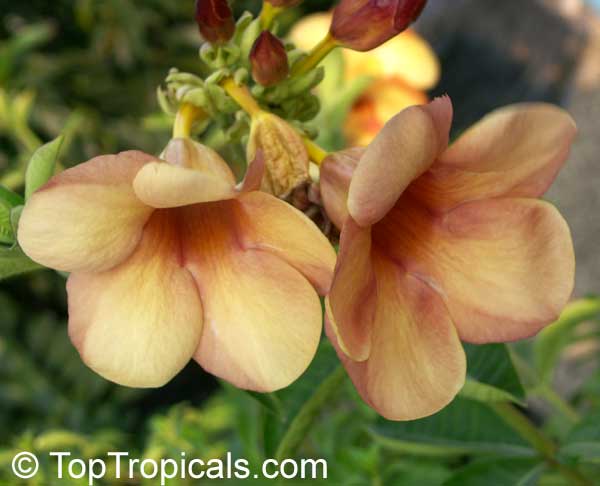
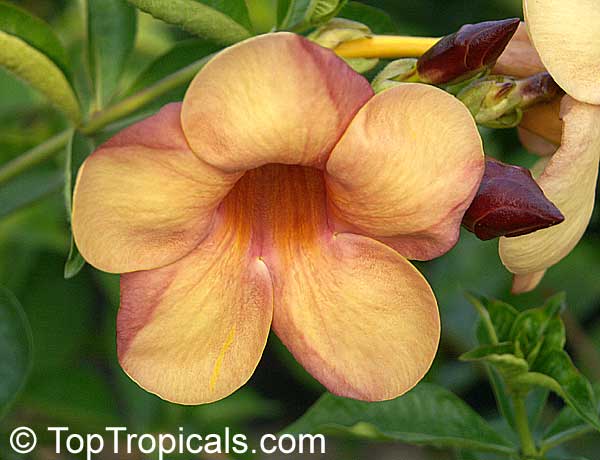
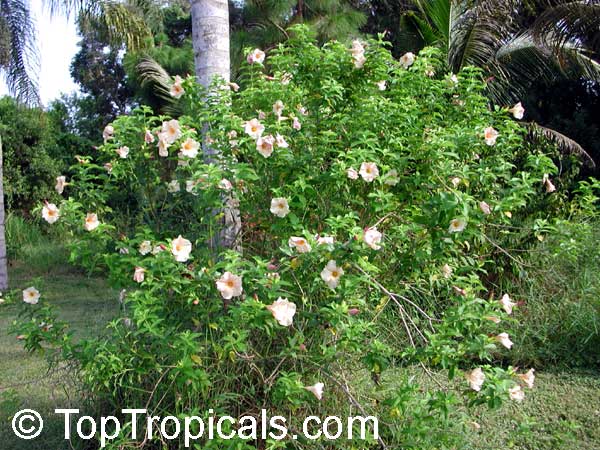
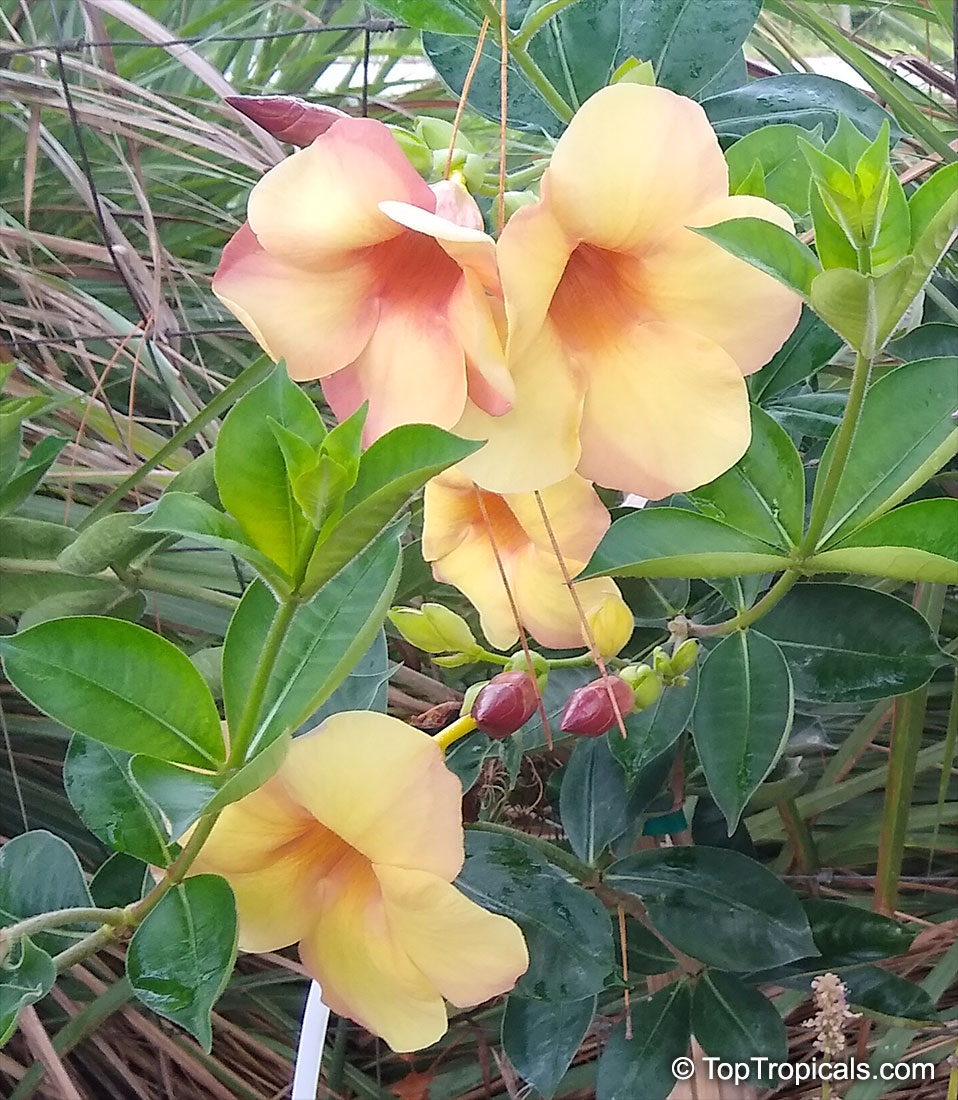
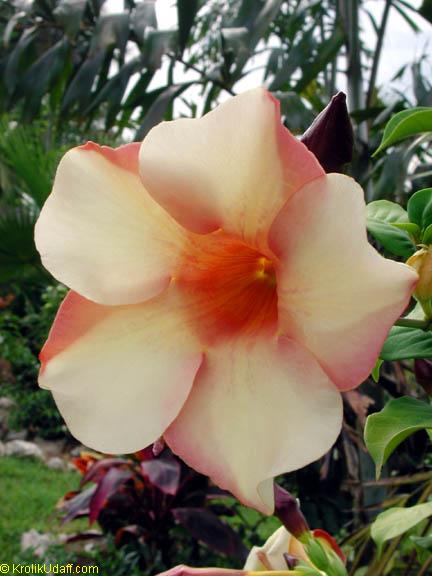
A beautiful variety with delicate light cream flowers. An eye-stopper! A tropical deeply twining vine with whorled leaves and large, trumpet shaped flowers. Prickly seed pods follow the flowers with winged seeds that fly about when the pod dries and breaks open. Allamanda is perennial in tropical climates and may be treated as an annual or brought inside during cold weather and replanted after danger of frost. The plant has milky sap and is considered poisonous; all parts are highly cathartic (hence the botanical name). Grows well in most soils, but becomes chlorotic in very alkaline conditions. Train up a trellis, tree, or side of a building where there is support. In areas where there is seasonal change, keep fairly dry during winter and prune in spring before growth begins. It may be desirable to prune annually in any case to control for size.


Recommended Fertilizer: SUNSHINE Megaflor - Bloom Nutrition Booster
Recommended Fertilizer: SUNSHINE Megaflor - Bloom Nutrition Booster
Botanical name: Allanblackia sp.
Common name: Tallow Tree
Family: Clusiaceae / Guttiferae
Origin: Tropical Africa
USDA Zone: 9-10

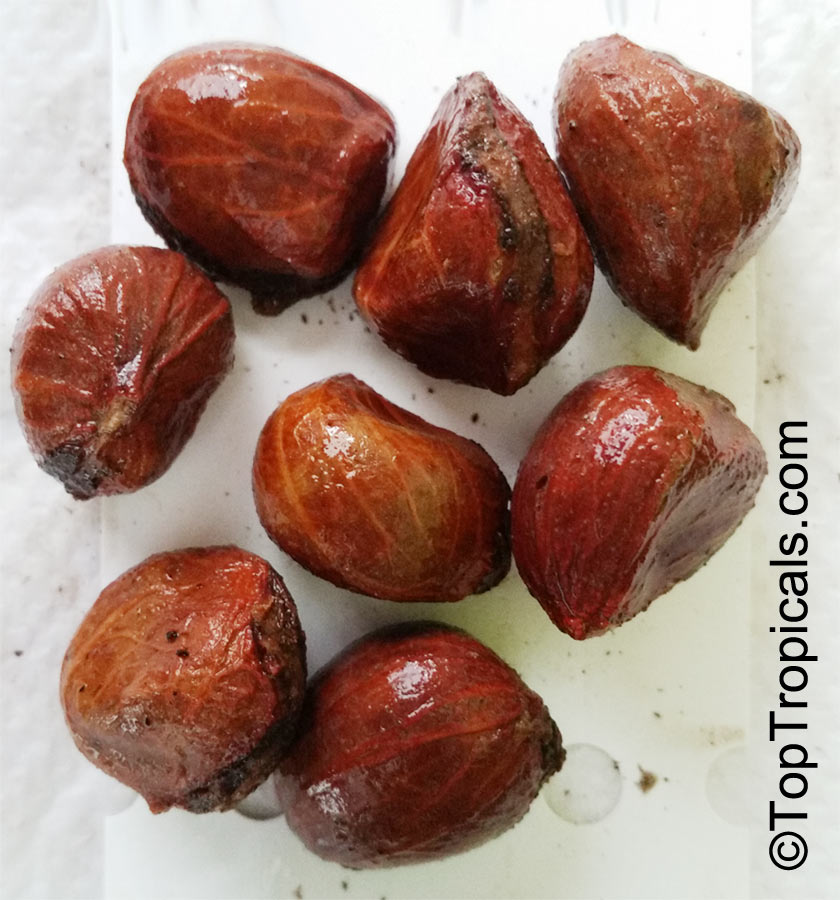
Allanblackia sp. (Tallow tree), native to the tropical forests of Africa, is a small tree usually ranging from 10-20 ft tall. It prefers full sun, but can also do well in semi-shade and needs regular but moderate water. This tree is a showstopper, with bright pink, white, off-white and yellow or orange flowers.
This tree is an ethnomedical plant, which means its seeds have been used for centuries in African traditional medicine for inflammation and for fighting bacteria, and parasites. It is also edible and the fruit, although not particularly delicious, can be eaten as a snack or added to fruit salads.
Allanblackia floribunda can produce up to 100 fruits per year, each of which contain a dozen or more seeds. The seeds contain a rich oil that is used in cooking and cosmetics. In cooking, the oil has a neutral flavor and is high in omega-3 fatty acids, making it an excellent choice for those looking to add healthy omega-3s to their diet. In the cosmetics industry, it is used for its moisturizing, anti-inflammatory and anti-aging properties.
This tree can be grown in USDA Hardiness Zones 9-11 in pots in cold regions as well. When planting, make sure the soil is well-drained, with plenty of compost and fertilizer added. Keep soil moist and provide regular but moderate water. Sun exposure should be full sun to semi-shade but avoid full shade as it will cause poor flowering, fruit formation and oil production.
| Prev | Next | |
Use link to repeat this search:
https://toptropicals.com/cgi-bin/garden_catalog/cat.cgi?search_op=and&keyword_op=and&language=e&number=10&no_change_lang=1
&v1=wht&user=tt&sale=1&first=0