White, off-white flowers - Plant Encyclopedia Results (Page 8)
| Number of plants found: 1898 |  | Prev | Next | 
|
Go to page: | First | 3 | 4 | 5 | 6 | 7 | 8 | 9 | 10 | 11 | 12 | Last |
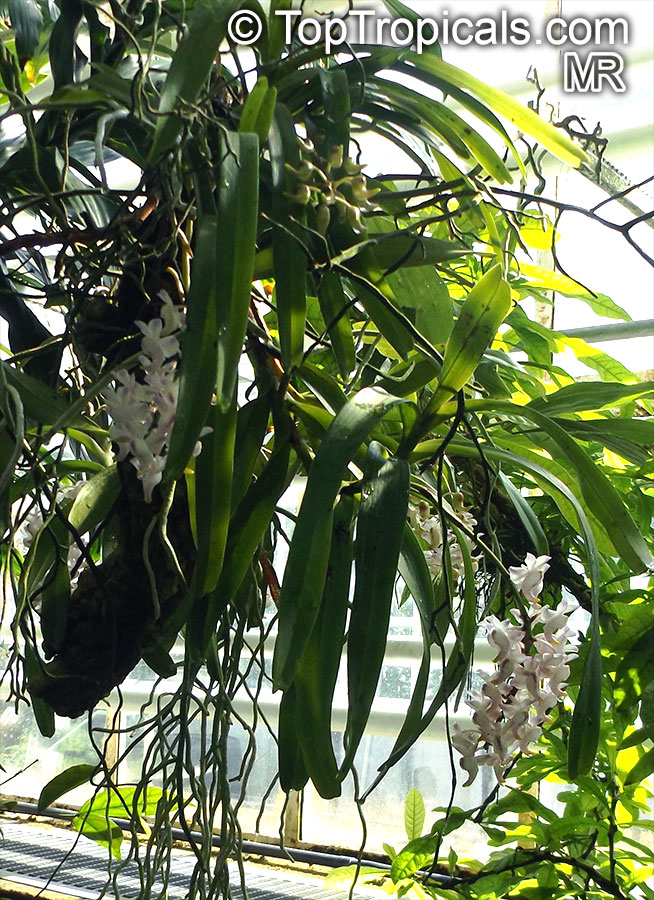
Botanical name: Aerides odorata
Common name: Fragrant Aerides
Family: Orchidaceae
Origin: Indochina, Himalaya

USDA Zone: 9-10


This species is a large to giant sized, highly variable, hot to cool growing epiphyte. Like related genera, Aerides are best grown in open slatted baskets. Aerides species require ample water, every day in warm climates. 70% or higher relative humidity is beneficial although the plants can be grown lower. They require bright filtered light with some direct sunlight in the morning, semi-shade area placement is perfect.
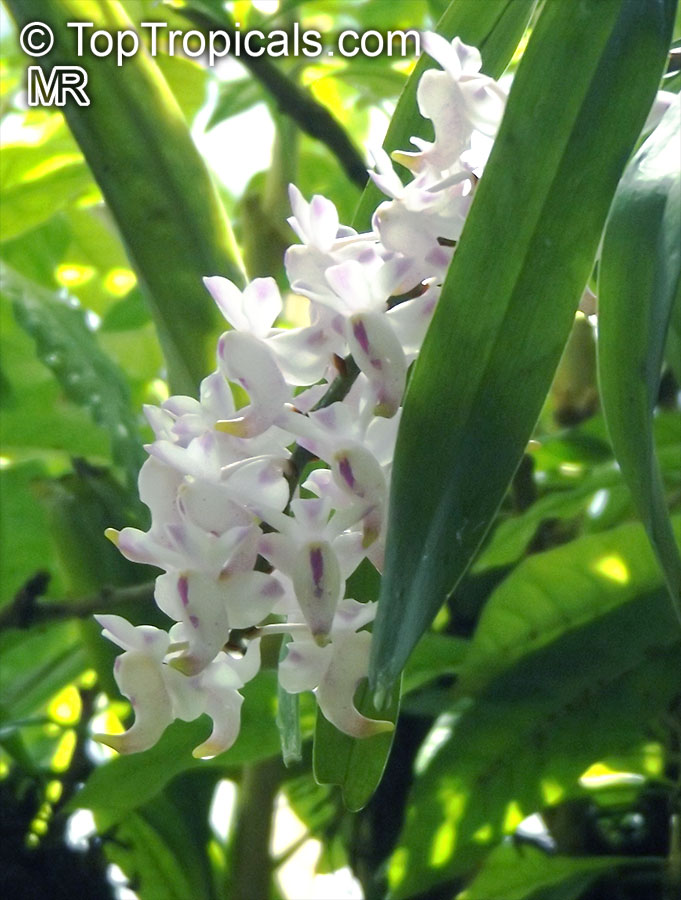
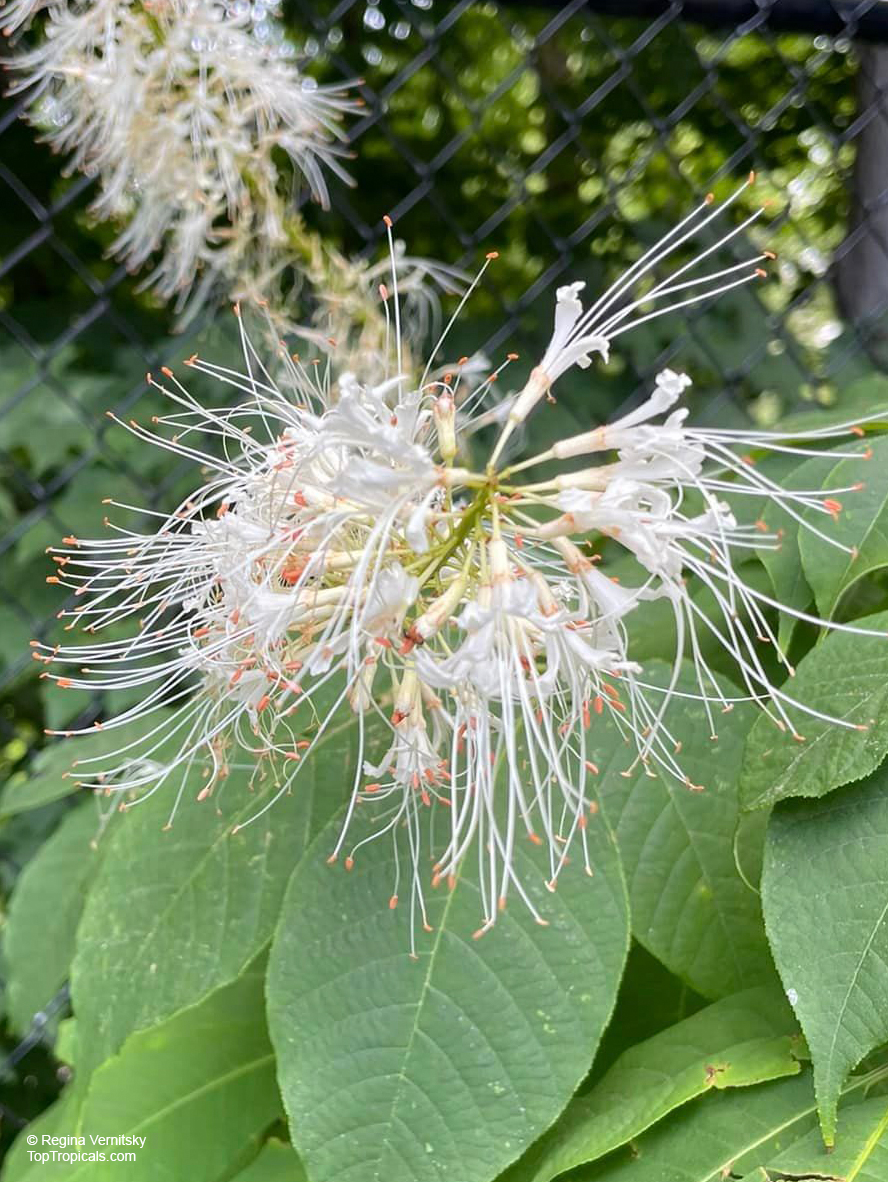
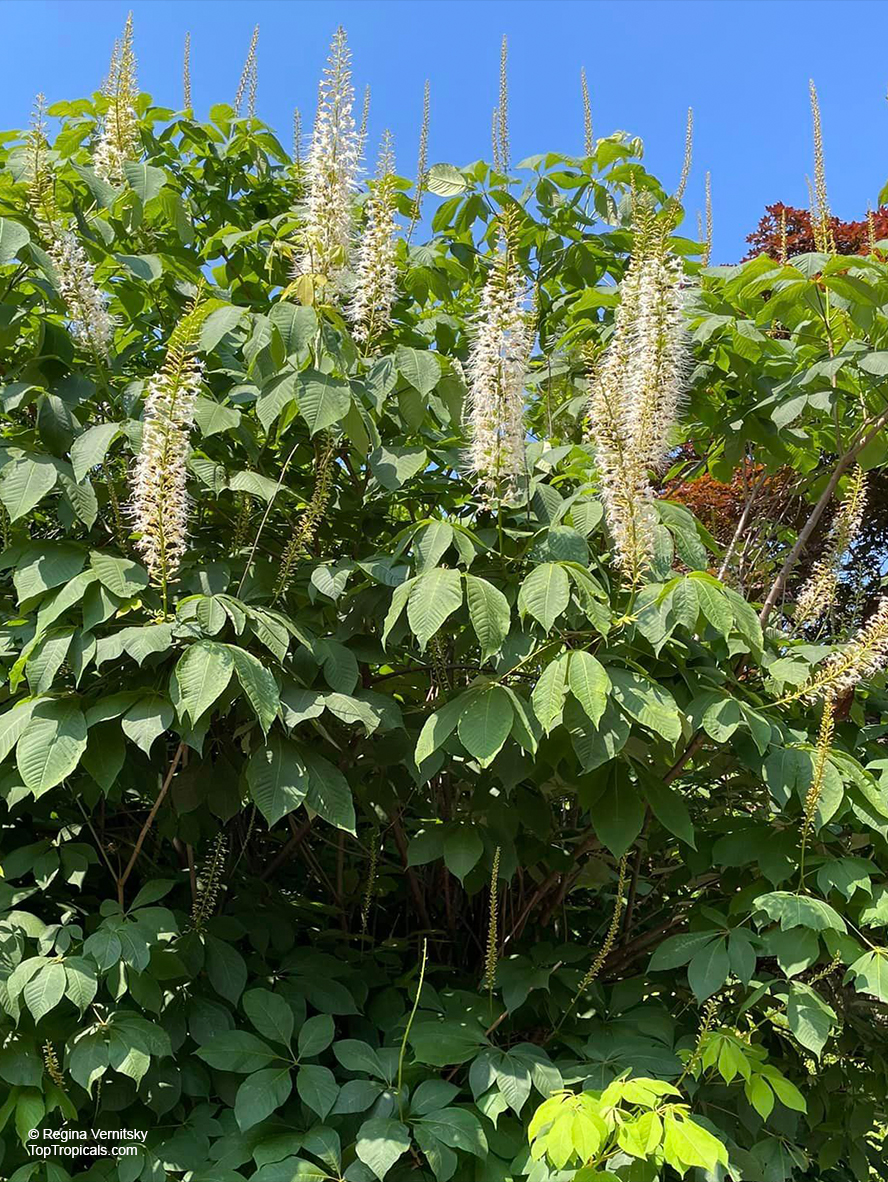
Botanical name: Aesculus parviflora
Common names: Bottlebrush Buckeye, Small-flowered Buckeye
Family: Sapindaceae
Origin: Southeastern United States
USDA Zone: 4-8


Aesculus parviflora is grown as an ornamental plant in gardens, where its August flowering attracts butterflies. It prefers moist, well-drained soils in part shade to full shade.
This plant is highly poisonous to humans IF EATEN.
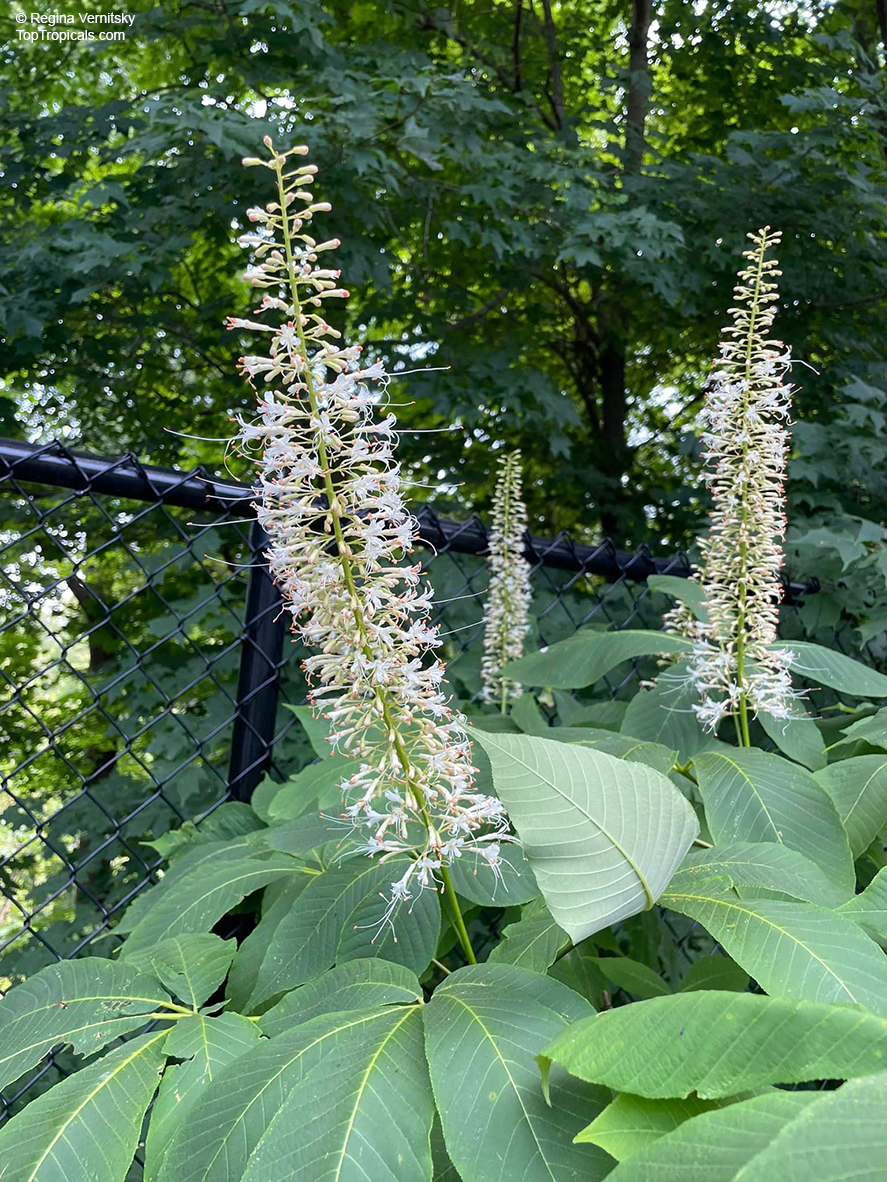

Botanical name: Aesculus sp.
Common names: Buckeye, Horse Chestnut, Horse-chestnut
Family: Sapindaceae
USDA Zone: 3-8


The genus Aesculus, with species called Buckeye and Horse Chestnut, comprises 13â€"19 species of flowering plants . They are trees and shrubs native to the temperate Northern Hemisphere, with six species native to North America and seven to 13 species native to Eurasia. Several hybrids occur.


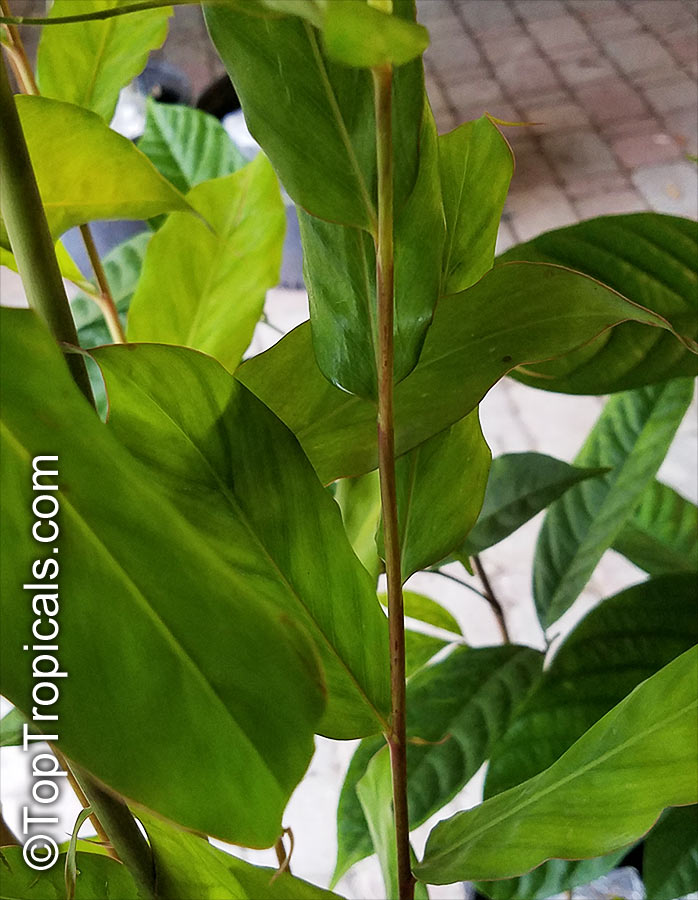
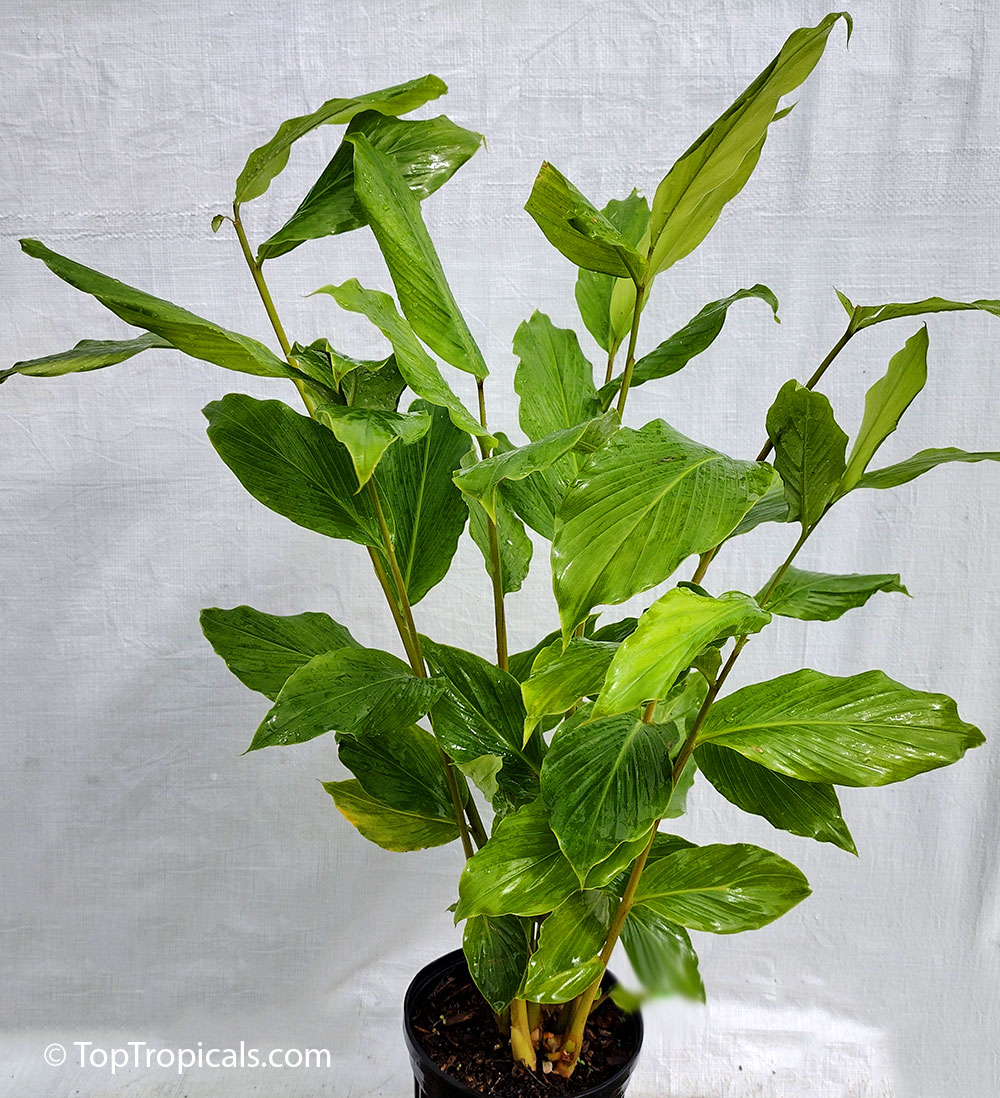
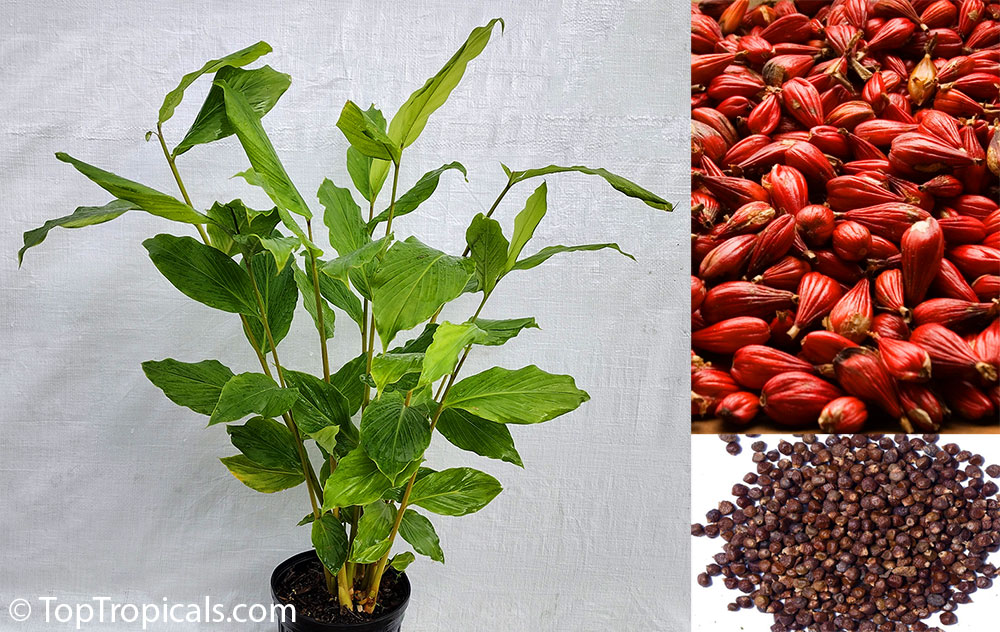
Botanical name: Aframomum sp.
Common names: Aframomum, Melegueta pepper, Guinea grain, Guinea pepper, Alligator Pepper, Grains of Paradise
Family: Zingiberaceae
Origin: Tropical Africa
USDA Zone: 9-11


The genus Aframomum is well known in African forests because the bright red, fleshy fruit of several species contain a sweet juicy pulp and is eaten widely by primates and other mammals.
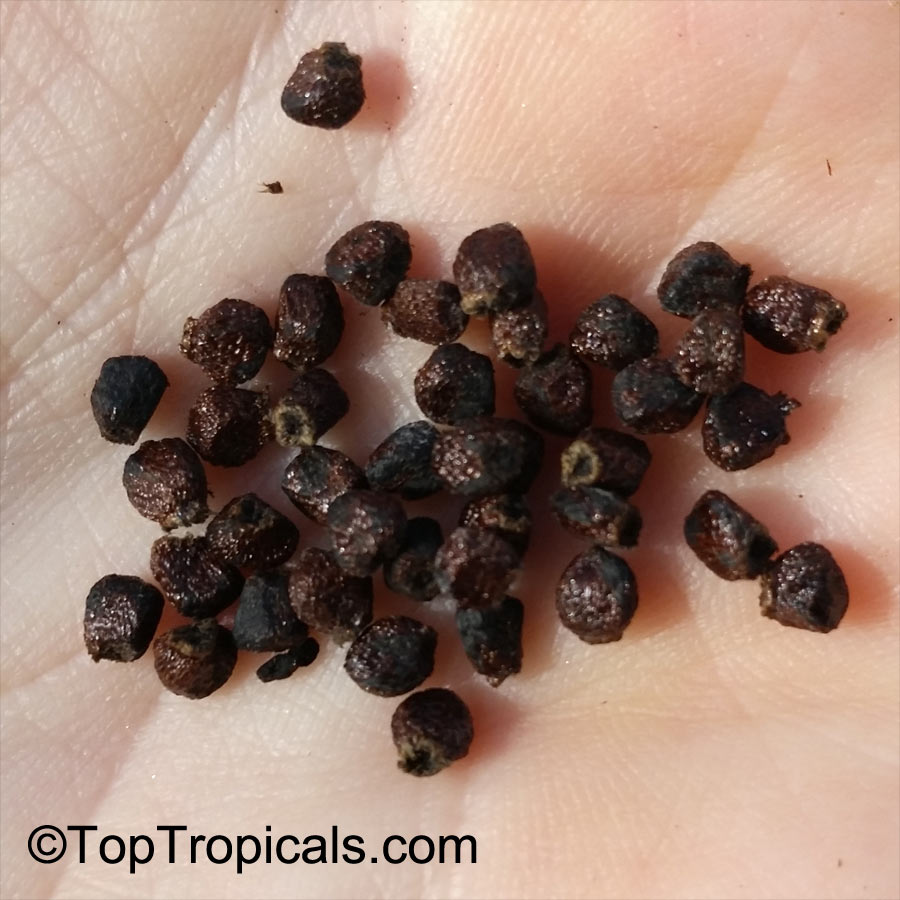
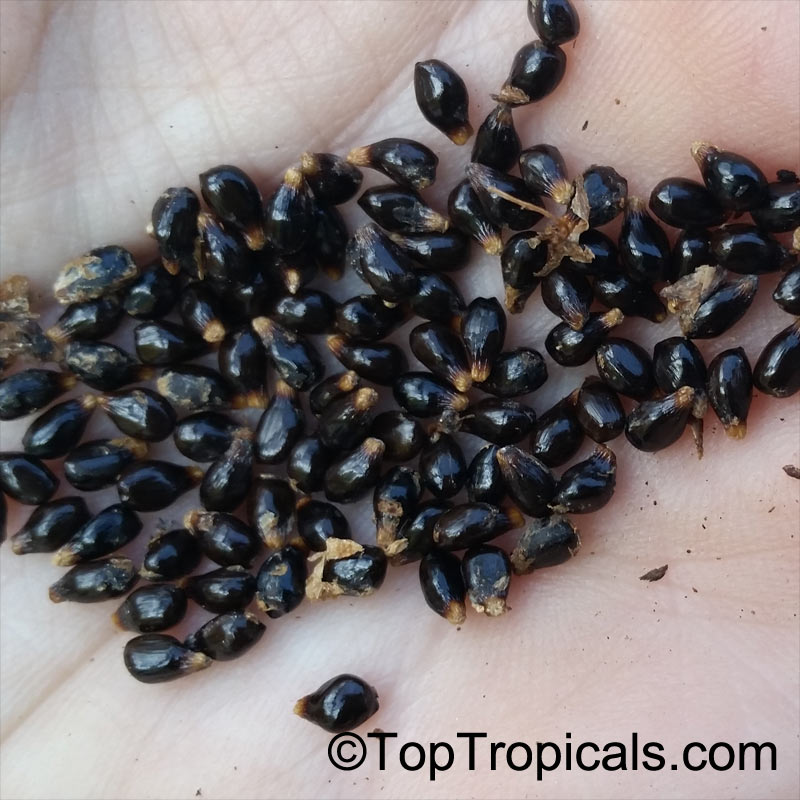
Aframomum melegueta is a herbaceous perennial plant native to swampy habitats along the West African coast. Its trumpet-shaped, purple flowers develop into 5- to 7-cm long pods containing numerous small, reddish-brown seeds.
Seeds of this rare Ginger are similar in flavor to cardamom and used as a pungent spice. This Ginger has many bioactives, great for digestive and intestinal health. The plant has many other medicinal values: anti-diabetic and anti-obese mechanisms, aphrodisiac and testosterone boosting properties. Aframomum melegueta may be promising for a spice to add to a diet in hopes of body recomposition. Studies show this spice increases sexual behavior.
Recommended Fertilizer: SUNSHINE Robusta - Rapid Growth Booster

Botanical name: Aganosma marginata
Common name: Khruea Sai Tan
Family: Apocynaceae
Origin: SE Asia
USDA Zone: 9-10


Aganosma marginata, also known as the Kruea Sai Tan, is a large shrub, typically growing in between 5-10 feet. Native to Southeast Asia, it is mainly grown in the USDA Zone 9-11, although it can tolerate colder temperatures in certain conditions. This shrub is a woody, climbing plant with white latex and flowers that have a pleasant and richly fragrant aroma.
The Kruea Sai Tan can have a variety of uses including being used as an ornamental, a screening plant or even for covering wires. Additionally, it has many ethnic and medicinal uses in Southeast Asian herbal and Traditional Chinese Medicine.
When planted, the Kruea Sai Tan needs to be given both ample water and plenty of direct sunlight, especially during the growing season. Fertilizers may also be added to give it additional nutrients and it should be away from sources of excessive wind and frost. A well-draining soil is also important. When keeping it in containers, the drainage holes should be regularly checked to avoid water-logging of the roots.
The Kruea Sai Tan is a beautiful addition to any garden. With an appropriate irrigation and drainage regime, it can thrive and produce an abundance of vibrant flowers to enjoy. Furthermore, it is tolerant to maritime exposure, making it an ideal choice for those living in coastal regions. However, if you are living in a cold climate, you must take extra care of the plant to ensure its health and growth.
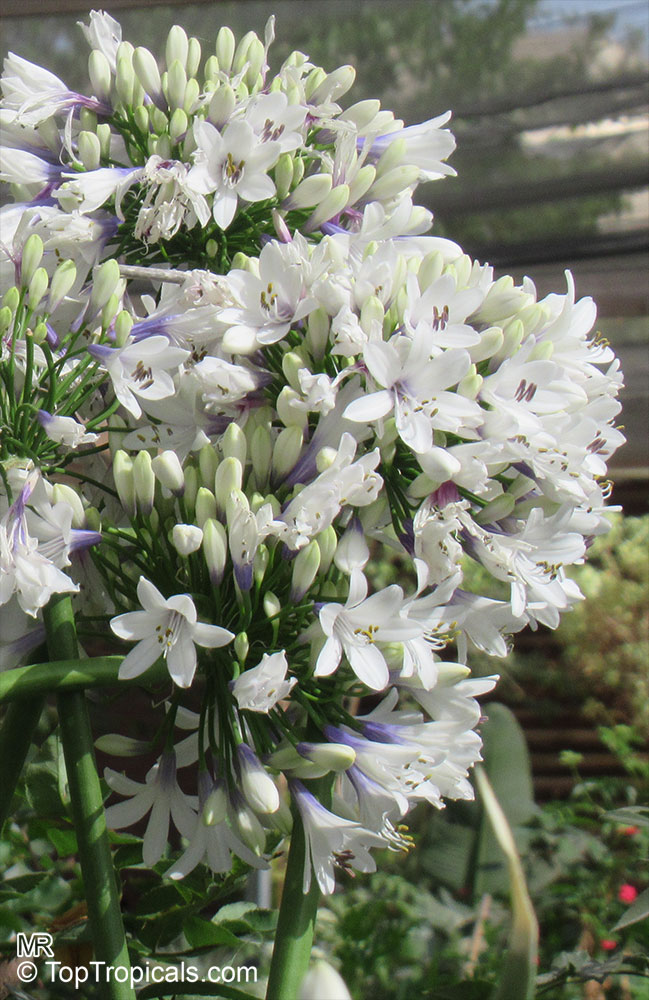
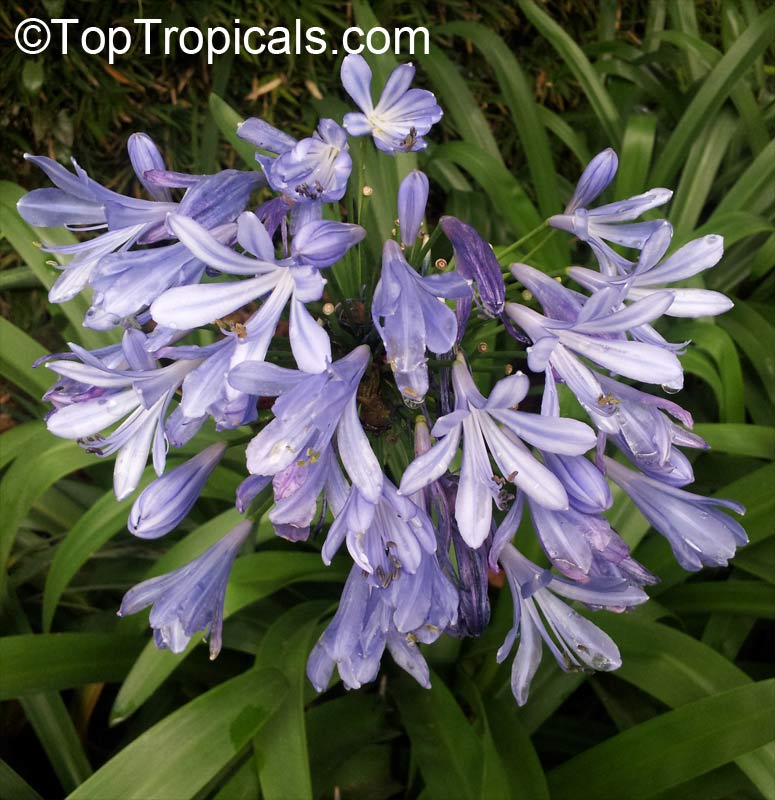
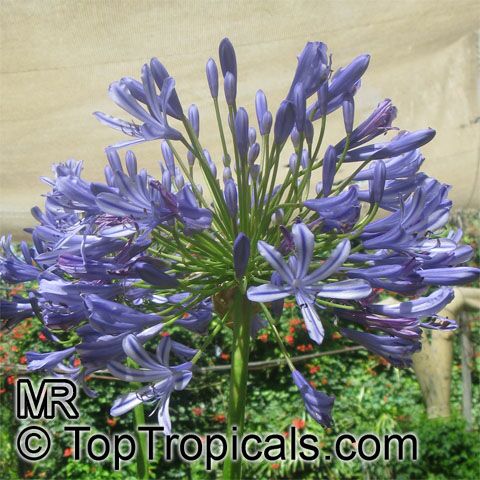
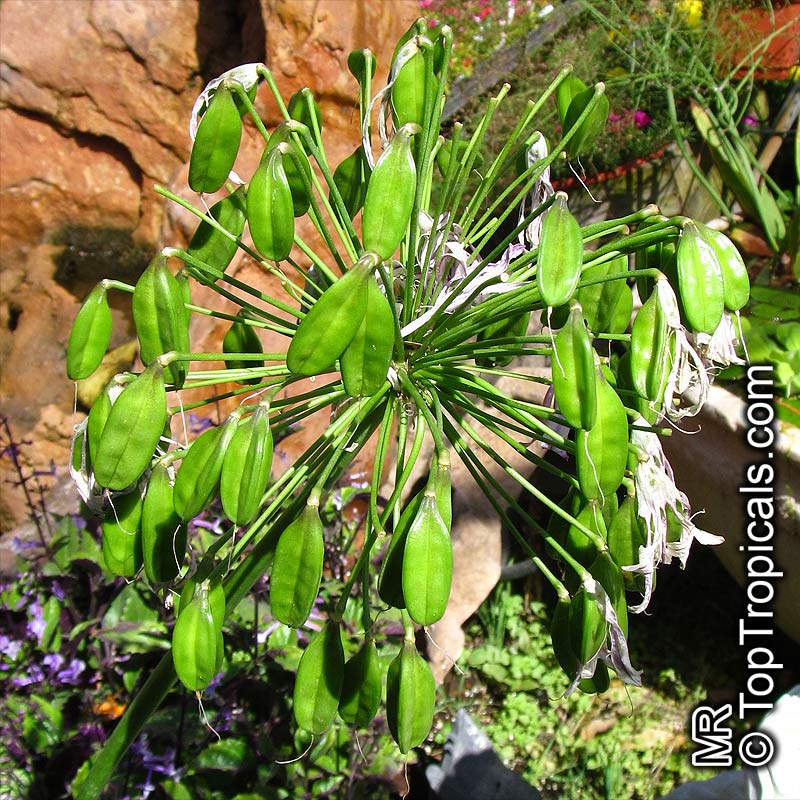
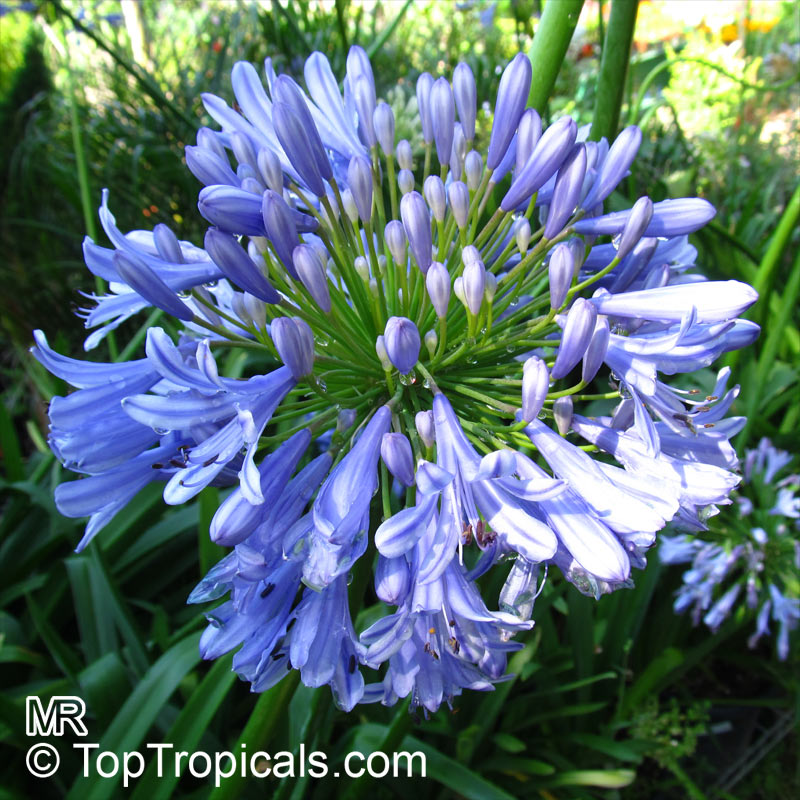
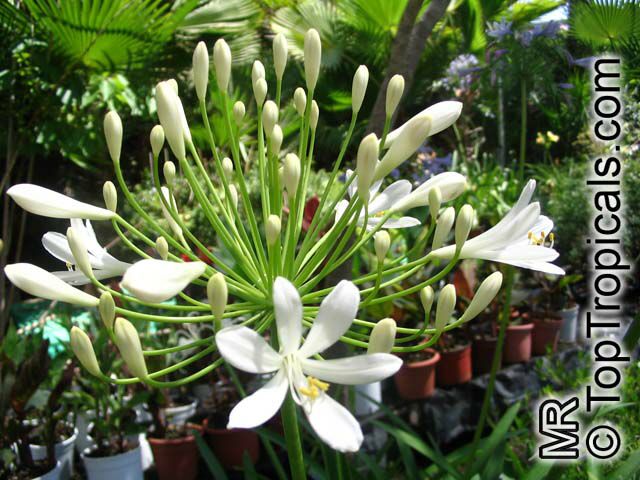
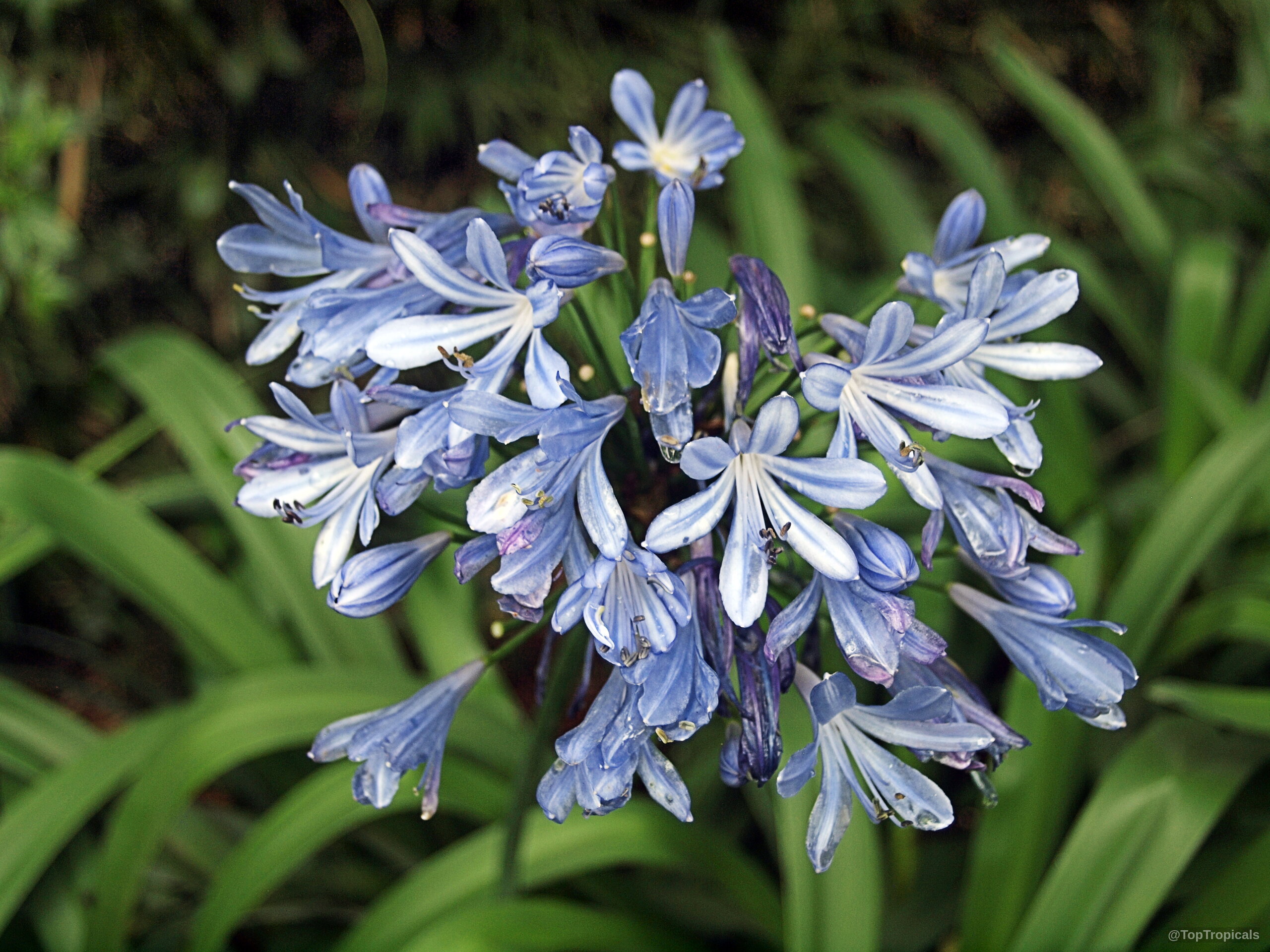
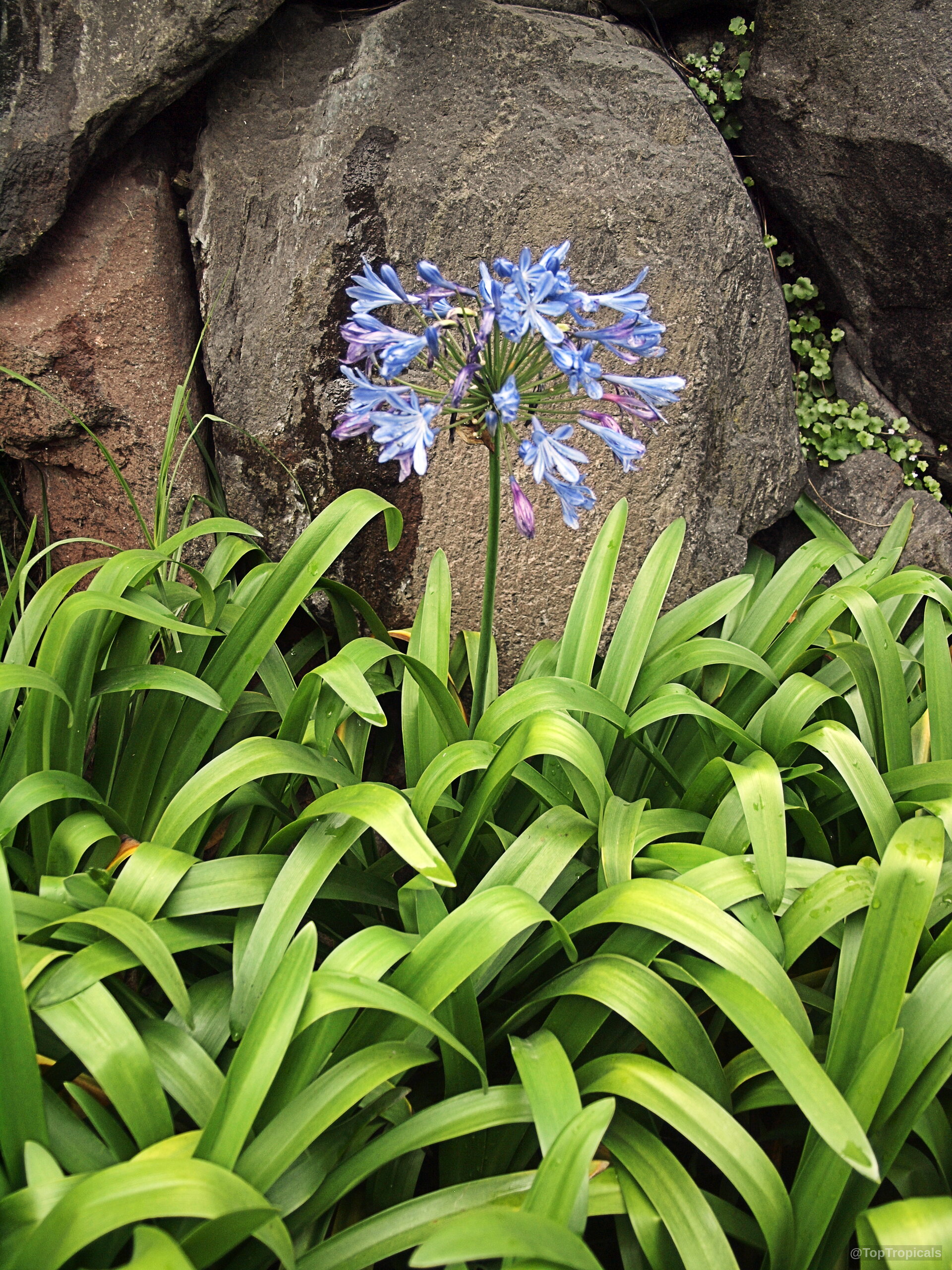
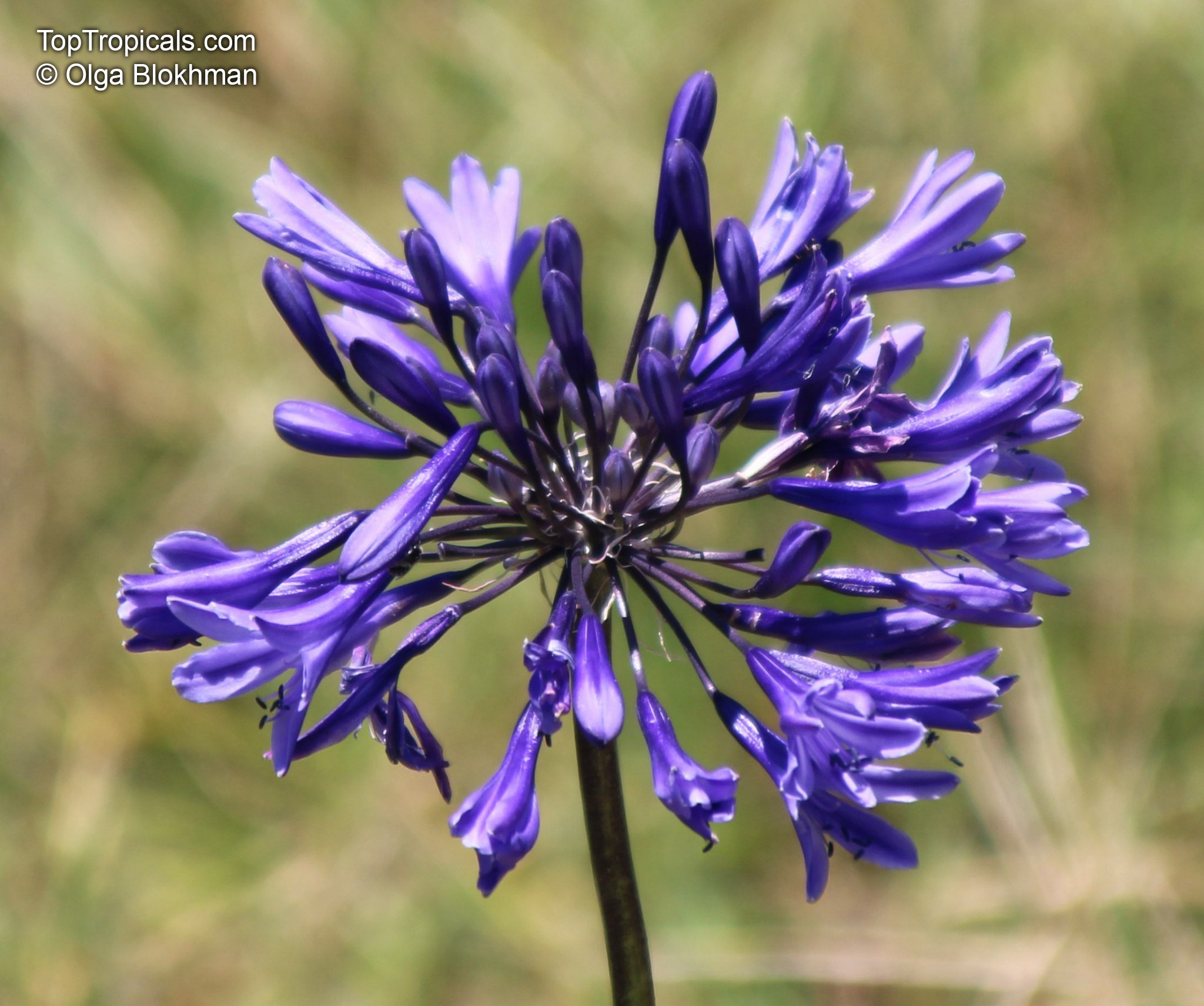
Botanical name: Agapanthus sp.
Common name: African Lily
Family: Amaryllidaceae (Formerly:Alliaceae / Liliaceae /Amaryllidaceae)
Subfamily: Agapanthoideae
Origin: South Africa
USDA Zone: 8-11

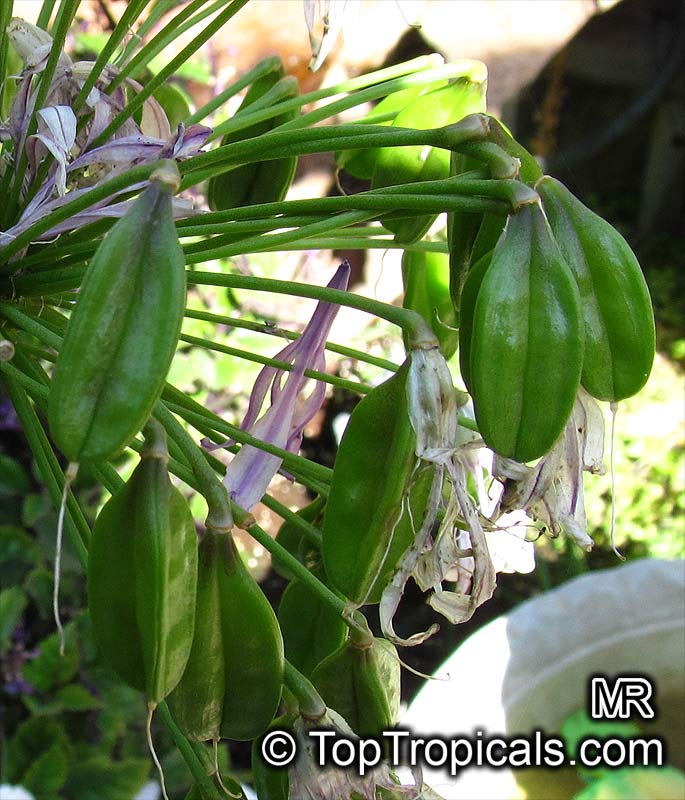
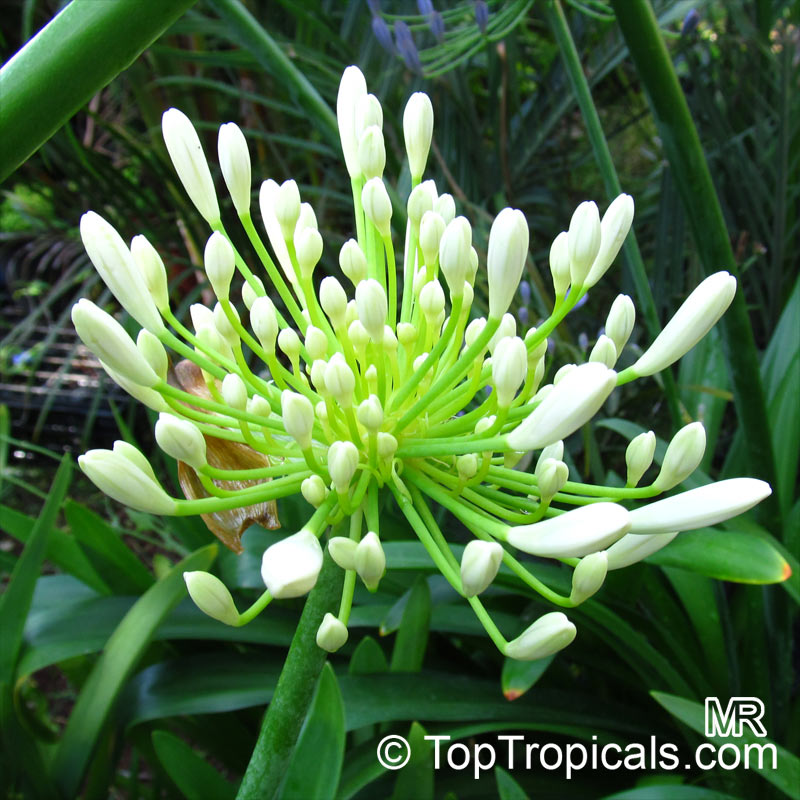
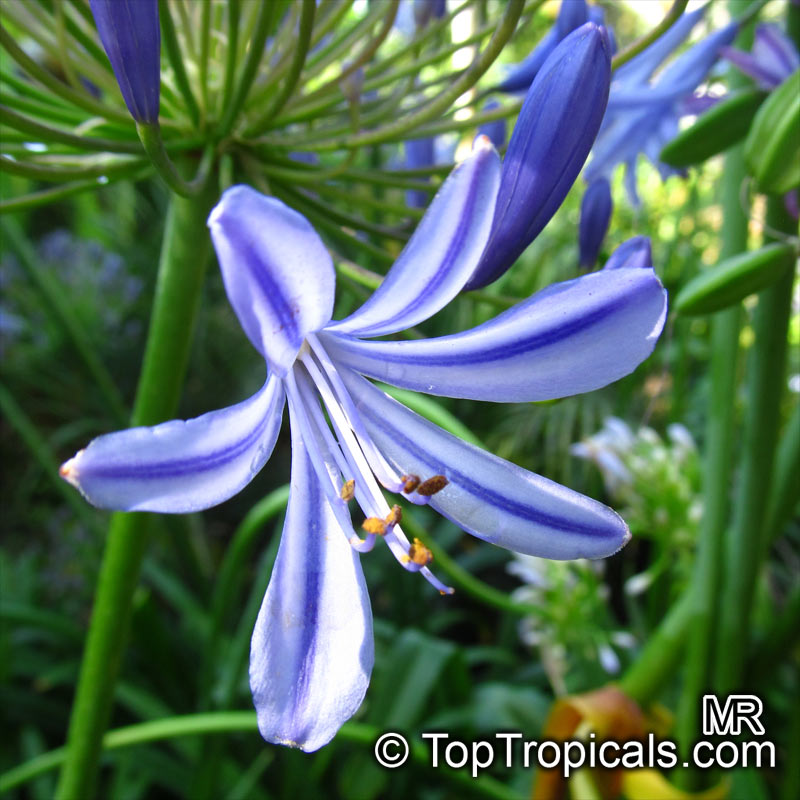
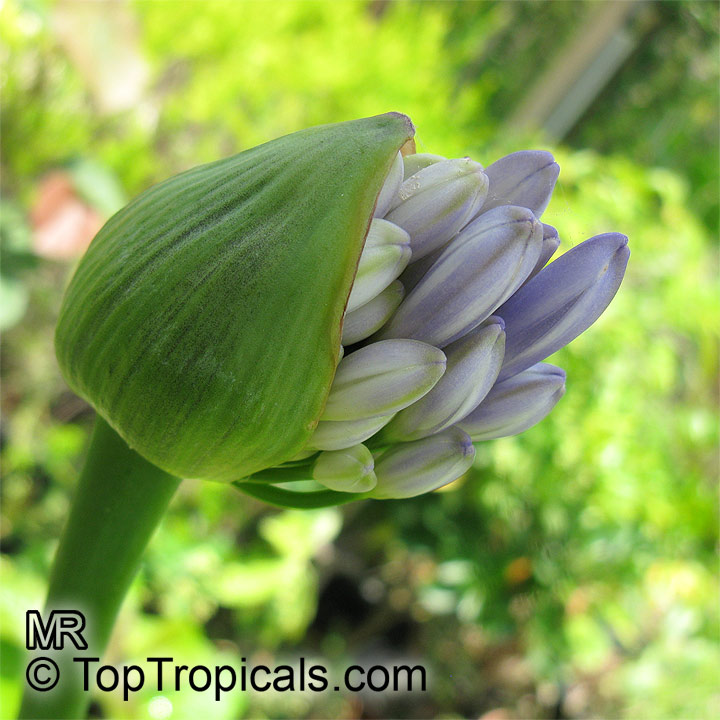
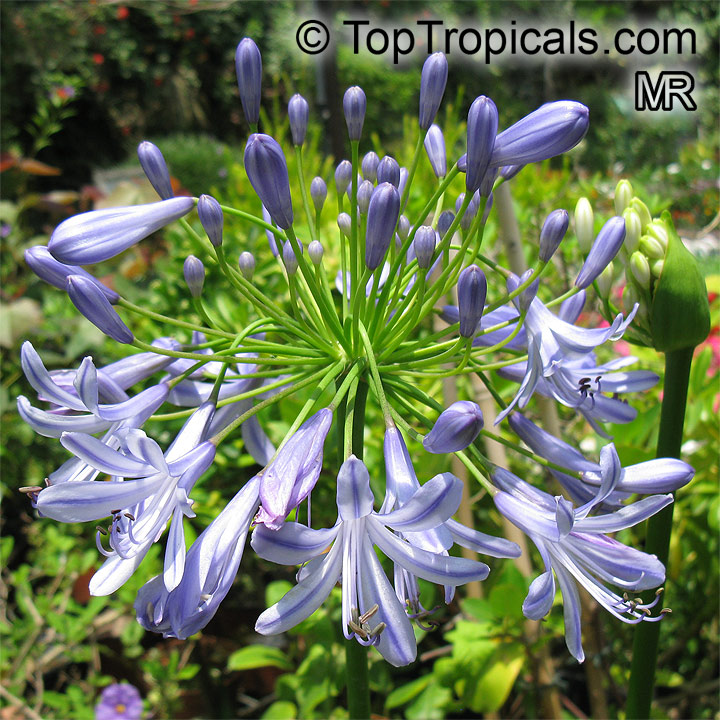
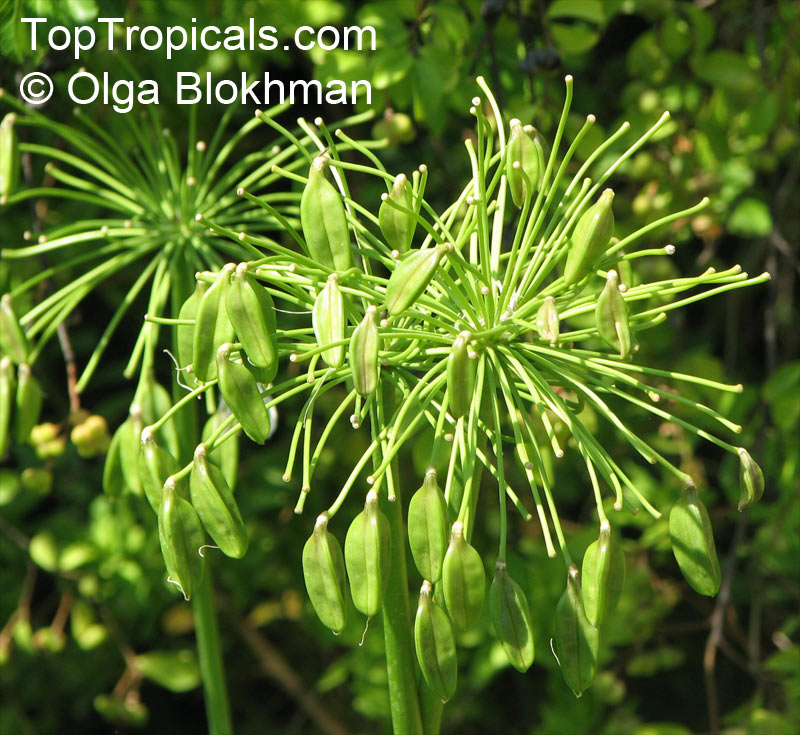
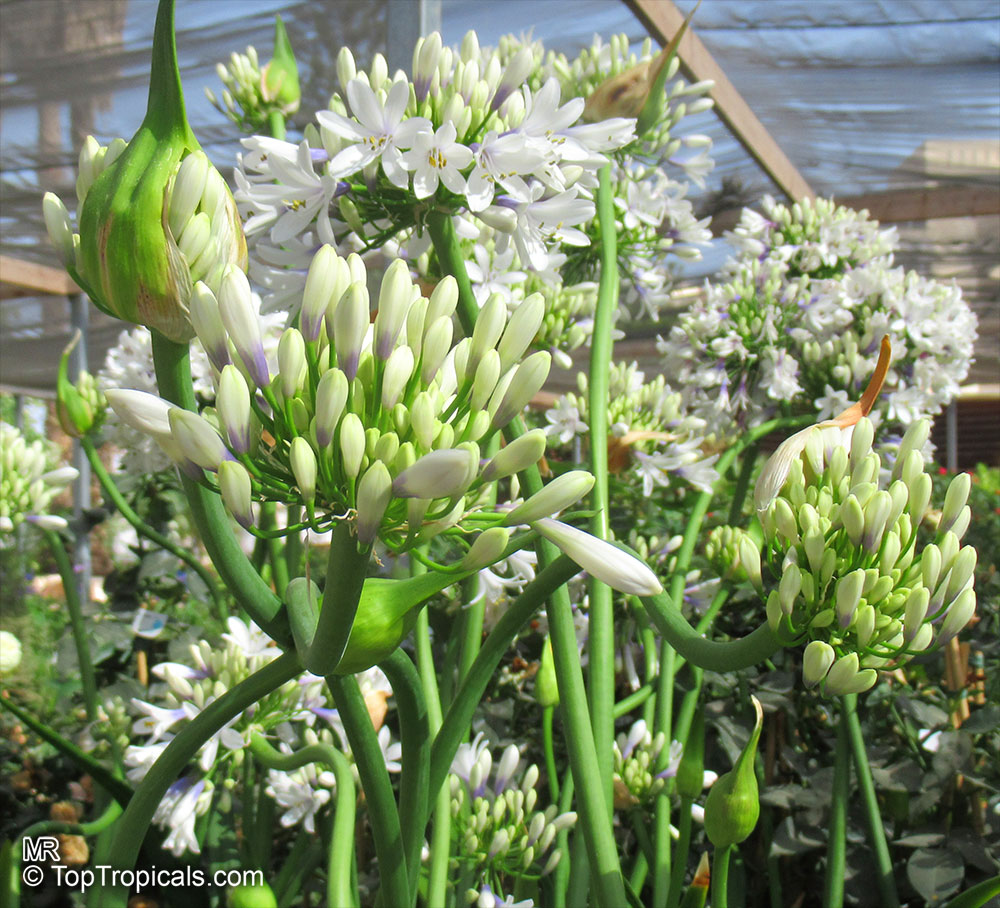
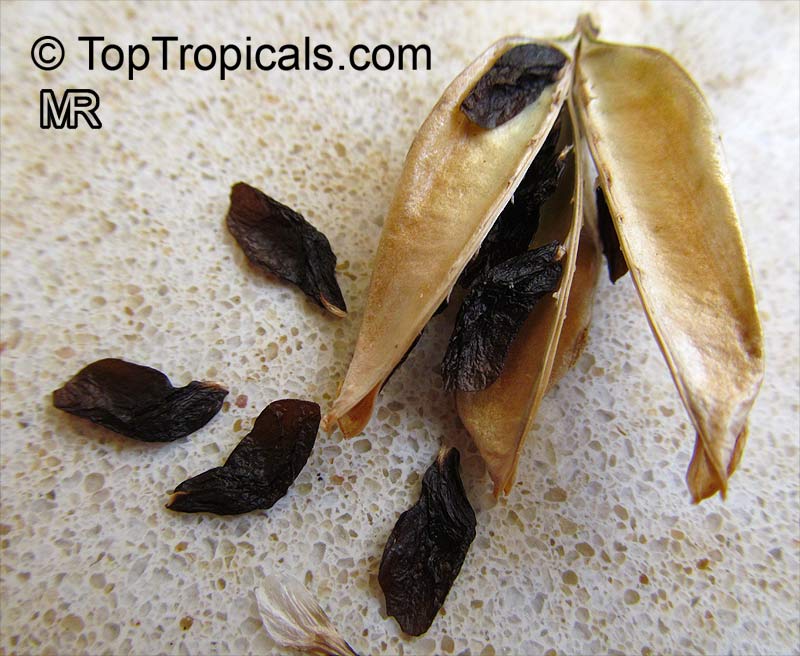
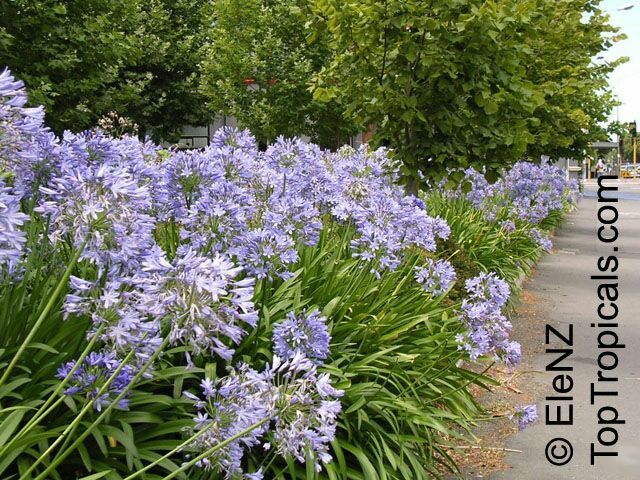
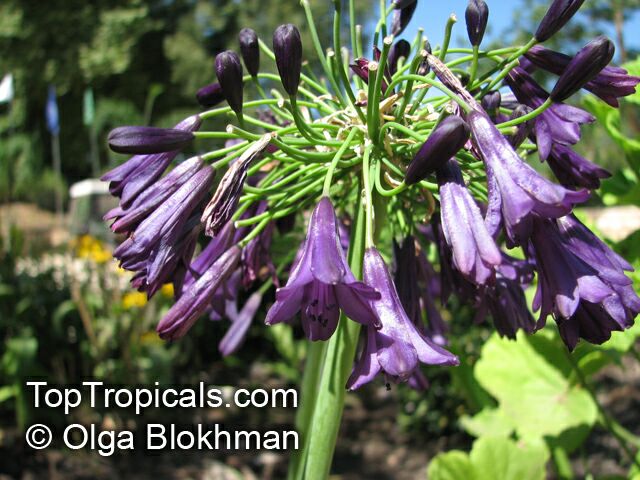
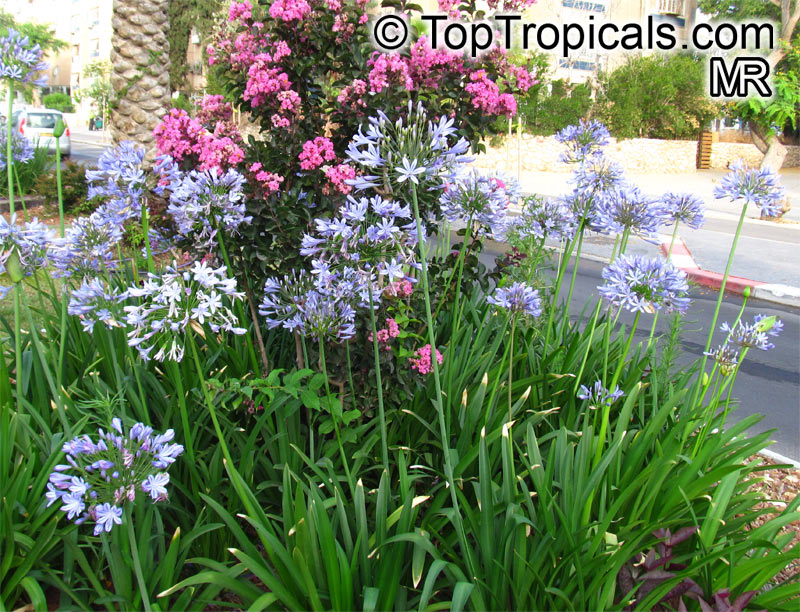
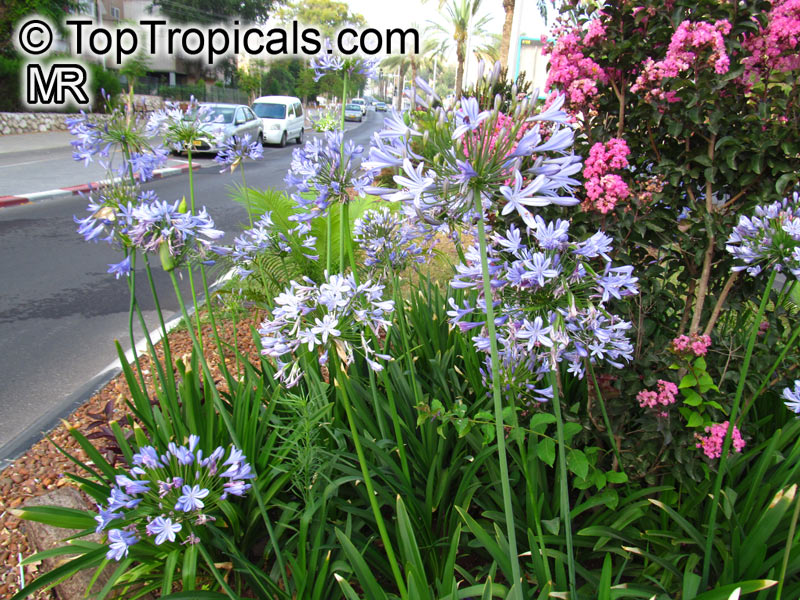
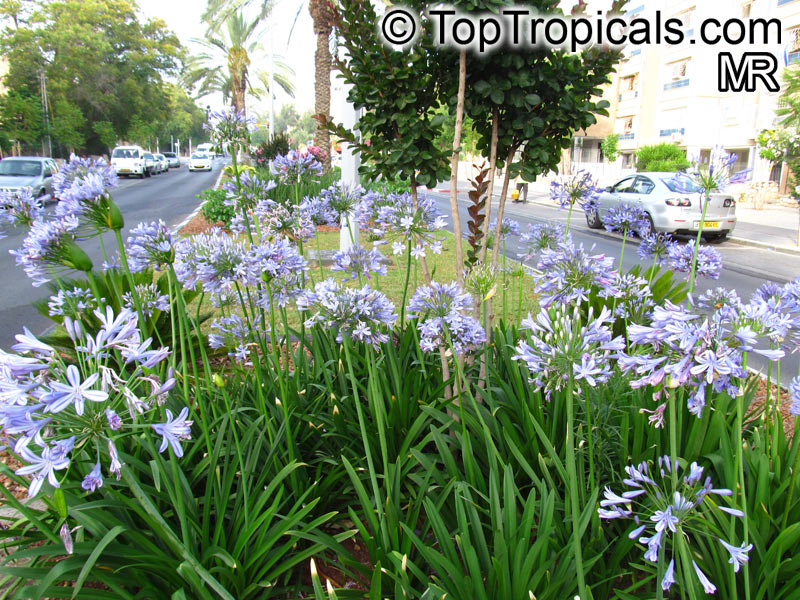
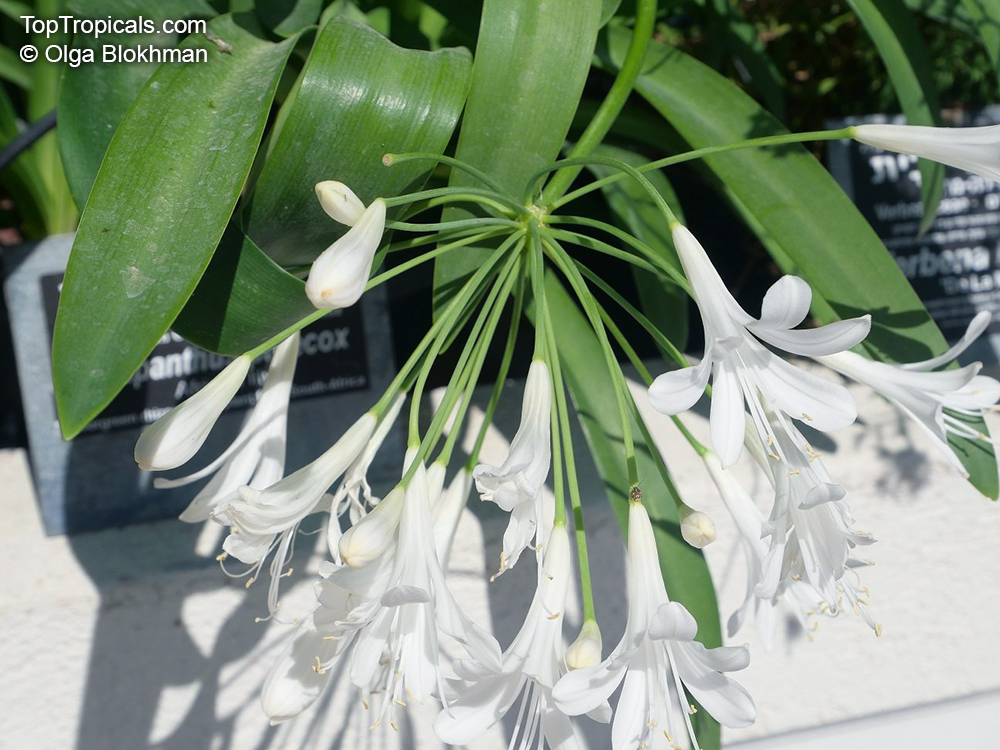
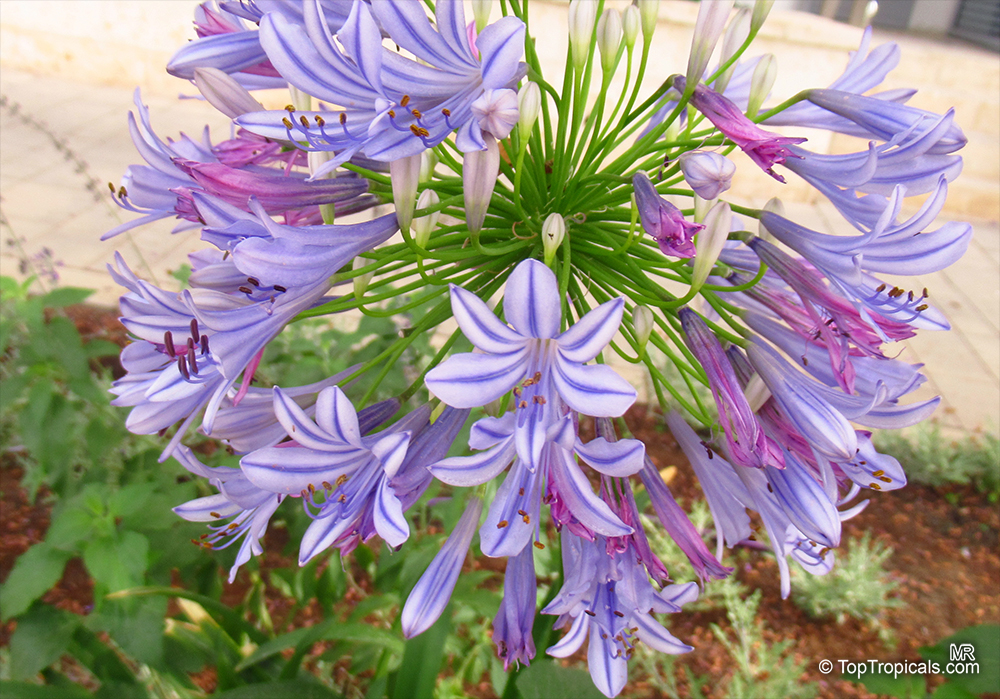
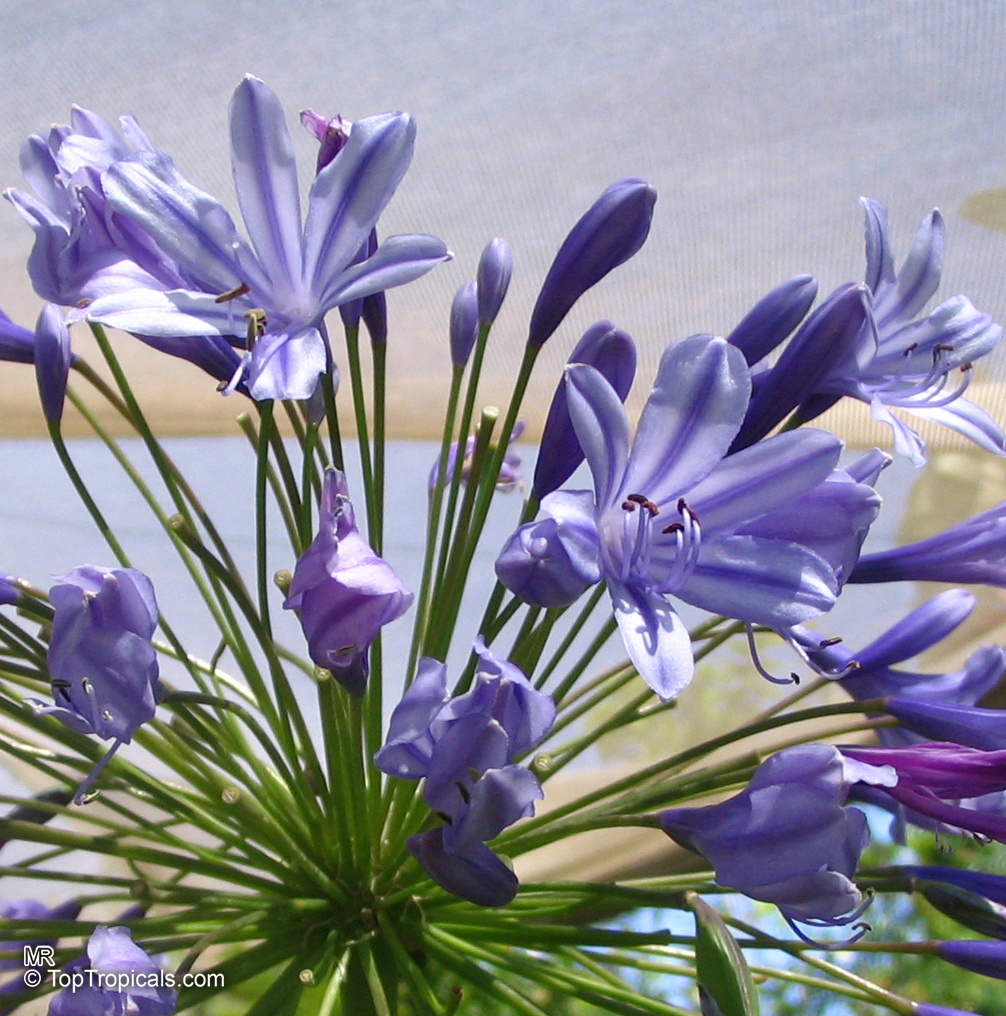
Agapanthus, commonly known as African Lily or Lily of the Nile, is a genus of rhizomatous perennials in the Amaryllidaceae family, native to southern Africa. Plants form dense clumps of strap-shaped green leaves and produce tall, leafless flower stalks topped by rounded umbels of numerous funnel-shaped flowers. Flower colors range from white and pale blue to rich violet-blue and deep purple, with bicolored forms also available. Species may be evergreen or deciduous, and garden plants include numerous cultivars and hybrids selected for flower color, compact growth, large flower heads, or variegated foliage. Popular cultivars include 'Peter Pan', 'Twister','Queen Mum', Black Pantha', and 'Storm Cloud'. Flowering plants are especially effective in borders, mass plantings, and large containers.
Agapanthus grows best in full sun to light shade and fertile, well-drained soil with regular moisture during active growth. Established plants tolerate some drought, while excessive winter moisture can damage dormant rhizomes. Plants flower particularly well in sunny positions and may remain in the same clump for years before division becomes necessary. Propagation is by division or seed, although named cultivars should be propagated vegetatively. Cold tolerance varies considerably among species and cultivars, with deciduous forms generally hardier than evergreen types. Depending on the selection, Agapanthus can be grown outdoors in approximately USDA Zones 8-11.


Botanical name: Agathosma gonaquensis
Common name: Gonaqua Buchu
Family: Rutaceae
Origin: Southern Africa
USDA Zone: 9-10


This plant is low-lying, compact, rounded and spreading. It produces masses of white flowers, and the natural oils within its leaves produce a pleasant fragrance when the foliage is crushed or handled. Once established, it withstands both drought and frost.
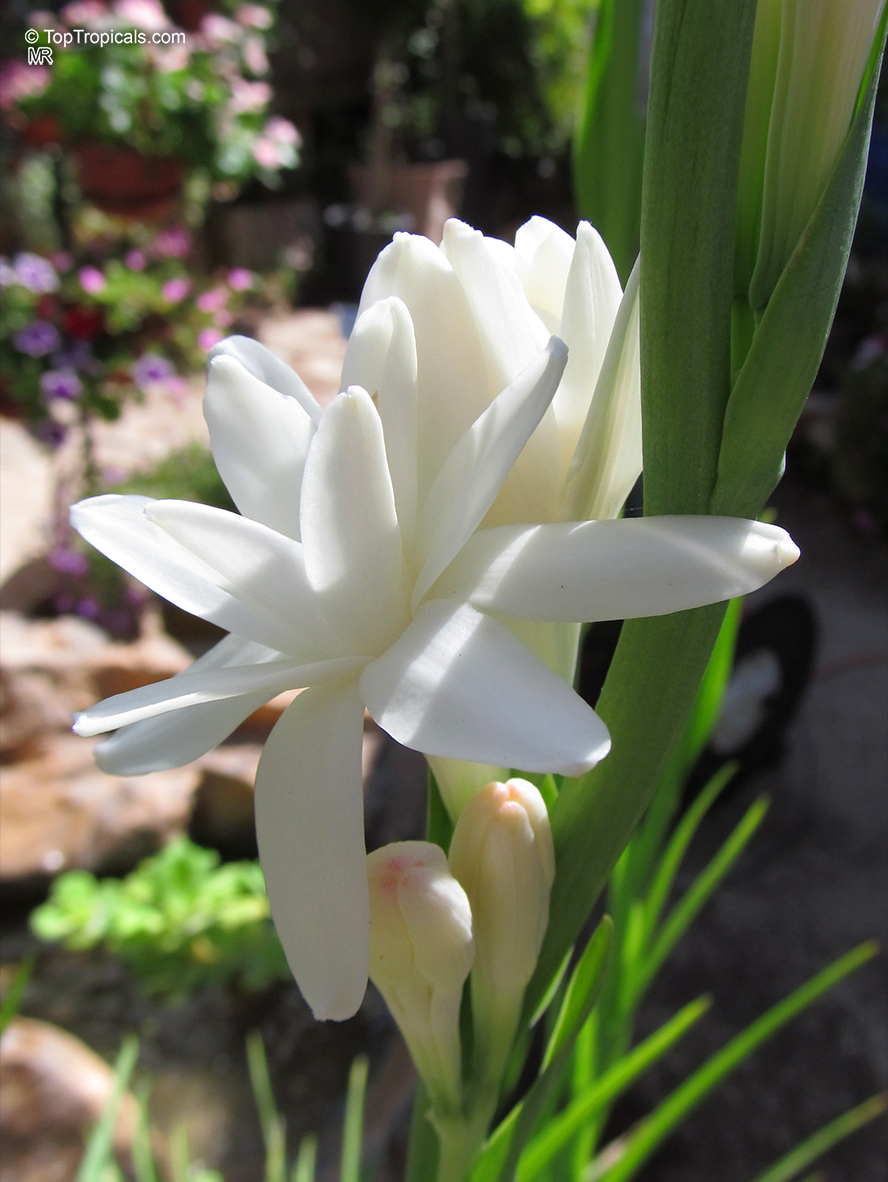
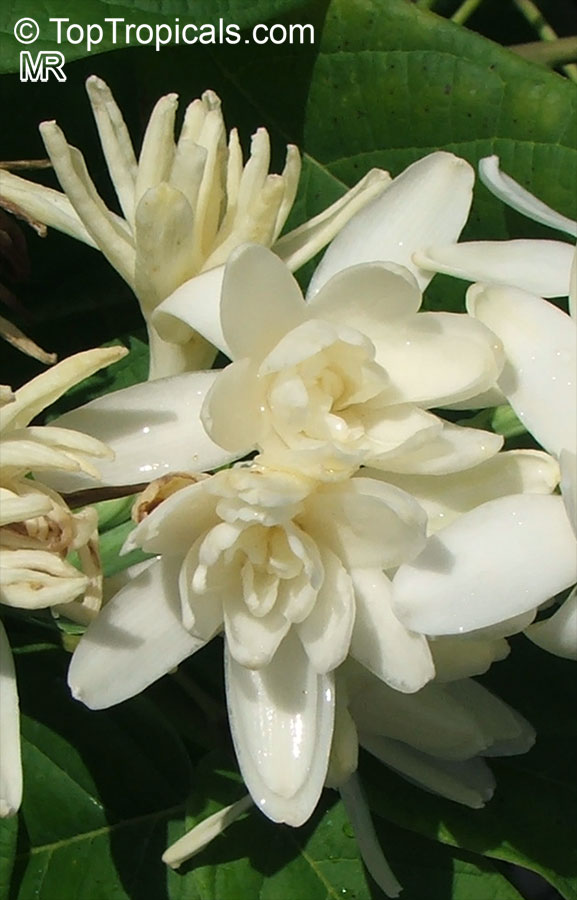
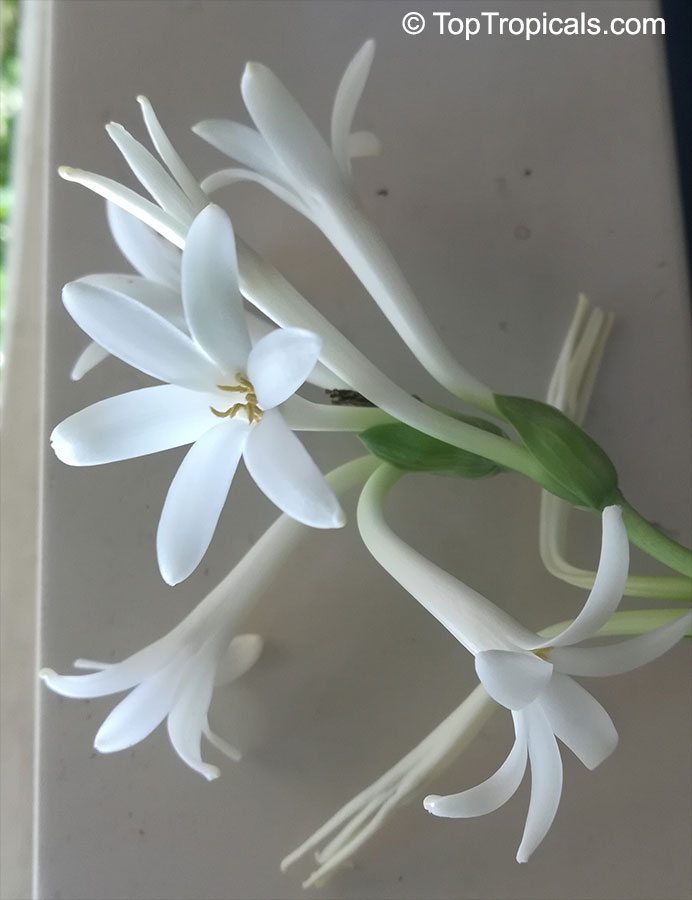
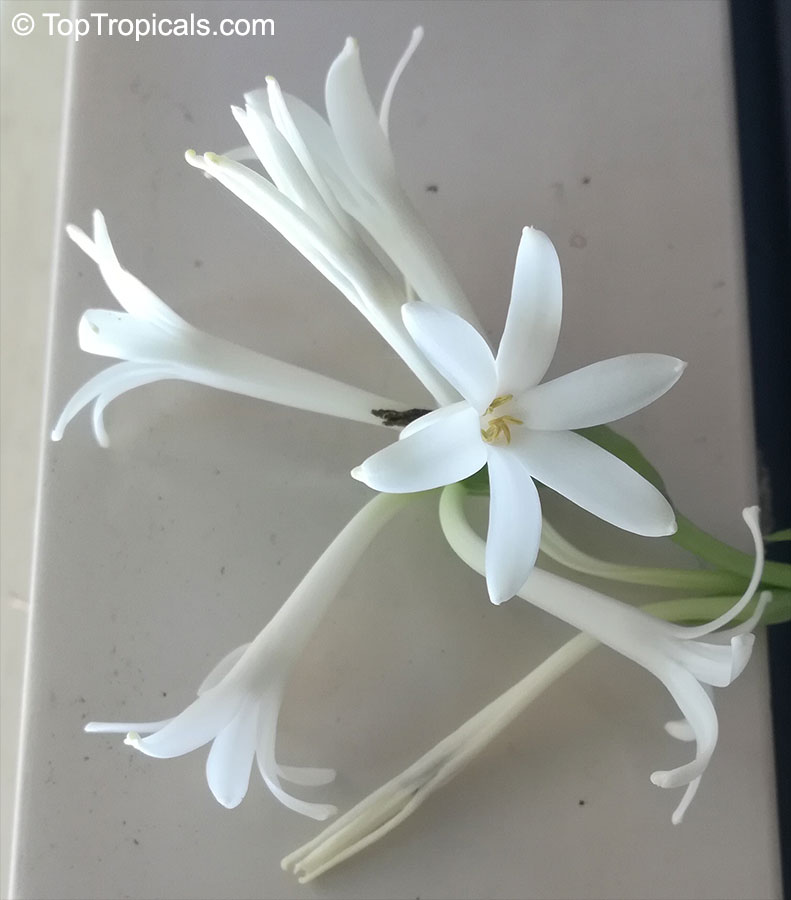
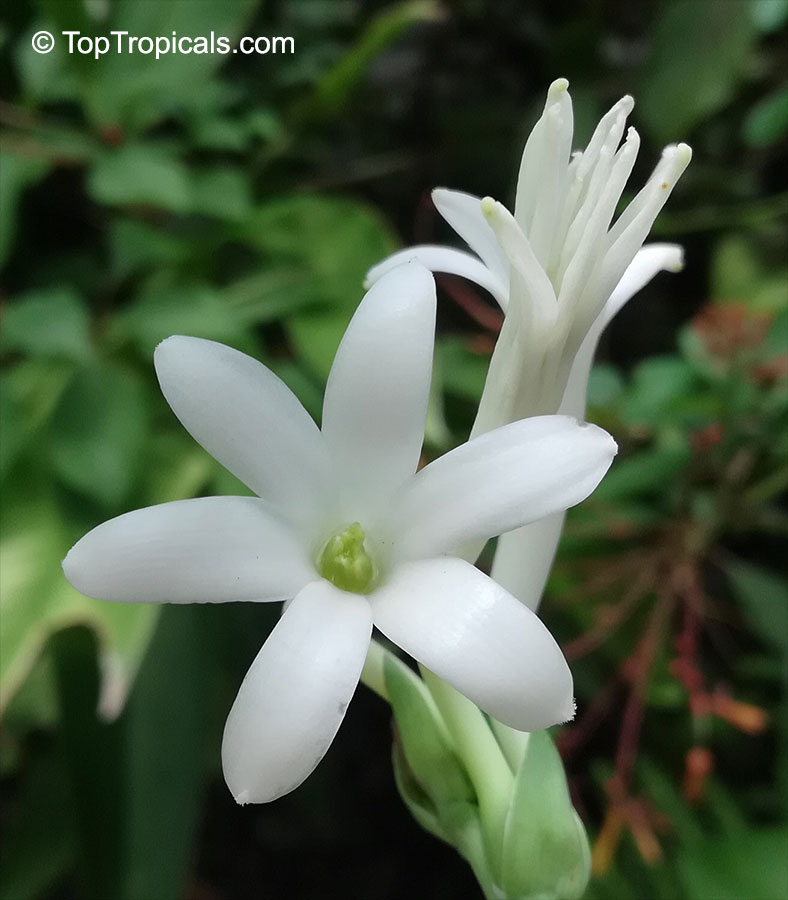
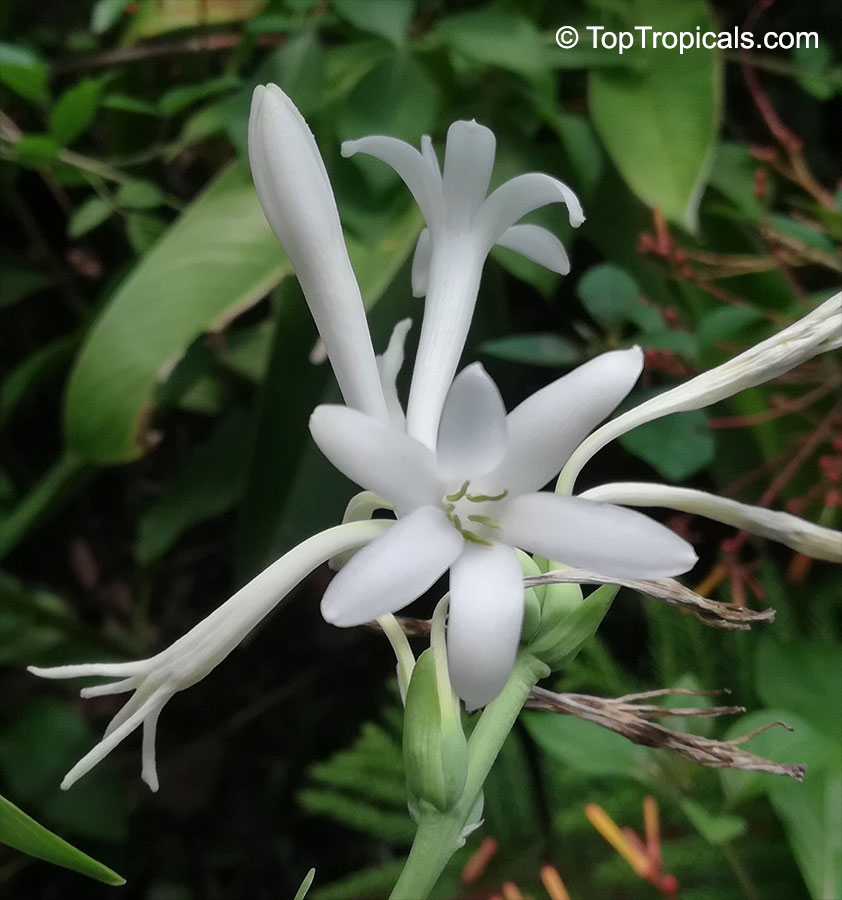
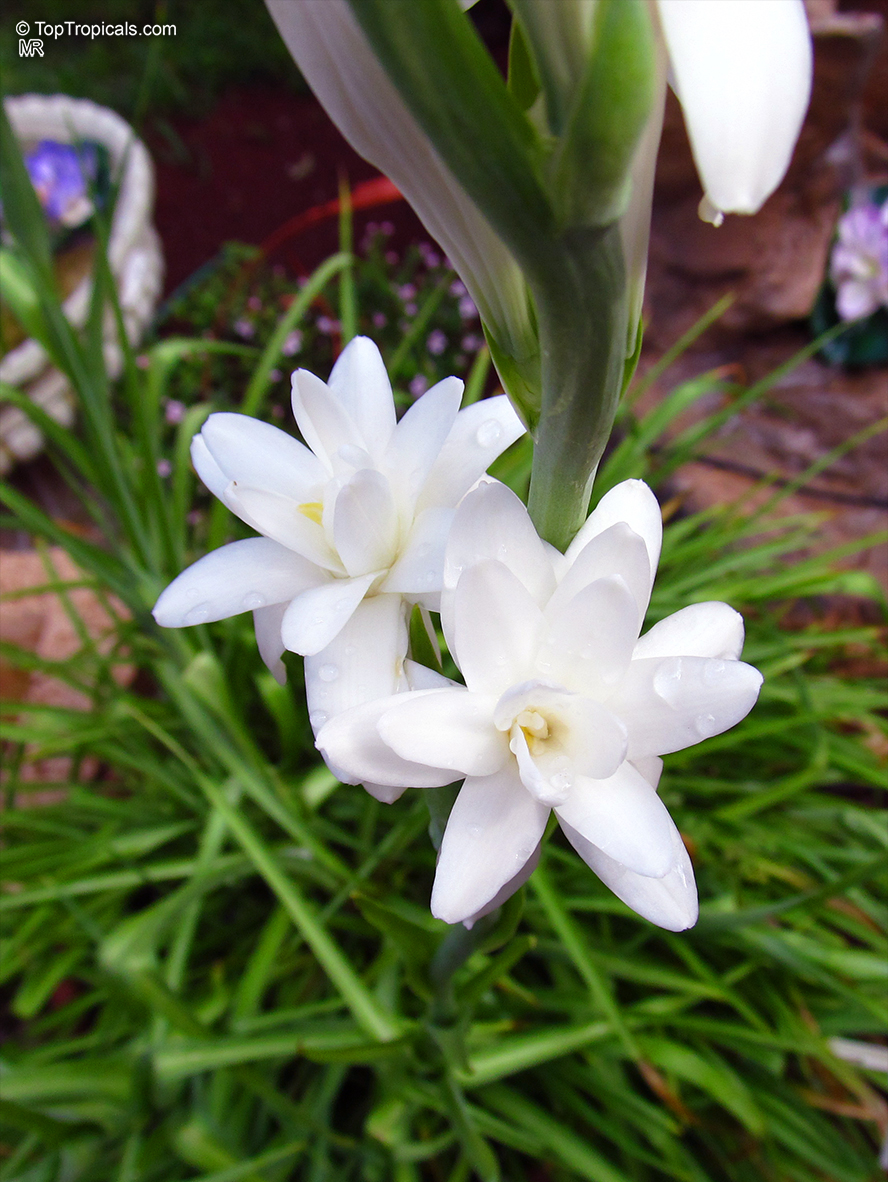
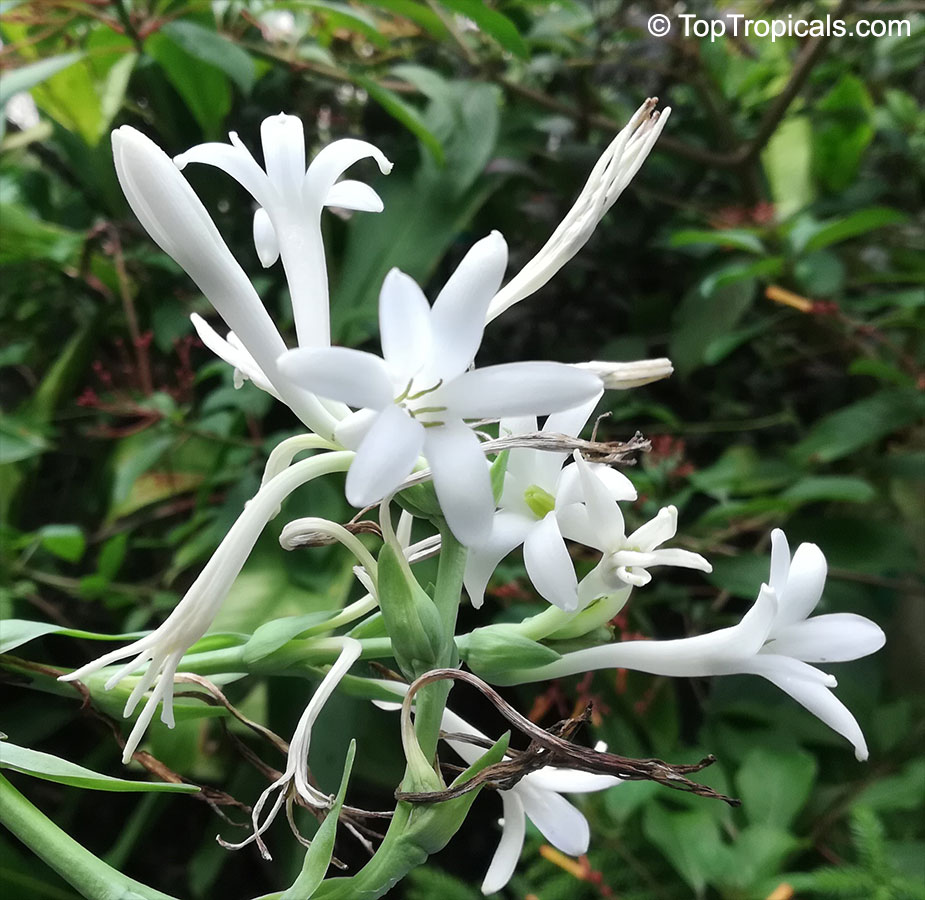
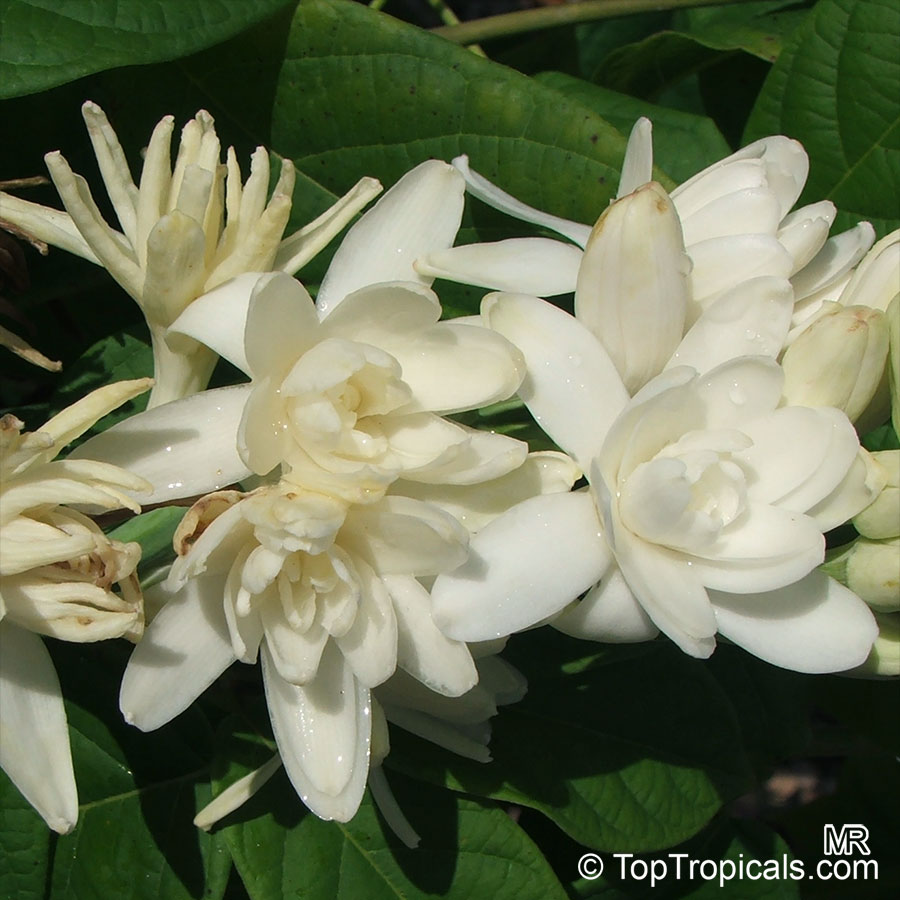
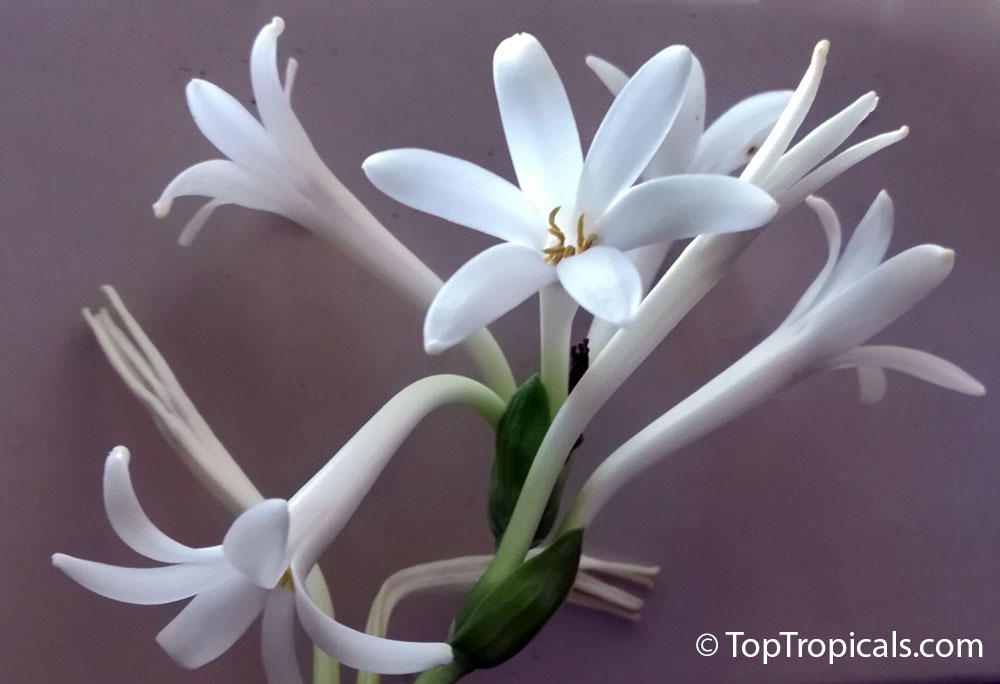
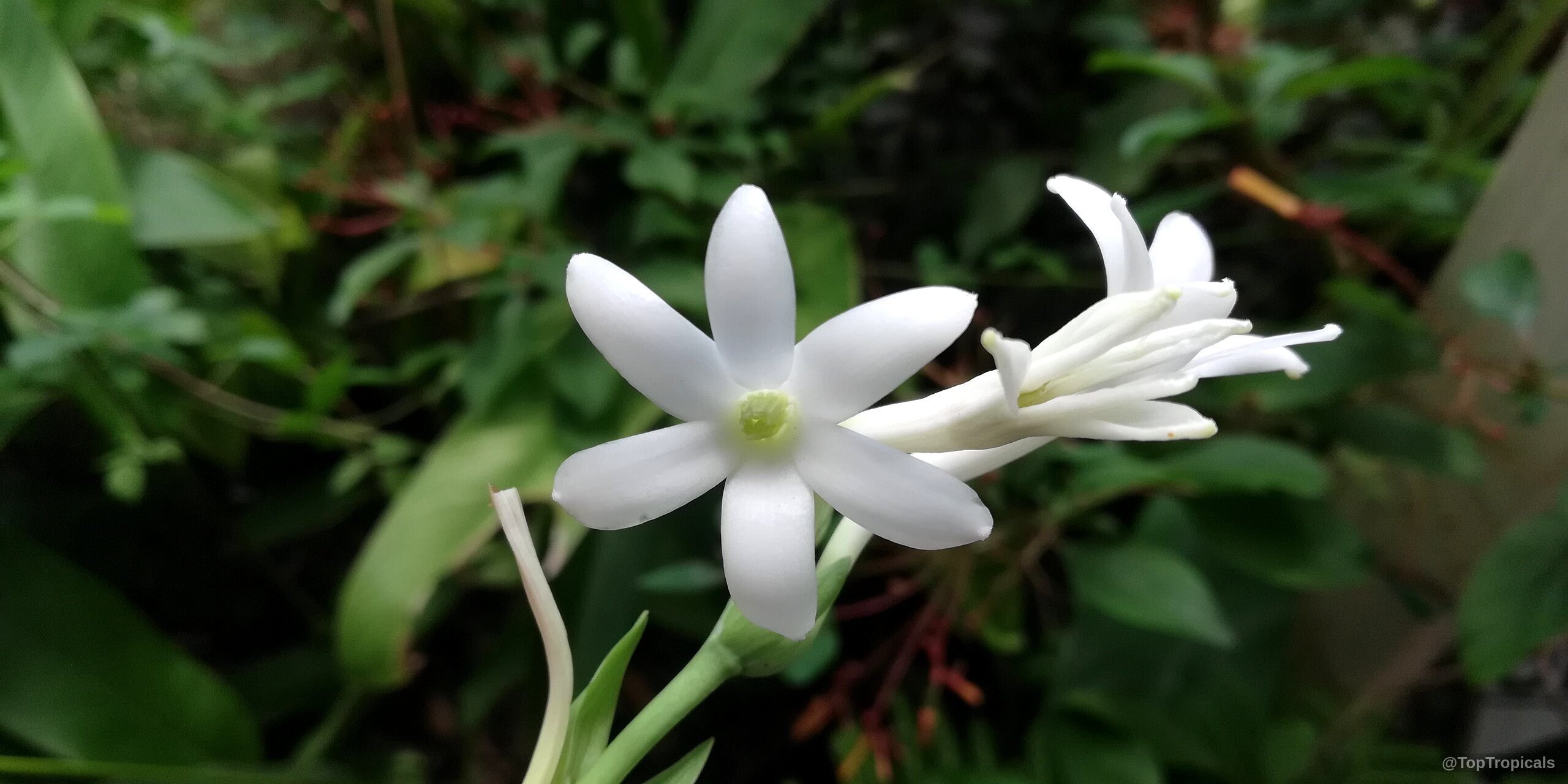
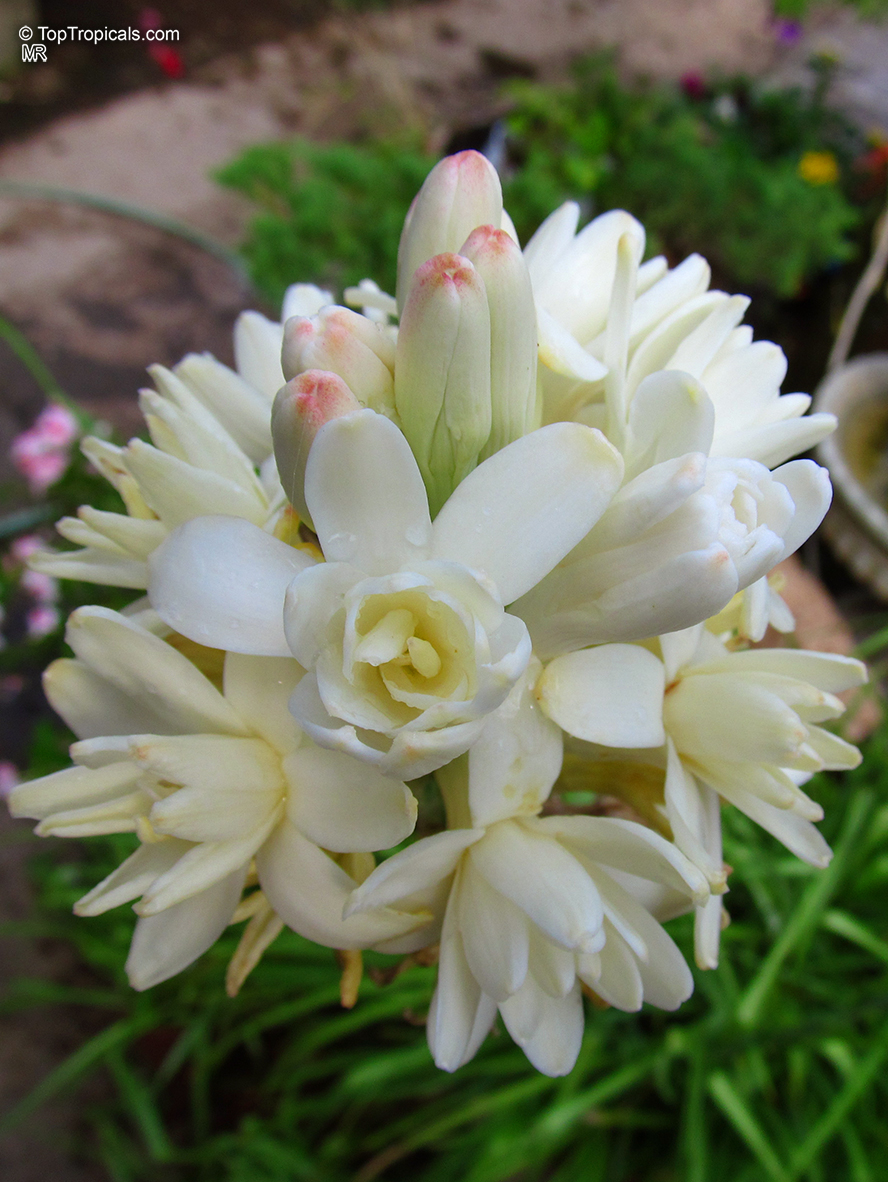
Botanical names: Agave amica, Polianthes tuberosa
Common name: Tuberose
Family: Asparagaceae (Formerly:Agavaceae / Amaryllidaceae)
Subfamily: Agavoideae
Origin: Mexico
USDA Zone: 9-11
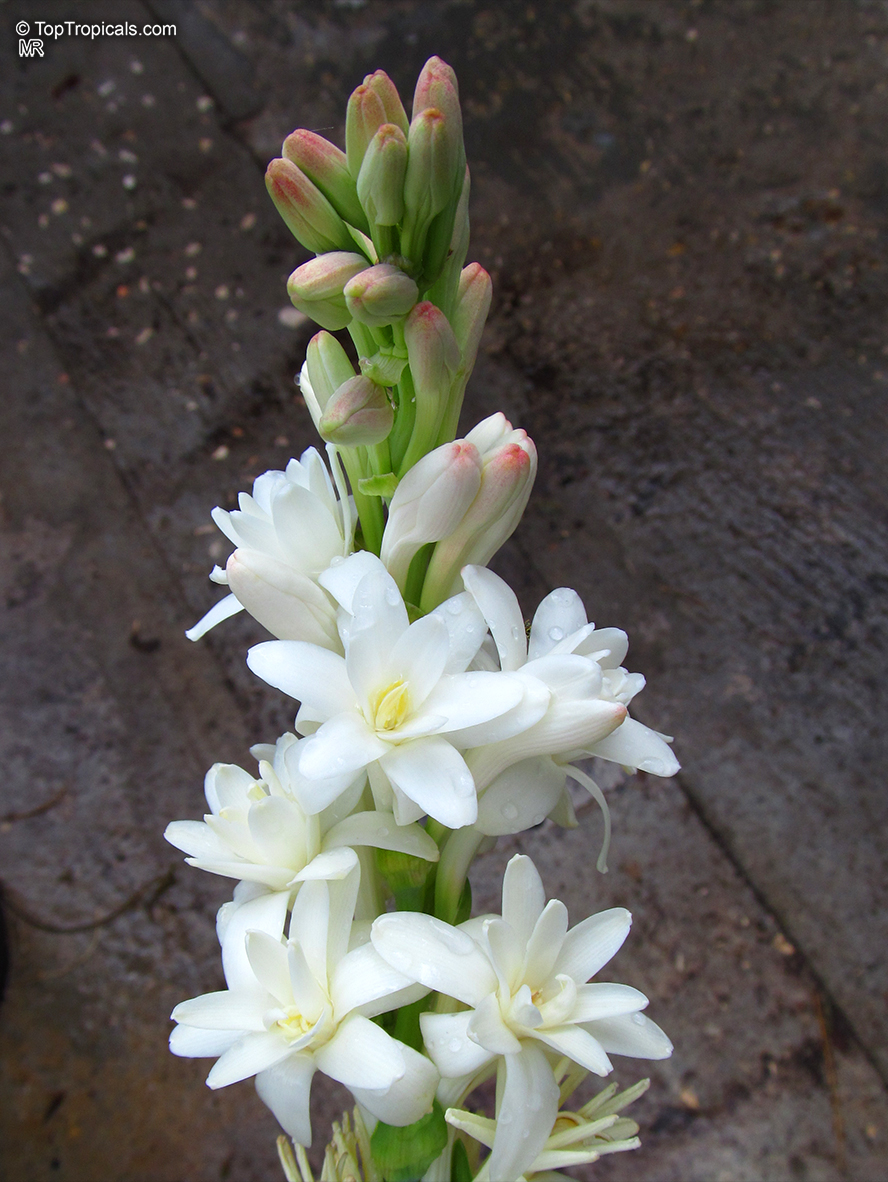
The Tuberose grows in elongated spikes up to 45 cm (18 in) long that produce clusters of fragrant waxy white flowers that bloom from the bottom towards the top of the spike. It has long, bright green leaves clustered at the base of the plant and smaller, clasping leaves along the stem.
Tuberose may grow wild in Mexico and surrounding countries, but the cultivation of tuberose is usually in Morocco, the Comores Islands, France, Hawaii, South Africa, India, and China.
Long-lasting as a cut flower in water (with lots of changes.)Most flowers begin to lose their scent when they are picked. Not so with tuberose, like jasmine, the heady floral scent continues to produce itself. In Ayurvedic medicine, attars are held in high esteem not only for their exquisite fragrance, but their healing properties. Tuberose is known to improve one's capacity for emotional depth.
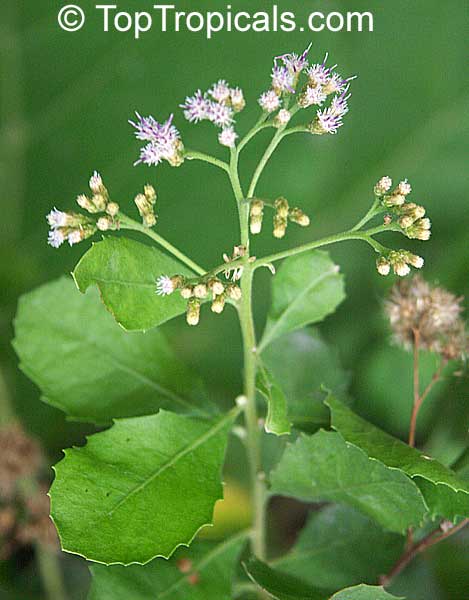
Botanical name: Ageratum conyzoides
Common names: Mexican Ageratum, Yoat Weed
Family: Asteraceae
Origin: Central America , Caribbean
USDA Zone: 9-10

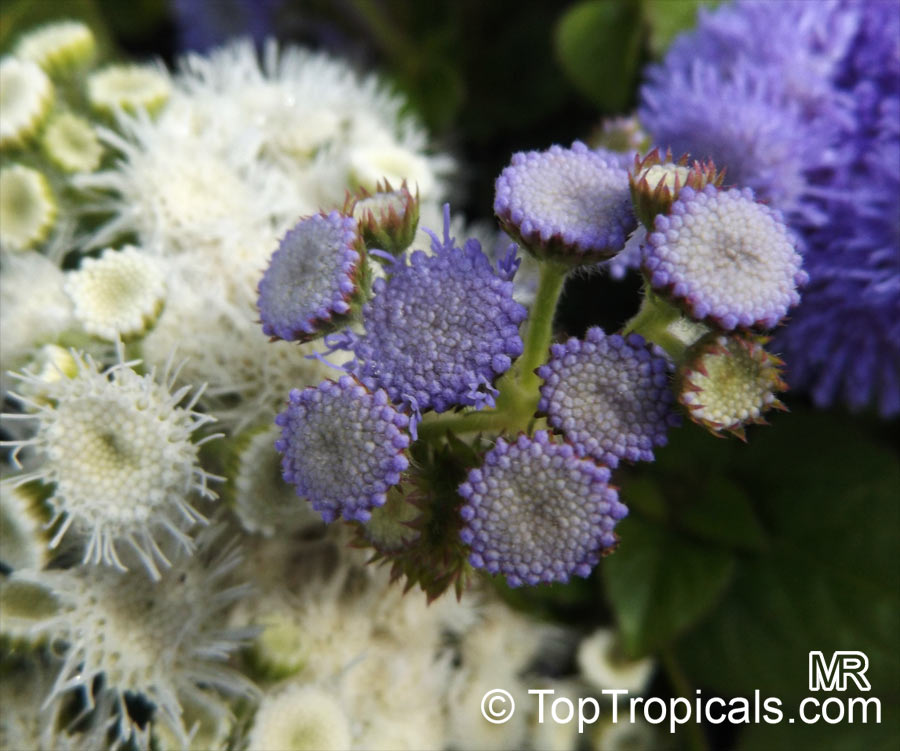
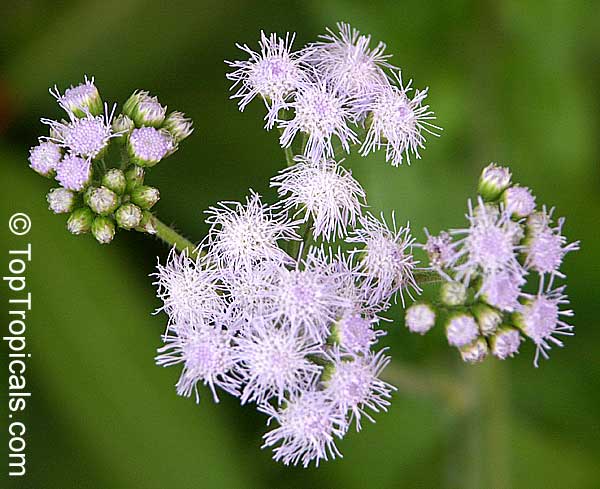
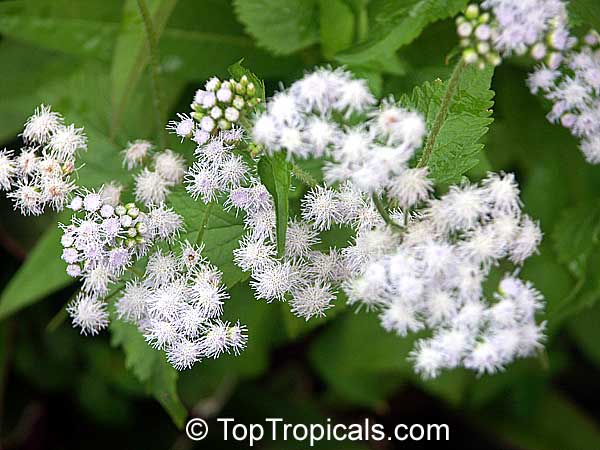
The Ageratum is an annual herb that grows to a height of around two feet and produces clusters of small, pretty flowers along its hairy stems. In some countries, it is classed as a weed which is hard to control. In traditional medicine systems in areas where Ageratum grows continuously, it is widely used. In Brazil, an infusion of its leaves or the entire plant is employed to treat colic, colds, fevers, diarrhea, rheumatism and spasms, as well as serving as a tonic. It is also recommended for the treatment of burns and wounds. In countries of Latin and South America, it is utilized for its antibacterial properties to treat infectious conditions and bacterial infections. In Africa, it is employed for fever, rheumatism, headache, pneumonia, wounds, burns and colic.
Ageratum is native to Central America and the Caribbean and can be grown in USDA Zone 9-11, either outdoors or indoors in cooler climates. It grows best in rich, moist soil, with regular watering. Its colorful blooms, which come in shades of pink, white and off-white, will attract butterflies and hummingbirds. The flowering season of Ageratum is usually all summer and the shrub often self-seeds depending on the climate.
To keep Ageratum healthy, the soil should be kept moist but not soggy. Deadhead the spent flowers and avoid overwatering to prevent root rot. If planting in a pot, it is best to first use a potting soil specifically formulated for containers, and then cover with 1-2 inches of a moisture-retaining material such as straw or bark. To encourage blooming, cut the plant back after flowering.
While Ageratum has a place in traditional medicine systems, it is believed to be invasive in parts of the United States. Therefore, caution should be used when planting and spreading to wild, natural areas should be avoided to prevent ecological damage.
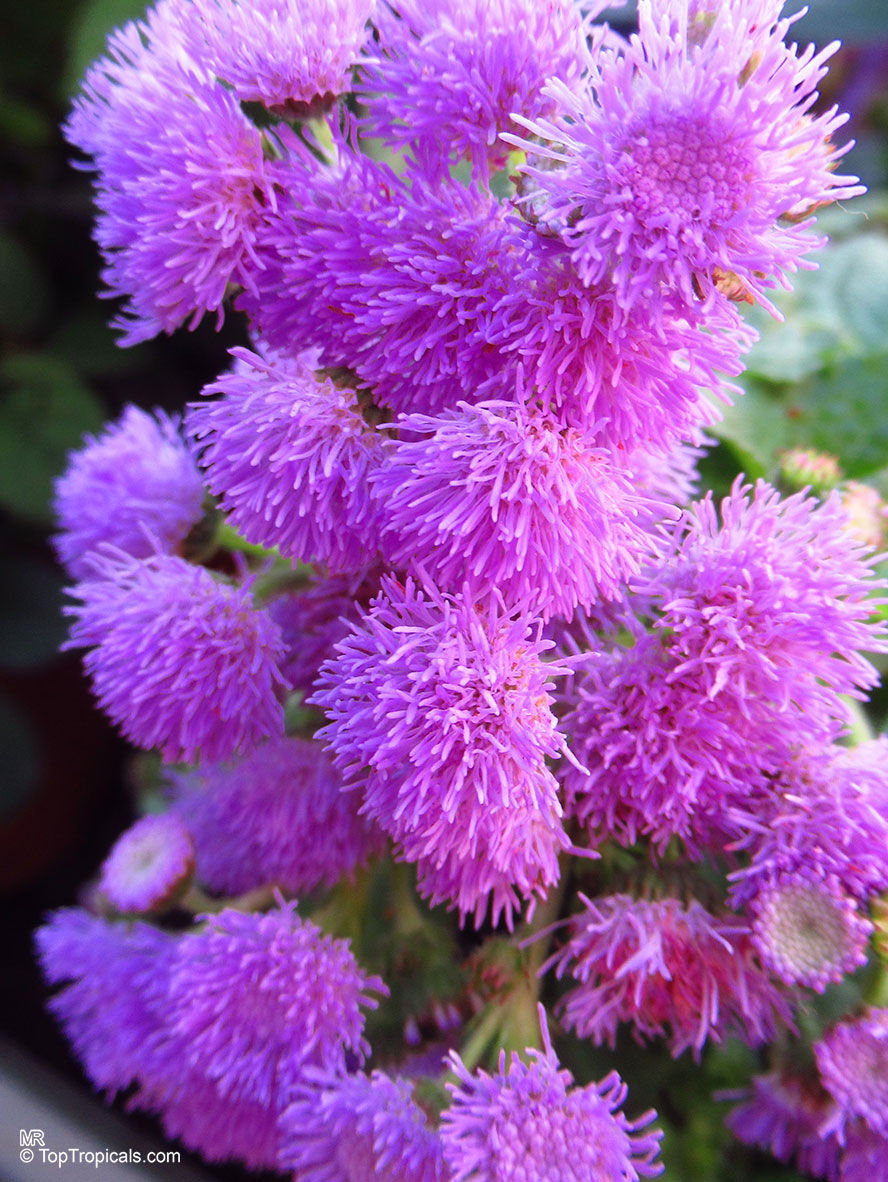
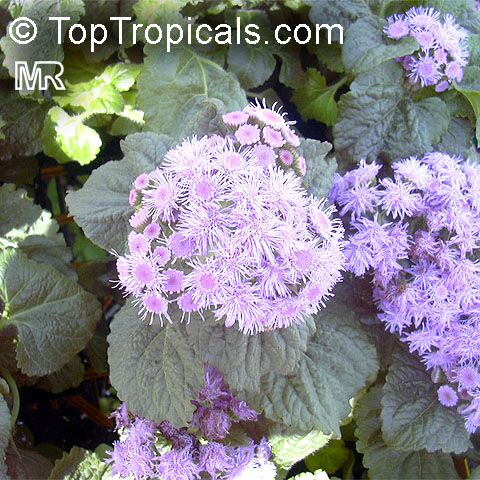
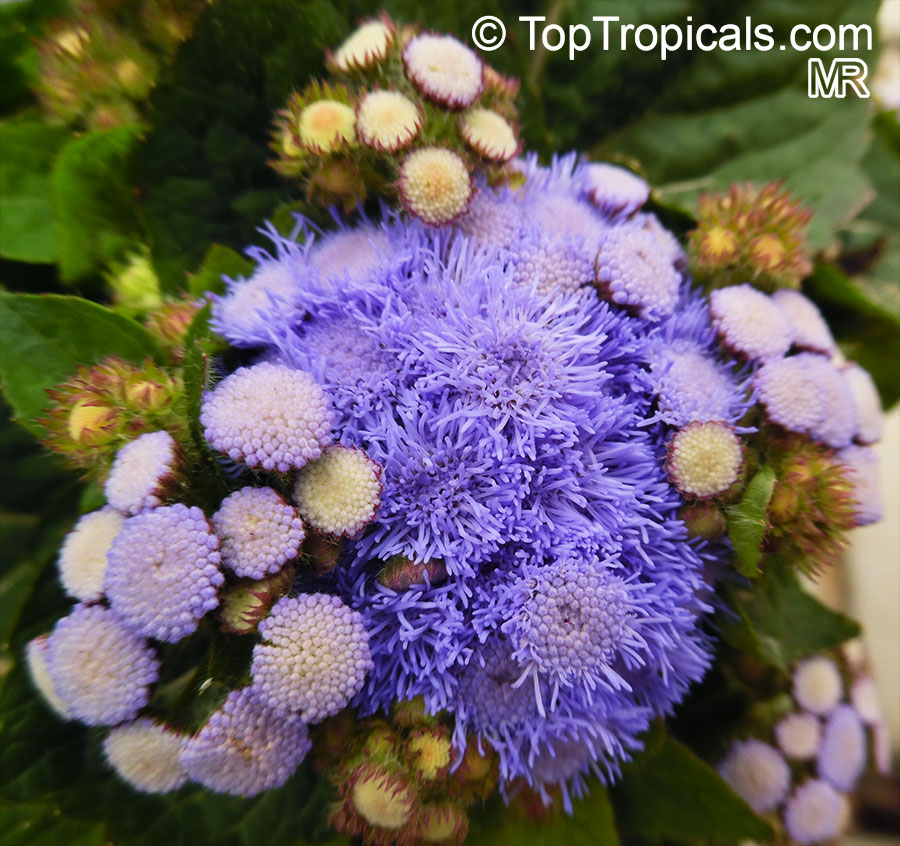
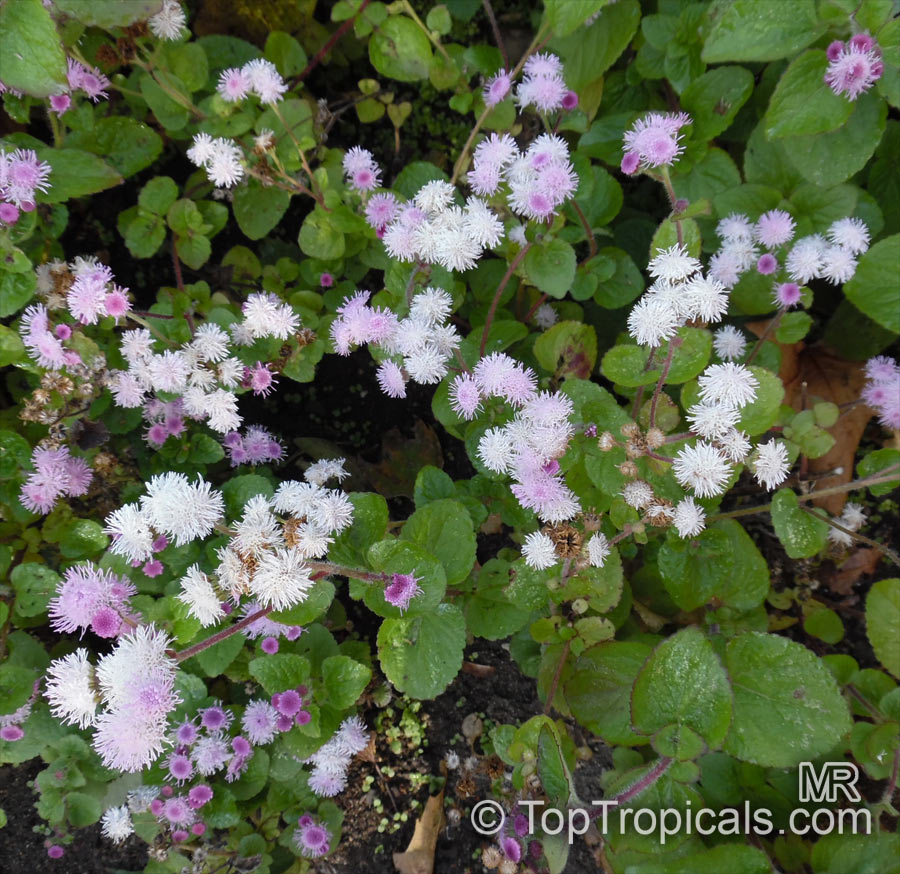
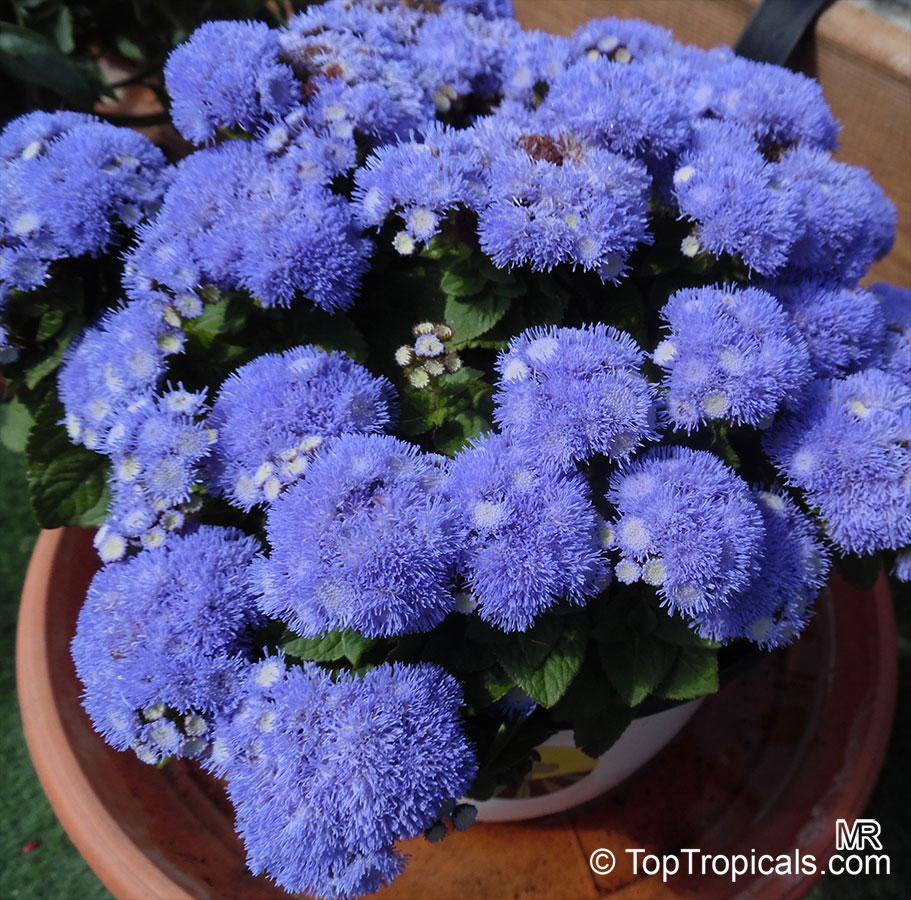
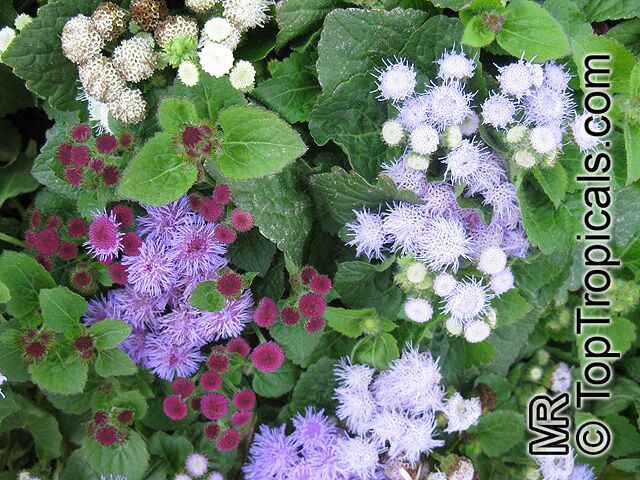
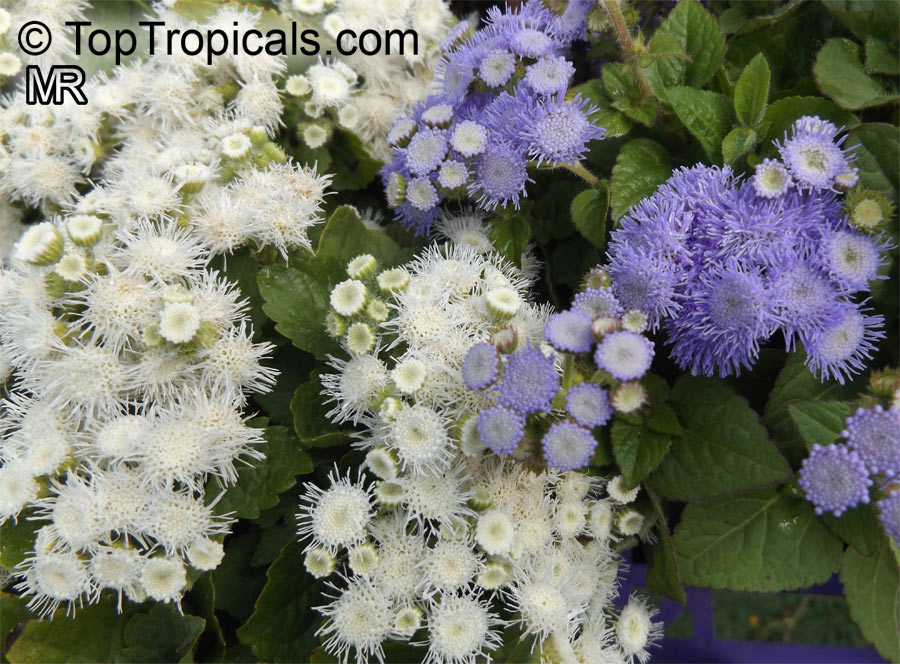
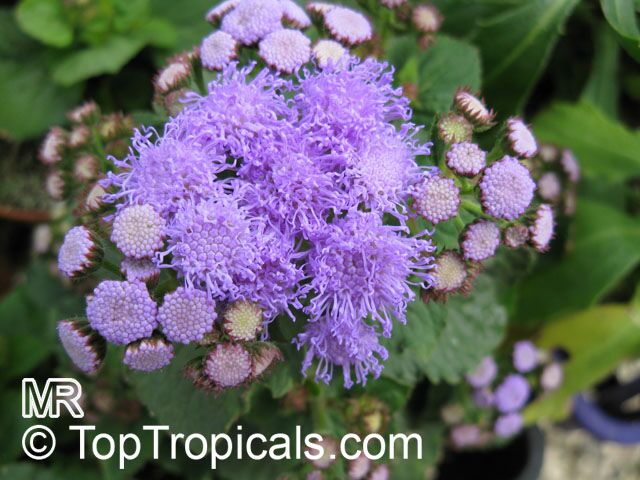
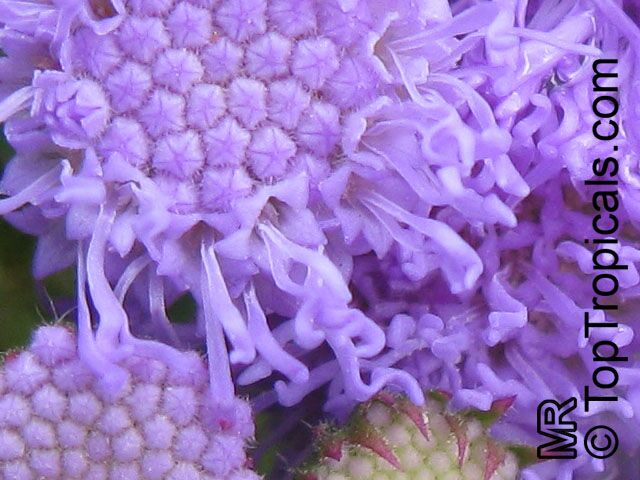
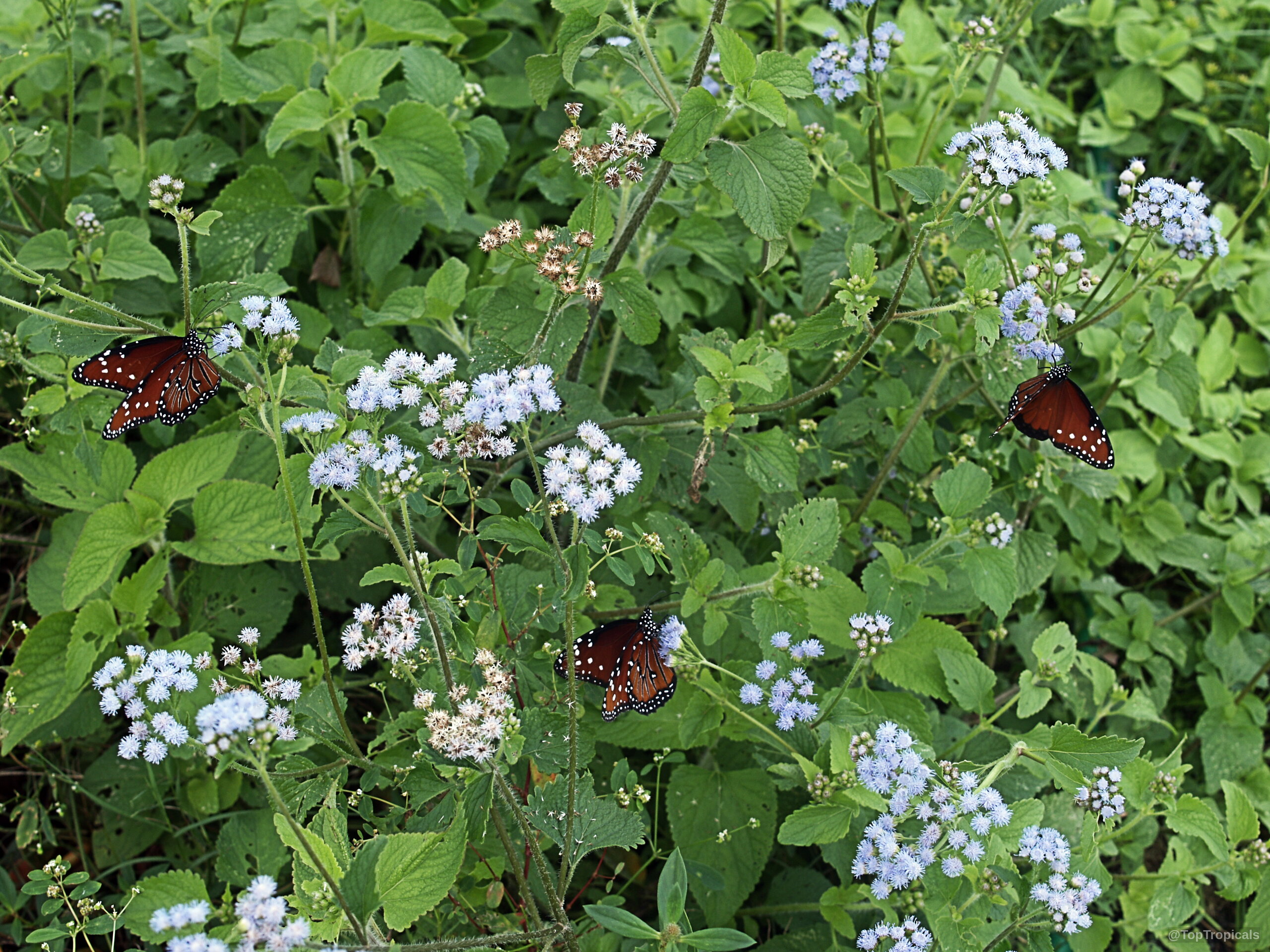
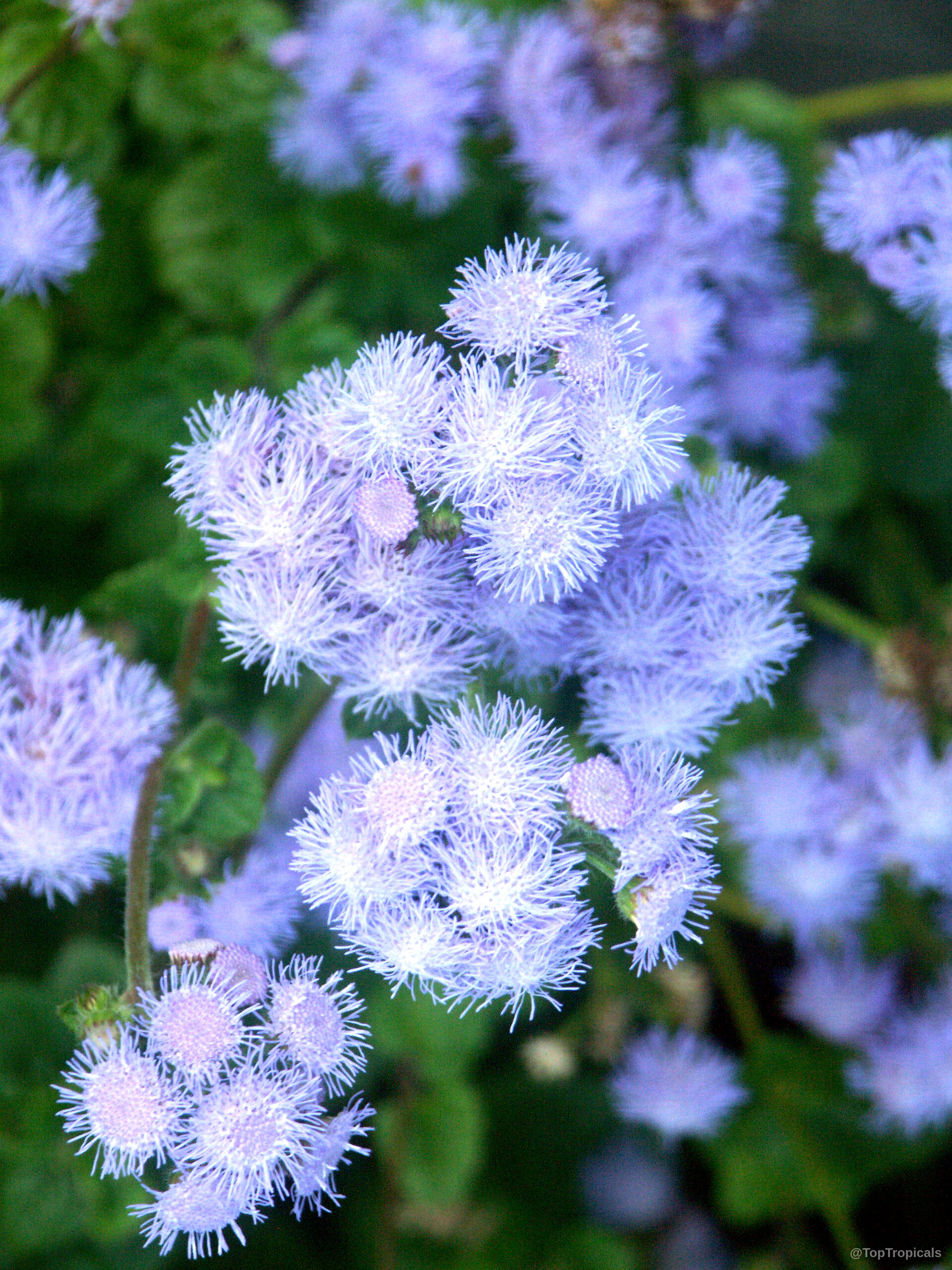
Botanical name: Ageratum houstonianum
Common name: Flossflower
Family: Asteraceae
Origin: Mexico, Belize, and Guatemala
USDA Zone: 2-11
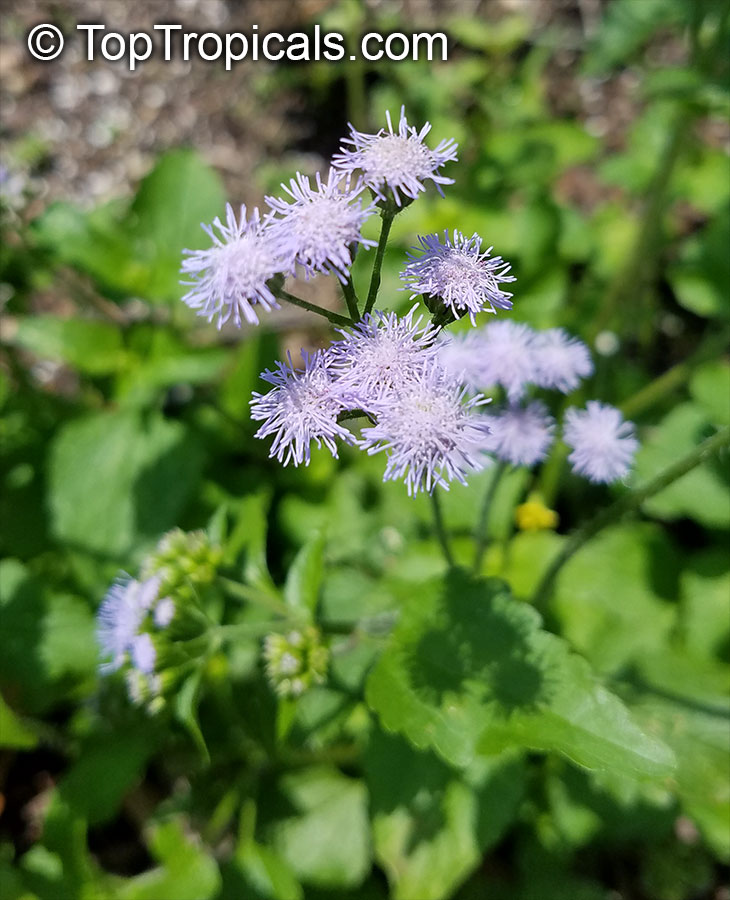
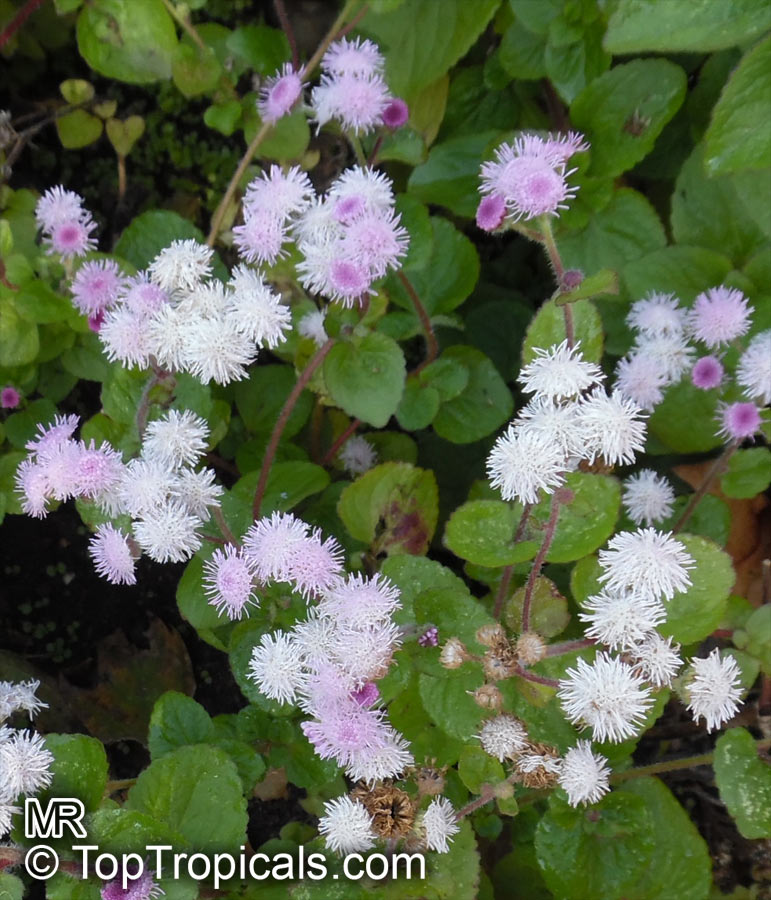
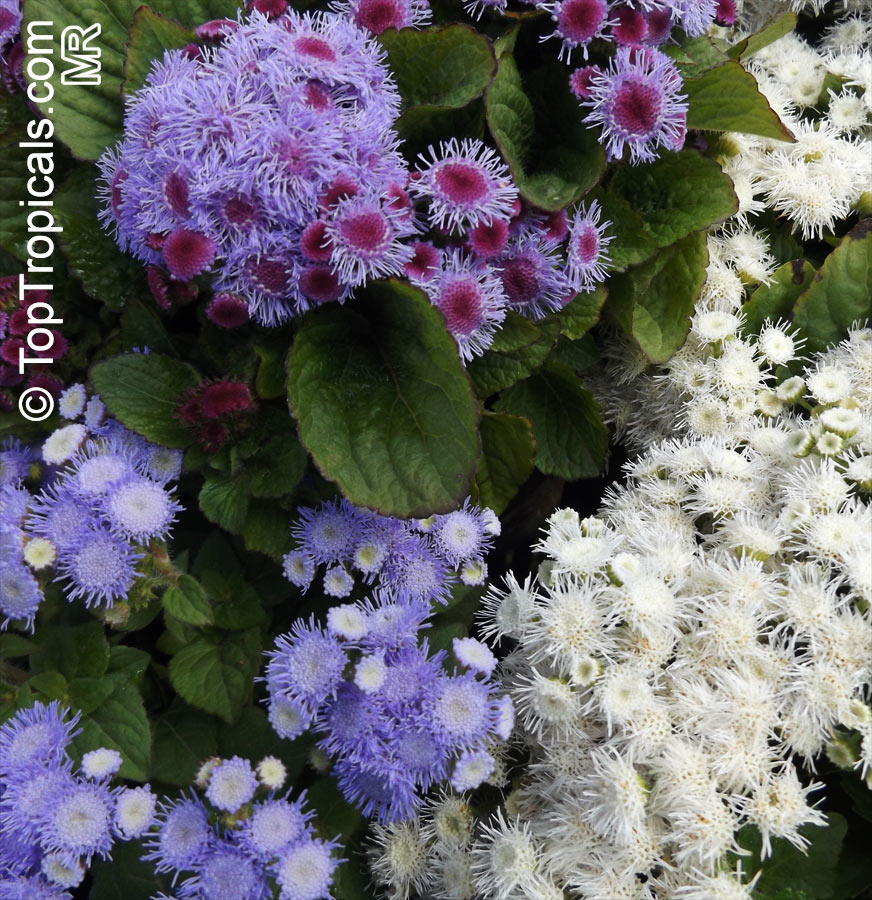
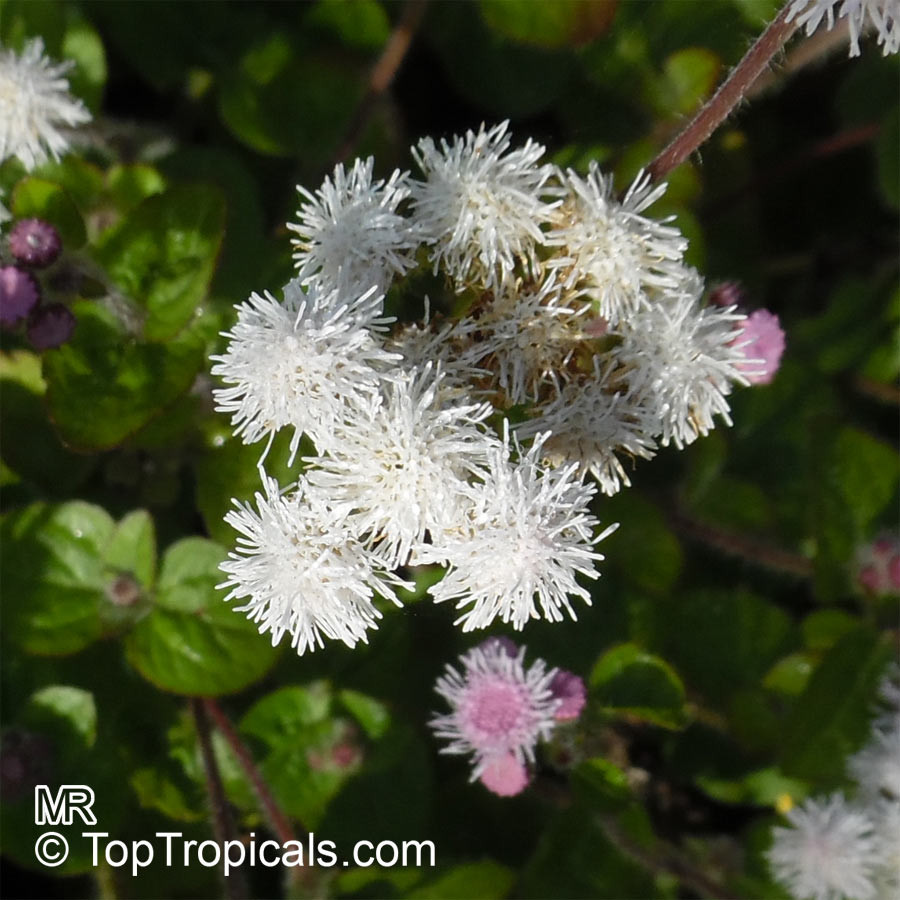
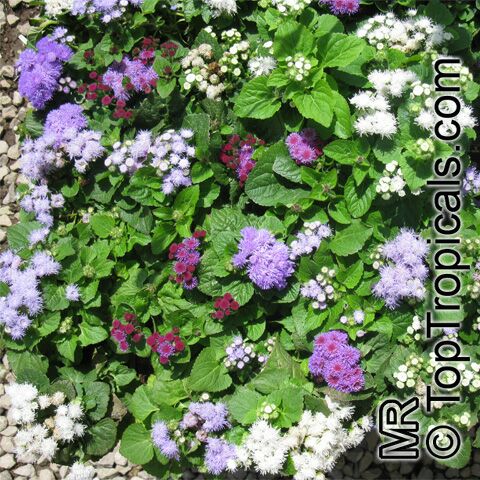
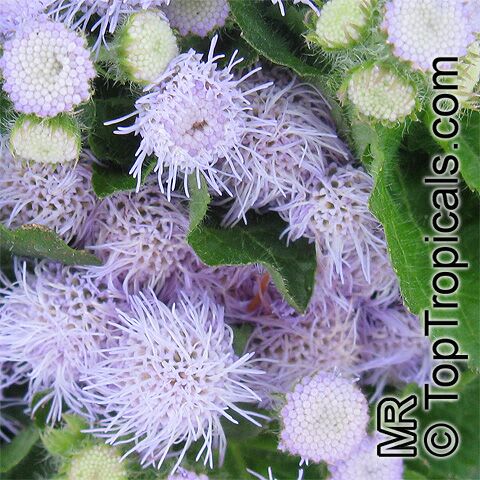
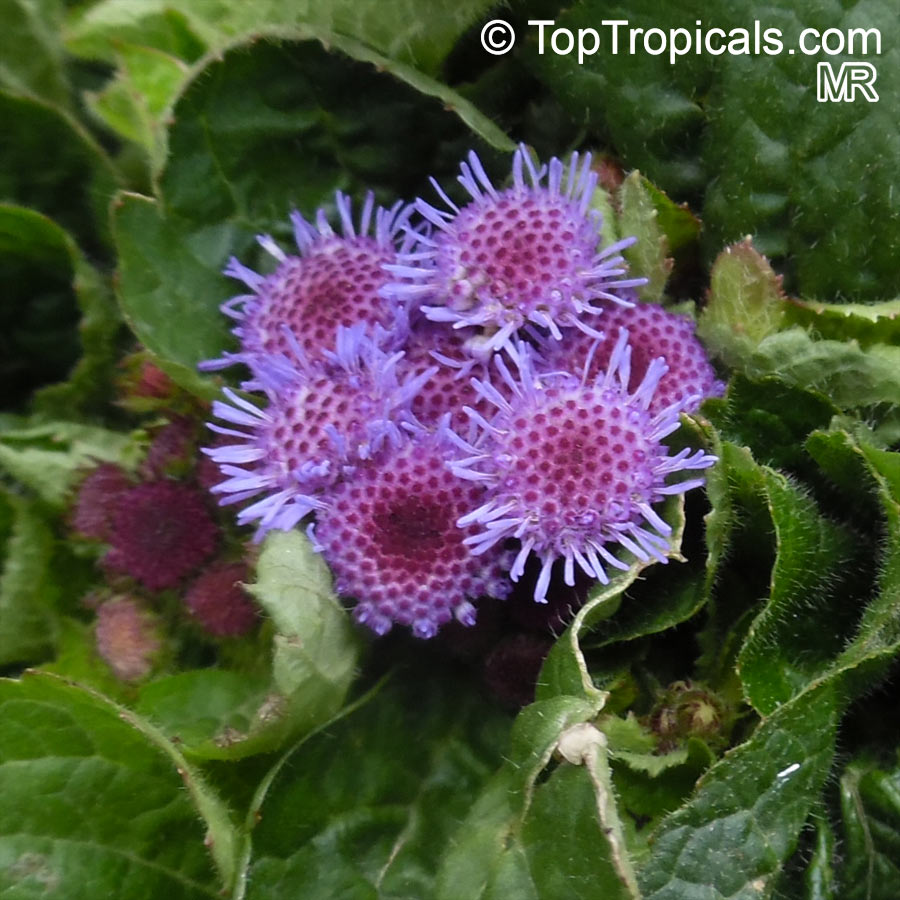
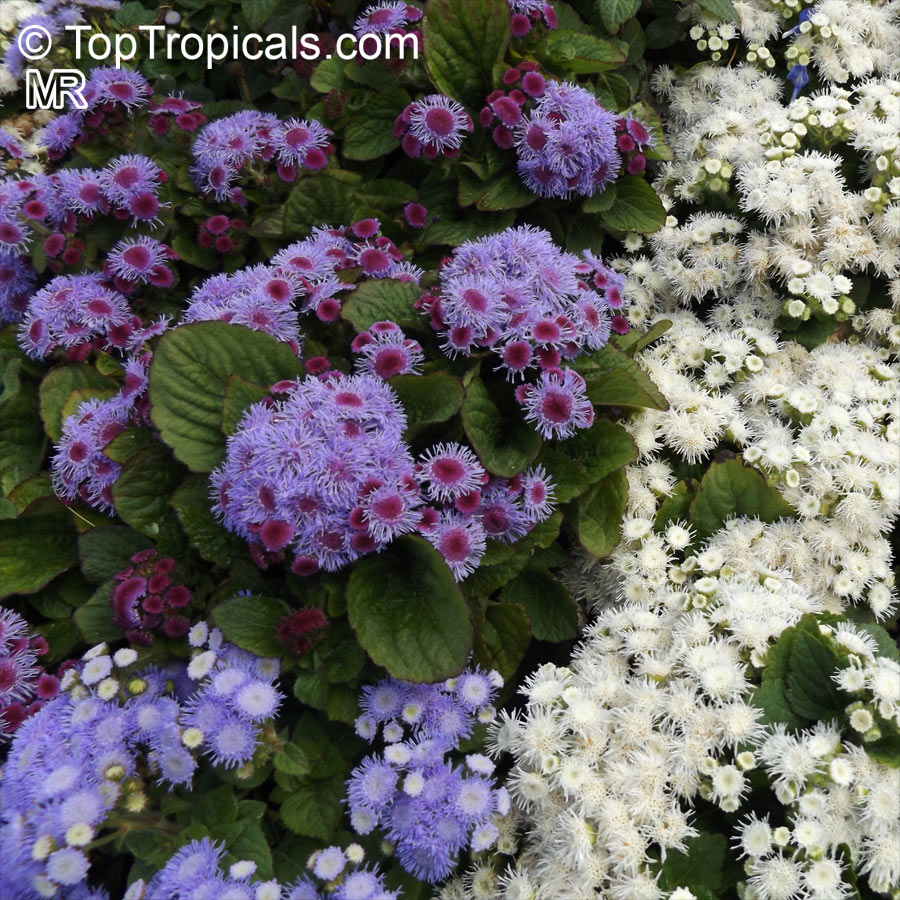
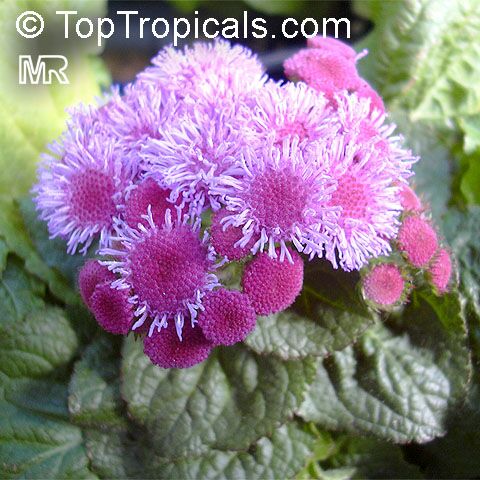
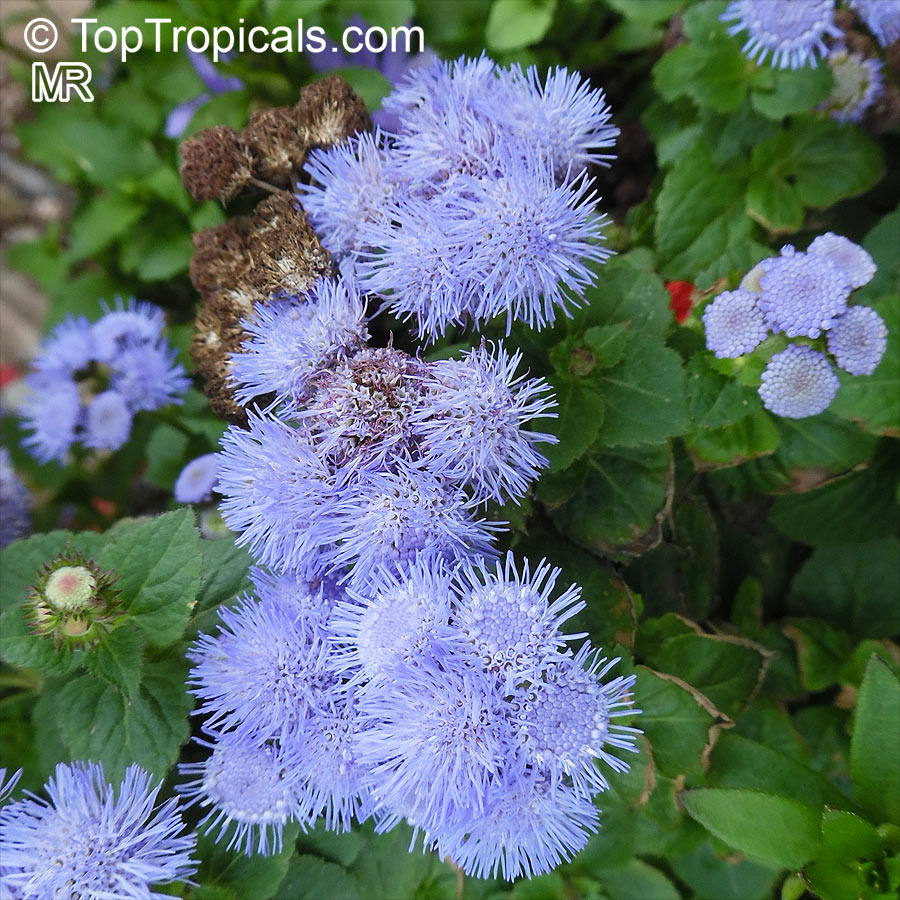
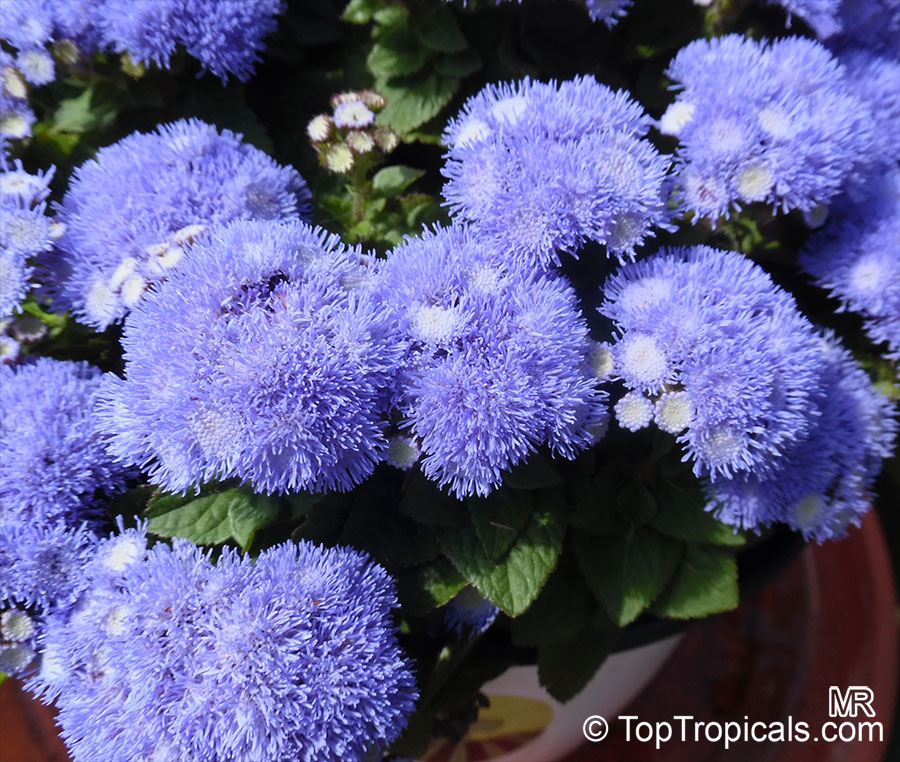
As a long-blooming, summer annual, this plant keeps a nice mounded shape throughout its bloom period. It is covered with clusters of small flowers. It comes in blue, pink, and white blooms. It generally grows about a foot high, though some dwarf varieties are available. Mass blue Ageratum is beautiful in beds with yellow marigolds for complementary colors, or with pink begonias to create a soft pastel carpet. Ageratum is very easy to grow in a sunny location.



| Prev | Next | |
Use link to repeat this search:
https://toptropicals.com/cgi-bin/garden_catalog/cat.cgi?search_op=and&keyword_op=and&language=e&number=10&no_change_lang=1
&v1=wht&user=tt&sale=1&first=0