Spice or herb plant - Plant Encyclopedia Results (Page 5)
| Number of plants found: 168 |  | Prev | Next | 
|
Go to page: | 1 | 2 | 3 | 4 | 5 | 6 | 7 | 8 | 9 | Last |

Botanical name: Coriandrum sativum
Common names: Coriander, Cilantro, Ketumbar
Family: Apiaceae / Umbelliferae
Origin: Mediterranean
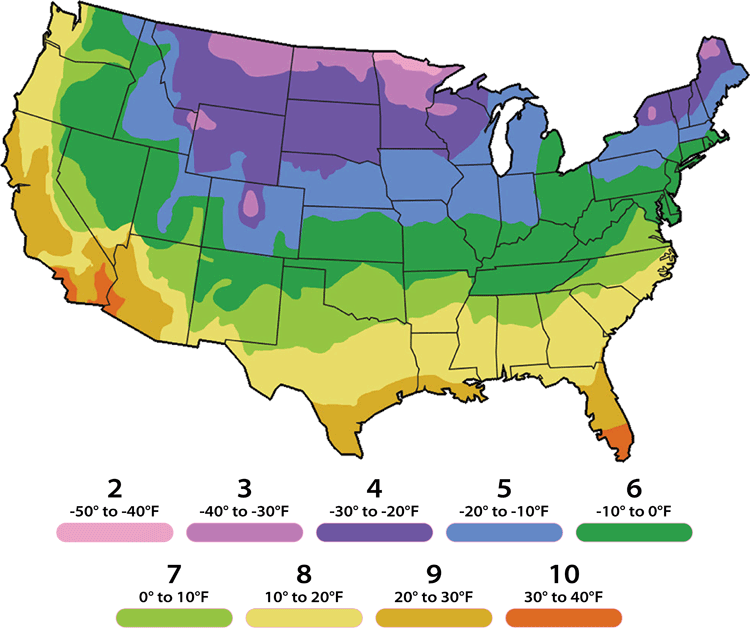
USDA Zone: 2-10


Coriandrum sativum is an annual herb.
The lower leaves of coriander are lobed and look a little like parsley. The upper leaves are finely dissected into linear segments and almost fernlike. The flowers are borne in small umbels, white or very pale pink, asymmetrical.
Fresh leaves (Cilantro) provide an exotic tang in Asian dishes. The dried seeds (Ketumbar) are used in curry powders, chutneys, confectionery, cakes and sauces.


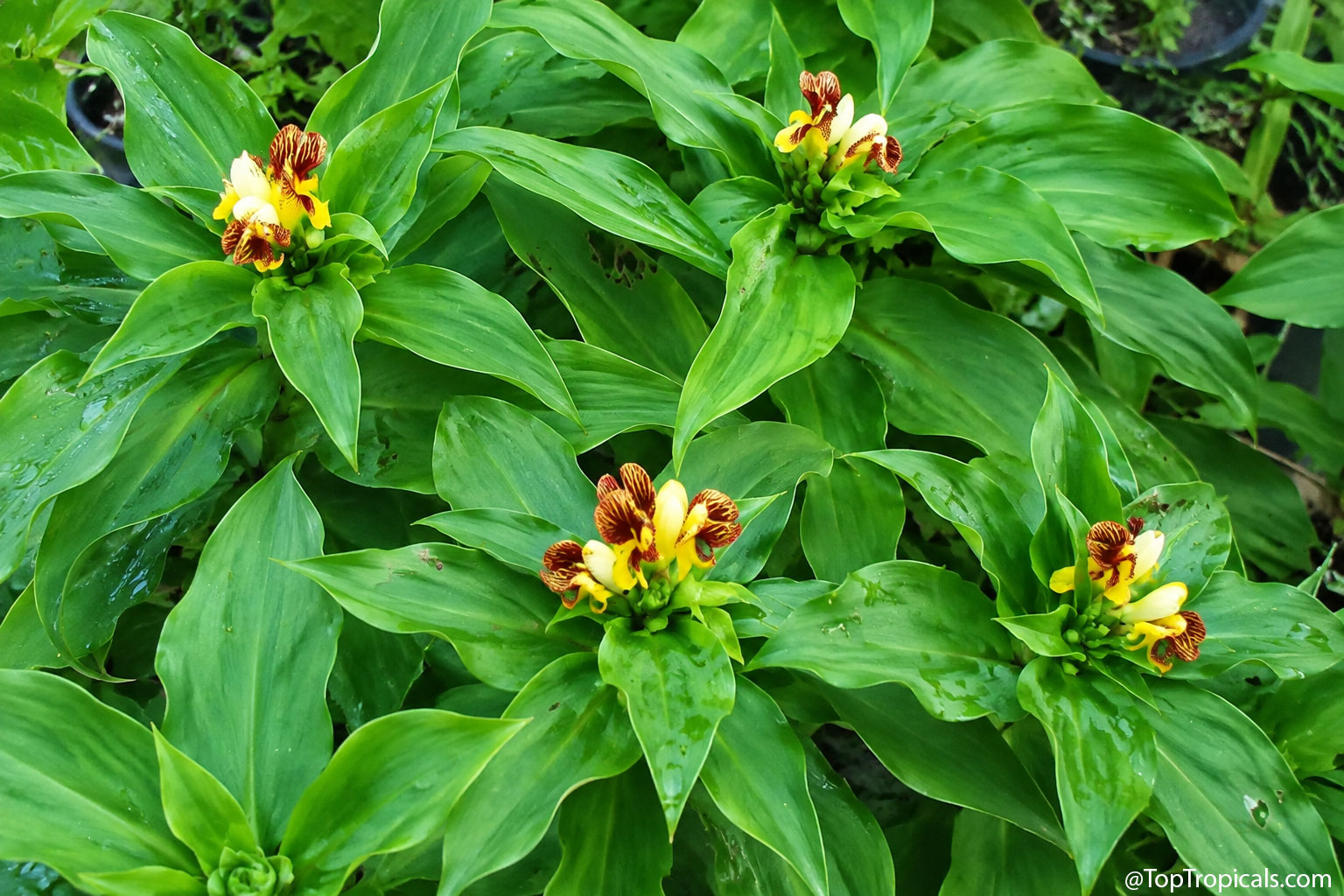
Botanical names: Costus igneus, Chamaecostus cuspidatus
Common names: Insulin Plant, Fiery Costus, Spiral Flag
Family: Costaceae
Origin: Eastern Brazil
USDA Zone: 9-11


Costus igneus (Chamaecostus cuspidatus) is known as the insulin plant because it may help lower glucose levels for some people with diabetes. Researchers believe it can help lower blood sugar level.
The plant has large, fleshy, smooth turmeric-like spiral leaves that are dark green on top with light purple undersides. The undersides of these large, smooth, dark green leaves have light purple shade. The leaves are spirally arranged around the stem, forming attractive, arching clumps arising from underground rootstocks. The maximum height of these plants is about two feet. The flowers are orange in color, appear to be cone-like heads at the tips of branches. Flowering occurs during the warm months.
Grow Costus igneus in either full sun or partial shade. Costus igneus needs fertile soil, with plenty of moisture. Due to these requirements, it is often planted near water. It makes a nice aesthetic accent in landscaped shrub borders, where the orange flowers will contrast the greens of the shrub border. Planted on two to three foot centers, Costus igneus can act as a tall ground cover, and can help brighten a partially shaded location. Propagation is by division of the clumps, cuttings, or by separating the offsets or plantlets that form below the flower heads.
The species reproduces vegetative by rhizome and birds disperse seeds when they feed on the fruits. Costus products are sometimes called Costus comosus and are edible in nature. The flower petals are edible! The flower petals are quite sweet and nutritious. It's a lower grower and makes a great ground cover. The plant grows very quickly. It is cultivated in India for its use in traditional medicine and elsewhere as an ornamental. It thrives in sunny areas with a little shade. It is a rapid growing plant, that spreads from rhizomes that form attractive foliage around the original root stock.
Costus igneus does well planted in the ground year round in USDA zones 9-11, but is also very suitable for a container garden or above-ground planter. The plant is moderately tolerant of drought. The Insulin Plant makes a beautiful indoor or house plant, perfect for cascading down a wall.
In Siddha medicine, it is known as kostum. It is being cultivated in Kashmir and the Himalayan regions for its root. It is related to the gingers and was originally part of the family Zingiberaceae. But now the Costus species and their kin have been reclassified into their own family, Costaceae.
Studies suggest that Insulin Plant has antimicrobial, antidiabetic, antiproliferative, hepatoprotective properties. The plant is also traditionally used in Ayurvedic medicine for the treatment of diabetes. Recent research indicates that compounds within the Insulin plant help regulate blood sugar levels, supporting these traditional uses and claims. The plant does not actually contain insulin, which is a misnomer, and can lead to confusion. The blood sugar regulating effects of the plant are it's prominent medicinal value, and are currently being assessed by pharmaceutical companies for use in over the counter and prescription based diabetes treatments.
10 benefits of insulin plant:
- Helps to reduce high blood glucose level
- Improves digestion
- Reduces cholesterol level
- Increases energy level
- Promotes weight loss
- Good for skin health
- Prevents heart diseases
- Relieves stress.
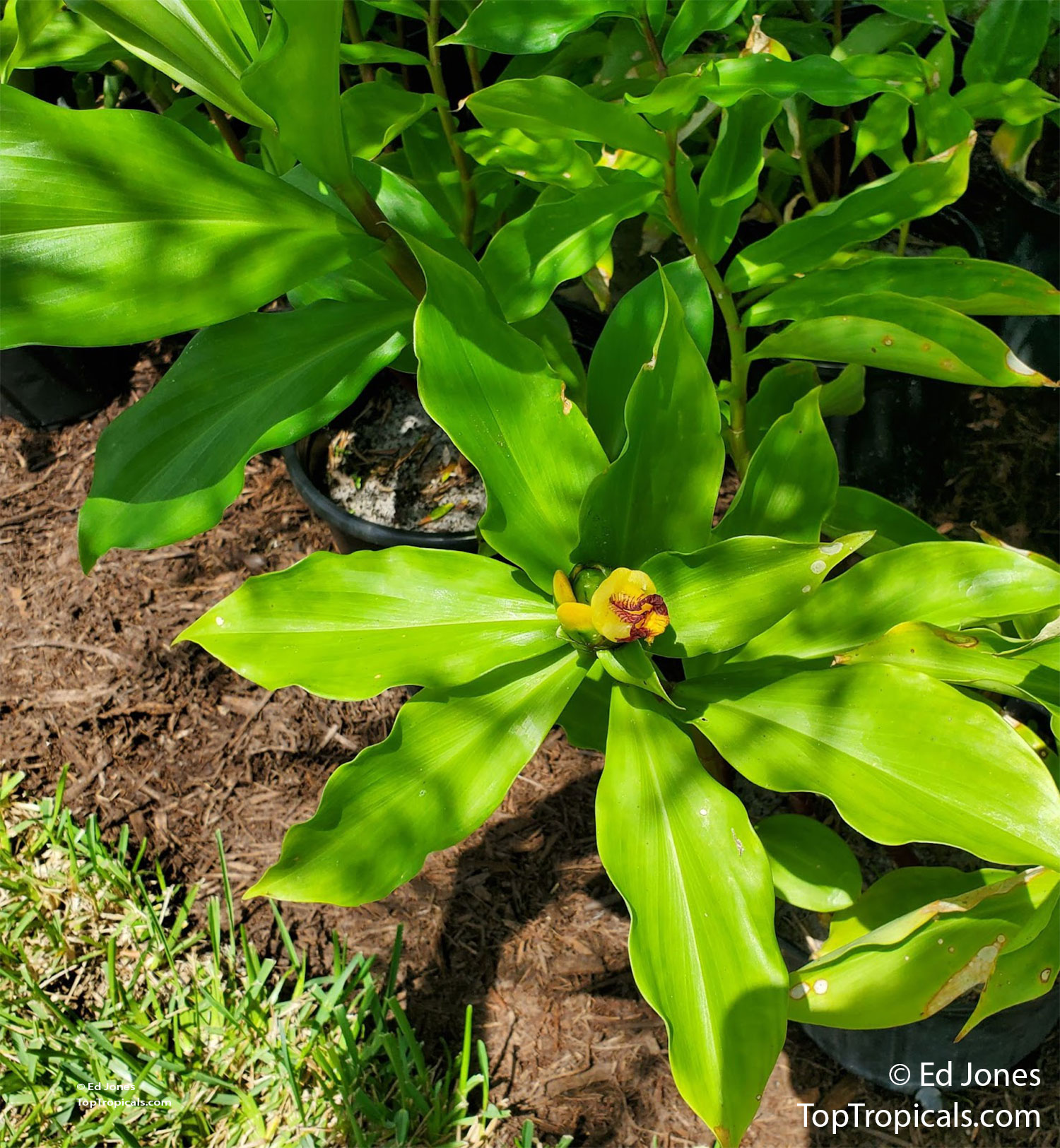
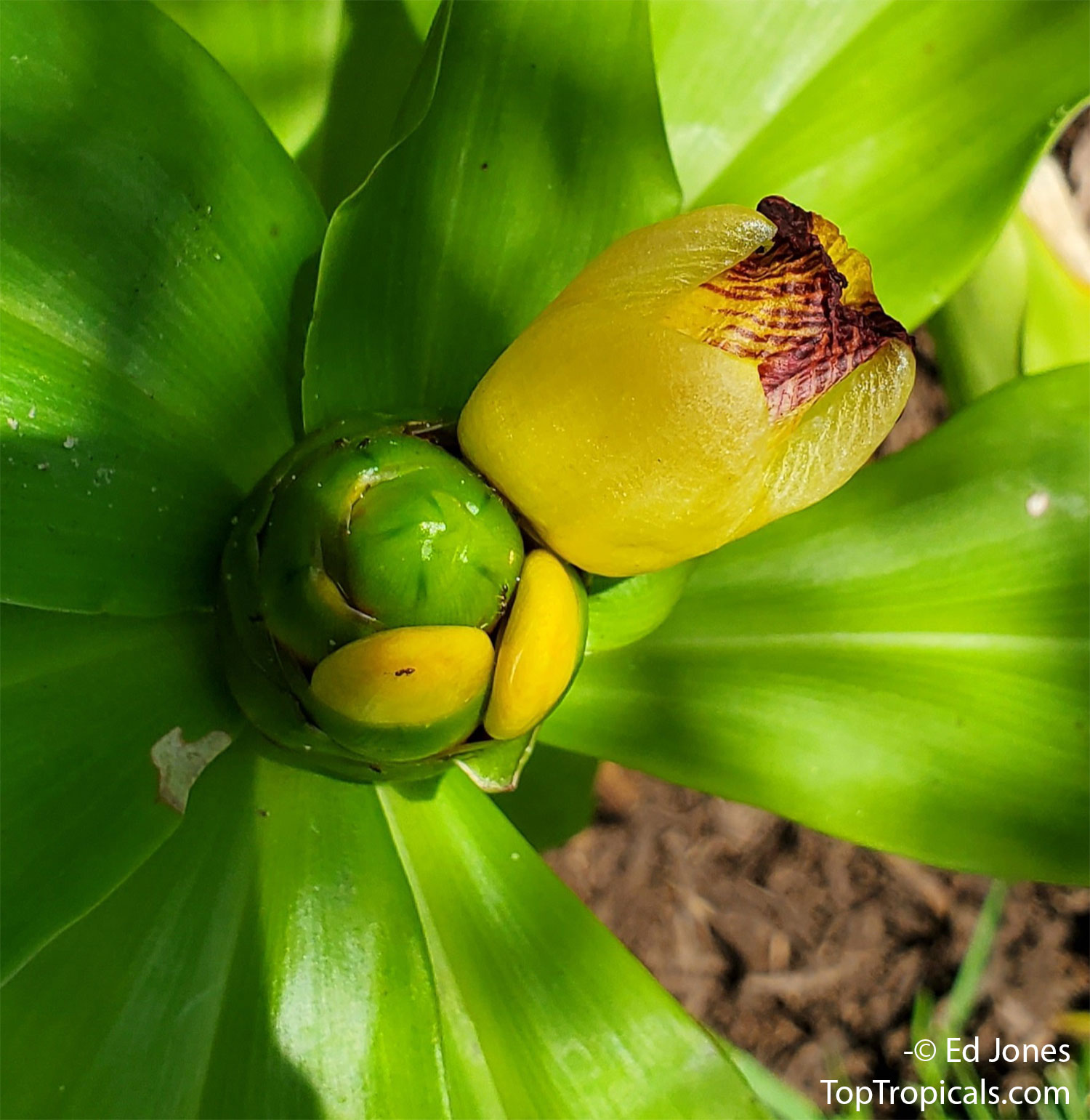
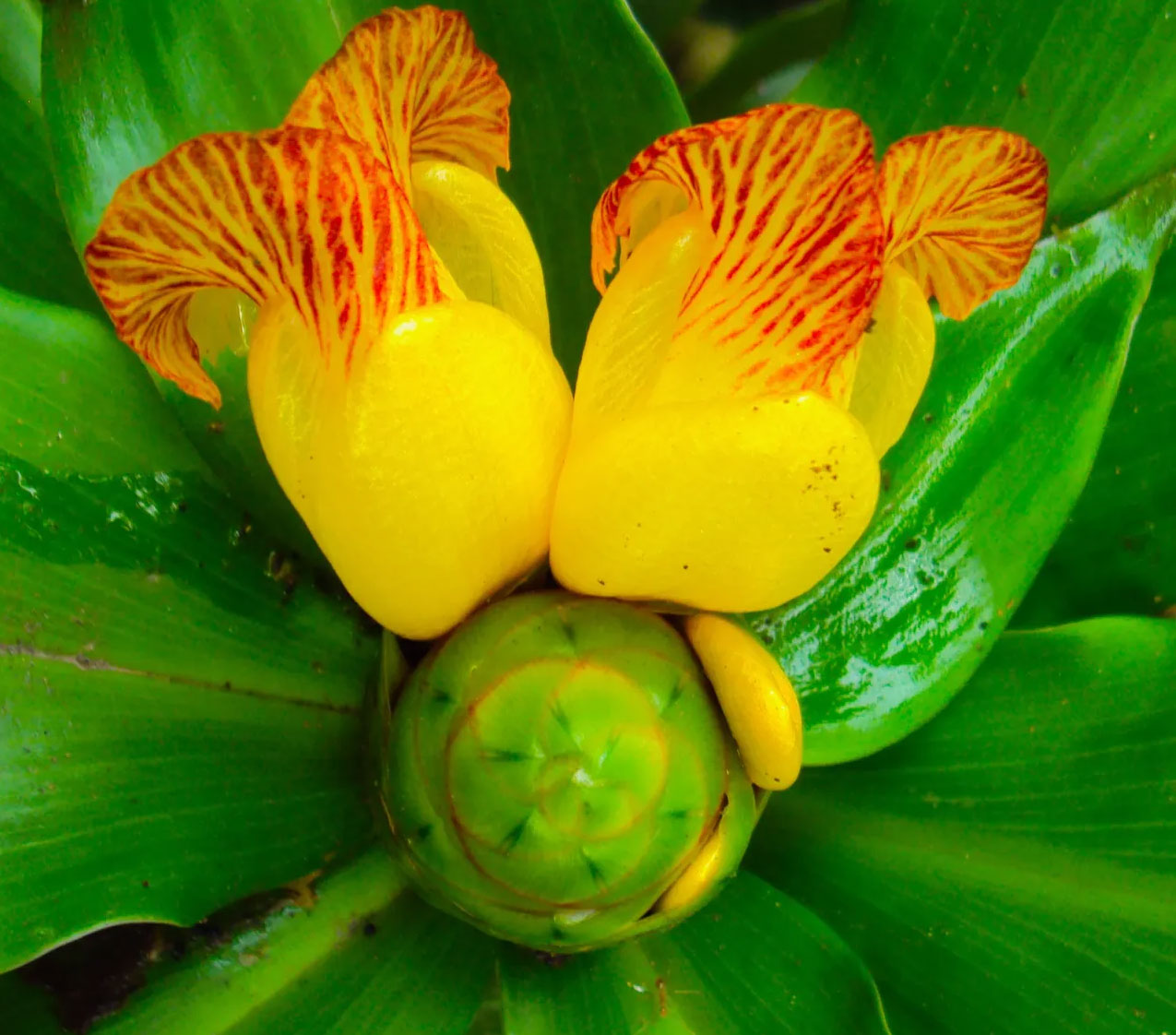

It is known as the insulin plant because it may help lower glucose levels for some people with diabetes. Researchers believe it can help lower blood sugar level. The plant has large, fleshy, smooth turmeric-like spiral leaves that are dark green on top with light purple undersides. The undersides of these large, smooth, dark green leaves have light purple shade. The leaves are spirally arranged around the stem, forming attractive, arching clumps arising from underground rootstocks. The flowers are orange in color, appear to be cone-like heads at the tips of branches. Flowering occurs during the warm months.
10 benefits of insulin plant:
- Helps to reduce high blood glucose level
- Improves digestion
- Reduces cholesterol level
- Increases energy level
- Promotes weight loss
- Good for skin health
- Prevents heart diseases
- Relieves stress.
Recommended Fertilizer: SUNSHINE Robusta - Rapid Growth Booster
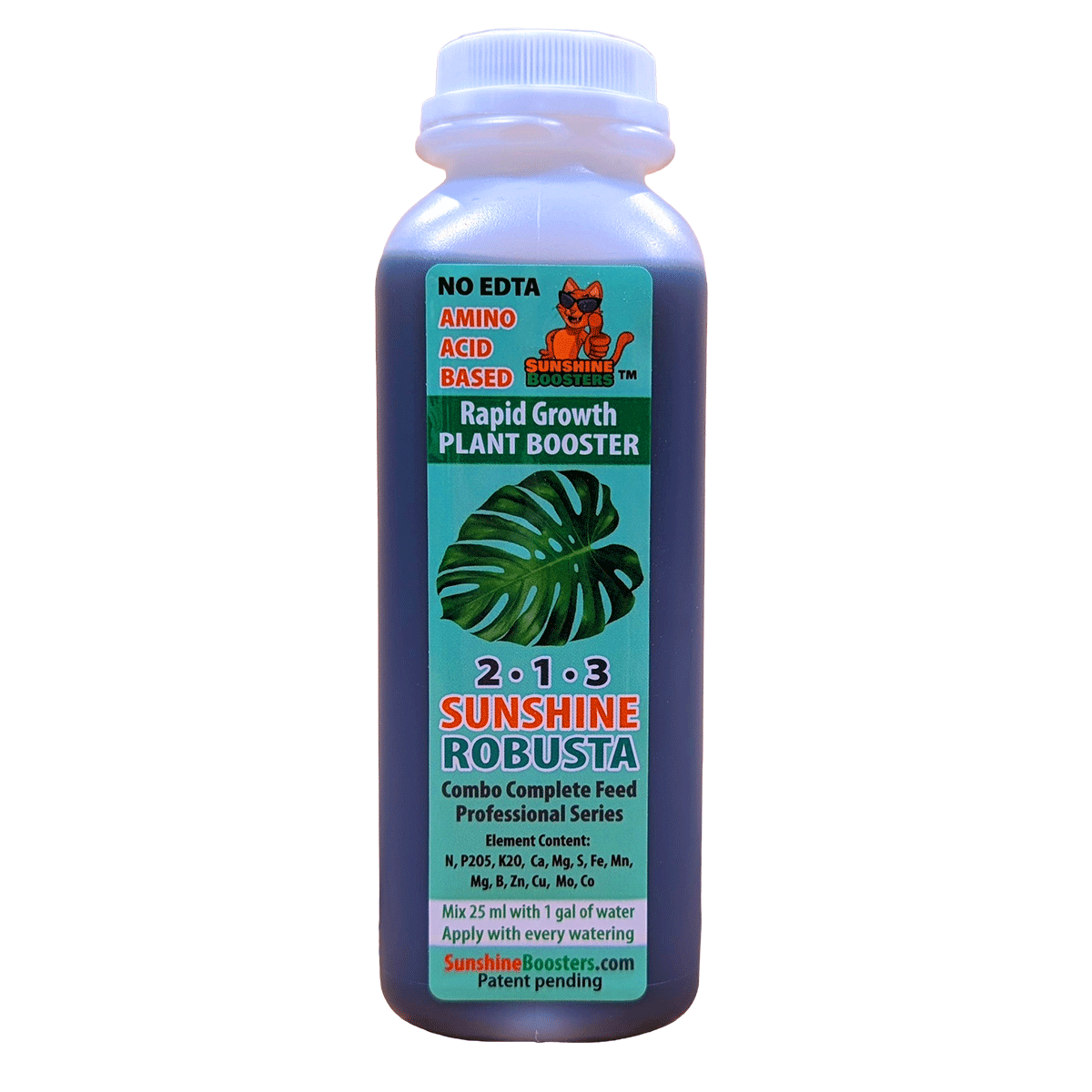 SUNSHINE Robusta (NPK 2-1-3) - Vegetative Vigor Booster for every watering. Formulated especially for vegetative stage of plant development. Can be used for a quick build-up of vegetative growth, for establishing and recovering damaged plants that lost many leaves. This is an eco-friendly nutrition booster that can be used for edibles and organic gardens. Can be used for daily feeding with every watering. Scientifically-balanced stable formula is organic Amino-acid based and has NO EDTA chelators to eliminate nutrients lockup; it does not affect crop taste. Organic Amino acids greatly enhance stability of all Sunshine boosters and provide excellent absorption of trace elements. Pollinating insects friendly.
 SUNSHINE Robusta (NPK 2-1-3) - Vegetative Vigor Booster for every watering. Formulated especially for vegetative stage of plant development. Can be used for a quick build-up of vegetative growth, for establishing and recovering damaged plants that lost many leaves. This is an eco-friendly nutrition booster that can be used for edibles and organic gardens. Can be used for daily feeding with every watering. Scientifically-balanced stable formula is organic Amino-acid based and has NO EDTA chelators to eliminate nutrients lockup; it does not affect crop taste. Organic Amino acids greatly enhance stability of all Sunshine boosters and provide excellent absorption of trace elements. Pollinating insects friendly.

Botanical names: Crassocephalum crepidioides, Gynura crepidioides
Common names: Okinawa Spinach, Purple Spinach
Family: Asteraceae
Origin: Indonesia
USDA Zone: 9-11

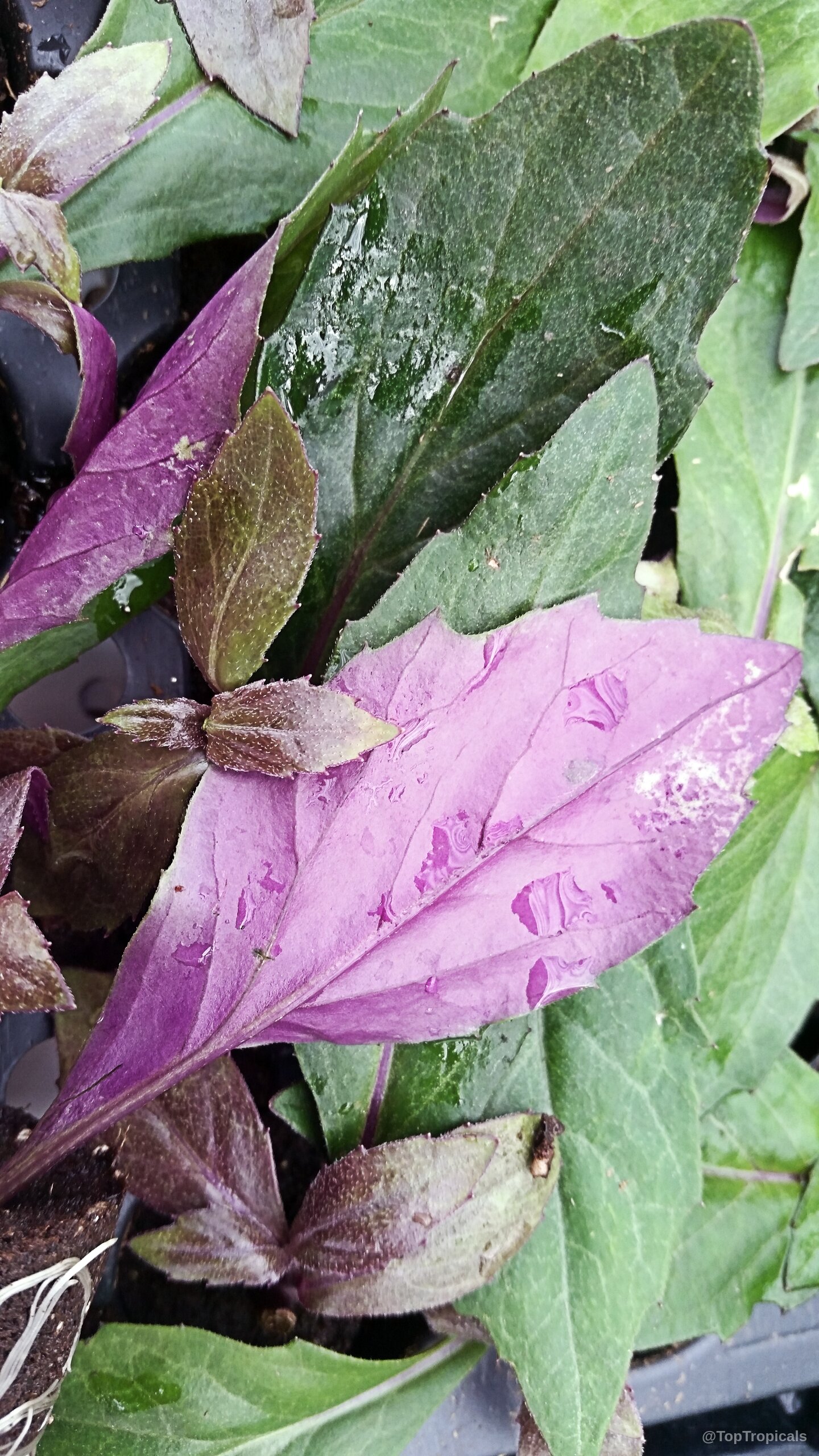
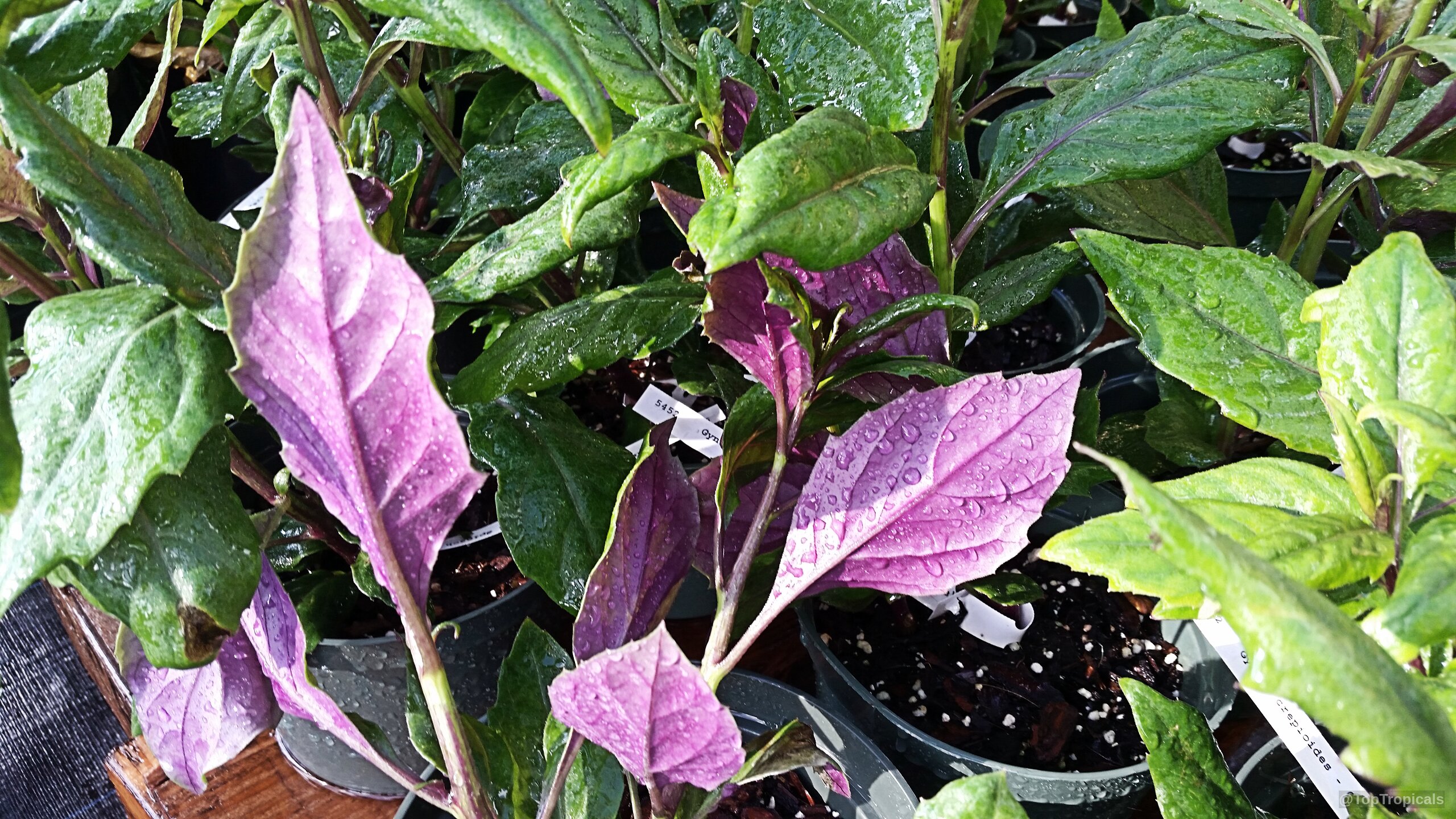
Crassocephalum crepidioides (formerly Gynura crepidioides) is commonly known as Okinawa Spinach, it is native to Indonesia. Okinawa Spinach is commercially grown in China as a green, it is not a true spinach. Both the stems and the leaves can be eaten raw or cooked. The top of the leaves are dark green and the undersides are purple. Okinawa Spinach has an unique flavor with a faint hint of pine, and will add a beautiful aesthetic element to cuisine. This green is also known as cholesterol spinach, and there are many claims that it lowers can cholesterol. This plant will thrive in pretty much any type of soil from clay to silt to sandy soils. It does well in any type of light other than full shade, but will grow best in full sun to partial shade. Okinawa Spinach is not a heavy feeder, and is relatively pest-free. It is good to cut back flowering branches to promote new shoot growth, because the shoots and leaves are what are harvested. Okinawan spinach is very adaptable to container gardening and even grows well on a windowsill. The younger leaves will have a much better flavor than the older leaves. The leaves and young shoot tips can be steamed, used in stir fry, tempura, stews, and soups. Just add them at the very end.
See article about this plant: Longevity Spinach Super-food Recipes.
Watch Video about Gynura.



See article about this plant: Longevity Spinach Super-food Recipes.
Watch Video about this plant.
Recommended Fertilizer: SUNSHINE Robusta - Rapid Growth Booster
 SUNSHINE C-Cibus (NPK 2-2-4) - Crop Booster for every watering.
 SUNSHINE C-Cibus (NPK 2-2-4) - Crop Booster for every watering.

Botanical name: Crocus sativus
Common name: Saffron
Family: Iridaceae
Origin: Southwest Asia
USDA Zone: 6-8

The flower has three stigmas, which are the distal ends of the plant's carpels. Together with its style, the stalk connecting the stigmas to the rest of the plant, these components are often dried and used in cooking as a seasoning and coloring agent. Saffron also has medicinal applications.


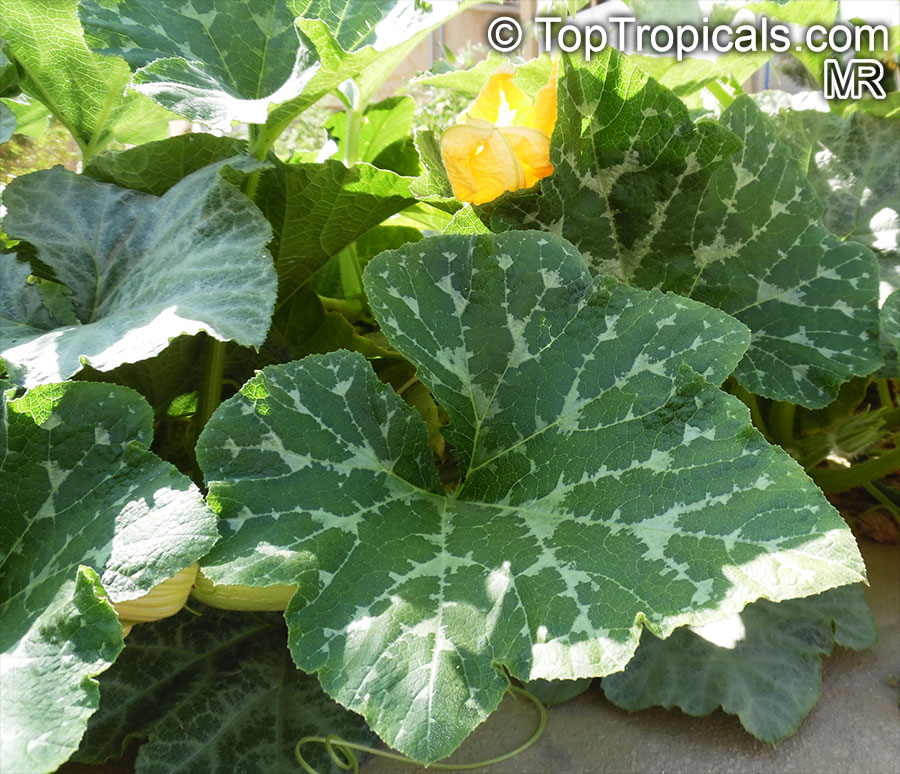
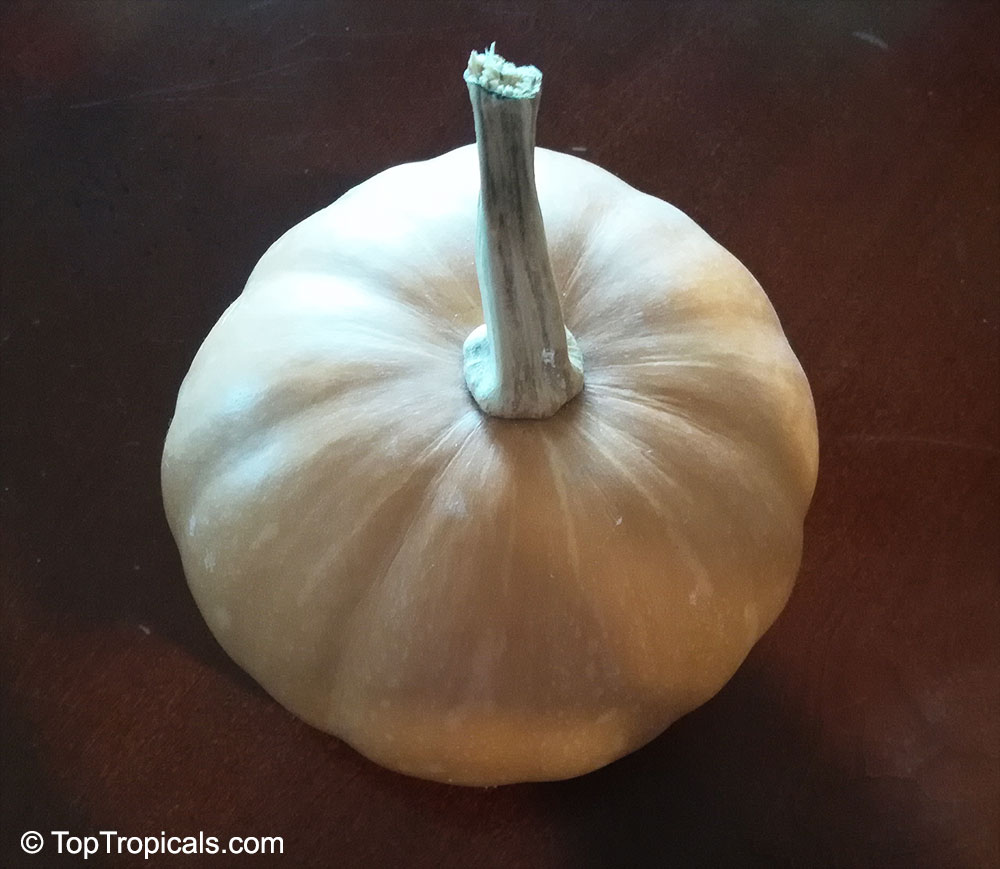
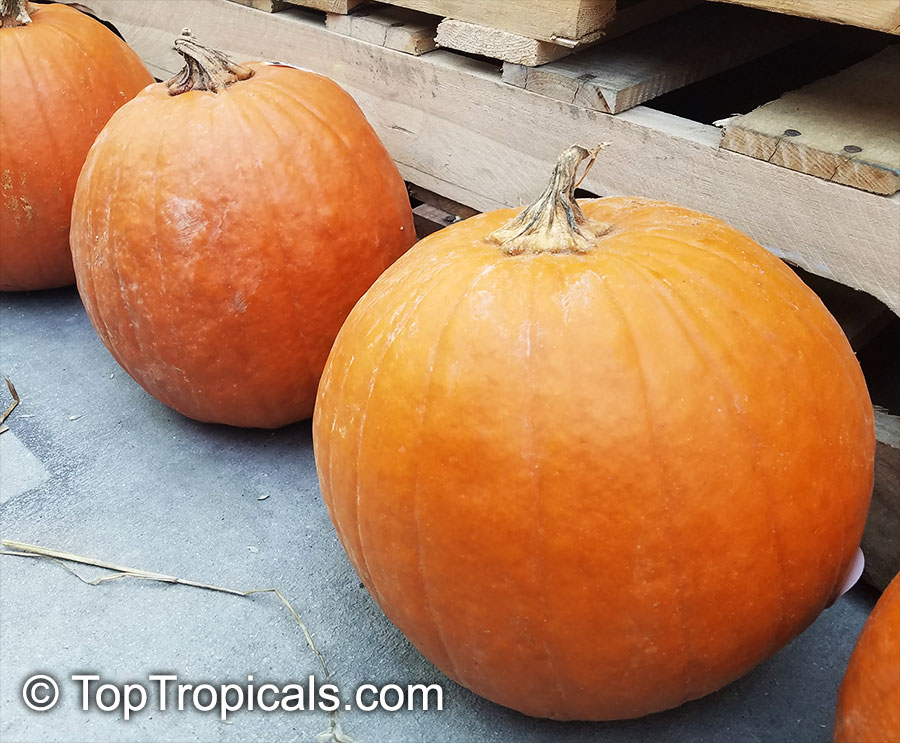
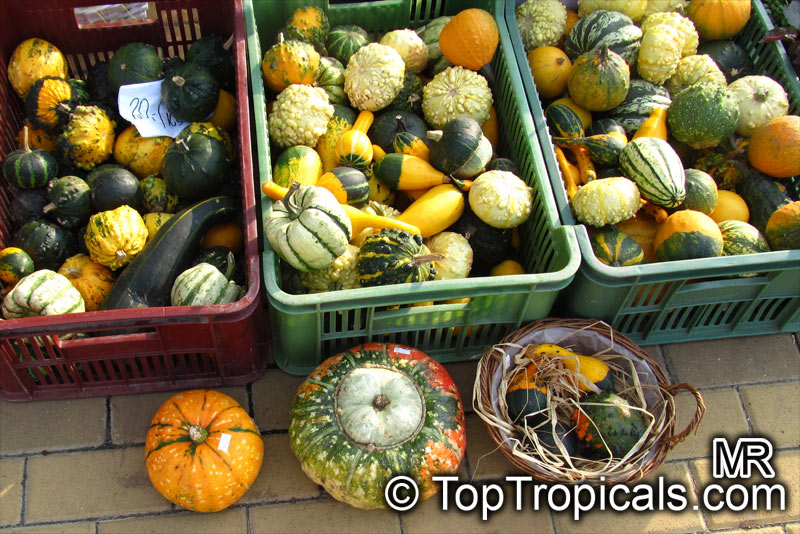
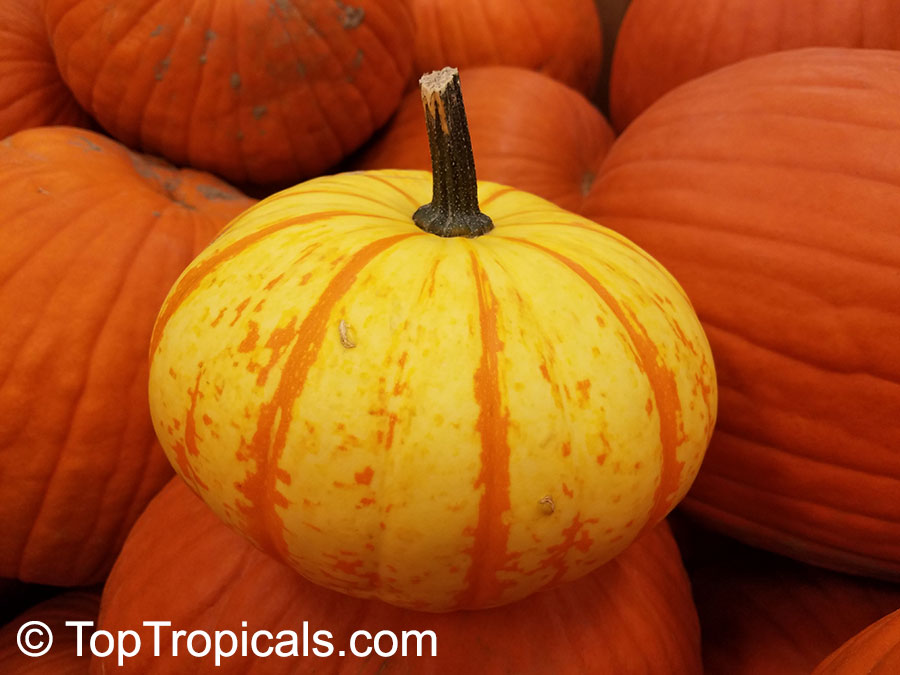
Botanical name: Cucurbita pepo
Common names: Pumpkin, Scallop, Zucchini, Ornamental gourds
Family: Cucurbitaceae
USDA Zone: 3-11

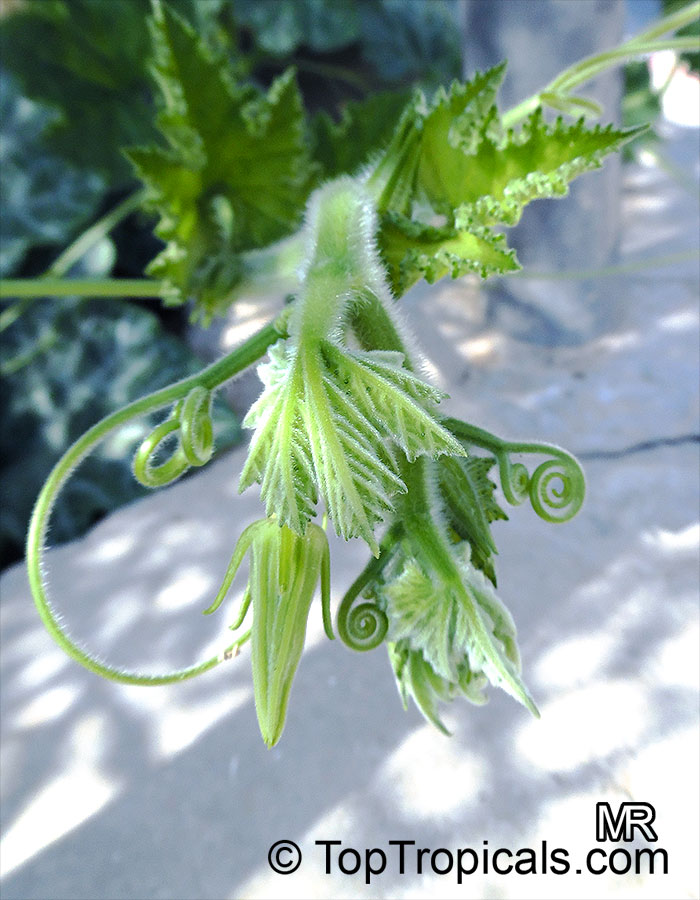
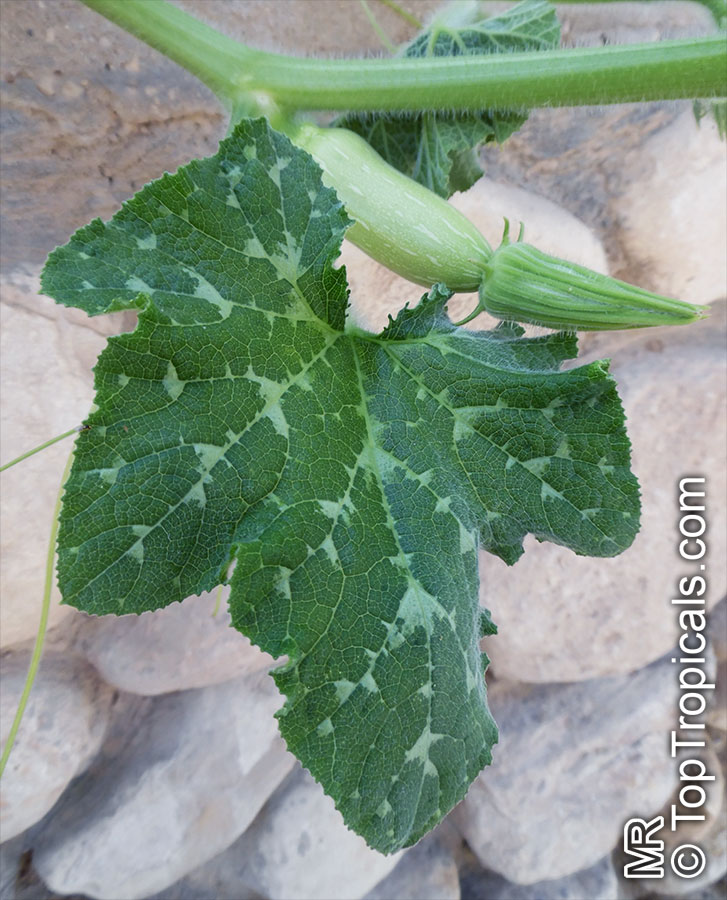
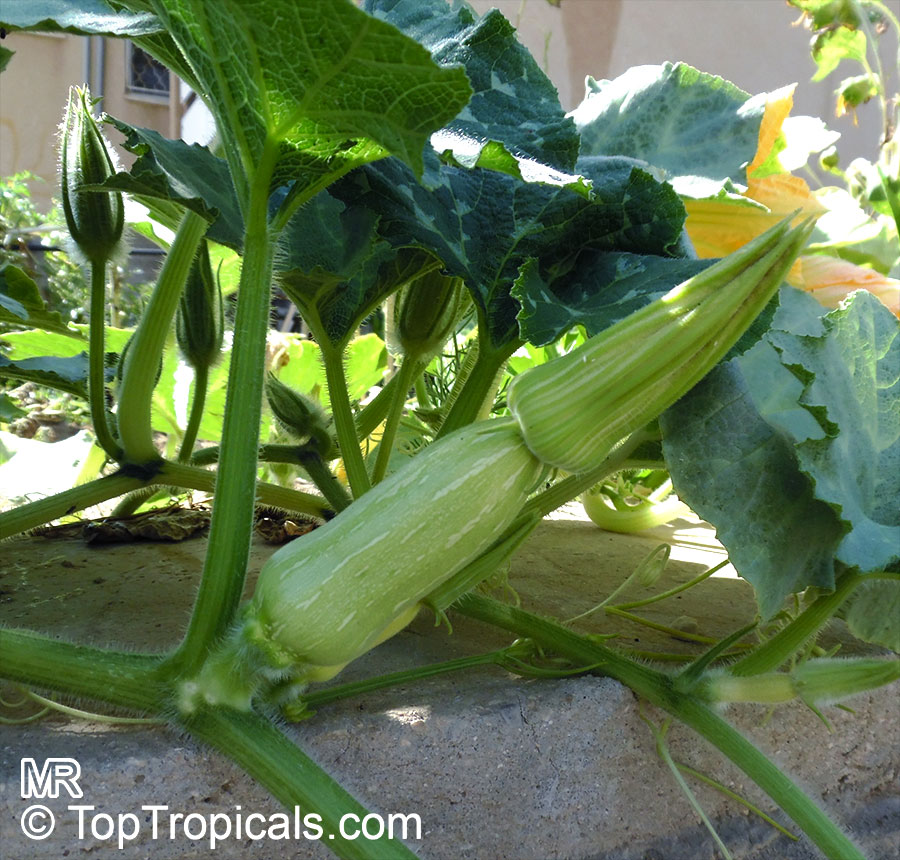
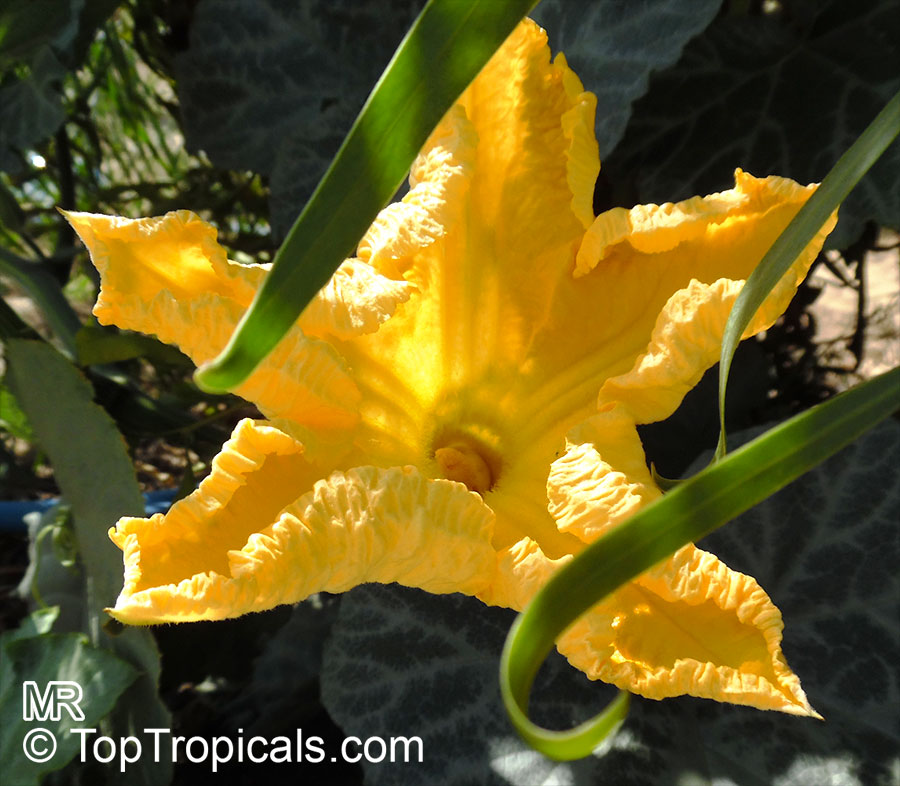
Cucurbita pepo, commonly known as Pumpkin, is a creeper of the Cucurbitaceae family. This plant is native to the western Americas and is commonly grown in the USDA Zone 3-11. Its flower is of yellow and orange colors and can bloom during the summer and autumn.
Pumpkin is not only an ornamental plant, but it has also ethnomedical and edible uses. Its oil is an important part of Ayurvedic medicine, and its leaves and fruits are used to make sauces and as a spice in many parts of the world. This plant is also used in many dishes as it is an excellent source of Vitamin A, Vitamin C, and Vitamin E.
This plant loves full sun and loves to be watered regularly but with moderate water.
Botanical name: Cuminum cyminum
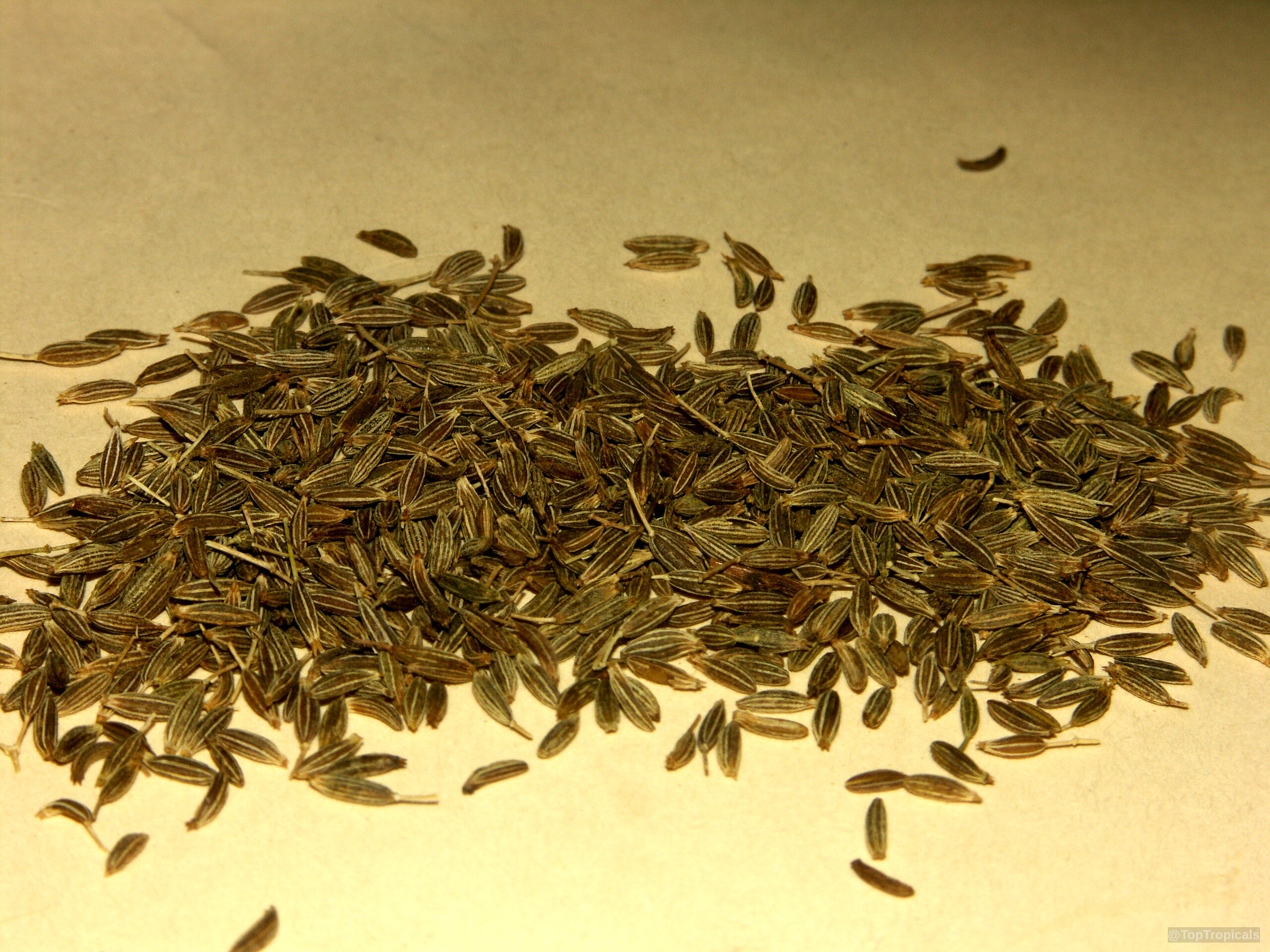
Common name: Cumin
Family: Apiaceae / Umbelliferae
Origin: Mediterranean to East India
USDA Zone: 5-10
Cumin seeds are used in the cuisines of many different cultures. It is the second most popular spice in the world after black pepper. Cumin's distinctive flavor and strong, warm aroma is due to its essential oil content.
Cultivation requires a long, hot summer of 3-4 months; it is drought-tolerant, and is mostly grown in Mediterranean climates. It is grown from seed, sown in spring, and needs fertile, well-drained soil.
Botanical name: Curcuma longa
Common names: Spice Turmeric, Longevity Spice, Indian Saffron, Tumeric
Family: Zingiberaceae
Origin: Asia
USDA Zone: 8-11


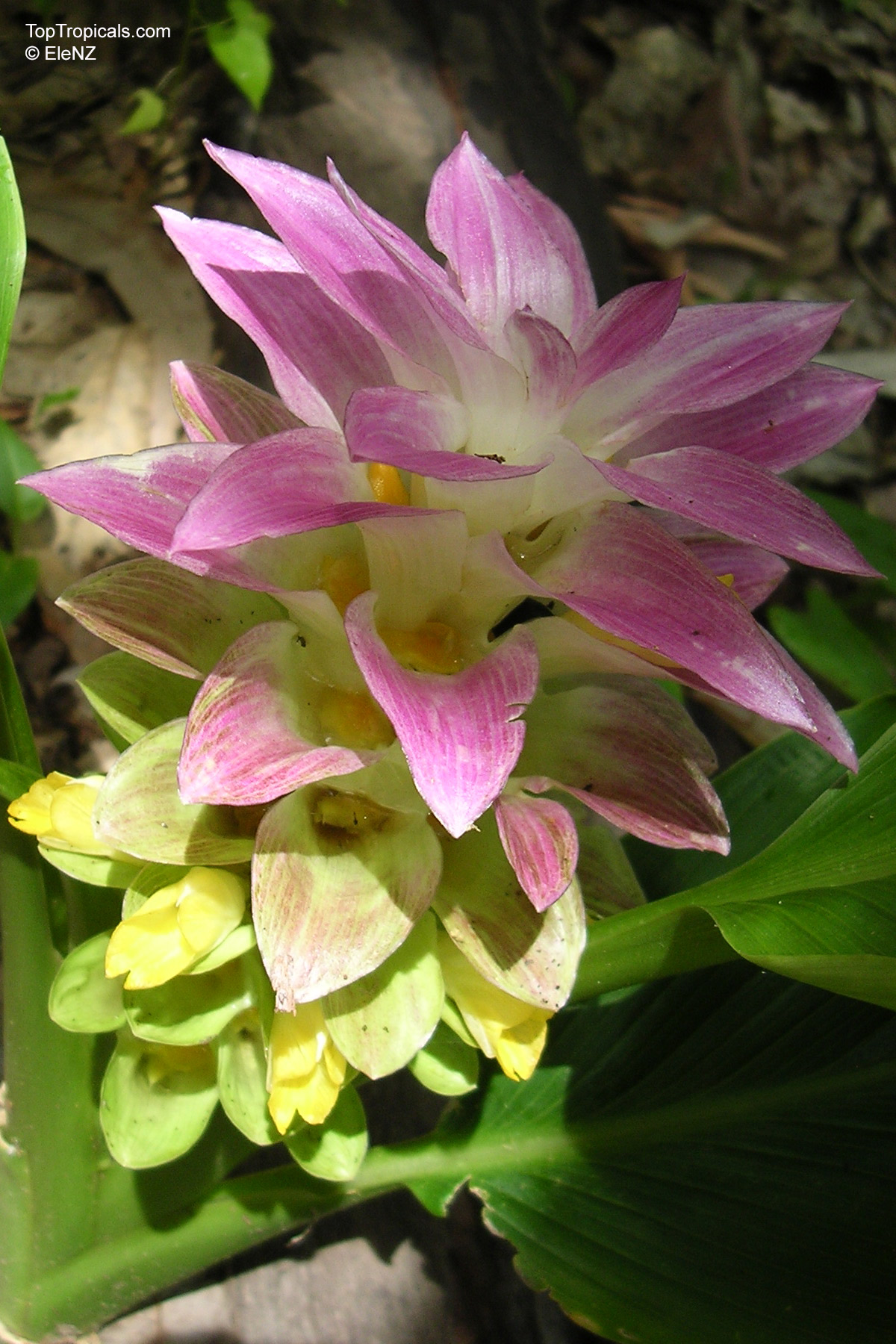
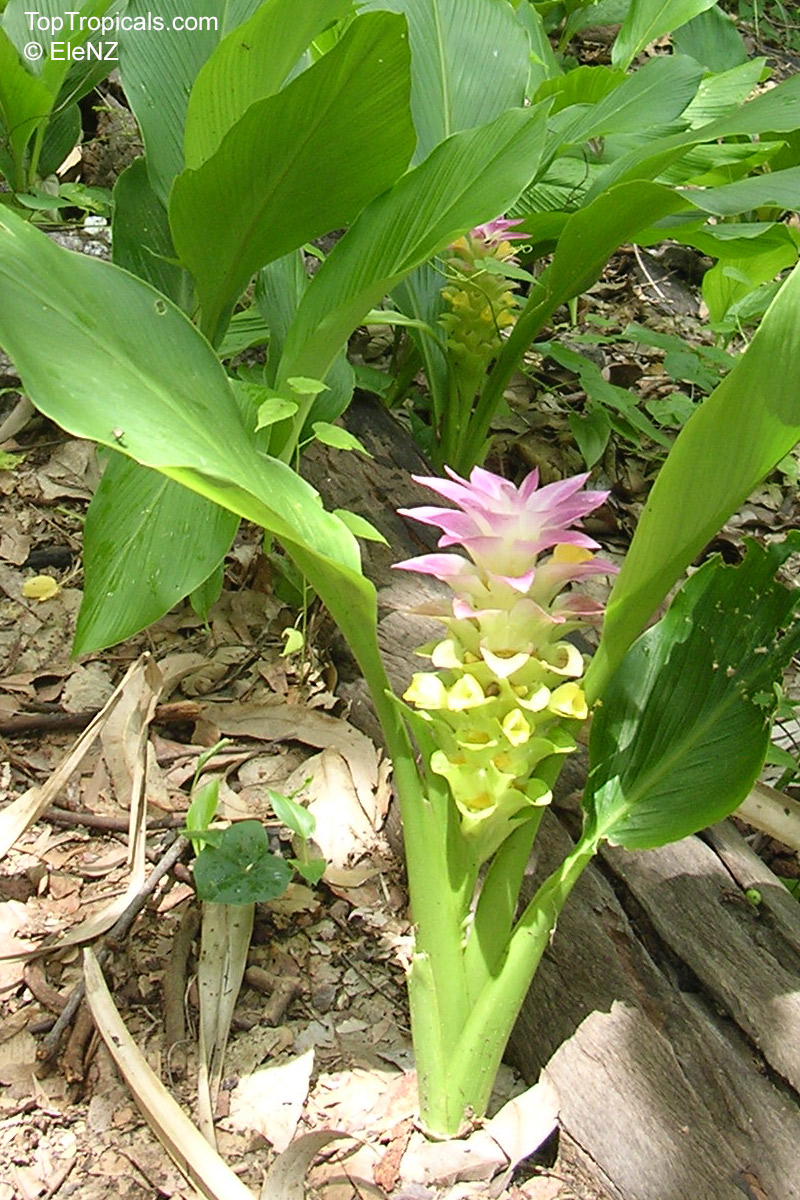
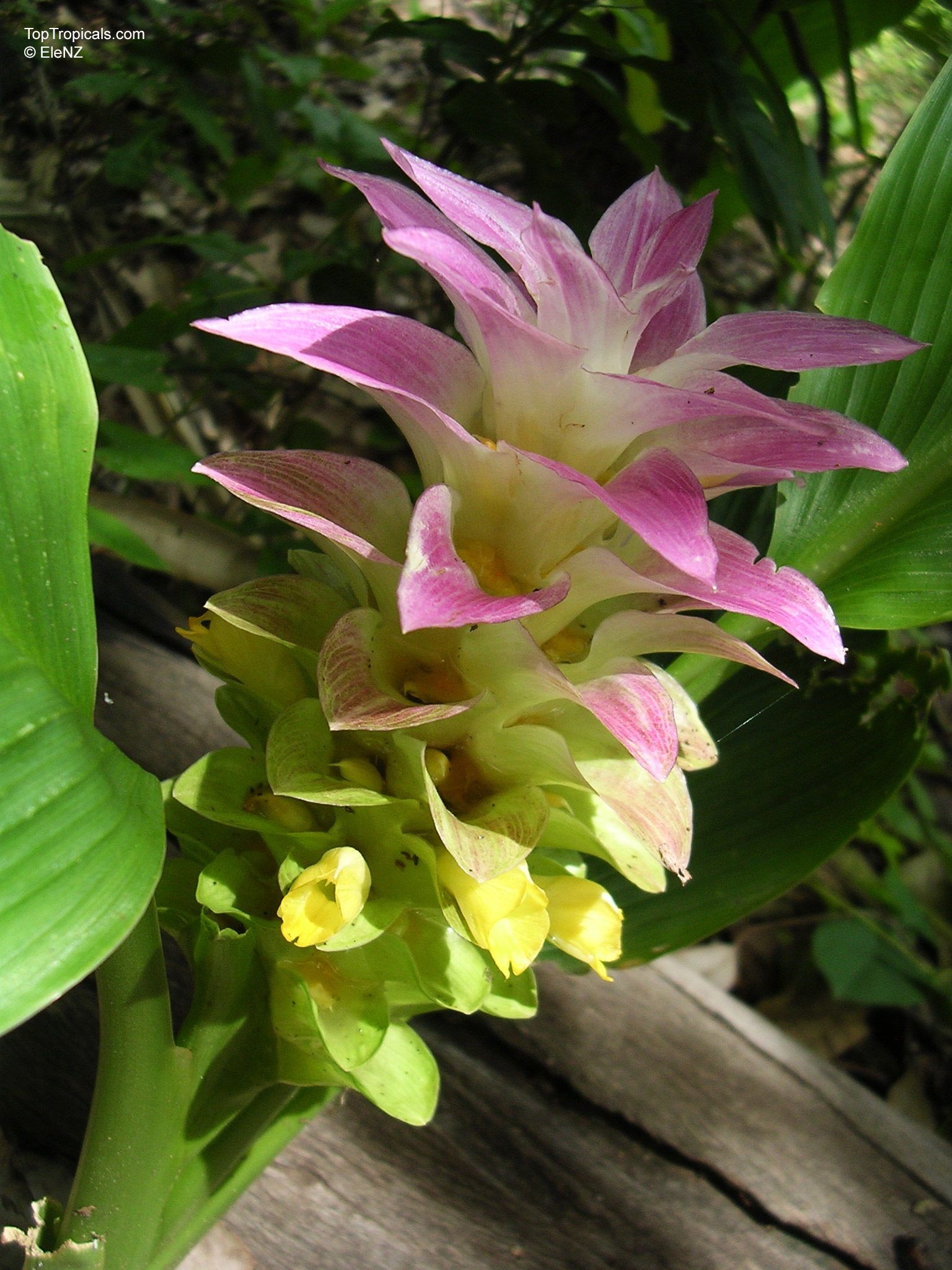
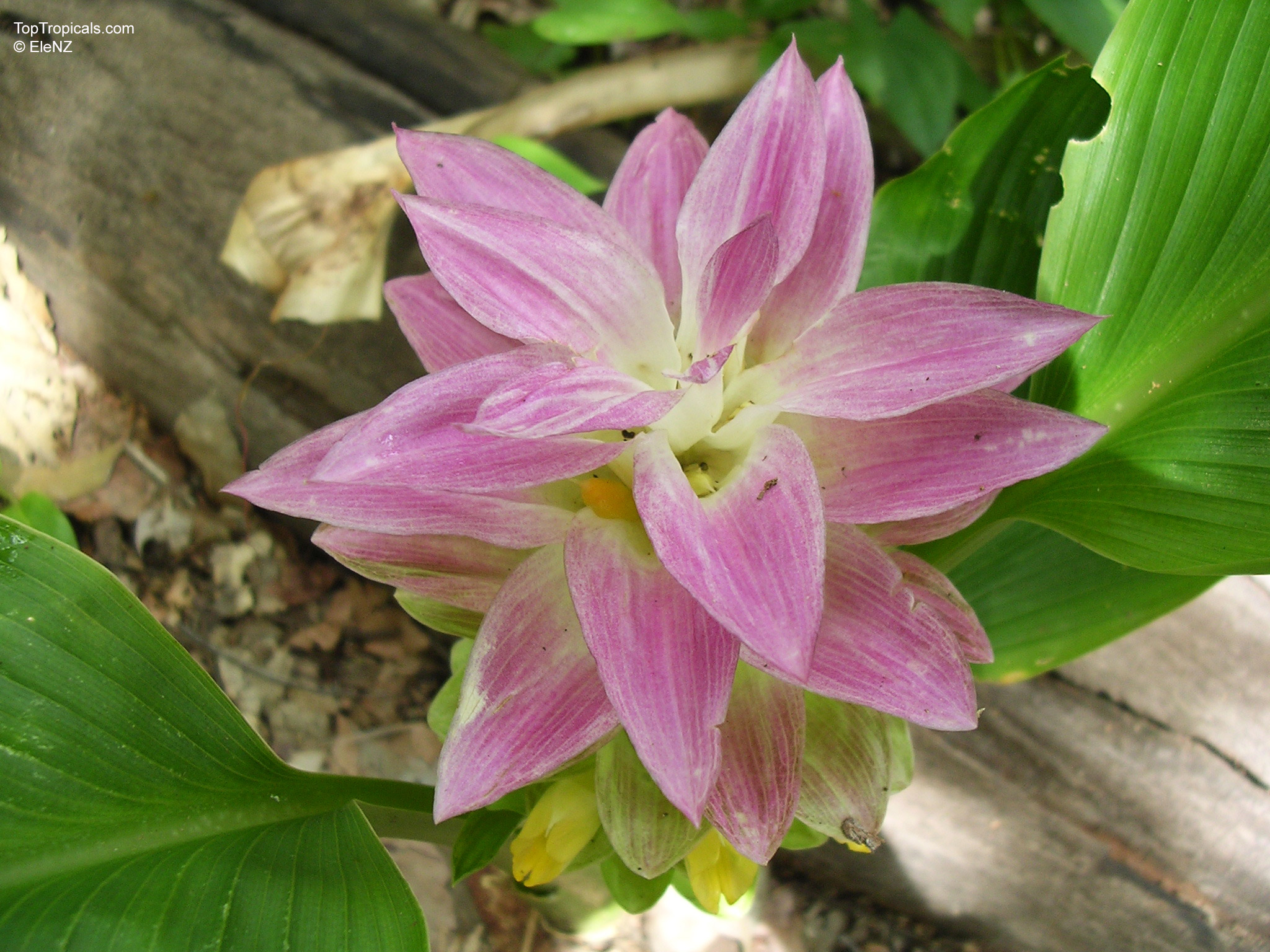
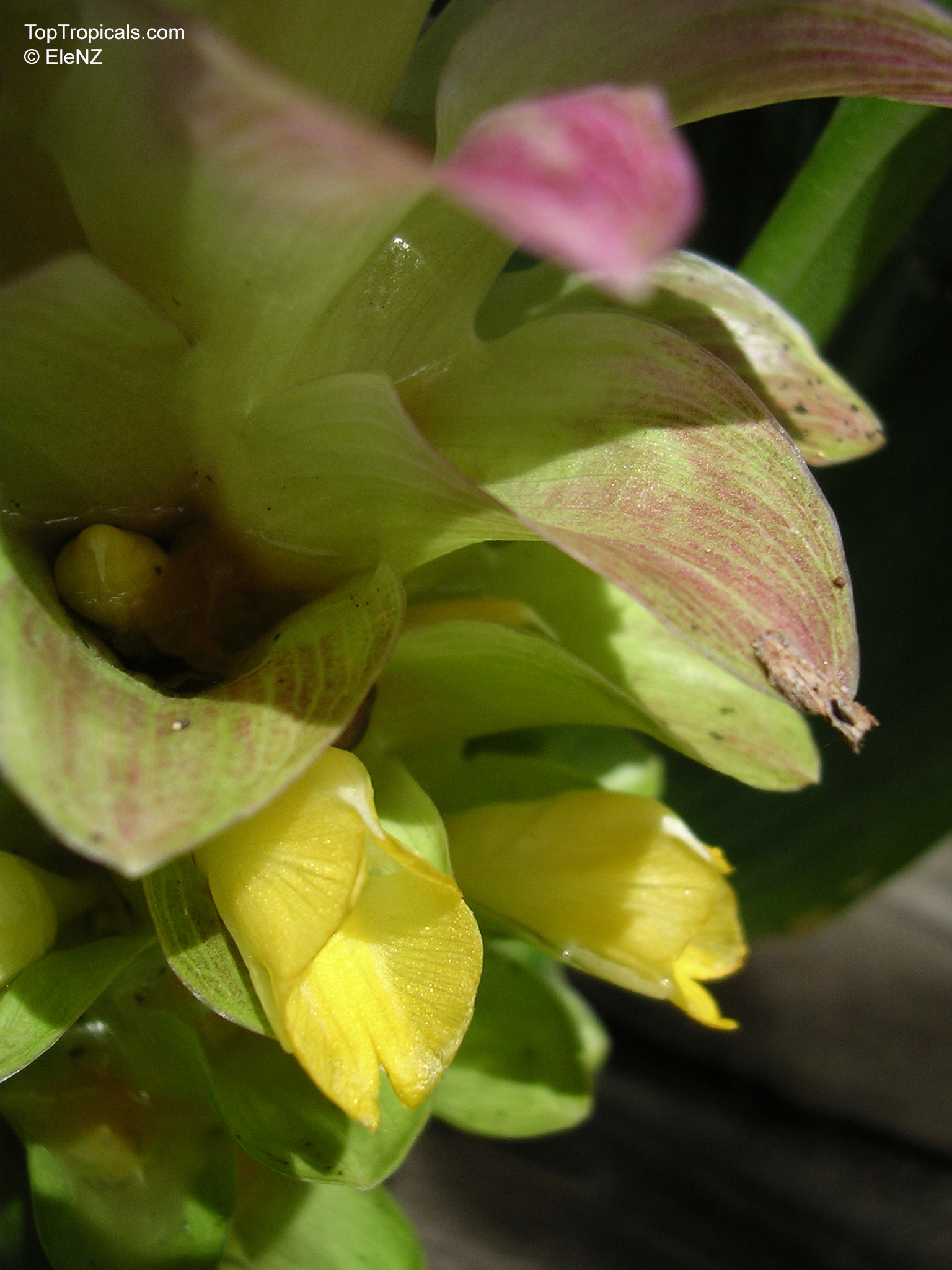
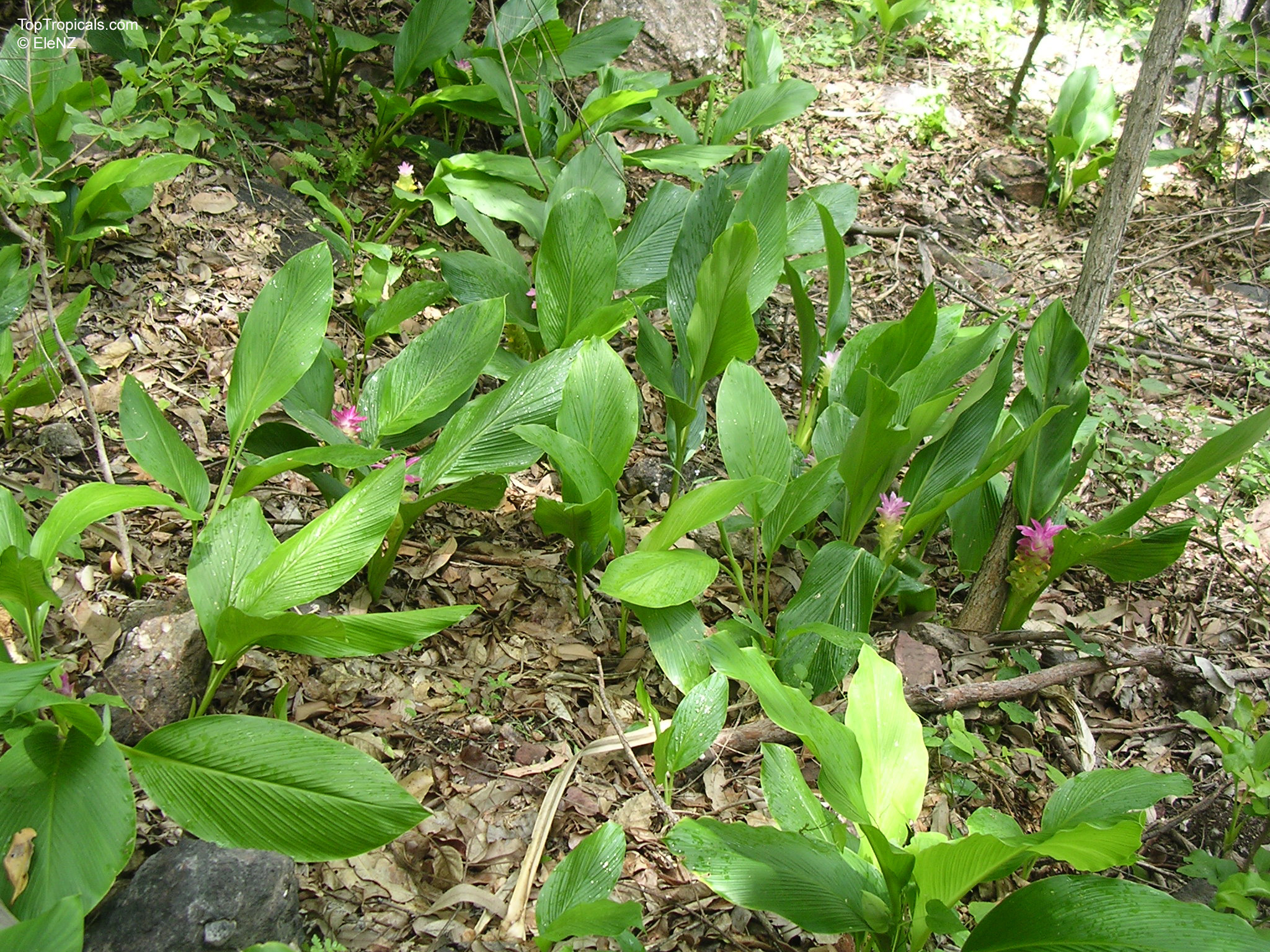
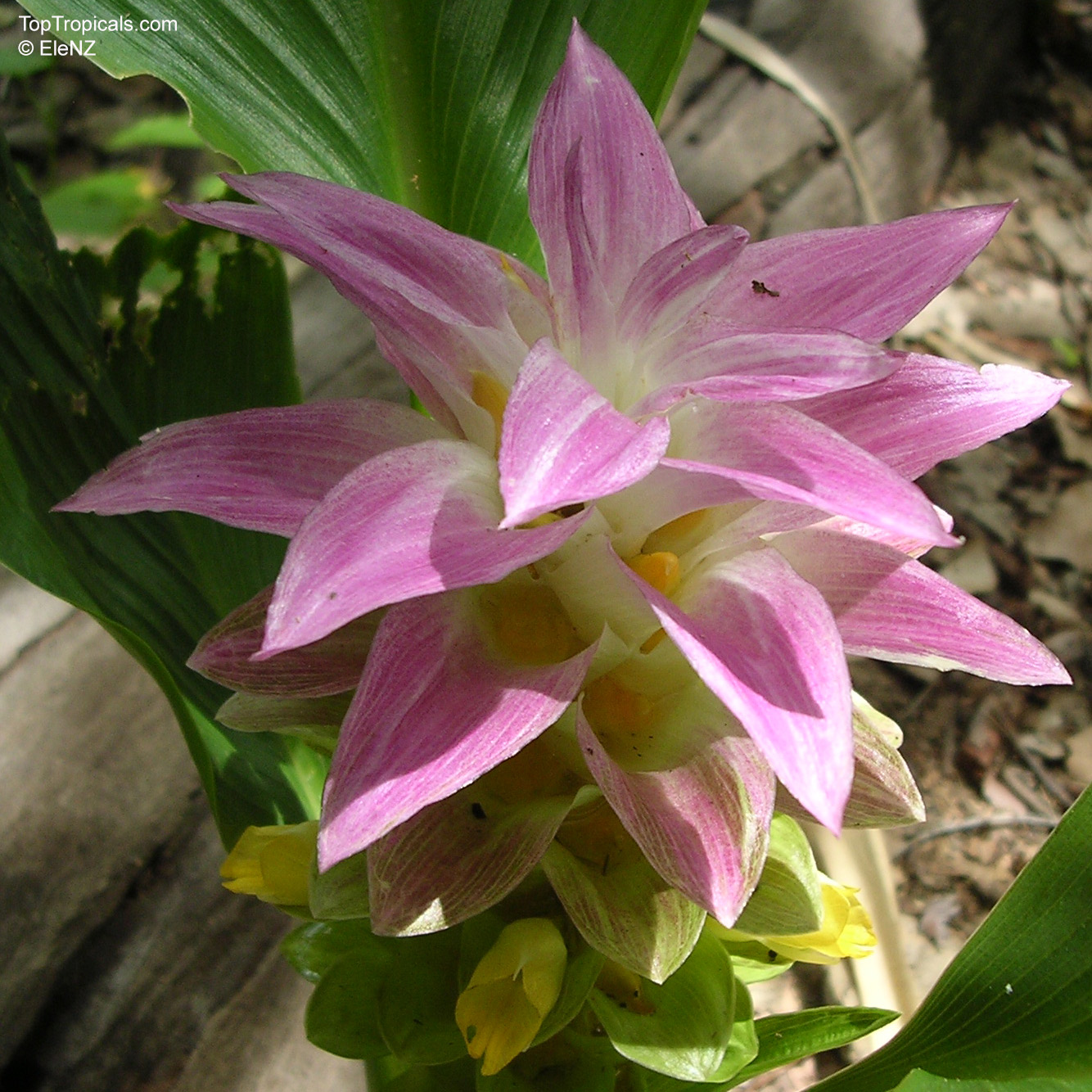
(Curcuma longa), commonly known as Turmeric, is a rhizomatous herbaceous perennial in the Zingiberaceae family, originating in tropical South and Southeast Asia and known primarily as an ancient cultivated crop rather than as a truly wild species. It forms clumps of broad, strongly veined green leaves arising from thick, branching underground rhizomes and typically reaches 2-4 feet (60-120 cm) tall. The inflorescences consist of overlapping pale green to whitish bracts, often flushed with pink toward the top, with small yellowish to pale yellow true flowers emerging between them. The foliage dies back seasonally, leaving the rhizomes dormant until warm conditions stimulate new growth.
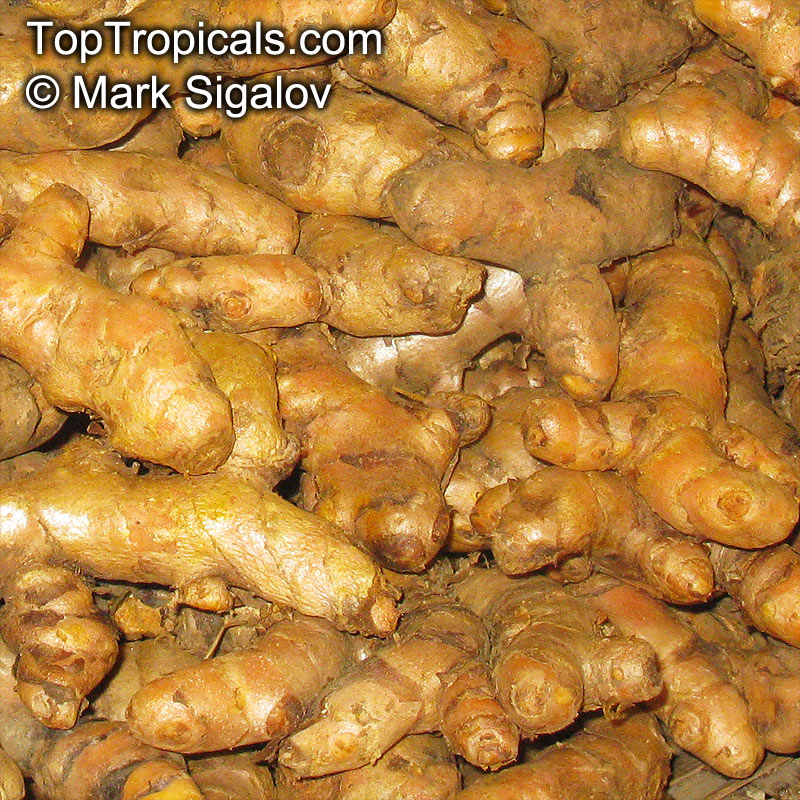
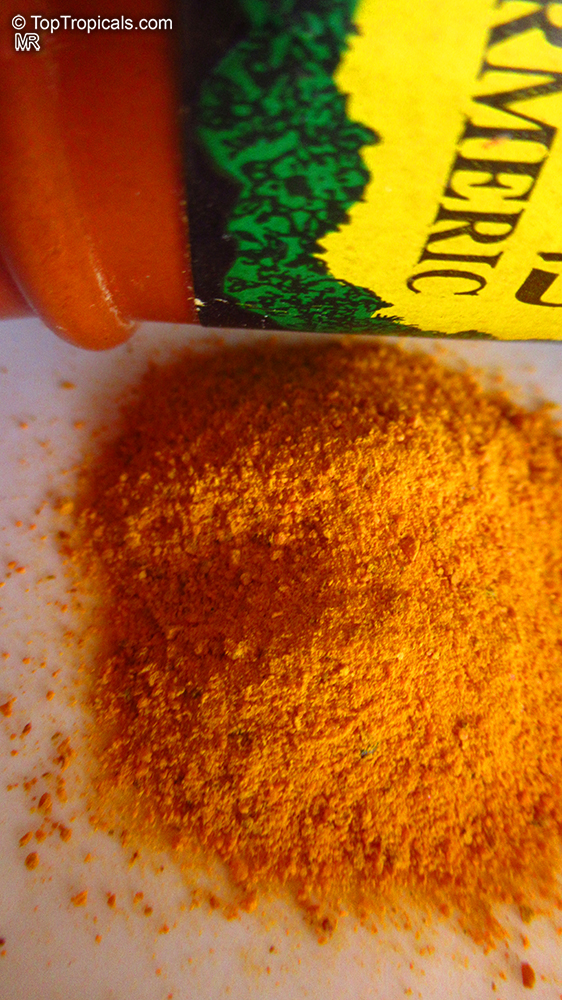
(Curcuma longa) grows best in warm, humid conditions, partial shade to bright filtered light, and fertile, well-drained soil with abundant moisture during active growth. Watering should be greatly reduced after the foliage dies back. The aromatic yellow-orange rhizomes are dried and ground to produce turmeric, widely used as a spice, food coloring, and traditional medicinal ingredient; they are rich in curcuminoids, particularly curcumin. Hardy in approximately USDA Zones 8-11, the rhizomes can survive colder winters when deeply mulched and protected from prolonged freezing and excessive winter moisture, while in colder climates they can be lifted or grown in containers and overwintered indoors. (Curcuma longa), commonly known as Turmeric, is a rhizomatous herbaceous perennial in the Zingiberaceae family, originating in tropical South and Southeast Asia and known primarily as an ancient cultivated crop rather than as a truly wild species. It forms clumps of broad, strongly veined green leaves arising from thick, branching underground rhizomes and typically reaches 2-4 feet (60-120 cm) tall. The inflorescences consist of overlapping pale green to whitish bracts, often flushed with pink toward the top, with small yellowish to pale yellow true flowers emerging between them. The foliage dies back seasonally, leaving the rhizomes dormant until warm conditions stimulate new growth.
(Curcuma longa) grows best in warm, humid conditions, partial shade to bright filtered light, and fertile, well-drained soil with abundant moisture during active growth. Watering should be greatly reduced after the foliage dies back. The aromatic yellow-orange rhizomes are dried and ground to produce turmeric, widely used as a spice, food coloring, and traditional medicinal ingredient; they are rich in curcuminoids, particularly curcumin. Hardy in approximately USDA Zones 8-11, the rhizomes can survive colder winters when deeply mulched and protected from prolonged freezing and excessive winter moisture, while in colder climates they can be lifted or grown in containers and overwintered indoors.

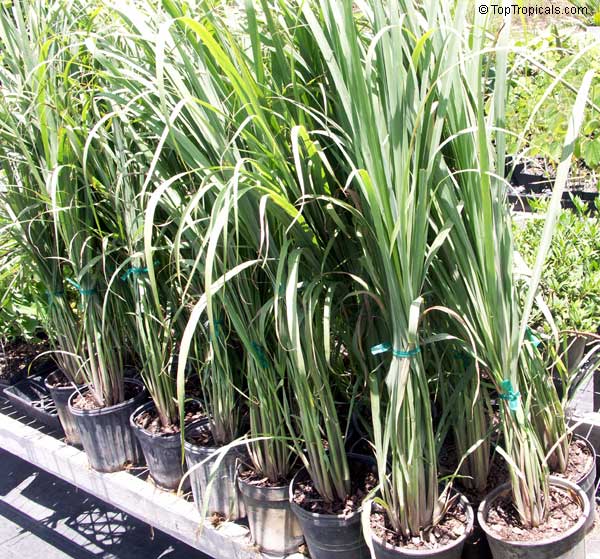
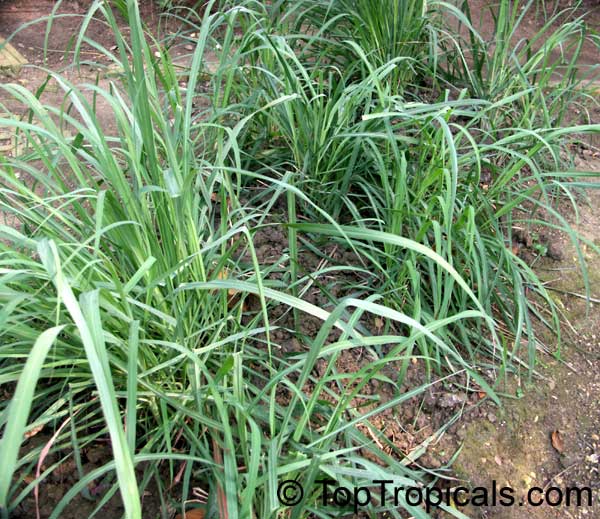
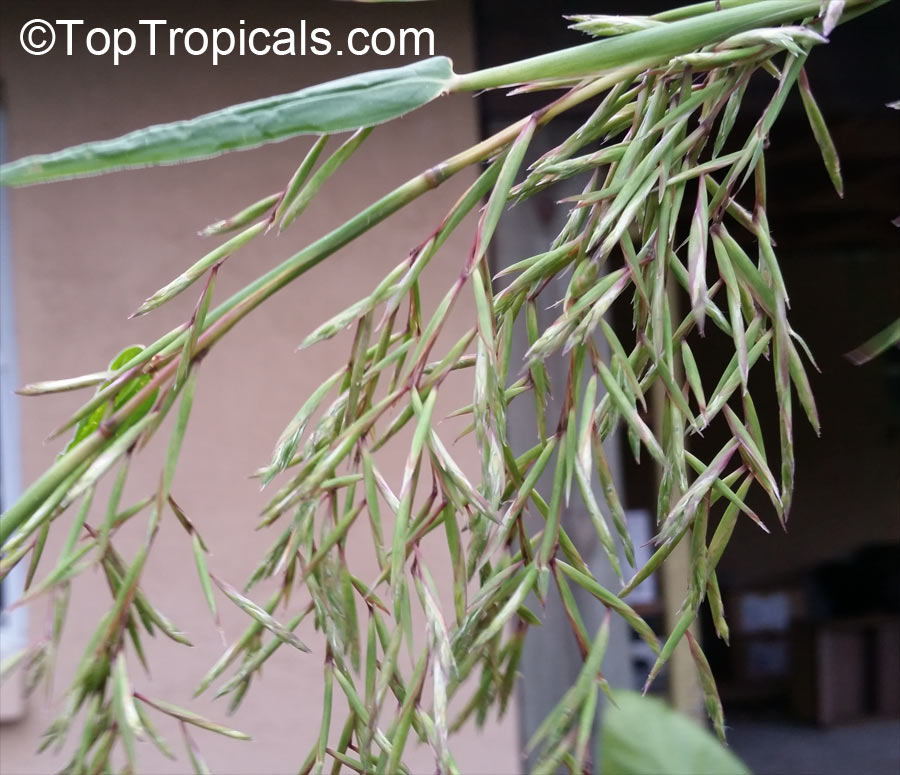
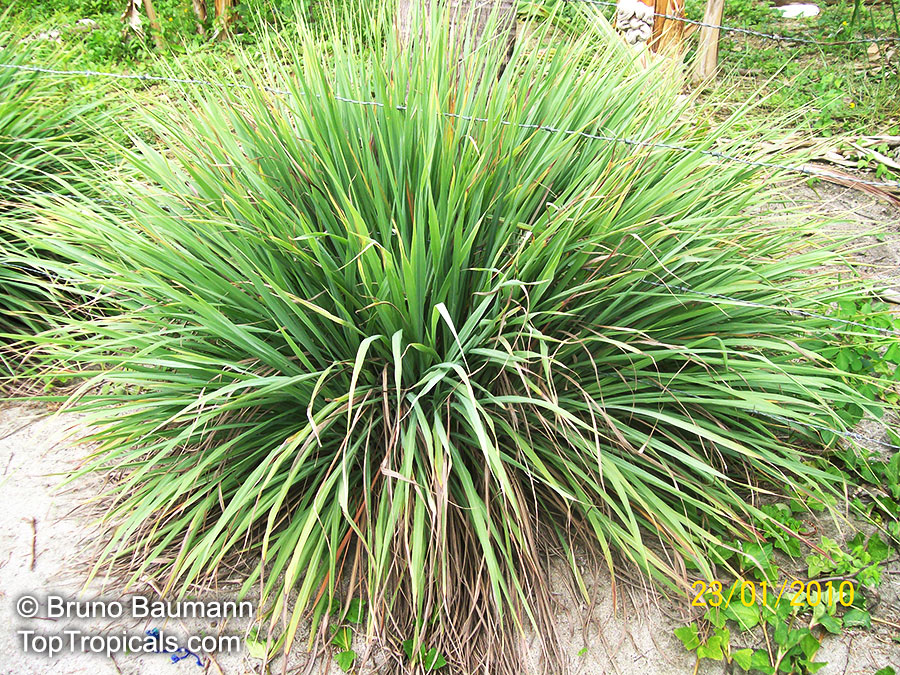
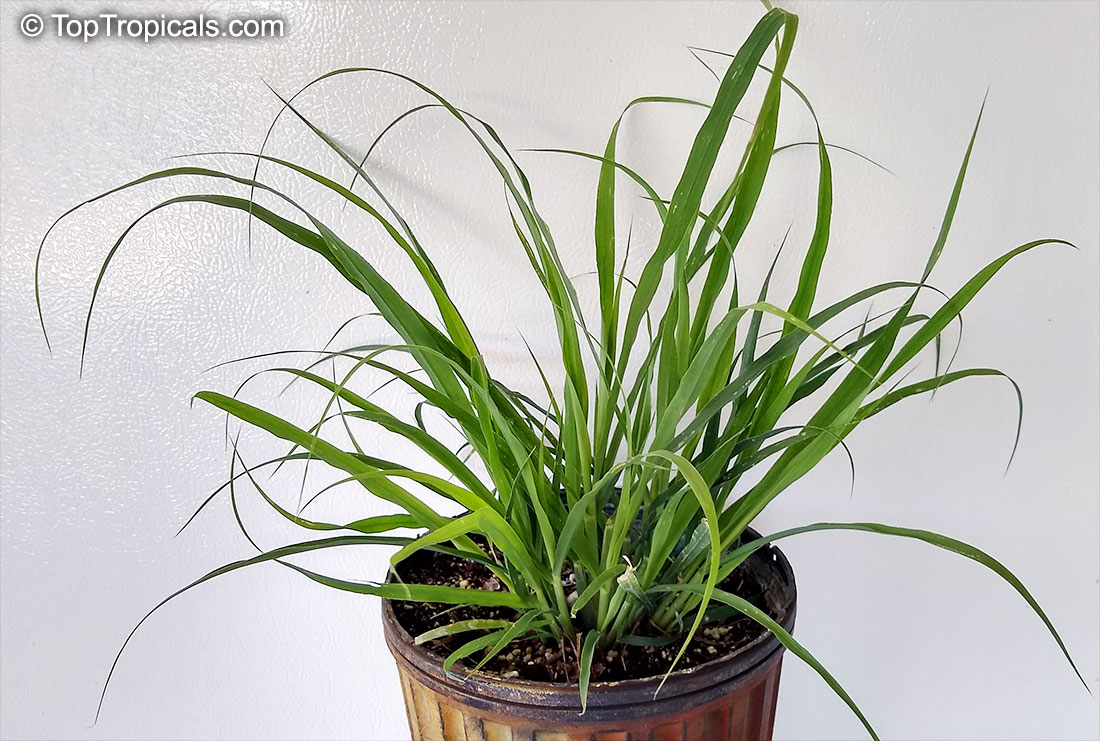
Botanical name: Cymbopogon citratus
Common names: Lemon Grass, Oil Grass
Family: Poaceae (Formerly:Poaceae / Gramineae)
Subfamily: Panicoideae
Origin: India
USDA Zone: 9-11

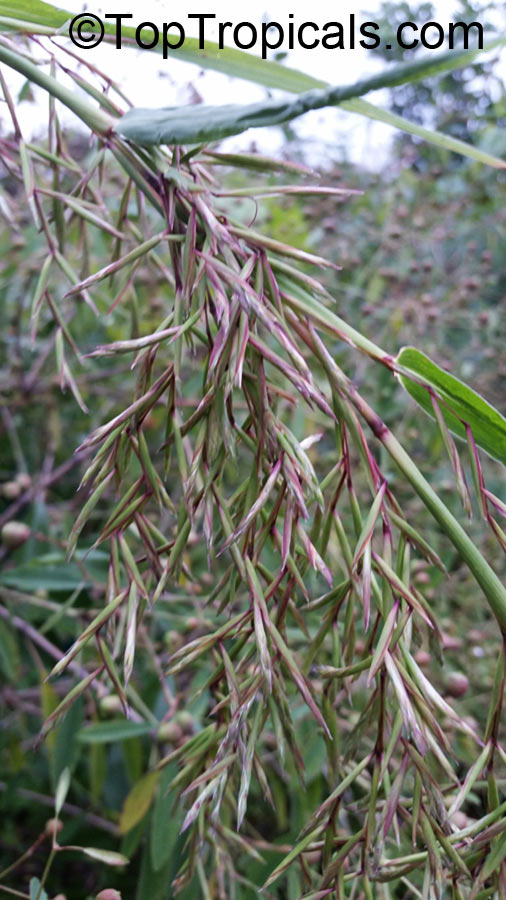
Lemon grass, also known as Cymbopogon citratus, is a small plant native to India. It grows to be 2-5 ft tall and requires full sun and regular watering. It is hardy in USDA zones 9-11 and can be grown in containers. The leaves are bluish-green, 0.5-1 inch wide, and approximately 3 ft long, with gracefully drooping tips. They release strong citrus aroma when crushed and the plant rarely produces flowers. Lemon grass is valued for its flavor and health benefits, including its rich nutrient content, antibacterial and antifungal properties, and ability to produce fruit that can be eaten or juiced.
In gardens, lemon grass can be used as an ornamental plant, releasing a pleasant citrus aroma when brushed against to repel mosquitoes and other pests. It is also an excellent tonic for dogs. Lemon grass is widely used in Thai and Vietnamese cooking, giving Tom Yum soup its famous taste, and has become popular in the United States, with most commercial crops grown in California and Florida.
In addition to its culinary uses, lemon grass is also used medicinally. The leaves are steam distilled to extract lemongrass oil, which is commonly used in perfumery and flavorings.
It is a perennial plant that may go dormant in the winter, depending on the climate. Also, it can be enjoyed as an annual in frosty areas or potted and brought inside during the winter. Lemon grass is a versatile plant that can be used in the kitchen to flavor teas, soups, and other dishes, as well as in the garden as an ornamental plant and natural pest repellent.
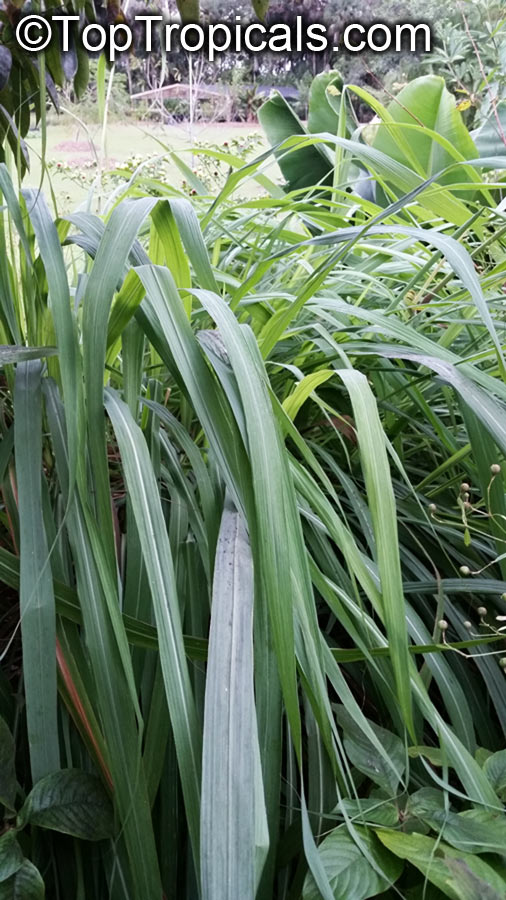
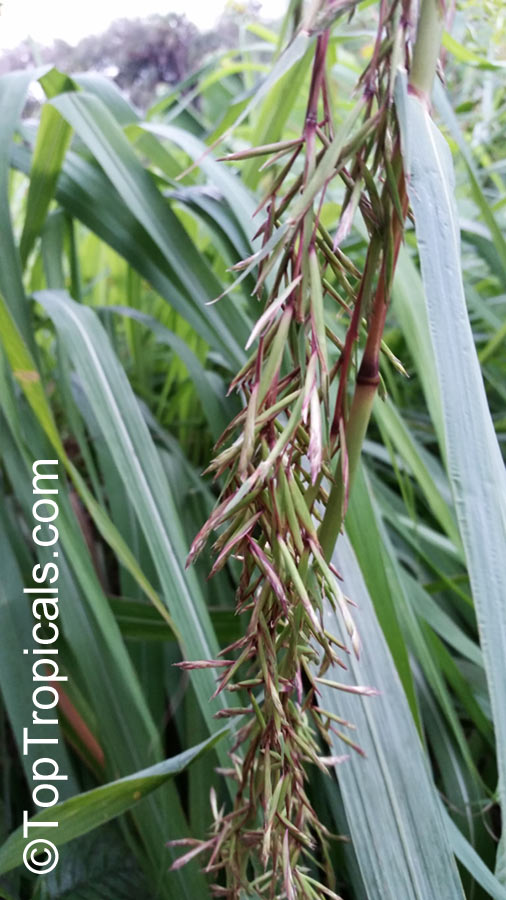
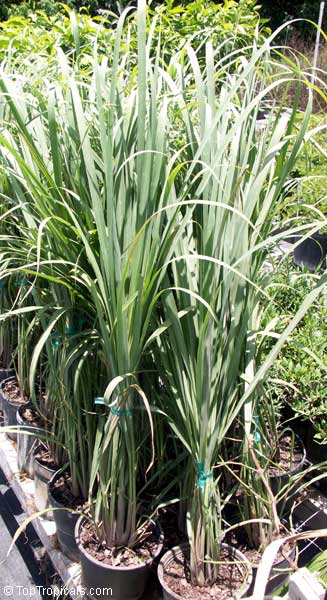
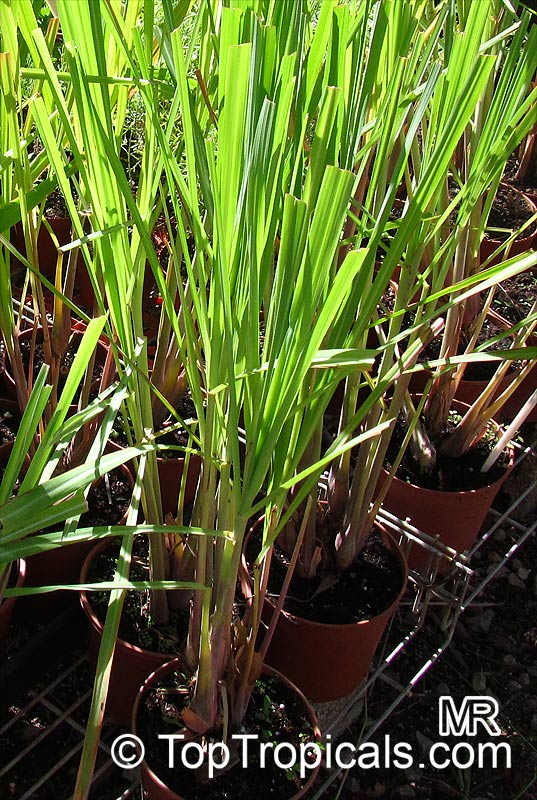
Recommended Fertilizer: SUNSHINE Robusta - Rapid Growth Booster

Botanical name: Cymbopogon nardus
Common names: Citronella Grass, Nardus, Nard Grass, Mana Grass
Family: Poaceae (Formerly:Poaceae / Gramineae)
Subfamily: Panicoideae
Origin: southeast Asia
USDA Zone: 9-10
Cymbopogon nardus, also known as Citronella Grass, is a plant native to southeast Asia and is found in countries such as Sri Lanka, India, Burma, Indonesia, and Java. It is known for its ornamental foliage, fragrant scent and ethnomedical properties, among many other uses. Growing to a height of 2 to 5 feet, it has an upright, grass-like form, with graceful arching leaves that makes it a great ground cover or low growing shrub. It prefers full sun to semi-shade, and requires regular watering to thrive.
In USDA zones 9-11, Citronella Grass does best when planted in a pot, especially in colder regions, as it is deciduous and will die back in the winter. When grown in a pot, it should be watered regularly, and allowed to dry out a little between waterings to avoid root rot. It also needs to be fertilized every few months in the warmer months to ensure it is getting the nutrients it needs to be healthy.
Citronella Grass is not just used for its aesthetic charm; it is also used for medicinal and commercial purposes. Its essential oils are extracted for use in perfumery and as an insect repellent. Inhaling the essential oils of citronella may increase heart rate in some people, and the rhizomes are used medicinally as a treatment for leukorrhea. Finally, inexpensive soaps sold in Asian markets are scented with citronella oil, and it is even reported that it can be used to repel cats.
No matter the purpose, Citronella Grass is an easy-to-maintain and attractive plant that adds beauty and charm to any garden.


Botanical name: Cymbopogon winterianus
Common name: Citronella Grass
Family: Poaceae (Formerly:Poaceae / Gramineae)
Subfamily: Panicoideae
Origin: southeast Asia
USDA Zone: 9-10
Citronella is clump-forming tropical grass, the clump increases in size as the plant matures. Plant it along a walkway or near the porch where its fragrance can be appreciated. The plant is the source of the commercial citronella oil, used in perfumery and as an insect repellent.
Similar to Cymbopogon nardus.
| Prev | Next | |
Use link to repeat this search:
https://toptropicals.com/cgi-bin/garden_catalog/cat.cgi?search_op=and&keyword_op=and&language=e&number=10&no_change_lang=1
&v1=spc&user=tt&sale=1&first=0