Spice or herb plant - Plant Encyclopedia Results (Page 4)
| Number of plants found: 168 |  | Prev | Next | 
|
Go to page: | 1 | 2 | 3 | 4 | 5 | 6 | 7 | 8 | Last |
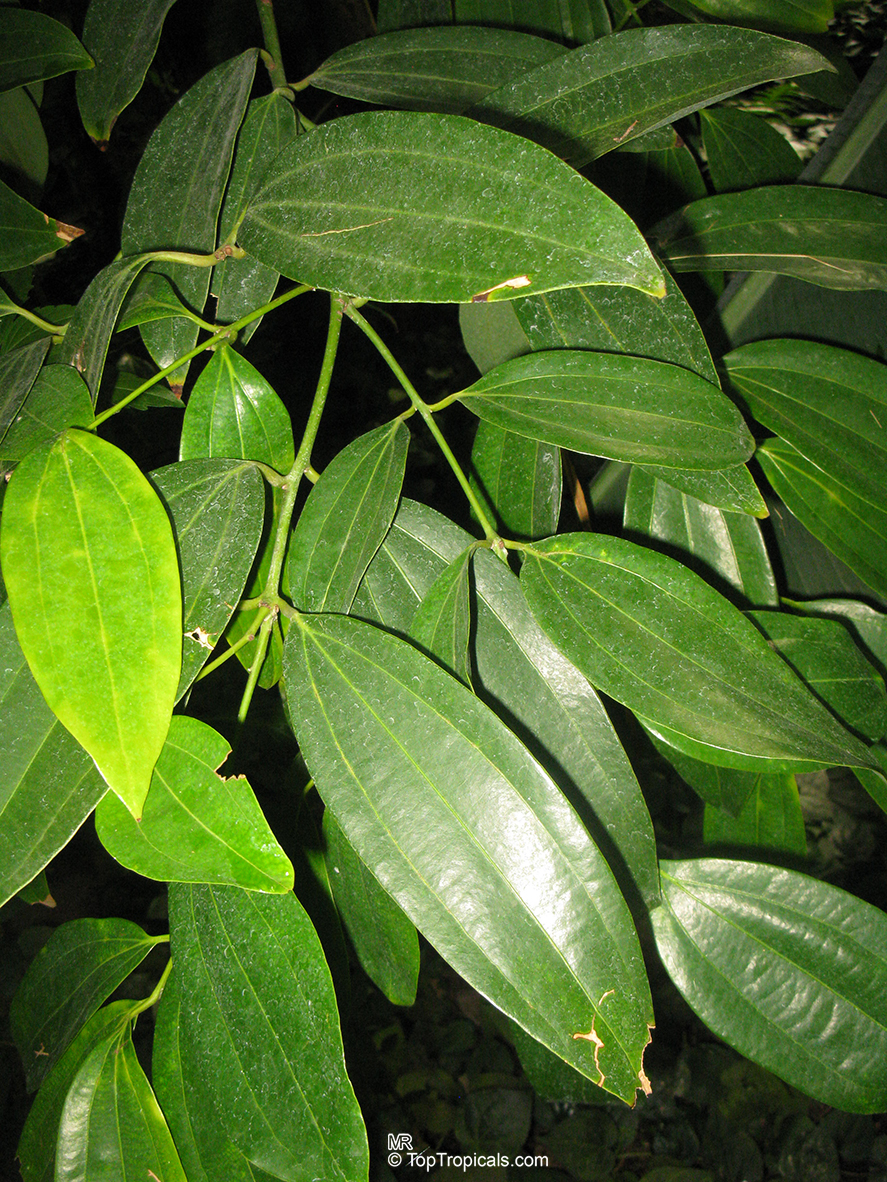
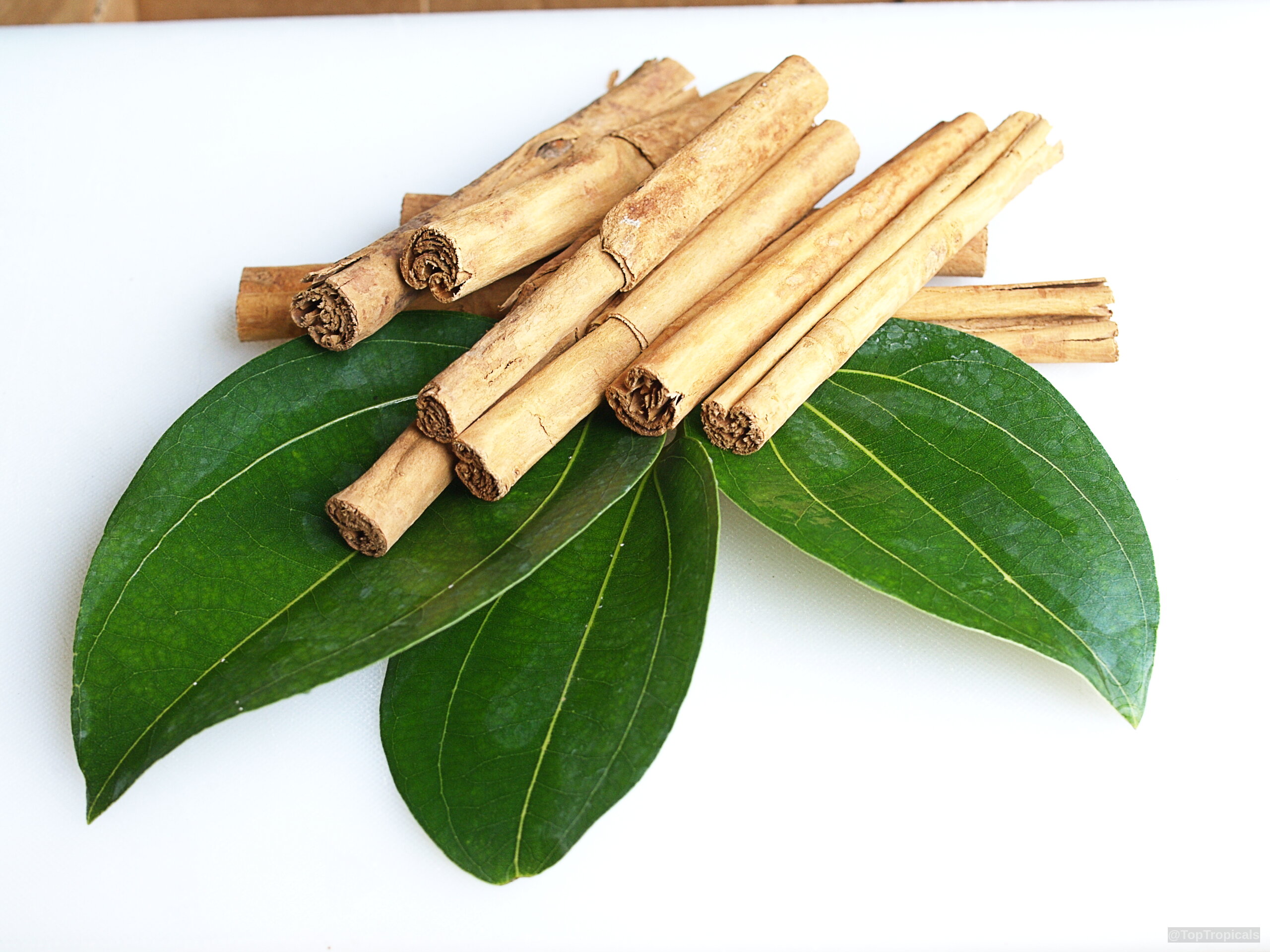
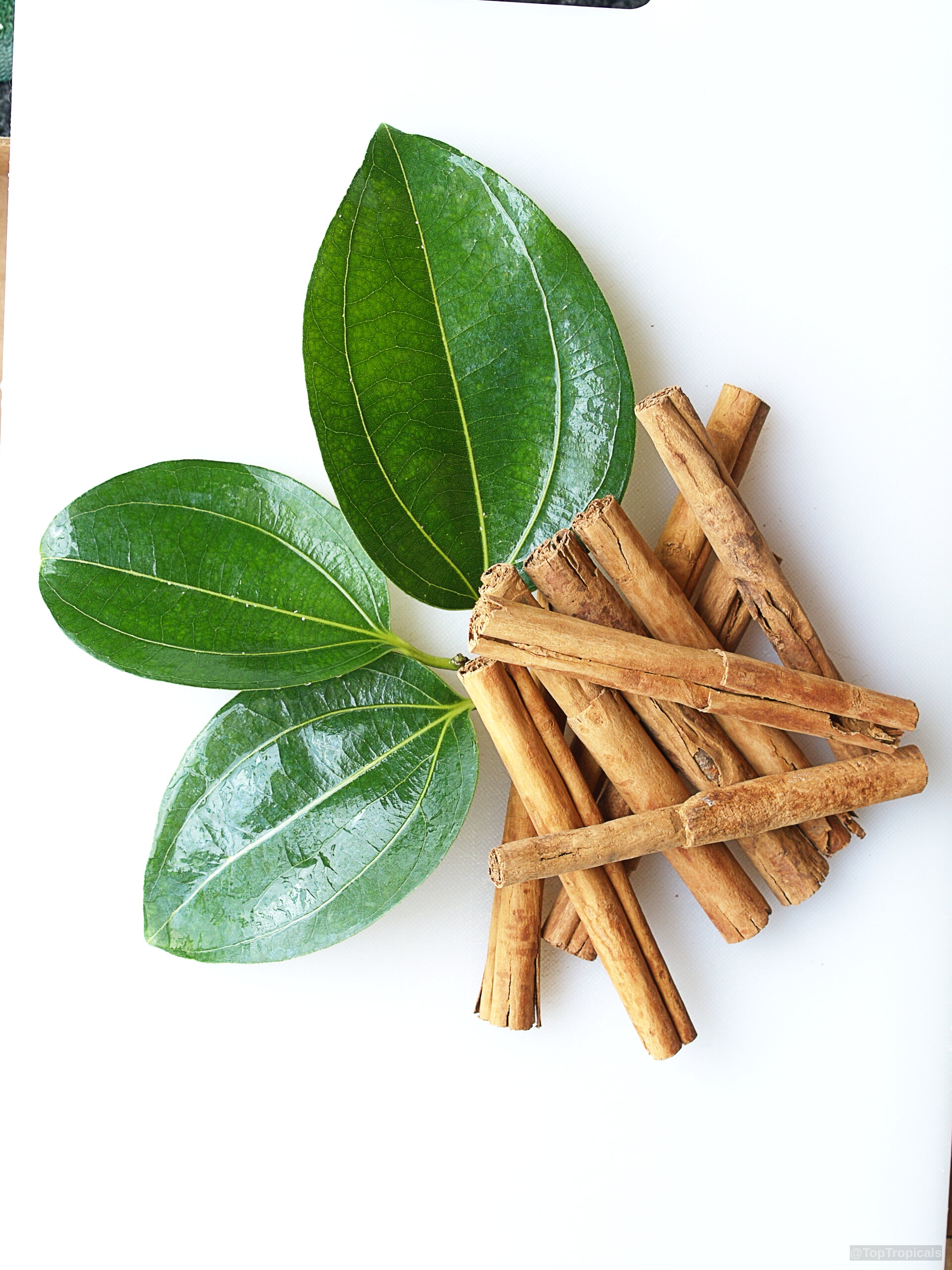
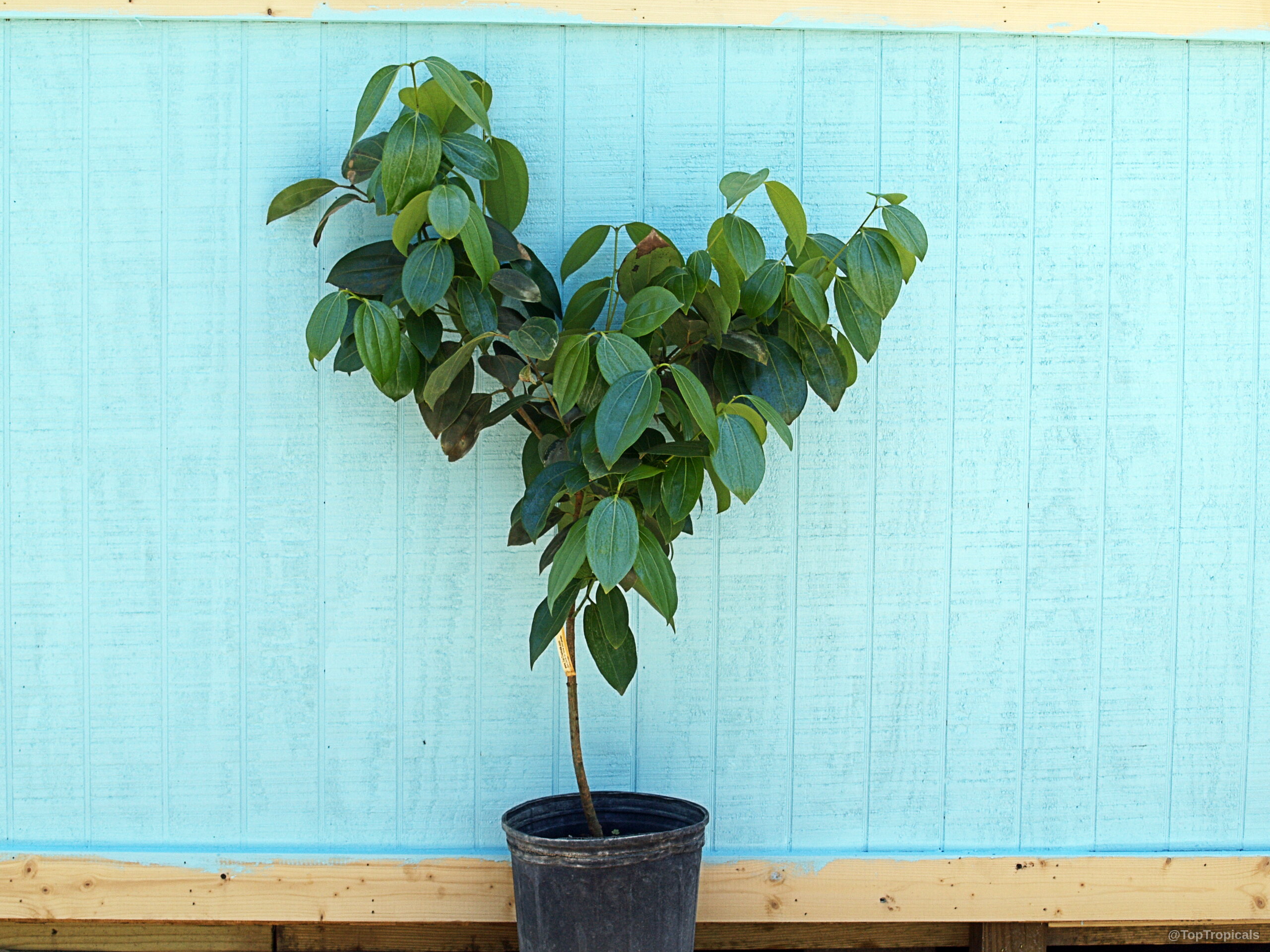
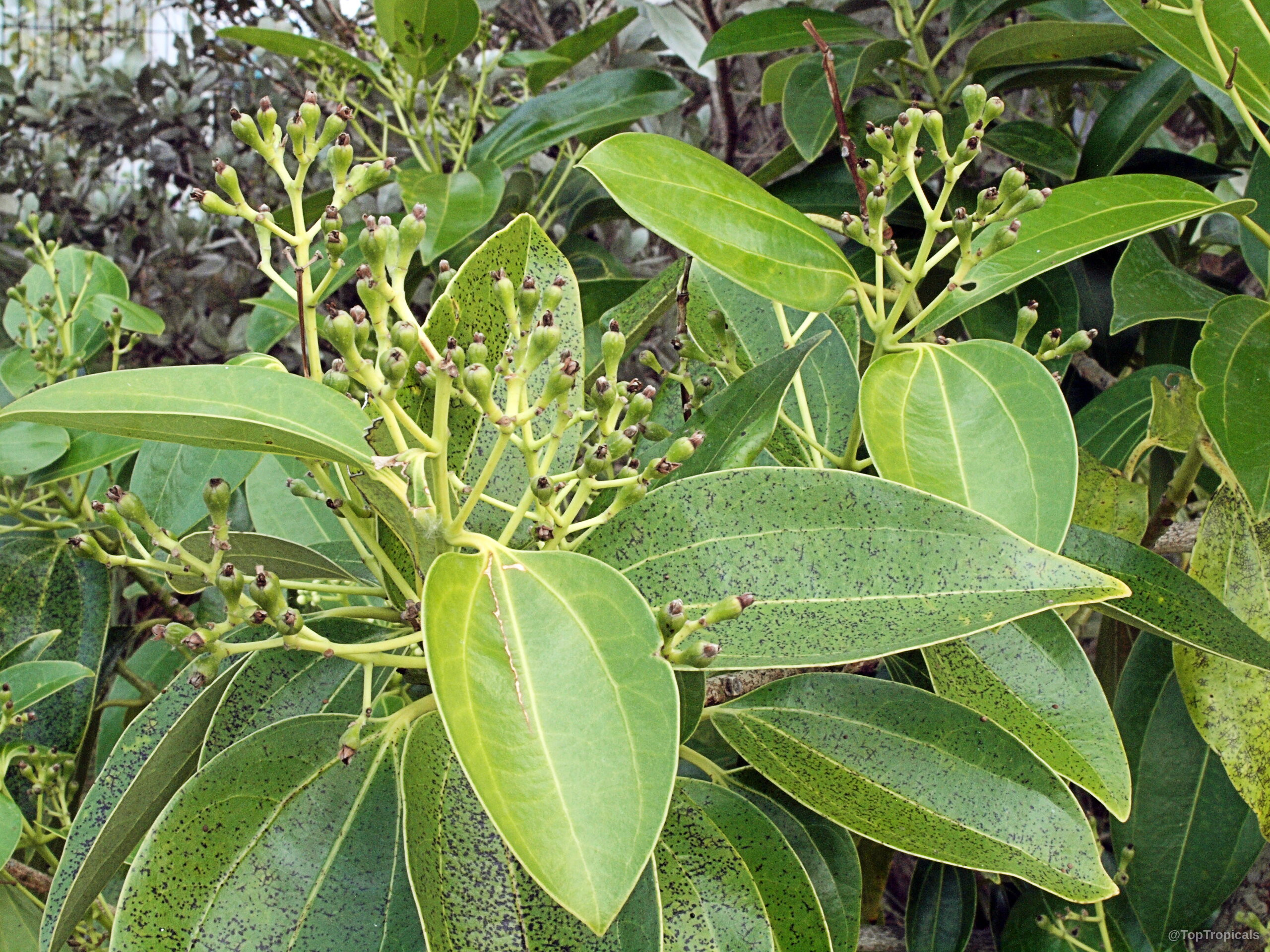
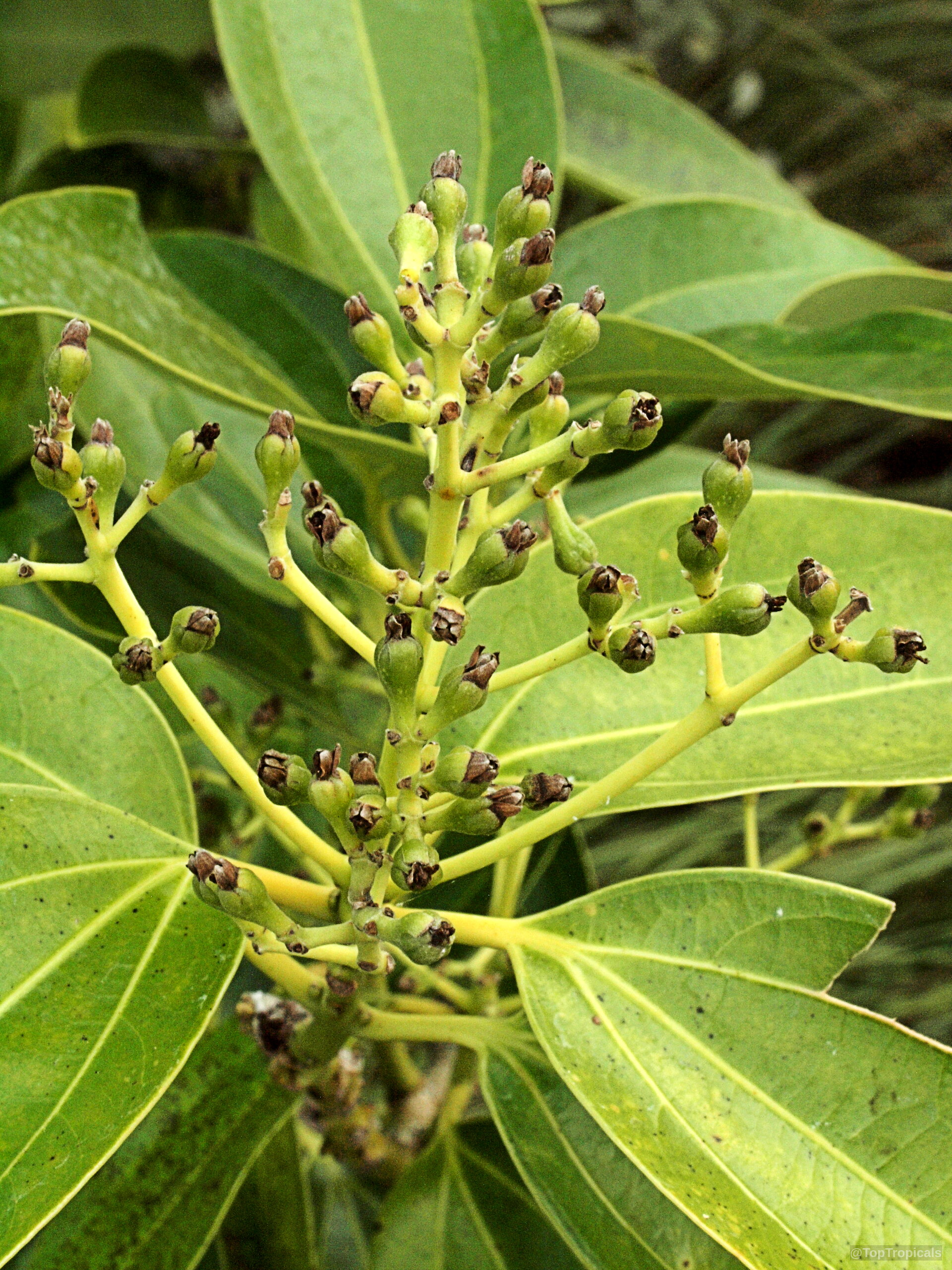
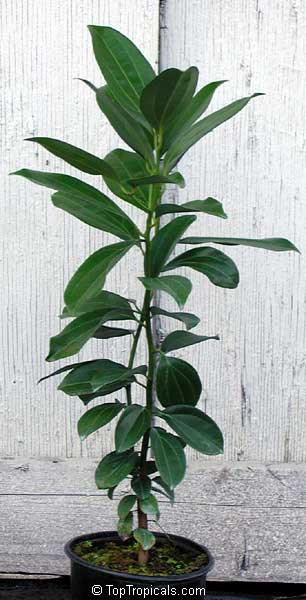
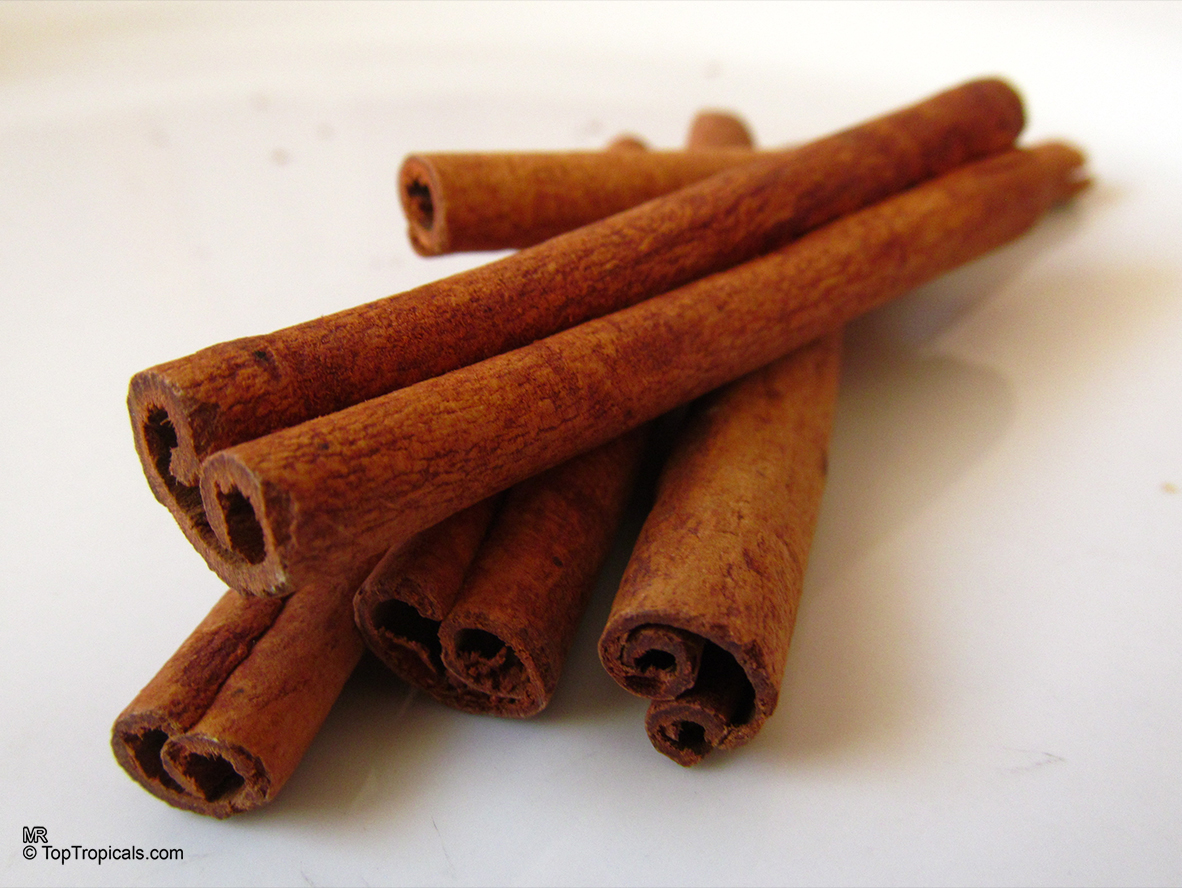
Botanical names: Cinnamomum zeylanicum, Cinnamomum verum
Common name: Cinnamon
Family: Lauraceae
Origin: Sri Lanka (Ceylon)

USDA Zone: 9-11


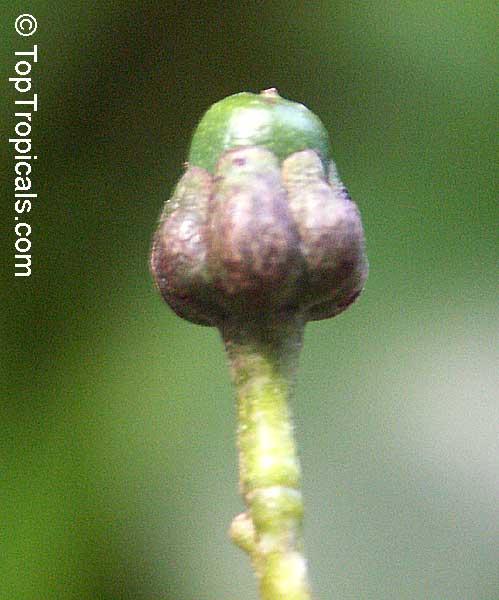
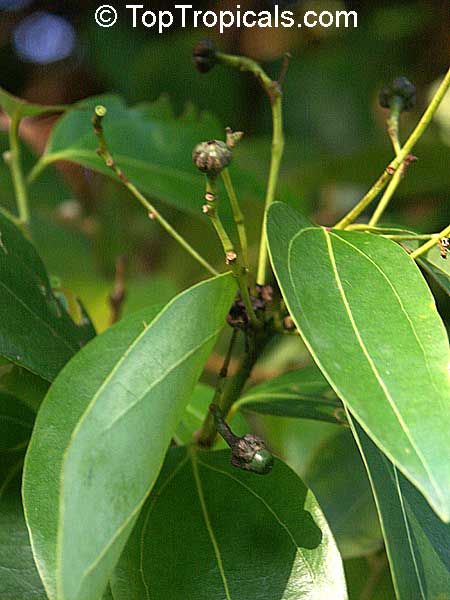
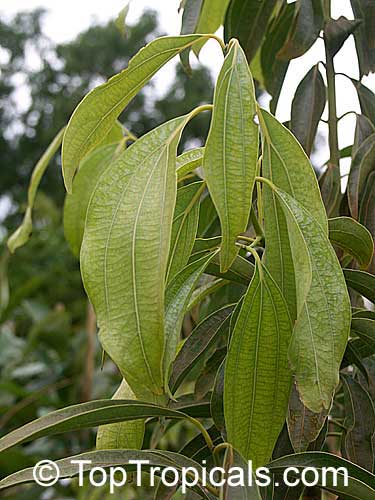
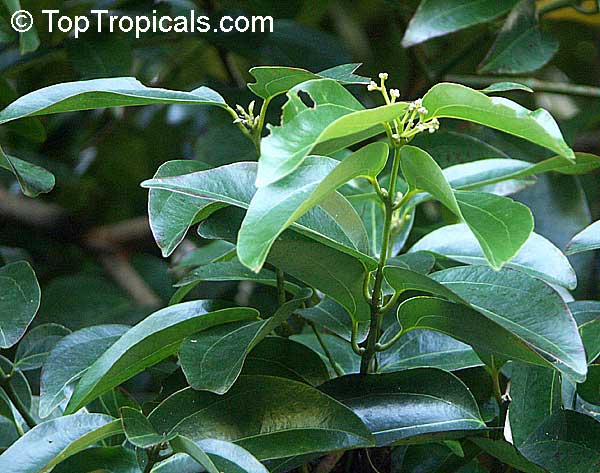
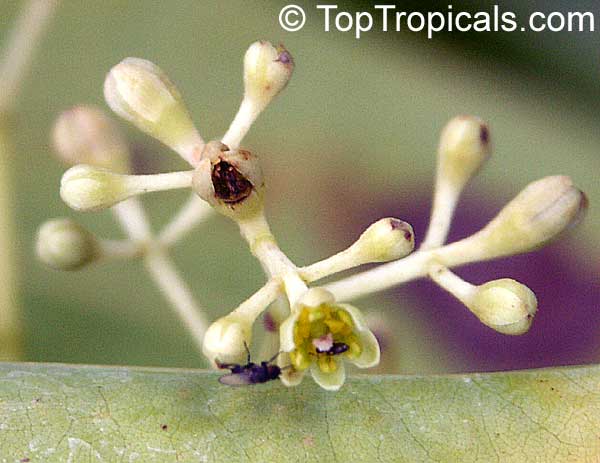
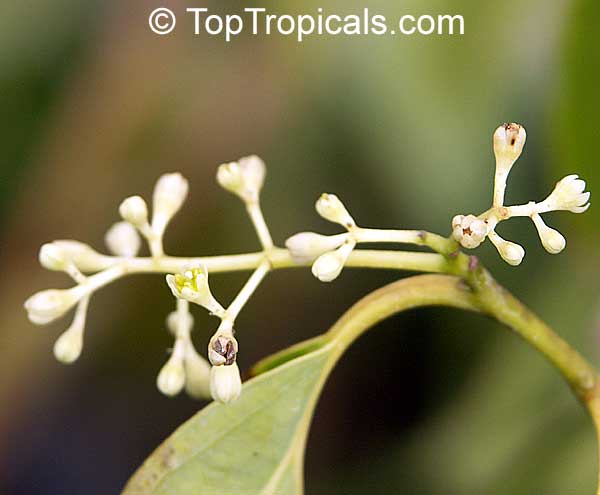
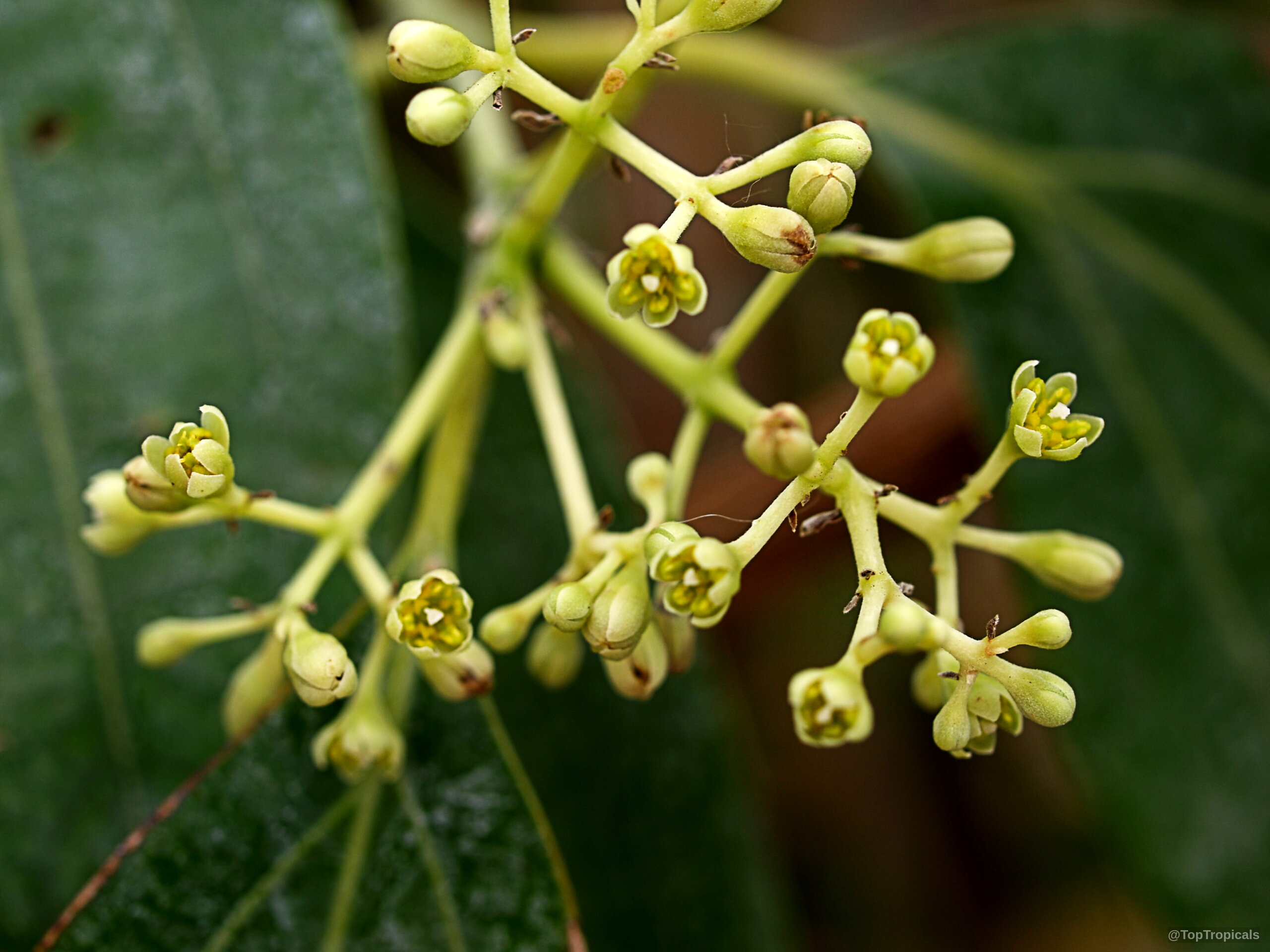
Evergreen shrub or small tree with dark, leathery, aromatic, veined leaves, numerous inconspicuous yellow flowers and blackish berries. In cultivation young trees are cut back twice a year and sucker shoots develop from the roots. These long slender shoots furnish the bark that is the commercial product. Leaves are used as tea. Cinnamon is a very popular culinary spice and is also used in candy, gum, incense, toothpaste and perfumes. The oil is used in medicine as a carminative, antiseptic and astringent and source of cinnamon extract. According to the recent studies, Cinnamon may prevent or at least delay a type of diabetes that develops with age, say researchers in the US.
Clinical trials of a cinnamon extract are due to begin within a year, but nutritionist Richard Anderson says patients with type II or non-insulin-dependent diabetes could benefit now by adding the spice to their food or drink. "We recommend people take a quarter to a full teaspoon a day of cinnamon, perhaps in orange juice, coffee or on oatmeal," he says.
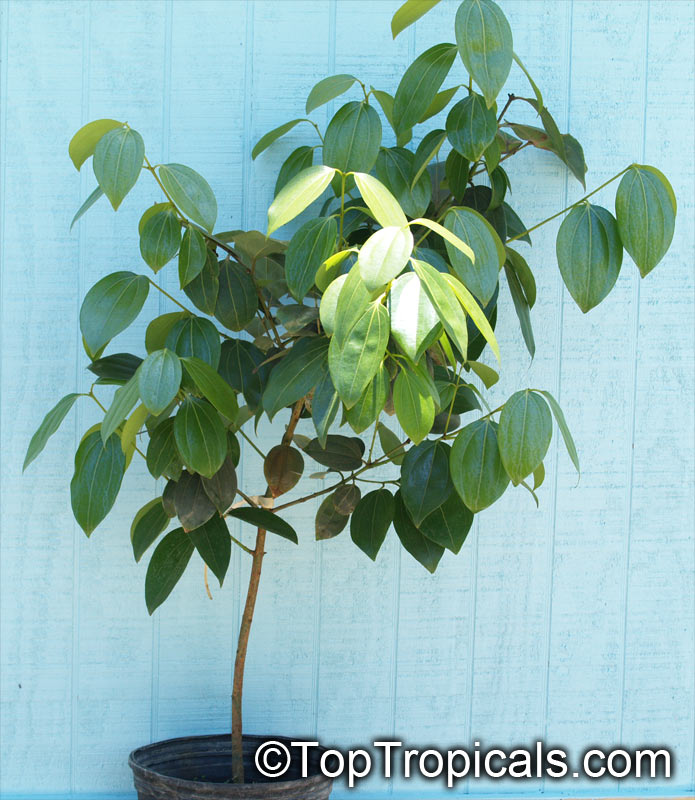
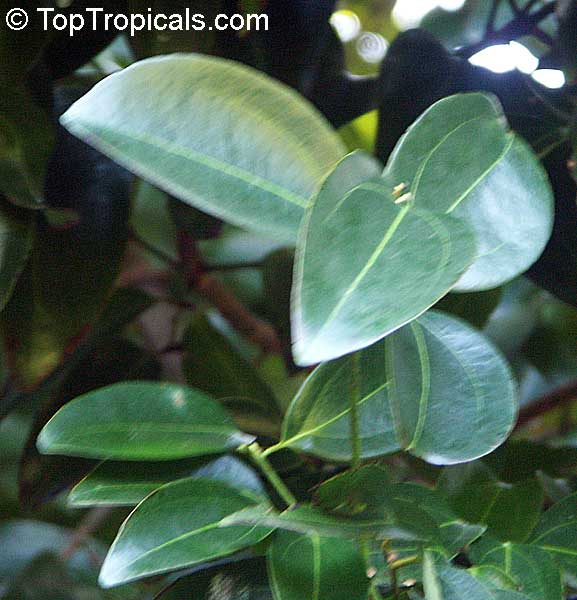
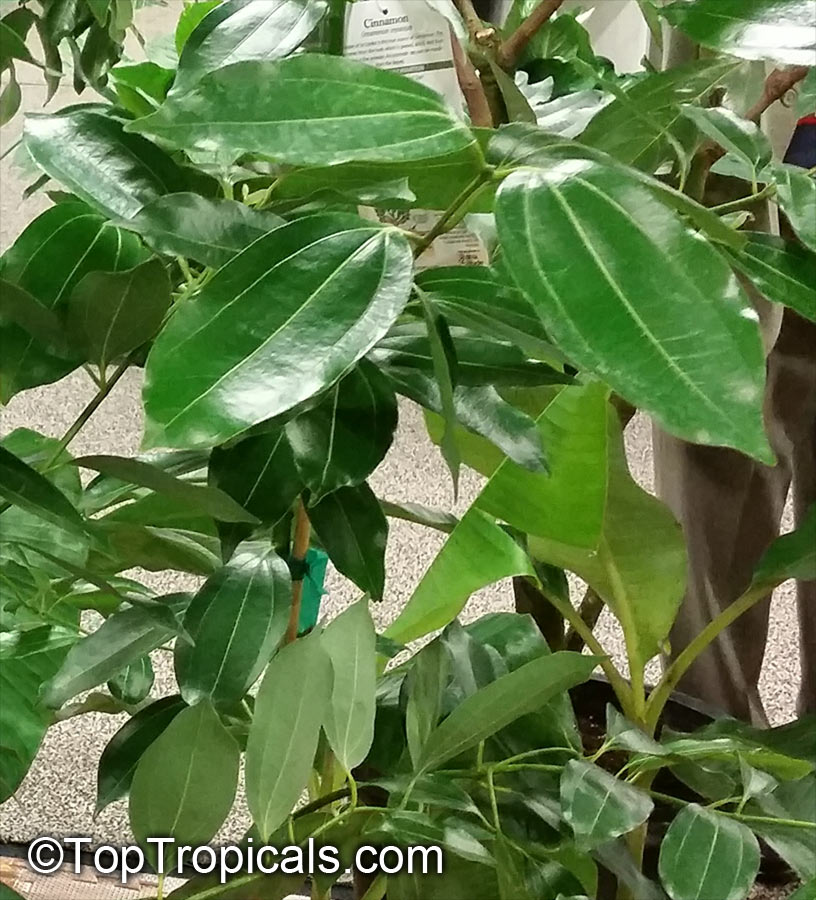
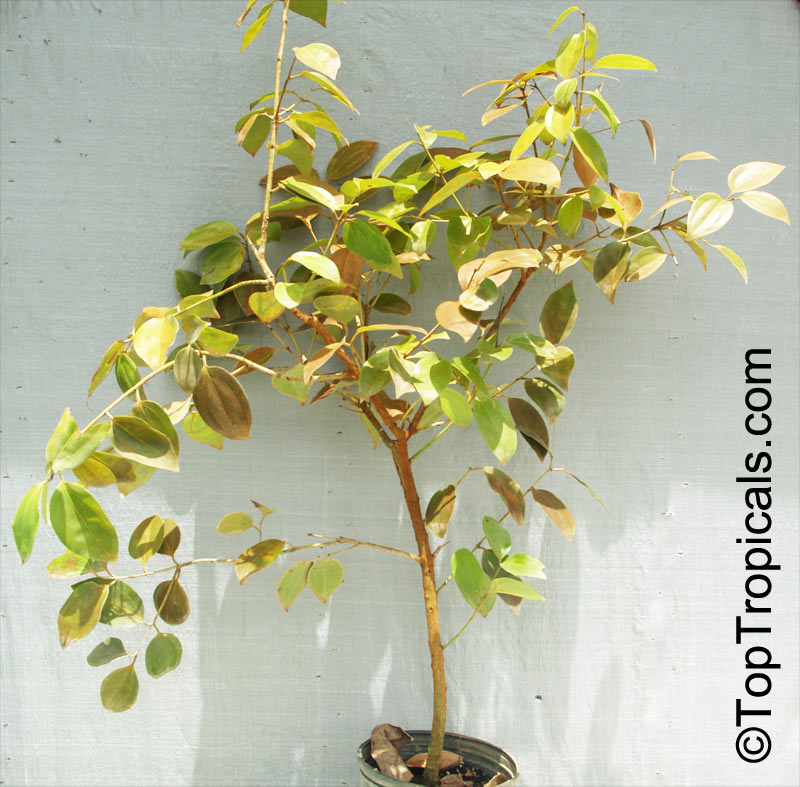





Read more about Cinnamon.
Recommended Fertilizer: SUNSHINE Robusta - Rapid Growth Booster
 SUNSHINE C-Cibus (NPK 2-2-4) - Crop Booster for every watering.
 SUNSHINE C-Cibus (NPK 2-2-4) - Crop Booster for every watering.

Botanical name: Cistus salviifolius
Common names: Sageleaf Rockrose, Salvia Cistus
Family: Cistaceae
Origin: Mediterranean
USDA Zone: 4-9


Sageleaf Rockrose is a low, very erect shrub about two to three feet in height.
It cannot grow in the shade. It requires dry or moist soil and can tolerate drought. The plant can tolerate maritime exposure.
The dried leaves are used as an adulterant for marjoram.


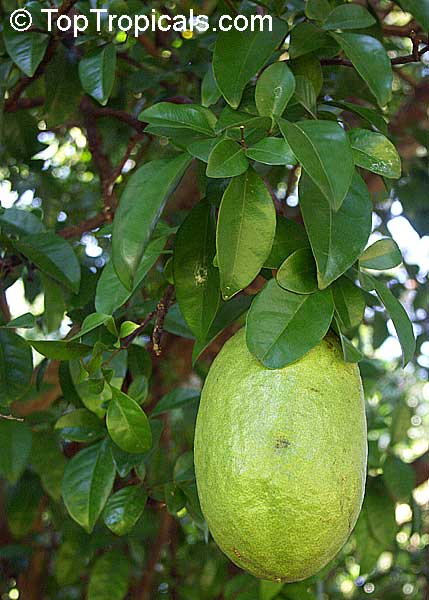
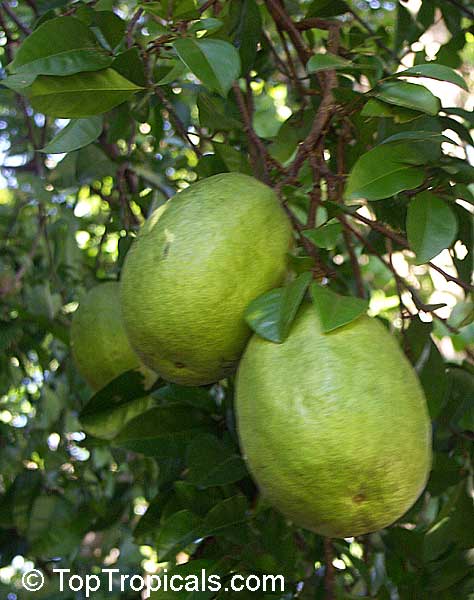
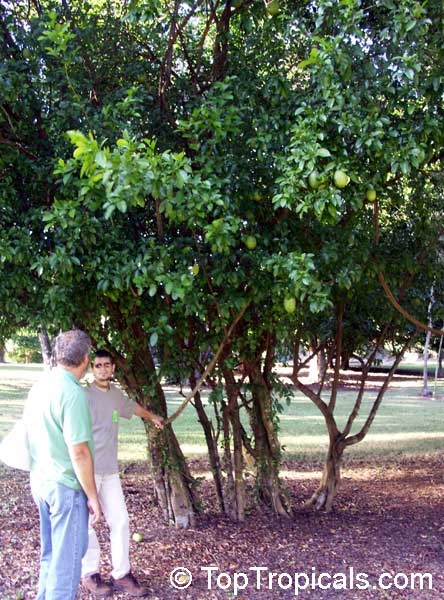
Botanical name: Citrus bergamia
Common name: Bergamot orange
Family: Rutaceae
Origin: South East Asia
USDA Zone: 9-10
Citrus bergamia, commonly known as the Bergamot orange, is a small evergreen tree that is native to South East Asia. The tree can grow up to 10-20ft in height and is recognized by its dark green, glossy leaves and fragrant off-white flowers. Bergamot oranges thrive in full sun and require regular watering, though they are tolerant of drought and occasional flooding. They are hardy in USDA Zones 9-11.
The edible fruit of the Bergamot orange tree is slightly sour and resembles an orange. It can be consumed raw or used to make jams, jellies, and presses. The fruit can also be processed to produce bergamot essential oil, which has numerous ethnomedical applications, including use as a spice or herb.
Bergamot oranges have many health benefits in addition to their culinary and medicinal uses. Research shows that they possess antioxidant and anti-inflammatory properties that promote cardiovascular and digestive health and may help reduce cholesterol levels. The essential oil derived from Bergamot oranges can promote relaxation and reduce stress, mild depression, and anxiety.
Bergamot oranges are relatively easy to grow in the appropriate climate and soil. When grown in a pot, they do best when placed in an area with direct sun and moderate watering. If grown in colder regions, they should be brought indoors during the winter months. The tree can produce hundreds of fruits each year depending on the care given. When provided with adequate sunlight, regular water, and proper soil, Citrus bergamia can live for over a decade.
Aside from its health benefits and culinary uses, the oil derived from Bergamot oranges is widely used in the perfume industry due to its refreshing scent. The oil possesses antiseptic, antibiotic, anti-inflammatory, carminative, relaxant, sedative, and uplifting properties.
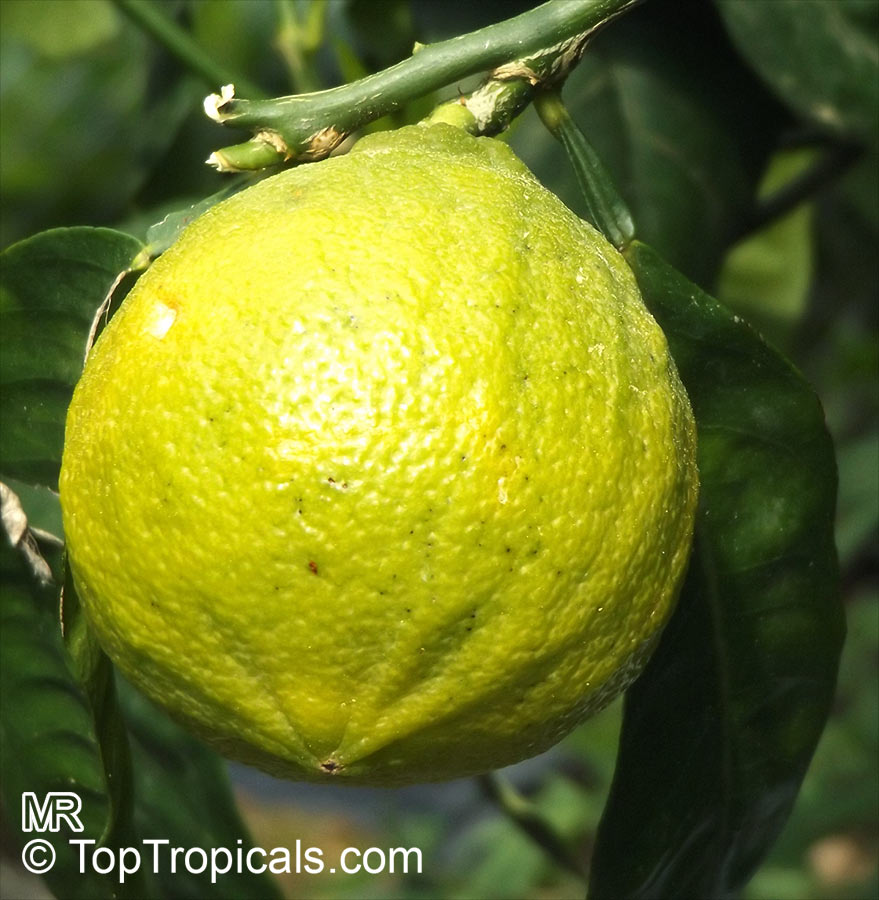
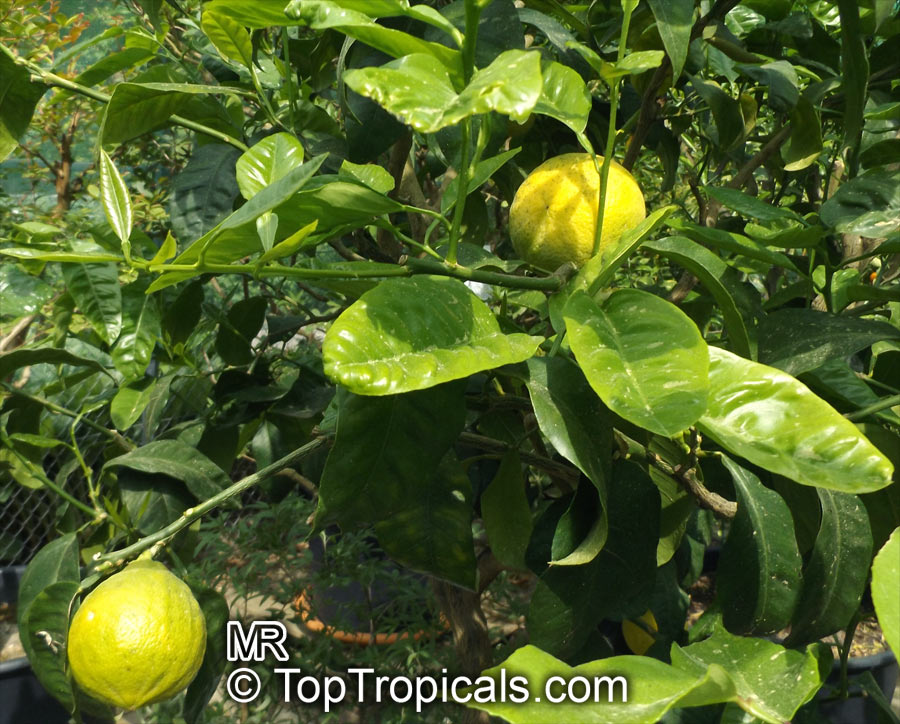


Botanical name: Citrus hystrix
Common names: Indonesian lime, Wild lime, Kaffir Lime
Family: Rutaceae
Origin: South East Asia
USDA Zone: 9-10
Grown in USDA Zone 9-11, Citrus hystrix, commonly known as Indonesian limes, is a species of relatively small tree that can reach a height of 10-20 ft. The fruits of this tree contain very little juice, but it is packed with flavor that has a unique flavor profile. The off-white flowers of Indonesian lime are highly fragrant, making them a delight for the senses.
The fruits of this ethnomedical plant are edible, and their white skin can be used to make a refreshing beverage or used as as a spice or herb. There are many healthy benefits associated with consuming Indonesian limes. The vitamins C, A, and E are all found in the fruit, providing anti-oxidant properties as well as strengthening the immune system. The fruit is also packed with minerals including calcium, magnesium, and iron, all of which are vital for the body.
In terms of growing and caring for this tropical tree, they prefer full sun and require regular watering. In regions with colder climates, planting them in a pot and bringing them in during the winter months can help to keep them healthy and make sure they thrive. Indonesian limes are highly productive, often producing a yield of 25-50 fruits in a season.
All in all, Citrus hystrix is a great addition to any garden, boasting a plethora of health benefits and a unique flavor that adds complexity to prepared dishes. Its fragrant flowers make it a lovely ornament when placed in a sunny spot, and it is a worthwhile investment for the flavor and nutrition it provides.


Botanical name: Clausena excavata
Common name: Pink Lime Berry
Family: Rutaceae
Origin: Southeast Asia
USDA Zone: 9-11
The Clausena excavata tree is a small tree which grows 10-20 ft tall and requires full sun and regular watering to thrive. While some adaptations make it moderately drought tolerant, it needs regular waterings and can not survive extended periods of drought. It is a great choice for gardeners in USDA Zones 9-11.
The pink lime berry itself is very fragrant and can be used to flavor a variety of dishes, as well as for decorating. Its leaves also have a powerful, curry-like smell when crushed and are even edible. Those looking for a medicinal herb will find Clausena excavata to be a great choice, as its bark, branches, and roots are used as a potherb for a vast array of ailments.
Clausena excavata produces many edible berries with a juicy, sweet and citrusy taste, with hints of fennel, coriander, licorice, and coffee, making them great for garnishing dishes. Besides being rich in flavor, the berries are also a great source of essential nutrients and vitamins. They are also high in antioxidants and known to improve digestion and boost the immune system. The berries are usually harvested after they ripen and turn translucent and pink. Clausena excavata will produce an abundant crop of fruit if grown in the right conditions and can produce up to a hundred berries off a single plant.
In cold regions, Clausena excavata will grow well if planted into a pot and kept indoors during the coldest times of the year. It will be most hardy to temperatures as low as 30F for a short time. As temperatures dip below this, it will need to be brought indoors before it may suffer from frost damage. During the spring and summer, it can be placed outside to benefit from the sun and regular waterings.


Botanical name: Claytonia perfoliata
Common names: Miner's Lettuce, Rooreh, Indian Lettuce, Winter Purslane
Family: Montiaceae
Origin: North America
USDA Zone: 6-10

It is an edible, fleshy, herbaceous, annual plant native to the western mountain and coastal regions of North America. The flowers grow above a pair of leaves that are connected together around the stem so as to appear as a single circular leaf. Mature plants form a rosette; they have numerous erect to spreading stems that branch from the base.

Botanical names: Clinopodium nepeta, Calamintha nepeta
Common name: Lesser Calamint
Family: Lamiaceae
Origin: Mediterranean
USDA Zone: 5-9


Clinopodium nepeta smells like a cross between mint and oregano. It attracts honeybees and butterflies.


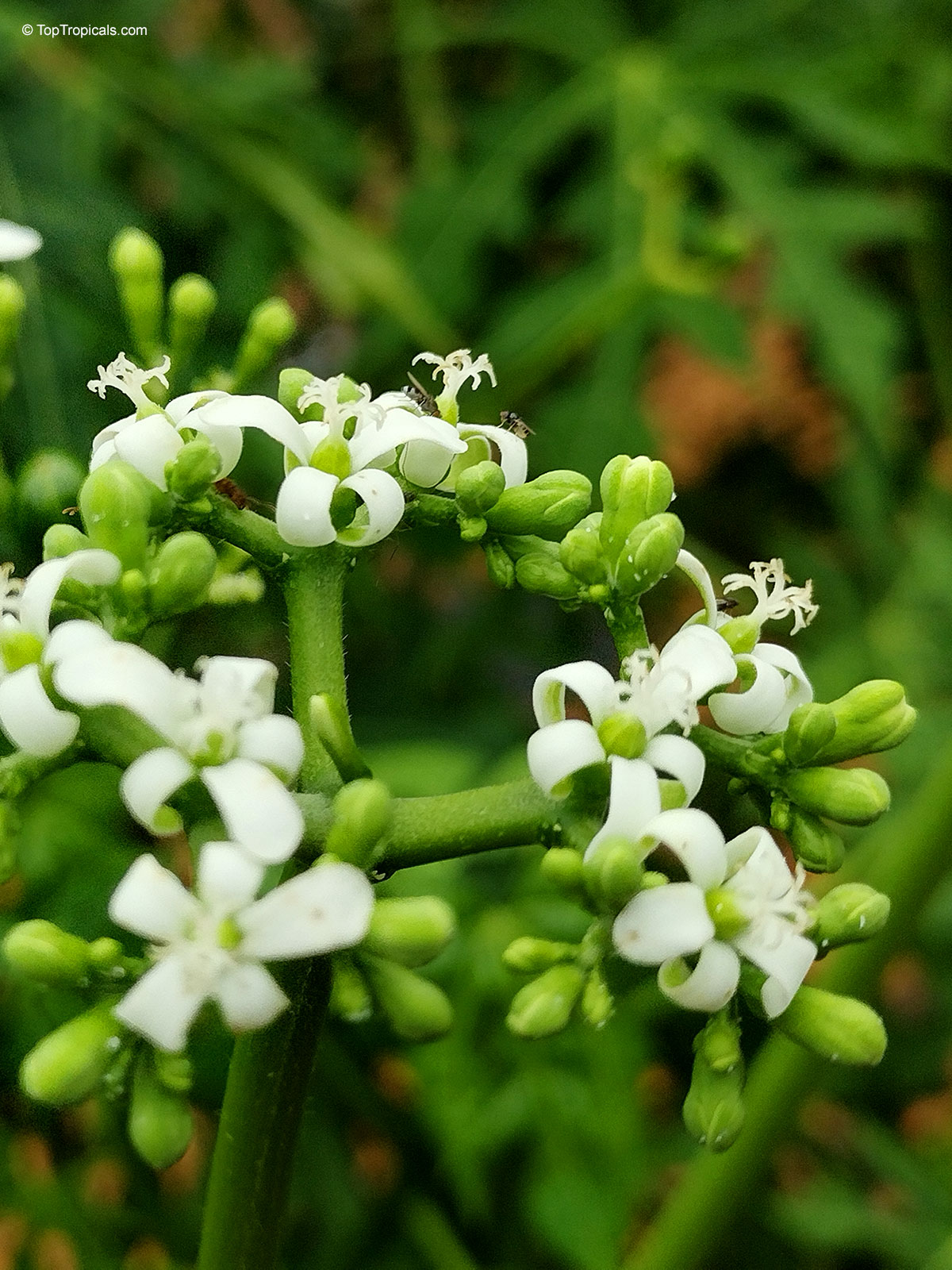
Botanical name: Cnidoscolus aconitifolius
Common names: Spinach Tree, Tread Softly, Cabbage Star, Chaya
Family: Euphorbiaceae
Origin: Central America, Mexico
USDA Zone: 9-11
Cold tolerance: 30°F

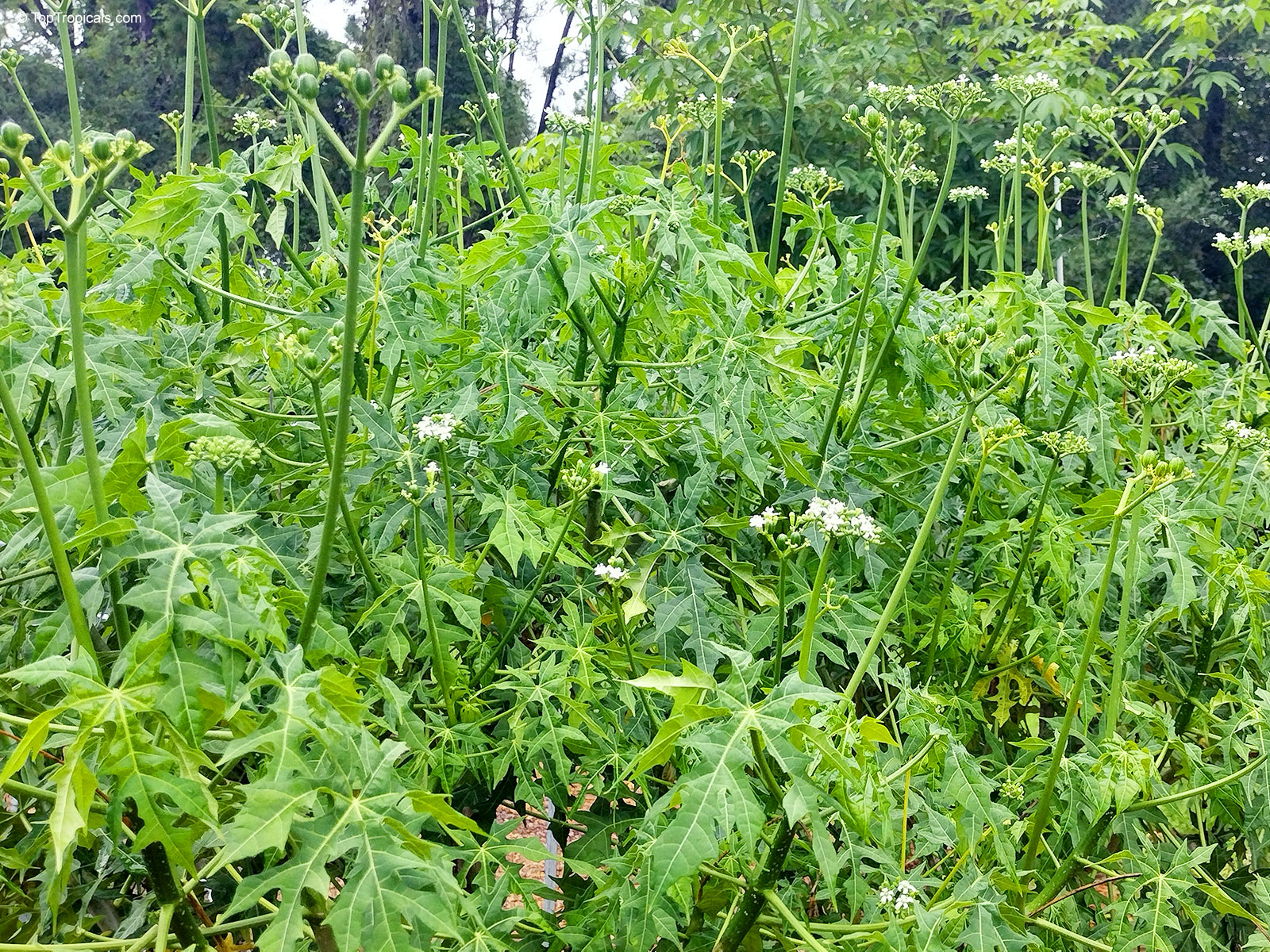
Chaya is a highly nutritious leafy green native to the Yucatan Peninsula. Rich in protein, calcium, iron, and vitamins A and C, Chaya offers a host of health benefits. Traditional uses include aiding digestion, improving circulation, and promoting lactation. Additionally, it has been utilized in folk medicine to address conditions such as diabetes, anemia, and high blood pressure.
However, it's crucial to note that chaya leaves must always be thoroughly cooked - boiled for at least 5 to 15 minutes - to neutralize hydrocyanic glycosides compounds and make them safe to eat.
Growing chaya is both fun and rewarding, especially in warm climates like Florida. This fast-growing perennial thrives in full sun to partial shade and is well-suited for food forests or backyard gardens. Propagation is typically done through 6-12 inch woody stem cuttings, which root easily when planted in well-draining soil. Once established, chaya plants can reach heights of 6 to 8 feet and can be harvested continuously, provided no more than 50 persent of the foliage is removed at a time to ensure healthy new growth.
Beyond its nutritional and medicinal value, chaya is a beautiful addition to the garden, attracting butterflies and hummingbirds with its white flowers. Its resilience to drought and ability to thrive in various soil conditions make it an excellent choice for sustainable gardening.
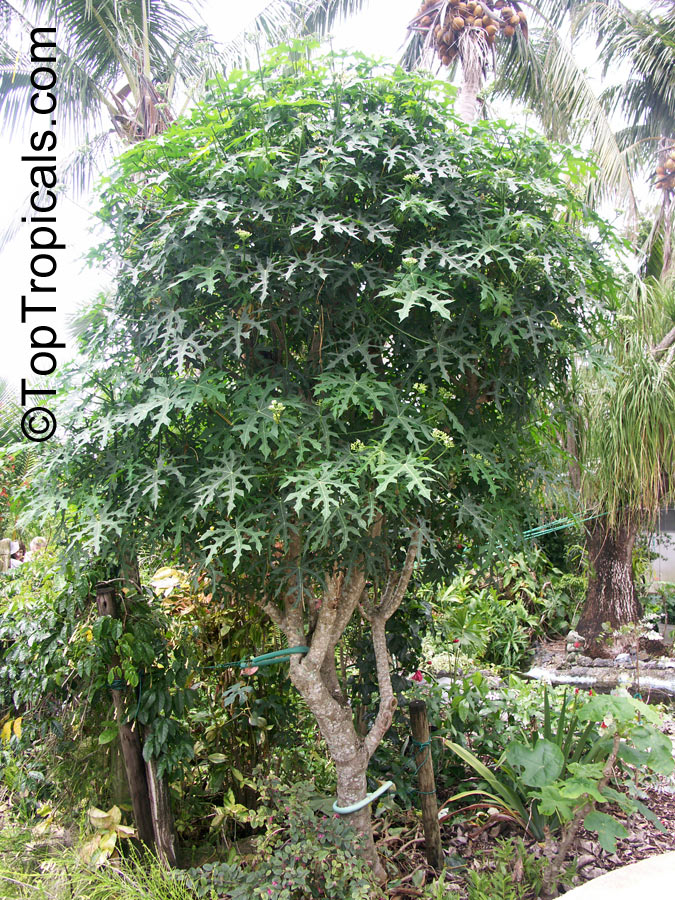
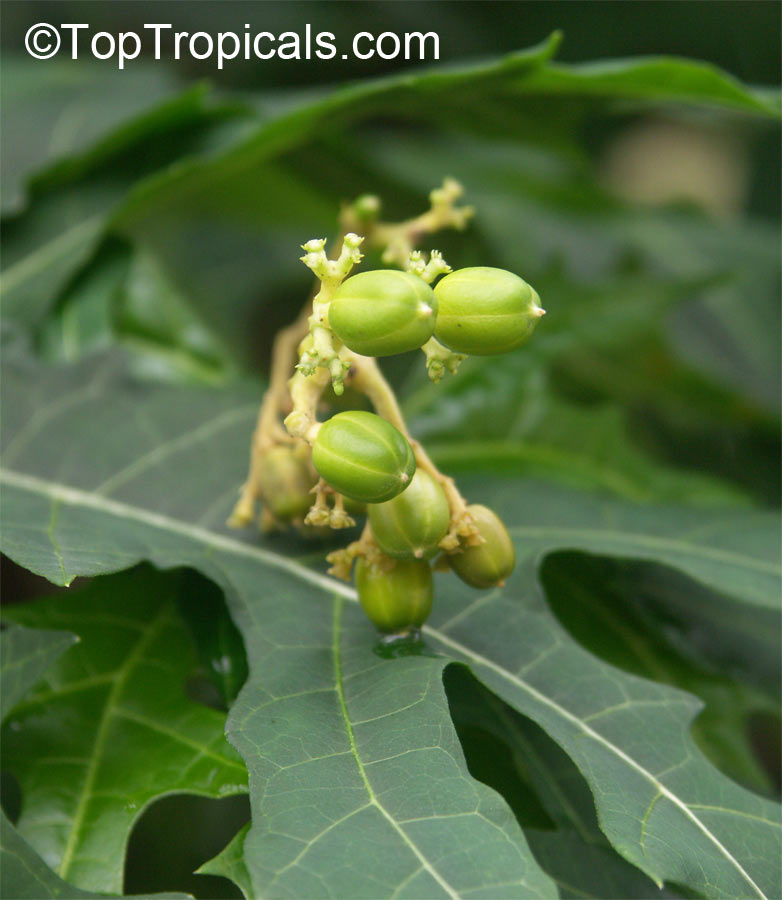
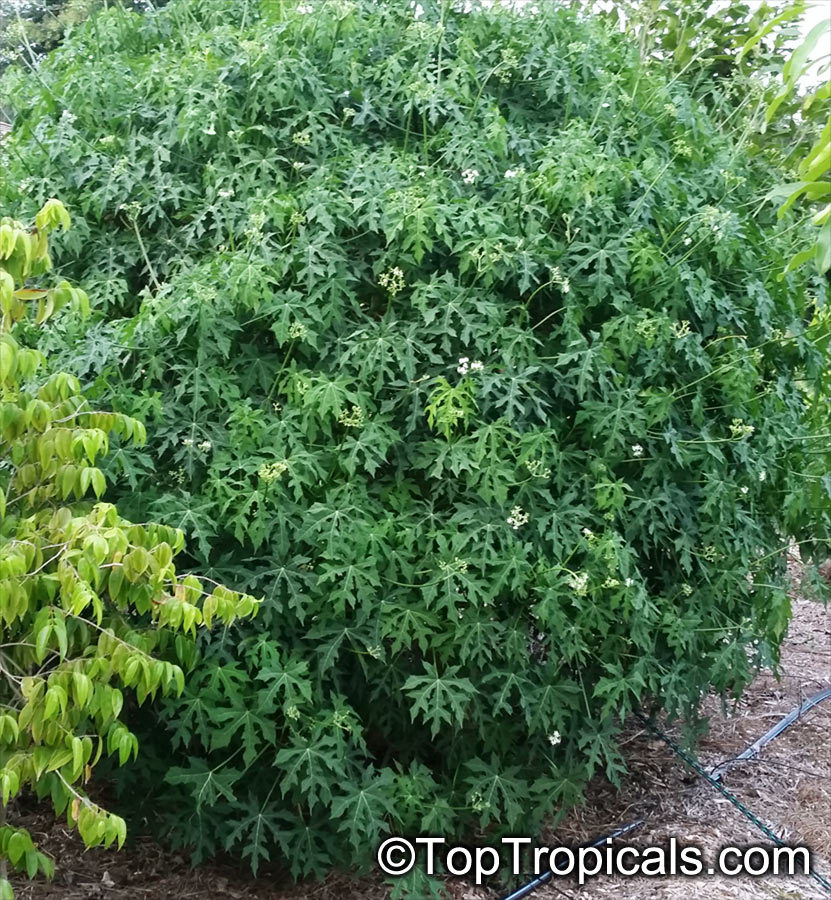
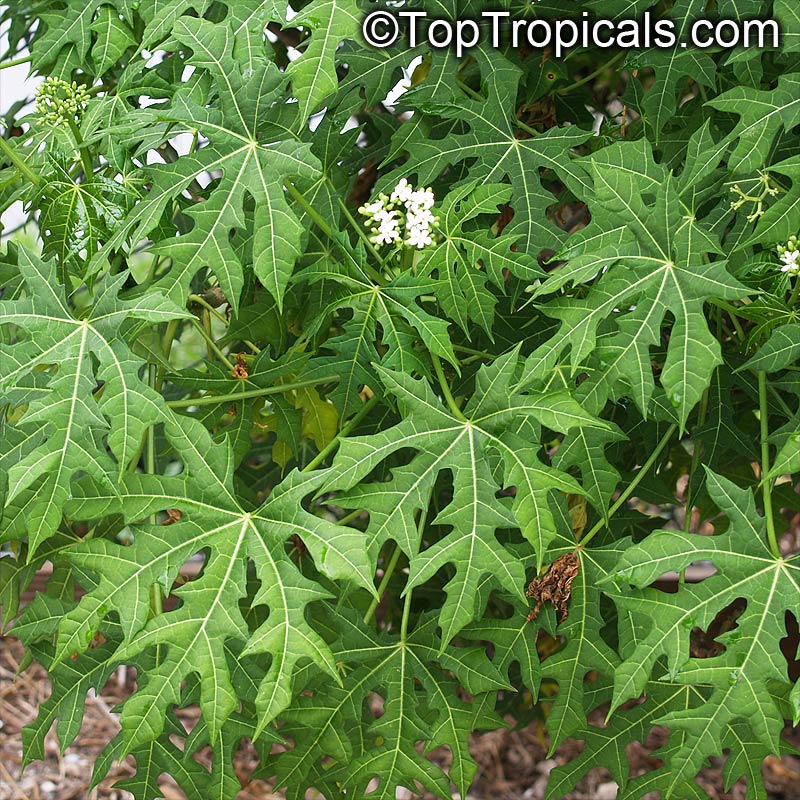
Variegated Maya Spinach Tree is also called Cnidoscolus aconitifolius variegatus cv. Jatropha, or Variegated Chaya, Variegated Tree Spinach. It is a succulent perennial shrub or small tree with showy cut foliage in heavily divided fans with a creamy variegation. It sends out small clusters of white flowers, a nice bonus. Sunny location dry between watering. The leaves can be cooked and eaten, similar to spinach (but are toxic raw). But, really it's just stunning as an ornamental alone!
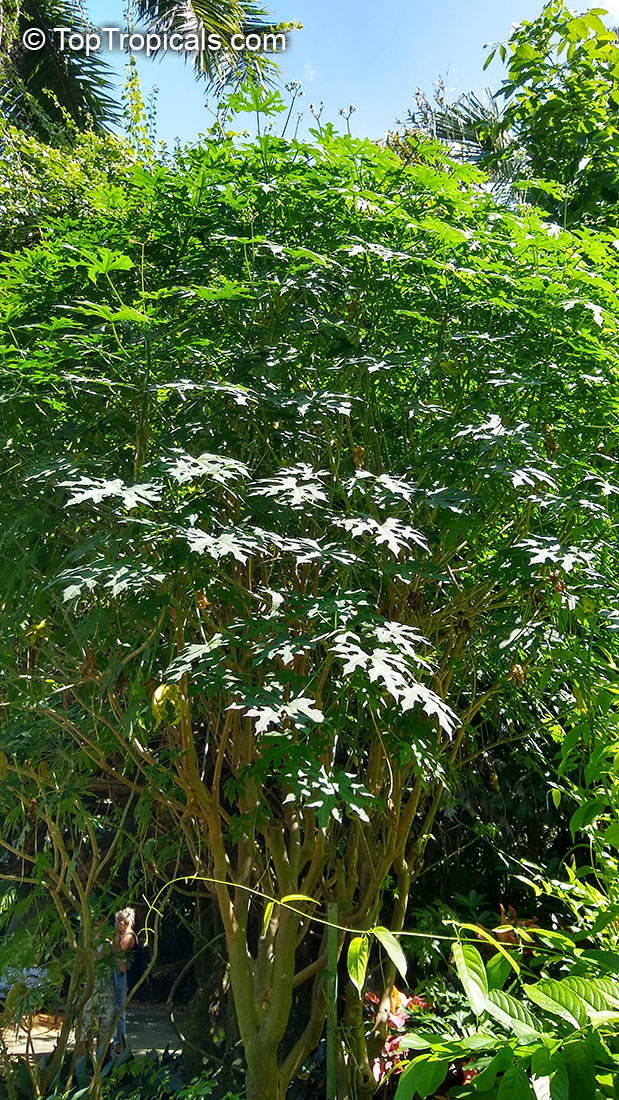
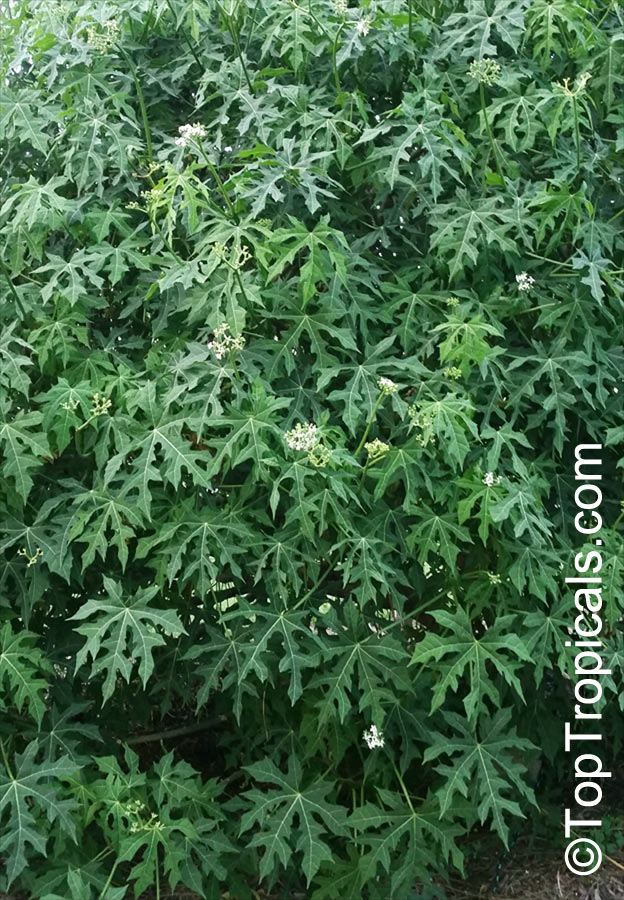
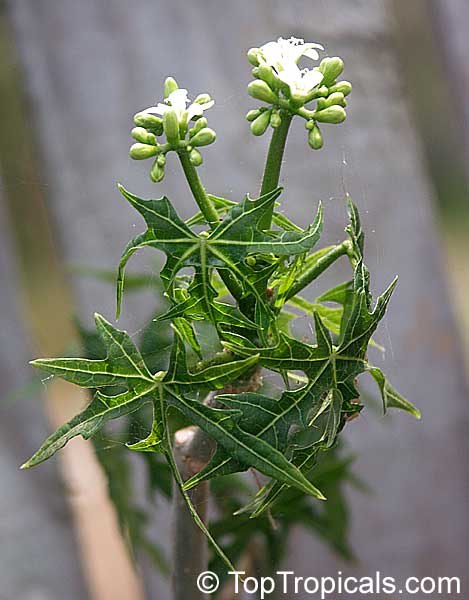
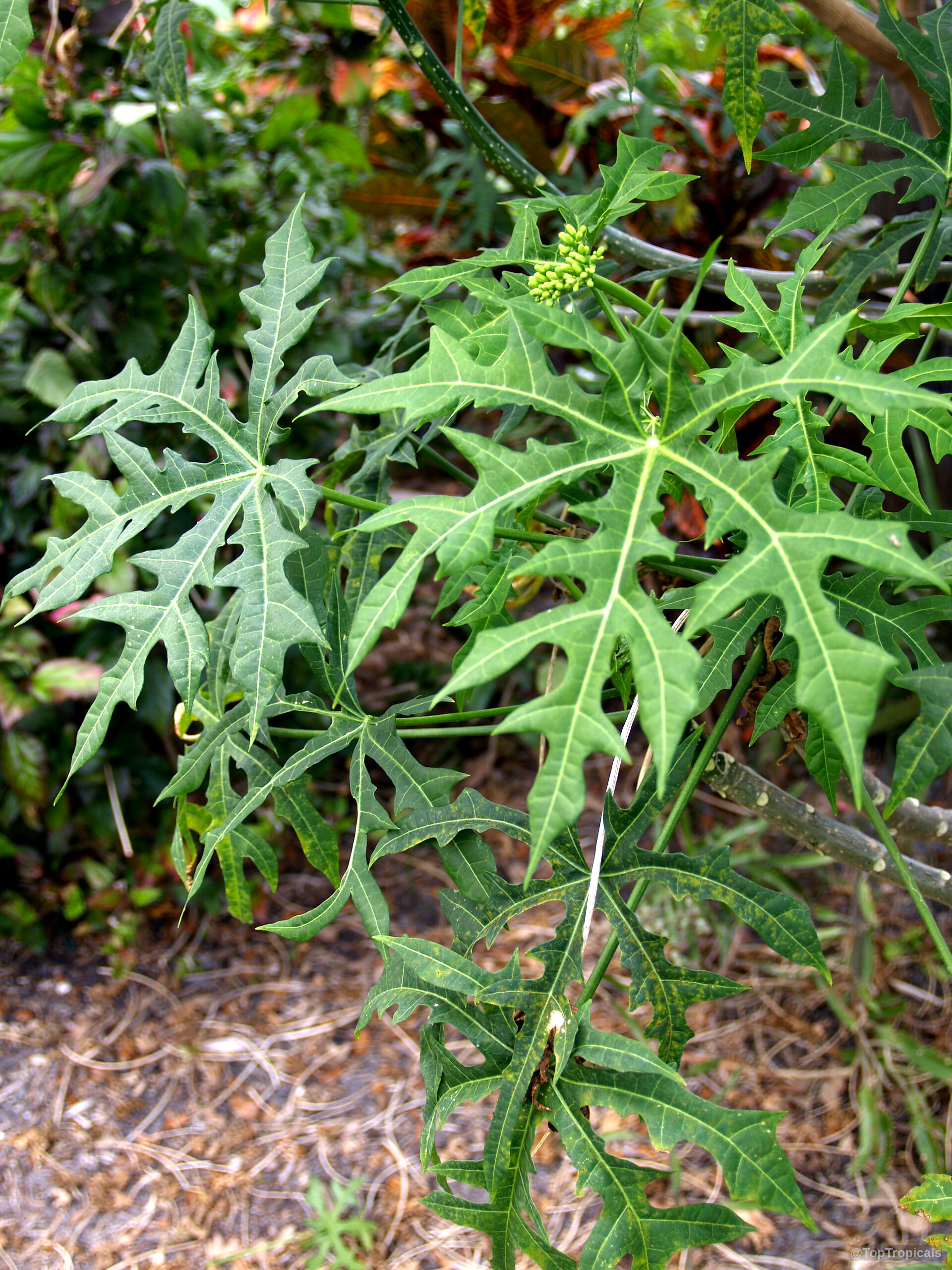
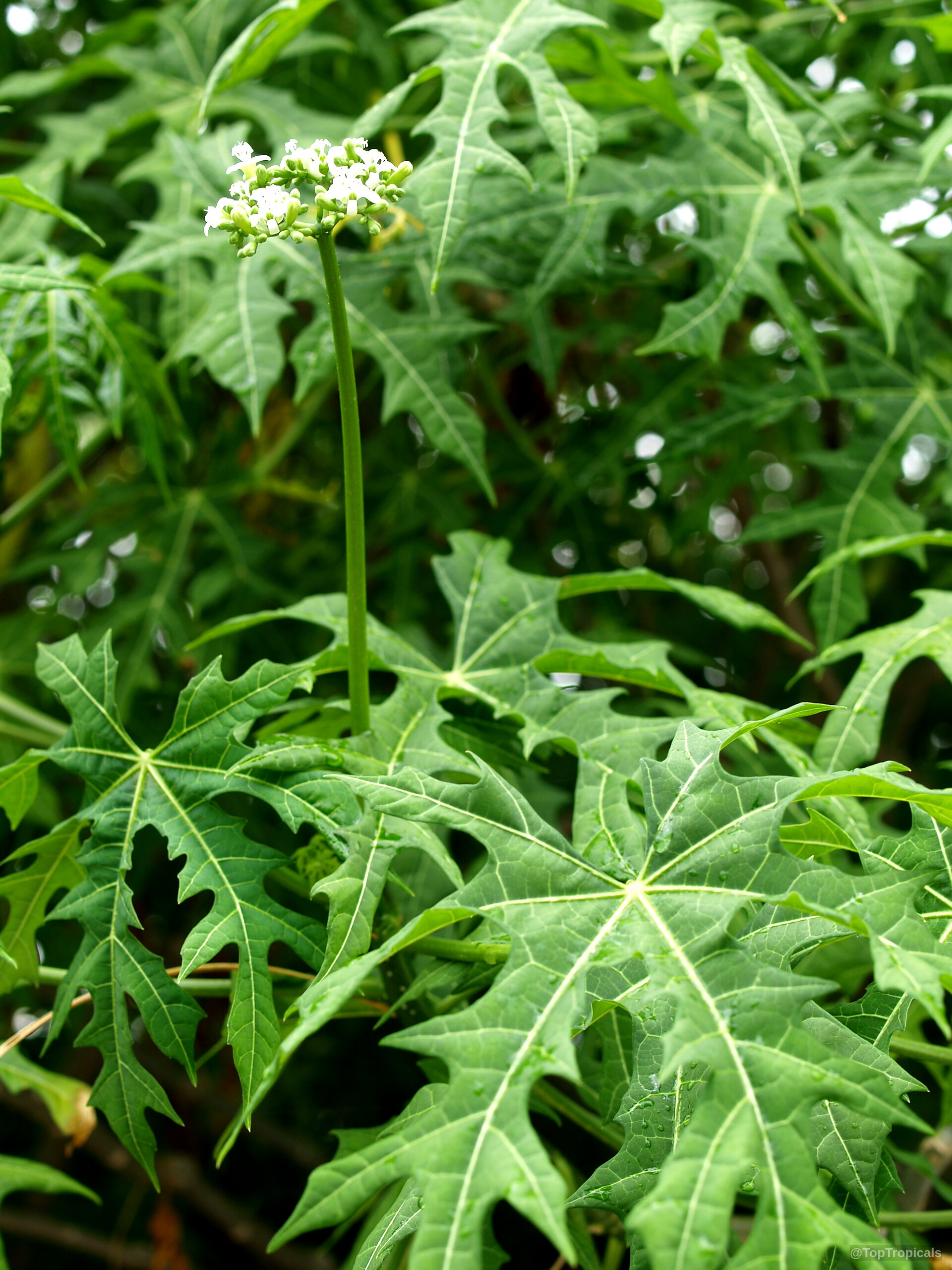
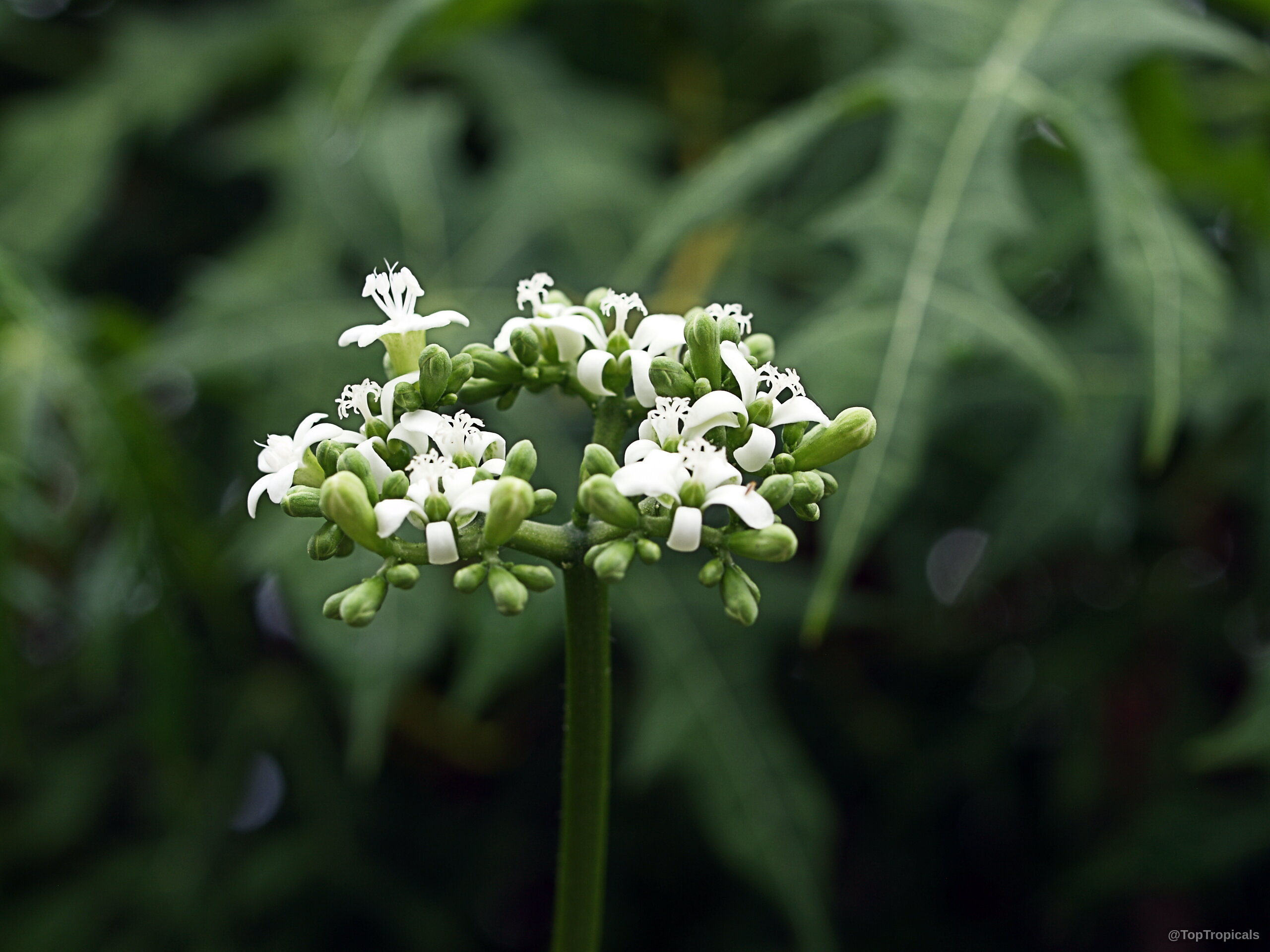
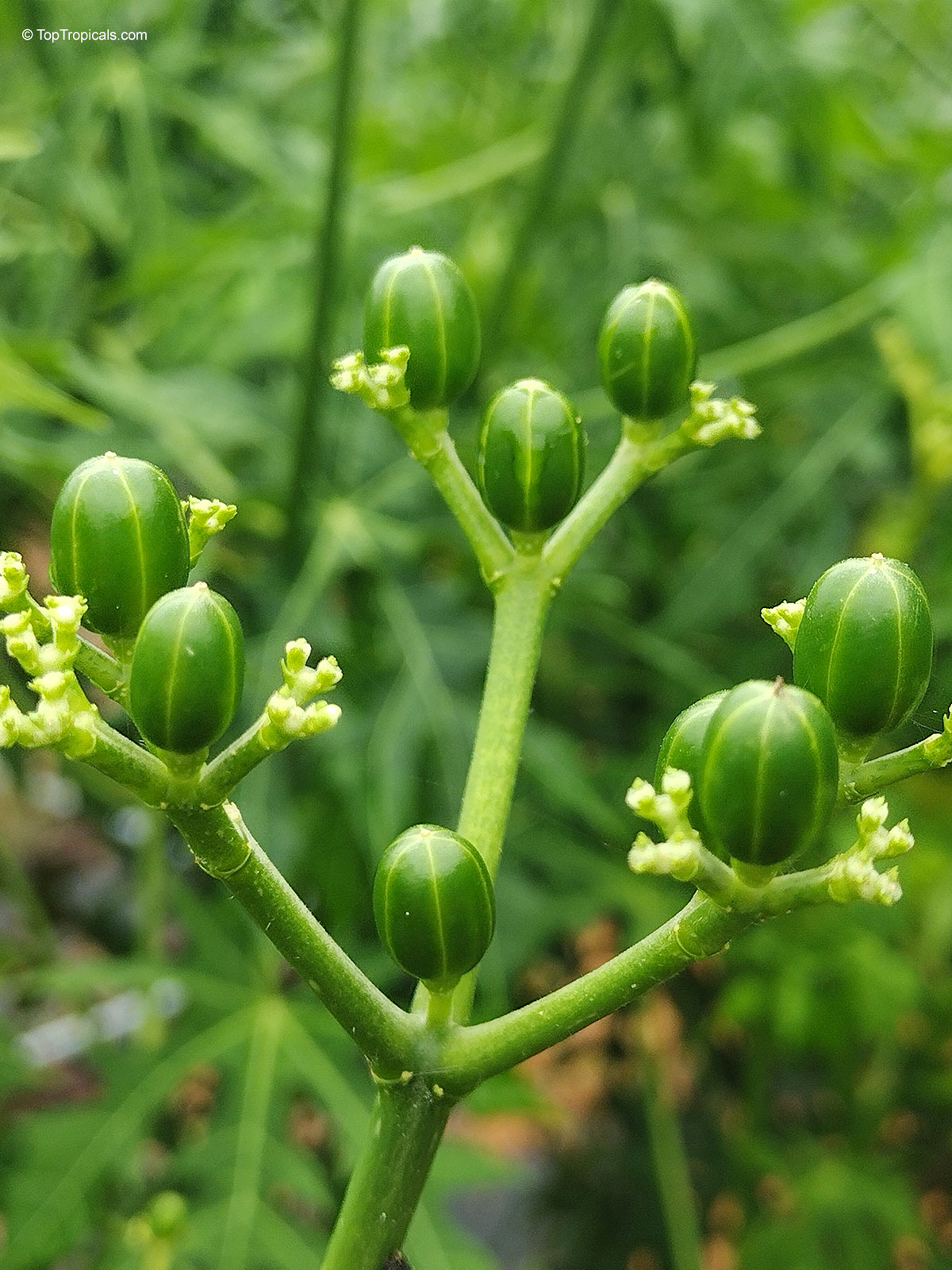
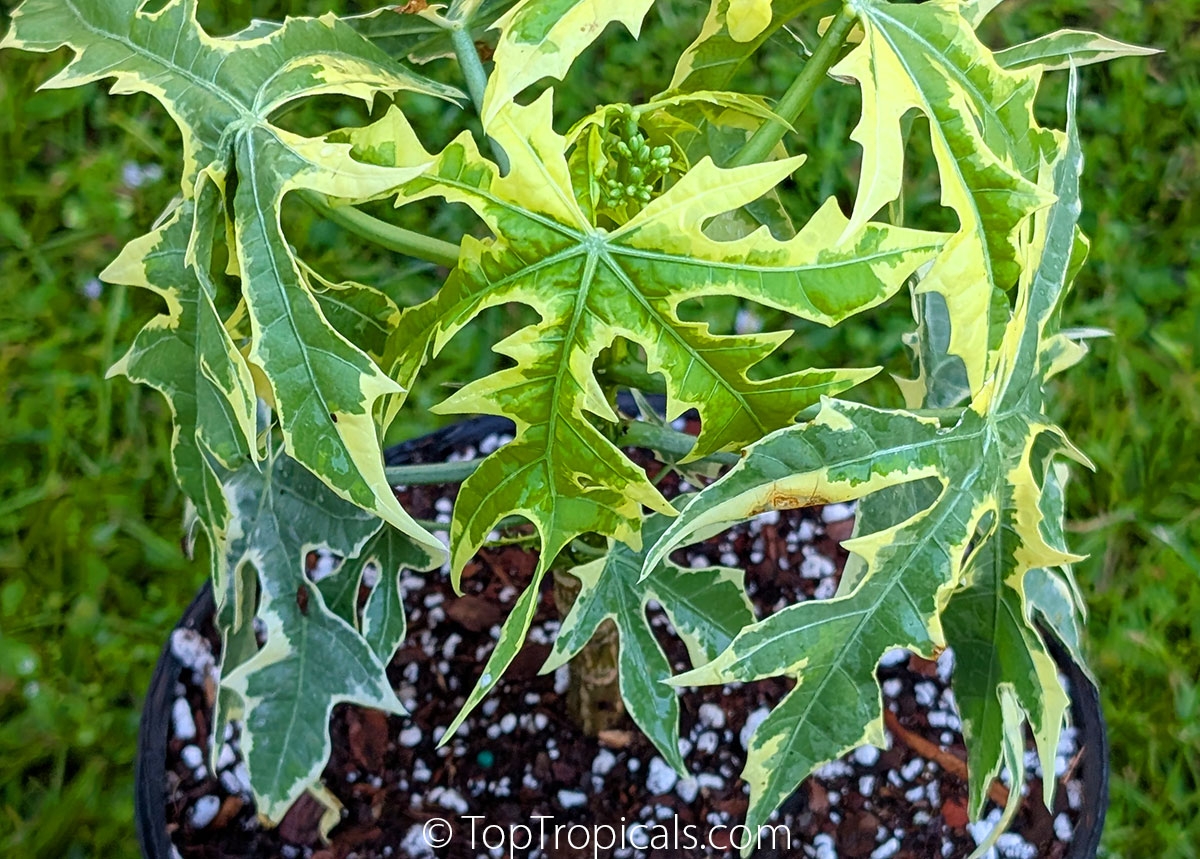
Botanical name: Cnidoscolus aconitifolius var. variegatus
Common names: Variegated Chaya, Variegated Maya Spinach Tree
Cultivar: Variegata
Family: Euphorbiaceae
Origin: Central America, Mexico
USDA Zone: 9-11
Cold tolerance: 30°F
Cnidoscolus aconitifolius variegatus, also known as Variegated Chaya or Variegated Maya Tree Spinach, is a tropical shrub native to Mexico and Central America.
It is prized for its striking green-and-cream ornamental foliage and edible leaves (after cooking).
Prefers full sun to partial shade, well-drained soil, and moderate watering.
Drought-tolerant once established, suitable for edible gardens and decorative containers.

Botanical name: Cnidoscolus chayamansa
Common names: Maya Spinach Tree, Chaya Col, Kikilchay, Chaykeken
Family: Euphorbiaceae
Origin: Yucatan peninsula, Belize, Central America, Southern America
USDA Zone: 9-10
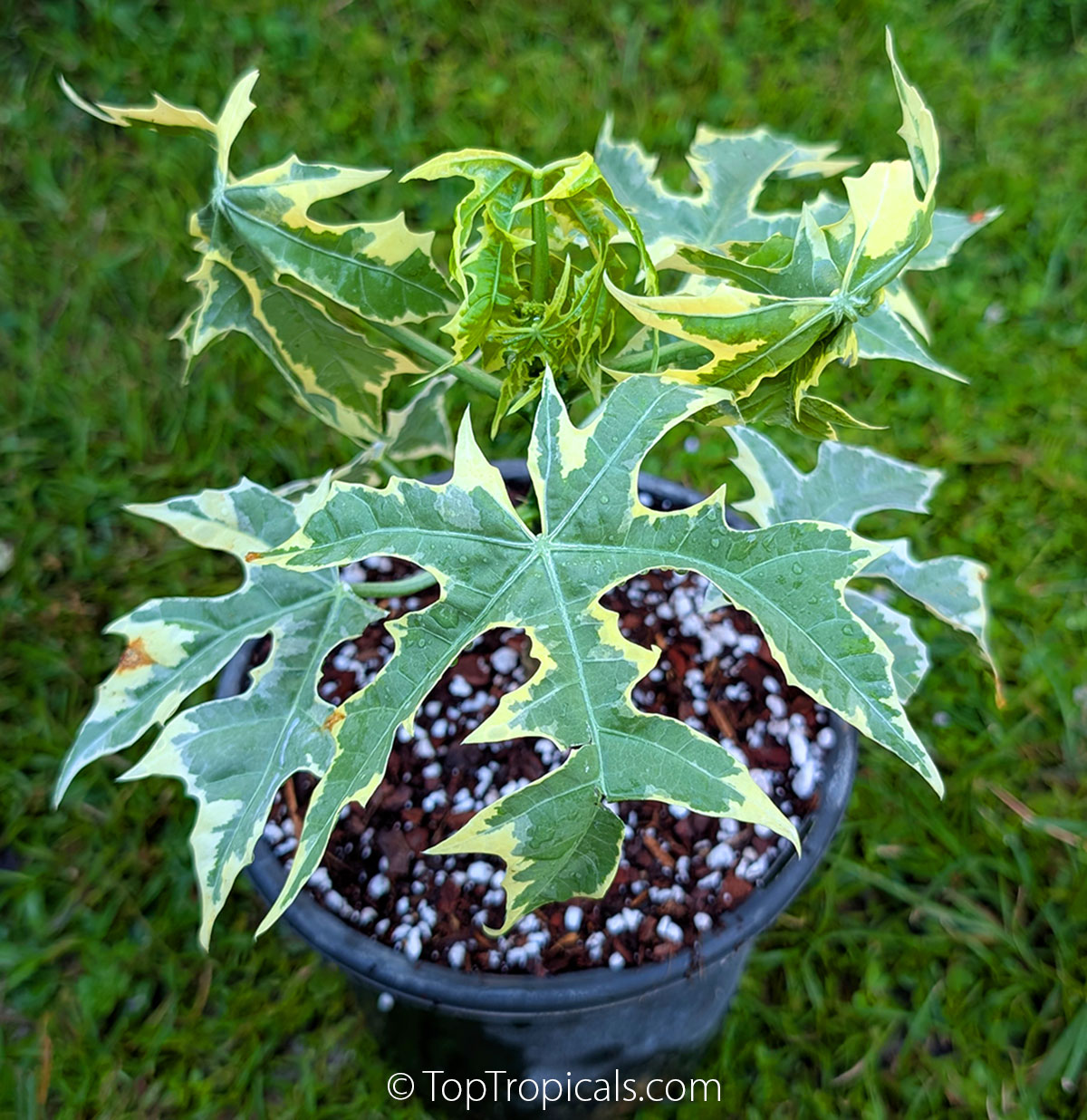
The plant is originally found on the Yucatan peninsula, but can now be found in the Southern, Central and Northern America, where the leaves are eaten. Chaya is a little known leafy green vegetable of dry regions of the tropics. The name comes from the Mayan chay. The genus Cnidoscolus consists of 40 or more species, but only chayamansa refers to the vegetable chaya. Chaya was introduced into Cuba, and from there into Florida. In South Florida it is often found as a rank shrub, but seldom is appreciated for its food value as a vegetable. Chaya is a large, leafy shrub reaching a height of about 6-8 feet. Each leaf is 6-8 inches across and is borne on a long slender petiole (leaf stem). Where the leaf stem connects to the leaf, the leaf veins are fleshy and cuplike. Chaya blooms frequently and both male and female flowers are borne together at the end of long flower stems. The wood of young stems is soft, easily broken, and susceptible to rot. When cut, the stem exudes a white latex. The use of gloves during harvesting is suggested to protect the hands from spines. Younger leaves and a bit of the stems are cut and used much like spinach. Large leaves are cut into manageable pieces before cooking. Leaves are immersed and simmered for 20 minutes and then served with oil or butter. Chaya is a good source of protein, vitamins, calcium, and iron. However, raw chaya leaves are highly poisonous. They contain a high content of hydrocyanic acid. In this respect chaya is similar to cassava. With chaya, 1 minute of boiling destroys most of the acid. The plant prefers a well drained soil with some to much water and lots of sun. The tiny flowers are white, and the plant can be reproduced both by seeds and cuttings.


| Prev | Next | |
Use link to repeat this search:
https://toptropicals.com/cgi-bin/garden_catalog/cat.cgi?search_op=and&keyword_op=and&language=e&number=10&no_change_lang=1
&v1=spc&user=tt&sale=1&first=0