Spice or herb plant - Plant Encyclopedia Results (Page 3)
| Number of plants found: 168 |  | Prev | Next | 
|
Go to page: | 1 | 2 | 3 | 4 | 5 | 6 | 7 | Last |
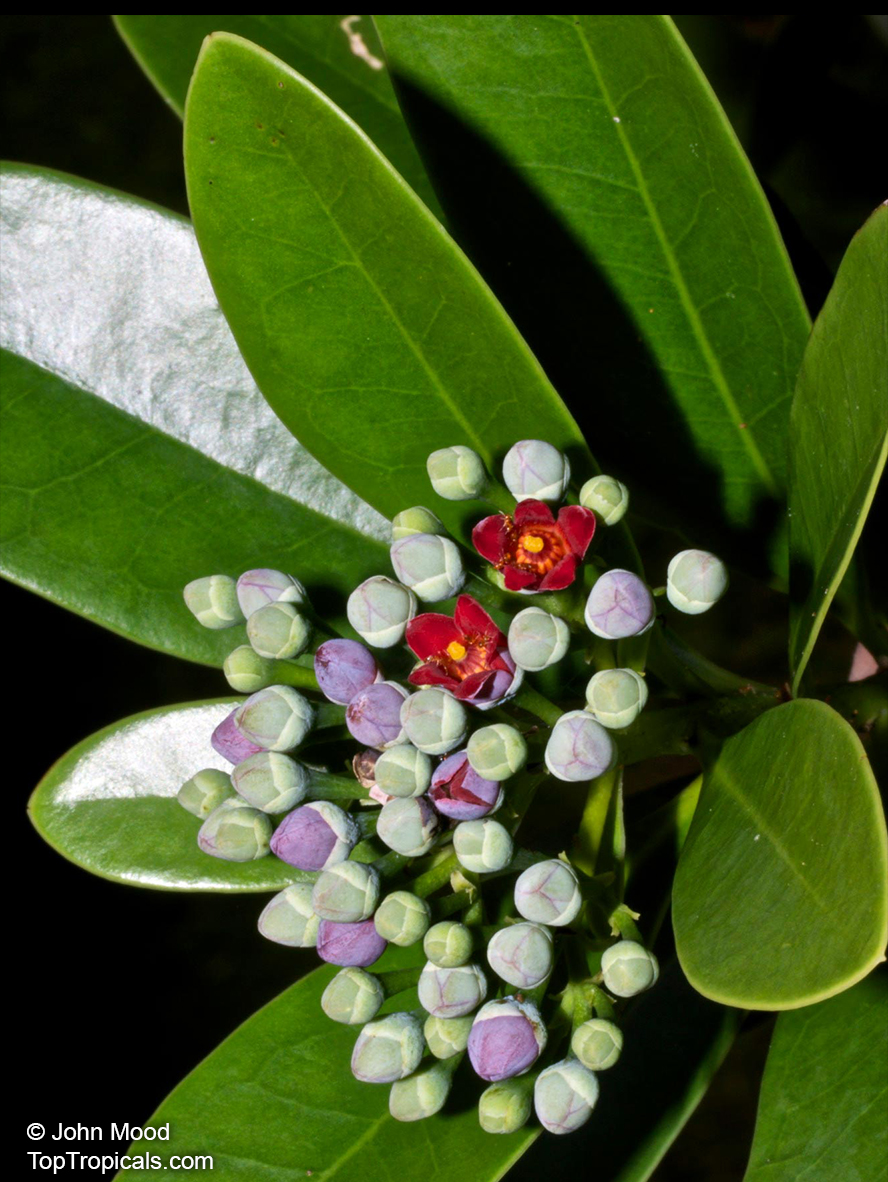
Botanical name: Canella winterana
Common names: Winter Cinnamon, Wild Cinnamon
Family: Canellaceae
Origin: Florida, Tropical America

USDA Zone: 10-11


During the growing season, regular watering and full sun exposure will help Canella winterana reach its full potential.
In areas with a USDA Hardiness Zone of at least 9, Canella winterana is a showy ornamental with its eye-catching foliage and clusters of fragrant flowers and fruits. The large shrub typically grows up to 5-10 feet in height, while it can reach up to 20 feet if a small tree. Mature trees can withstand temperatures into the 30s F for a short time, and so are suitable for cold winter regions where temperatures stay above the freezing mark.
Canella winterana can also be grown near the sea since it is salt tolerant. This particular species does best in moist soils but does not withstand flooding. If planting in a container or pot, ensure it has plenty of drainage holes, as well as a soil mix that retains some moisture. Additional fertilizer may also be necessary for optimal foliage growth and flowers. Pruning should also be done to ensure it remains in the desired shape and size.
In addition to its ornamental uses, Canella winterana is also an ethnomedical plant with historically used as a spice and herb to treat certain ailments. In modern times it may still be used as an aromatic, fragrant spice and herb in teas and food.
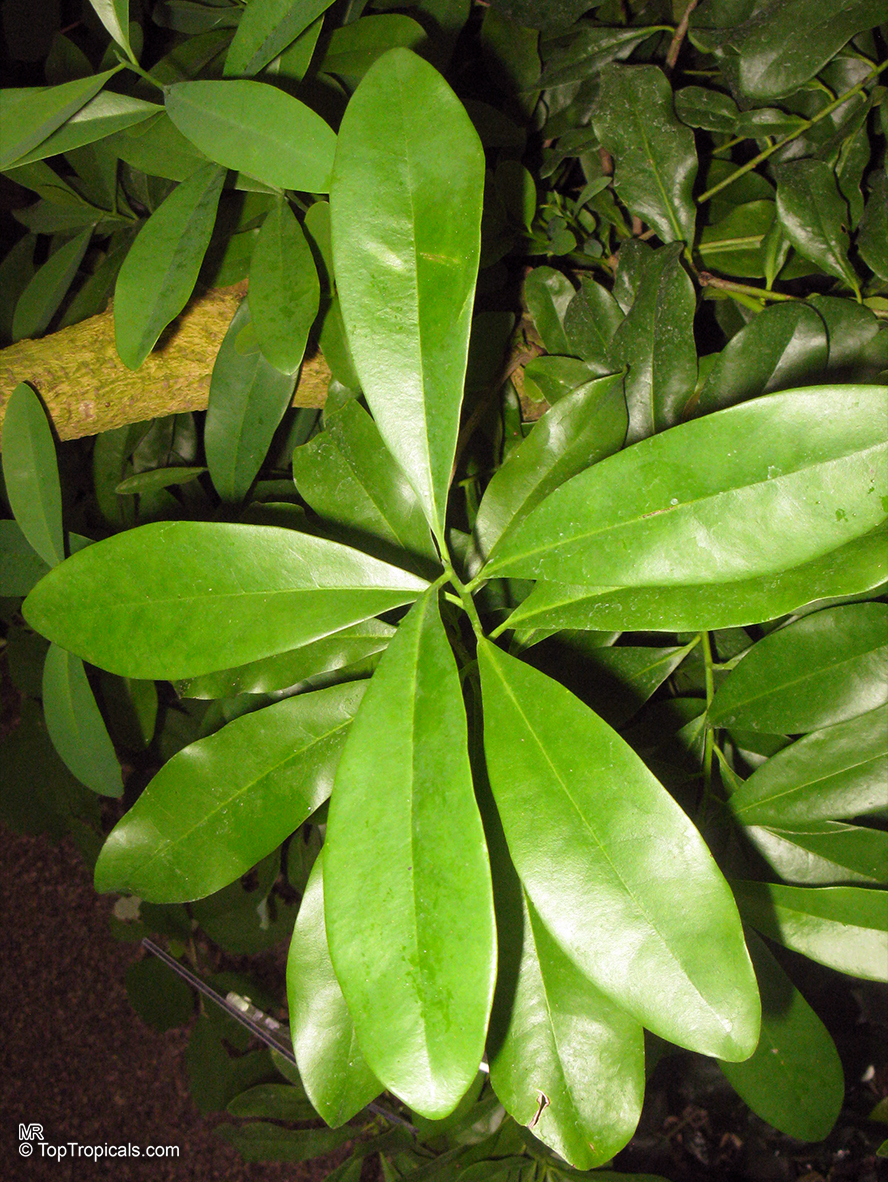
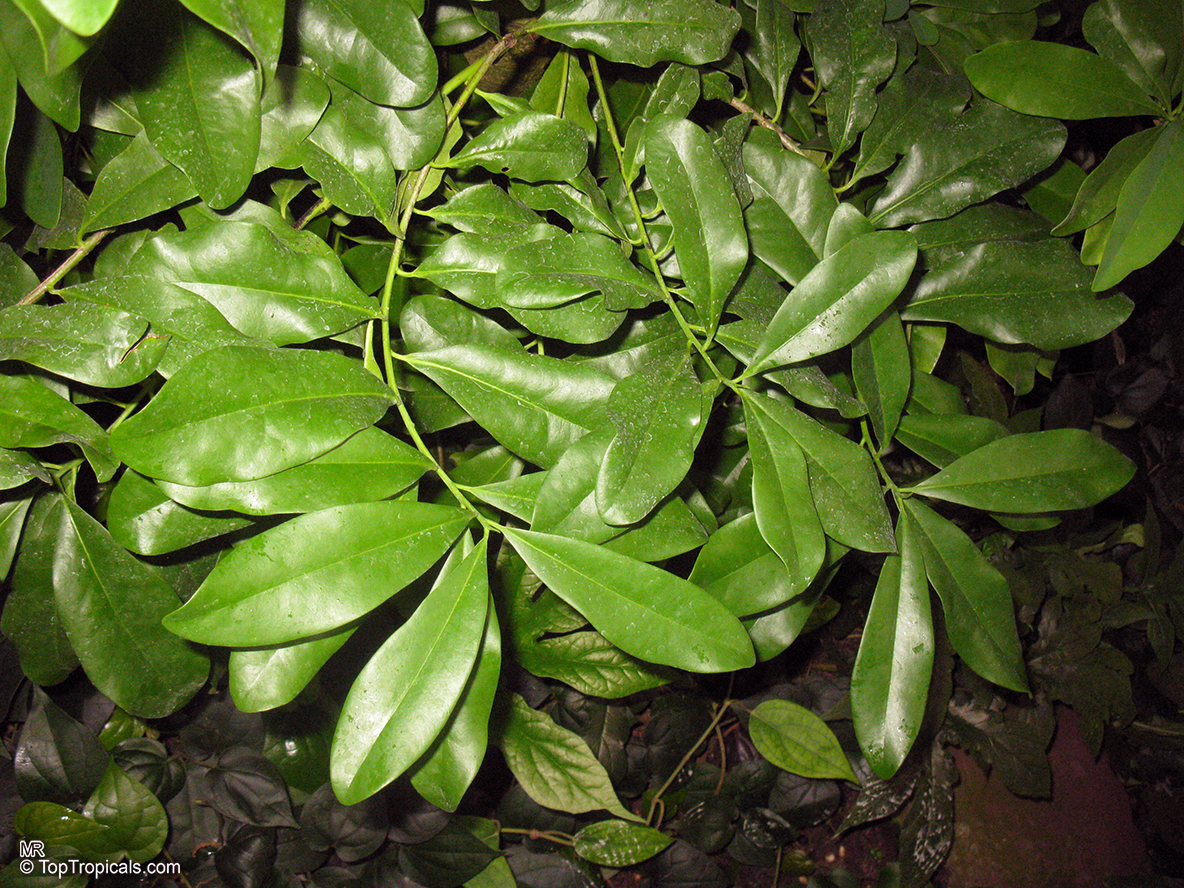
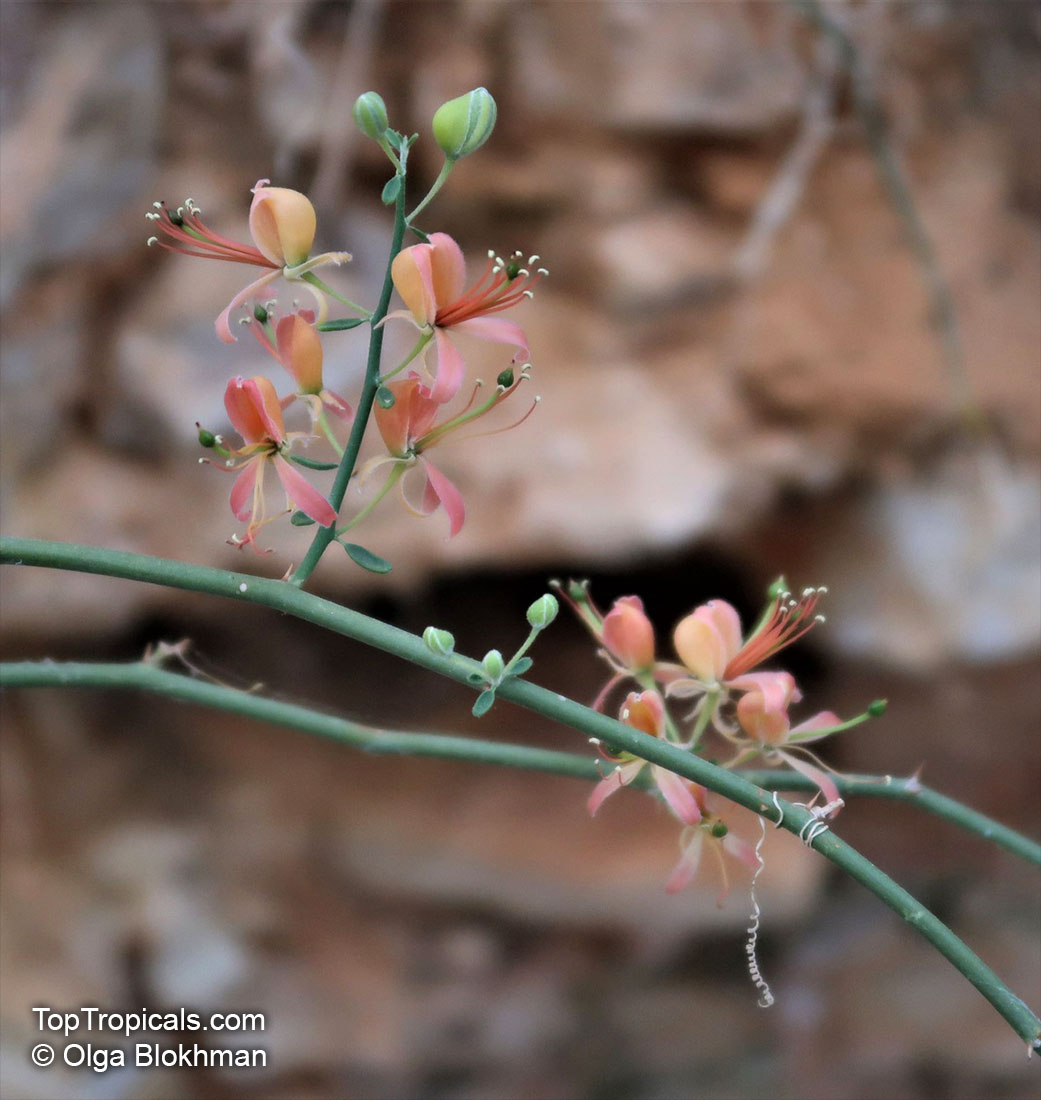
Botanical name: Capparis decidua
Common names: Karira, Retama Caper
Family: Capparaceae
Origin: Africa, Middle East, Southern Asia
USDA Zone: 9-10


Native to the regions of Africa, Middle East, and Southern Asia, Capparis decidua is a large shrub or small tree ranging in height from 5-20 feet tall depending on how much it is pruned. It has a moderate water requirement and is able to flourish in dry conditions. It is deciduous, with delicate pink flowers appearing throughout much of the year. As an ethnomedical plant, this species is capable of bringing a valuable range of medicinal resources.
Known as "Karira" in its native habitats, this species is often used as a spice or herb, adding a delicious flavor to traditional dishes. It is a perfect addition to any garden setting and is sure to attract butterflies and hummingbirds. Grown in USDA Zone 9-11, Capparis decidua is well suited to many climates.
The ideal environment for Capparis decidua is one that receives plenty of full sun and can be grown in large pots in cold regions. The soil should be well-drained but hold some moisture, though it can also be grown in sandy soils if watered judiciously. It is important to prune young plants regularly to help them to develop a strong shape, and mulch at the base of the plant to help retain moisture. Additionally, during the growing season it is beneficial to fertilize the plants every few weeks to aid healthy growth.
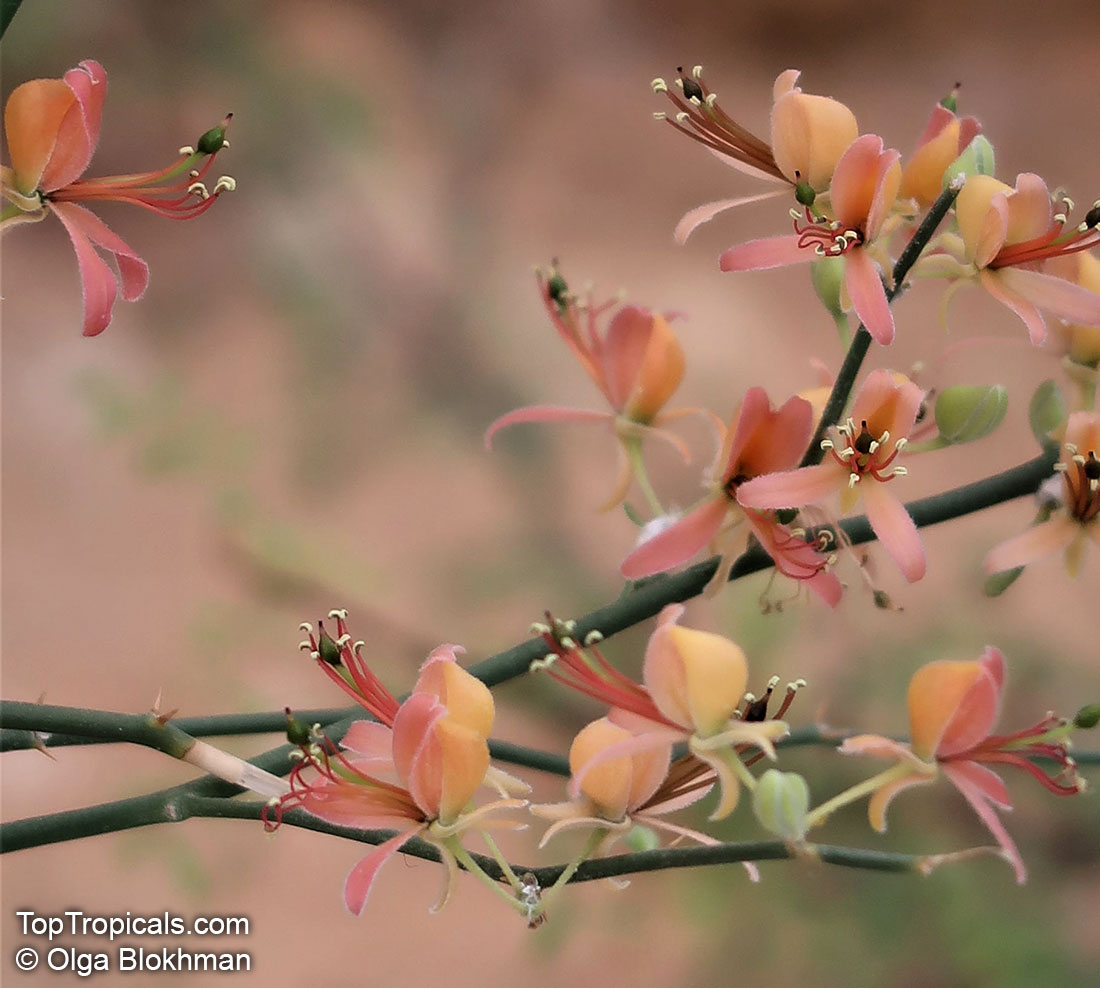
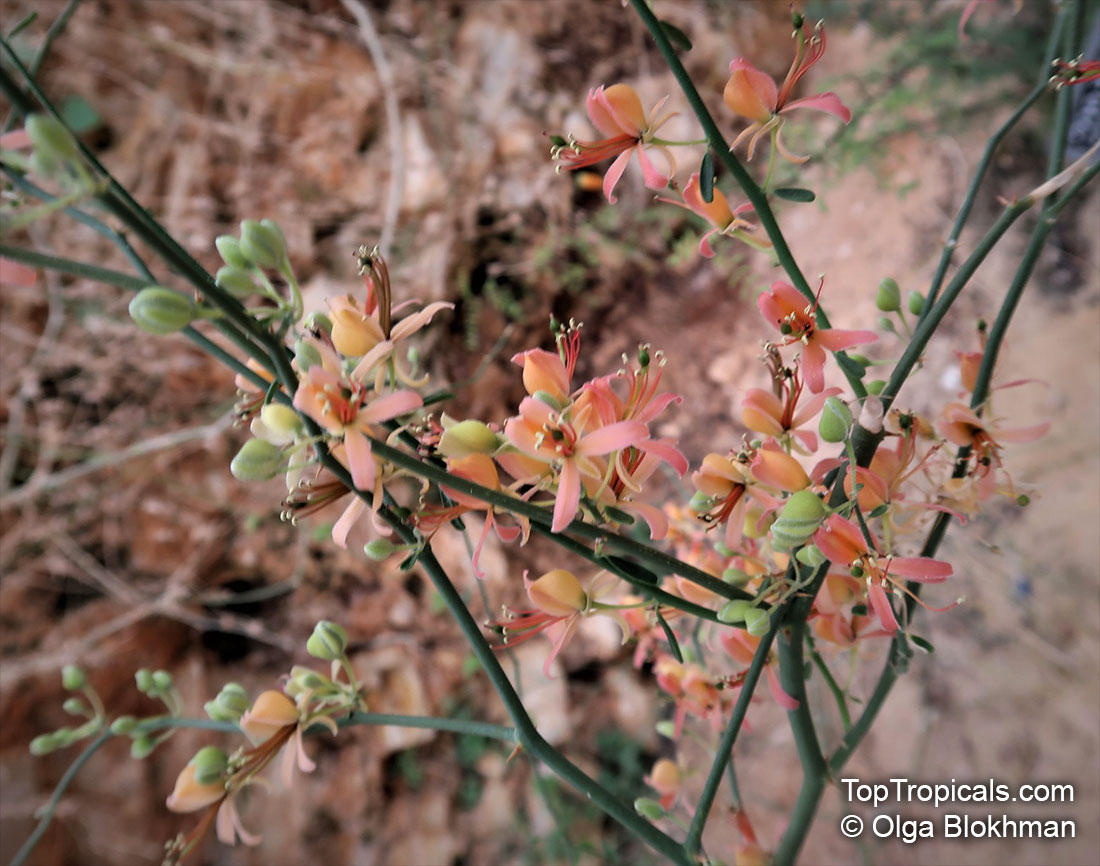
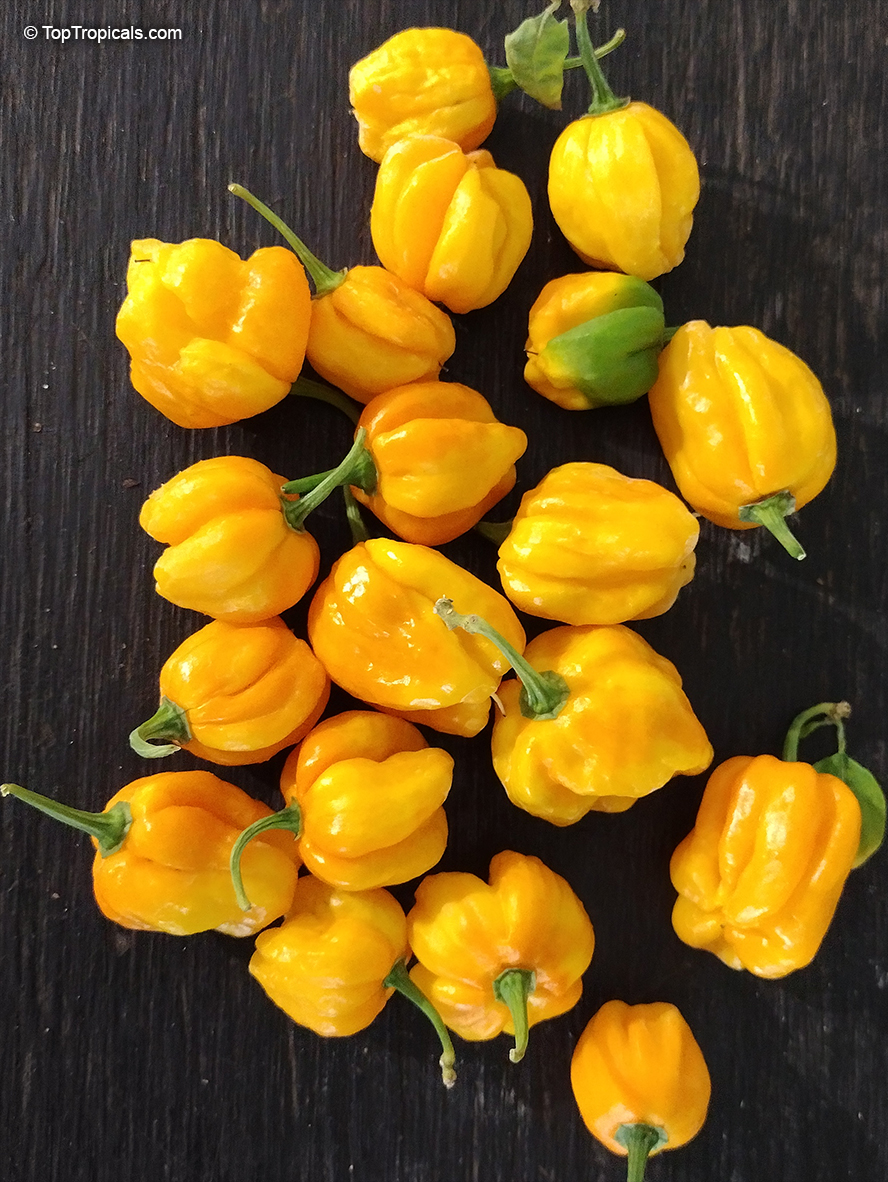
Botanical name: Capsicum chinense
Common name: Yellow Lantern Chili
Family: Solanaceae
Origin: Central America
USDA Zone: 9-11


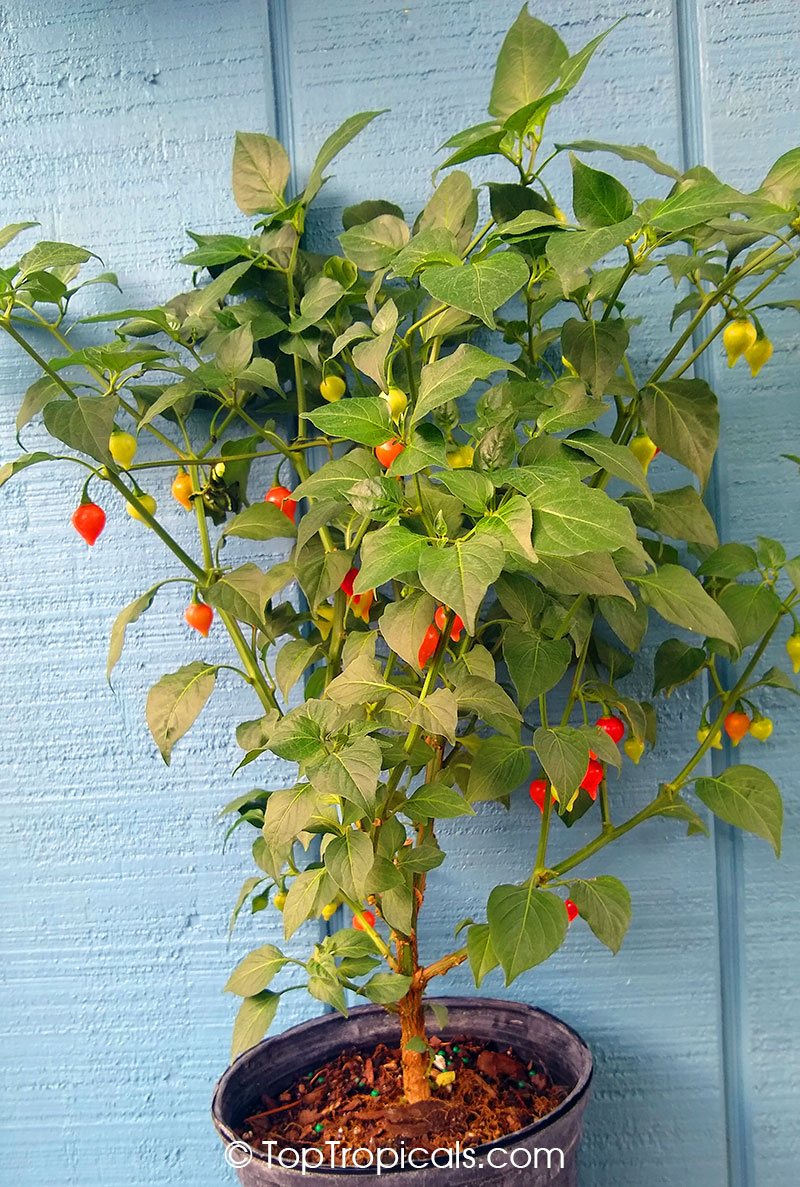
Capsicum chinense is a small shrub native to Central America that grows 2-5 ft tall. It thrives in full sun, but can tolerate some semi-shade. It produces white or off-white flowers which can be mildly irritating to the skin. This plant is a spice or herb and is cold hardy in USDA Zone 10 -12.
In cold regions, it is best to grow Capsicum chinense in pots. To do so, use a large pot with good quality soil that is well-drained and amended with organic matter such as compost. Add a layer of mulch on top of the soil to retain moisture and protect the roots in the winter. Place the pot in an area with at least 6 hours of direct sunlight per day and water regularly, allowing the top inch of soil to dry out between waterings. Fertilize once a month during the growing season with a balanced fertilizer. For winter care, move the pot inside or to a sheltered area to prevent the roots from freezing. If temperatures drop below freezing, cover the pot with a blanket or other insulating material for added protection.
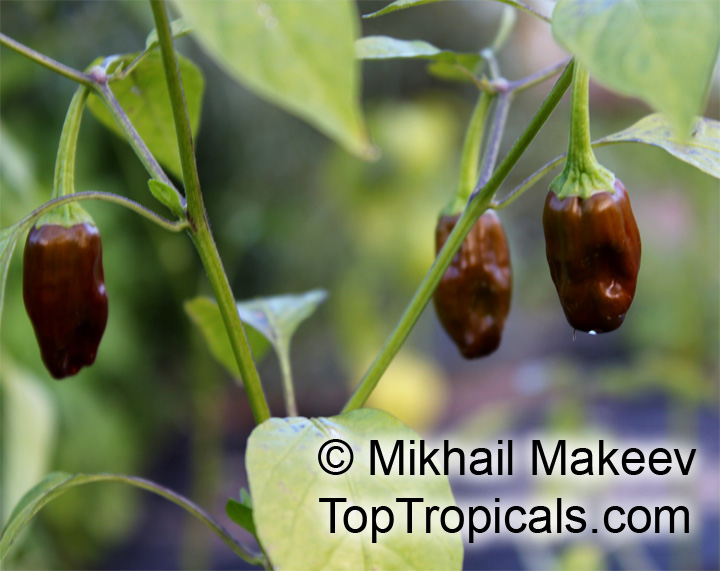
Capsicum chinense and its varieties have long been used in Yucatan and Caribbean cooking to add heat to traditional dishes. One well-known cultivar of this plant is the Carolina Reaper. The pepper is red and gnarled, with a bumpy texture and small pointed tail. In 2013, it was declared the hottest chili pepper in the world by Guinness World Records.
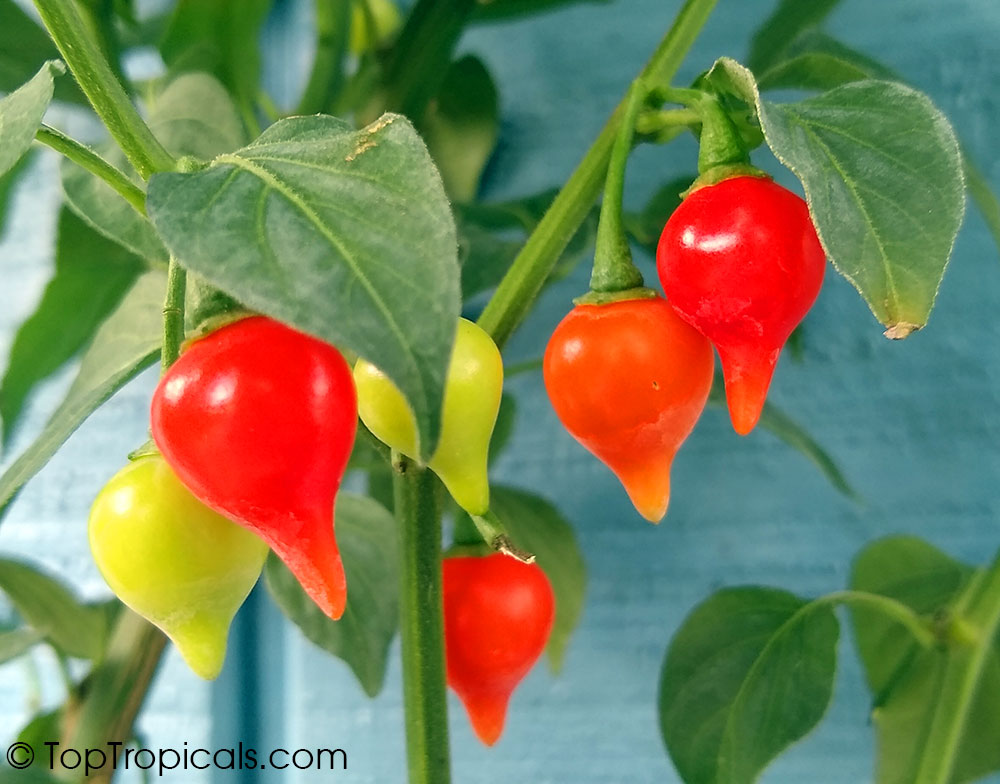
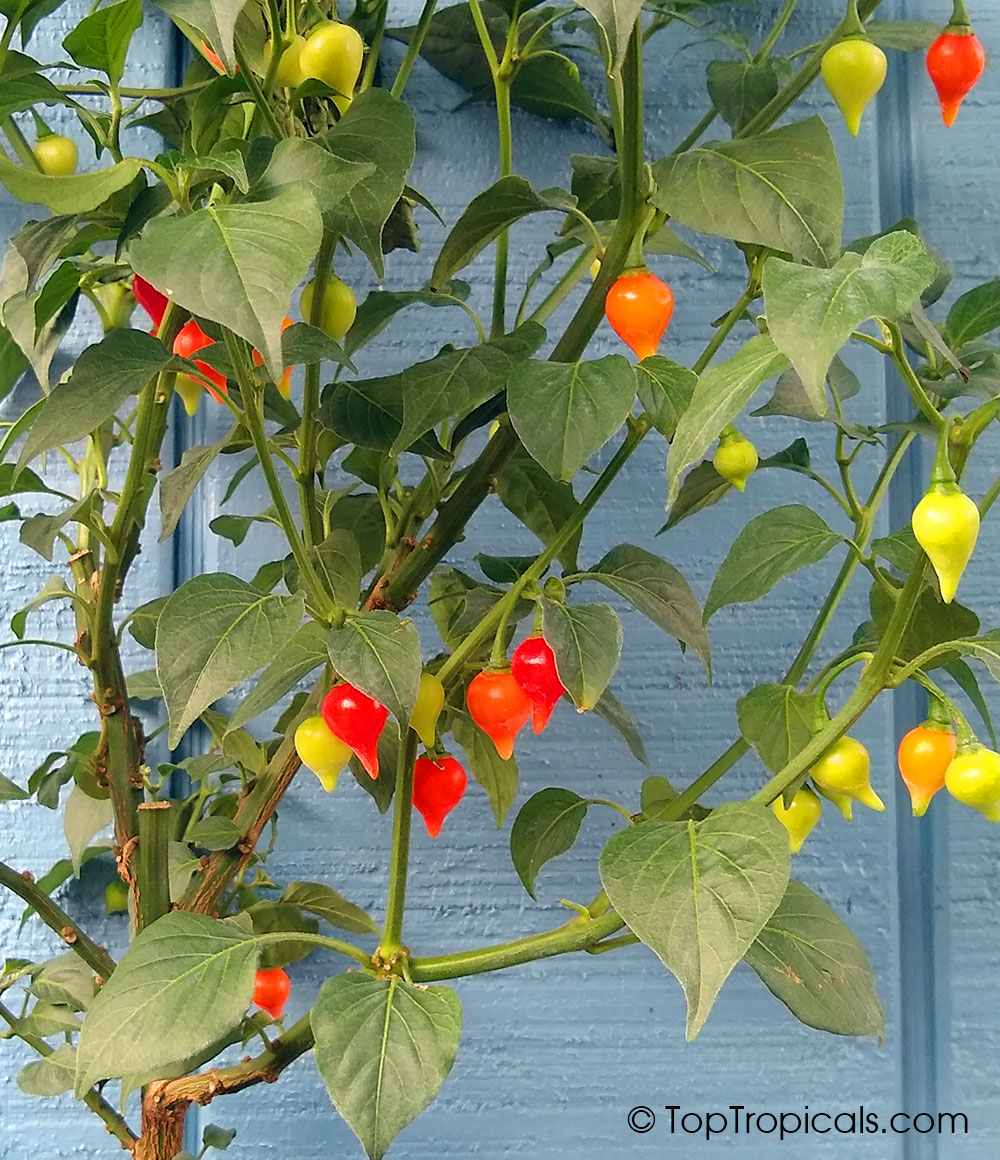
Another unique variety of Capsicum chinense is the Biquinho Pepper. This pepper is likely an ancient hybrid of Capsicum annuum and Capsicum chinense, and is native to an area of South America where Western Brazil and Eastern Peru meet. The small, bright orange to red fruits are known for their intense habanero flavor, although they typically have little or no heat. In recent years, the Biquinho Pepper has become popular in South America, especially in Rio, and is often pickled and served as a snack with caviar. It is also a great addition to salsas, guacamoles, and Bloody Marys.
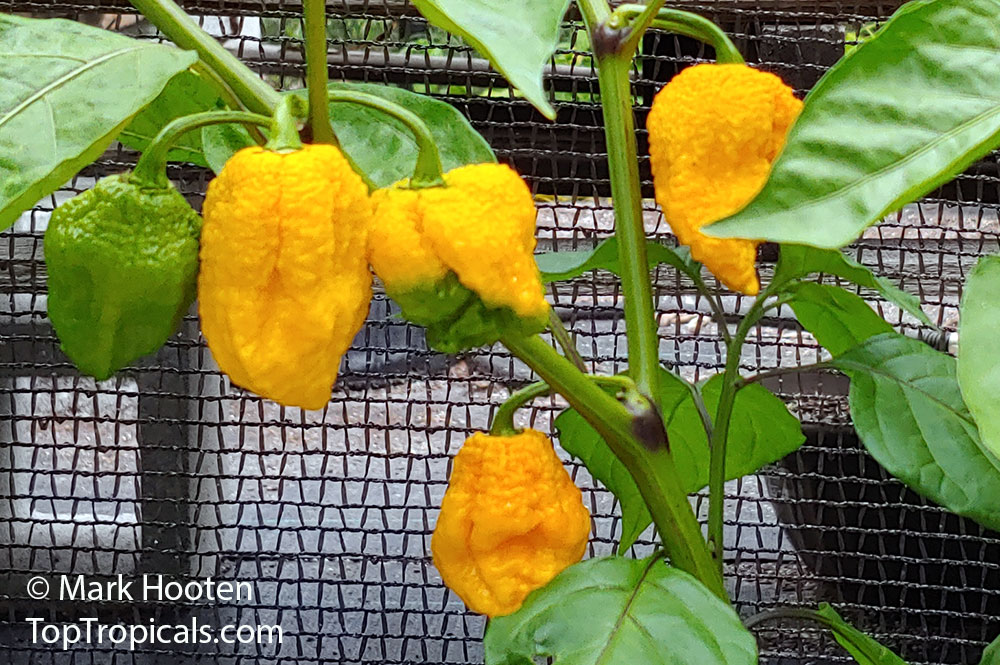




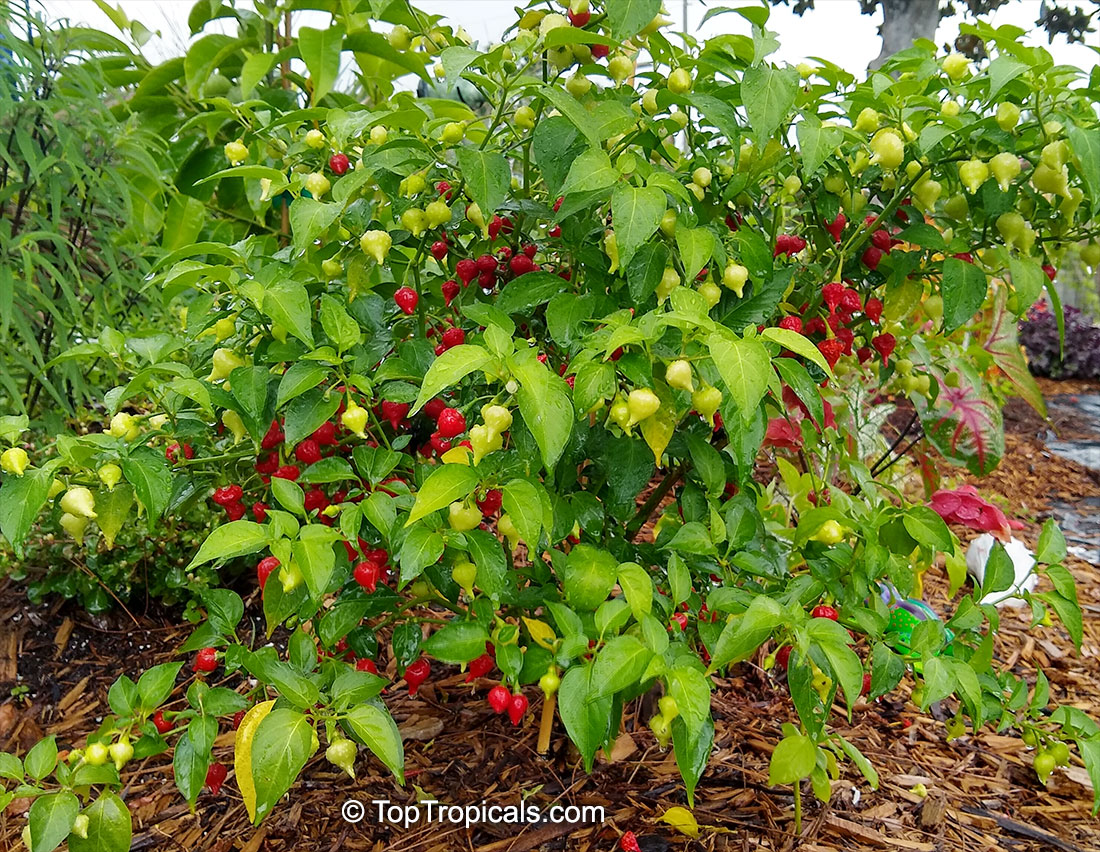
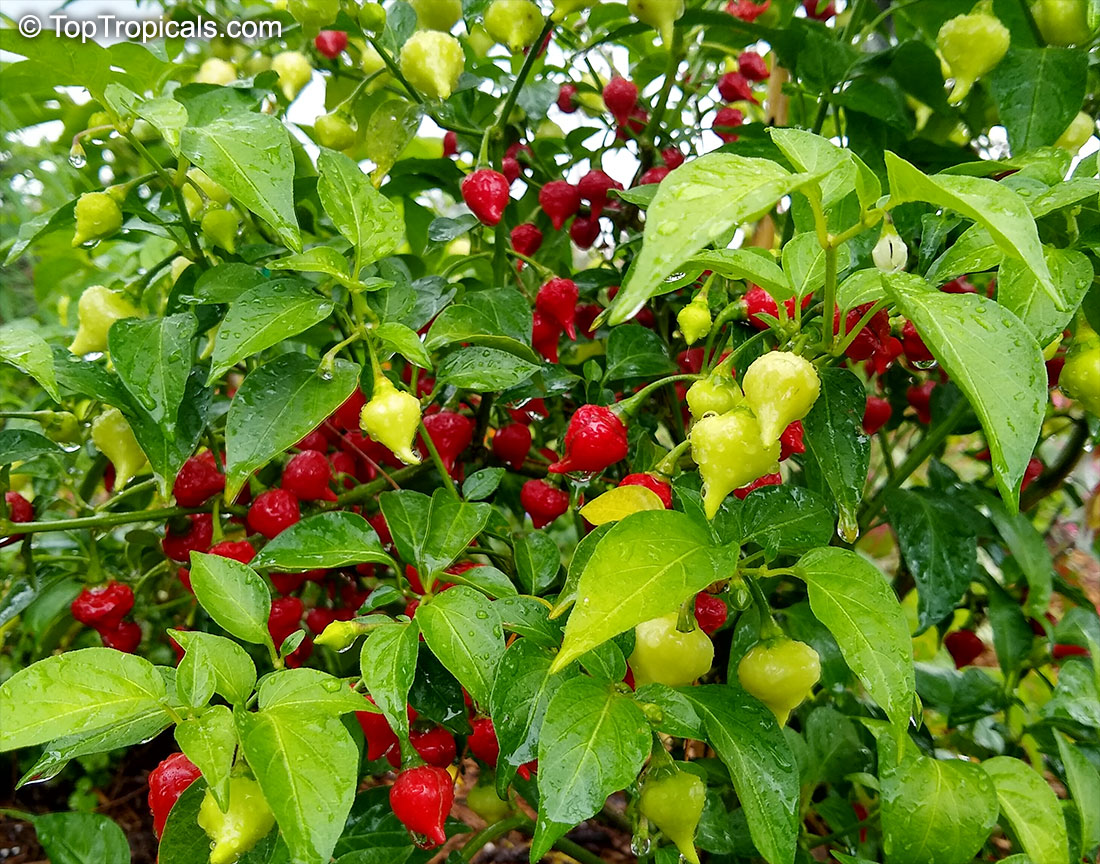
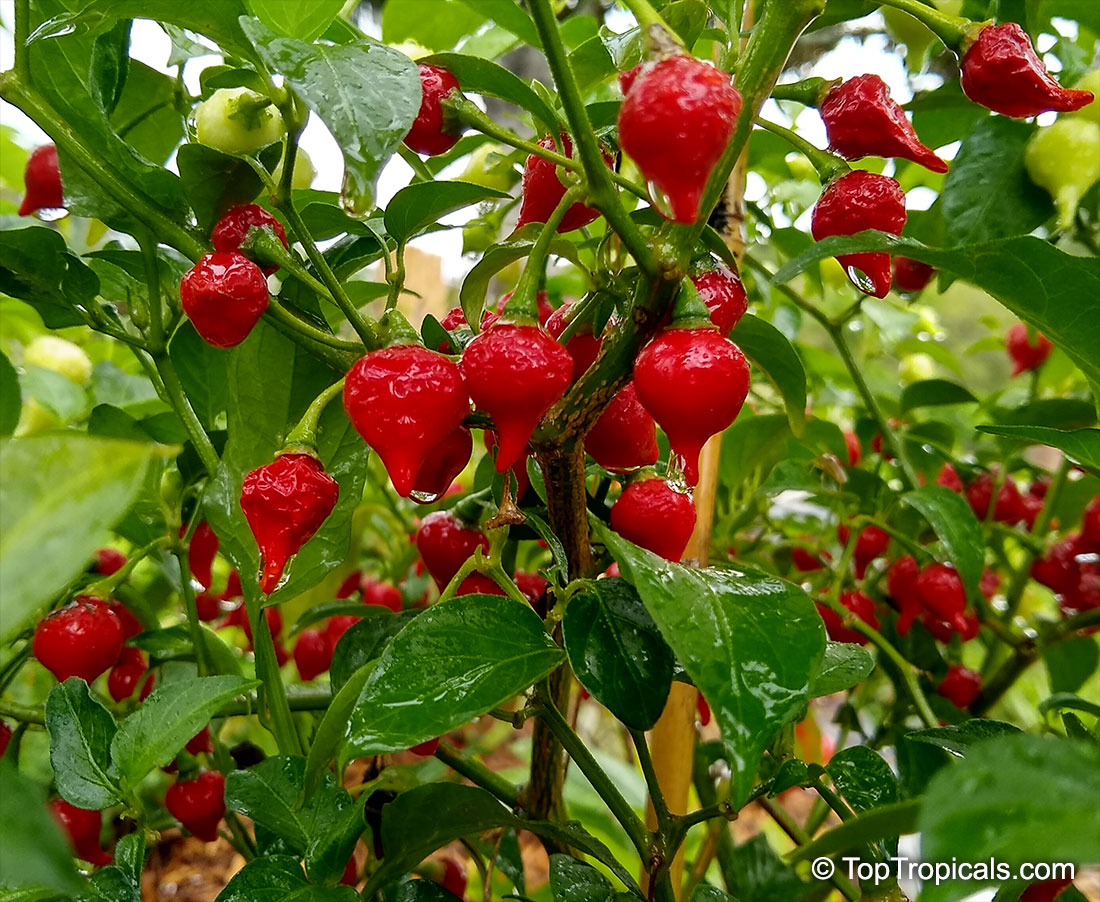

Botanical name: Capsicum frutescens
Common name: Wiri Wiri Pepper
Family: Solanaceae
Origin: Guyana
USDA Zone: 9-11


The Wiri Wiri pepper (Capsicum frutescens) is a small plant, growing from 2-5 feet tall and wide. It is best grown in full sun, but can take a semi-shade area if necessary. This bush needs regular watering, especially when the outside temperatures are high. While not the most beautiful of flowers, the Wiri Wiri produces white, off-white blooms which turn into small spicy fruits. It is both a spice and a herb, and its fruits are edible; offering a unique taste and a powerful kick. The mature plant is cold hardy at least to 30s F for a short time; making it suitable for homeowners in USDA Zone 9-11. It is an early producer of spicy fruits, with a single plant offering up to two dozen ripe peppers at a time.
The Wiri Wiri peppers offer a very unique flavor that is hard to find in other spices or herbs. The high concentration of vitamins and minerals make it a much sought after ingredient, especially for its health benefits. It is believed that Wiri Wiri peppers promote weight loss, undo nutritional deficiencies, fight fatigue, boost immunity, prevent strokes, reduce cholesterol, improve eyesight, and lower blood pressure. In a single serving, Wiri Wiri peppers are packed with three times more vitamin C, iron, and potassium than bell peppers. Whether eaten raw or cooked in your favorite dish, Wiri Wiri peppers can give a much-needed boost to any diet.
In cold regions, the Wiri Wiri pepper can be successfully grown in large pots. For best results, the pot should be fertilized several times a year and the soil should be kept moist and well aerated. In the winter months, Wiri Wiri plants should be protected by a mulch layer and kept away from cold winter winds. If the temperatures dip too low, bringing the potted pepper indoors until the weather warms is recommended.


Botanical name: Carthamus sp.
Common names: Safflower, Carthamine, Sallflower, Beni, Chimichanga
Family: Asteraceae
Origin: India to China
USDA Zone: 6-10

Safflower is a highly branched, herbaceous, thistle-like annual plant. Carthamus tinctorius is commercially cultivated for vegetable oil extracted from the seeds. Plants are 12 to 59 in tall with globular flower heads having yellow, orange, or red flowers.

Botanical names: Chloranthus erectus, Chloranthus officinalis
Common name: Chloranthus
Family: Chloranthaceae
Origin: Southeast Asia
USDA Zone: 8-11
Originally native to Southeast Asia, Chloranthus erectus (Chloranthus) is a large shrub that can reach heights of 5-10 feet tall, or a smaller plant of around 2-5 feet if pruned. The plant prefers semi-shade but can tolerate direct sunlight, and requires regular water but not too much. It can be grown in USDA zones 8-11.
Chloranthus erectus is primarily grown for its ethnomedical uses. It is a powerful herb and a traditional remedy for treating common and severe diseases, from allergies to cancer. The plant can also be used as a spice or herb for flavoring, with its active ingredients able to provide anti-inflammatory and anti-oxidant benefits.
When growing Chloranthus erectus it's important to provide the right environment. The plant prefers semi-shade to direct sunlight, and should be planted in well-draining soil. Water regularly with moderate amounts, allowing the soil to dry out slightly before watering again. In cold climates, containers can be used to bring the plant indoors during winter.


Botanical names: Cinnamomum aromaticum, Cinnamomum cassia
Common names: Cassia cinnamon, Chinese cinnamon
Family: Lauraceae
Origin: Sri Lanka, Thailand
USDA Zone: 9-11

This variety of cinnamon has large 10"-12" long leaves which are highly aromatic as much as bark that is used for commercial cinnamon. Cinnamon is an evergreen shrub or small tree with dark, leathery, aromatic, veined leaves, numerous inconspicuous yellow flowers and blackish berries. In cultivation young trees are cut back twice a year and sucker shoots develop from the roots. These long slender shoots furnish the bark that is the commercial product. Leaves are used as tea. Cinnamon is a very popular culinary spice and is also used in candy, gum, incense, toothpaste and perfumes. The oil is used in medicine as a carminative, antiseptic and astringent and source of cinnamon extract.
See article about Cinnamomum aromaticum


It has elongated leaves which are highly aromatic as much as bark that is used for commercial cinnamon. Leaves are used as tea. Cinnamon is a very popular culinary spice and is also used in candy, gum, incense, toothpaste and perfumes. The oil is used in medicine as a carminative, antiseptic and astringent and source of cinnamon extract. Cold hardy plant to upper 20's F.
Read more about Cinnamon.
Recommended Fertilizer: SUNSHINE Robusta - Rapid Growth Booster
Shipped at customers risk, no replacements or refunds. Leaf drop possible. We guarantee healthy plant to be shipped and the best packaging. Express shipping optional.
 SUNSHINE C-Cibus (NPK 2-2-4) - Crop Booster for every watering.
 SUNSHINE C-Cibus (NPK 2-2-4) - Crop Booster for every watering.
Last one

Botanical name: Cinnamomum kotoense
Common names: Canela, Cinnamon Plant
Family: Lauraceae
Origin: Taiwan, Province of China
USDA Zone: 9-11
A beautiful small tree restricted to a few small subpopulations on Lanyu Island. Endangered species. This species is mostly used for ornamental purposes, although it is closely related to Cinnamon spice plants (C. zeylanicum, C. cassia). It makes a great container plant and indoor collectible, tolerates filtered light, grows even more beautiful leaves in shade.


Botanical name: Cinnamomum sintok
Common name: Sintok
Family: Lauraceae
Origin: Java, Sumatra
USDA Zone: 9-10


Botanical name: Cinnamomum sp.
Common name: Cinnamon
Family: Lauraceae
USDA Zone: 9-10
The species of Cinnamomum have aromatic oils in their leaves and bark.
Species:
Cinnamomum javanicum


| Prev | Next | |
Use link to repeat this search:
https://toptropicals.com/cgi-bin/garden_catalog/cat.cgi?search_op=and&keyword_op=and&language=e&number=10&no_change_lang=1
&v1=spc&user=tt&sale=1&first=0