Spice or herb plant - Plant Encyclopedia Results (Page 17)
| Number of plants found: 168 |  | Prev | Go to page: | First | 12 | 13 | 14 | 15 | 16 | 17 |

Botanical name: Vanilla dilloniana
Common names: Leafless Vanilla Orchid, Dillons Vanilla
Family: Orchidaceae
Origin: North America
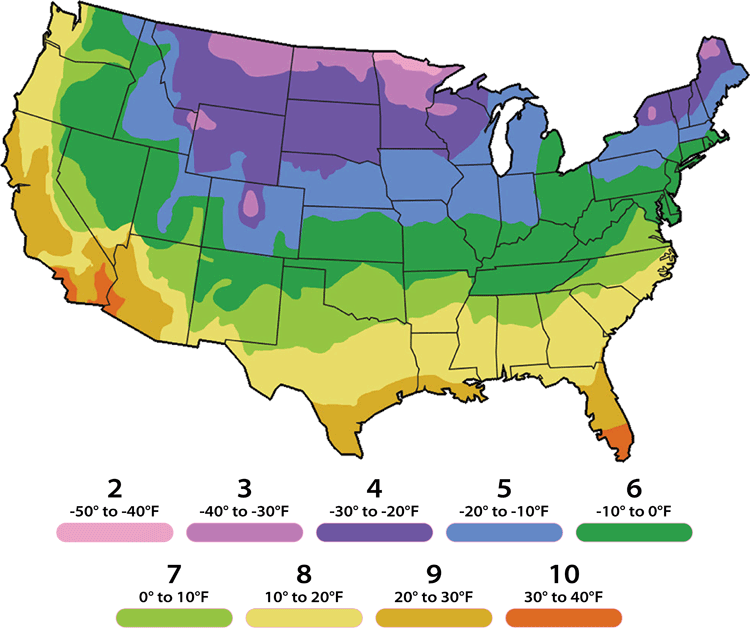
USDA Zone: 9-11
Cold tolerance: 30°F


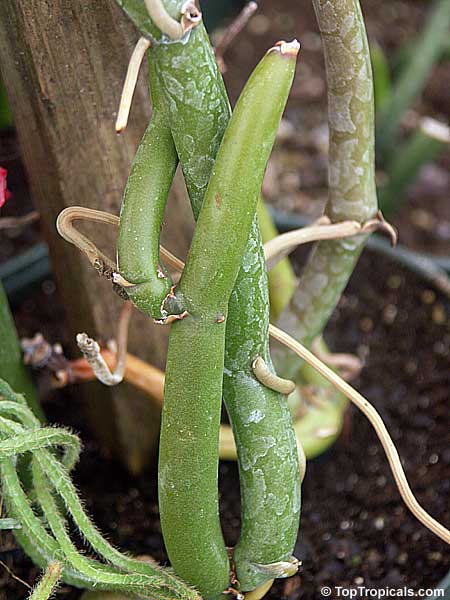
Vanilla dilloniana, commonly known as Dillon's Vanilla, is distributed throughout the West Indies and had been reported on the banks of the Miami River in South Florida. Shoots form a multi-branched, leafless vine that can reach lengths up to 15 ft. The light green flowers are similar to Vanilla barbellata but the petals and sepals are longer and the fluted lip is a deep reddish-purple with a yellow crest. This orchid grows in areas with a limestone substrate, such as coastal berms and hardwood hammocks.
Vanilla dilloniana is considered vulnerable across its range and endangered in Florida. Although this species may be extirpated in Florida, pieces of plants from the original colony have been shared and may be found in local collections.
See the Video of Robert Riefer's unique specimen, the biggest potted specimen in the World, grown in 100 gal pot, originated in 1927, awarded in 2011 with CHM (Certificate of Horticultural Merit) by American Orchid Society.


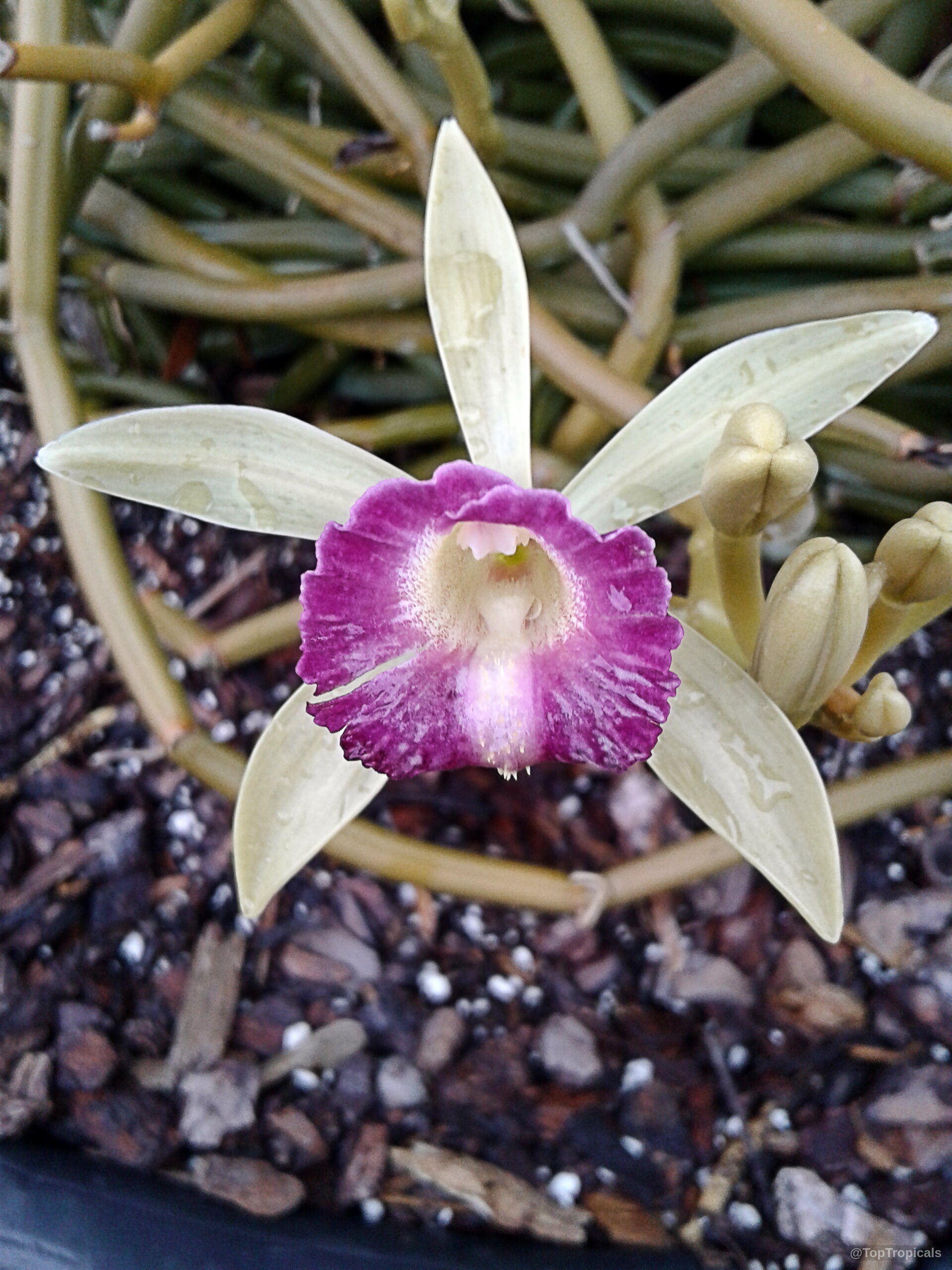
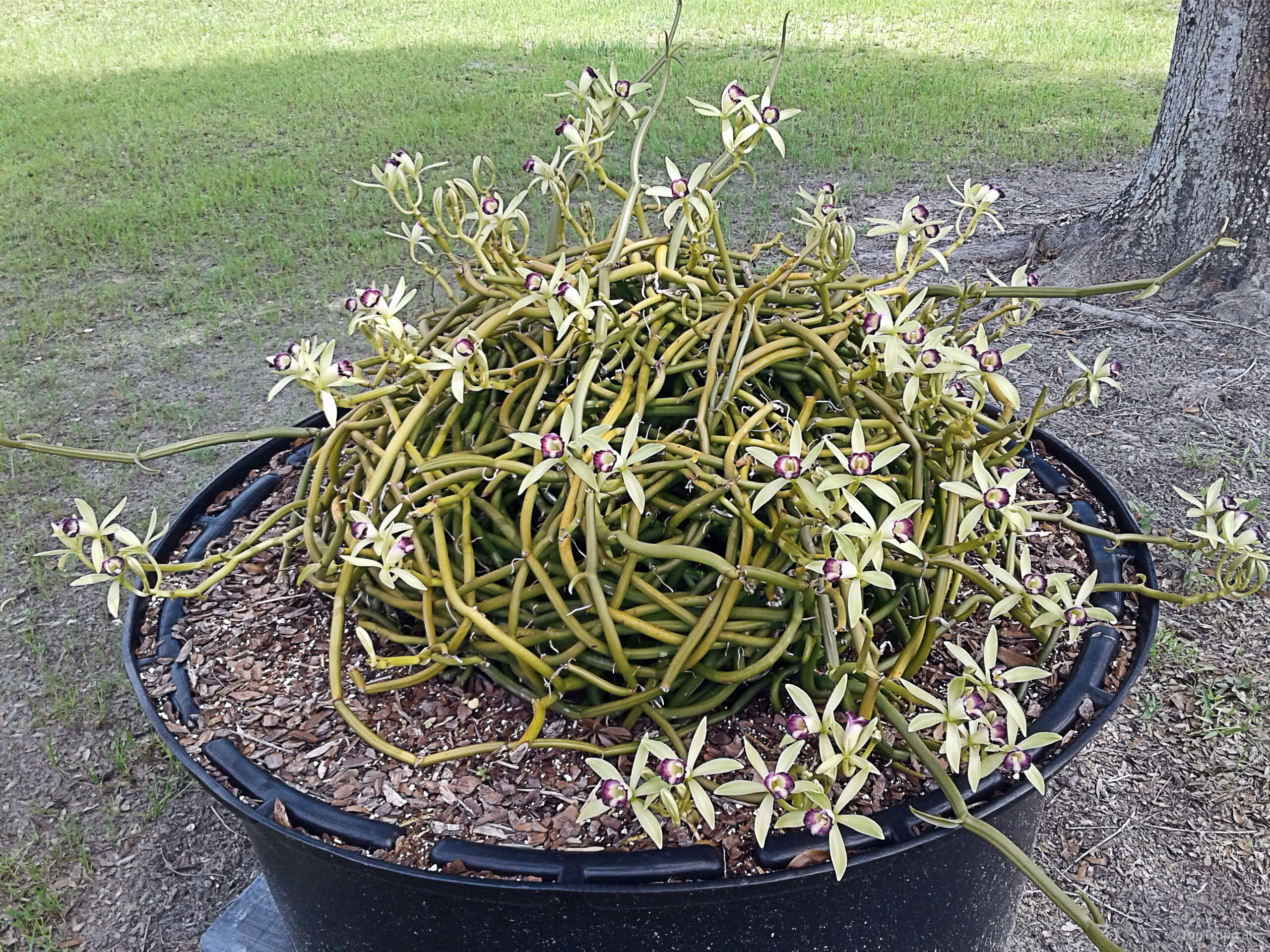


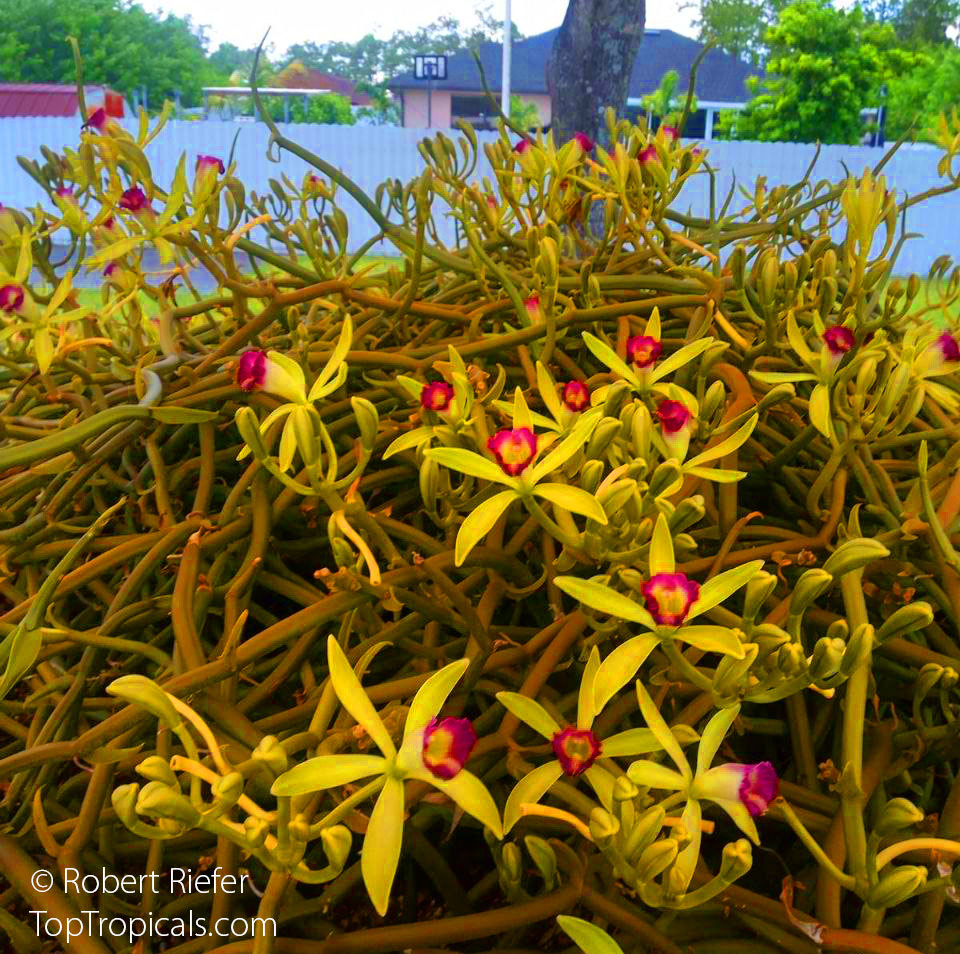
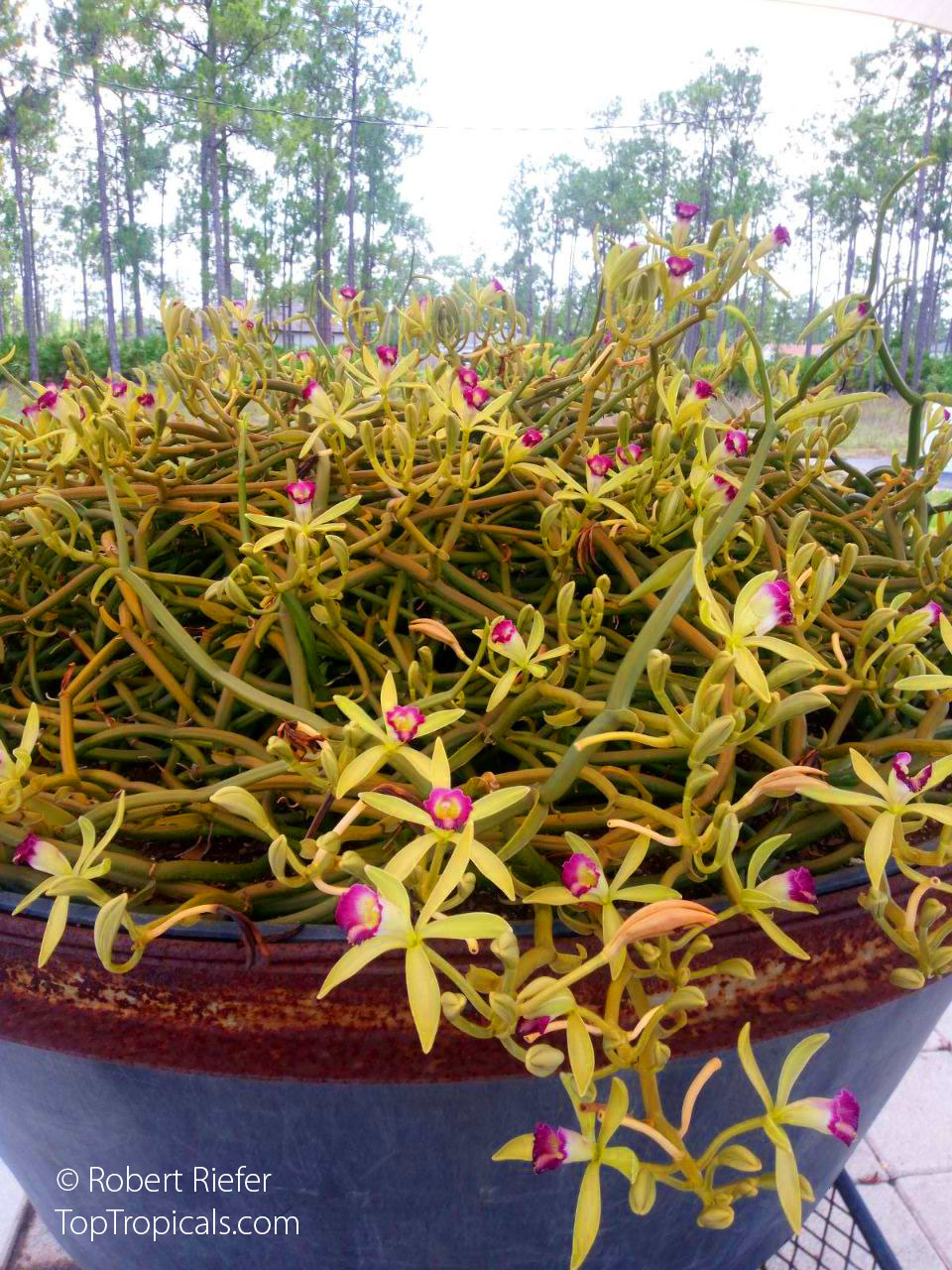
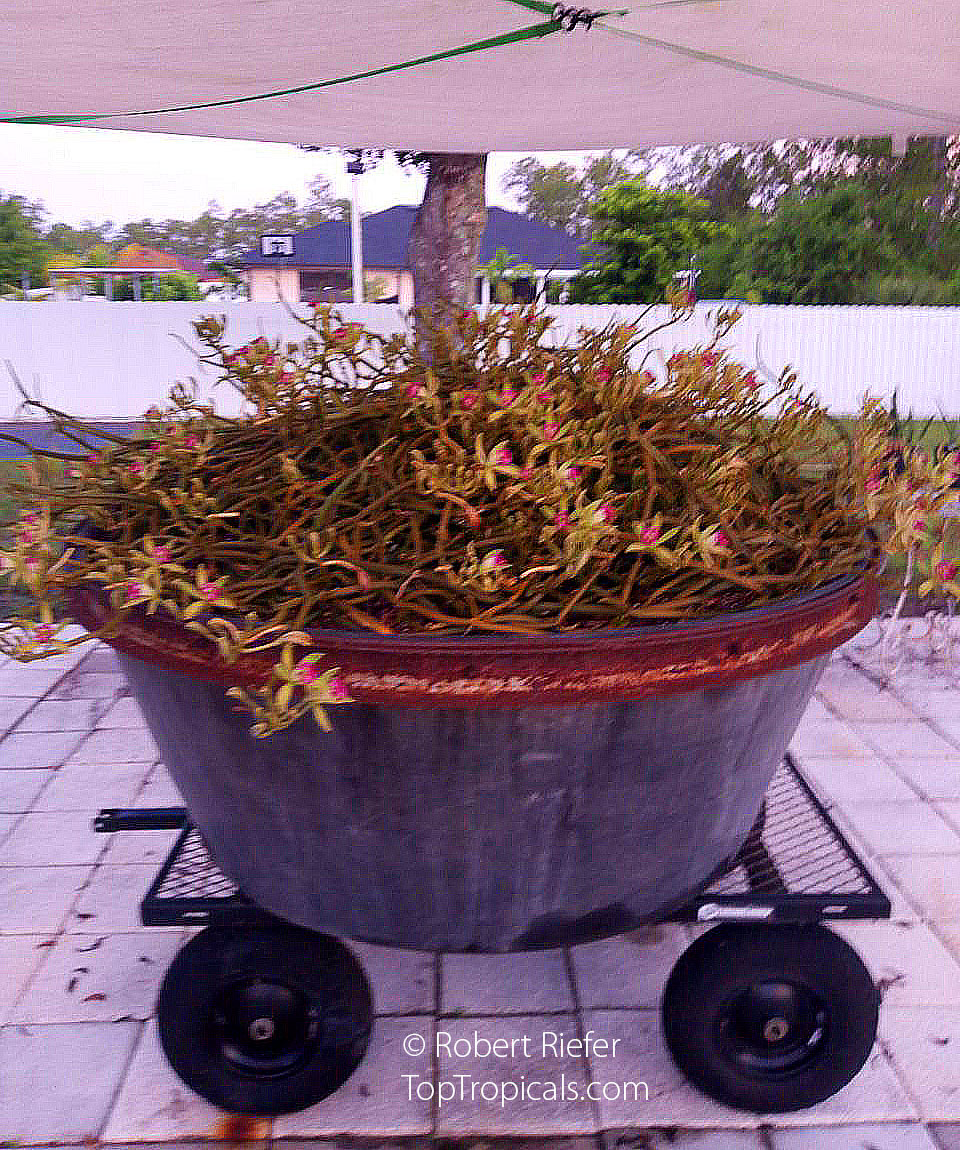
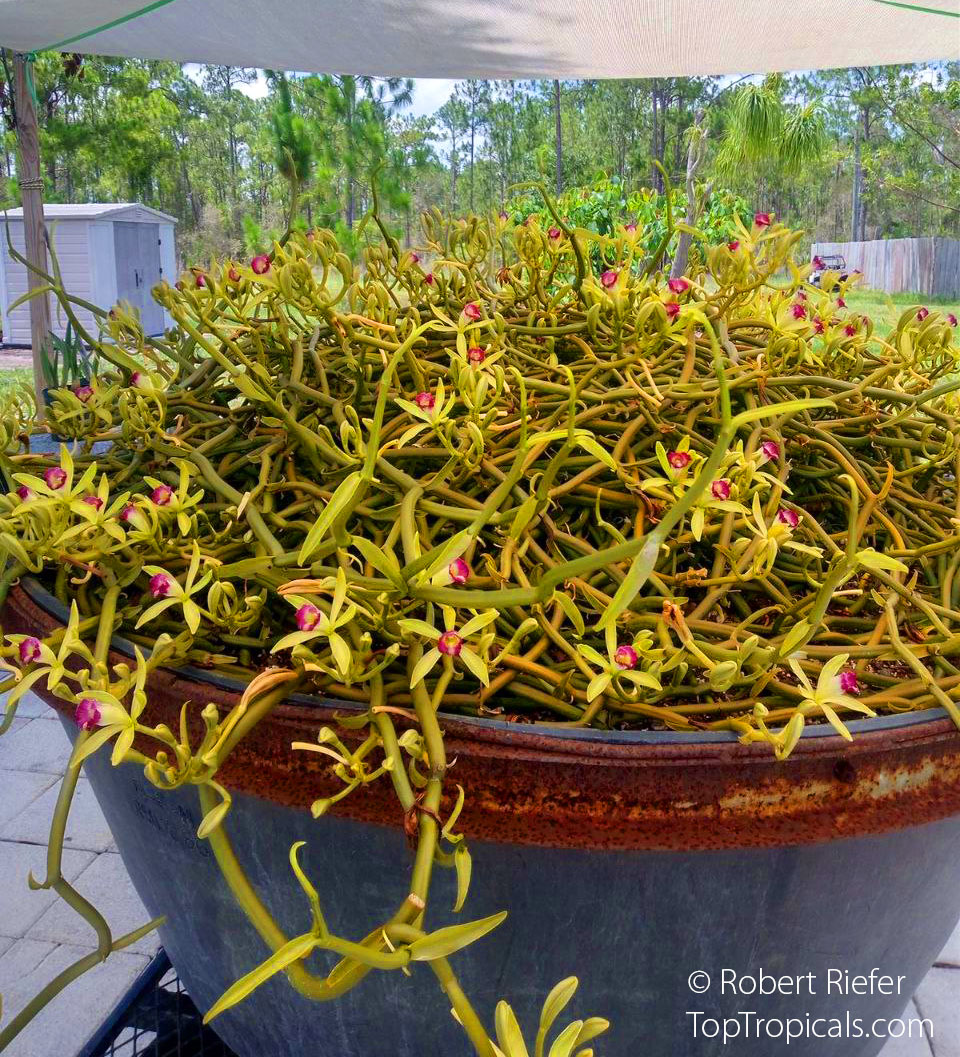
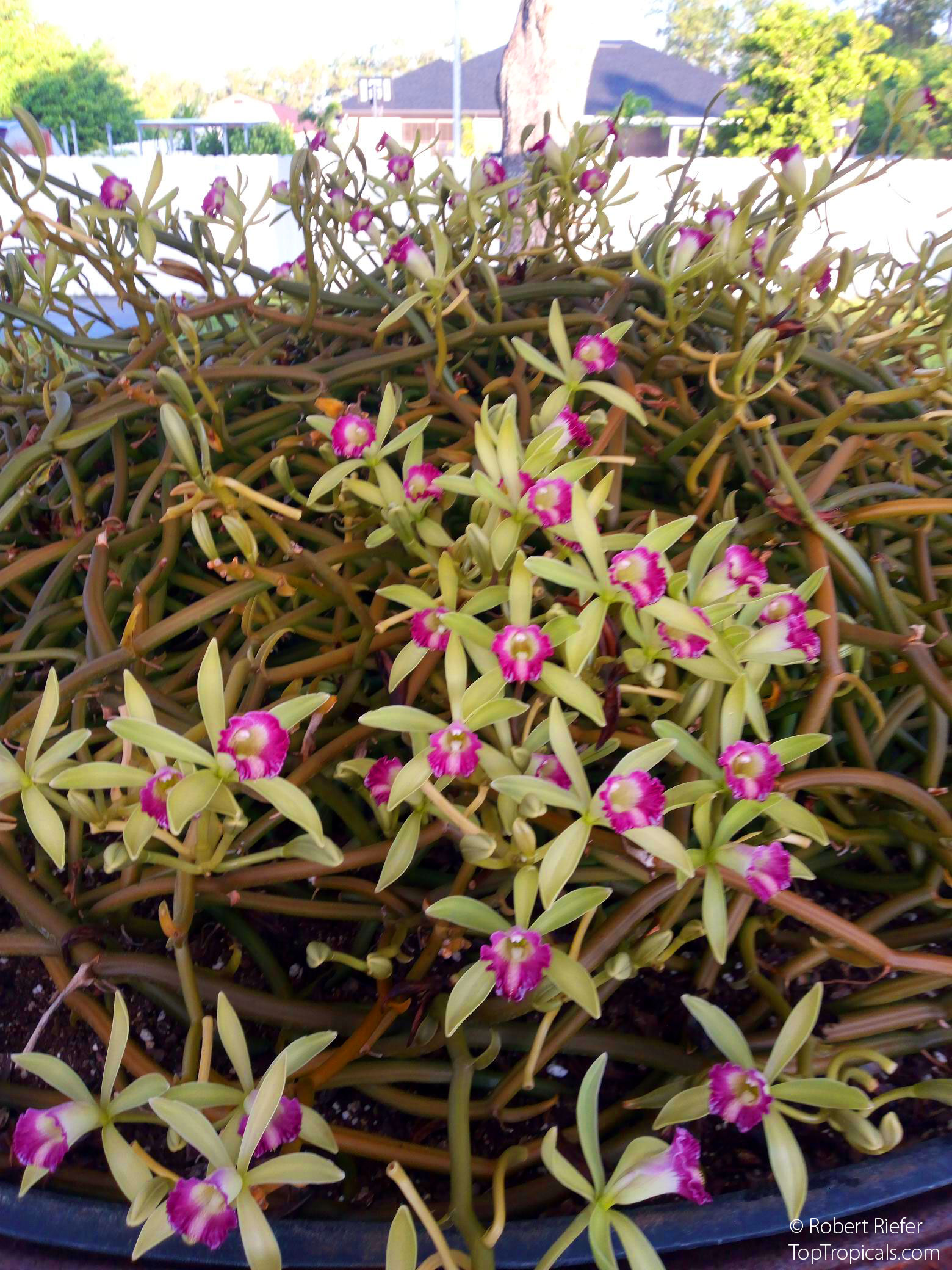

Vanilla dilloniana is a very rare species and considered vulnerable, endangered across its range. Pieces of plants from the original colony have been shared and may be found in local collections.
See the Video of the original specimen.
Recommended Fertilizer: SUNSHINE Orchidasm - Rapid Growth Booster

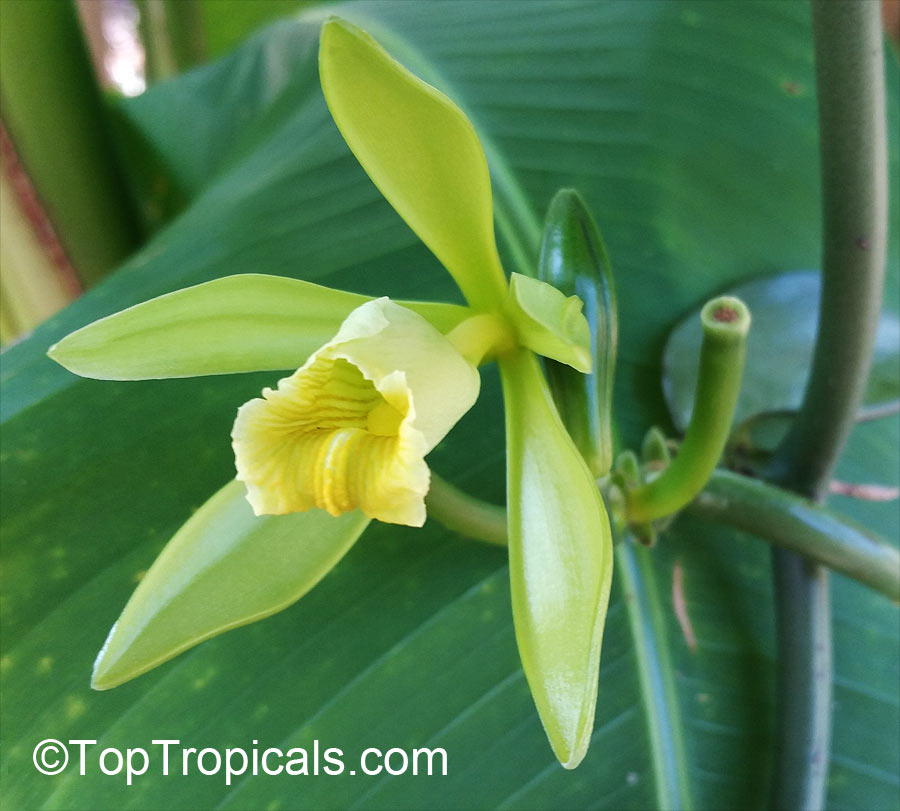
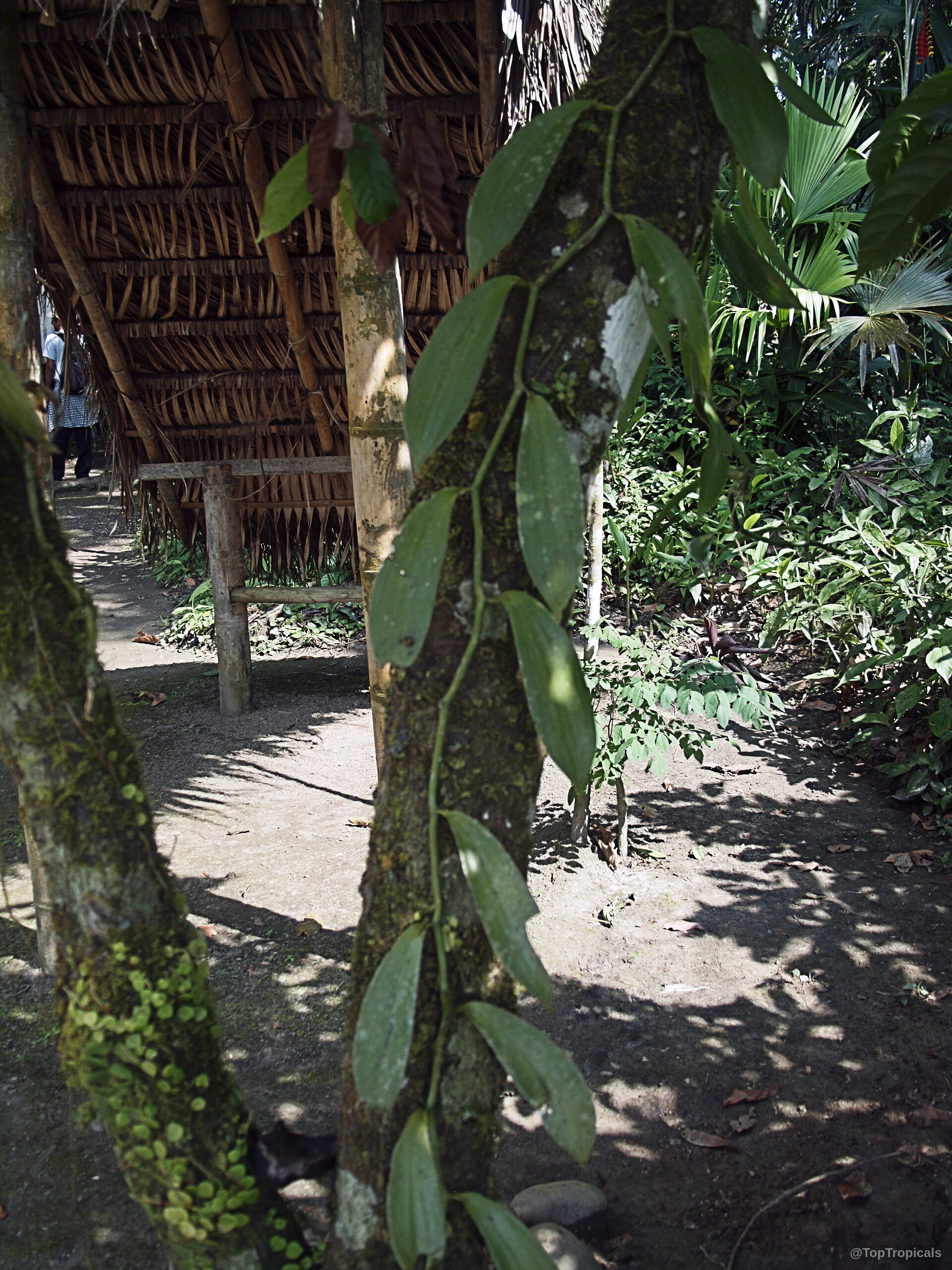
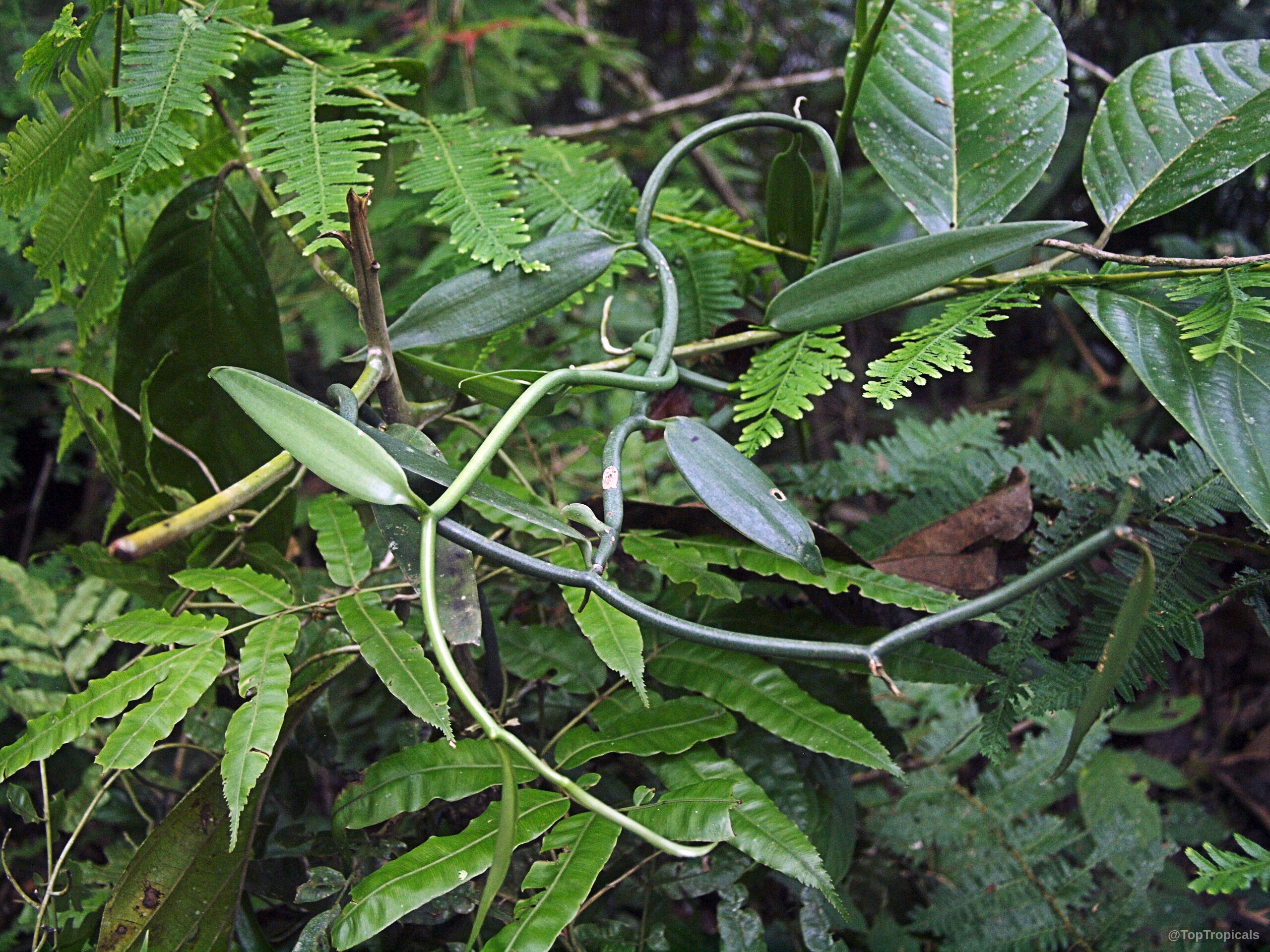
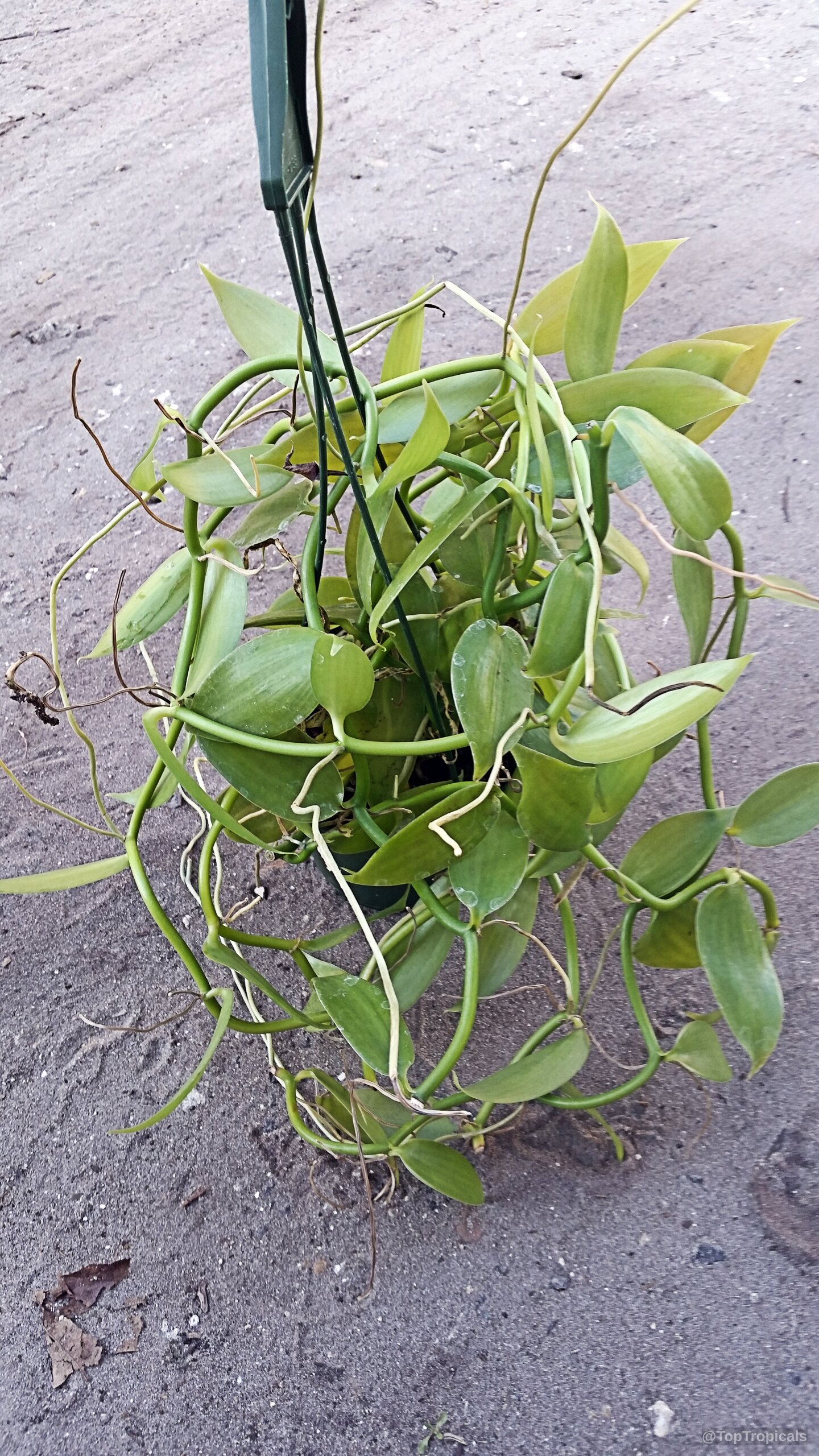
Botanical names: Vanilla planifolia, Vanilla fragrans
Common names: Madagascar Bourbon Vanilla Bean, French Vanilla, Vanilla Orchid
Family: Orchidaceae
Origin: South East Mexico and Guatemala
USDA Zone: 9-11


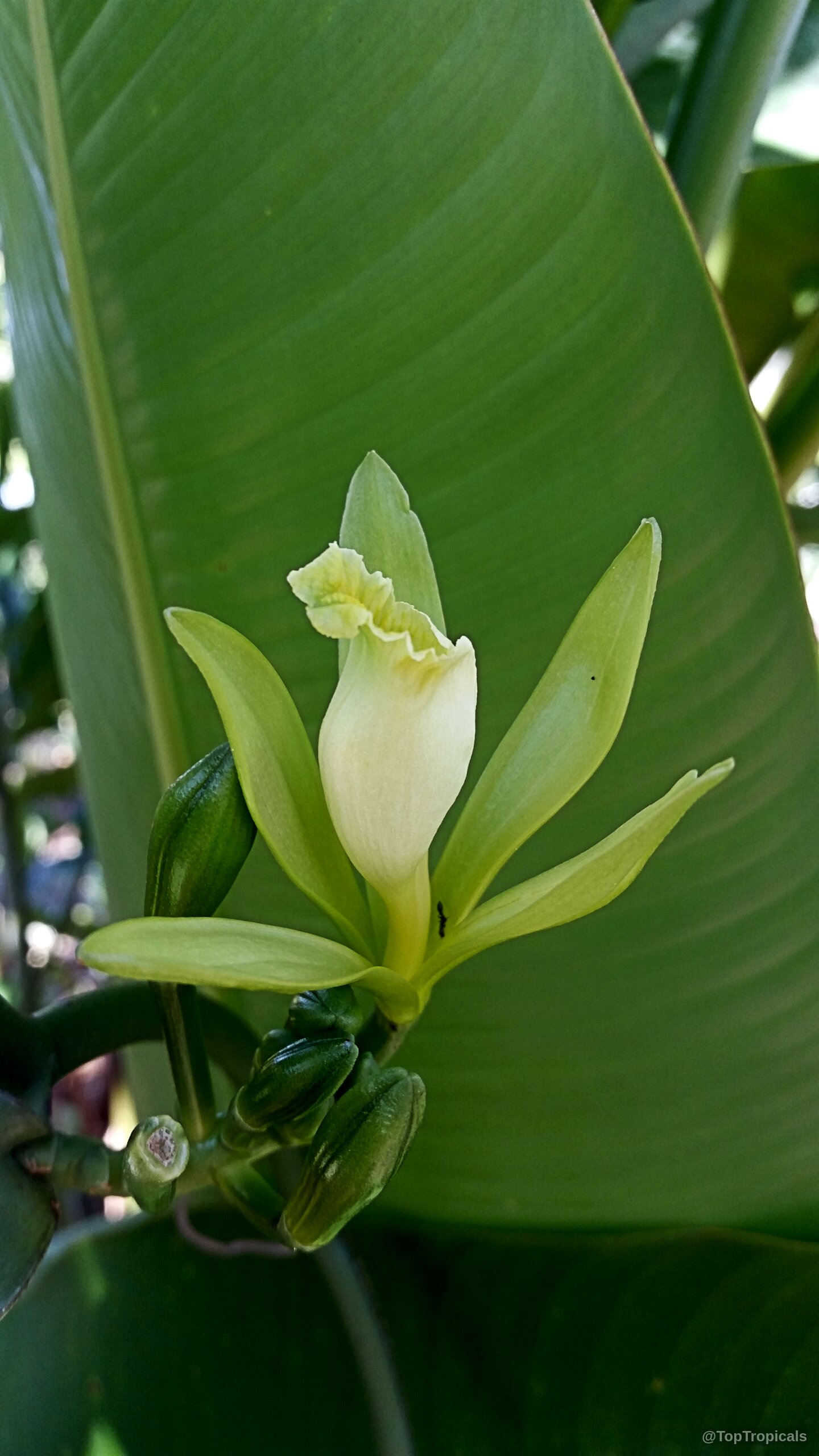
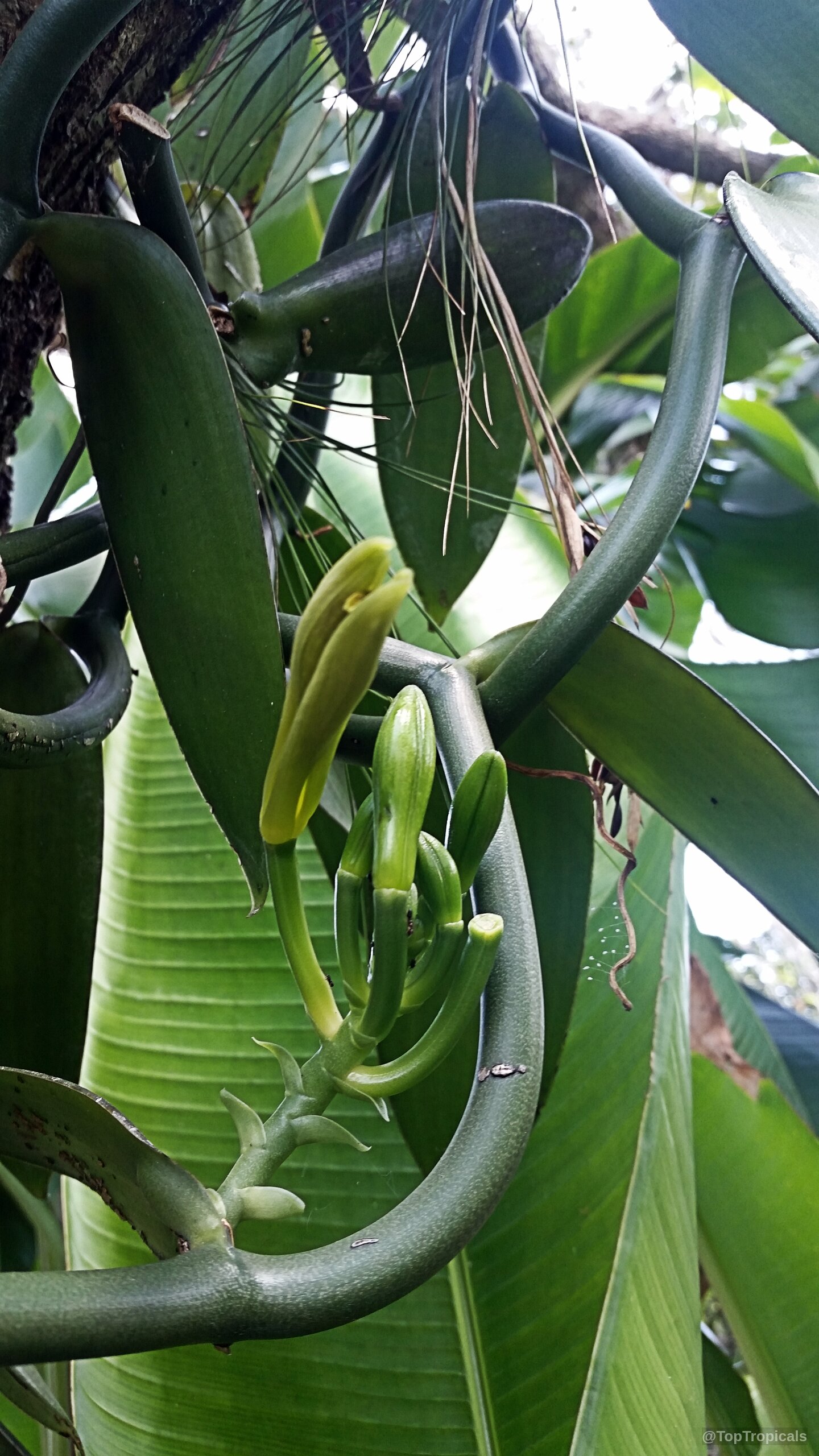
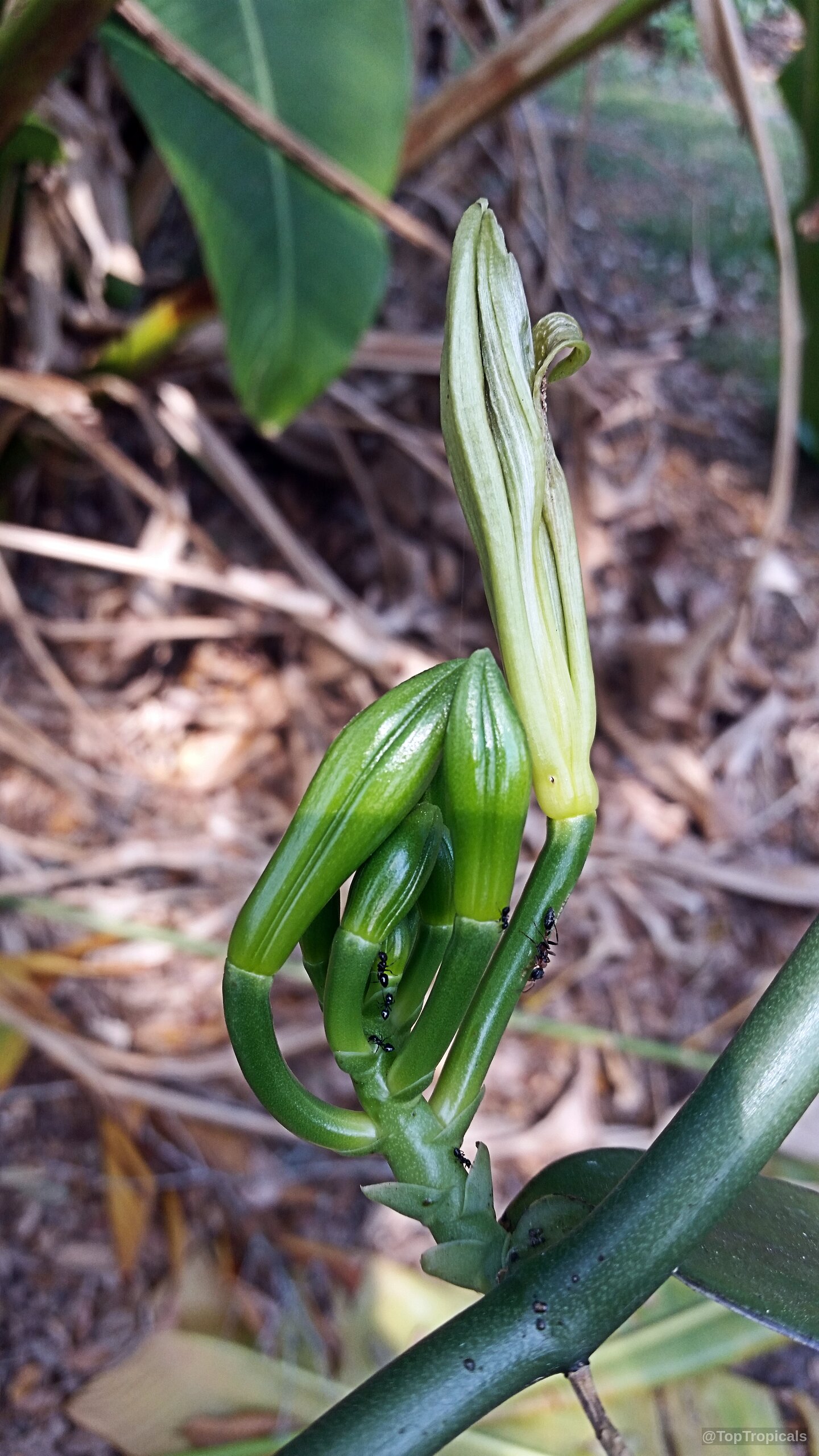
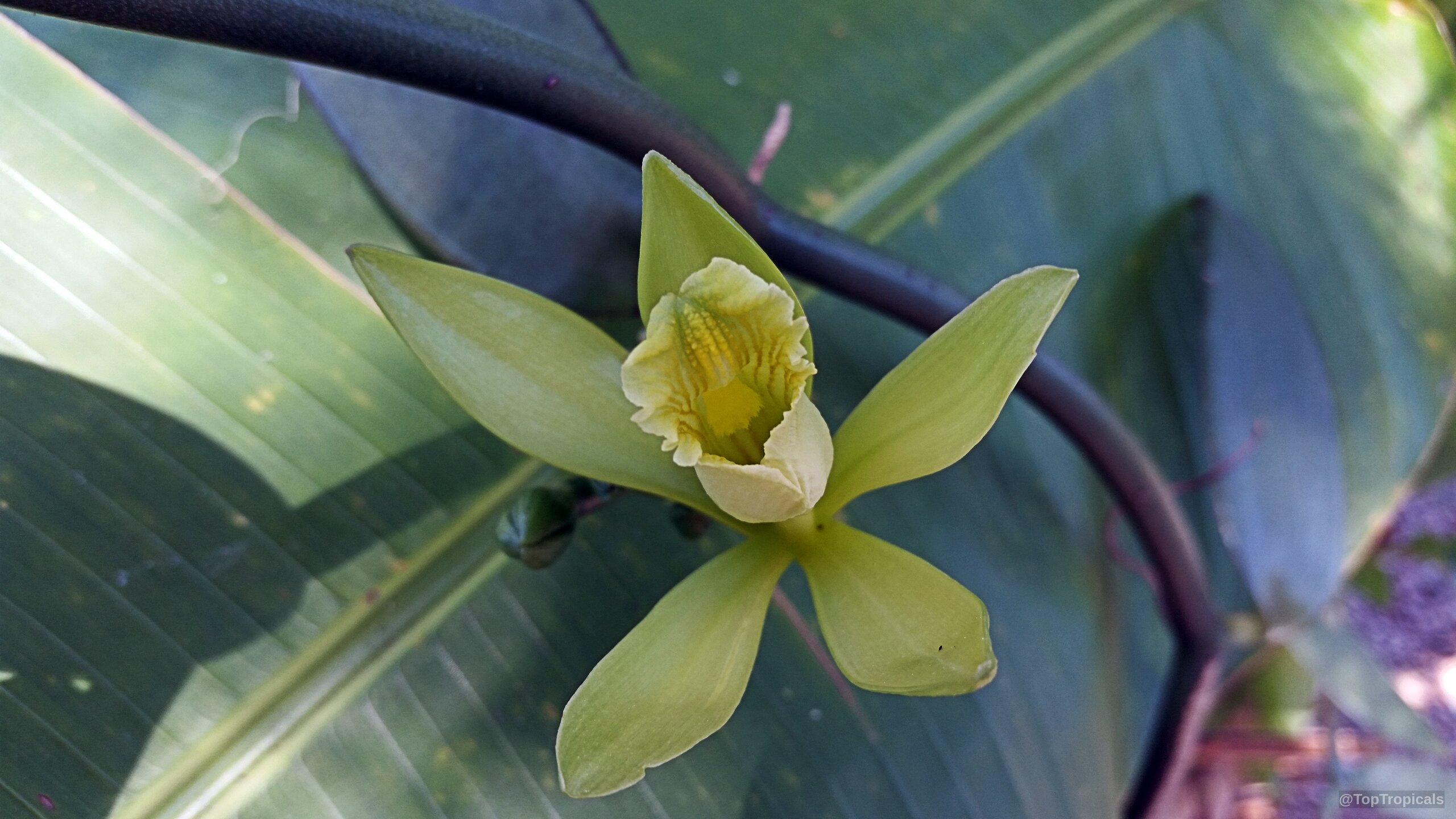
This leafy climbing orchid from hot, wet tropical America is grown for its pods which, when dried, become the commercial vanilla. The flowers are hand pollinated. The Aztec Indians in Mexico used Vanilla Pods to flavor their chocolate drink 'Xoco-latl'. Vanilla was introduced to Europe, and French started to grow it in Africa. Vanilla Pods are picked green when they have no scent. The lengthy curing process, which develops fragrant aroma, is one reason for its high cost. Vanilla was believed to be a tonic for the brain. They need a large pot and support for climbing. If really happy, Vanilla planifolia can exceed 100 feet in length in just a few years. They flower only when mature, which takes a few years. Propagated generally by cutting. Plant becomes Epiphytic with age. Water freely, less water in winter.
Watch video: How to produce my own Vanilla? Secrets of Vanilla pollination.







Recommended Fertilizer: SUNSHINE Orchidasm - Rapid Growth Booster
Recommended Fertilizer: SUNSHINE Orchidasm - Rapid Growth Booster

Botanical name: Vanilla pompona
Common name: West Indian Vanilla
Family: Orchidaceae
Origin: Mexico
USDA Zone: 9-10

Botanical name: Vanilla sp.
Common name: Vanilla Orchid
Family: Orchidaceae
Origin: Tropical America
USDA Zone: 10-11
They come in white, yellow, and orange hues, and may have a length up to 50 cm.
Vanilla sp. requires a warm and humid location; it does best in semi-shade and will appreciate a sheltered spot away from the wind. The plant needs regular watering and fertilizing, but taking care not to over-water it in the winter, when growth is slower. Occasional misting of the leaves is beneficial. It can be grown both as an epiphyte in well-aerated soil, and as a terrestrial in a sandy, well-draining soil with organic material. Vanilla sp. is known to be hardy to USDA Zones 9 to 11. In colder regions, it is best grown in a greenhouse or container that can be brought inside during the cold months. For potted plants, make sure to use a potting mix with excellent drainage. Water them thoroughly, then allow the soil to dry slightly between waterings. Fertilizing should be done monthly from spring to autumn.
Overall, Vanilla sp. is an easy-care tropical native prized for its fragrant and showy white and off-white, yellow, and orange flowers that attract butterflies and hummingbirds.
The flowers are pollinated by bees, hummingbirds, and butterflies, and after pollination, the plant produces green seed pods, also known as vanilla beans.
To produce vanilla extract, the beans are harvested and cured by a process that involves drying, sweating, and fermentation. The cured beans are then soaked in alcohol to extract the flavorful compounds and create the characteristic vanilla flavor that we know and love.
Vanilla is widely used in the food industry as a flavor and fragrance, and it is also used in cosmetics, perfumes, and other products. It is considered one of the most popular flavors in the world and is used in a wide range of dishes, including ice cream, cakes, and other baked goods, as well as savory dishes like sauces and marinades.
This dainty yet resilient climber is an excellent choice for an exotic touch to your garden.




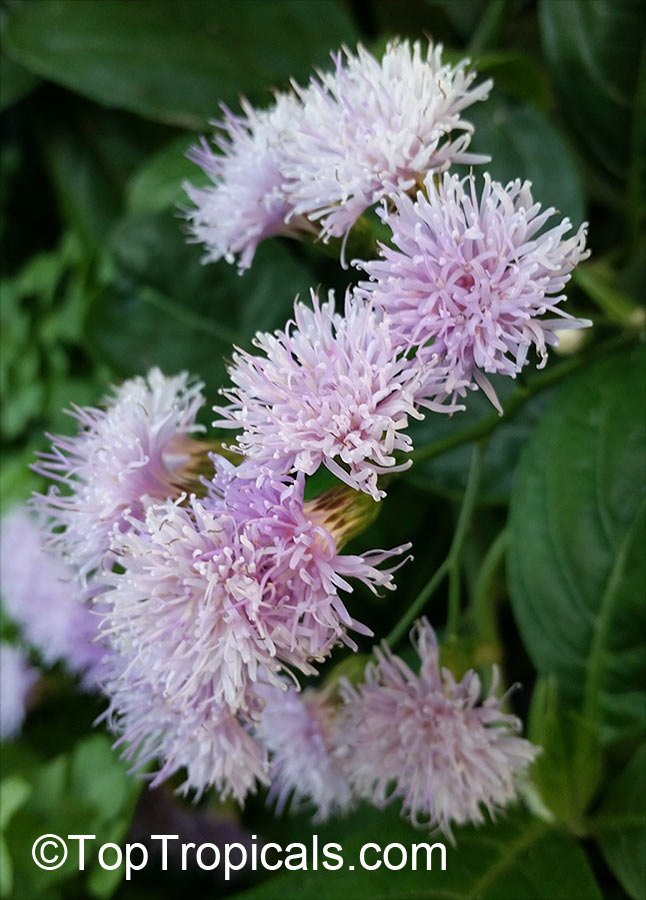
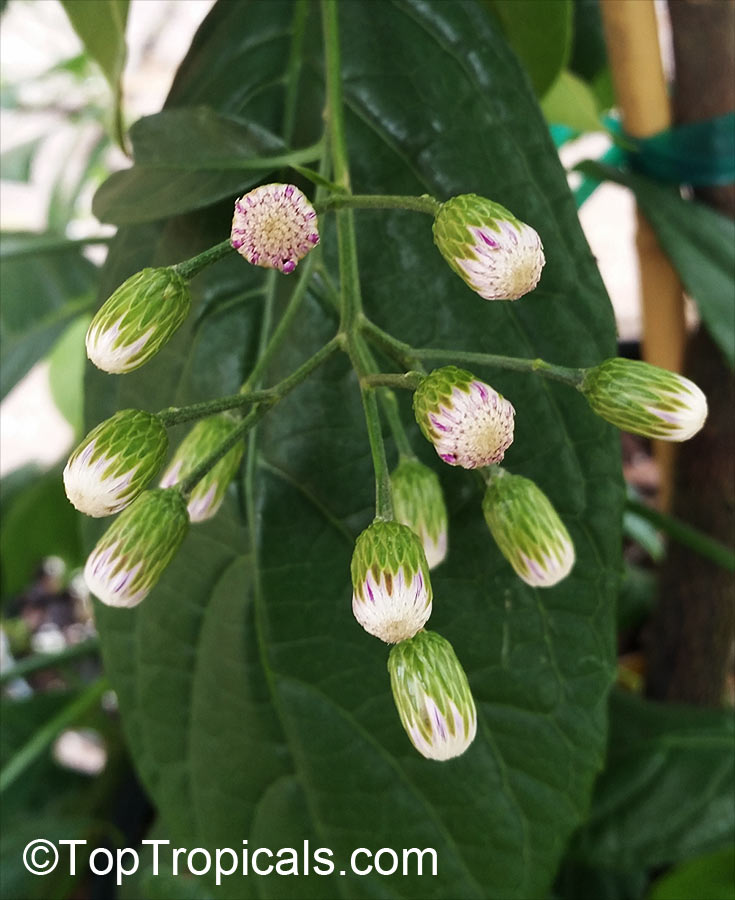
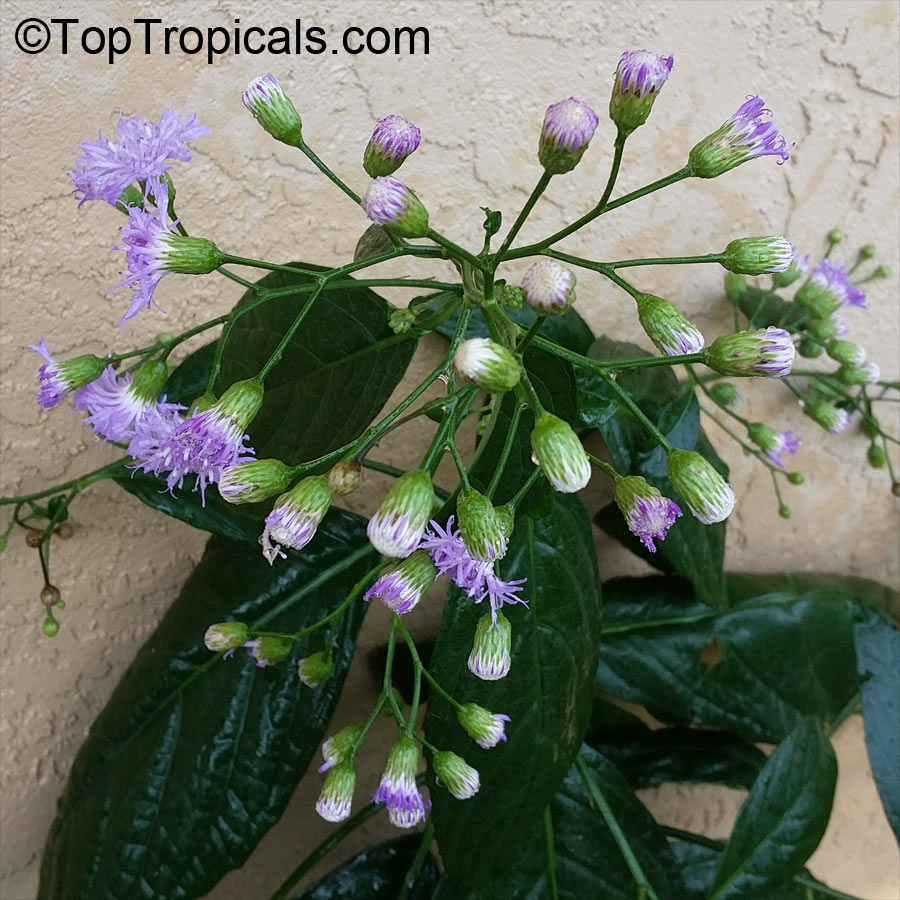
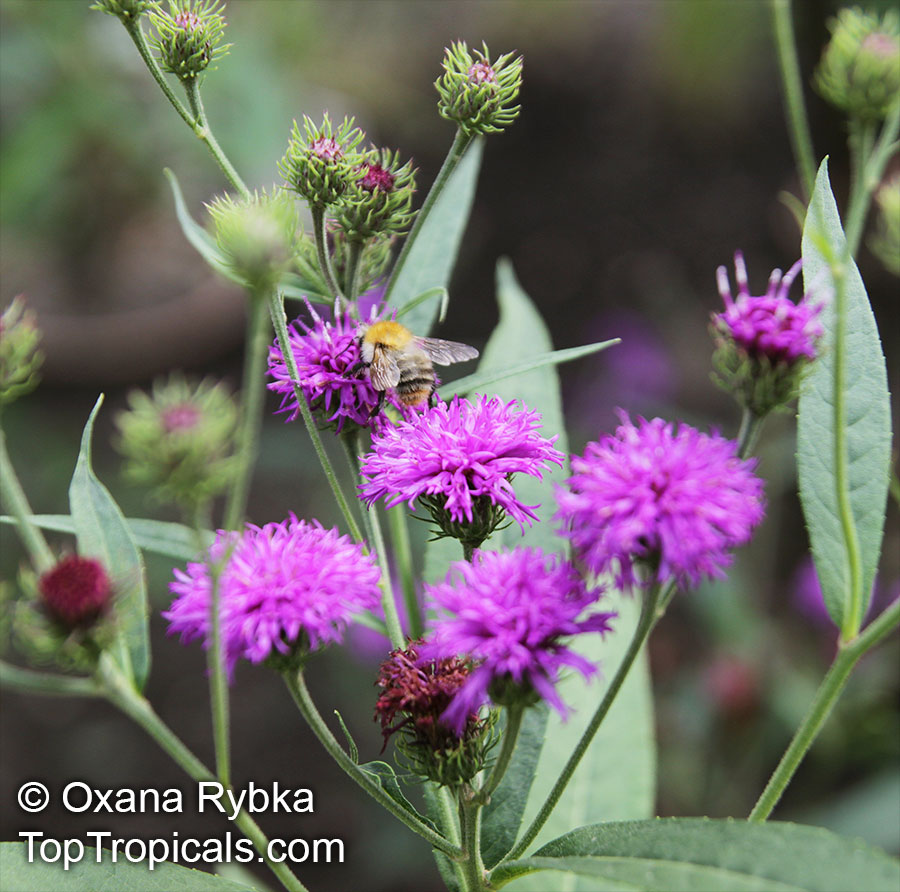
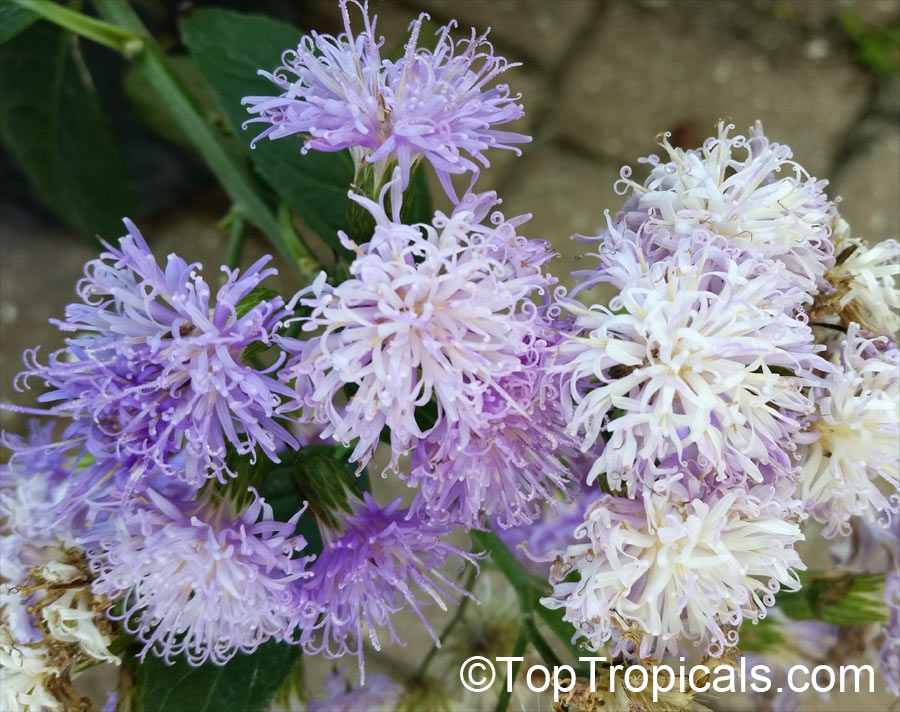
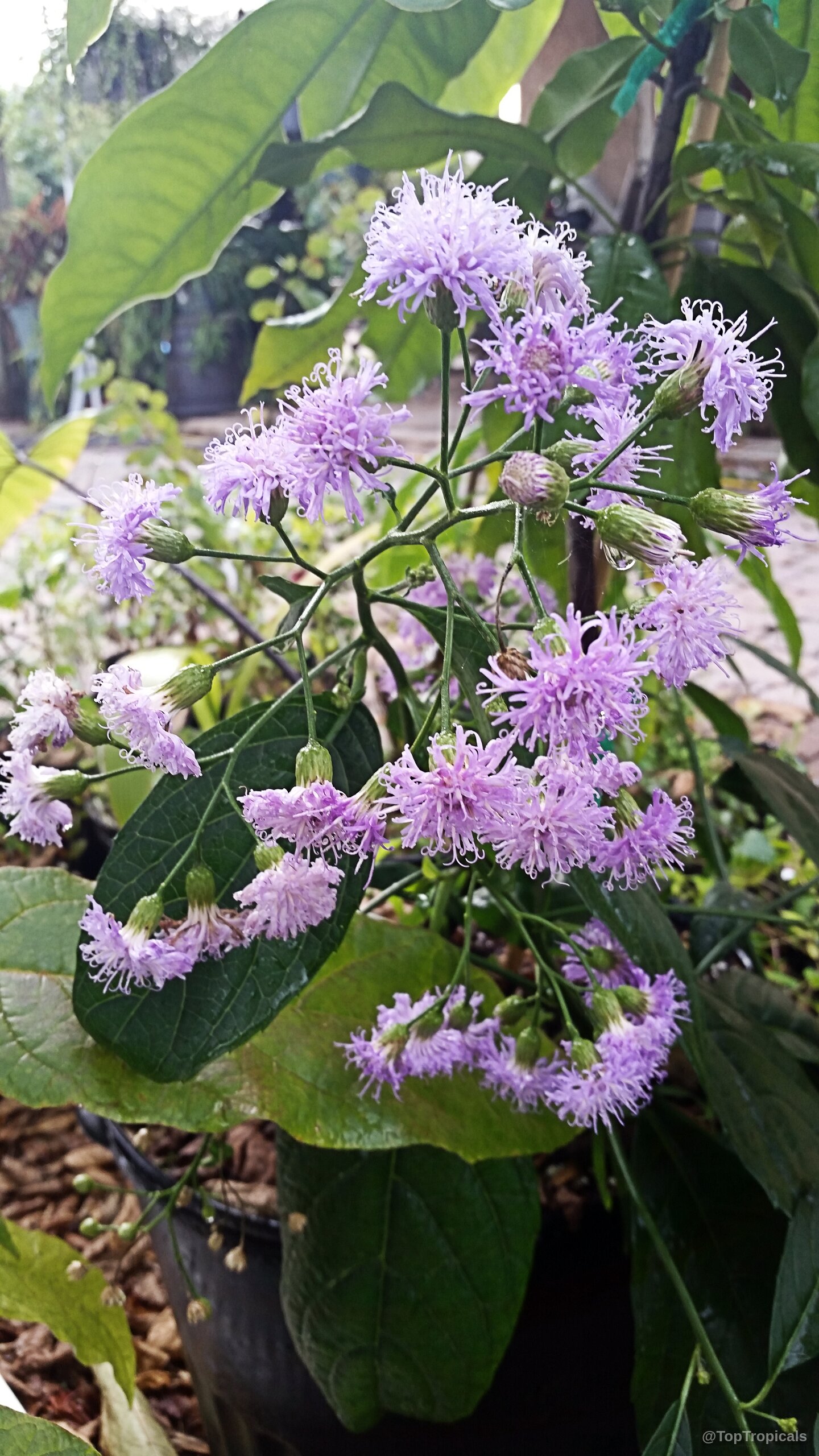
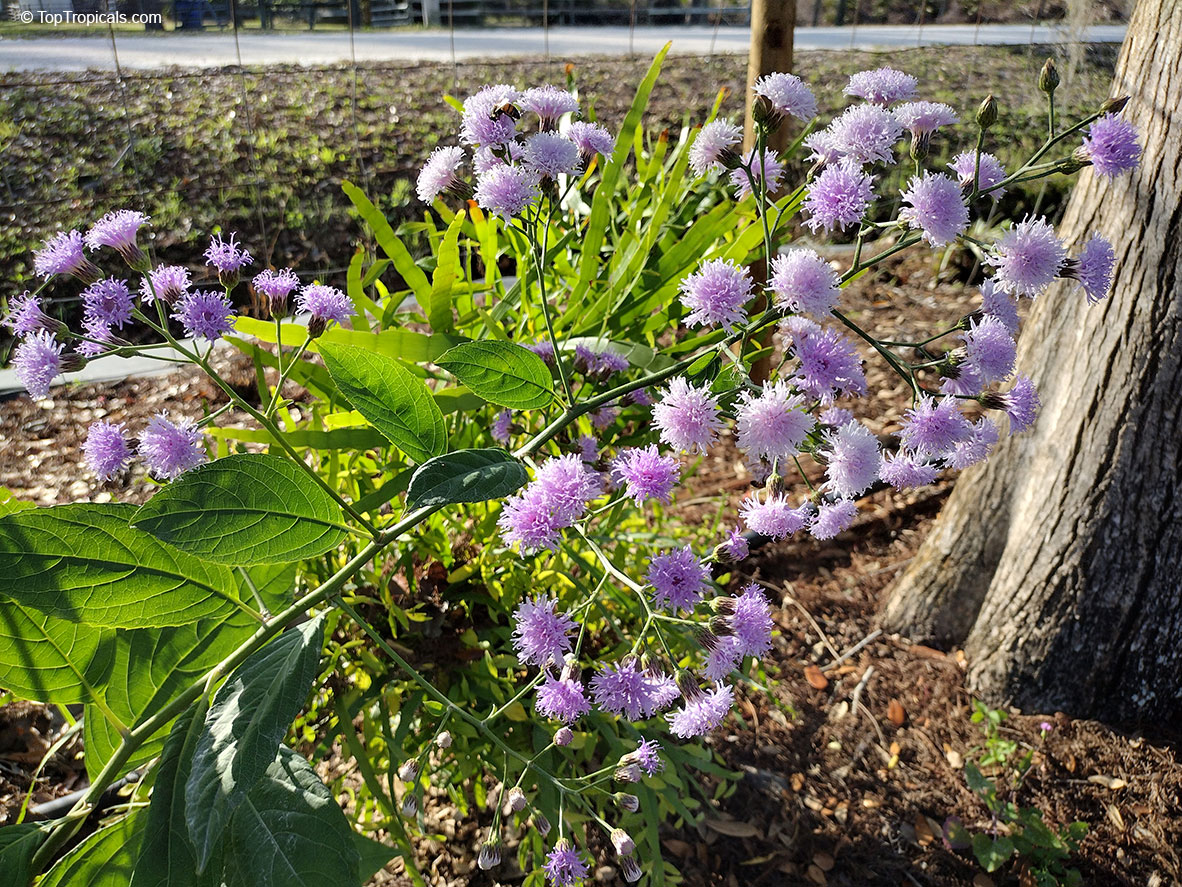
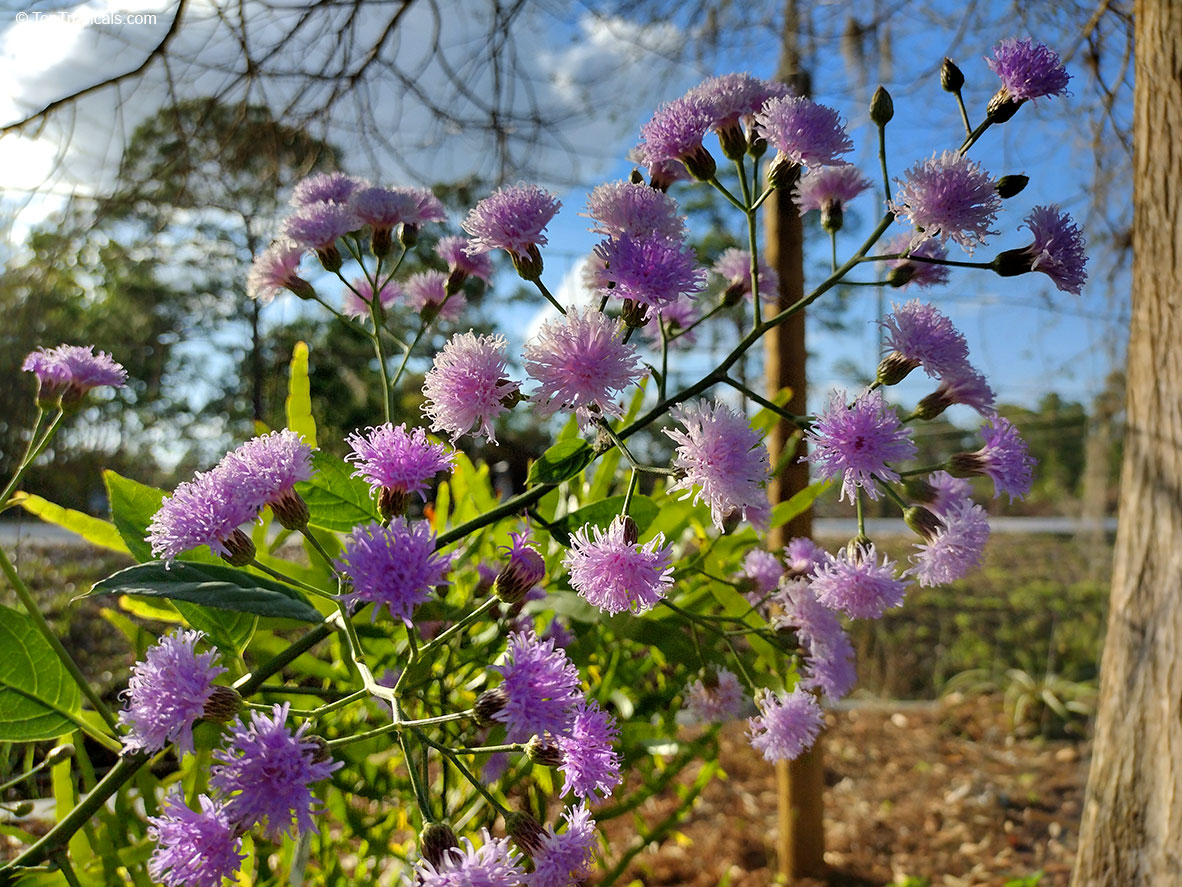
Botanical name: Vernonia sp.
Common names: Tropical Aster, Ironweed, Bitterleaf, Giant Mistflower
Family: Asteraceae
Origin: Africa
USDA Zone: 8-10


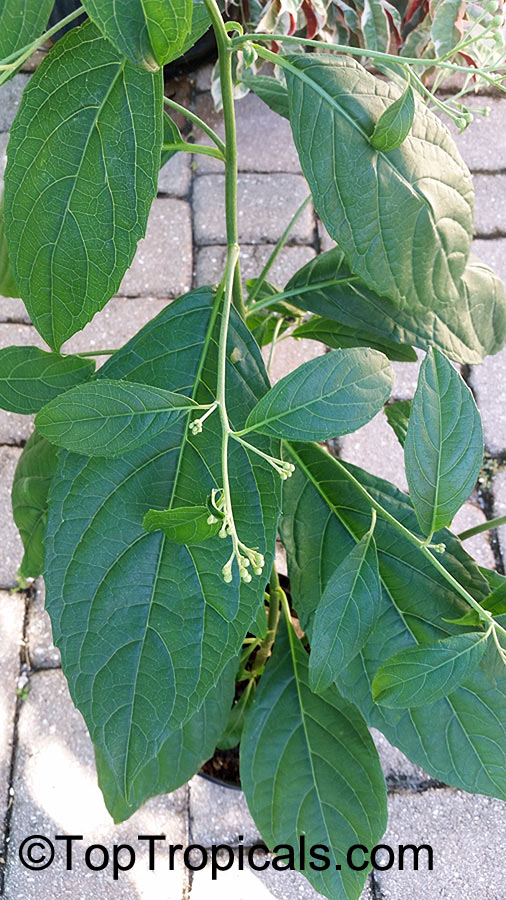
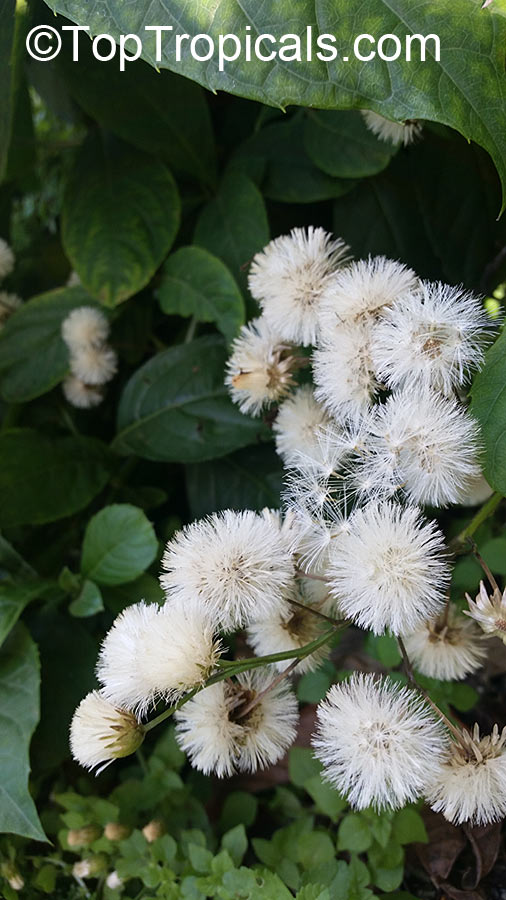
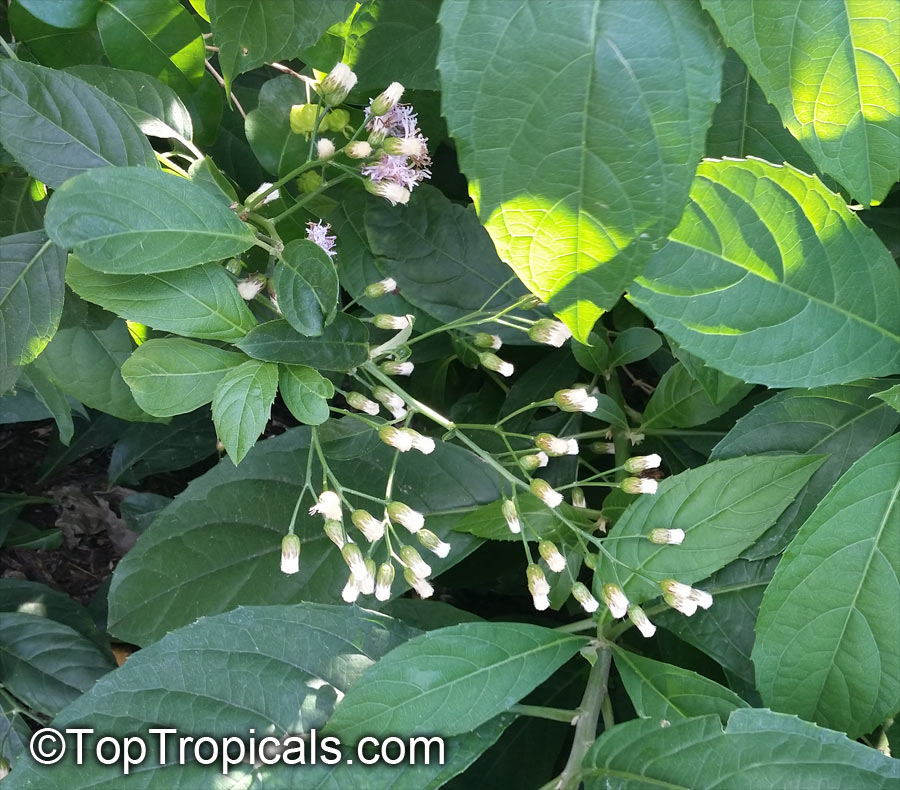
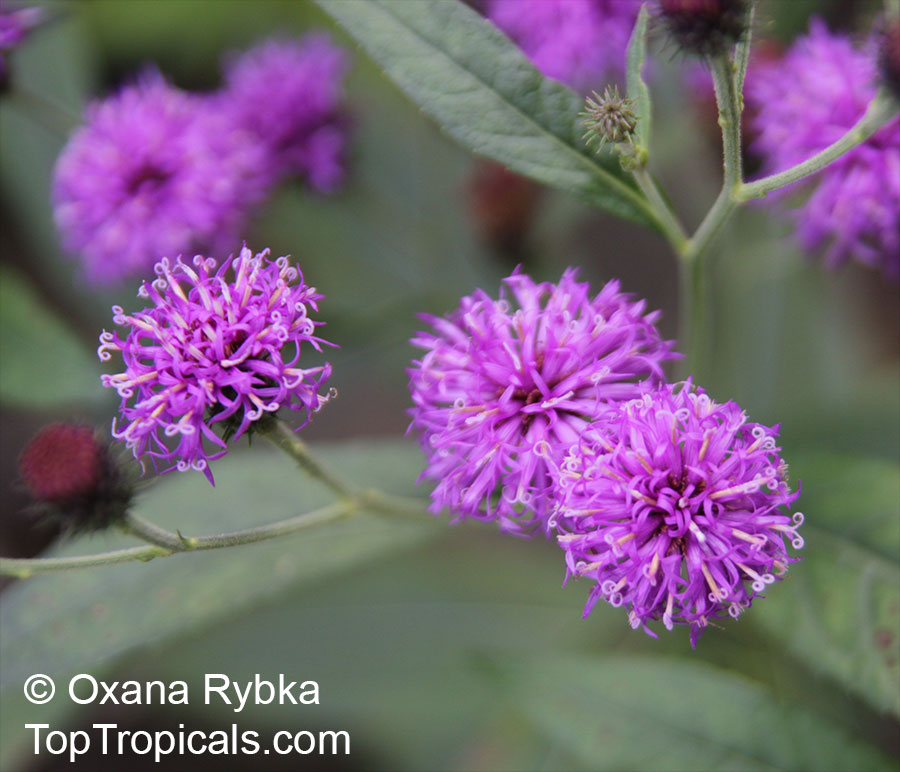
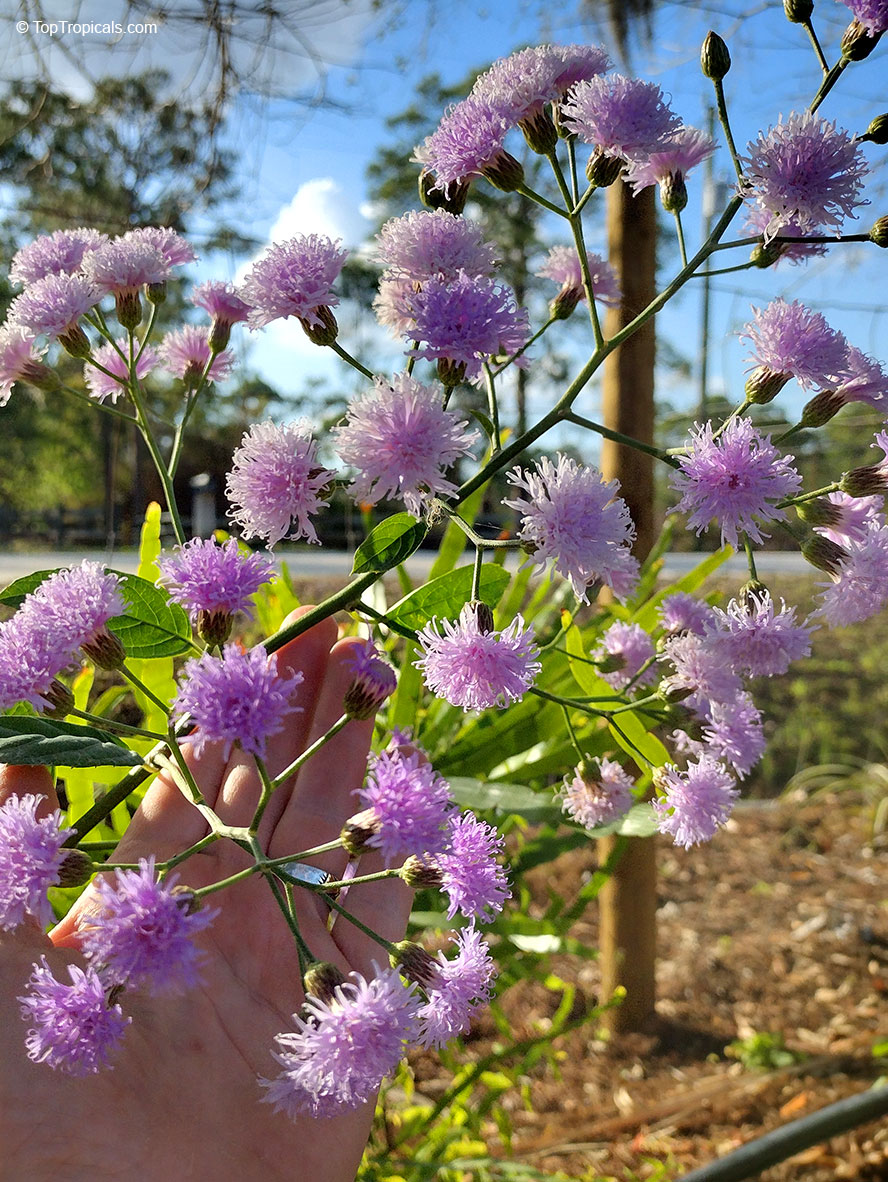
Vernonia sp., also known as the Tropical Aster or Bitterleaf, is a small shrub native to Africa. It is commonly used as a spice or herb in traditional medicines and is known for its attractive purple flowers that attract butterflies and hummingbirds. The plant is easy to grow in USDA Zones 8-10 and prefers full sun and moderate water. It is recommended to water regularly during blooming season, but keep the soil a little dryer during winter. If grown in a pot, it should be kept in a sheltered spot in colder weather and should be protected from harsh winds.
Vernonia sp. is not only known for its beauty, but also for its edible fruit that is high in vitamin A and other nutrients. The fruit can be used to make jams, sauces, and jellies and can be eaten raw. It is known to have numerous health benefits including improving vision, reducing cholesterol, aiding in weight loss, boosting the immune system, and acting as an anti-inflammatory. A mature plant can typically produce 2-3 pounds of fruit, although with proper care it can produce more.
Vernonia sp. is an excellent choice for any garden due to its beautiful flowers and nutritious fruit. With proper care, you can enjoy all the benefits this plant has to offer.
In general Vernonia is a genus of plants that includes around 1000 plant species. Many of these species are known for their purple flowers. Some species are edible. The genus was named after the English botanist William Vernon. In West and Central Africa, these plants are commonly known as Bitterleaf, Ewuro, Ndole, and Onugbu. They are popularly consumed as leaf vegetables in Cameroon. The leaves have a sweet and bitter taste. Vernonia calvoana is a key ingredient in the Cameroonian national dish of Ndole.
Vernonia has medicinal properties as well. It has been used to treat diabetes and reduce fever. These leaves are exported from several African countries and can be found in grocery stores that serve African clients. Vernonia galamensis is also used as an oilseed in East Africa. In Brazil, Vernonia condensata is traditionally used for its analgesic, anti-inflammatory, and other medicinal properties.
Vernonia species are also used as food plants by the larvae of certain Lepidoptera butterflies, including Coleophora vernoniaeella and Schinia regia.



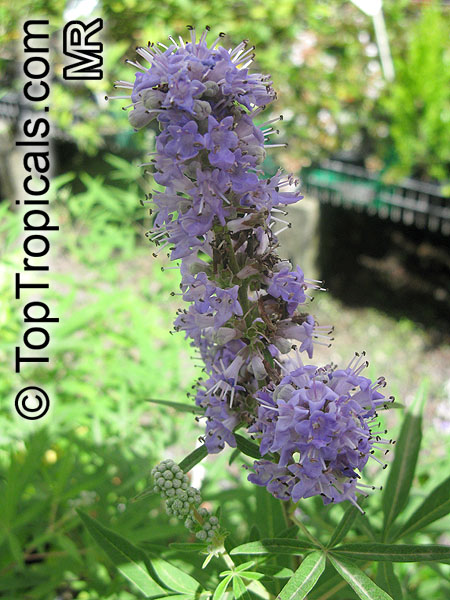
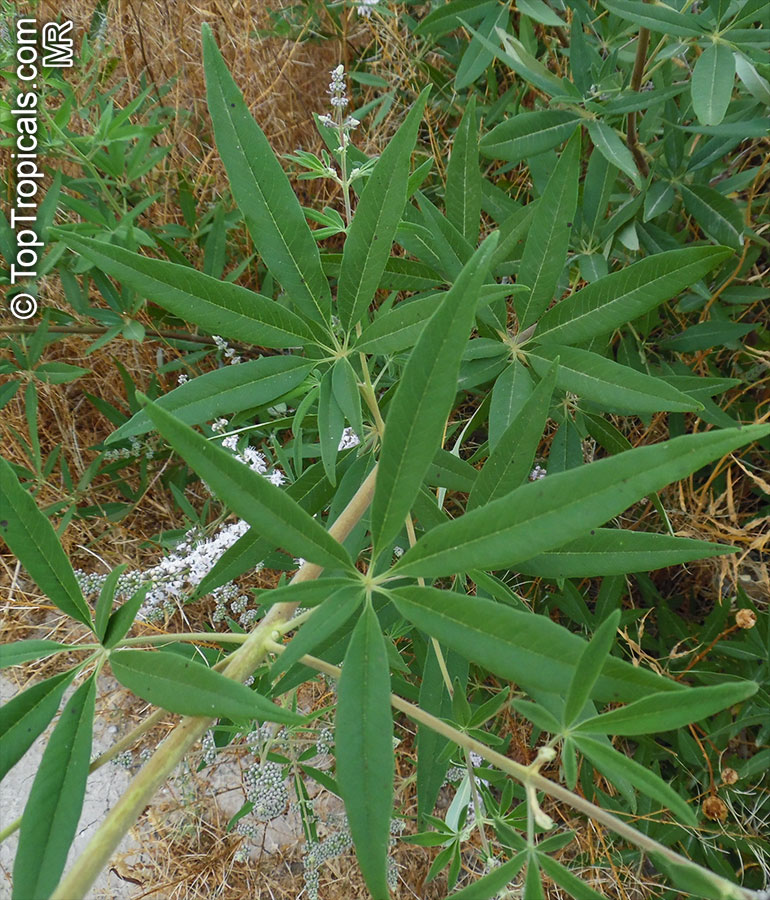
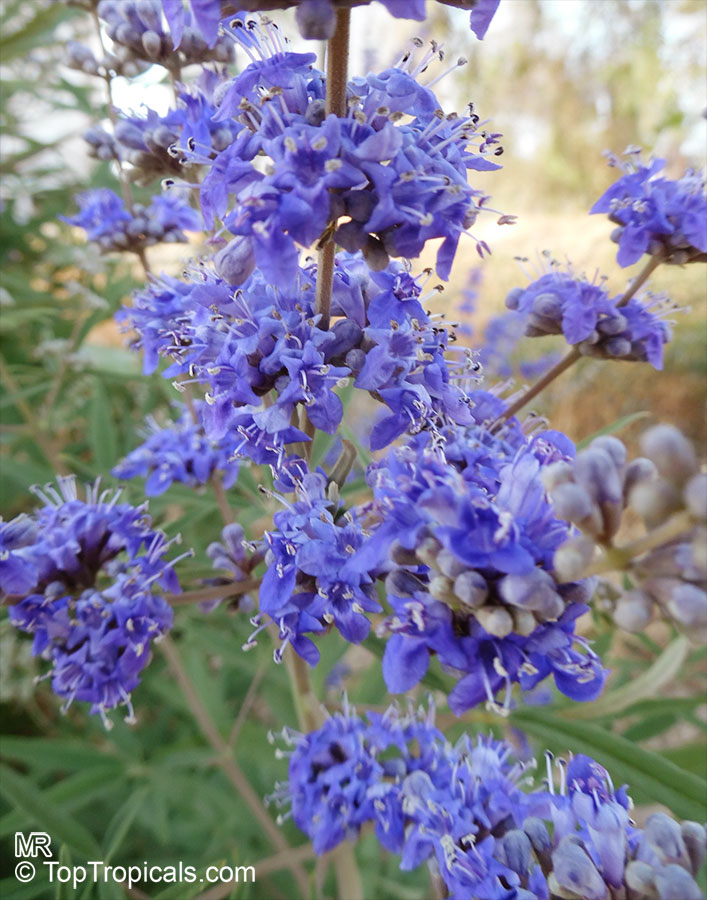
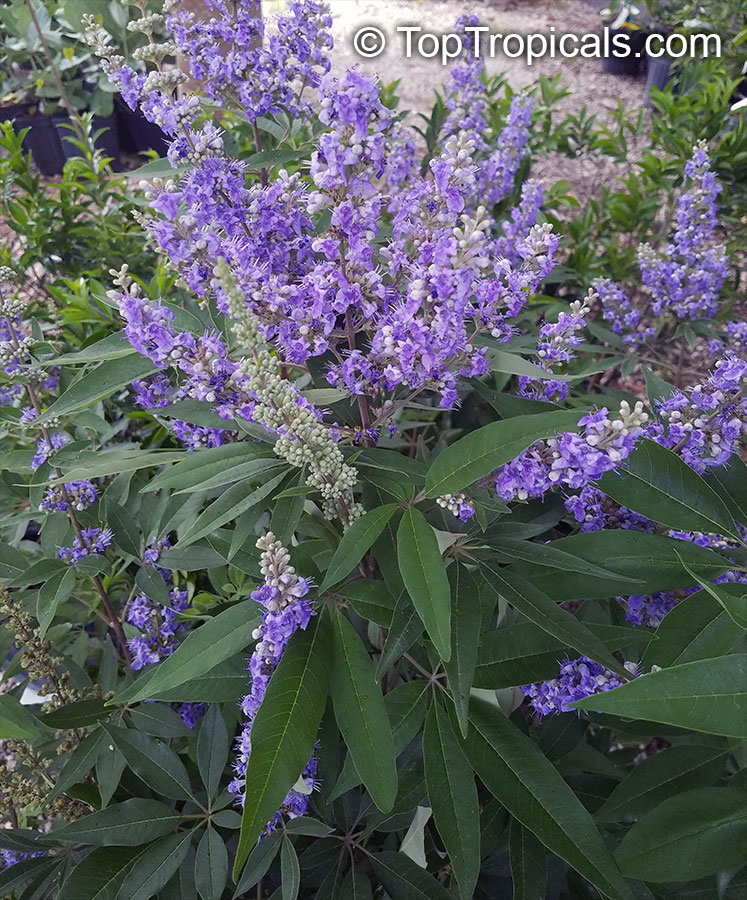
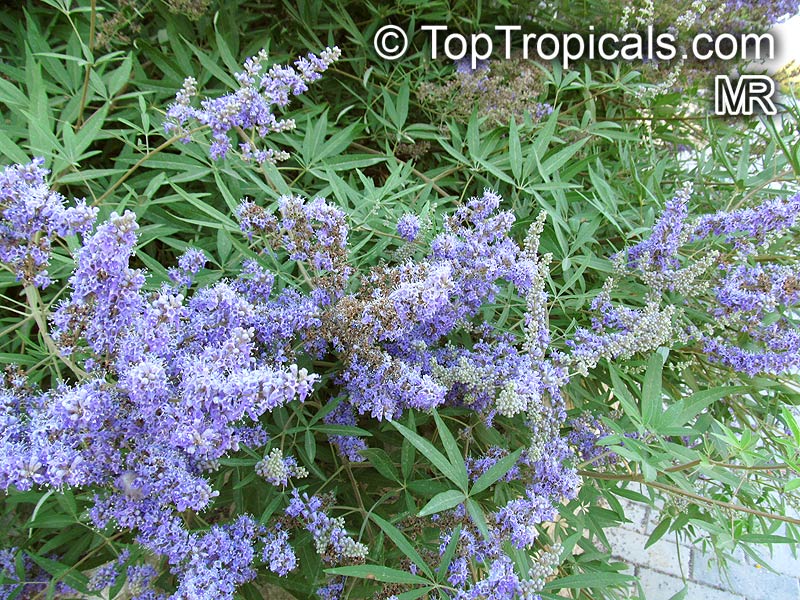
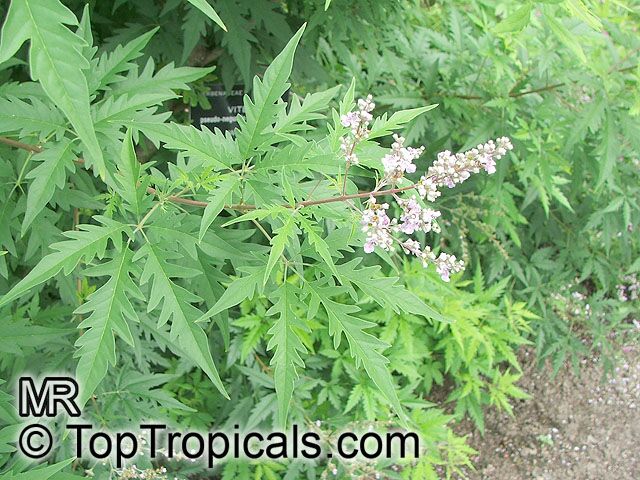
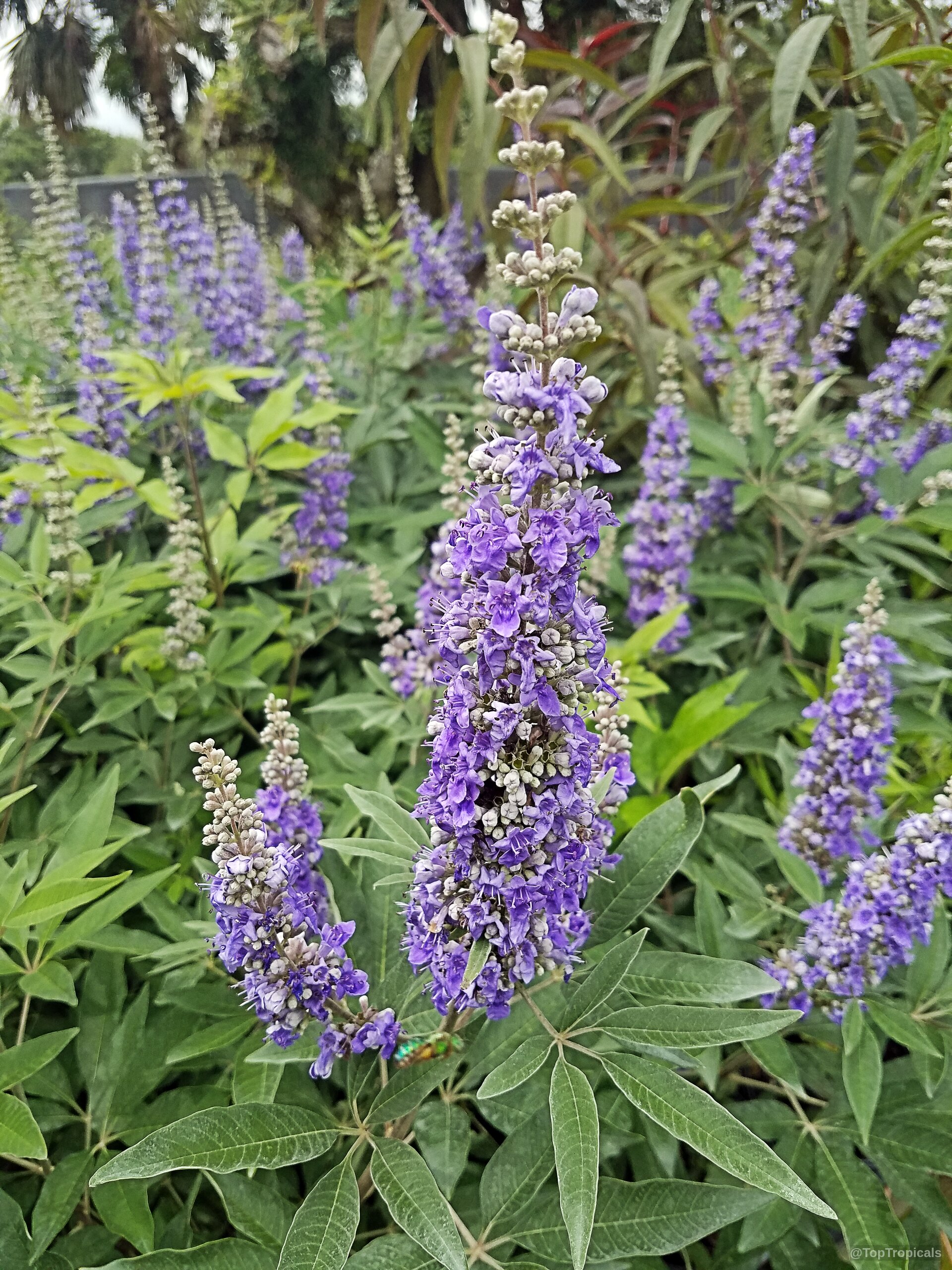
Botanical name: Vitex agnus-castus
Common names: Chaste Berry, Chasteberry, Hemptree, Agnus castus, Abraham's balm
Family: Lamiaceae (Formerly:Verbenaceae)
Origin: Europe and Western Asia
USDA Zone: 6-9


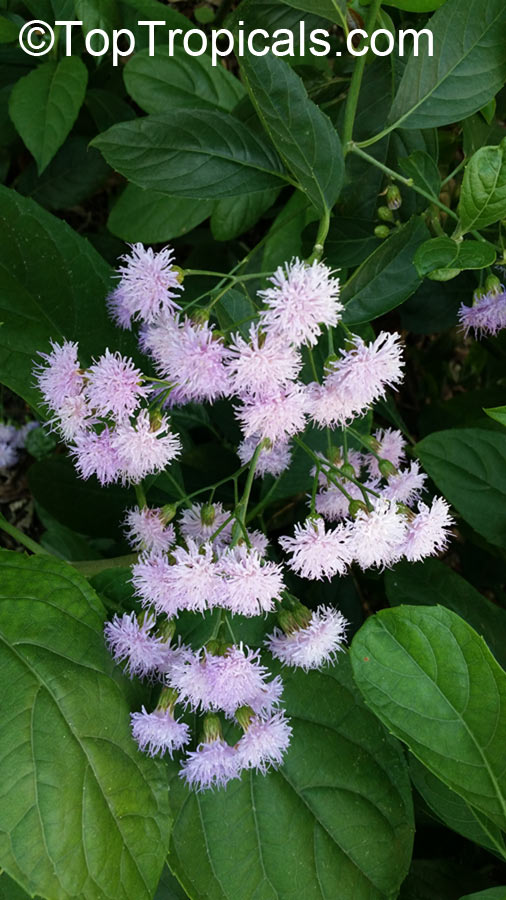
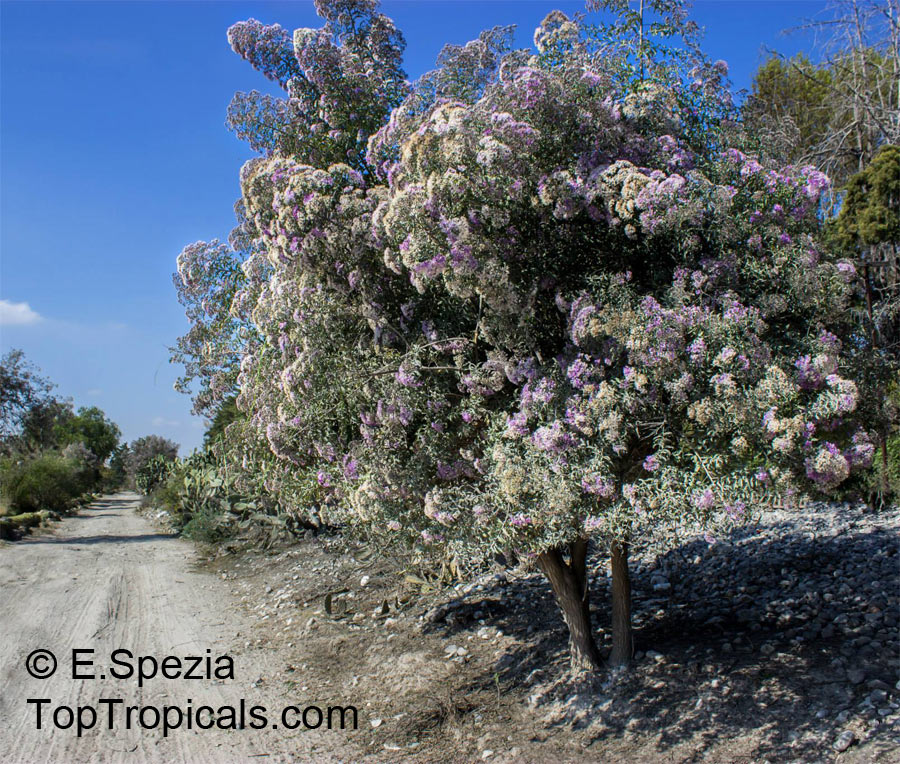
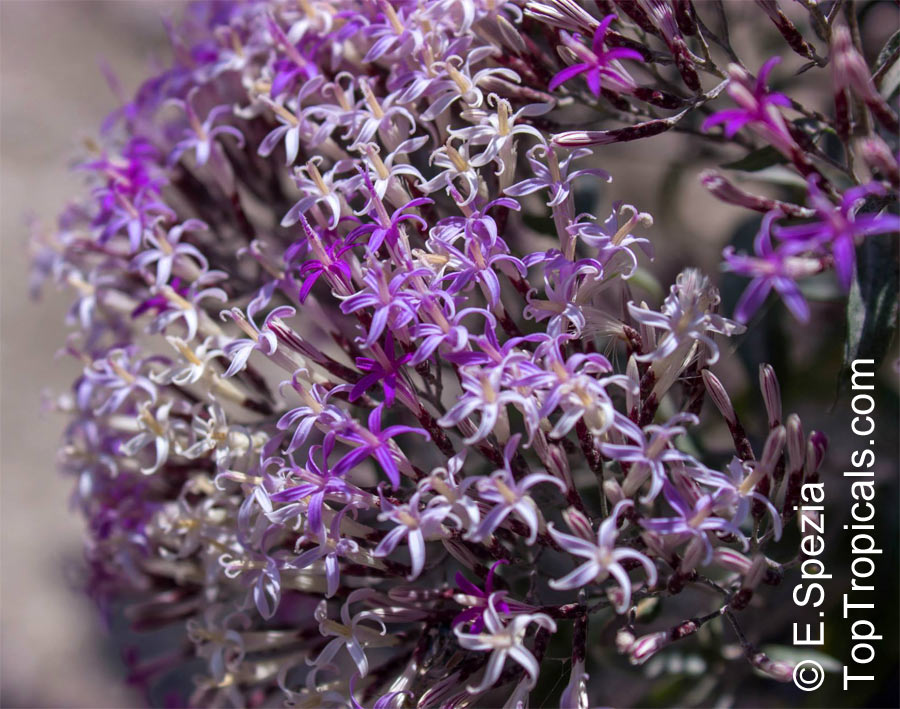
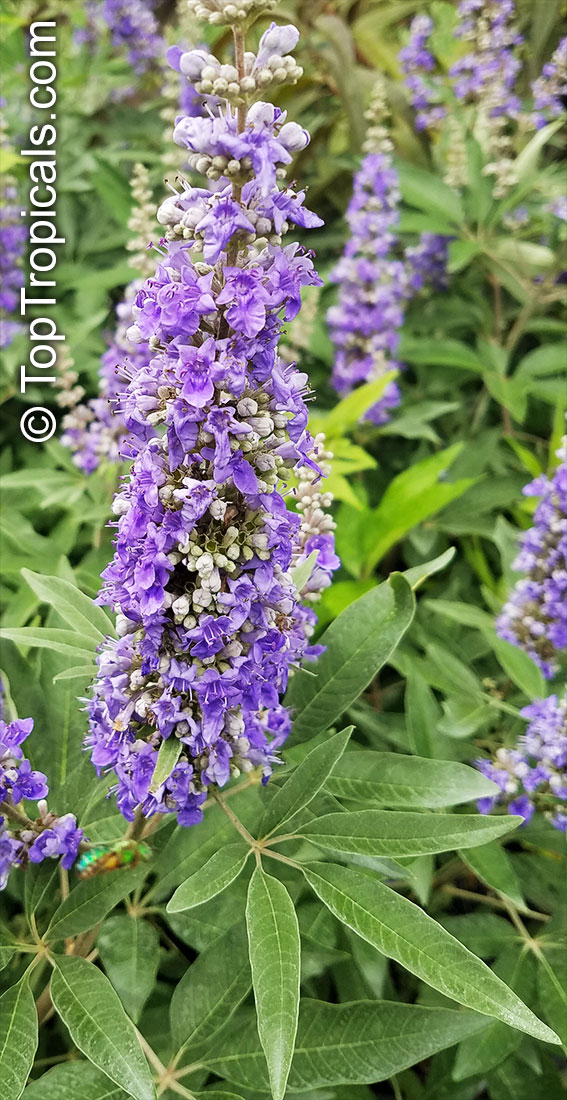
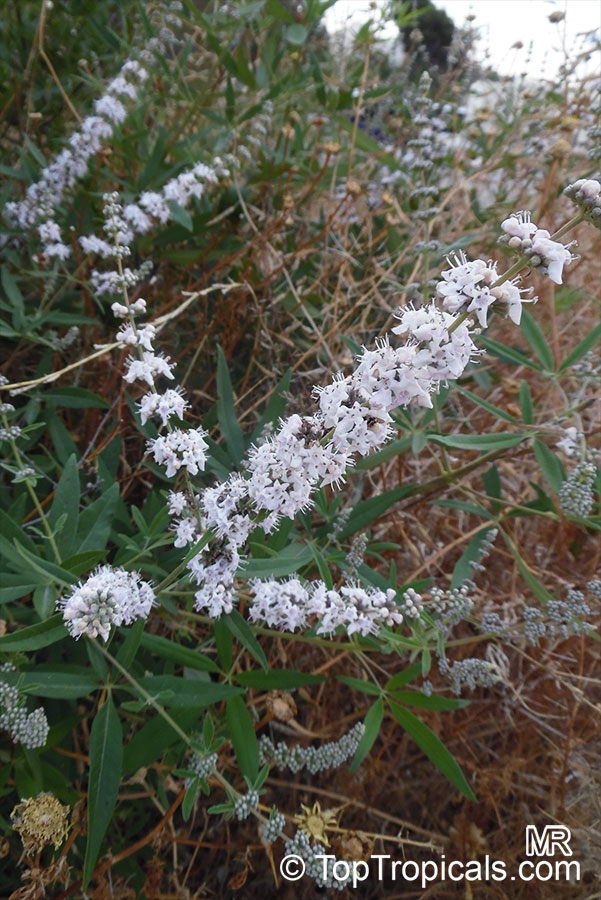
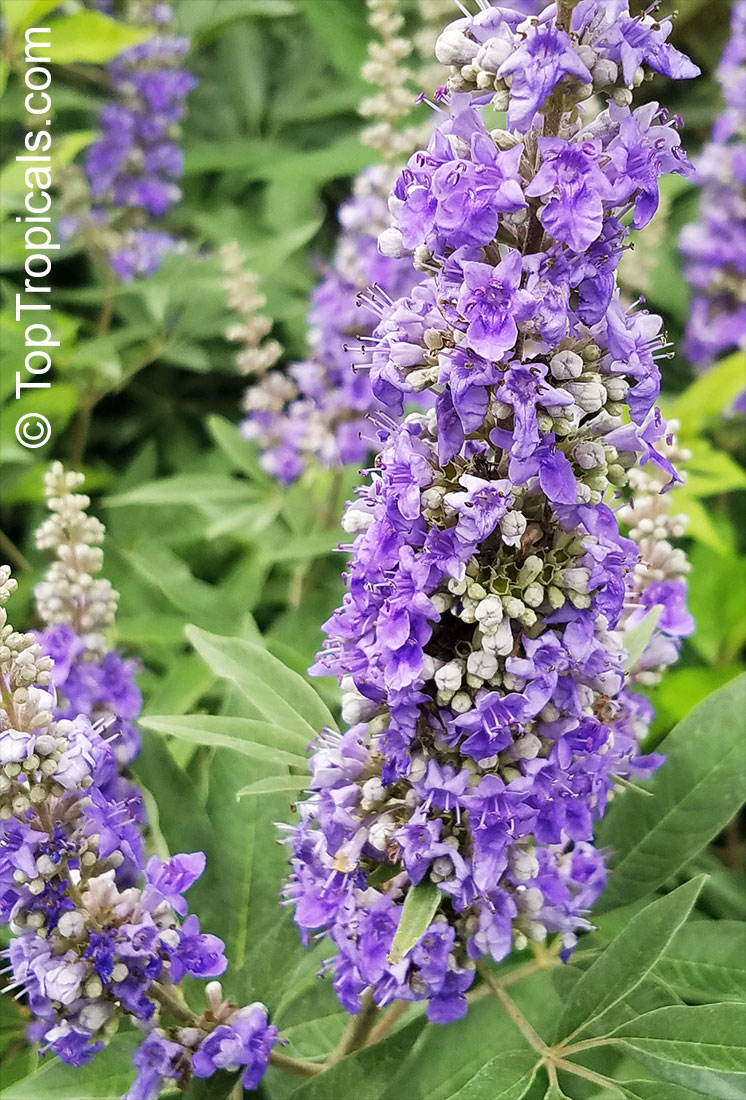
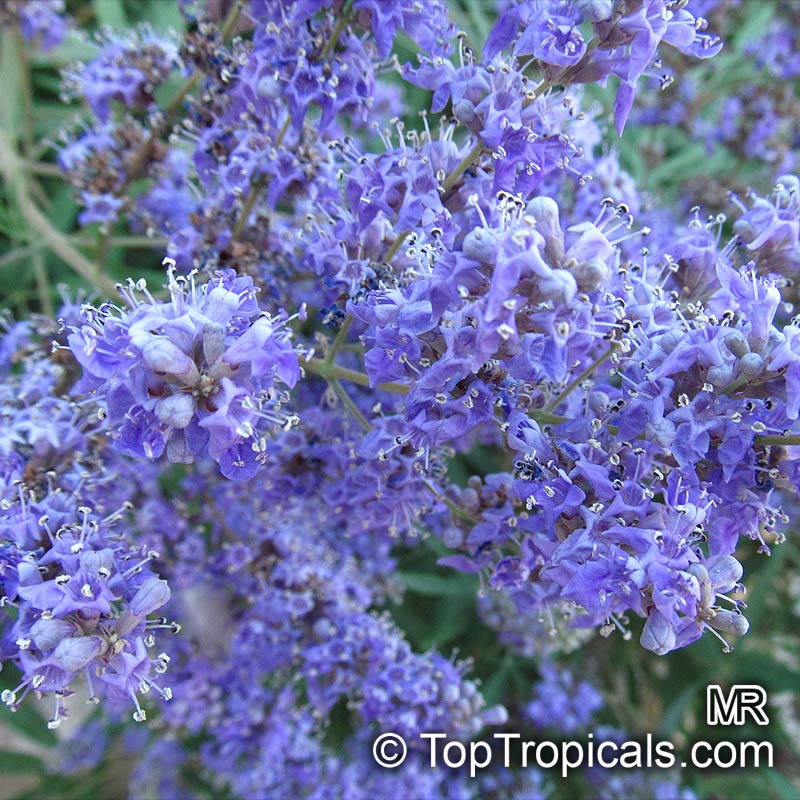
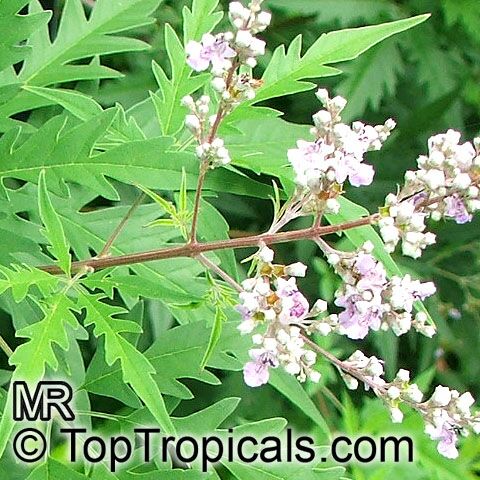
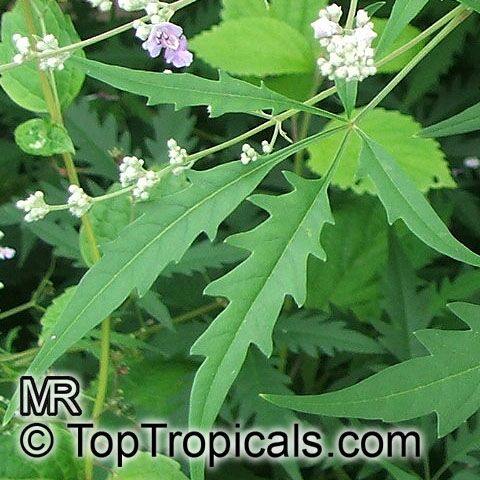
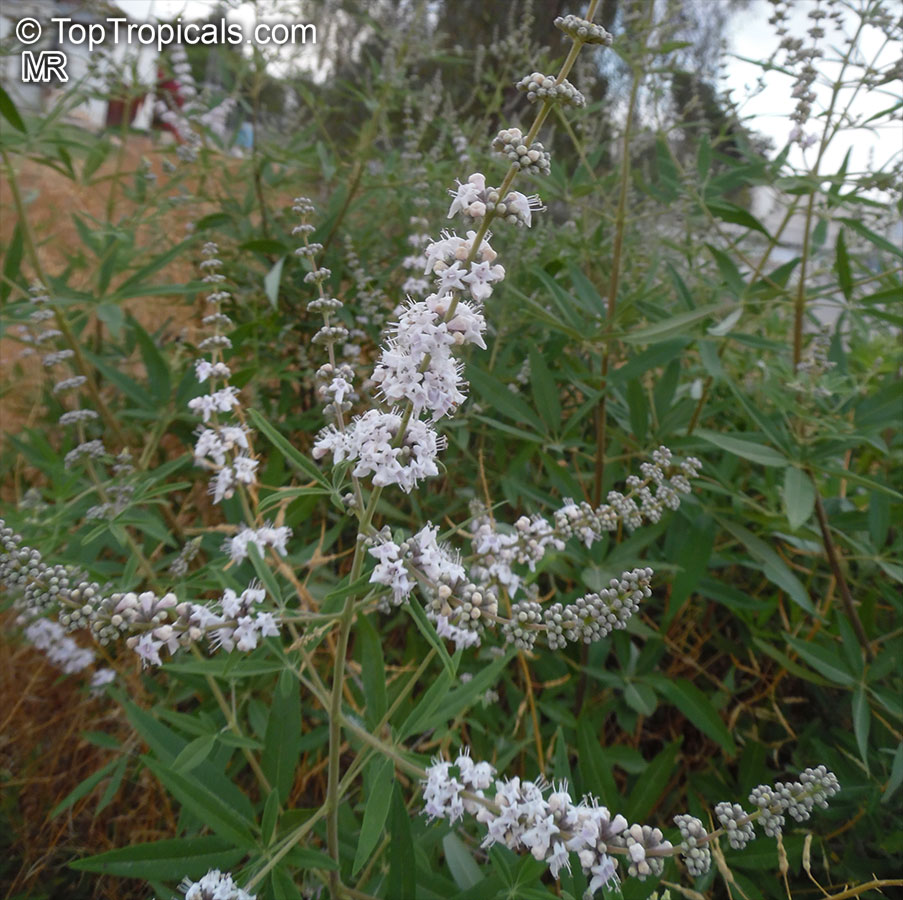
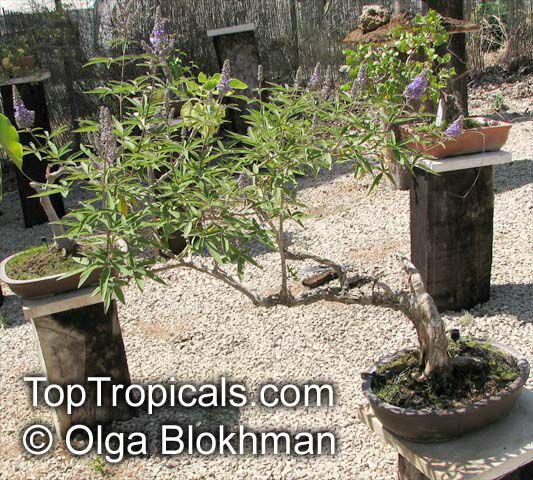
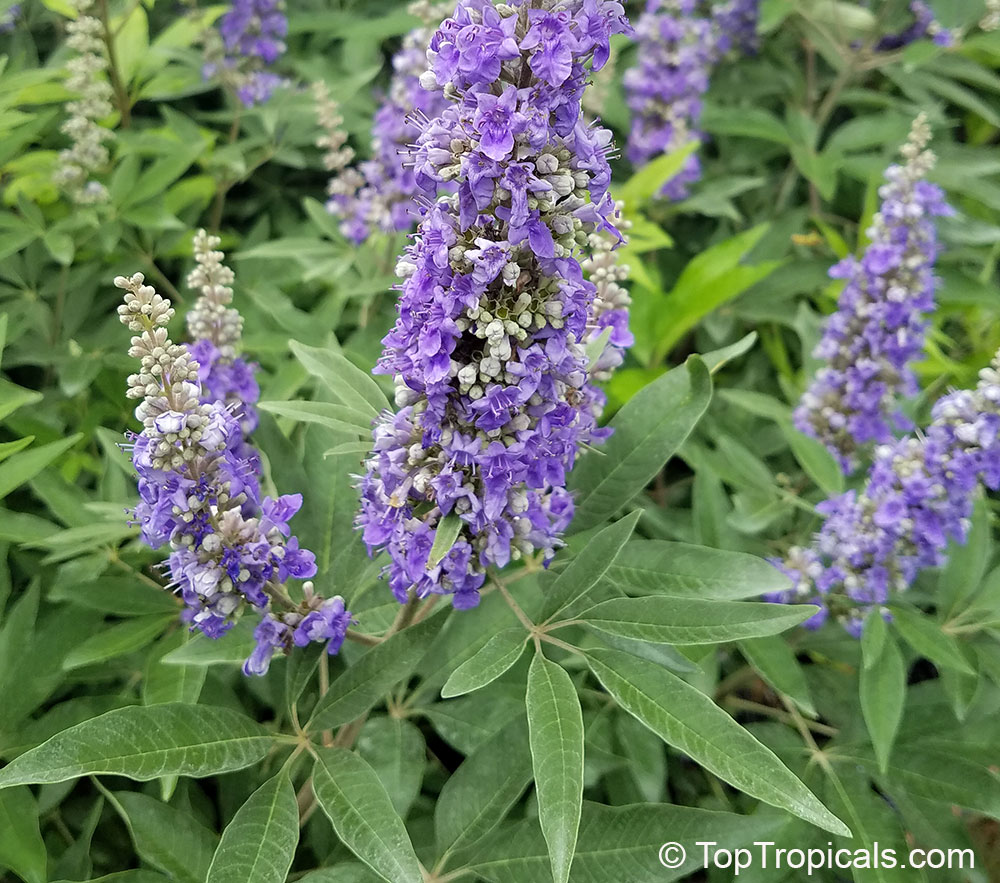
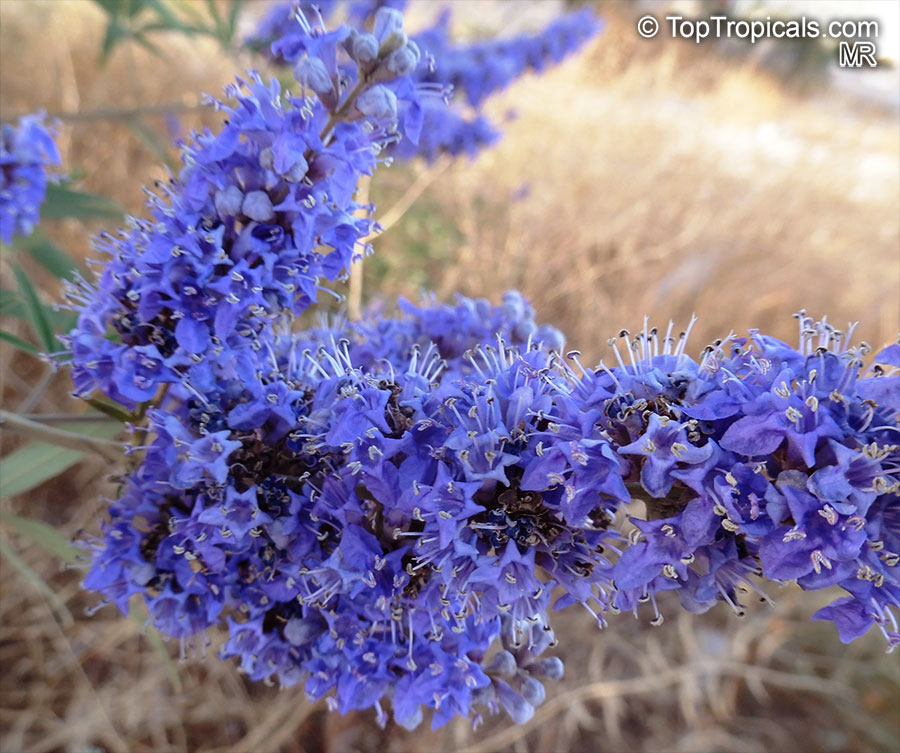
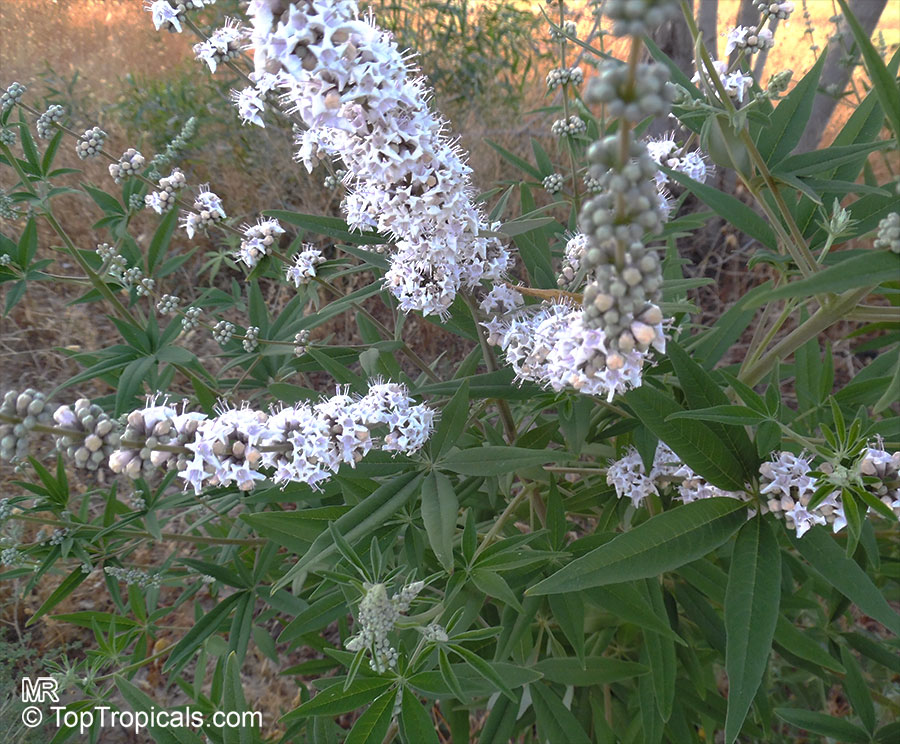
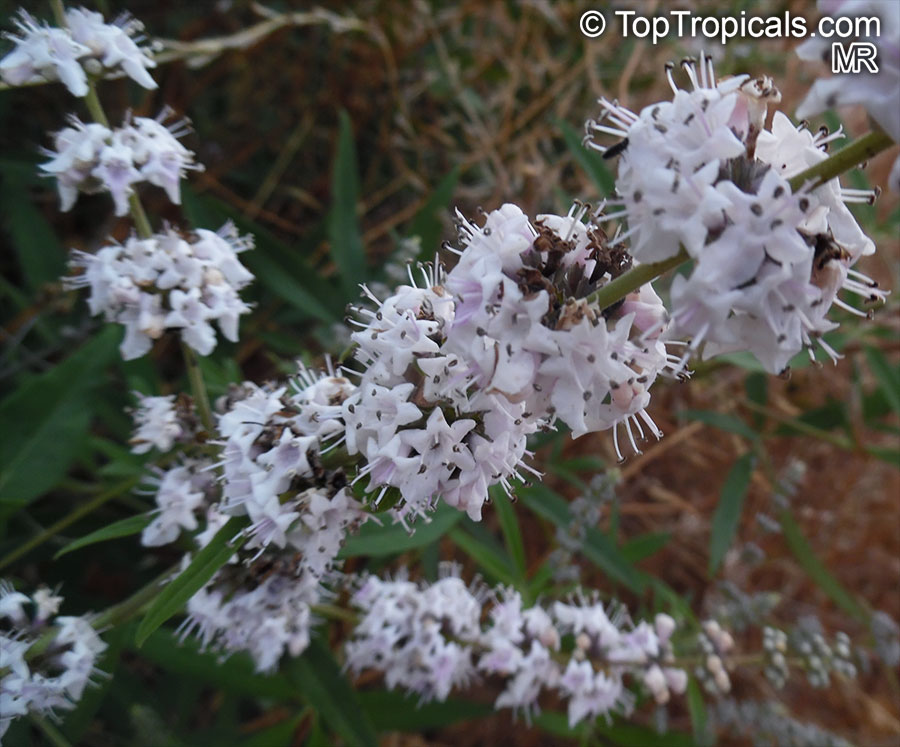
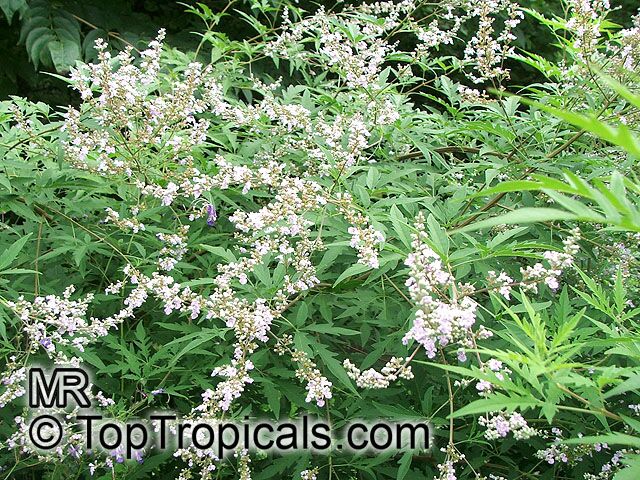
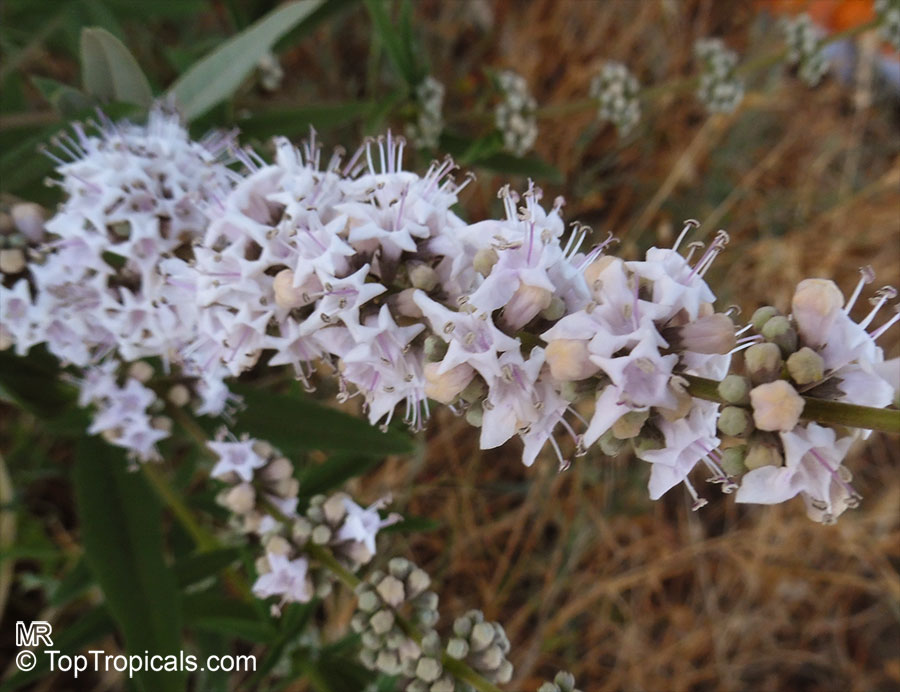
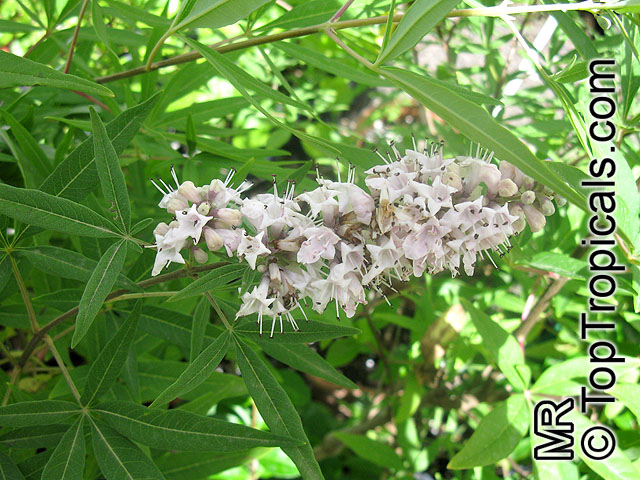
Chaste tree carries several 'sacred' names, which more or less directly refer to its reputation as an anaphrodisiac. In ancient Greece, the tree was called hagnos 'chaste', which apparently the early Christians confused with Latin agnus 'lamb', the Christian symbol of purity. Under the name agnus castus 'chaste lamb', the plants was often used among Christian monks as a help against the evils of the more fleshy desires. The chaste tree is a beautiful little deciduous tree or large shrub with a showy summertime flower display. When it's blooming, due to the similarity of the flowers, the chaste tree is sometimes mistaken for Butterfly Bush (Buddleja). The chaste tree is a sprawling plant that grows 10-20 ft and about as wide. Branched flower clusters are produced on new wood in late spring and early summer in a great flush that makes the tree look like a hazy purple cloud. Flowers are followed by a fleshy fruit that contains four seeds that are sometimes used as seasoning, similar to black pepper. Easy to grow in almost any soil that has good drainage! Even tolerant of salt drift. The chaste tree can take care of itself, but can be pushed to faster growth with light applications of fertilizer in spring and early summer and by mulching around the plant. If pruning is desired to control the size, it should be done in winter, since blooms form on new wood. It is hardly ever disturbed by pests or disease but is susceptible to mushroom root, rot and nematodes.

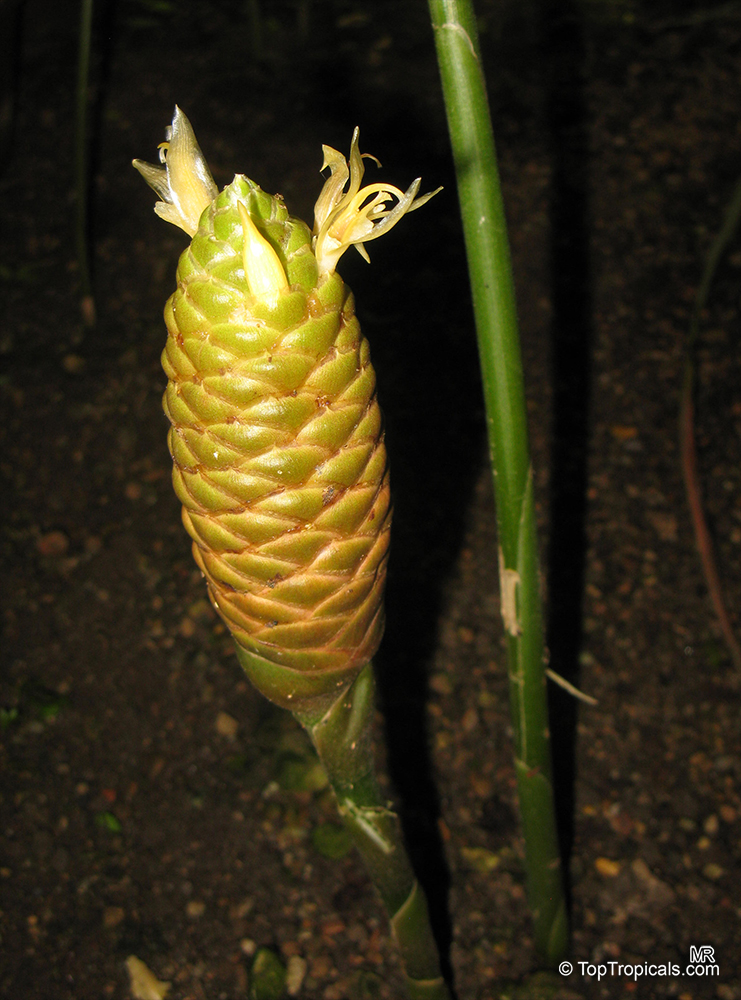
Botanical name: Zingiber officinale
Common names: Spice Ginger, Edible Ginger, Common Ginger, Cooking Ginger, Canton Ginger, Halia
Family: Zingiberaceae
Origin: tropical Asia
USDA Zone: 8-12


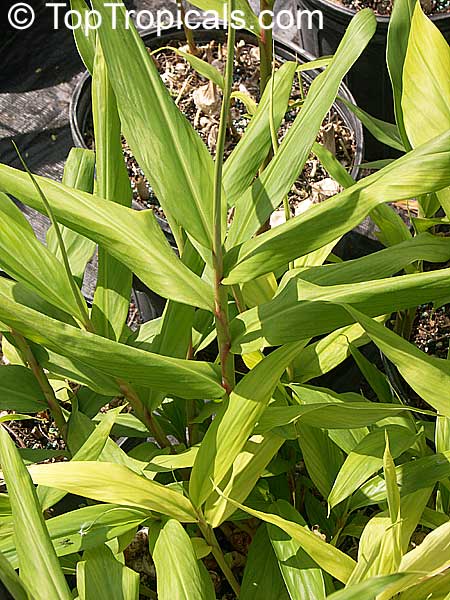
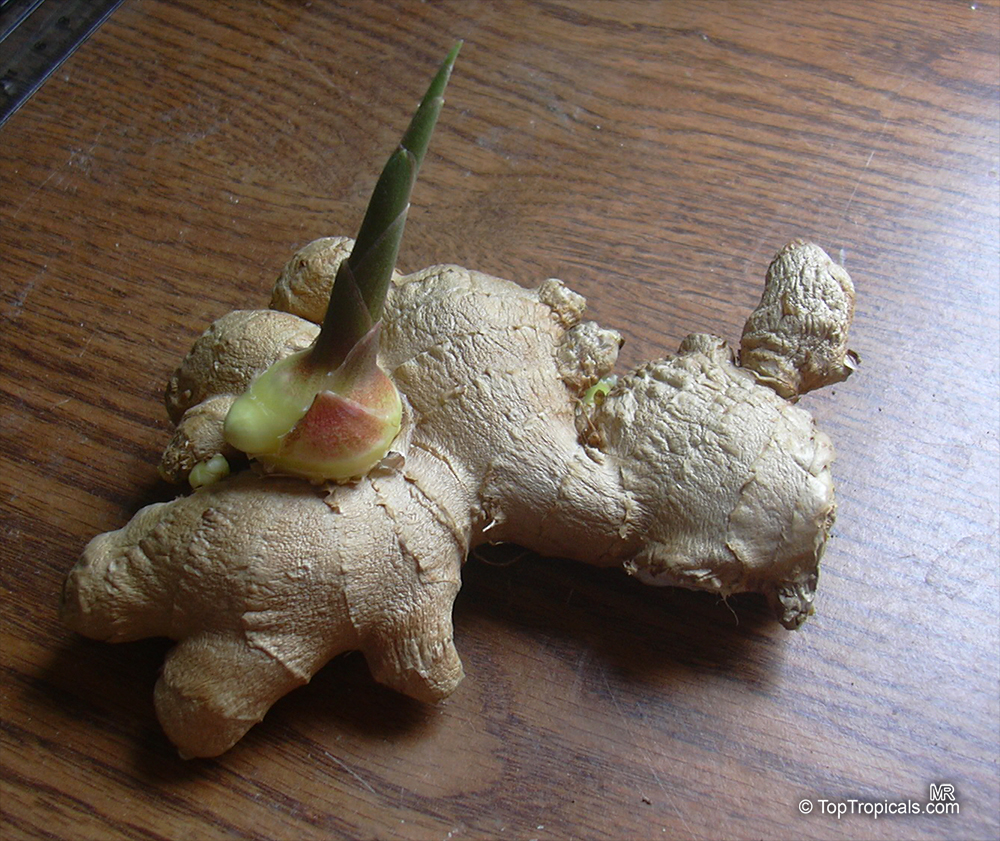
This ginger has tall, erect stems with narrow leaves, this basal bloomer produces green cones that turn red when mature. It is a herbaceous perennial with upright stems and narrow medium green leaves arranged in two ranks on each stem. Ginger grows from an aromatic tuberlike rhizome (underground stem) which is warty and branched. The inflorescence grows on a separate stem from the foliage stem, and forms a dense spike. The bracts are green with translucent margins and the small flowers are yellow green with purple lips and cream colored blotches. Most of edible gingers in cultivation are sterile cultivars grown for the edible rhizome, and the flower is rarely seen. Ginger is often grown in a container and brought indoors in winter when water and light are reduced and the plant is allowed to "rest." Common cooking gingers are rarely found in garden centers as potted plants because they do not have much ornamental value. Plant this ginger in the garden to produce your own fresh ginger.
Recommended Fertilizer: SUNSHINE Robusta - Rapid Growth Booster

Botanical name: Zingiber rubens
Common name: Bengal Ginger
Family: Zingiberaceae
Origin: India
USDA Zone: 9-10

Zingiber rubens, also known as Bengal Ginger, is a small shrub native to India. It typically grows to a height of 2 to 5 ft. The plant thrives in semi-shade and regular watering. It bears both red, crimson and vinous flowers, as well as yellow and orange ones. Flower has a creamy colored lip marked in red The fruits of the Zingiber are used as a spice or herb.
It can be grown in USDA Zones 9-11, and although it is a tropical plant, it is fairly hardy to cold temperatures, and can be grown in pots in cold regions. To grow and care for the plant, it is best to opt for a well-draining soil, and to keep it out of direct sunlight. The Zingiber rubens should be watered regularly, especially during its flowering period, as insufficient water can cause it to die back. Pruning can also be beneficial: remove any dead or dying parts of the plant to create room for fresh growth.
Once established, the plant requires minimal maintenance. It is also quite hardy and can tolerate both drought and frost. For best results, it is recommended to fertilize the plant twice a year, and to mulch after the flowering period to protect it from the cold. Finally, it is important to monitor for signs of pests and diseases, as the Zingiber rubens is prone to fungal diseases in humid conditions.
| Prev |
Use link to repeat this search:
https://toptropicals.com/cgi-bin/garden_catalog/cat.cgi?search_op=and&keyword_op=and&language=e&number=10&no_change_lang=1
&v1=spc&user=tt&sale=1&first=0