Spice or herb plant - Plant Encyclopedia Results (Page 2)

Number of plants found: 168    Prev  Next    Go to page:  1  2  3  4  5  6  Last  

Angelica keiskei (Ashitaba) seeds, beige and brown color, close up held within human hand
Angelica keiskei (Ashitaba) seeds rest inside a human hand for a close up perspective

Botanical name: Angelica keiskei

Common names: Ashitaba, Tomorrows Leaf, Koidzumi

Family: Apiaceae / Umbelliferae

Origin: Japan
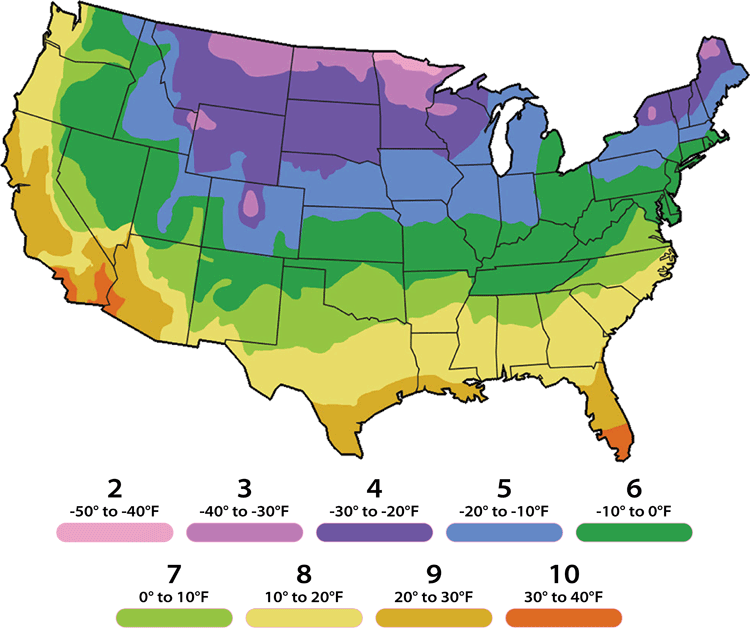
USDA Zone: 7-10

Groundcover and low-growing 2ft plantSmall plant 2-5 ftSemi-shadeFull sunWatering: Regular. Let topsoil dry slightlySpice or herb plantEthnomedical plant.
Plants marked as ethnomedical and/or described as medicinal, are not offered as medicine but rather as ornamentals or plant collectibles.
Ethnomedical statements / products have not been evaluated by the FDA and are not intended to diagnose, treat, cure, or prevent any disease. We urge all customers to consult a physician before using any supplements, herbals or medicines advertised here or elsewhere.Subtropical plant. Mature plant cold hardy at least to 30s F for a short time

Angelica keiskei, more popularly known as Ashitaba (meaning Tomorrow's Leaf) is an herbaceous, non-frost tender, perennial plant from the Angelica genus. It is endemic to Hachijō-jima, an island of Japan. The plant's additional cultivar epithet, koidzumi, is a nod to the botanist Genichi Koizumi, while the Japanese nomenclature of Ashitaba comes from its amazing regenerative capabilities. When a leaf at the break of dawn is harvested, a new sprout can often be seen growing overnight.

With a known traditional history of aiding in the healthier extended lives of the local residents, the plant's health benefits are attributed to its high levels of Vitamin B12, as well as the chalconoids that are found only in this particular species of Angelica.

Angelica keiskei is now mainly cultivated for use in regional cuisine in the forms of soba, tempura, tea and even ice-cream. It can be grown both in the wild and in containers, and it is best grown in moist soil in partially shaded areas, with sufficient water and fertilizer. Mature plants will reach a height up to 5 feet, and are best suited to warmer regions of USDA Zone 7-10. In colder climates, it is advised to quite simply grow plants in a sunny container and bring them to shelter during any cold weather.

This species is known to have a great deal of ethnomedical uses, both in traditional Chinese and Japanese herbal medicine, while also being highly sought-after in gardens due to its sweet-aromatic scent and colorful foliage. On top of this, Angelica keiskei can also be used as an herb or spice in regional cuisines, adding a great condiment ingredient, preservative and flavor enhancer.

In summary, Angelica keiskei is truly a unique plant and is worthy of being added to any garden.


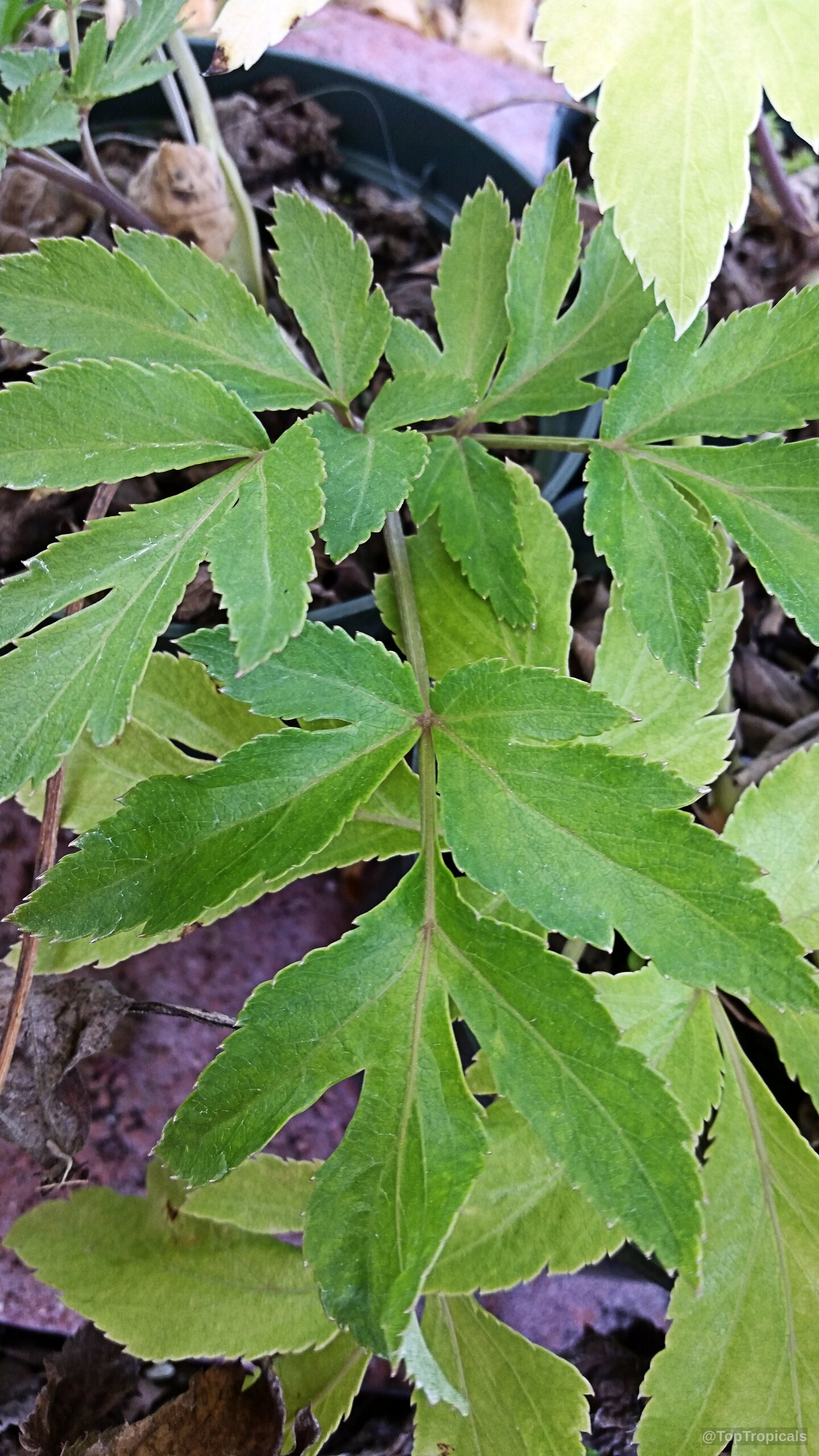
Angelica keiskei (Ashitaba) green leaves in a plastic container close up top view
Angelica keiskei (Ashitaba) green leaves spread out in a round black nursery plant container.
Angelica keiskei (Ashitaba) plant with divided light green leaves growing in a plastic nursery container
Angelica keiskei (Ashitaba) young plant with deeply cut green leaves sitting in a dark container.
Angelica keiskei (Ashitaba) vibrant green plant leaves with serrated edges close up.
Angelica keiskei (Ashitaba) with compound foliage showing green segments and notched leaf margins.


Link to this plant:
https://toptropicals.com/catalog/uid/angelica_keiskei.htm

Artemisia abrotanum (Southernwood) with light green leaves, close up of the dense herb plant foliage.
Artemisia abrotanum (Southernwood) with delicate lacy foliage covering the stems in a dense green mass.

Botanical name: Artemisia abrotanum

Common name: Southernwood

Family: Asteraceae

USDA Zone: 4-9

Small plant 2-5 ftSemi-shadeFull sunWatering: Moderate. Water when top soil feels drySpice or herb plantEthnomedical plant.
Plants marked as ethnomedical and/or described as medicinal, are not offered as medicine but rather as ornamentals or plant collectibles.
Ethnomedical statements / products have not been evaluated by the FDA and are not intended to diagnose, treat, cure, or prevent any disease. We urge all customers to consult a physician before using any supplements, herbals or medicines advertised here or elsewhere.Fragrant plantSubtropical plant. Mature plant cold hardy at least to 30s F for a short time

Other common names include: old man, boy's love, oldman wormwood, lover's plant, appleringie, garderobe, Our Lord's wood, maid's ruin, garden sagebrush, European sage, sitherwood and lemon plant.


Artemisia abrotanum (Southernwood) with fine textured green leaves in a close up plant shot
Artemisia abrotanum (Southernwood) with thin, feathery green leaves reaching upward in a dense clump
Artemisia abrotanum (Southernwood) with light green leaves and thin brown stems as a plant
Artemisia abrotanum (Southernwood) with delicate threadlike light green leaves attached to thin brown stems
Artemisia abrotanum (Southernwood) dense green plant with fine needle-like foliage in a shrub shape
Artemisia abrotanum (Southernwood) shrub rounded with fine divided needle-like leaves and small identification wooden sign


Link to this plant:
https://toptropicals.com/catalog/uid/artemisia_abrotanum.htm

Artemisia arborescens (Tree Wormwood) silver leaves close up of dense textured plant foliage.
Artemisia arborescens (Tree Wormwood) with dense silver foliage creating a thick cover of fine leaves.

Botanical name: Artemisia arborescens

Common name: Tree Wormwood

Family: Asteraceae

Origin: Mediterranean

USDA Zone: 6-10

Large shrub 5-10 ft tallSmall plant 2-5 ftFull sunWatering: Moderate. Water when top soil feels dryOrnamental foliageSpice or herb plantEthnomedical plant.
Plants marked as ethnomedical and/or described as medicinal, are not offered as medicine but rather as ornamentals or plant collectibles.
Ethnomedical statements / products have not been evaluated by the FDA and are not intended to diagnose, treat, cure, or prevent any disease. We urge all customers to consult a physician before using any supplements, herbals or medicines advertised here or elsewhere.Fragrant plant

Artemisia arborescens (Tree Wormwood) is an upright-growing shrub that can grow to 5-10 ft height. It has silvery-grey, finely divided, fragrant foliage. This shrub is extremely drought-hardy and prefers full sun, but will also tolerate partial shade.

Artemisia arborescens should be planted in a well-draining location in full sun. Generally, it is a low maintenance plant tolerant of drought, and a moderate amount of water will be sufficient. Pruning may be necessary for large shrubs, particularly if left unpruned for a long period of time.

For small shrubs (2-5ft tall), Artemisia arborescens is an ideal specimen for container gardens, even in cold regions. It does well in partial shade, and should be provided with frequent waterings. In cold climates, the plant should be brought in from outside during the winter months and allowed to rest indoors in a sunny location.

In addition to its ornamental foliage, Artemisia arborescens is a popular ethnomedical plant with multiple medicinal properties. It is used in various traditional medicines as a spice or herb. Some uses include treating digestive disorders and muscle pain.

With its ornamental foliage and its multiple uses, Artemisia arborescens is an ideal garden companion for any medicinal plant enthusiast.

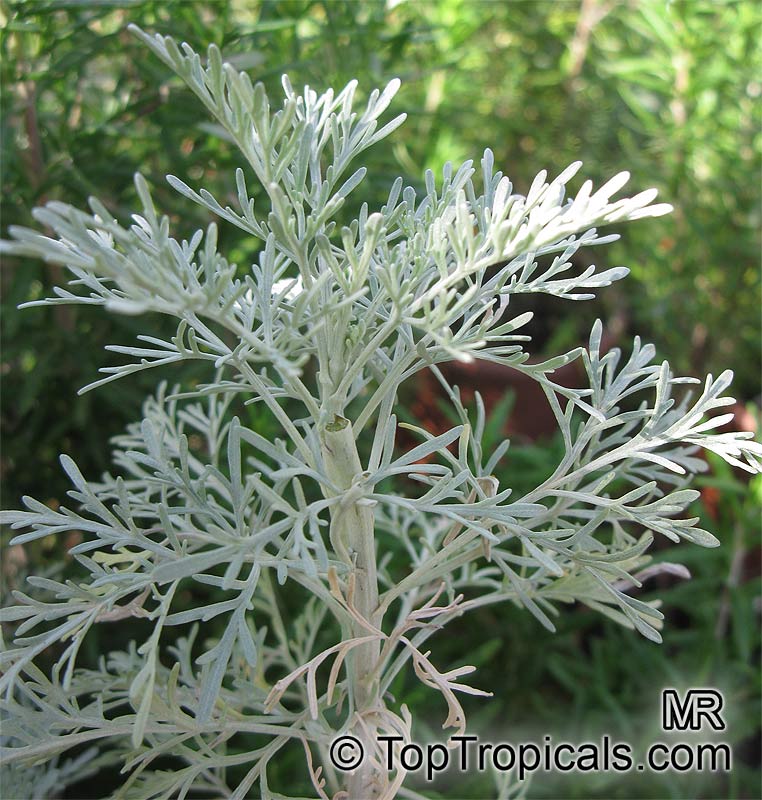
Artemisia arborescens (Tree Wormwood) with silver-green leaves as a dense plant close up.
Artemisia arborescens (Tree Wormwood) with soft, lacy foliage filling the frame with silver-green color.
Artemisia arborescens (Tree Wormwood) silver leaves plant, fine texture, close up, soft light.
Artemisia arborescens (Tree Wormwood) plant showing finely divided silver leaves with an upright growing habit.
Artemisia arborescens (Tree Wormwood) silver green leaves close up showing intricate plant texture
Artemisia arborescens (Tree Wormwood) silver green foliage with finely divided leaves
Artemisia arborescens (Tree Wormwood) silver plant with fine leaves forming a dense textured shrub
Artemisia arborescens (Tree Wormwood) showing delicate silver foliage with a soft fine texture throughout


Link to this plant:
https://toptropicals.com/catalog/uid/artemisia_arborescens.htm

Aspalathus sp. (Cape Gorse) yellow flower close up on small green needle like leaves
Aspalathus sp. (Cape Gorse) yellow flower resting on a branch with small green textured leaves

Botanical name: Aspalathus sp.

Common name: Cape Gorse

Family: Fabaceae

Subfamily: Faboideae

Origin: South Africa

USDA Zone: 9-10

Large shrub 5-10 ft tallSmall plant 2-5 ftFull sunWatering: Moderate. Water when top soil feels dryYellow, orange flowersPink flowersThorny or spinySpice or herb plantEthnomedical plant.
Plants marked as ethnomedical and/or described as medicinal, are not offered as medicine but rather as ornamentals or plant collectibles.
Ethnomedical statements / products have not been evaluated by the FDA and are not intended to diagnose, treat, cure, or prevent any disease. We urge all customers to consult a physician before using any supplements, herbals or medicines advertised here or elsewhere.

Aspalathus, the genus to which the Rooibos Tea plant belongs, is endemic to South Africa.

Species of Aspalathus has never been developed into garden plants, although many attractive species show great potential as garden plants.


Aspalathus sp. (Cape Gorse) yellow flower close up on a needle-like green plant branch
Aspalathus sp. (Cape Gorse) yellow flower on a needle-like green branch, showing dense leaf arrangement
Aspalathus sp. (Cape Gorse) yellow flower on green needle-like foliage on tall slender plant.
Aspalathus sp. (Cape Gorse) with small yellow petals attached to thin green needle-like stems.


Link to this plant:
https://toptropicals.com/catalog/uid/aspalathus_sp.htm

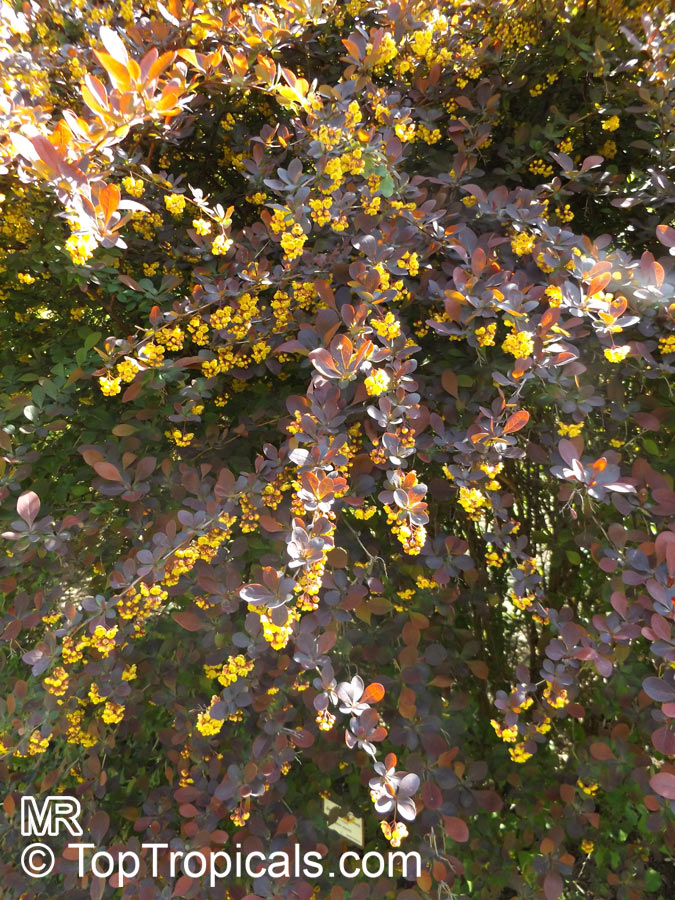
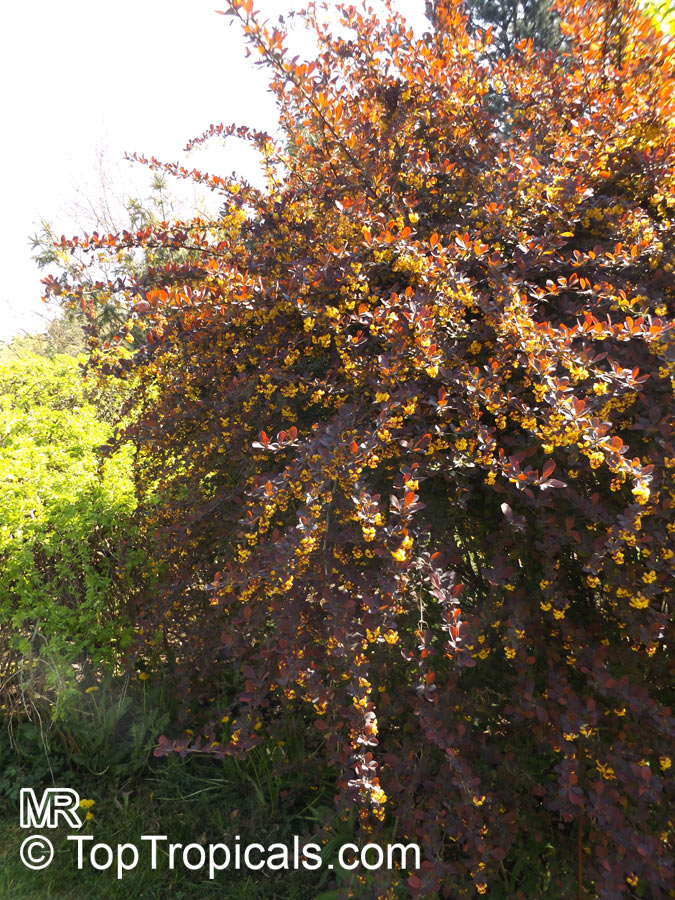
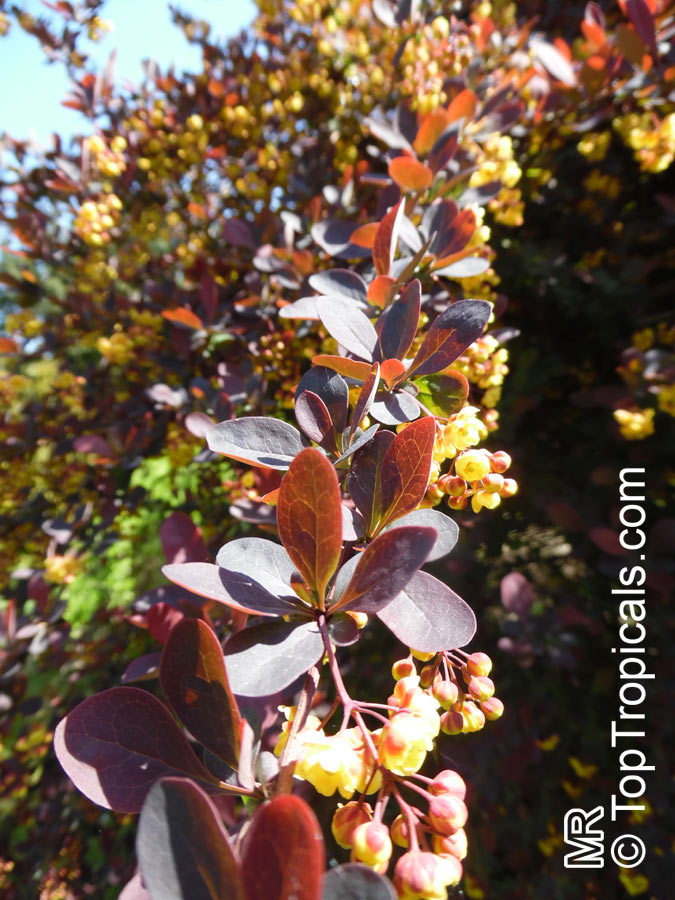
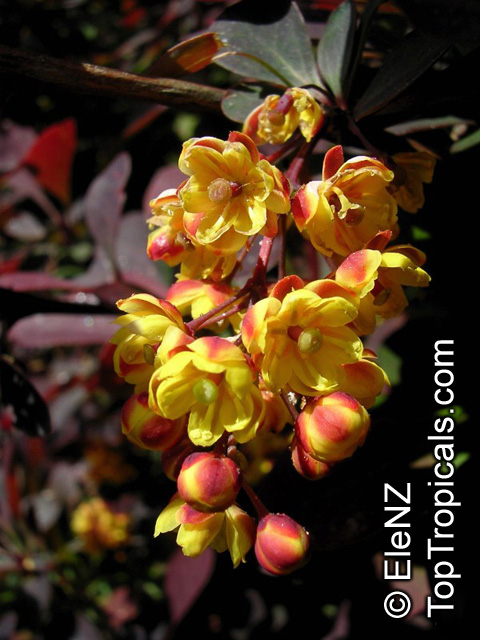
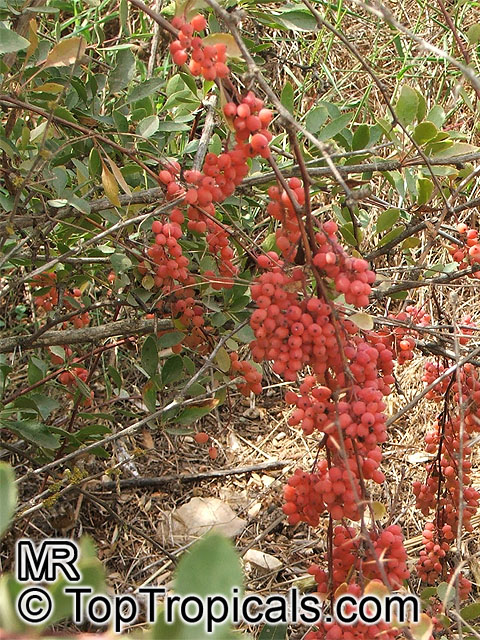
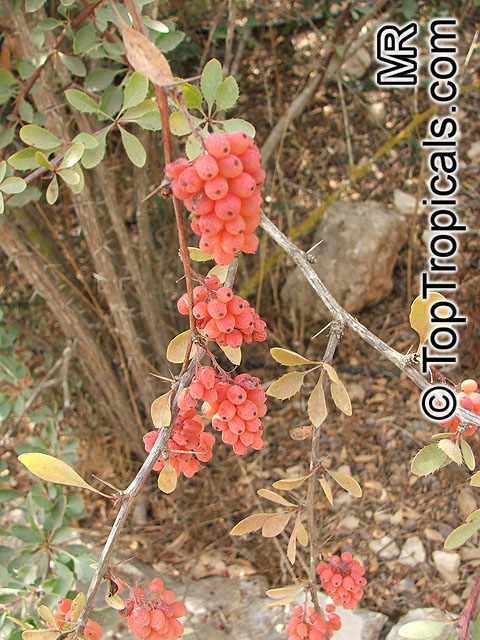
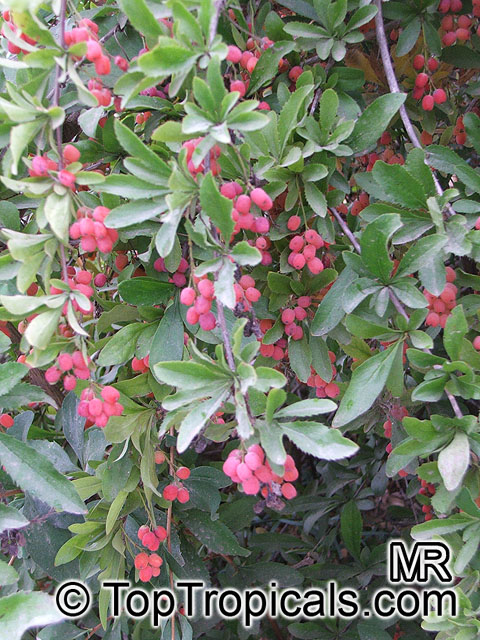
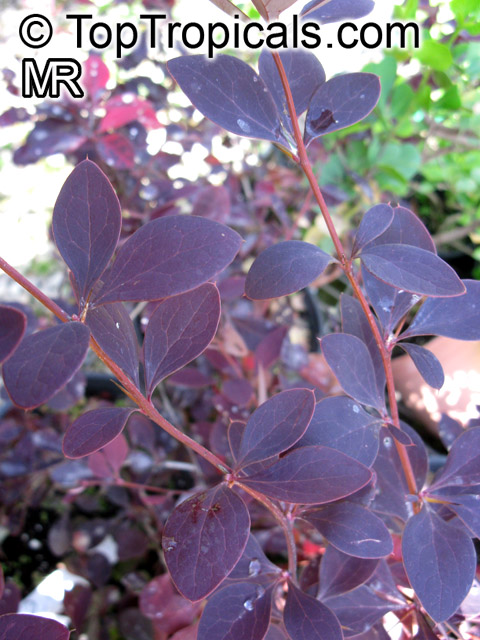
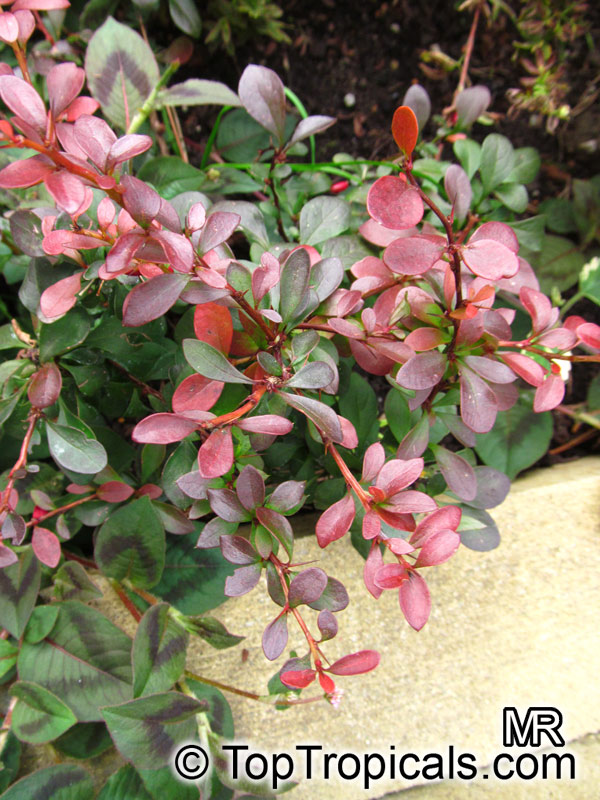
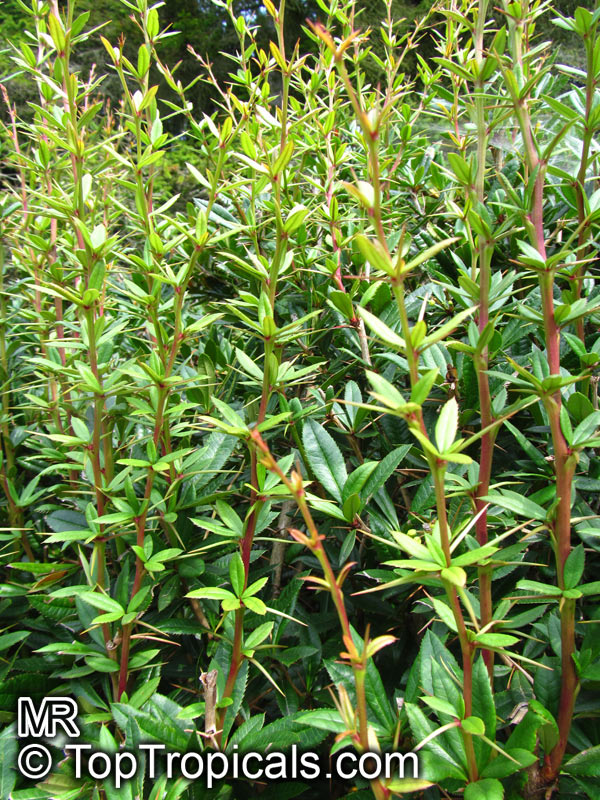
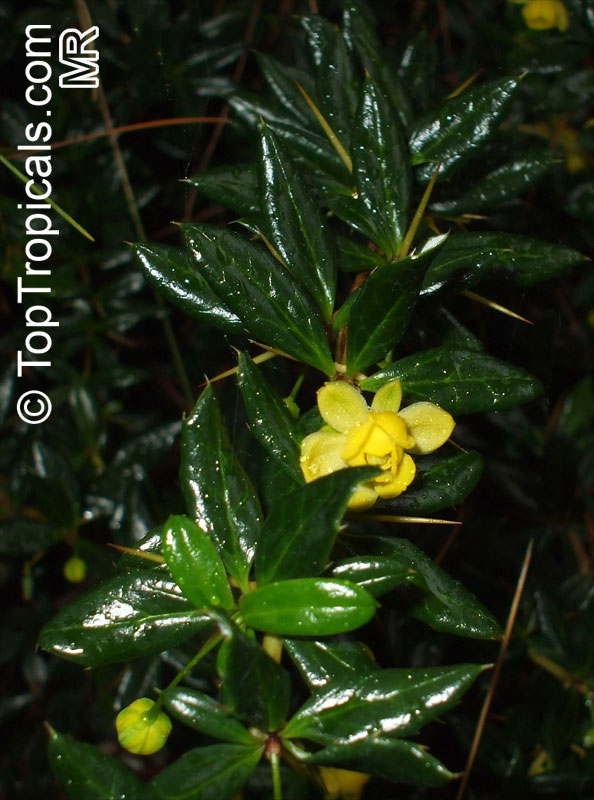
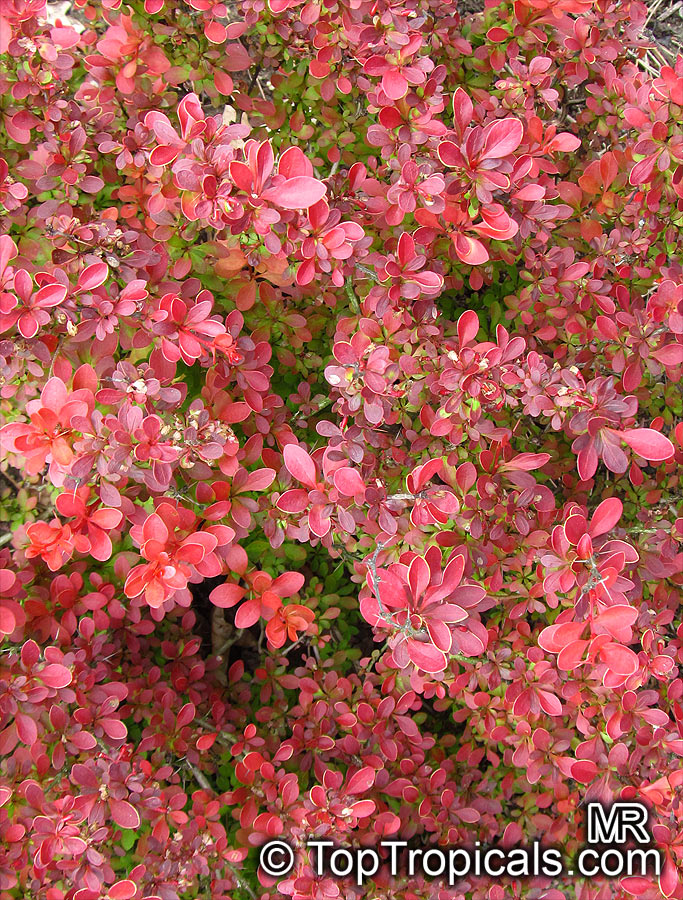
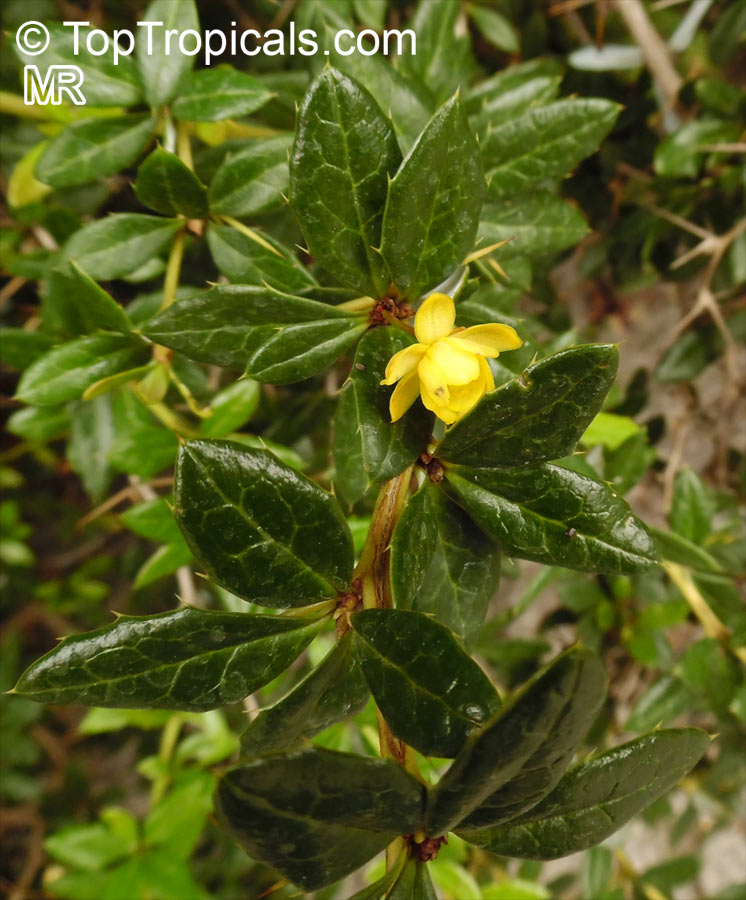
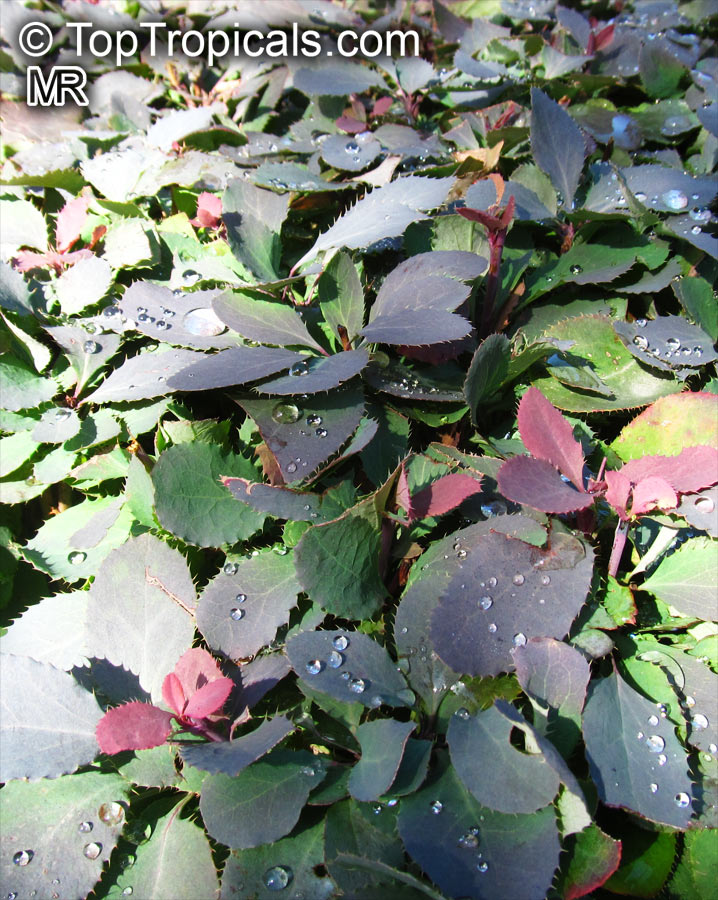
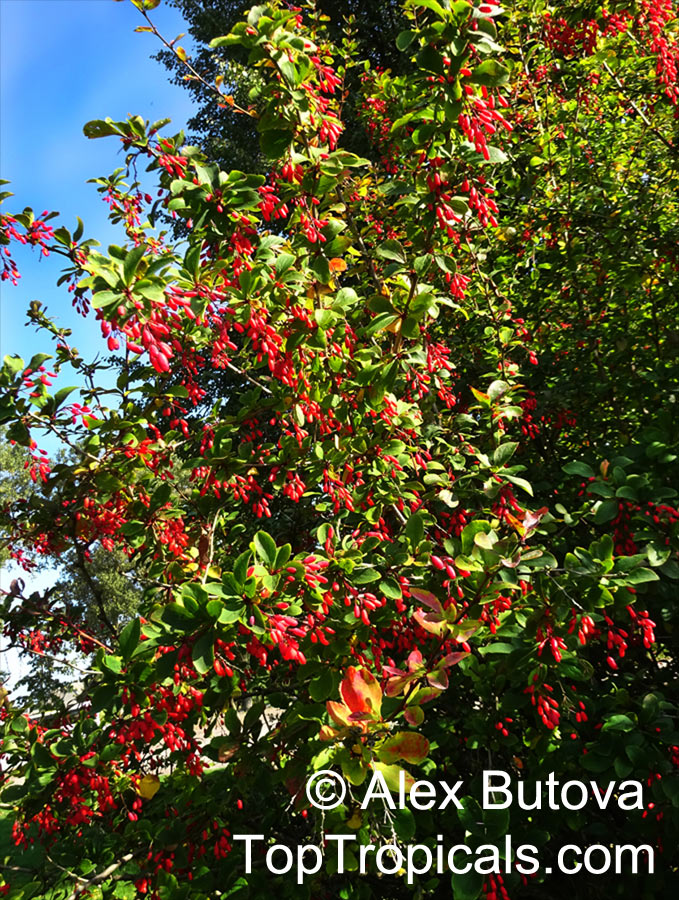
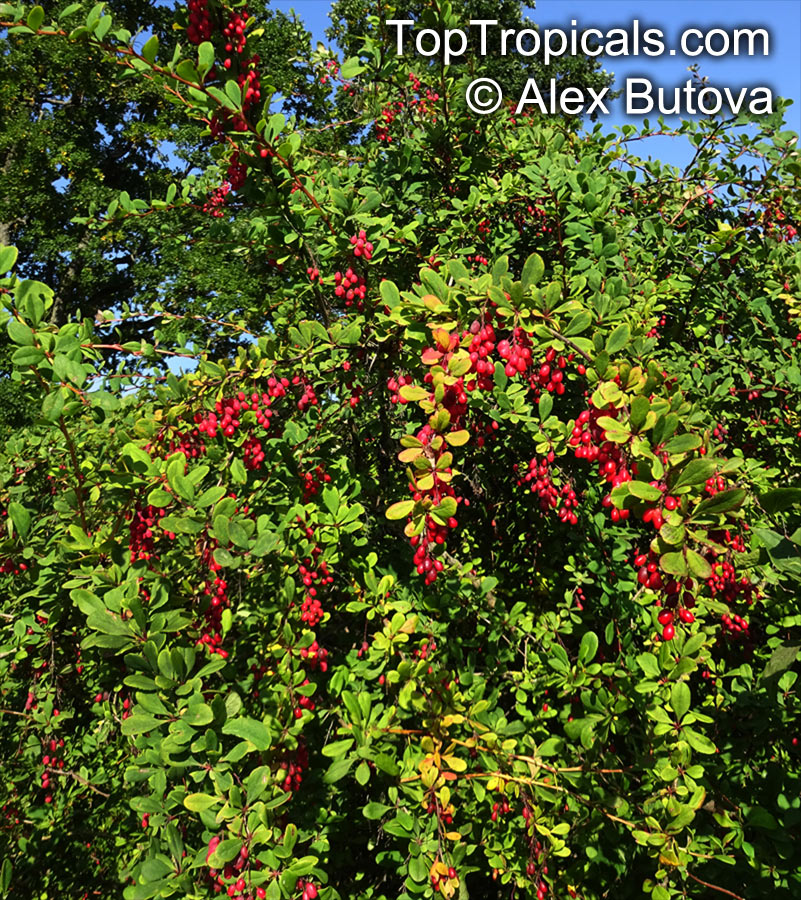
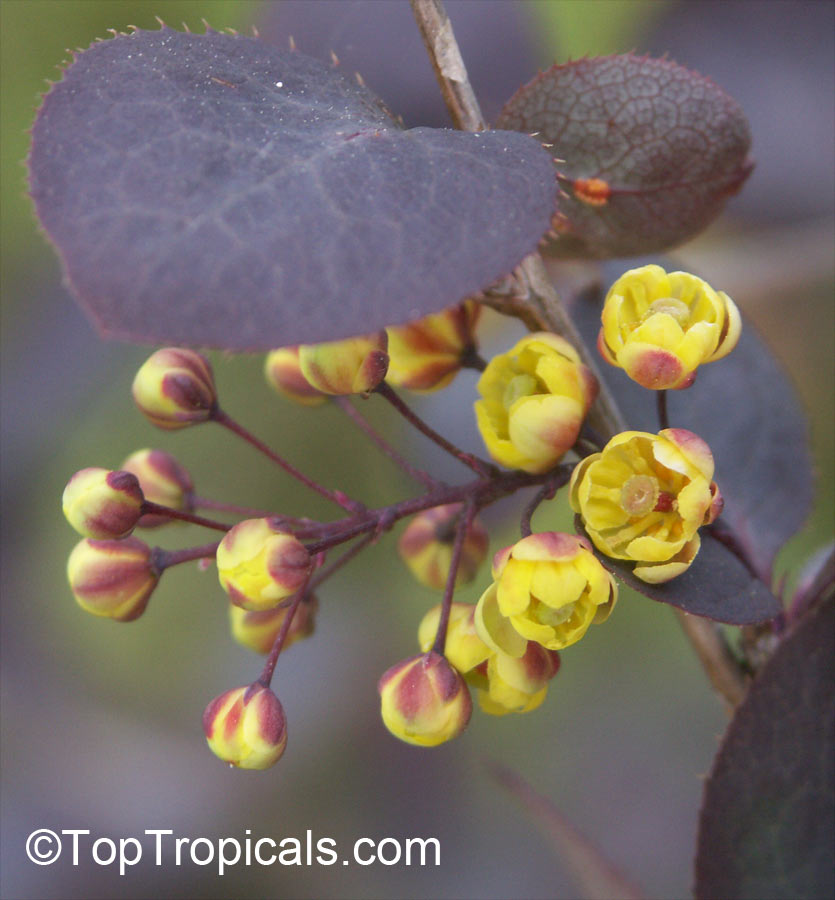
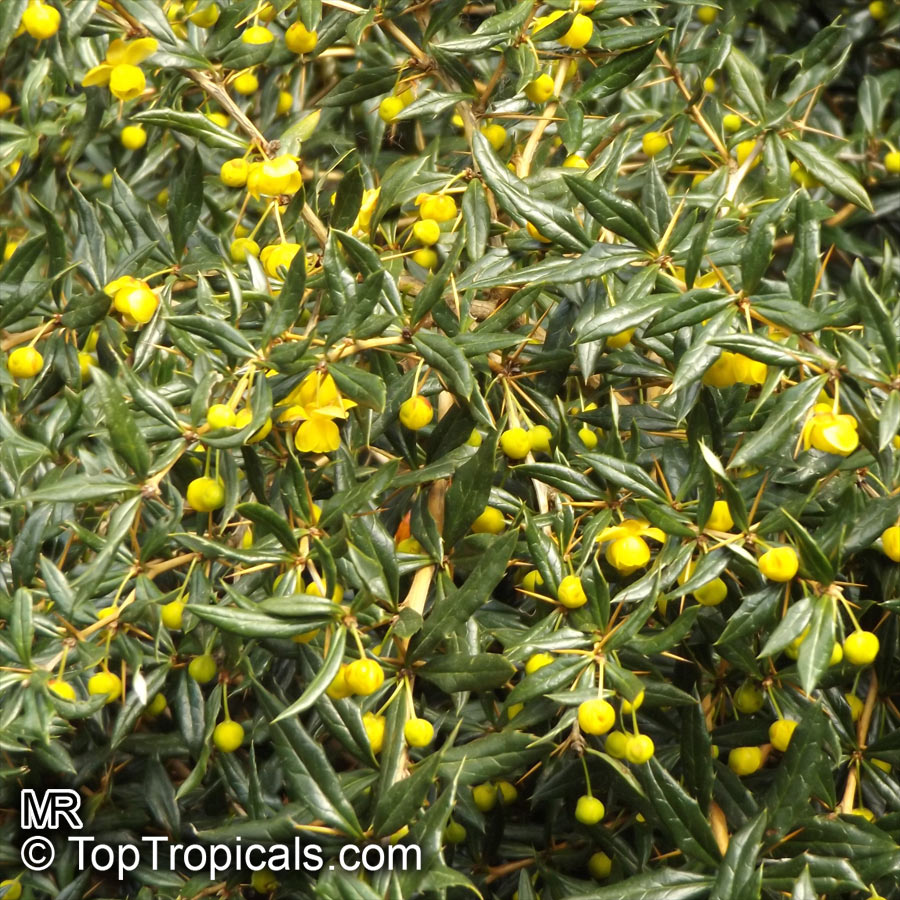
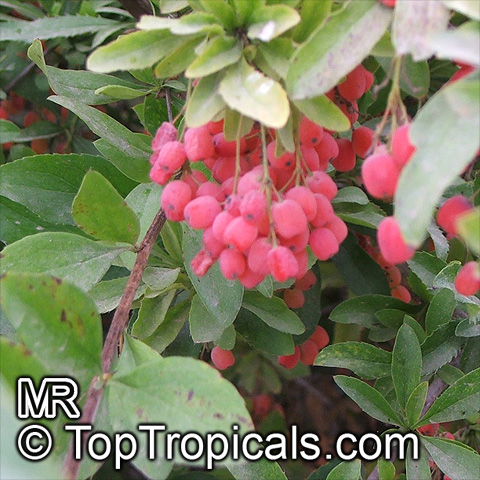
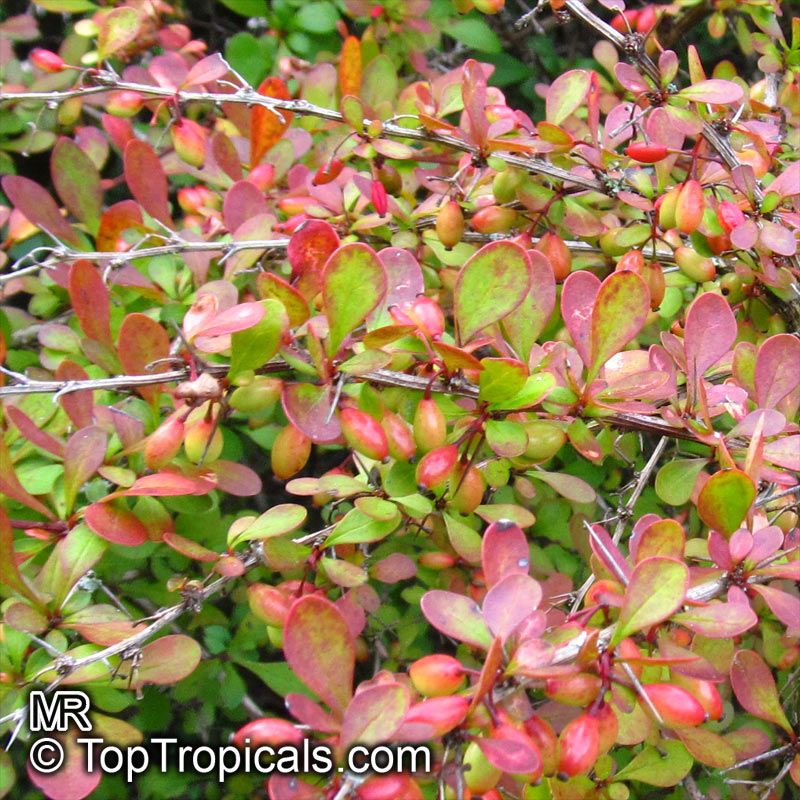
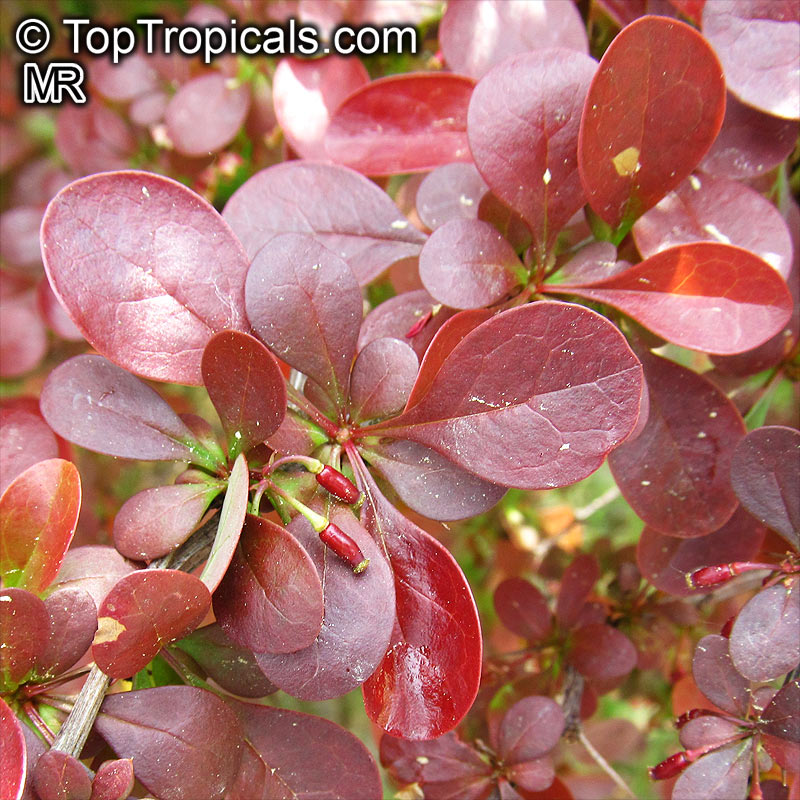
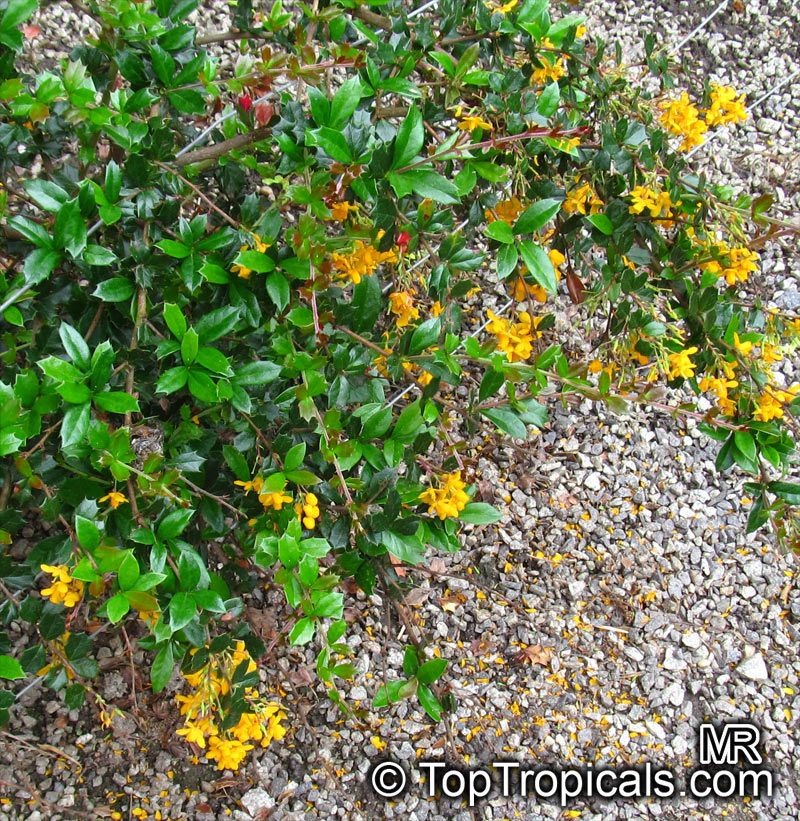
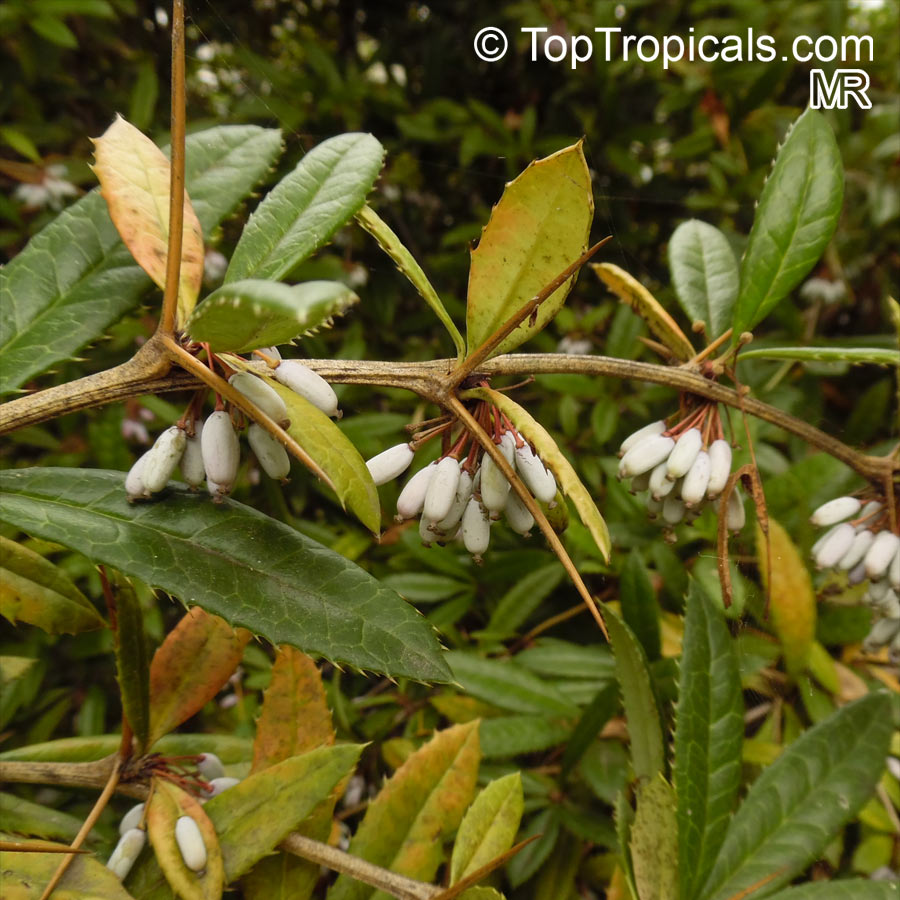
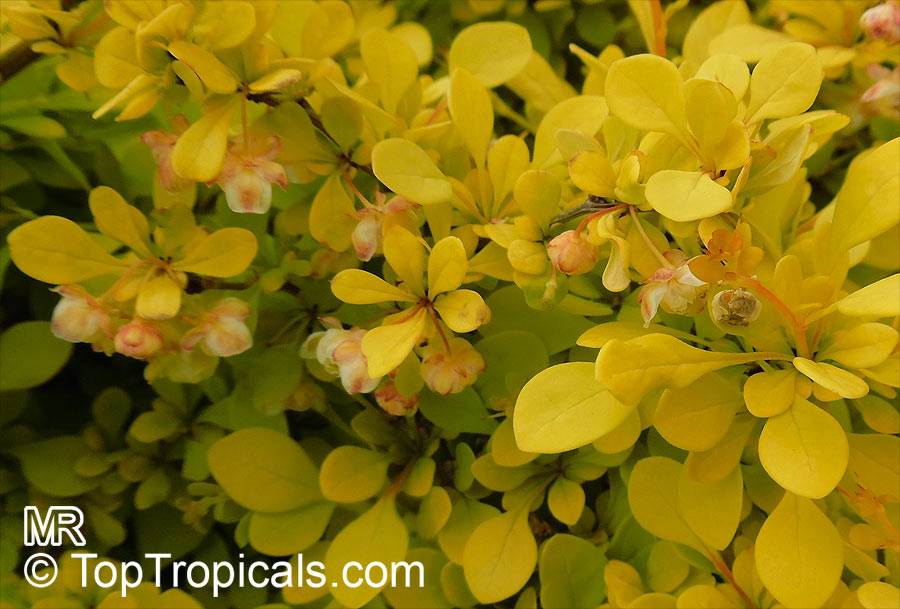
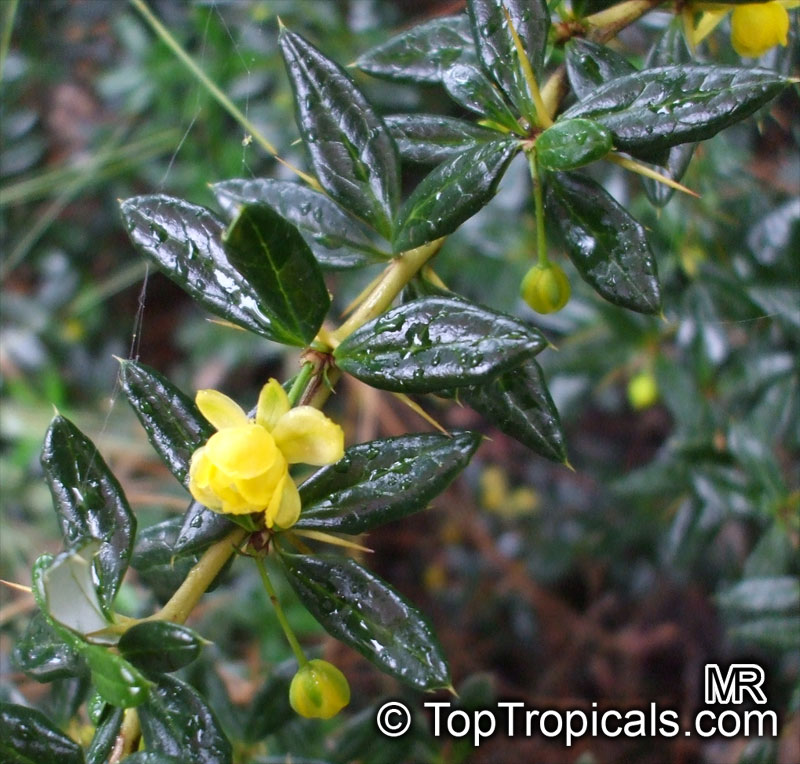
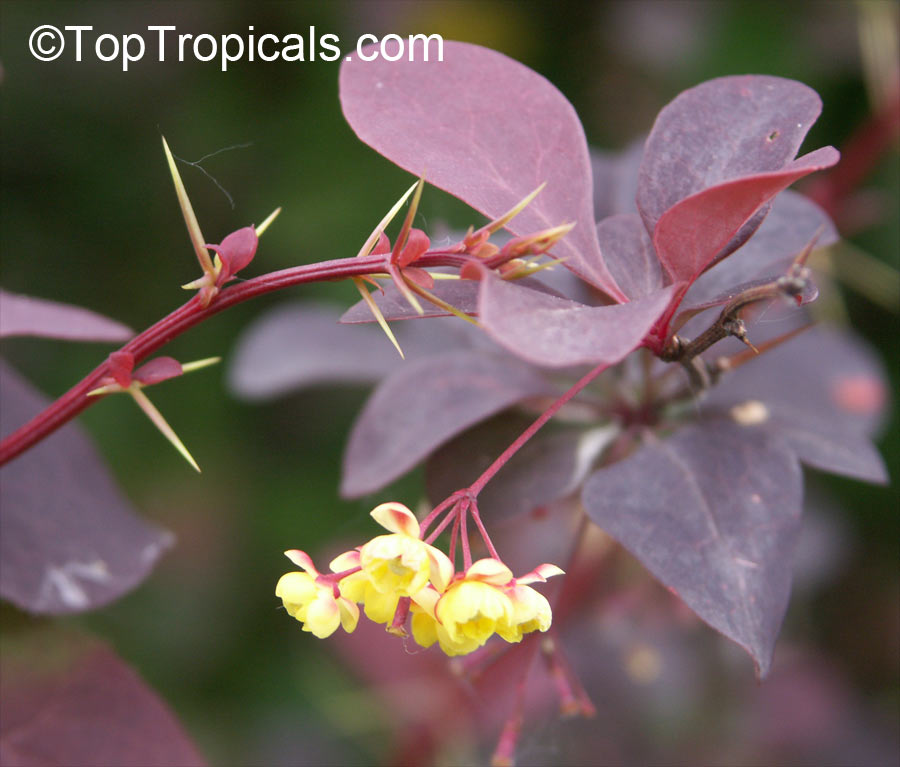
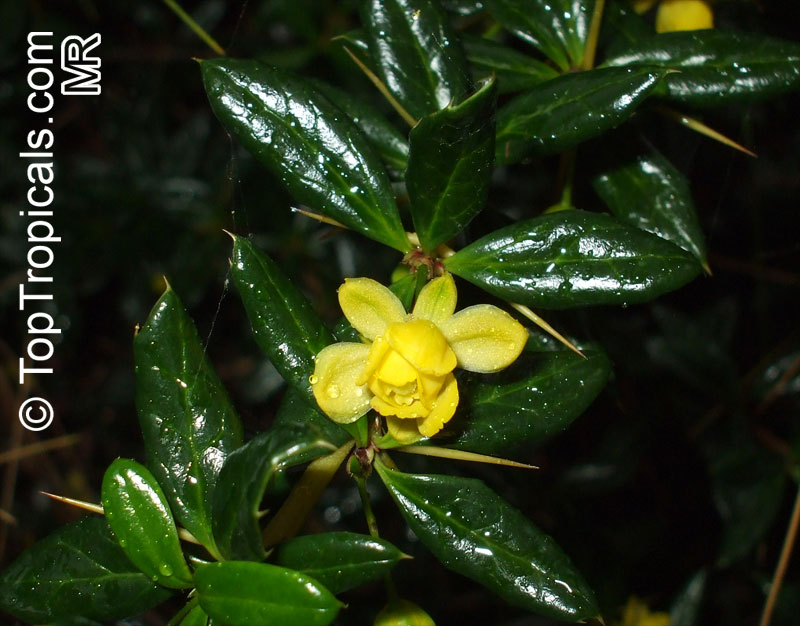
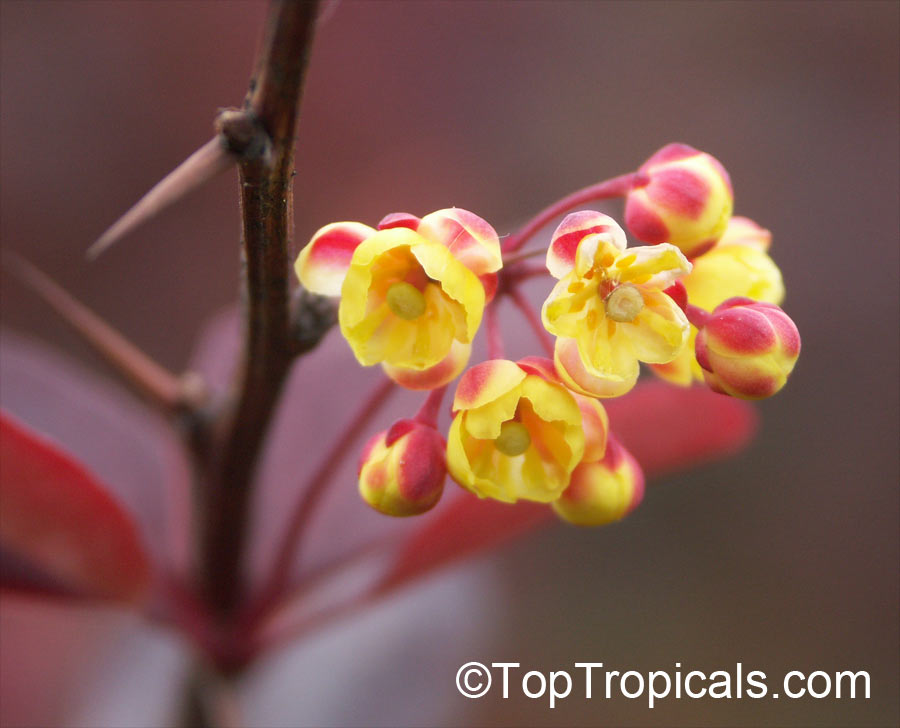
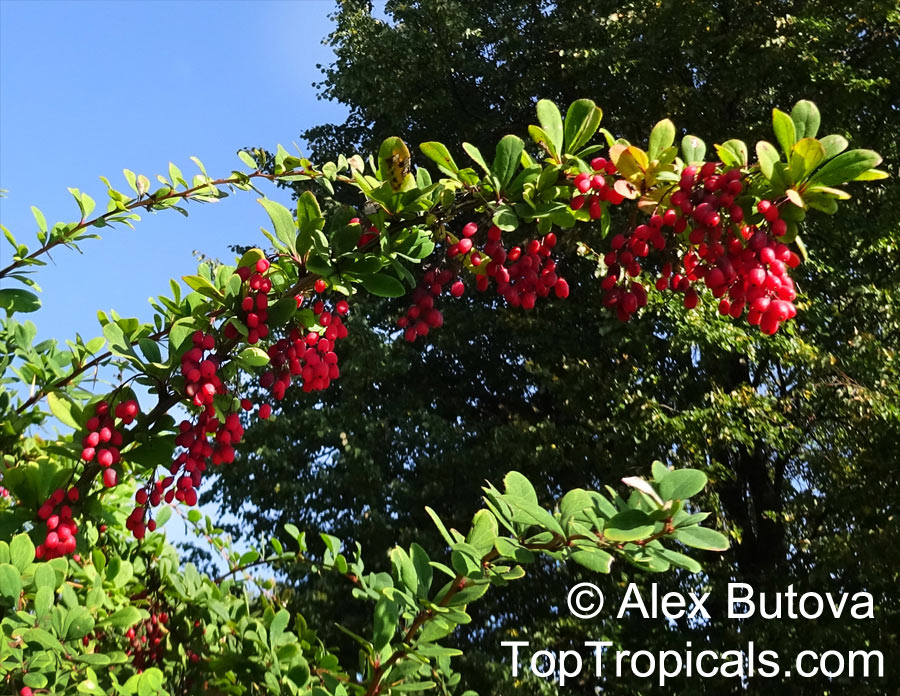
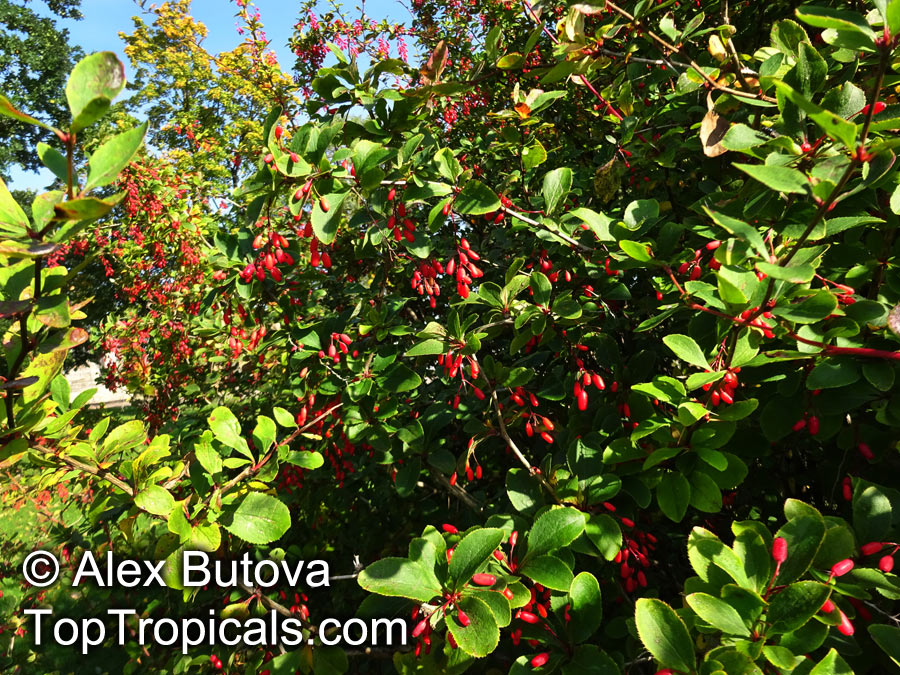
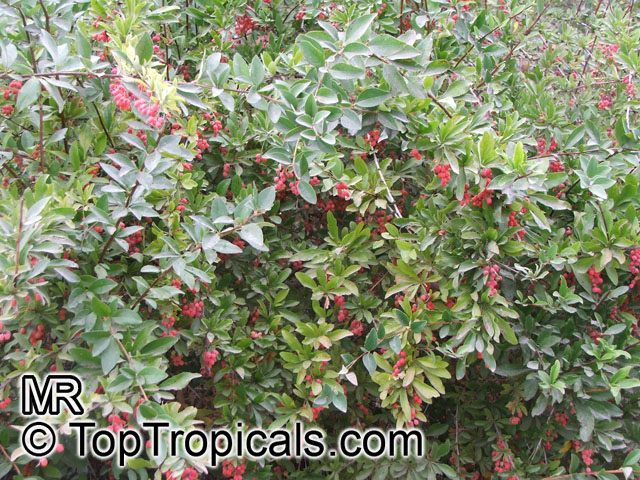
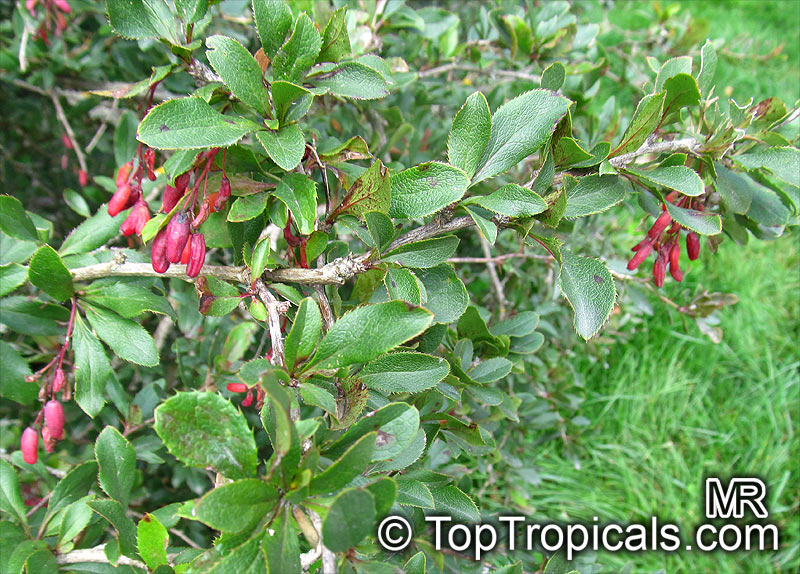
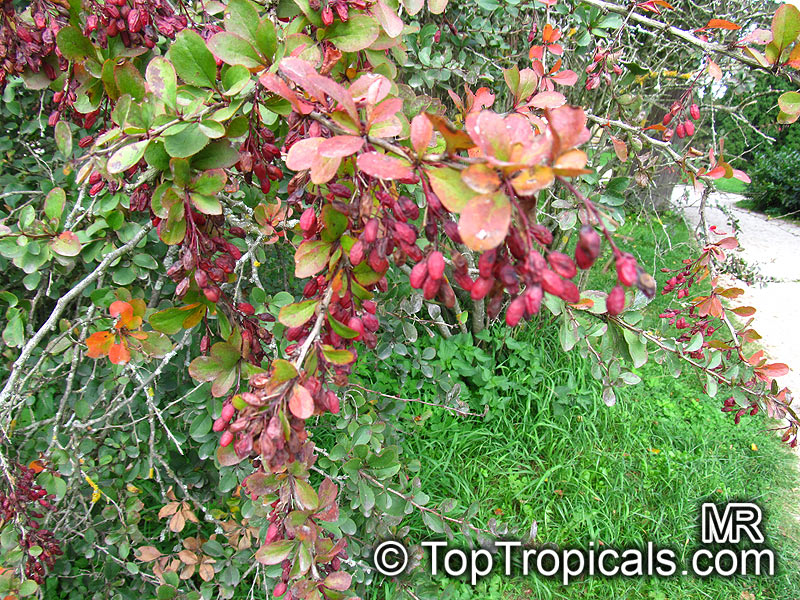
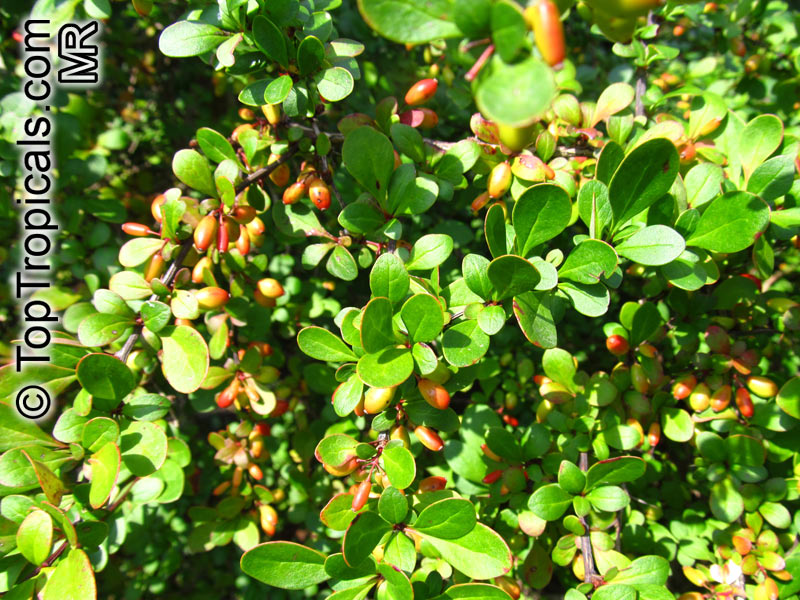
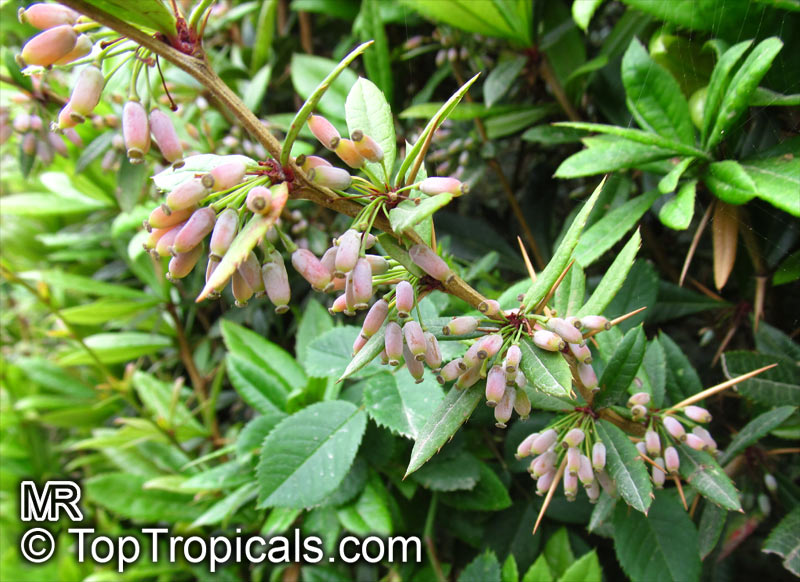
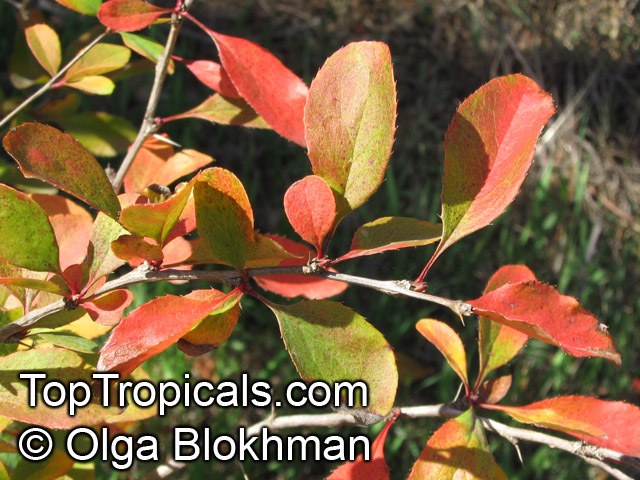
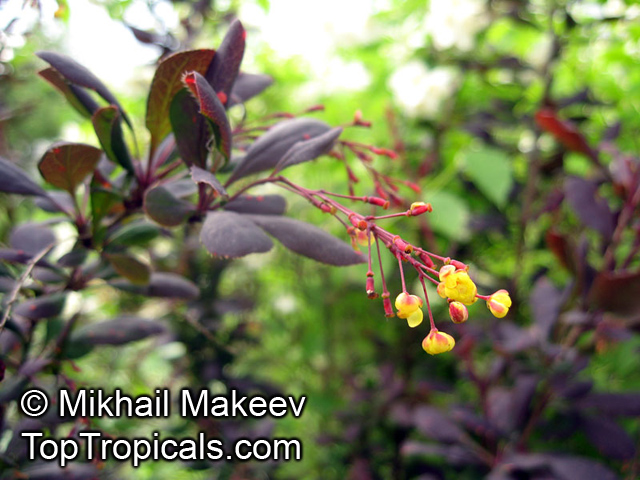
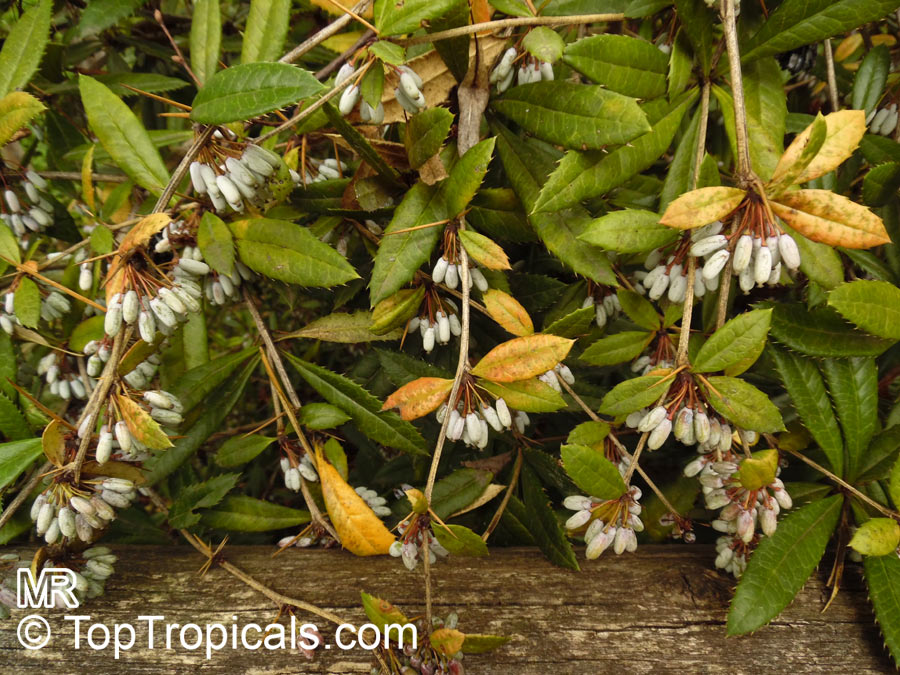
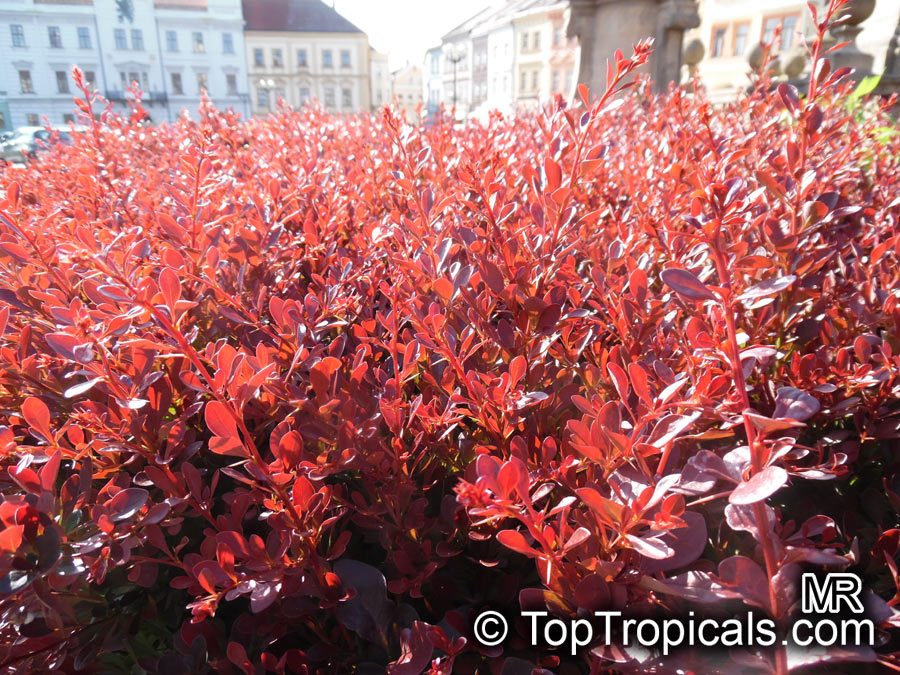
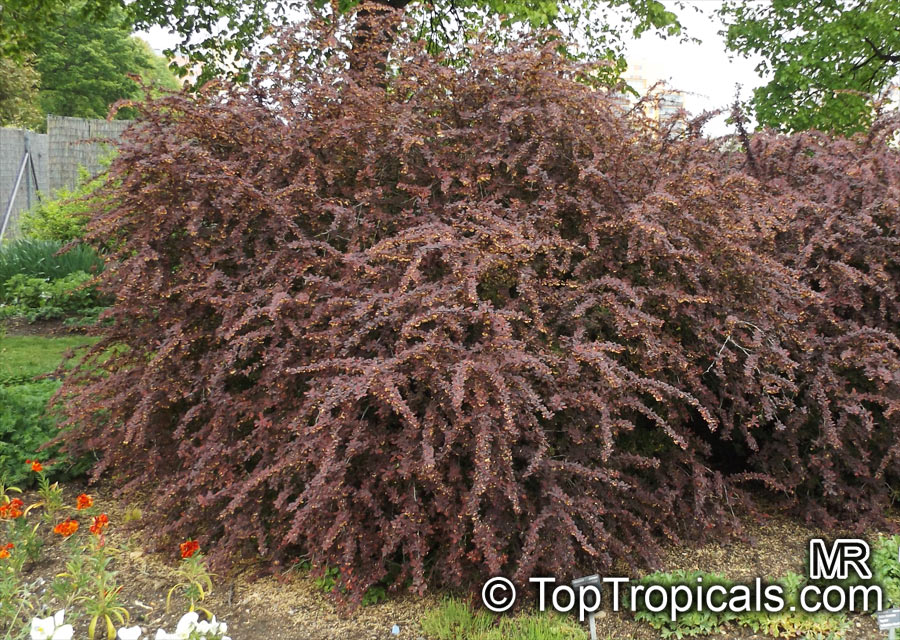
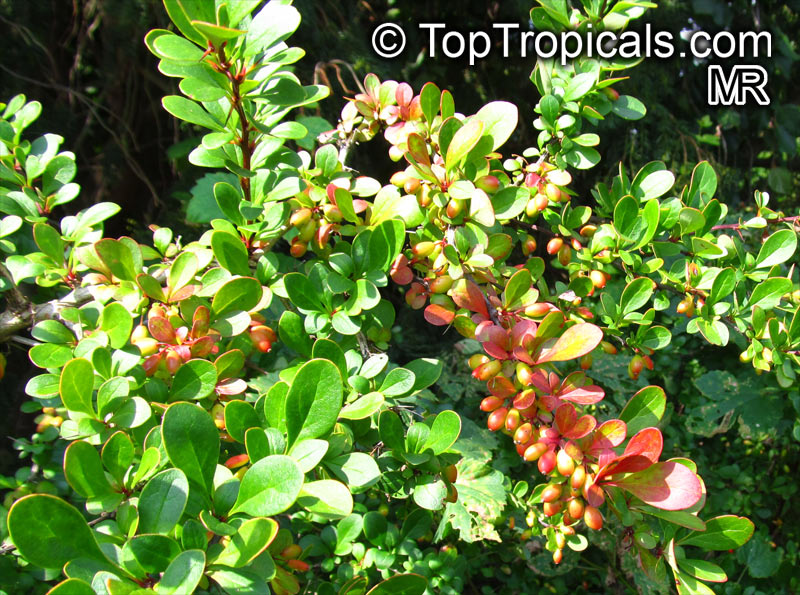
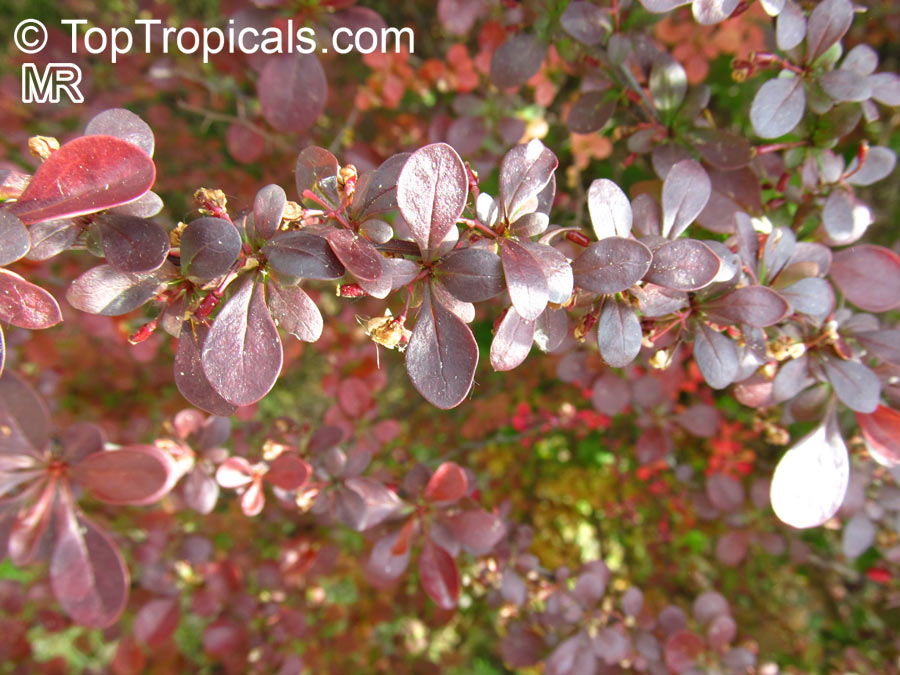
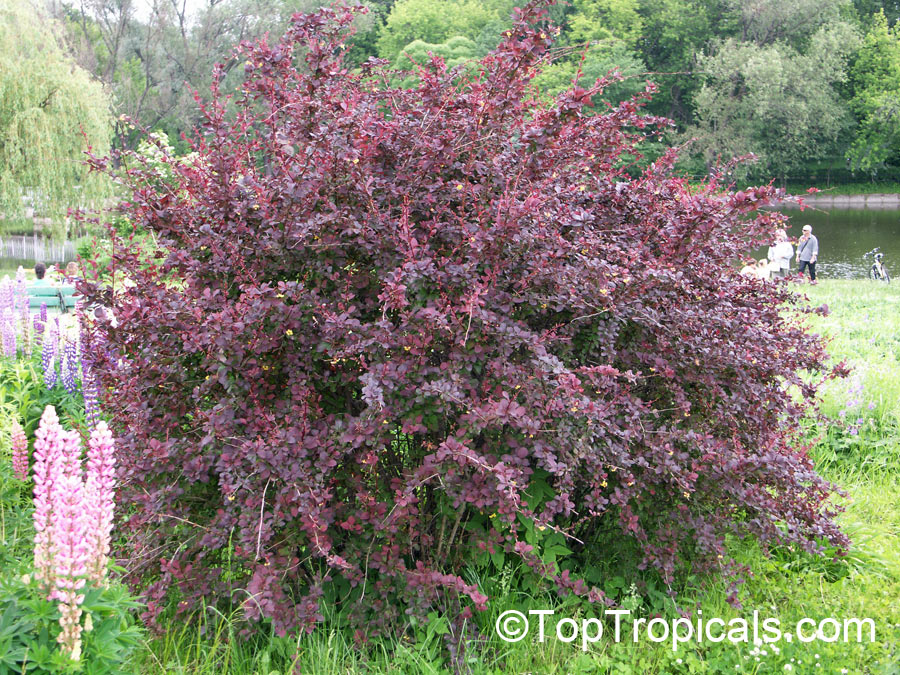
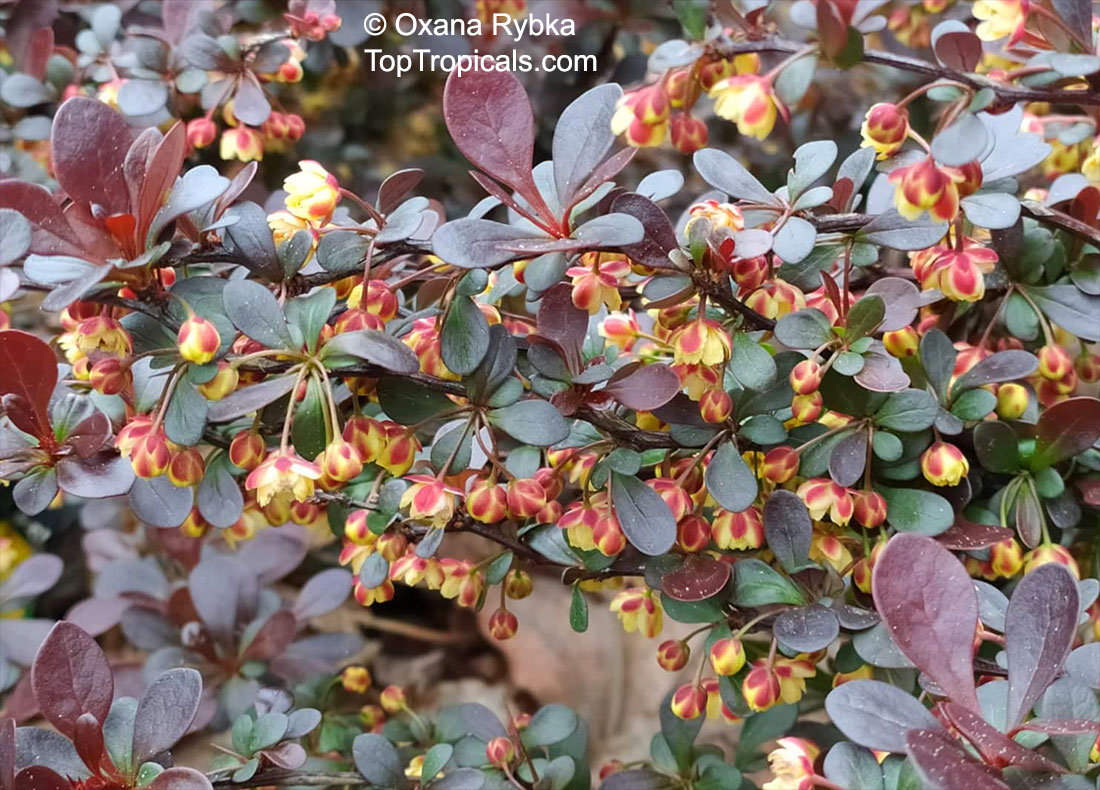
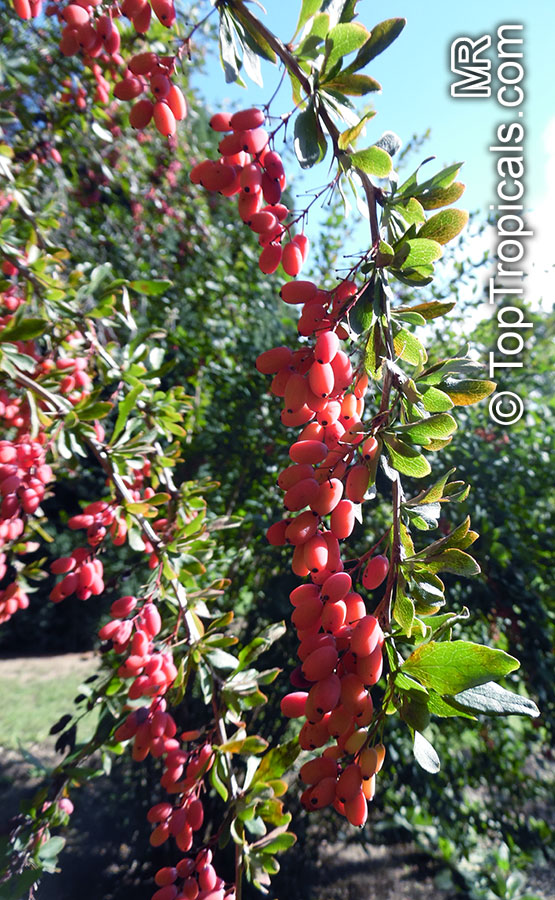
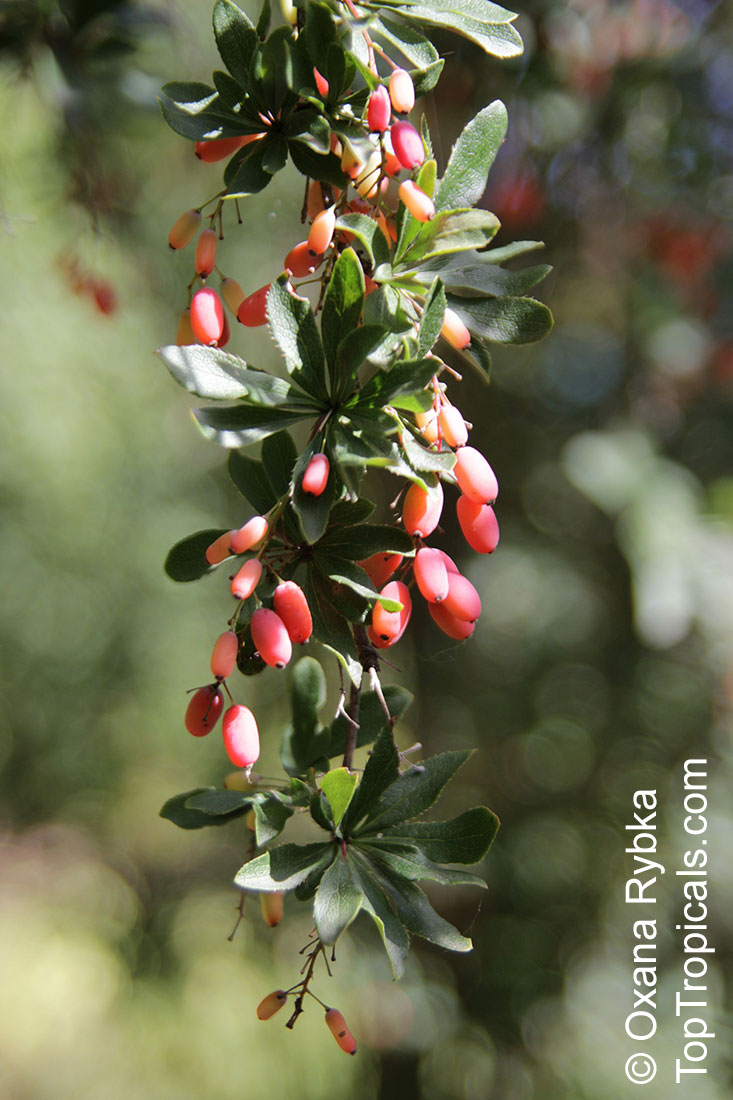
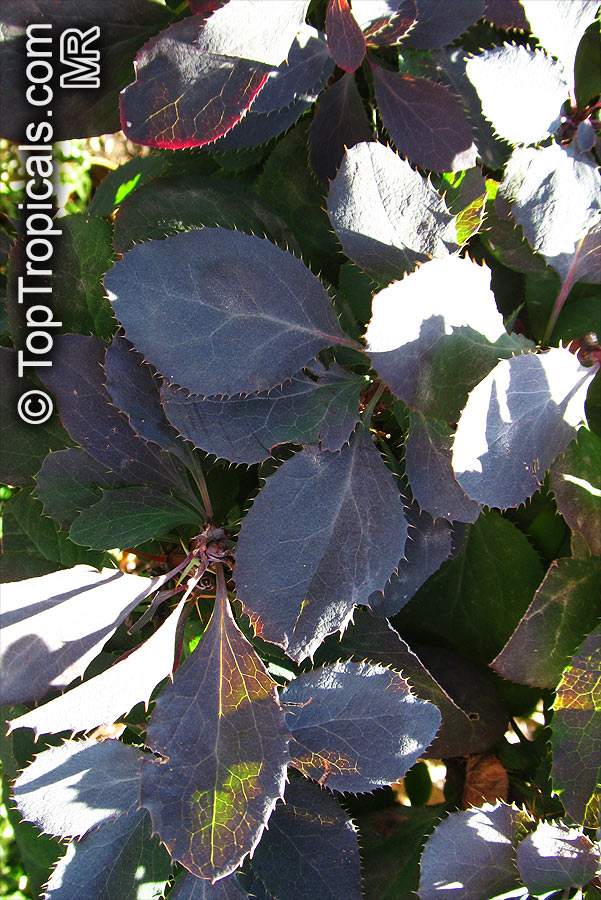
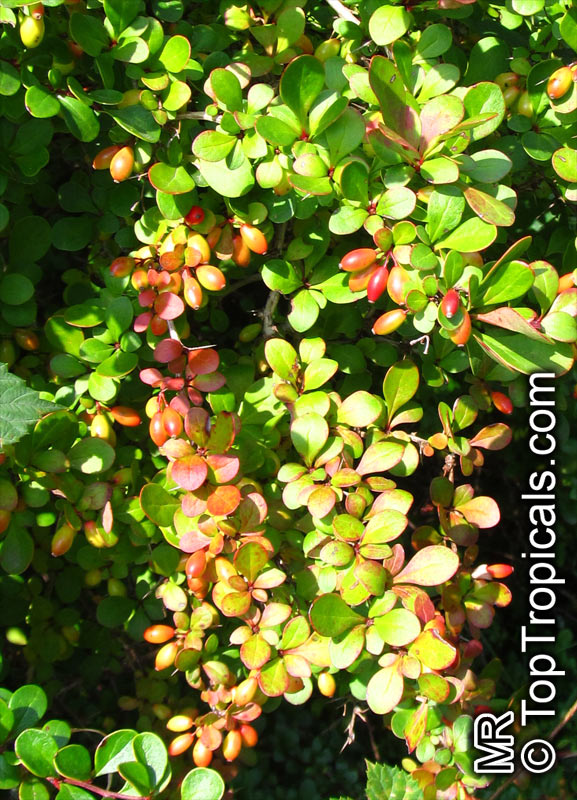
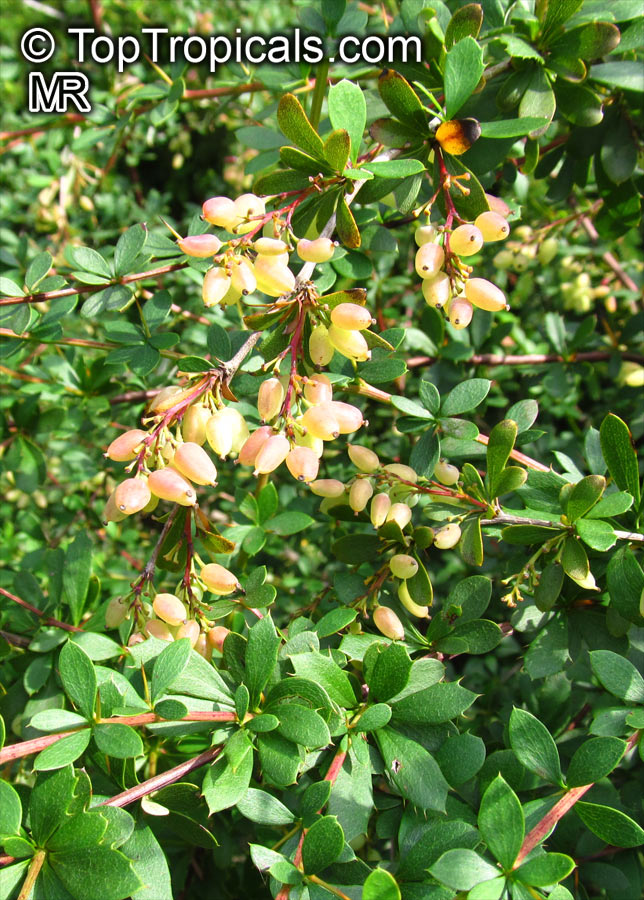
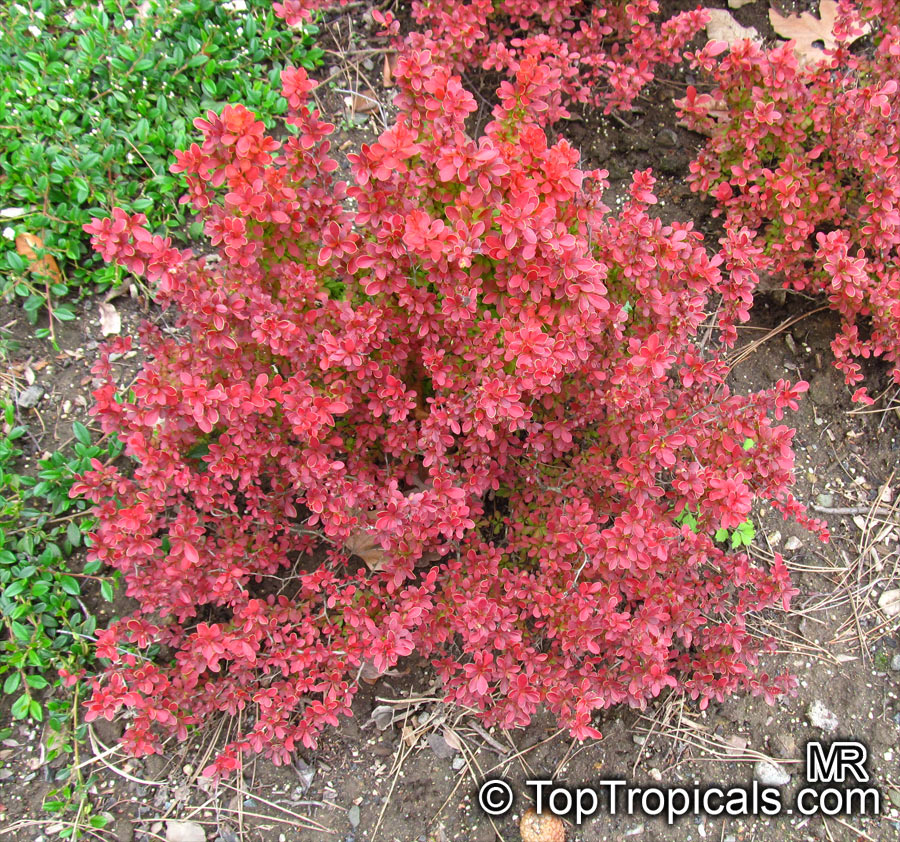
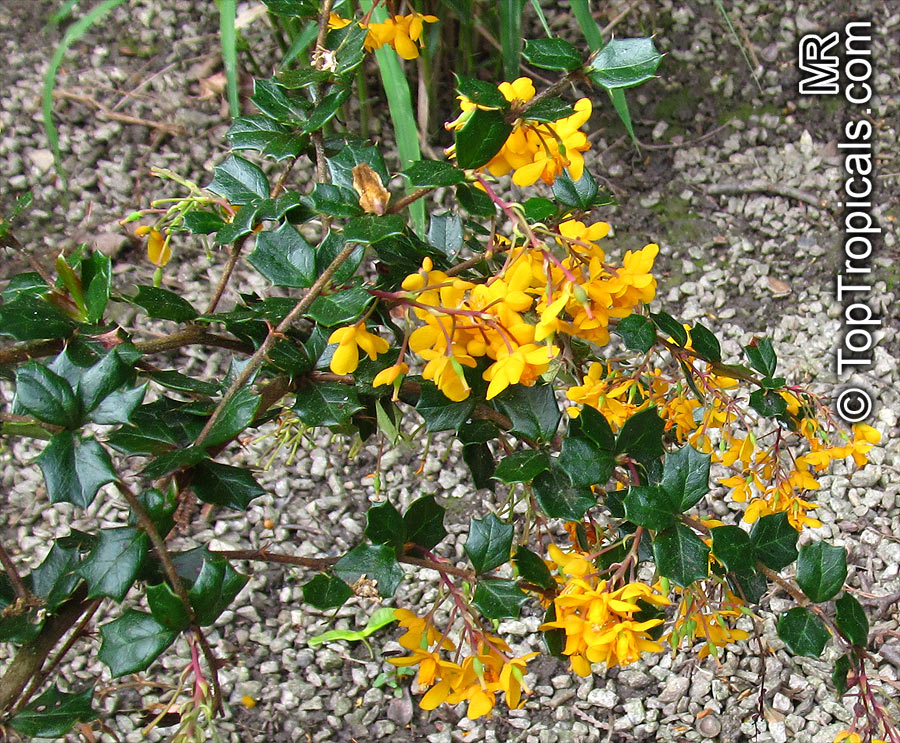
Berberis sp. (Barberry) red fruit close up hanging from thorny branches with green leaves
Berberis sp. (Barberry) with clusters of vibrant red fruit dangling from dense leafy green branches.

Botanical name: Berberis sp.

Common name: Barberry

Family: Berberidaceae

USDA Zone: 4-8

Large shrub 5-10 ft tallSemi-shadeFull sunWatering: Moderate. Water when top soil feels dryWatering: Regular. Let topsoil dry slightlyYellow, orange flowersOrnamental foliageThorny or spinyEdible plantPlant attracts butterflies, hummingbirdsSpice or herb plantDeciduous plantEthnomedical plant.
Plants marked as ethnomedical and/or described as medicinal, are not offered as medicine but rather as ornamentals or plant collectibles.
Ethnomedical statements / products have not been evaluated by the FDA and are not intended to diagnose, treat, cure, or prevent any disease. We urge all customers to consult a physician before using any supplements, herbals or medicines advertised here or elsewhere.Subtropical plant. Mature plant cold hardy at least to 30s F for a short time

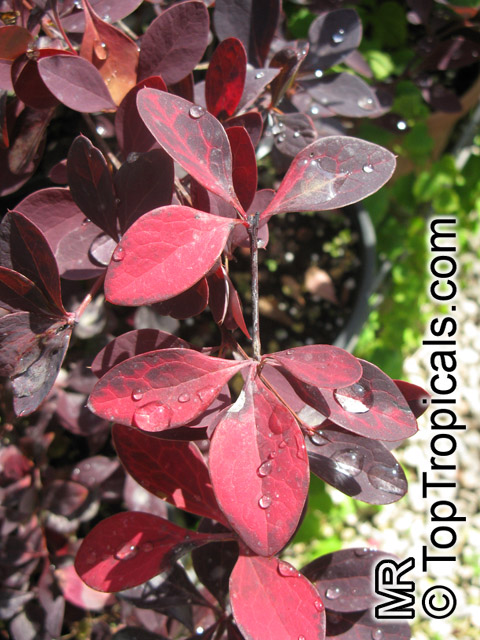
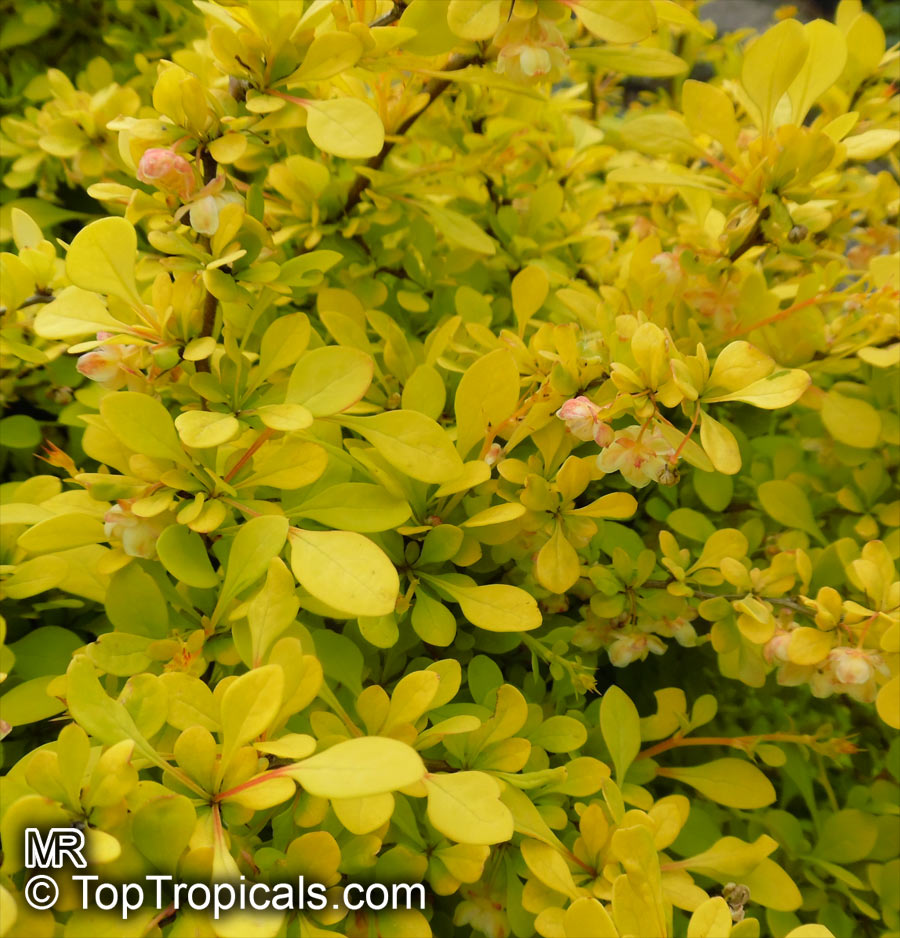
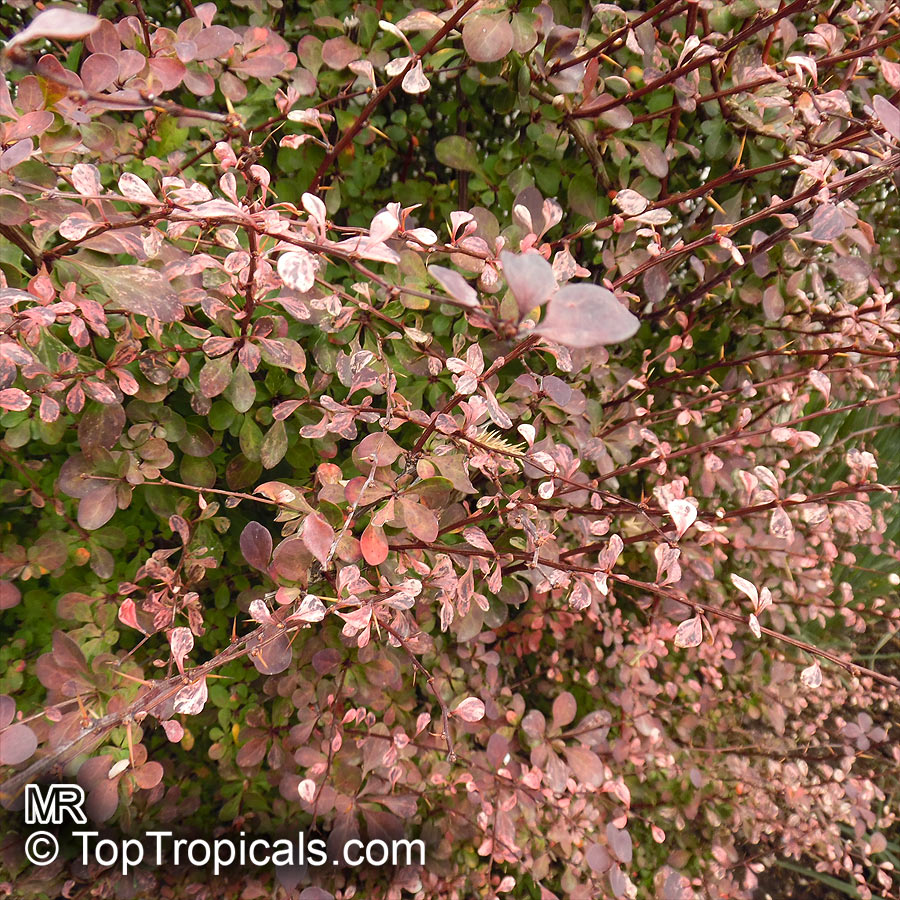
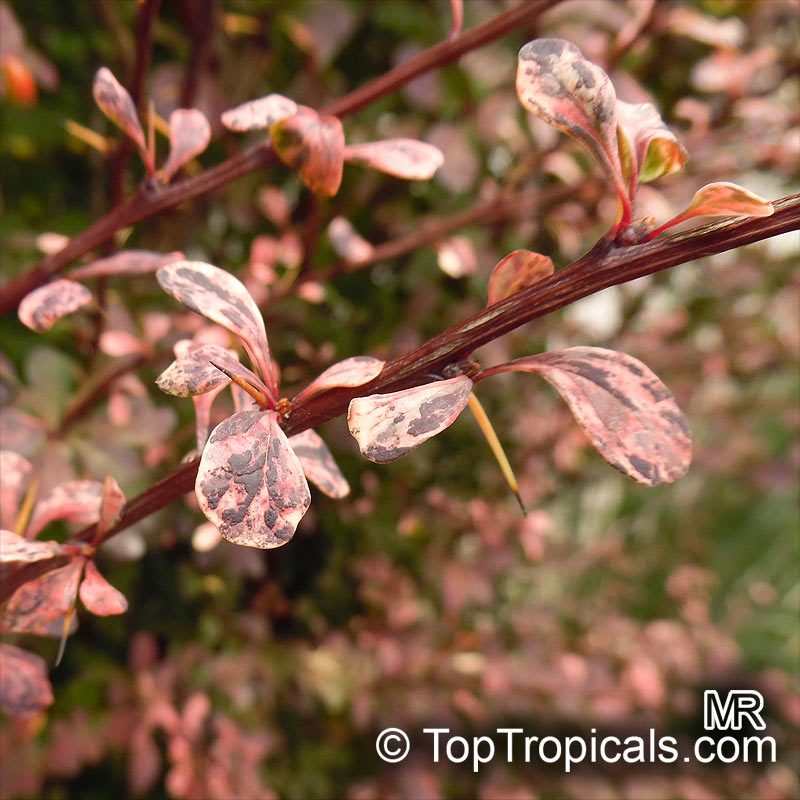
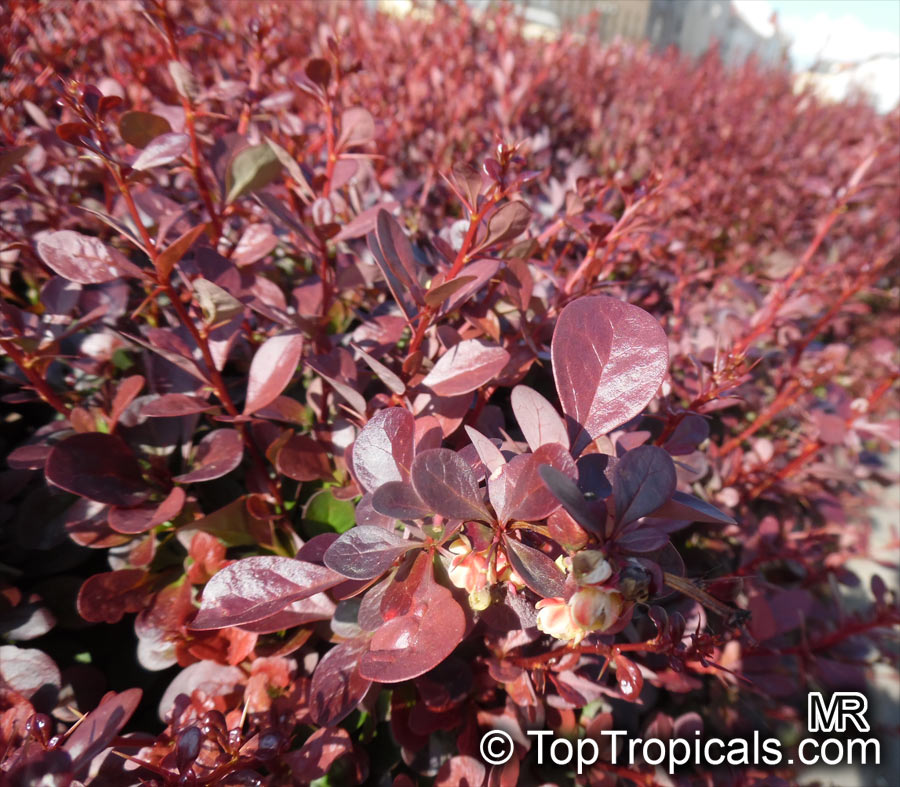
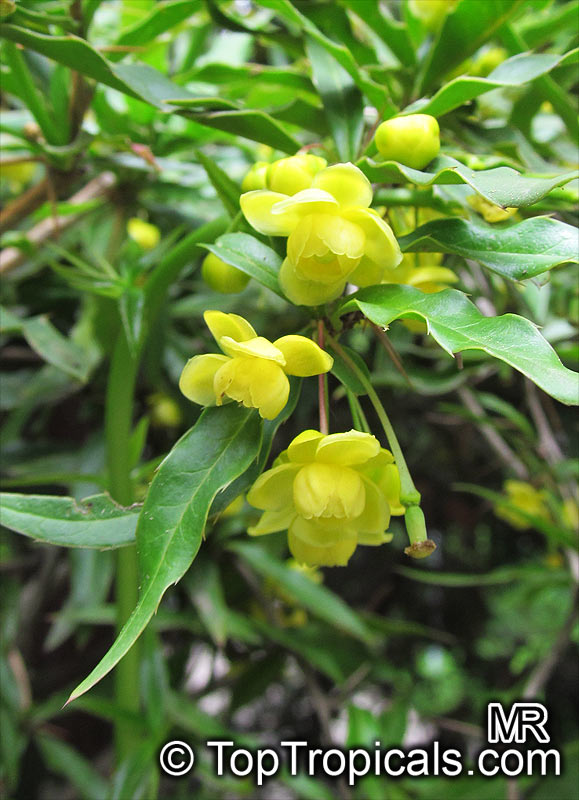
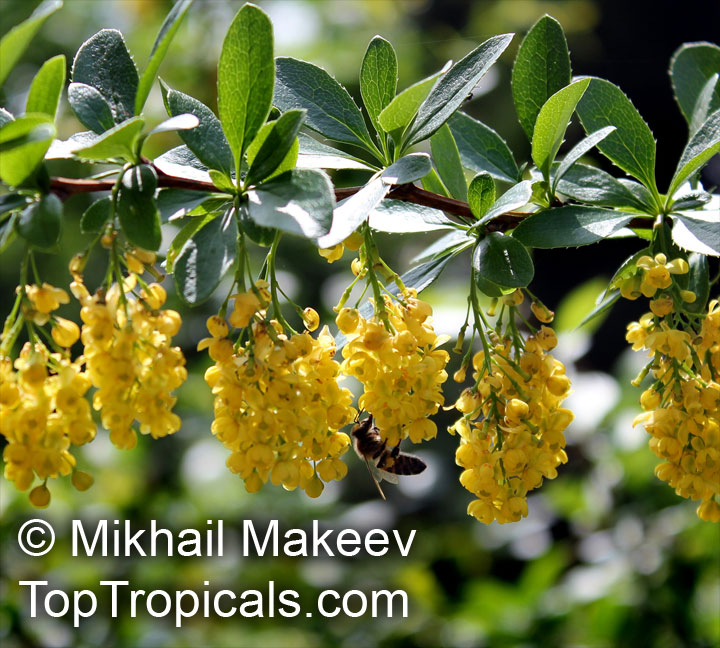
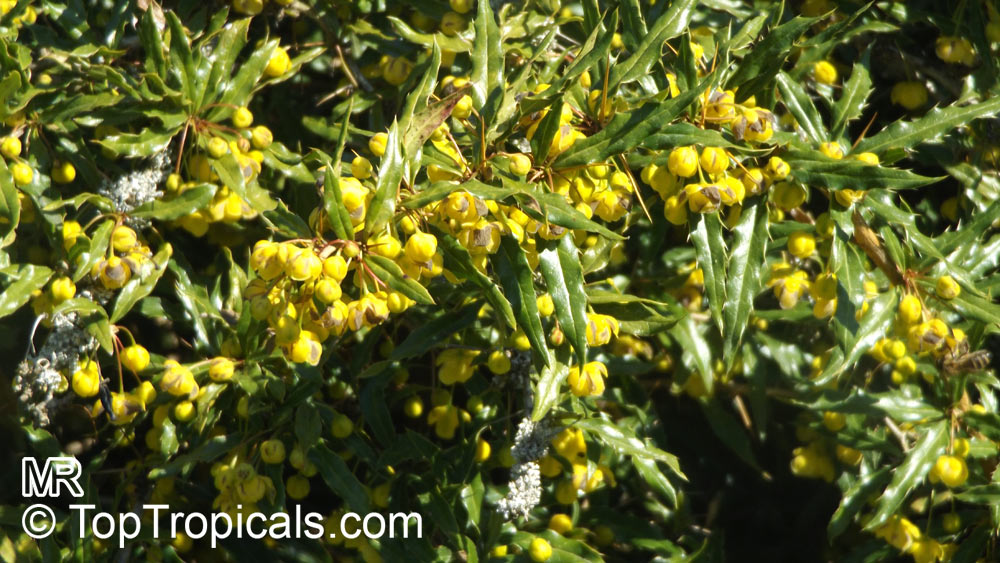
Berberis species are popular garden shrubs, grown for their ornamental leaves, yellow flowers, and red or blue-black berries.
Link to this plant:
https://toptropicals.com/catalog/uid/berberis_sp.htm

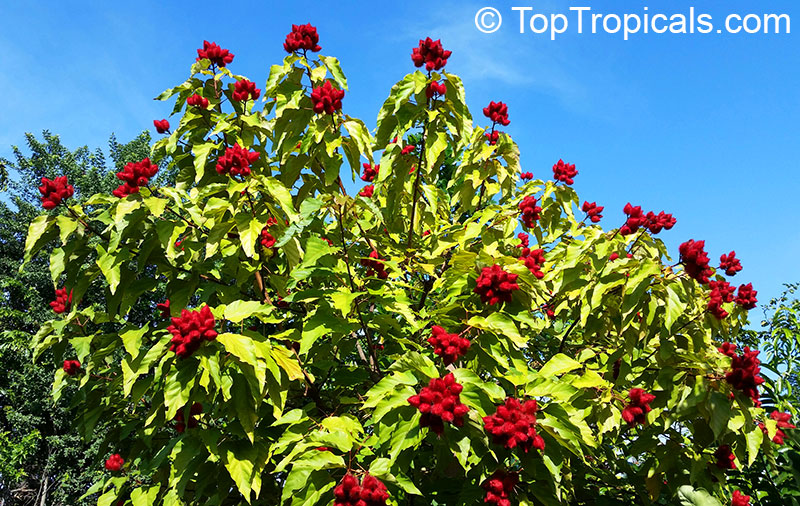
Bixa orellana

Botanical name: Bixa orellana

Common names: Lipstick tree, Annatto, Achiote

Family: Bixaceae

Origin: Tropical South America

USDA Zone: 10-11

Large shrub 5-10 ft tallSmall tree 10-20 ftFull sunWatering: Moderate. Water when top soil feels dryWhite, off-white flowersPink flowersSpice or herb plant

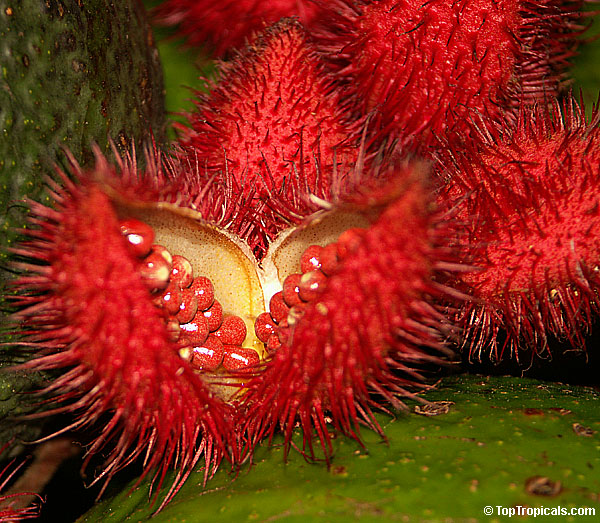
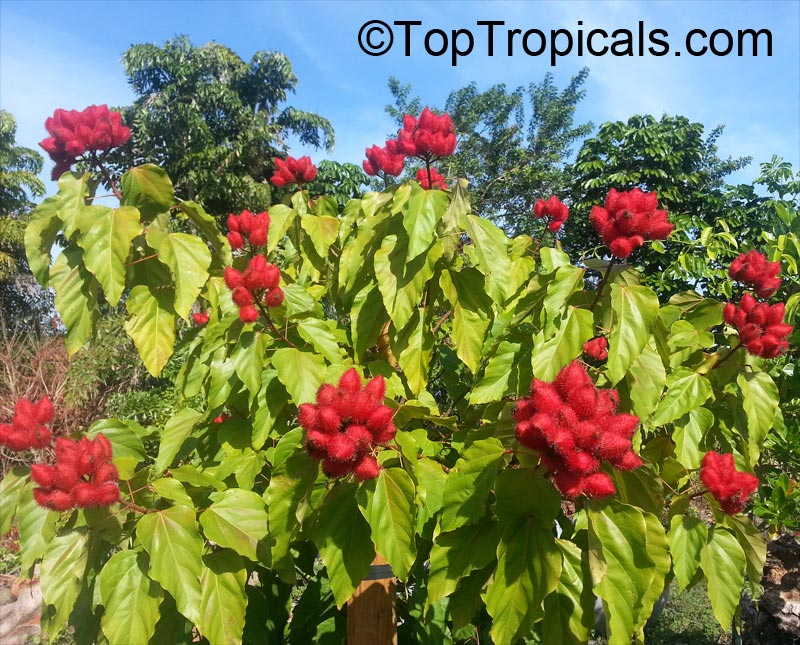
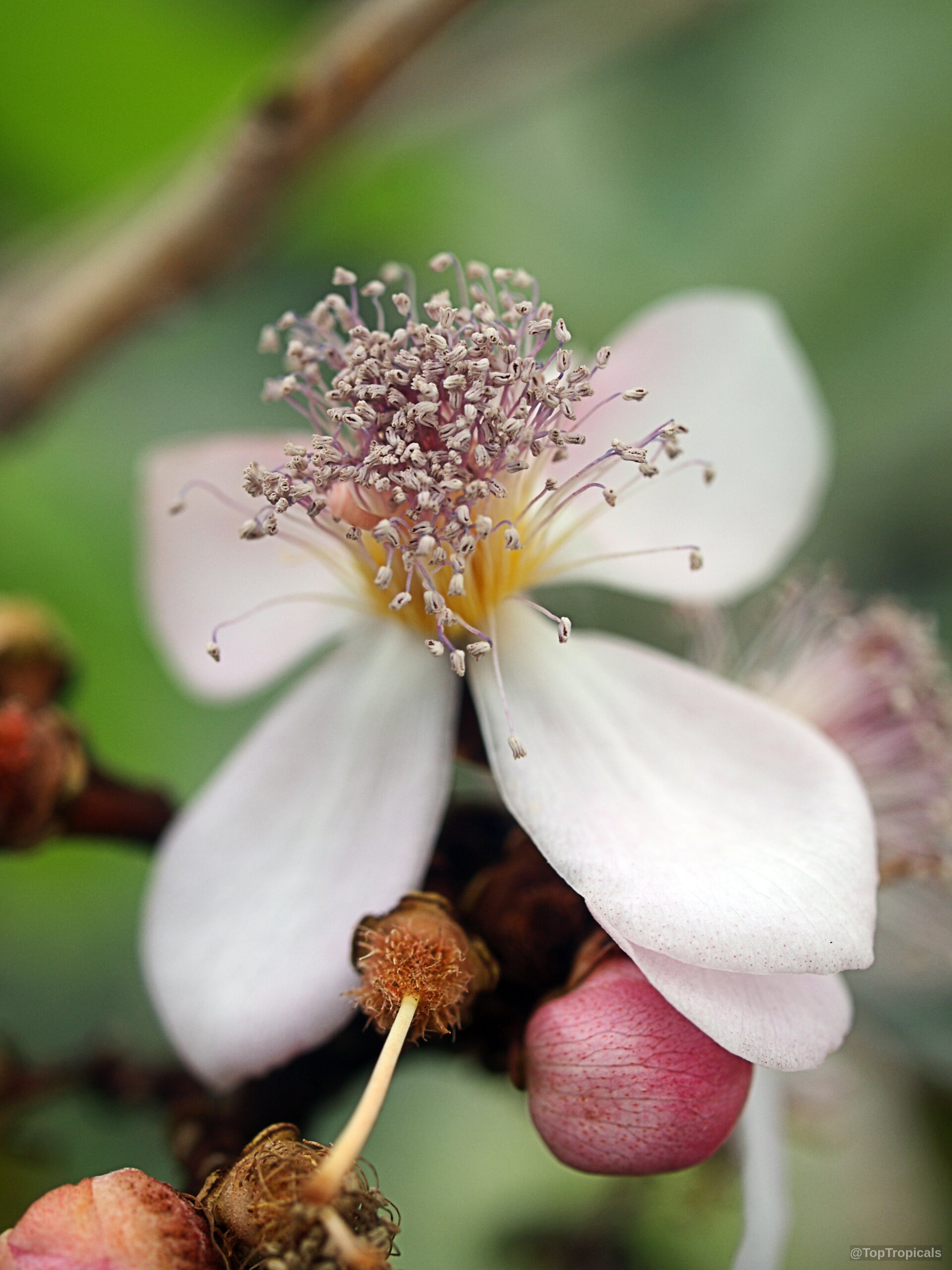
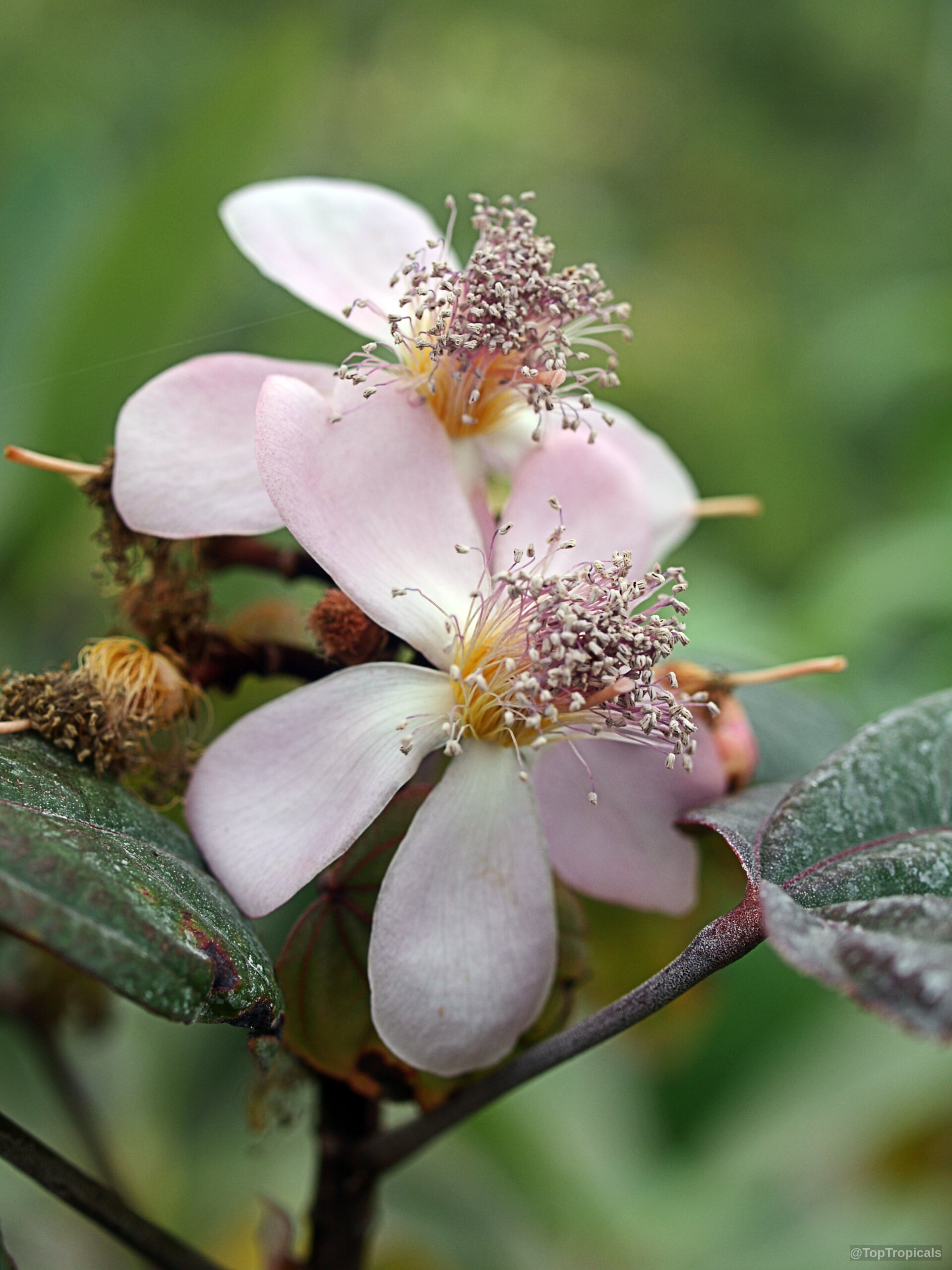
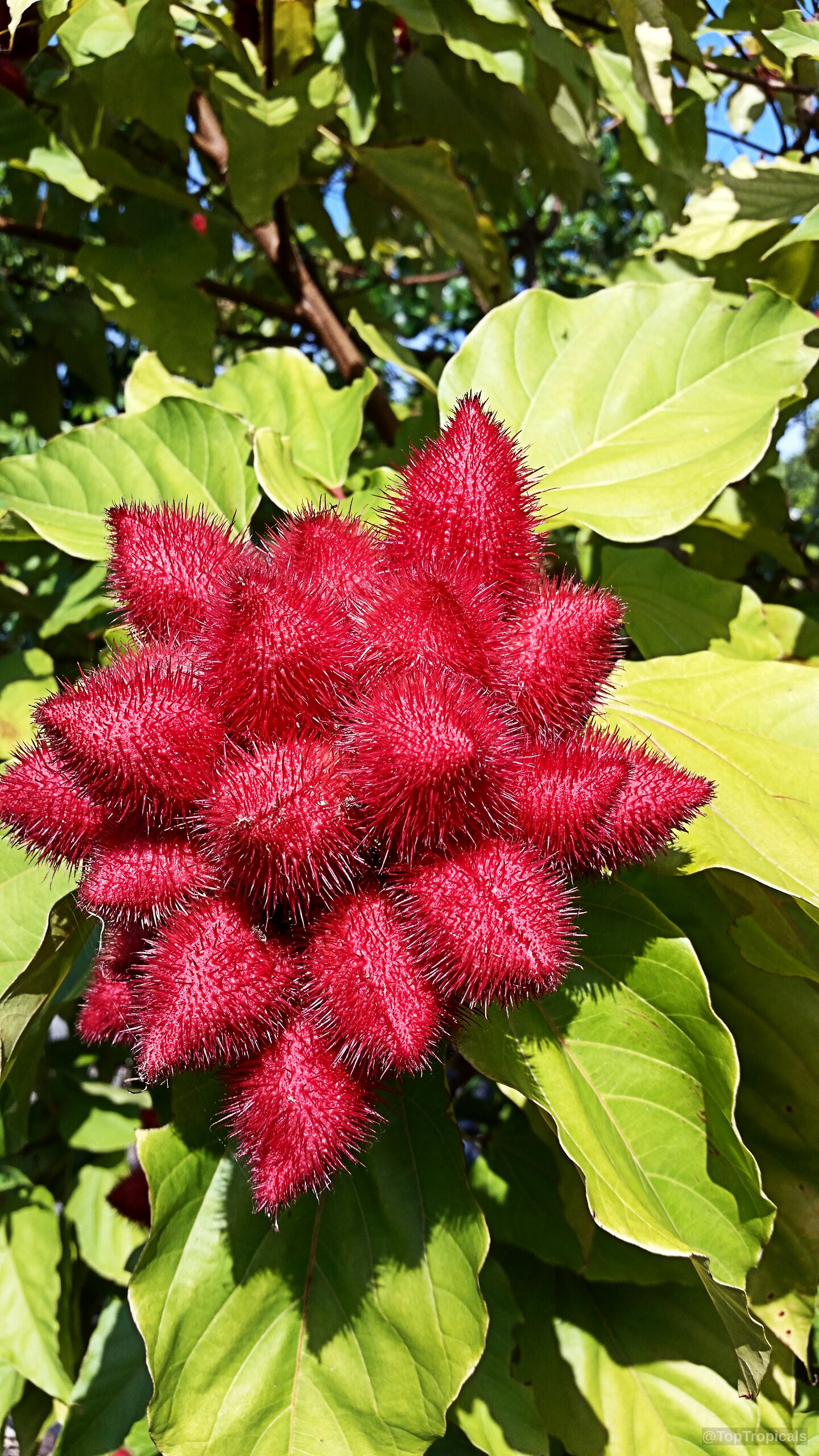
Bixa orellana, the enchanting Lipstick Tree, brings a splash of South American magic to any garden with its bold, heart-shaped leaves and charming pink blooms. But the real showstopper? Its vibrant seed pods brimming with annatto - a natural pigment famed for painting dishes with rich golden hues and spicing up kitchens worldwide. Annatto isn't just a culinary delight; it's a beauty secret too, adding natural, radiant color to lipsticks and cosmetics. Beyond its practical uses, Bixa makes a striking hedge or screen, adding both beauty and function. This tree is your garden's ticket to tropical flair and everyday usefulness!

Bixa orellana is a bushy shrub or small tree native to South America. It features large leaves and charming pink flowers, but its most notable feature is its seeds. These seeds contain a natural pigment called annatto, ranging from yellow to deep orange-red, which is widely used in cosmetics, particularly lipstick, for its vibrant colors. In culinary arts, annatto serves as a popular spice in Latin American, Caribbean, and Filipino cuisines, adding a mild, slightly peppery flavor and a rich yellow-orange color to dishes like rice and stews. Beyond its culinary and cosmetic uses, annatto seeds are also valued for their medicinal properties, offering antioxidants and anti-inflammatory benefits. The dried seed pods of the Bixa plant are also used in flower arrangements, adding a unique visual element. When used as a hedge or screen, Bixa should be pruned often to encourage bush growth at the bottom of the trunk.


Link to this plant:
https://toptropicals.com/catalog/uid/bixa_orellana.htm

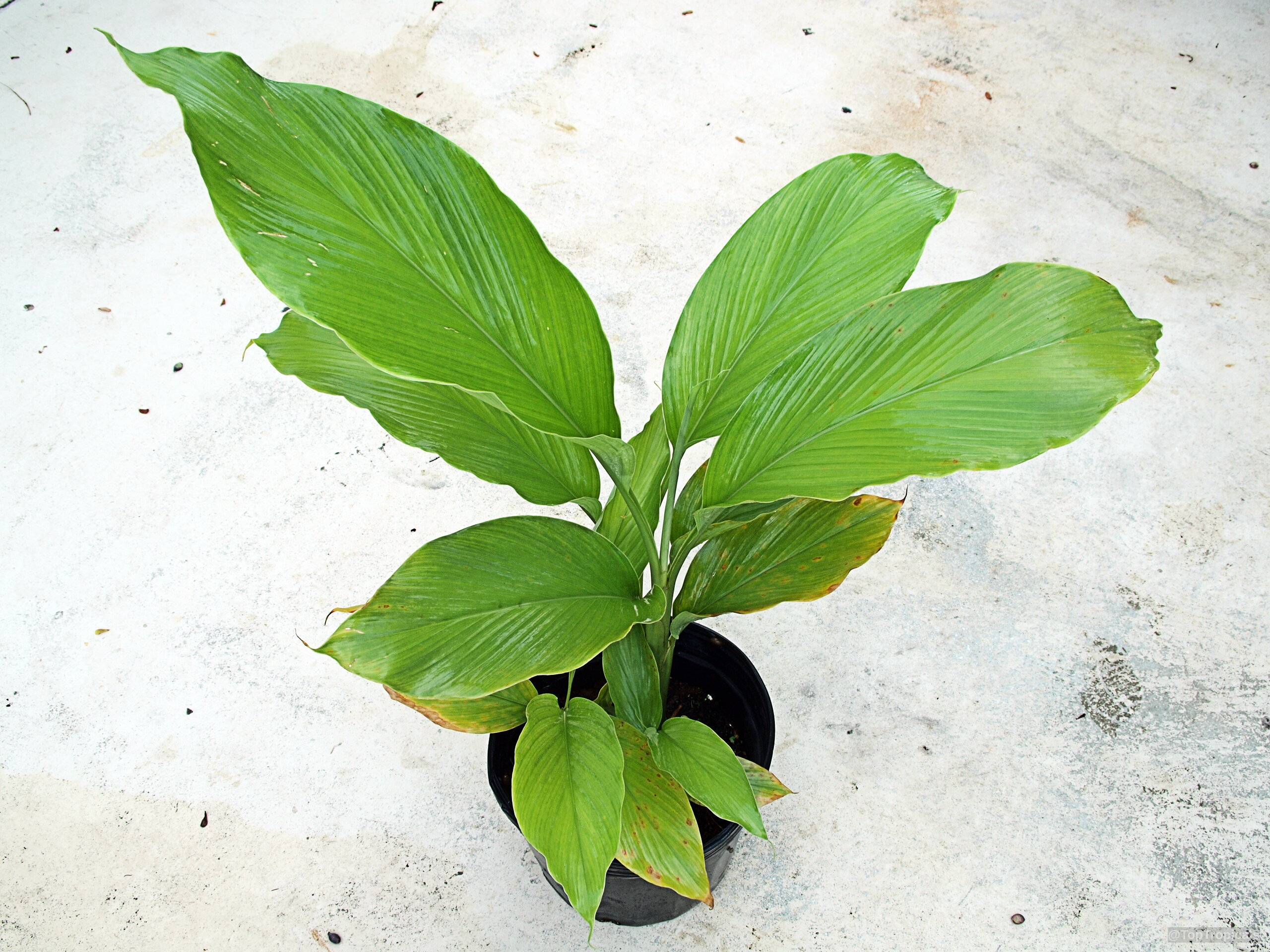
Boesenbergia rotunda (Chinese Keys) green plant with wide leaves in a black plastic pot.
Boesenbergia rotunda (Chinese Keys) with wide green leaves growing inside a black nursery plastic pot.

Botanical names: Boesenbergia rotunda, Curcuma rotunda

Common names: Chinese Keys, Fingerroot, Lesser Galangal, Chinese Ginger

Family: Zingiberaceae

Origin: Southeast Asia

USDA Zone: 9-10

Small plant 2-5 ftSemi-shadeWatering: Moderate. Water when top soil feels dryWatering: Regular. Let topsoil dry slightlyWhite, off-white flowersPink flowersEdible plantSpice or herb plantEthnomedical plant.
Plants marked as ethnomedical and/or described as medicinal, are not offered as medicine but rather as ornamentals or plant collectibles.
Ethnomedical statements / products have not been evaluated by the FDA and are not intended to diagnose, treat, cure, or prevent any disease. We urge all customers to consult a physician before using any supplements, herbals or medicines advertised here or elsewhere.

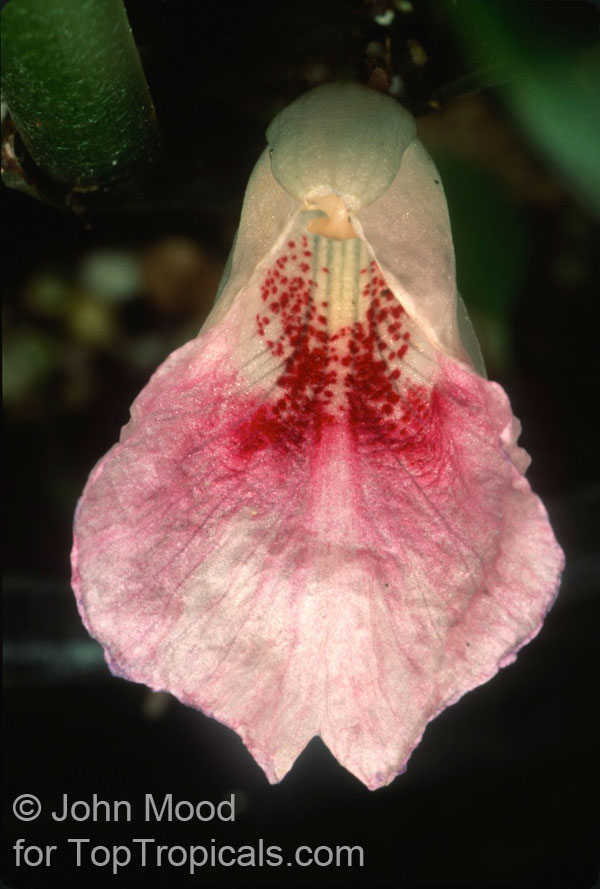
Boesenbergia rotunda, or Chinese Keys, is a small shrub native to Southeast Asia and grows to a height of 2-5 feet. It has large, glossy leaves, and its pink to off-white flowers are tubular and aromatic, and appear in terminal inflorescences. It is often planted for ornamental purposes, and its rhizomes are typically used as a vegetable in main dishes, or eaten raw when young.

When grown in USDA Zone 9-11, the plant should be placed in semi-shade and be given regular, but moderate watering. It is also important to give Boesenbergia rotunda an adequate amount of nitrogen to ensure its continued vitality. In colder regions, it can be grown in a pot, and should be transferred indoors during the winter.

Boesenbergia rotunda bears interesting, edible fruits, and has an impressive ethnomedical history. The small, hard fruits are often used as a spice or herb, and have a slightly sweet and sour taste. In traditional medicine, the plant is touted for its medicinal uses, and believed to have antispasmodic, anti-inflammatory and analgesic properties. Eating the fruit can also directly benefit health, as it is said to improve circulation, ease stomach pain, and relieve menstrual cramps. In addition, it is thought to help improve digestion and reduce inflammation. One mature plant can produce up to sixty fruits per season.

Boesenbergia rotunda (Chinese Keys) light pink flower with dark red spots in close up view.
Boesenbergia rotunda (Chinese Keys) soft pink flower petal marked with deep red spots in center.
Boesenbergia rotunda (Chinese Keys) light pink flower close up on thick green stems
Boesenbergia rotunda (Chinese Keys) delicate pink flower nestled between vertical thick green plant stems.
Boesenbergia rotunda (Chinese Keys) pink flower close up nestled between smooth vertical green plant stems.
Boesenbergia rotunda (Chinese Keys) pink flower growing between thick green vertical stems near the ground.


Link to this plant:
https://toptropicals.com/catalog/uid/boesenbergia_rotunda.htm

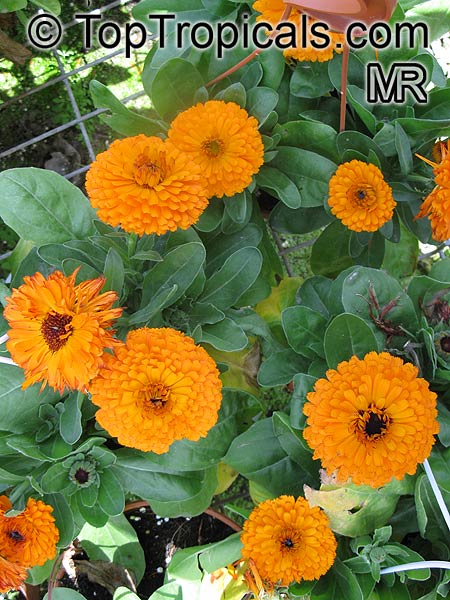
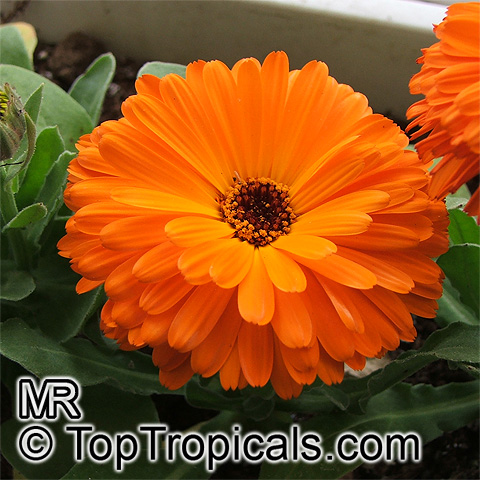
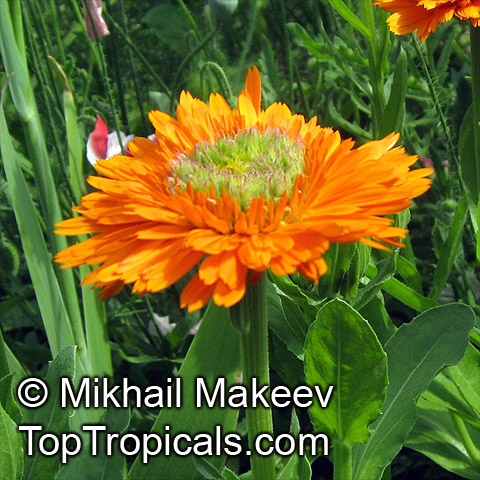
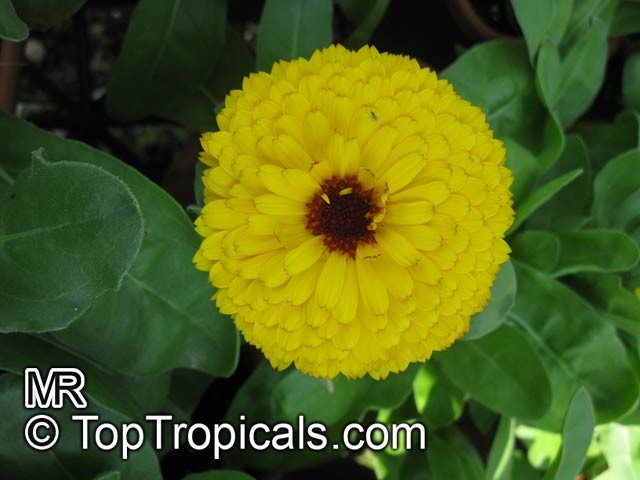
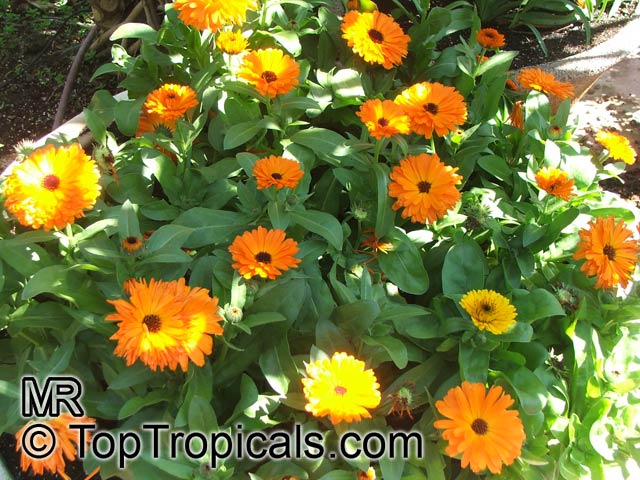
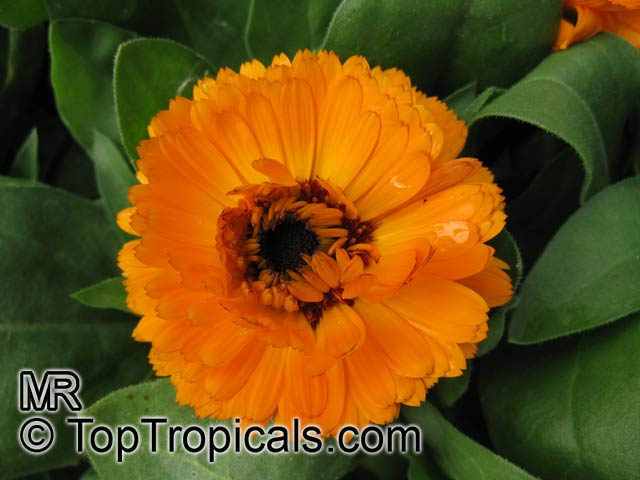
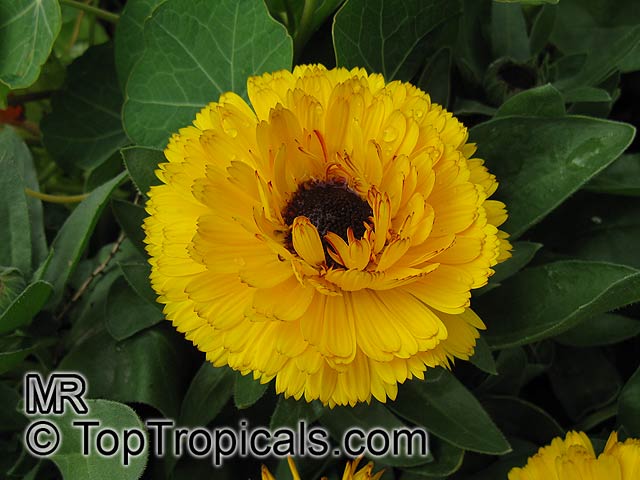
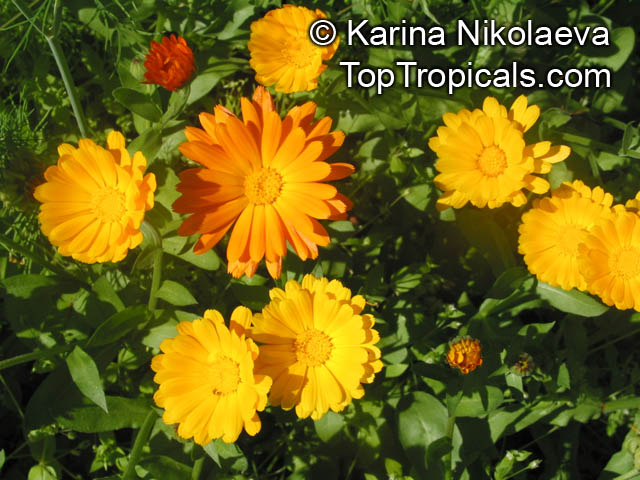
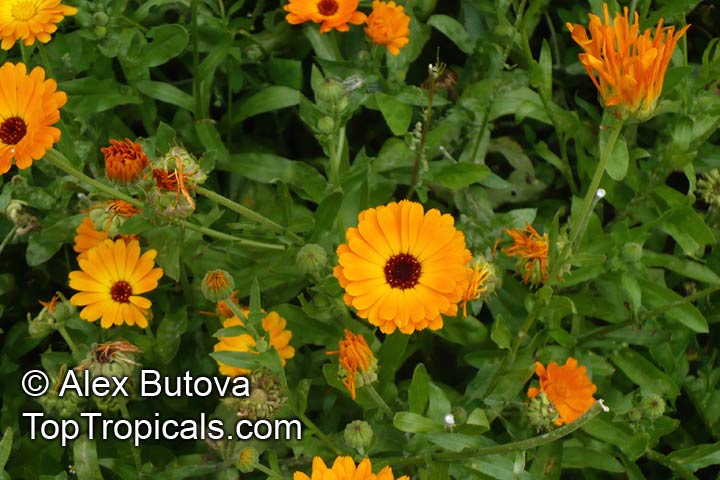
Calendula officinalis (Pot Marigold) orange flower close up against lush green plant foliage background
Calendula officinalis (Pot Marigold) orange flower heads nestle amongst thick green leaves in a container.

Botanical name: Calendula officinalis

Common names: Pot Marigold, Scotch Marigold

Family: Asteraceae

Origin: South Europe

USDA Zone: 2-11

Small plant 2-5 ftSemi-shadeFull sunWatering: Moderate. Water when top soil feels dryWatering: Regular. Let topsoil dry slightlyYellow, orange flowersPlant attracts butterflies, hummingbirdsSpice or herb plantEthnomedical plant.
Plants marked as ethnomedical and/or described as medicinal, are not offered as medicine but rather as ornamentals or plant collectibles.
Ethnomedical statements / products have not been evaluated by the FDA and are not intended to diagnose, treat, cure, or prevent any disease. We urge all customers to consult a physician before using any supplements, herbals or medicines advertised here or elsewhere.Subtropical plant. Mature plant cold hardy at least to 30s F for a short time

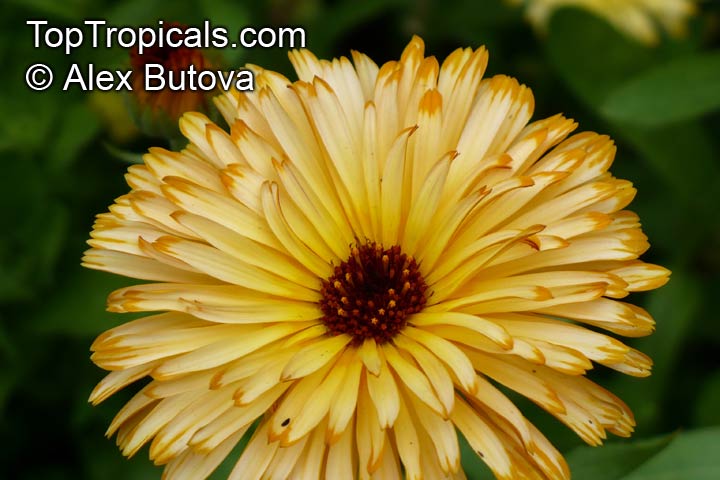
Calendula officinalis is an aromatic annual plant, widely cultivated for its showy, yellow or orange, rayed flower heads used in medicine, coloring, and flavoring of food. There are numerous cultivars of calendula with double flowers in colors ranging from cream to deep orange-red.

It is used for the treatment of skin disorders and pain, and as a bactericide, antiseptic and anti-inflammatory.


Link to this plant:
https://toptropicals.com/catalog/uid/calendula_officinalis.htm

Calycanthus floridus (Sweetshrub) deep red flower close up against lush green foliage leaves
Calycanthus floridus (Sweetshrub) blooming with a rich red flower nestled among many green leaves

Botanical name: Calycanthus floridus

Common names: Sweetshrub, Carolina allspice, Strawberry shrub, Pineapple shrub

Family: Calycanthaceae

Origin: Southeast USA

USDA Zone: 4-9

Large shrub 5-10 ft tallSemi-shadeFull sunWatering: Moderate. Water when top soil feels dryWatering: Regular. Let topsoil dry slightlyRed, crimson, vinous flowersSpice or herb plantFragrant plantSubtropical plant. Mature plant cold hardy at least to 30s F for a short time

Calycanthus floridus are large shrubs, growing 5-10 ft tall, with bright red petals that form a vinous flowers with a sensational and delicate fragrance. Sweetshrub is a native plant to Southeast USA and does best in full sun to semi-shade and regular to moderate water with mature plants being cold hardy in USDA Zone 4-9. Caring for Calycanthus floridus in a pot can be done in cold regions. It is best to use a humus-rich soil that is moist, but not soggy, and in full sun to semi-shade. The fragrant blossoms are a great showy feature and will reward you with an exceptional scent. Calycanthus floridus is easy to grow and care for, adding a tropical feel to any garden, as well as a delightful sensory experience with its sweet aroma.


Link to this plant:
https://toptropicals.com/catalog/uid/calycanthus_floridus.htm

Calyptranthes pallens (Spicewood) green and copper leaves on a branch close up
Calyptranthes pallens (Spicewood) with mixture of vibrant green and copper colored new leaf growth

Botanical name: Calyptranthes pallens

Common names: Spicewood, Pale Lidflower

Family: Myrtaceae

Origin: Tropical America

USDA Zone: 9-10

Large shrub 5-10 ft tallSemi-shadeWatering: Moderate. Water when top soil feels dryWatering: Regular. Let topsoil dry slightlyWhite, off-white flowersPlant attracts butterflies, hummingbirdsSpice or herb plantFragrant plant

The shrub is a large one, reaching up to 5-10 feet in height and grows best in semi-shade. It can be grown in USDA zones 9-11 and as a native to tropical America, it has adapted to warm climates.

Calyptranthes pallens, or Spicewood, is a popular plant choice for those lucky enough to live in tropical America. Not only is this large shrub (5-10 feet in height) a beautiful addition to any landscape, but its white and off-white flowers have the most wonderful fragrance. The Spicewood blooms in the beginning of the rainy season, from late spring through the early summer, when the tiny blossoms fill the air with a sweet, spicy aroma. This aromatic bush will please the senses and attract both butterflies and hummingbirds.

Though adapted to warm climates, Spicewood can survive in colder regions as well, provided it is given the right care. While planting it outdoors in the ground is ideal, those that live in colder climates will have to keep it in a pot and bring it indoors during colder times of year. Spicewood prefers semi-shady areas and regular watering, but it is resilient and can survive with moderate watering. It does benefit from fertilizing, but care should be taken not to over-fertilize.

Spicewood is a notable plant for those looking for a beautiful and fragrant bush for their garden. With the right care and maintenance, this large shrub will bring texture, color and delightful fragrance to your garden for many years to come.


Calyptranthes pallens (Spicewood) with glossy dark green leaves and lighter yellow new foliage plant
Calyptranthes pallens (Spicewood) with vibrant green leaves on slender branches forming a dense canopy
Calyptranthes pallens (Spicewood) plant with dense green leaves and a woody textured main trunk
Calyptranthes pallens (Spicewood) plant with woody stems and many small, shiny, pointed green leaves.


Link to this plant:
https://toptropicals.com/catalog/uid/calyptranthes_pallens.htm
Prev  
Next


Use link to repeat this search:
https://toptropicals.com/cgi-bin/garden_catalog/cat.cgi?search_op=and&keyword_op=and&language=e&number=10&no_change_lang=1
&v1=spc&user=tt&sale=1&first=0