Seaside, salt tolerant plant - Plant Encyclopedia Results (Page 40)
| Number of plants found: 457 |  | Prev | Next | 
|
Go to page: | First | 35 | 36 | 37 | 38 | 39 | 40 | 41 | 42 | 43 | 44 | Last |
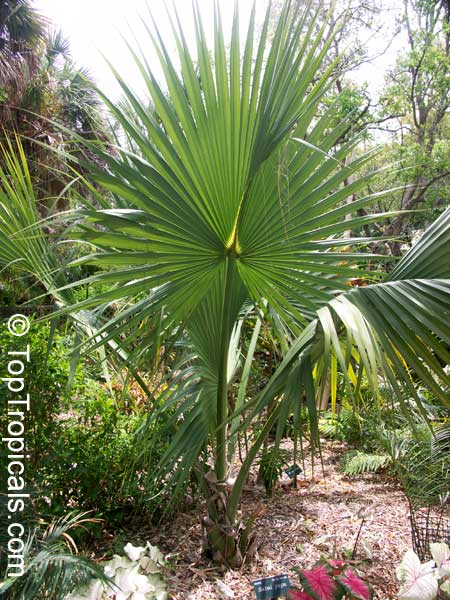
Botanical name: Sabal yapa
Common names: Bay Palmetto, Thatch Palm
Family: Arecaceae / Palmae
Origin: Cuba, Mexico, Central America
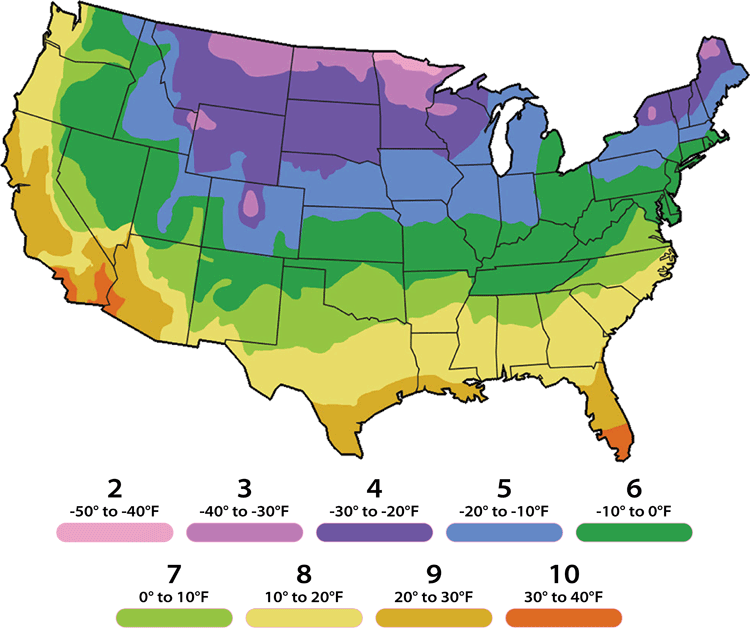
USDA Zone: 9-11


The Sabal yapa is a small tree reaching 10-20 feet in height, with a slender trunk and fan-shaped leaves of deep and narrow, drooping segments. Native to Cuba, Mexico, and Central America, this palm grows into a mature, cold hardy plant that can tolerate temperatures as low as 30s degrees F for a short time. This palms well-known for its tolerance for seaside locations, making it well suited for areas near oceans, as it is salt tolerant. With easy germination, fast growth, and low maintenance requirements, the Sabal yapa is a perfect fit for gardens in USDA Zones 9-11.
To ensure a happy, healthy Sabal yapa, ensure it receives full sun, along with regular water. During the summer months, be sure to water it frequently and deeply, though it can withstand moderate drought. If planting in a colder region, place the Sabal in a pot, as this will help you bring it indoors during cold weather, providing it with additional protection. During the warmer months it will appreciate hanging baskets and small pots if brought indoors as well as full sun exposure, though keep it away from direct winds that may dry out its fronds. Properly caring for your Sabal yapa will ensure it looks gorgeous and will make the perfect addition to any tropical or subtropical garden.

Botanical name: Salvia aurea
Common names: Brown Salvia, Beach Salvia, Dune Salvia, Golden Salvia
Family: Lamiaceae
Origin: South Africa
USDA Zone: 8-11


Salvia aurea is an aromatic, hardy shrub with unusually colored flowers borne over a long period. It is fairly fast-growing, up to 2 m and very attractive to wildlife.
Flowering begins in early spring, and the bright yellow flowers soon fade to rusty-orange and then reddish brown. After the petals fall, the saucer-like calyx, which becomes papery with age, remains as an added attraction. The flowers are both attractive and a curiosity. The flowers contain a lot of sweet nectar which attracts bees and moths, and acts as an essential food supply for sunbirds, particularly when proteas are not flowering. The flowers are complimented by greyish-green, aromatic foliage.
This is an excellent choice for coastal gardens, as it prefers light, well-drained soil and full sun, tolerates strong winds, and is drought resistant. It has been cultivated successfully further inland and upcountry, as it is capable of resprouting from its rootstock it recovers suitably from frost damage, but preferably try to find it a warm sheltered spot in the garden if you live in a frosty area.
For more prolific growth, water well and give it plenty of compost/mulch. Brown salvia is easily propagated by stem cuttings, or seed sown in spring.
The species was once referred to as Salvia afr. lutea (expanded as africana lutea), but this name is now considered obsolete.


Botanical names: Sanchezia speciosa, Sanchezia nobilis
Common names: Sanchezia, Fire Fingers
Family: Acanthaceae
Origin: Northern South America
USDA Zone: 9-10


Sanchezia speciosa or simply Sanchezia is a beautiful flowering shrub native to Central and South America that is hardy in USDA Zones 9-11 and is also tolerant of salt and seaside conditions. It is a large shrub that grows to be 5-10 feet tall and wide, with light green foliage that has yellow-white veins. The Sanchezia plant requires full sun or semi-shade and needs to be watered moderately, avoiding overwatering to prevent root rot and other fungal diseases.
The spectacular blooms of Sanchezia are long spikes of red or crimson bracts with yellow and orange flowers that all face the same way, creating an amazing effect. These brightly colored flowers attract butterflies and hummingbirds and bloom non-stop. When planting and caring for Sanchezia, it should be placed in well-drained soil in full sun or semi-shade and can handle occasional dry periods. It is also important to bring the plant indoors to a warmer place during cold winter months if it is planted in a pot, as temperatures below 20°F can damage or kill the plant. Pruning of Sanchezia should be done after flowering to maintain a neat shape.
In conclusion, the Sanchezia plant is an easy-care large shrub that is perfect for any garden due to its beautiful ornamental foliage and non-stop blooms. Its tolerance for salt and seaside conditions make it a versatile choice for many different environments. It's brightly colored flowers are sure to attract butterflies and hummingbirds, making it an admirable addition to any flowery garden.


Botanical names: Scaevola taccada, Scaevola sericea
Common names: Naupaka kahakai, Sea Lettuce, Beach Plum, Beach Grape, Half Flower
Family: Goodeniaceae
Origin: the coasts of the Pacific and Indian Oceans
USDA Zone: 9-10


This large shrub or small tree is a useful addition to seaside gardens since it tolerates very dry conditions and strong, salty winds. It is freely branching, often sprawling, and has fleshy, pale green leaves. The small, five-lobed white flowers appear on only one side of the corolla tube, leading to another popular name, "half flower". Its oval berries float for long periods, giving widespread distribution. Scaevola likes full sun and sandy soil but tolerates other conditions. Established plants are very drought tolerant. Very salt tolerant.
It is propagated by seeds or by terminal cuttings.
The white fruit is a fleshy drupe, 10 - 15mm in diameter. Young leaves - cooked as a potherb.


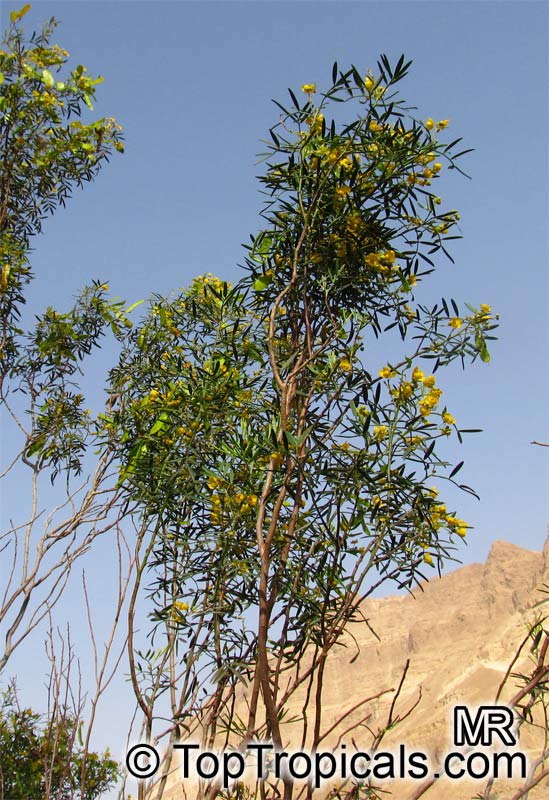
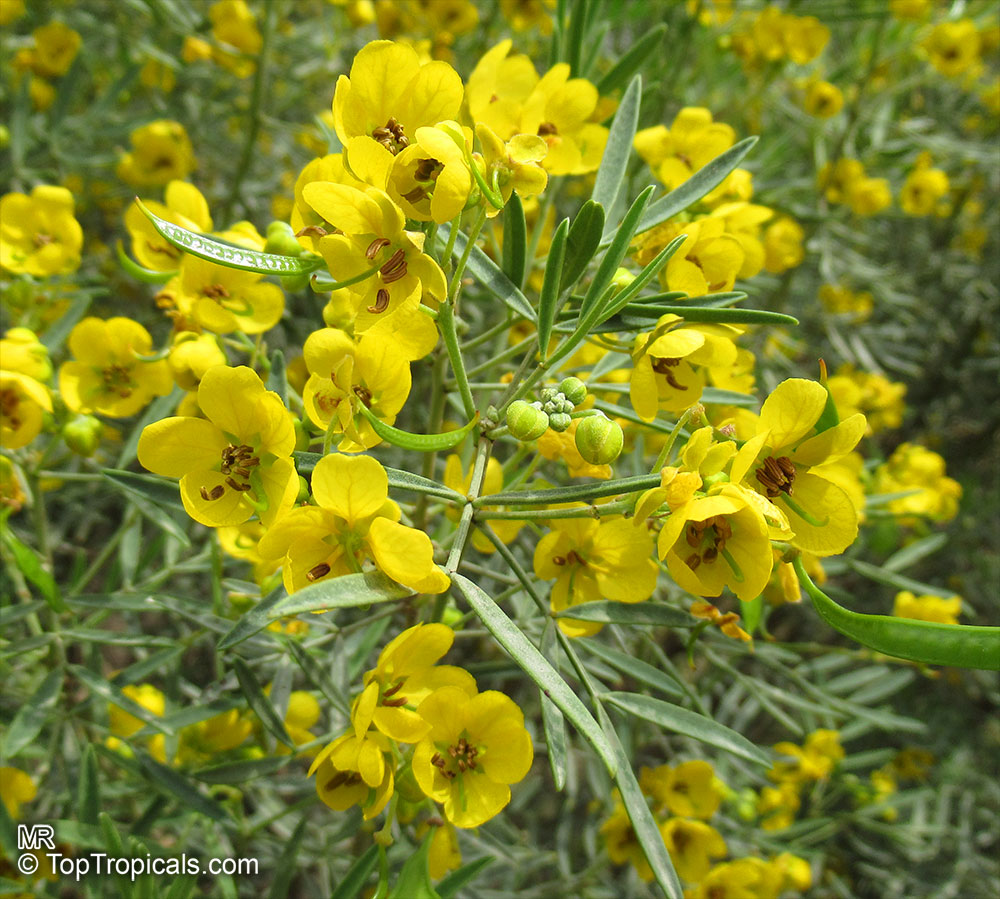
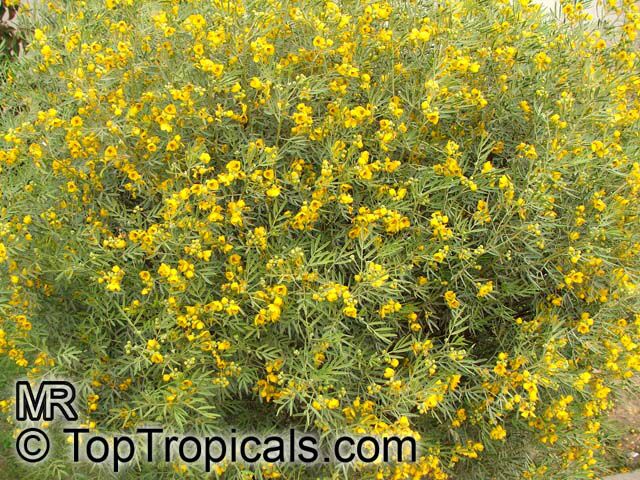
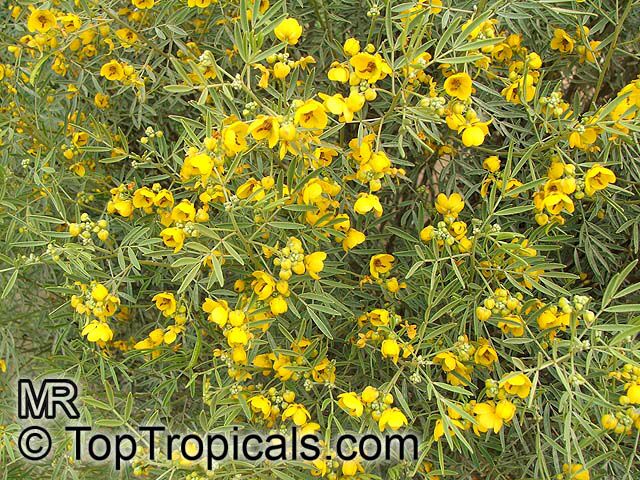
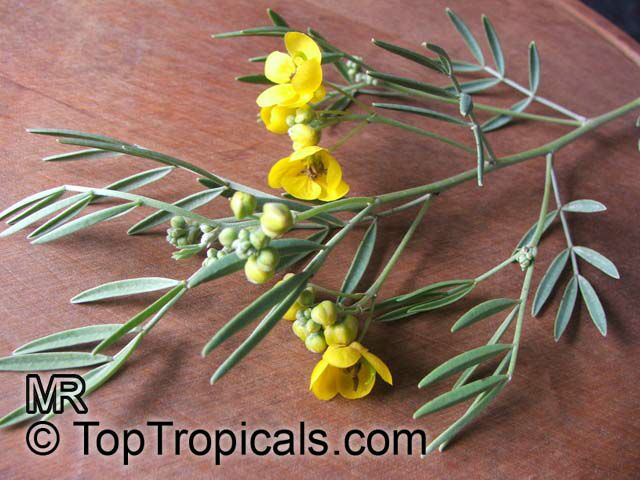
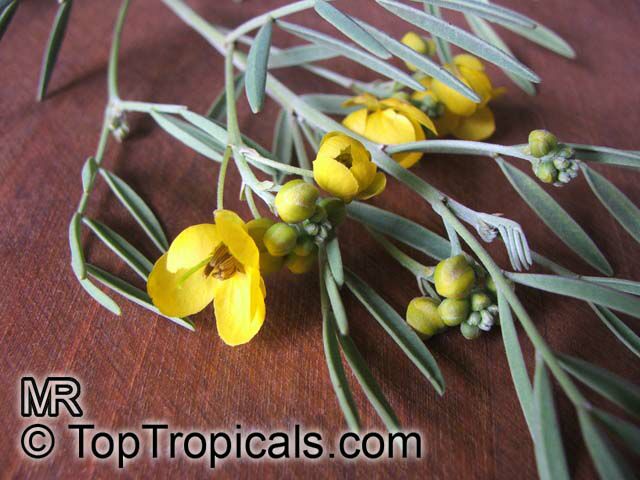
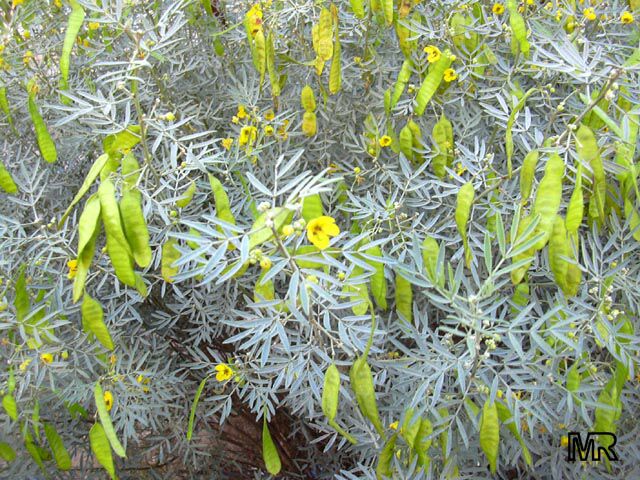
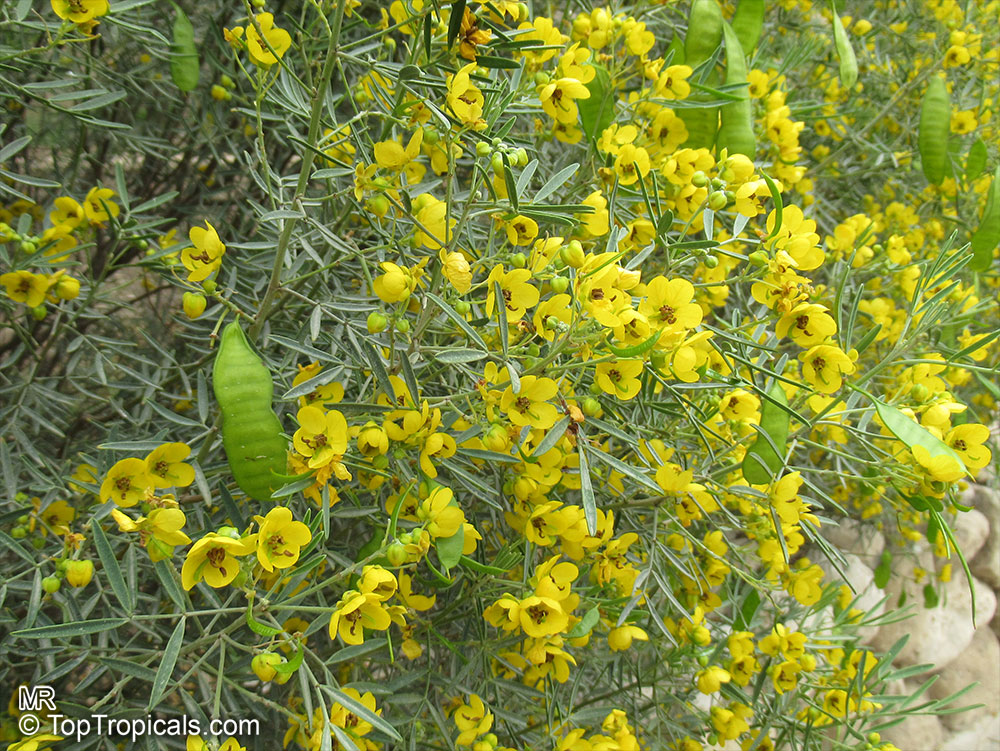
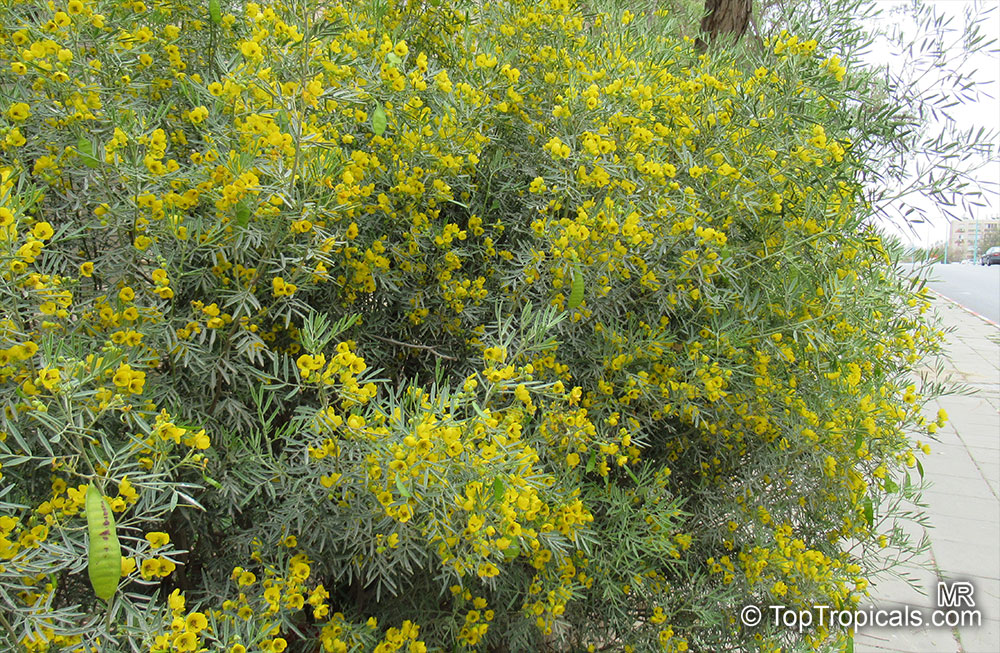
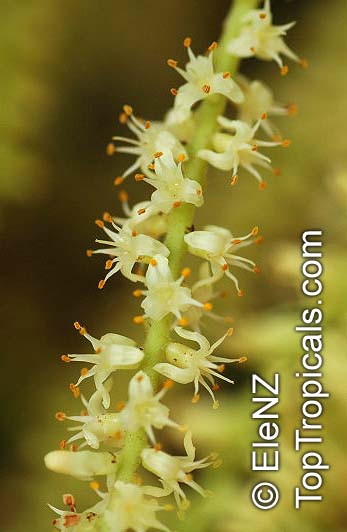
Botanical name: Senna artemisioides subsp. sturtii
Common name: Grey Cassia
Family: Fabaceae
Subfamily: Caesalpinioideae
Origin: Australia
USDA Zone: 9-11
Small shrub to 1.5m with grey foliage. Grows scattered on red sandy soils and stony ridges. Good garden shrub.


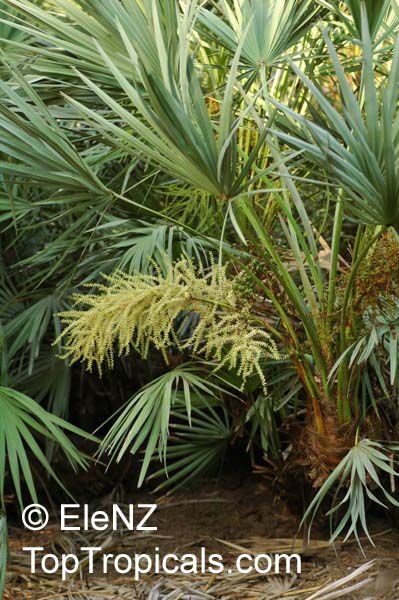
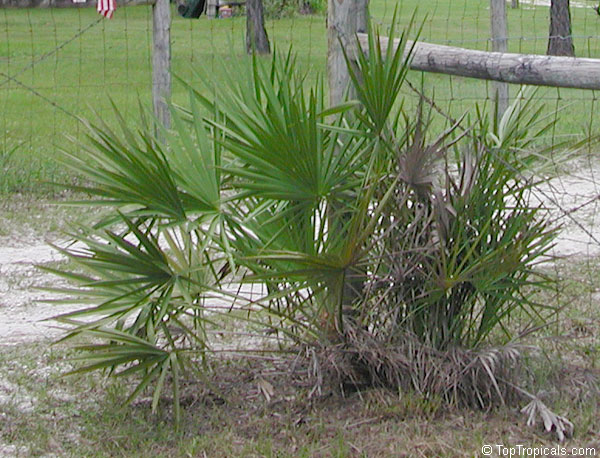
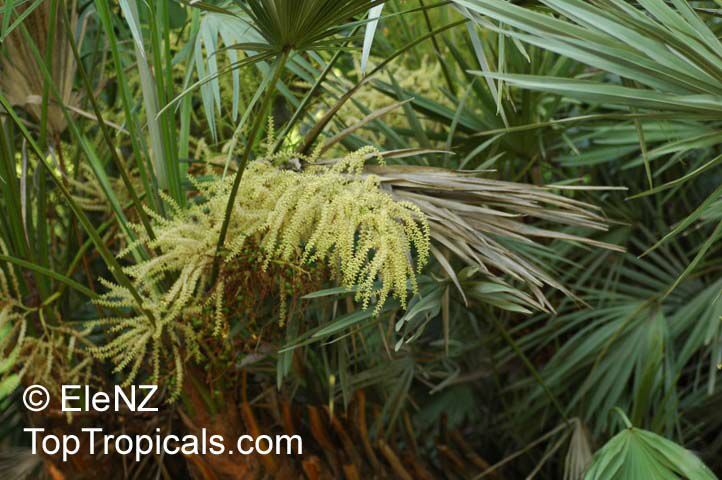
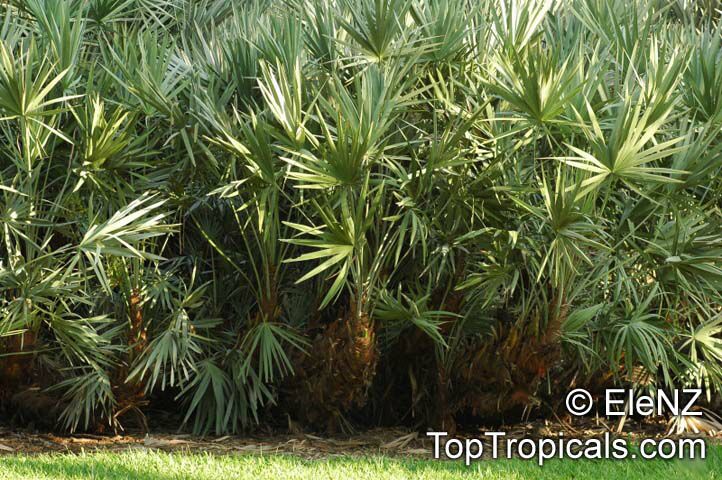
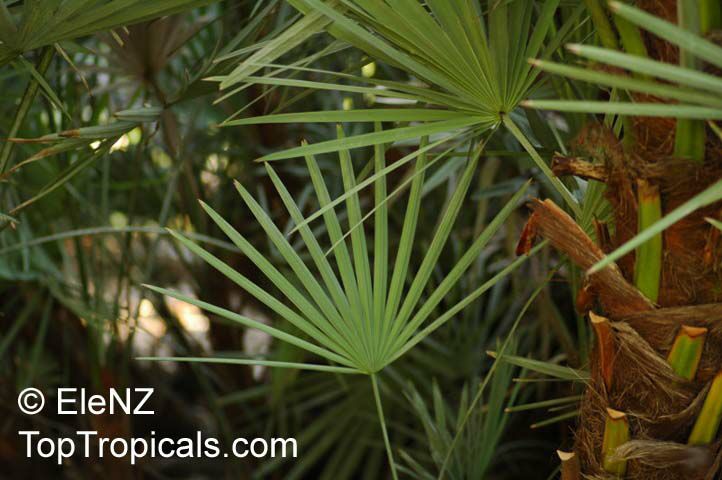
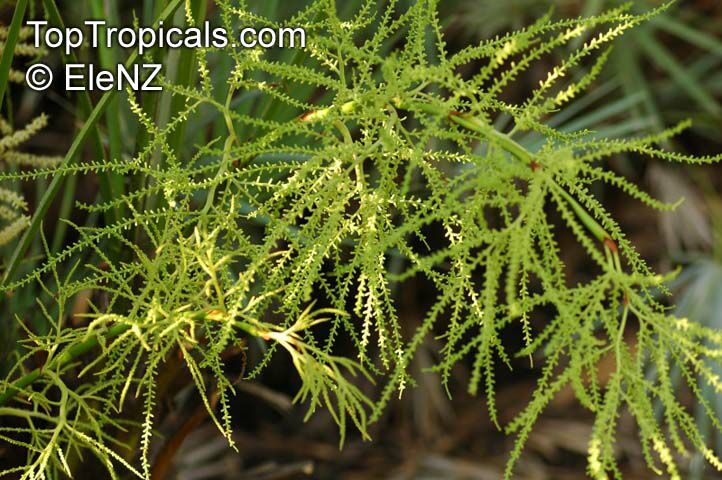
Botanical names: Serenoa repens, Sabal serrulata
Common name: Saw Palmetto
Family: Arecaceae / Palmae
Origin: South East USA
USDA Zone: 6-11

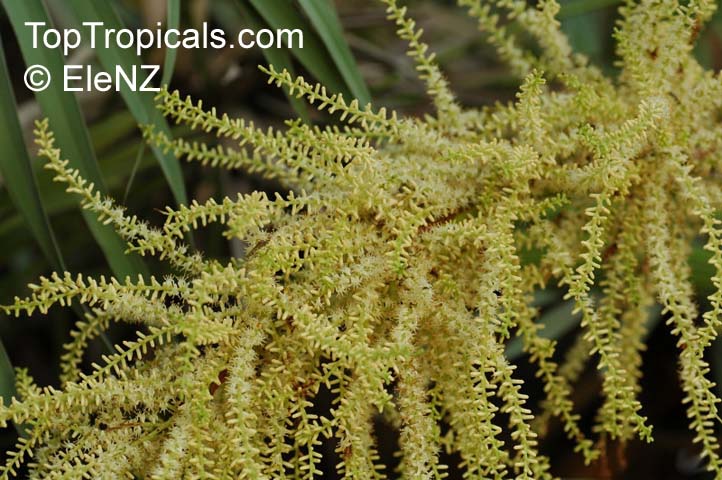
Saw palmetto is a small hardy fan palm whose stem usually remains below ground or runs just along the surface. An especially attractive form with silvery-blue leaves occurs along the Atlantic coast in Florida and is the form most often grown in gardens and landscapes. Prefers full sun, but can tolerate partial sun. Prefers moist, but well drained position. Very tolerant of coastal exposure.
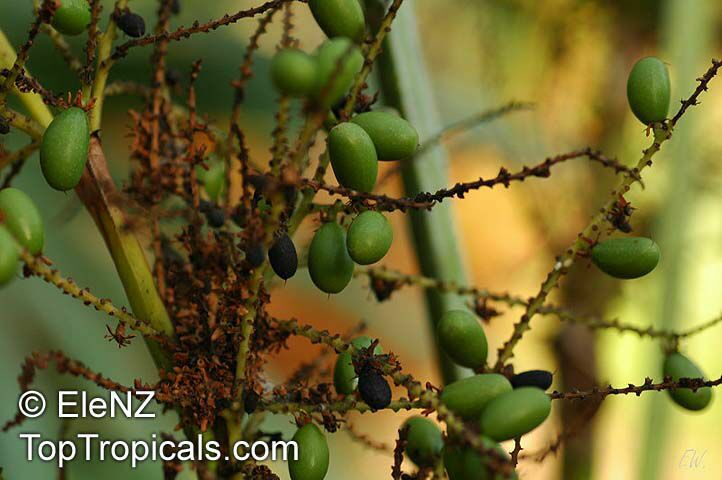
This palm is highly valued for its medicinal properties. Seeds of Saw Palmetto are widely used in traditional medicine to make an extract for curing prostate problems. Tons of Palmetto seeds are collected in Florida every year for medical industry.


Botanical names: Sesbania punicea, Sesbania tripetii, Daubentonia tripetii
Common names: Rattle Box Tree, Chinese Rattlebox, Rattlebush, Spanish Gold, Scarlet Wisteria, Red Sesbania
Family: Fabaceae
Subfamily: Faboideae
Origin: Argentina, Uruguay and southern Brazil
USDA Zone: 8-11


Small bushy tree up to 15 feet tall with spectacular clusters of red flowers. The plant has bright green, drooping leaflets in opposite pairs, and the plant displays very attractive pea-like flowers in hanging clusters appearing from spring to fall. Throughout the summer and fall, the plant produces hundreds of seedpods that may stay on the plant through the winter. The four-winged seedpods hang in clusters, and mature from green to brown. Each pod contains 3-9 seeds, which create a distinct rattling sound when shaken or moved by a breeze. The pods eventually break open, releasing thousands of seeds which grow into new Sesbania plants. The plant may become invasive when grown near water, seeds spread by water streams. The winged seedpods drop off of the plant into nearby water and then travel downstream to fertile ground. The seeds have a very high germination rate, so many new plants sprout annually. All parts of the plant, particularly the seeds, are poisonous to mammals, birds and reptiles. As a small tree it has a spreading open crown reaching 6 to 8 feet in height. It often forms dense thickets. In the United States, the tree was introduced as a garden ornamental. The plant matures in one year and blooms the first year, too.


Botanical names: Sesbania sesban, Sesbania aegyptiaca
Common name: Egyptian Pea
Family: Fabaceae
Subfamily: Faboideae
Origin: Africa
USDA Zone: 9-11
Egyptian Pea, Black Bud is a breathtaking tree that adds mystery and drama to any garden. Native to Africa, this enchanting small tree produces unbelievable blooms that start as pure black buds, then gradually reveal an exotic palette of black, red, and orange as they open. These multicolored flowers form in clusters of 2-20 on elegant racemes, creating a striking contrast with the tree's lush green foliage.
Growing to around 12-15 feet, Egyptian Pea is often multi-stemmed. Its delicate, pinnately compound leaves give it a fine-textured appearance.
This rare beauty is more than just ornamental - it's a conversation starter! If you're looking for something truly extraordinary, Sesbania aegyptiaca Bicolor brings an alluring charm that's hard to find.
Sesbania sesban, also known as the Egyptian pea, is an evergreen shrub native to Africa. It typically grows as a large shrub 50-10 ft tall, but can reach sizes of 15-20 ft in height. It is a fast-growing, small size tree with blooms that start completely black as buds and then turn into black-red-and-orange multicolor pendant flowers and long, slender pods. This plant grows in full sun. It attracts beneficial insects and animals such as butterflies, honeybees and hummingbirds.
This plant is tolerant of salt and can be planted near the seaside. It is also cold hardy, making it suitable for growing in USDA Zone 9-11. A mature plant can withstand temperatures as low as 30°F (for a short time). It is suitable for growing in pots in cold regions.
When growing Sesbania sesban, choose a location with full sun and well-drained soil. Water regularly and keep the soil evenly moist by mulching in the summer. Fertilize every two to three months during the growing season with a balanced fertilizer. Prune to increase air circulation, shape or remove dead shoots or flowers. Propagate from seed or cuttings. Protect from cold temperatures by covering during the winter months.


Botanical name: Sesuvium portulacastrum
Common name: Shoreline Purslane
Family: Aizoaceae
USDA Zone: 9-10


Sesuvium portulacastrum has smooth, fleshy, glossy green leaves that are linear or lanceolate, from 10-70 millimetres (0.39-2.76 in) long and 2-15 millimetres (0.079-0.591 in) wide. Flowers are pink or purple.


Botanical name: Sida fallax
Common name: Yellow 'ilima
Family: Malvaceae
Origin: Pacific Islands
USDA Zone: 9-10
It is a spreading small shrub that ranges in height from two to five feet tall, with sprawling stems. The dark green leaves are small with an aromatic scent, and alternately arranged on the stems.
In full sun, Sida fallax produces a profusion of beautiful, buttercup-like, yellow and orange flowers that bloom all year round and attract local bees, butterflies and many other pollinators. Flowers have five petals and are generally smaller than the diameter of a dime. The plant is well adapted to dry conditions and will thrive without supplemental irrigation, and can even tolerate occasional inundation in the wild. Further, it performs well in seaside conditions and is fairly salt tolerant.
Sida fallax is an ethnomedical plant that is used in a variety of ways by people. The leaves are used for natural medicinal purposes and for making aromatic garlands for ceremonial occasions. It can be found planted in many gardens in tropical and semi-tropical regions of the world. Its home range includes Hawaii, but is also found throughout the Pacific Islands.
In cooler climates, where temperatures dip below 30 degrees Fahrenheit, Sida fallax may be grown as an annual, or grown in a pot and brought indoors before frost. When grown in USDA Zones 9-11 or indoors, best growth is achieved with deep watering and a fertile soil with added organic nutrients such as compost or manure. In warm regions, where temperatures remain mild year round, Sida fallax should be planted in well-drained soil and watered only sparingly when in dry periods. This plant does well in full sun and will flower profusely in the warm months. If planted in beds, allow ten to twelve inches of unplanted space in all directions from the center of the plant. Mulching around the planted area can also conserve water and keep weeds to a minimum.

| Prev | Next | |
Use link to repeat this search:
https://toptropicals.com/cgi-bin/garden_catalog/cat.cgi?search_op=and&keyword_op=and&language=e&number=10&no_change_lang=1
&v1=sea&user=tt&sale=1&first=0